A good autumn piece has a bit of weight to it before you even try it on. You pick up a knit or a coat on the rail and your hand can tell, somehow, whether it is going to sit properly or whether it will feel thin the second the wind picks up. That slight density, the way a jumper holds its shape when you fold your arms over it, is usually the first sign the whole outfit is going to work rather than just look right on a hanger.
The colours that carry you through this season without a fuss are the ones you are not thinking about every time you get dressed. Deep browns, bottle green, a soft rust, navy instead of black, camel instead of white. They go under a coat and over a roll neck without any negotiation, and they forgive the fact that fewer of us wash wool as often as we should. Bright colours have their place, but they ask more of you, they want the rest of the outfit to be quiet so they can do their one loud thing, and on a grey Tuesday that is often more effort than anyone has going spare. Checks and plaids sit in the same easy category, as long as there is one dominant colour you can match to something else you already own, rather than three fighting for attention.
I will say plainly where this kind of dressing falls short. Anything too lightweight, a thin cotton shirt dress, a flimsy cardigan, just will not do the job once the temperature actually drops, no matter how good it looked in the changing room under shop lighting in August. And a lot of autumn layering only works if you have somewhere to take a layer off, so if you are moving between a cold car, a warm office and back out again all day, three heavy layers will leave you overheating by eleven and regretting the whole plan.
Fit is where most autumn buys go wrong, and it is almost always about room for what goes underneath. A coat that fits perfectly over a t shirt in the shop will feel tight and wrong the first time you put a jumper on beneath it, so try it on over something with a bit of bulk if you can, or size up rather than down if you are unsure. Jumpers should sit easily over the top of a collar without pulling across the shoulders when you reach forward, and trousers meant to be worn with boots need enough length that they do not ride up and show a gap of ankle on a cold walk. Sleeves matter too, not just the length but whether they stay down when your arms are raised, because nothing undoes a good outfit faster than cold wrists all day.
Whatever you pick up next, check the weight in your hands first, then the sleeve.
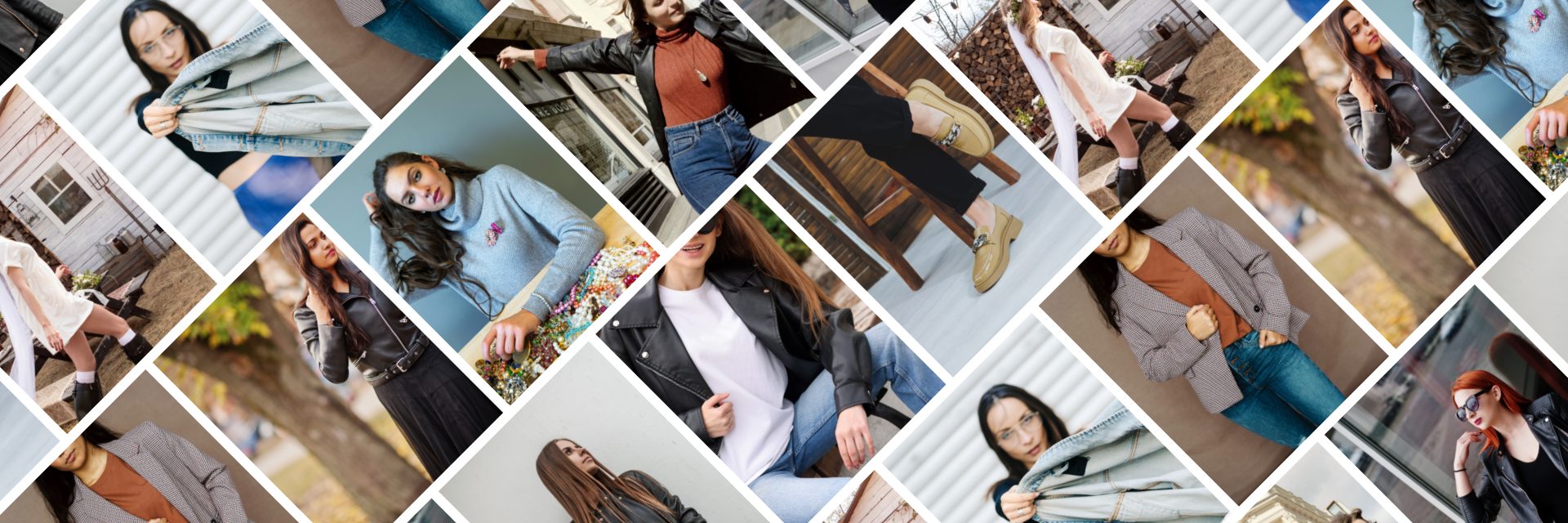
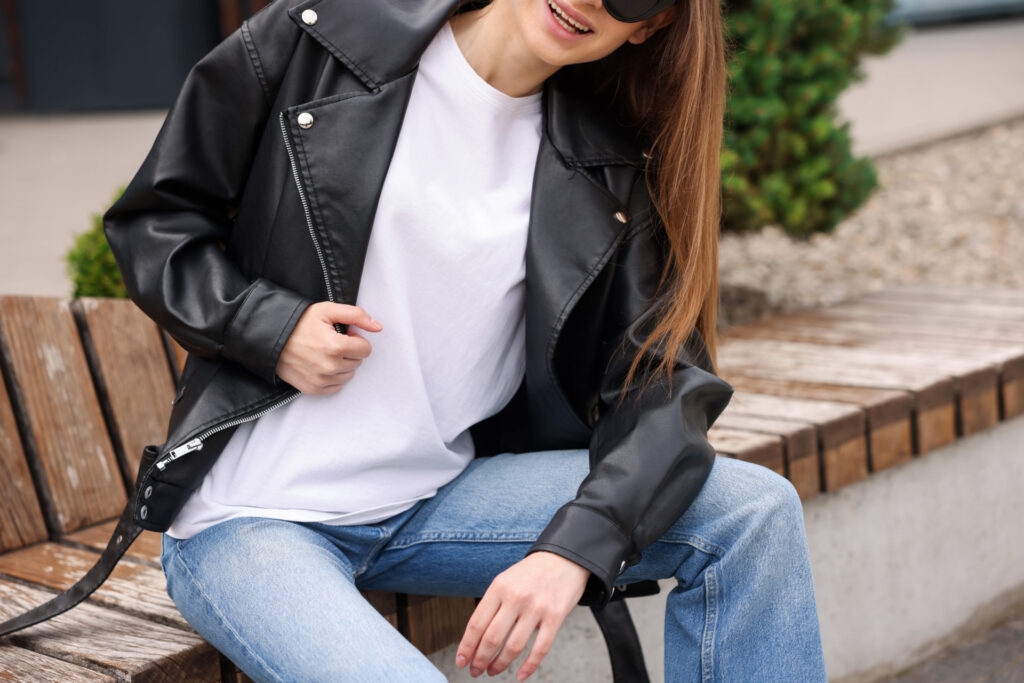 Maggie's pickFaux Leather Jackets Get A Bad Reputation Im Not Sure They Deserve
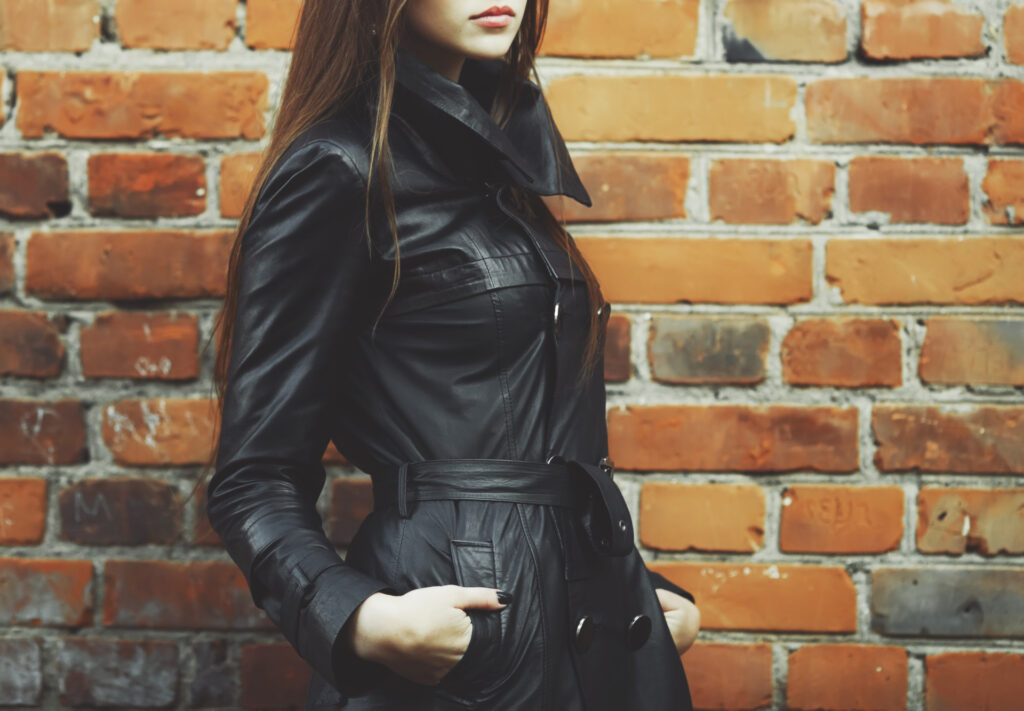
 Aisha's pickBrown Or Black Leather Jacket Turned Into A Longer Decision Than It Had Any Right To Be

 Esme's pickA Trench Coat Felt Like A Big Commitment Until I Started Wearing Mine Every Week
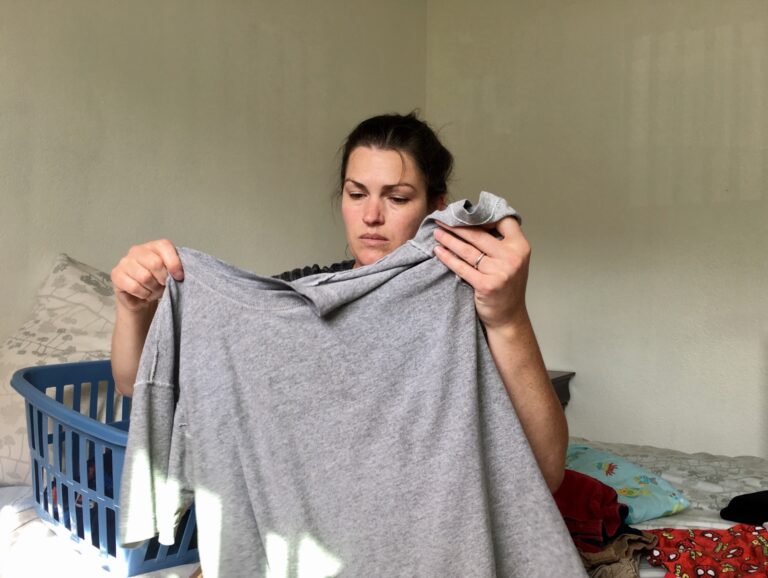 Dani's pickMy Cashmere Sweater Bobbled Within A Season And I Wasnt Sure If That Was Normal

 Megan's pickA Reddit Thread Convinced Me Denim Jackets Stretch, So I Tested It Myself

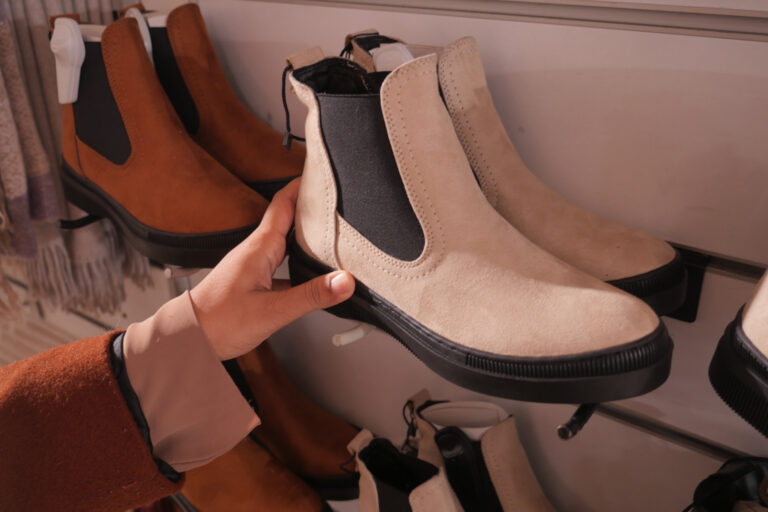 Aisha's pickMy Chelsea Boots Fit Perfectly In The Shop And Then Betrayed Me By Week Two

 Nadia's pickMy Leather Jacket Got Caught In The Rain Once And I Panicked About Shrinking
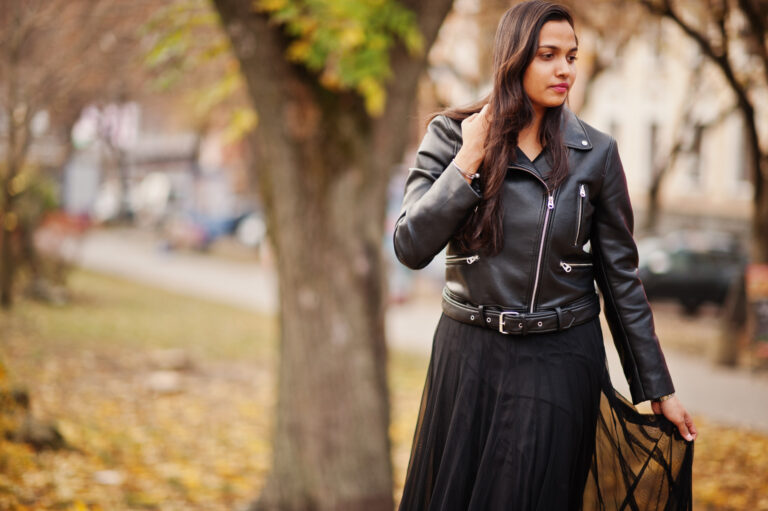 Ellie's pickEveryone Says Leather Jackets Loosen Up With Wear, Mine Is Taking Its Time

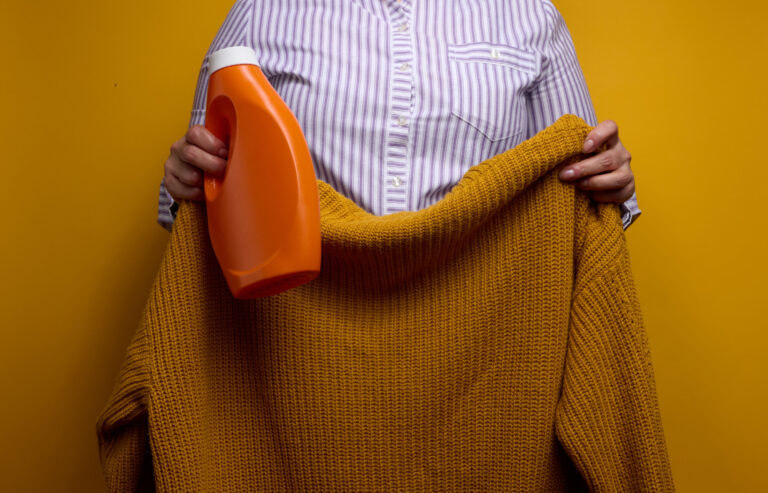 Chloe's pickI Washed An Acrylic Sweater On Purpose Just To See What Would Happen
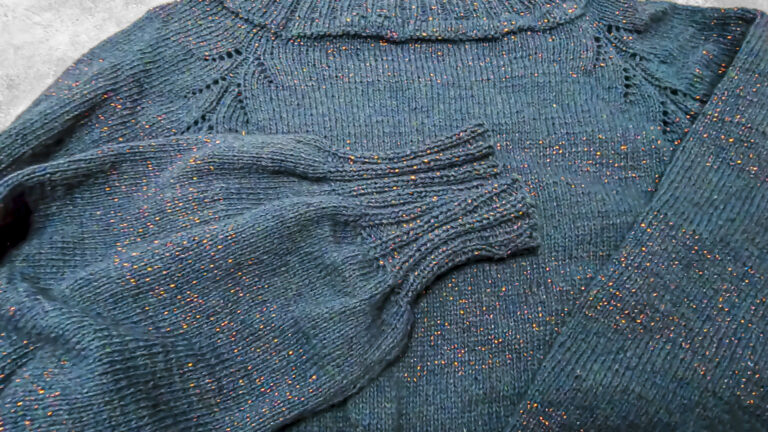
 Chloe's pickBobbling Happens To Basically Every Sweater I Own And I Wanted To Know Why

 Freya's pickI Wore The Same Leather Jacket For A Month To See If It Would Stretch
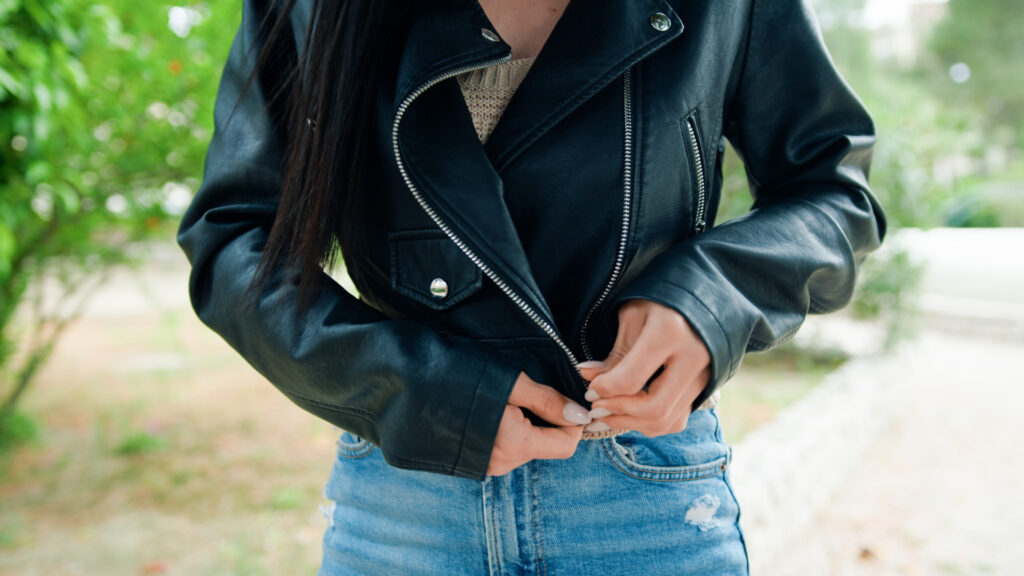
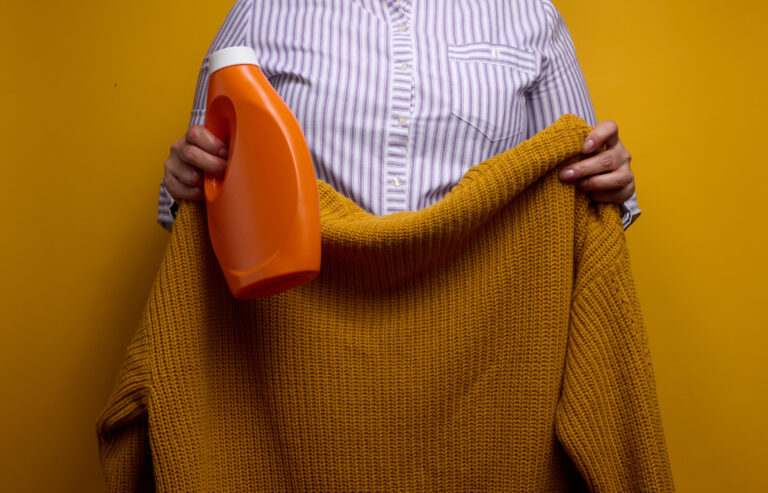 Gemma's pickMy Sweater Came Out Of The Wash A Different Size And I Wanted An Explanation
 Lauren's pickA Blazer Alone Might Not Be Doing The Smart Casual Job People Think It Does
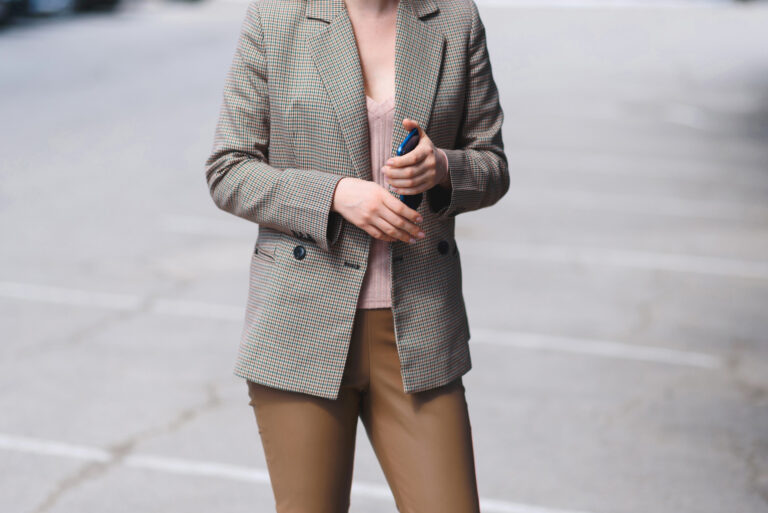
 Leanne's pickCotton Sweaters Have A Reputation For Shrinking That I Wanted To Test Properly

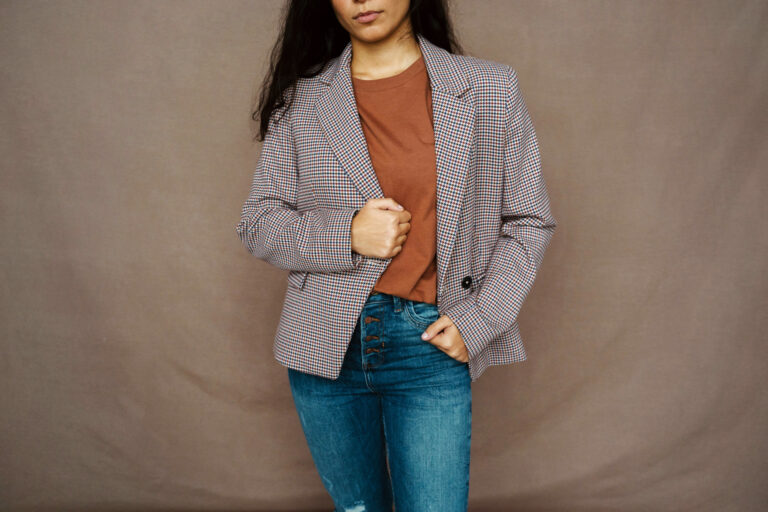 Hannah's pickThe Blazer Requirement For Business Casual Might Be Outdated Advice
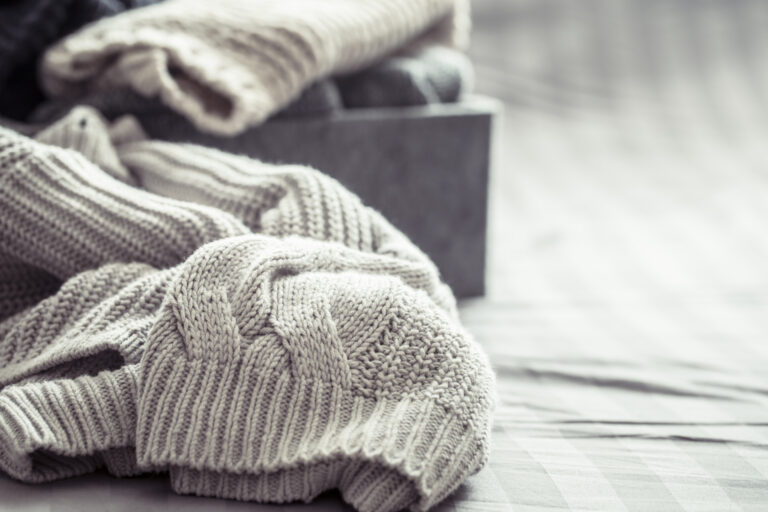 Maggie's pickI Ruined A Wool Sweater In The Wash And Finally Understood Why

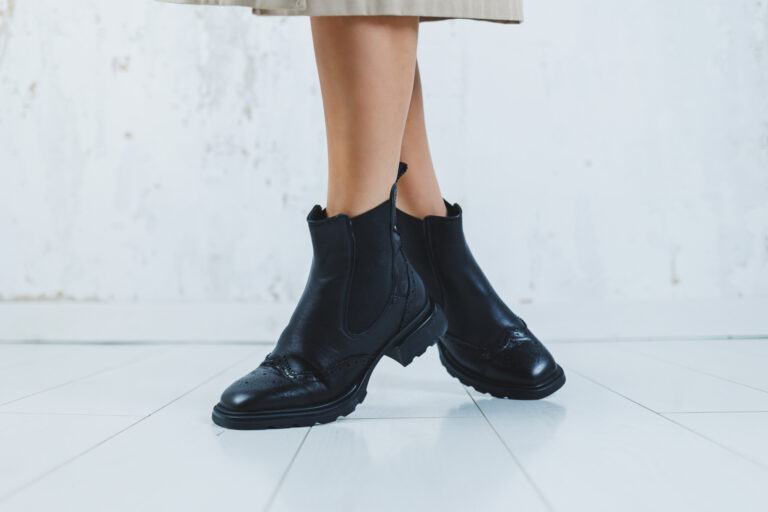 Nadia's pickMy Chelsea Boots Felt Tight For Weeks Before I Trusted Theyd Stretch
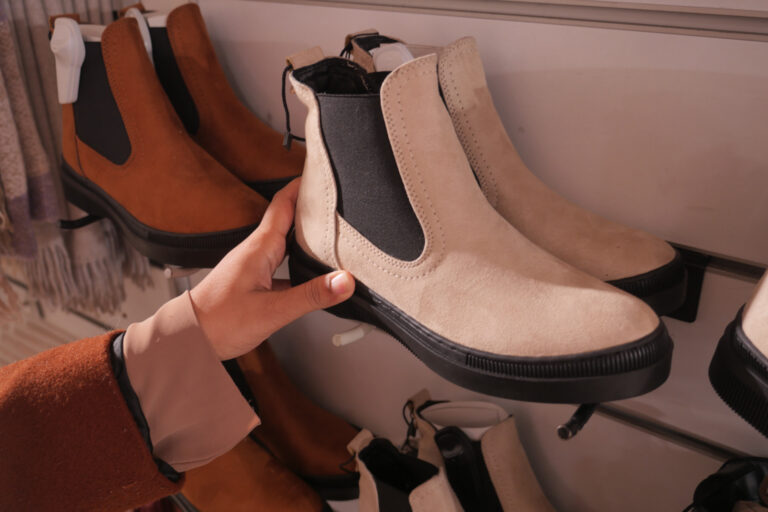
 Megan's pickWhether A Cardigan Counts As Smart Casual Depends Entirely On The Cardigan

 Leanne's pickThe Blazer To A Wedding Rule Might Just Be An Assumption Nobody Checked
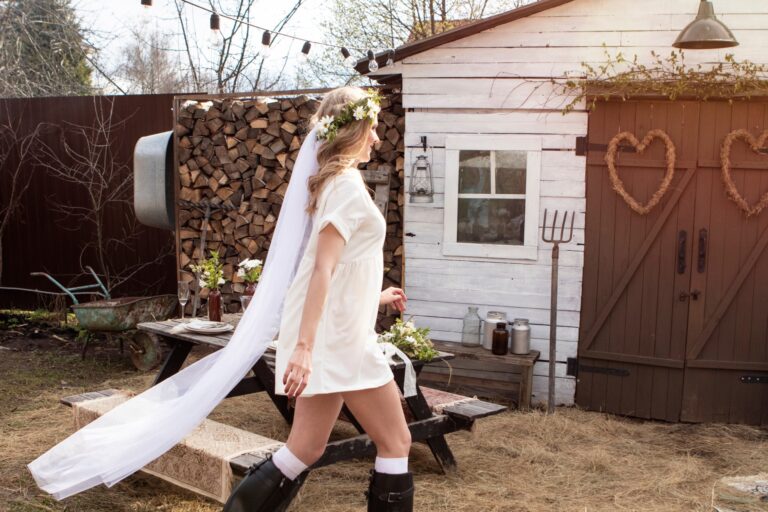 Kirsty's pickPantyhose Under Over The Knee Boots Turned Into A Full Debate Getting Ready For A Wedding
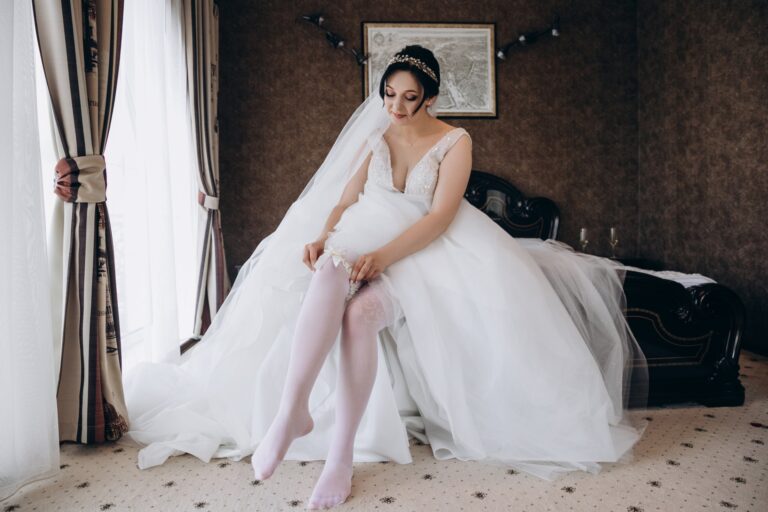
 Imogen's pickChelsea Boots And Skinny Jeans Together Made Someone Raise An Eyebrow At Me

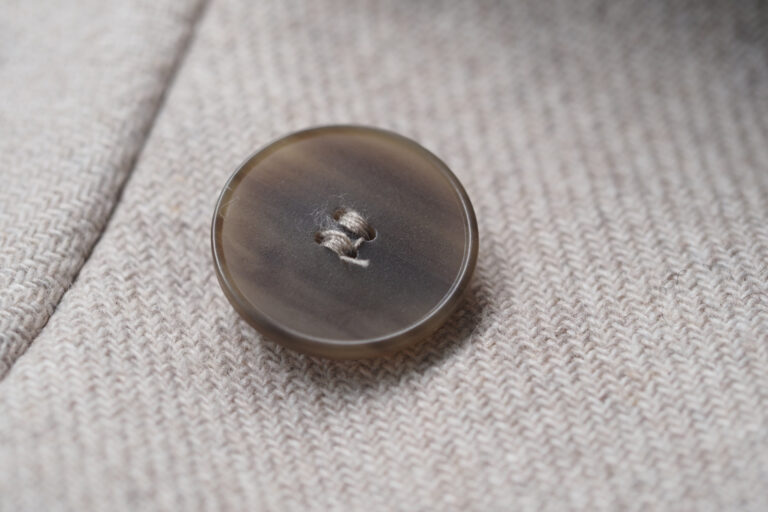 Gemma's pickThe Bottom Button Rule Followed My Cardigan Home From My Blazer, Apparently
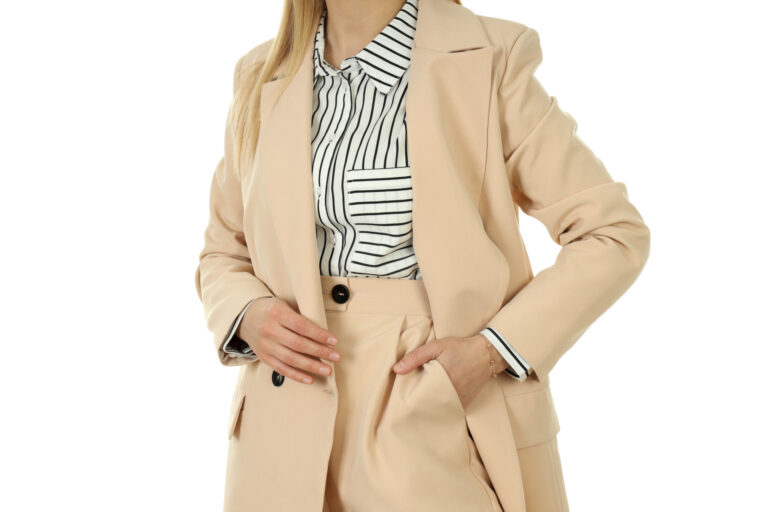 Tamsin's pickBlazers Have The Same Hidden Stitch As Trench Coats And I Never Noticed Either
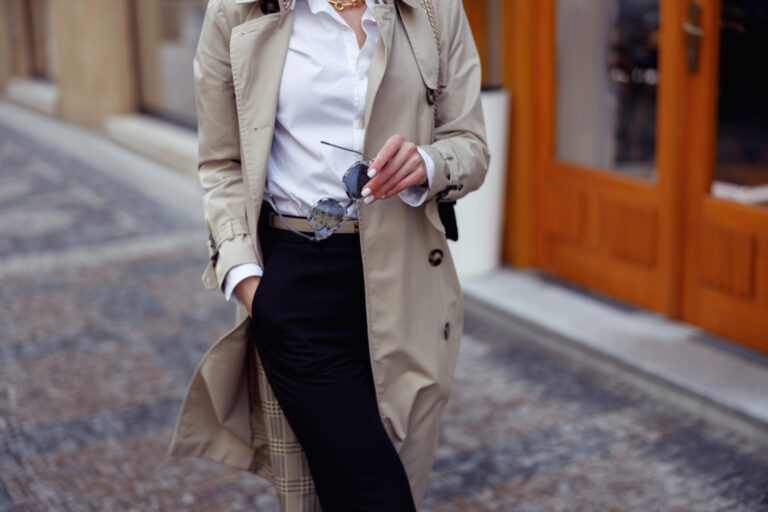
 Rosie's pickA Blazer That Doesnt Cover Your Bum Is Apparently A Whole Category Of Wrong
 Siobhan's pickThe Trench Coats Military Origin Story Surprised Me More Than Expected

 Gemma's pickThe Cardigan Is Named After A Real Person And I Needed To Know Why

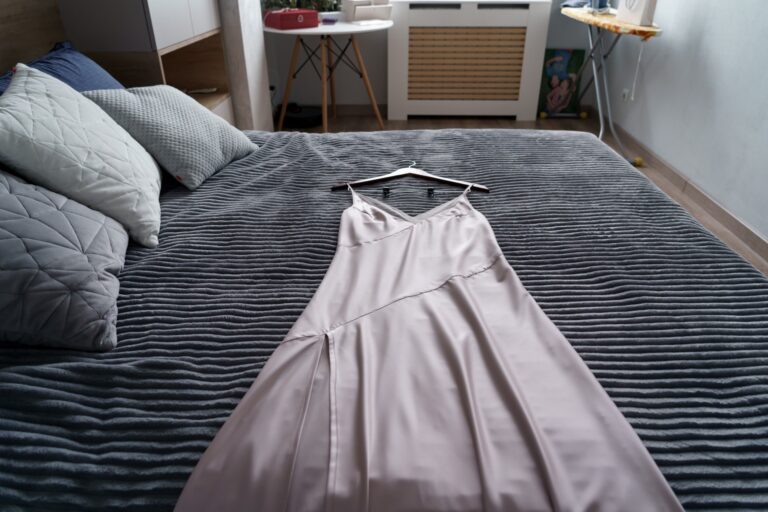 Leanne's pickSlips Under Dresses Feel Like A Dying Habit, I Wanted To Check If Thats True

 Gemma's pickTheres A Stitch On The Back Of Your Trench Coat Youre Supposed To Cut, Nobody Warns You
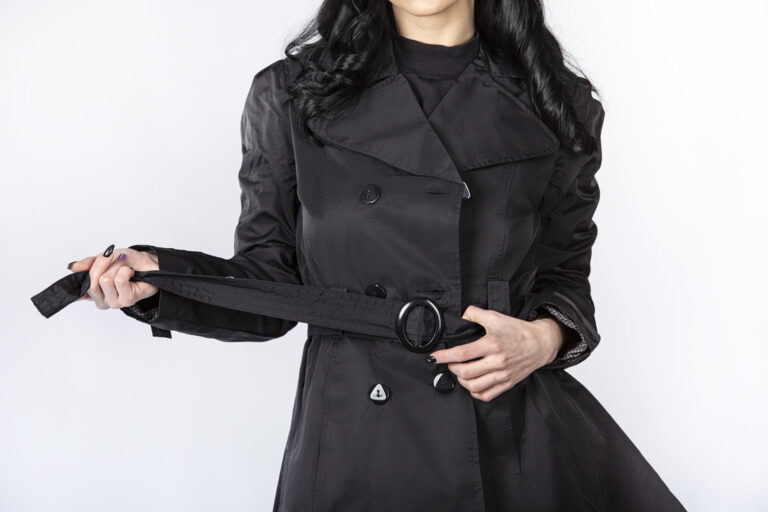
 Hannah's pickThe 90s Denim Jacket Reputation Followed Me Into A Charity Shop Rail
 Siobhan's pickDenim Jackets Were A Whole 80s Uniform I Somehow Missed
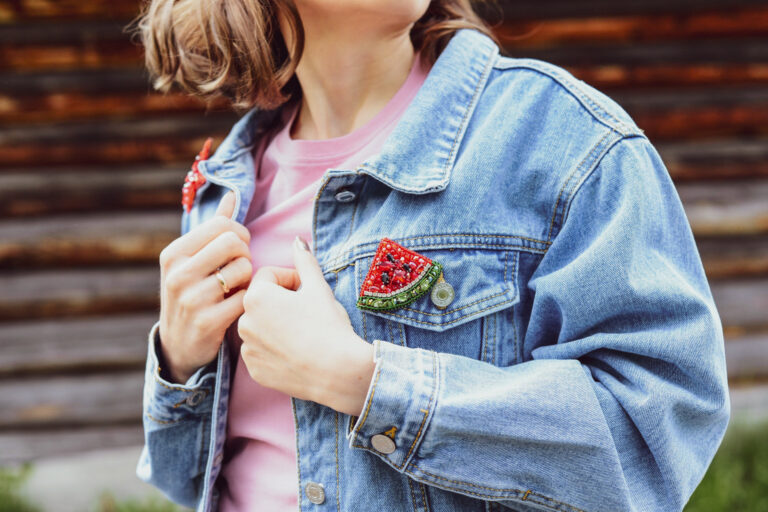
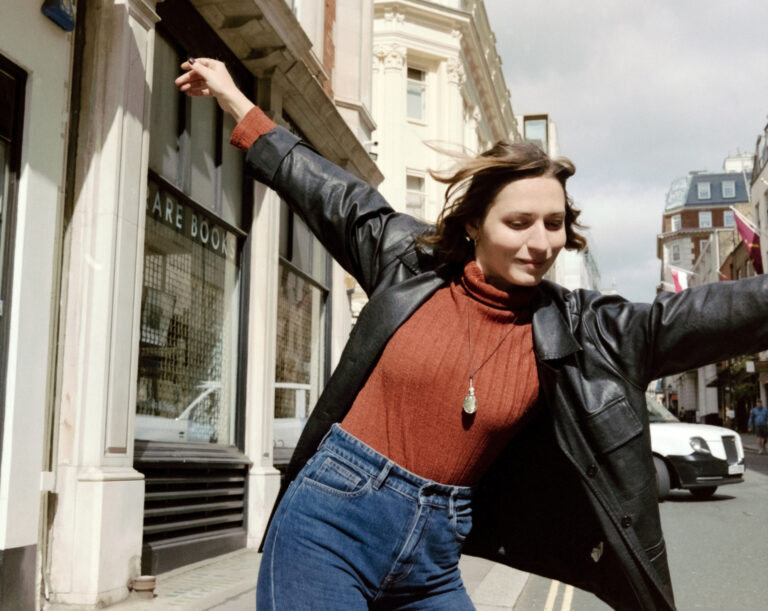 Chloe's pickLeather Jackets Had Their Moment In The 90s And Apparently Never Really Left
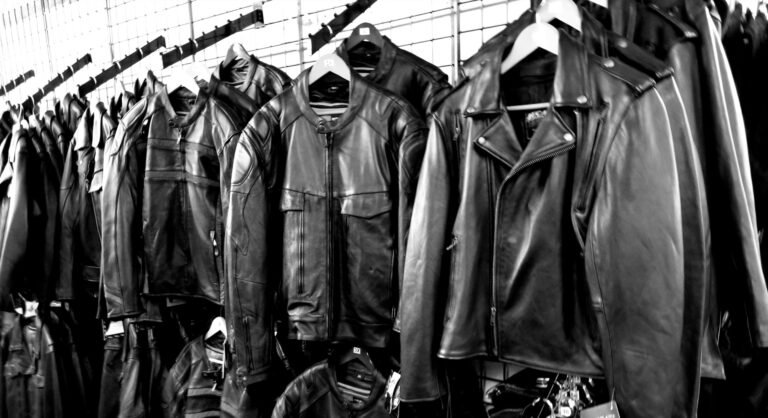
 Zara's pickButtoning Both Buttons On A Blazer Is The One Rule Everyone Quietly Ignores
 Dani's pickThe Knee High Boots Thing Women Do Every Fall Without Fail

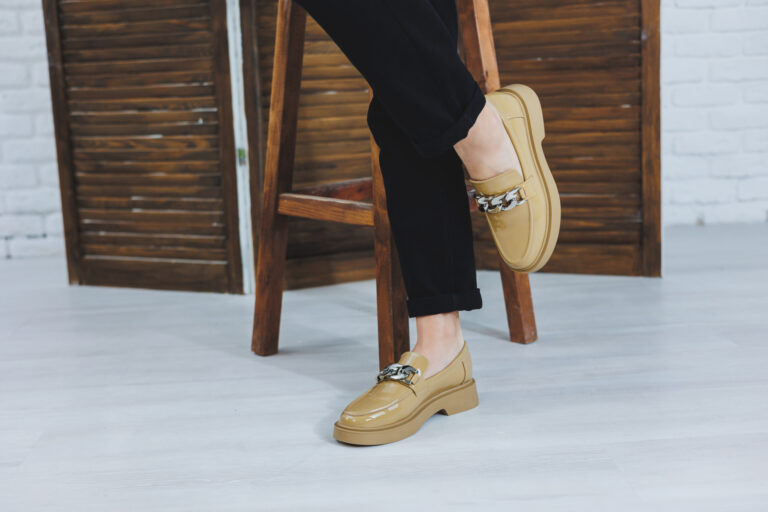 Maggie's pickBrown Loafers Get Called A Universal Match, I Wanted To Test That Properly

 Chloe's pickTrading Floor Vests Are Apparently Their Own Whole Uniform