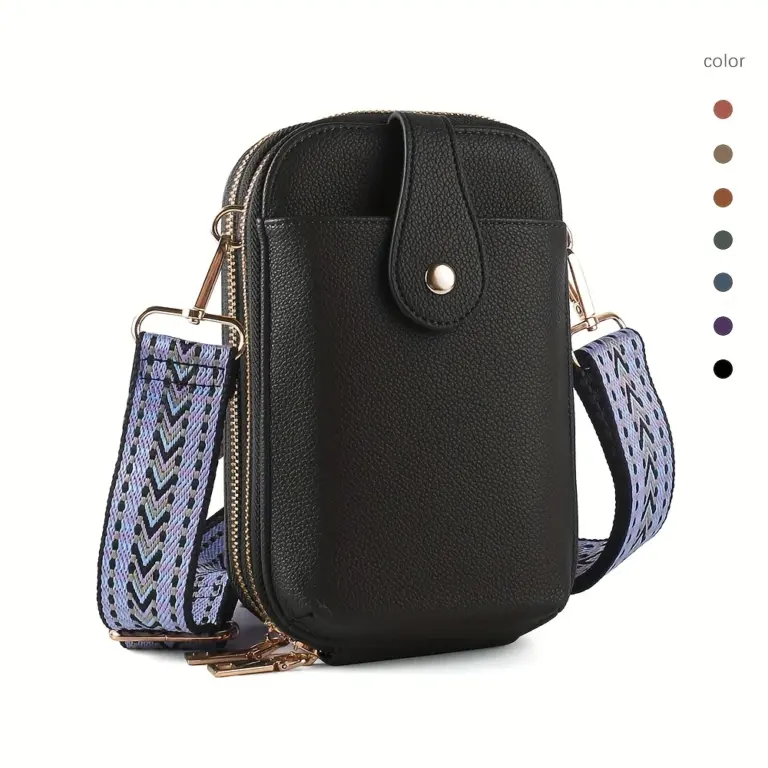
The question I get asked most about bags is whether it is worth paying more for one, or whether a cheaper version will do the same job. My honest answer is that it depends entirely on how often you will carry it and what you will put in it. A bag you use daily deserves more care in the buying than one that will spend most of its life hanging on a hook.
A good bag pairs with nearly everything you already own, which sounds obvious until you are standing in a shop holding something bright and patterned that will only ever go with three things in your actual life. I tend to think about what I wear on an ordinary Tuesday, jeans, a coat, flat shoes, and ask whether the bag fits into that rather than into some imagined glamorous version of my week. A plain leather bag in black, tan or navy will sit happily against most outfits. A woven bag reads as warmer weather and casual clothes. A structured work bag wants a slightly tidier outfit around it, or it starts to look like it is wearing you rather than the other way round.
Before I buy, I check the hardware first, because that is where cheap bags give themselves away. I run a thumbnail along the zip to see if it catches, and I look at the stitching round the handles, since that is the first place a bag ever fails. I also check the lining, because a flimsy lining tears within months and then everything inside ends up loose in the bottom of the bag. Pockets matter too, not how many there are, but whether they are actually usable once the bag has a phone, a purse and keys in it.
Getting the size right is less about measurements on a label and more about how a bag behaves on your body. I always put it on my shoulder in the shop, walk a few steps, and see where it sits, because a bag that looks lovely still on a shelf can swing awkwardly once you move. Shoulder bags should sit at the hip without the strap digging in, and mini bags need an honest look at what you actually carry, since a bag that only fits a lipstick and a card is a lovely idea that often gets abandoned at home. Watch for straps that are too short to layer over a coat, and handles that are too narrow to hold comfortably when the bag has any real weight in it.
The ones that age well are usually the plainer ones. Good leather softens and takes on a colour of its own over the years, scuffs becoming part of the look rather than a flaw. Woven bags fade a little and relax in shape, which mostly suits them. The ones that age badly are the cheaper imitation leathers, which crack and peel long before the rest of the bag is worn out, so that is the one place I would always spend a bit more if I could.
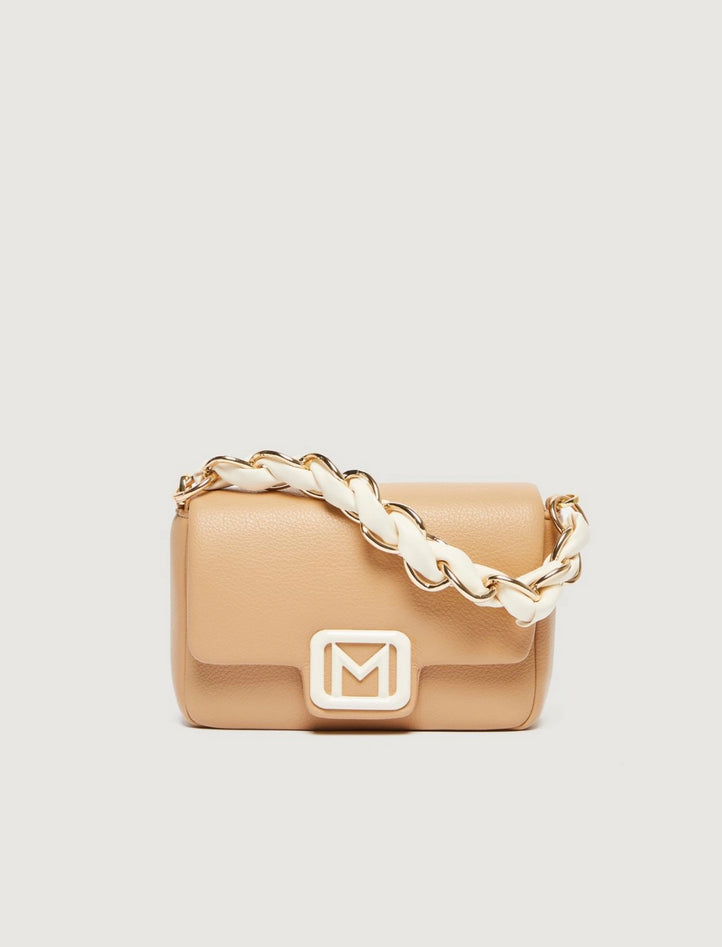 Fiona's pickThe Camel Shoulder Bags Worth a Closer Look
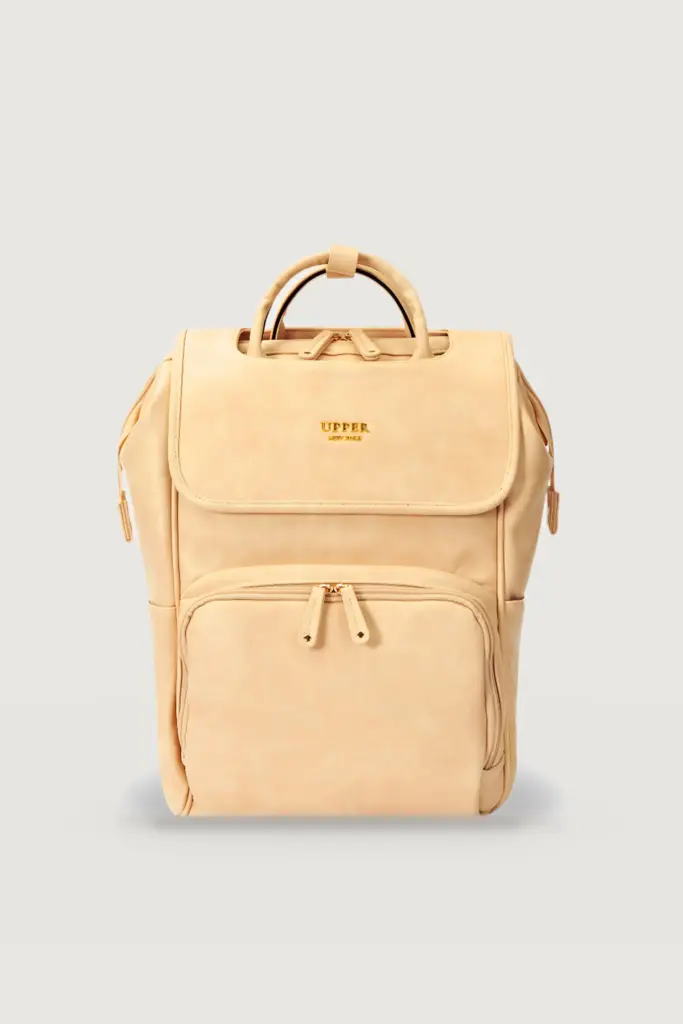
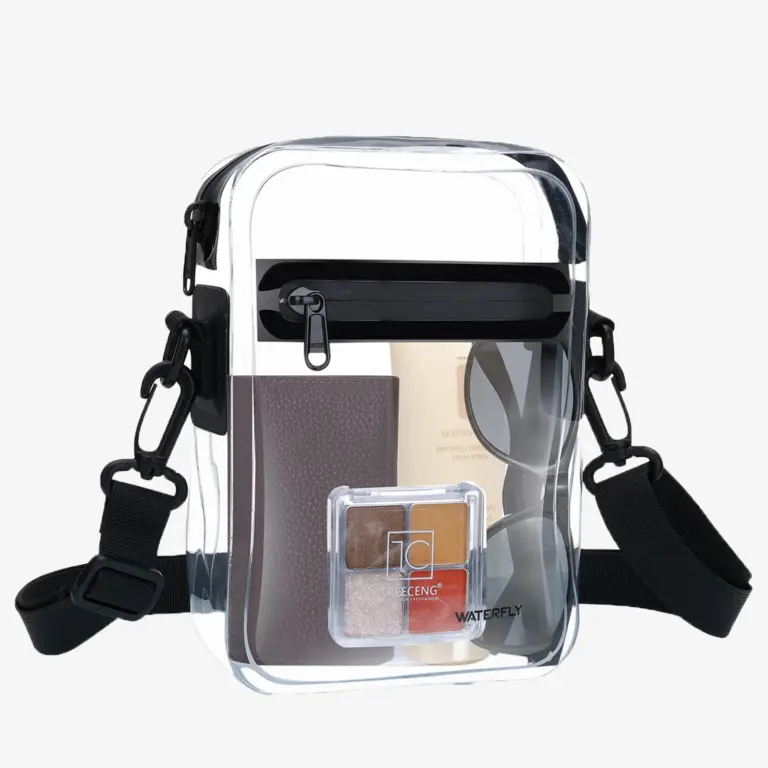 Zip BagsThe Only Zip Travel Bags You Need to See
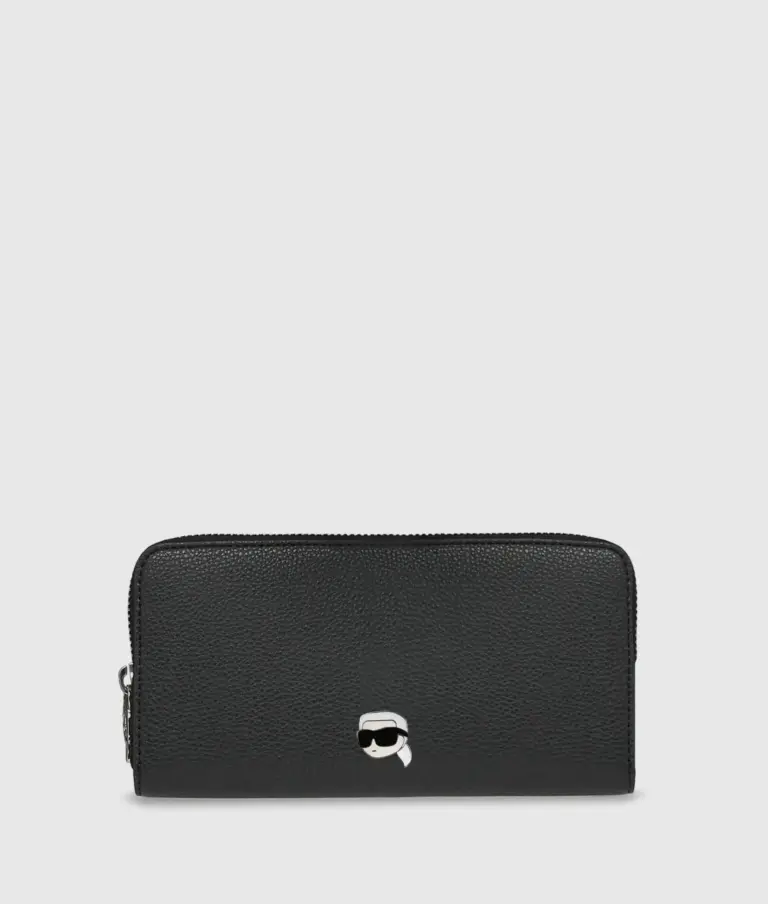 WalletsZip Wallets: What We’d Buy Now
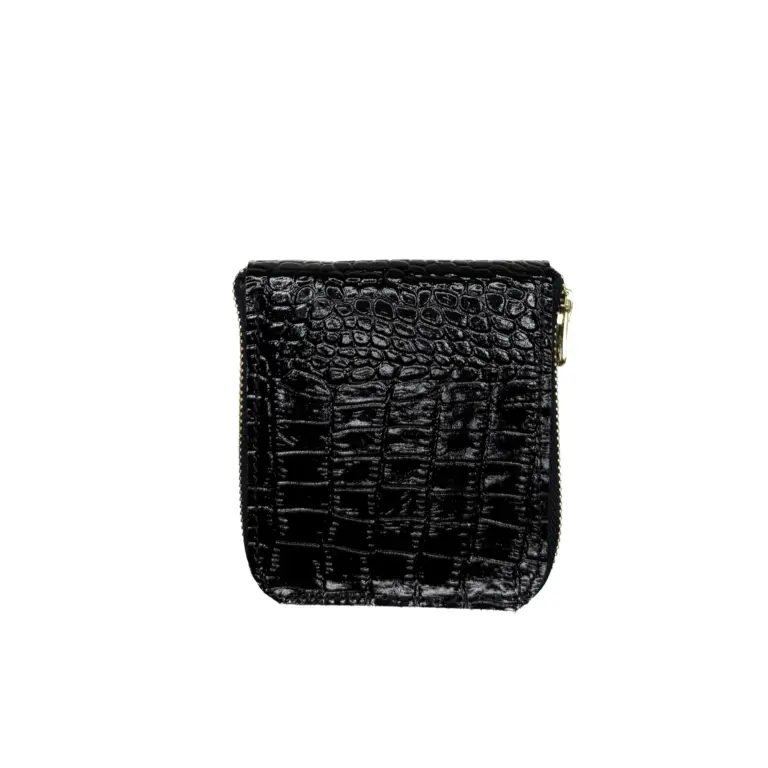
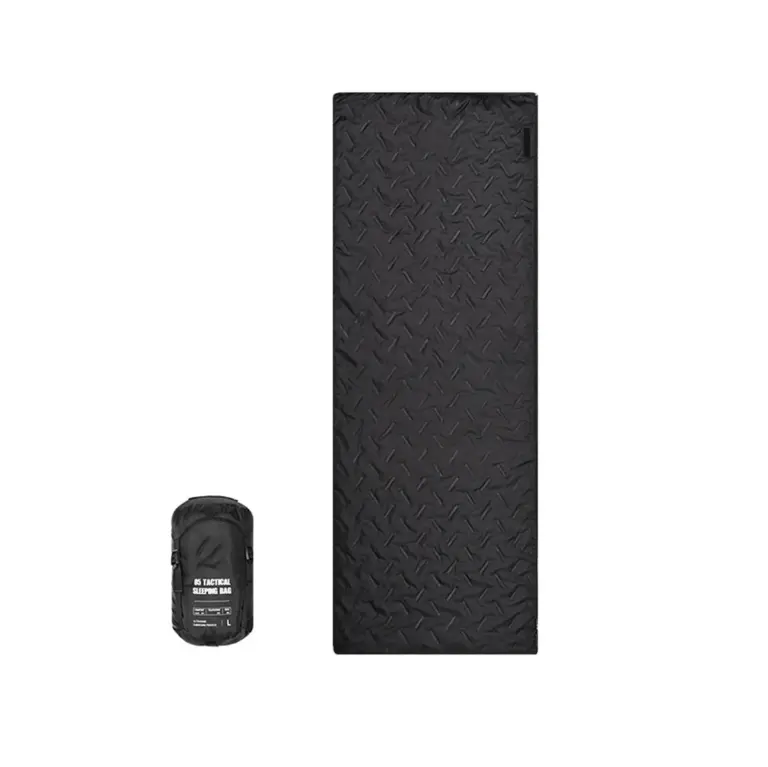 Weekend BagsZip Weekend Bags That Go With Everything
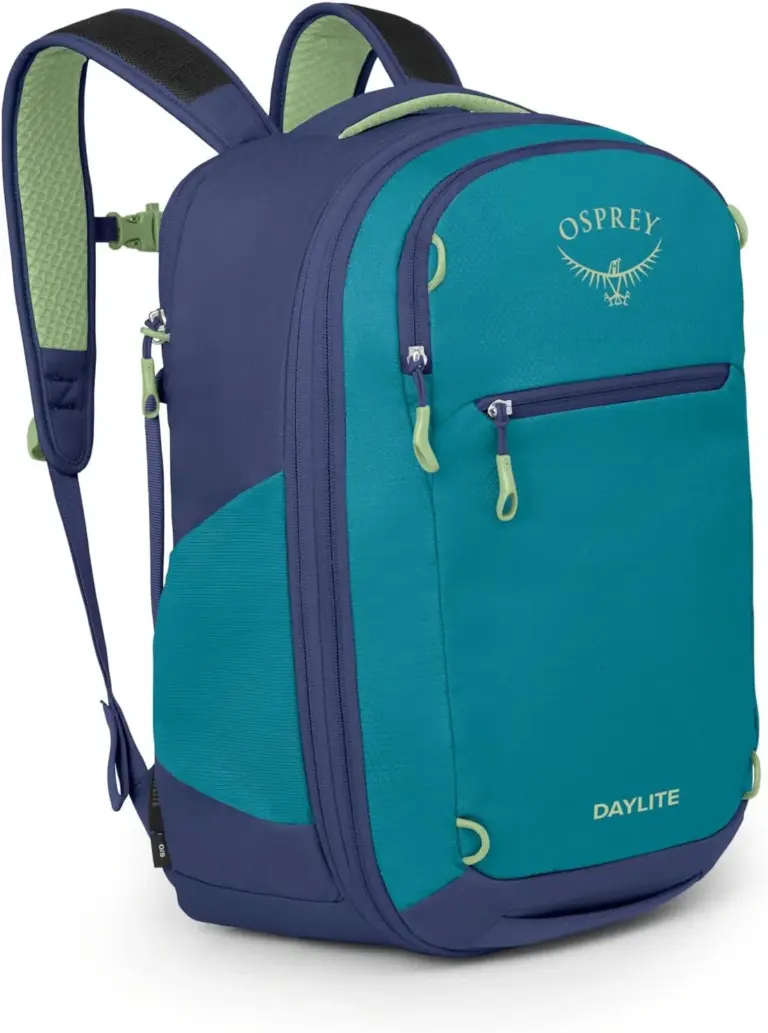
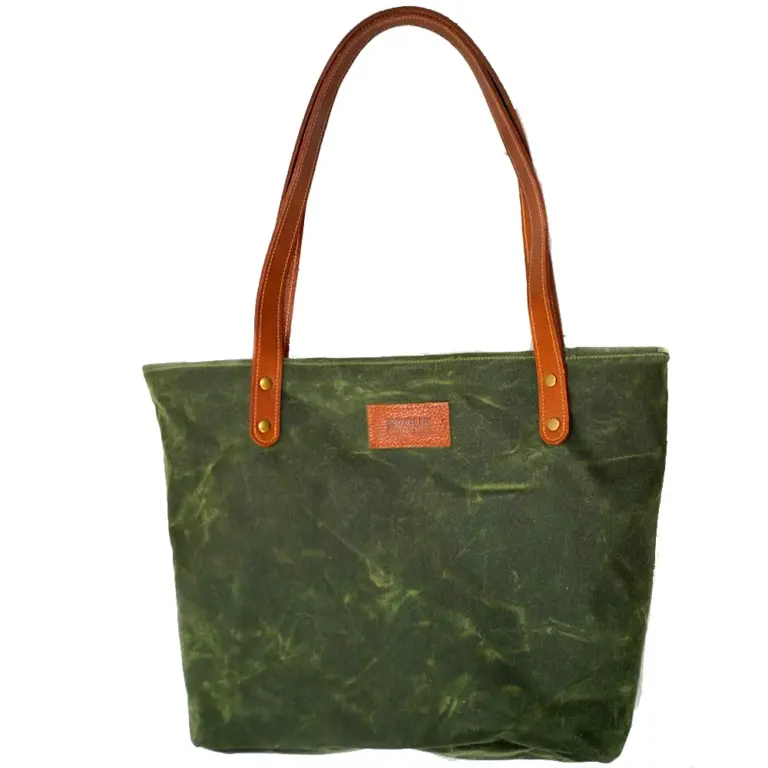 Zip BagsZip Work Bags That Finish an Outfit
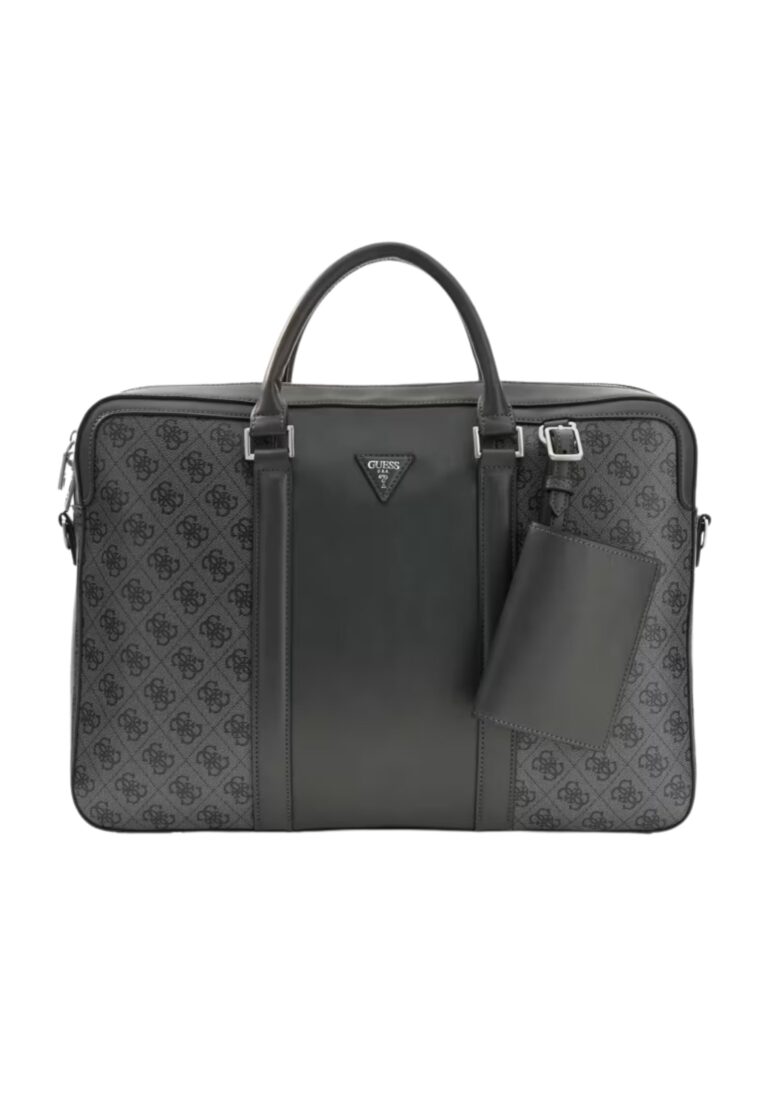
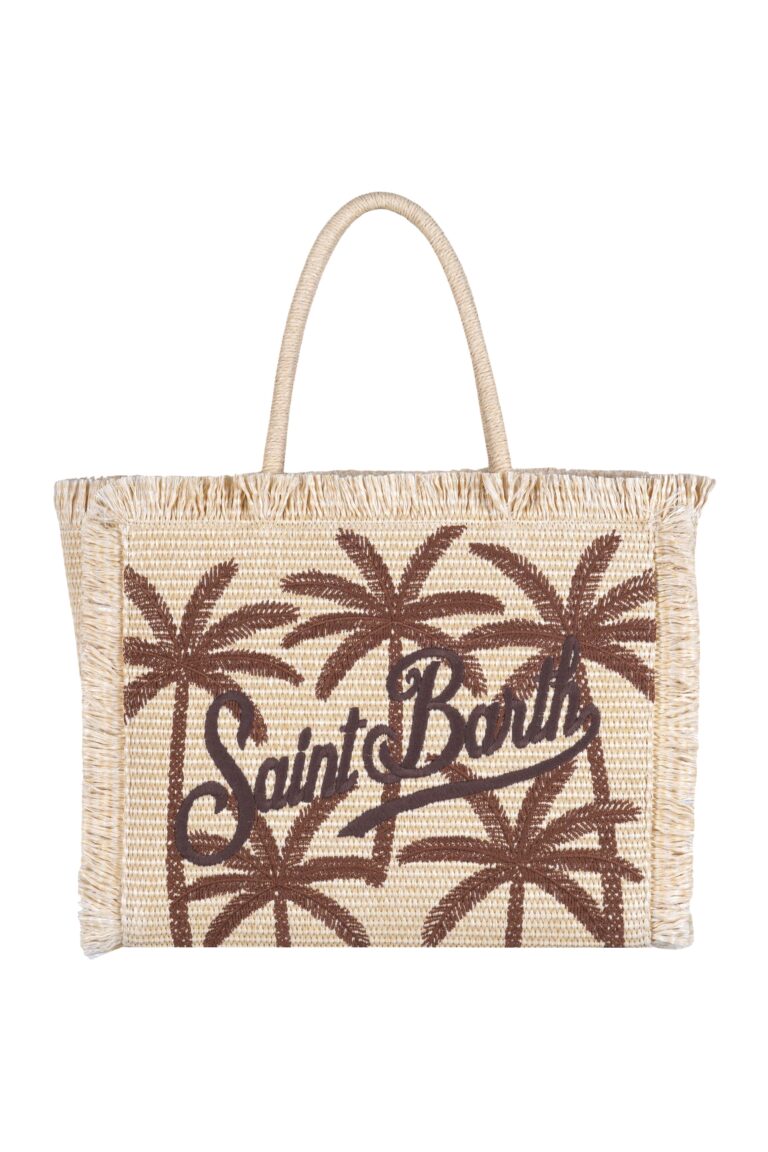 Zip BagsHandpicked Zip Woven Bags We Keep Coming Back To
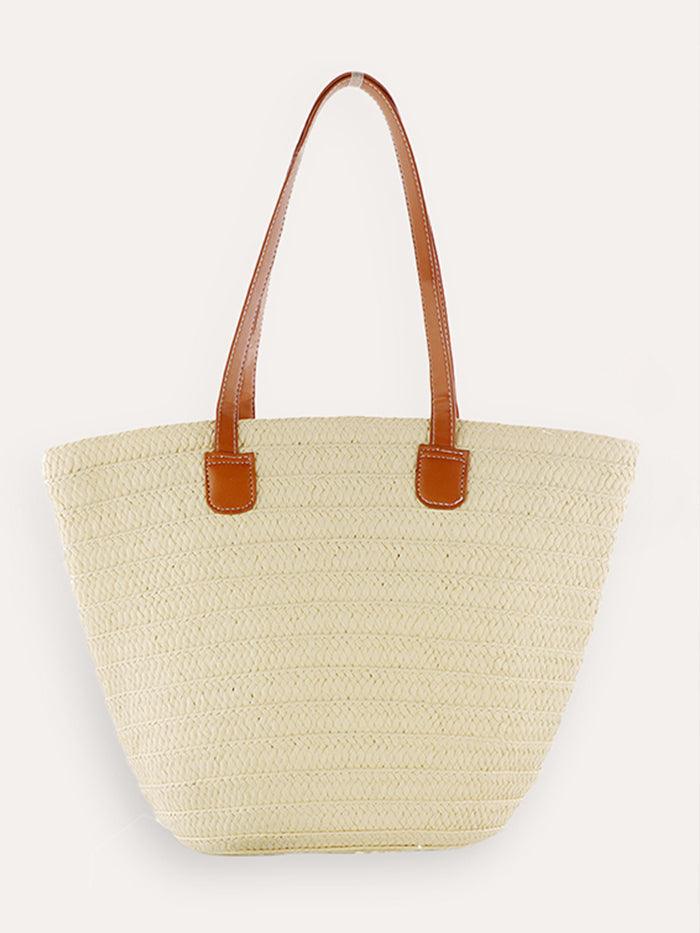
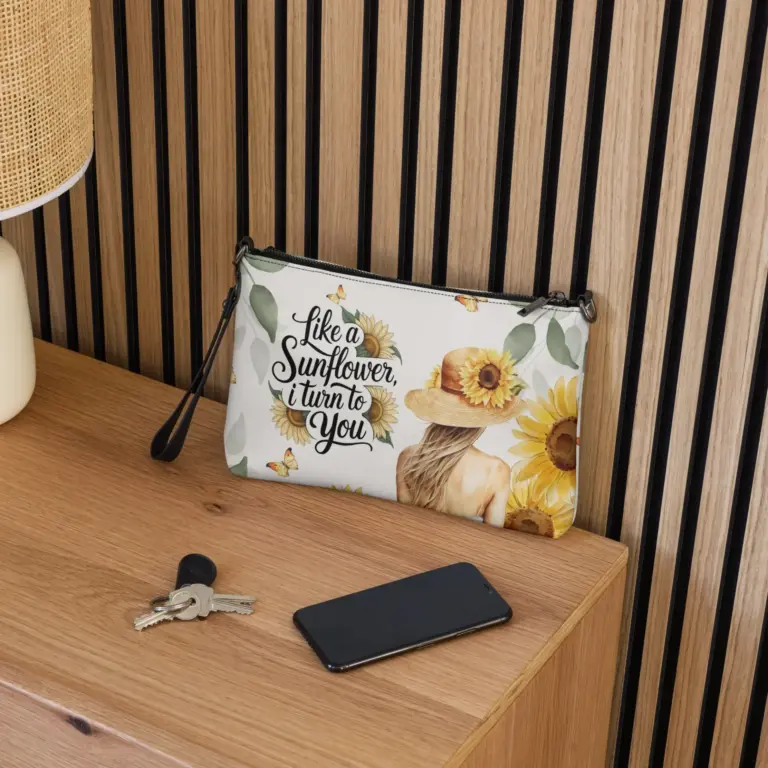 The Zip Wristlets We’d Carry Anywhere
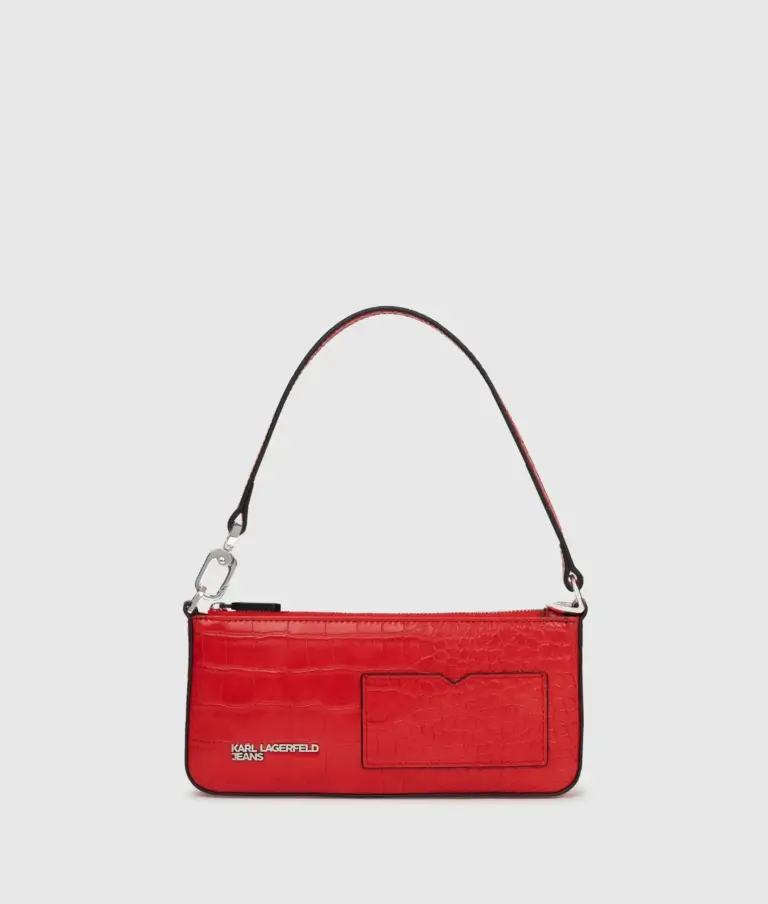
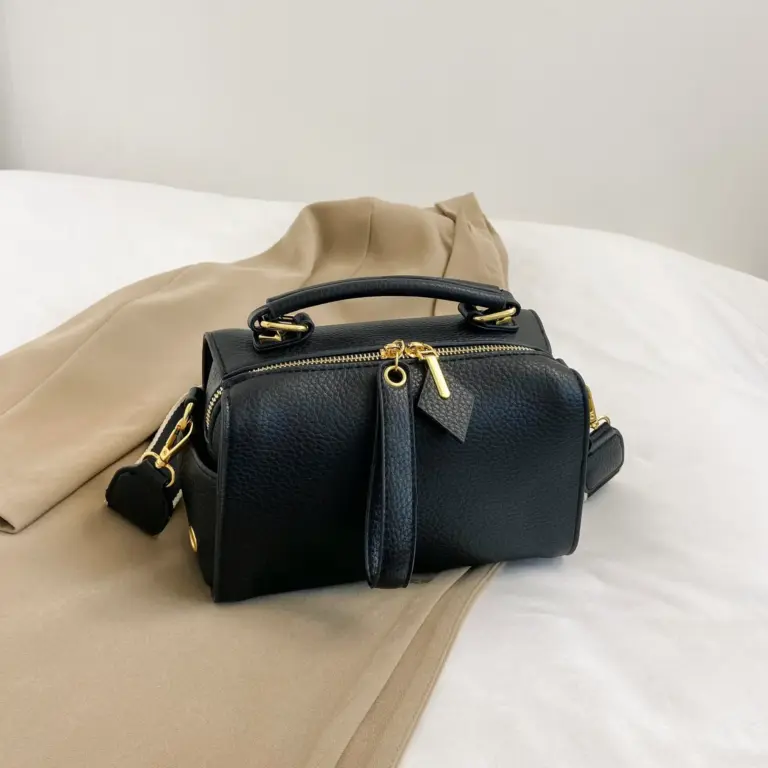 Phone BagsThe Best Zip Phone Bags to Shop Now
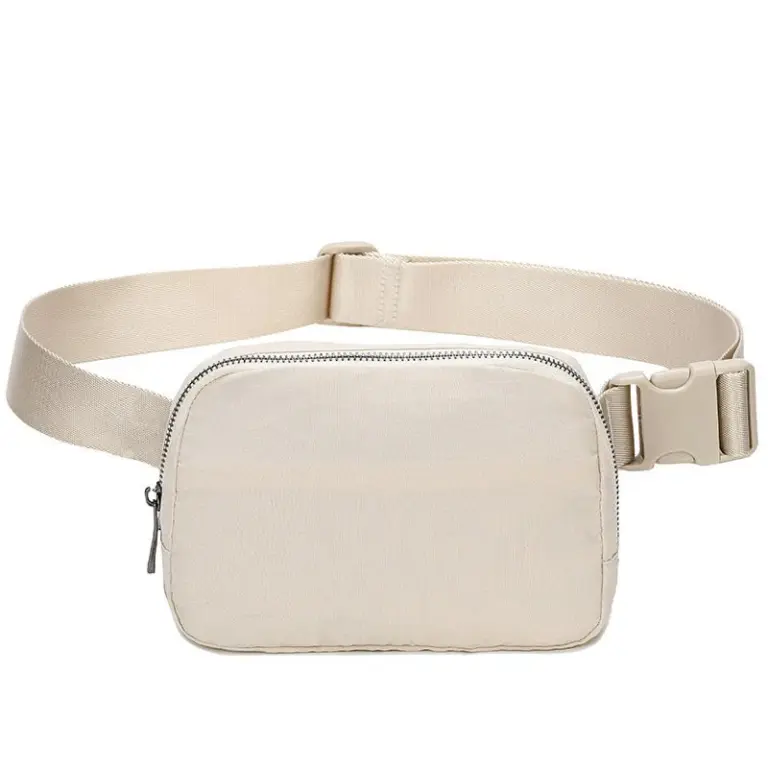
 PouchesZip Pouches We RateAlso worth a lookLeather BagsThe mistake with a leather bag is buying it for the leather and forgetting about the strap.See the collections →
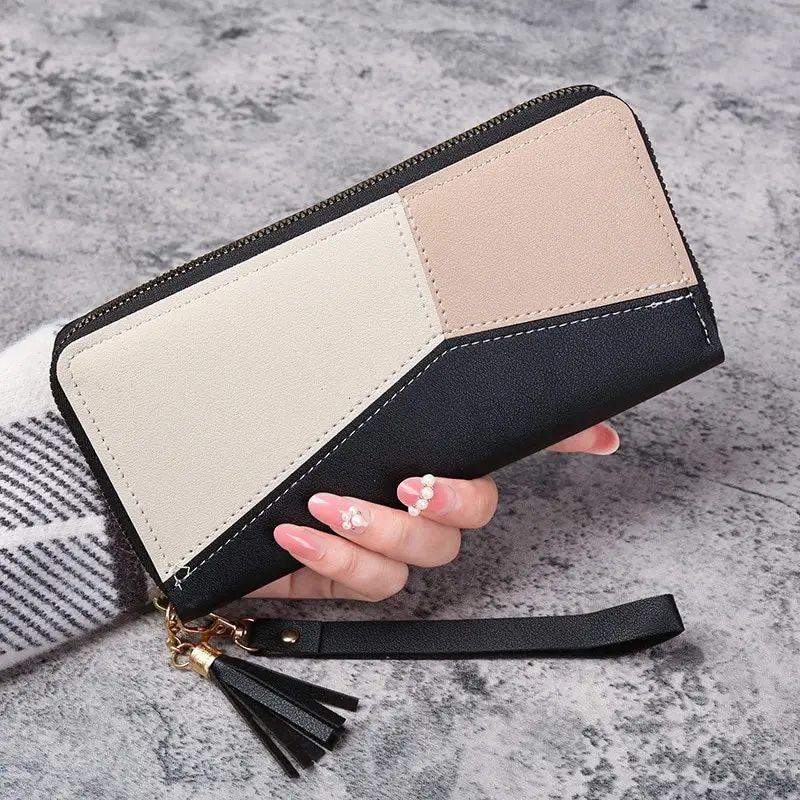
 PursesOur Kind of Zip Purses
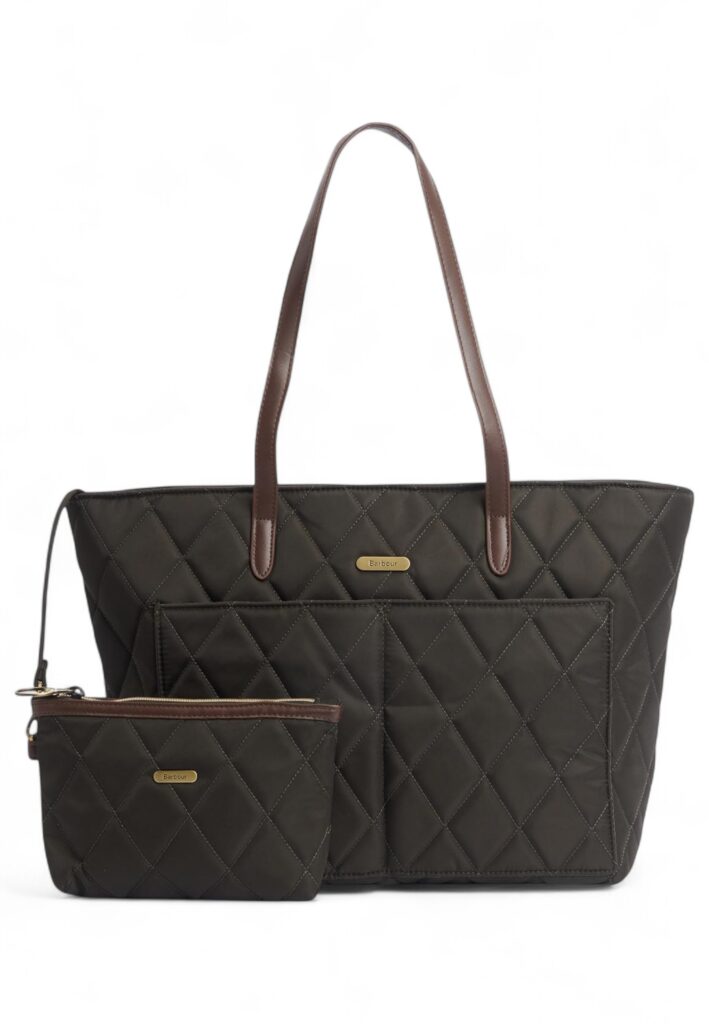
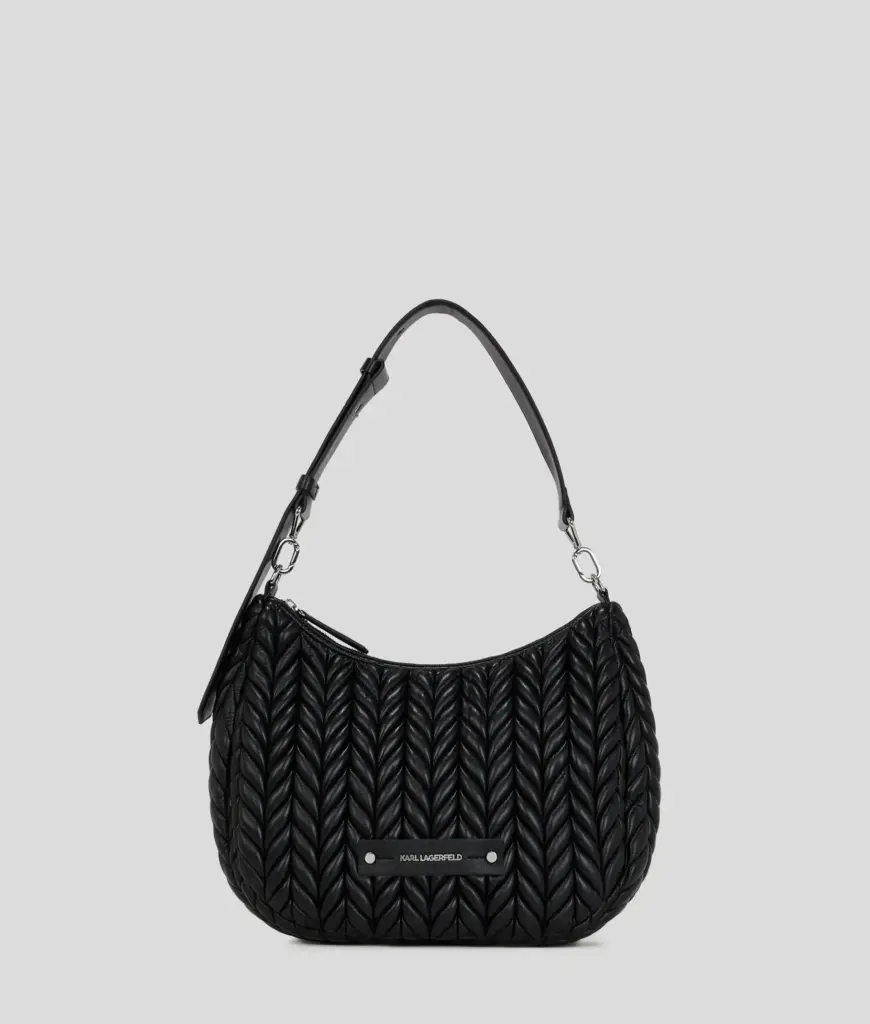 Quilted BagsOur Go To Zip Quilted Bags
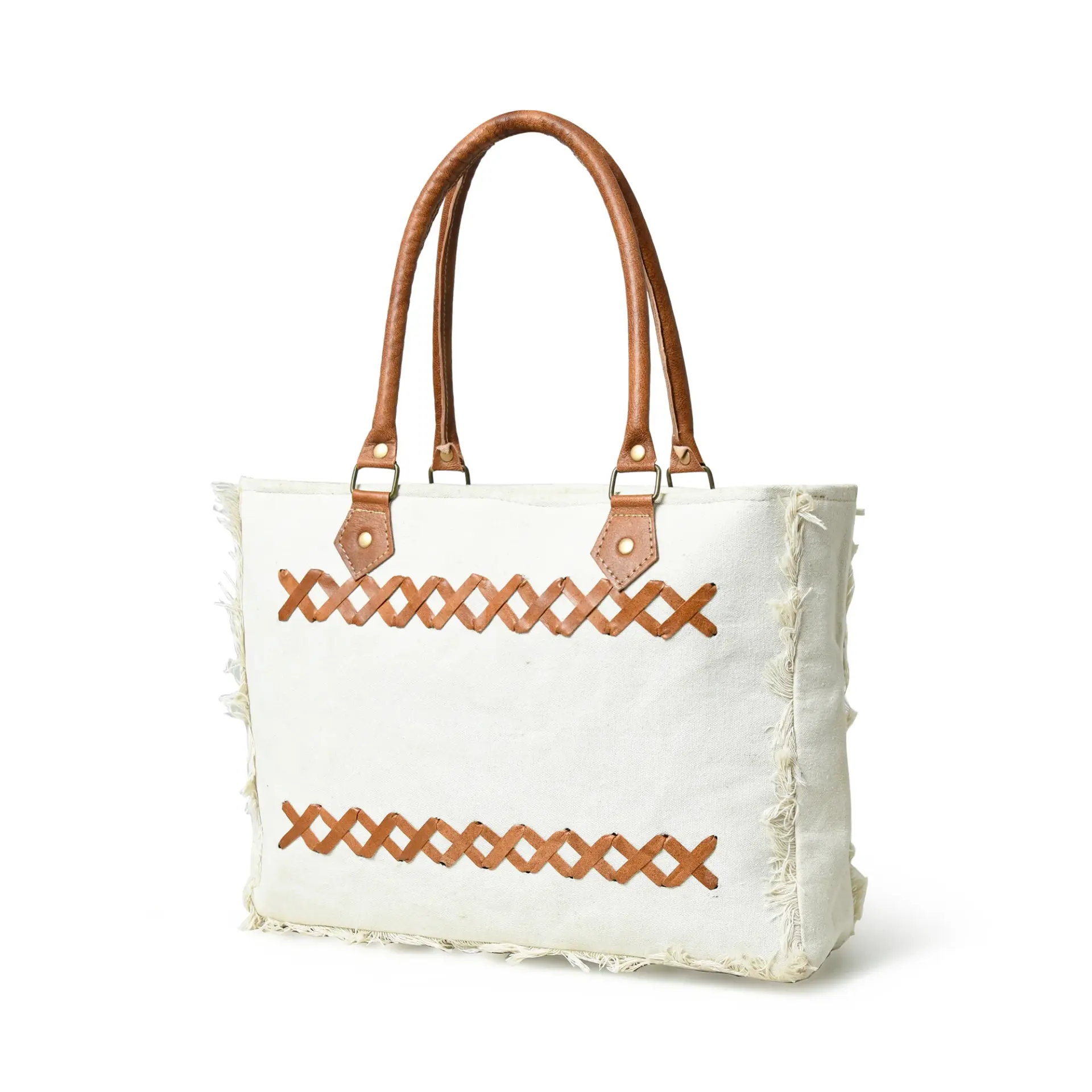 Zip BagsZip Shopper Bags for Every Day and Beyond
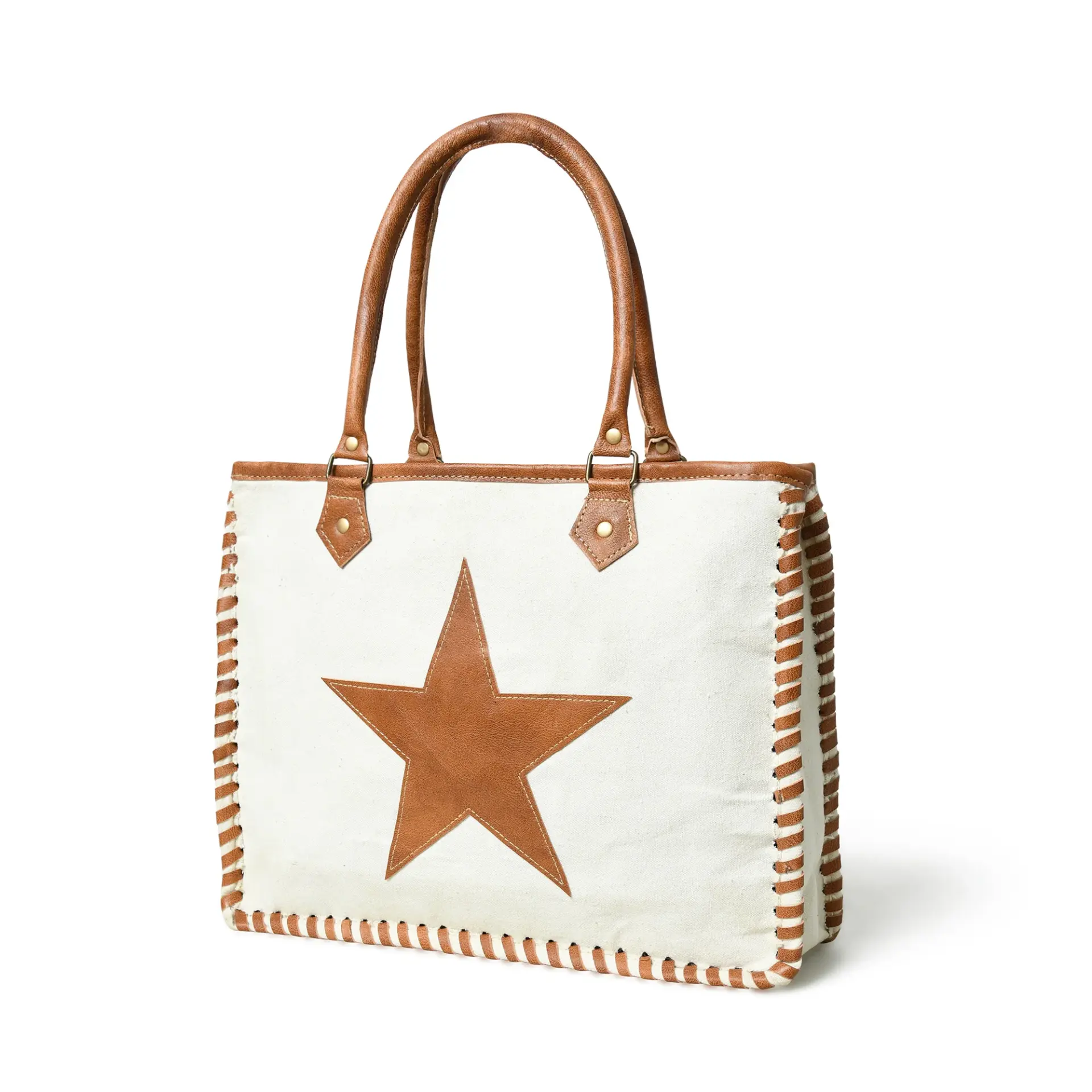
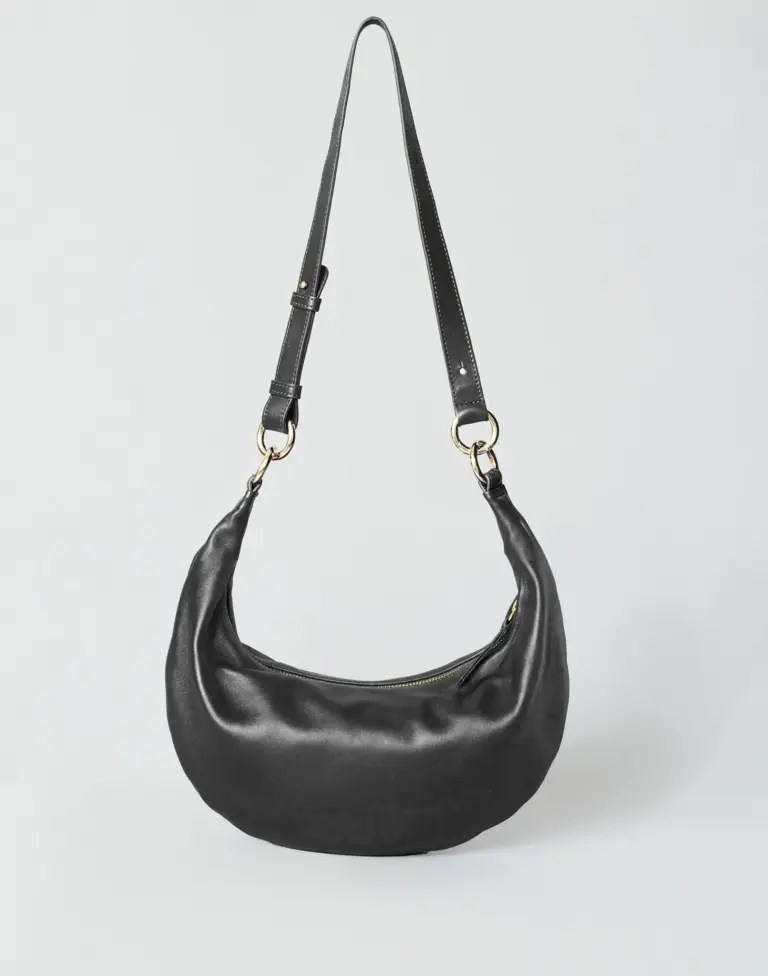 Zip BagsZip Shoulder Bags Worth Adding to Your Wardrobe
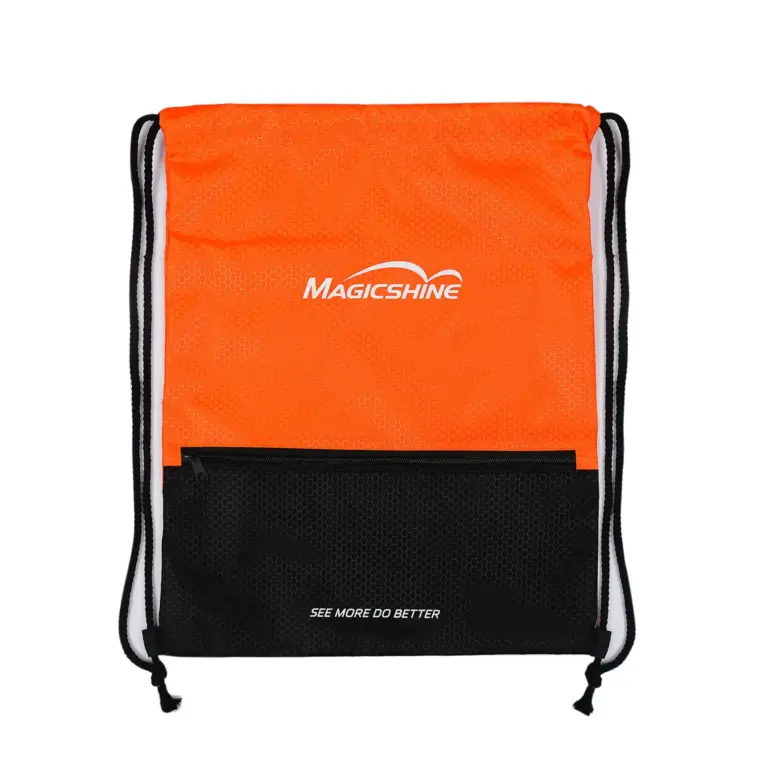
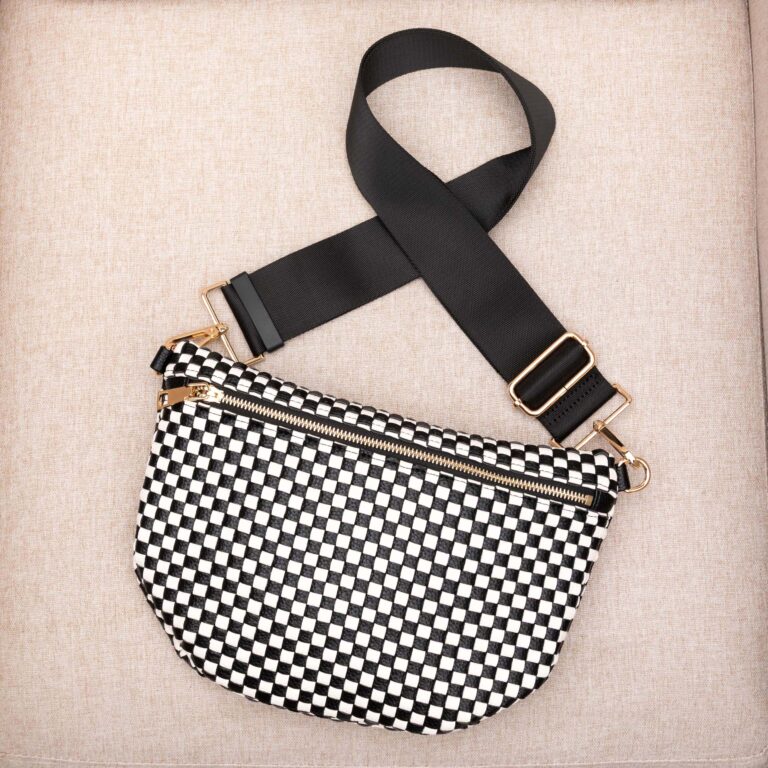 Zip BagsZip Sling Bags That Feel Special
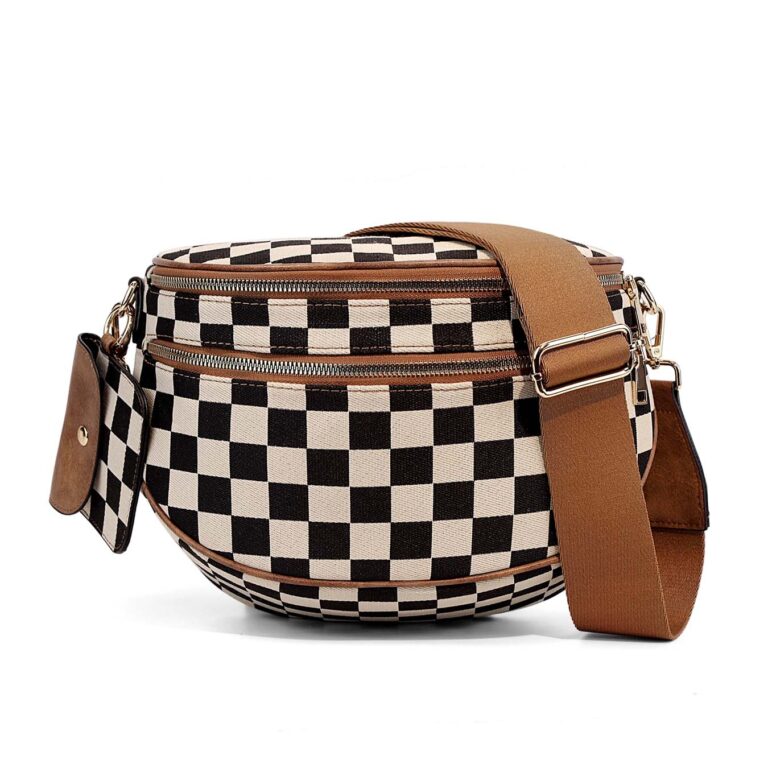
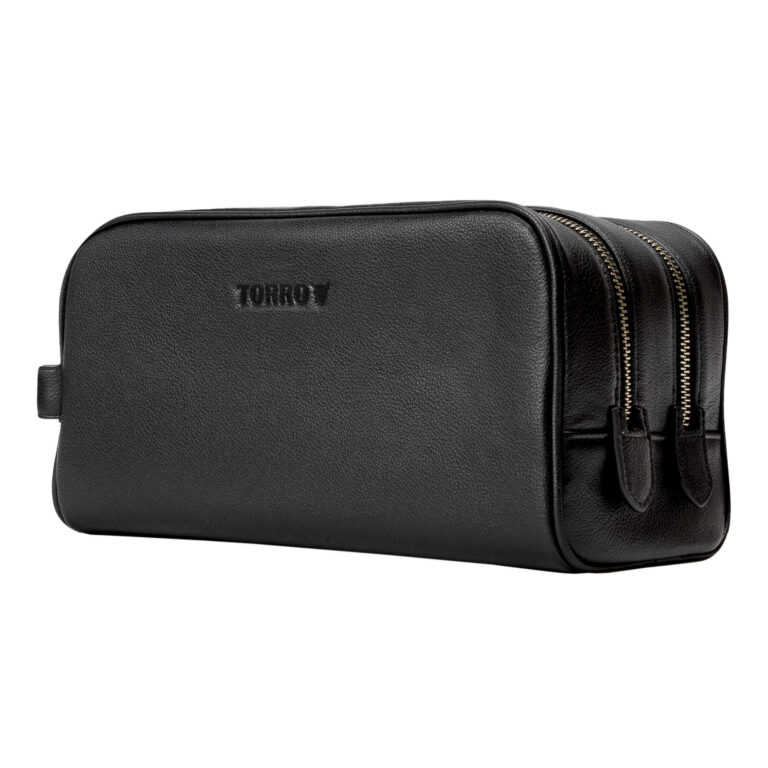 Zip BagsThe Zip Top Handle Bags We’d Carry Anywhere
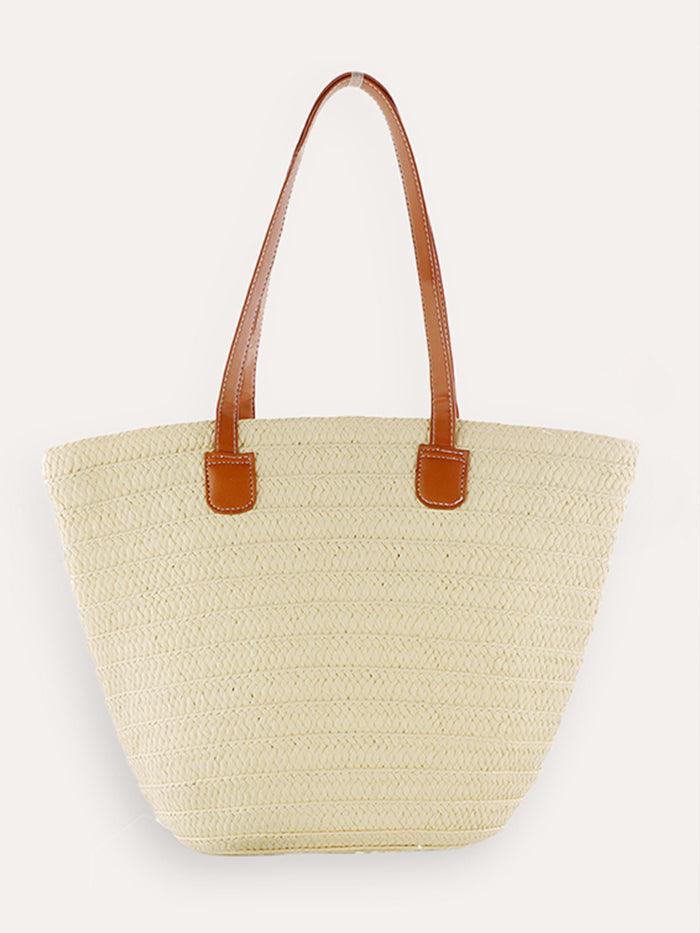
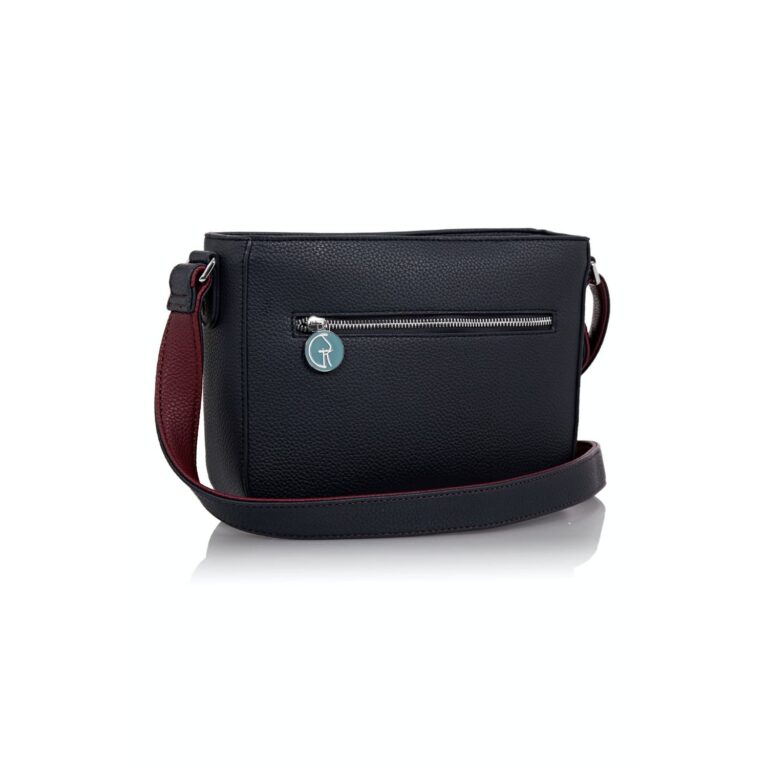 Zip BagsZip Tote Bags Worth Carrying Every Day
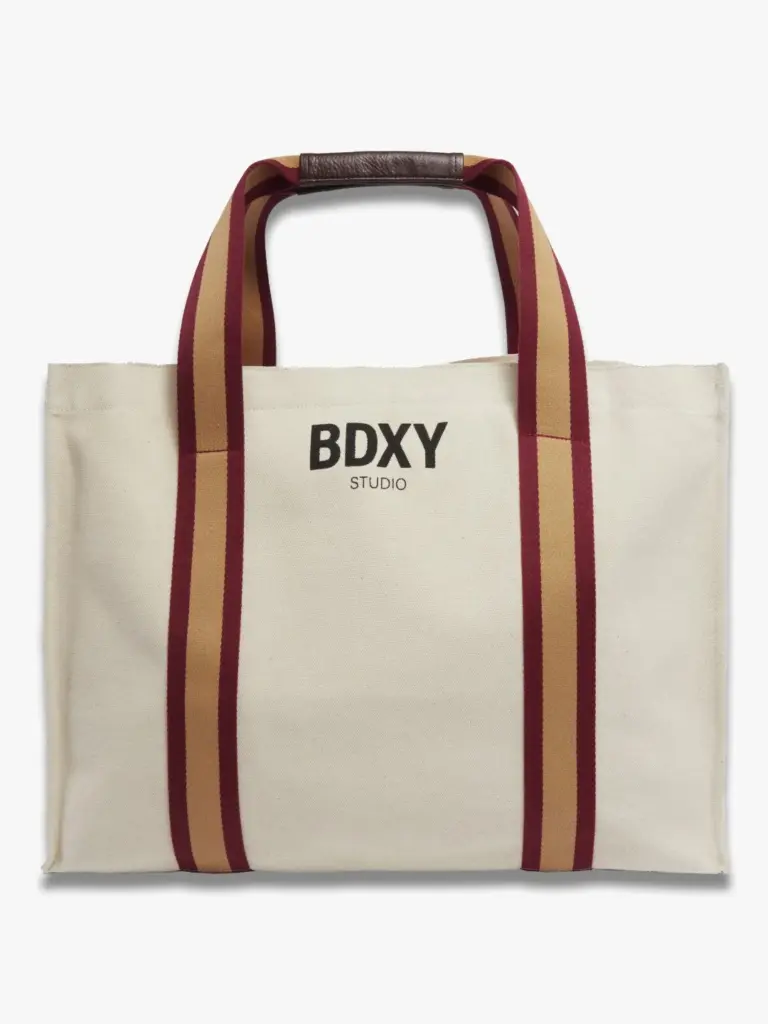
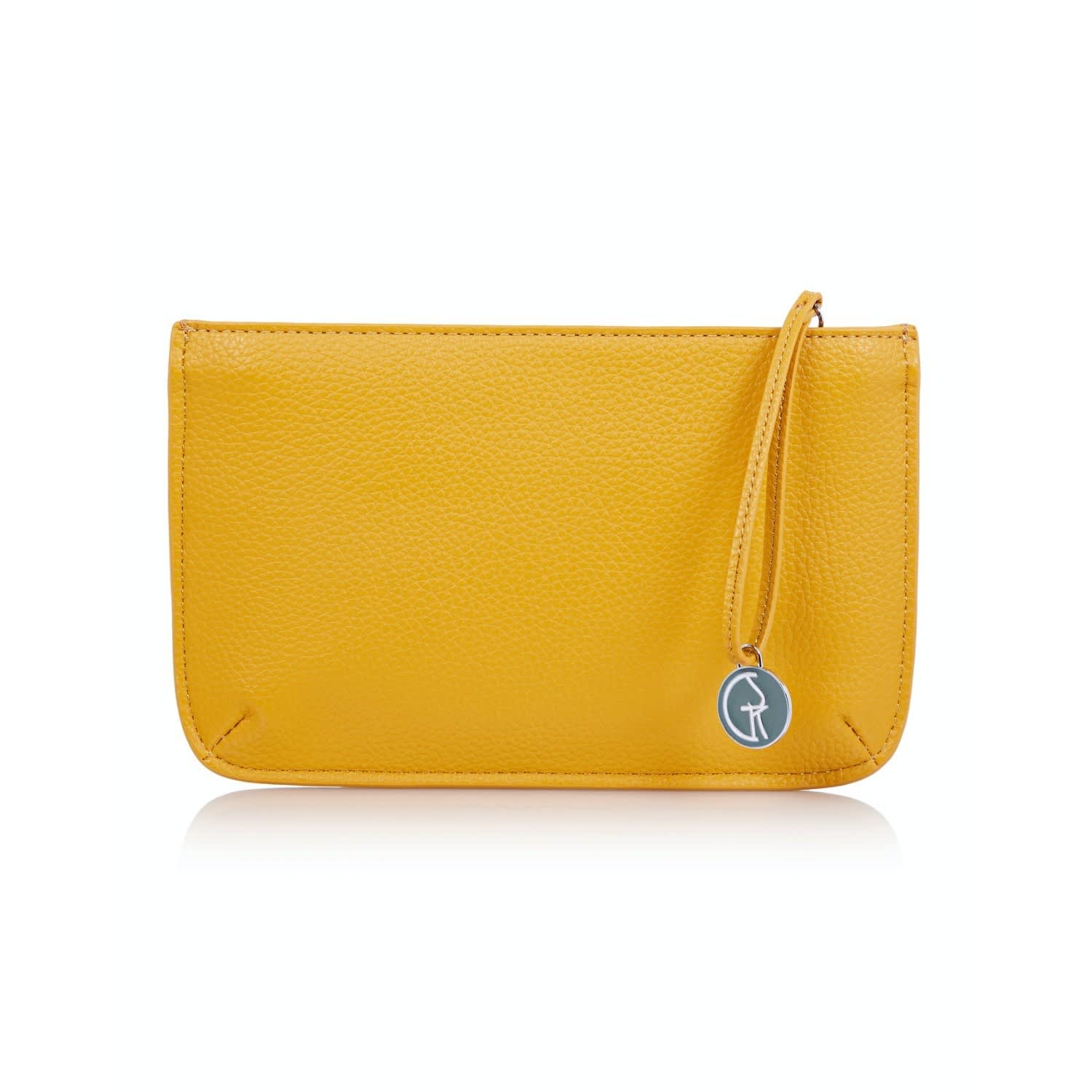 Zip BagsZip Evening Bags We Love Right Now
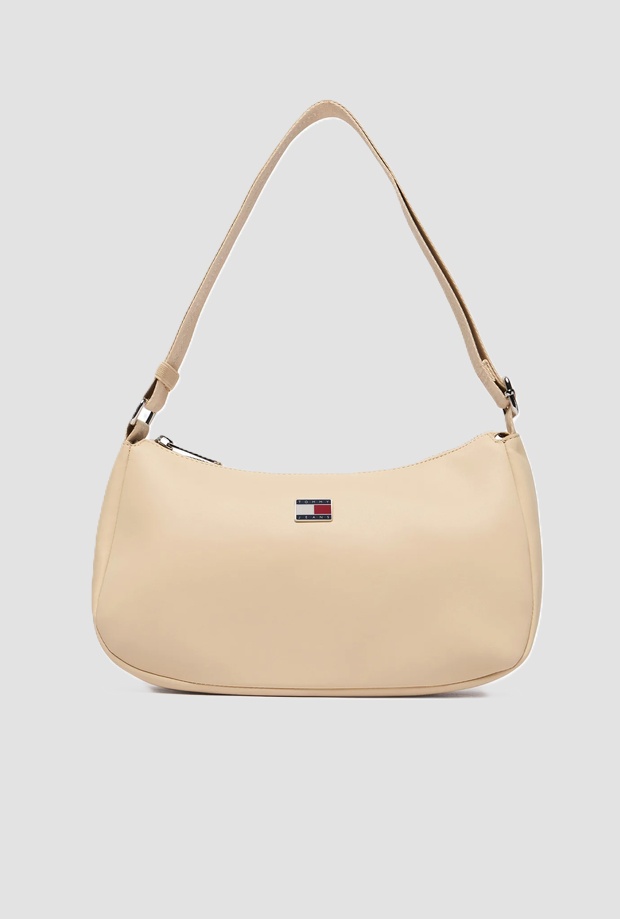
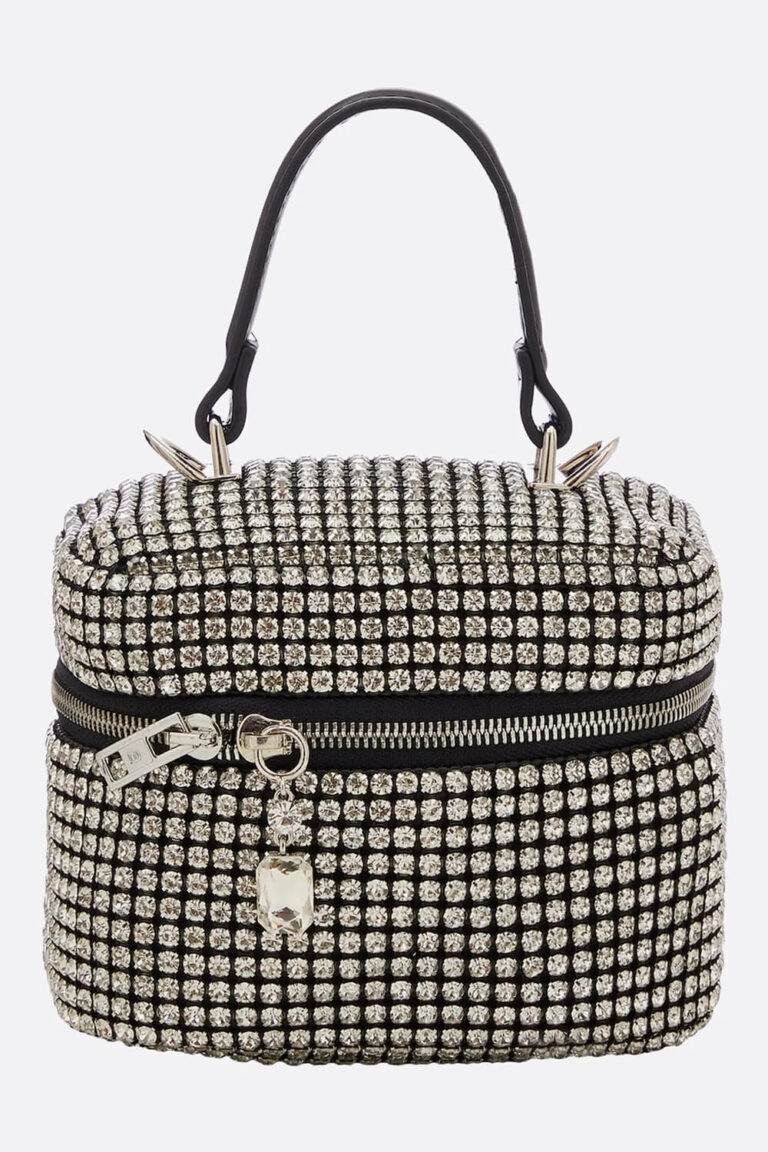 Zip BagsZip Handbags Edited Down to the BestAlso worth a lookBlack BagsFor years I avoided a black bag on the basis that it was boring, the kind of thing you buy when you've stopped trying.See the collections →
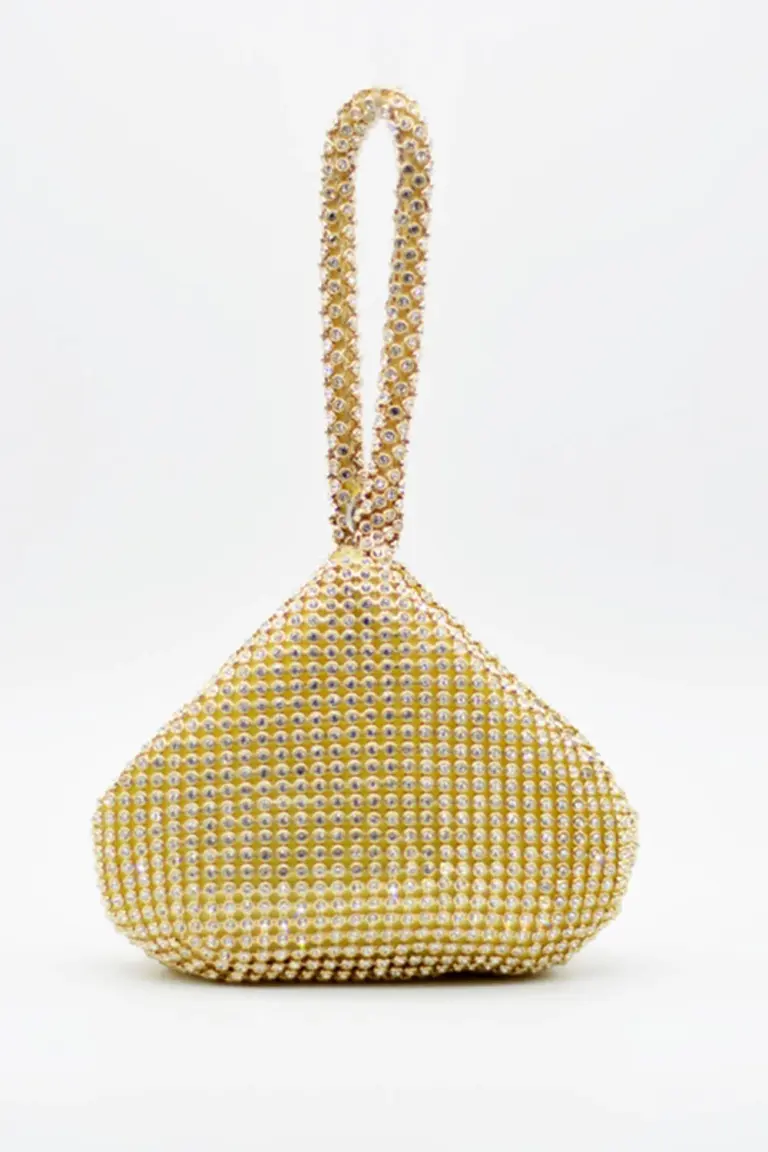
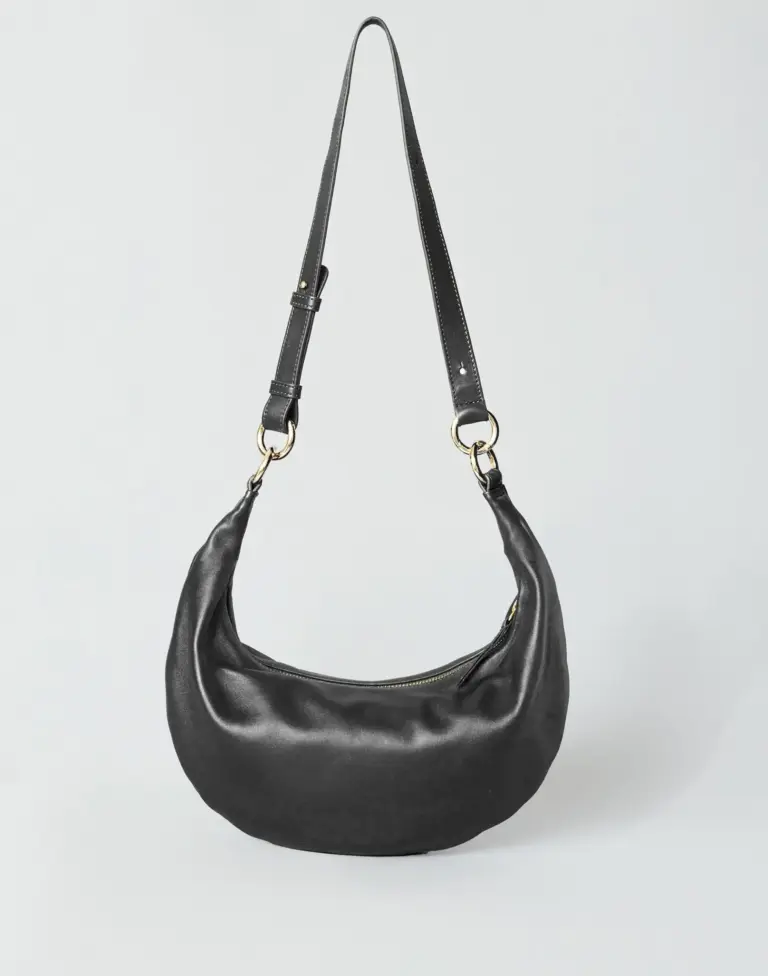 Zip BagsZip Hobo Bags We Can’t Stop Looking At
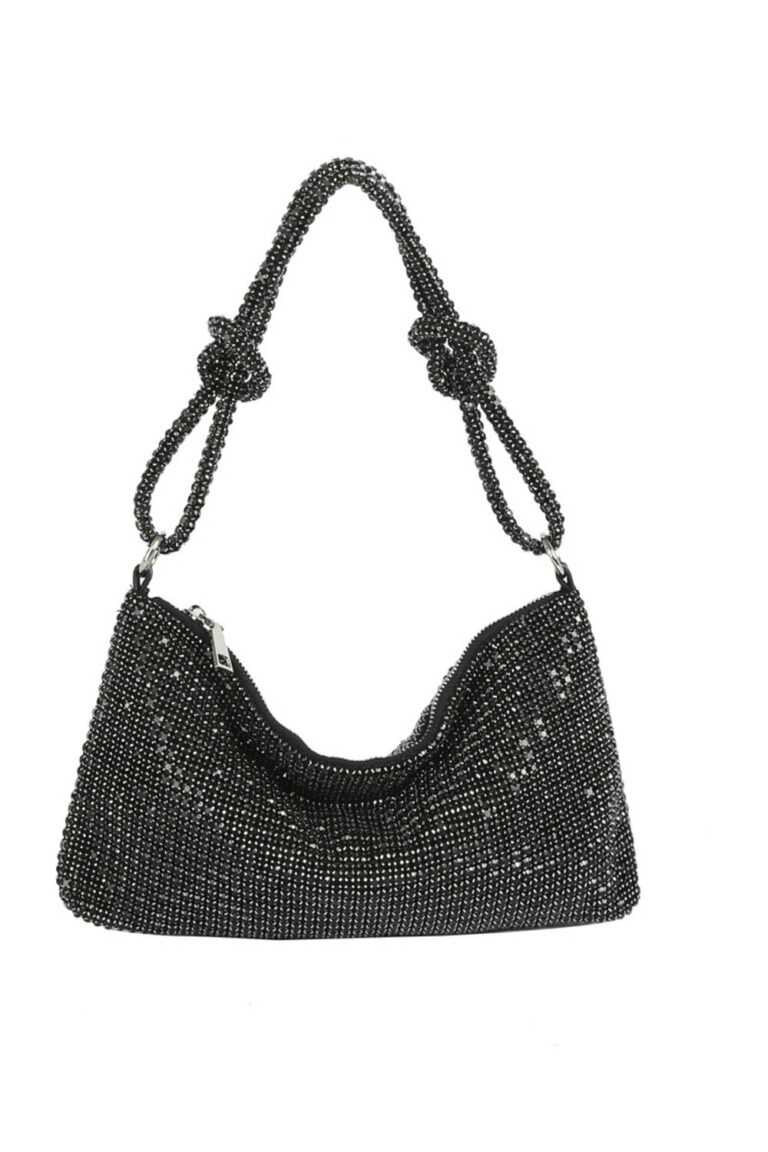
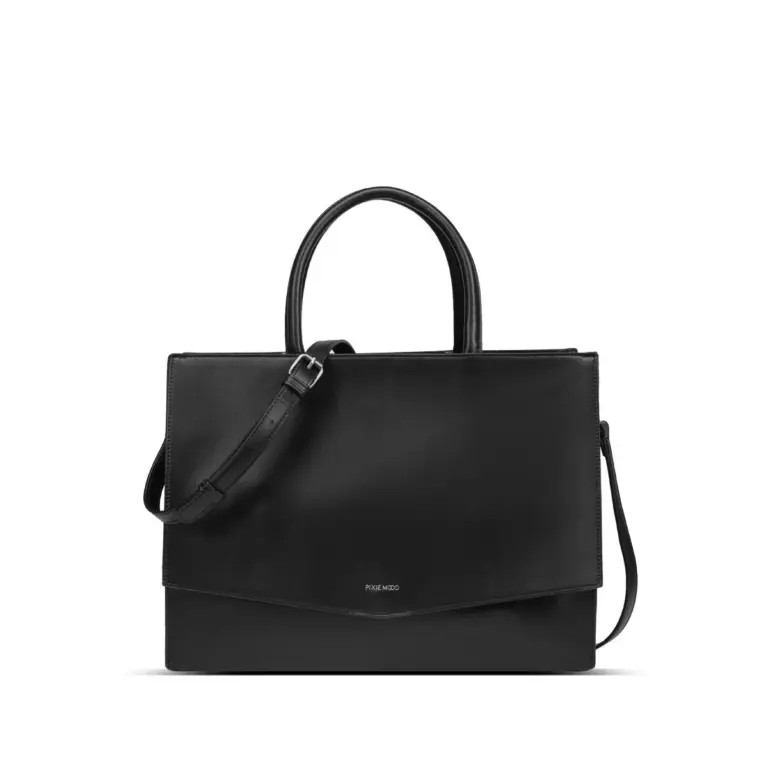 Laptop BagsShop Our Favorite Zip Laptop Bags
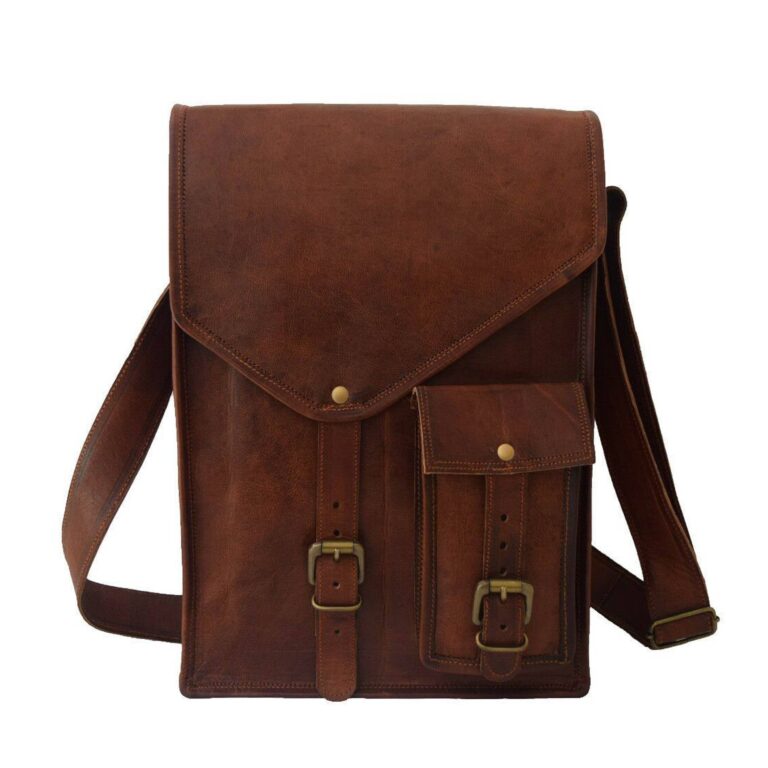
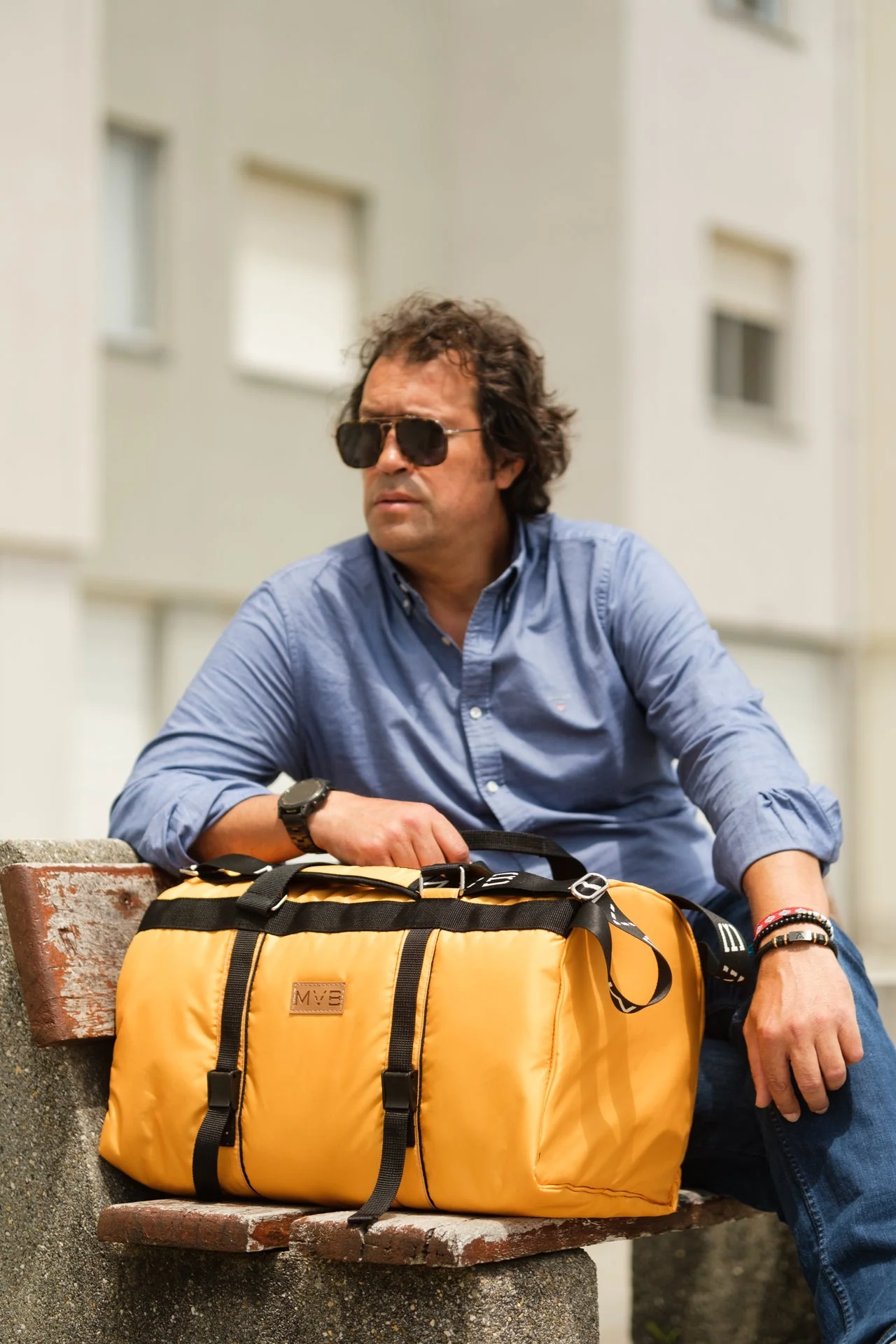 Travel BagsYellow Travel Bags With Real Wardrobe Staying Power
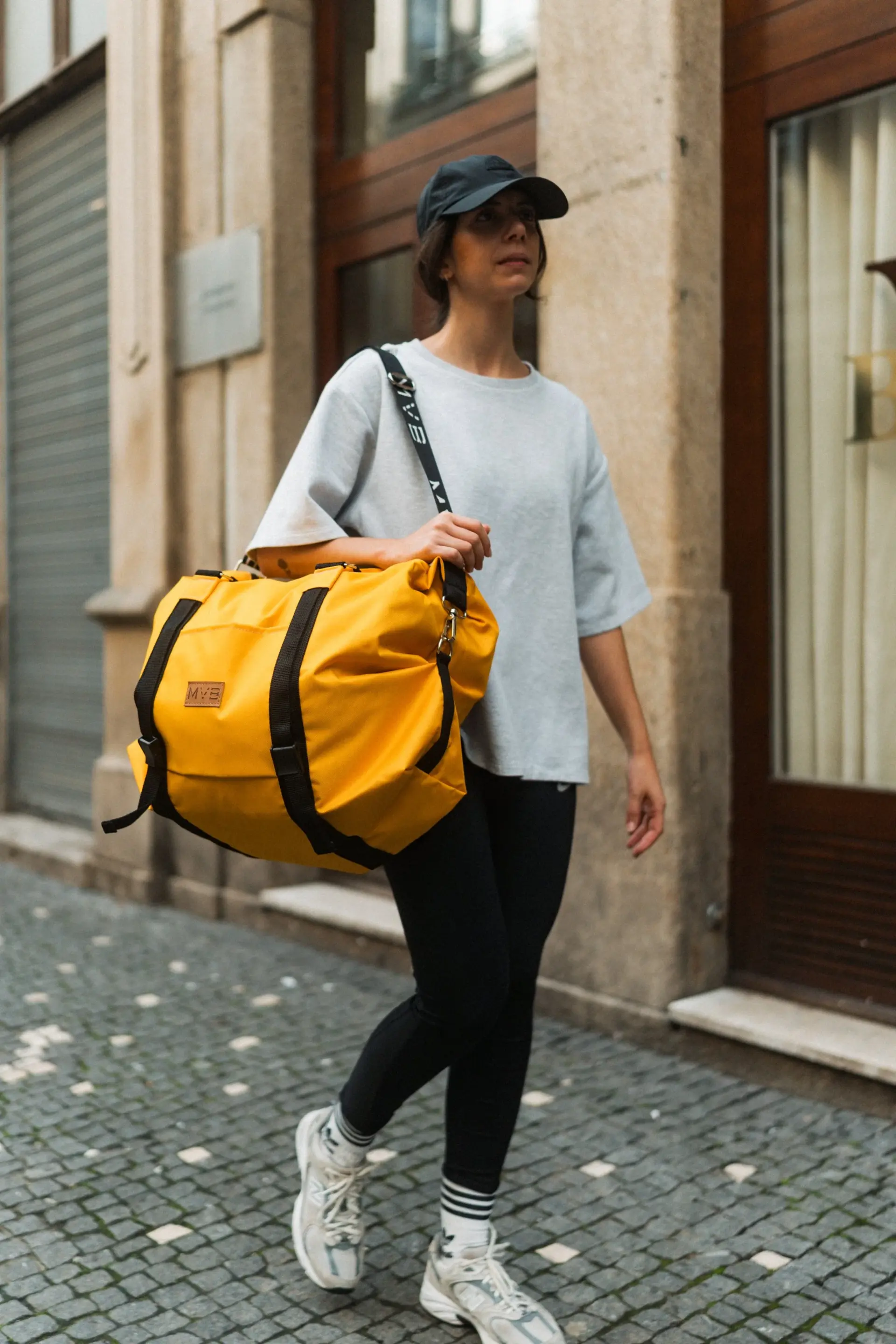
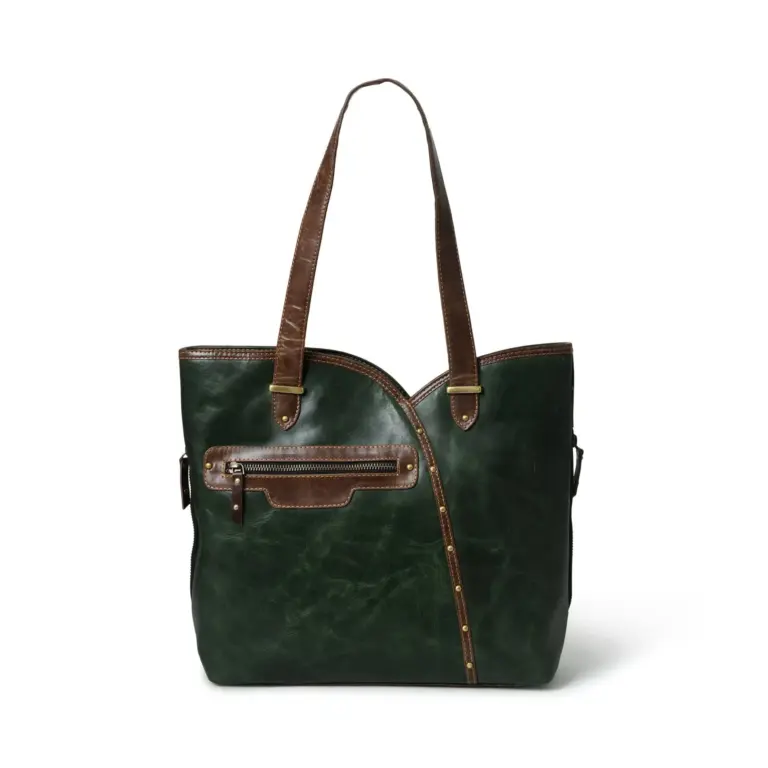 Zip BagsOur Go To Zip Leather Bags
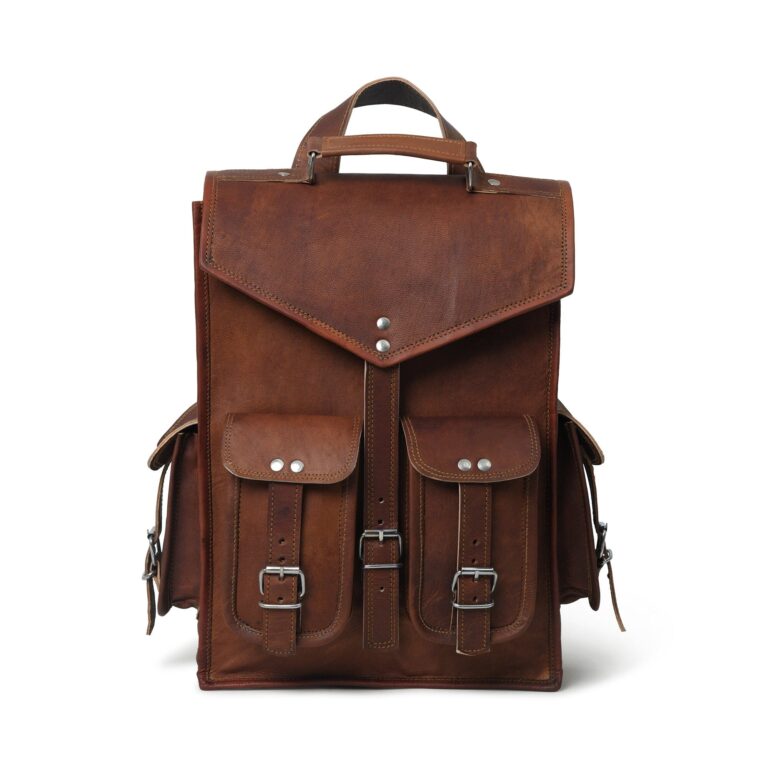
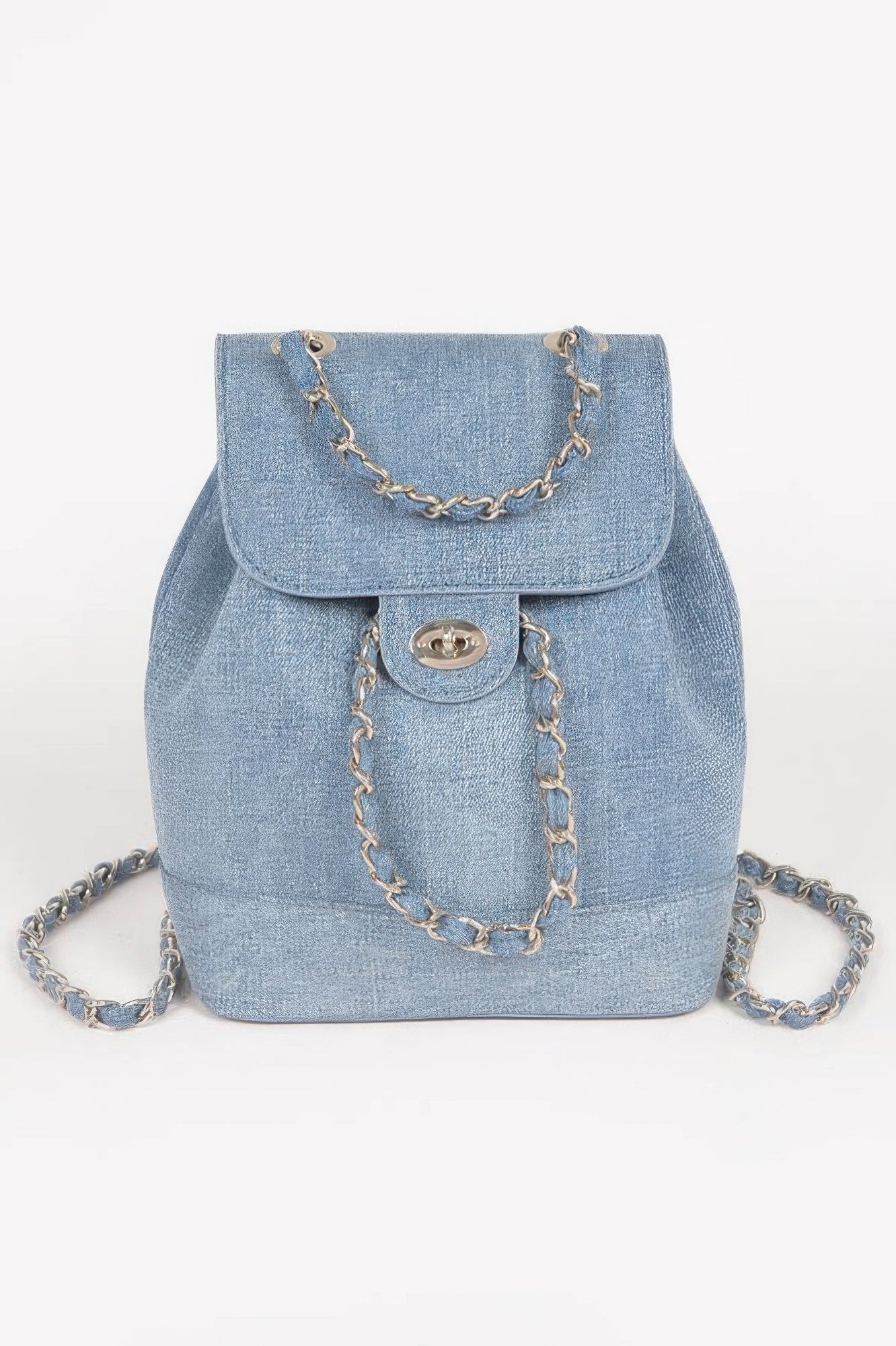 BackpacksThe Zip Backpacks We Keep Going Back To
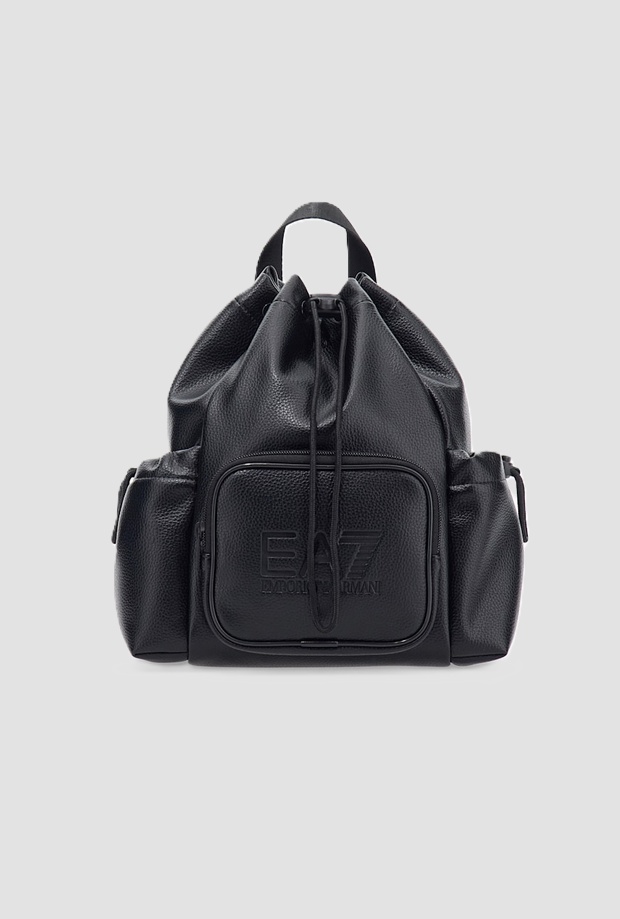
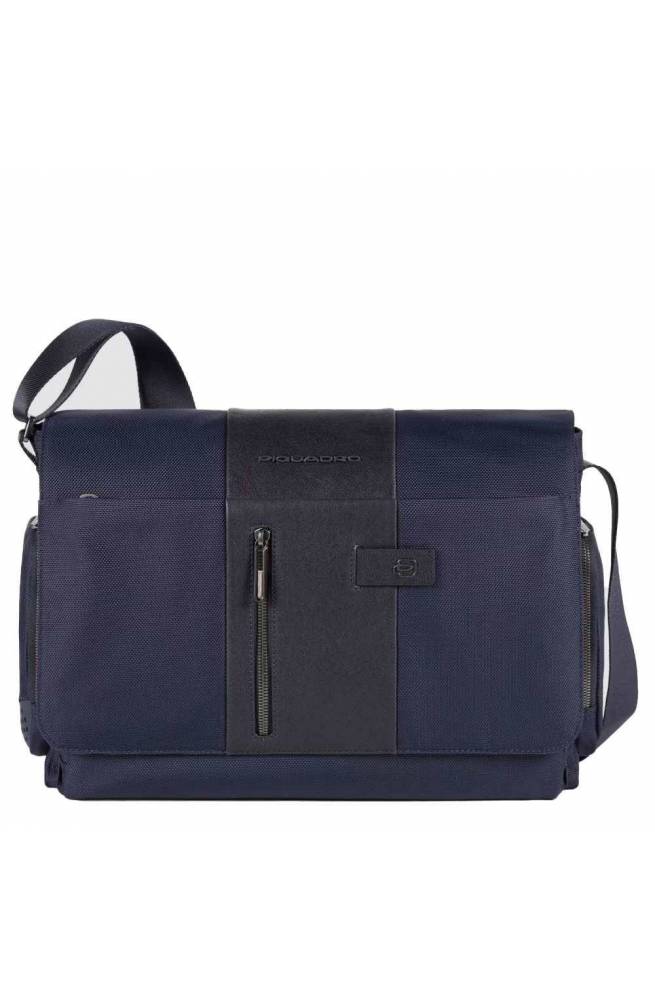 Zip BagsZip Messenger Bags We Can’t Stop Looking At
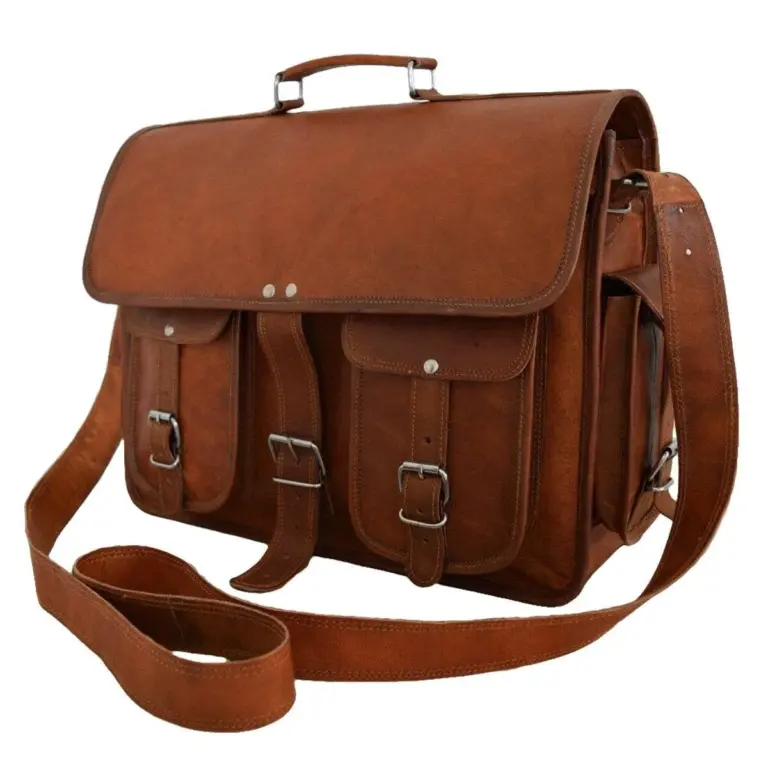
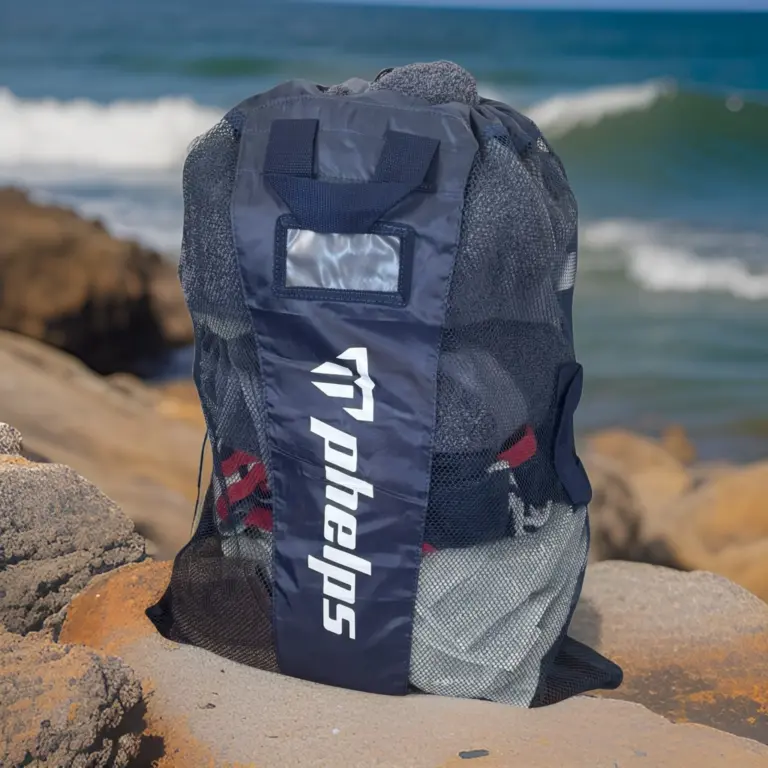 Beach BagsA Closer Look at the Best Zip Beach Bags
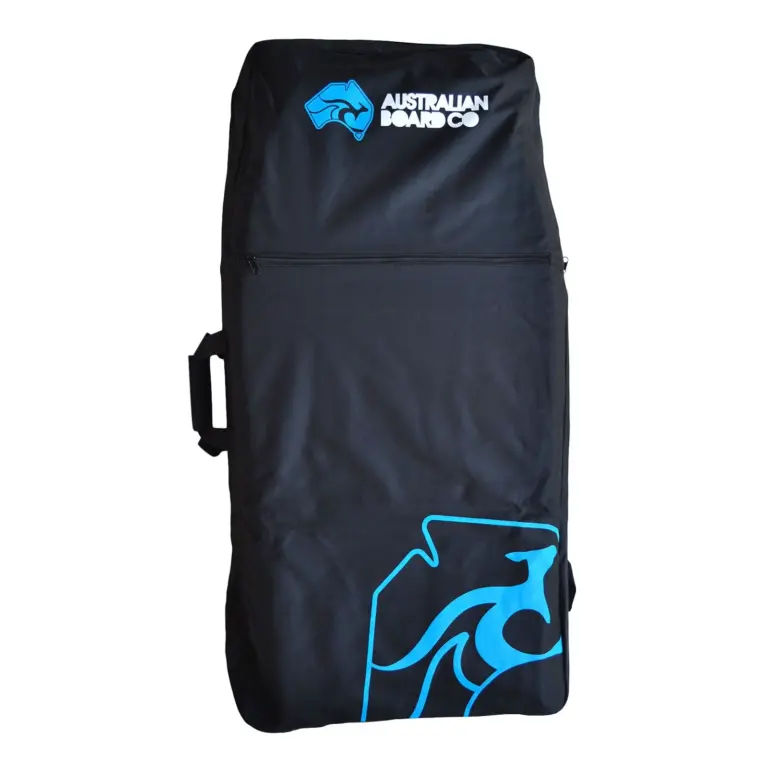
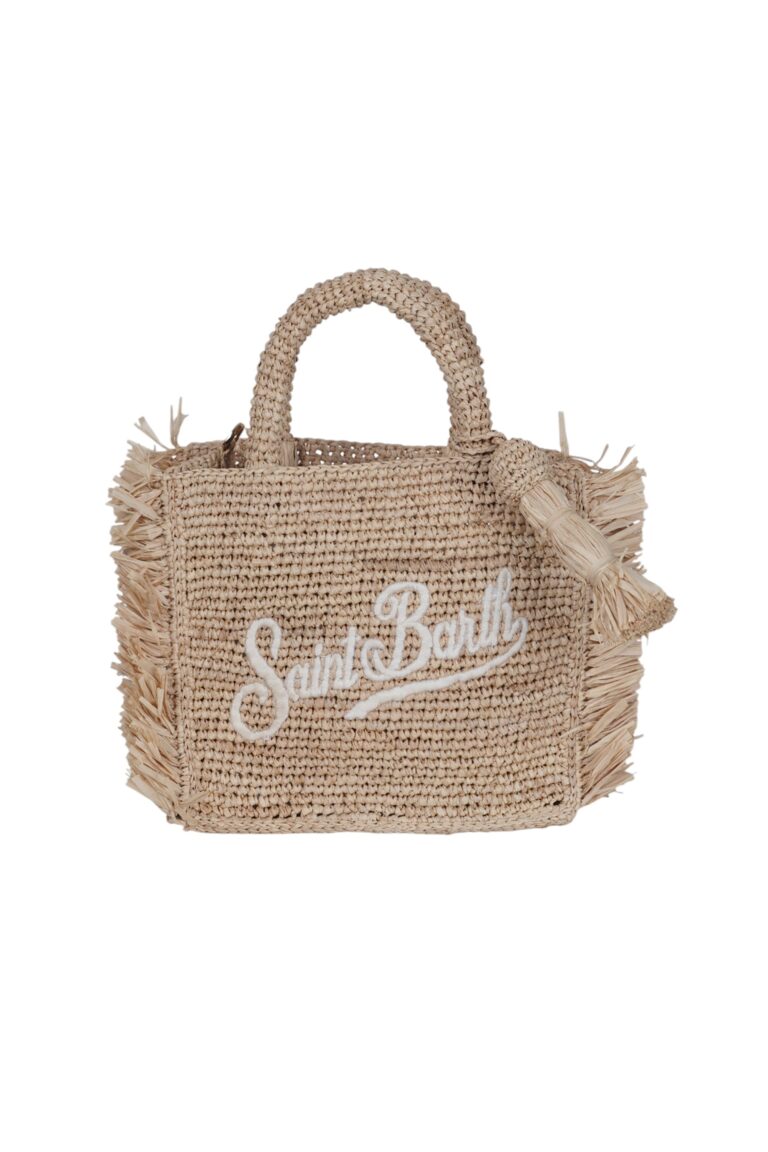 Zip BagsZip Mini Bags Worth Adding to Your Wardrobe
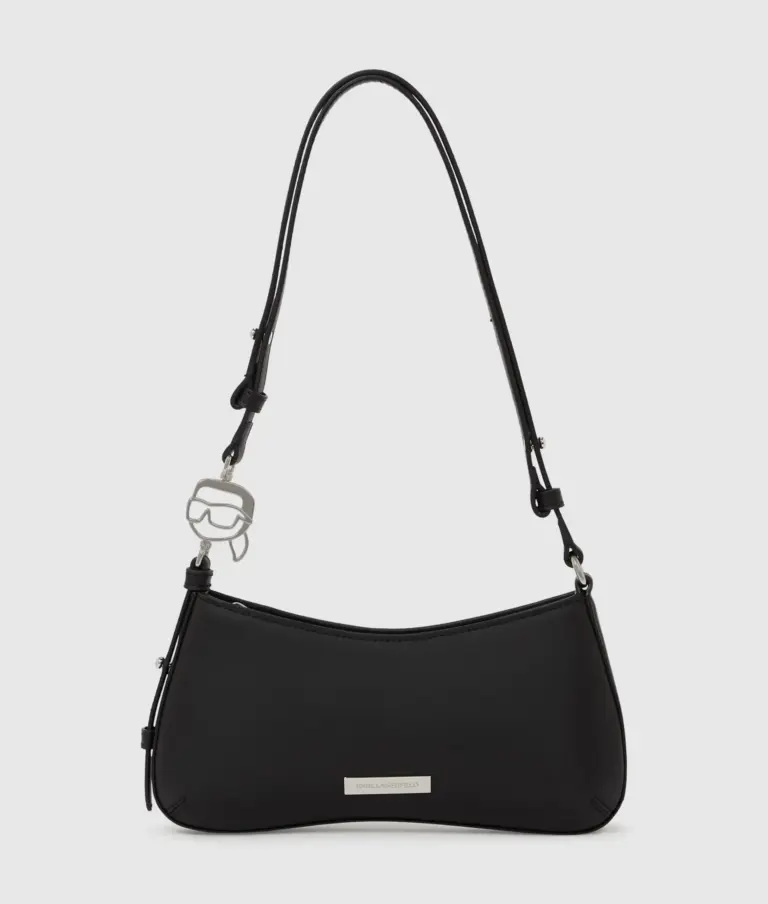
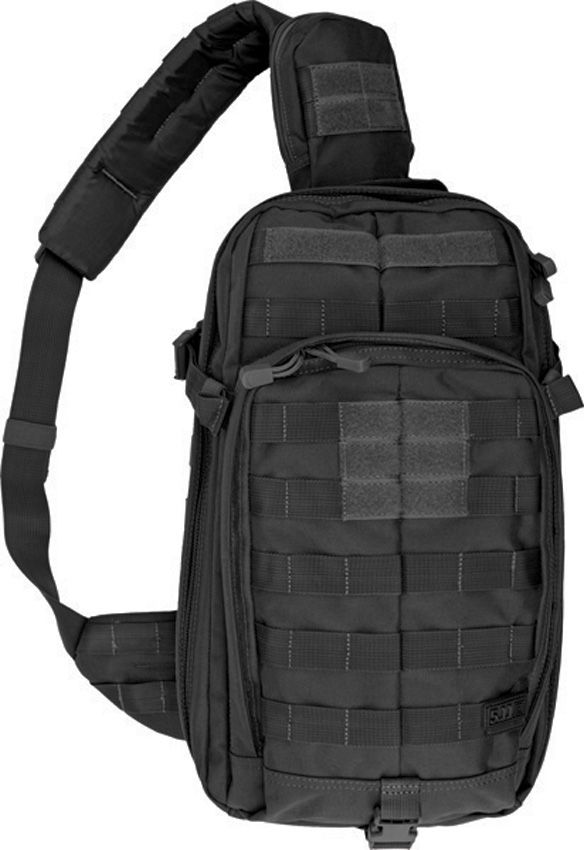 Belt BagsZip Belt Bags That Feel SpecialAlso worth a lookTravel BagsTravel bags have a reputation for being the thing you buy once and regret for a decade, because…See the collections →
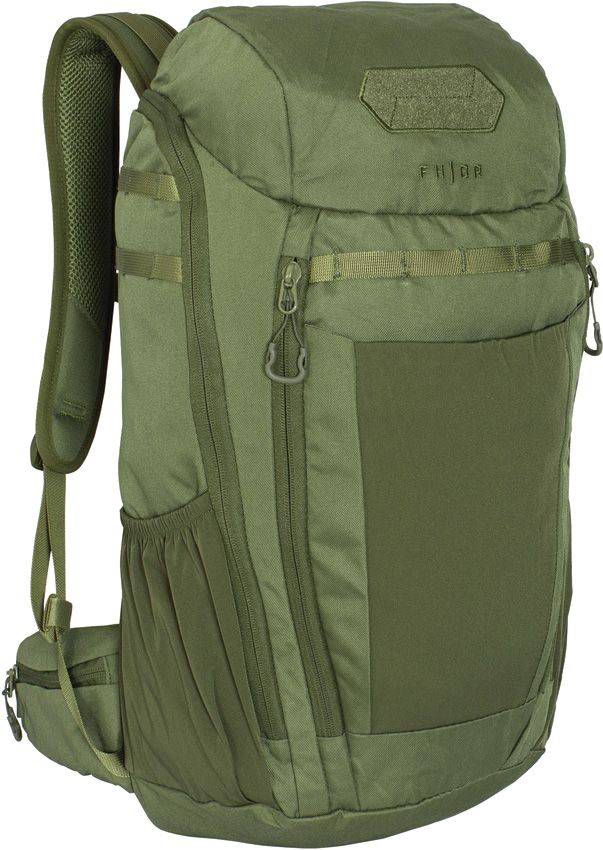
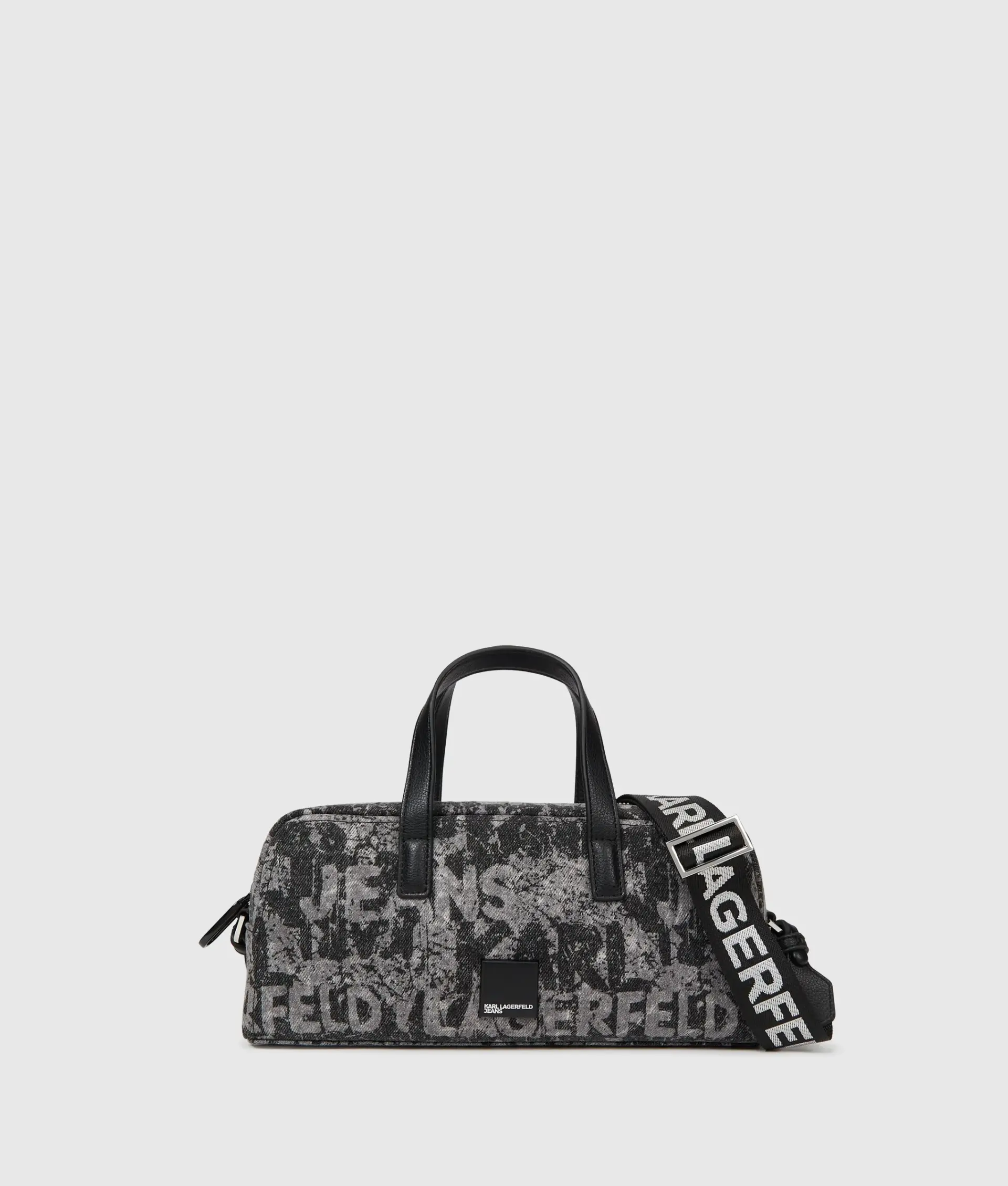 Box BagsZip Box Bags That Finish an Outfit
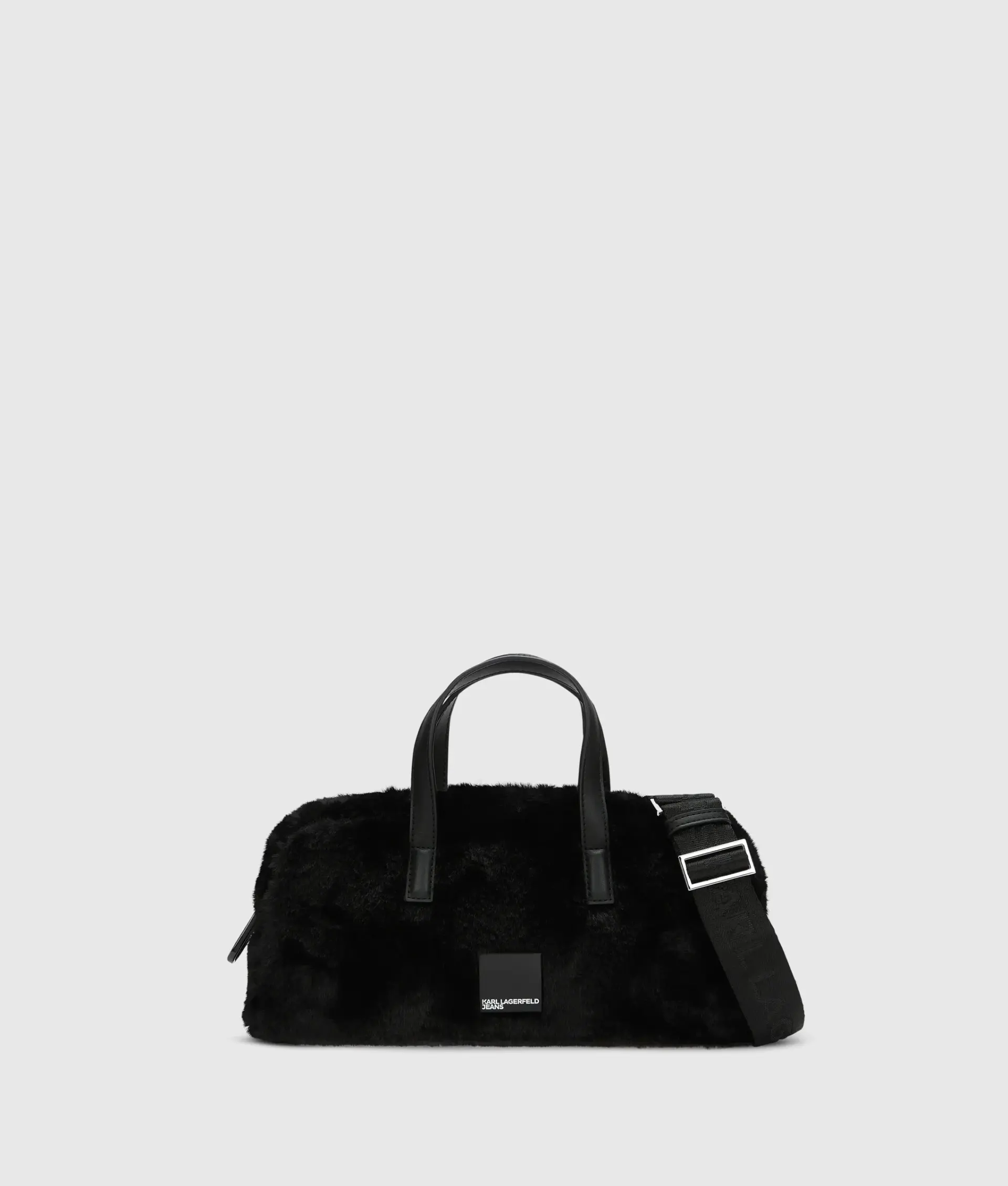
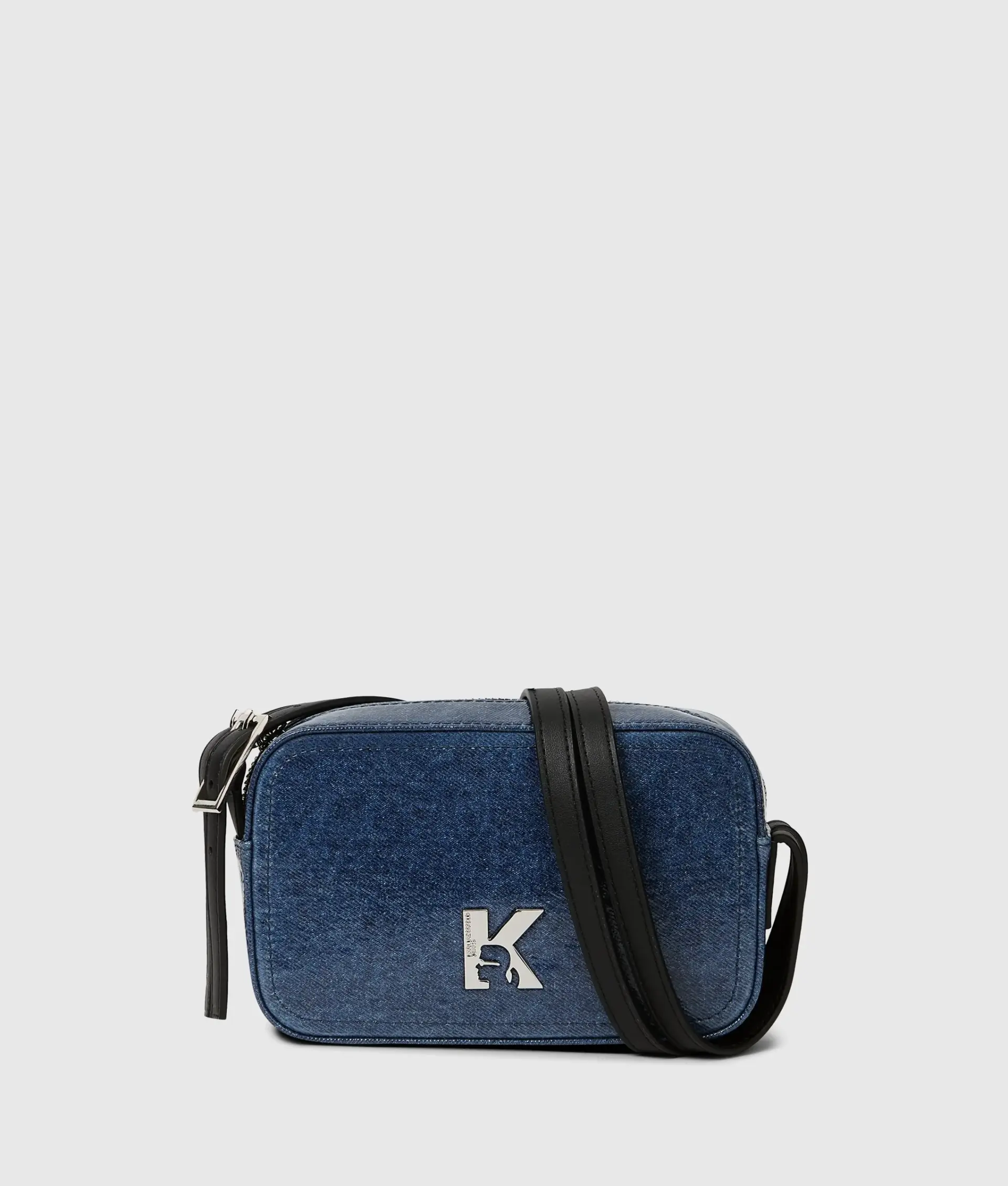 Zip BagsStandout Zip Camera Bags to Shop
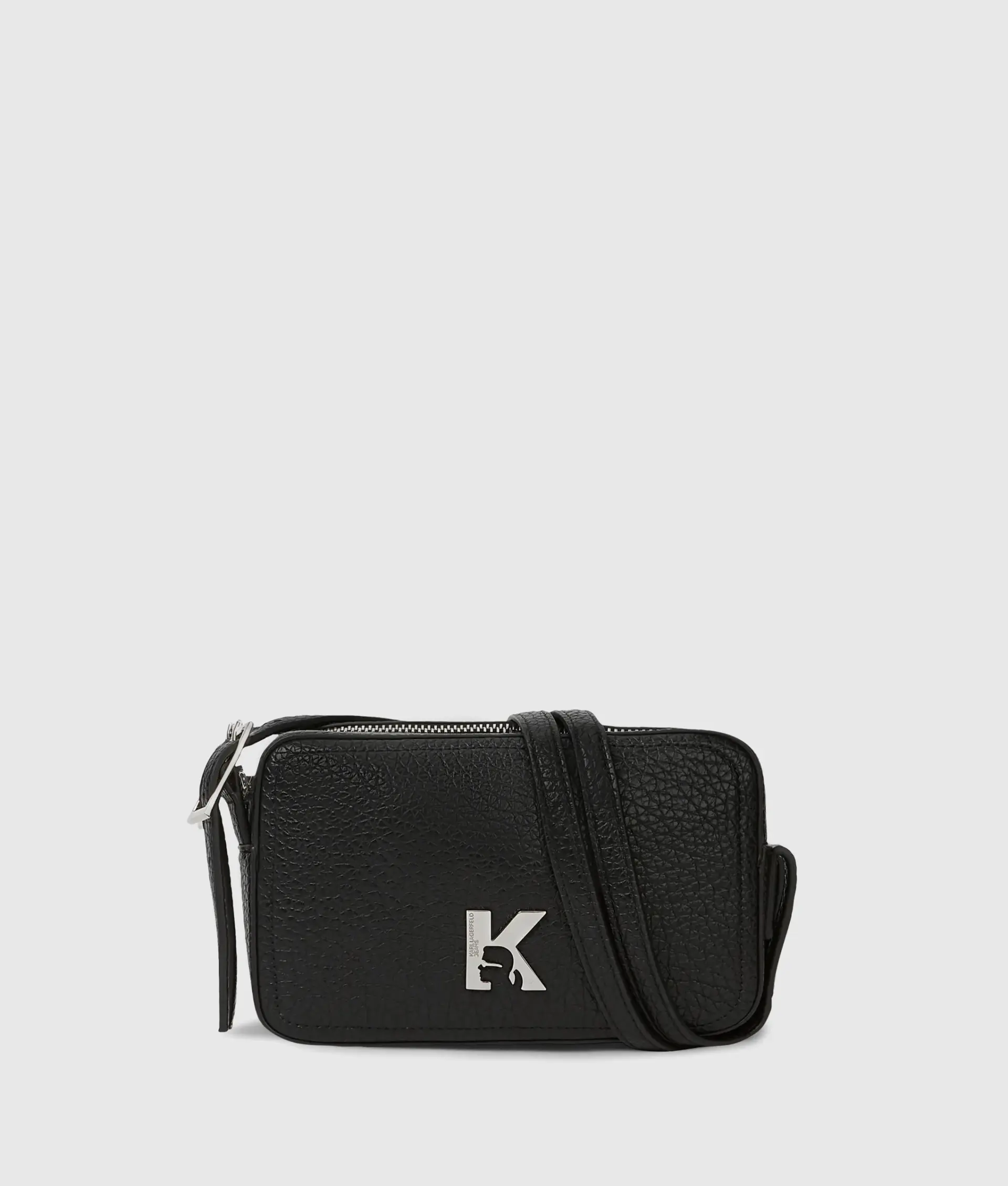
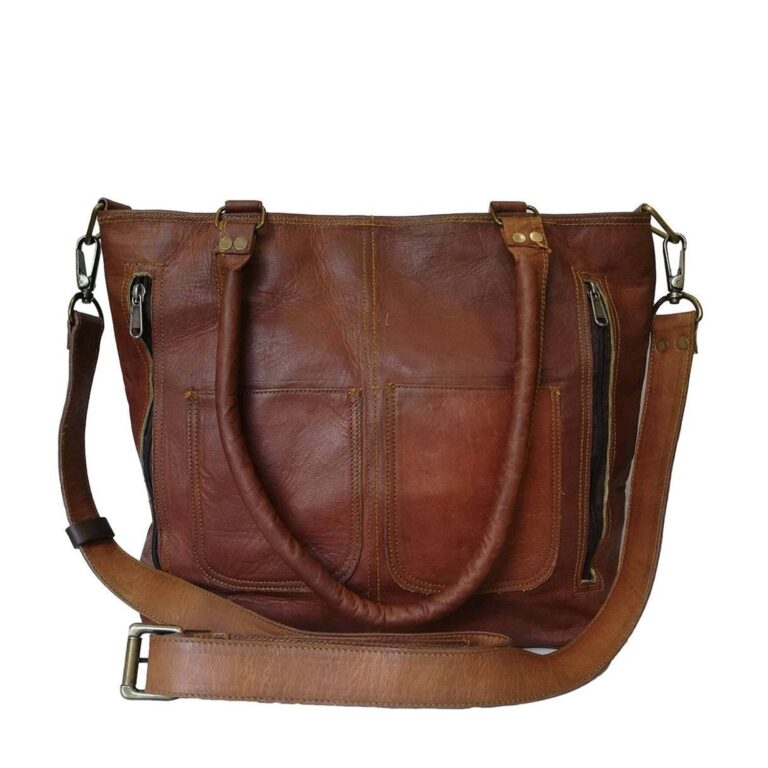 Canvas BagsOur Go To Zip Canvas Tote Bags
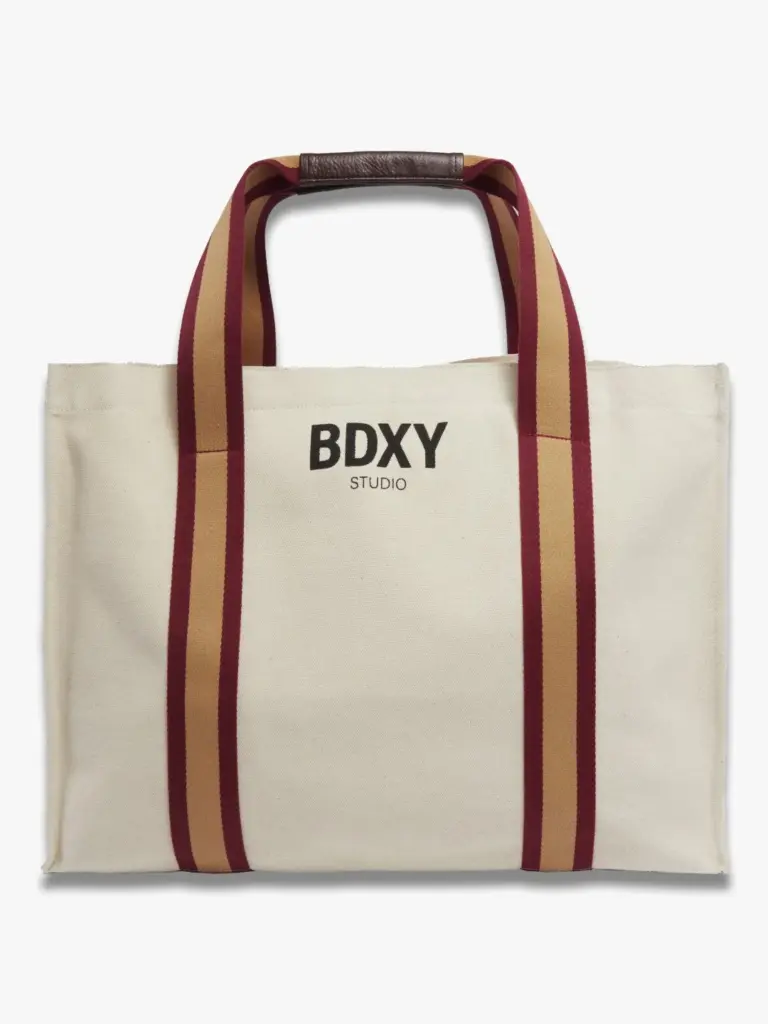
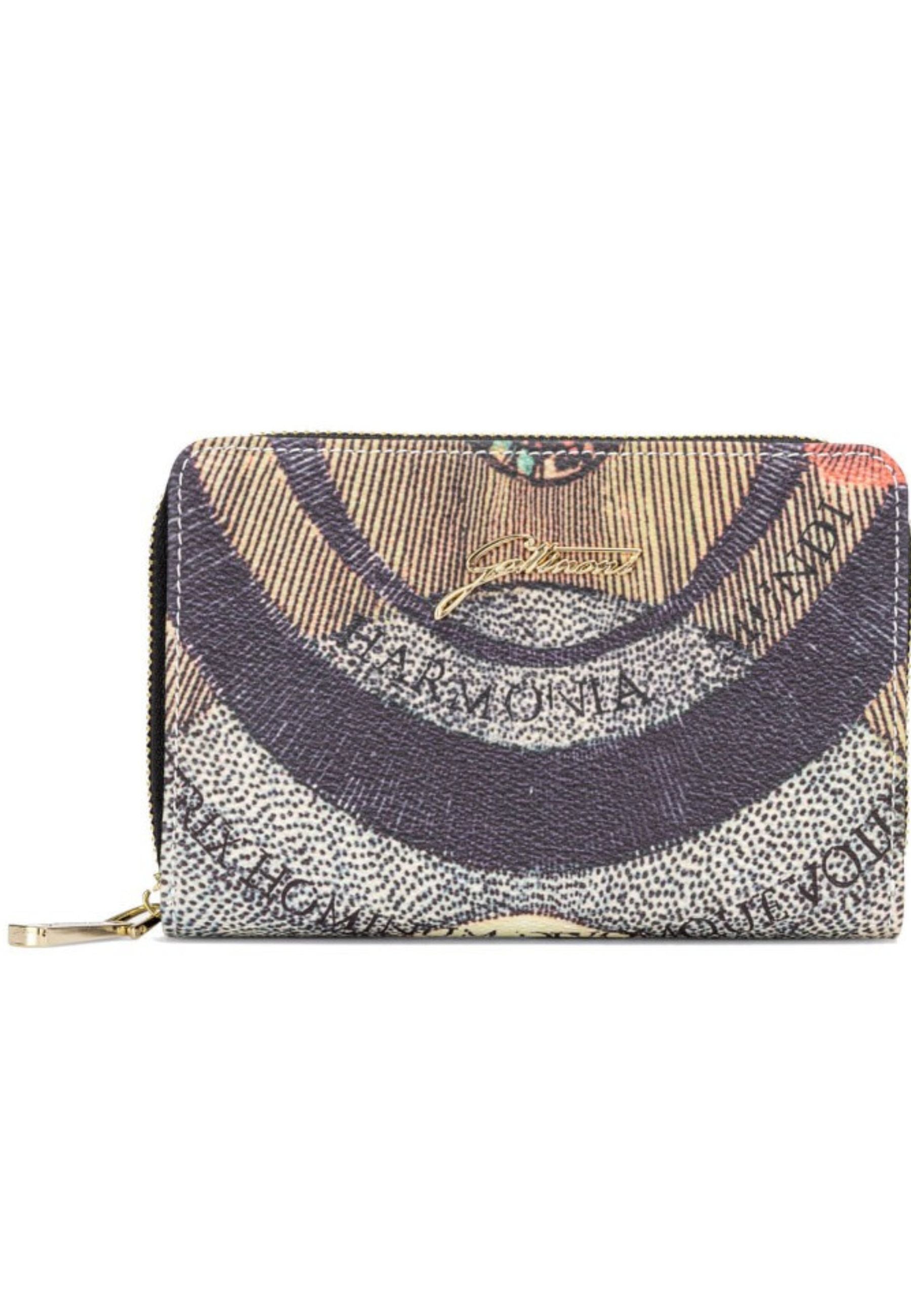 Card HoldersZip Card Holders With Real Wardrobe Staying Power
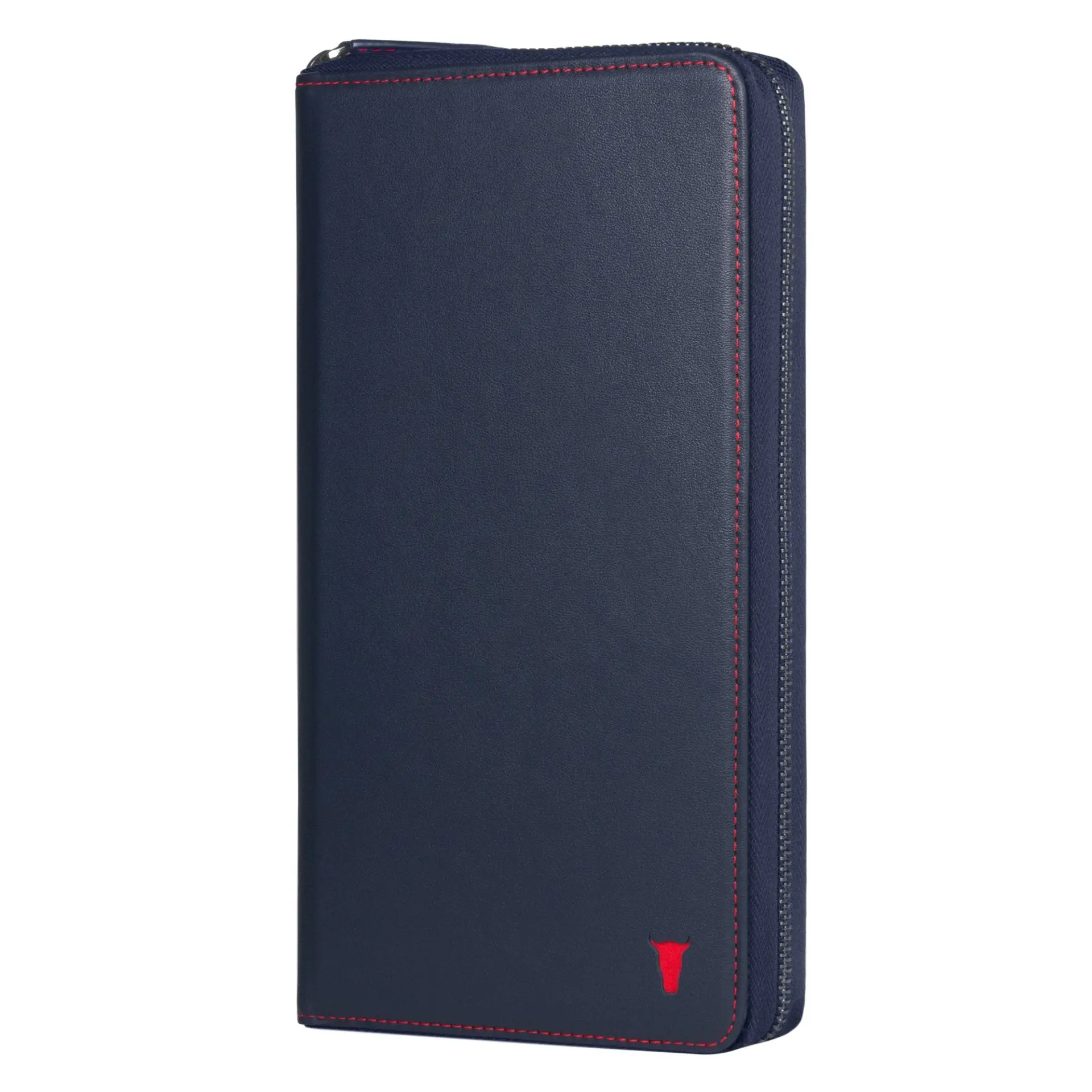
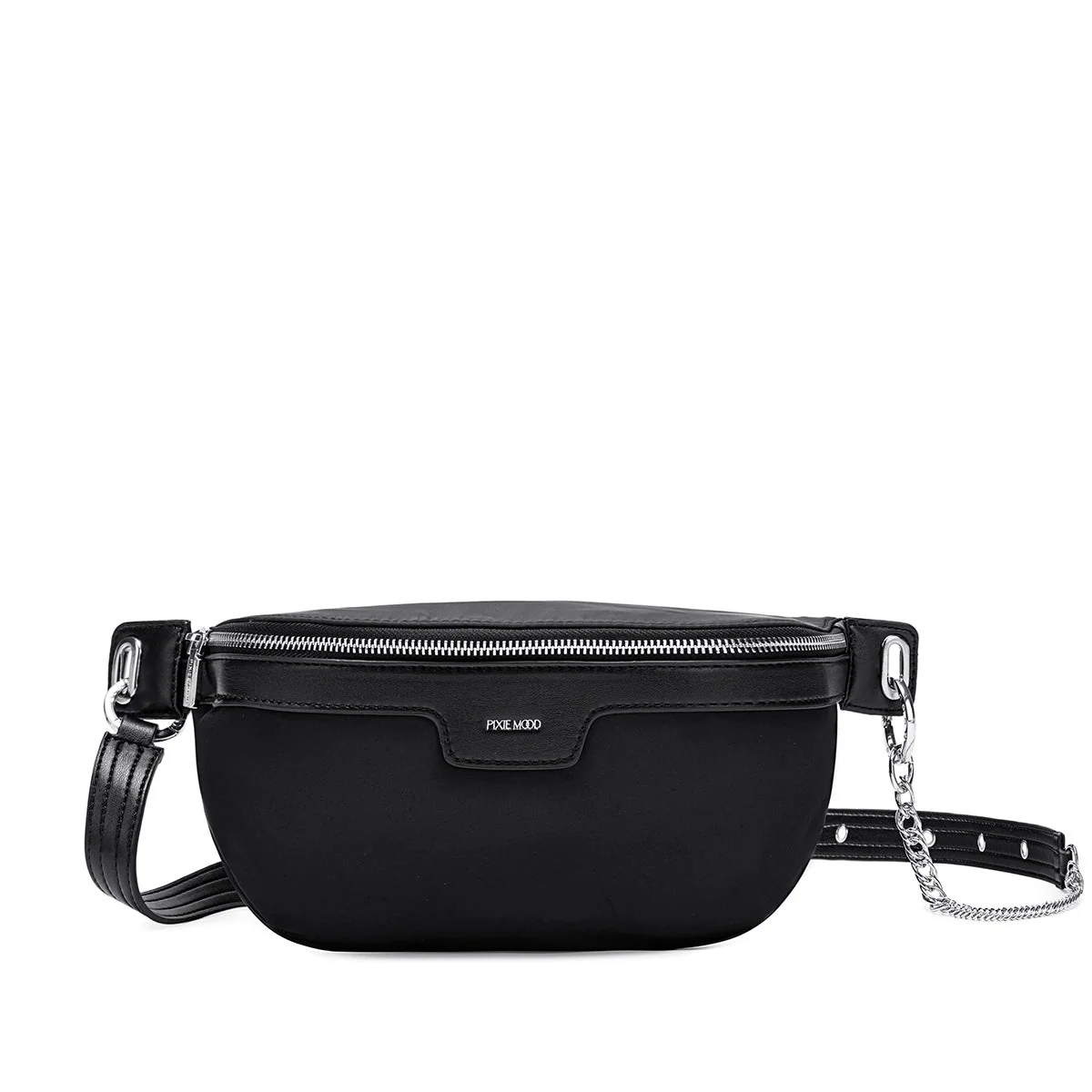 Chain BagsZip Chain Bags Actually Worth Buying
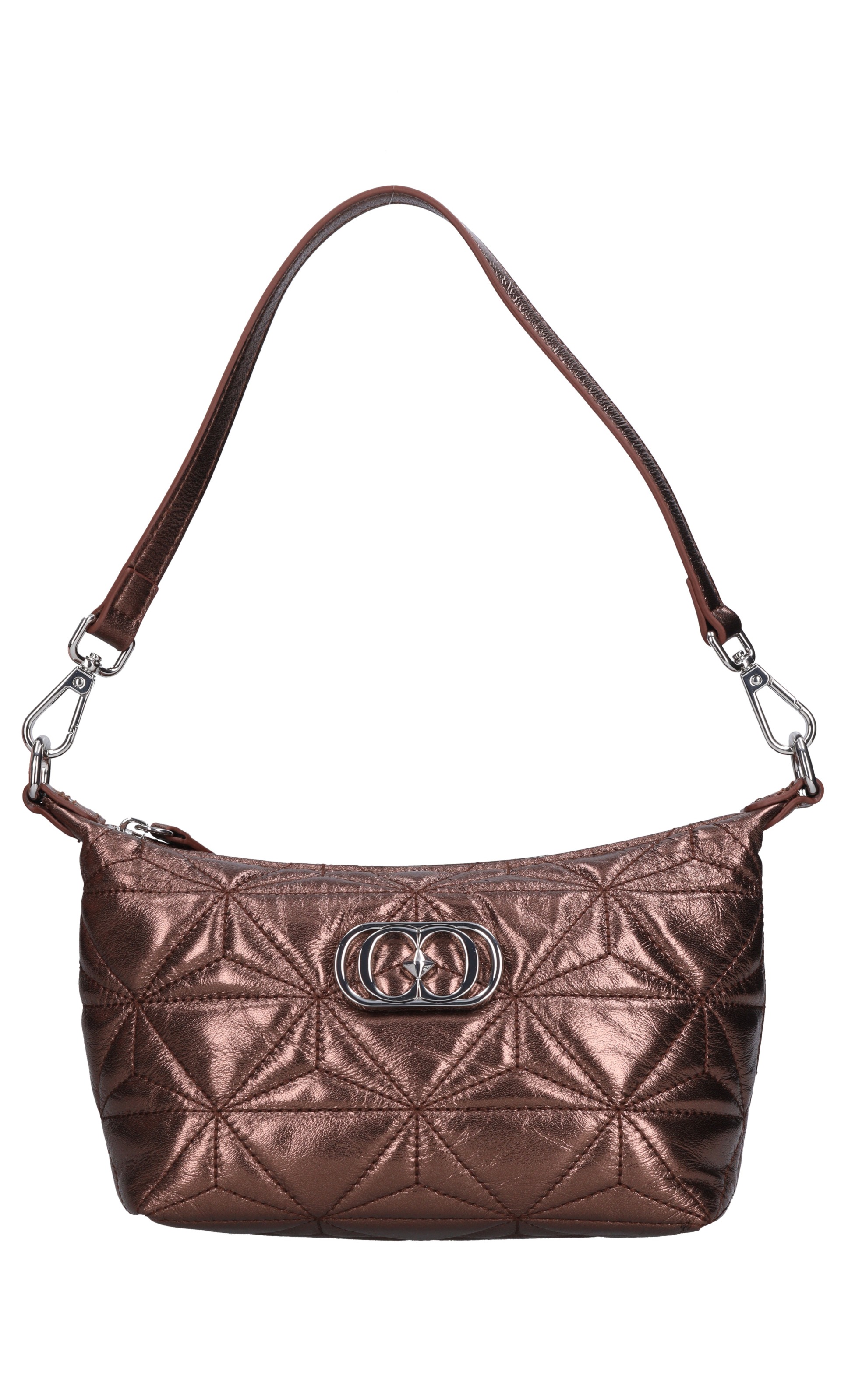
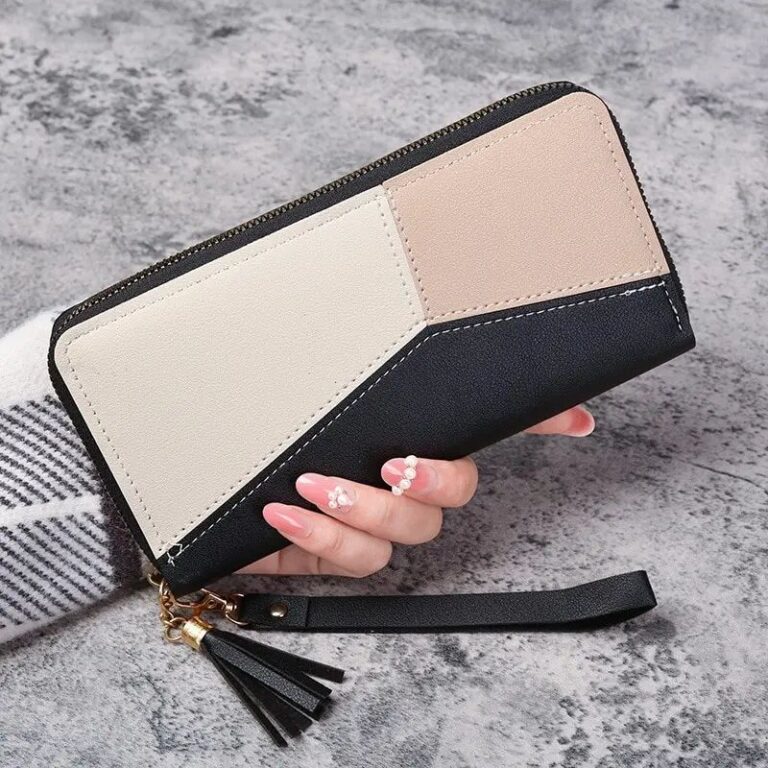 Clutch BagsOur Go To Zip Clutch Bags
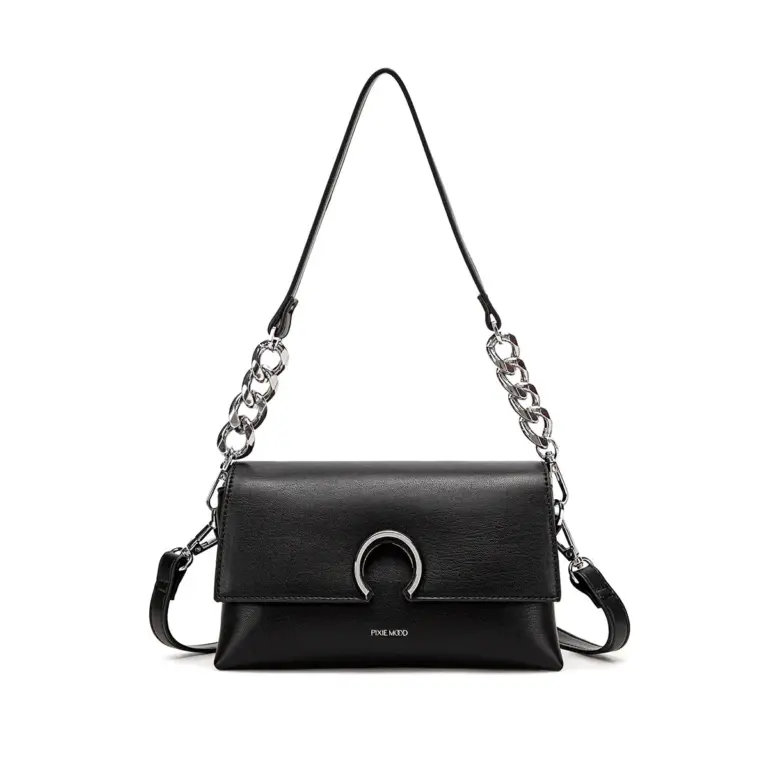
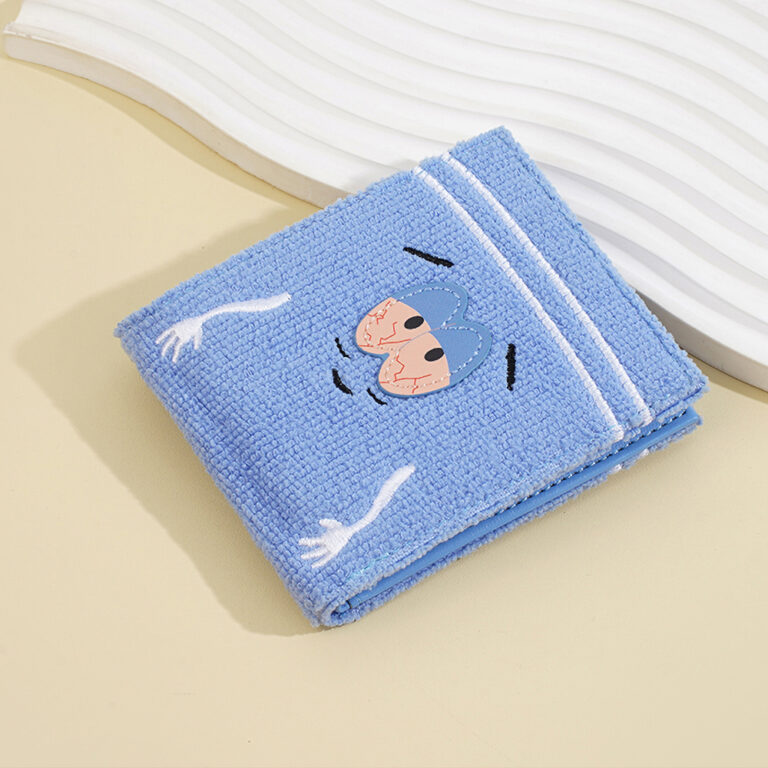 PursesZip Coin Purses We Love Right Now
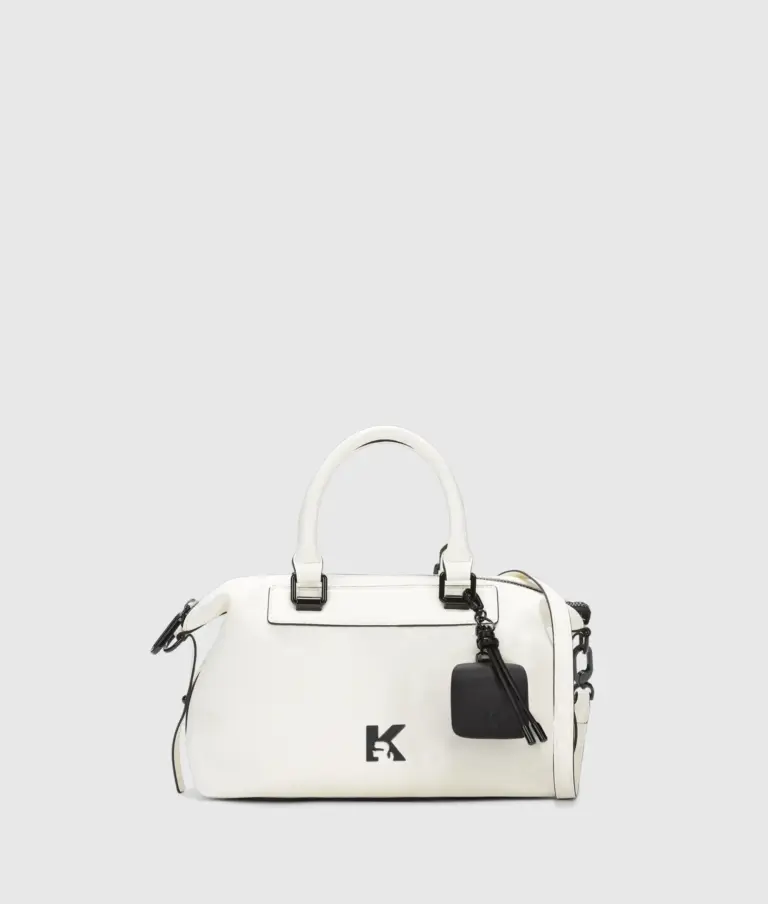
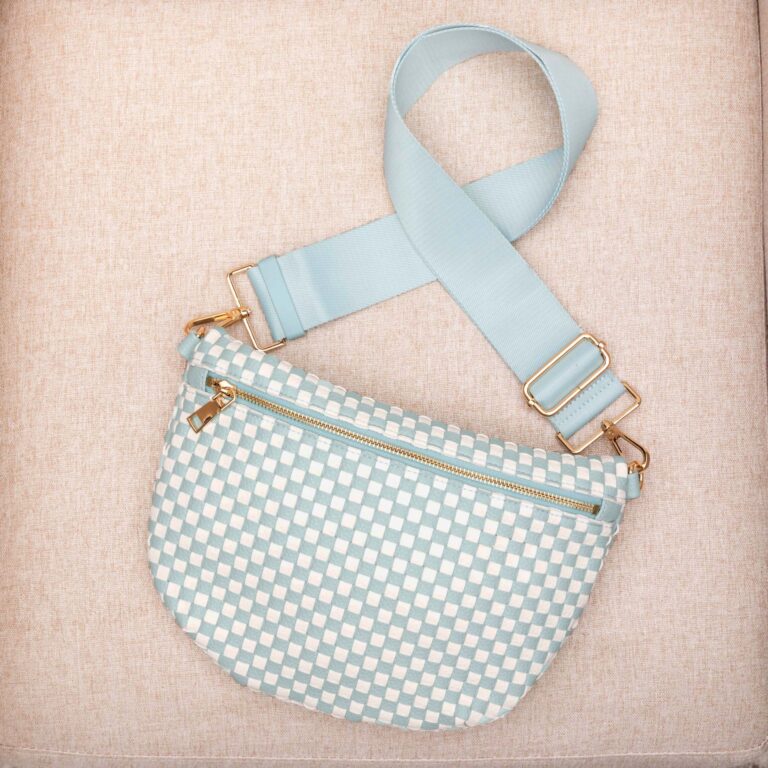 Zip BagsZip Crossbody Bags That Finish an Outfit