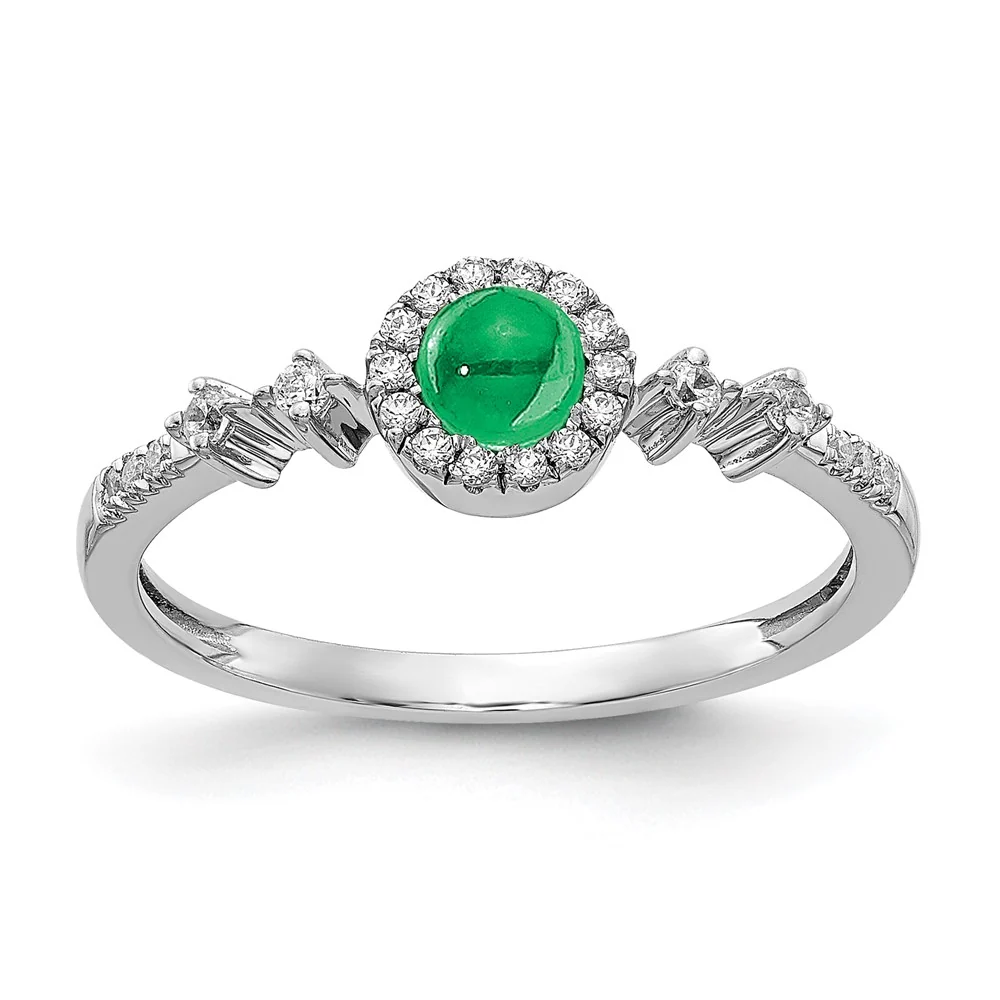
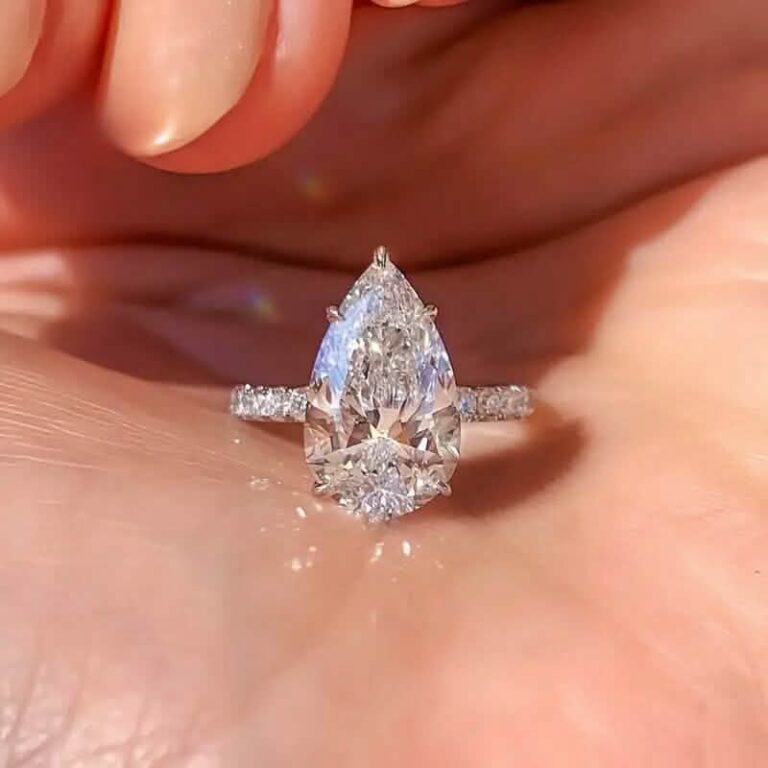
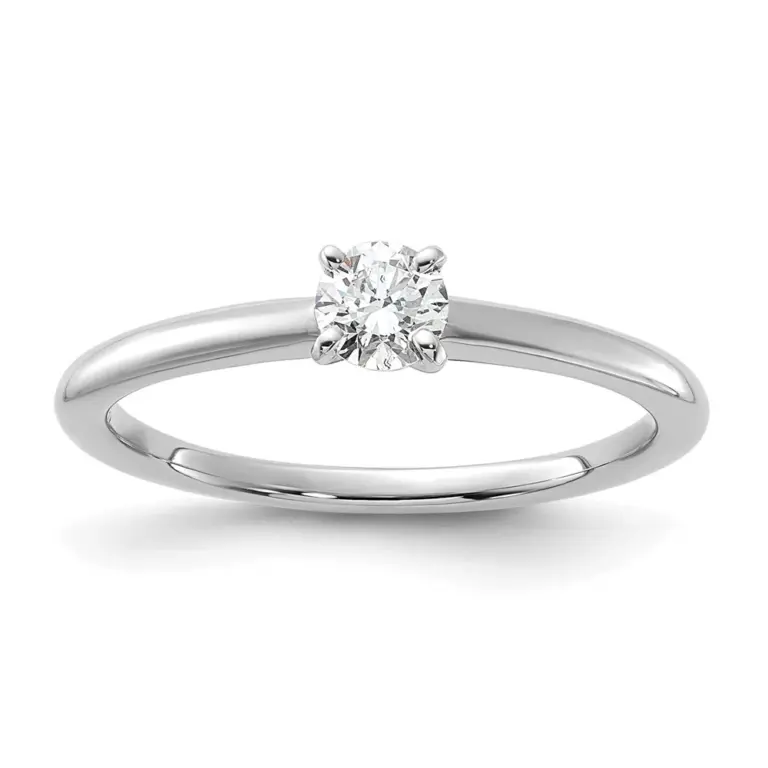
The mistake is buying a ring the way you'd buy earrings, for the shine, without once thinking about what your hand actually does all day. A ring sits on a joint that bends, grips a kettle, goes in and out of pockets, and if the shape doesn't suit that it ends up in a dish by the sink rather than on your finger.
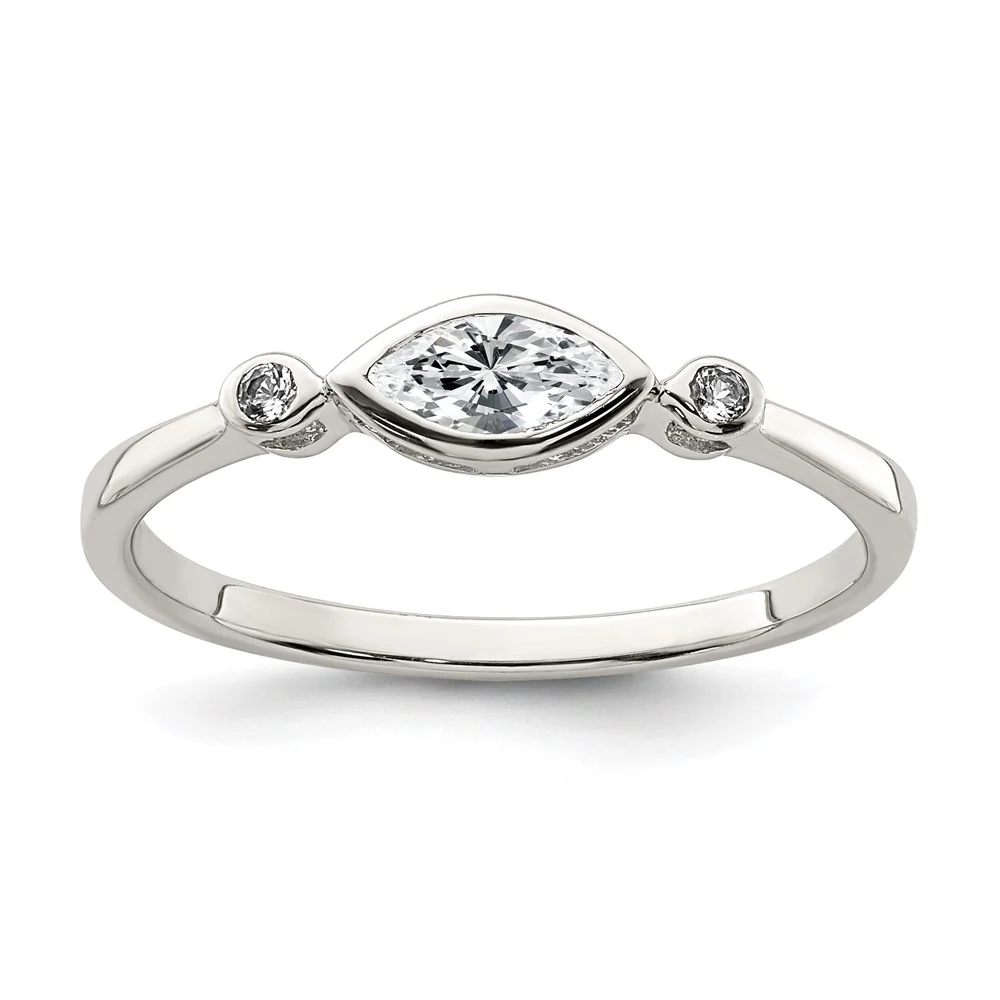
Gold that leans warm rather than brassy is the easiest thing to live with, the kind that looks like it's always had a bit of wear in it. Silver does the same job for cooler colouring and costs you nothing in versatility, which is a word I'm not meant to use but there it is. White stones and pale enamel are lovely in isolation and brutal next to anything with texture, so if you're stacking, keep the fussy piece alone and let plainer bands do the quiet work either side of it.
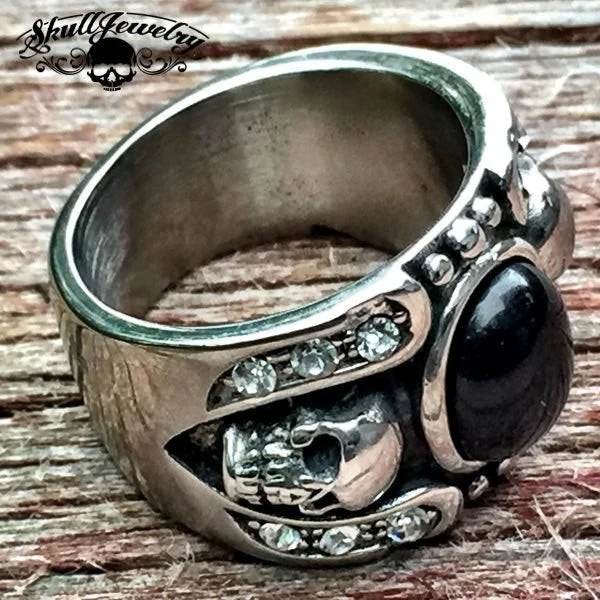
What a ring clashes with is usually another ring, not an outfit. Two statement pieces on the same hand compete for attention and neither wins, you just end up looking like you got dressed in a hurry near a jewellery box. Heavy stacking on short fingers can shorten them further, which nobody warns you about until you've bought four thin bands and they've disappeared into a knuckle. And anything with a raised setting fights with gloves, tights you're pulling on, bread dough, anything your hands actually need to do.
Where rings properly fall short is on anyone who works with their hands all day, or who simply forgets jewellery exists until it's caught on something. A big stone on a prong setting will find every doorframe and bag strap going, and if you take it off twice a day you will, at some point, leave it on a windowsill in a different city. Simple bands survive carelessness. Statement pieces need a person who remembers they exist.
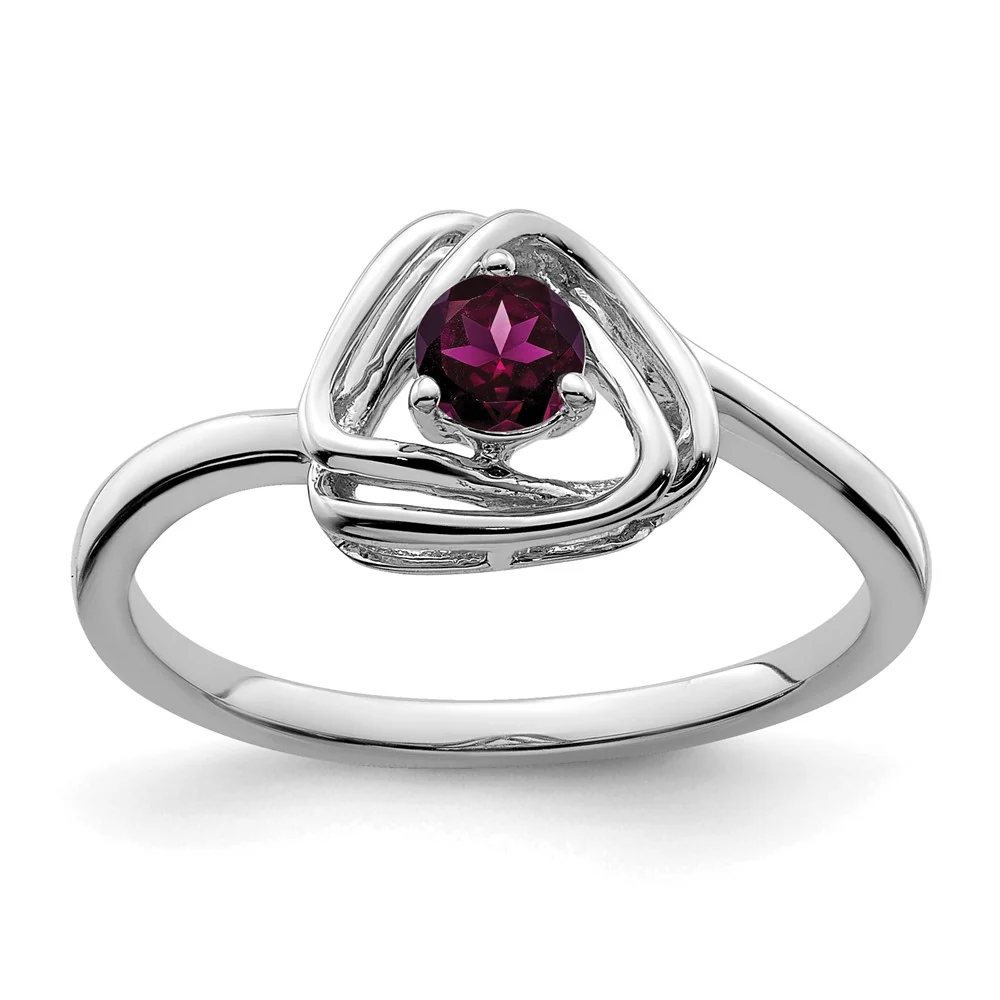
The difference between a ring that lasts and one that turns your finger green within a fortnight is almost always in what you can't see. A decent band has weight to it, a proper heft when you pick it up off a dish, rather than feeling hollow and light like a toy. The inside edge should be smooth, not stamped sharp, because a rough inner edge rubs against the next finger over within a day. Stones set deep and flush wear better than ones perched up on claws, and plating that's actually plating rather than a wash will survive a hand wash or two without showing brass underneath.
Even a well made ring will eventually need a jeweller to reshape or resize it, because hands change, knuckles swell a little with age, and no ring is quite as permanent as the shop assistant makes it sound.
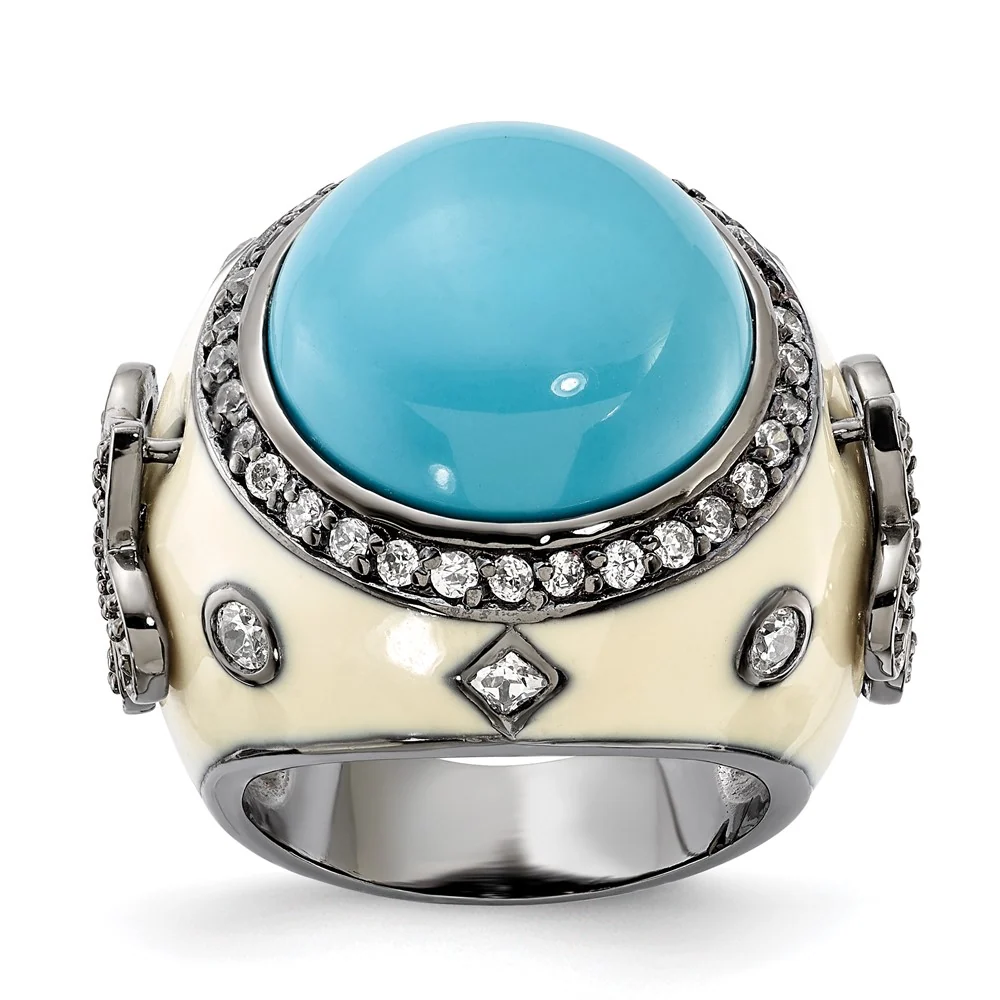 White RingsDelicate to Bold: Our Favorite White Turquoise Rings
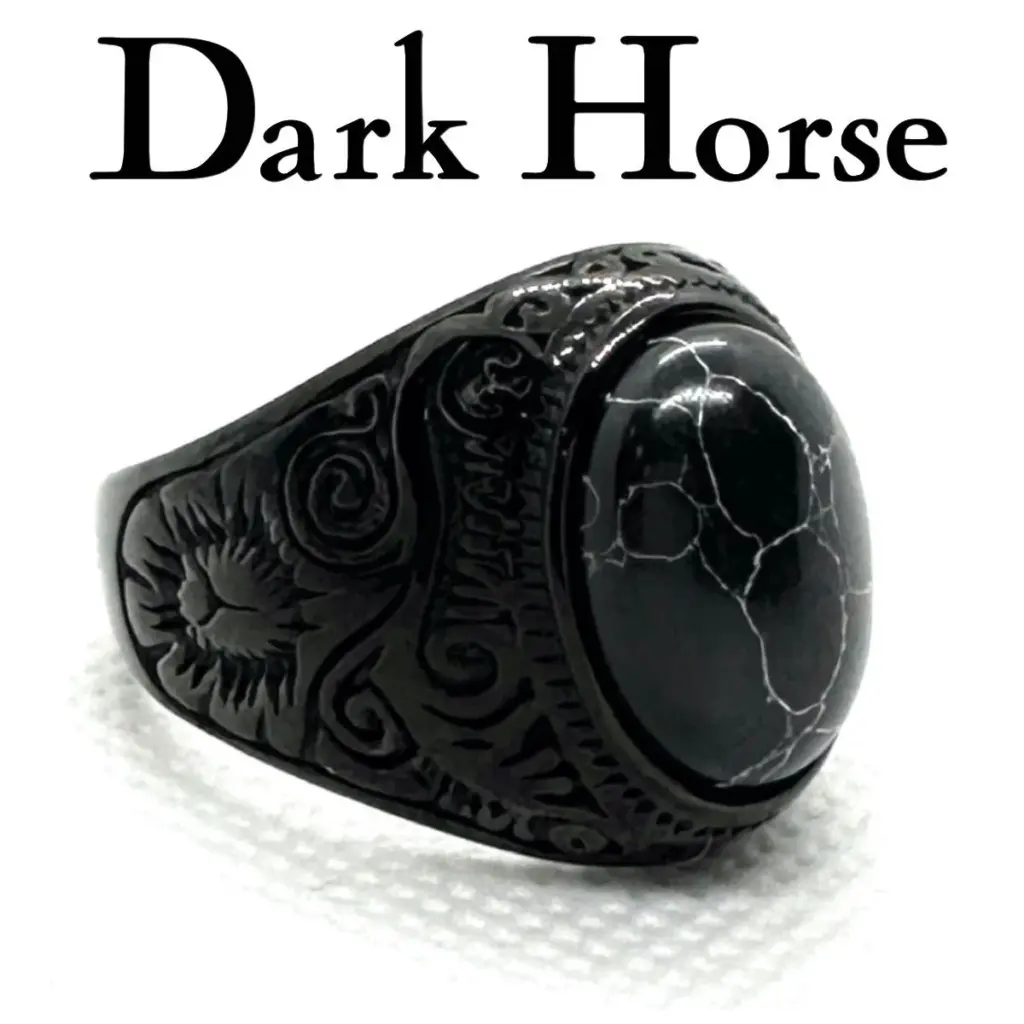
 White RingsWhere to Find the Best White Vintage Rings
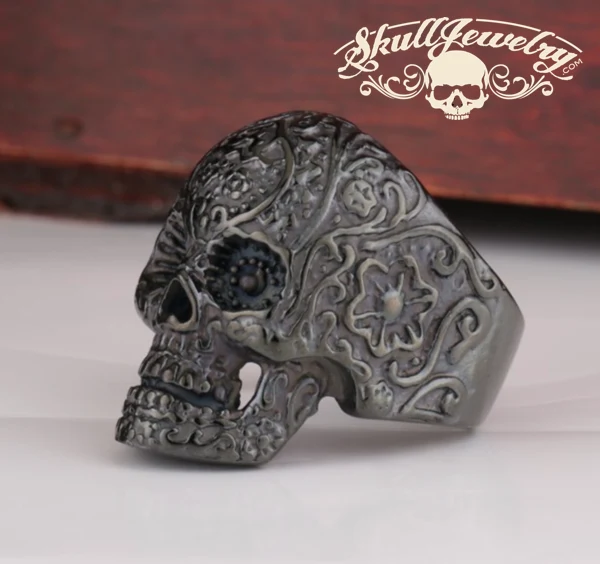
 White RingsWhite Vintage Statement Rings You’ll Never Take Off
 White RingsWhite Waterproof Rings Worth Treating Yourself To
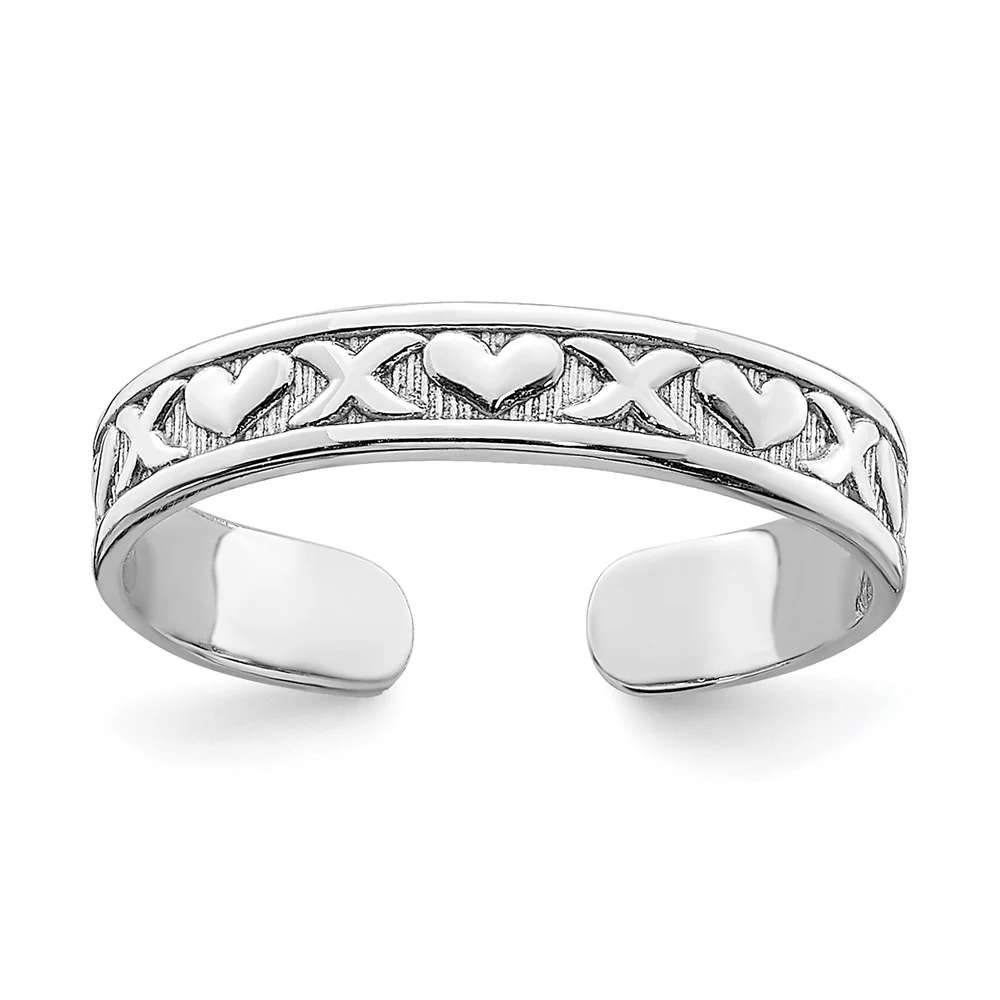 White RingsDelicate to Bold: Our Favorite White Toe Rings
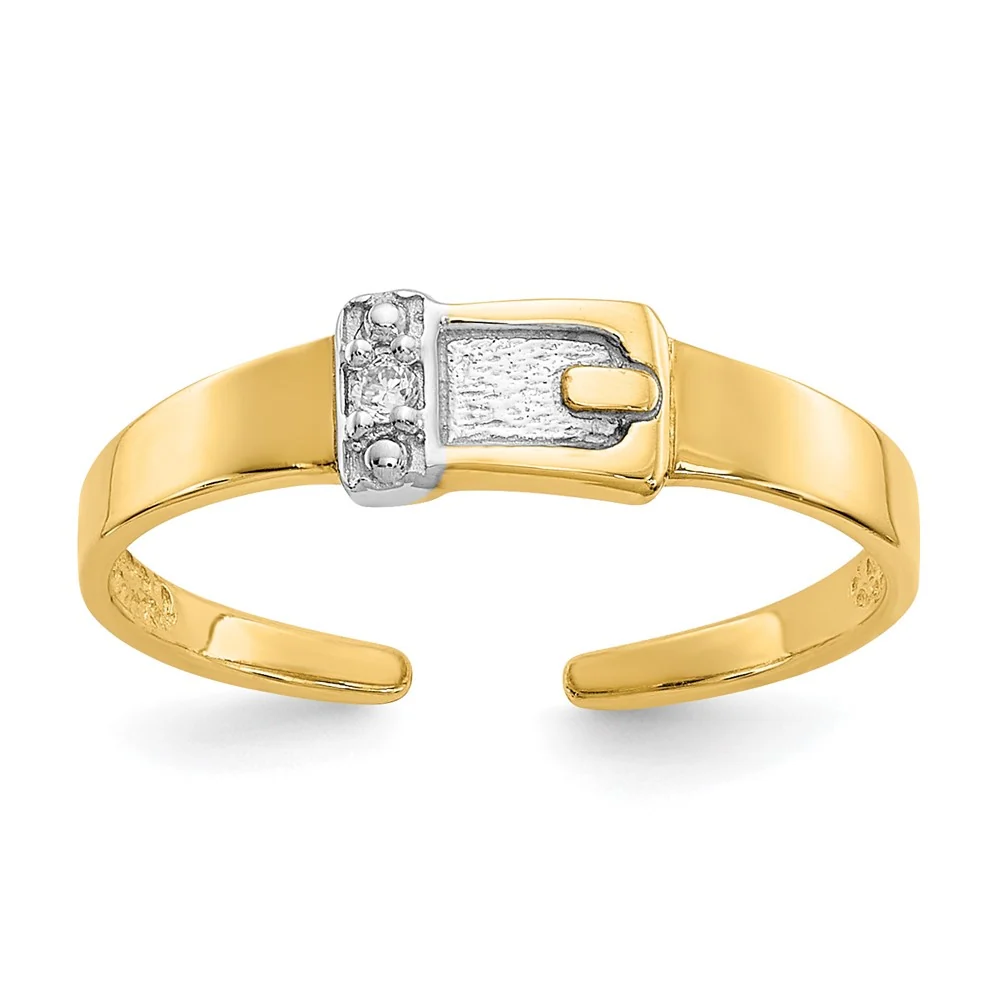
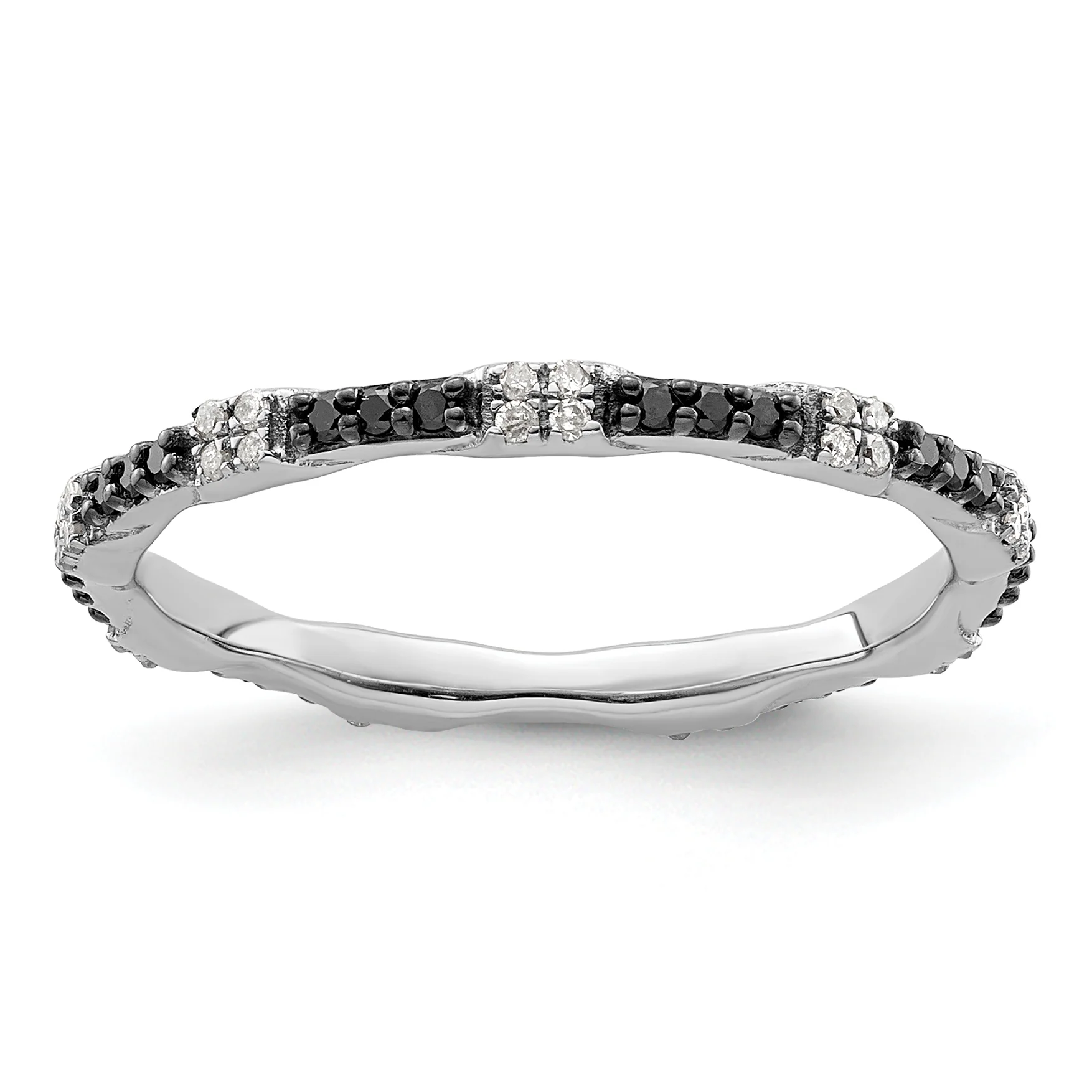 White RingsWhite Stacking Rings That Feel Special
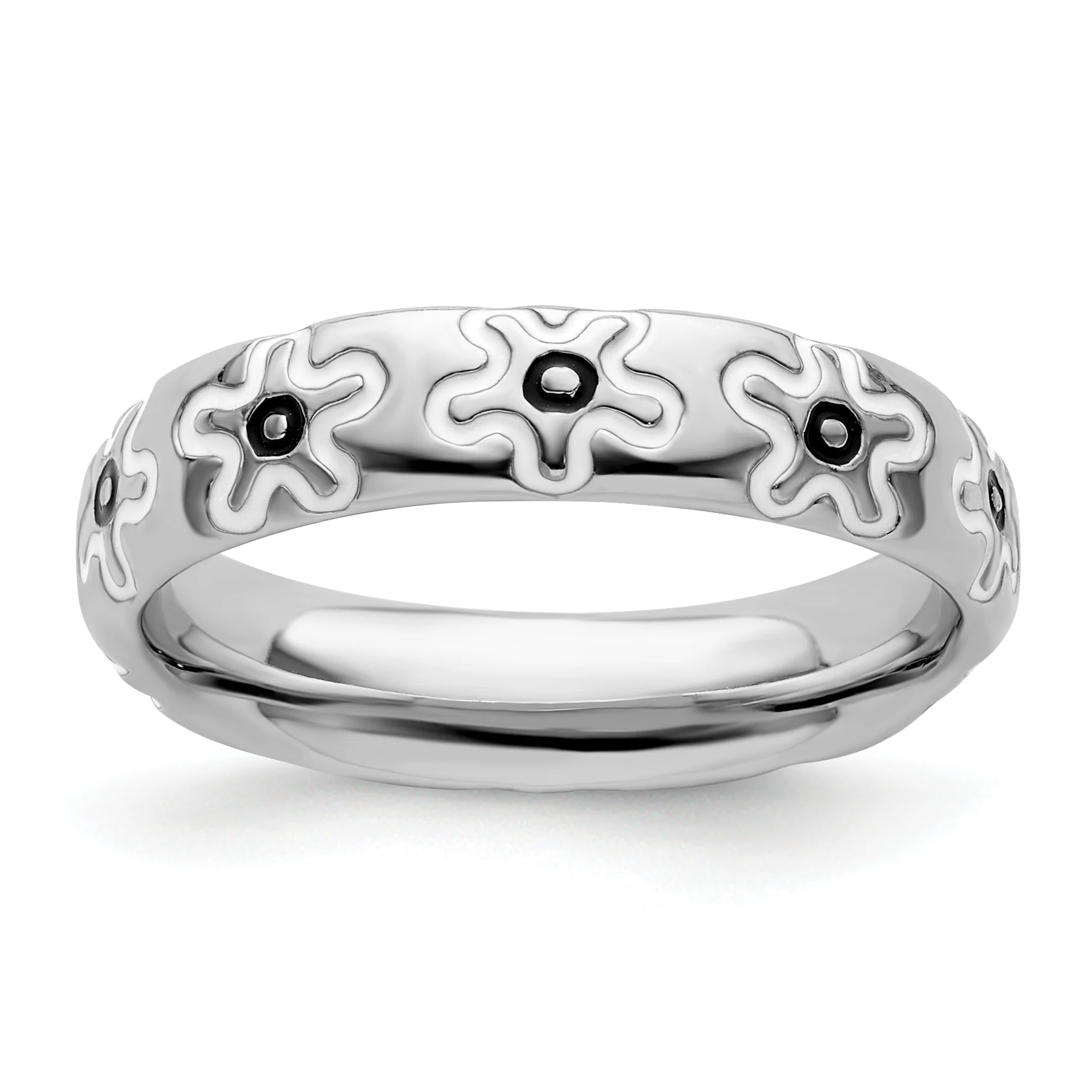
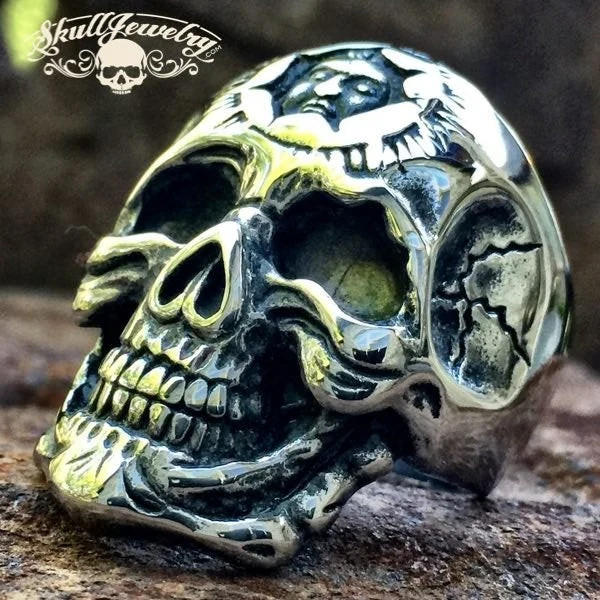 White RingsWhite Stainless Steel Rings for Everyday Wear
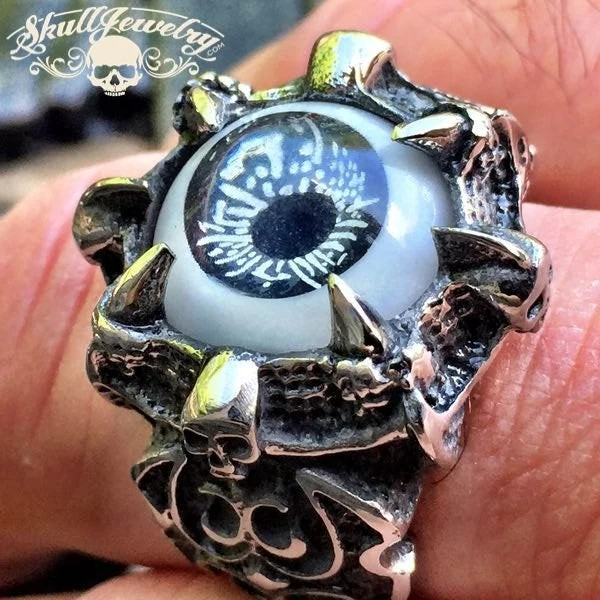
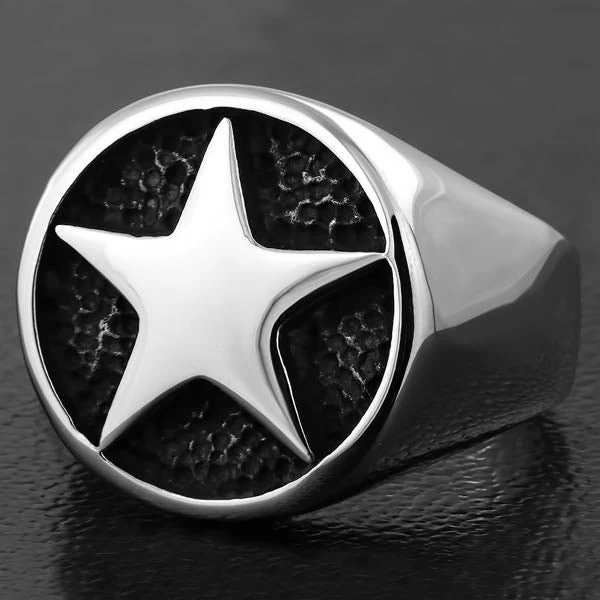 White RingsWhere to Find the Best White Star Rings
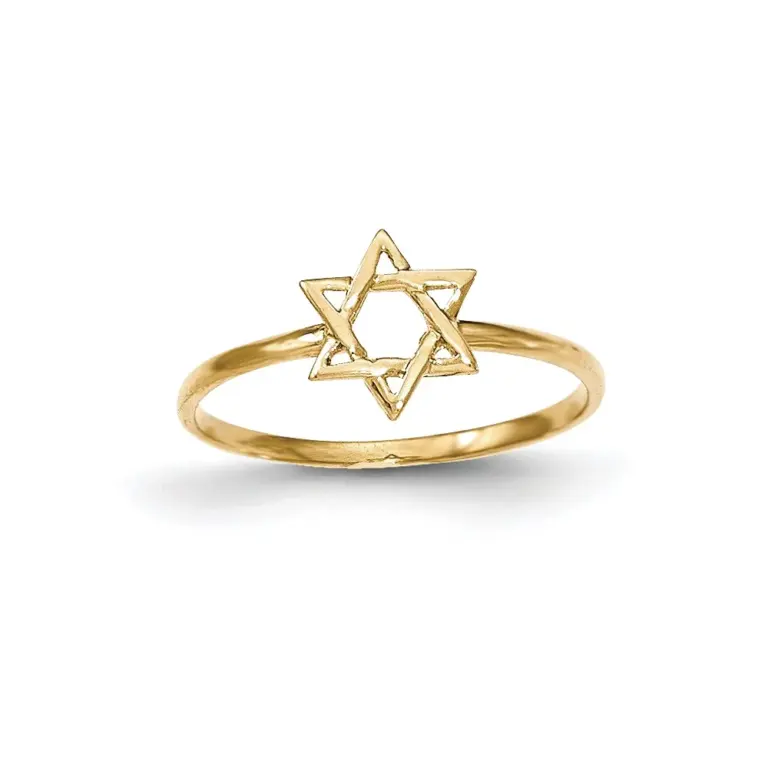
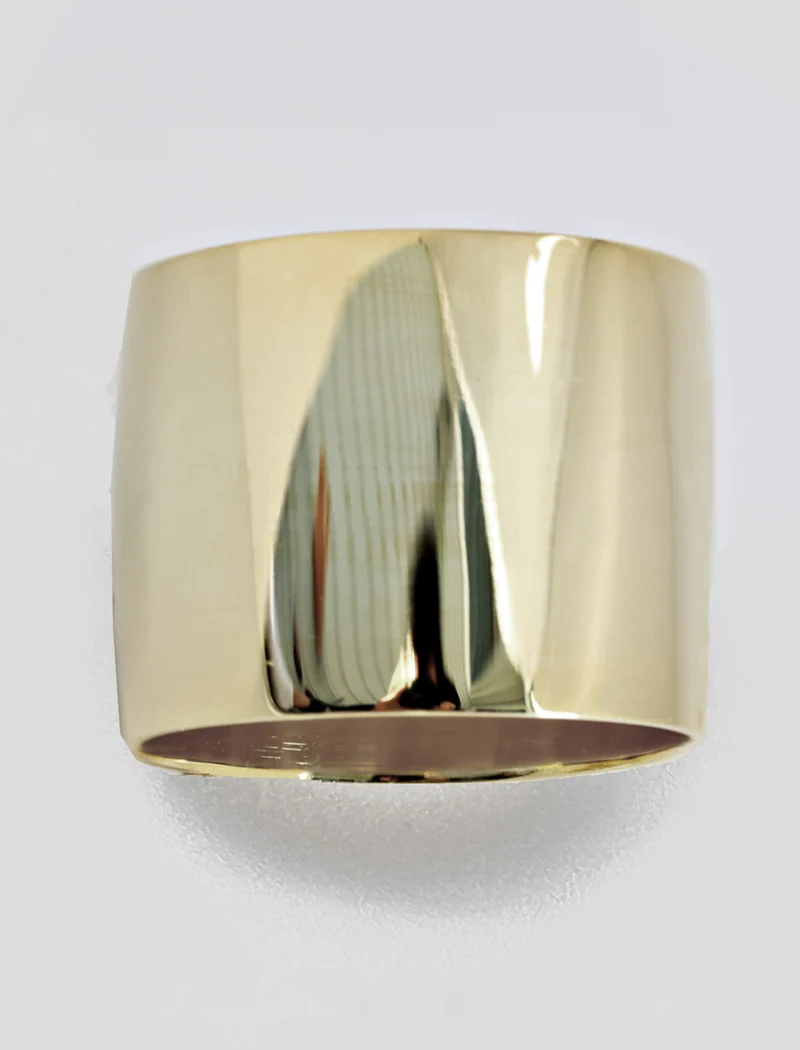 White RingsPretty White Statement Rings We LoveAlso worth a lookStatement RingsCan you wear a statement ring every day or does it belong in the box for best?See the collections →
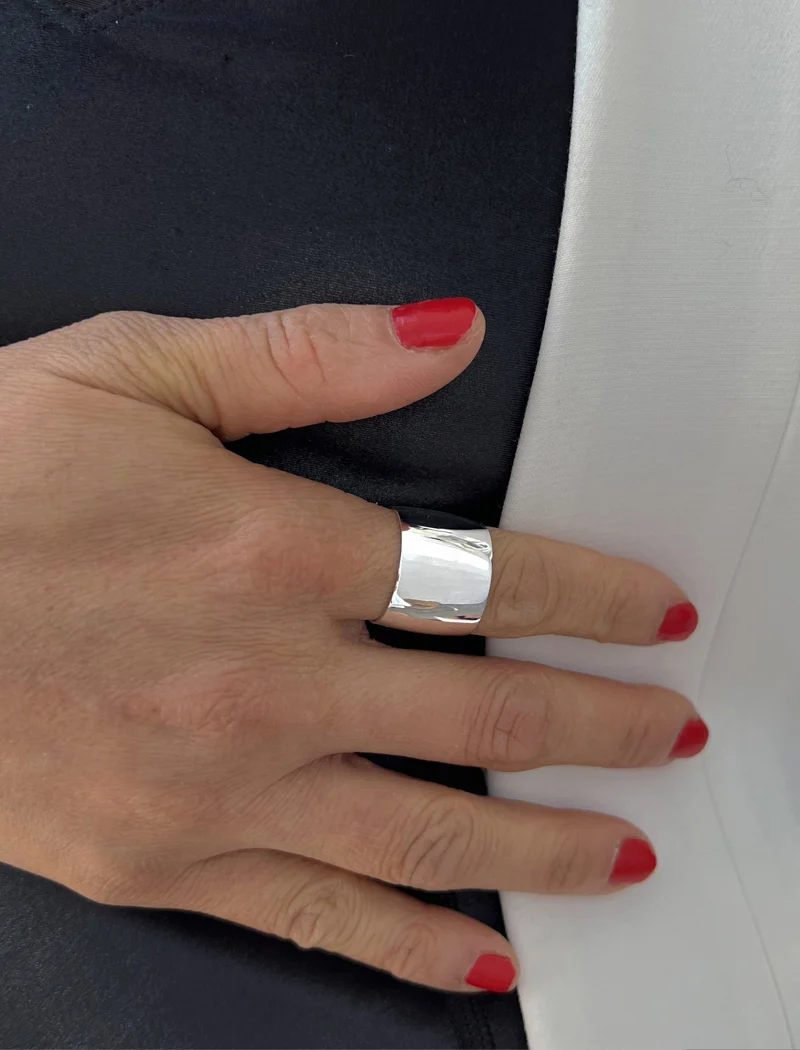
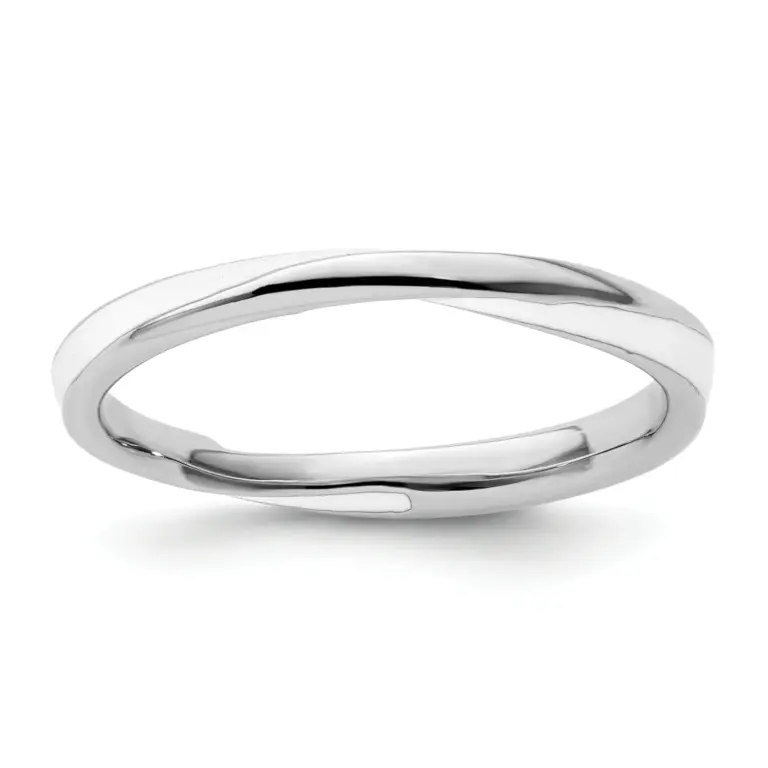 White RingsThe Prettiest White Sterling Silver Rings Around Right Now
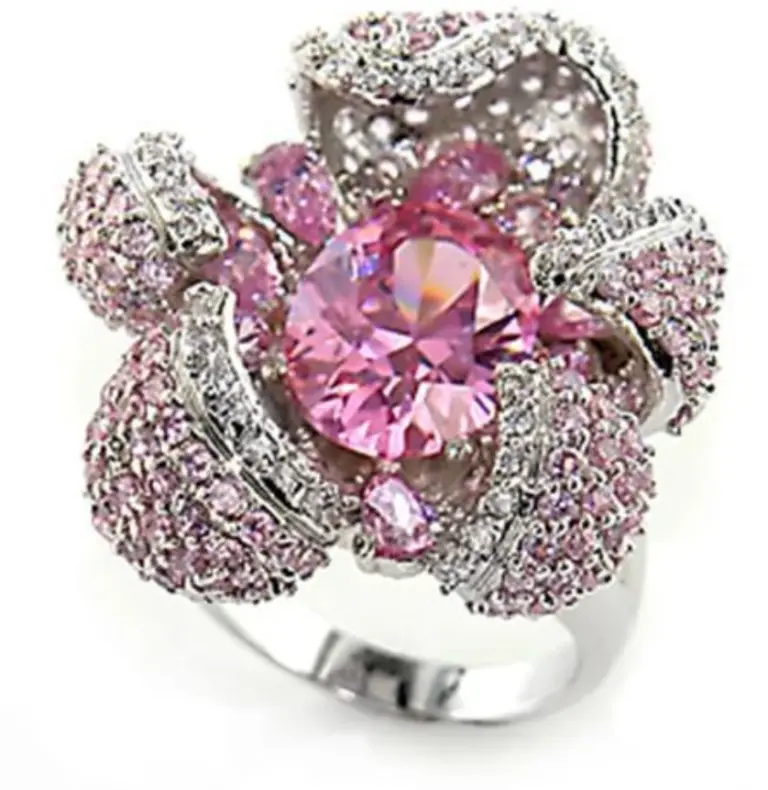
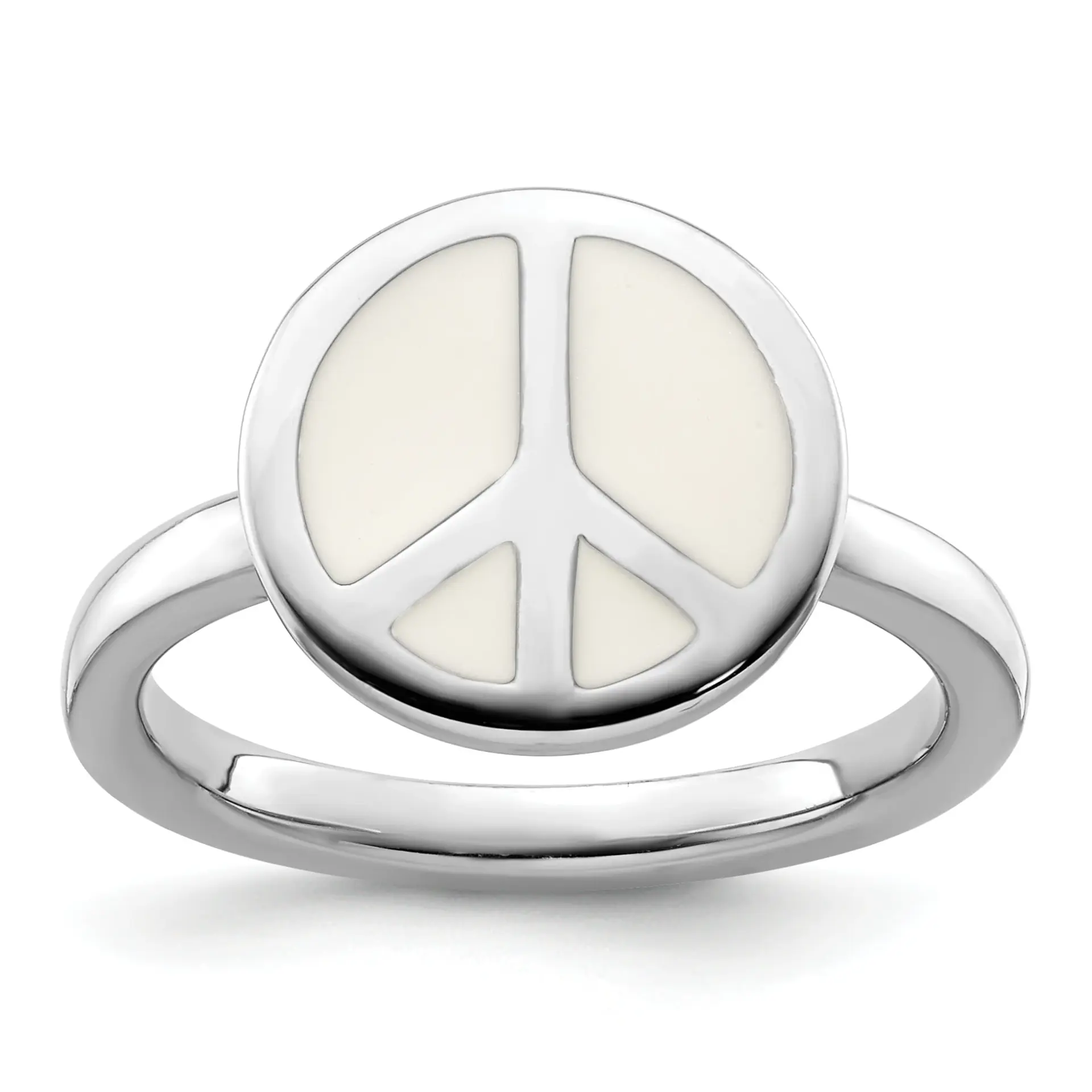 White RingsDelicate to Bold: Our Favorite White Stacking Rings
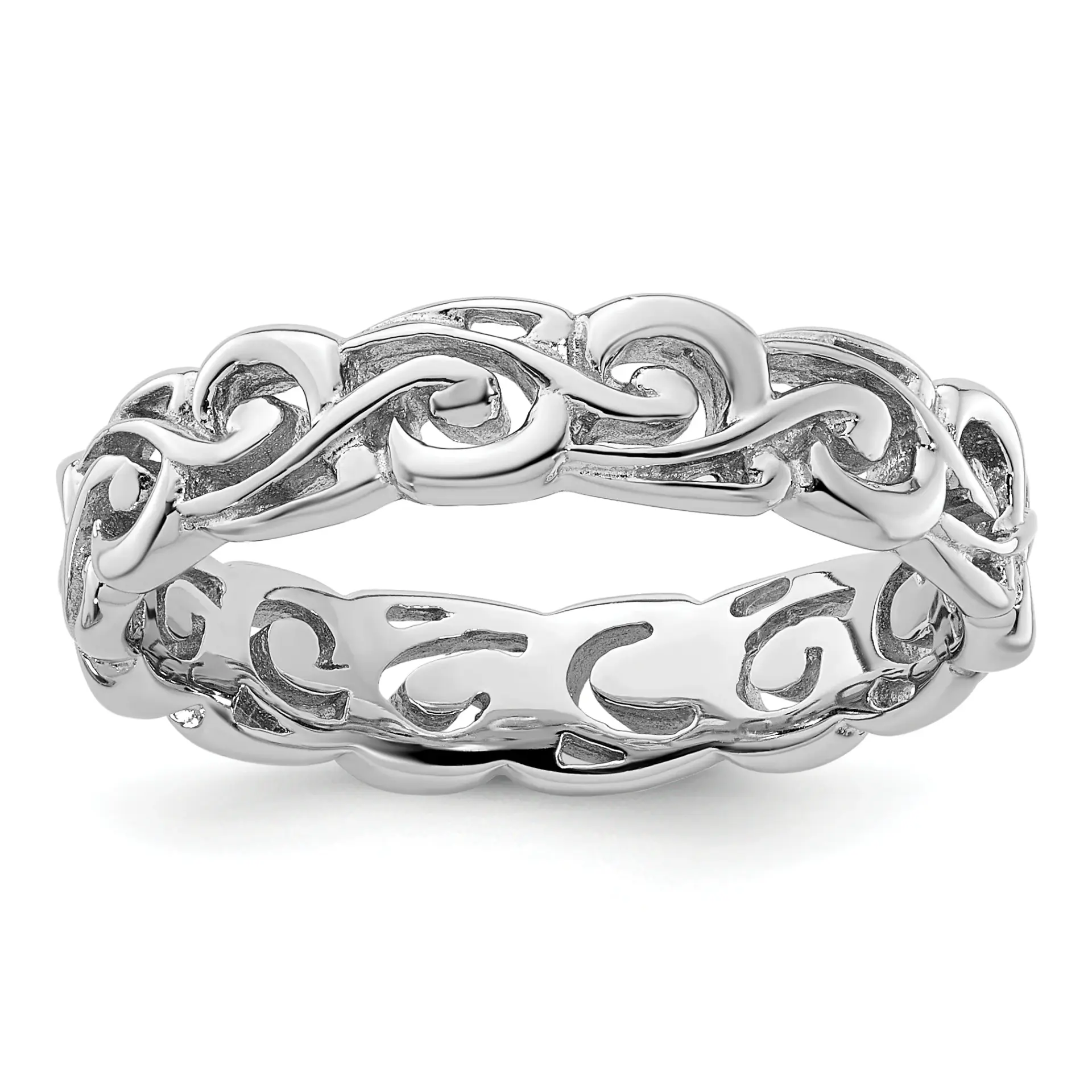
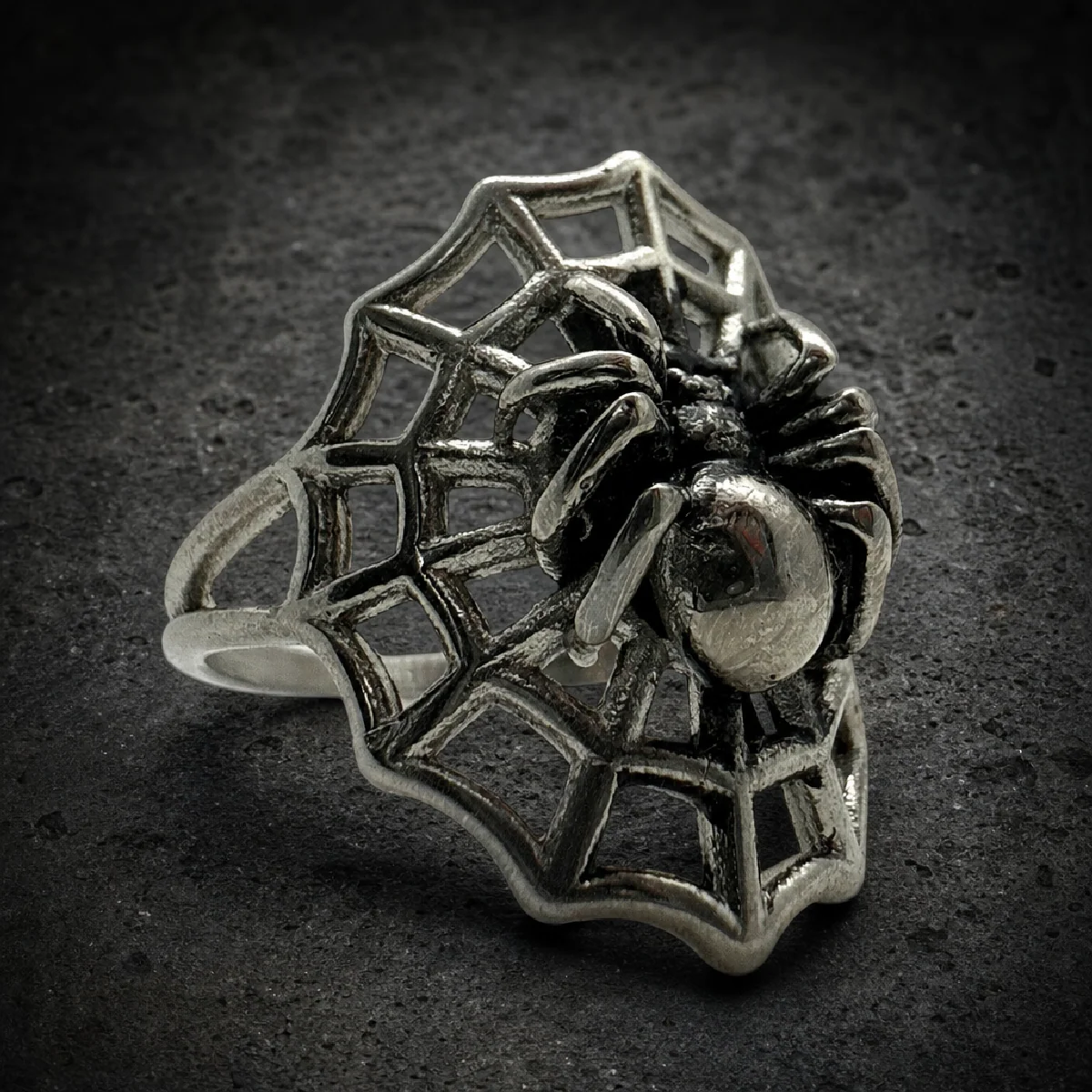 White RingsWhite Shell Rings: The Edit
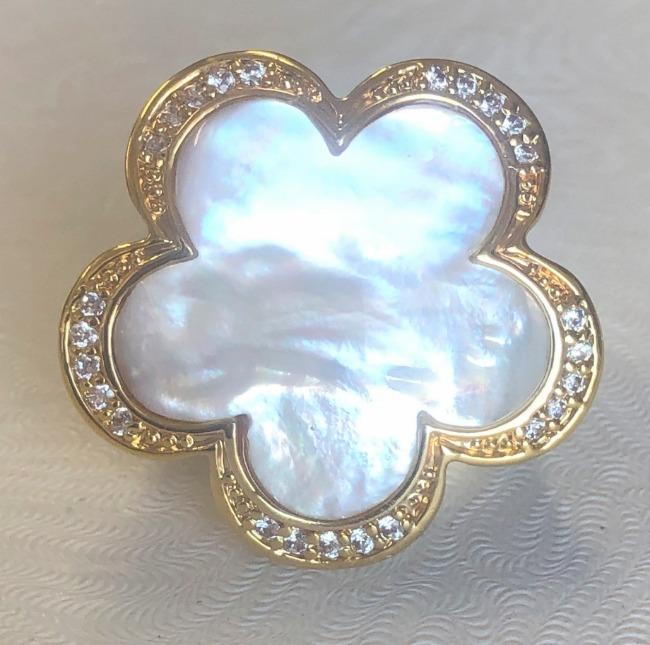
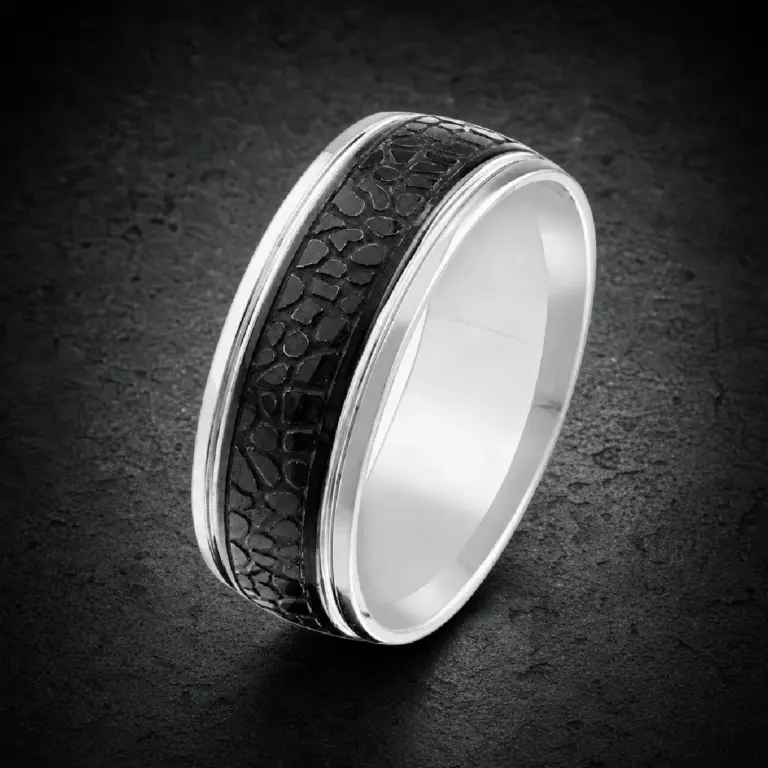 White RingsWhite Signet Rings Edited Down to the Best
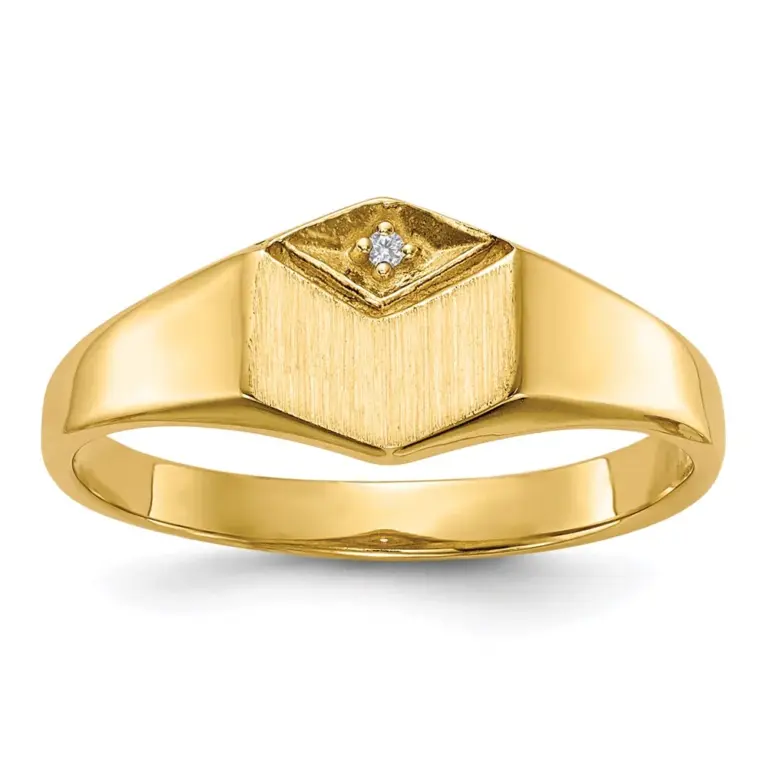
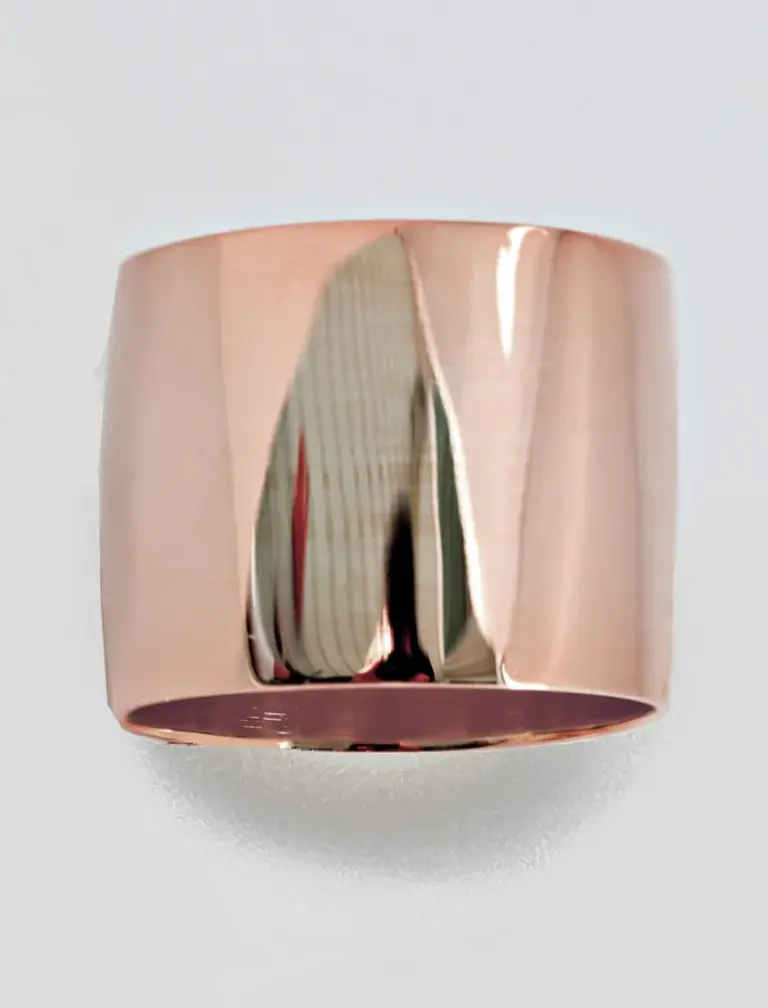 White RingsOur Pick of the Best White Silver Plated Rings
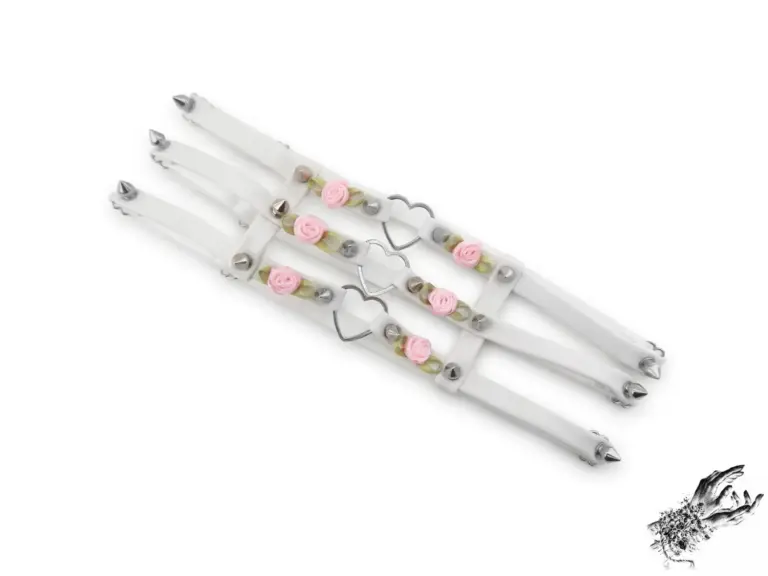
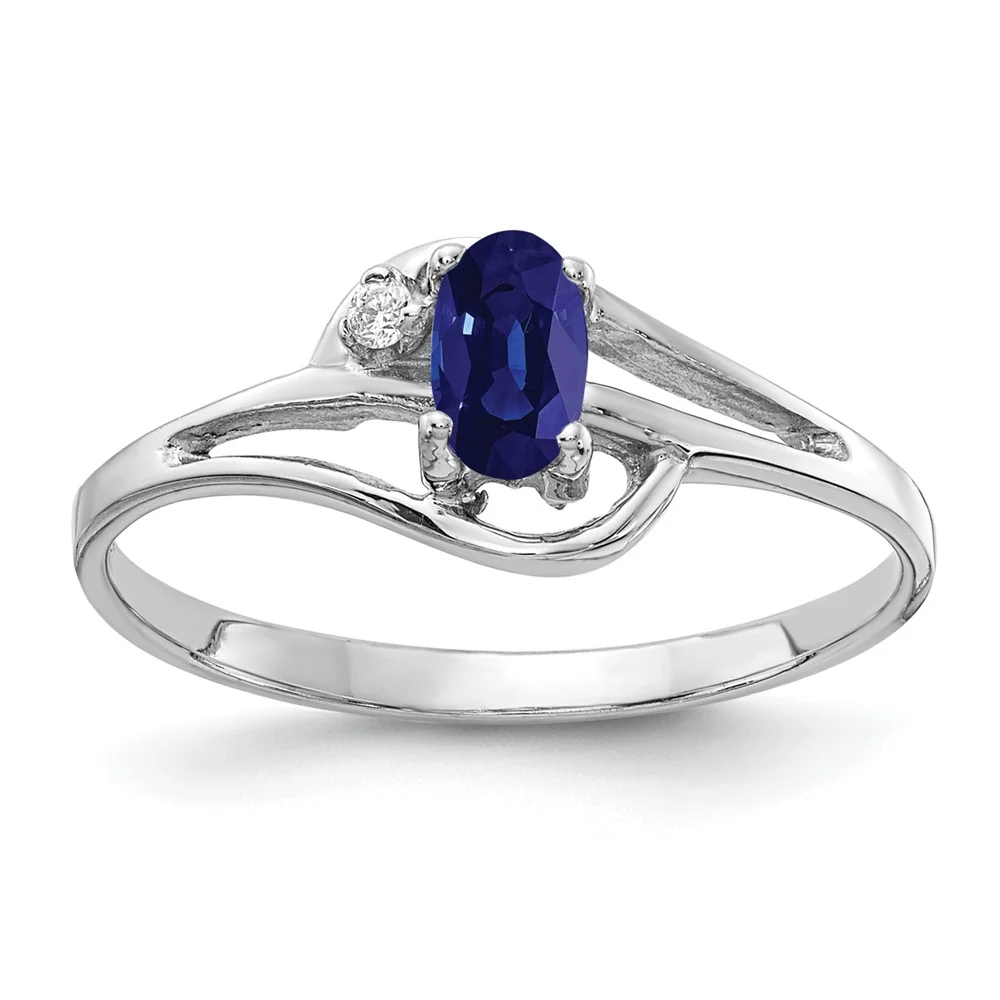 White RingsWhite Sapphire Rings You’ll Never Take Off
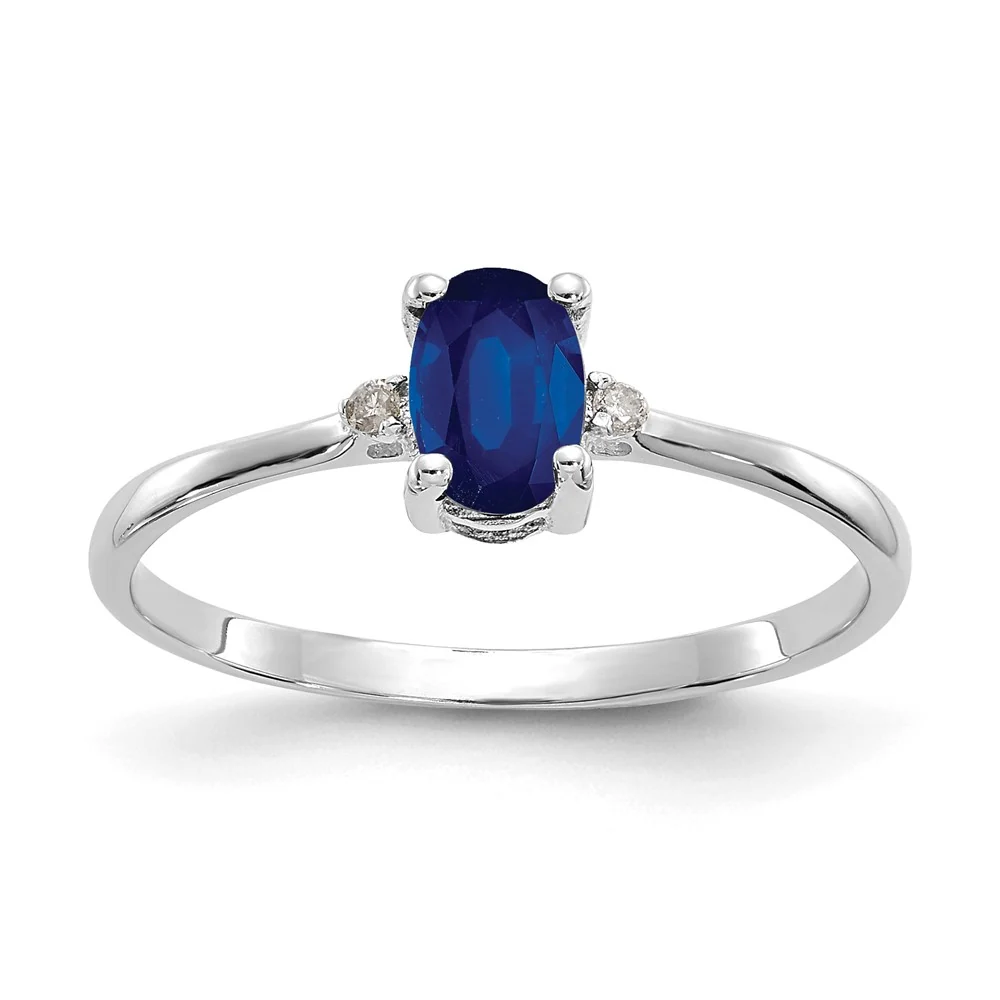
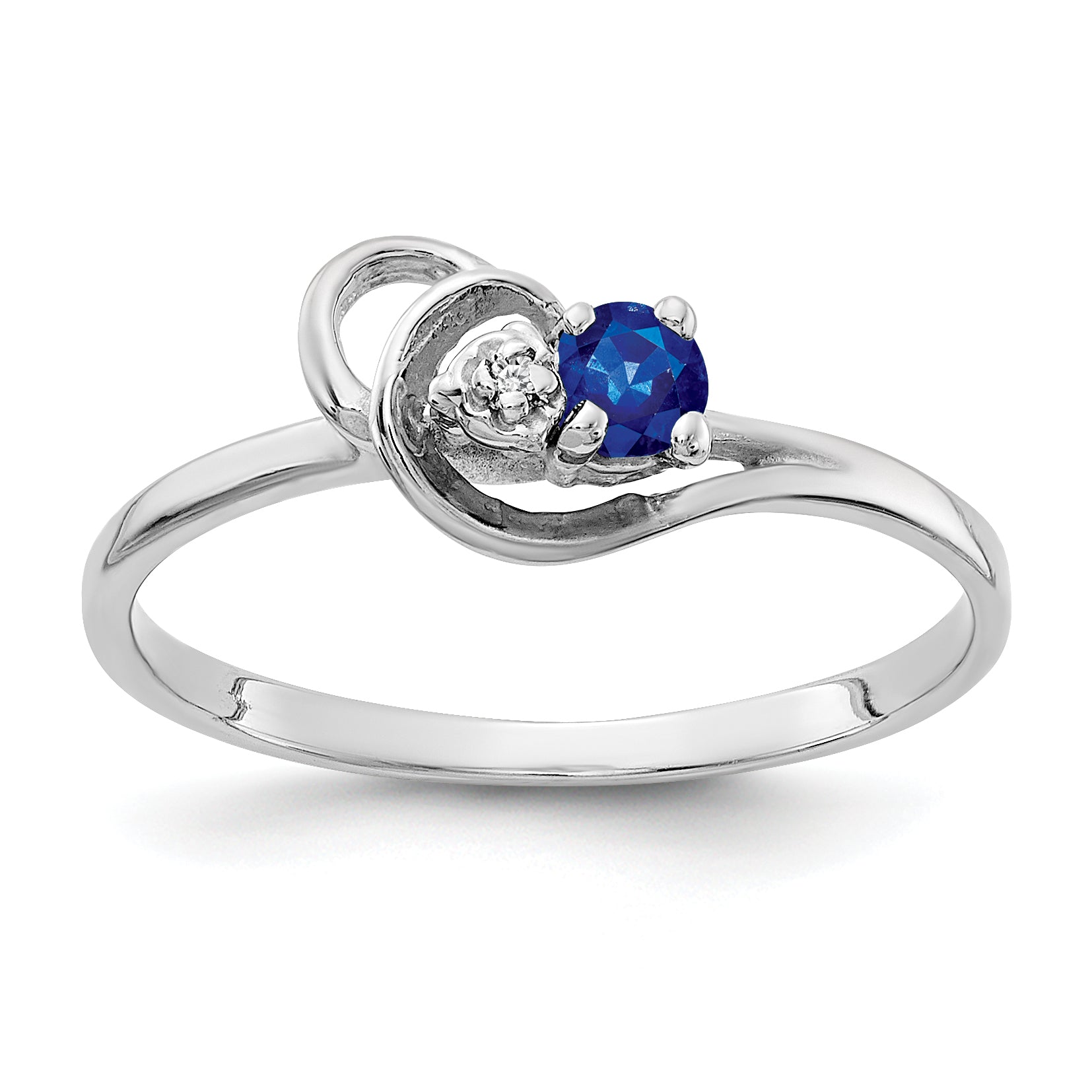 White RingsWhite Sapphire Statement Rings That Elevate Everything
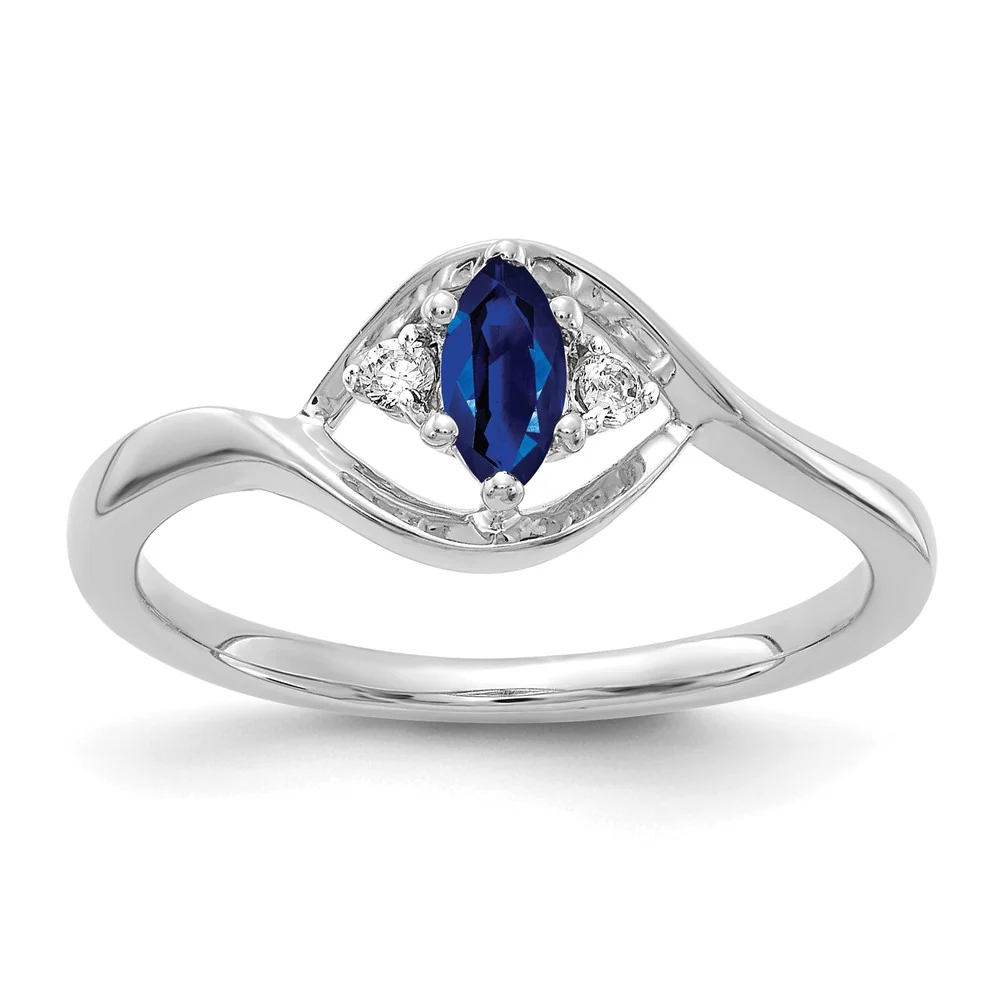
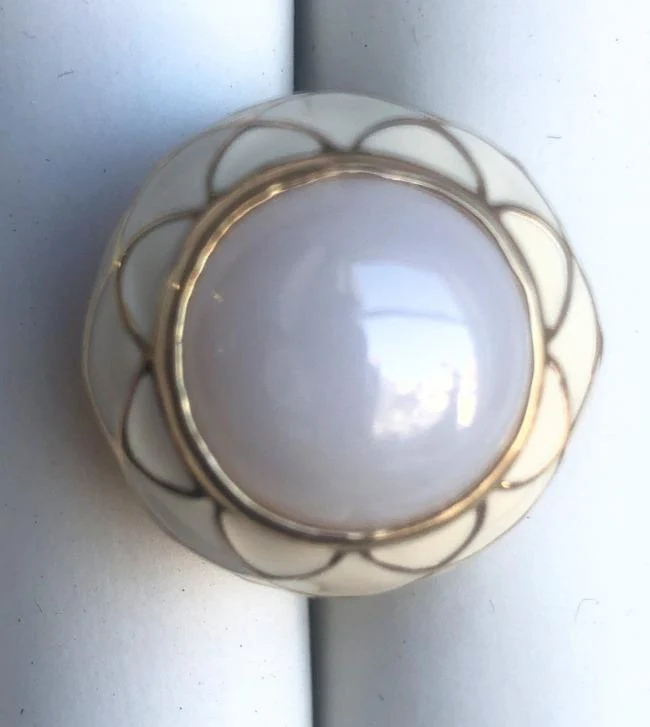 White RingsWhite Resin Rings We’d Buy Again
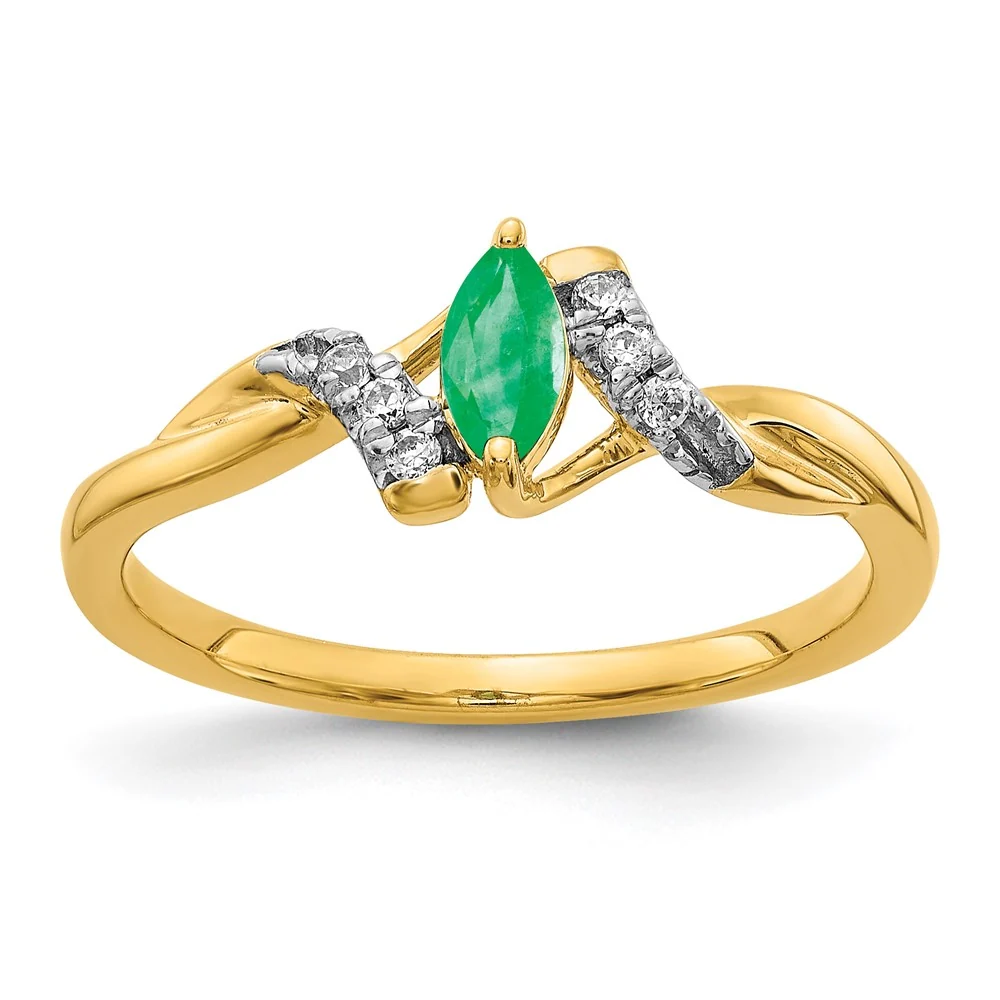
 White RingsWhite Rings We Love Right NowAlso worth a lookGold RingsI avoided gold rings for years because every one I tried on looked like it belonged to someone's…See the collections →
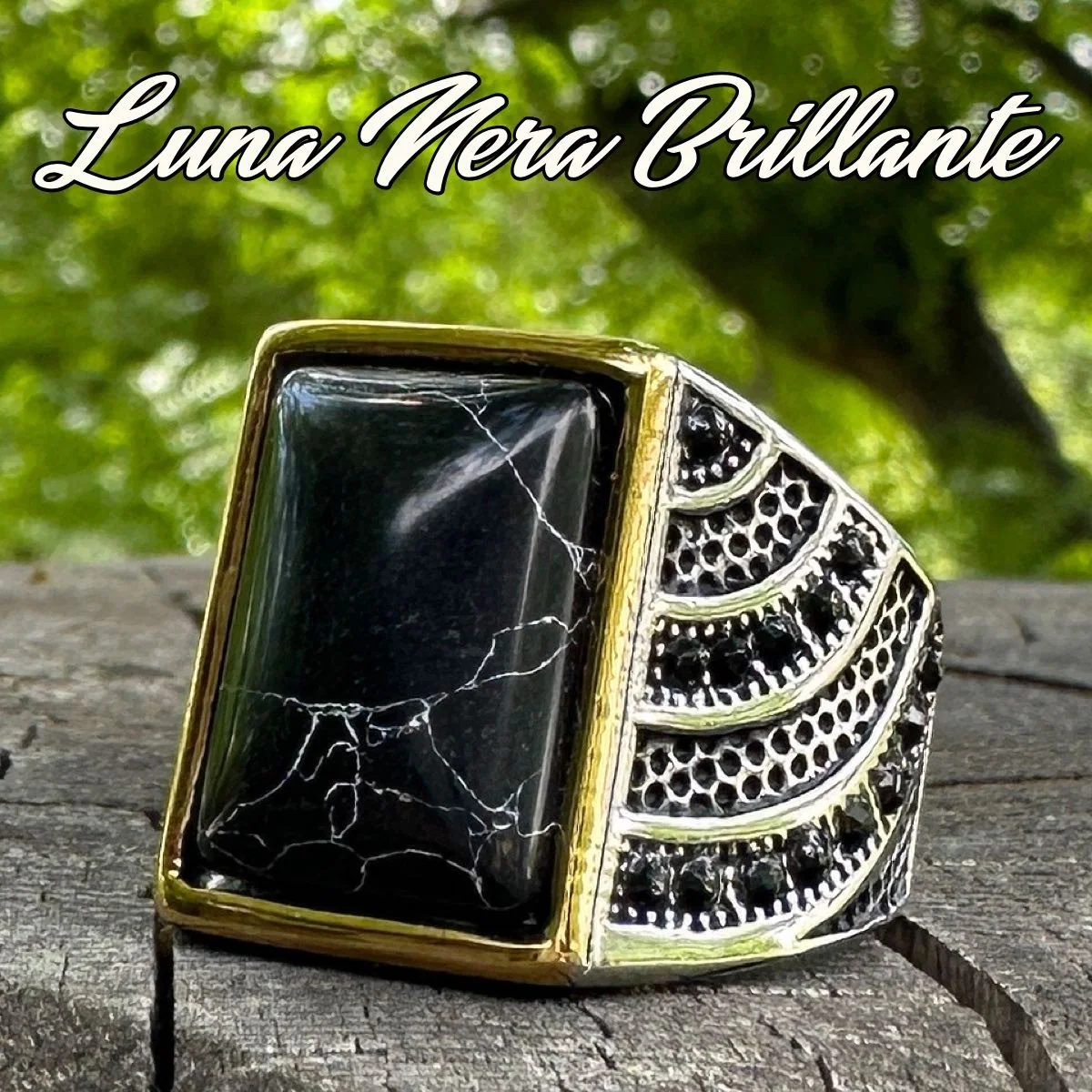
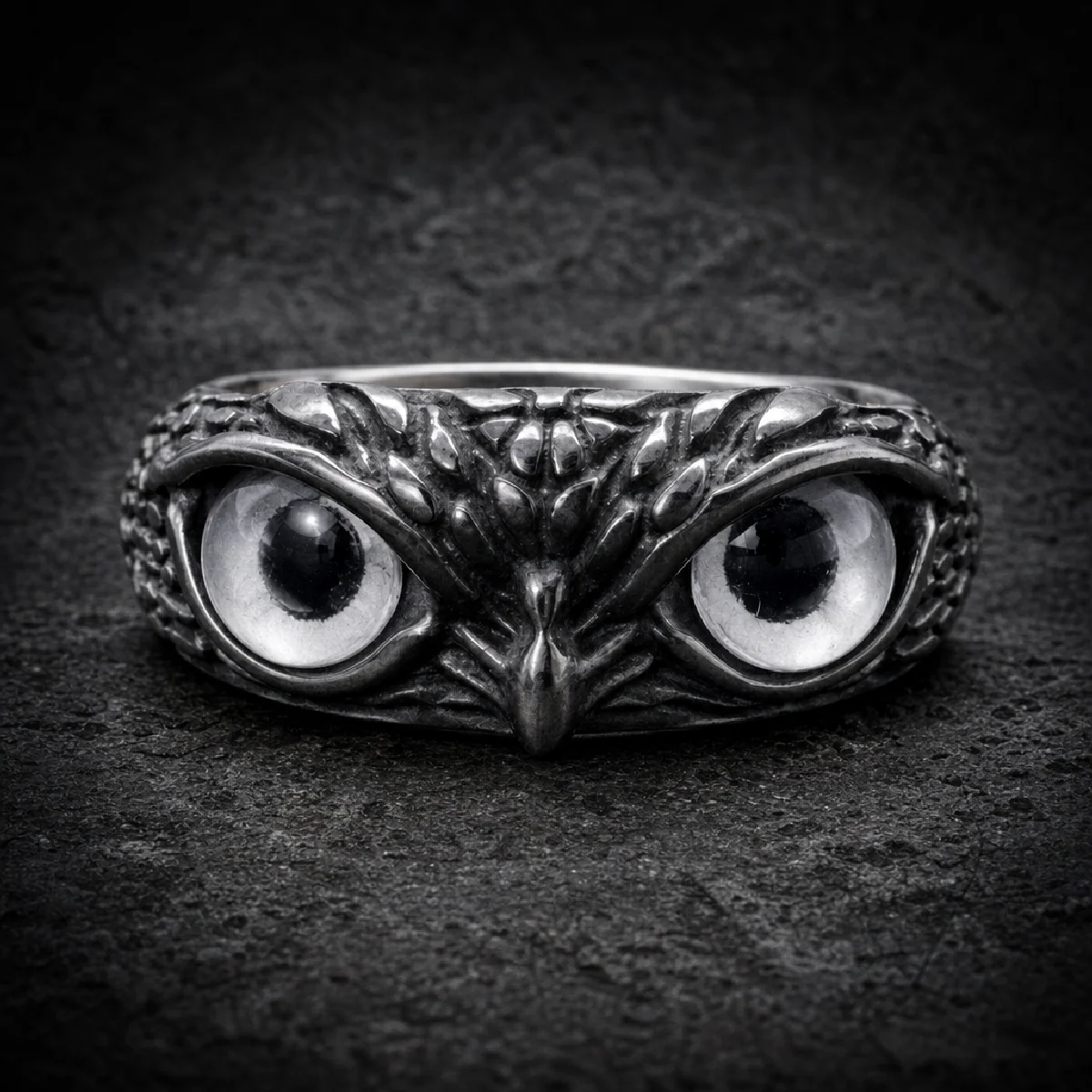 White RingsWhite Pearl Rings We’ve Been Saving
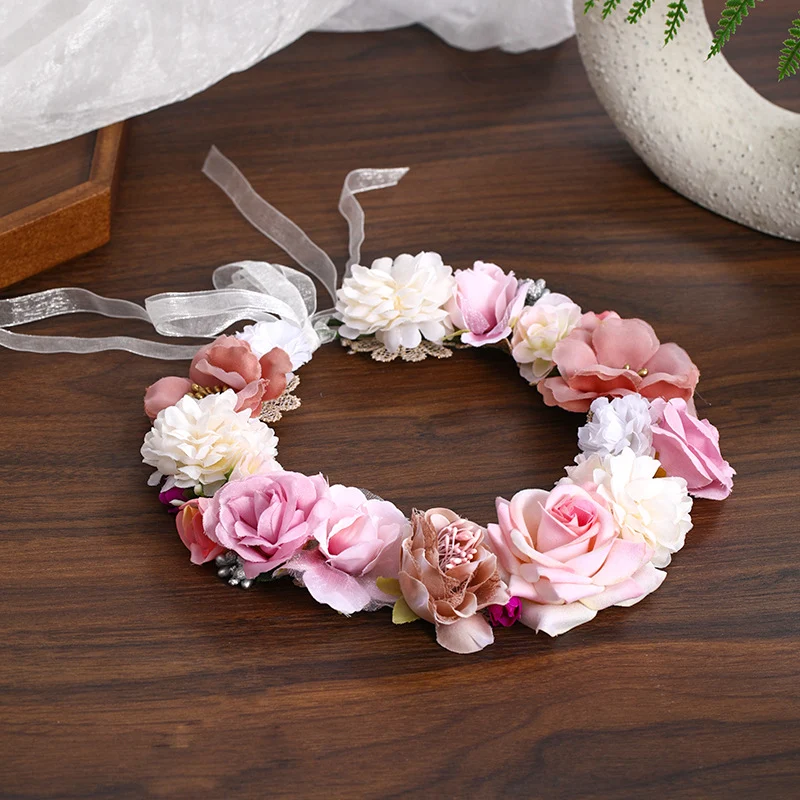
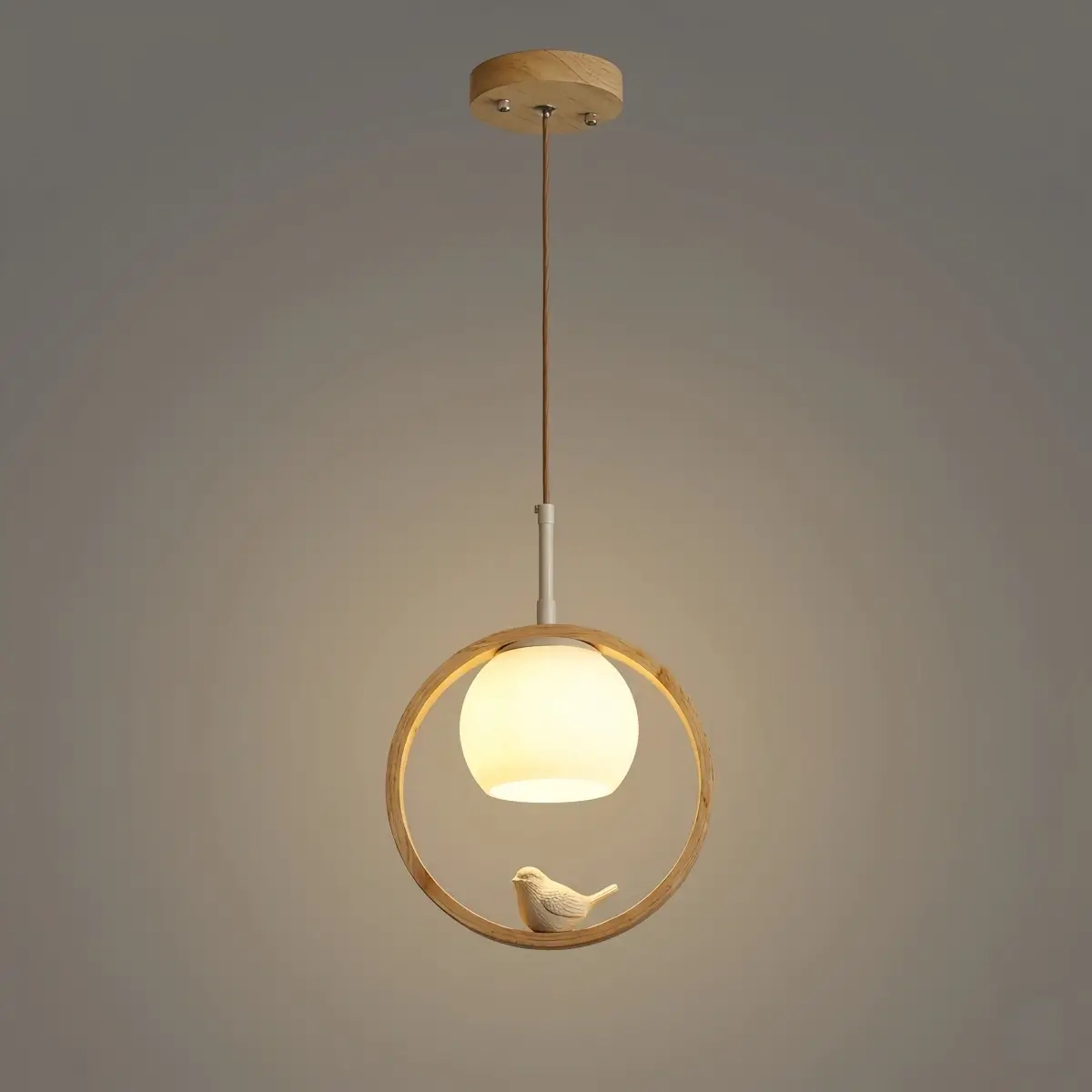 White RingsWhite Pendant Rings That Elevate Everything
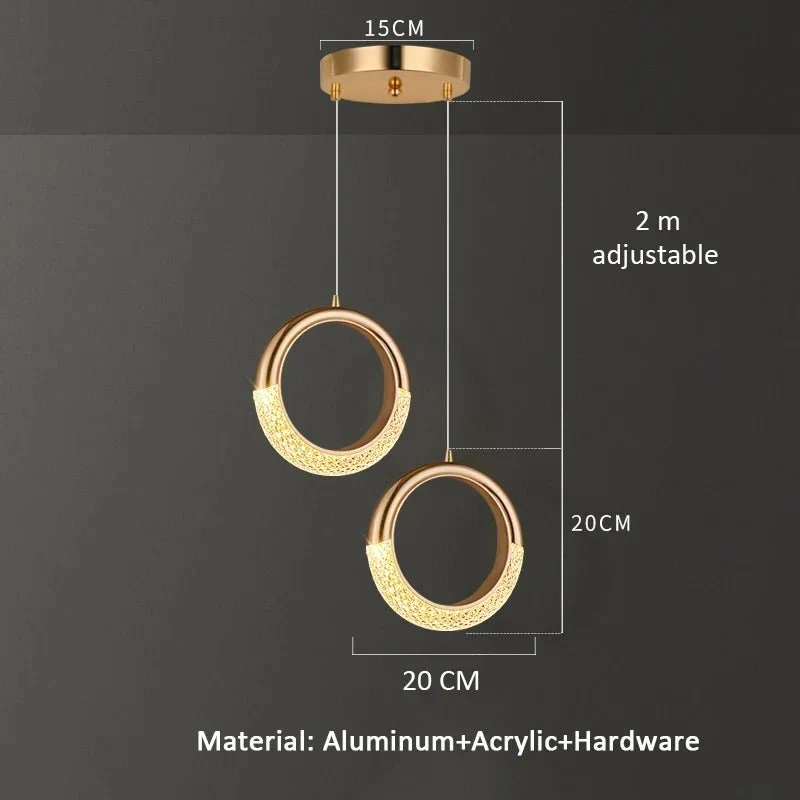
 White RingsDelicate to Bold: Our Favorite White Opal Rings
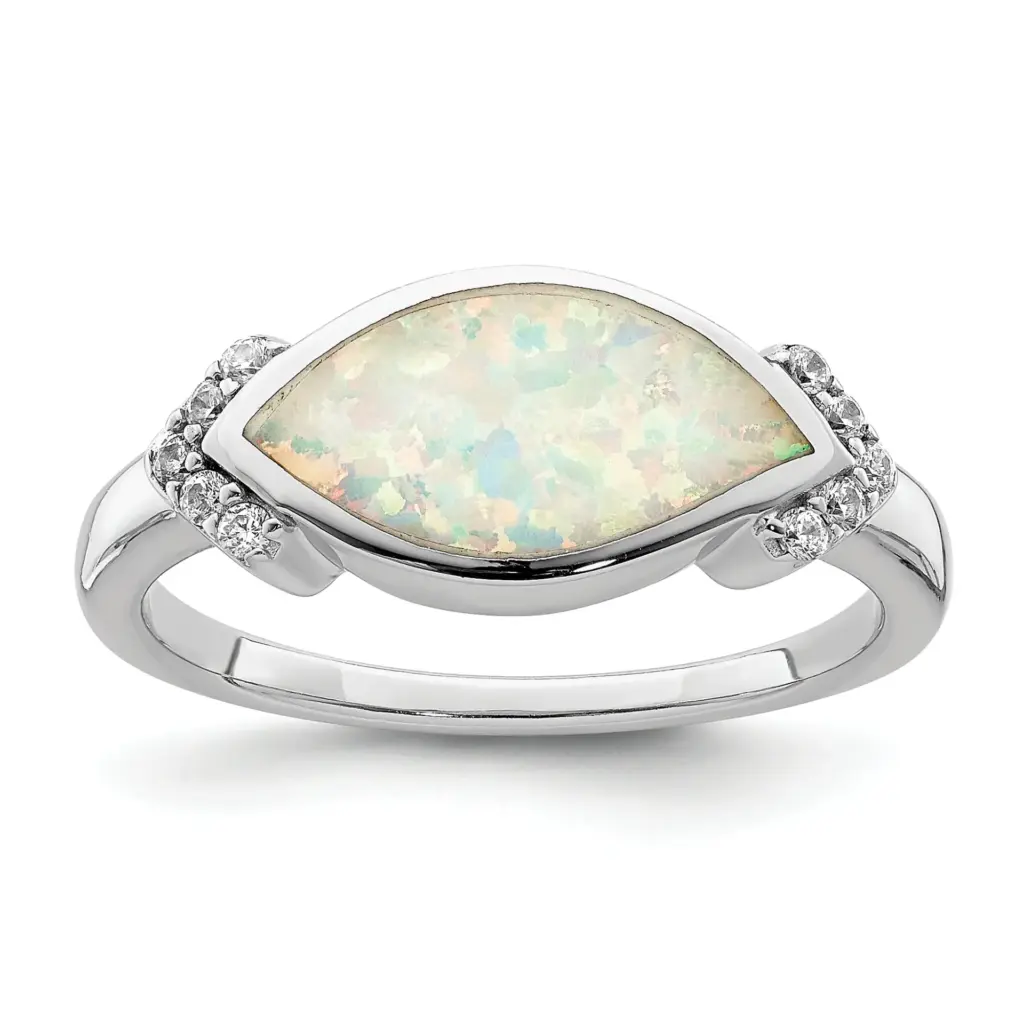
 White RingsWhite Minimalist Rings We Can’t Stop Looking At
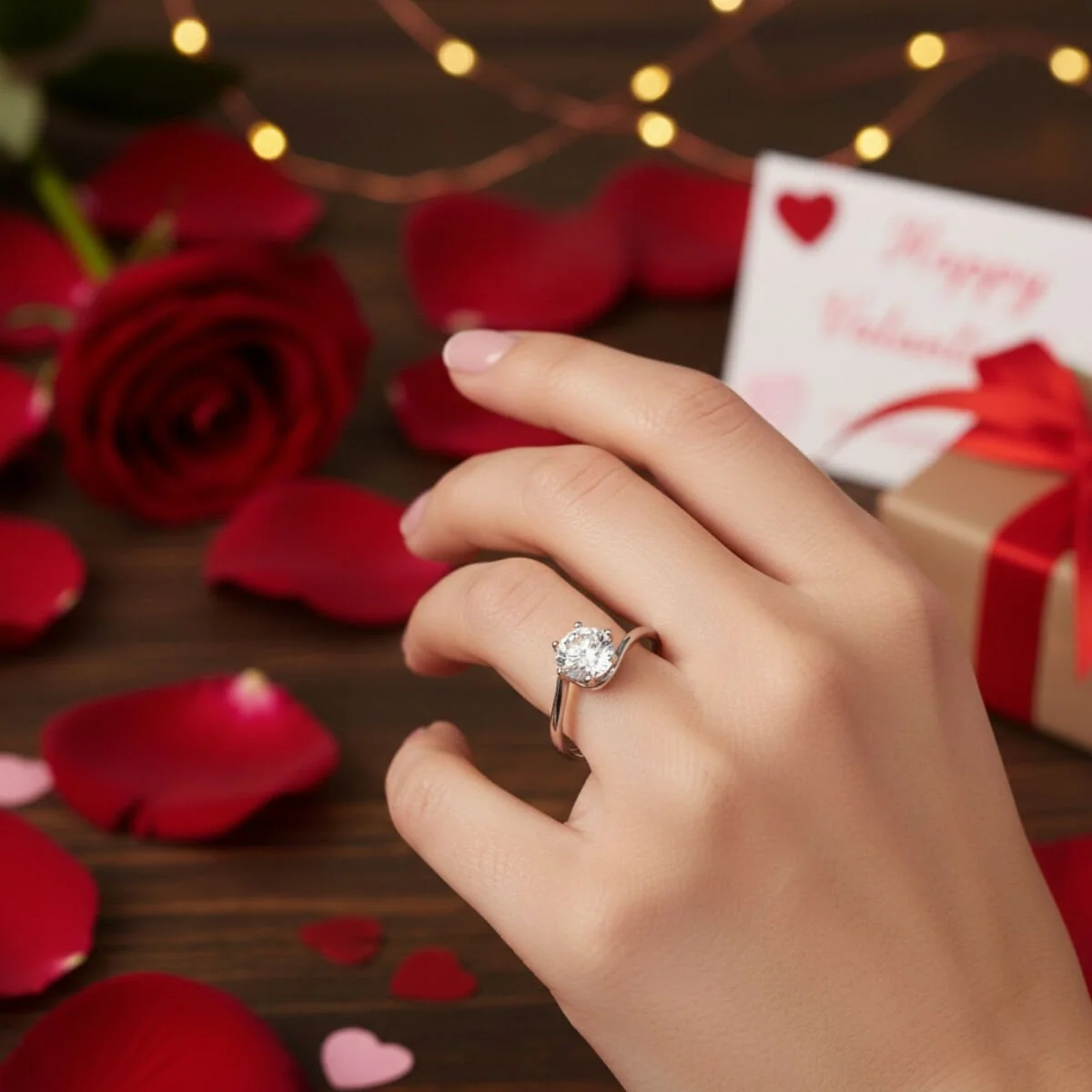
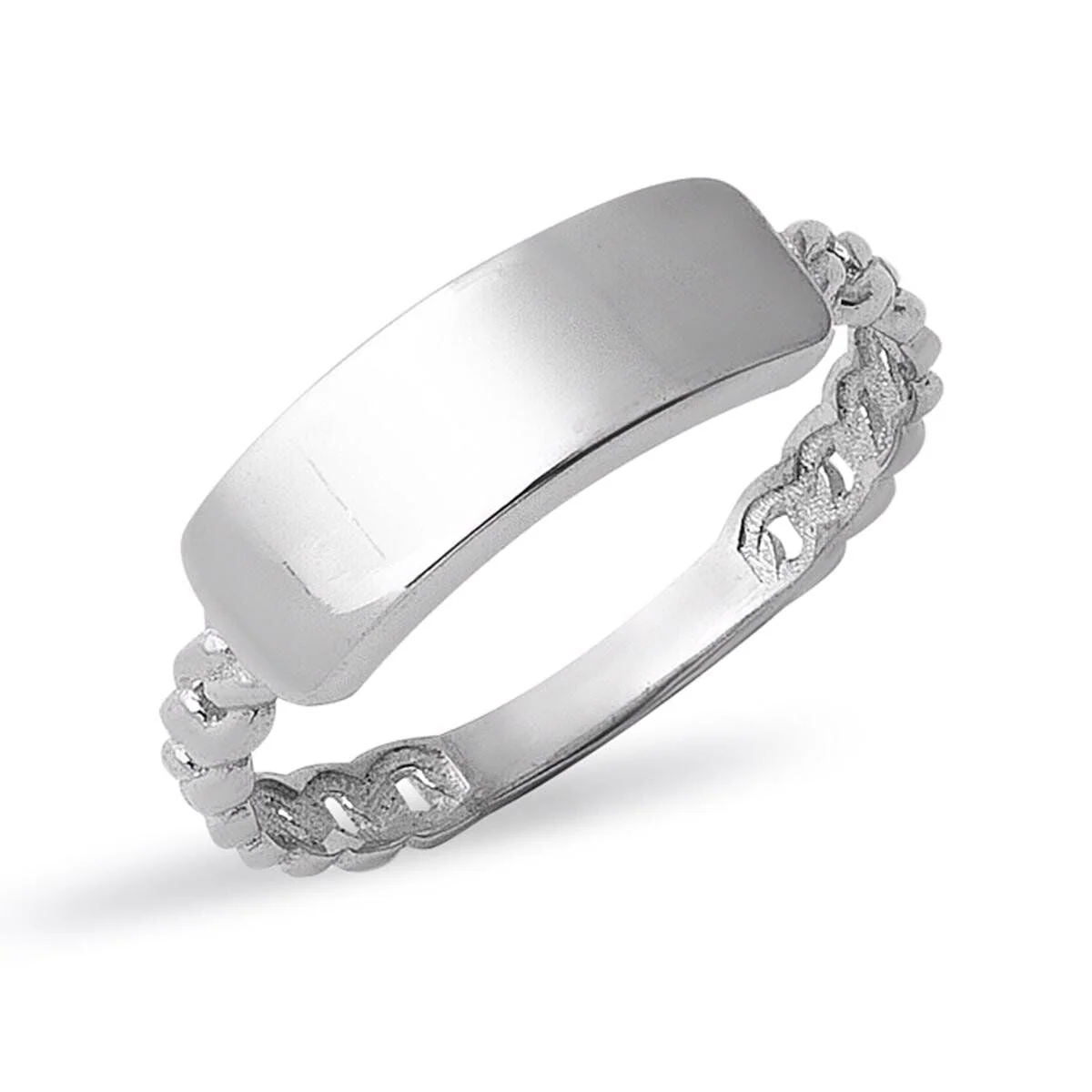 White RingsWhite Layered Rings Worth Adding to Your Wardrobe
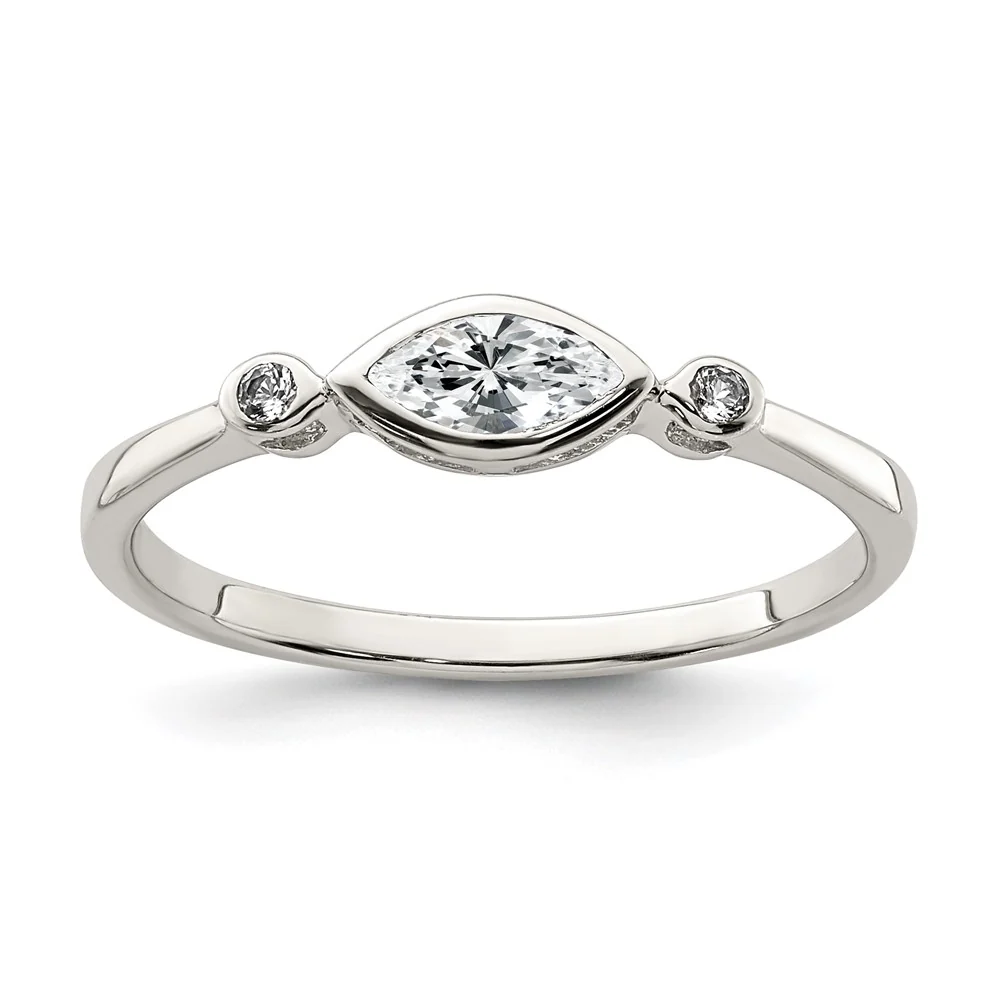
 White RingsWhite Layered Statement Rings That Elevate Everything
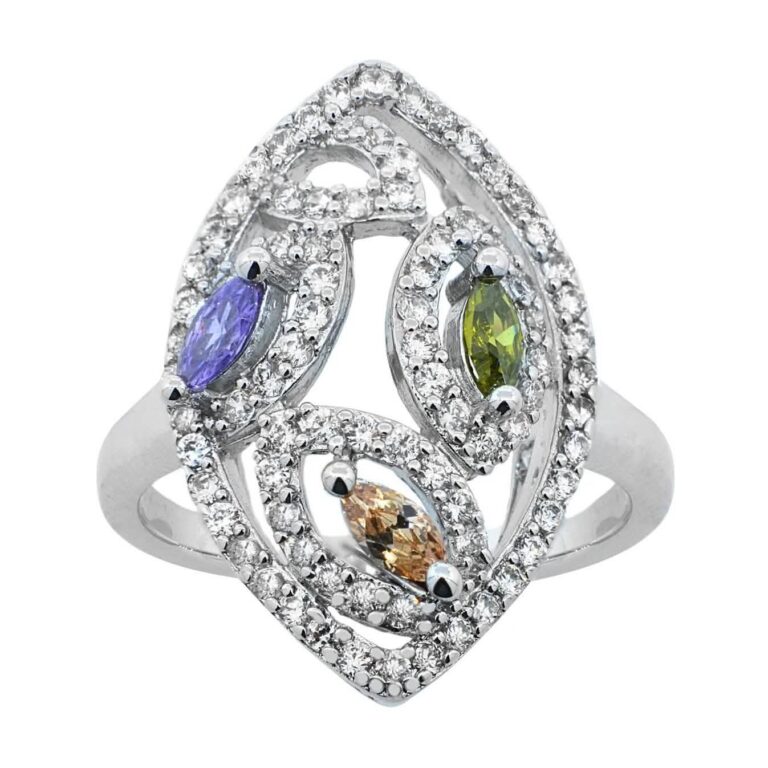
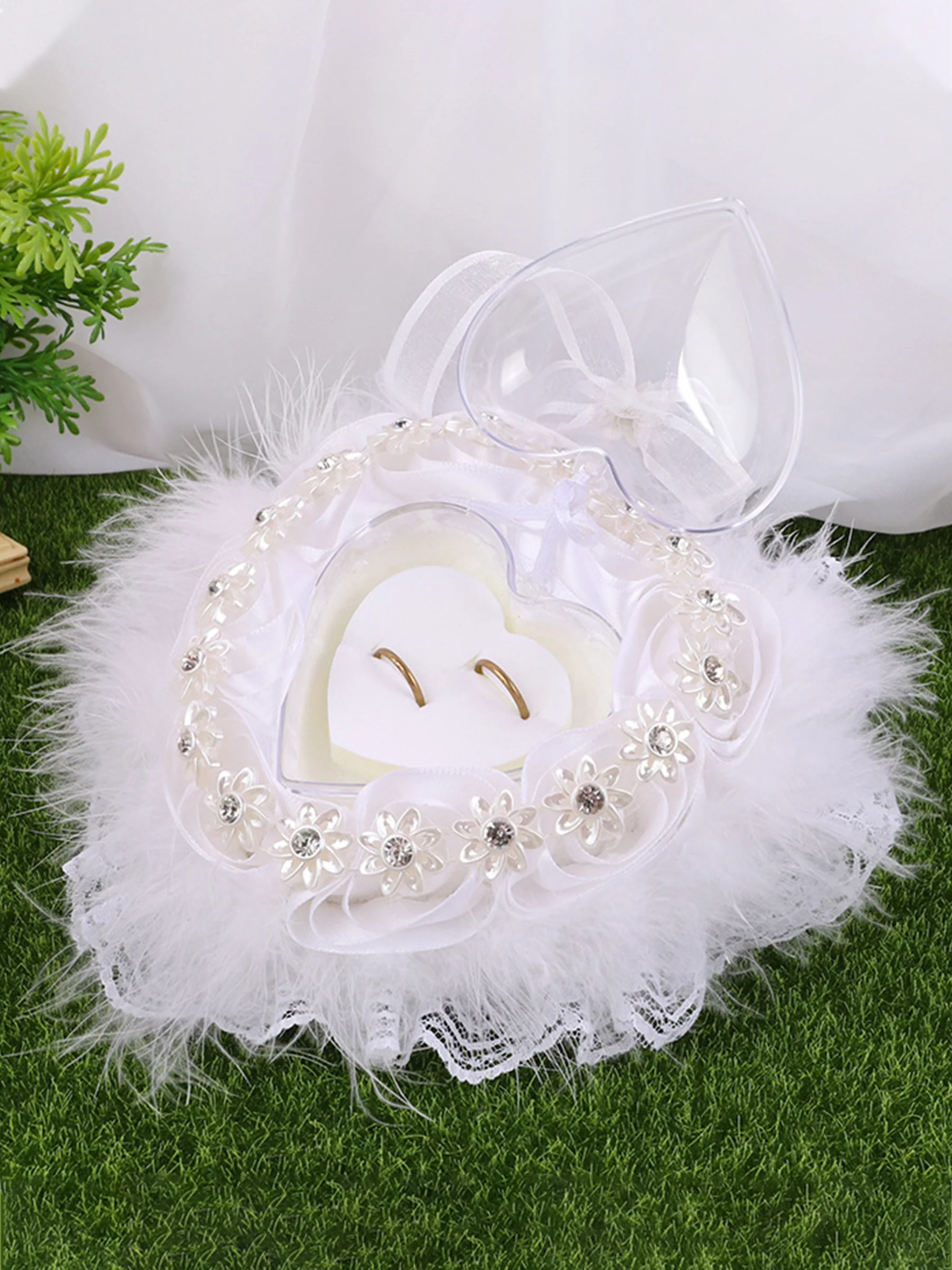 White RingsWhite Heart Rings That Add a Little Sparkle
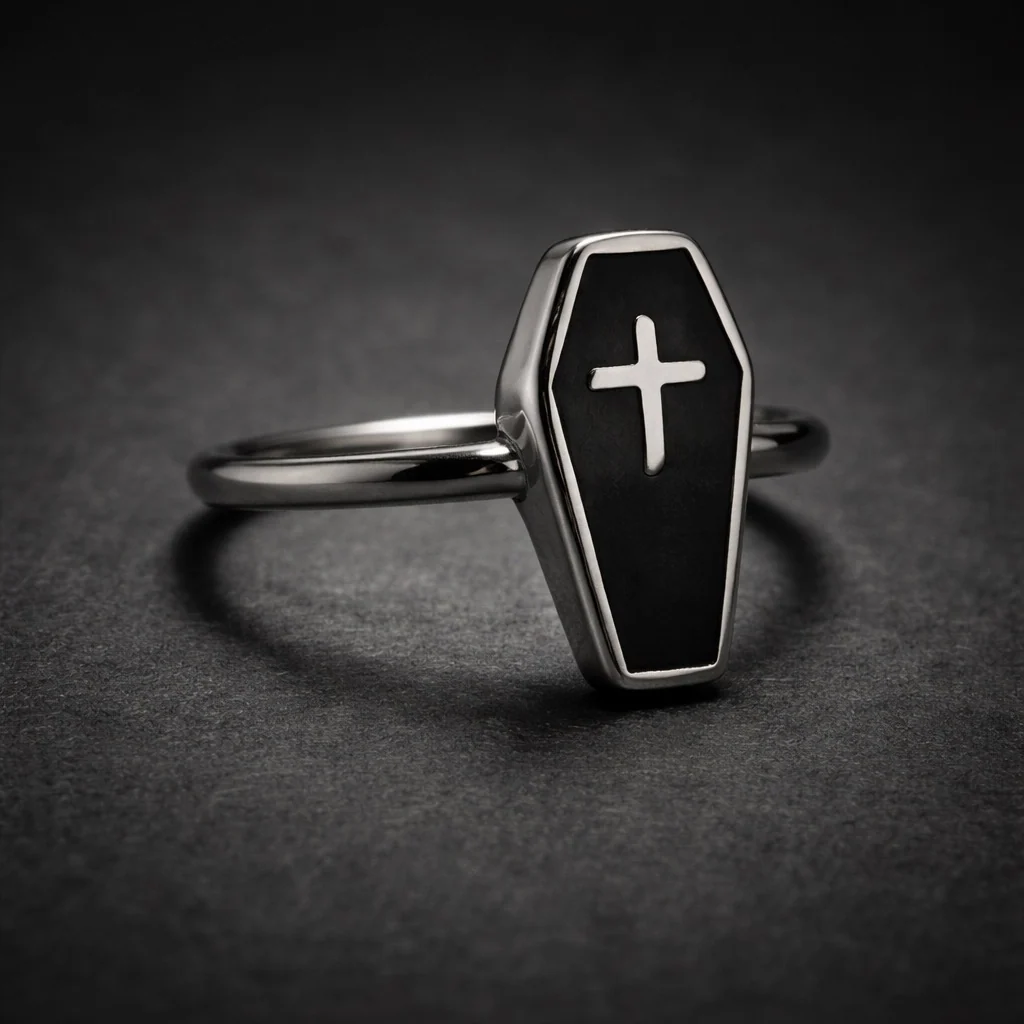
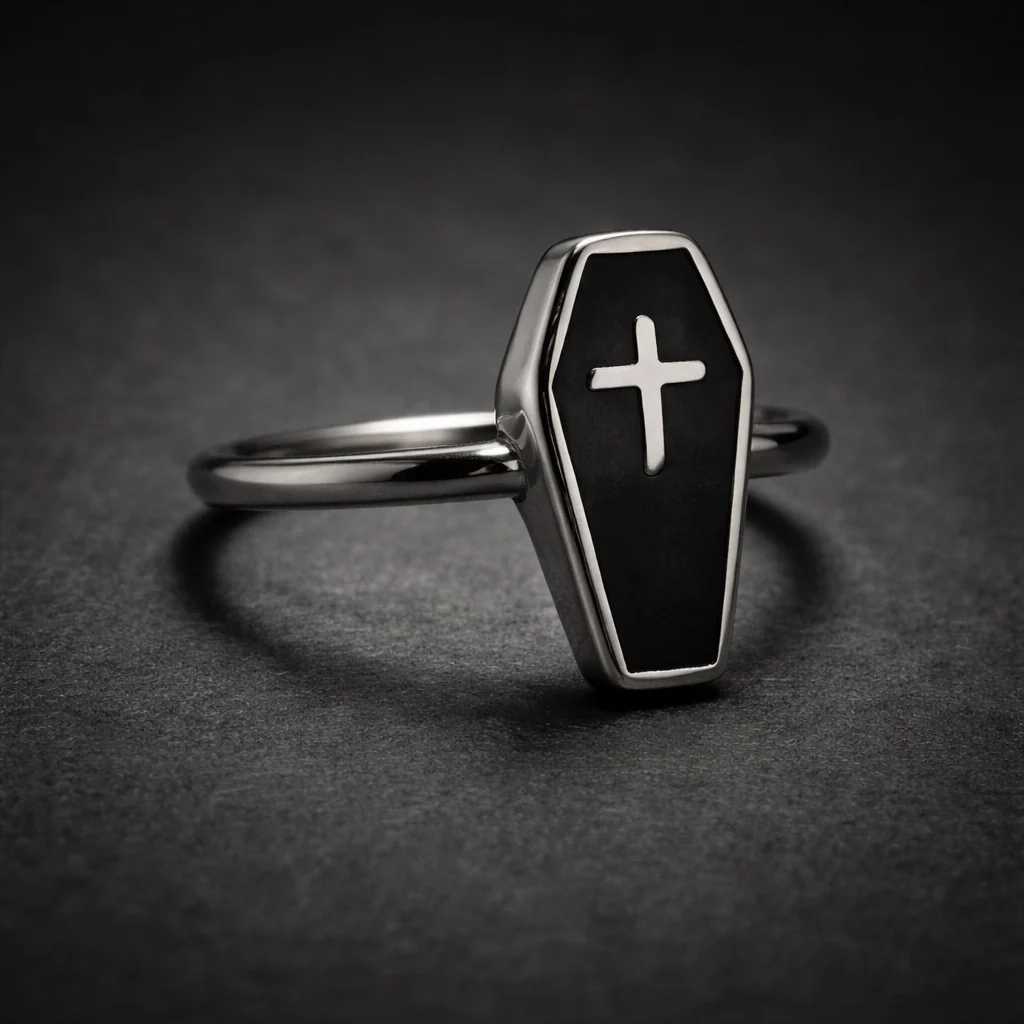 White RingsWhite Heart Statement Rings We Can’t Stop Looking At
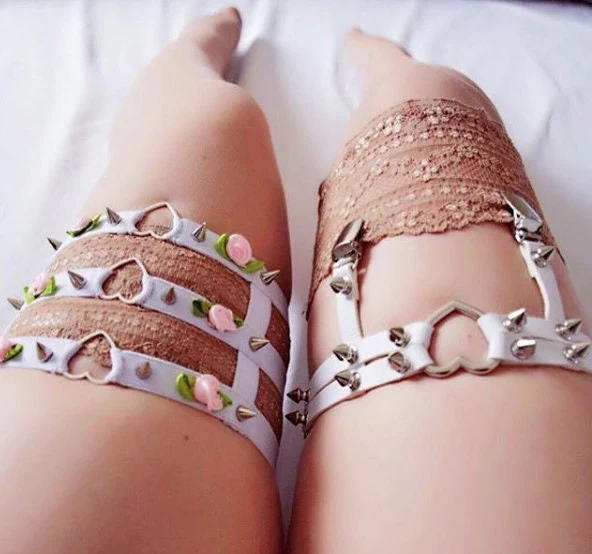
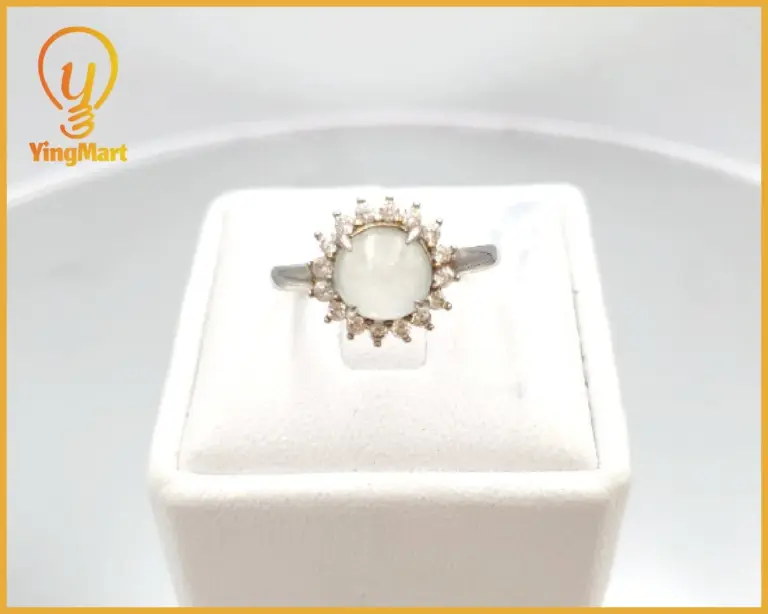 White RingsWhite Gemstone Rings That Finish Any LookAlso worth a lookSilver RingsHold it up to the light before anything else.See the collections →
 White RingsWhite Gemstone Statement Rings We Rate
 White RingsShop Our Favorite White Glass Rings
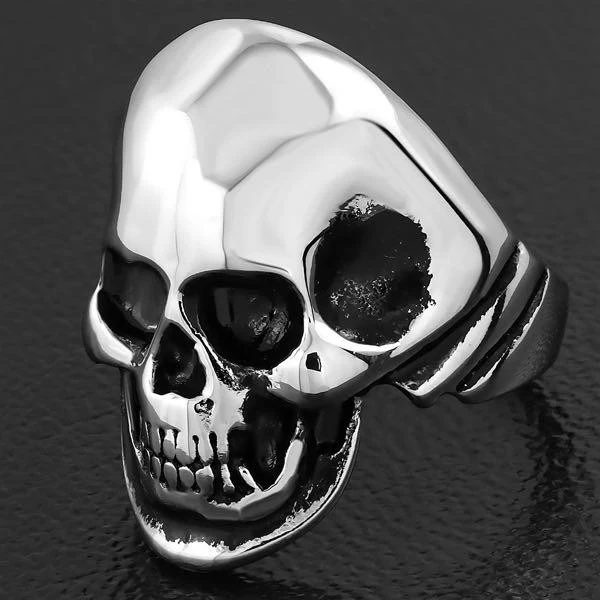
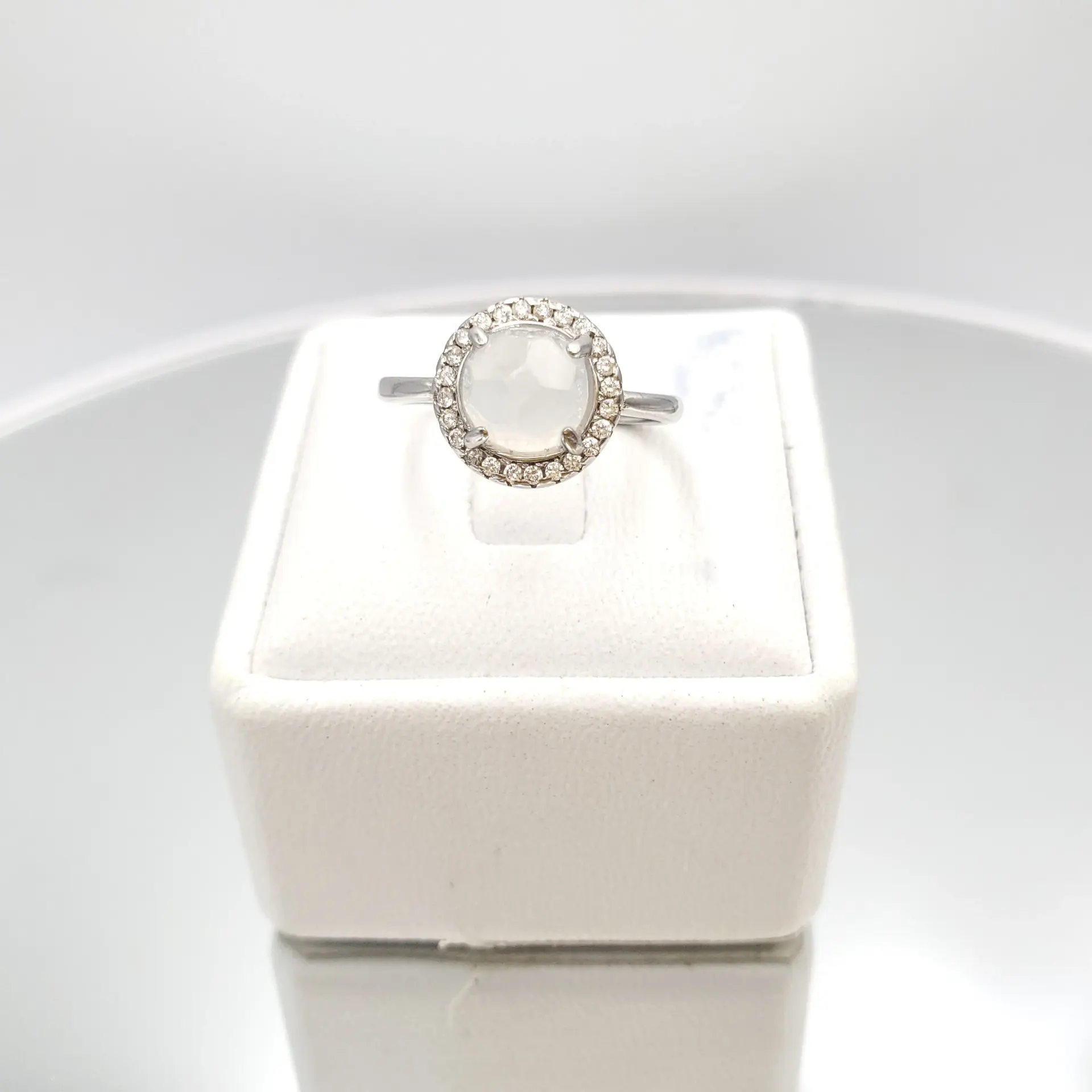 White RingsWhite Gold Plated Rings That Earn Their Place
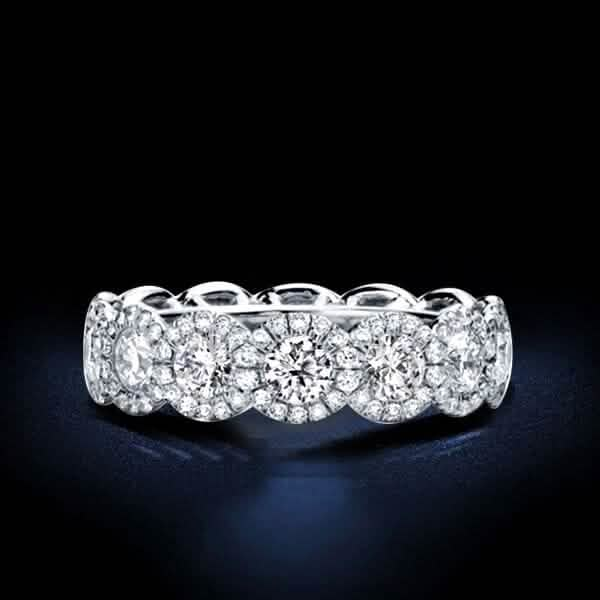
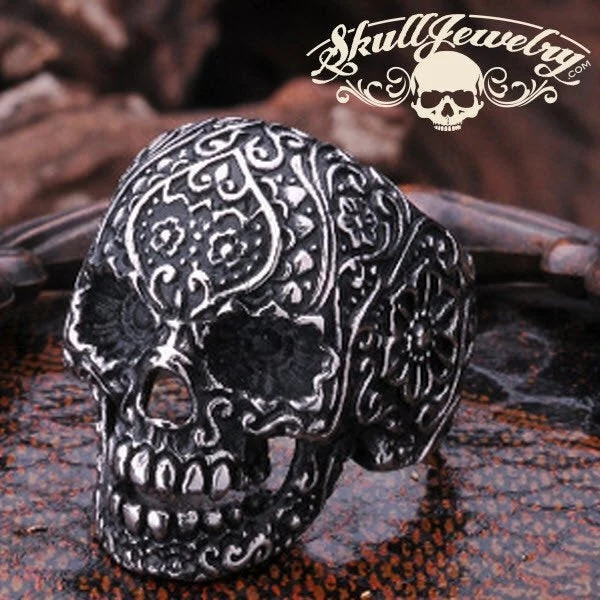 White RingsWhite Flower Rings That Tick Every Box
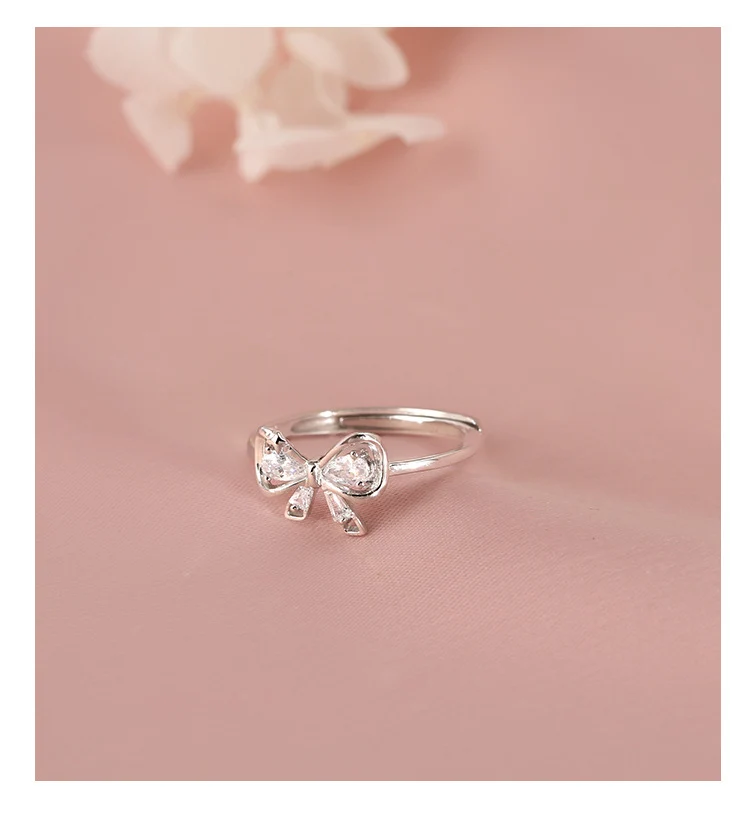
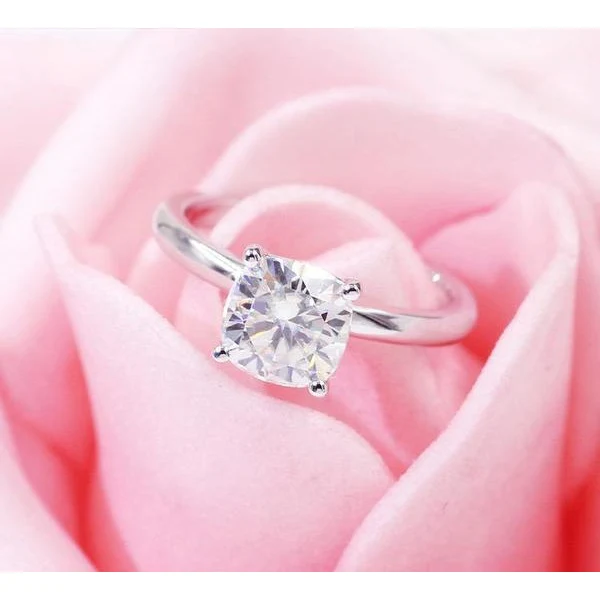 White RingsThe White Diamond Engagement Rings Worth Your Wardrobe Space
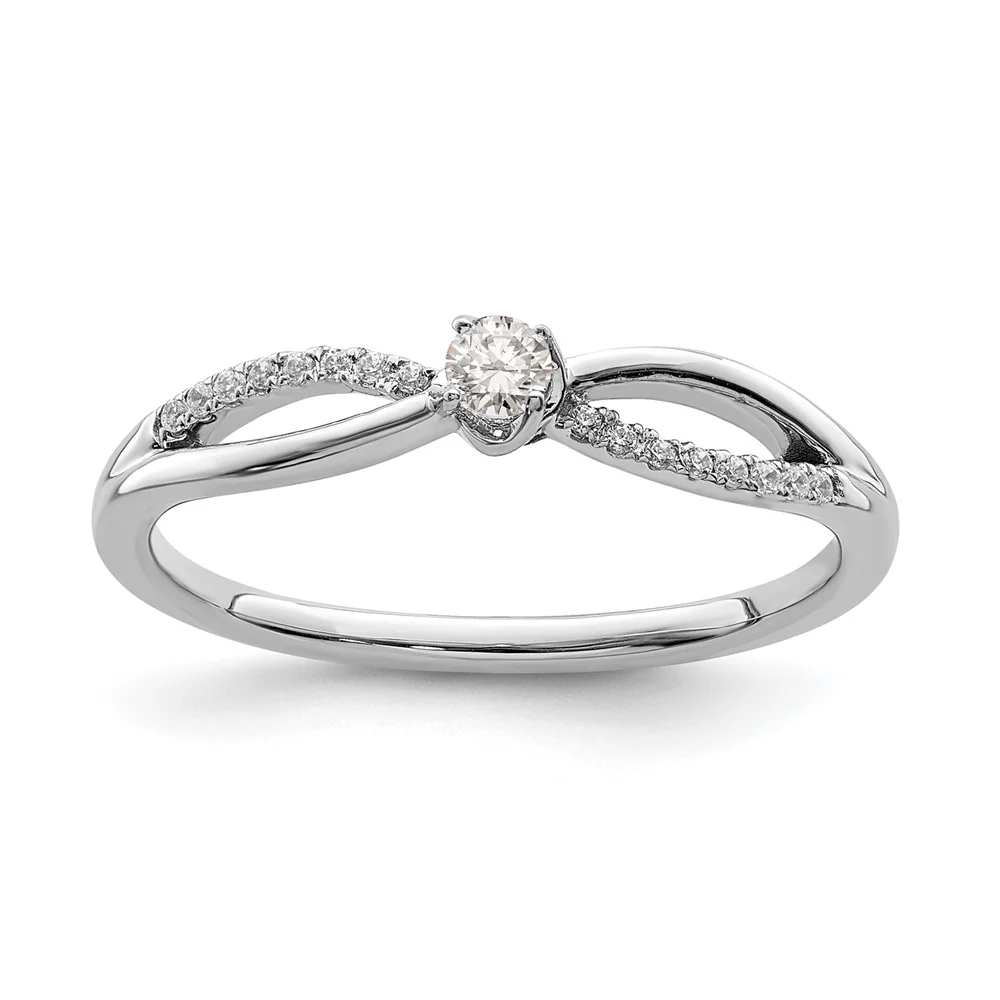
 White RingsDelicate to Bold: Our Favorite White Diamond Rings
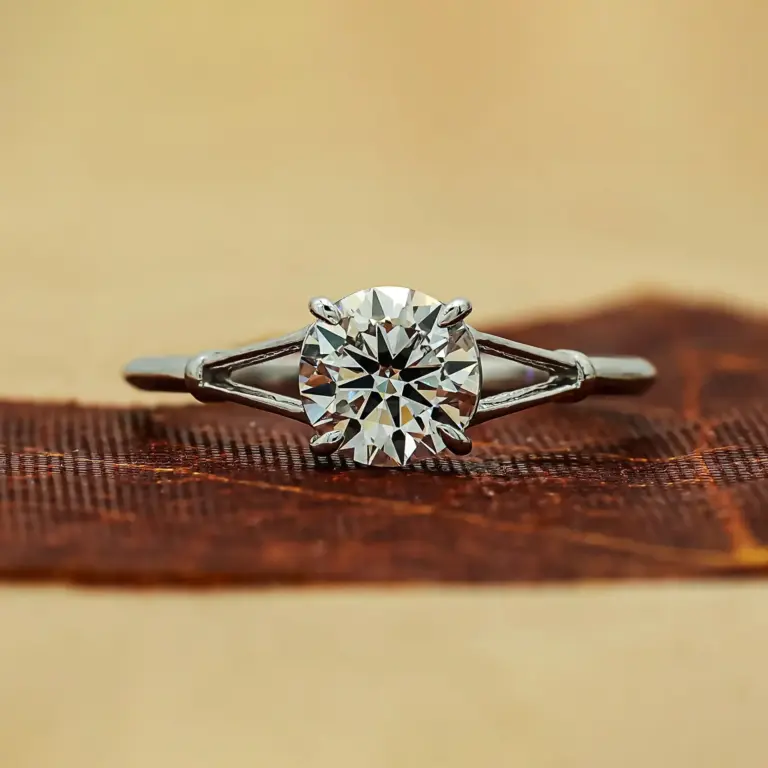
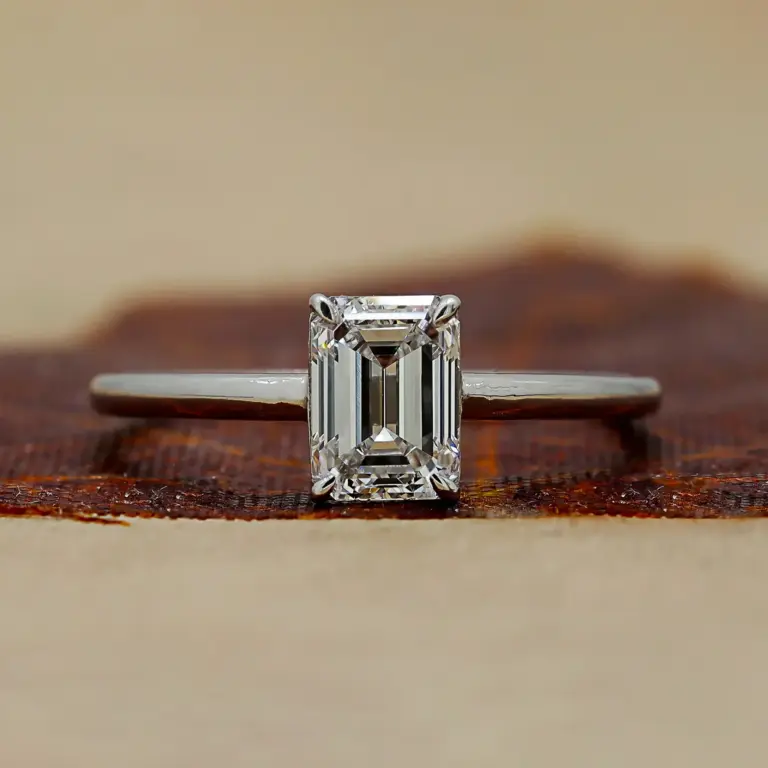 White RingsWhite Emerald Rings That Finish Any Look
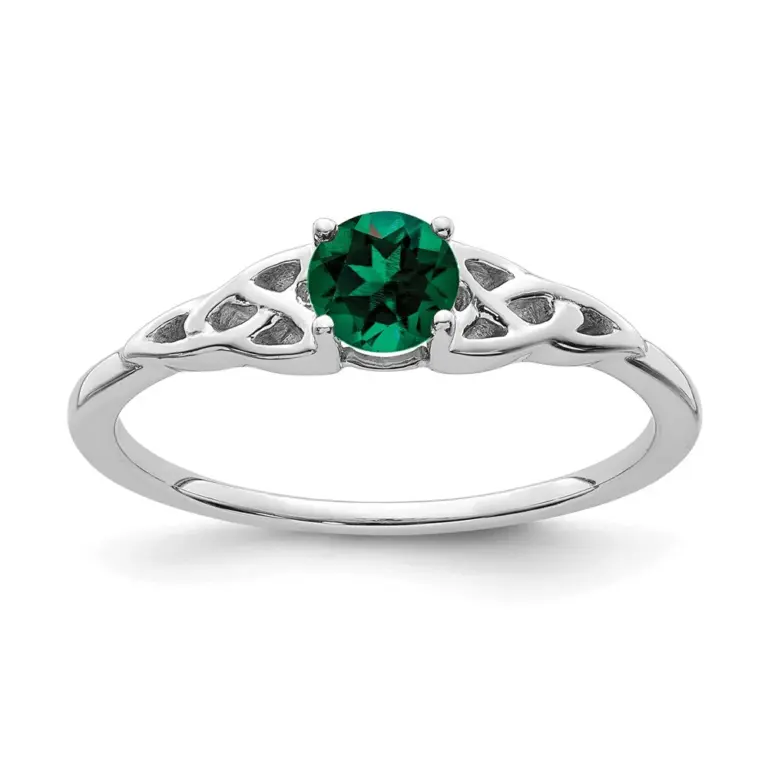
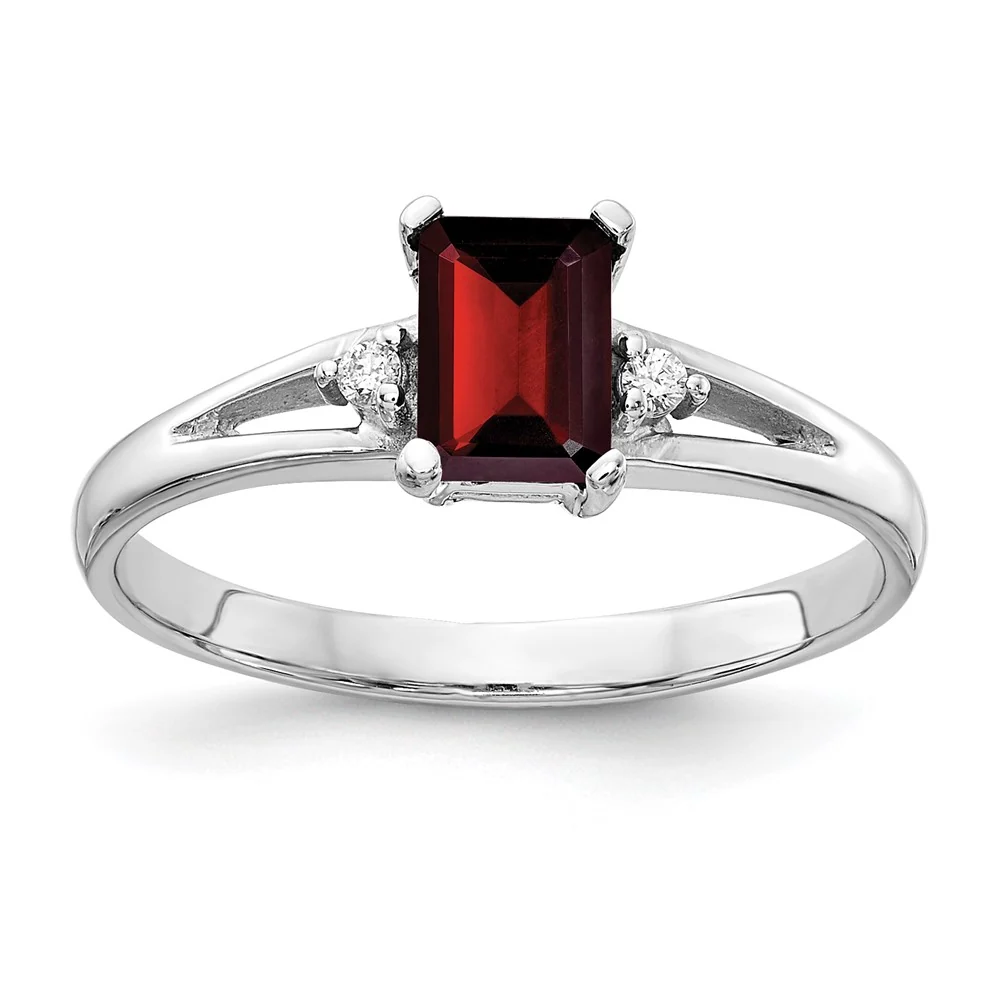 White RingsThe White Emerald Statement Rings We’d Wear Daily