It clicked for me in a charcoal trouser suit I'd almost sent back, standing in a corridor before a hearing, noticing that the jacket sleeve had stopped exactly at my wristbone instead of three inches up my forearm the way every other jacket manages. The trousers broke properly over my shoe rather than stopping at the ankle like they were embarrassed to go further. That's the whole case for tailoring, really. When it's cut for your actual proportions rather than an average, you stop fidgeting with it and start wearing it.
The difference between a good one and a disappointing one is almost always in things you can't see on a hanger. Proper tailoring has a canvas or half canvas under the chest of the jacket, so it moves with your body instead of sitting there like cardboard, and the lapel rolls rather than folding flat in one hard crease. Buttons should feel heavier than you expect, stitched through, not glued on with a single thread waiting to go. Waistcoats are the easy tell, a lined one that sits flat against a shirt, an unlined one that bunches the second you sit down. Fit matters more than fabric here, but fabric decides how it ages, a wool blend with a bit of give recovers from a day of sitting, a stiff poly mix holds the crease of your knee until the next wash. None of this will suit every life. If you spend your days lifting, crouching, or moving between four different rooms a day, structured tailoring will fight you, the shoulder seam pulls when you reach, the jacket rides up when you bend, and a softer unstructured blazer or a knit suit will serve you better than anything with proper shoulder pads. Sleeve length is where tall women lose this fight twice over, regular ranges stop two inches short of my wristbone and I've learned to check the actual cm measurement rather than trust "long sleeve" on a label, which has meant nothing useful in a decade of buying. Looked after properly, a good suit or blazer earns its keep over years rather than months, hung on a proper shaped hanger, steamed rather than ironed flat, dry cleaned only when it actually needs it because the solvents wear the fibres faster than wear does. A waistcoat worn under a jacket barely ages at all, which is the one piece of good news in this entire department.
The mistake to avoid is buying for the shoulder and ignoring the sleeve, because a jacket can be taken in at the waist for very little money but a sleeve that's three inches short has nowhere to go.

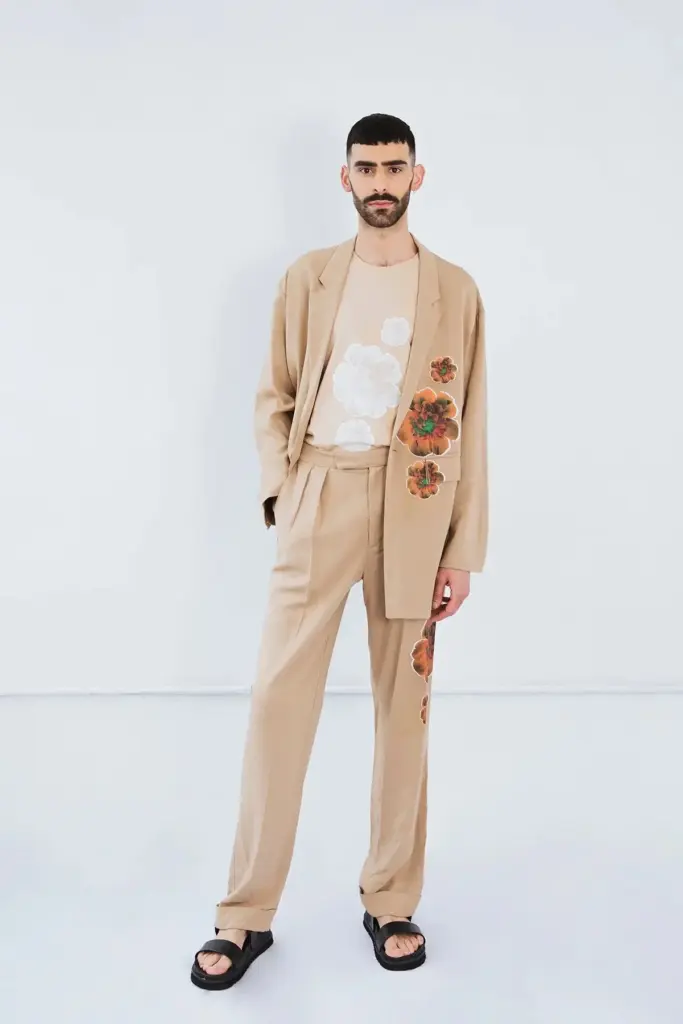 Fiona's pickThe Relaxed Fit Blazers on Our Wishlist

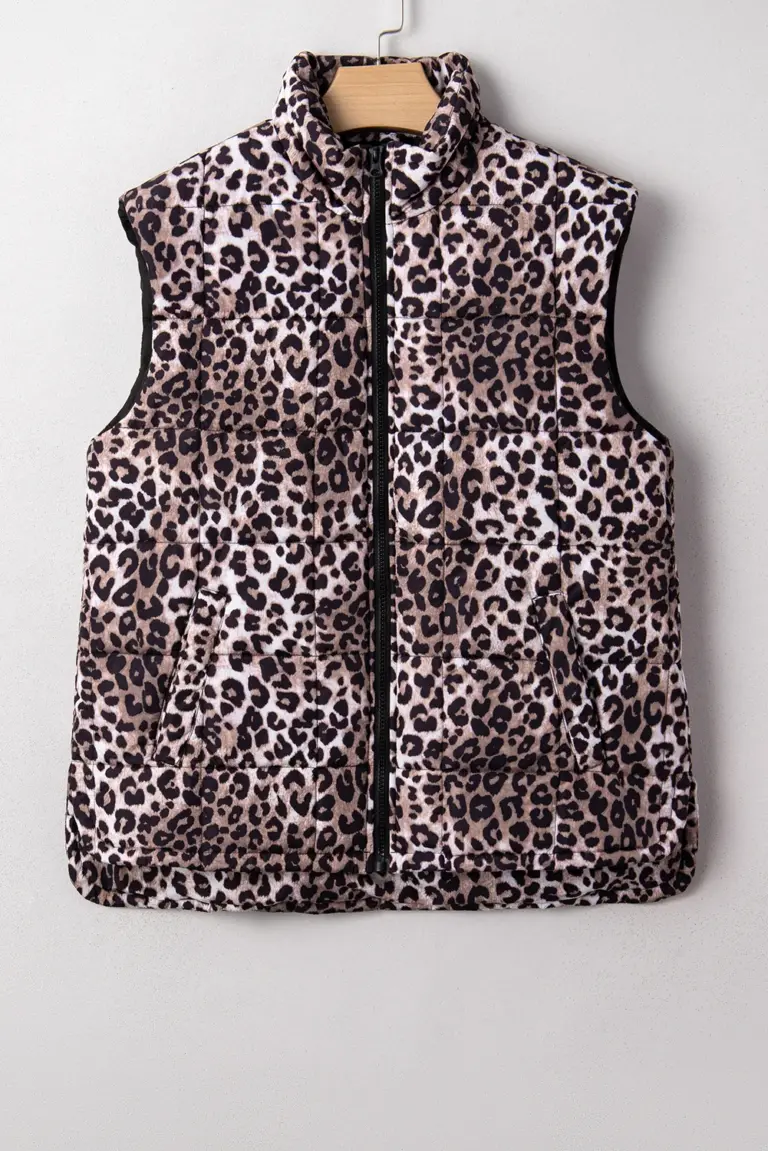
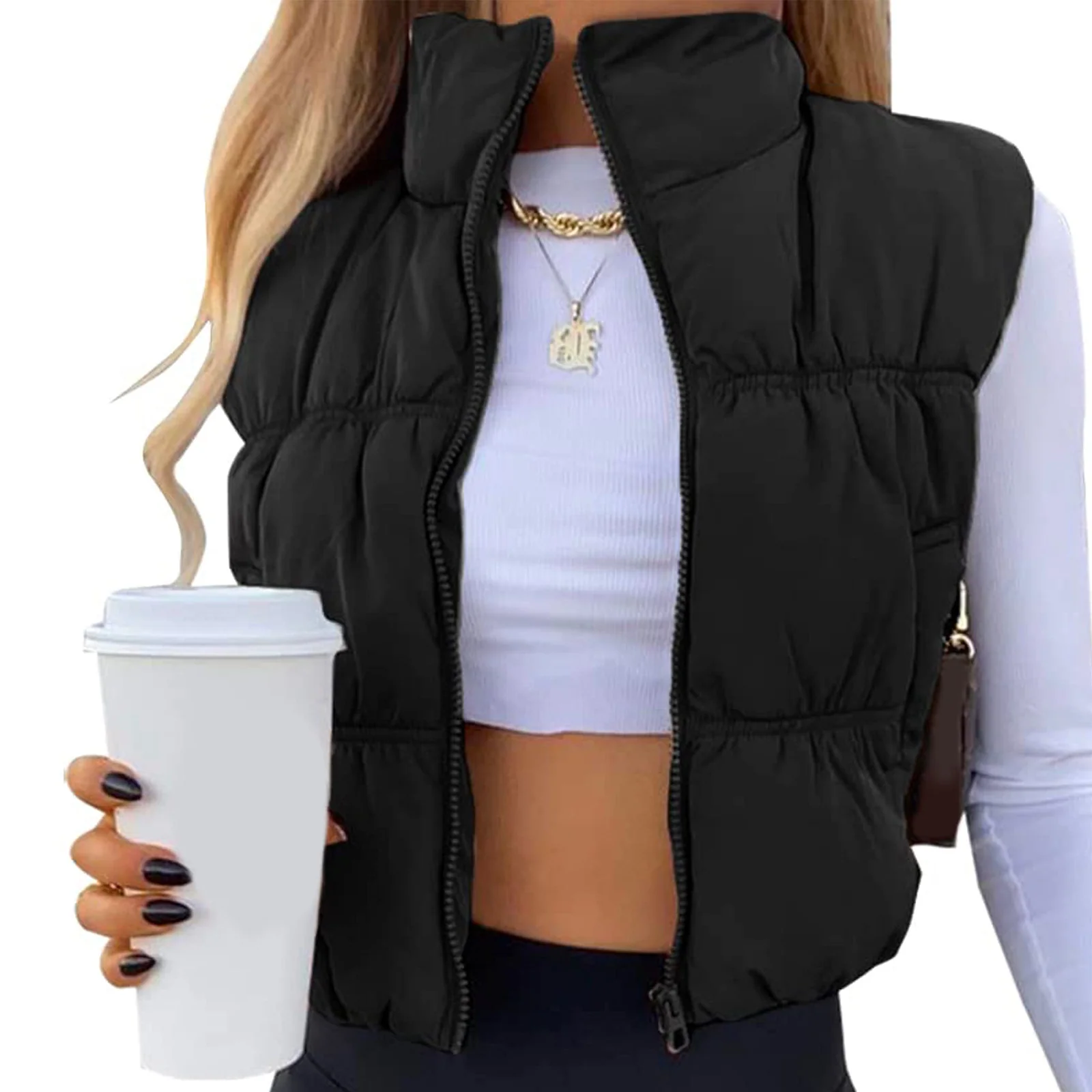 VestsThe Prettiest Zip Vests Around Right Now
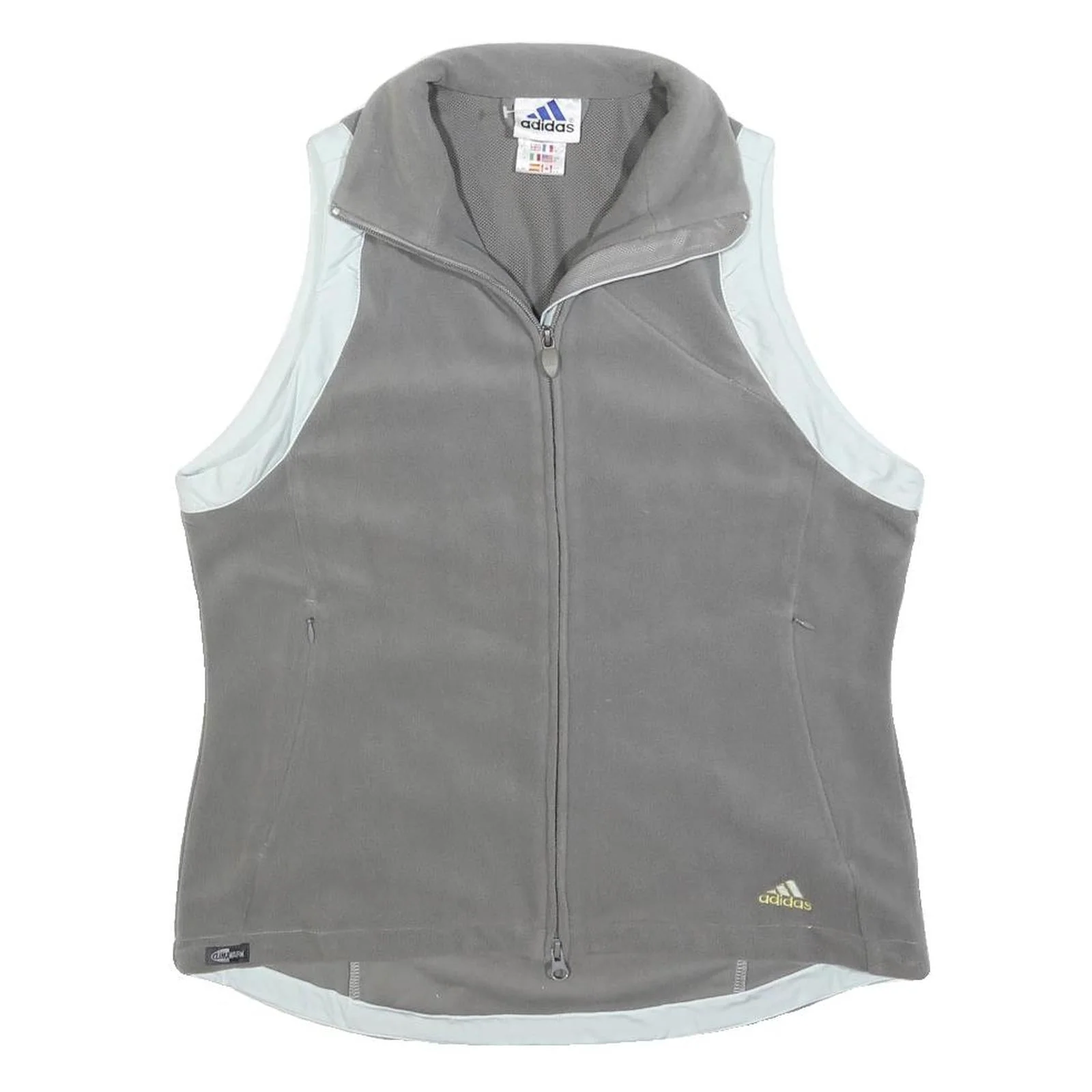 VestsYellow Vests We Think You’ll Love
 SuitsHandpicked Yellow Suits We Keep Coming Back To
 SuitsOur Favorite Yellow Three Piece Suits
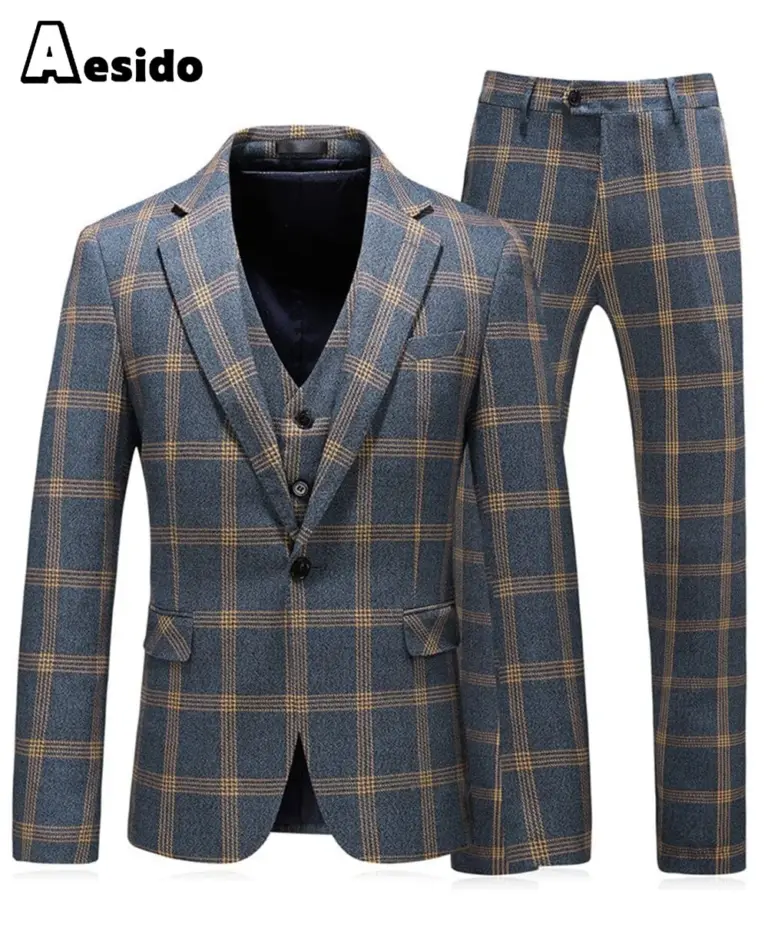
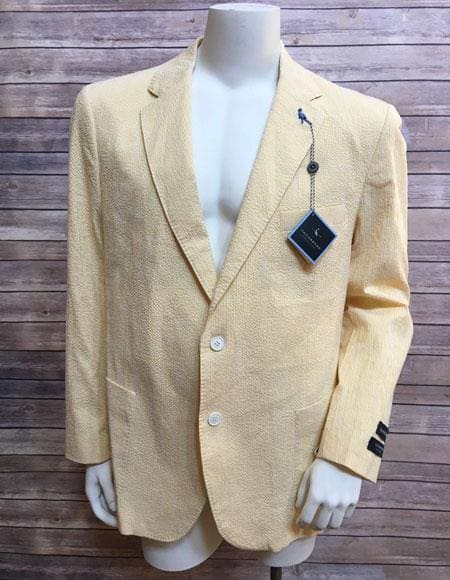 SuitsYellow Satin Suits We Can’t Stop Looking At
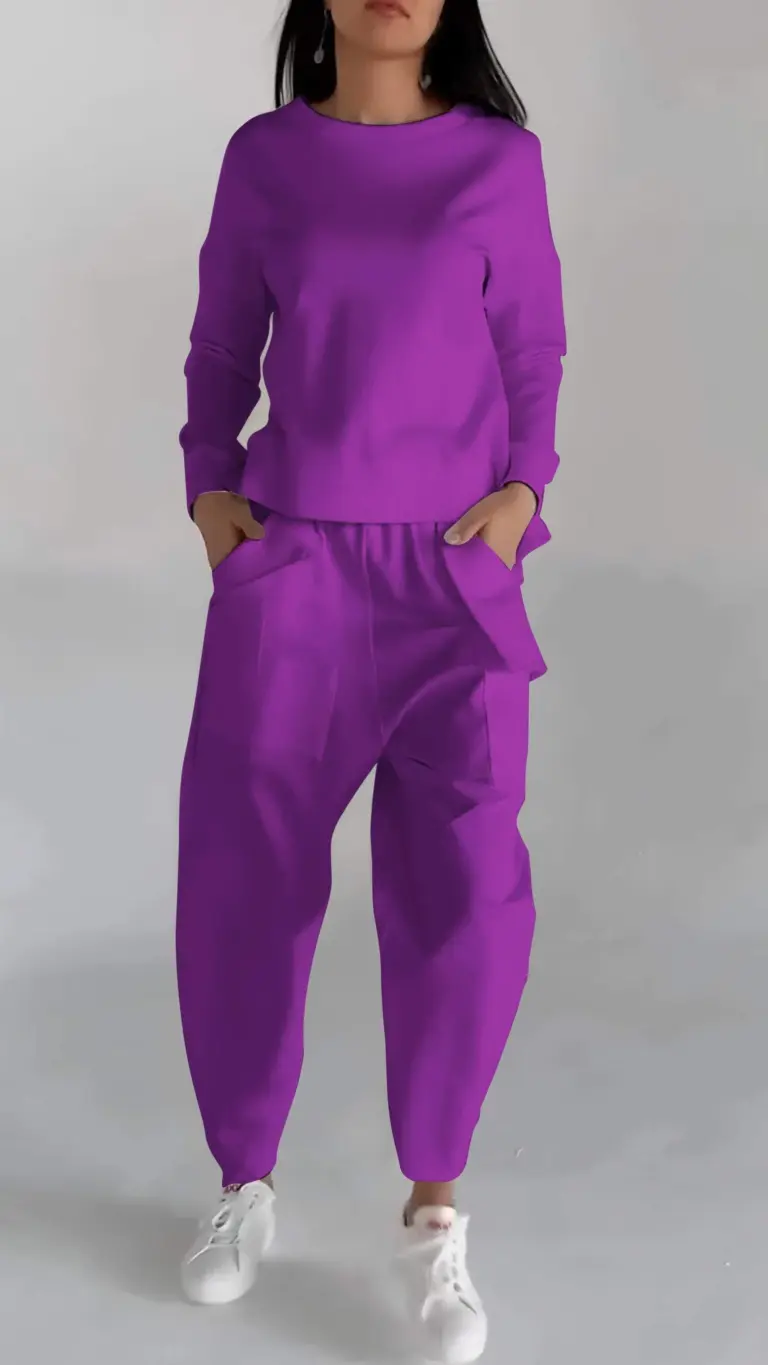 SuitsYellow Cotton Suits That Take the Thinking Out of Getting Dressed
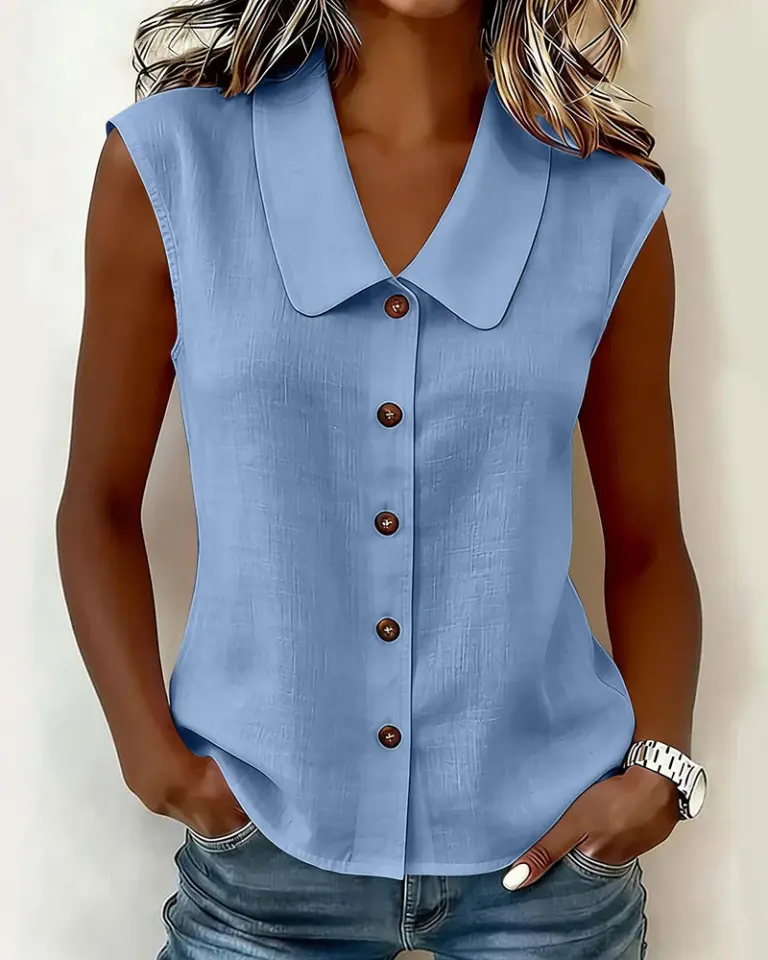 VestsThe Edit: Work Vests
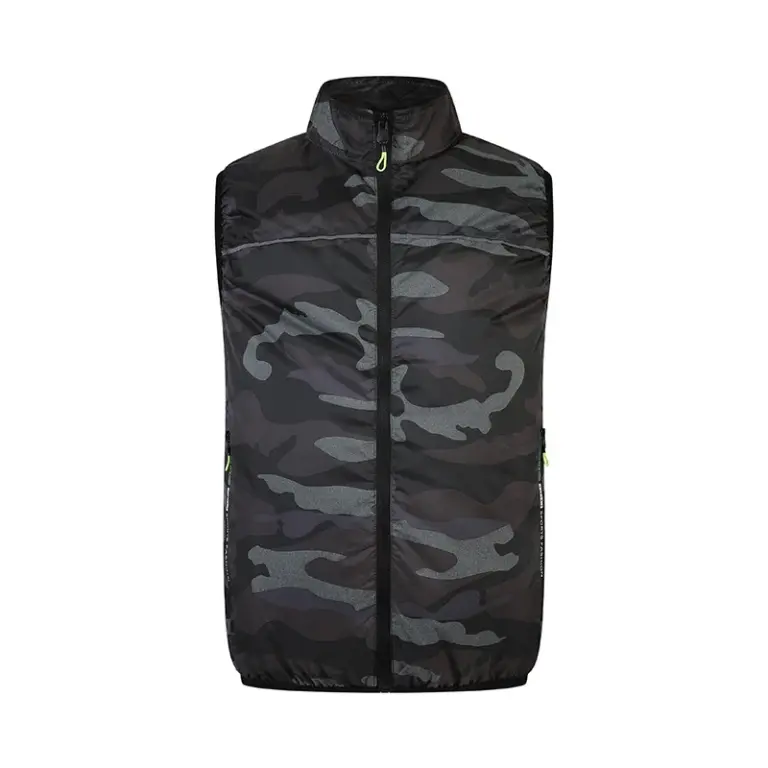
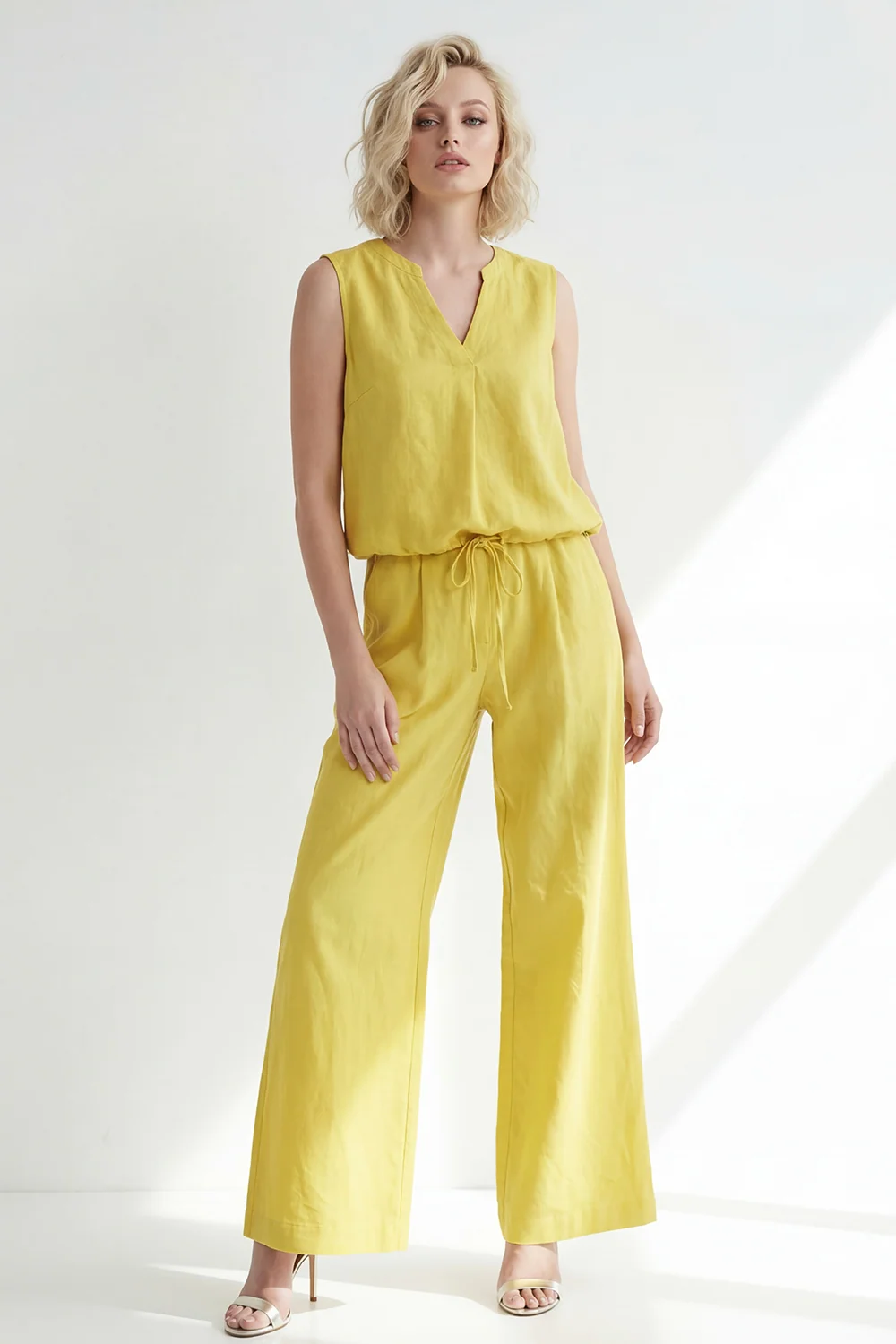 SuitsWork Suits for Monday to FridayAlso worth a lookSuitsThe week a suit earns its place is usually the one with something formal looming, an interview on…See the collections →
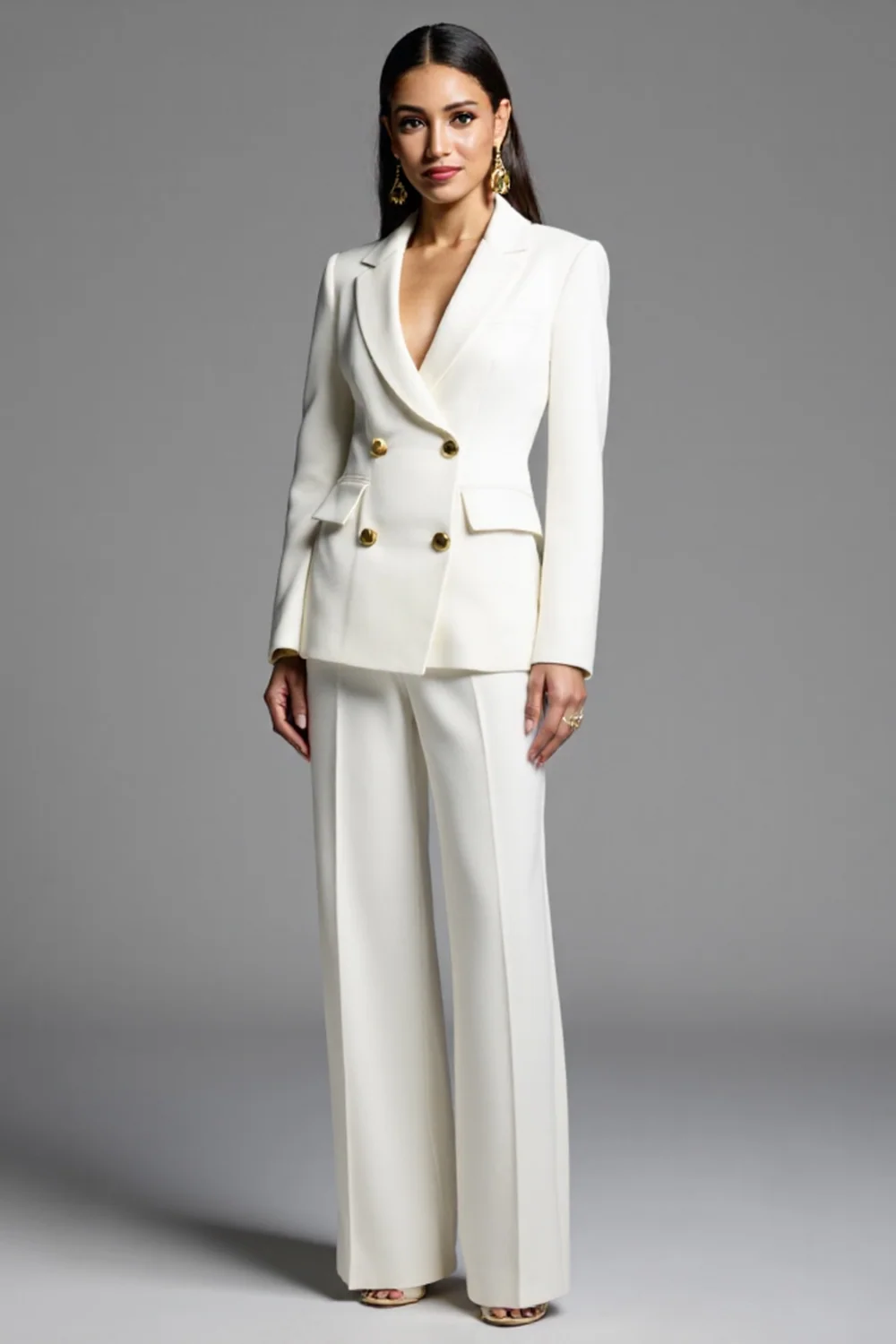
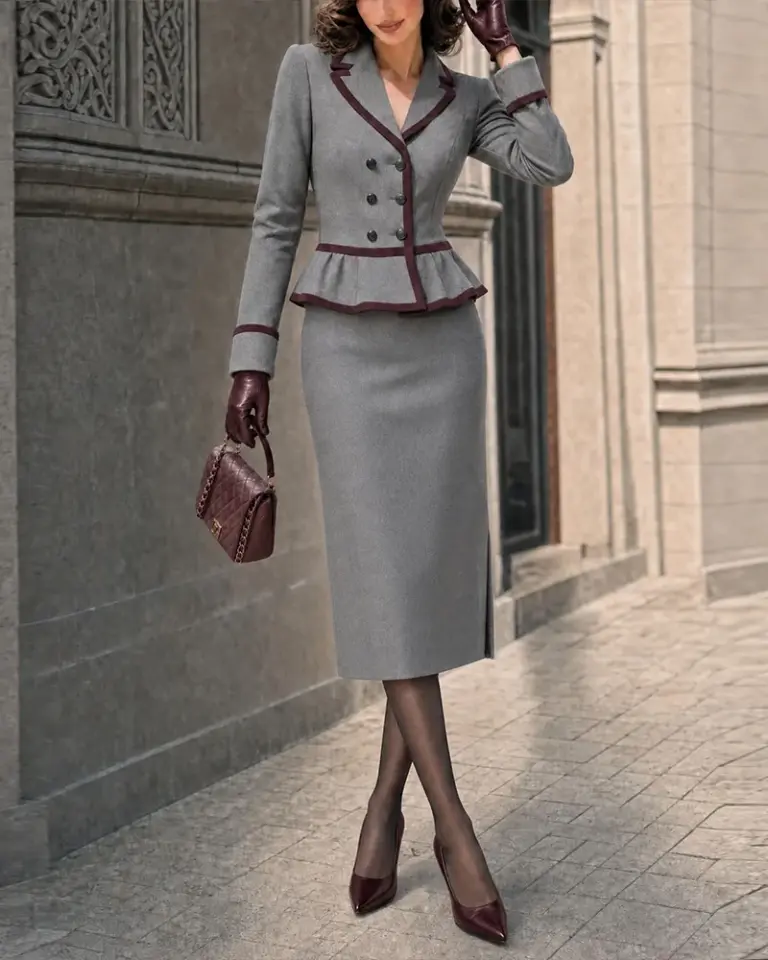 Suit SetsShop the Edit: Work Suit Sets
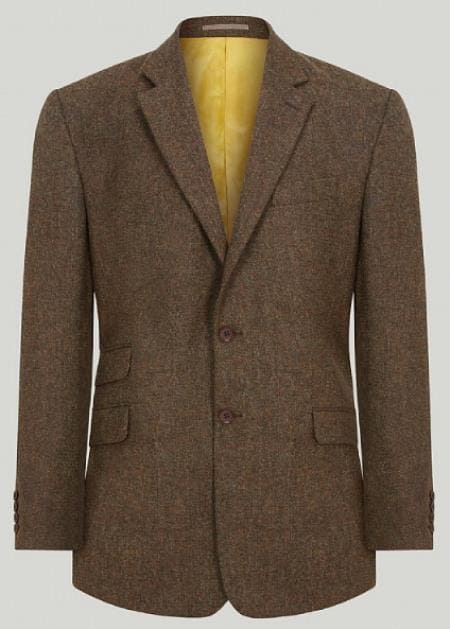 SuitsWool Single Breasted Suits for Colder Days
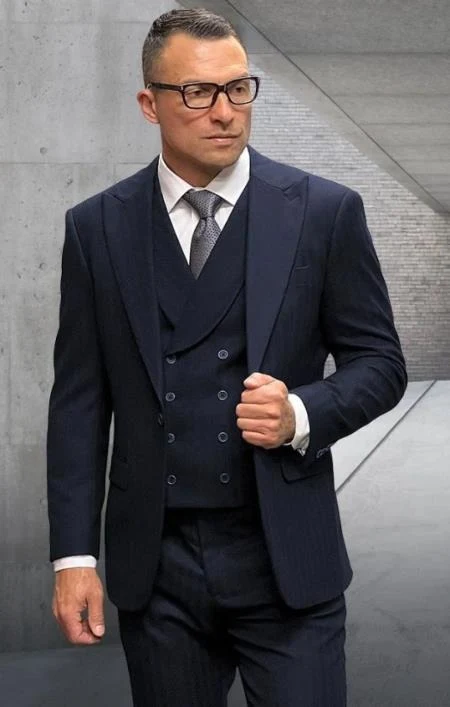
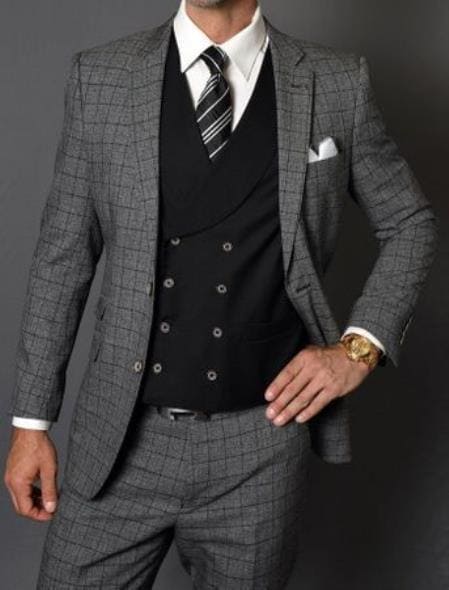 SuitsWool Slim Fit Suits Edited Down to the Best
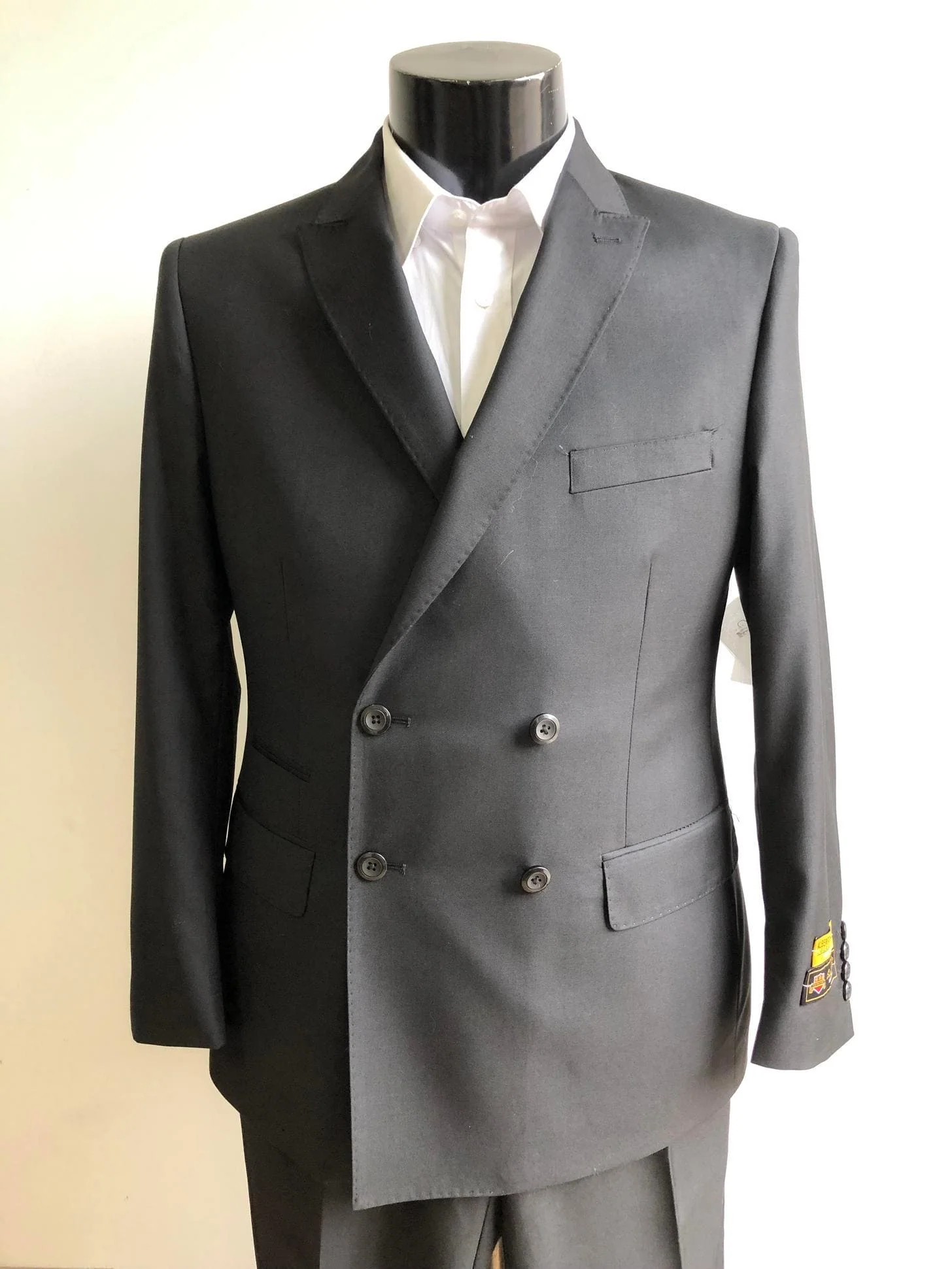
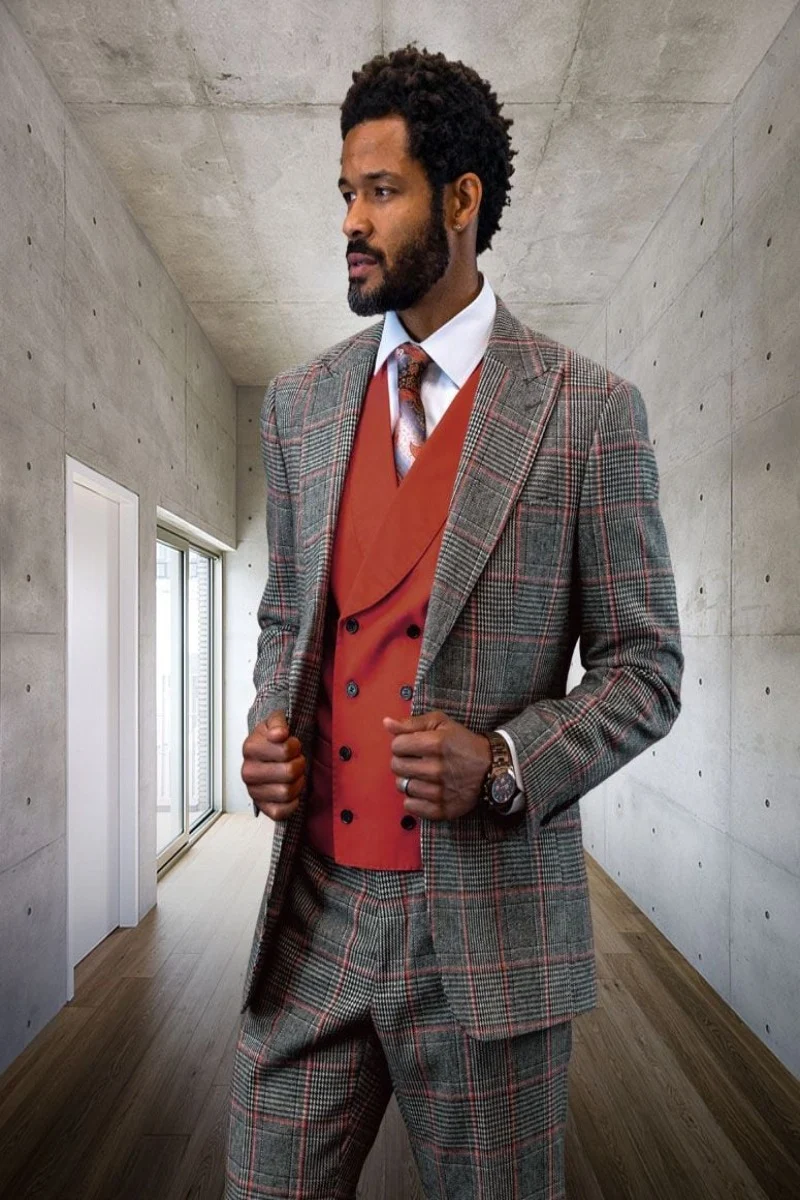 SuitsWool Suits We’d Buy Again
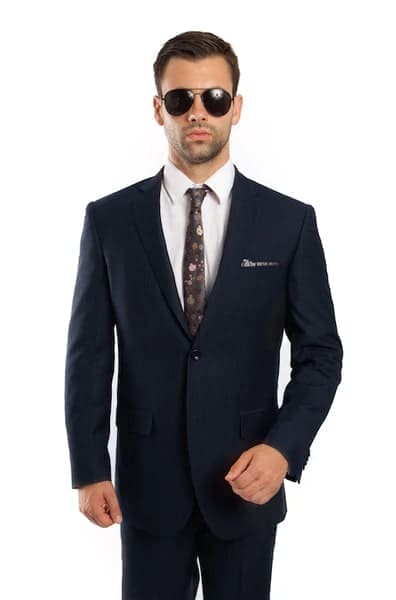
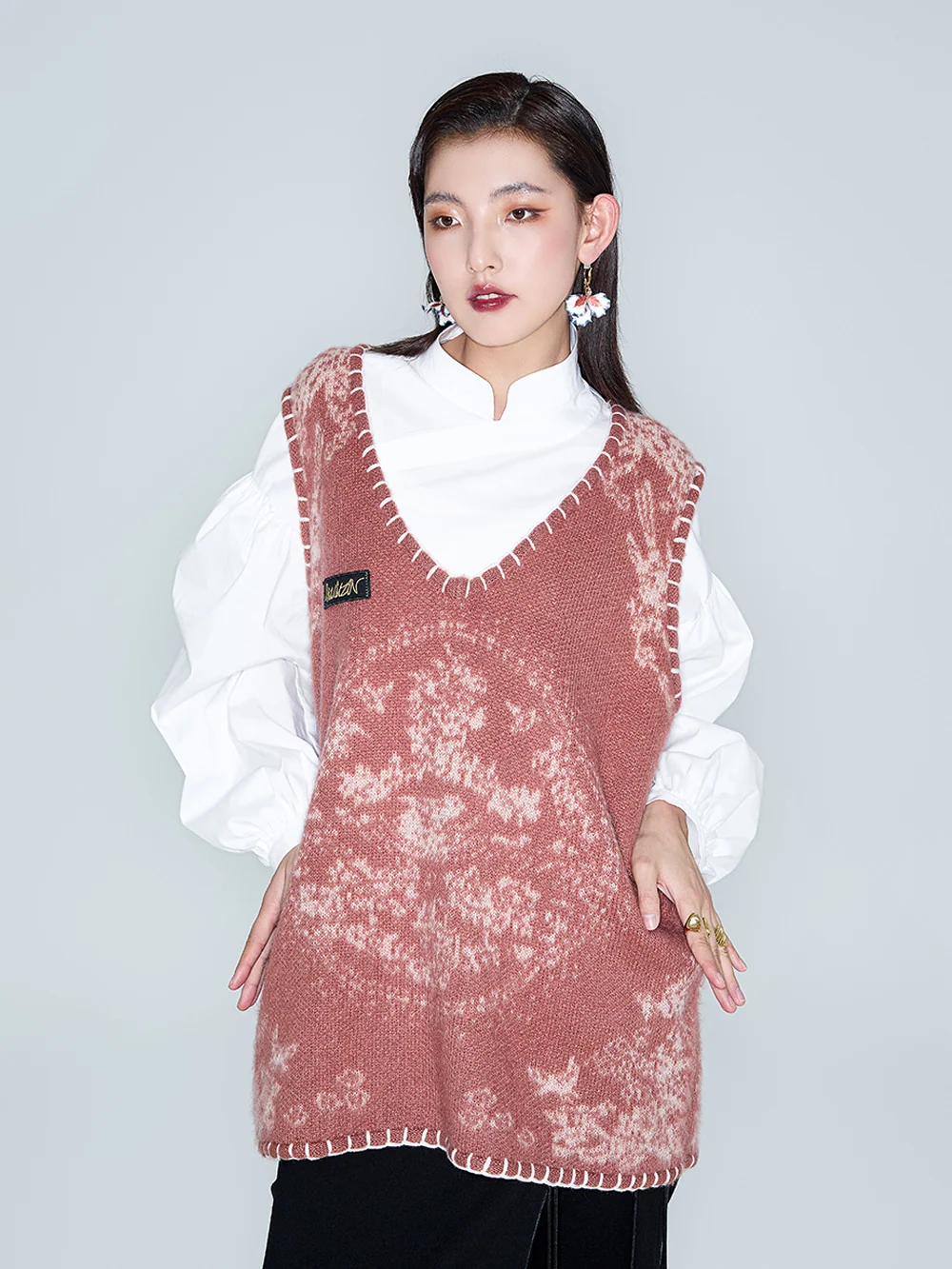 VestsCosy Wool Vests We Love
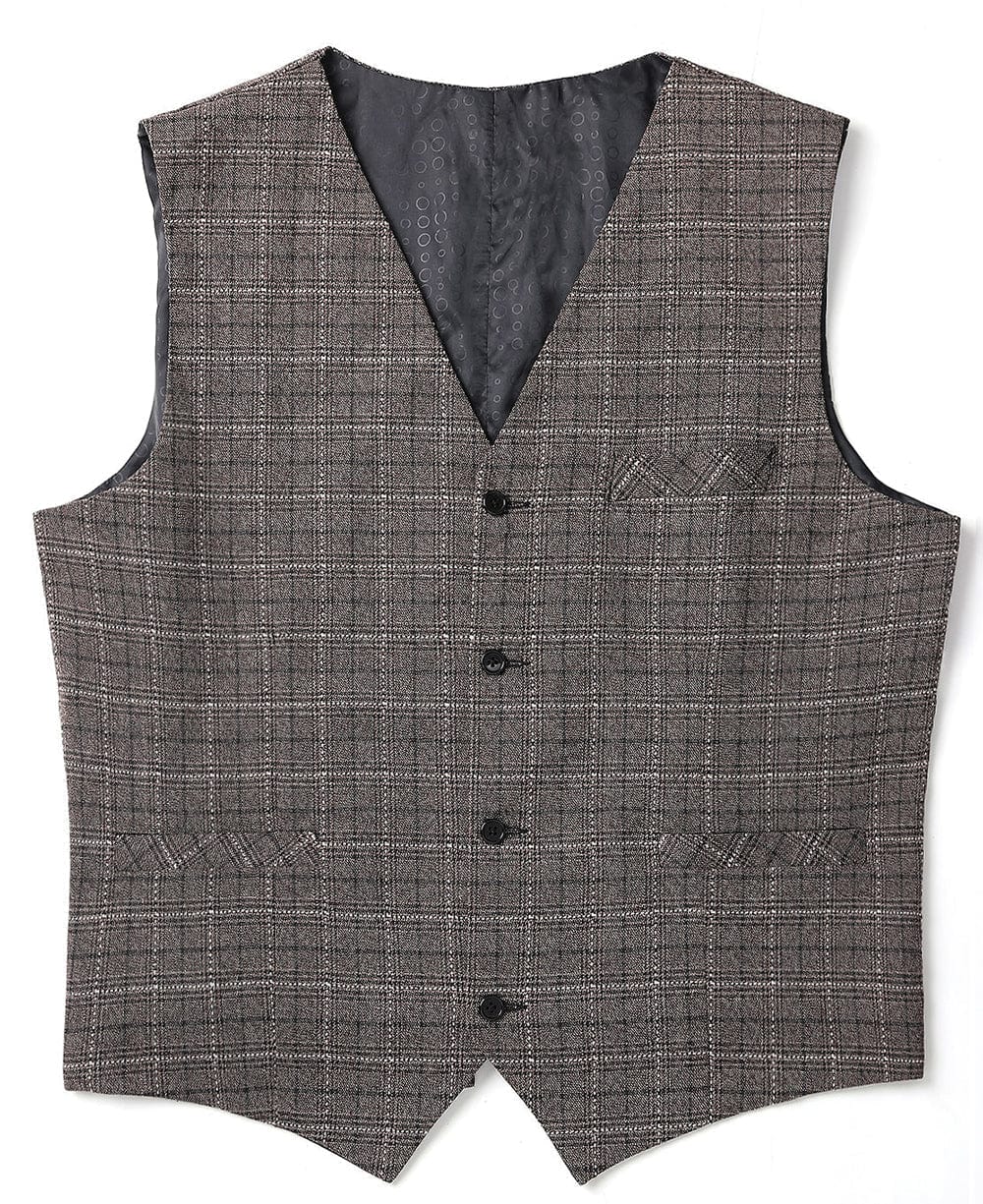
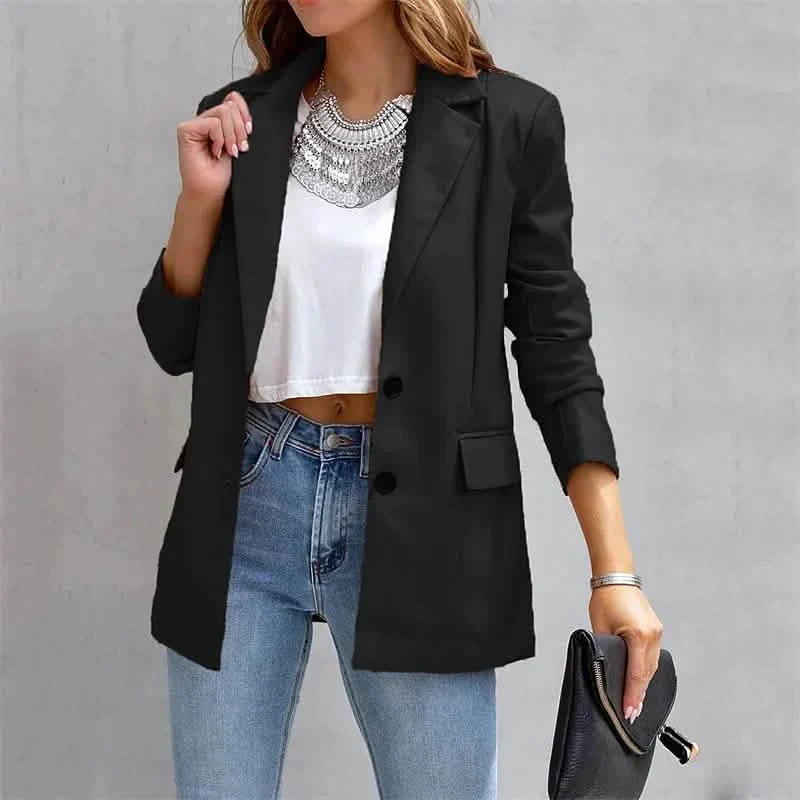
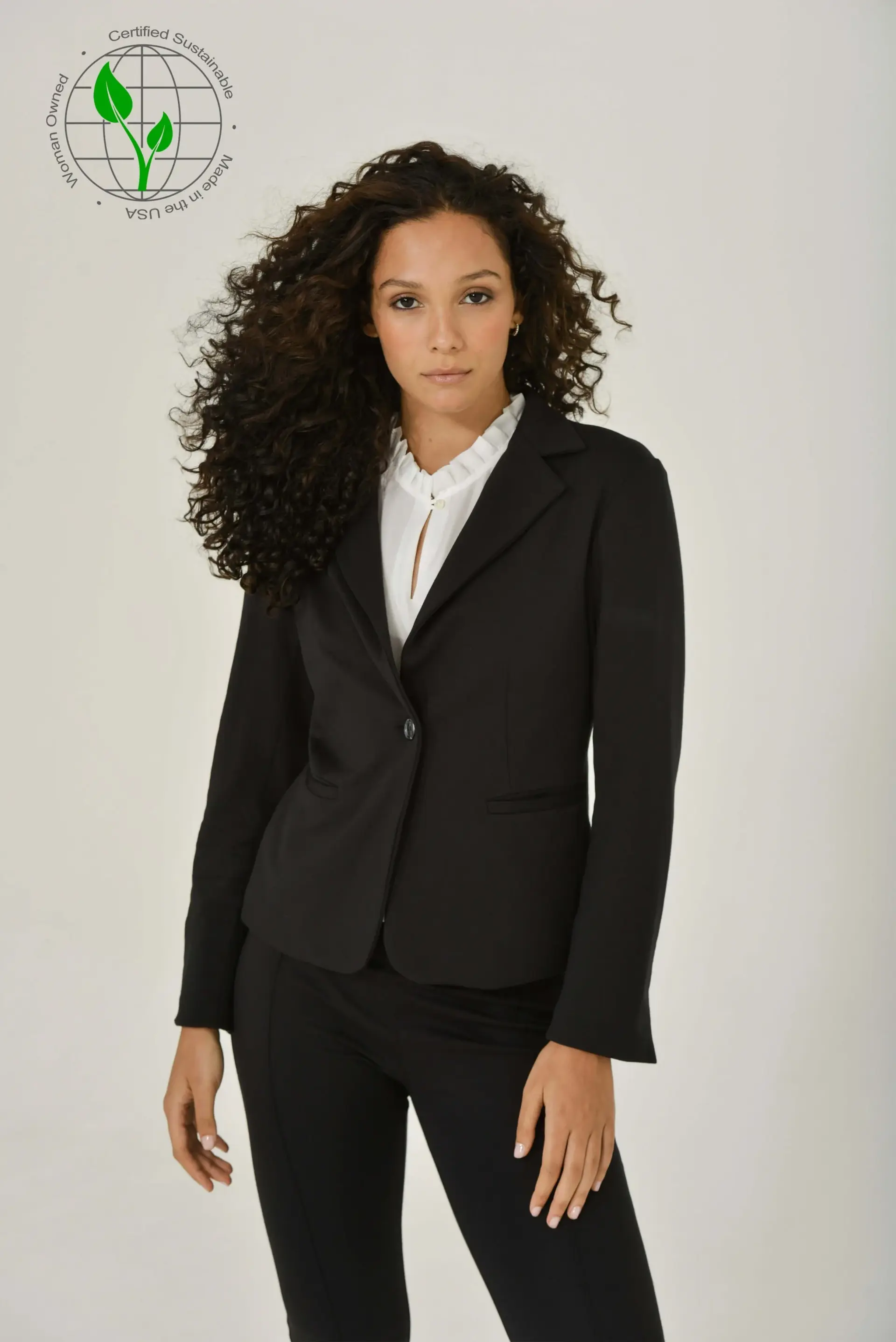 BlazersWork Blazers: Our Current Favorites
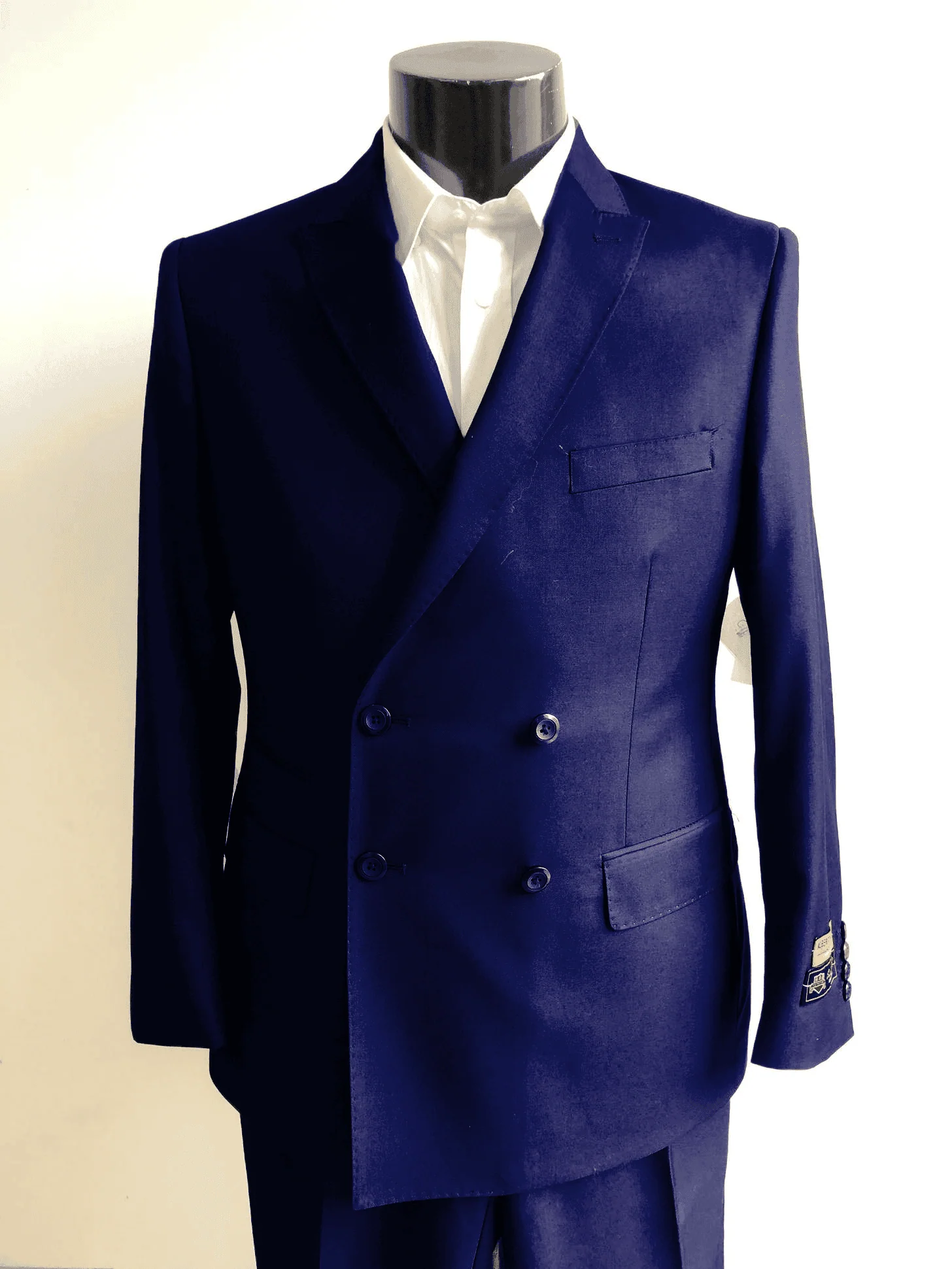
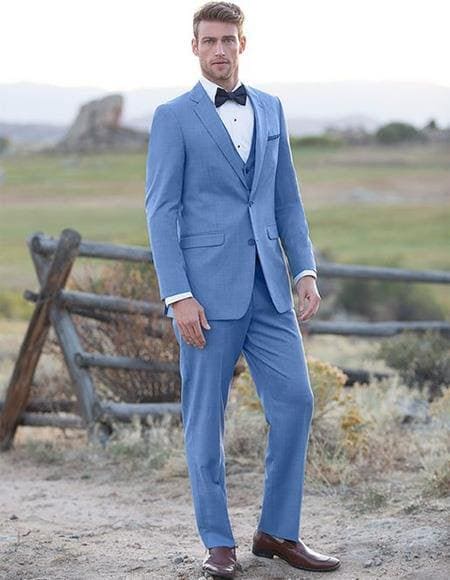 SuitsWool Double Breasted Suits for Colder Days
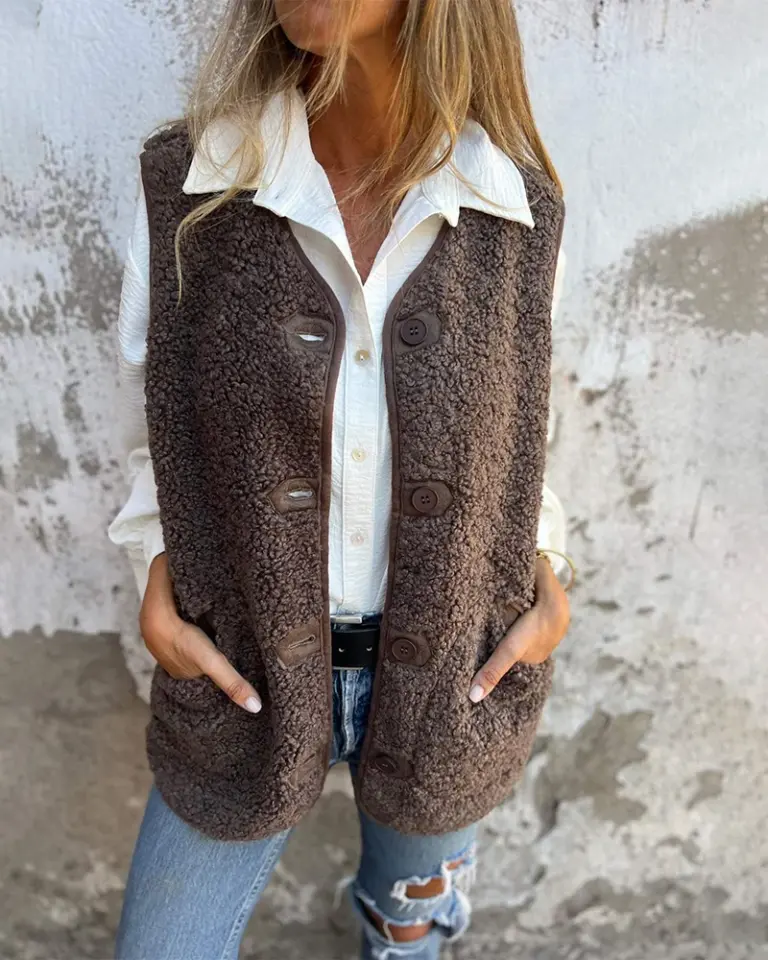 VestsWinter Vests: What We’d Buy Now
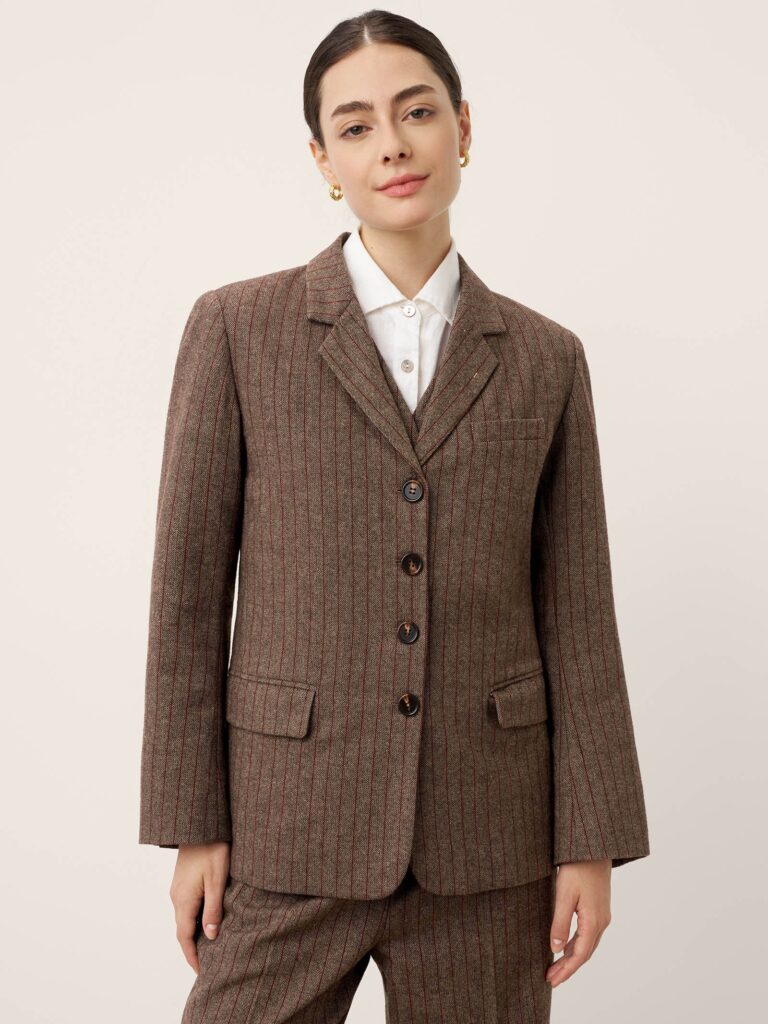
 BlazersWool Blazers: The EditAlso worth a lookBlazersThe usual mistake is buying a blazer so structured it only works standing up straight with your shoulders…See the collections →
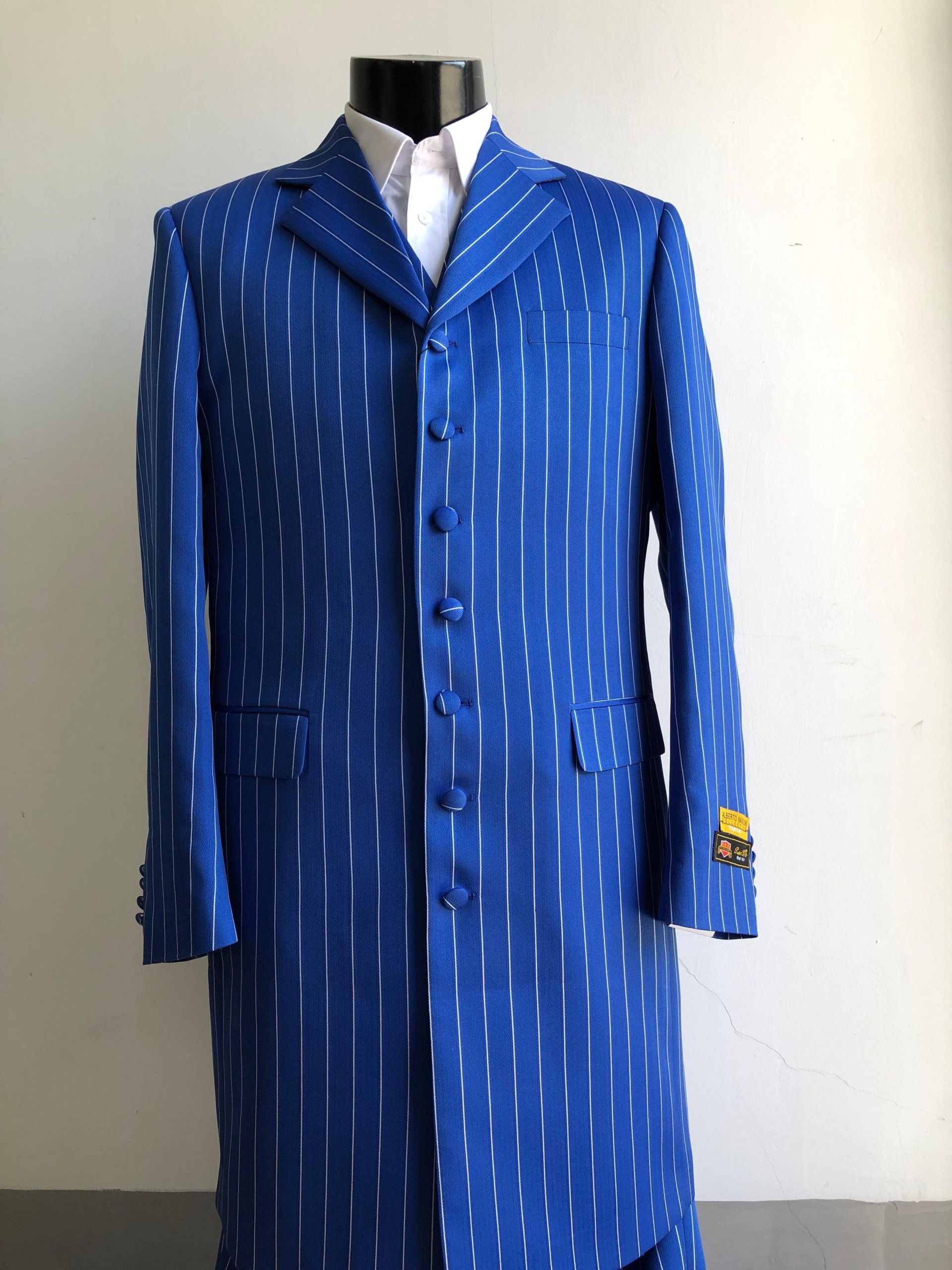 SuitsWide Leg Suits That Look Instantly Put Together
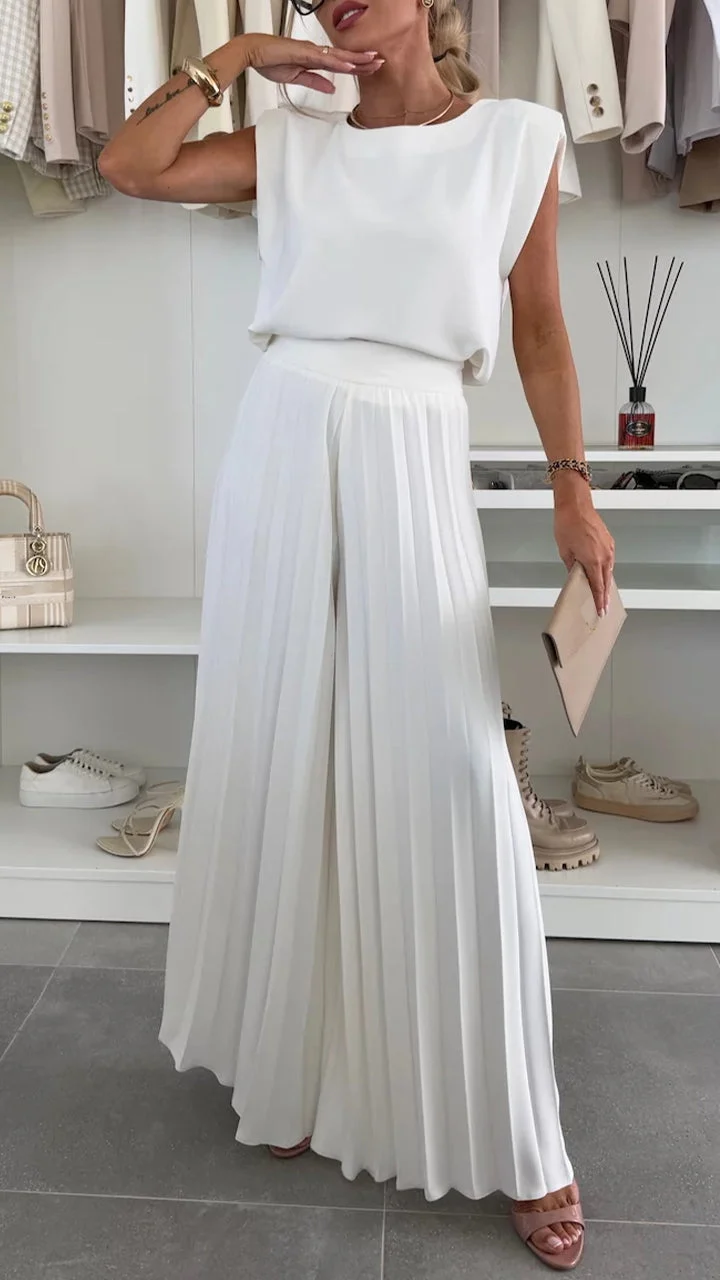
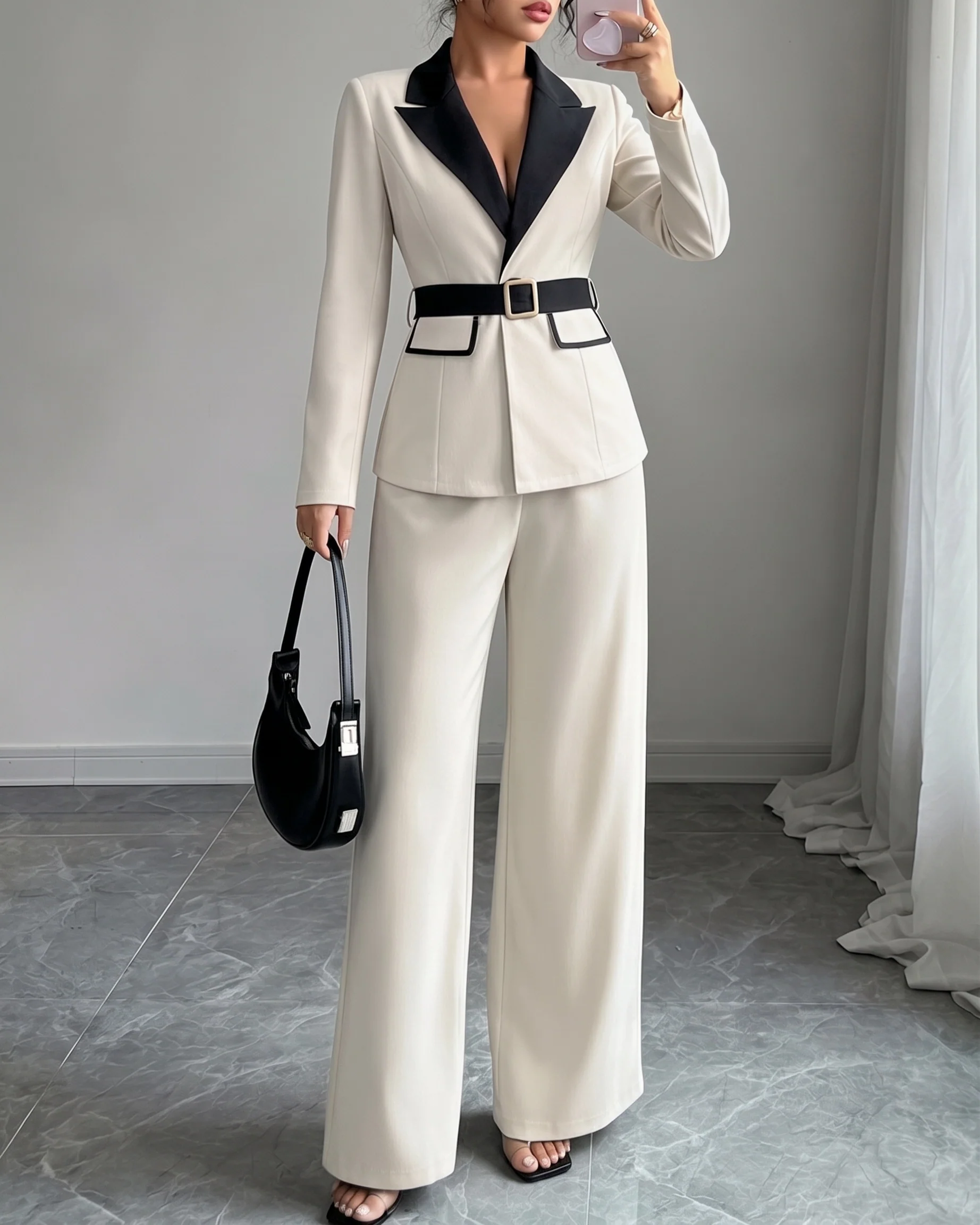 Suit SetsThe Wide Leg Suit Sets We Keep Going Back To
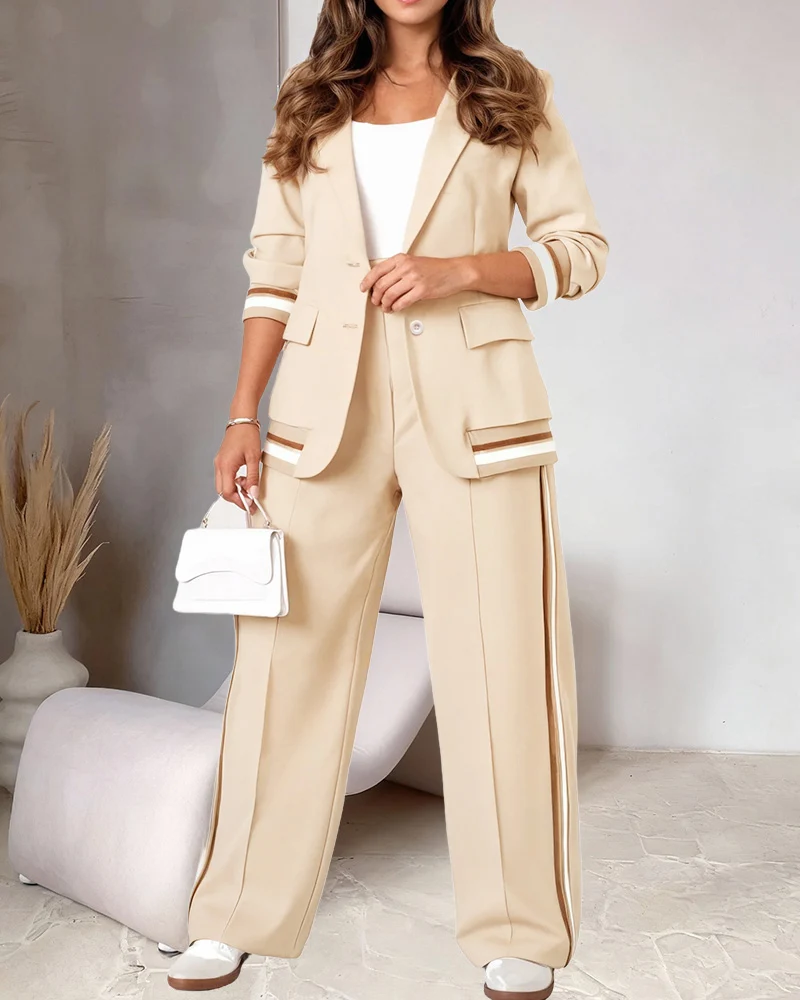
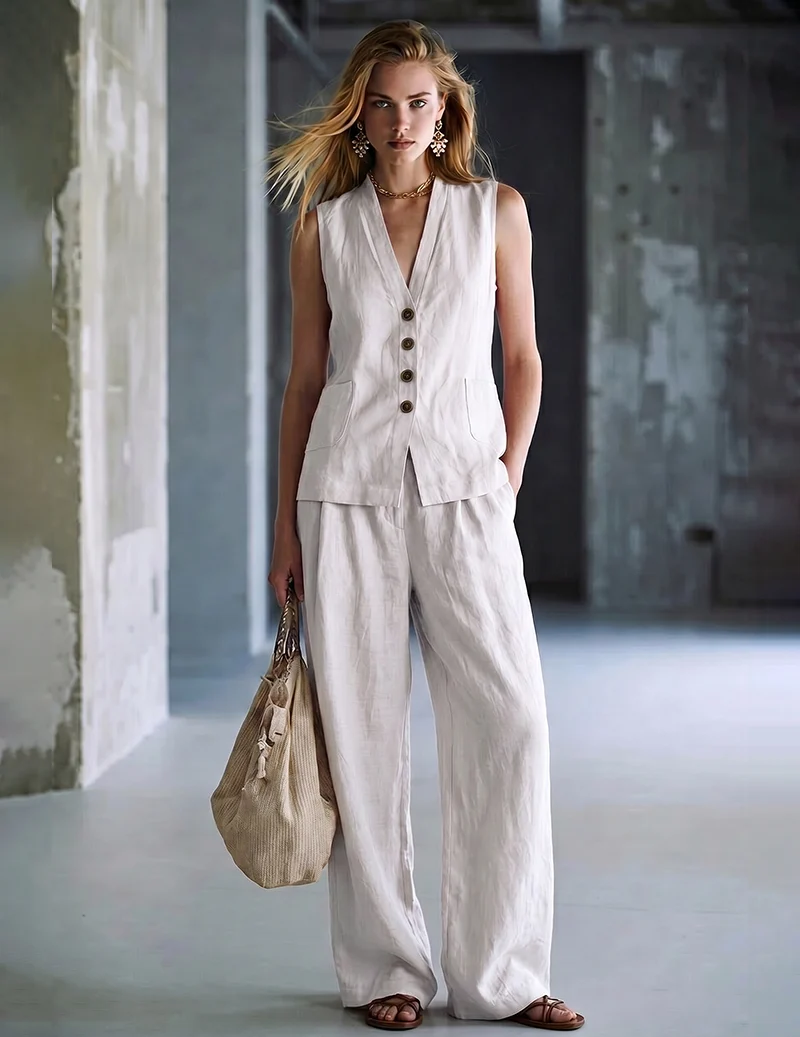 Wide Leg Vest Sets Actually Worth Buying
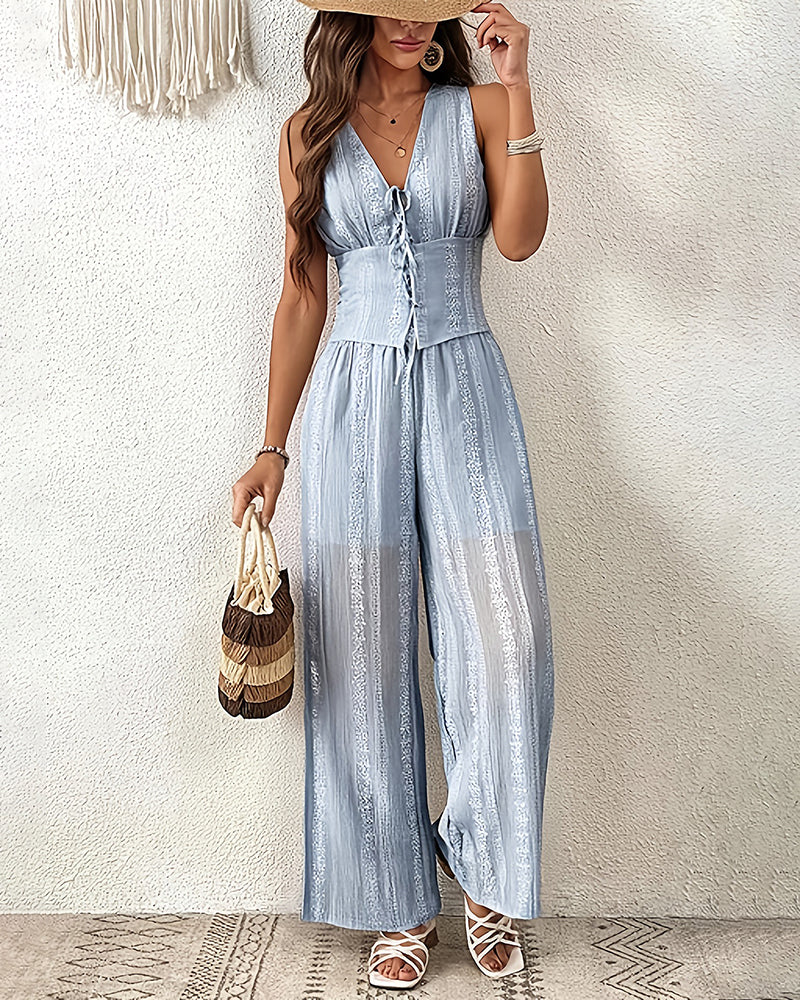
 SuitsWhite Pant Suits That Take the Thinking Out of Getting Dressed
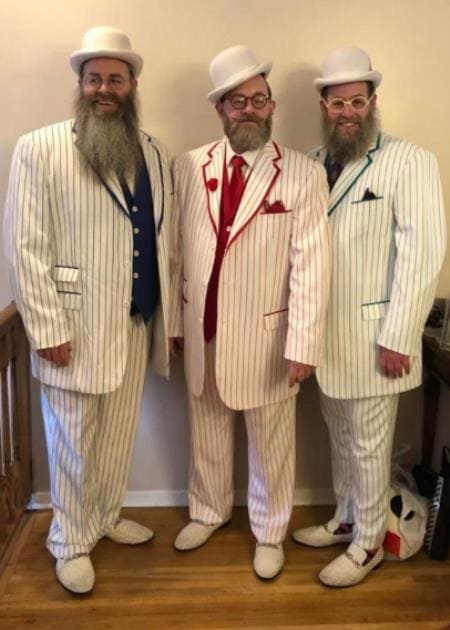
 White Tuxedos That Feel Special
 White Velvet Tuxedos Worth Adding to Your Wardrobe
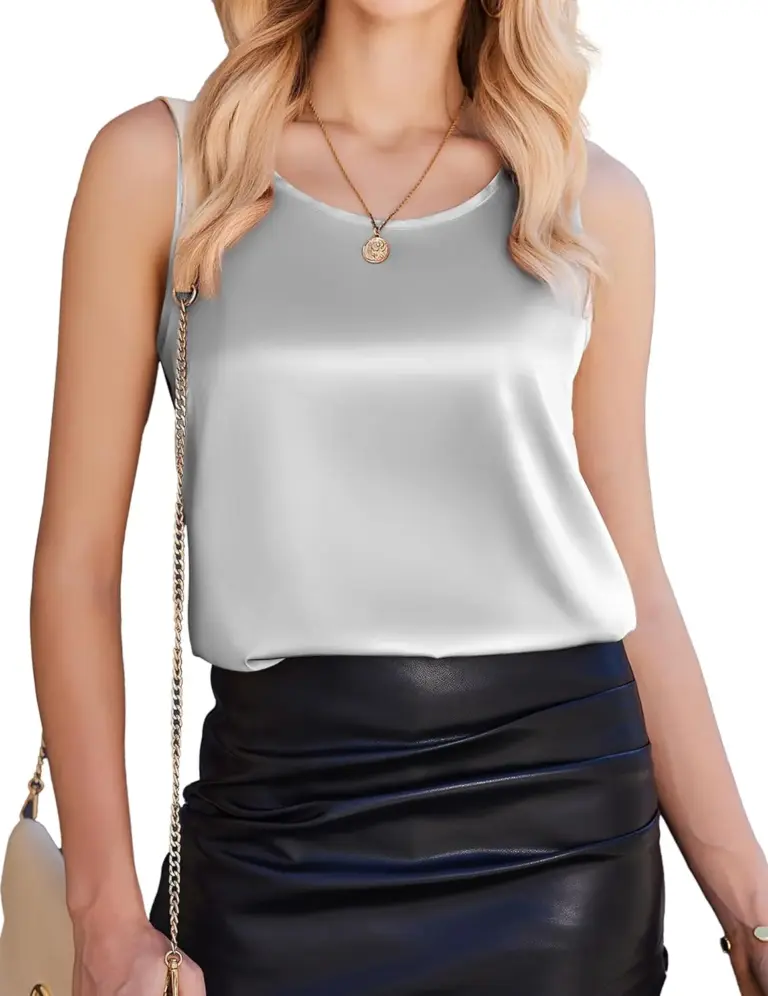 VestsThe Best White Vests to Shop Now

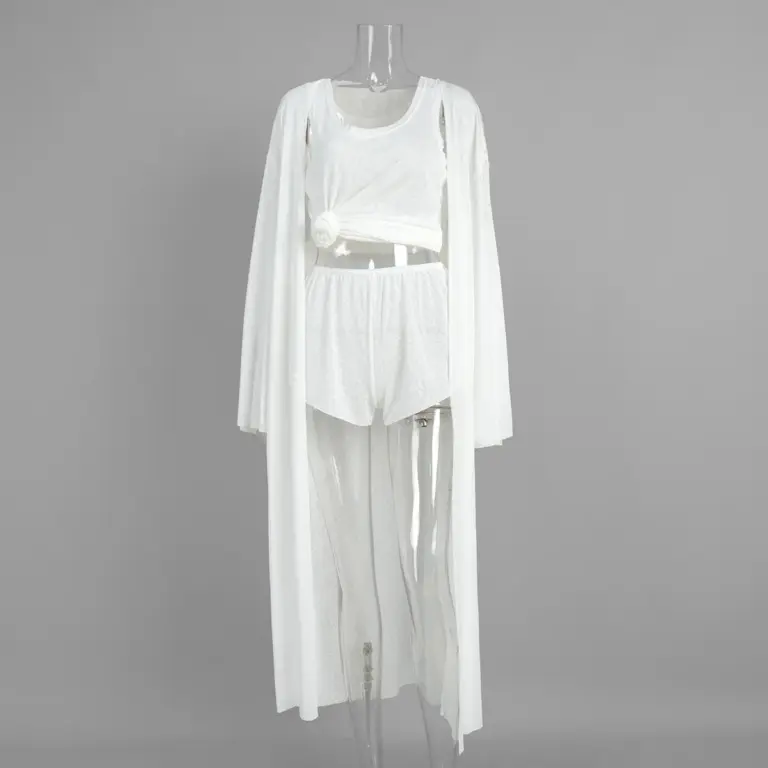 SuitsThe Prettiest White Vest Suits Around Right Now
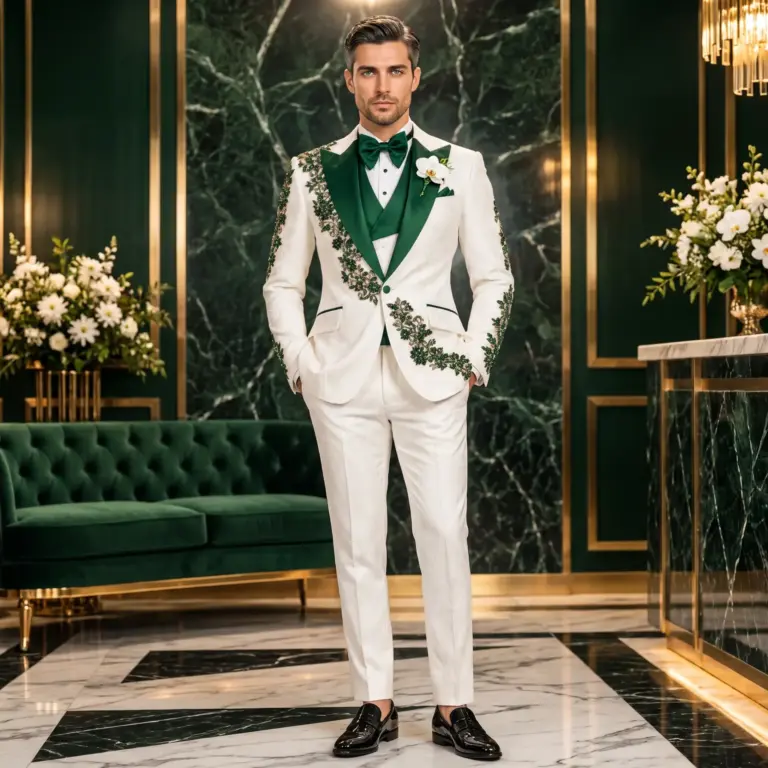
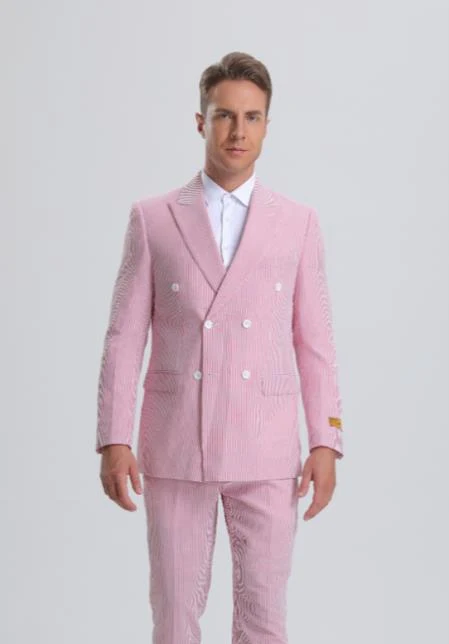 SuitsWhite Suits for Instant OutfitsAlso worth a lookVestsThe first waistcoat I owned was a slippery polyester three piece set thing bought for a wedding in…See the collections →
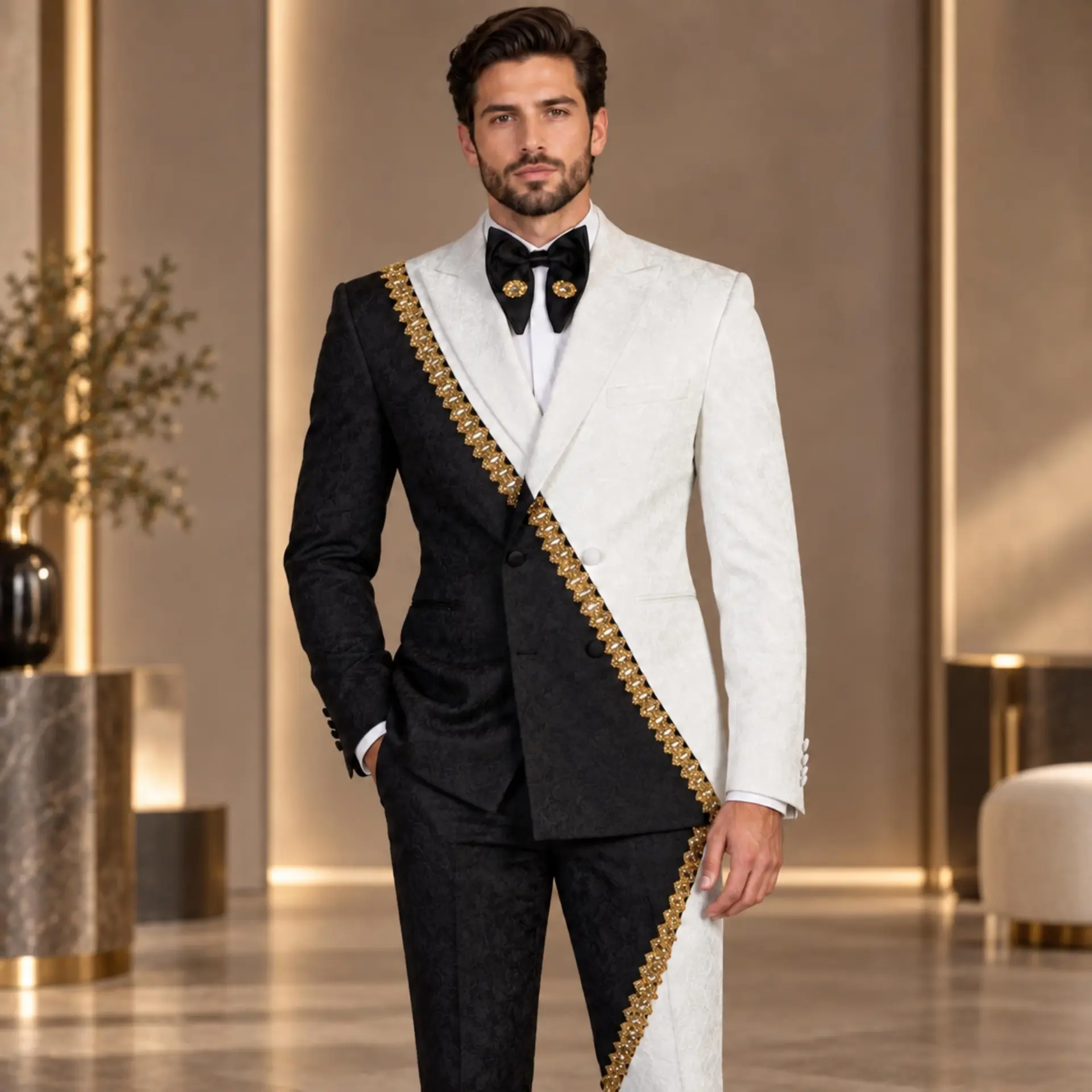
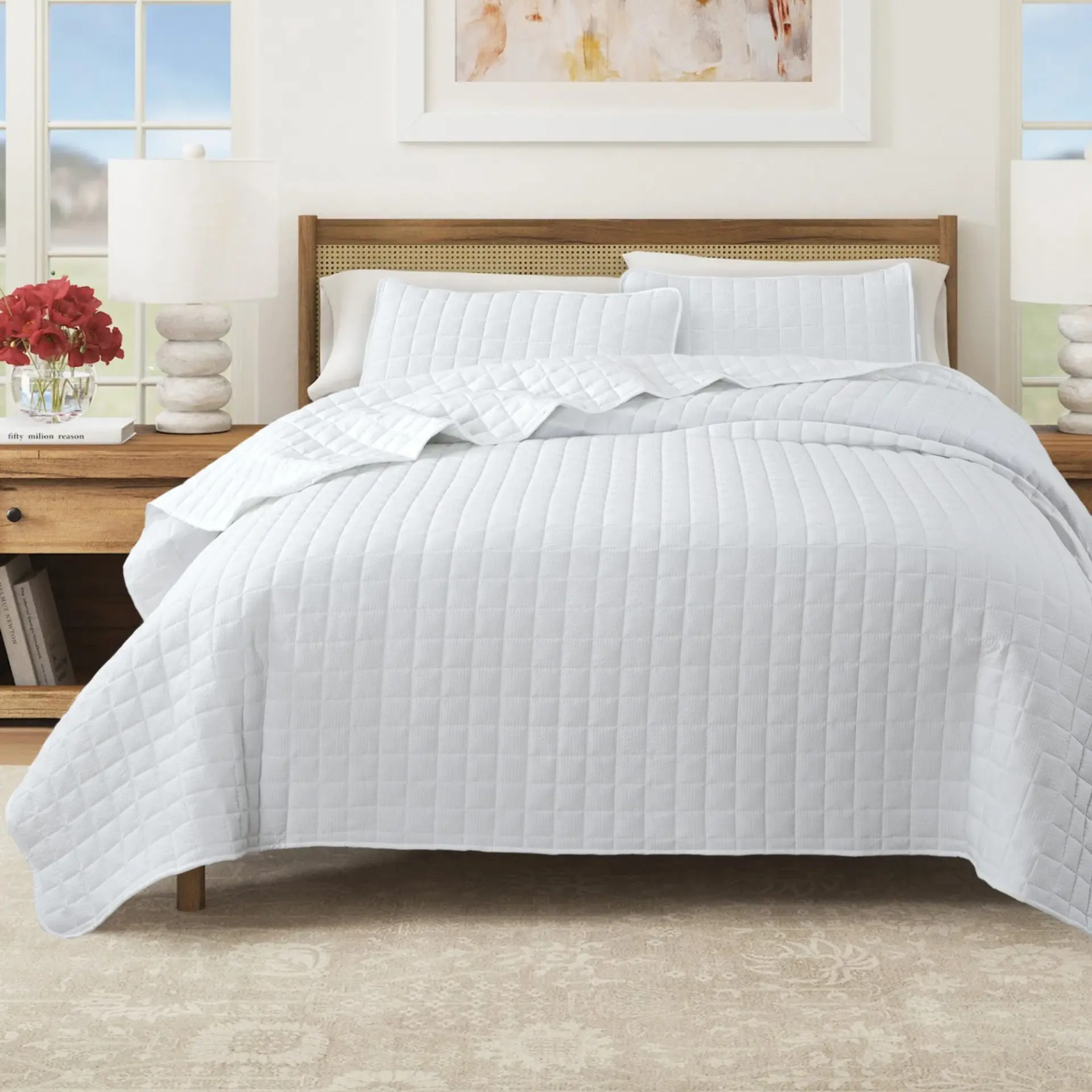 Suit SetsWhite Suit Sets That Look Instantly Put Together
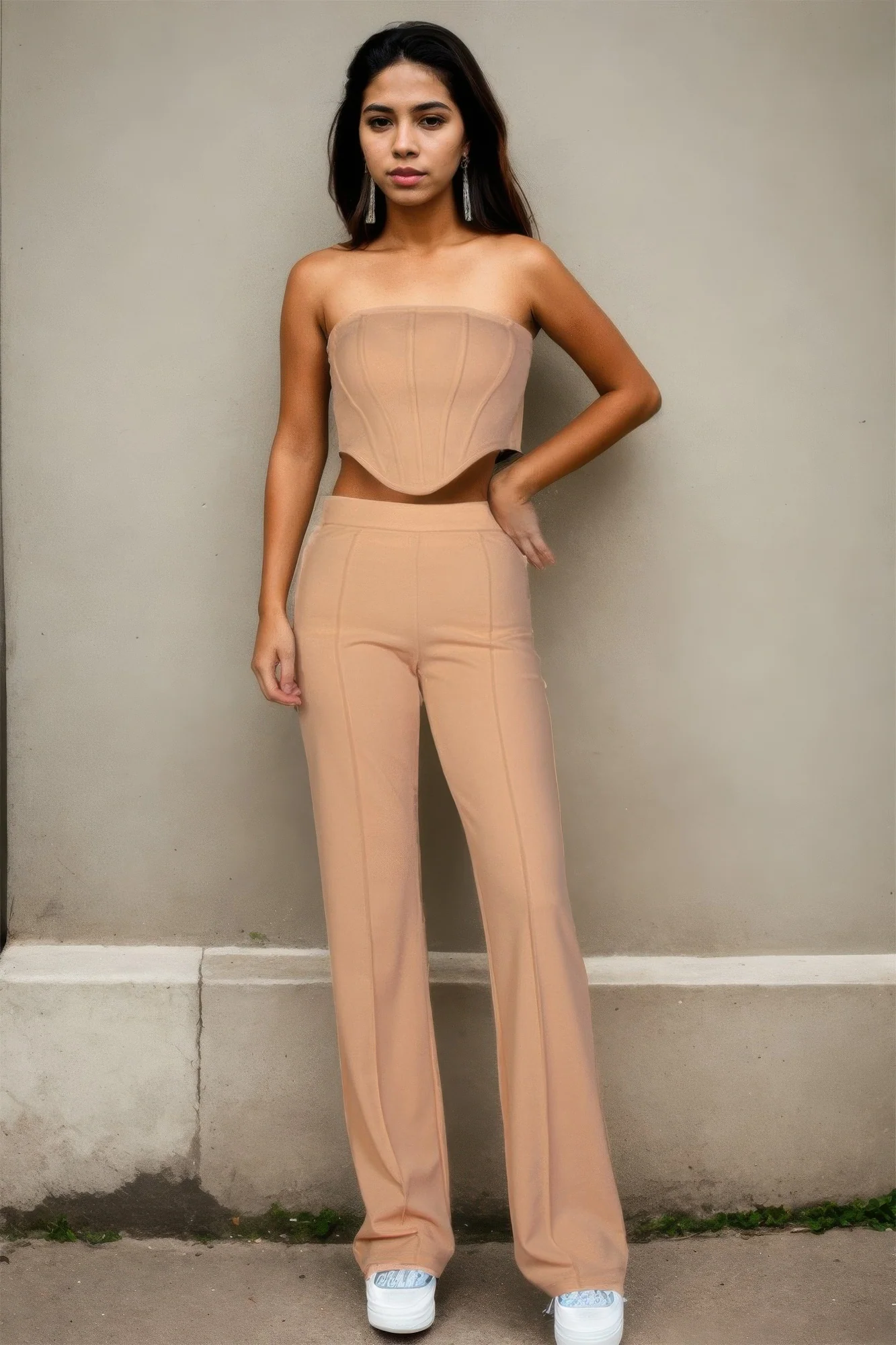
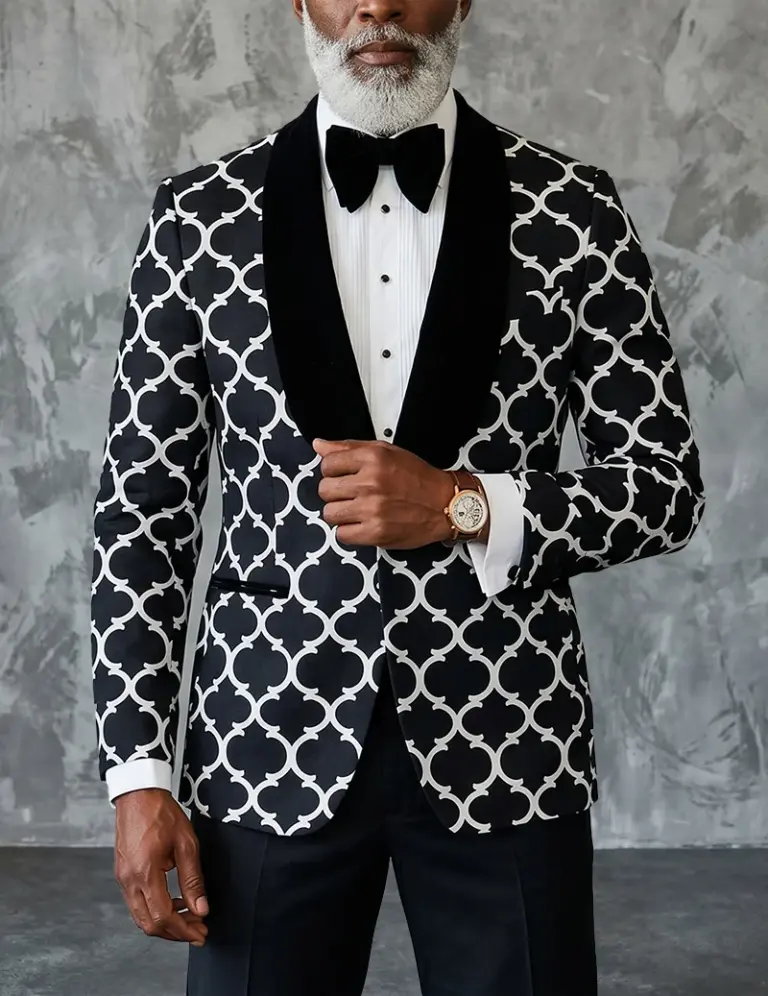 White Tailored Tuxedos We’d Happily Wear on Repeat
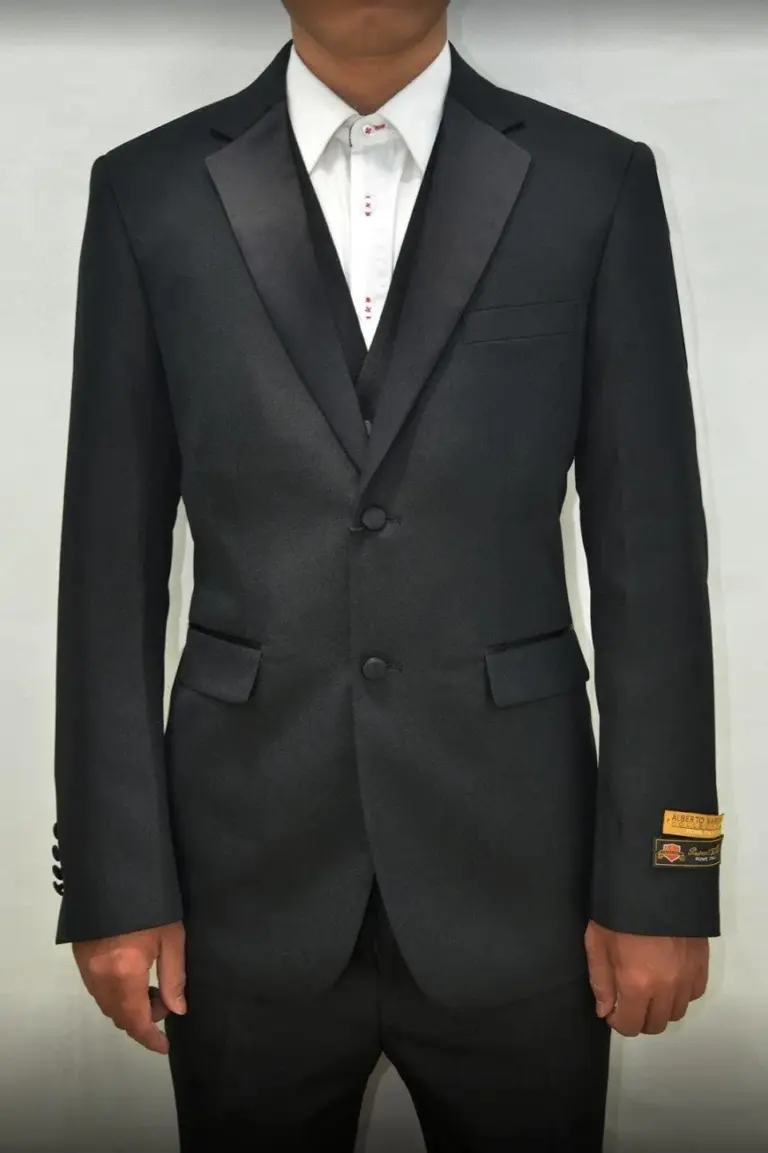
 SuitsStandout White Three Piece Suits to Shop
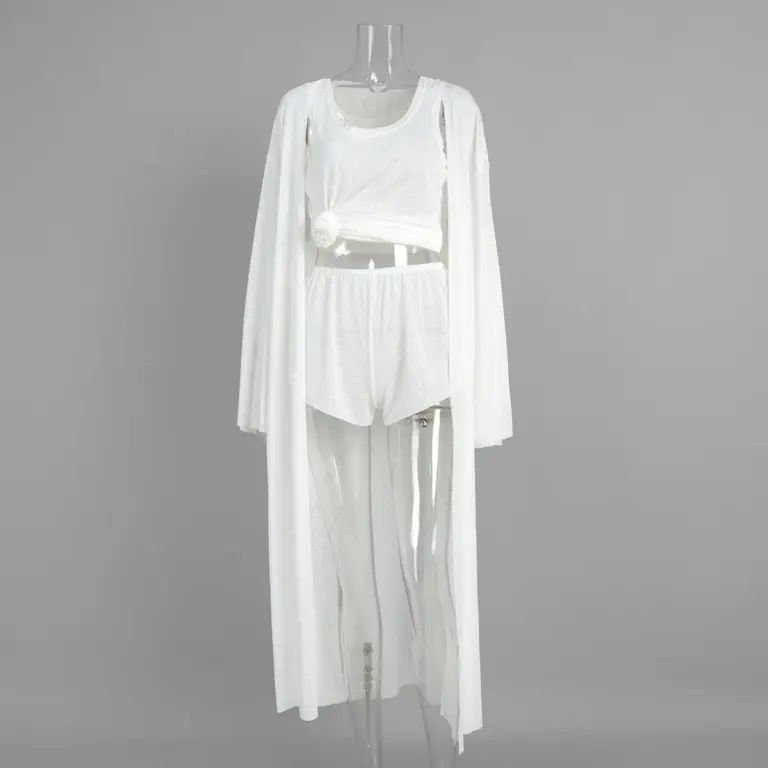
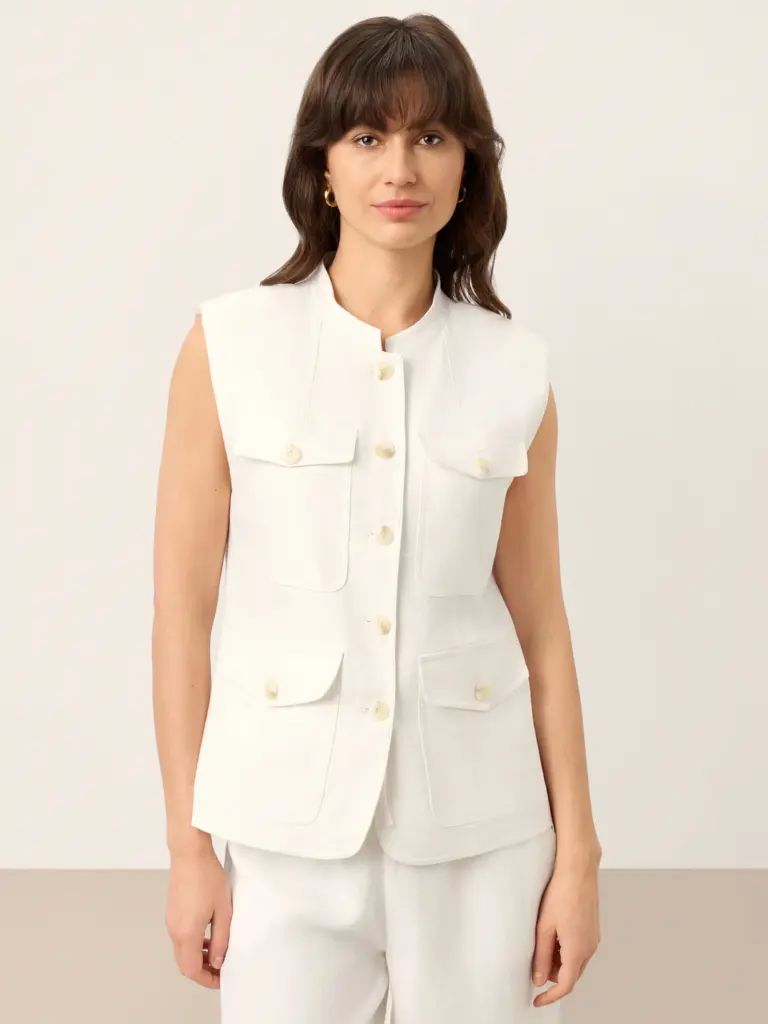 VestsWhite Sleeveless Vests That Feel Special
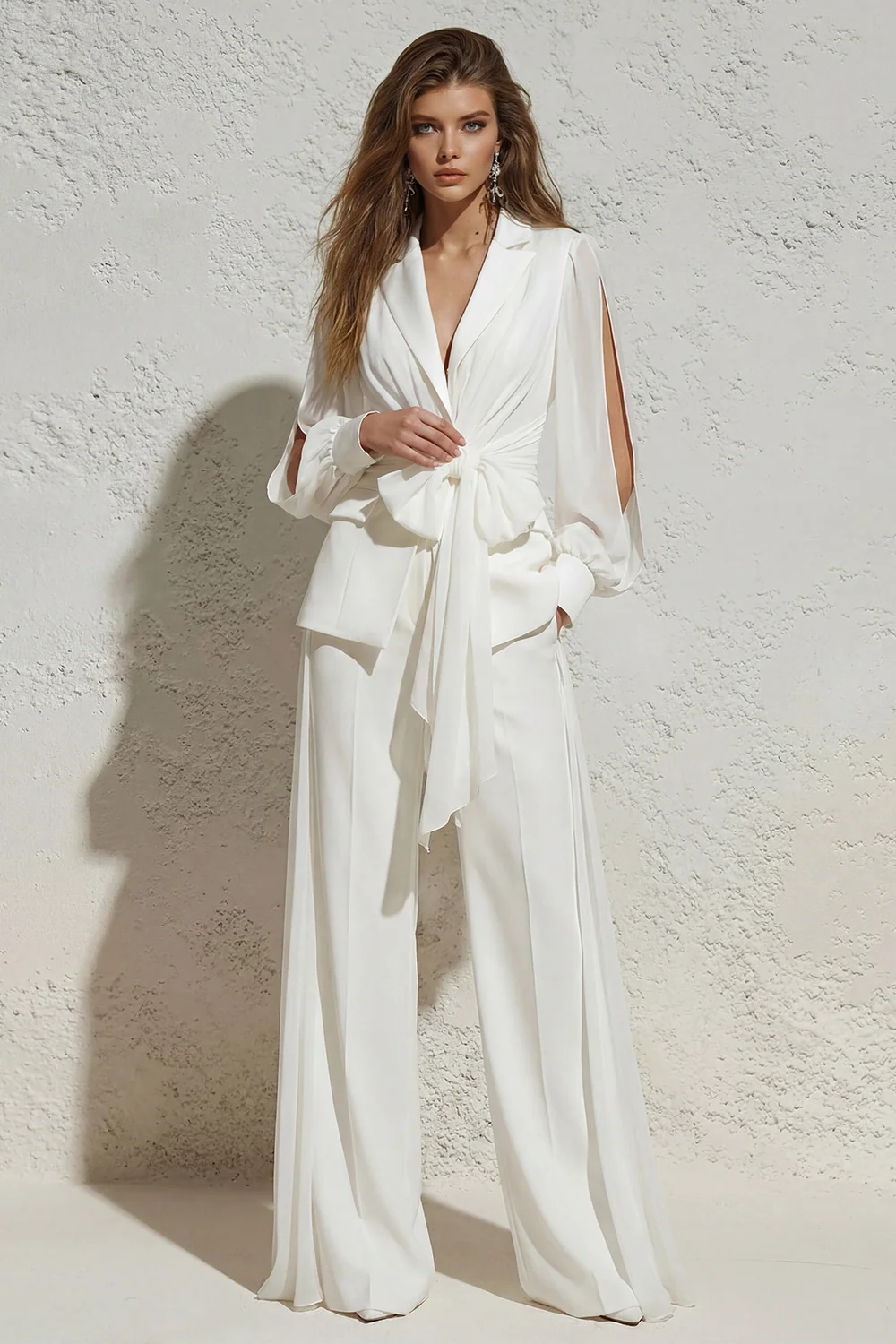 SuitsWhite Slim Fit Suits We’re Adding to Basket
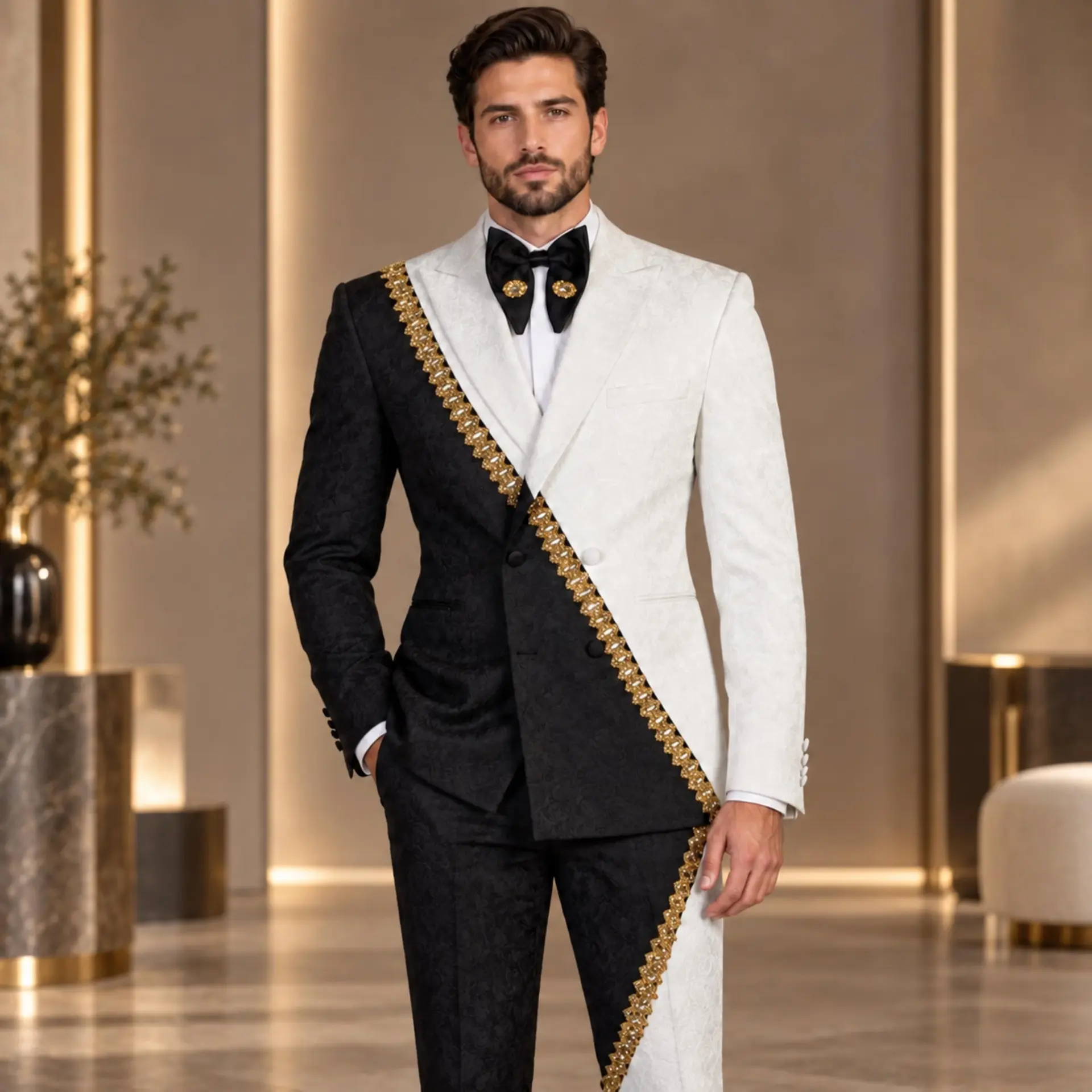
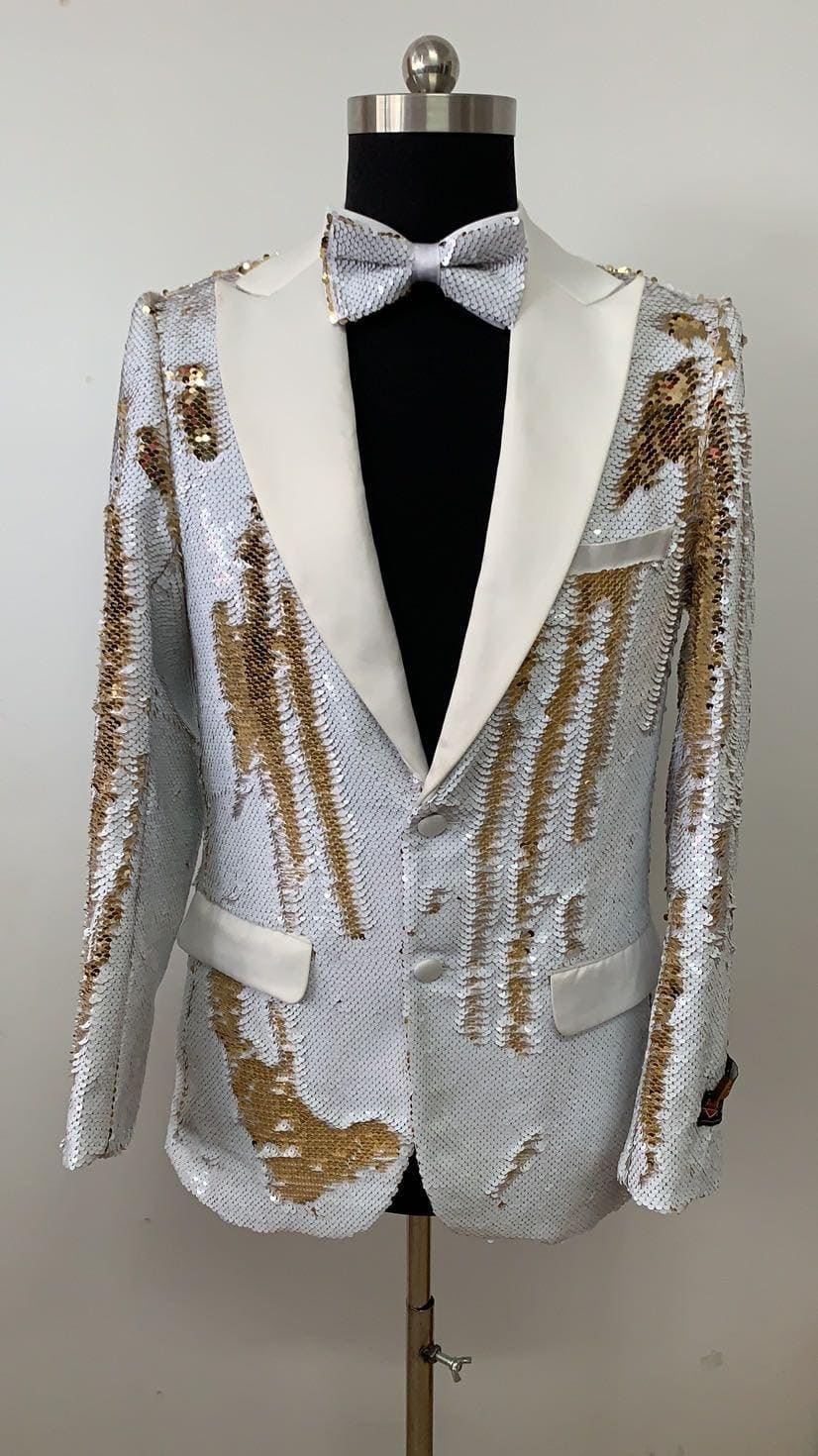 White Slim Fit Tuxedos: Our Top Picks
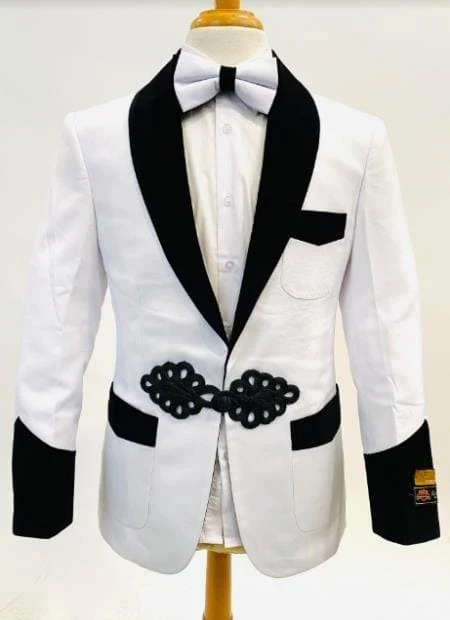
 SuitsOur Kind of White Single Breasted Suits
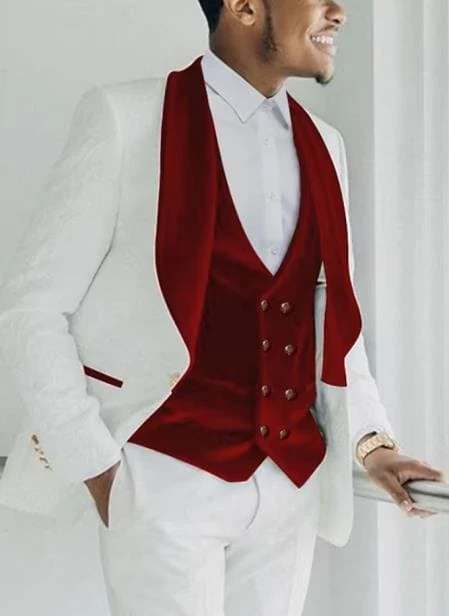
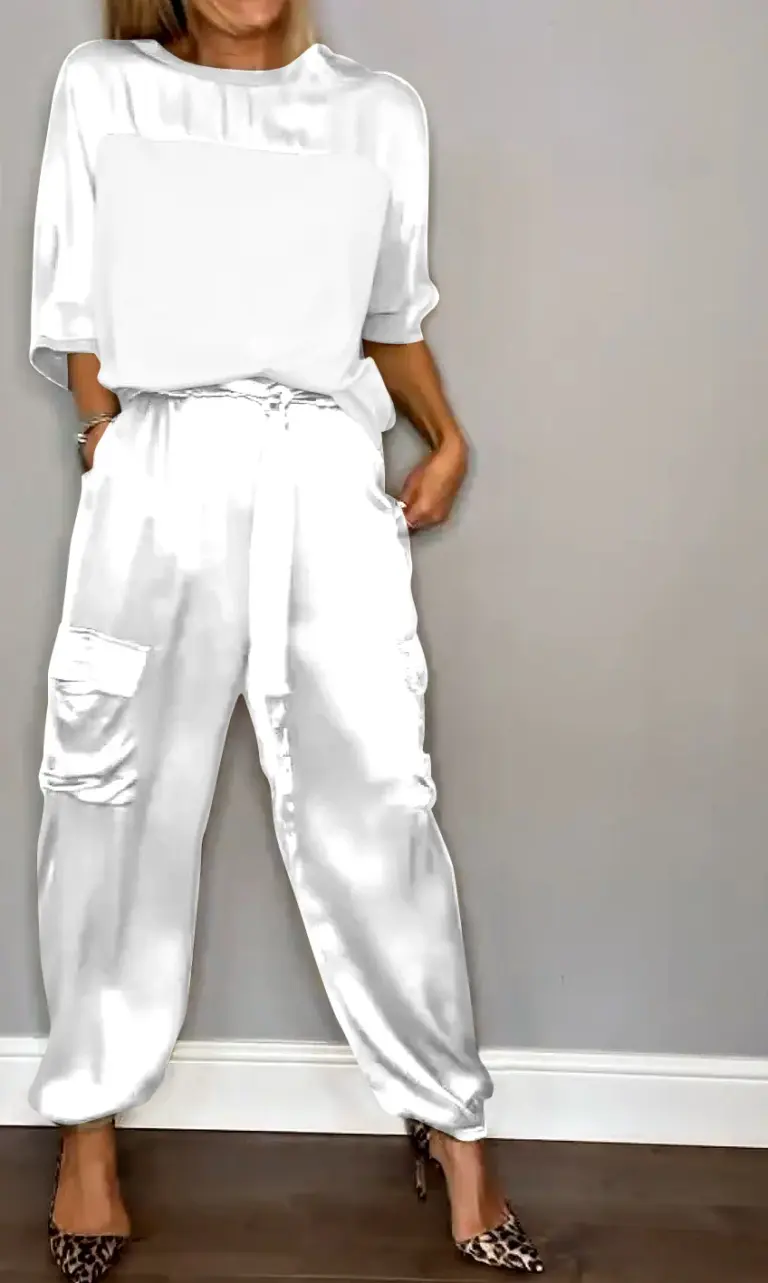
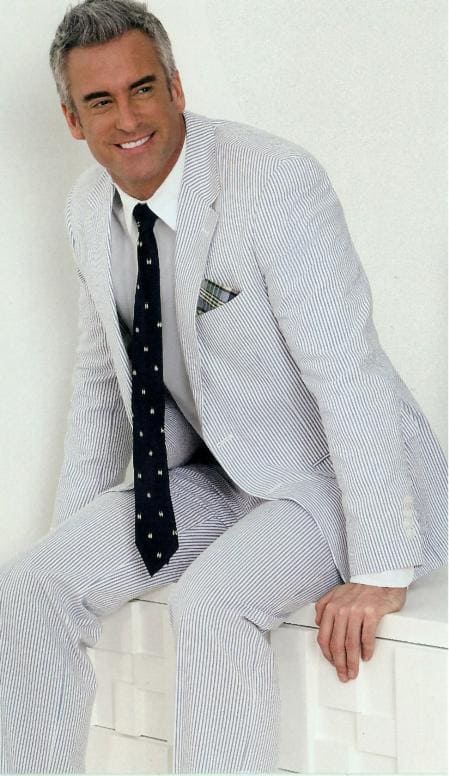 SuitsThe Best Looking White Satin Suits Out There