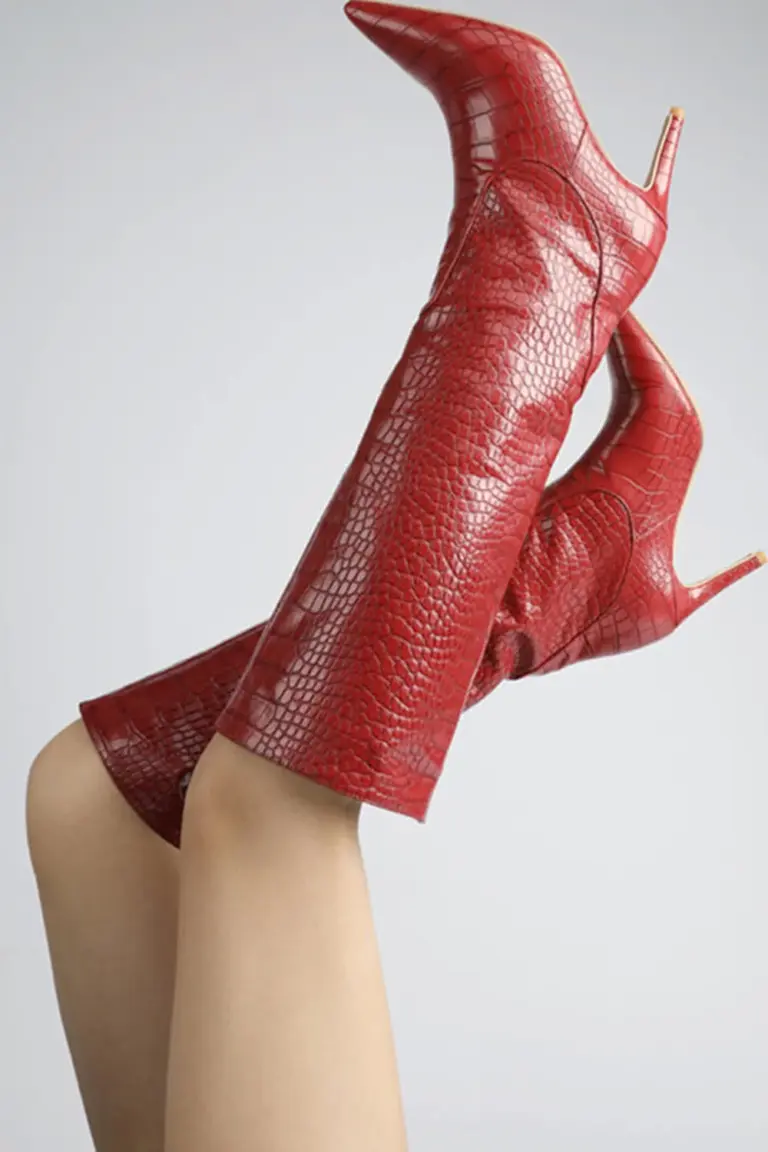
The first thing I check on a wide fit boot is where the extra room actually sits. Some brands widen the whole foot evenly, which is fine if your width problem is general, but most of us carry it across the forefoot and the toes while the heel stays narrow. If the heel isn't shaped to hold you, you'll be sliding forward into that wider toe box all day, which does nothing for comfort and everything for blisters.
Colour wise, this is a style where I'd rather be boring. Tan, black and a mid brown cover almost everything and age well, because wide fit boots tend to be chunkier by design and a loud colour on a already substantial shape can look like you're wearing furniture. Matte leather or suede finishes are more forgiving than anything patent or glossy, which shows every crease across a foot that's already working harder to fill the shoe. Autumn and winter are where these boots make sense anyway, so a finish that can handle rain without sulking matters more than one that photographs well.
Fit is where people go wrong twice. First, wide fit isn't the same as a size up, and buying your normal size up "for room" usually just gives you a boot that's wide and too long, so your foot slides and the ankle never sits where it should. Go wide fit in your actual size first. Second, check the shaft circumference if it's a knee or calf boot, because a lot of wide fit ranges only widen the foot and leave the leg part standard, so you end up with a boot that fits your foot brilliantly and leaves a red line across your calf by lunchtime. If you're between widths, go up rather than down, a slightly loose boot takes an insole, a tight one takes nothing but patience you won't have.
What they clash with is anything already bulky above the ankle. Wide fit boots have presence, so skinny trousers tucked in with a thick ribbed sock bunching at the top, or a wide leg trouser that pools and hides the whole shoe, both fight the shape rather than letting it sit properly. A straight leg or a cropped trouser that shows an inch or two of ankle tends to work better, because you can actually see where the boot starts and stops. I'd also leave the thickest fisherman style socks at home with these, since the width is already doing the comfort job and the sock just pushes your foot back into the same squeeze you bought the boot to avoid.
When you try a pair on, walk a proper lap rather than a few steps, because the forefoot width only tells on you once you're moving, not standing still.
Worth a look next: wide fit sneakers.
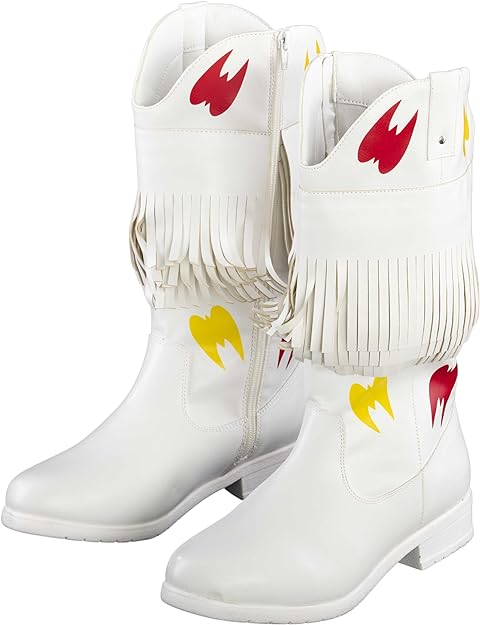 White BootsWide Fit White Boots That Are Actually Comfortable
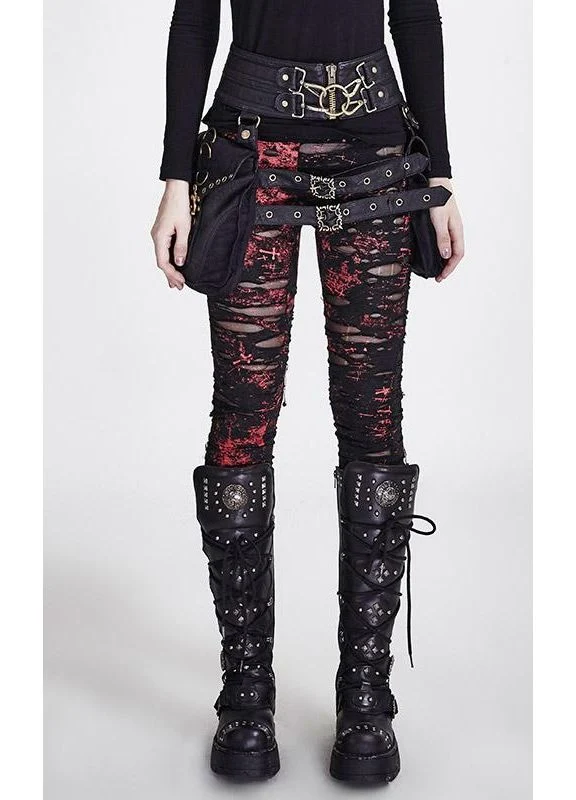 Our Shortlist of Wide Fit Red Boots
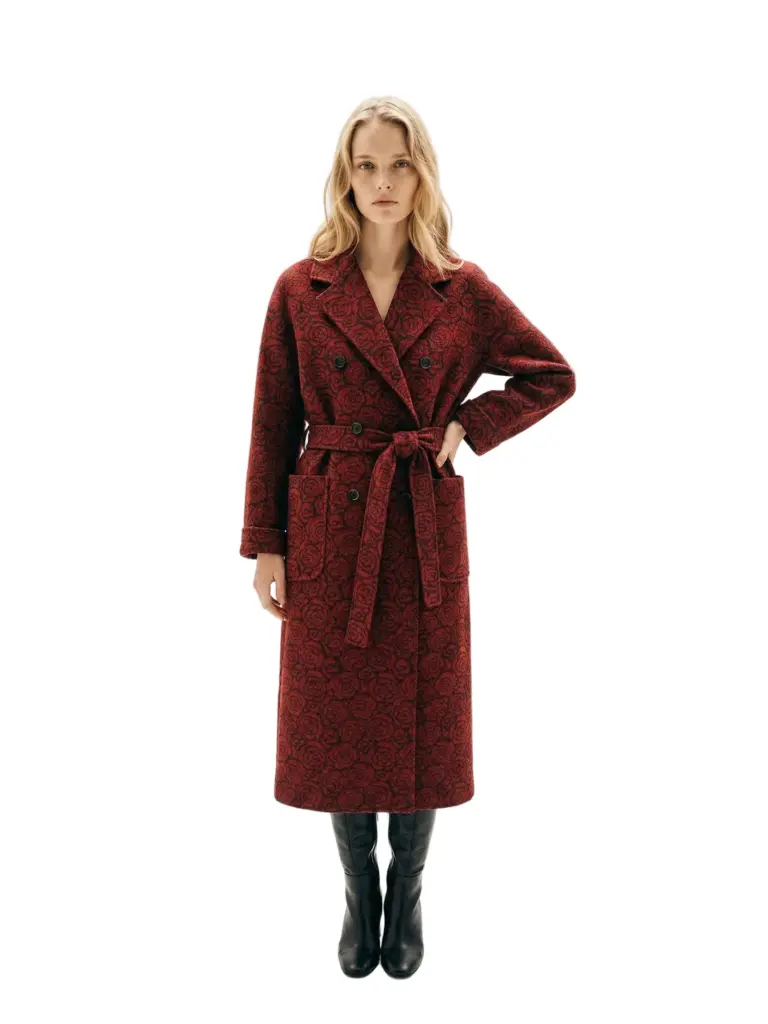
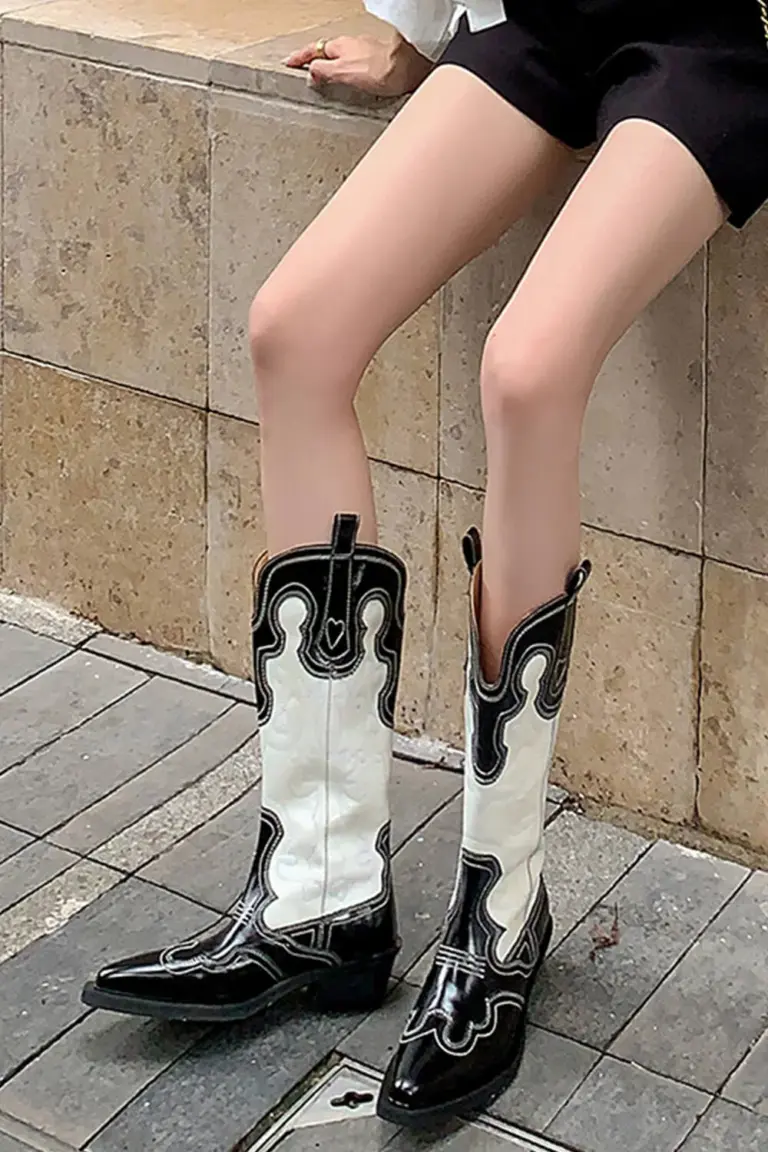
 Western BootsWide Fit Western Boots: Picks We Stand By
 Wide Fit Green Boots That Have Caught Our Eye
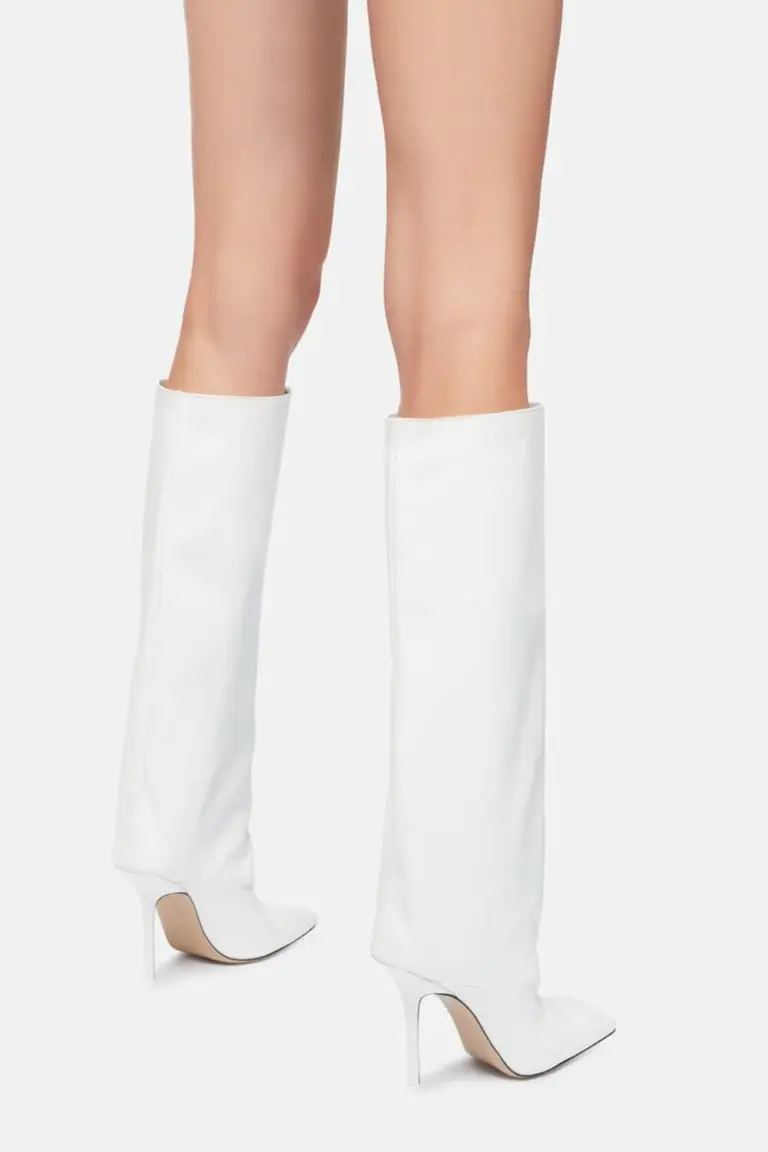 Heeled BootsWide Fit Heeled Boots We Think You’ll Love
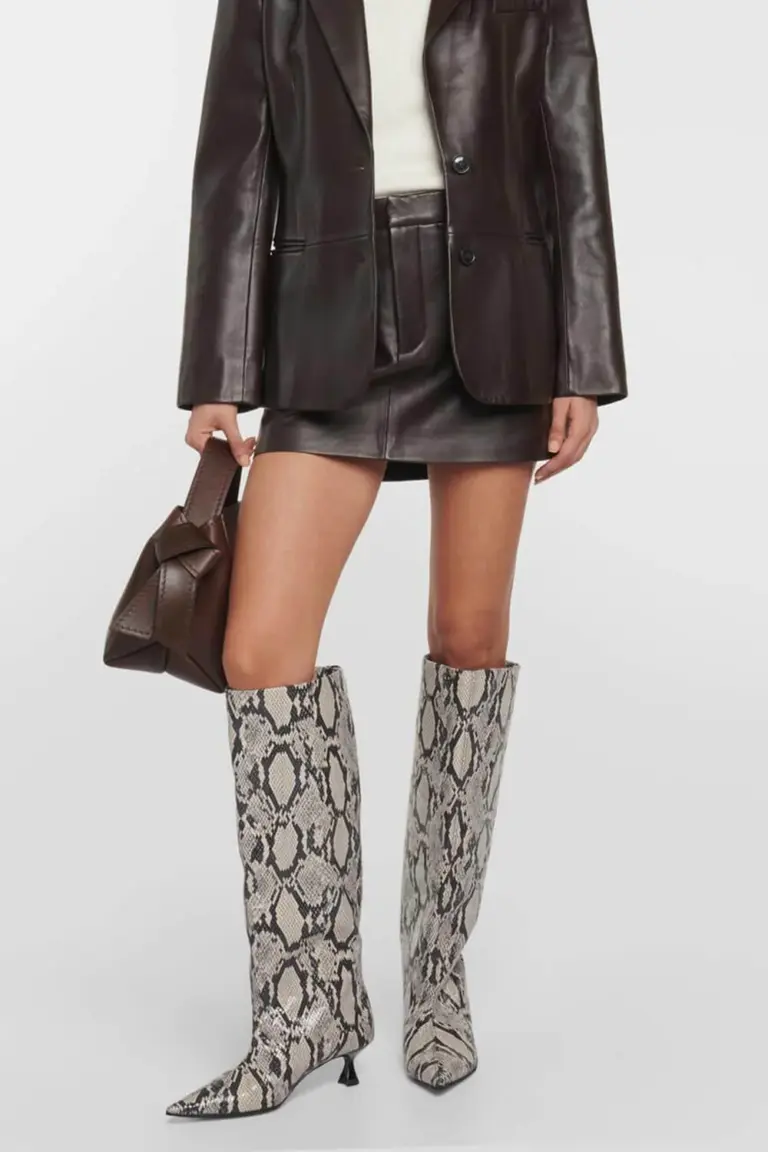 Knee High BootsA Closer Look at the Best Wide Fit Knee High Boots
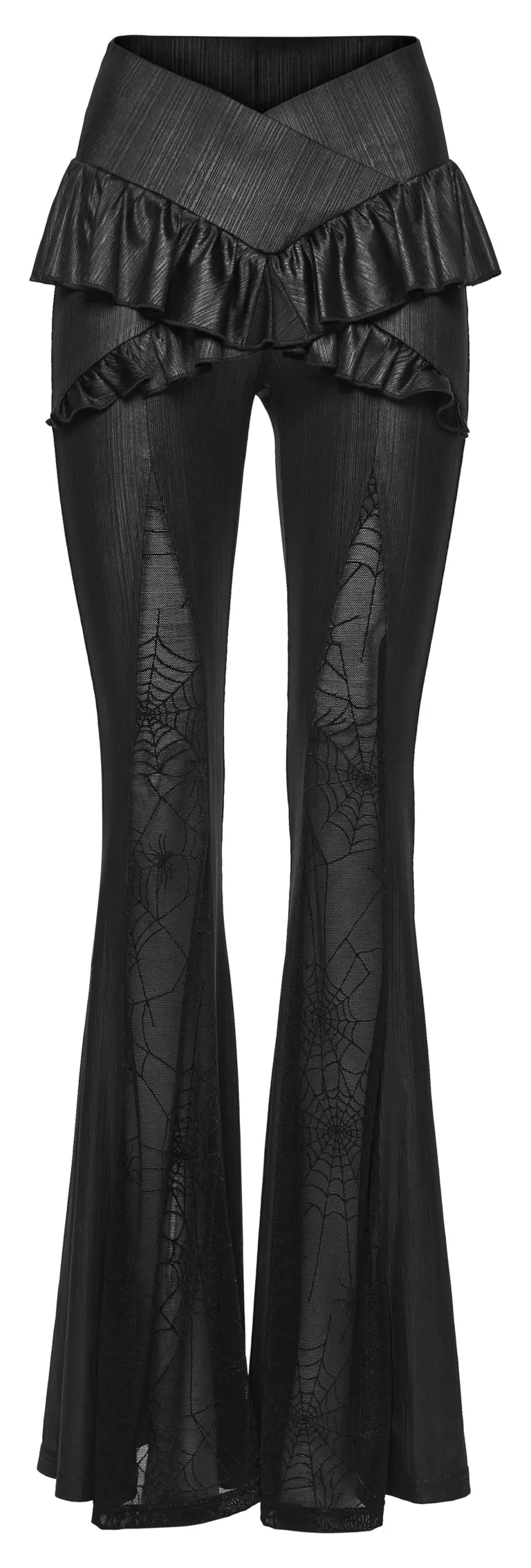
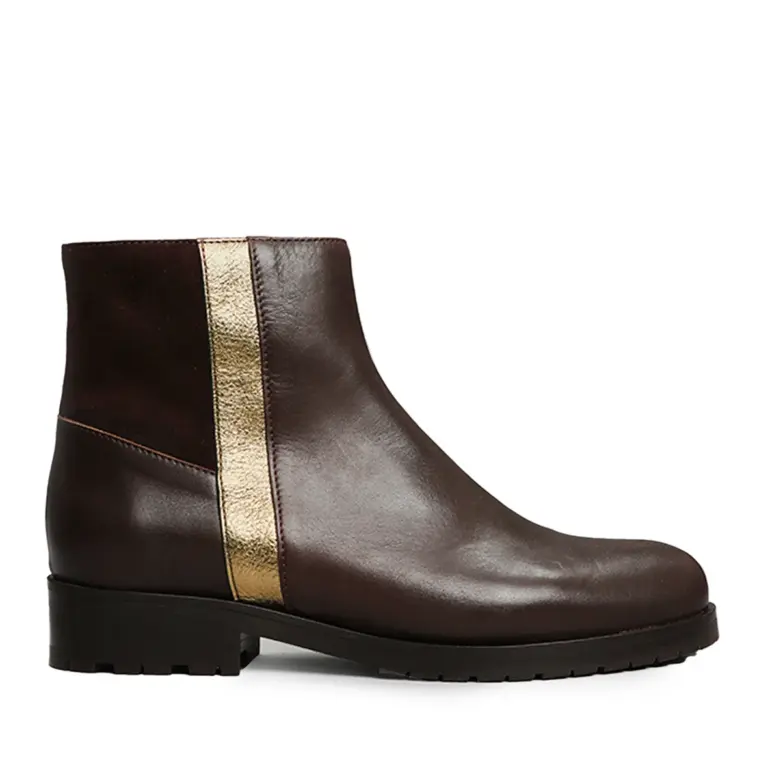 Ankle BootsWide Fit Ankle Boots That Are Actually Comfortable
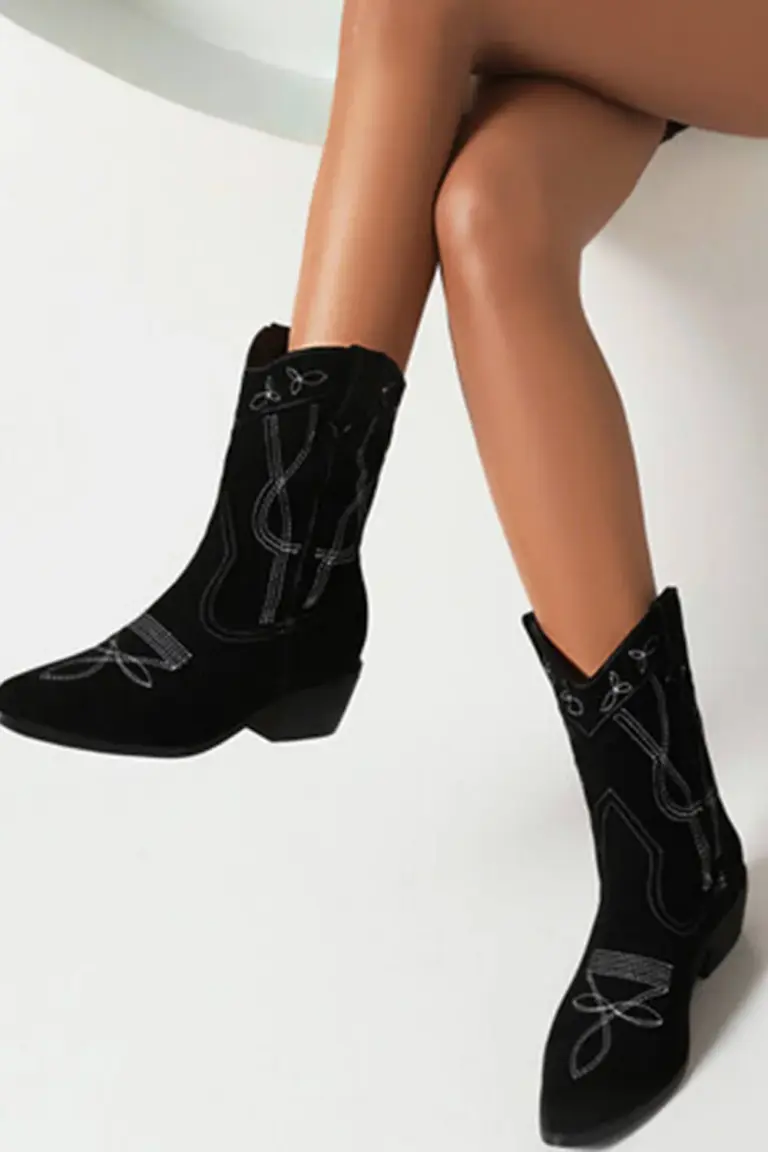
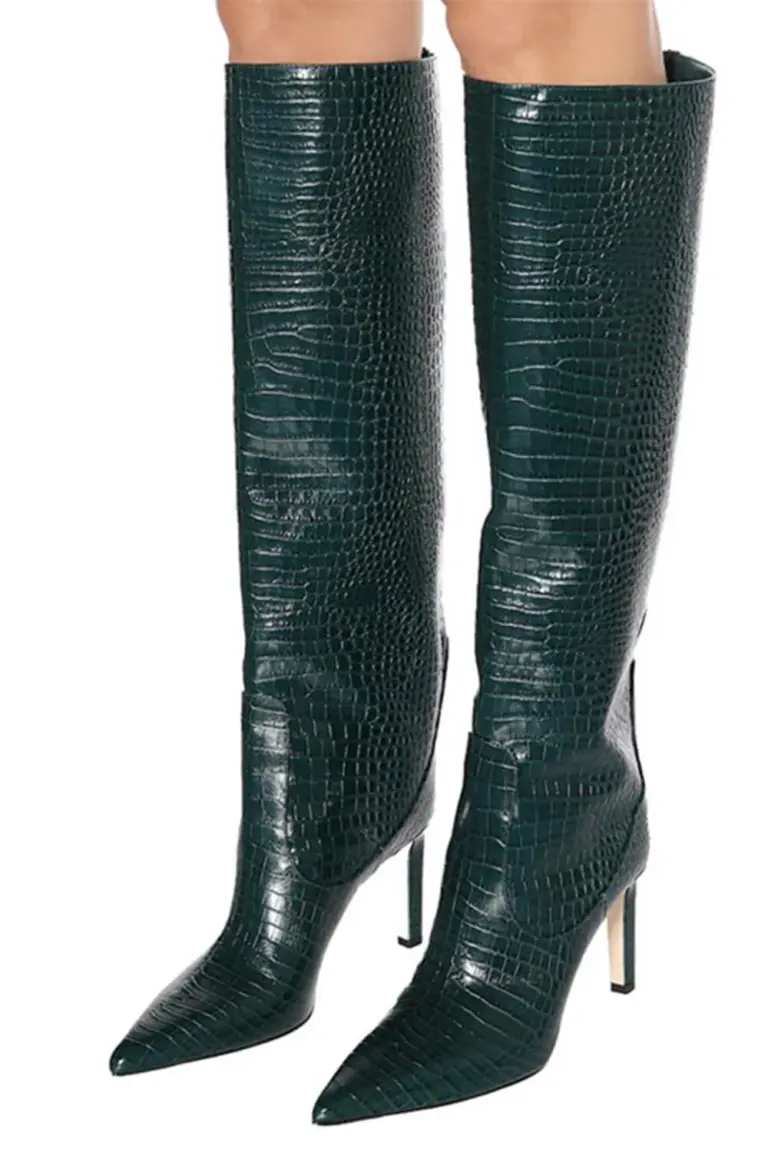 Black BootsWide Fit Black Boots: The Edit
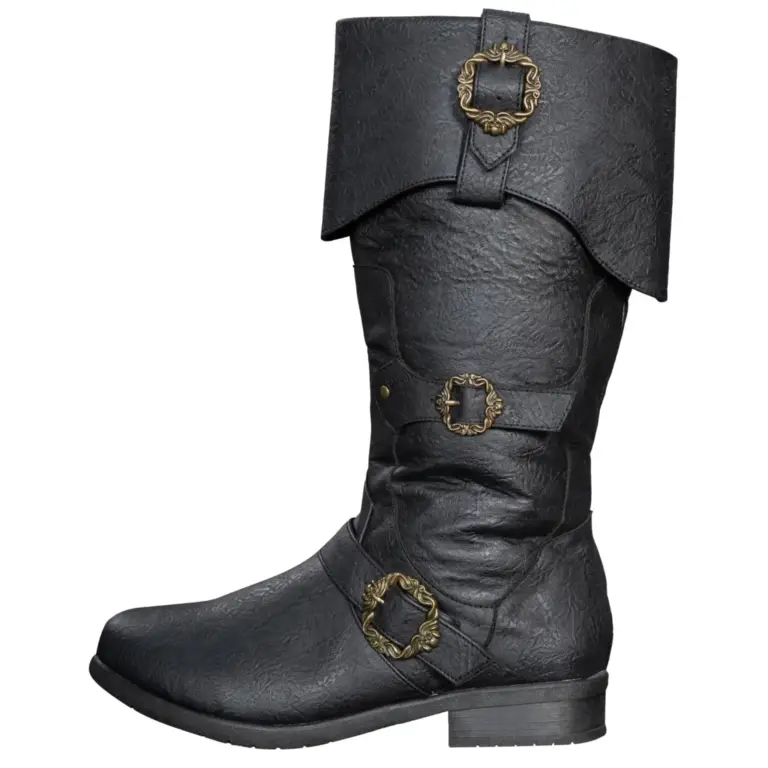
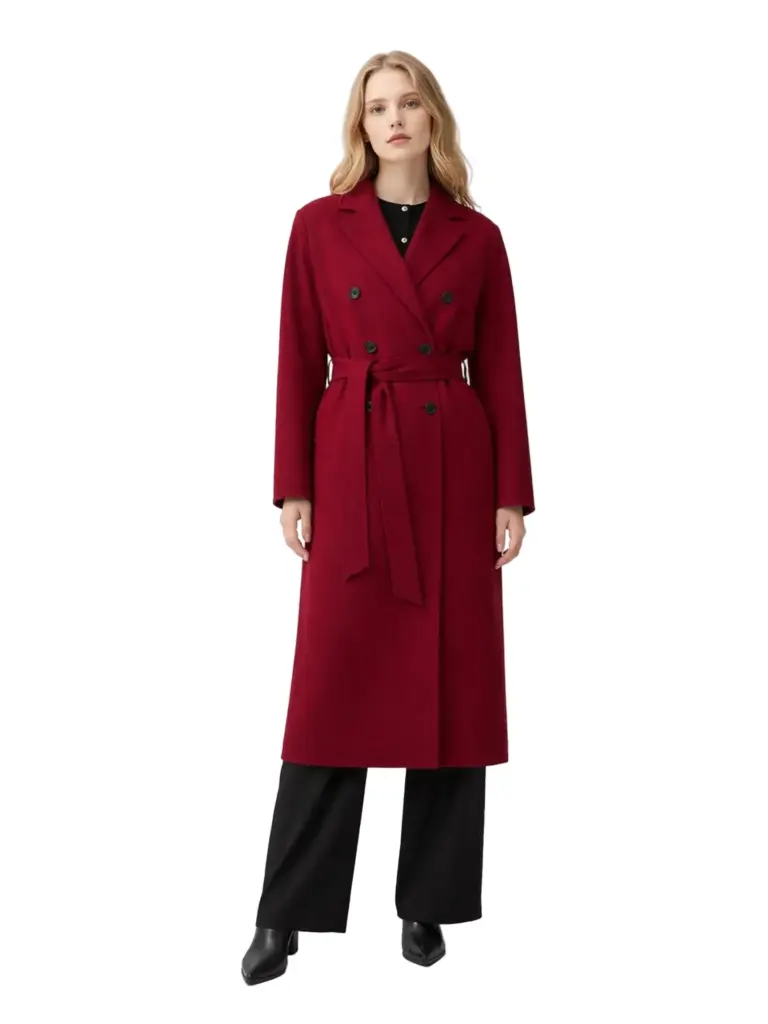 Knee High BootsShop Our Favorite Wide Fit Black Knee High BootsAlso worth a lookAnkle BootsIf you're holding an ankle boot in the changing room and wondering whether it's the sensible one or…See the collections →
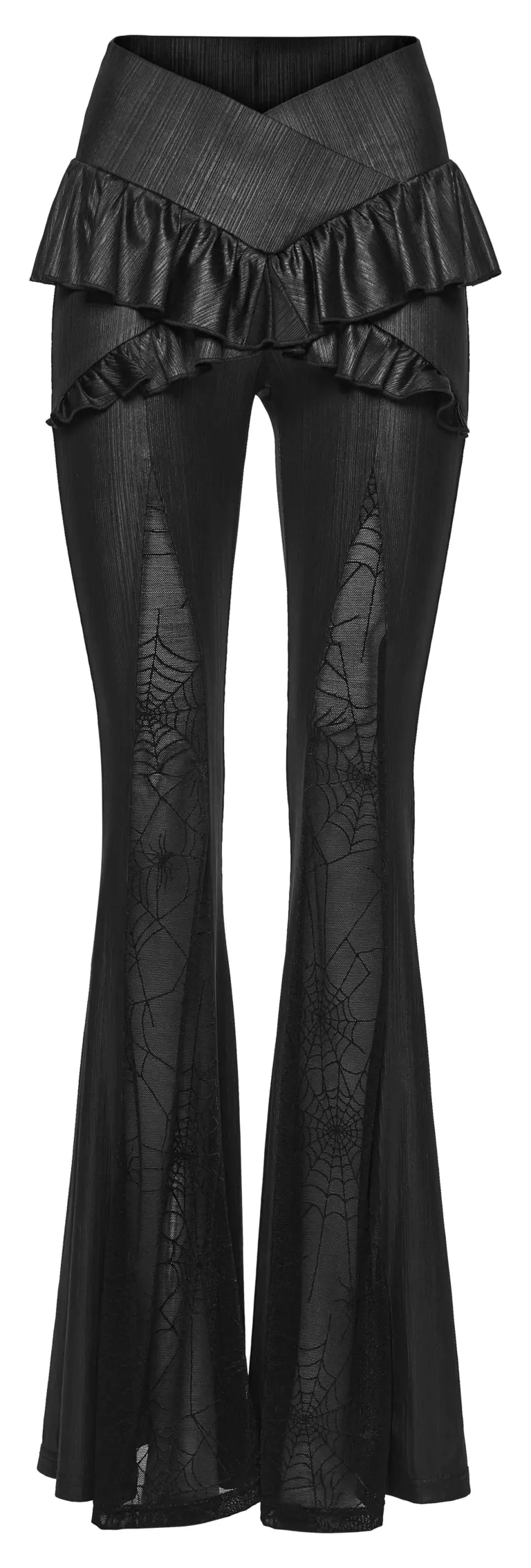
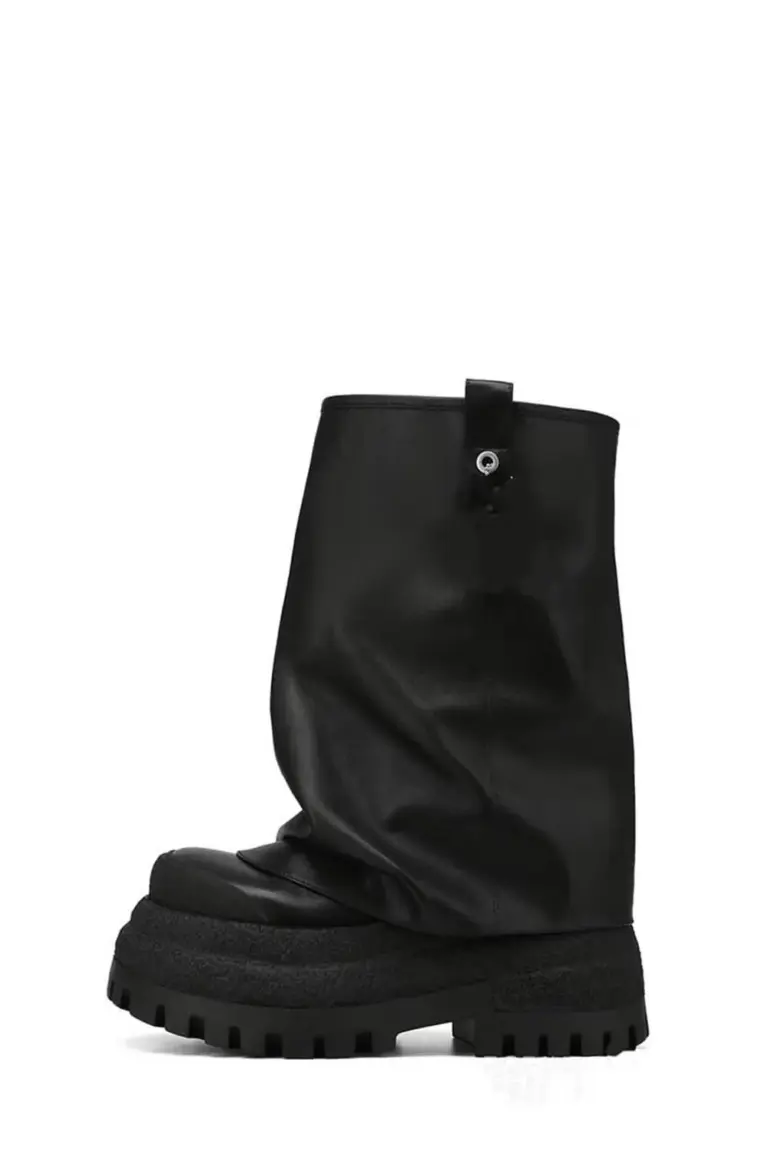 Wide Fit Boots on Our Radar
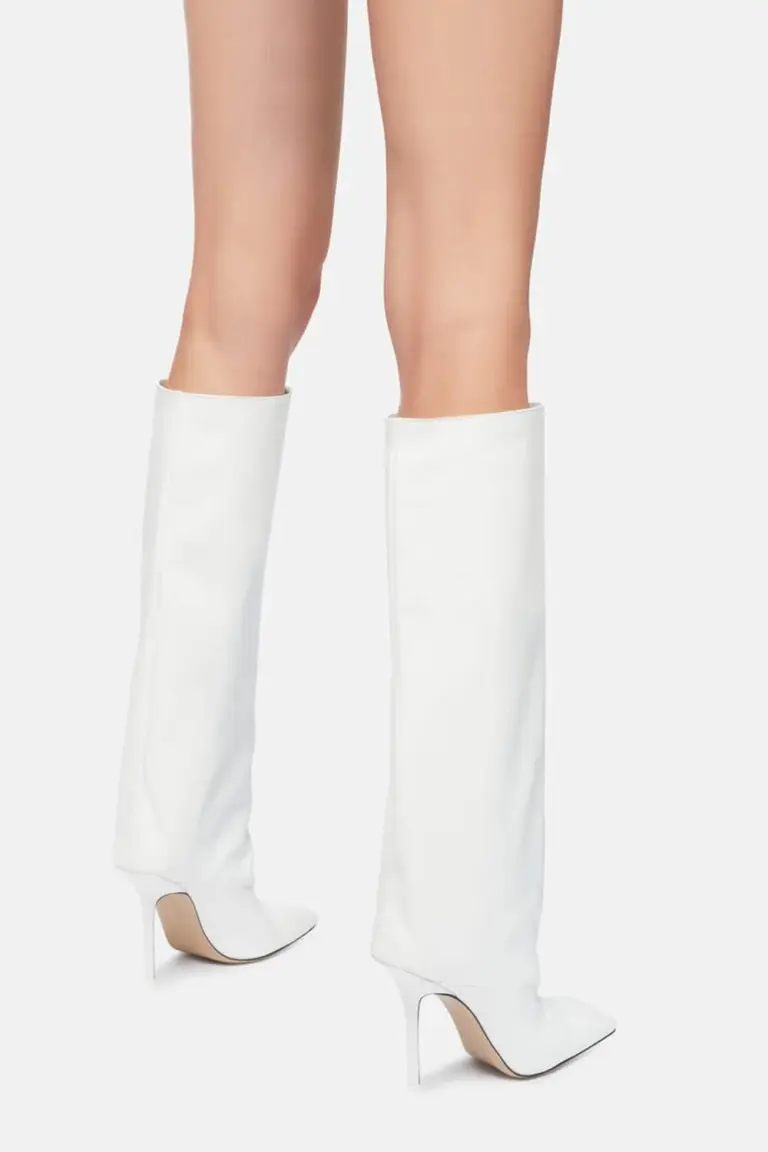
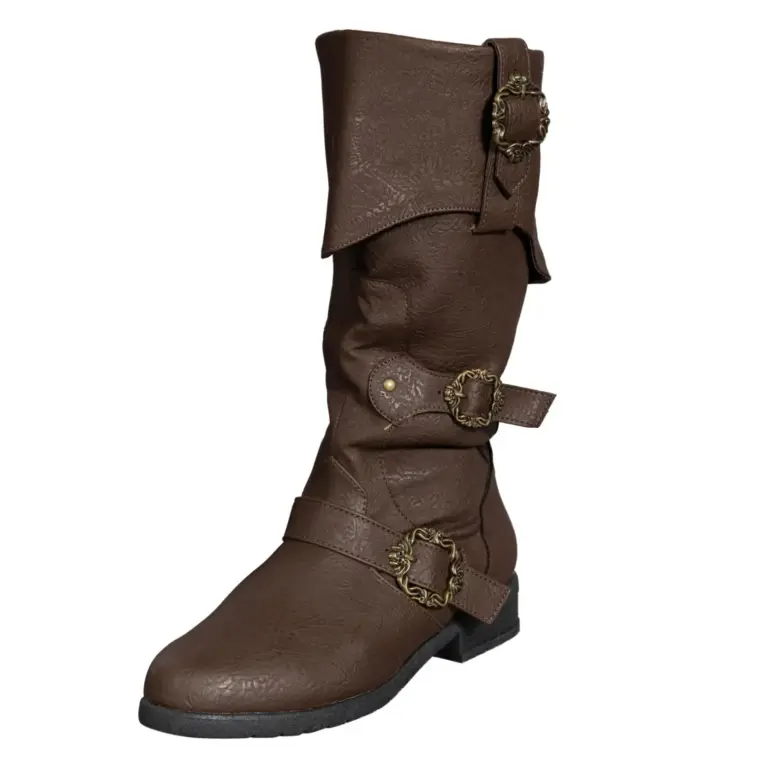 Brown BootsWide Fit Brown Boots That Have Caught Our Eye