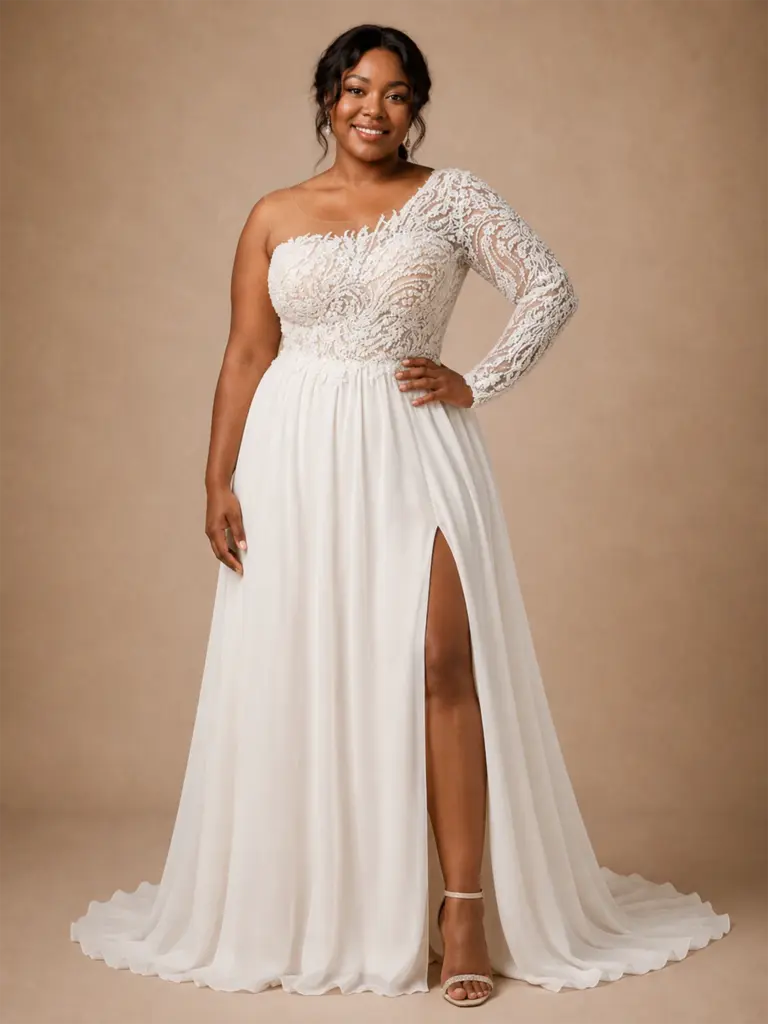
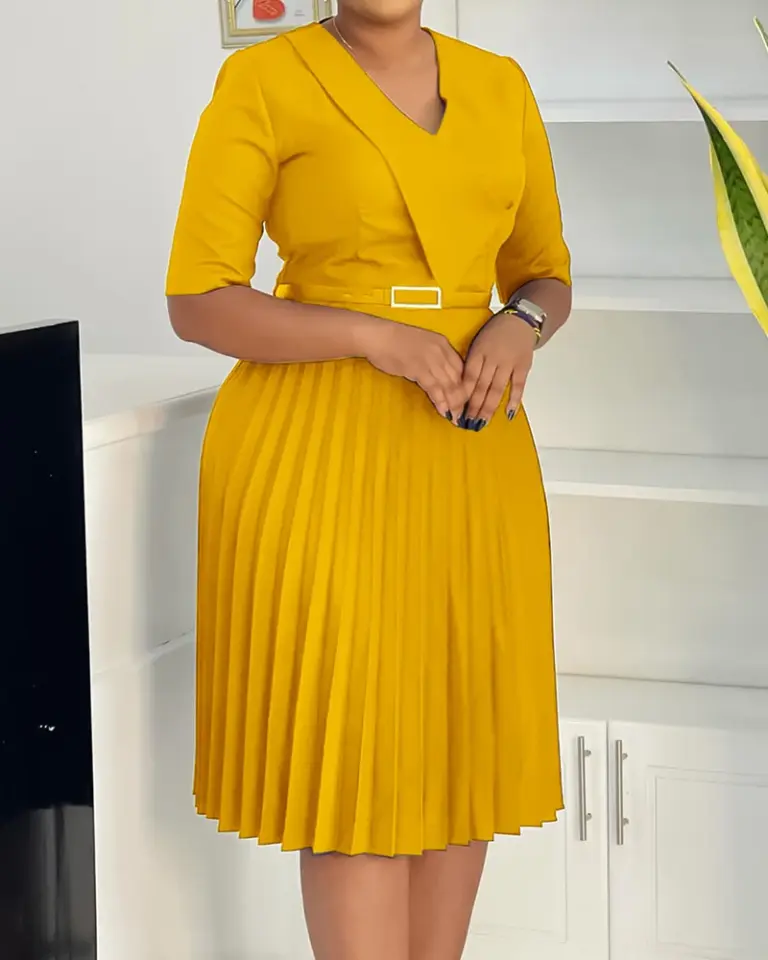
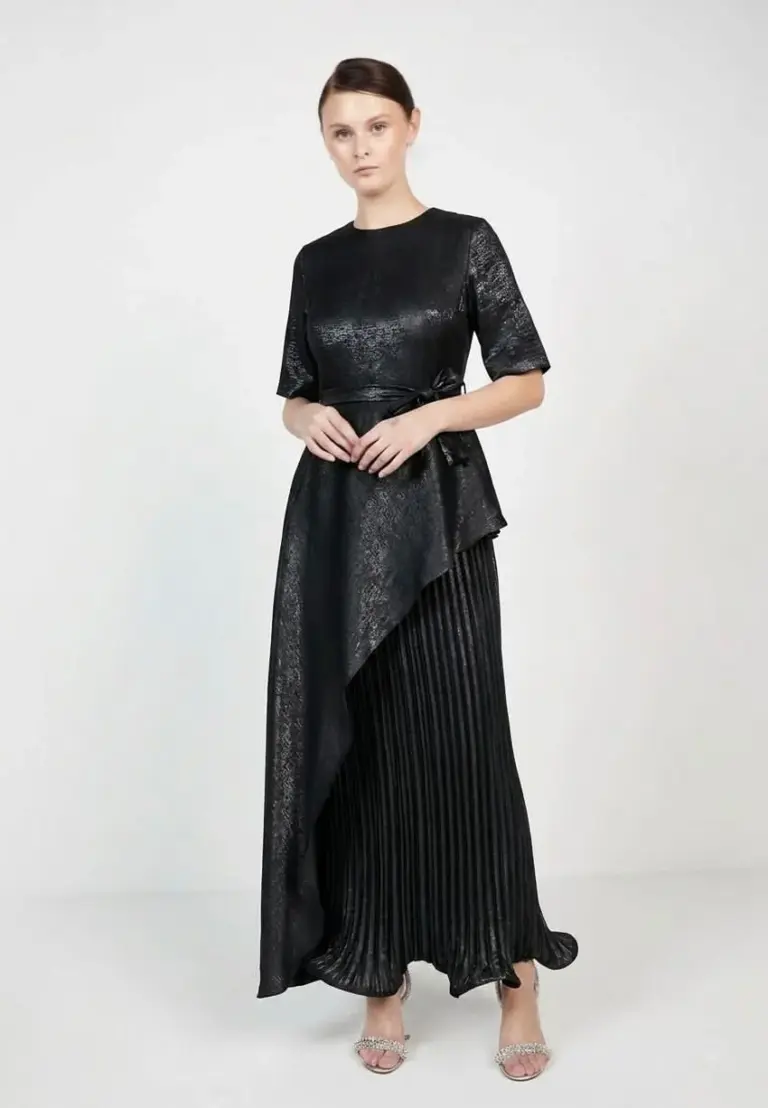
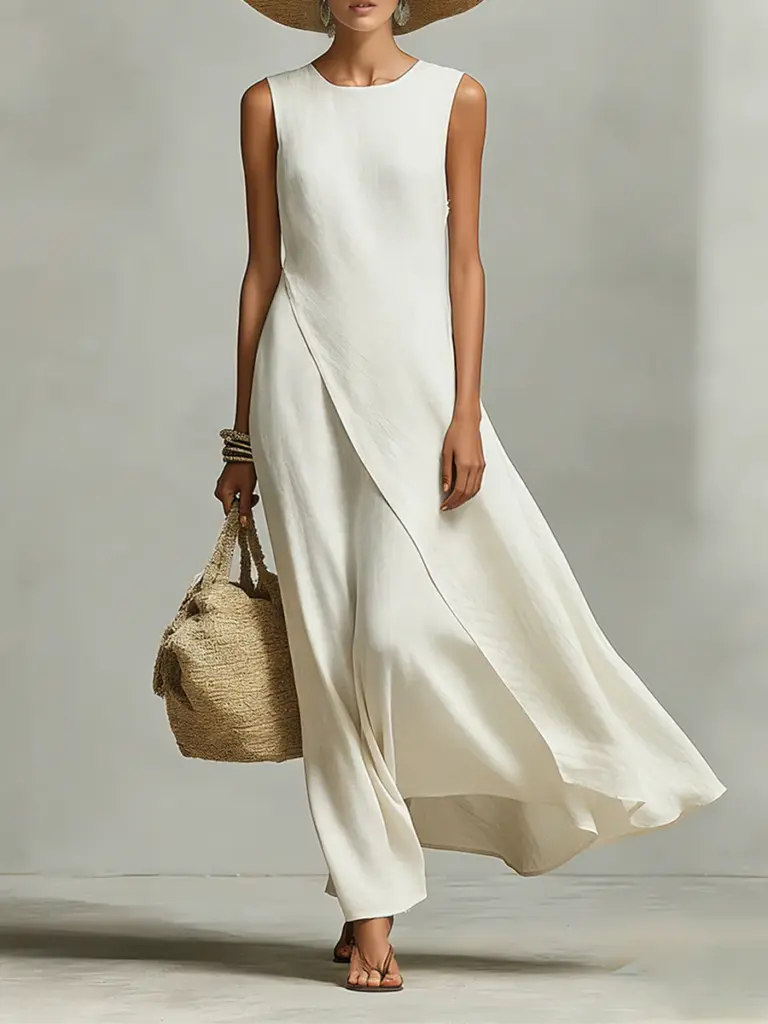
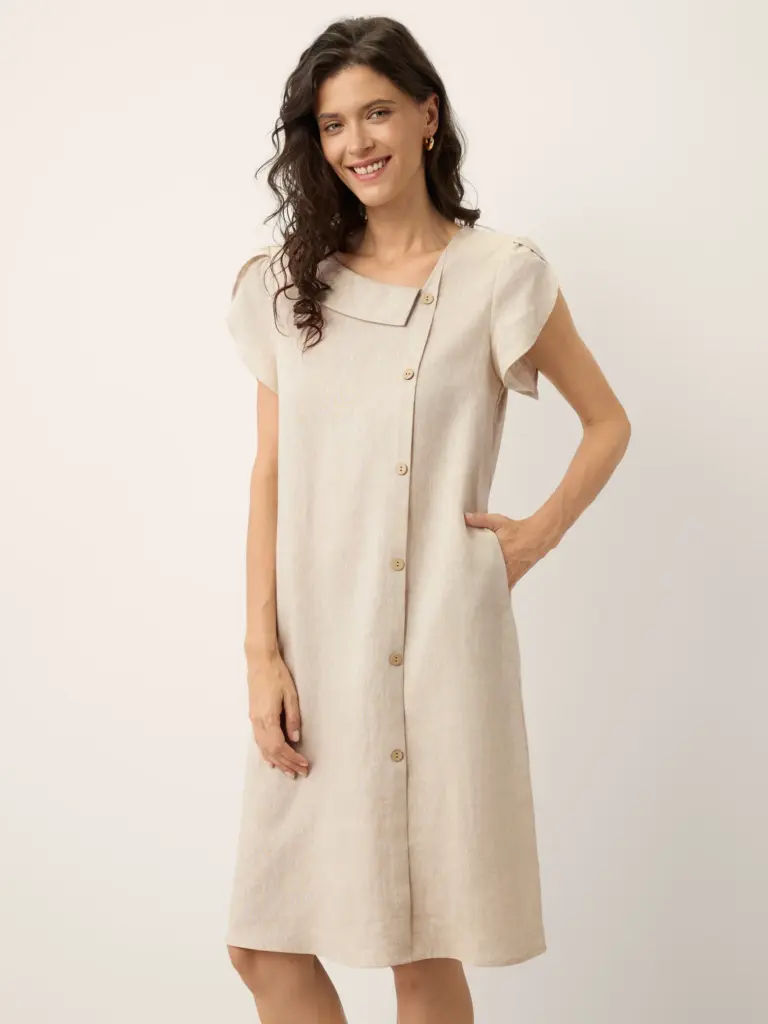
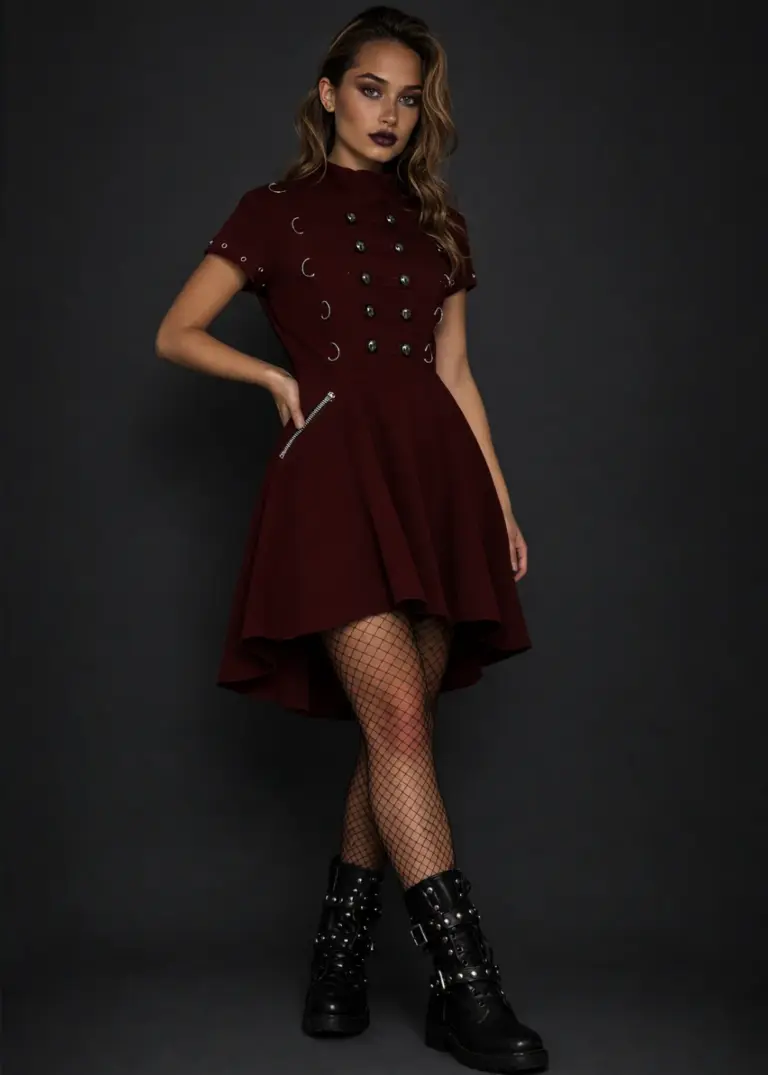
You can spot a good asymmetric dress from the other side of a room because it hangs like it means it, one hem dipping with a bit of weight behind it, the drape doing something deliberate. A poor one just looks like a normal dress that didn't get finished properly, an uneven hem with no reason for being uneven, flapping about like it's been cut wrong rather than cut clever.
If you've got none of these, start with one where the asymmetry is in the hem rather than the neckline or the sleeve, it's the easiest shape to wear more than once without it becoming A Thing you're known for. A longer point at the back and shorter at the front, or one side dipping to the calf while the other sits at the knee, both read as normal dressing rather than a statement you have to live up to. For colour, go with something that doesn't fight the uneven line, a plain jersey in navy, a deep green, a rust, anything with enough weight to swing properly. Busy prints on an asymmetric hem can look chaotic because your eye can't work out what the pattern's doing versus what the cut's doing, and you end up looking rumpled rather than interesting. Save the print version for when you already trust the shape on your body.
How it wears over time comes down almost entirely to the fabric, because a stiff or thin material won't hold the drape after a few washes, it'll go limp in the wrong places and start sitting flat instead of falling. A good jersey or a viscose blend with some substance to it keeps its movement for a season or more, even after being balled up at the bottom of a bag on the way back from somewhere. Hand wash or a cool machine cycle on a delicates bag, and skip the tumble dryer, heat is what kills the drape fastest and flattens out the exact detail you bought it for. Hang it rather than fold it when you can, an asymmetric hem creased from folding takes ages to drop back into shape. On construction, check the hem itself first, a properly finished one is weighted or cut on the bias so it falls with intention, a disappointing one is just a straight hem sewn at an angle, which looks like a mistake rather than a design choice. Check the side seams too, because on a true asymmetric cut one side carries more fabric than the other, and if the seams are pulling or twisting when you walk, that's the construction telling you it was never balanced properly in the first place.
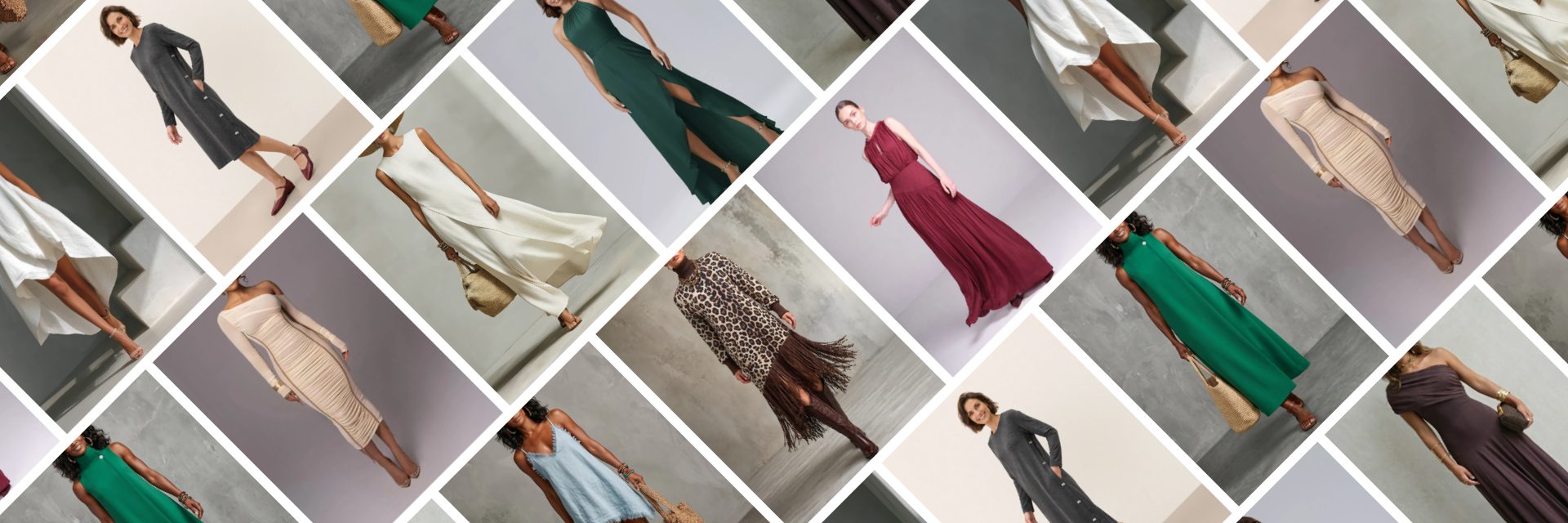
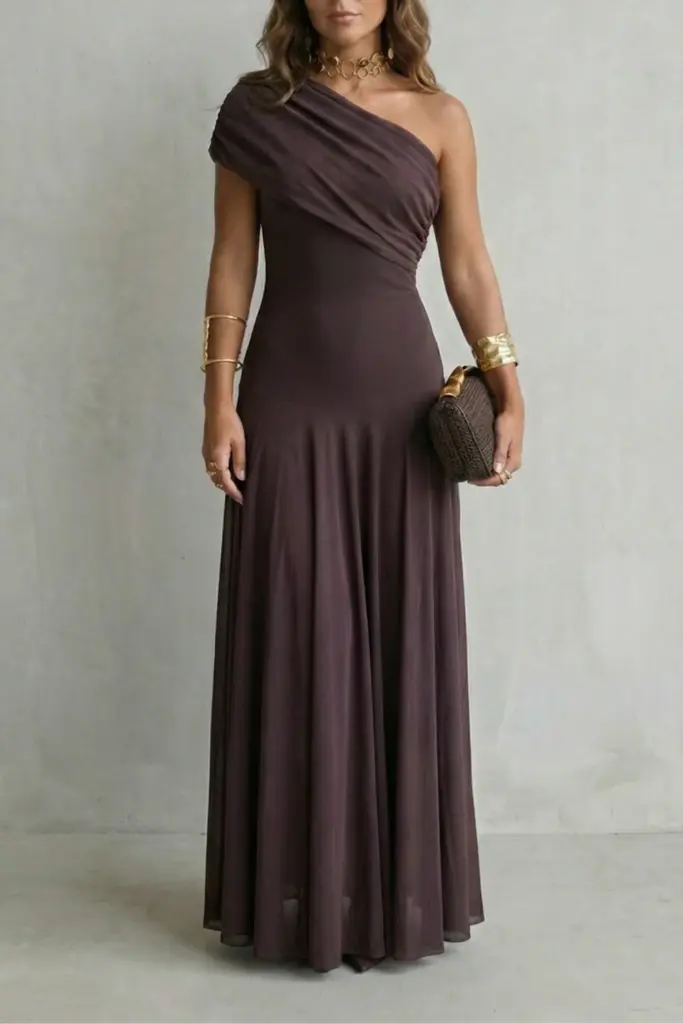 Evening DressesAsymmetric Evening Dresses Actually Worth Buying
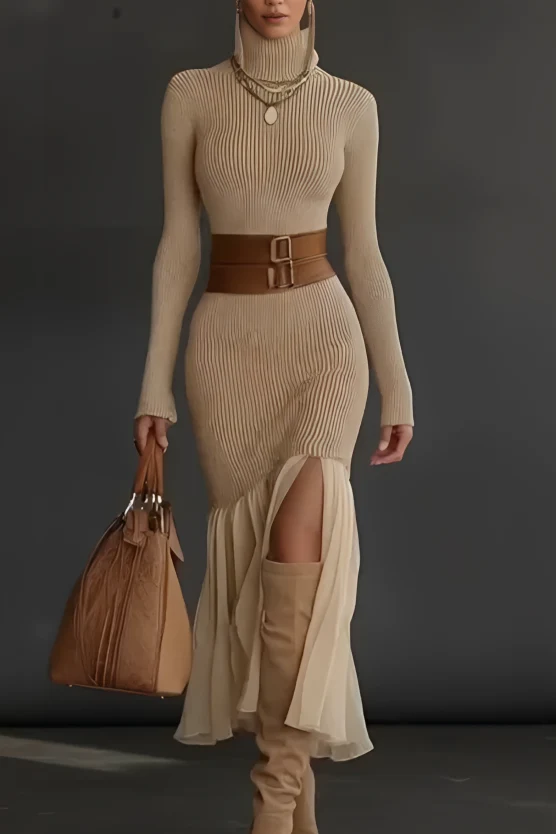
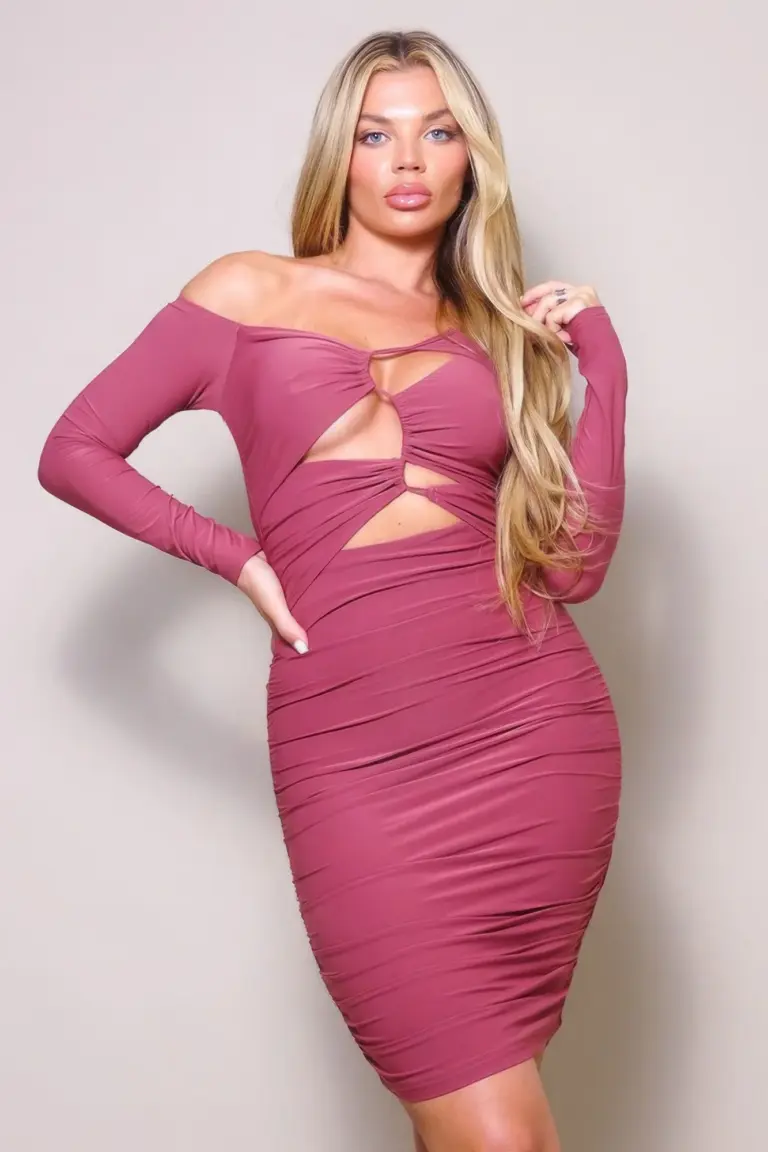 Long Sleeve DressesAsymmetric Long Sleeve Dresses: The Edit
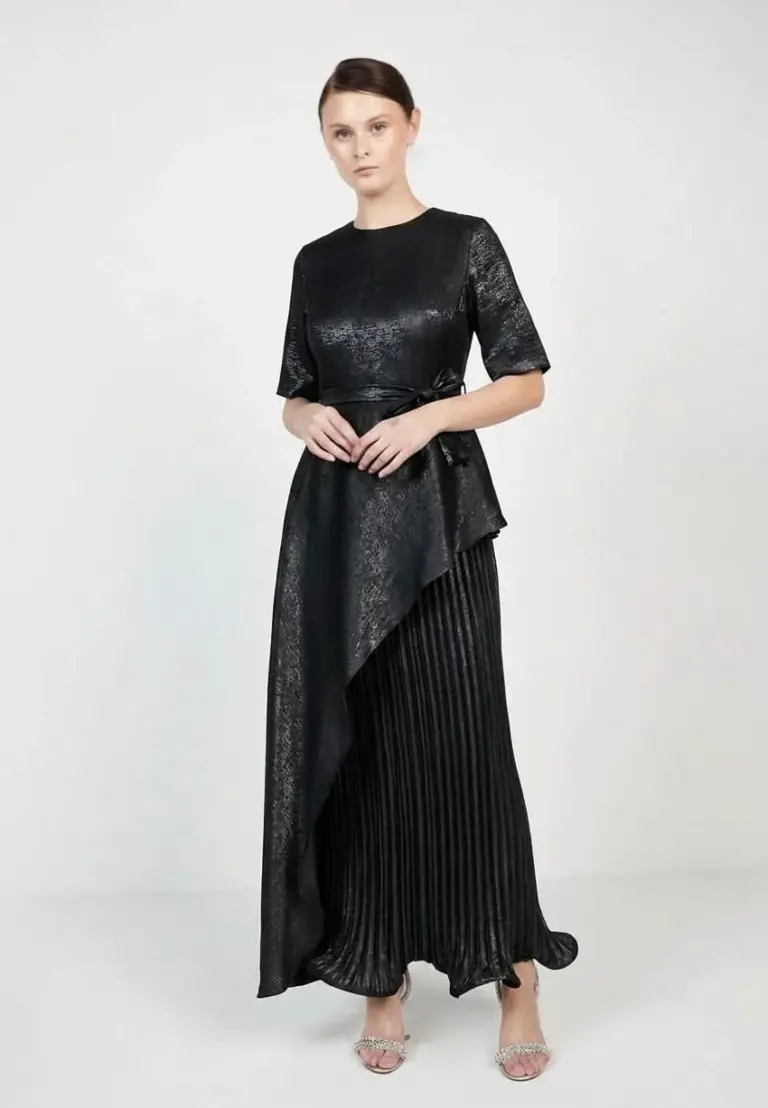
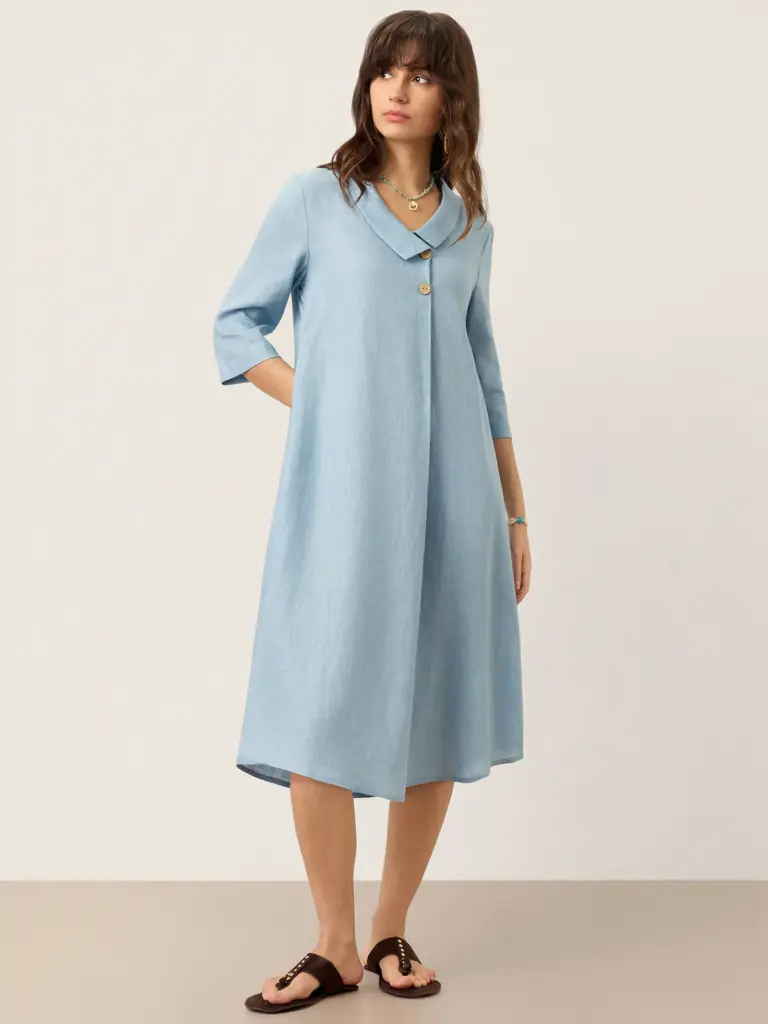 Floral DressesThe Edit: Asymmetric Floral Dresses
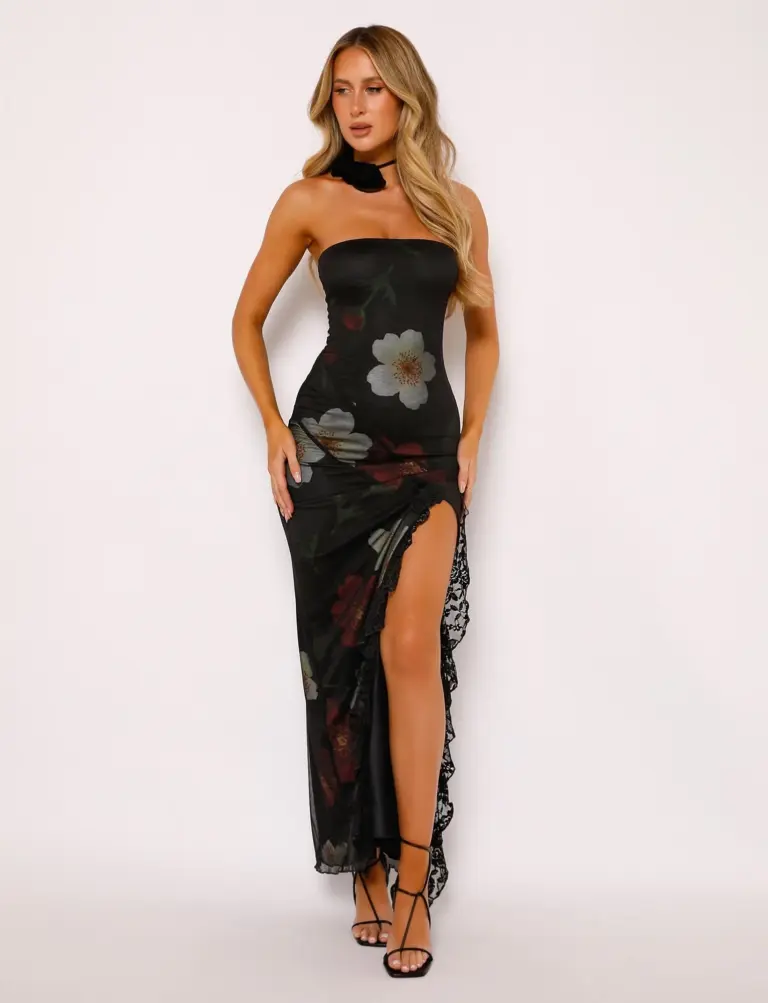
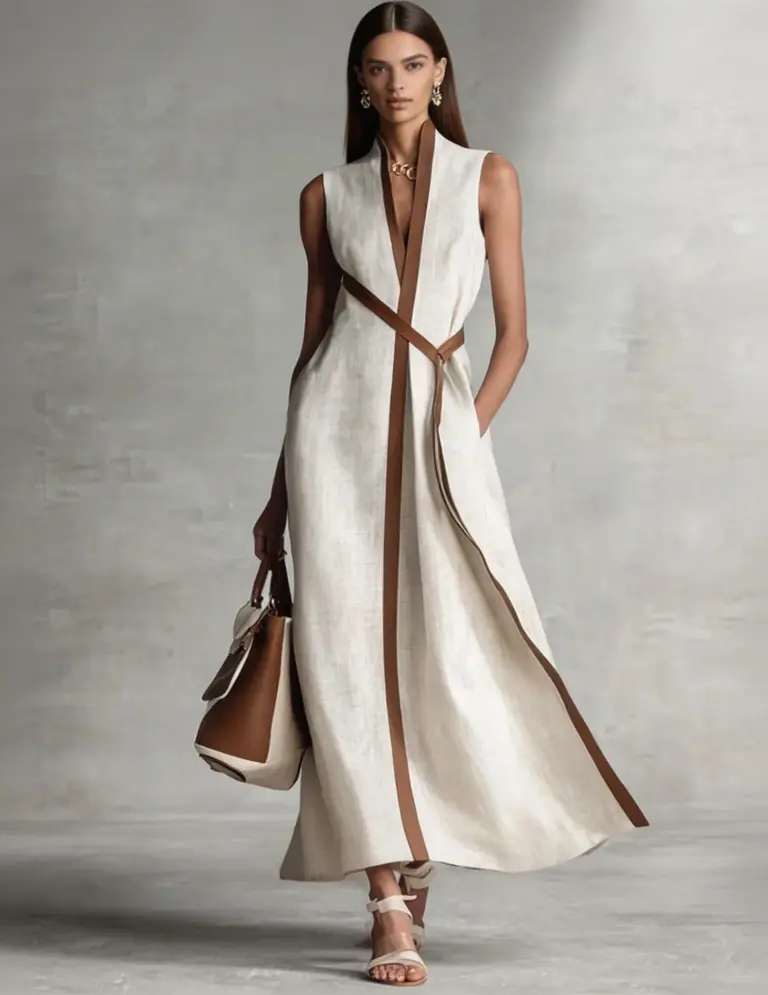 Maxi DressesThe Asymmetric Maxi Dresses Worth Planning an Outfit Around
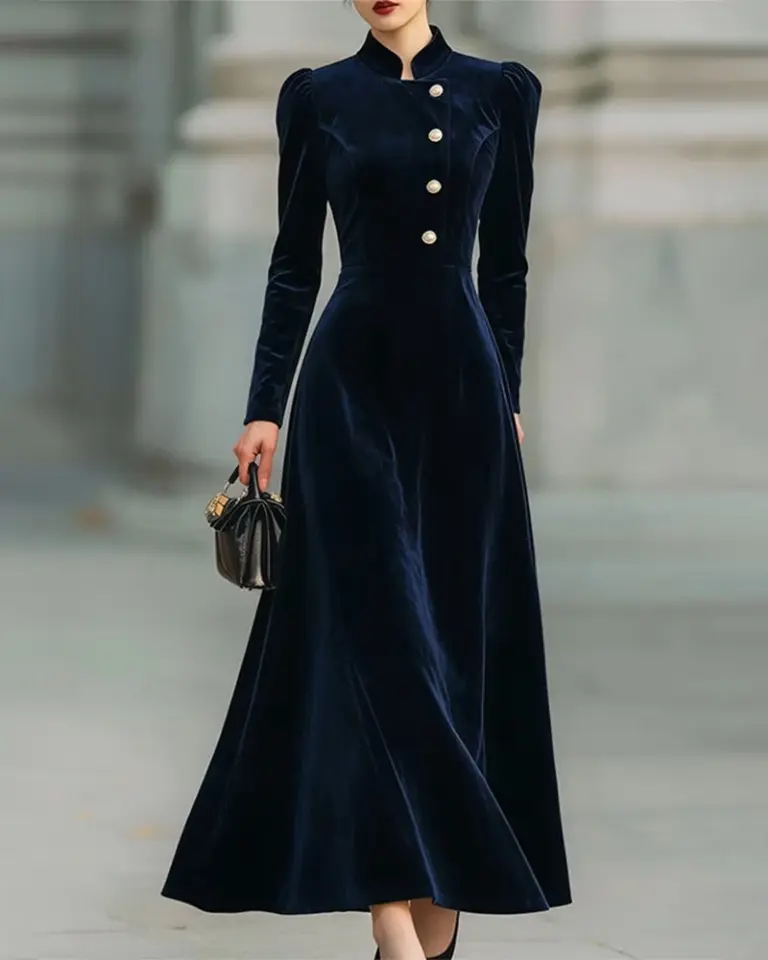
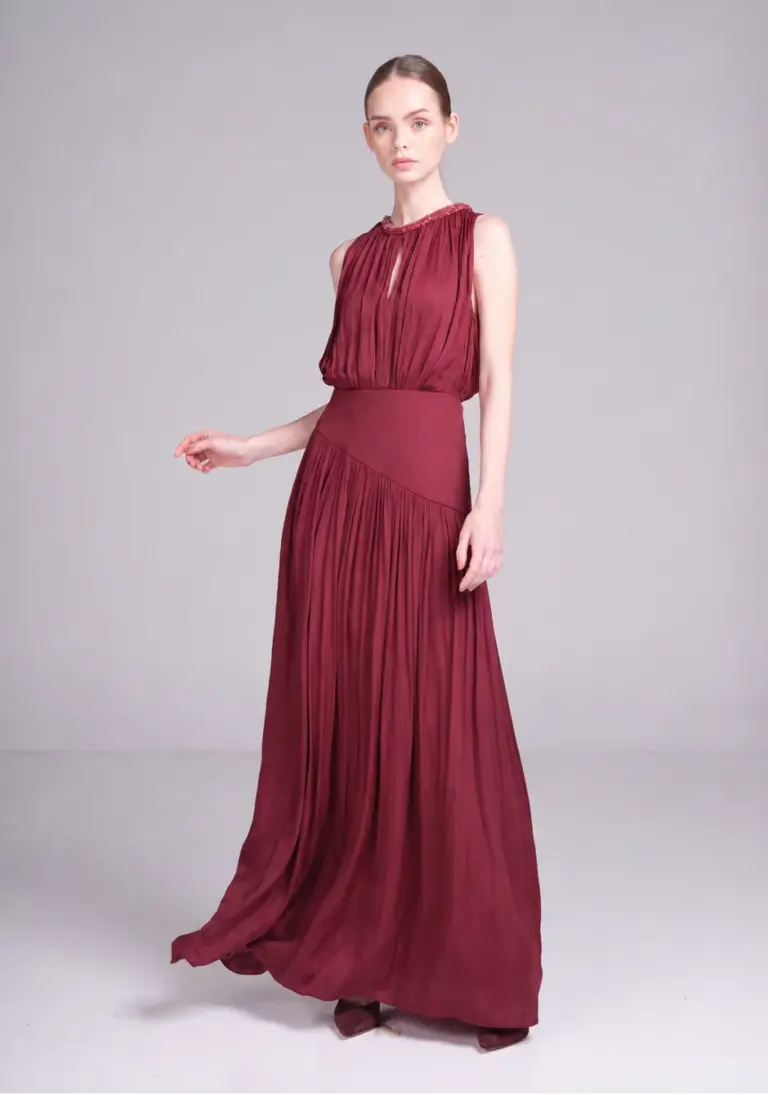 A Line DressesAsymmetric Hem A Line Dresses: The Ones Worth Your Money
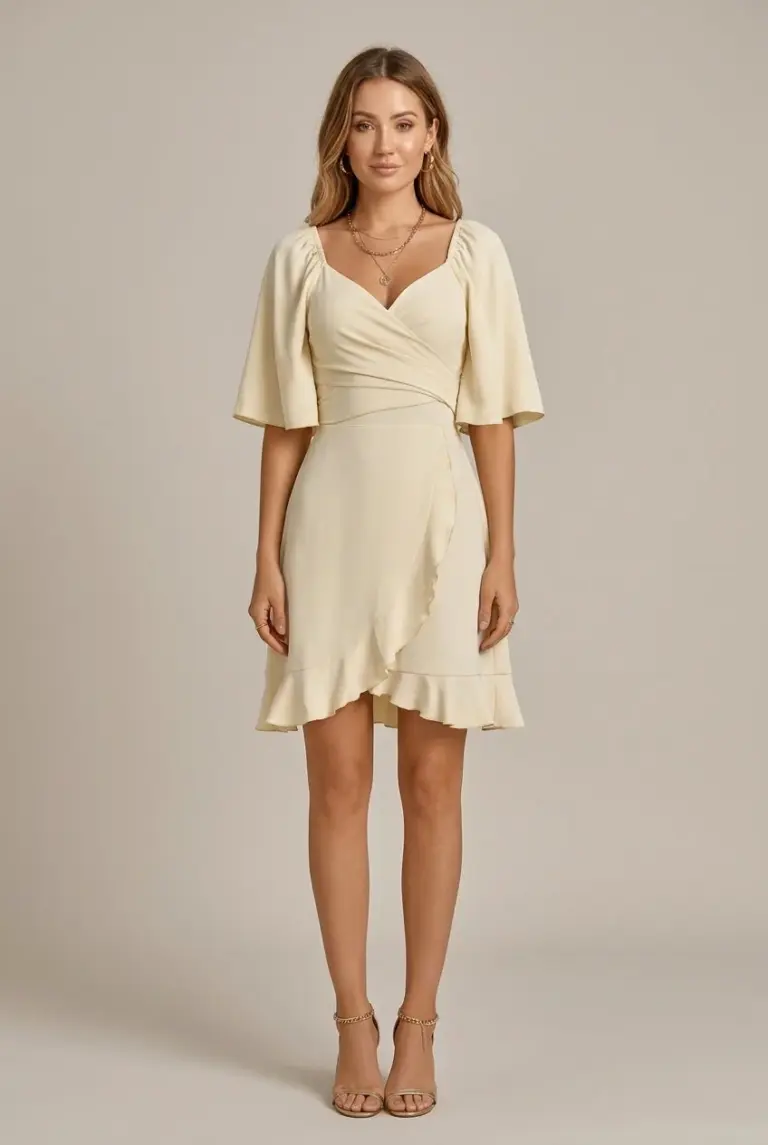
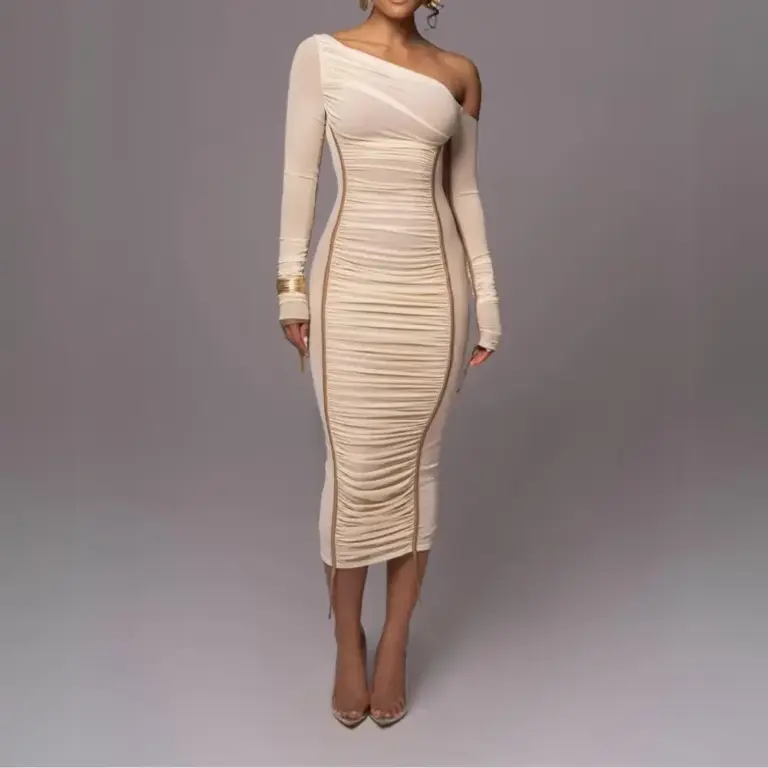 Midi DressesOur Go To Asymmetric Midi Dresses
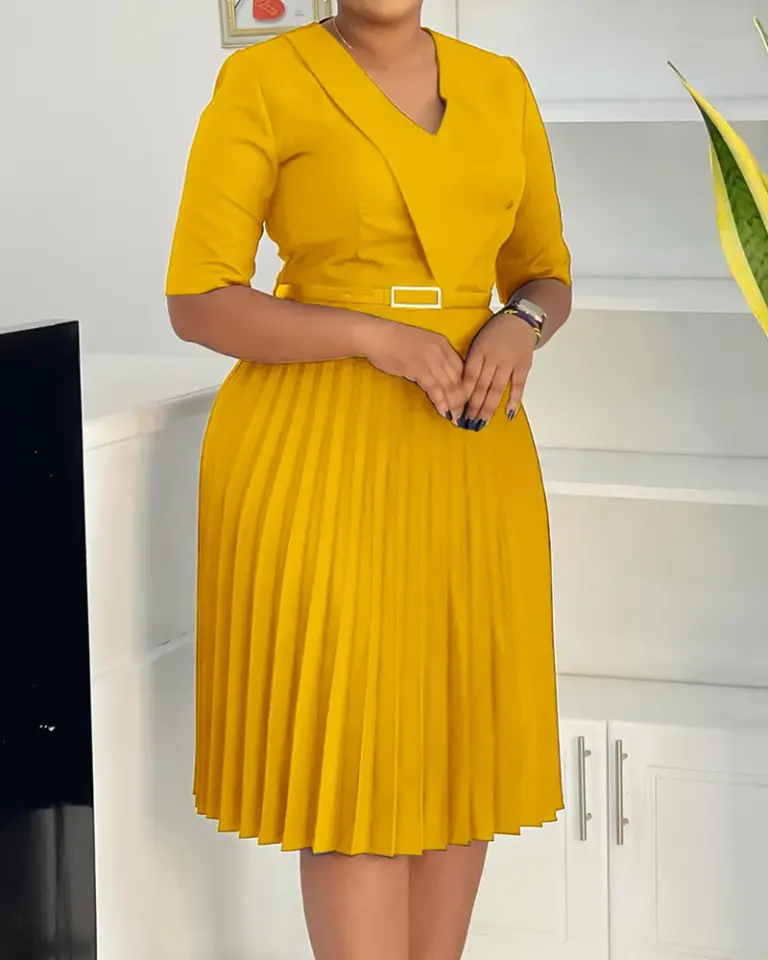
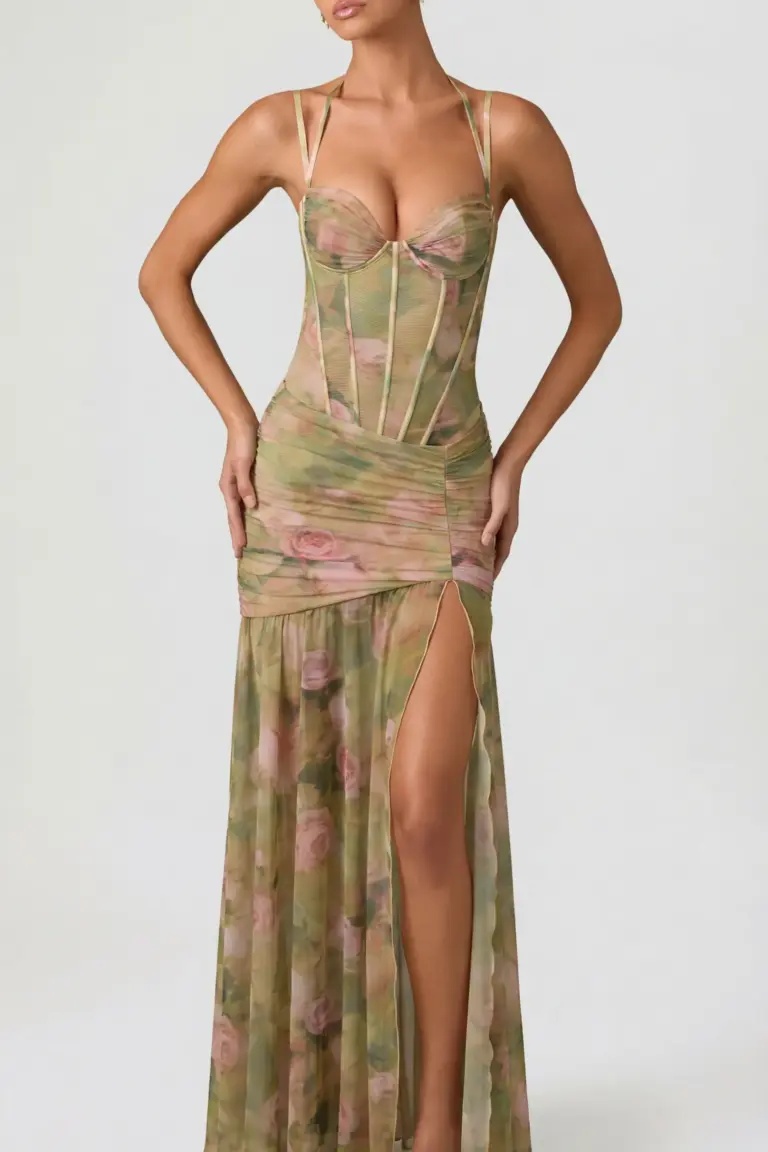 Evening DressesAsymmetric Hem Evening Dresses That Make Getting Dressed Easy
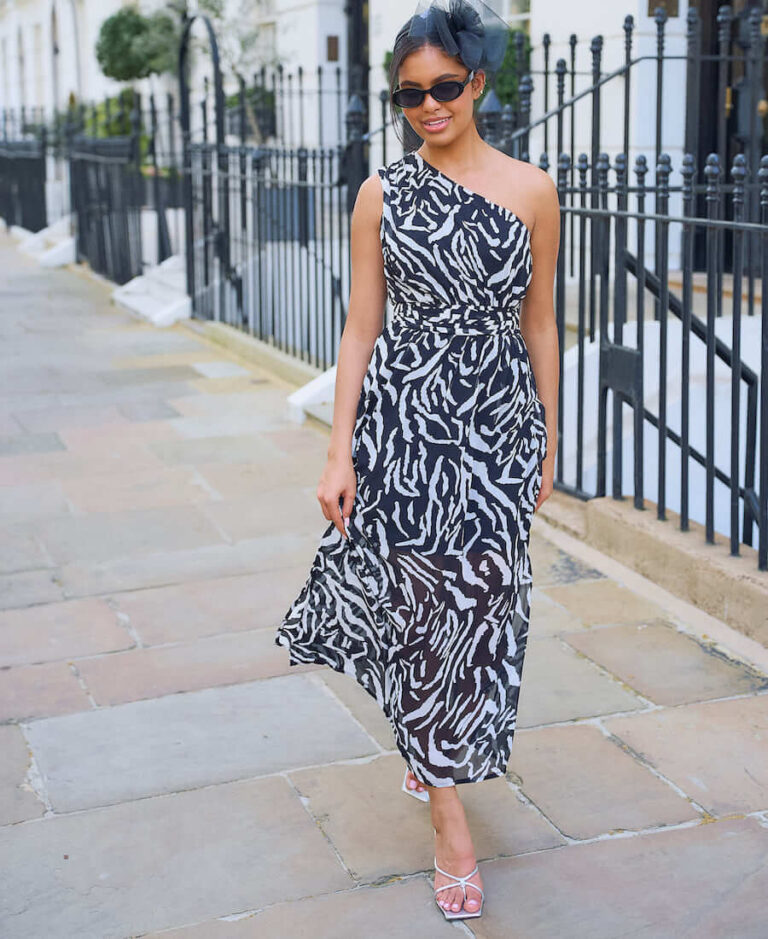
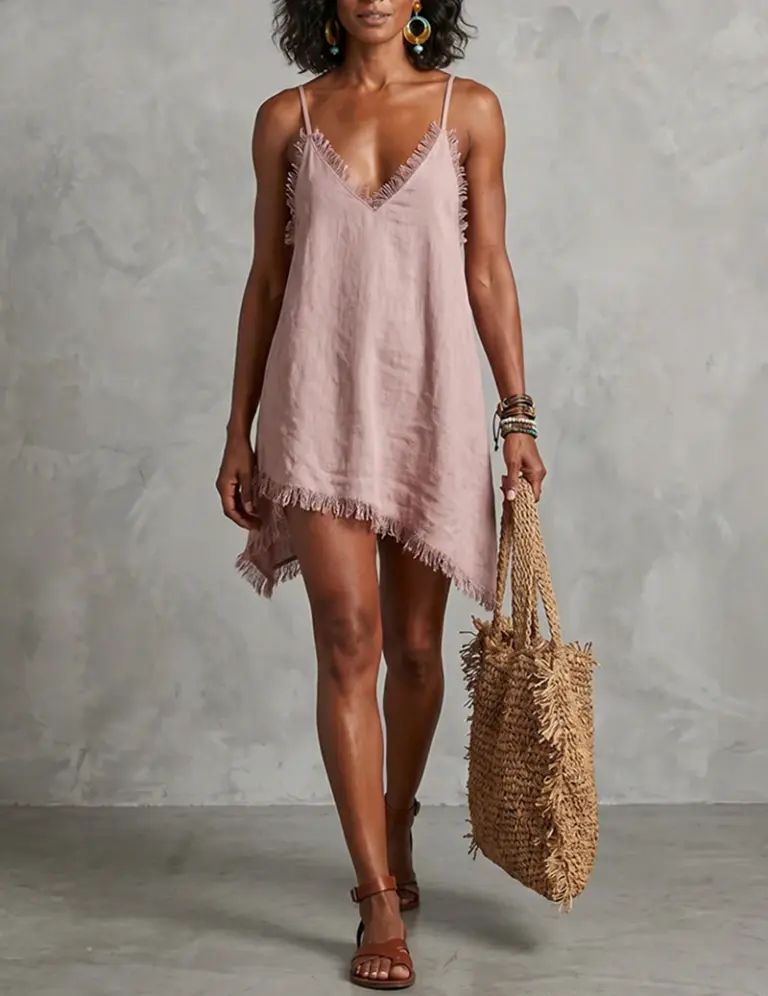 Mini DressesAsymmetric Mini Dresses You’ll Want to Live In
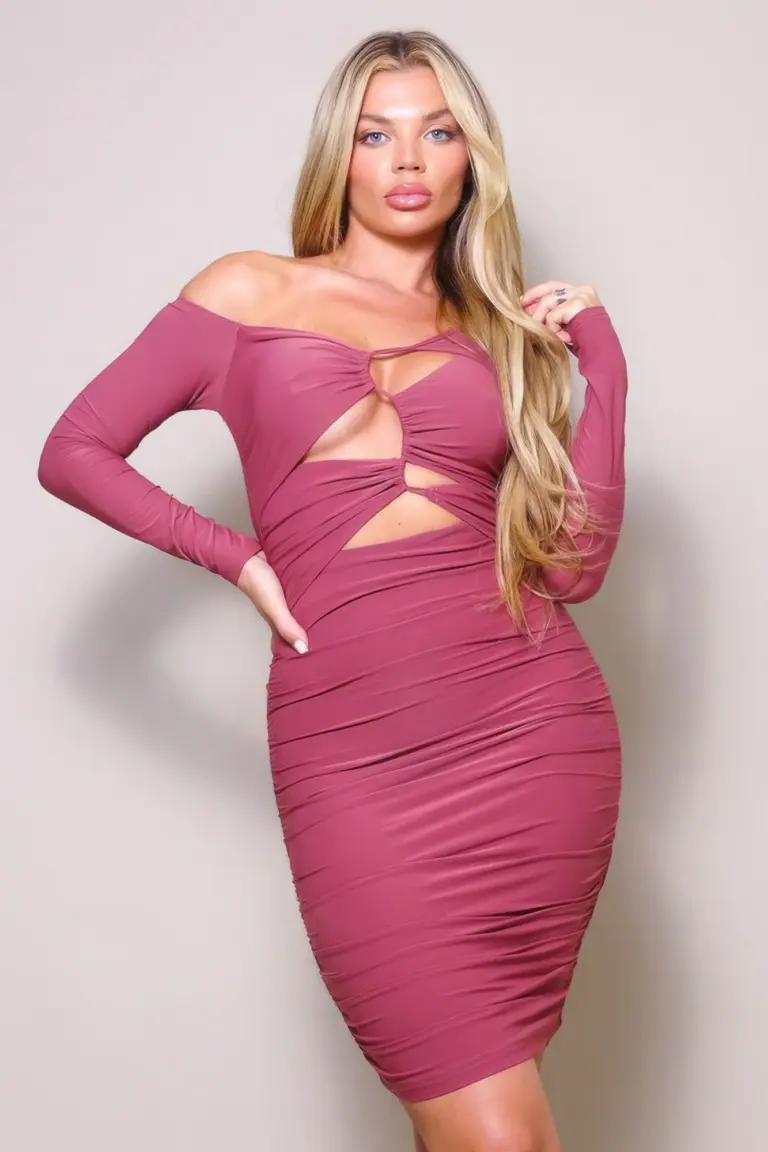
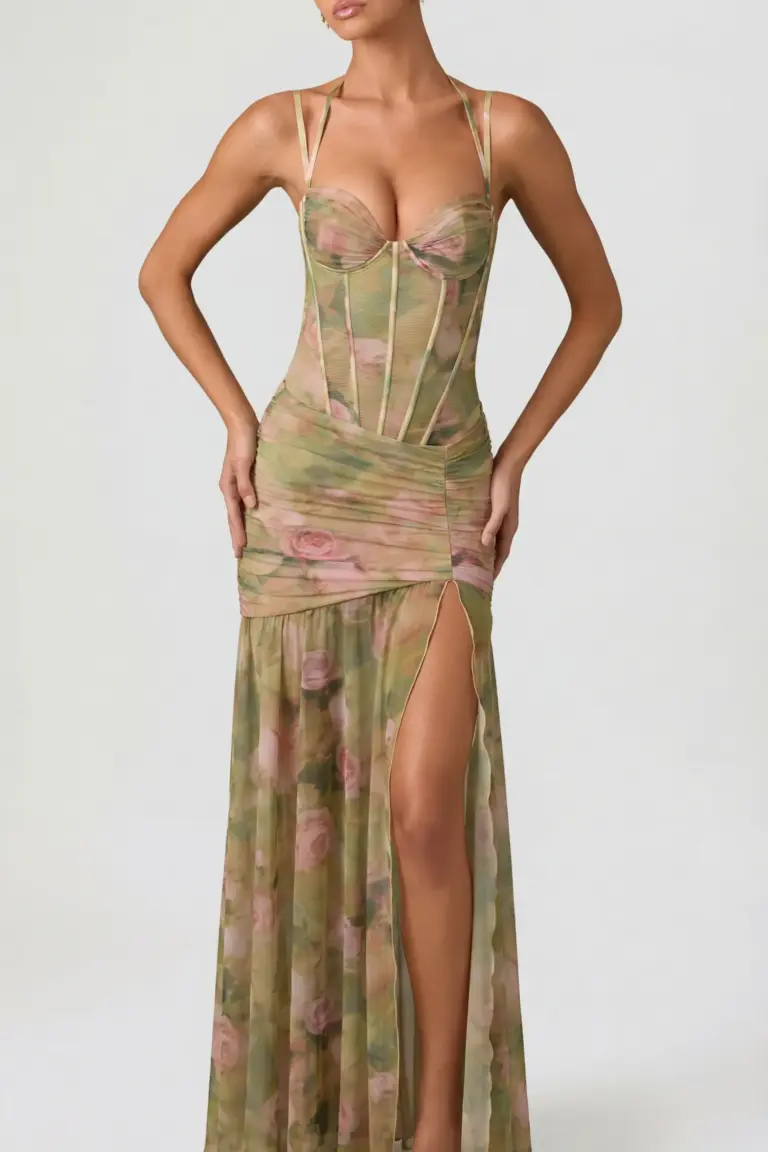 Floral DressesAsymmetric Hem Floral Dresses That Make Getting Dressed EasyAlso worth a lookMidi DressesThe moment a midi dress properly clicked for me was a wedding in October, cold enough for tights,…See the collections →
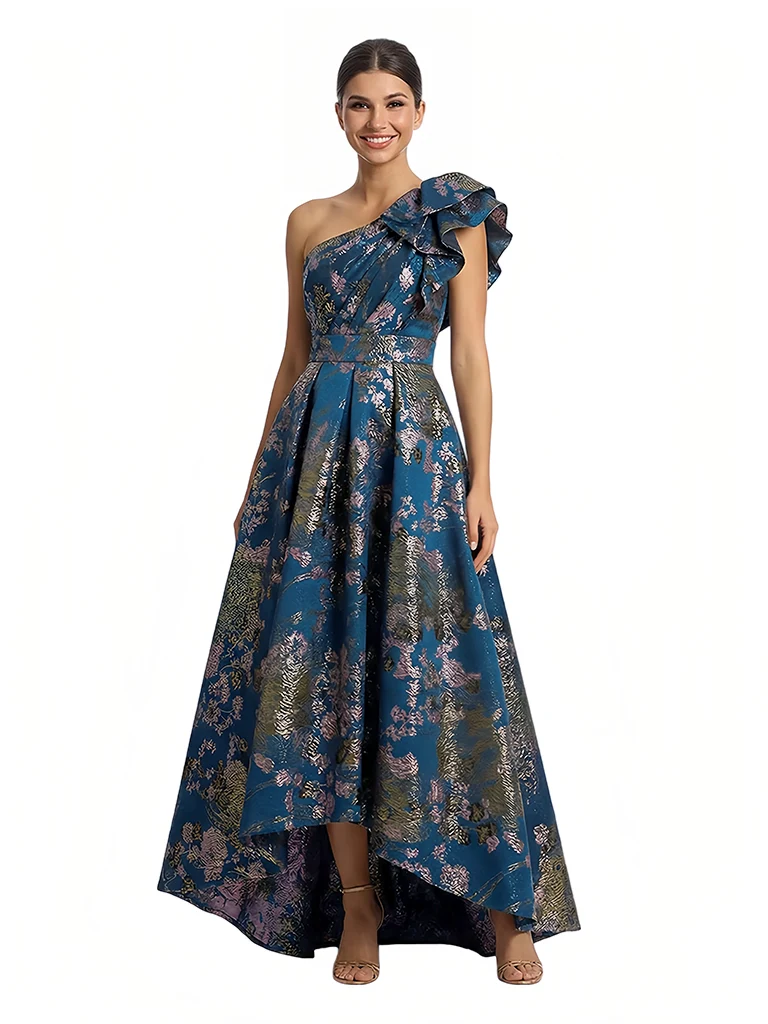
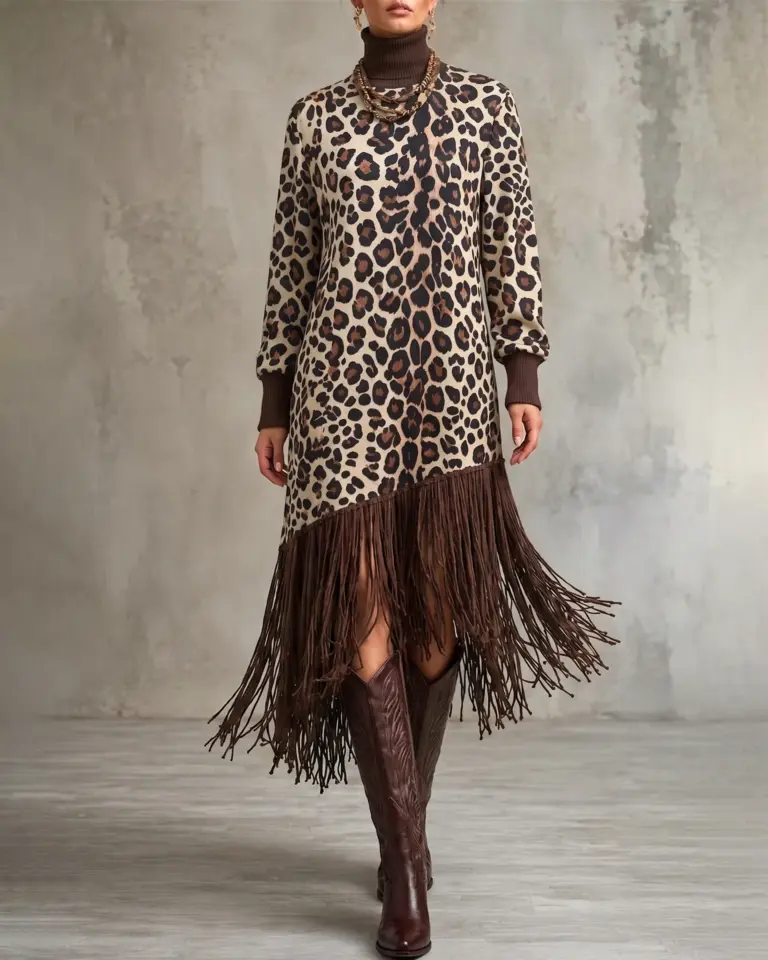 Party DressesHandpicked Asymmetric Party Dresses We Keep Coming Back To
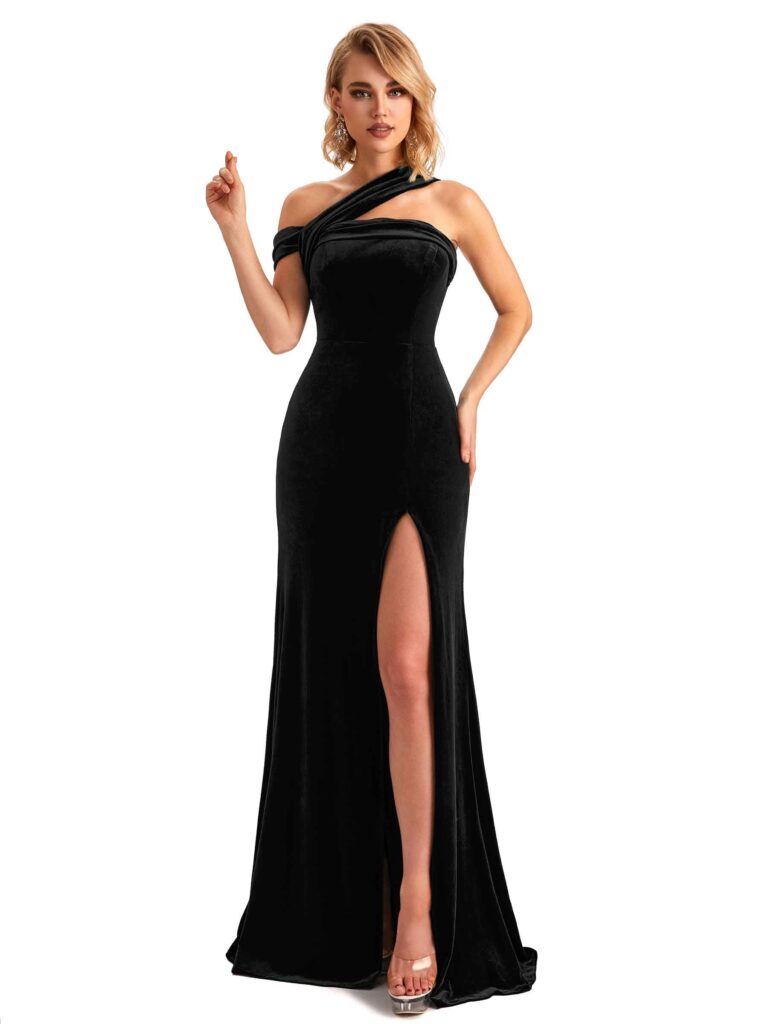
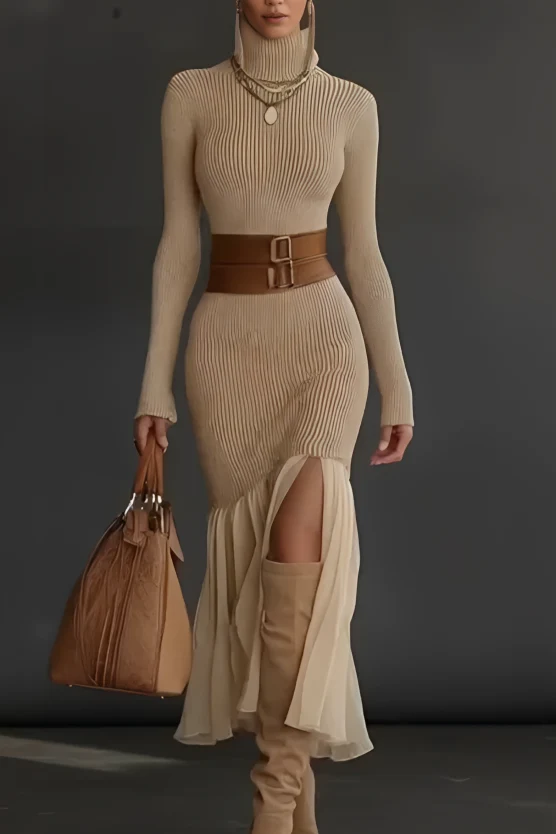 Maxi DressesAsymmetric Hem Maxi Dresses We Rate
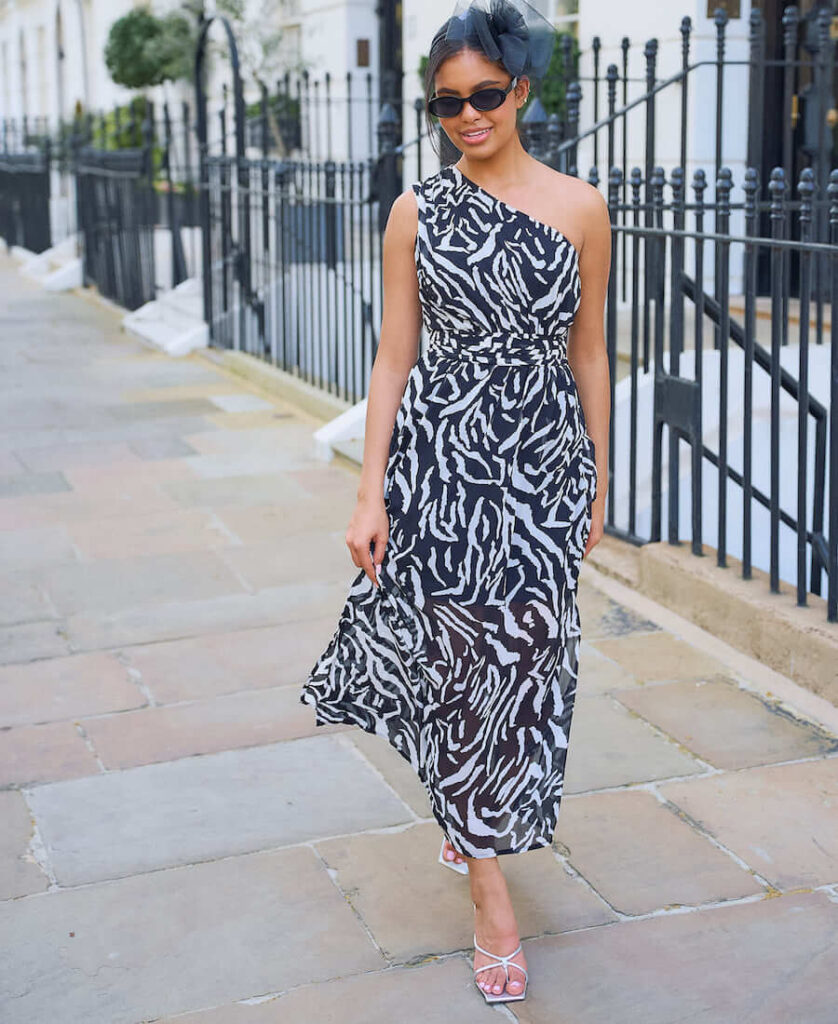
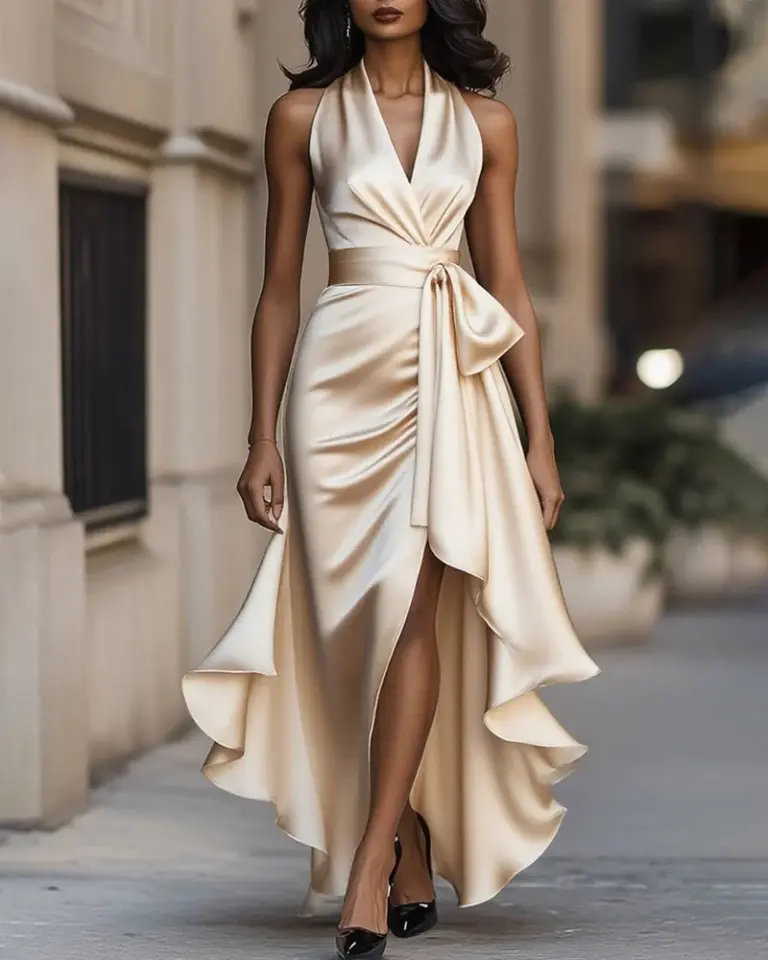 Satin DressesAsymmetric Satin Dresses We’d Recommend to a Friend
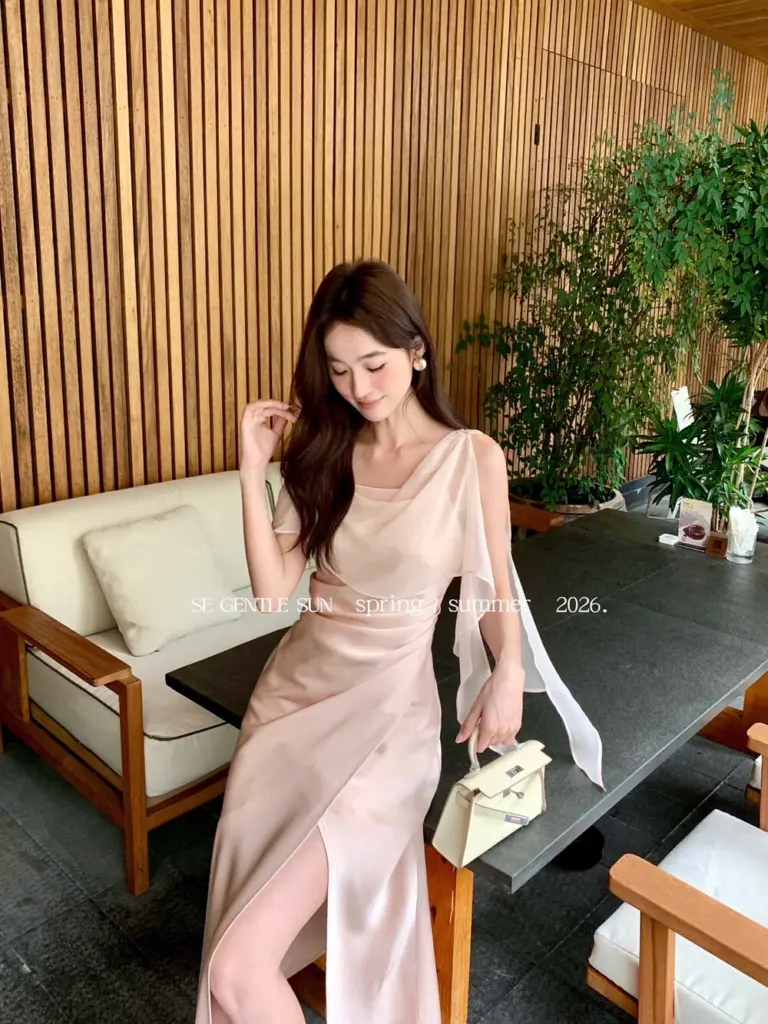
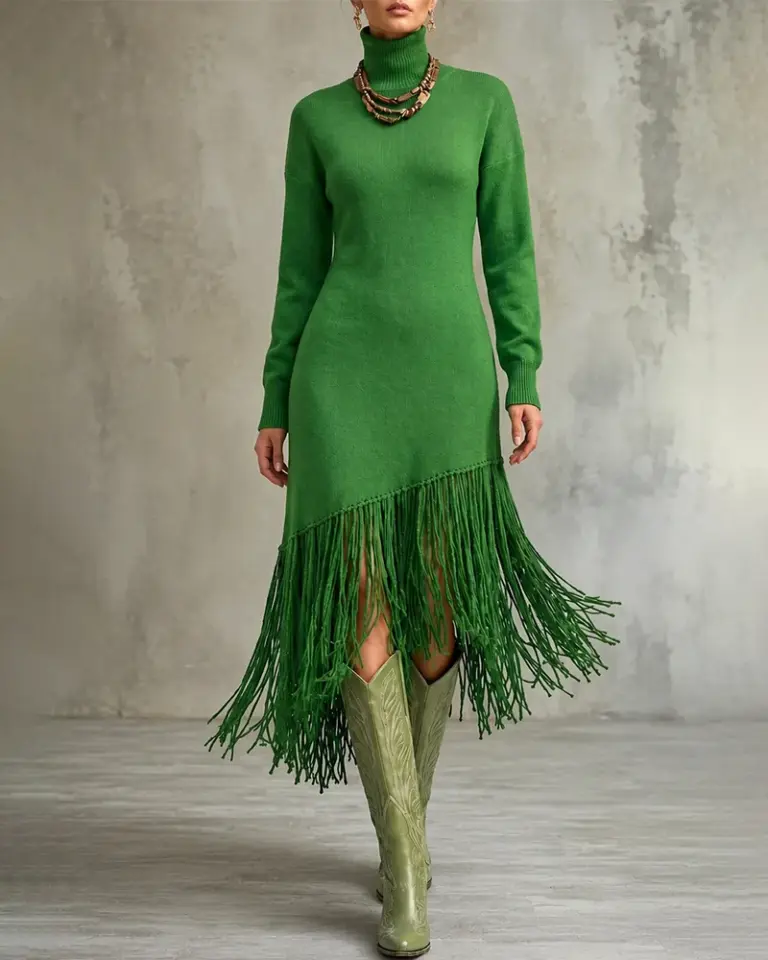 Midi DressesEffortless Asymmetric Hem Midi Dresses We Love
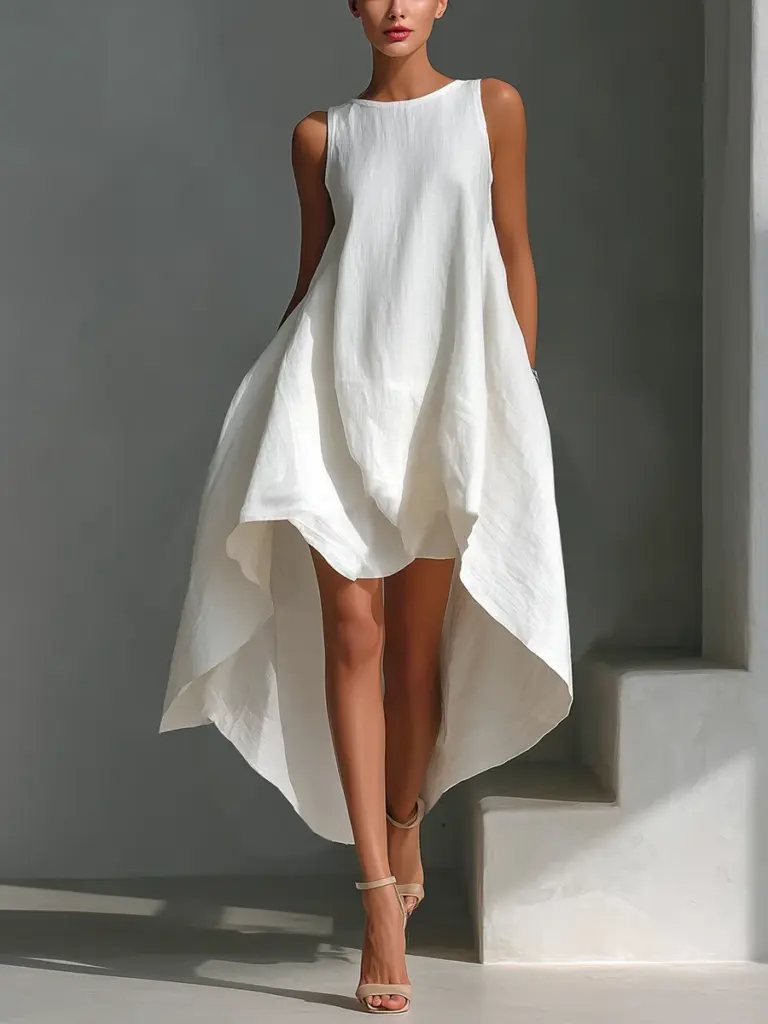
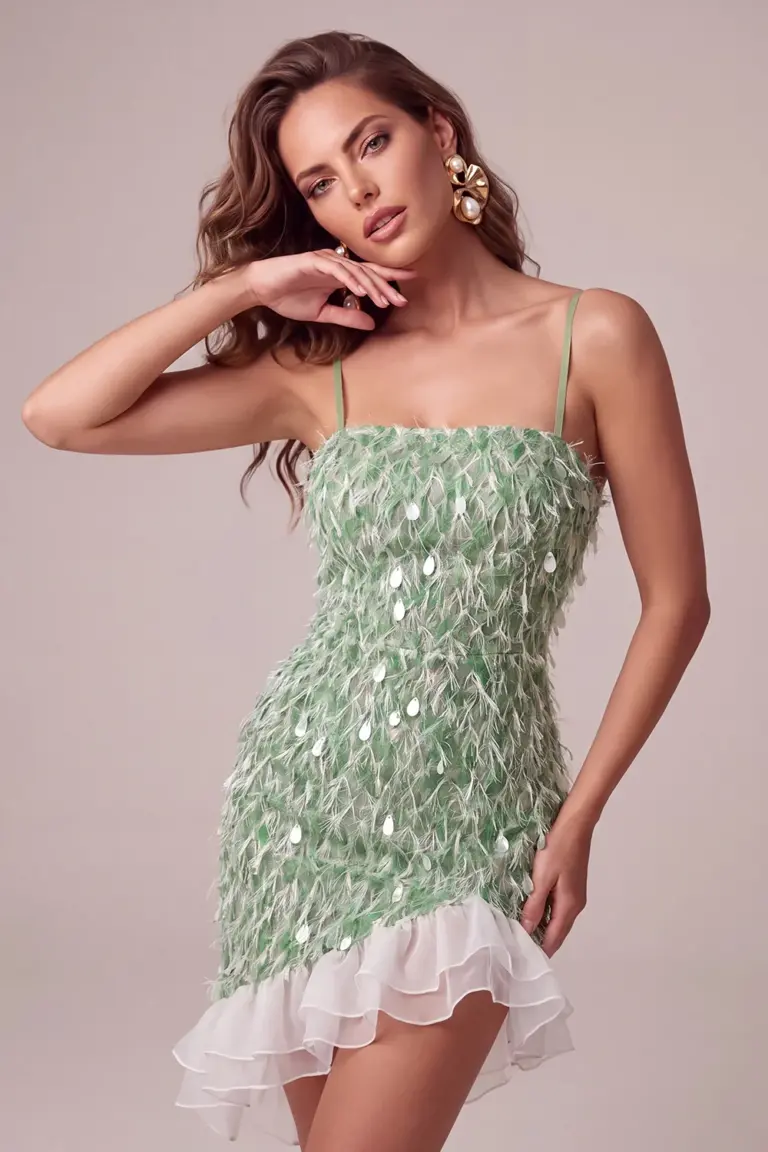 Sequin DressesAsymmetric Sequin Dresses That Make Getting Dressed Easy
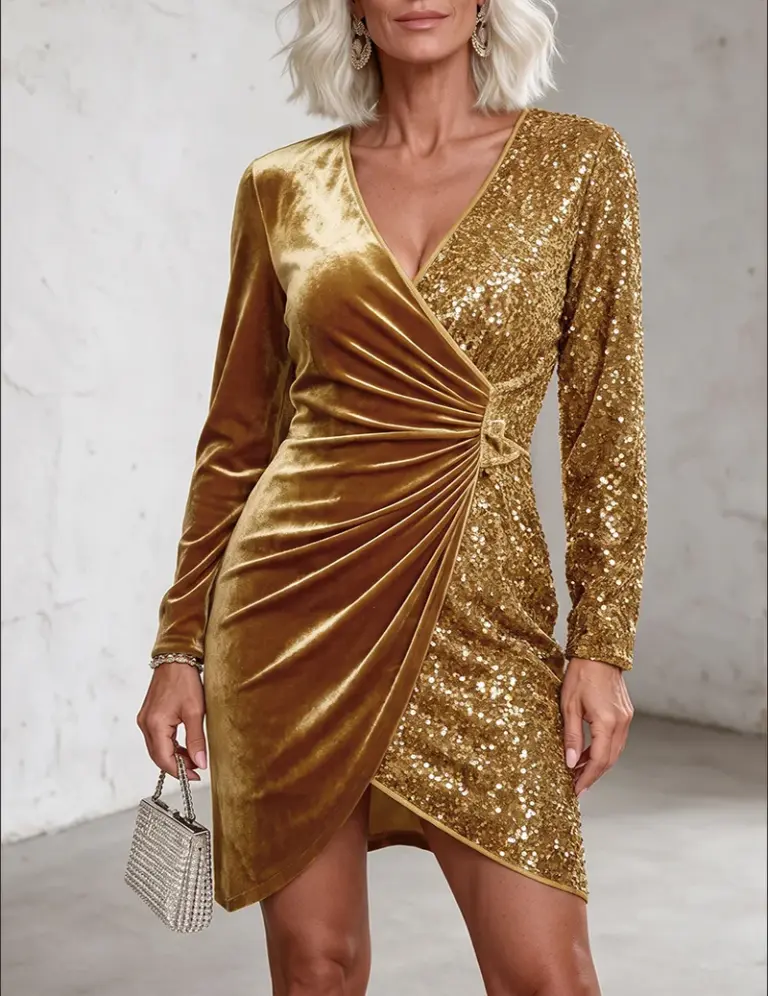
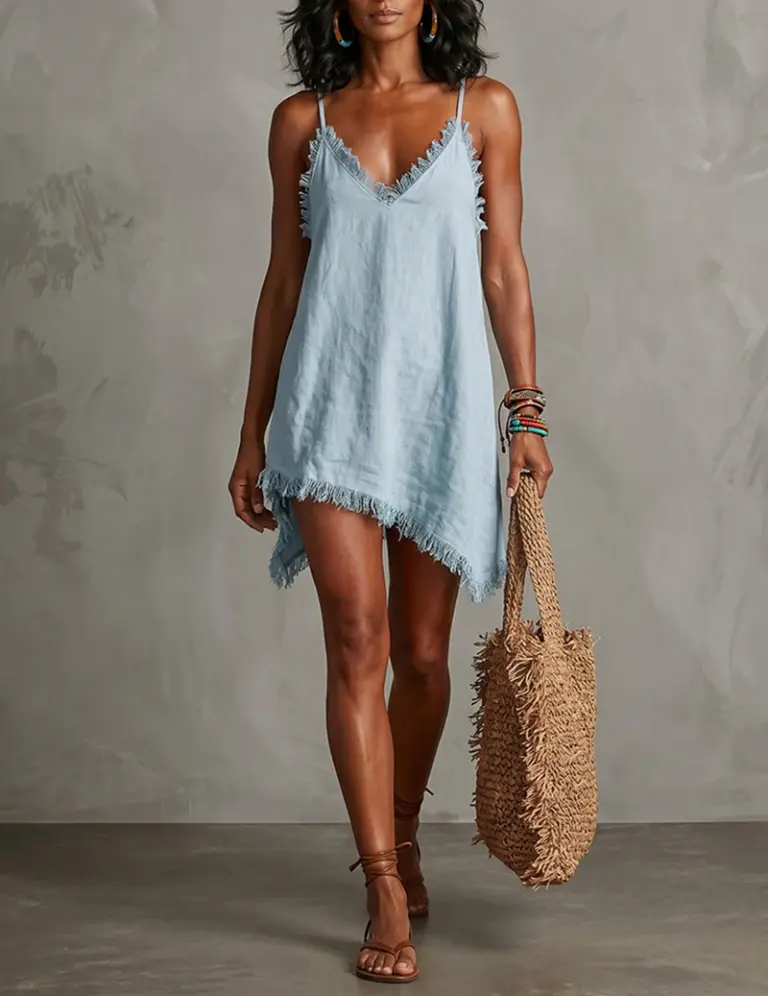 Mini DressesAsymmetric Hem Mini Dresses We’d Recommend to a Friend
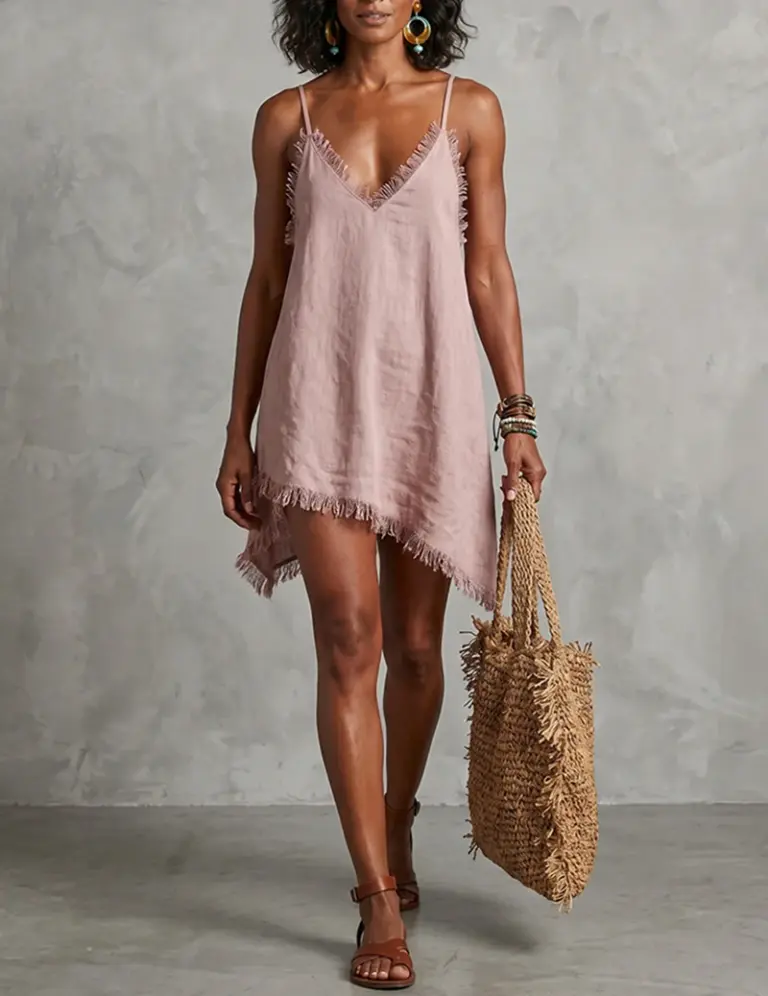
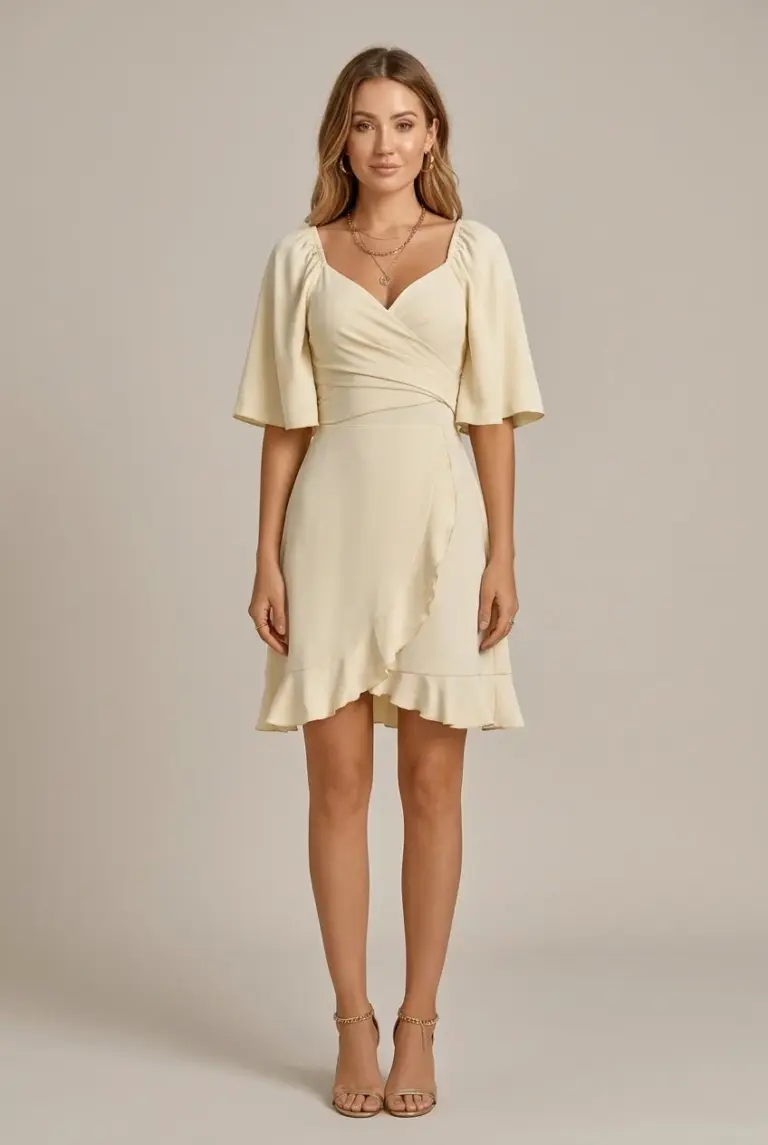 Summer DressesAsymmetric Summer Dresses We Can’t Stop Looking At
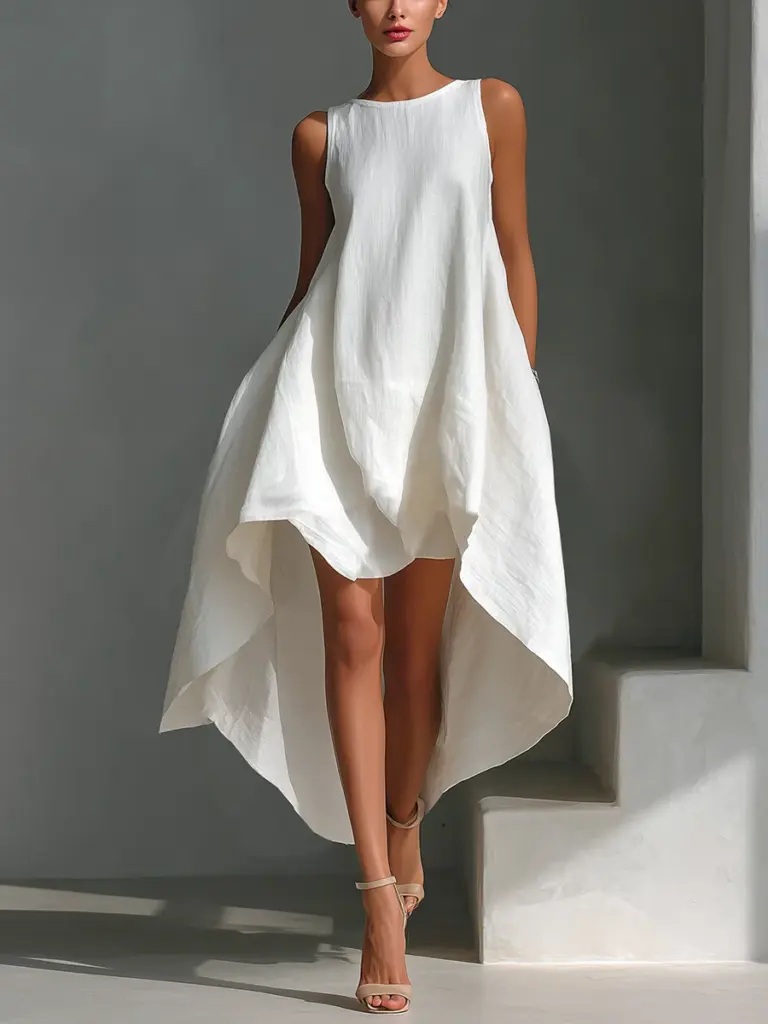
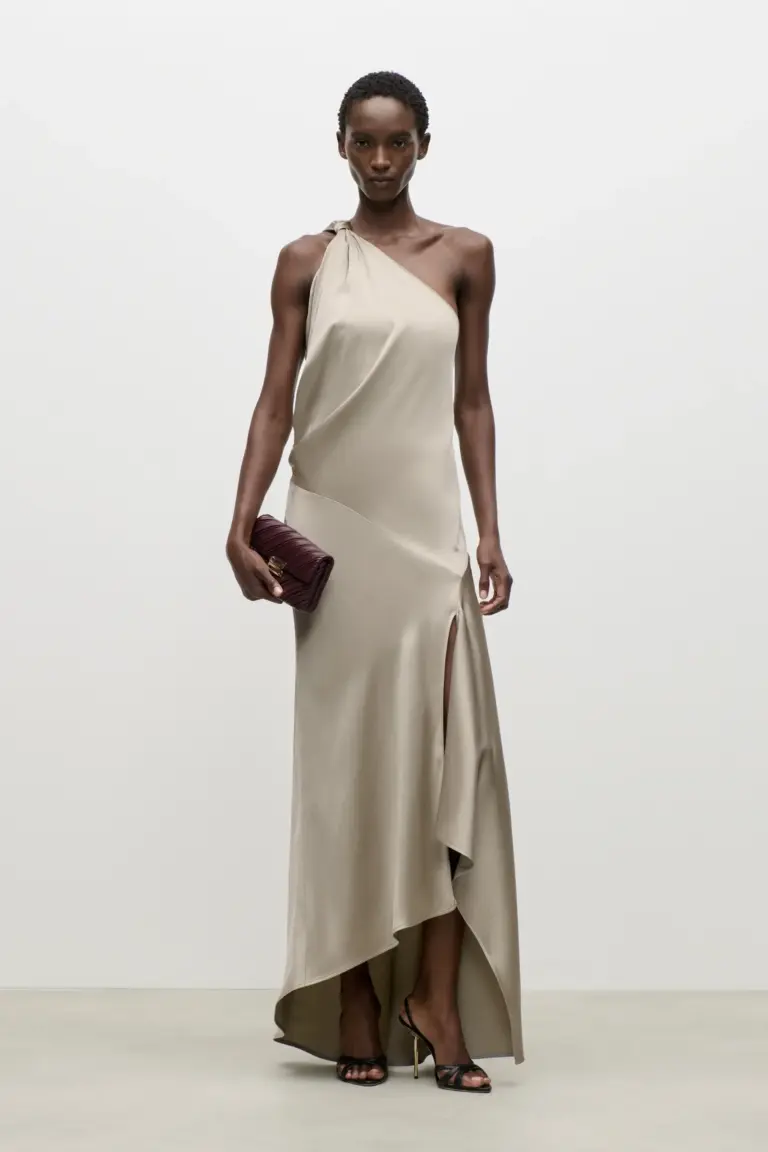 One Shoulder DressesAsymmetric Hem One Shoulder Dresses You’ll Want to Live In
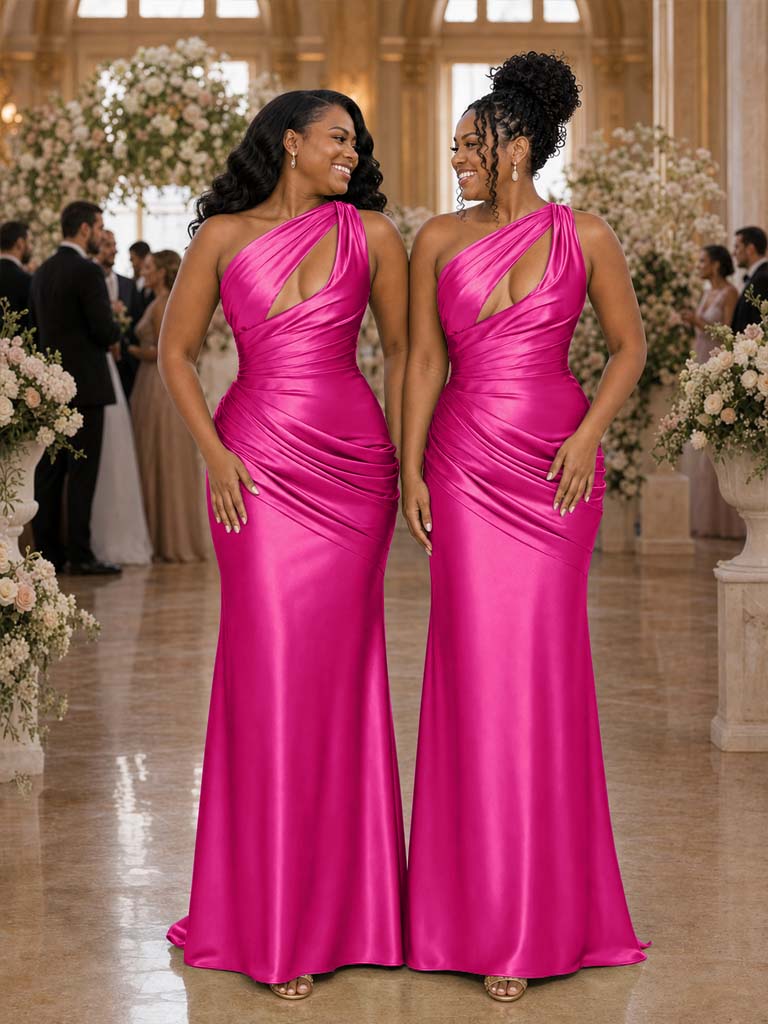
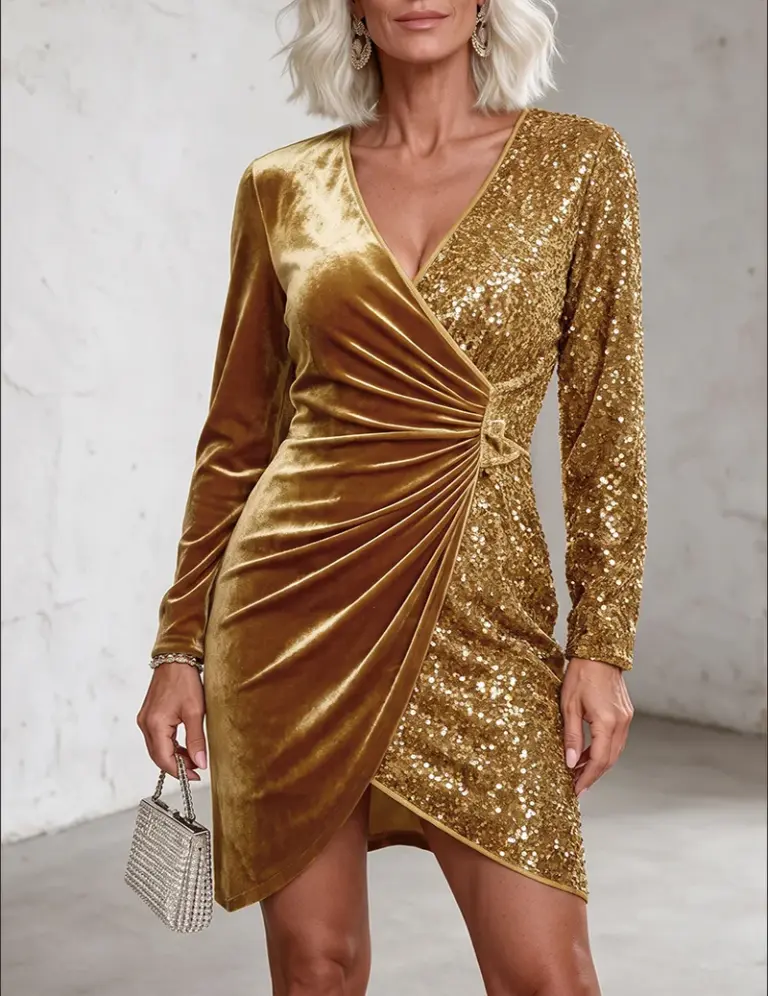 Velvet DressesThe Asymmetric Velvet Dresses We Keep Going Back ToAlso worth a lookMaxi DressesA maxi dress earns its length by making you forget what you're wearing, and that's the whole point of one.See the collections →
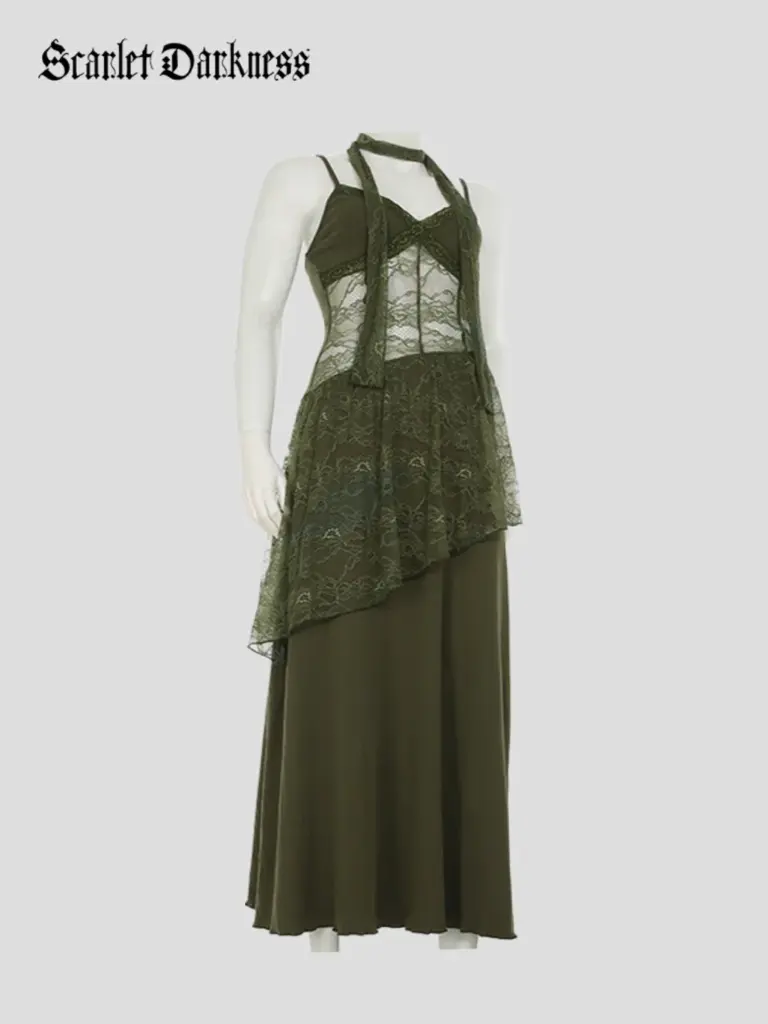
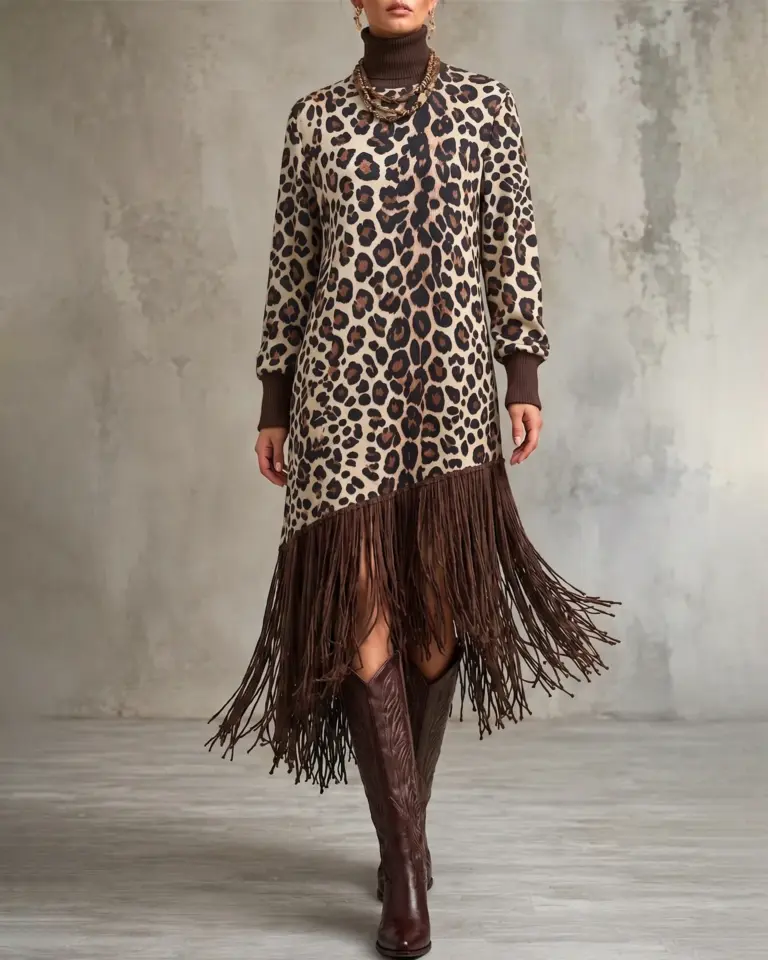 Party DressesEffortless Asymmetric Hem Party Dresses We Love
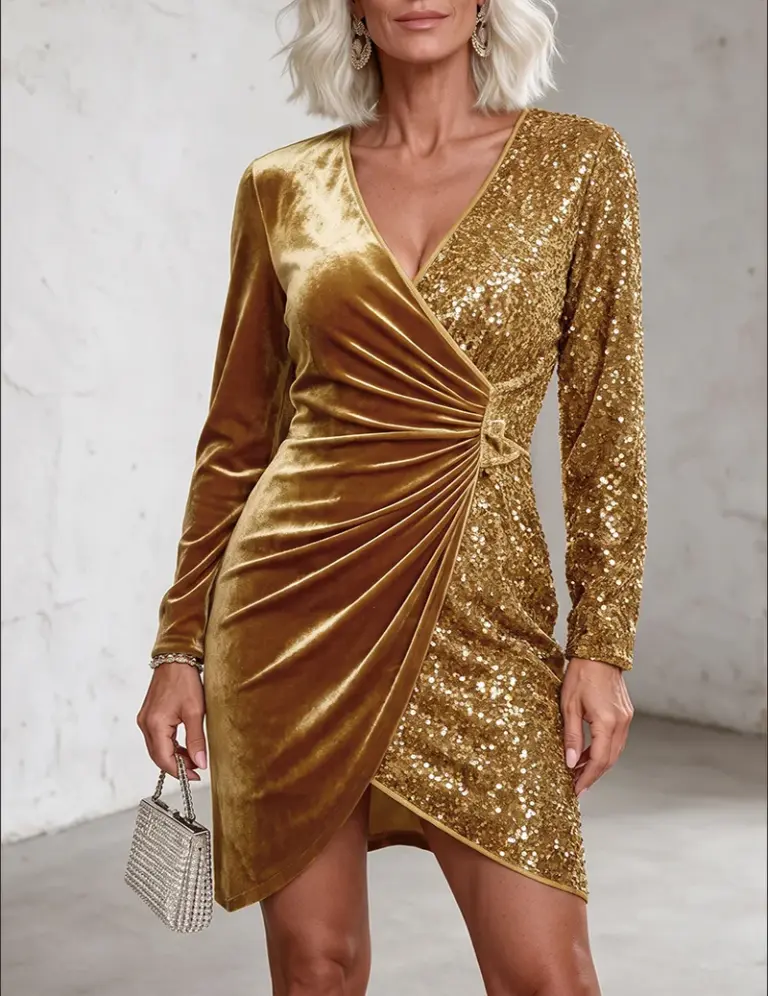
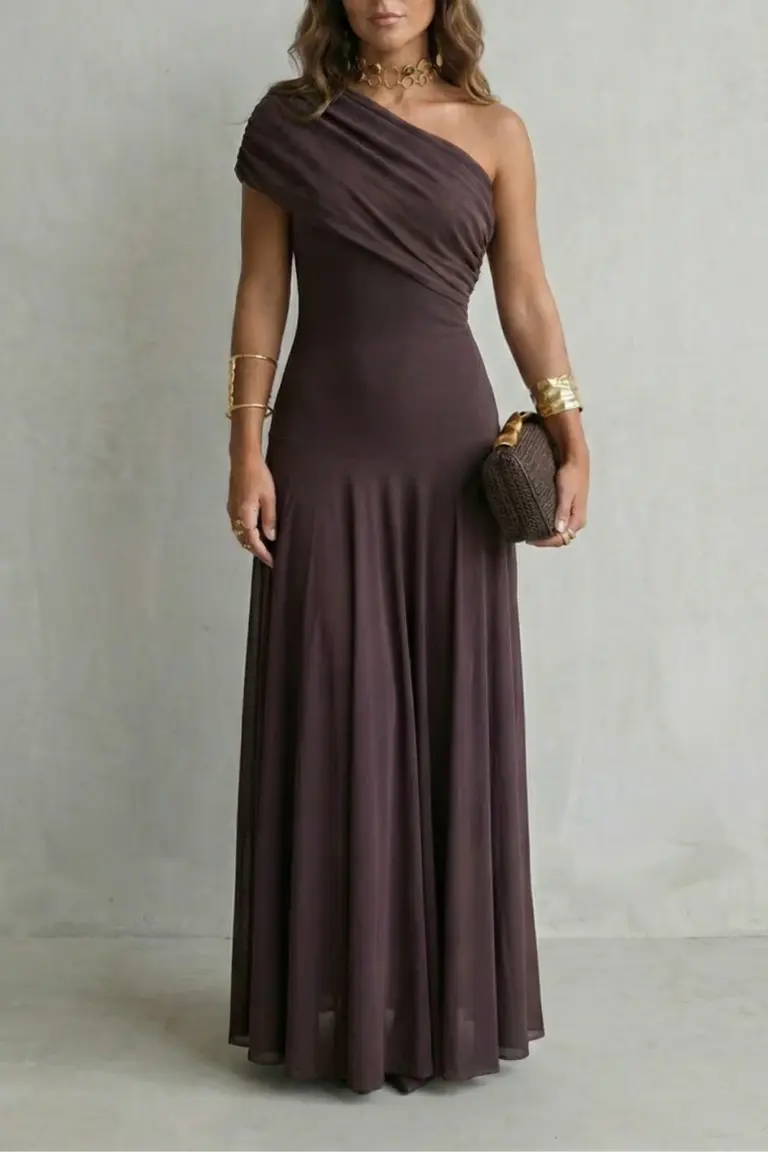 Wedding Guest DressesAsymmetric Wedding Guest Dresses Worth Adding to Your Wardrobe
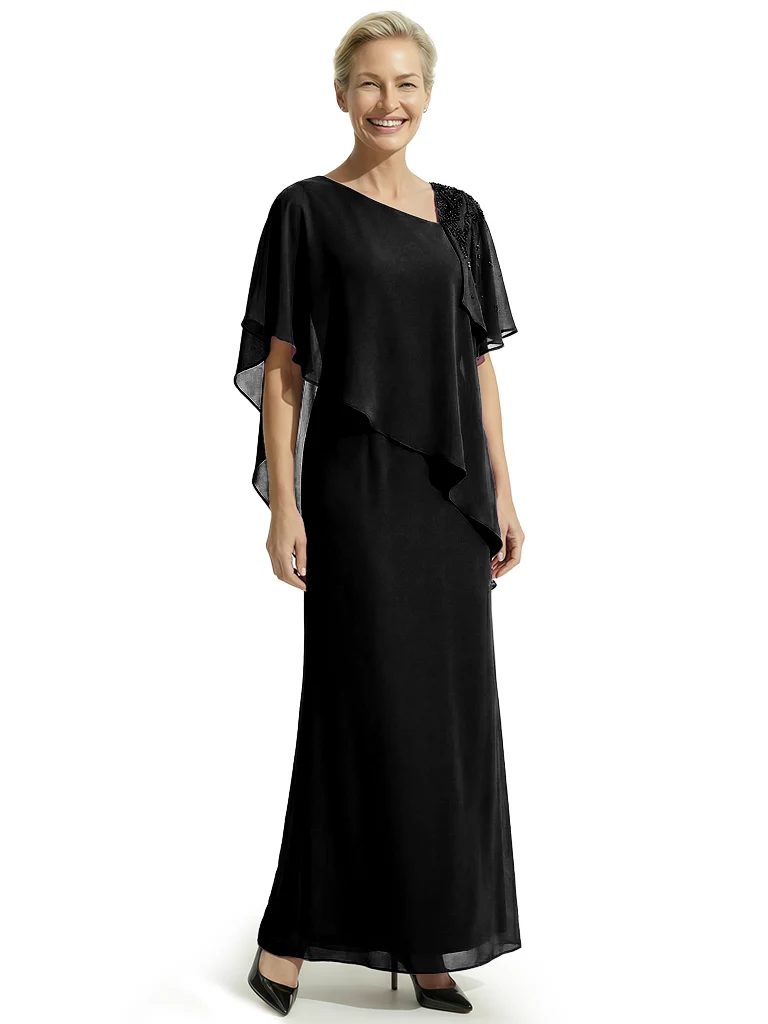
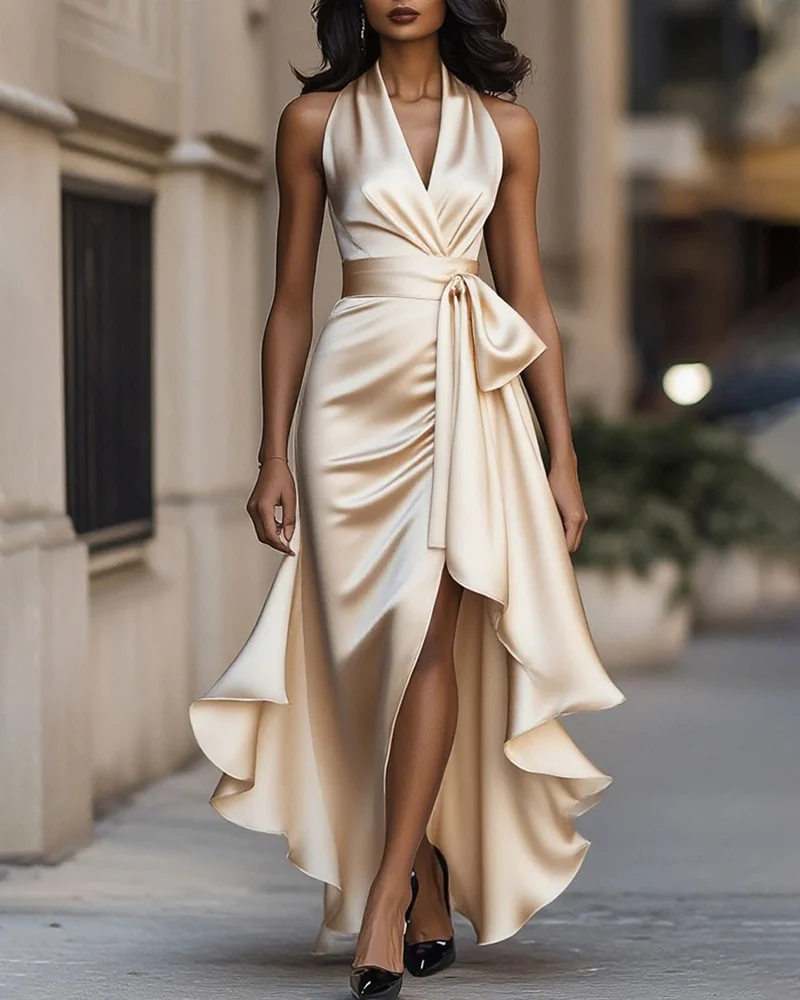 Satin DressesAsymmetric Hem Satin Dresses for Every Occasion on Your Calendar
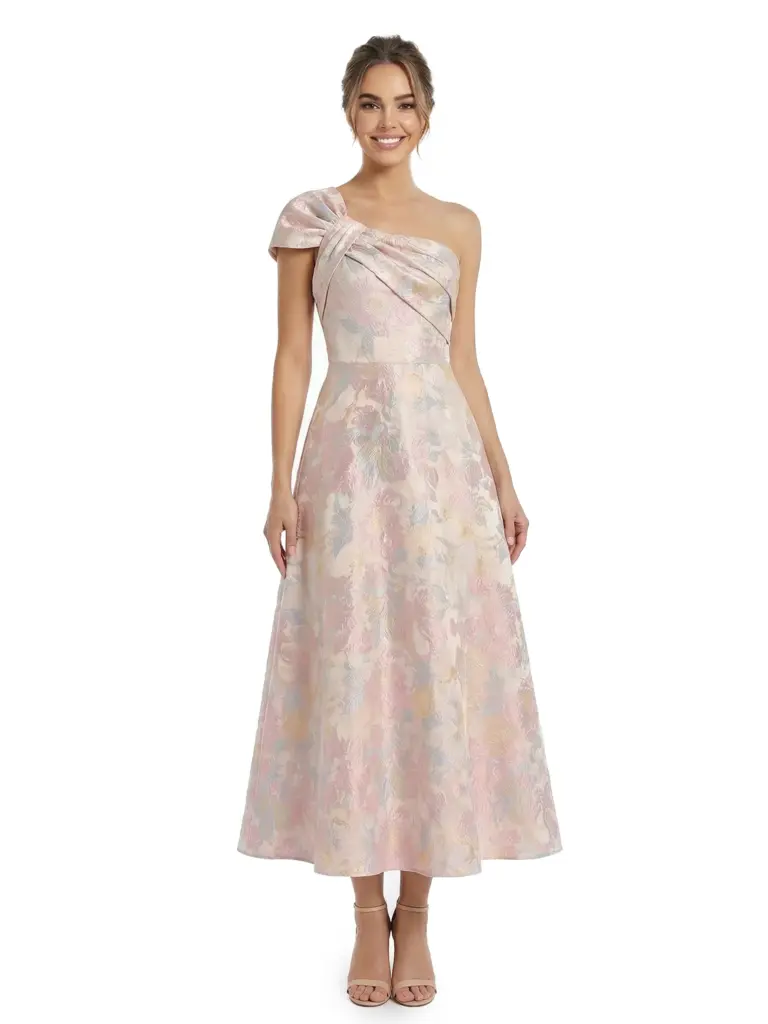
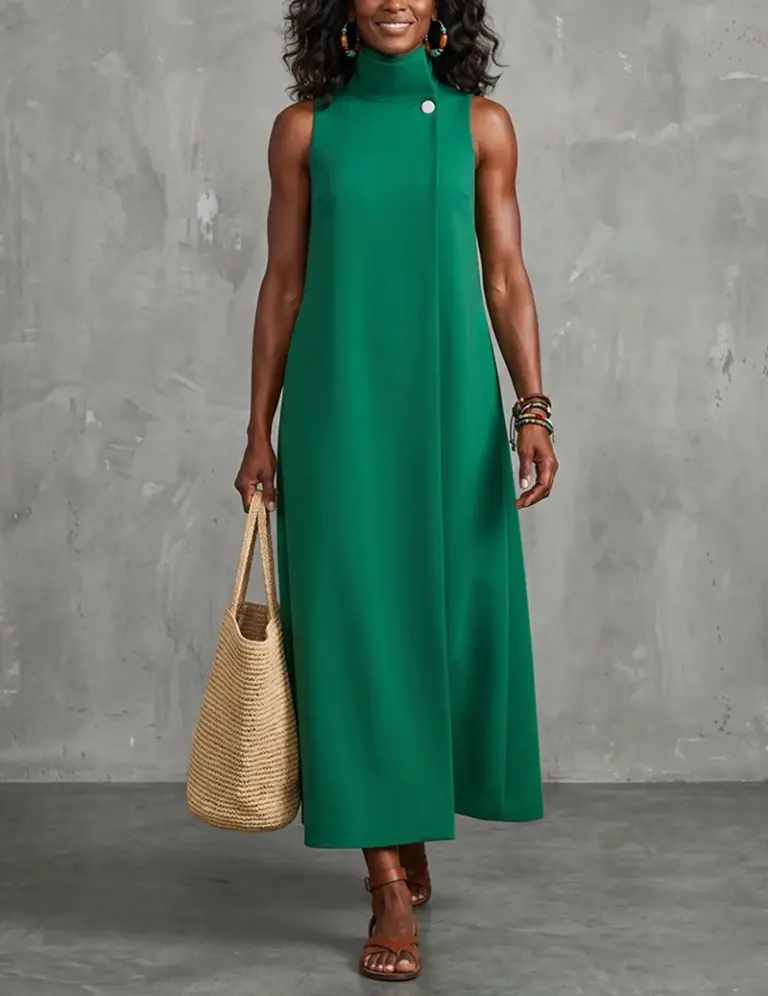 Wrap DressesAsymmetric Wrap Dresses You’ll Reach for First
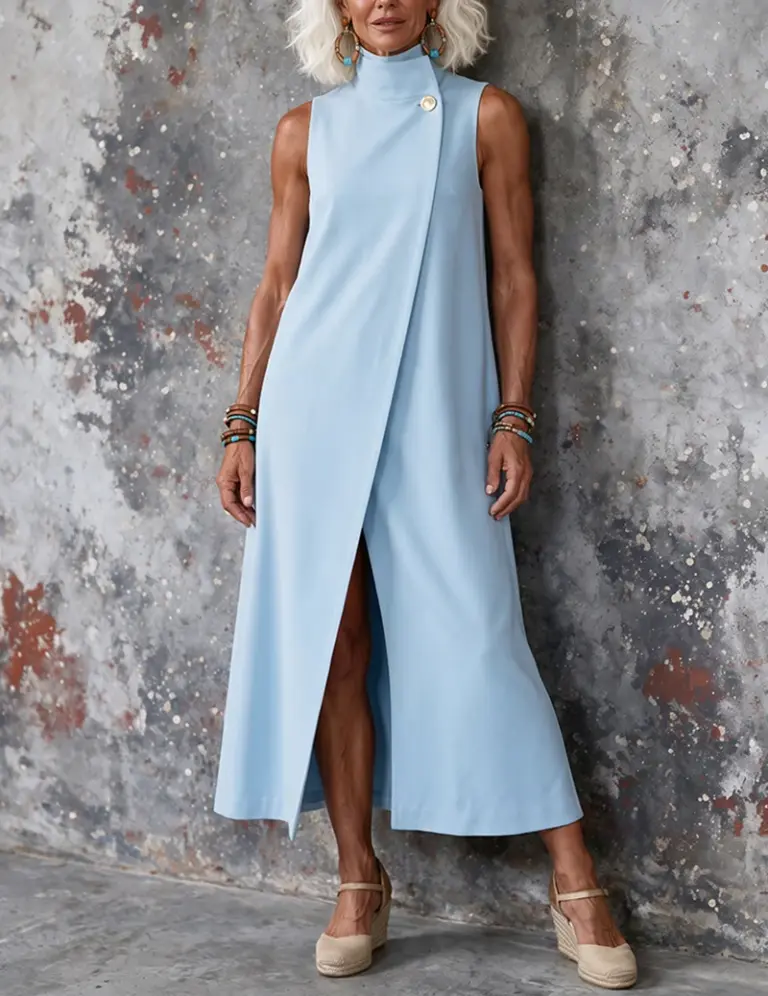
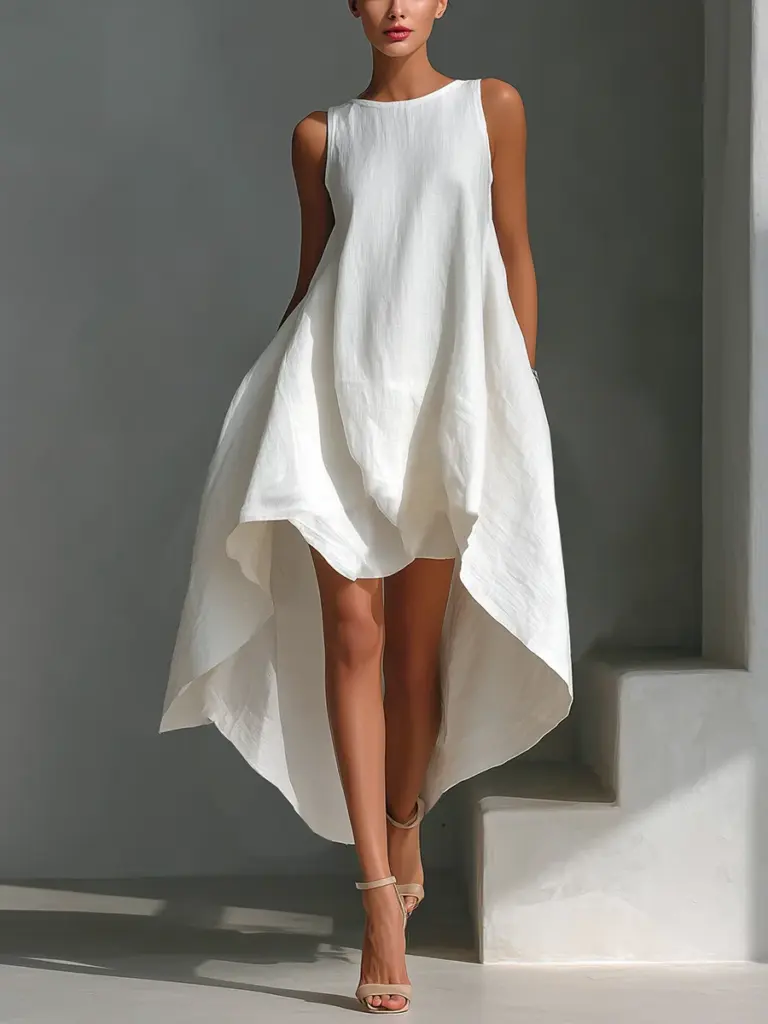 Summer DressesThe Only Asymmetric Hem Summer Dresses You Need to See
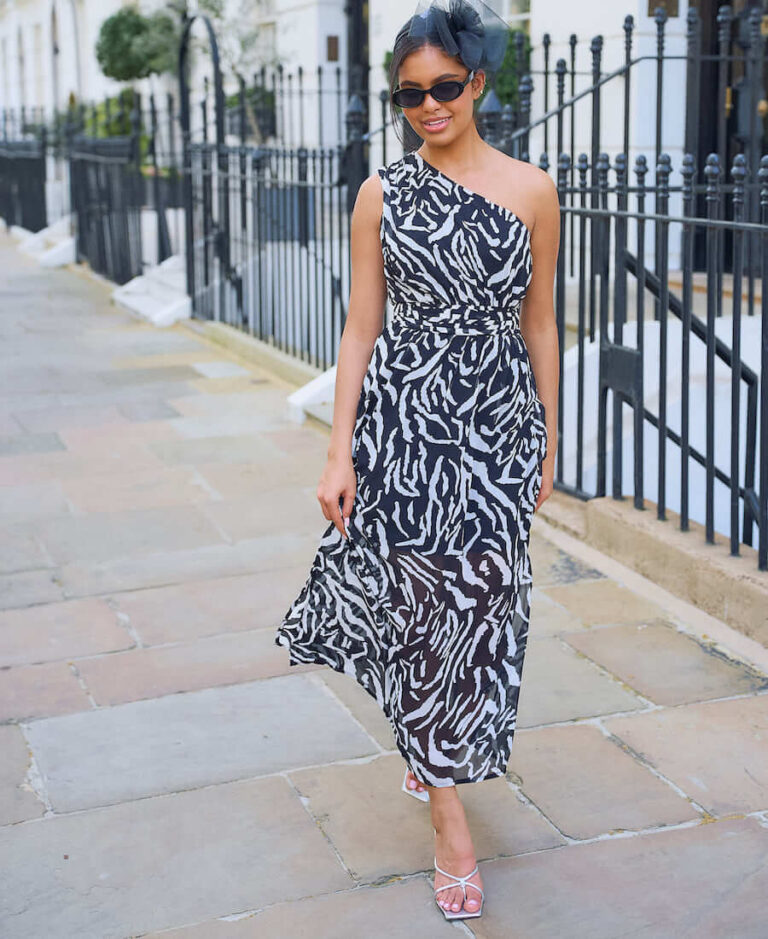
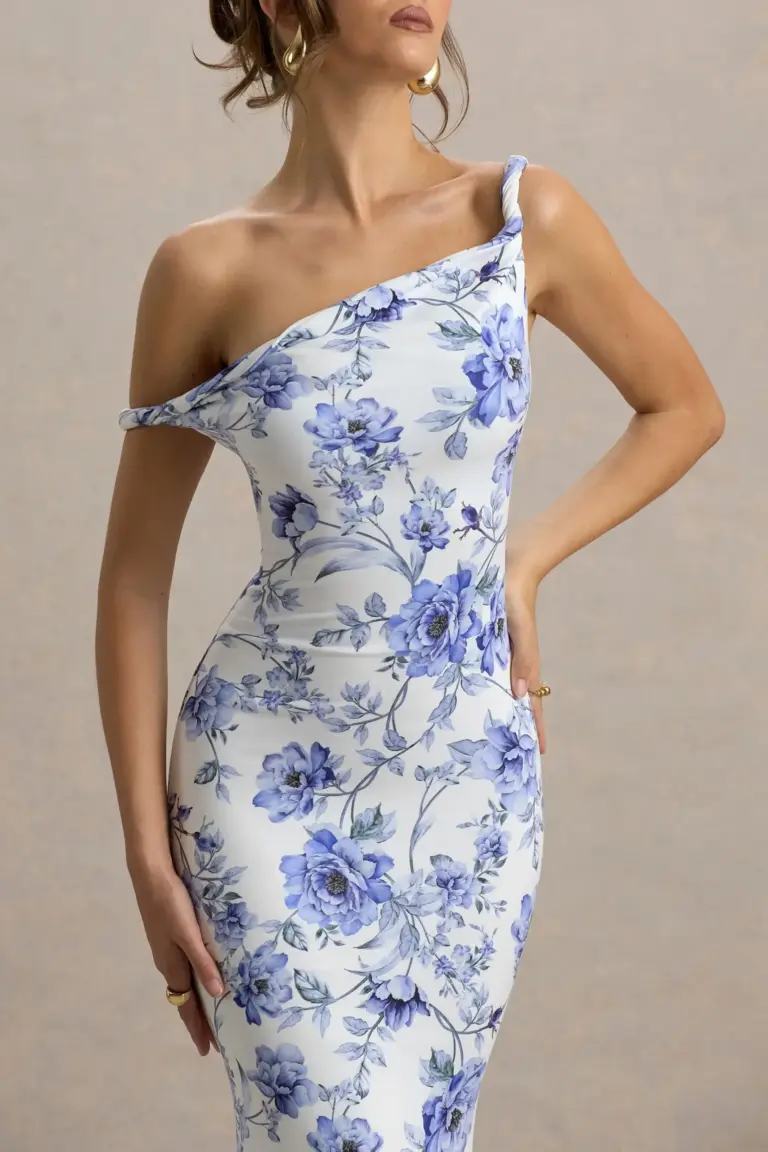 Jersey DressesAsymmetric Jersey Dresses That Make Getting Dressed Easy
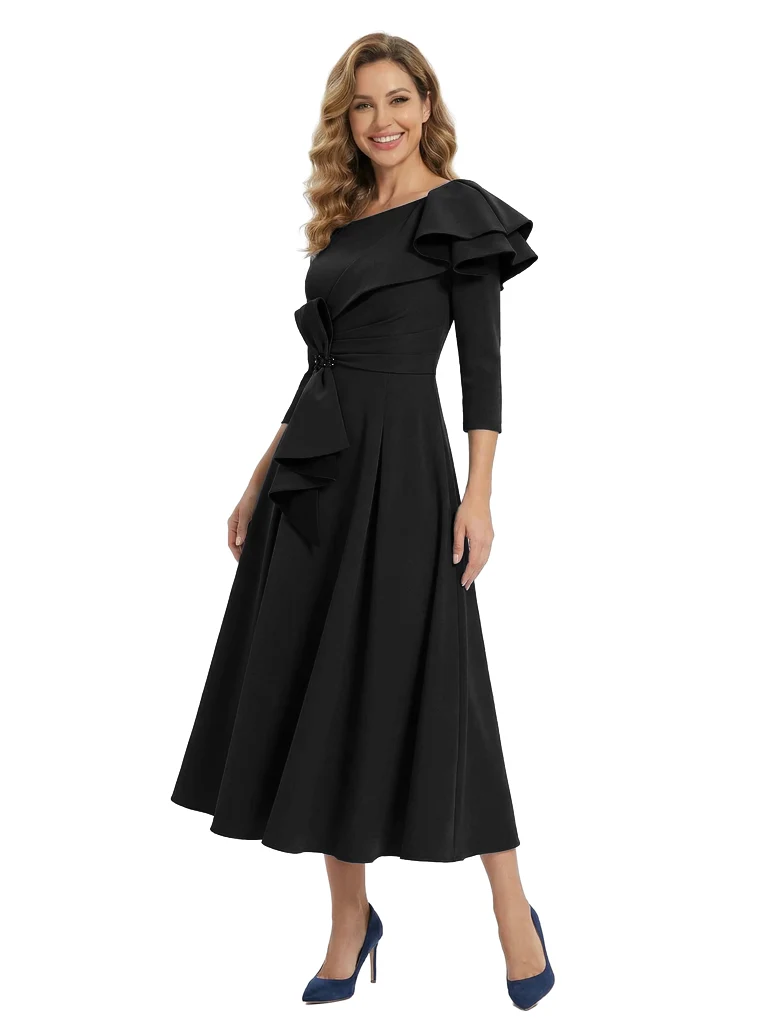
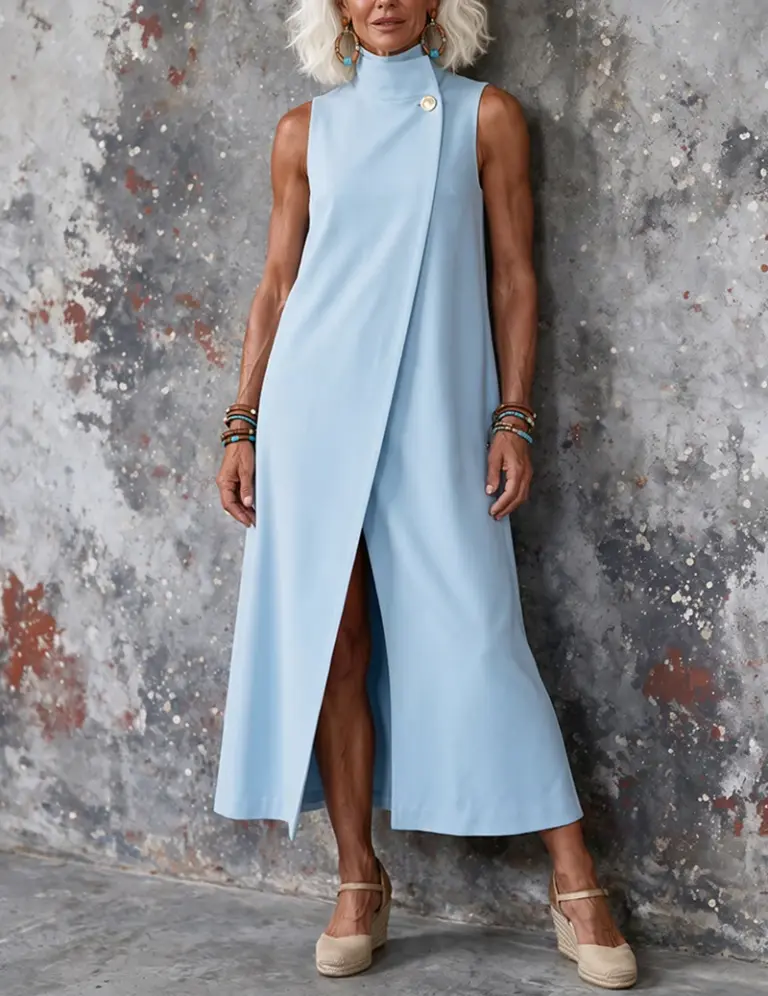 A Line DressesAsymmetric A Line Dresses Worth Adding to Your Wardrobe
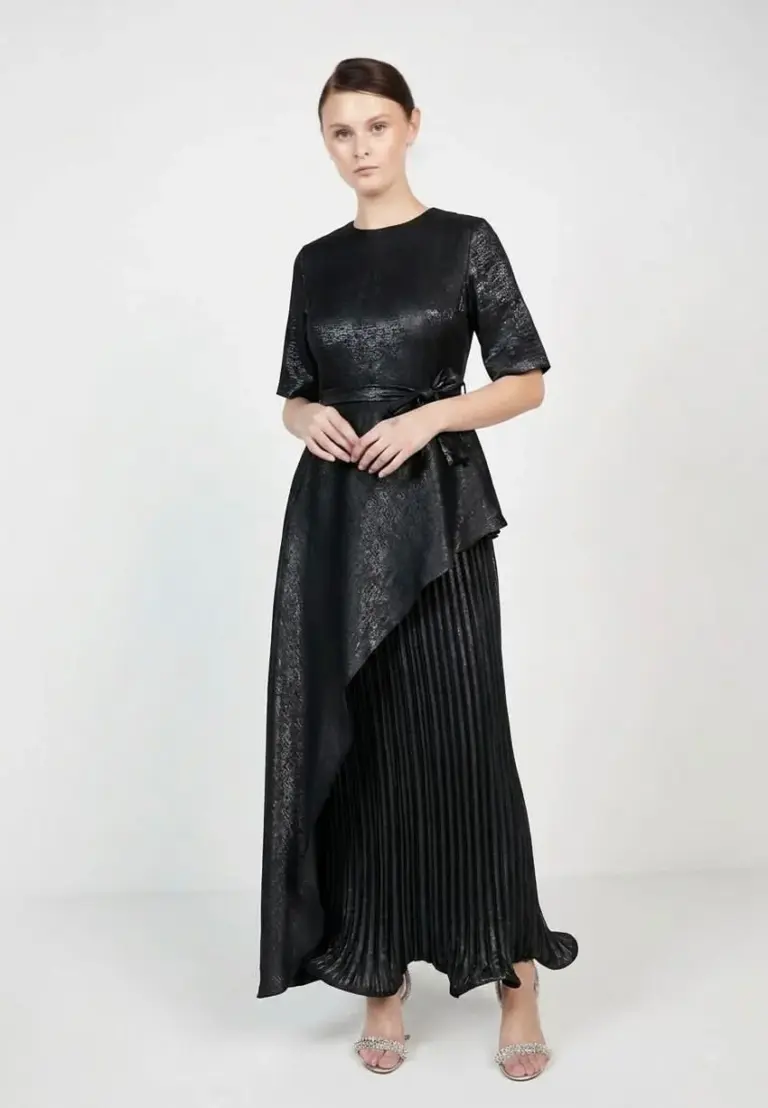
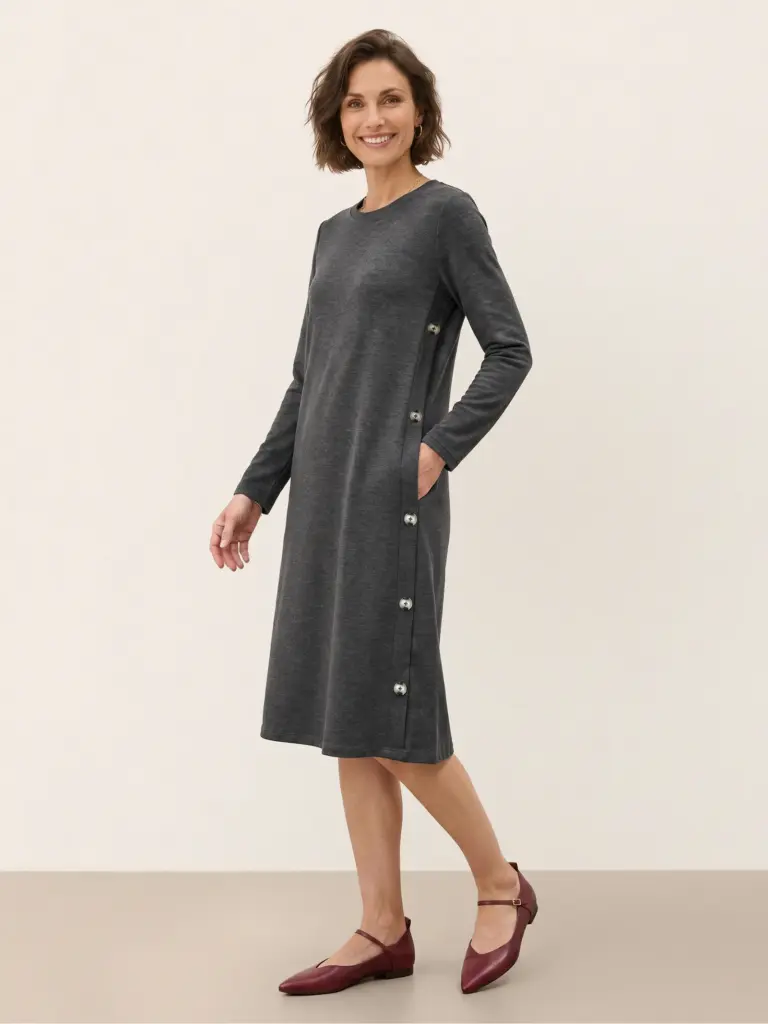 Knitted DressesThe Edit: Asymmetric Knit Dresses
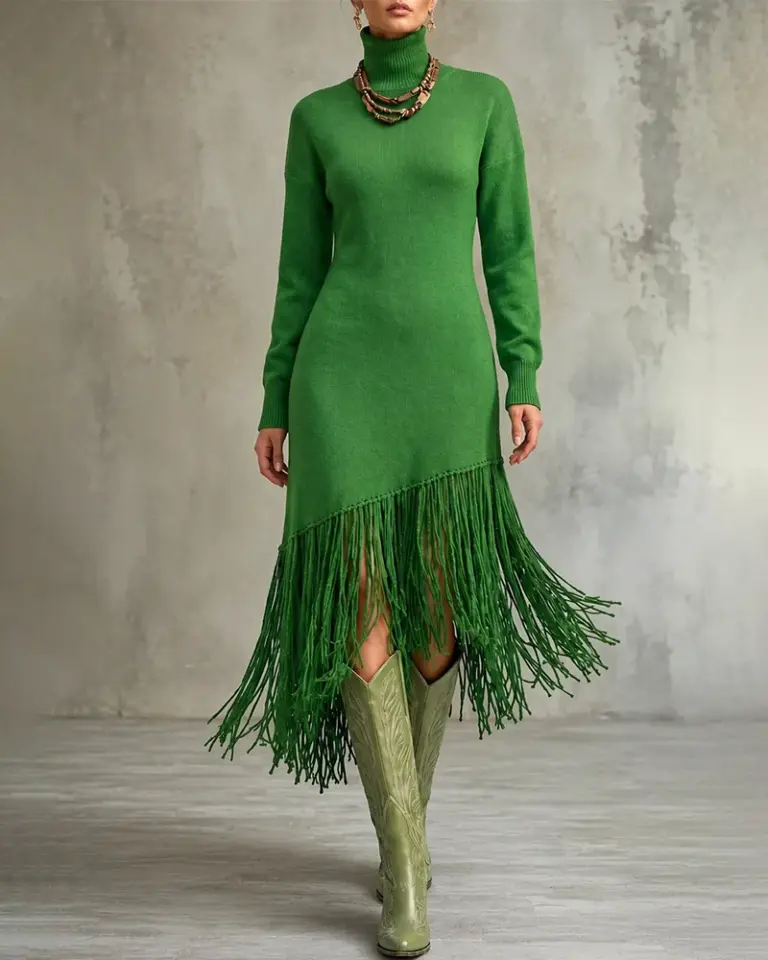
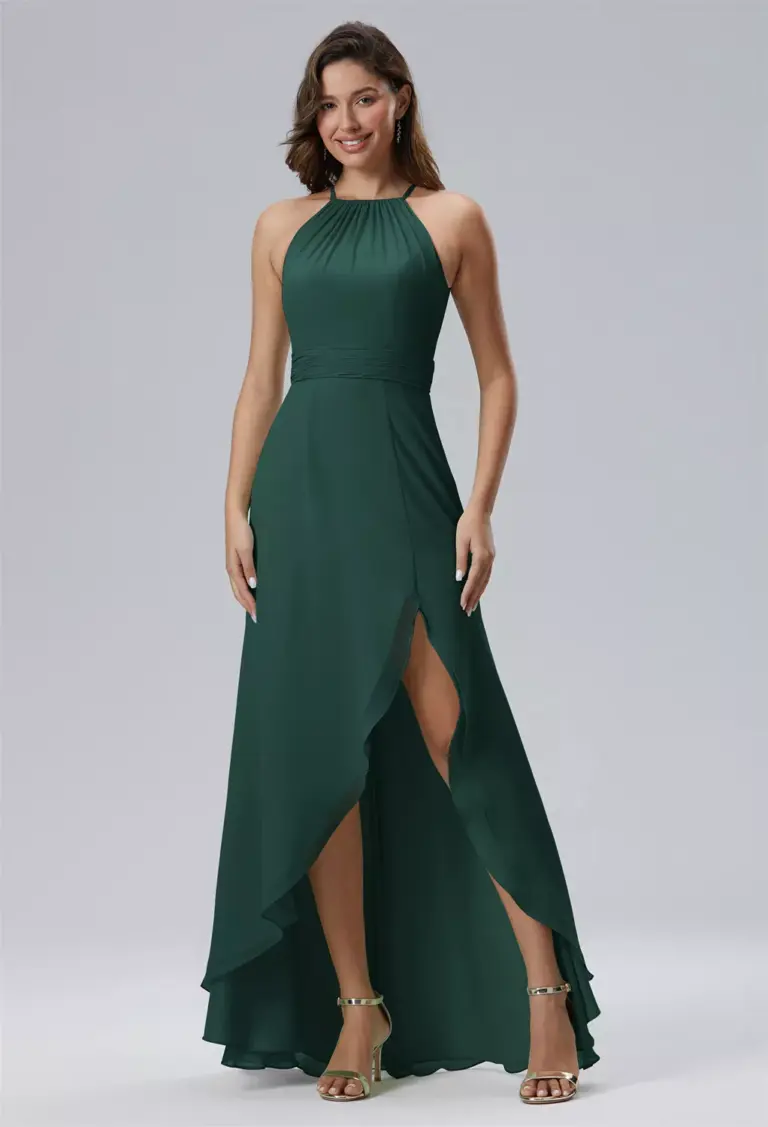 Bridesmaid DressesAsymmetric Bridesmaid Dresses We’d Recommend to a FriendAlso worth a lookMini DressesThe thing nobody mentions in the fitting room is how a mini dress behaves after three hours sitting down rather than standing in front of a mirror.See the collections →
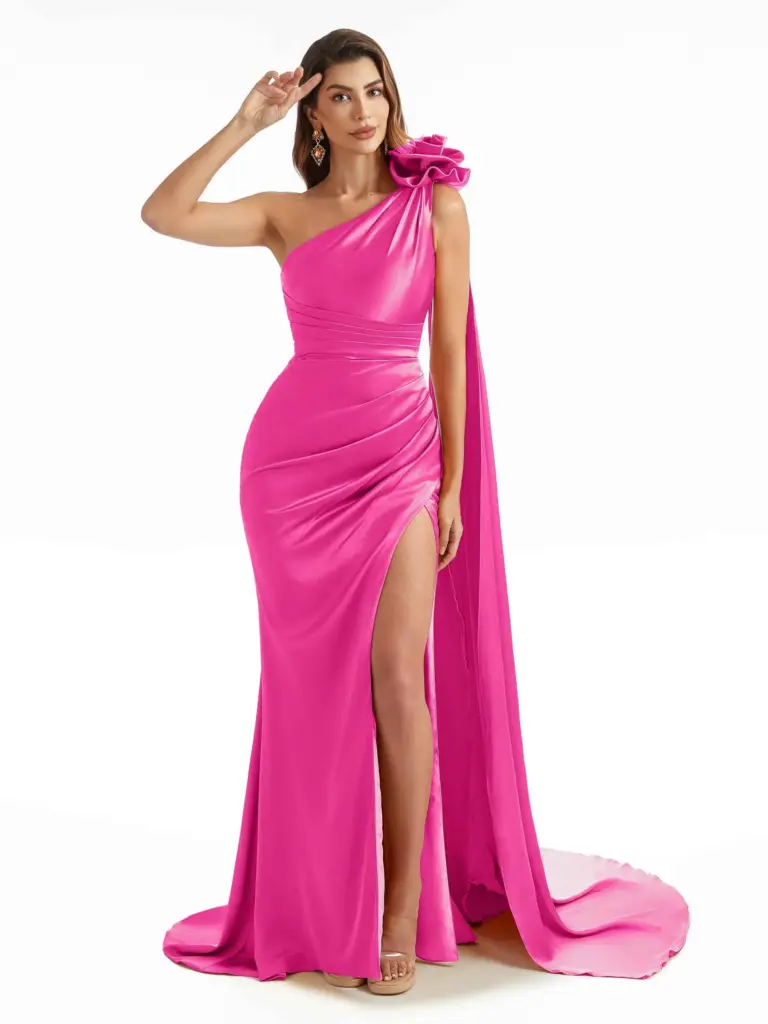
 Lace DressesOur Top Asymmetric Lace Dresses Right Now