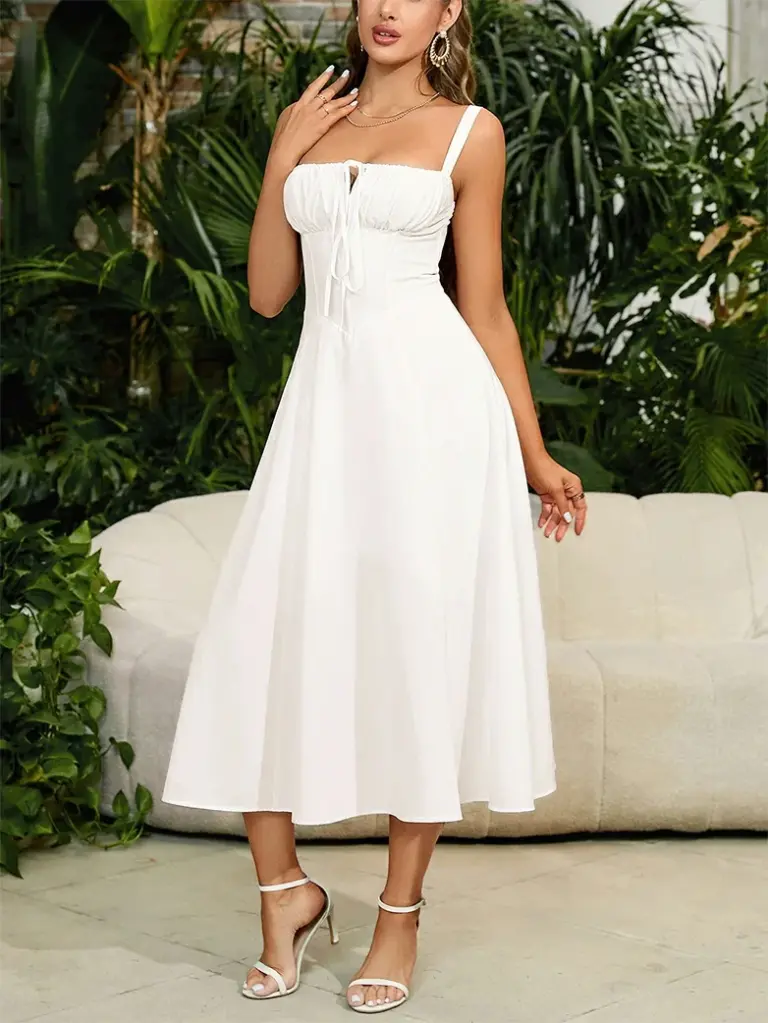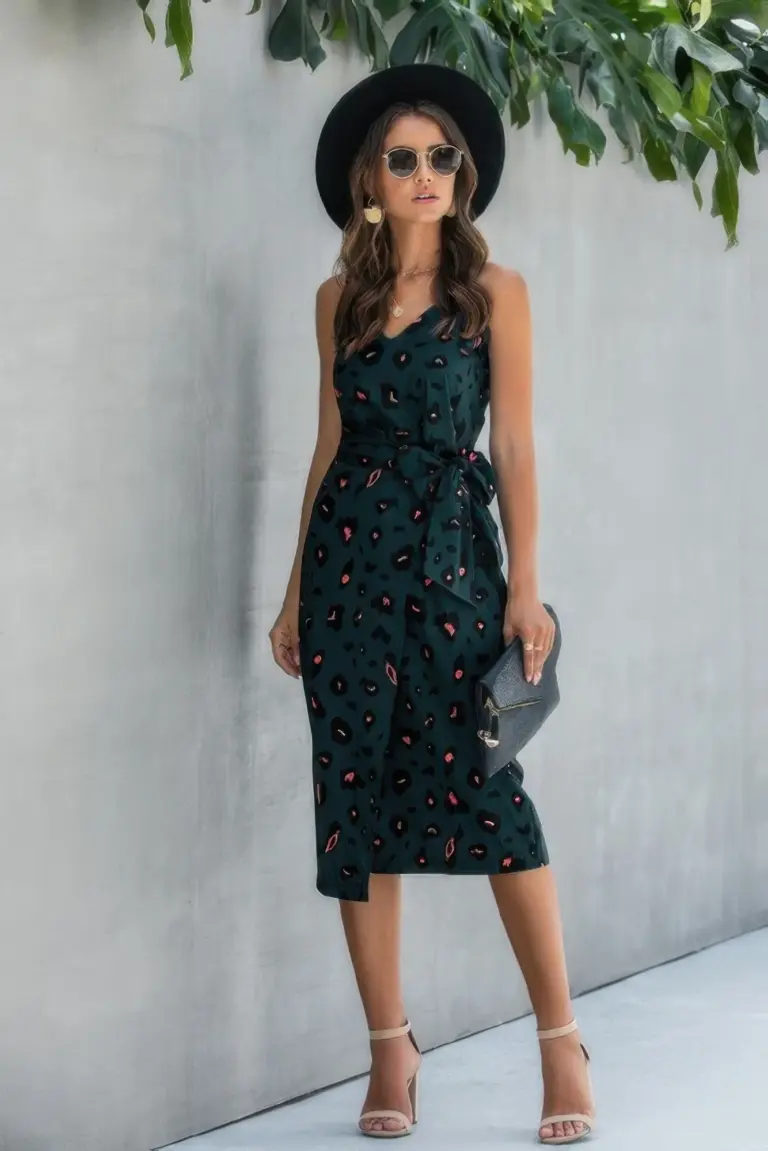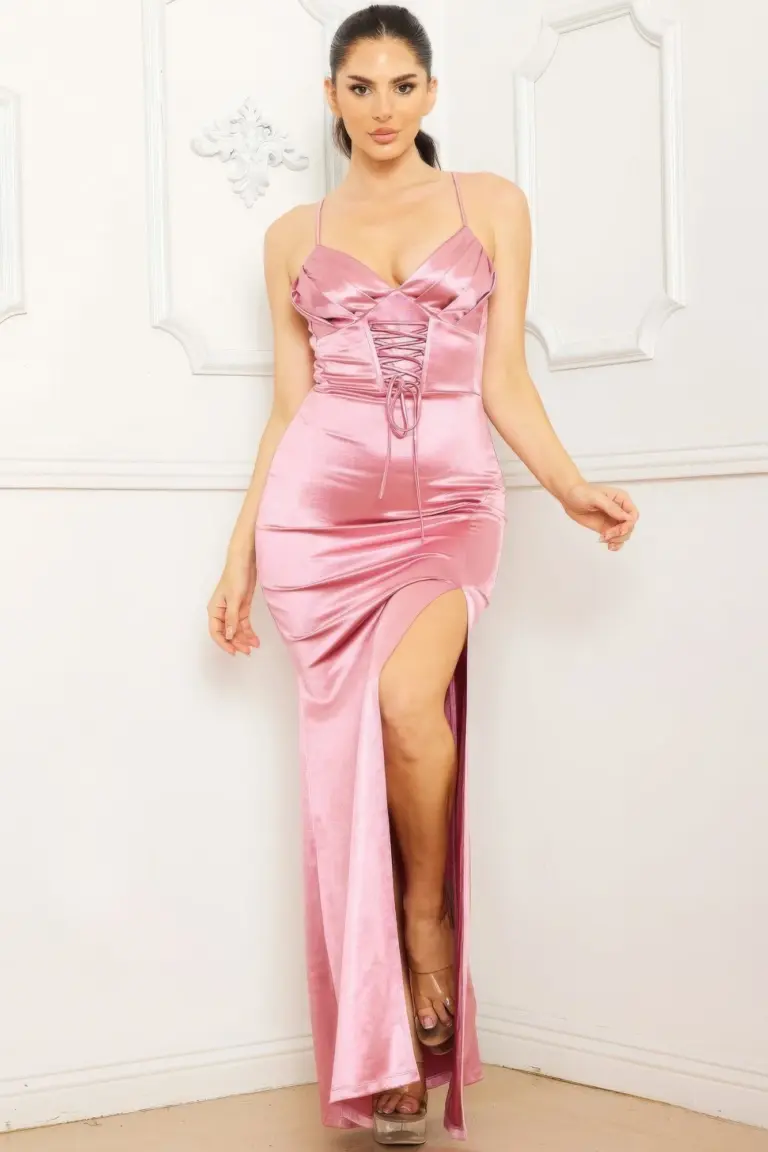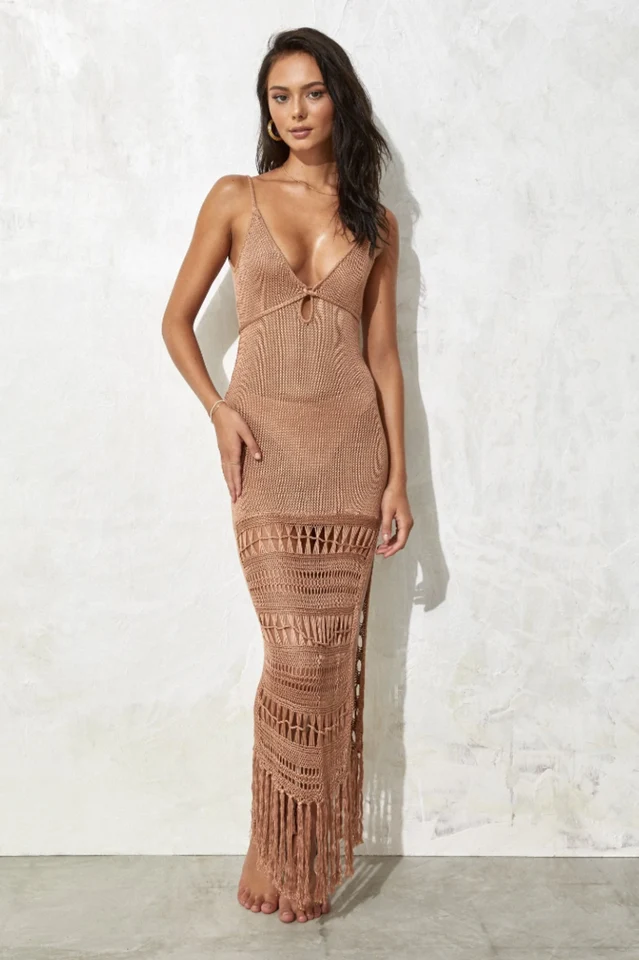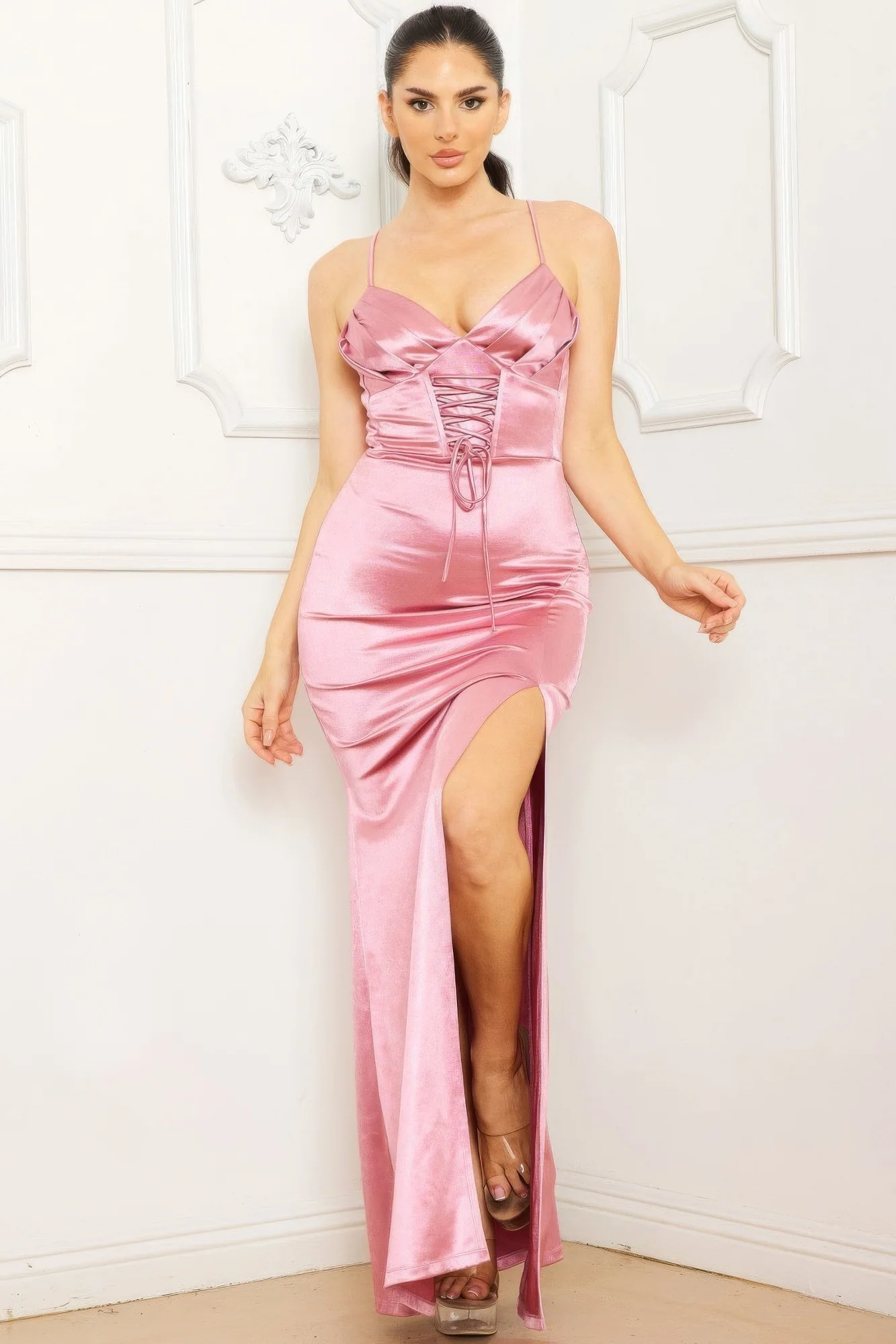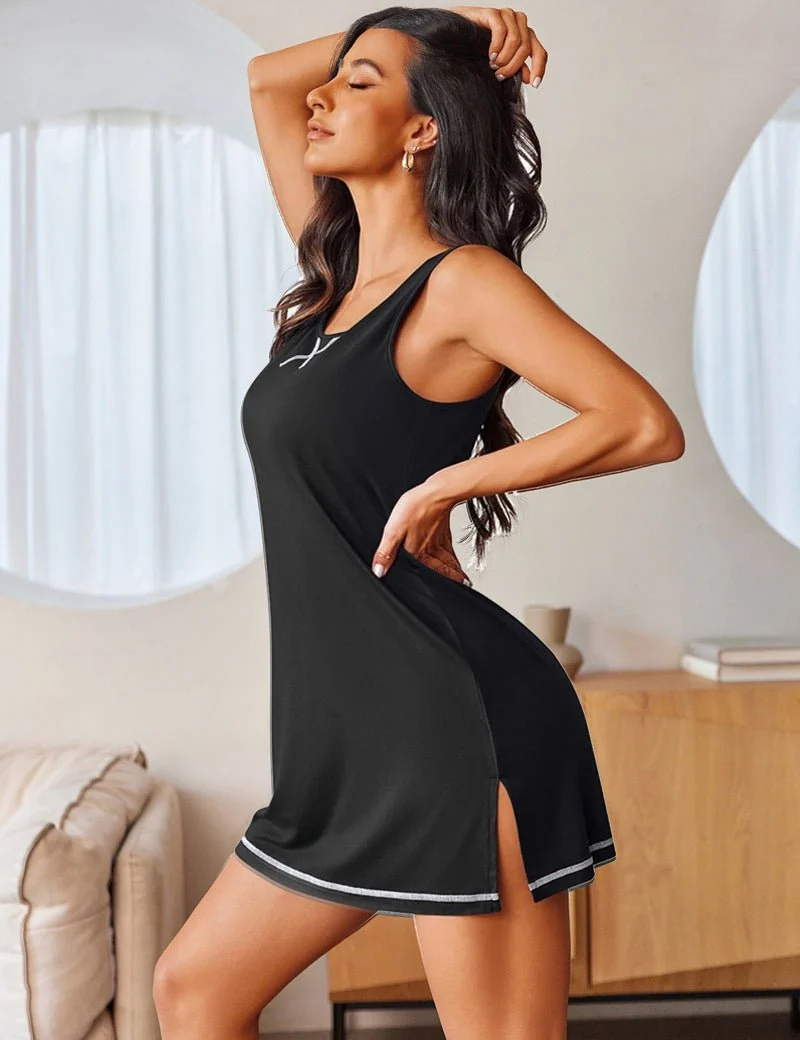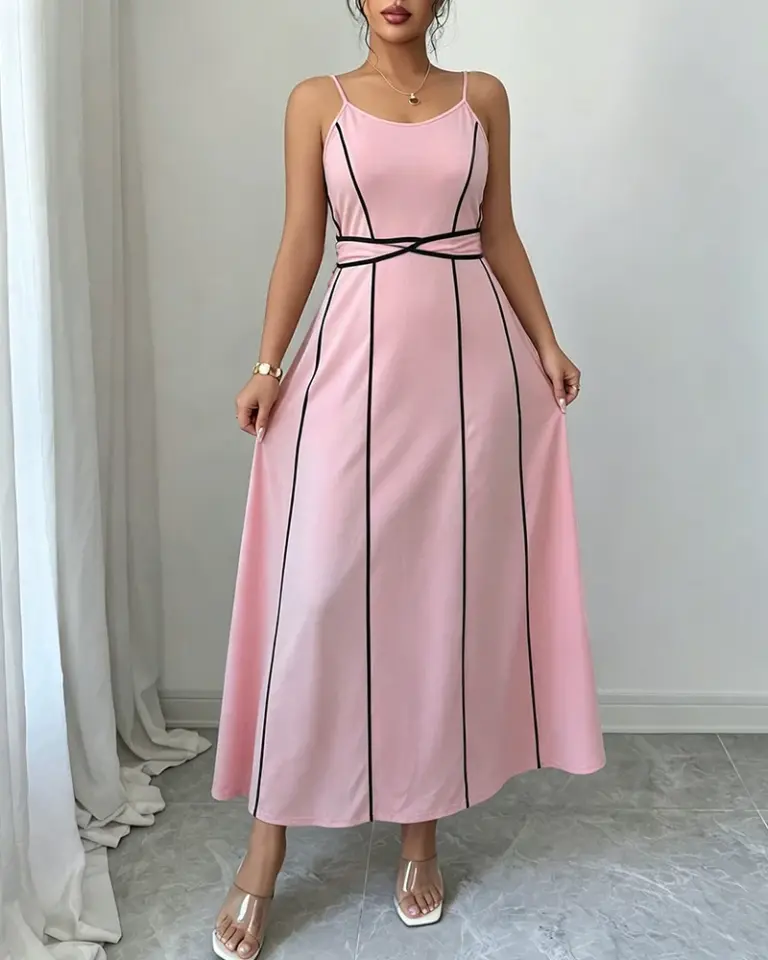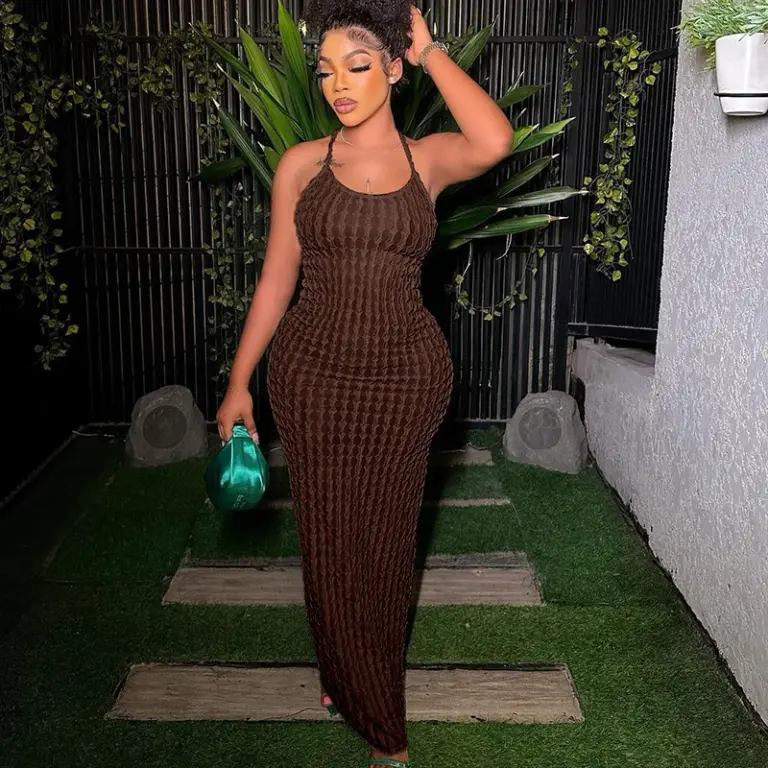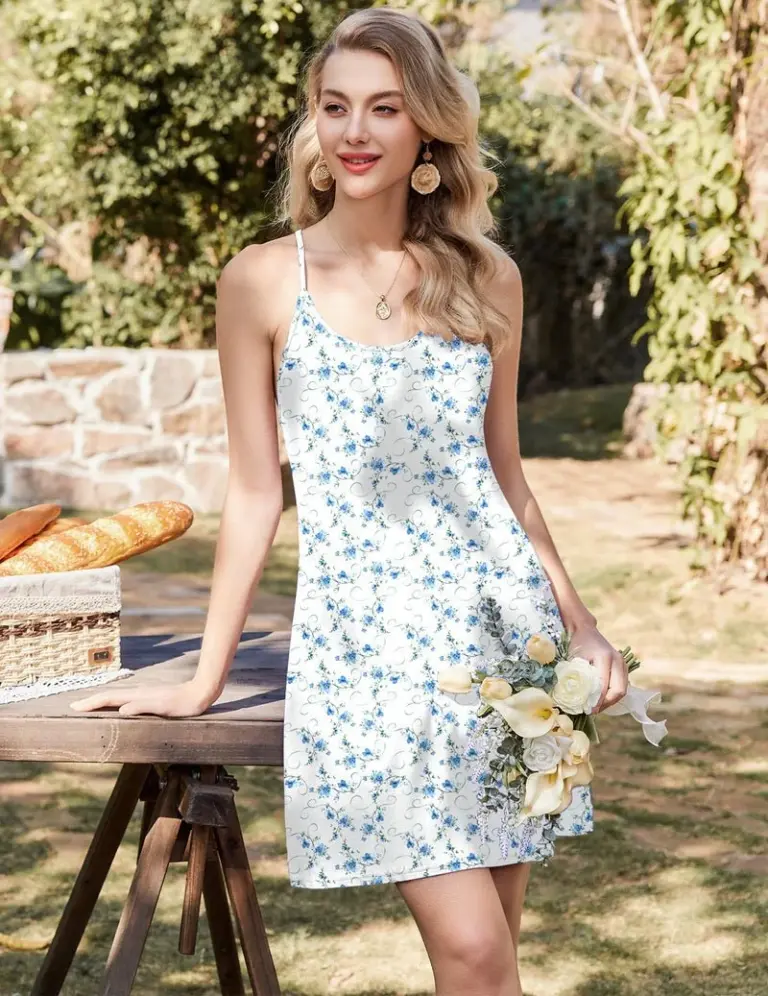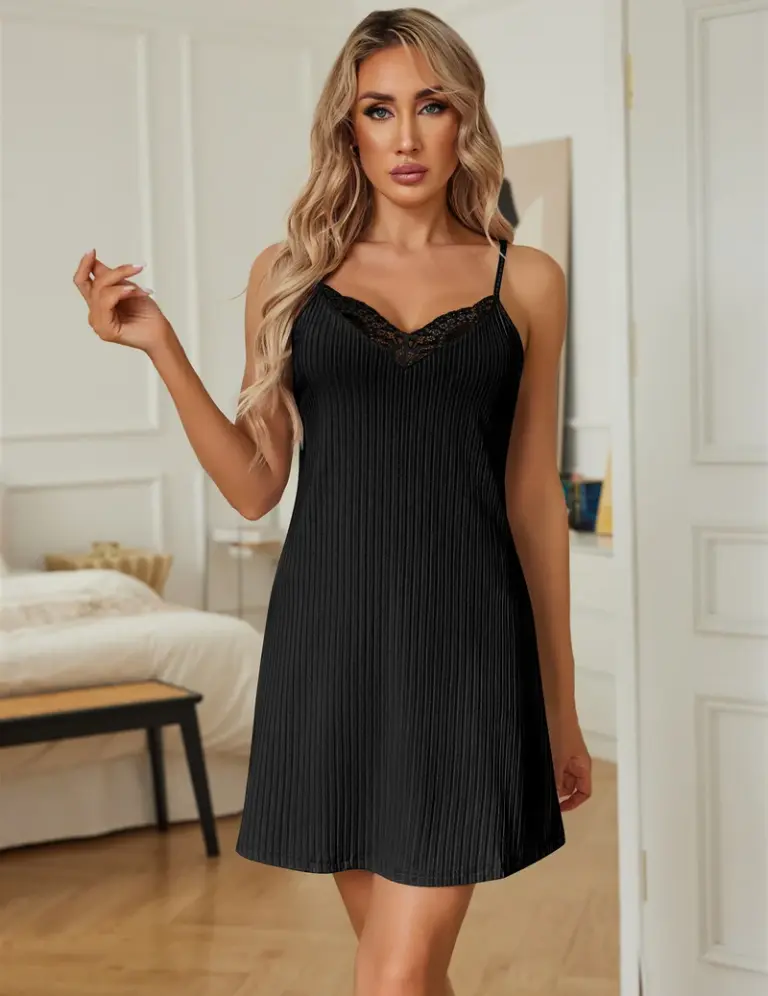
The mistake is treating a cami dress like a finished outfit the second the weather turns warm, when really it is a slip underneath something, and on its own it needs a bit more thought than most people give it. Thrown on with nothing else, the wrong one reads cheap in about half a second, usually at the shoulder seam or wherever the fabric catches the light in a way satin shouldn't.
A good cami dress has weight to it, properly weight, so it skims rather than clings in the places you don't want clinging, and that almost always comes down to the fabric having some substance, a silk or a dense viscose rather than the thin, slightly shiny polyester that catches on everything and shows every seam underneath. Look at how the straps are finished, whether they're adjustable with a proper small buckle rather than a flimsy loop that stretches out within a fortnight, and run a hand over the hem, because a weighted or French seam hem will sit and drop properly where a raw cut one will curl and ride. The cowl neckline, if there is one, should fall softly rather than gape, which you can only really tell by moving in it, not standing still in a changing room mirror. Cheap ones give themselves away at the zip or the side seam first, puckering within a few wears.
The honest limit is that a cami dress is a warm weather, indoor or covered outdoor piece. It does not want wind, it does not want rain, and it is not built for anything with a coat involved, because the whole point of the silhouette gets lost under layers that fight the drape. It is also not forgiving if you are self conscious about straps slipping about all day, because the lighter versions will need adjusting more than you'd like, and that gets tedious on a long day rather than a short one.
For colour, I have had the most use out of the muted, slightly dusty shades, a dull sage, a warm stone, a faded berry, things that read like they have already been worn in rather than straight off a shelf. Bright white is lovely for about one wear before it shows every mark. Where it falls apart is next to anything busy, a printed cardigan or a patterned jacket thrown over the top, because the simplicity of the shape gets drowned rather than framed.
If I were starting from nothing, I would go for the stone coloured one, the sort of shade that looks right with a tan or without one, and forgives far more than it demands.