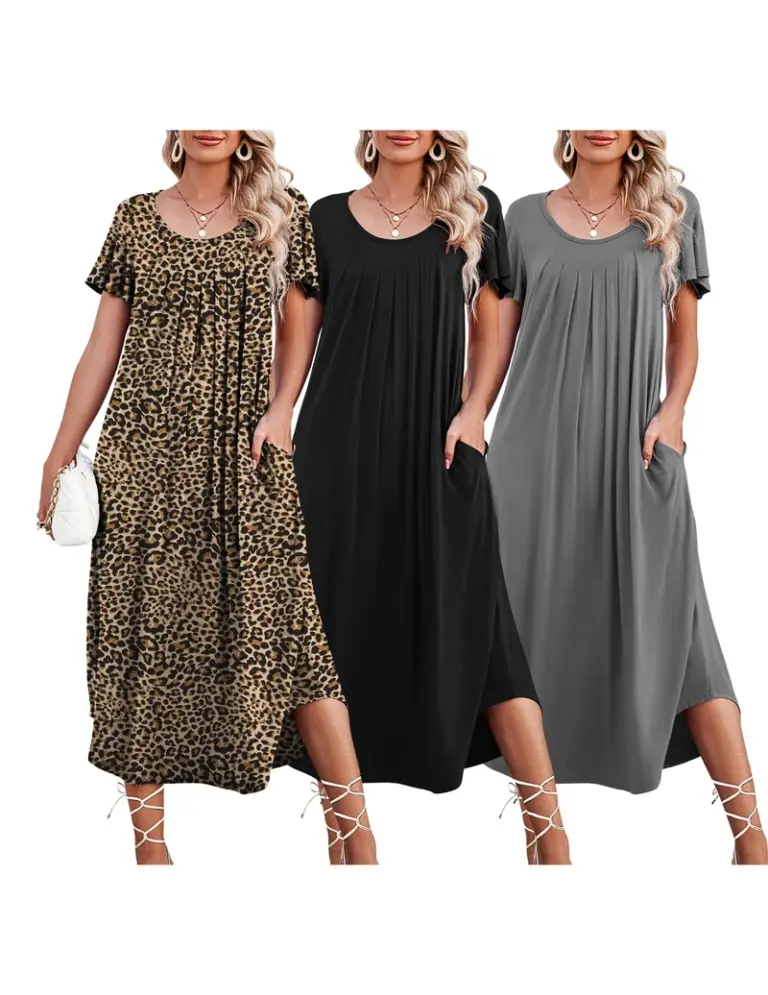
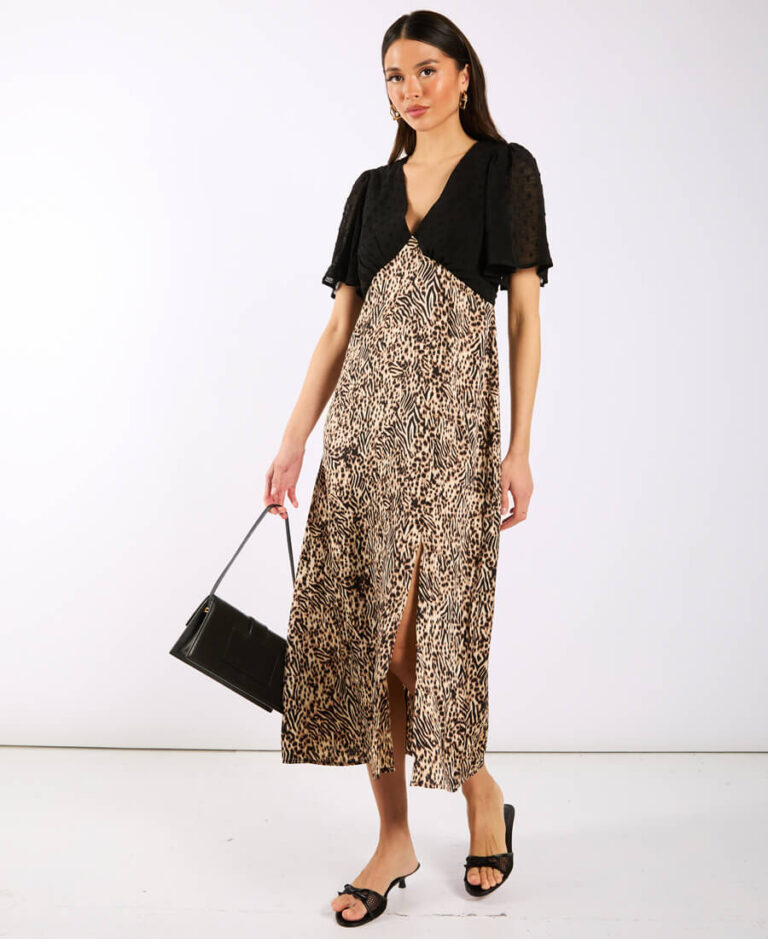
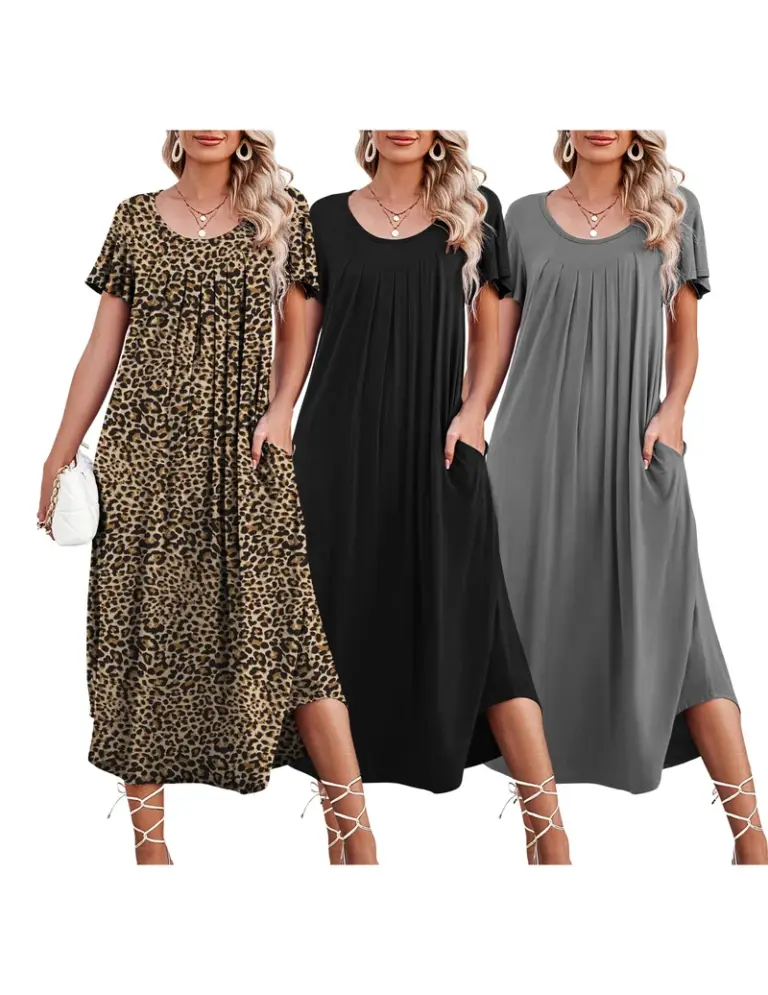
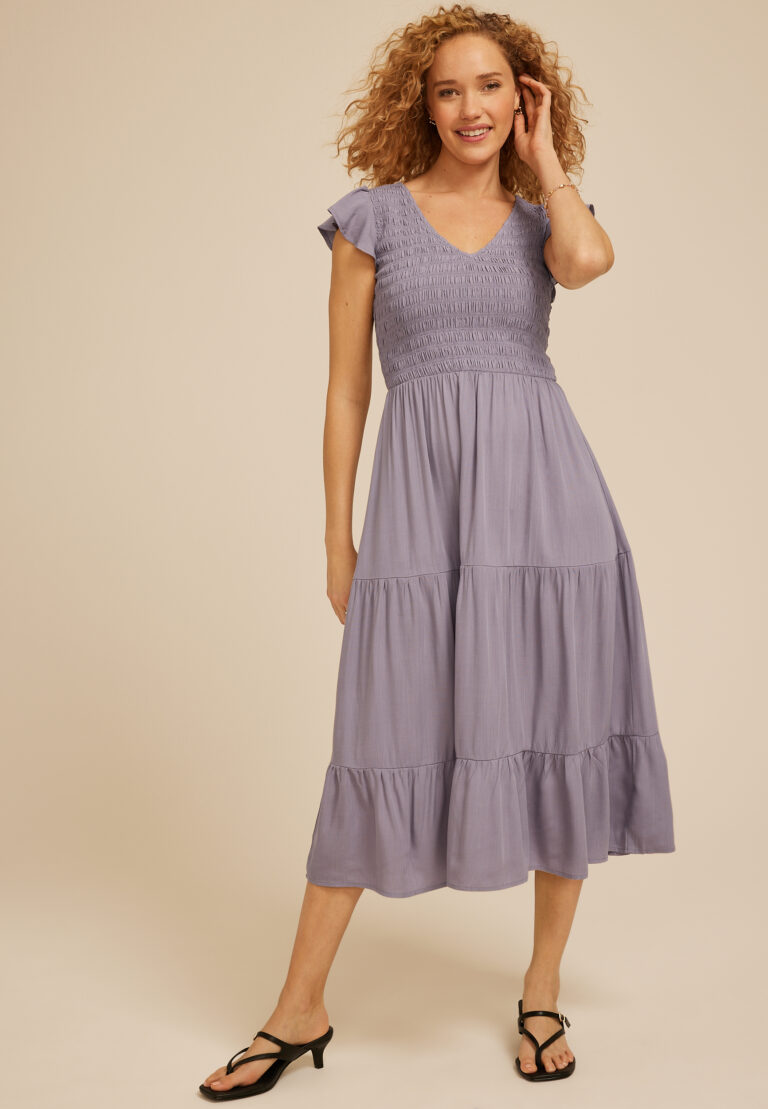
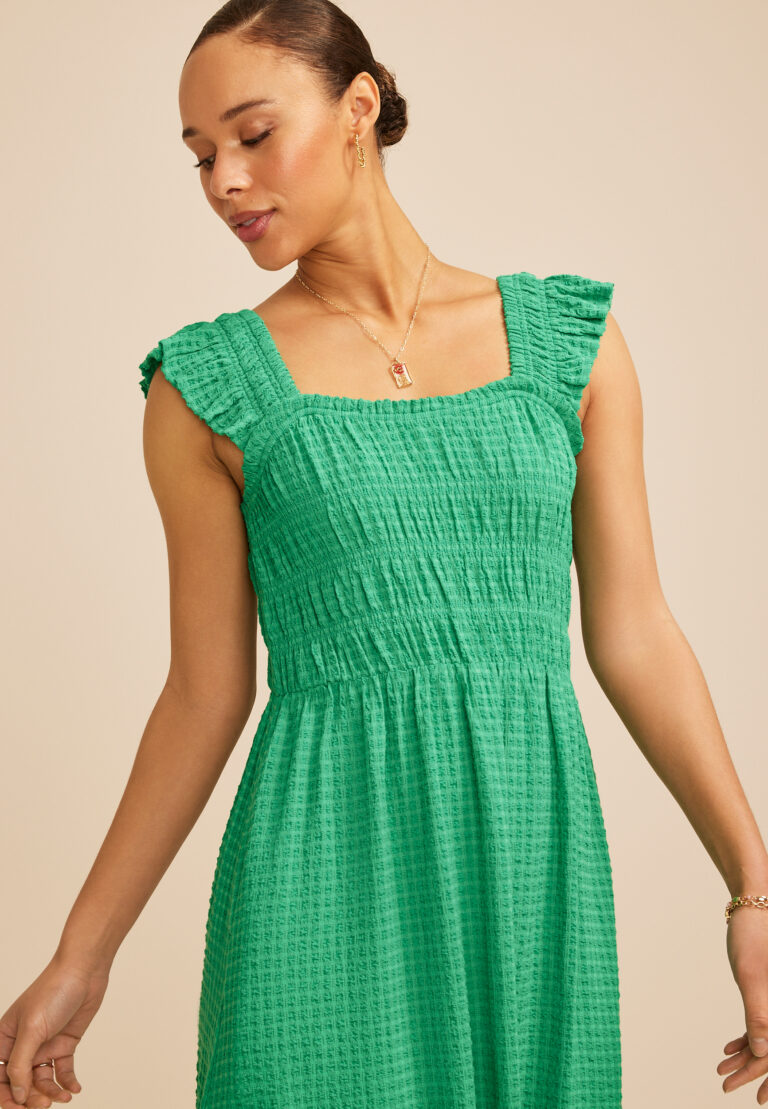
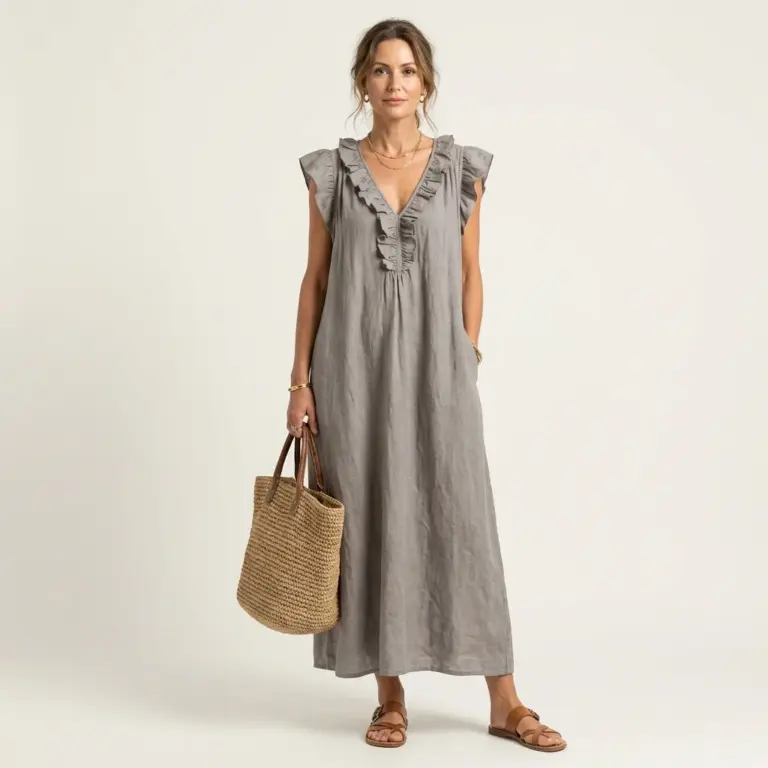
Flutter sleeves used to mean one thing: a stiff, winged little cap sitting right on the shoulder, usually in a fabric that crackled when you moved, bought for one Christmas do and never worn again. The newer versions are a different animal, softer, longer, cut to actually move with your arm rather than stand to attention beside it. That change is a genuine improvement, because the whole point of the sleeve is the movement, and stiff fabric kills it stone dead.
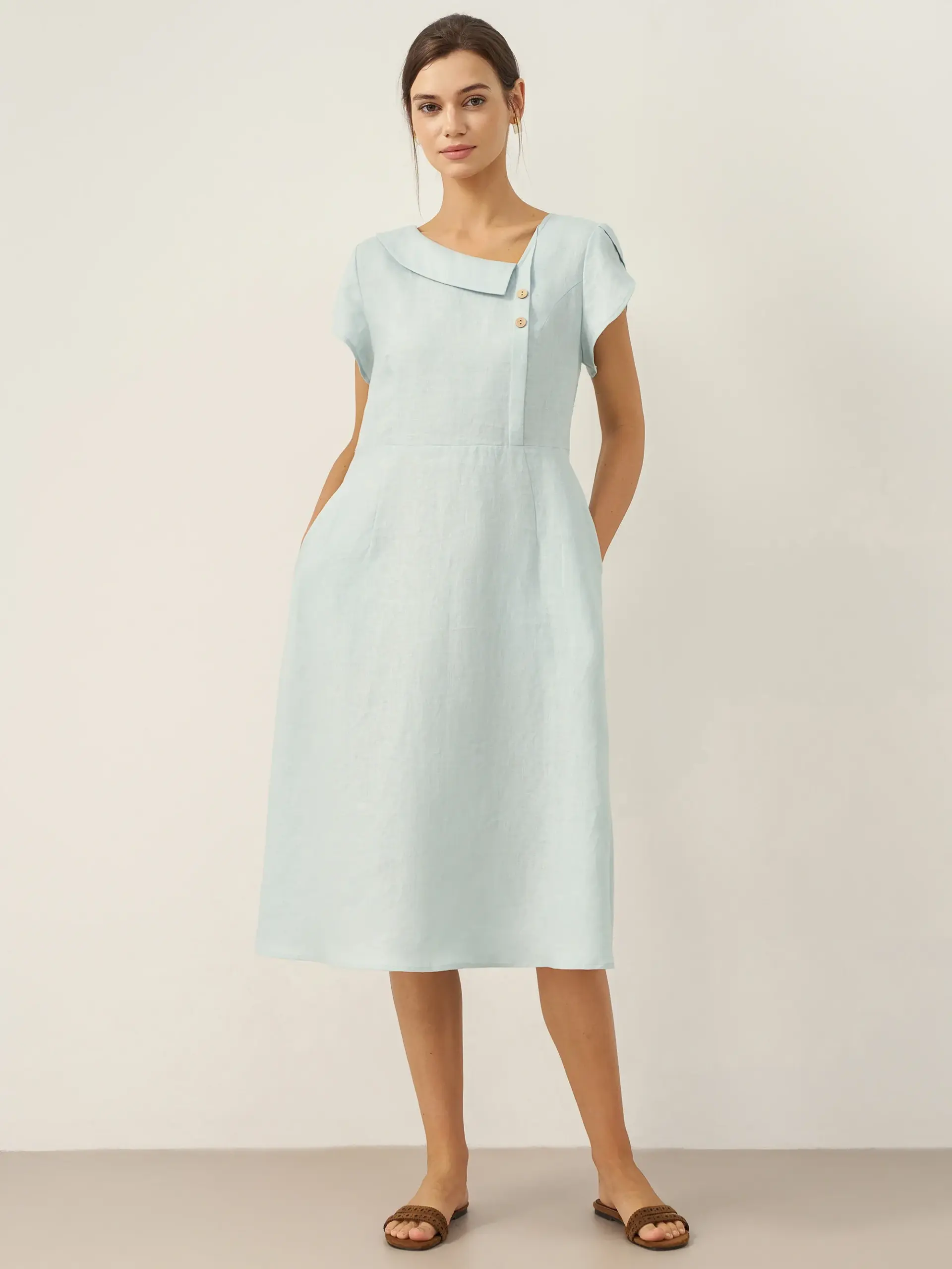
Fit is where most of these go wrong, and it is almost always at the shoulder seam. You want the sleeve starting just below the point of your shoulder, not halfway down, or you end up with what looks like a small cape rather than a sleeve. The other thing to check is the armhole itself, because a flutter sleeve needs a bit of room to billow, and if the bodice is cut tight through the arm the whole effect gets strangled before it starts. If you own none of these, start with something plain through the body, a crew or scoop neck in a midi length, in a crepe rather than anything with real shine to it. Crepe has enough weight to swing properly and enough structure that the sleeve holds its shape without looking limp by the third wear.
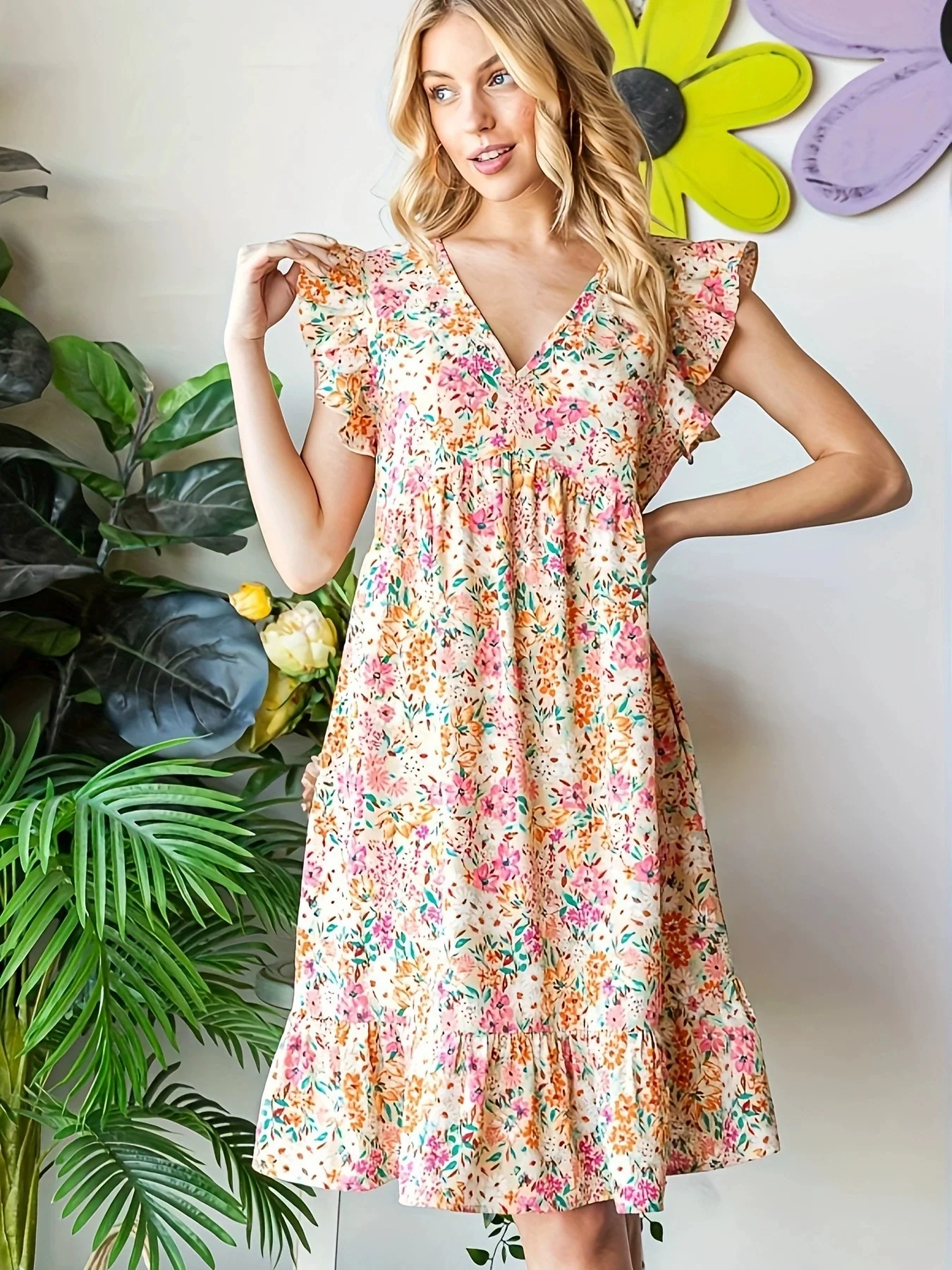
Colour is where you can make your life easier or harder. Anything with a busy print fights with the movement of the sleeve, because your eye cannot follow two things happening at once, the pattern and the flutter. Solid colours let the shape do what it is meant to do. Deep ink blue, a true black, terracotta and a soft olive all behave themselves across a wardrobe and don't date the way a bold print will in eighteen months. These dresses earn their place in warmer months first, a lunch, a wedding as a guest rather than the bride, anything with a garden involved, because the sleeve wants air moving around it. They do cooler months too, with a jumper or jacket over the top, though you lose some of the point of the sleeve under a sleeve of your own, which feels a bit daft when you say it out loud.
I would start with a plain ink blue in a decent crepe, nothing printed, nothing shiny. It covers the most ground, suits the most skin tones, and gives you the shape without asking you to commit to a colour you might go off in a year.

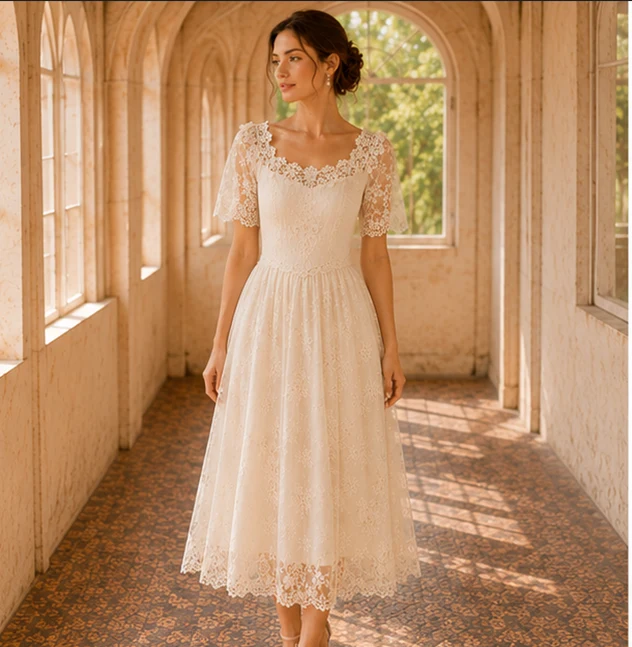 A Line DressesEffortless Lace Flutter Sleeve A Line Dresses We Love
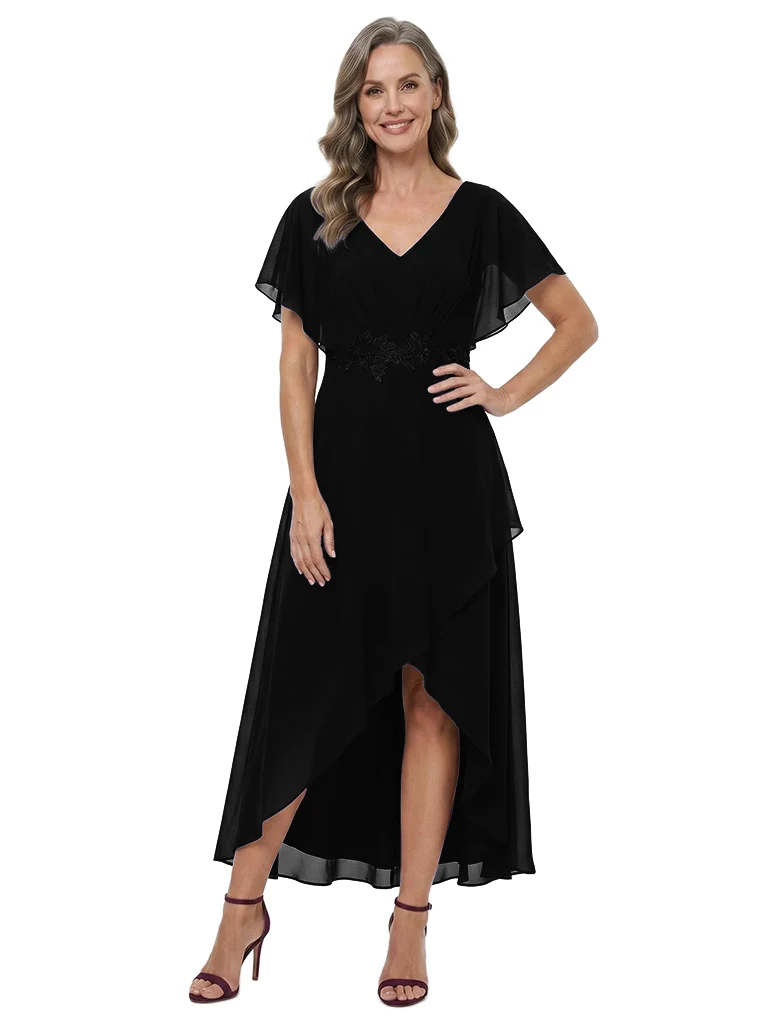
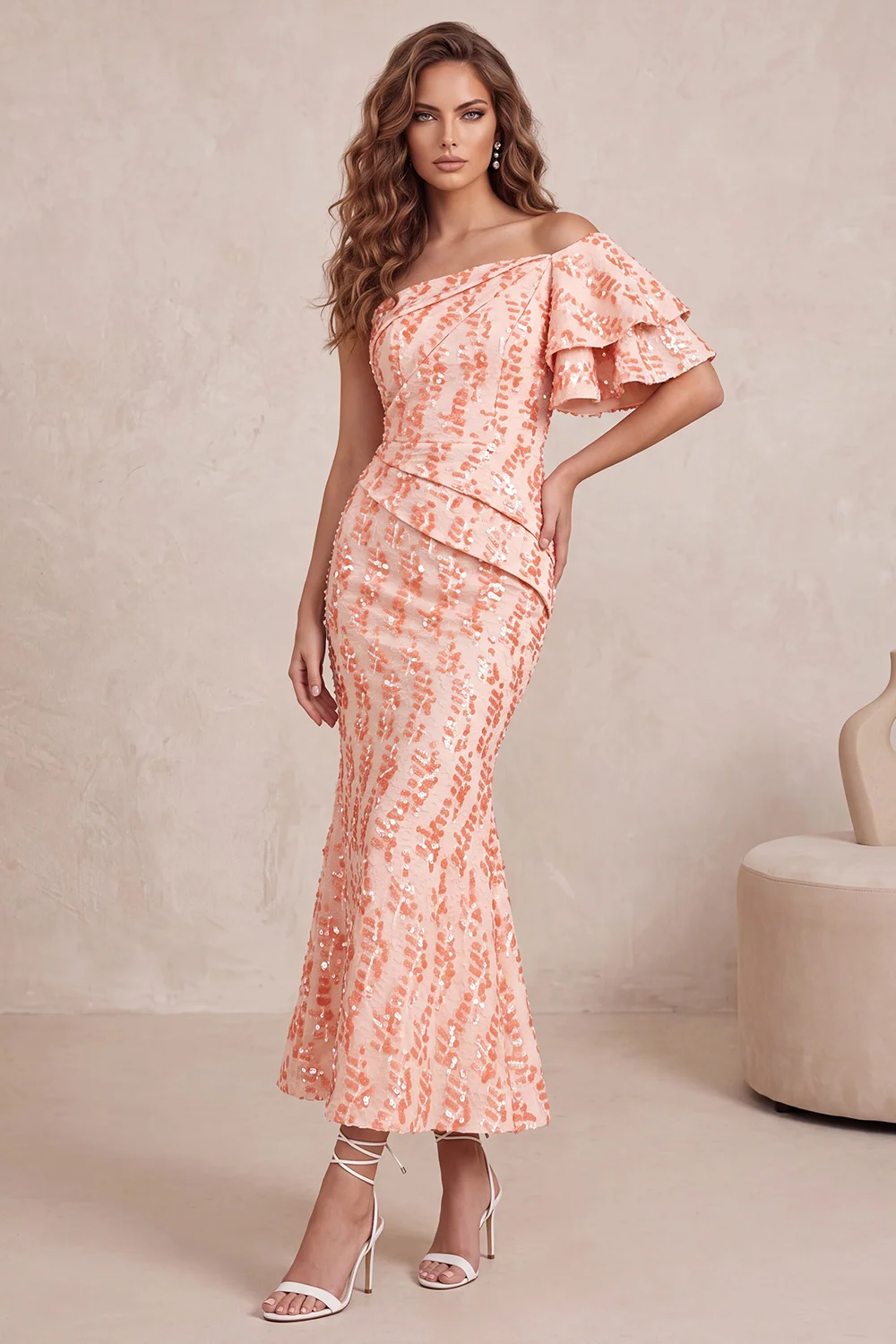 Midi DressesFlutter Sleeve Midi Dresses: Picks We Stand By
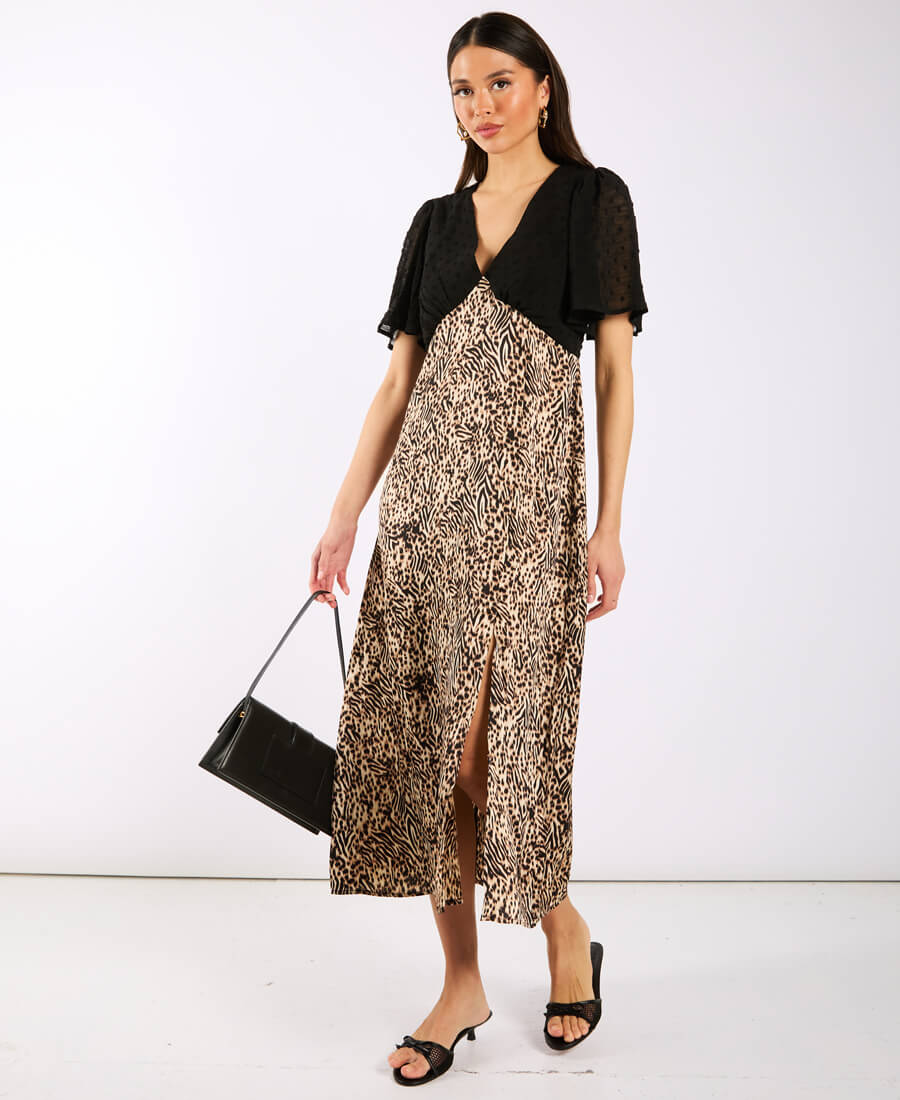
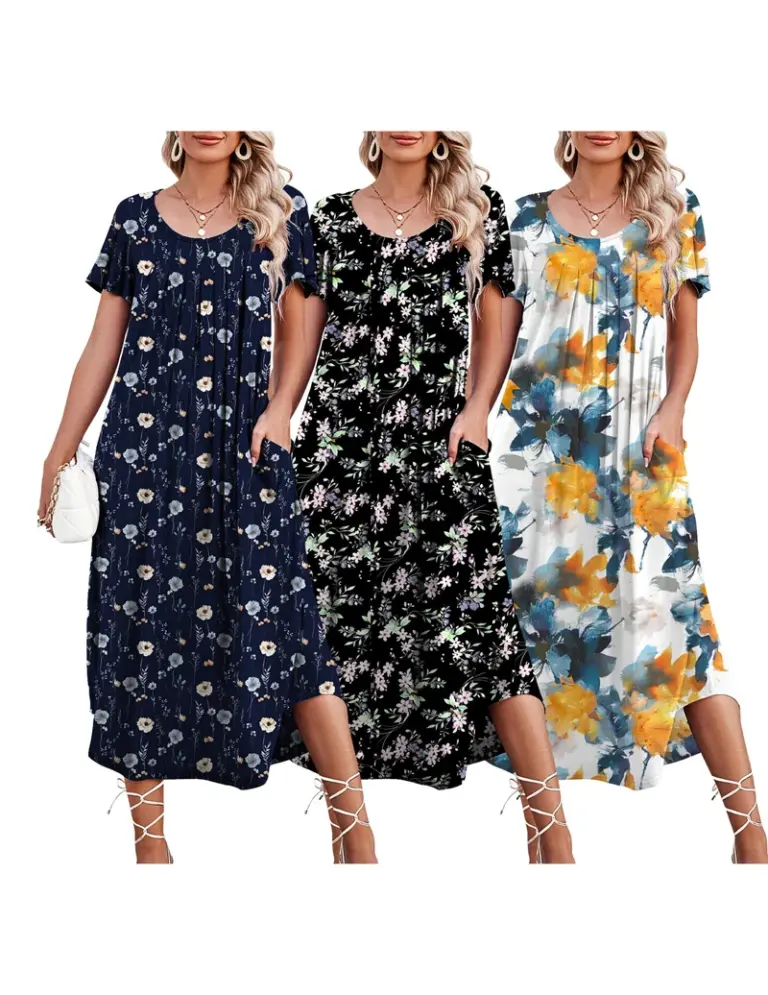 Floral DressesFlutter Sleeve Midi Floral Dresses You’ll Reach for First
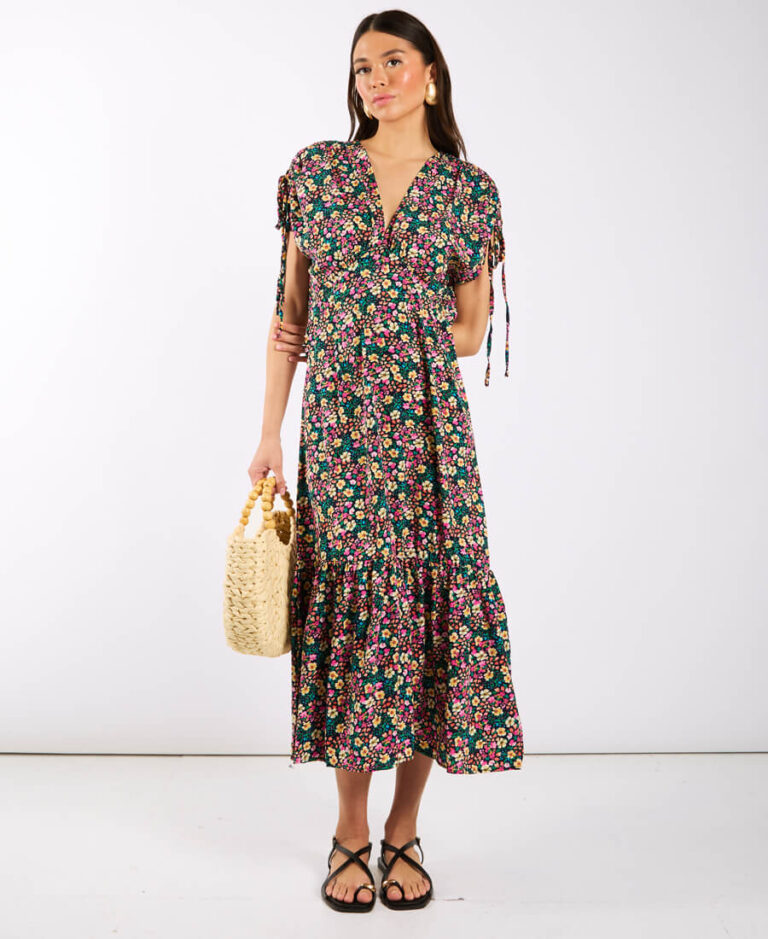
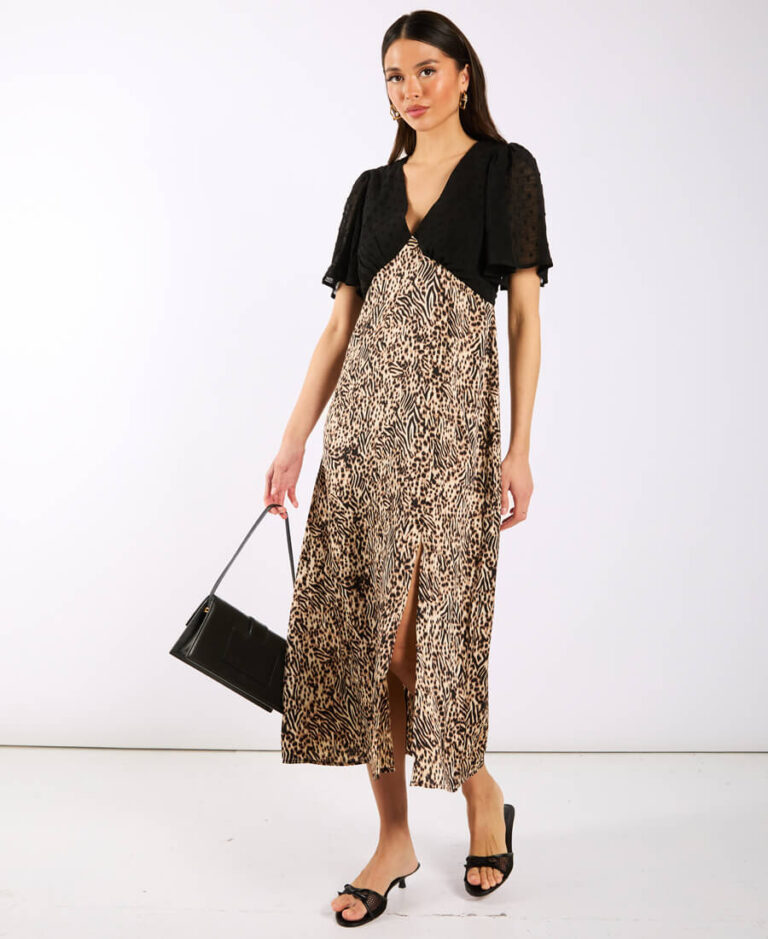 Satin DressesFlutter Sleeve Satin Dresses We Love Right Now
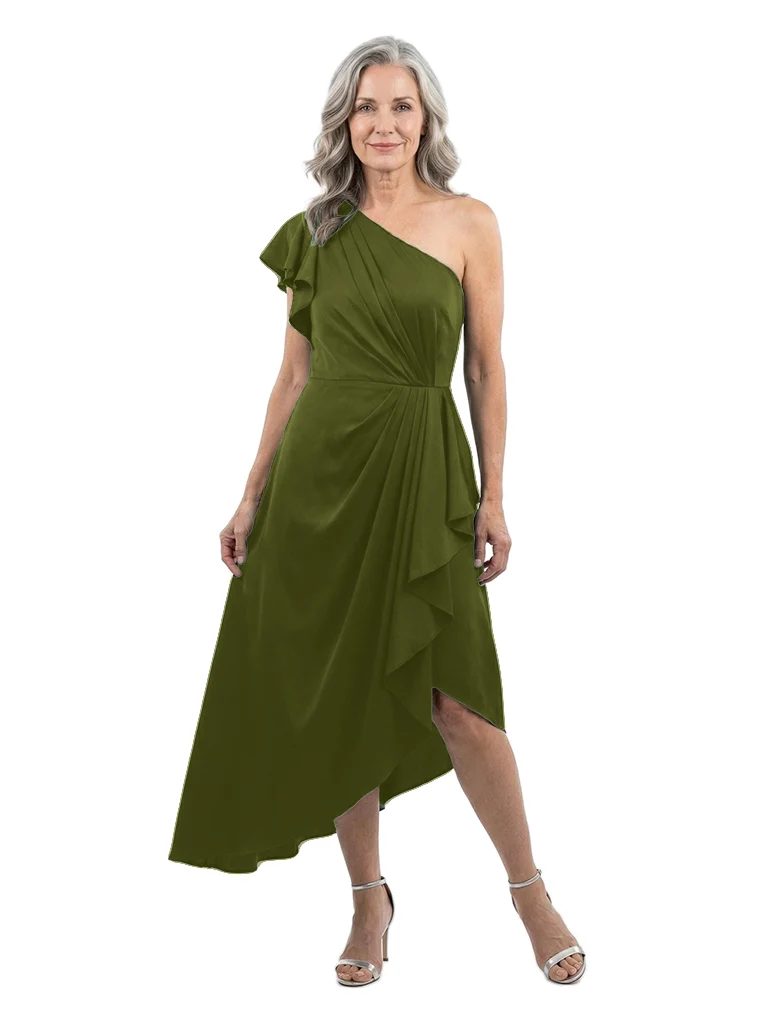
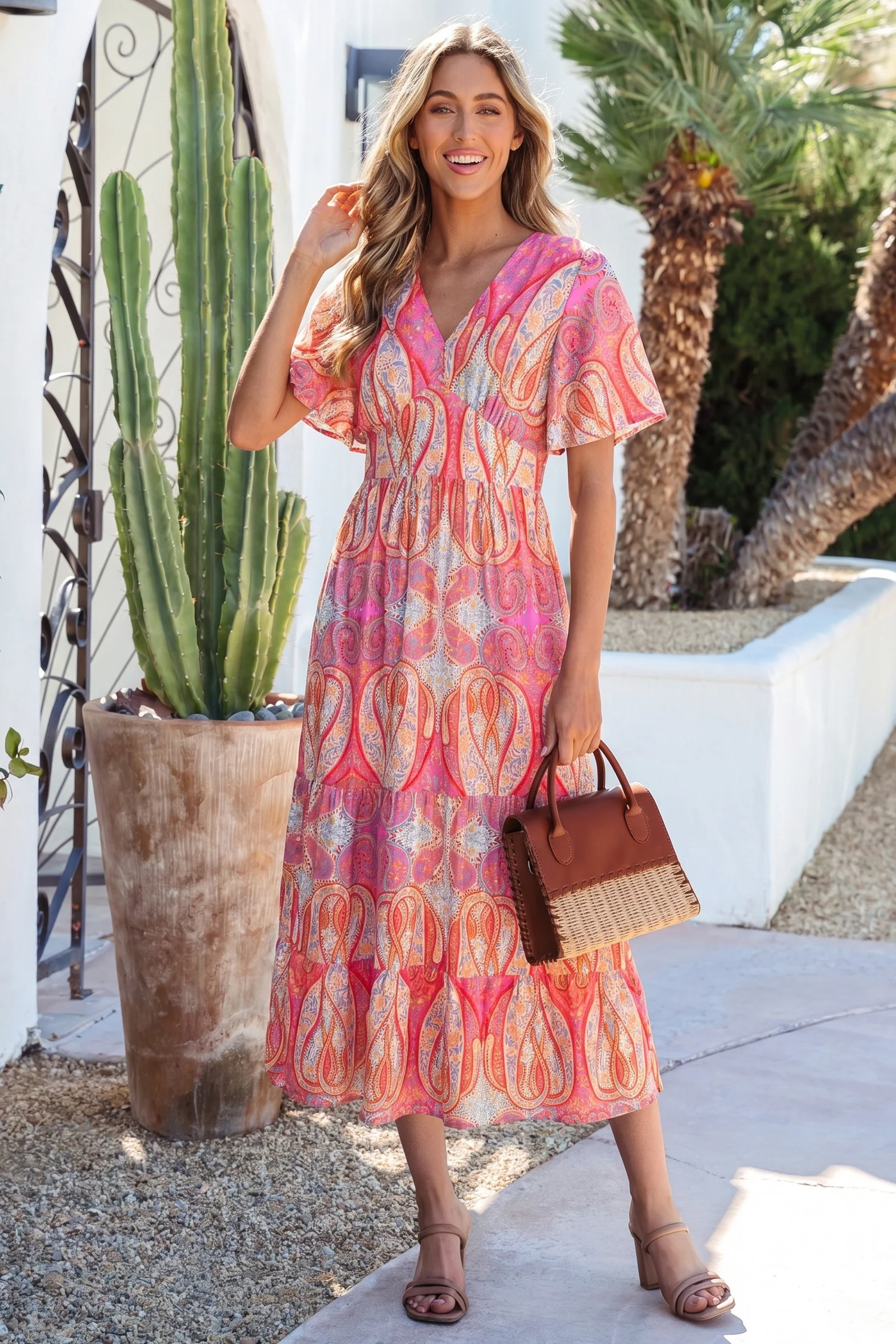 Summer DressesFlutter Sleeve Summer Dresses That Have Caught Our Eye
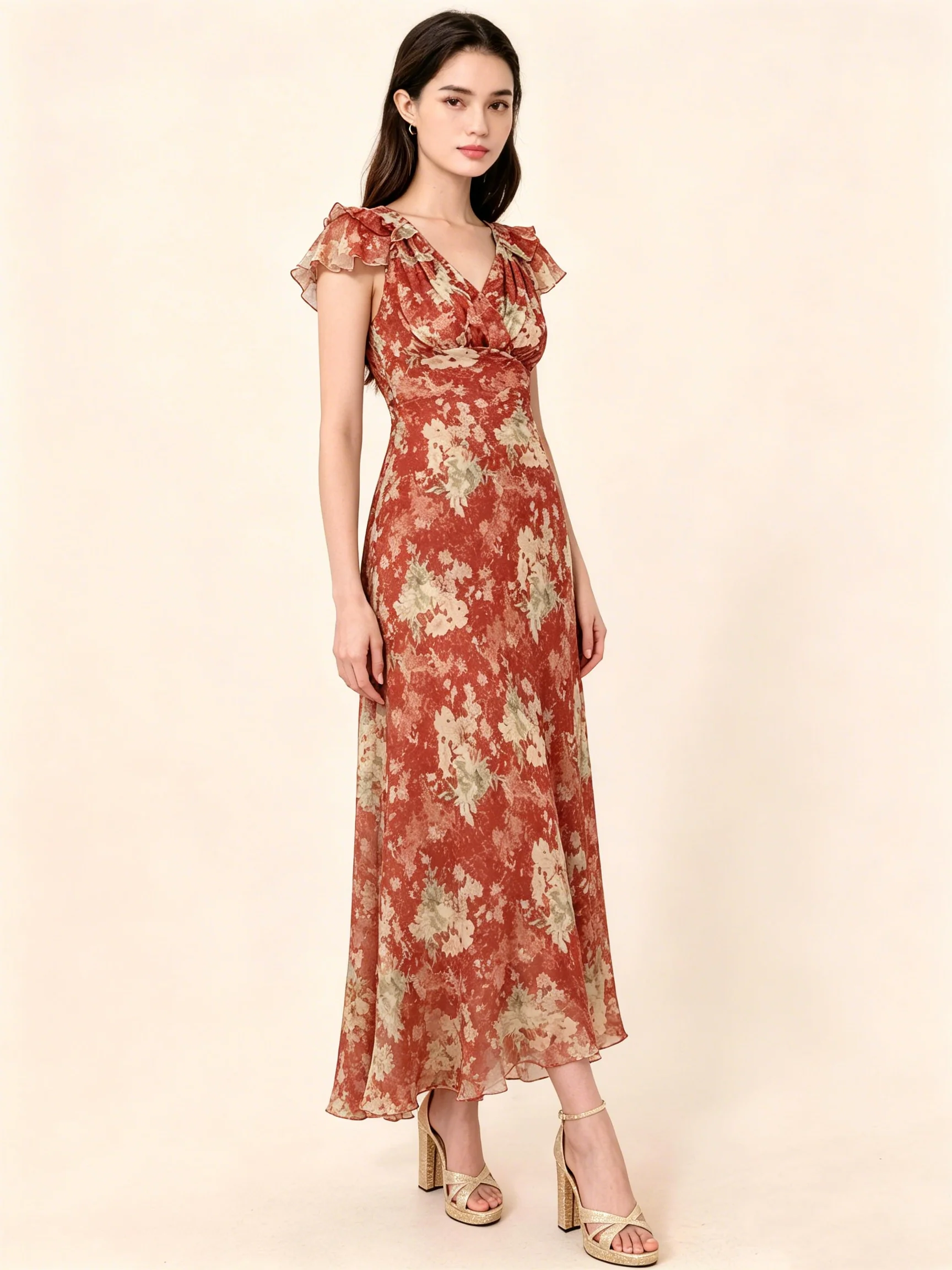
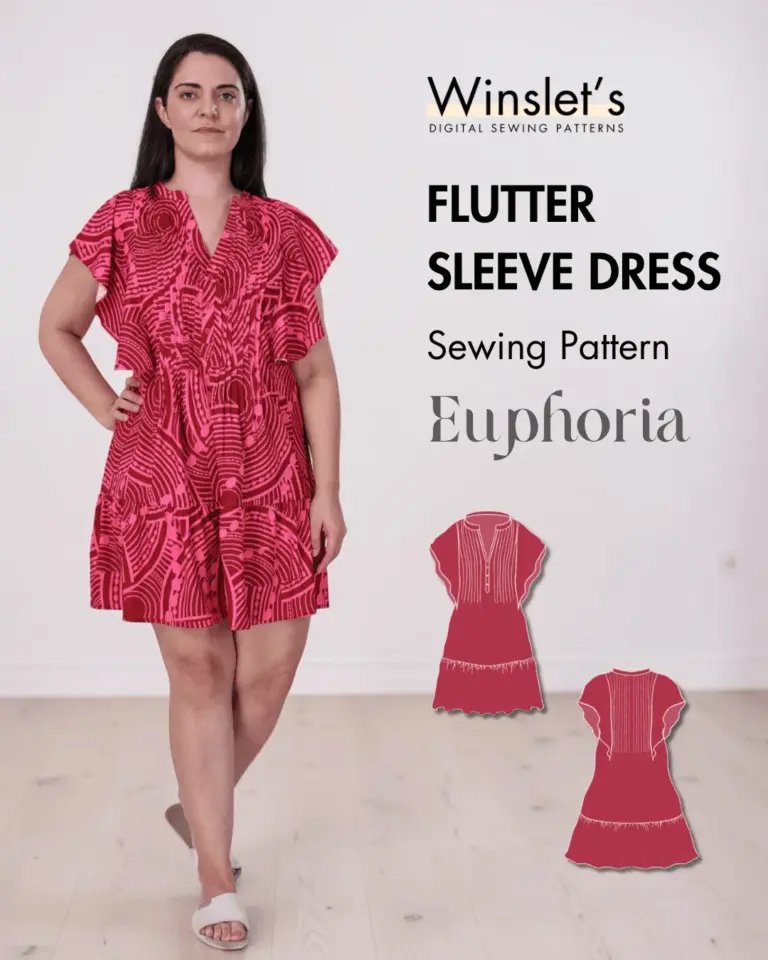 Tiered DressesFlutter Sleeve Tiered Dresses Worth a Closer Look
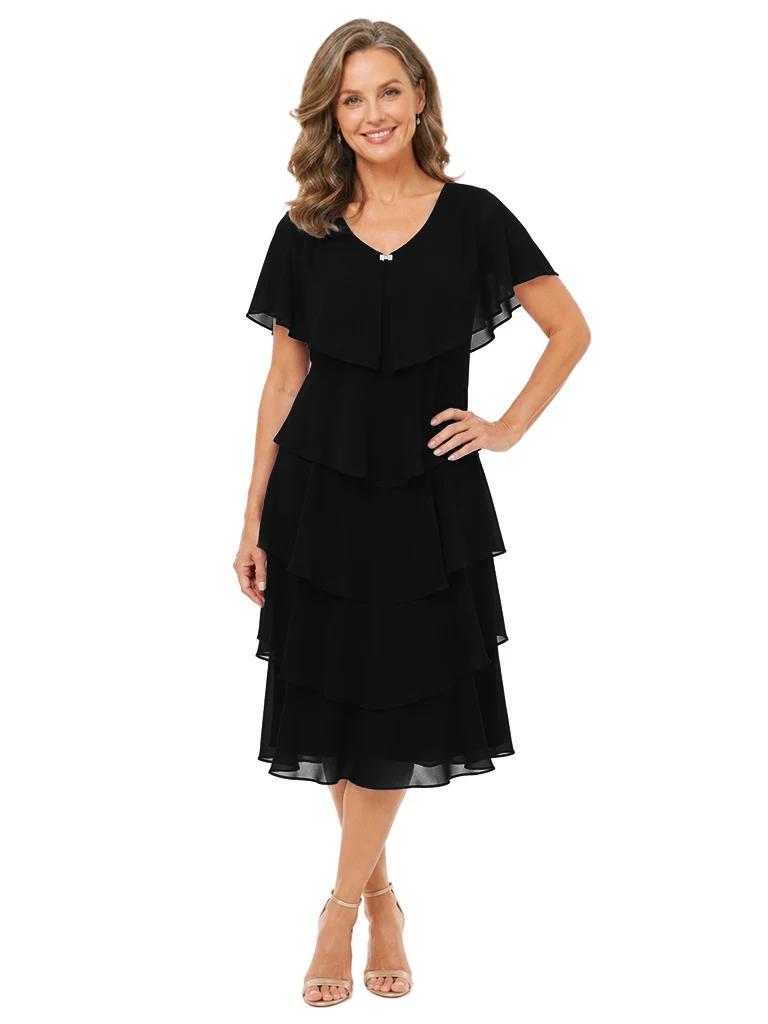
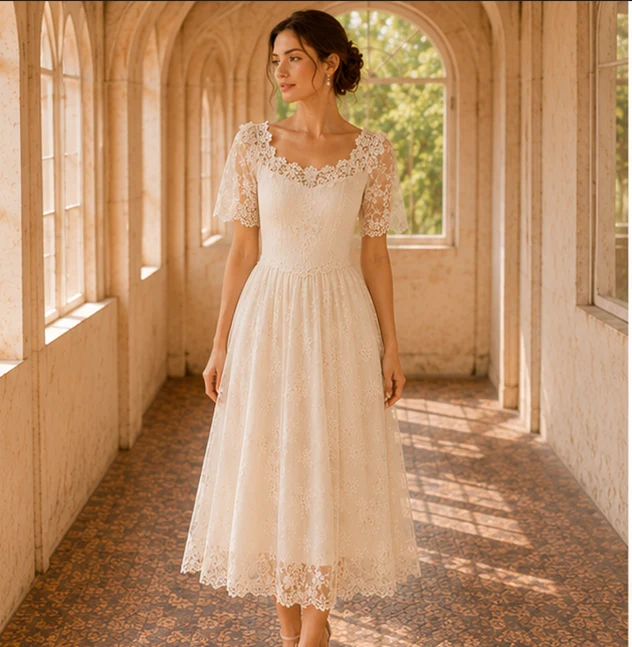 A Line DressesShop the Edit: Flutter Sleeve A Line Dresses
 Evening DressesFlutter Sleeve Evening Dresses: What We’d Buy Now
 Floral DressesFlutter Sleeve Floral Dresses That Make Getting Dressed EasyAlso worth a lookMidi DressesThe moment a midi dress properly clicked for me was a wedding in October, cold enough for tights,…See the collections →
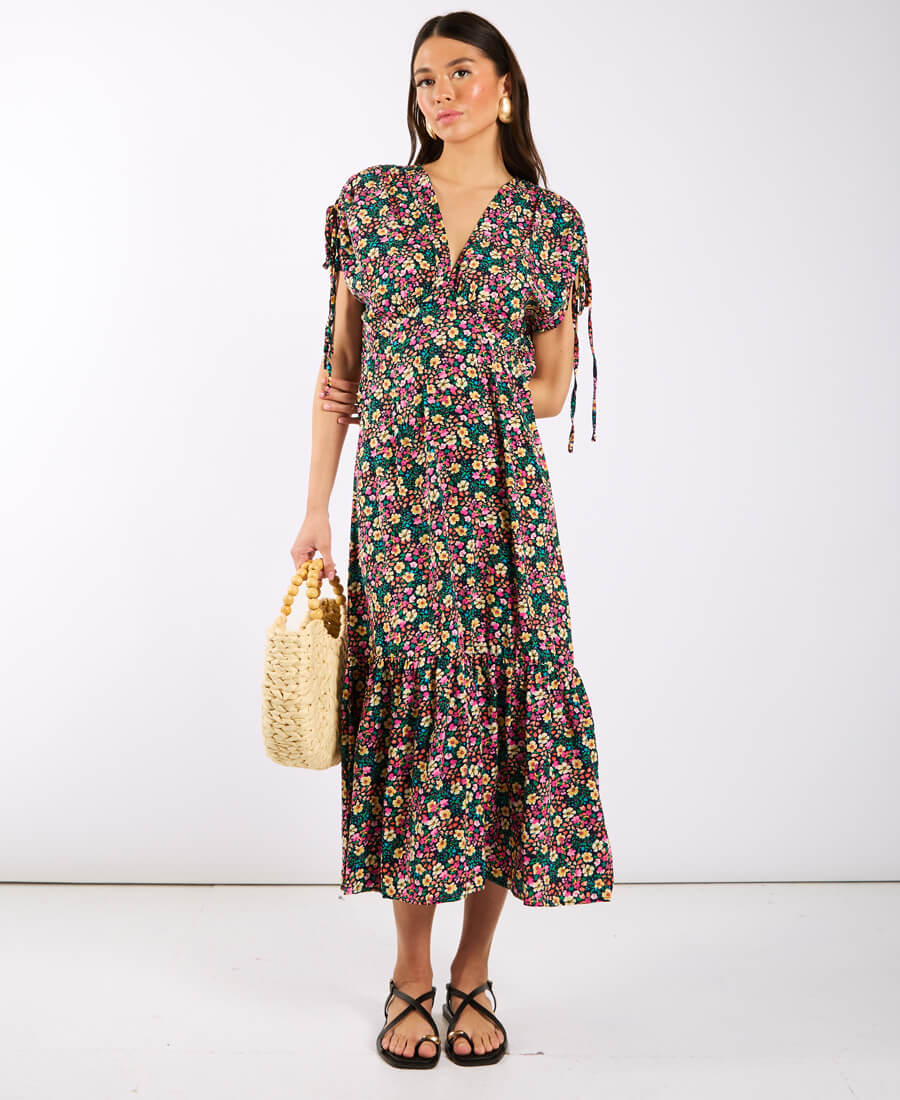
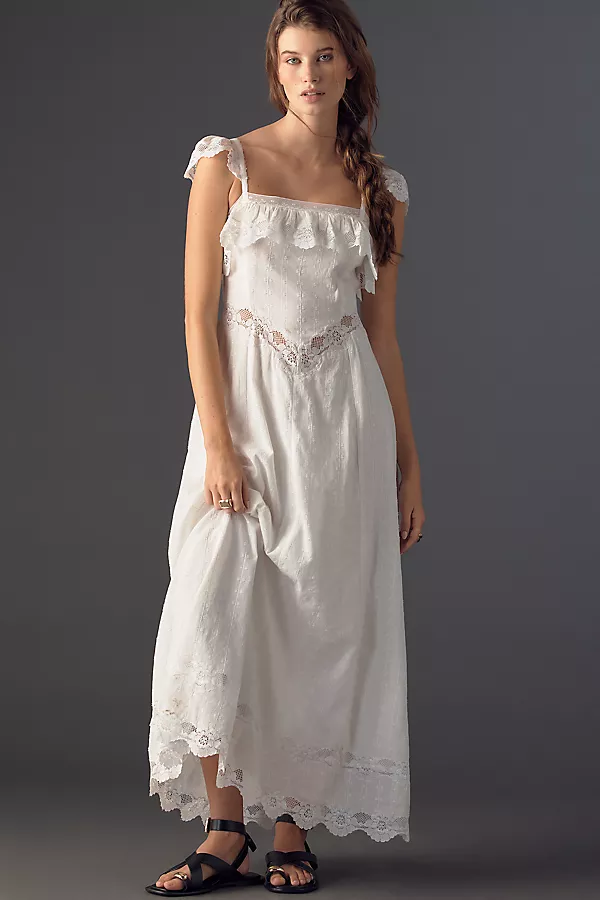 Lace DressesEffortless Flutter Sleeve Lace Dresses We Love

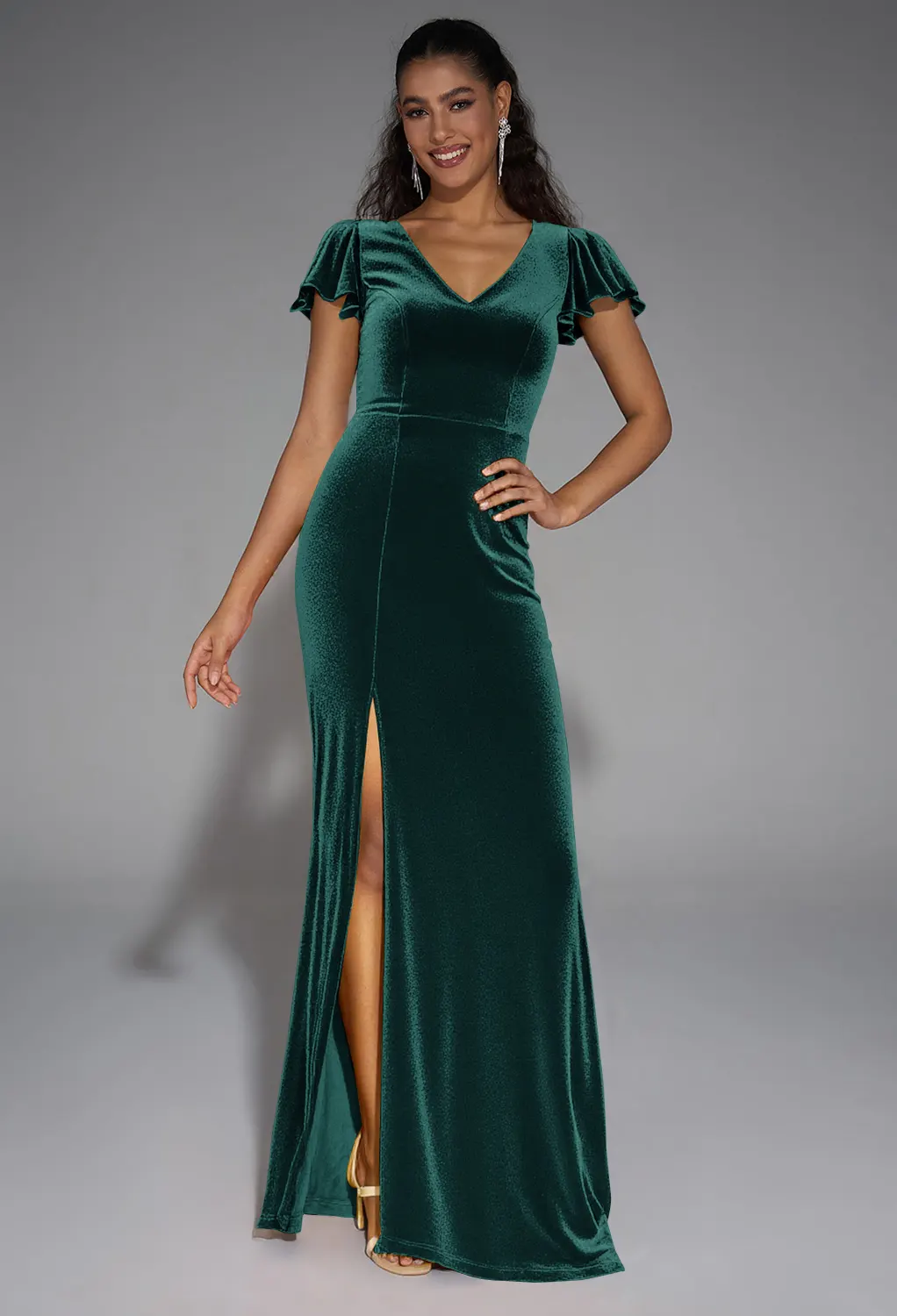 Maxi DressesFlutter Sleeve Maxi Dresses You Can Dress Up or Down
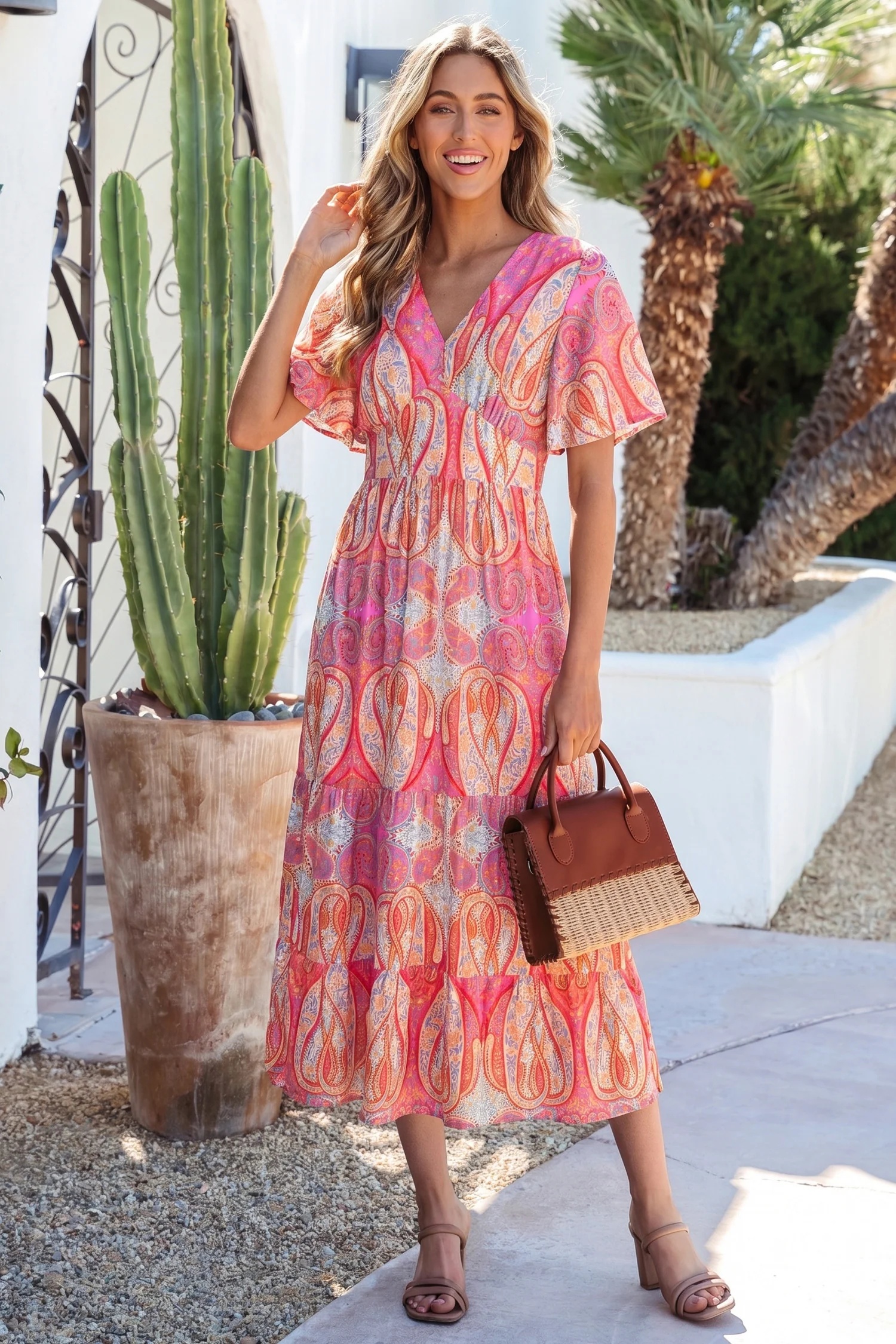
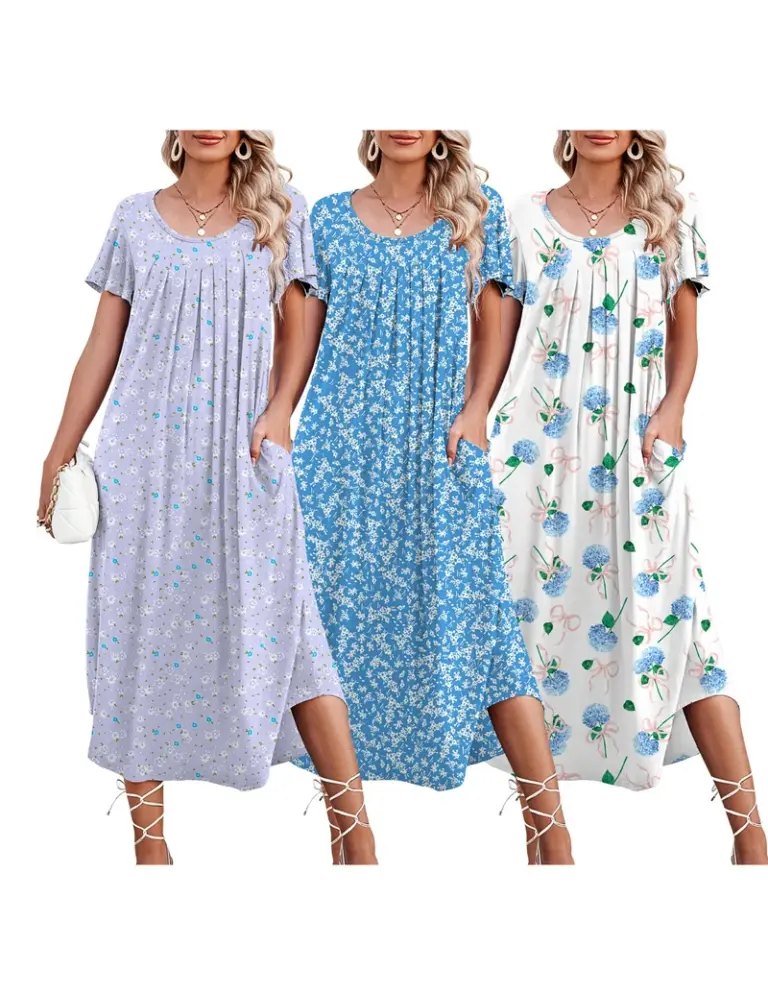 A Line DressesFlutter Sleeve Midi A Line Dresses: What We’d Buy Now
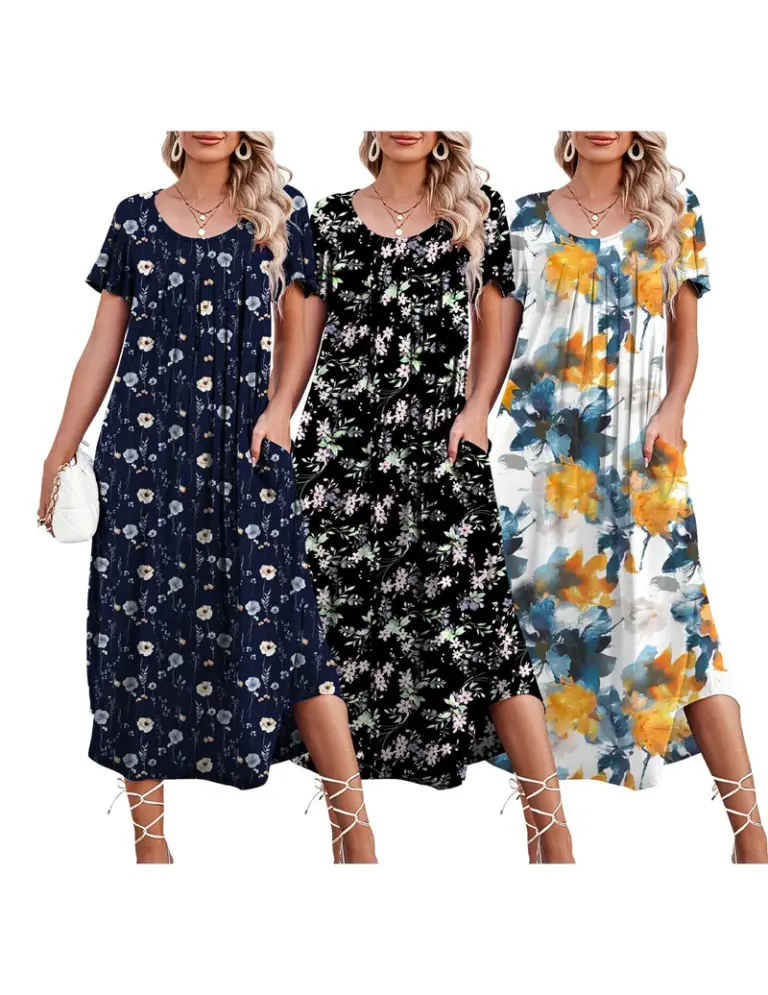
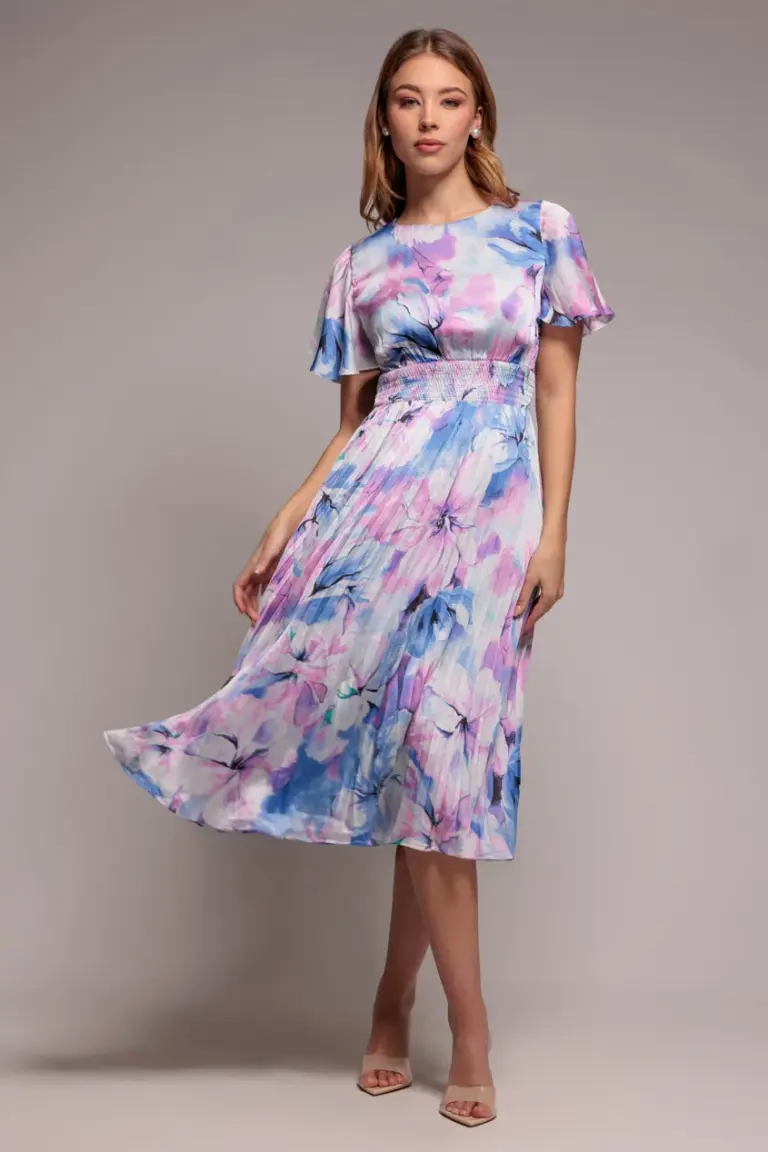 A Line DressesA Closer Look at the Best Floral Flutter Sleeve A Line Dresses
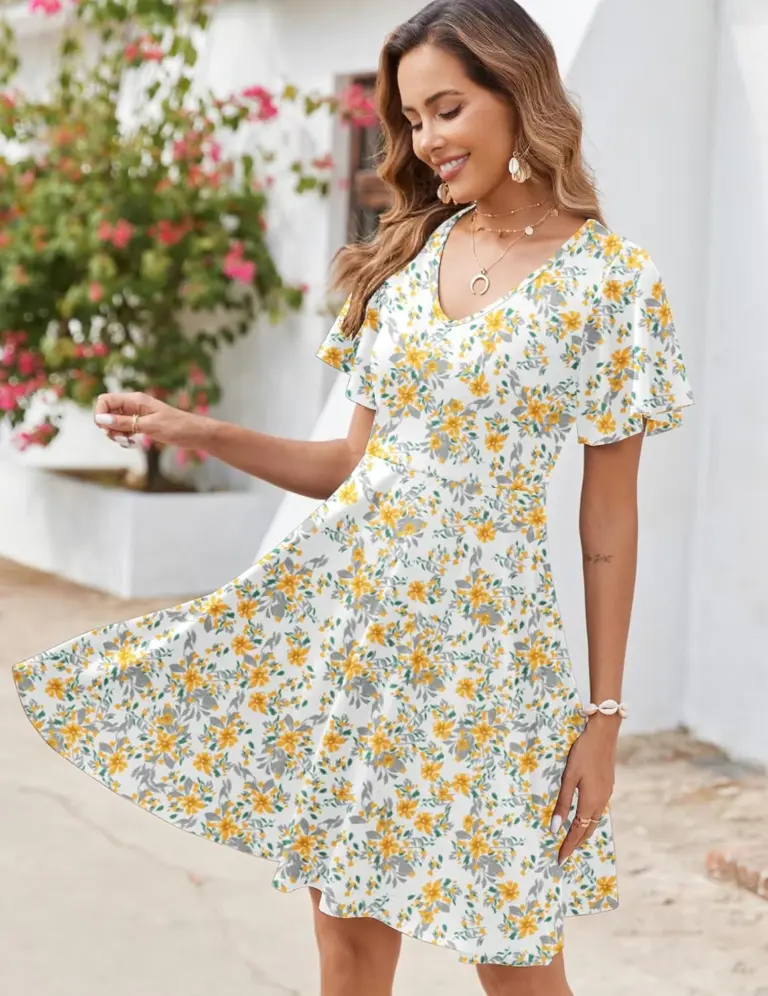
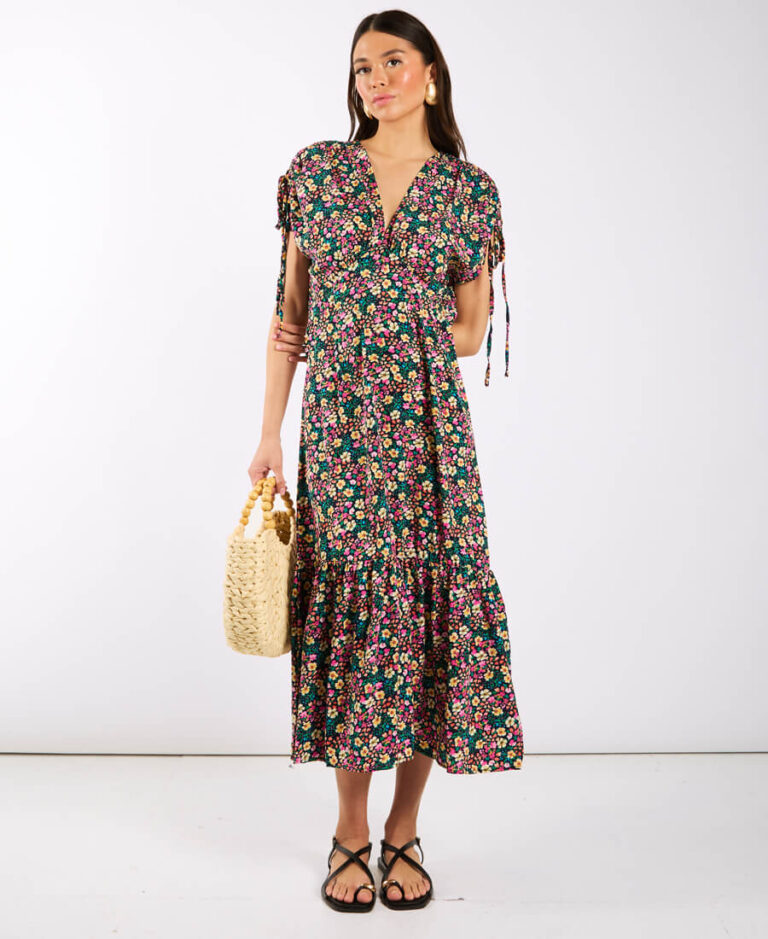 Floral DressesFloral Flutter Sleeve Midi Dresses You Can Dress Up or Down
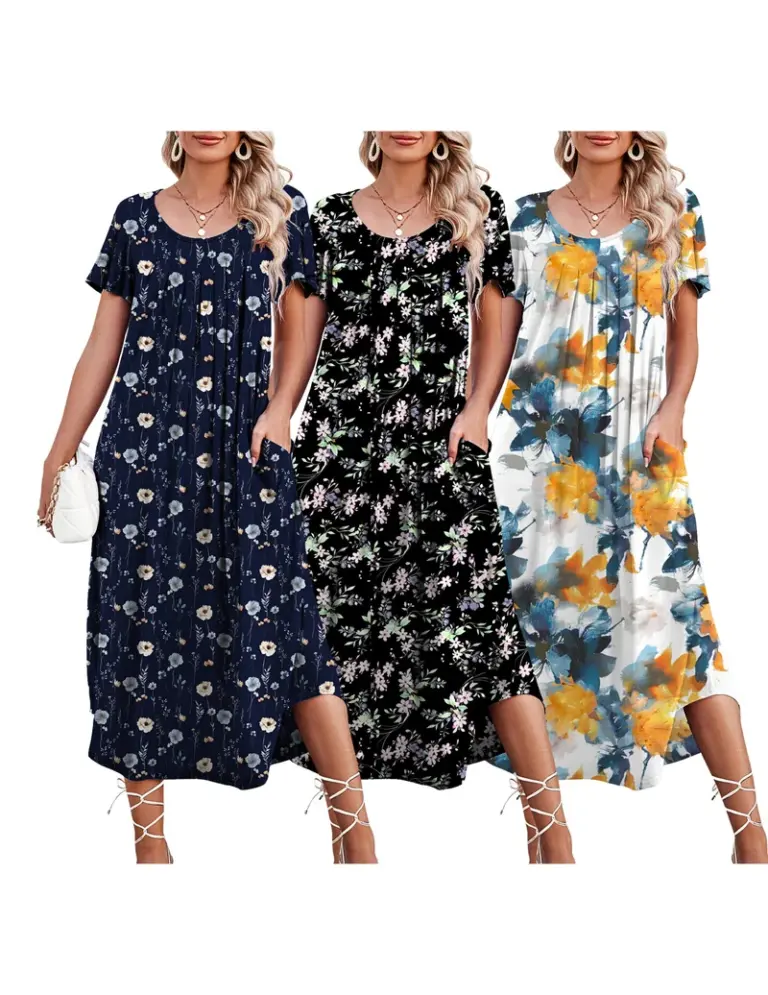
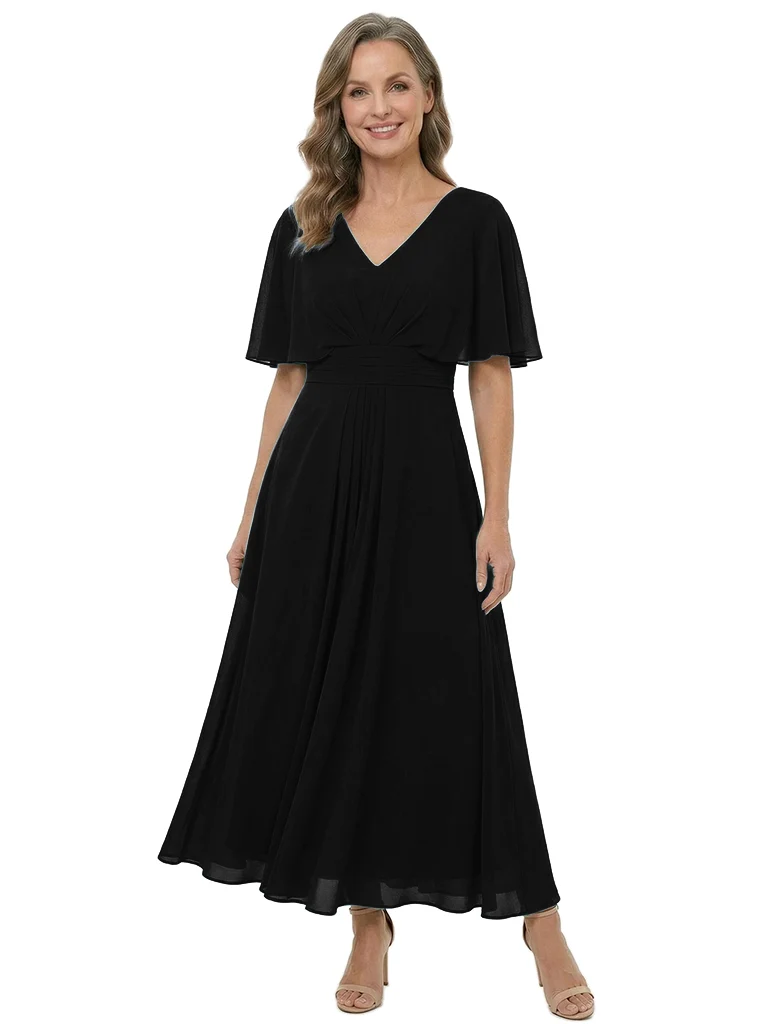 Chiffon DressesChiffon Flutter Sleeve A Line Dresses That Flatter Without Trying
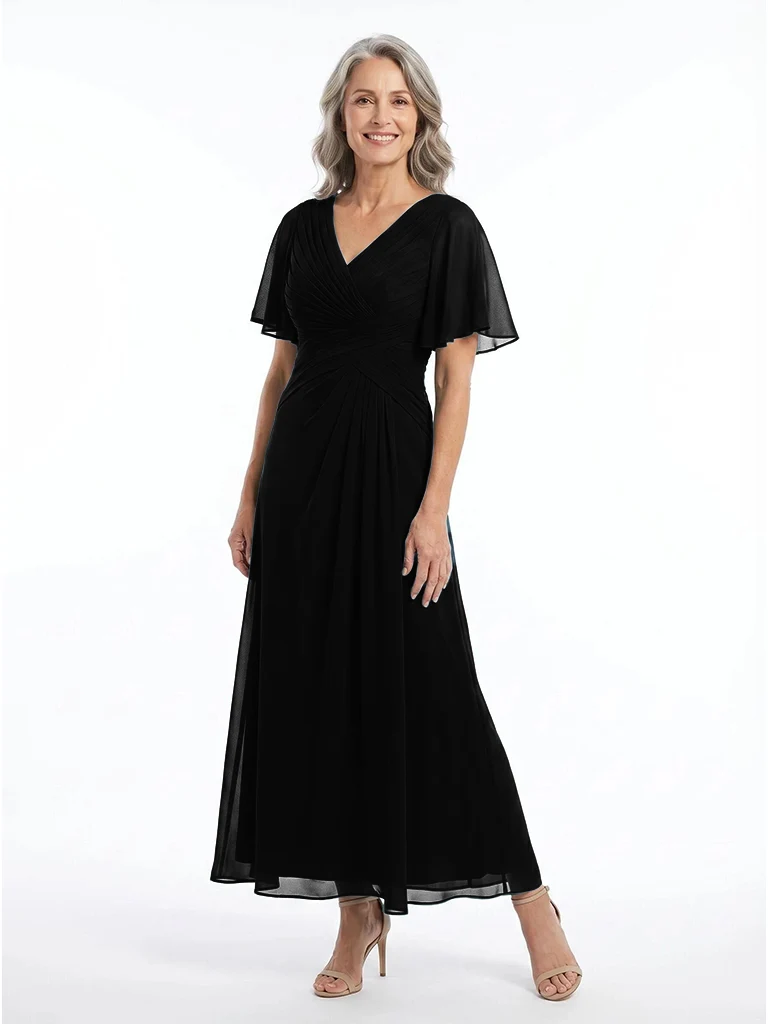
 A Line DressesFinding the Best Black Flutter Sleeve A Line Dresses