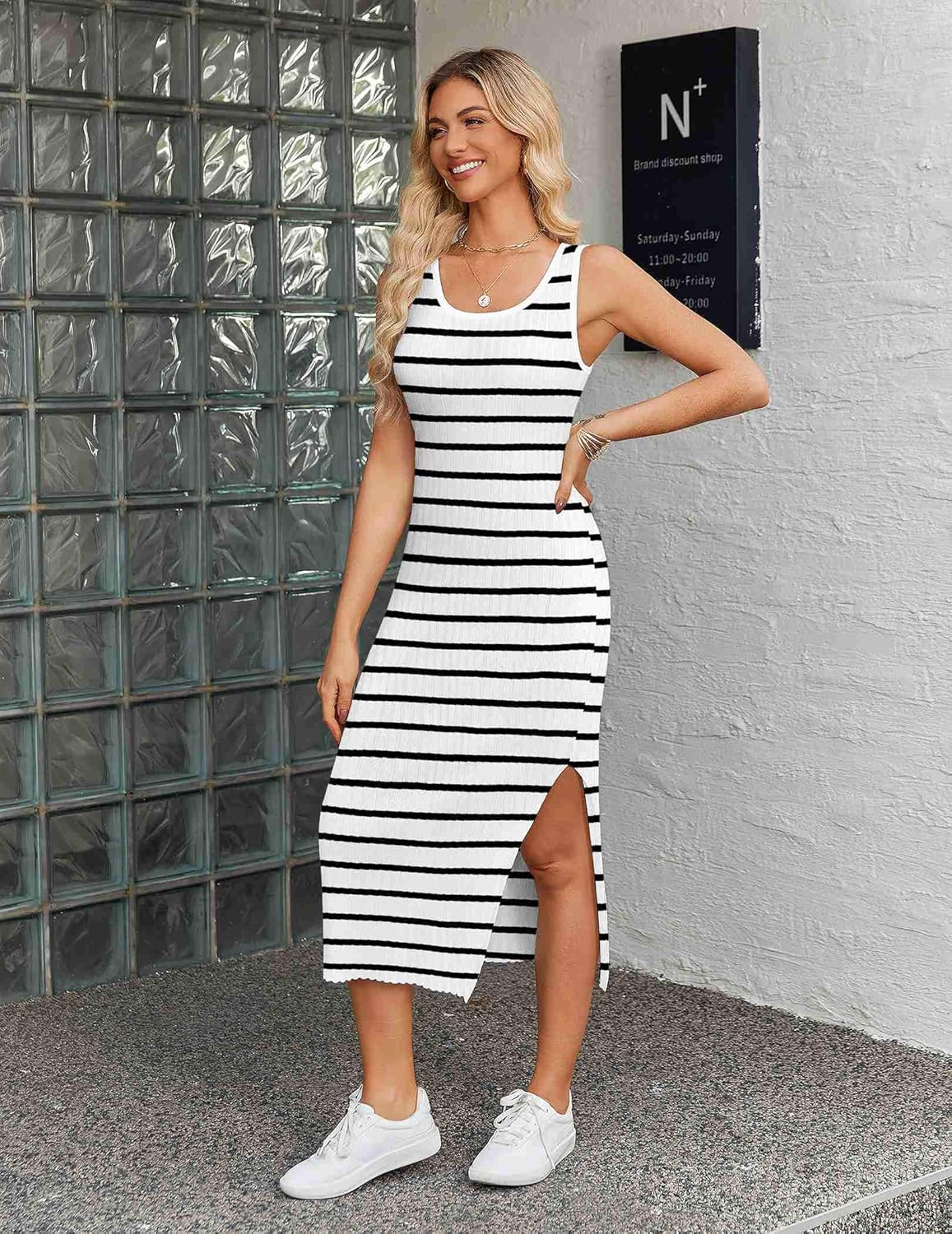
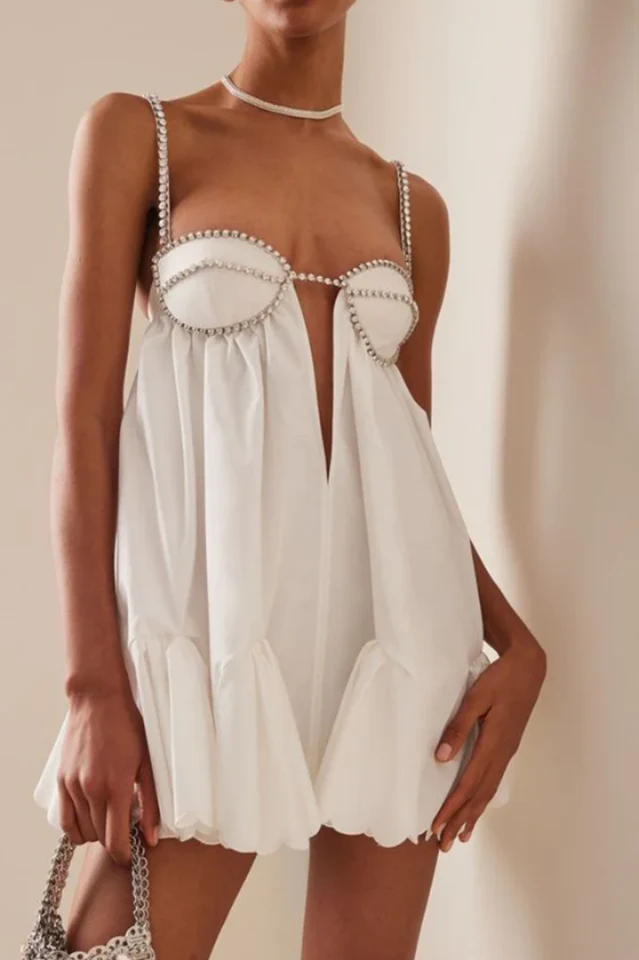
Going out dresses used to mean one thing: tight, short, and uncomfortable enough that you spent the whole night tugging at the hem. That has genuinely shifted. There is so much more range now, slip styles, structured minis, longer sleeved versions in heavier jersey, and most of it is actually wearable for more than the taxi there and the taxi back. I think that is a proper improvement, not just a trend dressed up as one.
If you own none, start with something simple in a mid weight fabric, a slip or a fitted midi in a jersey or satin blend, nothing see through, nothing that needs constant adjusting. That one dress will do more jobs than any sequinned or heavily embellished piece, because it works under a jacket at six and on its own at eleven, and it will not date the way a very trend led cut does. Before you buy, check the lining on anything satin or slippery, a lot of cheaper versions skip it and you will feel every seam. Look at where the zip sits and whether it is metal or that flimsy plastic that catches on the first wear. Check the armhole on sleeveless styles too, that is where gaping happens, not usually at the neckline, and it is the thing most people forget to test when they are standing still in a changing room rather than moving the way you actually move on a night out.
For everyday wardrobe pairing, this is where a going out dress earns its keep outside of actual going out. A fitted slip under a blazer or a plain jumper does a daytime job completely differently to how it reads alone in the evening. Flat boots take the edge off anything too dressed up, and a longline cardigan over a mini turns it into something you would wear to a lunch without a second thought.
As for wear over time, satin and silky jersey show marks quickly, a bag strap, a seatbelt, a glass set down too close, so handwashing or a cool delicate cycle in a bag matters more than it does with sturdier day dresses. Structured minis with any stretch hold their shape better across a few years, but check the seams under the arms first, that is where they go before anywhere else. Store slippery fabrics flat rather than on a hanger if you can, they slide and stretch at the shoulder otherwise.
I would start in black. Not original, but it photographs well in low light, hides the inevitable mark, and works with absolutely everything else you already own.

 White DressesWhite Going Out Mini Dresses Made for Party Season

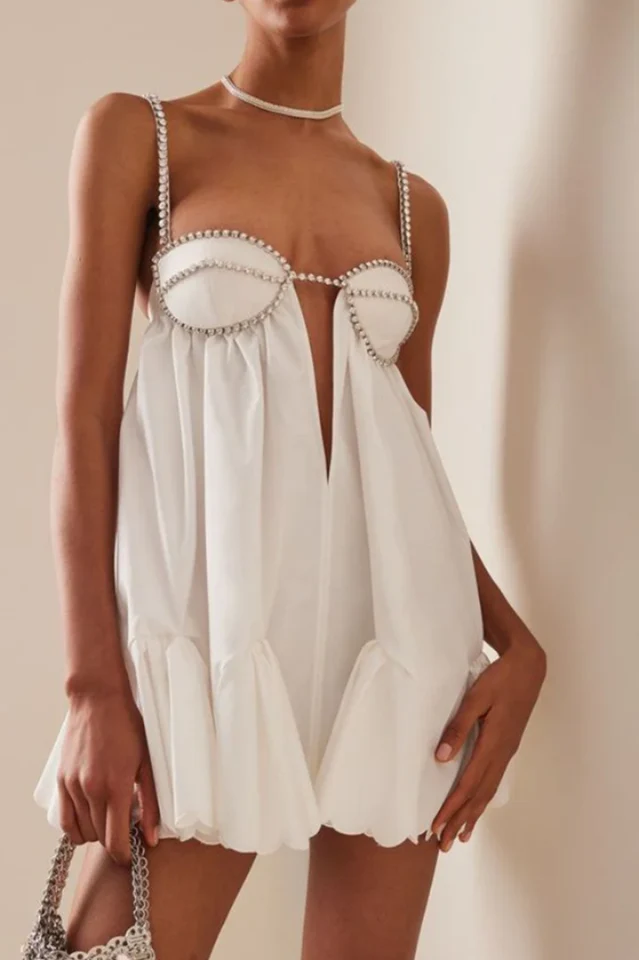 Strappy DressesStrappy Going Out Mini Dresses We’d Buy Again
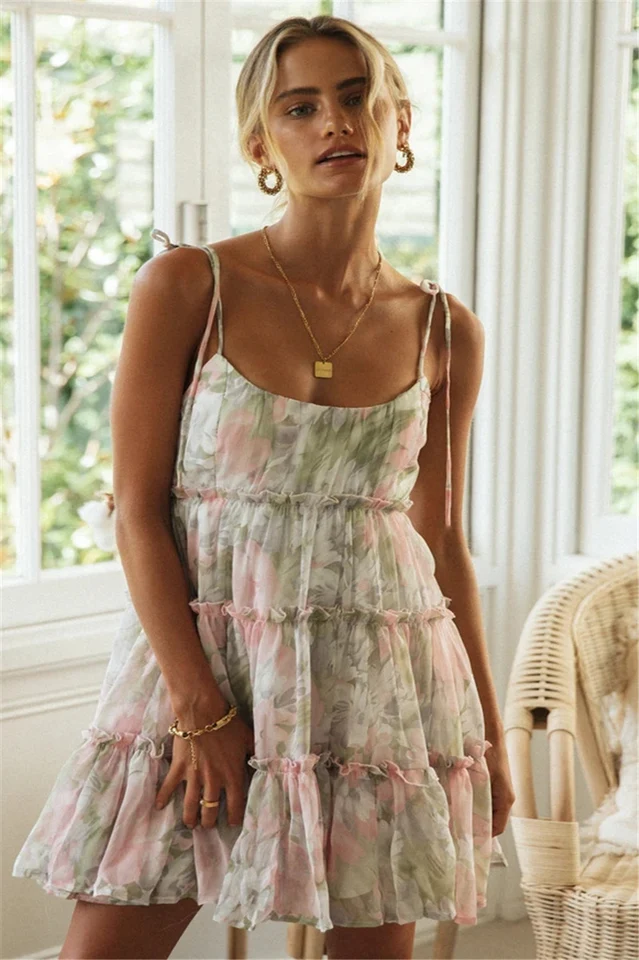
 Red DressesFinding the Best Red Going Out Mini Dresses
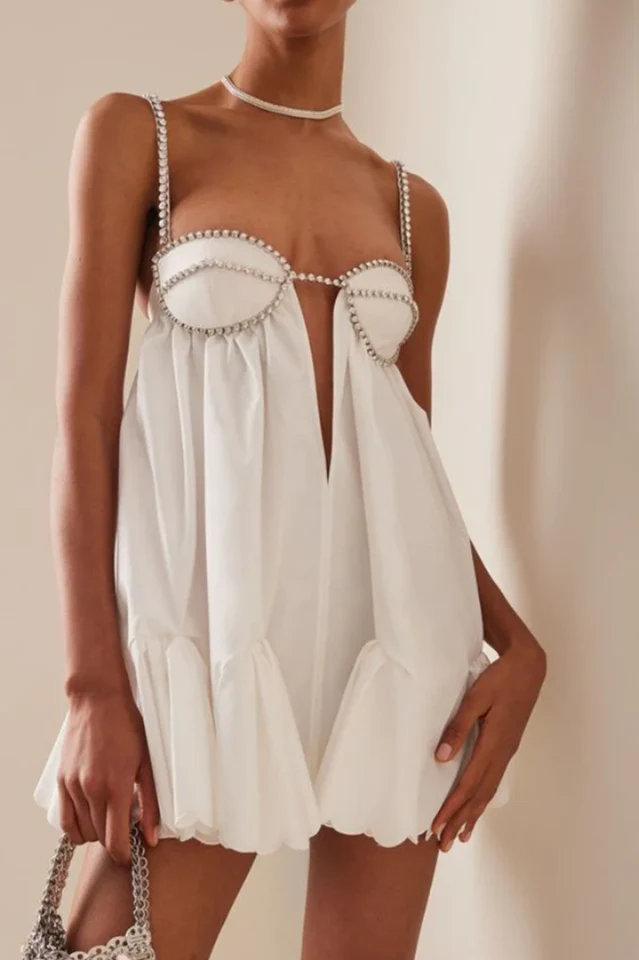
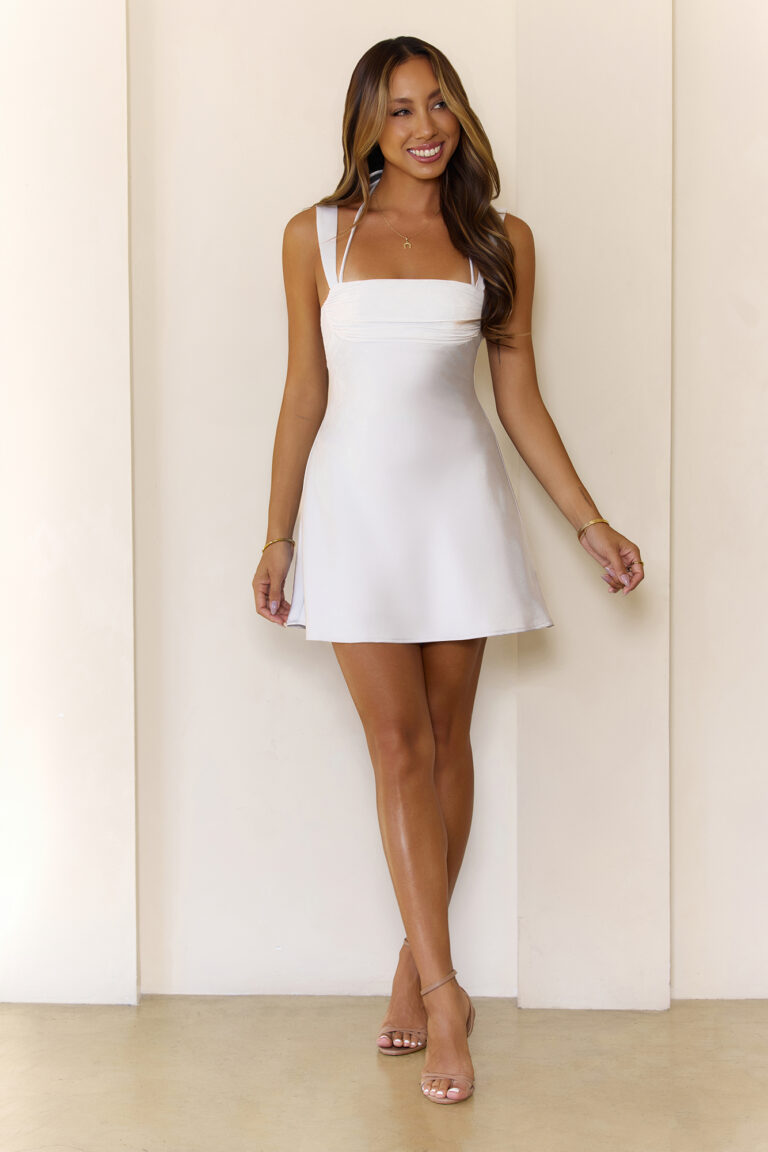 Gold DressesGold Going Out Mini Dresses That Have Caught Our Eye

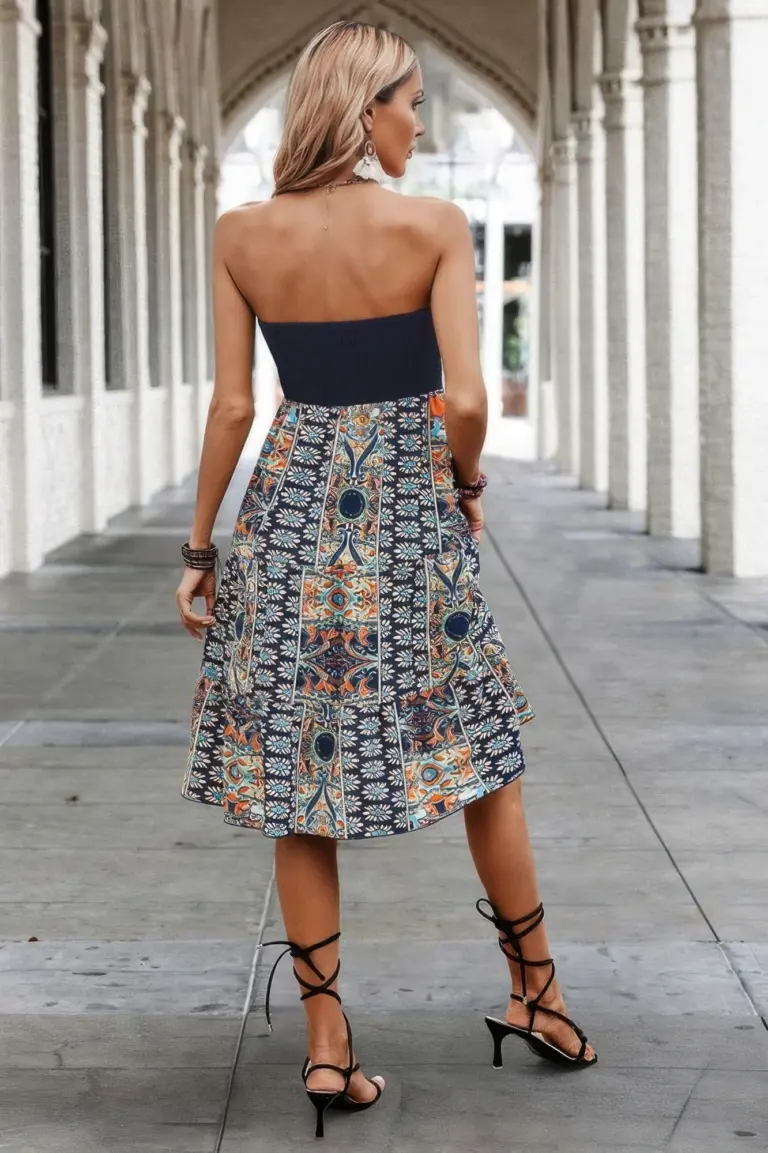 Floral DressesGoing Out Floral Dresses Edited Down to the Best
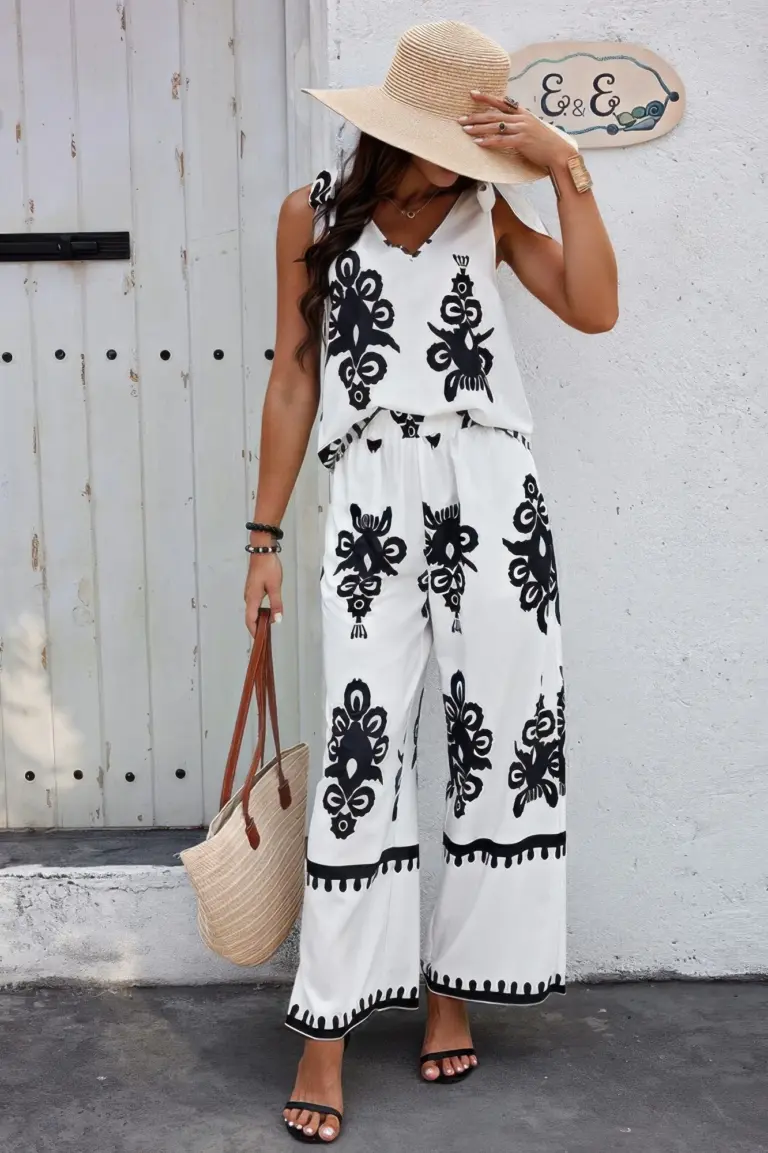
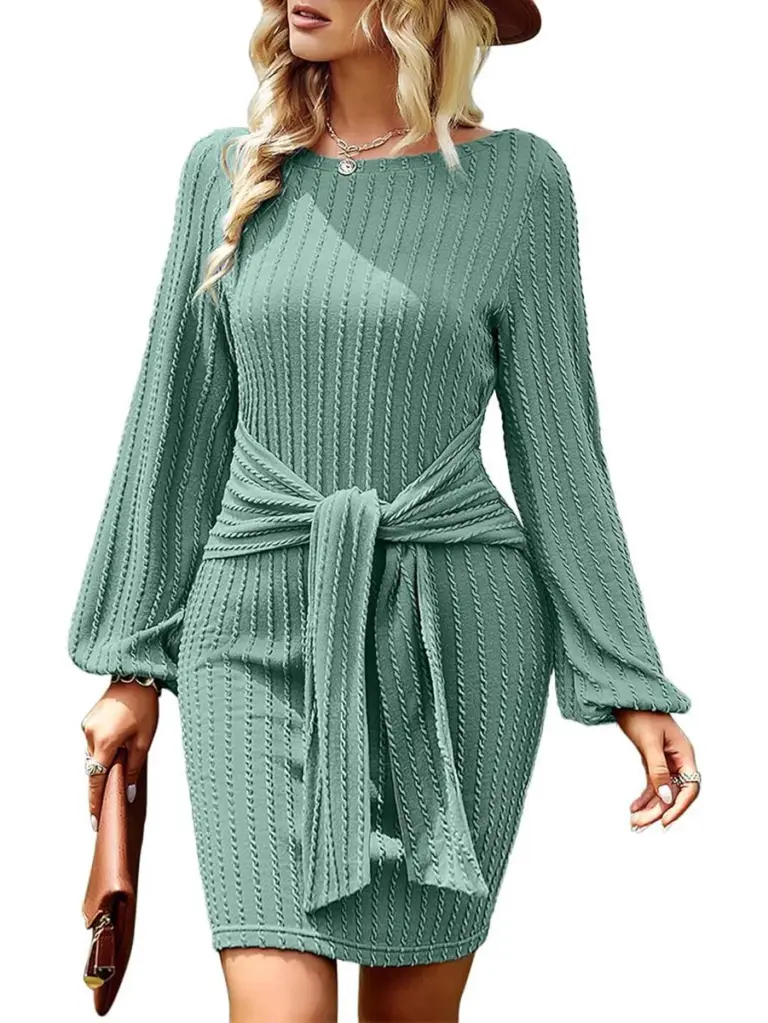 Knitted DressesOur Pick of the Best Going Out Knit Dresses
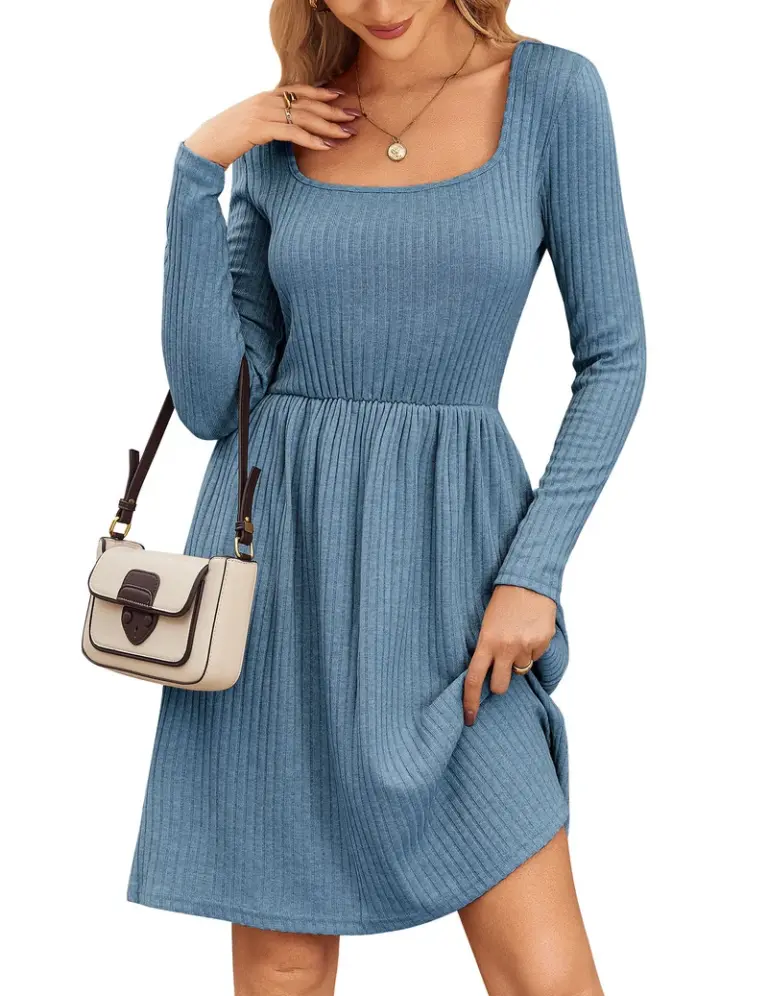
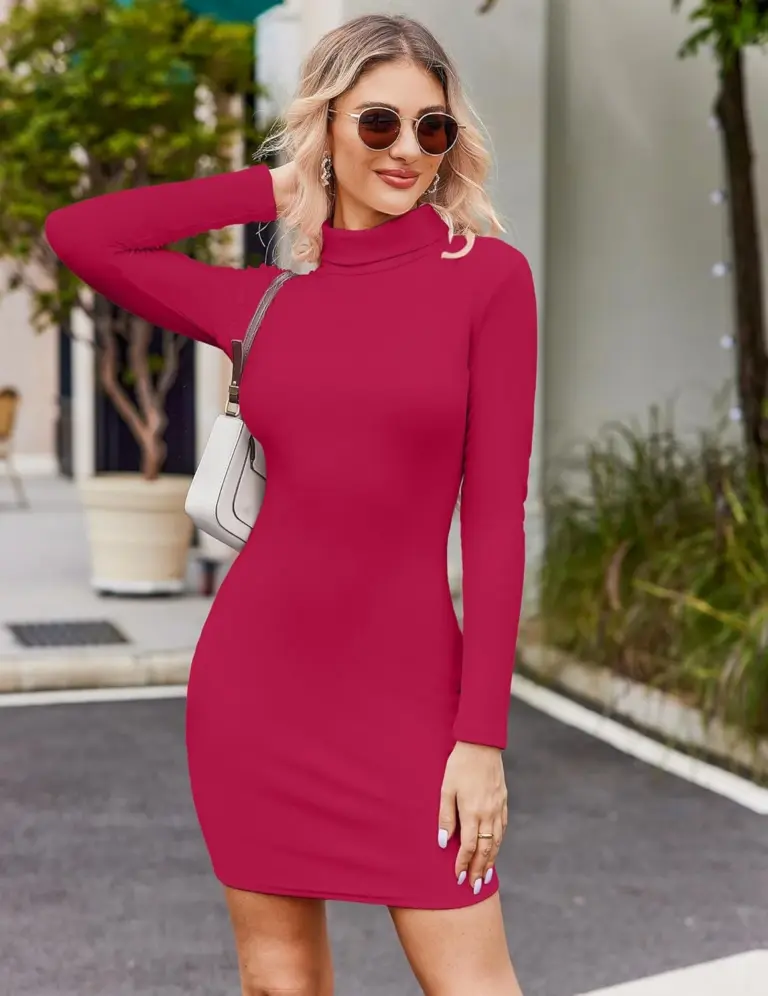 Long Sleeve DressesGoing Out Long Sleeve Dresses We Rate
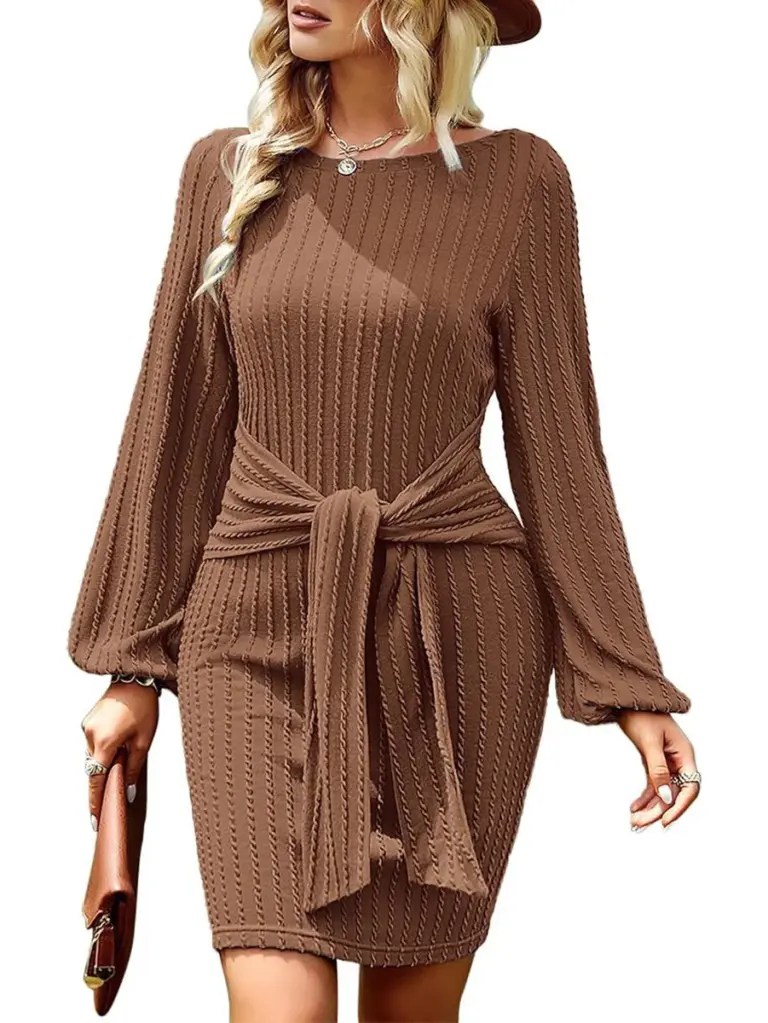
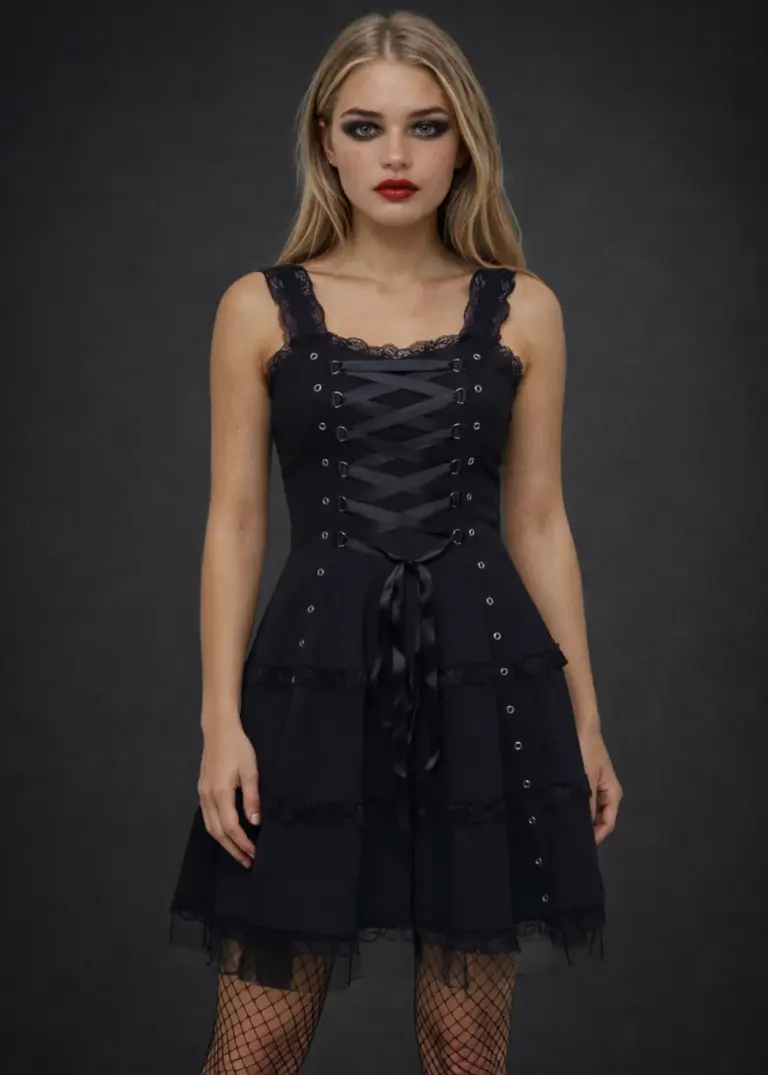 Mini DressesGoing Out Mini Dresses Made for Party Season

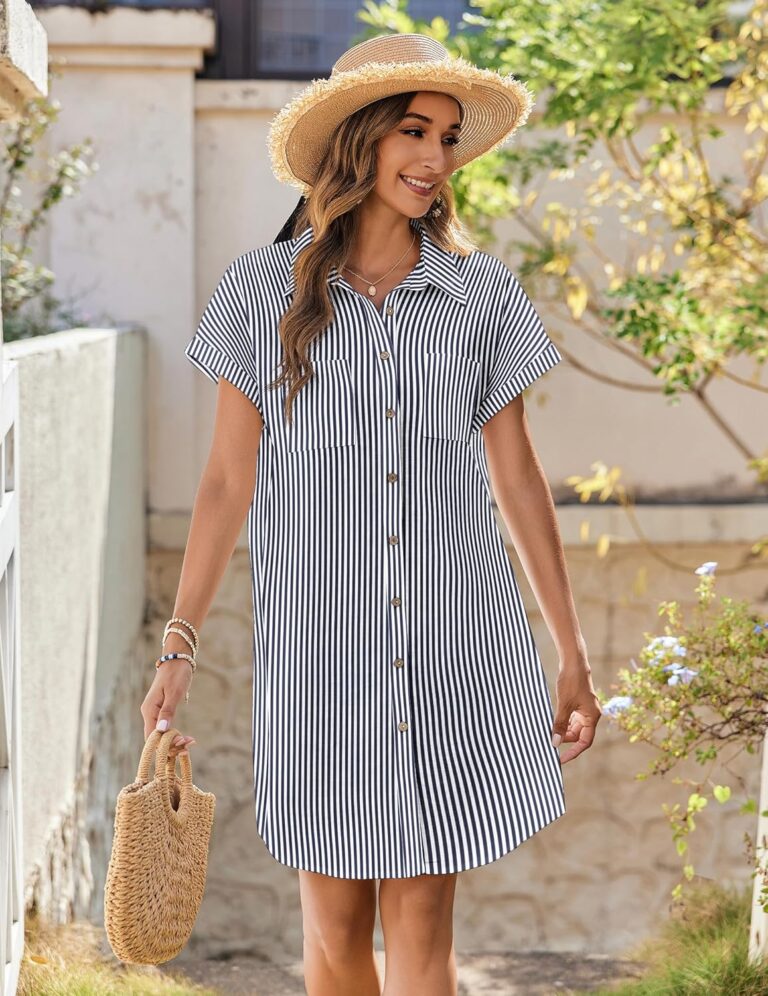
 Shirt DressesOur Top Going Out Shirt Dresses Right NowAlso worth a lookMidi DressesThe moment a midi dress properly clicked for me was a wedding in October, cold enough for tights,…See the collections →
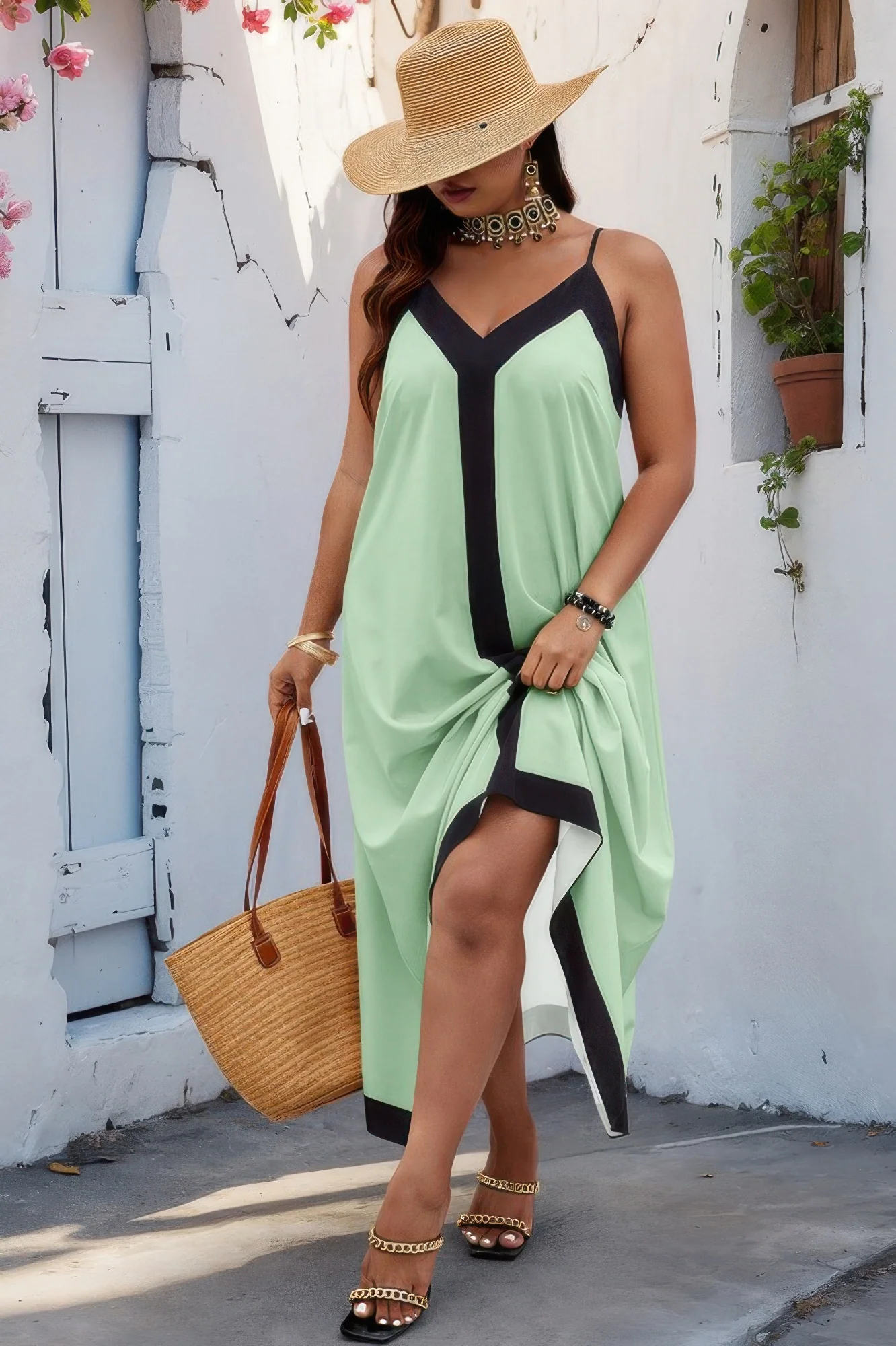 A Line DressesGoing Out A Line Dresses for When You’ve Got Somewhere to Be

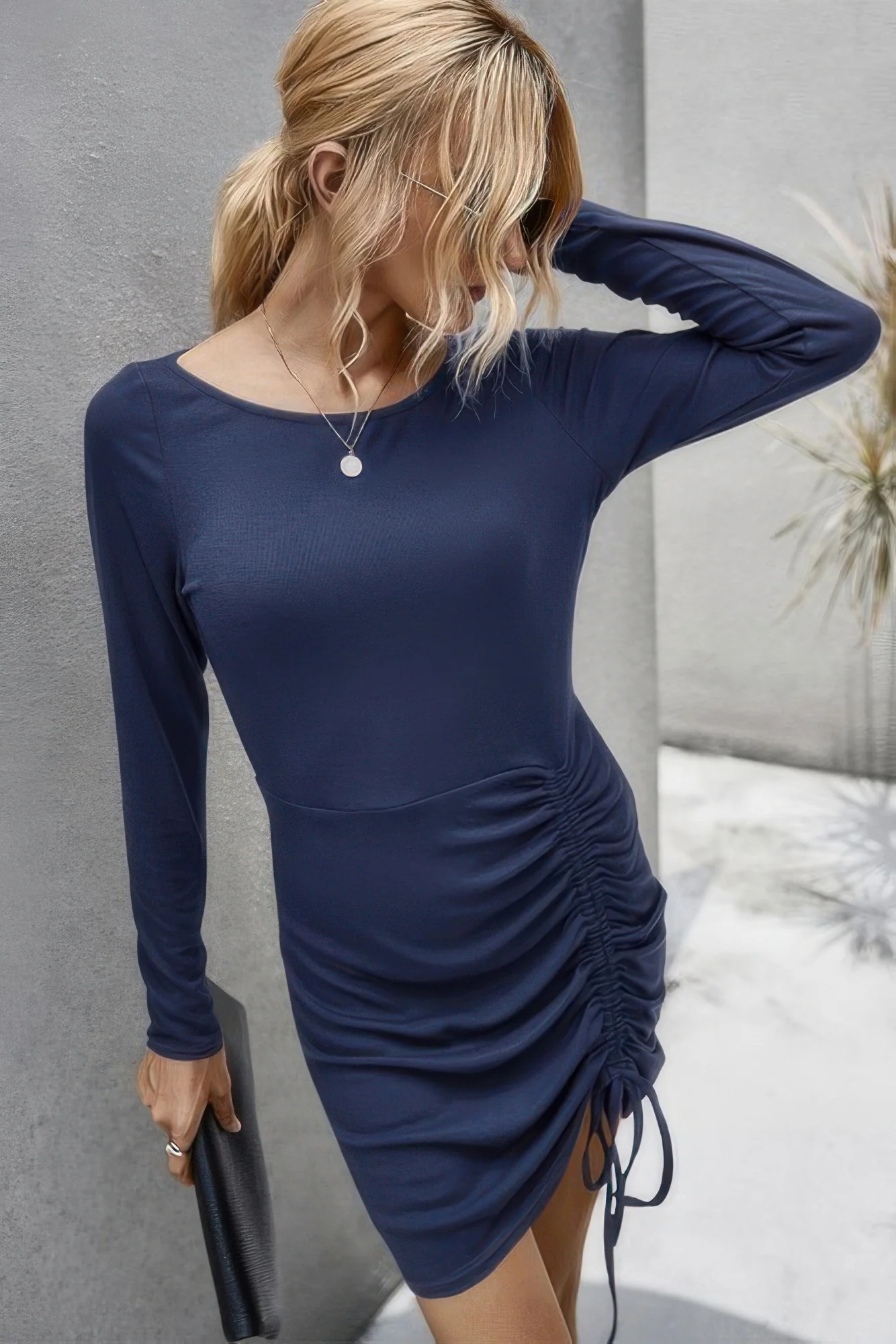 Bodycon DressesGoing Out Bodycon Dresses That Do All the Work for You