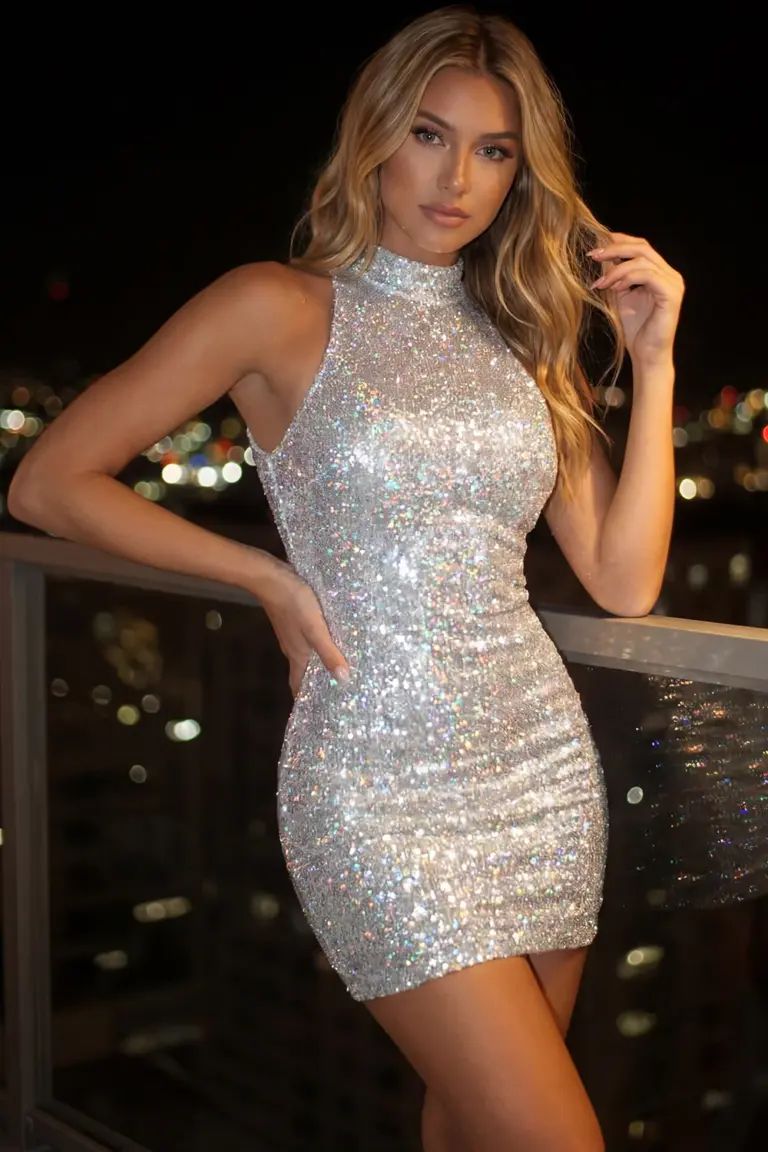
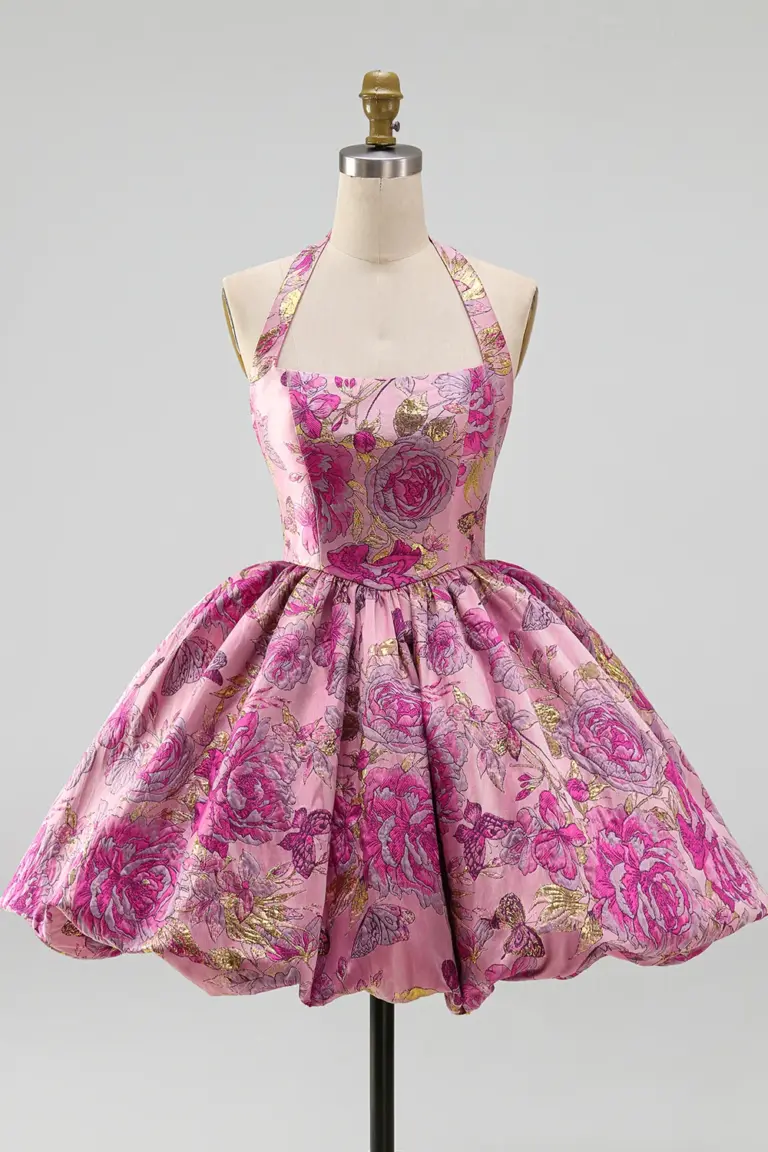
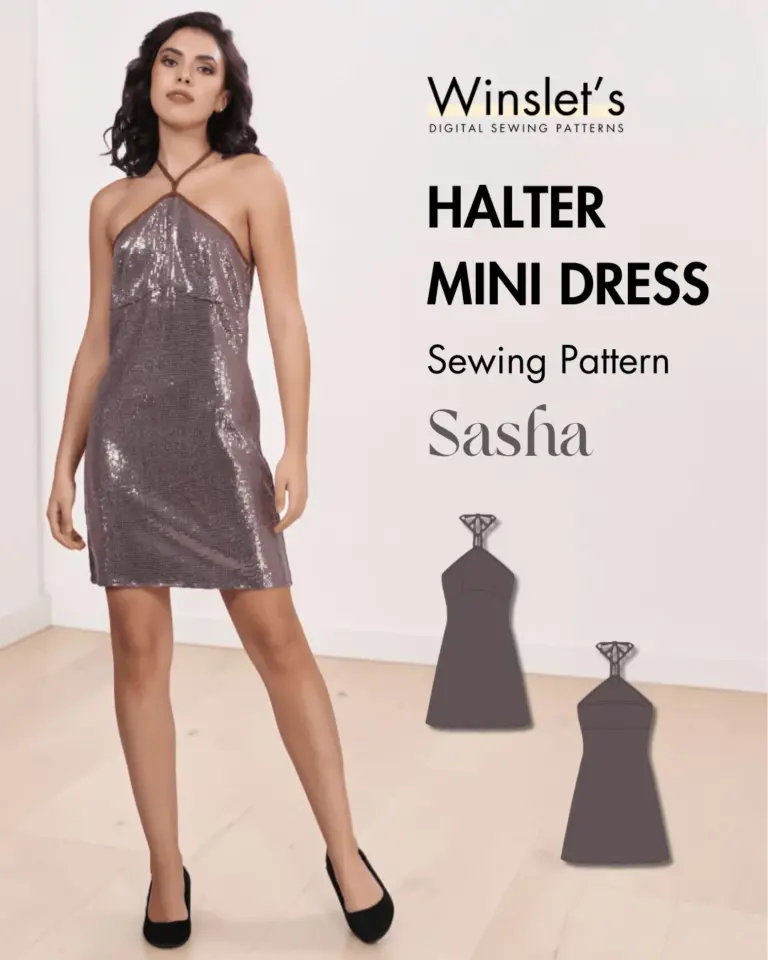
The first thing I do with a halter dress is put my arms up over my head, right there in the changing room, before I even look in the mirror properly. If the neckline gapes or the back panel rides up to show the whole clasp, that's the dress telling me what it'll do on a dance floor or halfway through a long dinner. A good halter stays put when you reach for something on a high shelf. A bad one turns into a performance where you're constantly tugging the neck back into place.
It's not a shape for every chest or every bra situation, and I think it's worth saying plainly. If you're larger busted, a lot of halters put all the support on two thin straps around your neck, which gets uncomfortable fast and can leave marks by the end of the night. Backless and strapless bras help, but they're not a fix for a dress that's badly drafted underneath. It's also a bad choice for anyone who hates their shoulders on show, since the whole point of the shape is open shoulders and a bare upper back, there's no hiding that with a cardigan without losing the dress entirely. For fit, go by your ribcage and bust measurement rather than your usual dress size, because halters are cut to sit close under the arm and a size that's right everywhere else can still cut in at the sides. Watch for gapping at the front, which usually means the neckline's cut too wide for your frame, and check the tie or clasp sits flat against your neck rather than digging in, that's the difference between wearing it for an evening and fighting it for an evening.
Where the good ones separate themselves is in the fabric and the bit you can't see from the front. A halter in a heavier viscose or a proper crepe will skim rather than cling, and it moves with you instead of twisting round your middle, which thin polyester almost always does by about nine o'clock. Check the neck strap itself, a wider band or one with a bit of structure sewn in will hold its shape far longer than a flimsy spaghetti tie that stretches out after two wears and never sits the same again. Look at the back too, a dress with a proper fitted panel or a low tie that adjusts is going to behave better than one that's just two strings and hope. Cheap hardware, a clasp that's already stiff on the hanger, is usually a sign the rest of the construction hasn't had much thought either.
This suits anyone who wants their shoulders and collarbones to do the talking and doesn't mind a dress that needs checking in the mirror before it needs checking on the dance floor.

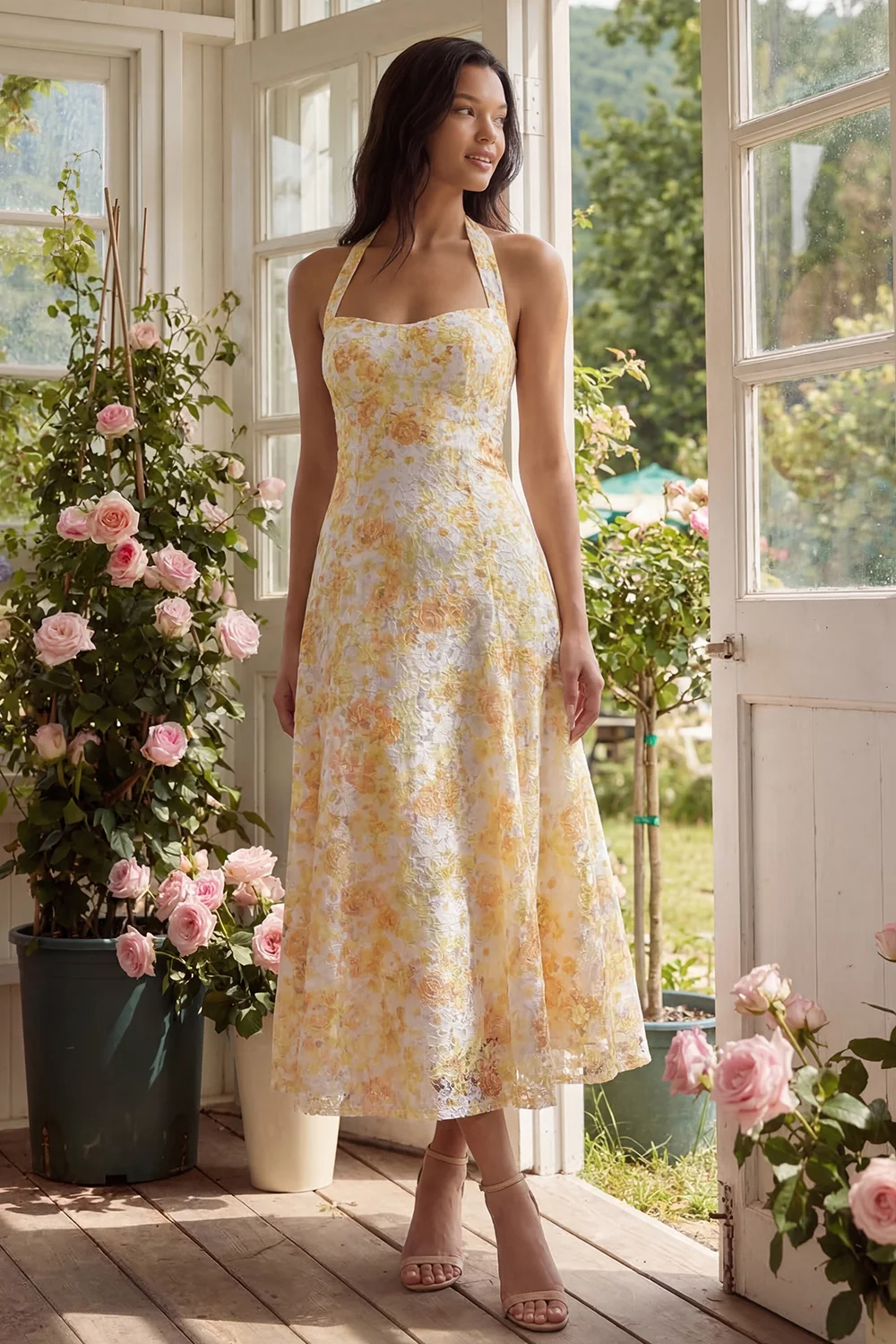
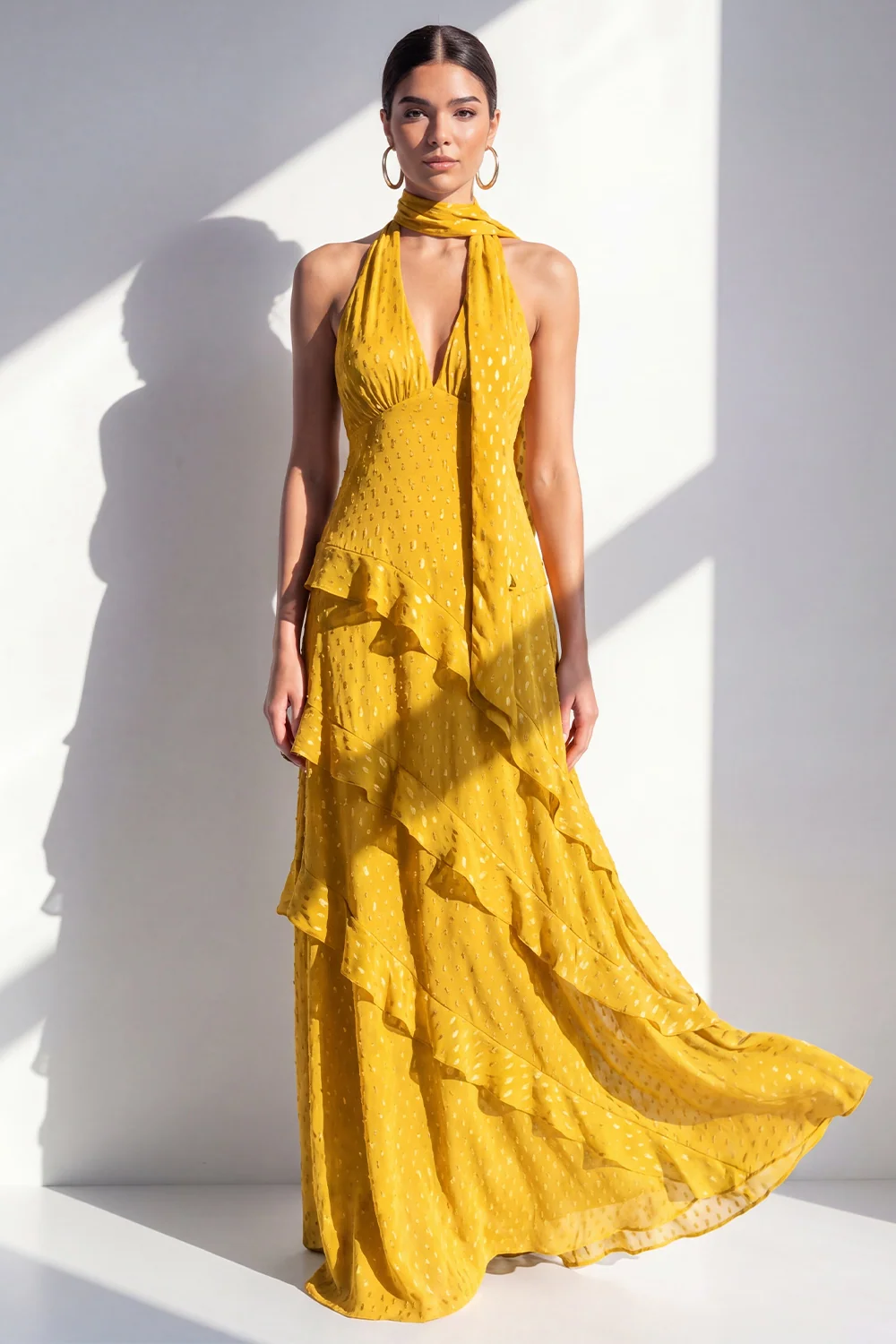 Yellow DressesYellow Halter Dresses: The Edit
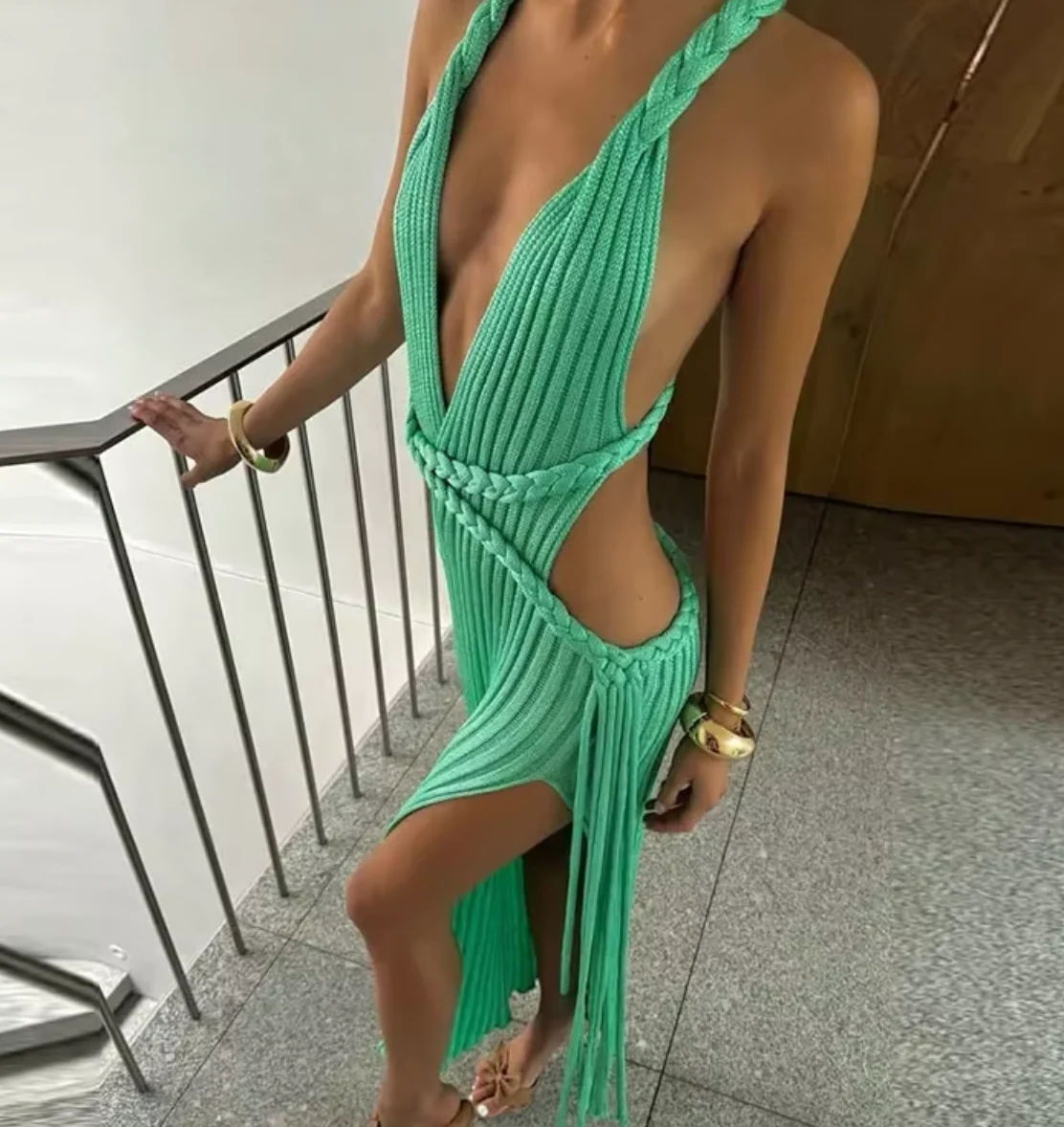 Wrap DressesWrap Halter Dresses That Make Getting Dressed Easy
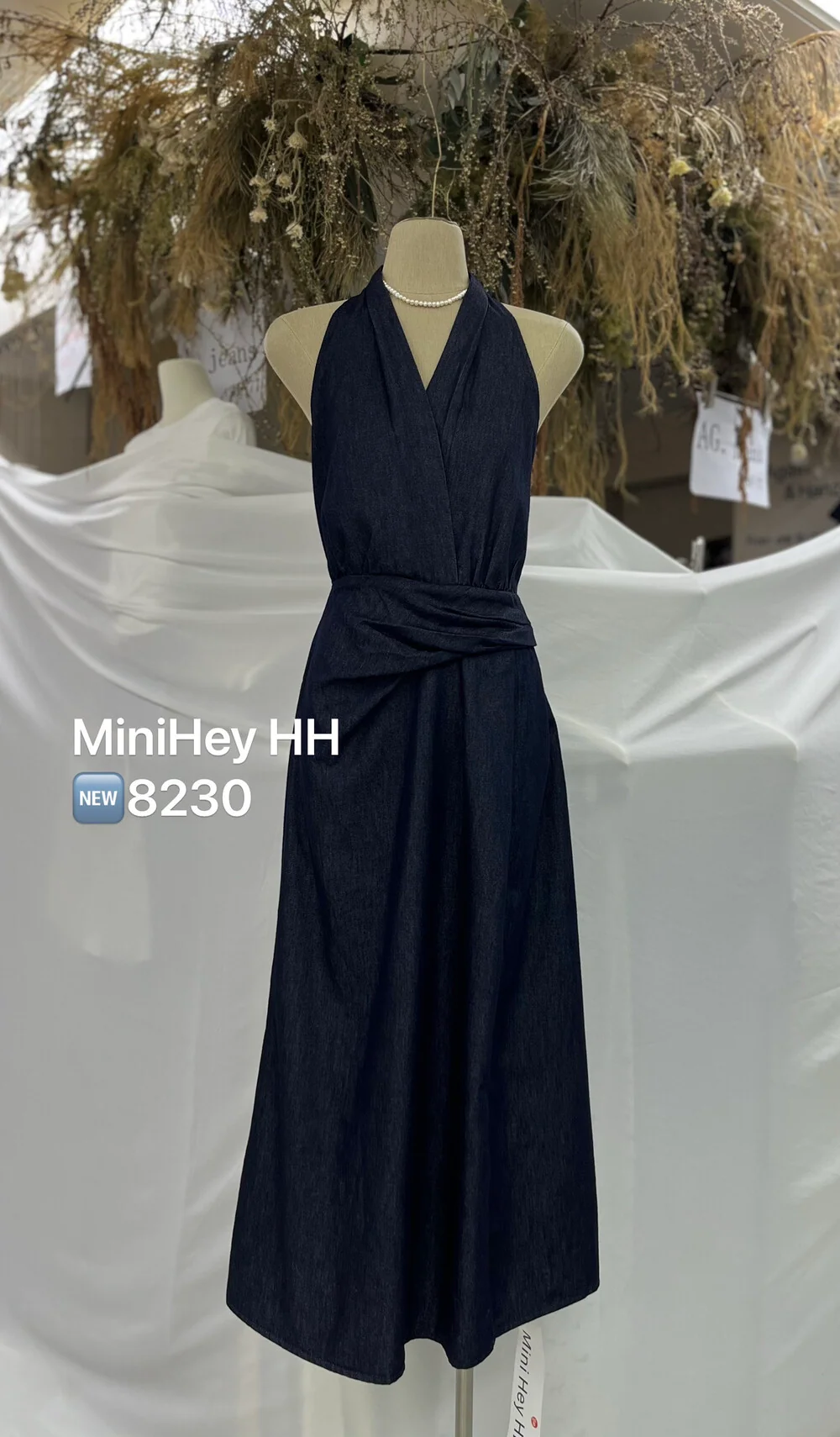
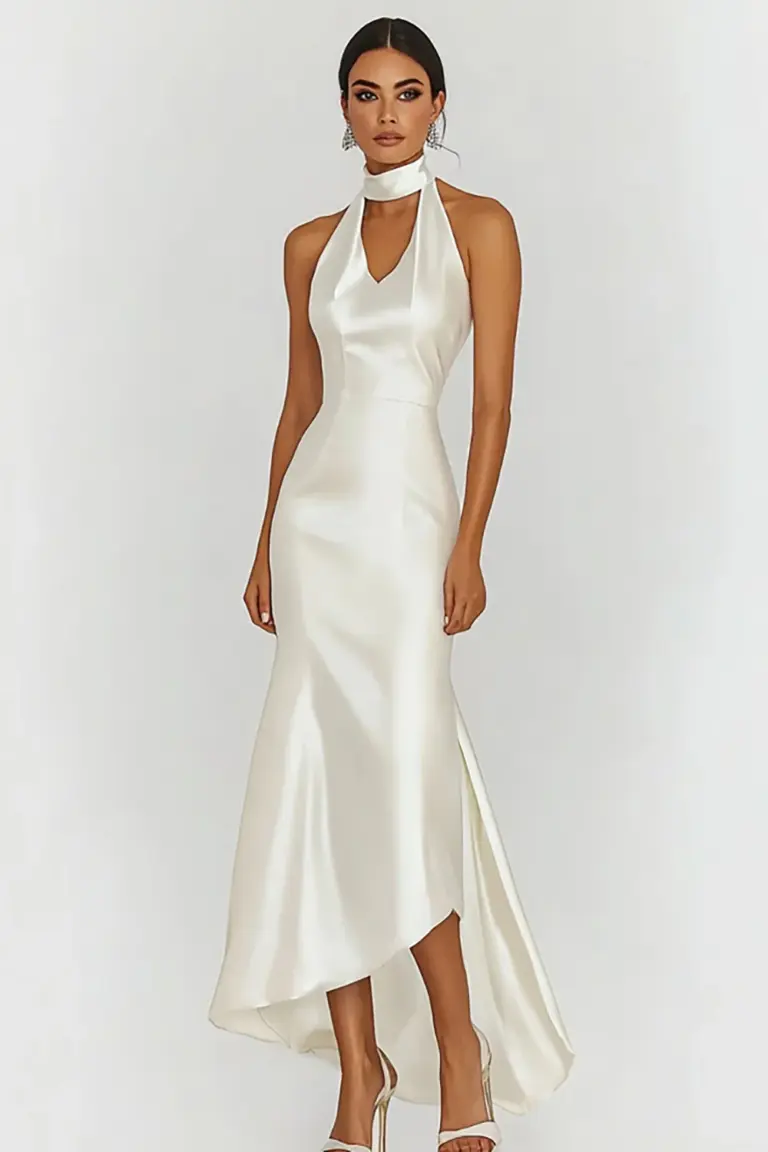 Sleeveless DressesWhite Sleeveless Halter Dresses You Can Dress Up or Down
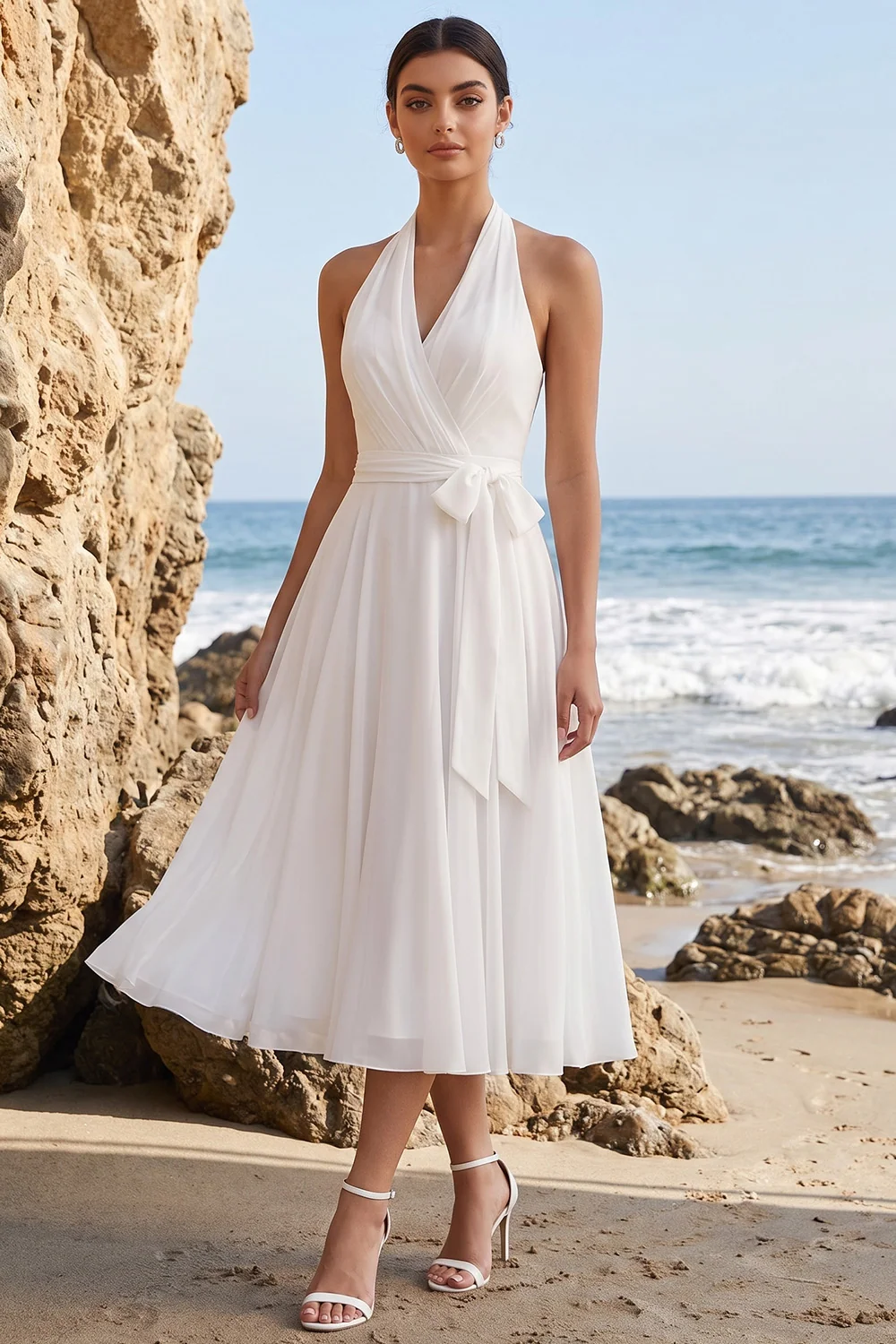 White DressesShop Our Favorite White Midi Halter Dresses
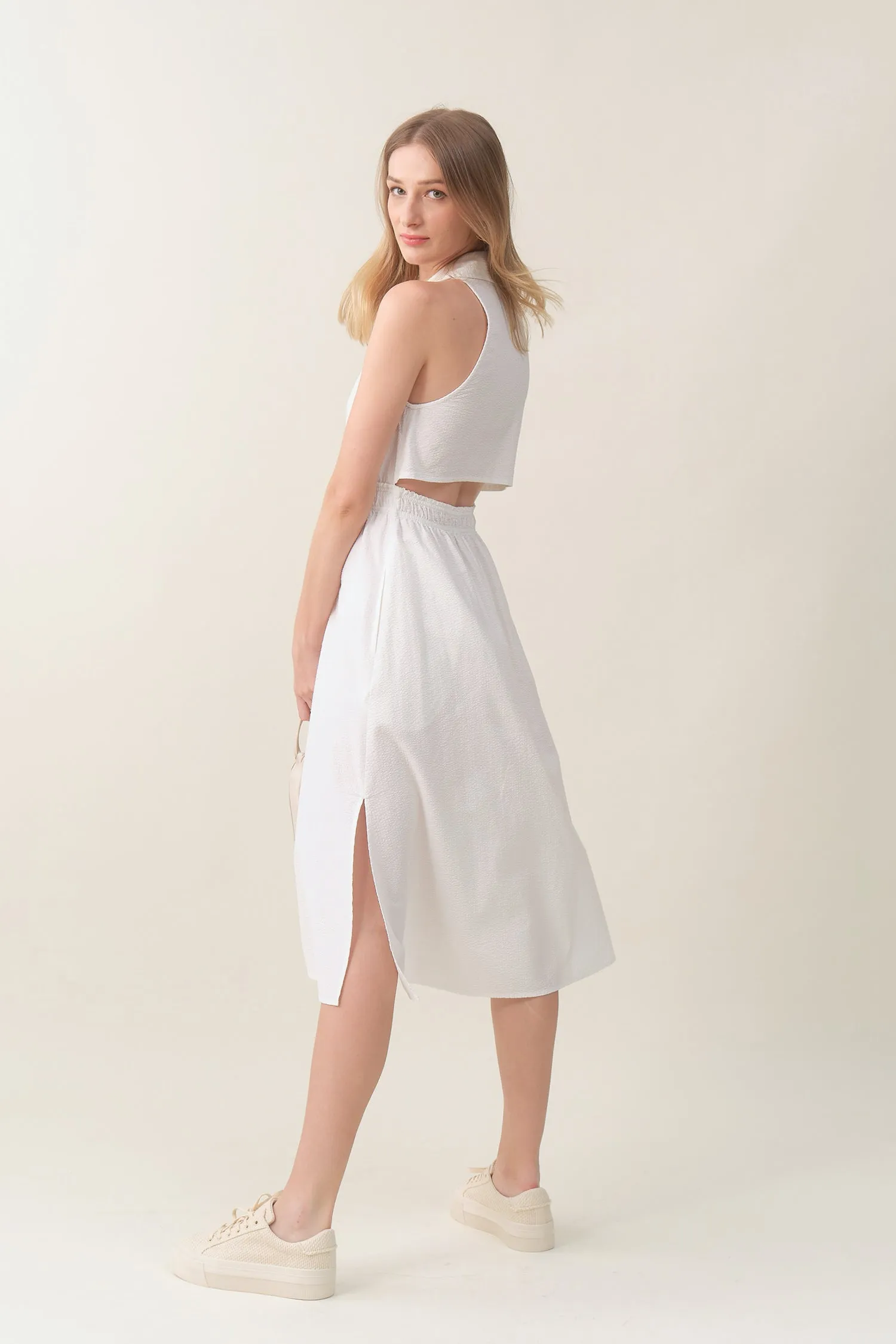
 White DressesWhite Mini Halter Dresses Edited Down to the Best
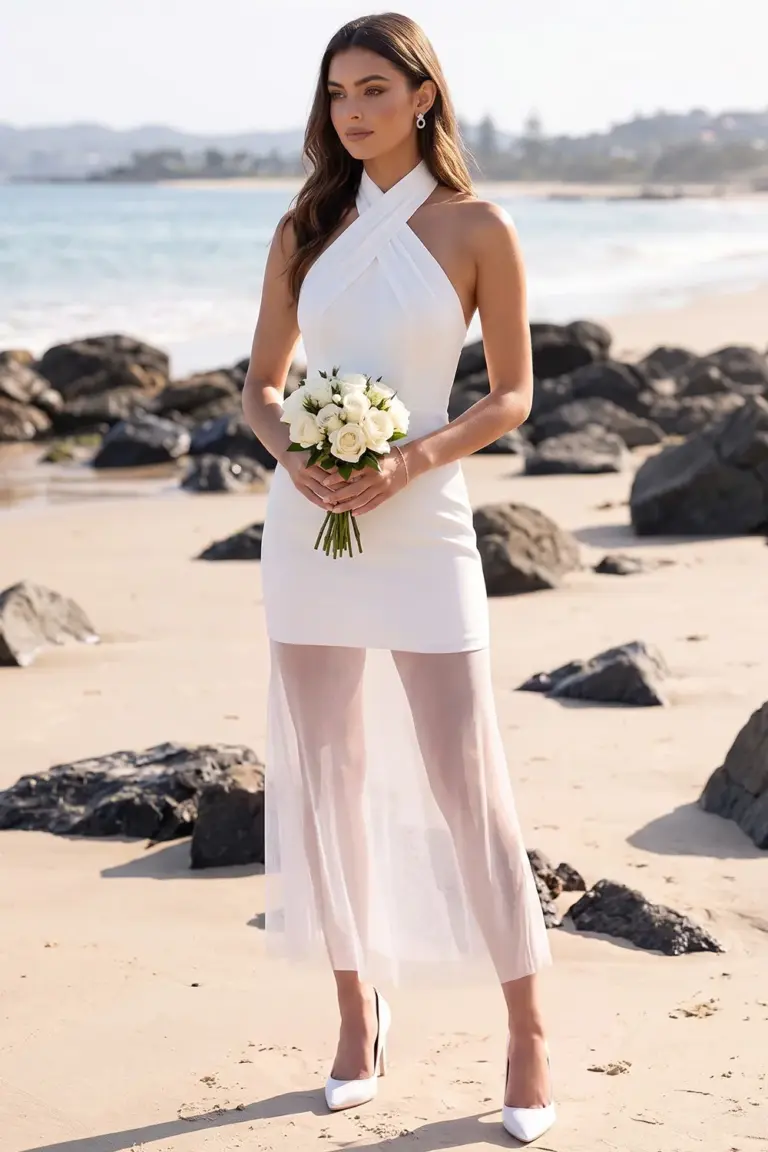
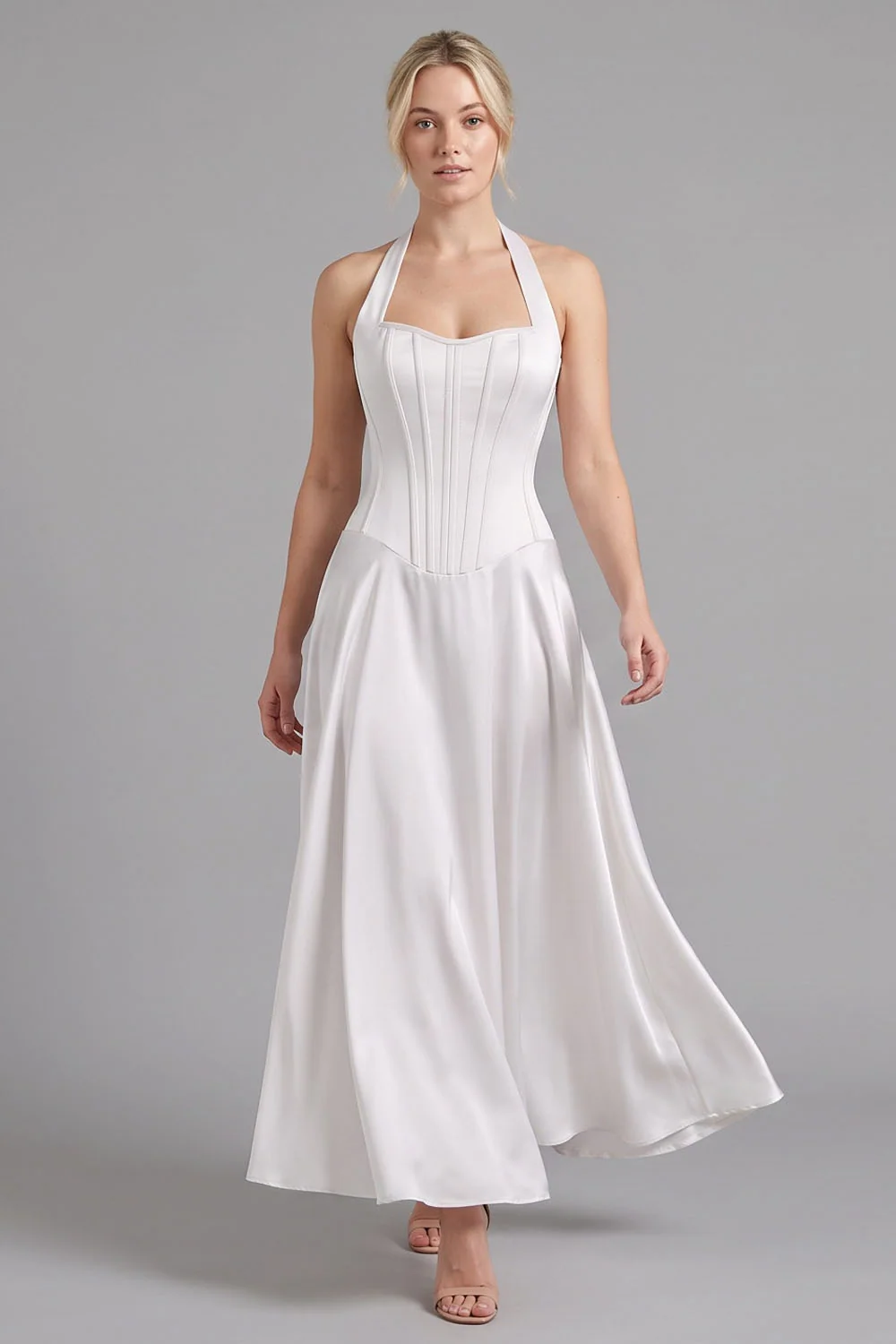 White DressesWhite Maxi Halter Dresses We Rate
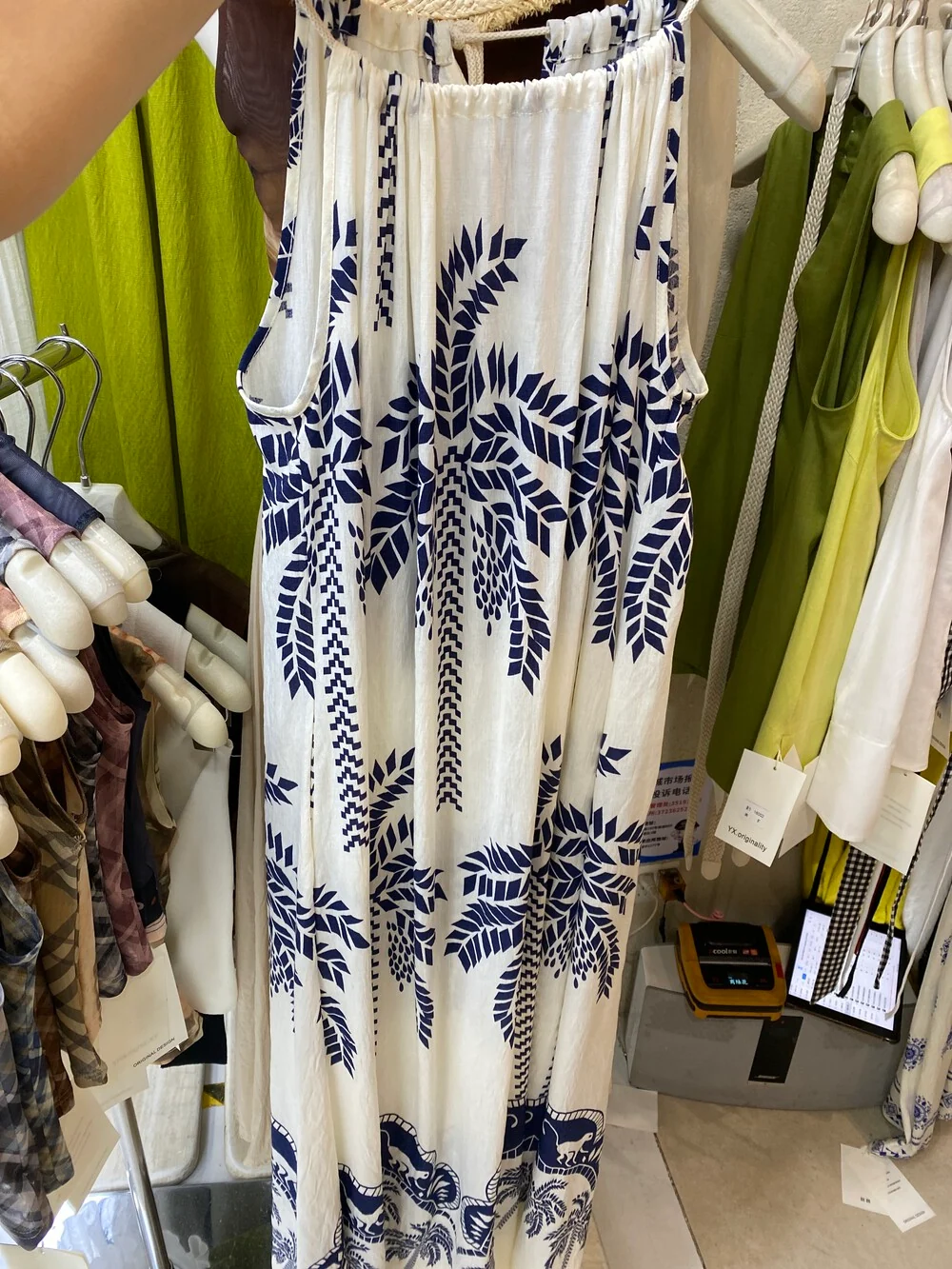
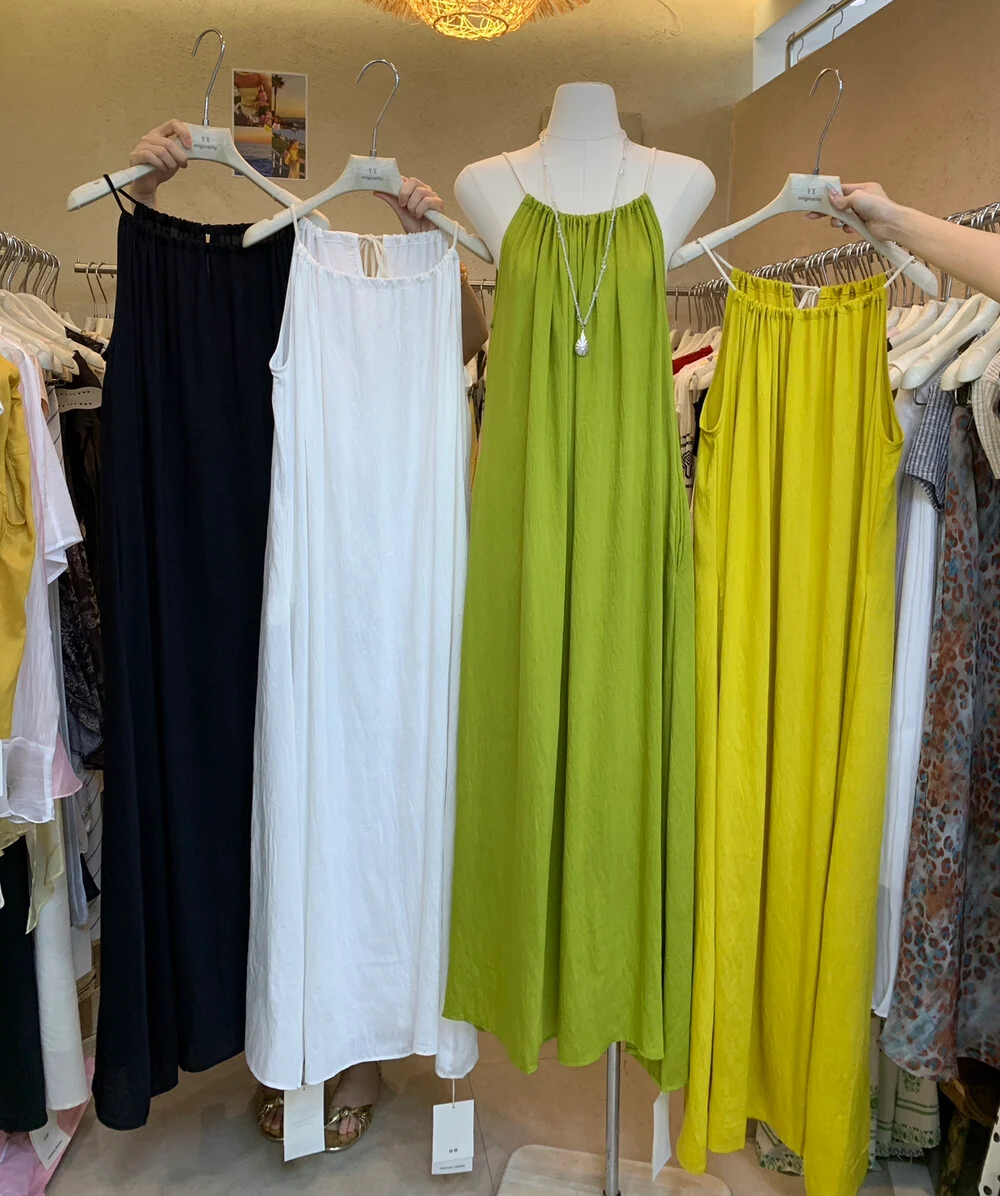 White DressesThe White Halter Dresses Worth Planning an Outfit Around
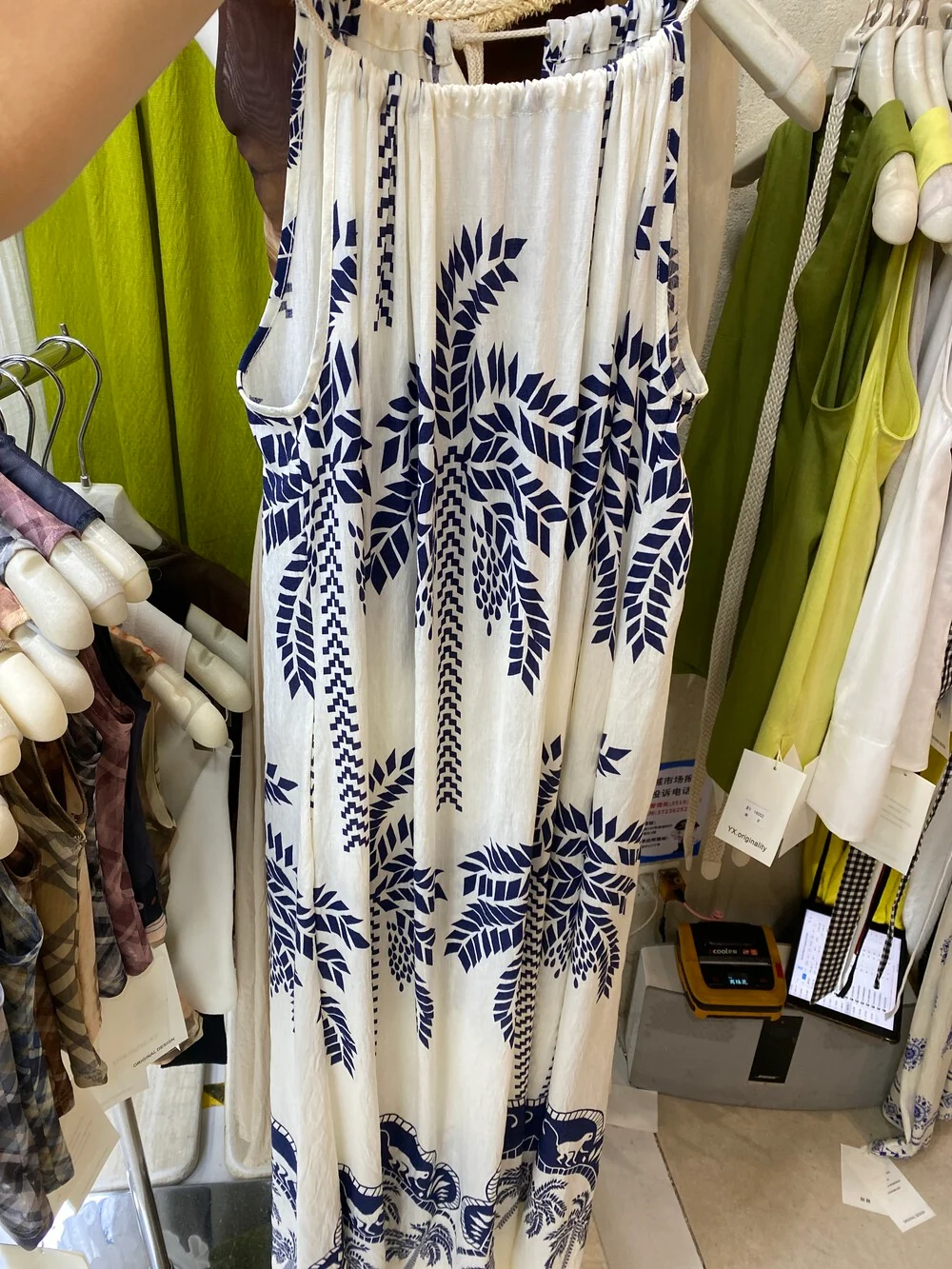
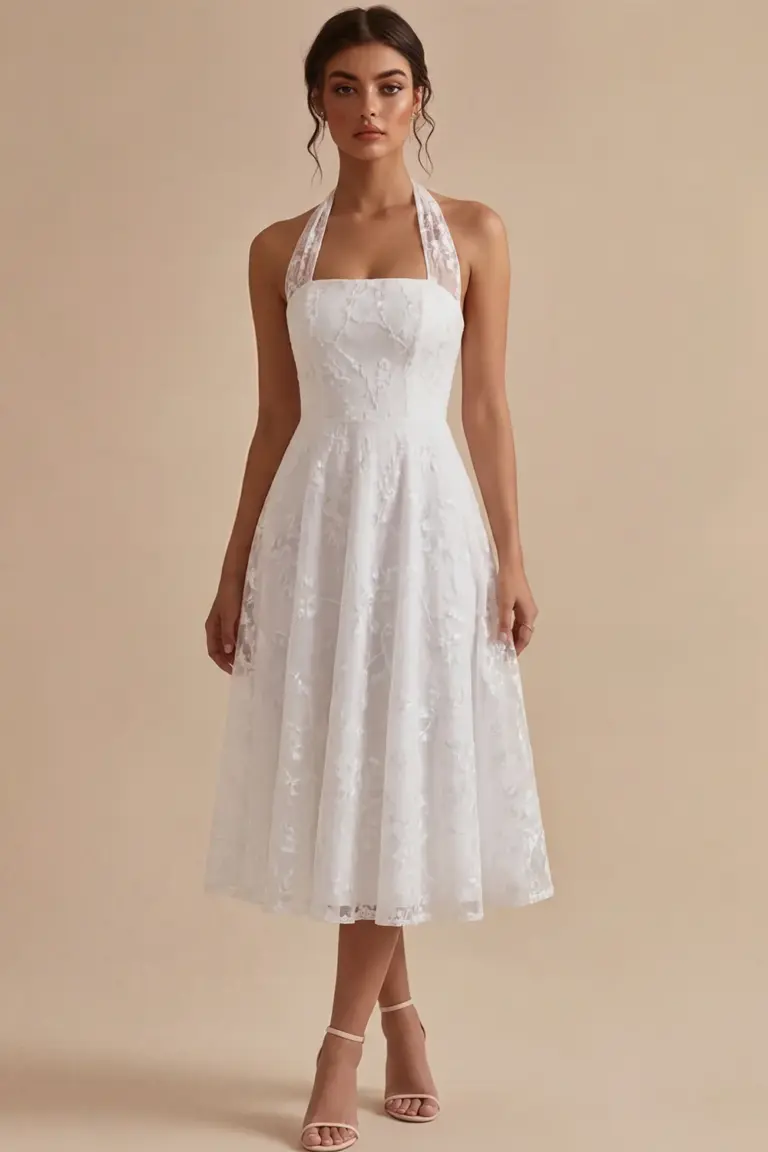 White DressesThe Best White Halter Neck Midi Dresses to Shop Now
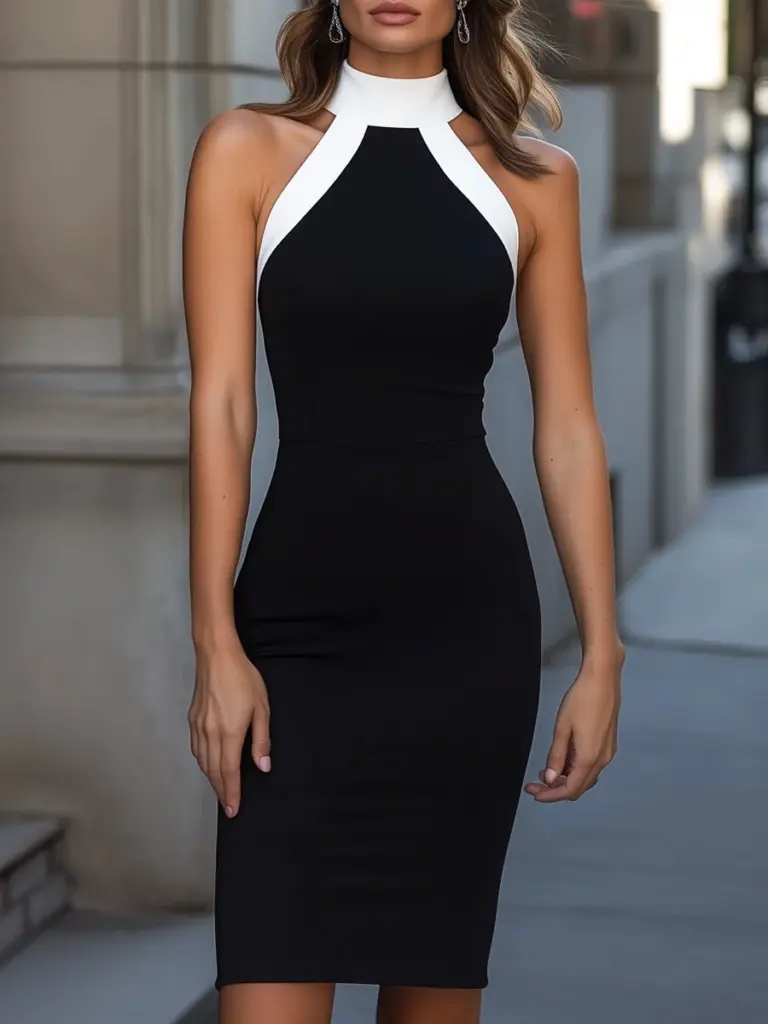
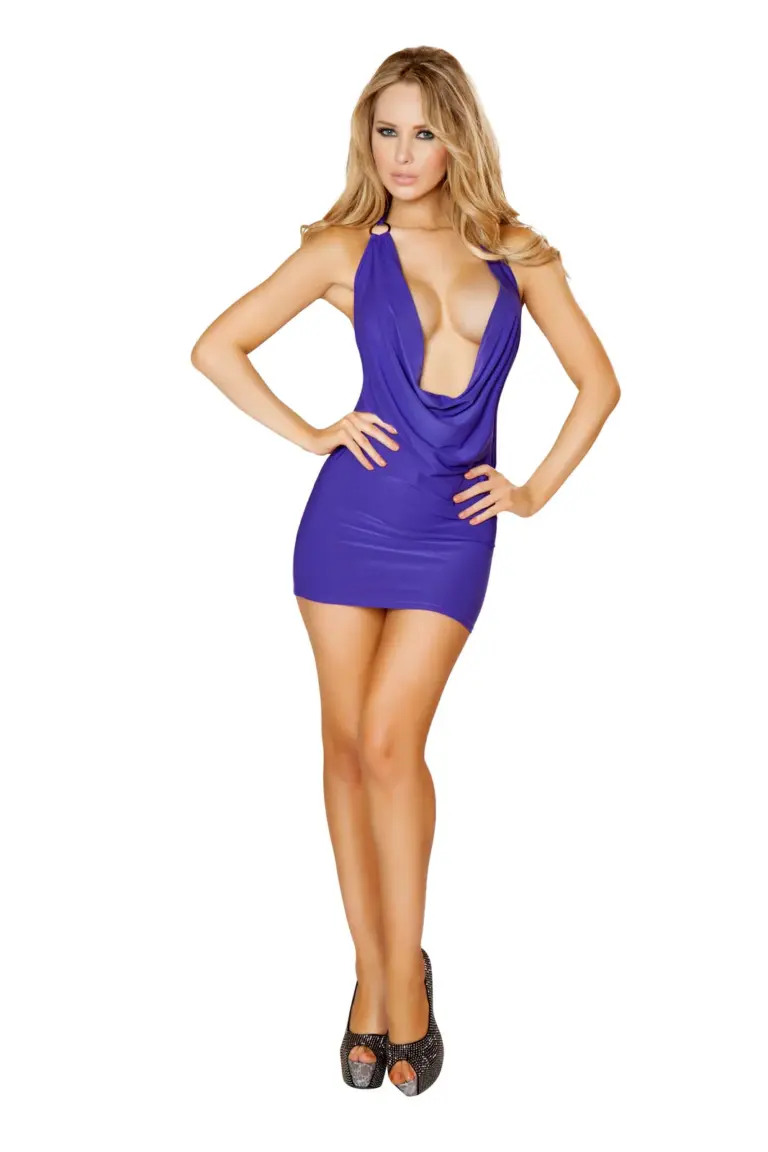 White DressesWhite Halter Neck Mini Dresses Edited Down to the BestAlso worth a lookMidi DressesThe moment a midi dress properly clicked for me was a wedding in October, cold enough for tights,…See the collections →
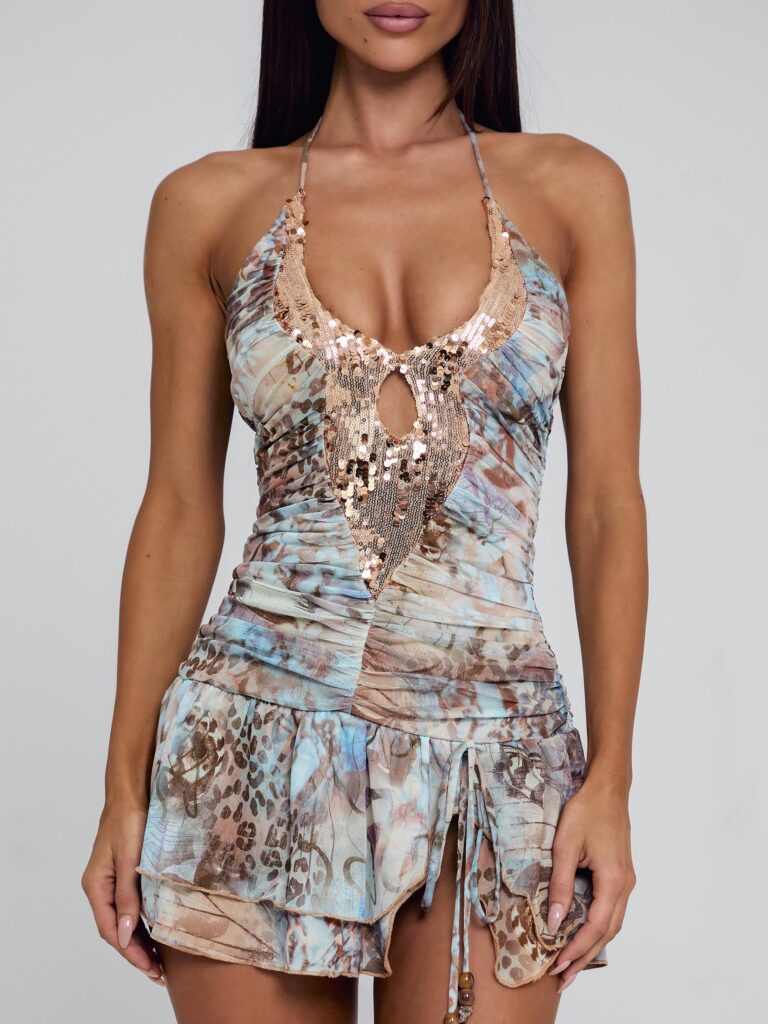
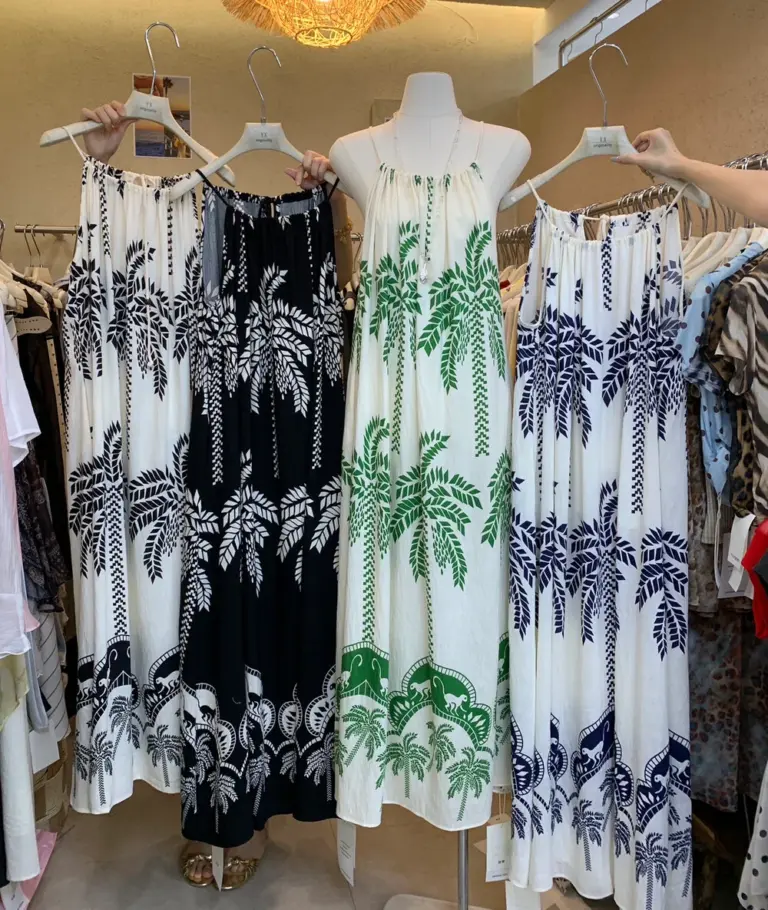 White DressesWhite Halter Neck Summer Dresses for Warmer Days
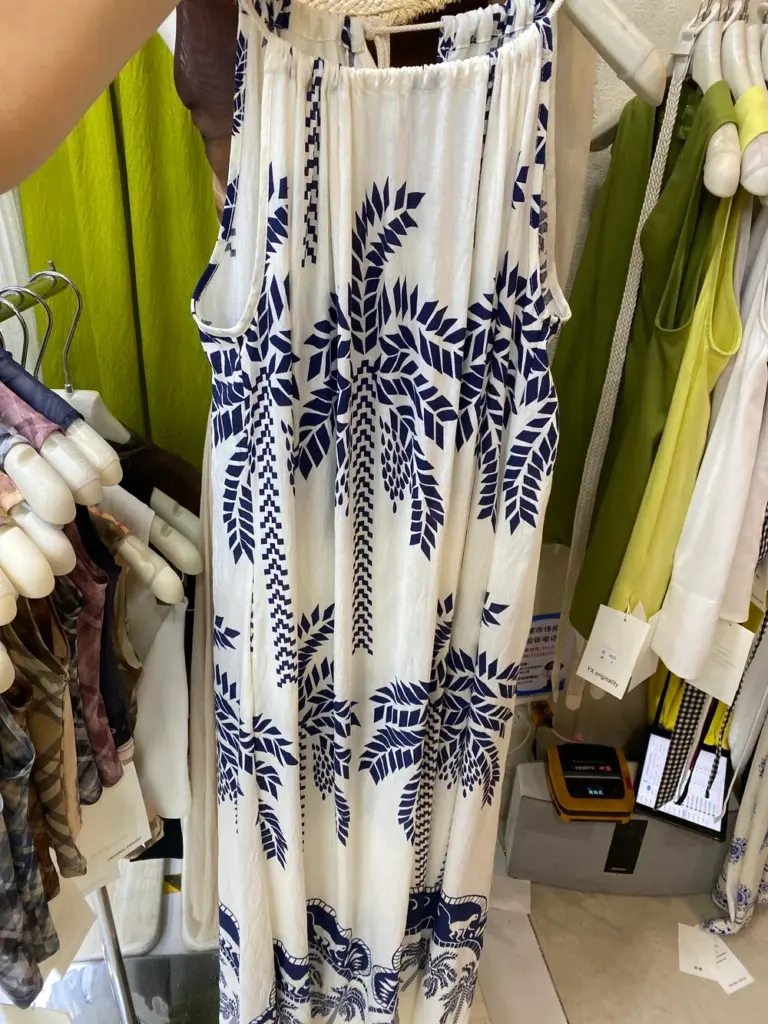
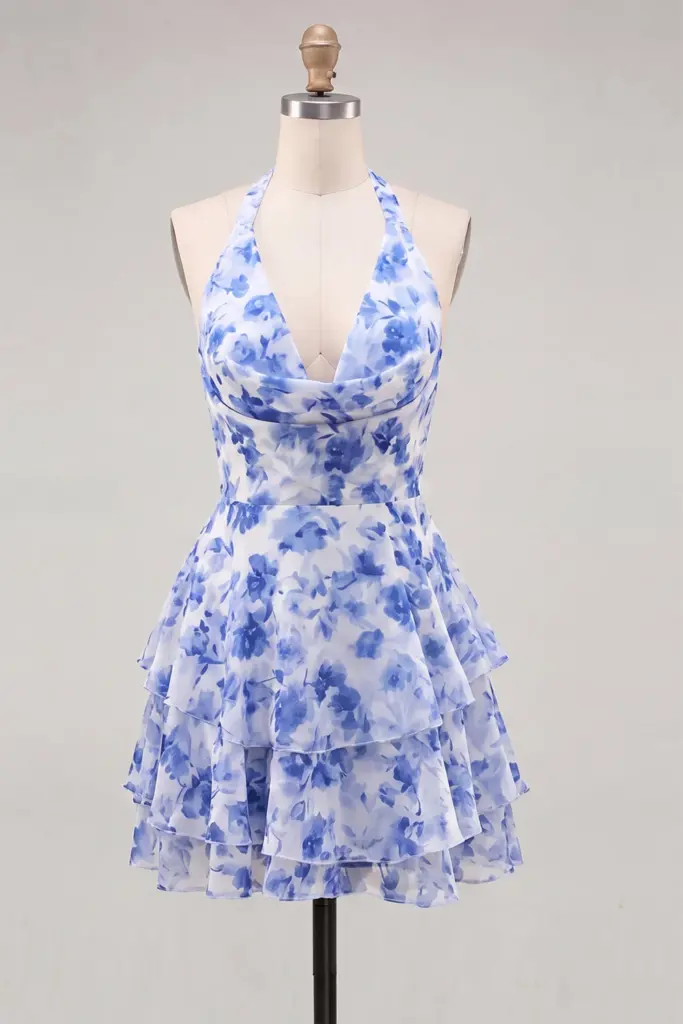 Wedding Guest DressesWedding Guest Halter Dresses for the Big Day
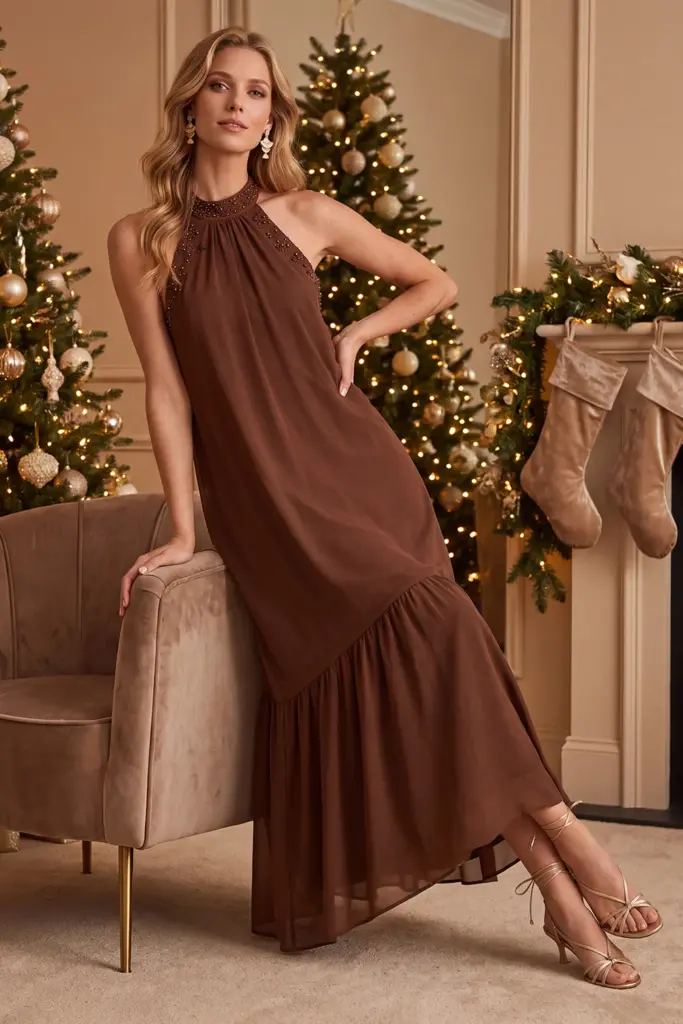
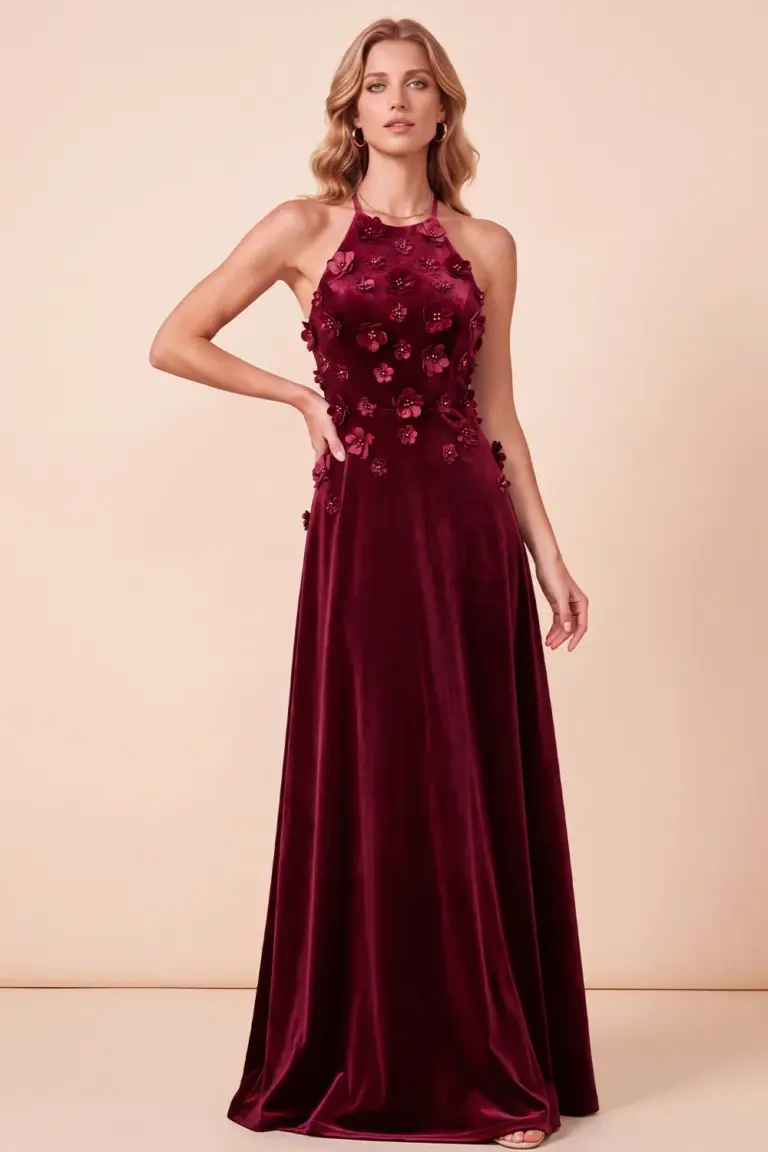 Velvet DressesVelvet Evening Halter Dresses We Rate
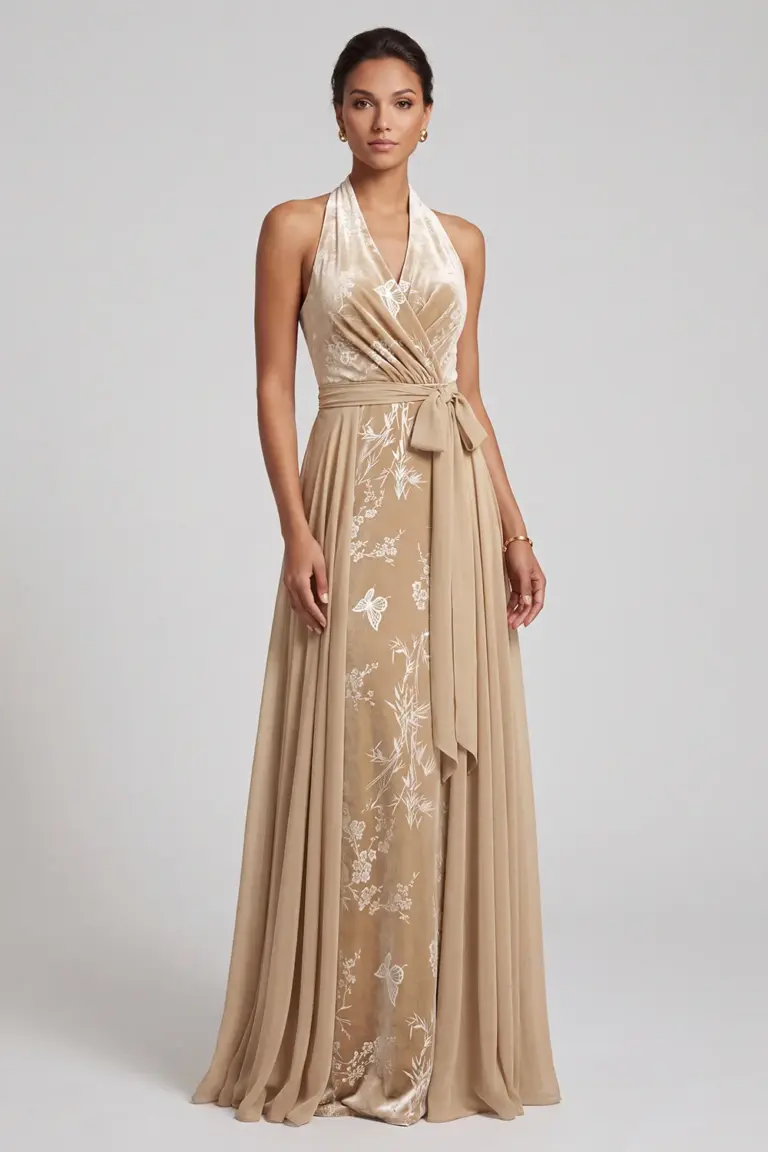
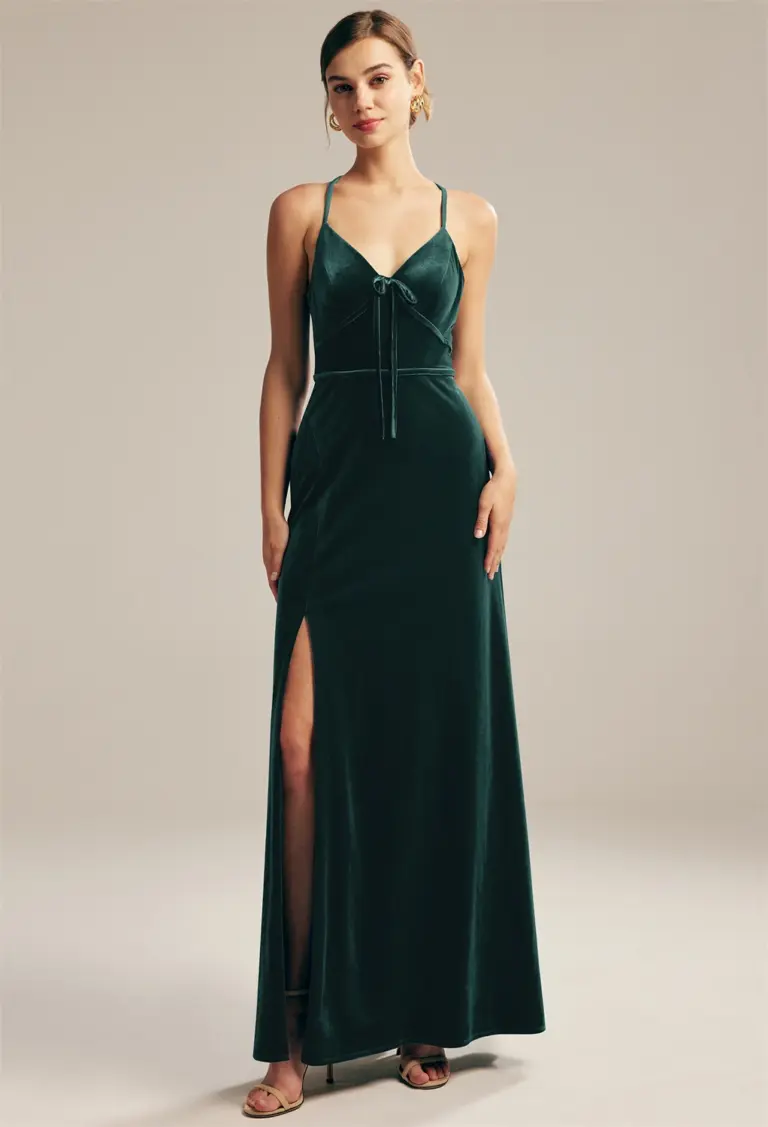 Velvet DressesVelvet Halter Dresses That Always Get Compliments
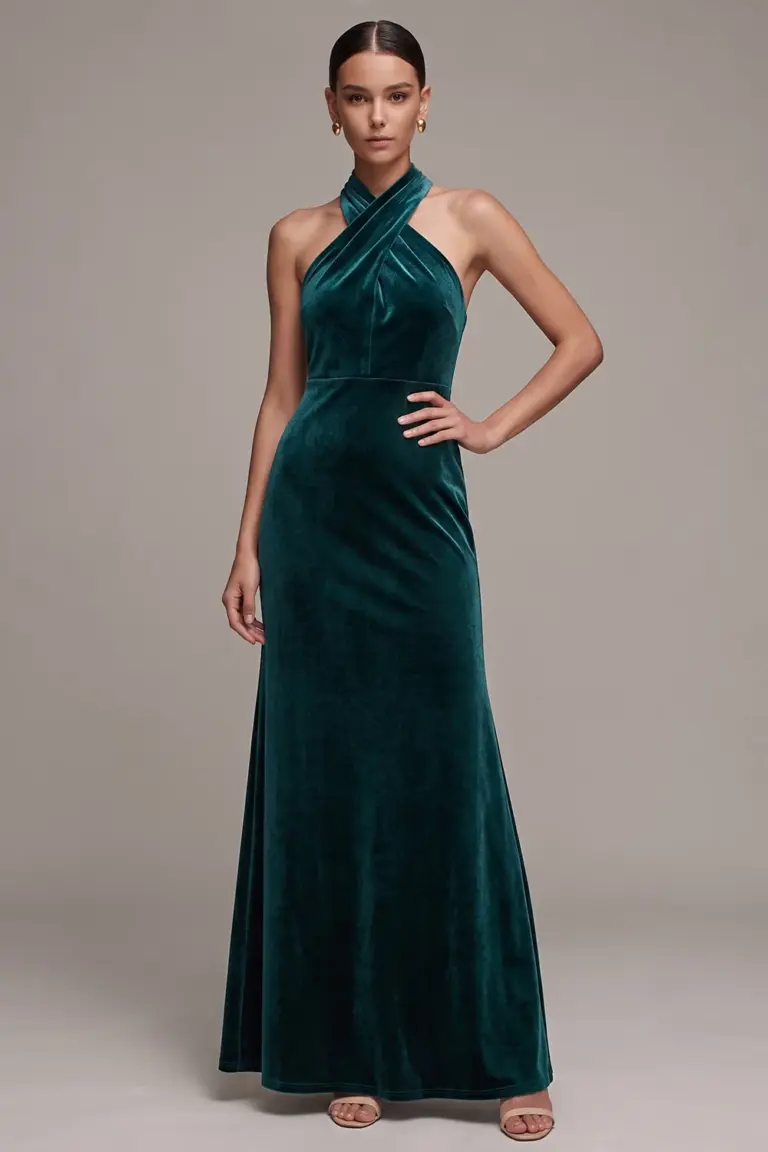
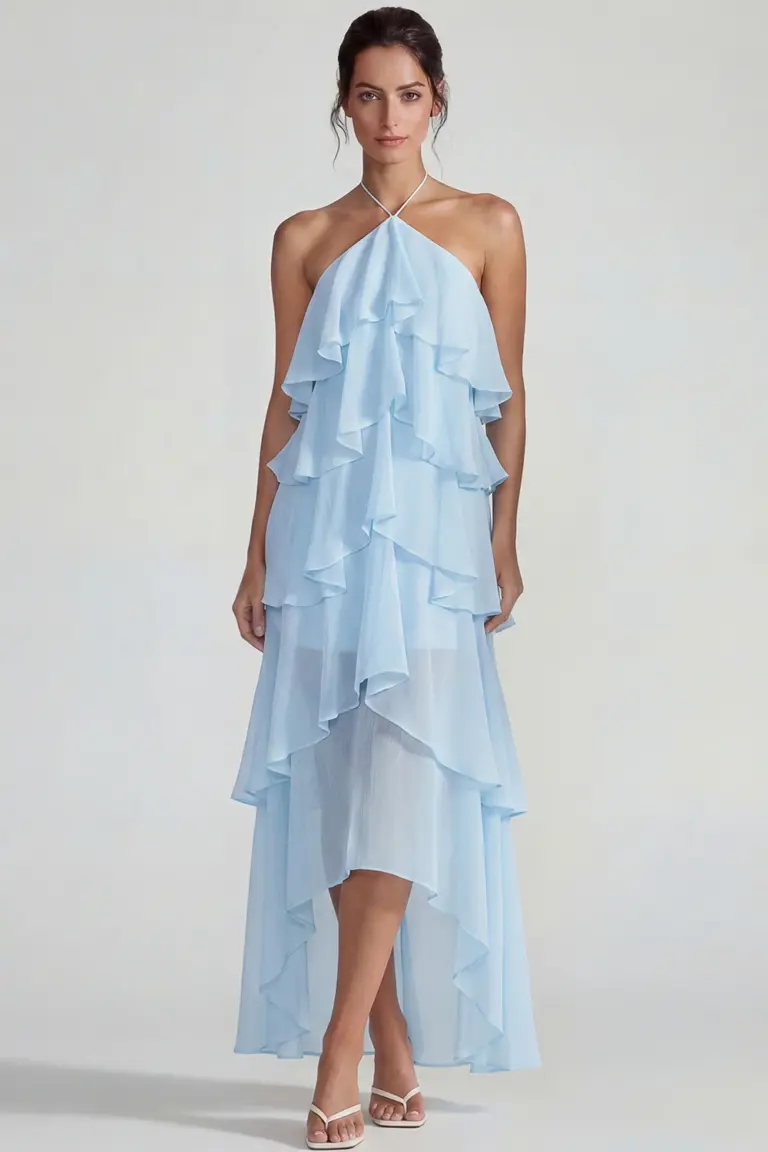 Tiered DressesTiered Halter Dresses Edited Down to the Best
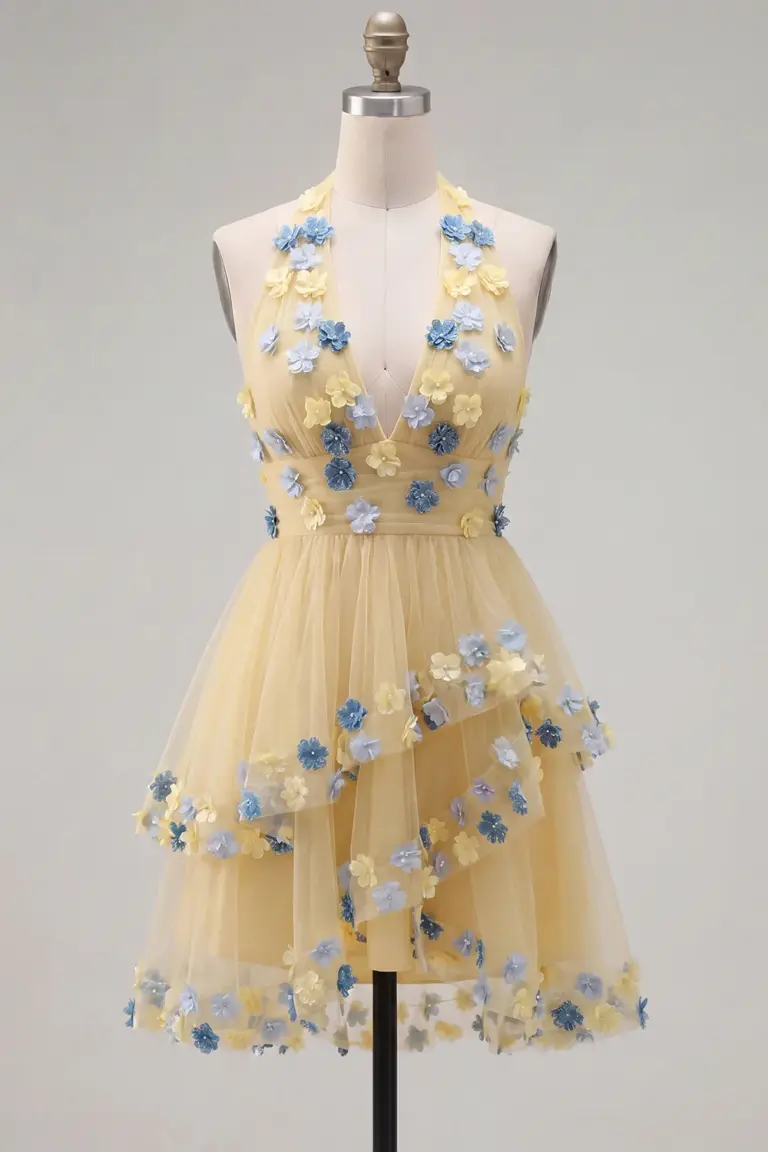
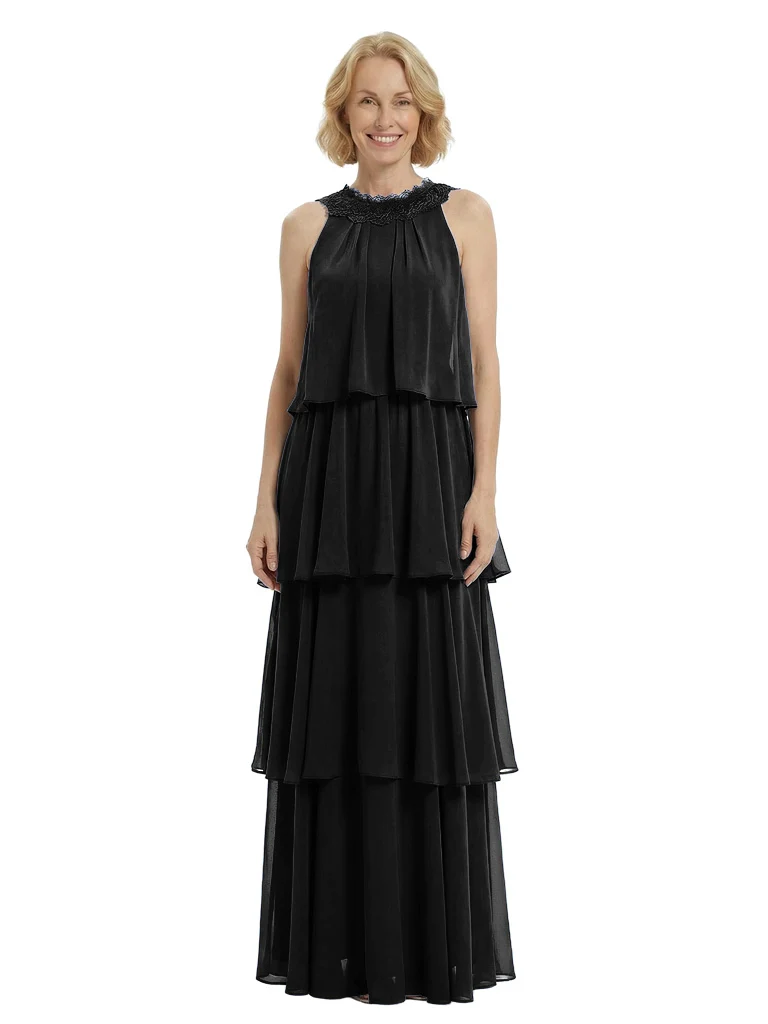 Tiered DressesTiered Maxi Halter Dresses You’ll Want to Live In
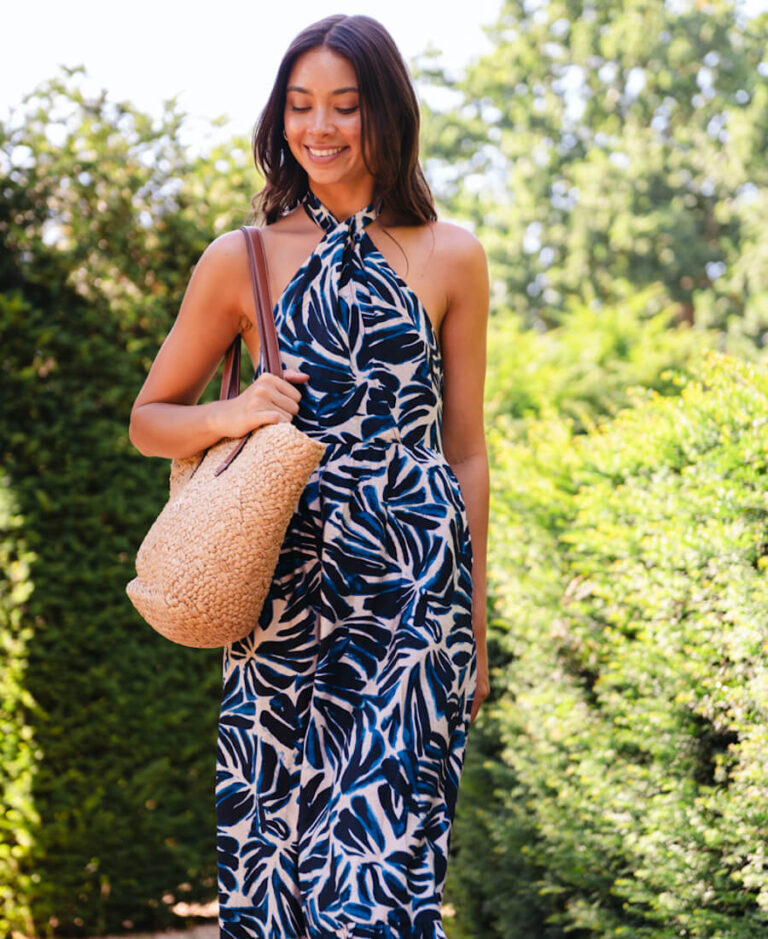
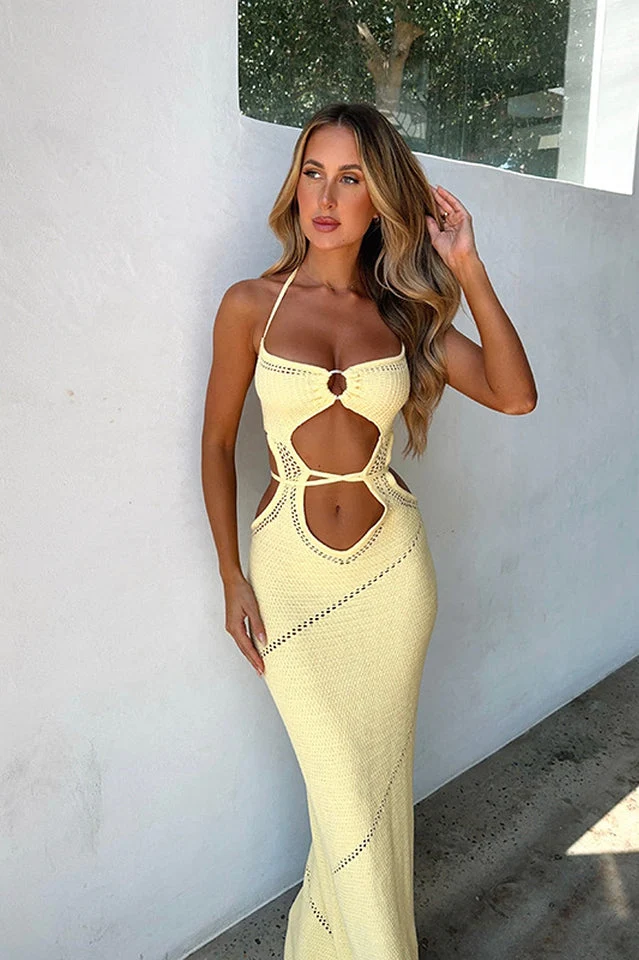 Tie Waist DressesEffortless Tie Waist Halter Dresses We Love
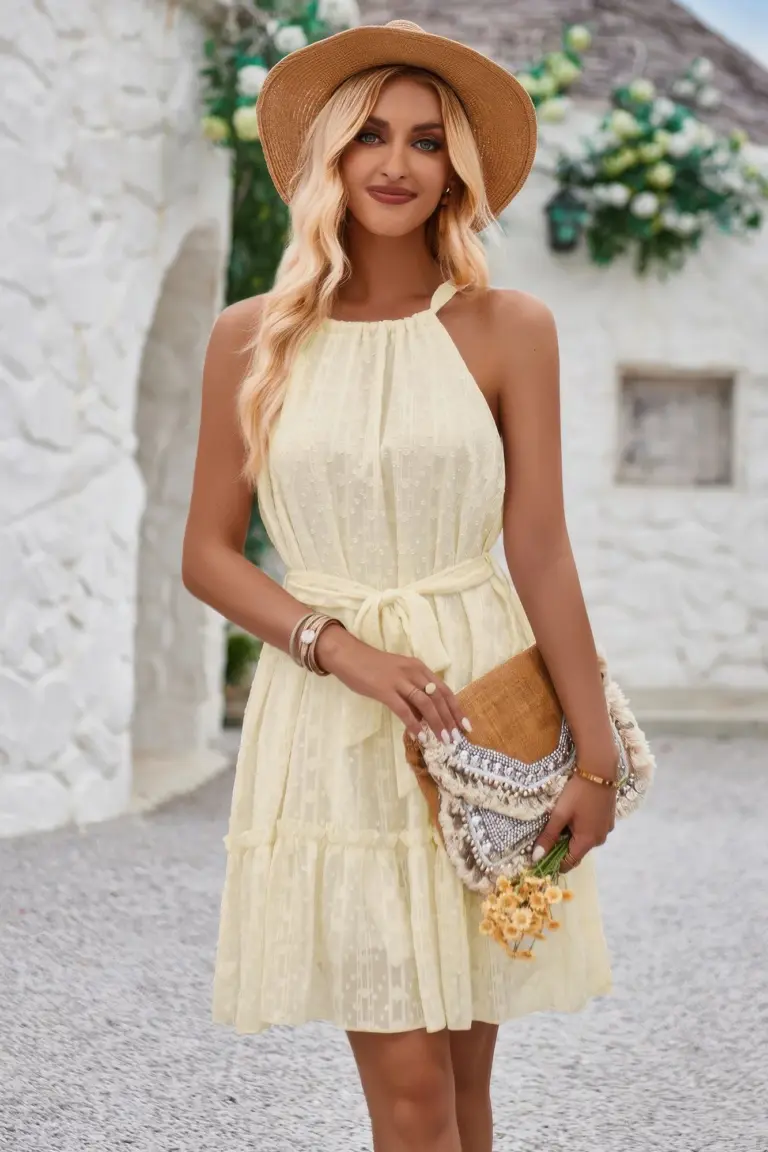
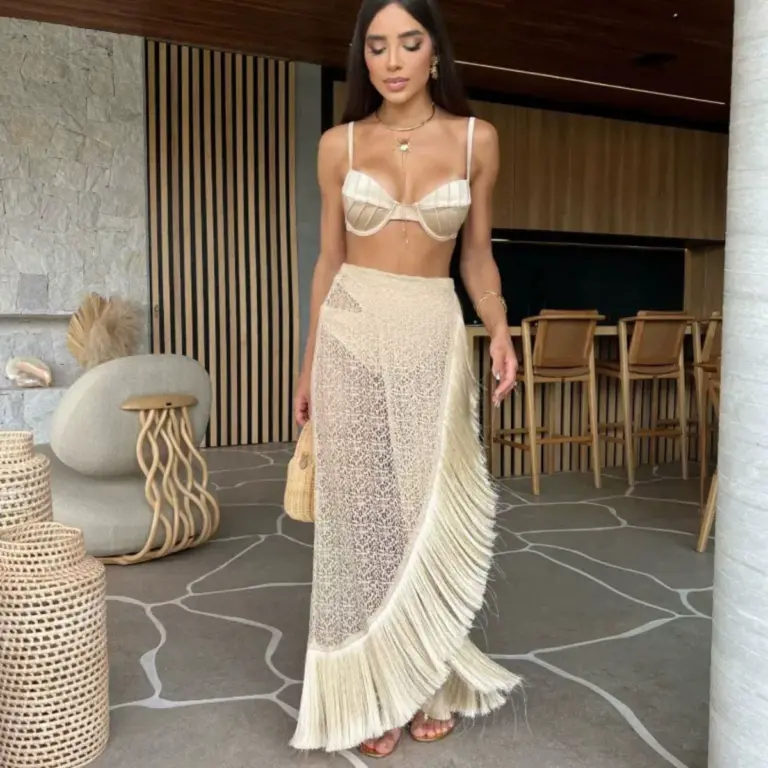 Tie Waist DressesTie Waist Maxi Halter Dresses: Our Current Favorites
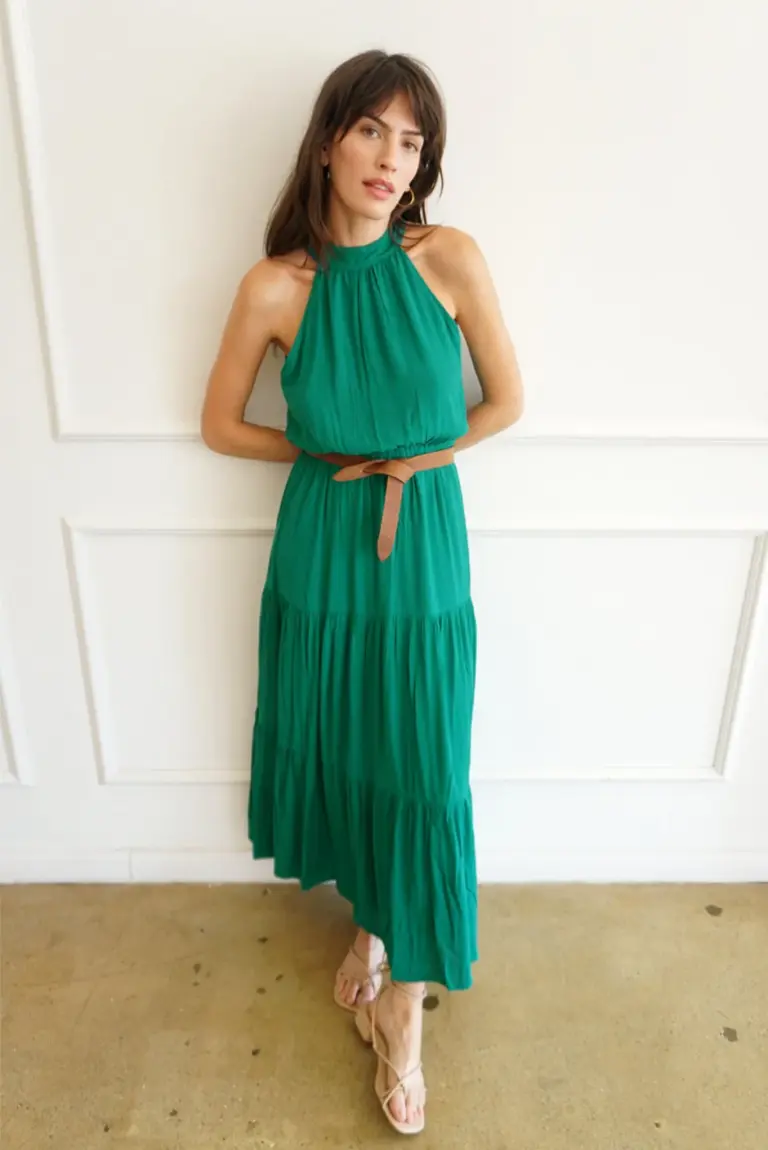
 Summer DressesSummer Halter Dresses: Picks We Stand ByAlso worth a lookMaxi DressesA maxi dress earns its length by making you forget what you're wearing, and that's the whole point of one.See the collections →
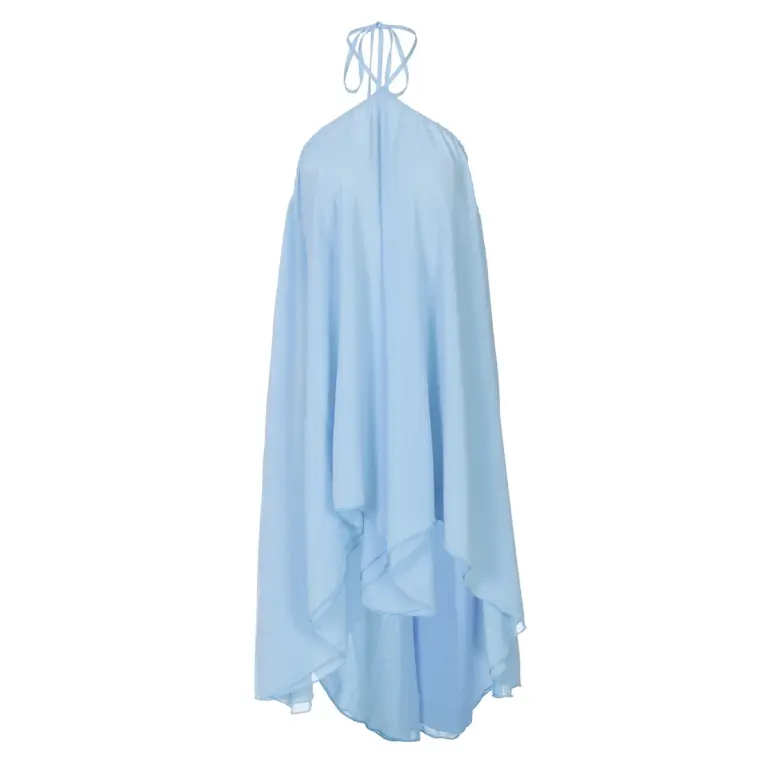
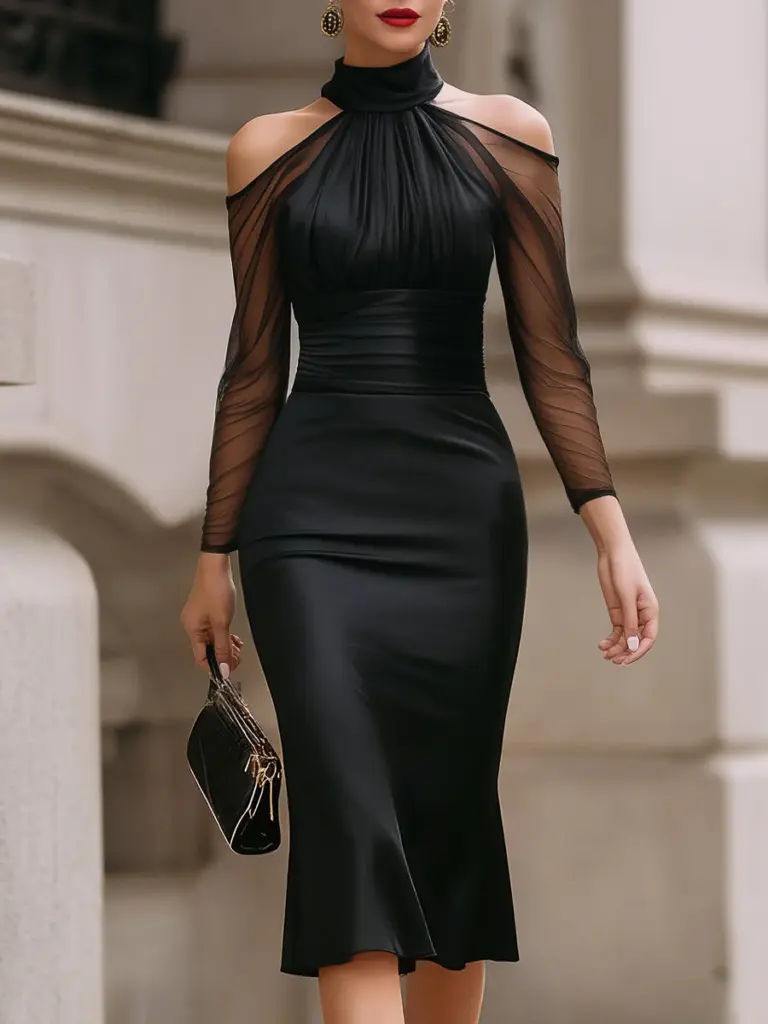 Structured Halter Dresses We Think You’ll Love
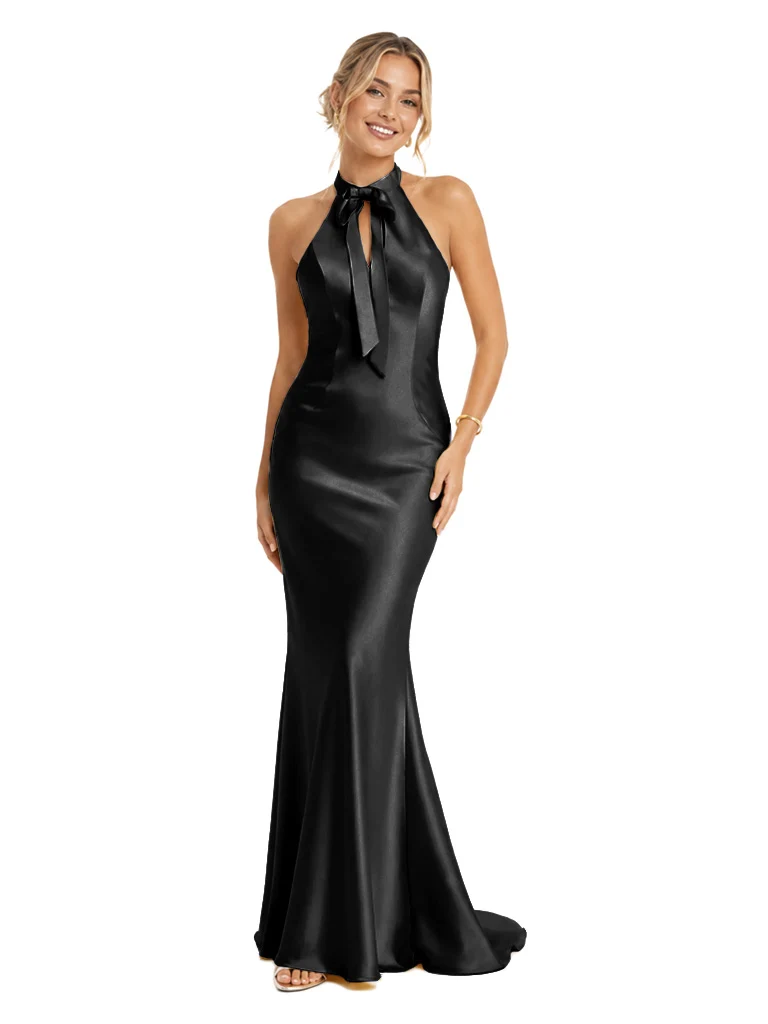
 Strappy DressesStrappy Halter Dresses: What We’d Buy Now
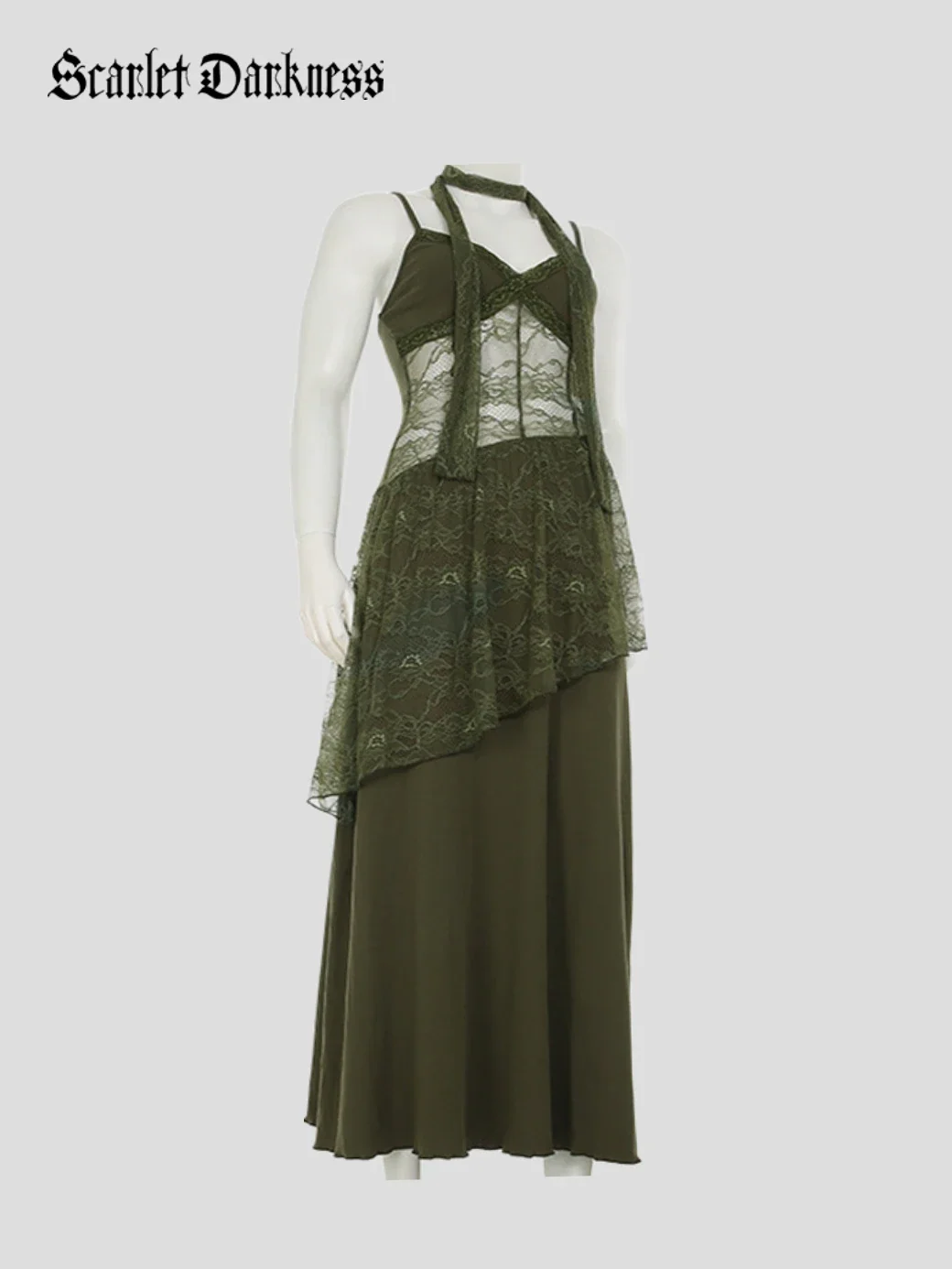
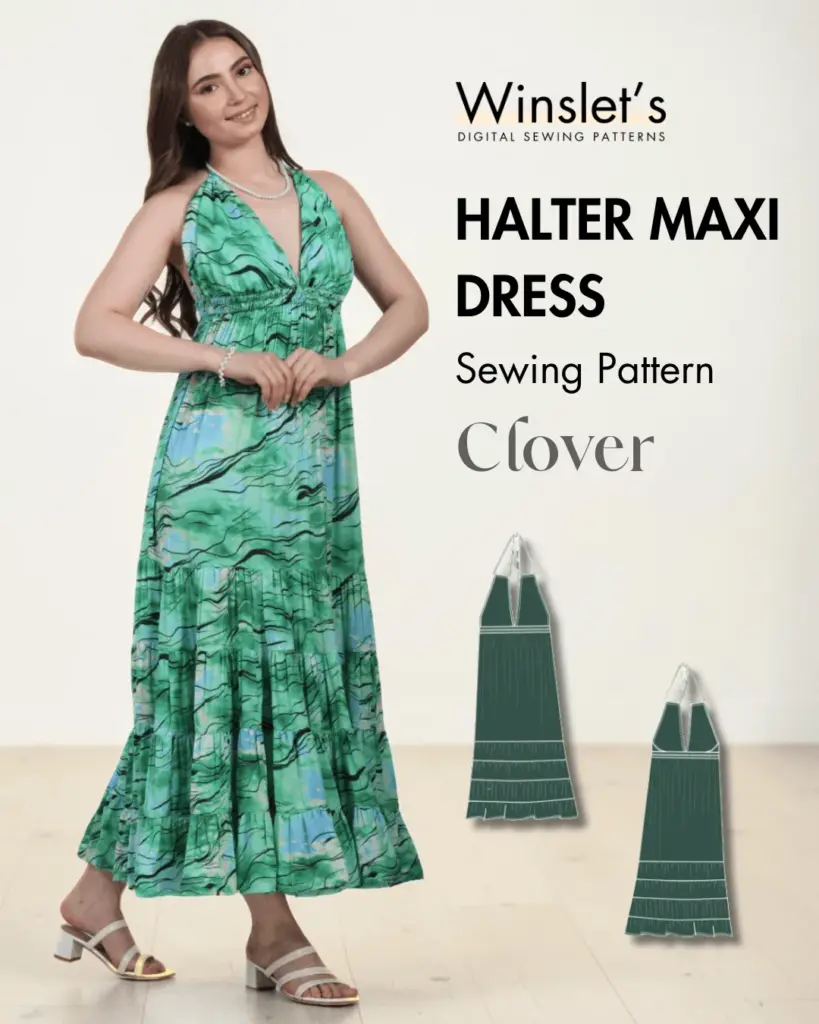 Strappy DressesStrappy Maxi Halter Dresses We Love Right Now
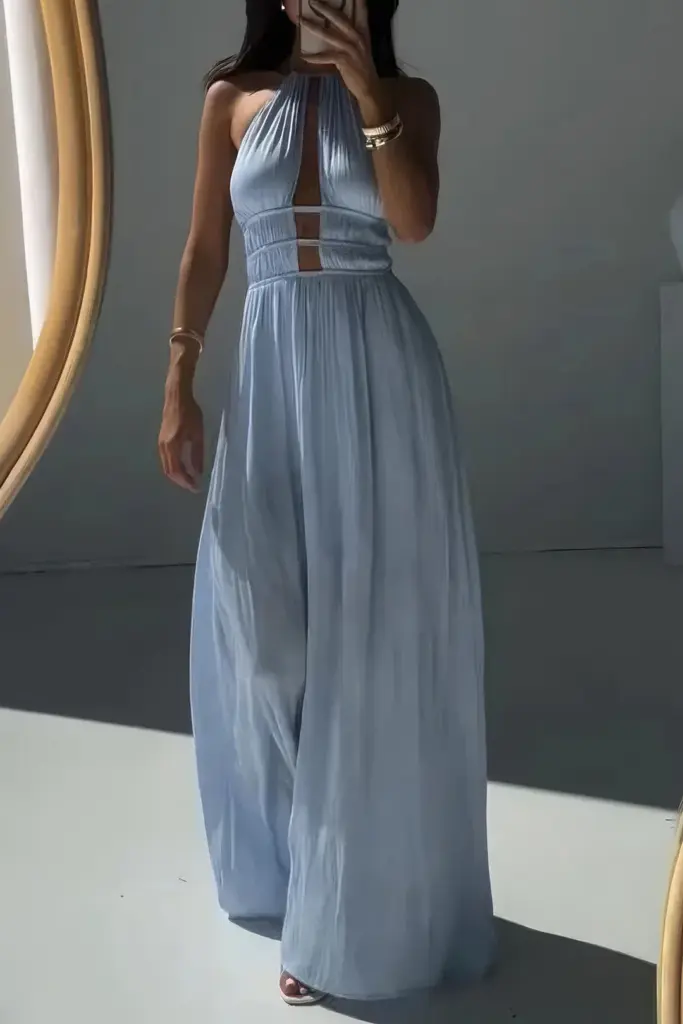
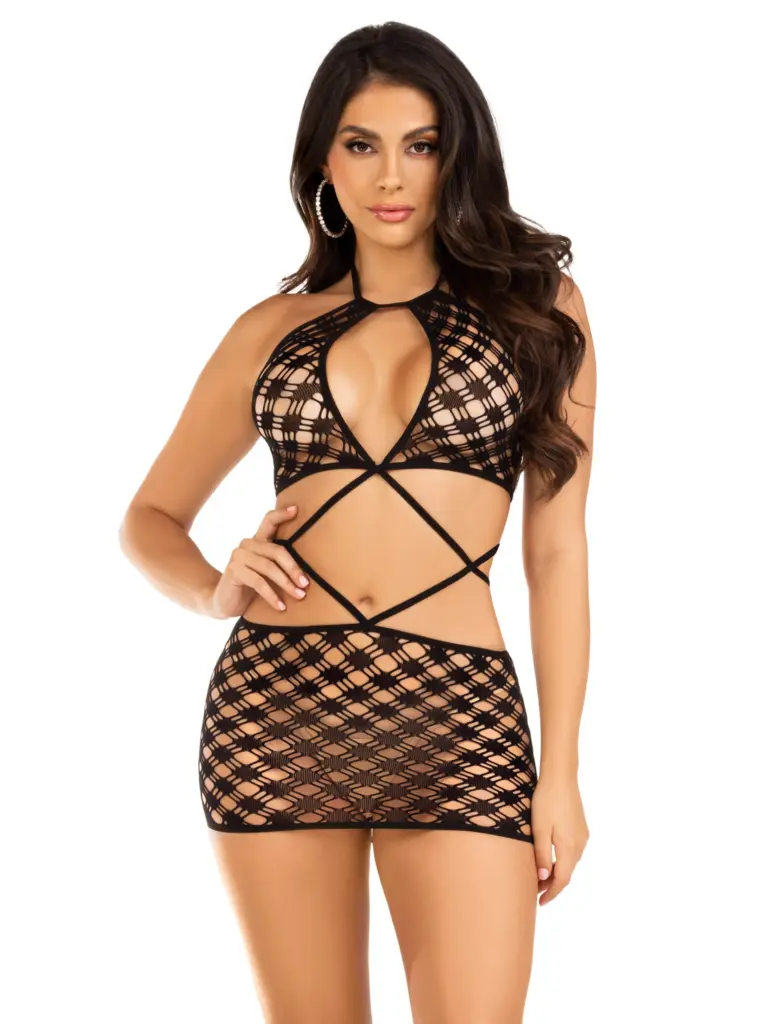 Strappy DressesThe Strappy Mini Halter Dresses We’d Wear Anywhere
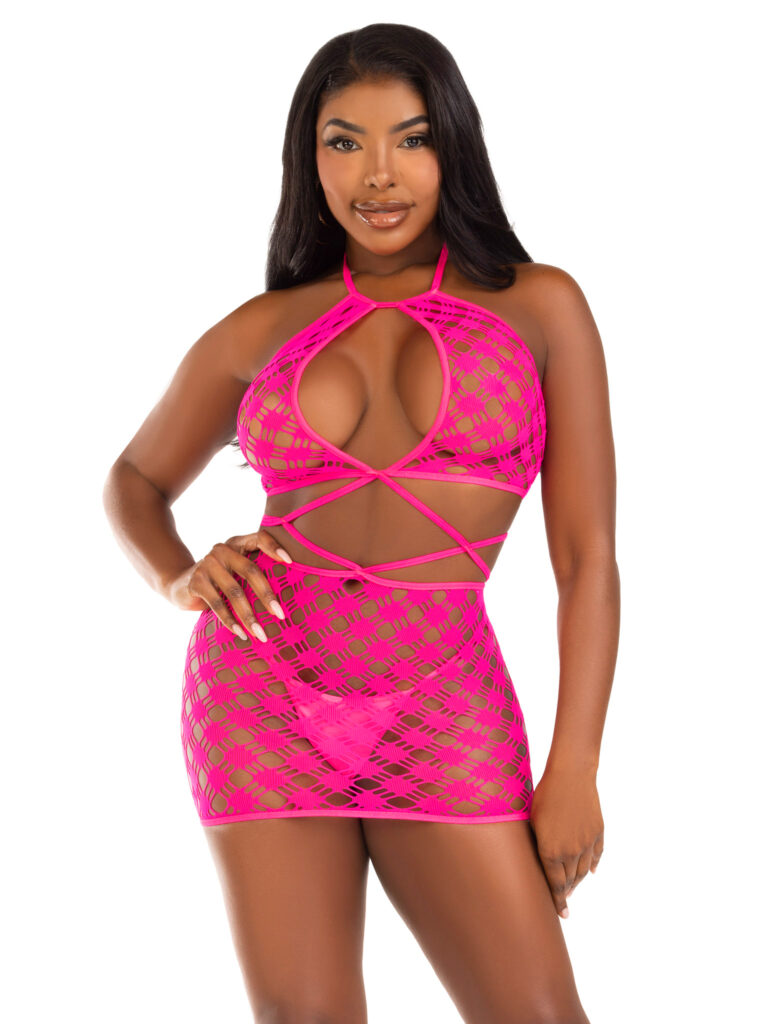
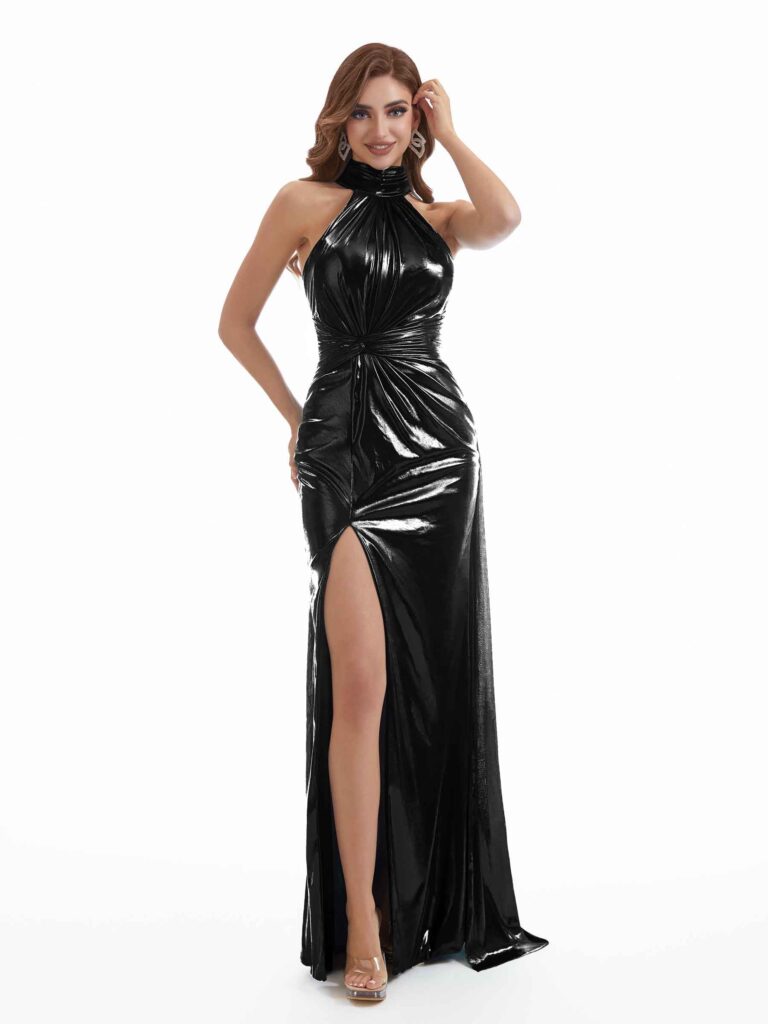 Split DressesThe Split Maxi Halter Dresses Shortlist
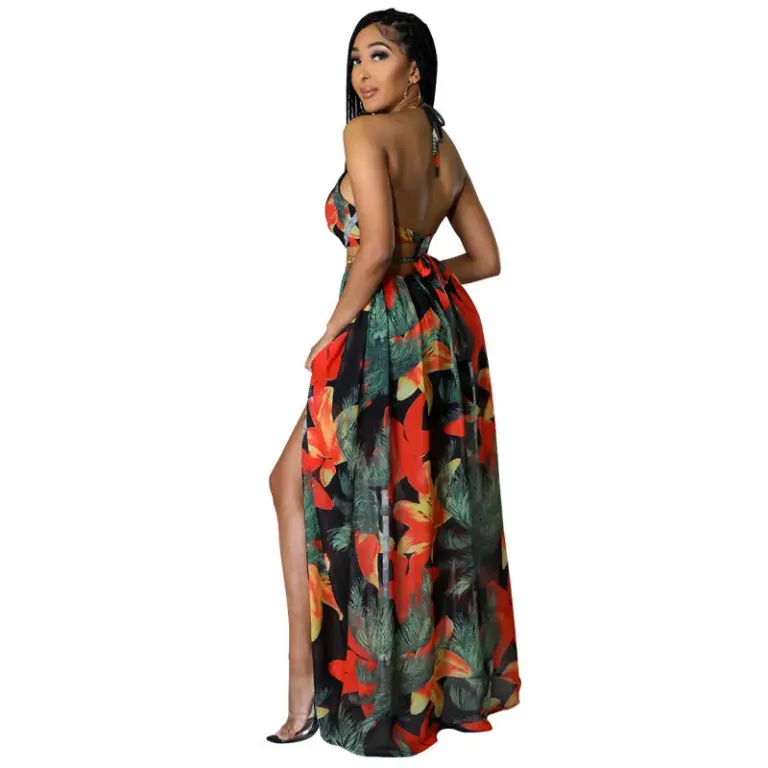
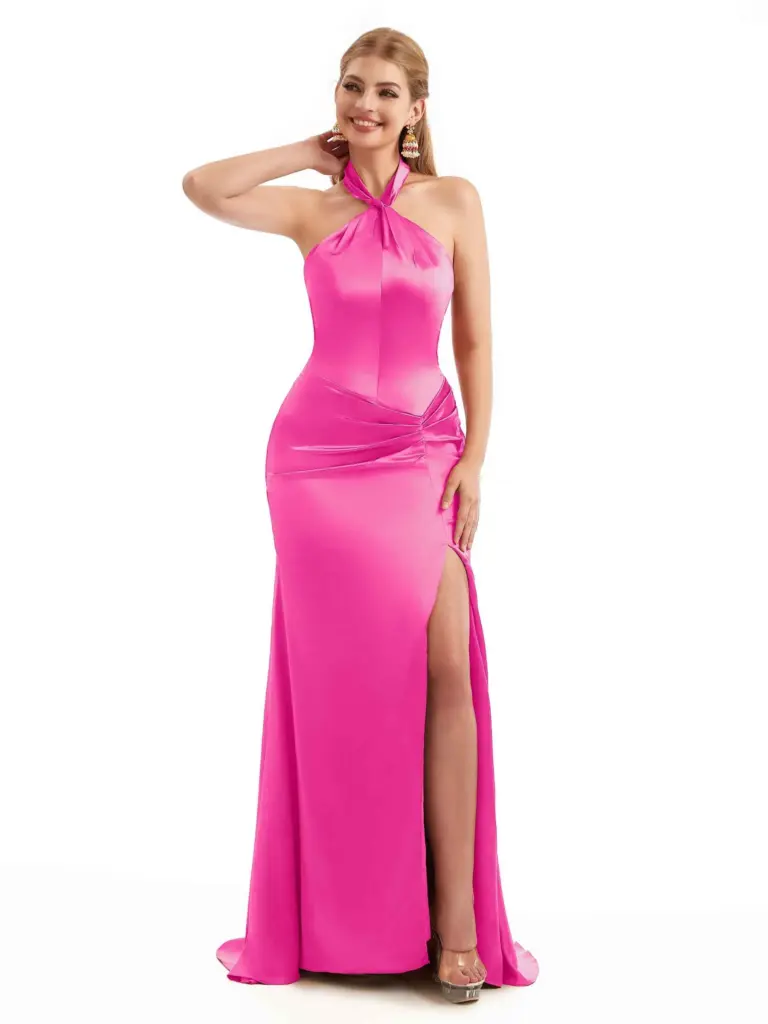 Spring Halter Dresses That Flatter Without Trying
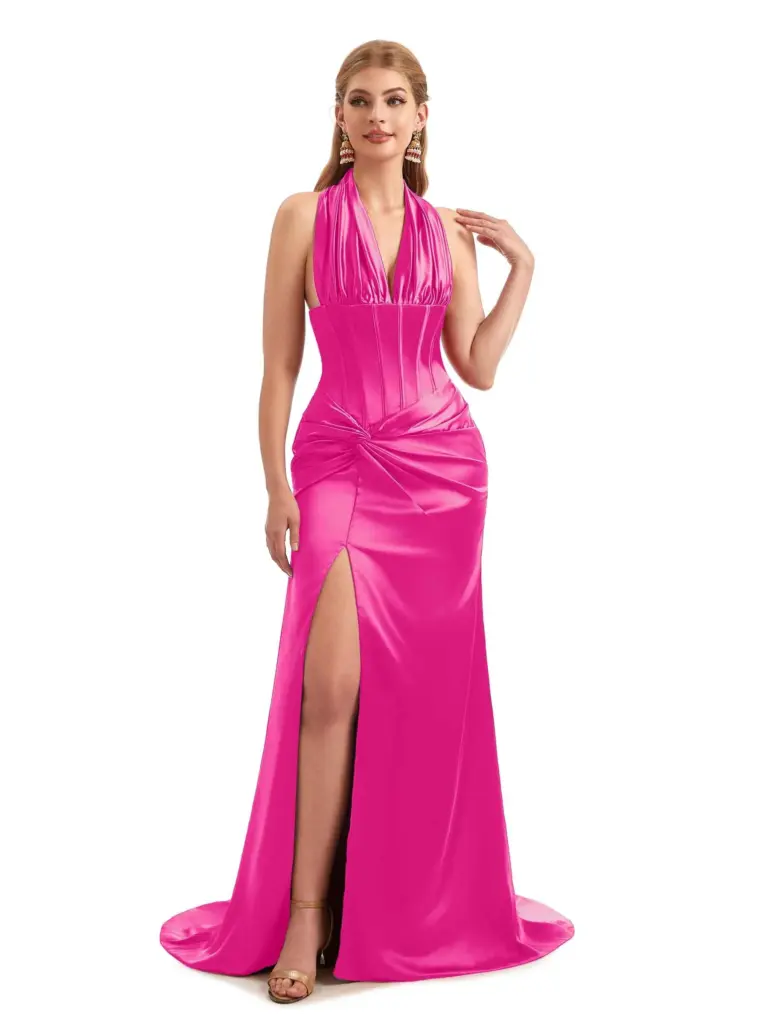
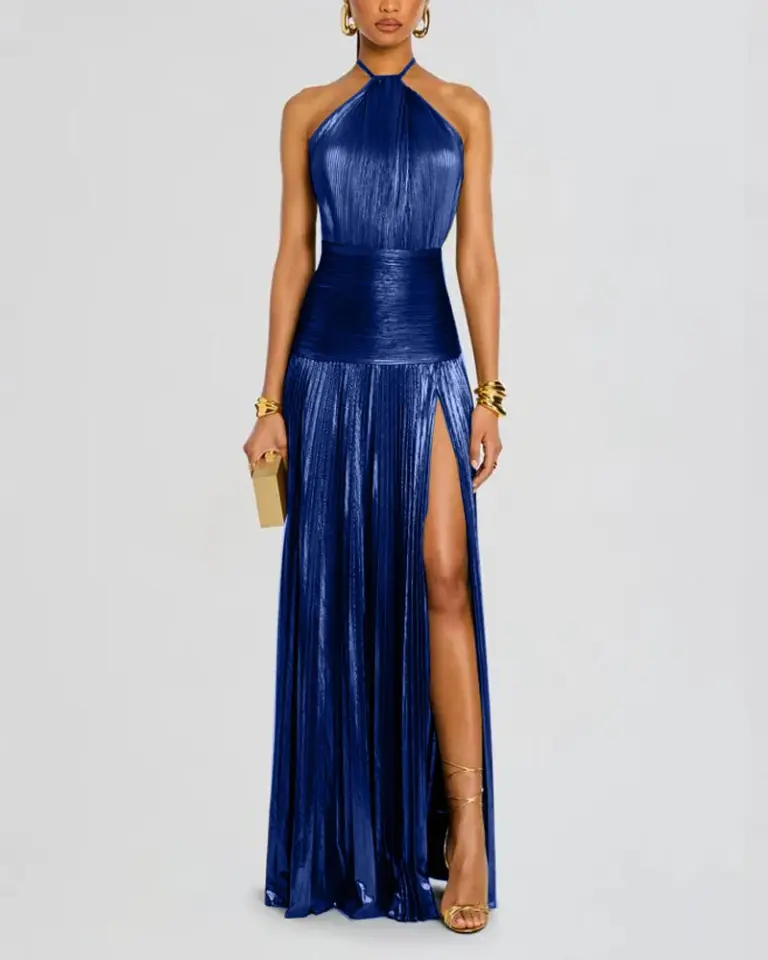 Split DressesSplit Halter Dresses That Make Getting Dressed Easy
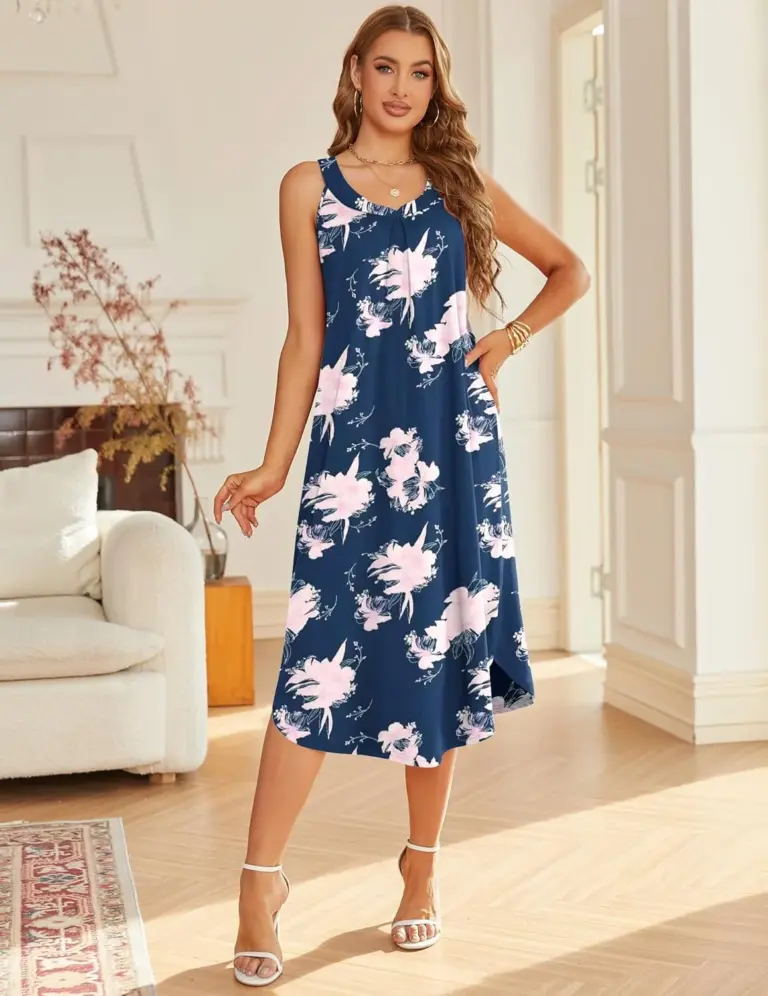
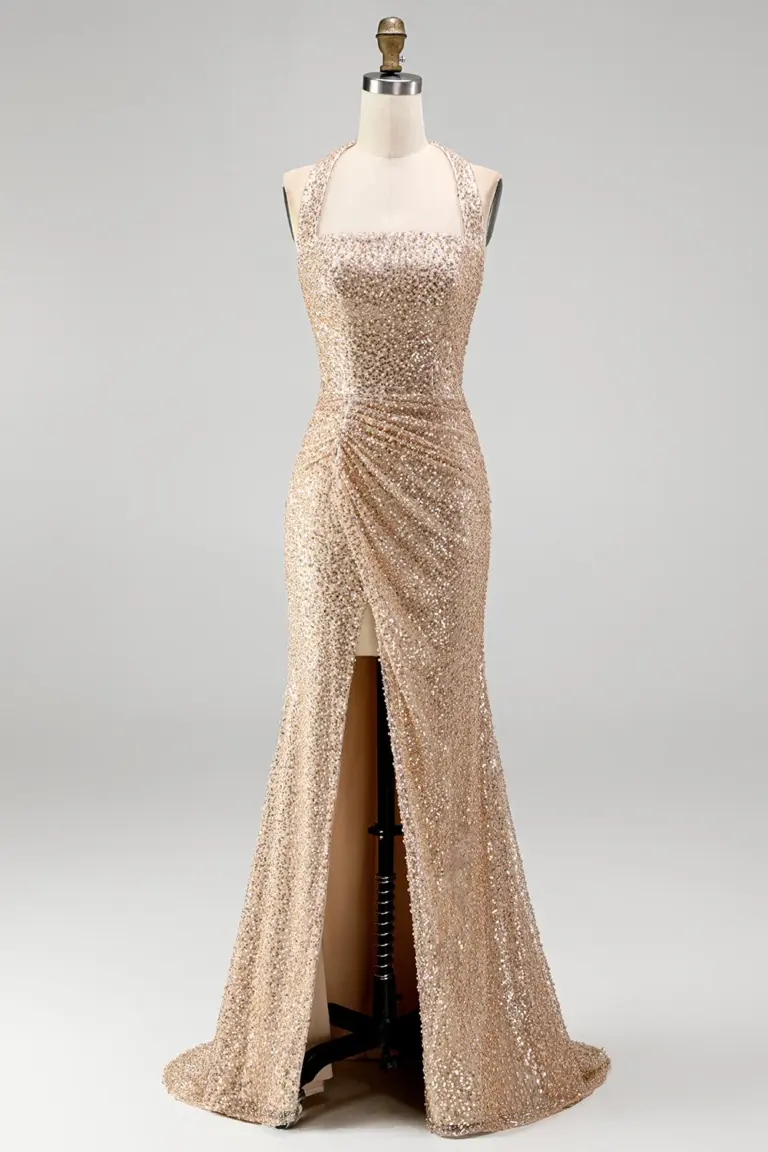 Slit Halter Dresses That Always Get Compliments
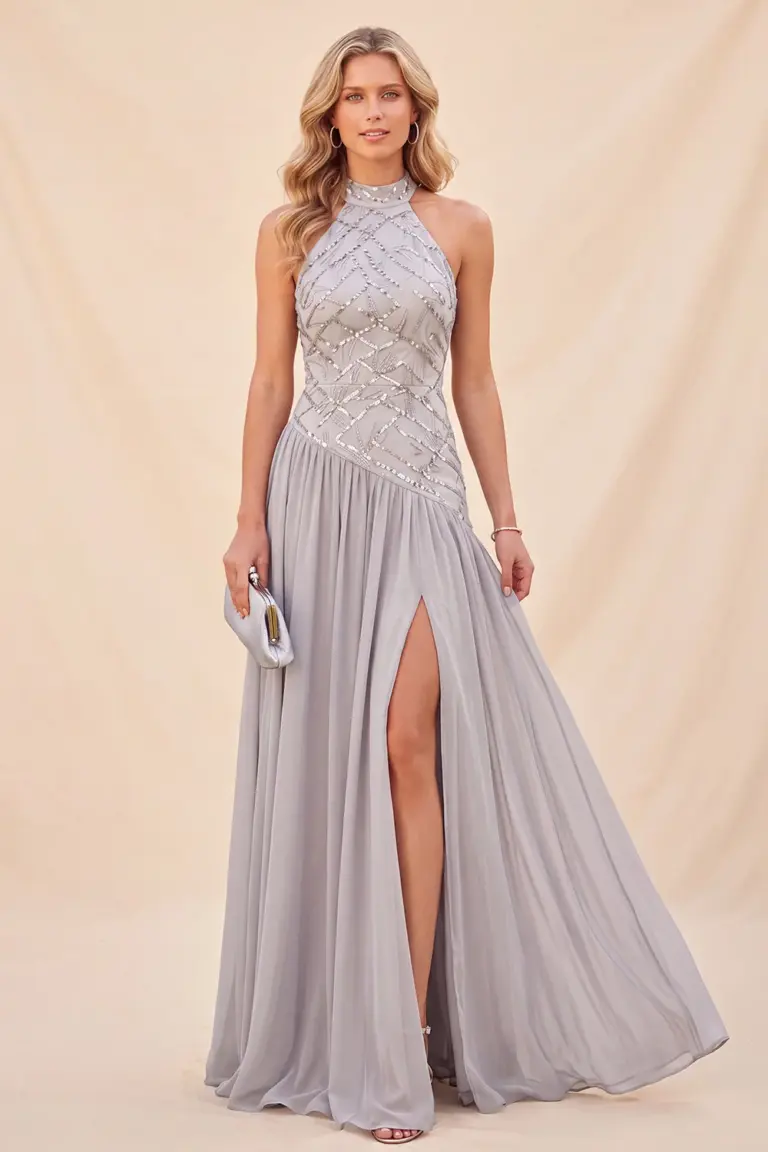
 Sleeveless DressesOur Kind of Sleeveless Party Halter DressesAlso worth a lookMini DressesThe thing nobody mentions in the fitting room is how a mini dress behaves after three hours sitting down rather than standing in front of a mirror.See the collections →
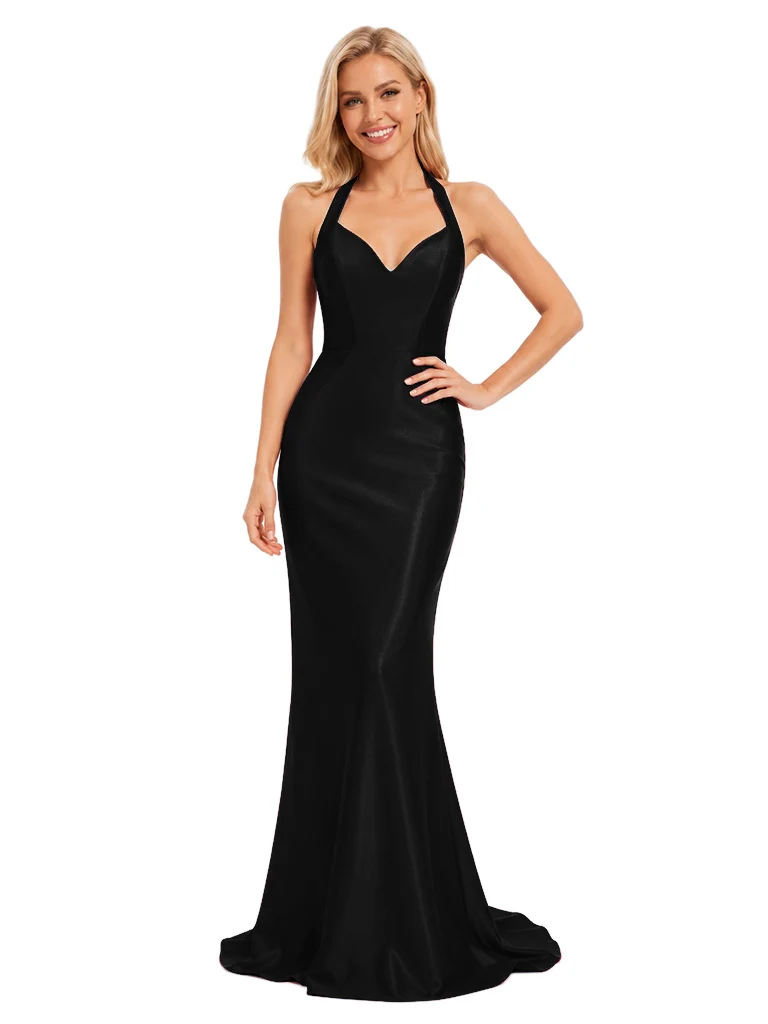
 Sleeveless DressesSleeveless Mini Halter Dresses You Can Dress Up or Down

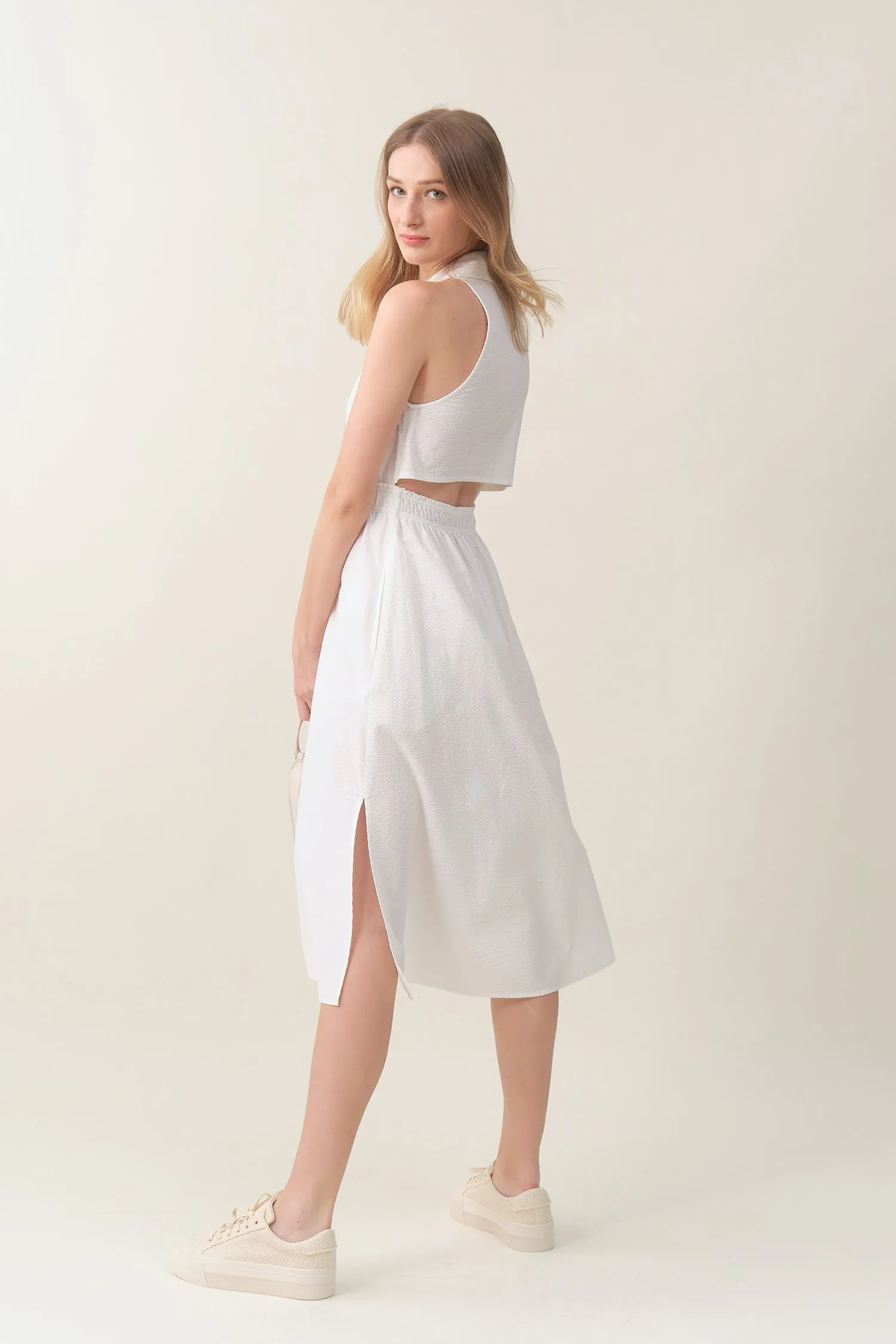 Occasion DressesSleeveless Occasion Halter Dresses: Picks We Stand By

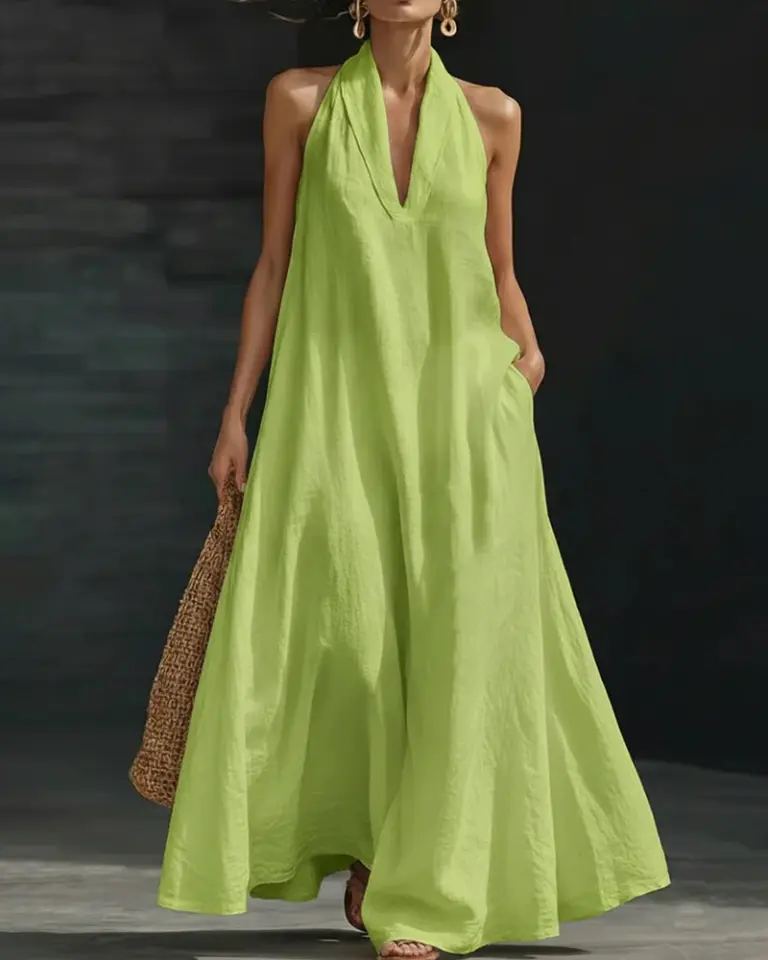 Sleeveless DressesSleeveless Maxi Halter Dresses That Flatter Without Trying
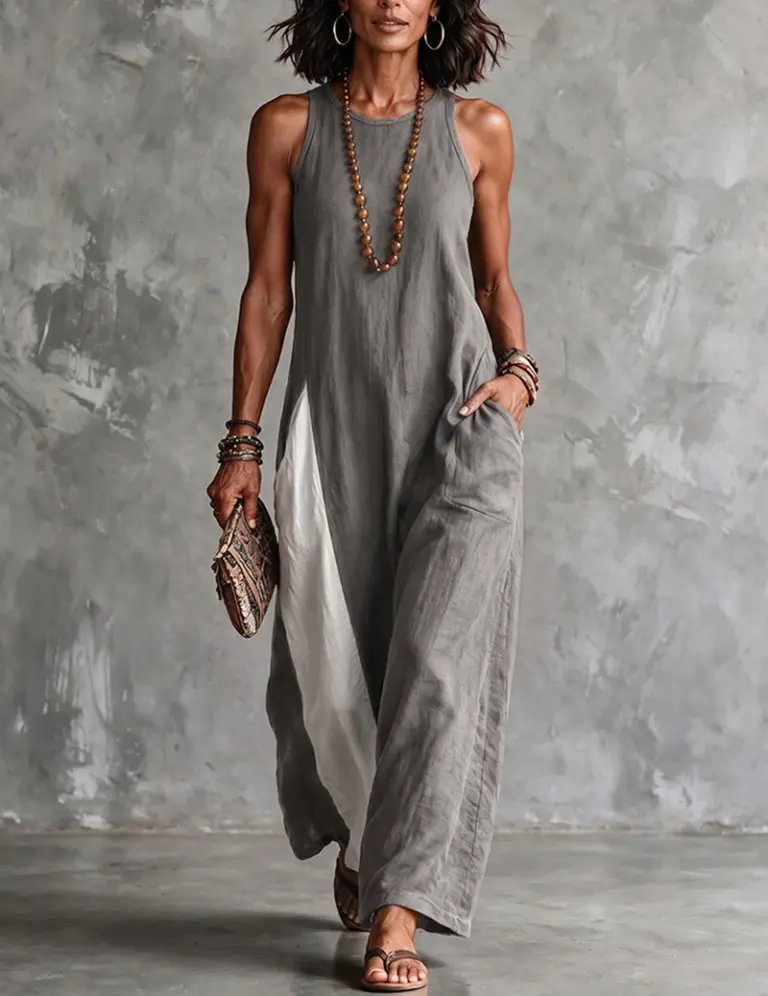
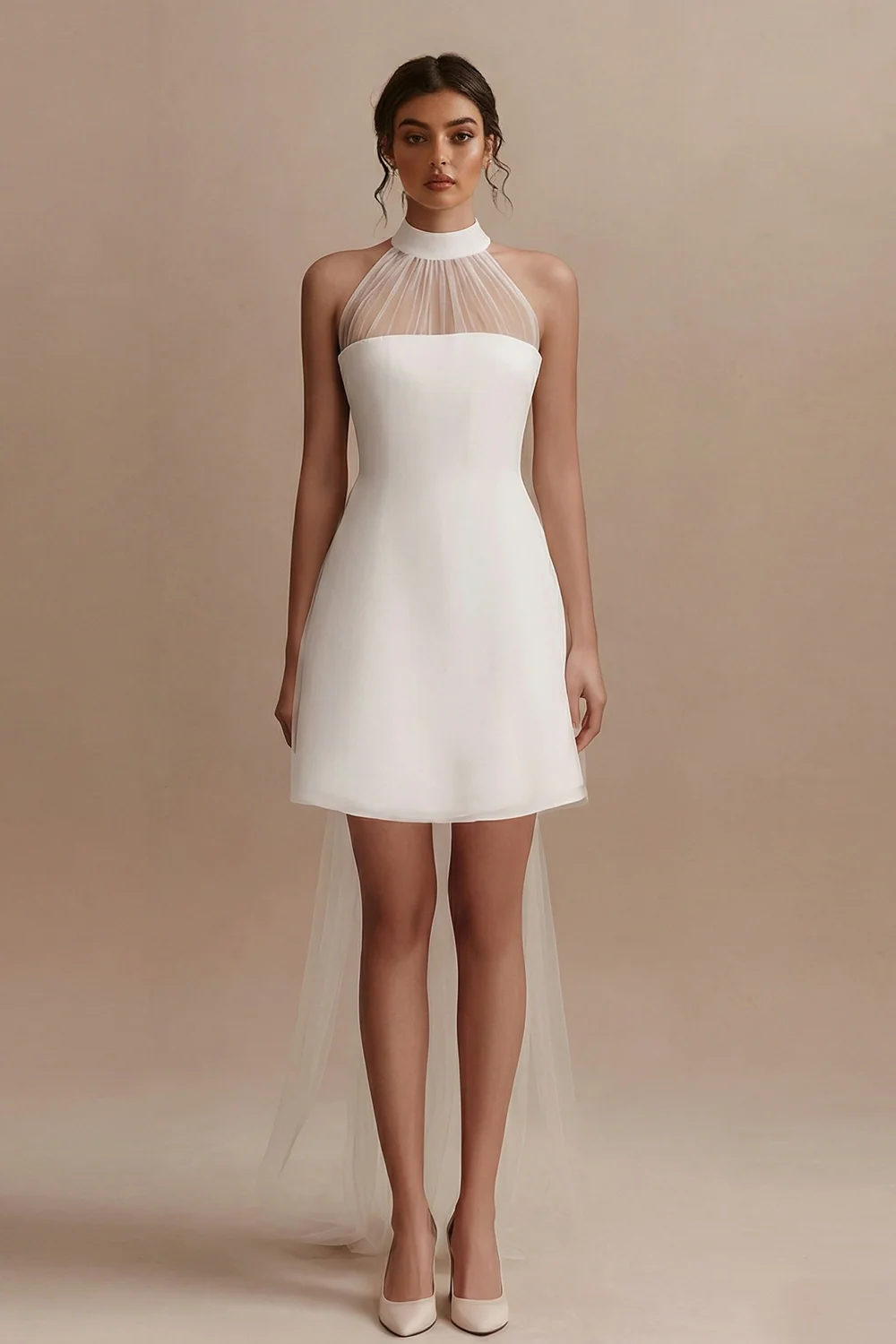 Sleeveless DressesThe Sleeveless Evening Halter Dresses We’re Eyeing Up This Season

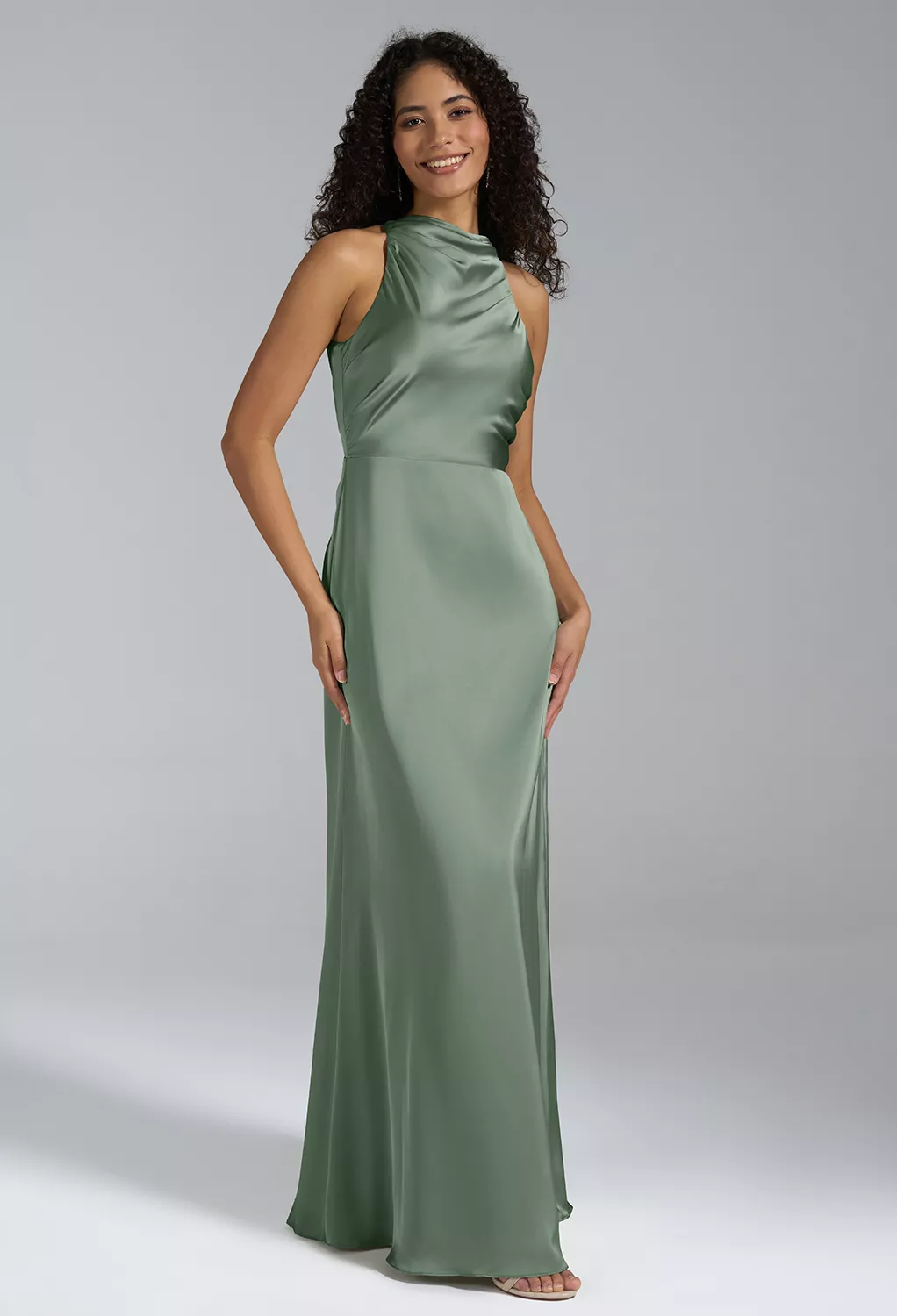 Floor Length DressesSleeveless Floor Length Halter Dresses: Picks We Stand By
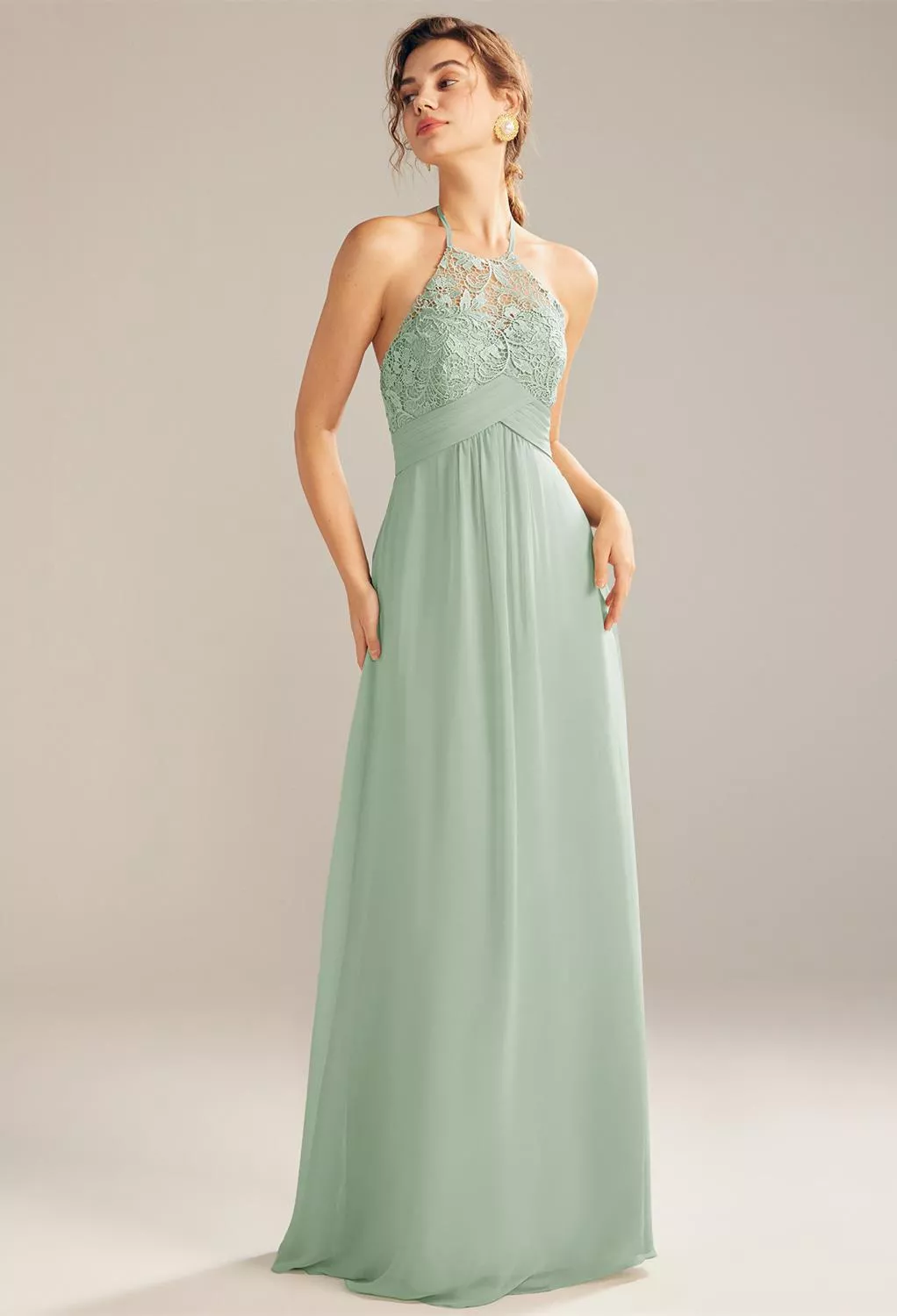
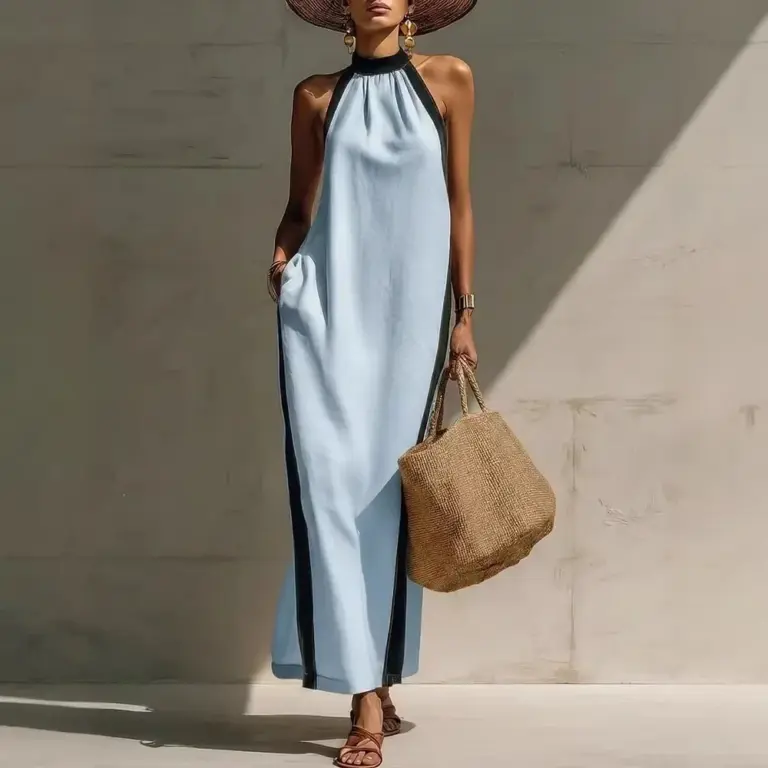 Sleeveless DressesSleeveless Halter Dresses With Real Wardrobe Staying Power
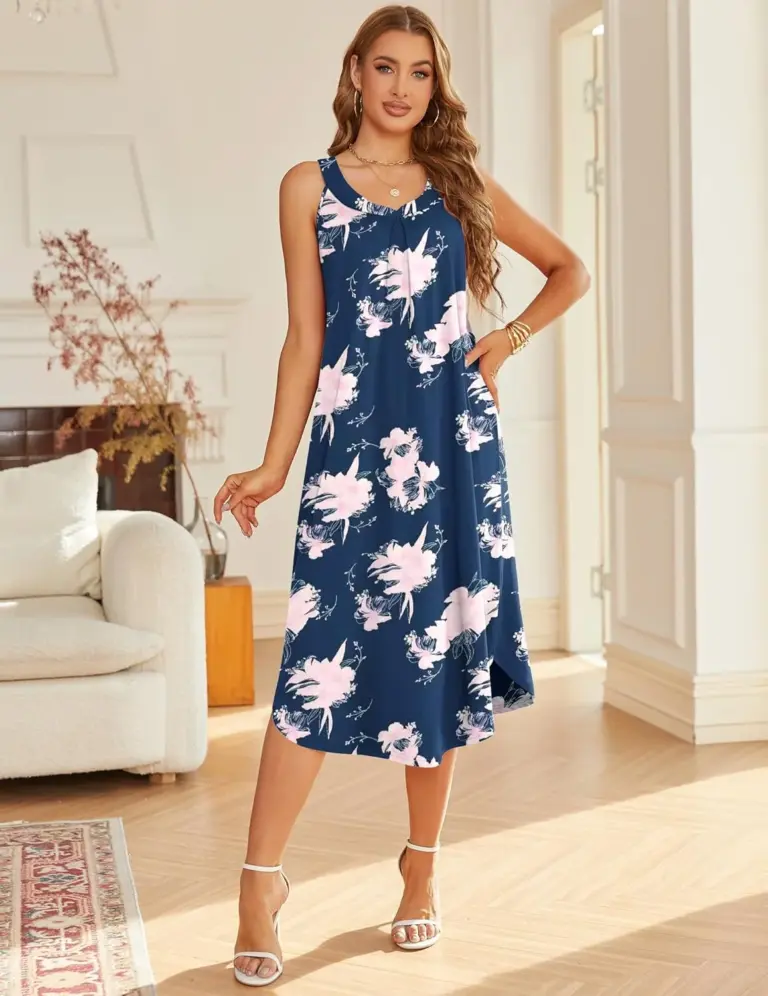
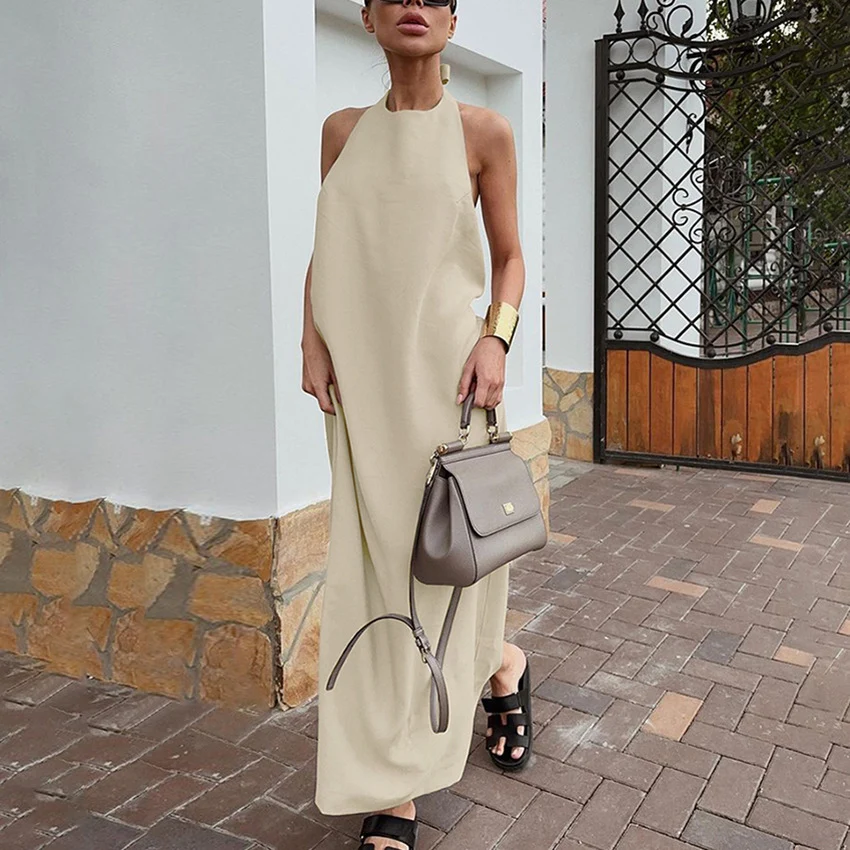 Casual DressesShop Our Favorite Sleeveless Casual Halter Dresses
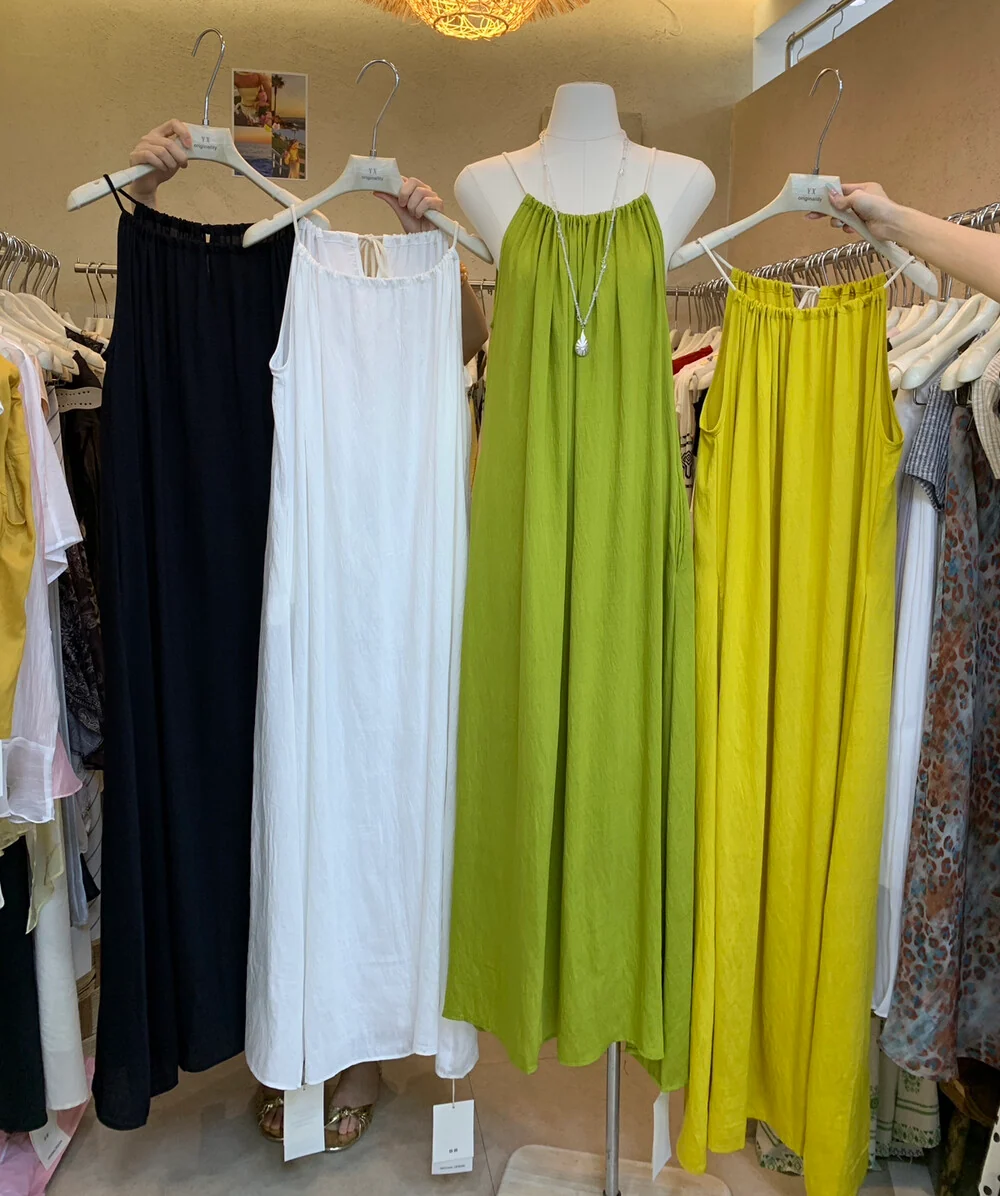
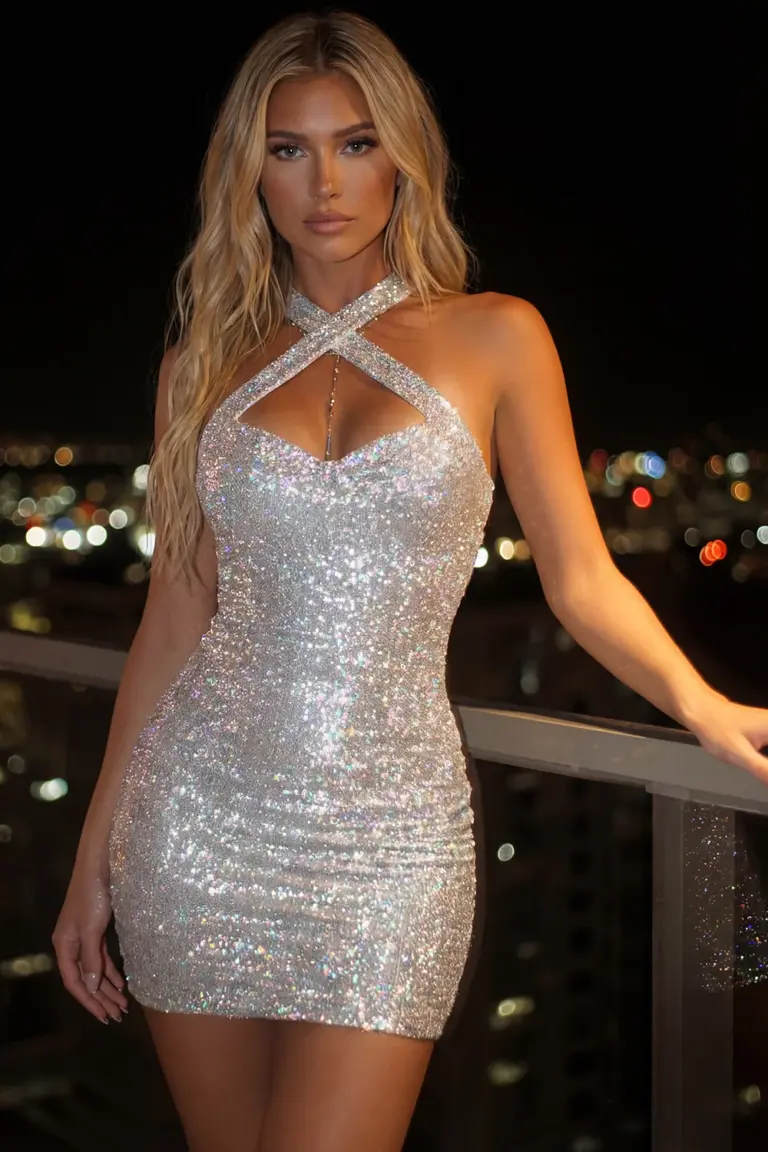 Silver DressesSilver Halter Dresses Worth a Closer Look