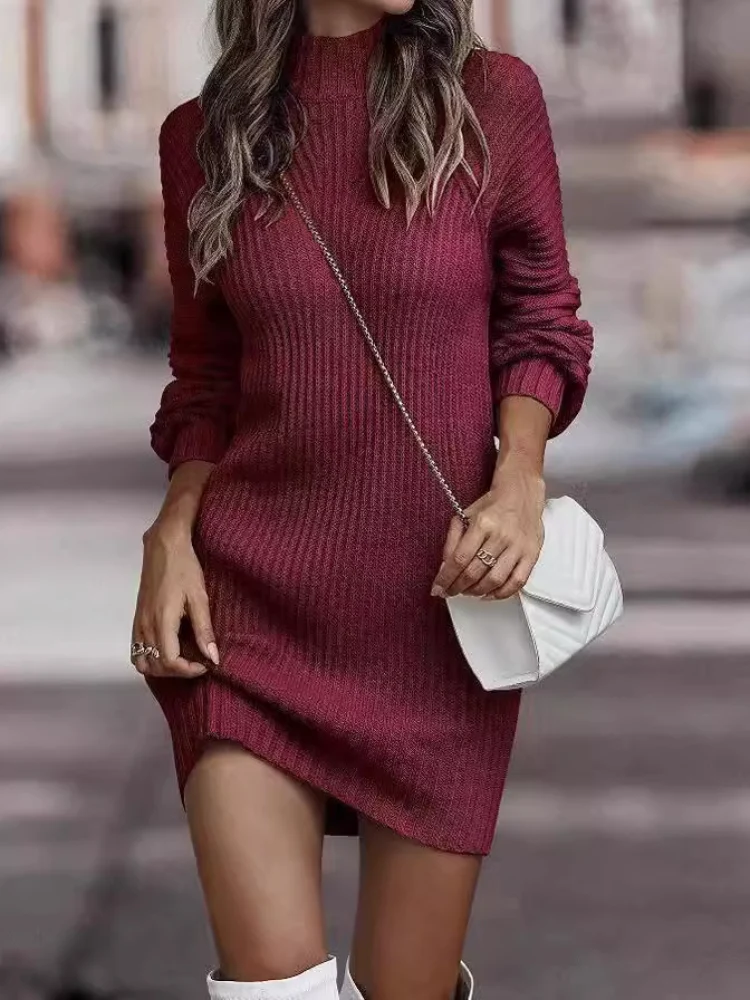
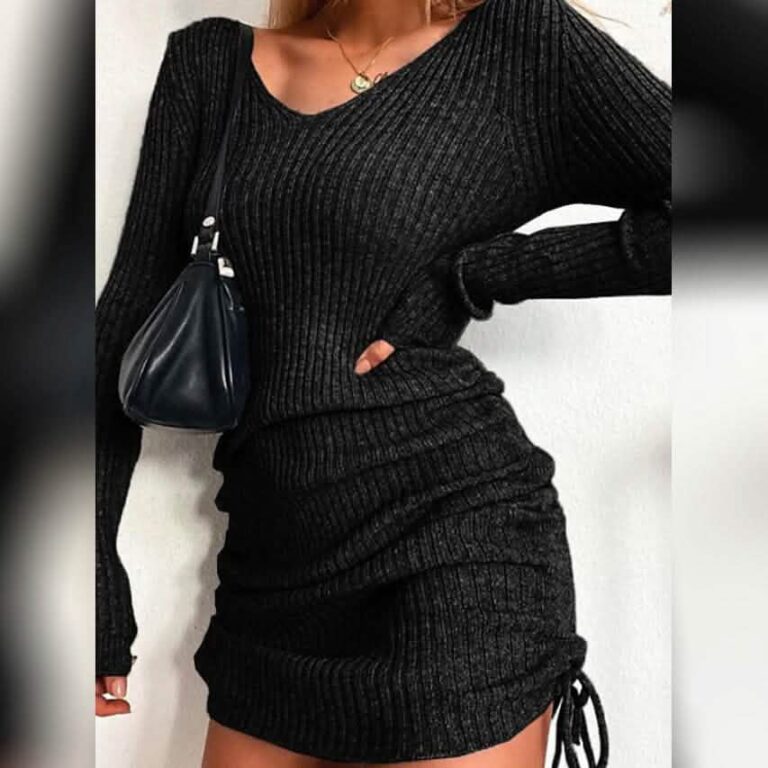
The mistake is treating a jumper dress like a jumper that happens to be long, and sizing it the same way you'd size a normal knit, which is how you end up with something that sits two inches above the knee and clings in a way that no amount of tugging at the hem fixes.
A good one earns its stretch back every time, which sounds like a small thing until you've owned the other sort. Cheap knitwear dresses go baggy at the seat within a few wears because the yarn has no memory in it, so by week three you've got a dress that bags behind and clings in front, which is the worst possible combination. Wash it the way the label actually means, not the way you wash everything else in a hurry, because a hot wash will felt the fibres and you'll get a dress a size smaller and twice as thick. Lay it flat to dry, always, hanging it will give you sleeves down to your knuckles and a hem that's suddenly asymmetric for no reason you can explain. Bobbling happens to every jumper dress eventually, but it happens fast and badly to the cheap acrylic ones, especially under the arms and across the bottom where a bag strap or a chair rubs all day. A proper wool or wool blend bobbles slower and shaves off easily with one of those little fabric combs, so it's worth keeping one in a drawer rather than pretending it won't happen.
As for what it clashes with, anything else chunky. A jumper dress with thick tights, a padded coat and a scarf on top can tip you into looking like you're wearing all your clothes at once rather than one good outfit. Thin tights or bare legs with boots does more for it than another layer ever will.
On fit, the shoulders and upper arms are where it goes wrong, not the waist, which is where most of us check first out of habit. If the shoulder seam sits even slightly down your arm, the whole dress will look like it belongs to someone else, however nice the knit is. Try it sitting down, not just standing in the mirror, because a jumper dress that's fine standing can ride up alarmingly once you sit. The difference between a decent one and a poor one is mostly in the knit itself, a close, even stitch that doesn't go see through across the chest when you stretch your arms up, proper ribbing at the cuffs that keeps its bounce, and a hem that's deliberately finished rather than just the knitting stopping.
It will never be a smart dress, whatever it's styled with, and the sooner you stop asking it to be one, the happier you'll both be.
Worth a look next: silver dresses and sweater outfits.

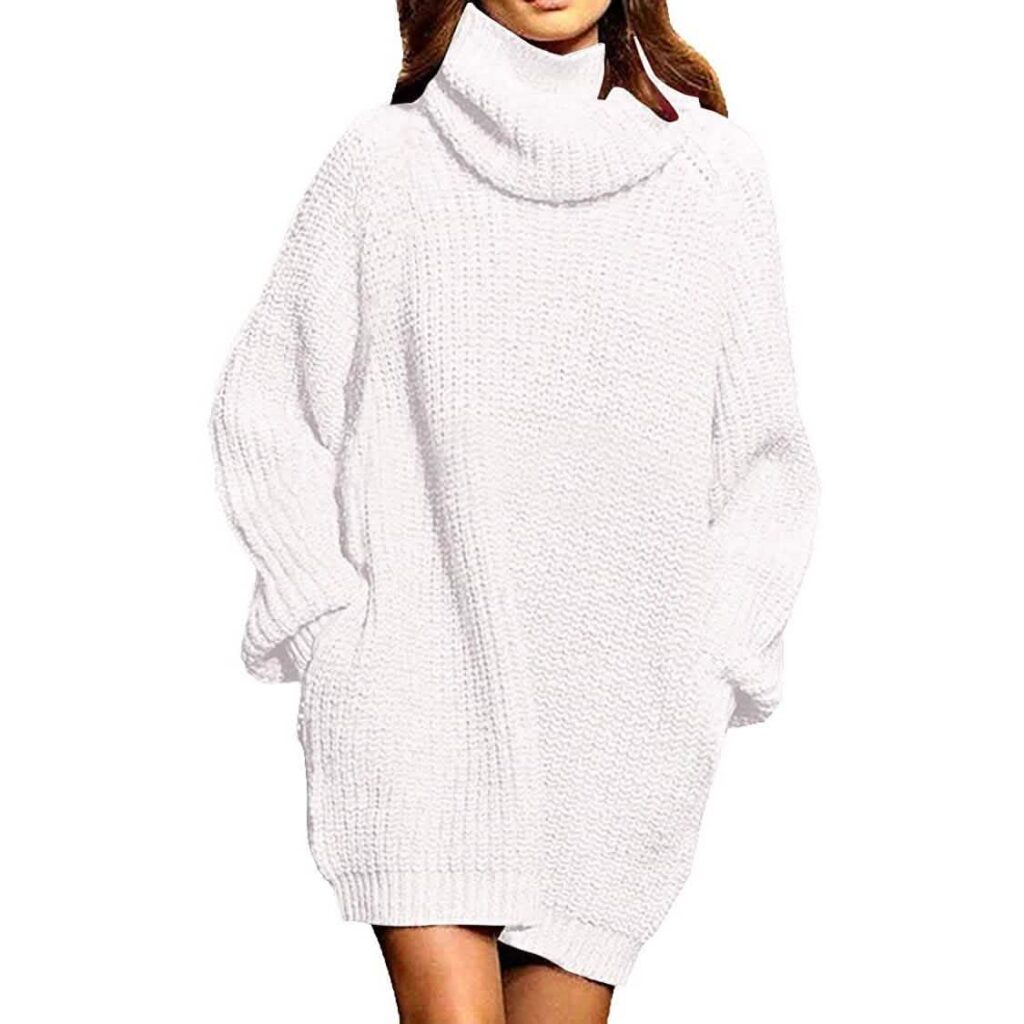 Work DressesWork Sweater Dresses Actually Worth Buying

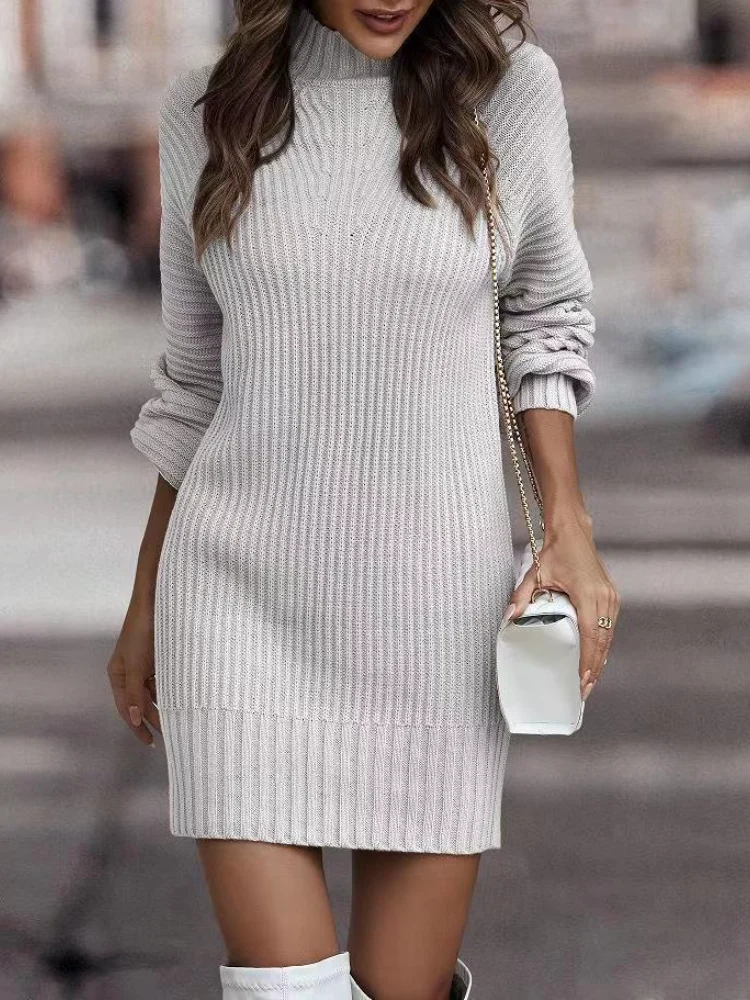 Winter Sweater Dresses: Picks We Stand By
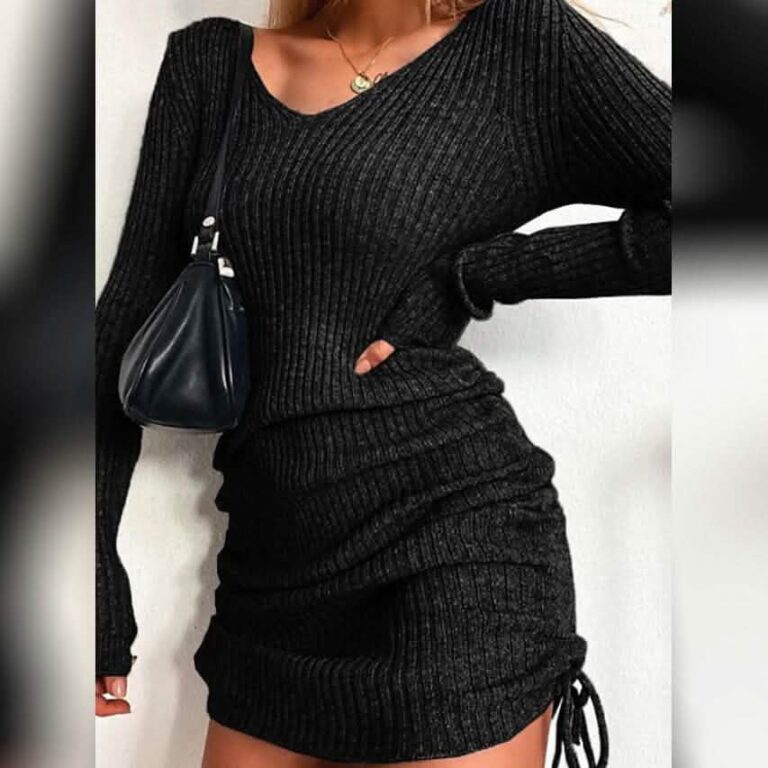 V Neck DressesV Neck Sweater Dresses That Flatter Without Trying
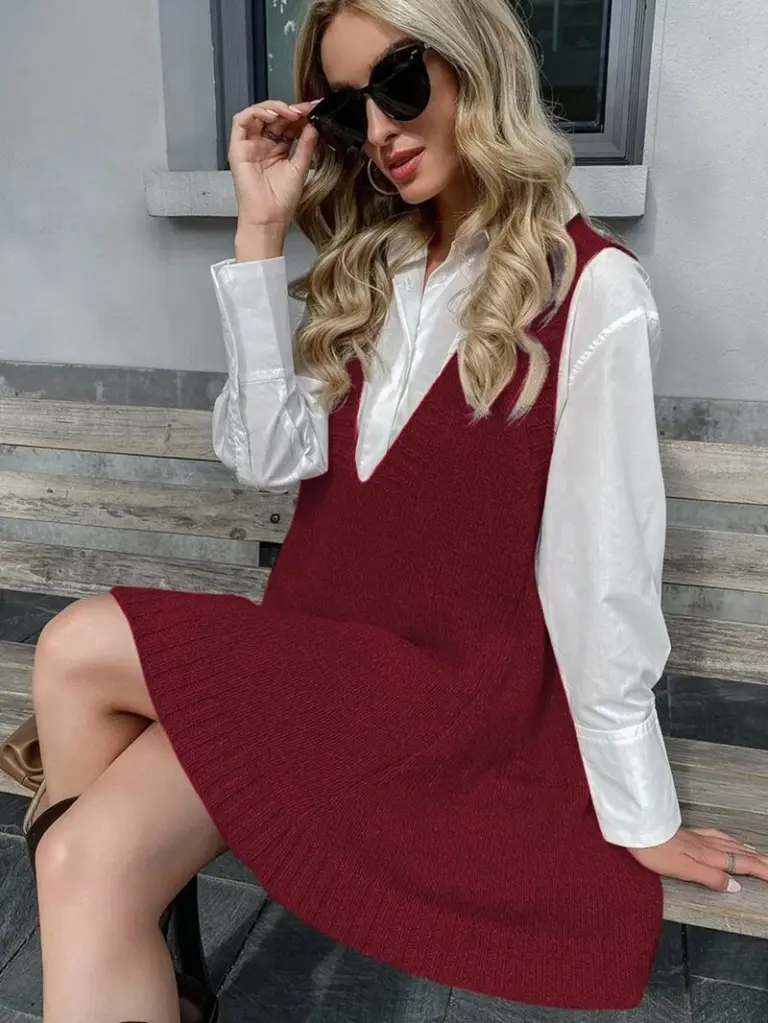
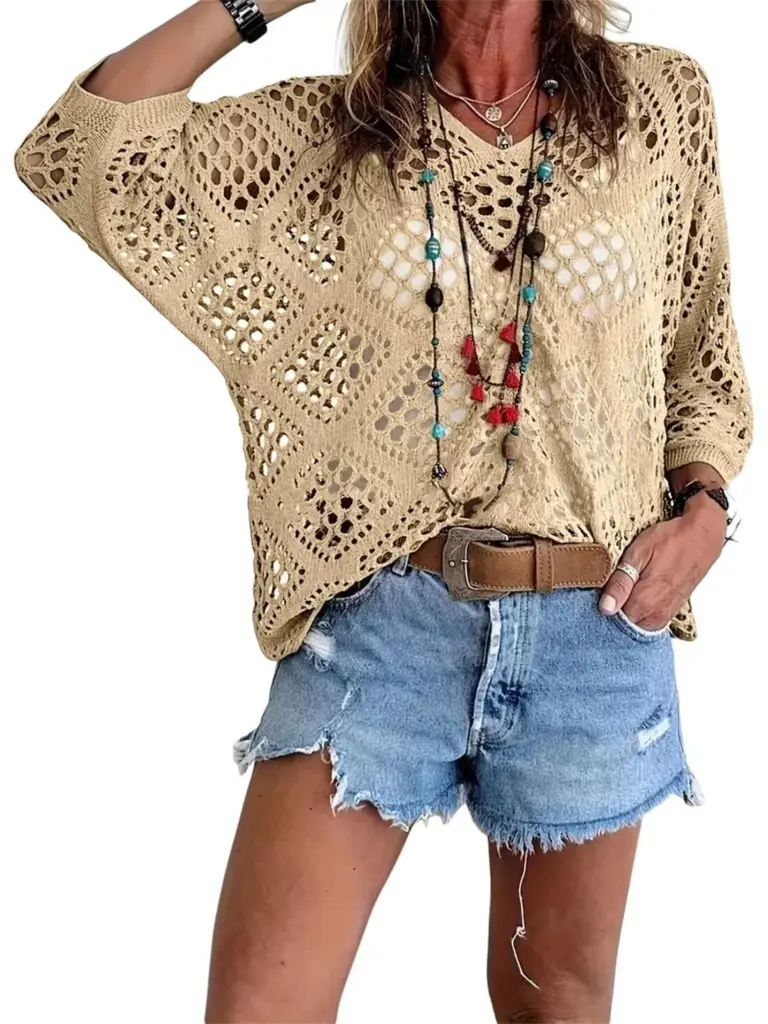 Summer DressesSummer Sweater Dresses You Can Dress Up or Down
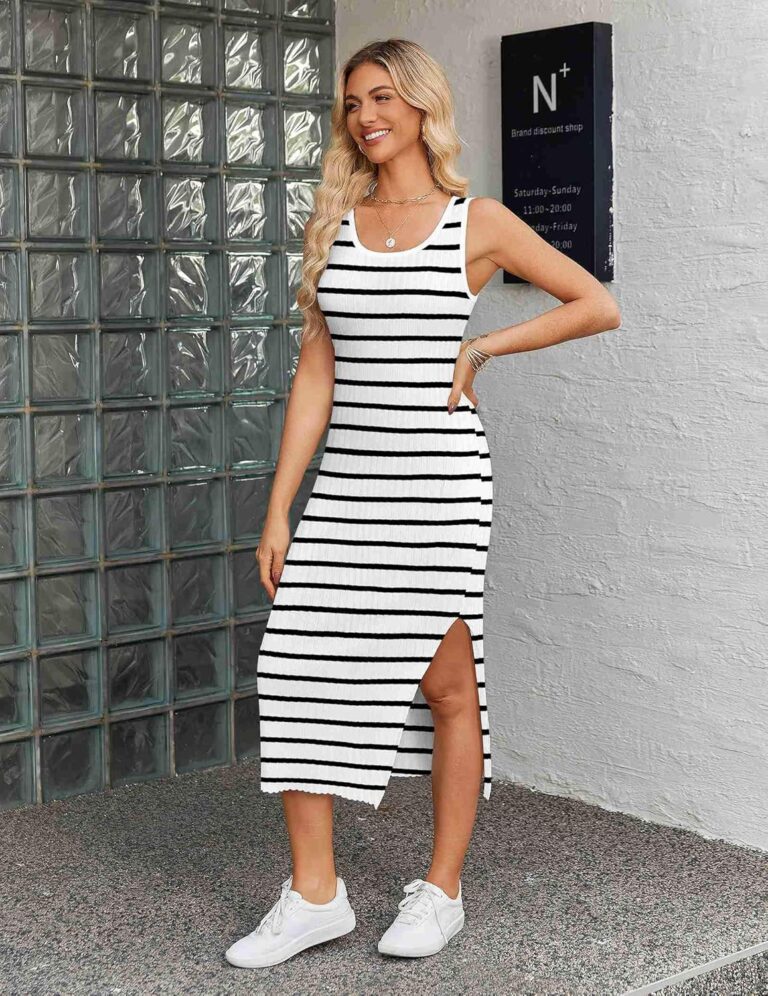
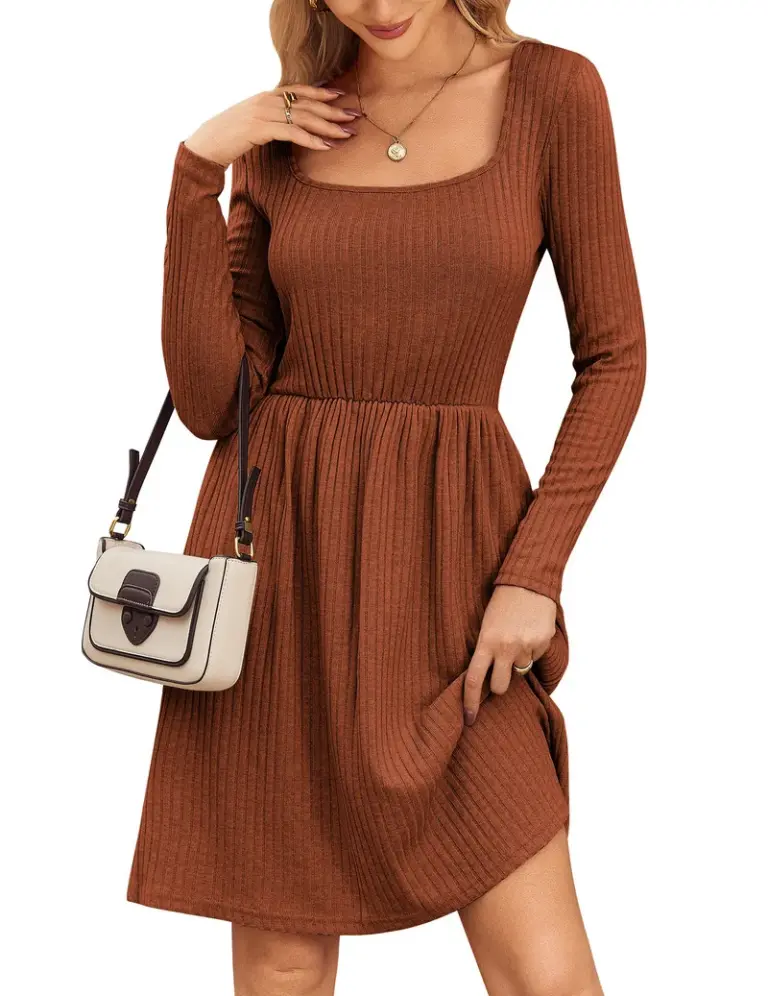 Spring Sweater Dresses for When You Want to Feel Put Together
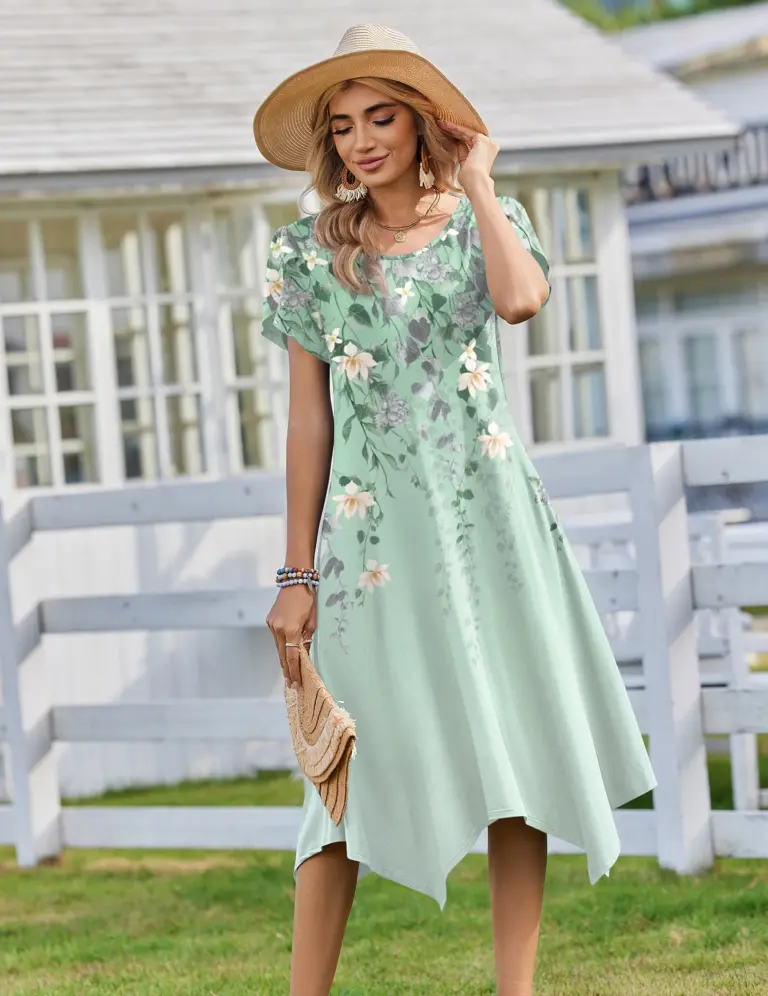
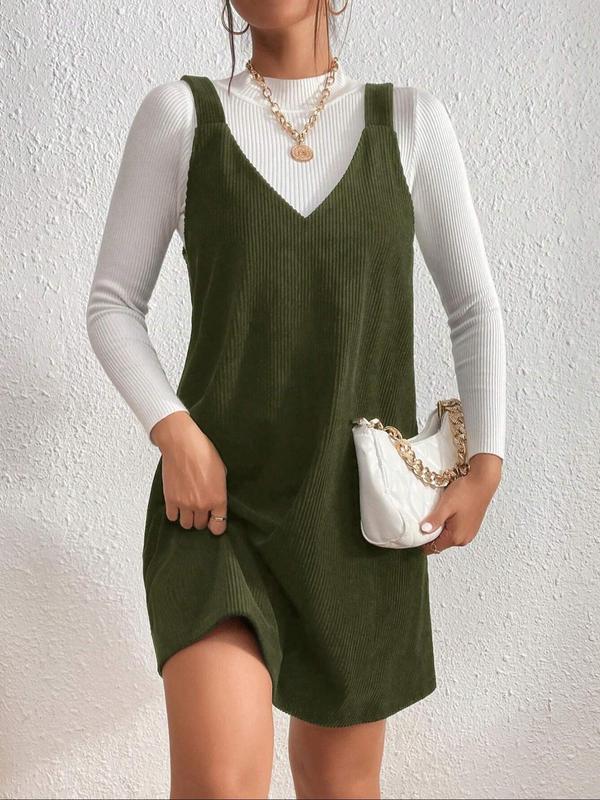 Sleeveless DressesWhere to Find the Best Sleeveless Sweater Dresses
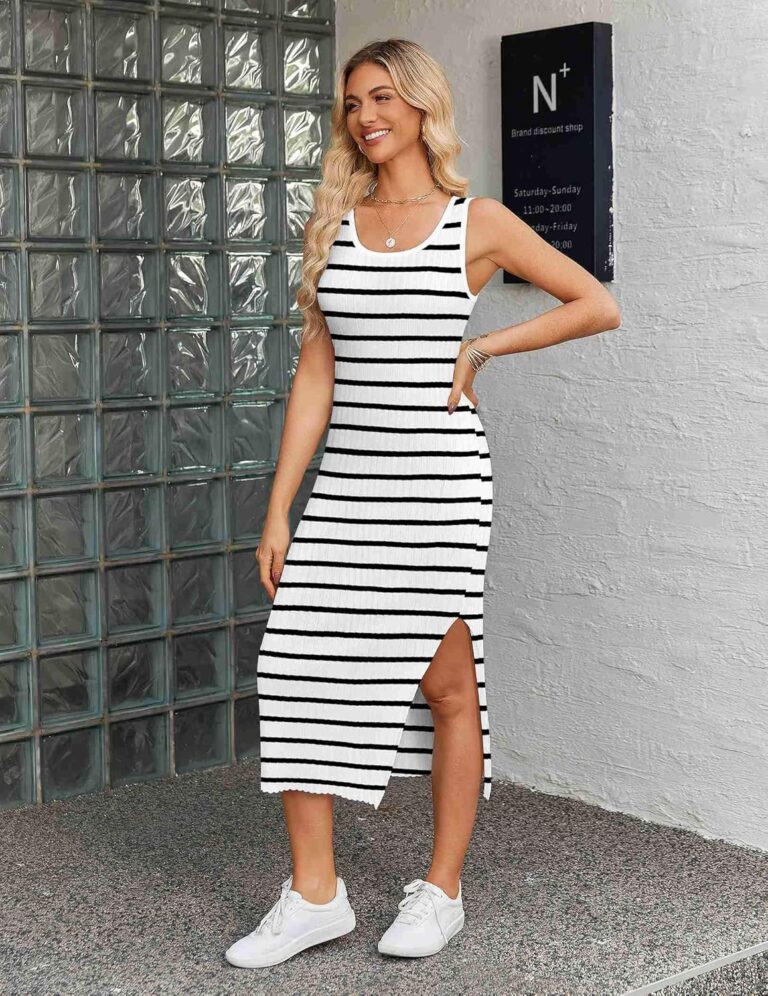
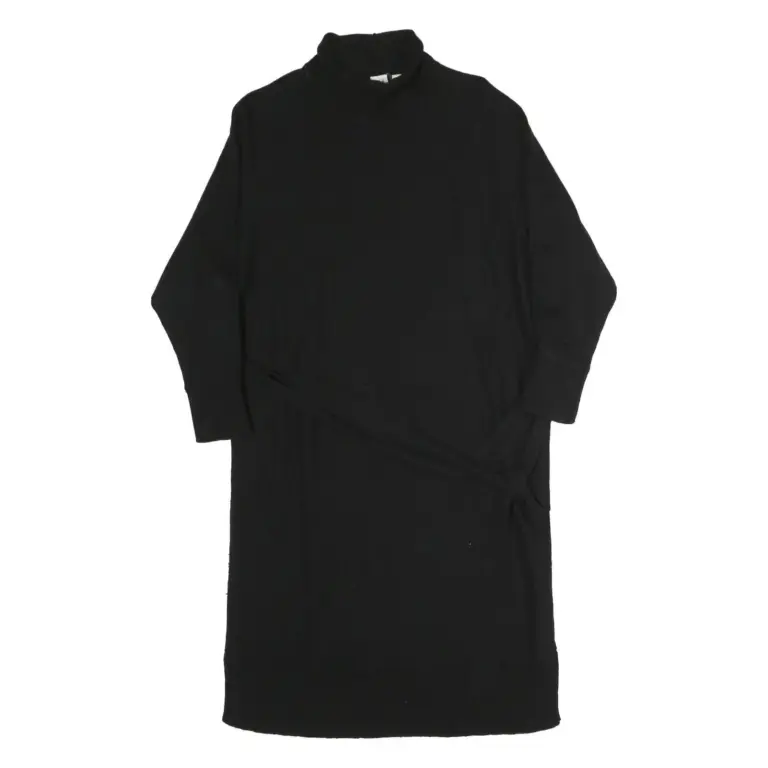 The Best Looking Relaxed Fit Sweater Dresses Out There
 Party DressesThe Party Sweater Dresses Worth Planning an Outfit Around
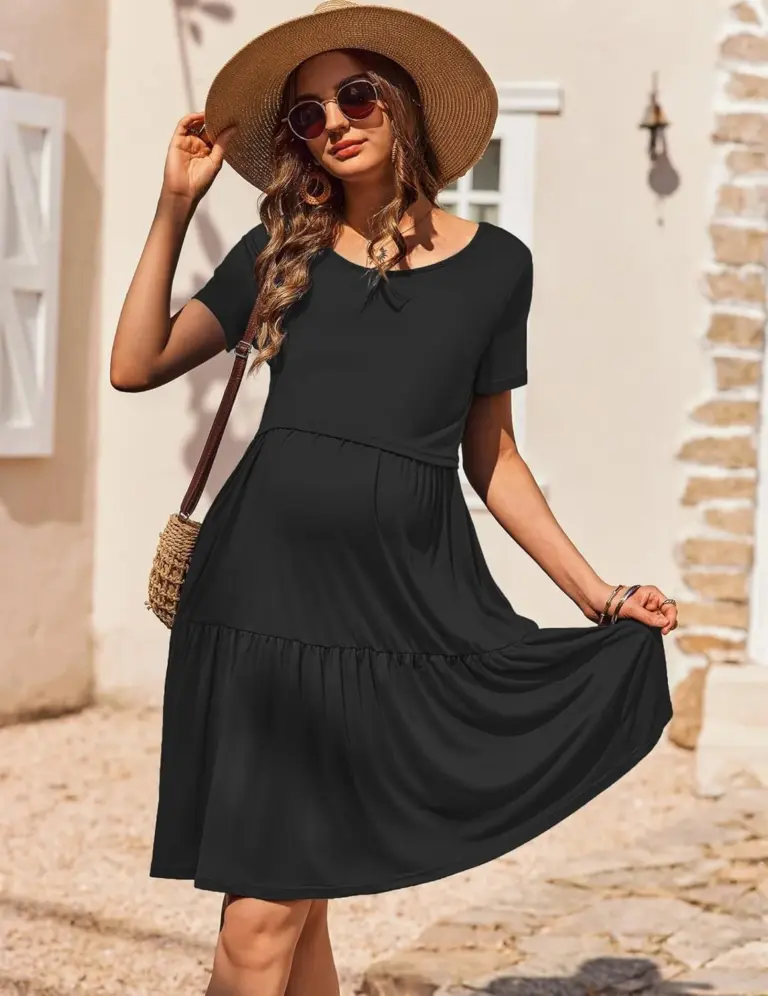
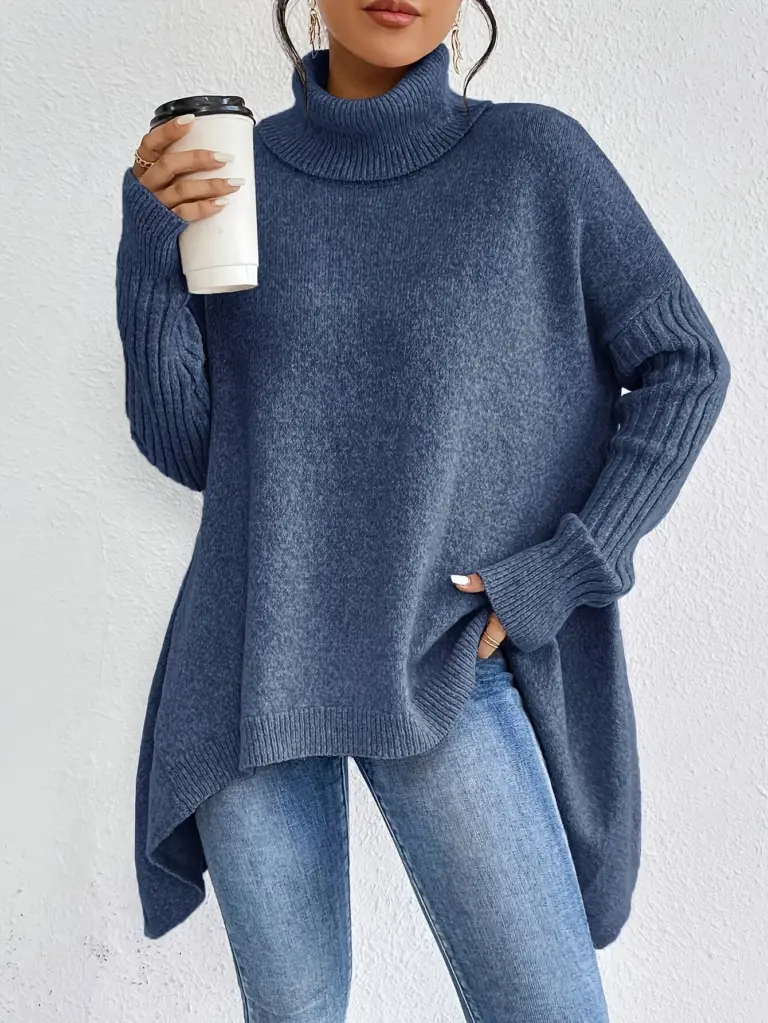 Our Edit of the Best Oversized Sweater DressesAlso worth a lookMidi DressesThe moment a midi dress properly clicked for me was a wedding in October, cold enough for tights,…See the collections →

 The Office Sweater Dresses We Keep Going Back To
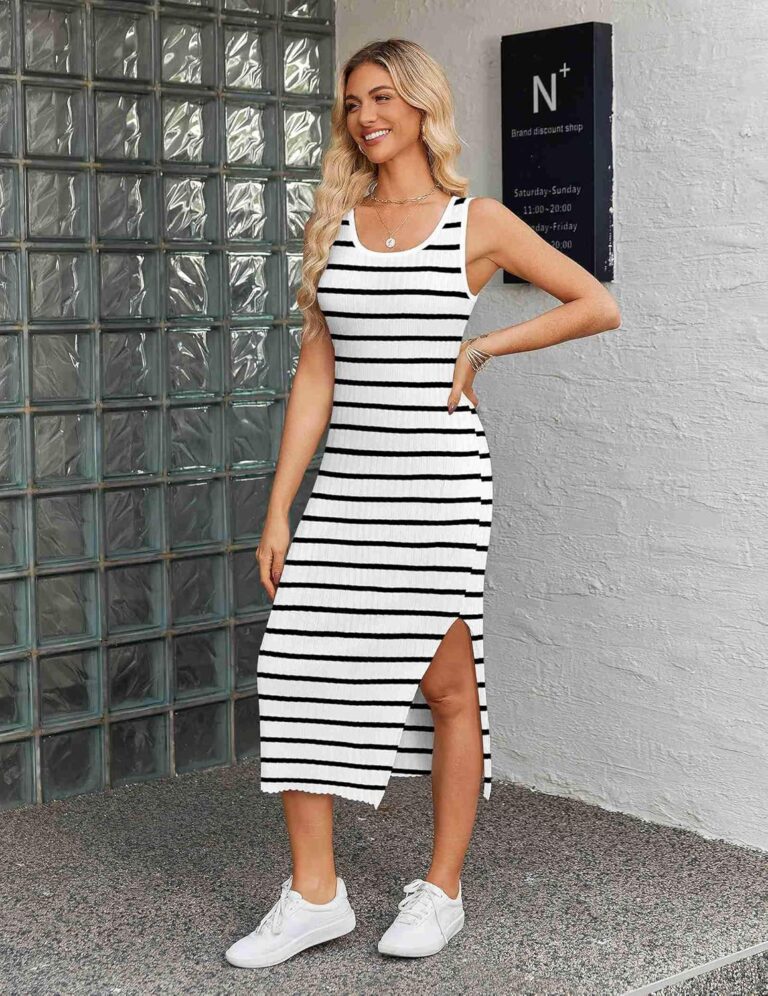
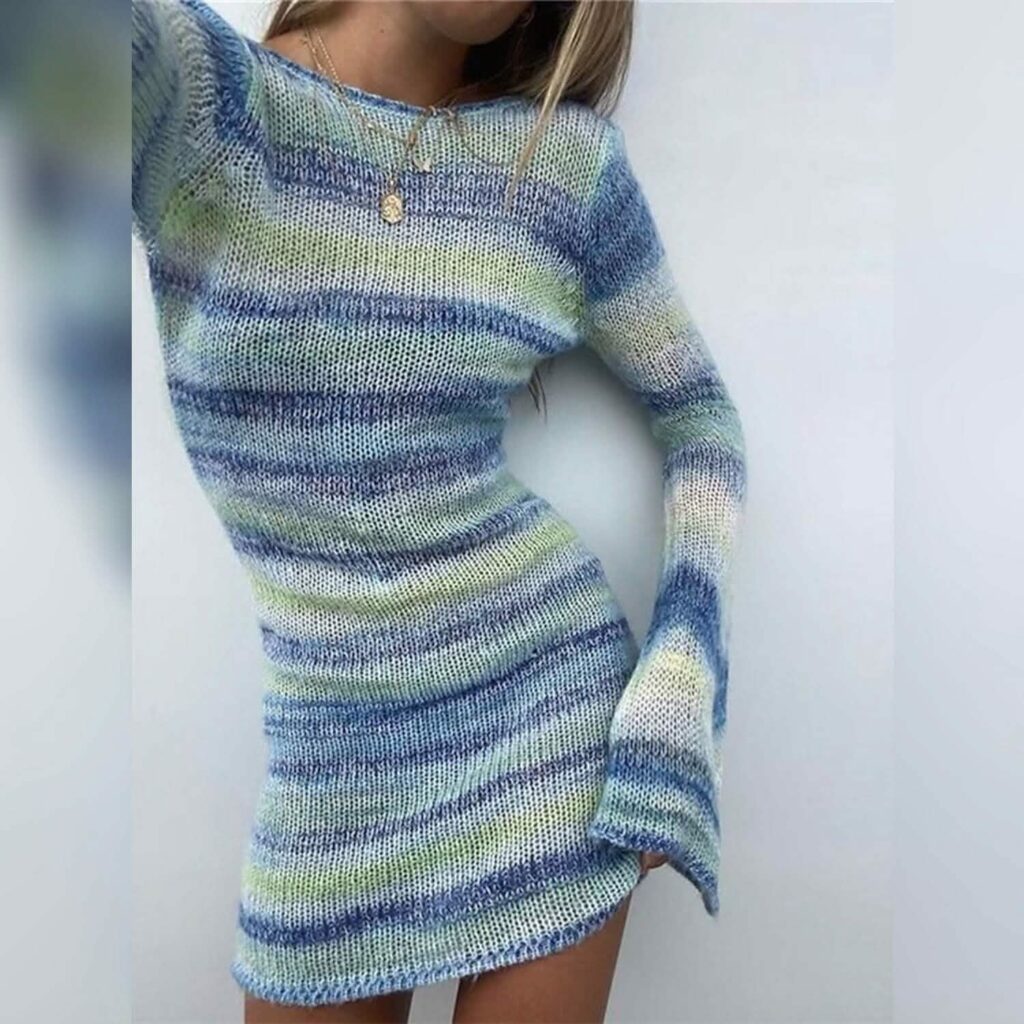 Mini DressesFinding the Best Mini Sweater Dresses
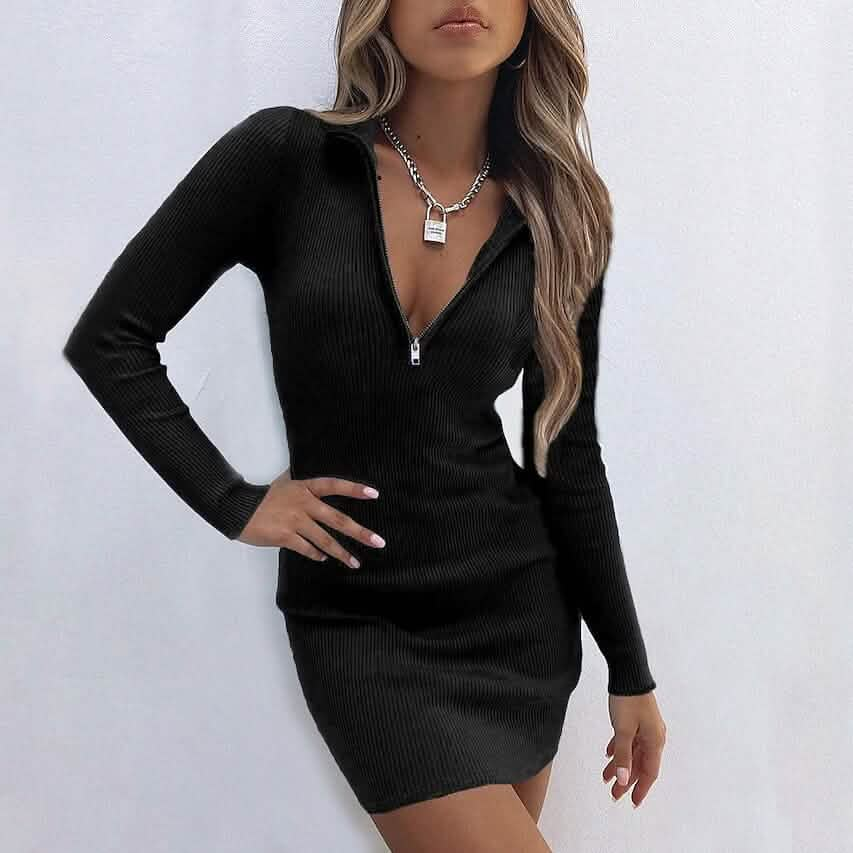
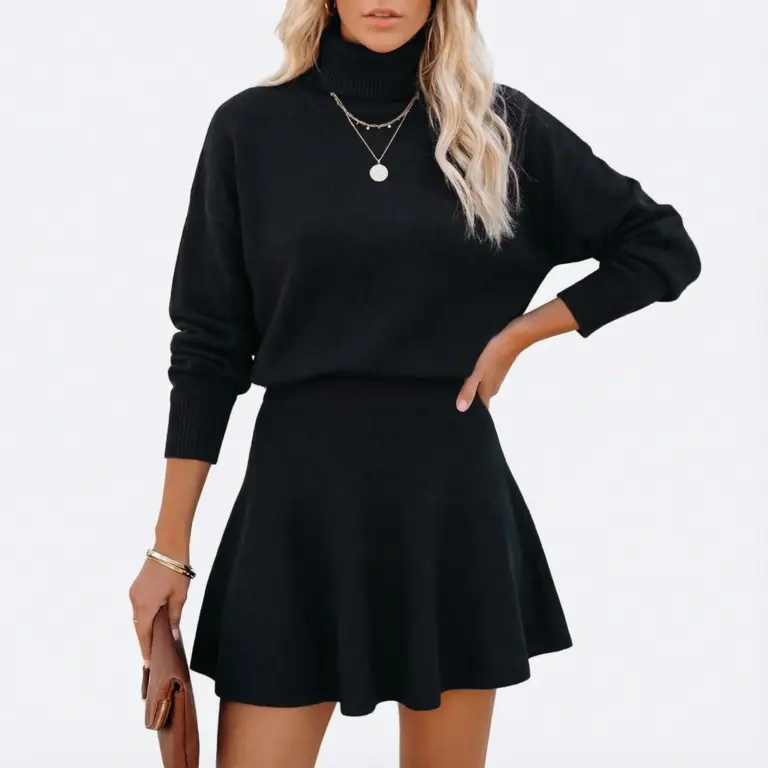 Our Pick of the Best Loose Sweater Dresses
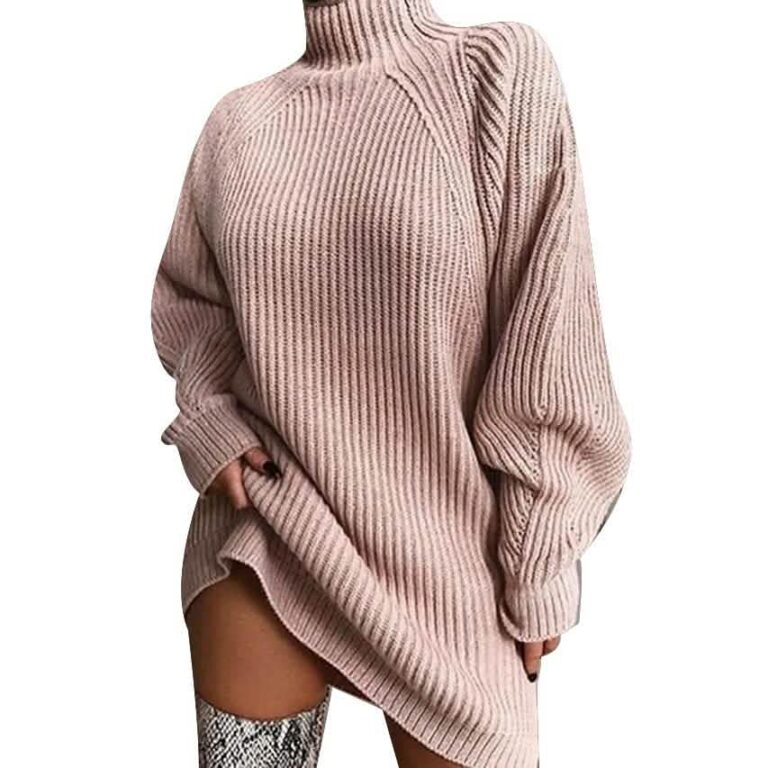
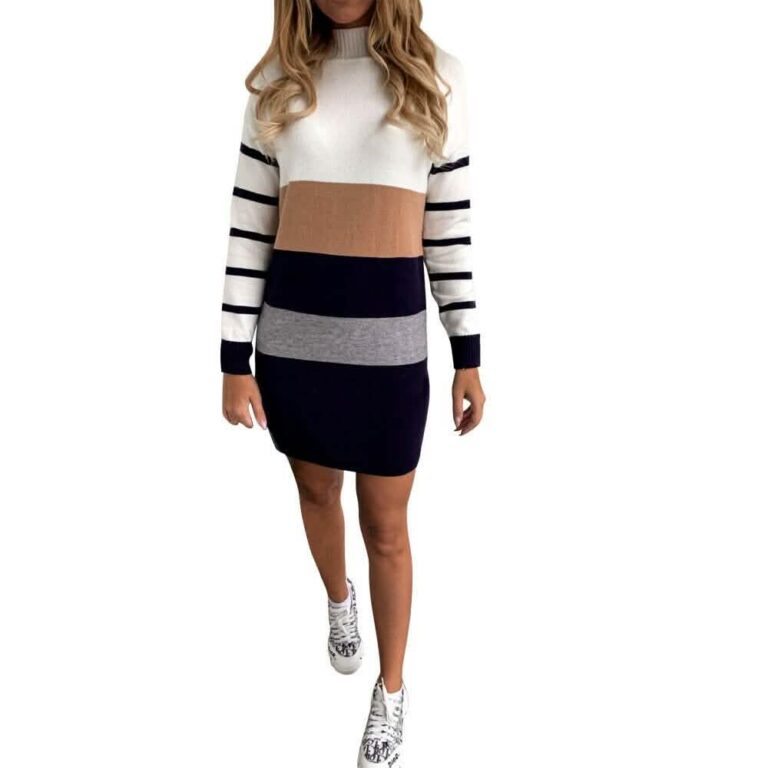 Long Sleeve DressesWhere to Find the Best Long Sleeve Sweater Dresses
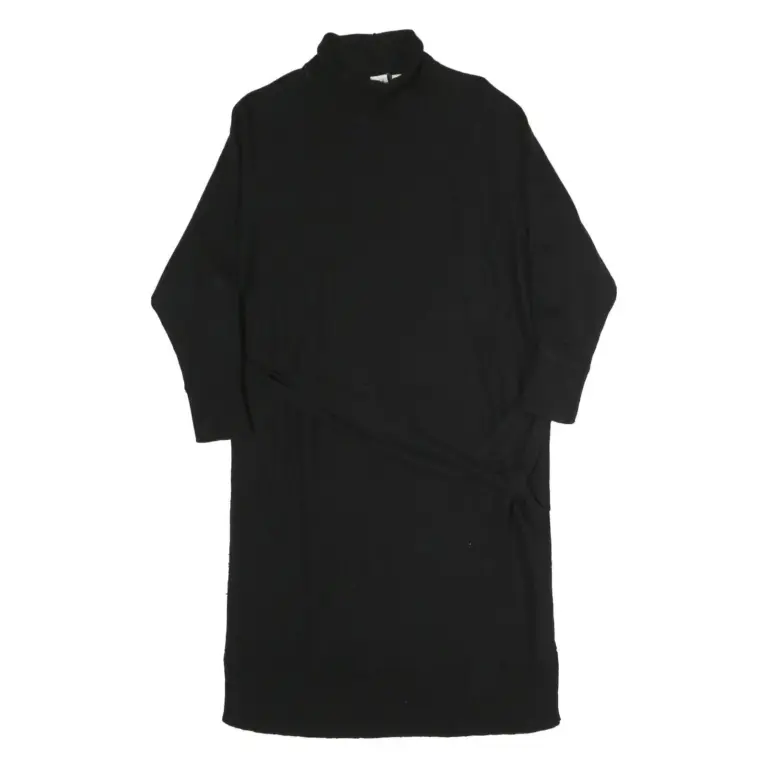
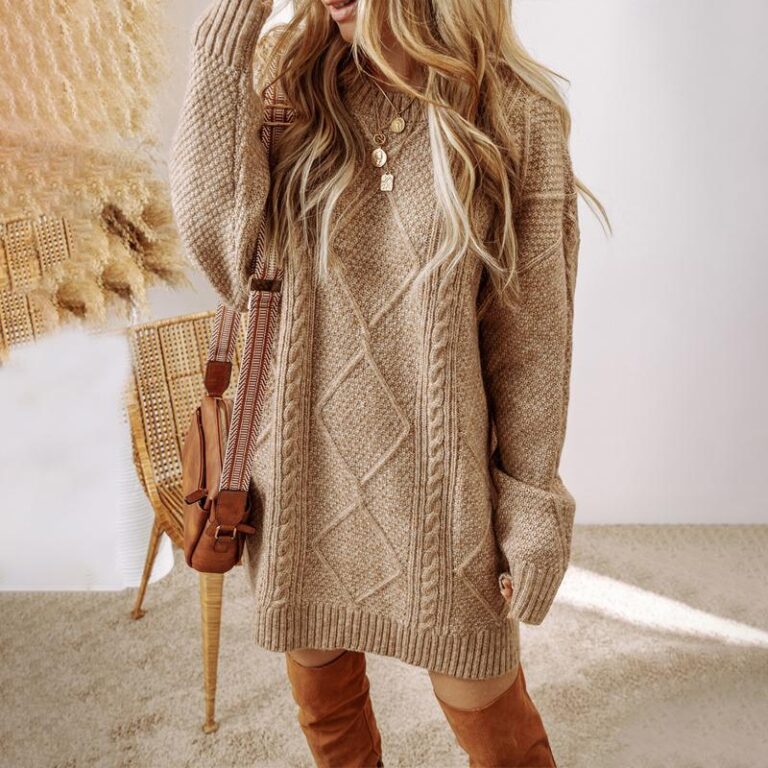 Shop the Edit: Long Sweater Dresses
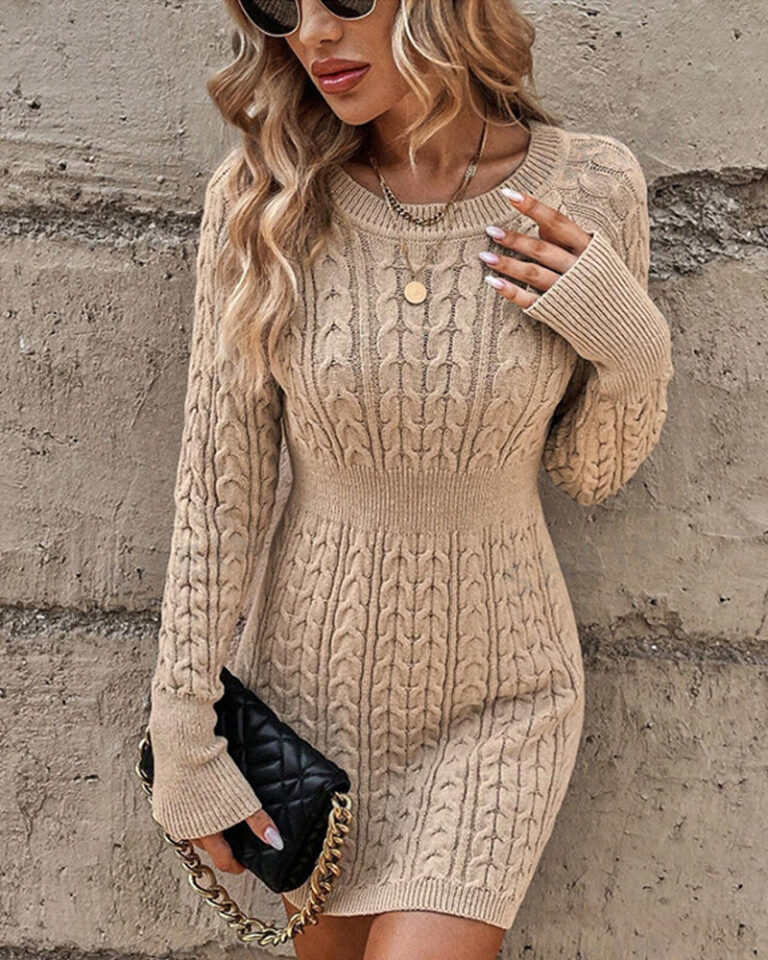
 Casual DressesEffortless Long Sleeve Casual Sweater Dresses We Love
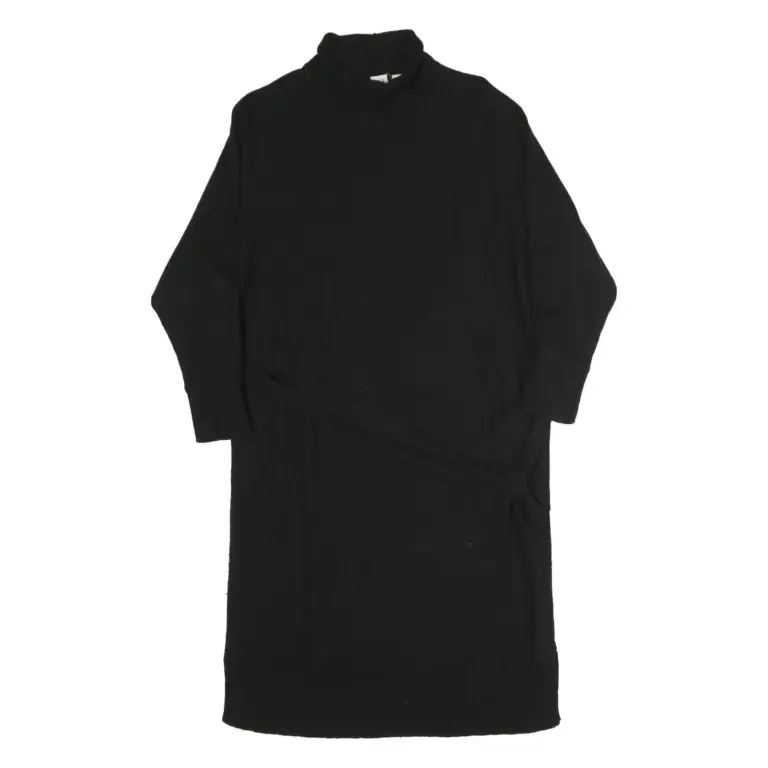
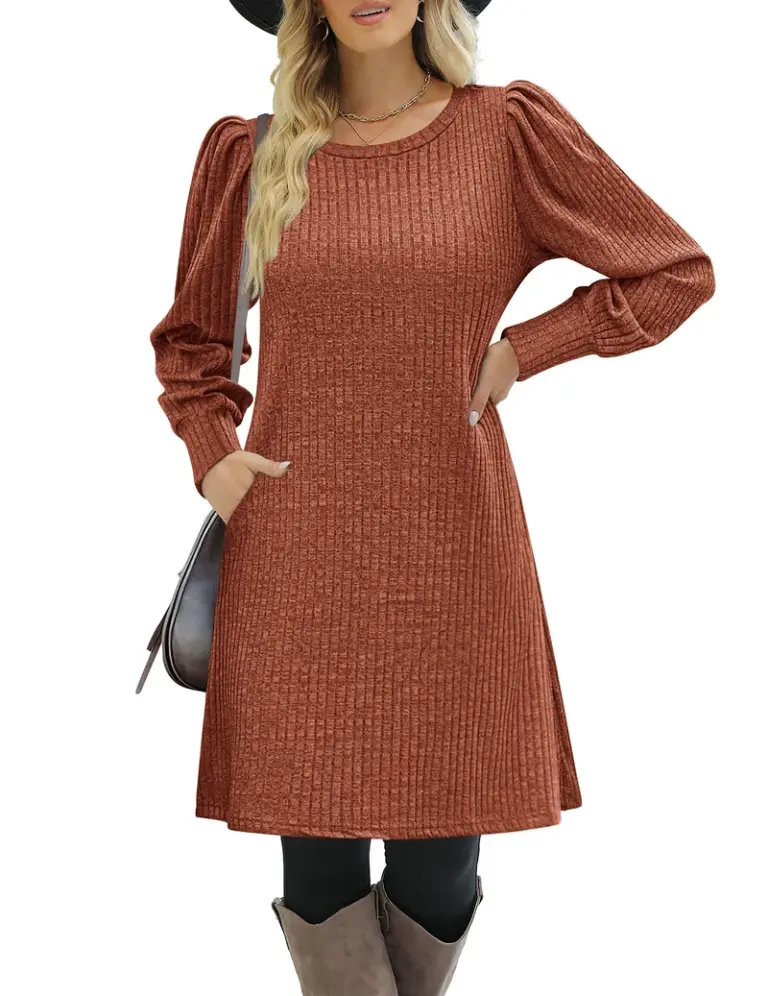 Knee Length DressesKnee Length Sweater Dresses: The Ones Worth Your Money
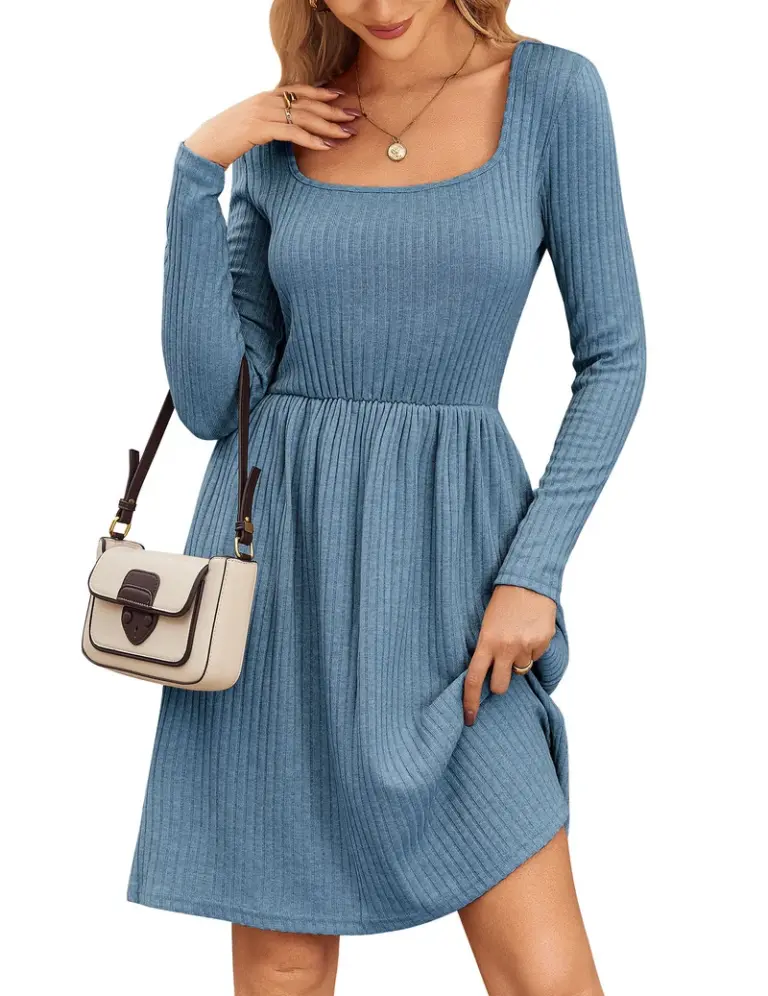
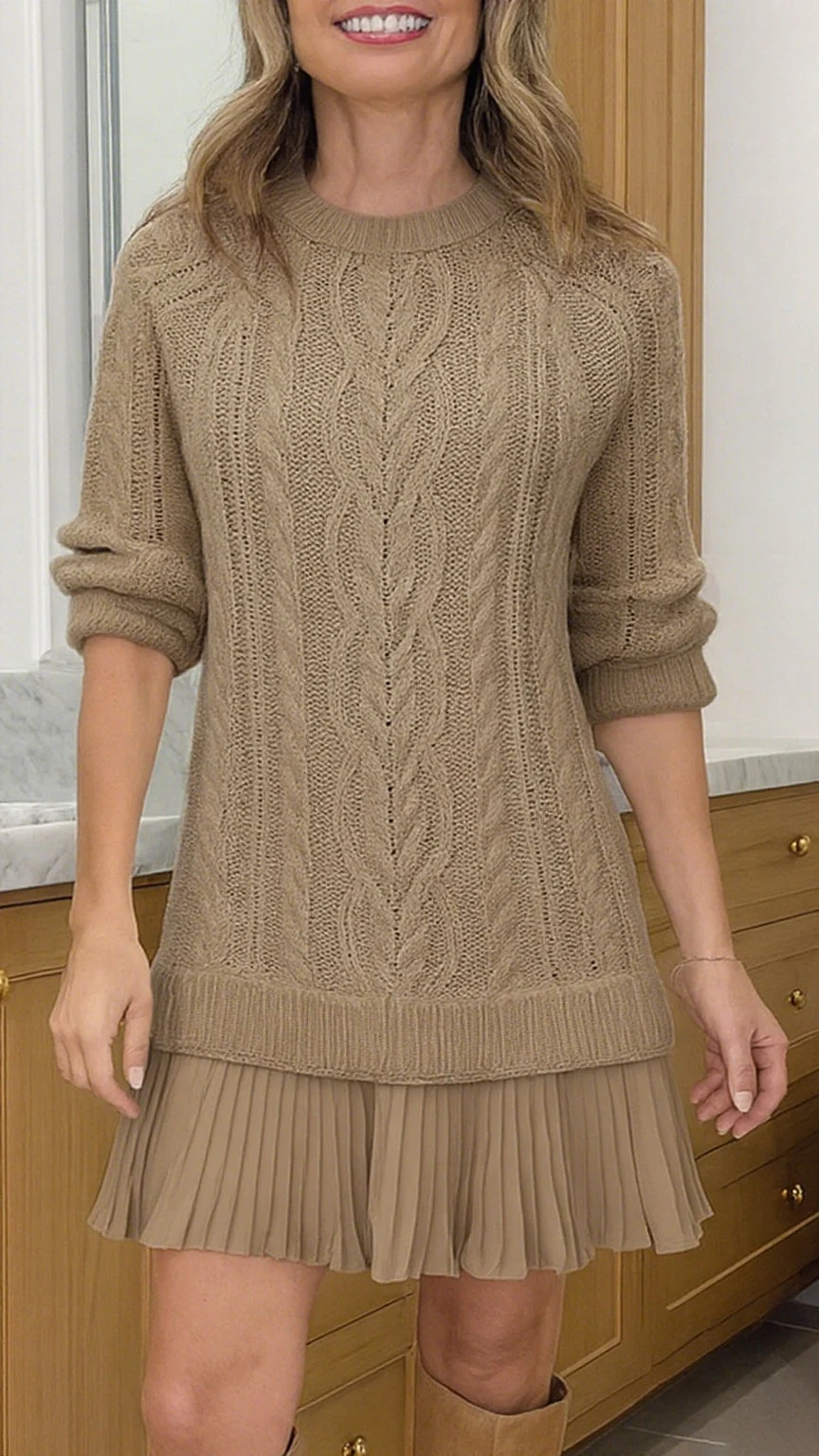 Khaki Sweater Dresses Worth a Closer Look
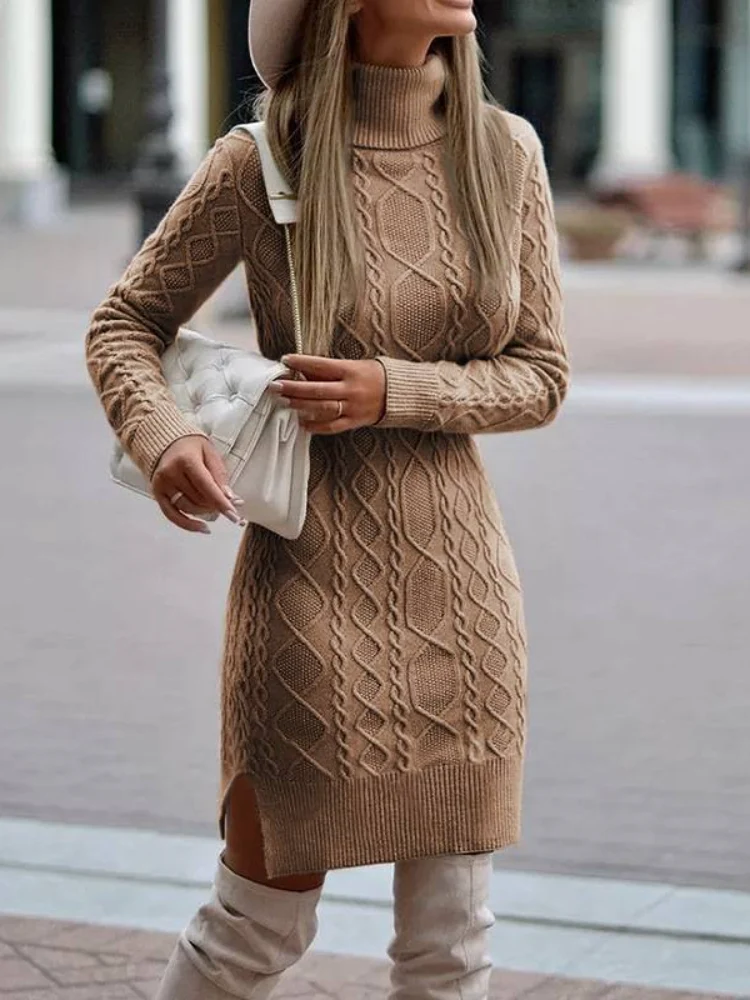
 Effortless Sweater Dresses We LoveAlso worth a lookMaxi DressesA maxi dress earns its length by making you forget what you're wearing, and that's the whole point of one.See the collections →
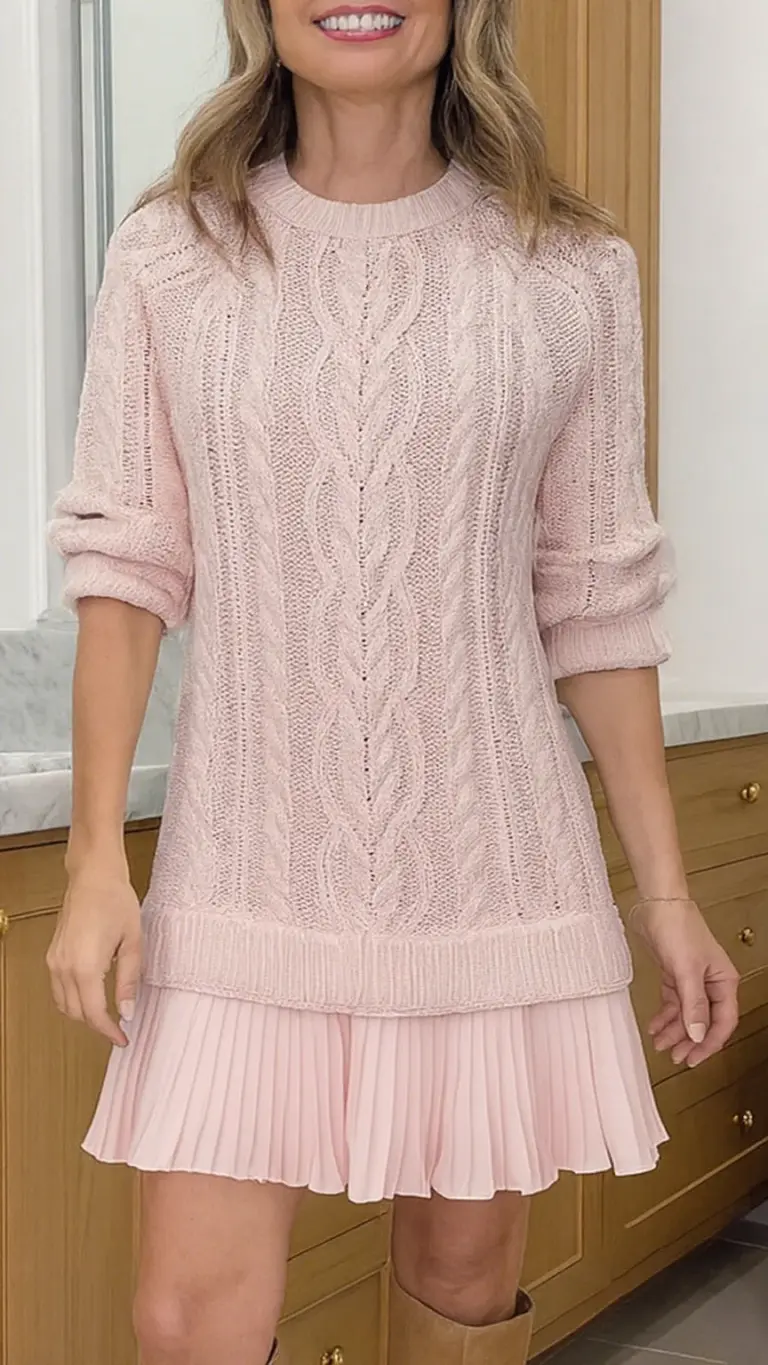
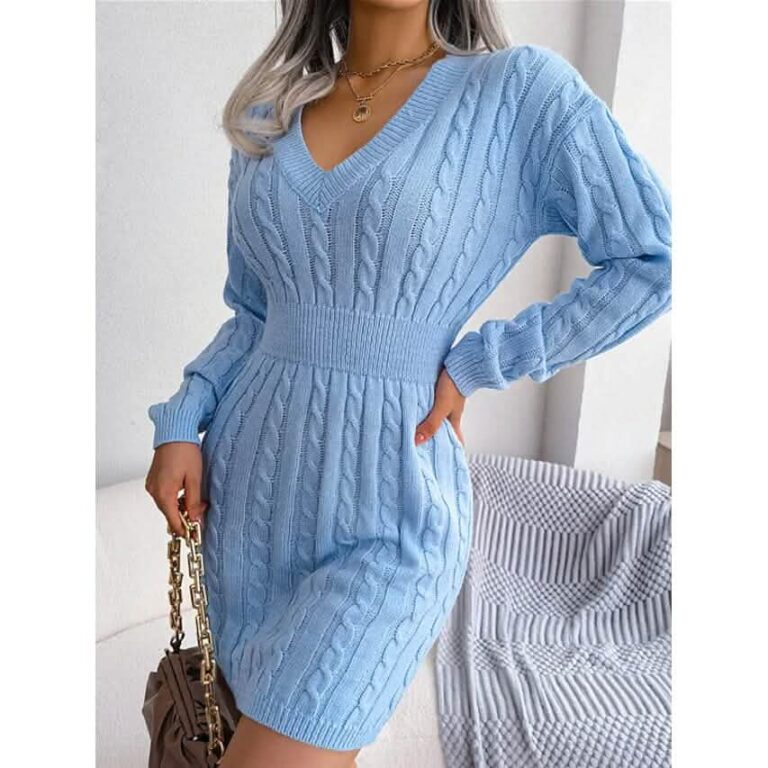 High Neck DressesStandout High Neck Sweater Dresses to Shop
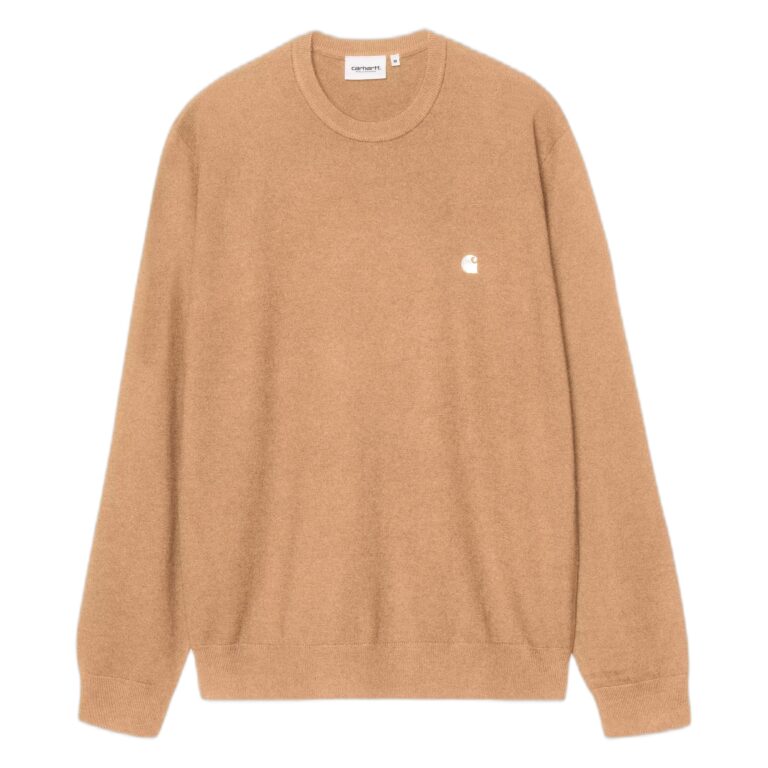
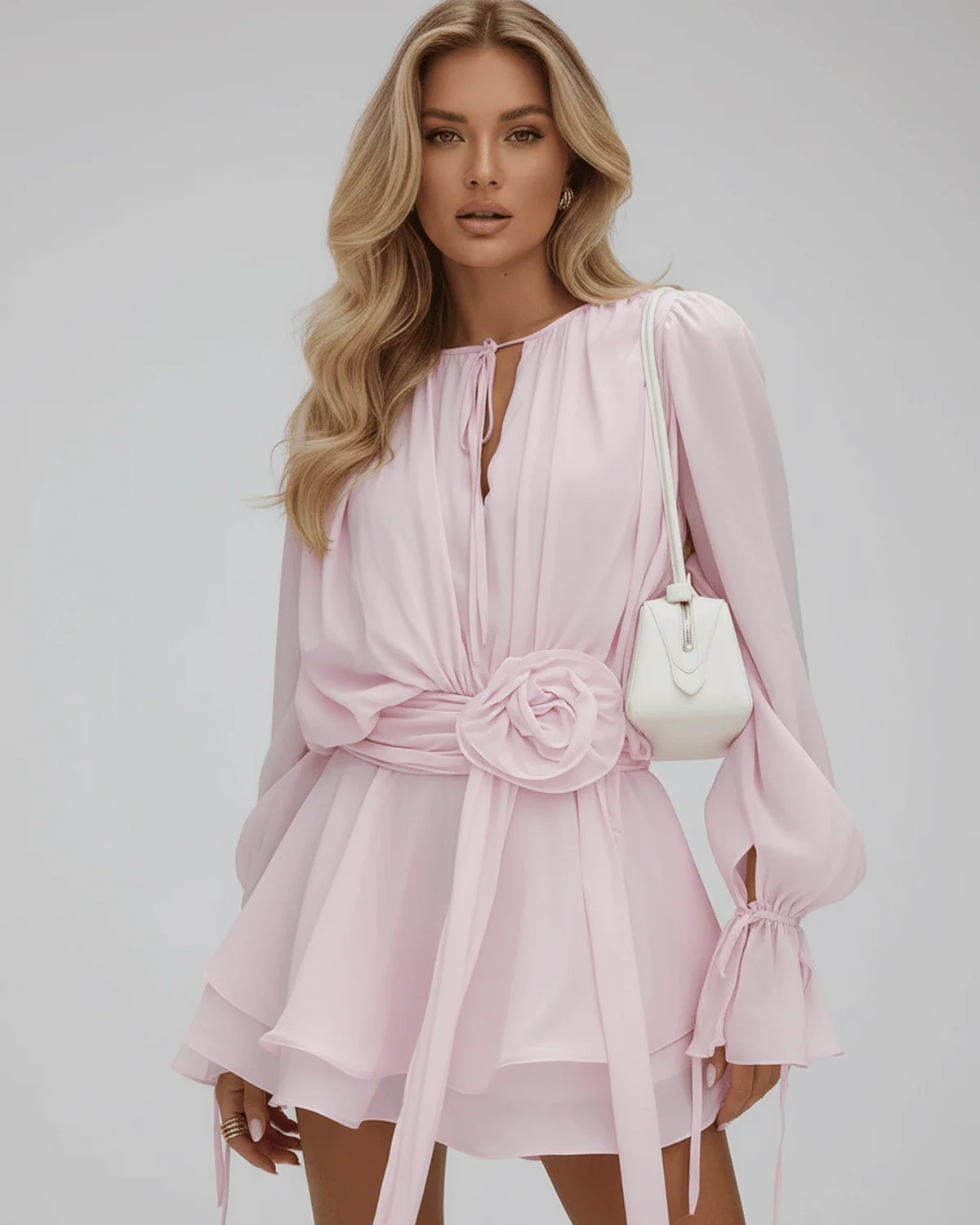 Green DressesOur Edit of the Best Green Sweater Dresses
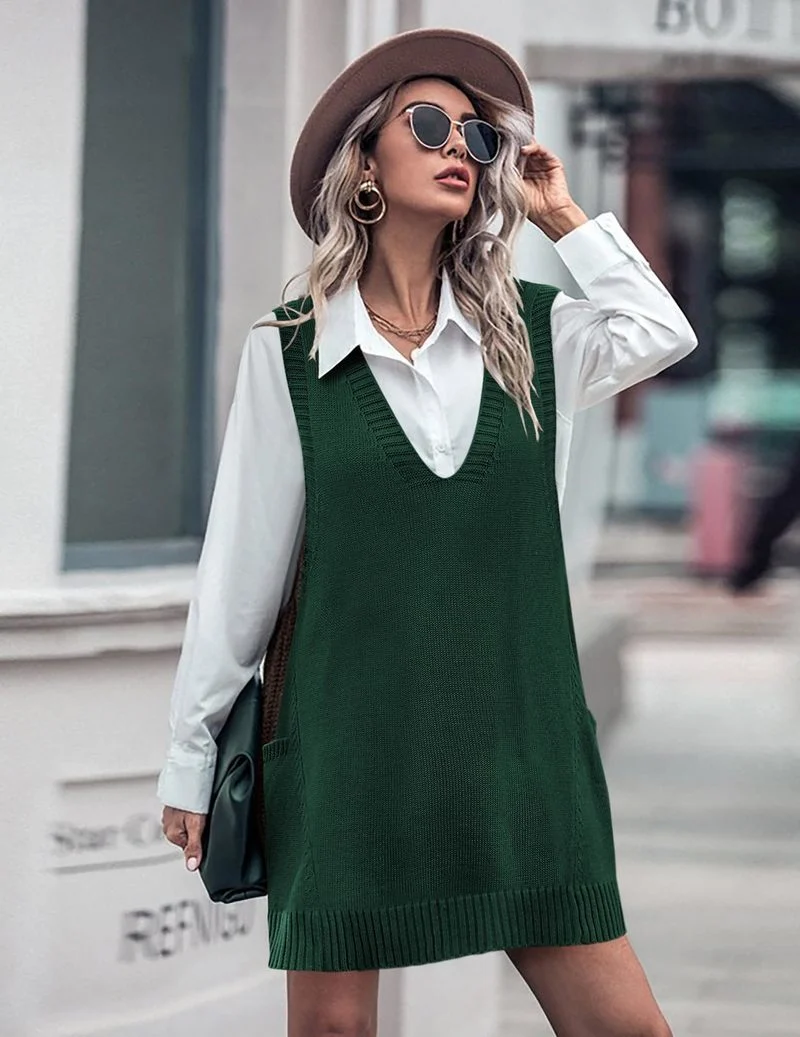
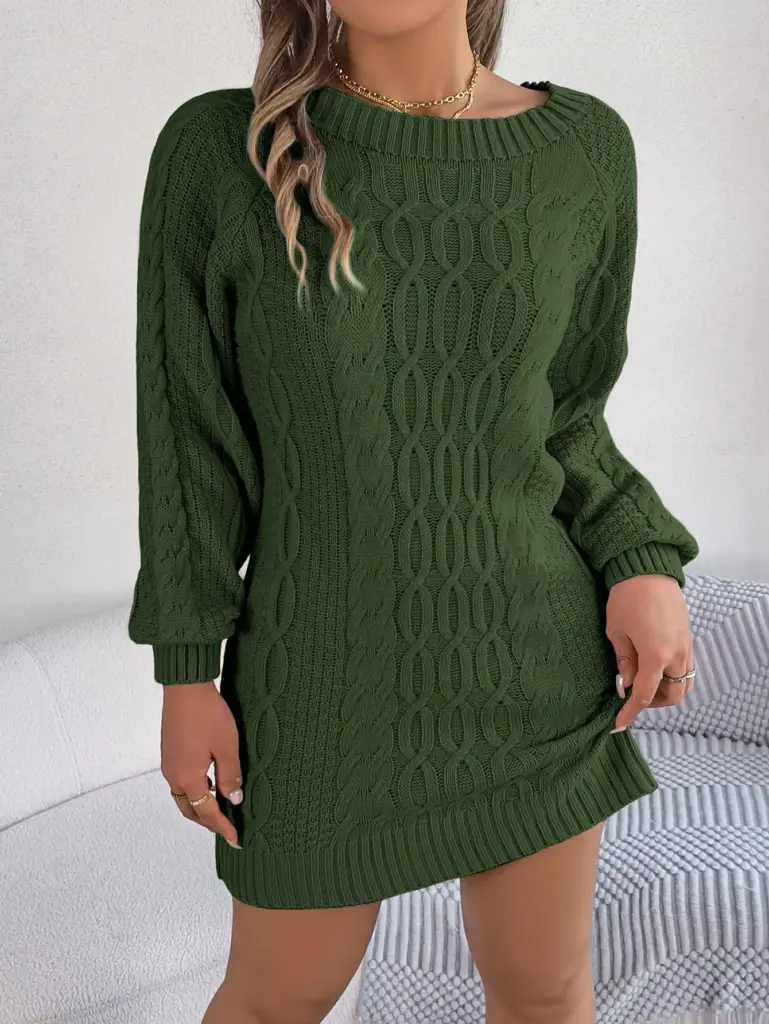 Casual DressesGreen Casual Sweater Dresses: The Edit
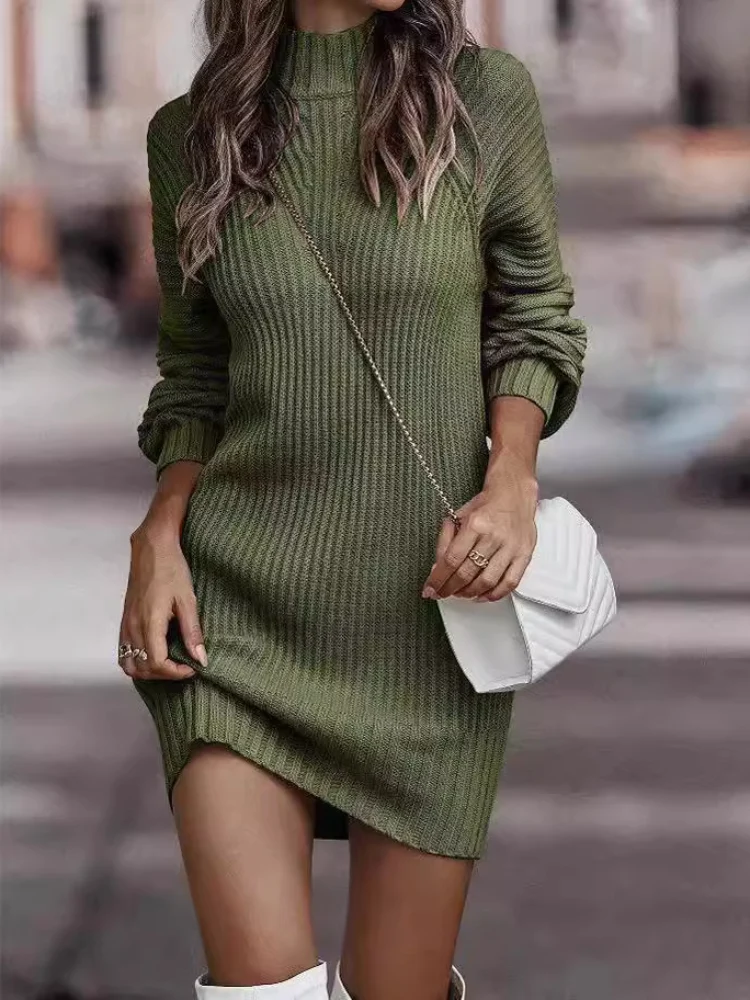
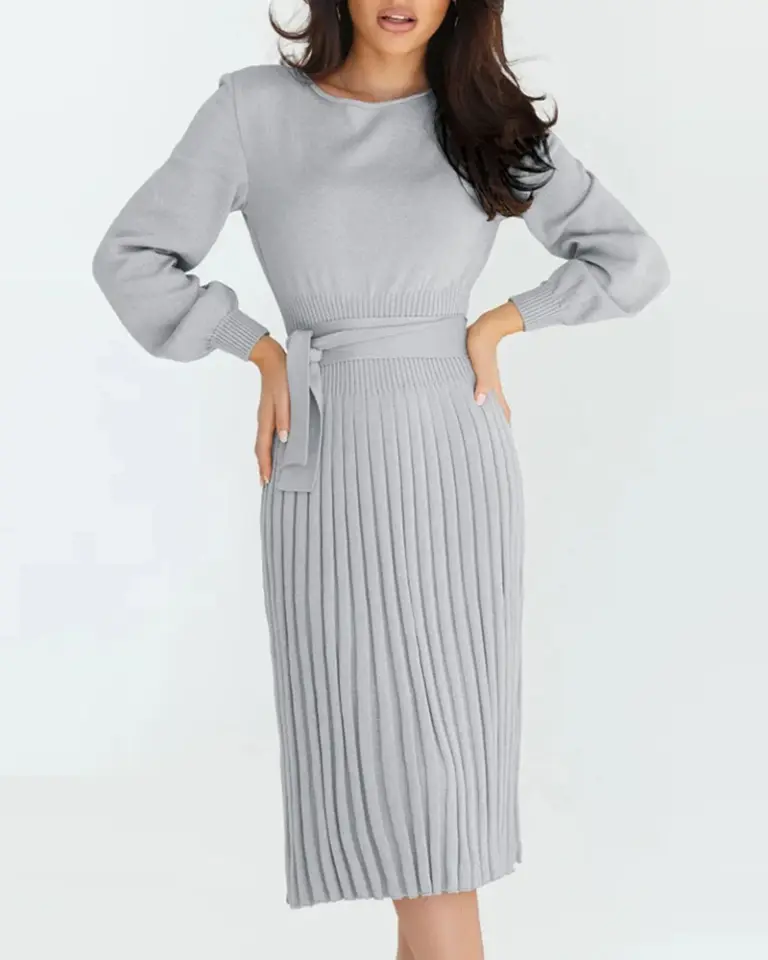 Formal Sweater Dresses We Can’t Stop Looking At
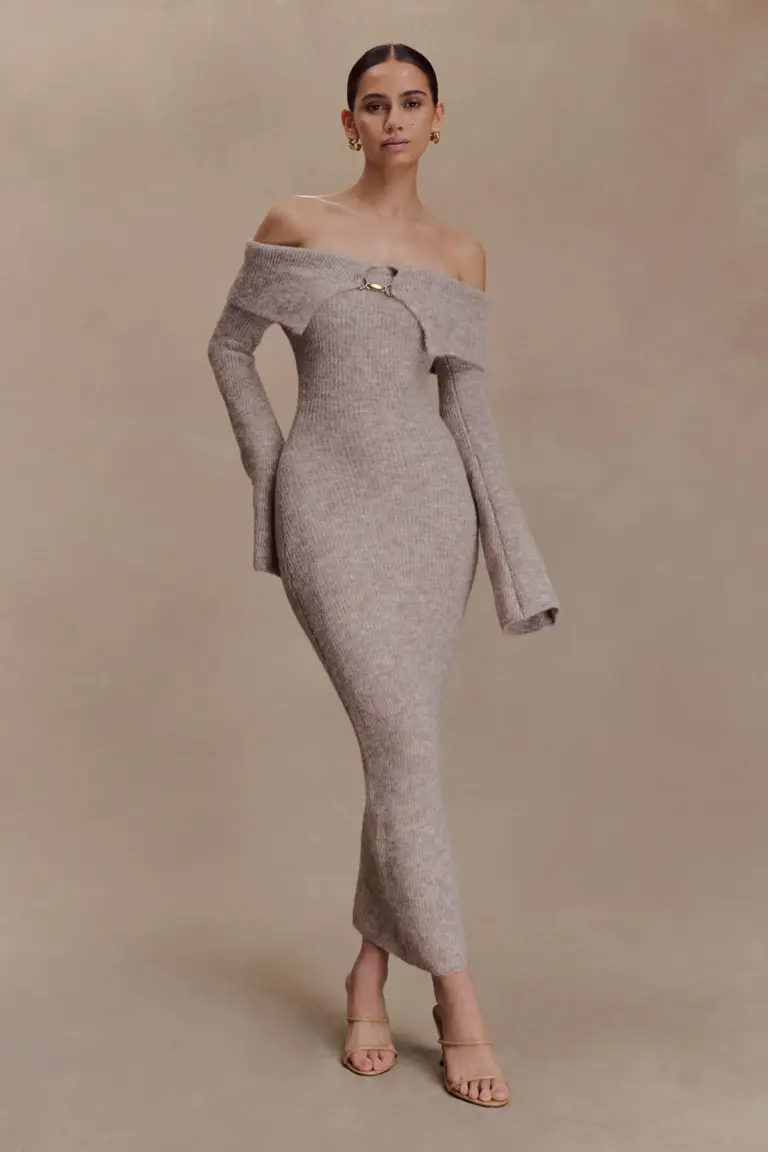
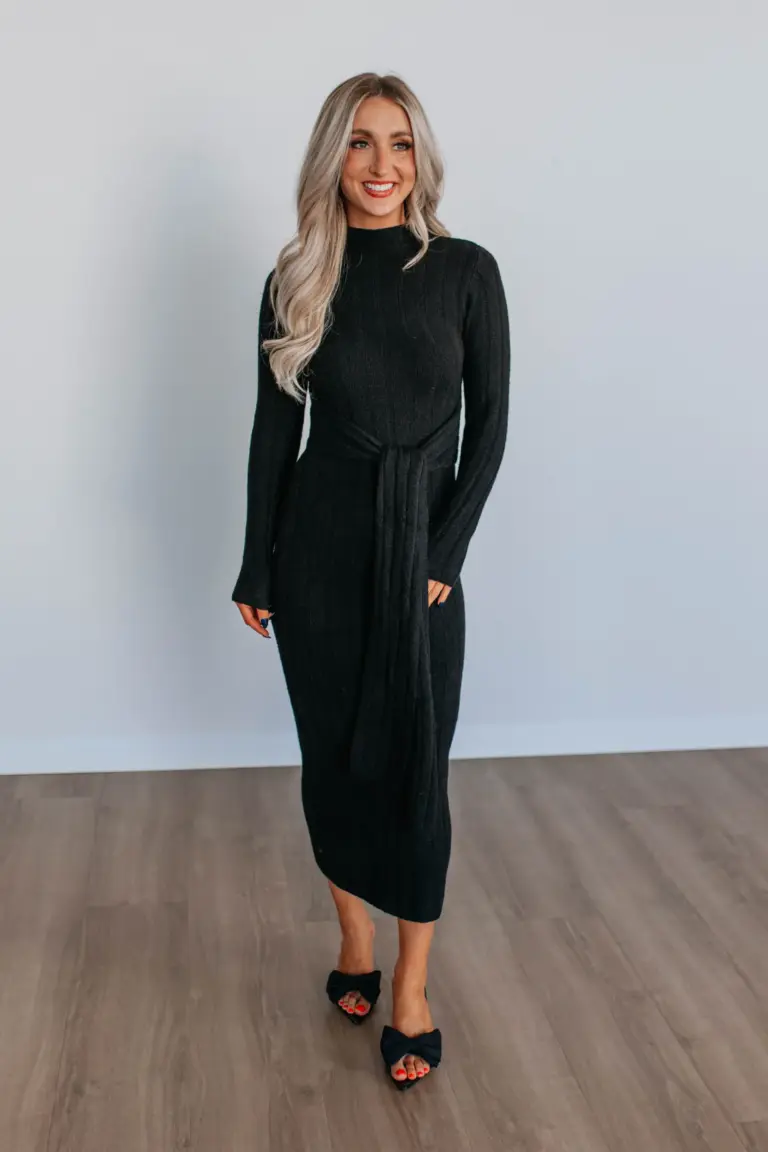 The Fitted Sweater Dresses Shortlist
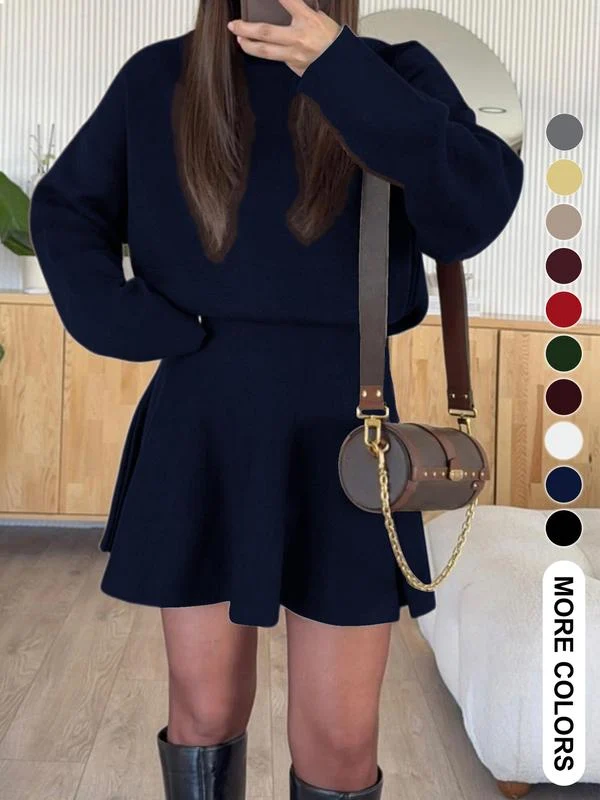
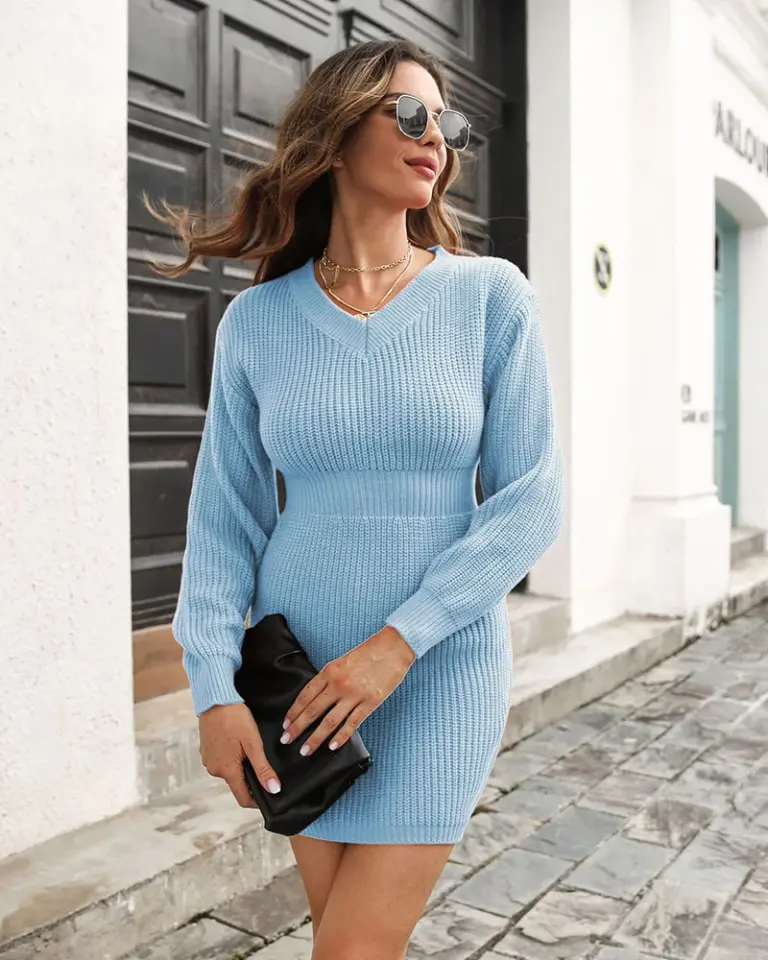 Effortless Day Sweater Dresses We Love
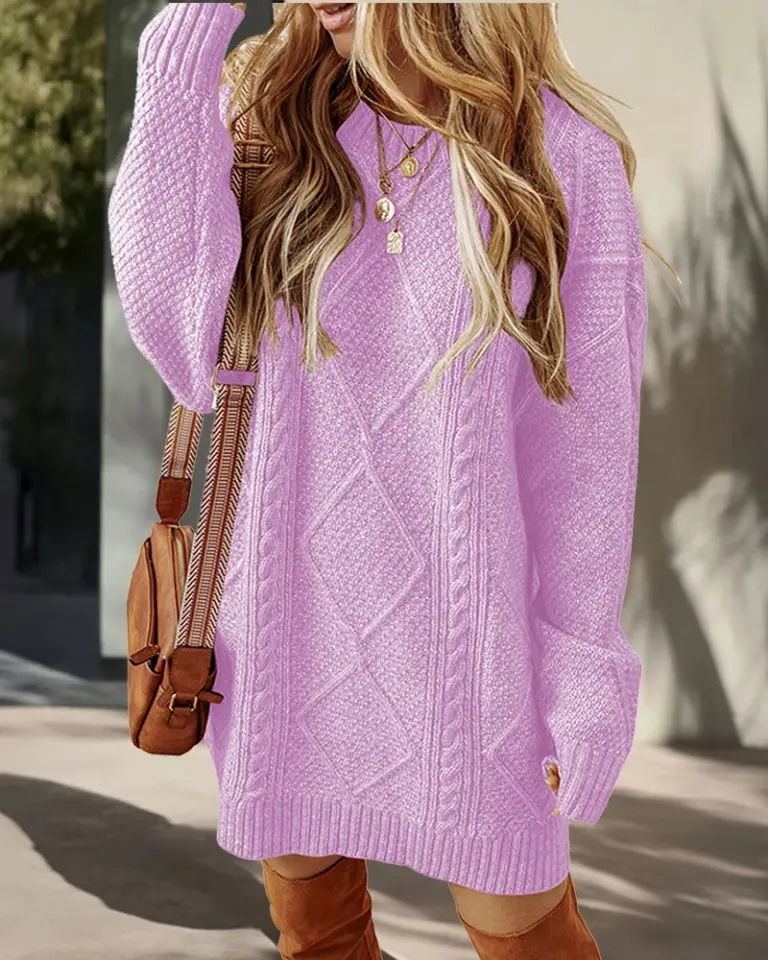 Crew Neck Sweater Dresses You’ll Reach for First
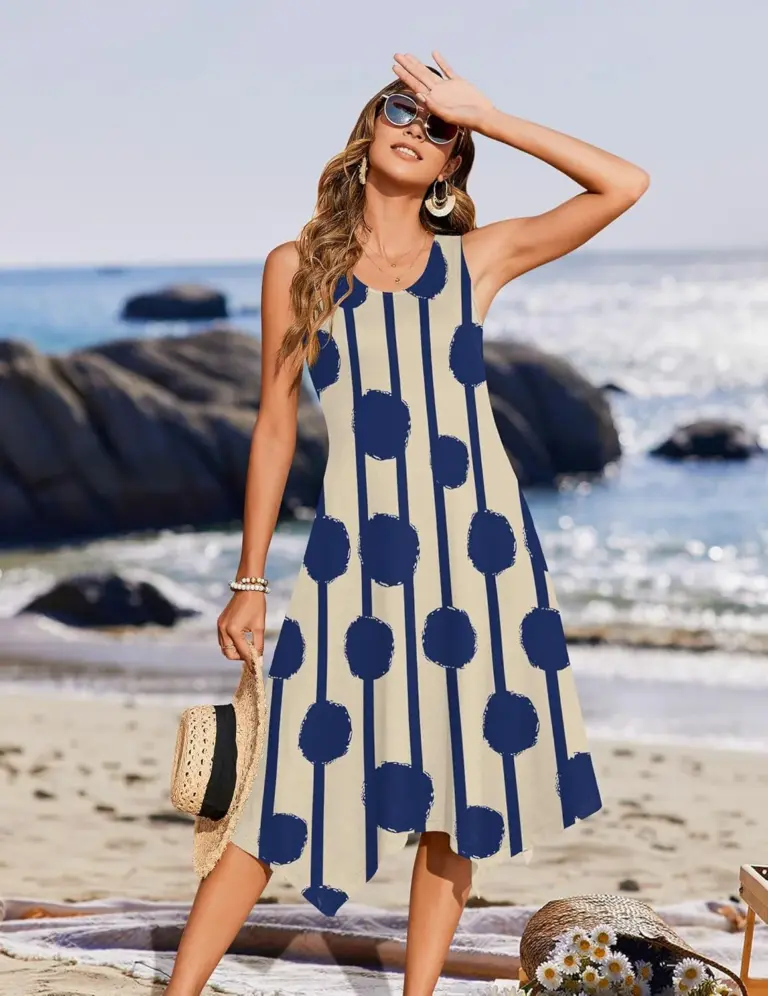 Casual DressesCasual Sweater Dresses You’ll Want to Live In
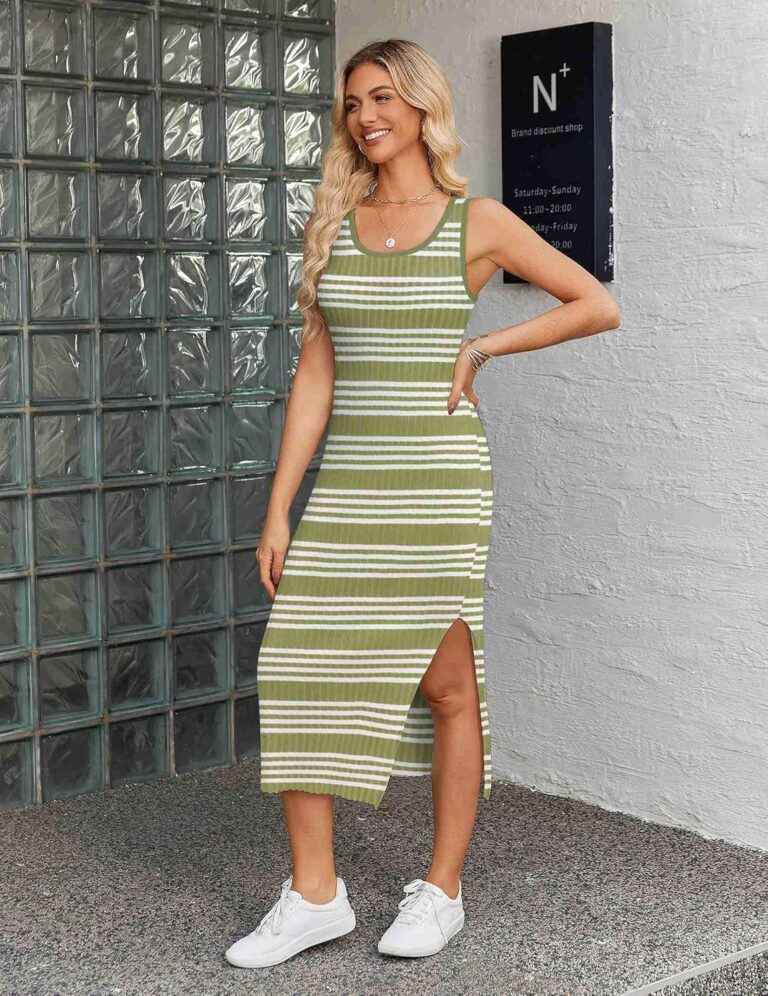
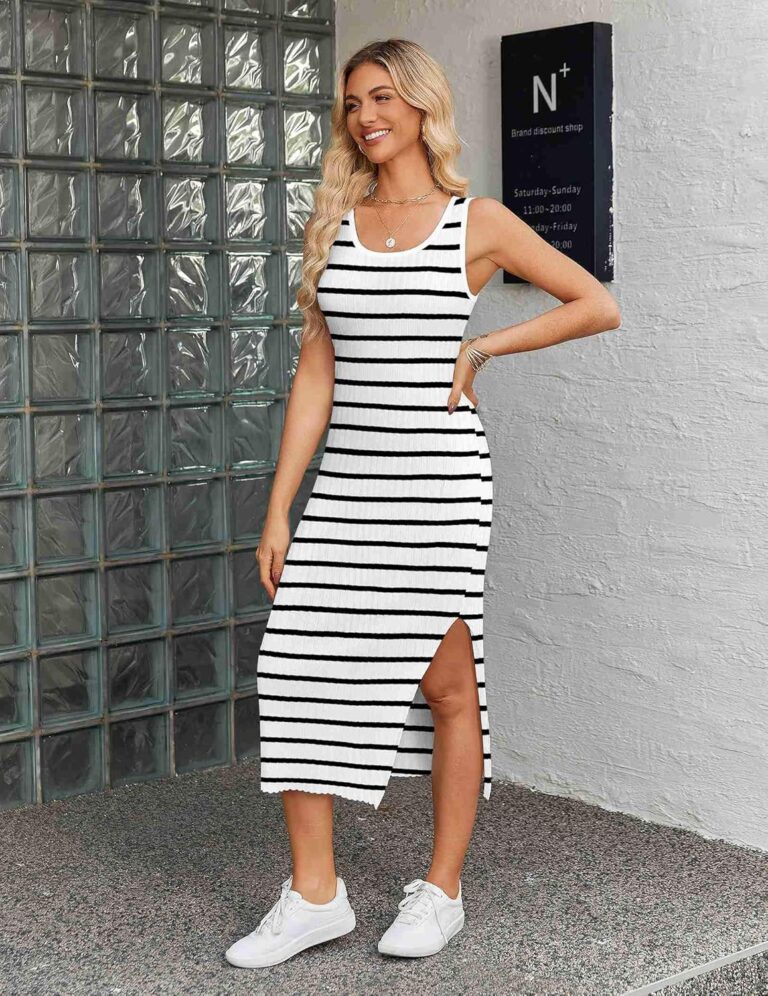 Bodycon DressesBodycon Sweater Dresses That Flatter Without TryingAlso worth a lookMini DressesThe thing nobody mentions in the fitting room is how a mini dress behaves after three hours sitting down rather than standing in front of a mirror.See the collections →
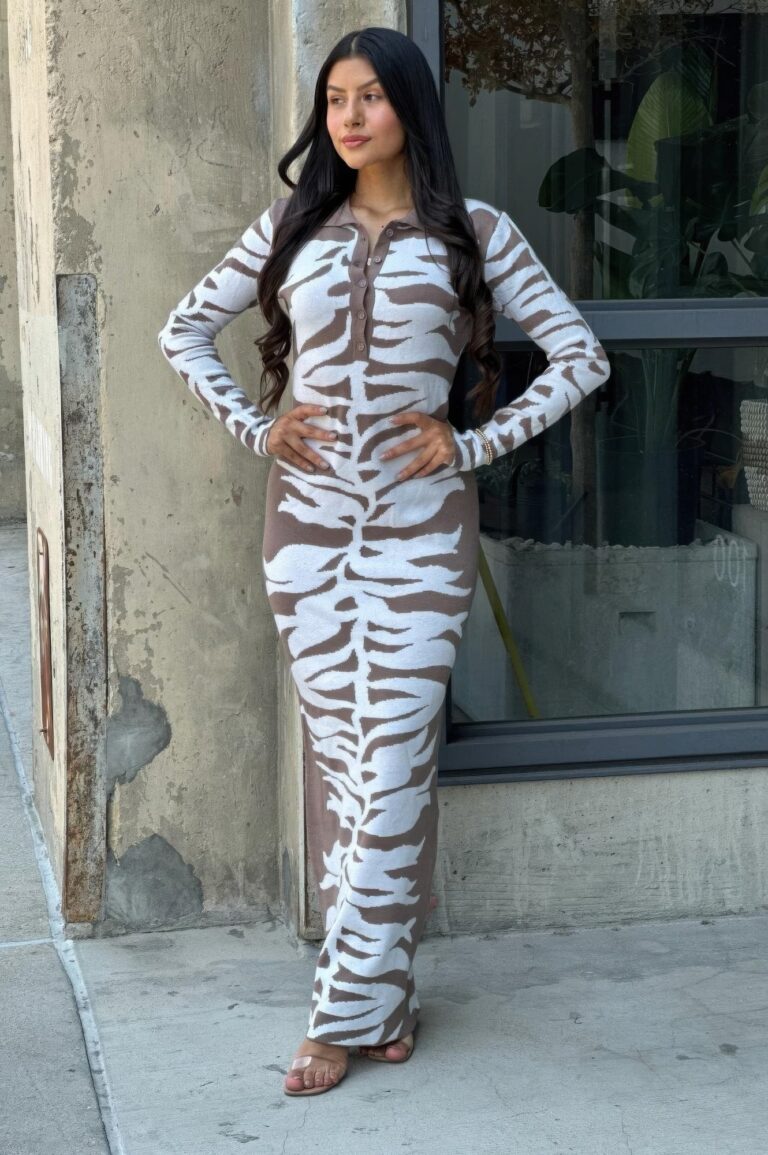
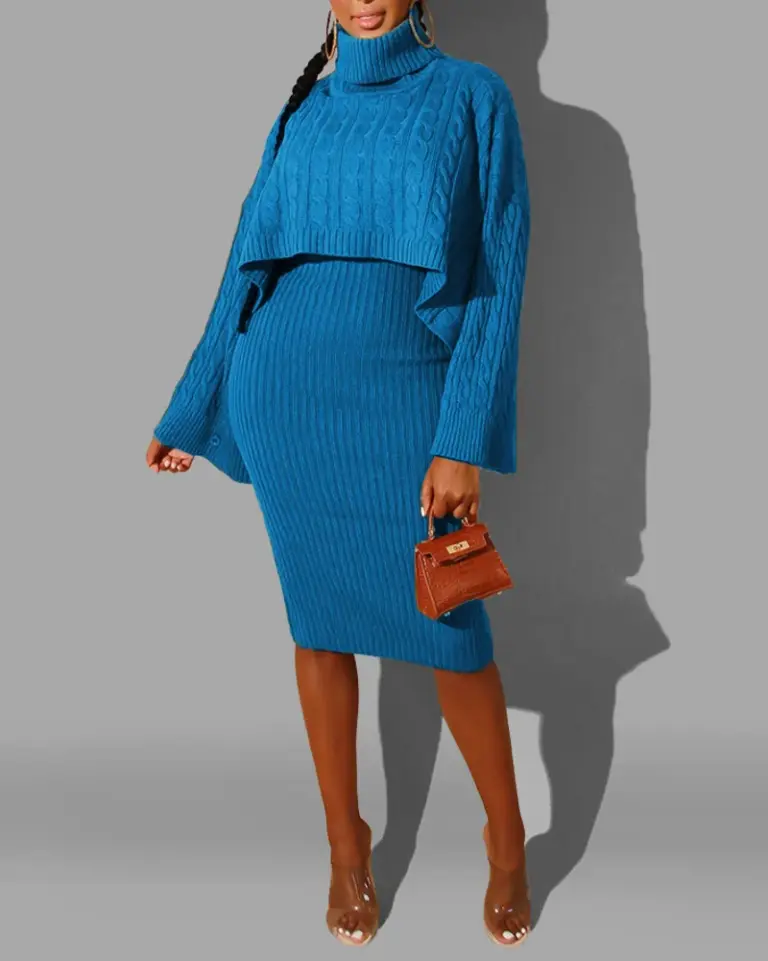 Blue DressesBlue Sweater Dresses: Picks We Stand By
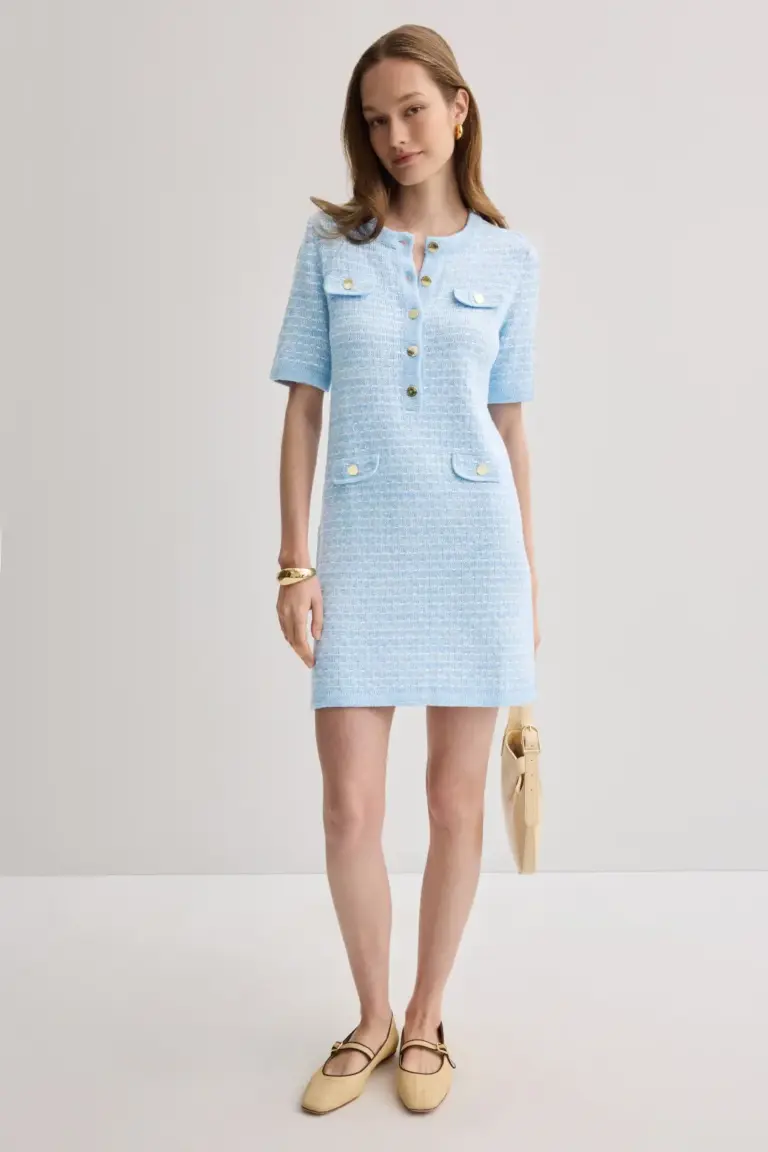
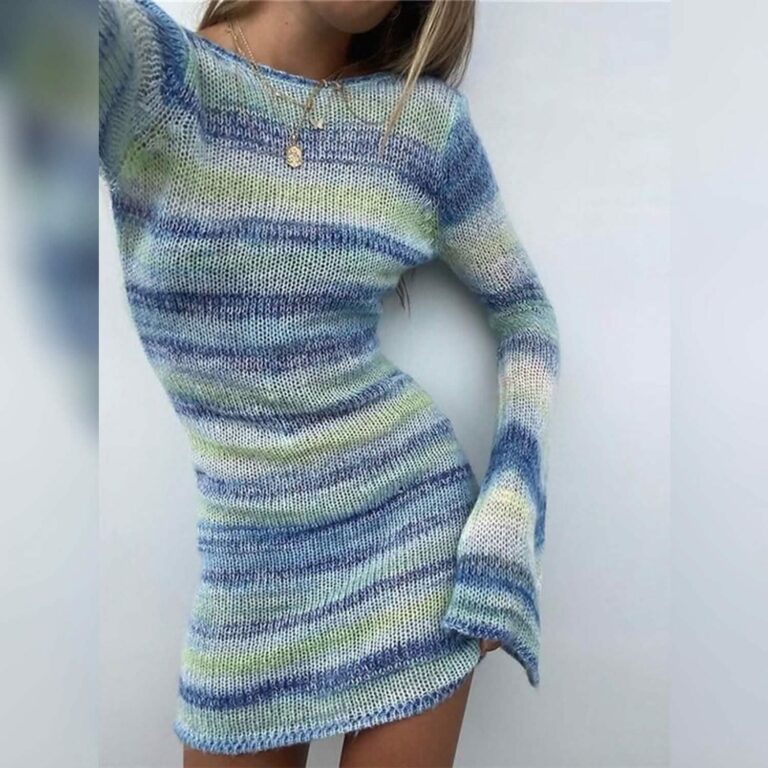 Casual DressesBlue Casual Sweater Dresses That Always Get Compliments
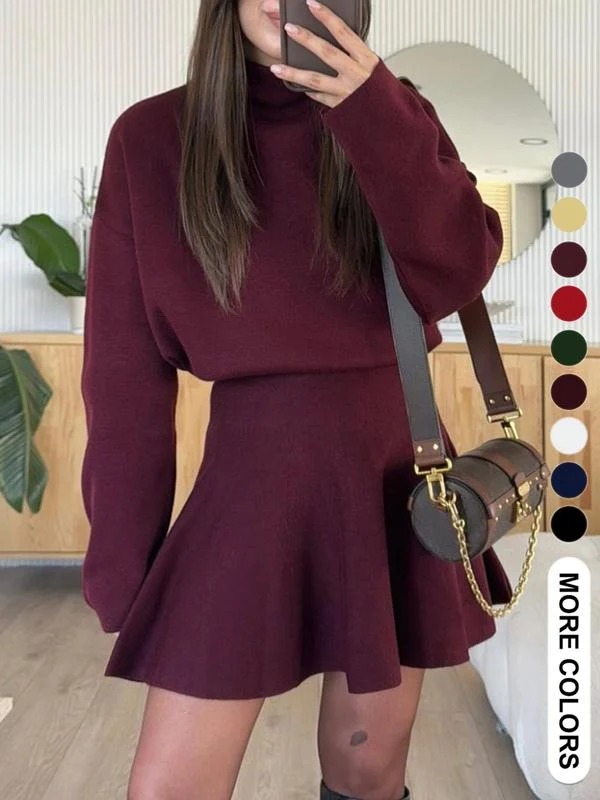
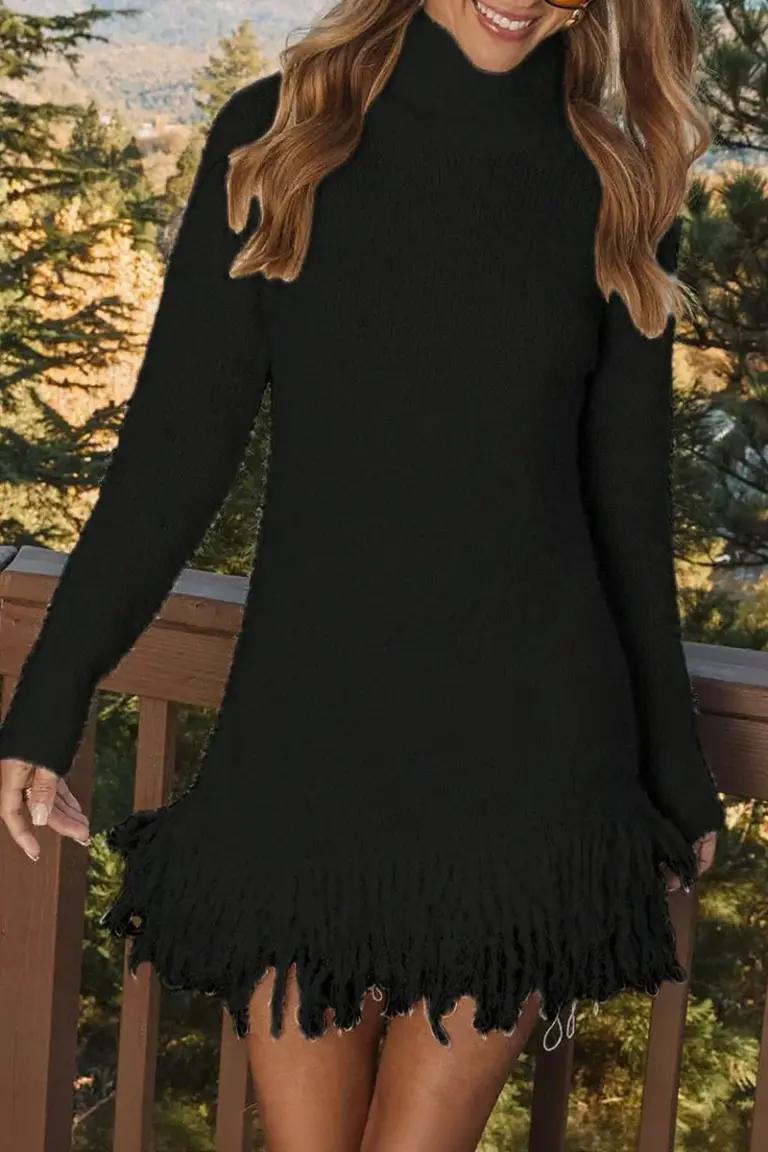 Black DressesBlack Sweater Dresses That Make Getting Dressed Easy
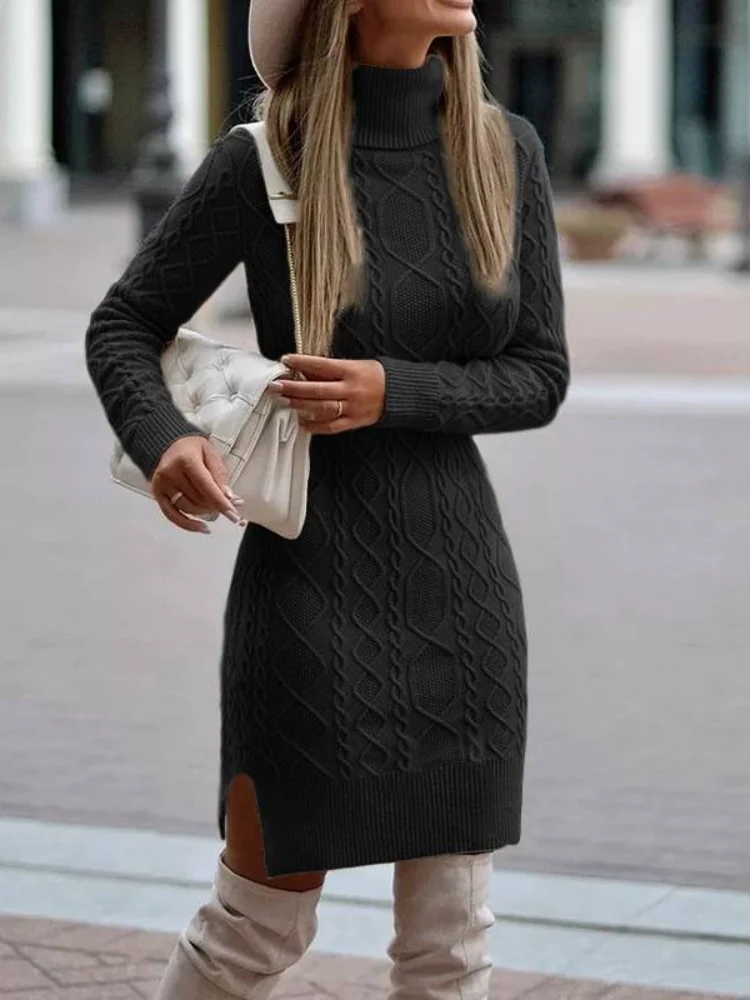
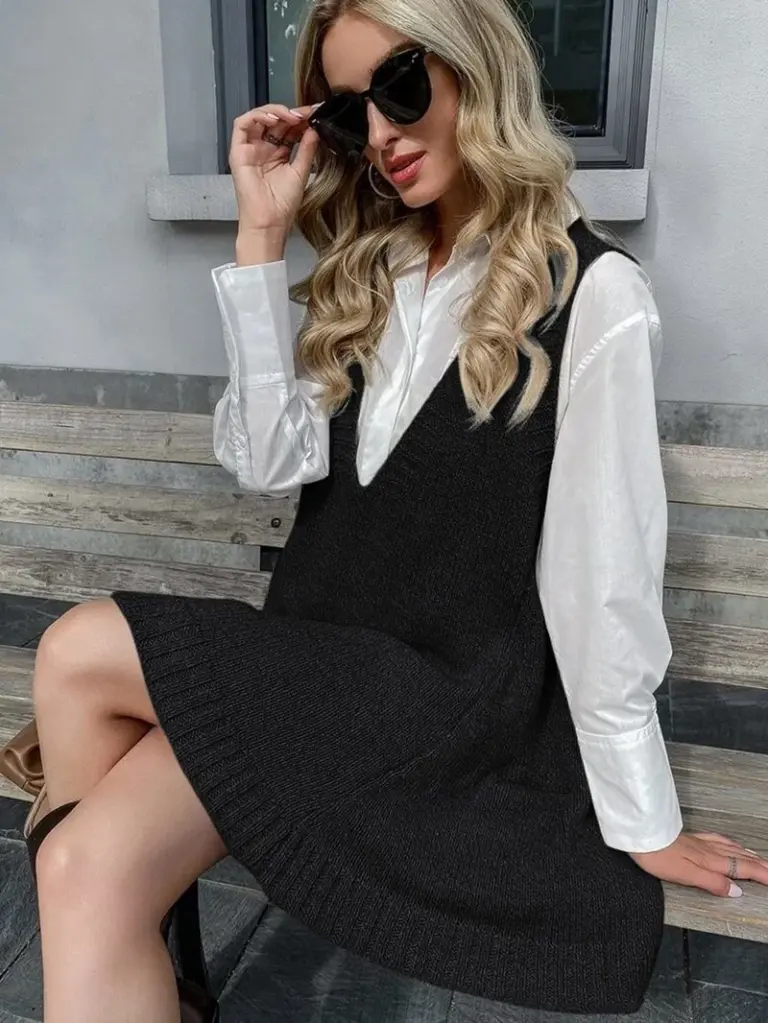 Casual DressesEffortless Black Casual Sweater Dresses We Love
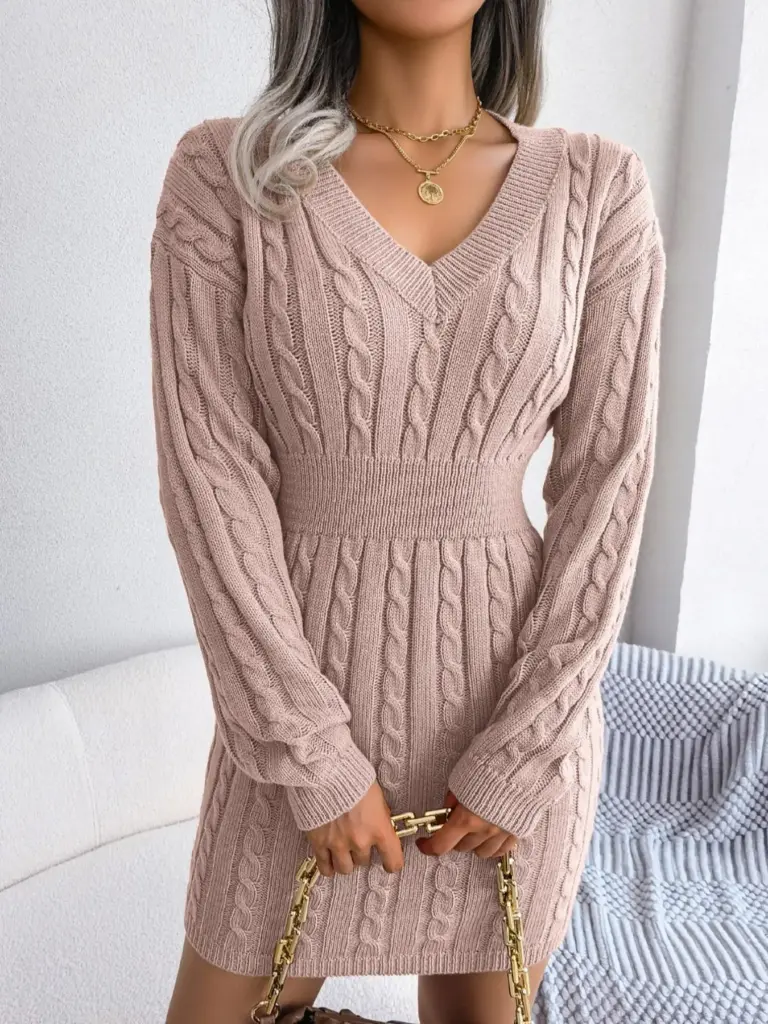
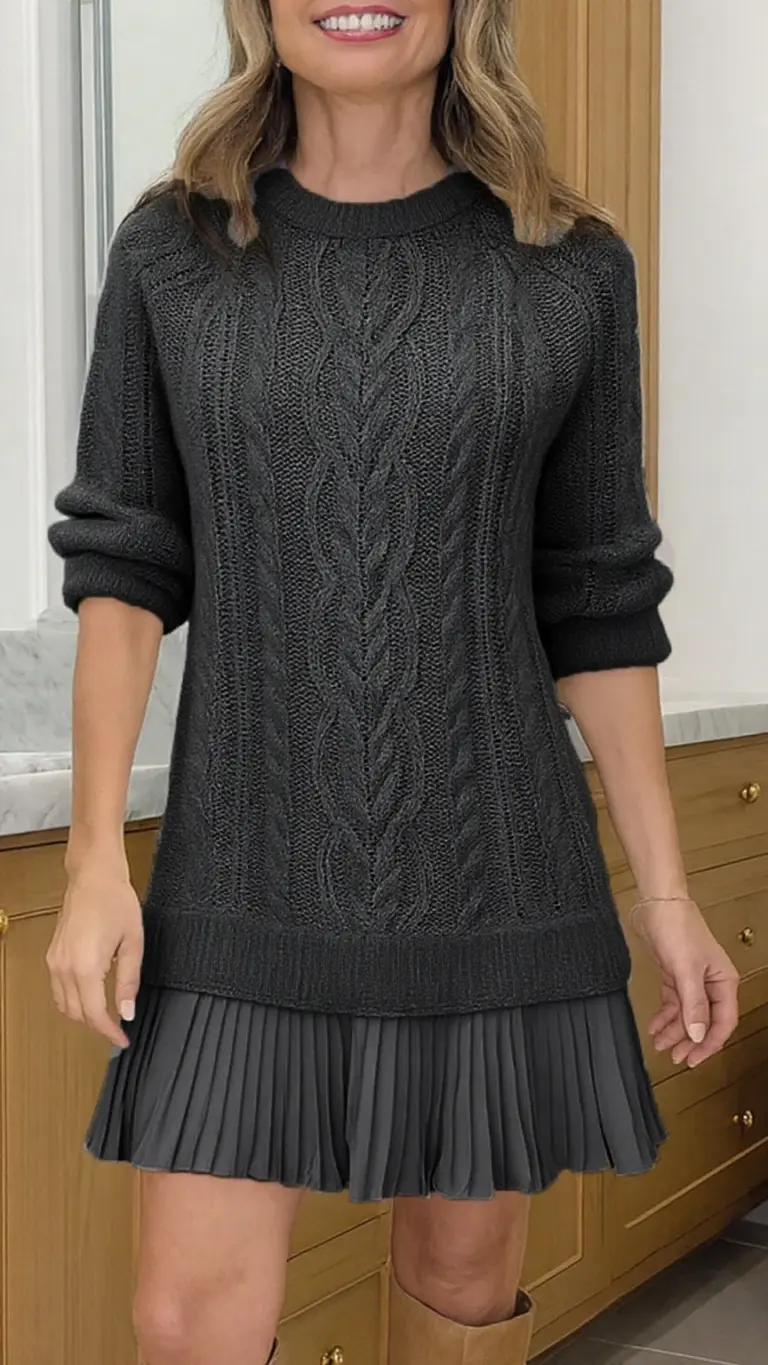 Fall Sweater Dresses We’re Adding to Basket