I avoided lace for years because every dress I tried landed somewhere between doily and nightwear, and because the hem always hit the same spot on my shin that no midi should ever hit. What changed my mind was trying one with a proper lining underneath, cut to the same length as the lace itself, rather than a slip that stopped mid thigh and left me looking like I'd got dressed in the dark. Once the lining does its job, the lace stops being a costume and starts being a texture.
On an ordinary week it sits well against plain things, which is the point of it. A flat knit jumper underneath in cold weather, a leather jacket over the top, boots rather than anything delicate, and the lace reads as detail rather than event. I've worn one with a denim jacket and trainers to collect a parcel and felt entirely normal, which is the test I use now. Jewellery does better kept quiet, a thin chain rather than anything that competes with the pattern, because the fabric is already doing the decorative work.
Before buying, check what's actually holding the shape. Scalloped hems look lovely in a photo and then catch on tights or snag on a bag strap, so run a finger along the edge if you can. Check whether the lining is attached to the lace or separate, because a separate lining has a habit of twisting round your legs on a bus and announcing itself at the worst moment. Check the sleeve lace too, if there is any, since open weave at the cuff looks delicate and then catches on everything from coat buttons to car door handles within a fortnight. And look at the colour of the lining against the lace rather than against the model, because a cream lining under ivory lace reads completely differently to a pale pink one, and the swatch photo rarely tells you which you're getting.
On fit, lace has less give than most fabrics, so go by your actual waist and bust measurement rather than instinct, and if you're between sizes go up, because a lace dress that's tight across the back will pull the pattern out of shape and show every seam. Watch the waist seam placement too, a lot of these sit higher than they look on the hanger, which on a longer torso can land uncomfortably close to the bust rather than the natural waist. The small pleasure of a good one is a hem that moves slightly as you walk, so the pattern catches the light differently step to step, rather than hanging flat and dead the way the cheap ones do.

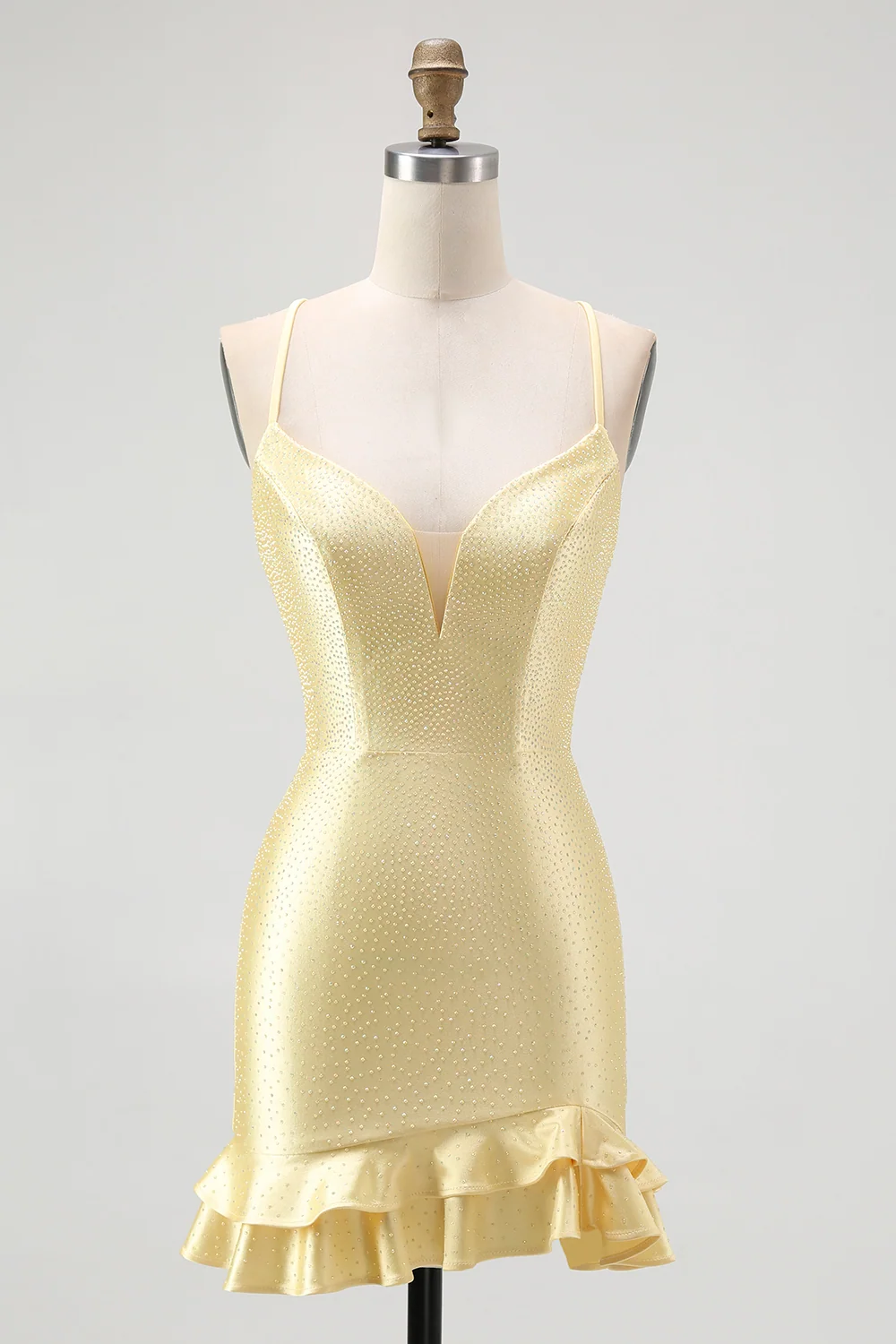 Yellow DressesThe Yellow Lace Dresses Shortlist
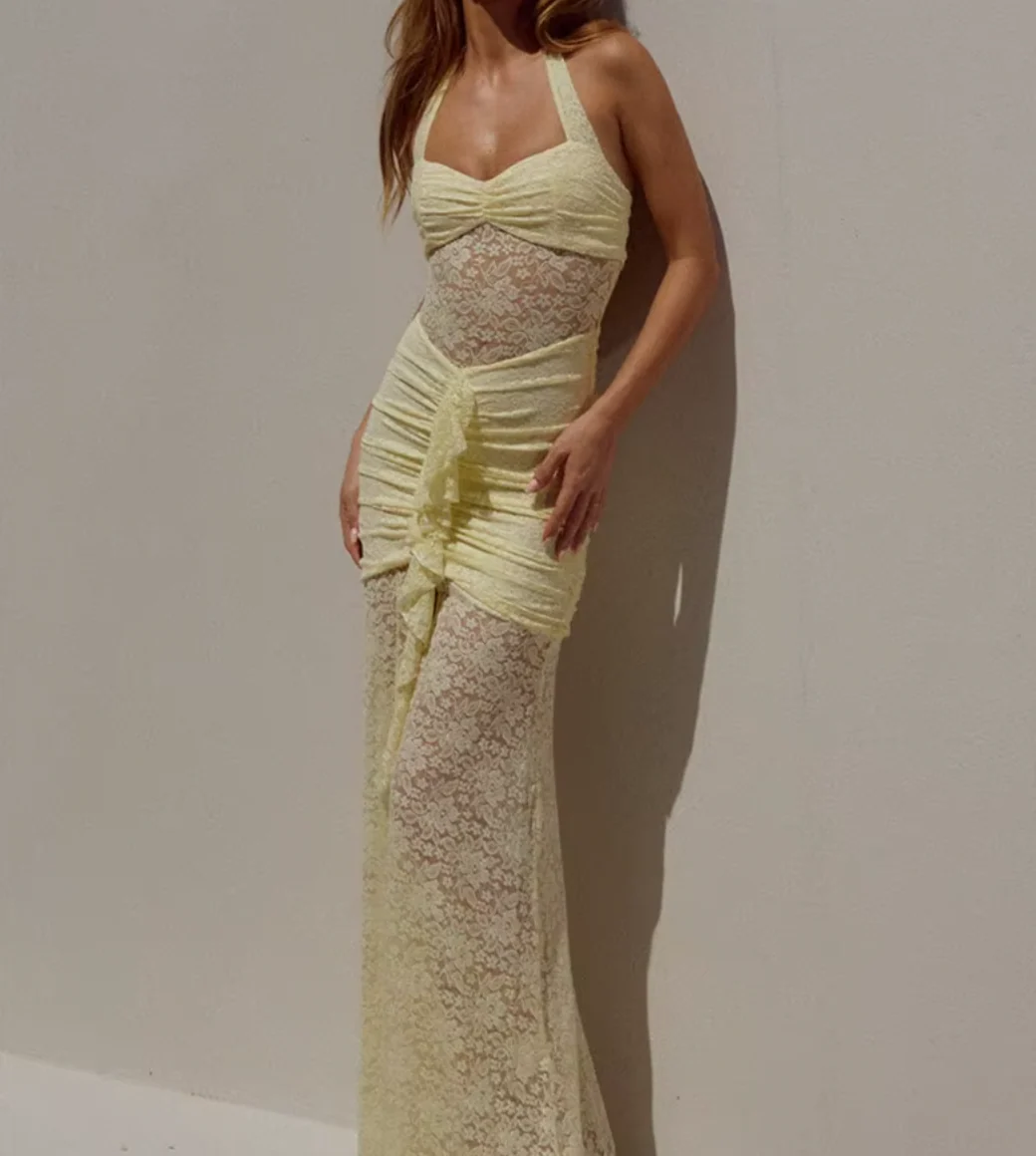
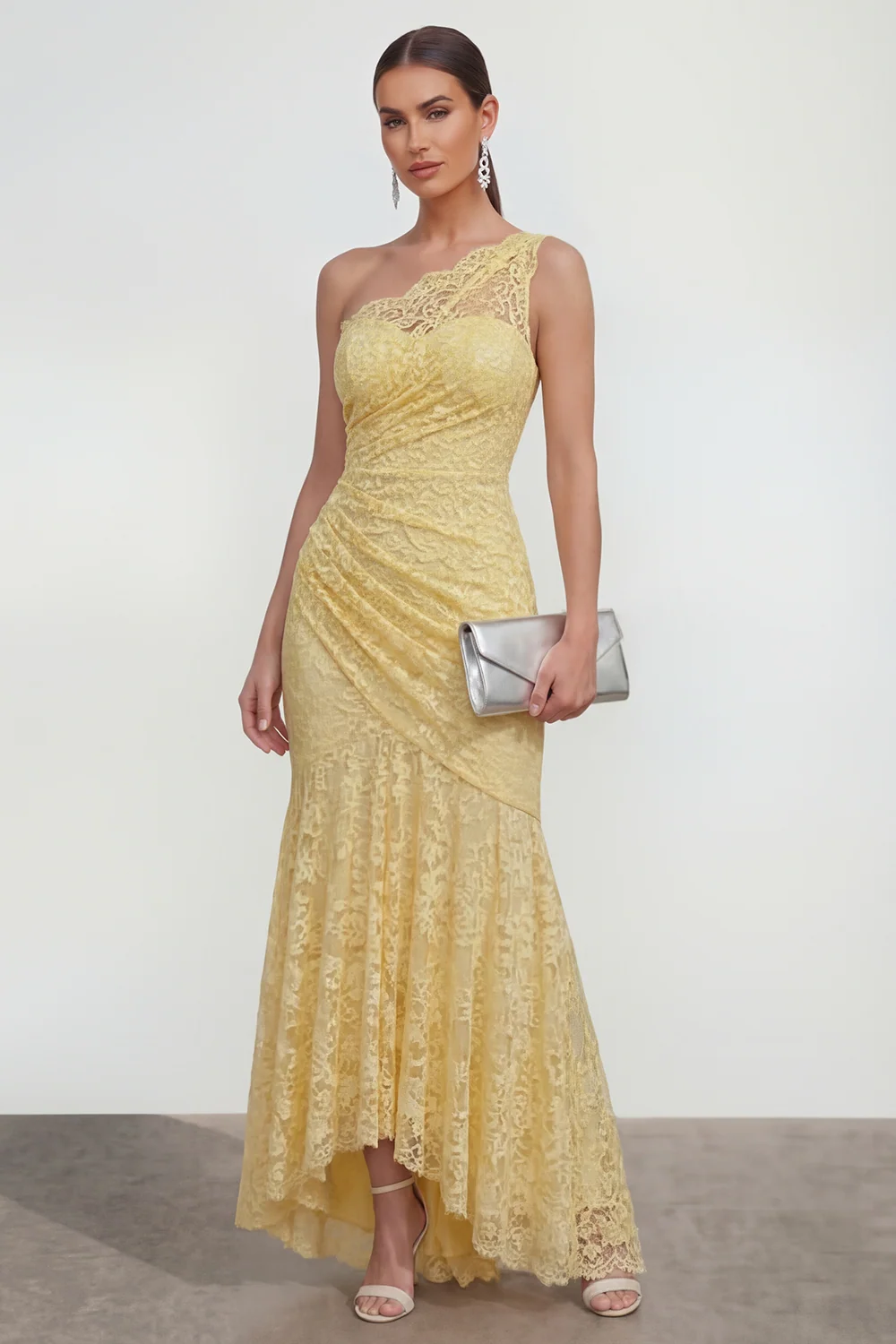 Yellow DressesYellow Occasion Lace Dresses That Always Get Compliments

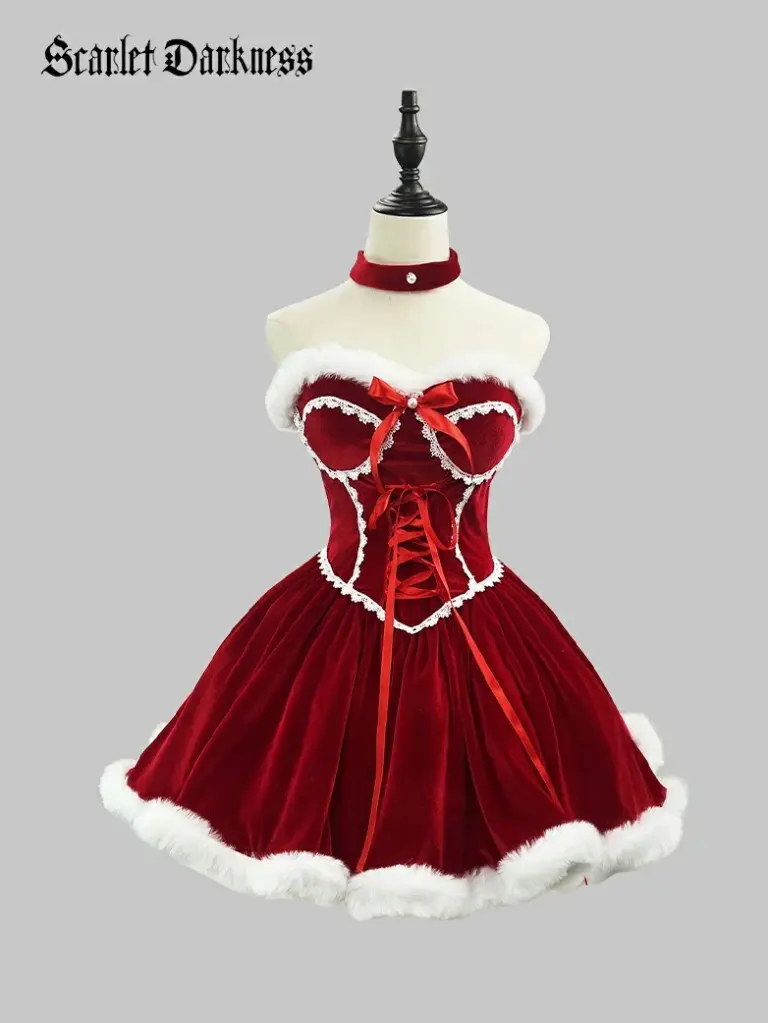 Wrap DressesThe Wrap Lace Dresses Worth Planning an Outfit Around
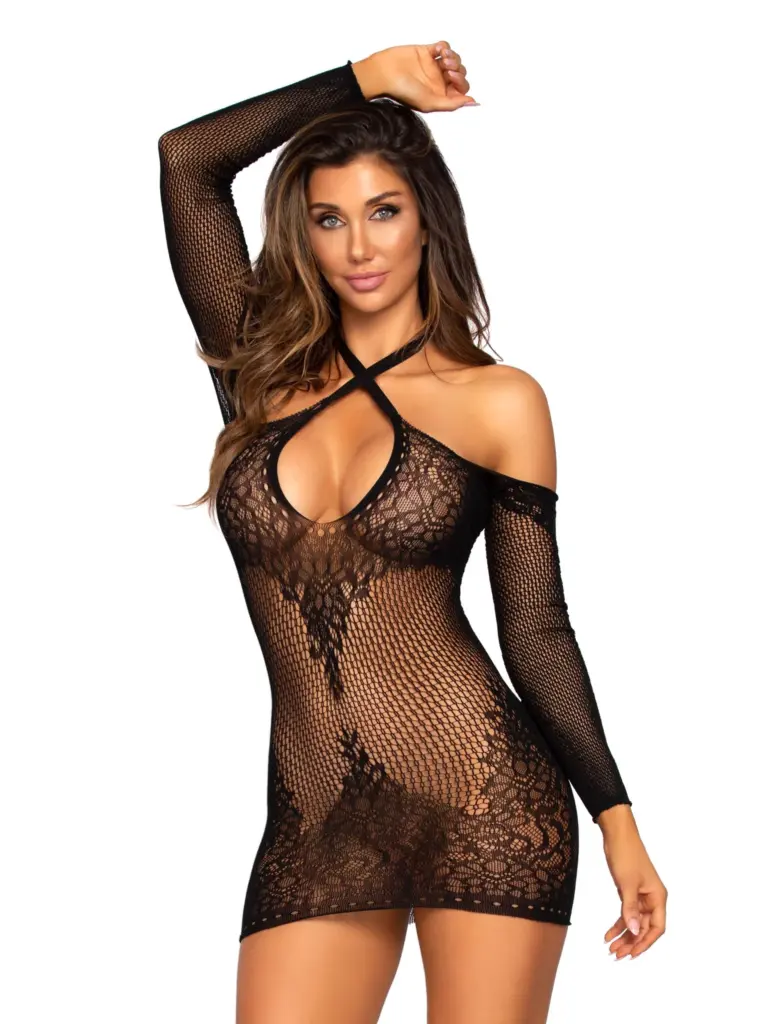
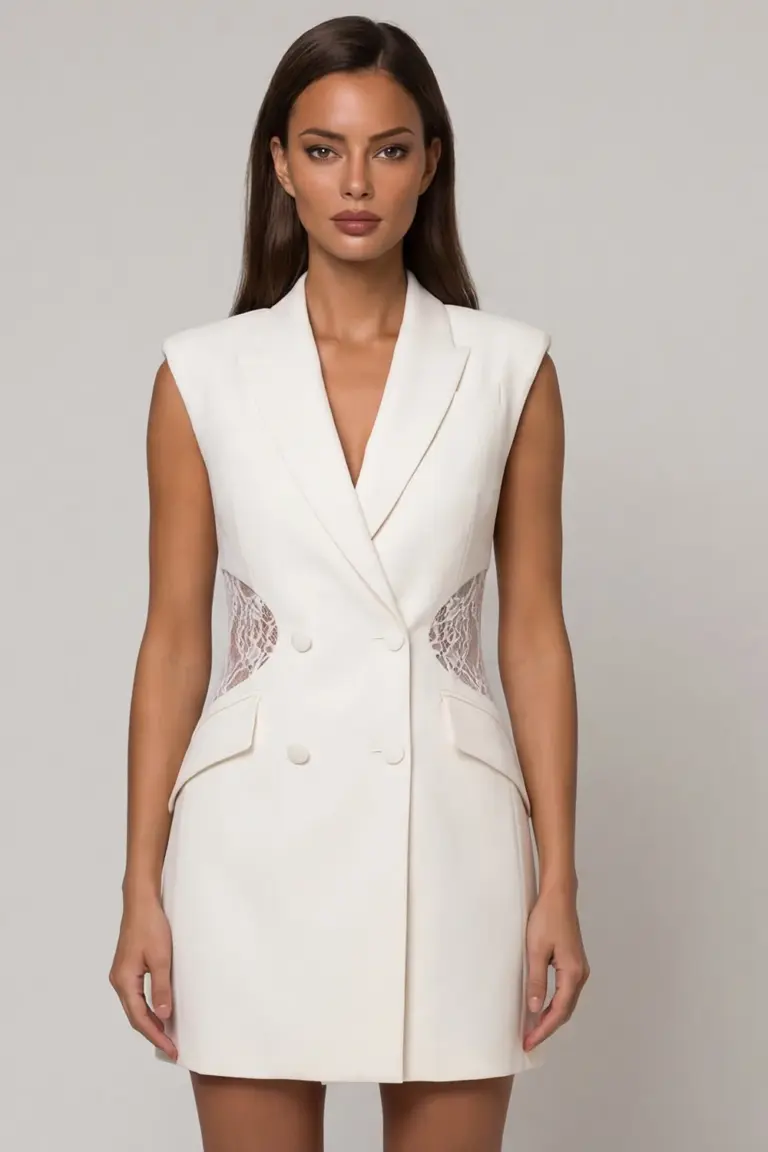 Work DressesStandout Work Lace Dresses to Shop
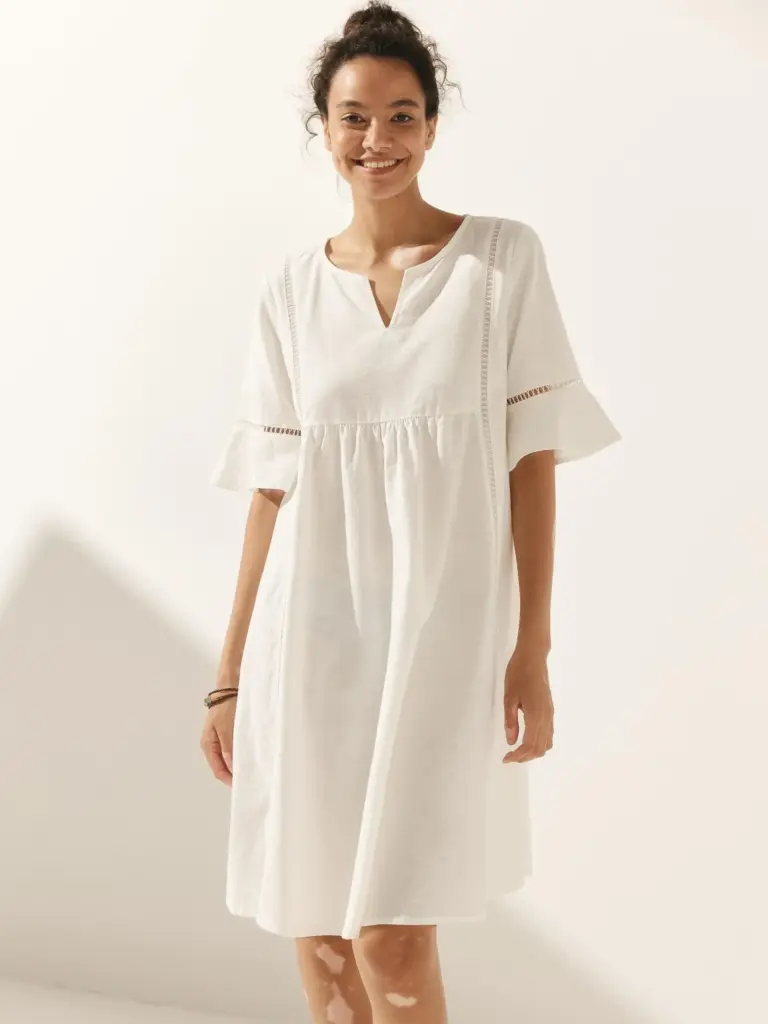
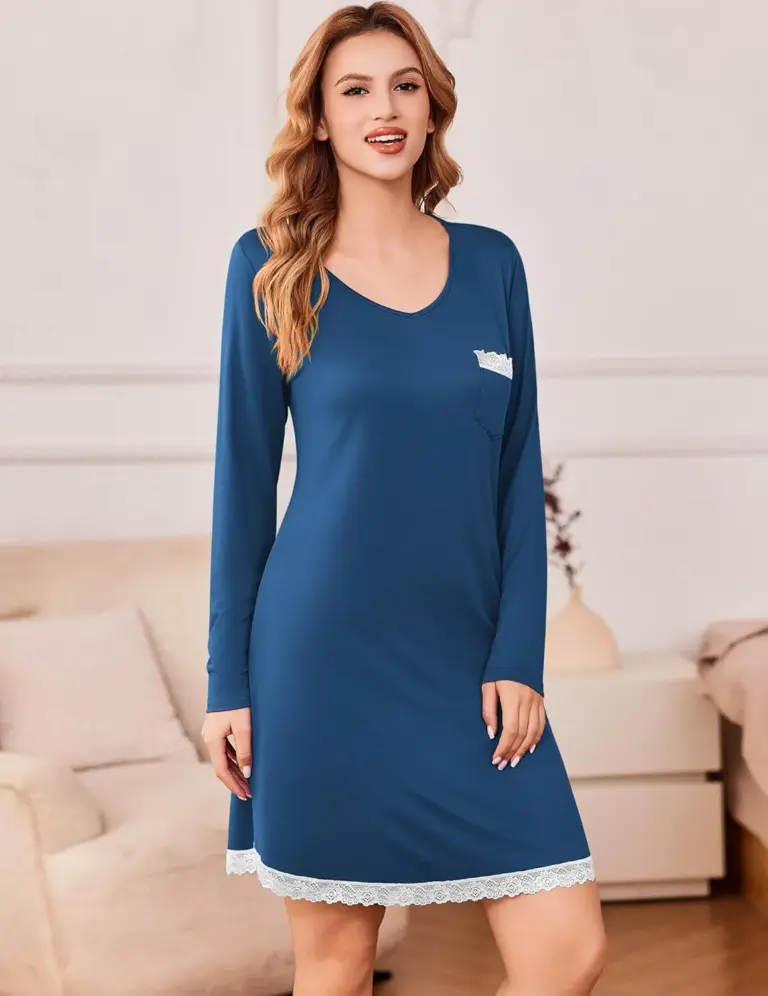 The Winter Lace Dresses We Keep Going Back To
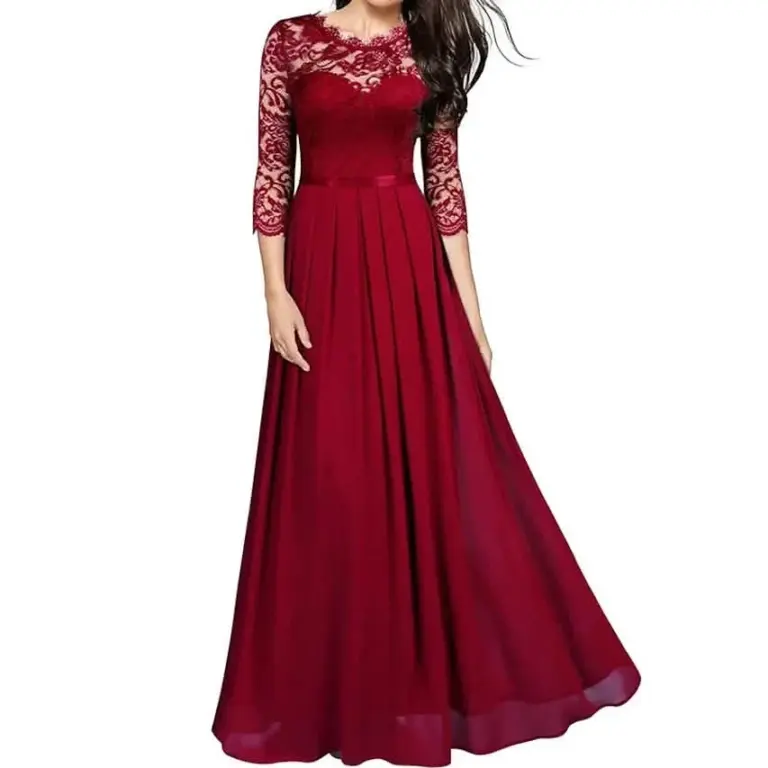
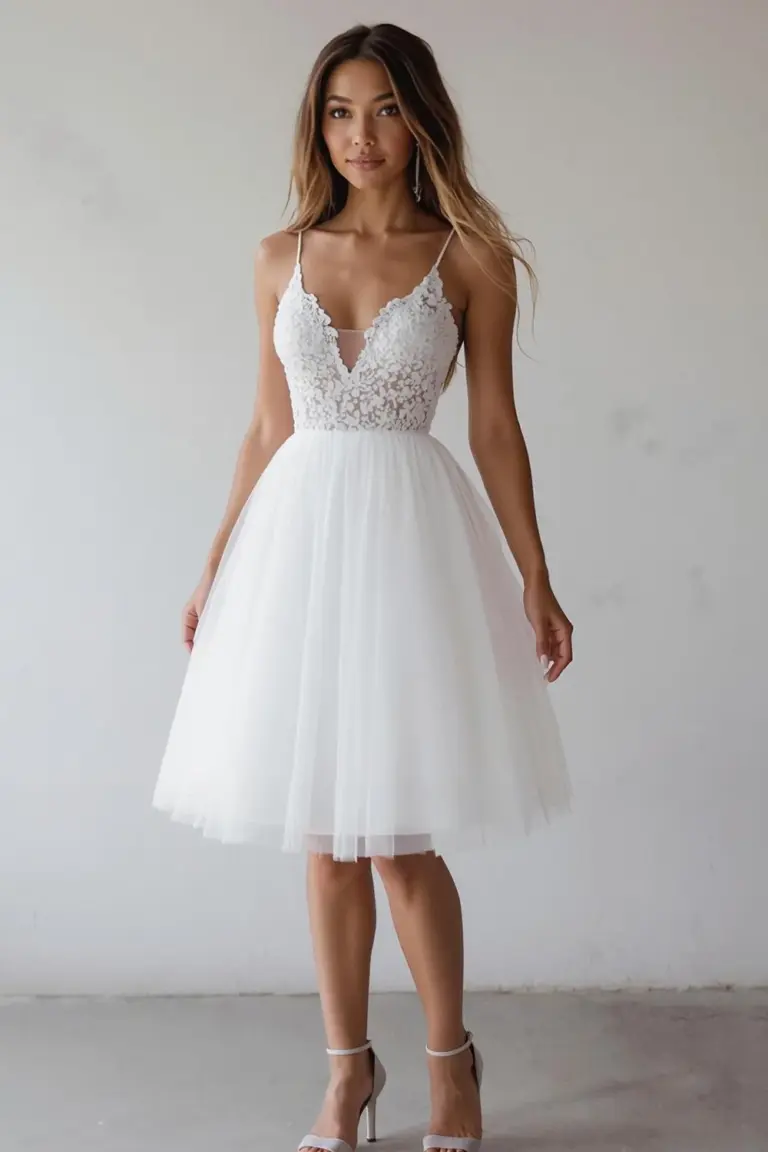 V Neck DressesWhite V Neck Lace Dresses That Flatter Without Trying
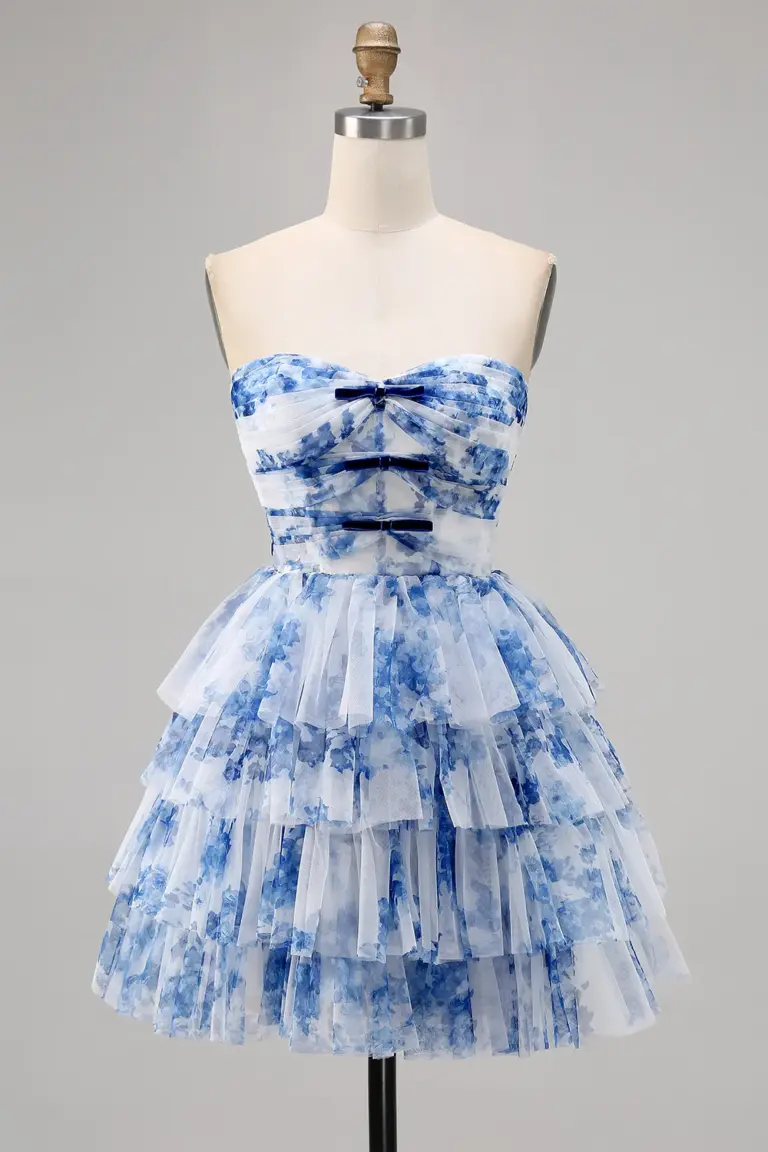
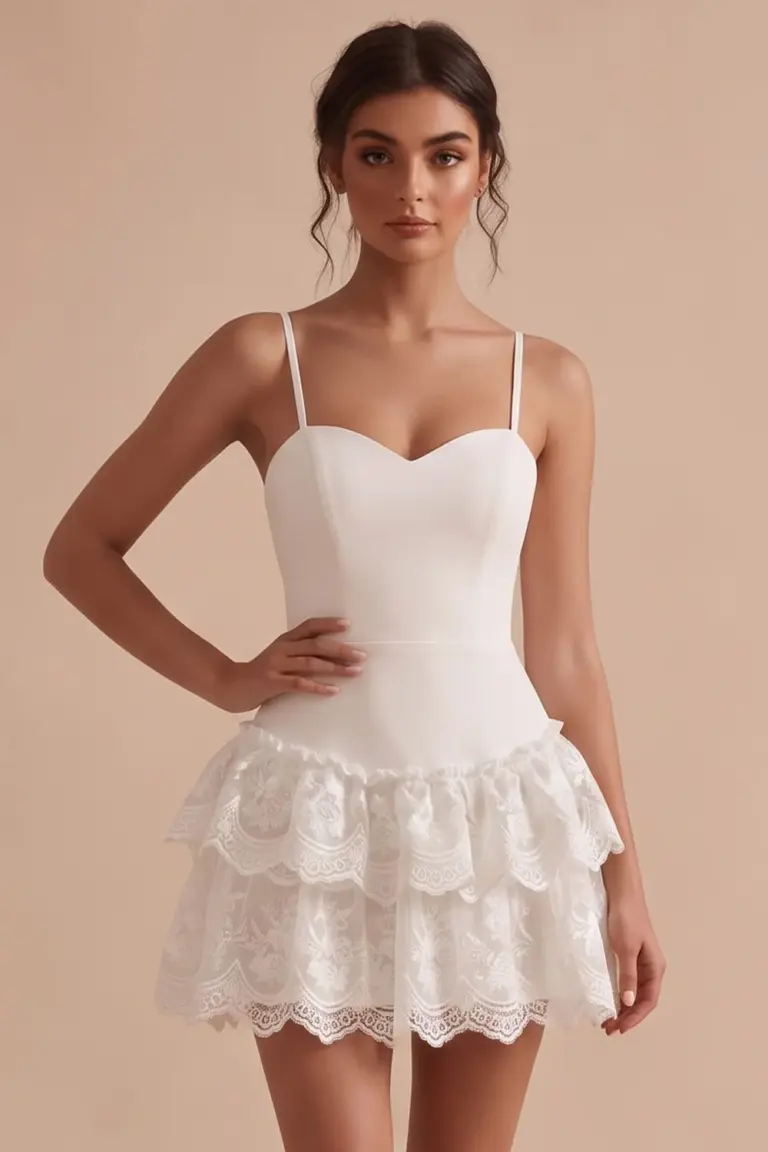 Tiered DressesThe White Tiered Lace Dresses We’re Eyeing Up This Season
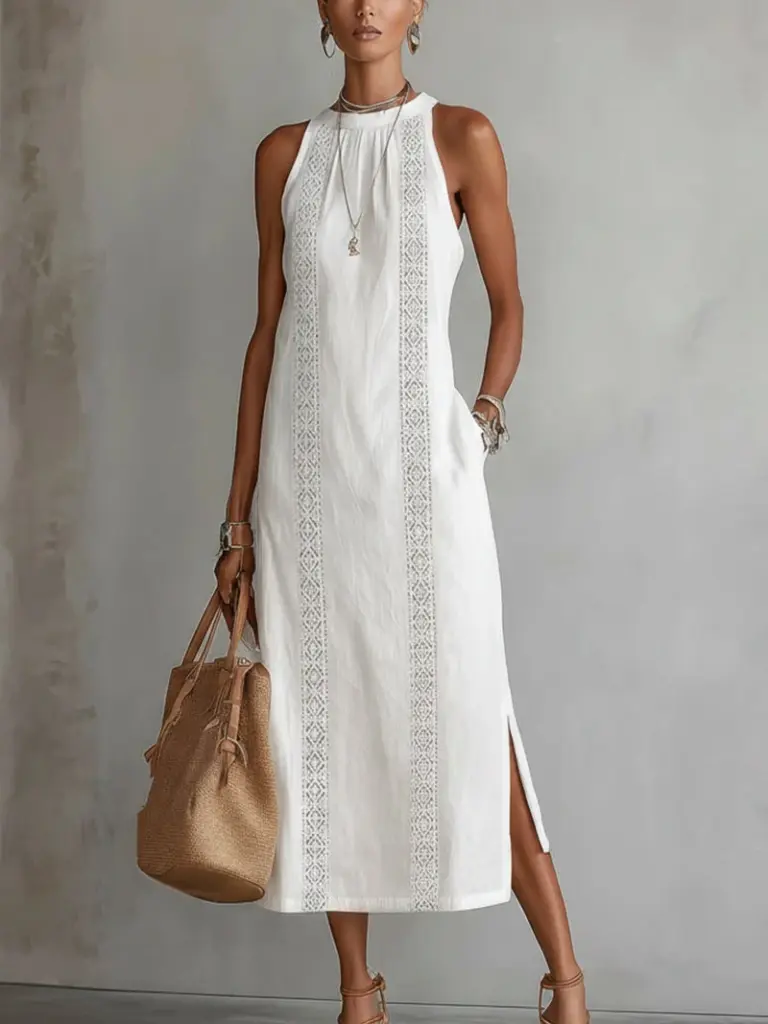 Sleeveless DressesWhite Sleeveless Lace Dresses: Our Top Picks
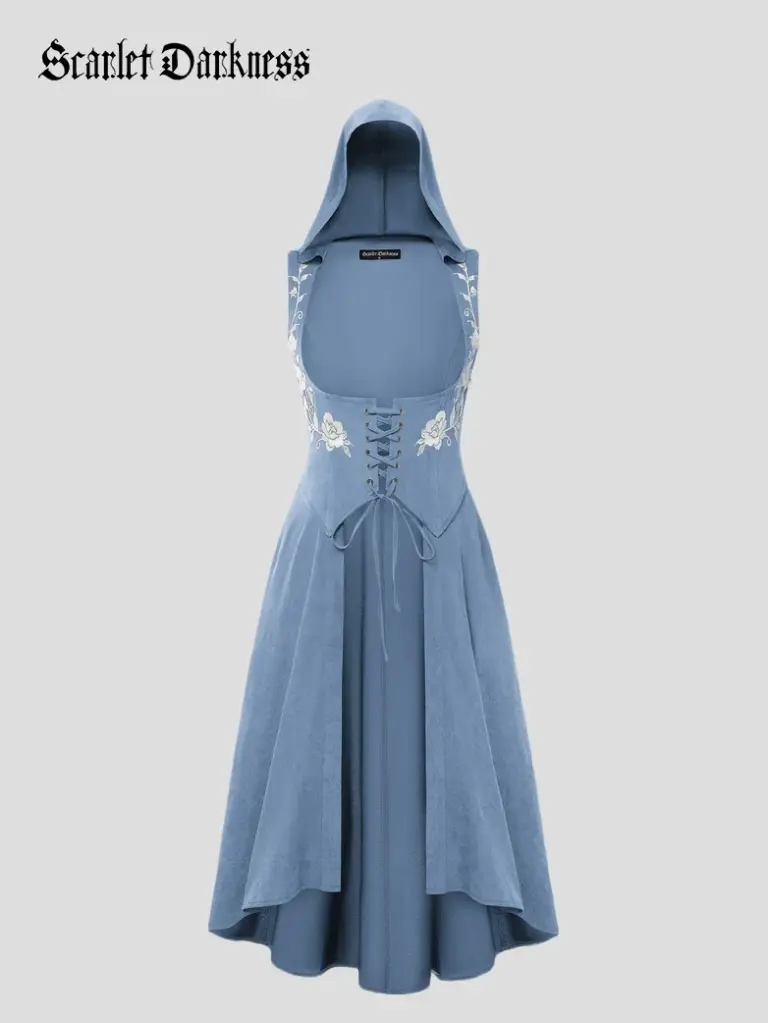
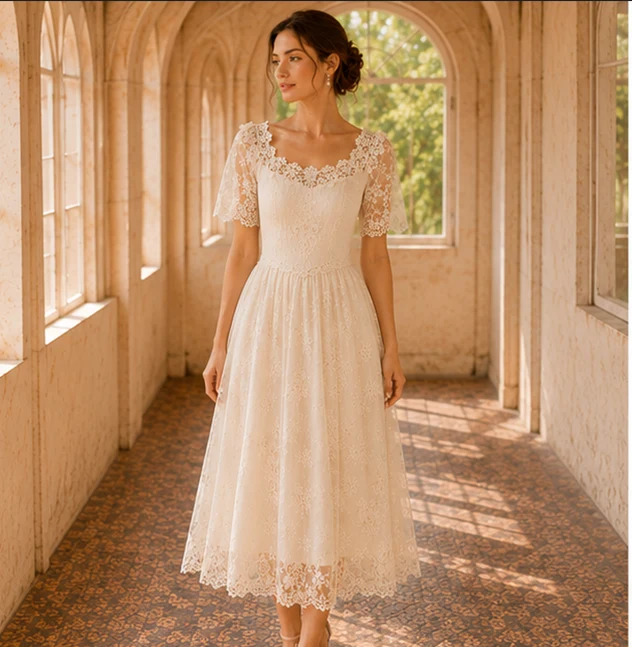 Short Sleeve DressesHandpicked White Short Sleeve Lace Dresses We Keep Coming Back ToAlso worth a lookMidi DressesThe moment a midi dress properly clicked for me was a wedding in October, cold enough for tights,…See the collections →
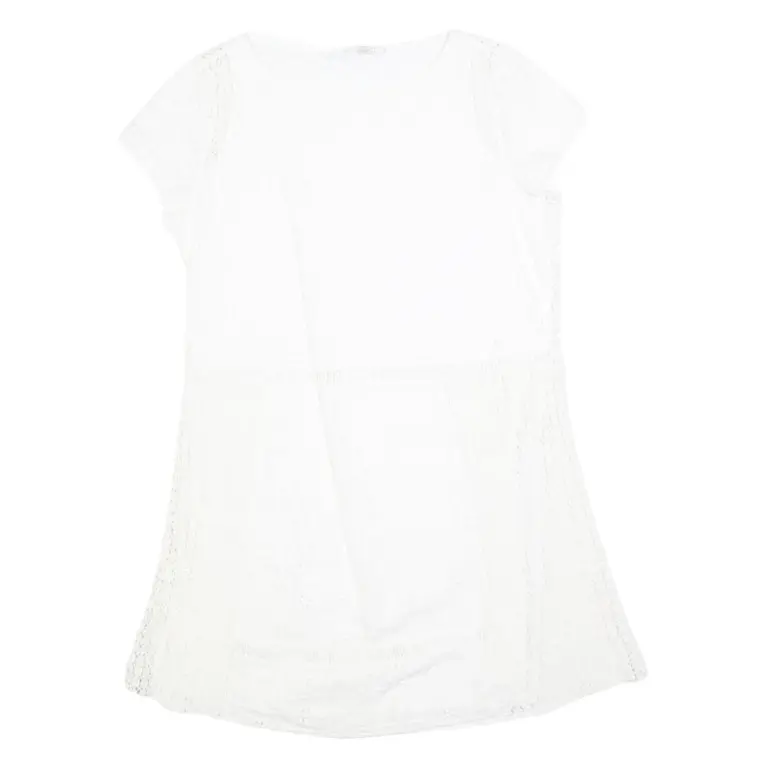
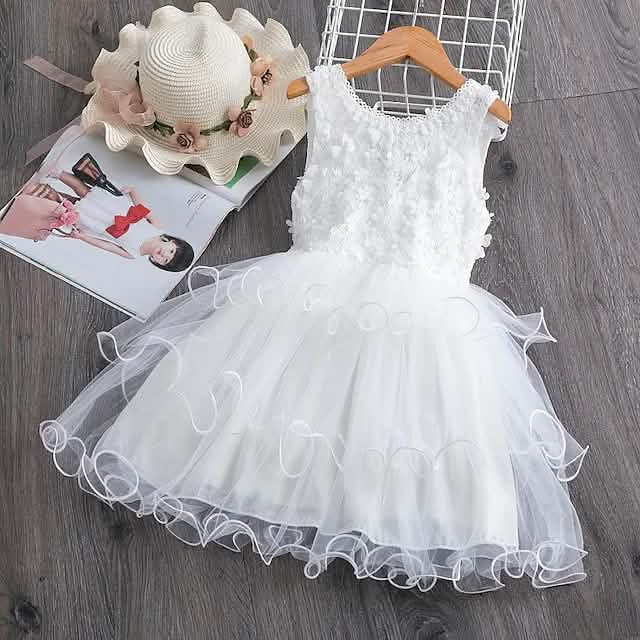 Ruffle DressesThe White Ruffle Lace Dresses Worth Your Wardrobe Space

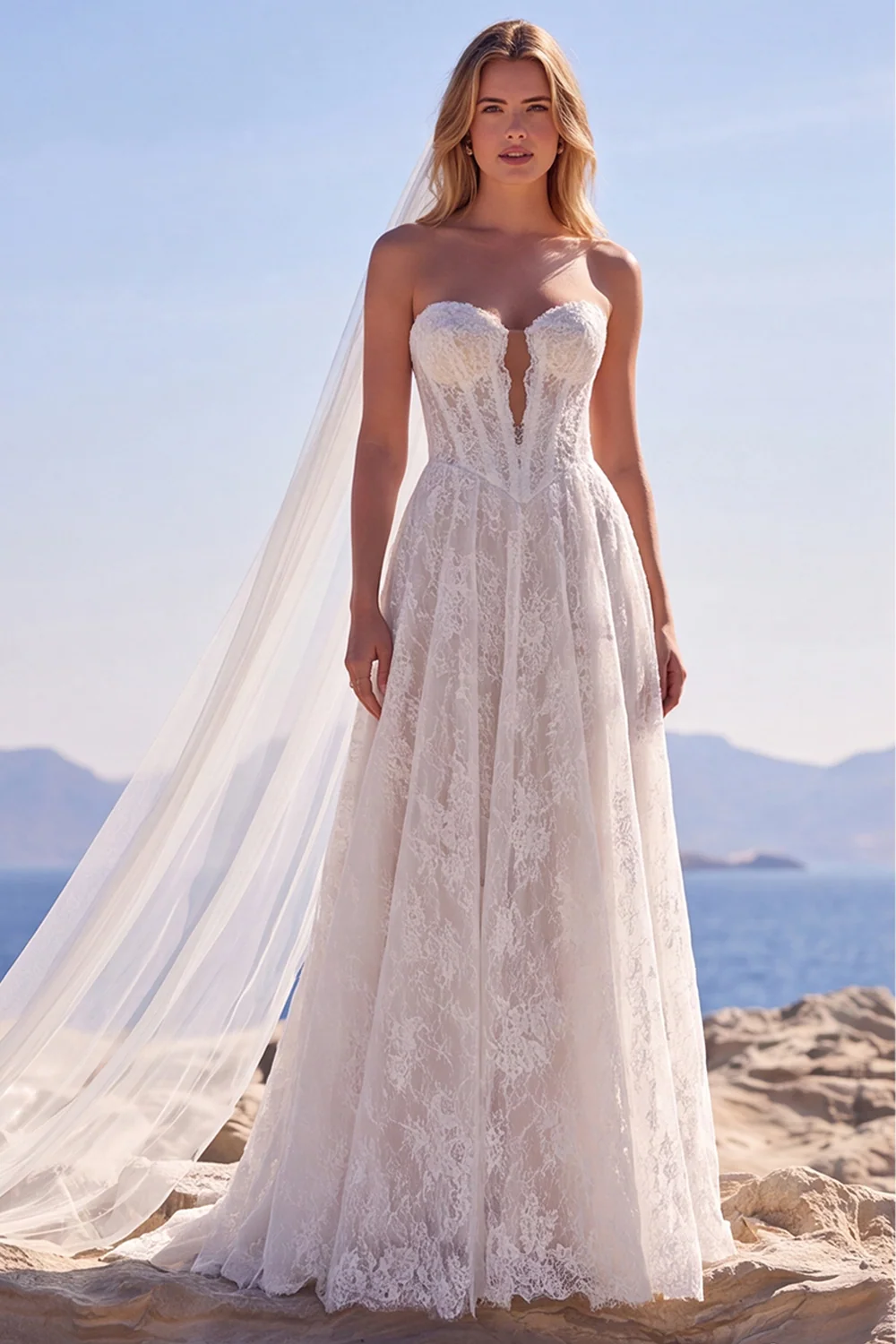 Occasion DressesWhite Occasion Lace Dresses for Every Occasion on Your Calendar

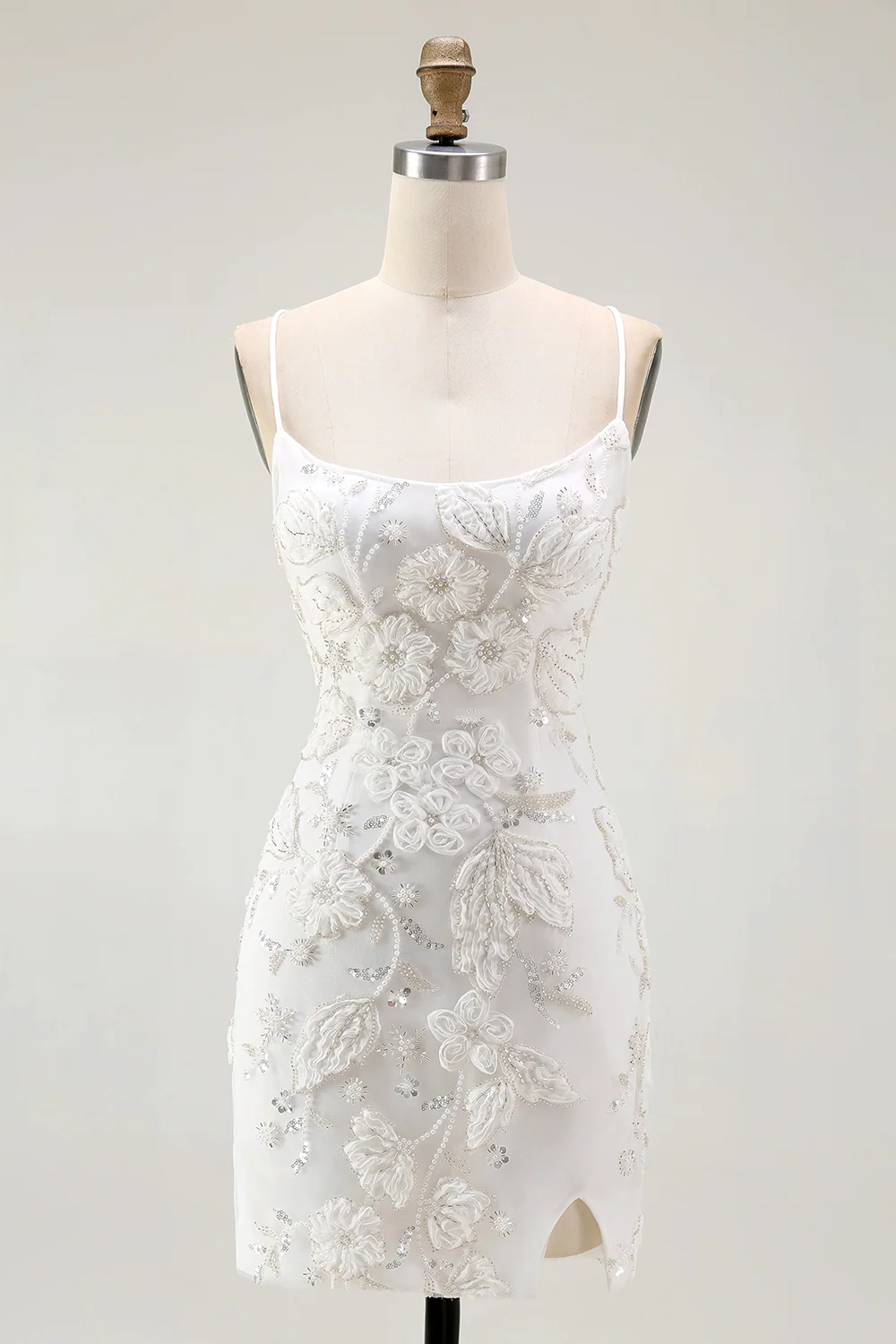 White DressesWhite Party Lace Dresses for When You Want to Feel Put Together

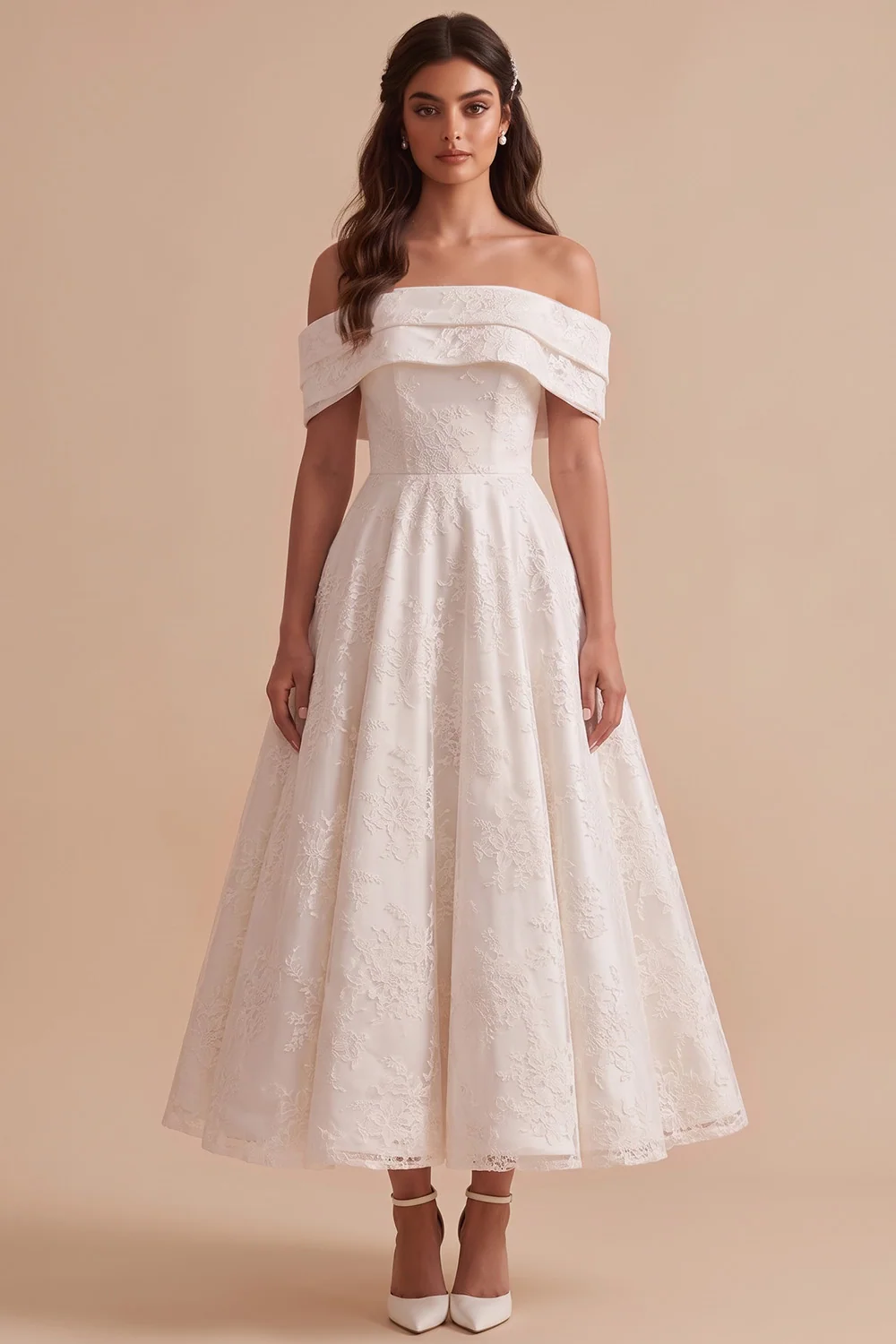 White DressesOur Pick of the Best White Midi Lace Dresses
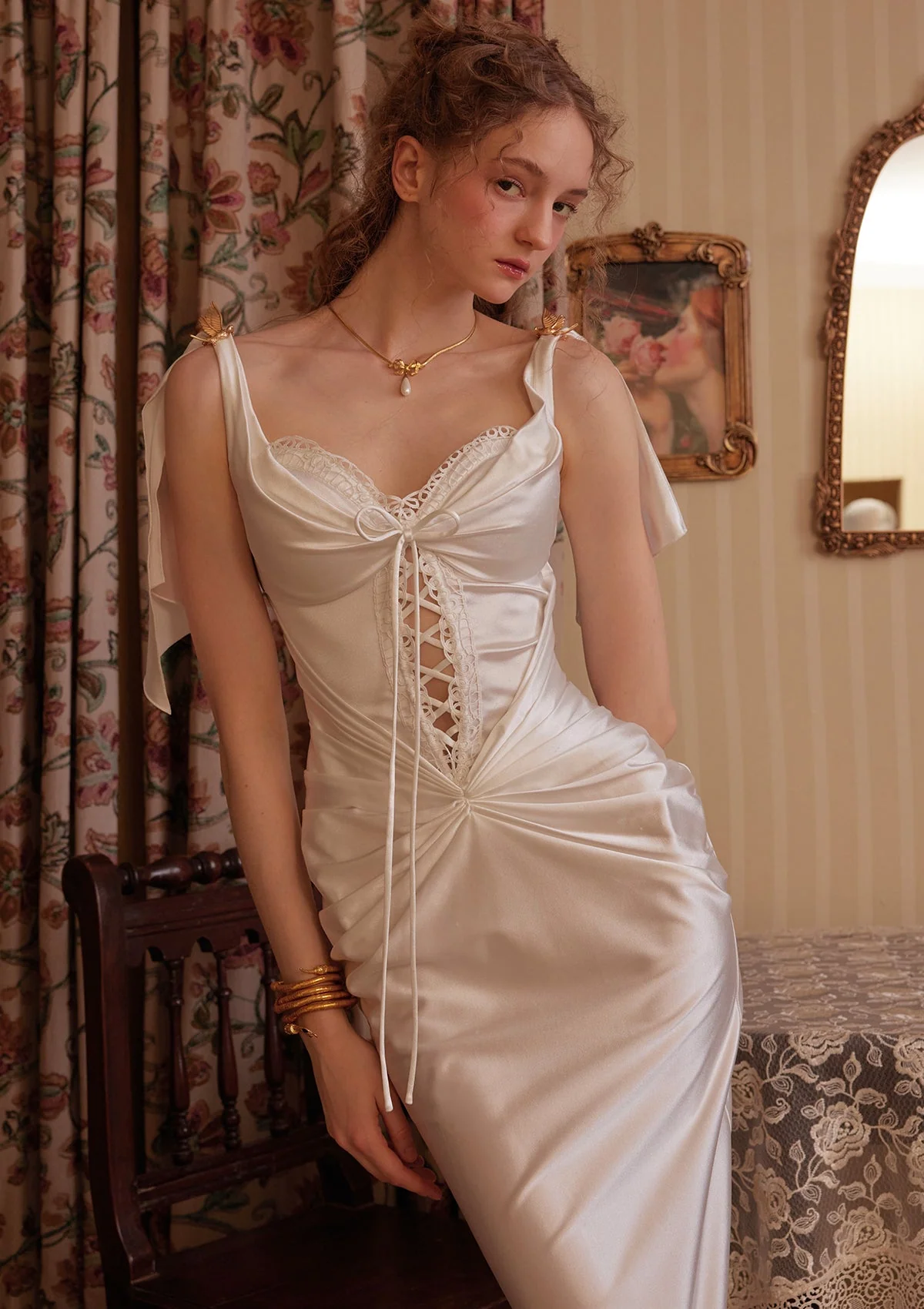
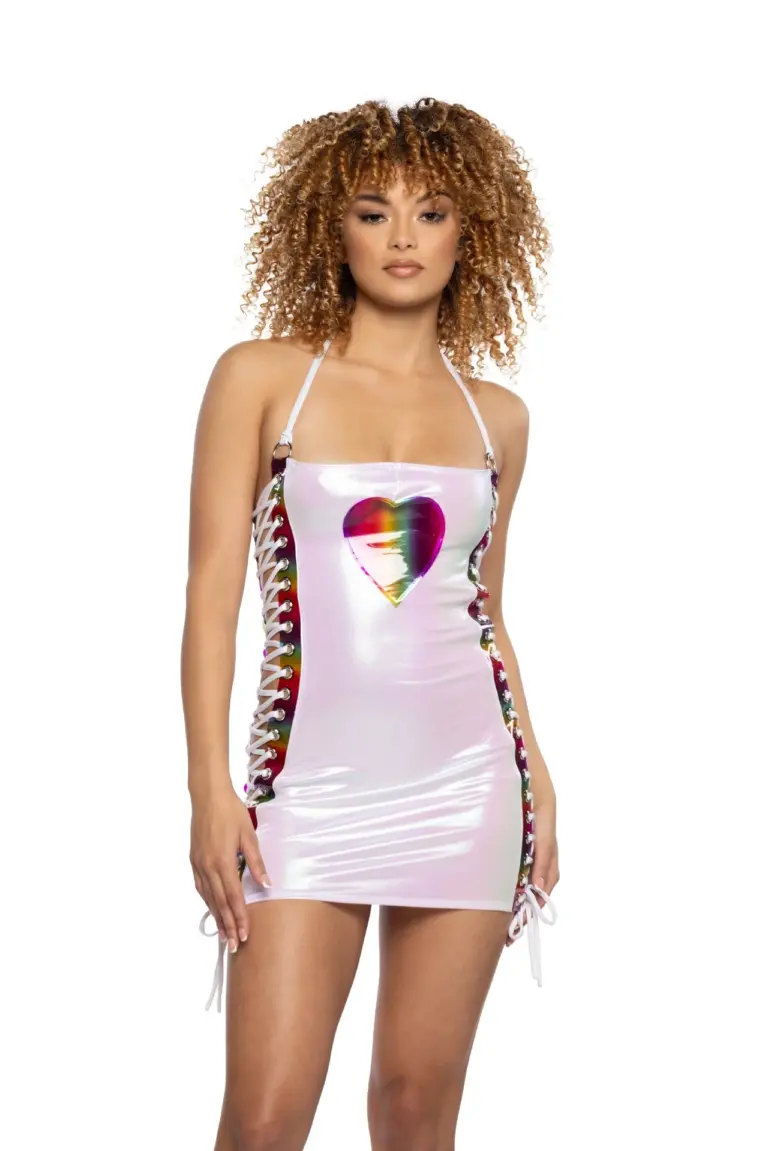 White DressesThe Best White Mini Lace Dresses to Shop Now

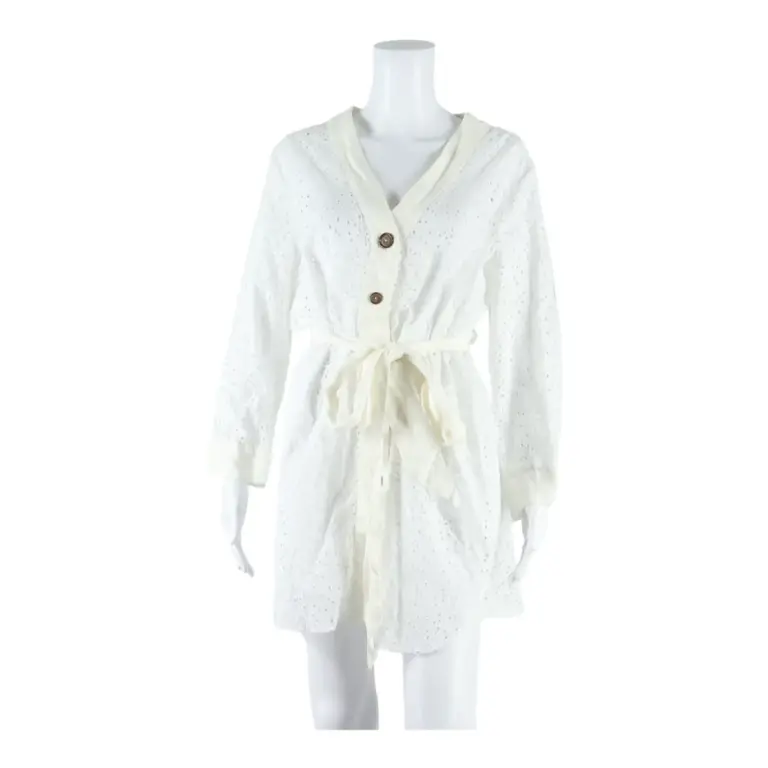 White DressesThe White Long Sleeve Lace Dresses We’d Wear Anywhere
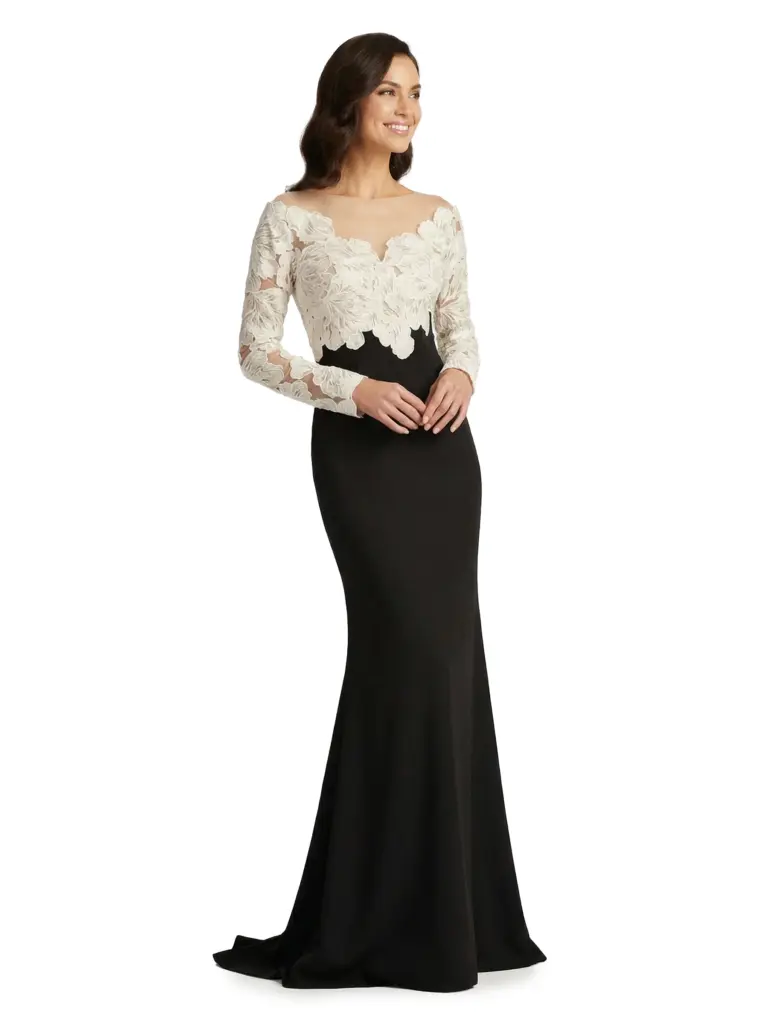
 White DressesWhite Maxi Lace Dresses You’ll Want to Live In
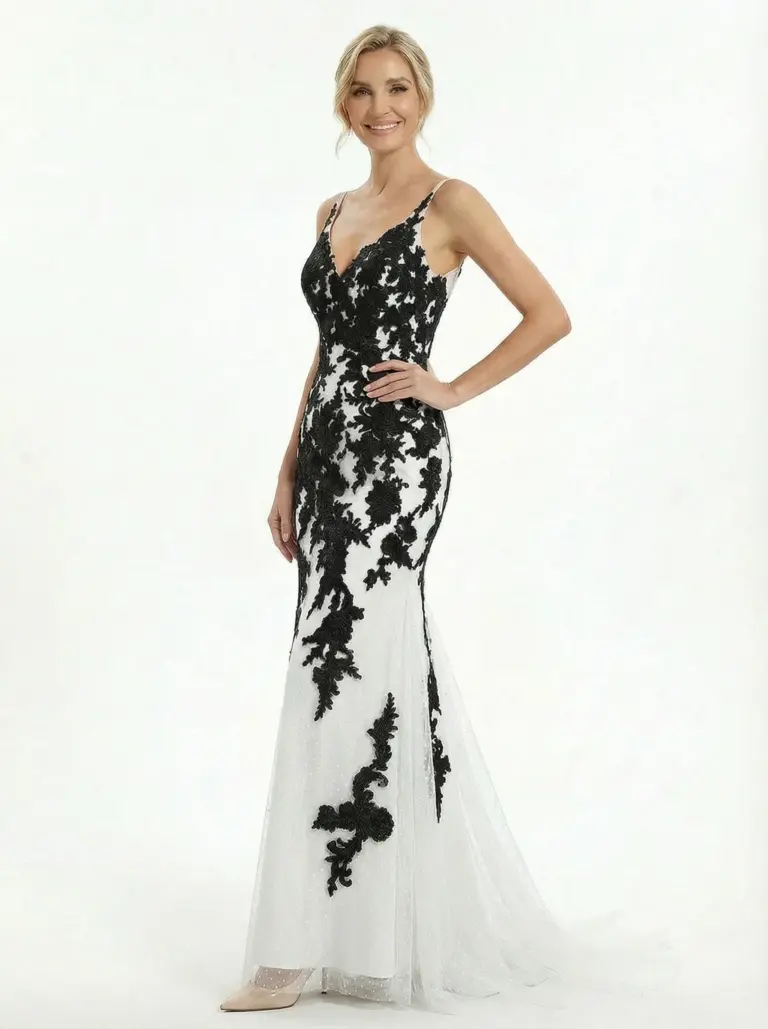
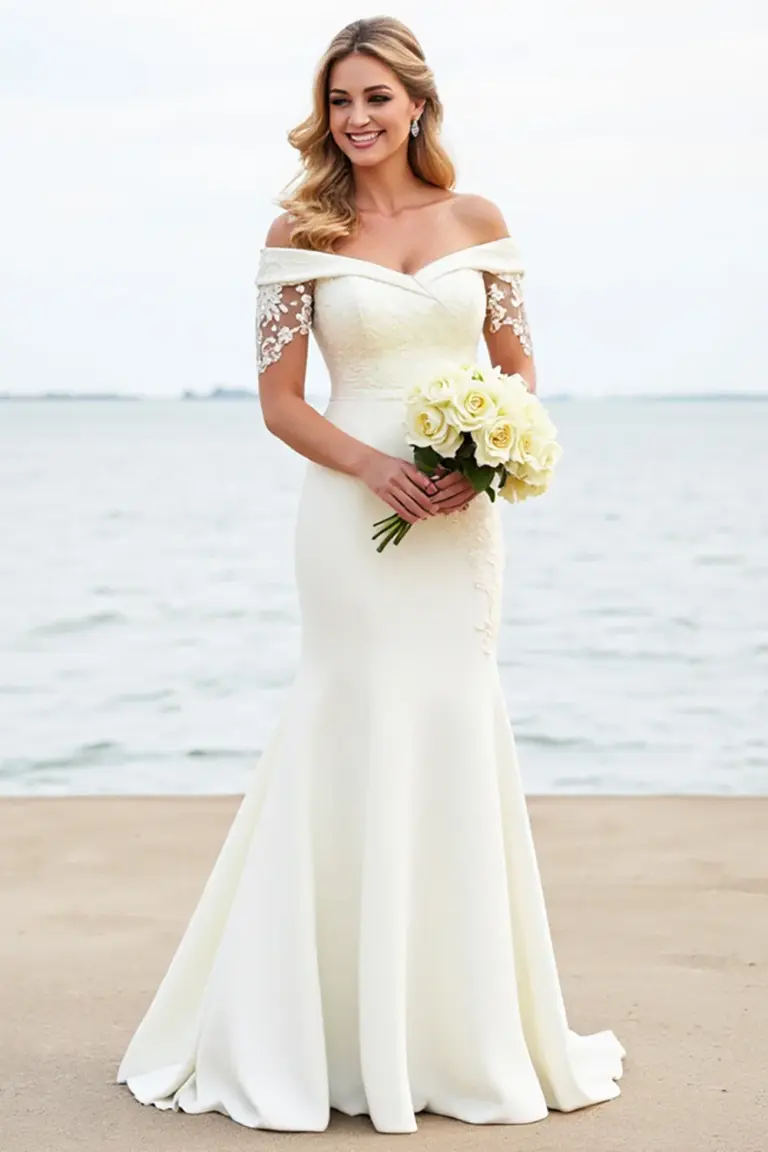 White DressesWhite Lace Summer Dresses We’re Adding to Basket
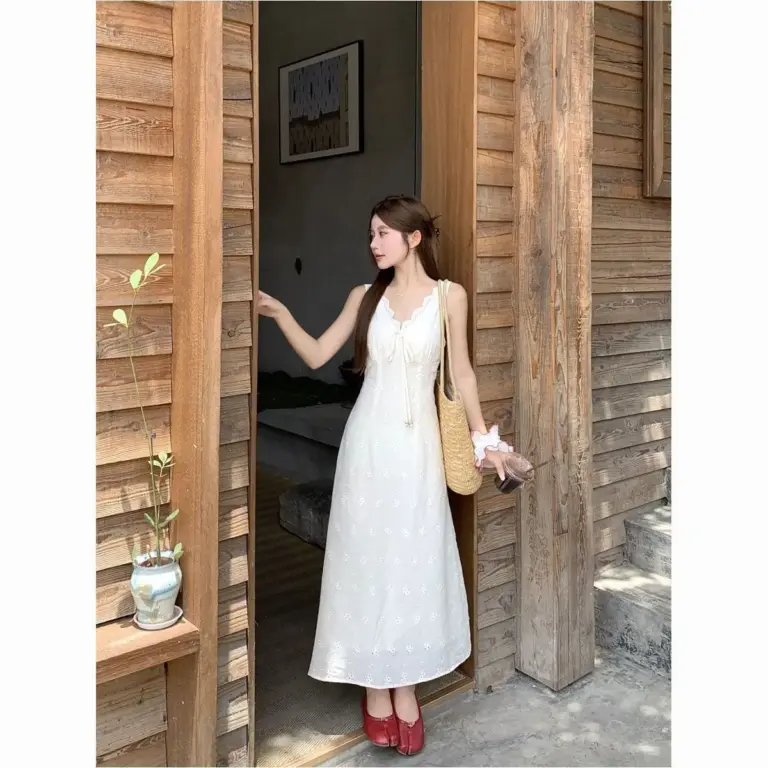
 Tiered DressesWhite Lace Tiered Dresses That Flatter Without TryingAlso worth a lookMaxi DressesA maxi dress earns its length by making you forget what you're wearing, and that's the whole point of one.See the collections →
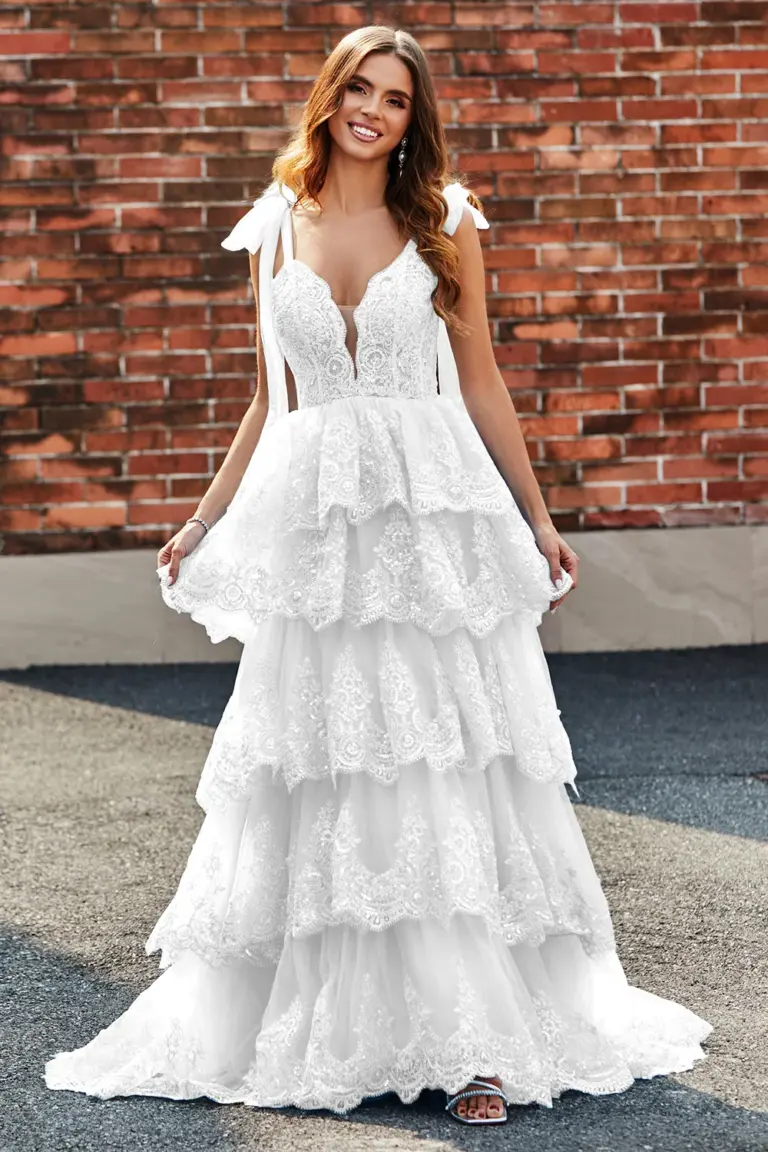
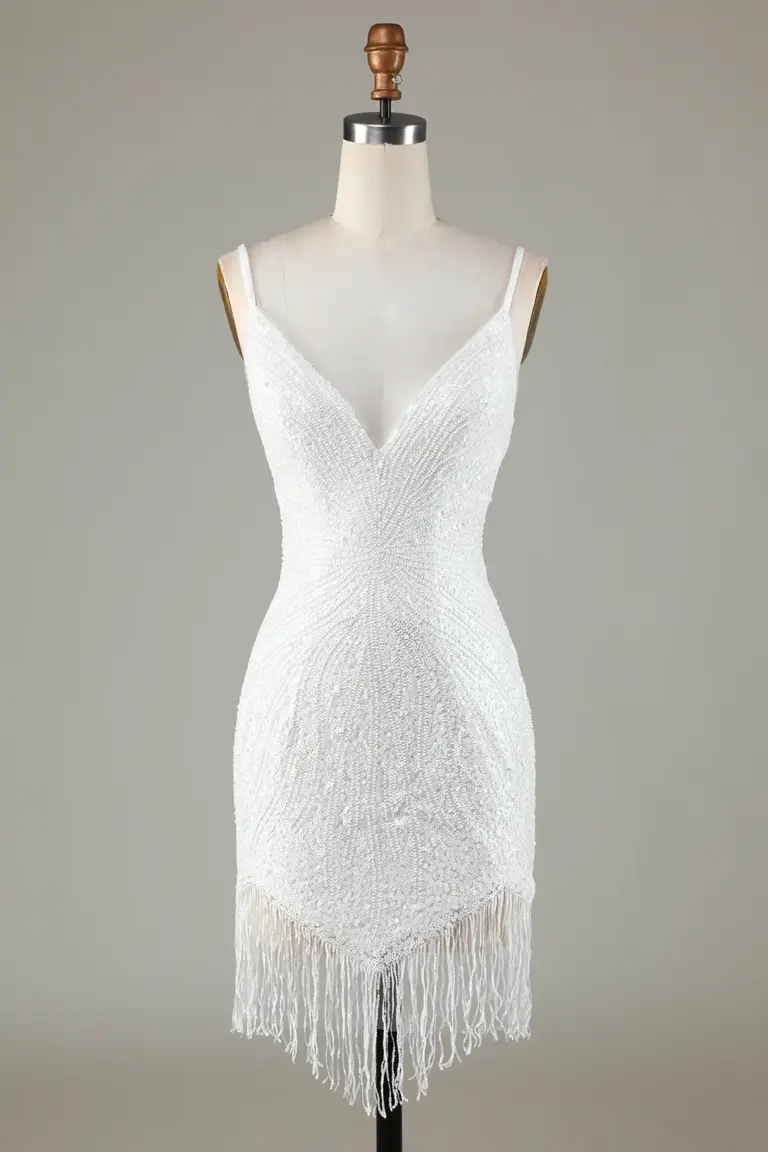 White DressesWhite Lace Party Dresses We’ve Been Saving
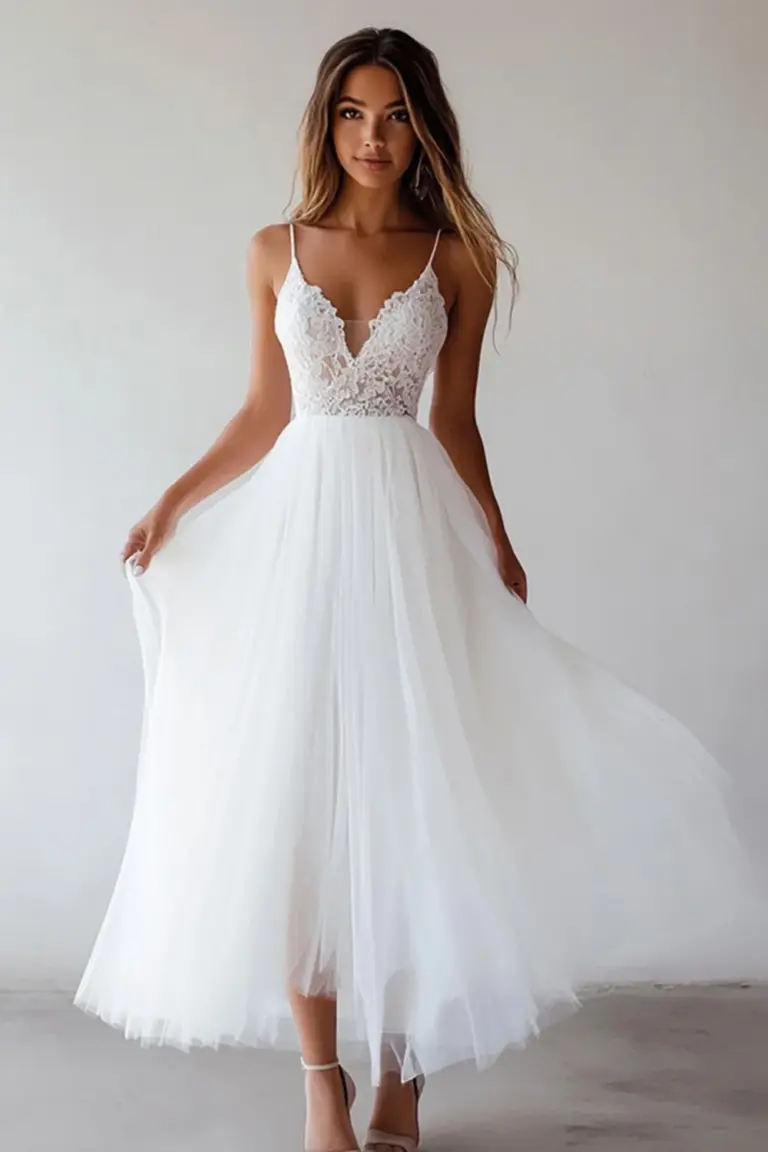
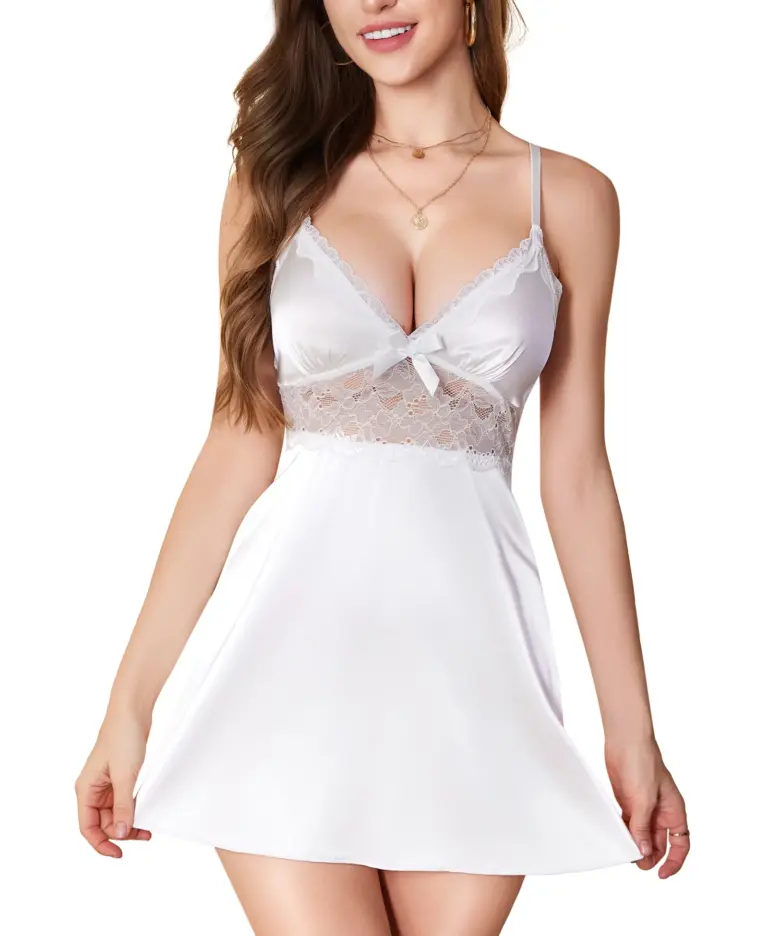 Slip DressesWhite Lace Slip Dresses That Make Getting Dressed Easy
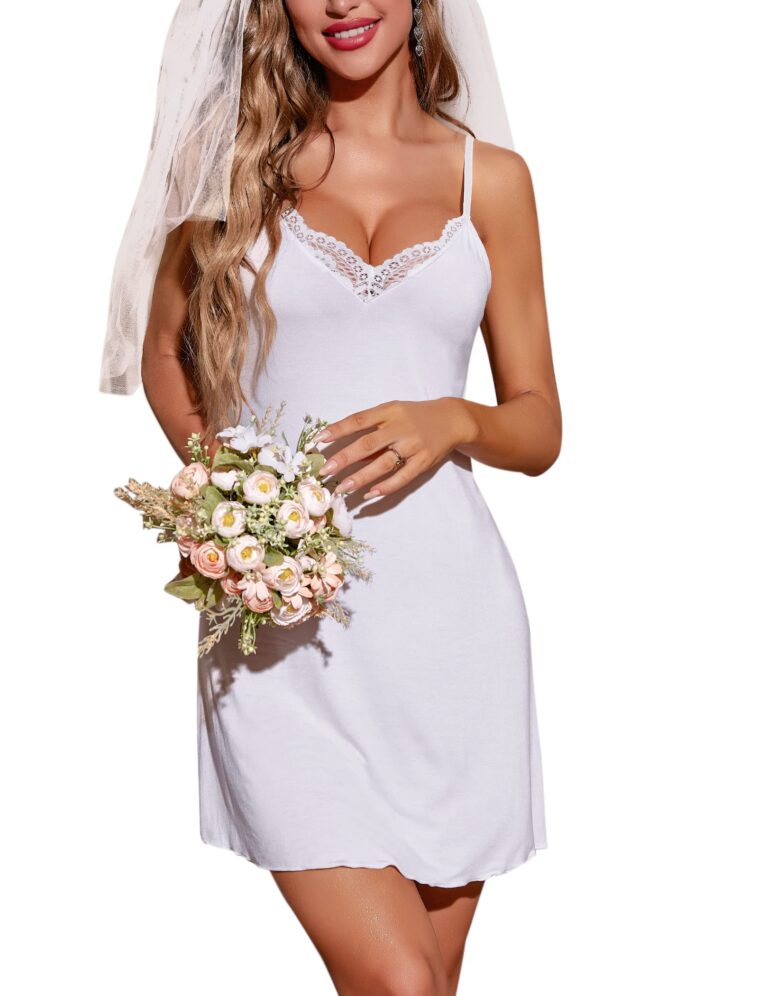
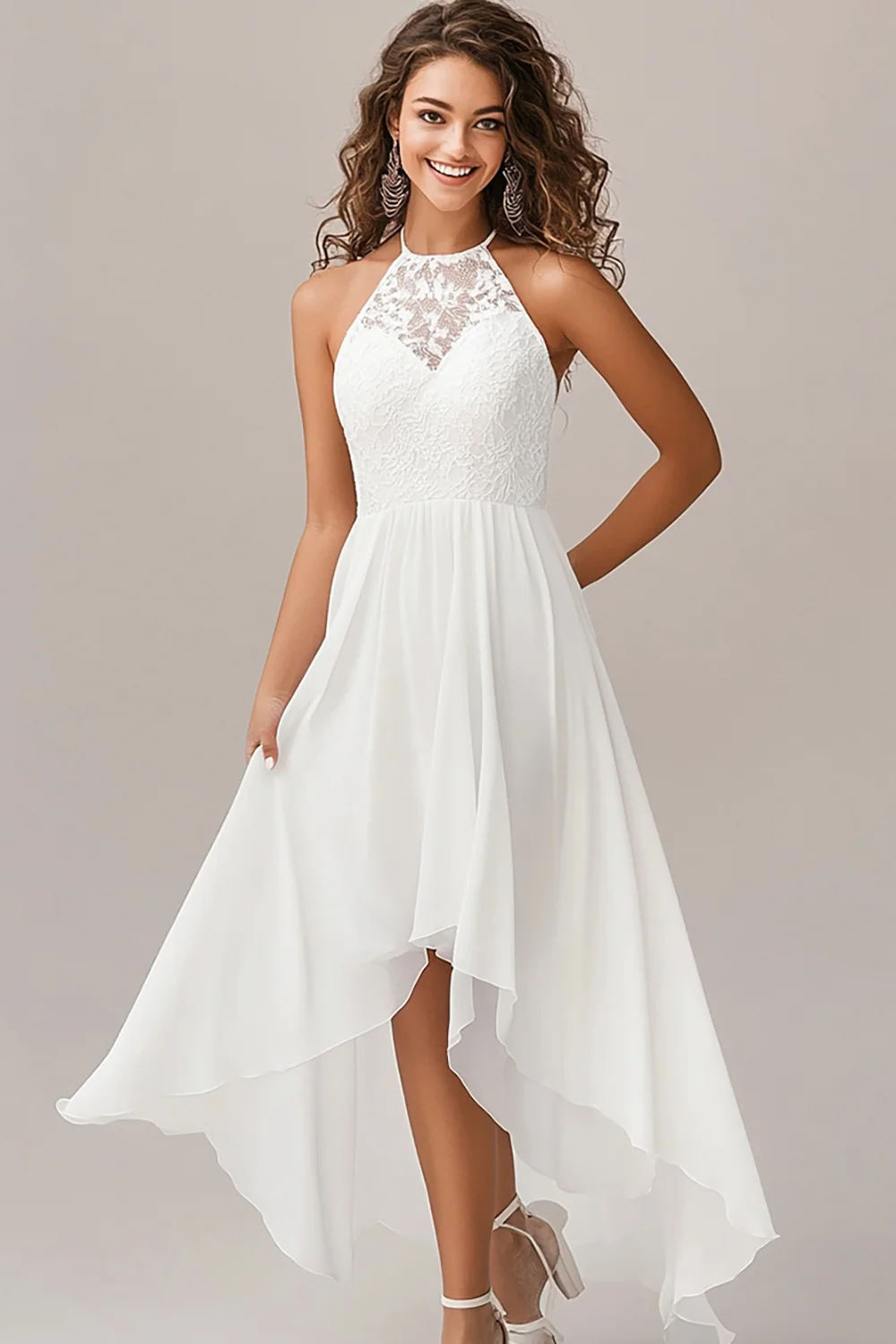 White DressesWhite Lace Evening Dresses for Your Next Night Out

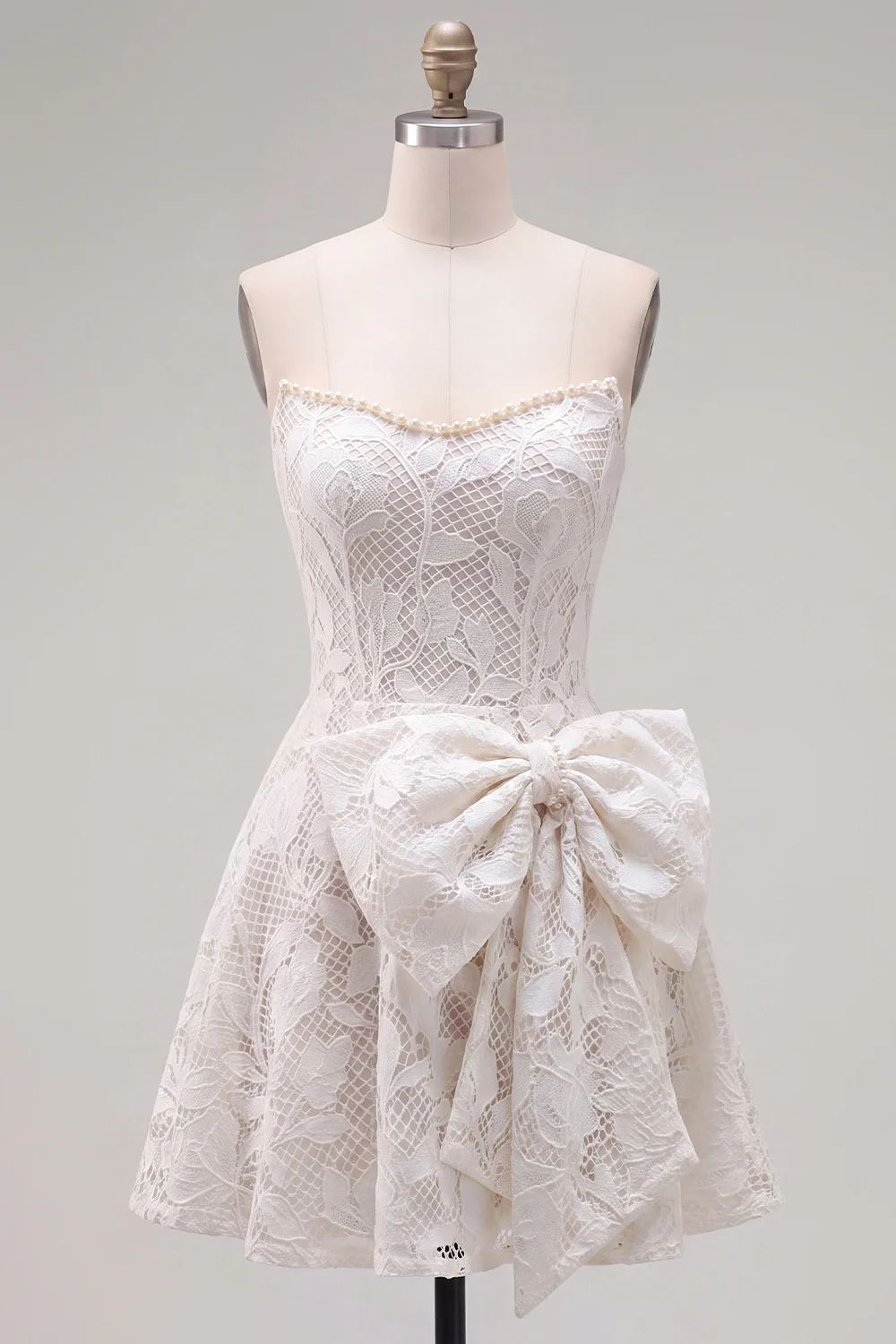 White DressesOur Favorite White Lace Floral Dresses
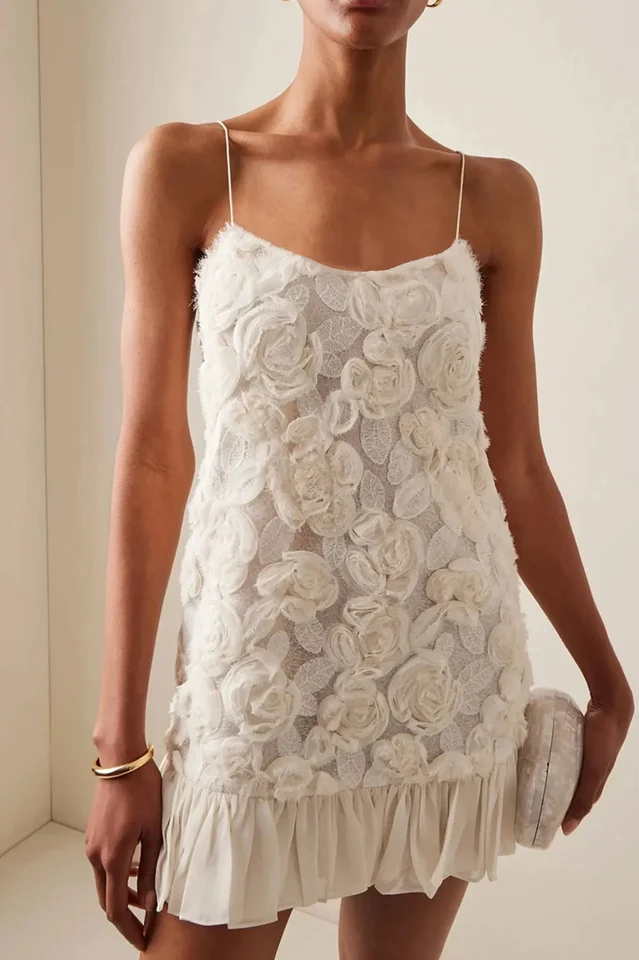
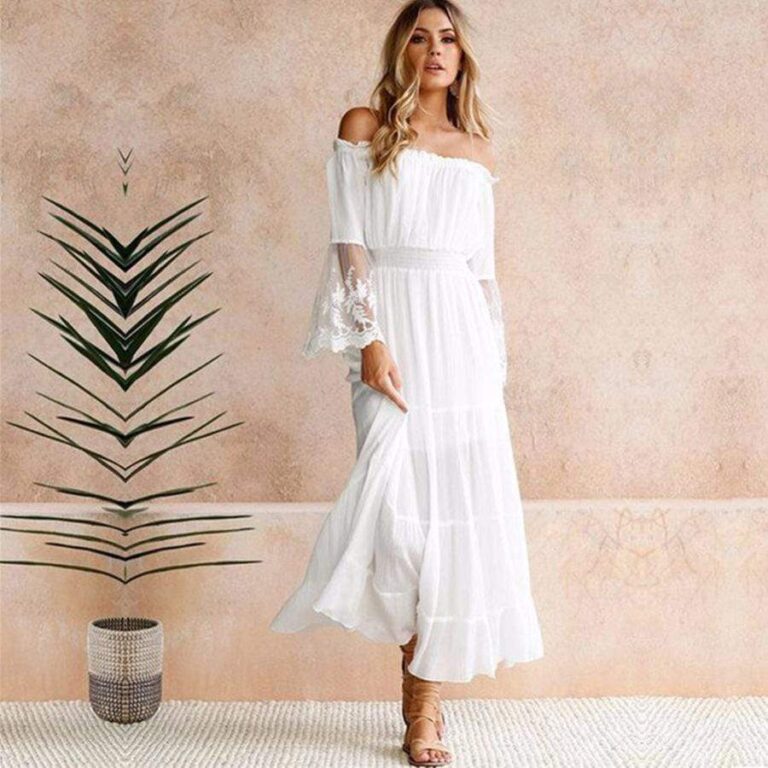 White DressesWhite Lace Long Sleeve Dresses That Earn Their Place
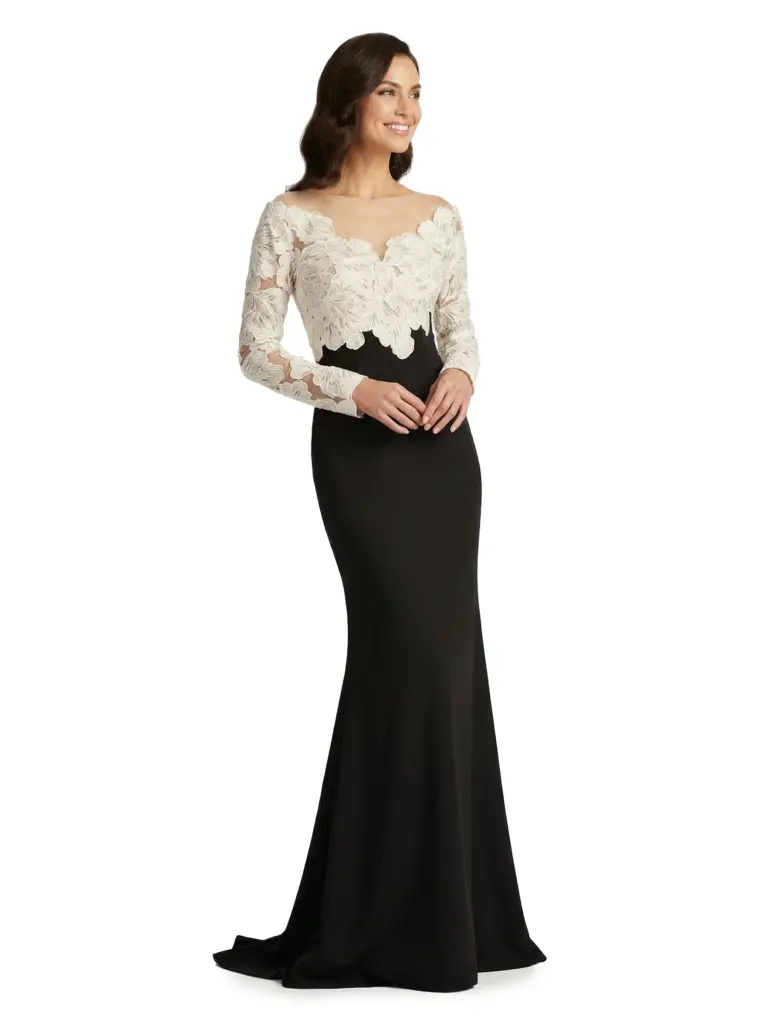
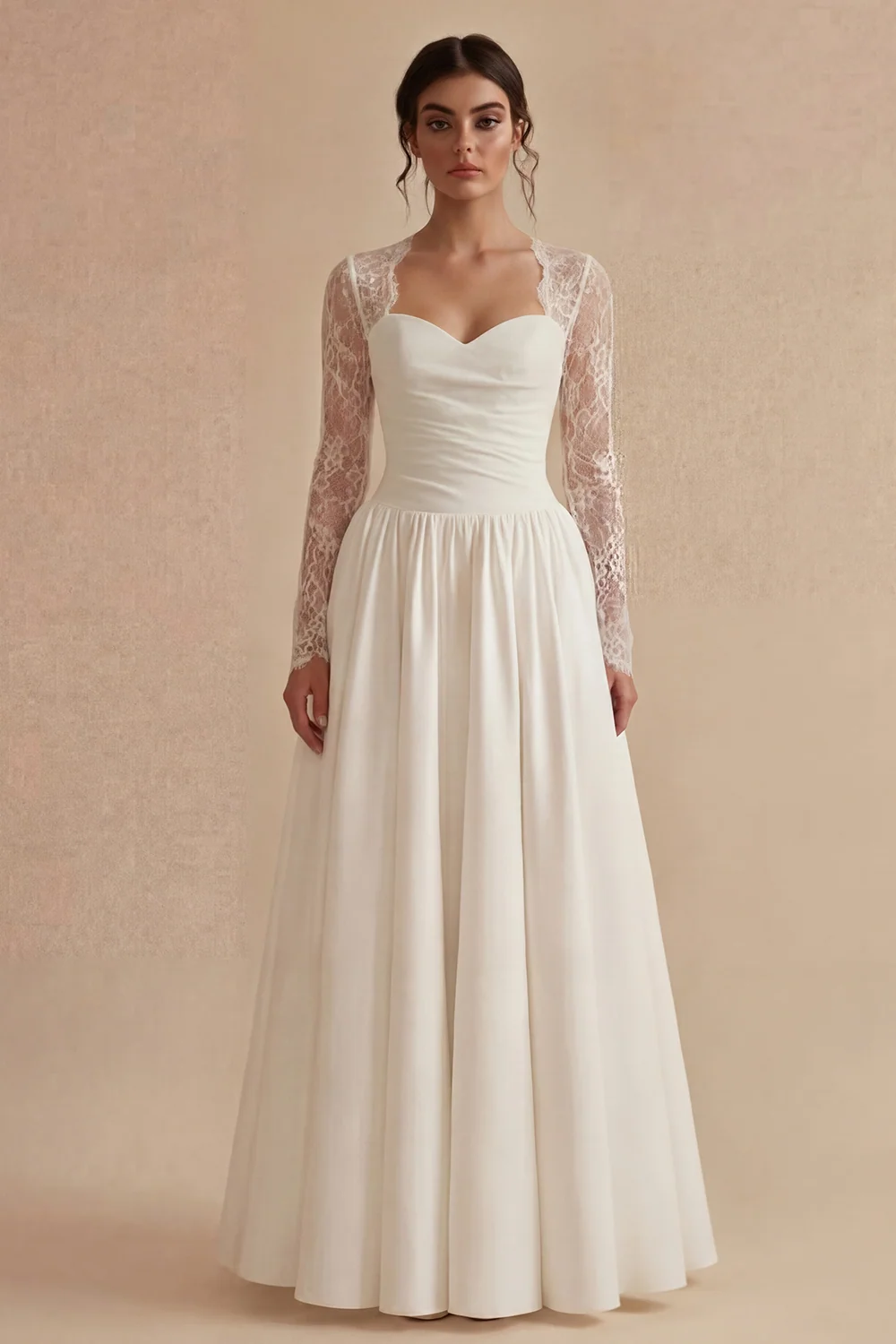 White DressesWhite Lace Maxi Dresses That Have Caught Our Eye
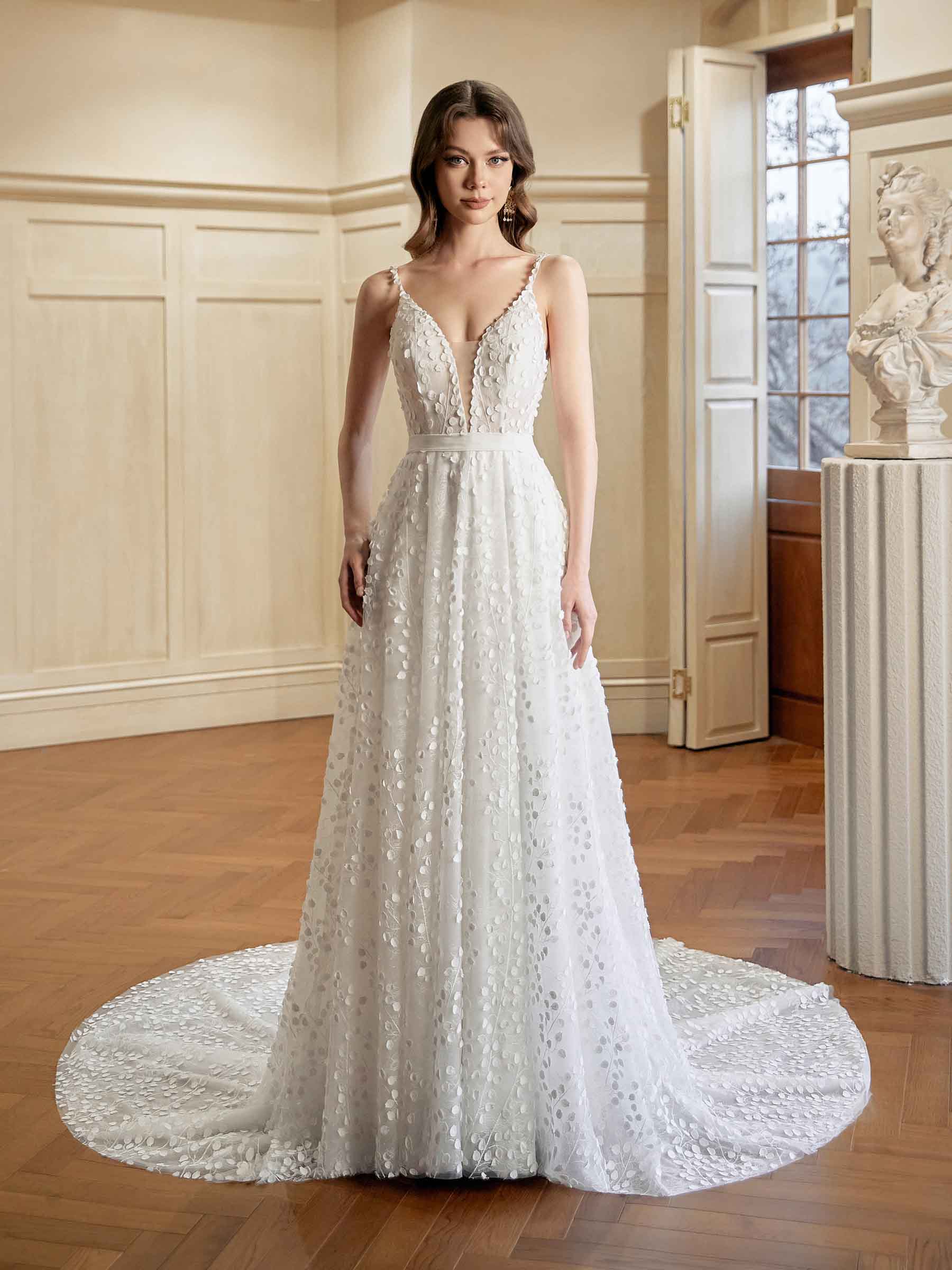
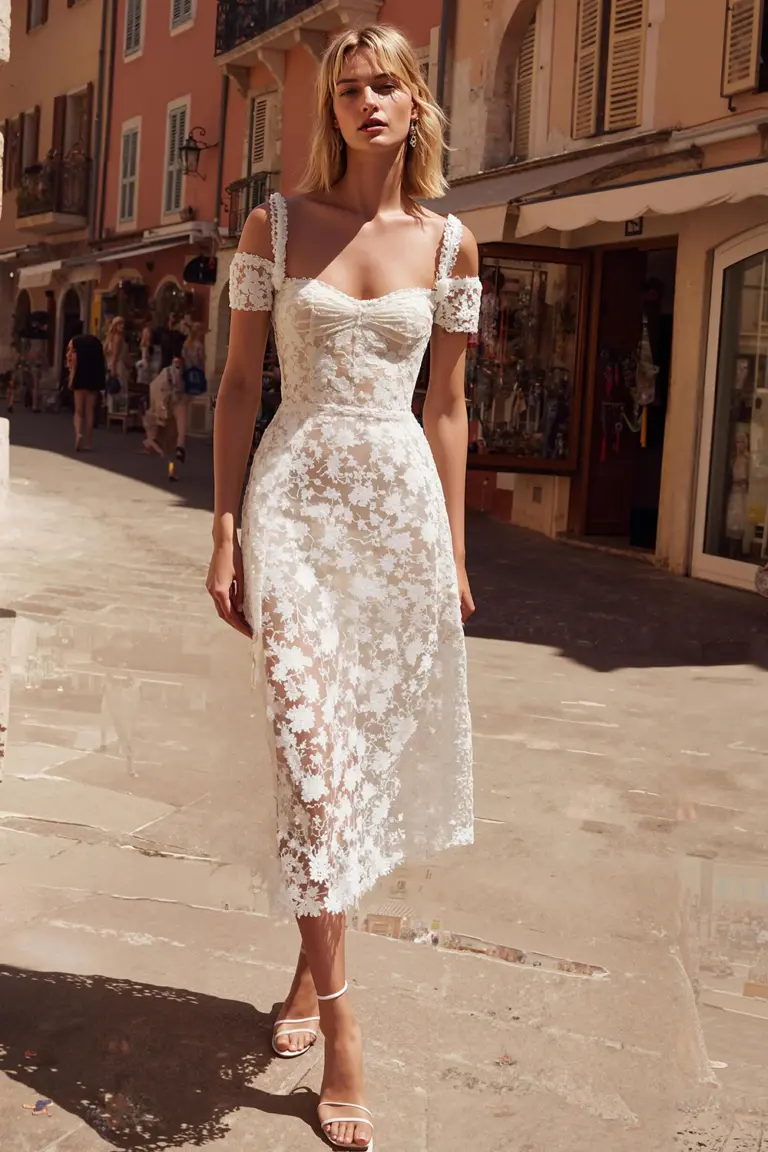 White DressesWhite Lace Midi Dresses for Every Occasion on Your Calendar
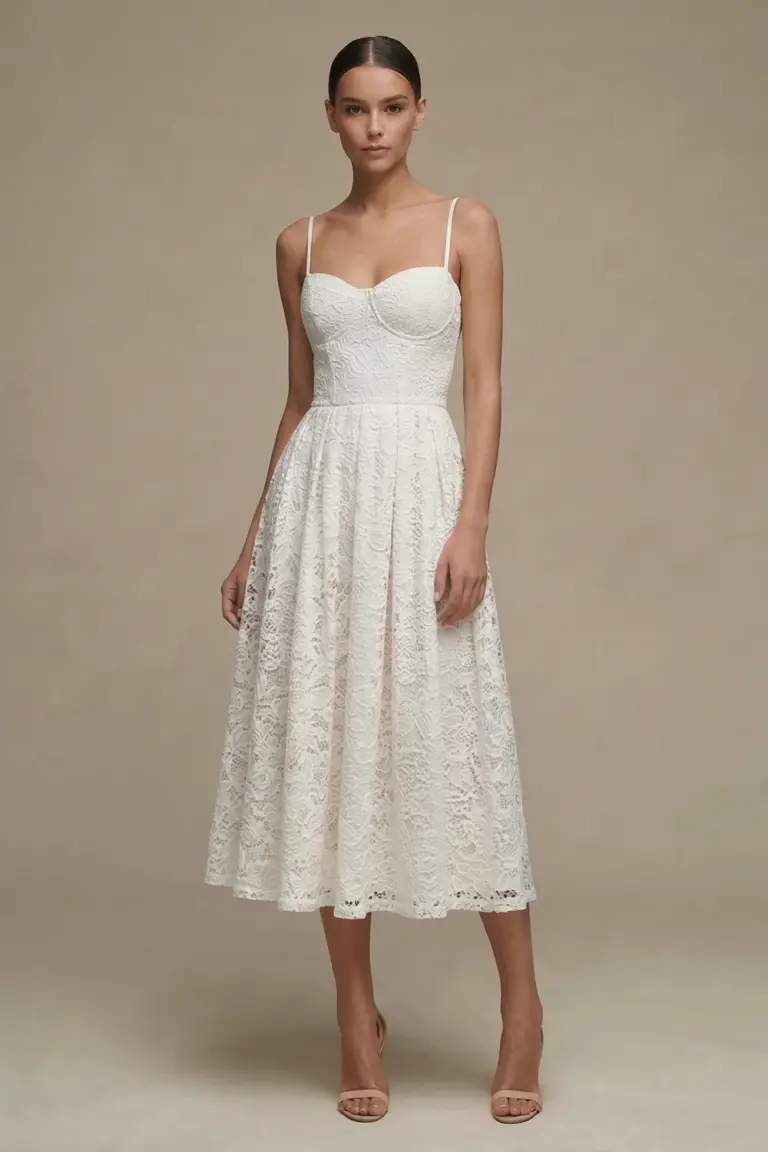
 White DressesOur Edit of the Best White Lace Mini Dresses

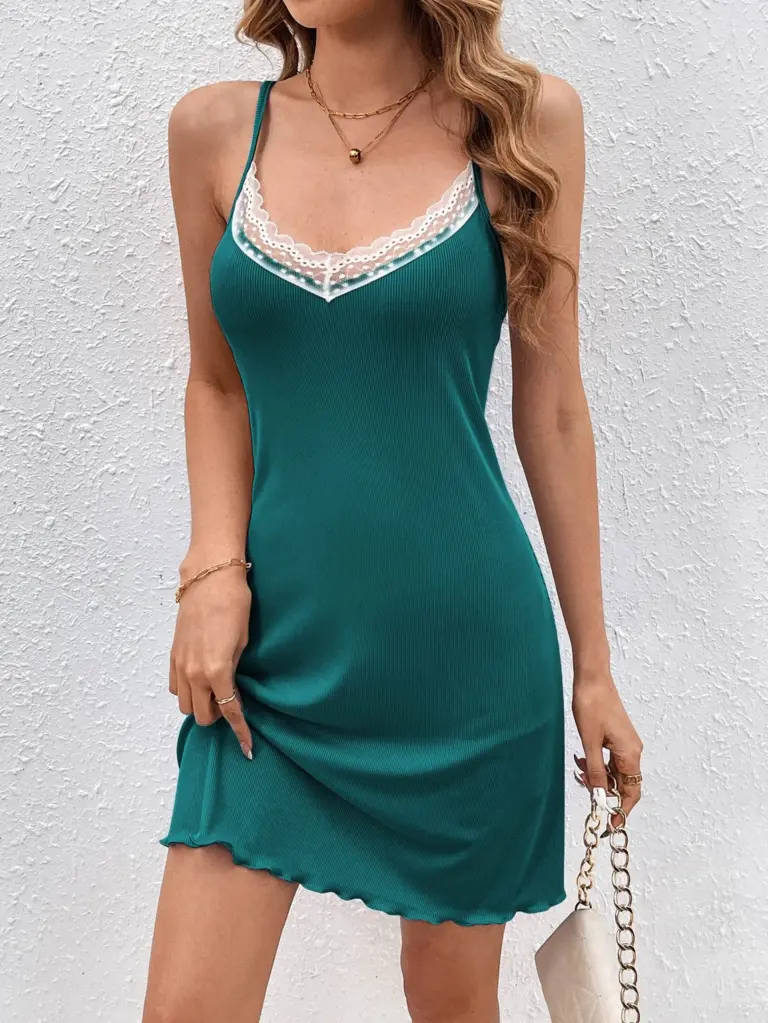 Knee Length DressesThe White Knee Length Lace Dresses We’d Wear AnywhereAlso worth a lookMini DressesThe thing nobody mentions in the fitting room is how a mini dress behaves after three hours sitting down rather than standing in front of a mirror.See the collections →
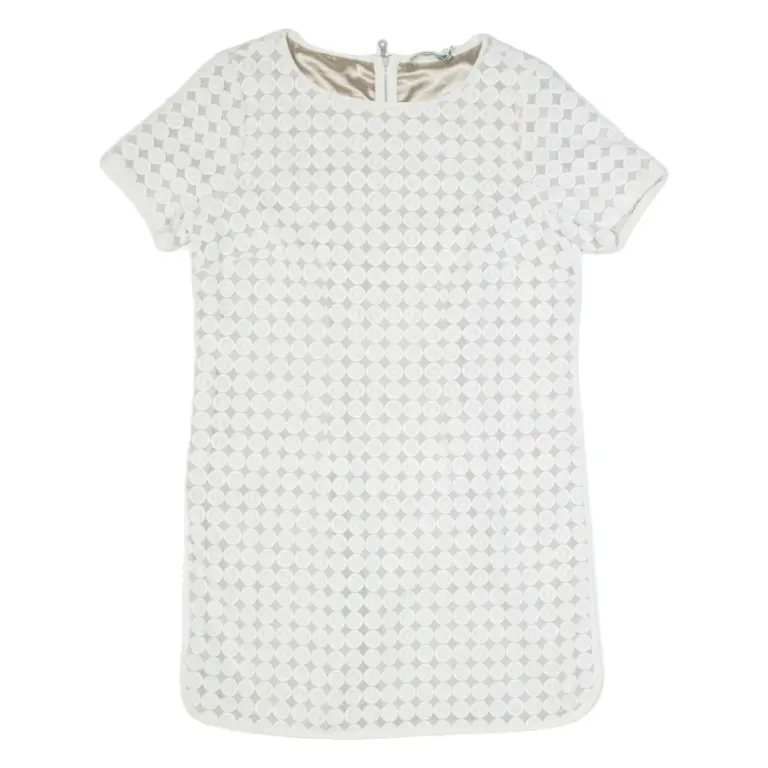
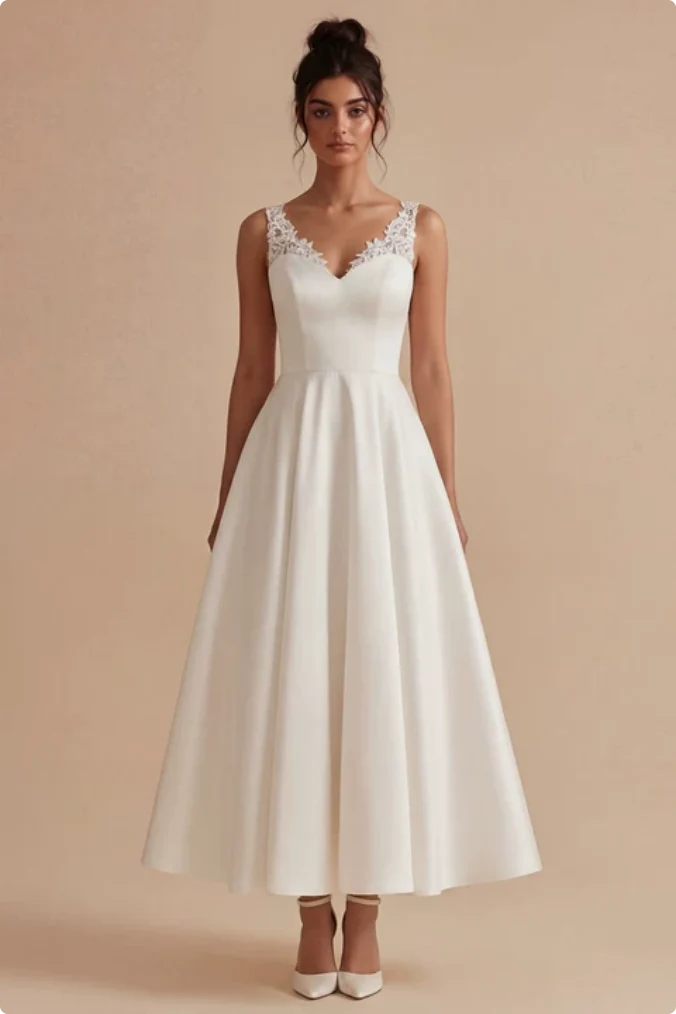 White DressesWhite Lace A Line Dresses: The Edit
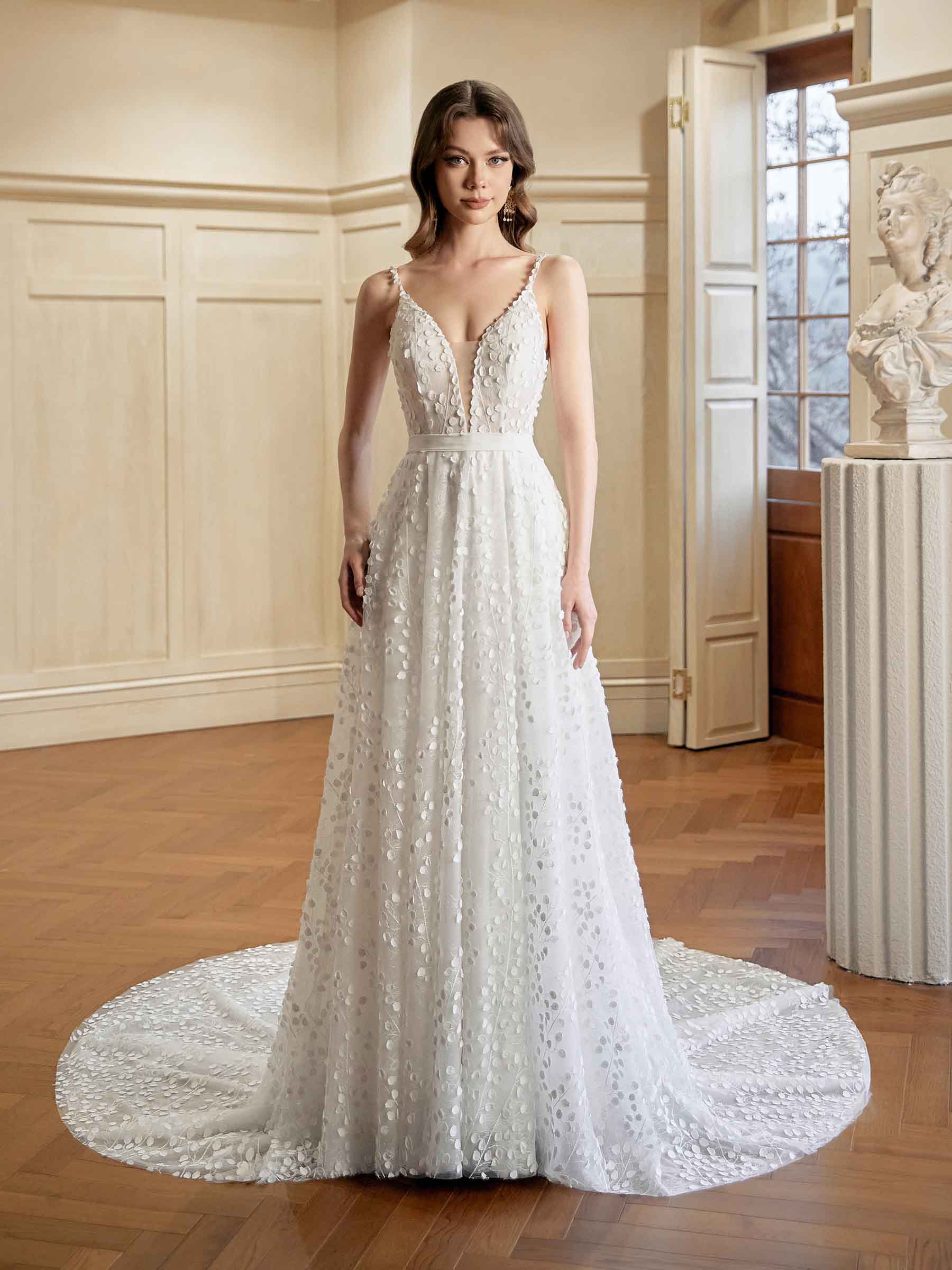
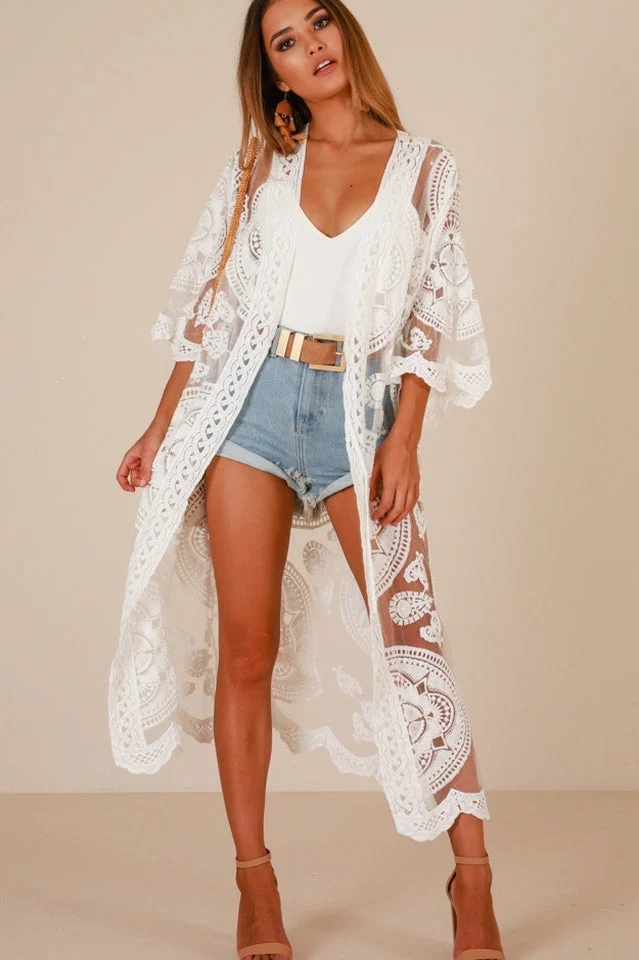 Beach DressesWhite Lace Beach Dresses We’re Adding to Basket

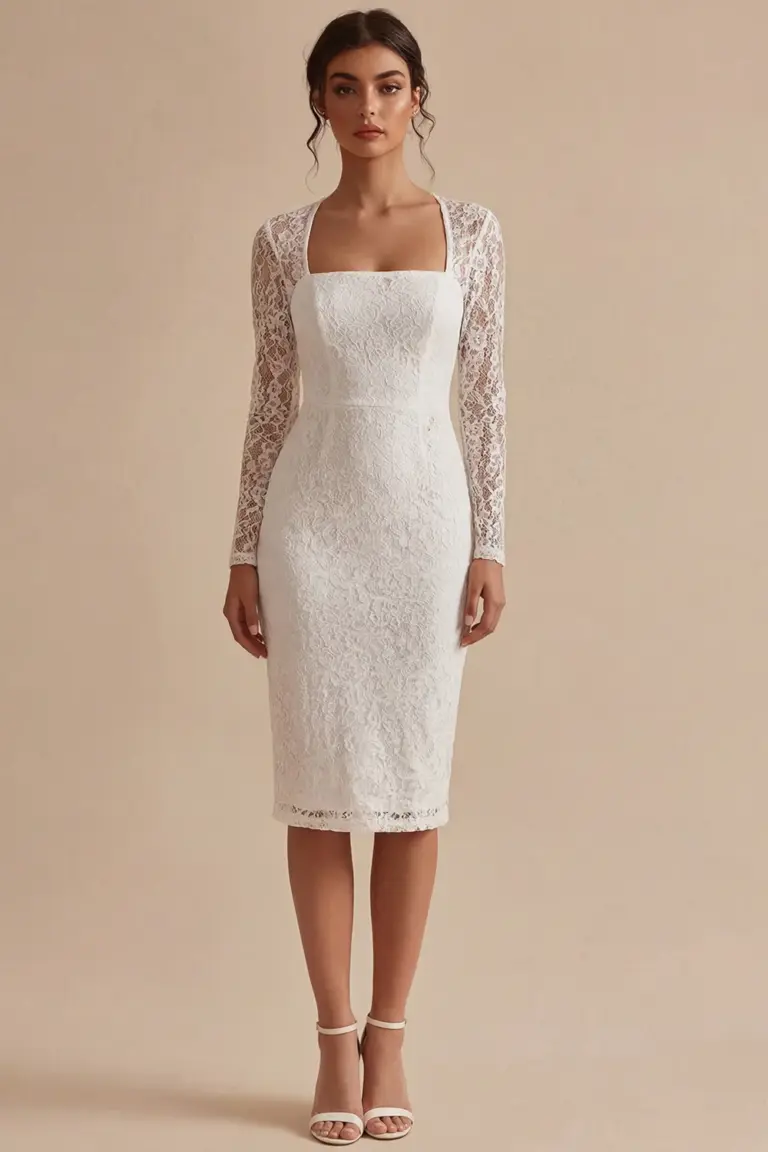 Bodycon DressesWhite Lace Bodycon Dresses That Earn Their Place
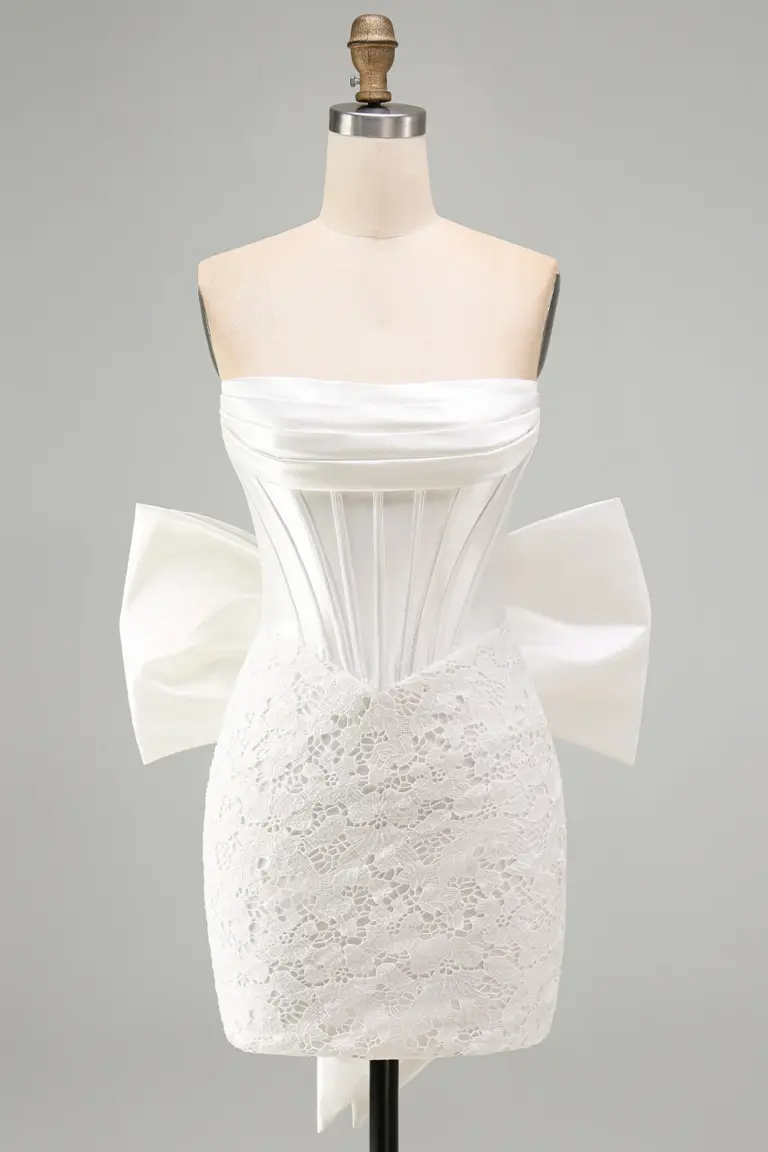
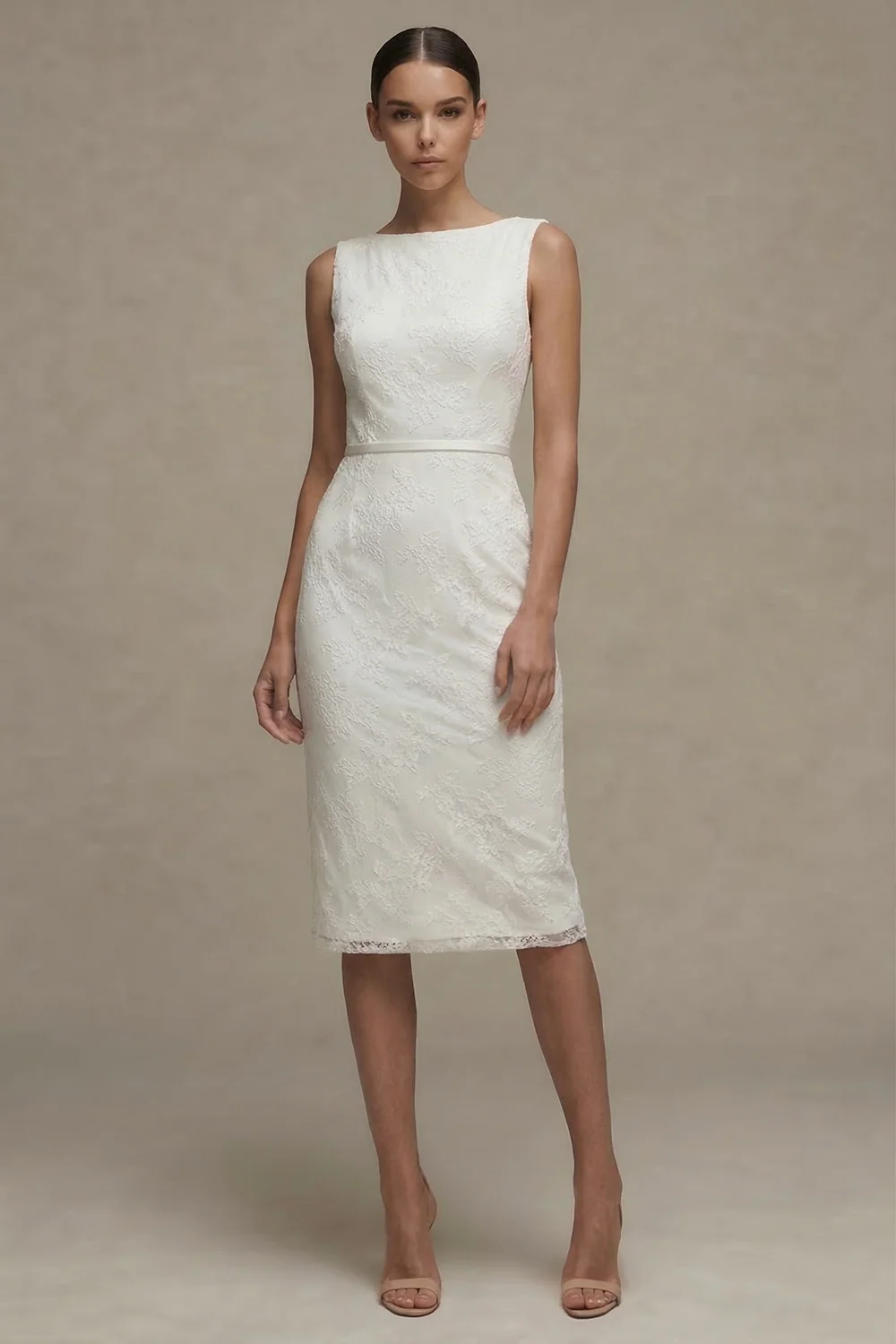 Cocktail DressesWhite Lace Cocktail Dresses That Earn Their Place
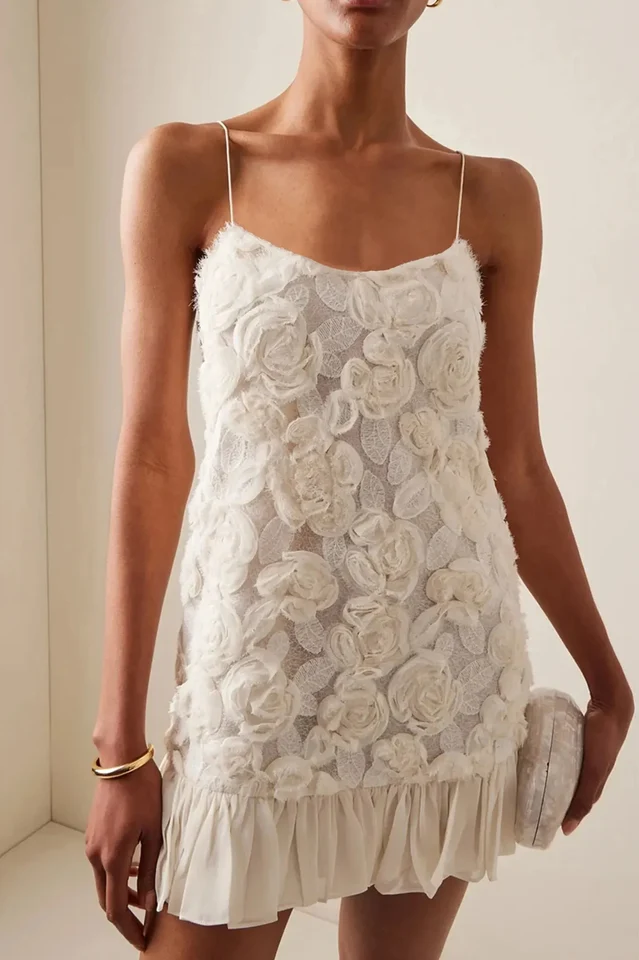
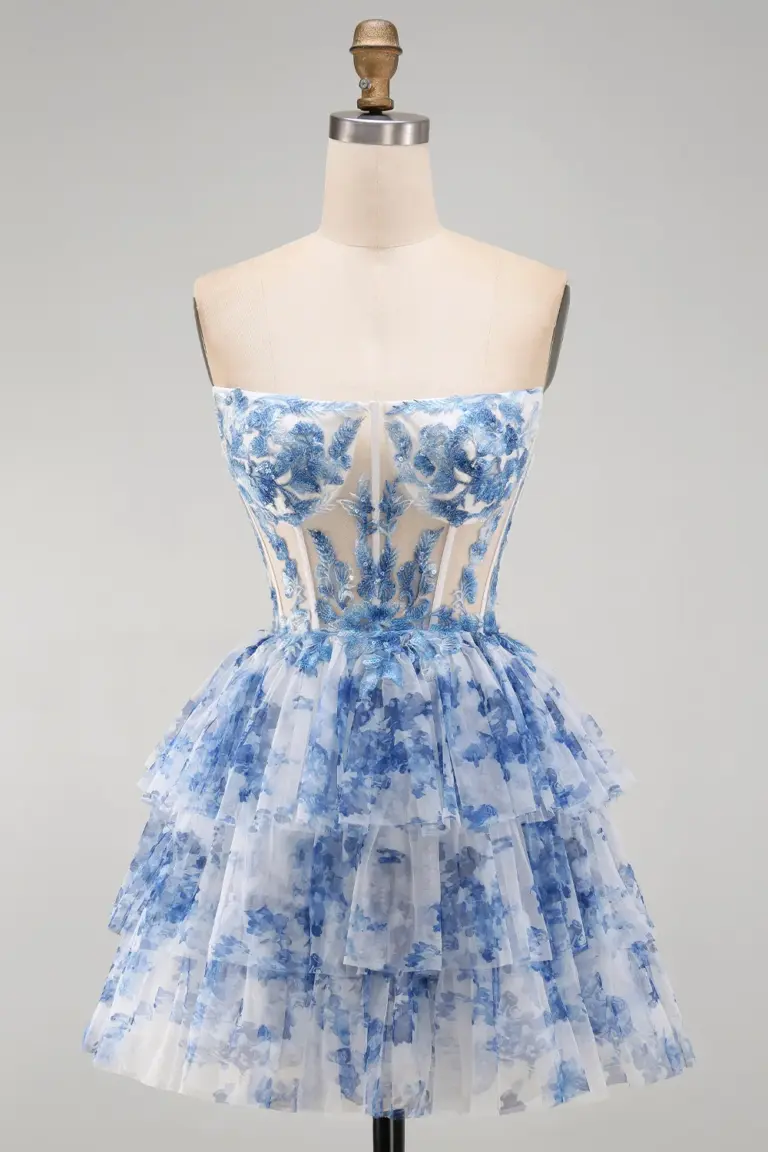 Corset DressesWhite Lace Corset Dresses: Our Honest Shortlist
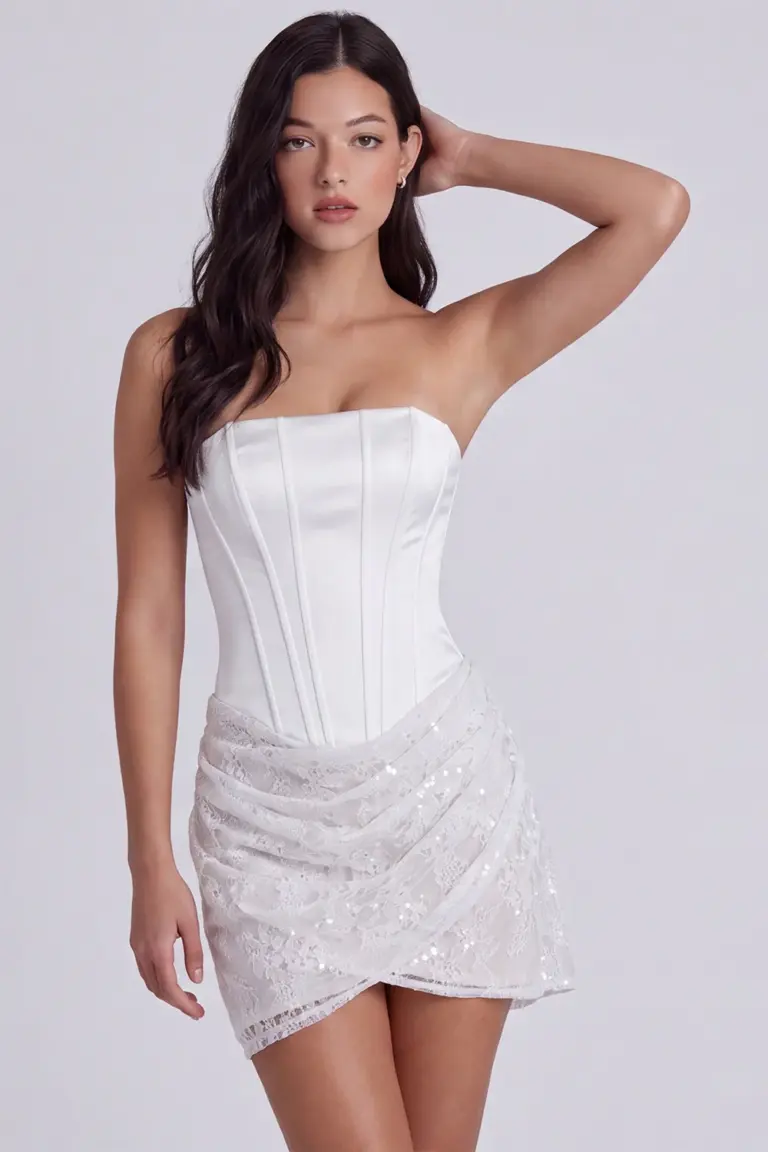
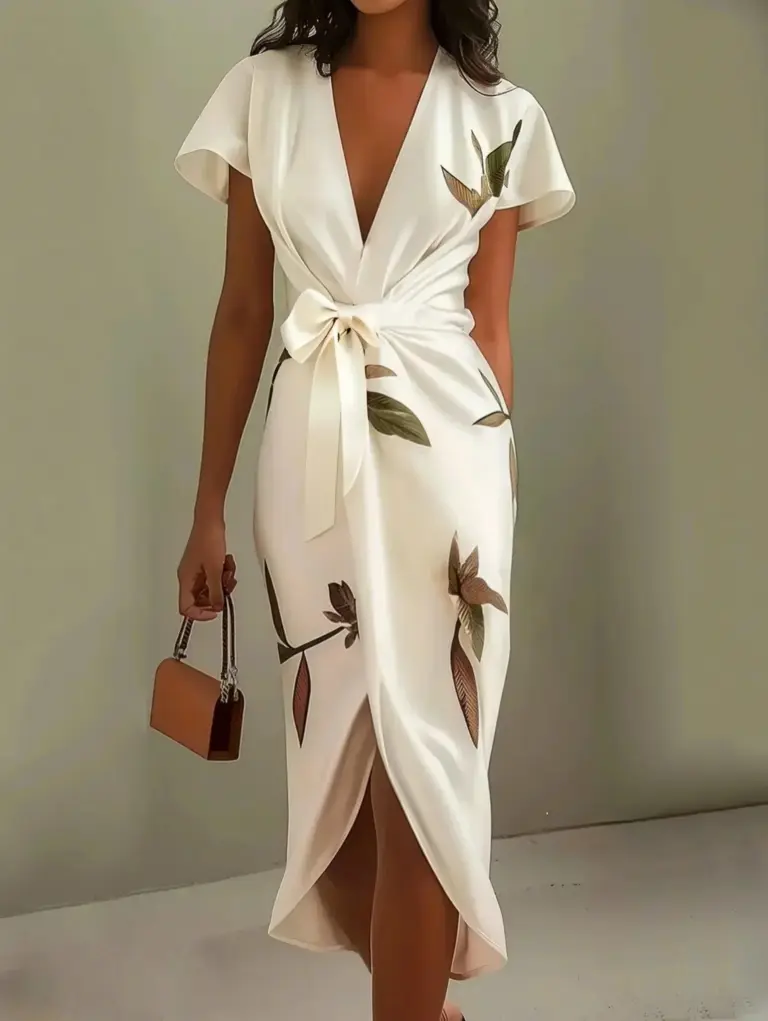 White DressesWhite Lace Dresses We Love Right Now
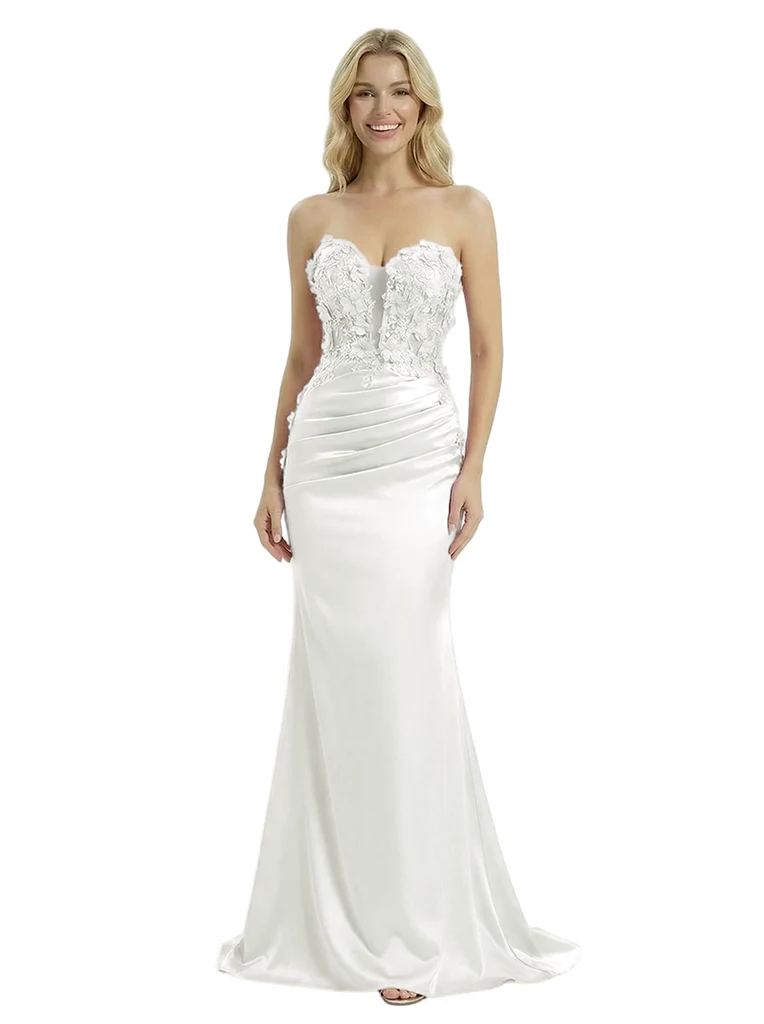
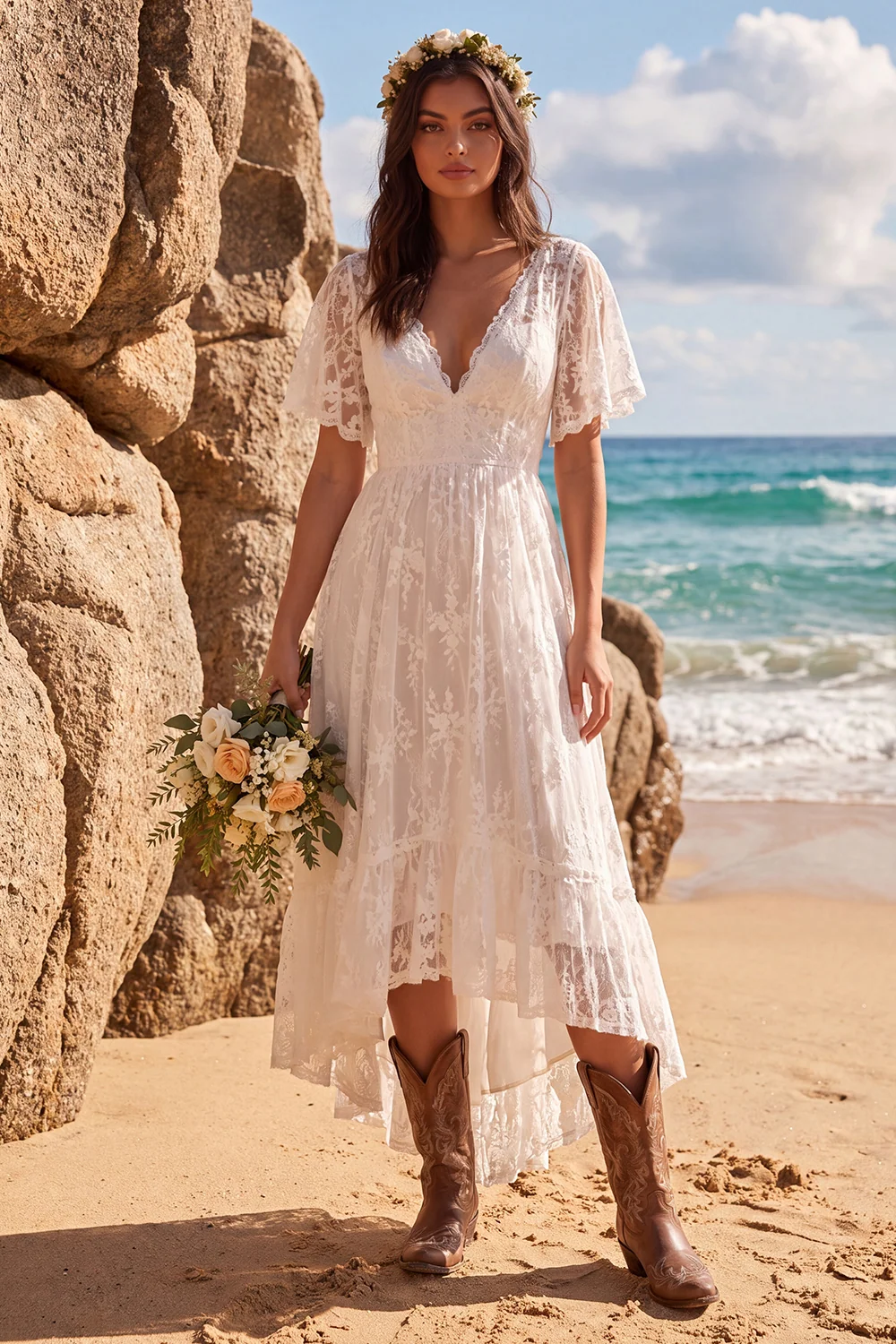 High Neck DressesWhite High Neck Lace Dresses on Our Radar
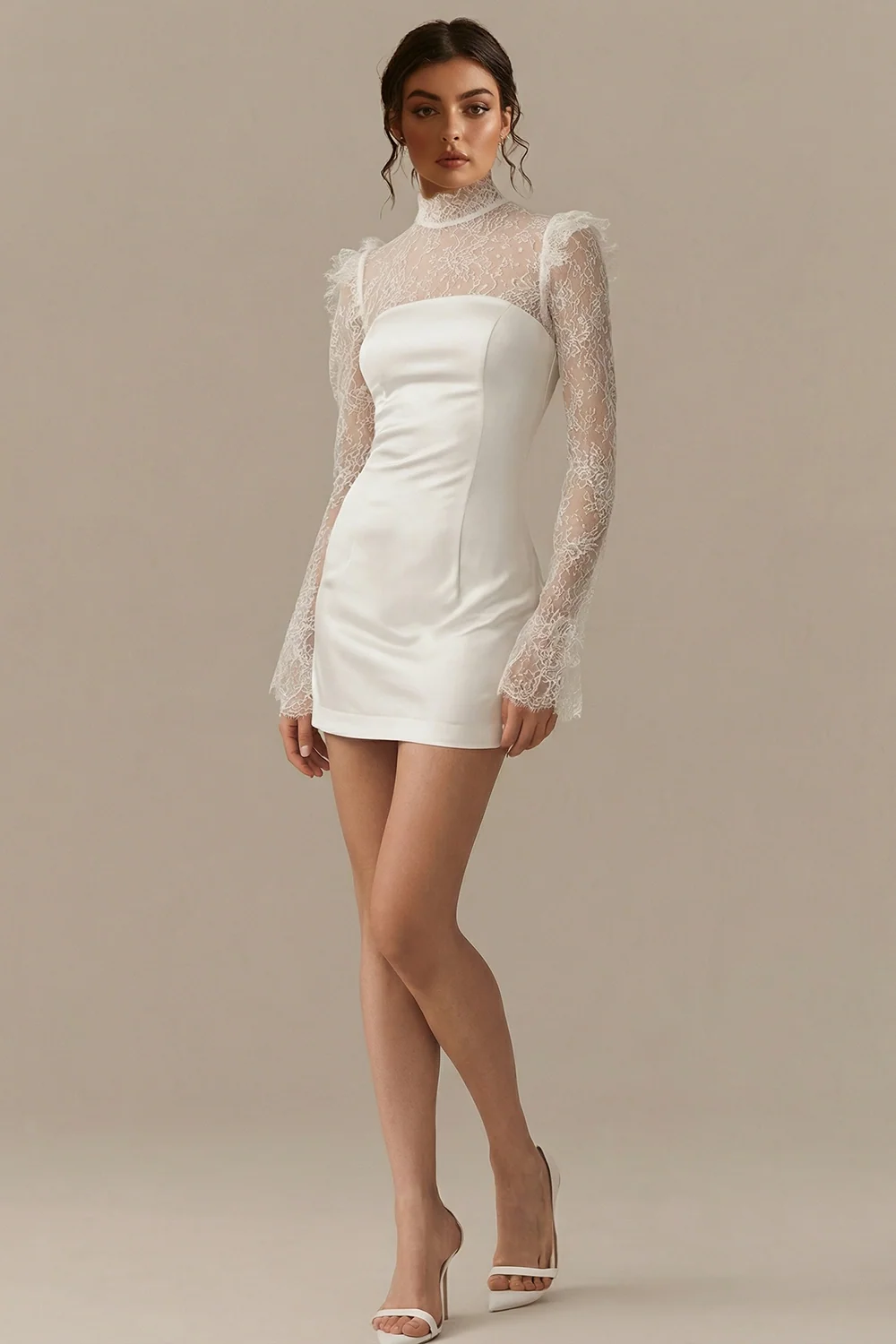
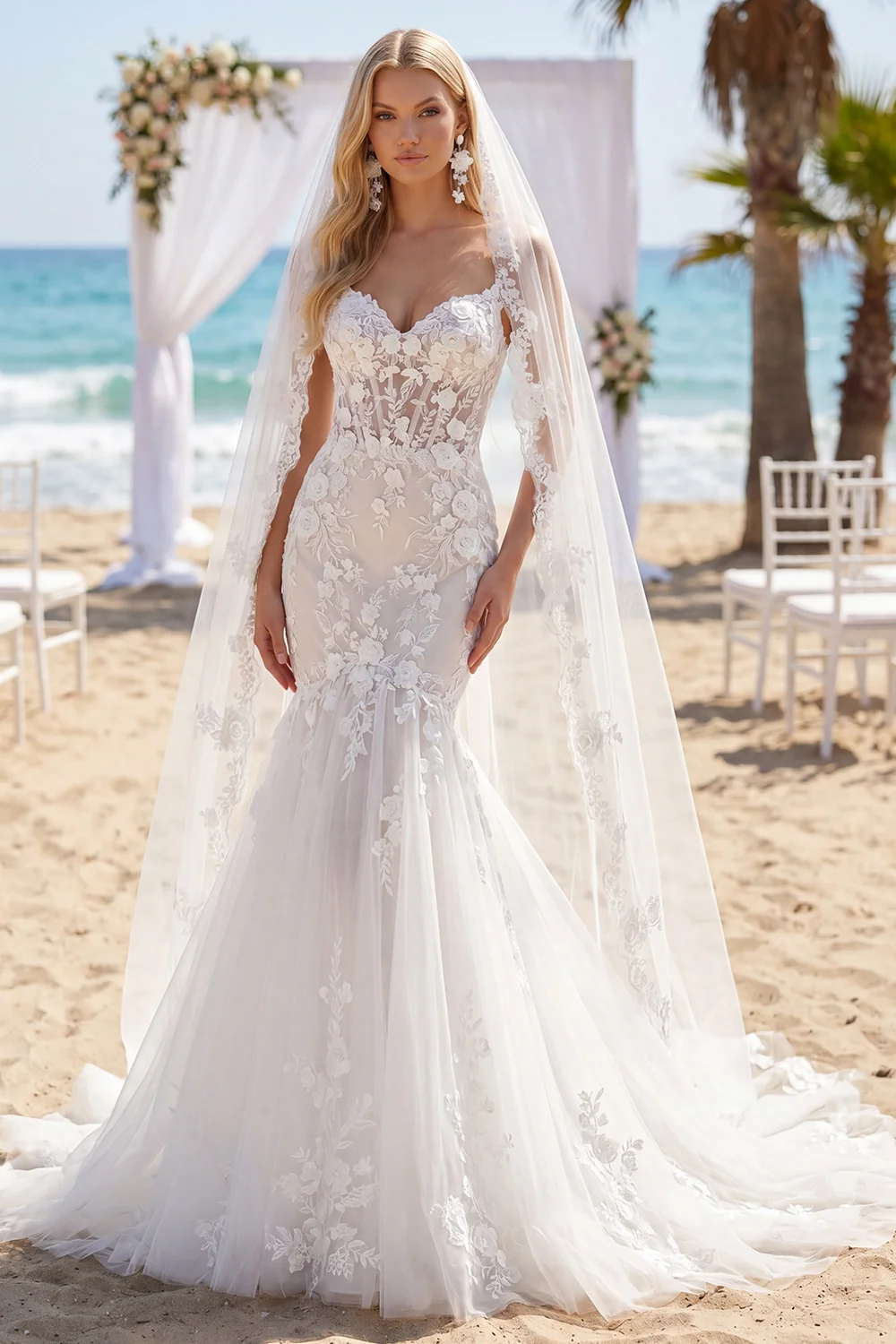 White DressesOur Edit of the Best White Floral Lace Dresses