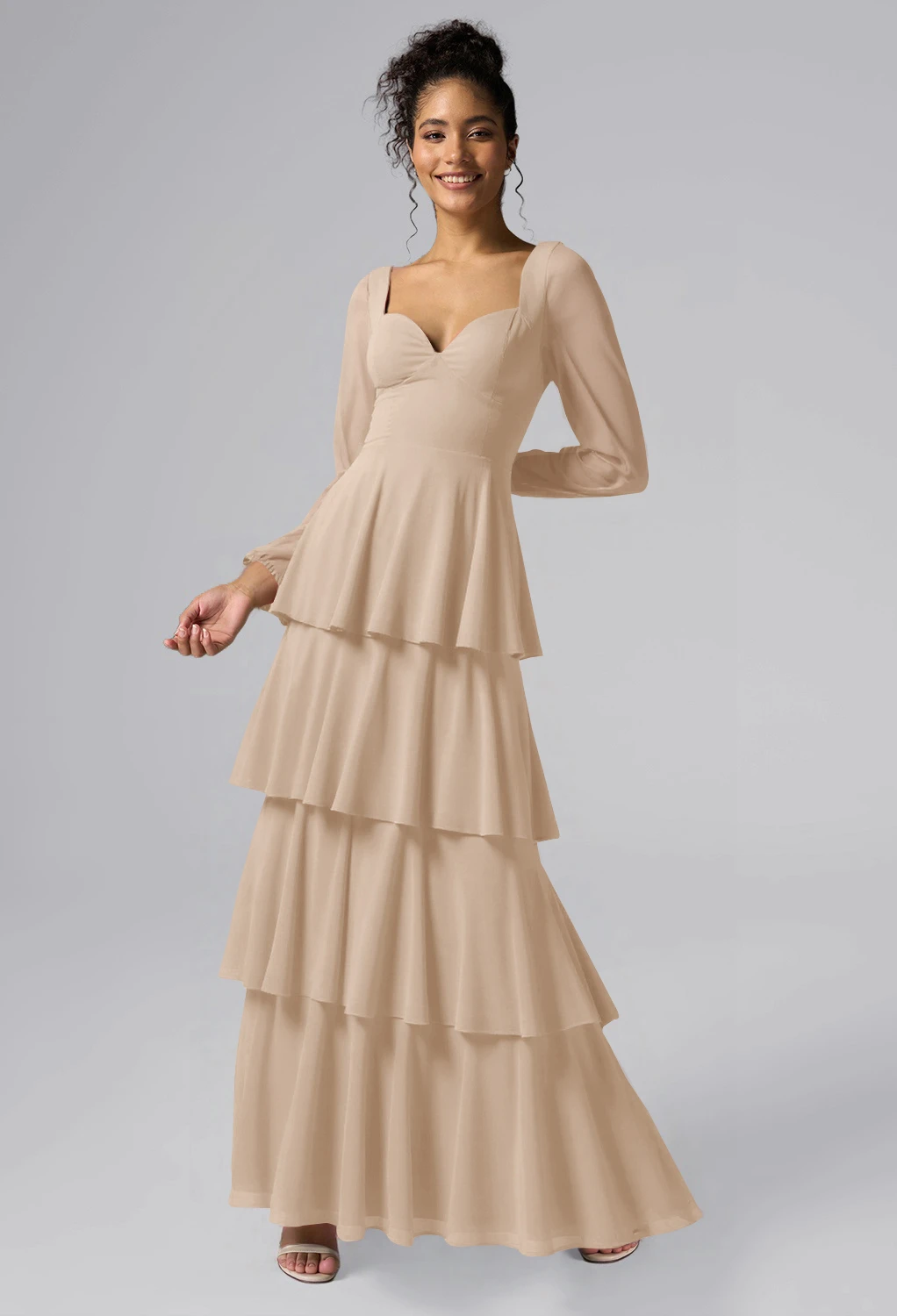
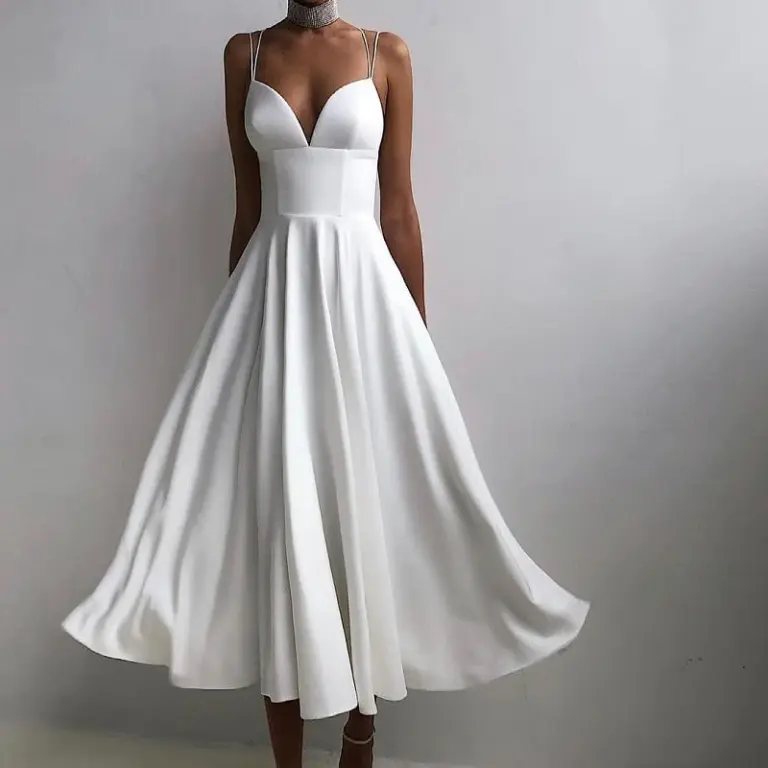
A good pleated dress has a bit of spring to it before you've even unzipped the bag it came in. Pick it up and the pleats should hold their shape in your hand, springing back when you let go rather than flopping into a limp concertina. If it already looks tired on the hanger, it will look worse after a day of sitting down.
Sizing is where these go wrong more than any other dress, because the pleats disguise what's actually happening underneath. I've bought one a size too big thinking the fullness would hide it, and instead I had a dress that swung around my hips like a tent and made me look bigger, not smaller. Go by your waist and shoulder measurement rather than how roomy the skirt looks, since the pleats will always add volume regardless of the size you choose. Watch the shoulder seams too; if they sit even slightly off, the whole pleat pattern drops unevenly and never quite hangs straight. A fitted bodice with a pleated skirt is the safest bet if you're between sizes, because the top half tells you the truth even when the bottom half is being generous.
The difference between a dress that earns a season of wear and one that dies after a wash is almost always in how the pleats were set. Proper permanent pleating, usually on polyester or a poly blend, keeps its crease through machine washing and tumble drying without you doing a thing. Cheaper versions use a lighter fabric that's been pressed rather than heat set, and those pleats soften and drop within a few wears, leaving you with a plain skirt and a faint memory of structure. Check the waistband too, a cheap elastic one will go slack by midsummer, while a proper fitted waist with a hidden zip holds its line for years. Fold a corner of the fabric in your hand; if it springs back sharp, that's a good sign, if it stays creased like paper, it won't survive a handbag.
Where these fall short is anything involving a lot of sitting, cycling, or being crushed in a bag for travel, because even the well made ones need a shake out and sometimes a steam to recover fully. They're also not the easiest thing to layer under a heavy coat, since the fullness fights with bulk rather than working with it. But get a good one, in a fabric that moves with you and pleats that hold their line, and there's a specific pleasure in the way it swings when you turn, catching air for a second before settling back exactly where it was.

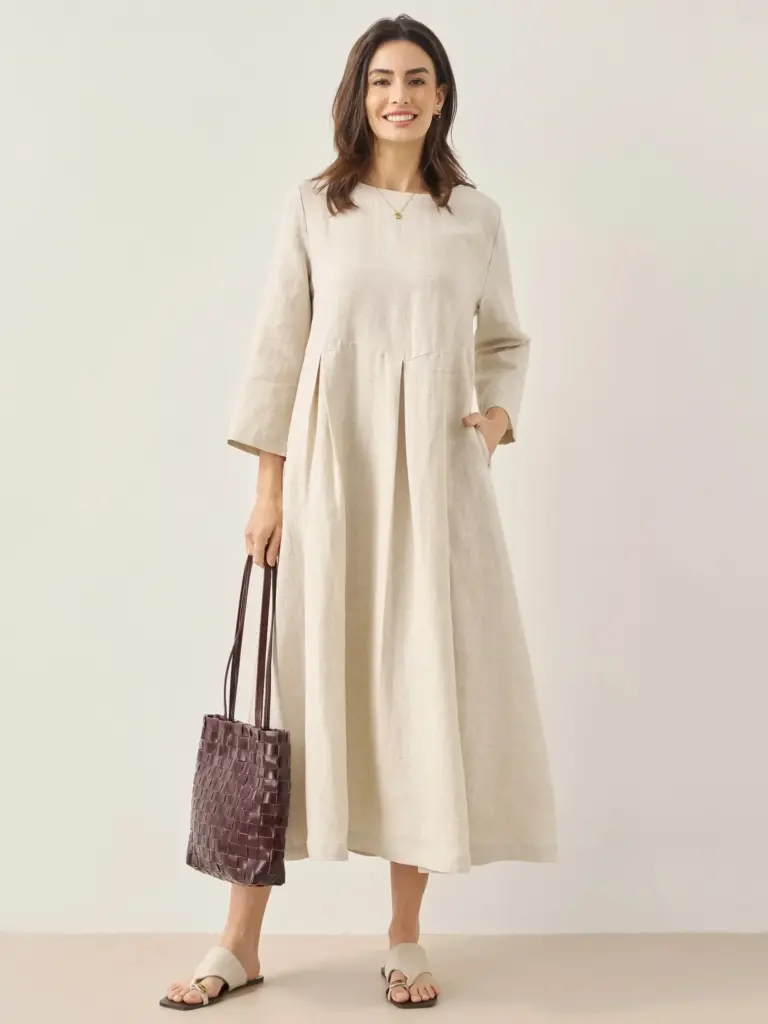 White DressesWhite Pleated Floral Dresses Worth a Closer Look

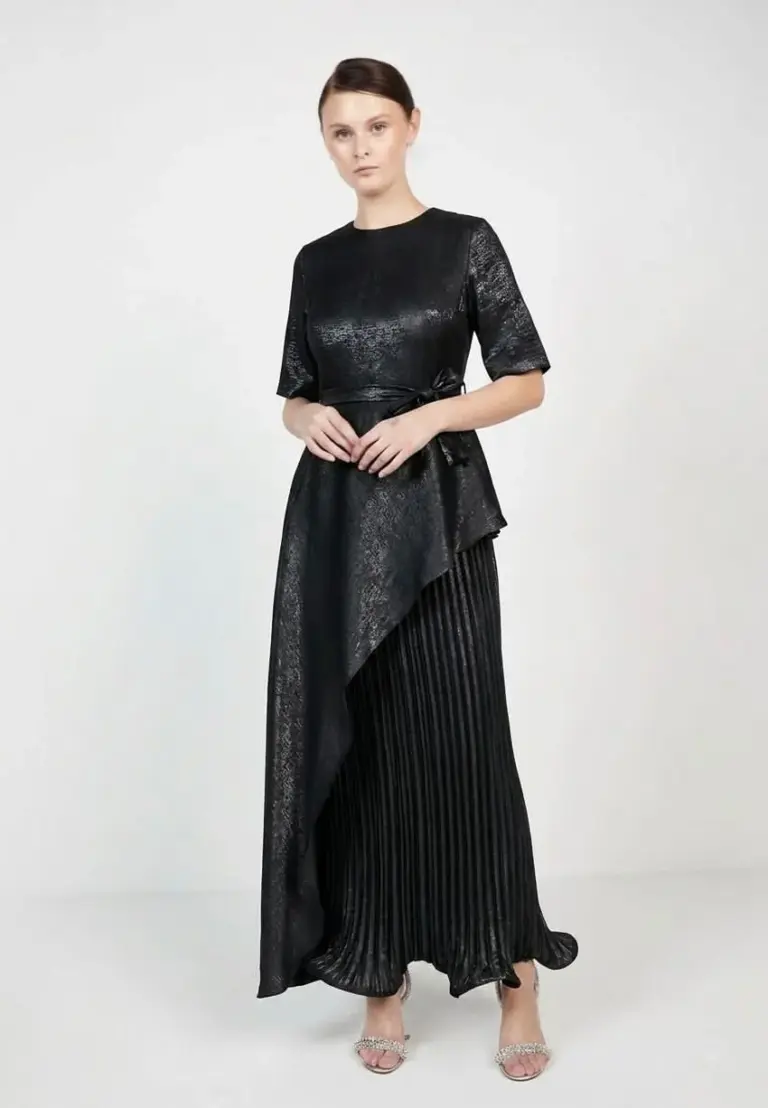 White DressesWhite Pleated Maxi Dresses That Flatter Without Trying

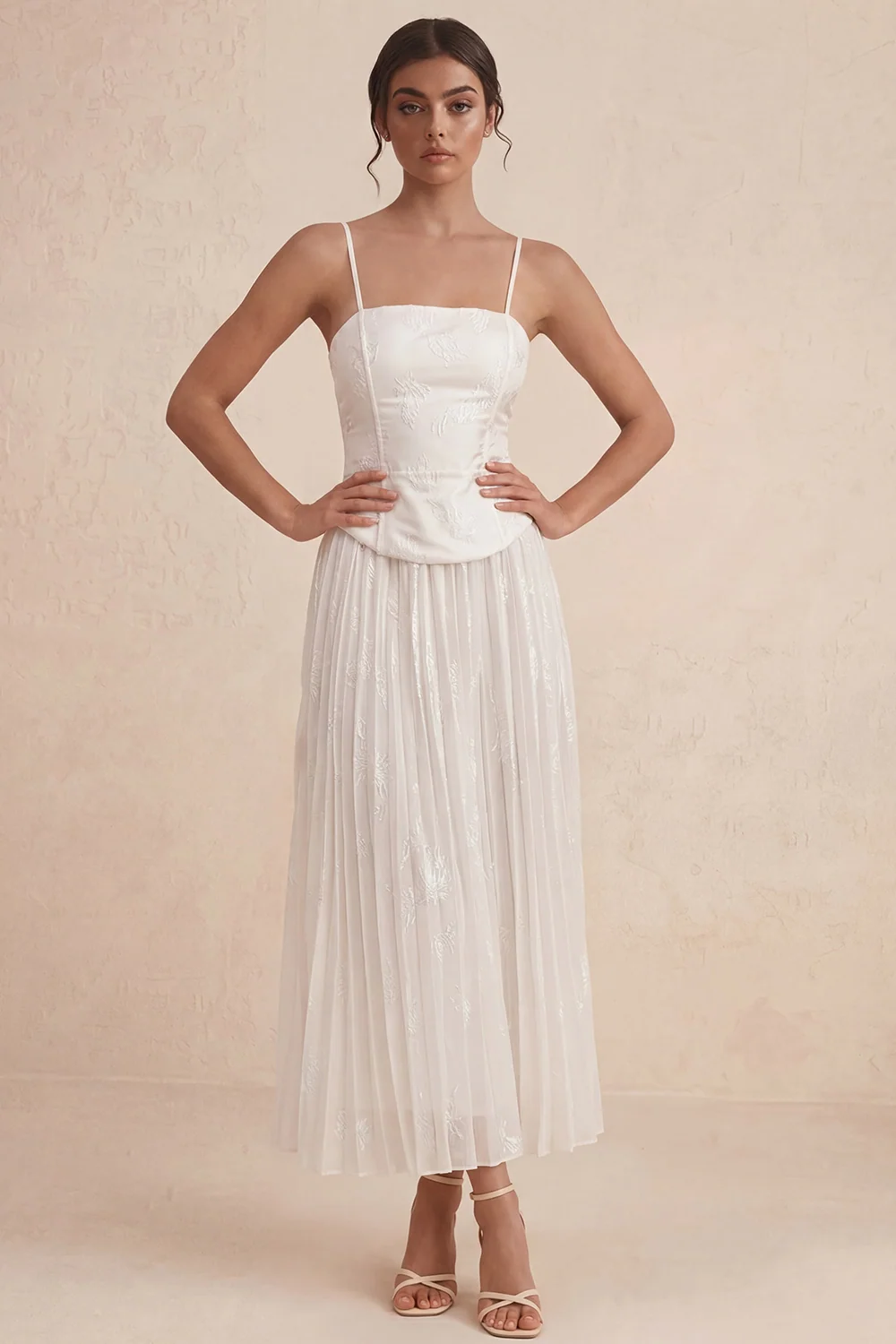 White DressesWhite Pleated Midi Dresses We Love Right Now
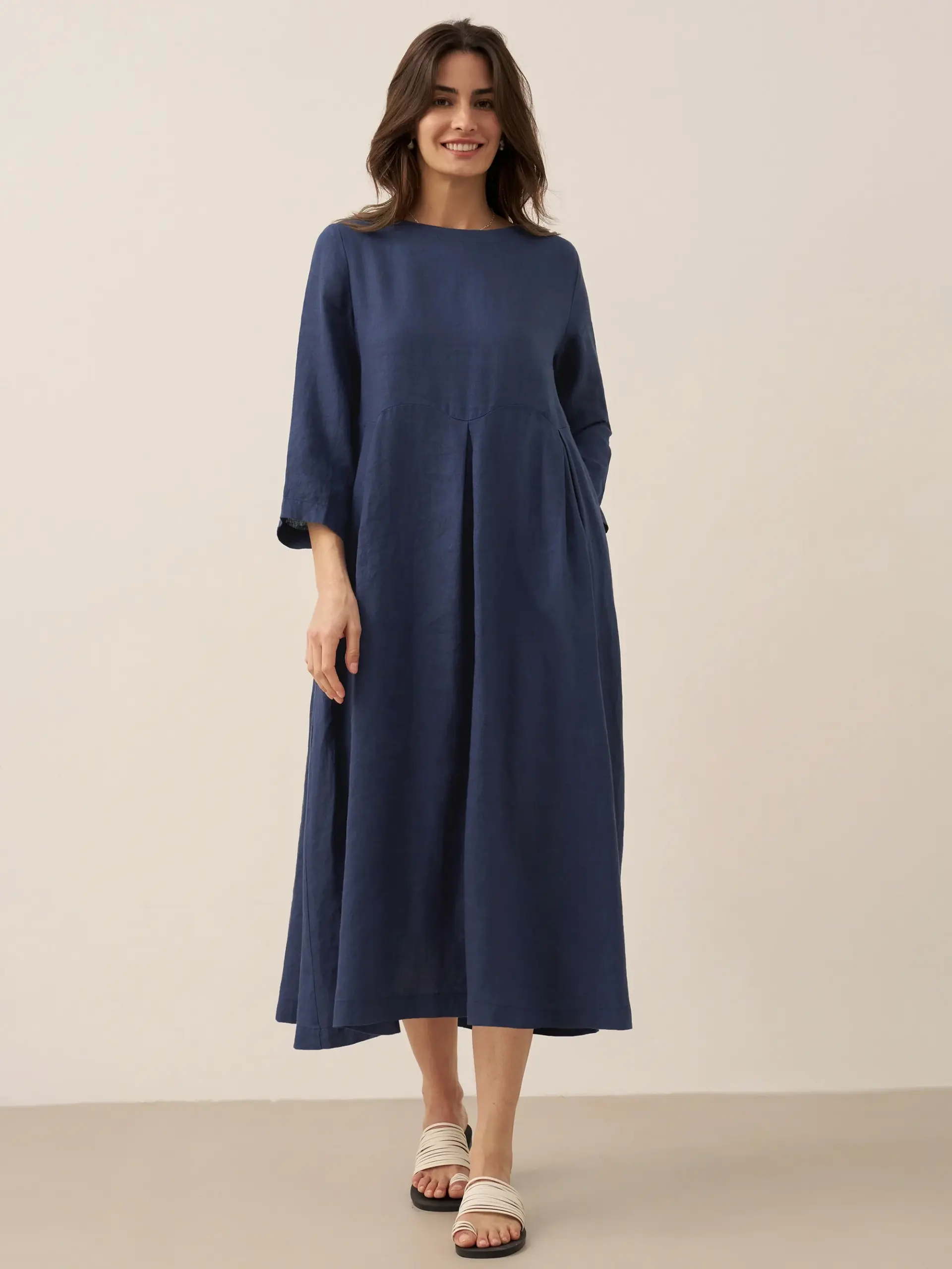
 White DressesThe White Pleated Evening Dresses Worth Planning an Outfit Around

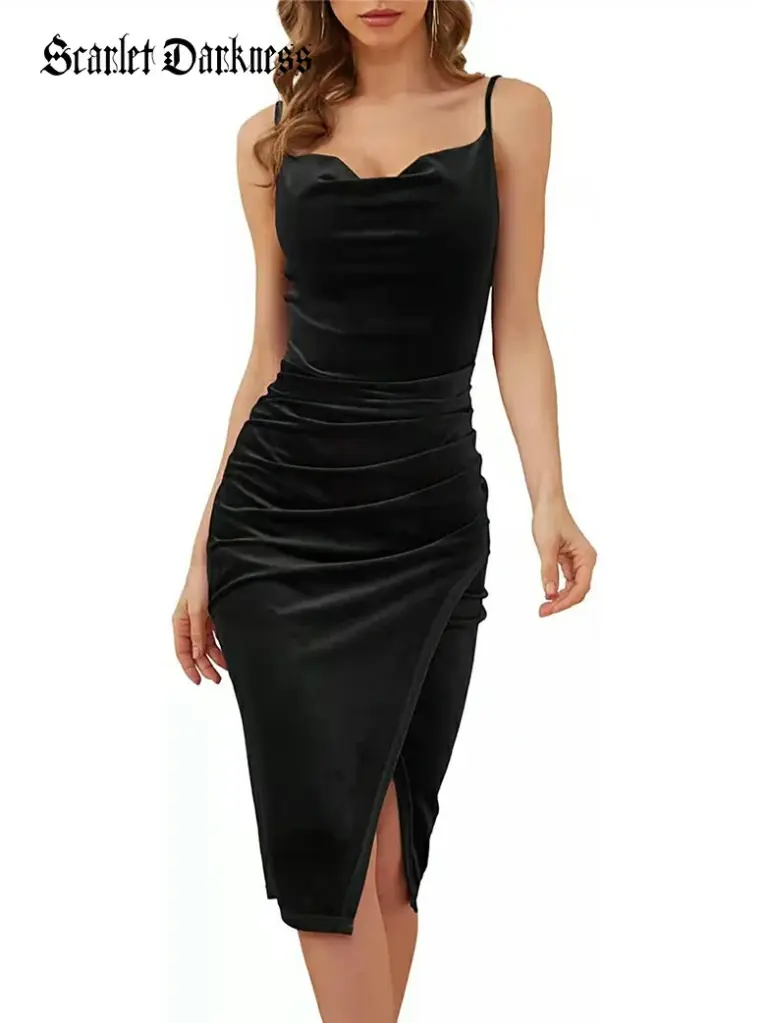 Velvet DressesVelvet Pleated Evening Dresses Worth a Closer Look
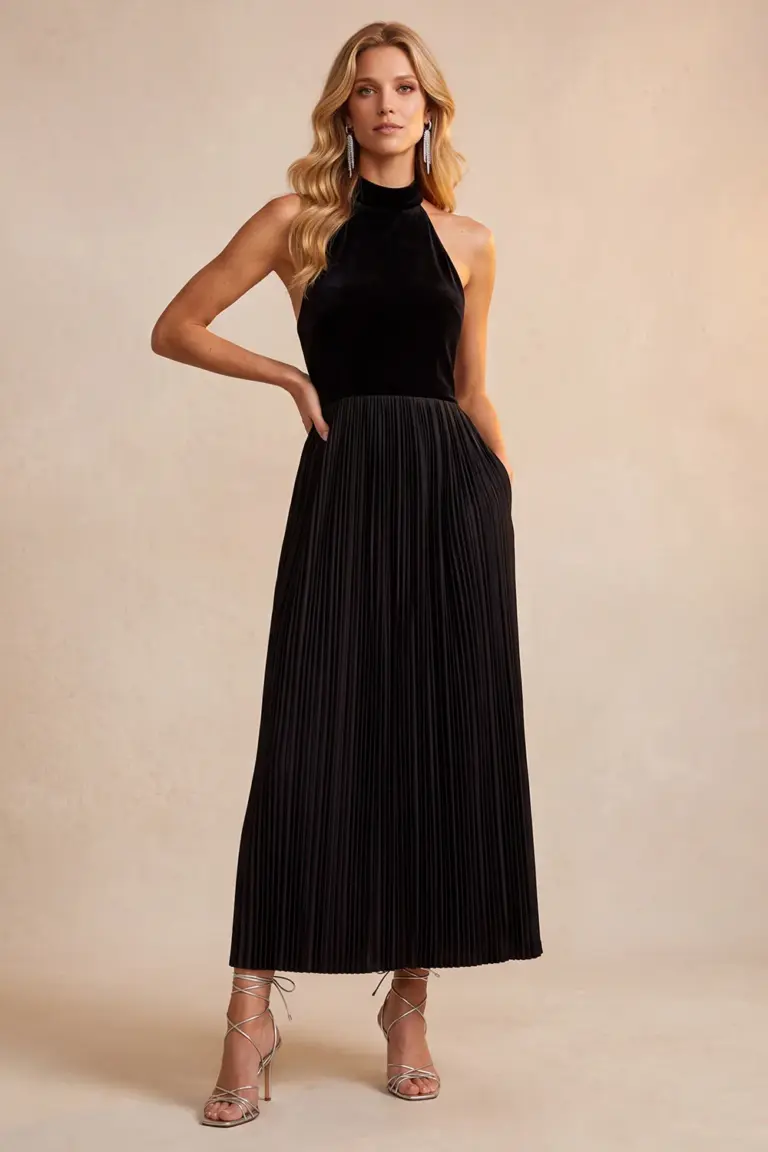
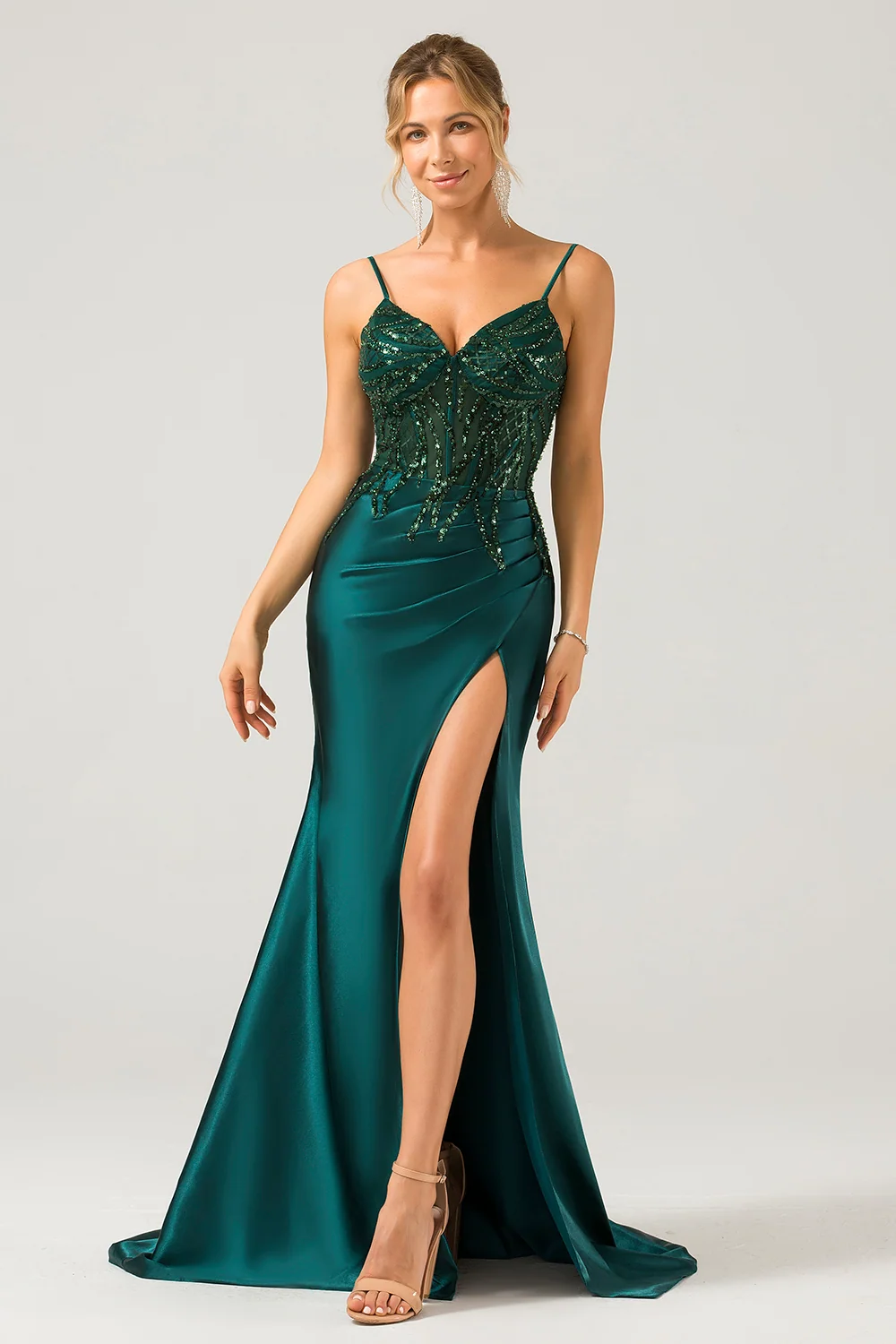 Sequin DressesEffortless Sequin Pleated Party Dresses We Love
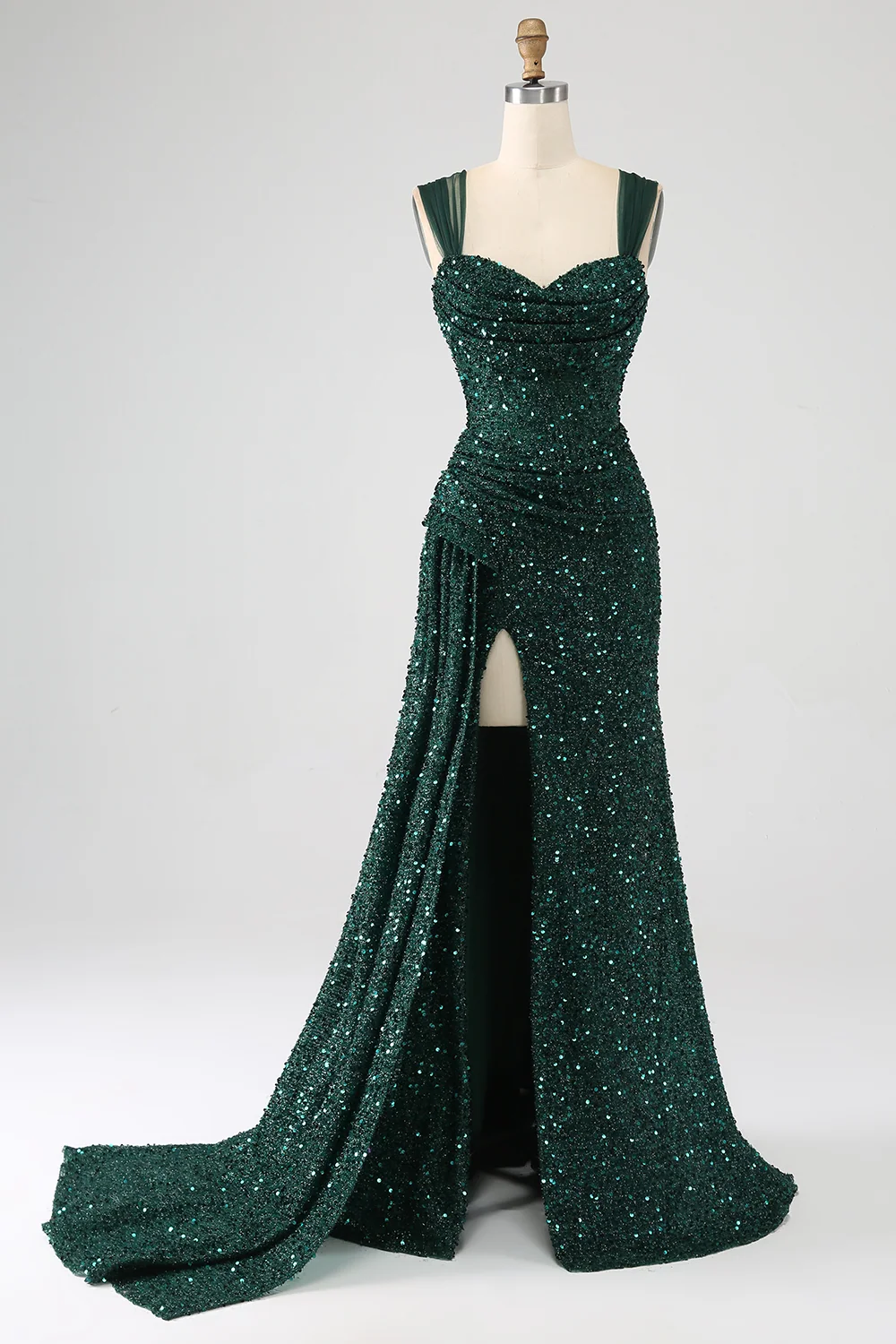
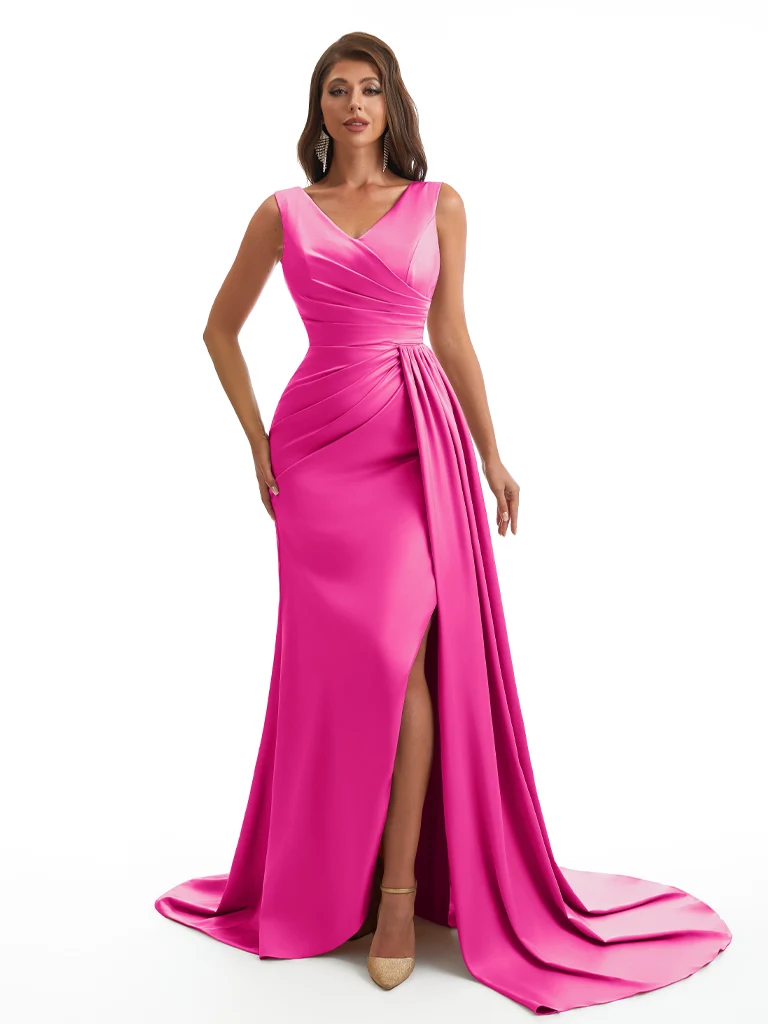 Bridesmaid DressesSatin Pleated Bridesmaid Dresses That Have Caught Our Eye
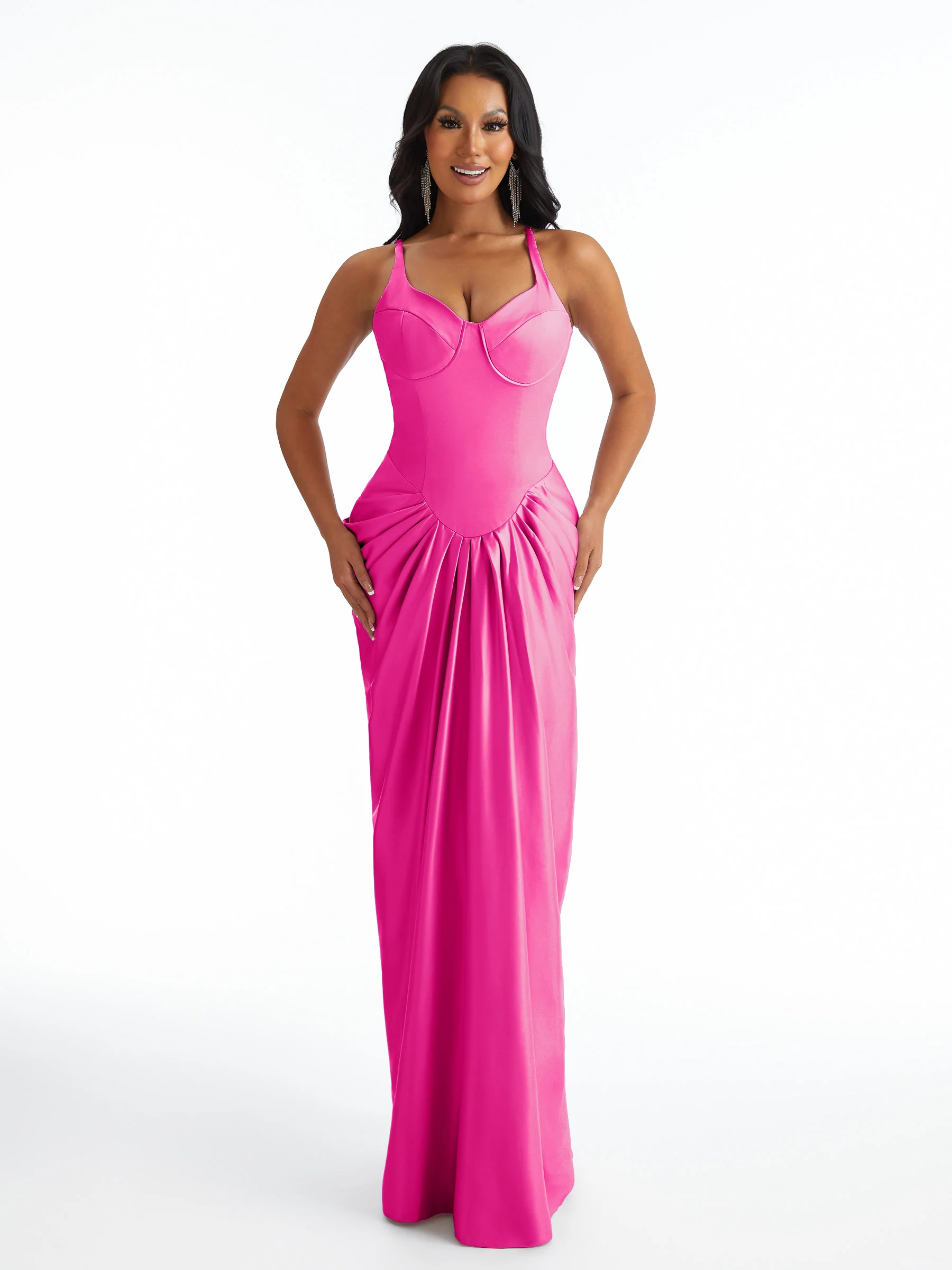
 Satin DressesSatin Pleated Evening Dresses We’d Recommend to a Friend

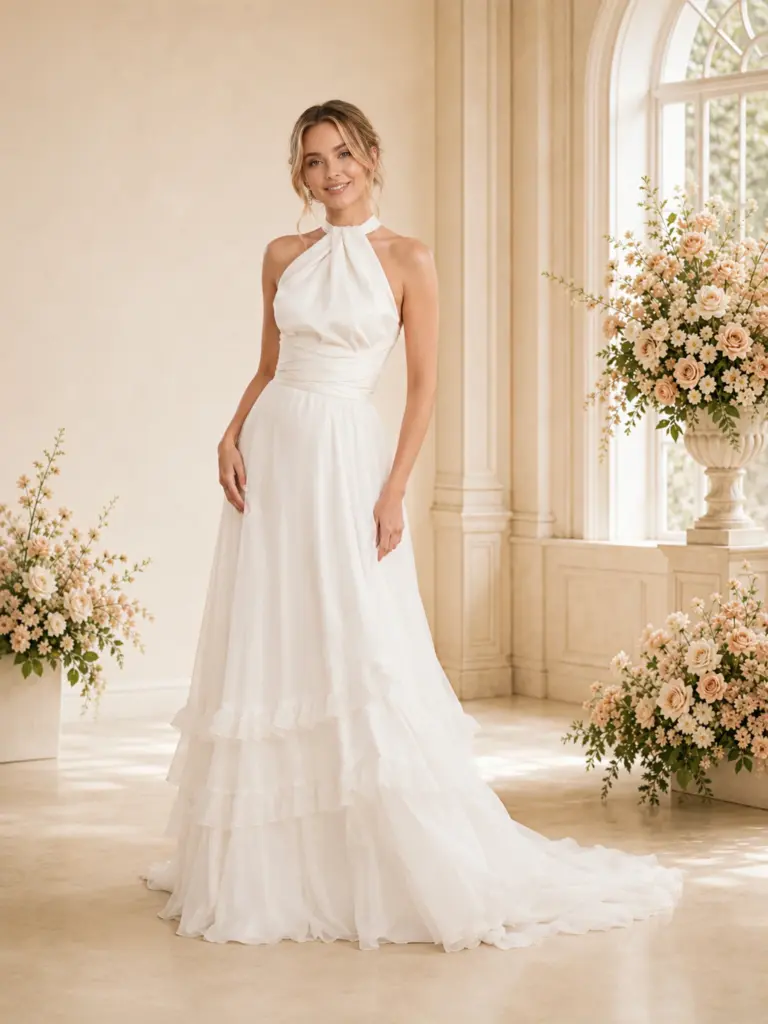 Halter DressesOur Top Satin Pleated Halter Dresses Right NowAlso worth a lookMidi DressesThe moment a midi dress properly clicked for me was a wedding in October, cold enough for tights,…See the collections →
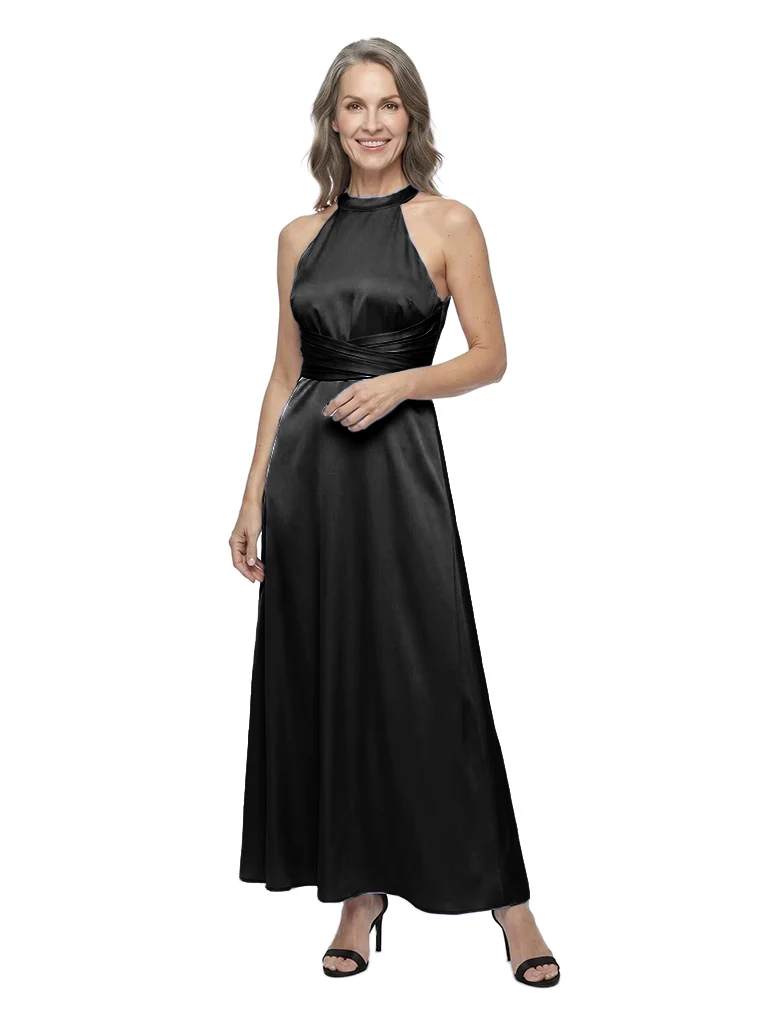
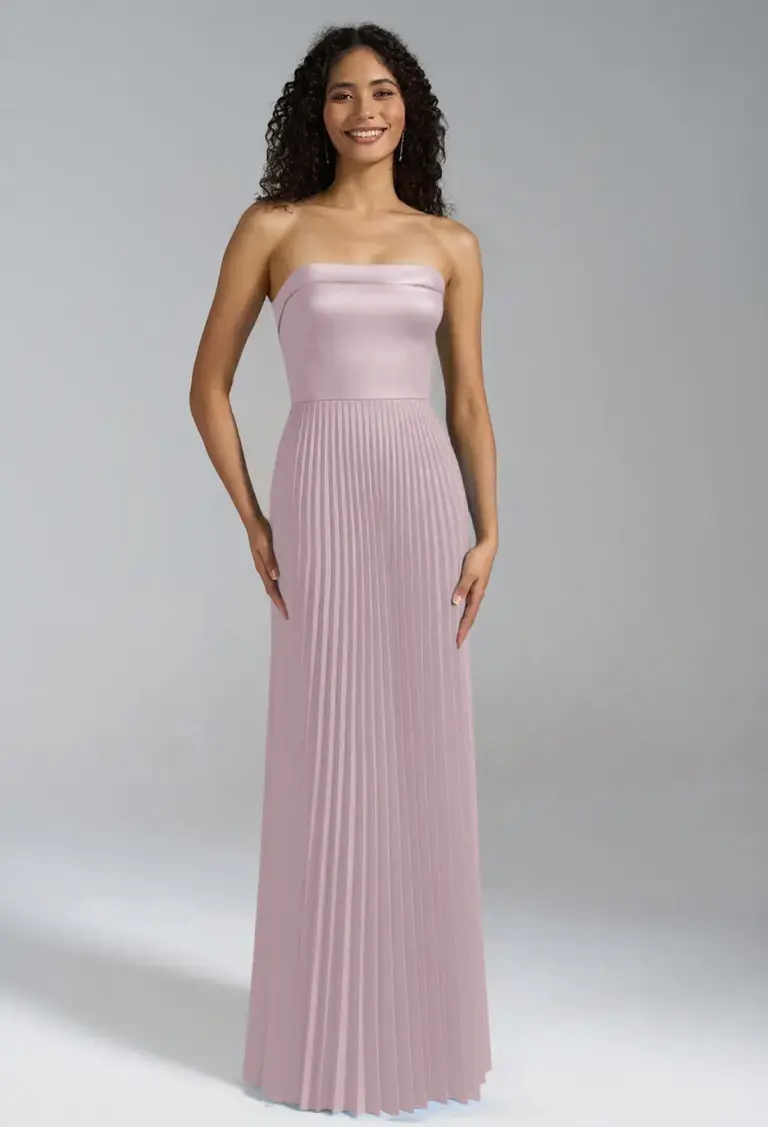 Satin DressesSatin Pleated Maxi Dresses With Real Wardrobe Staying Power
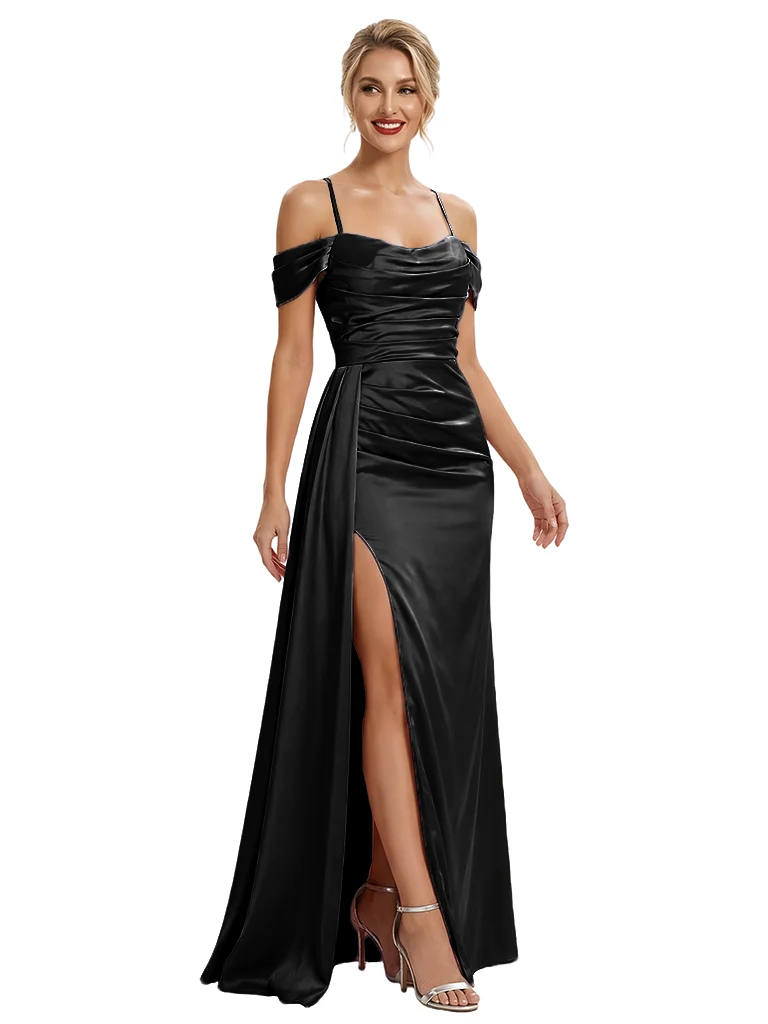
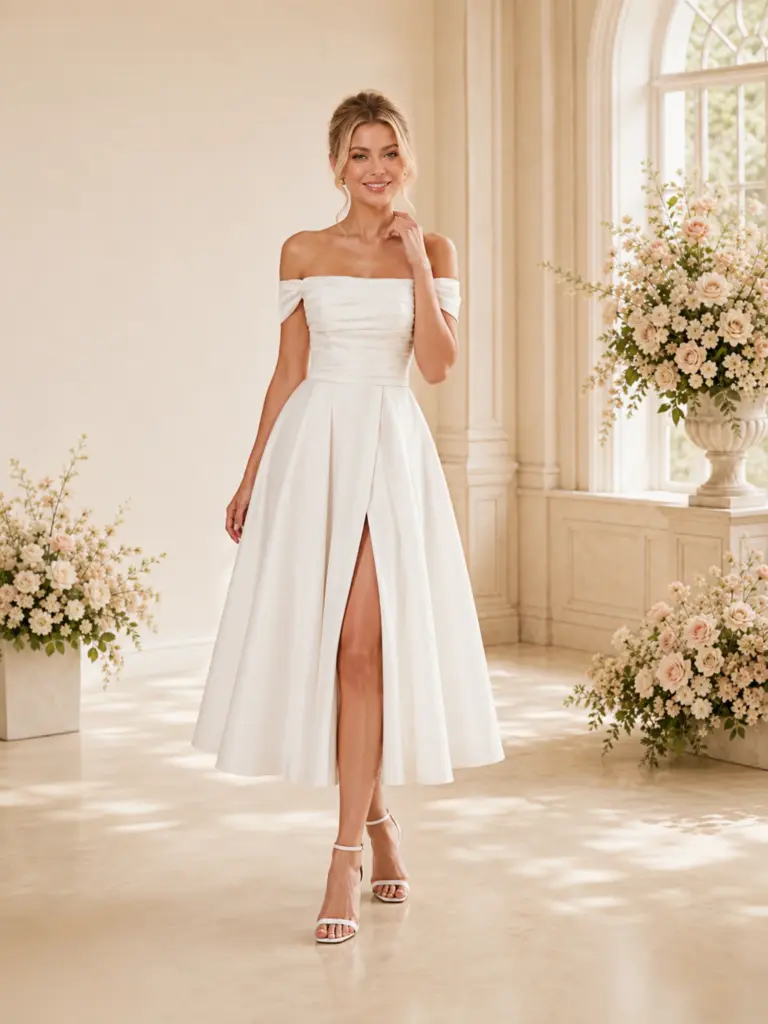 Satin DressesOur Top Satin Pleated Midi Dresses Right Now
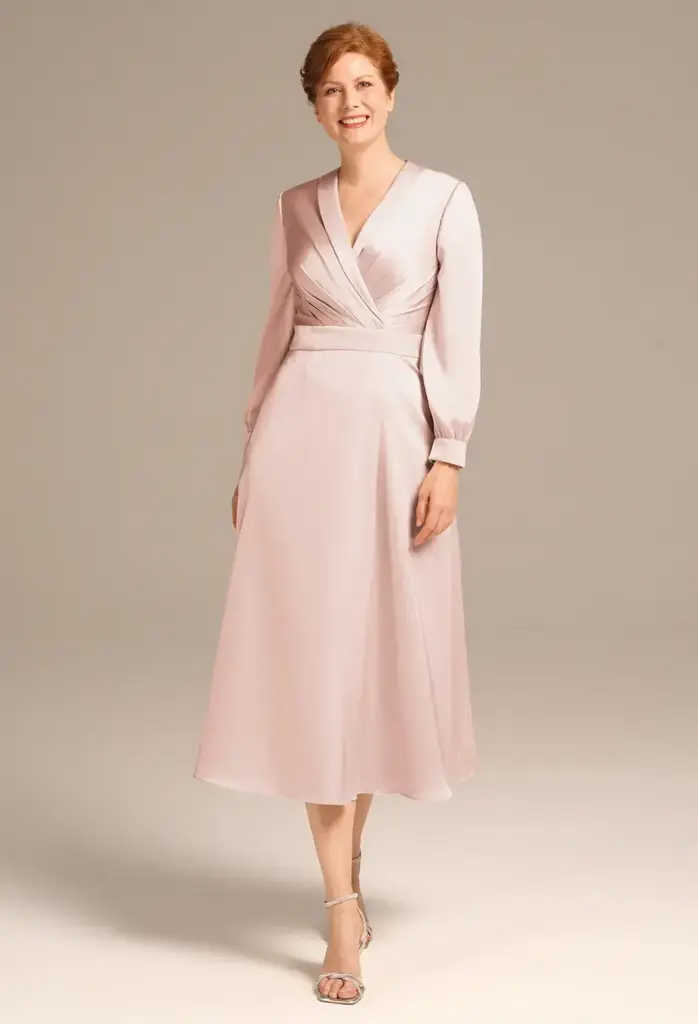
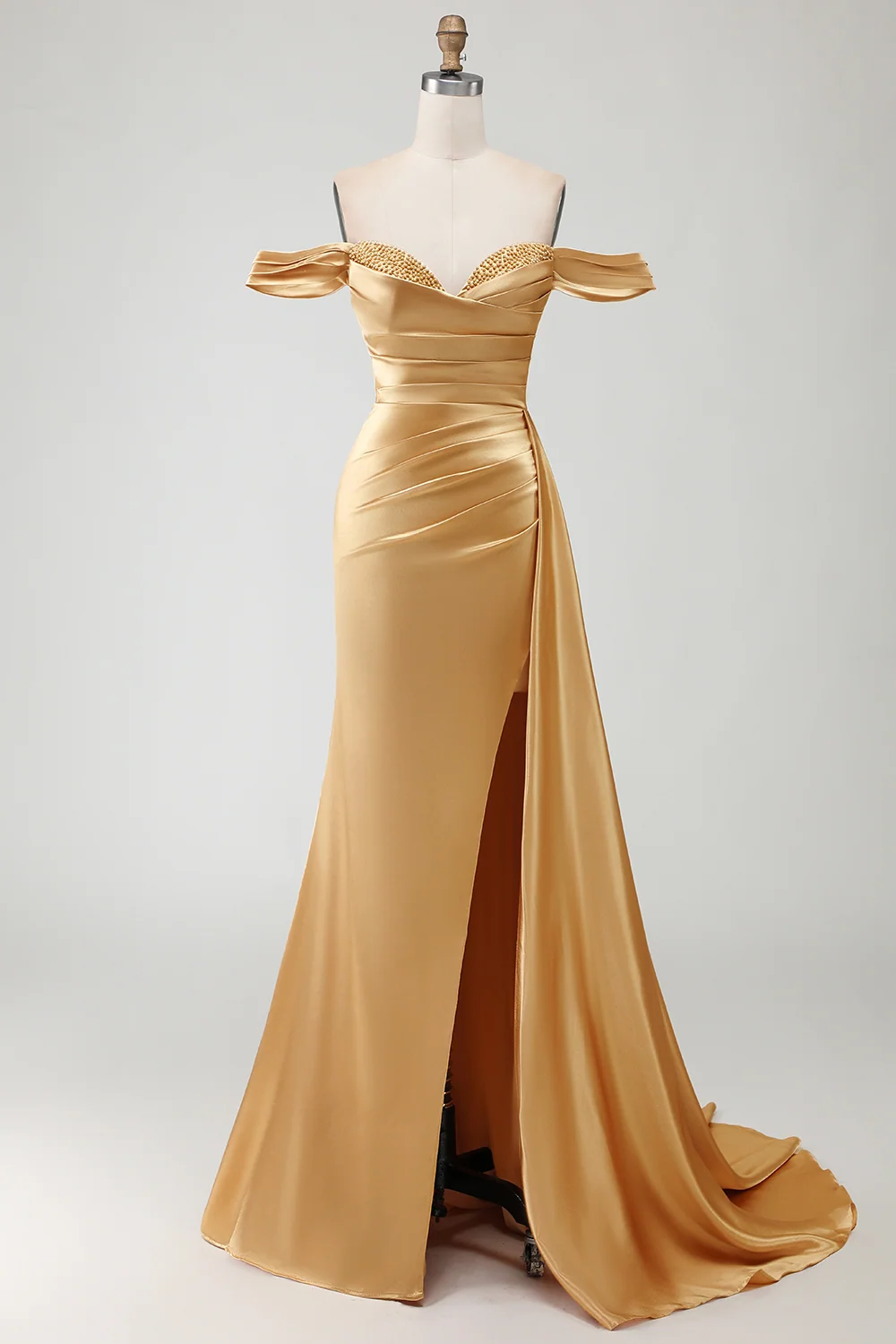 Off Shoulder DressesOur Top Satin Pleated Off Shoulder Dresses Right Now
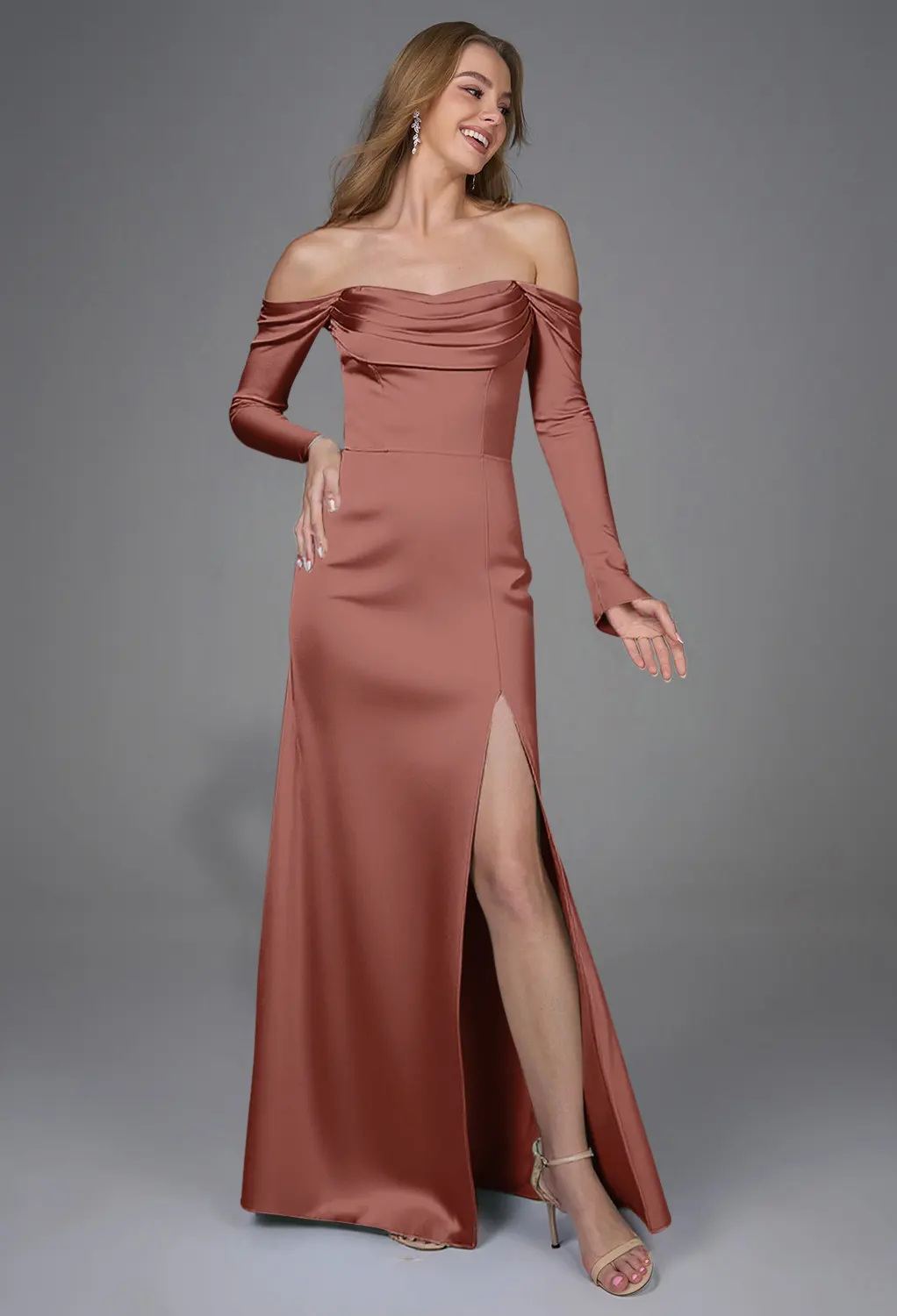
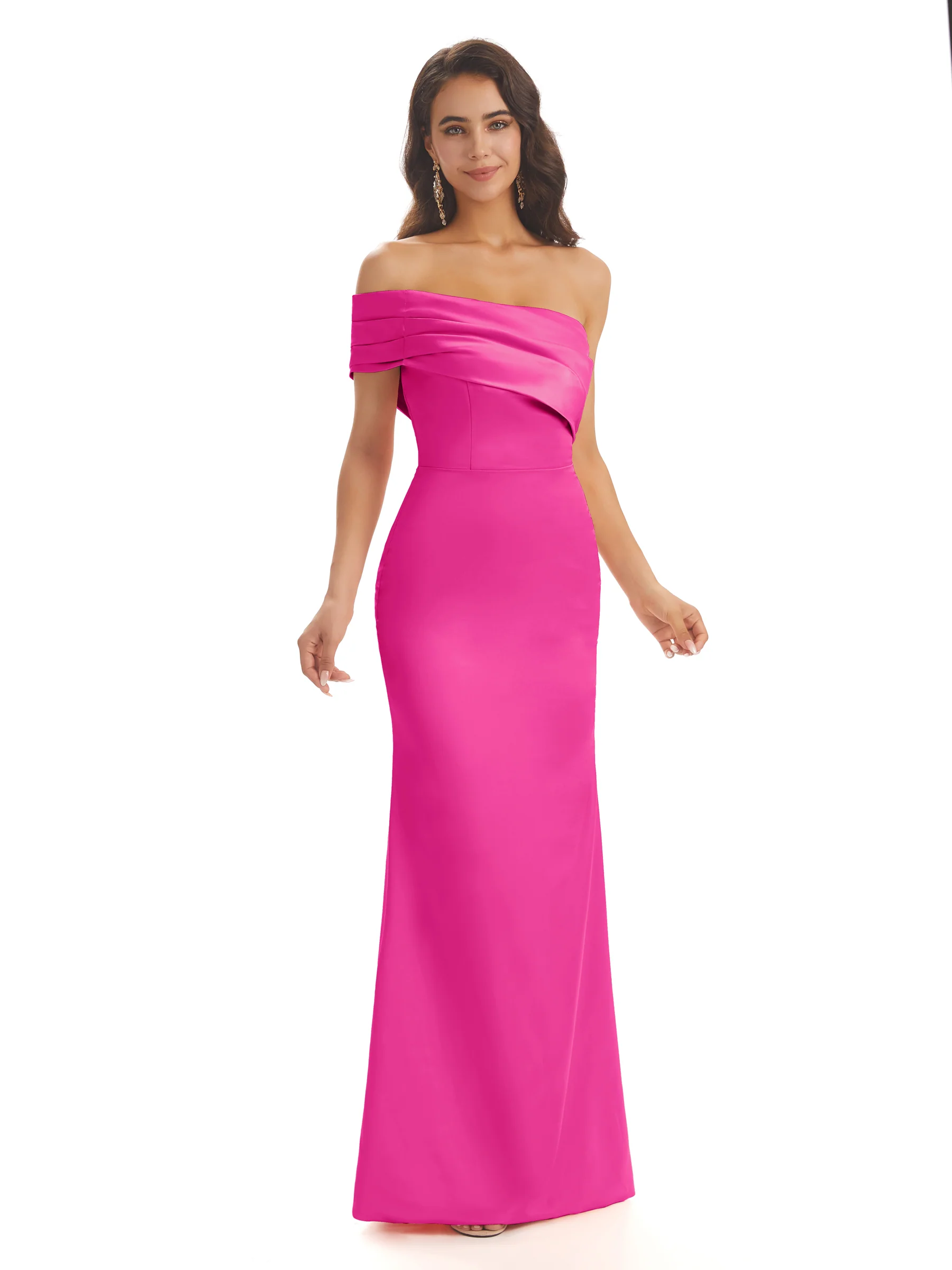 One Shoulder DressesSatin Pleated One Shoulder Dresses We’d Happily Wear on Repeat
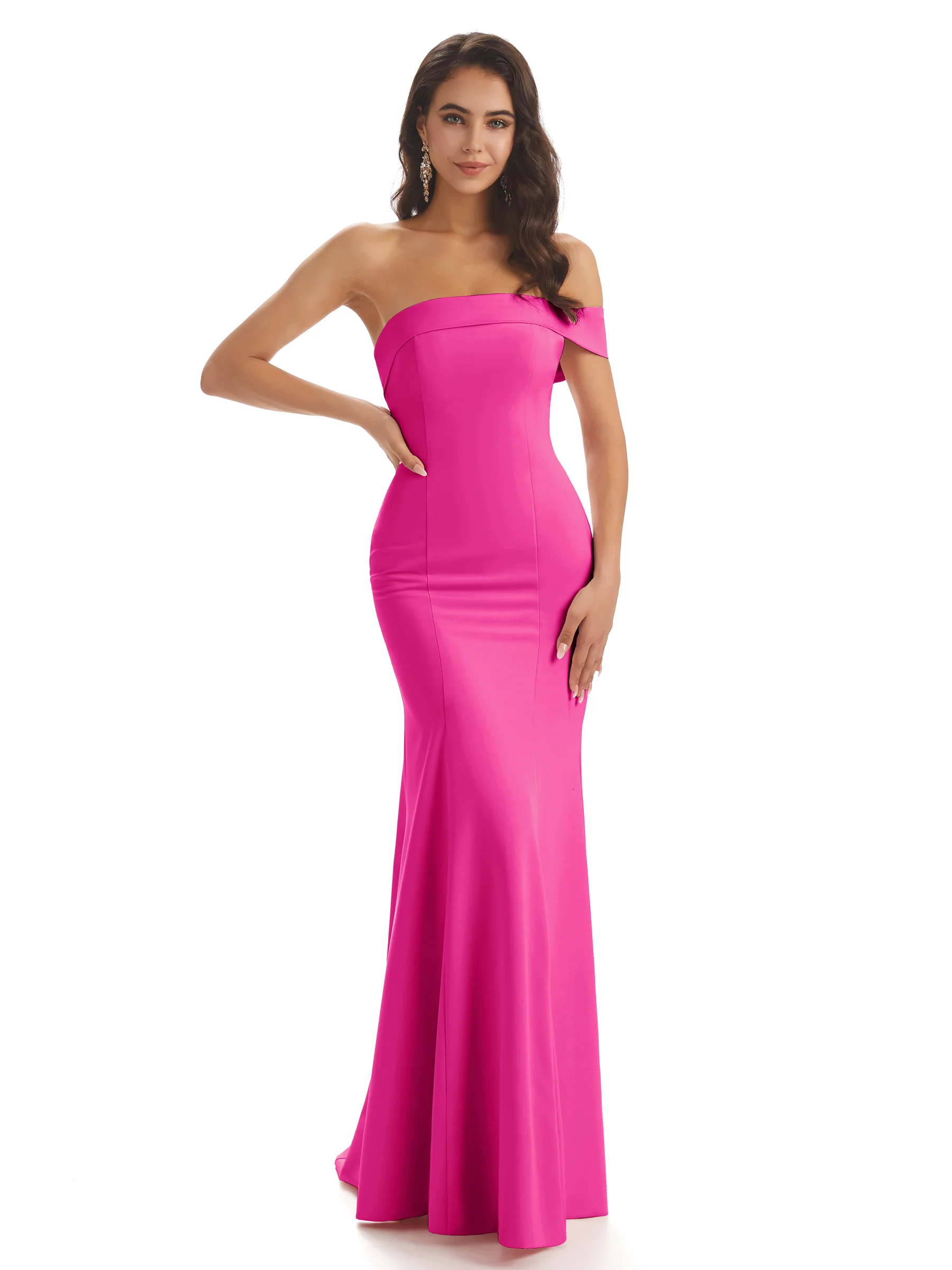
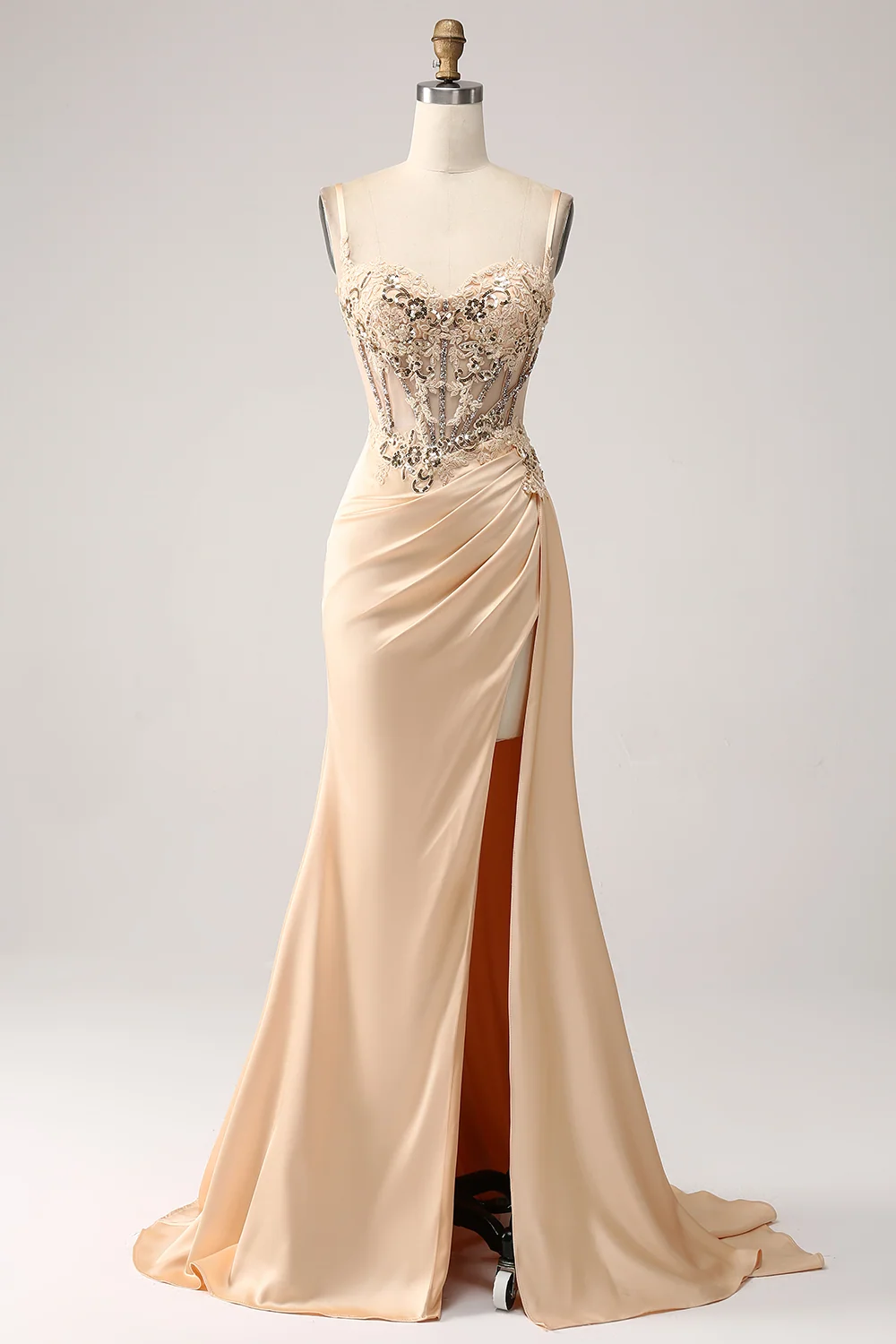 Party DressesSatin Pleated Party Dresses for When You’ve Got Somewhere to Be
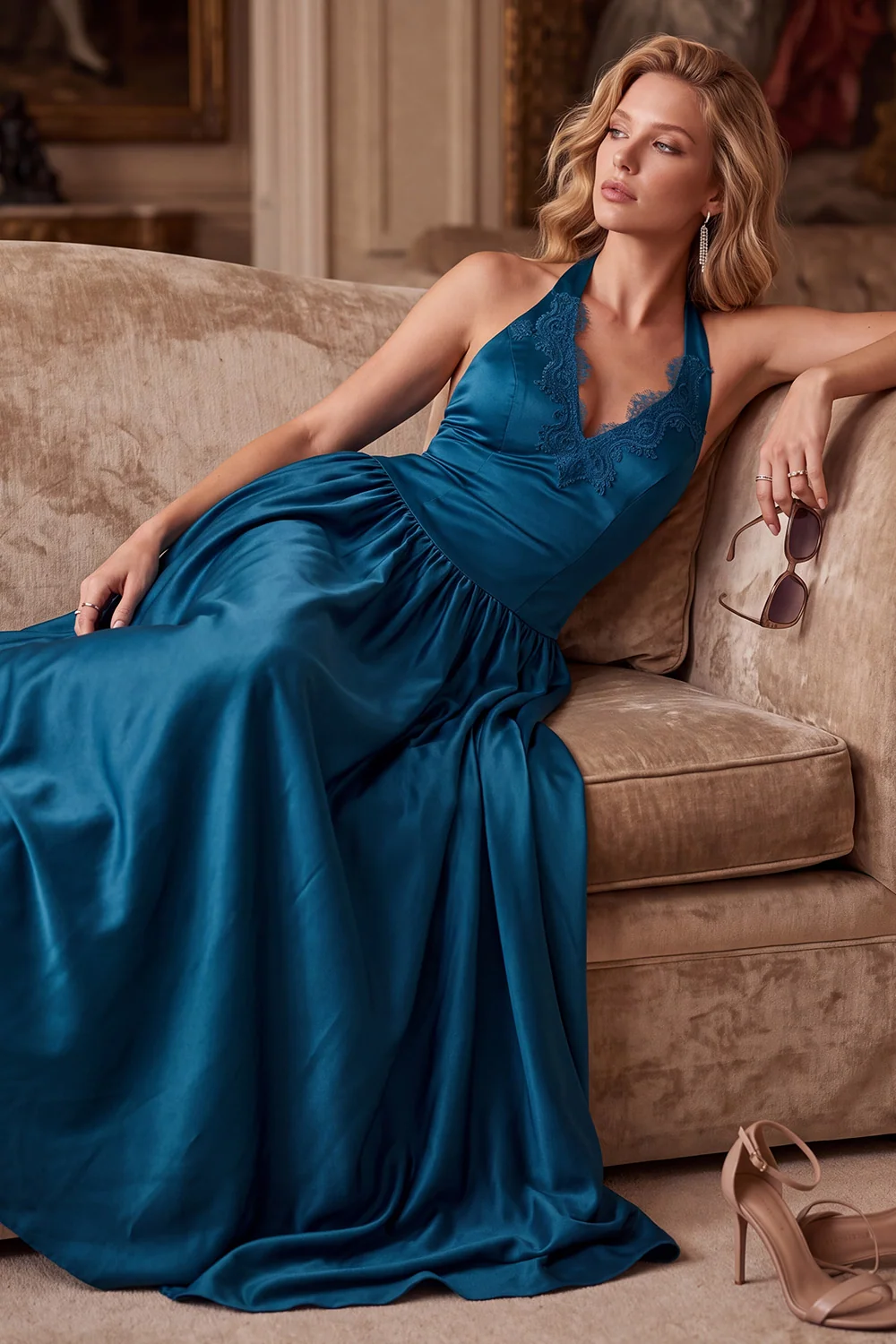
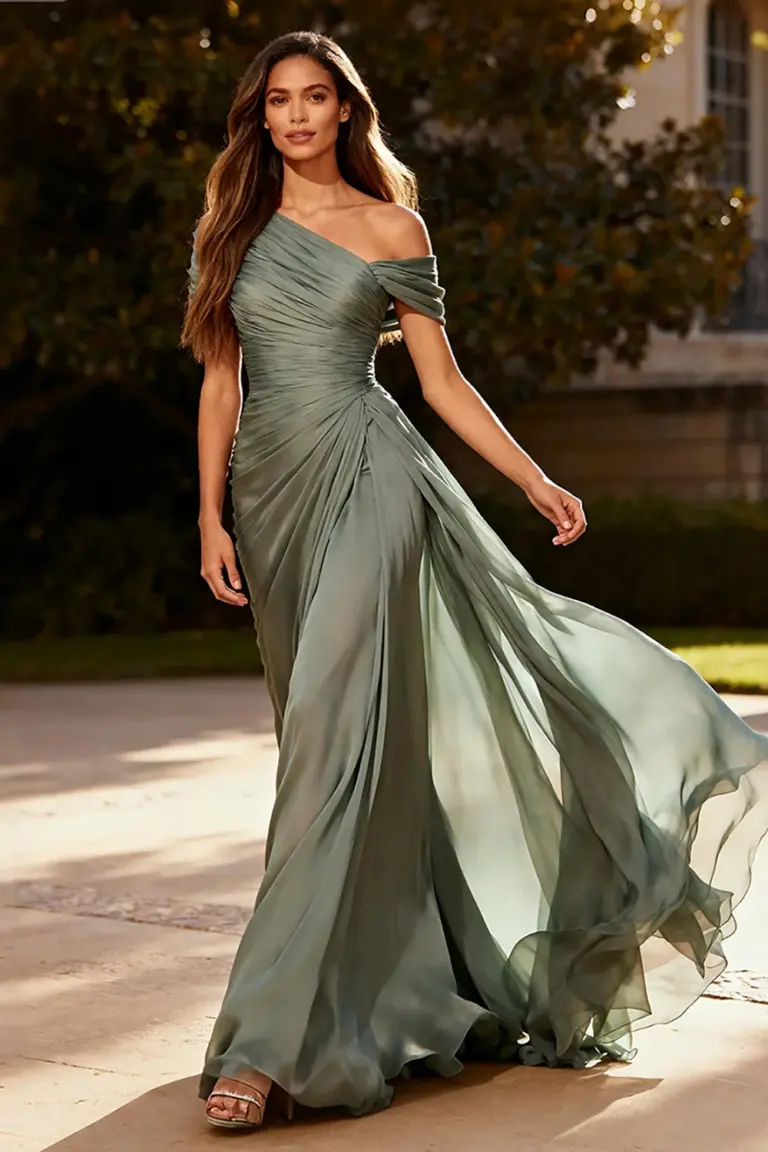 Sage DressesSage Pleated Evening Dresses on Our Radar
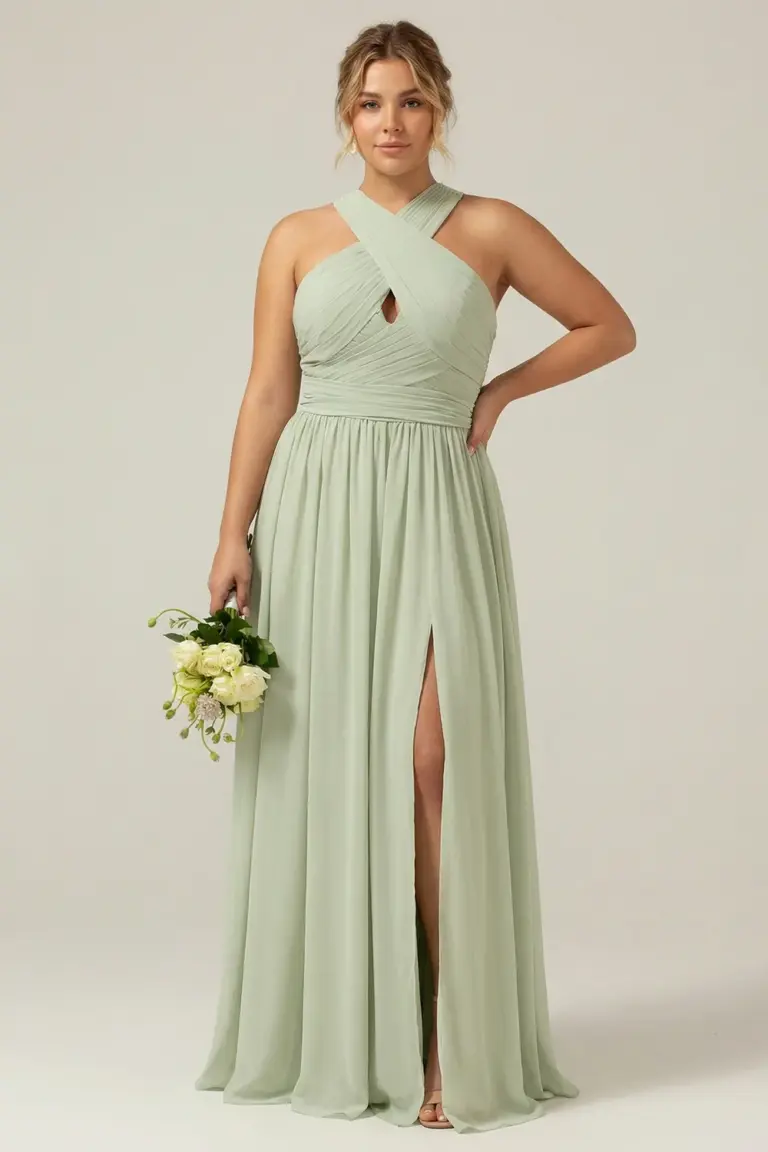
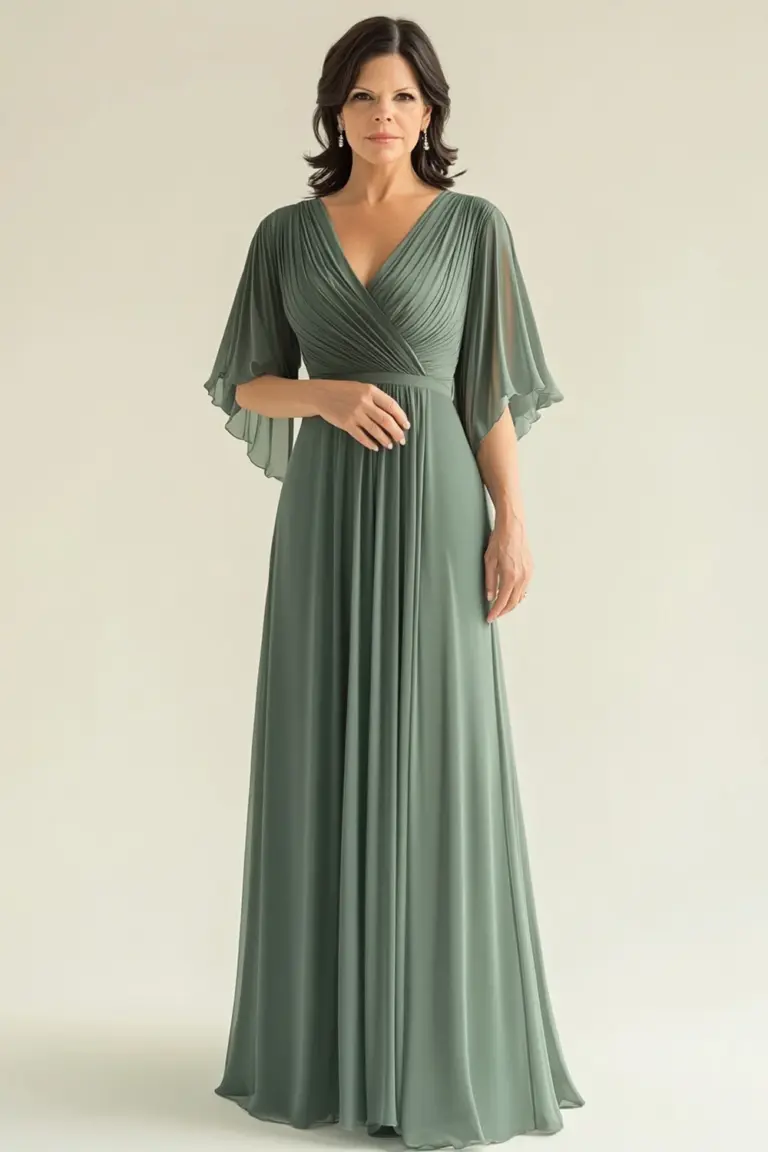 Prom DressesPleated Maxi Prom Dresses You’ll Want to Live In
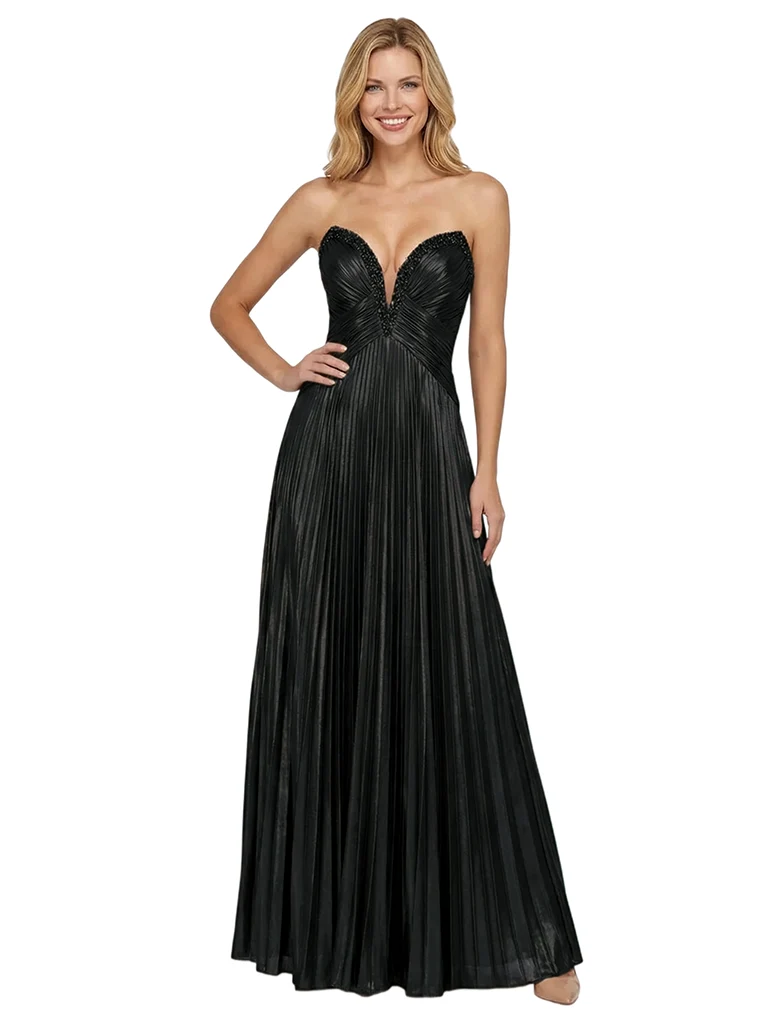
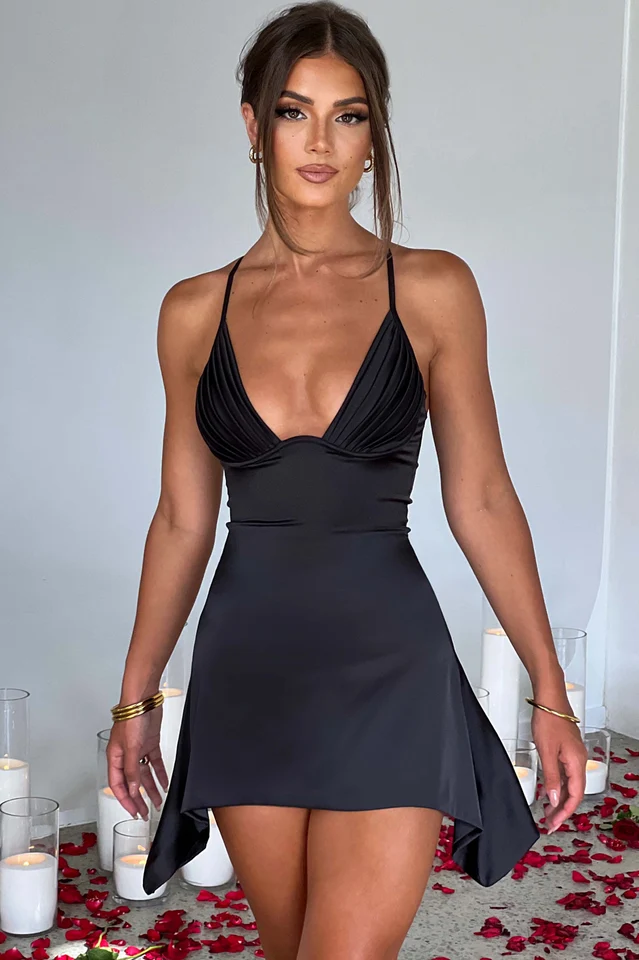 Cocktail DressesPleated Mini Cocktail Dresses We Love Right Now
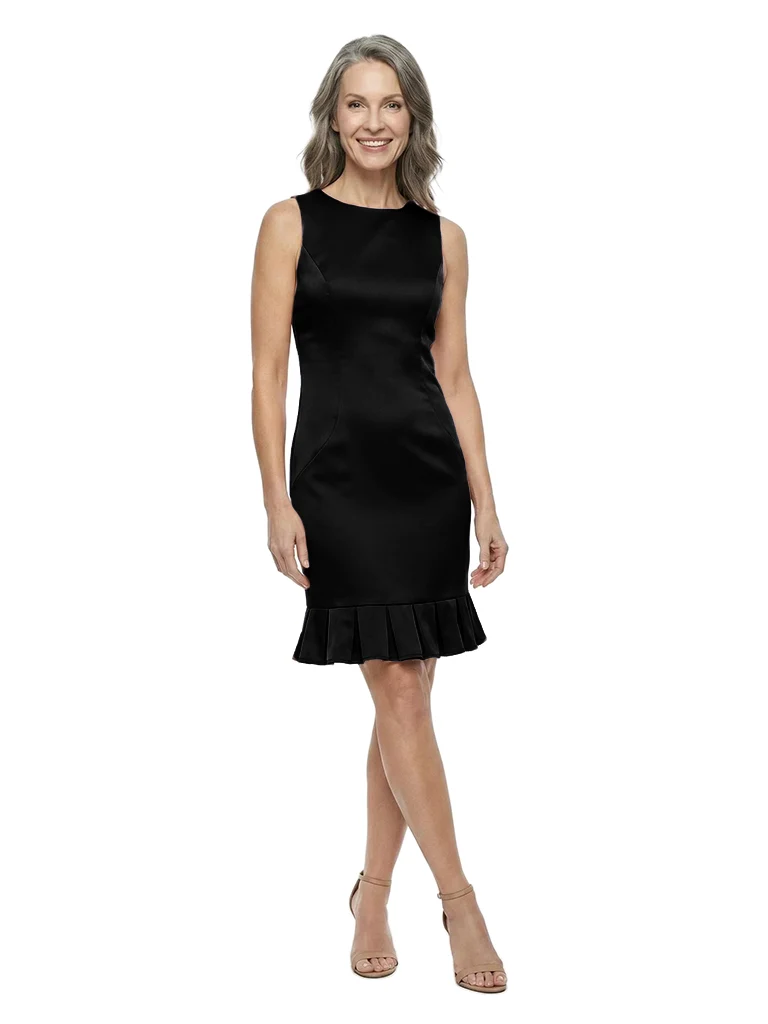
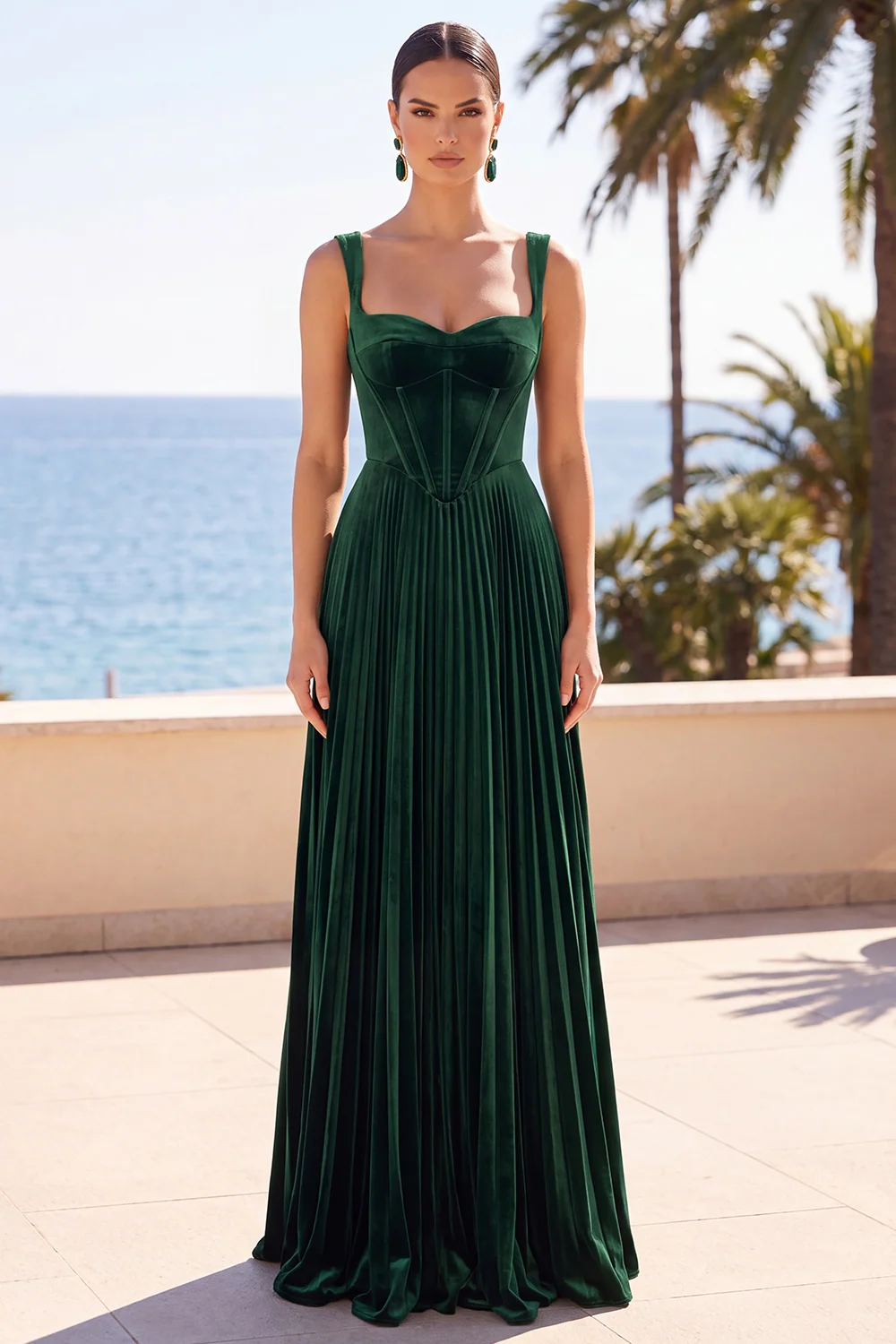 Velvet DressesPleated Velvet Dresses We Think You’ll LoveAlso worth a lookMaxi DressesA maxi dress earns its length by making you forget what you're wearing, and that's the whole point of one.See the collections →
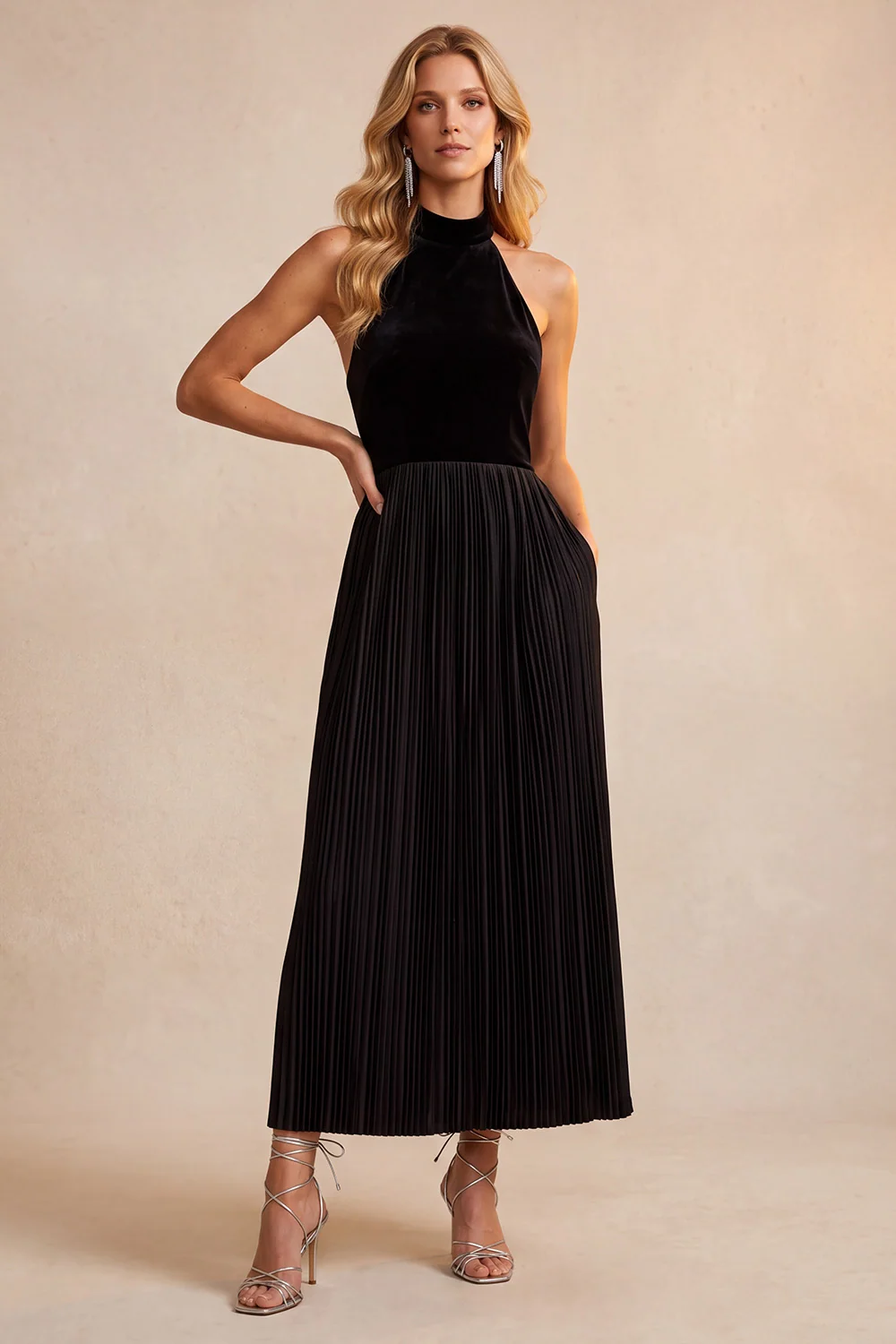
 Satin DressesThe Pleated Maxi Satin Dresses Worth Planning an Outfit Around
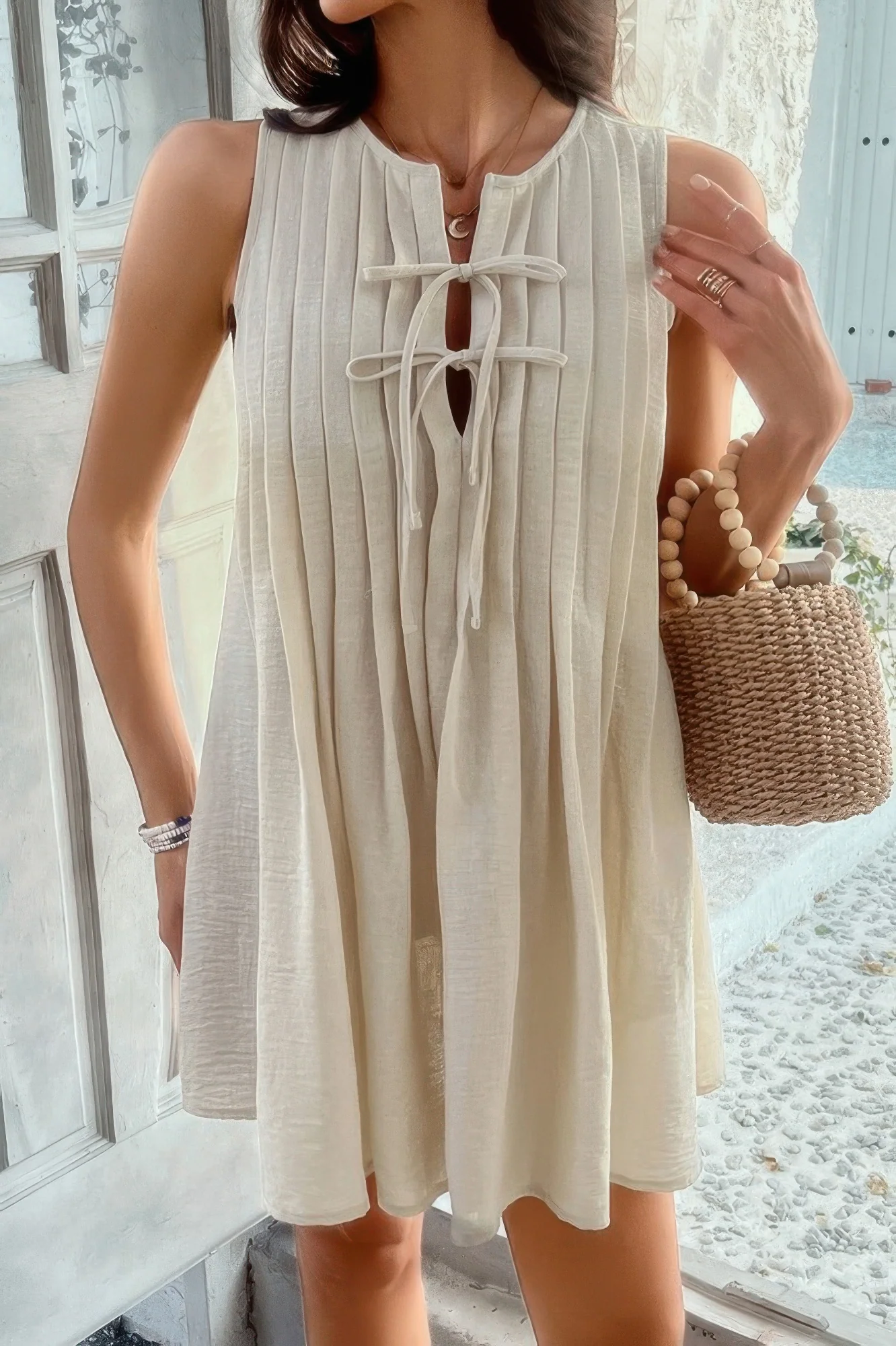 Mini DressesThe Pleated Mini Dresses Shortlist

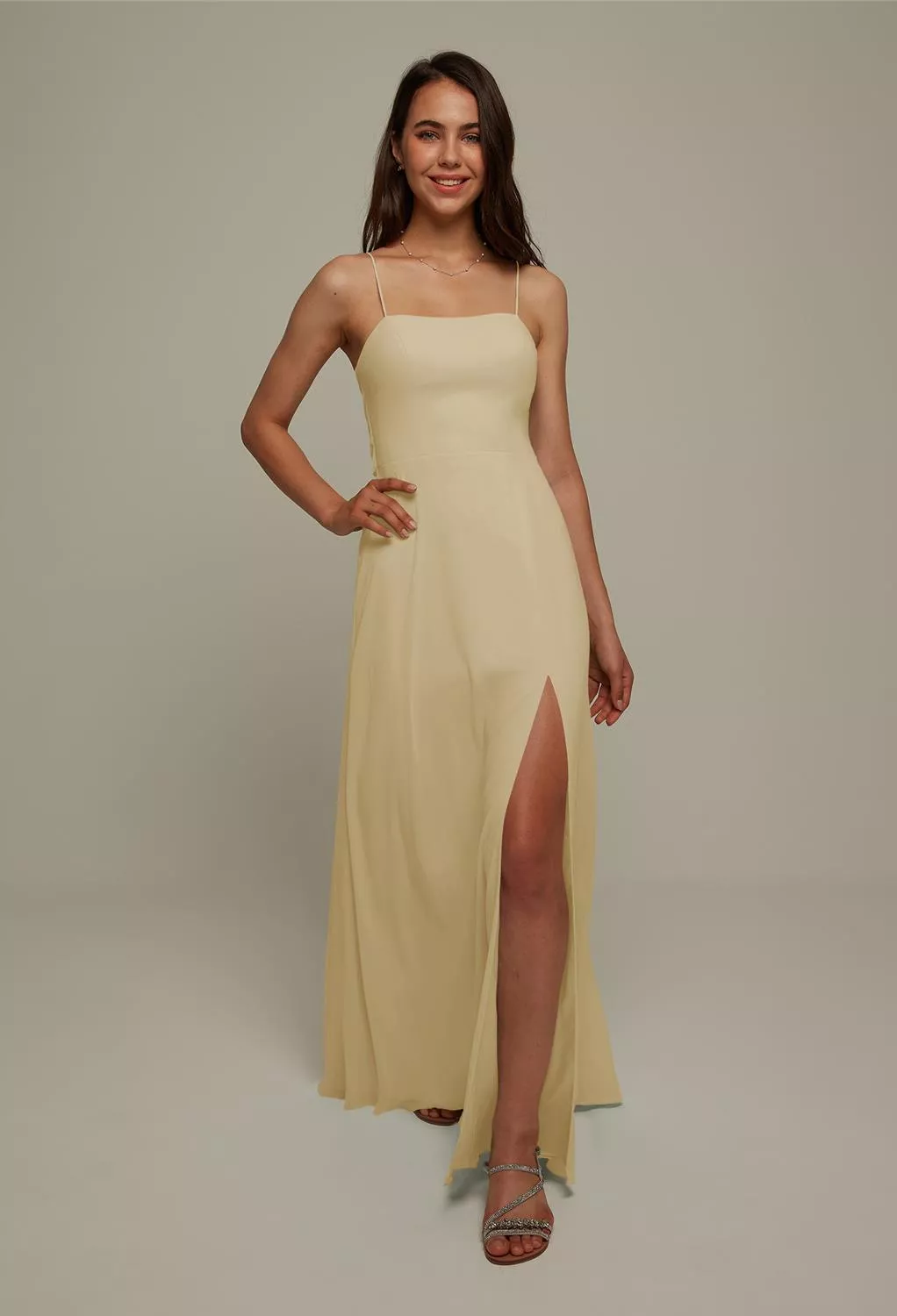 Wedding Guest DressesThe Pleated Wedding Guest Dresses We’re Eyeing Up This Season
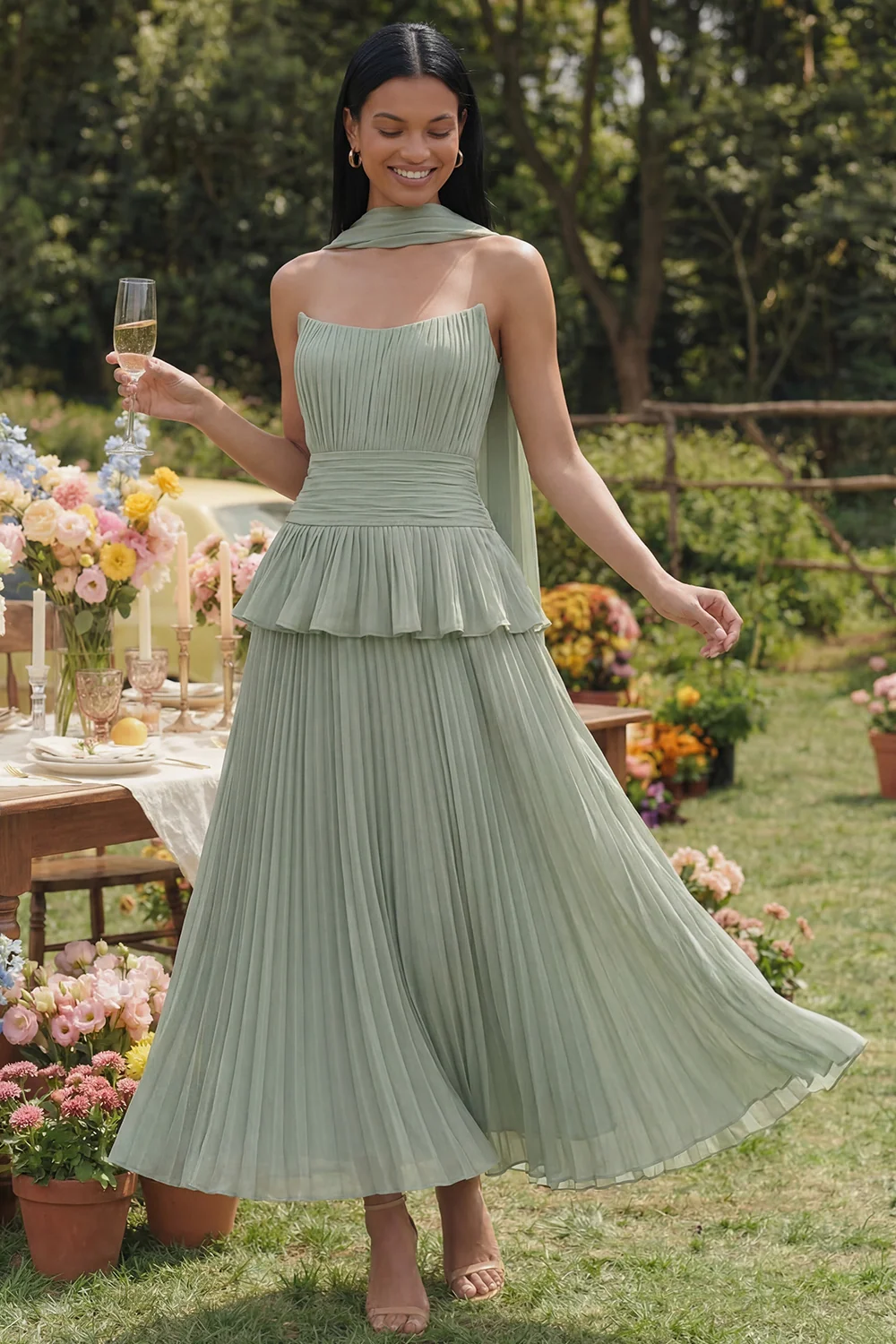
 Summer DressesPleated Maxi Summer Dresses That Make Getting Dressed Easy

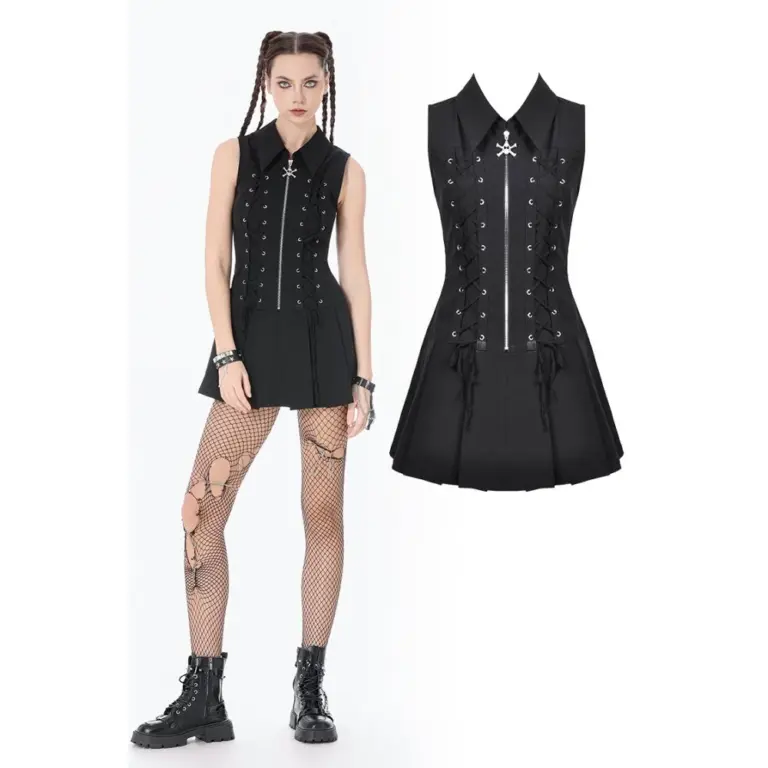 Lace DressesThe Pleated Mini Lace Dresses We’d Wear Anywhere
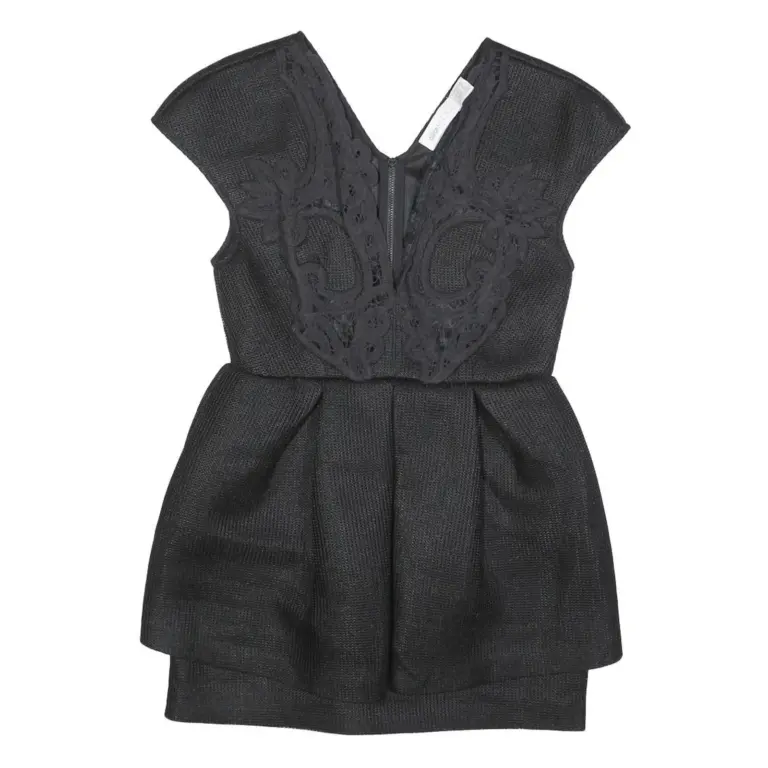
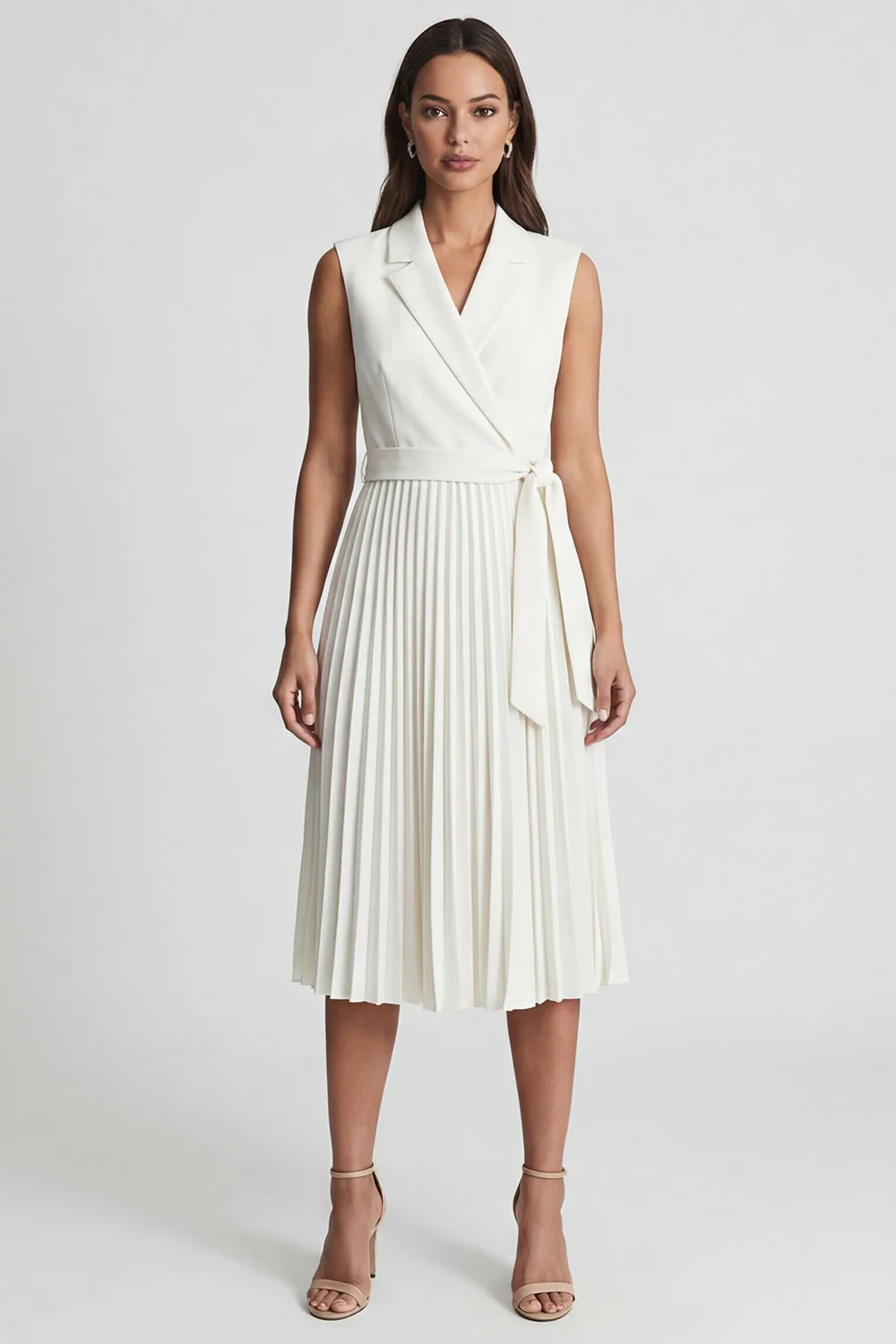 Work DressesPleated Work Dresses That Flatter Without Trying

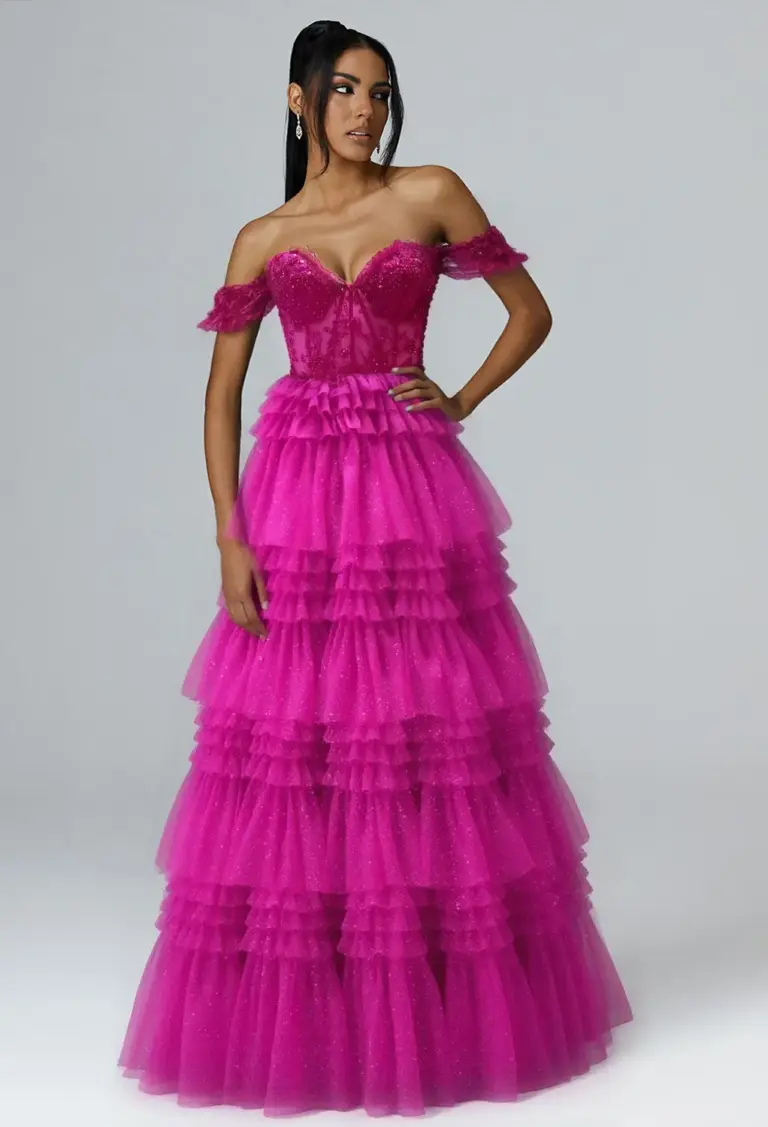 Tiered DressesPleated Maxi Tiered Dresses You’ll Want to Live In
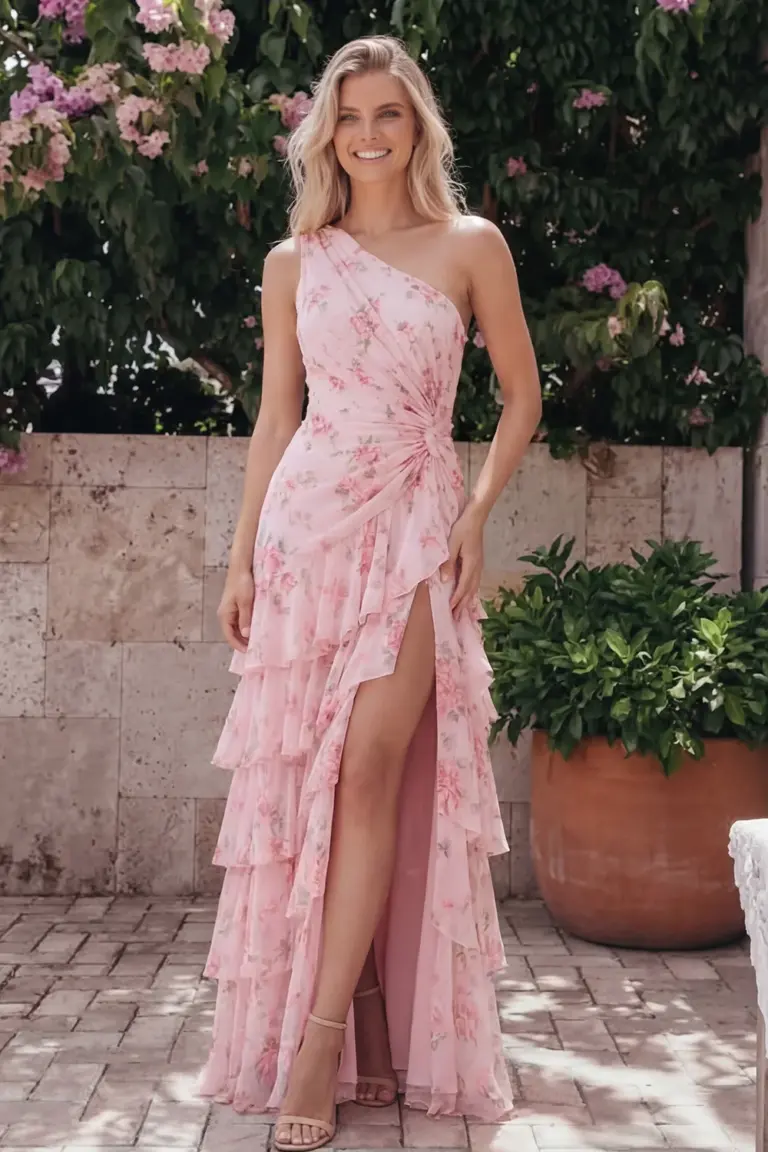
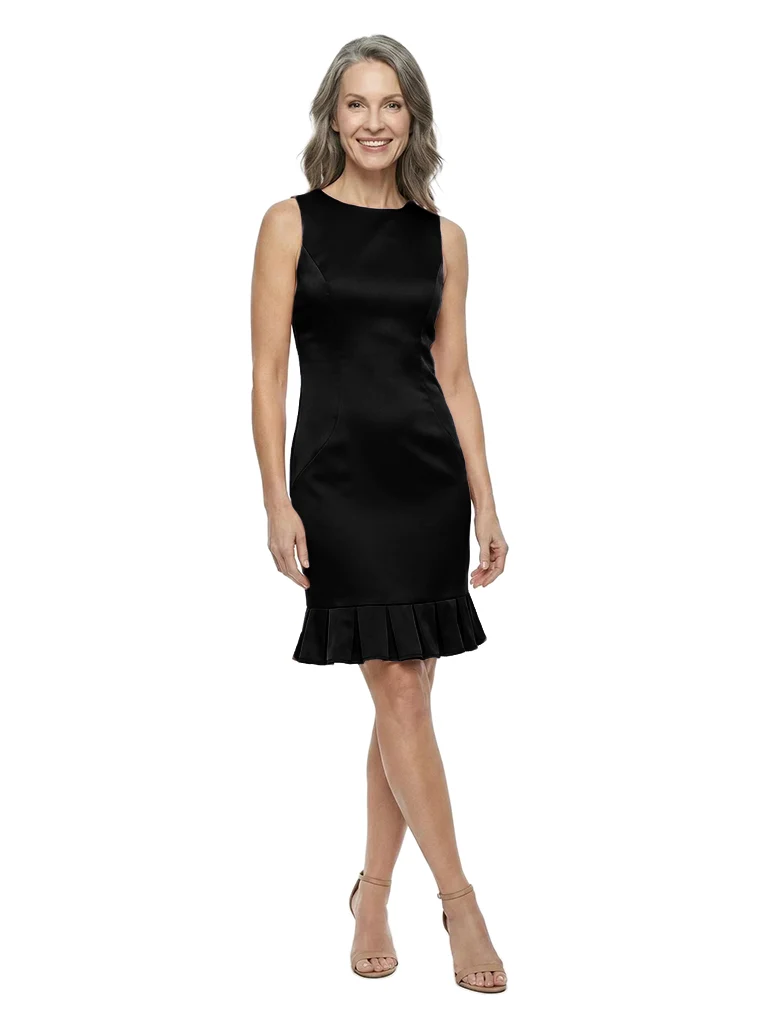 Summer DressesPleated Mini Summer Dresses Worth a Closer Look
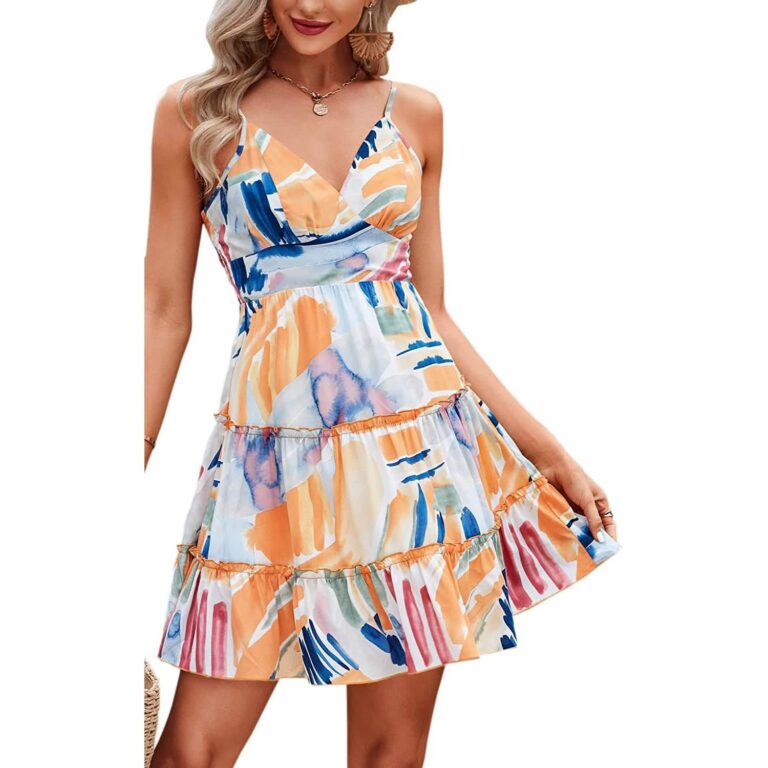
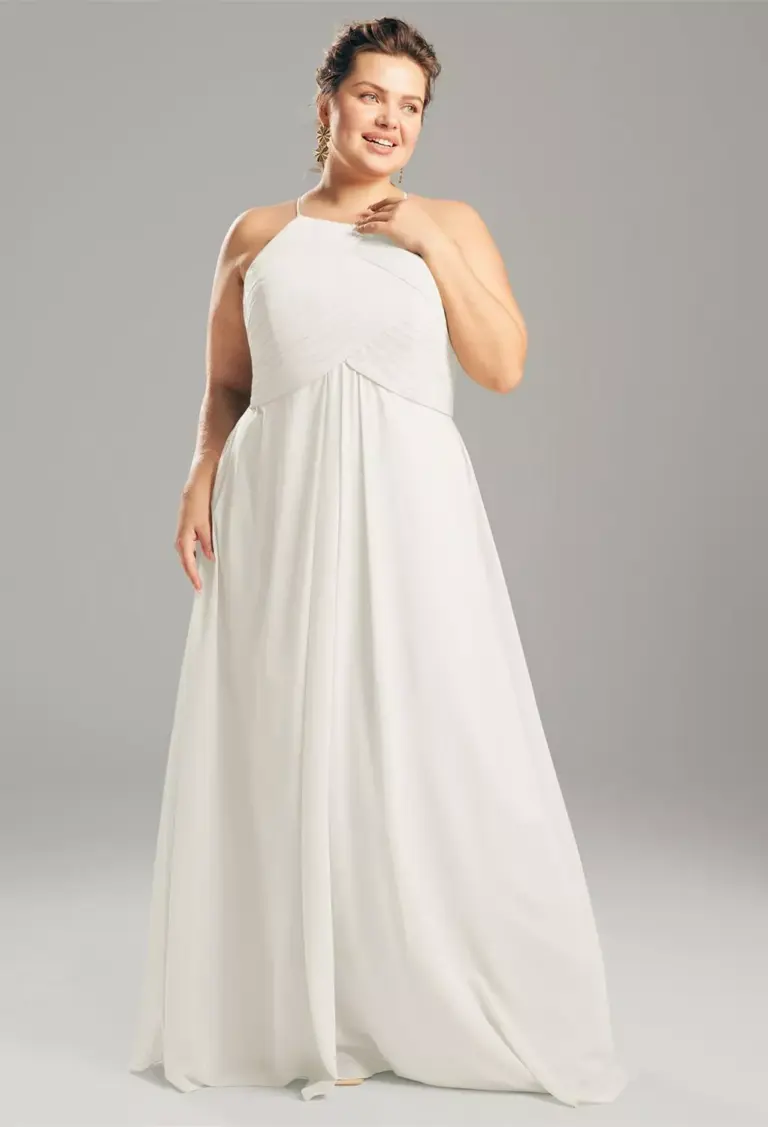 Wrap DressesPleated Wrap Dresses: The EditAlso worth a lookMini DressesThe thing nobody mentions in the fitting room is how a mini dress behaves after three hours sitting down rather than standing in front of a mirror.See the collections →
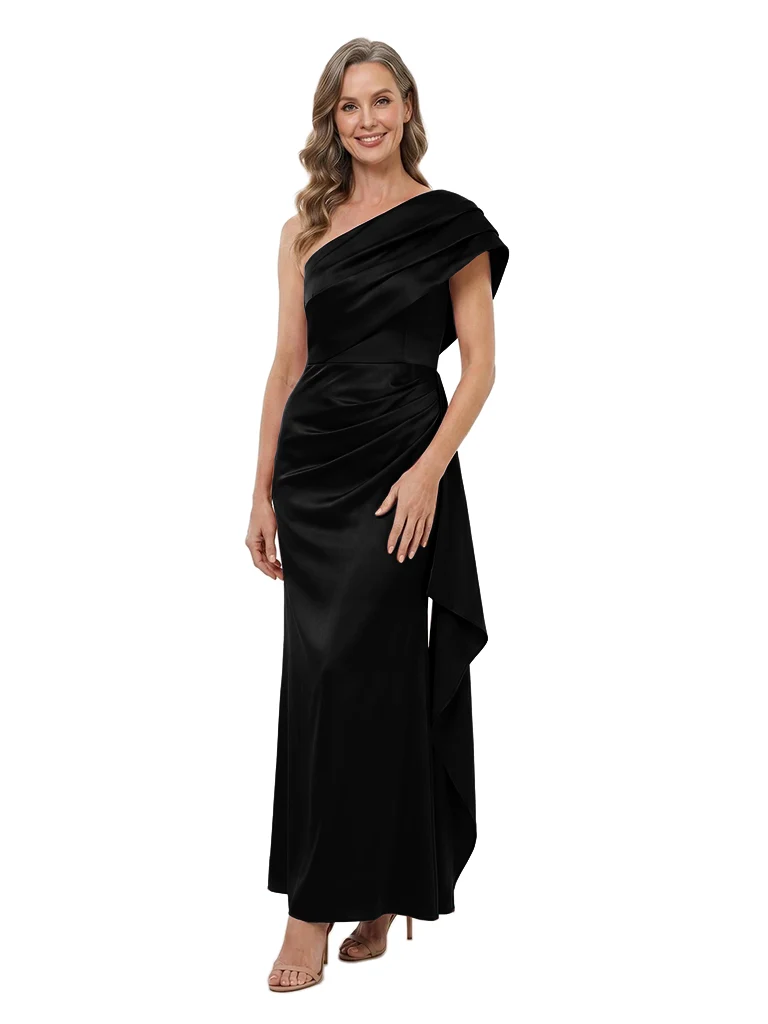
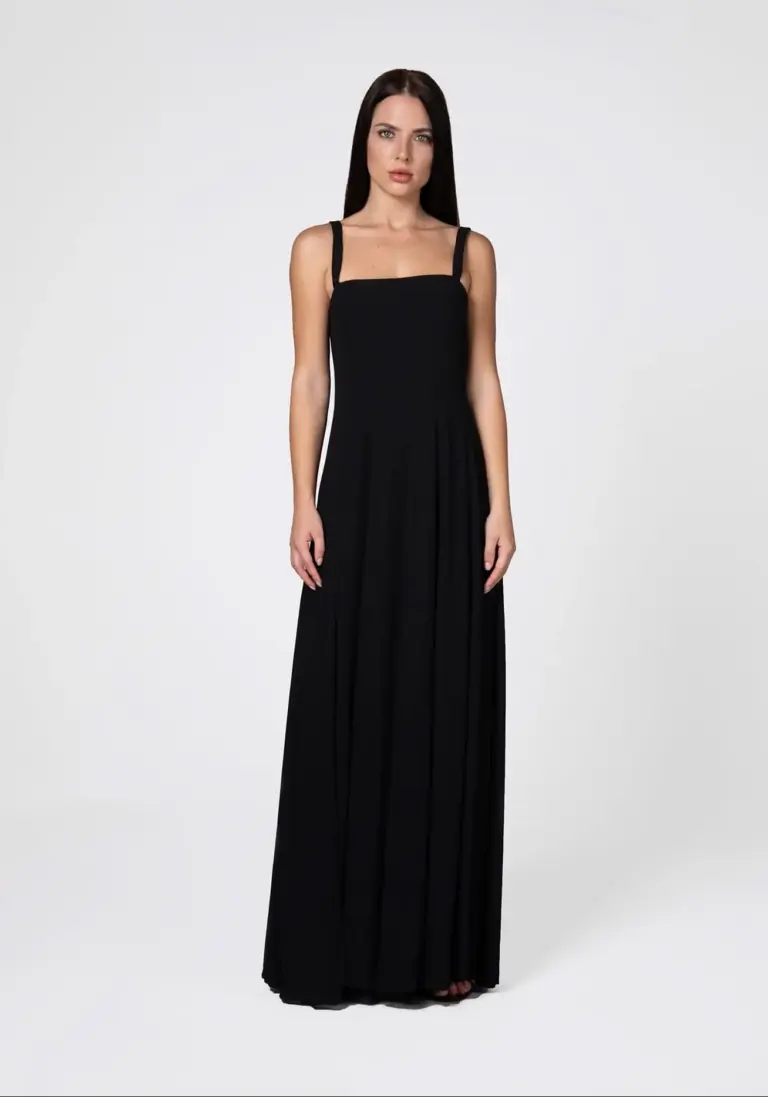 Wedding Guest DressesEffortless Pleated Maxi Wedding Guest Dresses We Love
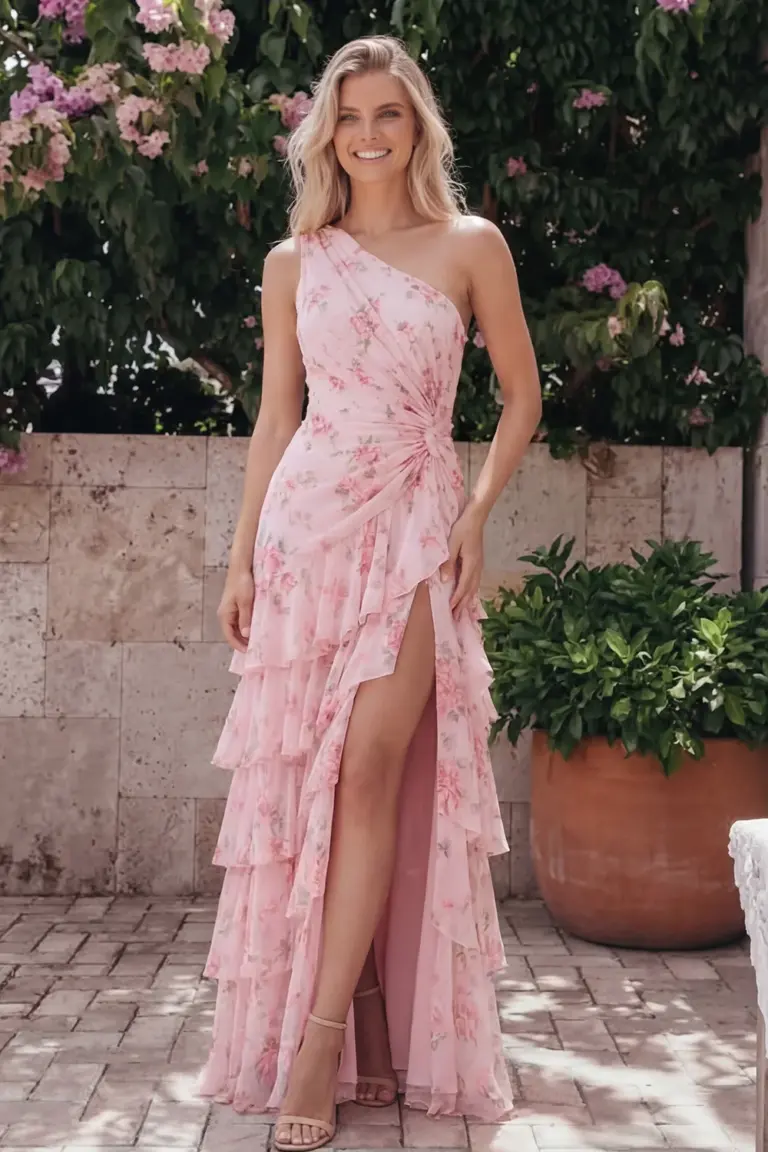
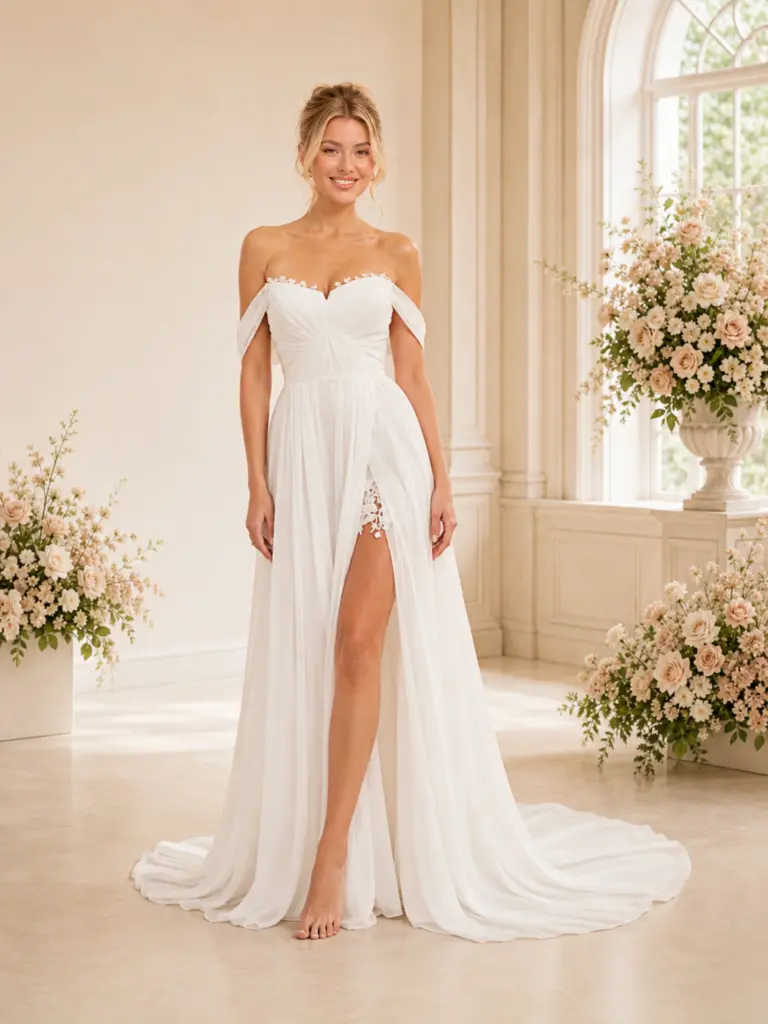 Off Shoulder DressesA Closer Look at the Best Pleated Off Shoulder Dresses
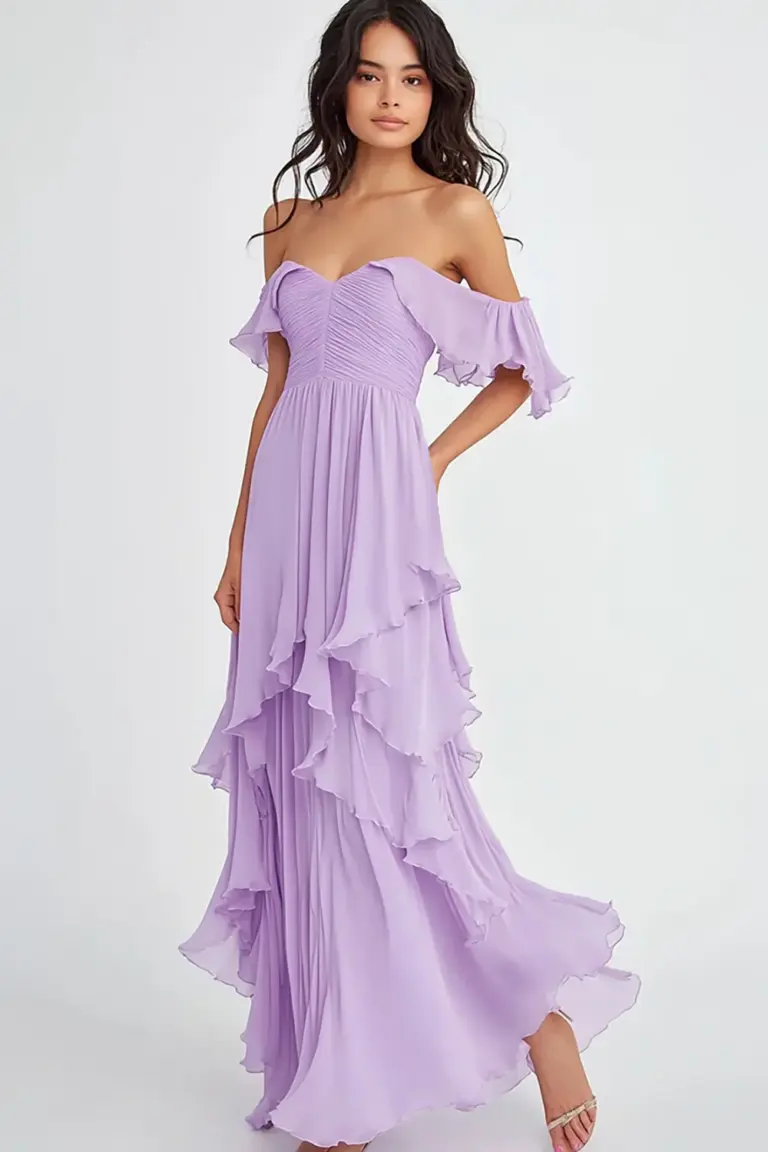
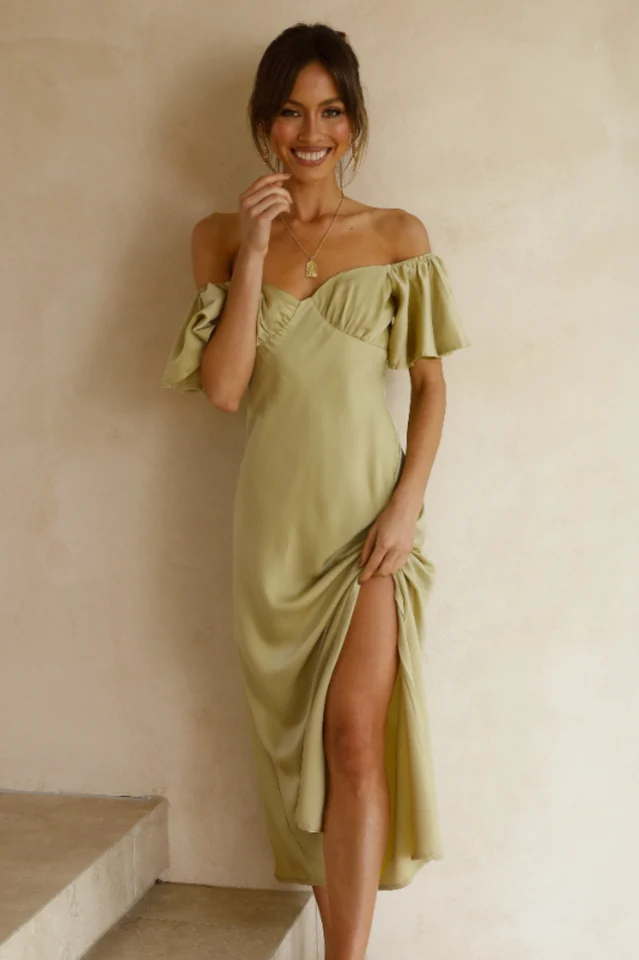 A Line DressesPleated Midi A Line Dresses: Our Top Picks

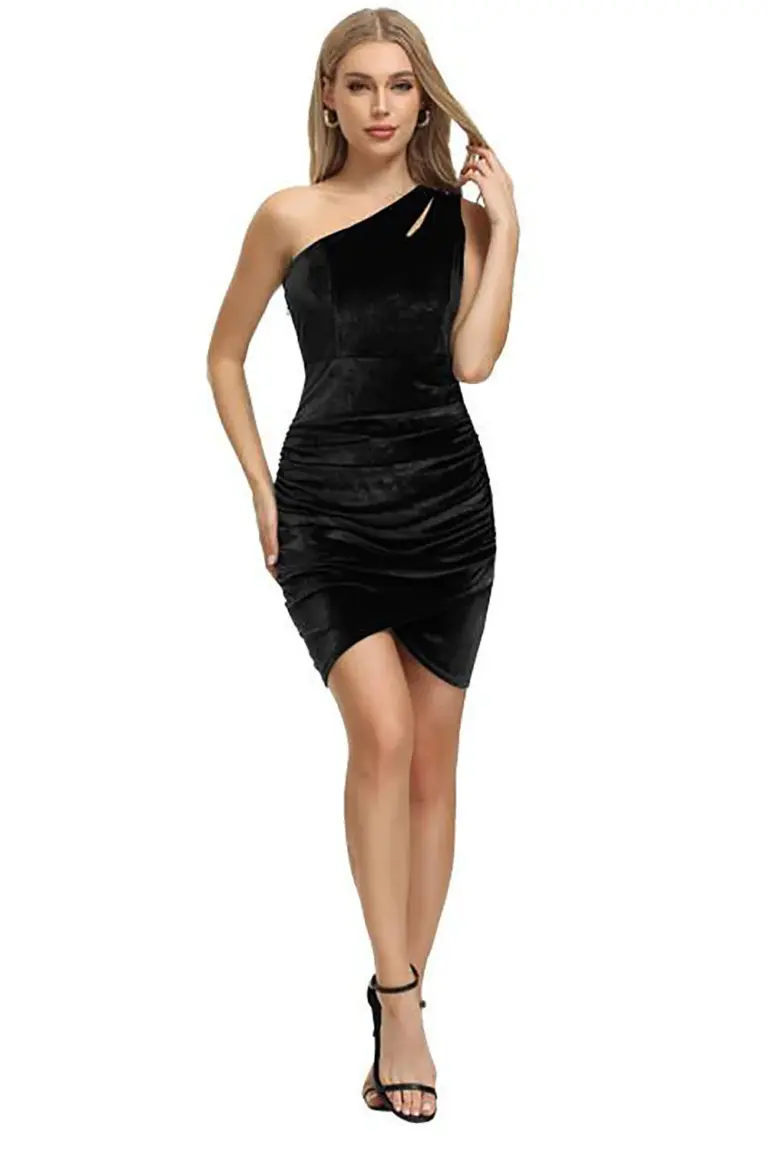 One Shoulder DressesPleated One Shoulder Dresses We’d Buy Again
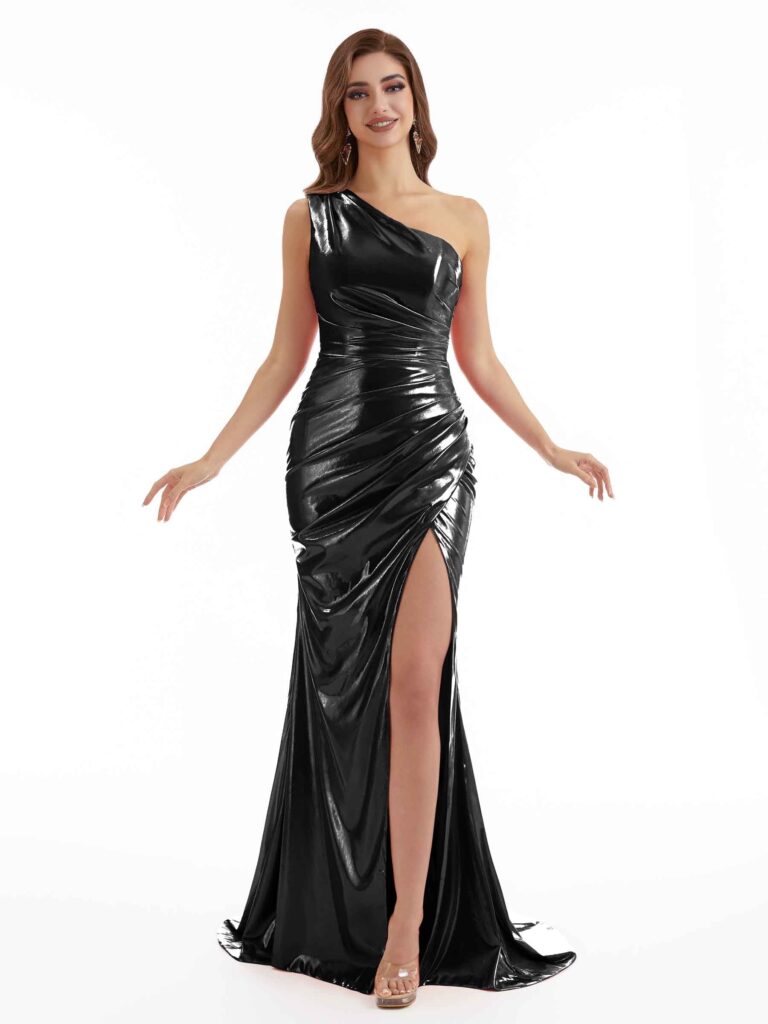
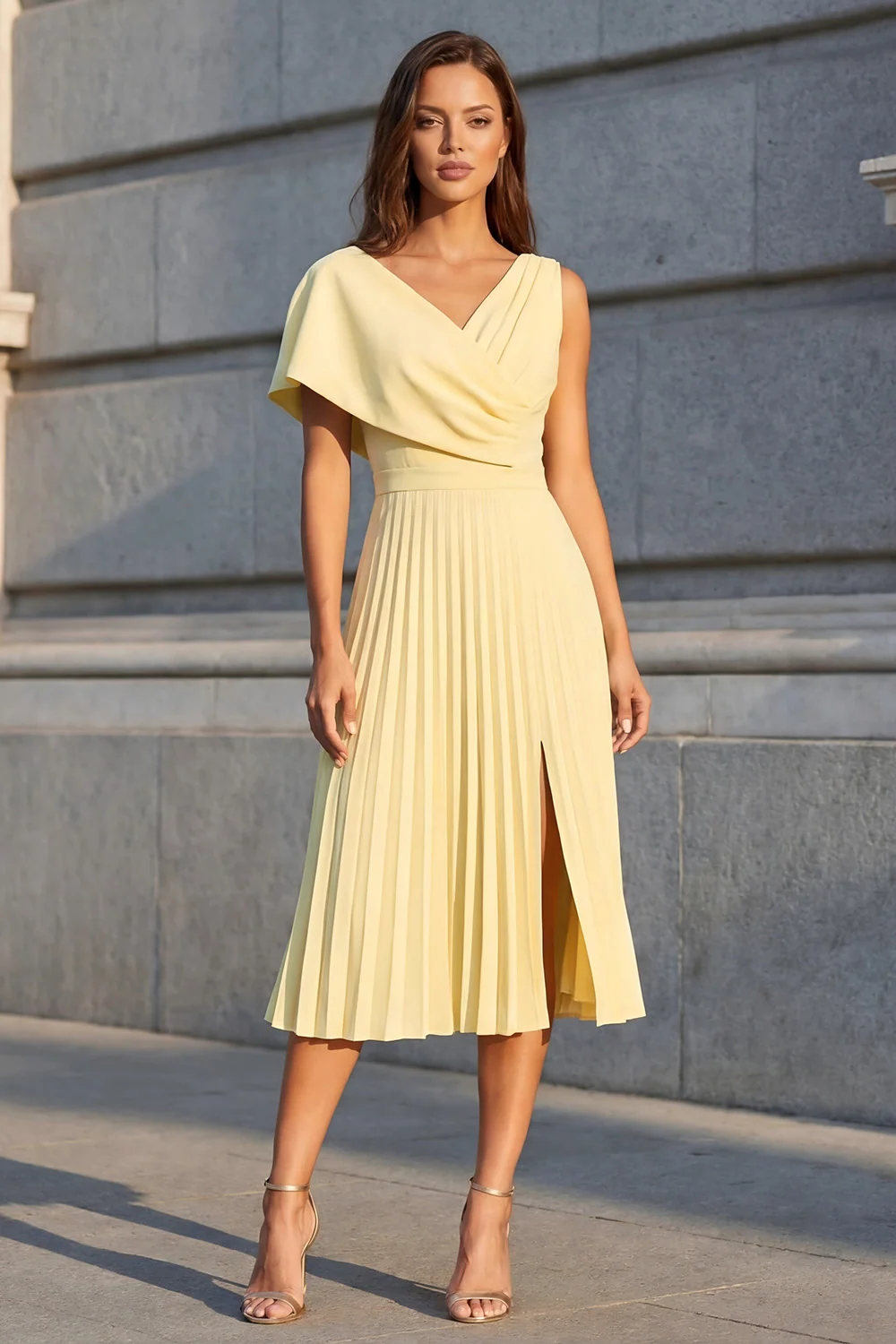 Cocktail DressesPleated Midi Cocktail Dresses on Our Radar

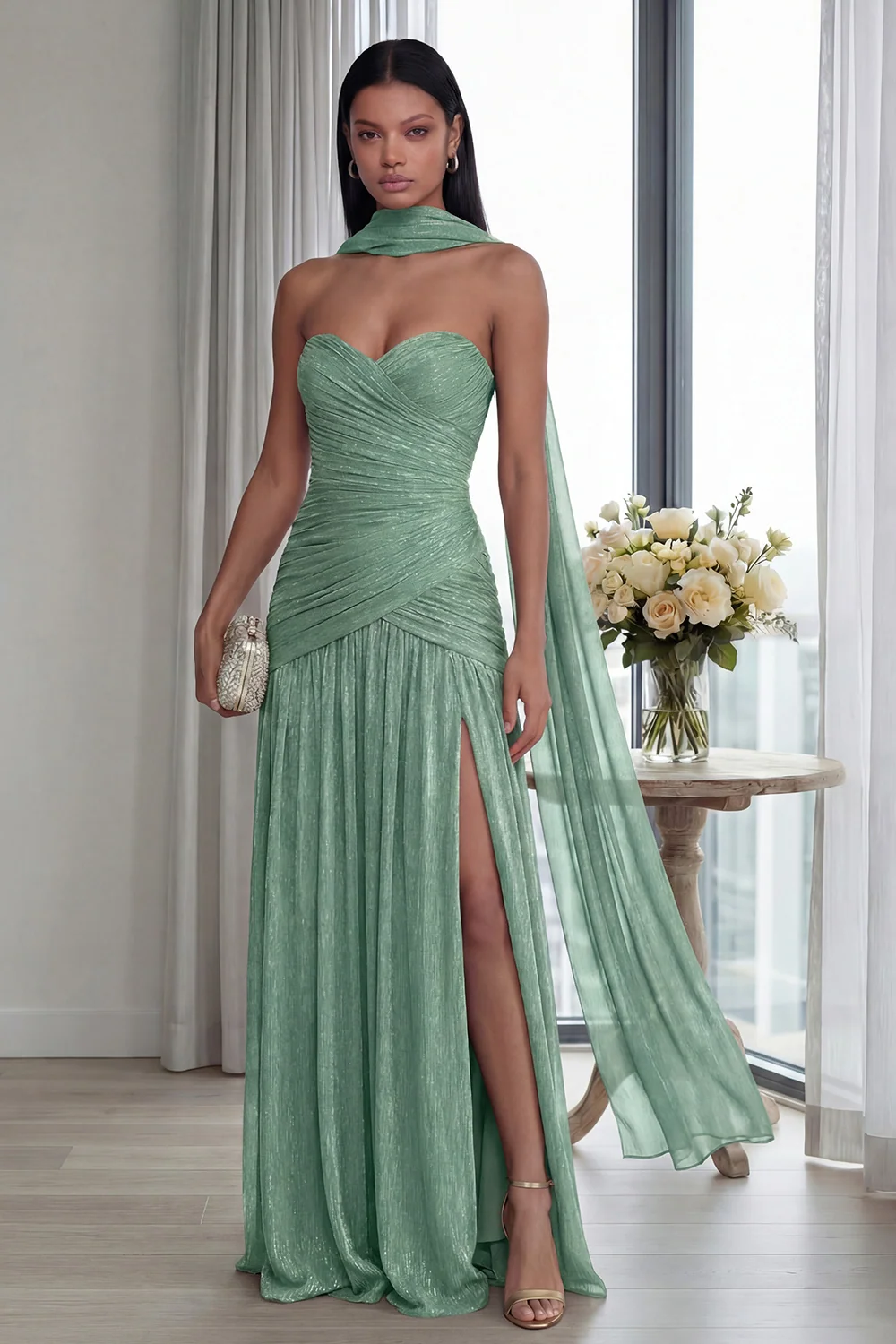 Party DressesPleated Party Dresses You’ll Reach for First
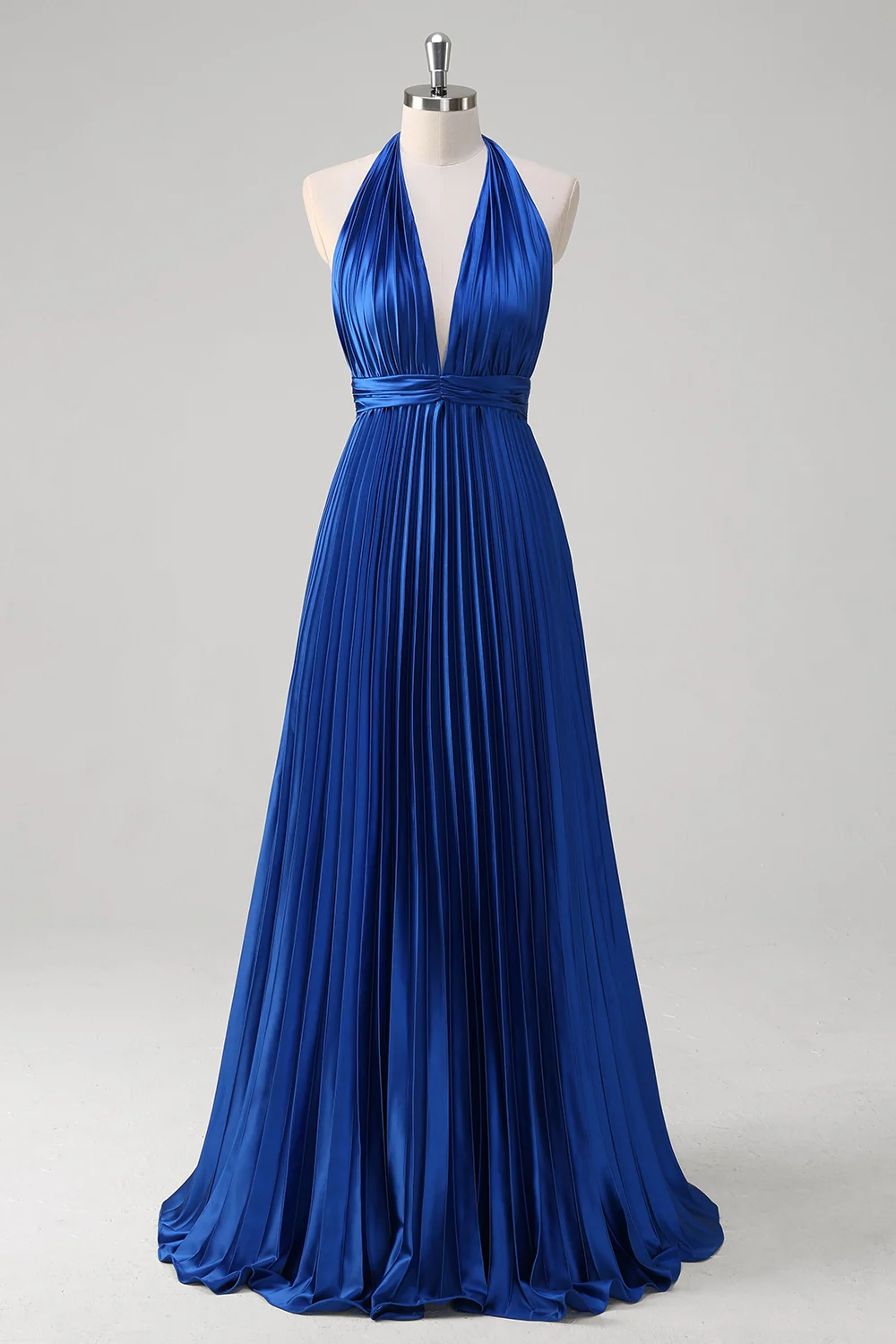
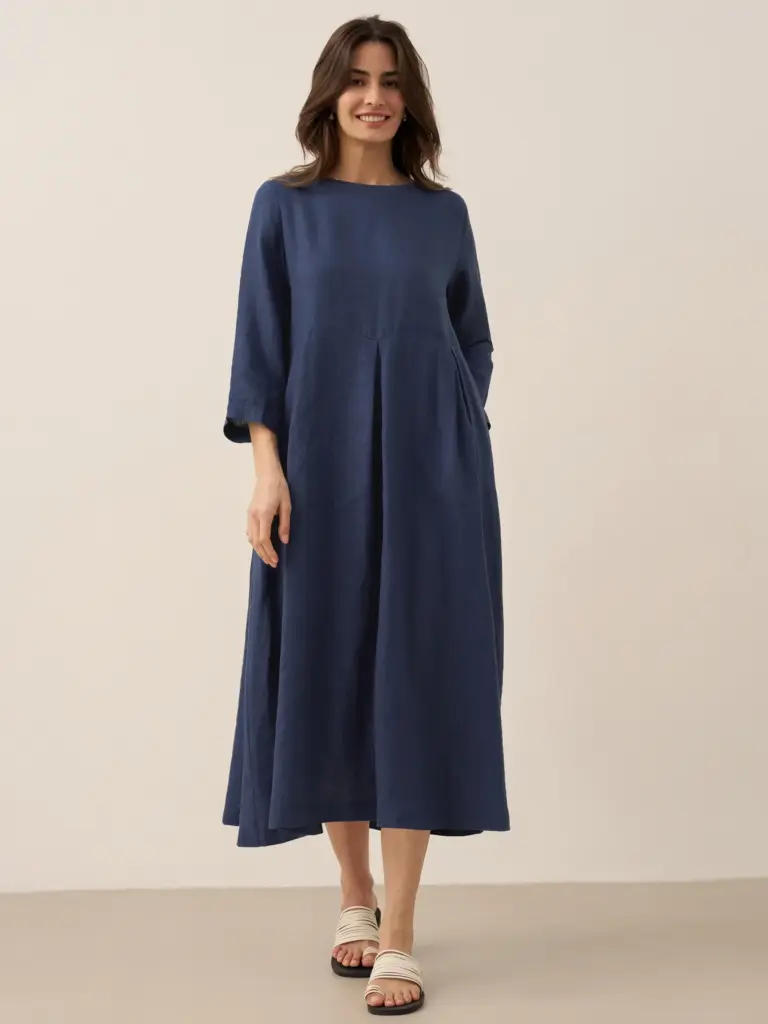 Midi DressesThe Pleated Midi Dresses We’d Wear Anywhere
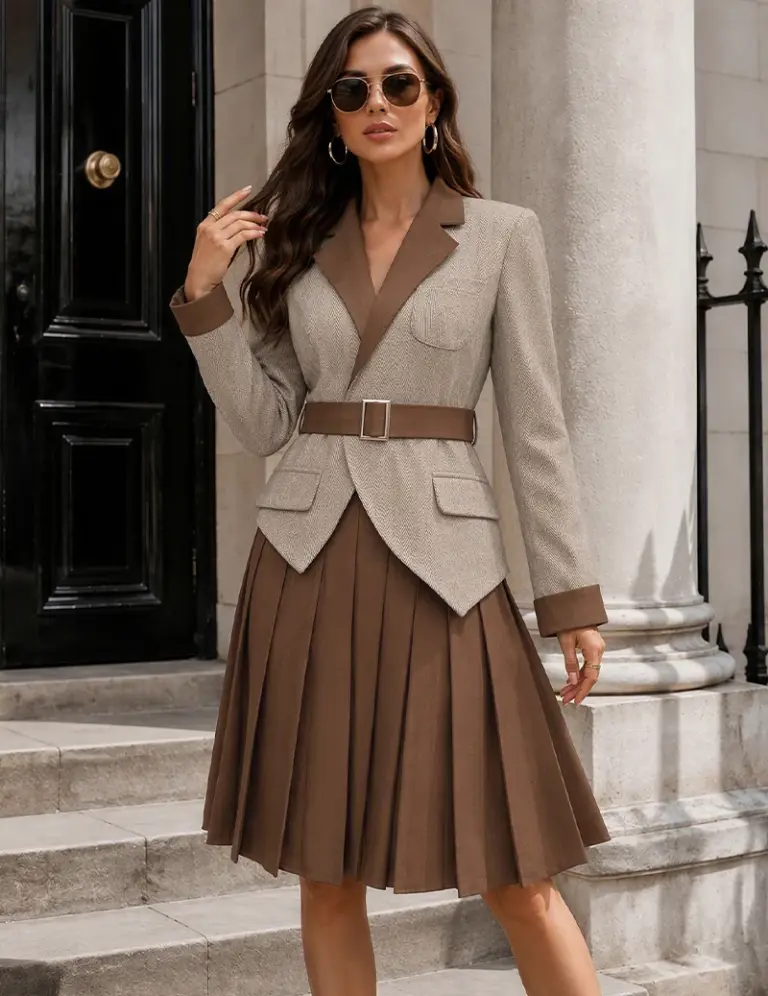
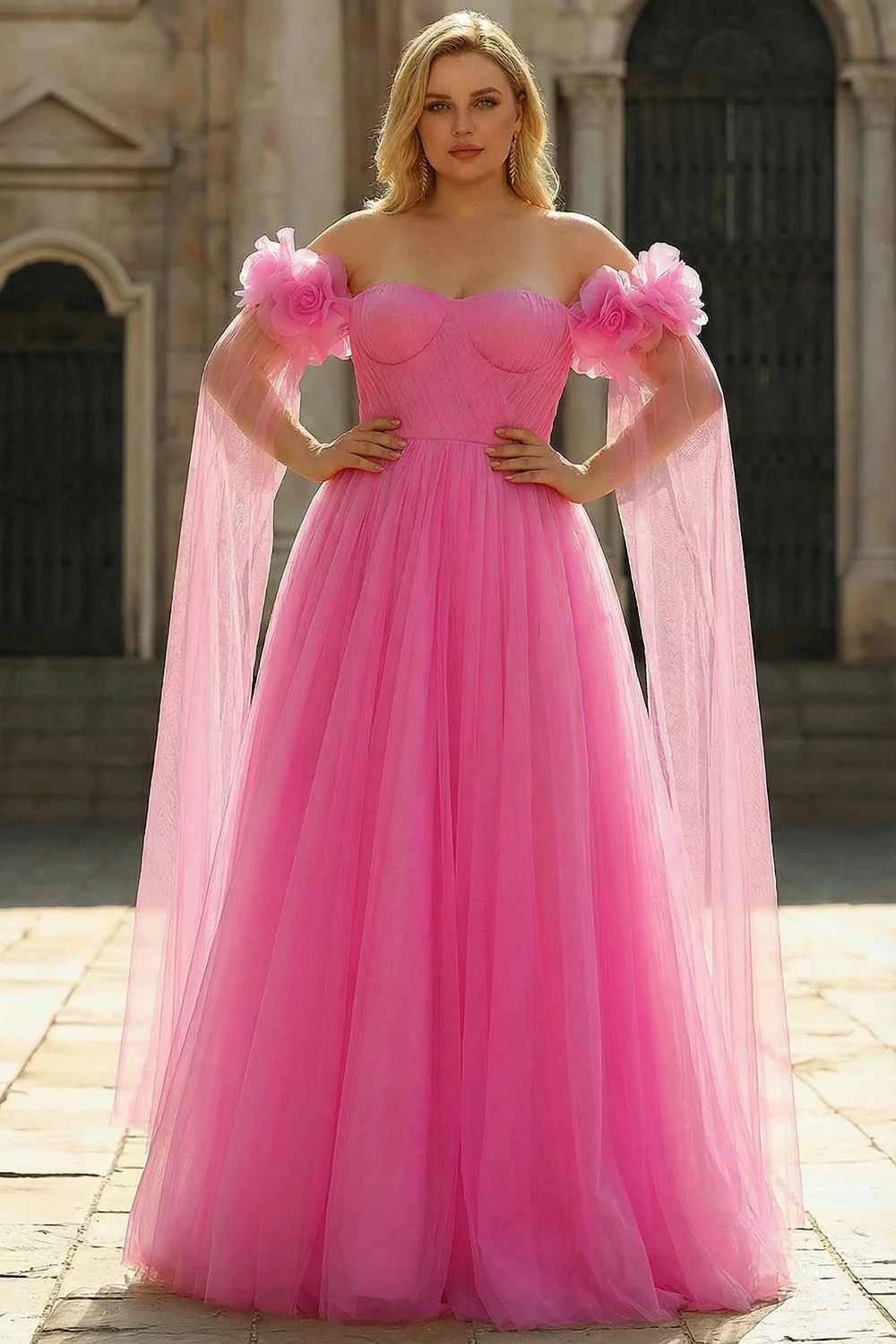 Prom DressesPleated Prom Dresses for Your Next Night Out