The first plus size dress I owned came from a high street chain in a fabric that could best be described as determined, it held its shape all day because it simply refused to move with me, and it taught me that a dress sitting well on the hanger means nothing at all once you sit down for lunch.
These aren't the right choice for everything, and I've stopped pretending otherwise. A rigid ponte or scuba dress with no give across the hip will fight you all day in a way that's genuinely tiring, not dramatic, just a low level nagging discomfort that follows you from the car to your desk to the bus home. If you're after something for standing around for hours, a stiff structured dress is the wrong pick, go for jersey or a softer crepe instead. And anything with a fixed waist seam cut for one specific shape can look brilliant on the model and do nothing for you if your proportions sit differently, which is most of us, so don't assume the size guide alone tells you how it'll actually hang.
Before I buy, I check the same few things every time. Where does the fullest part of the skirt actually sit, because a dress that flares from the natural waist behaves completely differently to one that flares from the hip. I look at the sleeve opening, a lot of dresses are generous through the body and then surprisingly mean through the upper arm, which nobody mentions until you're stuck. I check whether there's a lining, because an unlined dress in a thin fabric will cling and show every seam of your underwear by midafternoon, and I look at where the zip sits and how long it is, a short back zip on a fitted dress is asking for trouble getting it on alone.
What separates a dress that lasts from one that's in the donation bag within a year usually comes down to the fabric doing more than one job. A good viscose or modal blend drapes rather than clings, moves with you, and doesn't go see through under ceiling lights the way a thin polyester does. Ponte with a decent percentage of elastane recovers its shape after sitting rather than bagging at the knee. Check the seams on a fitted bodice, proper understitching and a neat overlocked finish inside means it was made to be worn, not just photographed. Buttons that feel like an afterthought usually are one.
A dress with some stretch and a defined waist will tell you far more about how it'll actually sit than any size chart does.
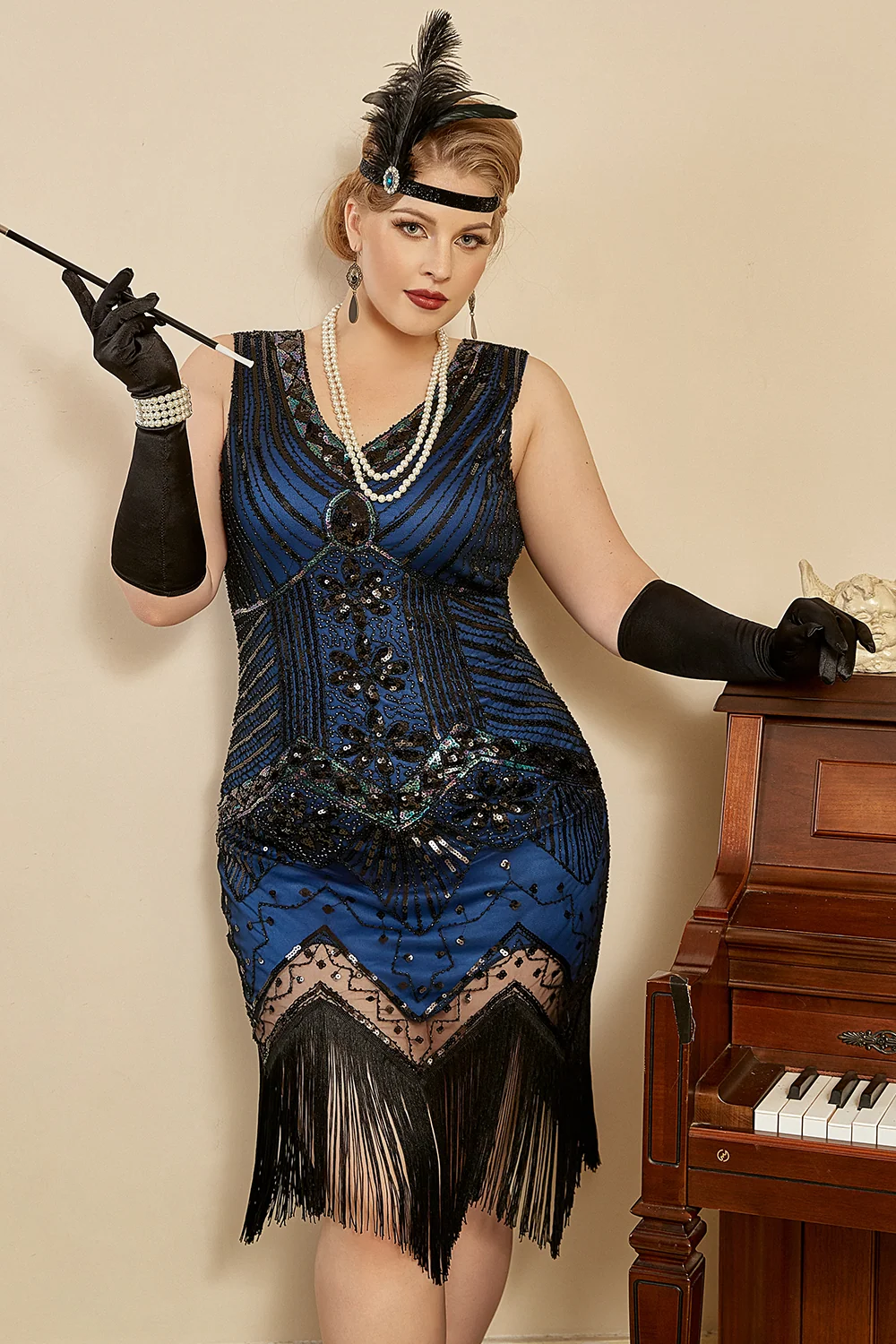 Sequin DressesShop the Edit: Plus Size Sequin Dresses
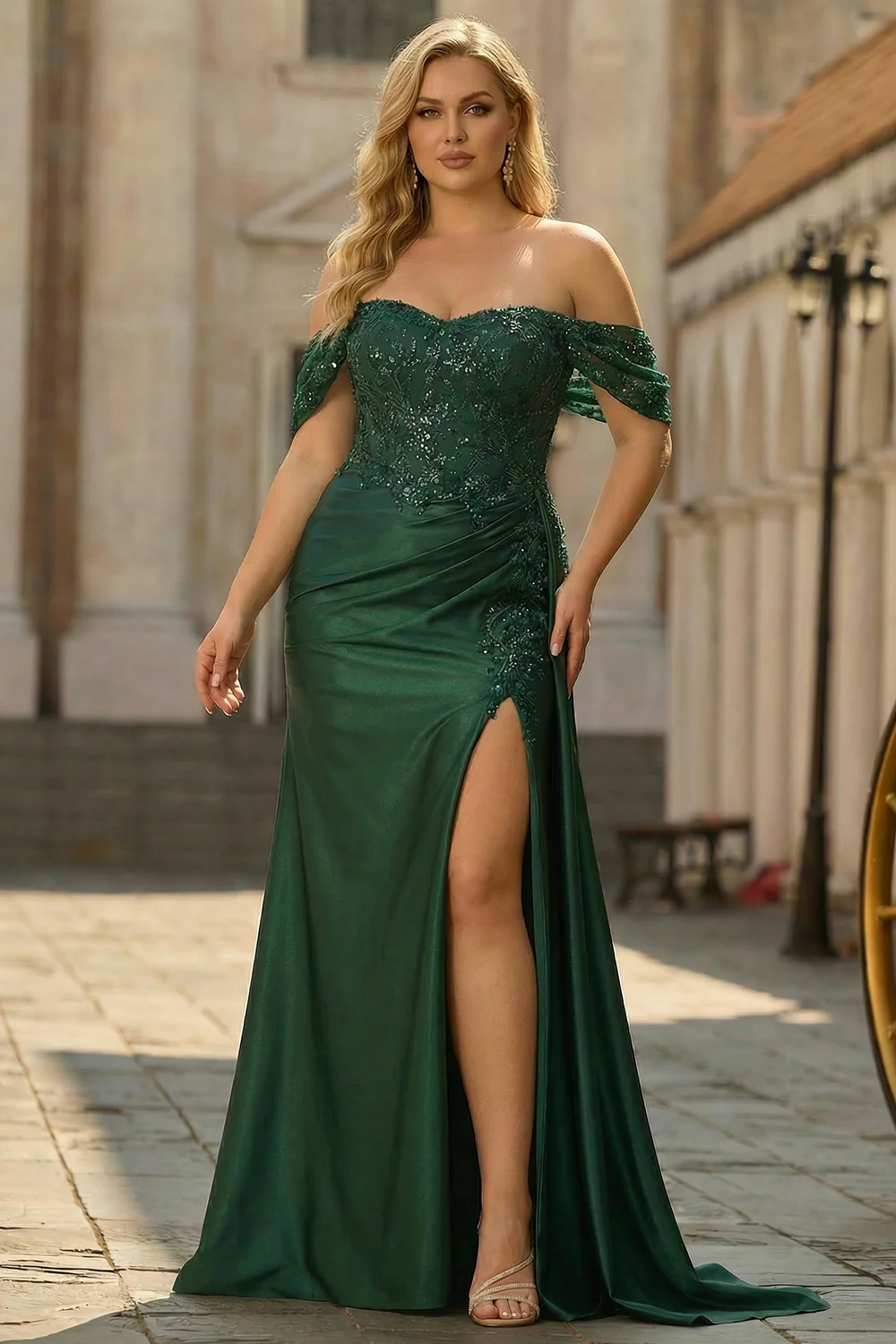
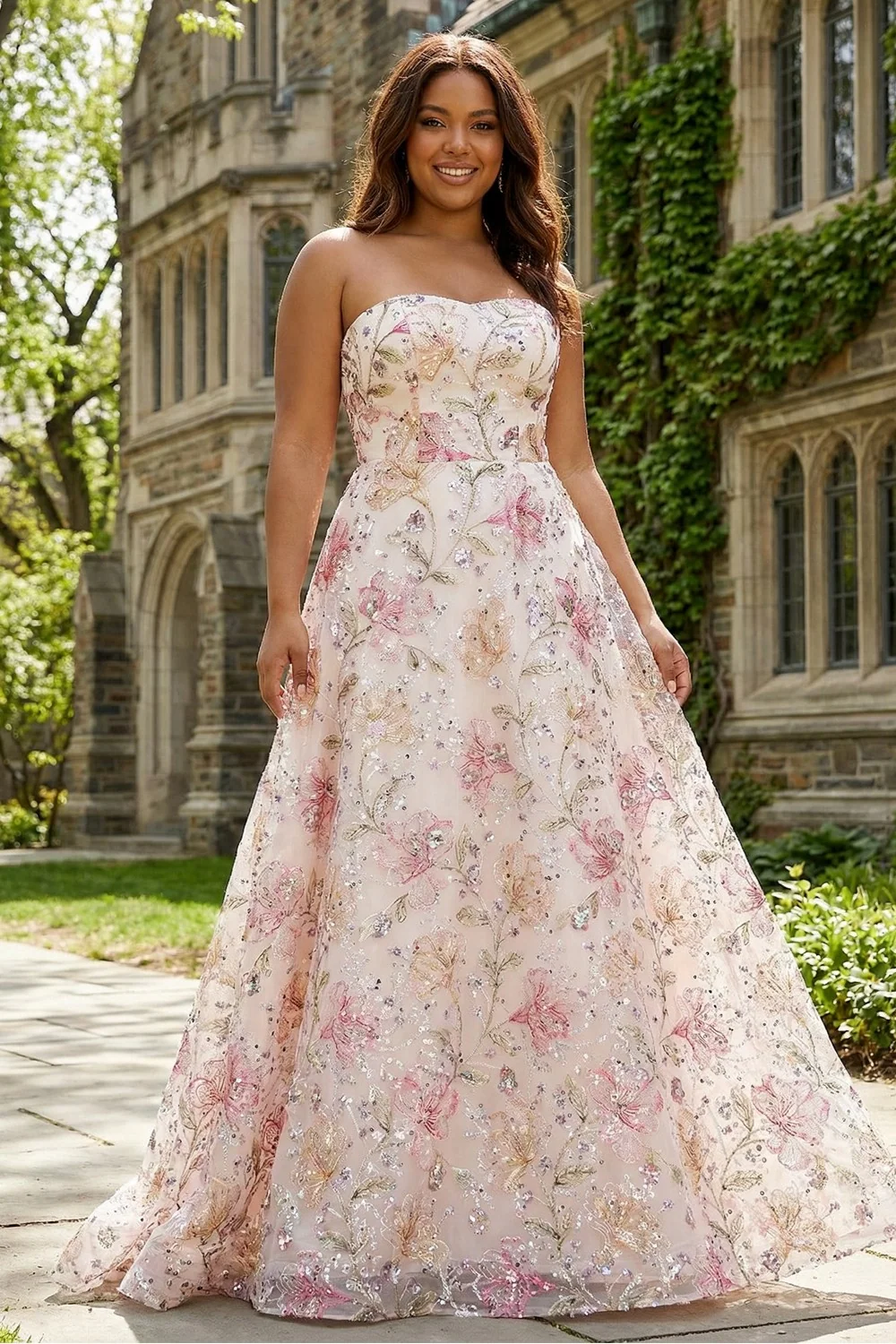 Sequin DressesCurve Friendly Picks: Plus Size Sequin Evening Dresses
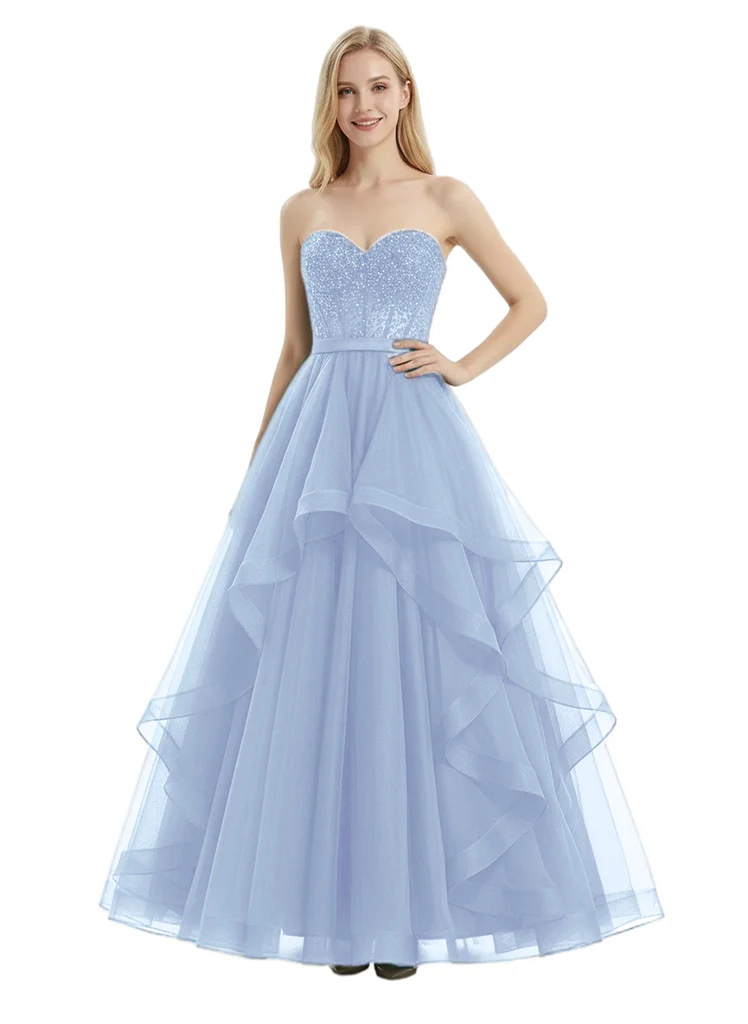
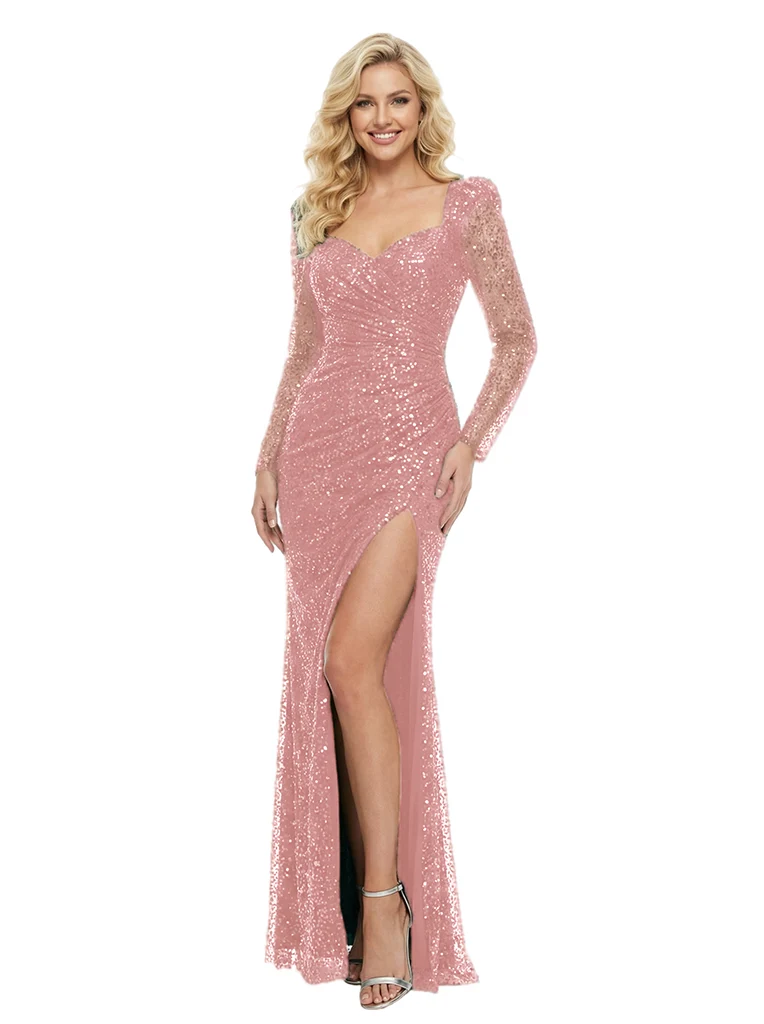 Sequin DressesPlus Size Sequin Long Sleeve Dresses That Always Get Compliments
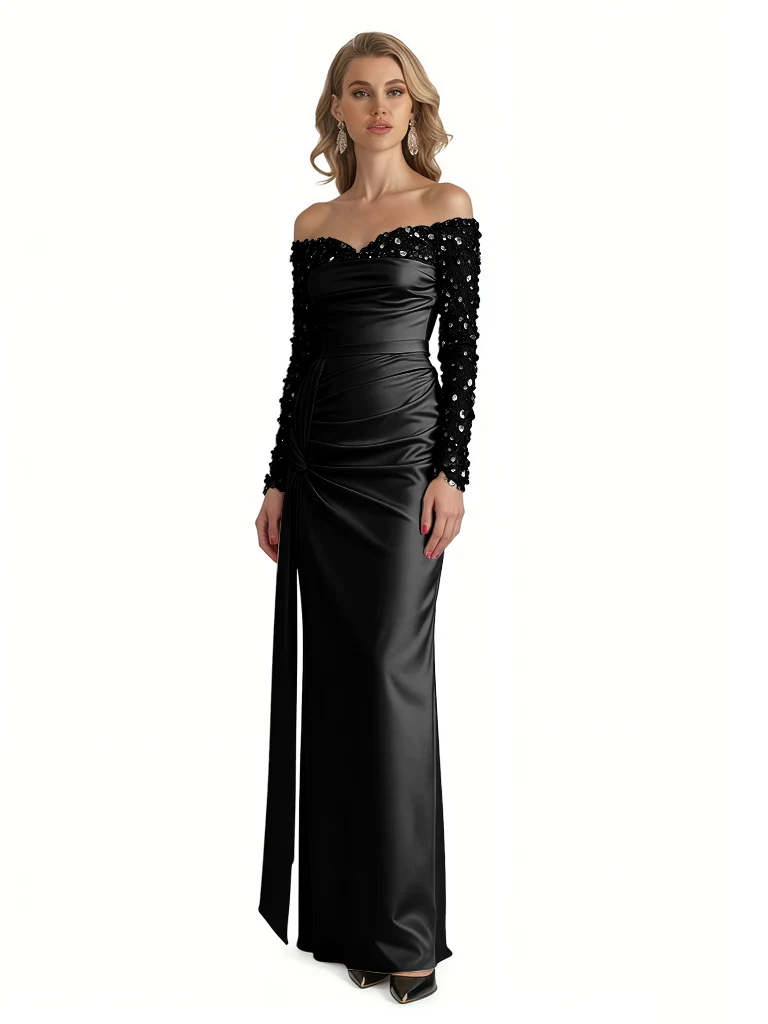
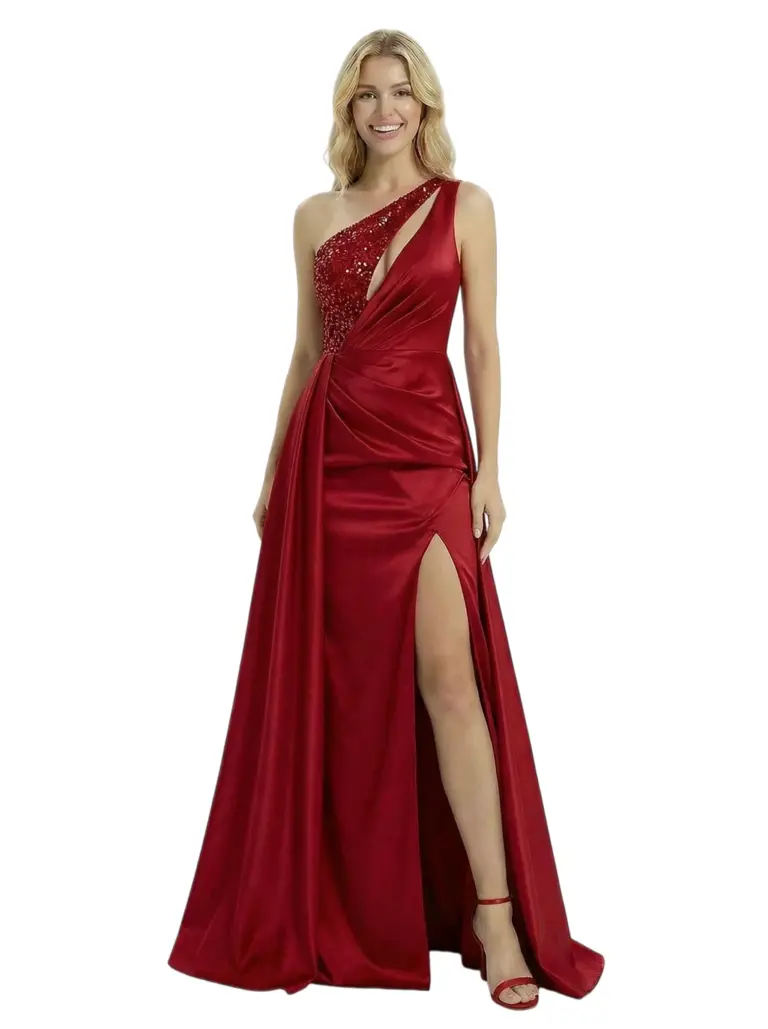 Sequin DressesPlus Size Sequin Maxi Dresses We Love Right Now
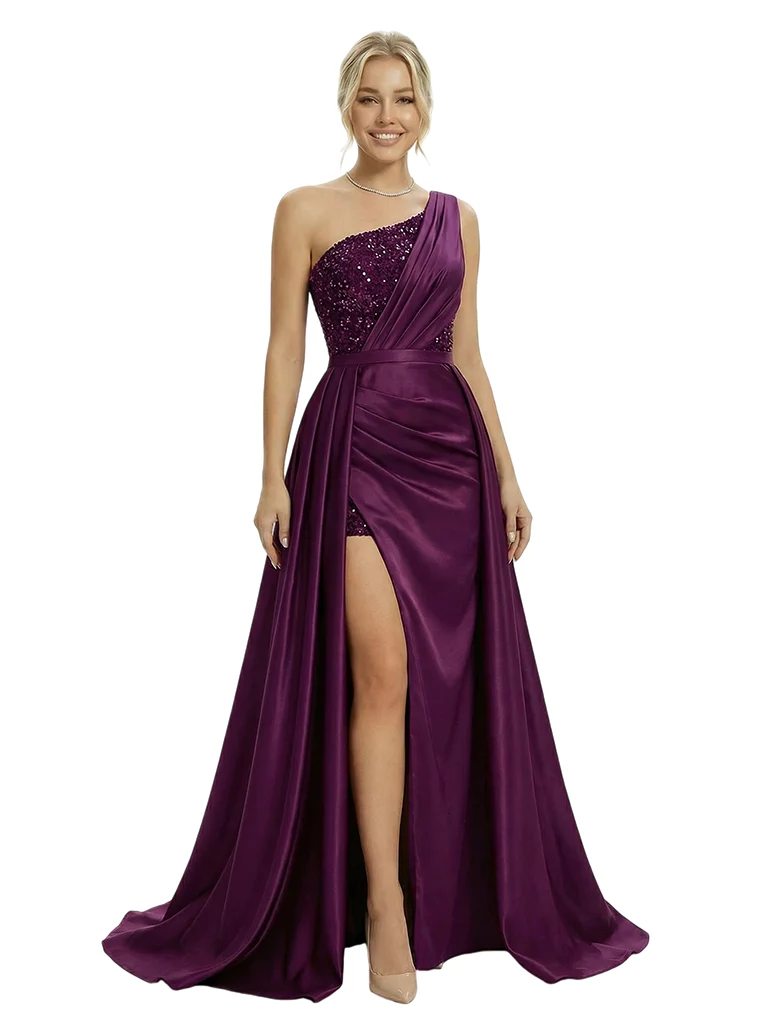
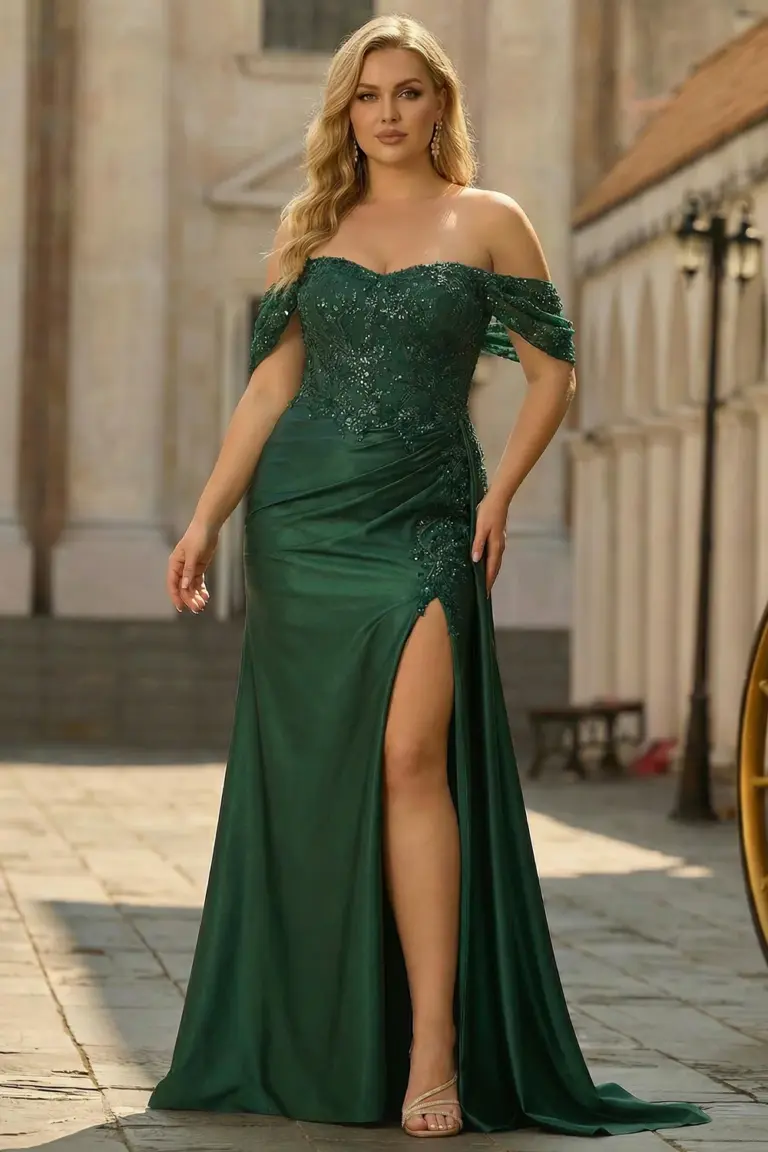 Sequin DressesCurve Friendly Picks: Plus Size Sequin Off Shoulder Dresses
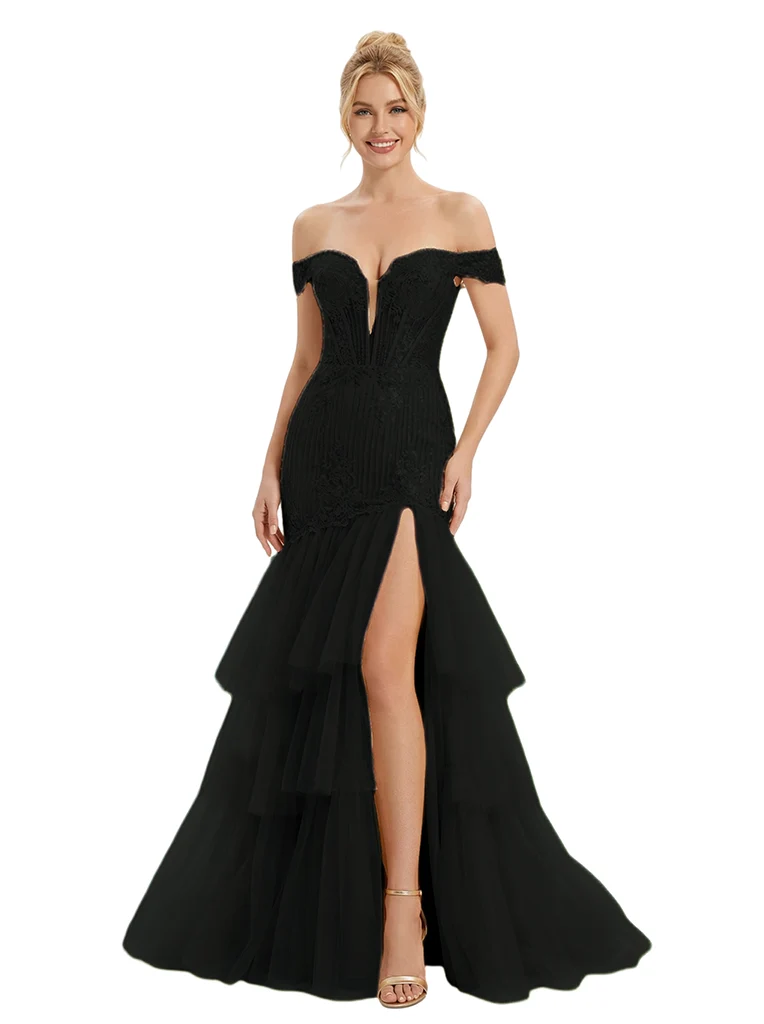
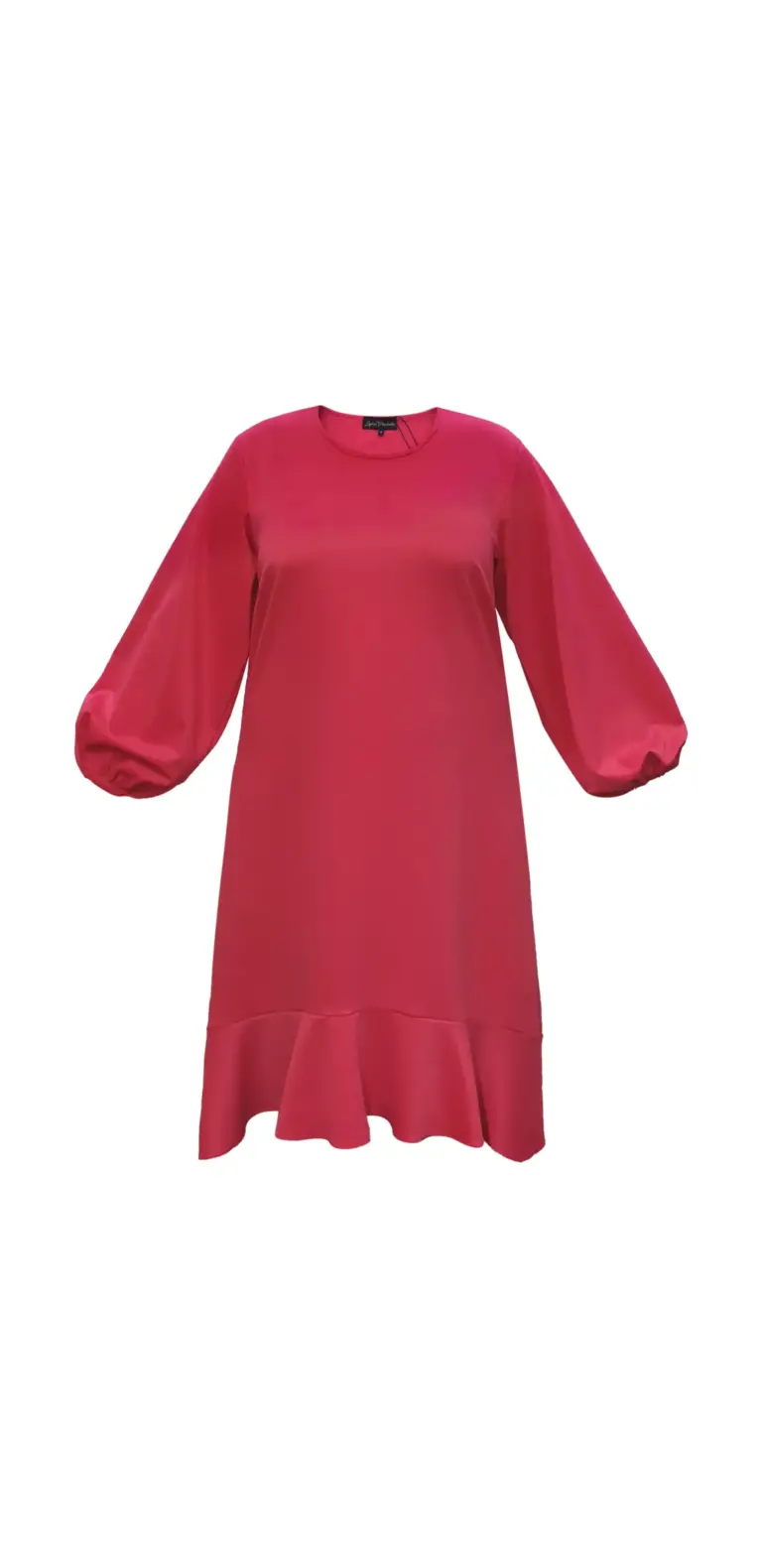 Pink DressesPlus Size Pink Summer Dresses We’ve Been Saving
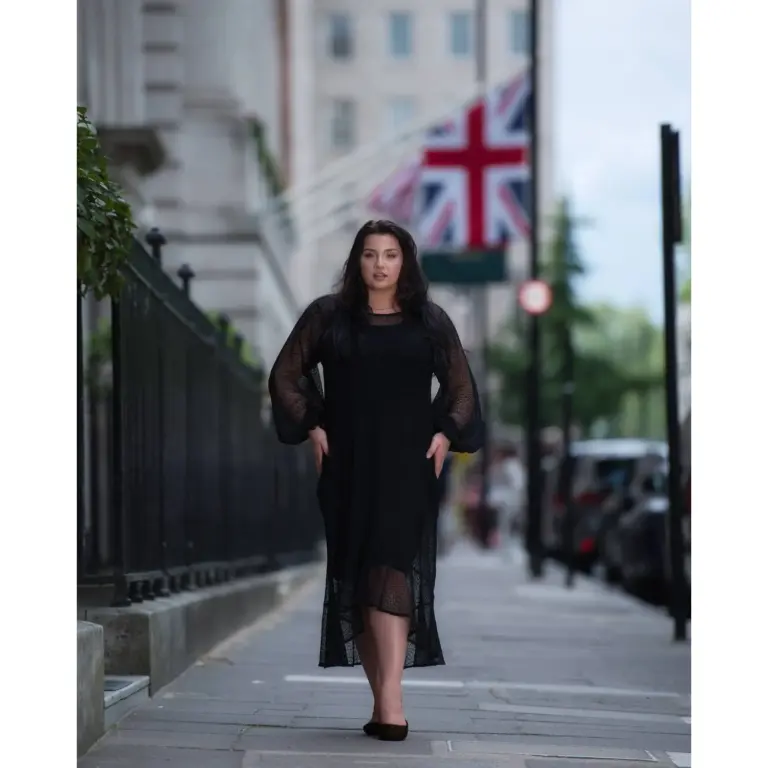
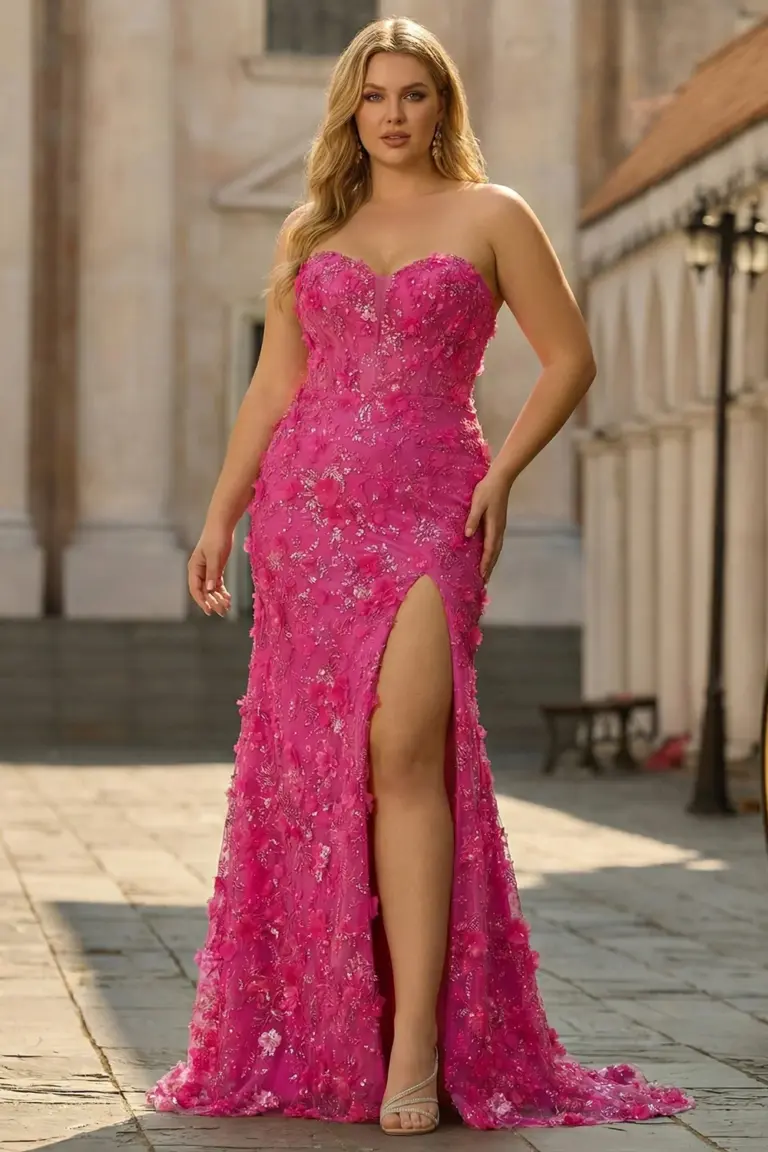 Sequin DressesCurve Friendly Picks: Plus Size Sequin Party Dresses
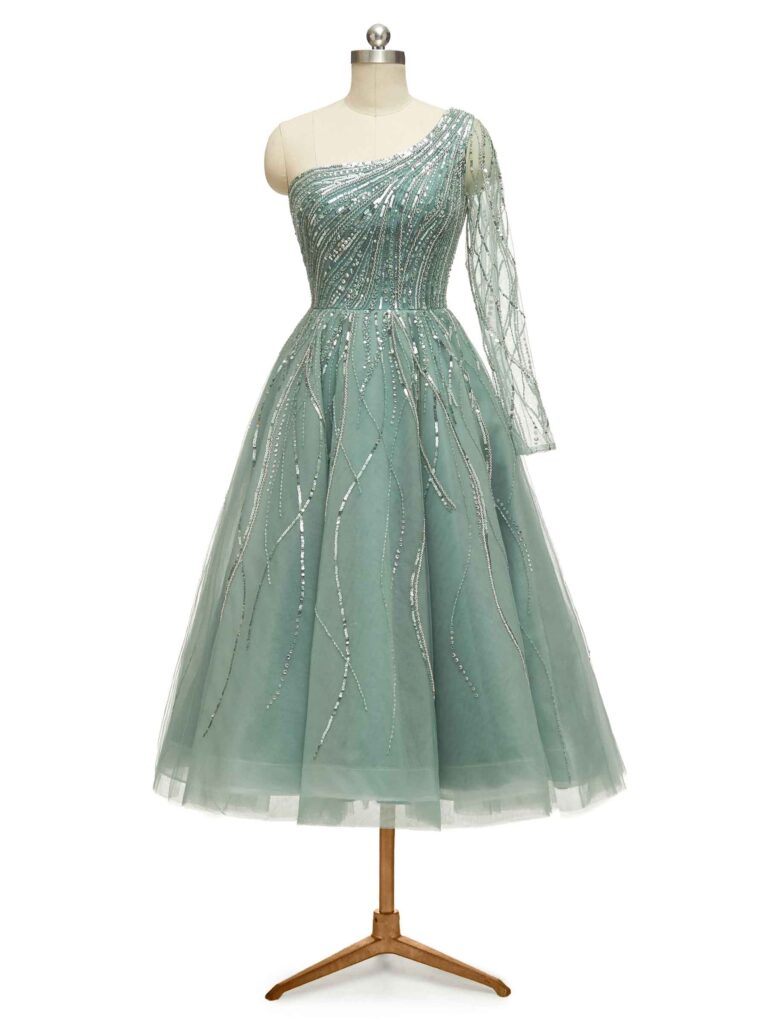
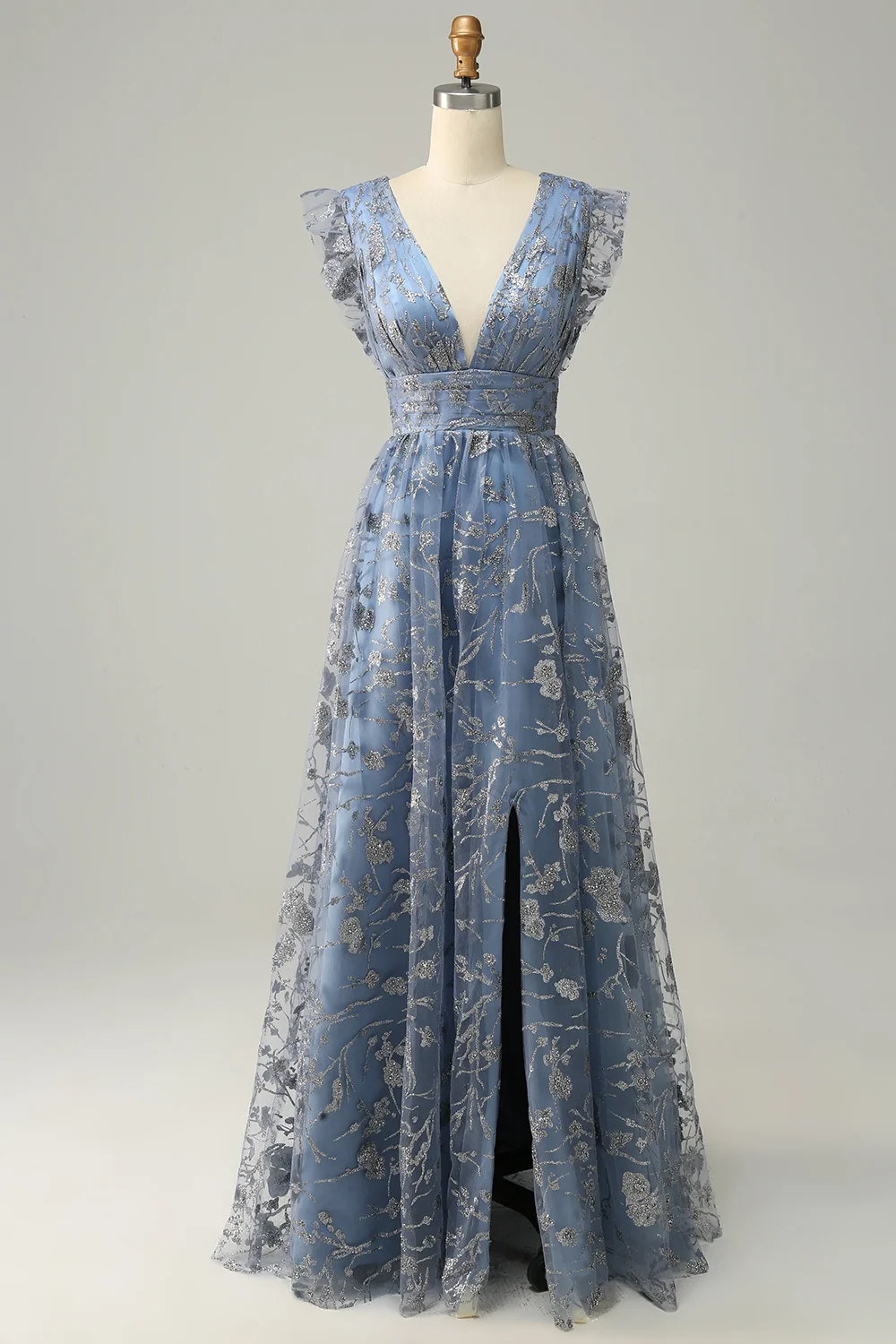 Prom DressesPlus Size Prom Dresses We Can’t Stop Looking At
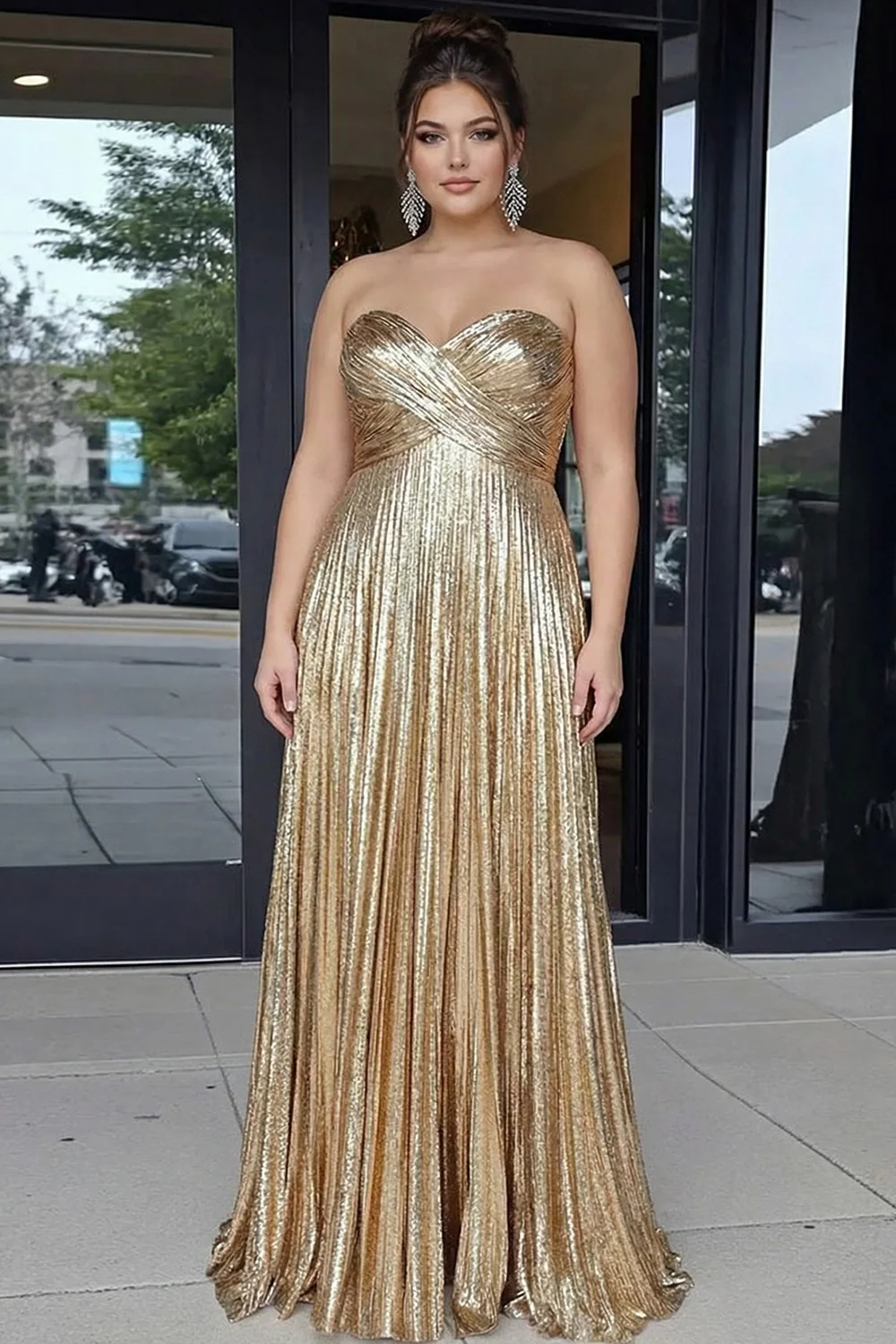
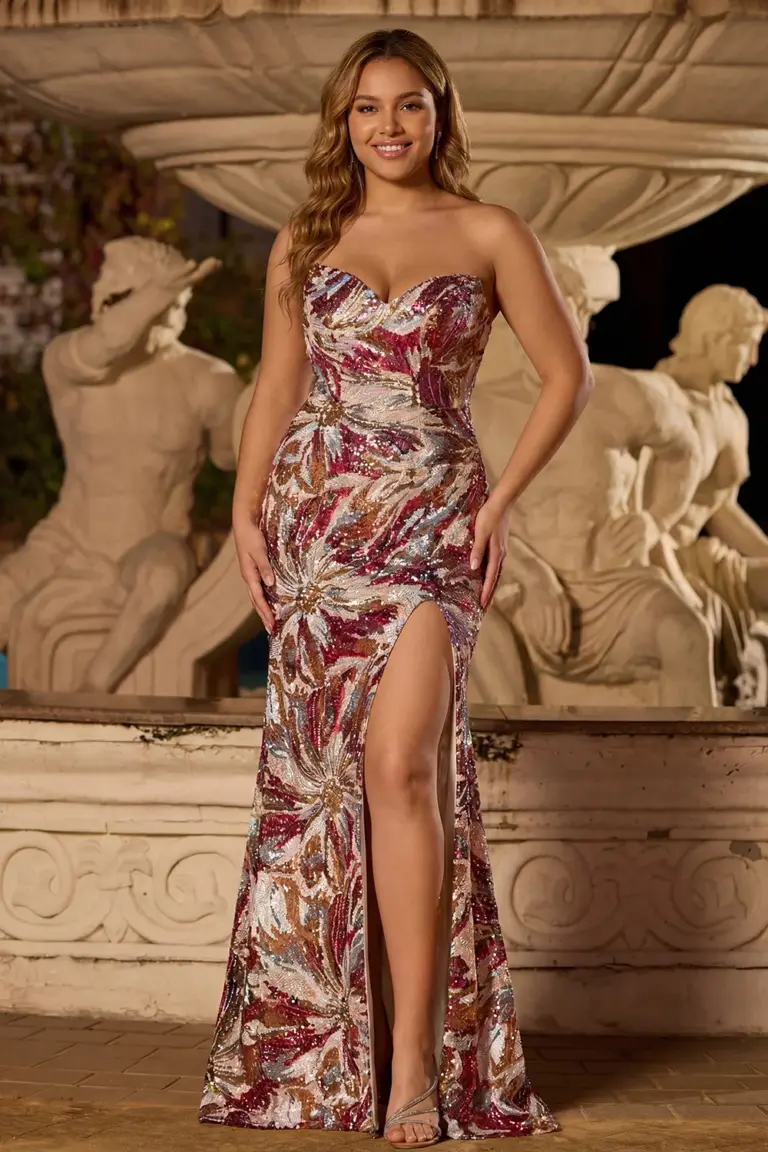 Prom DressesPlus Size Sequin Prom Dresses We’re Adding to BasketAlso worth a lookMidi DressesThe moment a midi dress properly clicked for me was a wedding in October, cold enough for tights,…See the collections →
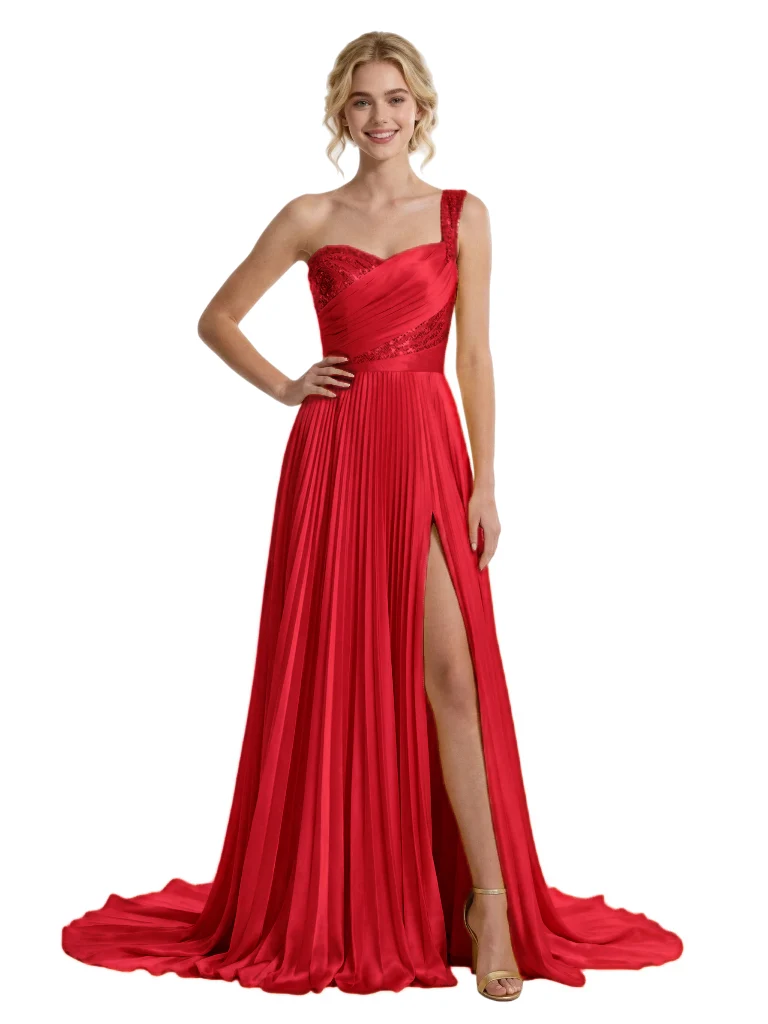
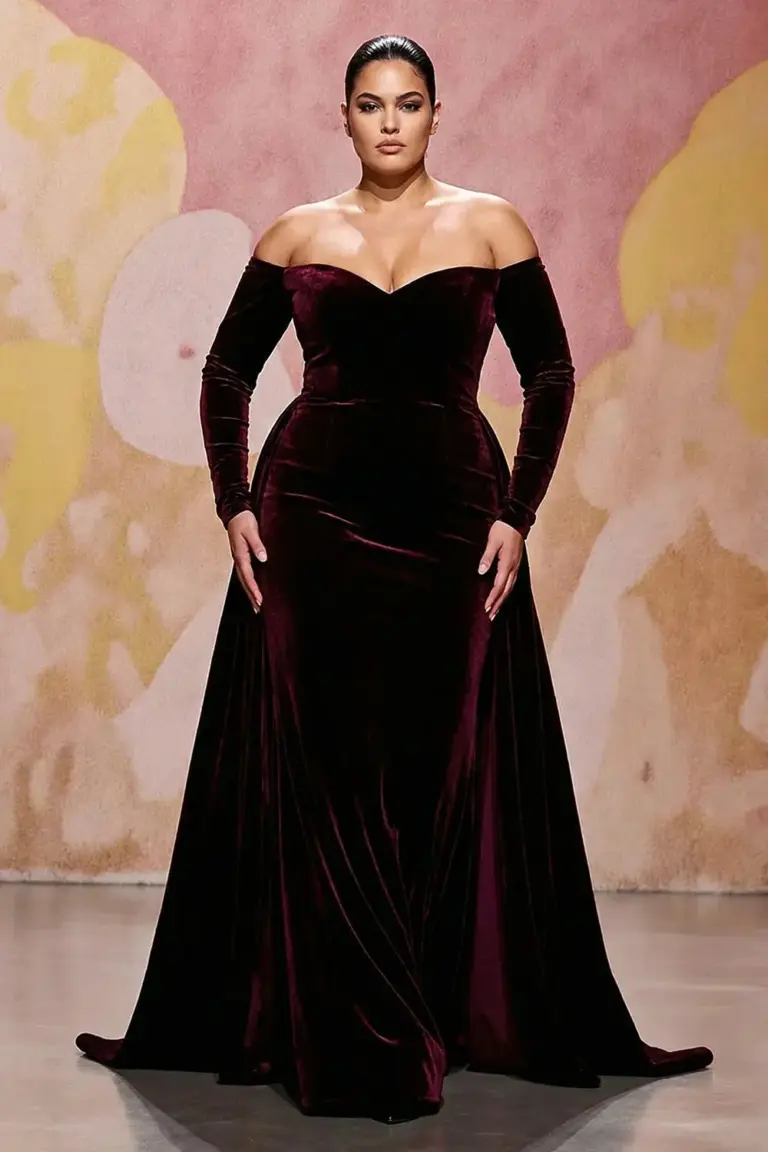 Red DressesHandpicked Plus Size Red Evening Dresses We Keep Coming Back To
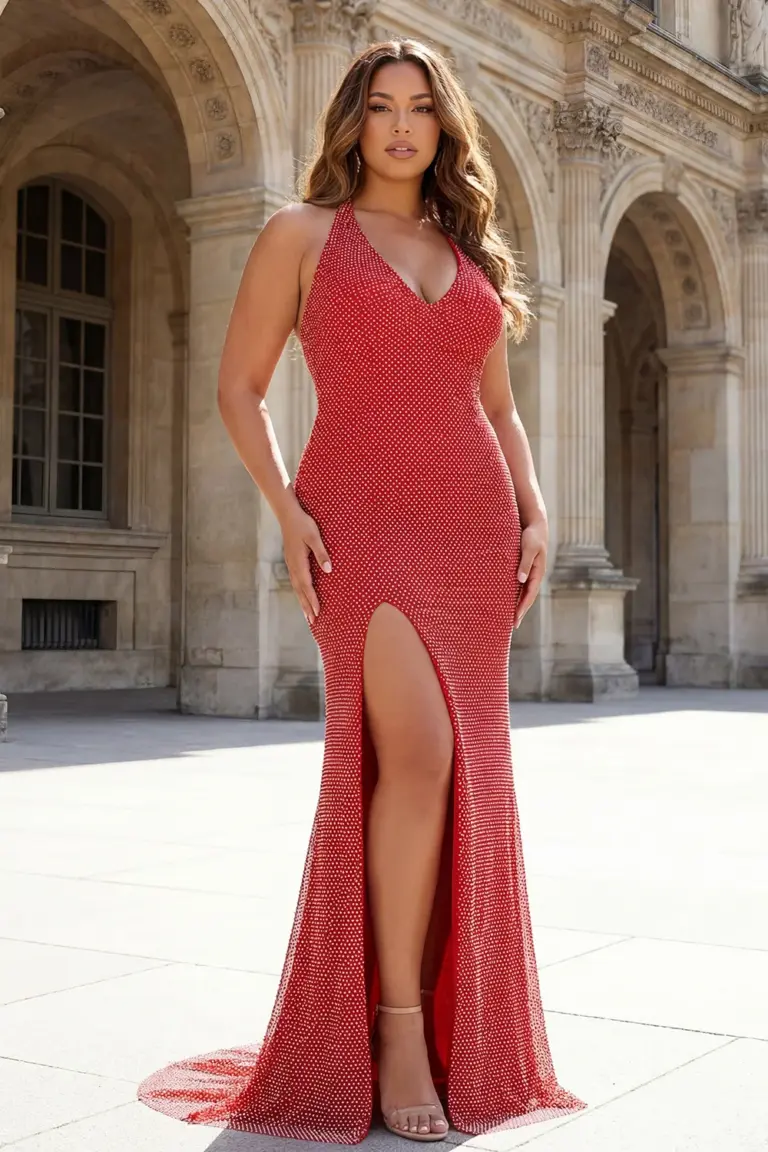
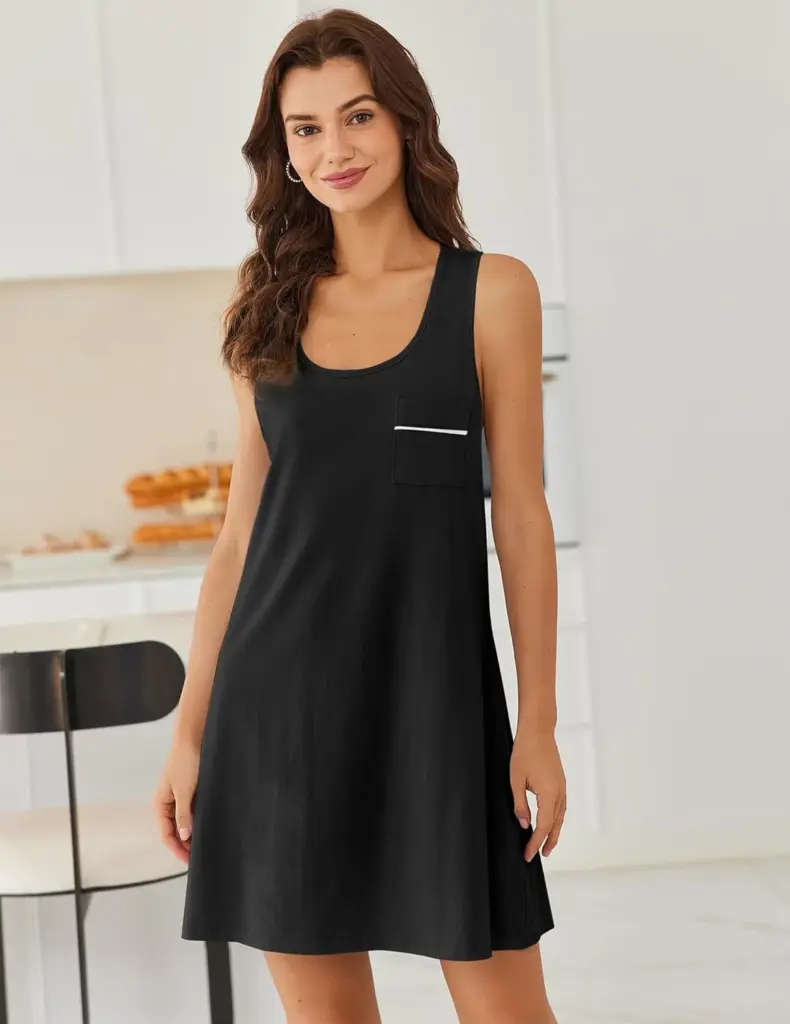 Sleeveless DressesOur Go To Plus Size Sleeveless Floral Dresses
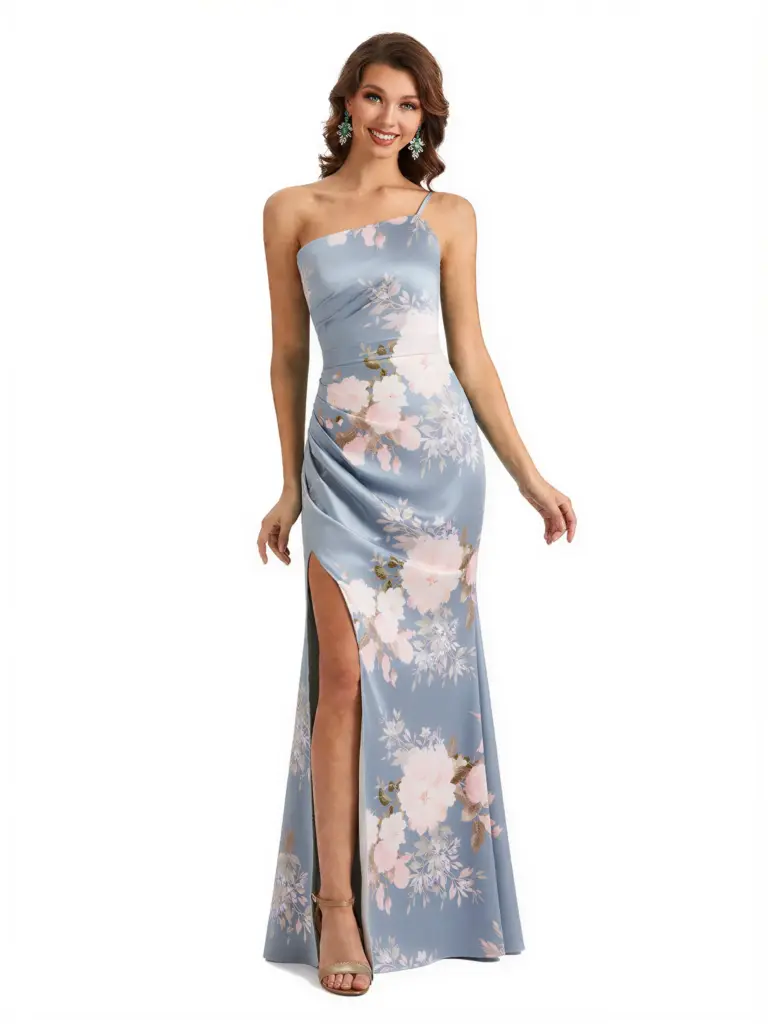
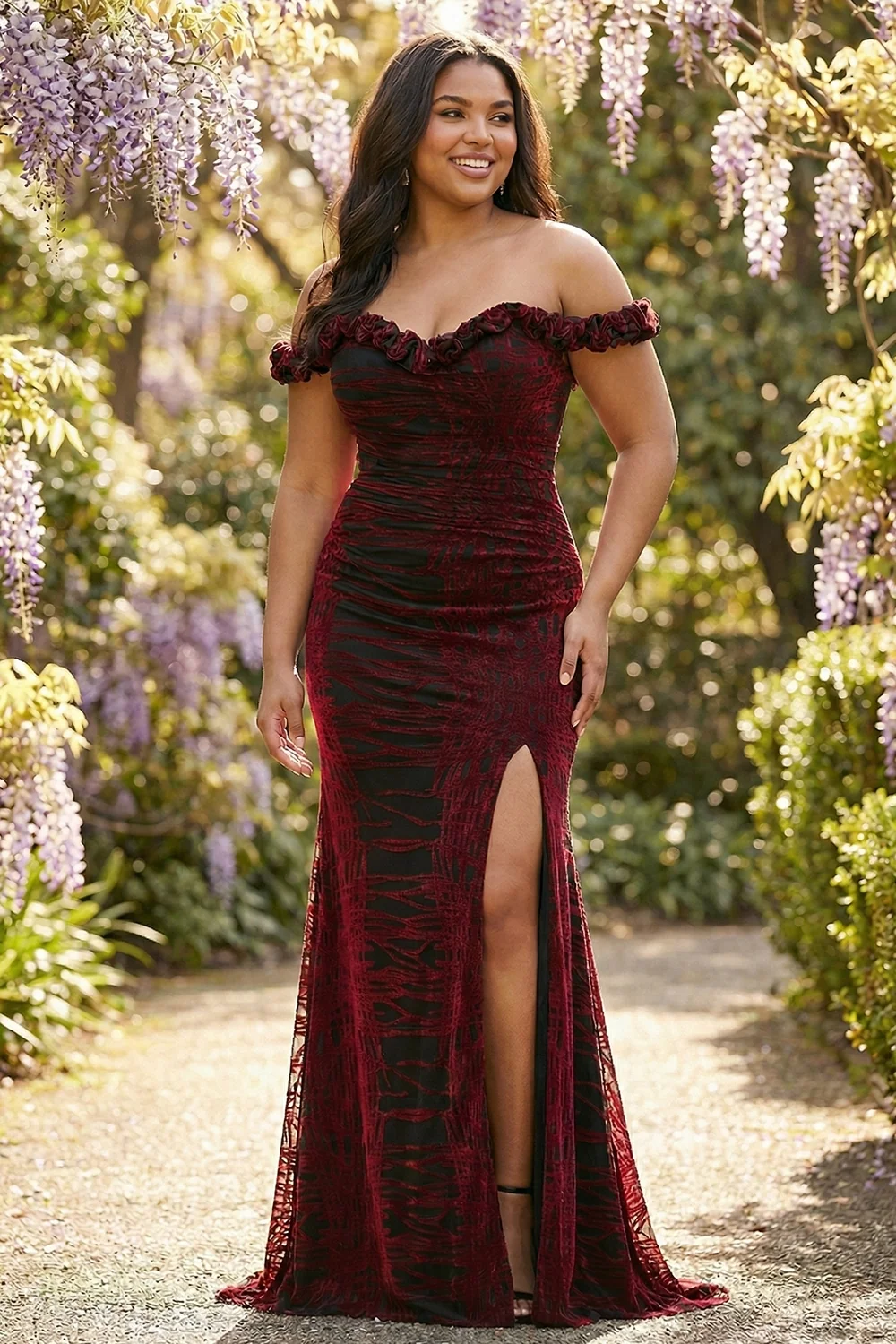 Red DressesPlus Size Red Party Dresses for When You’ve Got Somewhere to Be
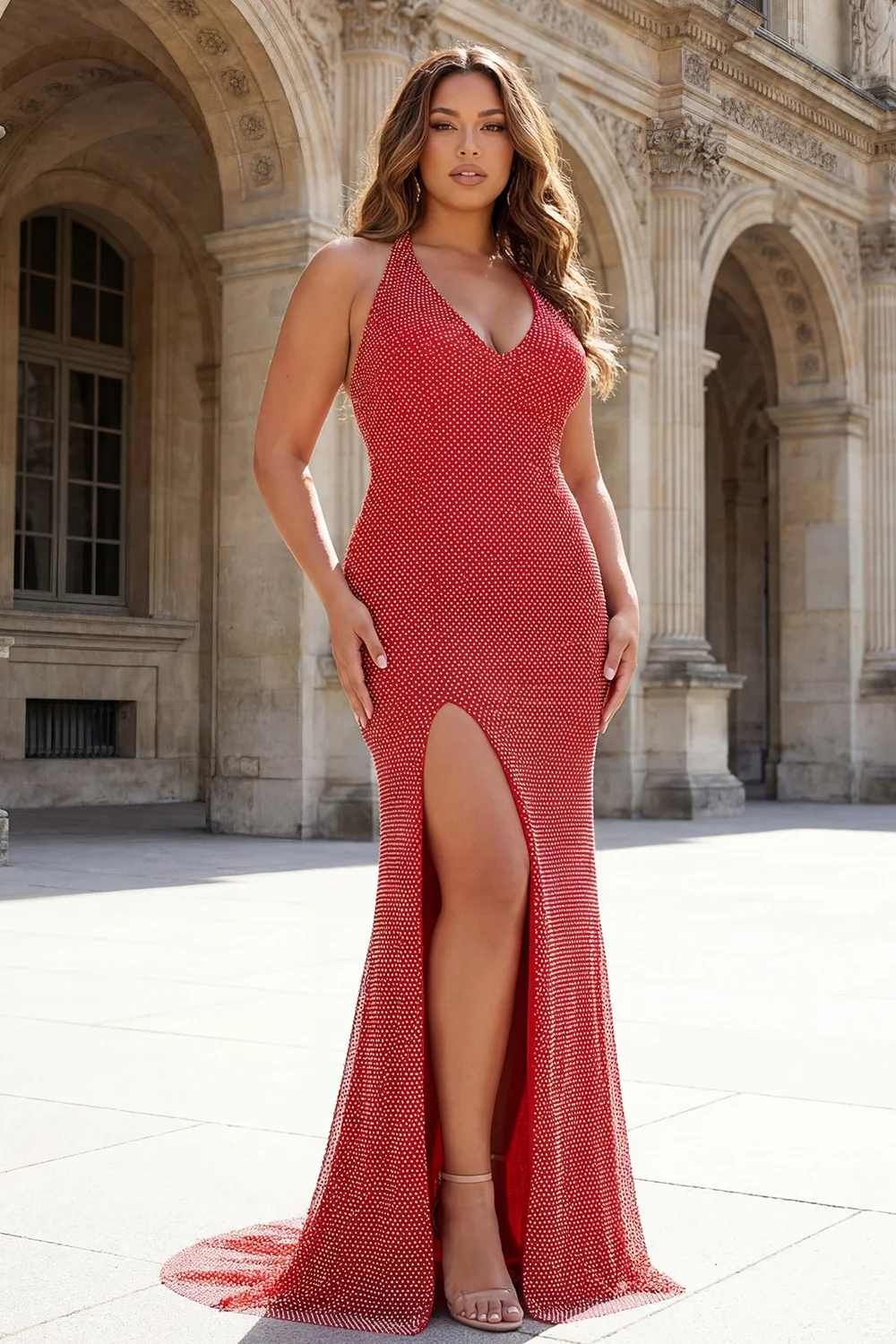
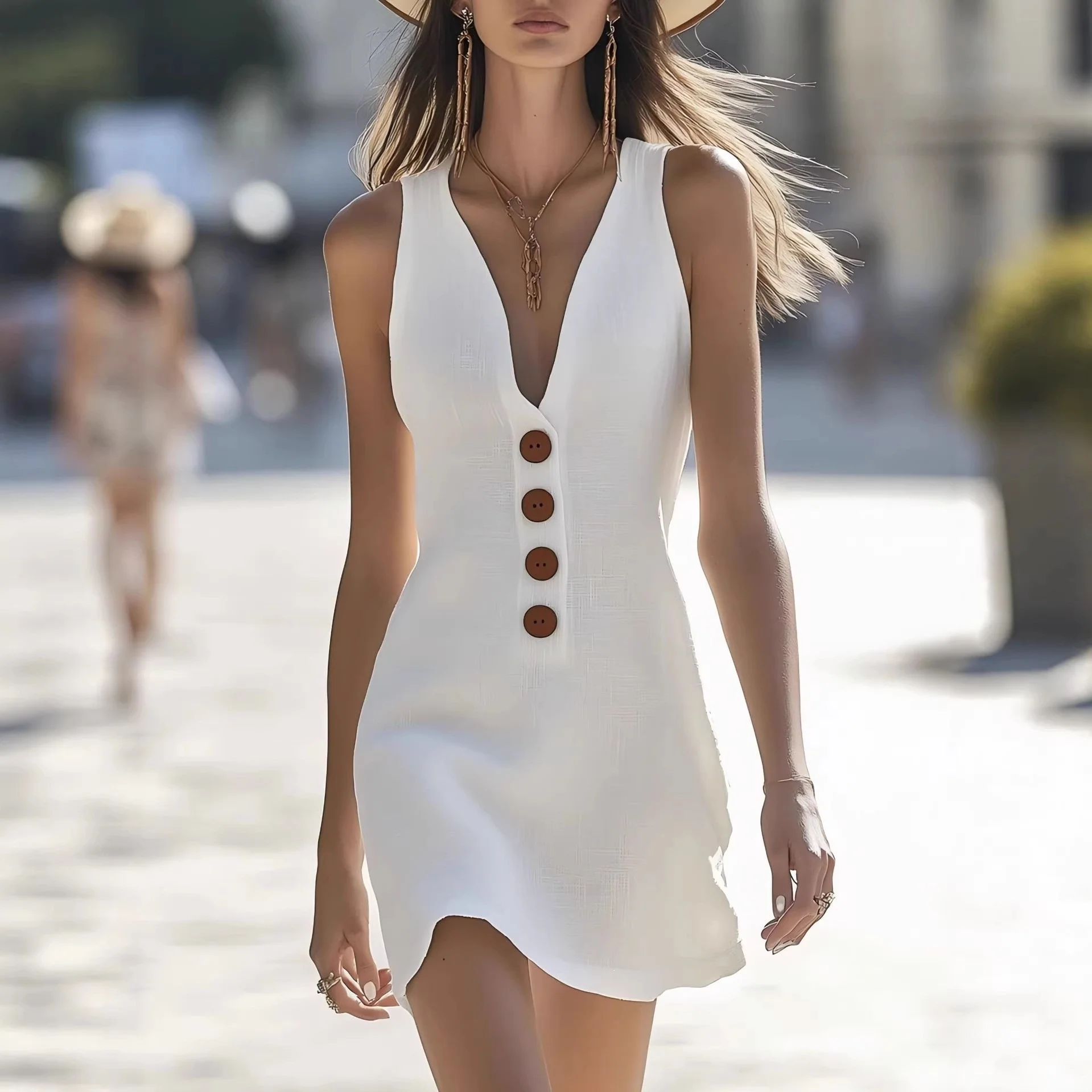 Slip DressesPlus Size Slip Dresses We Rate
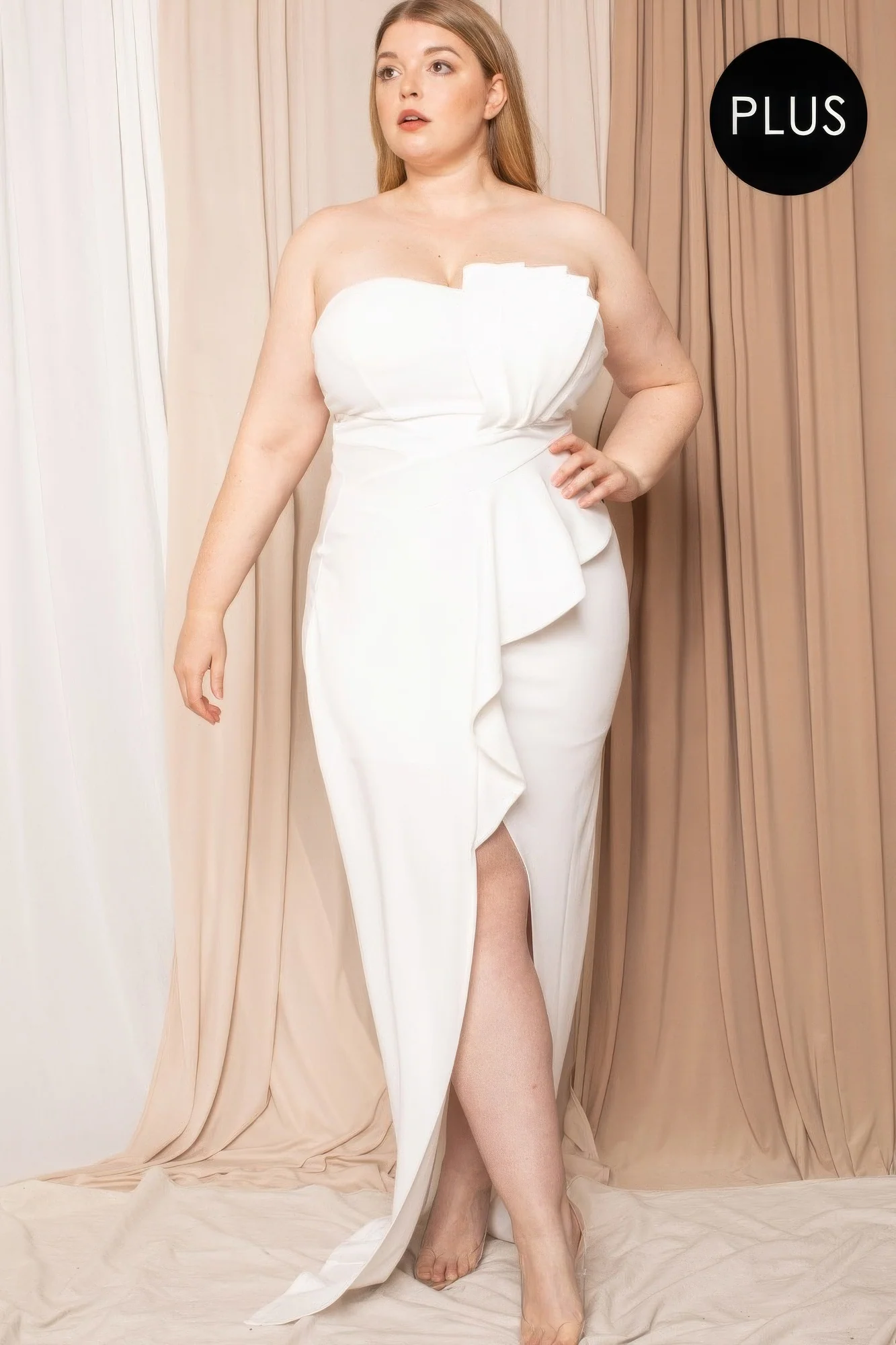
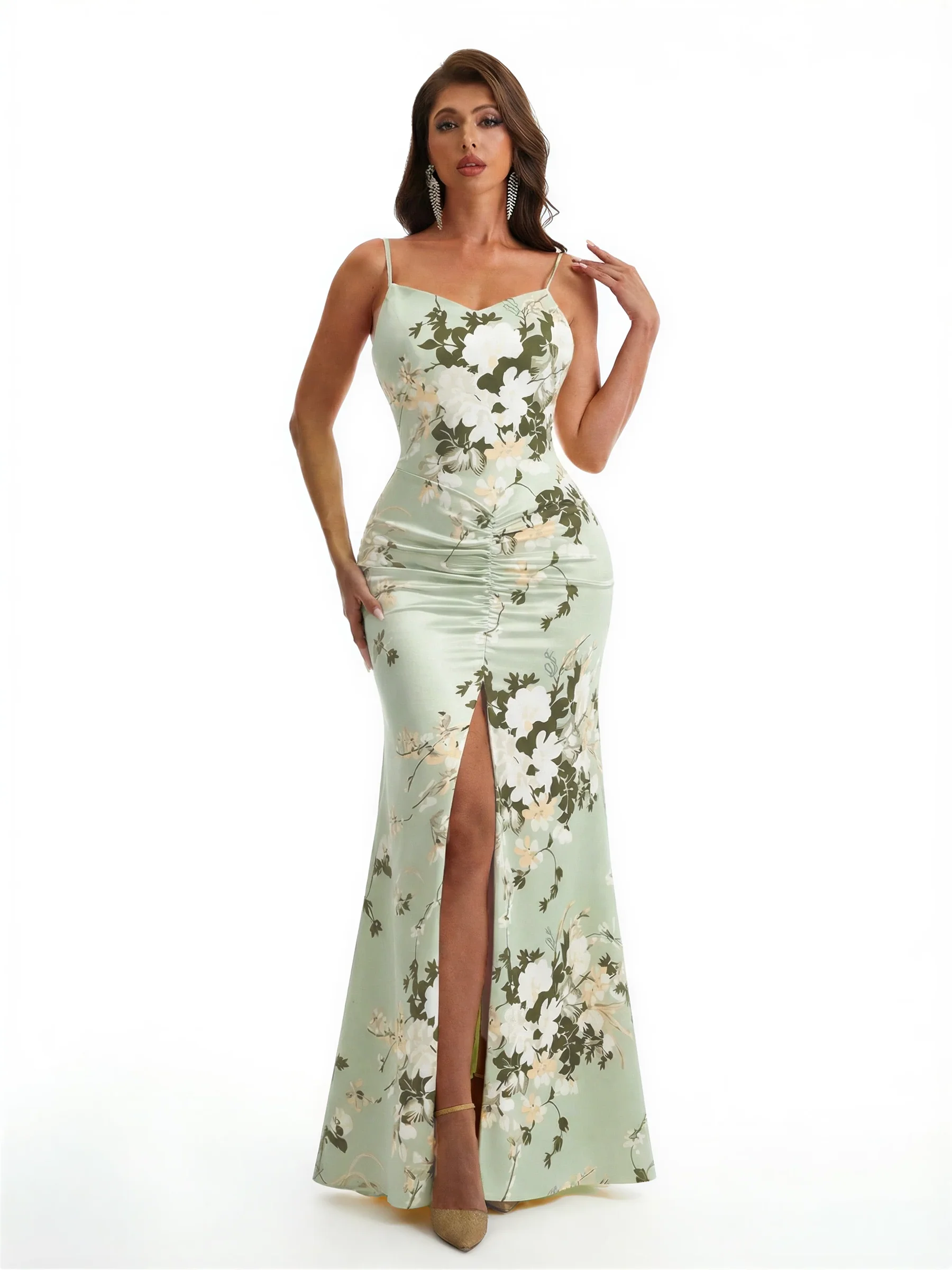 Sage DressesPlus Size Sage Maxi Dresses: Our Top Picks
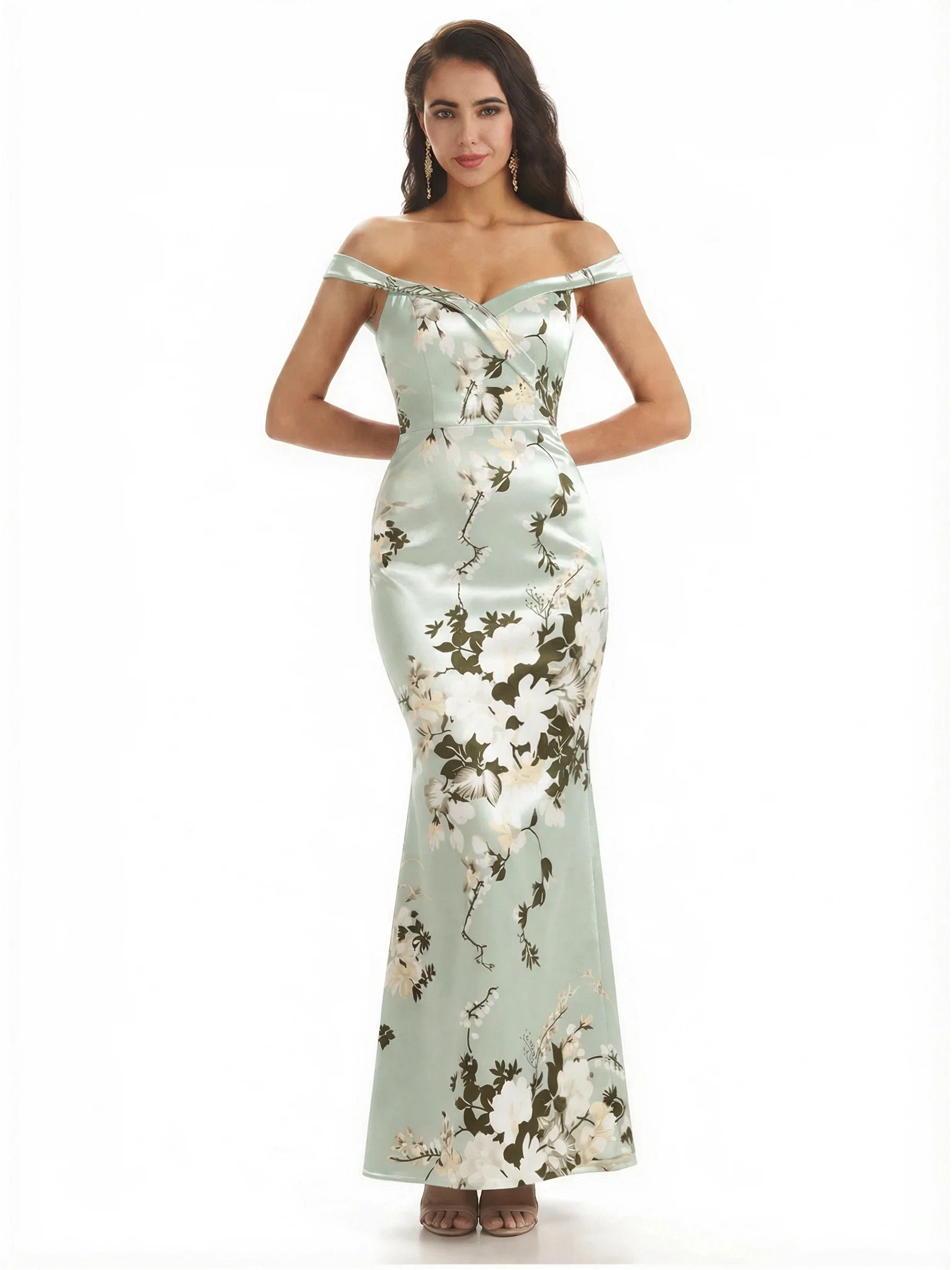
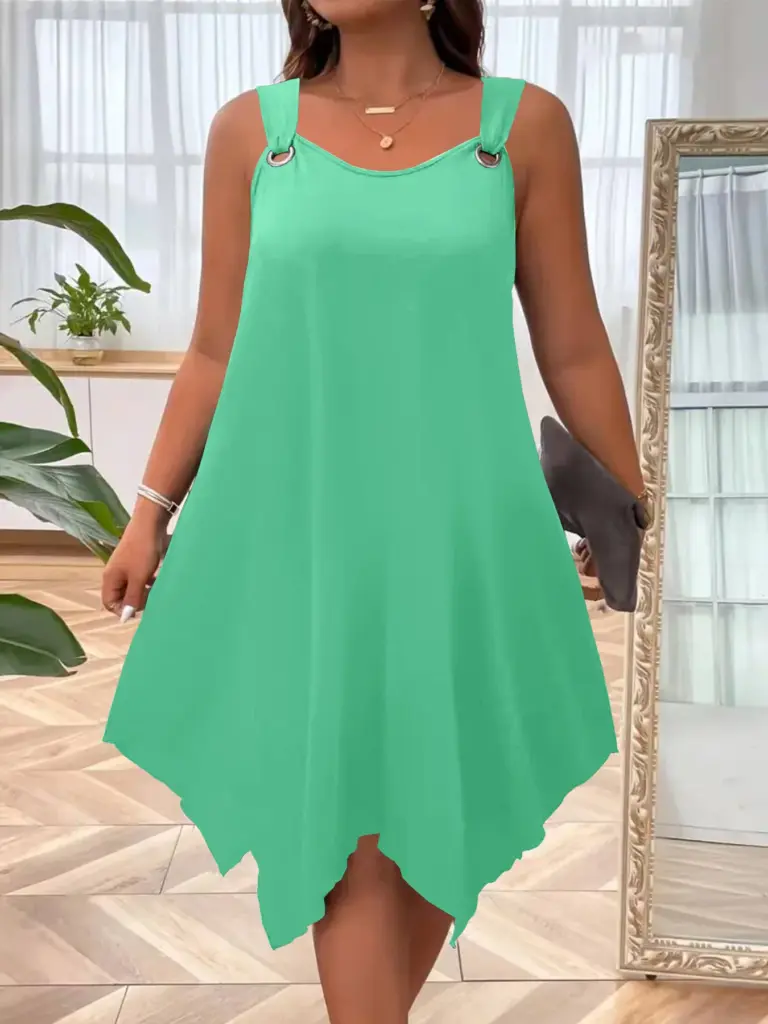 Summer DressesPlus Size Summer Dresses We’d Buy Again
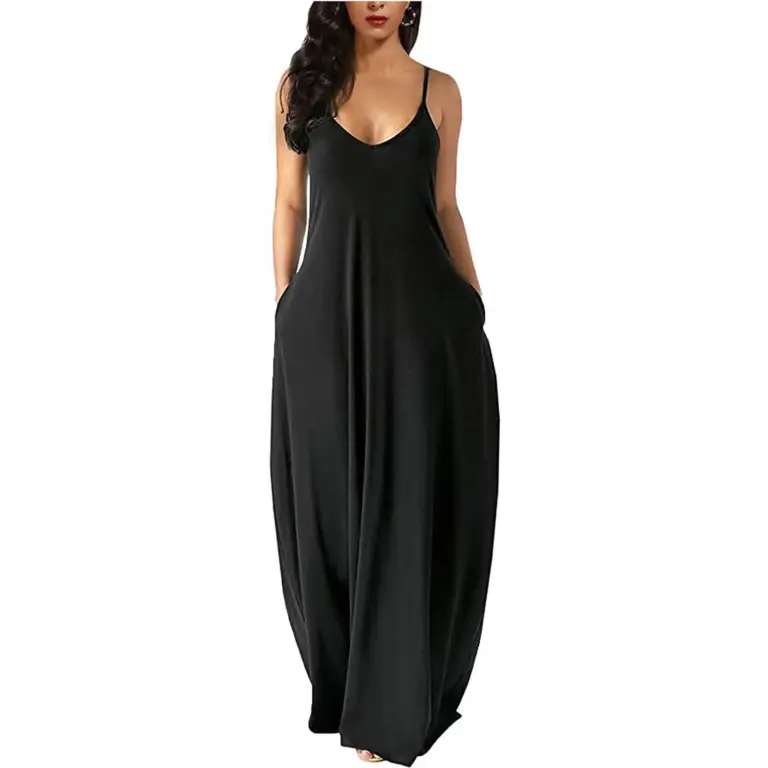
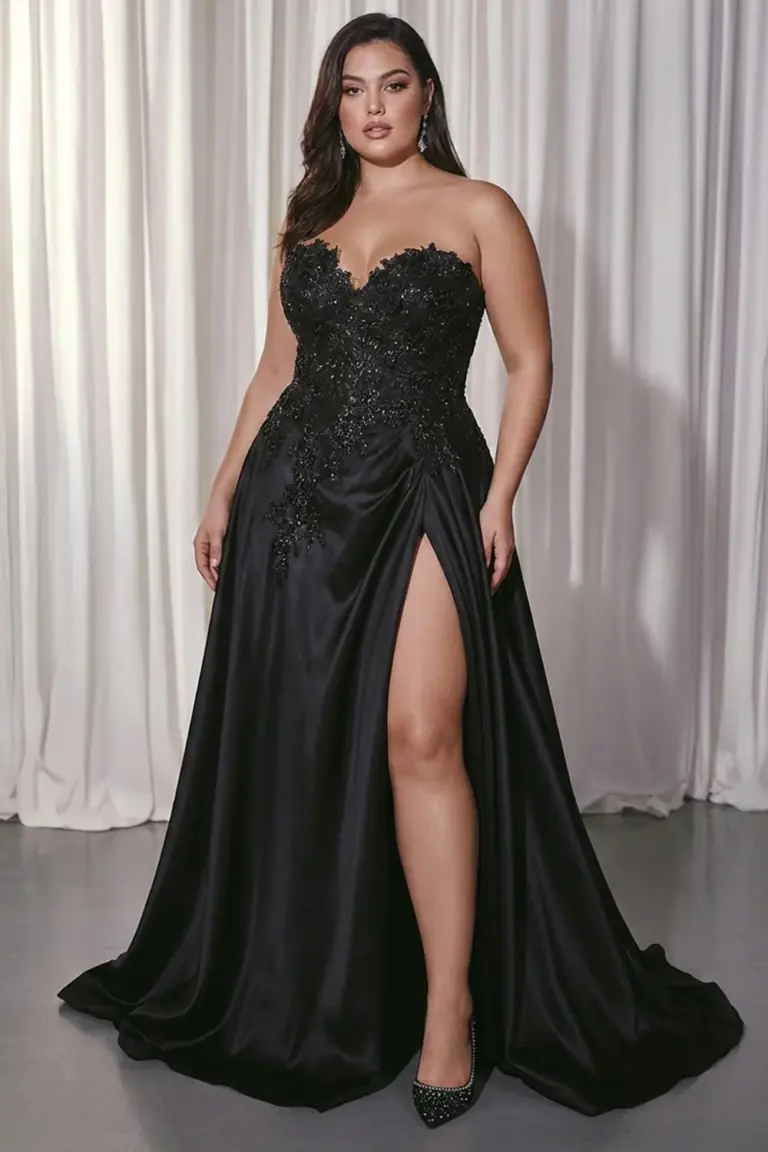 A Line DressesPlus Size Satin A Line Dresses That Do All the Work for You
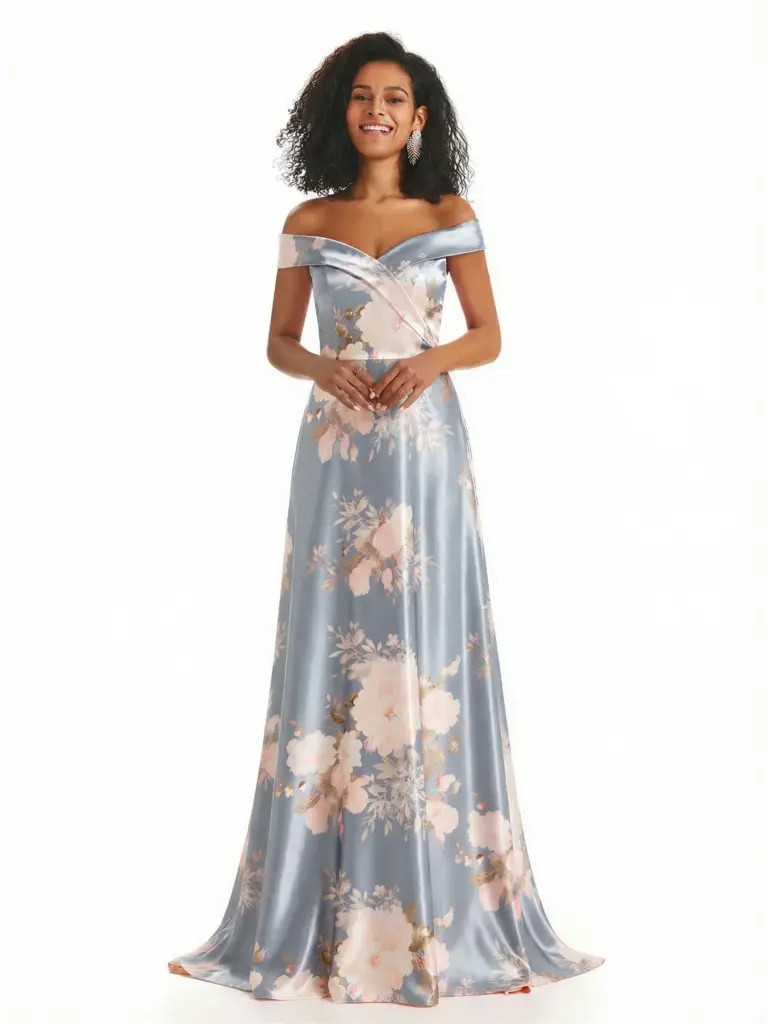
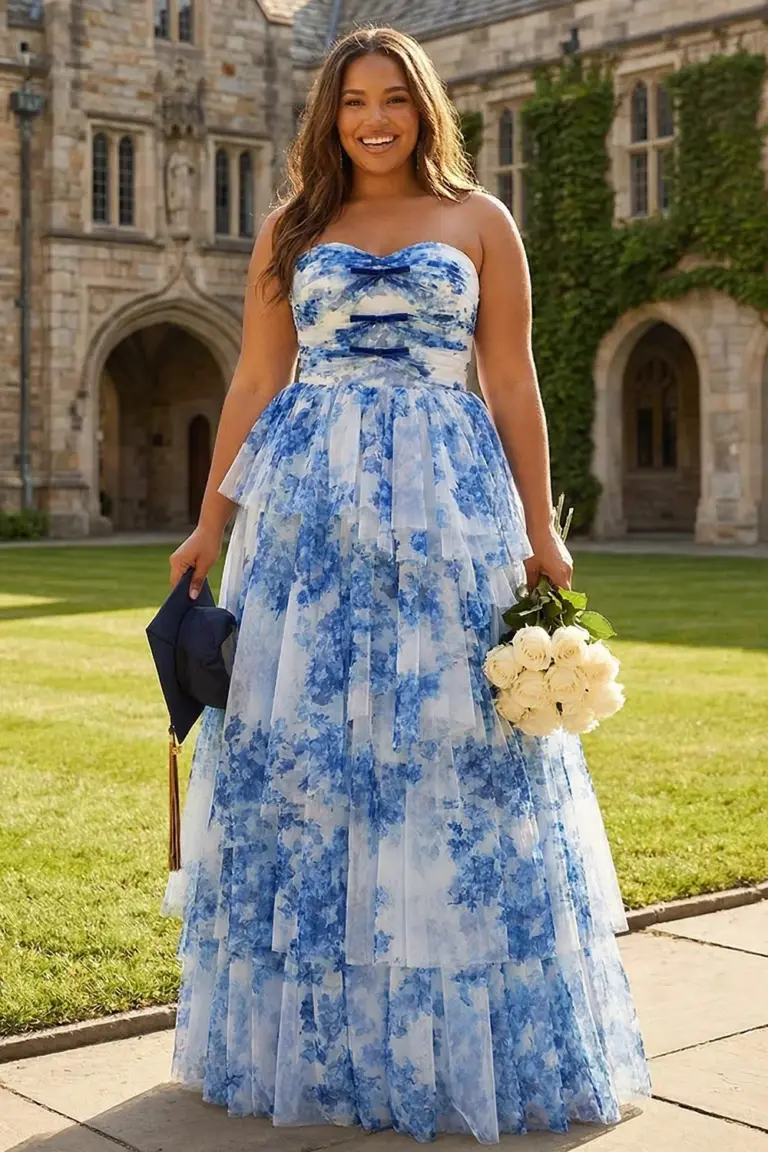 Tiered DressesPlus Size Tiered Dresses You’ll Want to Live In
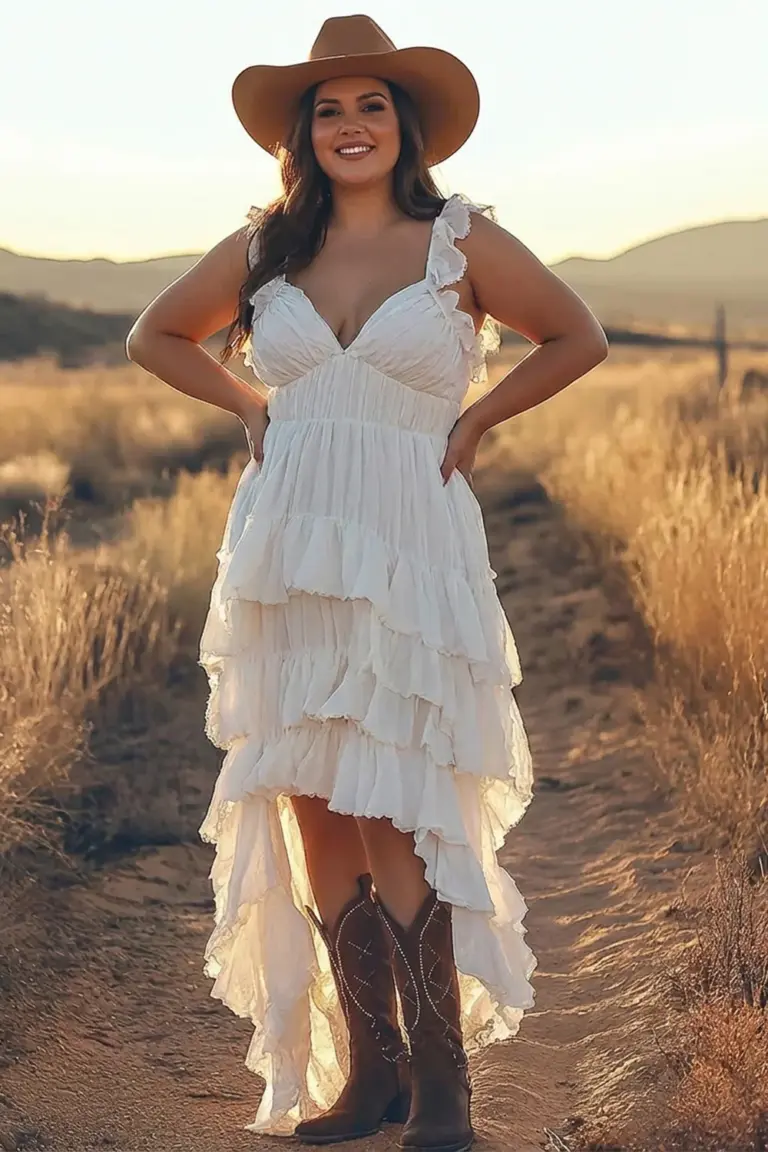
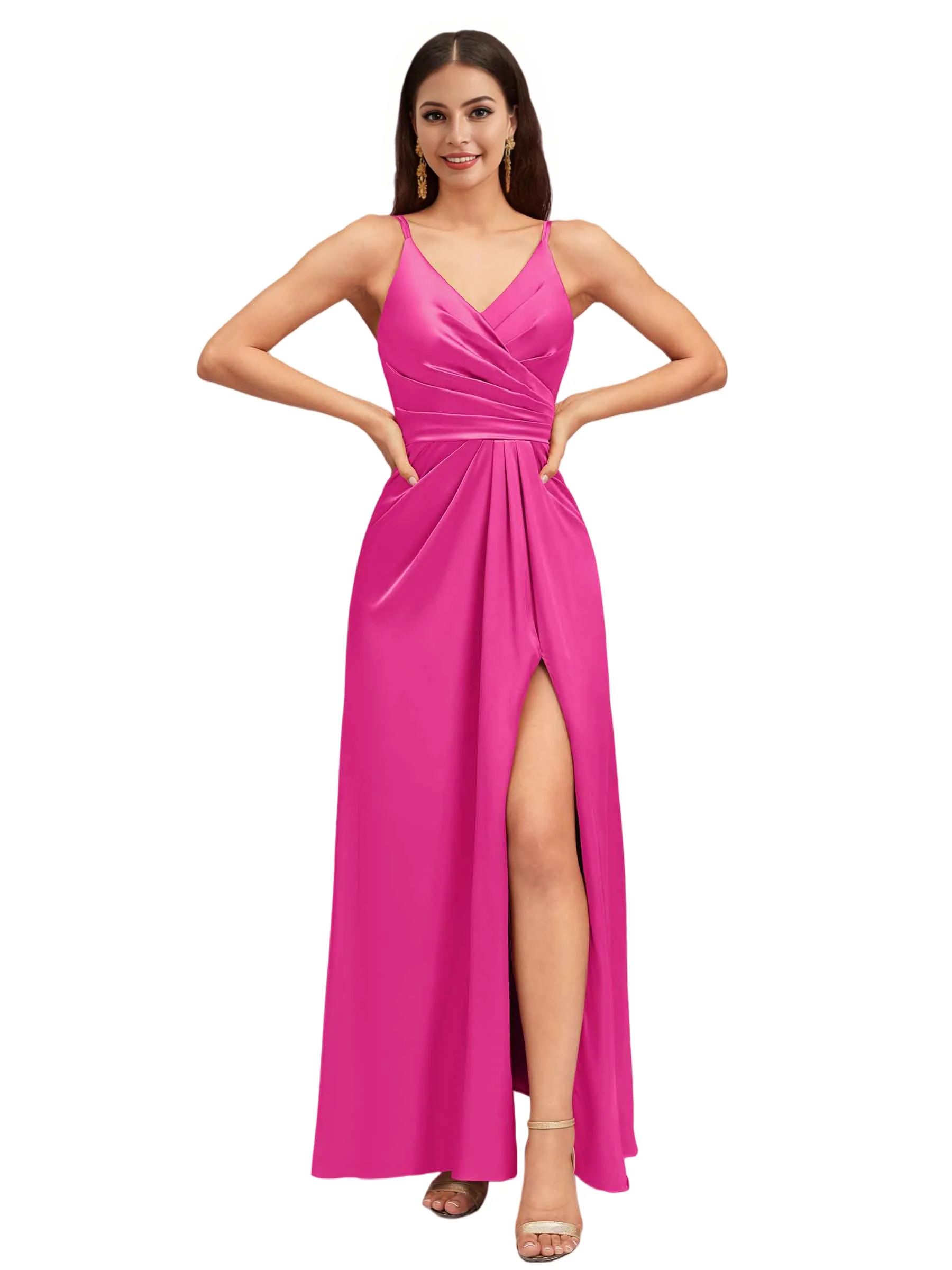 Bridesmaid DressesPlus Size Satin Bridesmaid Dresses for Your Next WeddingAlso worth a lookMaxi DressesA maxi dress earns its length by making you forget what you're wearing, and that's the whole point of one.See the collections →
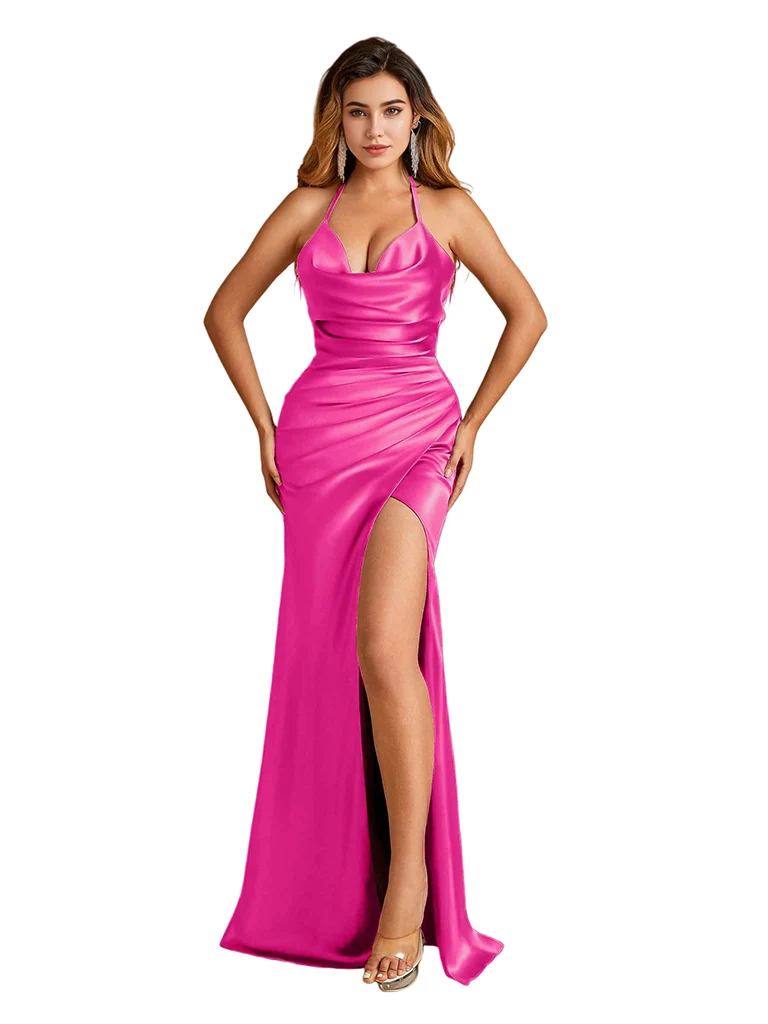
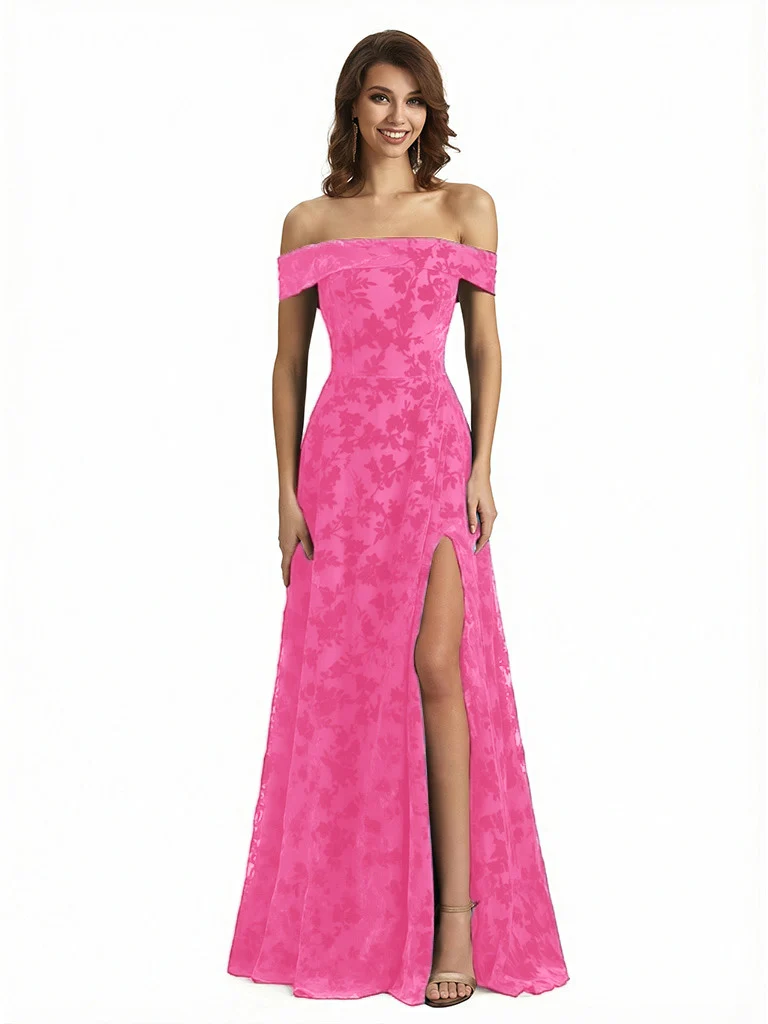 Velvet DressesEffortless Plus Size Velvet Dresses We Love
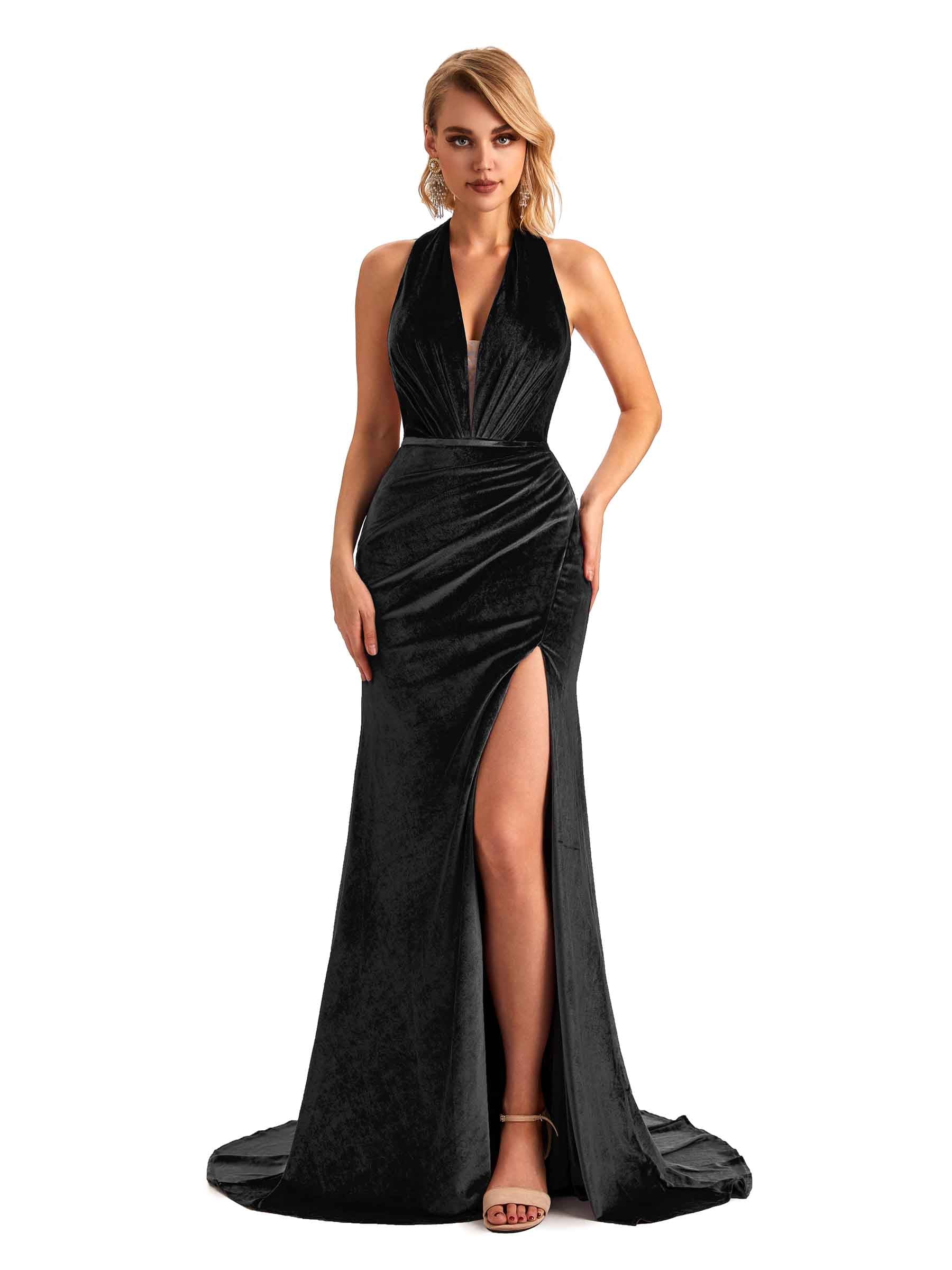
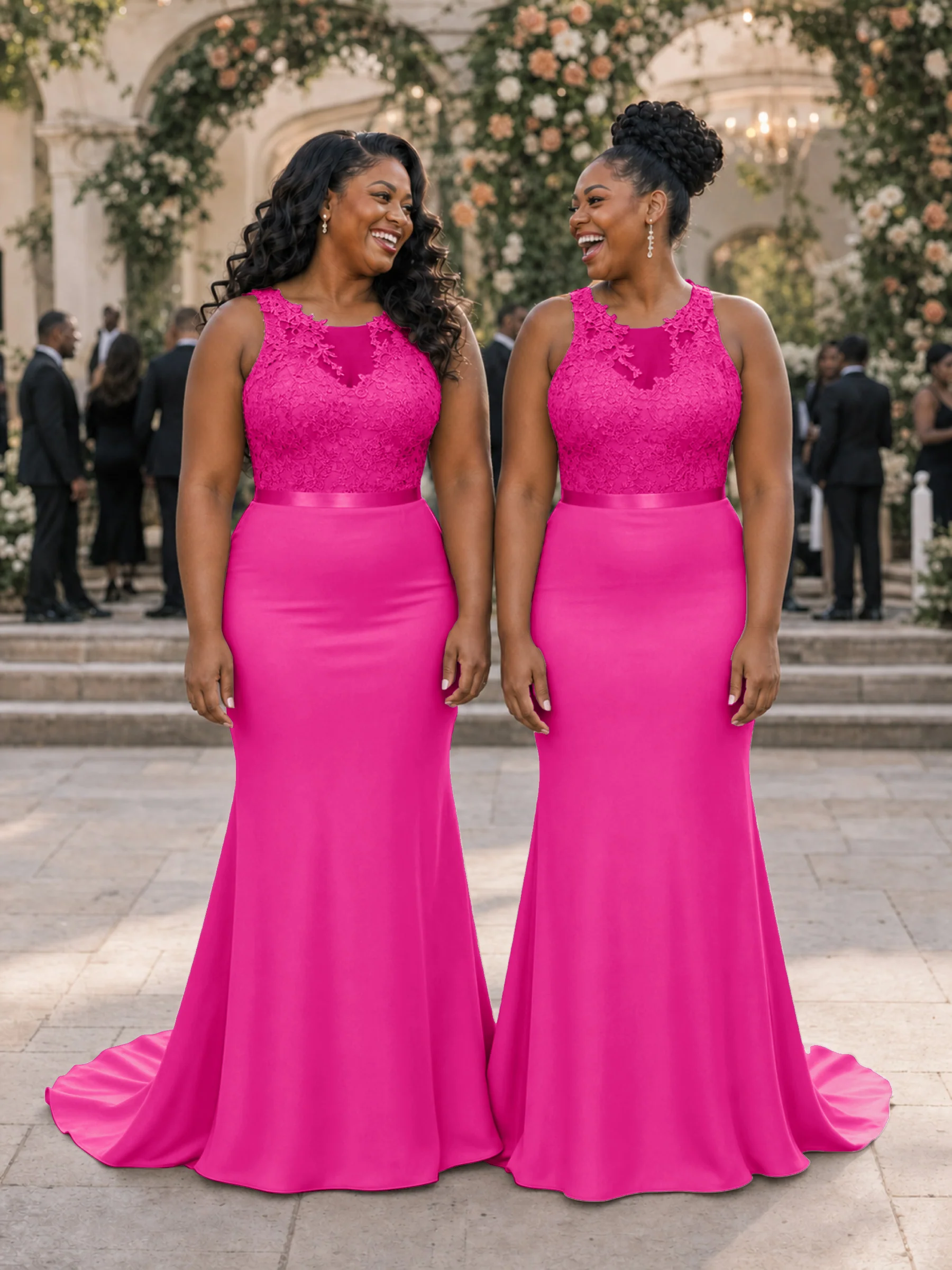 Satin DressesPlus Size Satin Dresses for When You Want to Feel Put Together
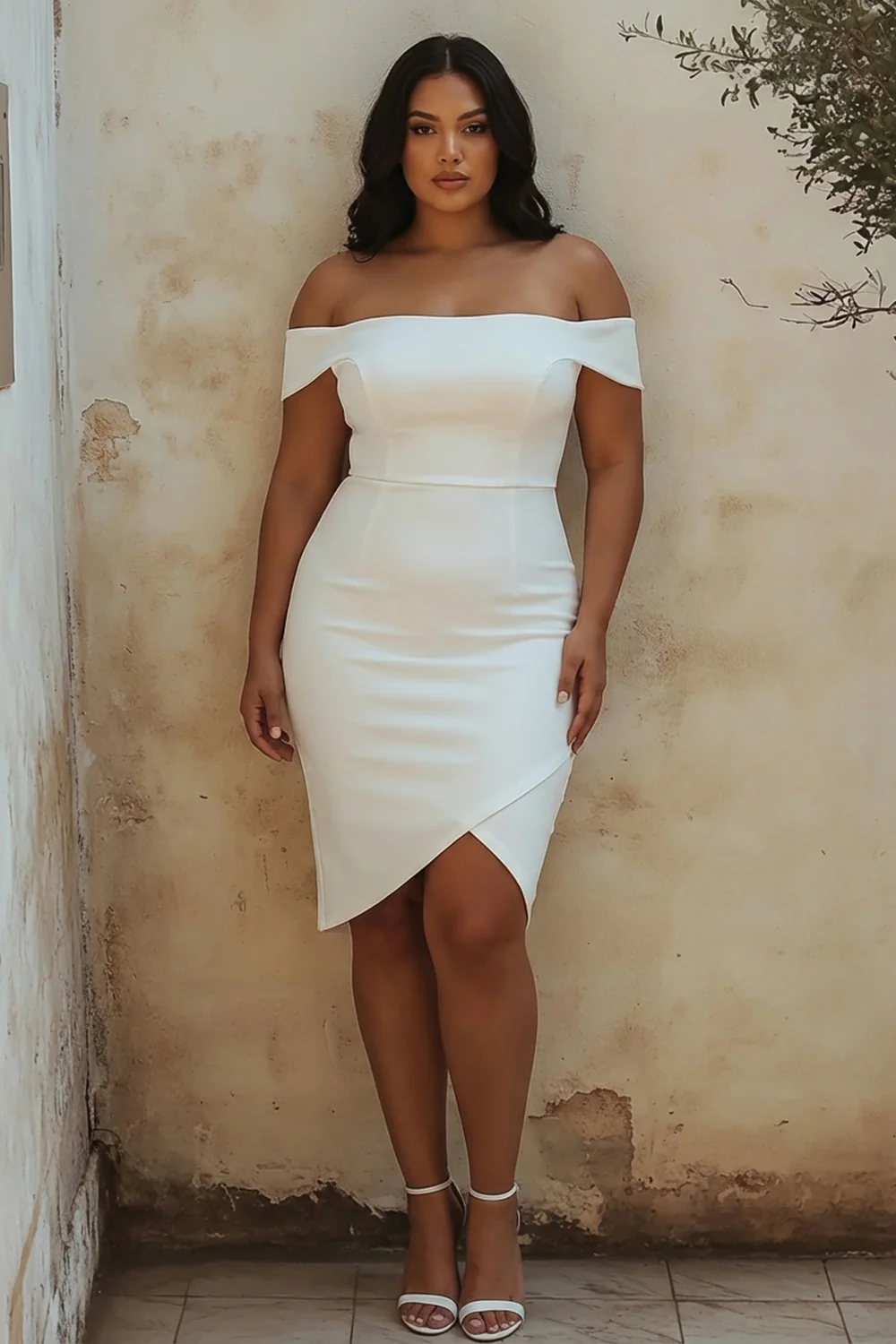
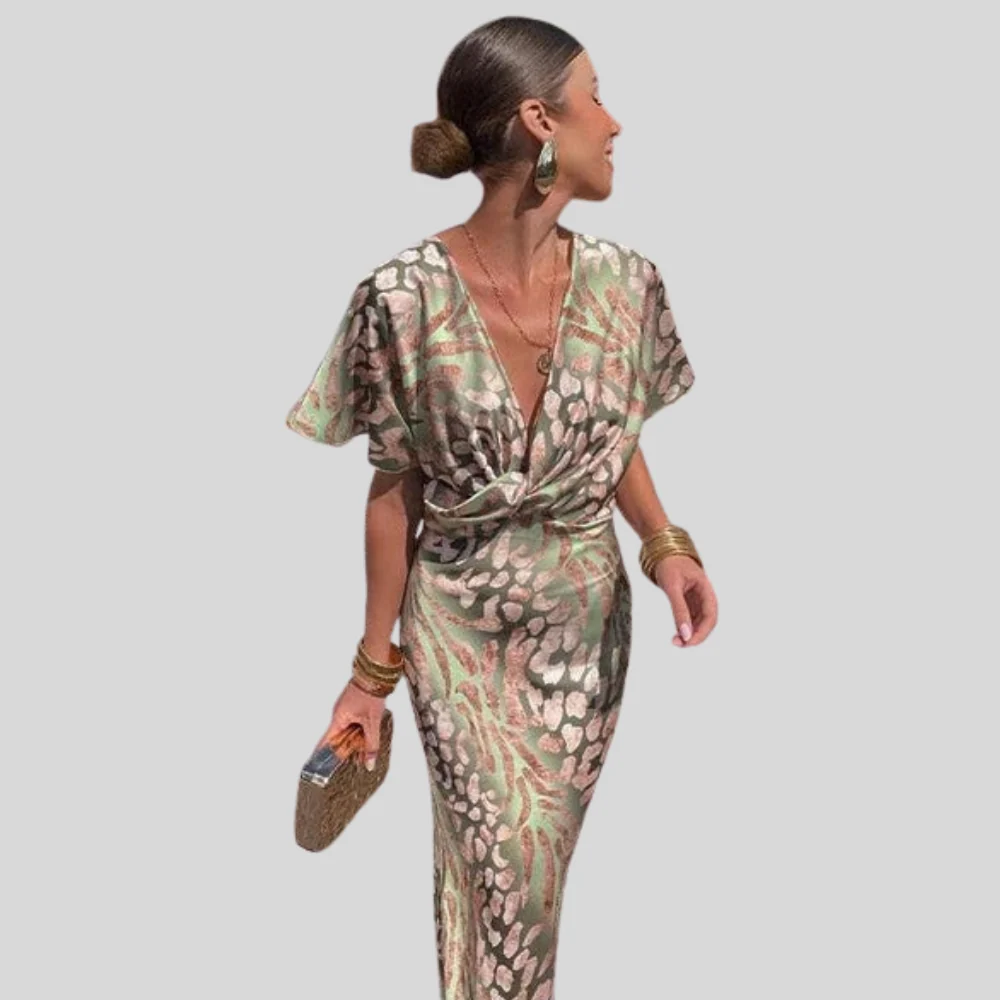 Wedding Guest DressesPlus Size Wedding Guest Dresses That Flatter Every Curve
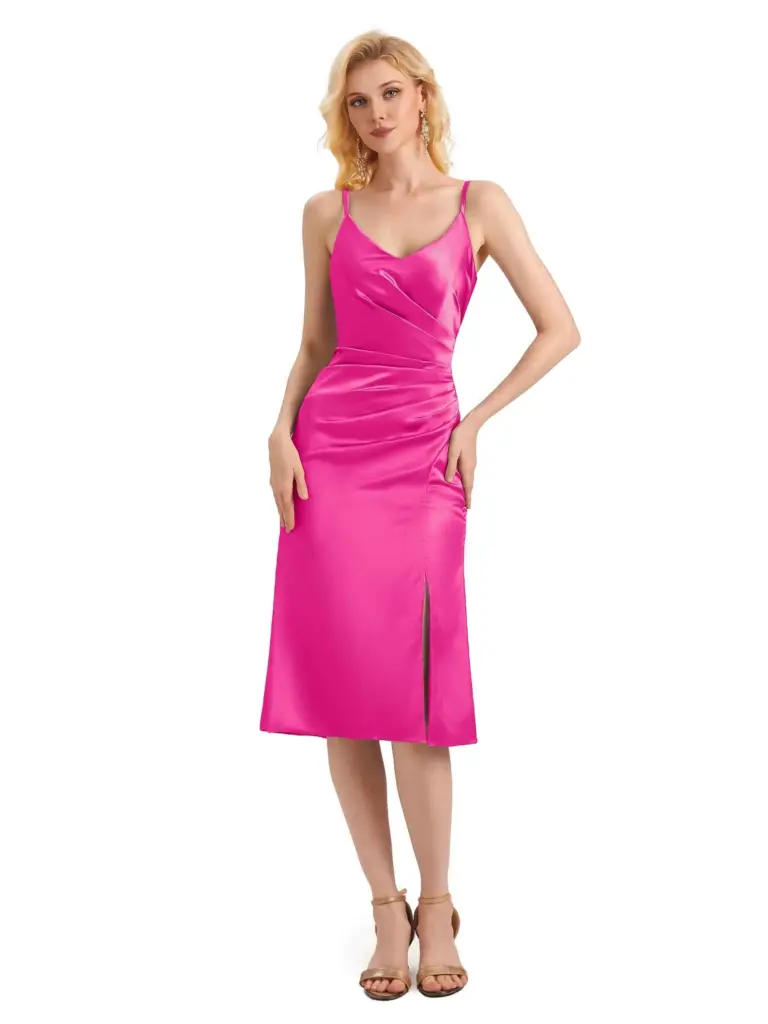
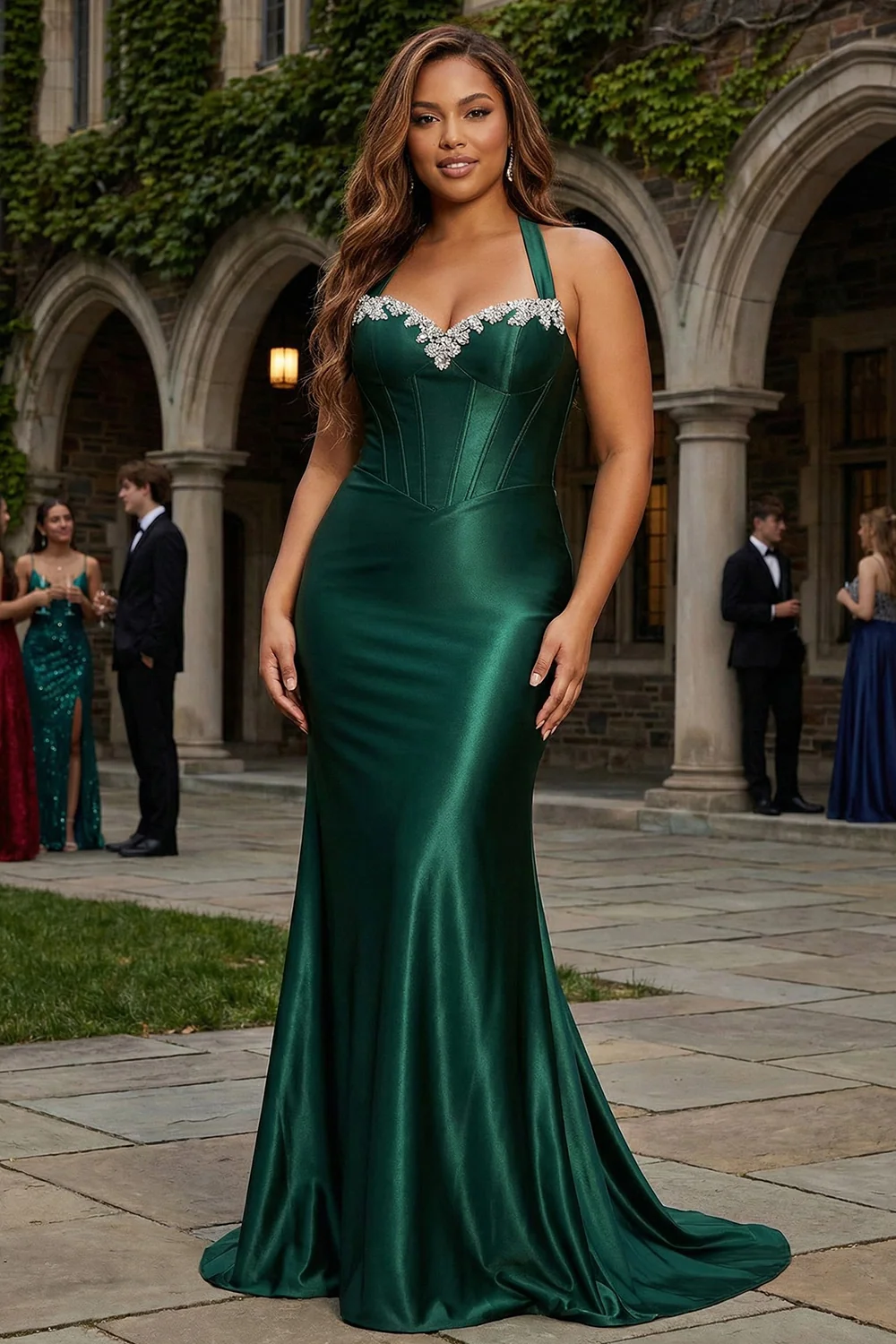 Satin DressesThe Plus Size Satin Evening Dresses We Keep Going Back To
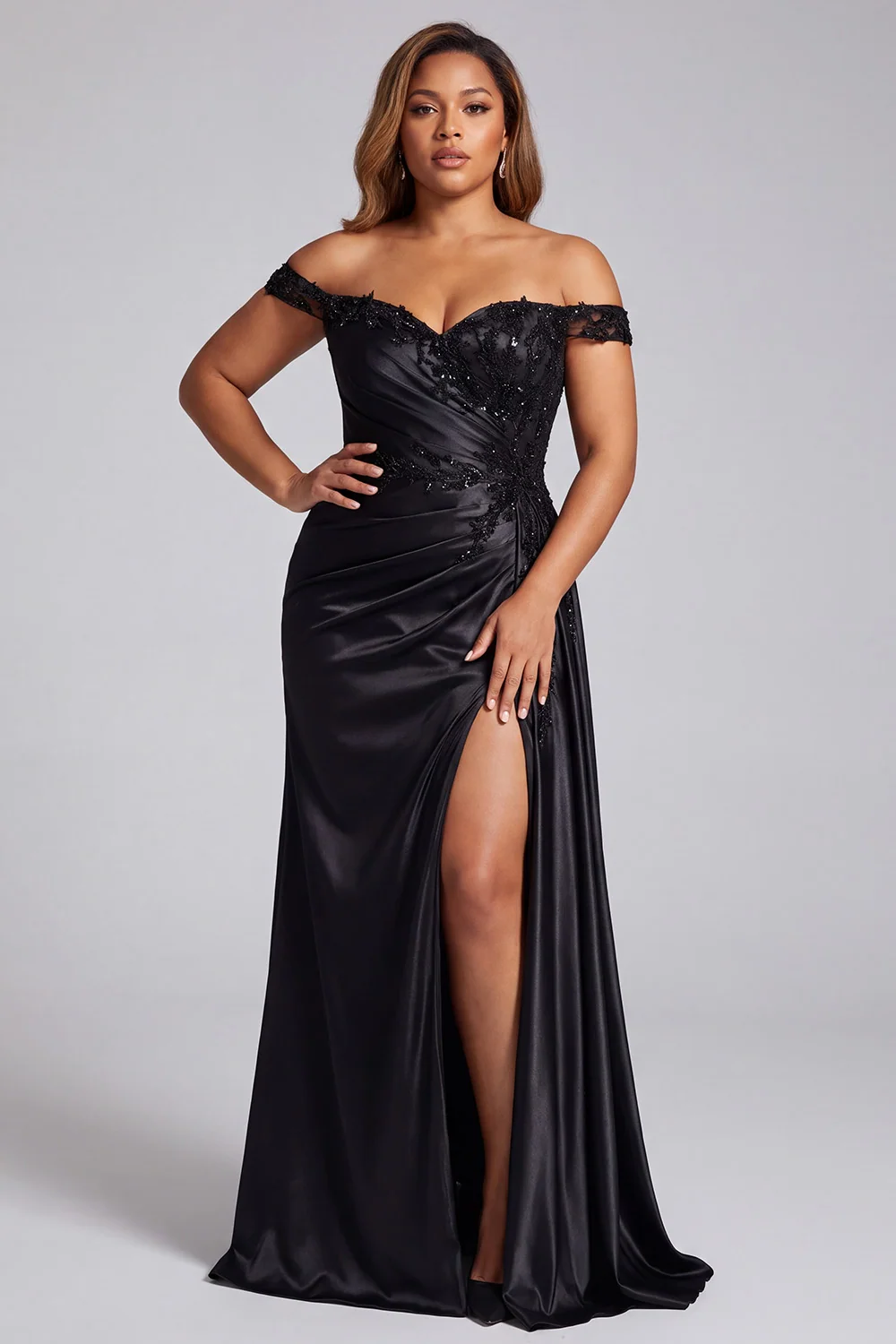
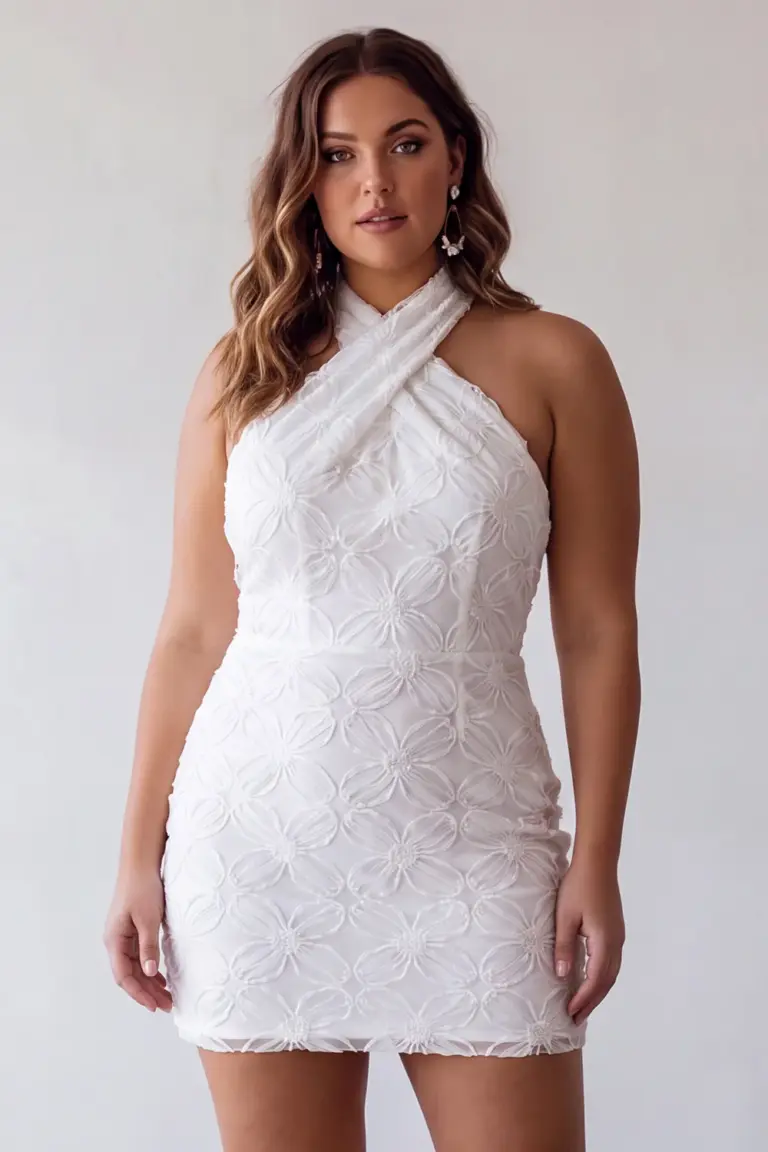 White DressesCurve Friendly Picks: Plus Size White Party Dresses
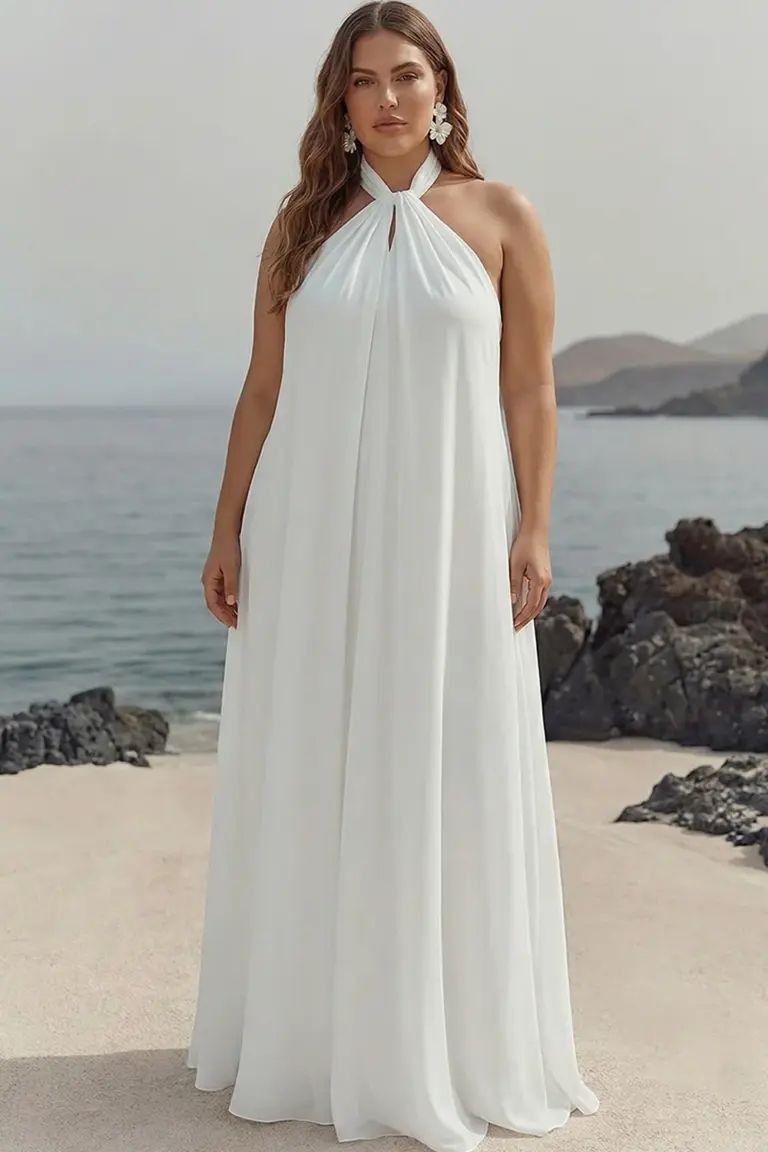
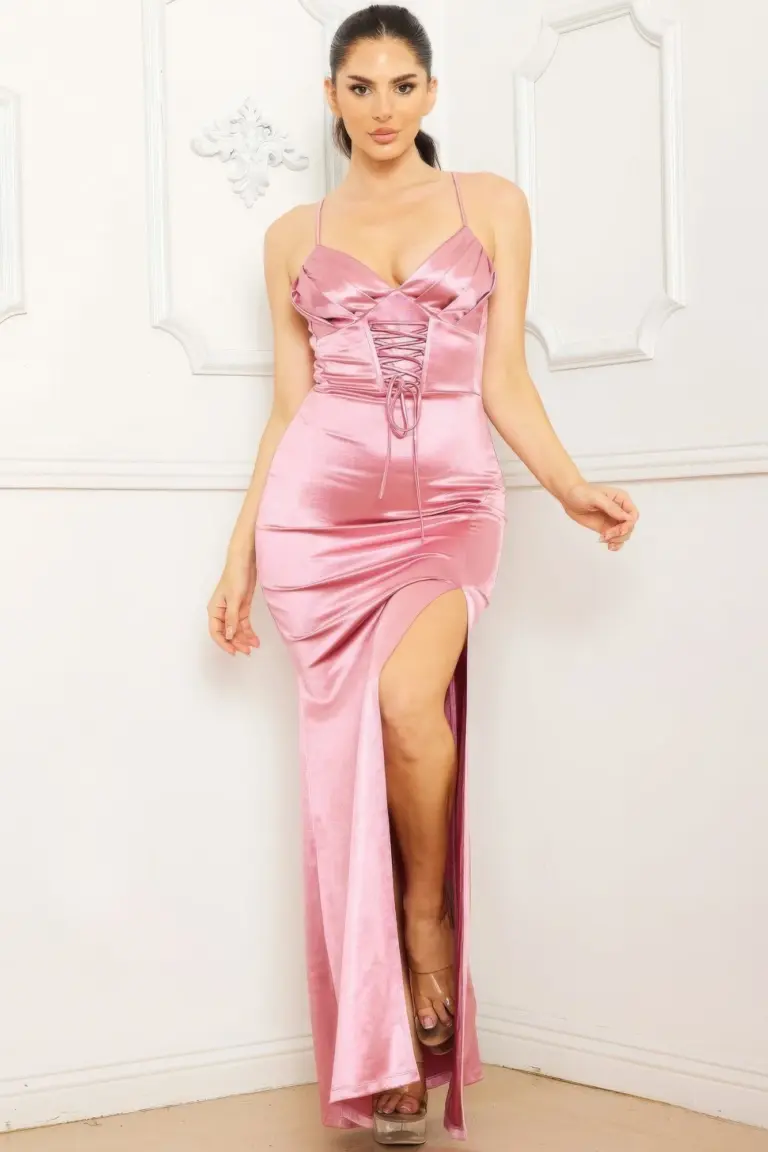 Satin DressesPlus Size Satin Maxi Dresses You Can Dress Up or Down
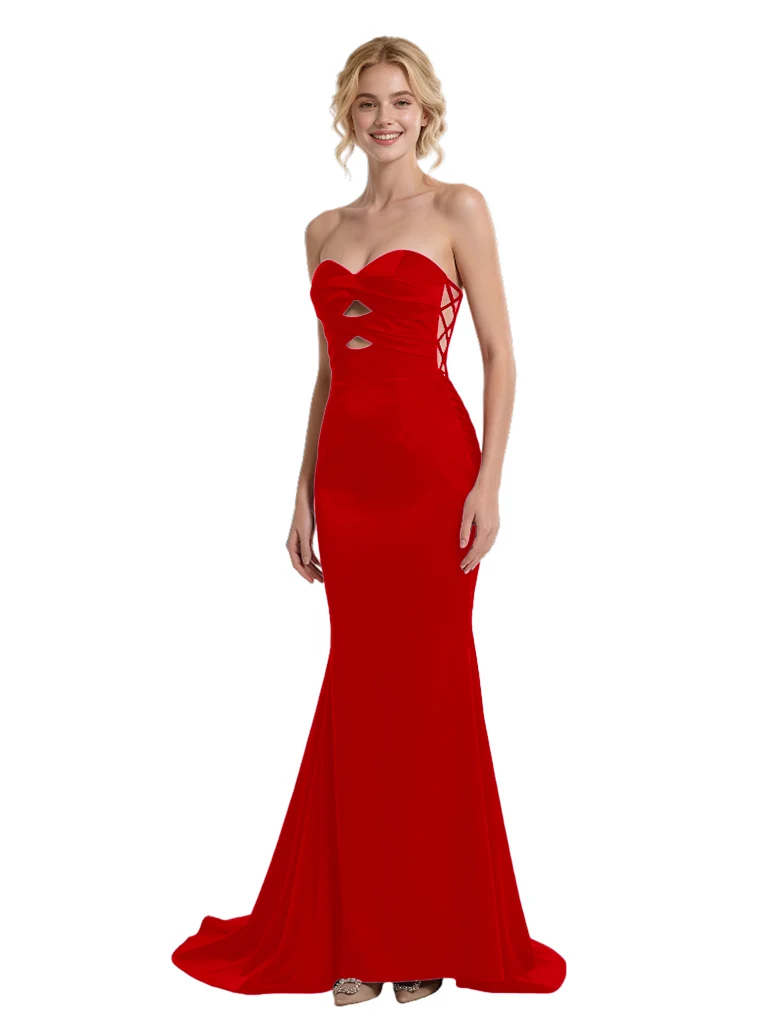
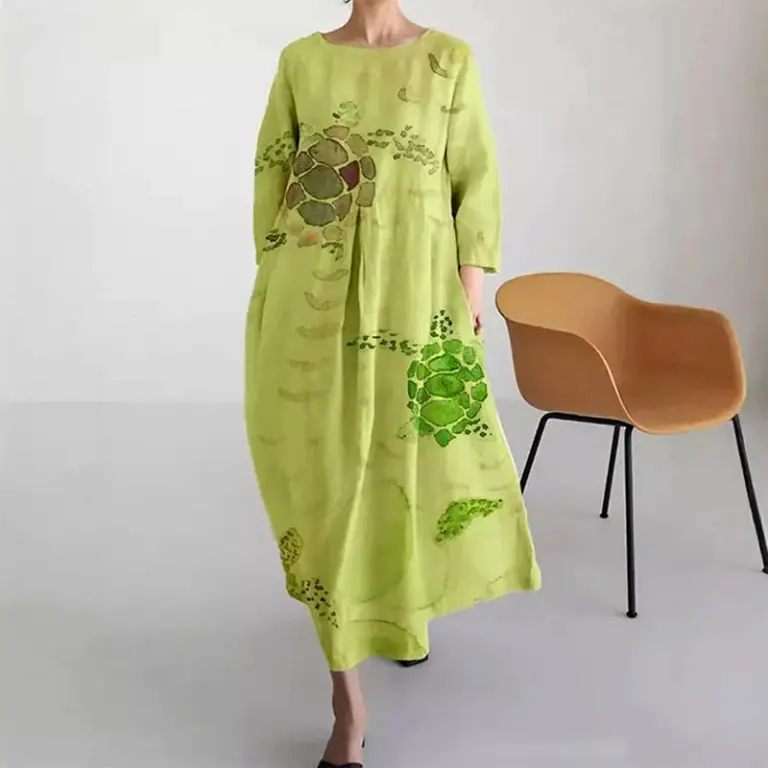 White DressesPlus Size White Summer Dresses You Can Dress Up or Down
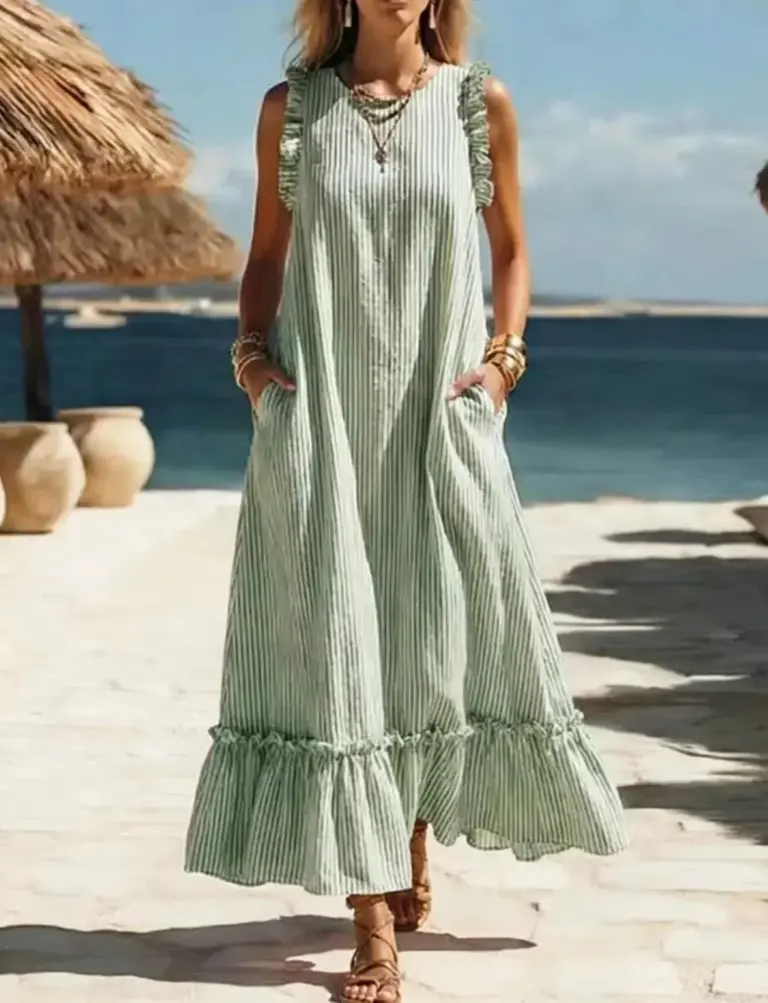
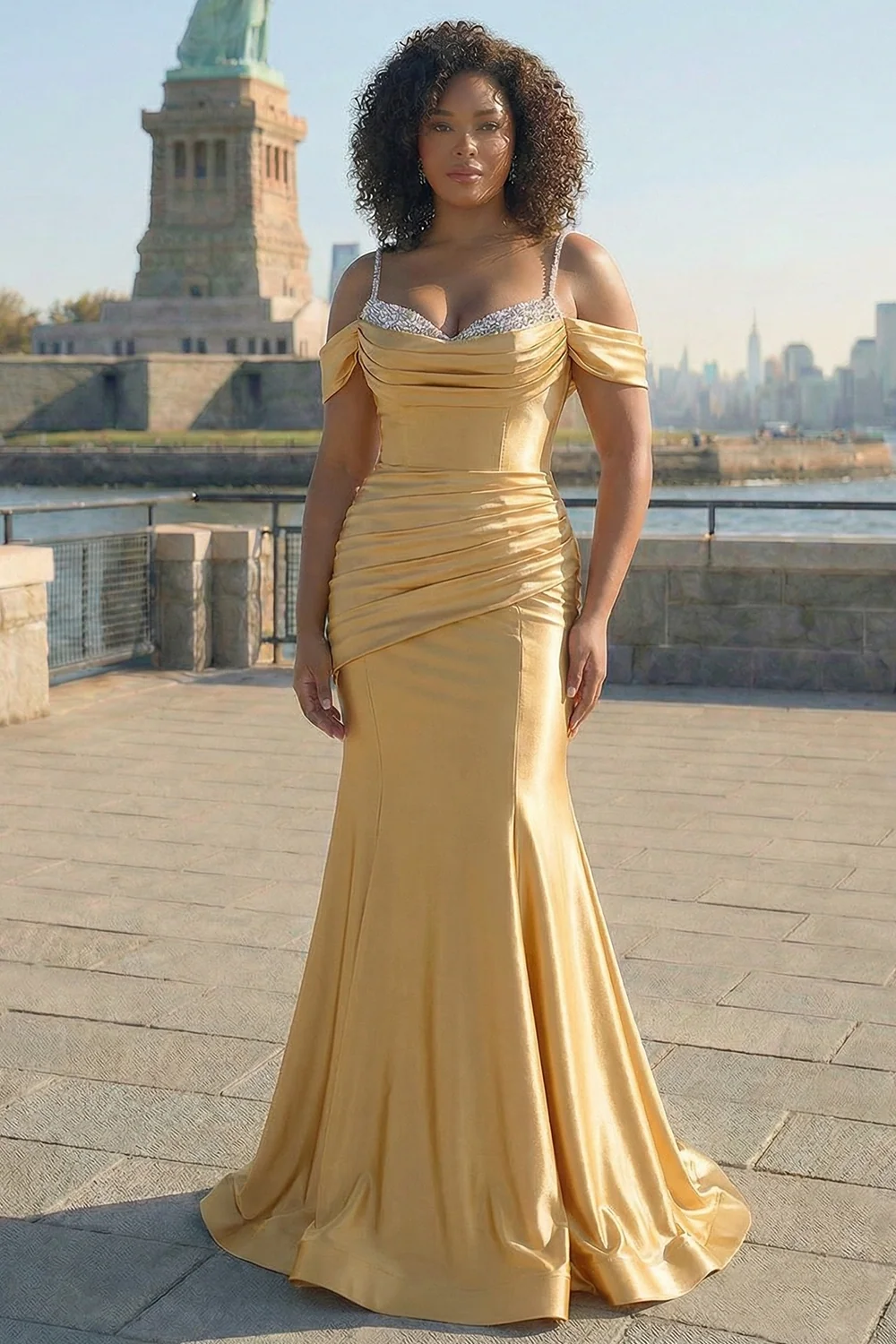 Party DressesPlus Size Satin Party Dresses: Our Honest Shortlist
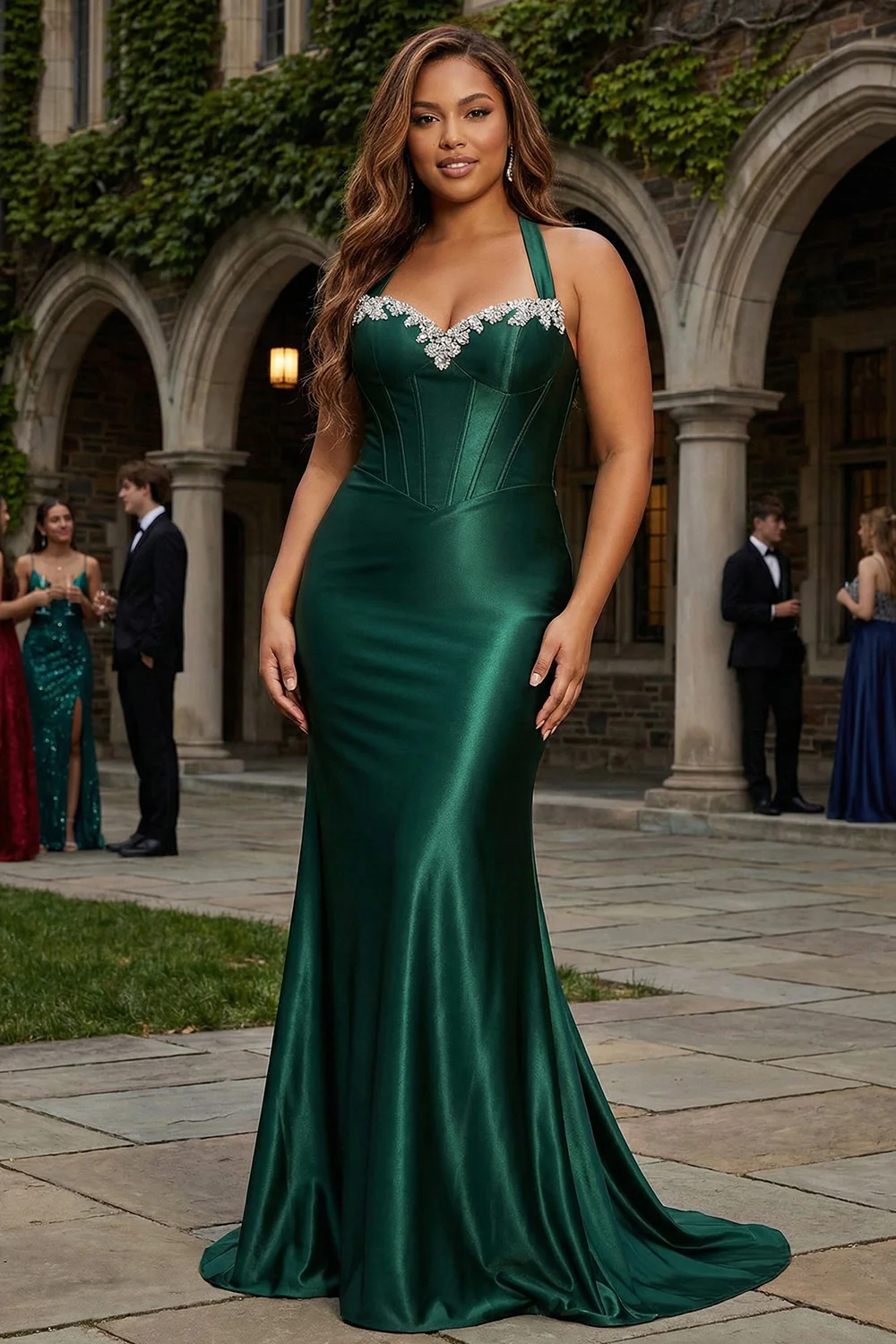
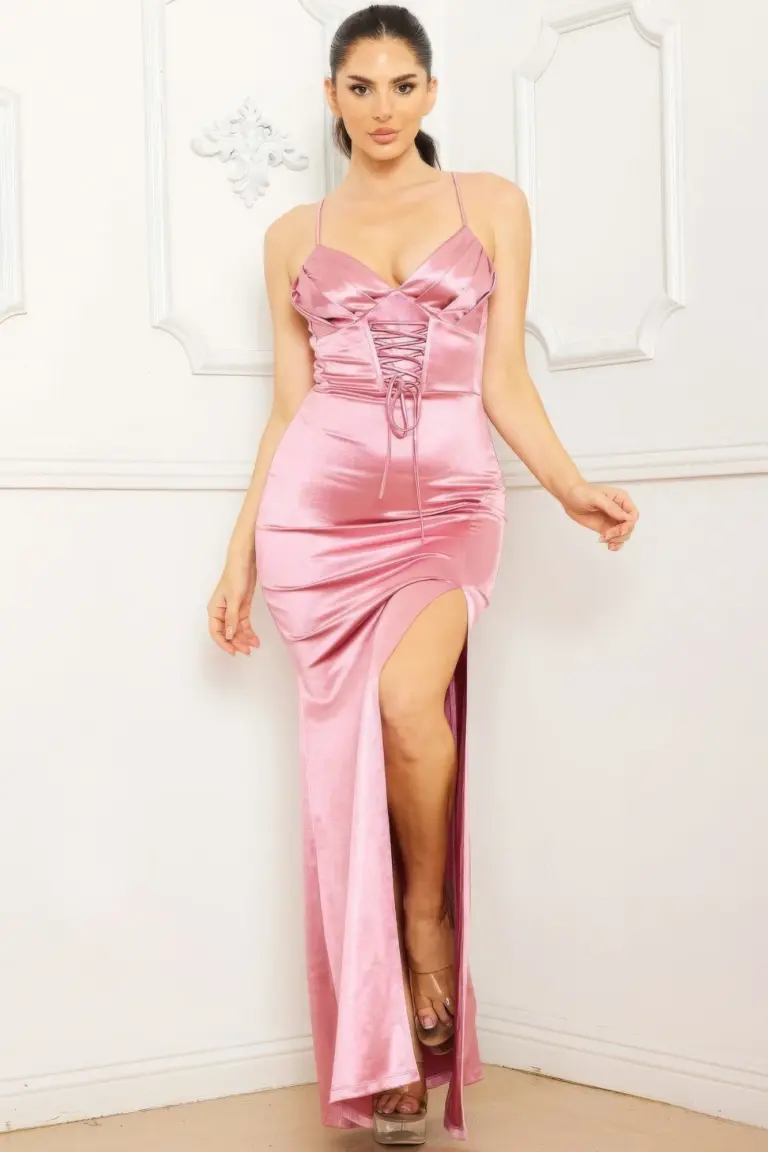 Wrap DressesPlus Size Wrap Dresses That Flatter Every CurveAlso worth a lookMini DressesThe thing nobody mentions in the fitting room is how a mini dress behaves after three hours sitting down rather than standing in front of a mirror.See the collections →
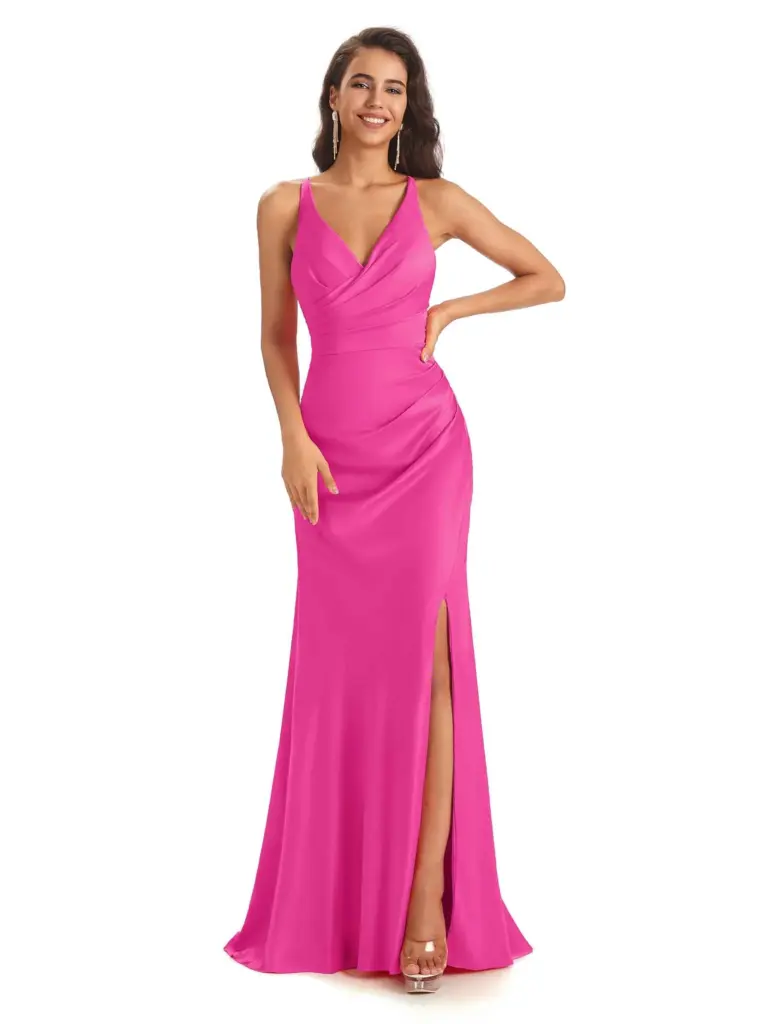
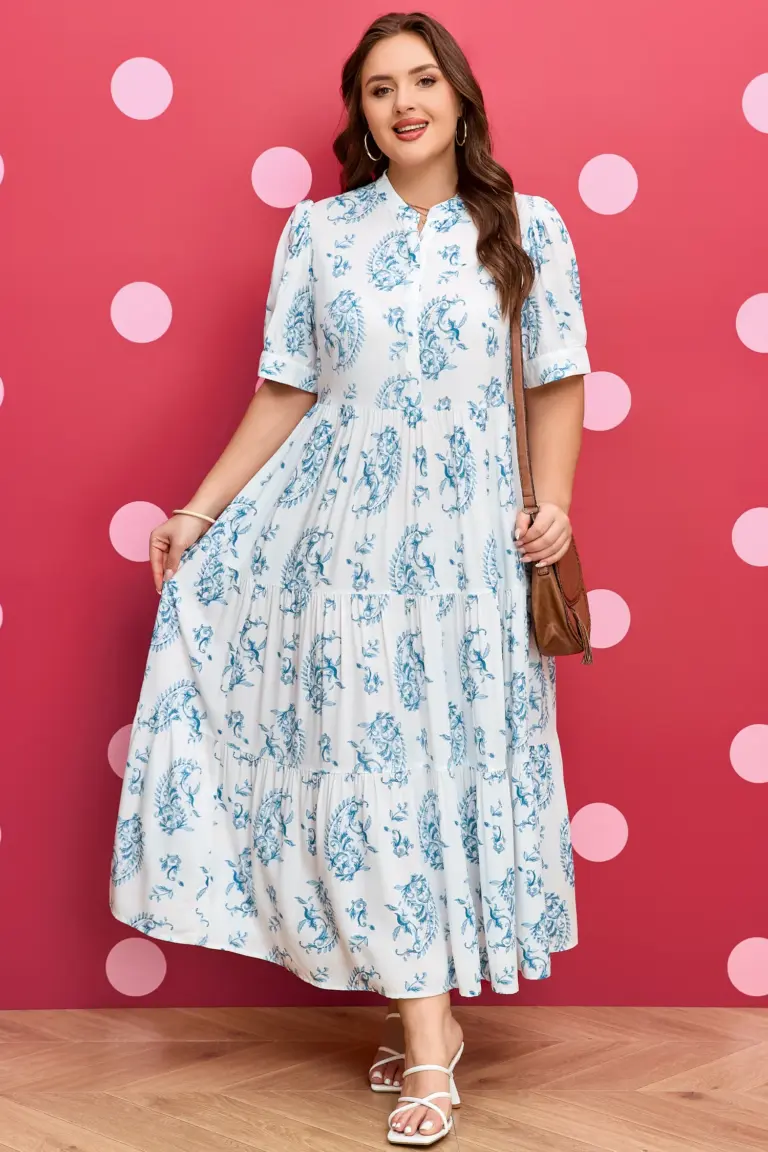 Floral DressesPlus Size Floral Maxi Dresses You’ll Want to Live In
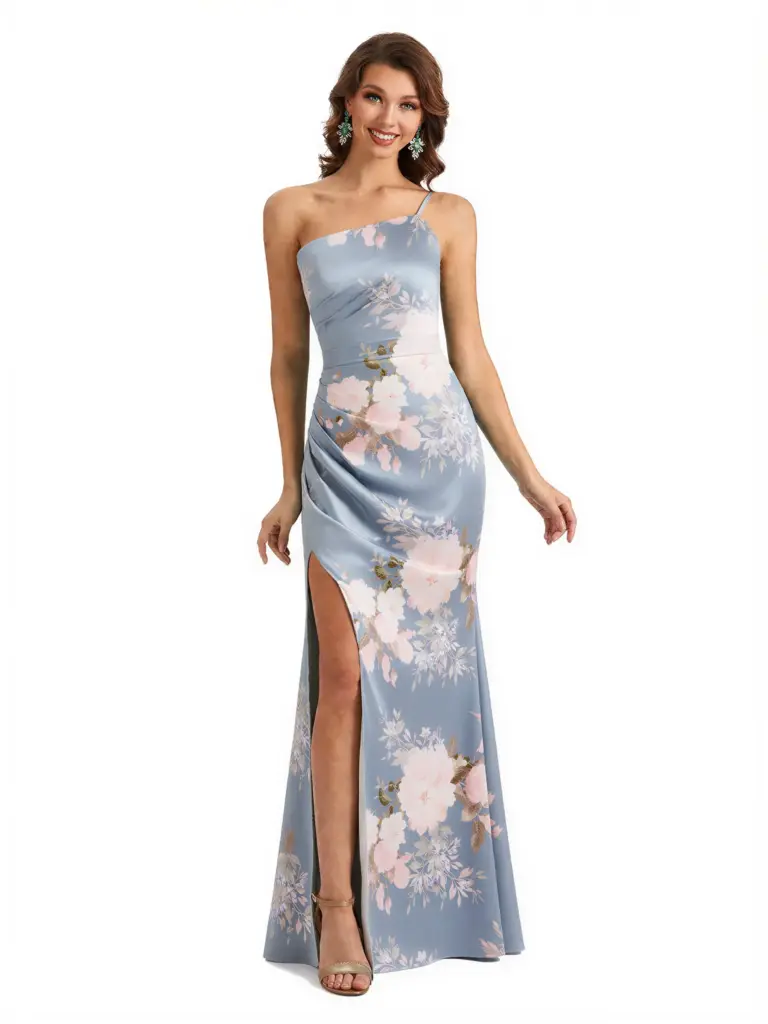
 Long Sleeve DressesPlus Size Long Sleeve Evening Dresses We’re Adding to Basket
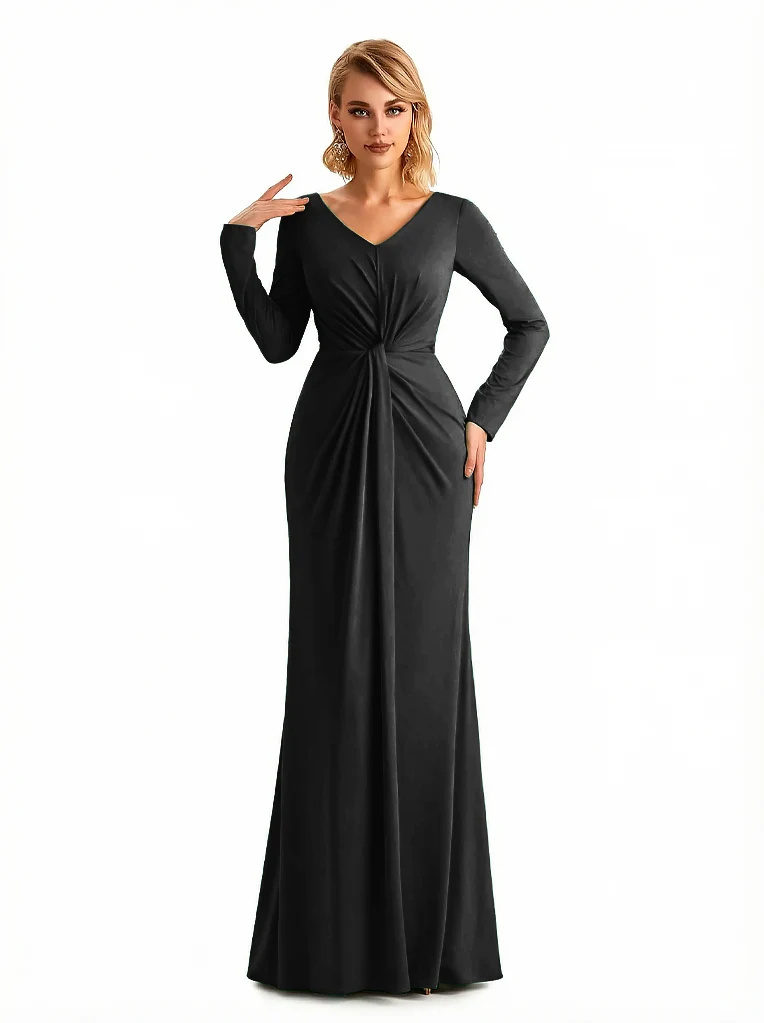
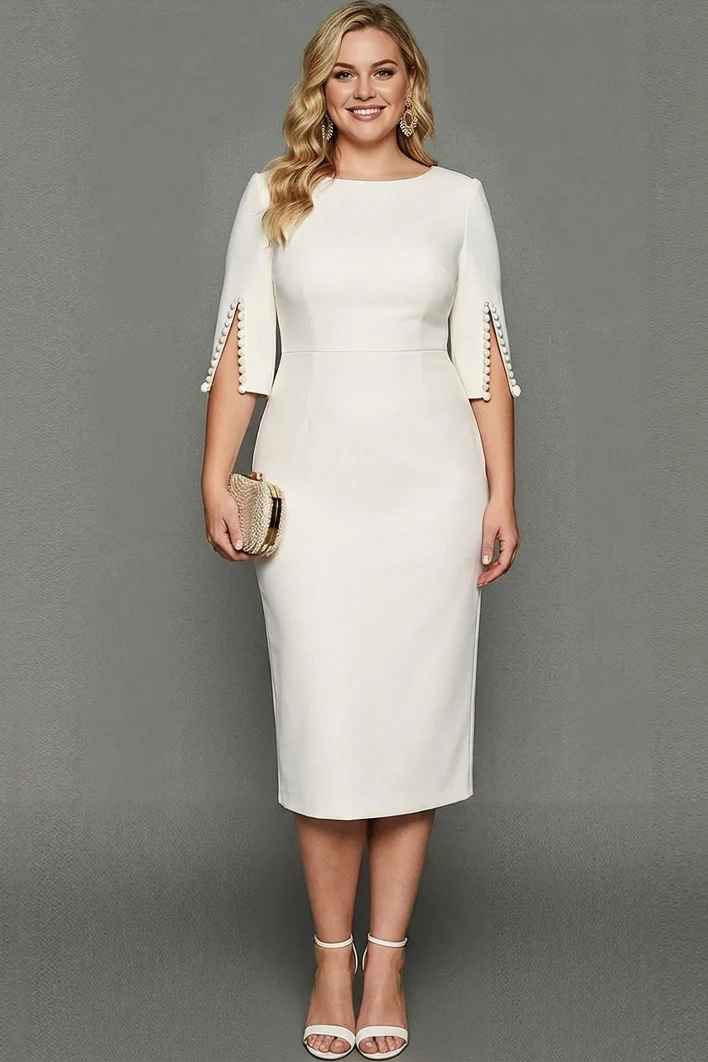 Midi DressesPlus Size Midi Dresses We Rate
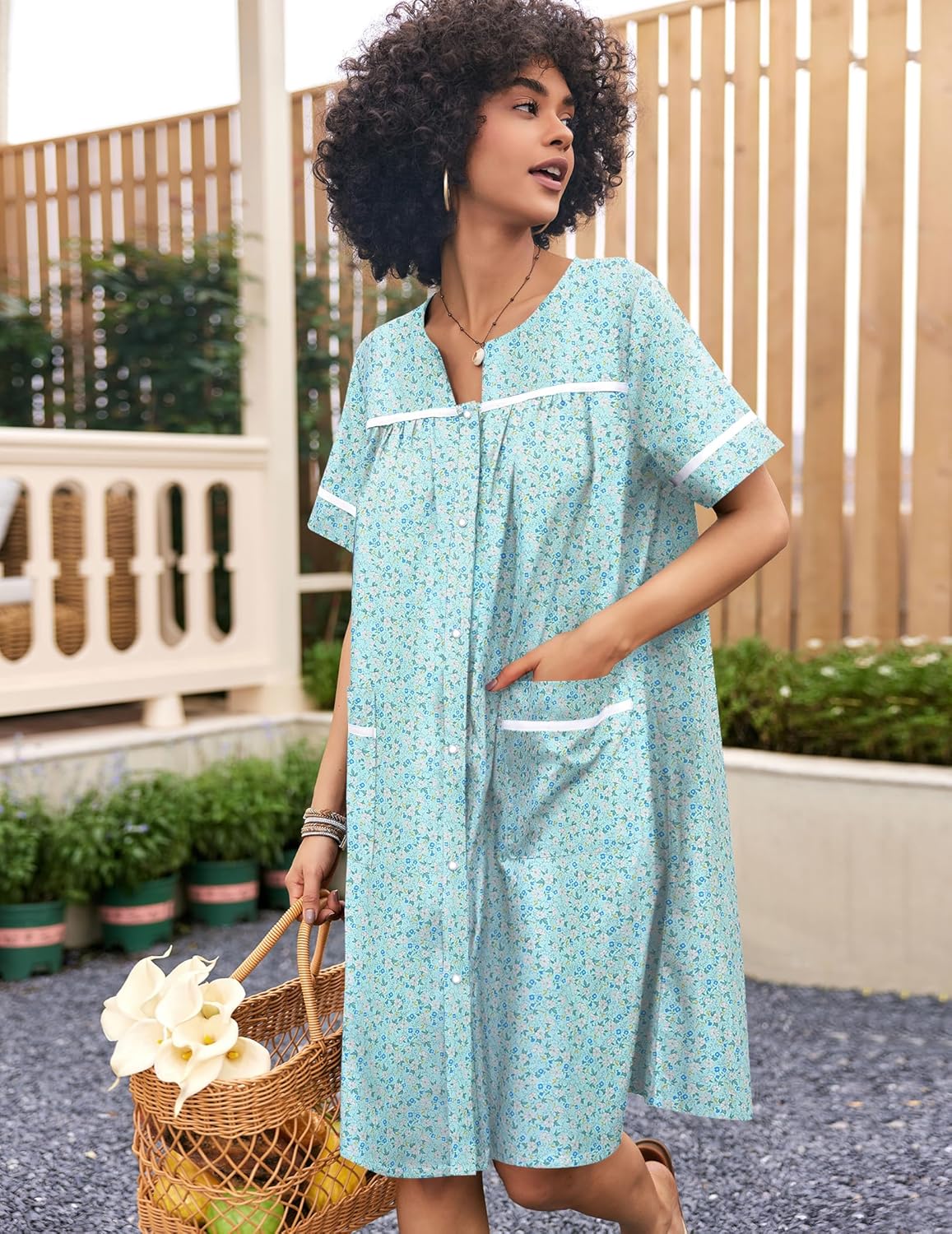
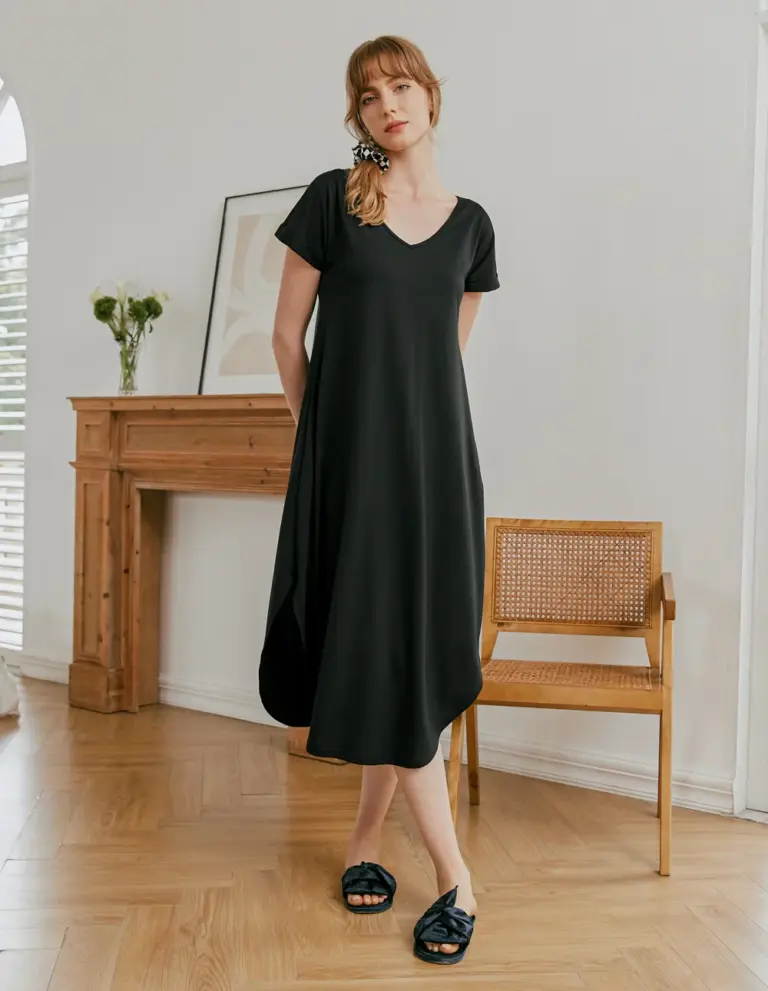 Party DressesFinding the Best Plus Size Party Dresses
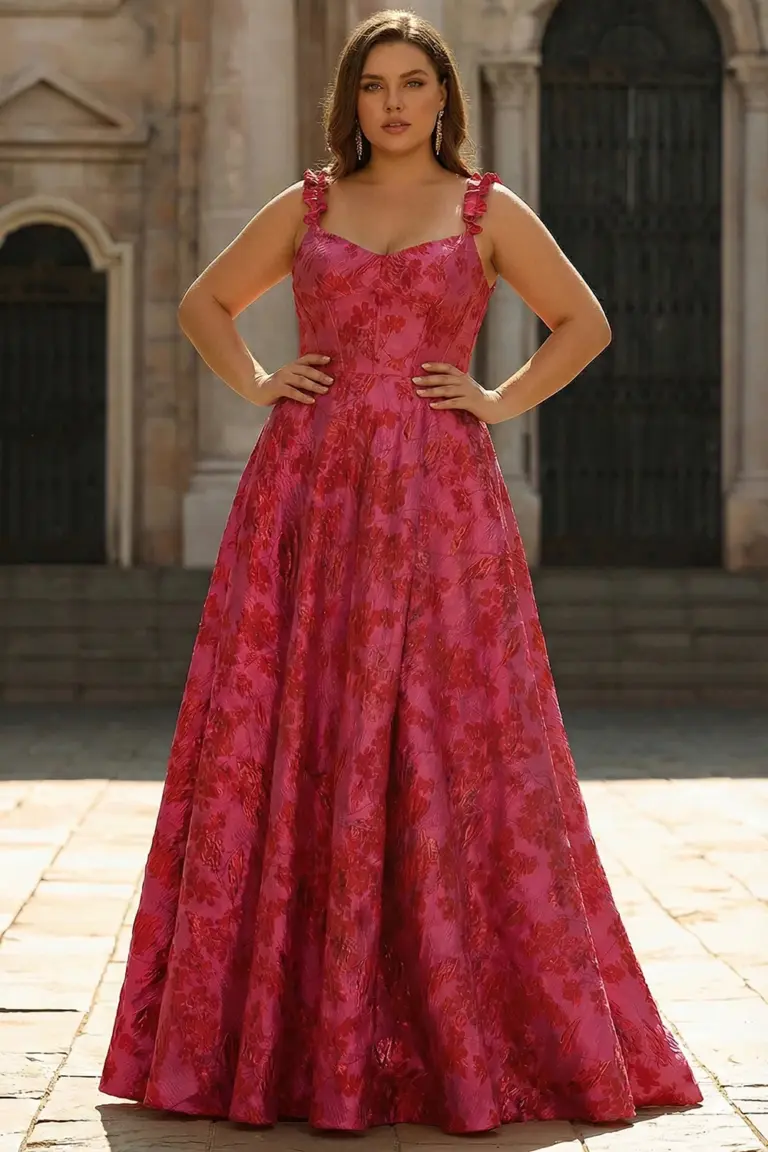
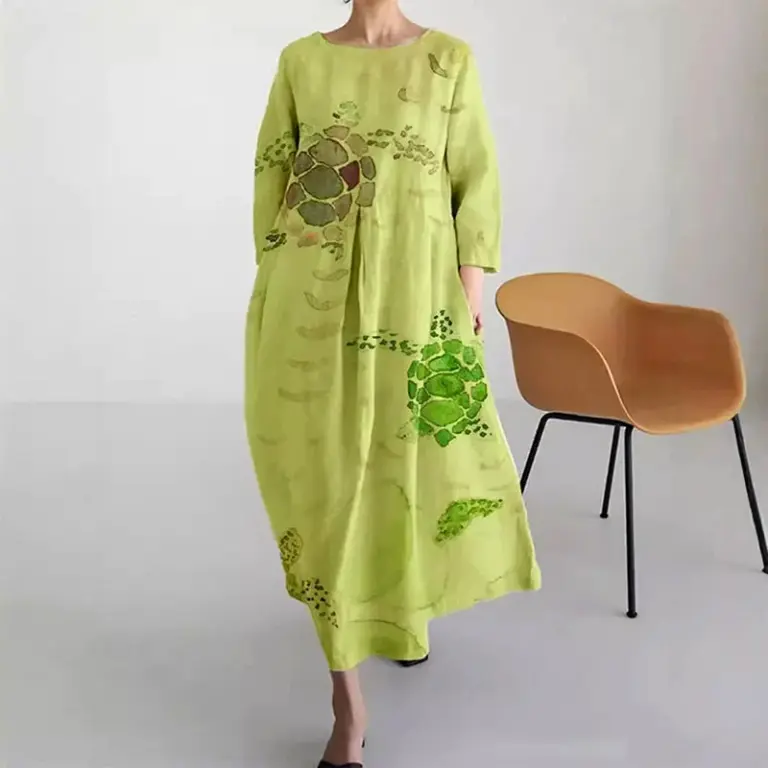 Summer DressesStandout Plus Size Floral Summer Dresses to Shop
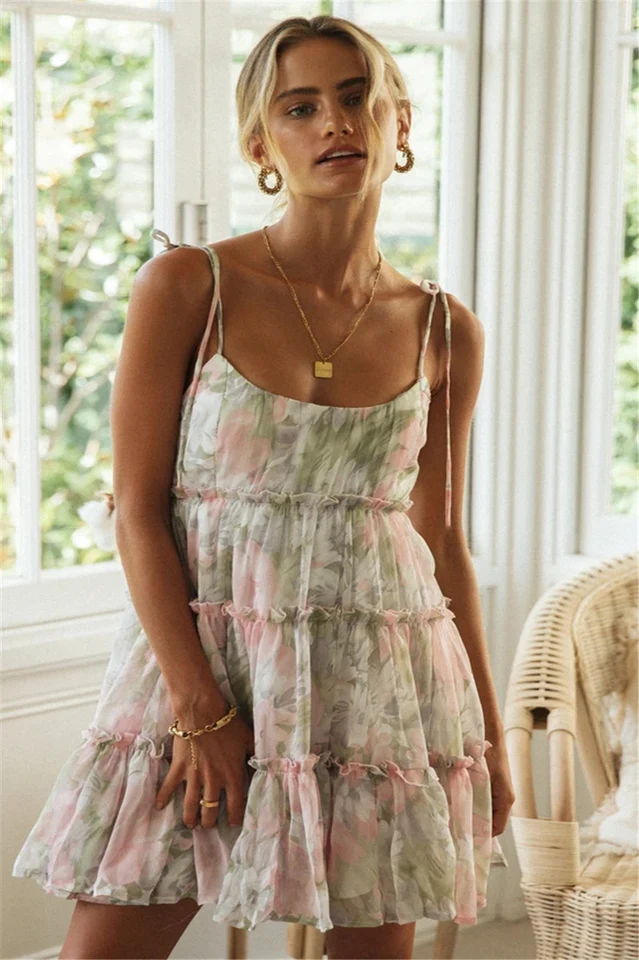
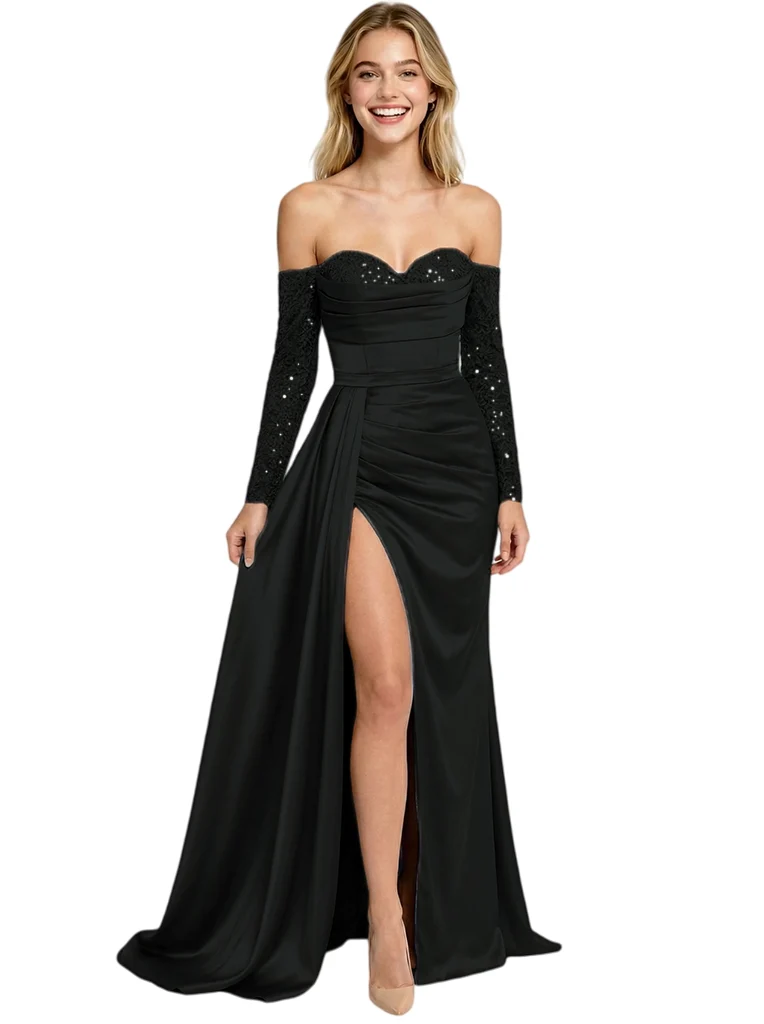 Sequin DressesPlus Size Long Sleeve Sequin Dresses We Rate
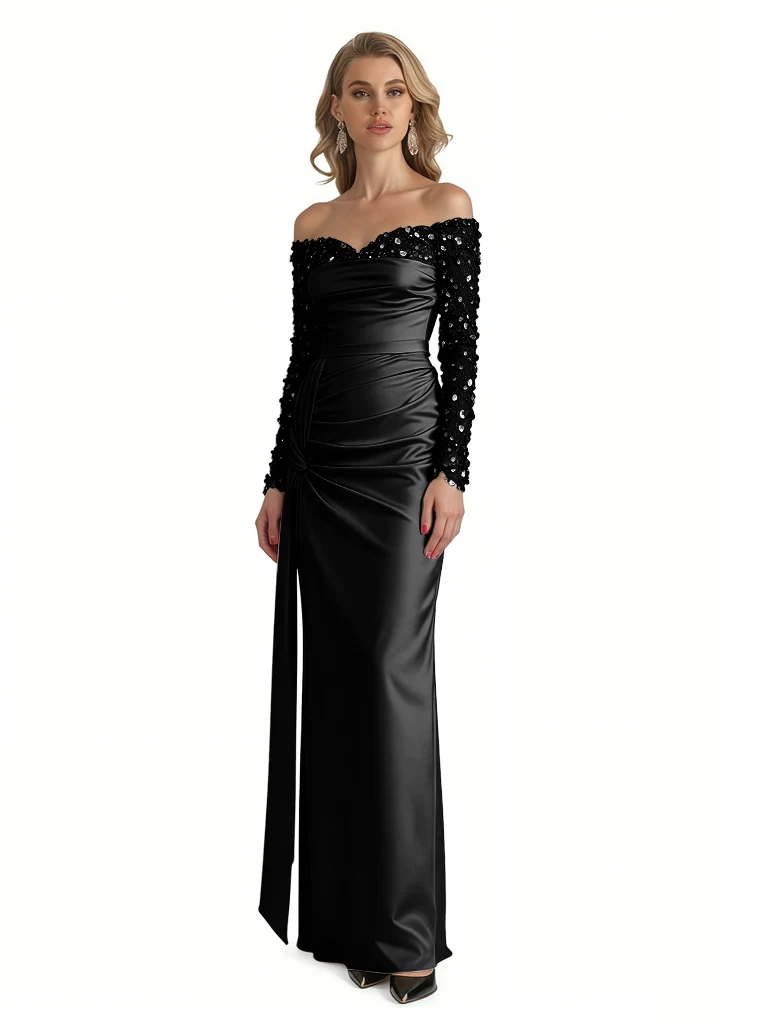
 Evening DressesPlus Size Midi Evening Dresses We Rate
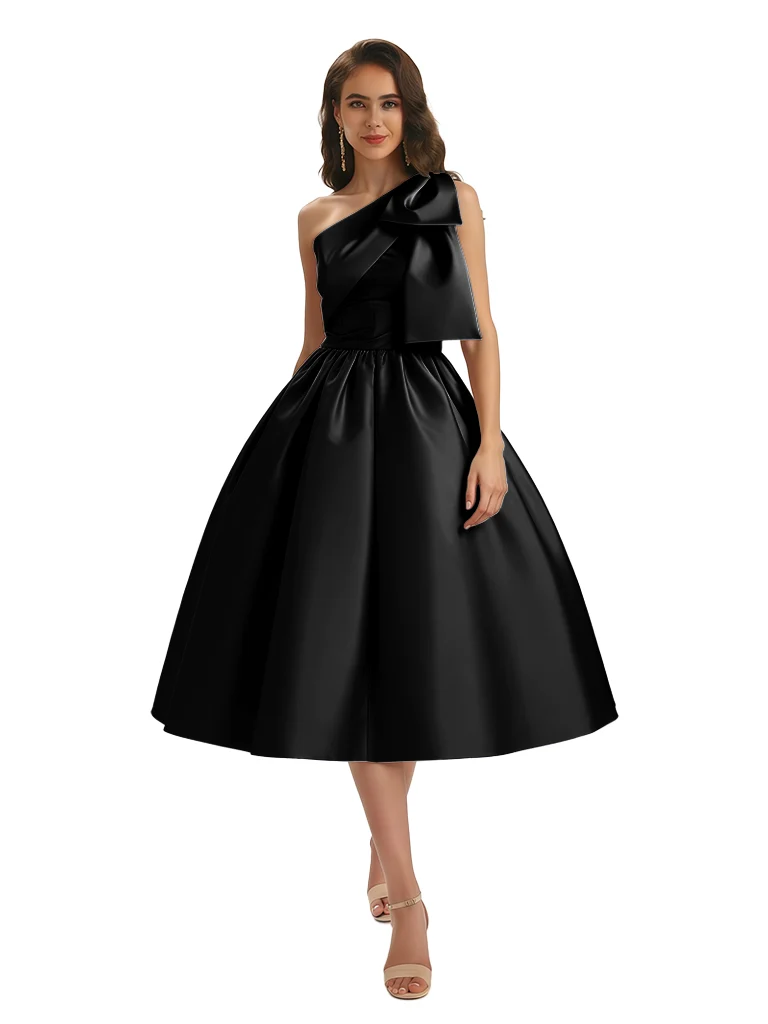
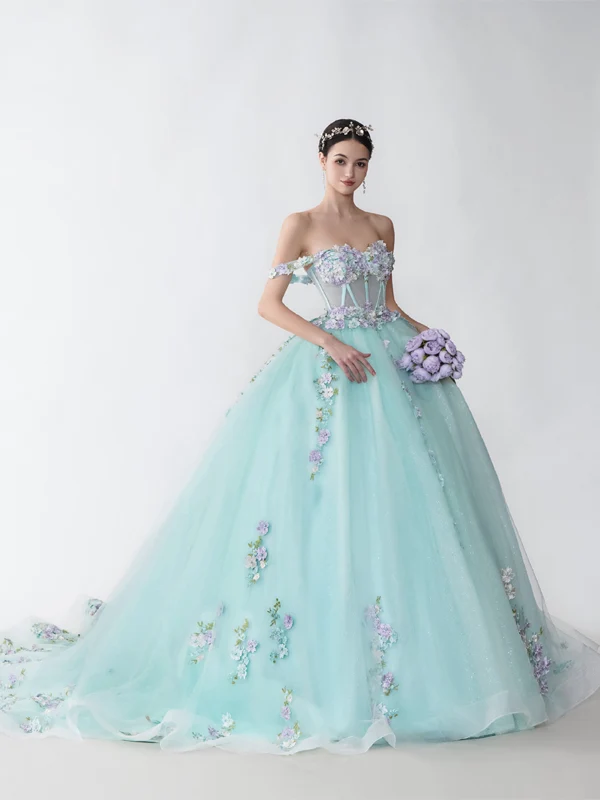 Party DressesPlus Size Party Maxi Dresses That Flatter Every Curve