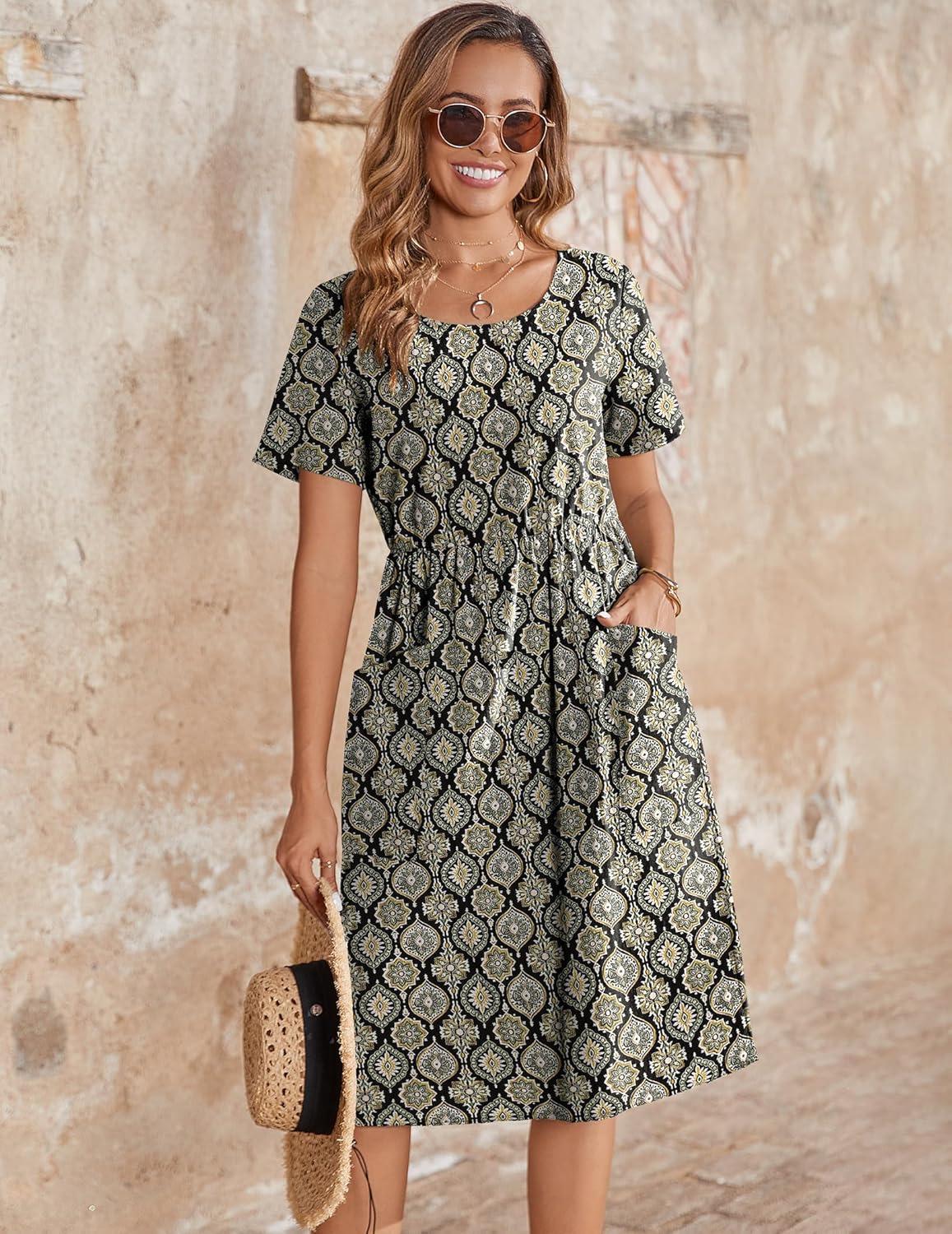
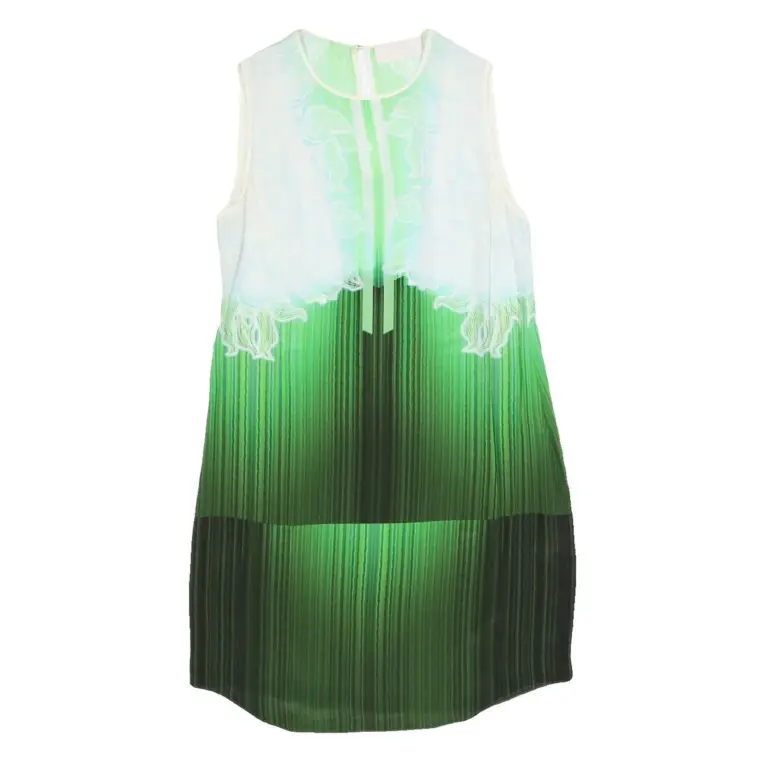
The question I get about shift dresses is whether they are too plain to bother with, and the answer is no, because the plainness is the point. A shift is a straight line from shoulder to hem with just enough shape to stop it reading as a sack, and on someone my height that straight line actually works in my favour rather than against it. The hem on a regular length one lands at my mid thigh rather than skimming the knee as intended, which I have made peace with. Verdict after years of this: buy it for the shape, not for where the label says it will end.
Where a shift lets you down is in the accessories that fight its simplicity. A thick statement necklace on top of a high round neckline just gives you two competing focal points and neither wins. Heavy boots underneath turn the whole thing matronly in a way that no amount of good tailoring up top can rescue. I learned this wearing a stiff cotton shift with chunky trainers to what I thought was a casual lunch and spending the whole afternoon looking like I was dressed for two different decades at once. Keep the shoes and jewellery quiet and let the cut do its job.
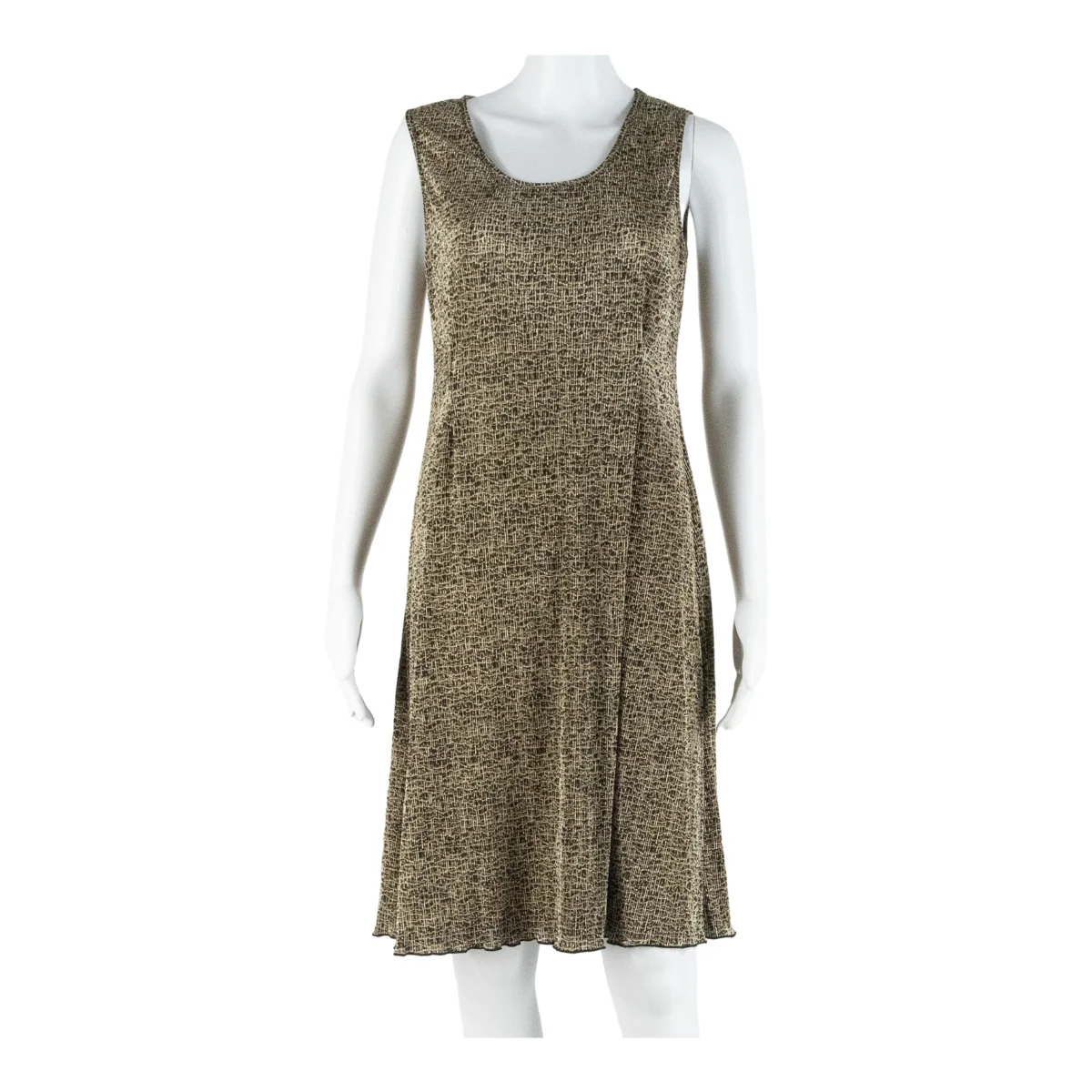
On colour, the forgiving ones are the ones you already own trousers and cardigans in, because a shift is rarely worn alone for more than half the year. Navy, bottle green, a soft rust, these all sit under a coat without an argument. White and very pale colours show every crease from sitting down, which matters more on a shift than on anything gathered or flared, since there's no fabric movement to hide behind. A slightly textured finish, a bit of linen or a ribbed jersey, disguises the inevitable sitting crease far better than anything flat and smooth.
In the shop, check the armhole before anything else, because a shift with no shape at the waist relies entirely on the shoulder and arm fit to look deliberate rather than accidental. Check the lining too if there is one, since a shift in anything remotely sheer without lining becomes a different sort of dress entirely by the time you're near a window. And check the side seams sitting on a body, not a hanger, because a shift that looks identical front and back on the rail can pull oddly across the hips on an actual human. Good for spring and early autumn, trickier in high summer unless the fabric breathes, and layered under a coat it carries you through winter without fuss. Mine has softened at the cotton over several years of washing, lost its crispness at the hem, and somehow looks better now than it did new, less like a shape and more like a dress that knows me.
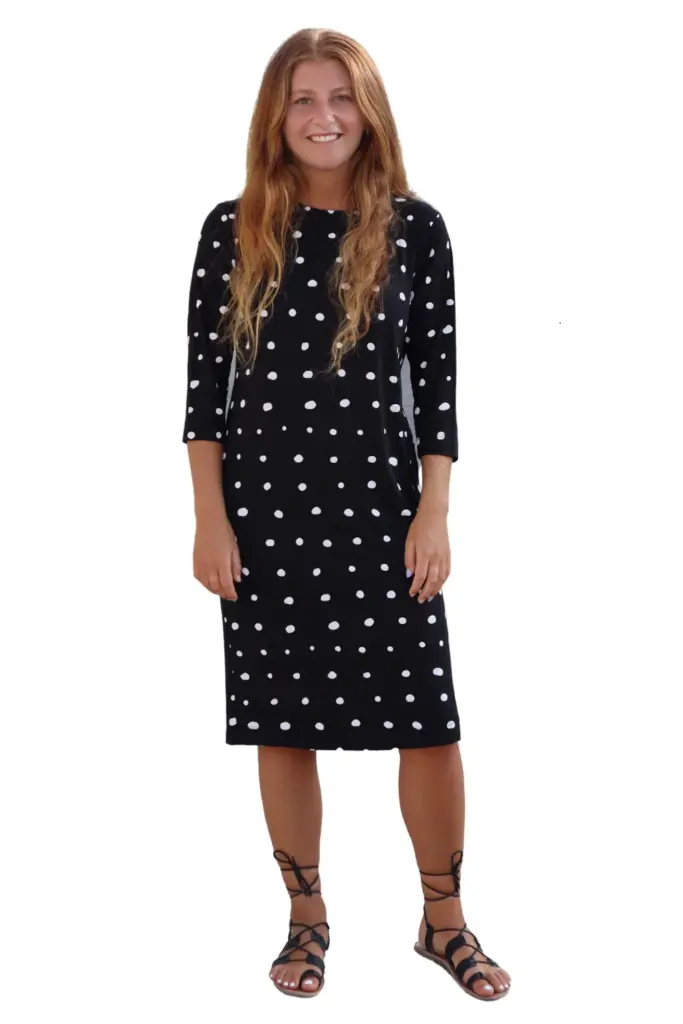 Work DressesWork Shift Dresses for When You Want to Feel Put Together
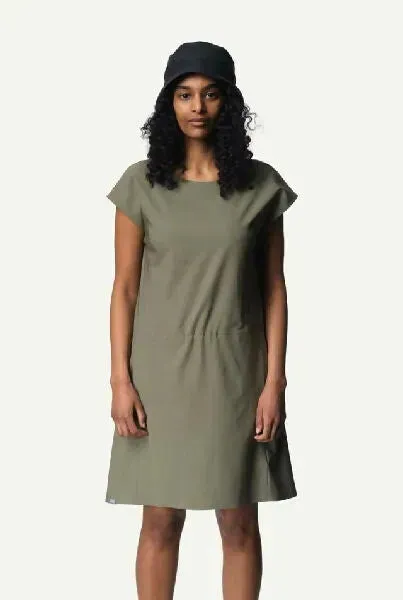
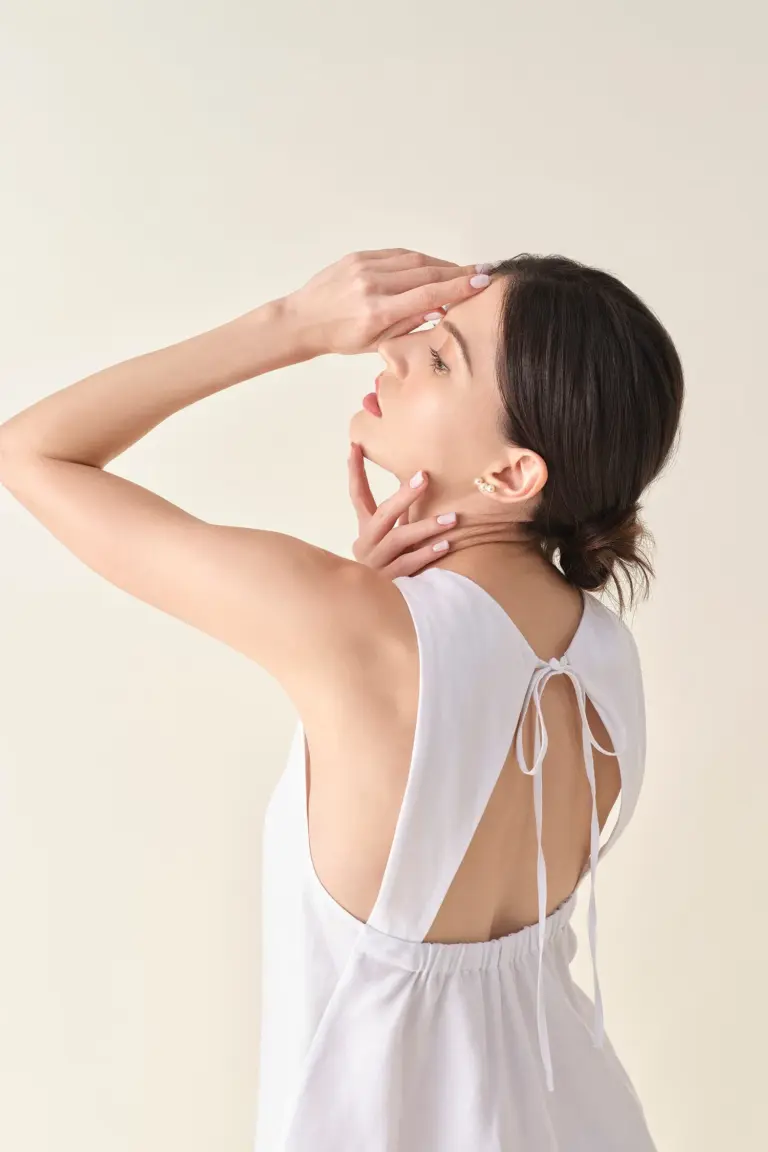 White DressesThe White Shift Dresses We’d Wear Anywhere
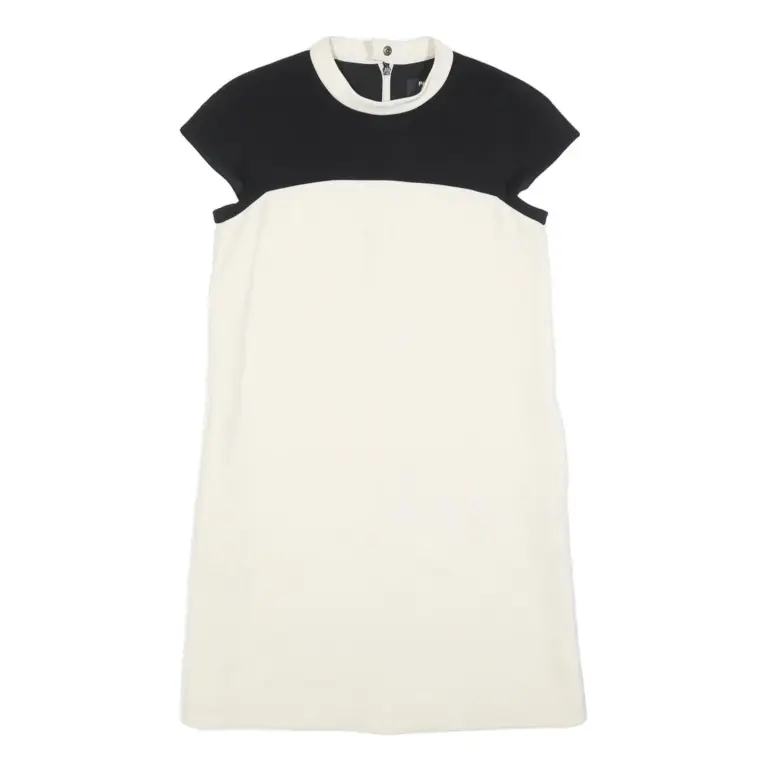
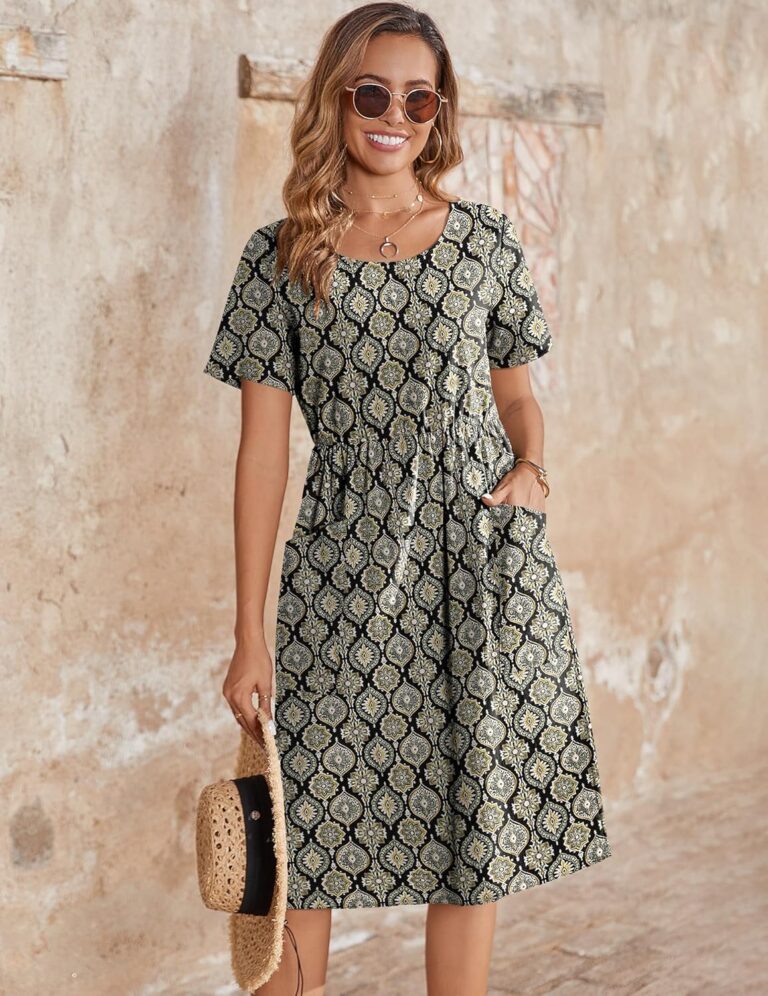 Knee Length DressesWhite Knee Length Shift Dresses You’ll Want to Live In
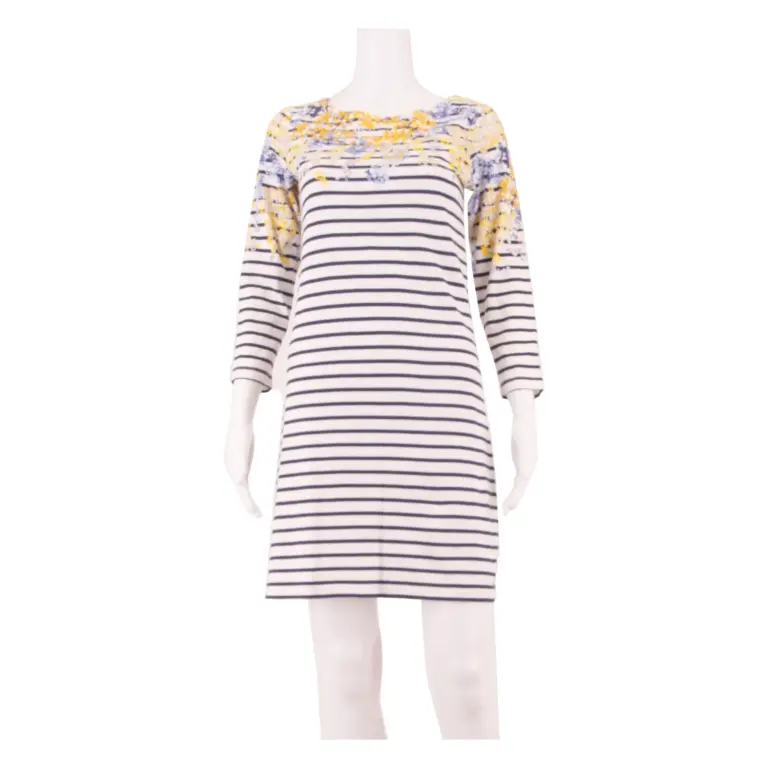
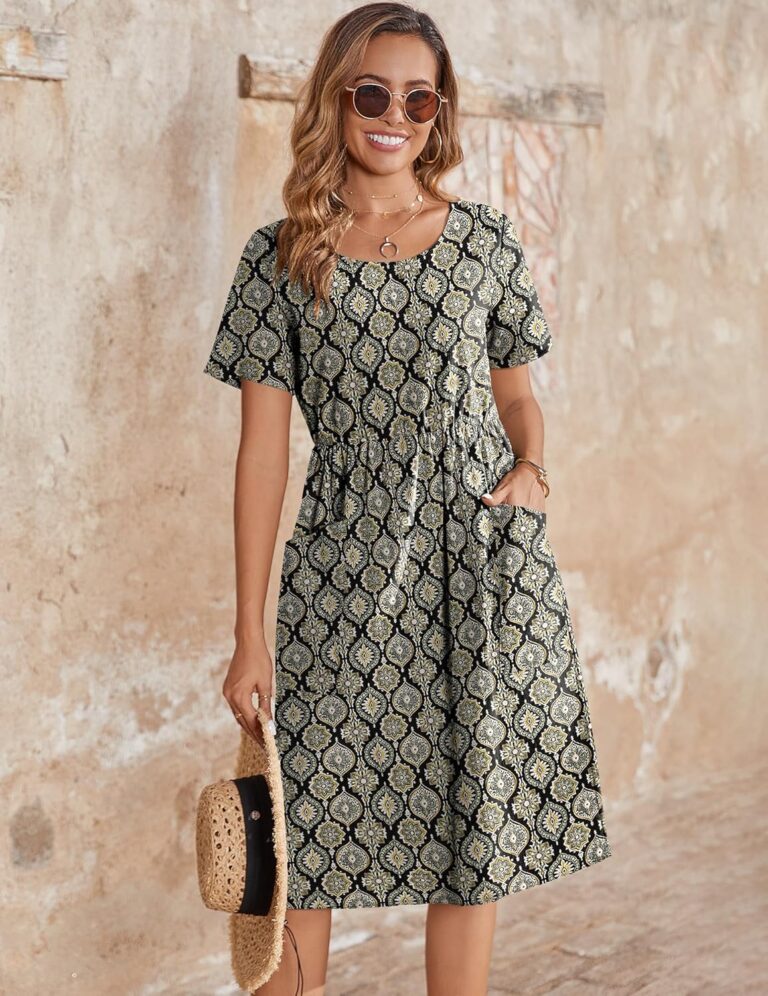 White DressesWhite Floral Shift Dresses That Feel Special
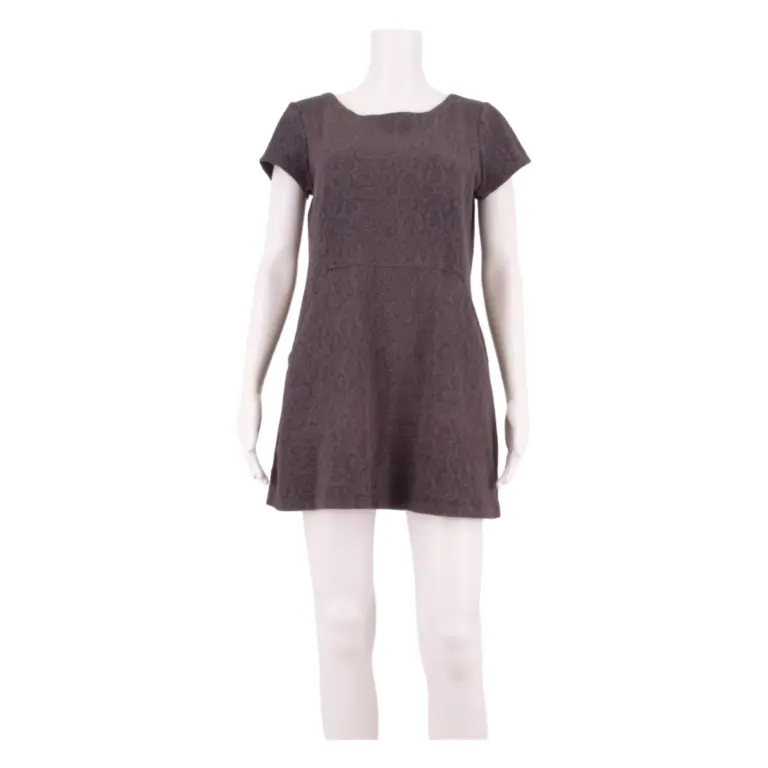
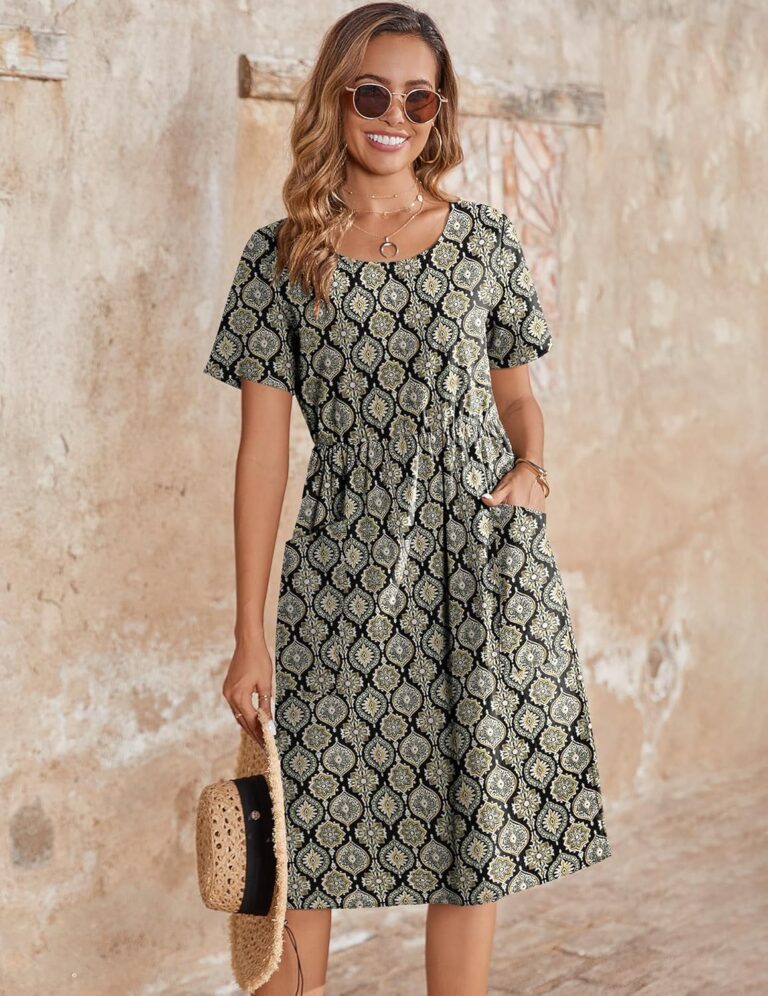 Casual DressesThe Only White Casual Shift Dresses You Need to See
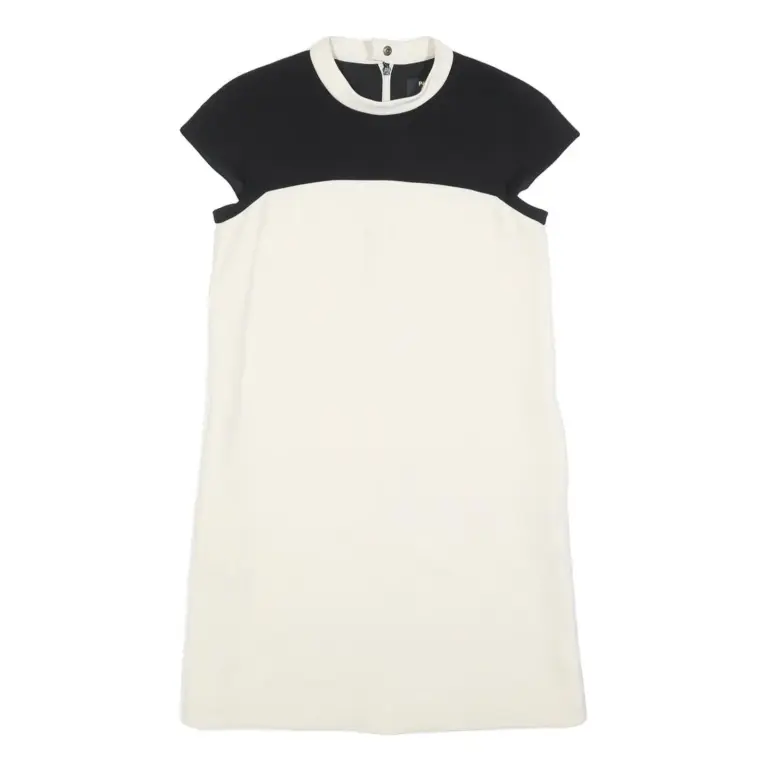
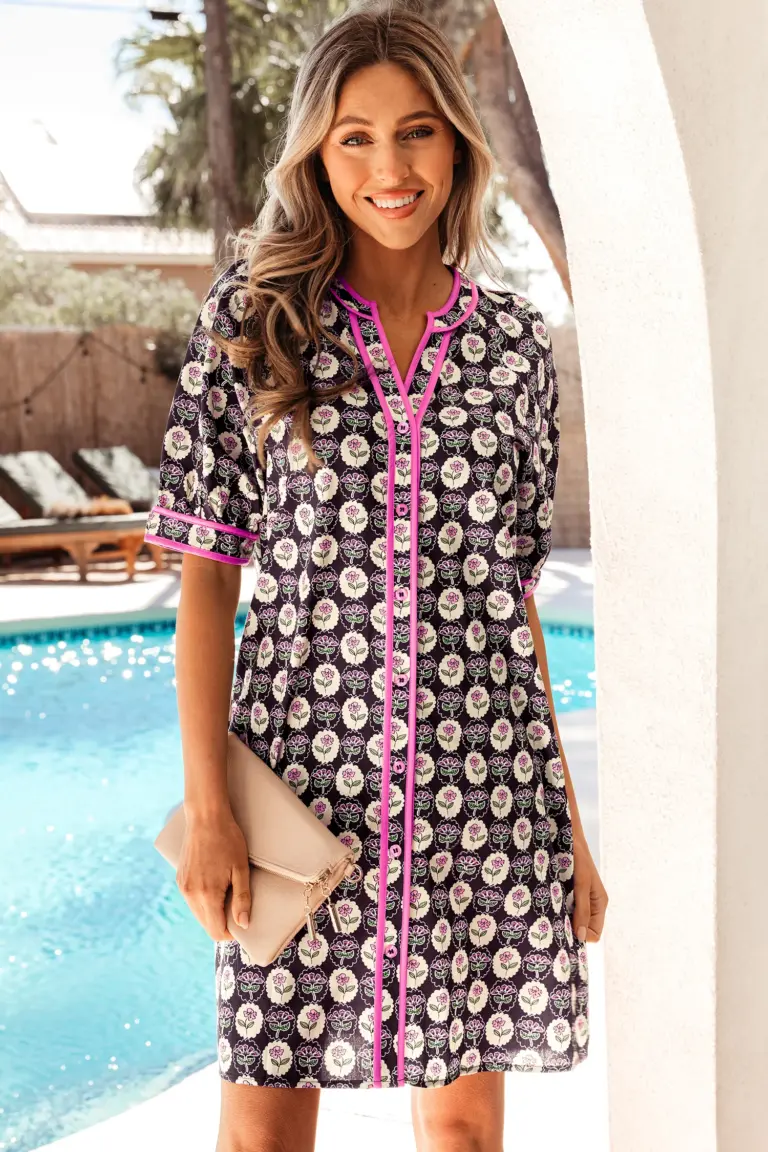 Shop Our Favorite Viscose Shift Dresses
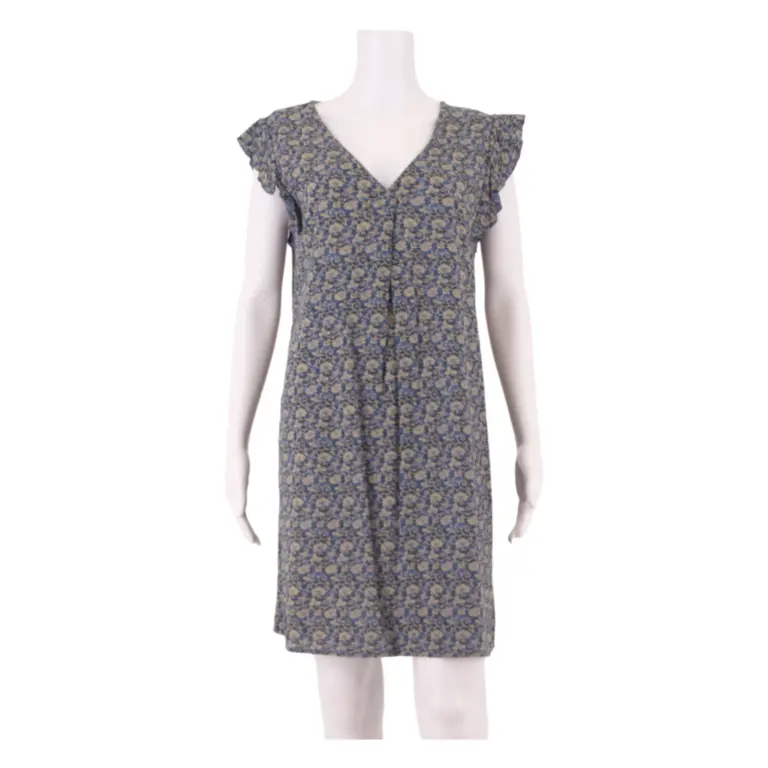
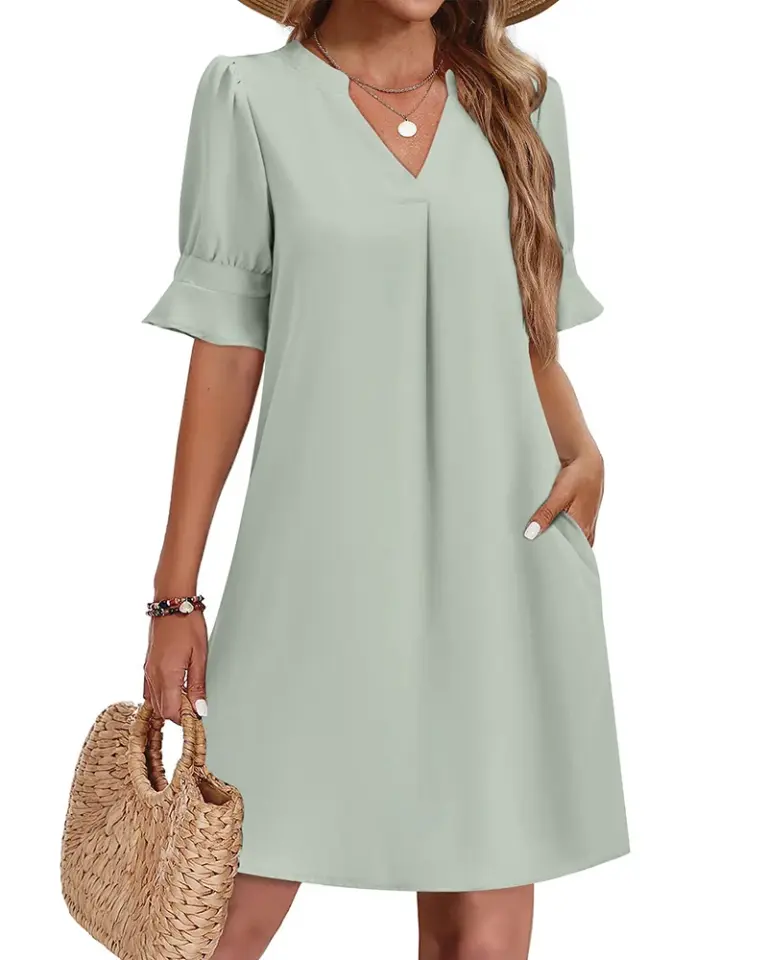 V Neck DressesV Neck Shift Dresses That Always Get Compliments
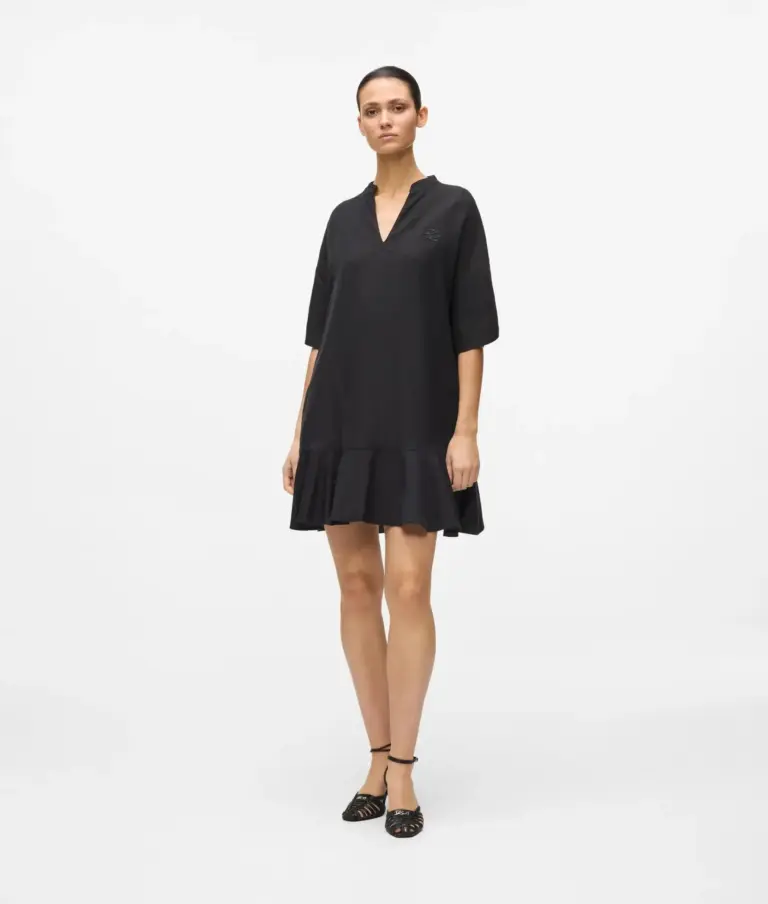
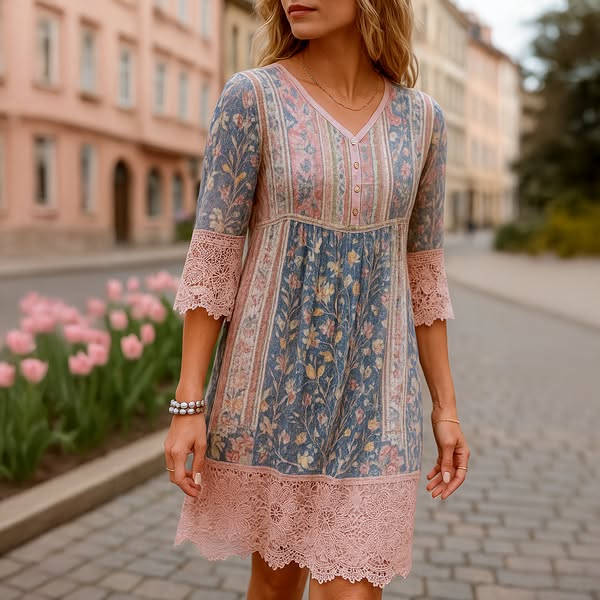 Summer DressesSummer Shift Dresses: Our Top Picks
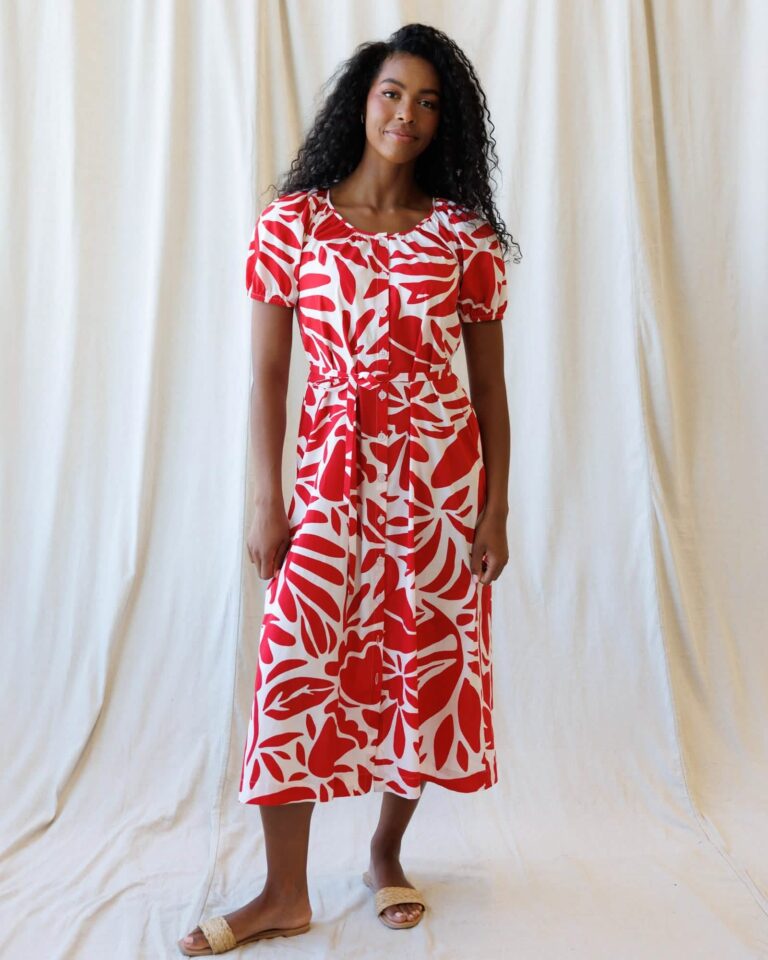
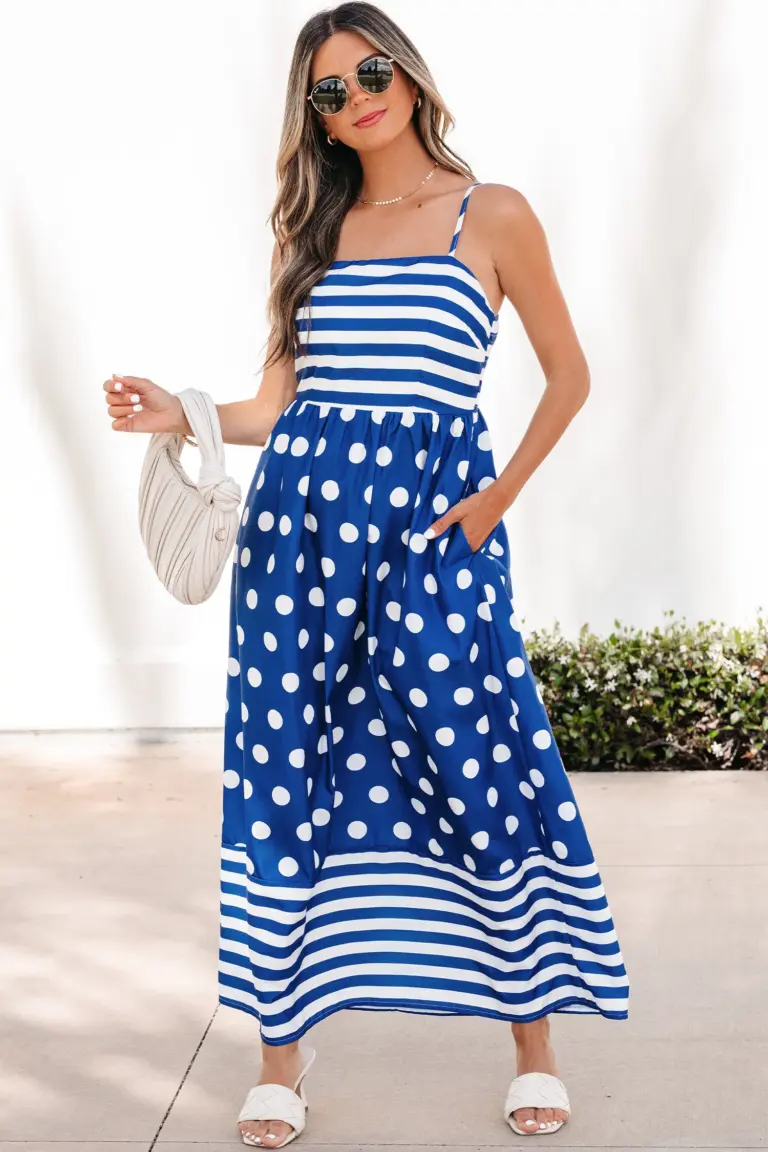 Striped DressesStriped Shift Dresses That Make Getting Dressed EasyAlso worth a lookMidi DressesThe moment a midi dress properly clicked for me was a wedding in October, cold enough for tights,…See the collections →
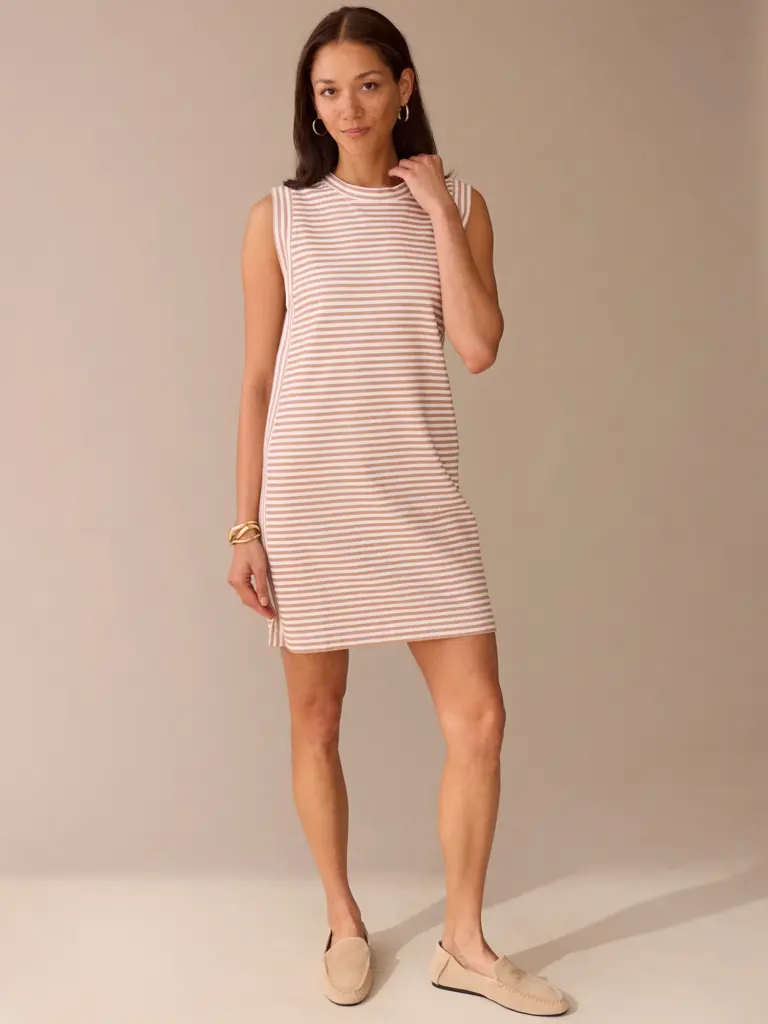
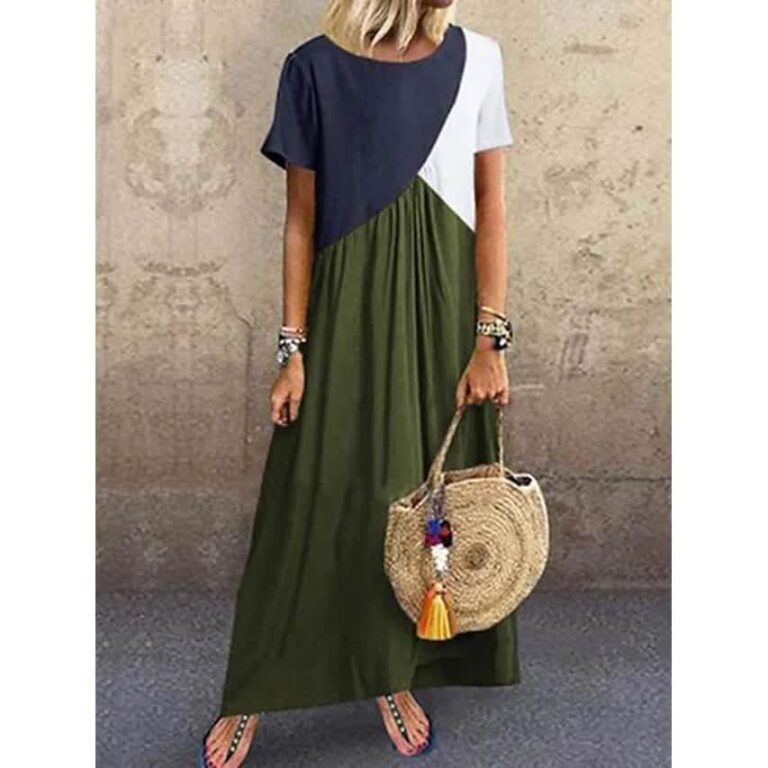 The Only Spring Shift Dresses You Need to See
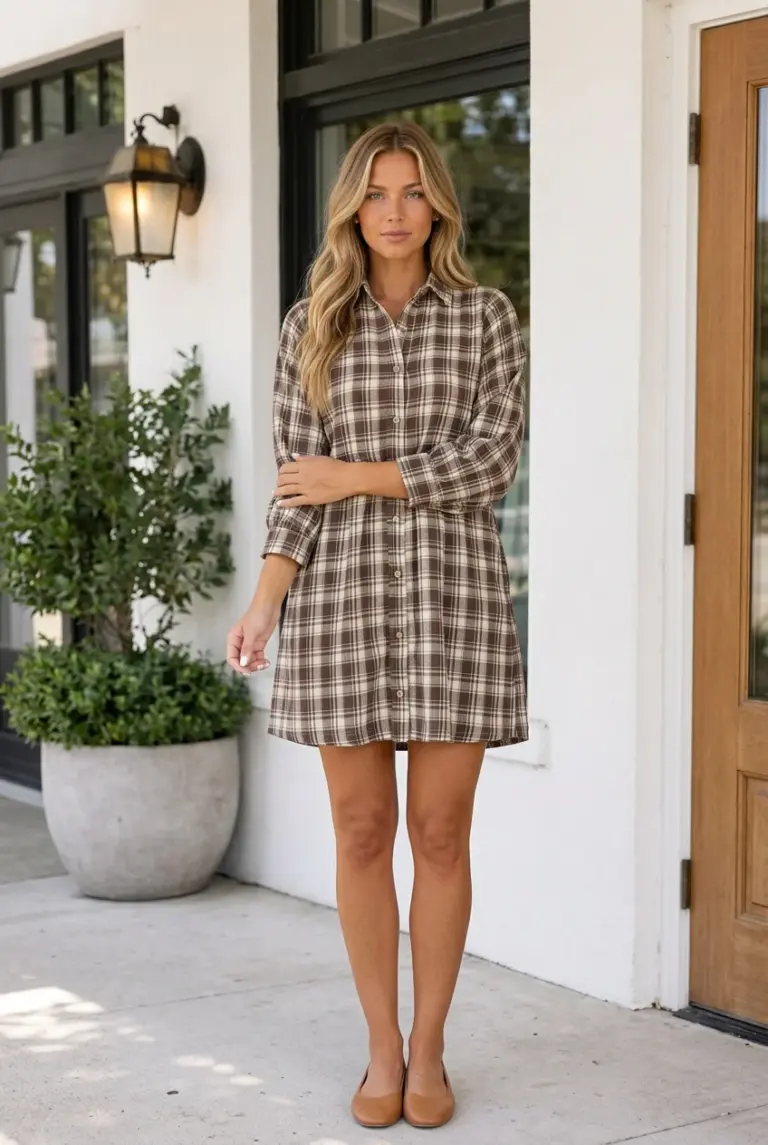
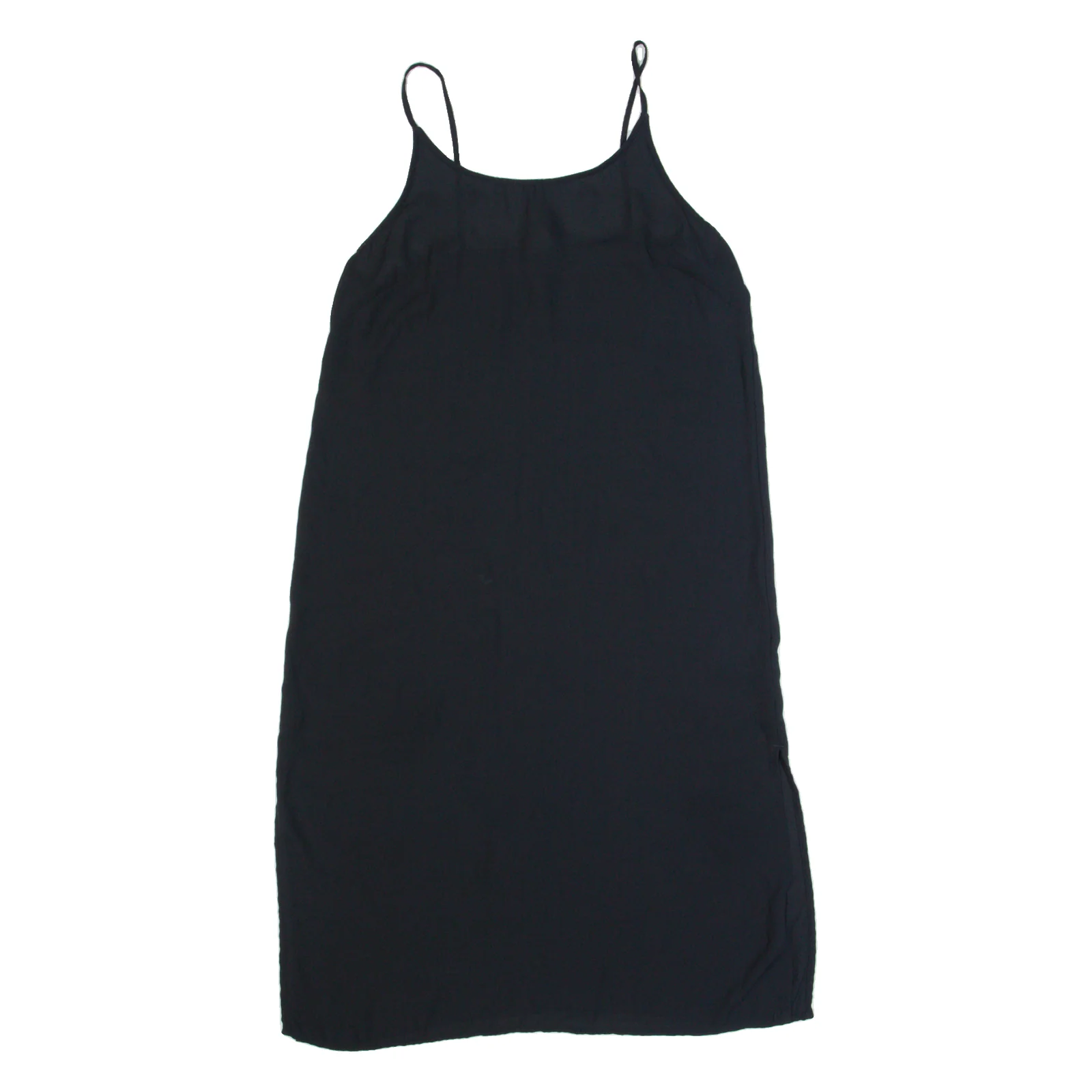
 Sleeveless DressesSleeveless Midi Shift Dresses That Make Getting Dressed Easy
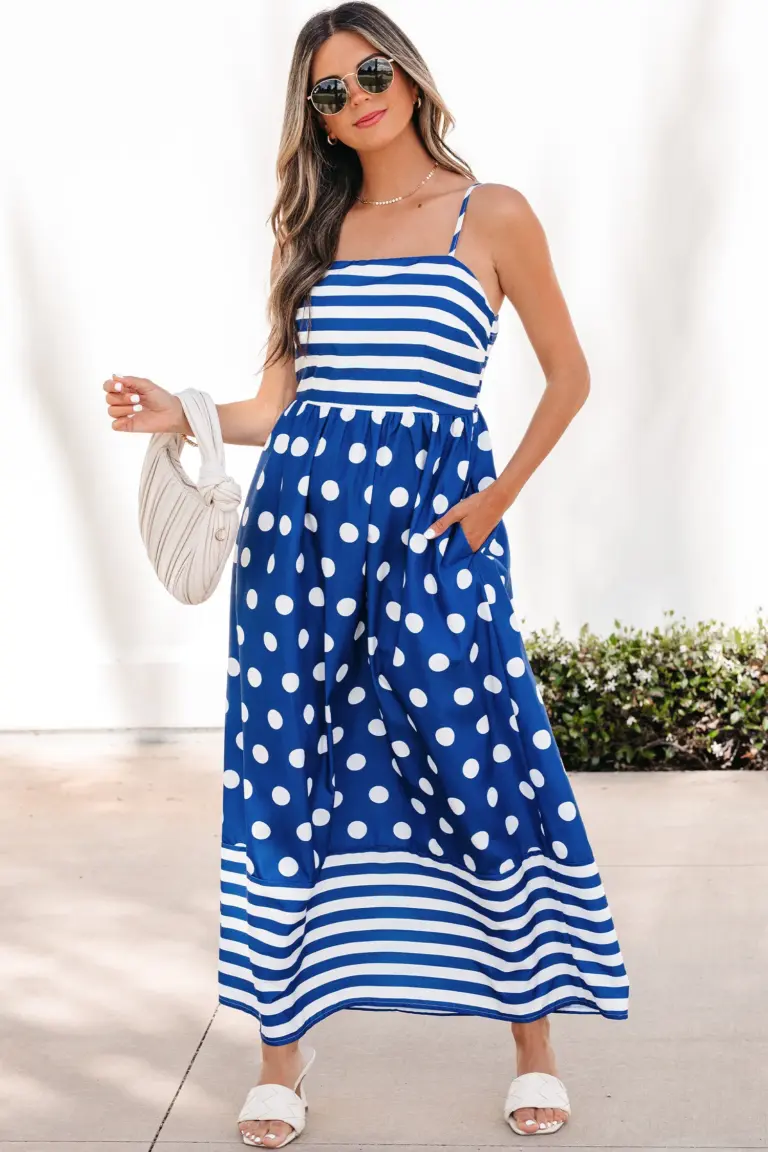 Sleeveless DressesSleeveless Shift Dresses That Always Get Compliments
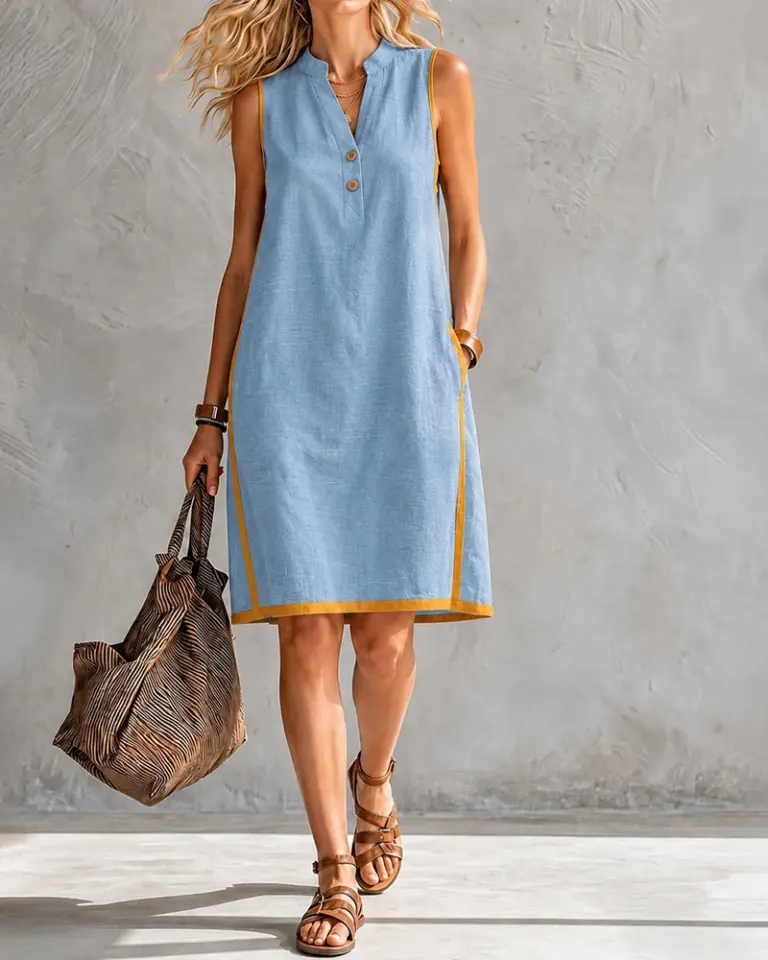
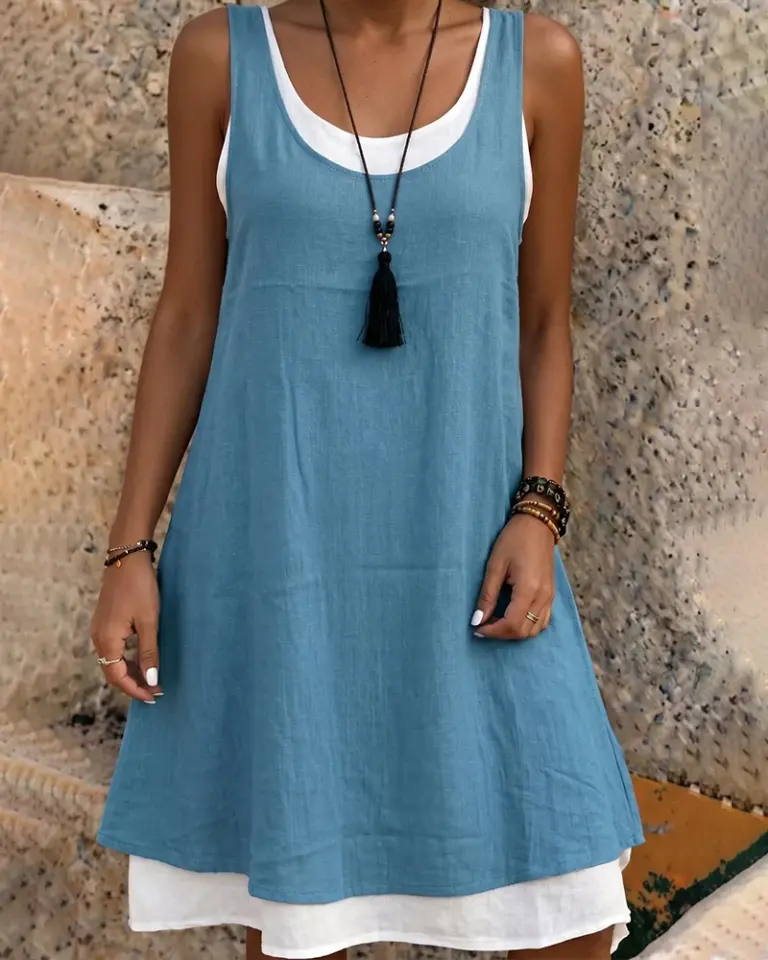 Knee Length DressesOur Top Sleeveless Knee Length Shift Dresses Right Now
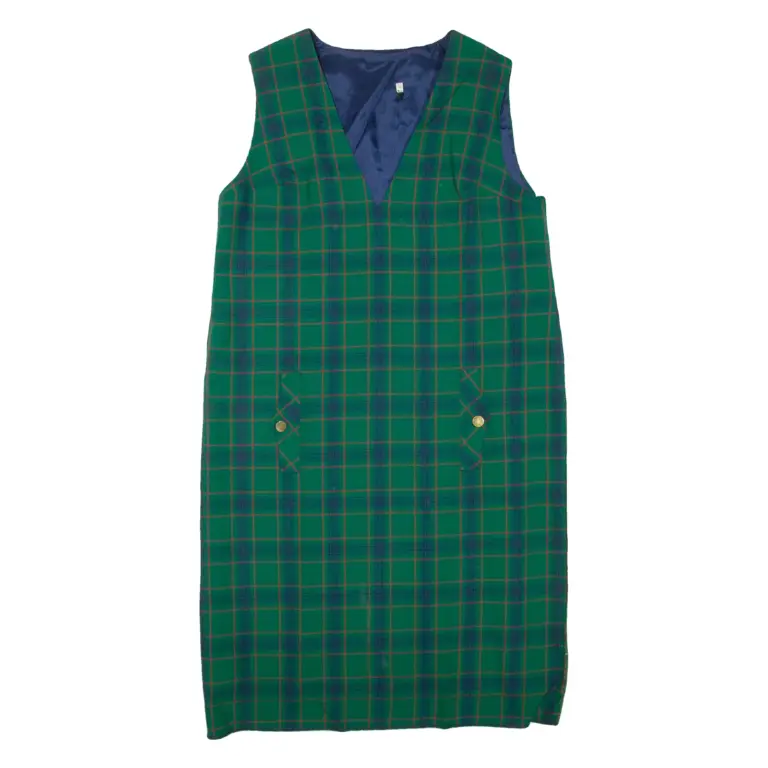
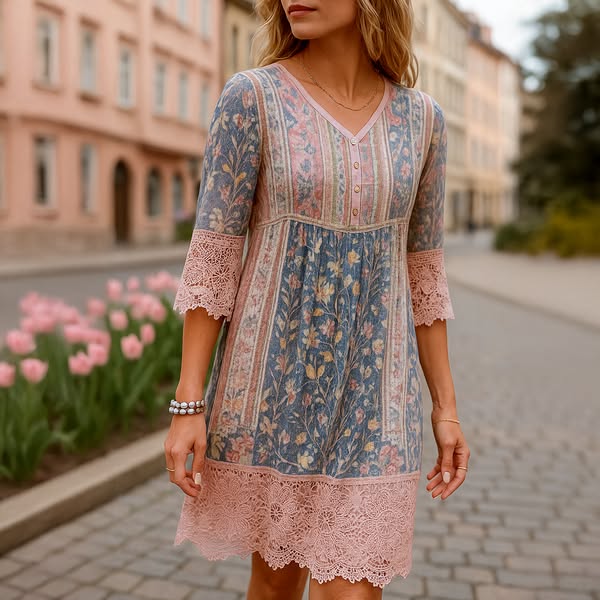 Short Sleeve DressesFinding the Best Short Sleeve Shift Dresses
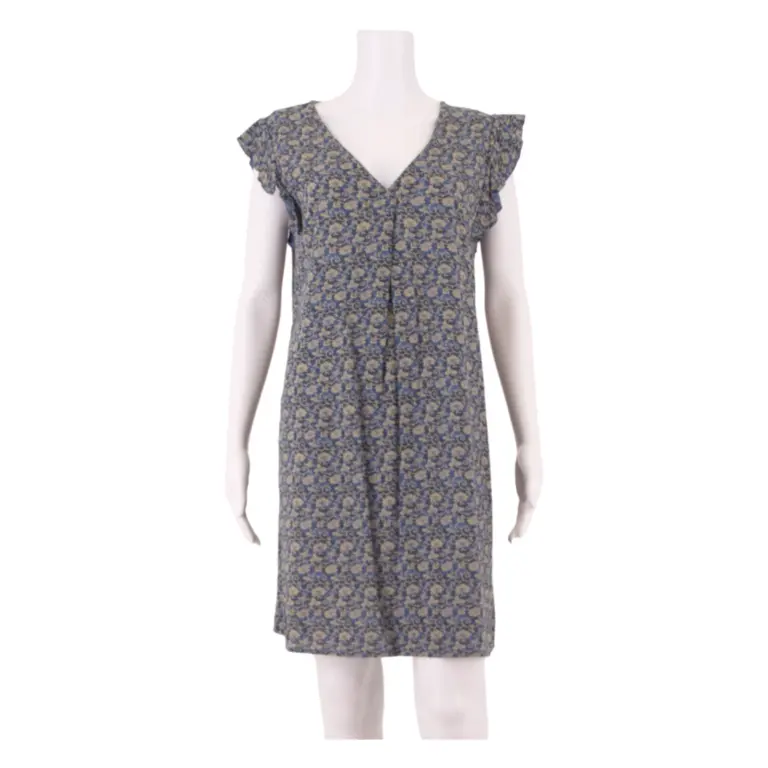
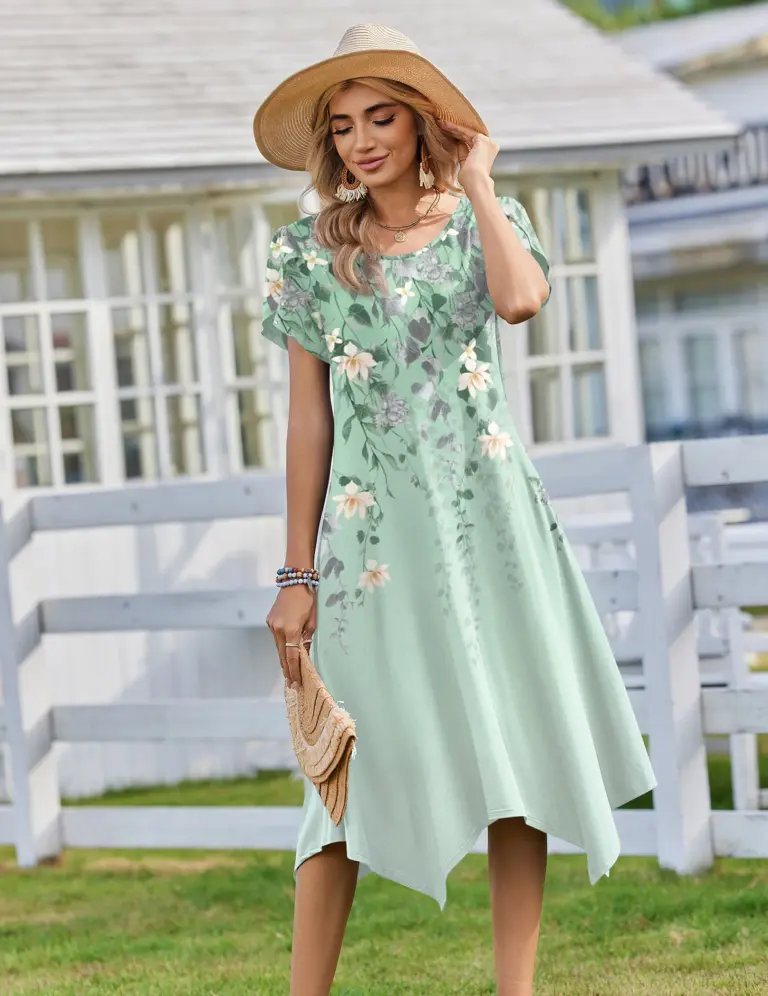 Our Shortlist of Short Shift Dresses
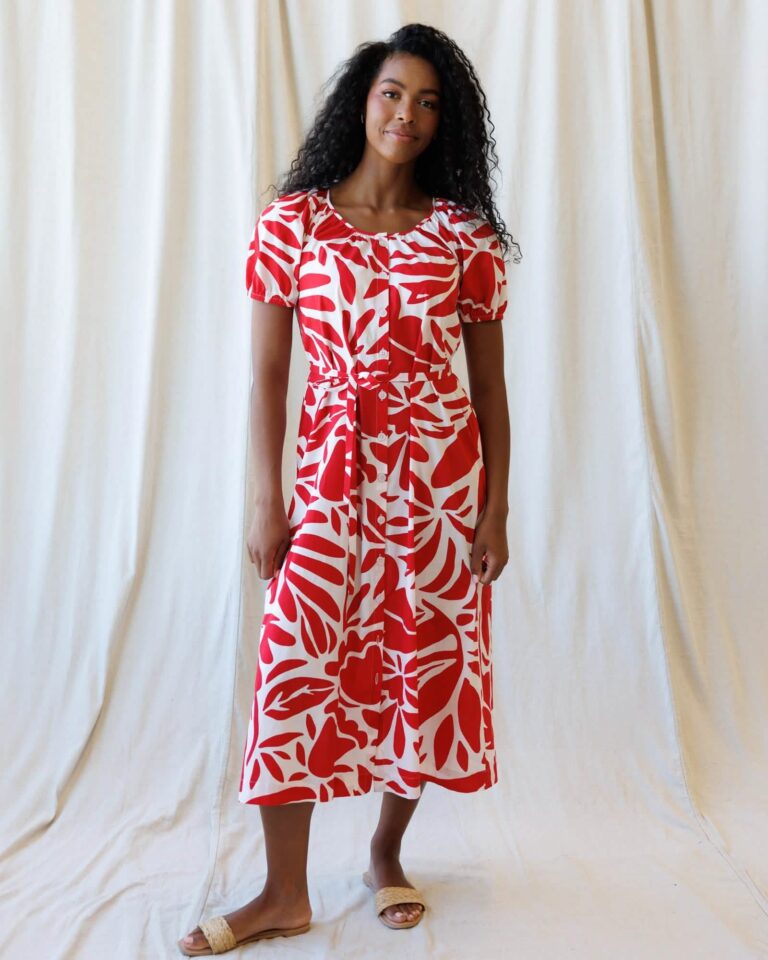
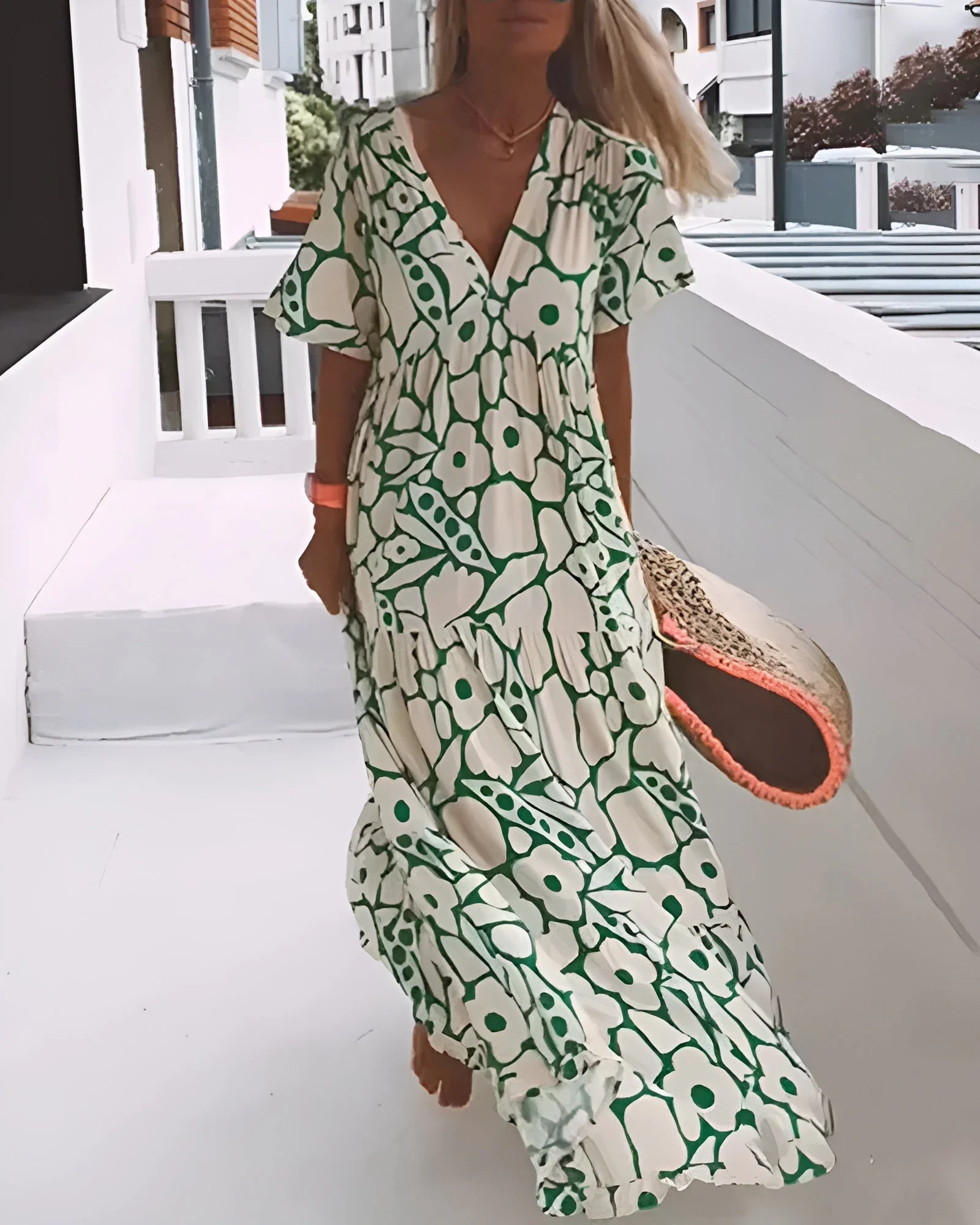 Our Kind of Shift Dresses

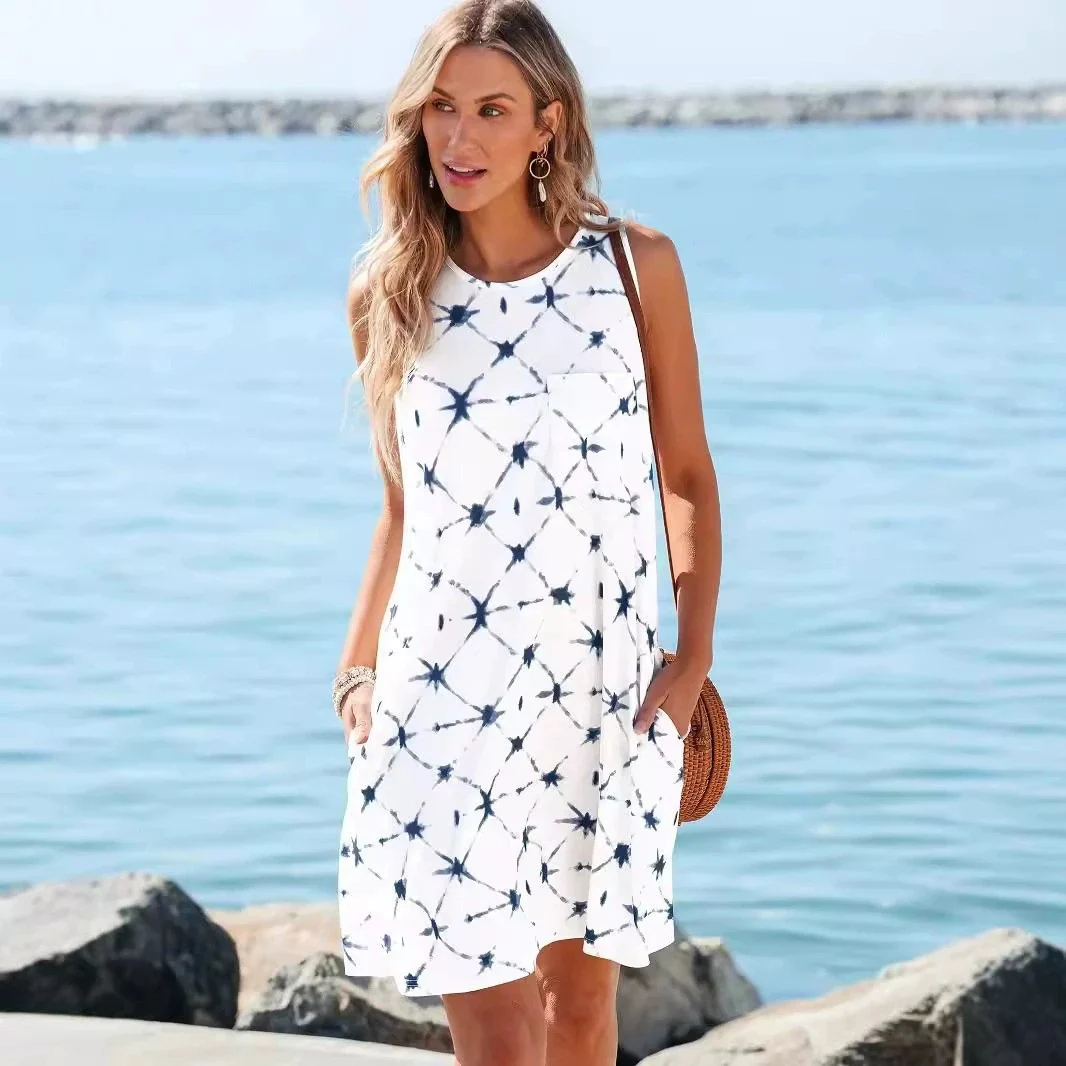 The Best Relaxed Fit Shift Dresses to Shop Now
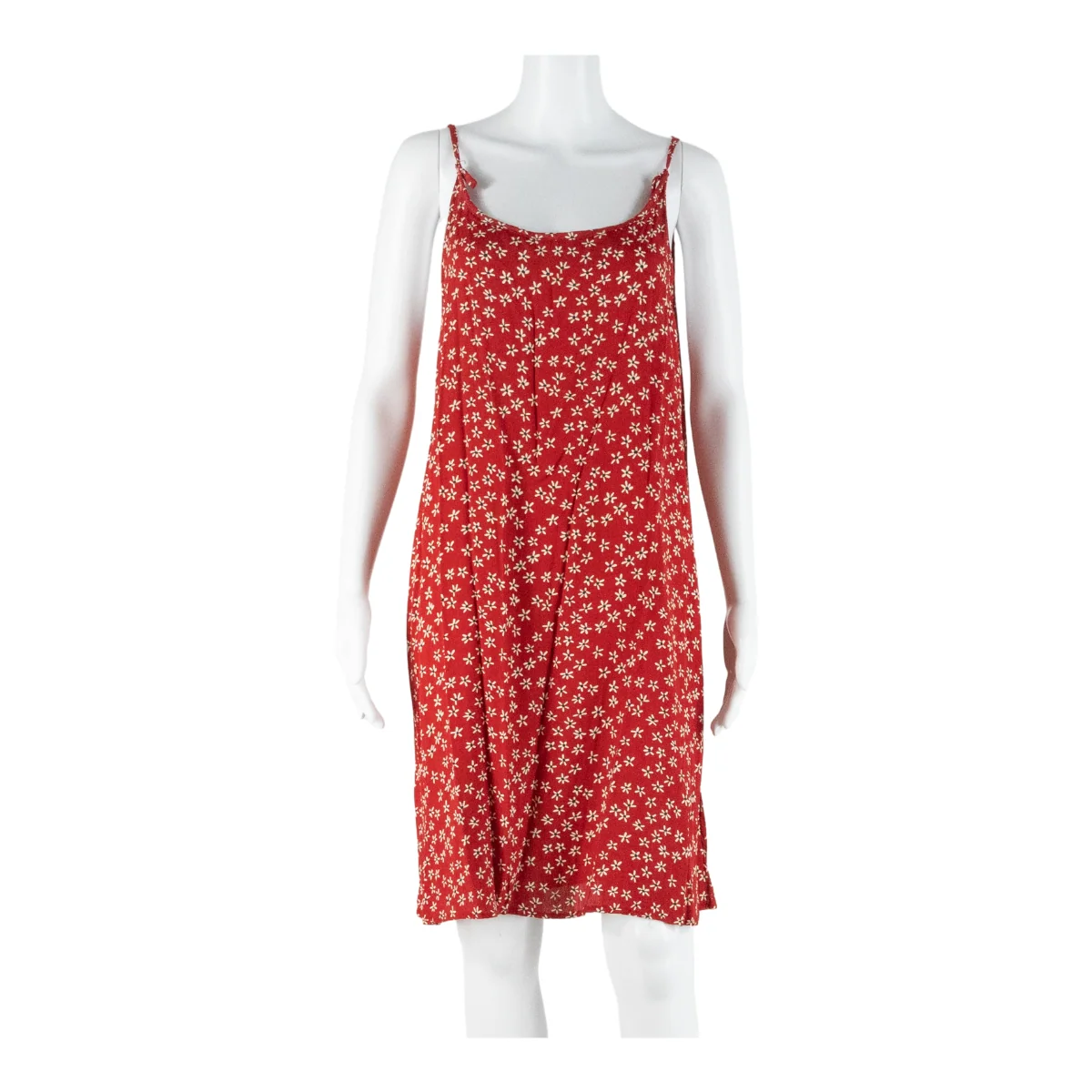 Red DressesRed Shift Dresses Worth Adding to Your WardrobeAlso worth a lookMaxi DressesA maxi dress earns its length by making you forget what you're wearing, and that's the whole point of one.See the collections →
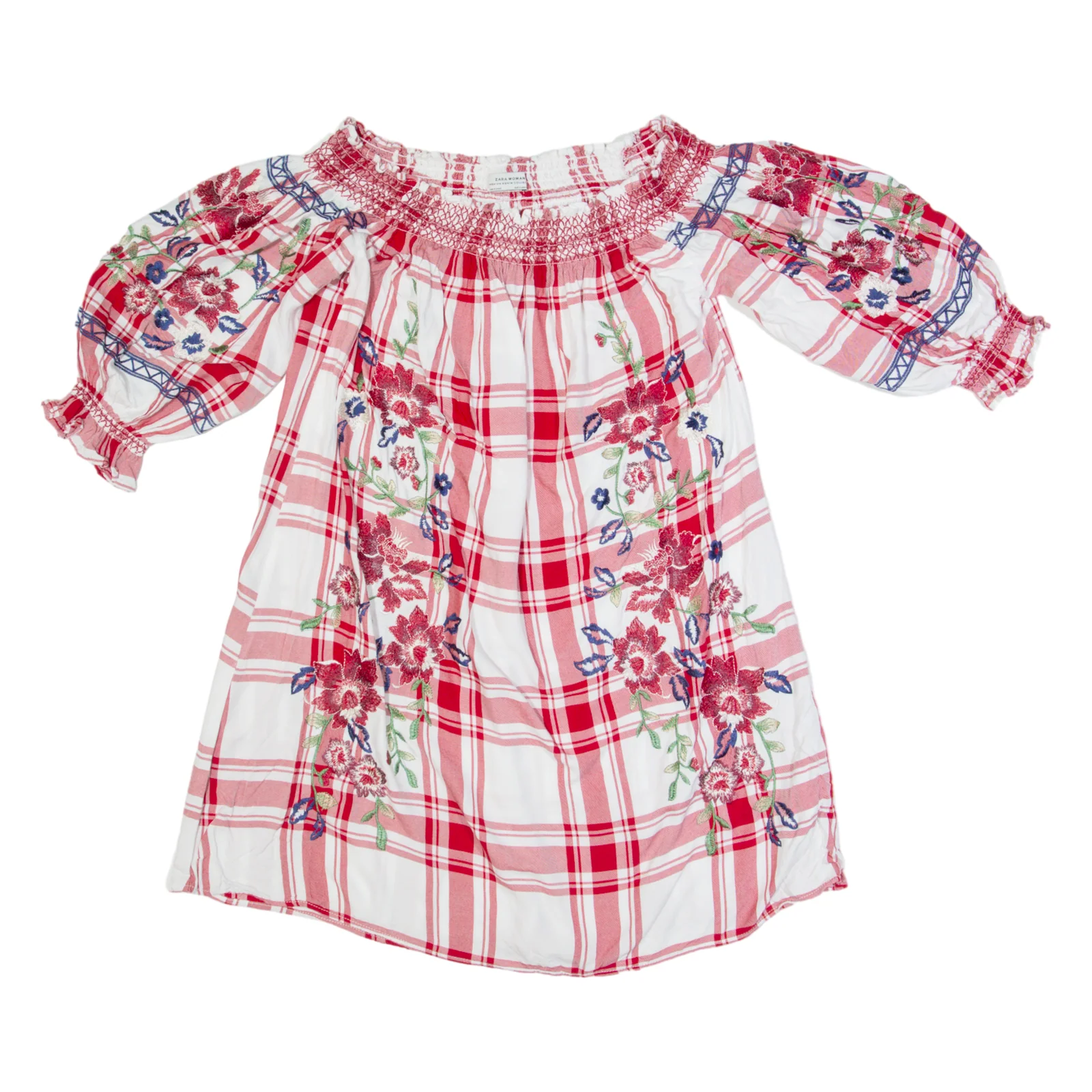
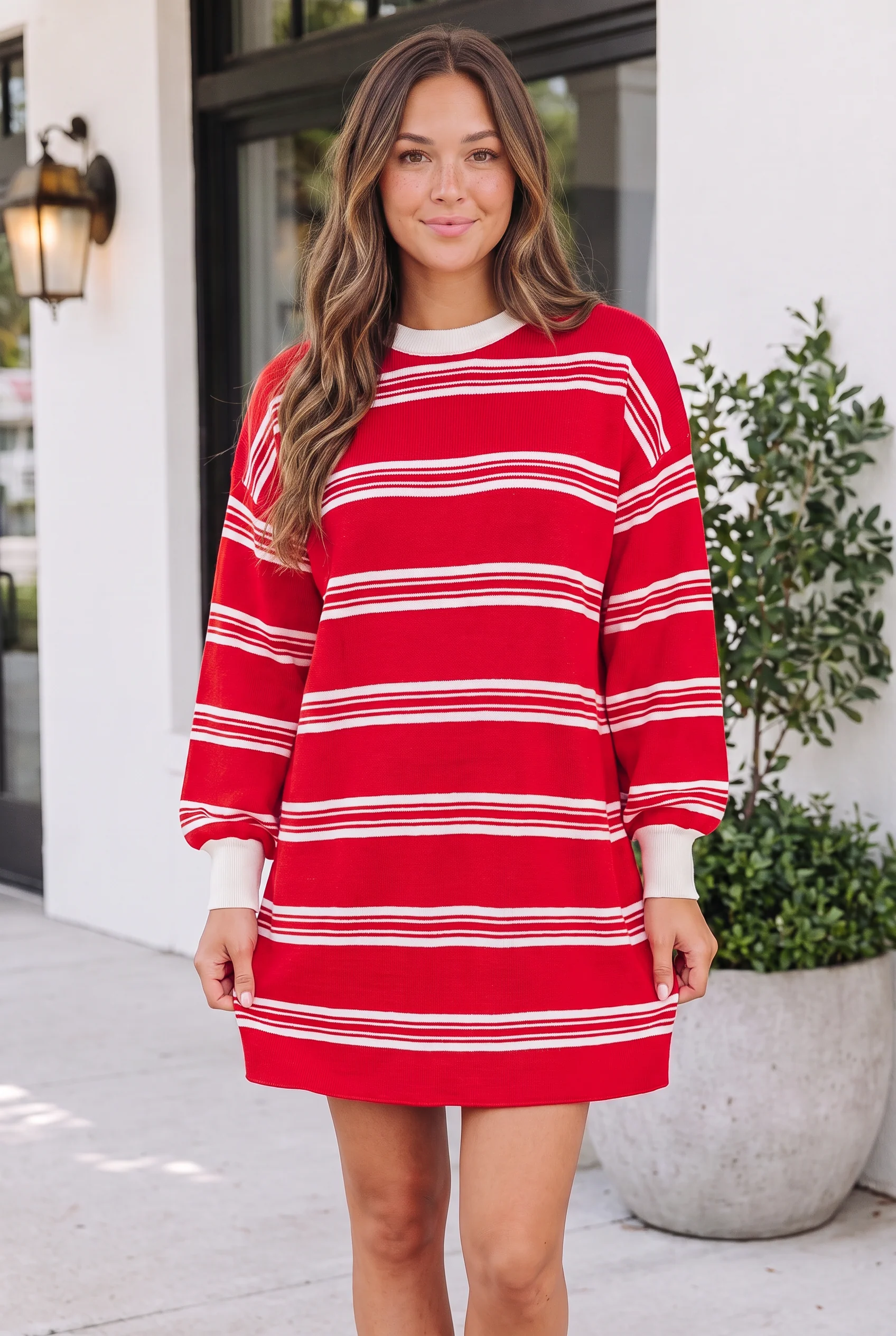
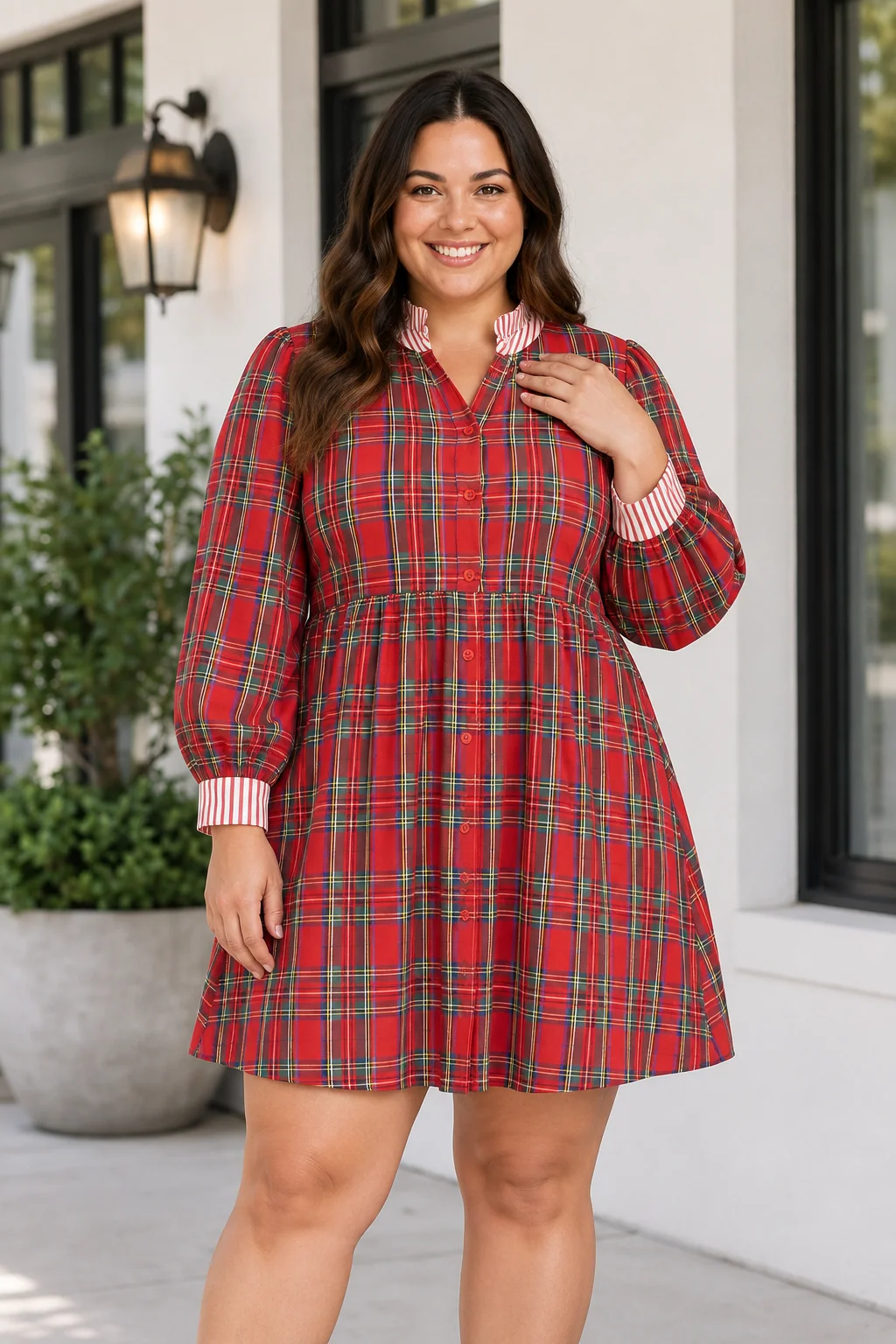 Red DressesThe Best Looking Red Casual Shift Dresses Out There
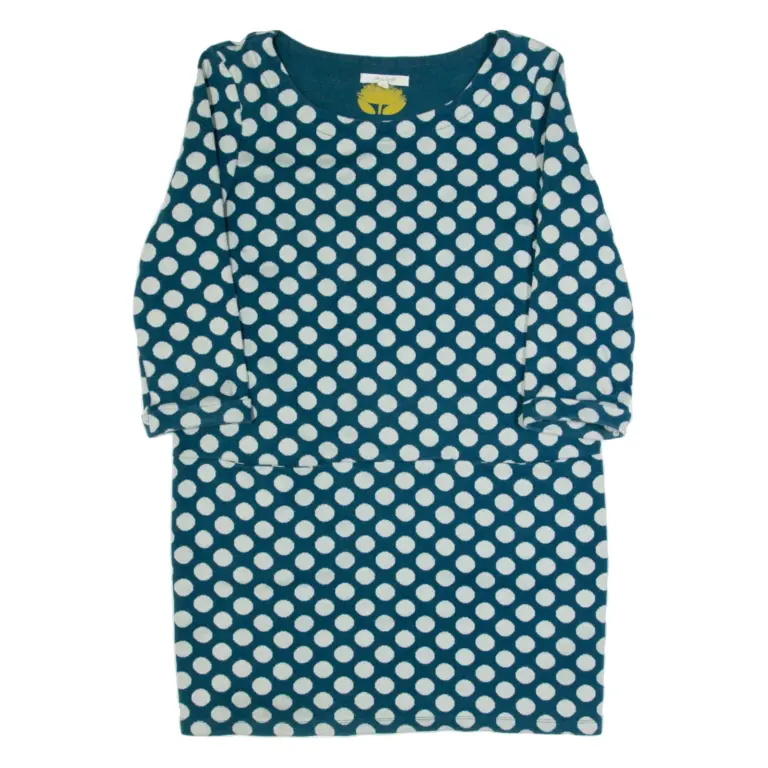
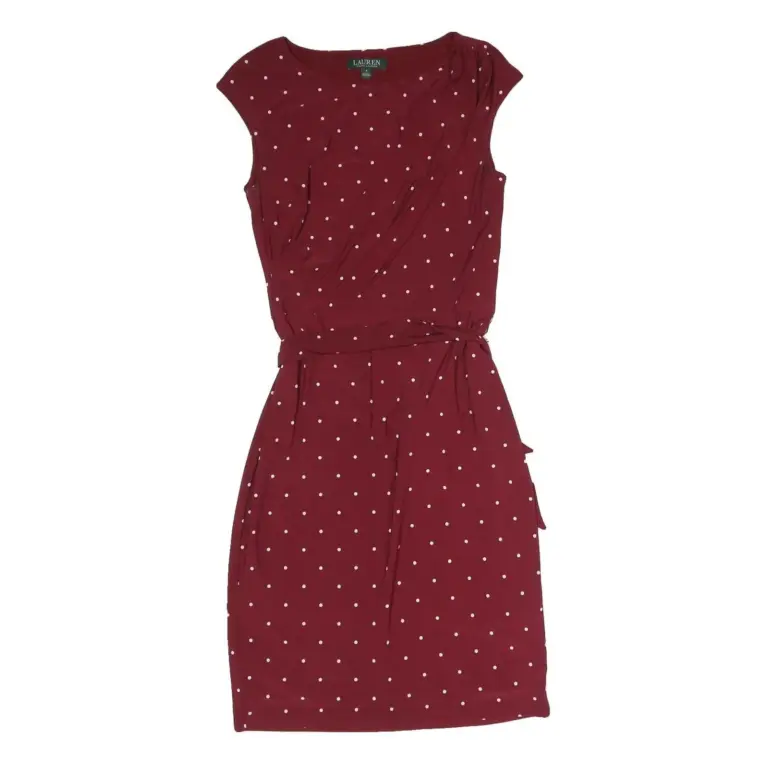 Polka Dot DressesShop the Edit: Polka Dot Shift Dresses
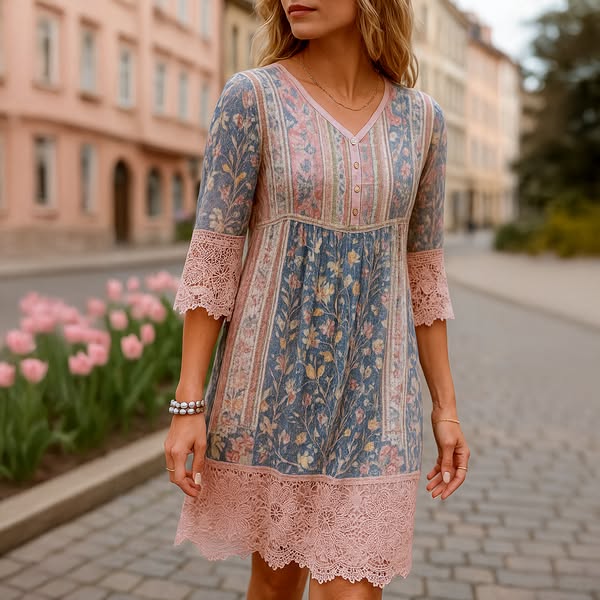 Pink DressesPink Shift Dresses Worth Adding to Your Wardrobe
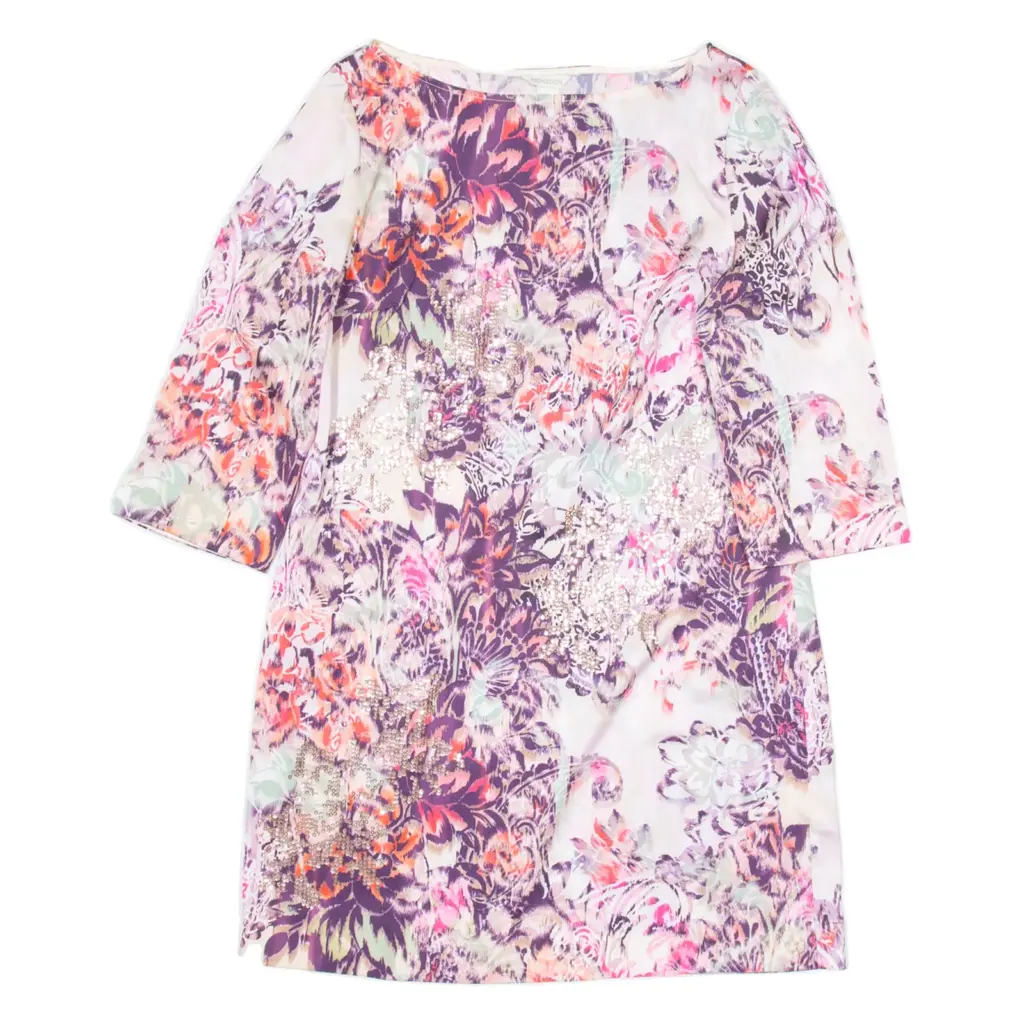
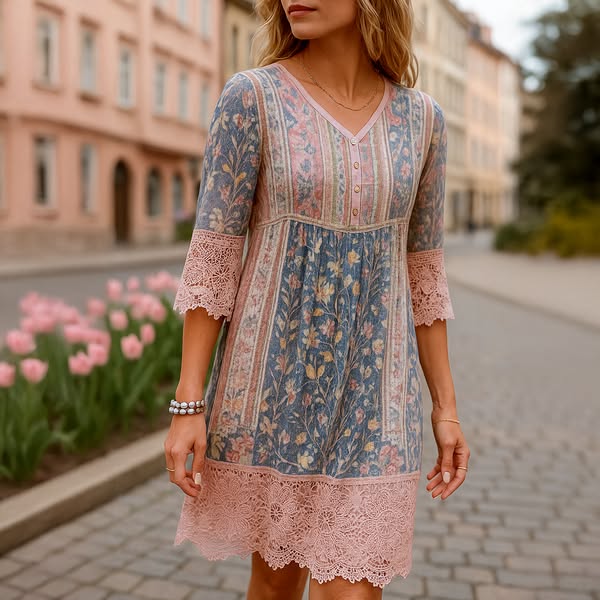 Pink DressesPink Floral Shift Dresses That Feel Special
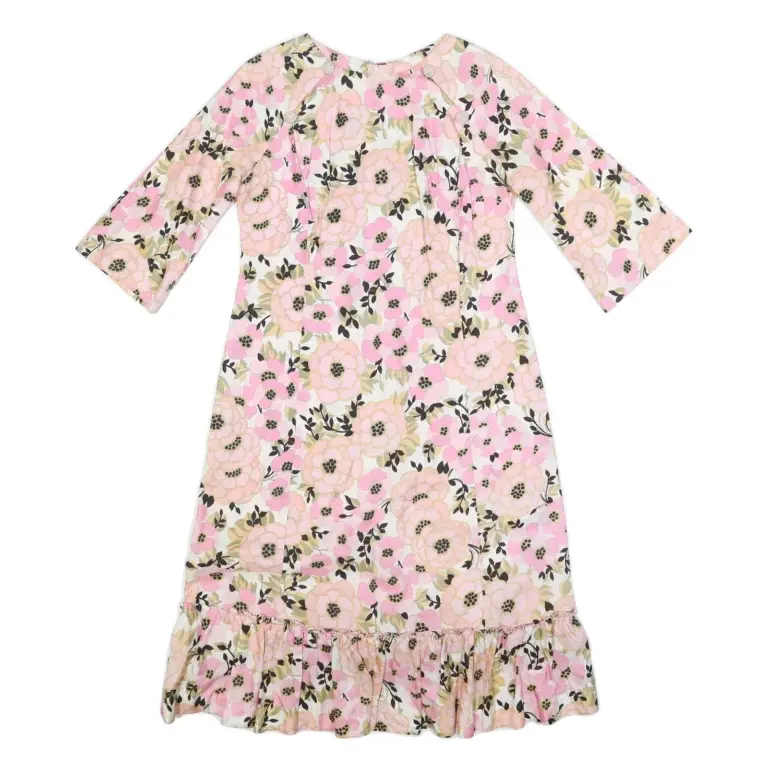
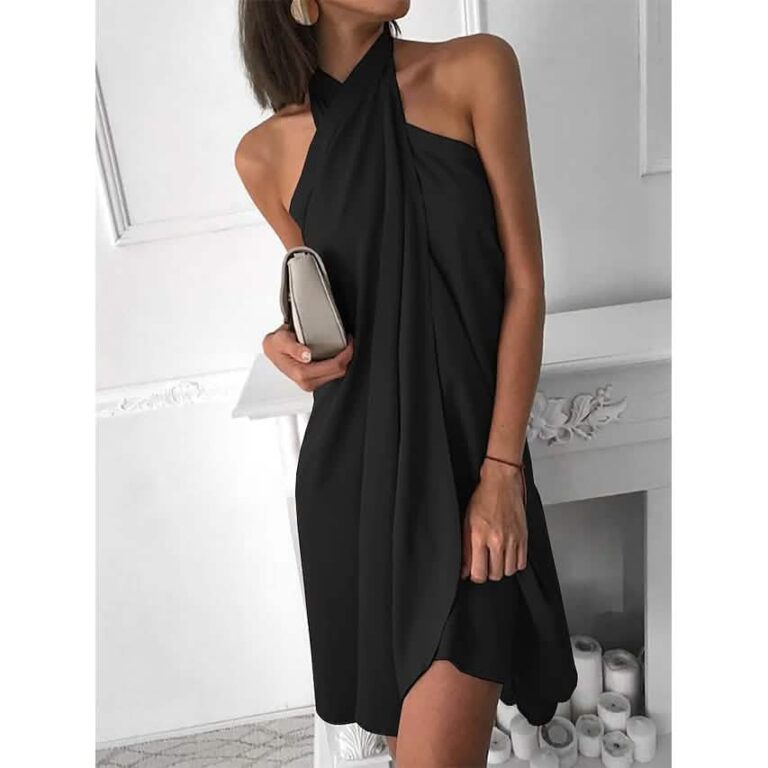 Party DressesThe Only Party Shift Dresses You Need to See
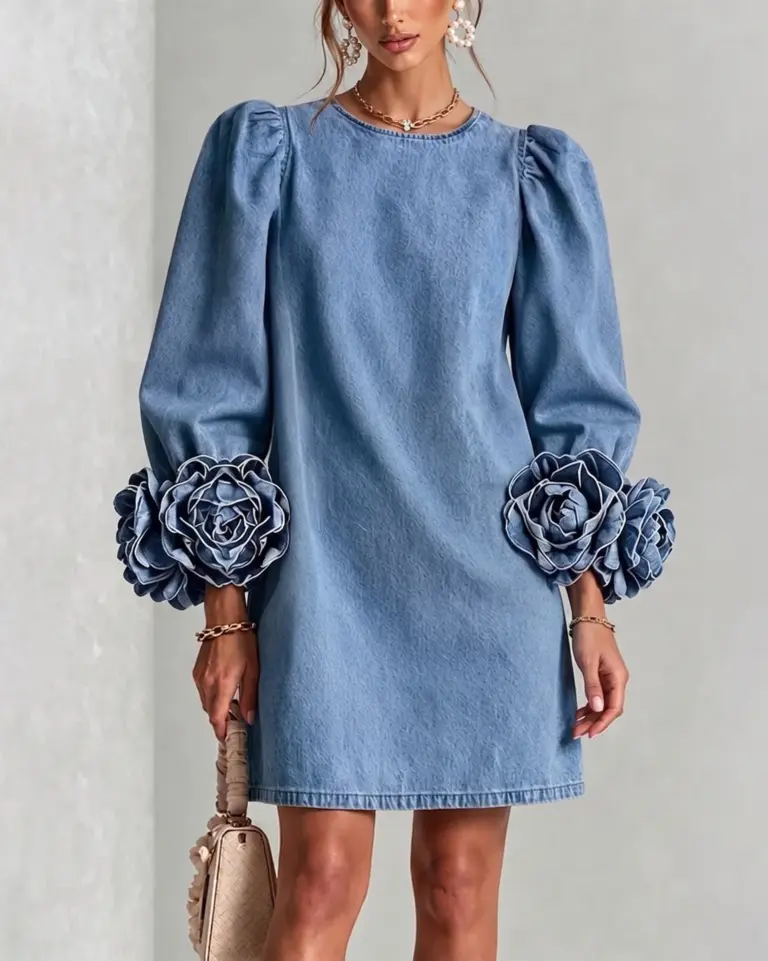
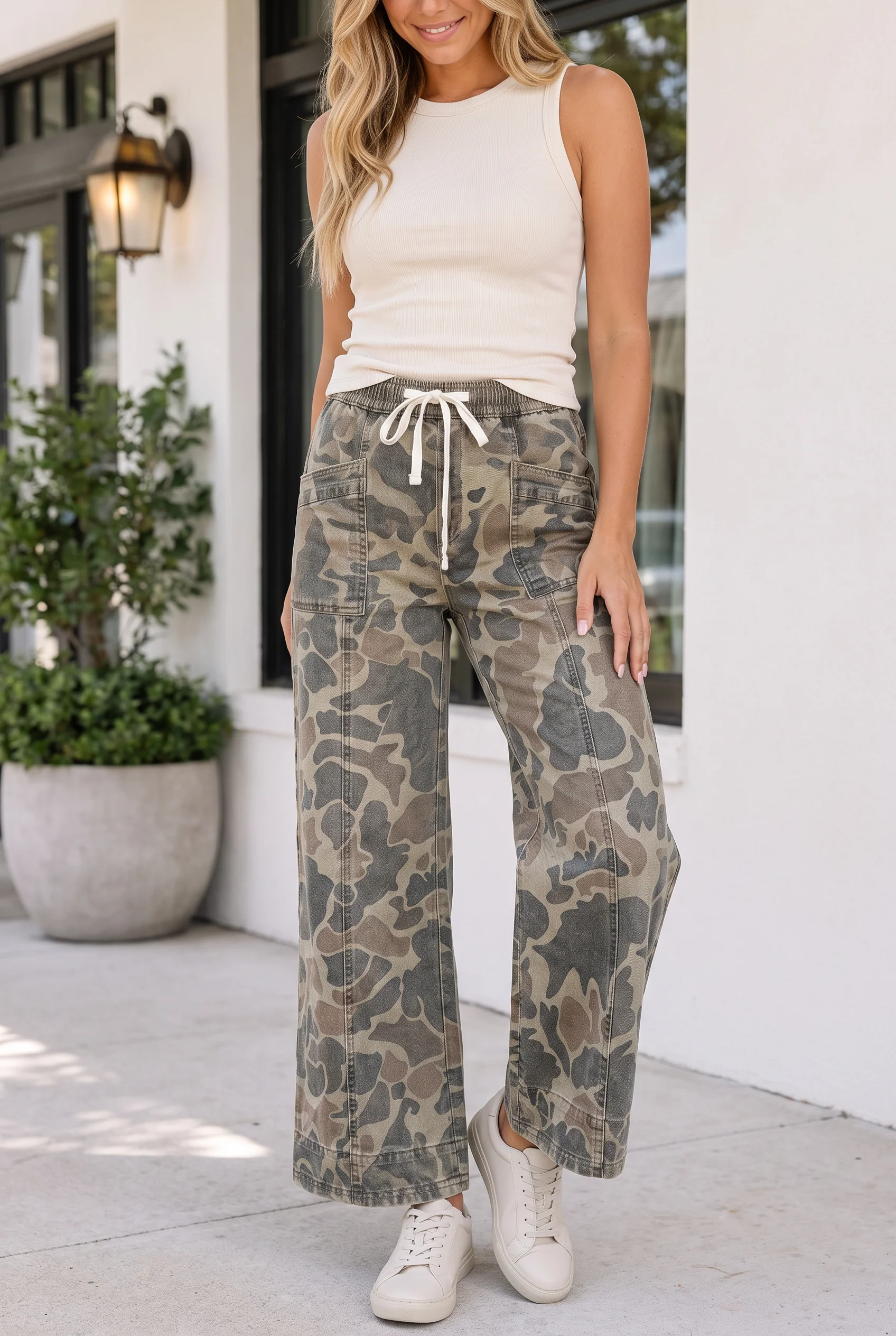 Oversized Shift Dresses Worth a Closer Look
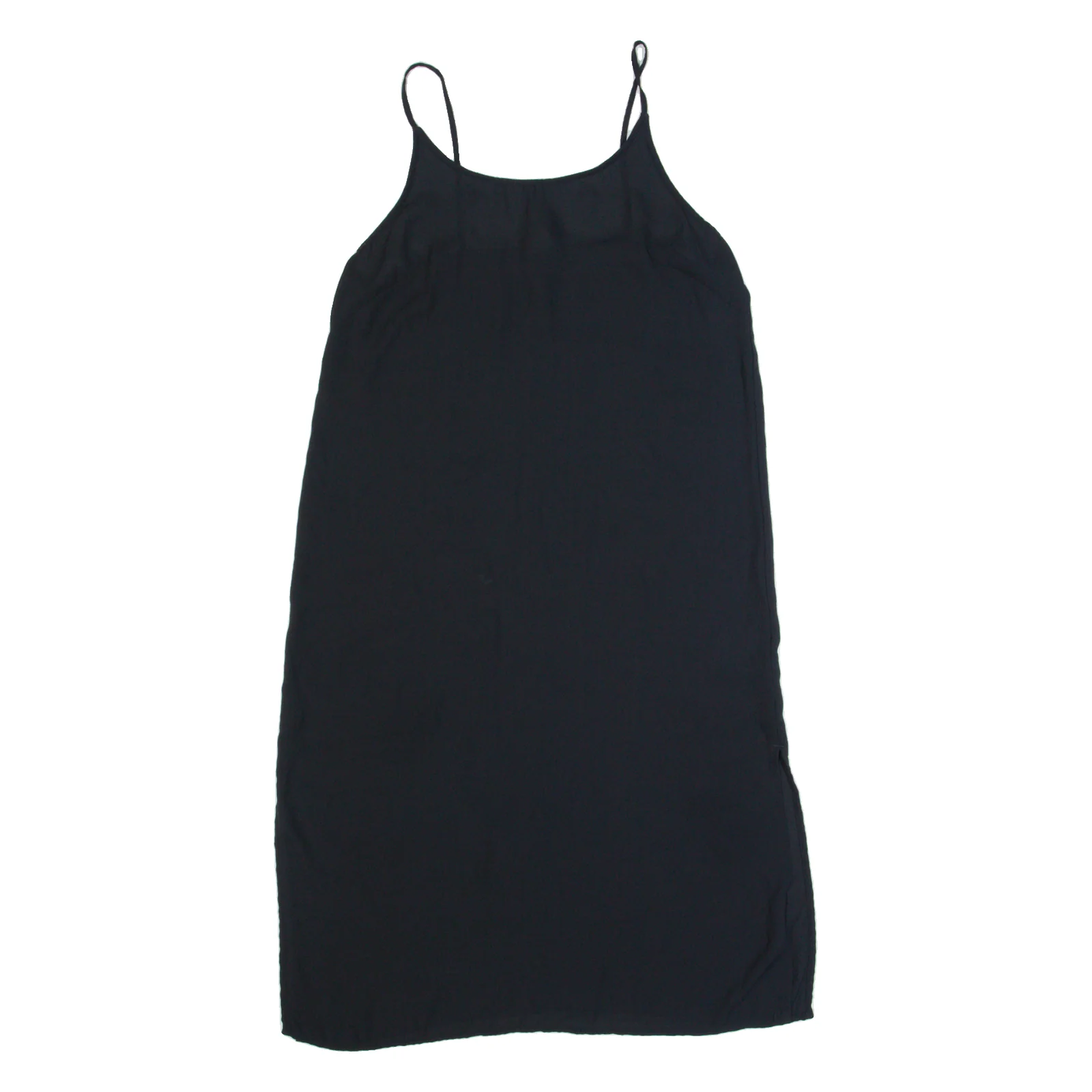
 Navy DressesNavy Shift Dresses You’ll Want to Live In
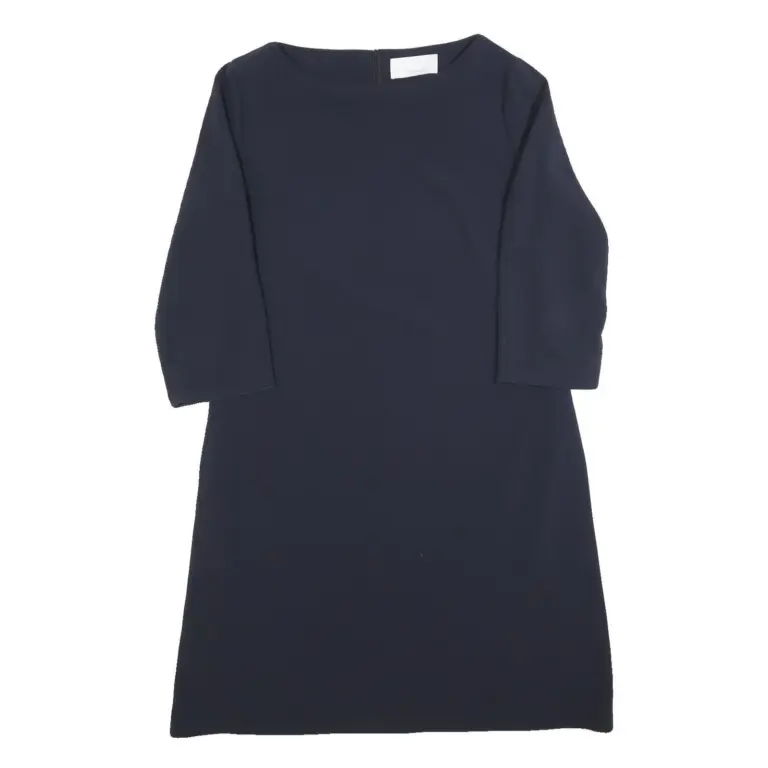
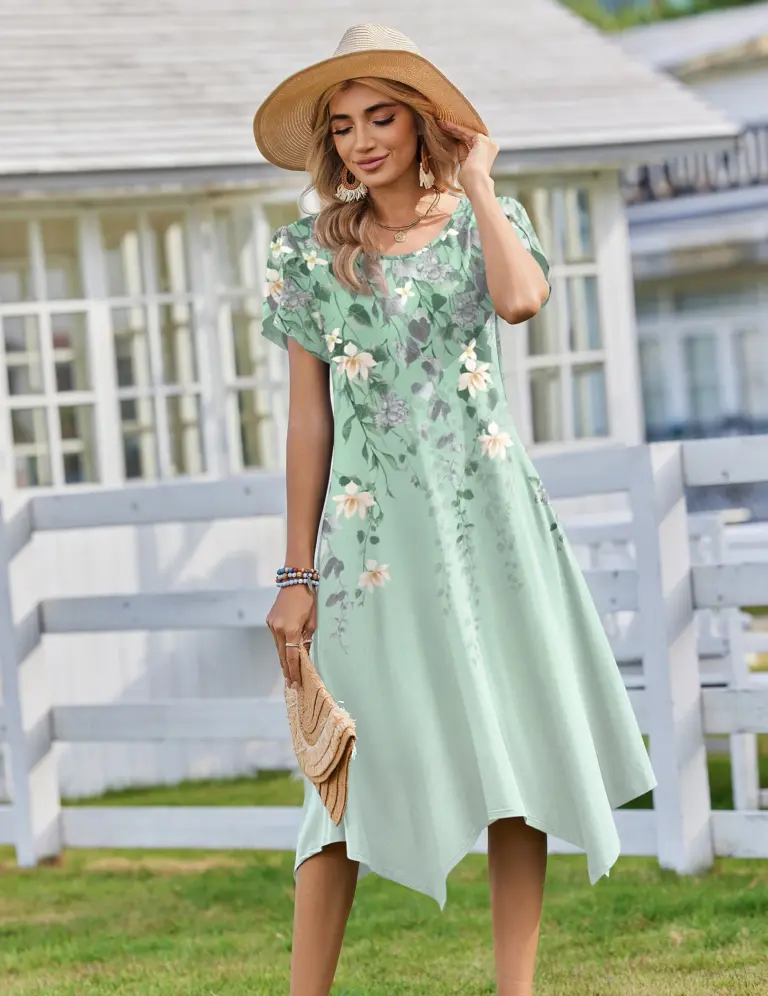 Midi DressesMidi Shift Dresses We’ve Been Saving
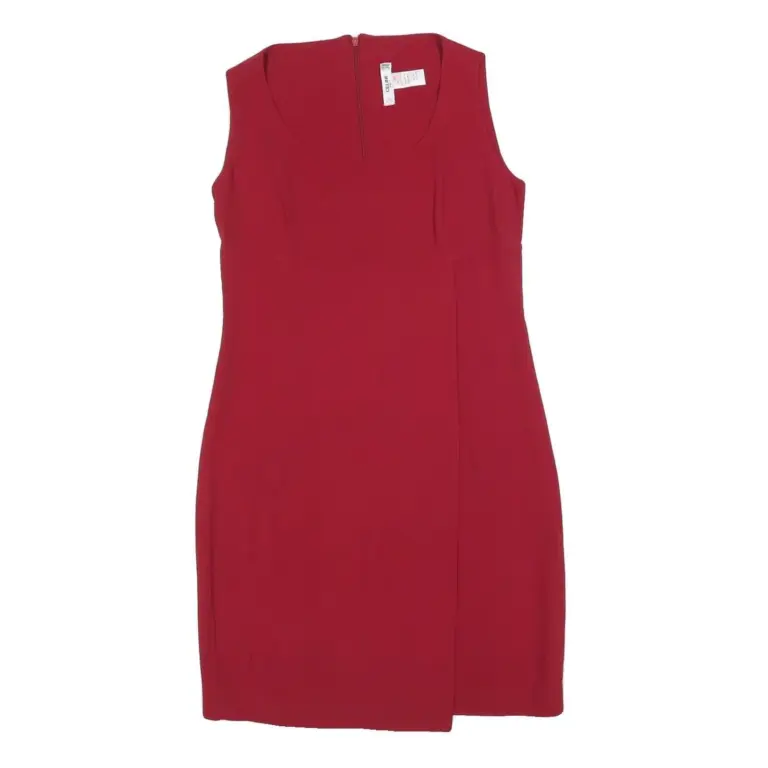
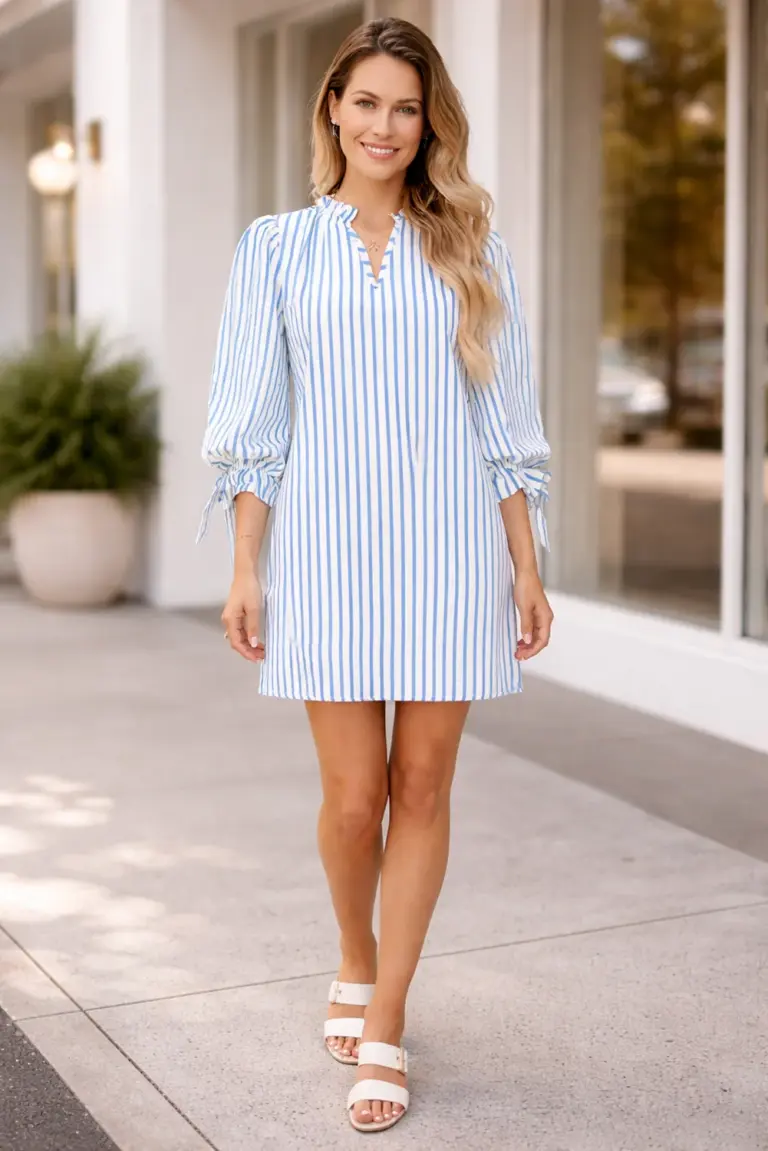 Mini DressesMini Shift Dresses We RateAlso worth a lookMini DressesThe thing nobody mentions in the fitting room is how a mini dress behaves after three hours sitting down rather than standing in front of a mirror.See the collections →
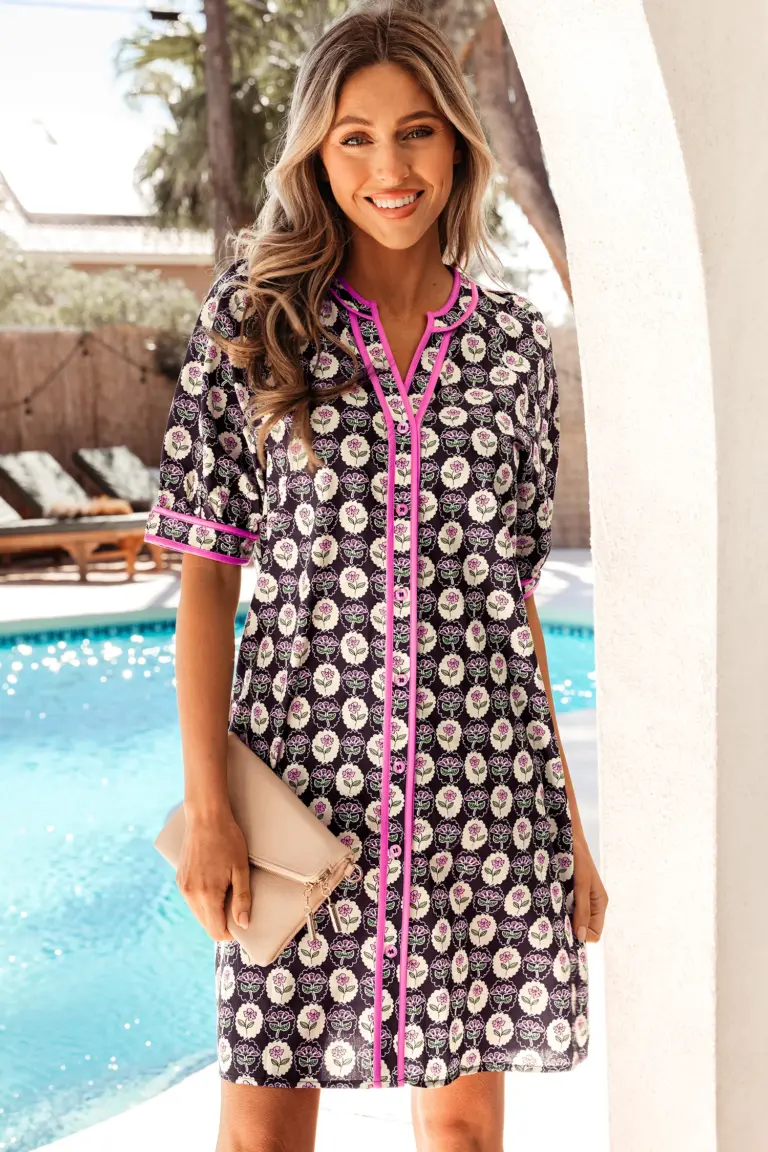
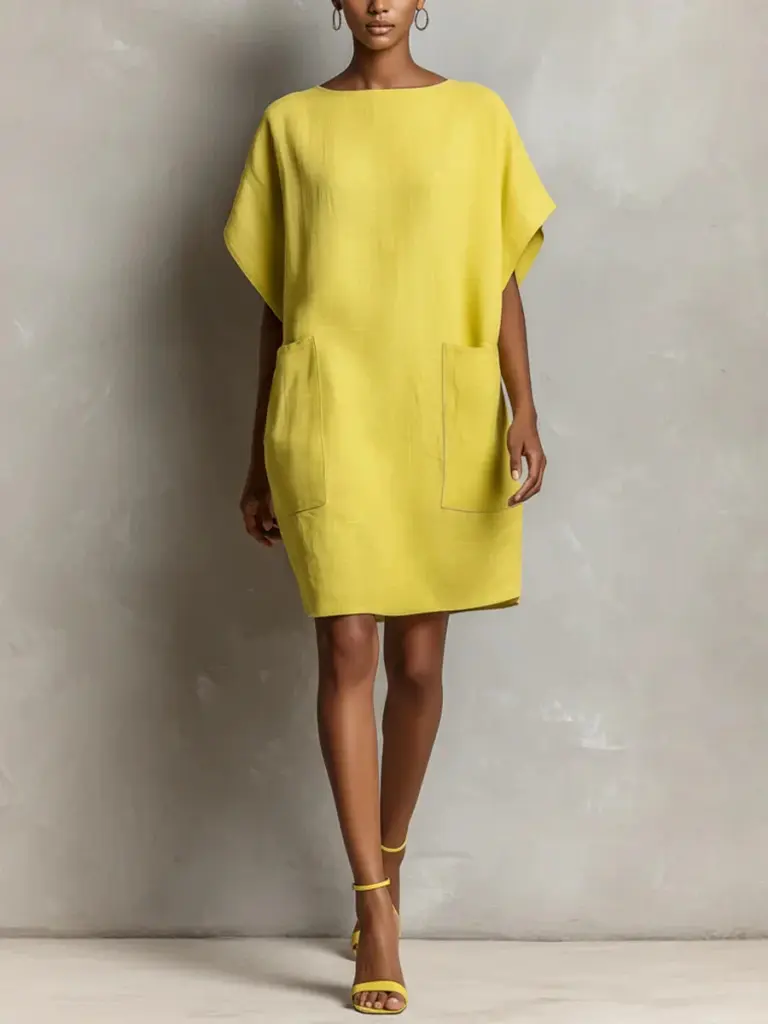 Loose Shift Dresses for Every Occasion on Your Calendar
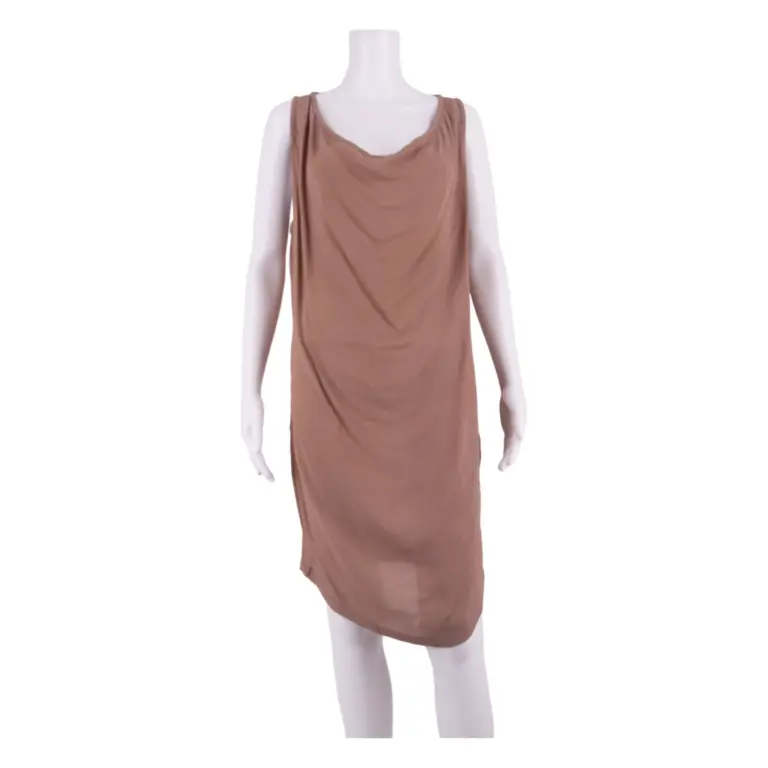
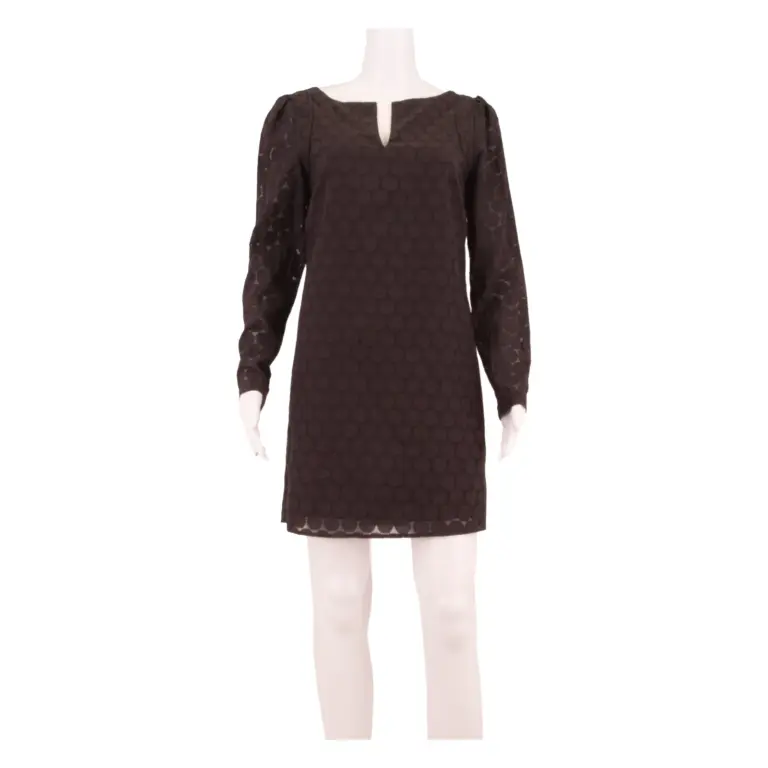 Long Sleeve DressesLong Sleeve Shift Dresses You’ll Reach for First
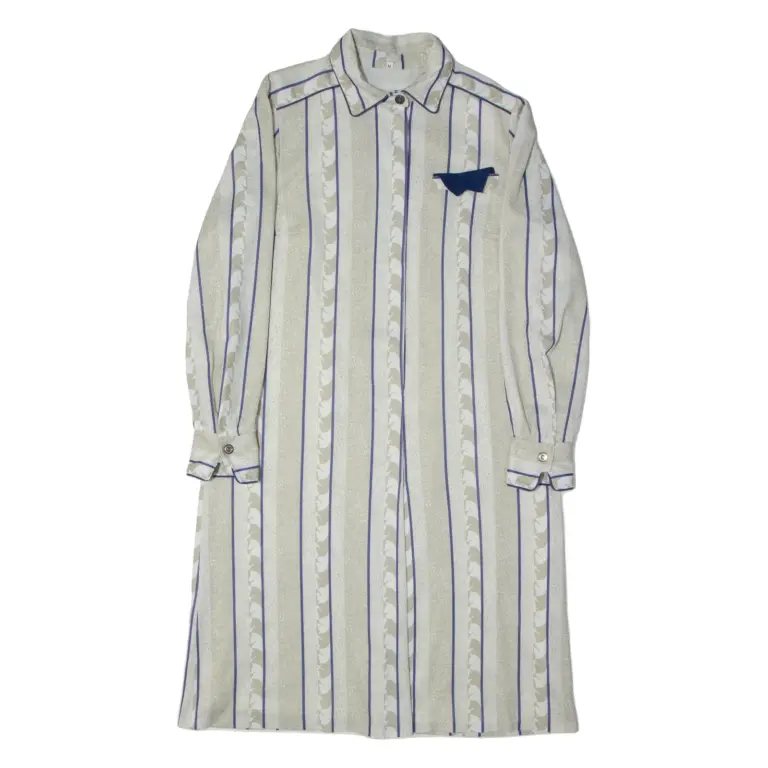
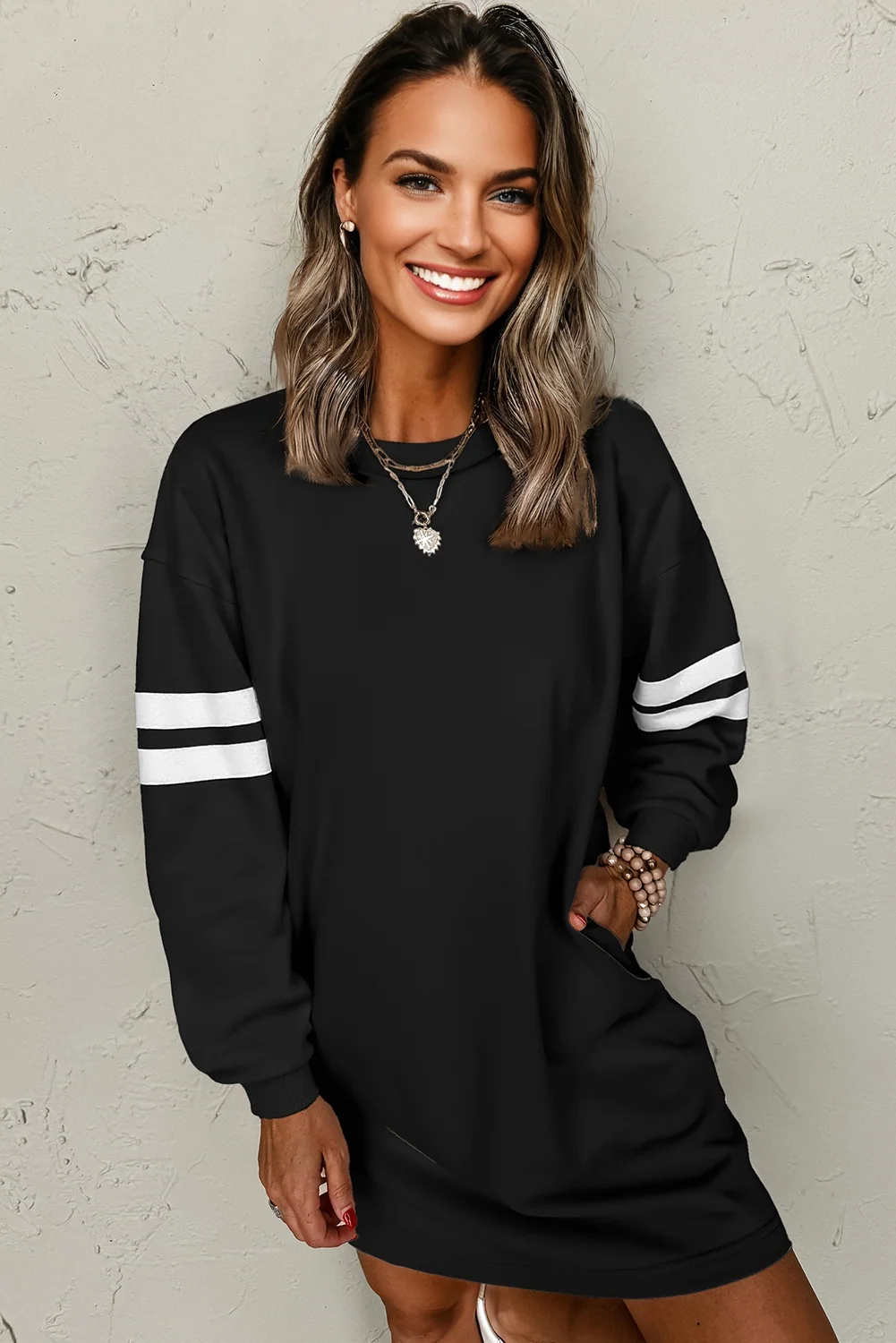 Long Shift Dresses We Love Right Now
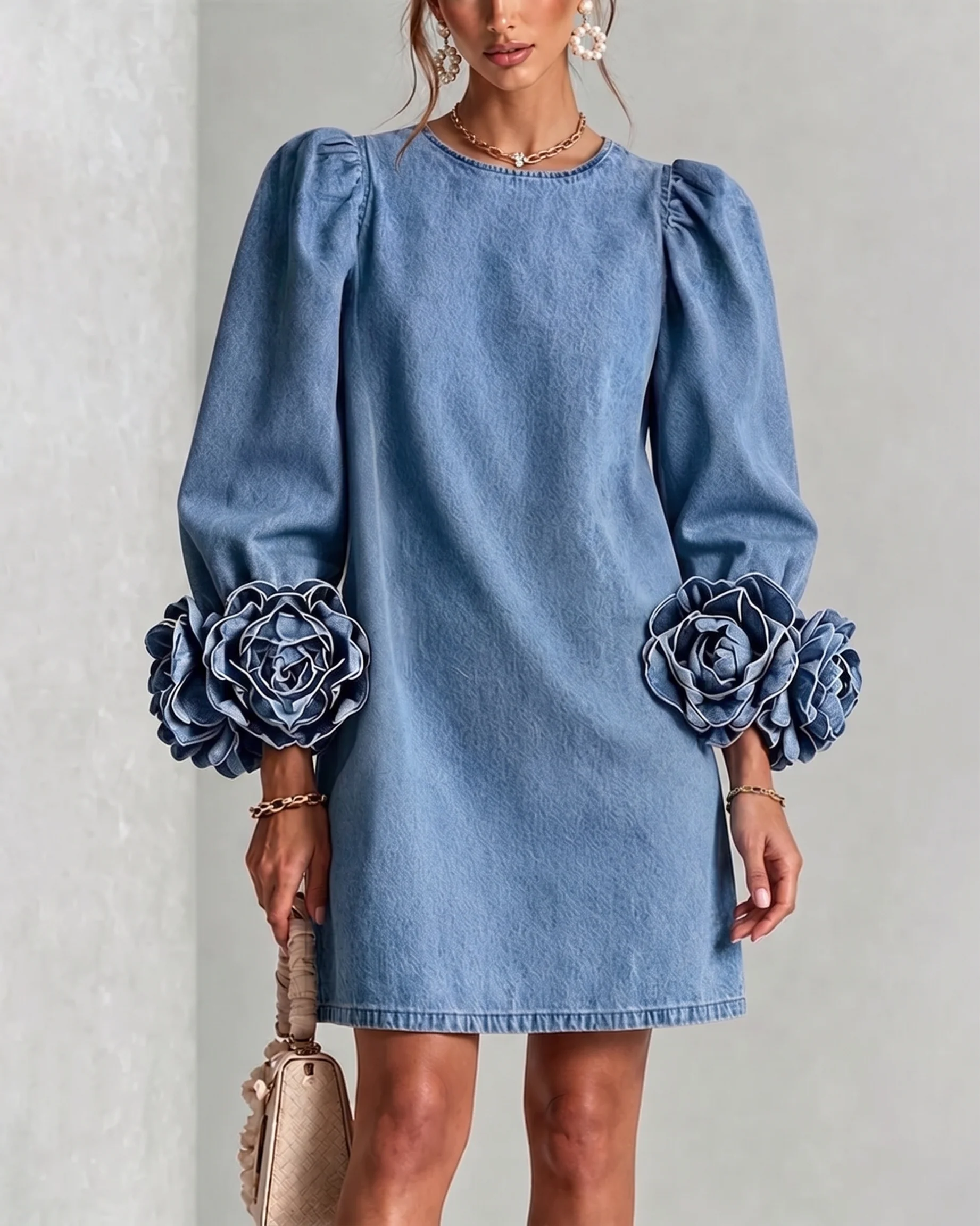
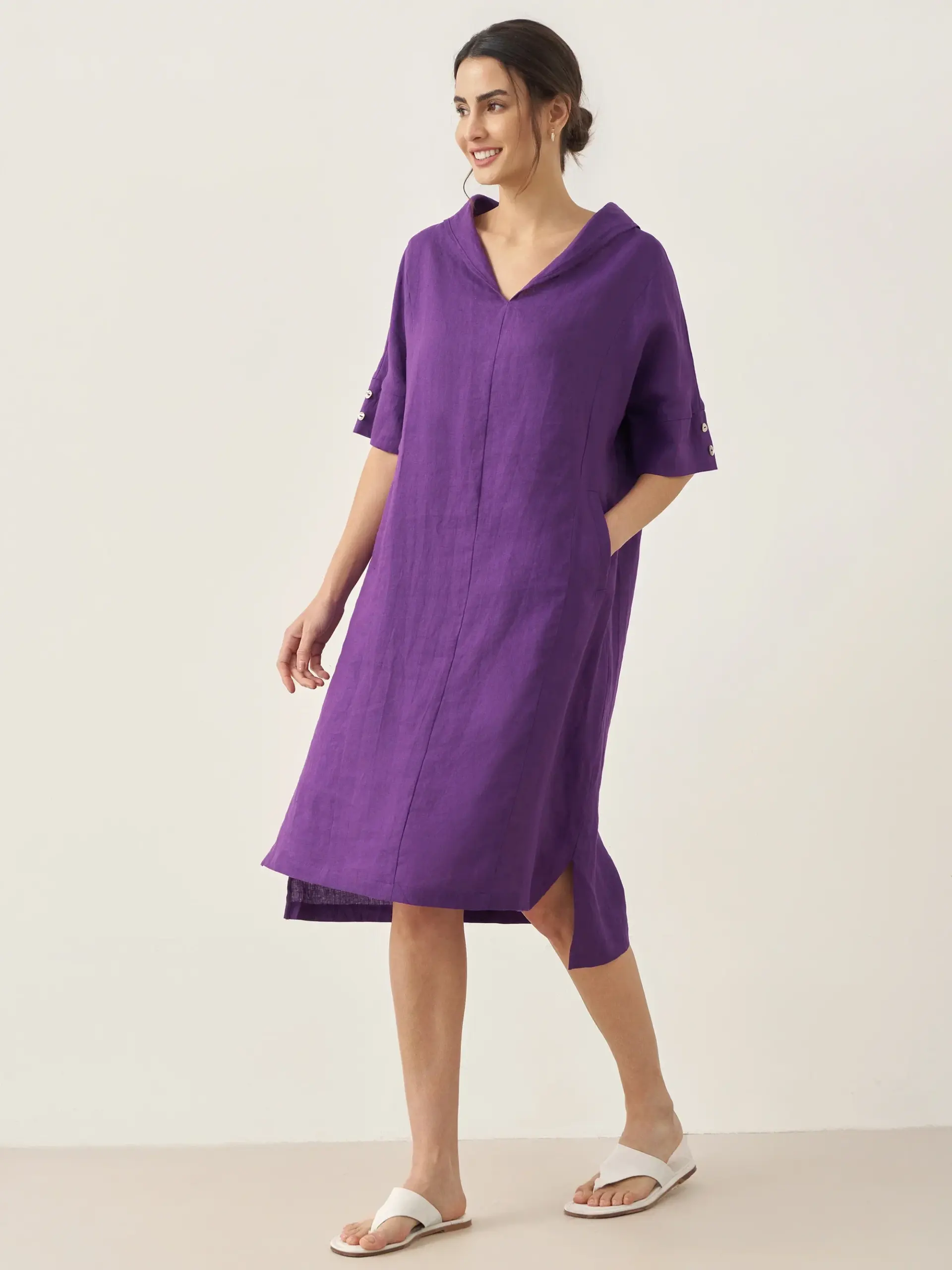
 Linen DressesLinen Shift Dresses Worth Adding to Your Wardrobe
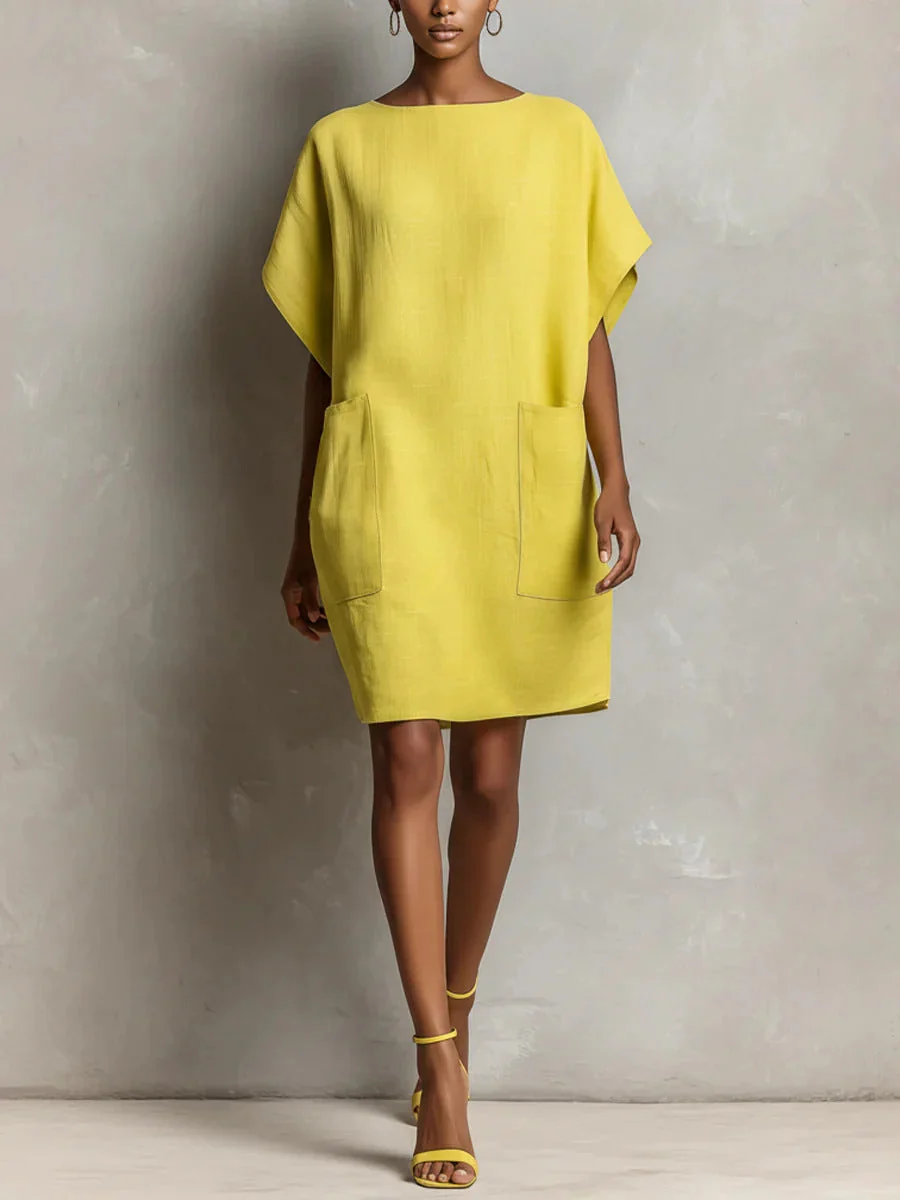
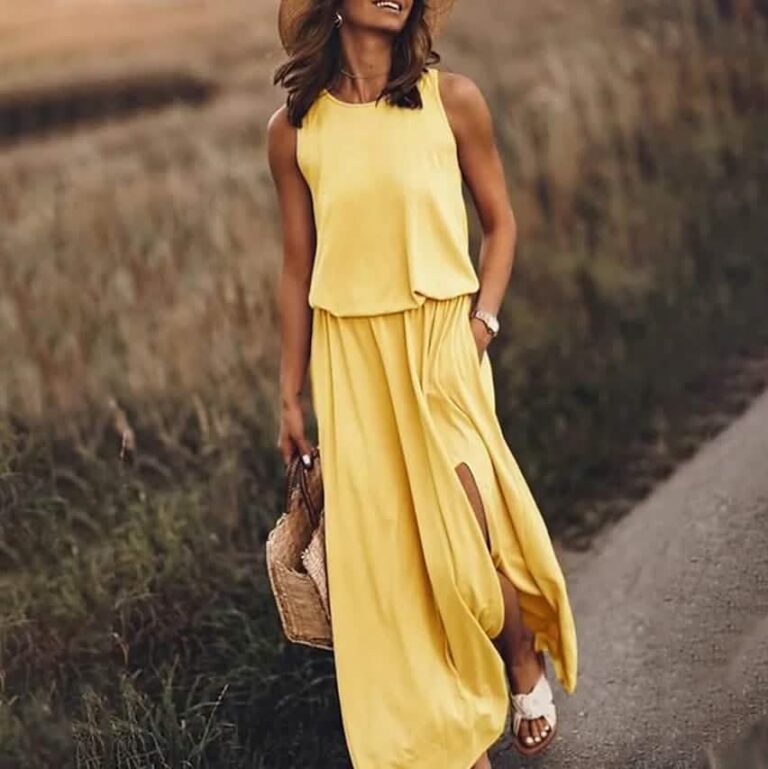 Linen DressesStandout Linen Casual Shift Dresses to Shop
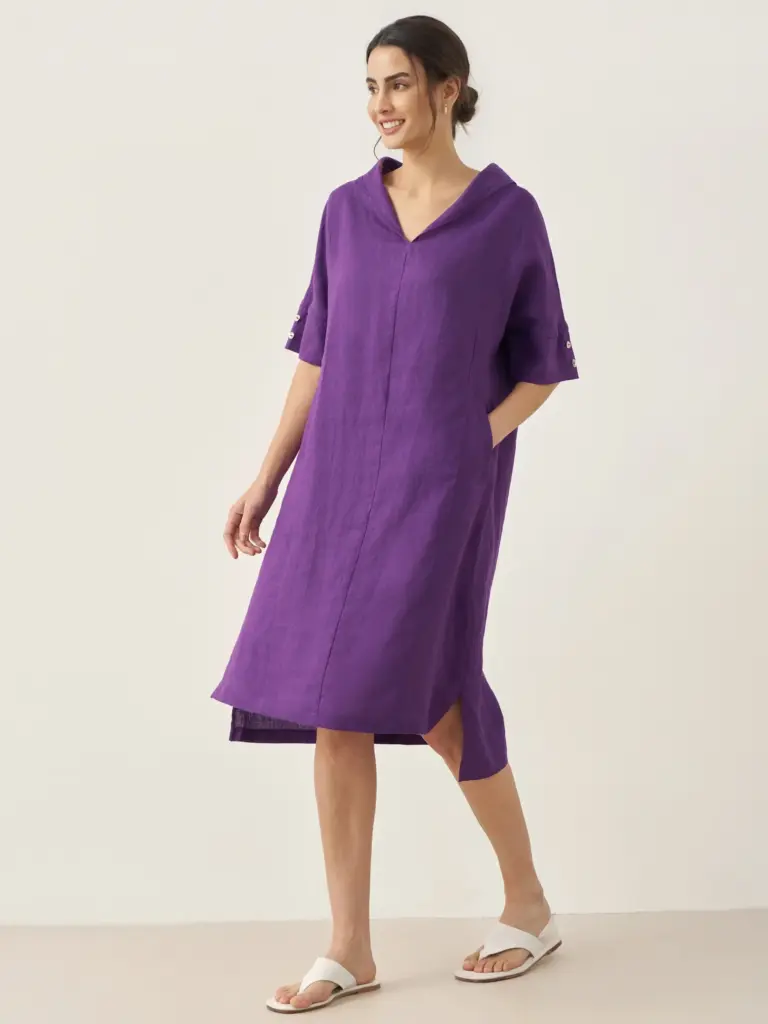
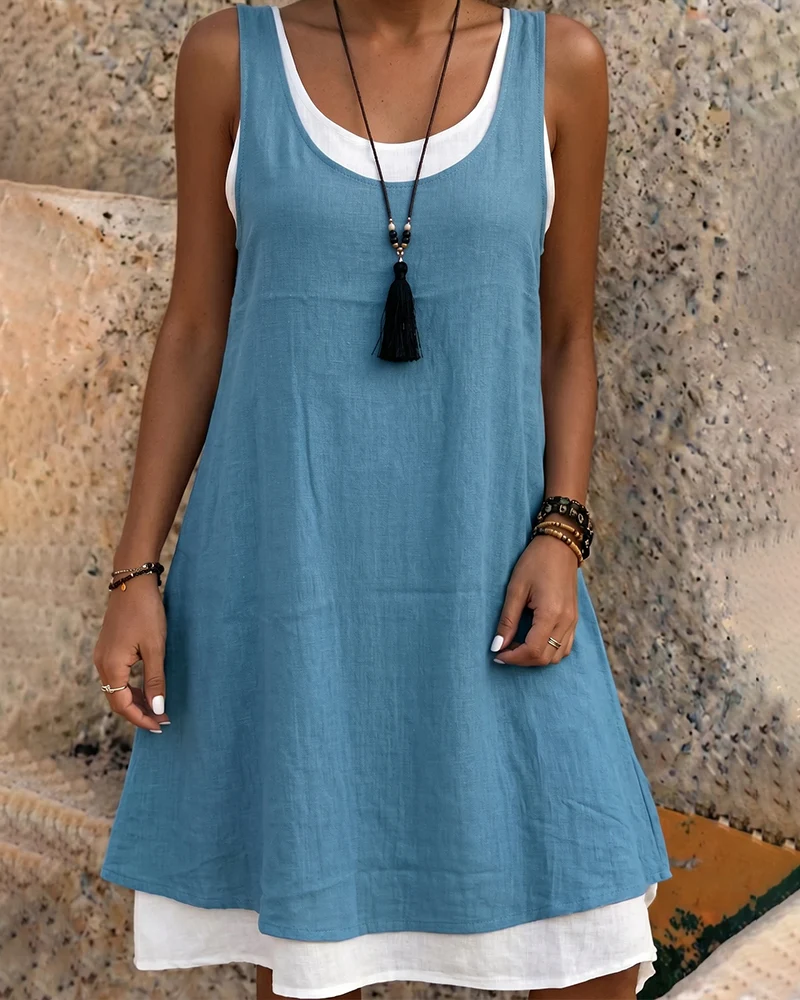 Knee Length DressesKnee Length Shift Dresses We Love Right Now
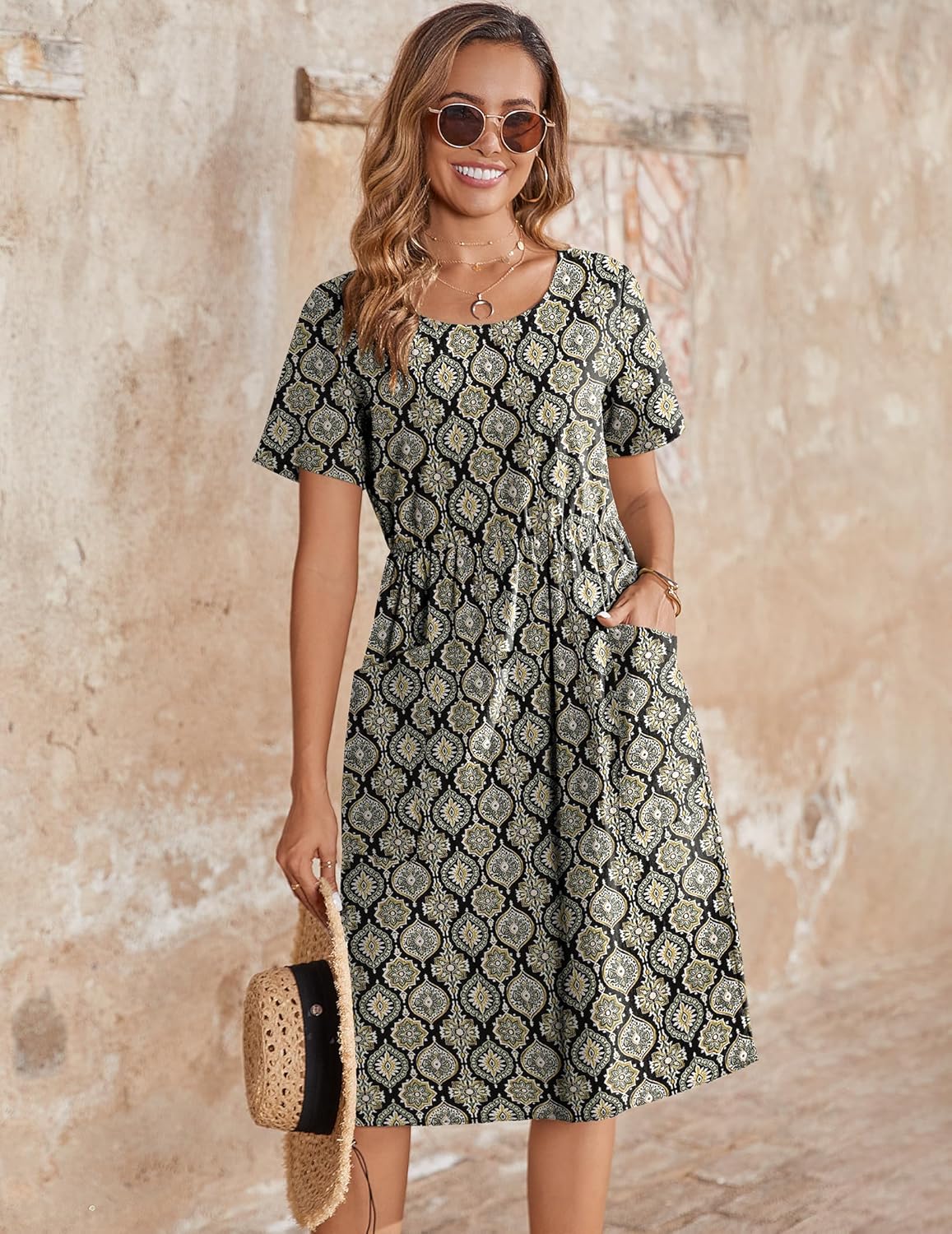
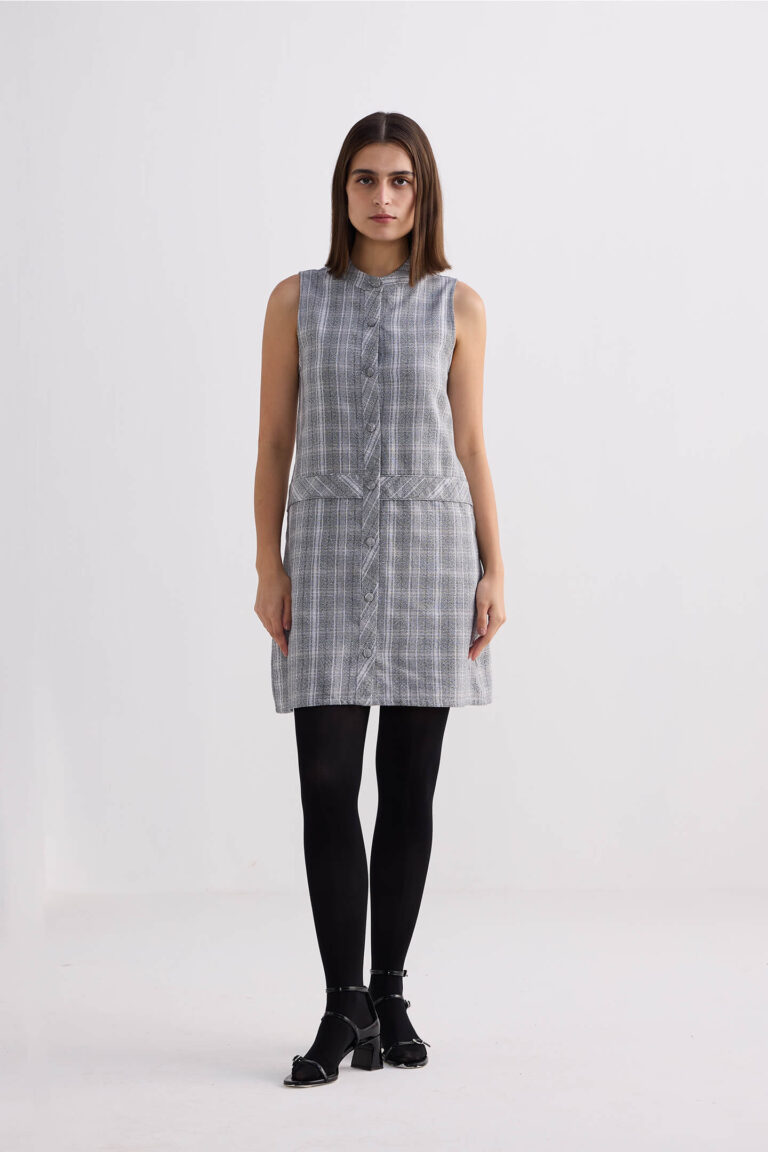 Gray DressesThe Only Gray Shift Dresses You Need to See
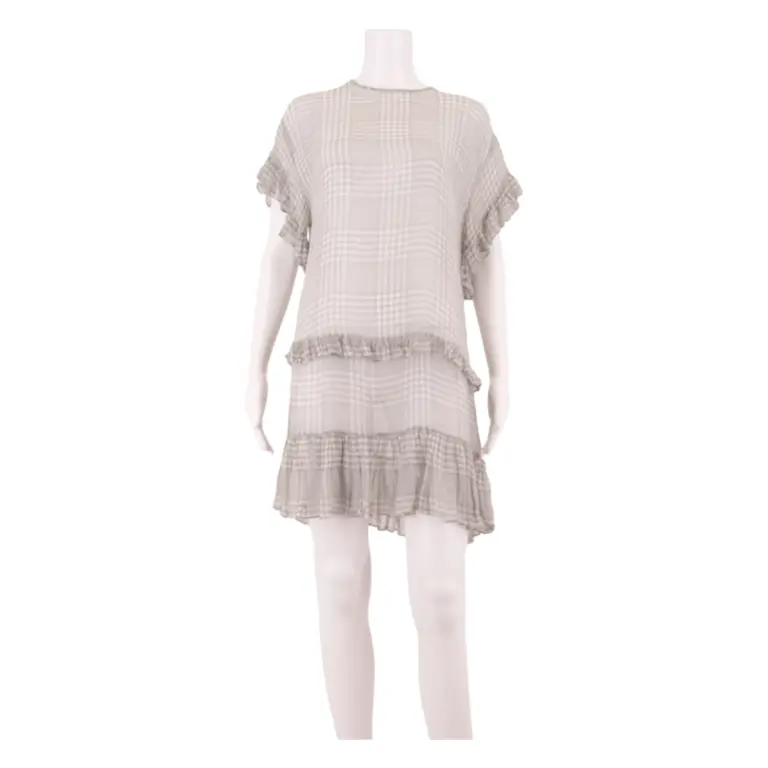
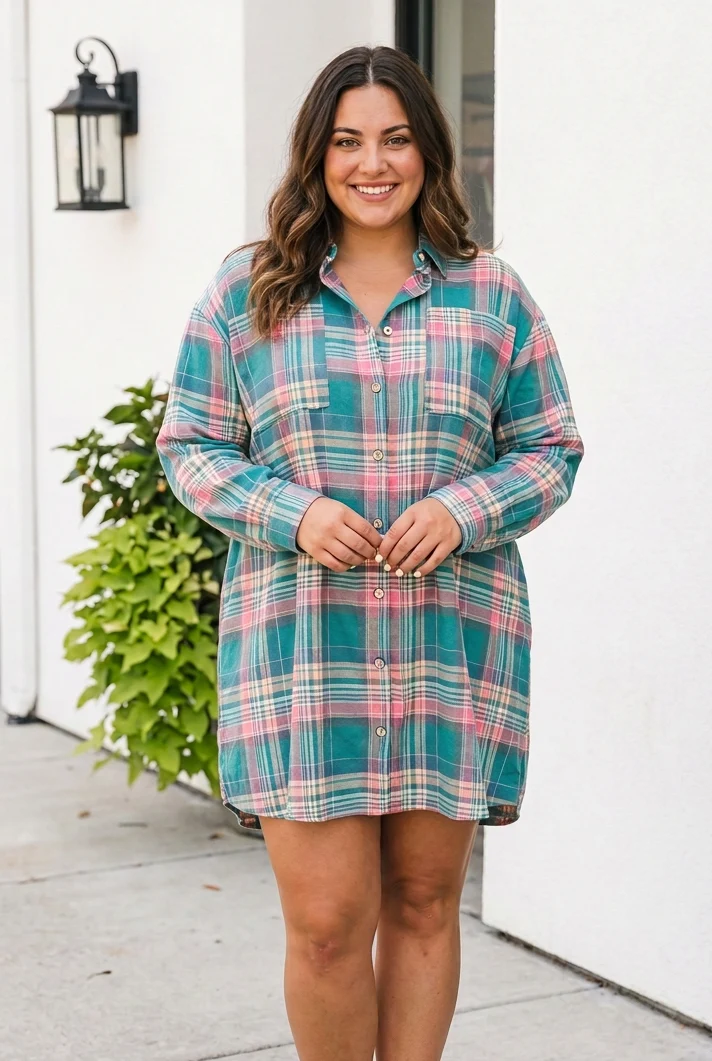 Green DressesGreen Shift Dresses That Do All the Work for You