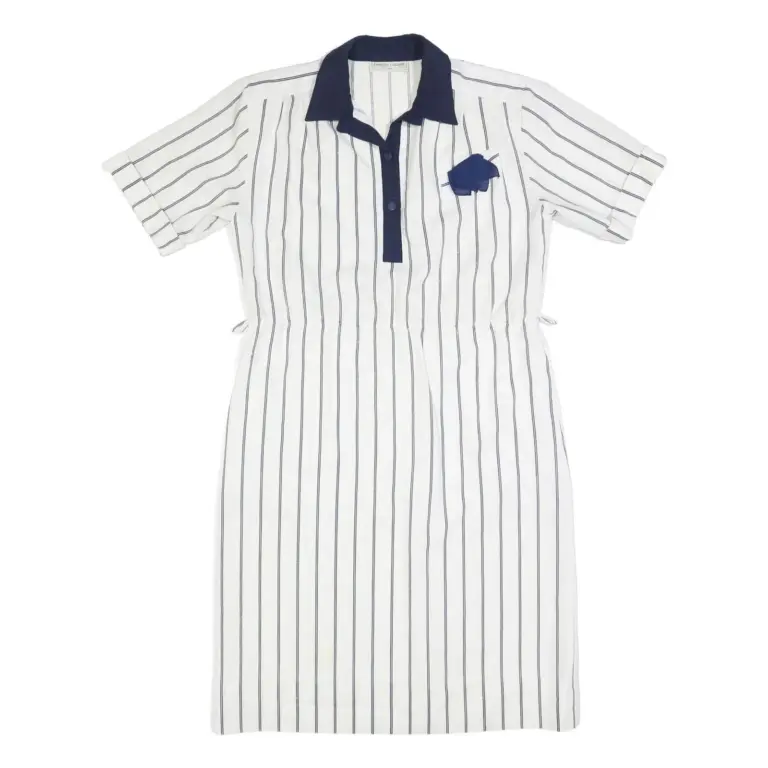
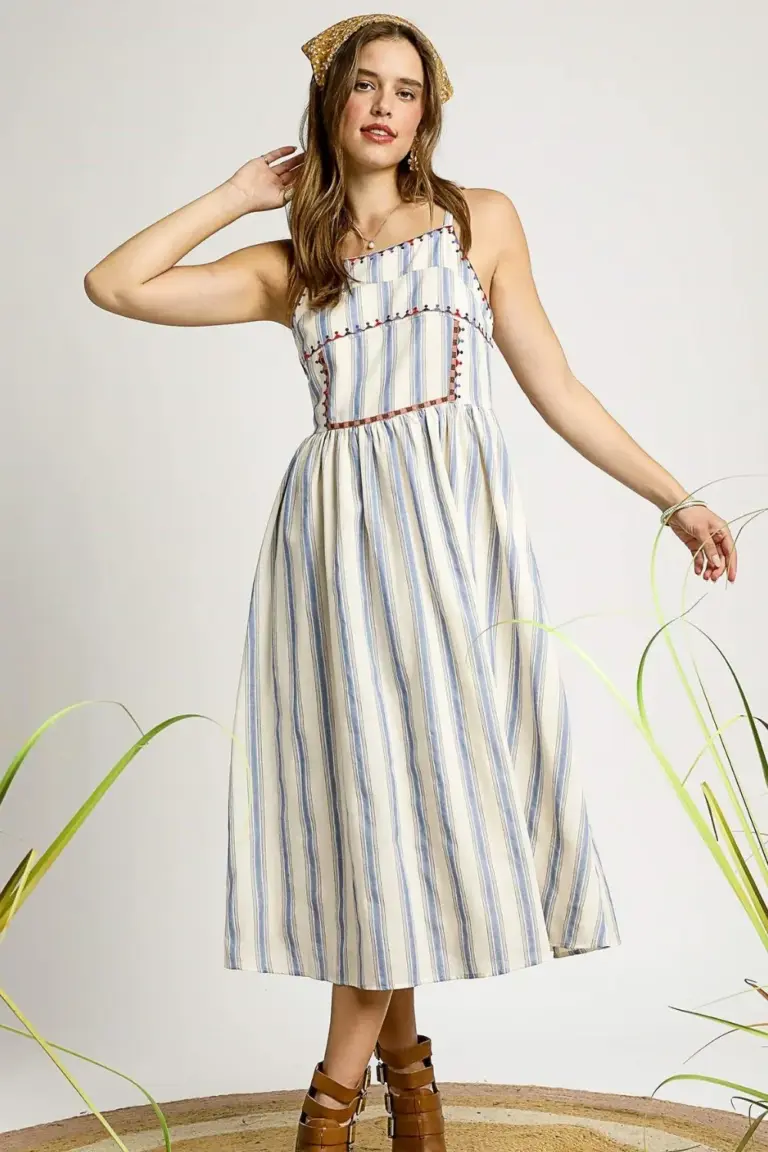
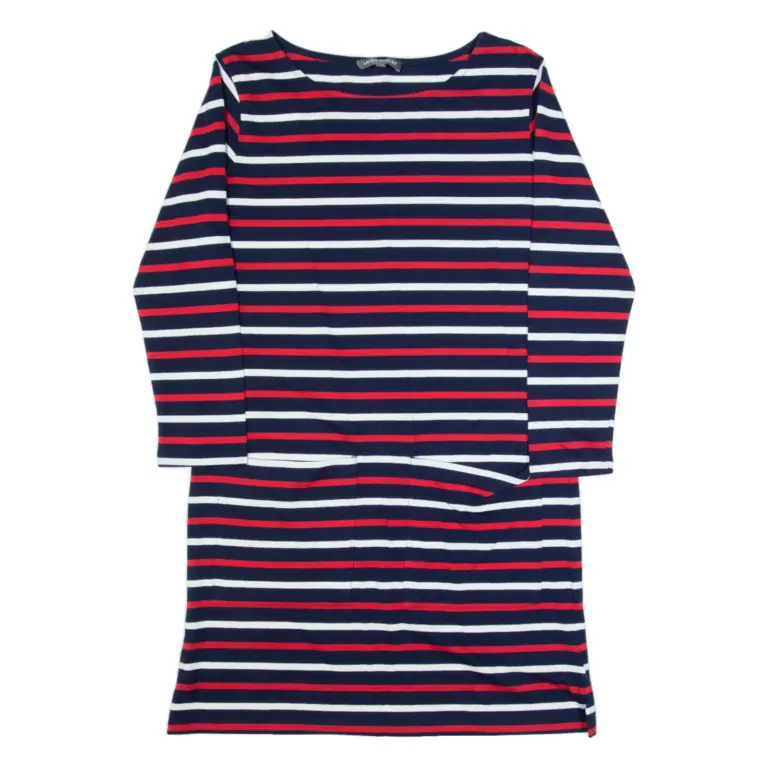
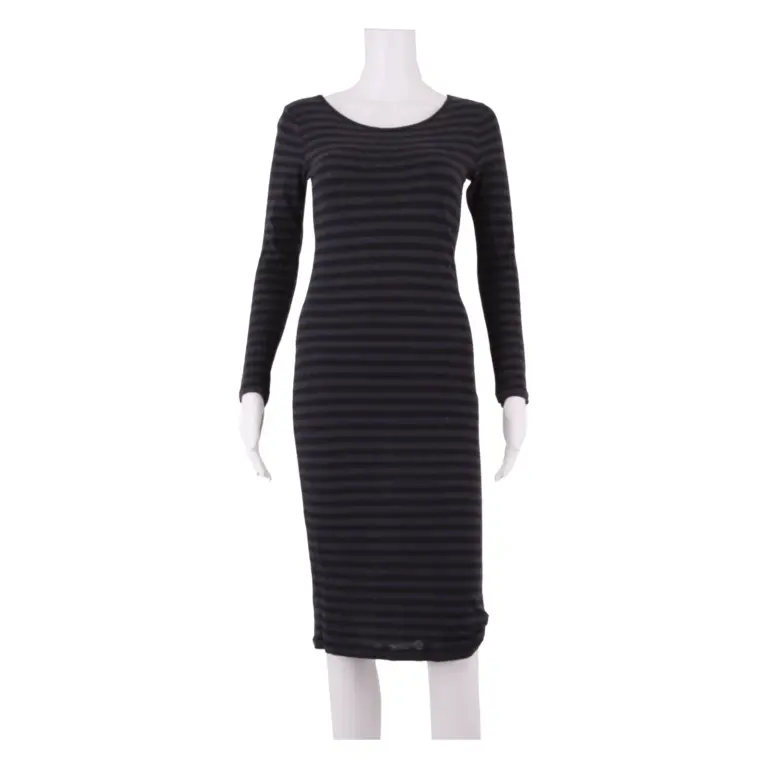
My first striped dress came from a supermarket clothing rail, about nine pounds, and I wore it until the stripes had gone slightly grey and crooked from the wash rather than from how it was cut. That one taught me that cheap stripe placement is pure luck. Nobody's lining anything up at that price, the seams just land where they land, and on me they landed in a way that put a stripe straight across the widest part of my hips like an arrow pointing at it.
Fit is really about where the stripes sit on your actual body rather than the size on the label. Horizontal stripes that run evenly round the body can look lovely, but if the dress is remotely clingy you want to check the side seams in a mirror before you buy, because a cheap version will often have the stripe pattern slightly askew from side to back, and that's the kind of thing that looks fine standing dead straight and goes wrong the second you move. Vertical or diagonal stripe dresses are more forgiving on cut but less forgiving on length, a few centimetres too short or too long changes the whole line of the stripe and suddenly it's doing something unflattering round the knee. Go for your usual size and try it sitting down too, not just standing, since a lot of striped jersey dresses that look fitted on the hanger turn out to ride up and bunch the stripes at the stomach when you sit.
Where this dress struggles is anywhere you need the pattern to disappear into the background. It's not the one for a day where you want to blend in, stripes draw the eye by design, and on a cheap fabric that eye gets drawn to every pull and pucker in the weave. It's also not brilliant layered under a blazer or cardigan if the stripes are chunky, you lose half the pattern and it can look a bit chopped off and strange.
A good quality striped dress ages well if the stripe is woven in or printed properly rather than just surface dyed, because the colours stay distinct from each other instead of blurring at the edges after a few washes. Cotton or a cotton blend will soften nicely over months and keep its line, while cheaper synthetic knits tend to go slightly see through at the stripe boundaries where the fabric's thinnest. Wash it inside out, on a cool cycle, and skip the tumble dryer if you can, heat is what makes stripes bleed into each other first.
The one mistake to avoid is buying a bold horizontal stripe without checking it against your actual width in natural daylight, because what looks striking under shop lighting can read completely differently once you're out the door.

 White DressesEffortless White Striped Maxi Dresses We Love
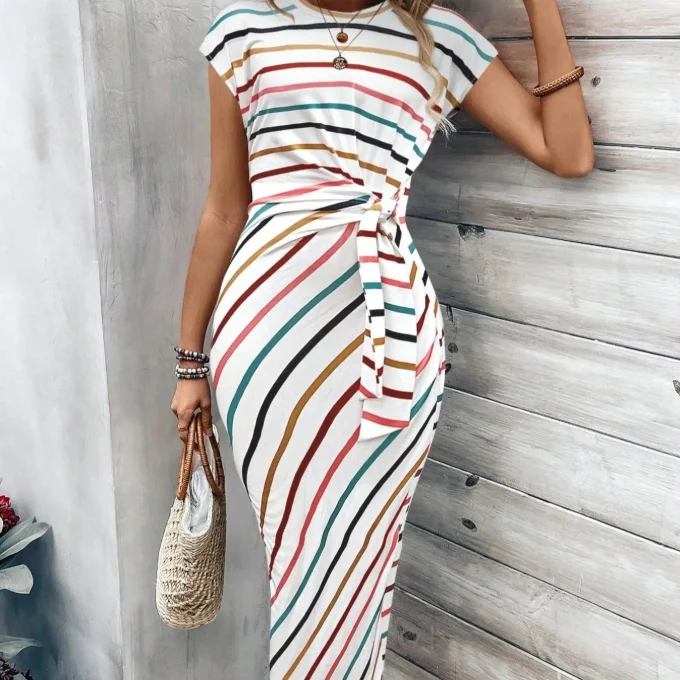
 White DressesWhite Striped Midi Dresses You Can Dress Up or Down
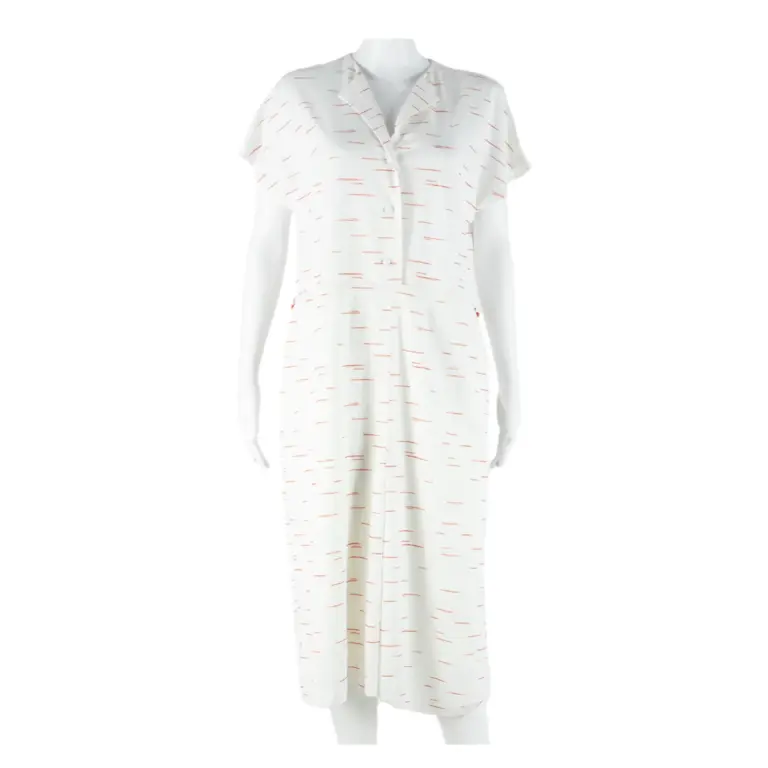
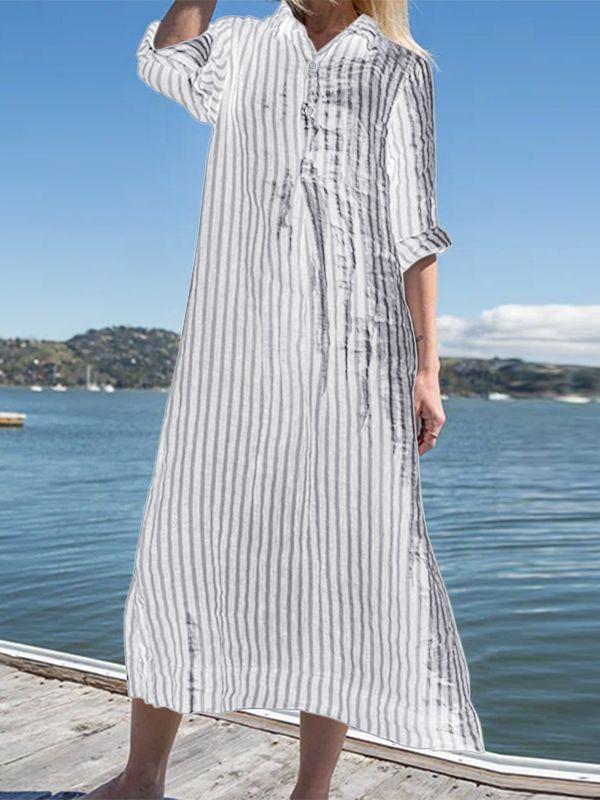 Shirt DressesOur Edit of the Best White Striped Shirt Dresses
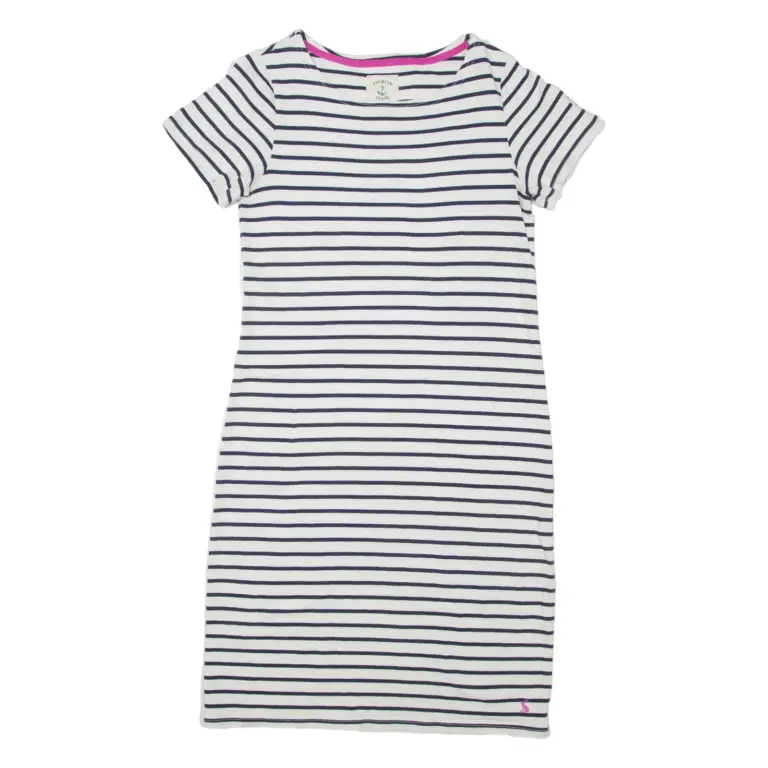
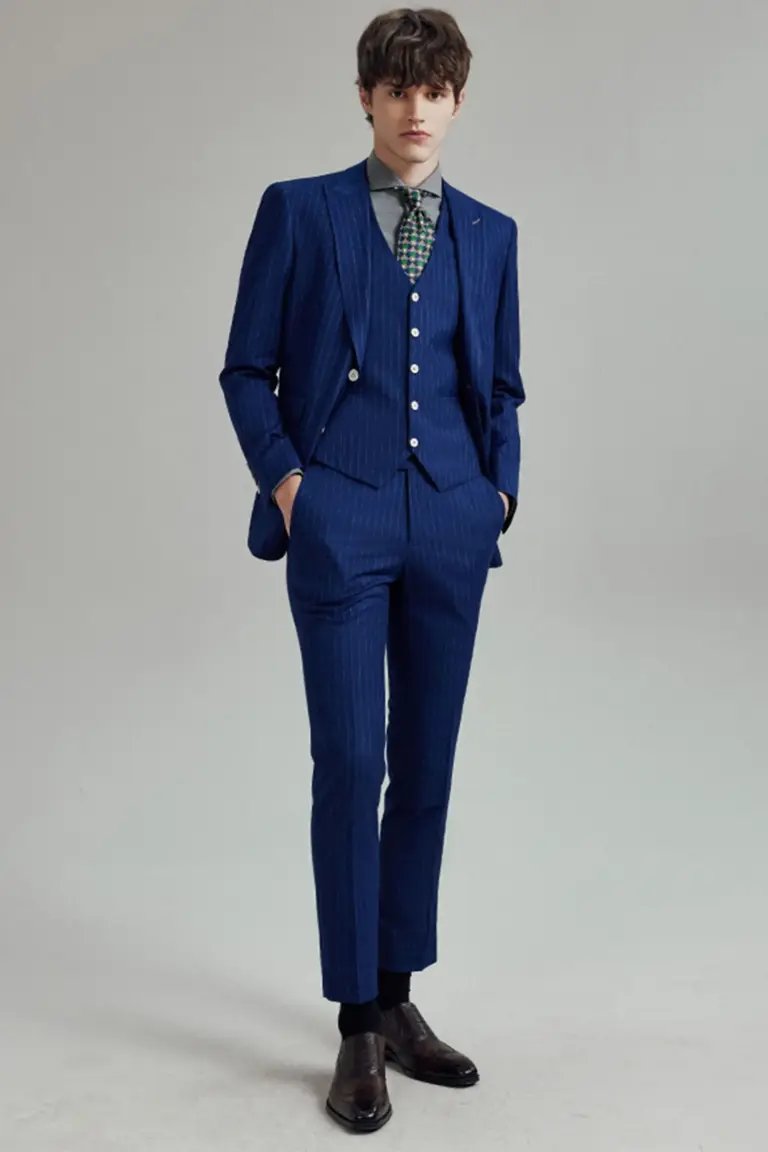 White DressesWhite Striped Summer Dresses for Warmer Days
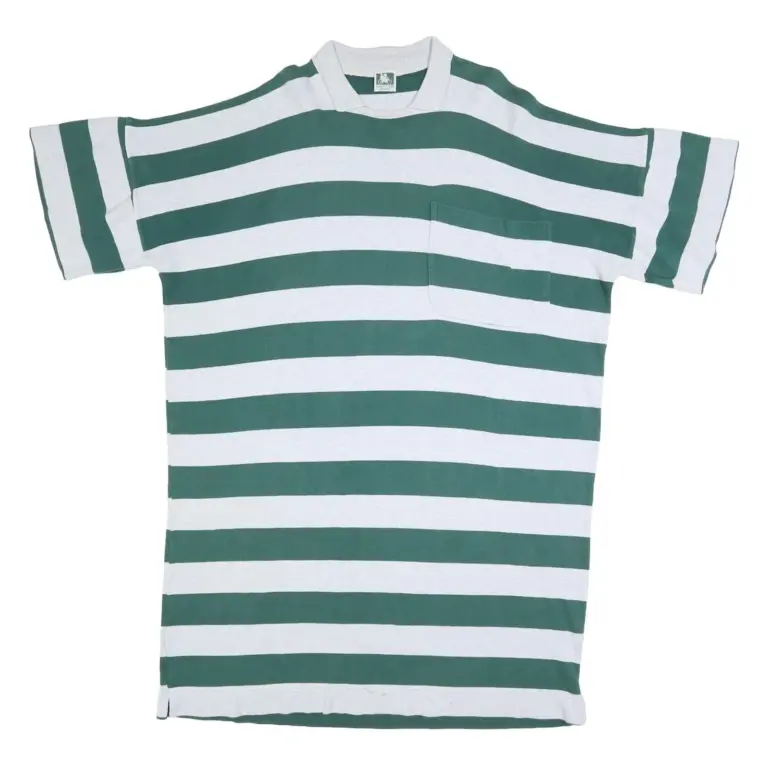
 Short Sleeve DressesStriped Short Sleeve Shirt Dresses: Our Current Favorites
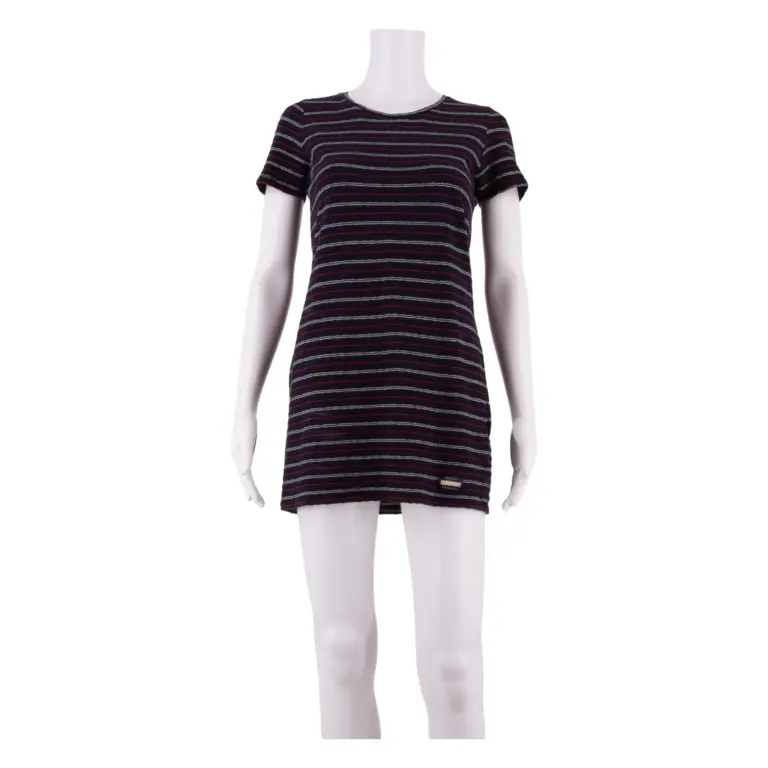
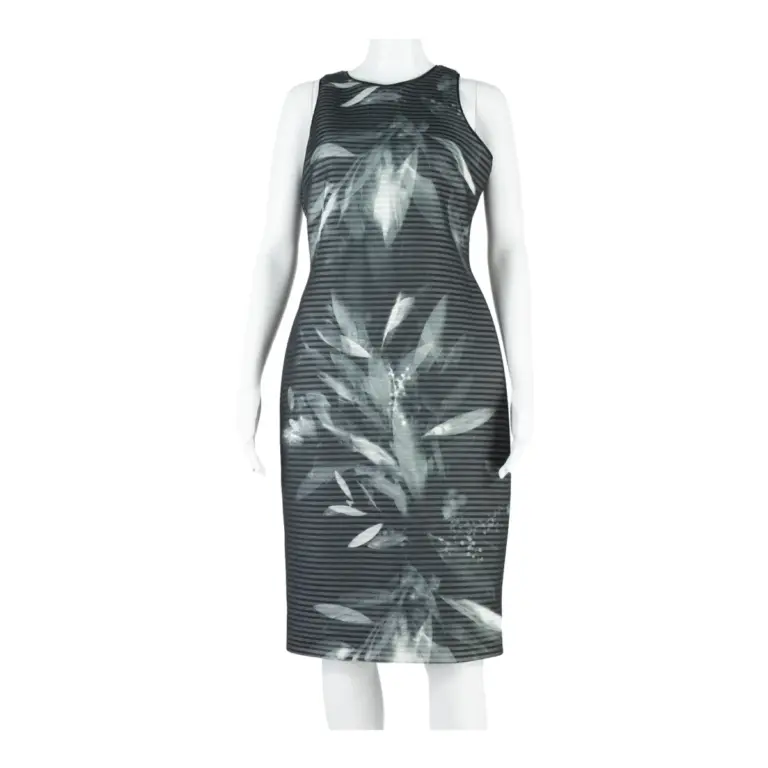 Sleeveless DressesStriped Sleeveless Midi Dresses You’ll Want to Live In
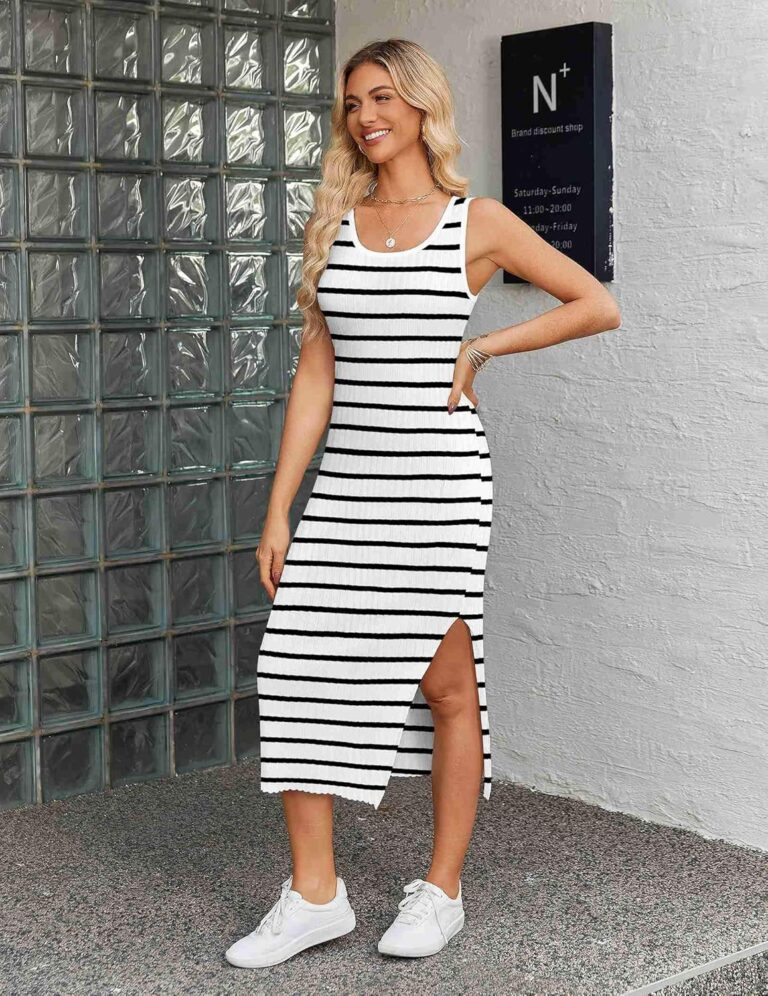 Sleeveless DressesThe Only Striped Sleeveless Summer Dresses You Need to See
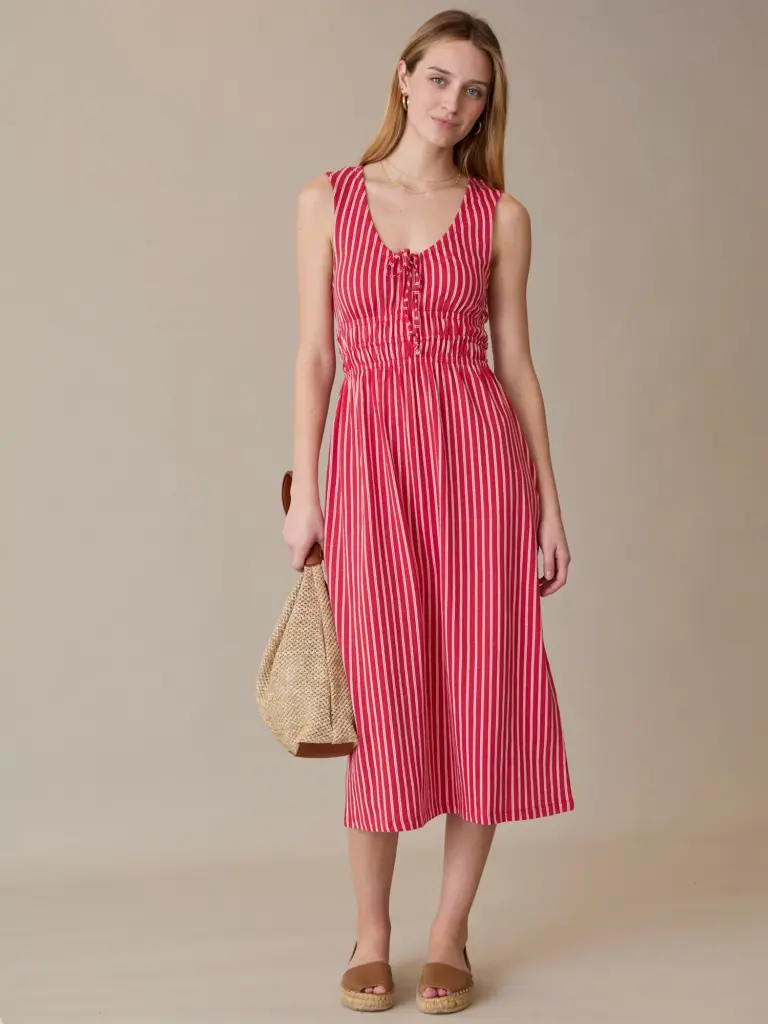
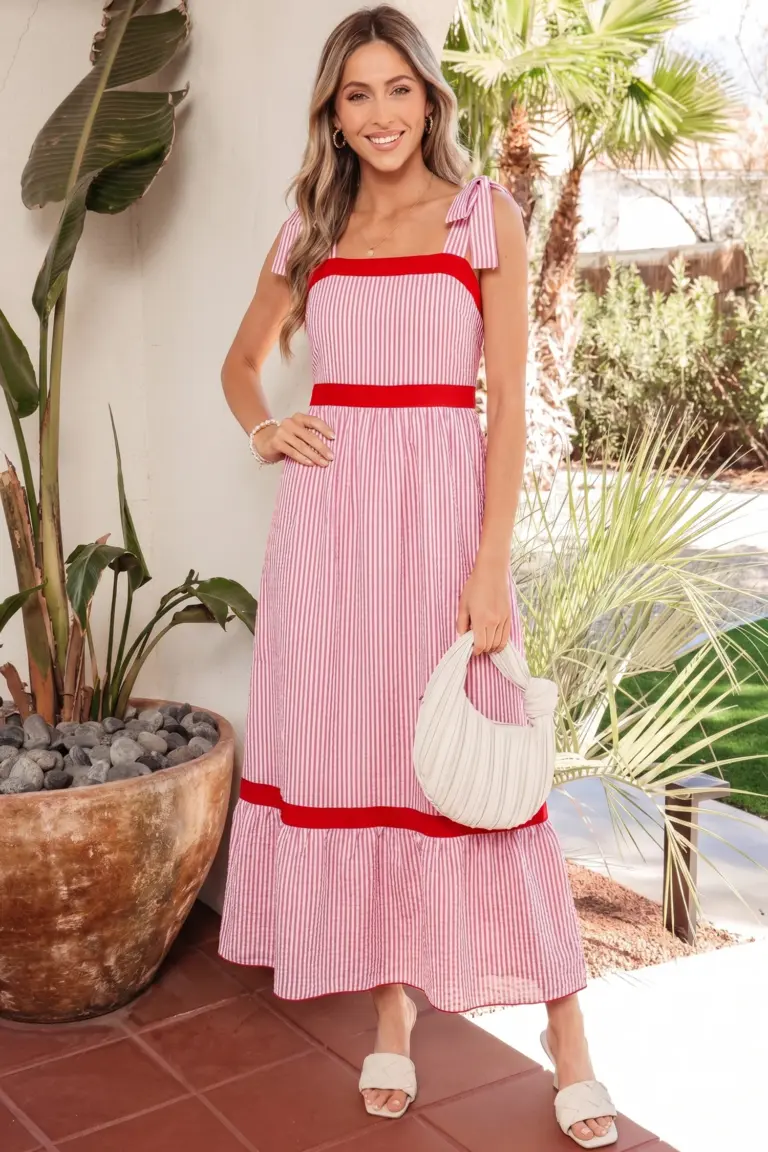 Summer DressesThe Striped Summer Dresses Shortlist

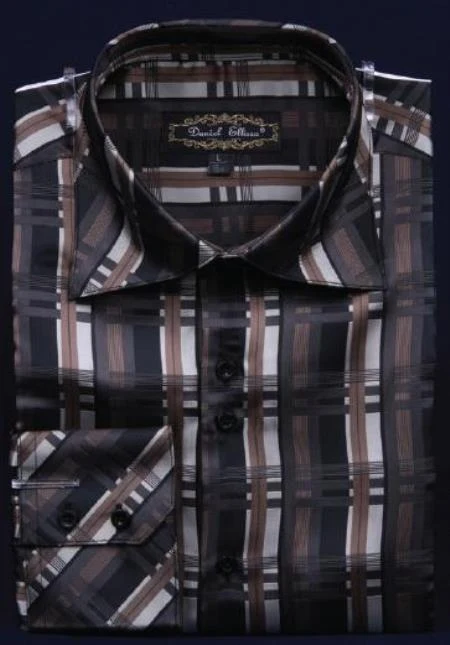 T-Shirt DressesStriped T Shirt Dresses Worth Adding to Your WardrobeAlso worth a lookMidi DressesThe moment a midi dress properly clicked for me was a wedding in October, cold enough for tights,…See the collections →
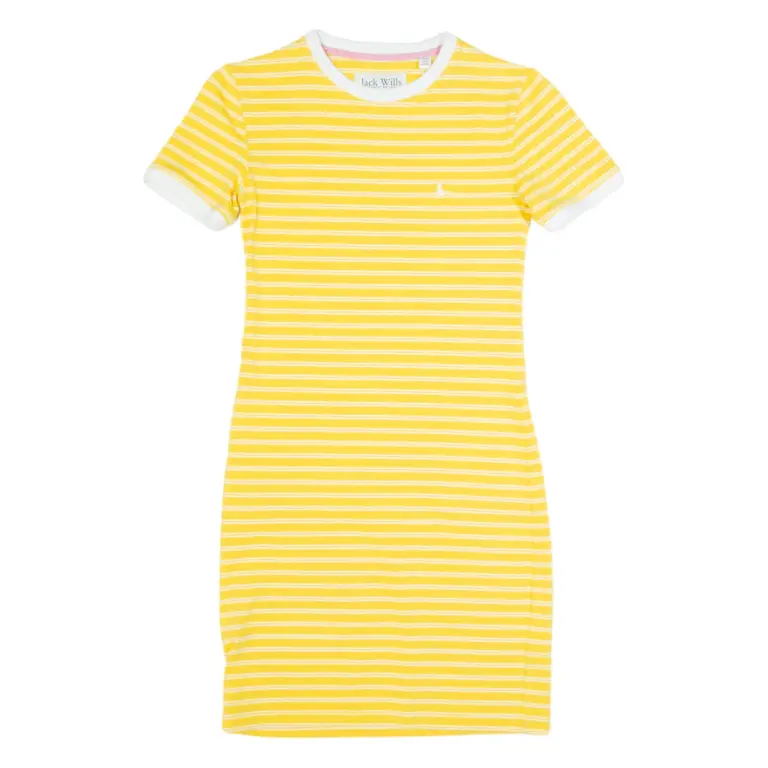
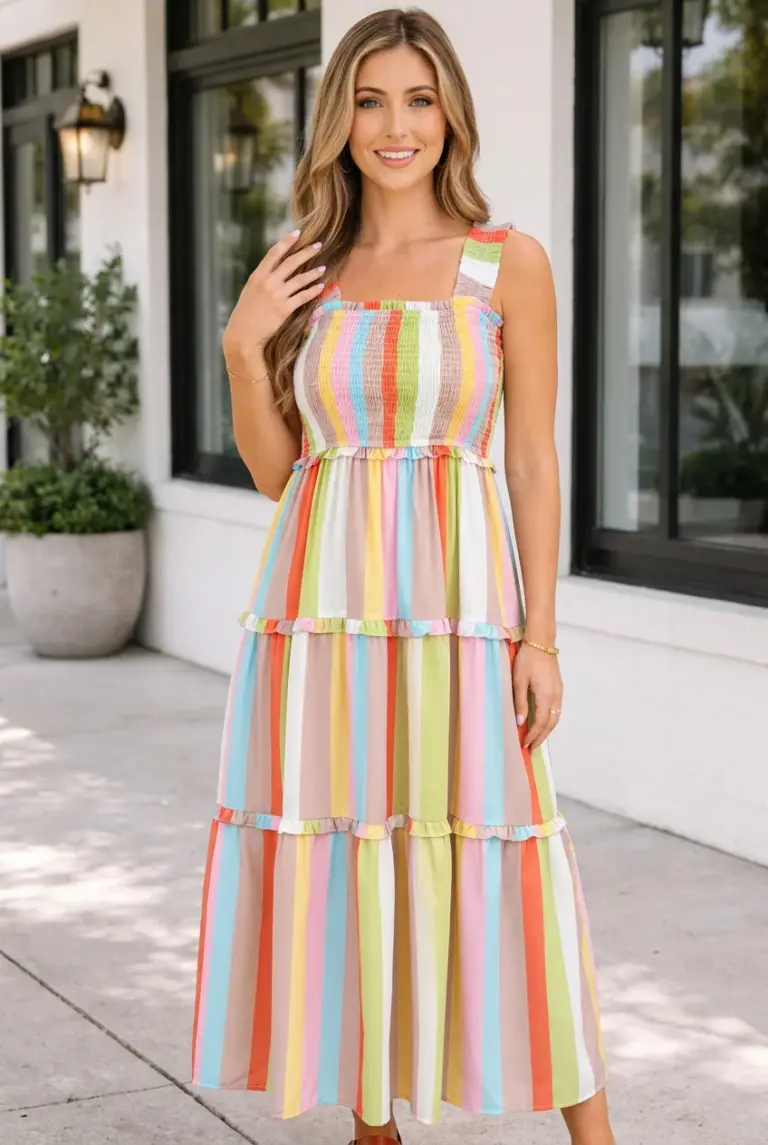 Tiered DressesThe Only Striped Tiered Dresses You Need to See
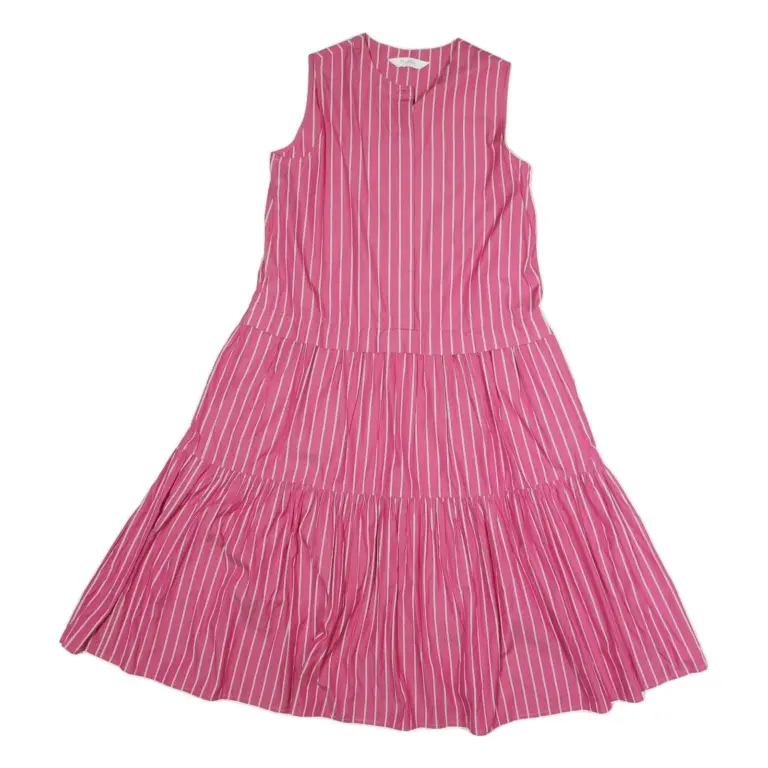
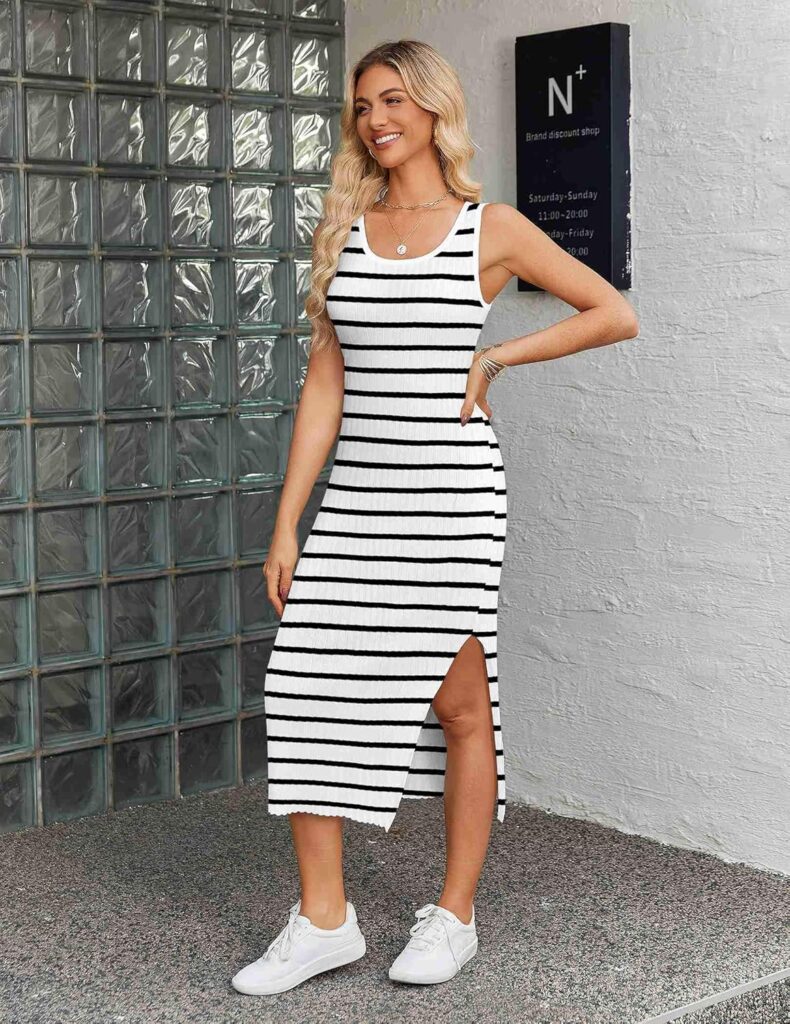 Summer DressesThe Striped Midi Summer Dresses on Our Wishlist
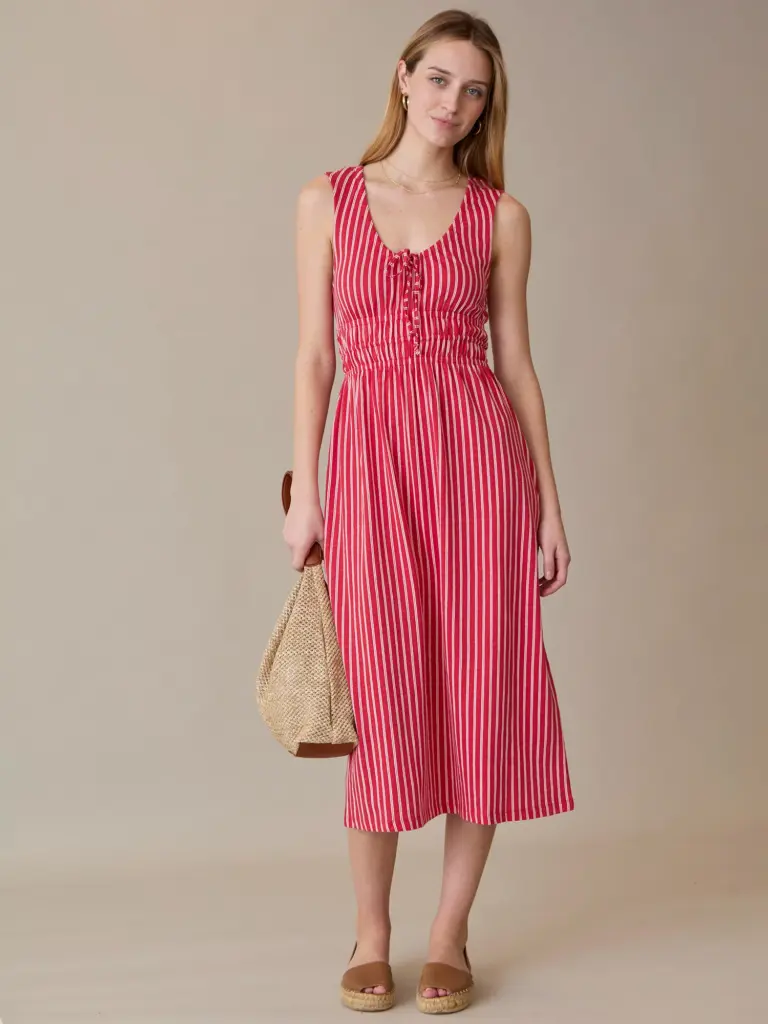
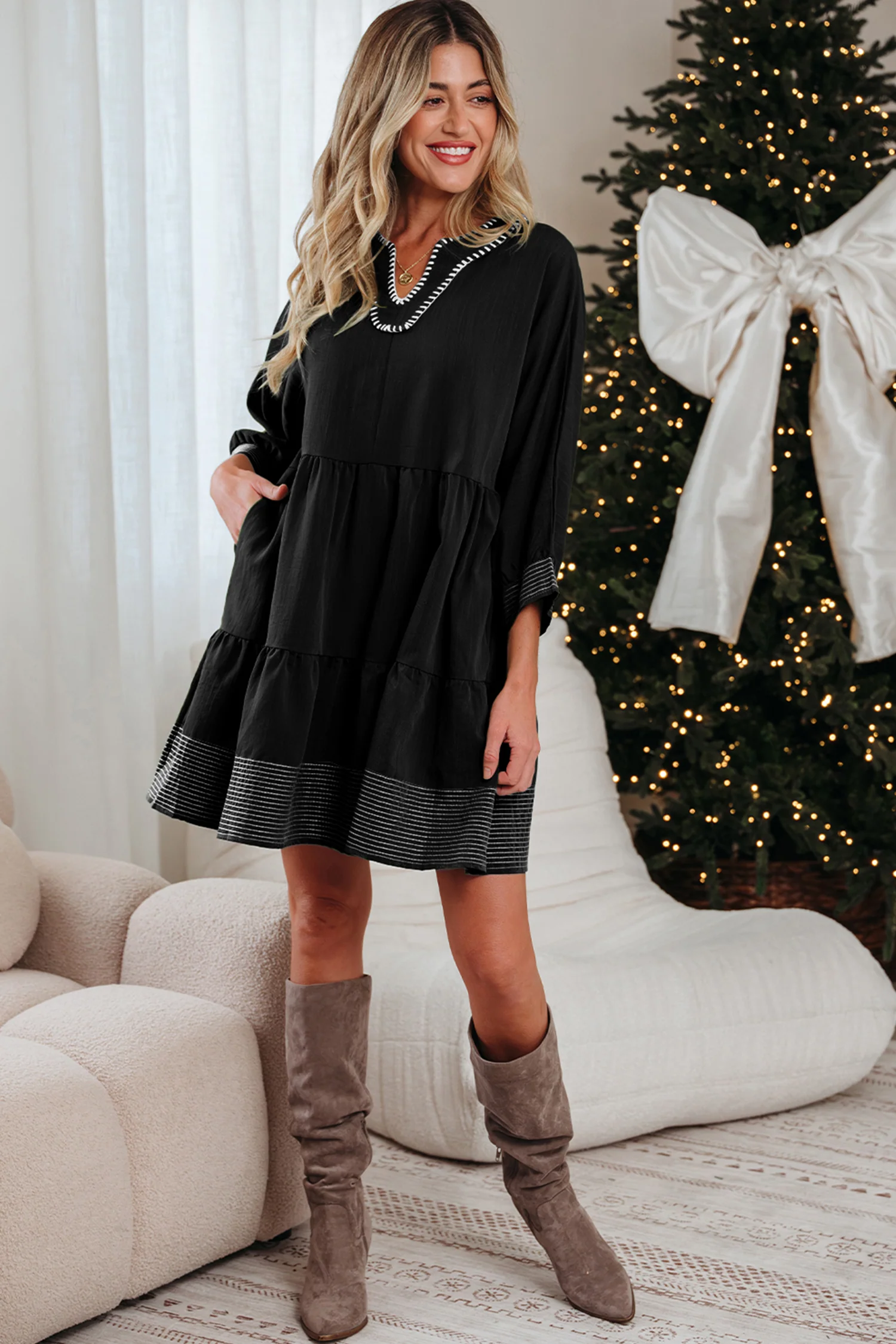 Mini DressesThe Striped Mini Dresses Worth Planning an Outfit Around
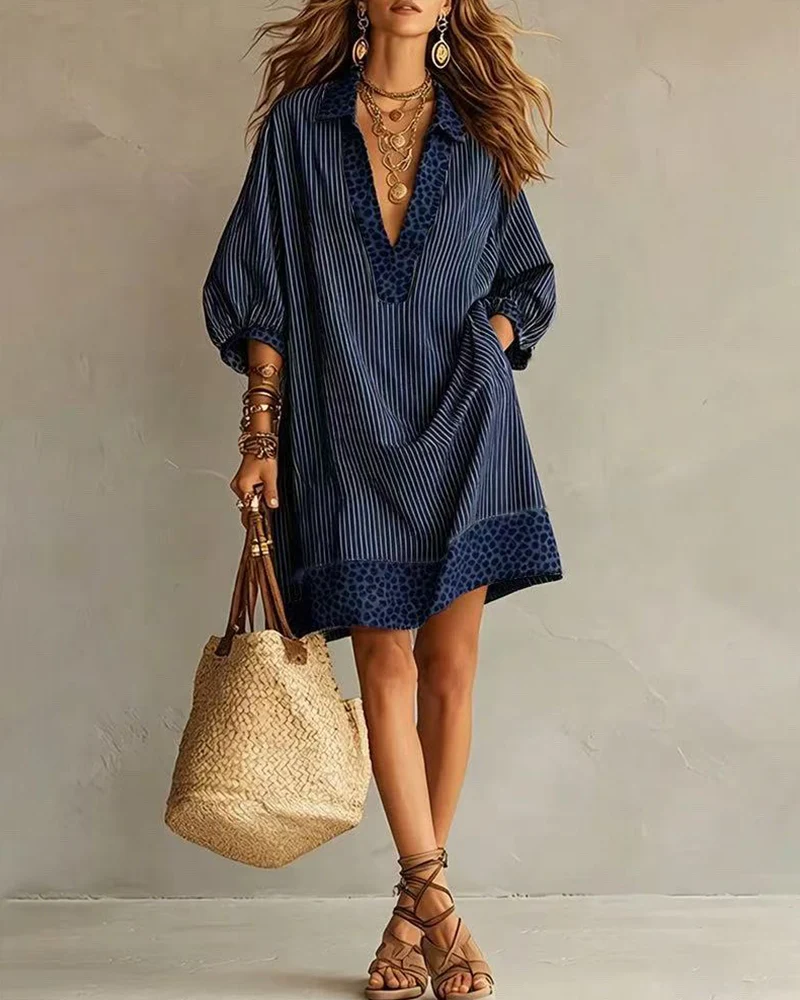
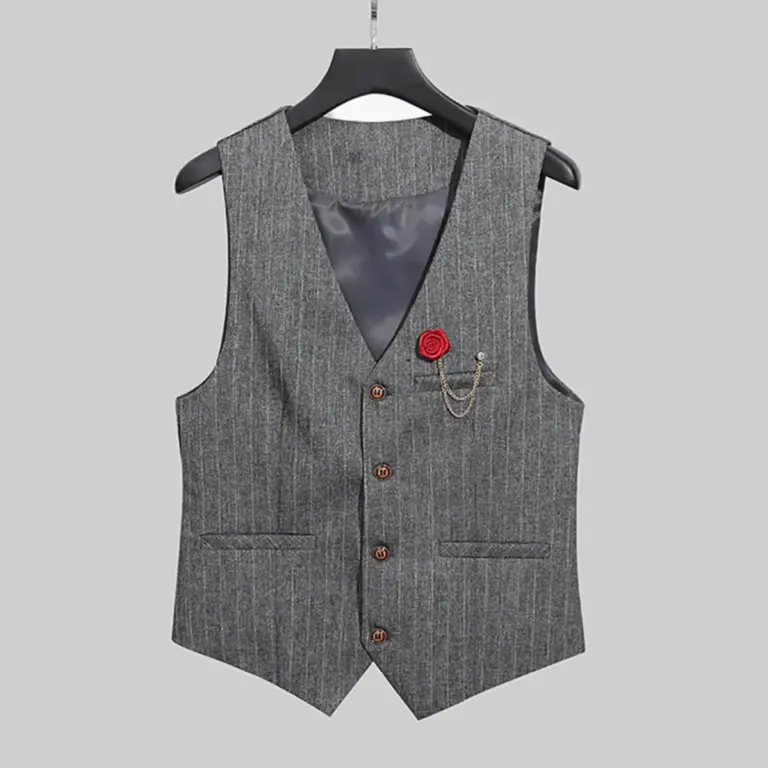 Party DressesThe Best Looking Striped Party Dresses Out There

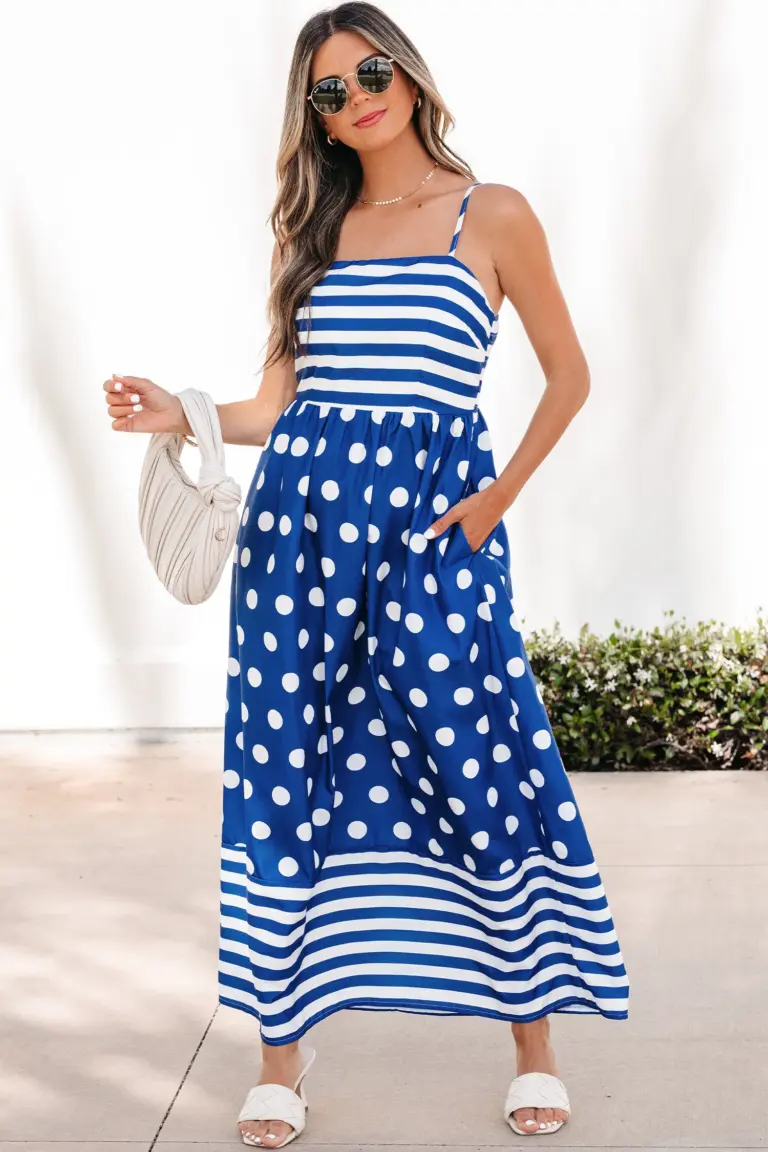 Shift DressesStriped Shift Dresses That Make Getting Dressed Easy
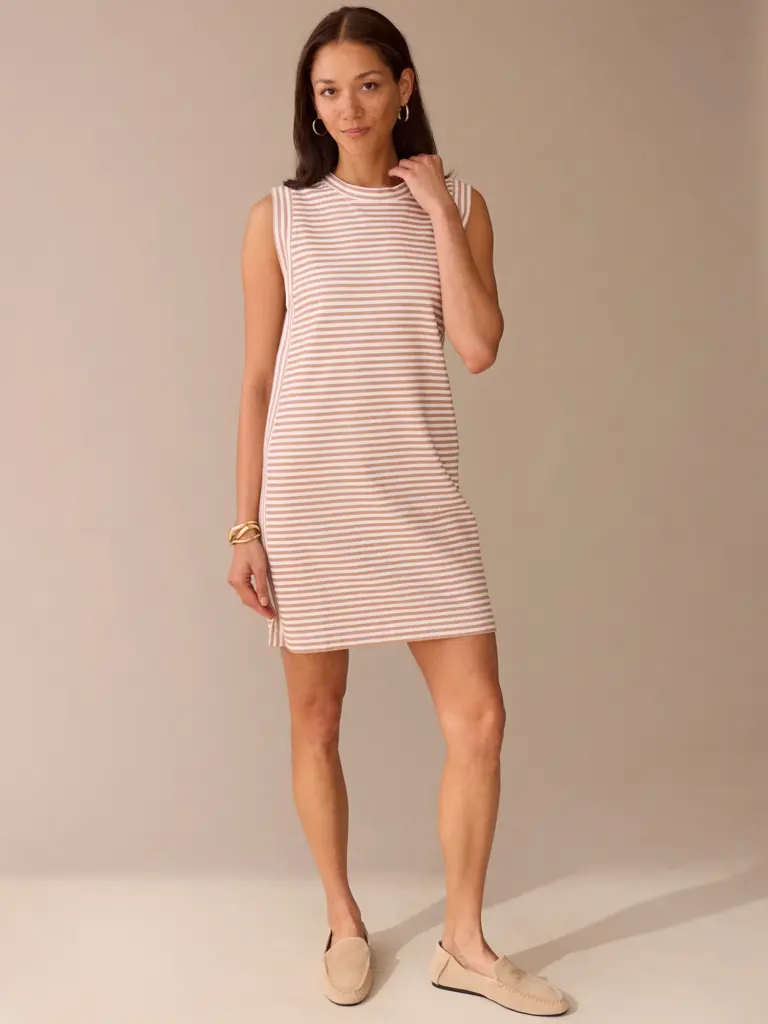
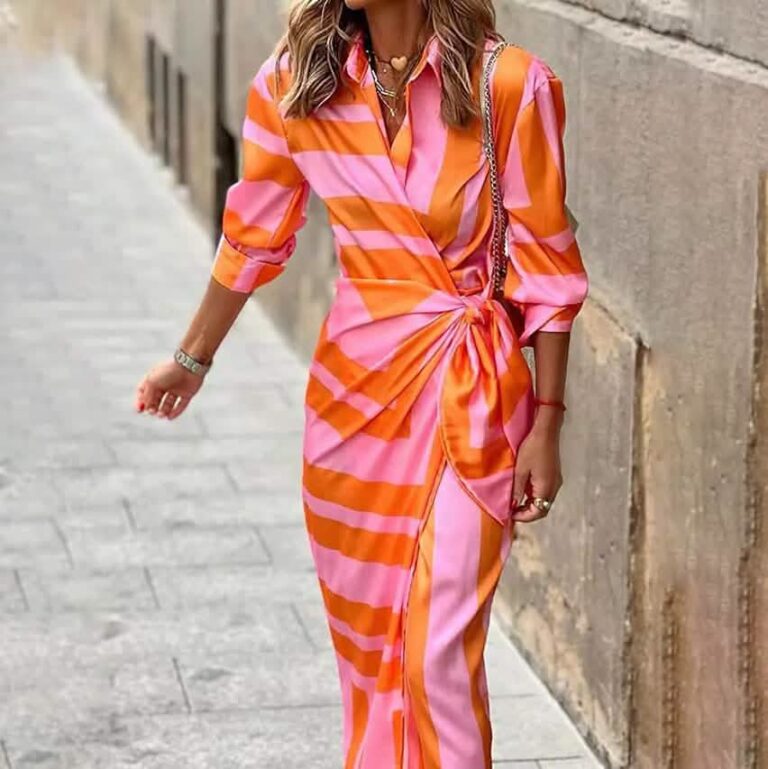 Shirt DressesOur Pick of the Best Striped Shirt Dresses
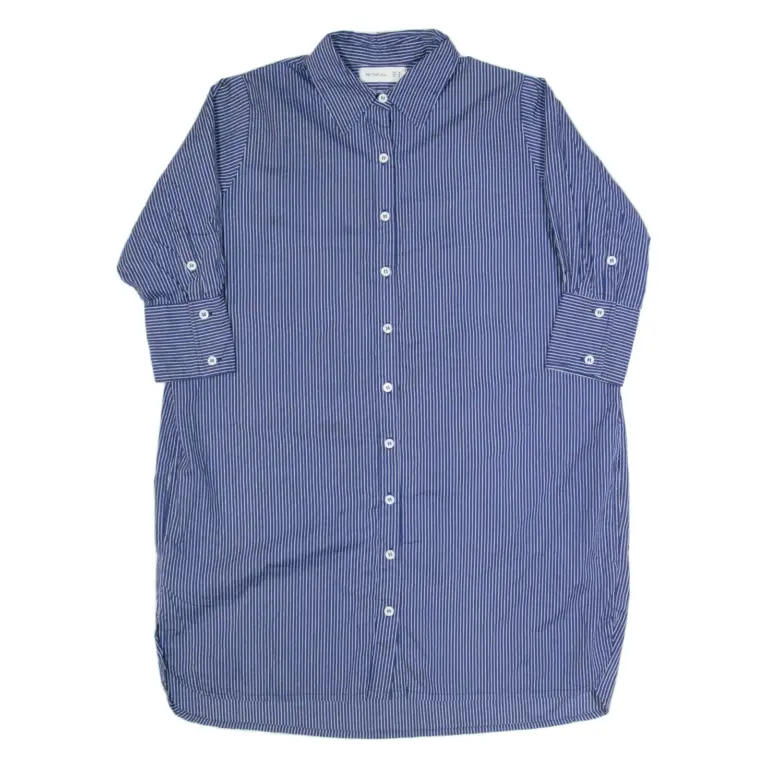
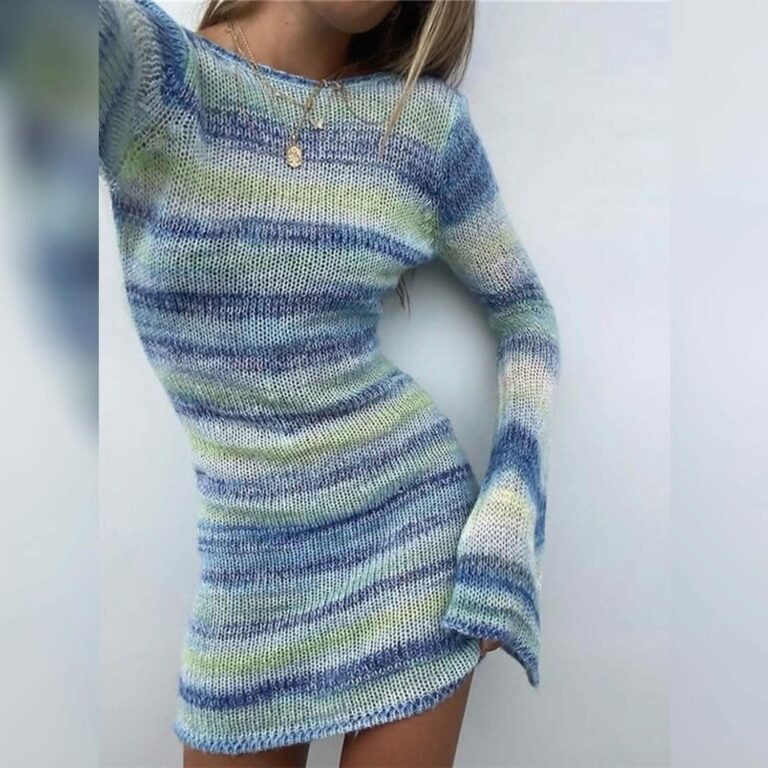 Casual DressesStriped Casual Mini Dresses We’d Recommend to a Friend
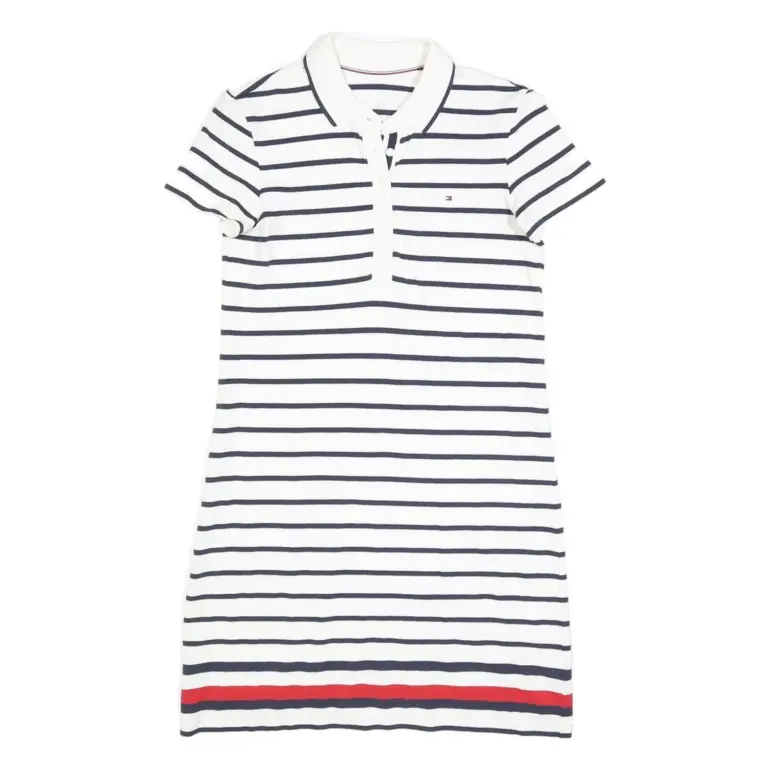
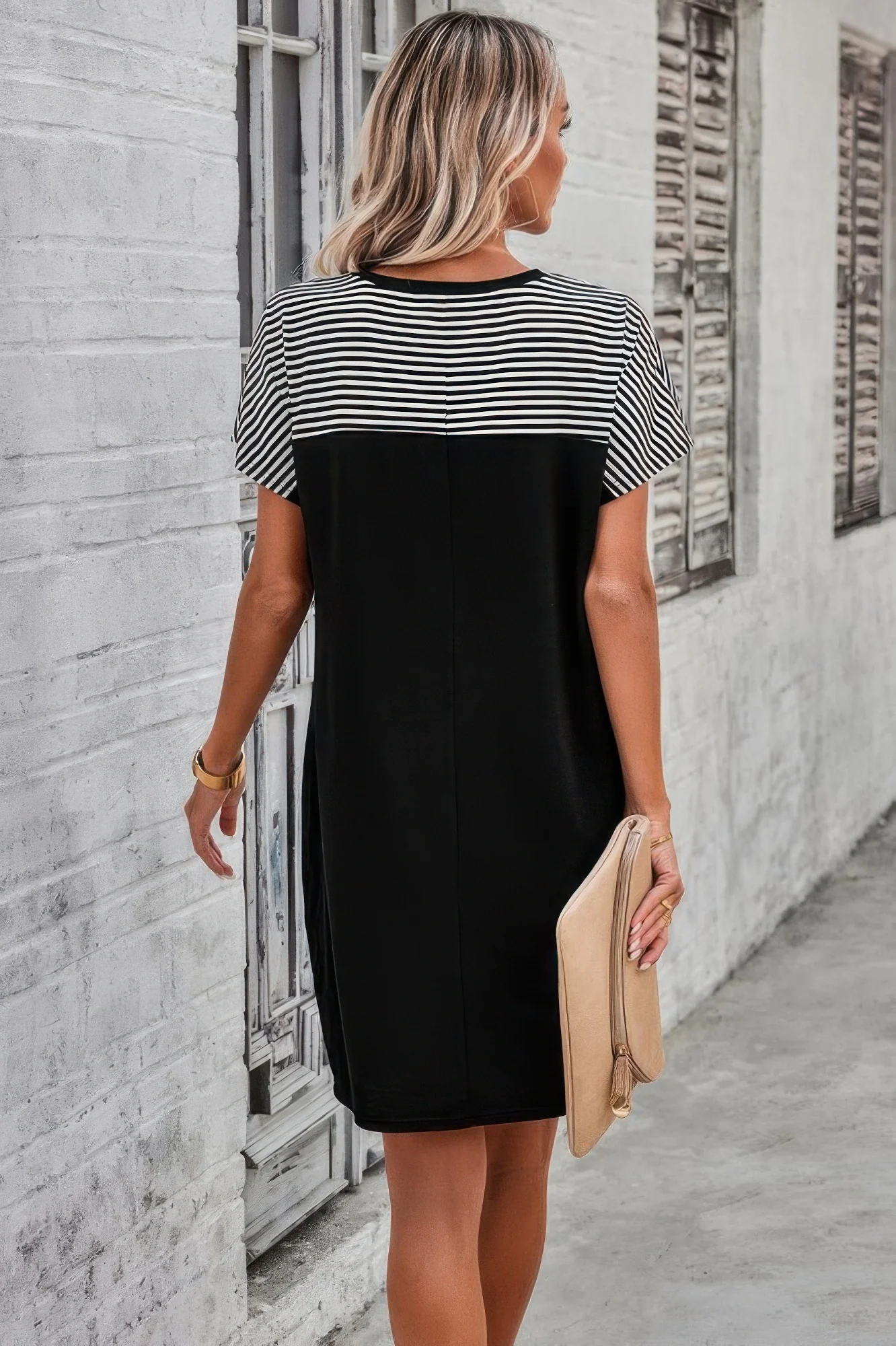 Casual DressesStriped Casual Shirt Dresses We Rate
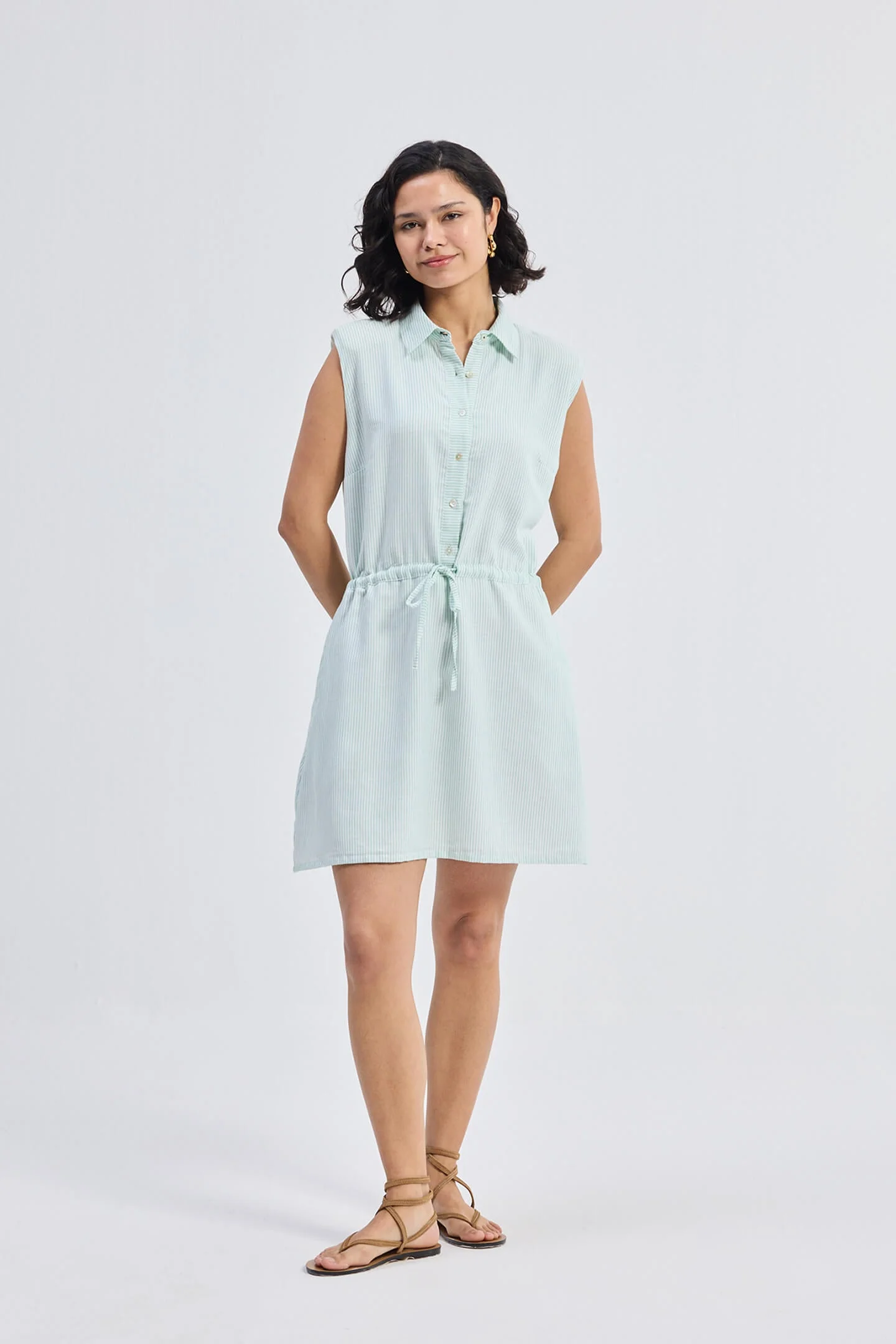
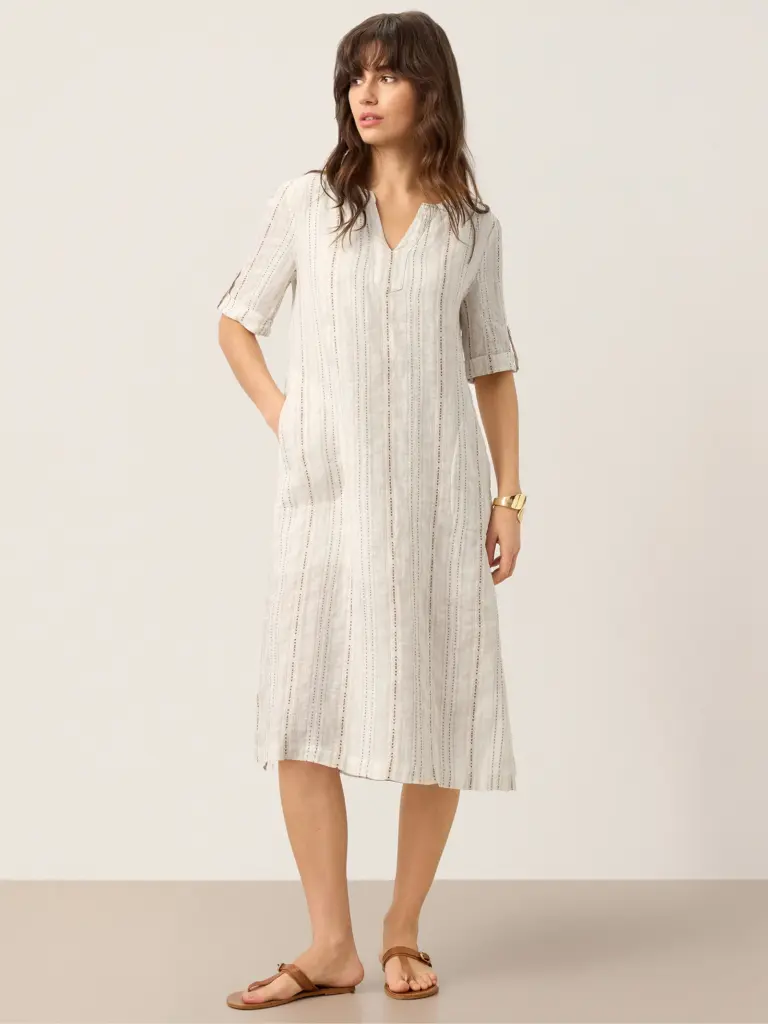 Denim DressesStriped Denim Dresses Edited Down to the BestAlso worth a lookMaxi DressesA maxi dress earns its length by making you forget what you're wearing, and that's the whole point of one.See the collections →
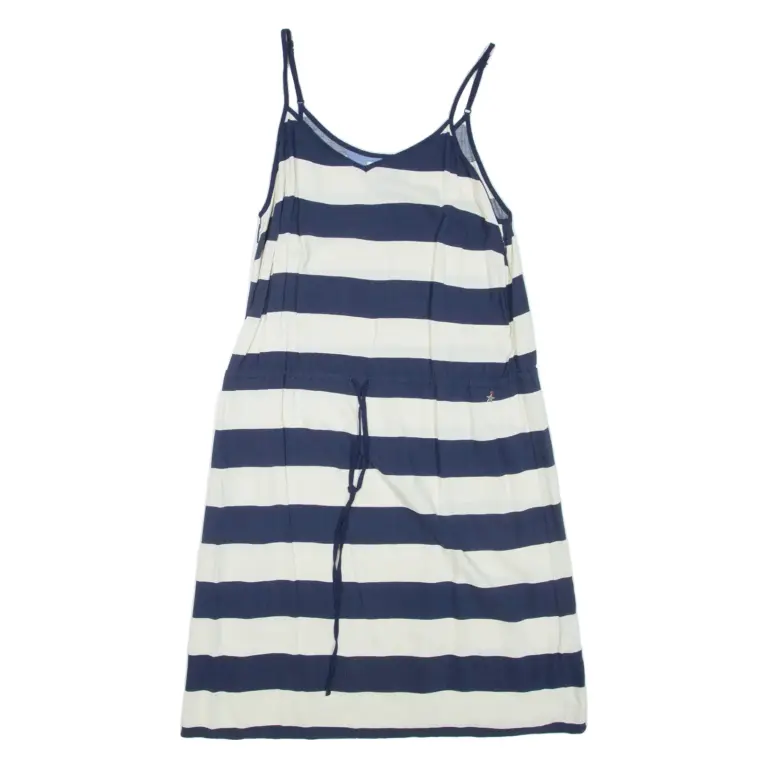
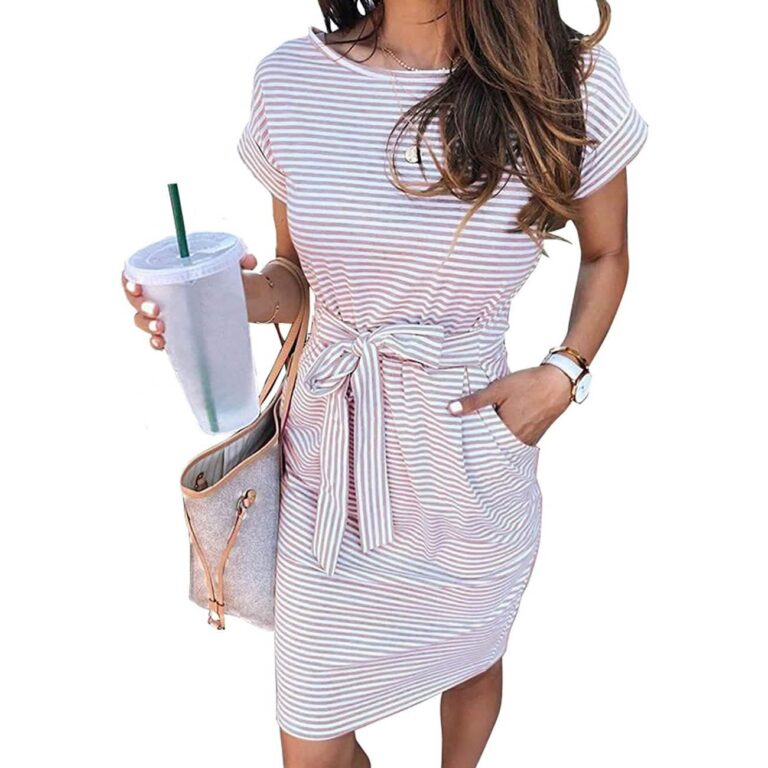 Evening DressesA Closer Look at the Best Striped Evening Dresses
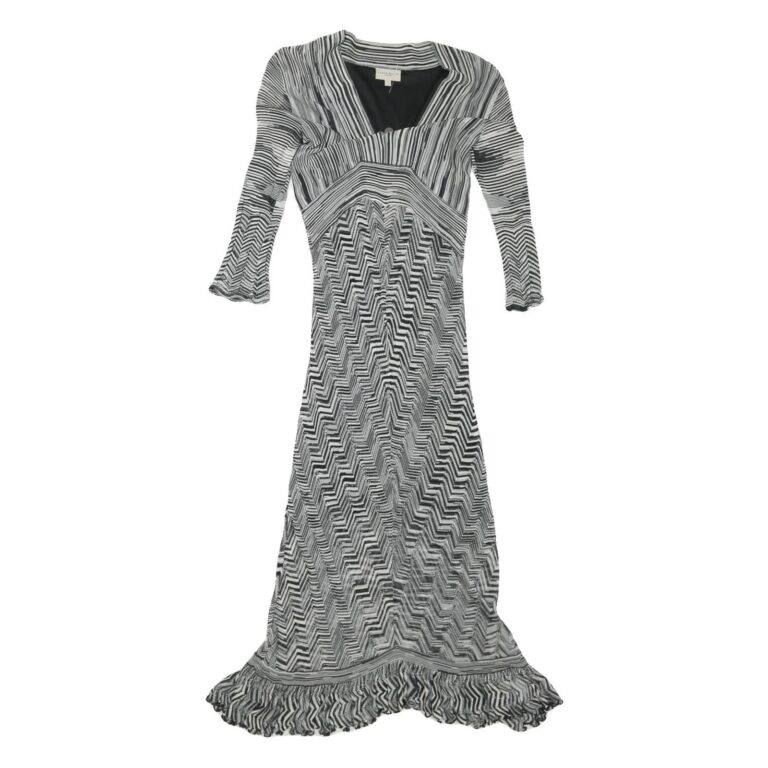
 Linen DressesStriped Linen Dresses: What We’d Buy Now
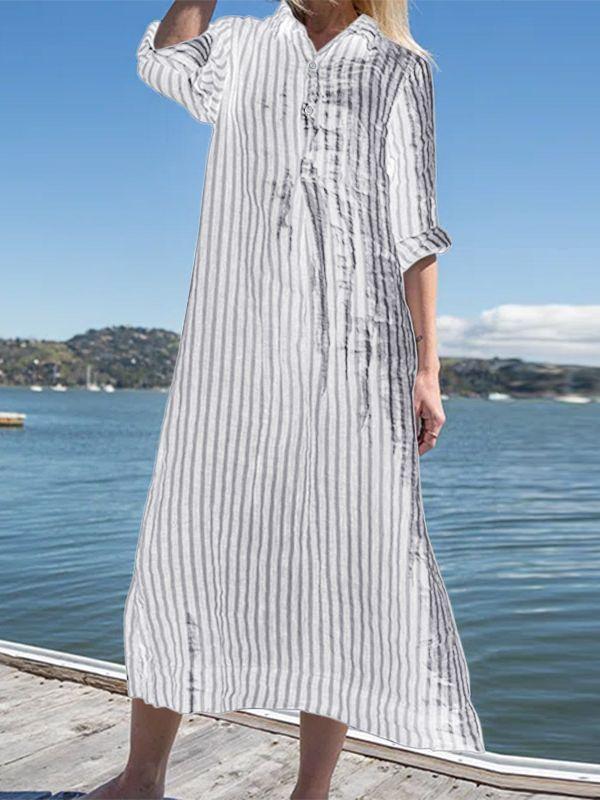
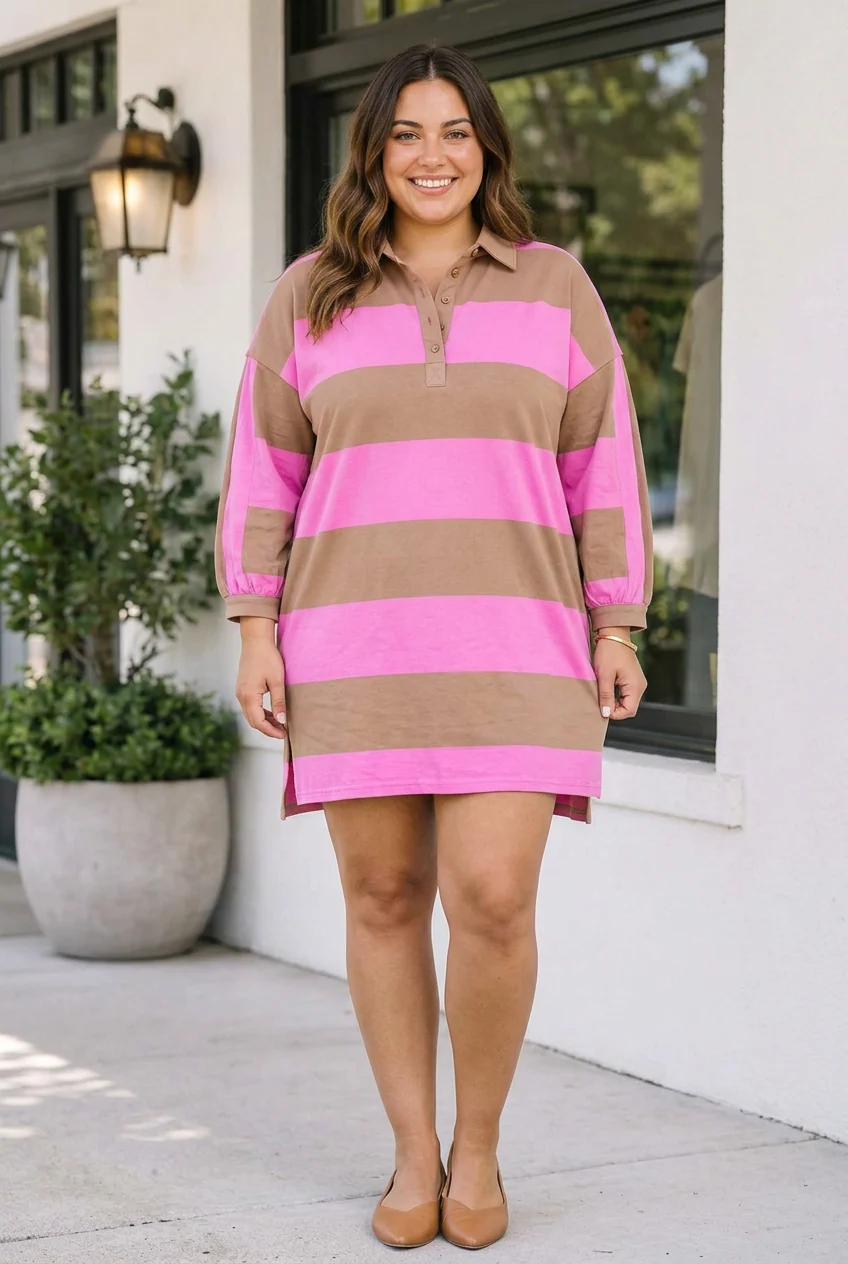 Long Sleeve DressesThe Striped Long Sleeve Dresses Worth Your Wardrobe Space
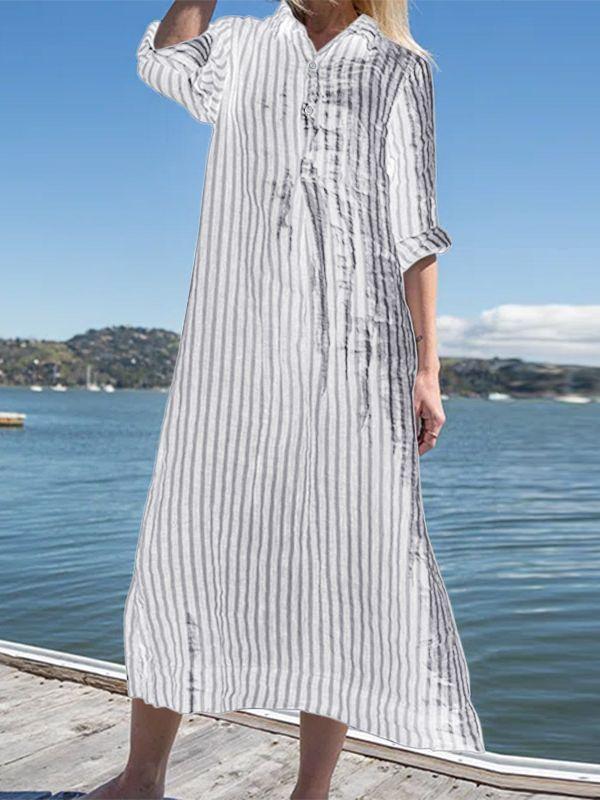
 Shirt DressesWhere to Find the Best Striped Long Sleeve Shirt Dresses
 Maxi DressesStriped Maxi Dresses for When You Want to Feel Put Together
 Summer DressesStriped Maxi Summer Dresses to Pack for Your Holiday
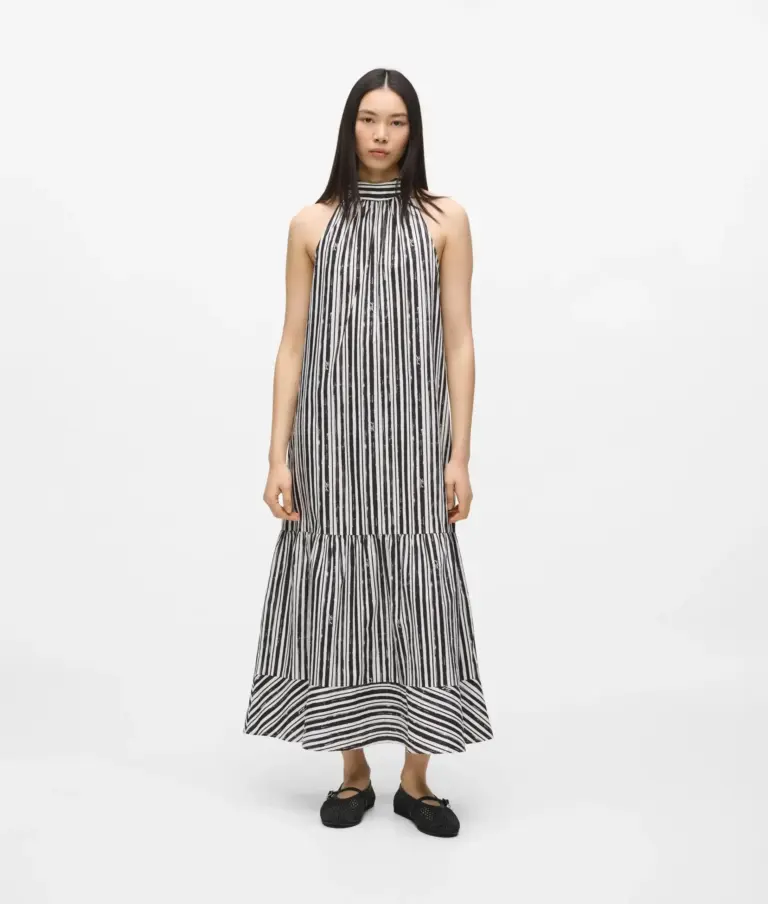
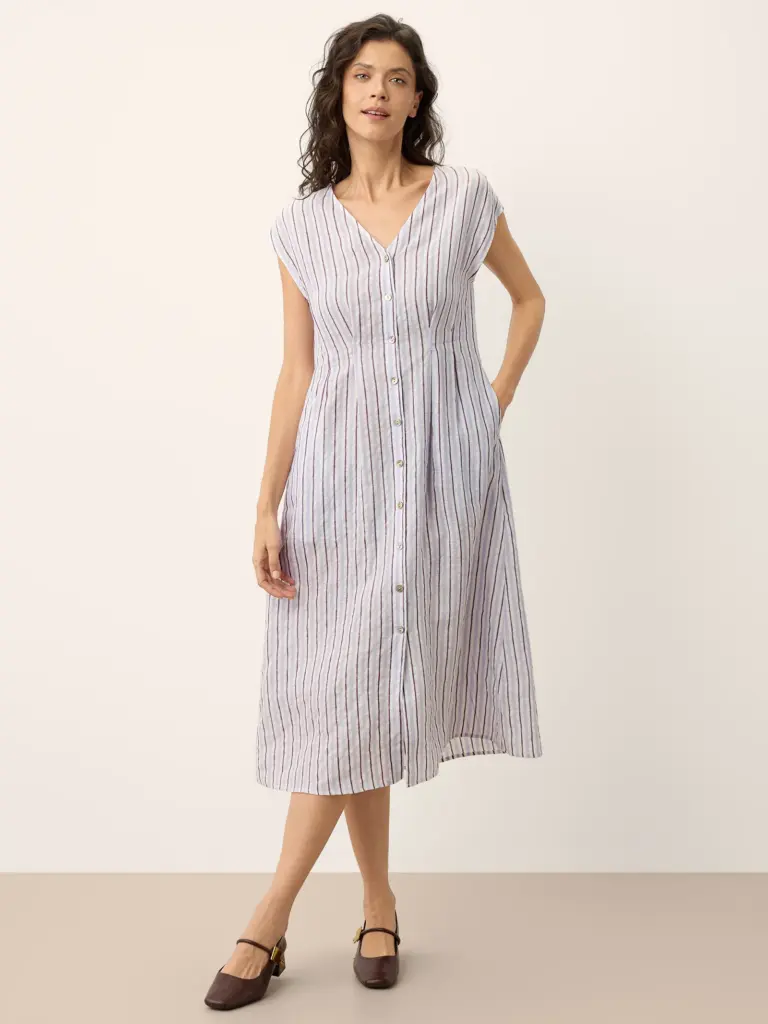 A Line DressesStriped Midi A Line Dresses With Real Wardrobe Staying Power
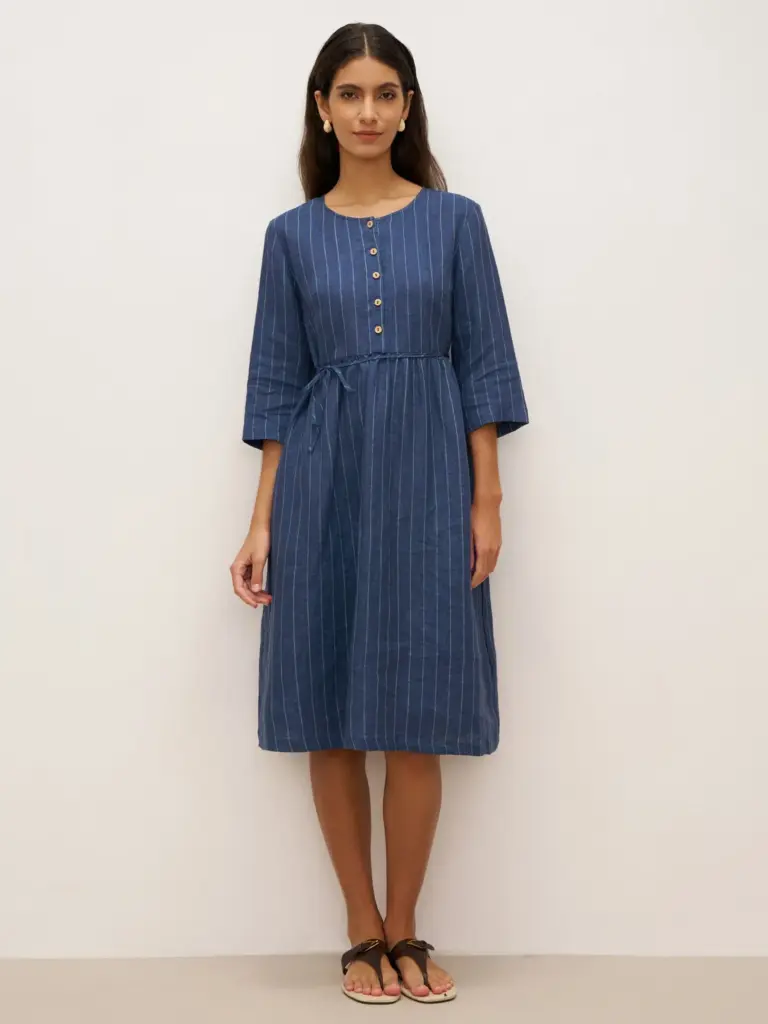
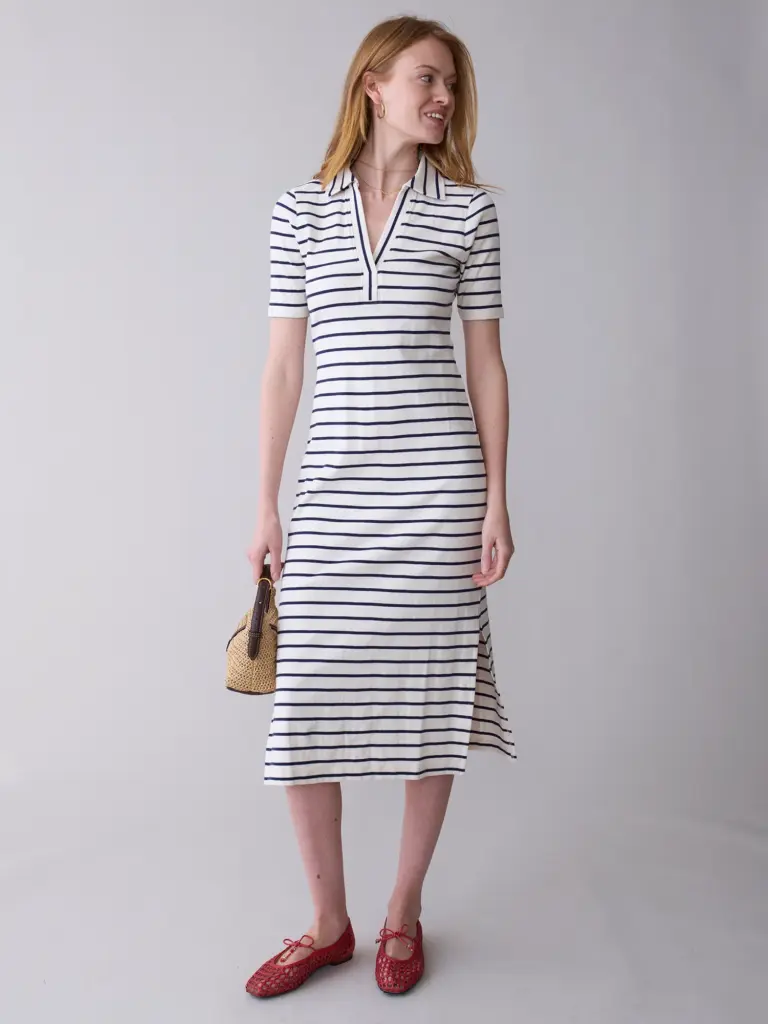 Midi DressesStandout Striped Midi Dresses to Shop
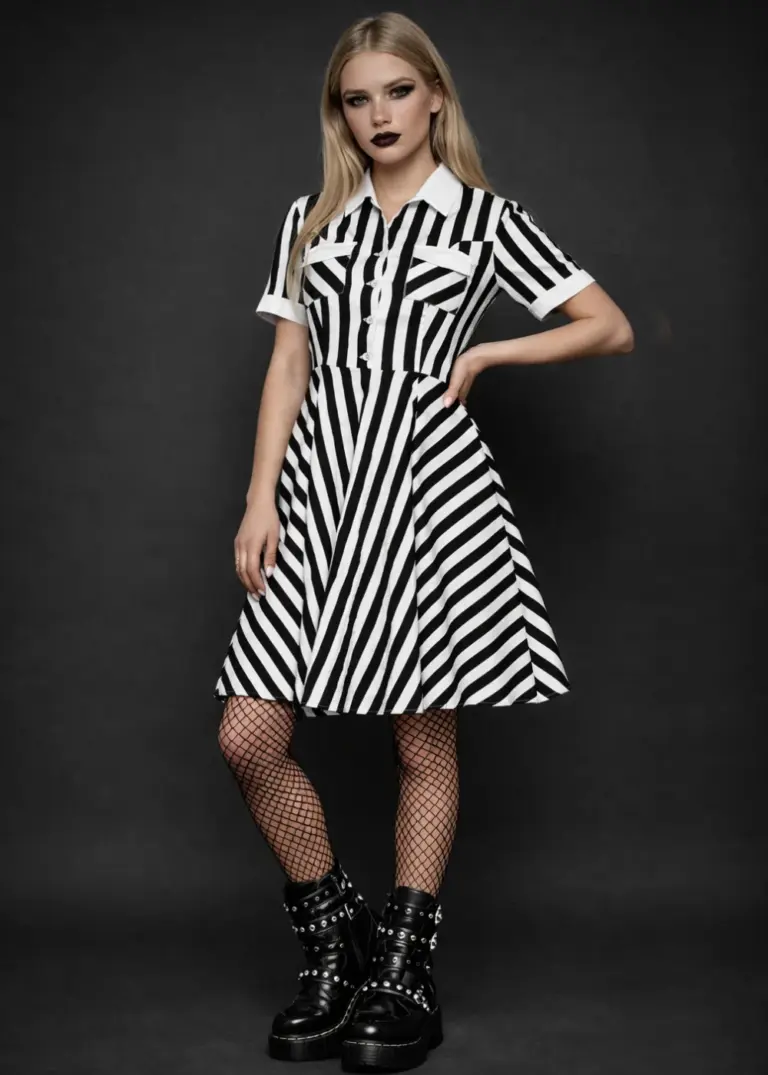 A Line DressesOur Shortlist of Striped A Line DressesAlso worth a lookMini DressesThe thing nobody mentions in the fitting room is how a mini dress behaves after three hours sitting down rather than standing in front of a mirror.See the collections →
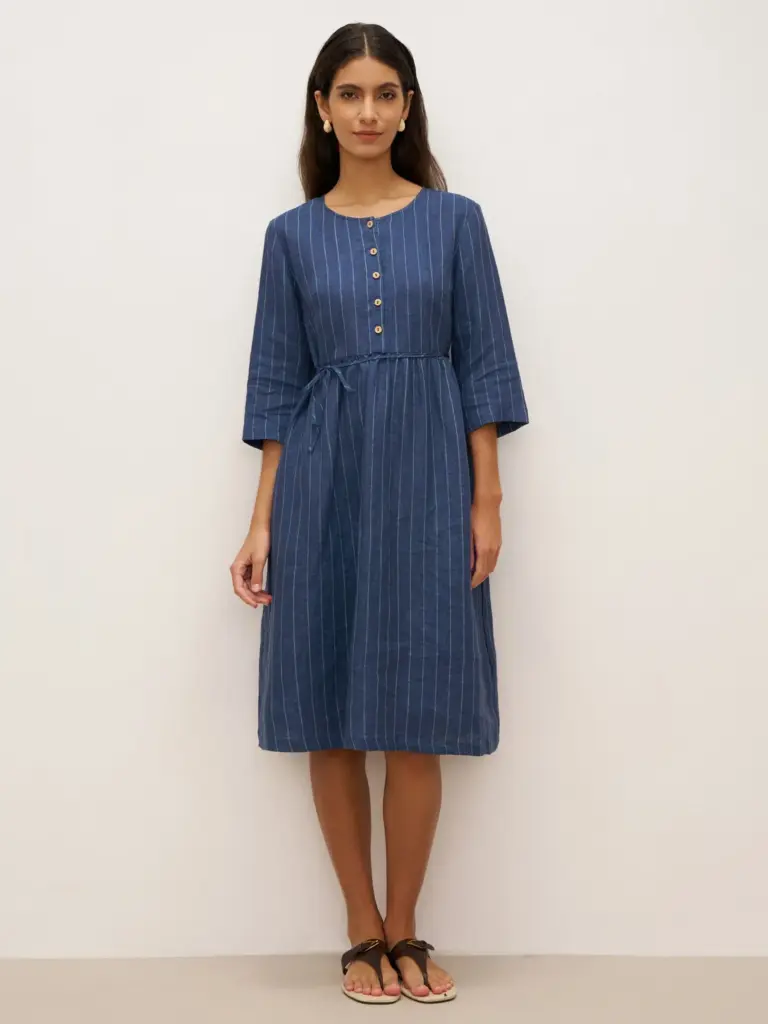
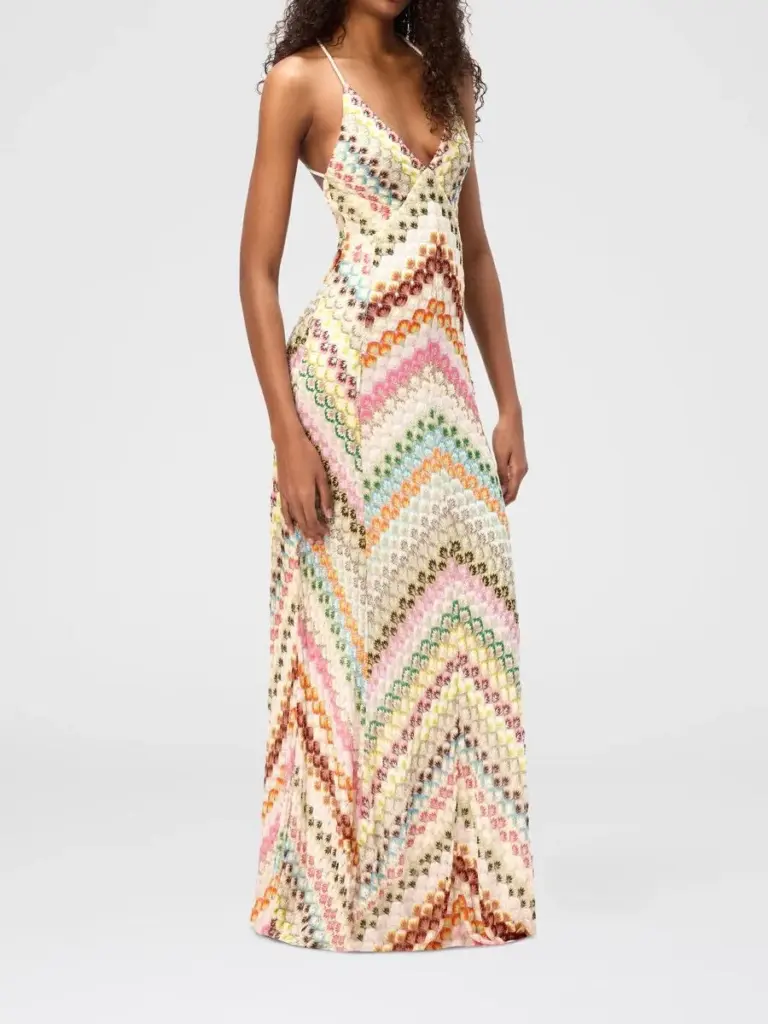 Beach DressesThe Striped Beach Dresses We’d Wear Anywhere
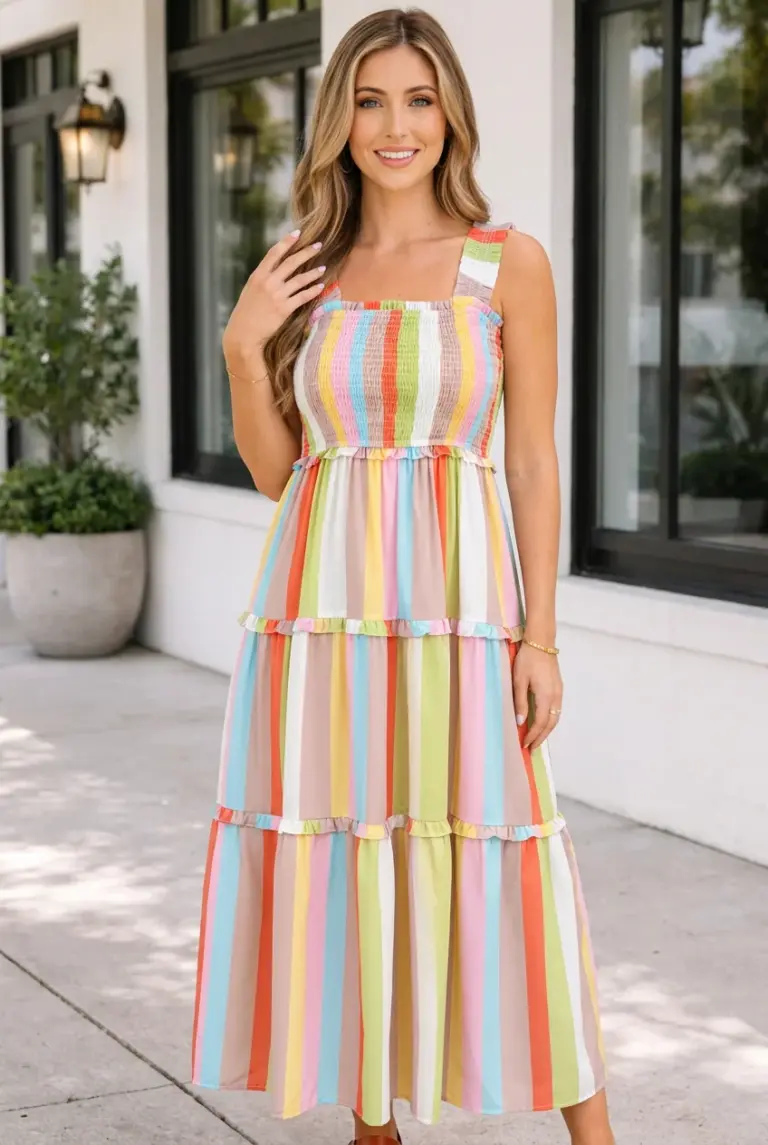
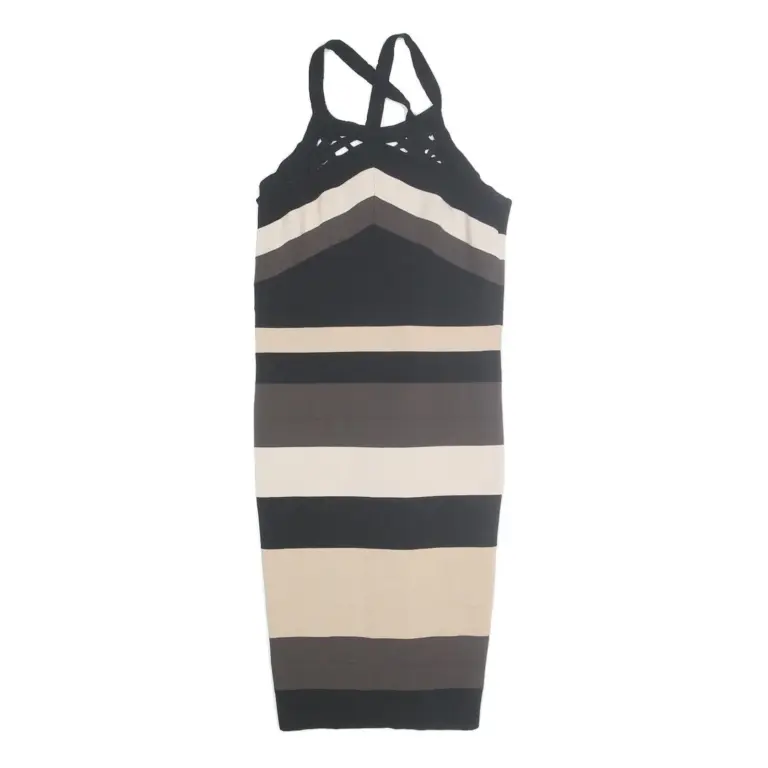 Bodycon DressesStriped Bodycon Dresses That Make Getting Dressed Easy
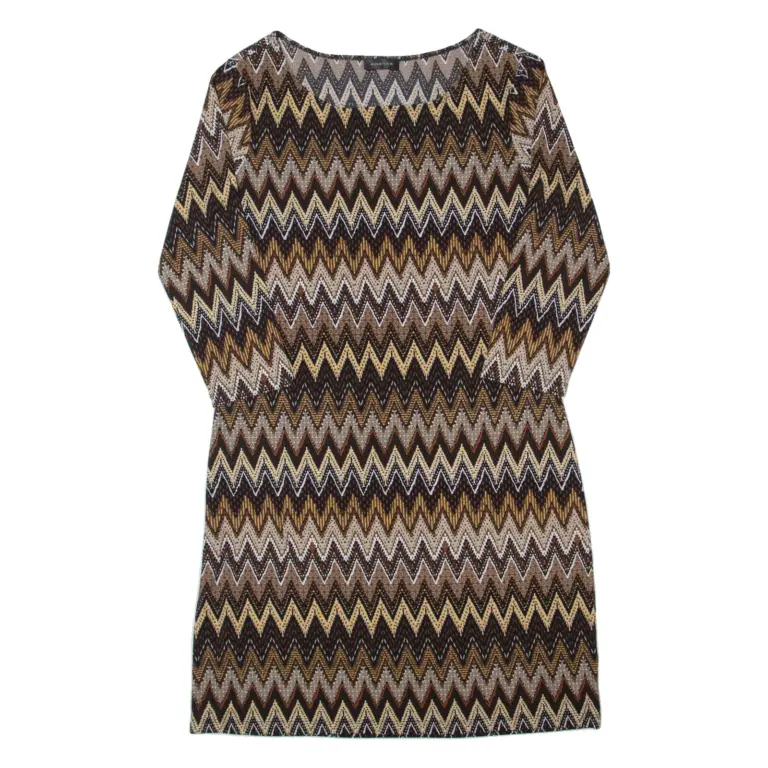
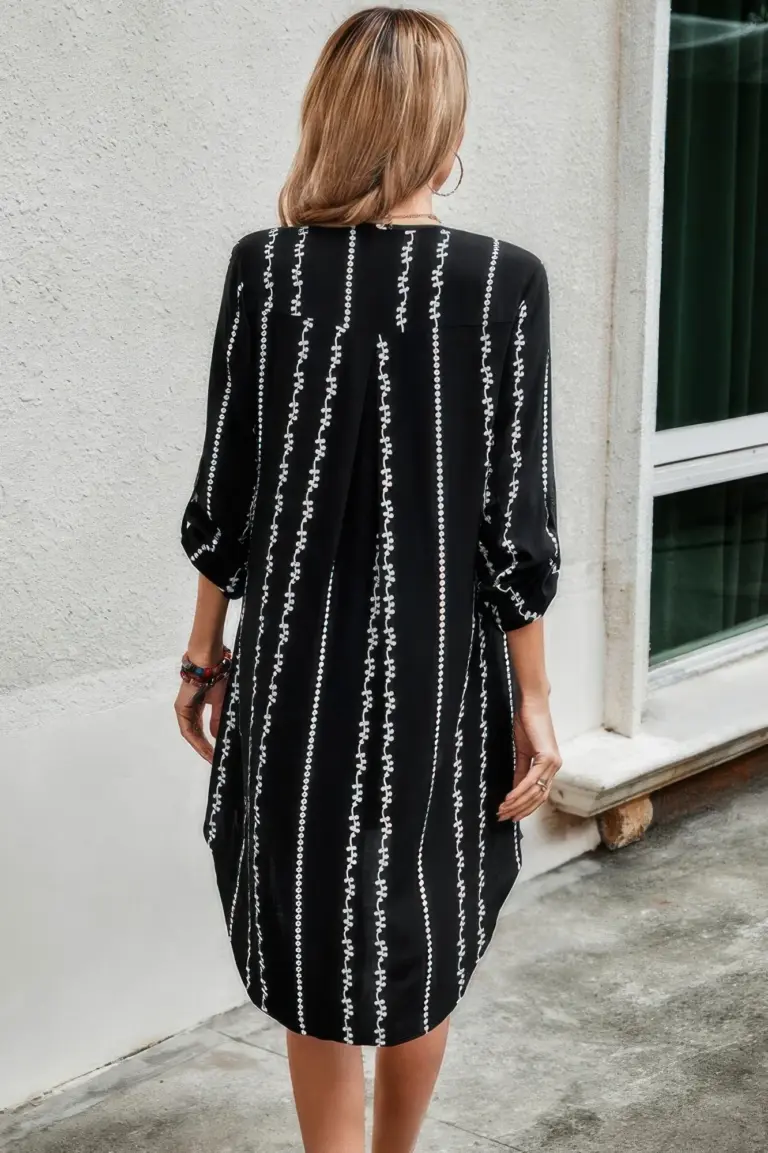 Casual DressesStriped Casual Long Sleeve Dresses We’d Buy Again
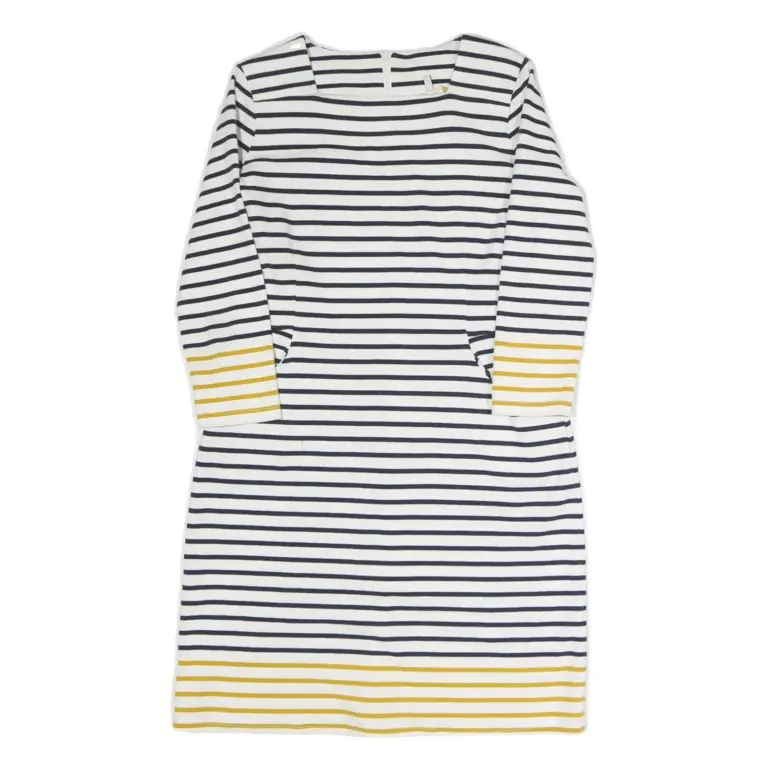
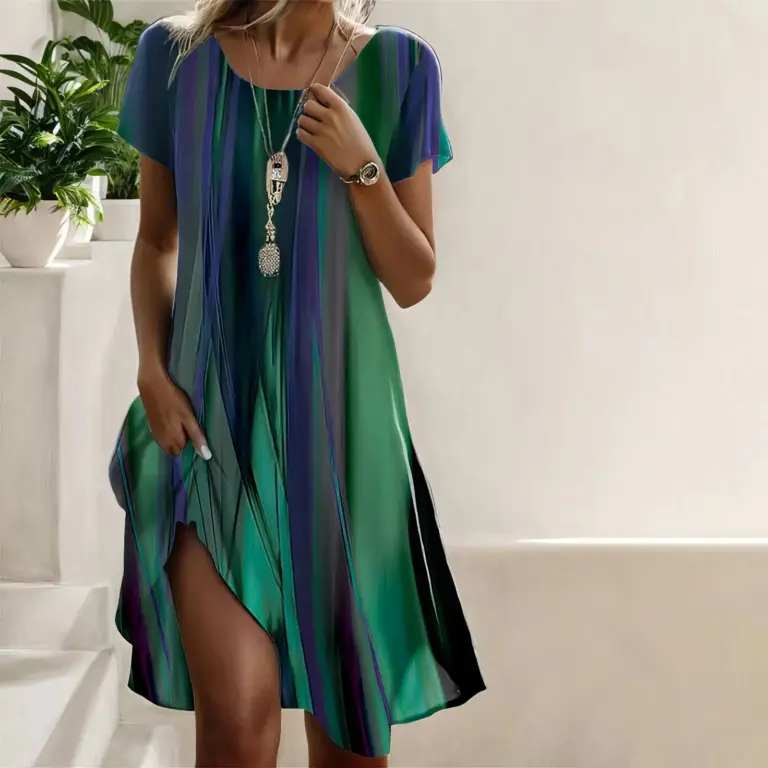 Casual DressesThe Striped Casual Midi Dresses Worth Planning an Outfit Around
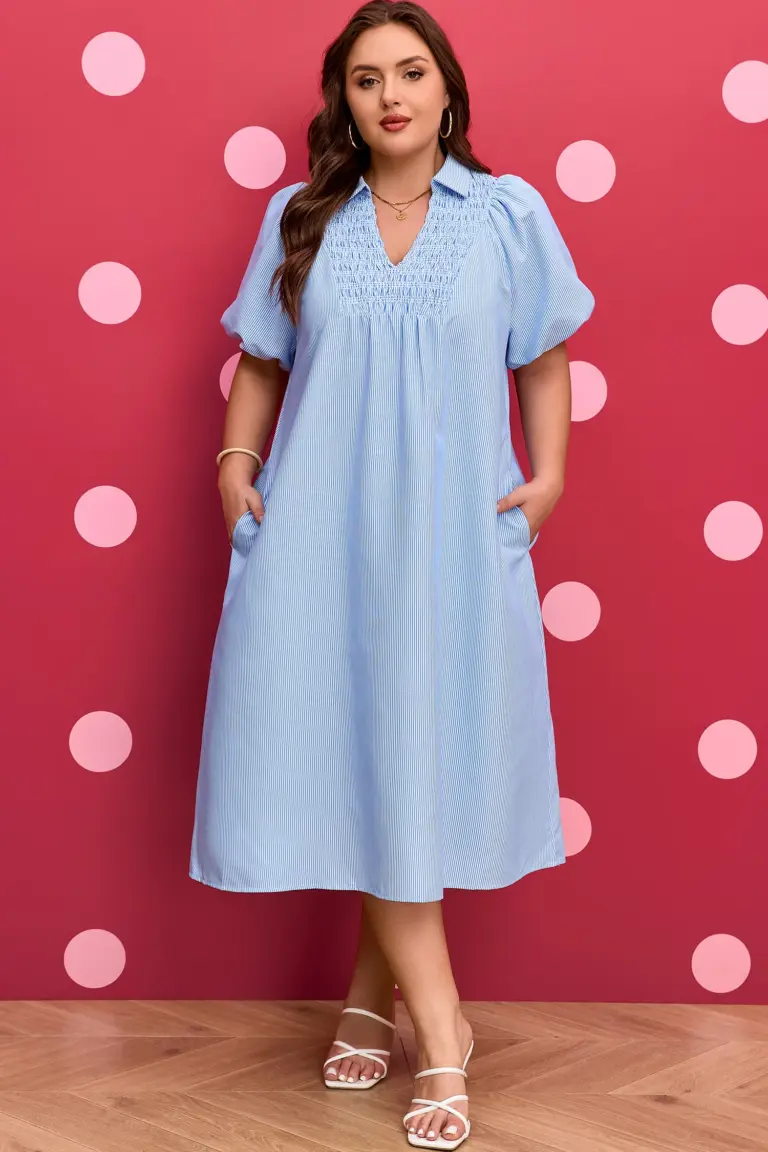
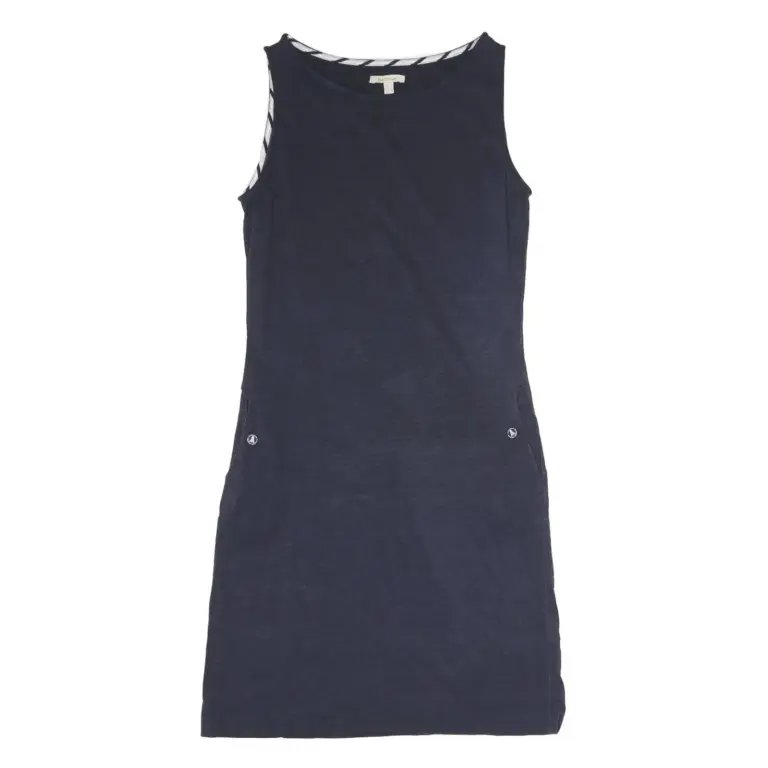 Navy DressesThe Best Looking Navy Striped Summer Dresses Out There
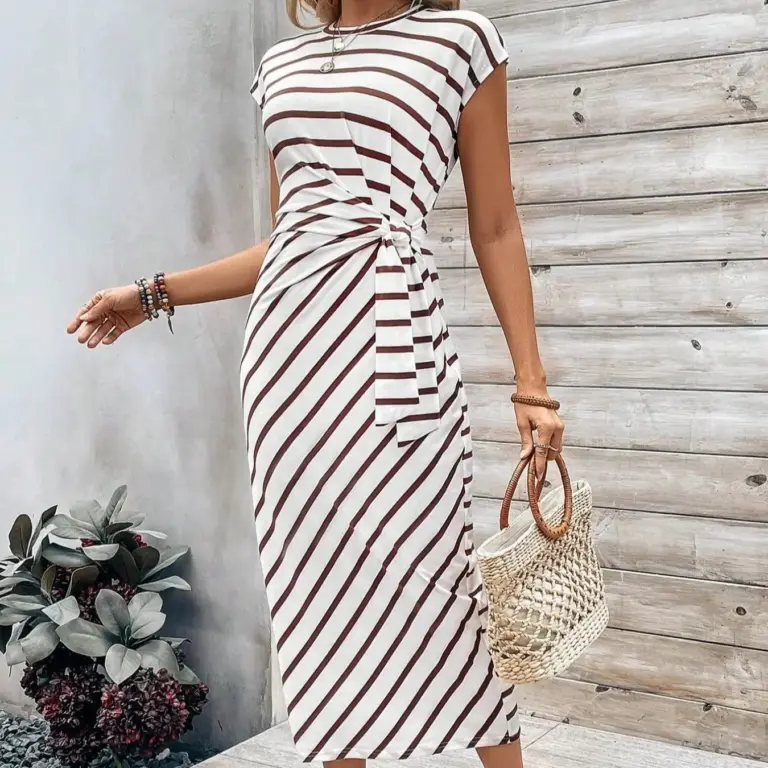
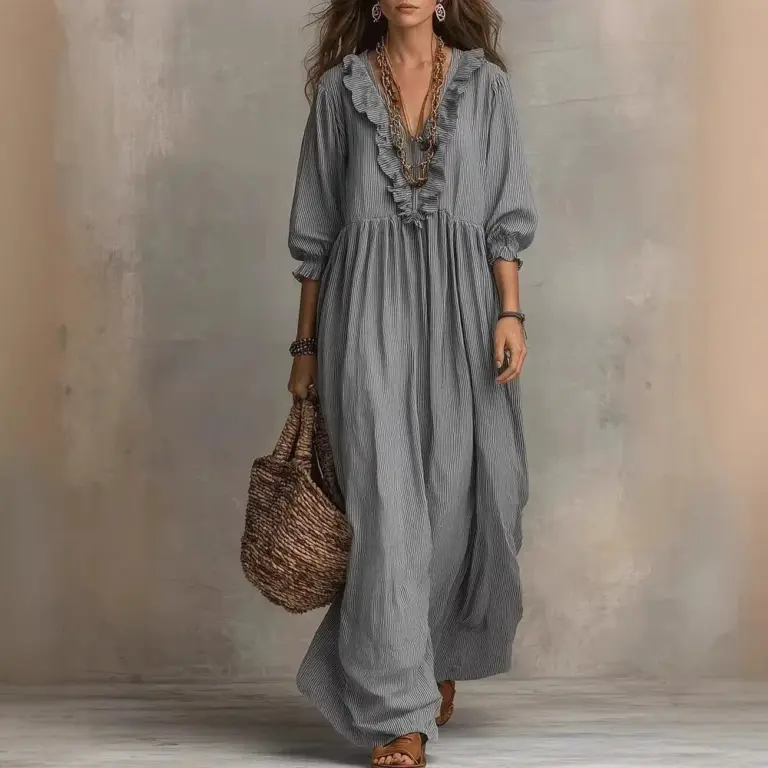 Blue DressesBlue Striped Long Sleeve Dresses We Love Right Now
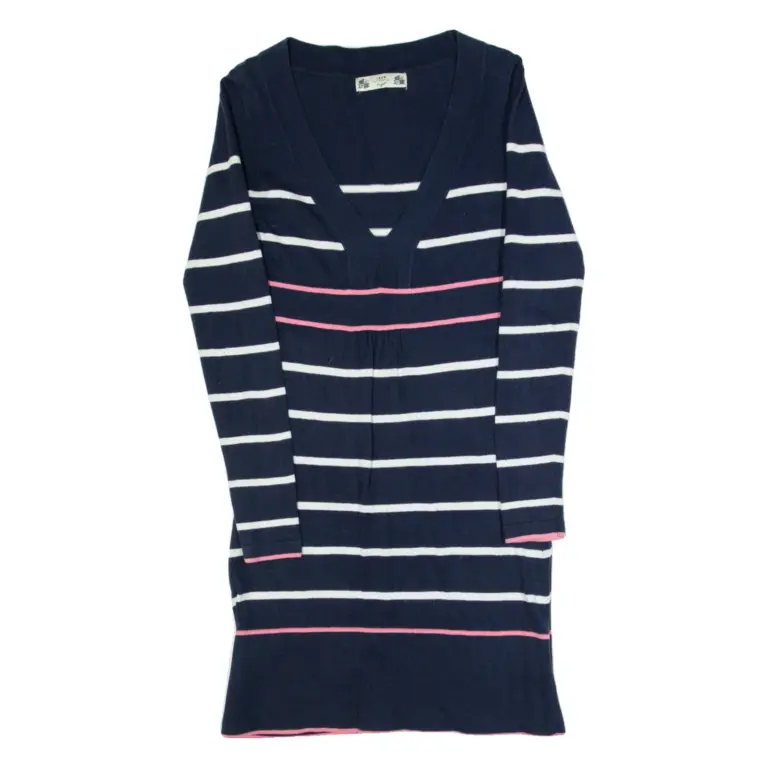
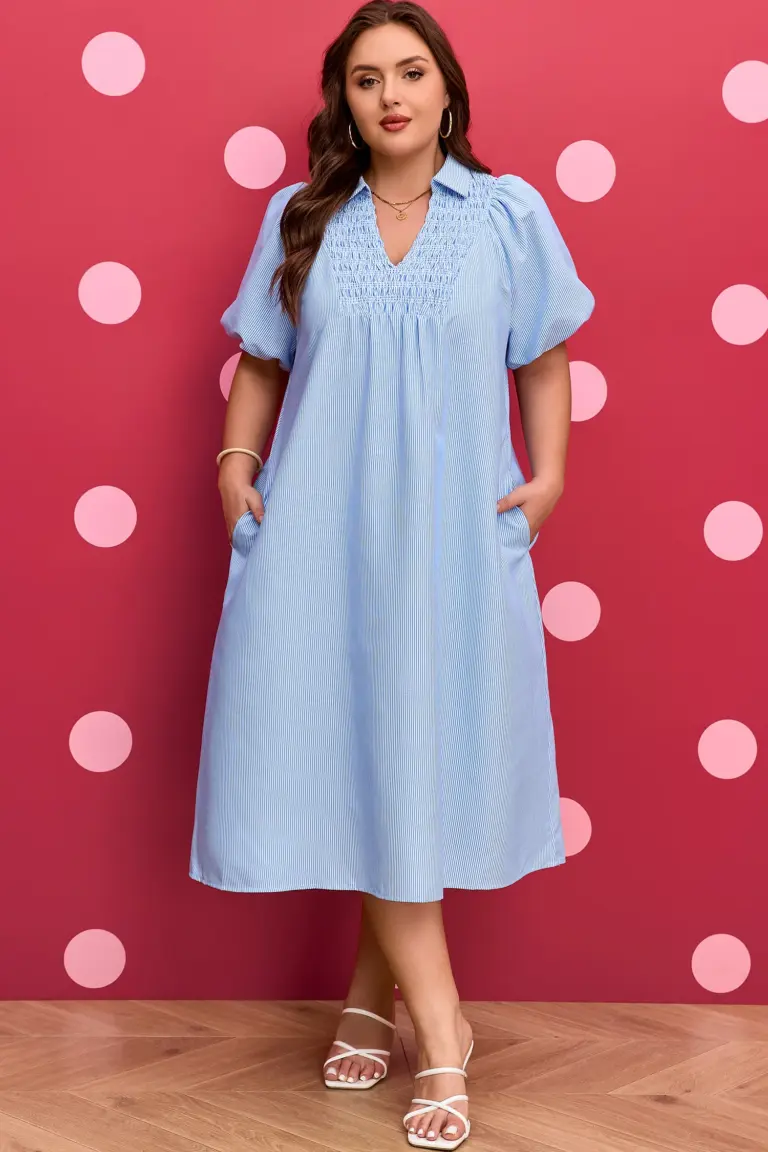 Blue DressesBlue Striped Midi Dresses We’re Adding to Basket

 Shirt DressesBlue Striped Shirt Dresses: Our Top Picks