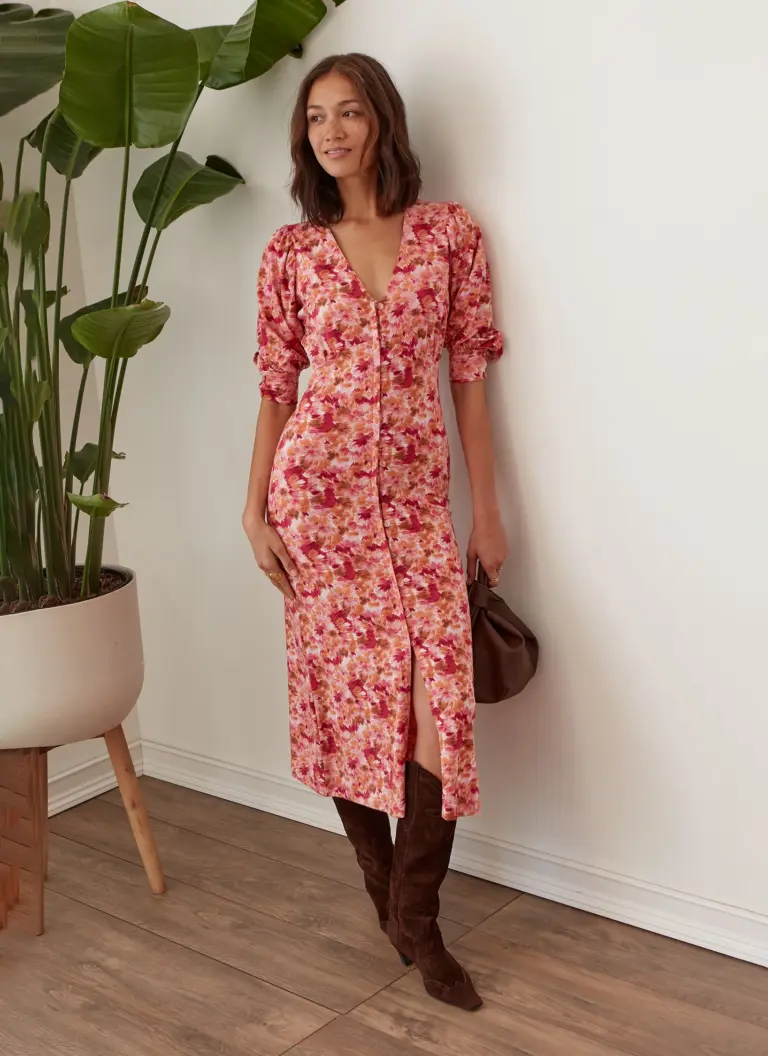
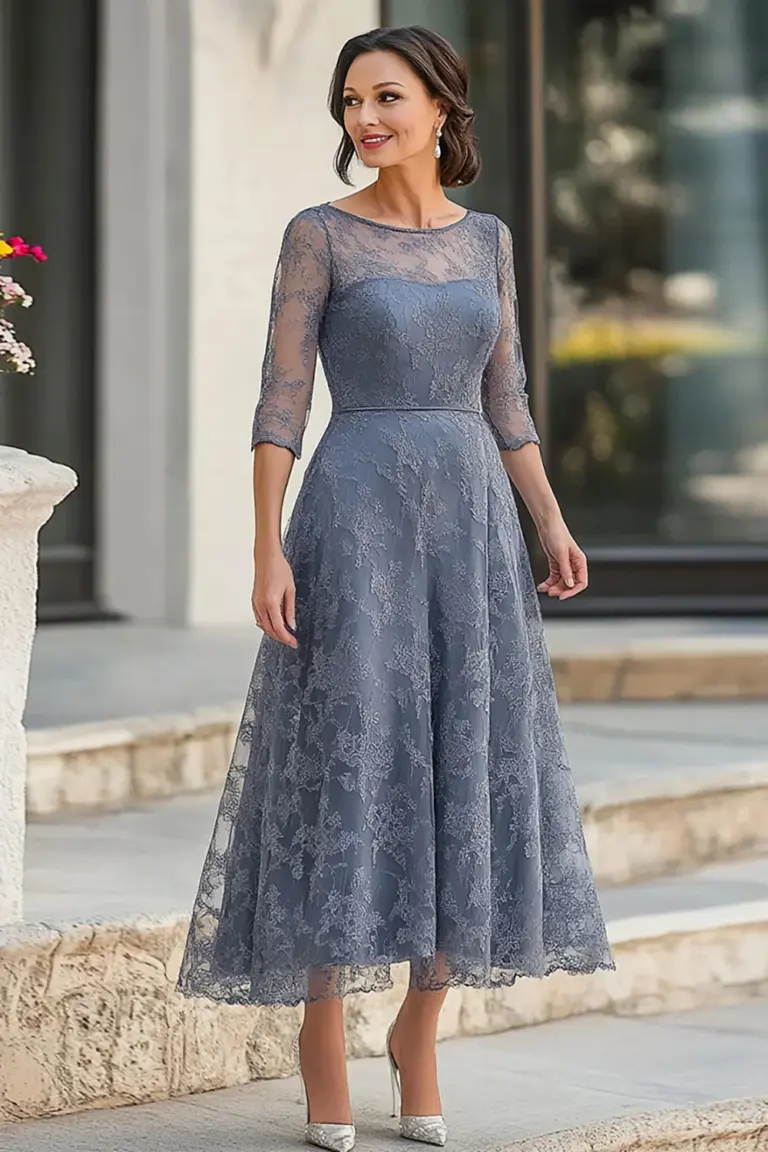
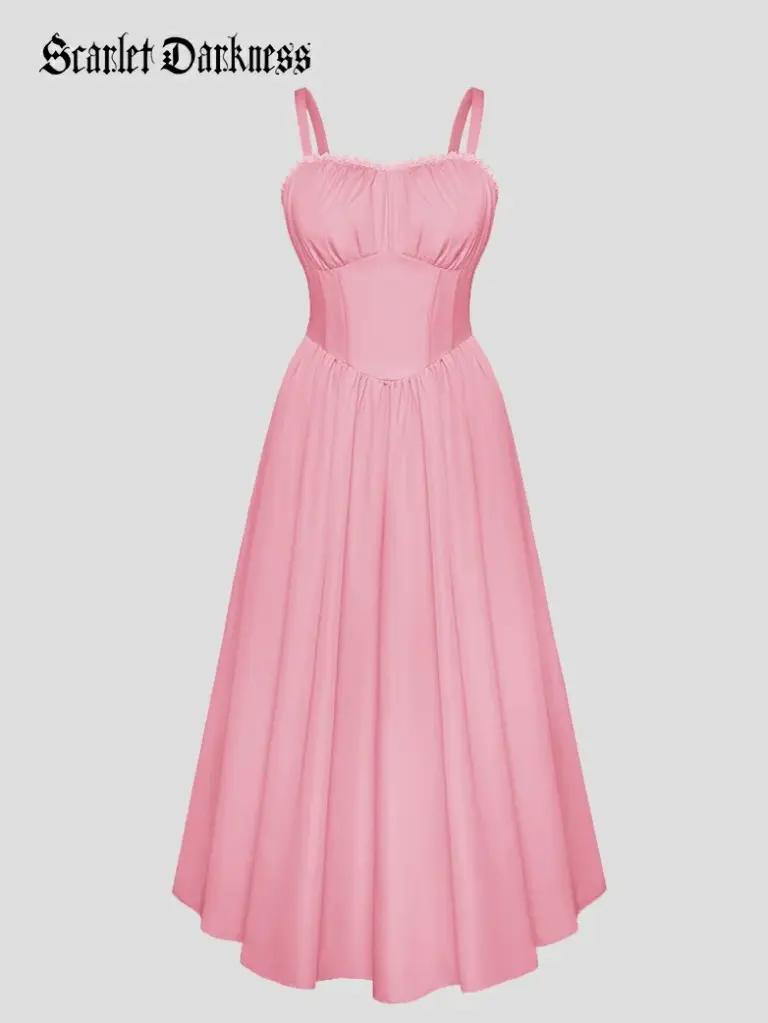
Two tea dresses, same rack, same rail even, and from across a room you can tell which one cost more. One skims and moves when the woman wearing it walks, the fabric catching the light and settling again. The other clings in the wrong places and sits stiff at the hem, like it's been ironed into submission and will never recover its shape. That difference is almost never about the print, it's about what's underneath it.
A good tea dress is cut on the bias somewhere, or has enough gathered fabric at the waist to actually move, and the fabric itself has a bit of weight to it, a proper viscose or a cotton with some substance, not the thin stuff that goes see through under a shop light and definitely under an outdoor one. Check the seams before you buy, run your finger along the inside, because a dress that's finished with proper overlocking will survive a season of washing machines and a dress with raw edges will fray into confetti by October. Look at the buttons too, if there are any, because plastic ones crack and the thread holding them on is often an afterthought, done in thirty seconds on a line somewhere, and it shows after the third wear. Hold it up and check the lining, if it claims one, because an unlined tea dress in a pale print will go transparent the moment you stand near a window, and I have learned this one the hard way, on a bright afternoon, in front of people I would have preferred not to learn it in front of.
Where tea dresses stop working is anywhere you need structure, a proper work meeting where you want the authority of a blazer and a straight hem, or anything active, because the fuller skirts catch on bike pedals and door handles with a consistency that stops being funny after the second time. They're also not built for cold, a thin cotton tea dress in November is just hope dressed as clothing, and you'll need something underneath it that defeats the point of wearing it at all.
They don't sit well with anything heavy or structured on top, a stiff tailored jacket fights the softness of the skirt and makes the whole thing look like two outfits that got shuffled together by accident. Chunky boots can work if the dress is short enough, but a long floaty hem with heavy boots just reads like laundry day got out of hand. Keep the rest of the outfit quiet and let the dress do the moving.
Buy the one that moves when you walk in the shop, not the one that just hangs nicely on the rail.
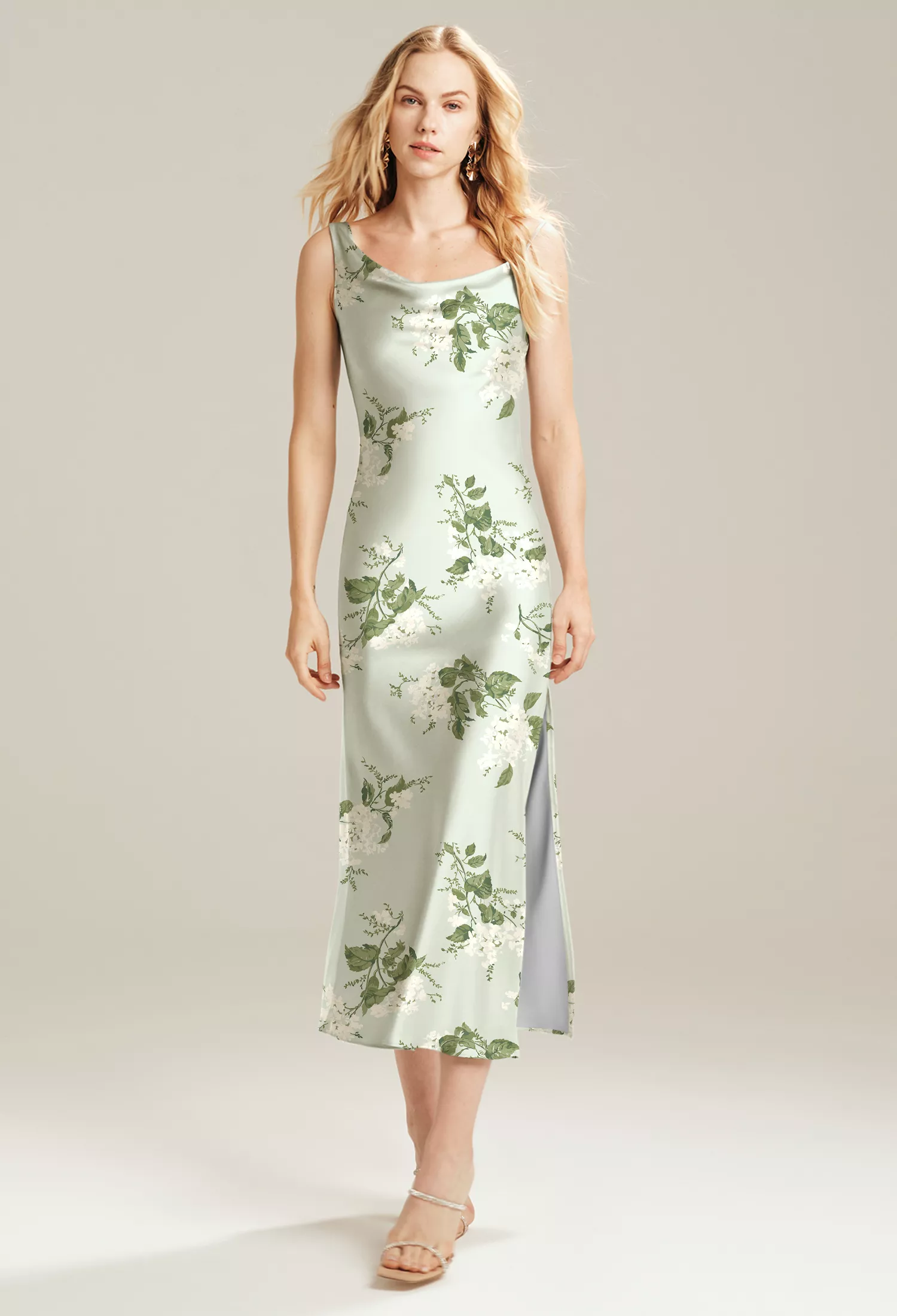 Wrap DressesWrap Tea Dresses Picked by Us
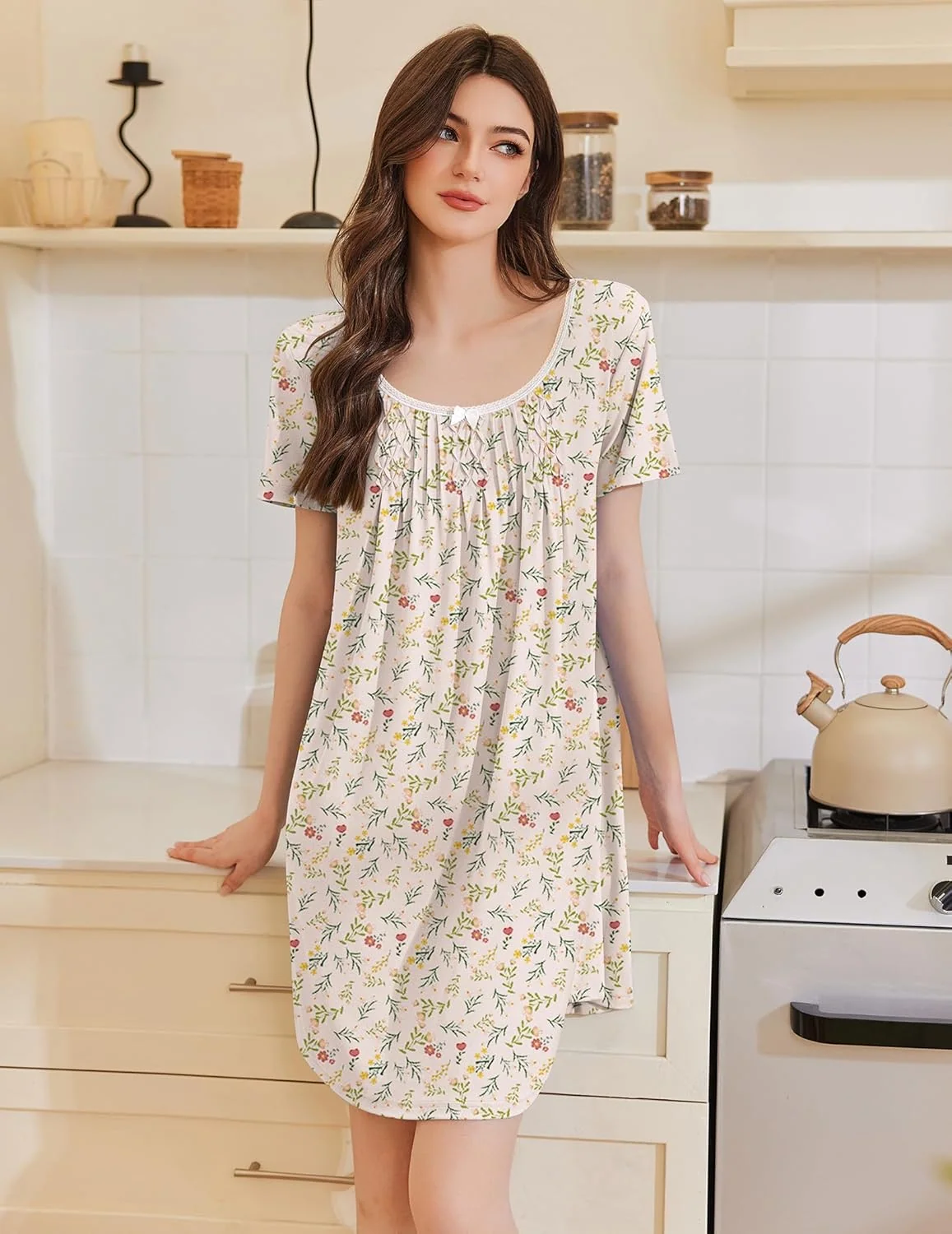
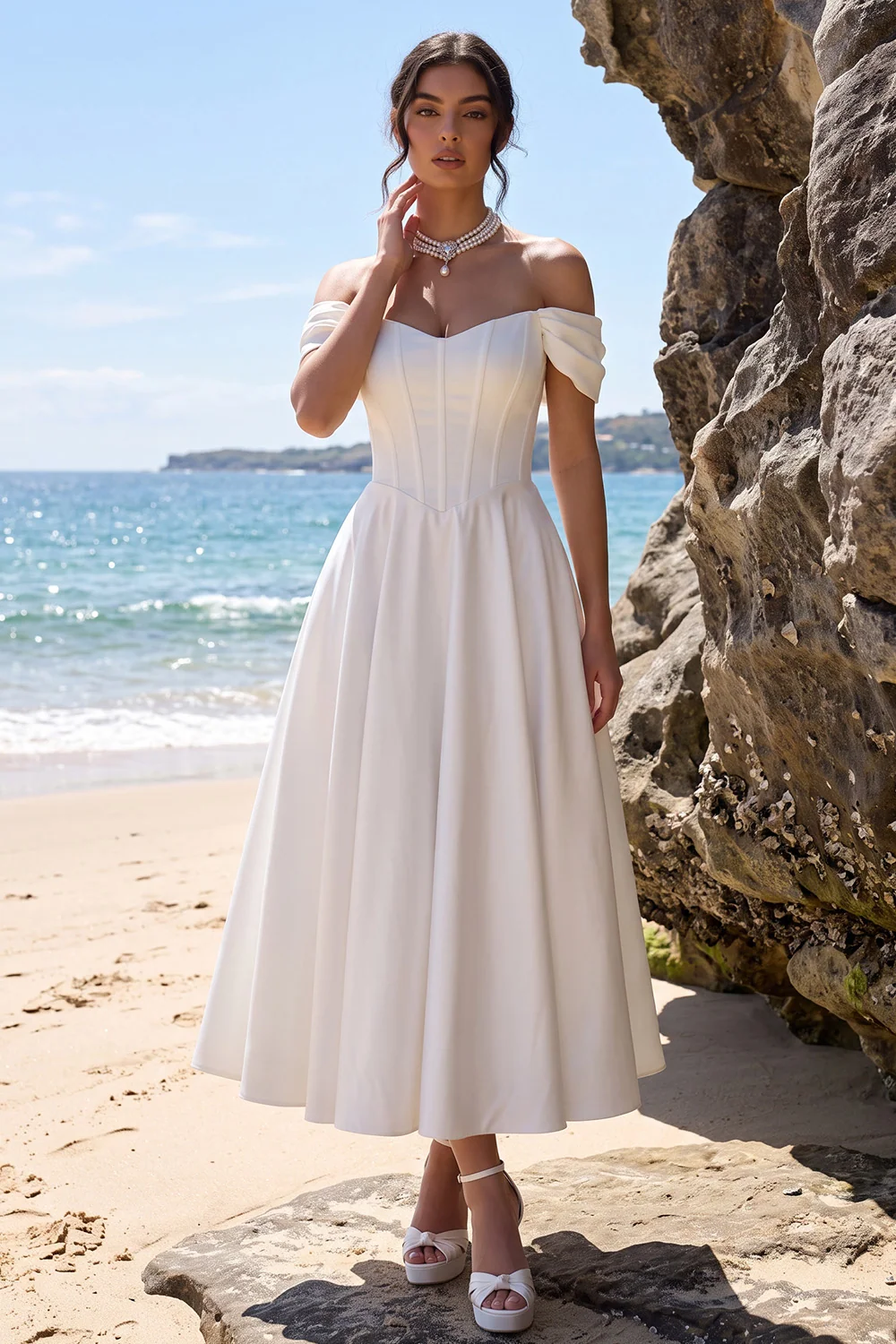 White DressesWhite Tea Dresses We’re Adding to Basket
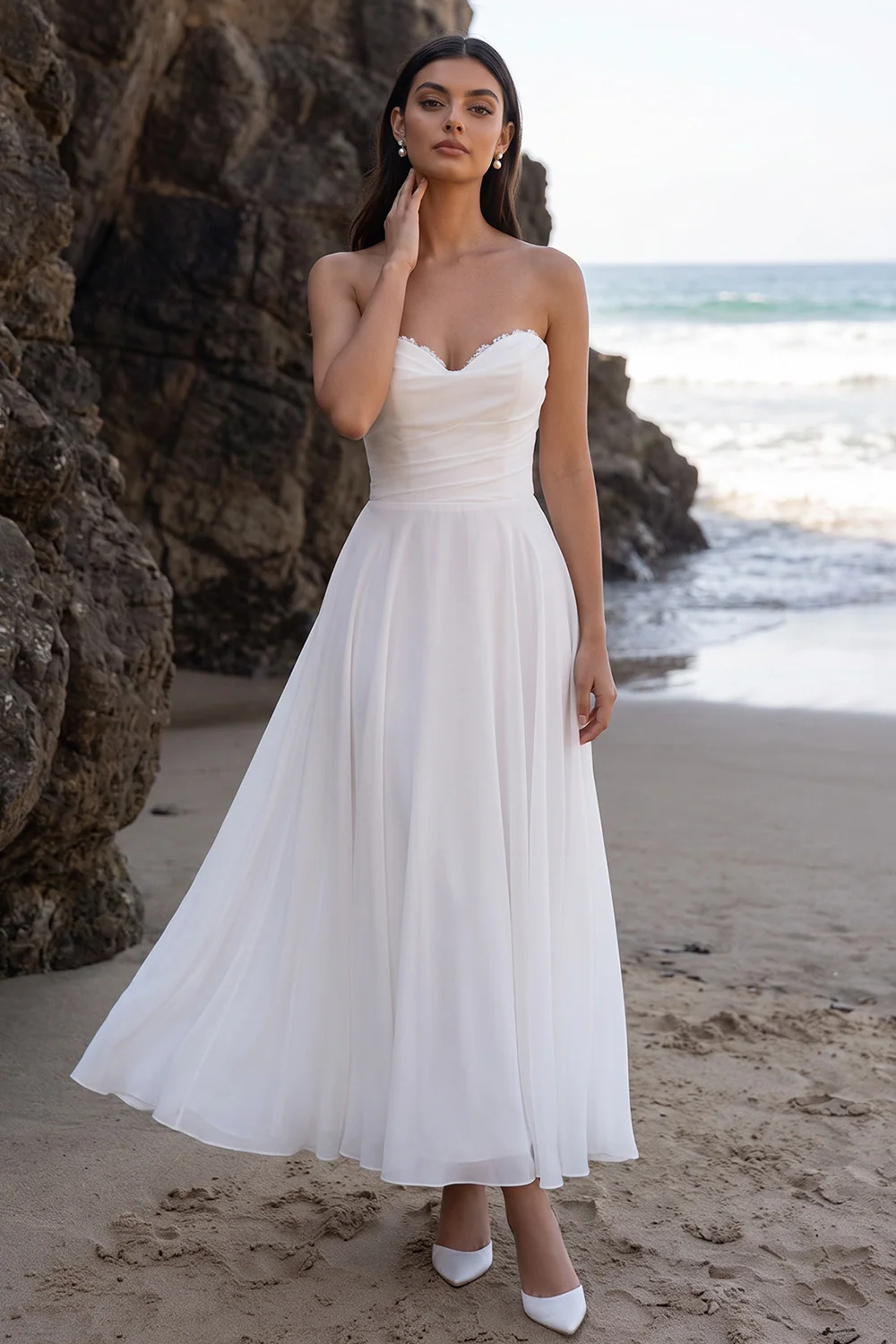
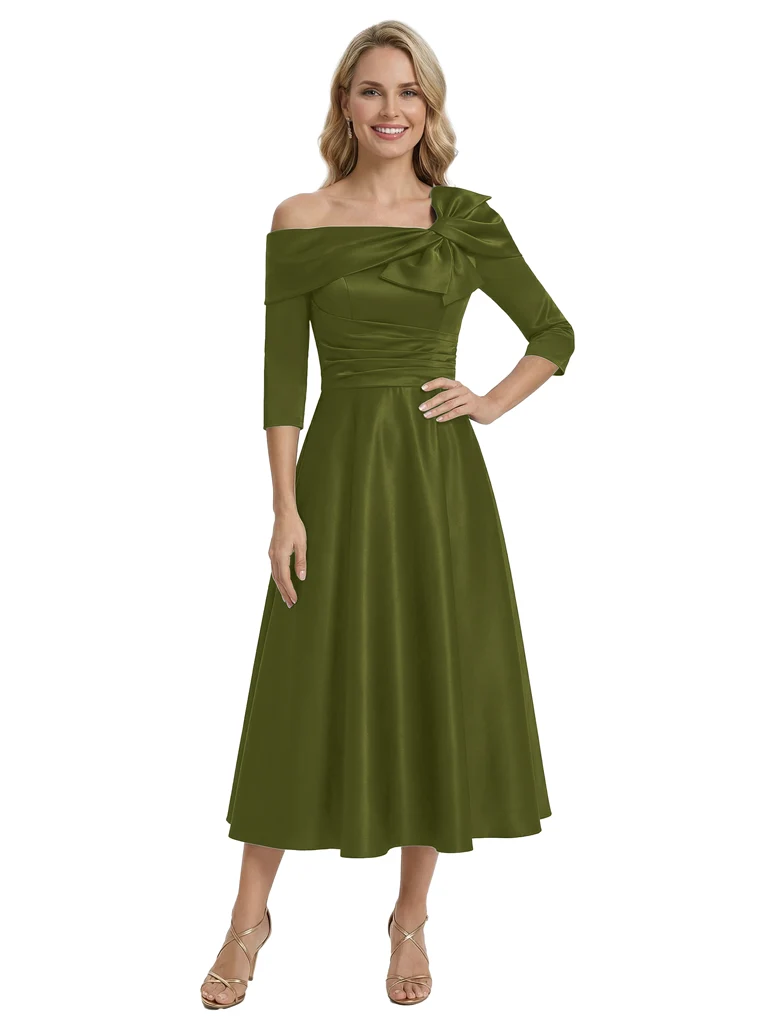 Wedding Guest DressesWedding Guest Tea Dresses for When You Want to Feel Put Together

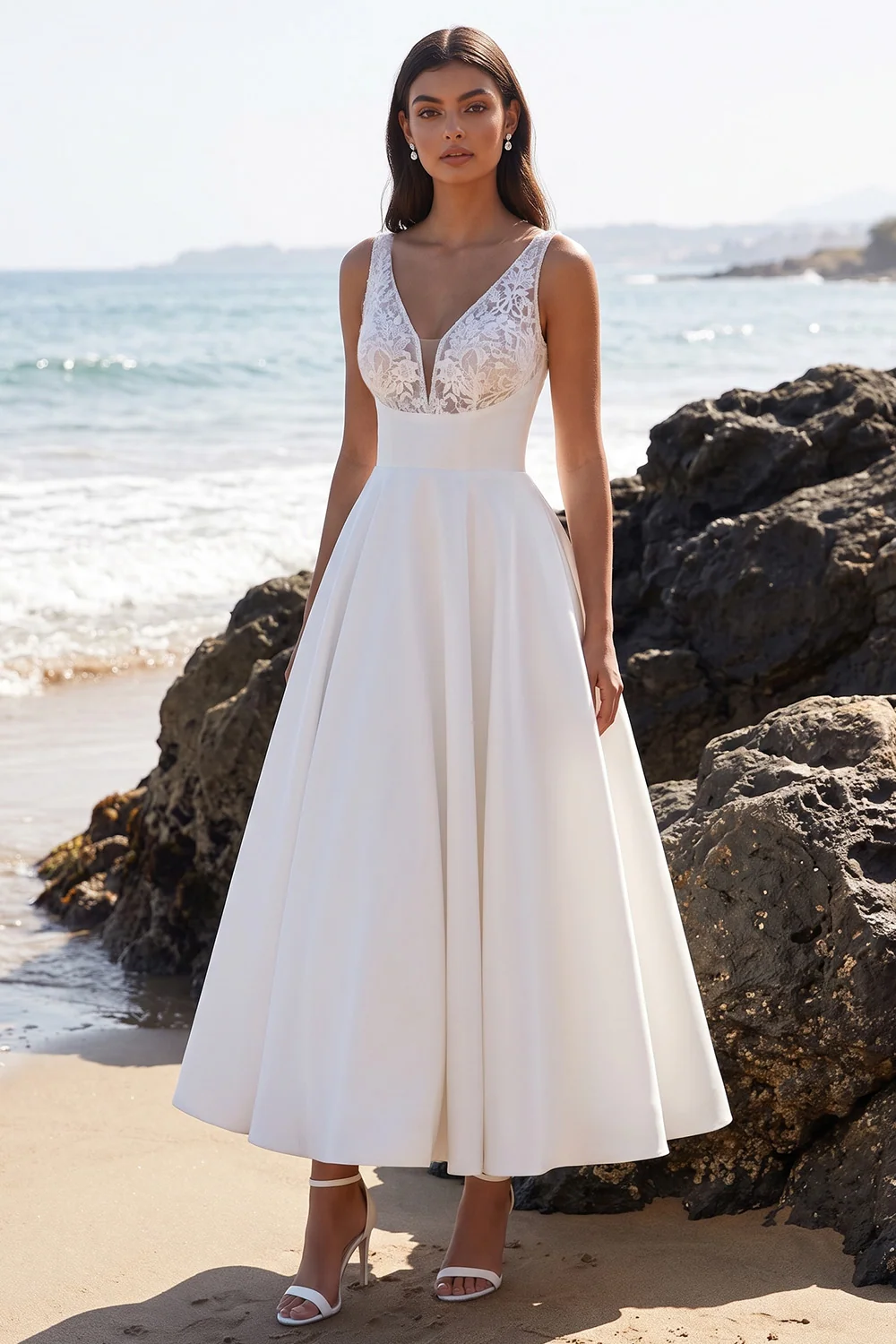 V Neck DressesV Neck Tea Dresses That Always Get Compliments
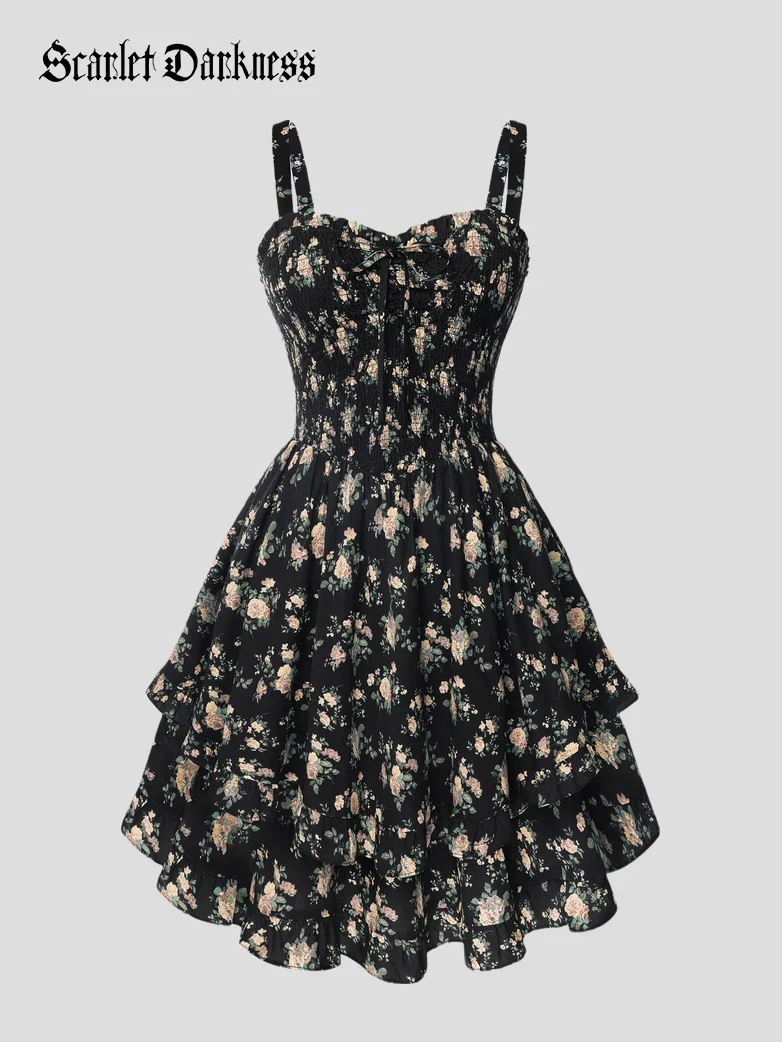
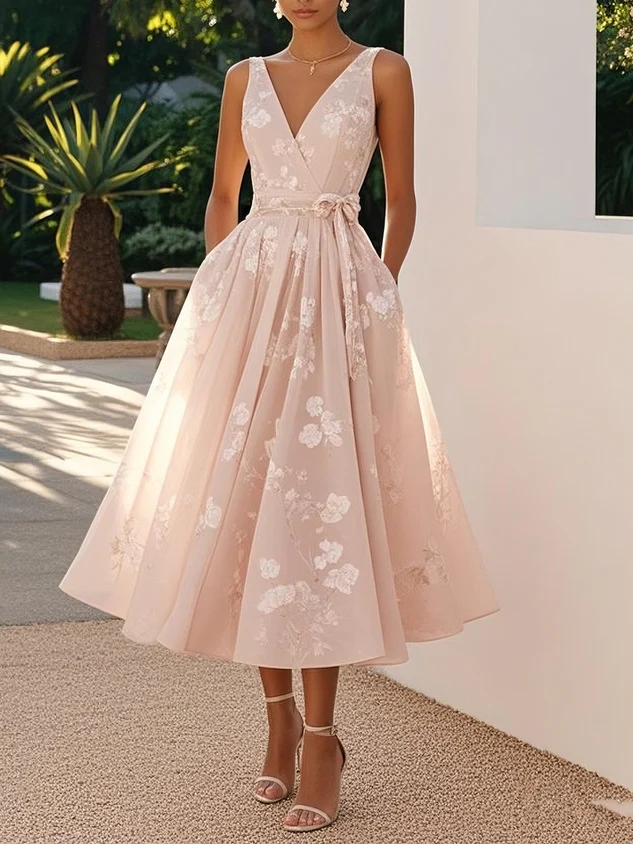 V Neck DressesOur Edit of the Best V Neck Midi Tea Dresses
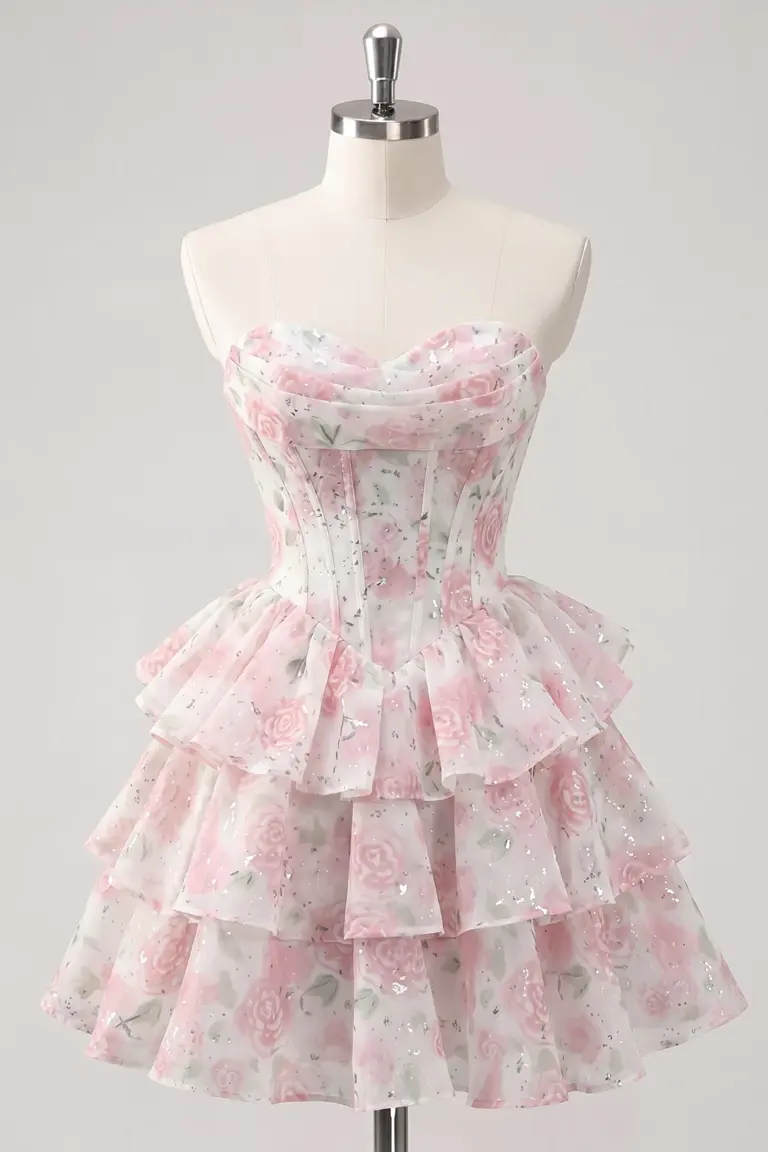 Tiered DressesThe Tiered Tea Dresses Worth Your Wardrobe Space
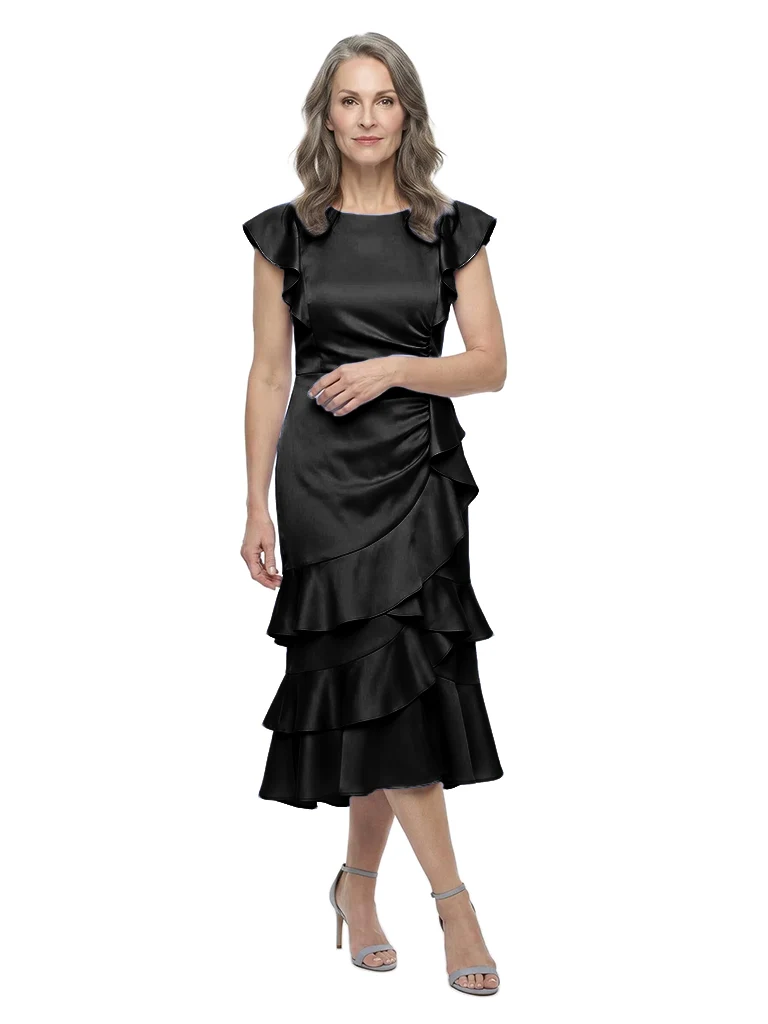
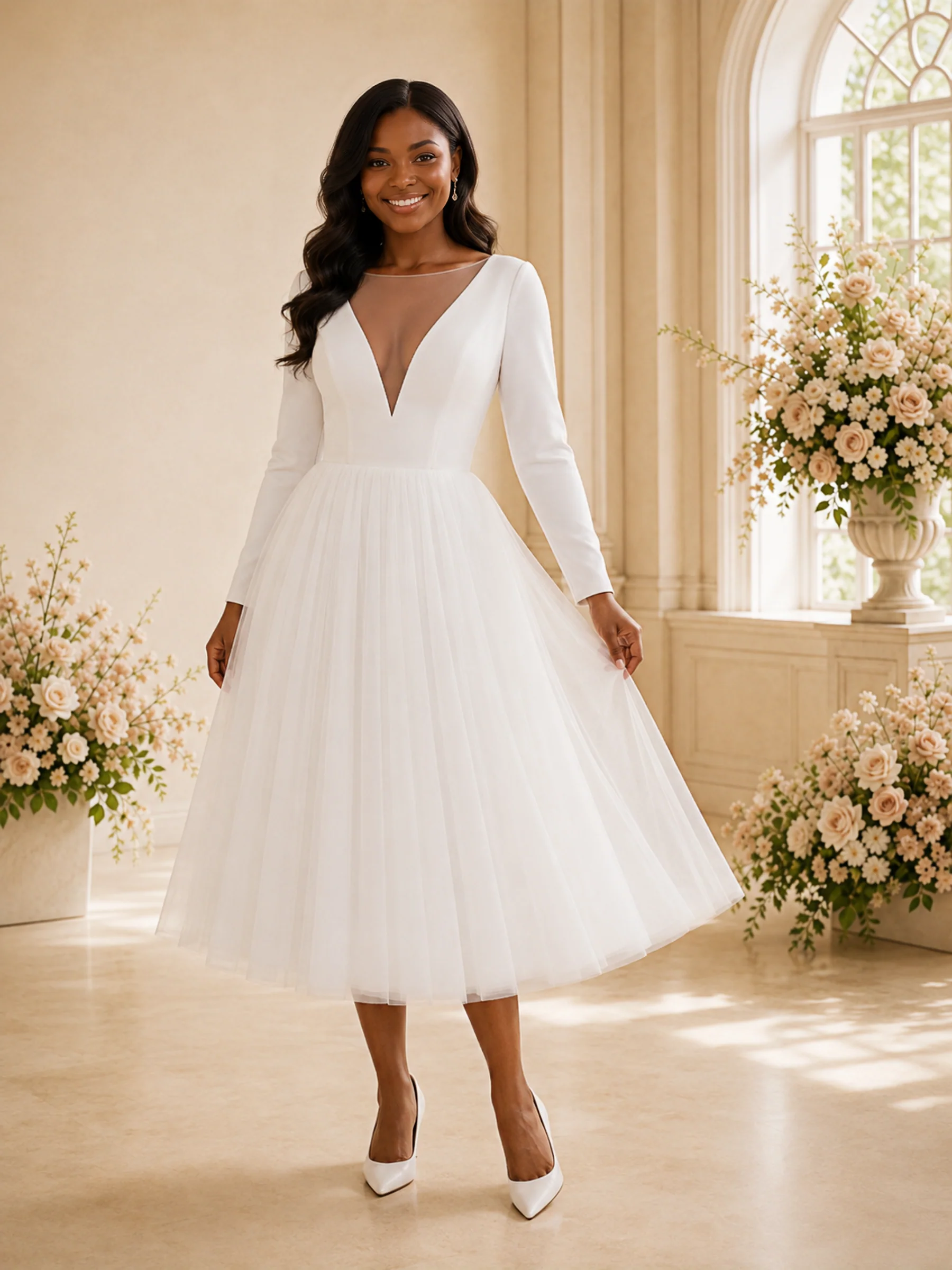 Tea Dresses for When You Want to Feel Put Together
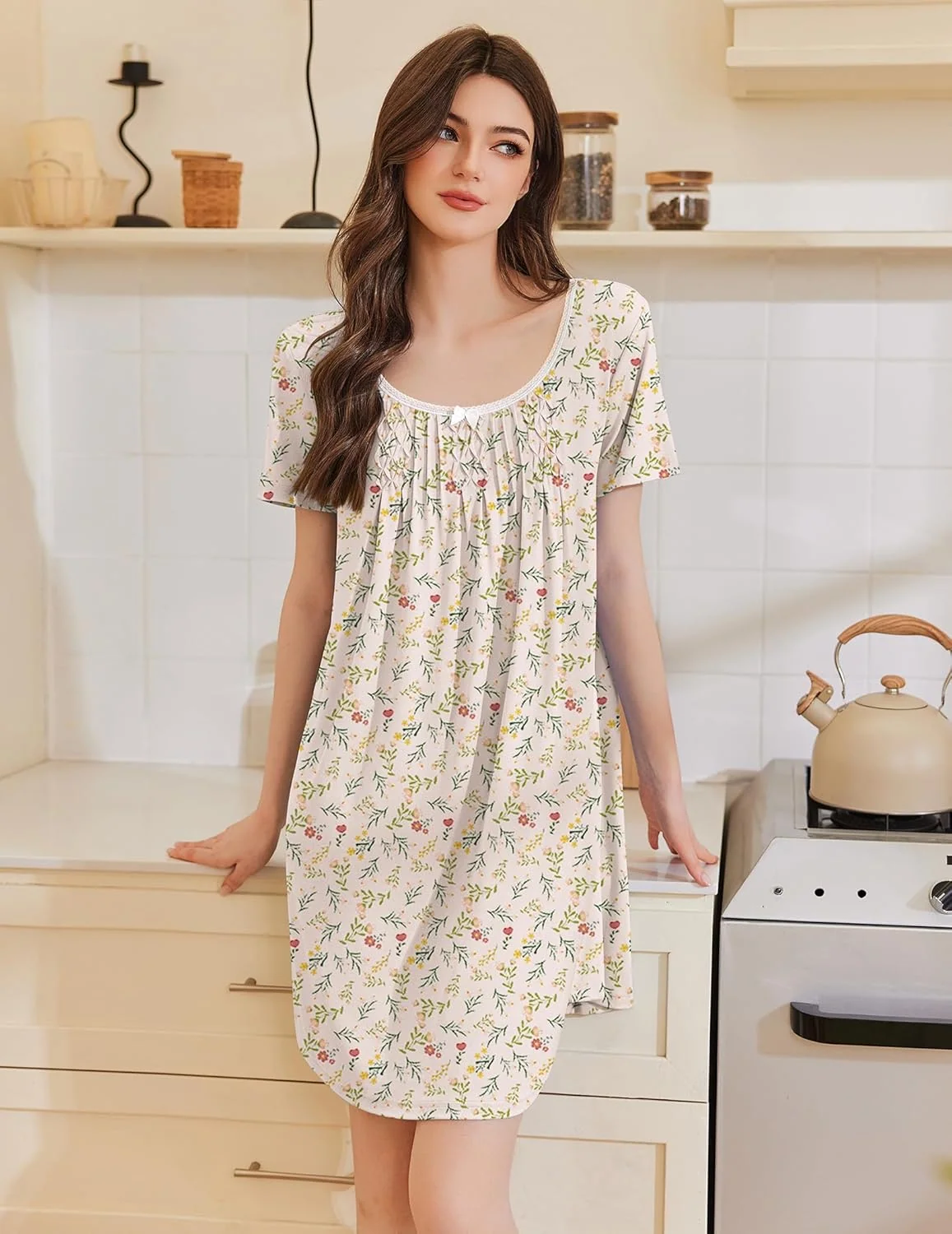
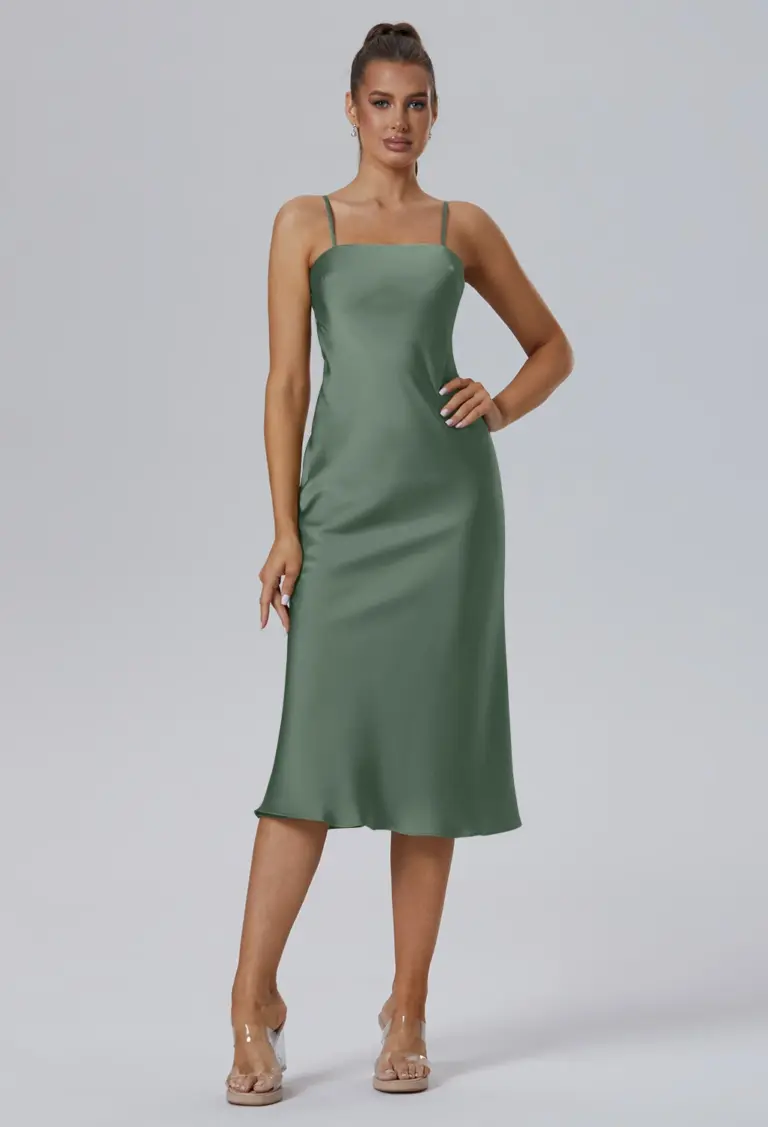 Summer DressesSummer Tea Dresses You’ll Reach for First
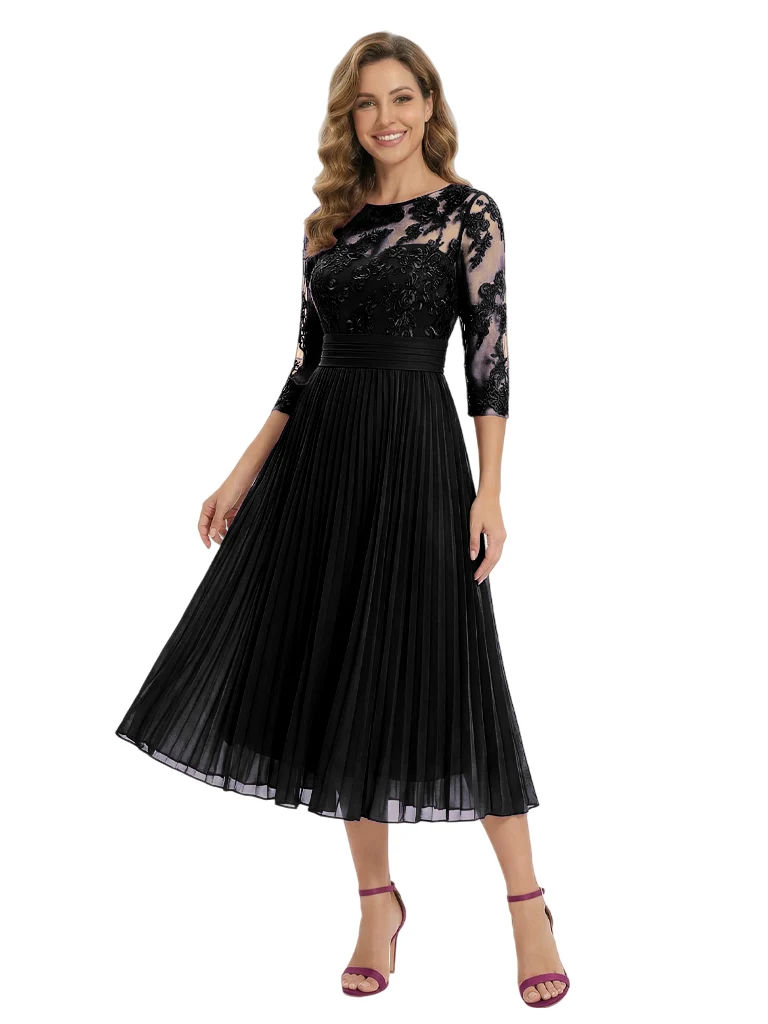
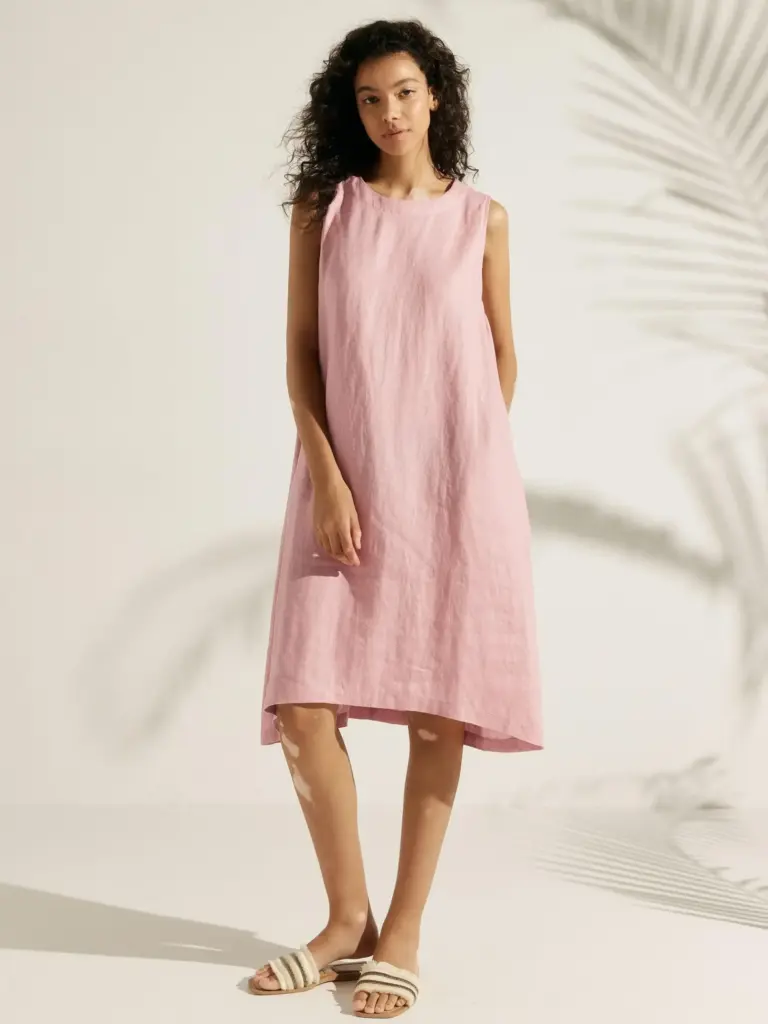 Our Shortlist of Structured Tea DressesAlso worth a lookMidi DressesThe moment a midi dress properly clicked for me was a wedding in October, cold enough for tights,…See the collections →
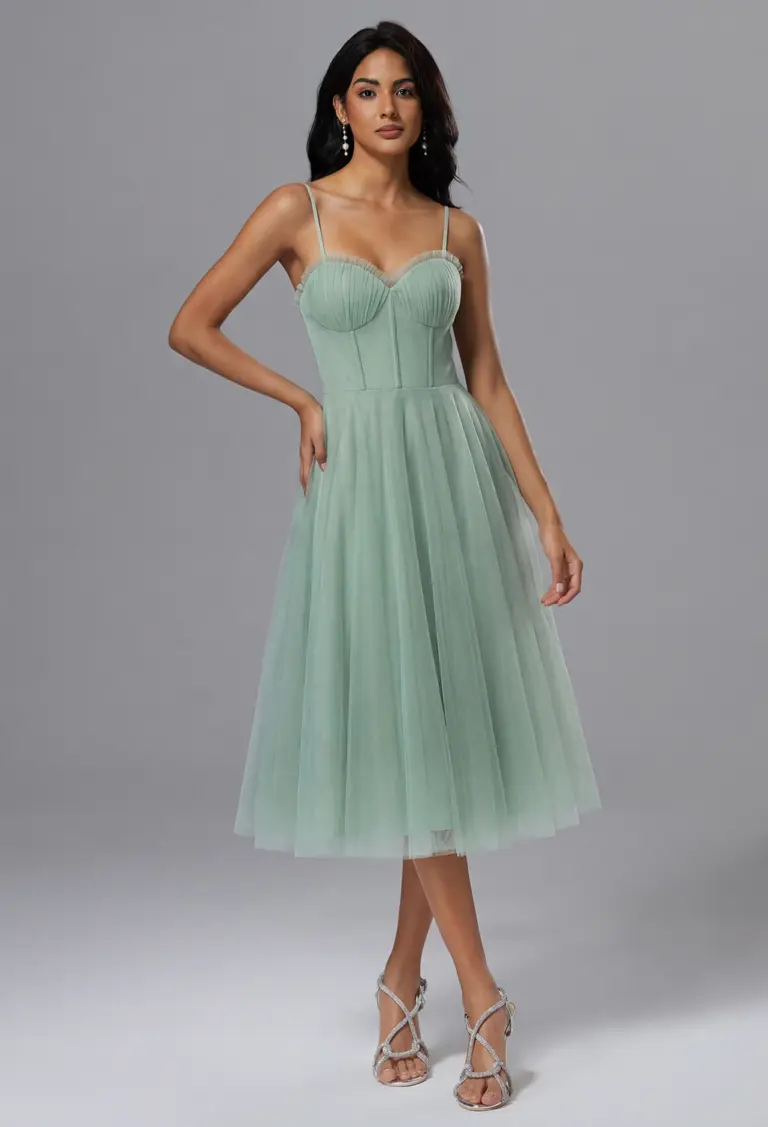
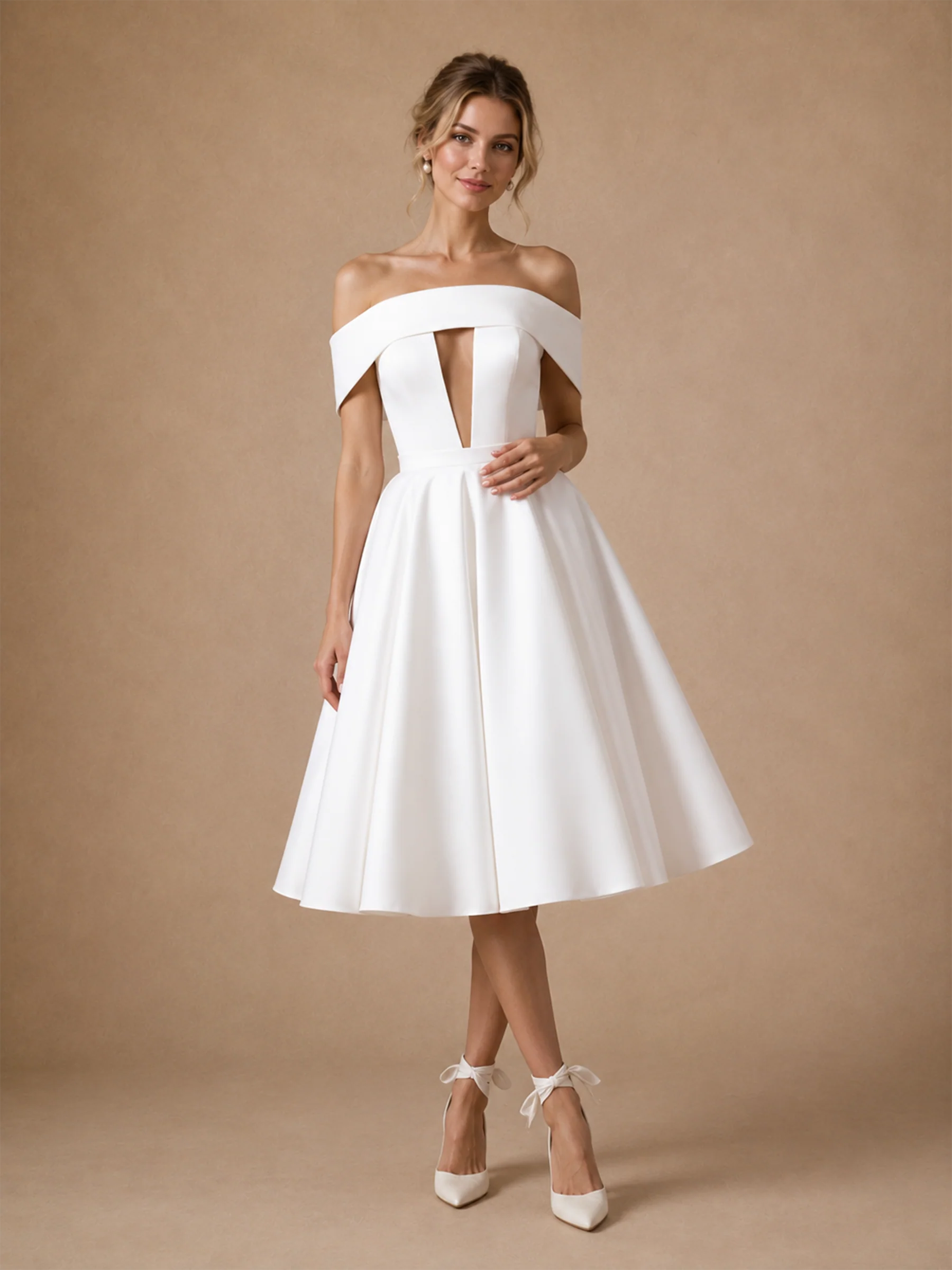 Sleeveless DressesSleeveless Tea Dresses You’ll Reach for First
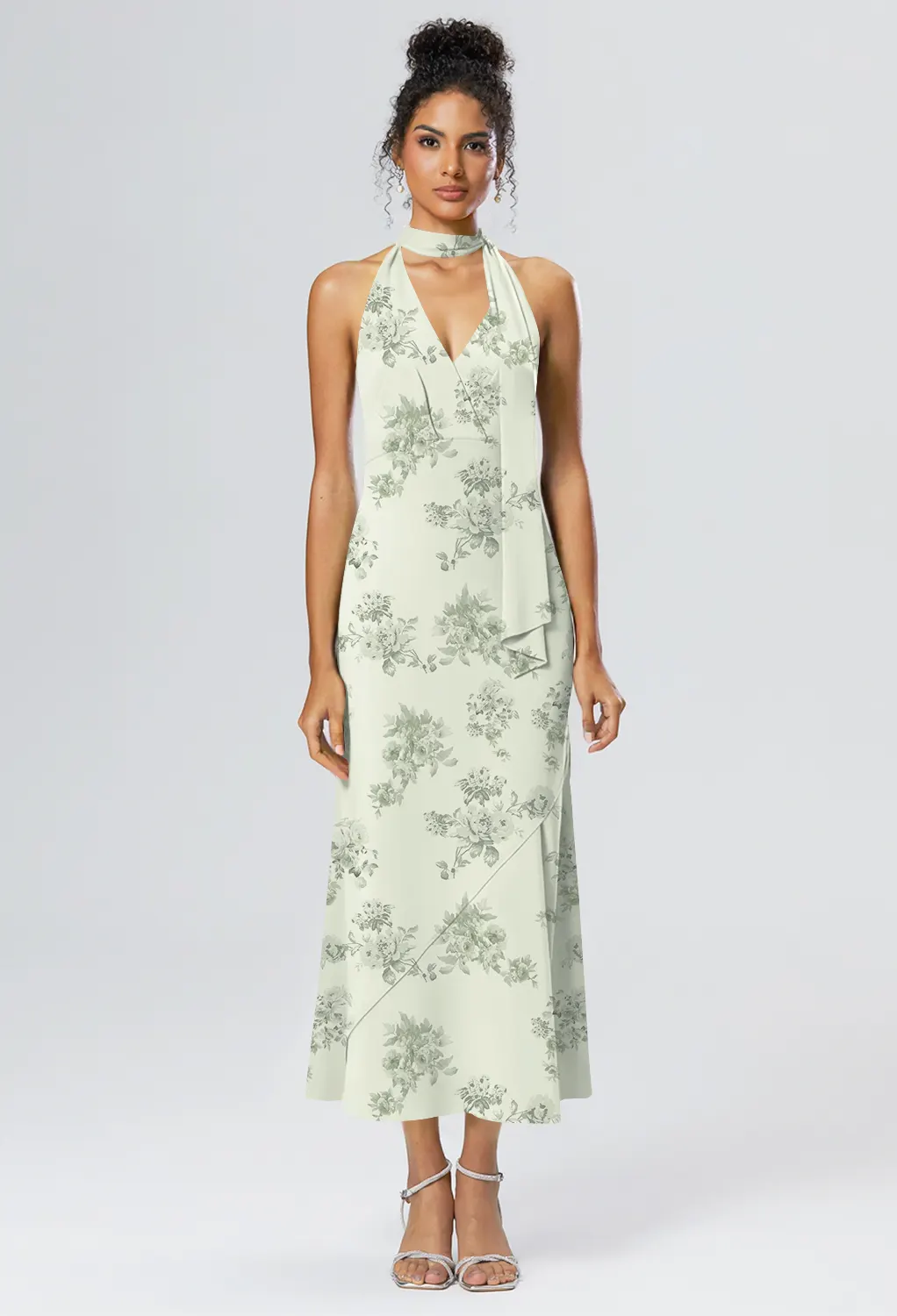
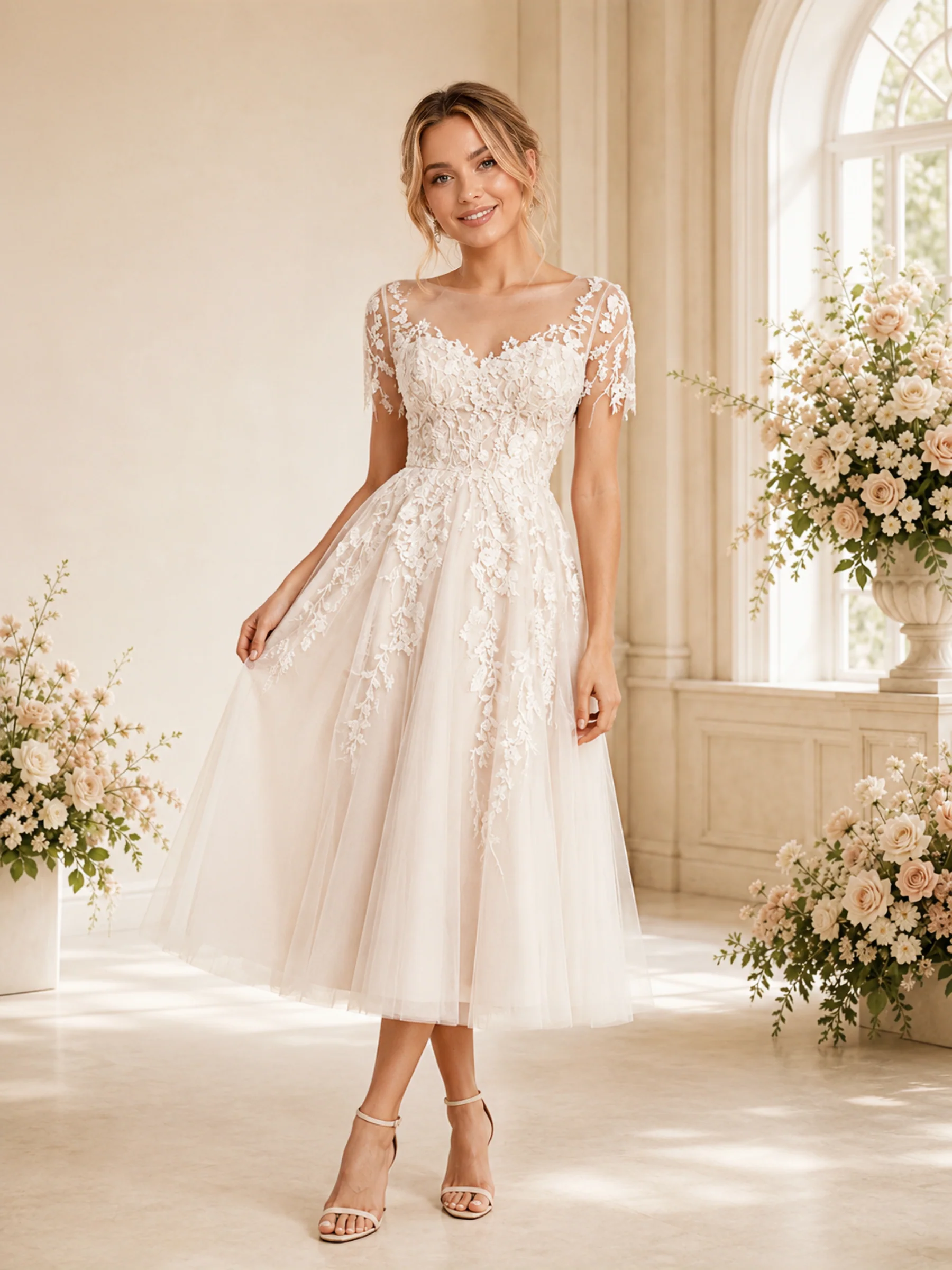 Short Sleeve DressesShort Sleeve Tea Dresses That Do All the Work for You
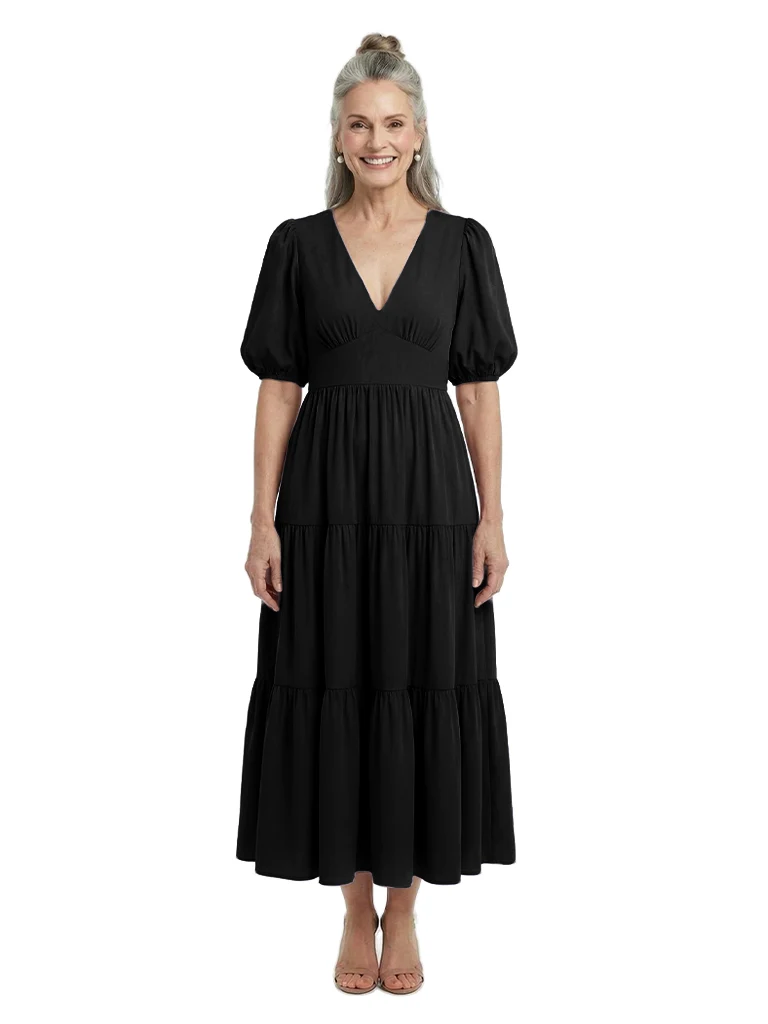
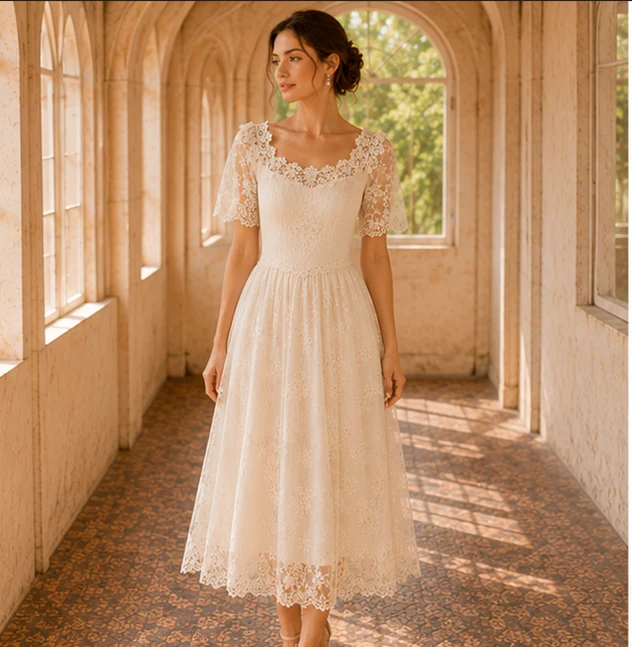 Our Favorite Short Tea Dresses
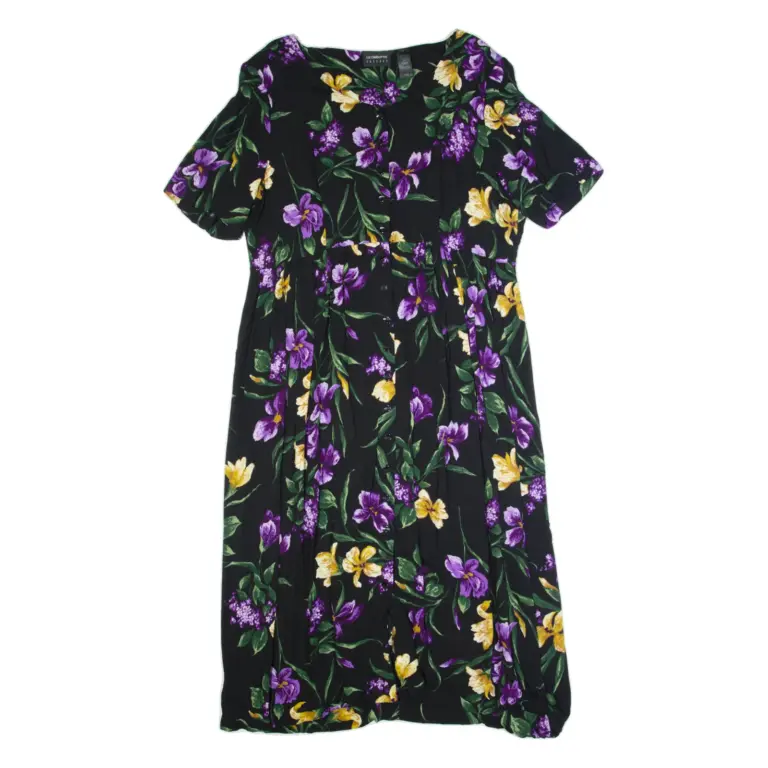
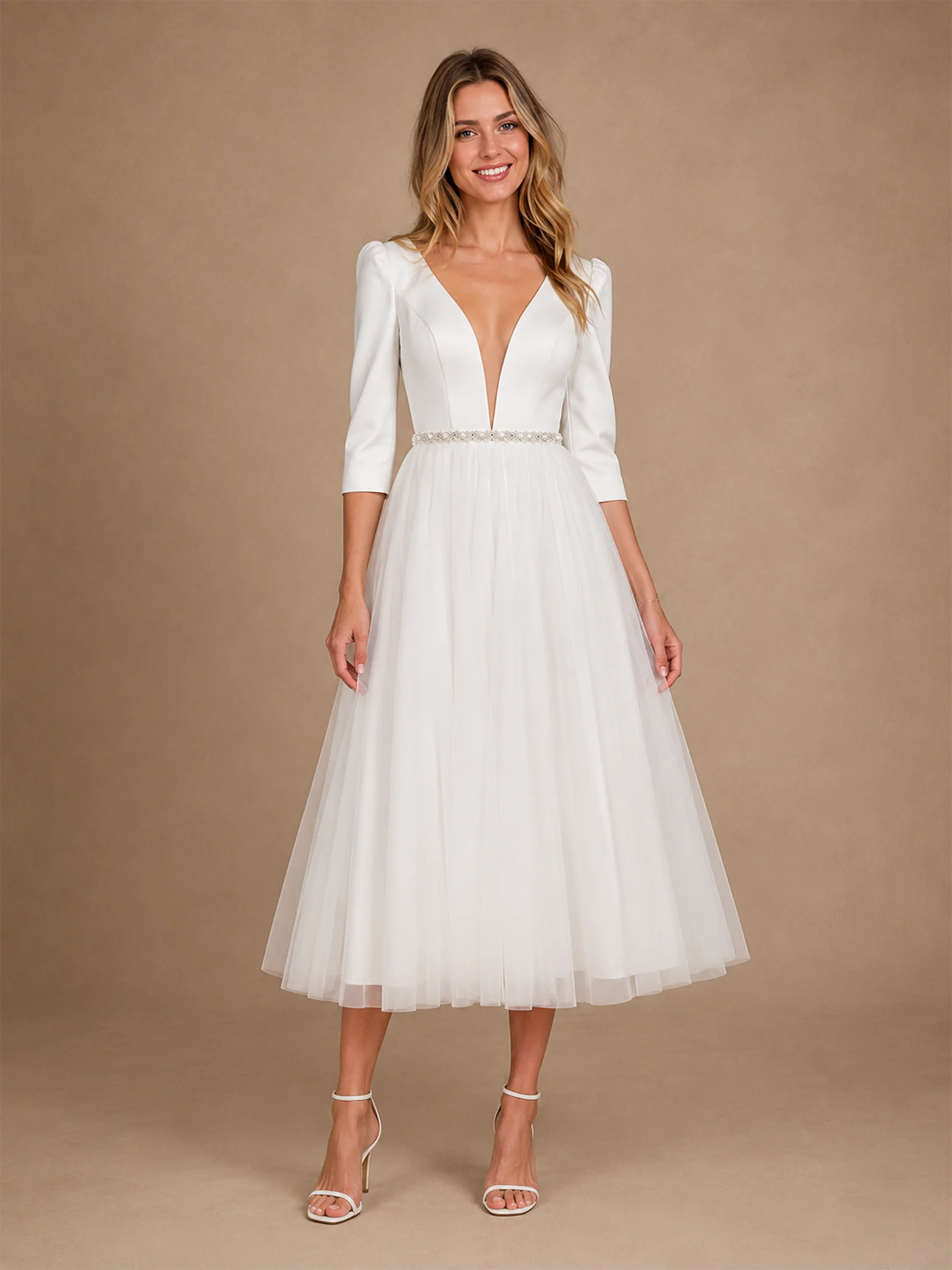 Satin DressesThe Prettiest Satin Tea Dresses Around Right Now
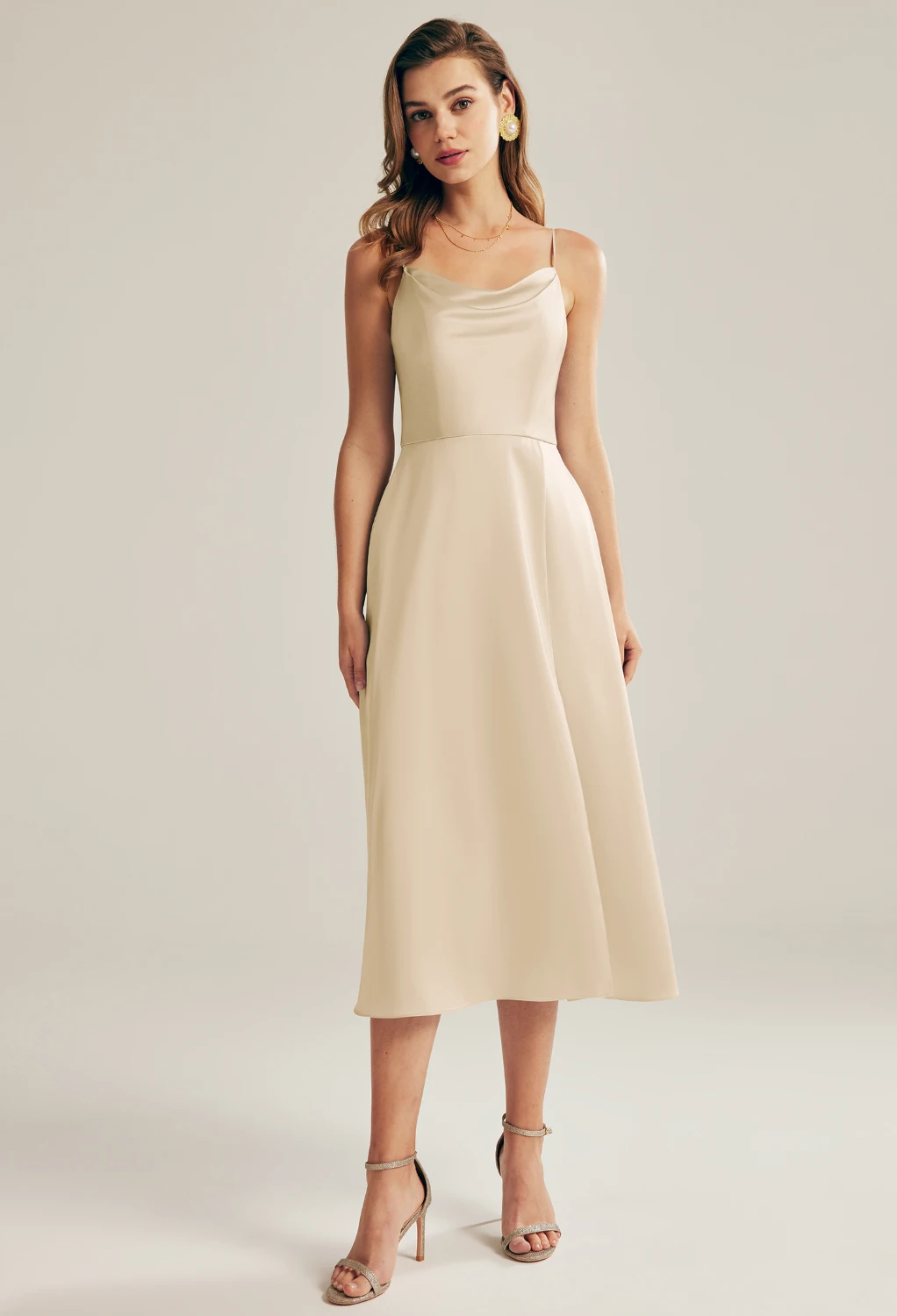
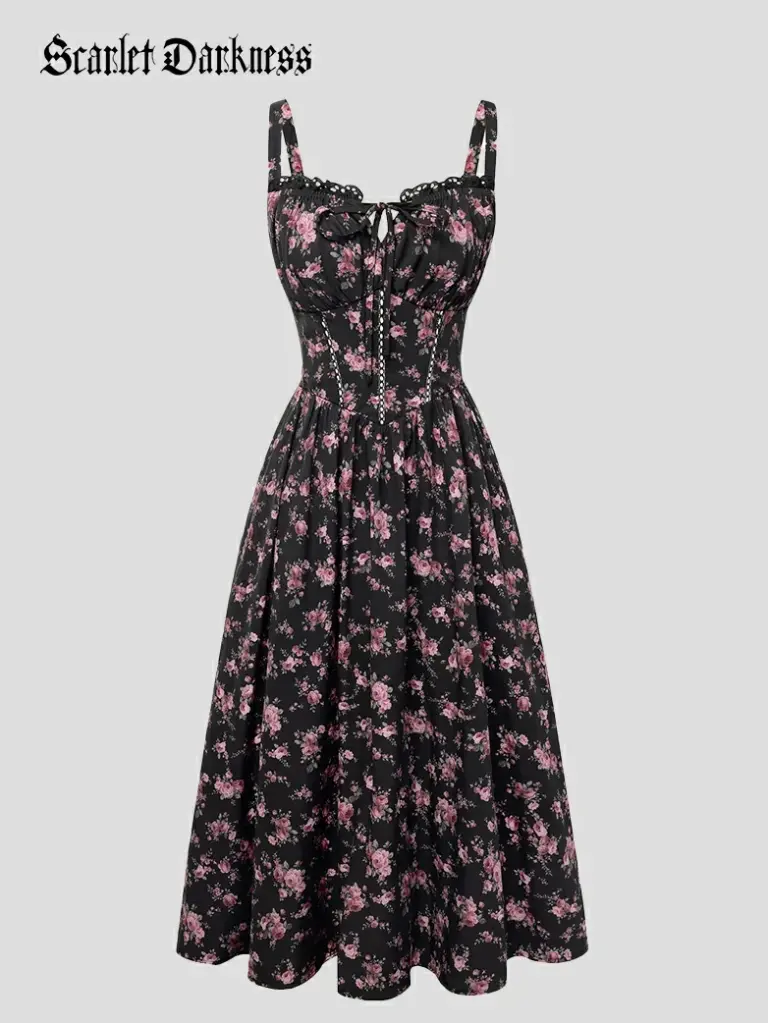 Ruched DressesRuched Tea Dresses We’d Buy Again
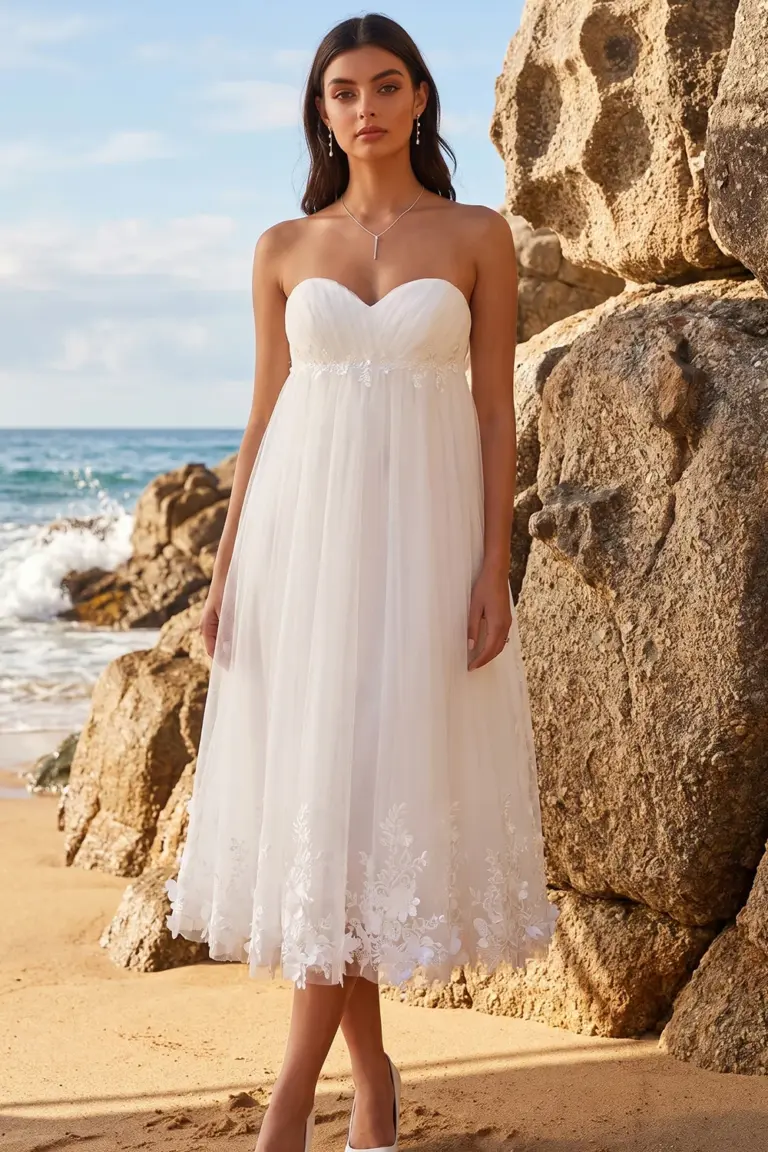
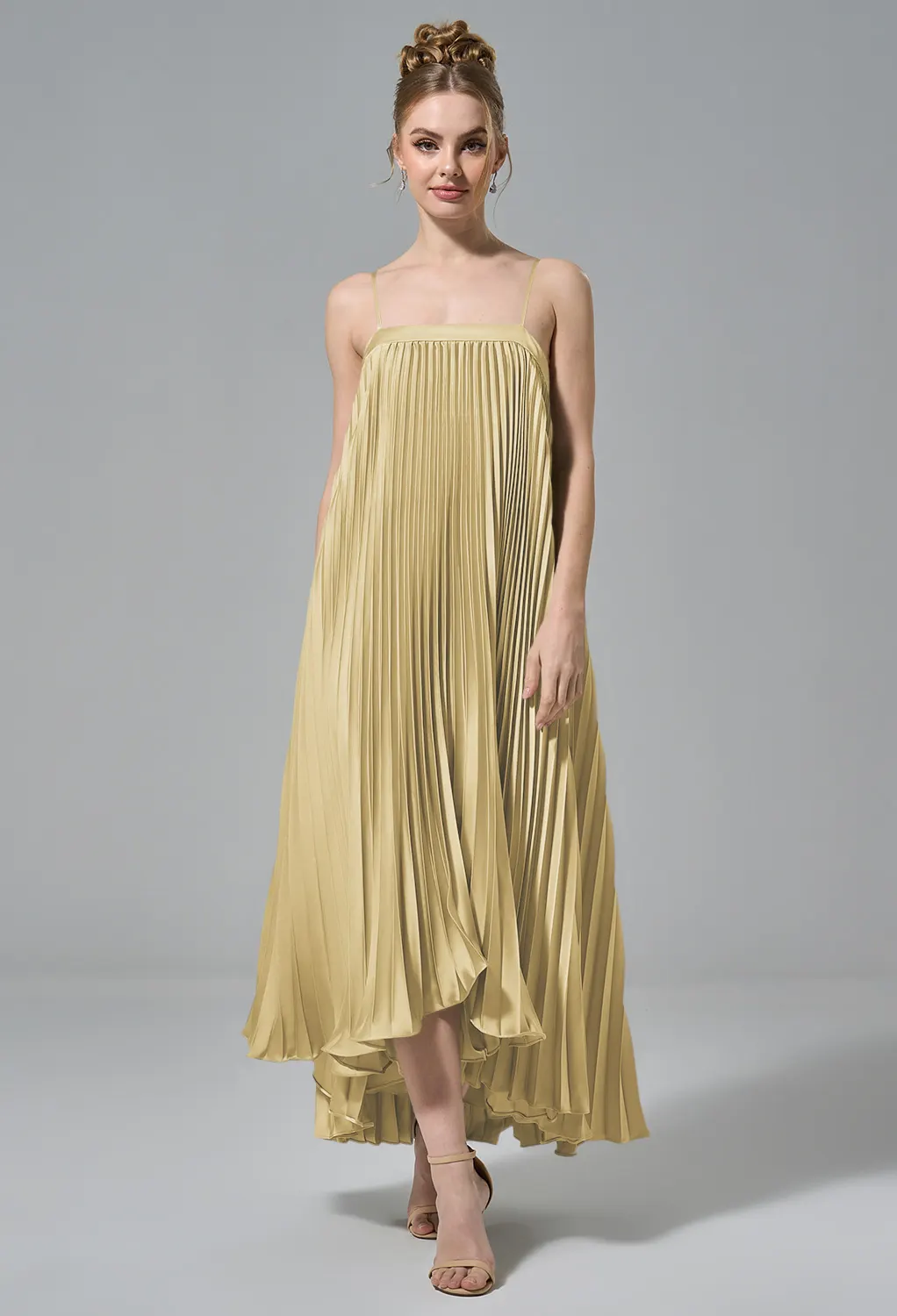 Pleated DressesEffortless Pleated Tea Dresses We Love
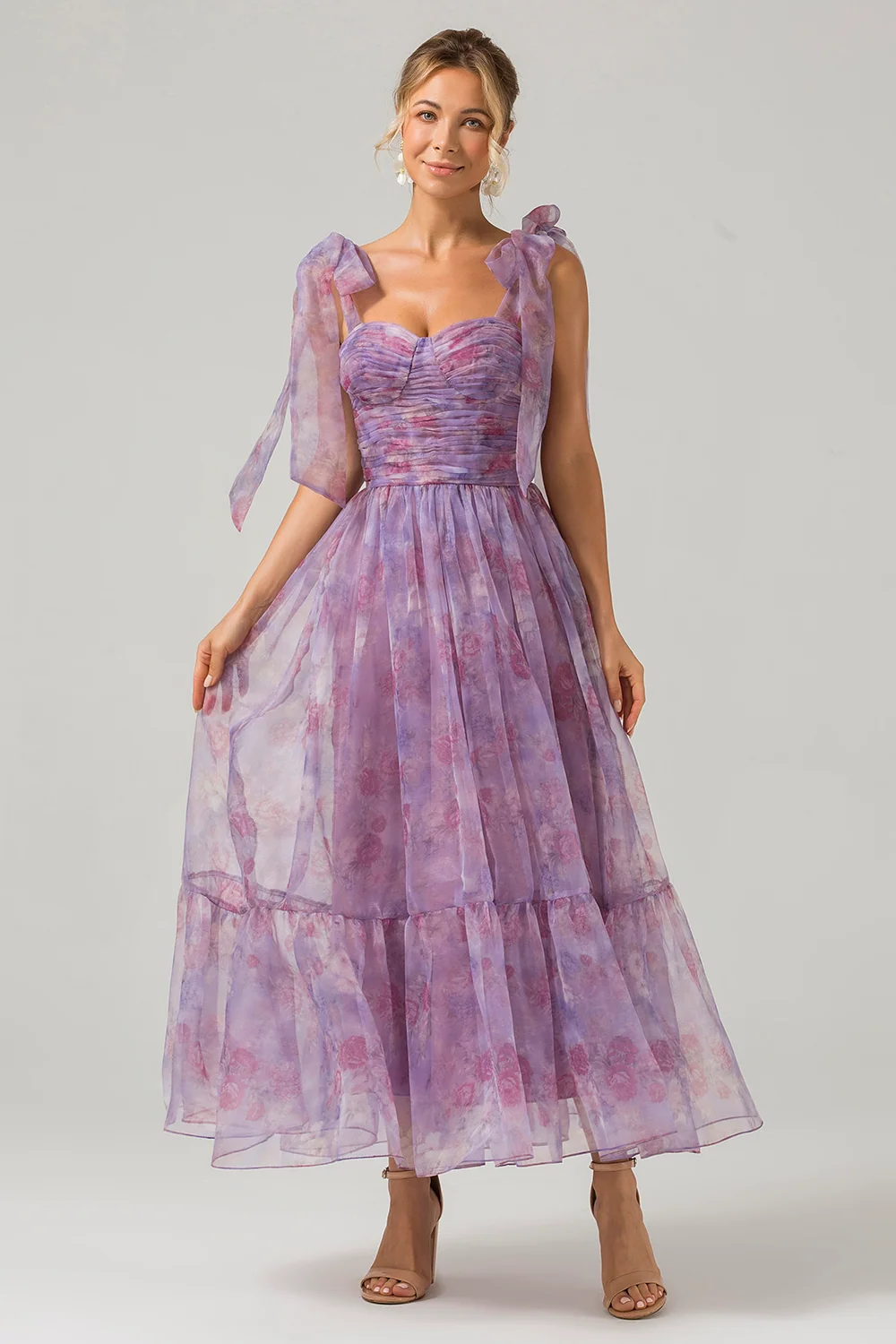
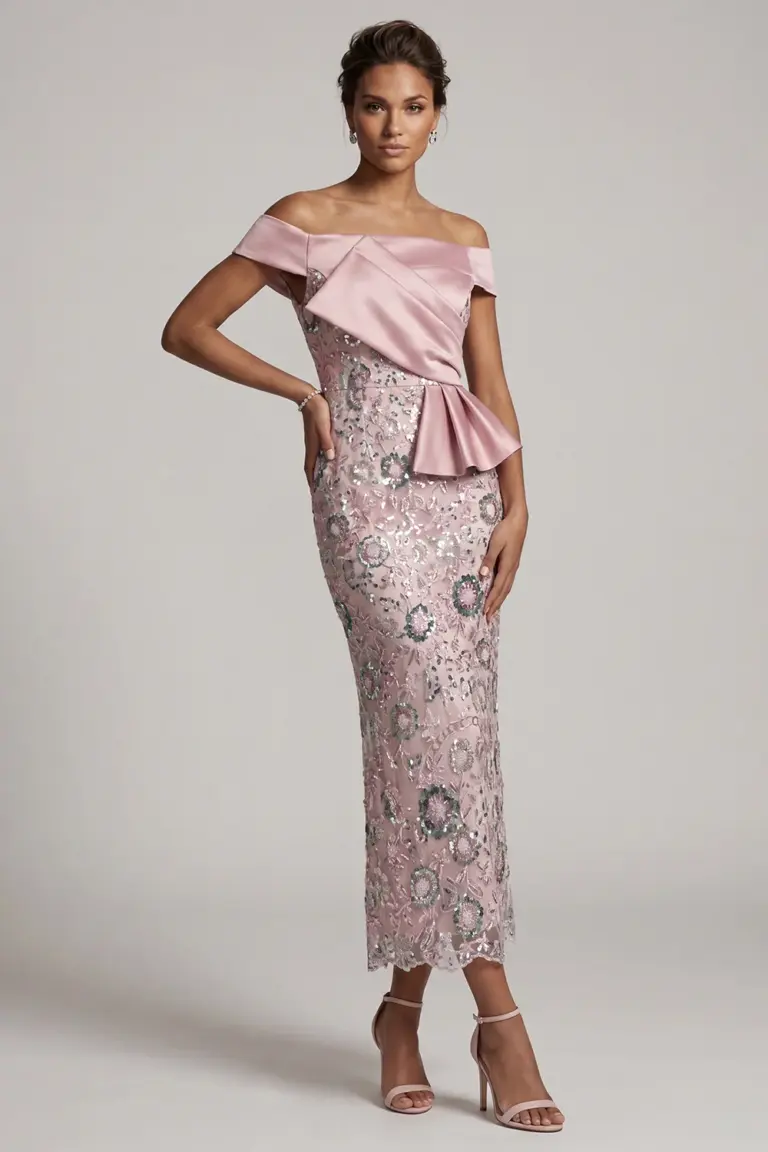 Pink DressesThe Pink Tea Dresses Worth Planning an Outfit Around
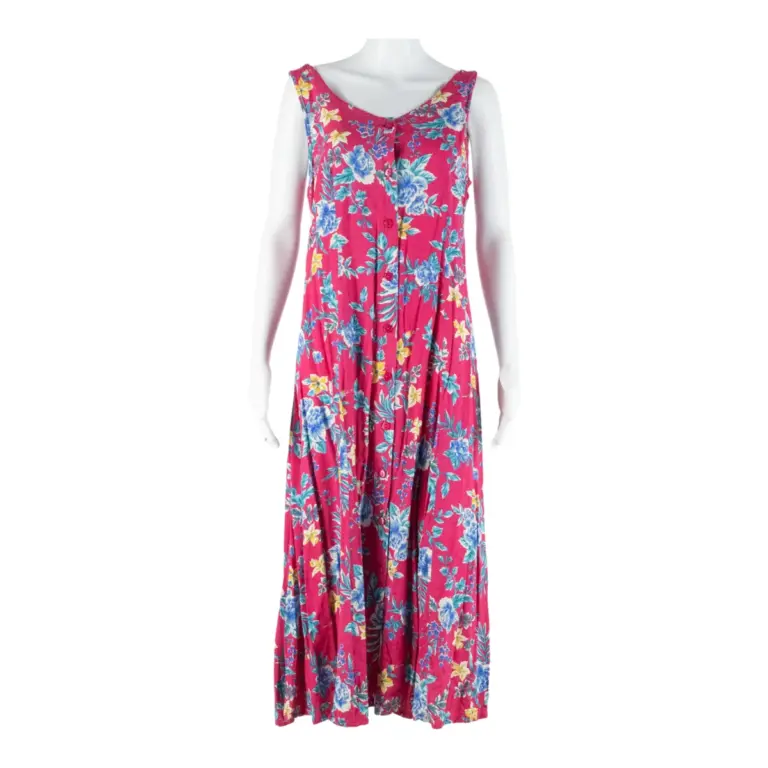
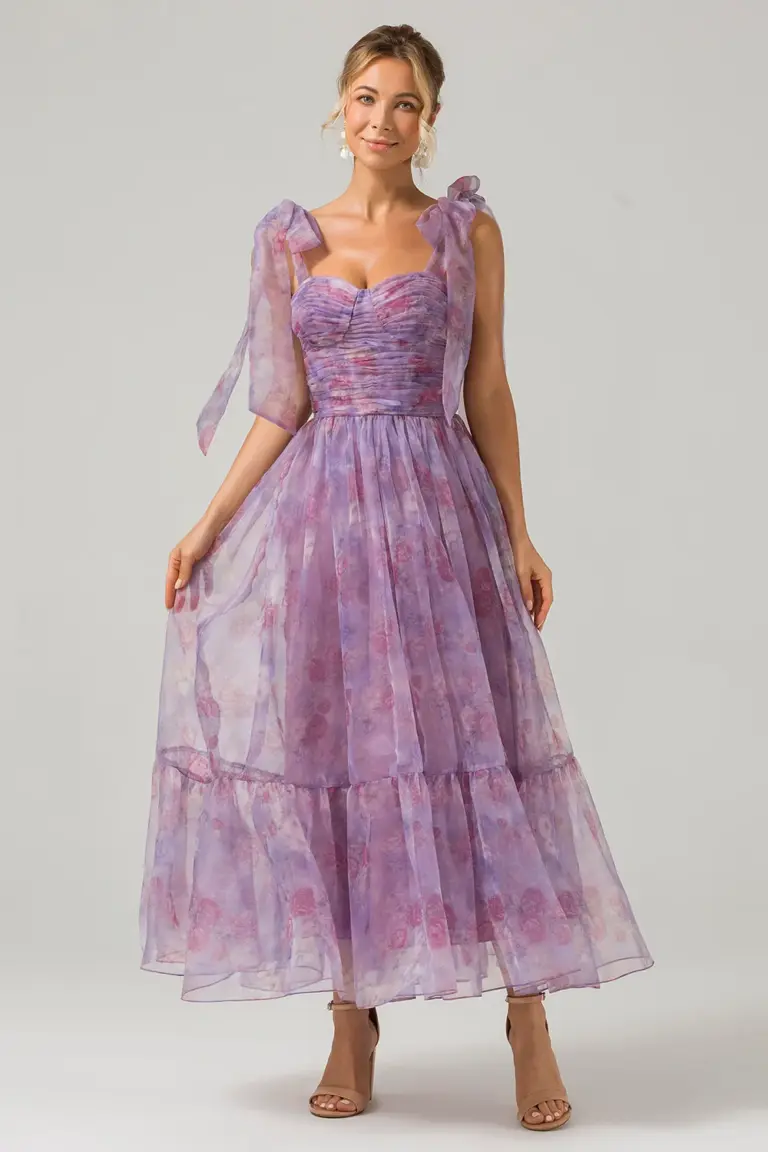 Party DressesThe Party Tea Dresses We Keep Going Back To
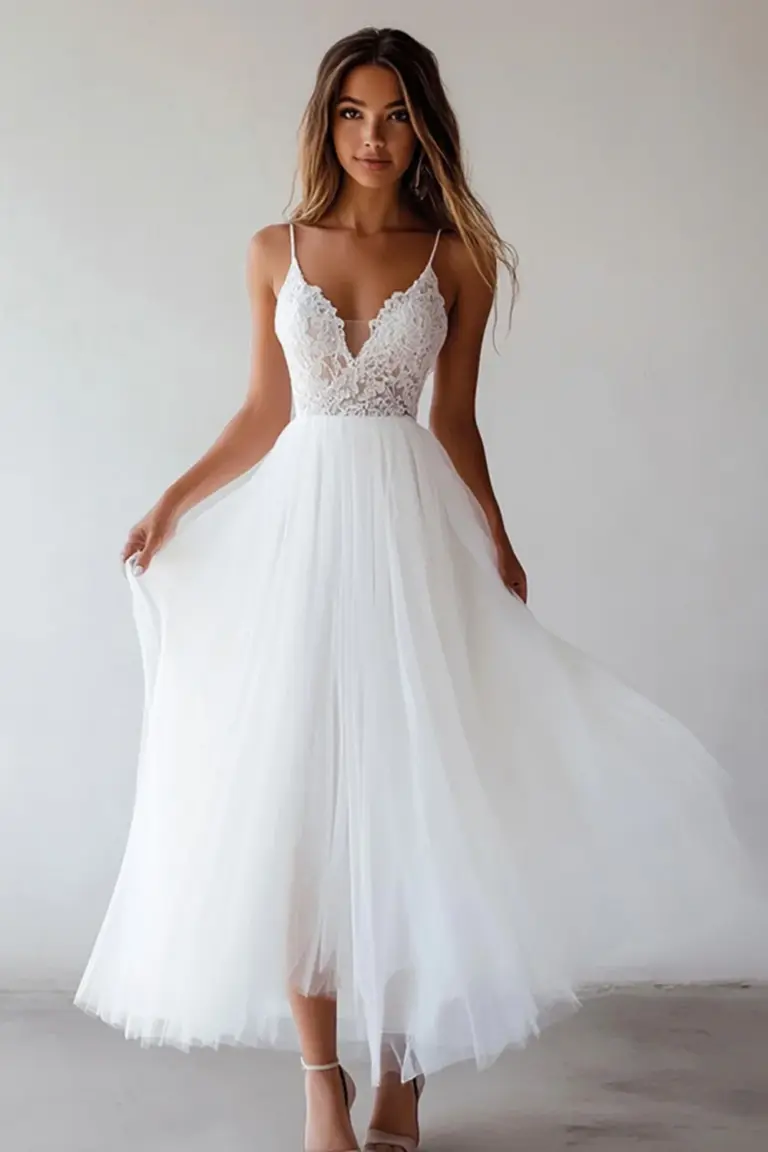
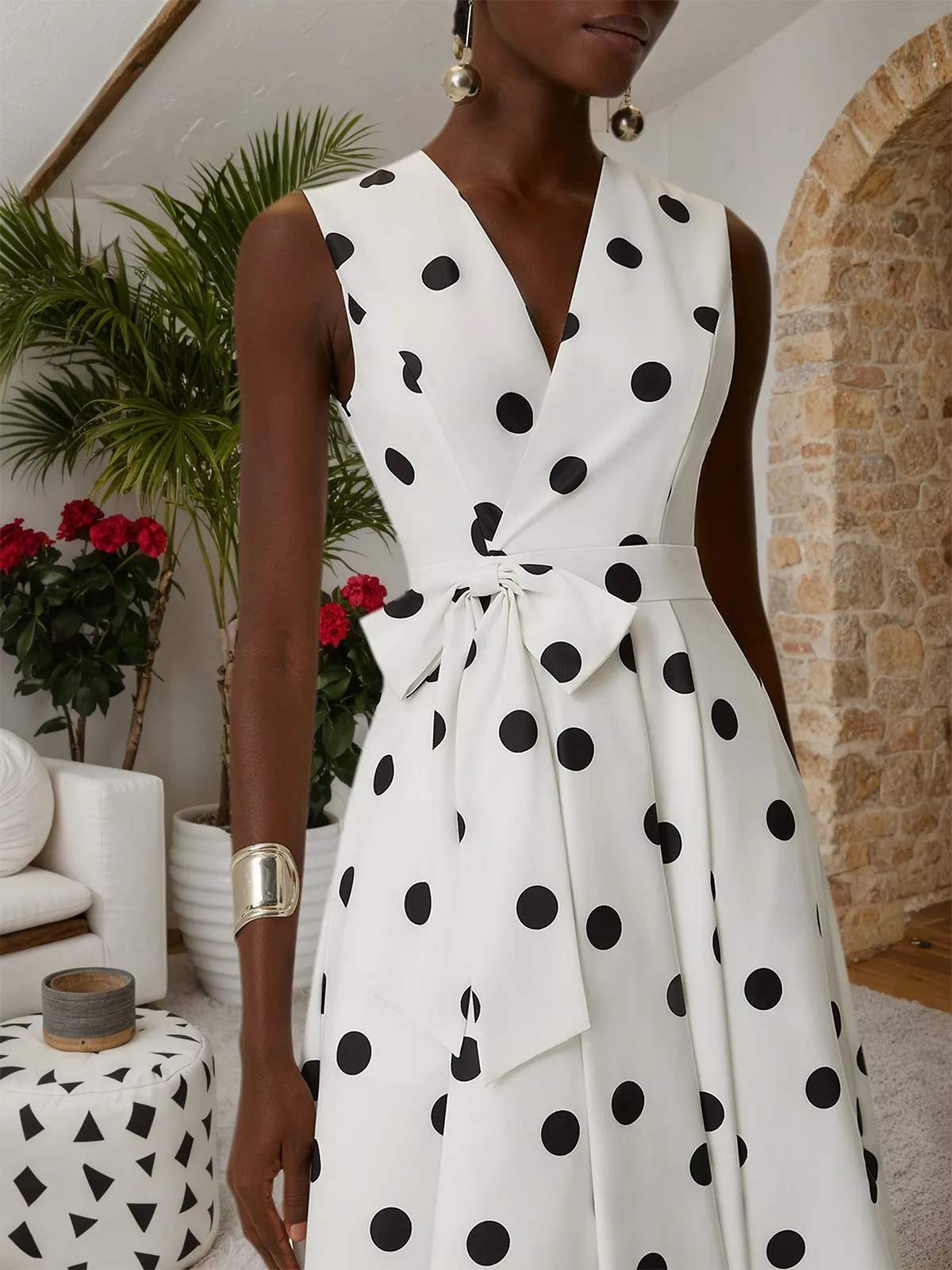 Midi DressesMidi Tea Dresses Edited Down to the BestAlso worth a lookMaxi DressesA maxi dress earns its length by making you forget what you're wearing, and that's the whole point of one.See the collections →
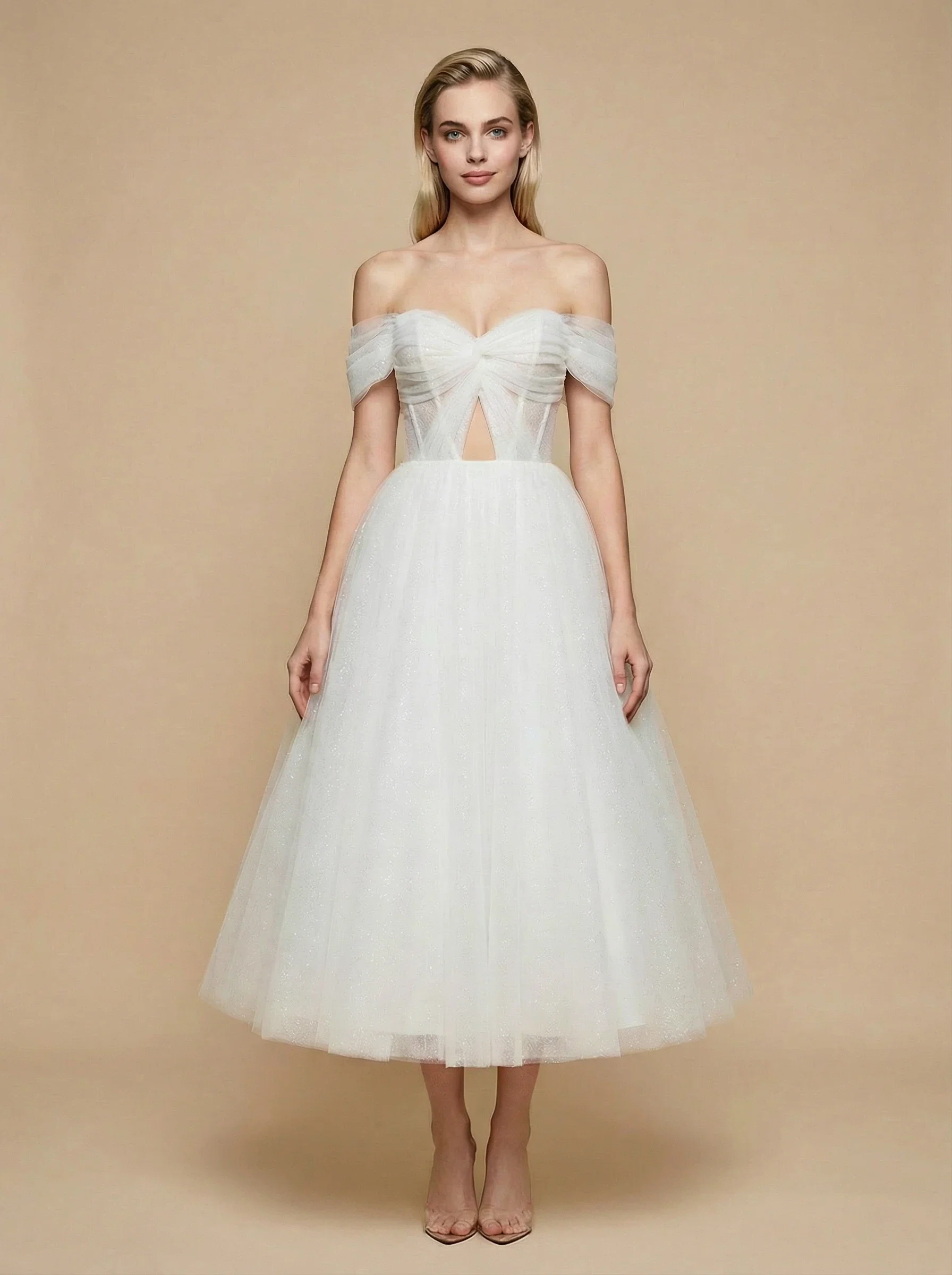
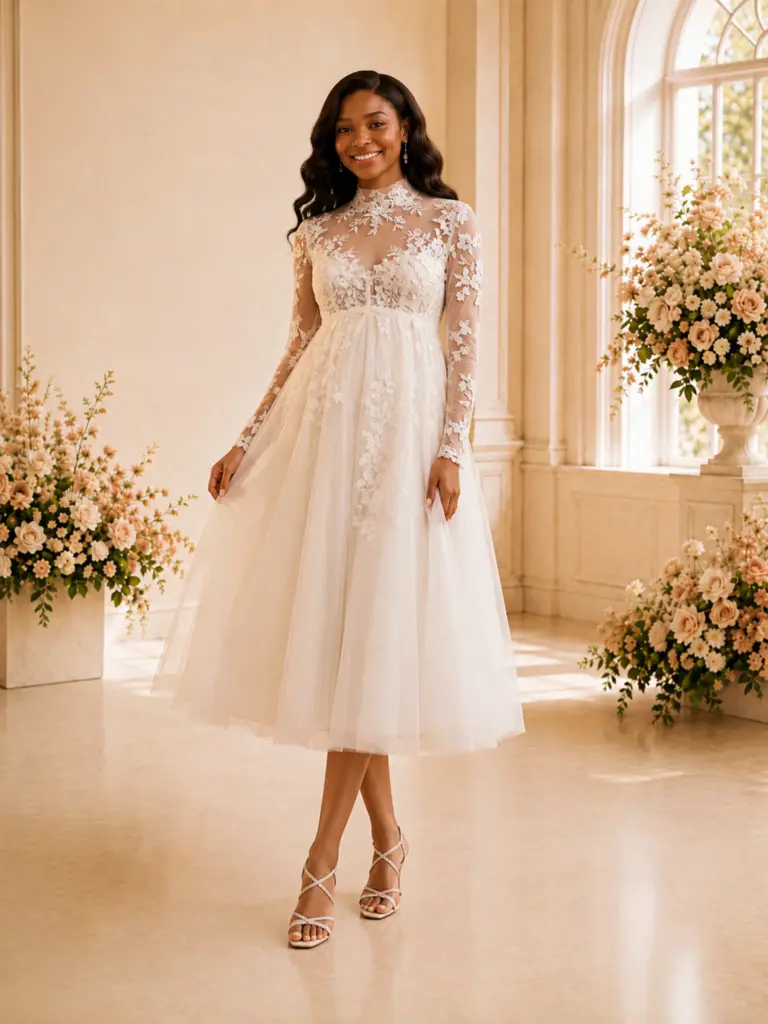 Long Tea Dresses: What We’d Buy Now
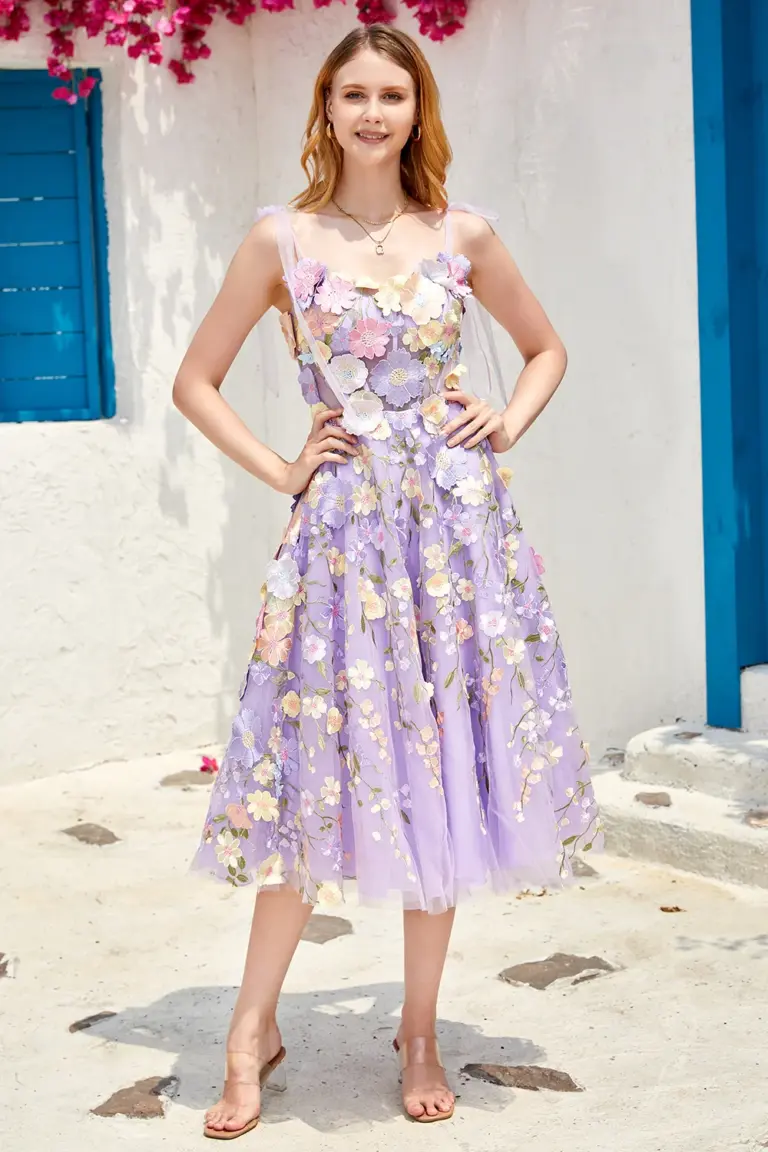
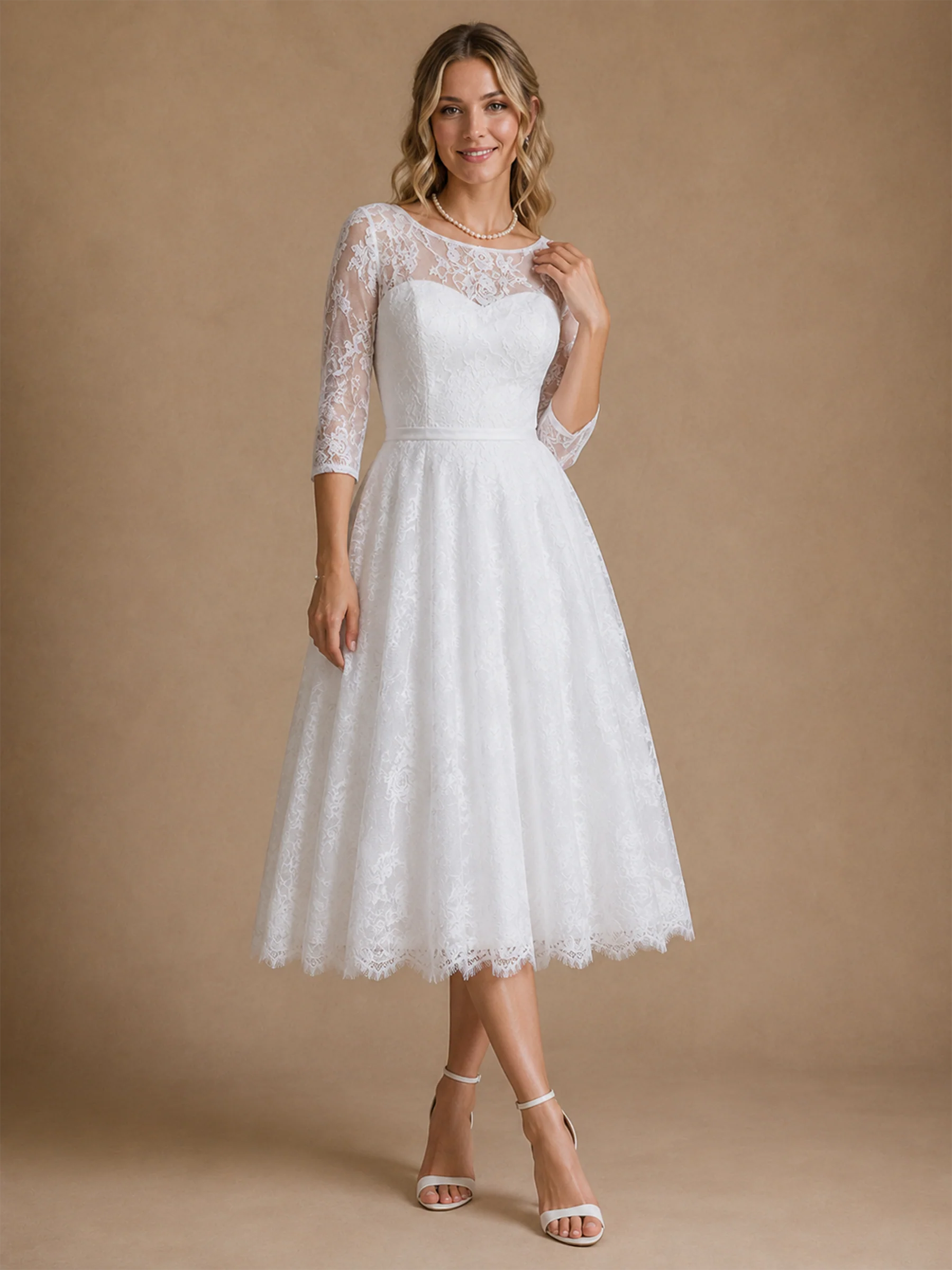 Lace DressesLace Tea Dresses You’ll Want to Live In

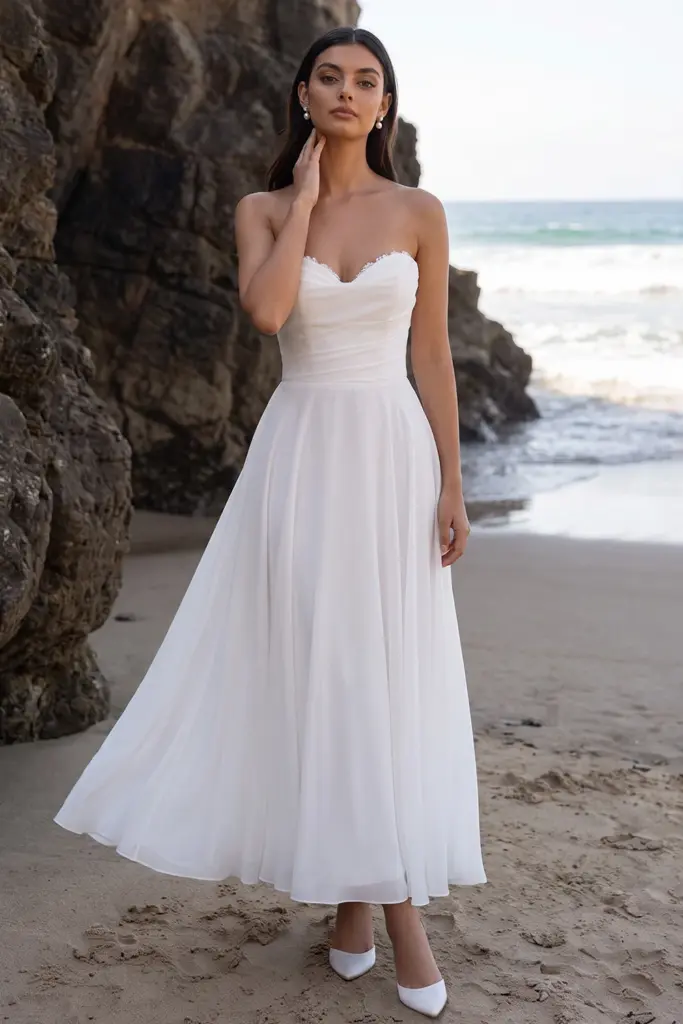 Occasion DressesLace Occasion Tea Dresses We’d Buy Again
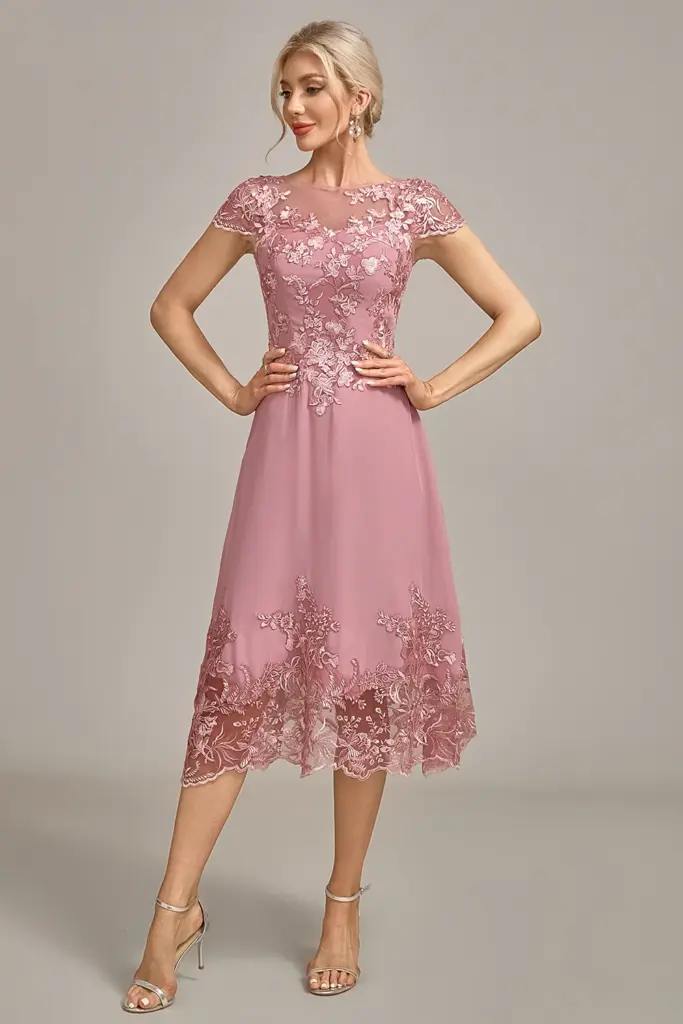
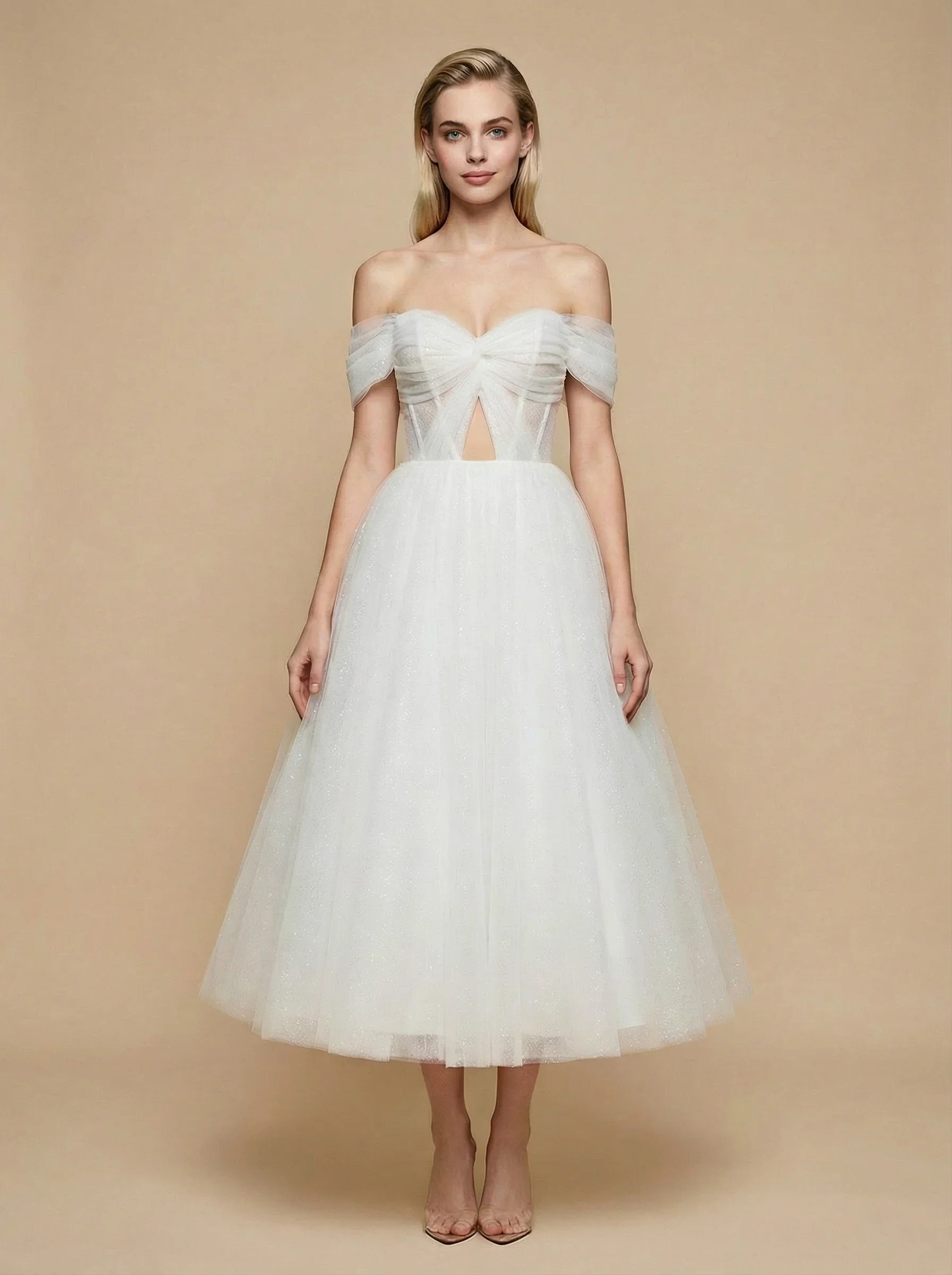 Lace DressesOur Shortlist of Lace Midi Tea Dresses
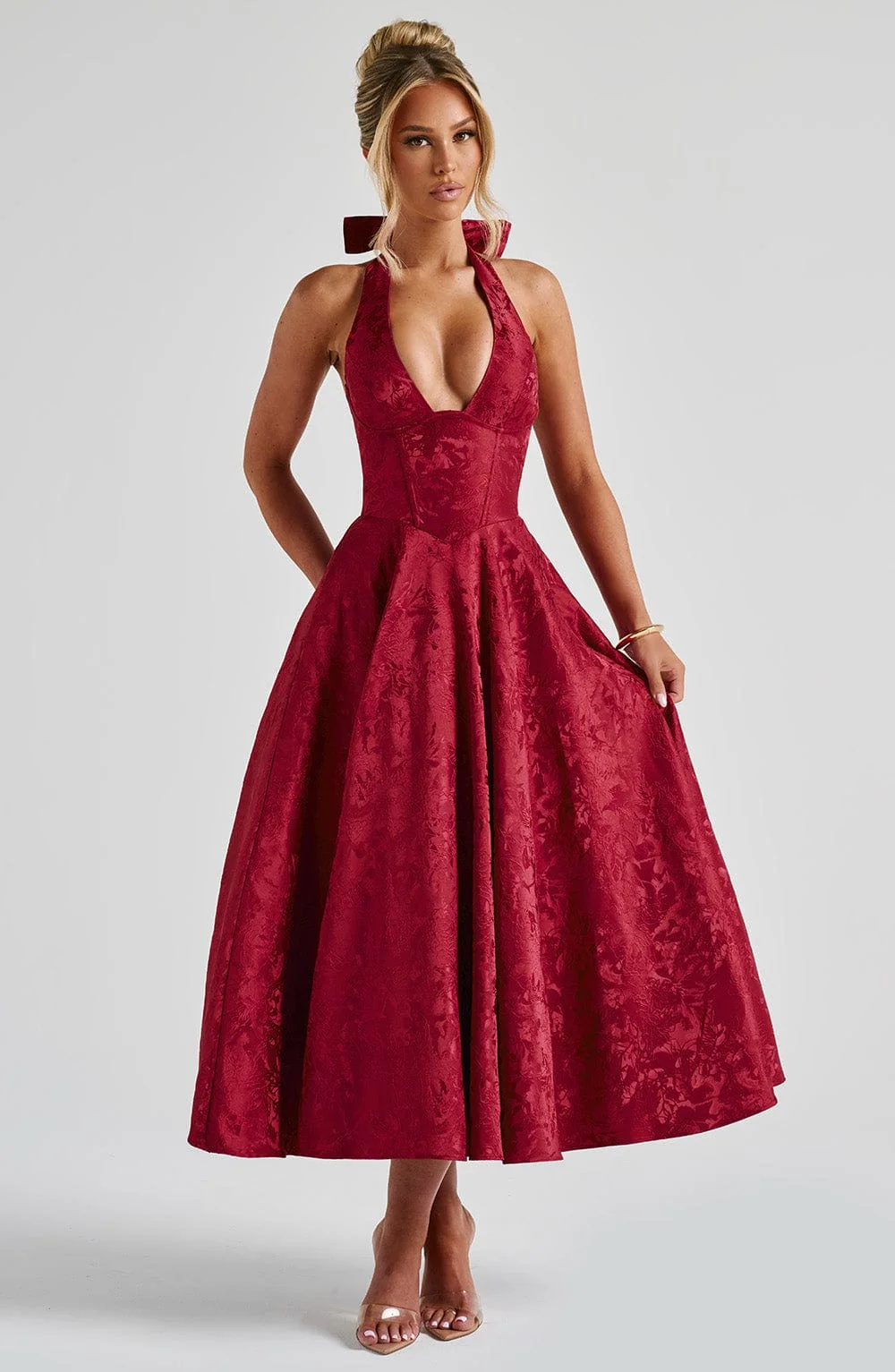
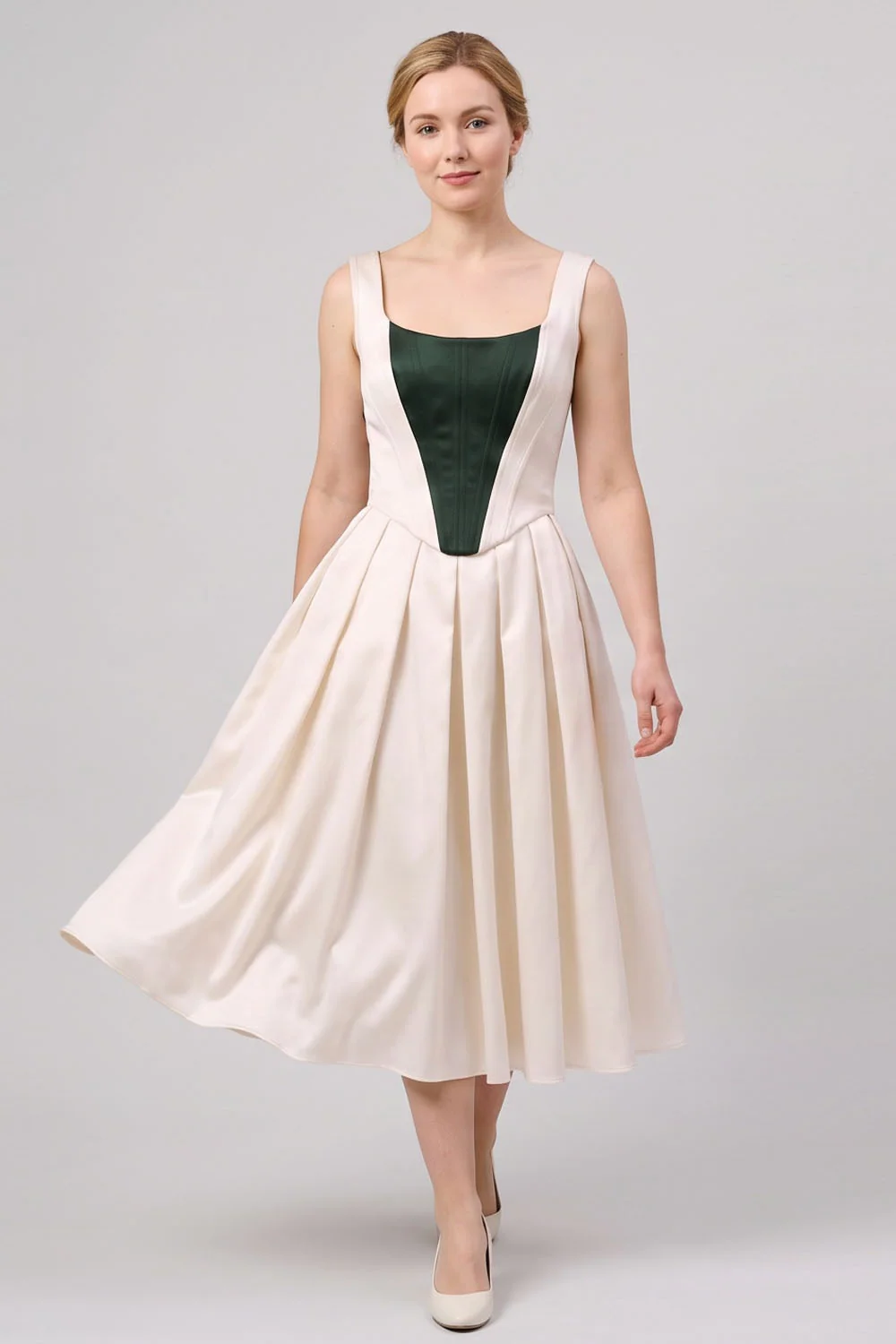 Green DressesGreen Tea Dresses That Flatter Without Trying
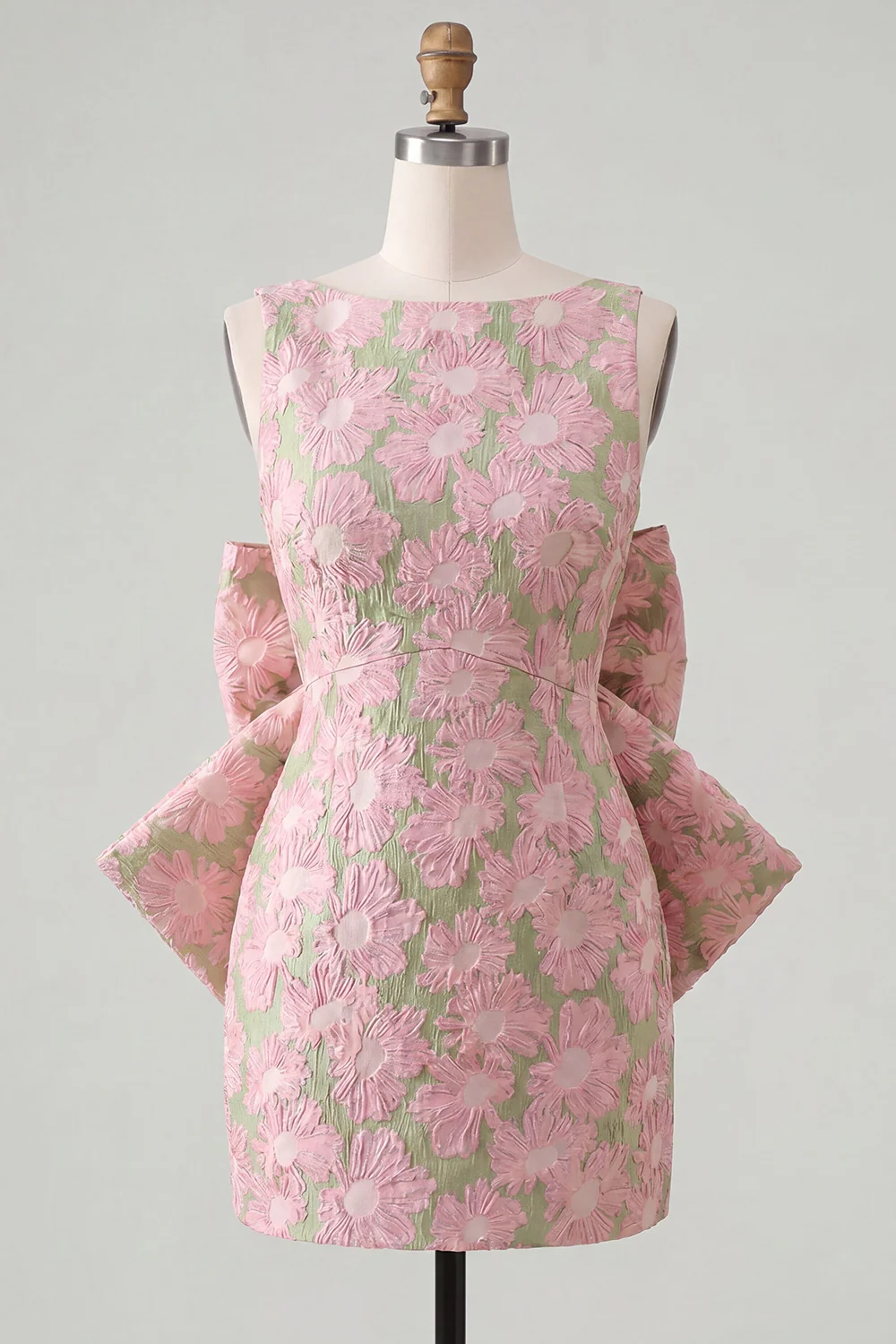
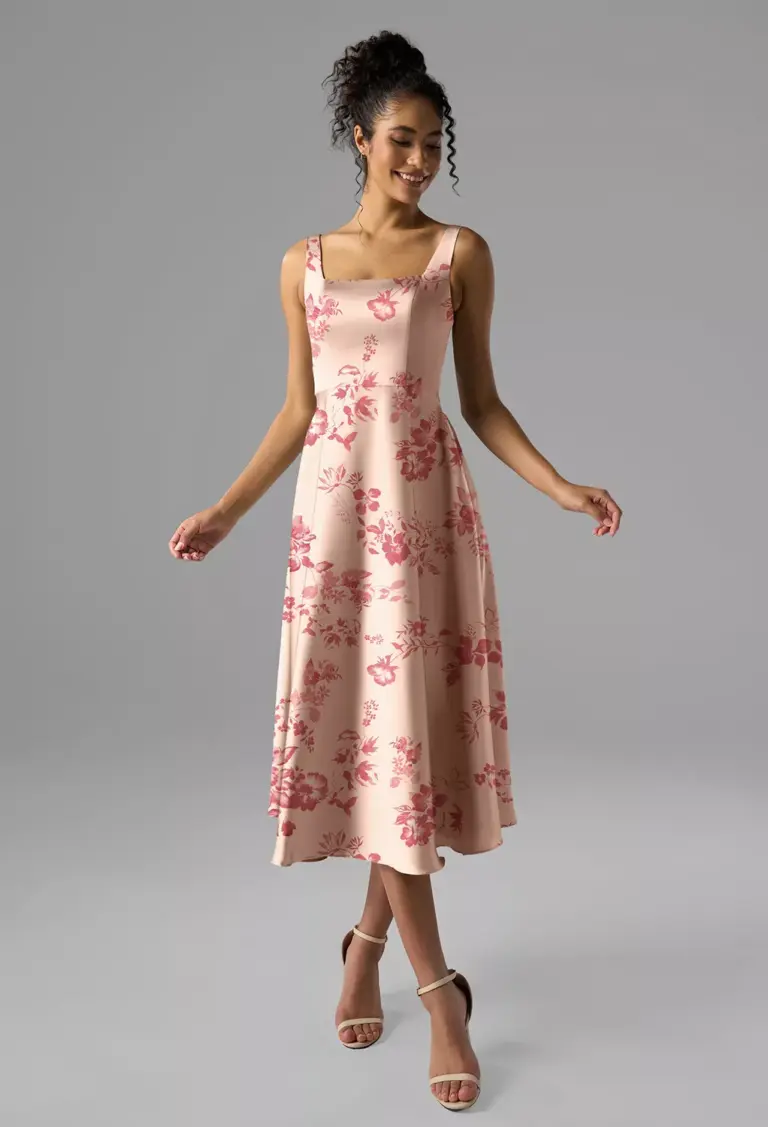 Formal Tea Dresses You Can Dress Up or Down
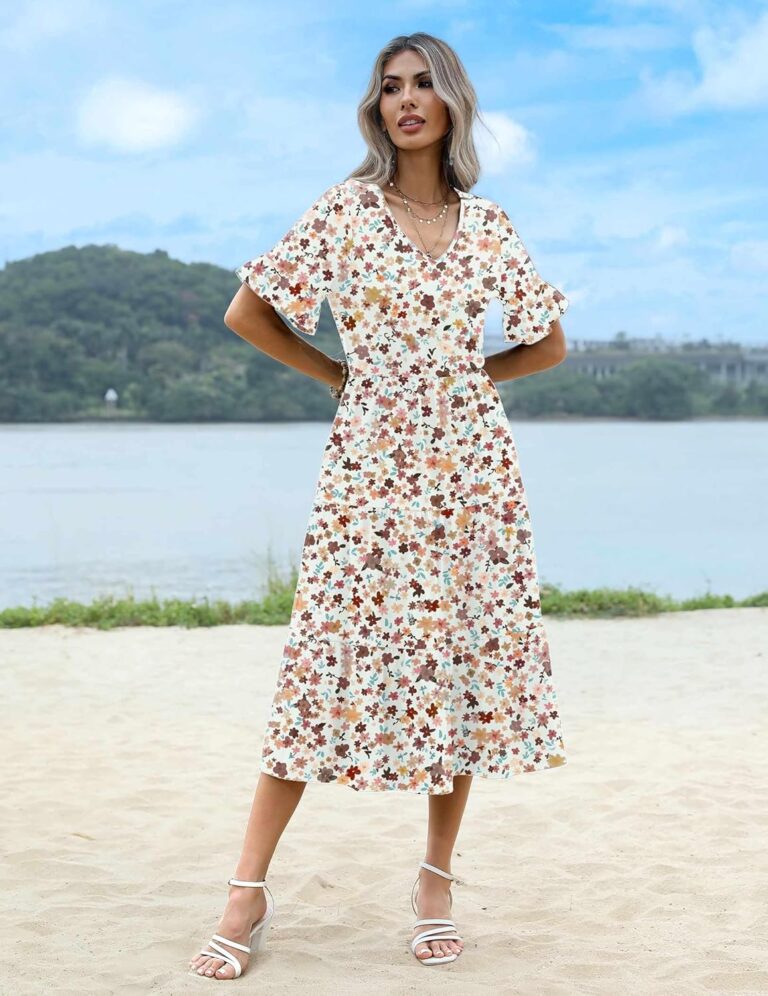
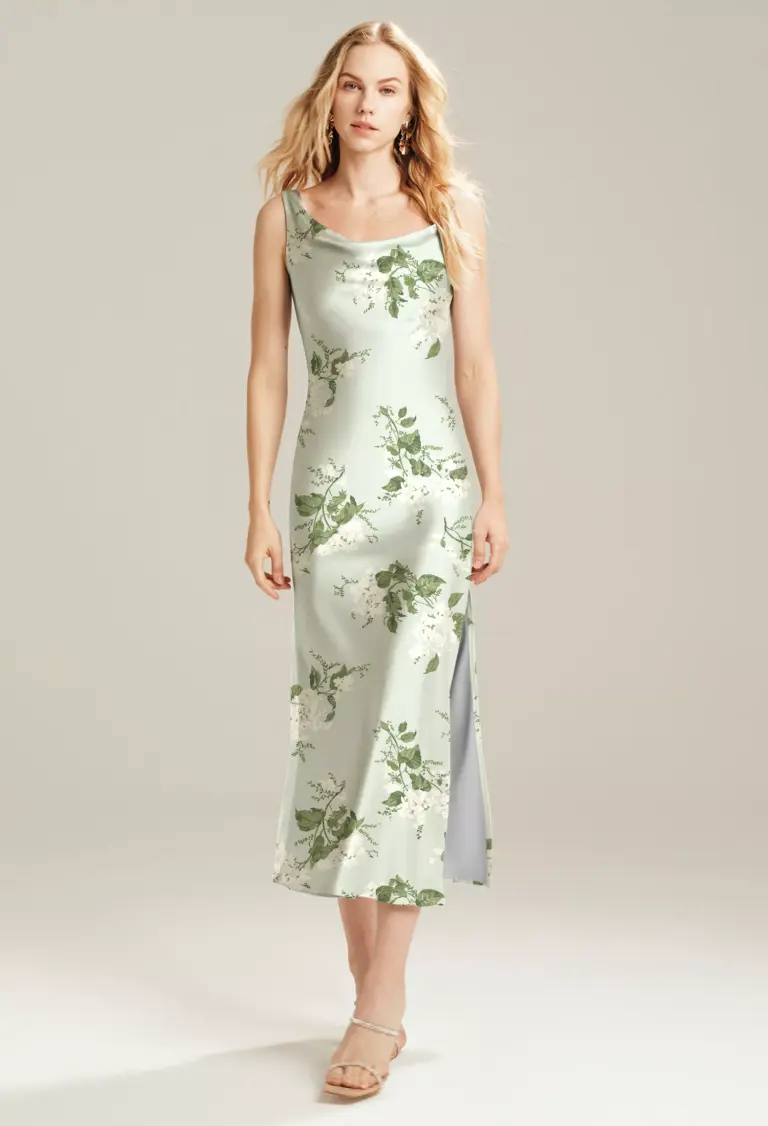 Floral DressesFloral Tea Dresses We’d Recommend to a Friend
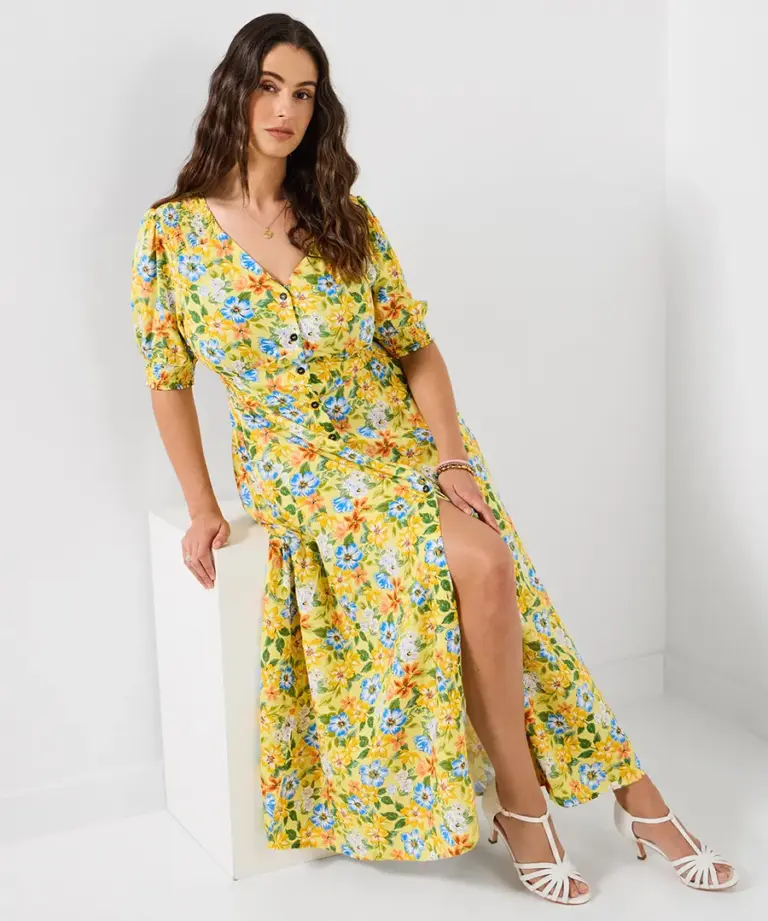
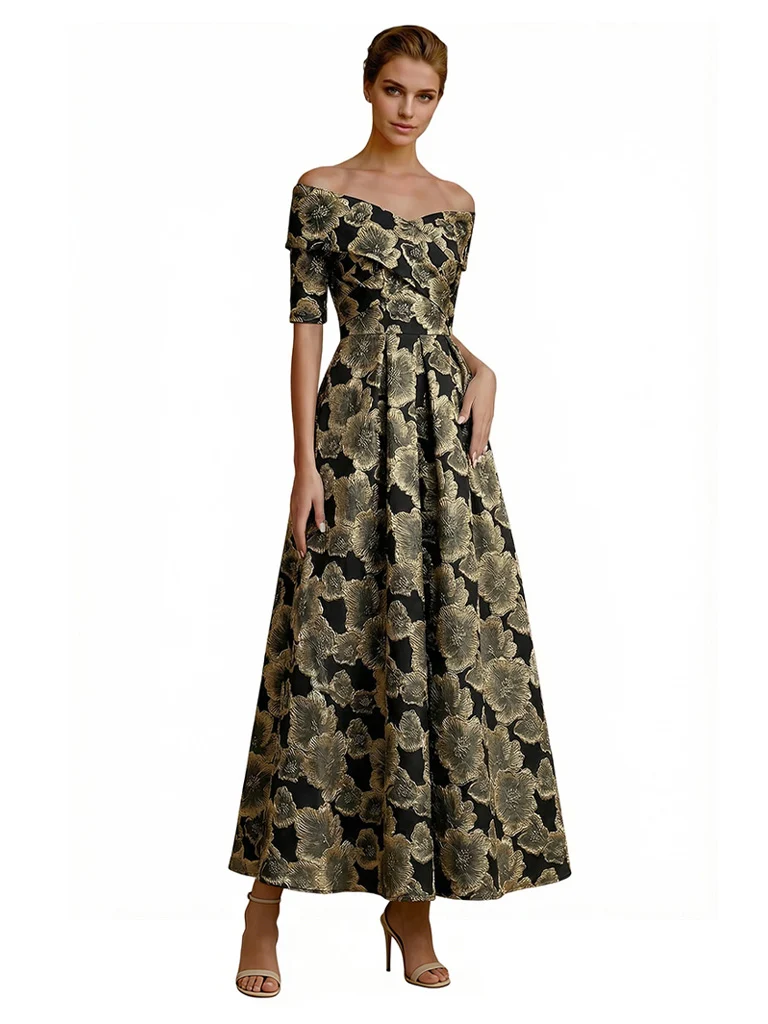 Occasion DressesOur Pick of the Best Floral Occasion Tea Dresses
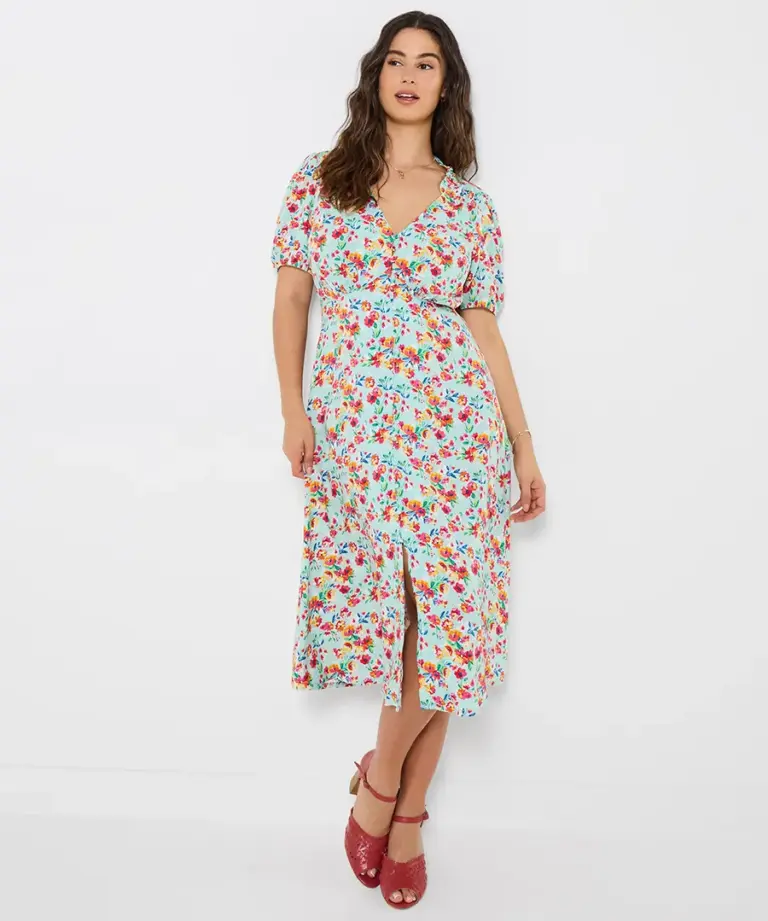
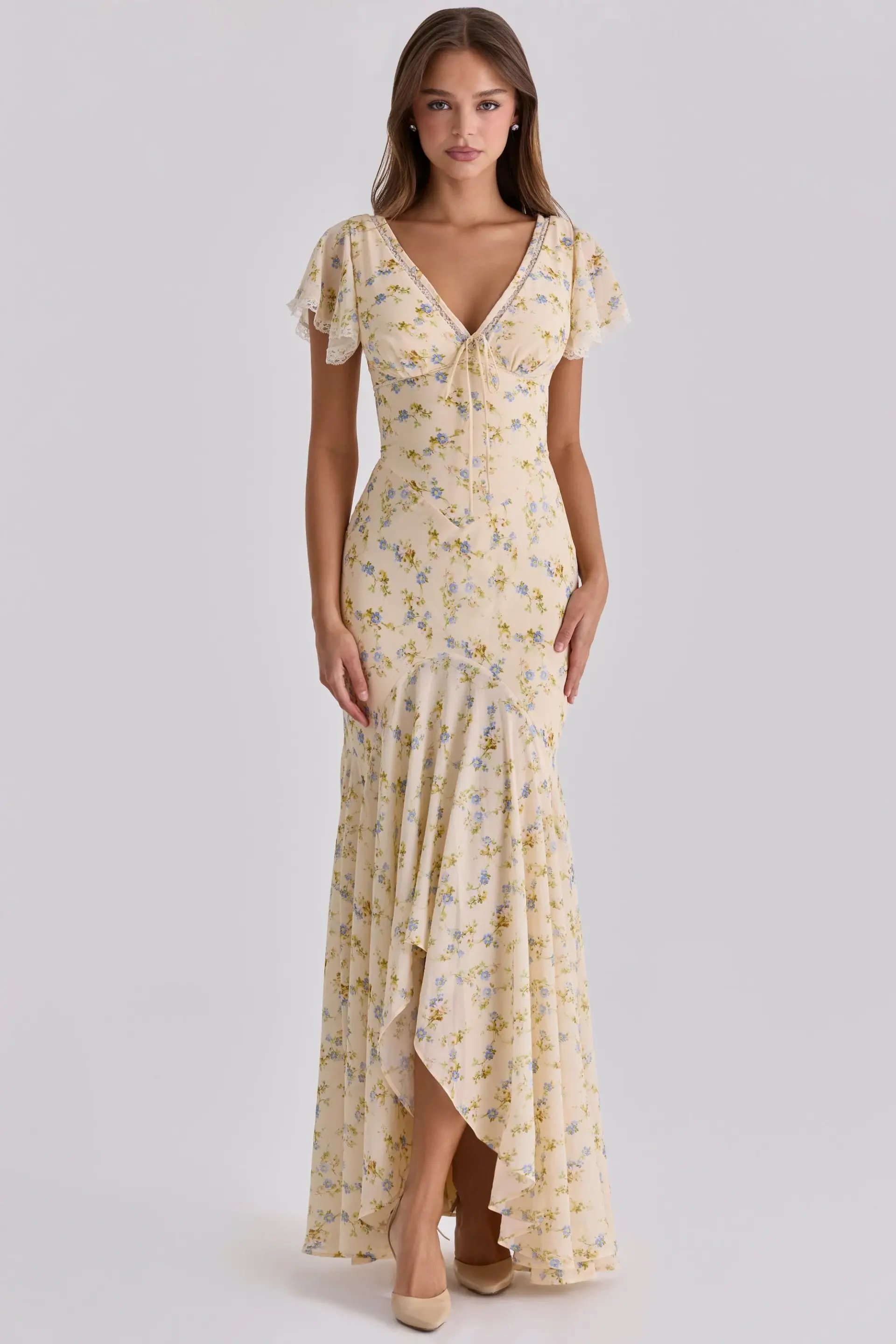 Party DressesThe Floral Party Tea Dresses Worth Planning an Outfit AroundAlso worth a lookMini DressesThe thing nobody mentions in the fitting room is how a mini dress behaves after three hours sitting down rather than standing in front of a mirror.See the collections →
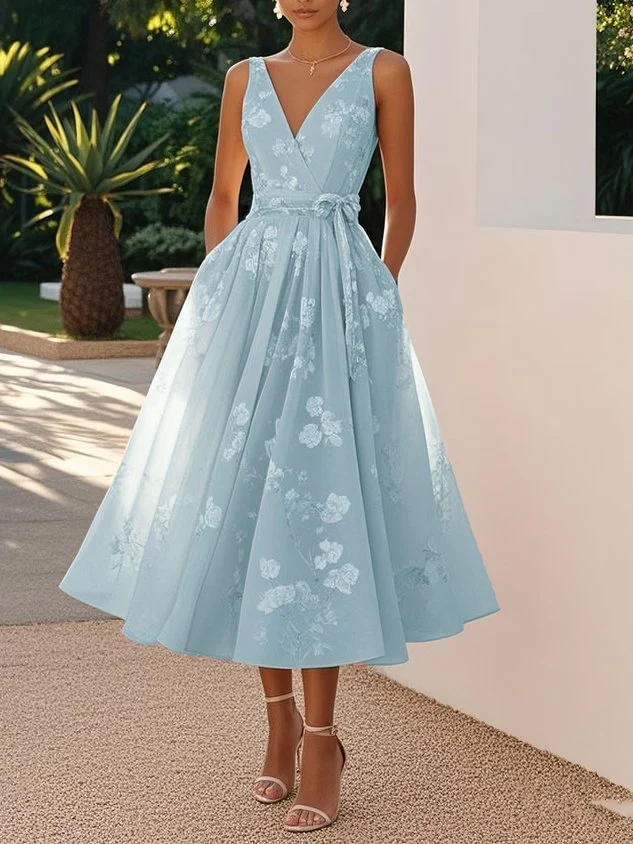
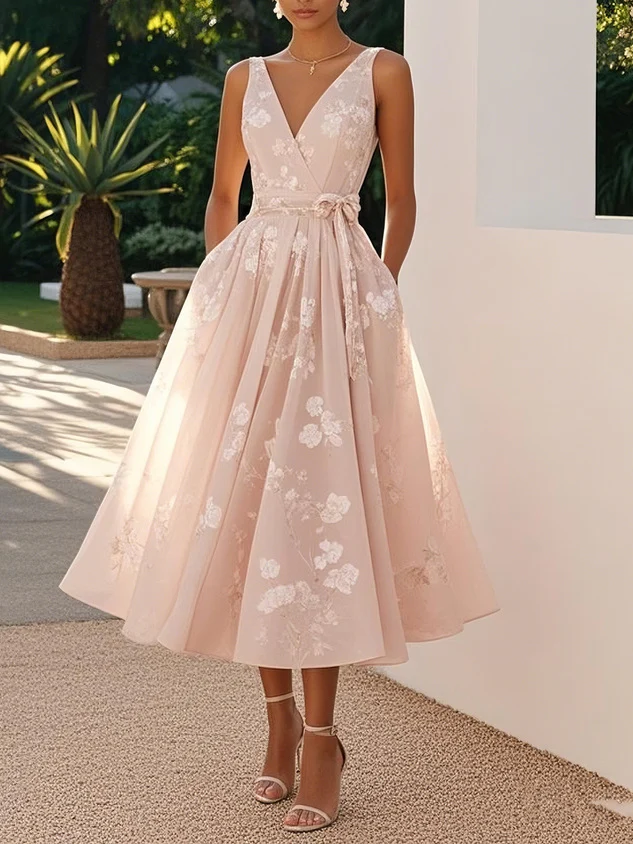 Floral DressesFloral Midi Tea Dresses You’ll Want to Live In
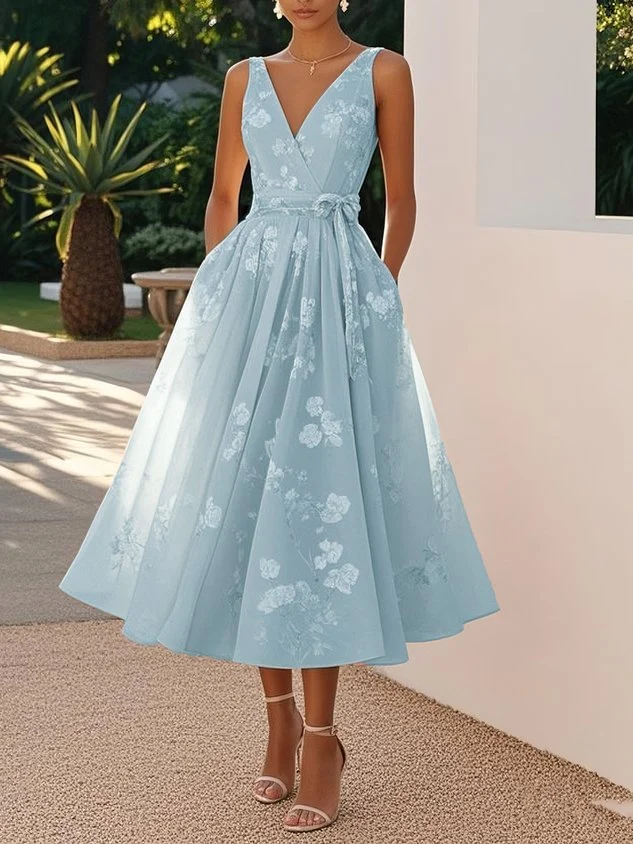
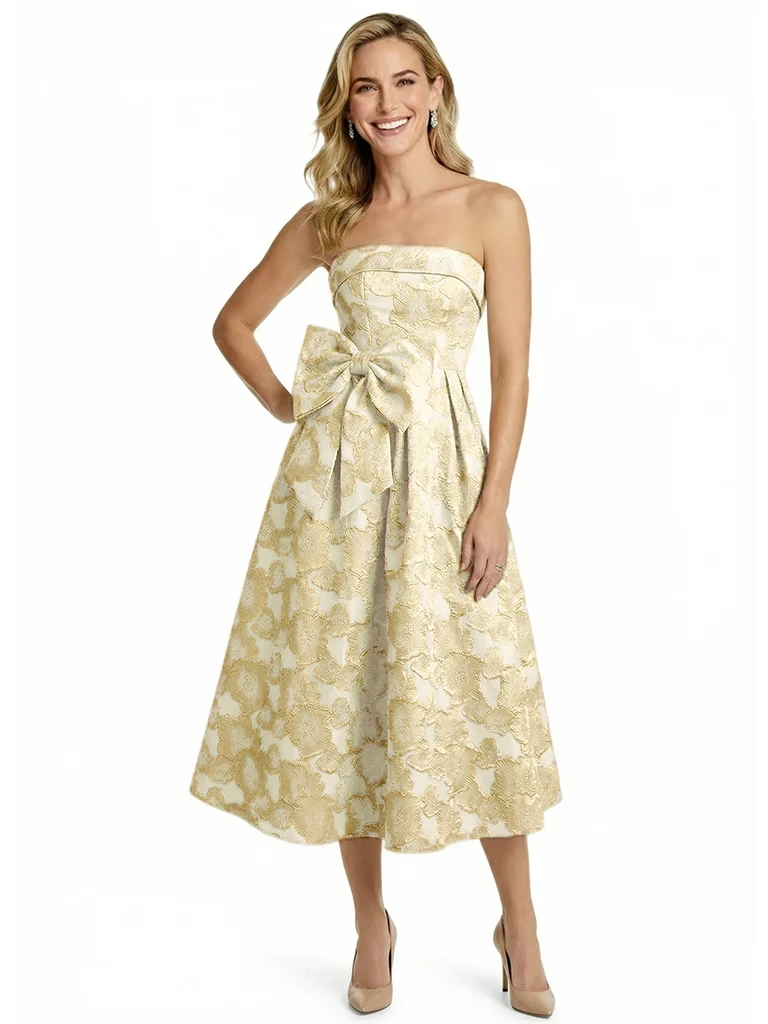 Floral DressesOur Shortlist of Floral Evening Tea Dresses
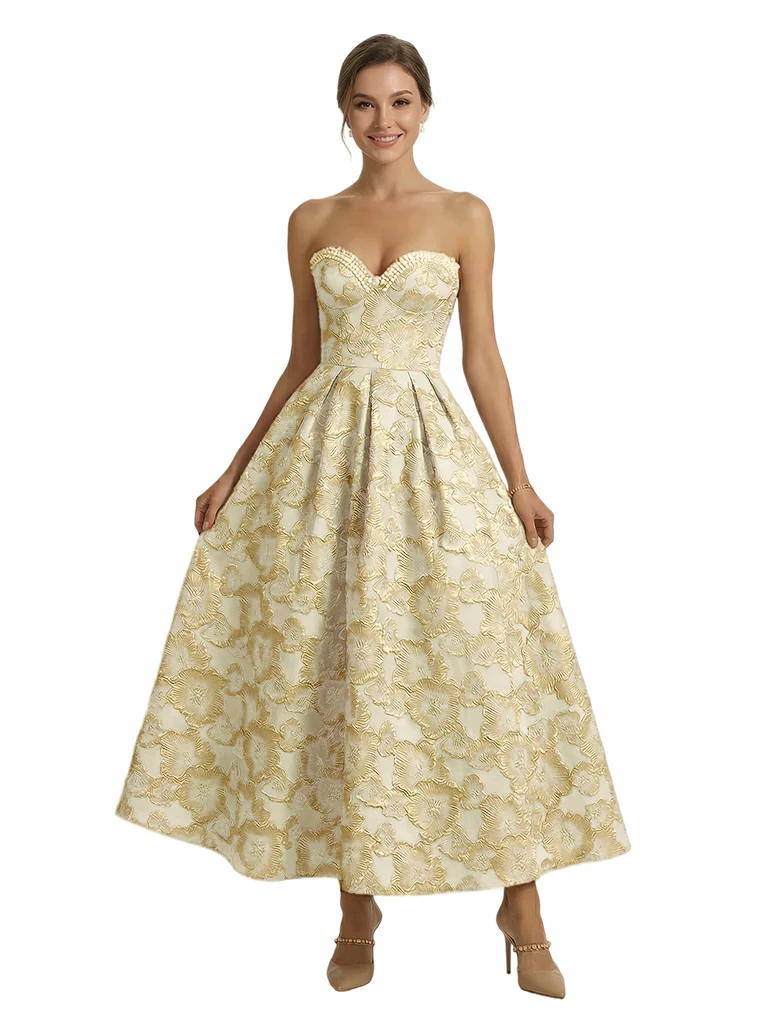
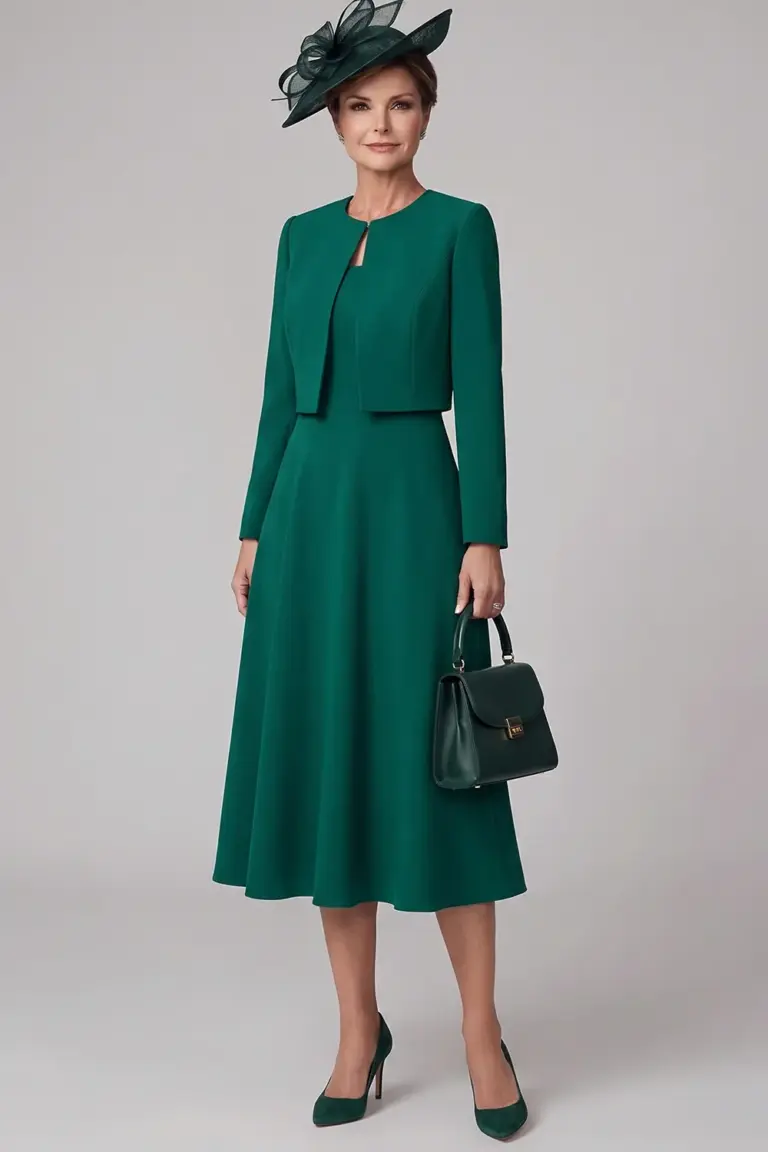 Evening DressesEffortless Evening Tea Dresses We Love
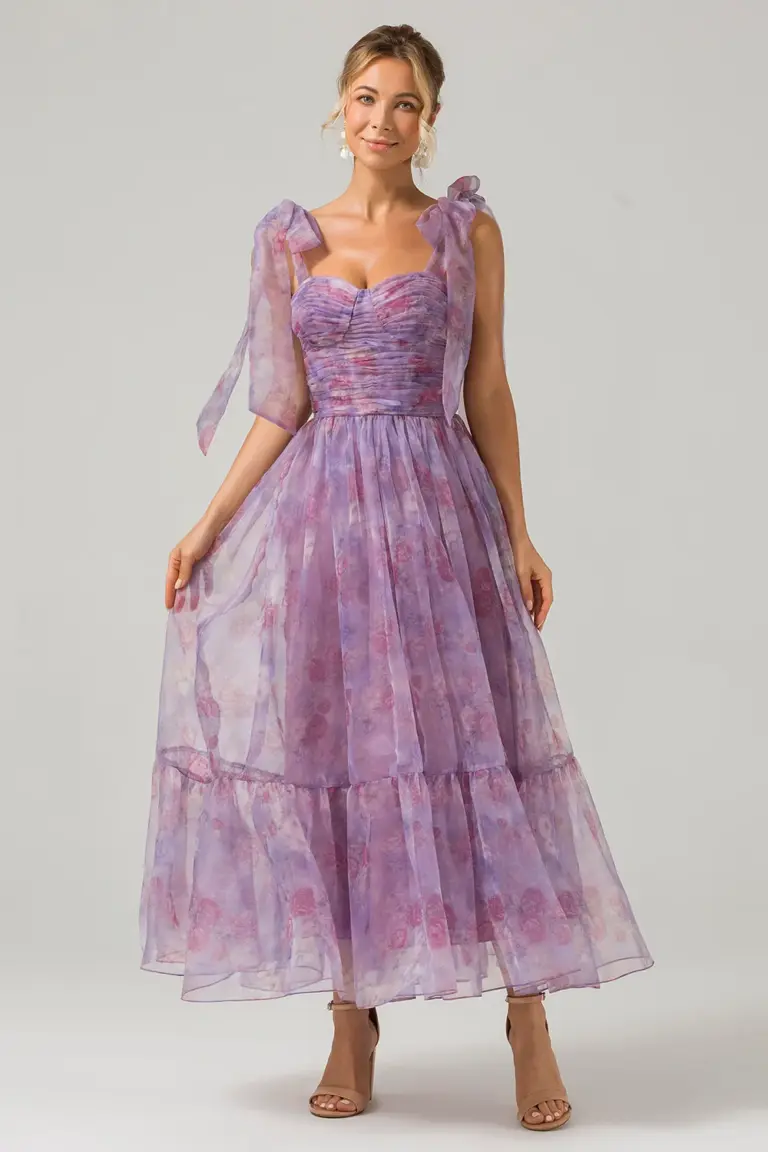
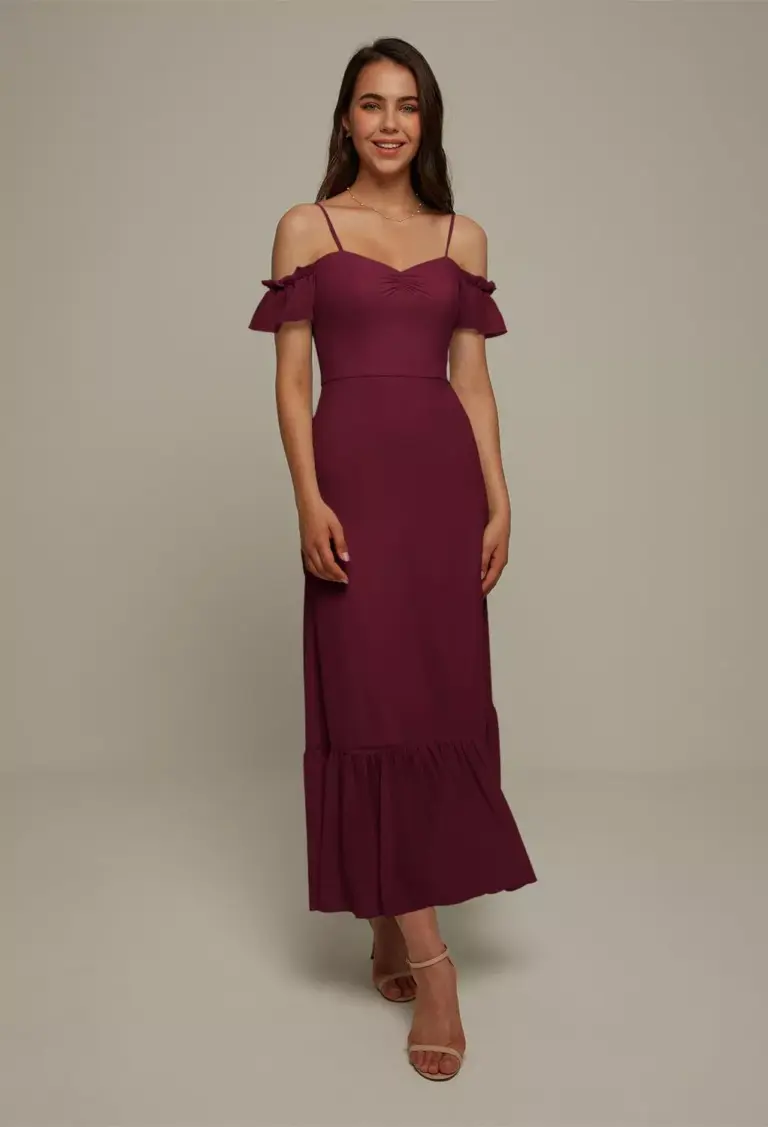 Day Tea Dresses You’ll Want to Live In
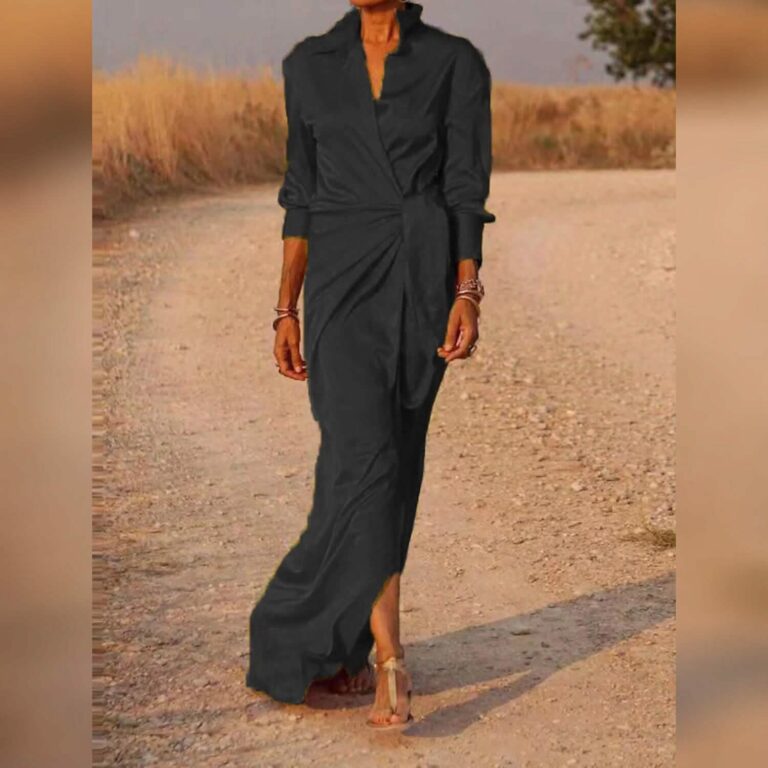
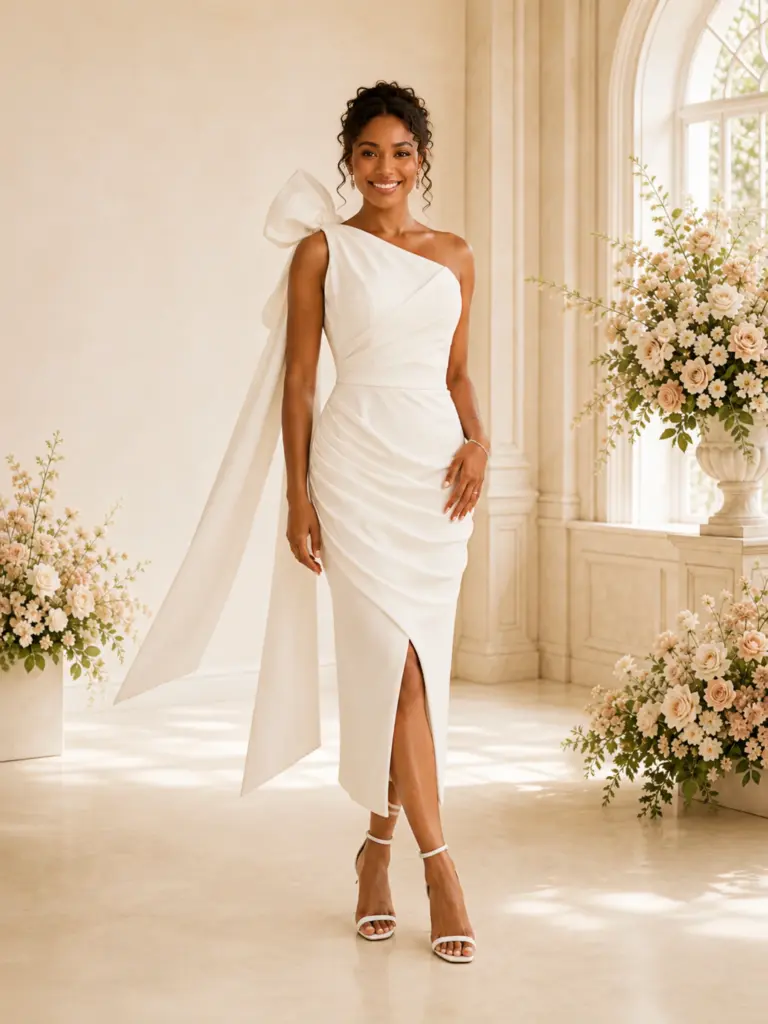 Crepe DressesCrepe Tea Dresses We’d Recommend to a Friend
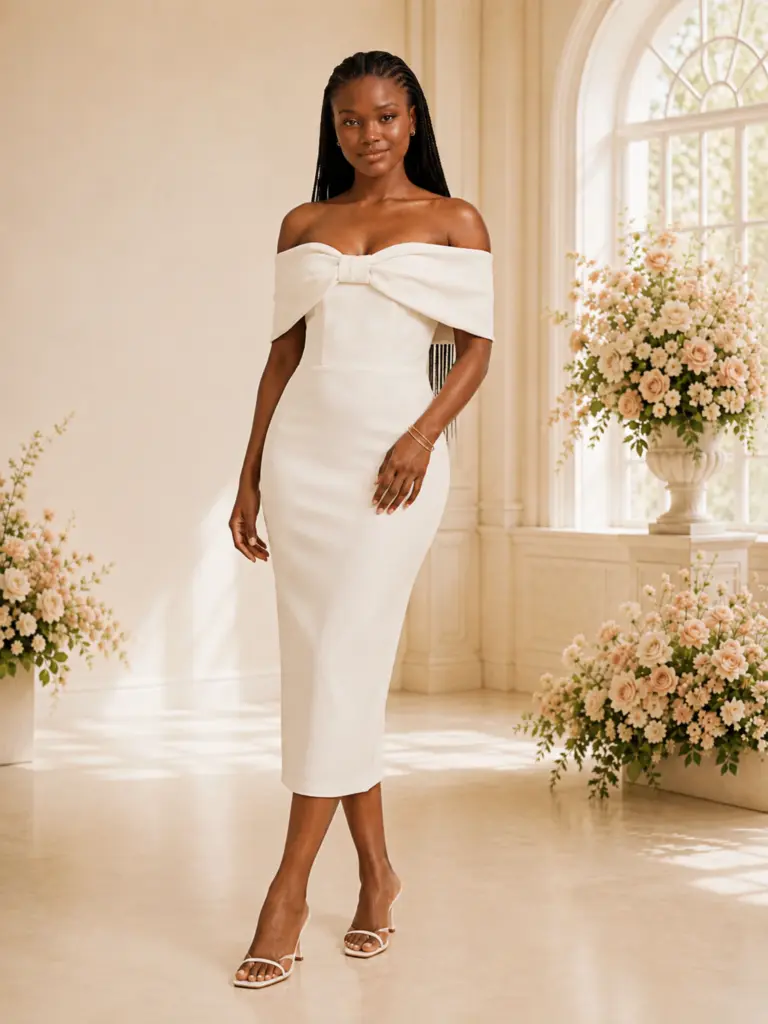
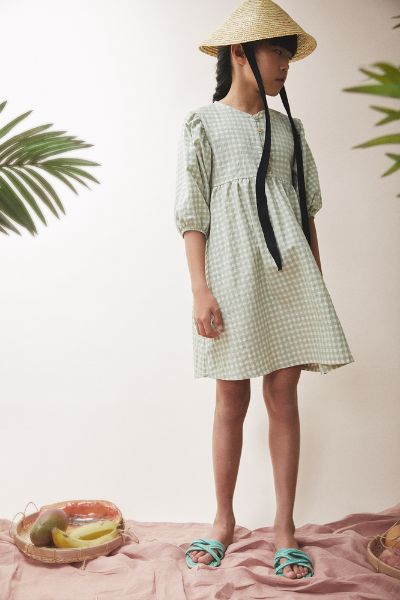 Cotton DressesCotton Tea Dresses You Can Dress Up or Down
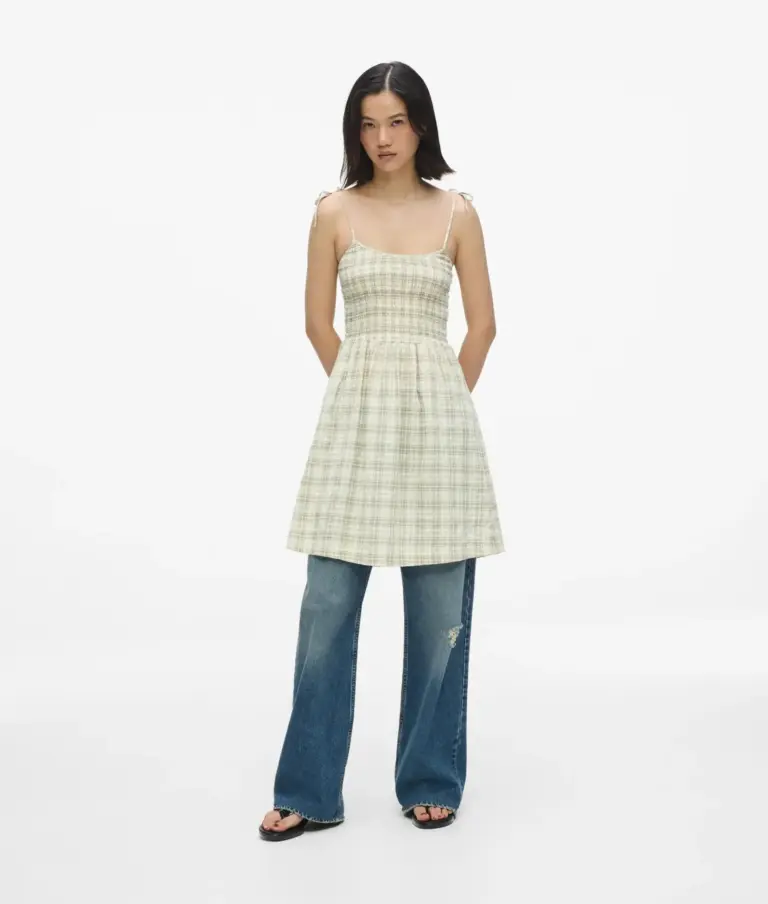
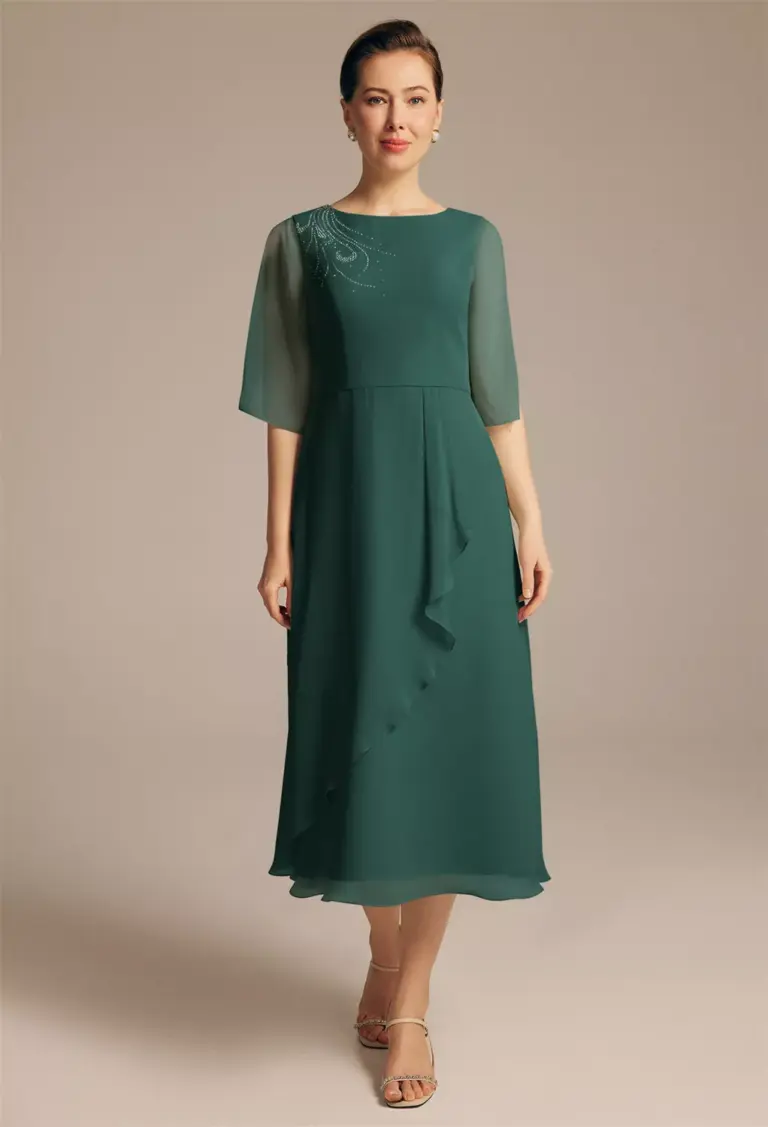 Chiffon DressesChiffon Tea Dresses That Feel Special
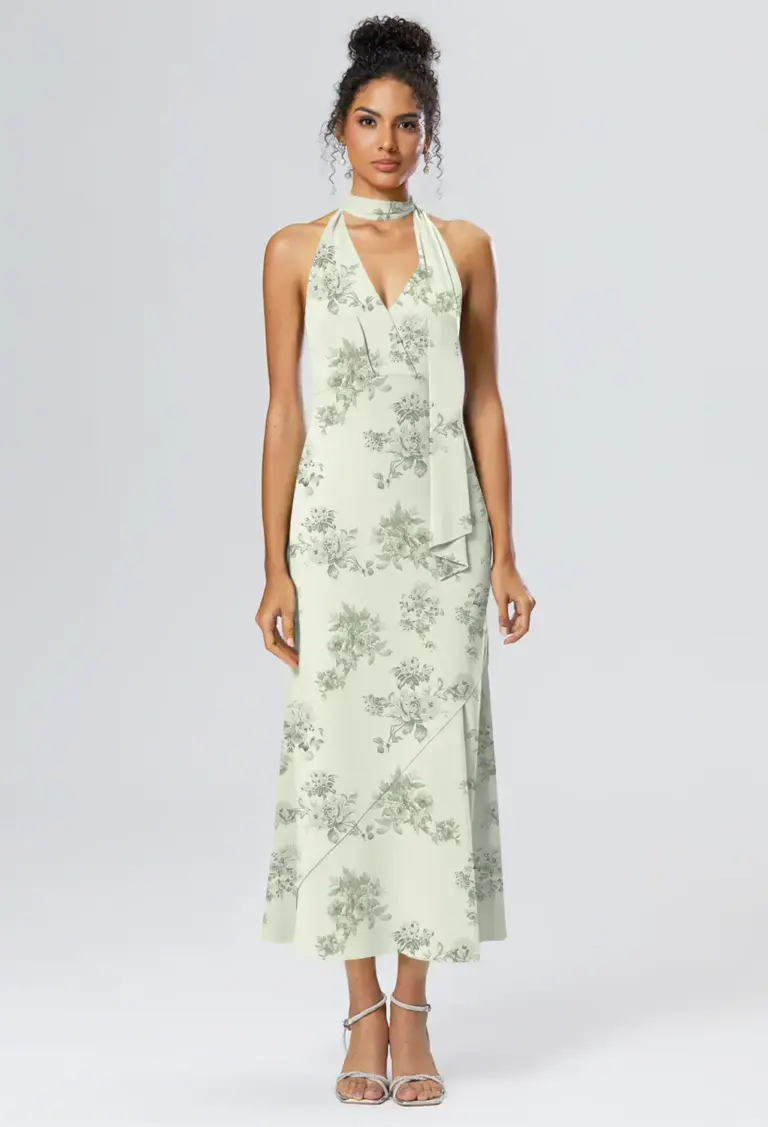
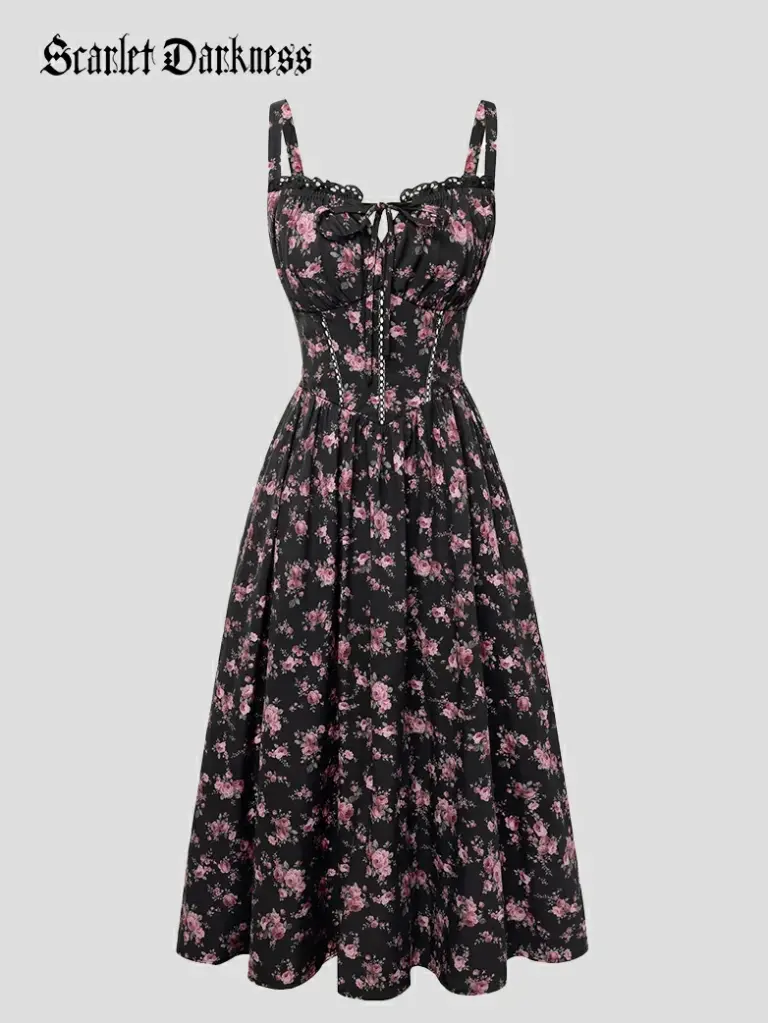 Casual DressesEffortless Casual Tea Dresses We Love