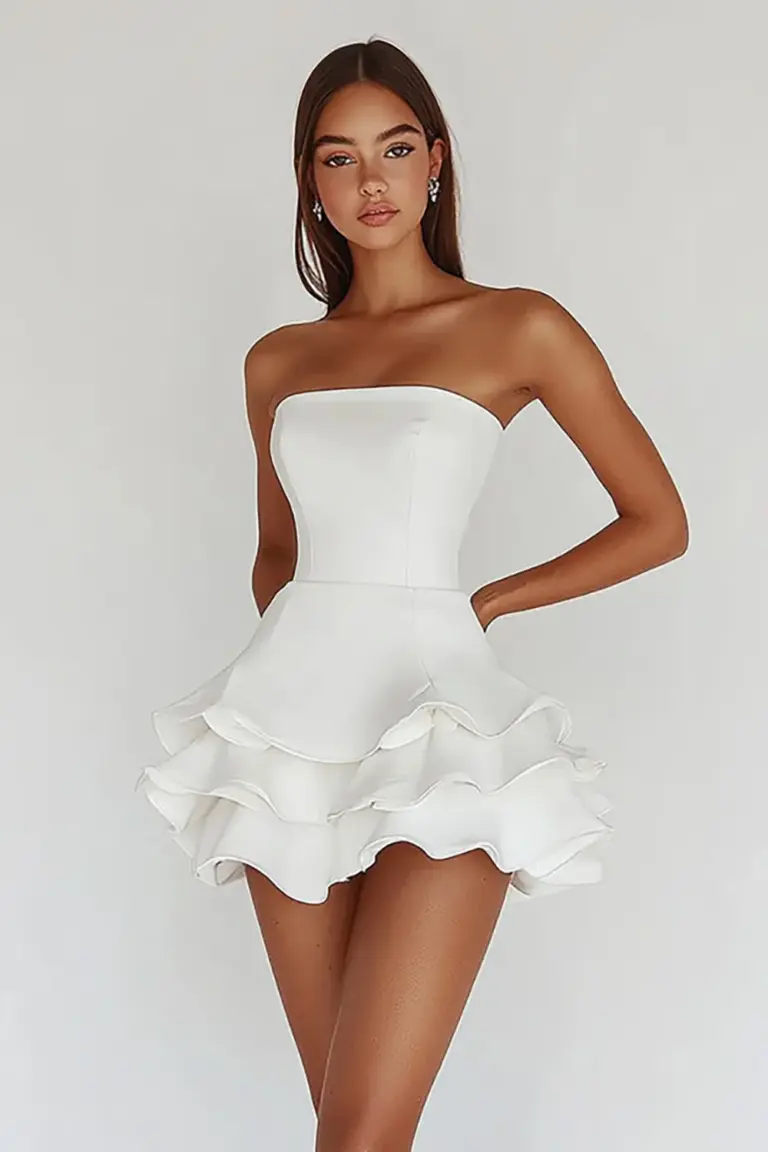
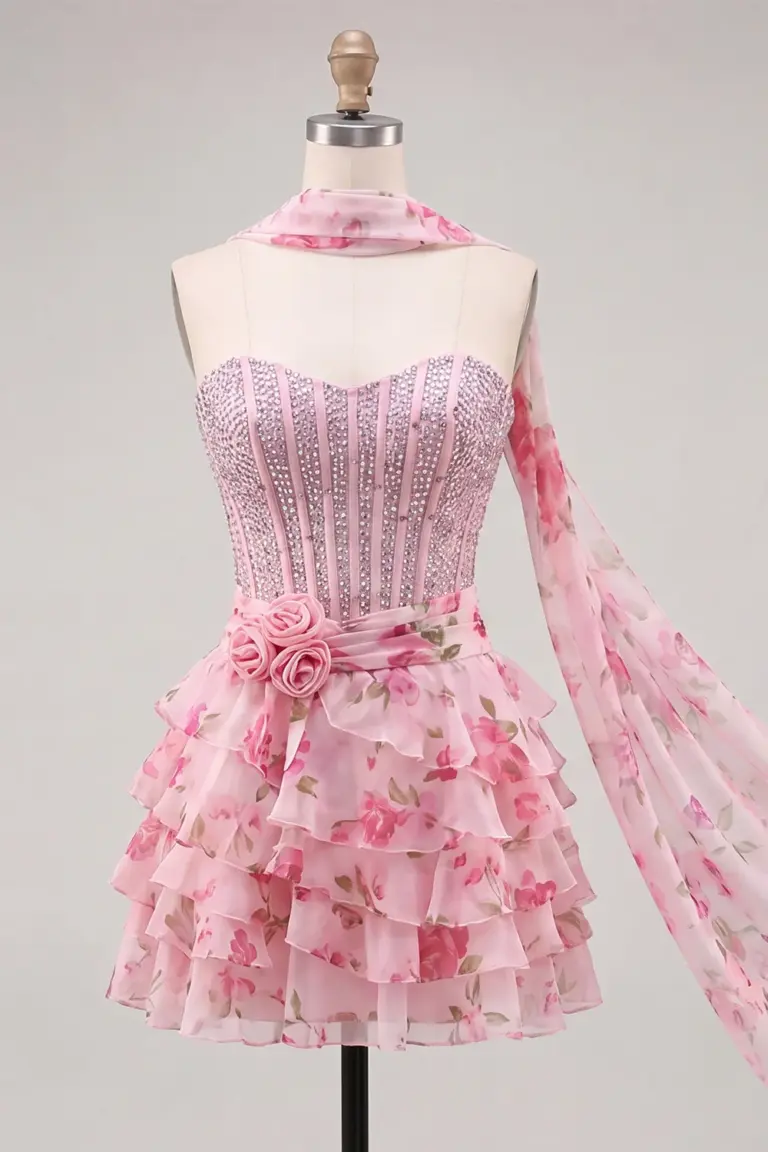
I avoided tiered dresses for years because the one I owned at twenty looked like a lampshade with ambitions, all that volume sitting on my hips like it was planning a separate holiday from the rest of me. What changed is finding one with tiers that actually narrow at the right points instead of just stacking width on width, and realising the shape works brilliantly when the proportions are thought through rather than left to the fabric.
It is still the wrong choice for anything that needs a clean silhouette or sharp lines. Smart meetings, anything with a blazer over the top, anything where you need to look like you've got your life organised rather than breezy and unbothered, the tiers will fight that. It also struggles in proper wind, which is a real consideration if you're anywhere near a coast or an exposed bus stop, because the lower tiers catch air and move in ways you didn't sign up for. Cold months are hard too, since most versions are thin cotton or viscose with nothing underneath to keep the legs warm, so it lives most happily from late spring through early autumn, on days warm enough to go bare legged.
The difference between a good one and a disappointing one is almost always in the tier construction. Cheap versions gather the fabric with a single line of stitching that puckers and eventually gives way at the seam, usually around the second wash. A well made one has proper flat felled or overlocked seams between tiers, enough fabric weight that it skims rather than clings, and a hem on each layer that's been finished rather than just cut and left to fray. Check the waist too, elastic that's been covered in a fabric casing lasts far longer than bare elastic stitched straight to the seam, which tends to roll and go slack within a season.
Fit is less about your usual dress size and more about where the first tier sits, because that's what decides whether the whole thing skims or balloons. If it hits right at the widest part of your hip, you'll get extra volume exactly where you don't want it, so look for one where the first seam sits above or well below that point. Length matters more than you'd expect too, since a tiered dress that's slightly too long drags the eye down and makes the layers look heavier than they are, while one that hits mid calf on most heights tends to flatter nearly everyone.
These soften with age in a good way. The fabric loses its slight stiffness after a few washes, the tiers start to move more naturally against each other, and a dress that felt a bit boxy new ends up with proper movement by its second summer, right up until the hem finally starts to go, which is usually the first sign it's done.
Keep going with gray dresses.
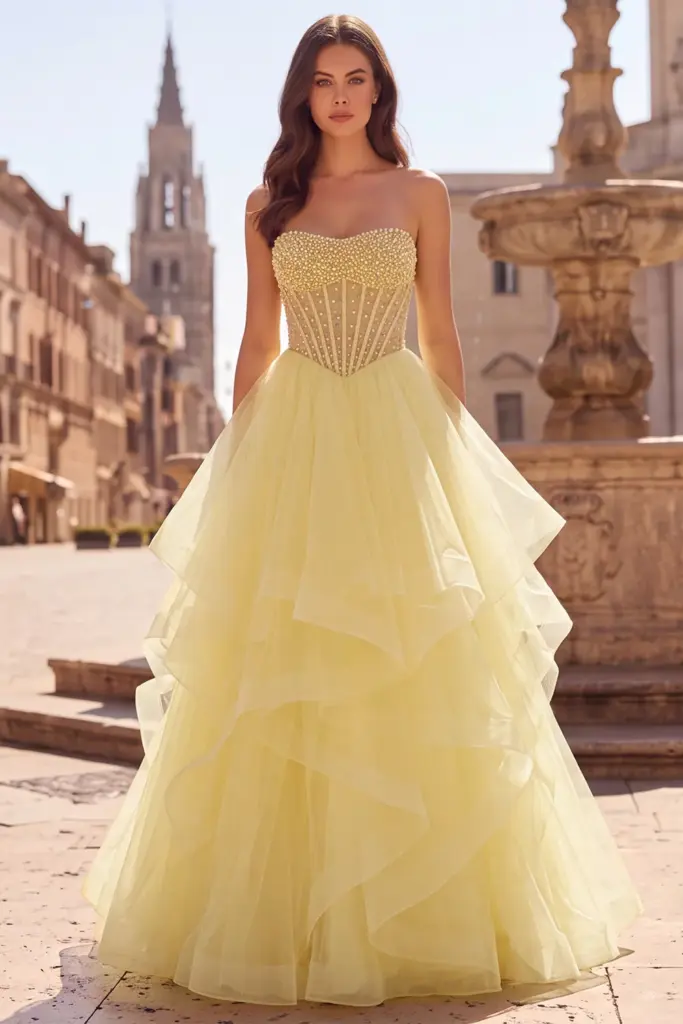 Yellow DressesYellow Tiered Dresses You’ll Want to Live In
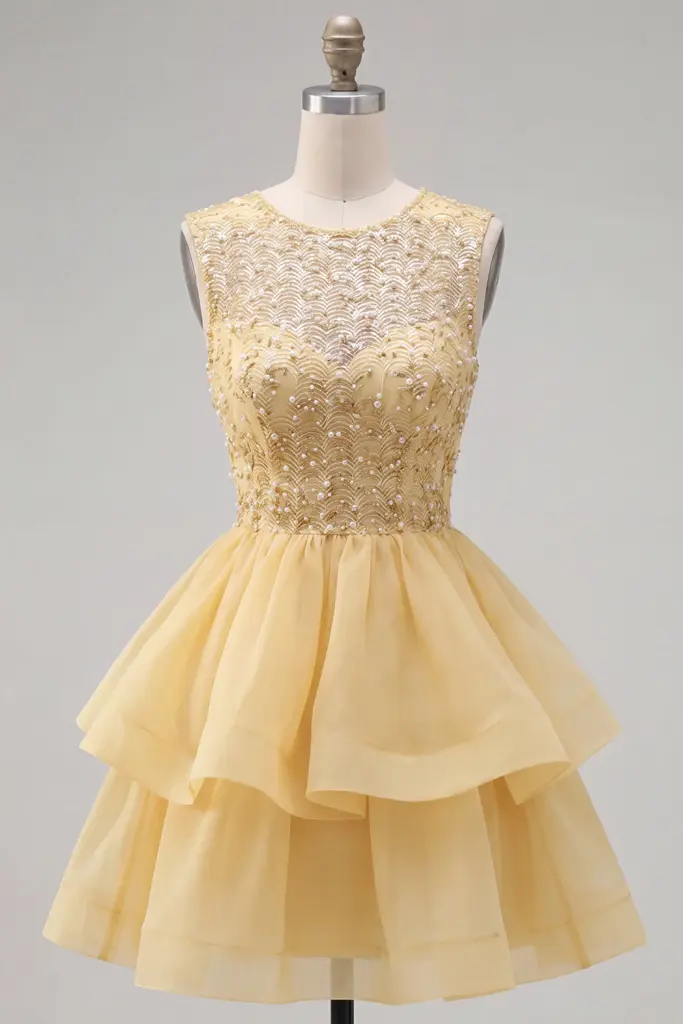
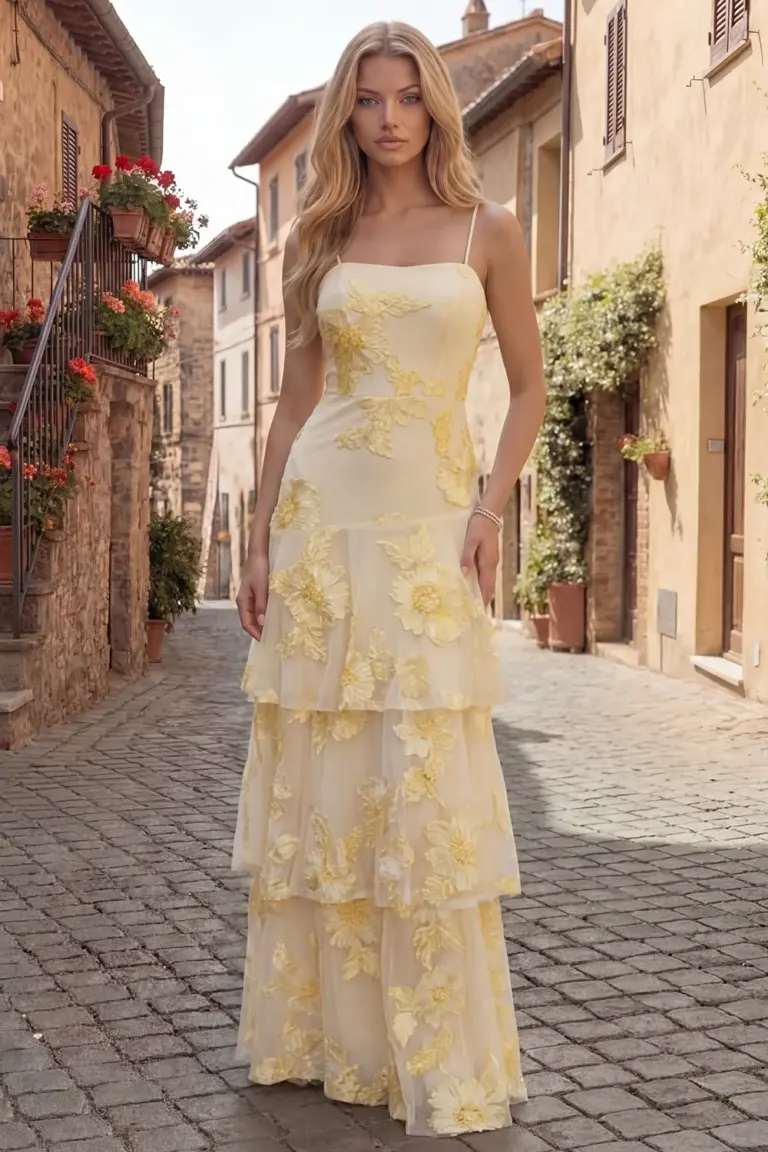 Yellow DressesYellow Tiered Floral Dresses You Can Dress Up or Down
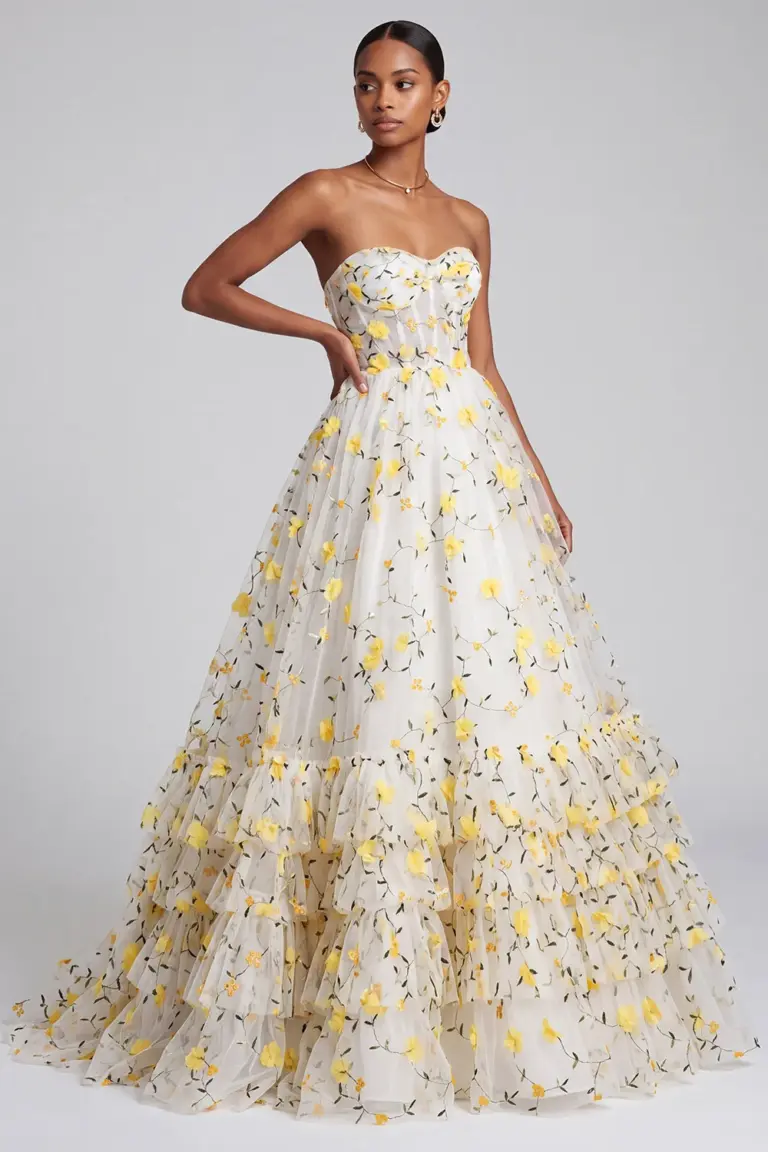
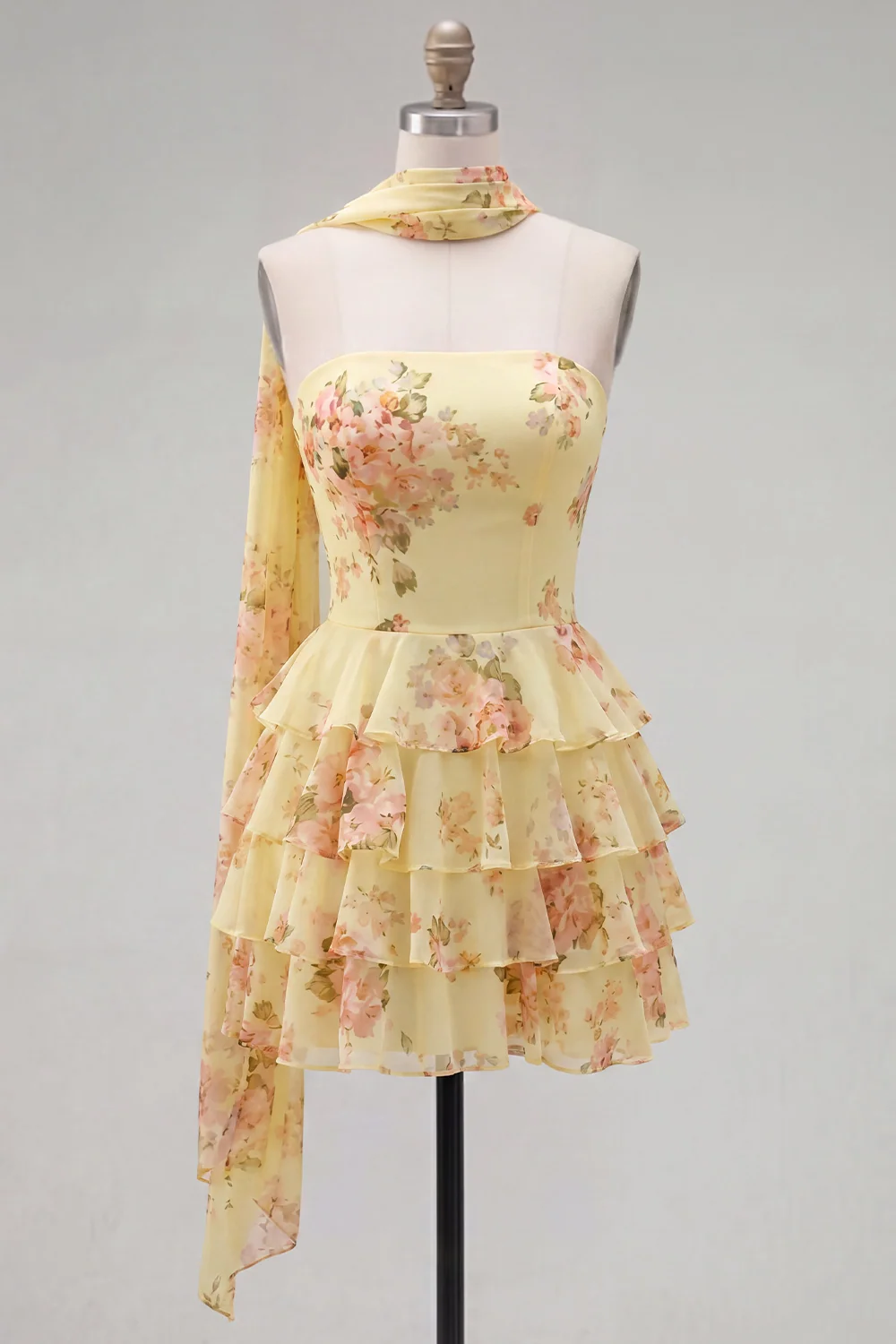 Yellow DressesShop the Edit: Yellow Floral Tiered Dresses
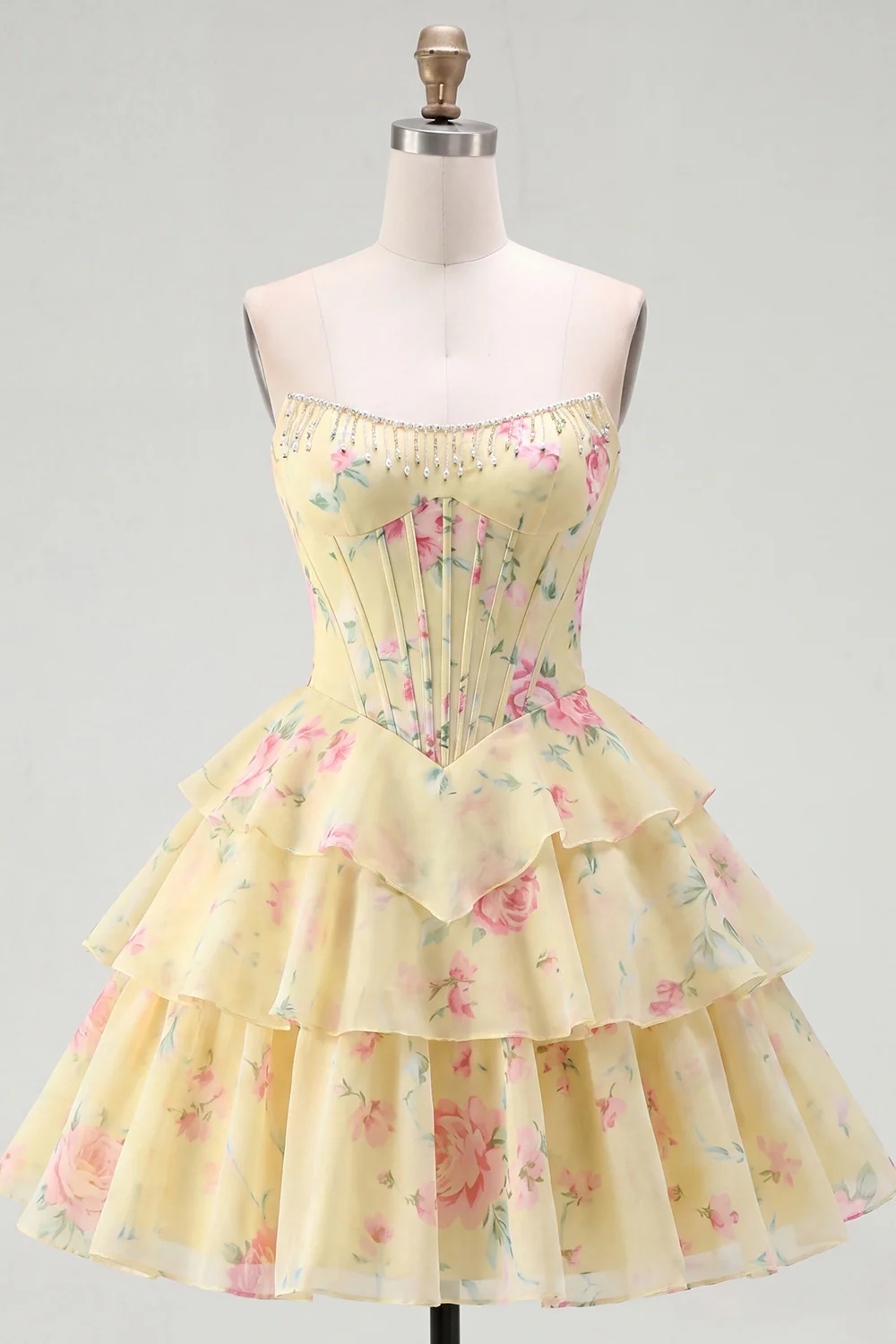
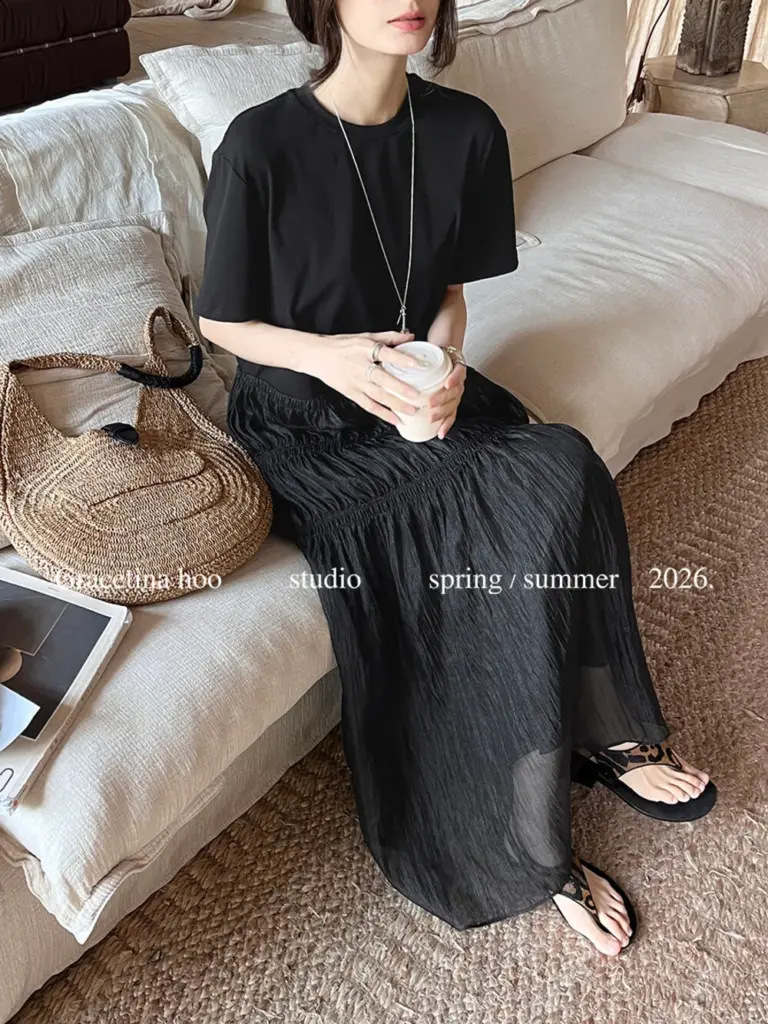 White DressesWhite Tiered Maxi Dresses That Flatter Without Trying
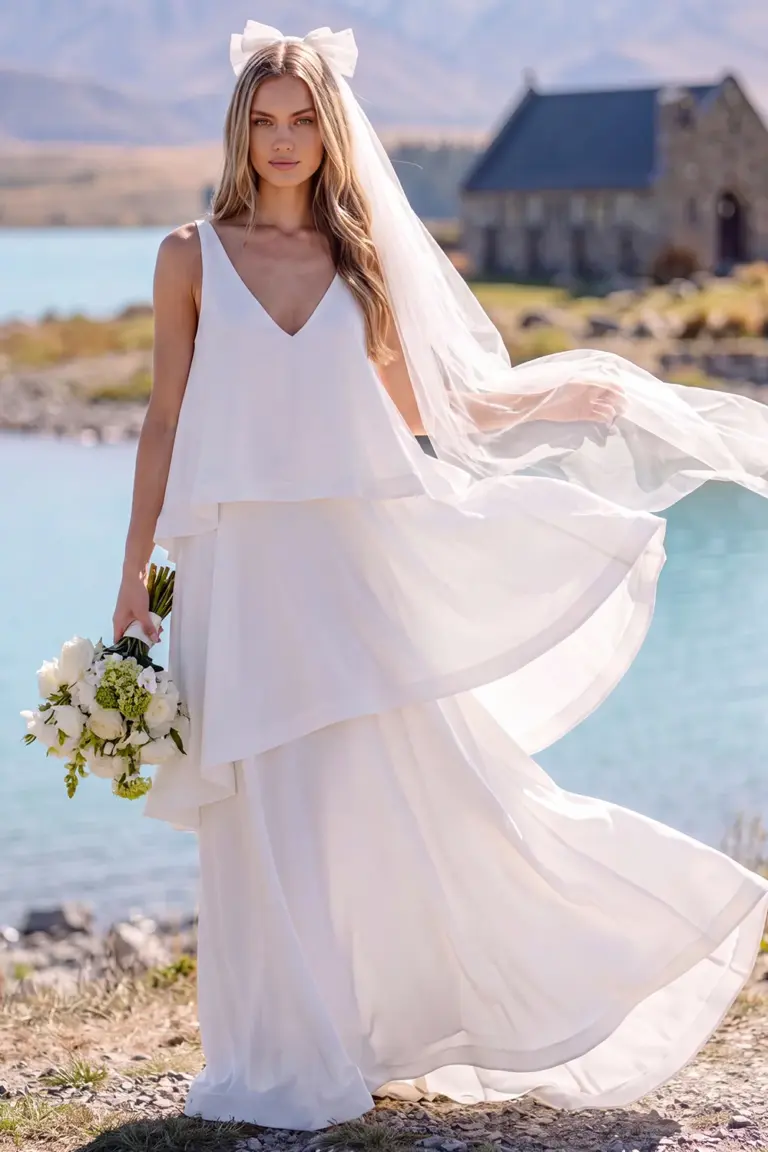
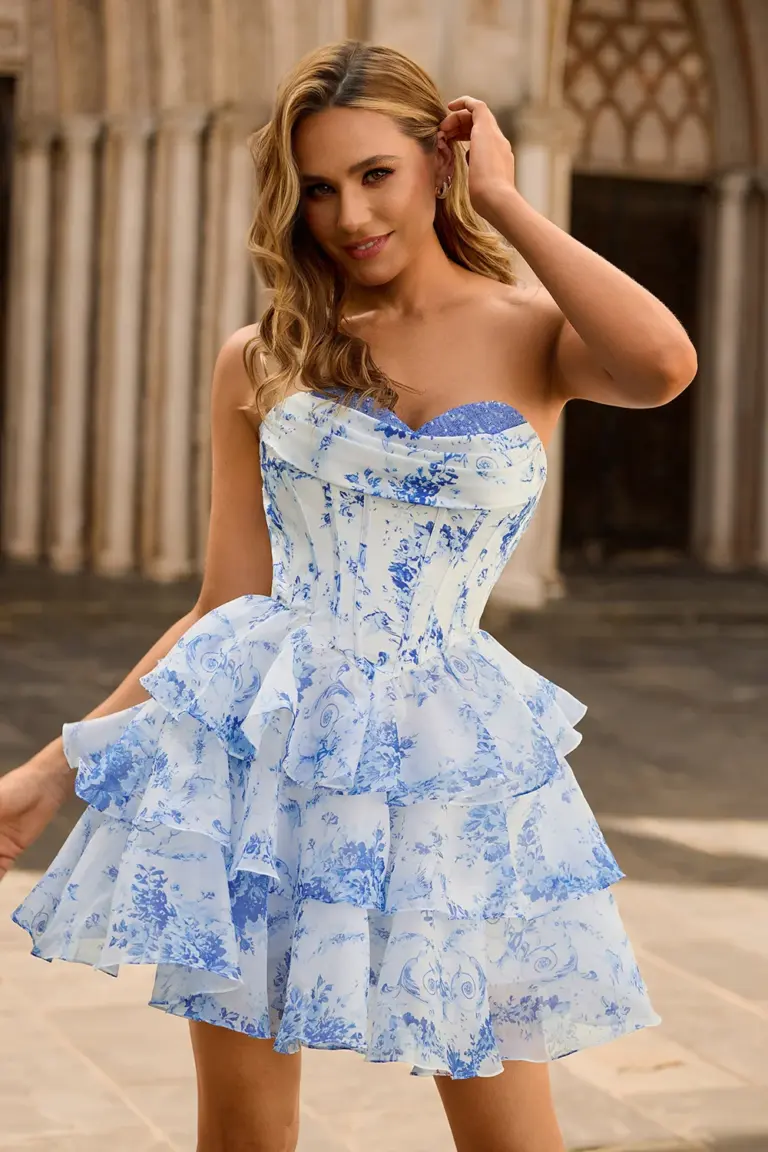 White DressesWhite Tiered Mini Dresses That Tick Every Box
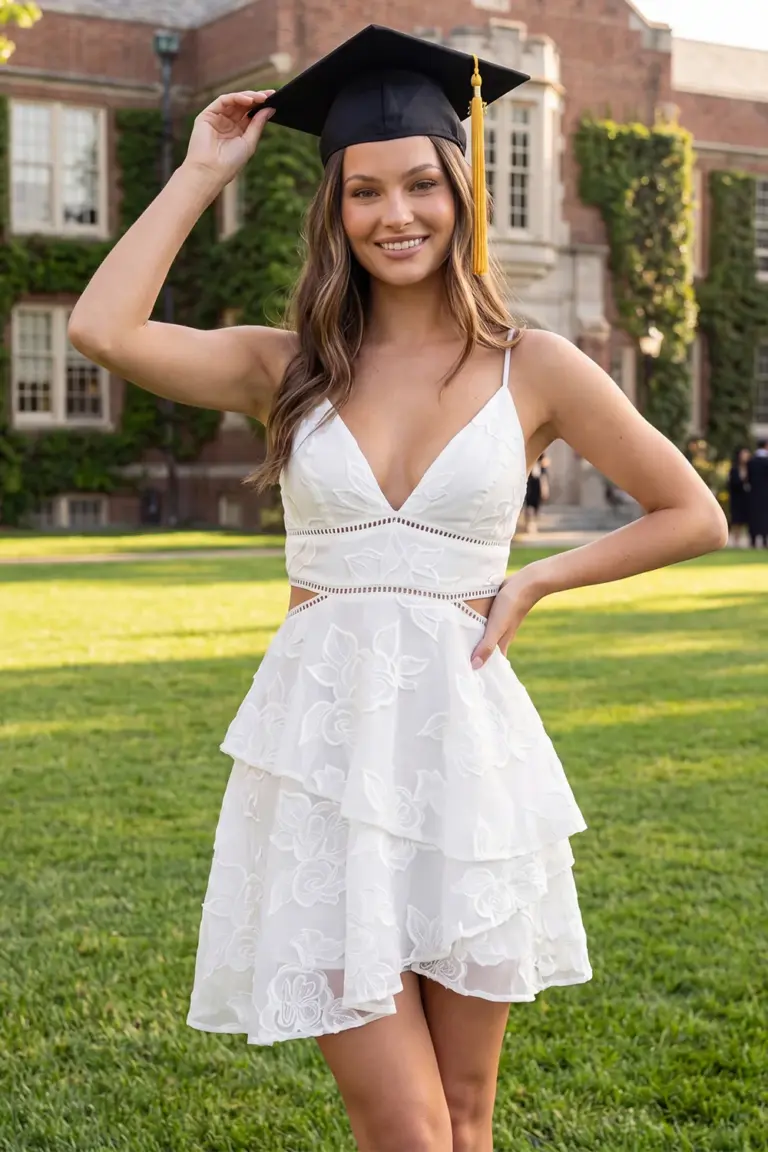
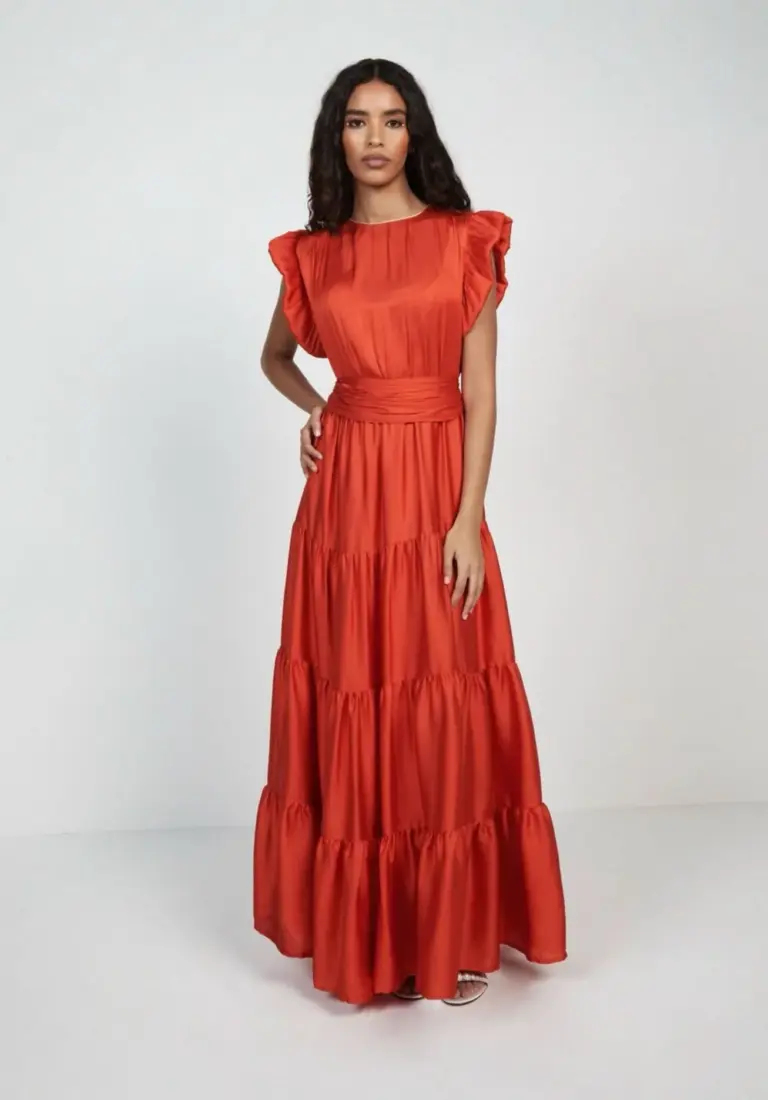 White DressesWhite Tiered Summer Dresses That Always Get Compliments
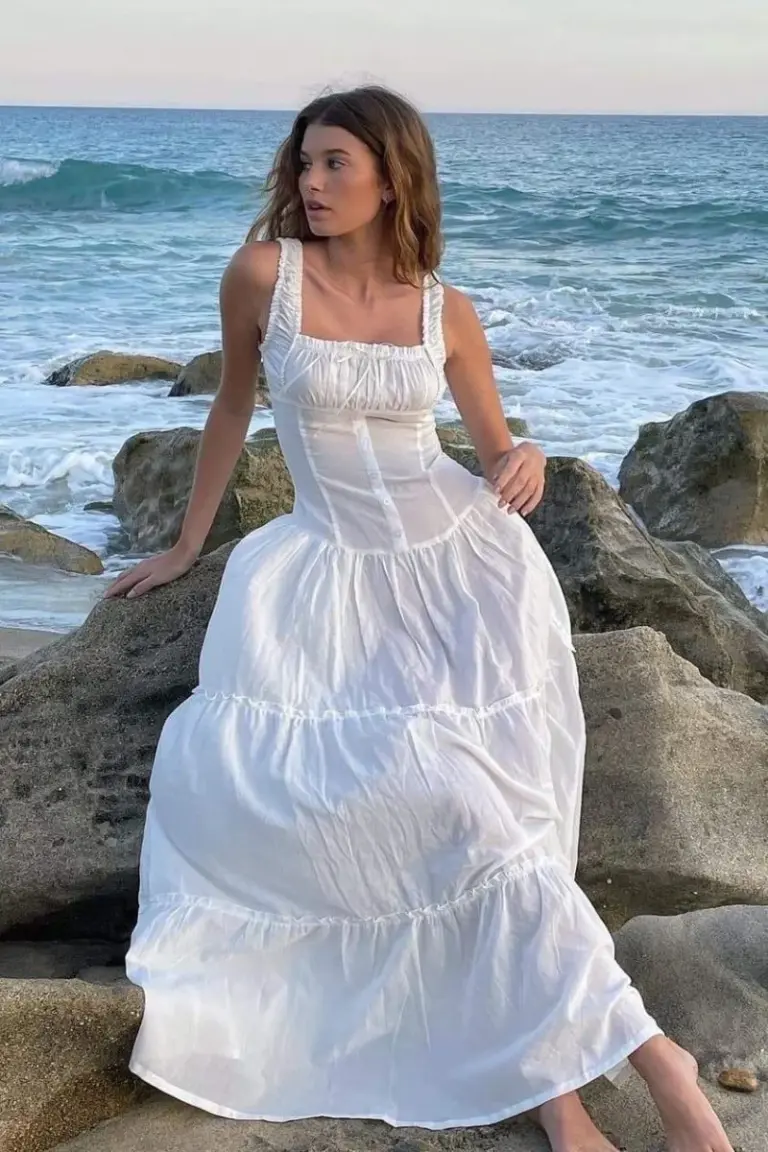
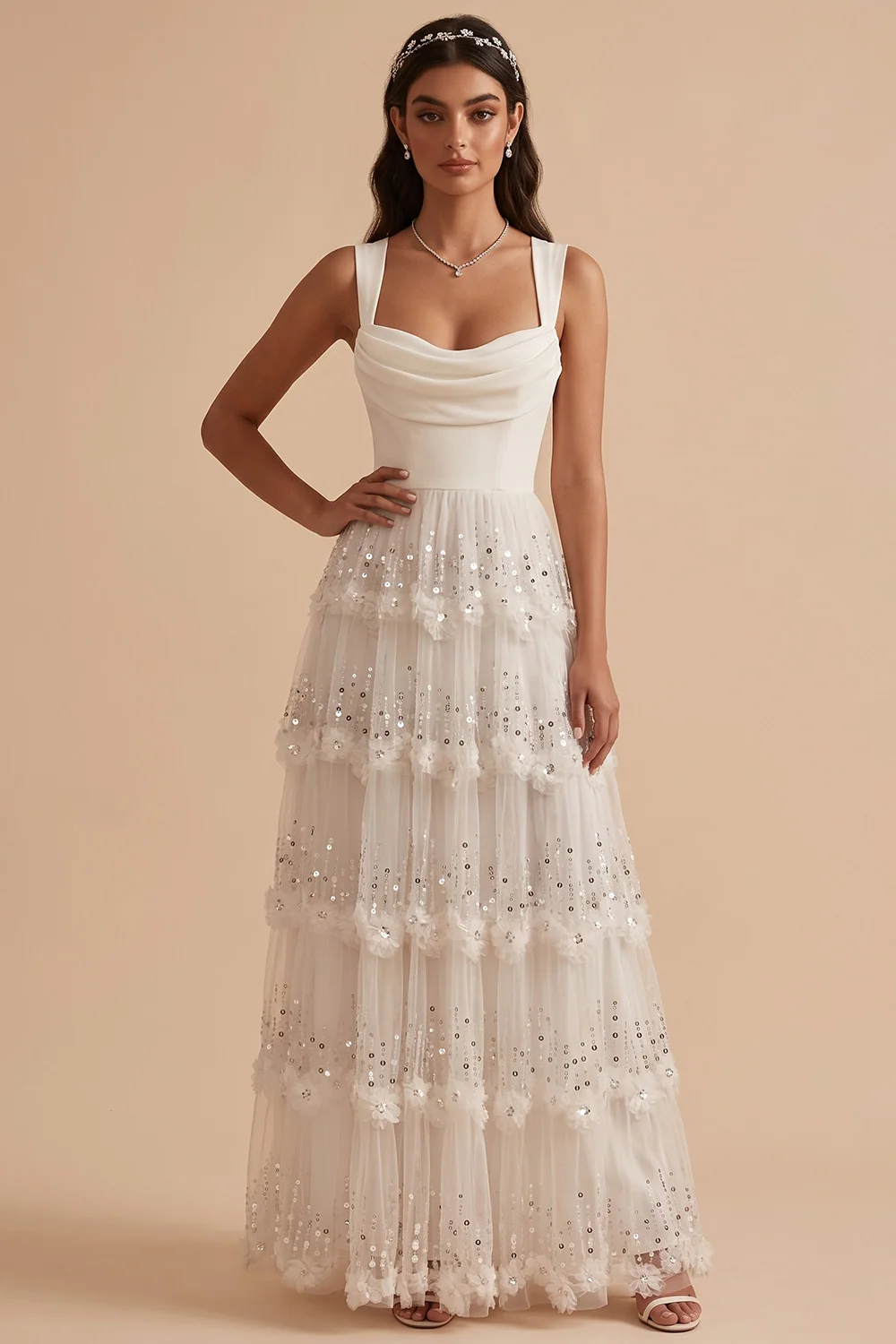 White DressesThe Best Looking White Tiered A Line Dresses Out There
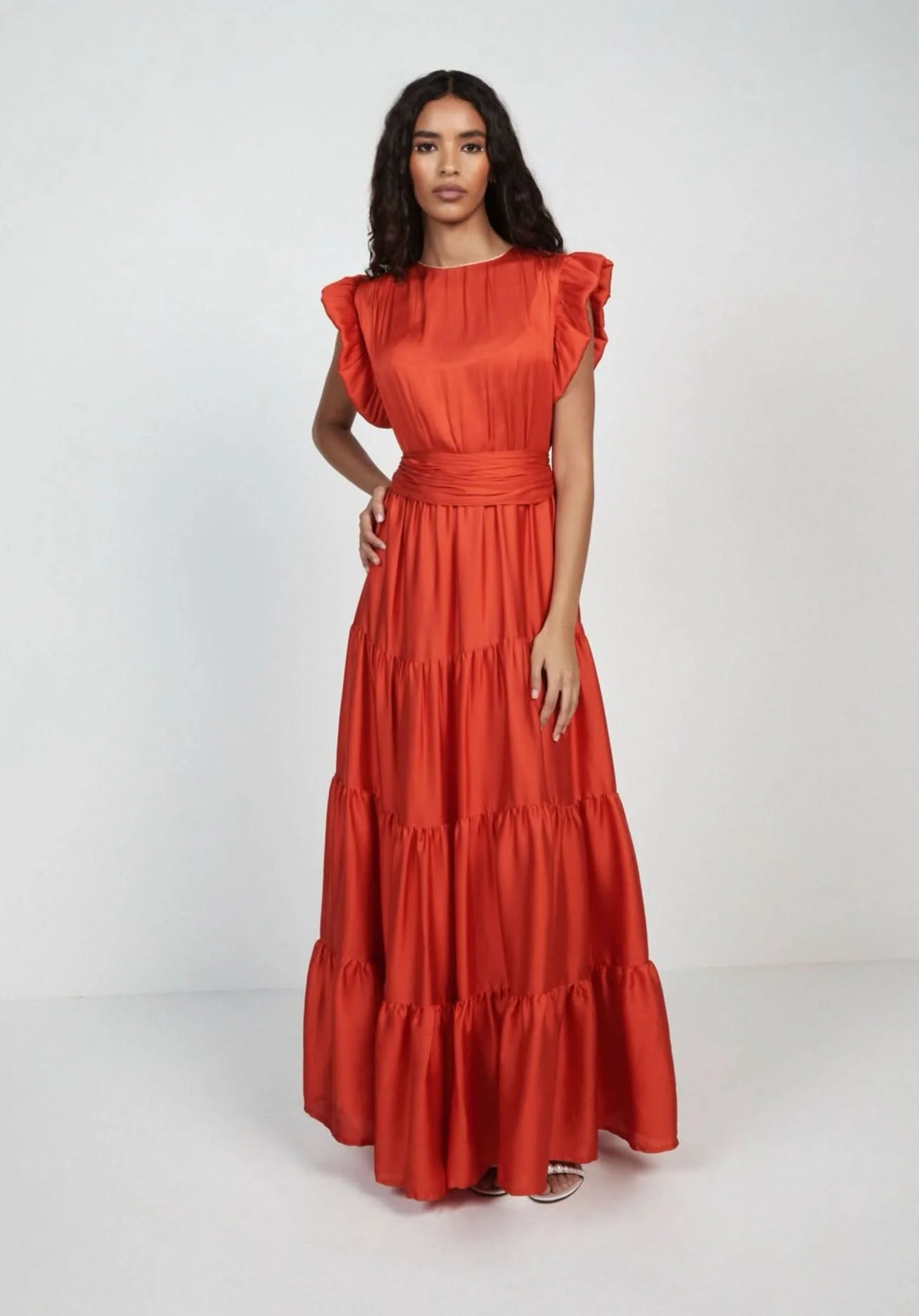
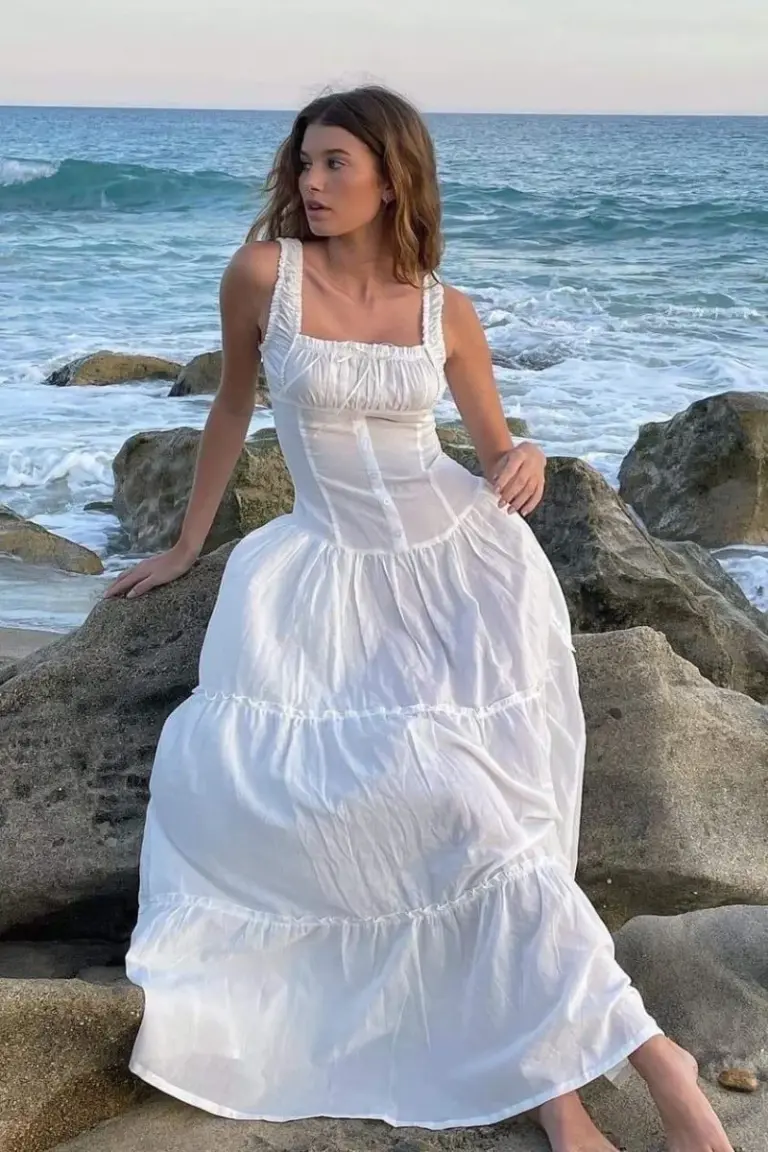 White DressesWhite Tiered Dresses: Our Honest Shortlist
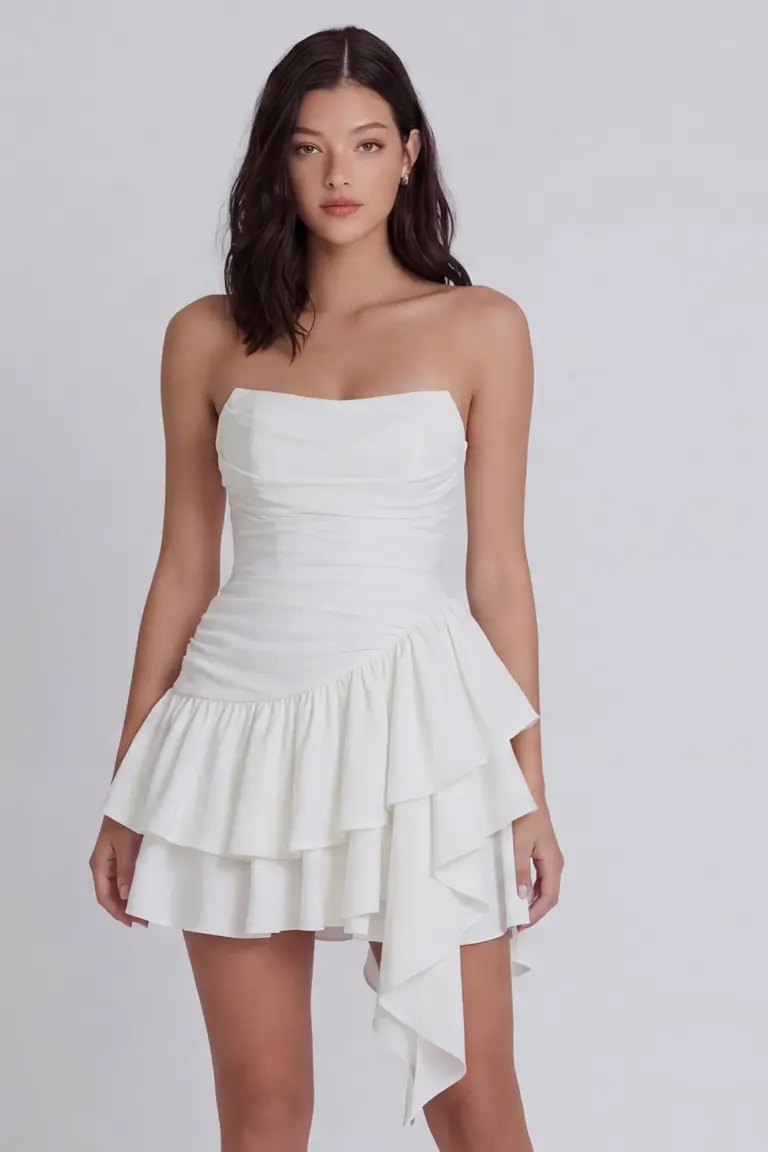
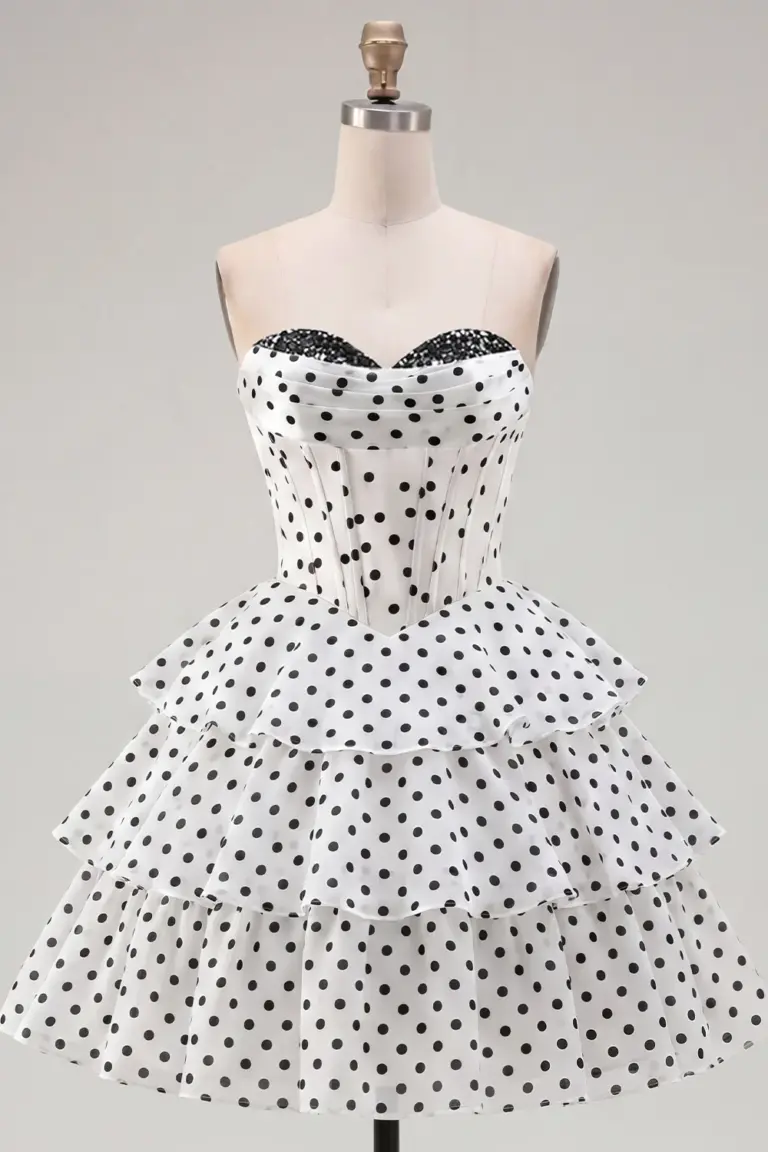 White DressesShop Our Favorite White Tiered Evening DressesAlso worth a lookMidi DressesThe moment a midi dress properly clicked for me was a wedding in October, cold enough for tights,…See the collections →
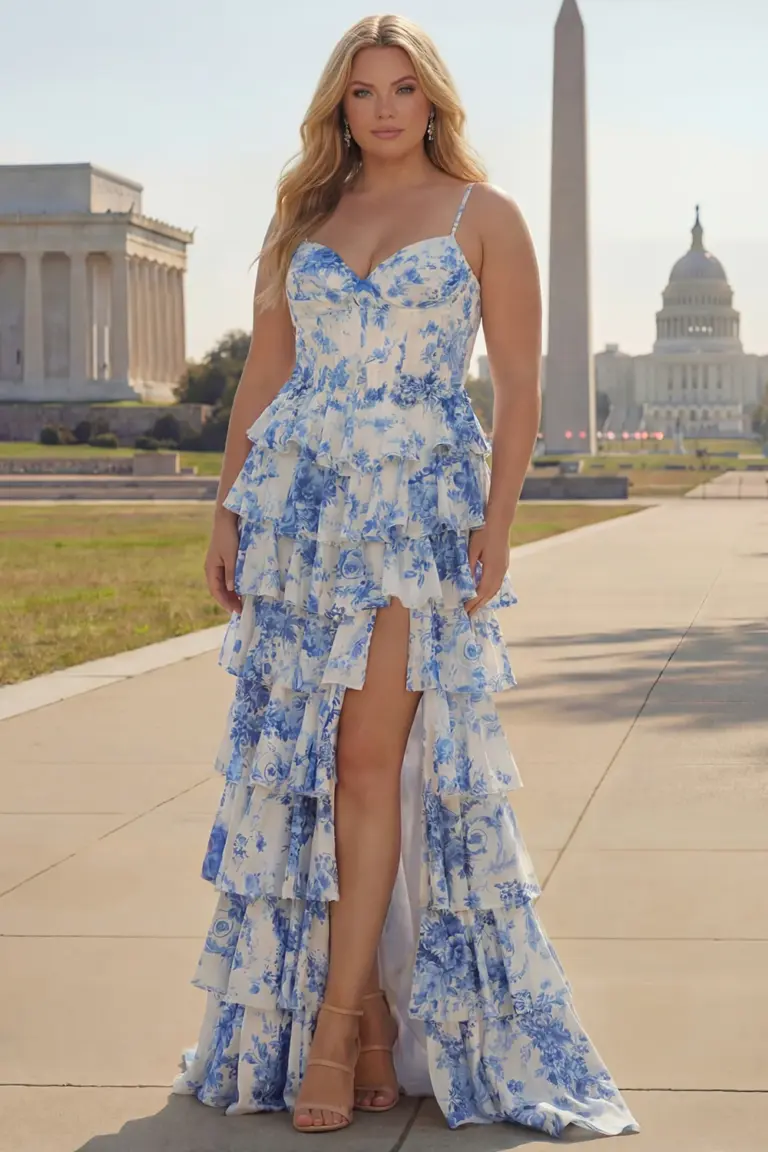
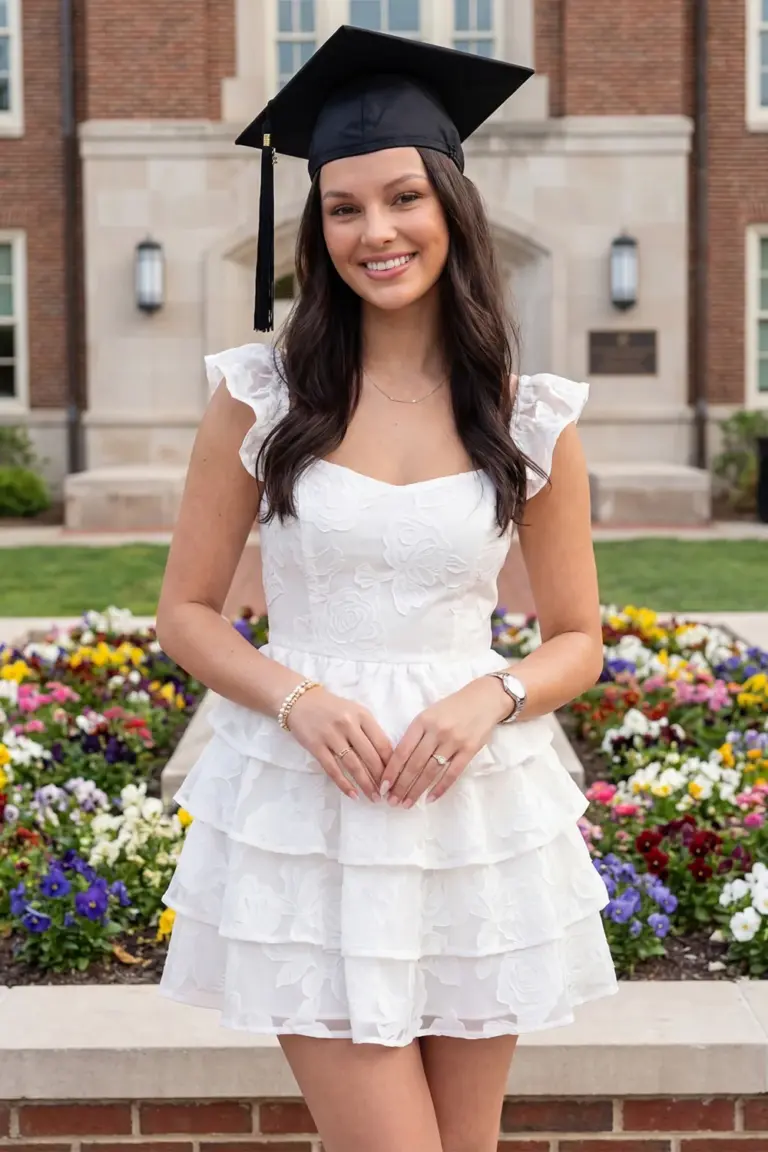 White DressesWhite Tiered Floral Dresses: Picks We Stand By
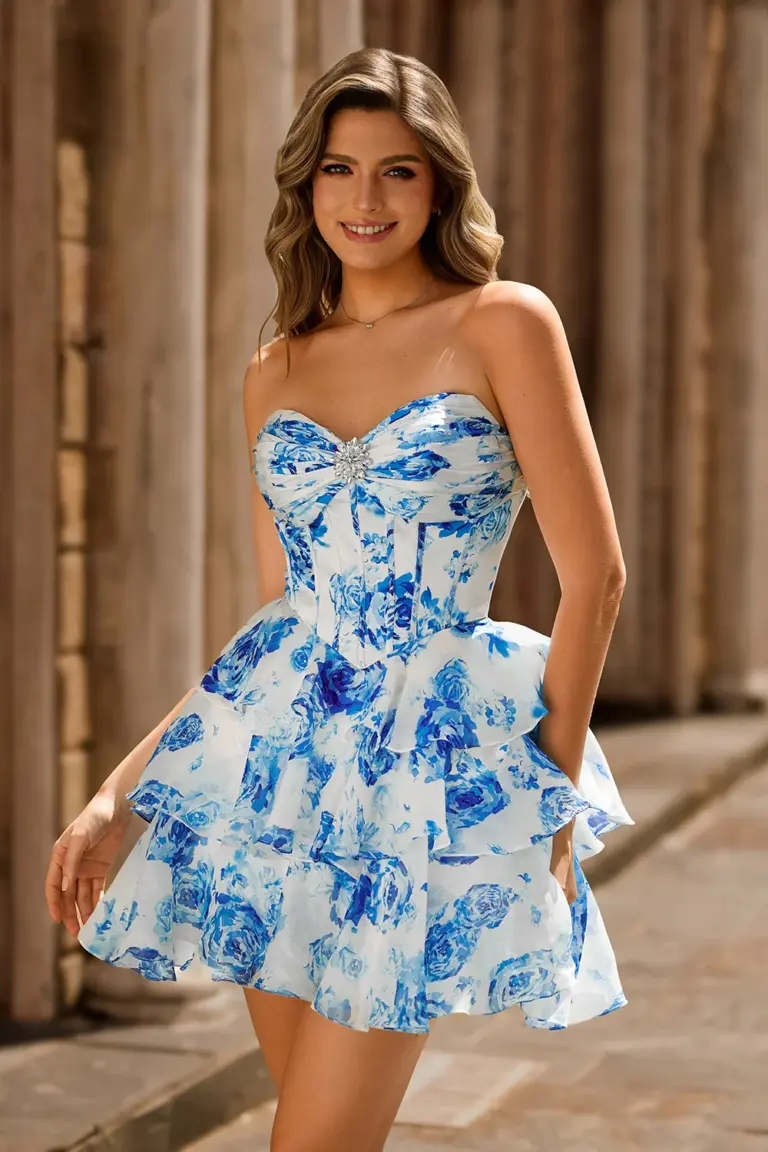
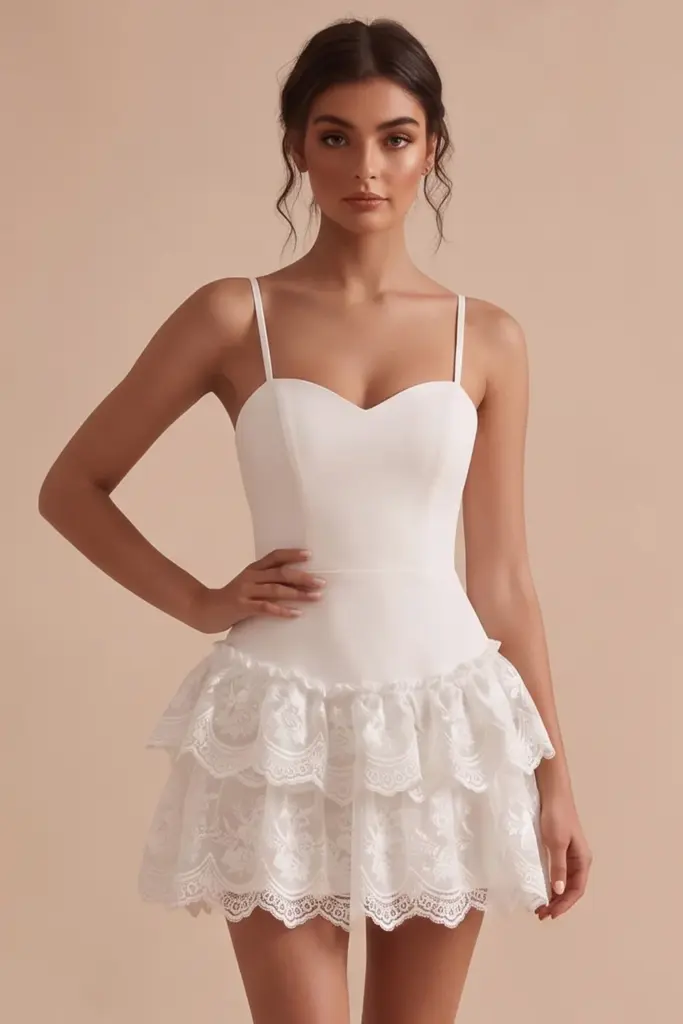 White DressesThe White Tiered Lace Dresses We’re Eyeing Up This Season
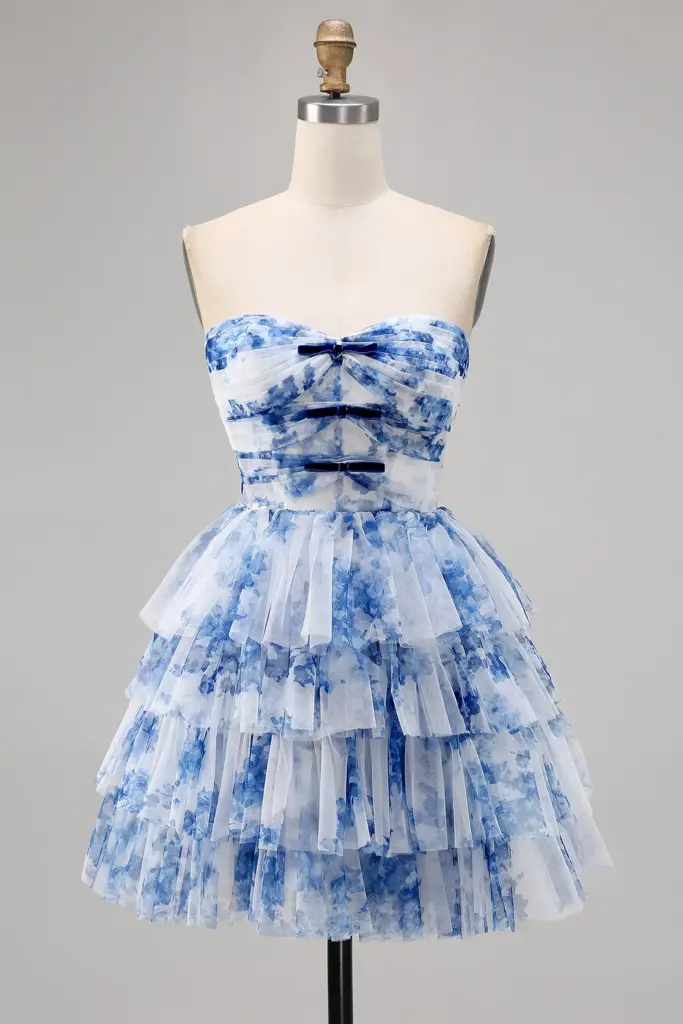
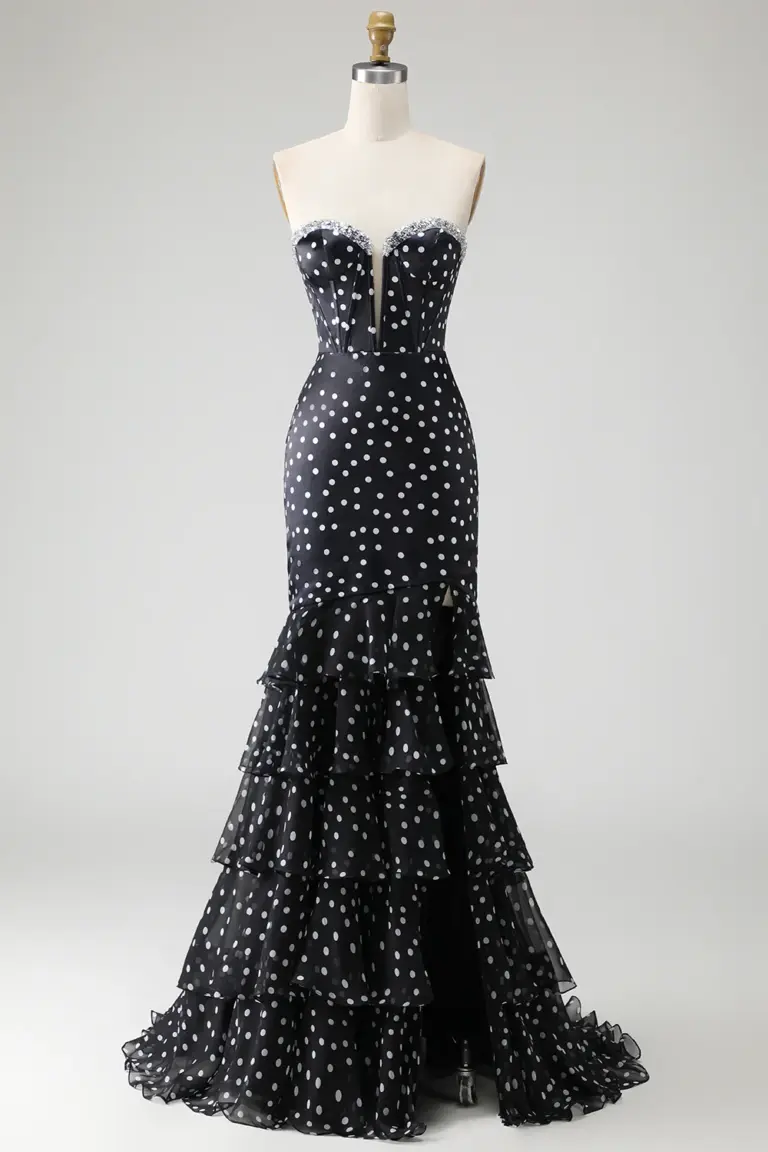 Ruffle DressesWhite Ruffle Tiered Dresses We’d Recommend to a Friend
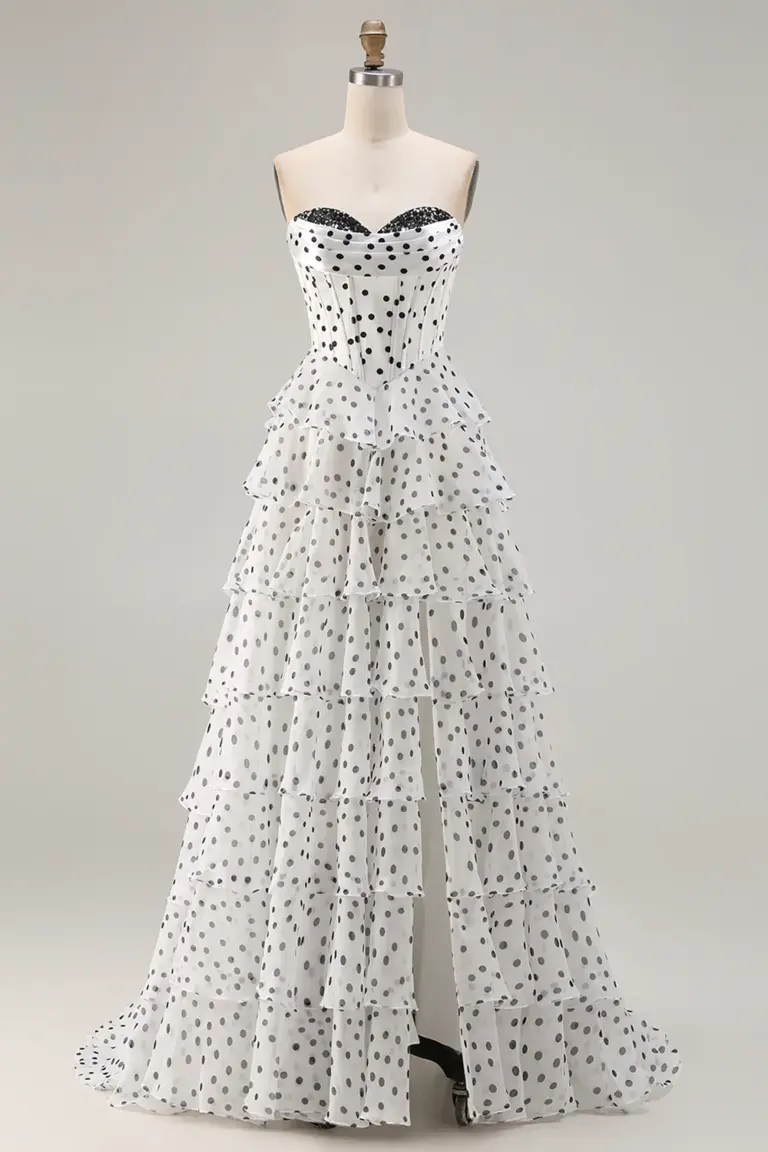
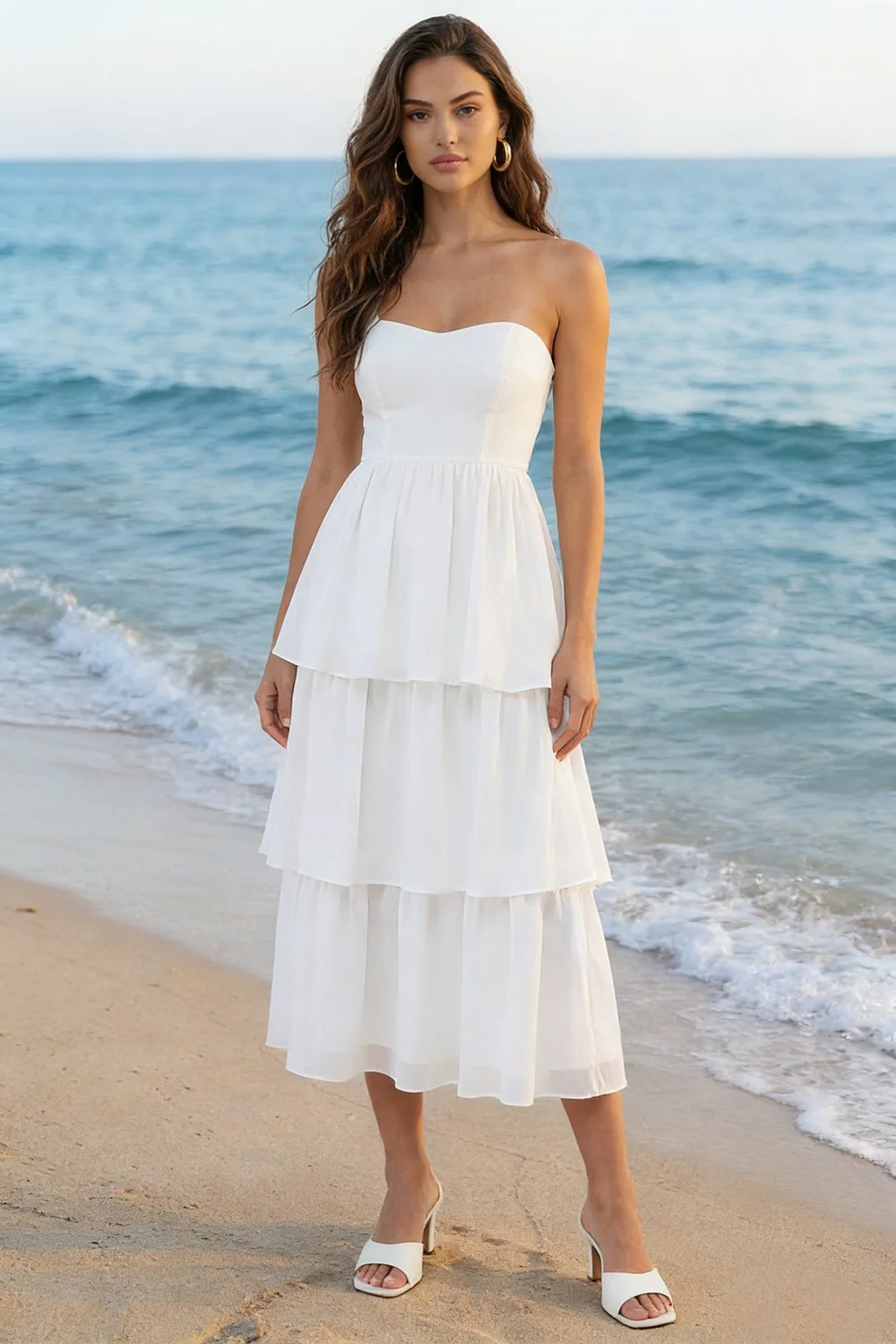 Occasion DressesShop Our Favorite White Occasion Tiered Dresses
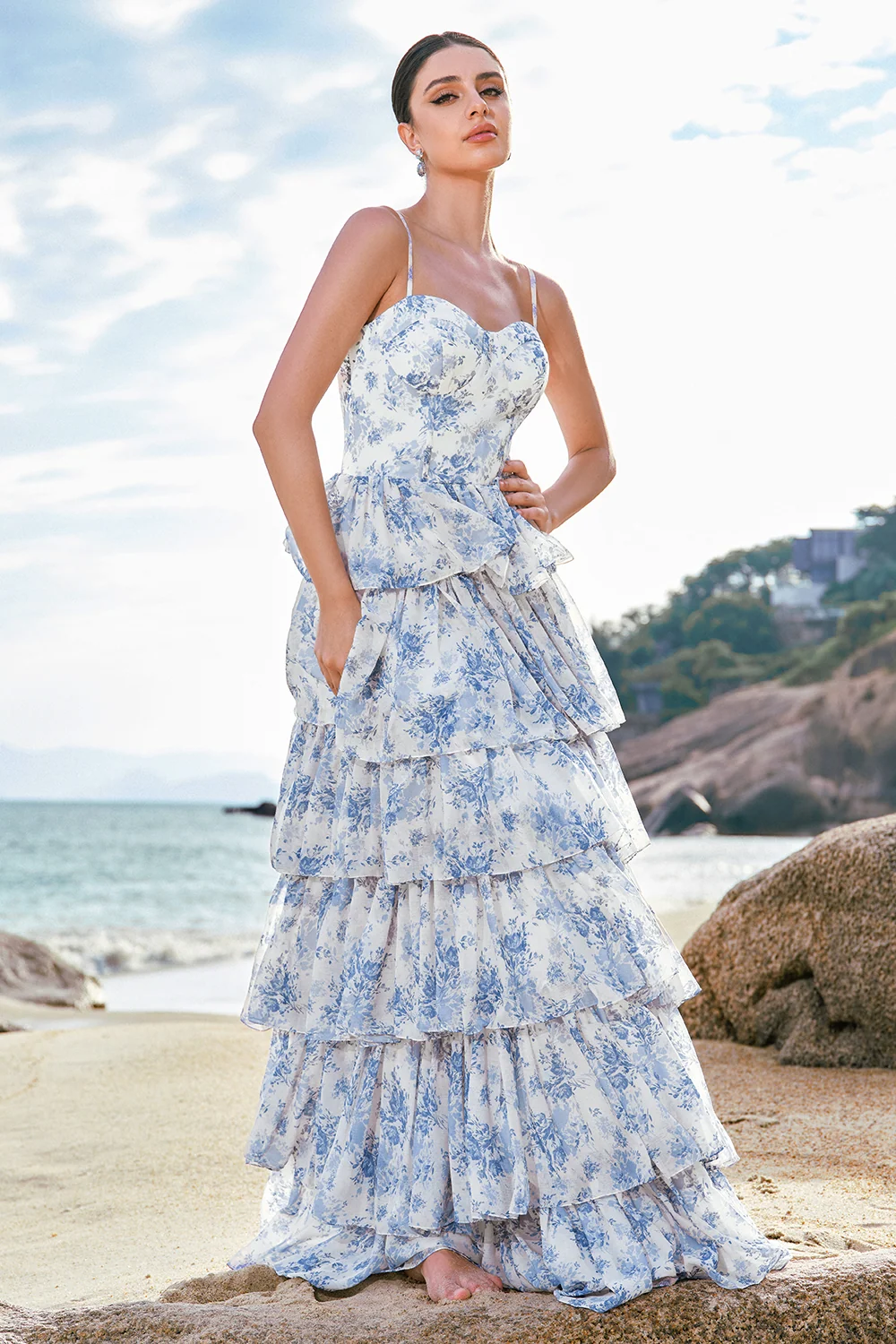
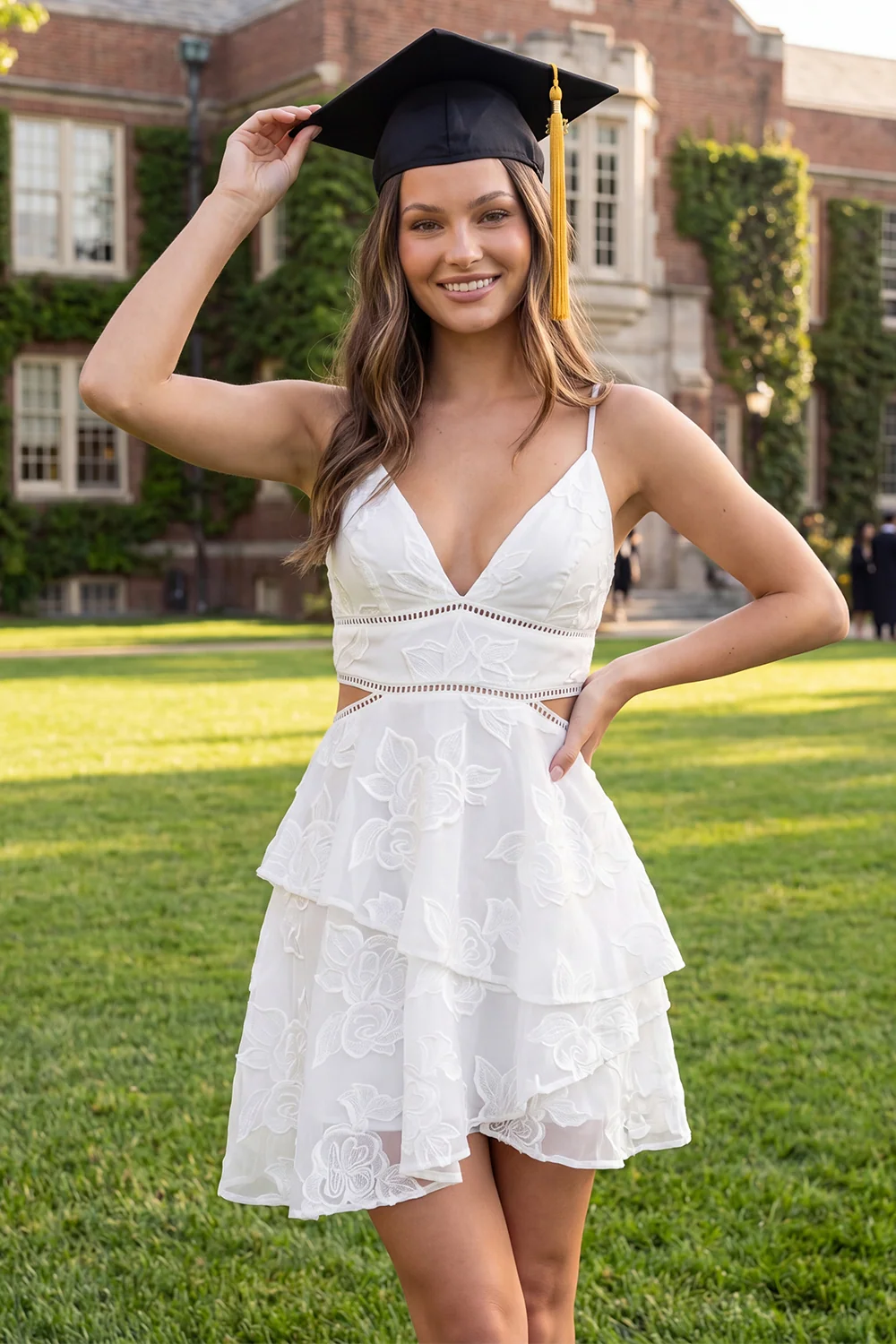 White DressesEffortless White Mini Tiered Dresses We Love
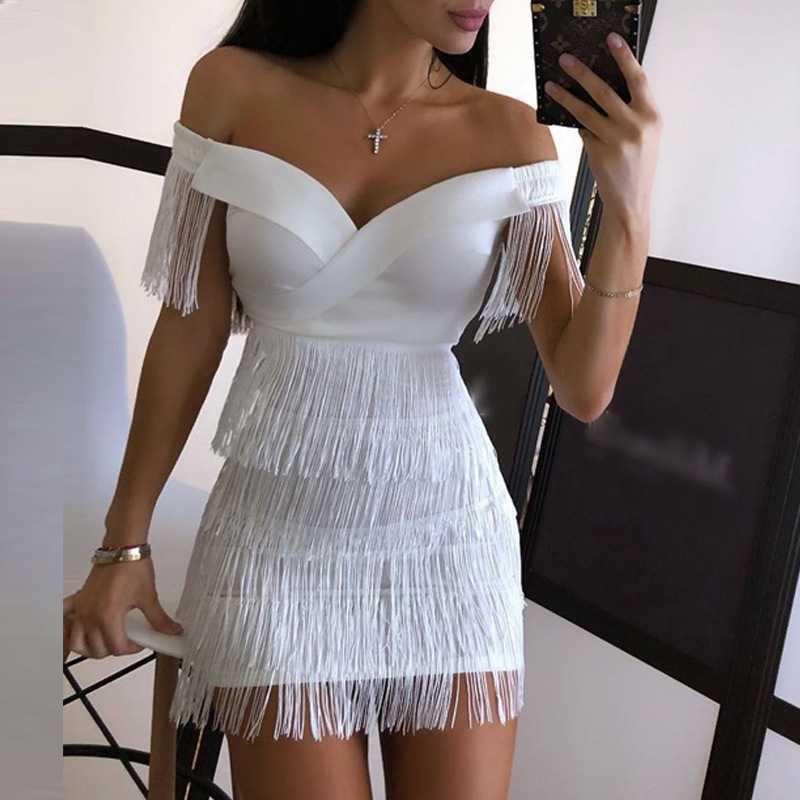
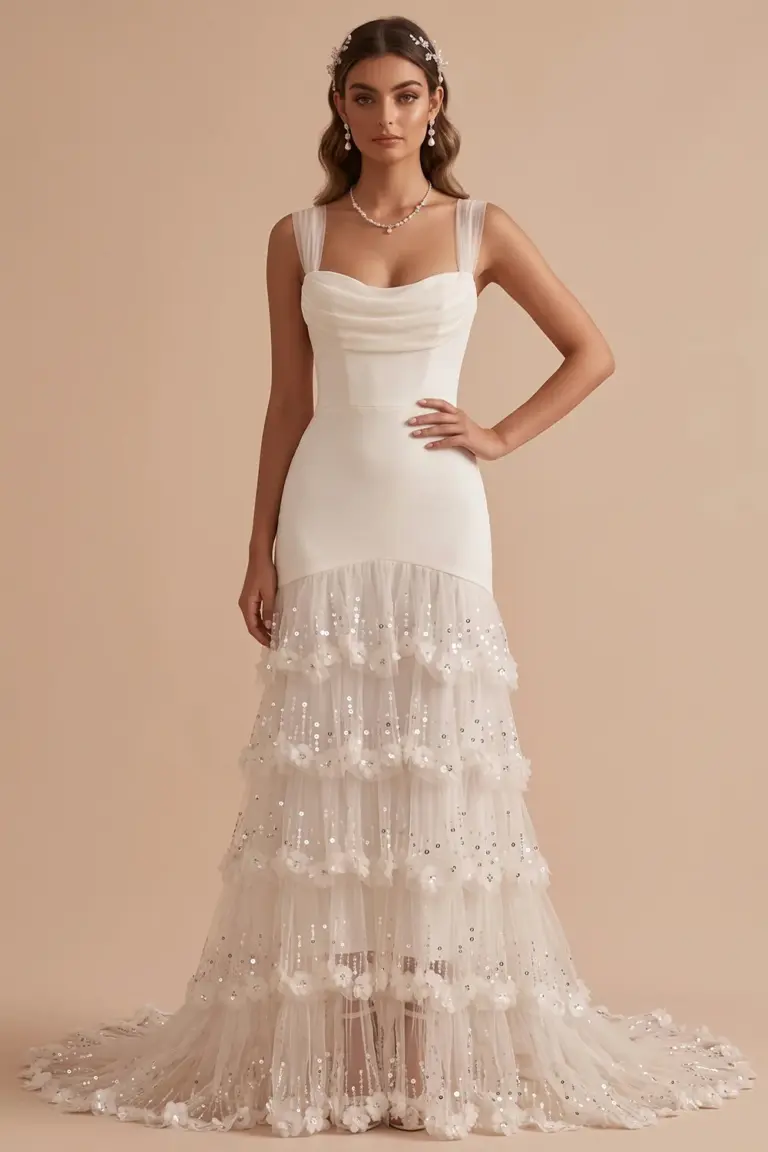 White DressesA Closer Look at the Best White Maxi Tiered Dresses
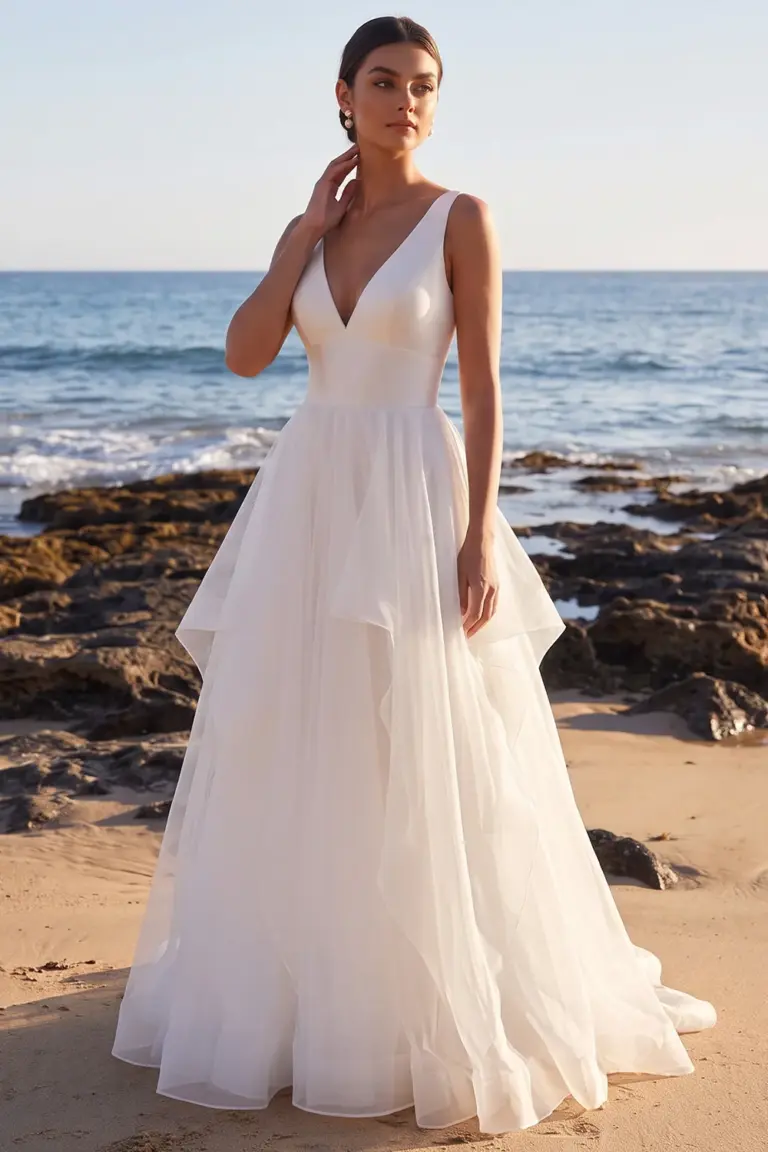
 White DressesWhite Lace Tiered Dresses That Flatter Without Trying
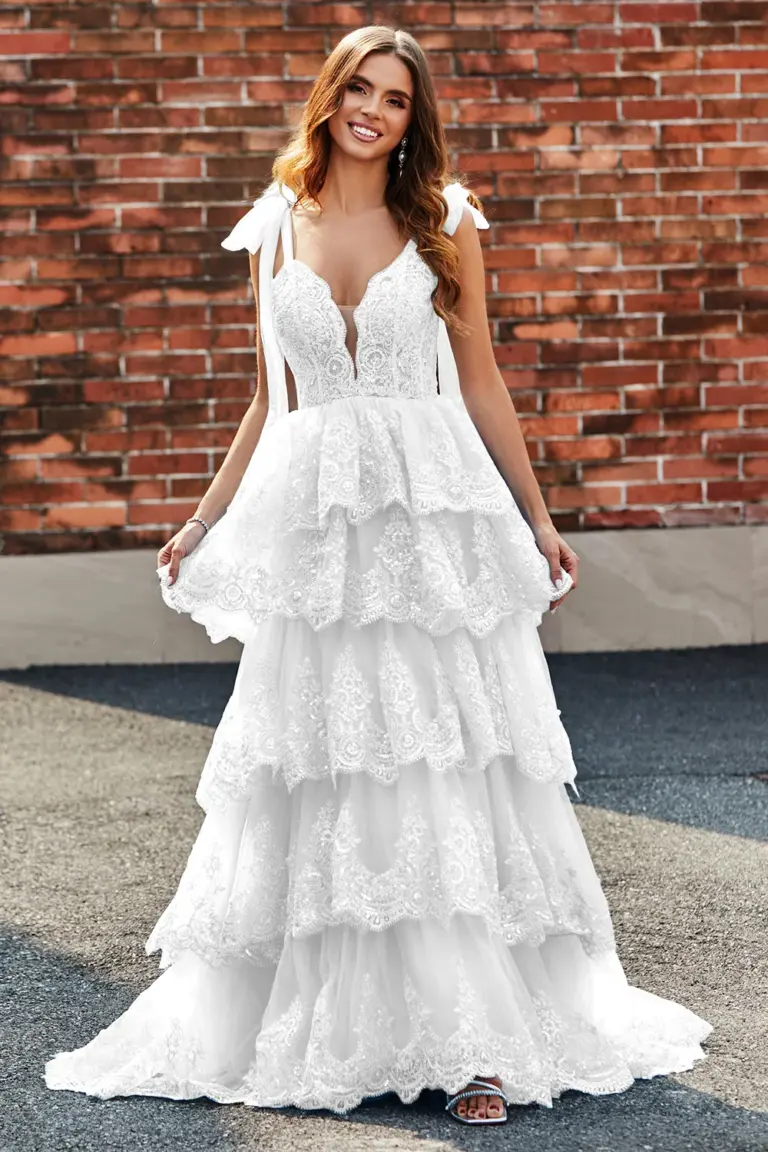
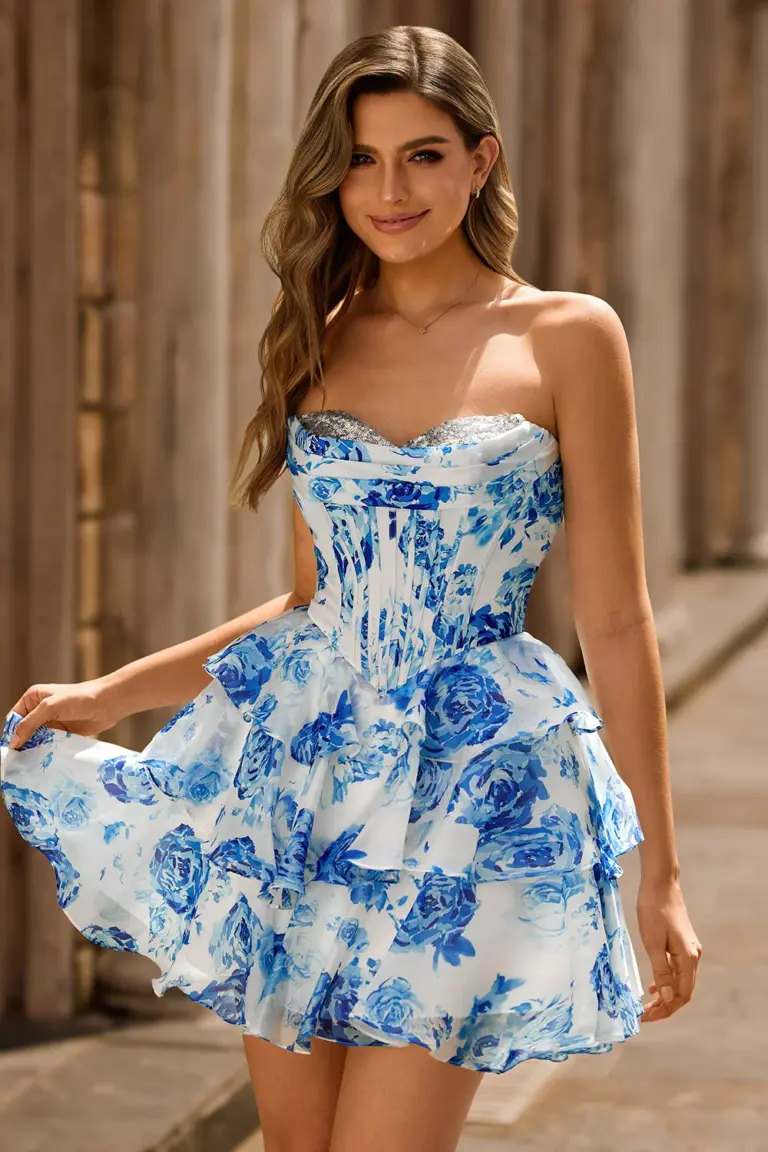 White DressesWhite Floral Tiered Dresses That Always Get Compliments
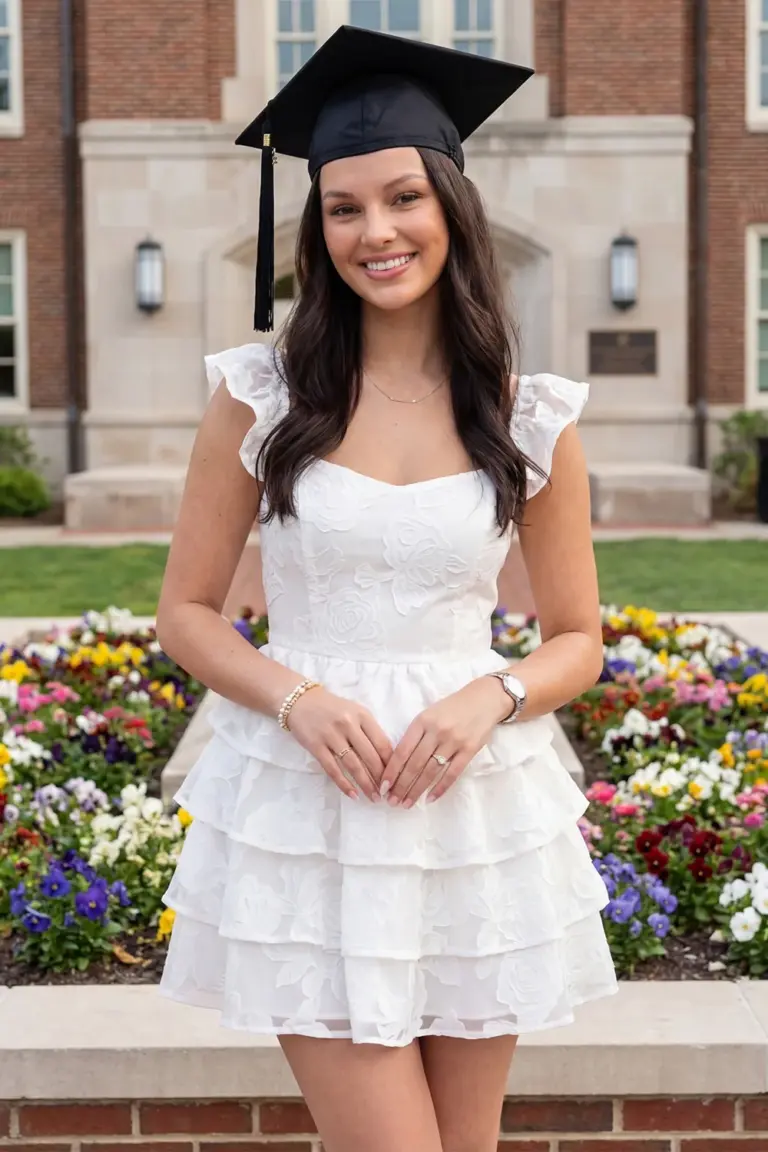
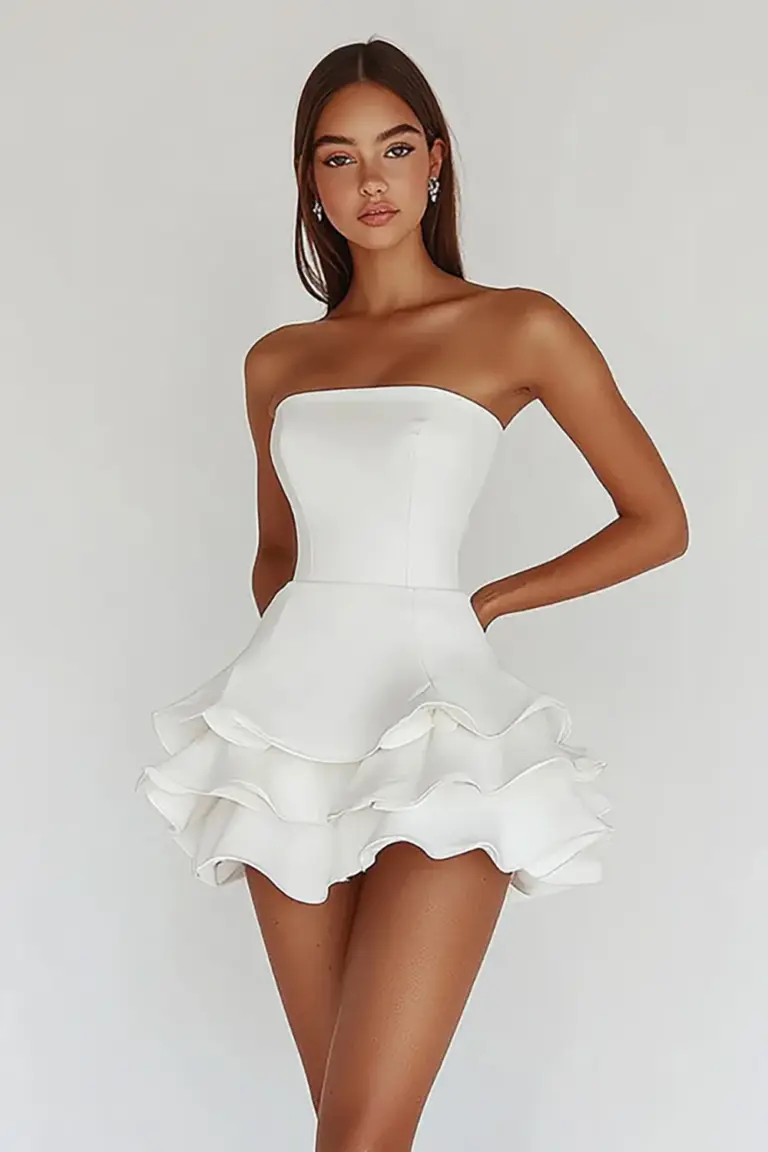 White DressesWhite Evening Tiered Dresses Worth Adding to Your WardrobeAlso worth a lookMaxi DressesA maxi dress earns its length by making you forget what you're wearing, and that's the whole point of one.See the collections →
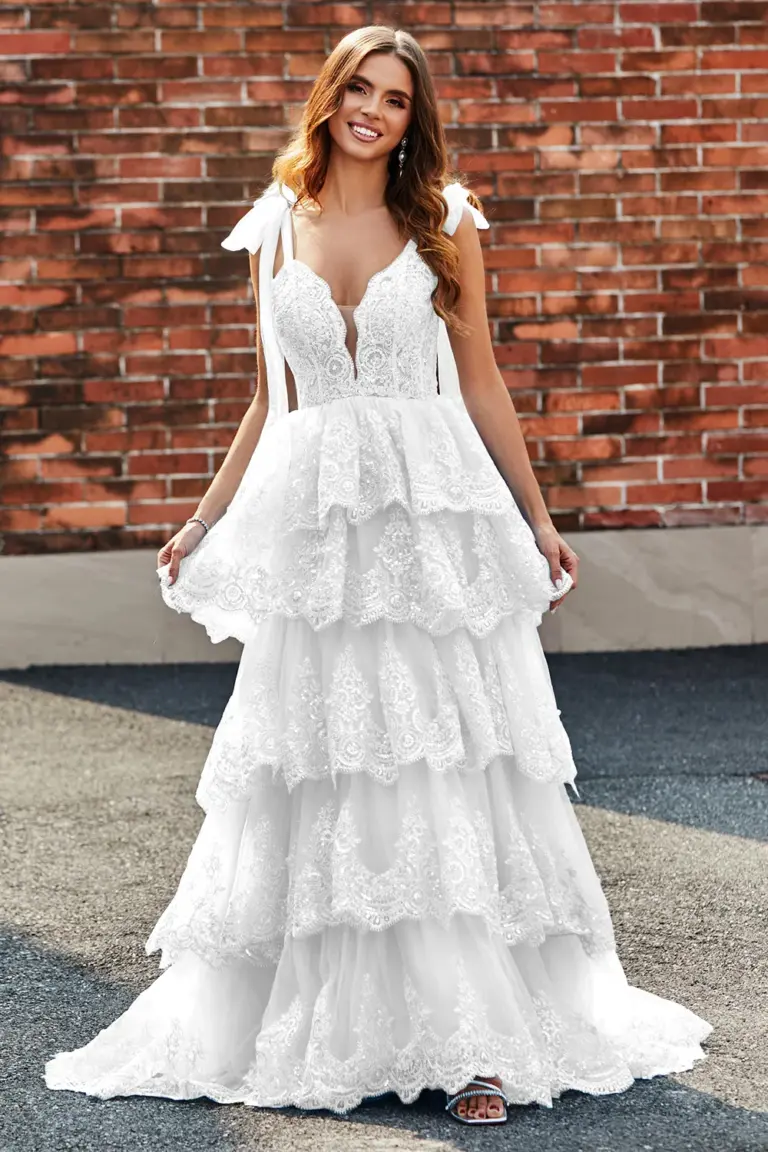
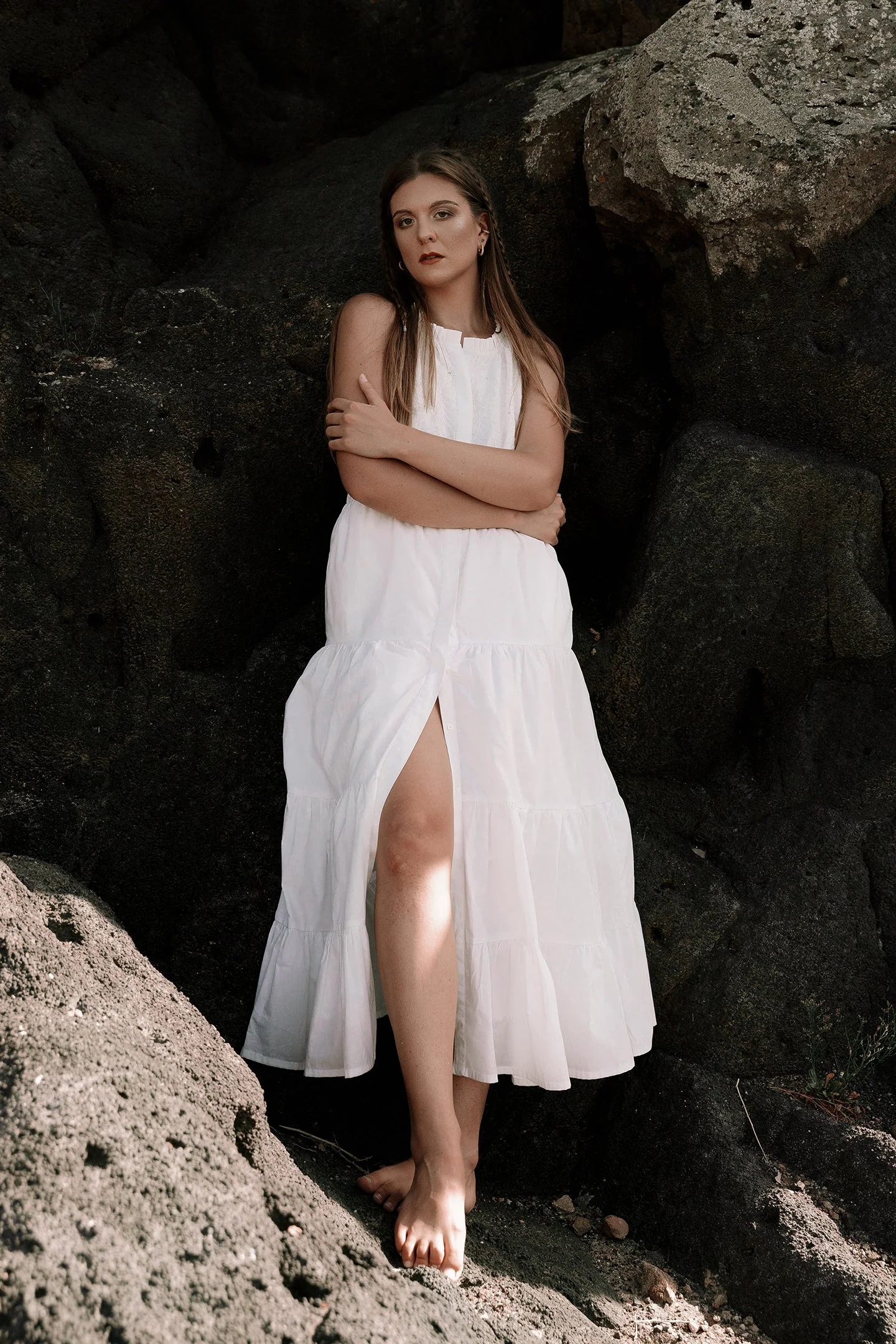 Cotton DressesWhite Cotton Tiered Dresses You’ll Reach for First

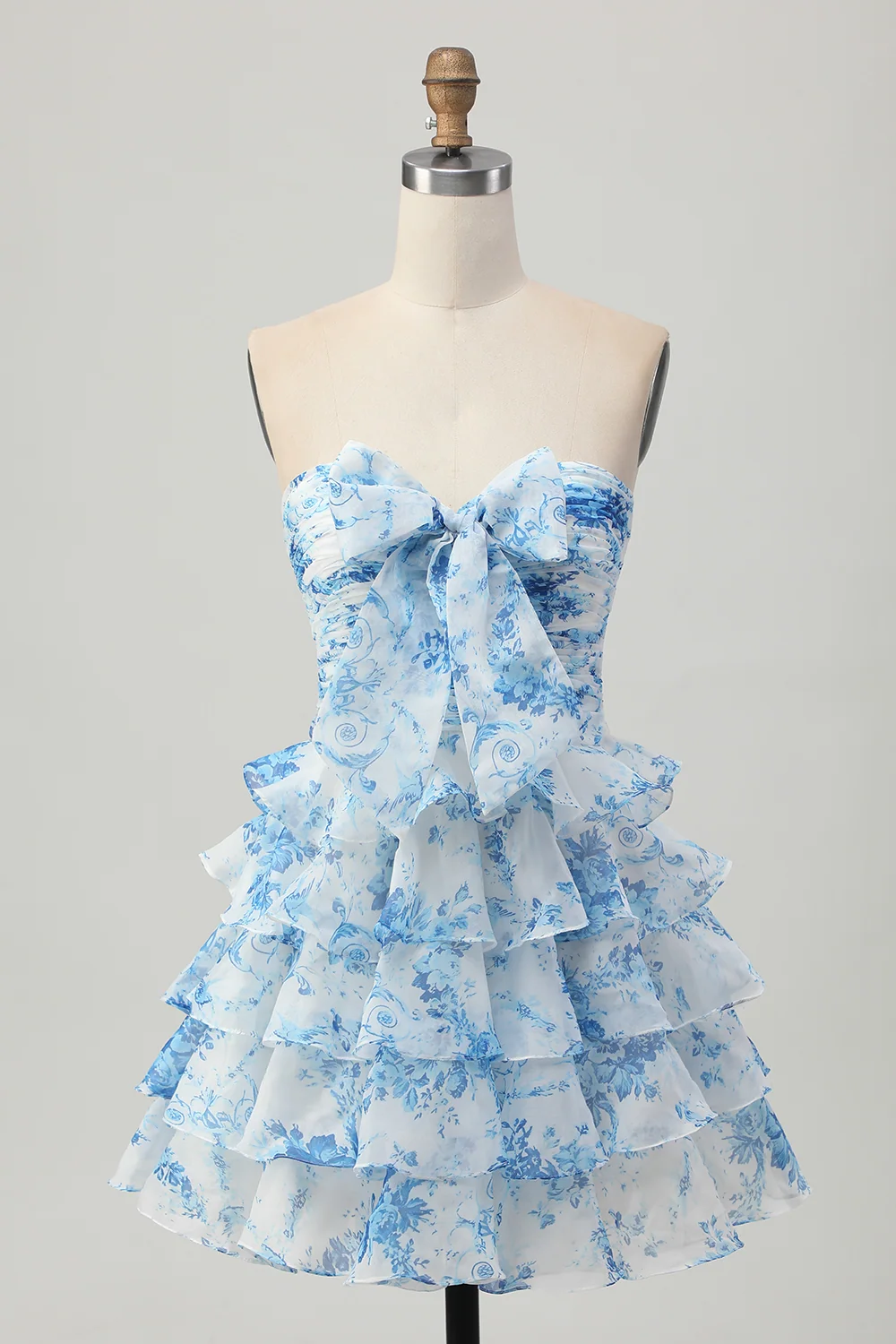 White DressesWhite A Line Tiered Dresses You’ll Want to Live In
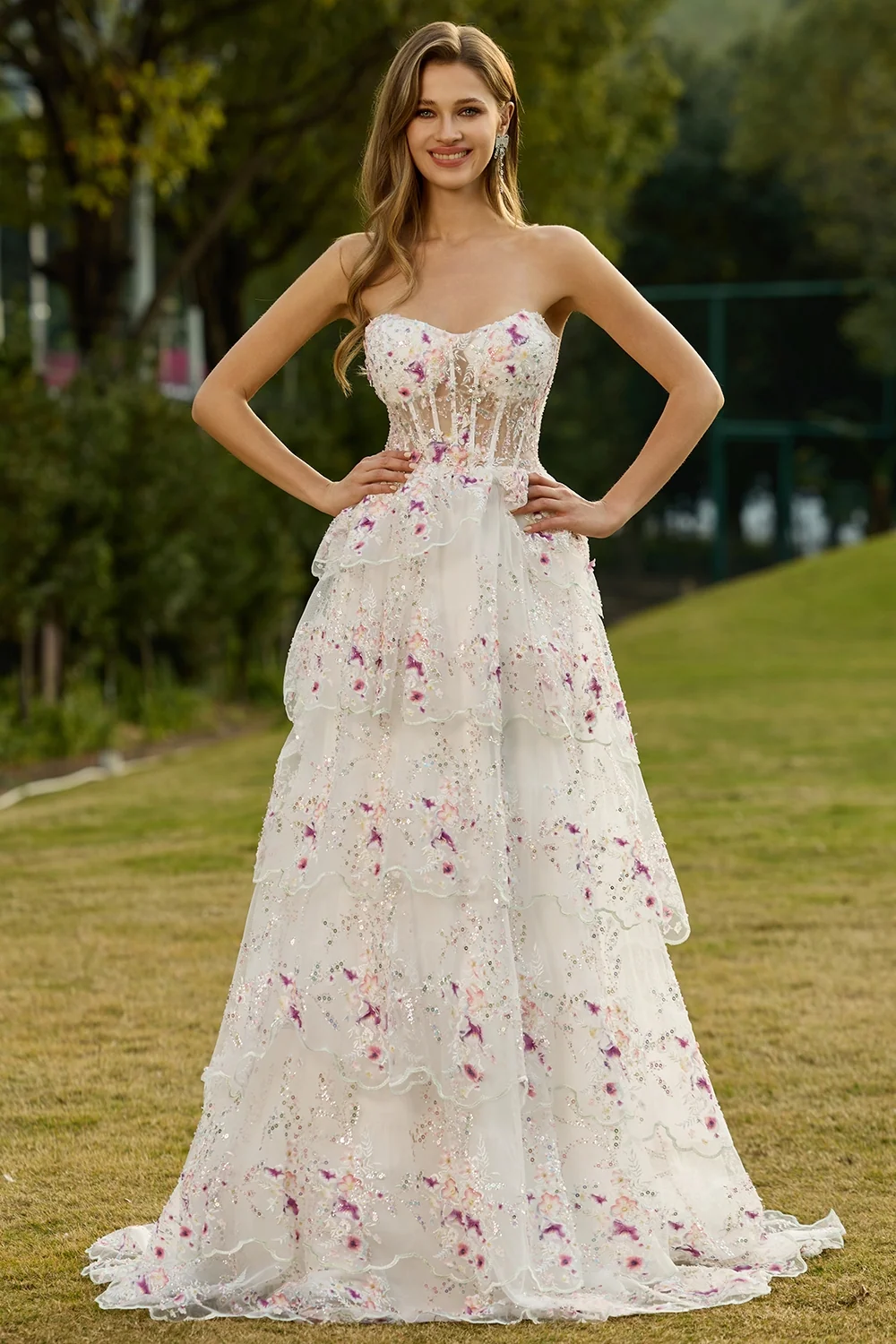
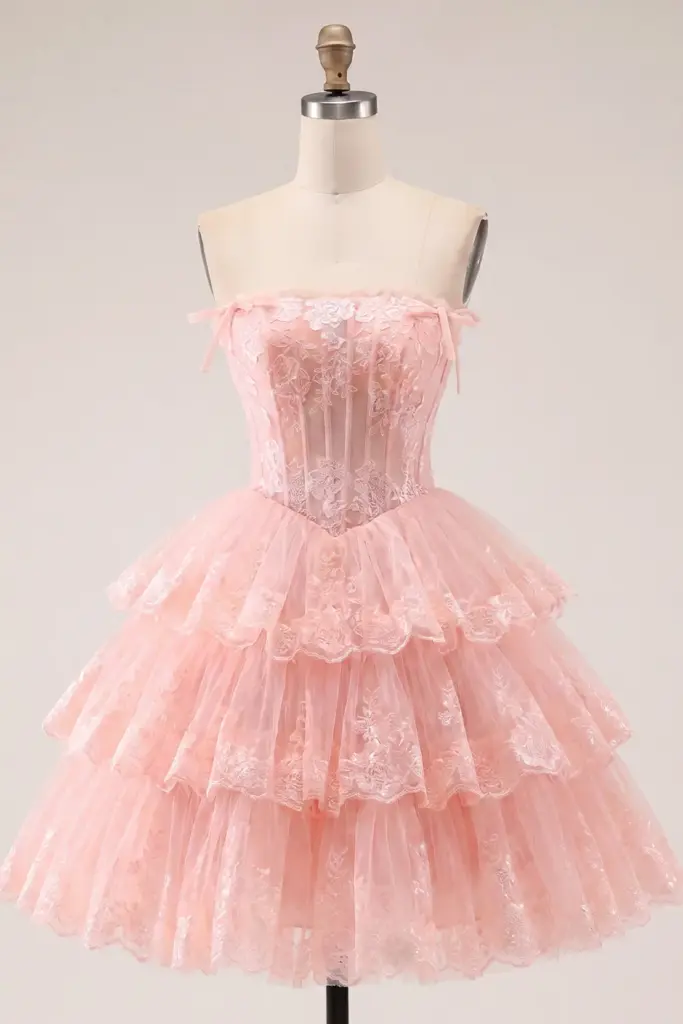 Wedding Guest DressesWedding Guest Tiered Dresses for Every Occasion on Your Calendar
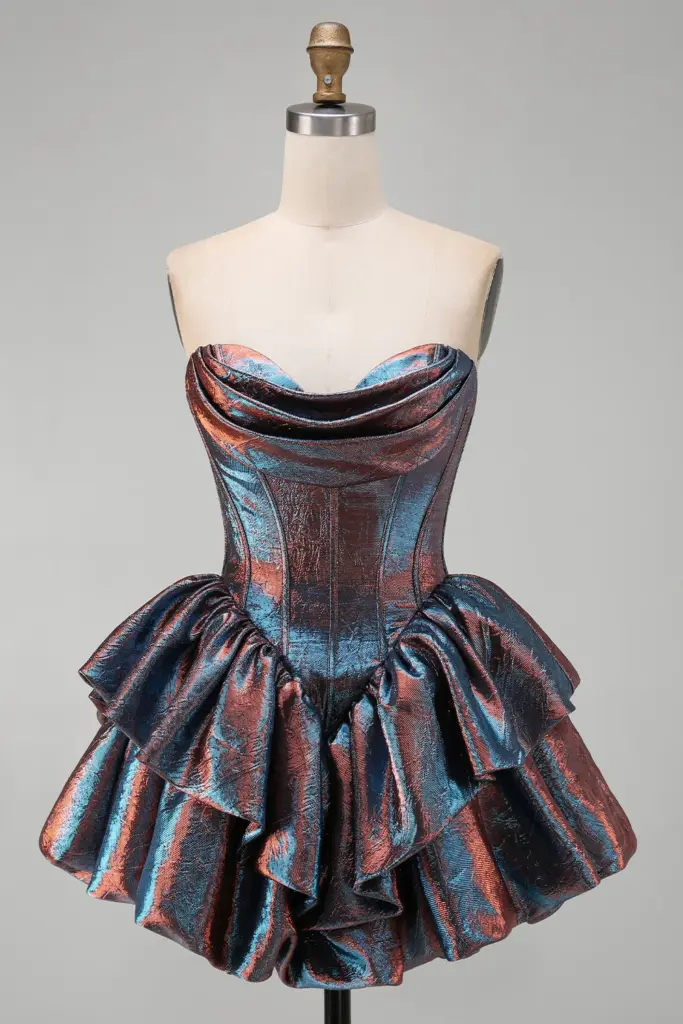
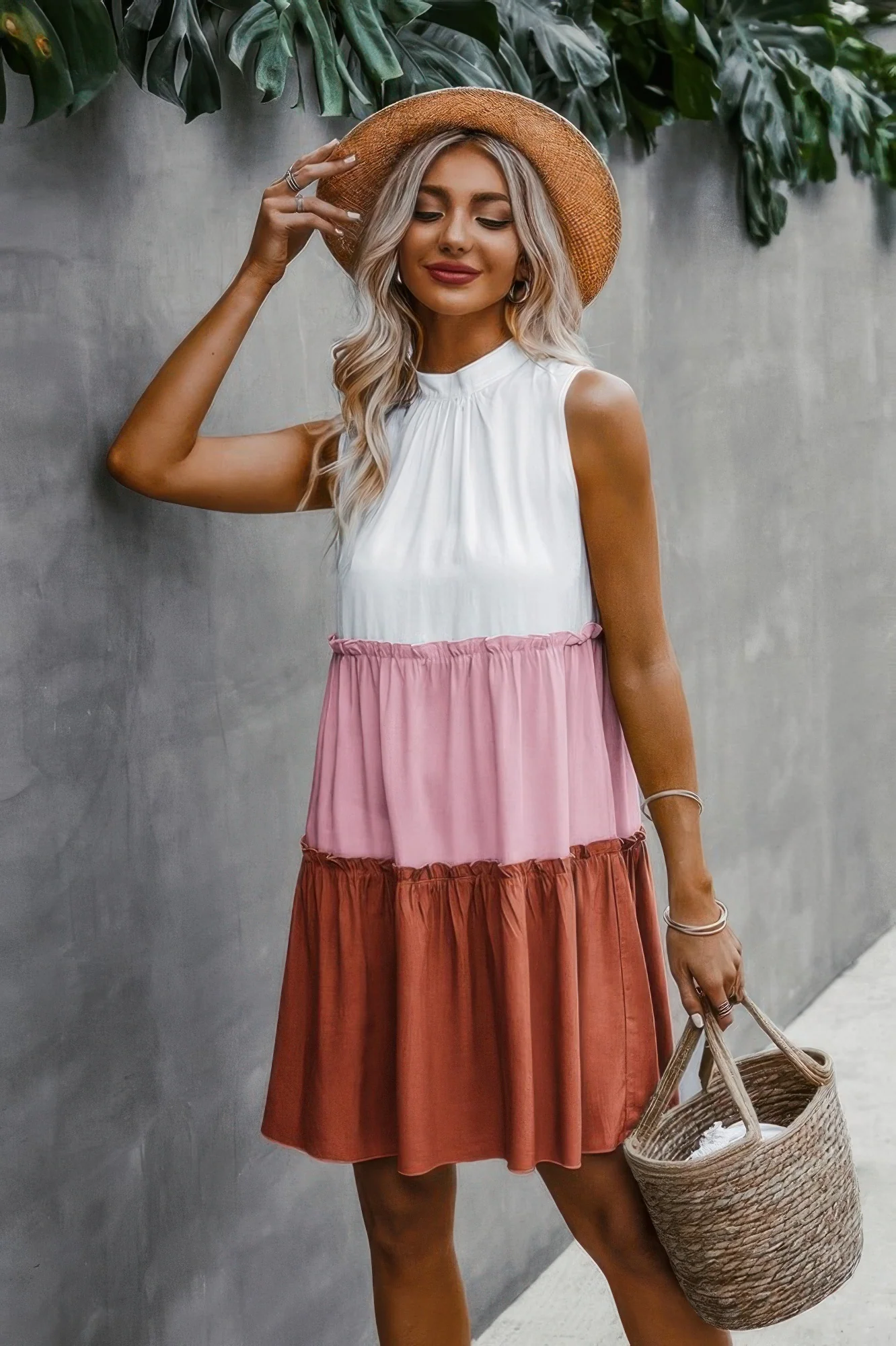 Viscose Tiered Dresses: Our Honest Shortlist
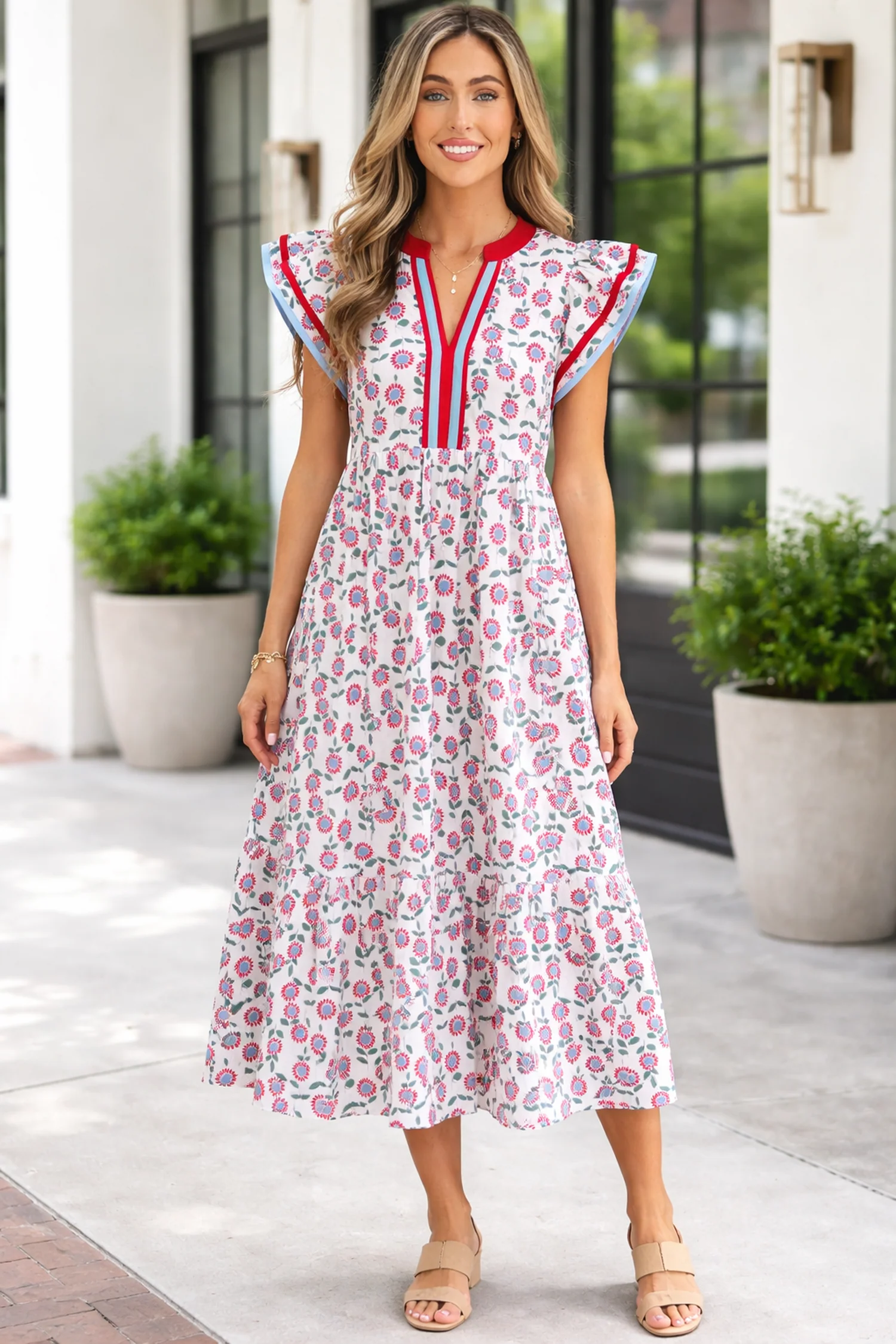
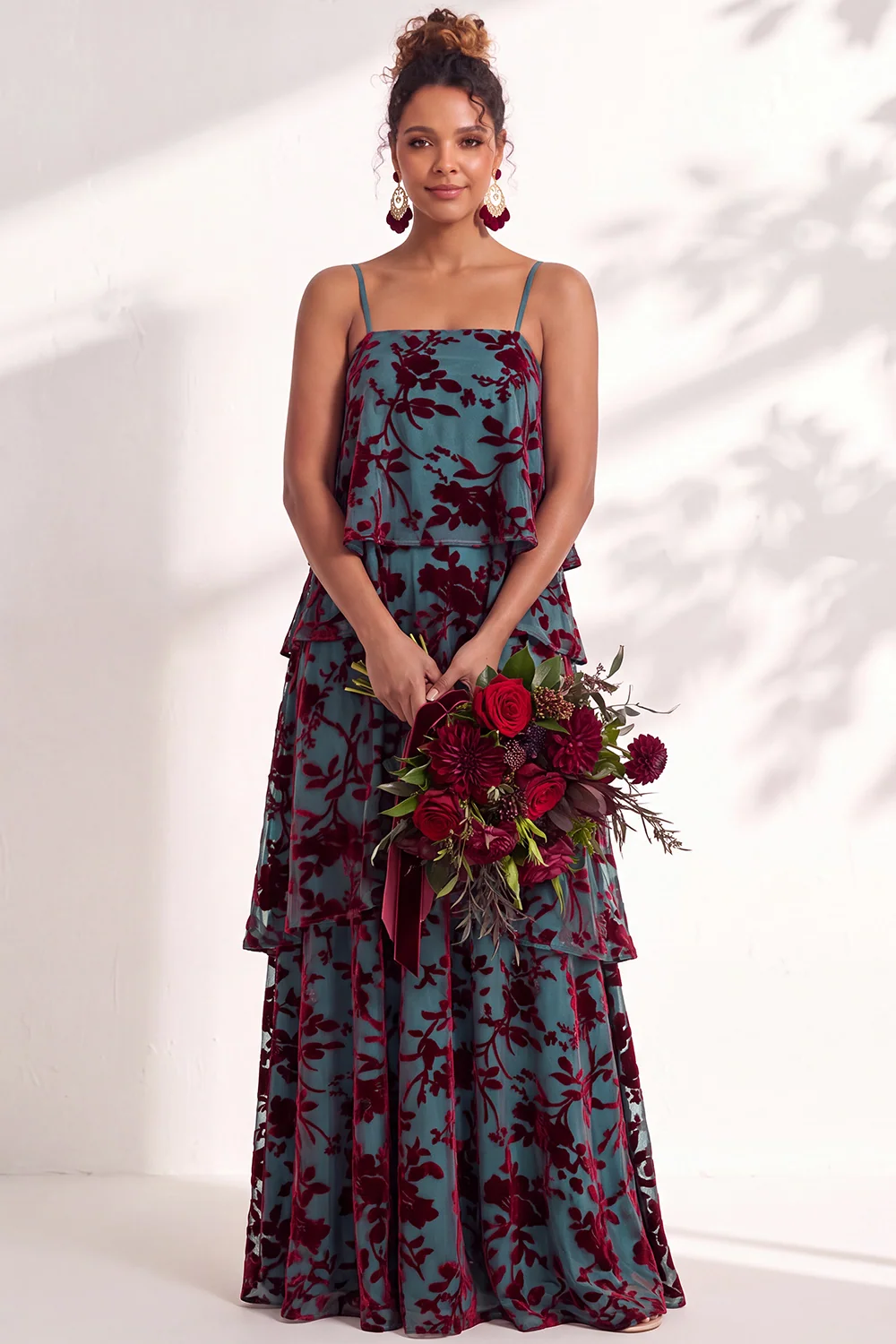 Velvet DressesHandpicked Velvet Tiered Dresses We Keep Coming Back To
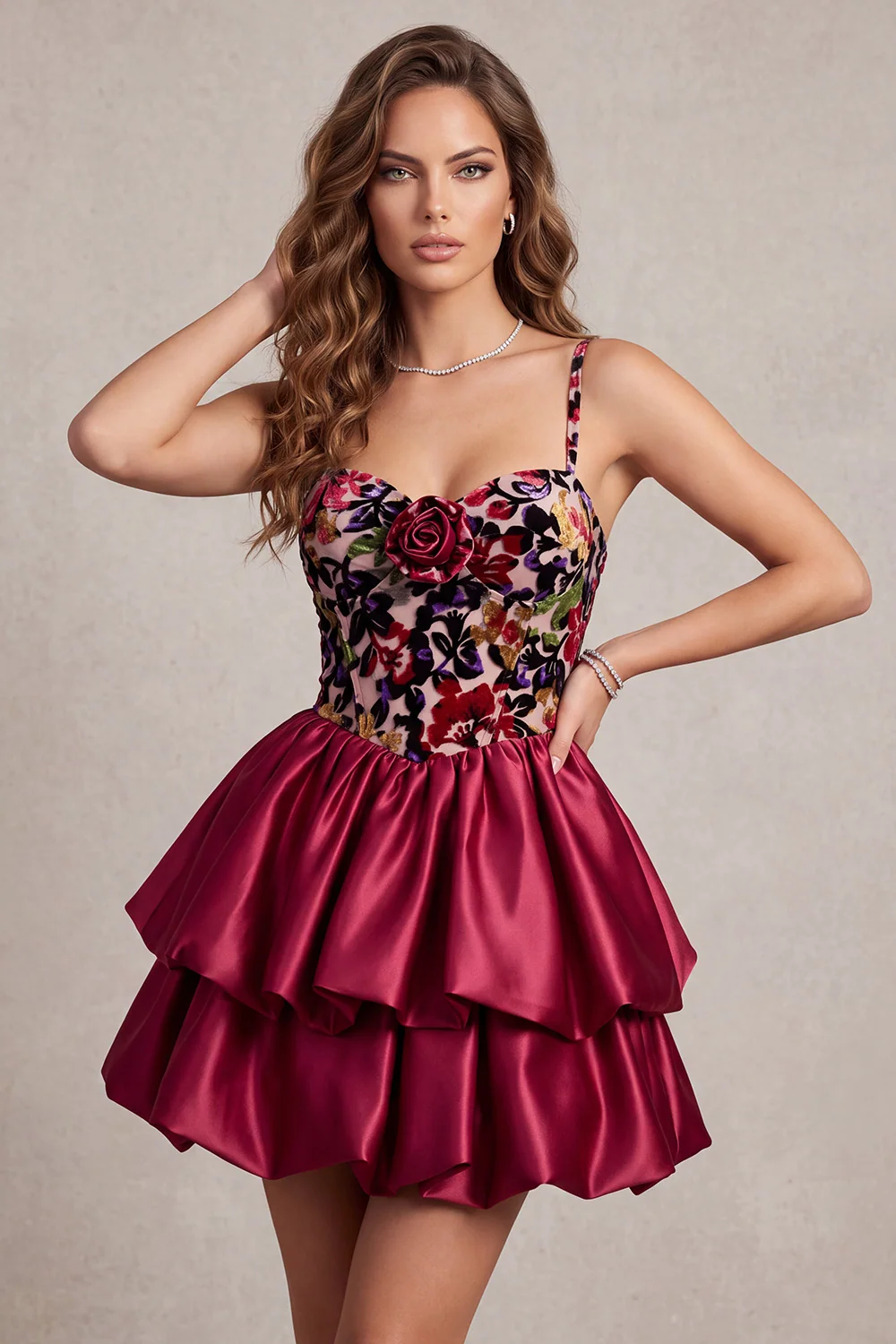
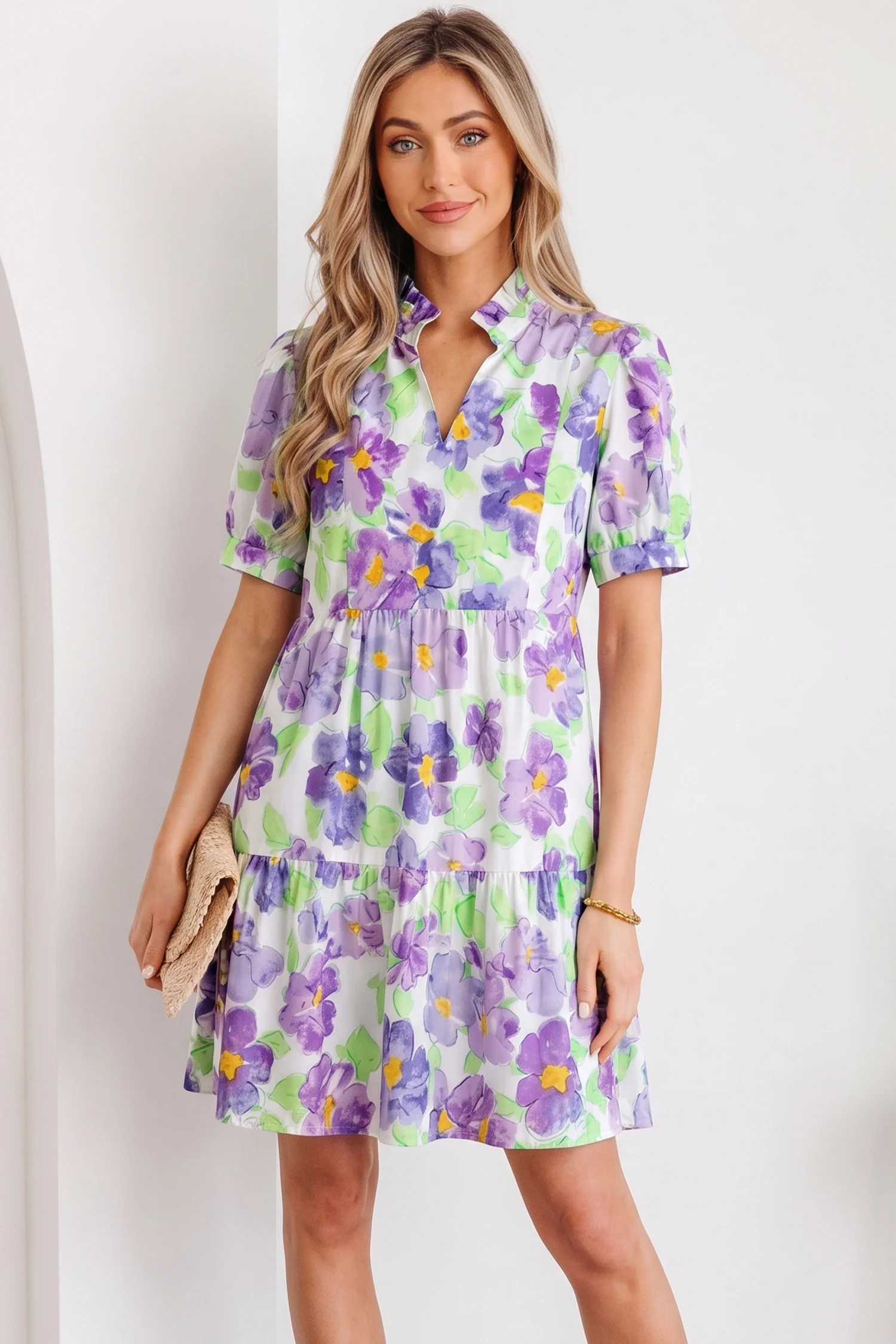 V Neck DressesWhere to Find the Best V Neck Tiered Dresses
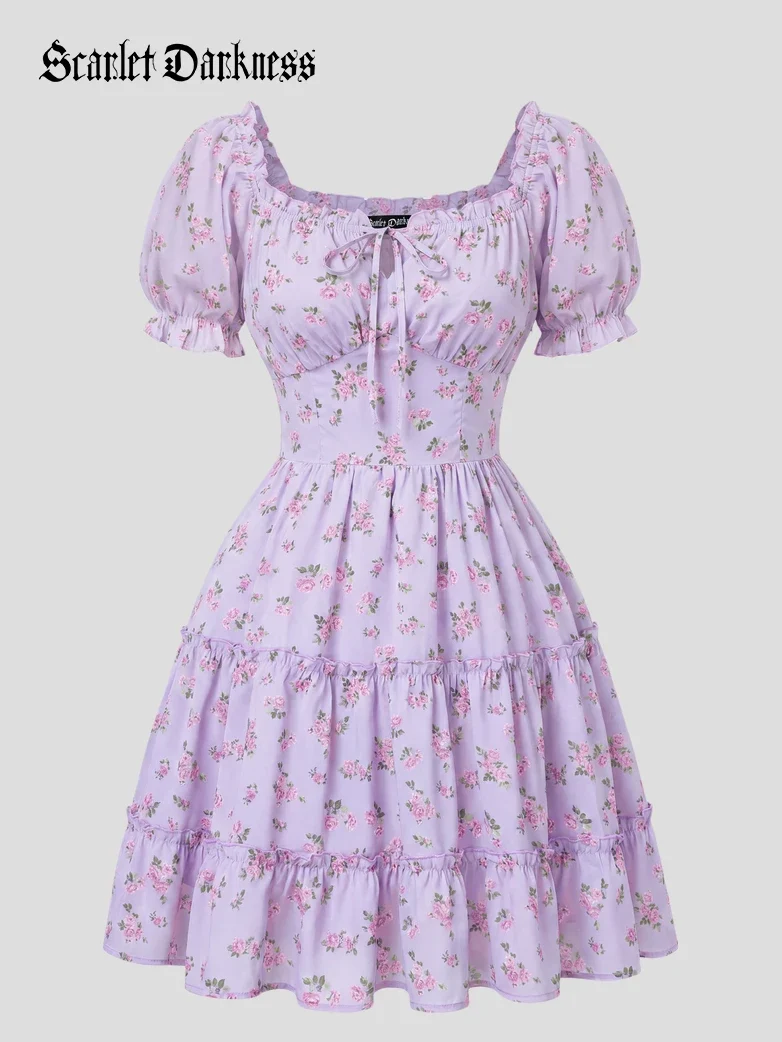
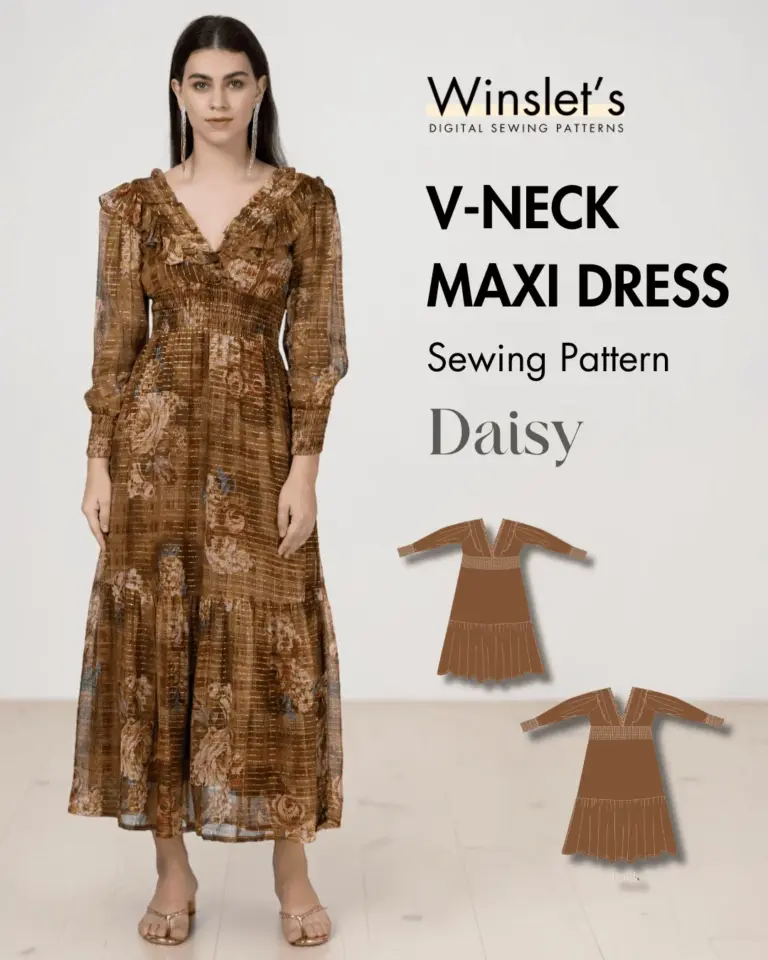 V Neck DressesV Neck Maxi Tiered Dresses You’ll Want to Live In
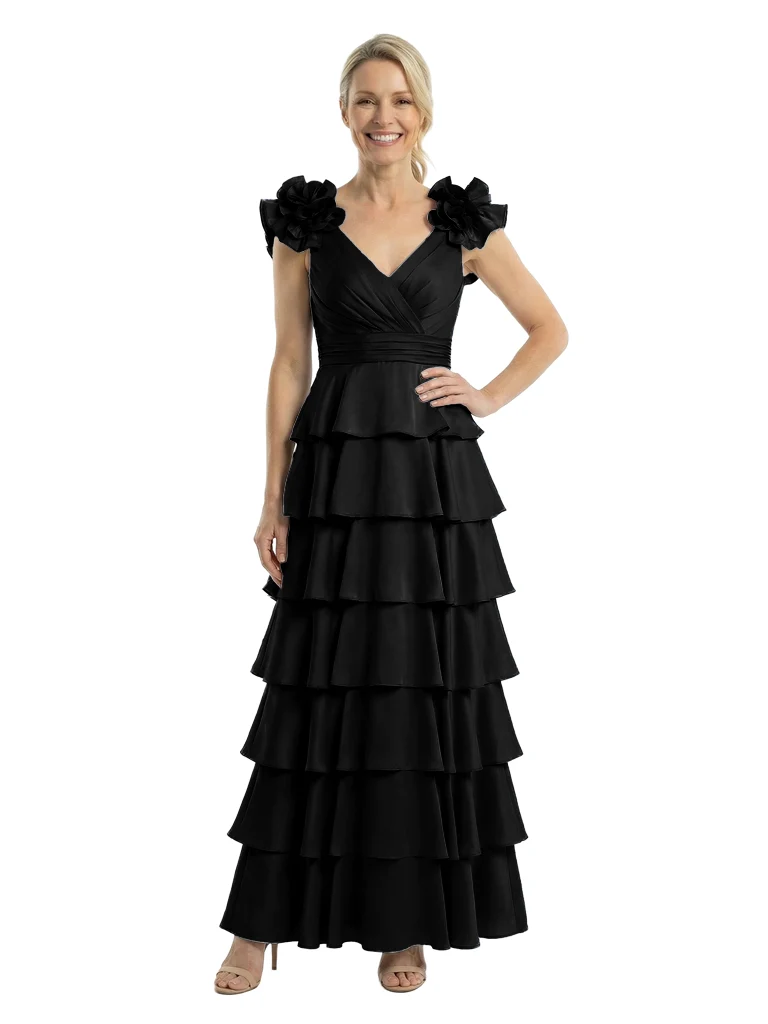
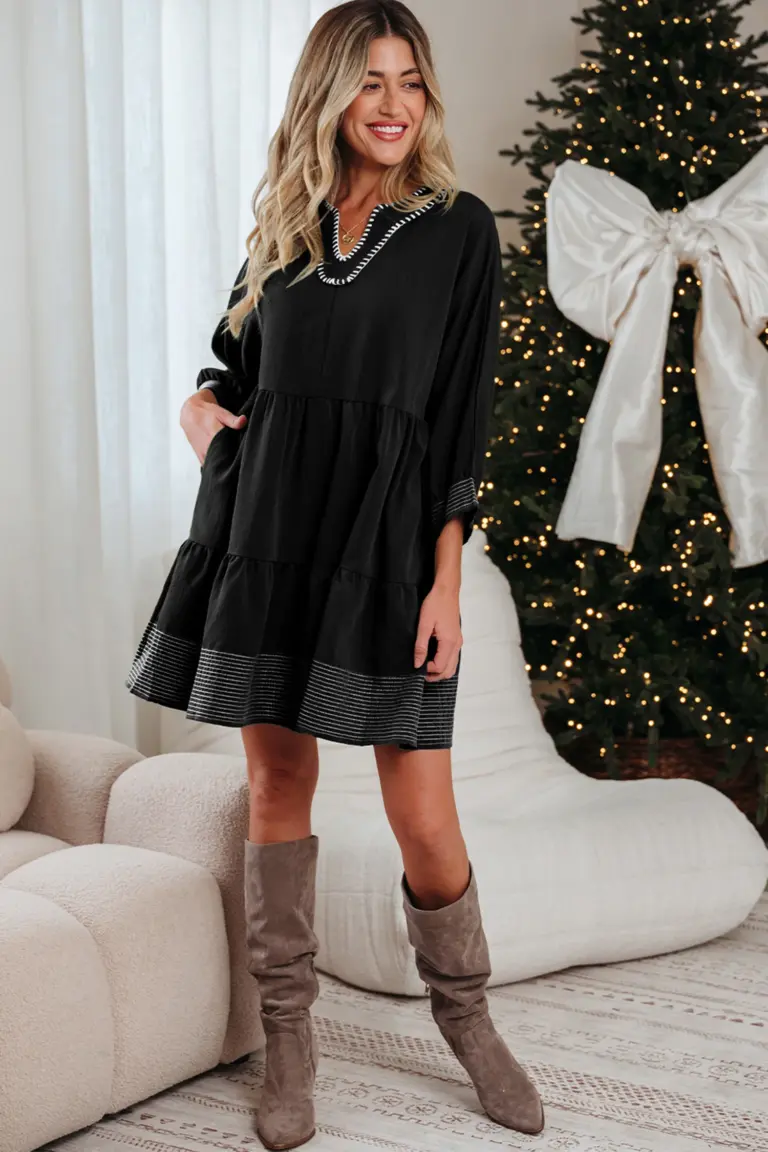 V Neck DressesEffortless V Neck Mini Tiered Dresses We Love
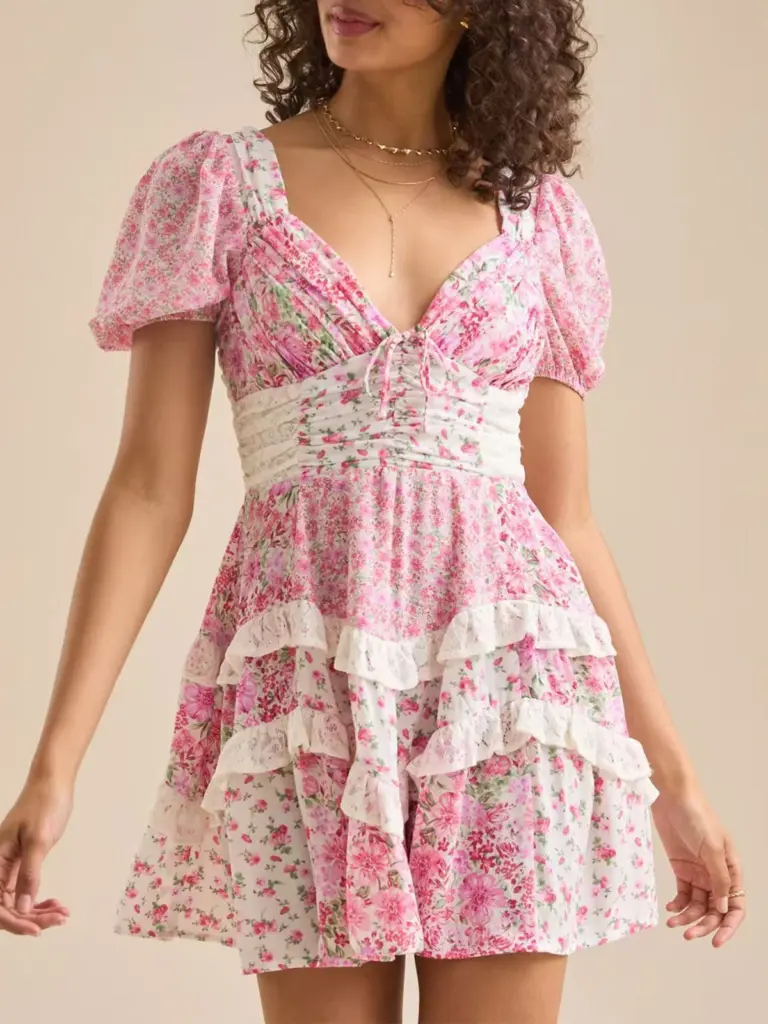
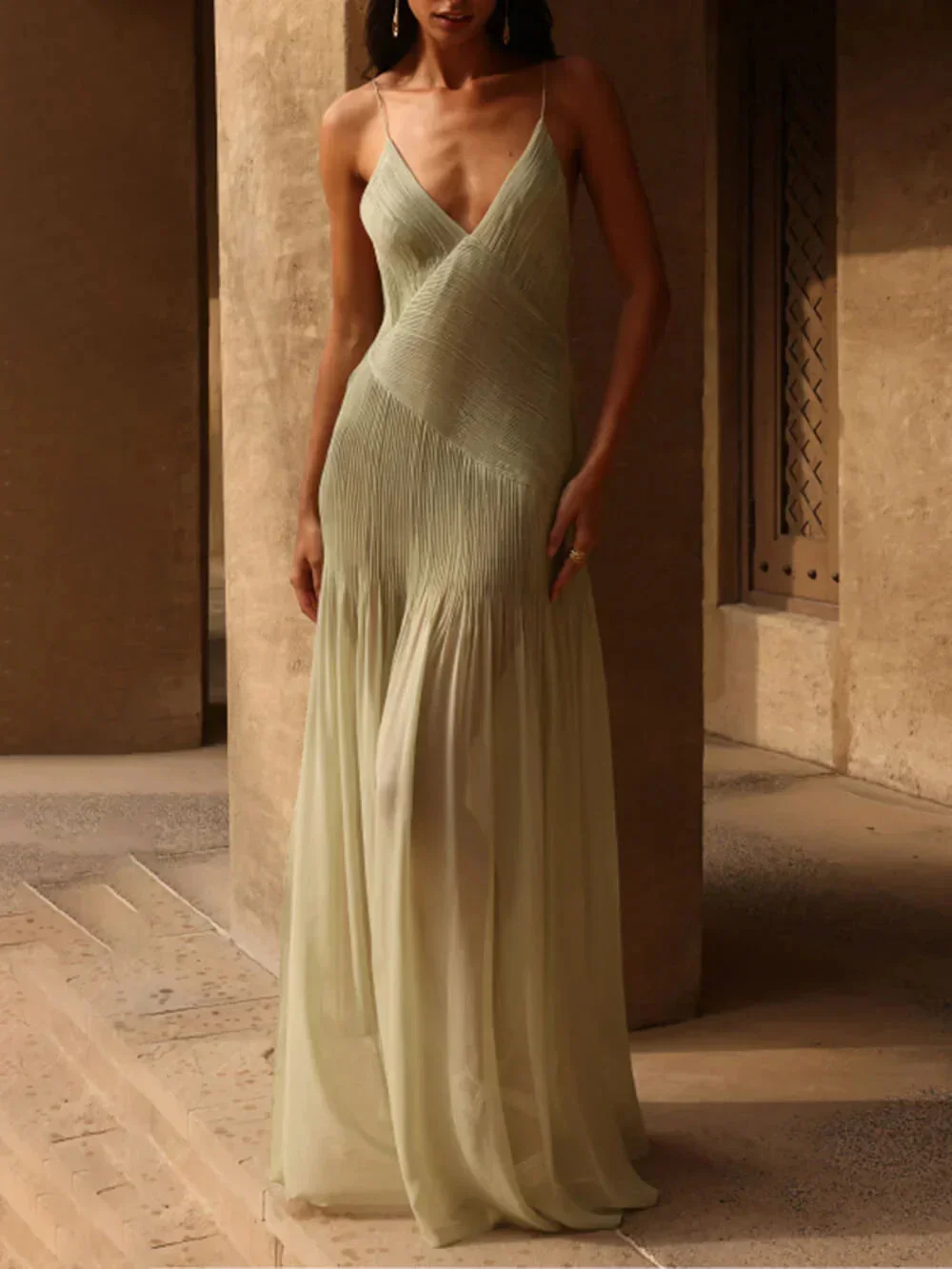 V Neck DressesThe Prettiest V Neck Sleeveless Tiered Dresses Around Right NowAlso worth a lookMini DressesThe thing nobody mentions in the fitting room is how a mini dress behaves after three hours sitting down rather than standing in front of a mirror.See the collections →
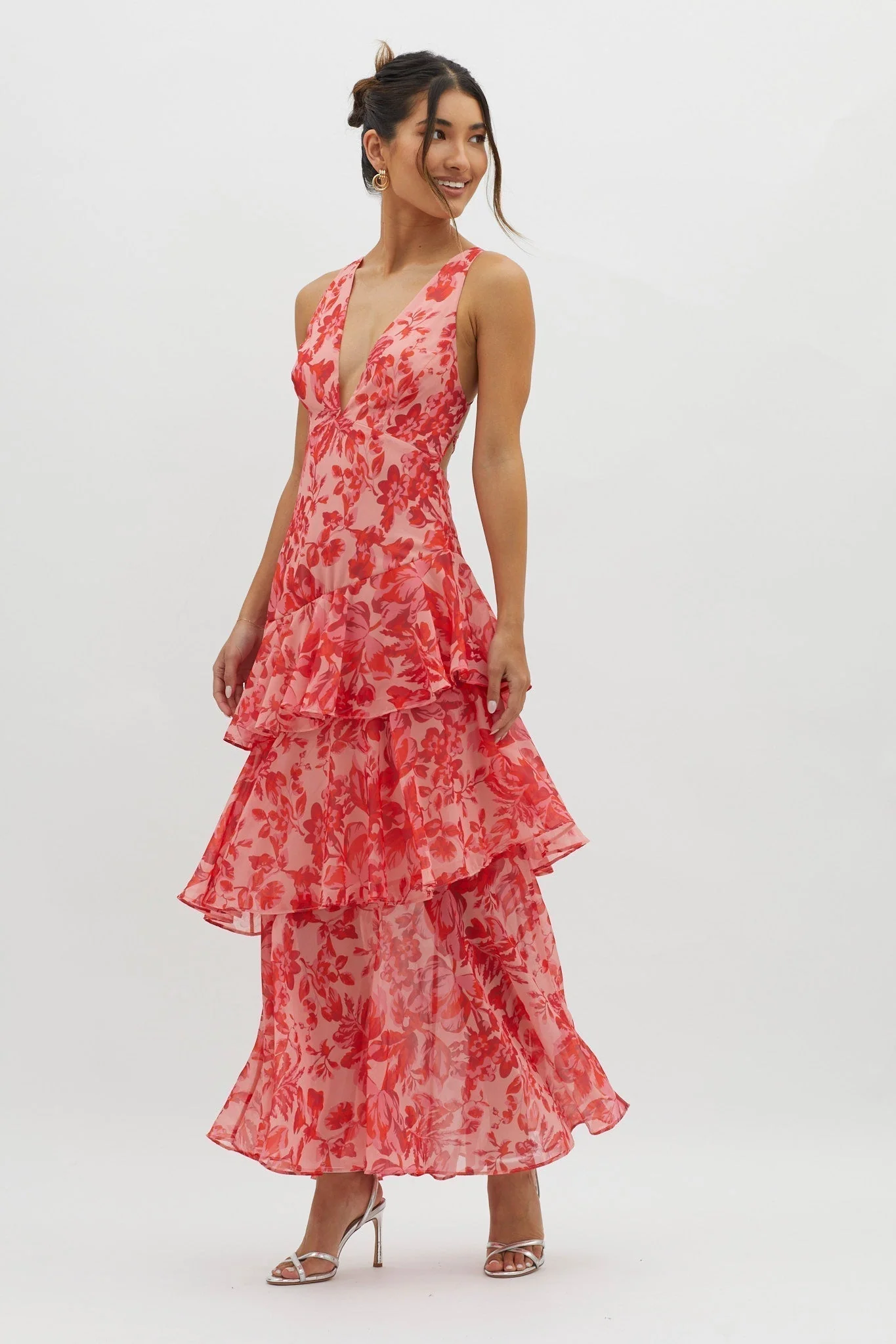
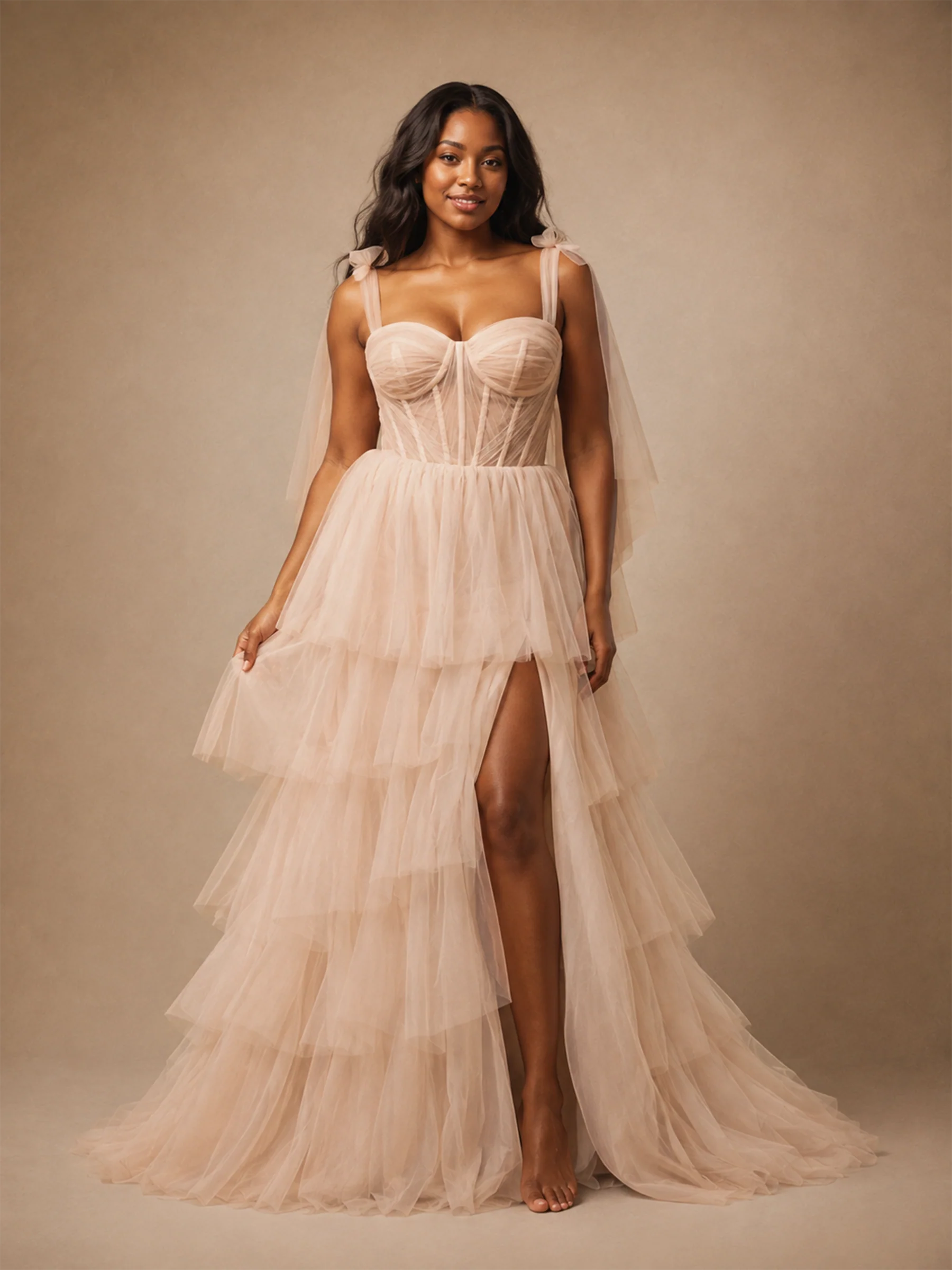 Maxi DressesTulle Maxi Tiered Dresses We Rate
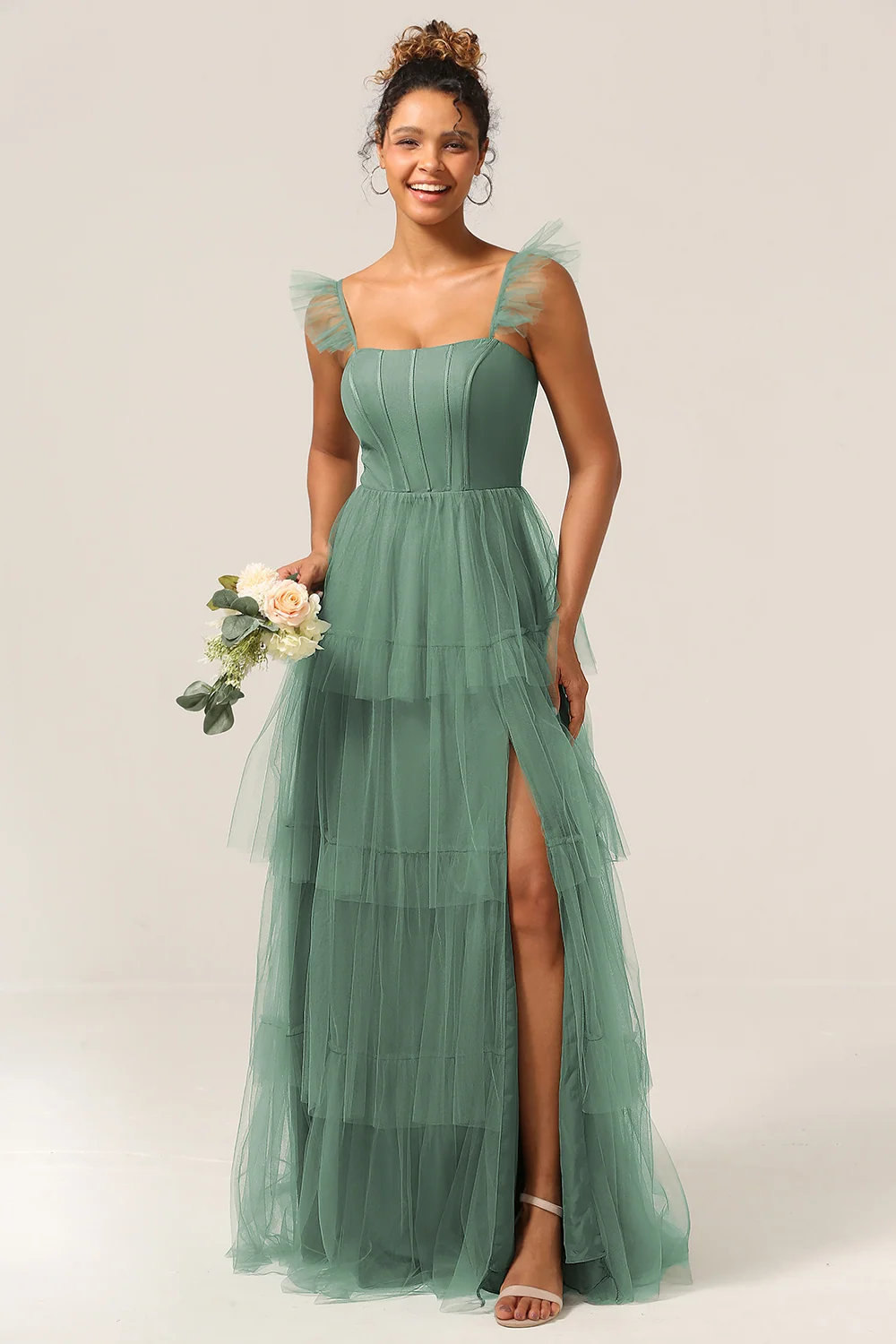
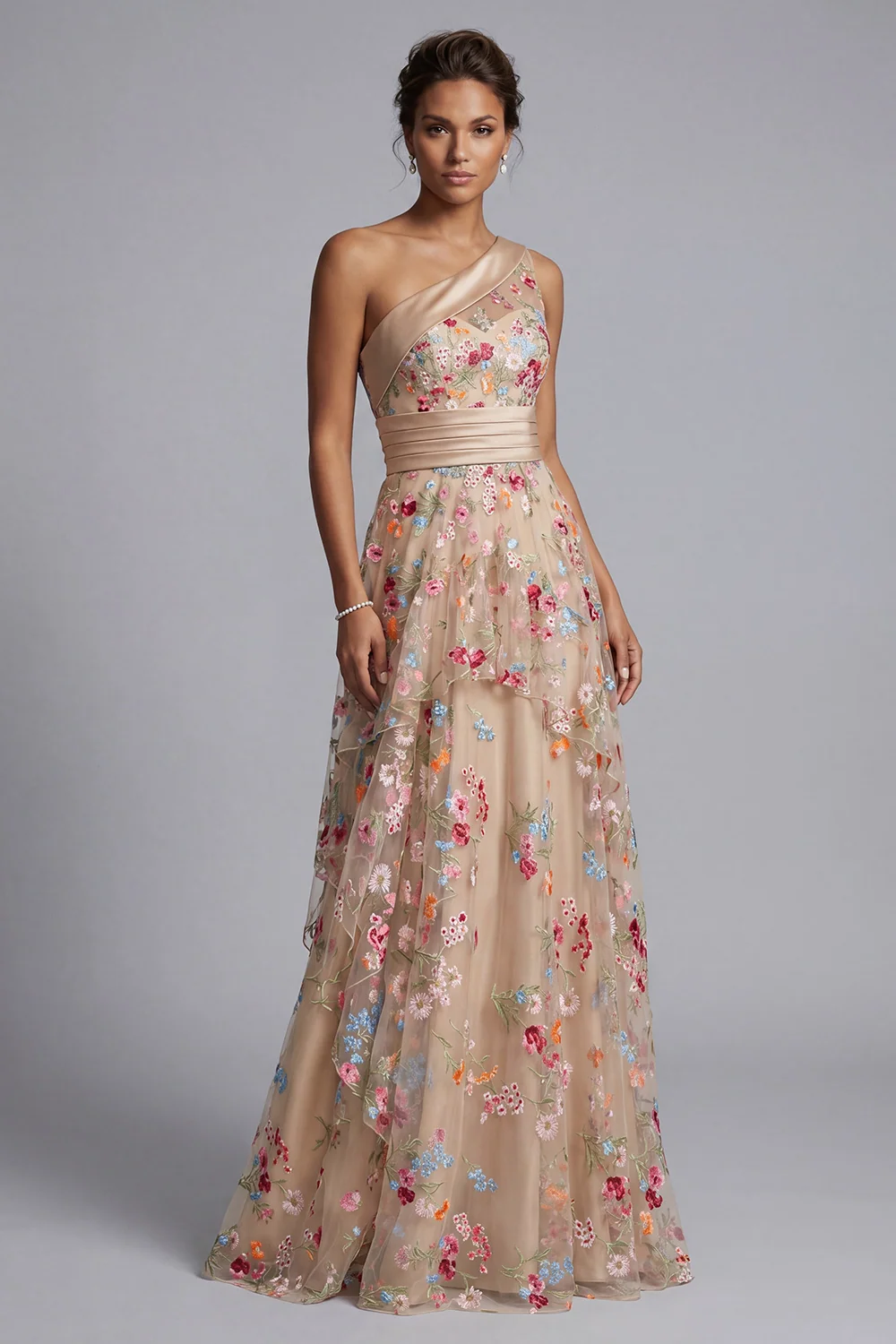 Tulle Tiered Dresses You’ll Reach for First
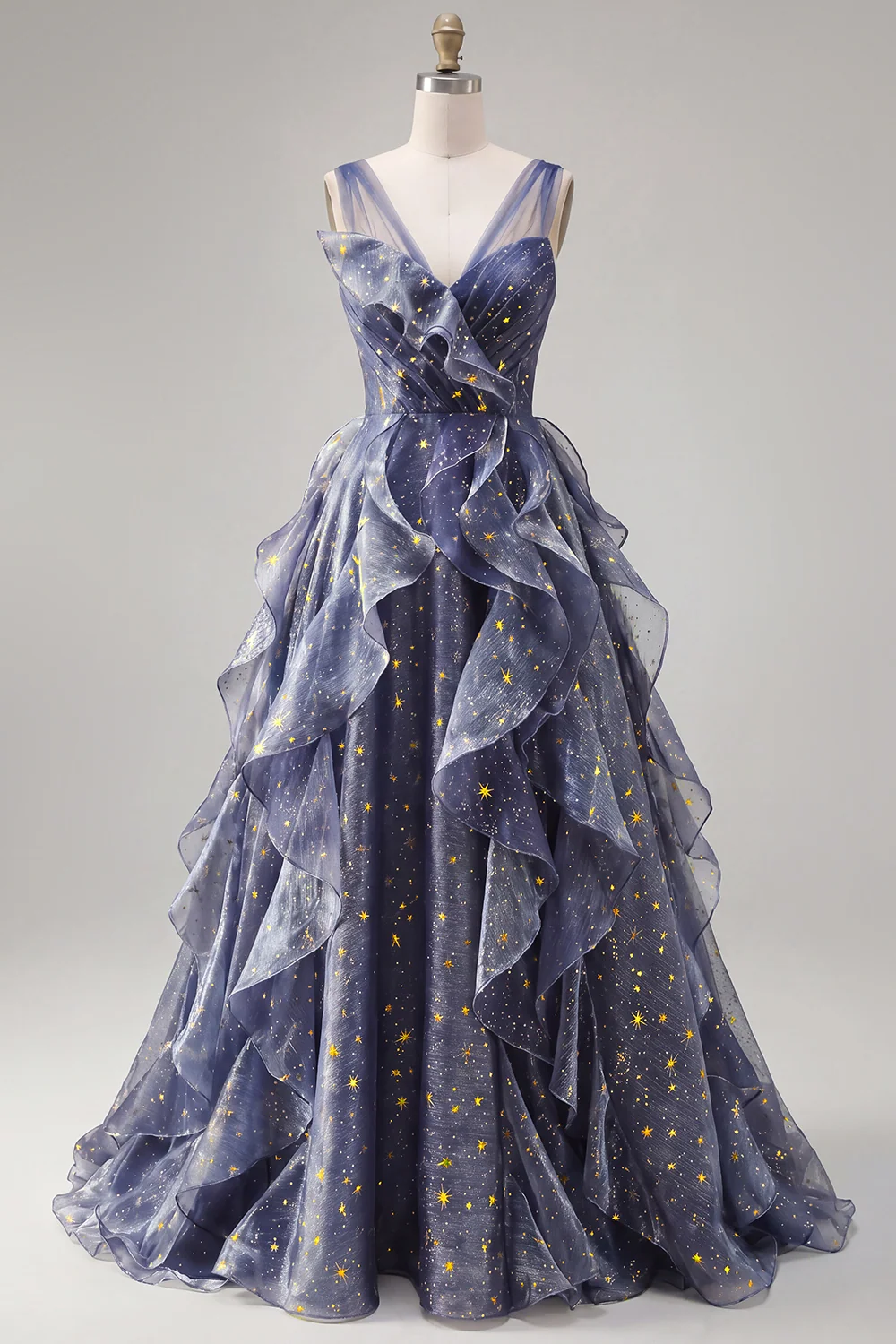
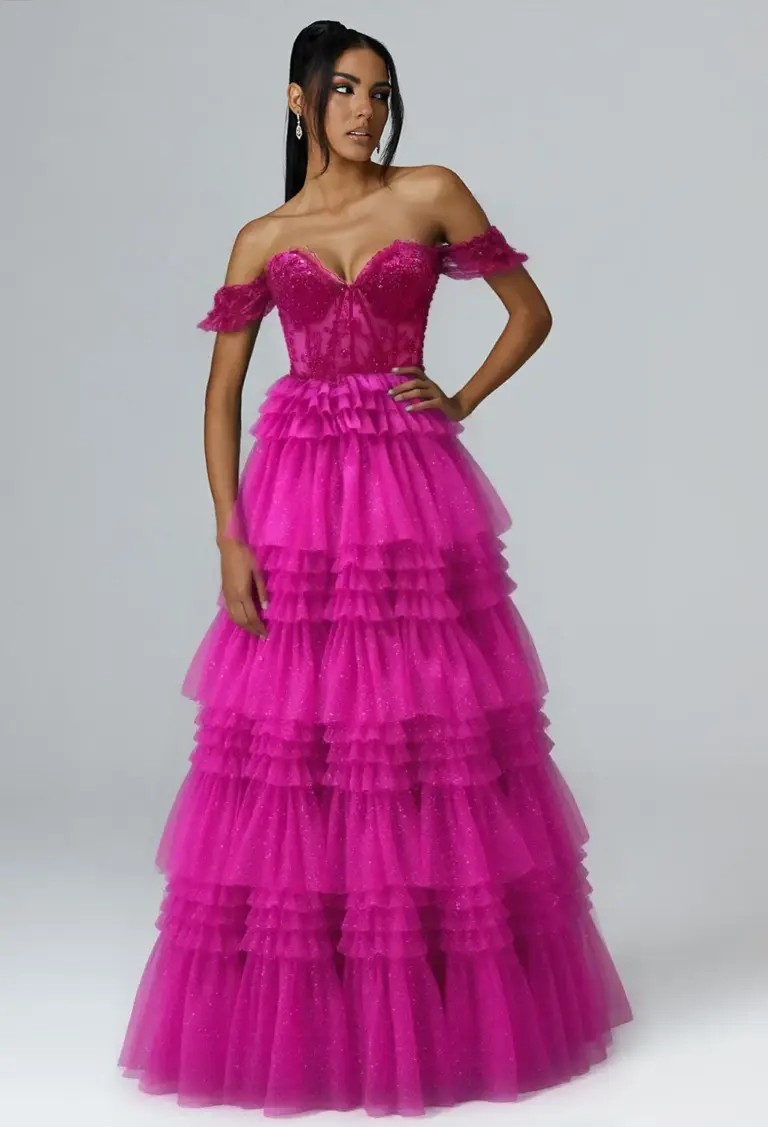 Maxi DressesTulle Tiered Maxi Dresses That Feel Special
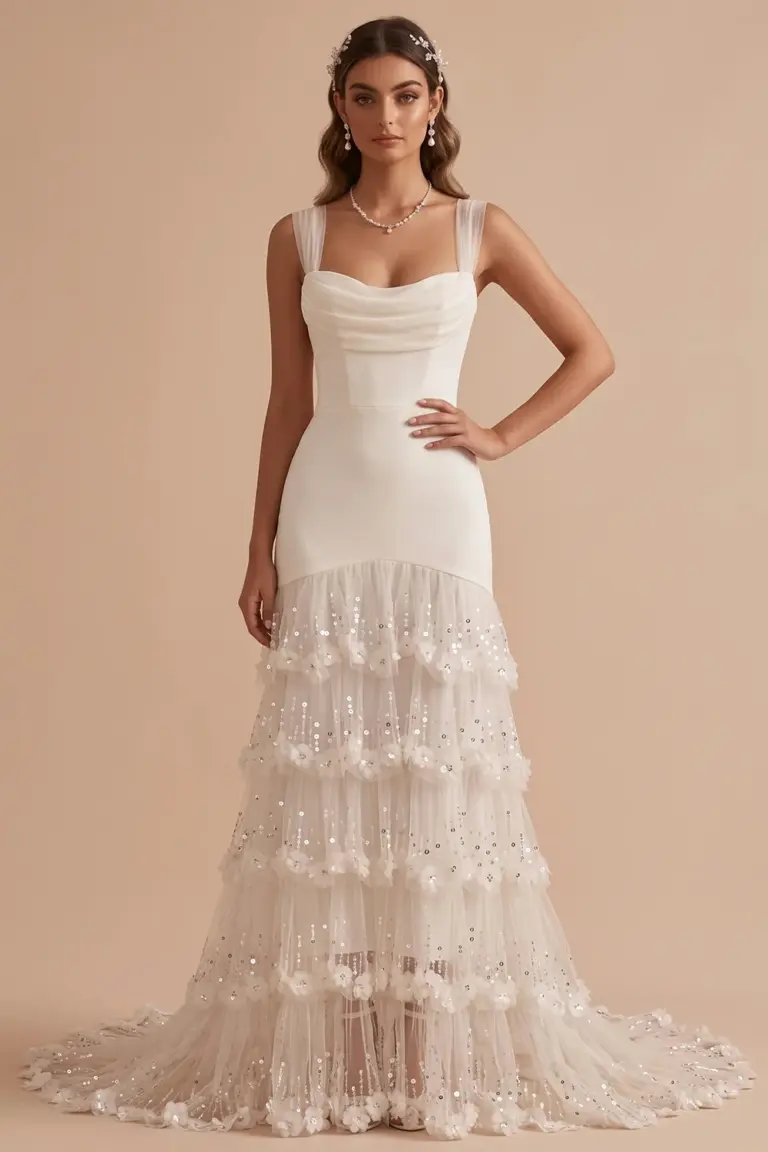
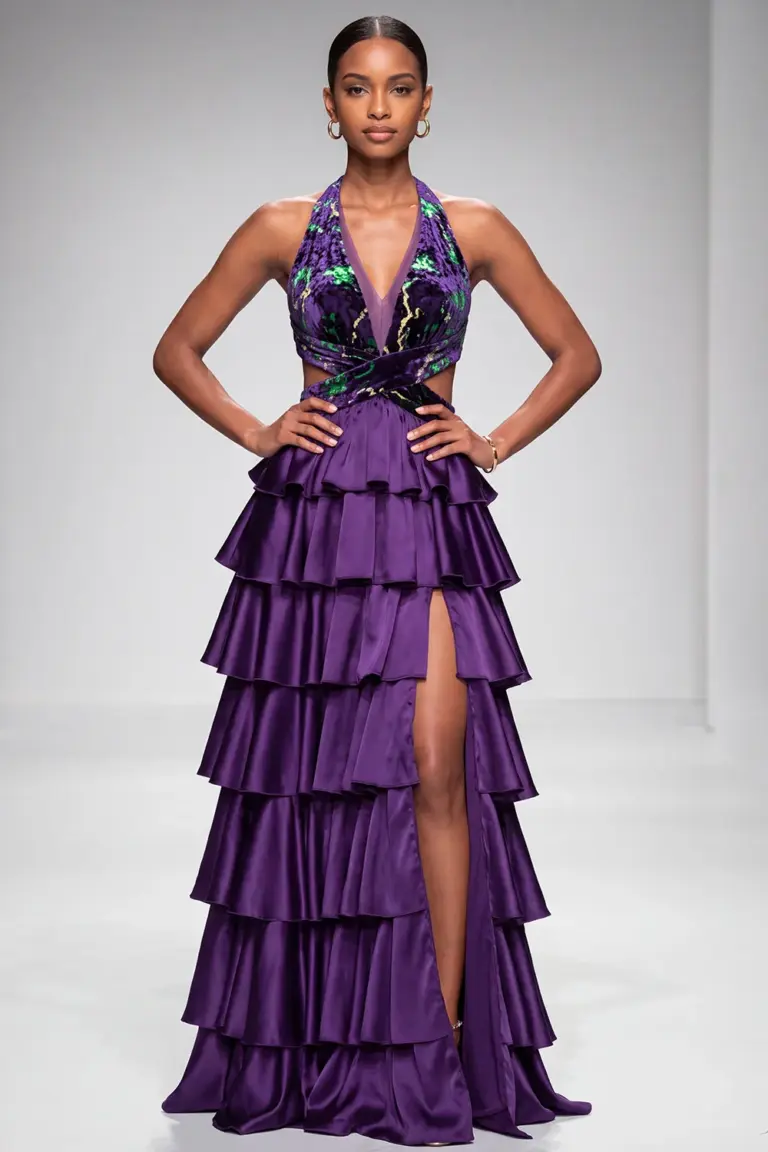 Velvet DressesTiered Velvet Dresses for When You Want to Feel Put Together
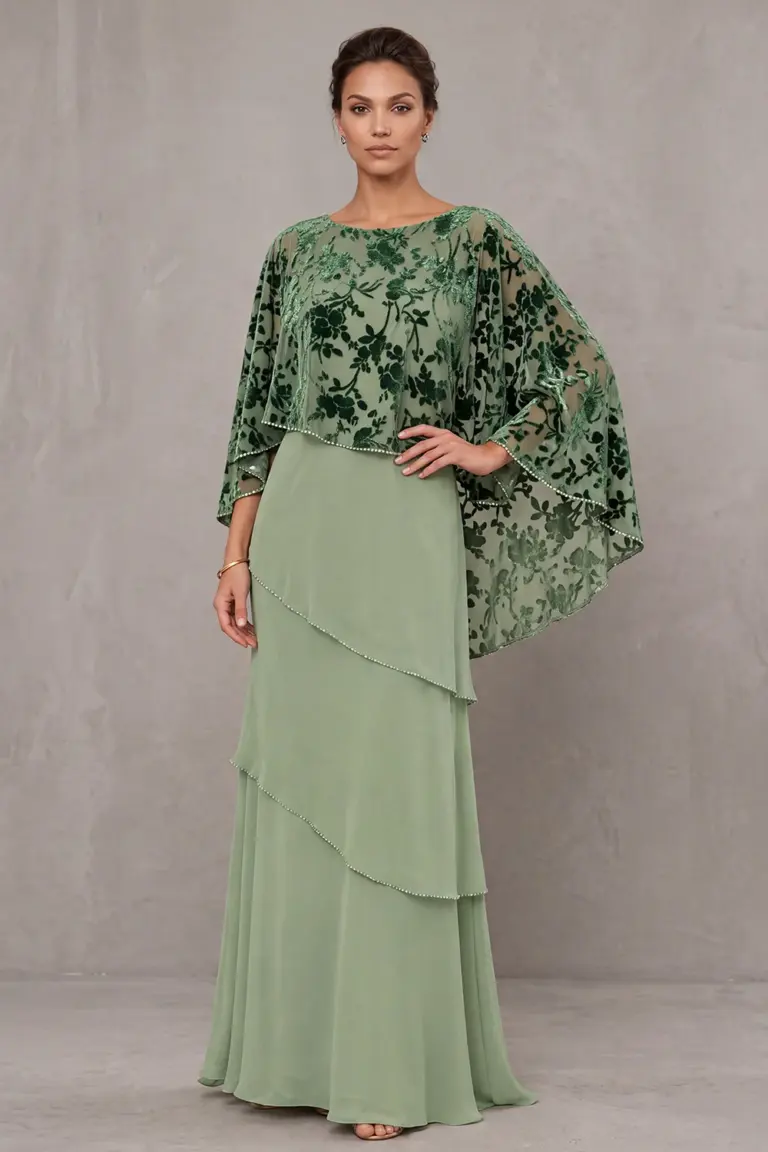
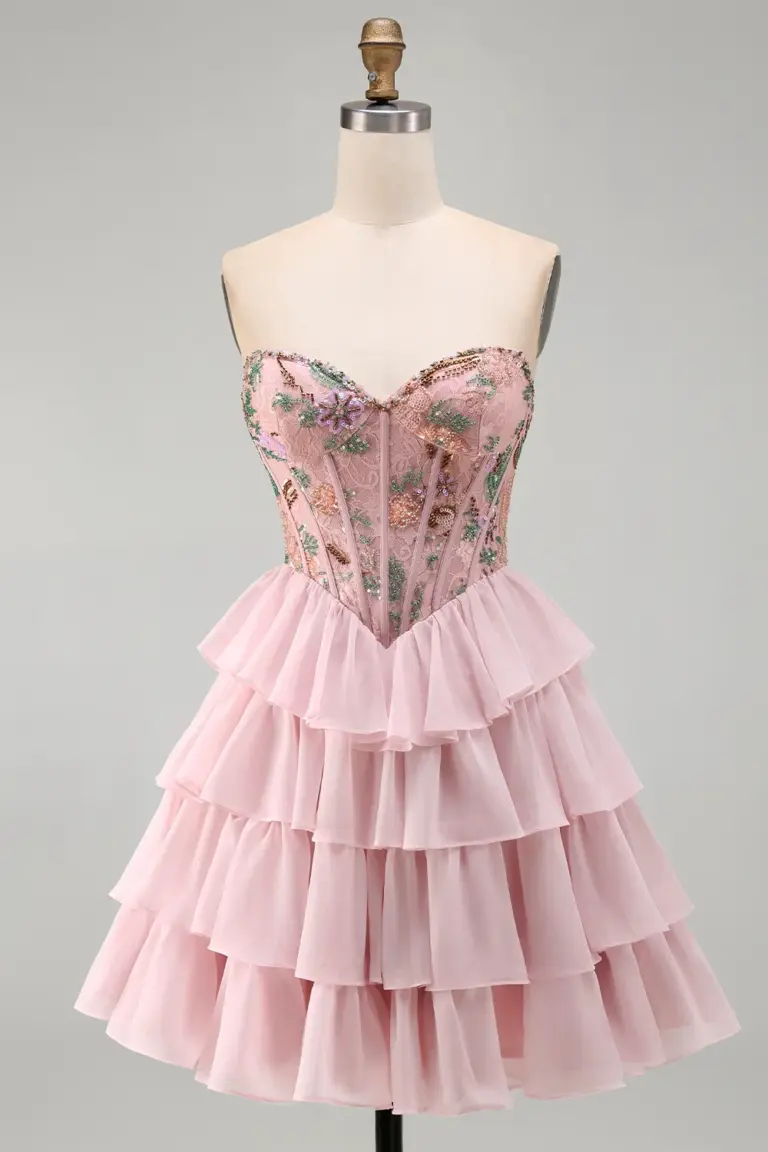 Wedding Guest DressesTiered Wedding Guest Dresses That Always Get Compliments
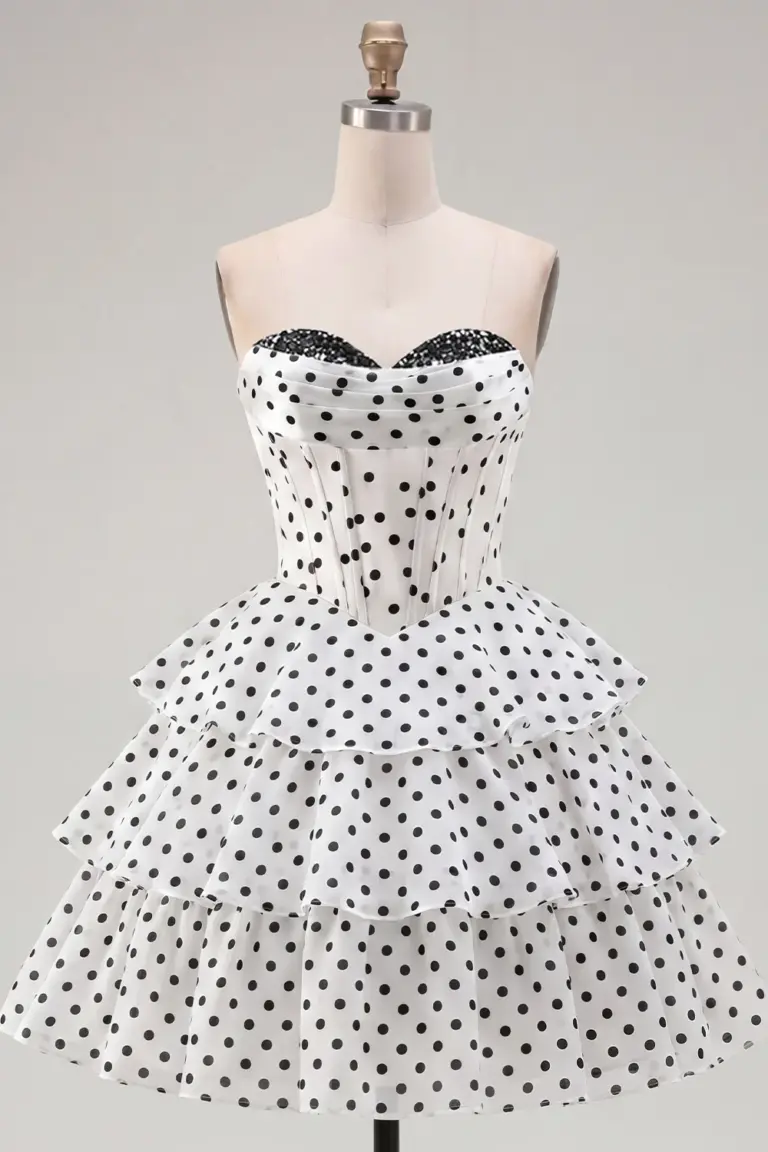
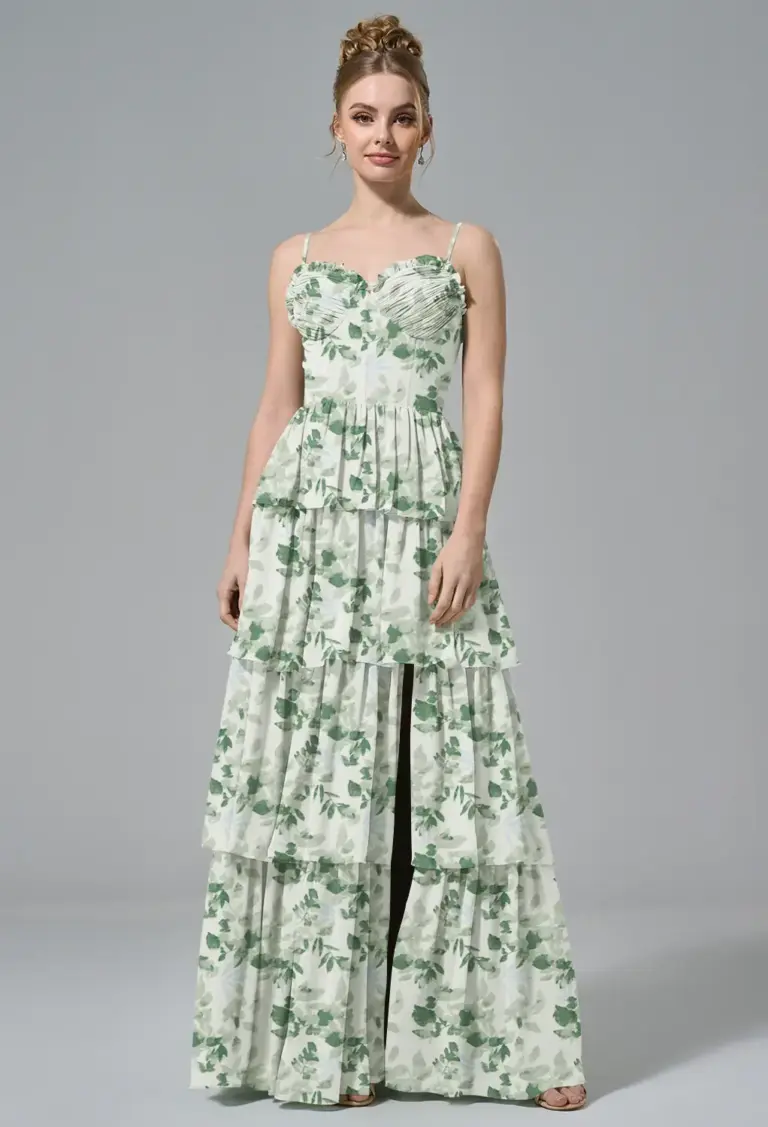 Floor Length DressesTiered Floor Length Evening Dresses Actually Worth Buying
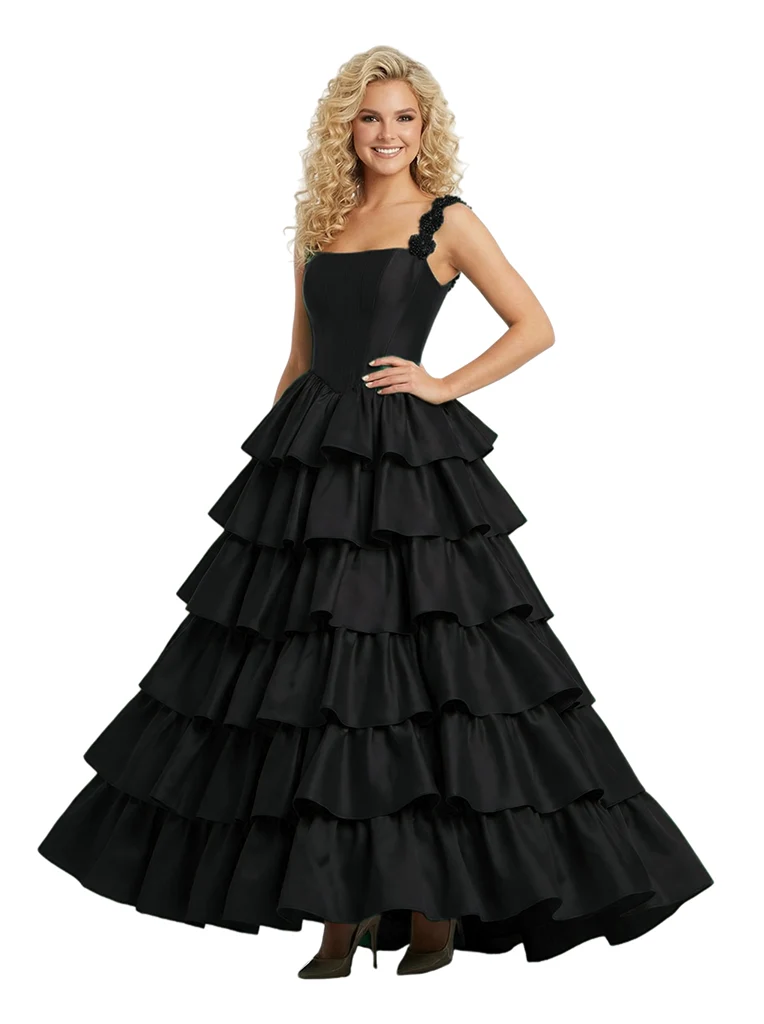
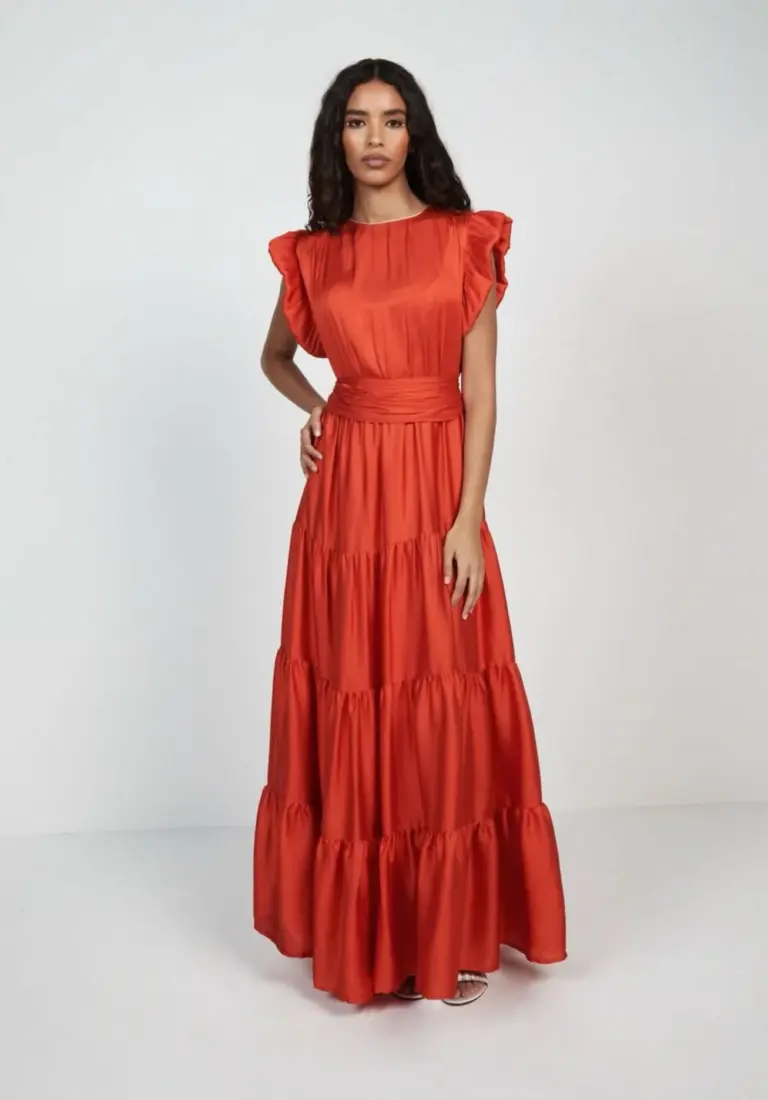 Satin DressesTiered Maxi Satin Dresses That Feel Special
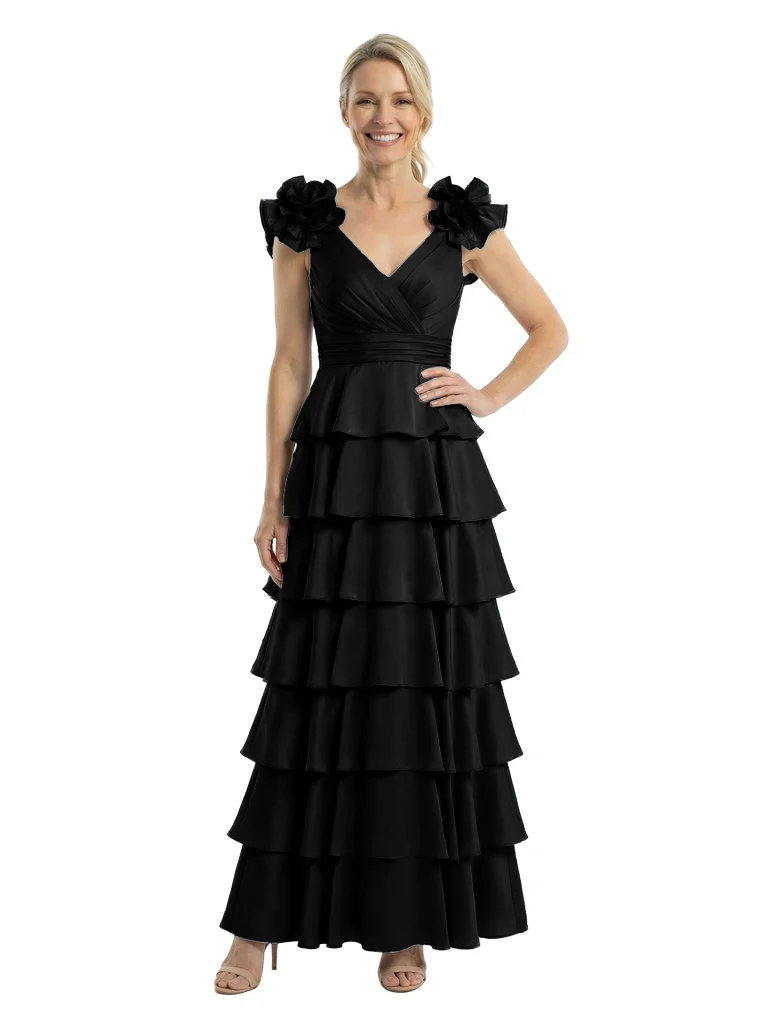
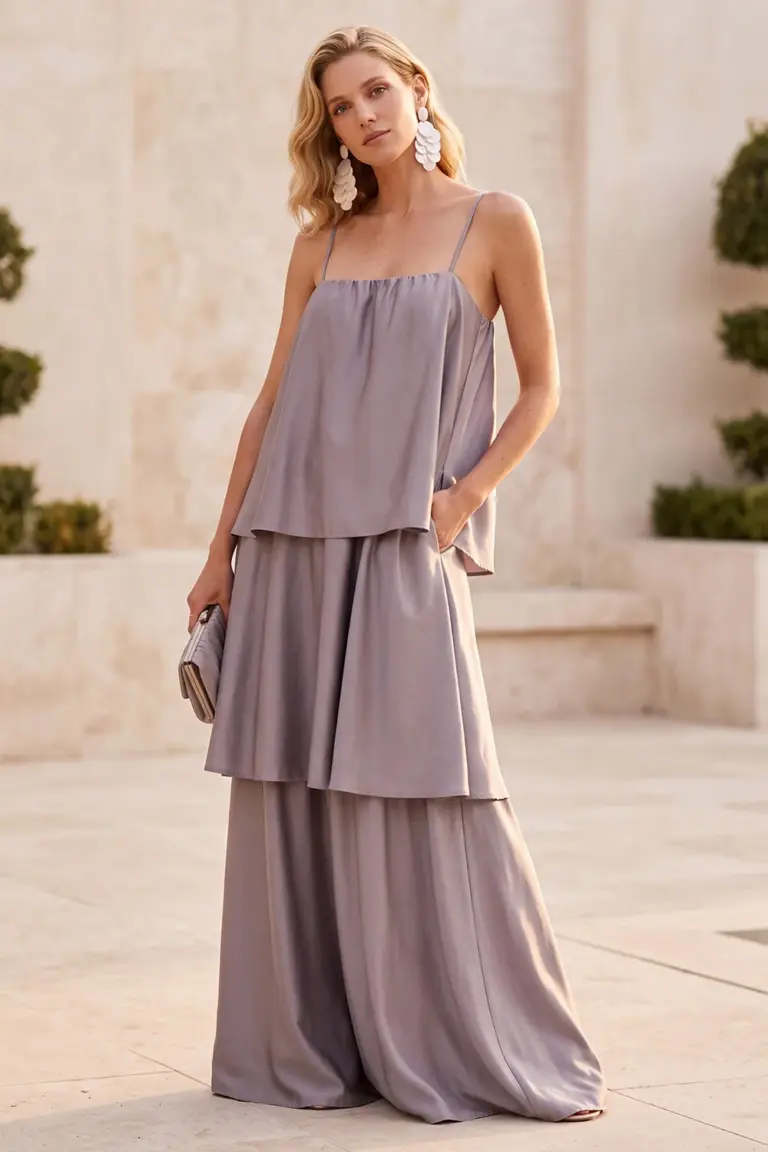 Satin DressesTiered Satin Dresses: Picks We Stand By