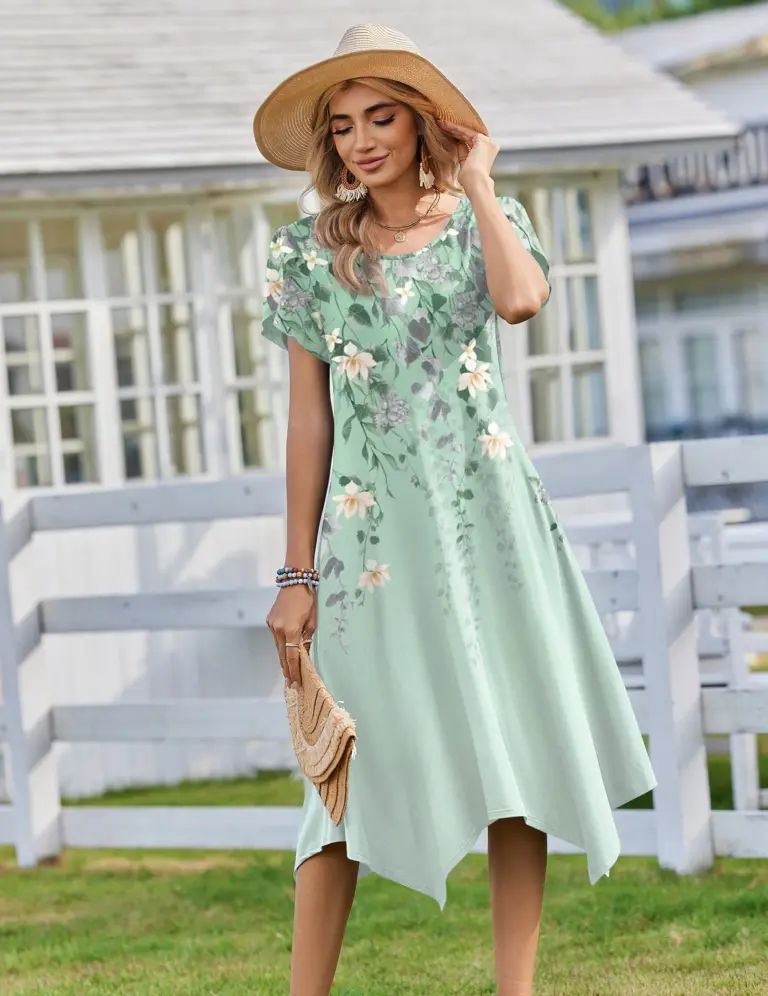
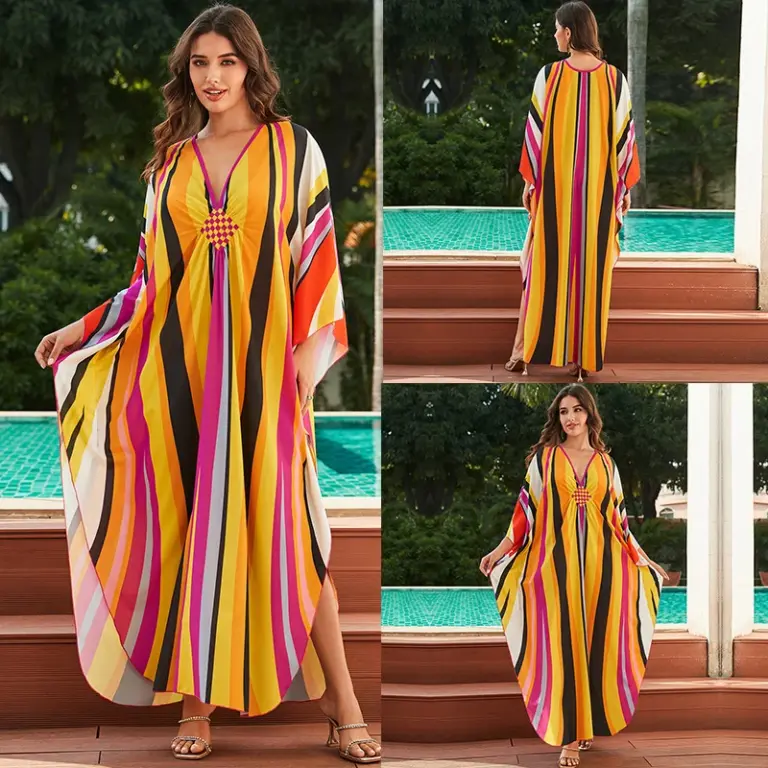
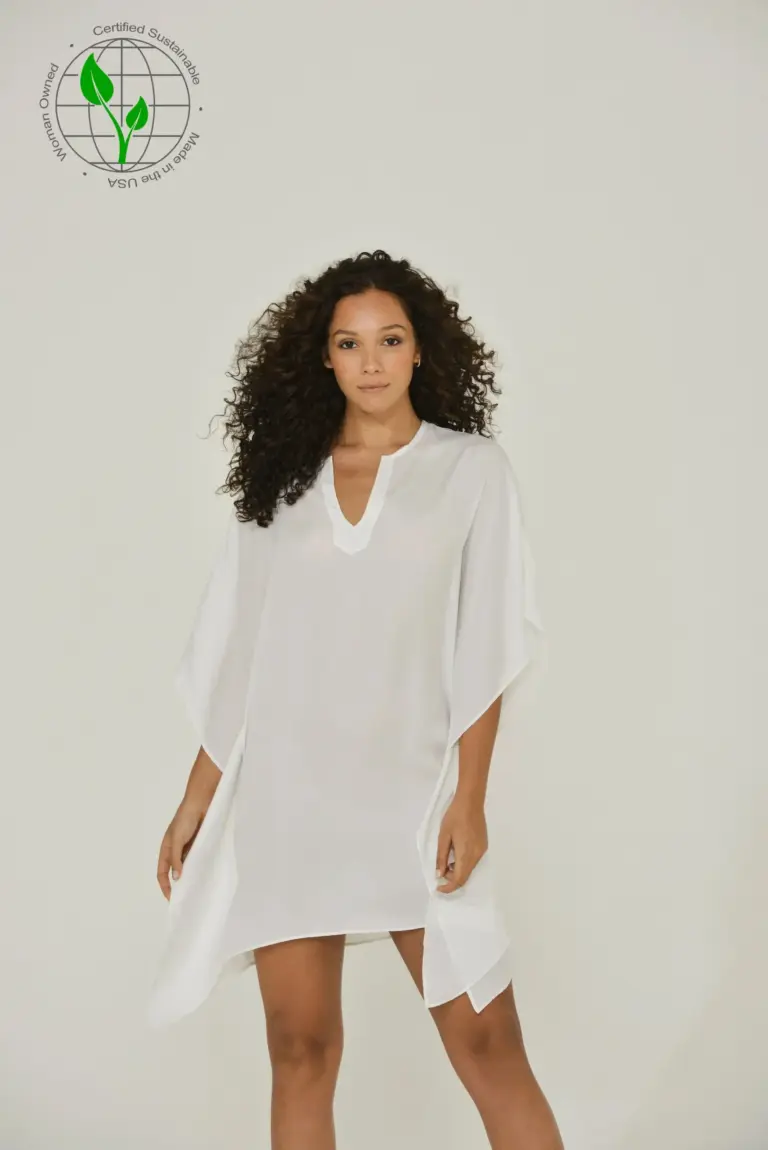
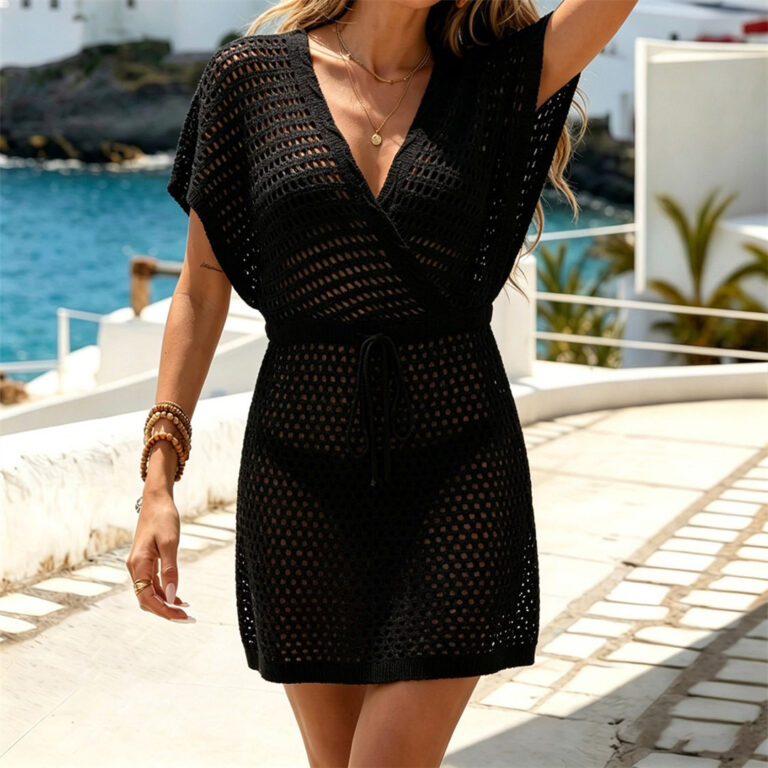
A good tunic dress has a bit of swing to it when you hold it up, some drop and movement in the fabric rather than a flat panel that's just going to sit there. You want it to feel like it's got somewhere to go once it's on, not stiff, not clingy, something that will move when you walk rather than fight you with every step. Hold the fabric up to the light too, cheap jersey goes see through round the hips exactly where you don't want it.
Before you buy, check the side seams for actual slits, even small ones, because without any shaping there a straight tunic can turn into a tube that rides up when you sit down, and check what's happening at the shoulder, since a lot of these are cut with dropped or wide necklines that gape forward when you lean over a desk or a pram. Honestly, this shape is wrong for you if you want something that nips in at the waist, there's no faking a waistline that isn't there, so if you're after definition this isn't the dress, go and look somewhere else on the rail. It's also not brilliant for very formal days, a tunic dress reads as easy and a bit undone even in a nice fabric, which is exactly right for a Saturday wandering round the shops with trainers on and completely wrong for anything where you need to look like you made an effort. Where it earns its keep is the in between days, over leggings for the school run, with a denim jacket thrown on top for a wander round town, or belted with ankle boots when you want to look like you tried without actually trying. I've got one in a soft grey jersey that's done duty as a dress on its own in summer and as a long top over trousers in winter, same dress, two different seasons, which is the sort of thing that makes you feel like you bought well.
For fit, go by your hip and shoulder measurement rather than what you'd normally take on a fitted dress, because tunic dresses are meant to skim rather than cling and sizing down just gives you a tight tube with none of the swing that makes the shape work in the first place. Watch the length against your own height before you commit, since a tunic cut to the knee on someone five foot four can land mid calf and heavy looking on someone taller, and that changes the whole point of the thing. The other fit problem worth checking is across the back, between the shoulder blades, because a tunic that's generous everywhere else can still pull tight there and drag the whole neckline sideways when you reach for something.
Check the side seams for slits before anything else, that's the detail that decides whether you can actually sit down in it.

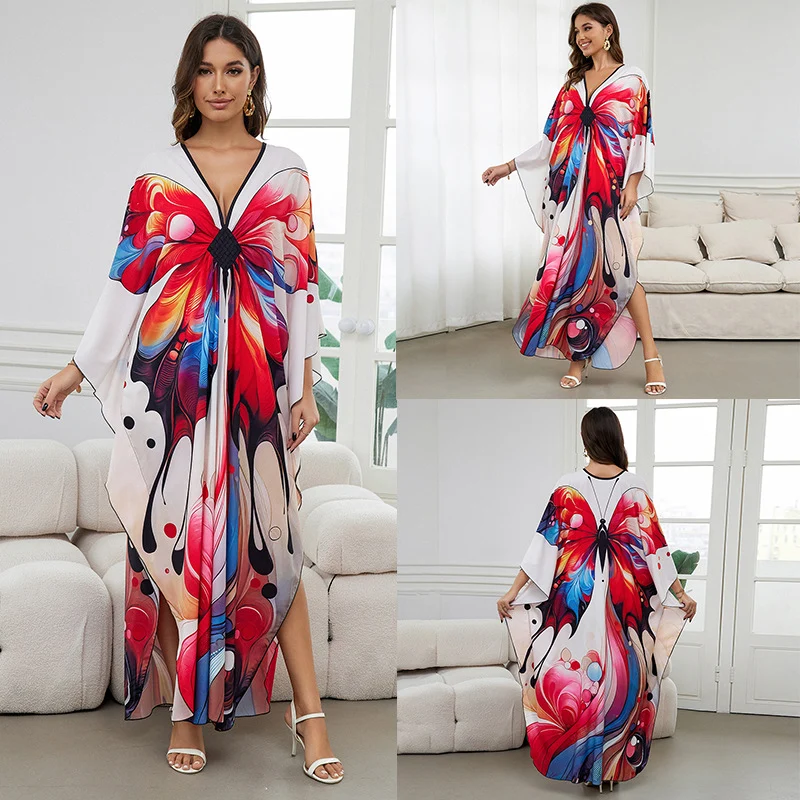 V Neck DressesV Neck Tunic Dresses: The Ones Worth Your Money
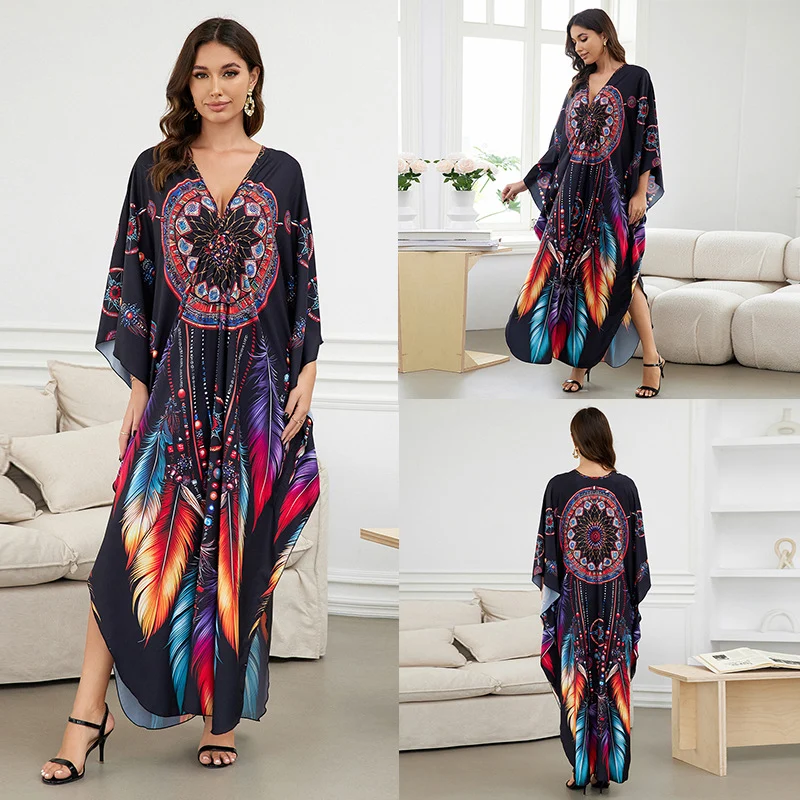
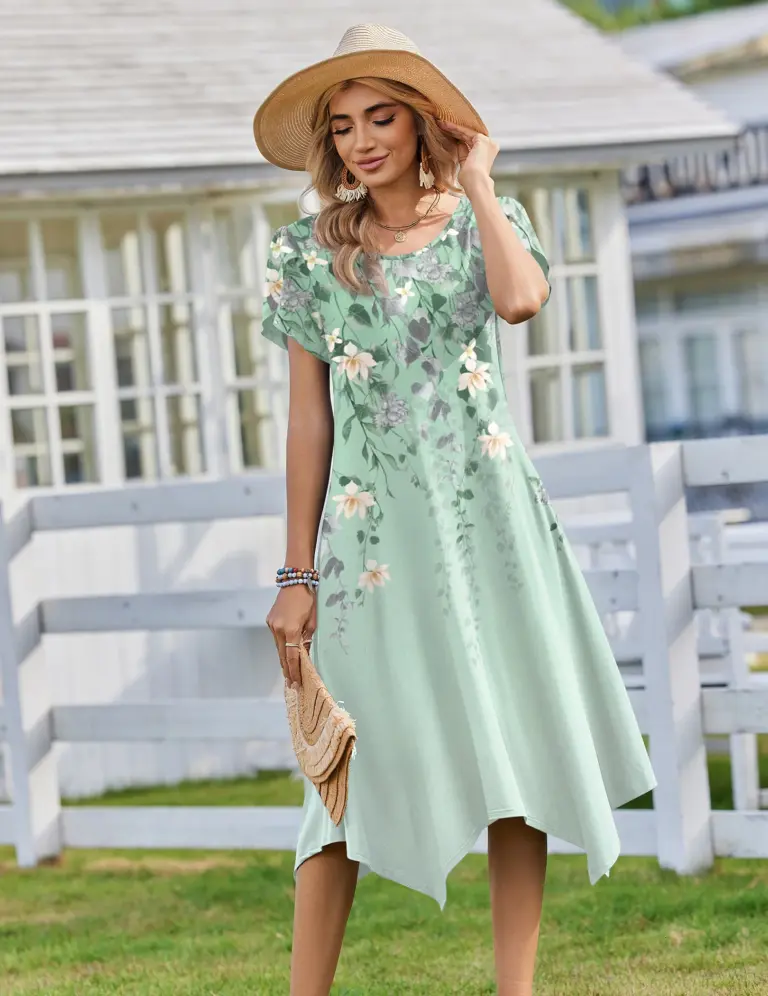 Tunic Dresses Worth a Closer Look

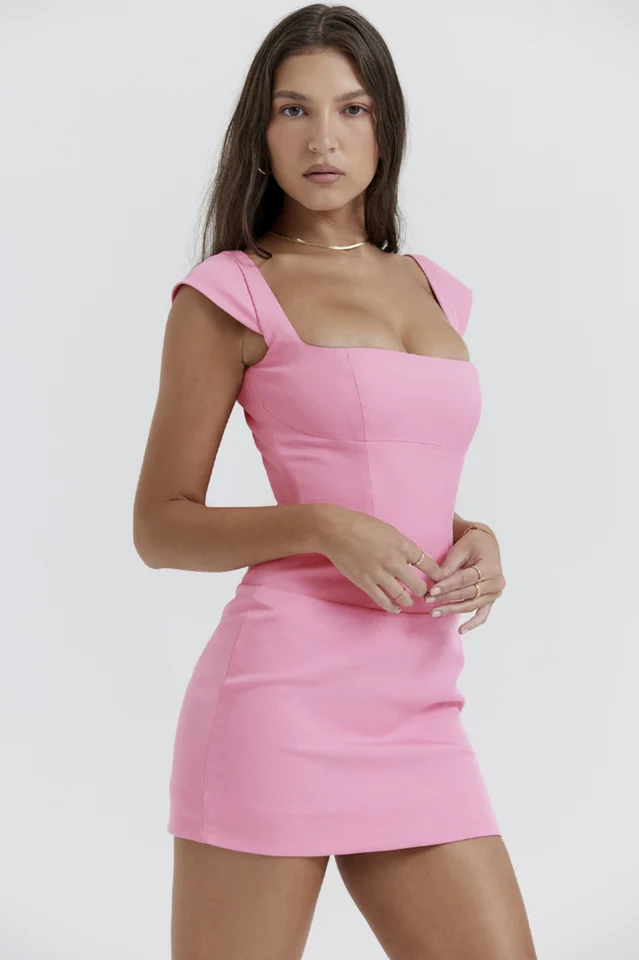 Summer DressesSummer Tunic Dresses Picked by Us

 Our Edit of the Best Short Tunic Dresses
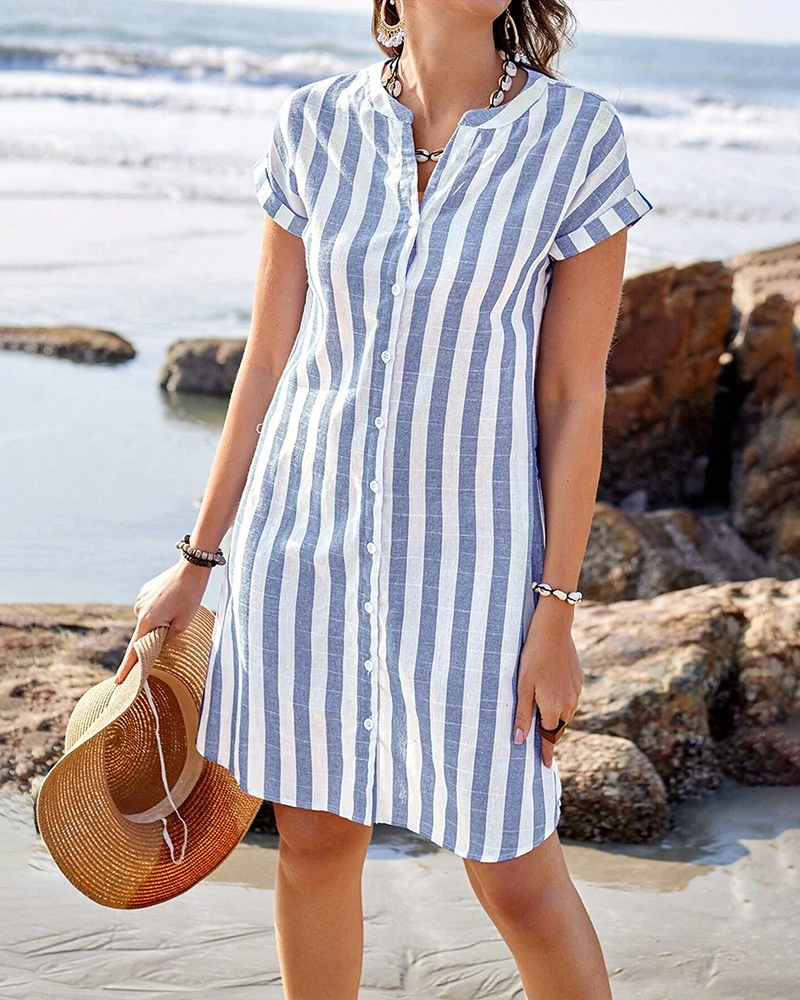 Relaxed Fit Tunic Dresses You’ll Reach for First
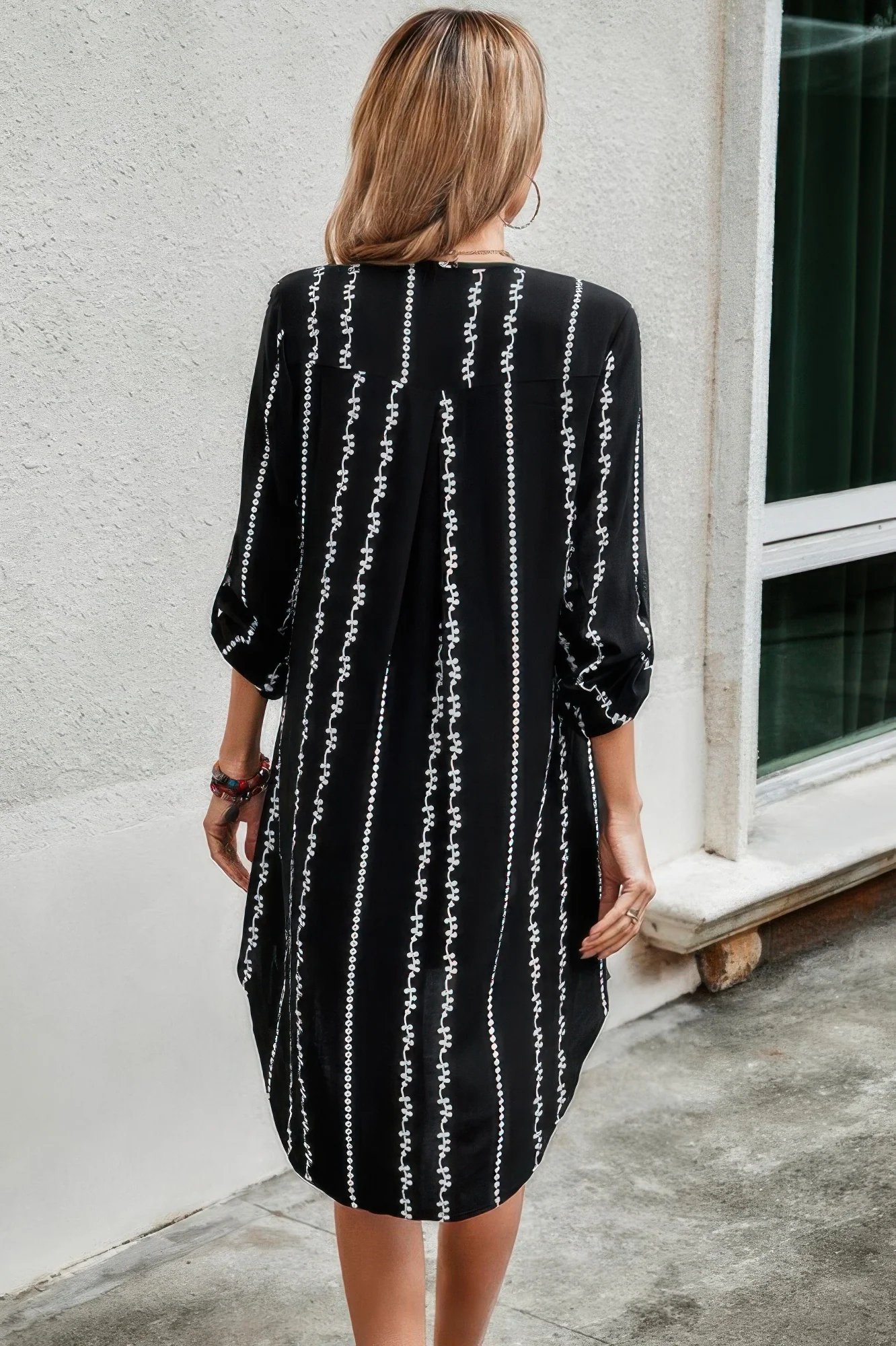
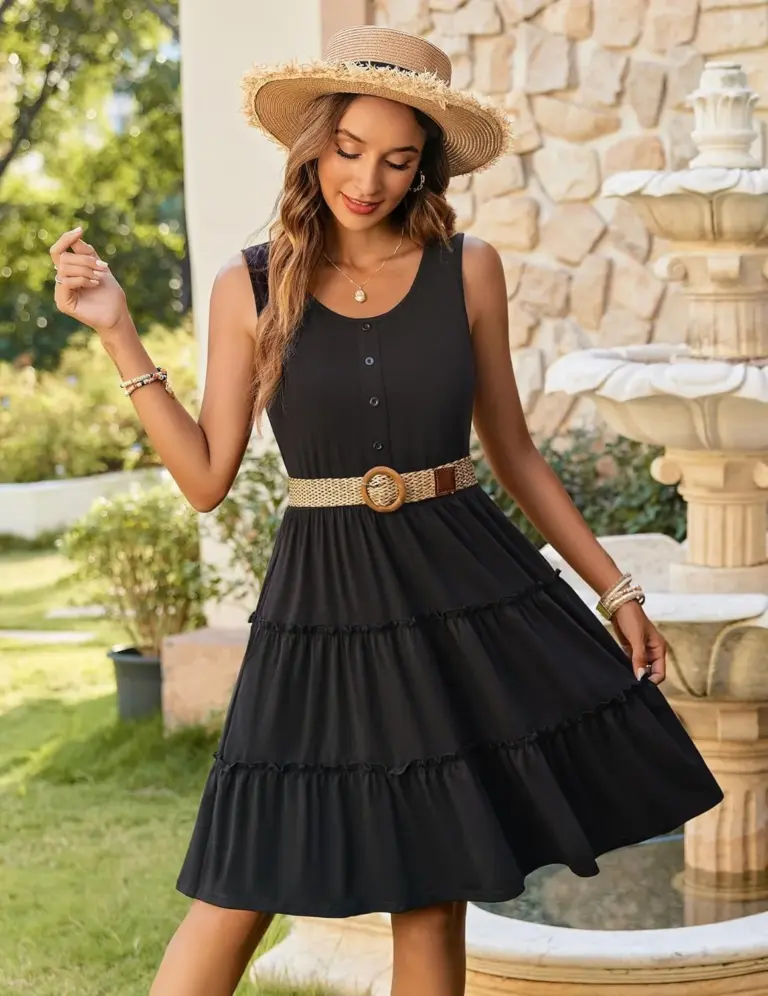 Party DressesParty Tunic Dresses for When You Want to Feel Put Together
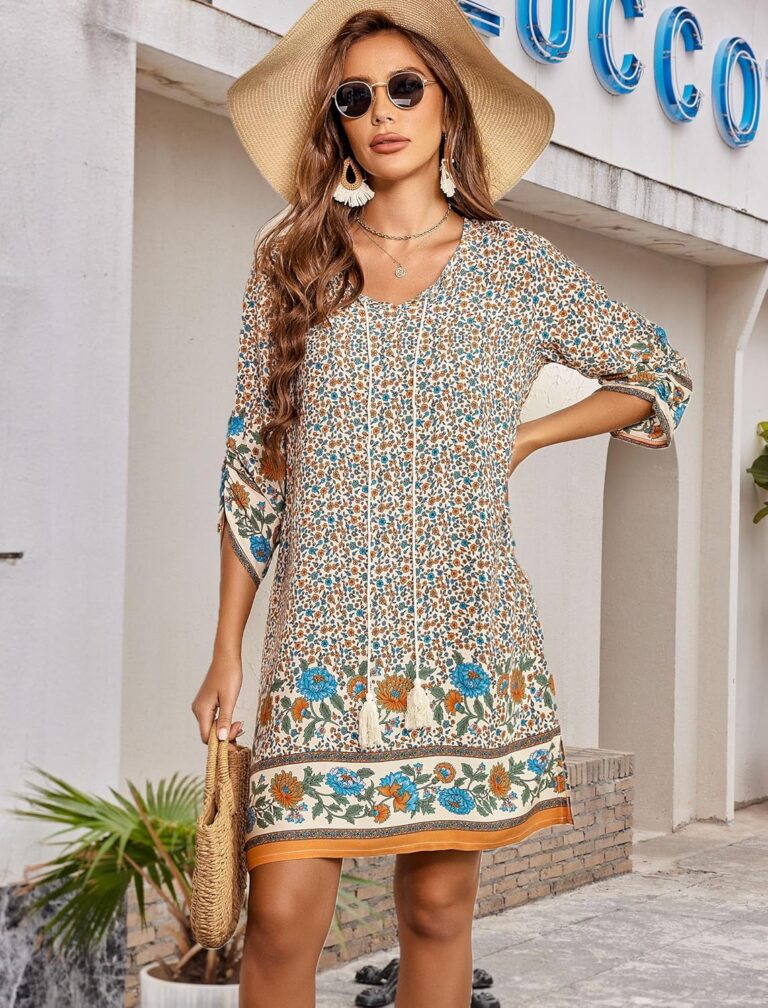
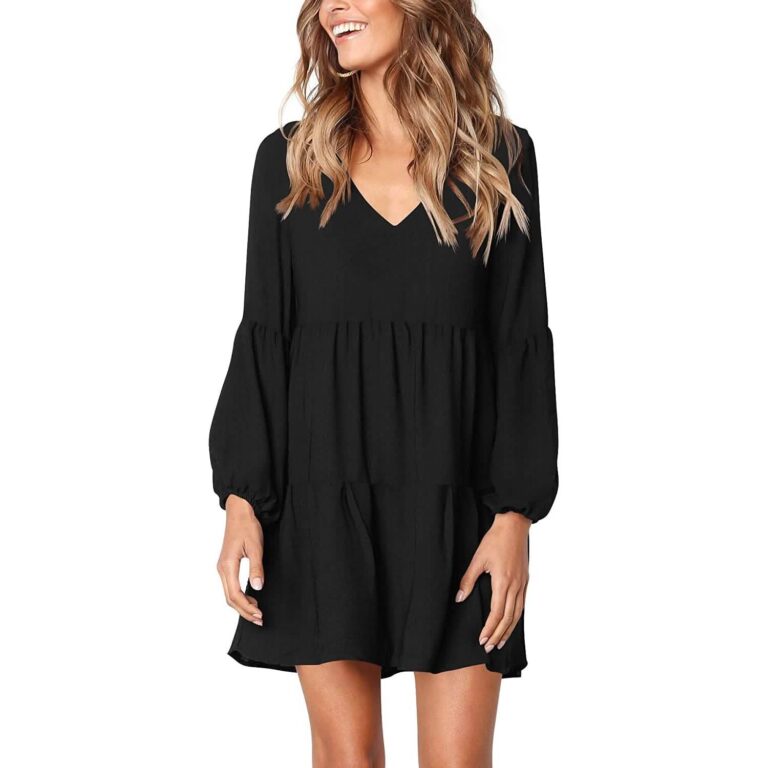 Effortless Loose Tunic Dresses We Love

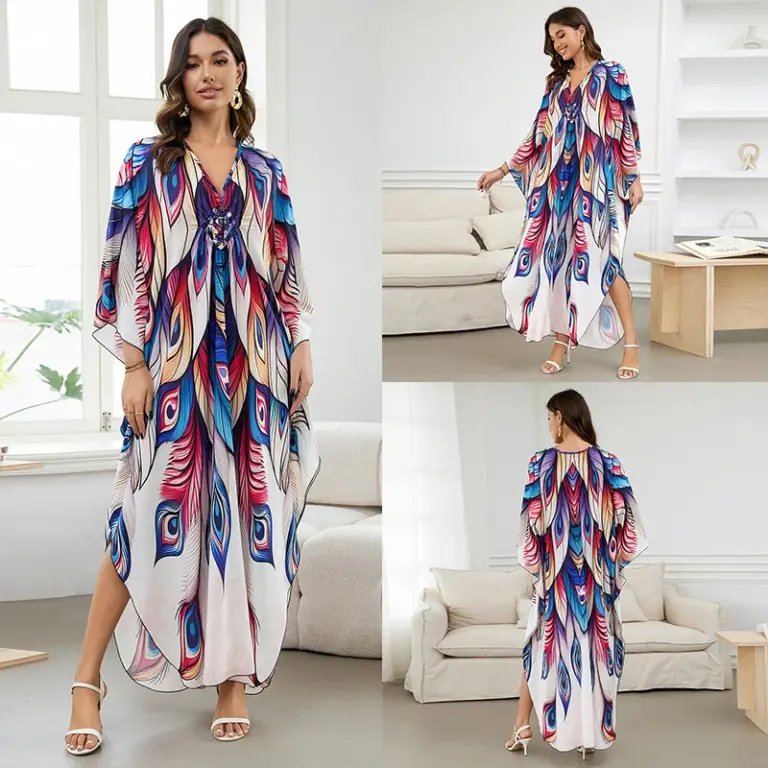 Shop the Edit: Long Tunic Dresses
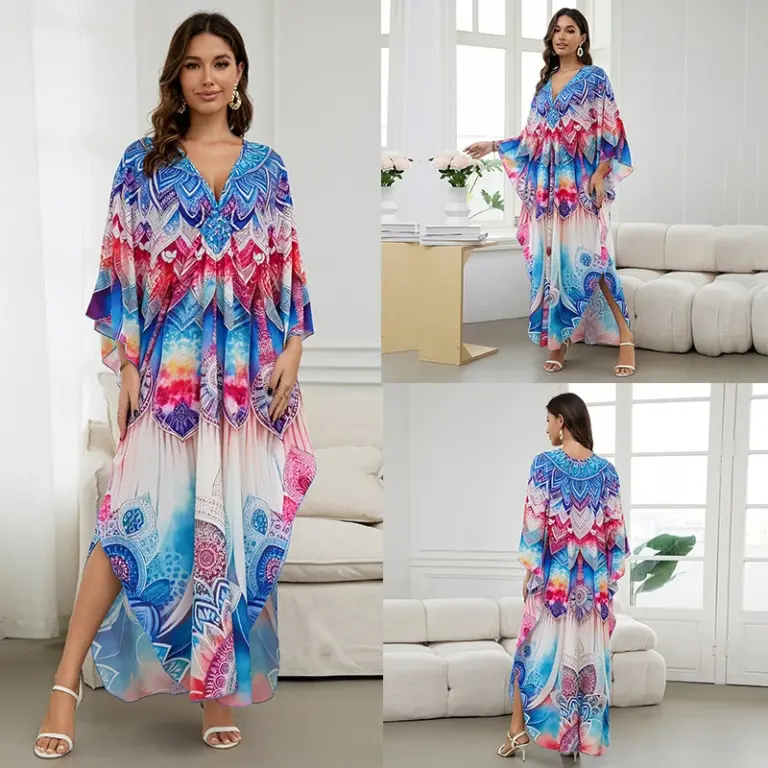
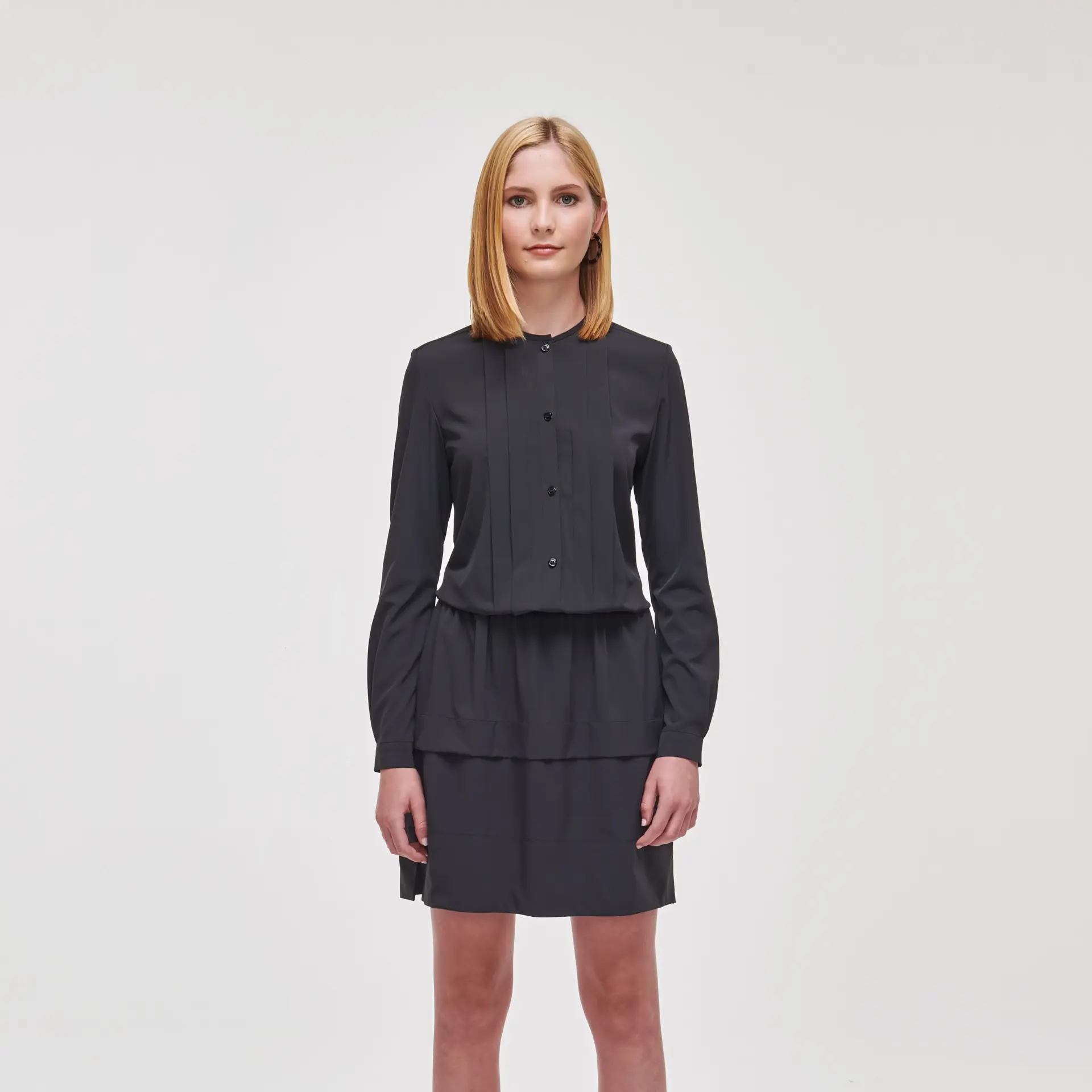 Long Sleeve DressesLong Sleeve Tunic Dresses That Do All the Work for YouAlso worth a lookMidi DressesThe moment a midi dress properly clicked for me was a wedding in October, cold enough for tights,…See the collections →
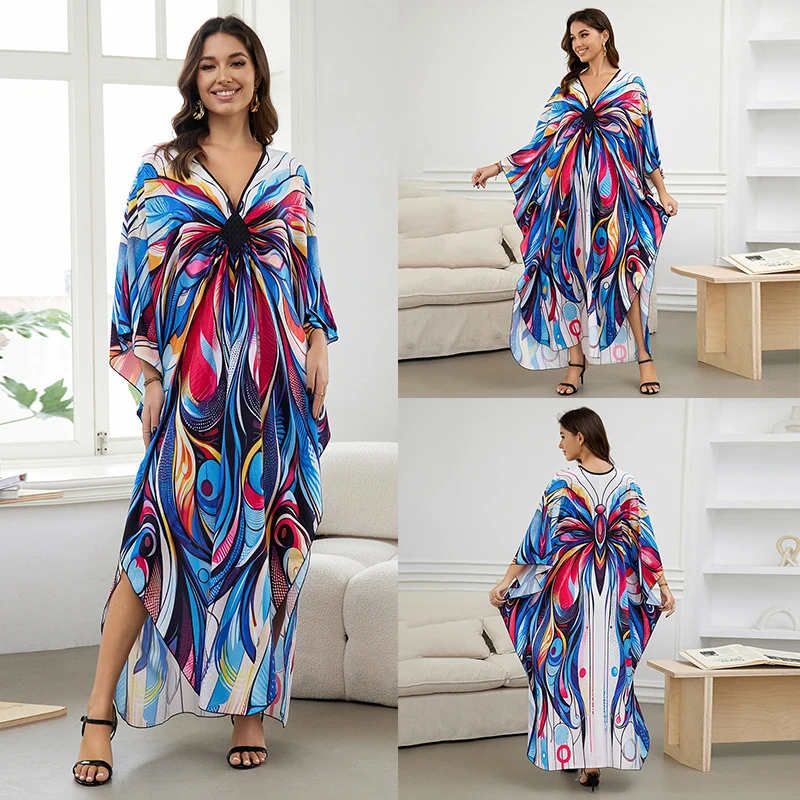
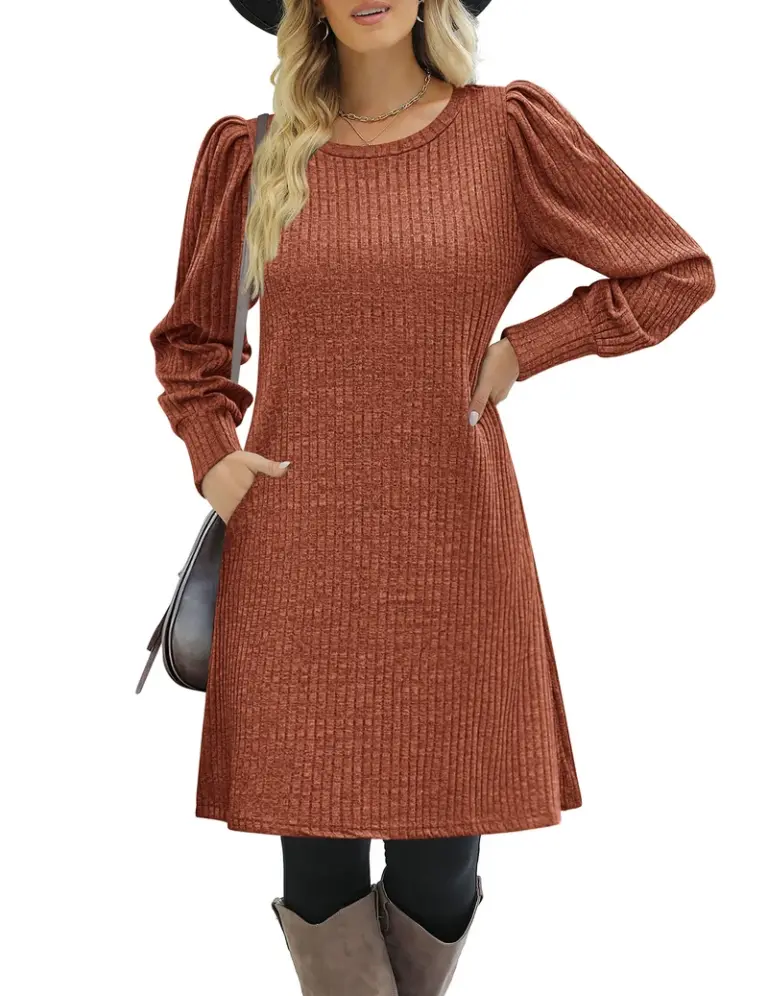 Knitted DressesKnitted Tunic Dresses You Can Dress Up or Down
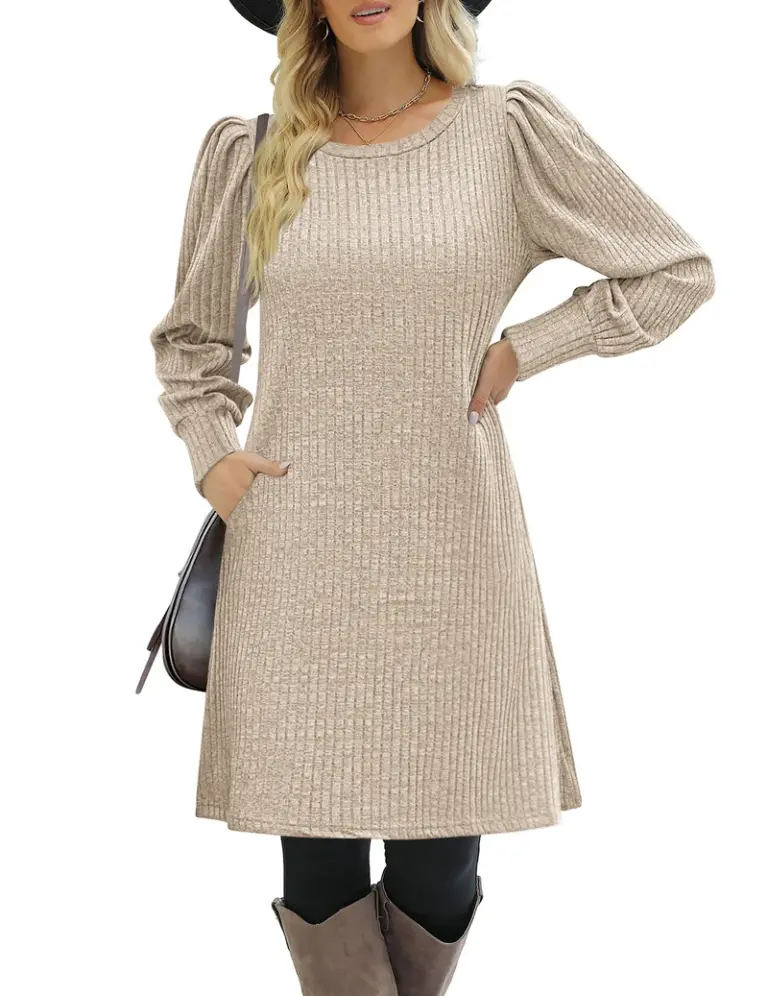
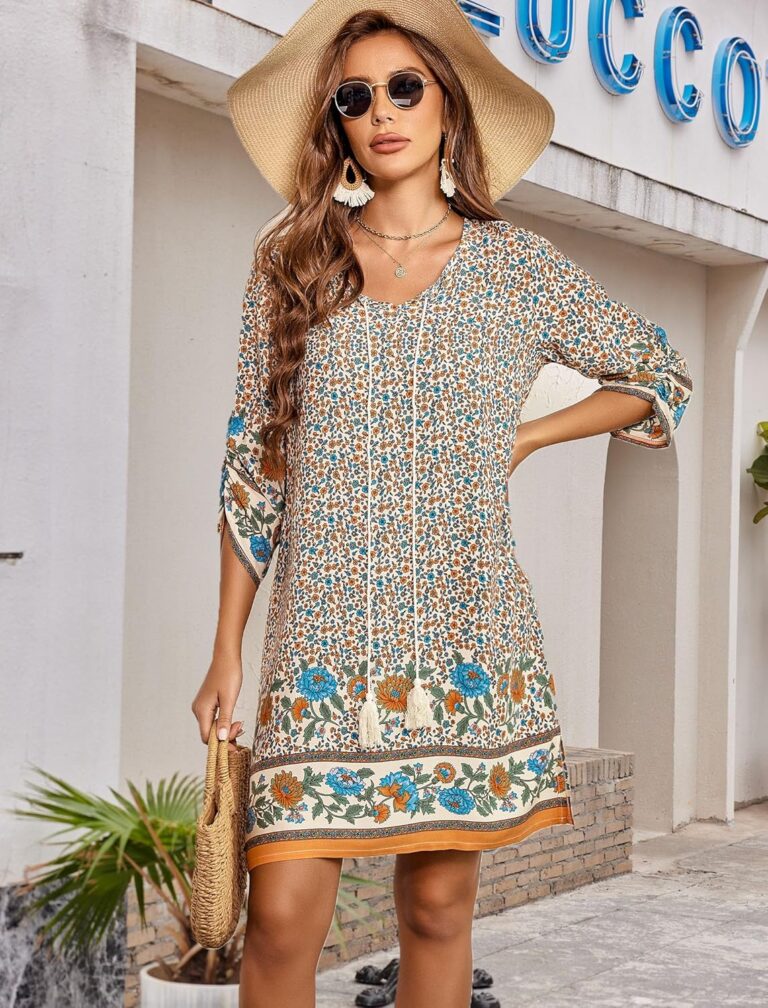 Knee Length DressesOur Top Knee Length Tunic Dresses Right Now
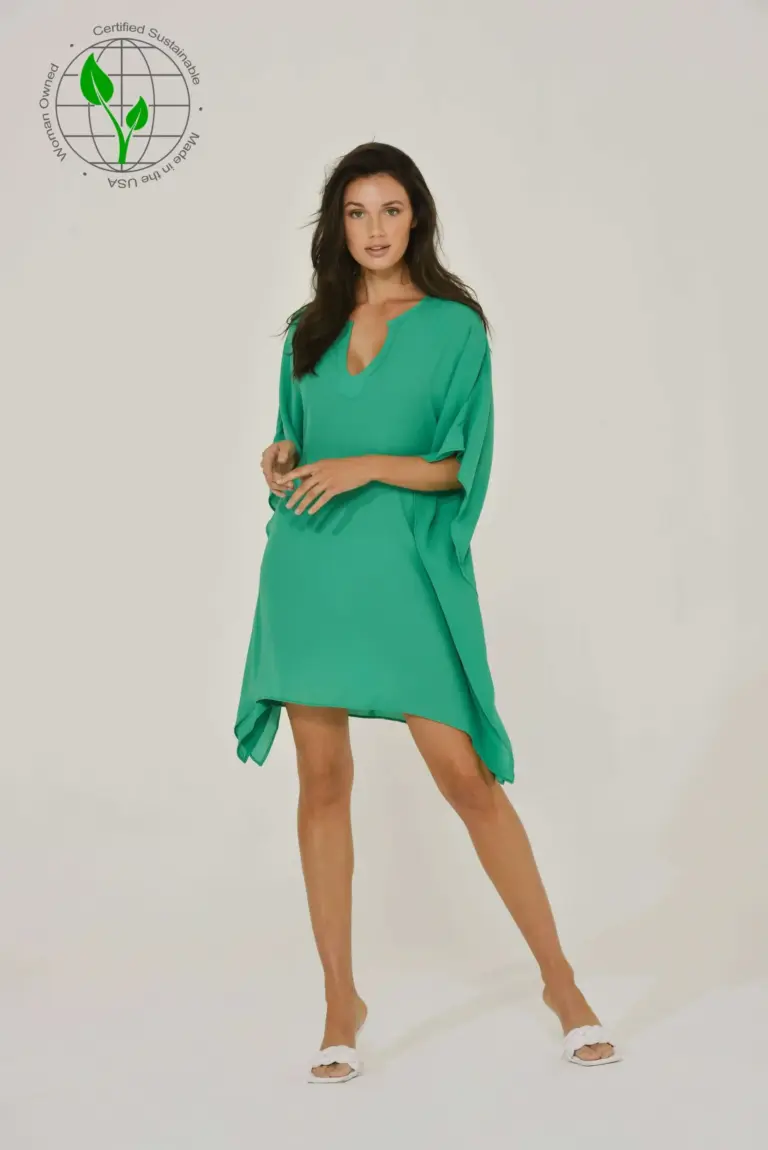
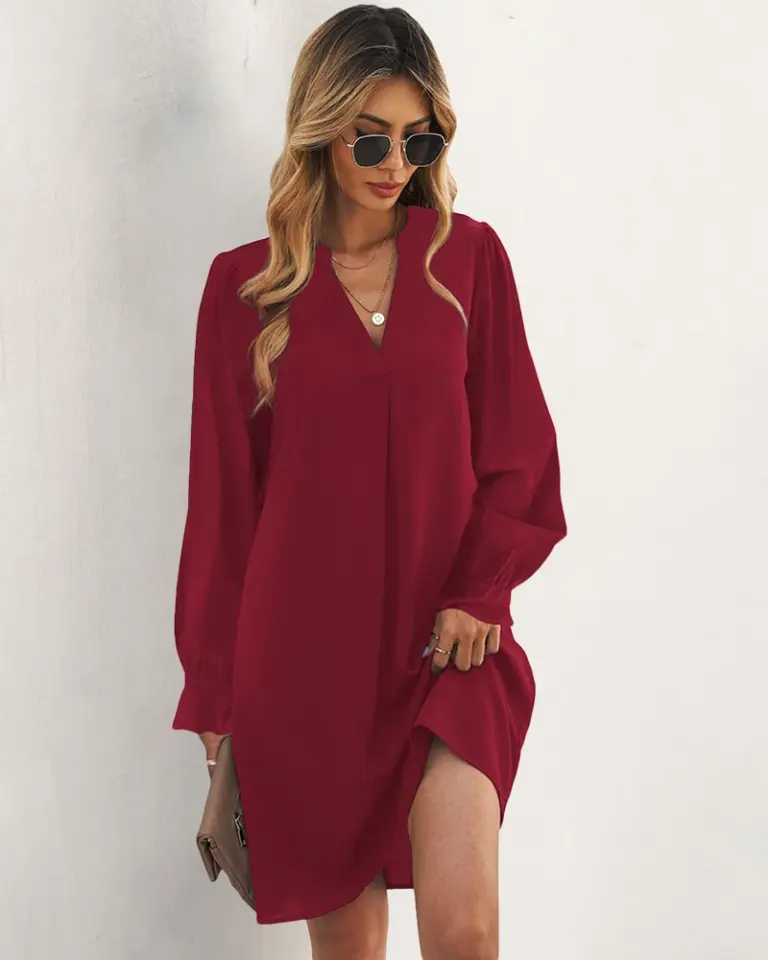 Day Tunic Dresses for When You Want to Feel Put Together
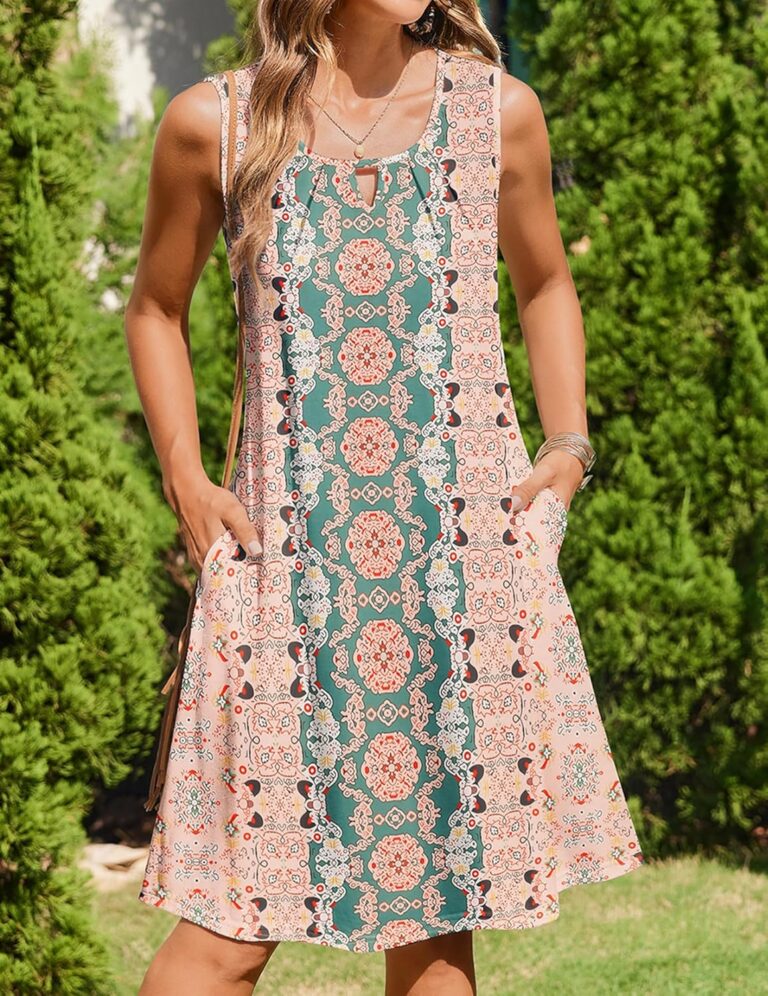
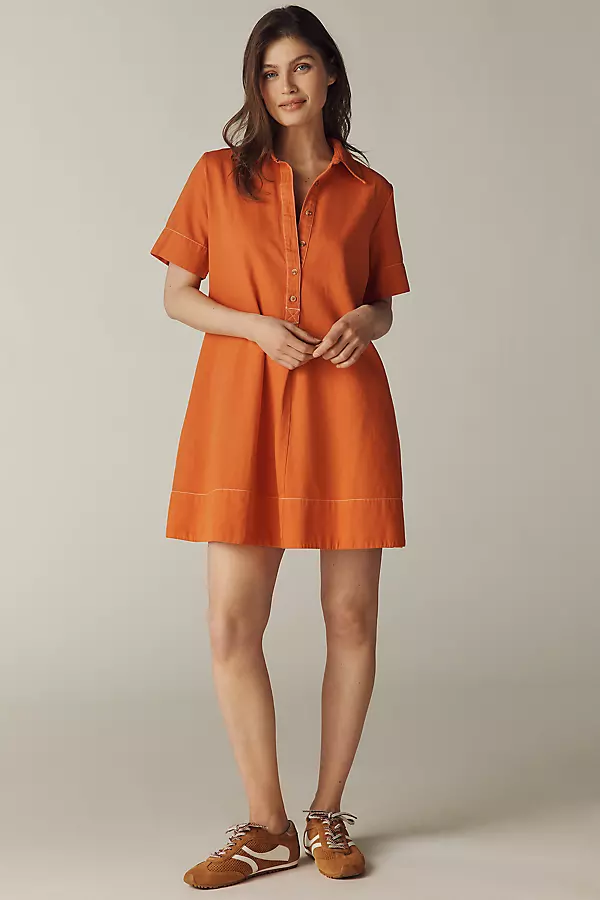 Cotton DressesCotton Tunic Dresses We Can’t Stop Looking At
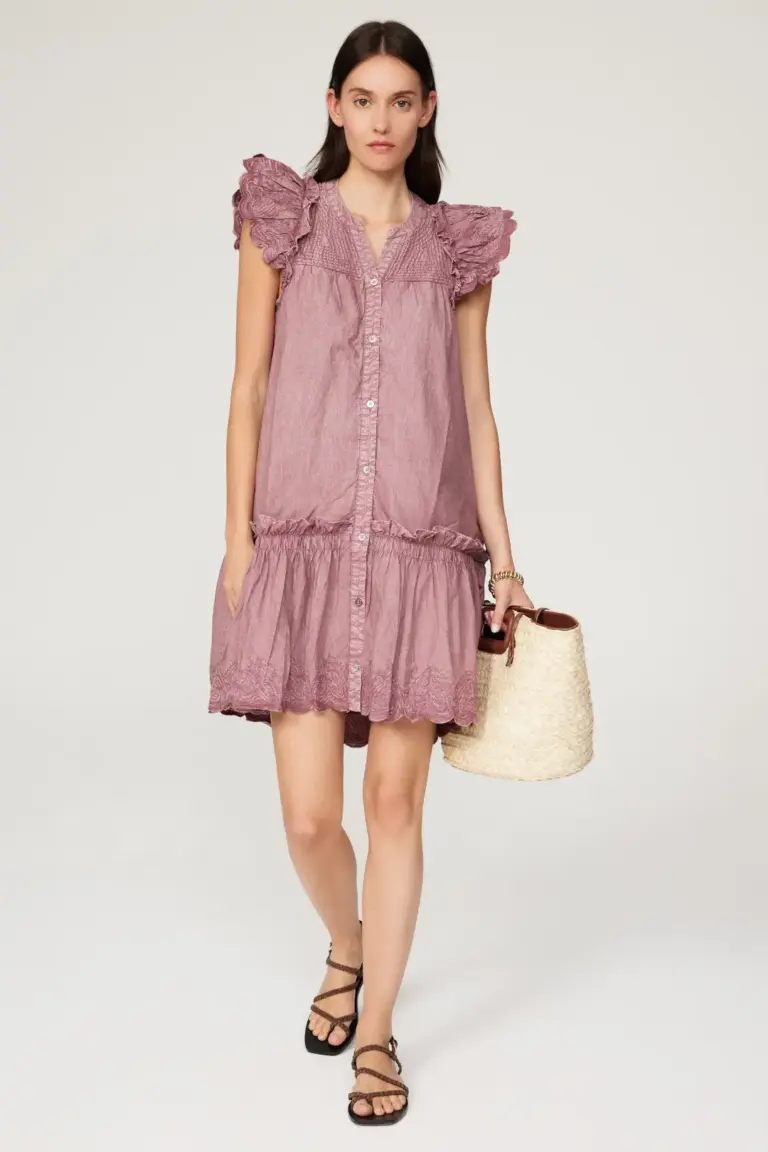
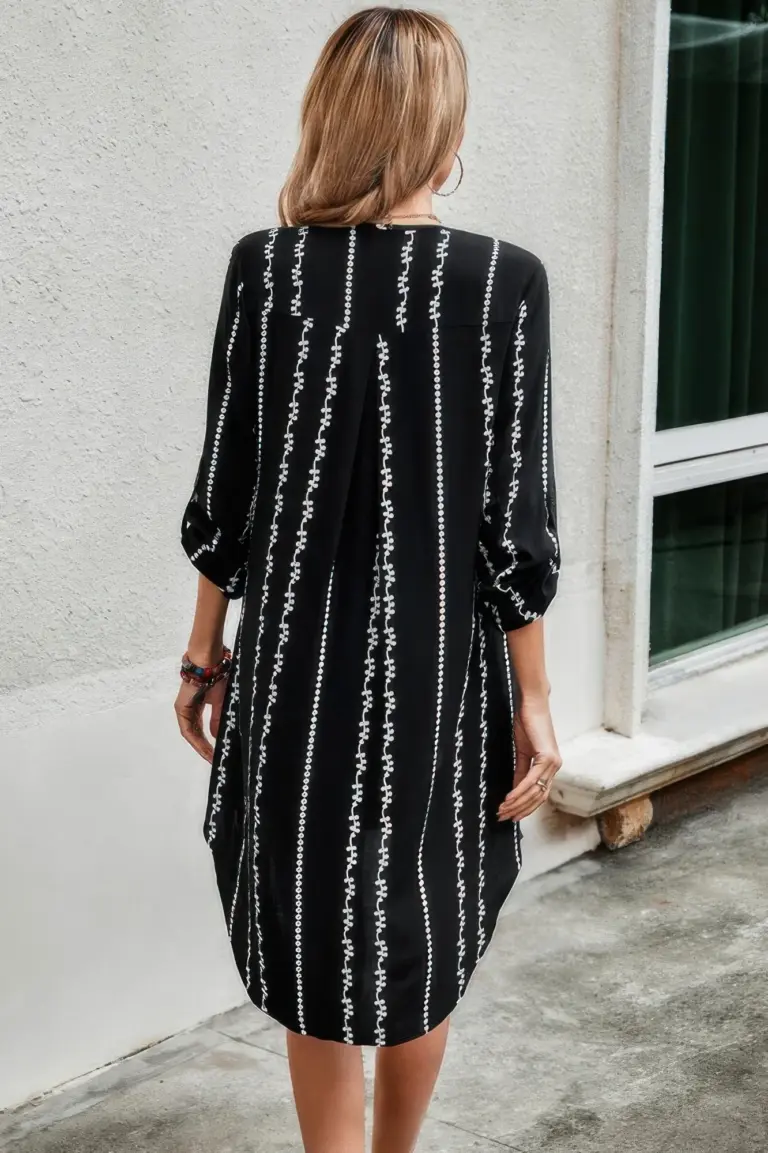 Casual DressesFinding the Best Casual Tunic Dresses