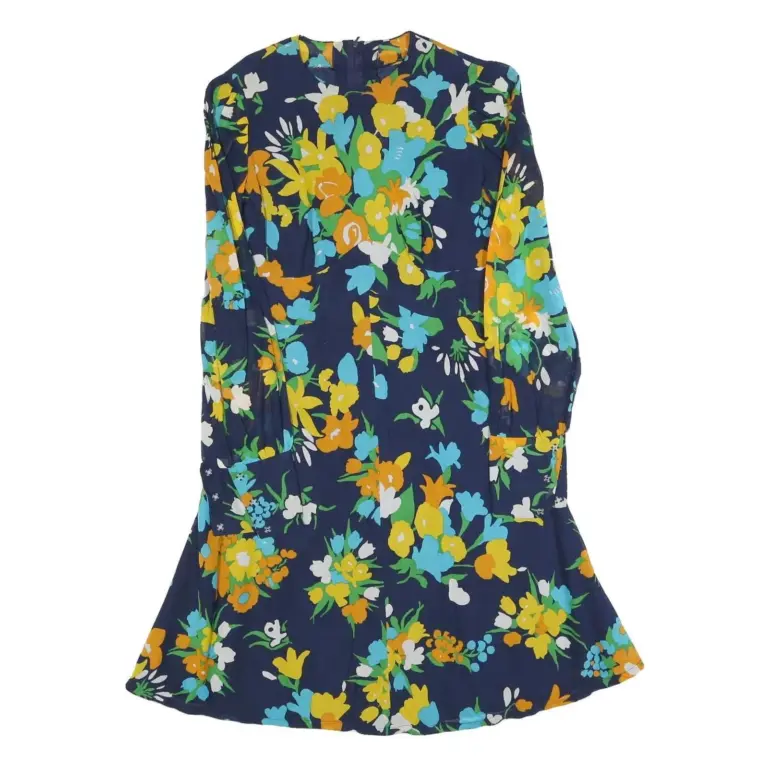
The first white dress I owned cost about eighteen pounds, from a shop that's long since closed, and it taught me the hard way that white cotton without a lining goes see through in direct sun exactly when you're stood in a car park waiting for a bus. Lesson learned: check what's underneath before you check the size.
Stark white, the kind that looks like it's been through a hospital wash, is the hardest version to live with day to day. It shows everything, every bit of makeup, every splash from a bus going through a puddle, and it needs constant attention to stay looking fresh past about eleven in the morning. Off white, ivory, bone, anything with a bit of cream or oatmeal running through it, is far more forgiving against most skin tones and doesn't demand the same vigilance. Finish matters just as much as shade: a slubby linen or a brushed cotton hides creasing and the odd mark far better than anything shiny or satin, which shows every crease by lunchtime and every mark forever. A plain white dress is also one of the easiest things to build a day around, precisely because it asks so little of the rest of what you own. A denim jacket over it in spring, a leather jacket and boots when the weather turns sharper, gold jewellery rather than silver if you want it to look like a choice rather than an accident, a cardigan in whatever colour you already wear most for the bits of the year that can't settle. If you've got none and you're starting from scratch, go for a midi in a cotton with some structure to it, properly lined, in an off white rather than a true one, because that's the version that gets worn on an ordinary Tuesday rather than saved for one occasion a year and then forgotten in the wardrobe.
White dresses and British weather have an uneasy relationship, and no amount of good intentions changes that. Summer is the obvious home for one, bare legs and sandals when the sun actually shows up, but it copes with the shoulder seasons too if you treat it as a base layer rather than the whole outfit, tights and ankle boots and a coat thrown over the top on a coolish spring day. Where it genuinely struggles is anything involving mud, grass, a damp train seat, or a toddler with a biscuit, and I say that having ruined one at a lovely afternoon thing by sitting on a bench that had just been painted. Rain itself isn't really the enemy so much as everything rain brings with it, the splashback off a road, the patch on a seat nobody warns you about. None of that means skip white, it just means it isn't the dress for a day with a commute and a downpour both already pencilled in.
One small thing nobody puts on the label: a decent white dress needs a proper slip or lining from the start, not one bought in a panic the first time you wear it in daylight.
So the question I always ask myself in the shop is this: would I still want to wear this after dark, in normal shoes, on an ordinary day, or am I only picturing the one perfect afternoon that might never actually turn up?

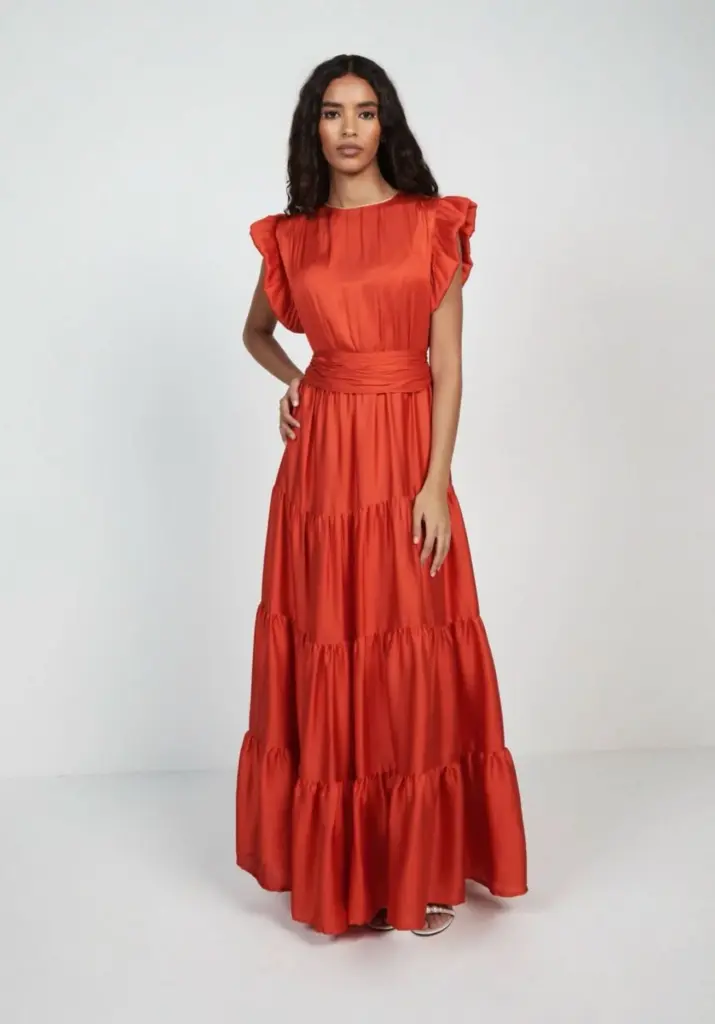 Work DressesStandout White Work Maxi Dresses to Shop

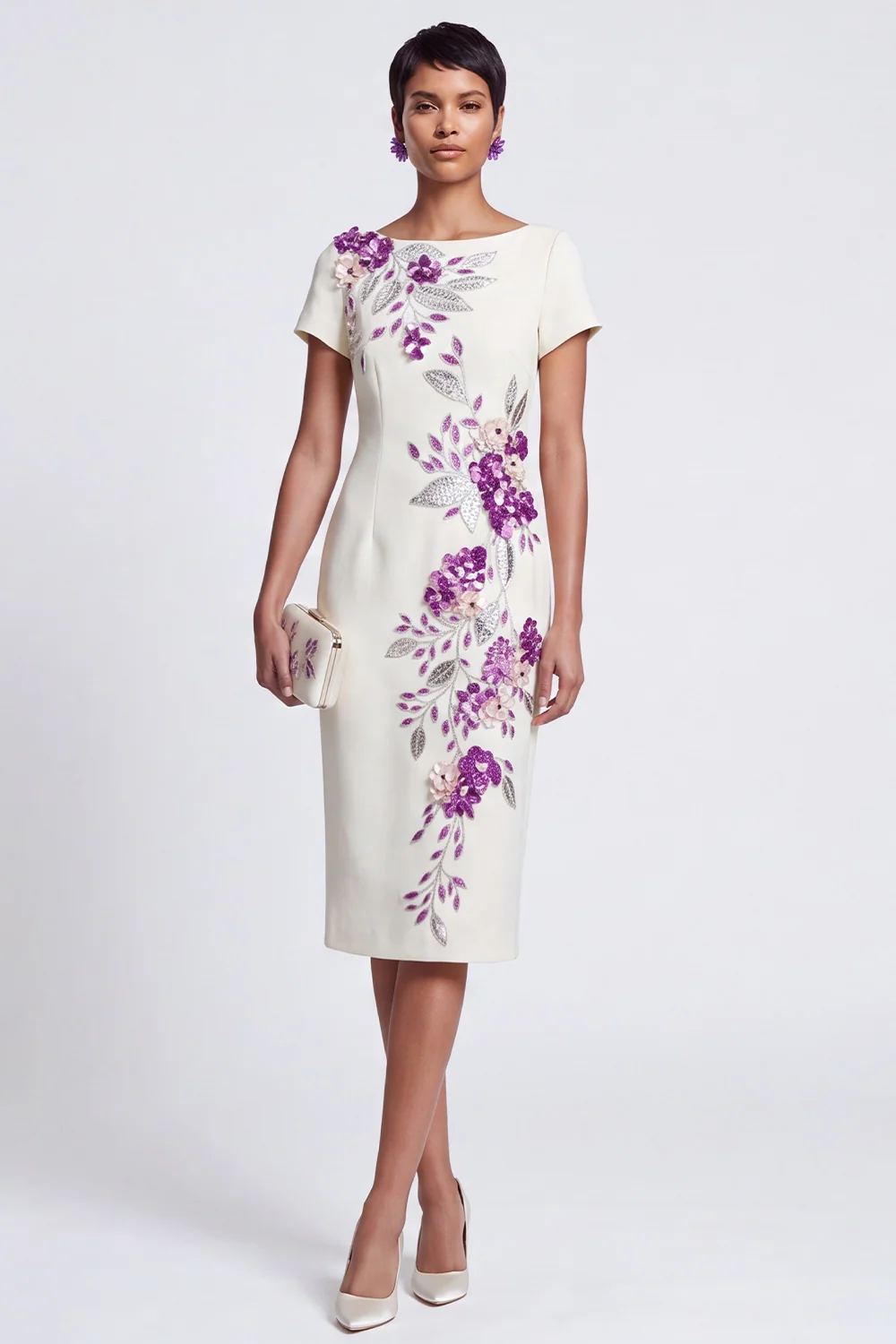 Work DressesWhite Work Midi Dresses We’d Happily Wear on Repeat
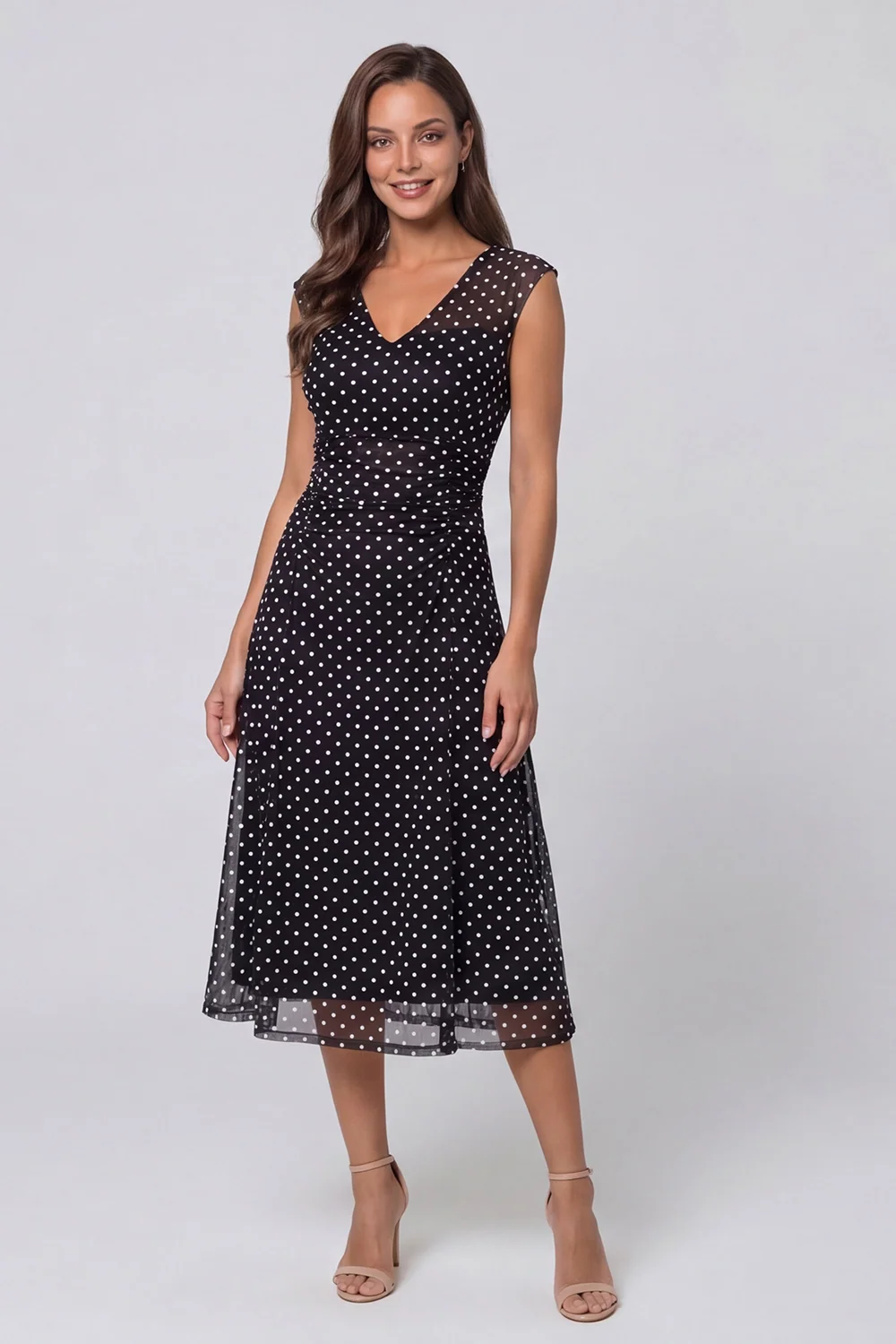
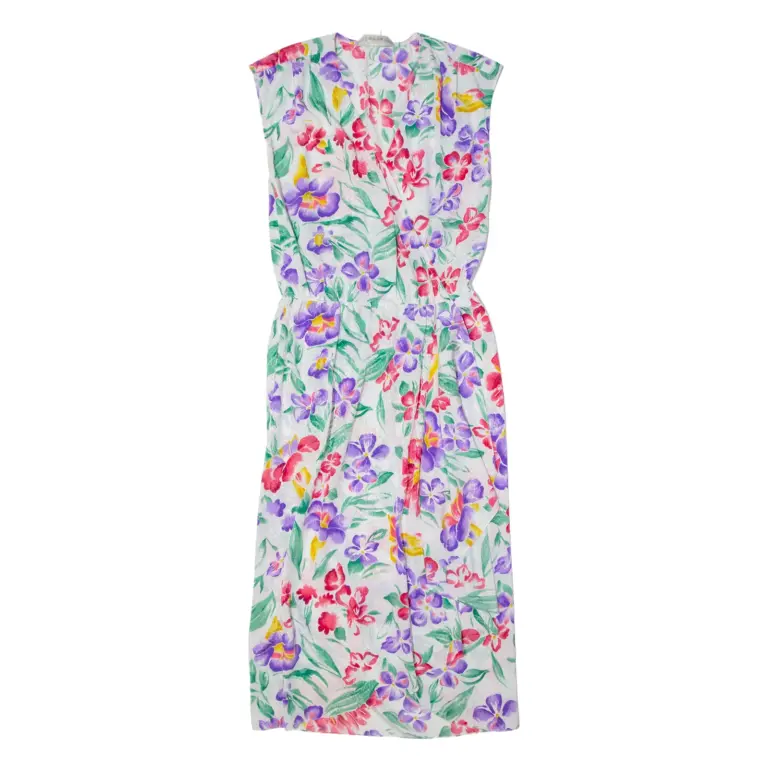 Wrap DressesWhite Wrap Dresses Edited Down to the Best

 Wrap DressesWhite Wrap Evening Dresses You’ll Want to Live In
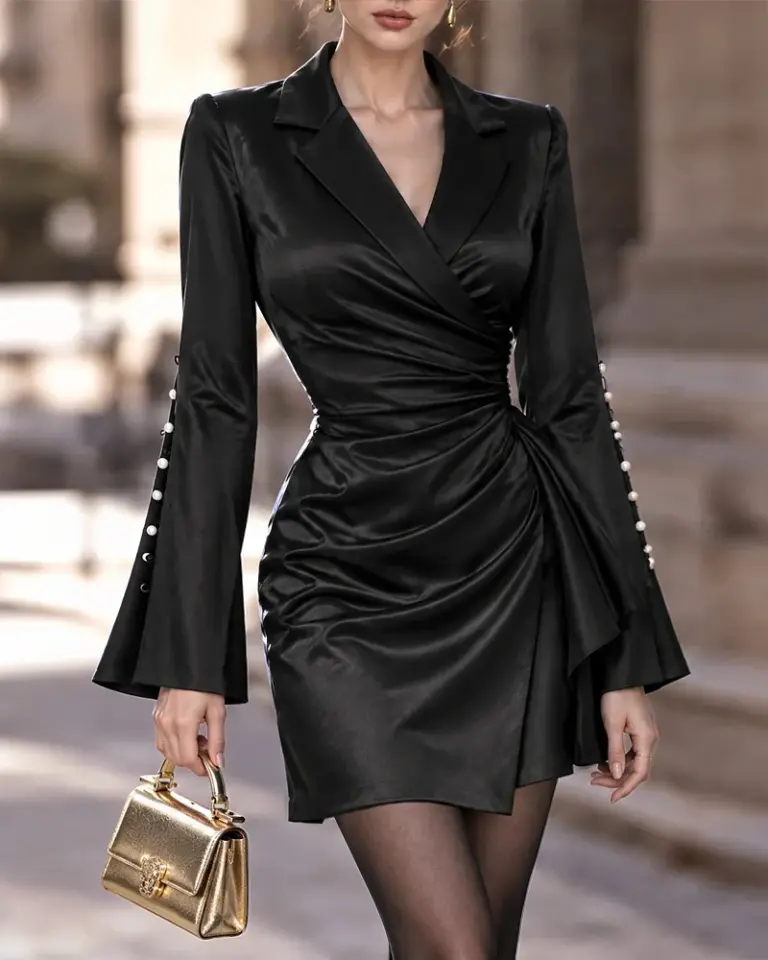
 Wrap DressesEffortless White Wrap Maxi Dresses We Love

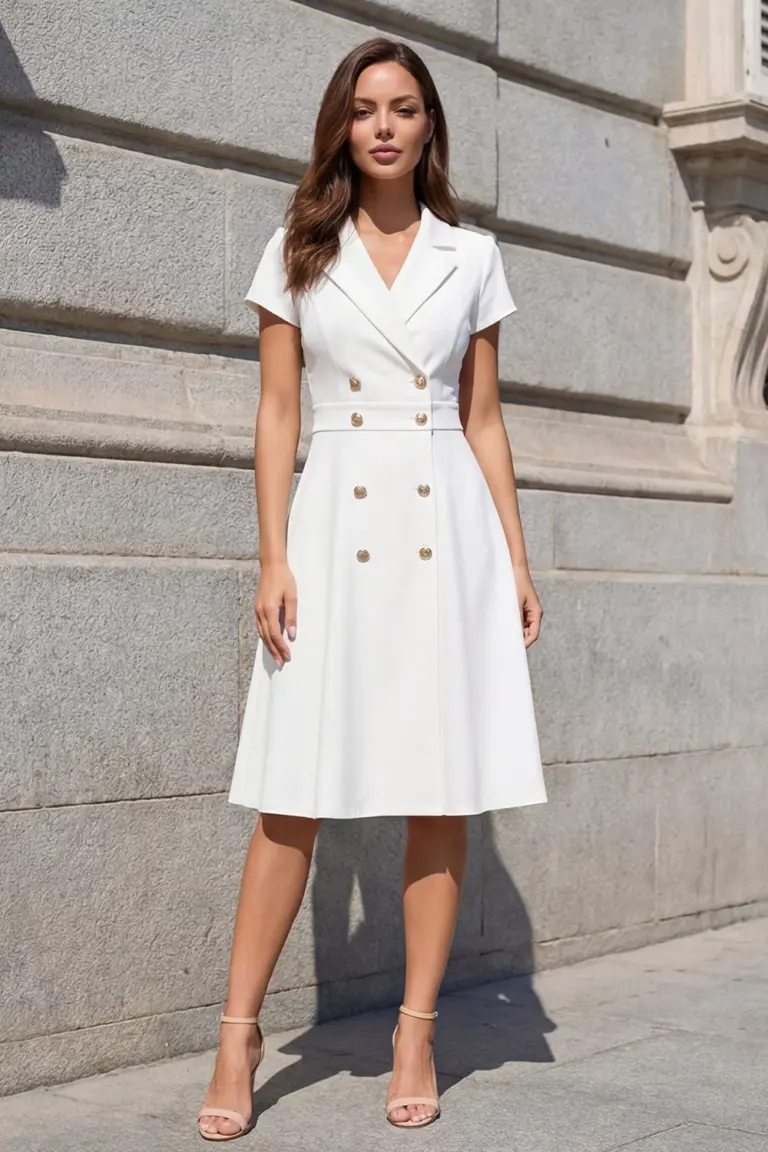 Work DressesWhite Work A Line Dresses for When You Want to Feel Put Together
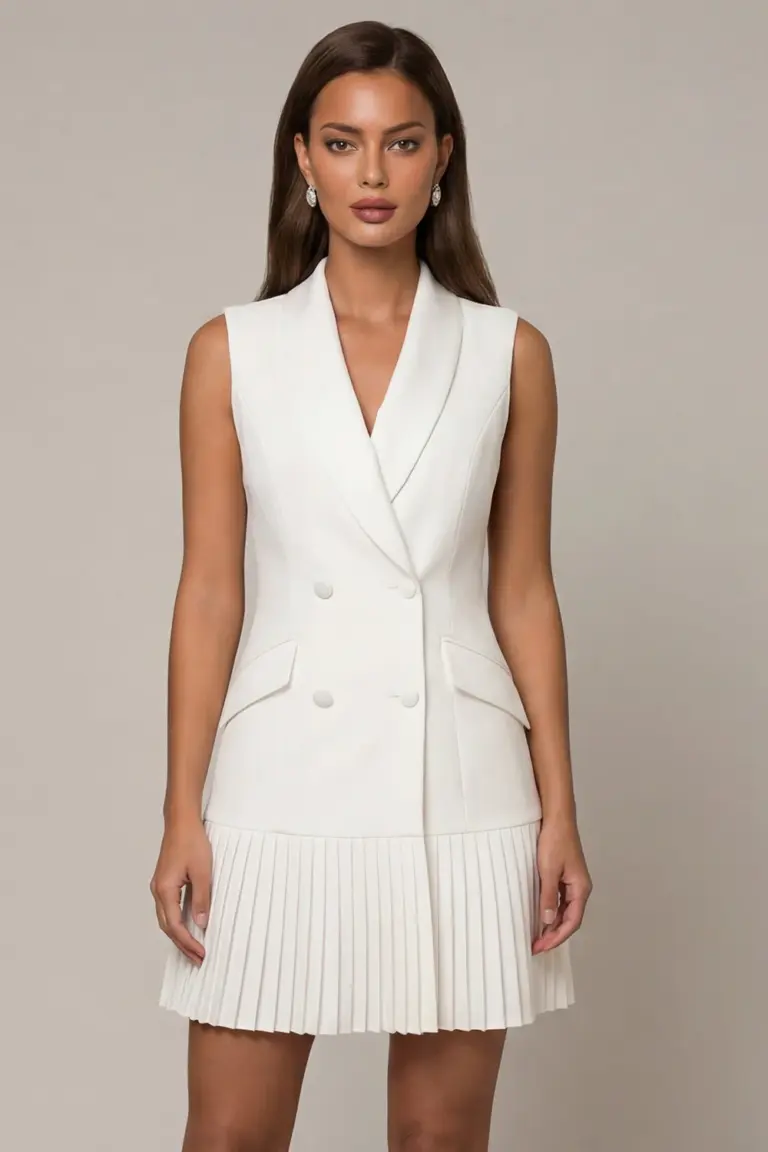
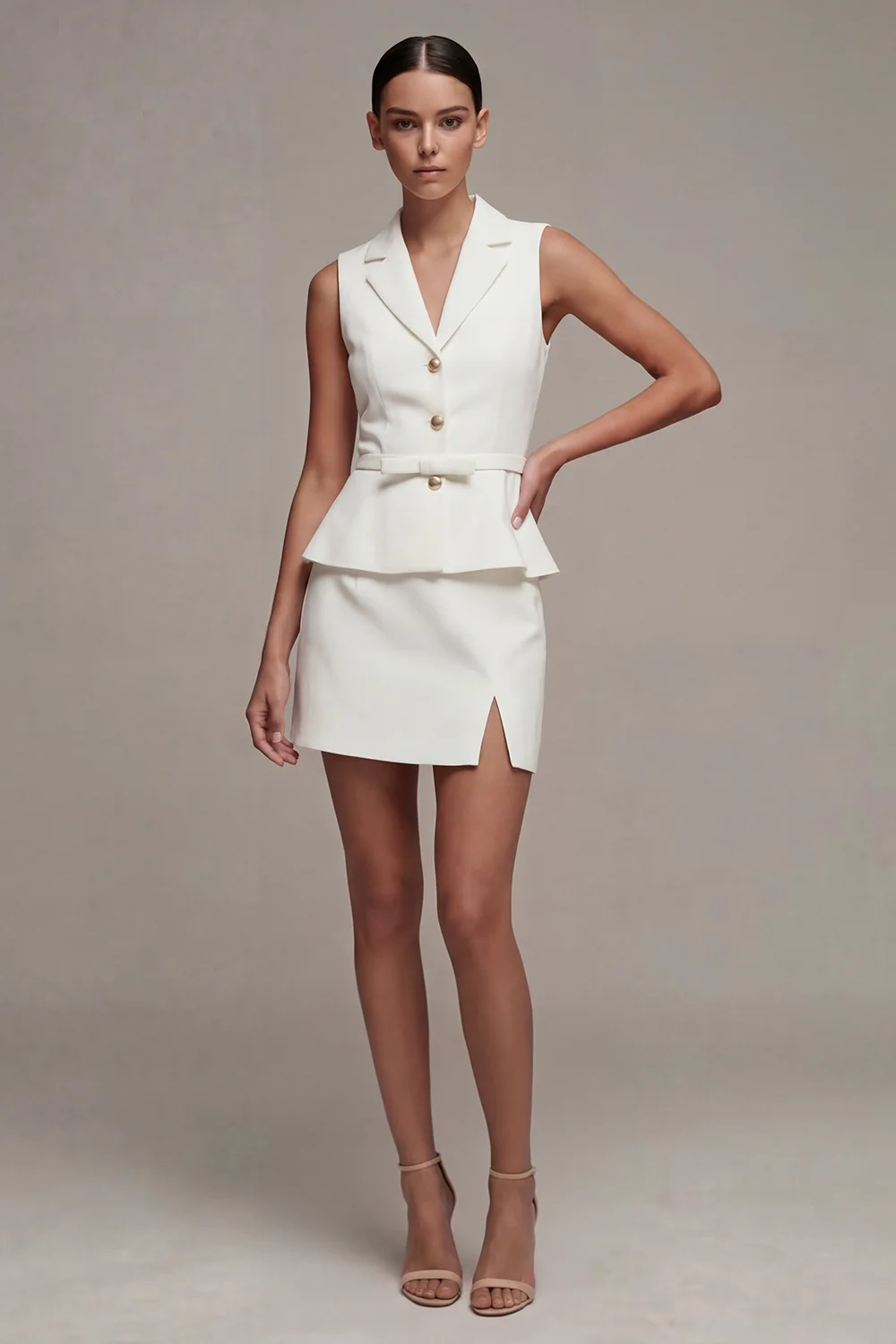 Work DressesWhite Work Dresses for Monday to Friday

 V Neck DressesOur Edit of the Best White V Neck Floral Dresses

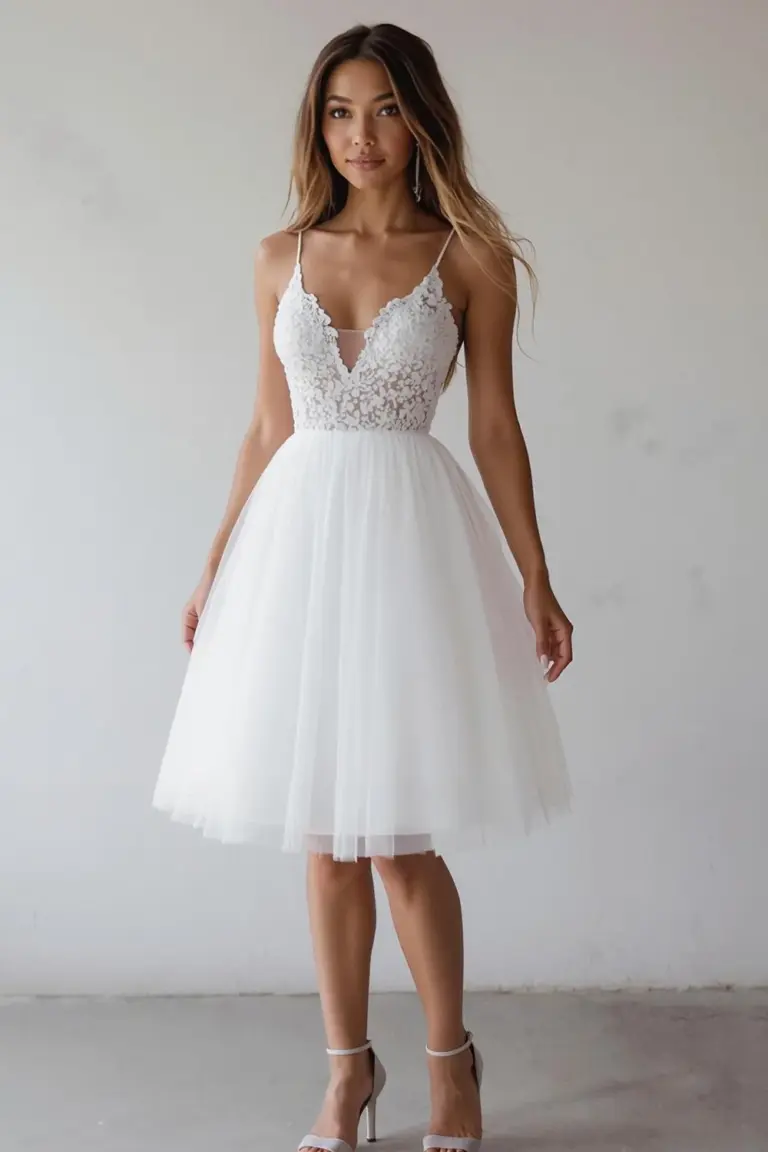 V Neck DressesWhite V Neck Lace Dresses That Flatter Without TryingAlso worth a lookMidi DressesThe moment a midi dress properly clicked for me was a wedding in October, cold enough for tights,…See the collections →
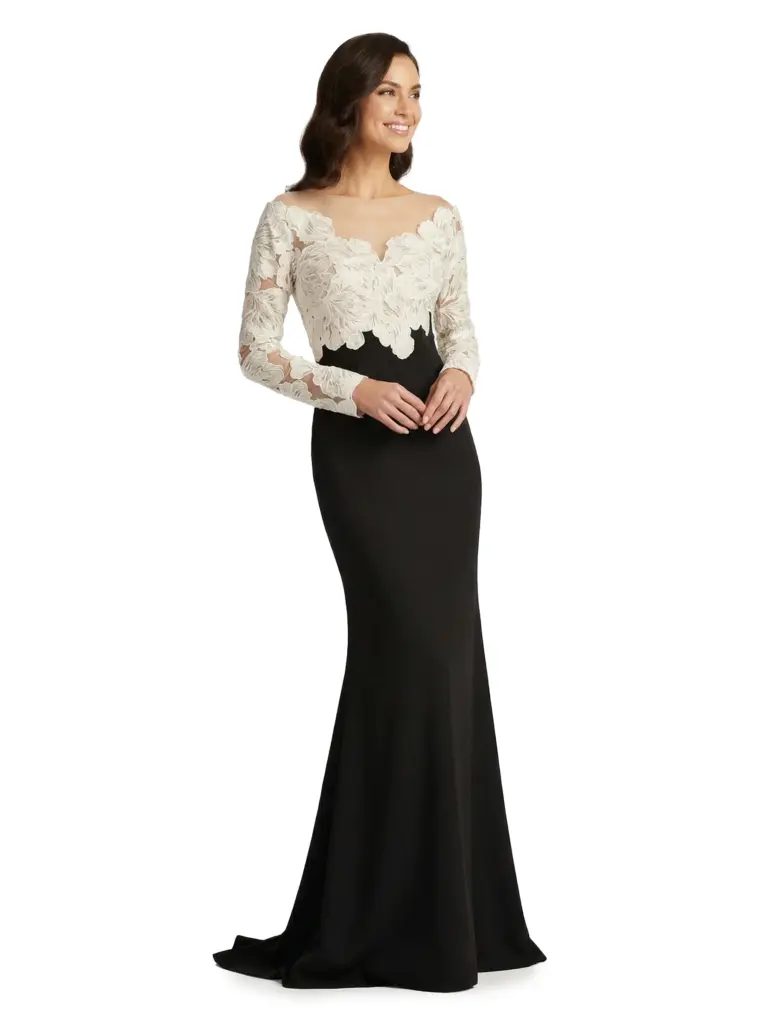
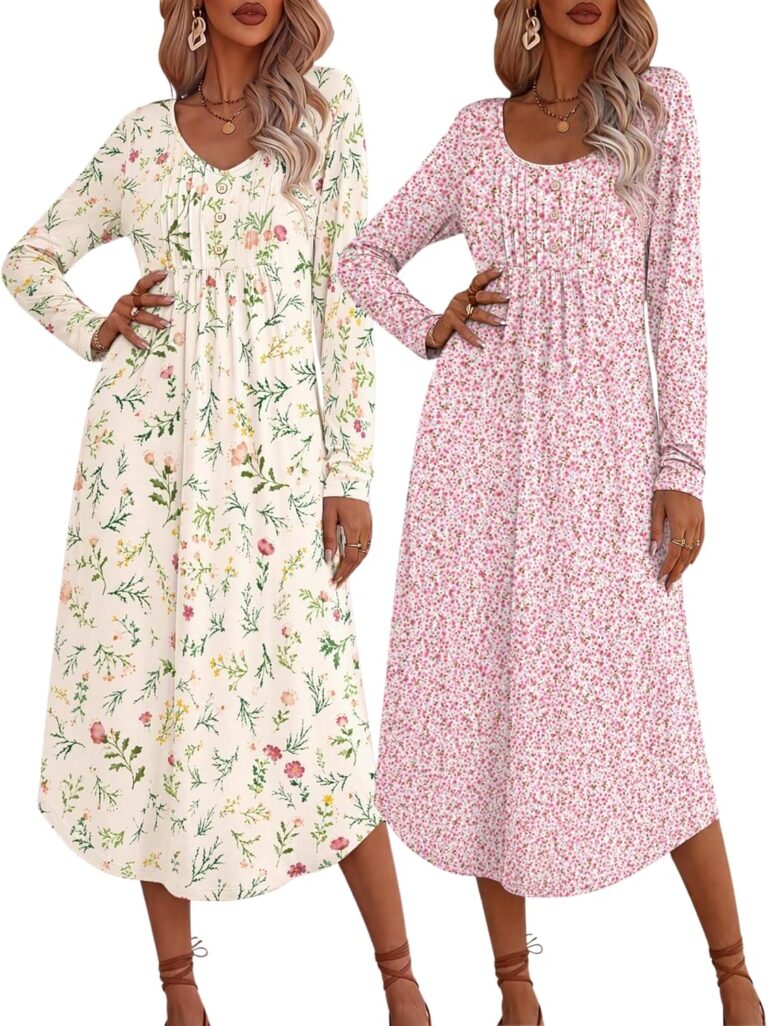 V Neck DressesShop the Edit: White V Neck Long Sleeve Dresses
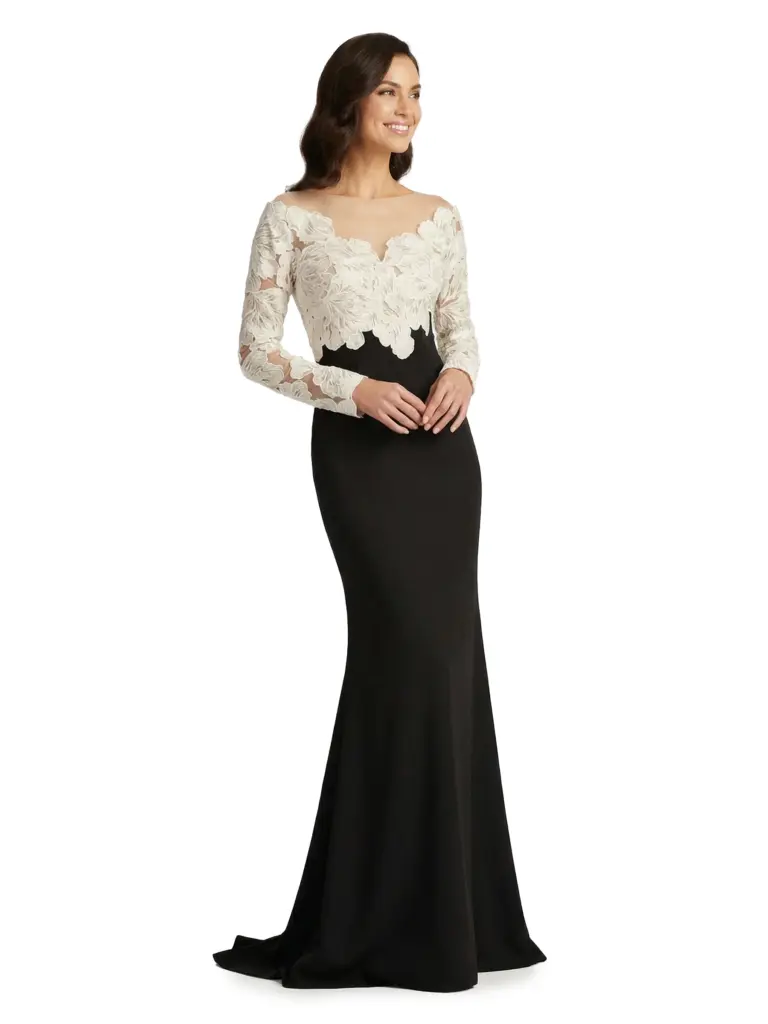
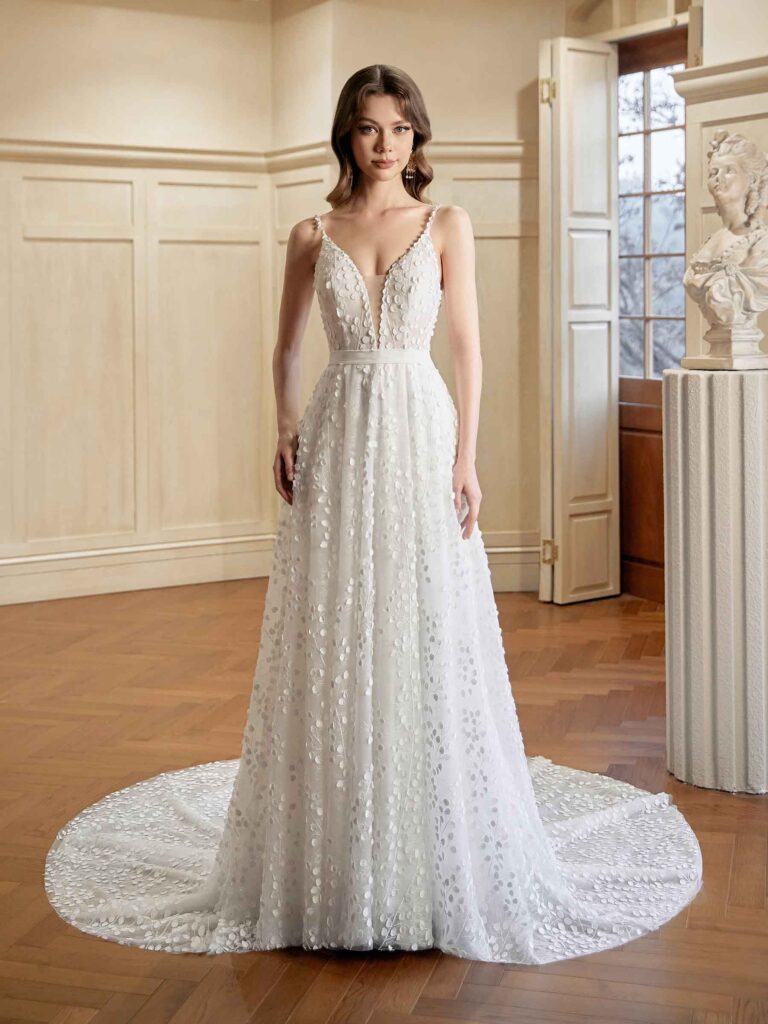 V Neck DressesThe White V Neck Maxi Dresses on Our Wishlist

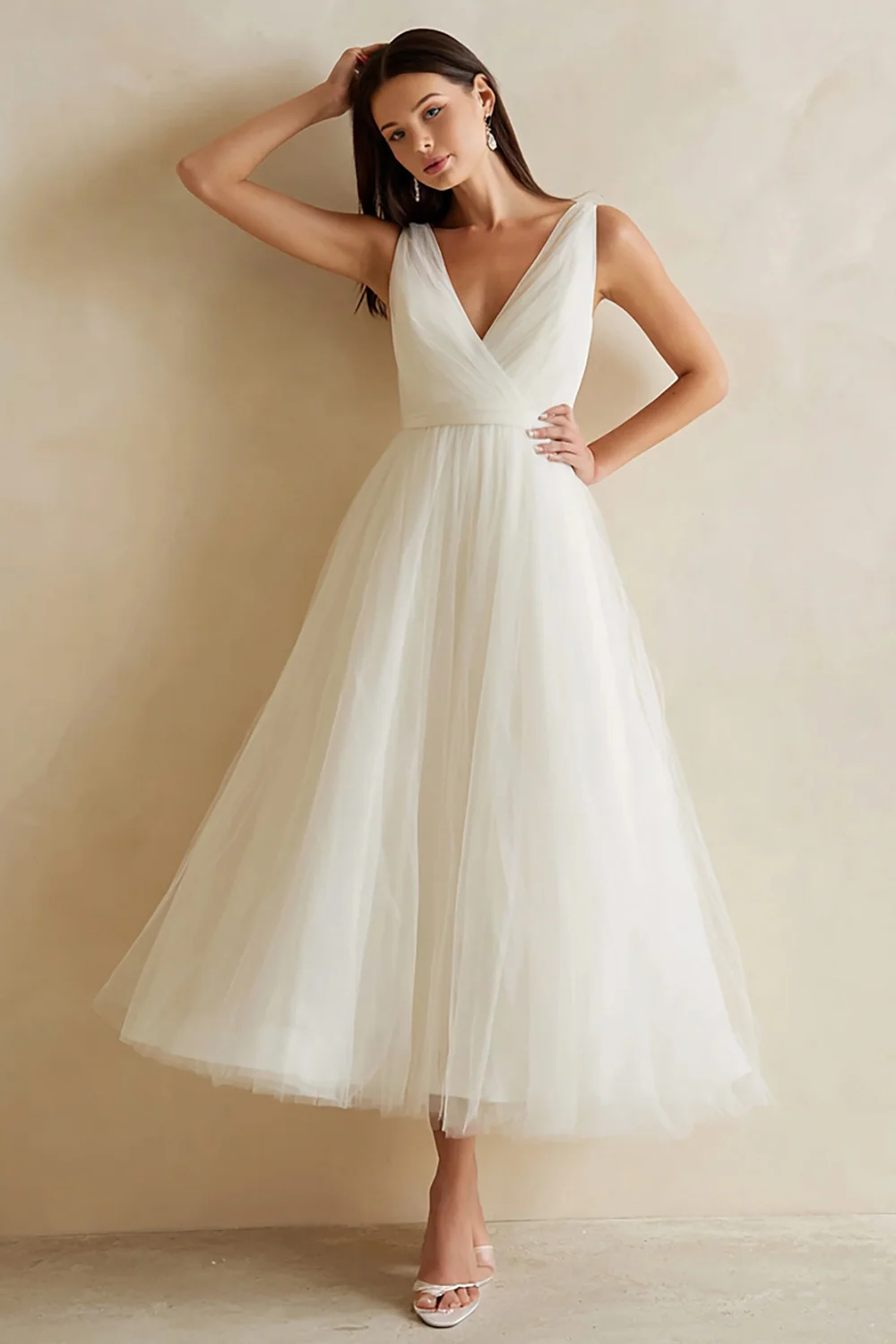 V Neck DressesWhite V Neck Midi Dresses We Love Right Now
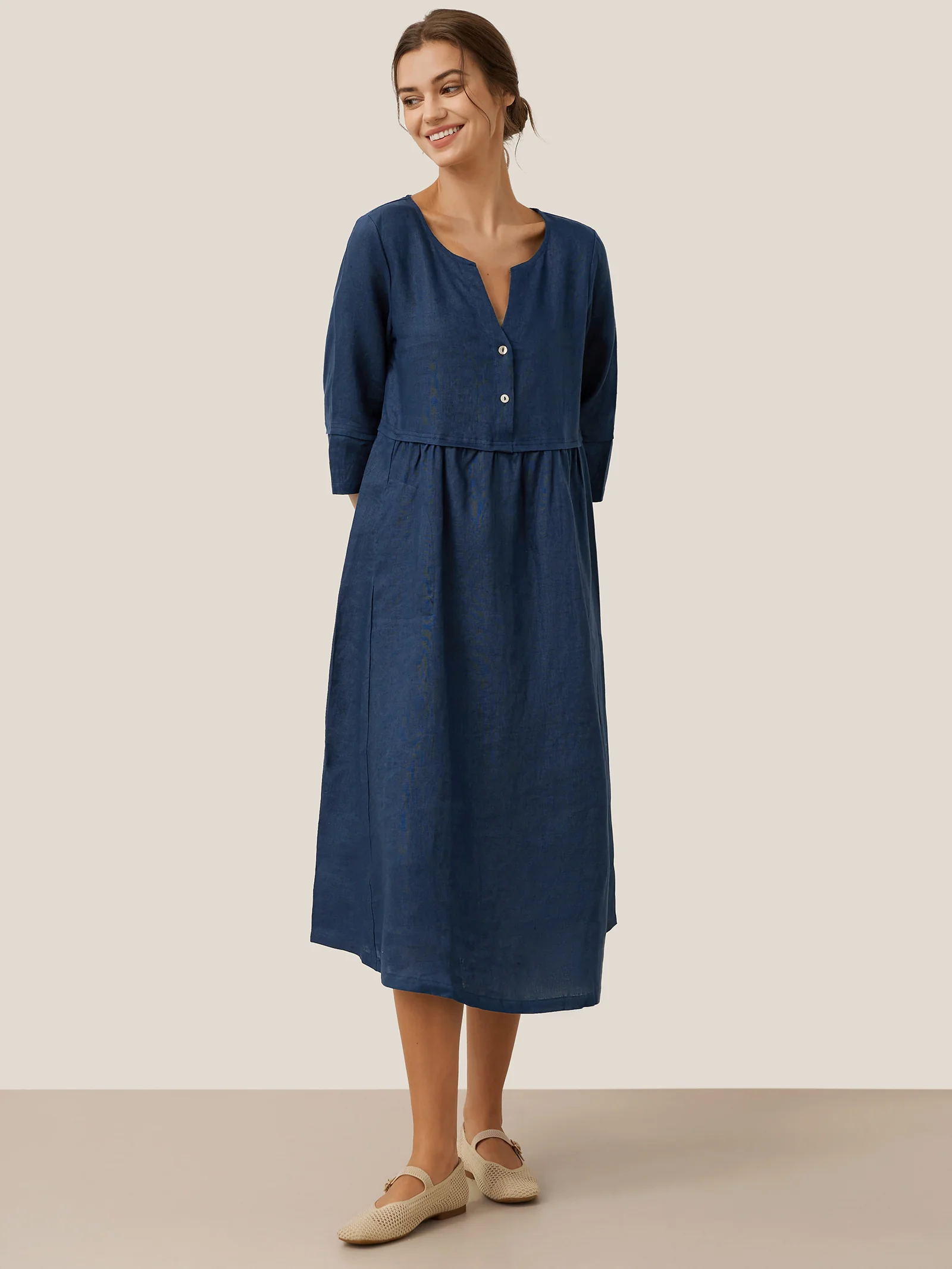
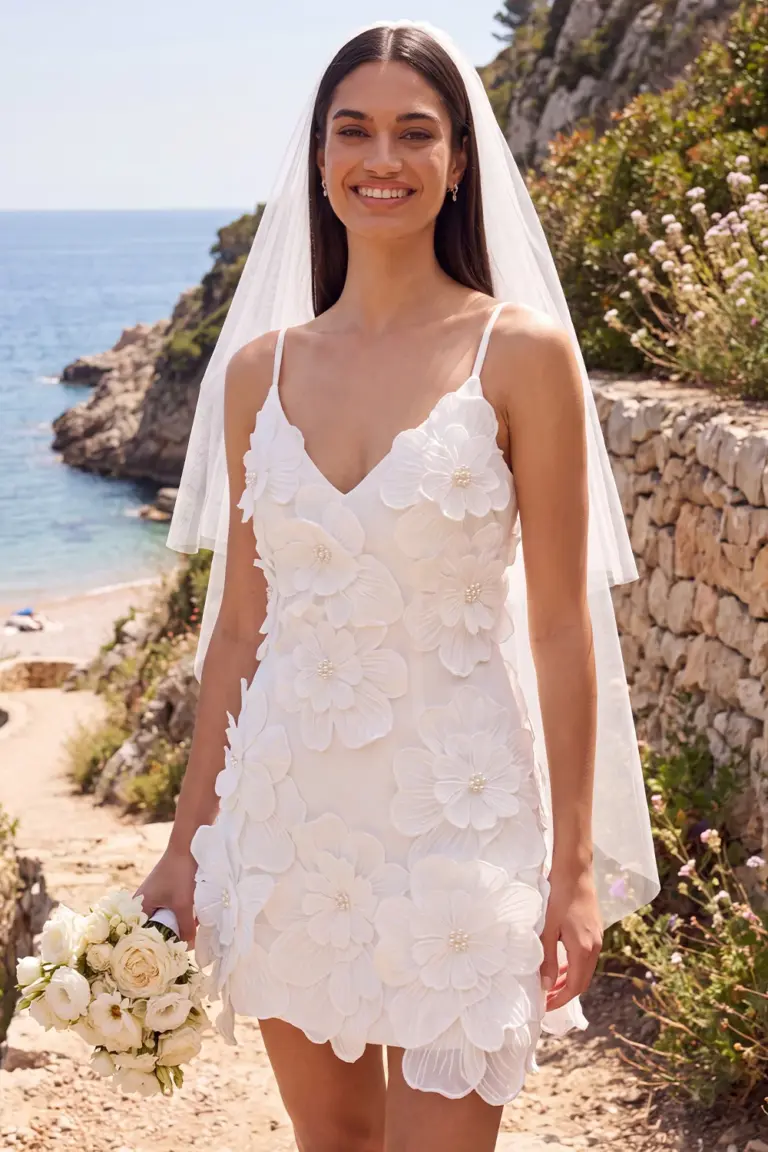 V Neck DressesOur Go To White V Neck Mini Dresses

 V Neck DressesHandpicked White V Neck Party Dresses We Keep Coming Back To
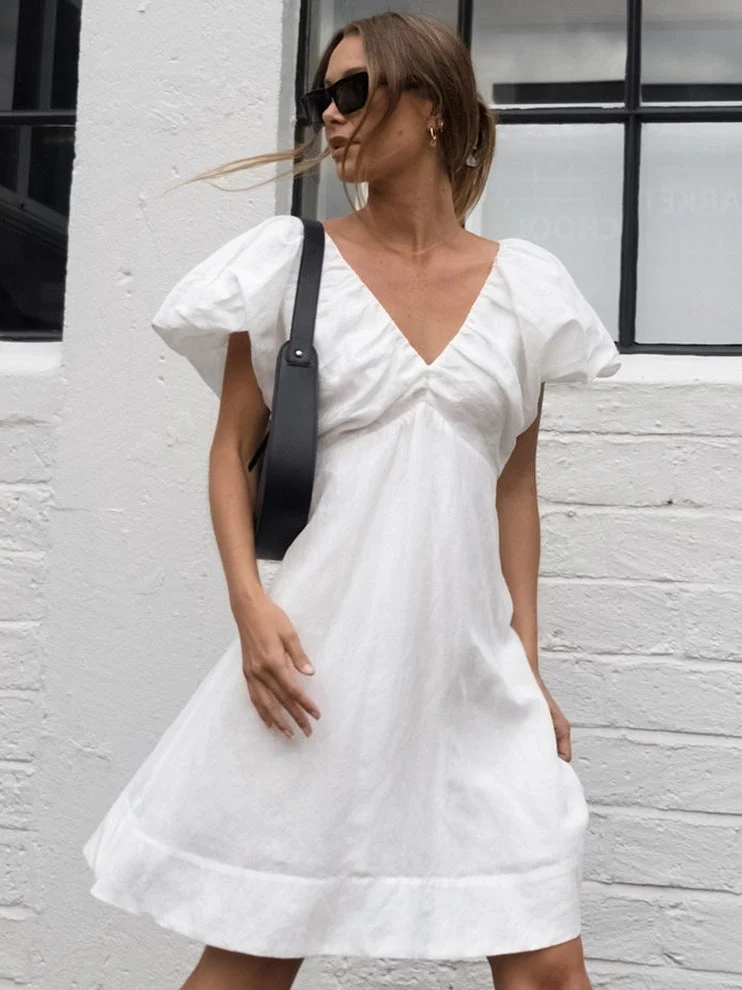
 V Neck DressesWhite V Neck Shirt Dresses You Can Dress Up or Down
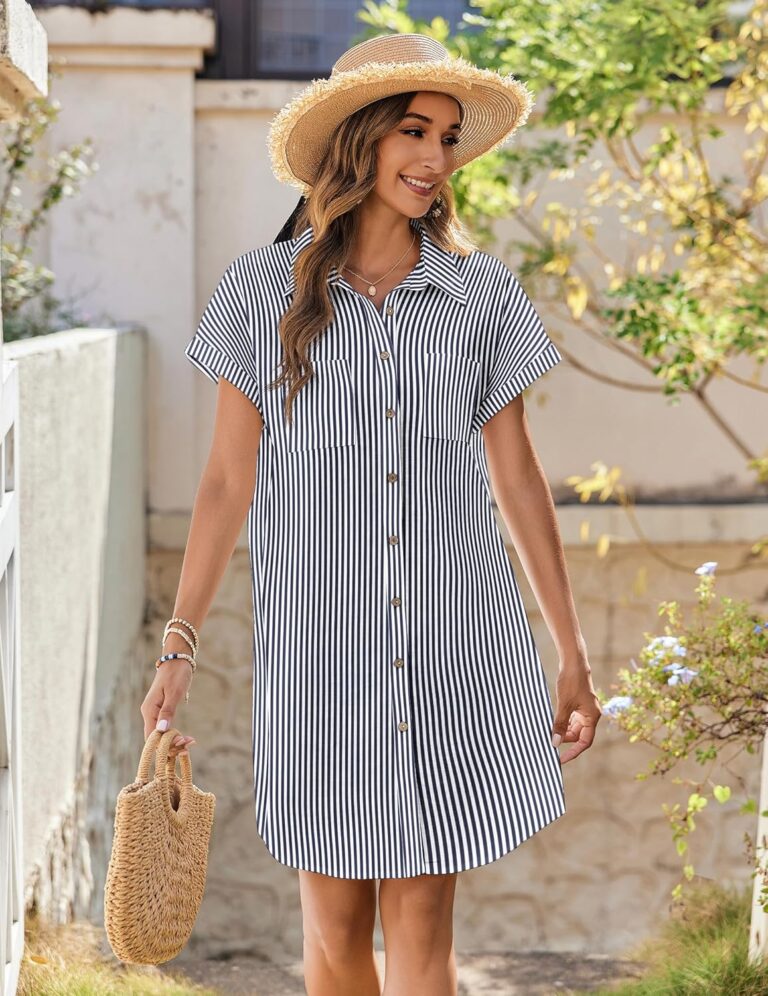
 V Neck DressesOur Shortlist of White V Neck Summer Dresses
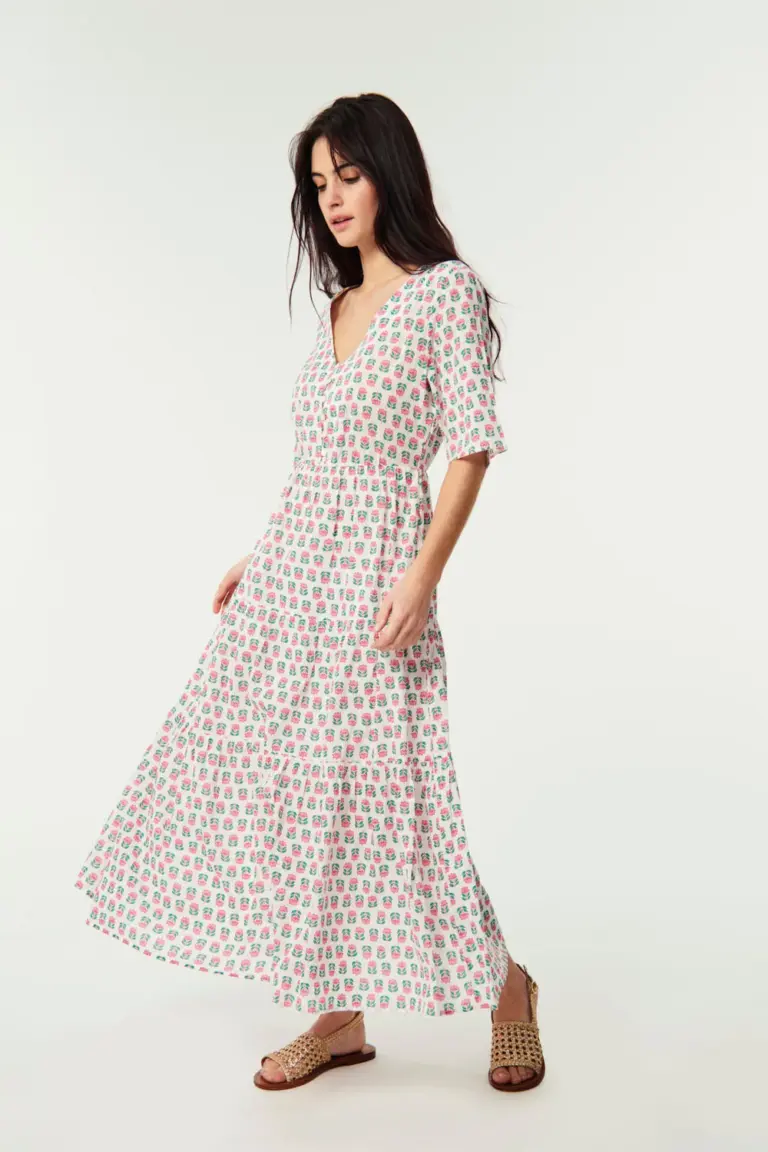
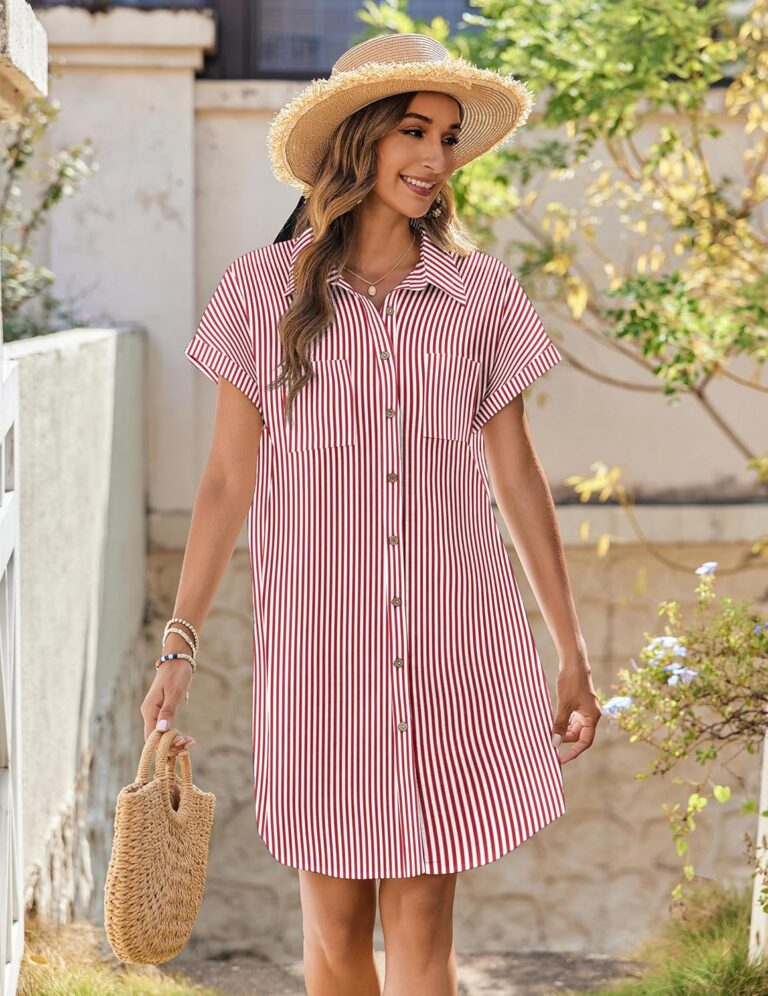 V Neck DressesThe Best White V Neck Work Dresses to Shop Now
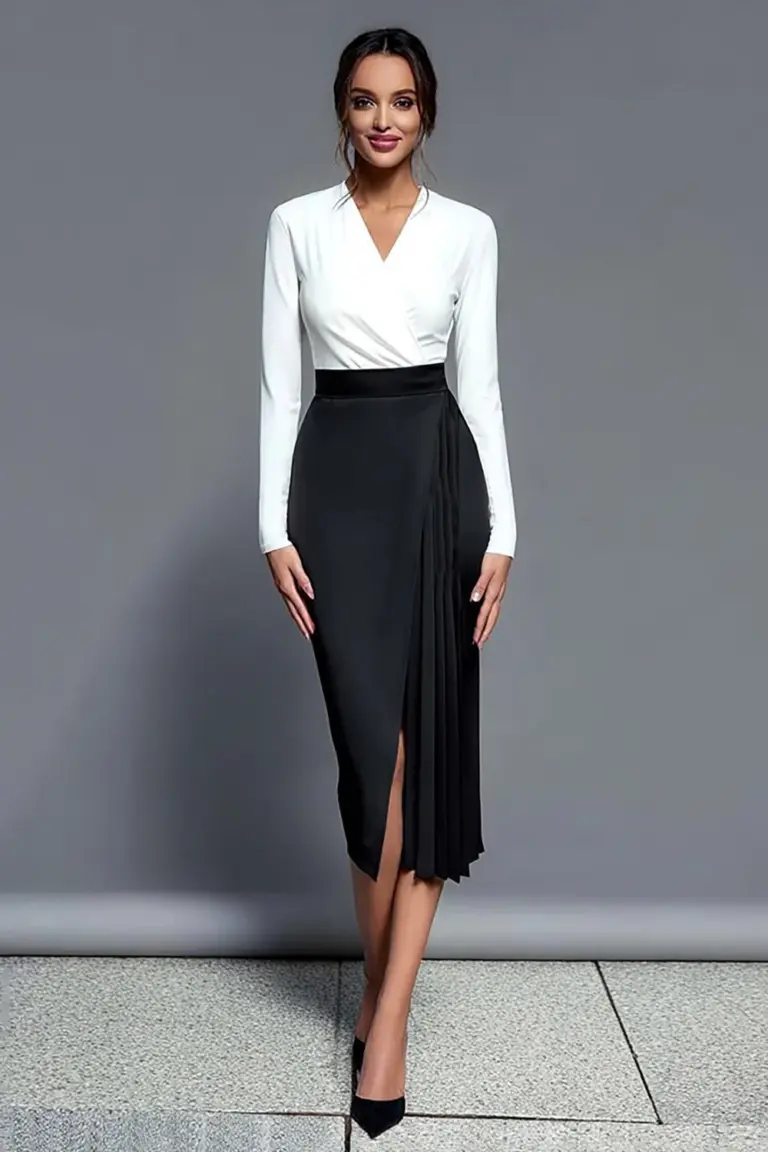
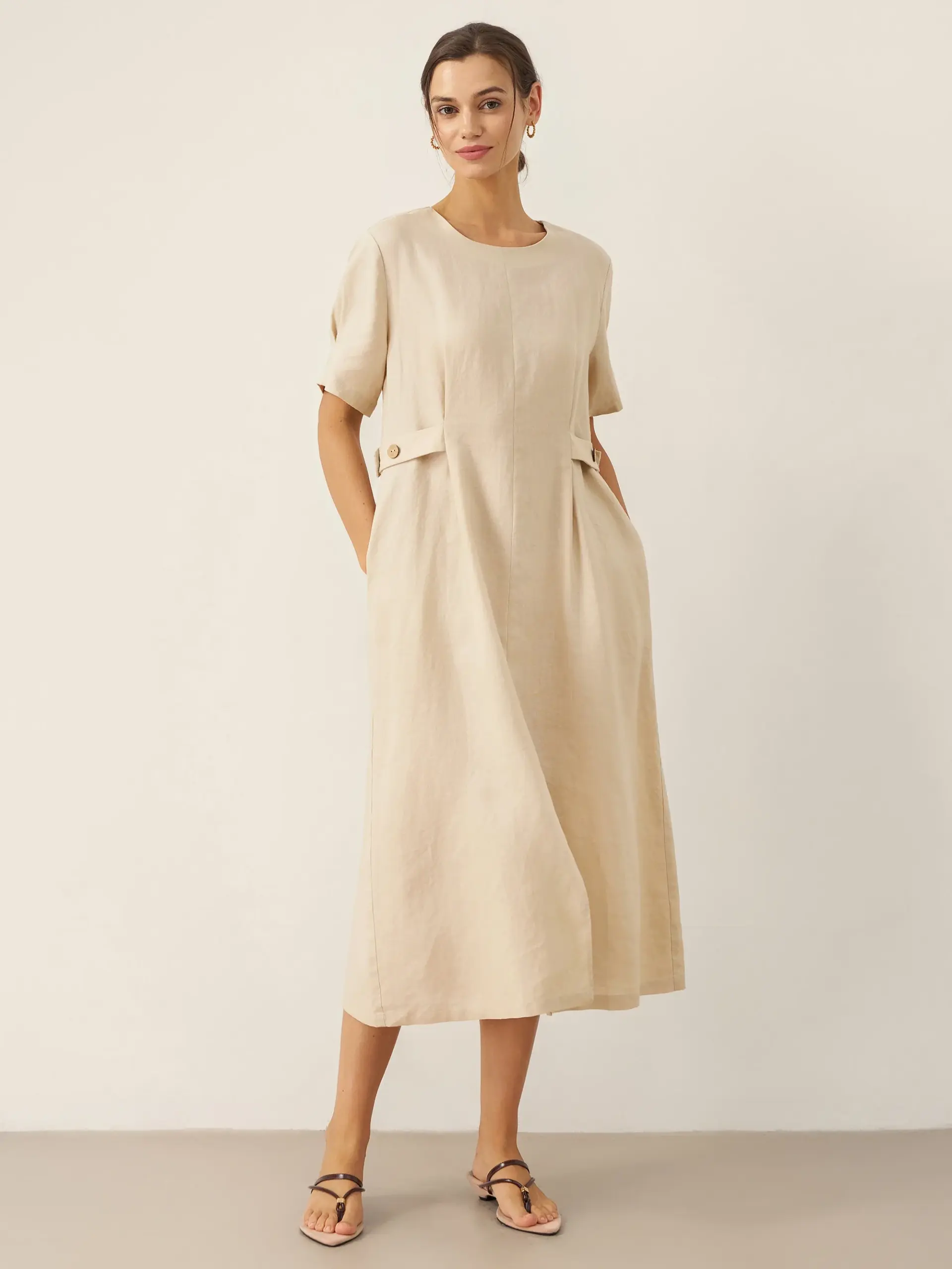 Velvet DressesWhite Velvet Dresses: The EditAlso worth a lookMaxi DressesA maxi dress earns its length by making you forget what you're wearing, and that's the whole point of one.See the collections →

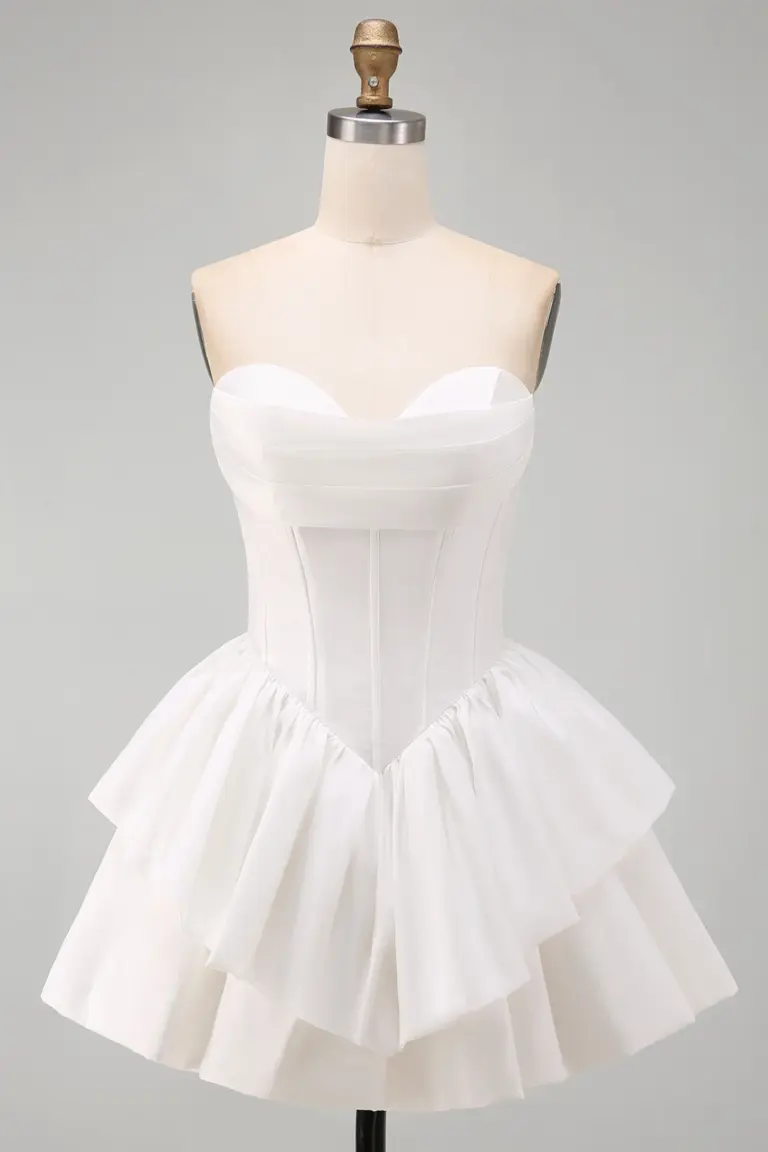 Wedding Guest DressesEffortless White Wedding Guest Dresses We Love
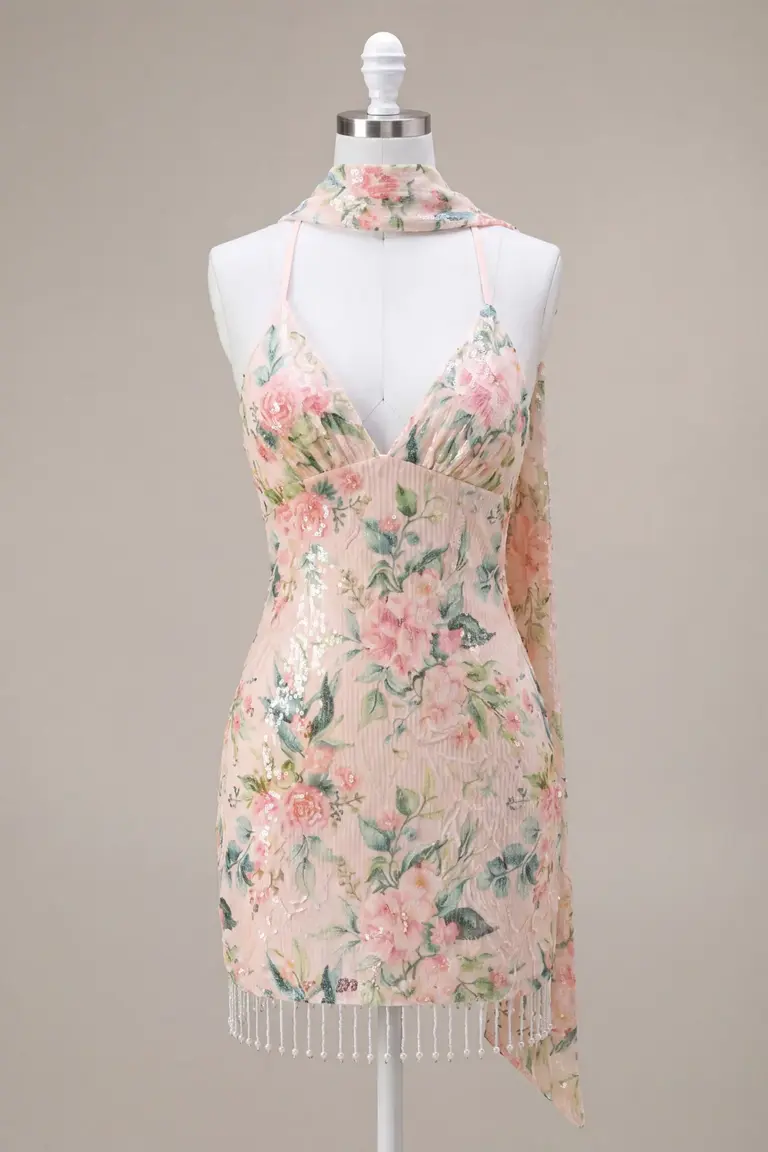
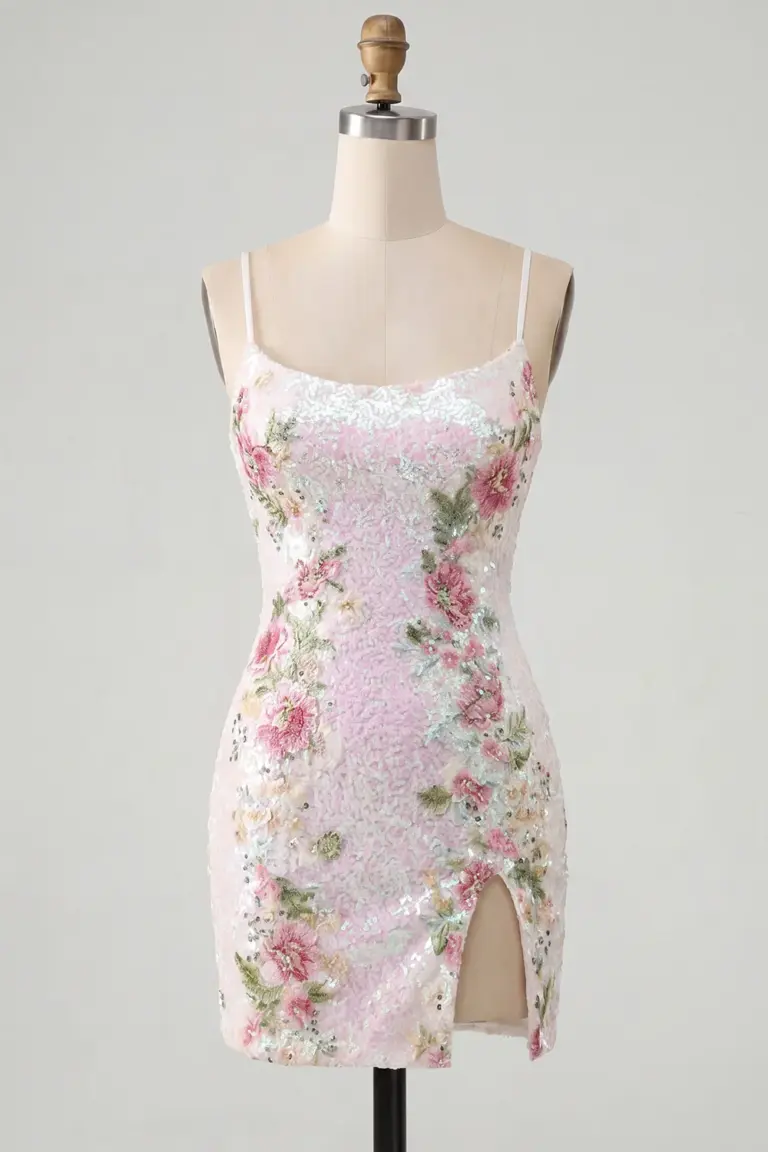 Wedding Guest DressesThe White Wedding Guest Floral Dresses We Keep Going Back To
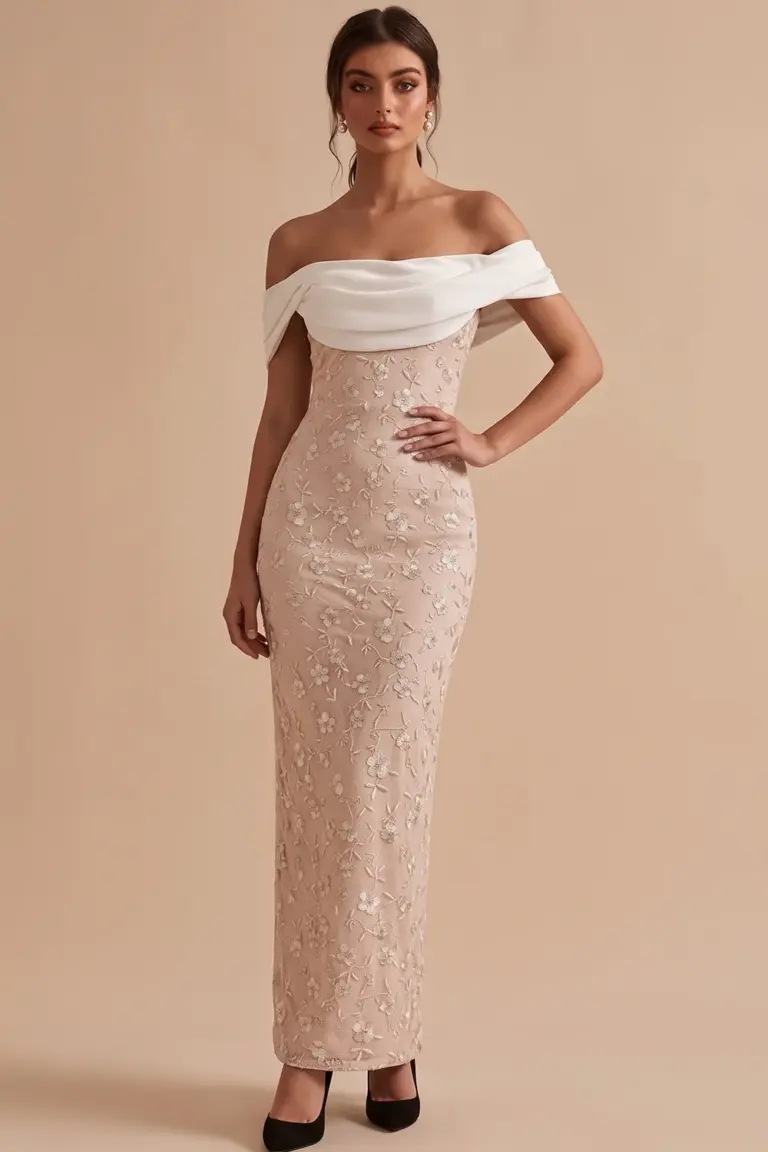
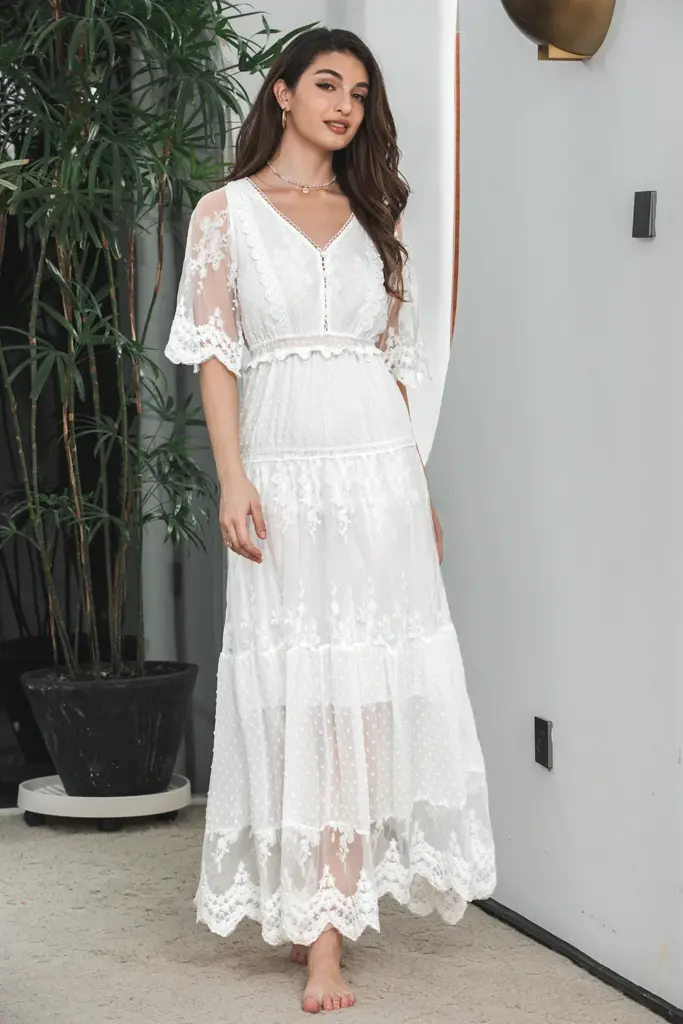 V Neck DressesThe White V Neck A Line Dresses on Our Wishlist
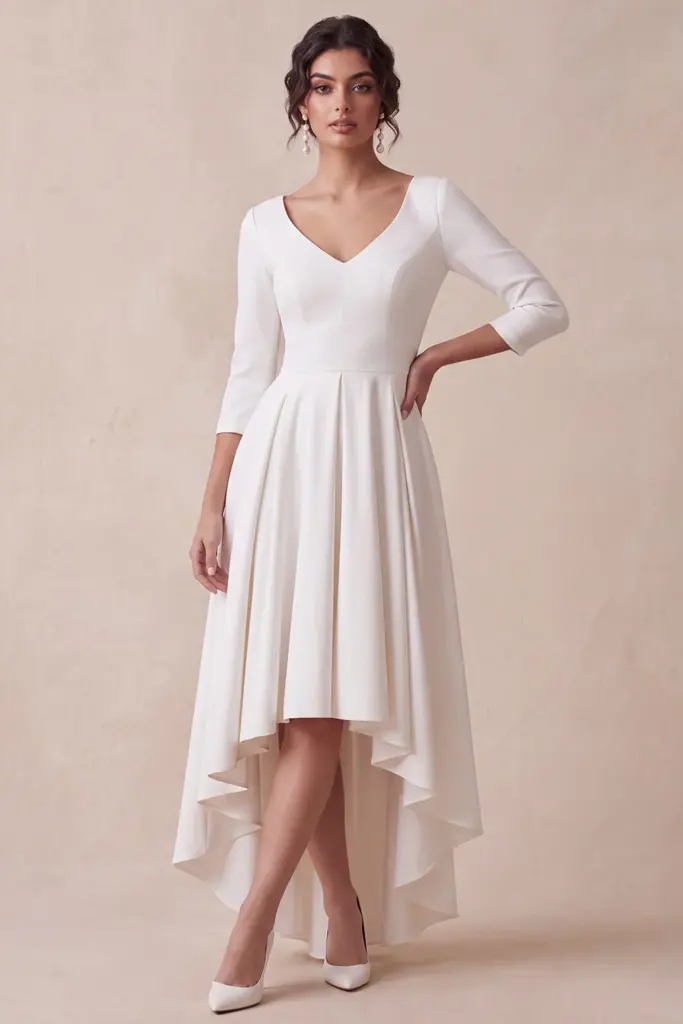
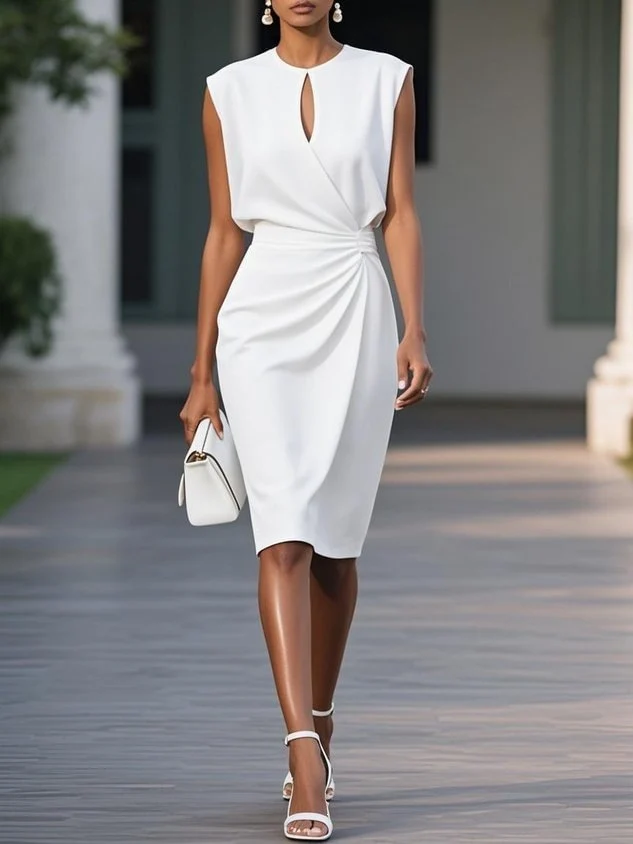 Wedding Guest DressesWhite Wedding Guest Midi Dresses Actually Worth Buying

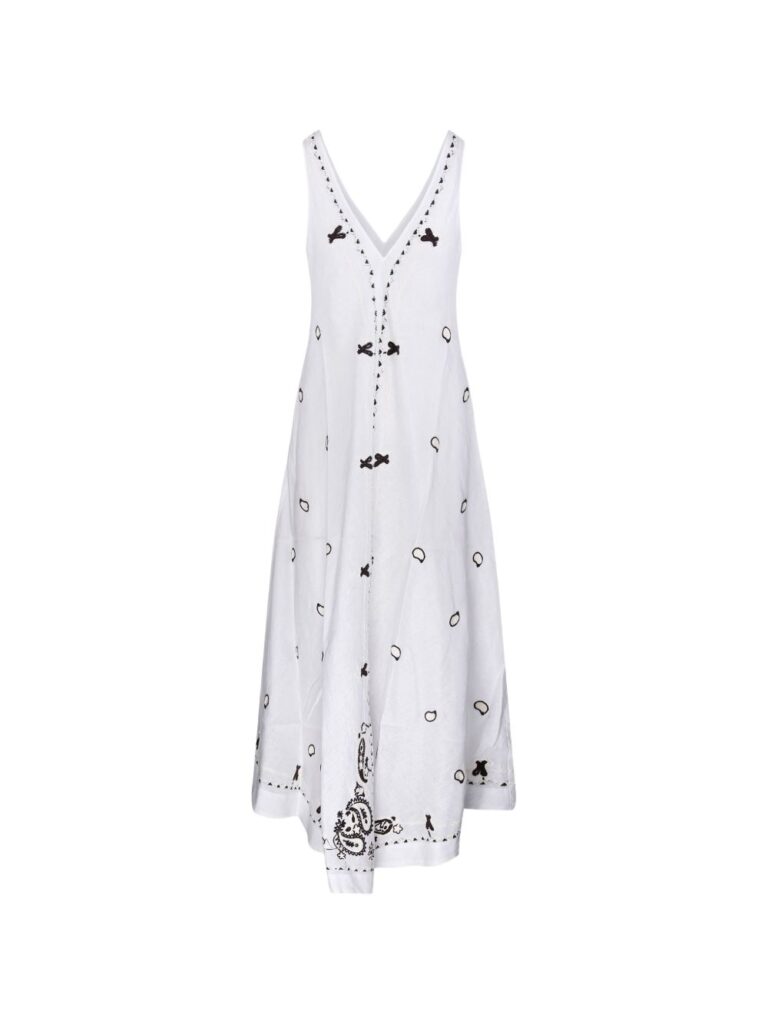 Beach DressesShop Our Favorite White V Neck Beach Dresses
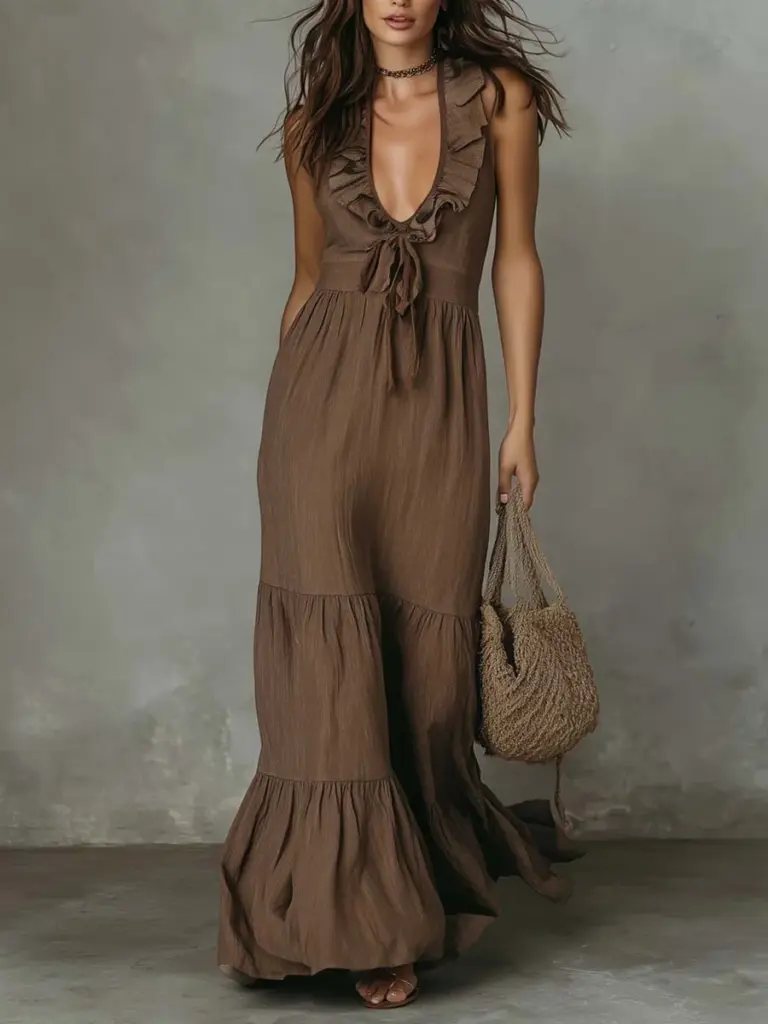
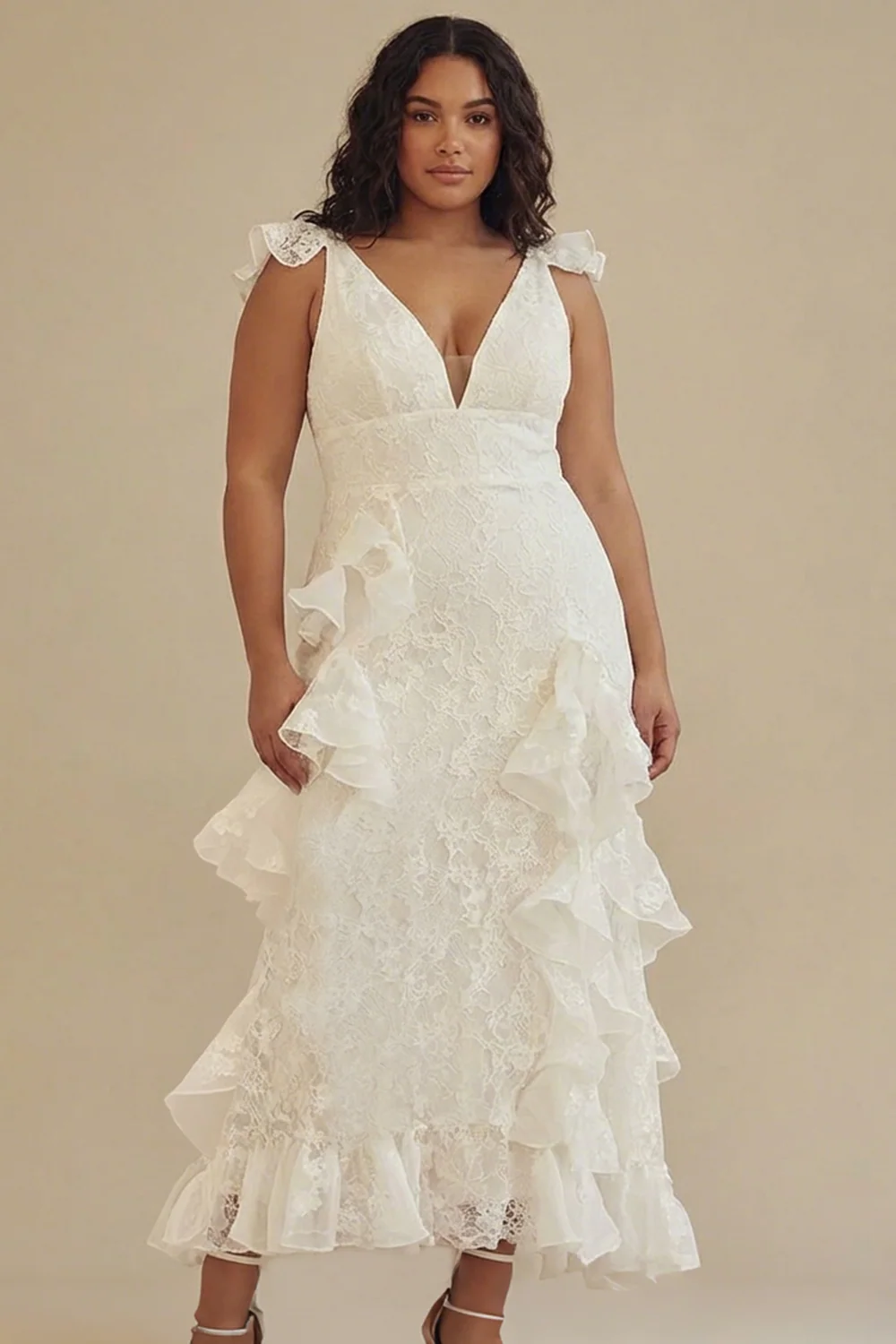 V Neck DressesWhite V Neck Evening Dresses for Your Next Night Out
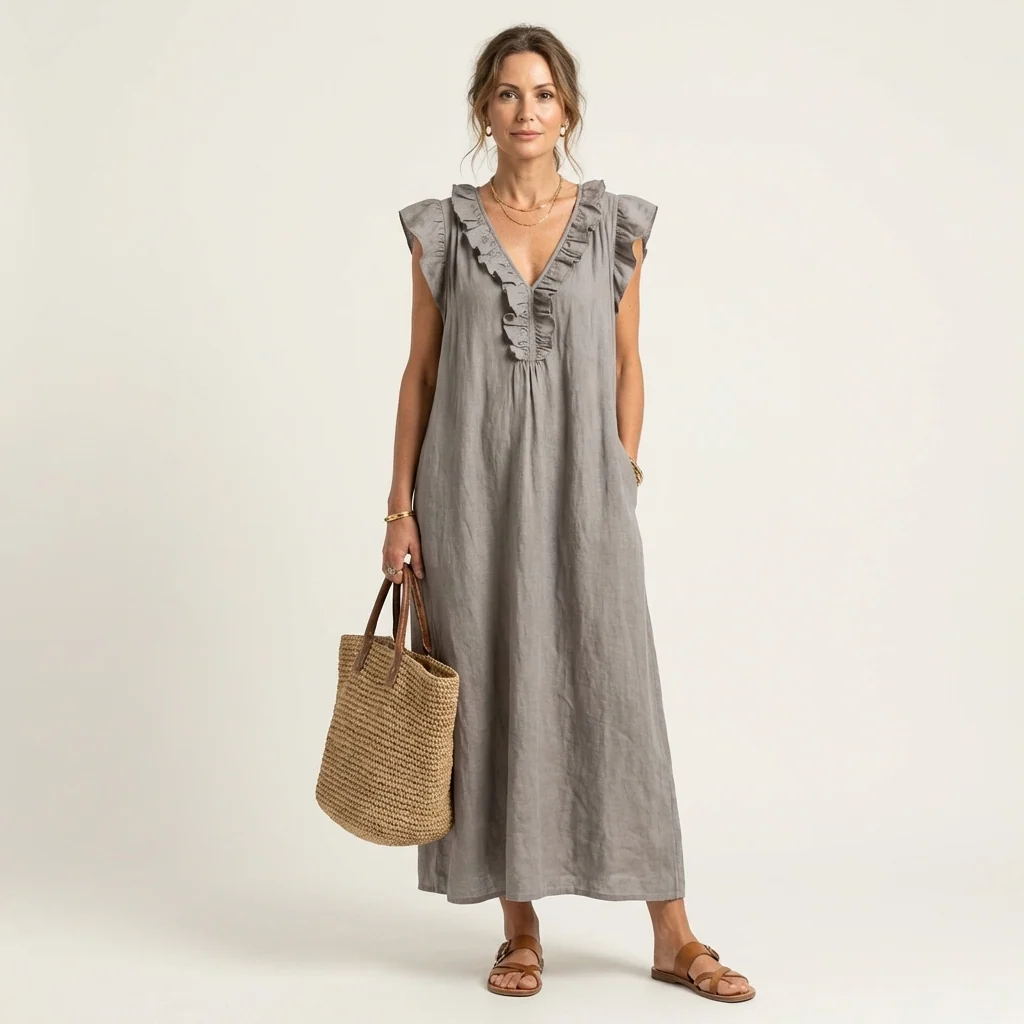
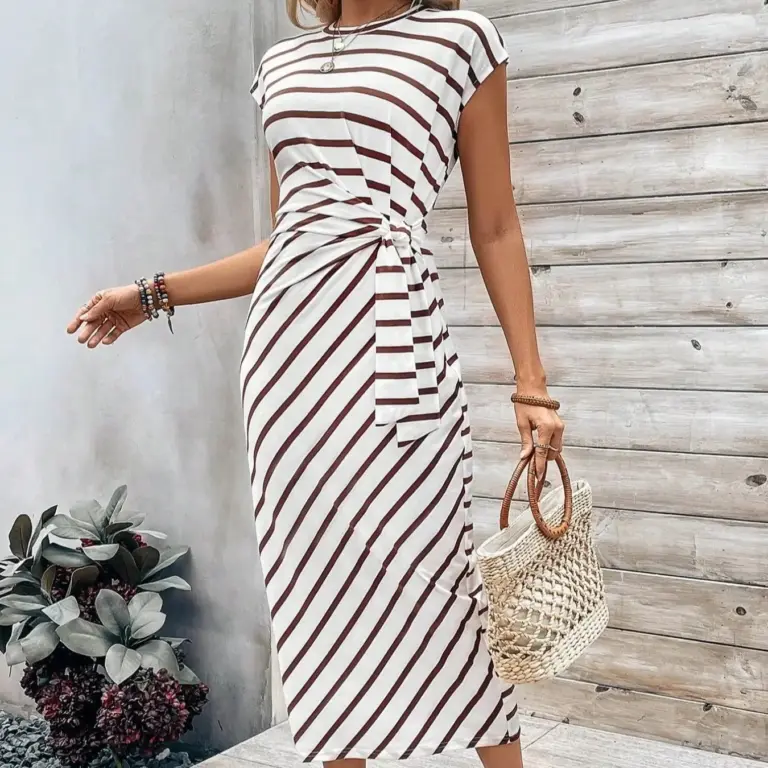 Tie Waist DressesWhite Tie Waist Party Dresses for Every Occasion on Your Calendar
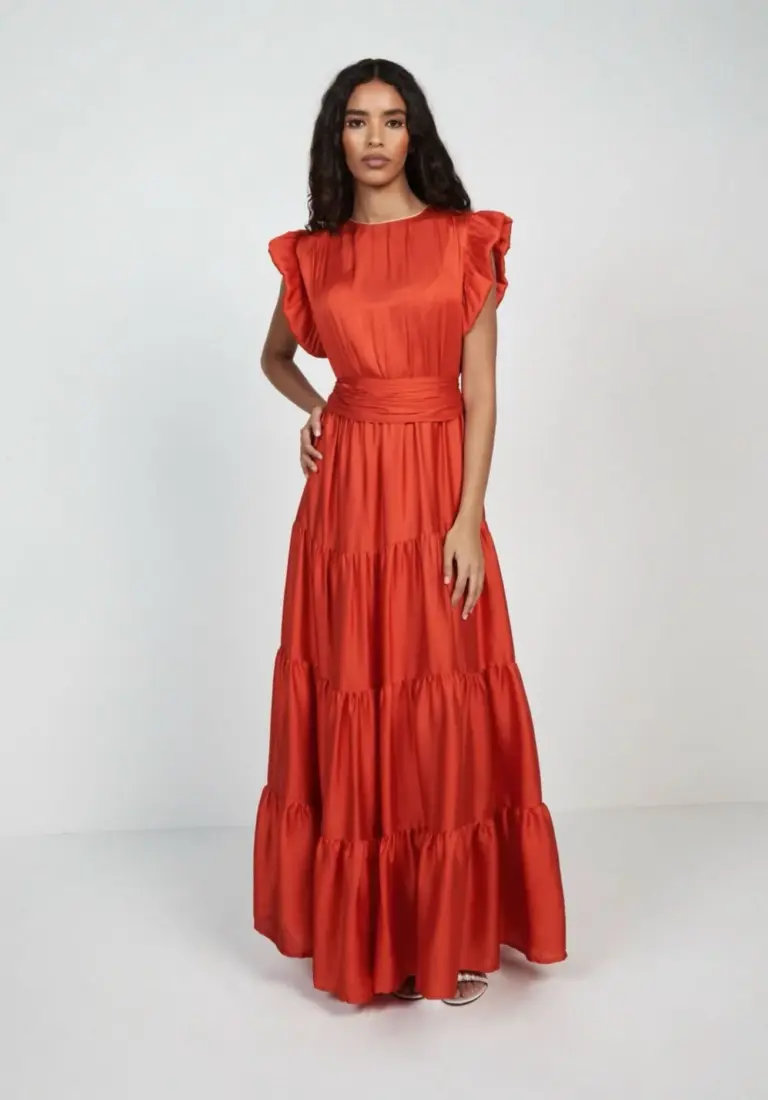
 Tie Waist DressesWhite Tie Waist Summer Dresses You’ll Want to Live In
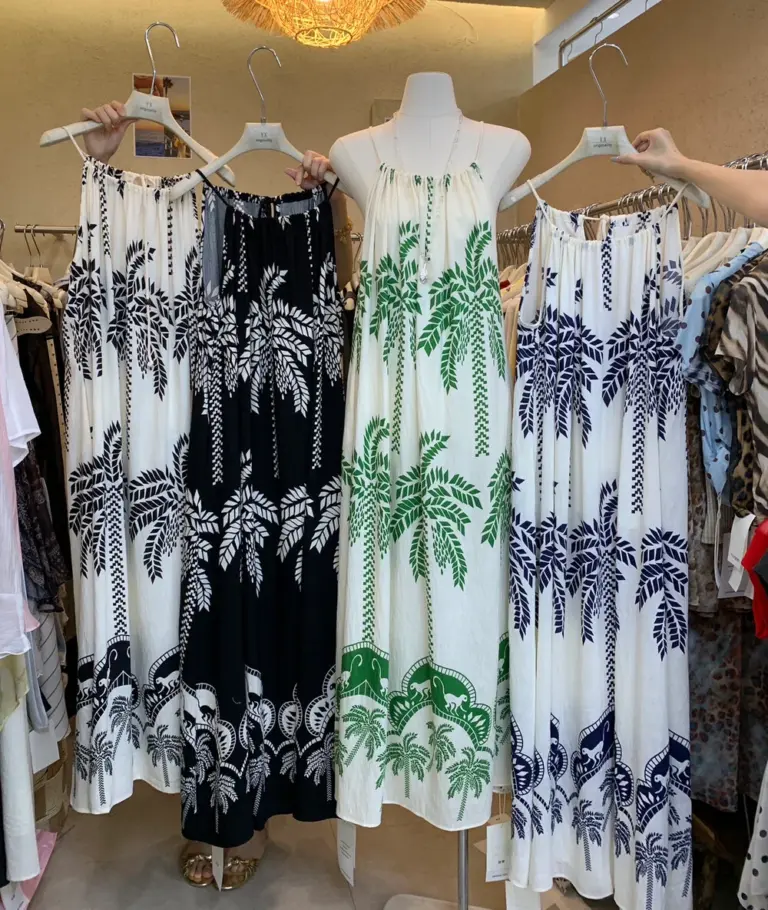
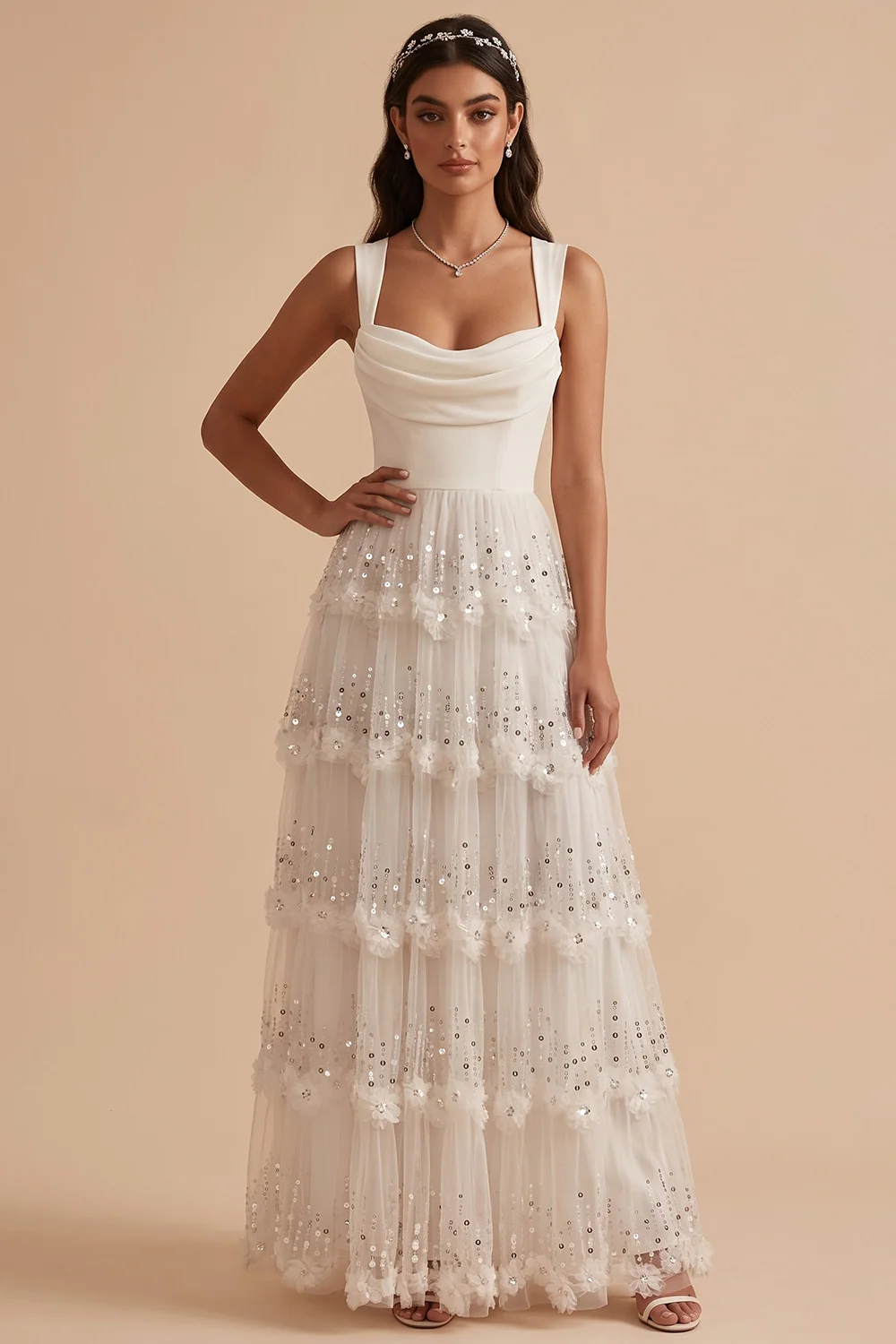 Tiered DressesThe Best Looking White Tiered A Line Dresses Out ThereAlso worth a lookMini DressesThe thing nobody mentions in the fitting room is how a mini dress behaves after three hours sitting down rather than standing in front of a mirror.See the collections →
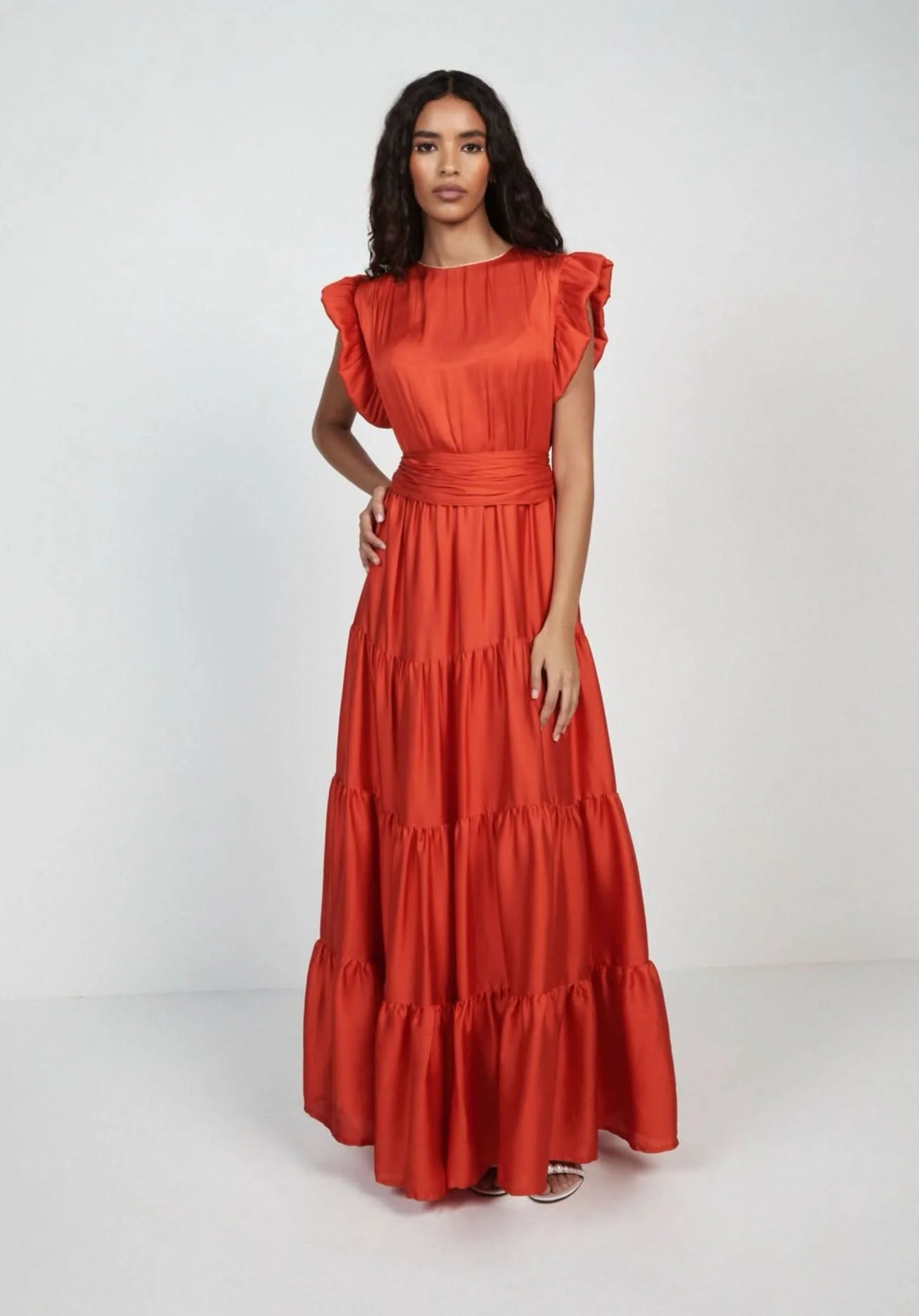
 Tiered DressesWhite Tiered Dresses: Our Honest Shortlist
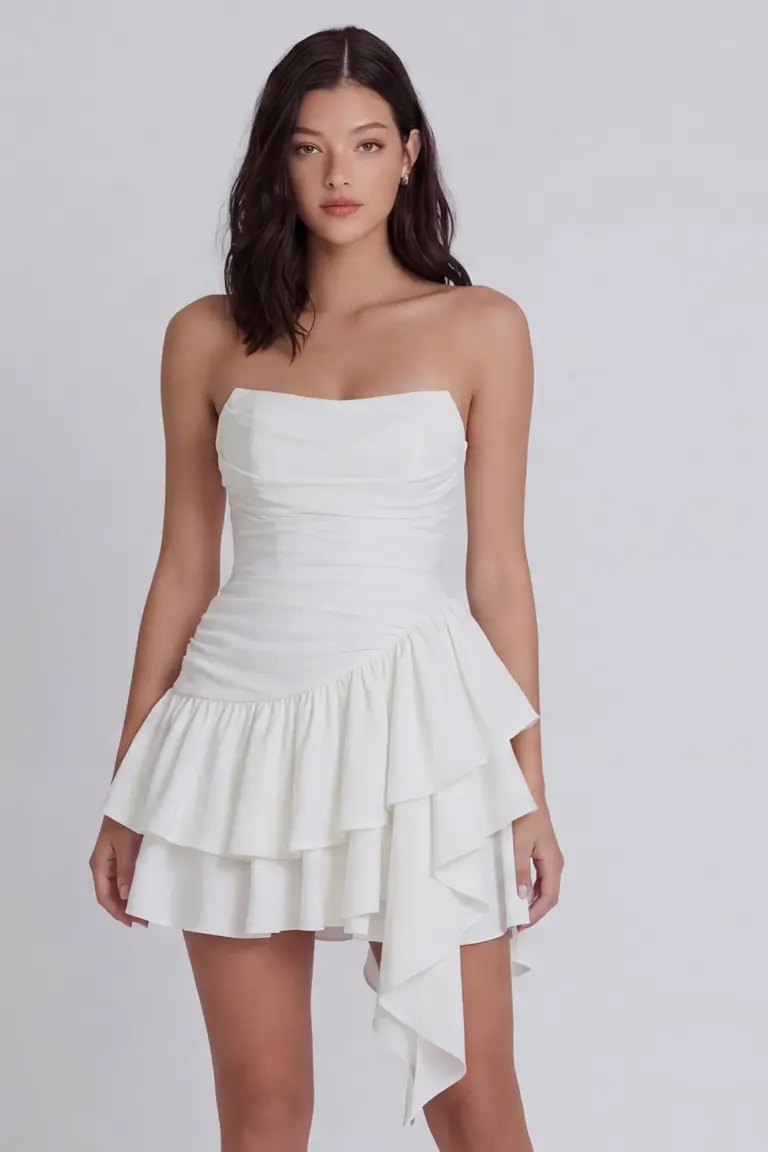
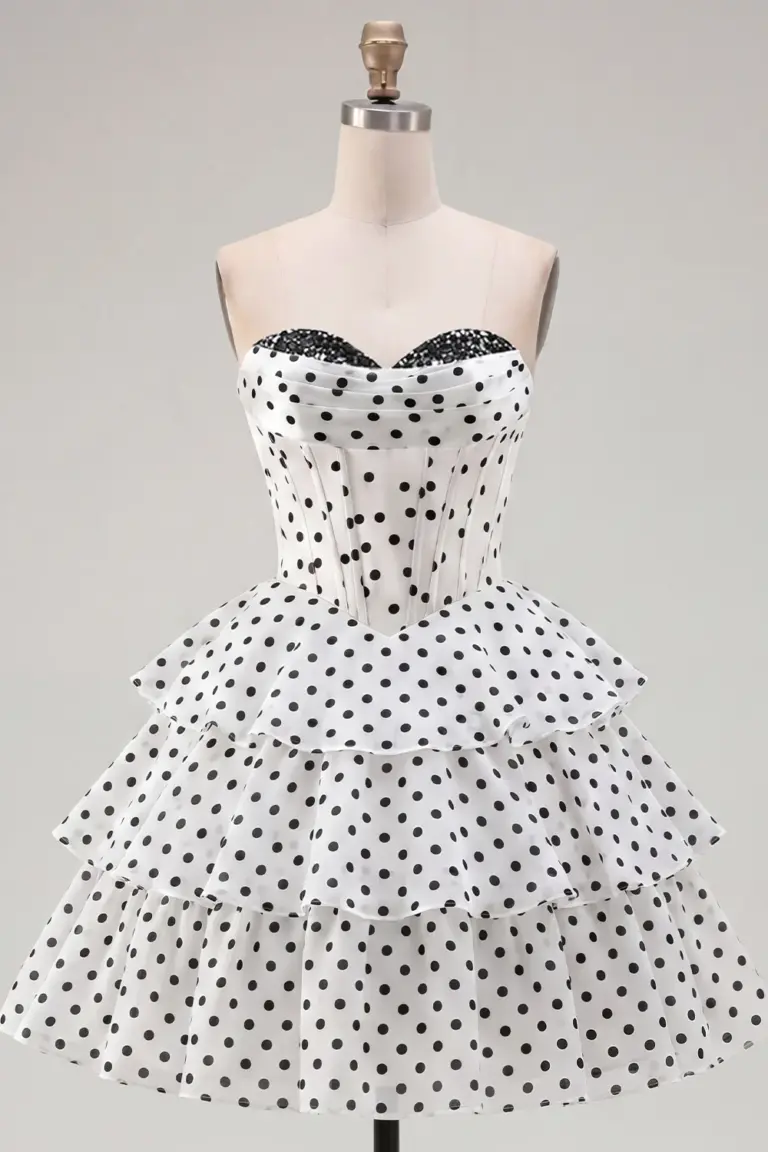 Tiered DressesShop Our Favorite White Tiered Evening Dresses

 Tiered DressesWhite Tiered Floral Dresses: Picks We Stand By

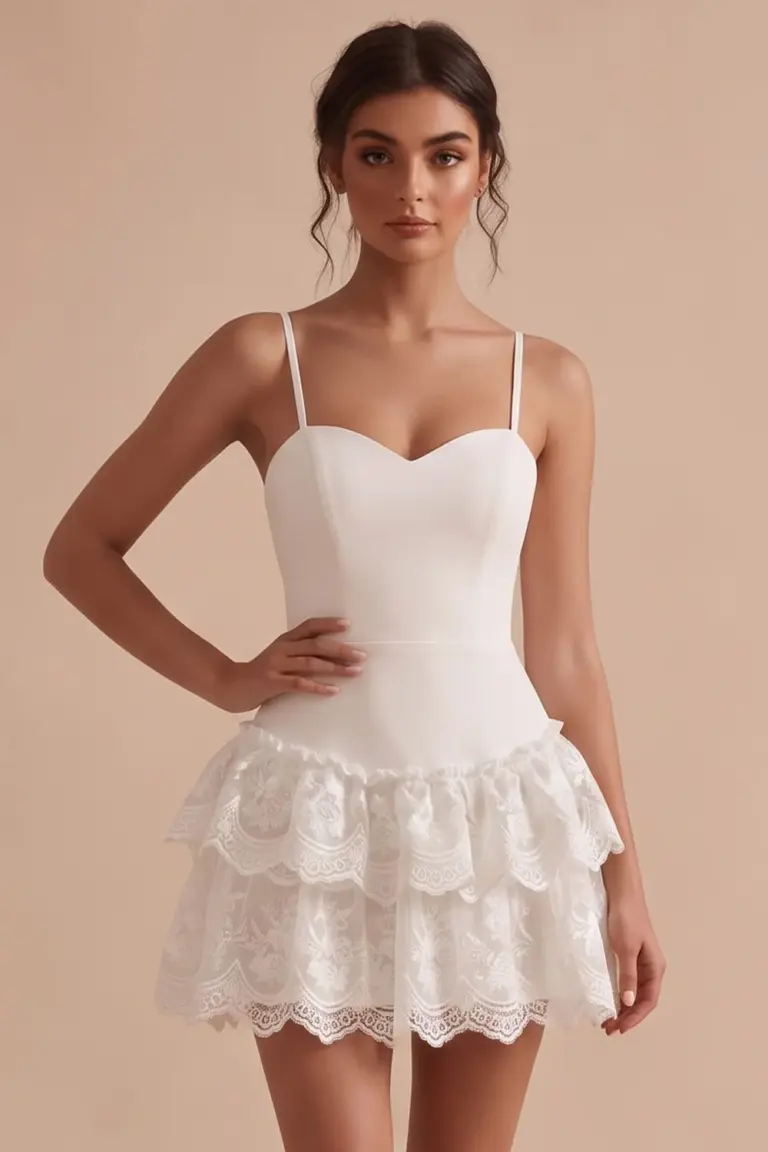 Tiered DressesThe White Tiered Lace Dresses We’re Eyeing Up This Season
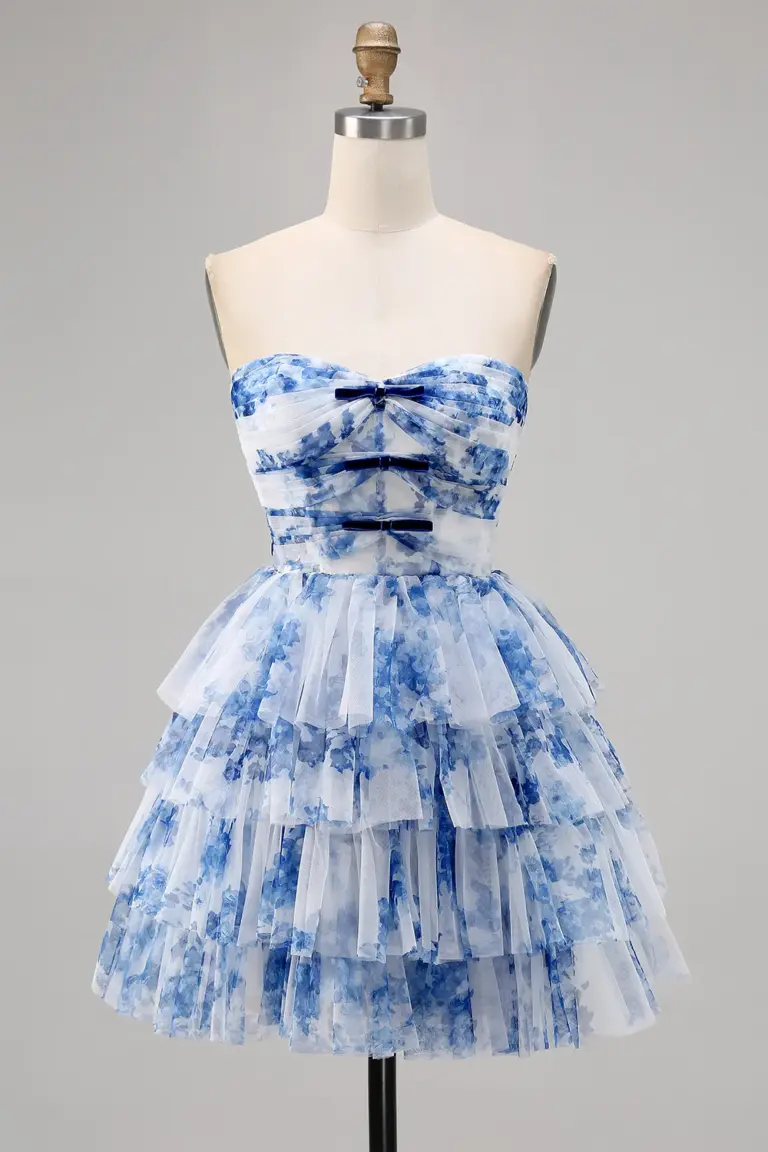
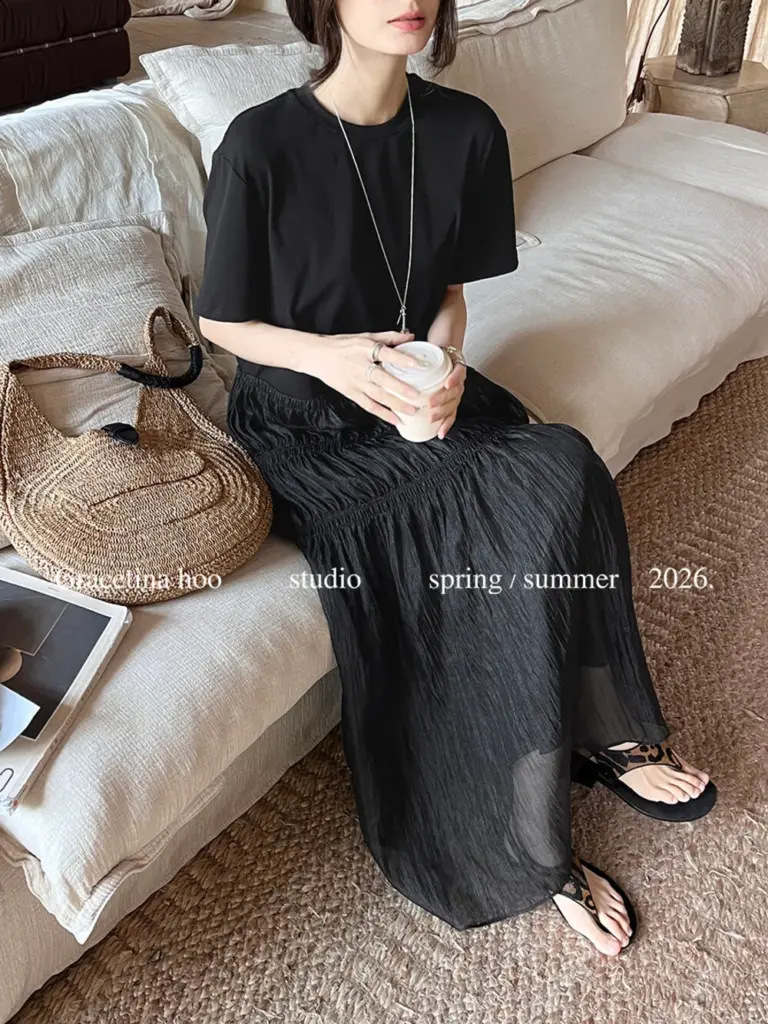 Tiered DressesWhite Tiered Maxi Dresses That Flatter Without Trying
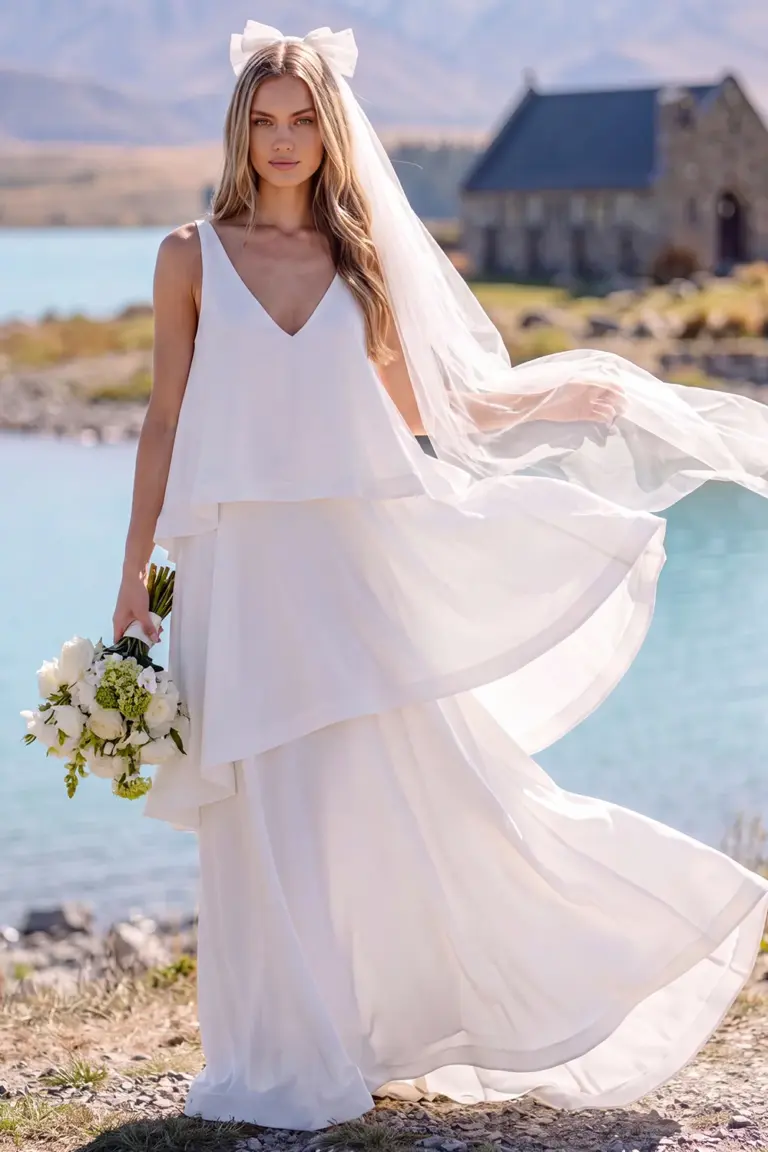
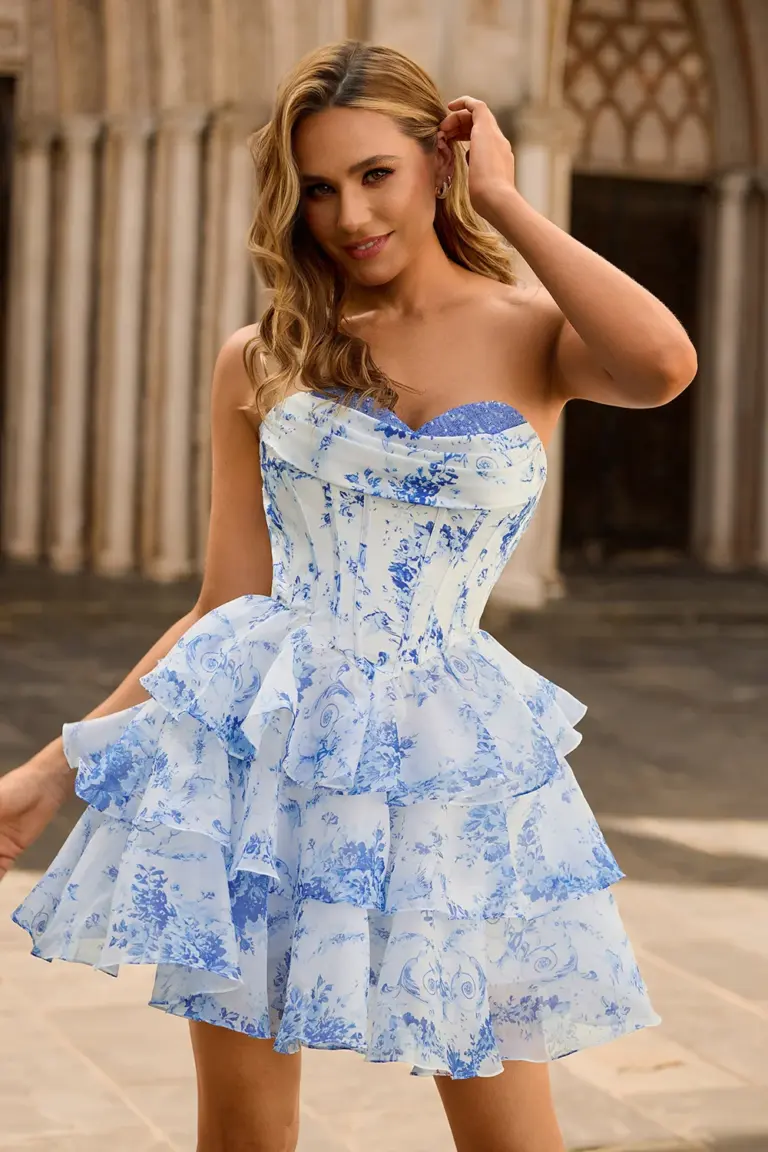 Tiered DressesWhite Tiered Mini Dresses That Tick Every Box

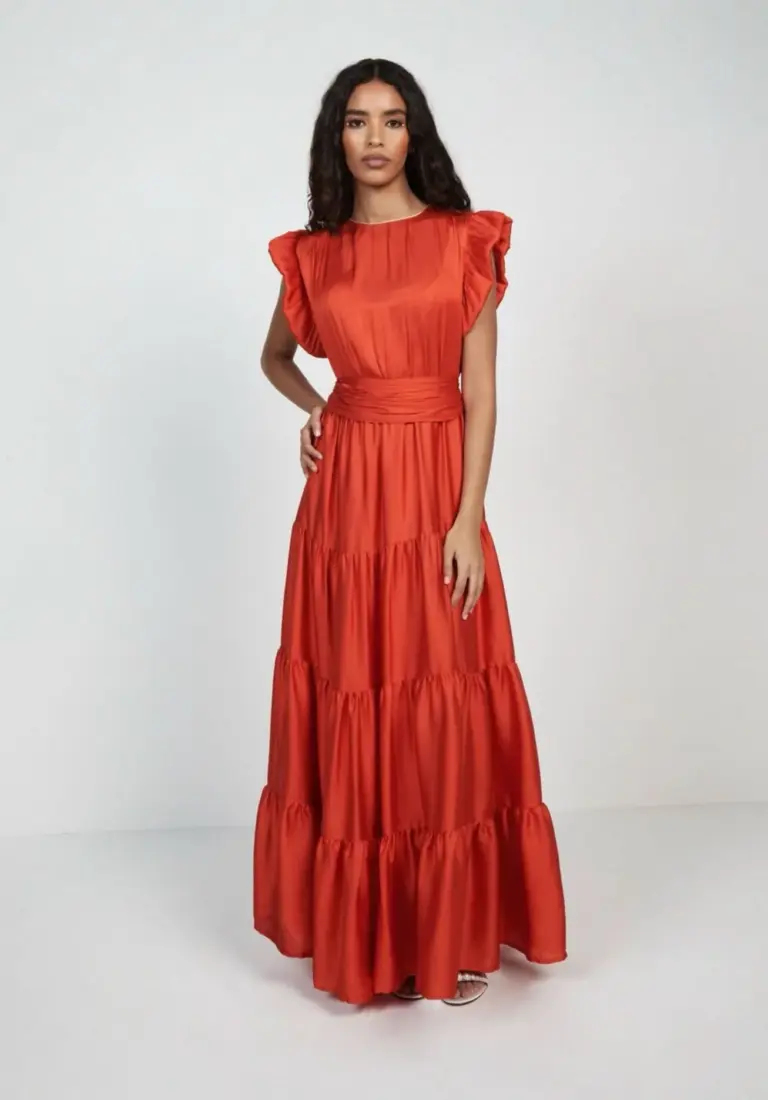 Tiered DressesWhite Tiered Summer Dresses That Always Get Compliments

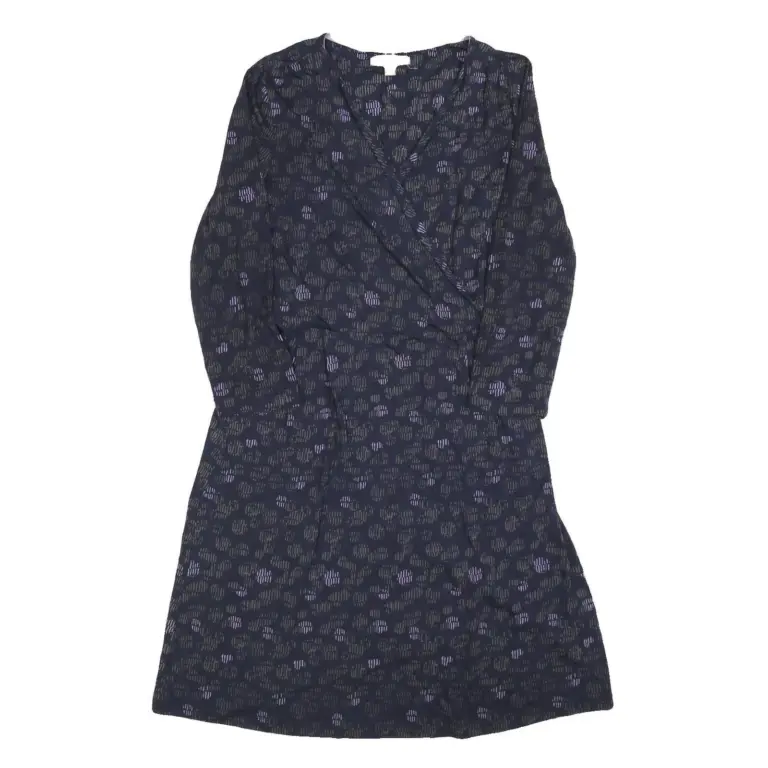 Tie Waist DressesThe White Tie Waist Floral Dresses We’d Wear Anywhere