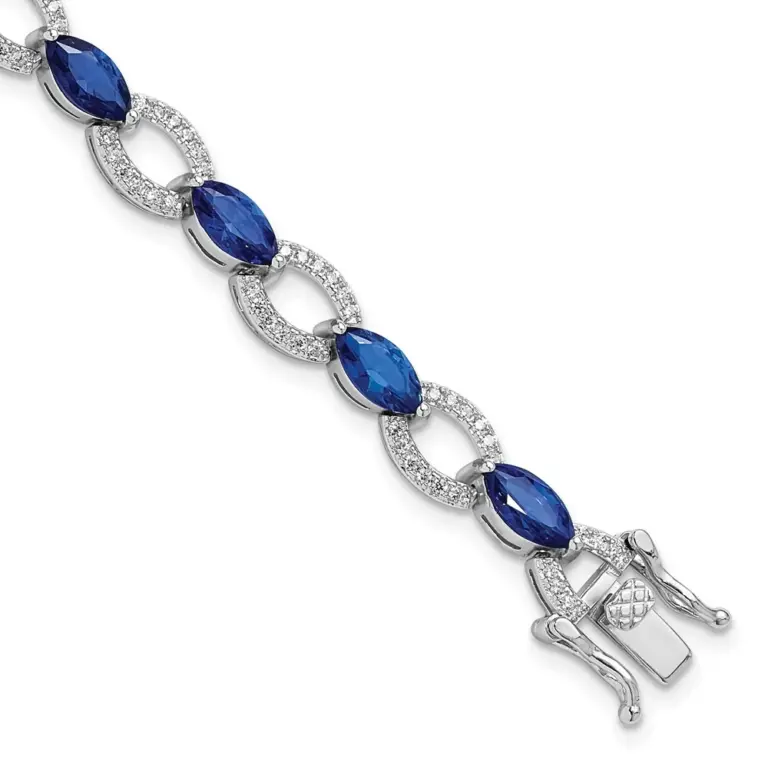
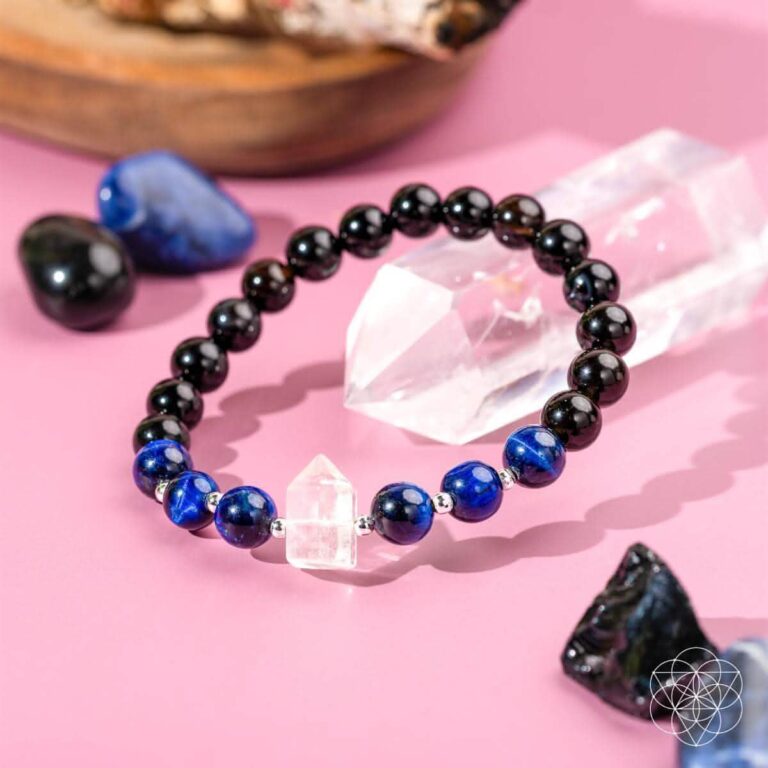
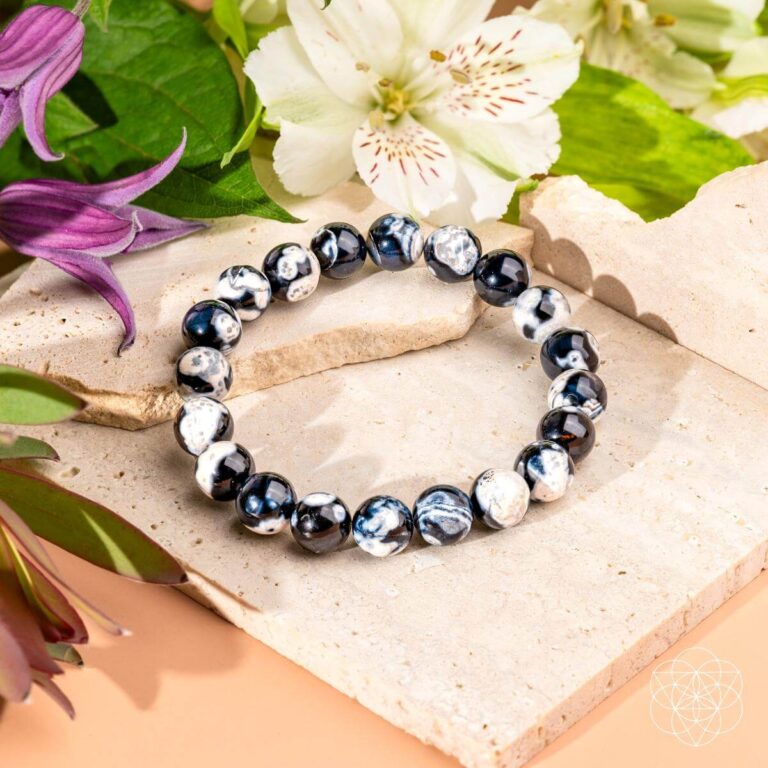
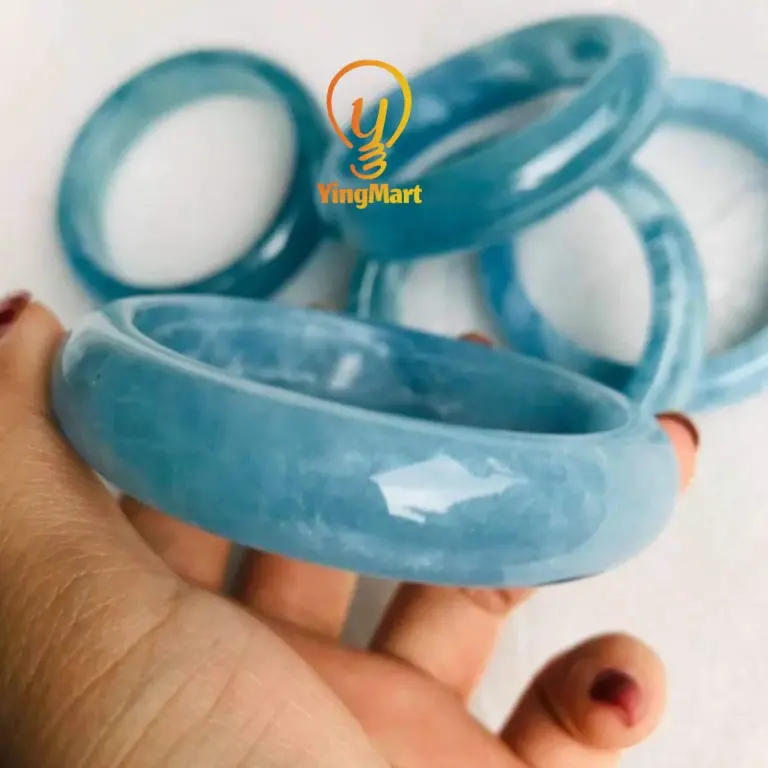
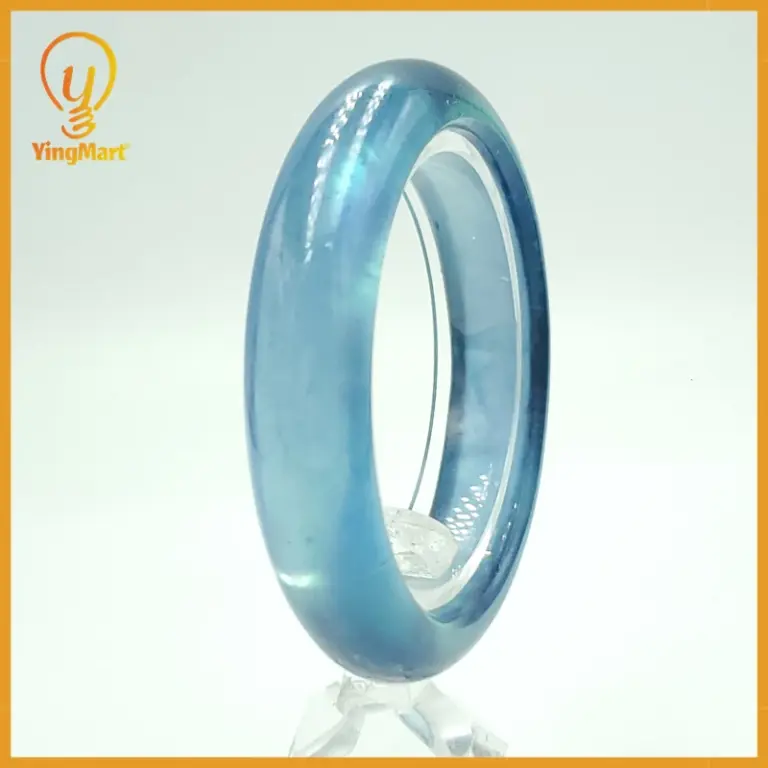
Do blue bracelets actually go with anything, or just the one top you bought them for? They go with far more than you think, because blue reads as a neutral the moment it sits next to skin, and most skin tones carry blue better than they carry a lot of golds and reds. The real question is which shade and which finish, because that is where these go right or wrong on the wrist.
If you have none, start with something in a mid denim or soft cornflower tone, in a slim bangle or a simple beaded stretch bracelet rather than anything chunky or cuff shaped. A narrower piece sits closer to the bone and moves with your wrist instead of sliding up your forearm every time you reach for something, which is exactly where the wide ones let you down. Once you know you'll actually wear it, you can go bolder, a deeper navy, a turquoise with more green in it, a stack of three thin ones rather than one statement piece, but the first one should be easy enough that you reach for it without thinking.
The difference between a bracelet that lasts and one that ends up in a drawer by the second wear is almost always in the finish, not the colour. Cheap enamel and painted glass look fine on the first day and then chip at the edges where the piece knocks against a desk or a car door, leaving little pale flecks that catch the light in the wrong way. Proper glass beads or resin with a bit of depth to the colour, rather than a flat painted surface, wear far better, and the clasp matters more than people give it credit for. A spring ring that's gone slightly loose, or a magnetic clasp that pops open when your sleeve catches it, means you'll stop wearing the thing out of sheer irritation long before the colour fades. Check the clasp works one handed, because that's how you'll actually be doing it up most mornings.
In the shop, hold the bracelet against the inside of your wrist rather than the back of your hand, since that's closer to how it'll sit once it's on properly and settled. Look at the join where the clasp meets the chain or cord, because that's the first place these fail, and run a finger over any beads or stones to check for rough edges that'll catch on jumper sleeves all winter. If it's a bangle, make sure it goes over your hand without you having to fight it, but doesn't swing so loose that it's forever thumping against the table.
Worn in, a good blue bracelet softens rather than fades. The glass gets a slightly cloudier, gentler look that suits it, the metal picks up a few fine scratches that catch differently in the light, and the whole thing starts to feel like it's actually yours rather than something straight off a card in a shop.
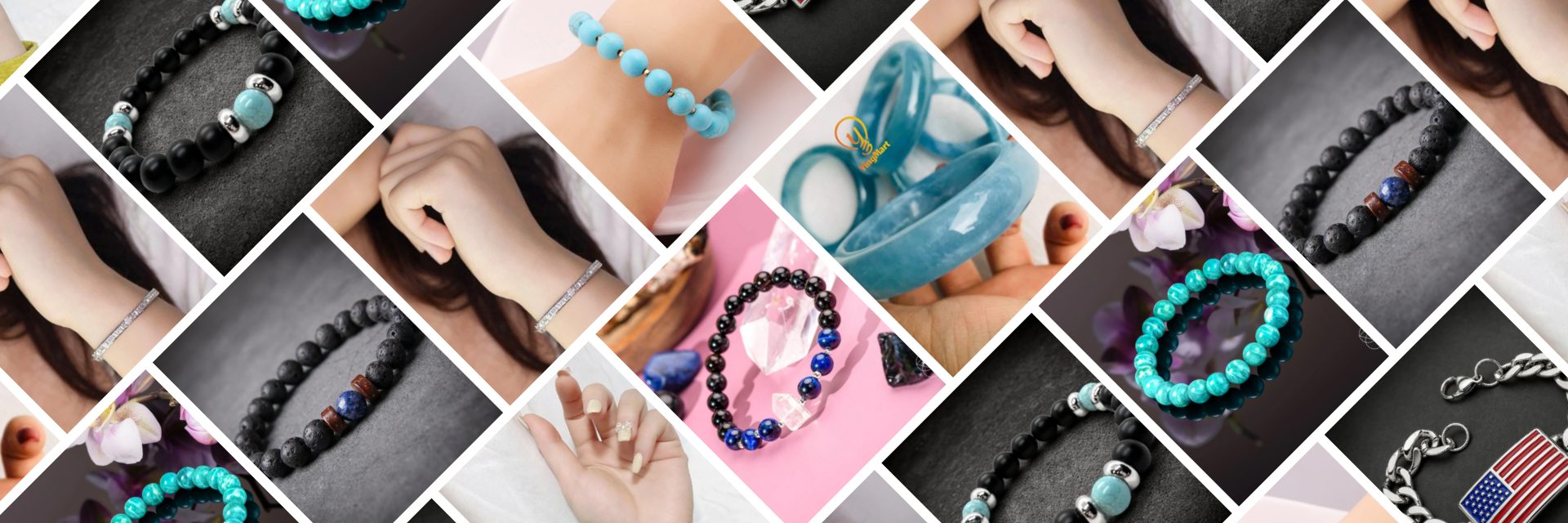
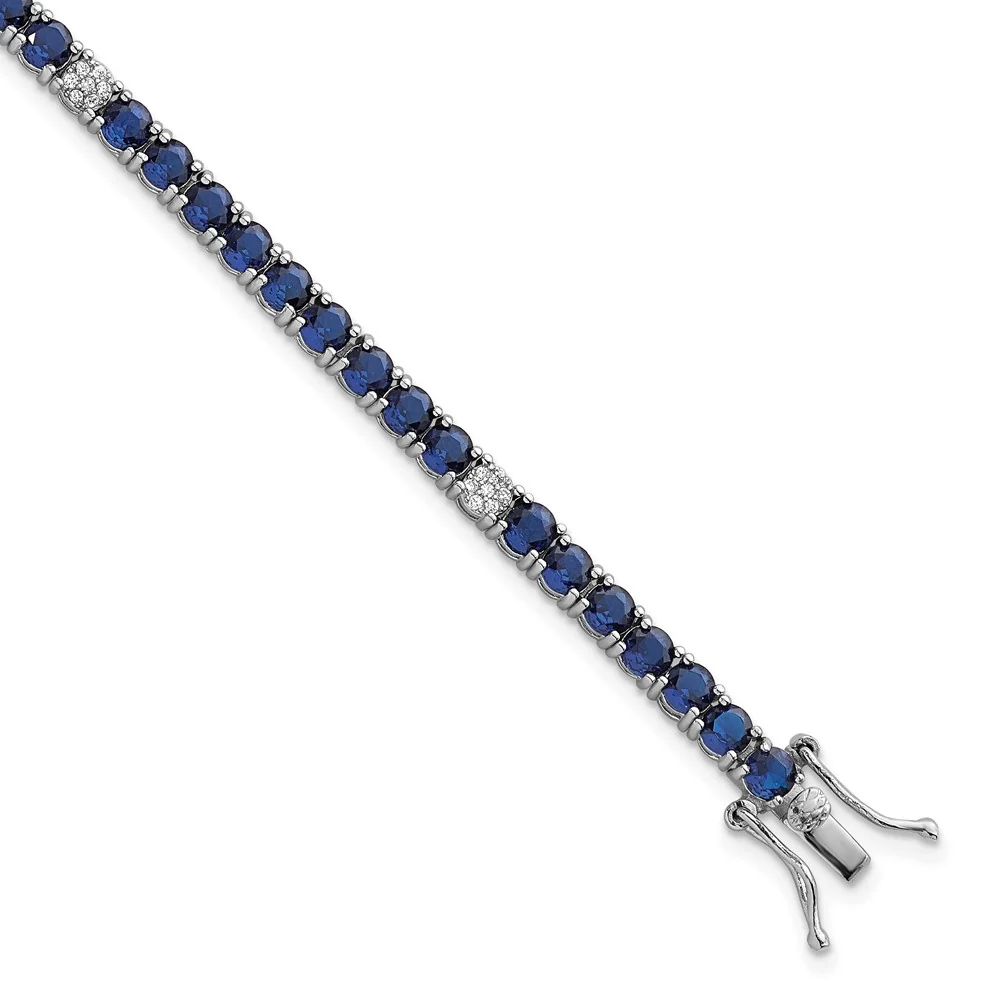
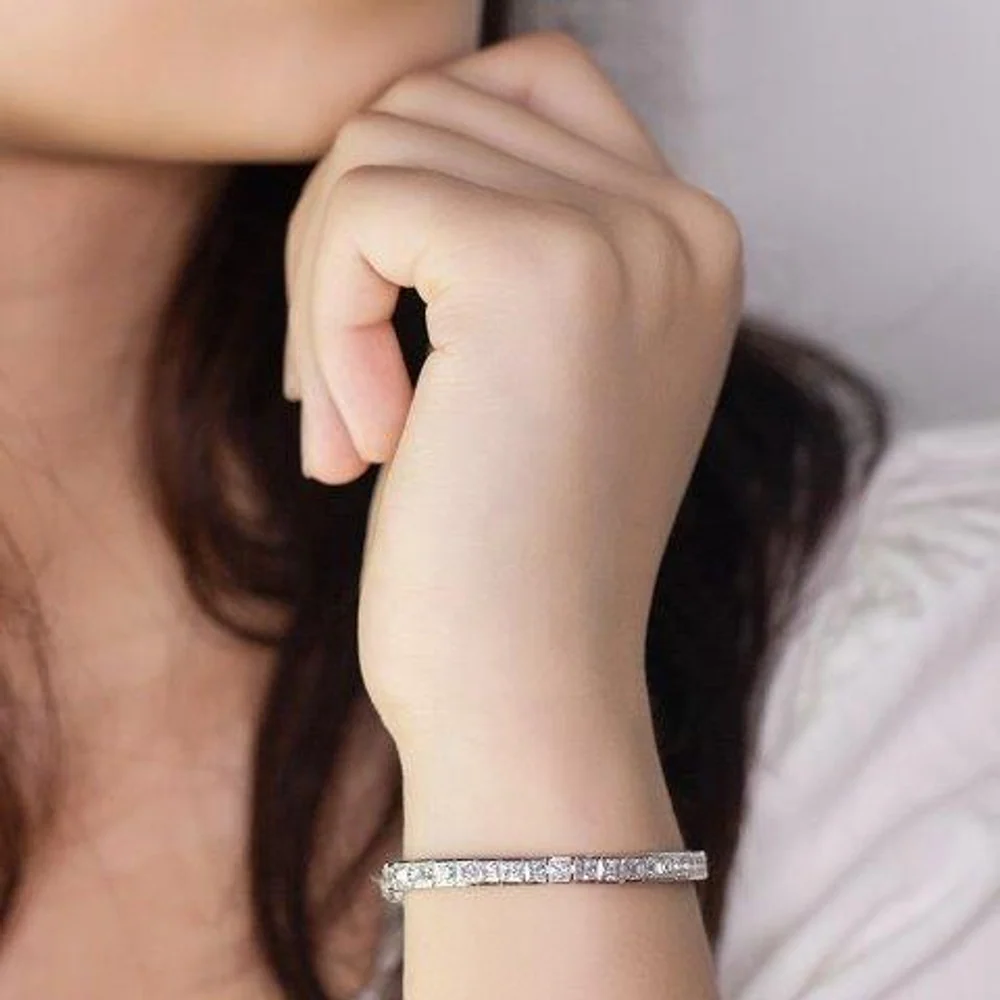 Blue Tennis Bracelets We’re Adding to Basket
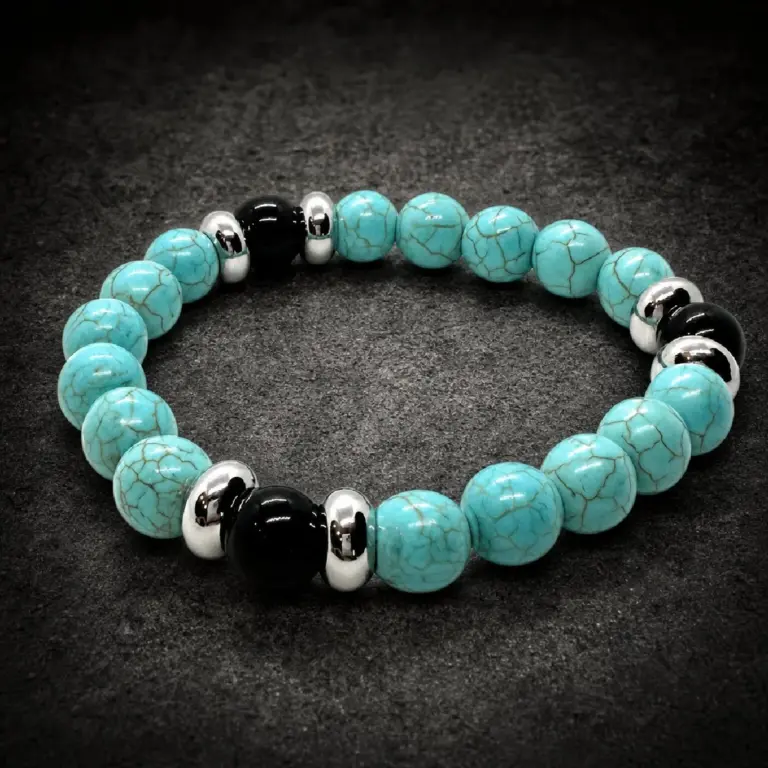 The Only Blue Turquoise Bracelets You Need to See
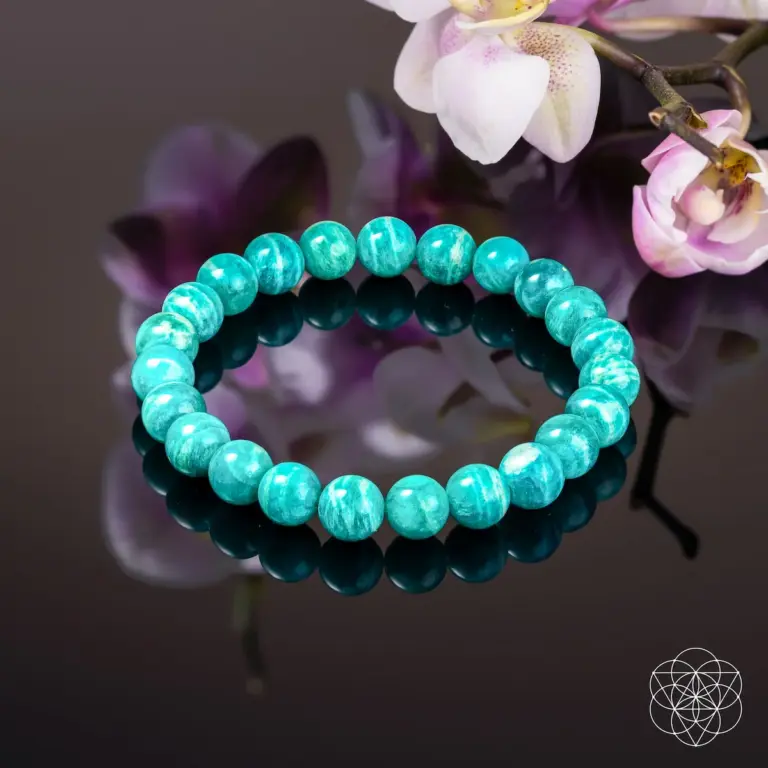
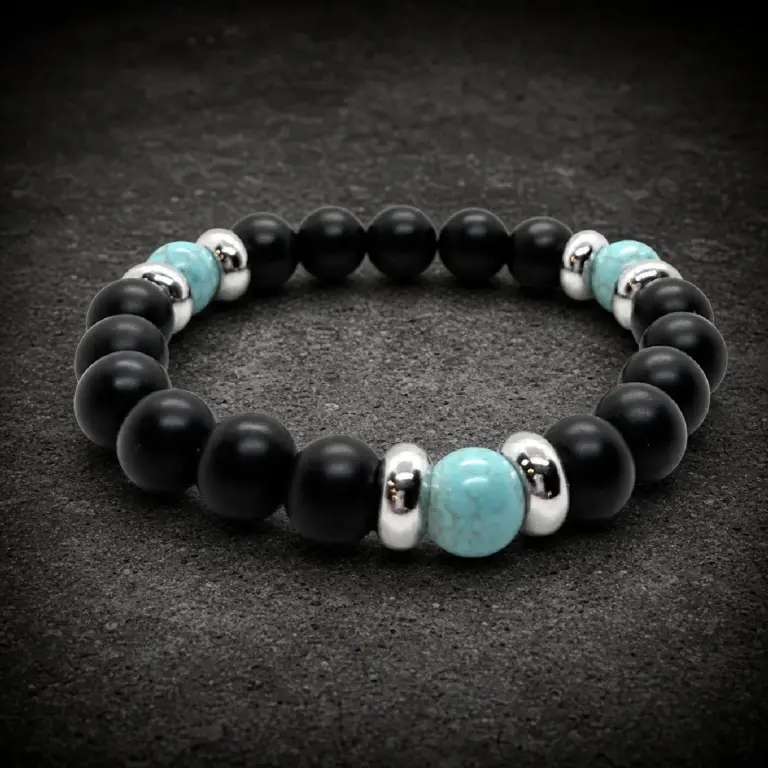 Blue Statement Bracelets for Everyday Wear
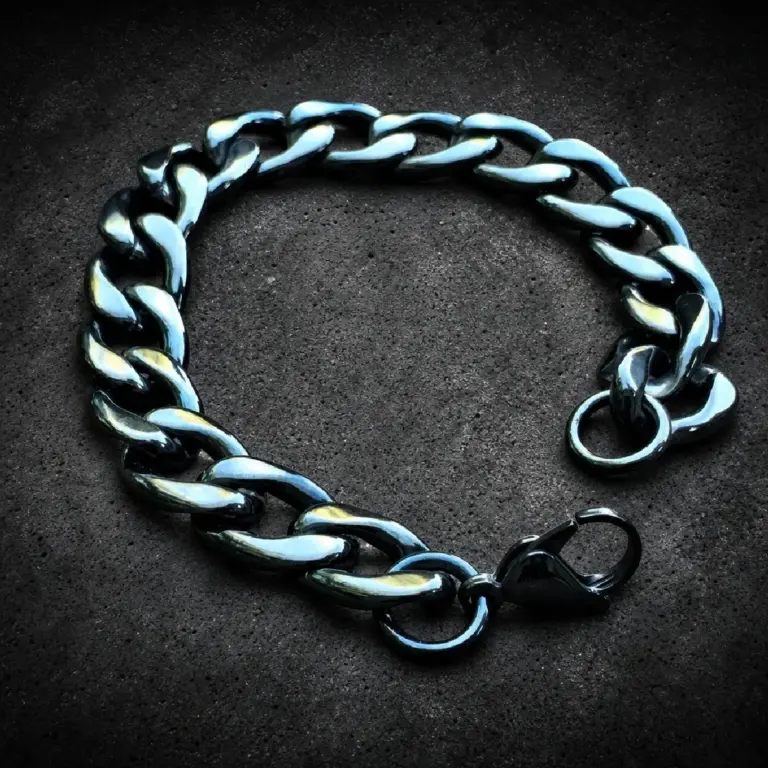
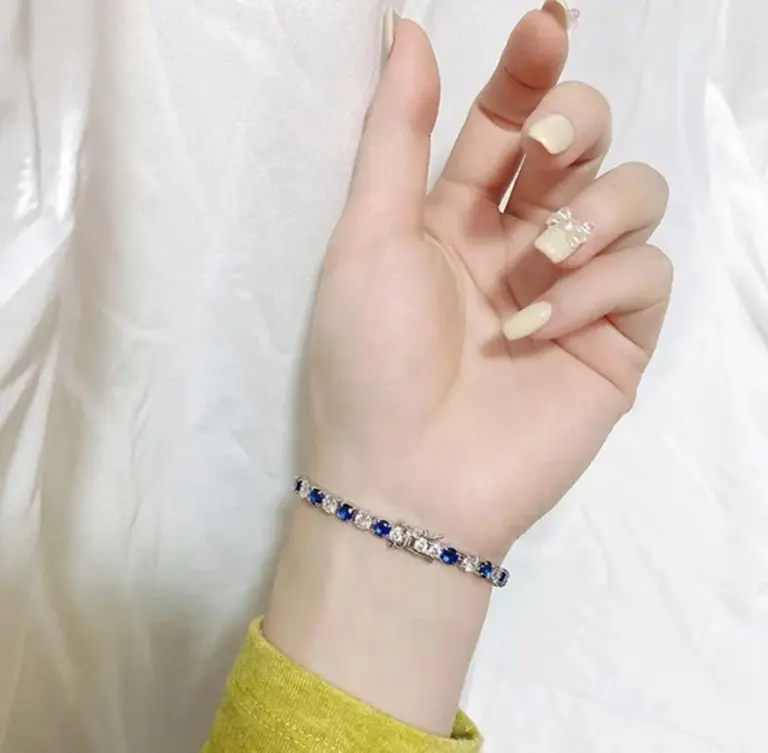 Sterling Silver BraceletsBlue Sterling Silver Bracelets Edited Down to the Best
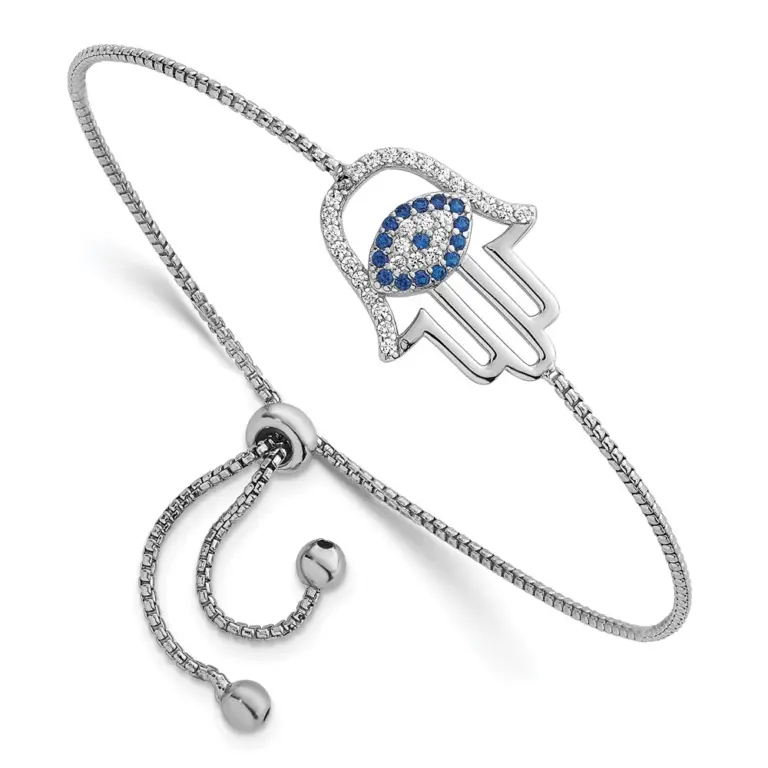
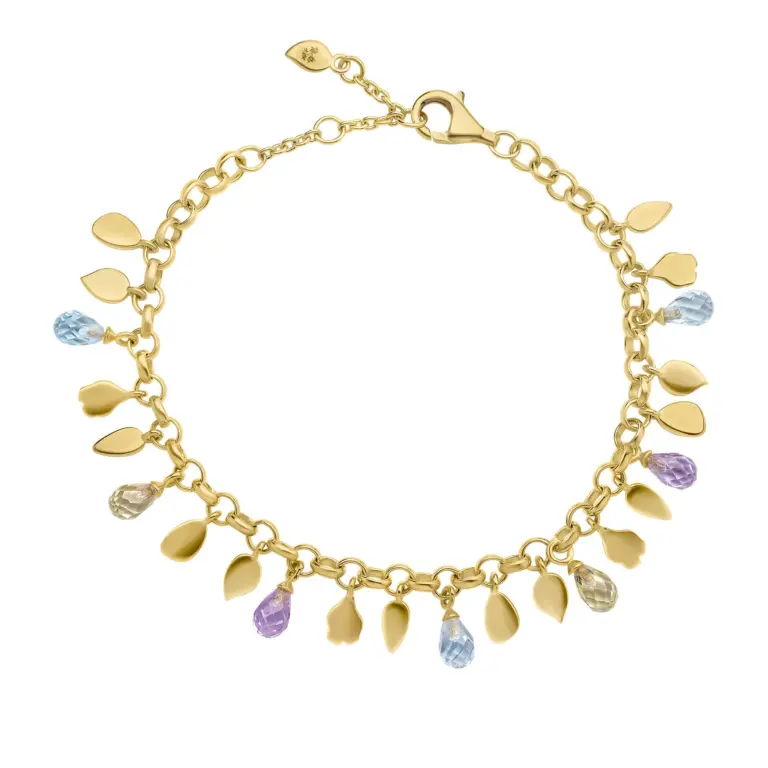 Sterling Silver BraceletsBlue Sterling Silver Charm Bracelets: The Ones Worth Your Money
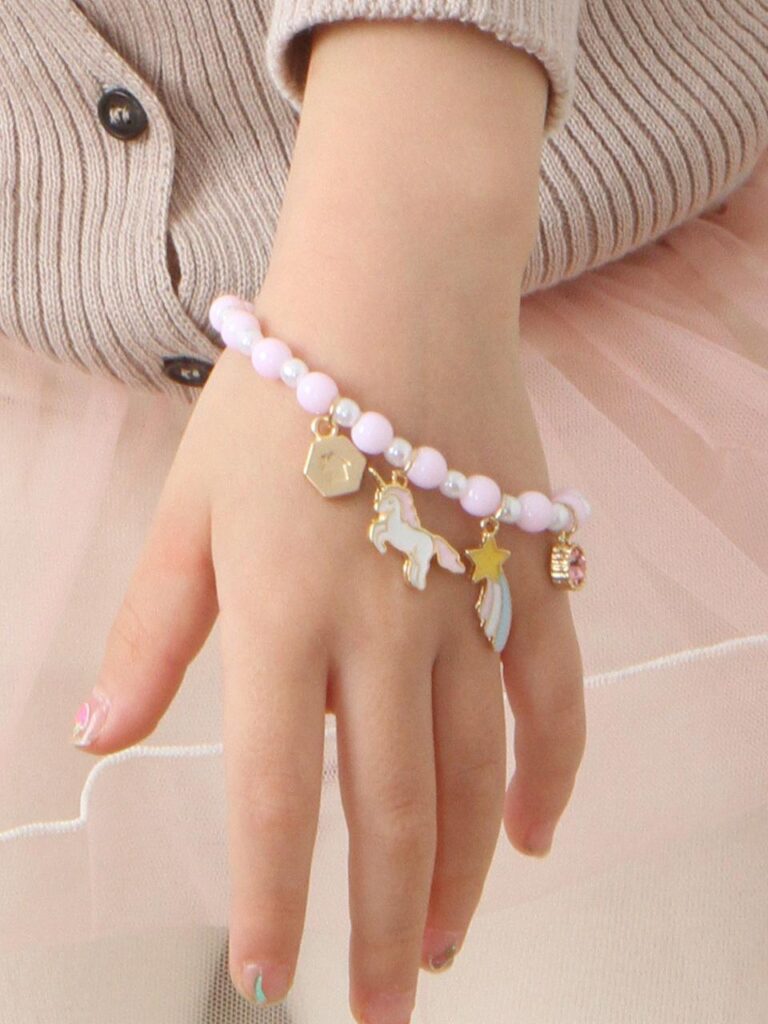
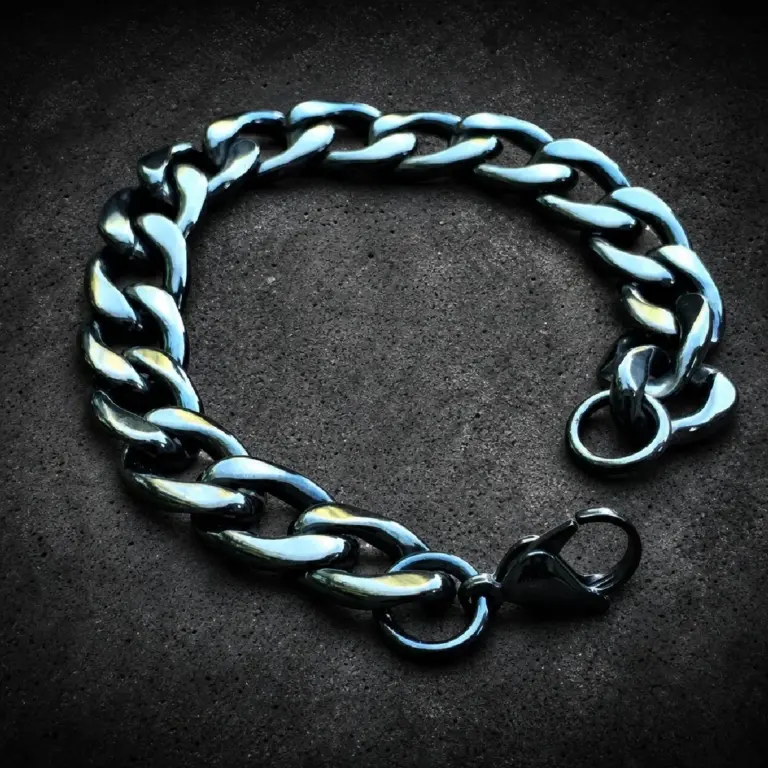 Pretty Blue Stainless Steel Bracelets We Love
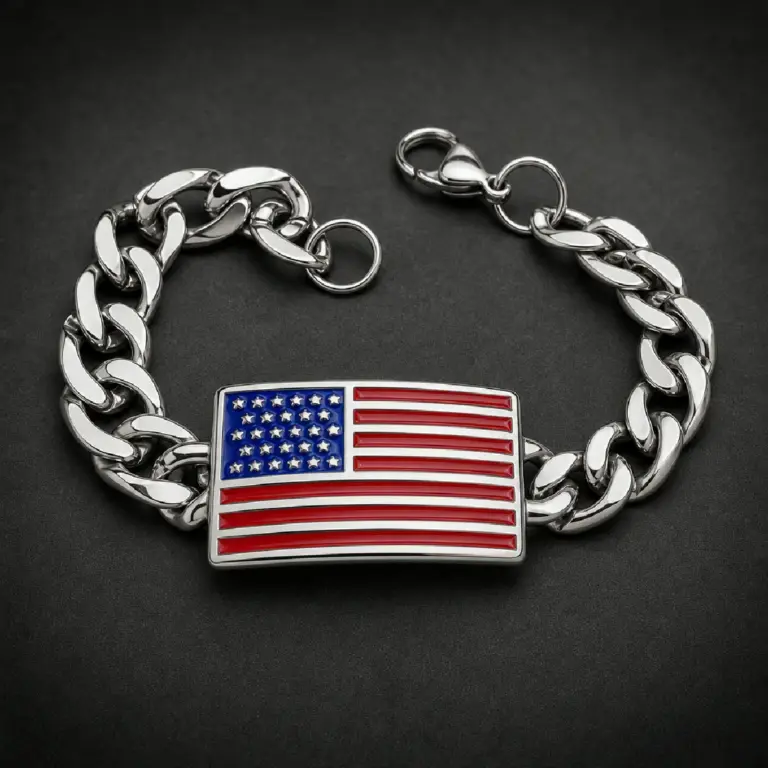
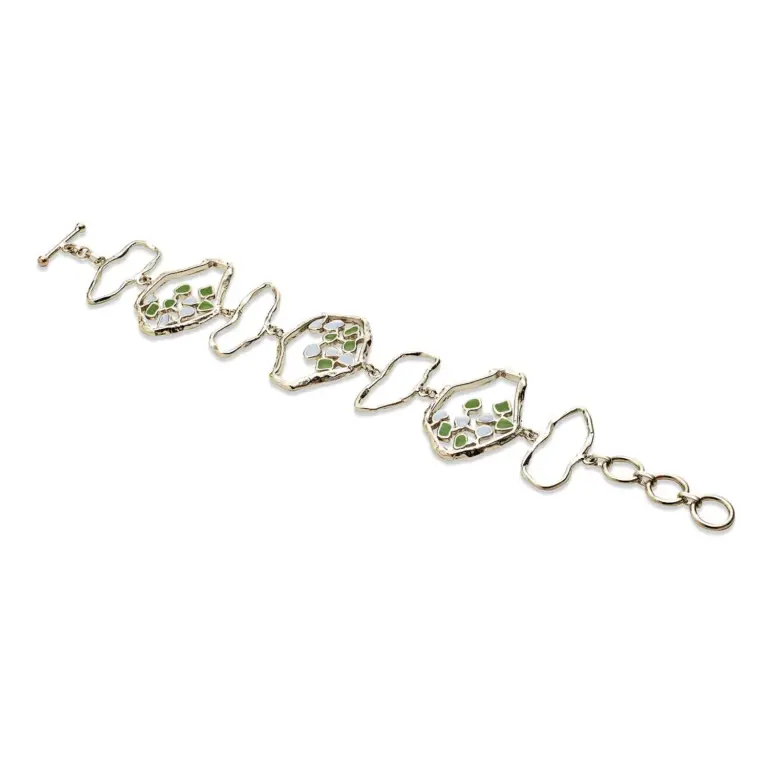 Shop the Edit: Blue Silver Plated Bracelets
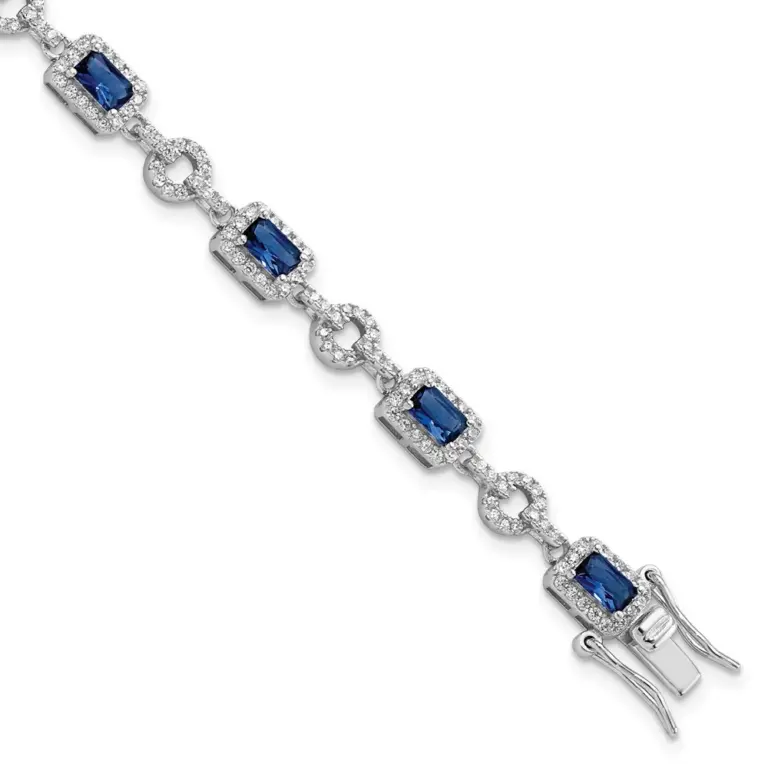
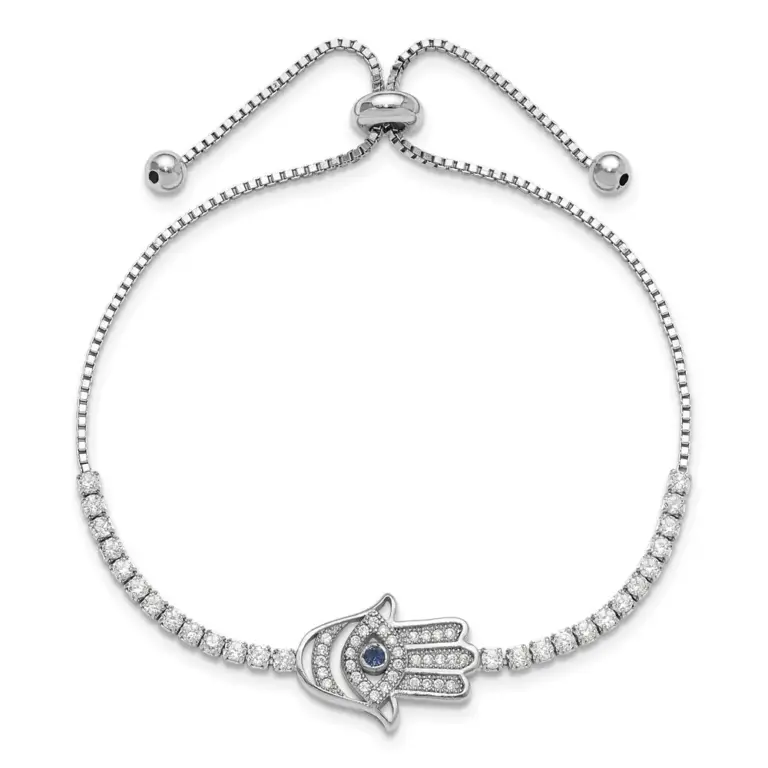 Charm BraceletsThe Blue Silver Plated Charm Bracelets Shortlist
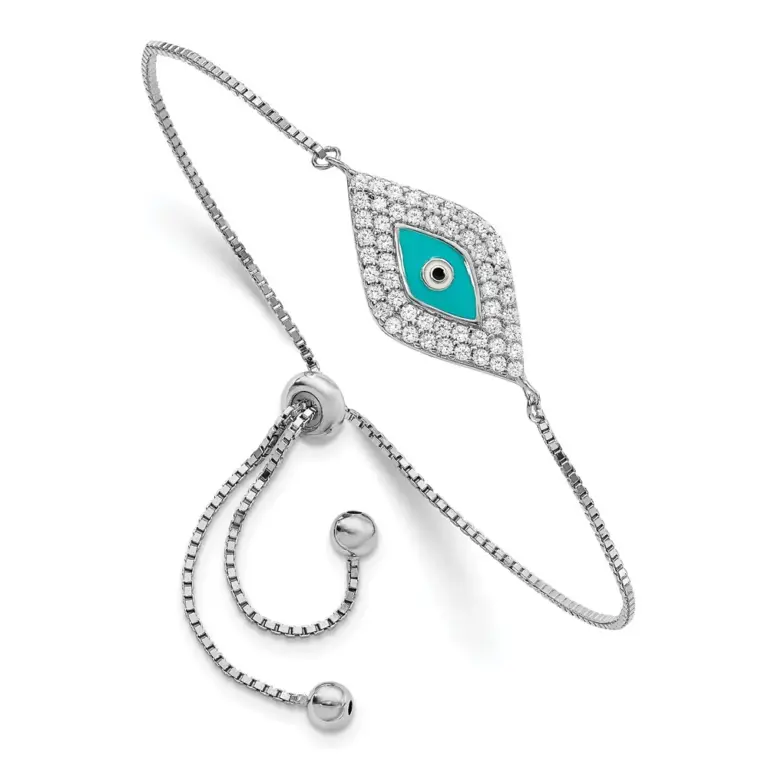
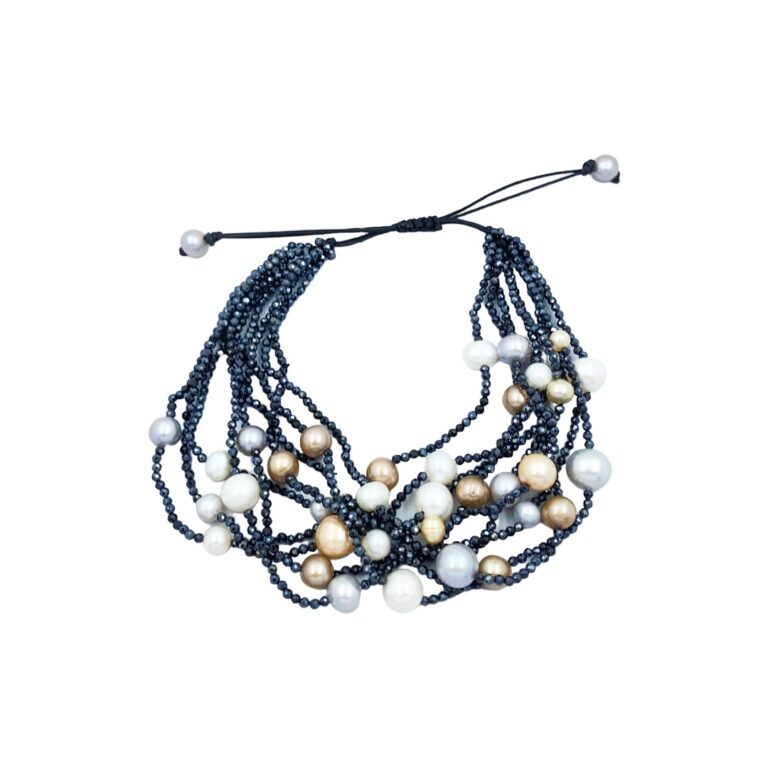 Blue Pearl Bracelets Worth Adding to Your WardrobeAlso worth a lookCharm BraceletsMy first charm bracelet was one of those stretchy elastic ones from a market stall, loaded with little…See the collections →
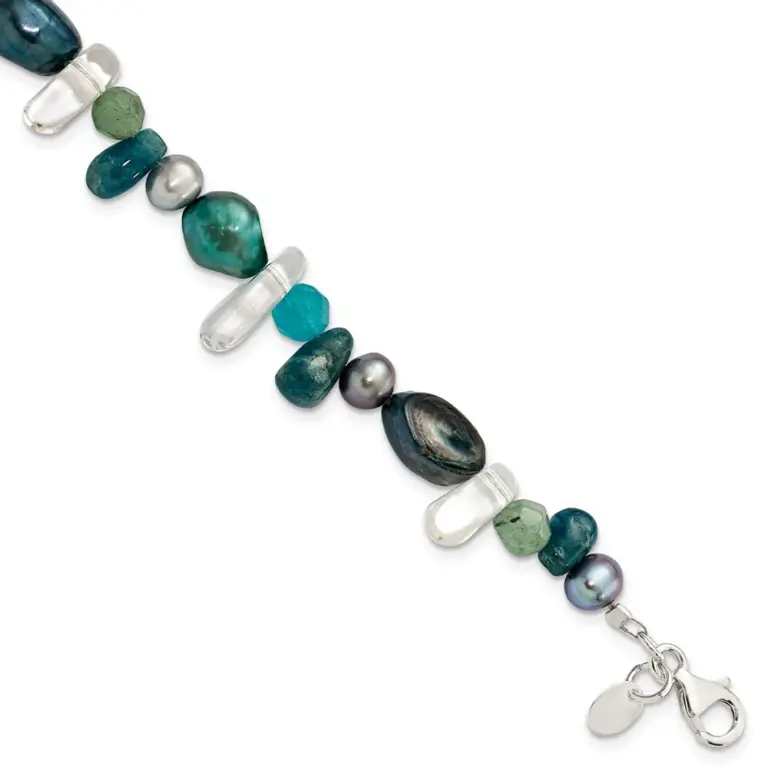
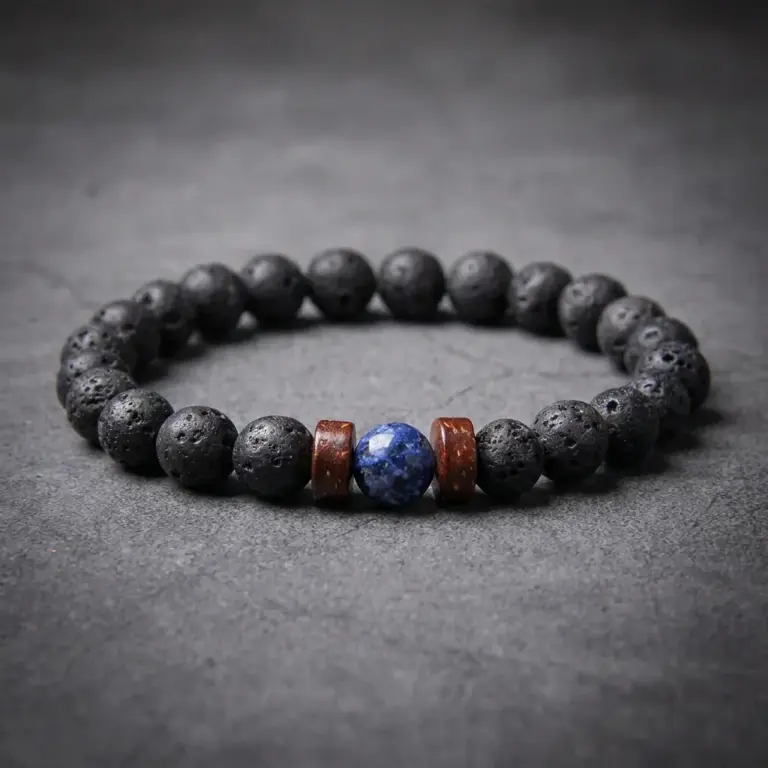 Our Shortlist of Blue Glass Bracelets
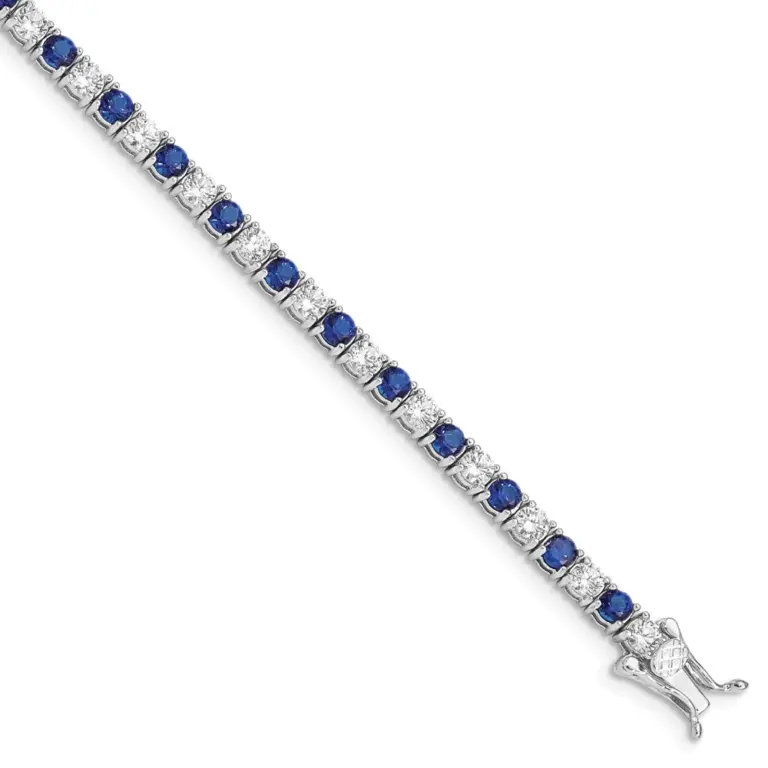
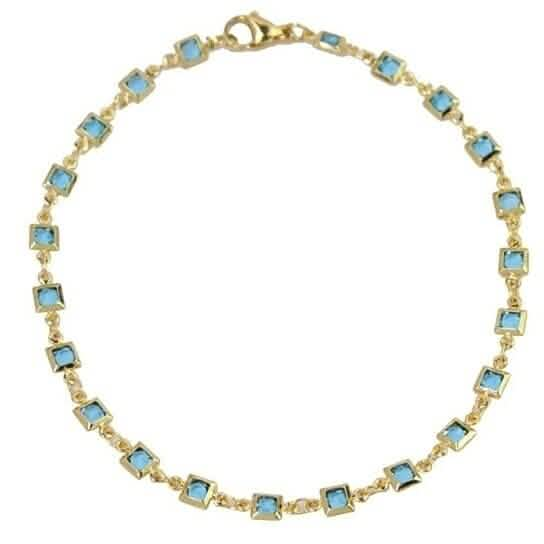 Gold Plated BraceletsBlue Gold Plated Bracelets That Feel Special
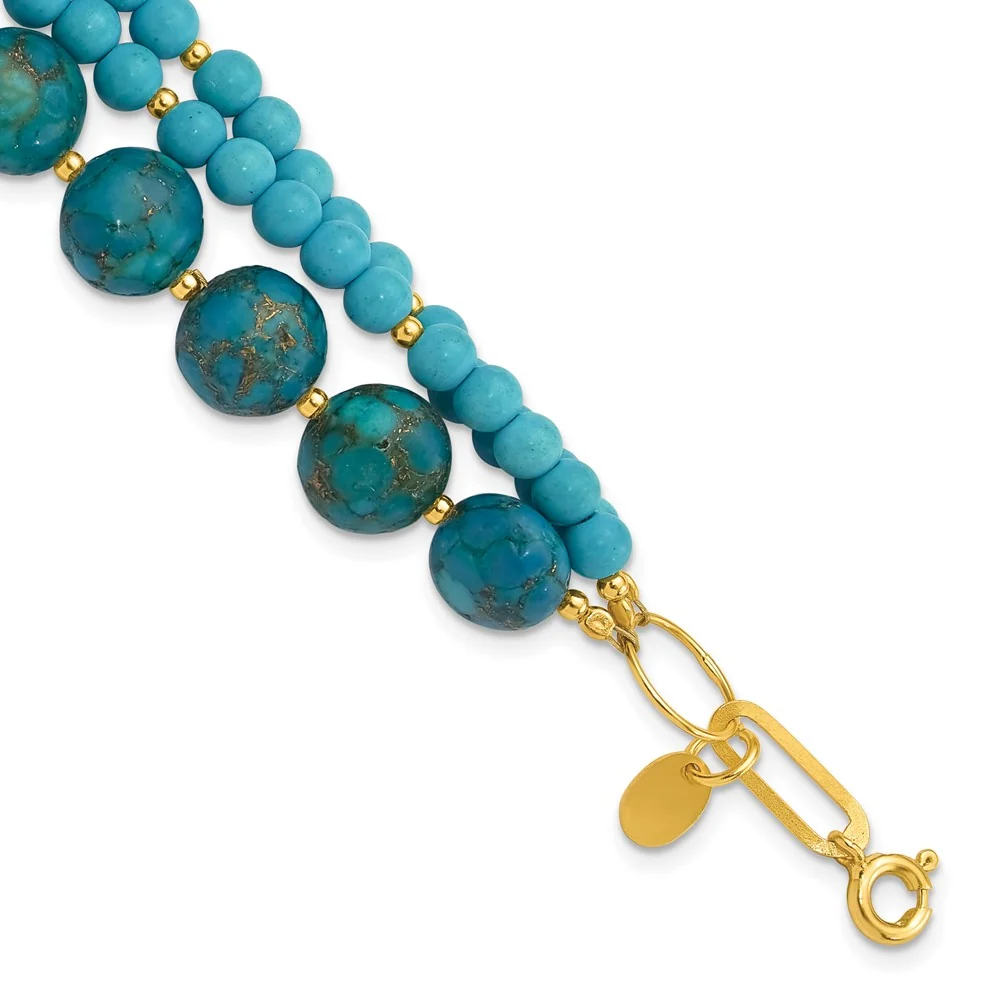
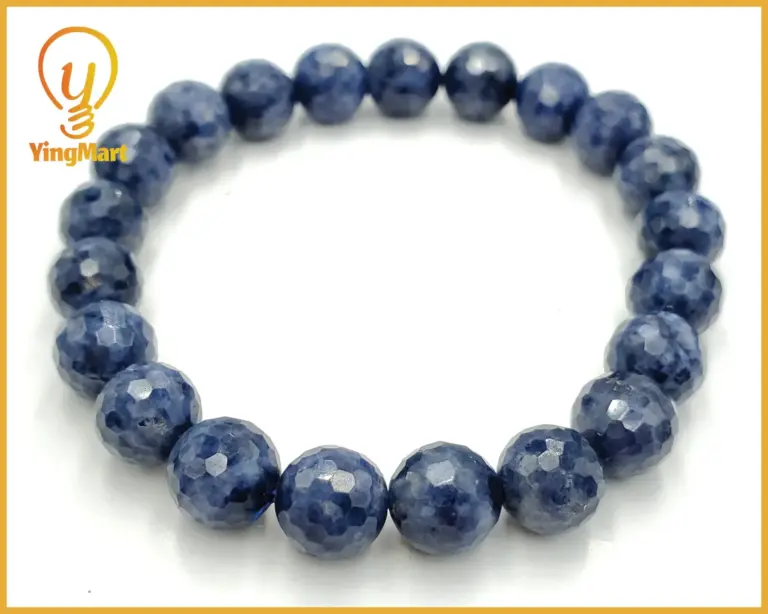 Blue Gemstone Bracelets That Make a Lovely Gift
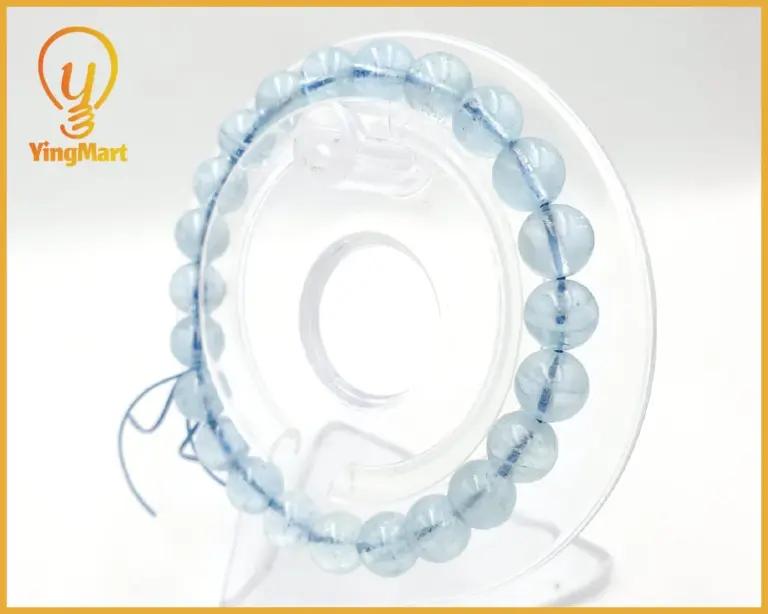
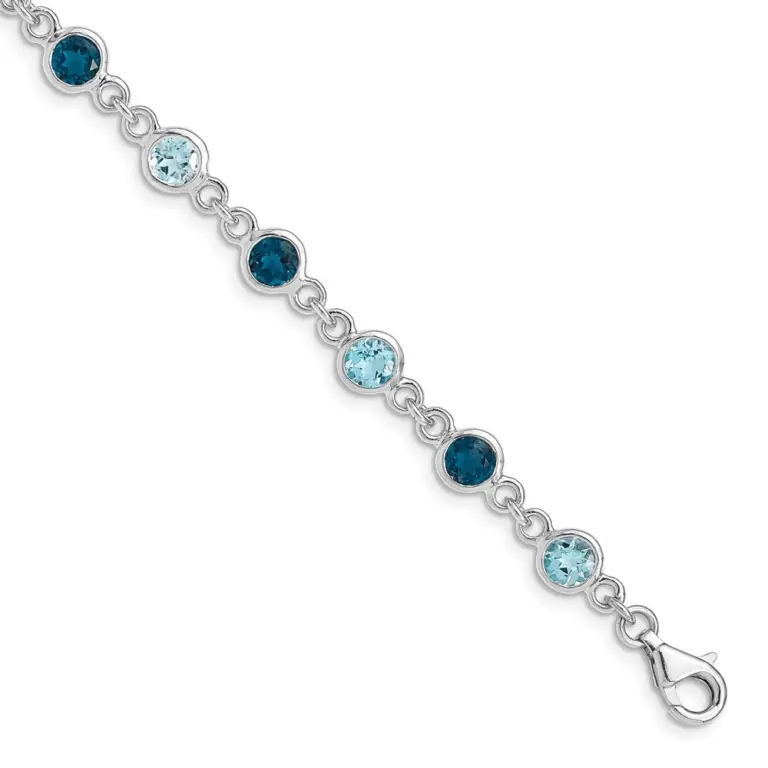 Charm BraceletsWhere to Find the Best Blue Gemstone Charm Bracelets
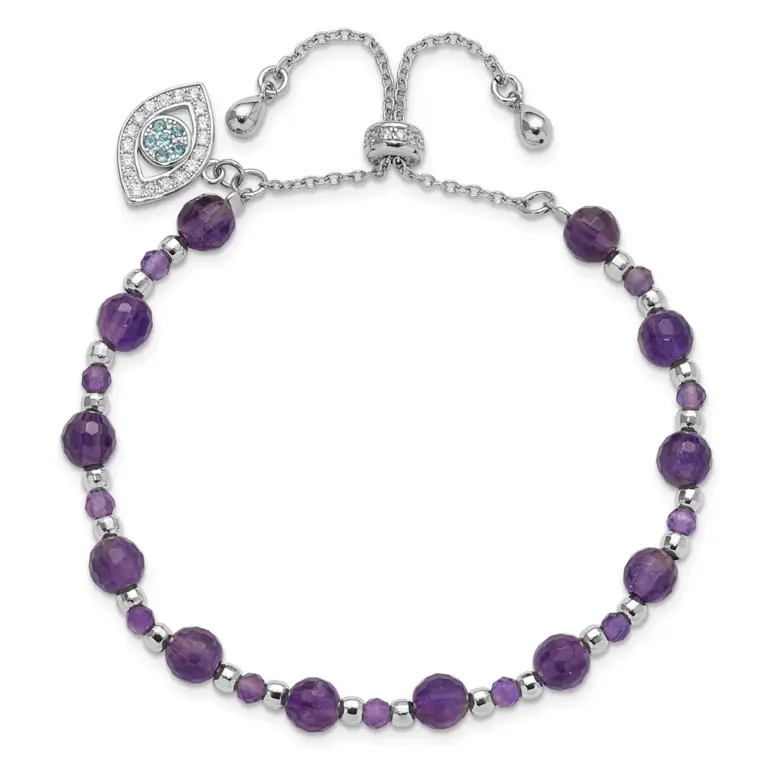
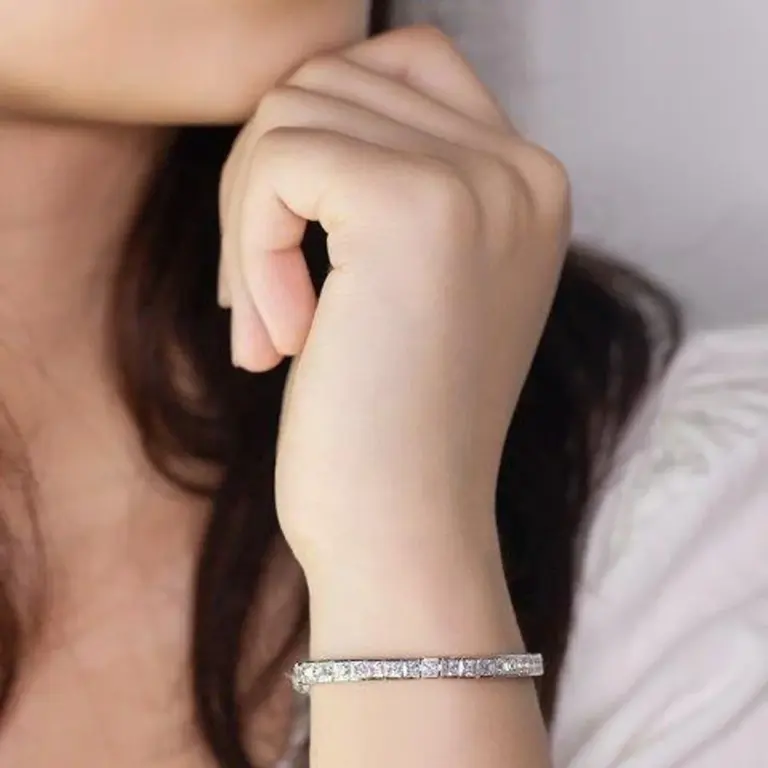 Blue Diamond Bracelets That Make a Lovely Gift
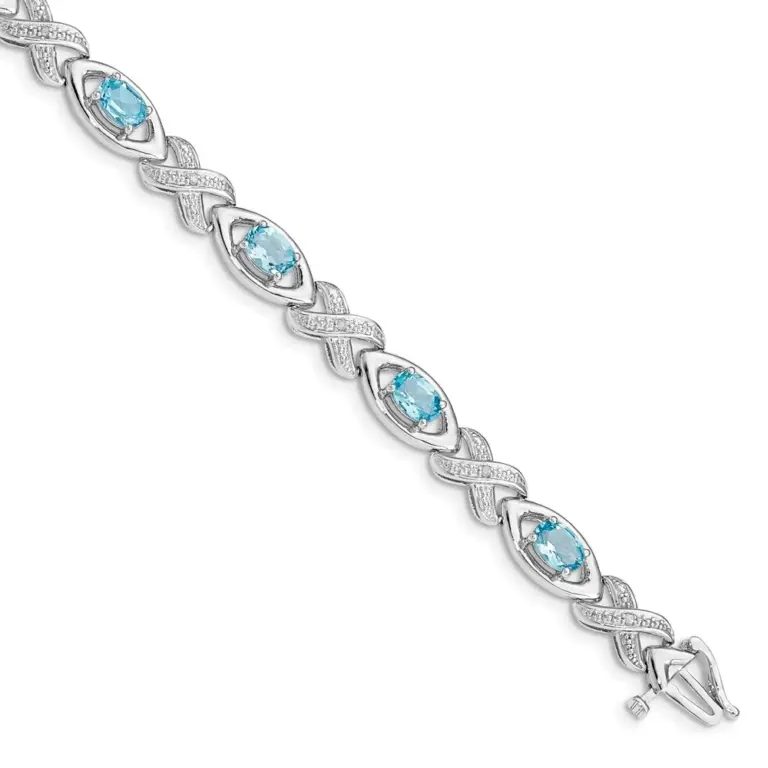
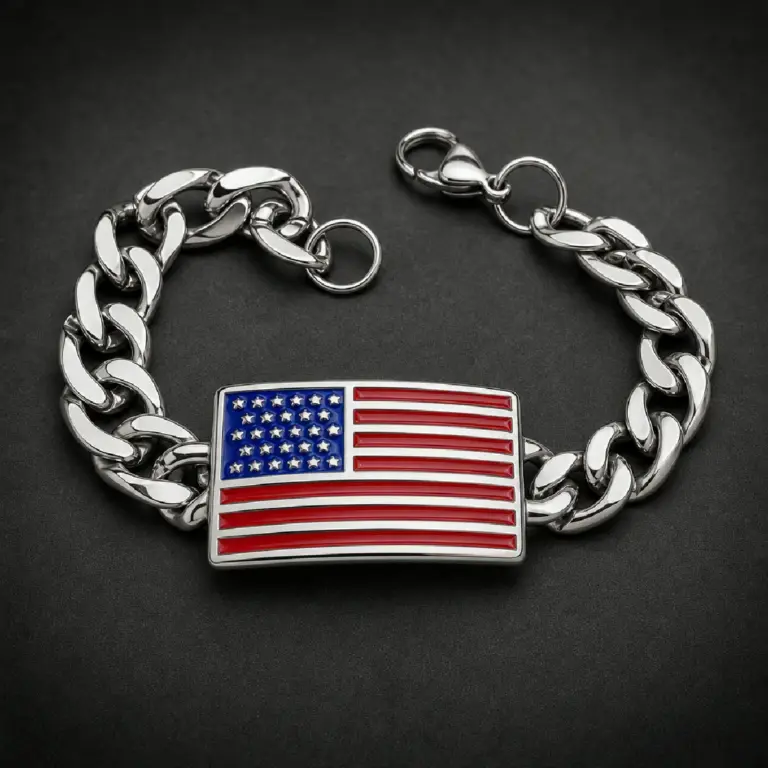 Where to Find the Best Blue Enamel Bracelets
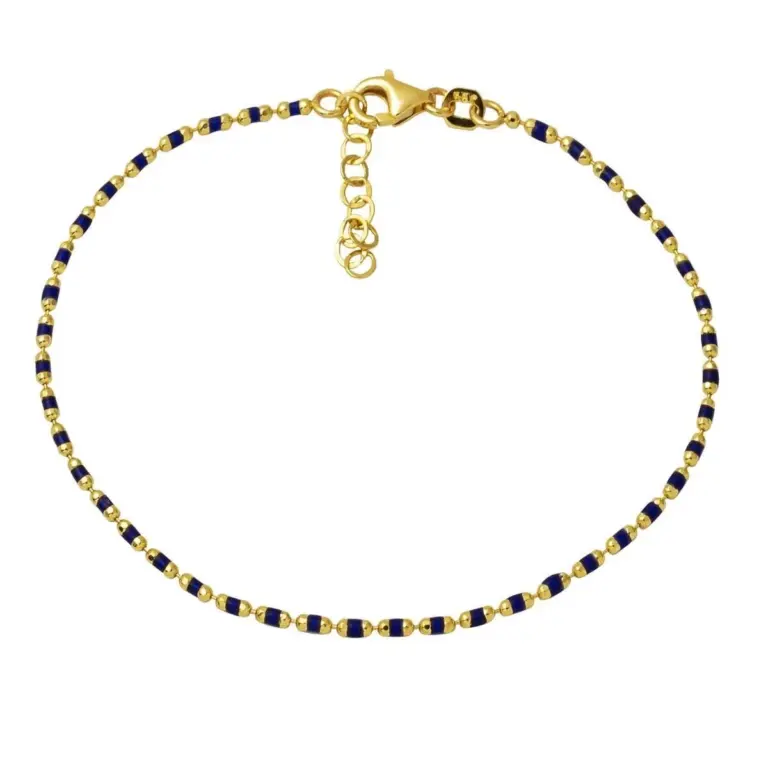
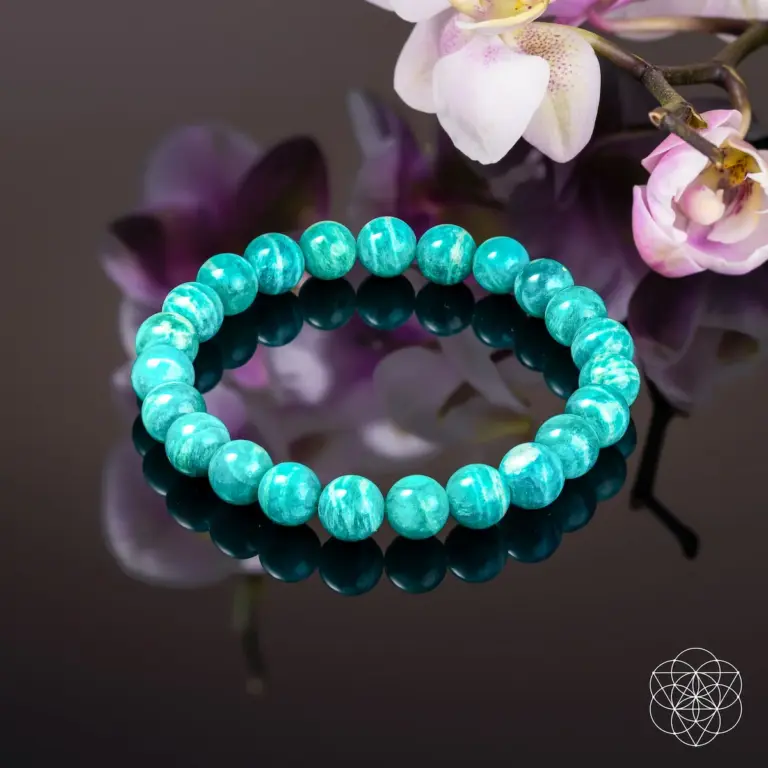 Blue Crystal Bracelets Worth Treating Yourself To
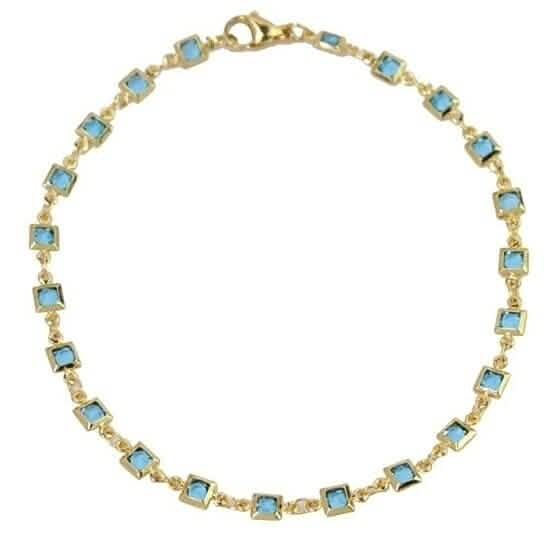
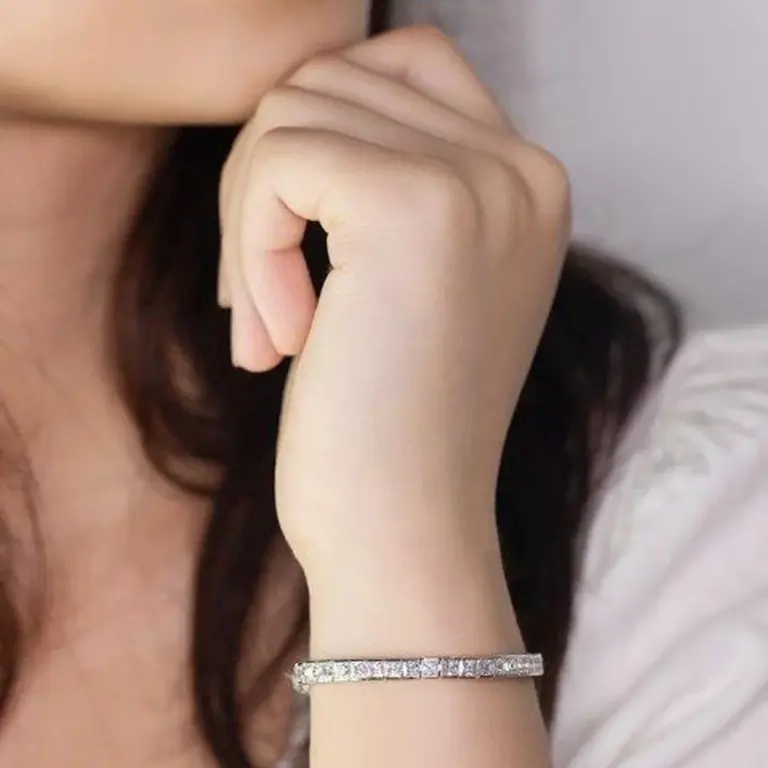 The Best Blue Cubic Zirconia Bracelets to Shop Now
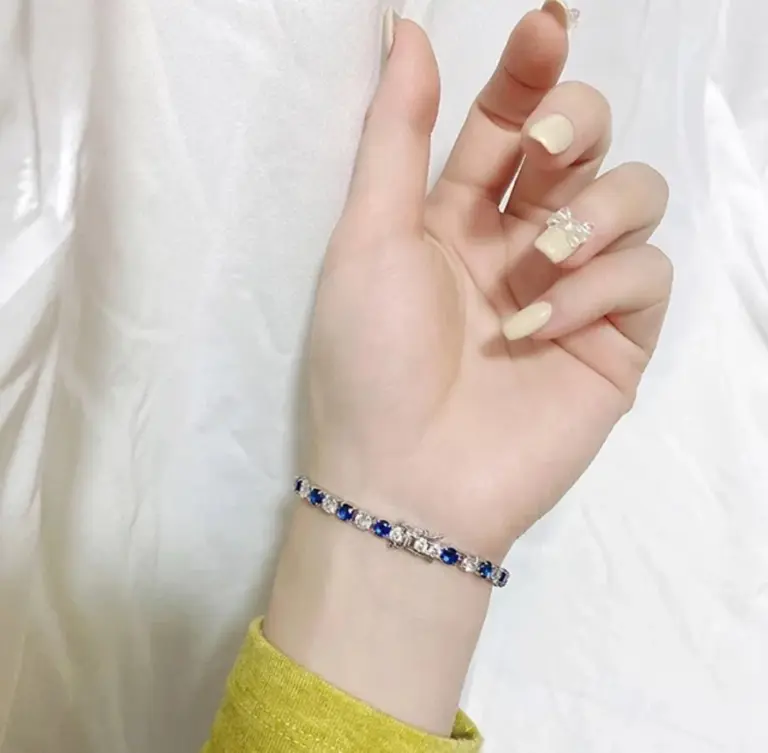
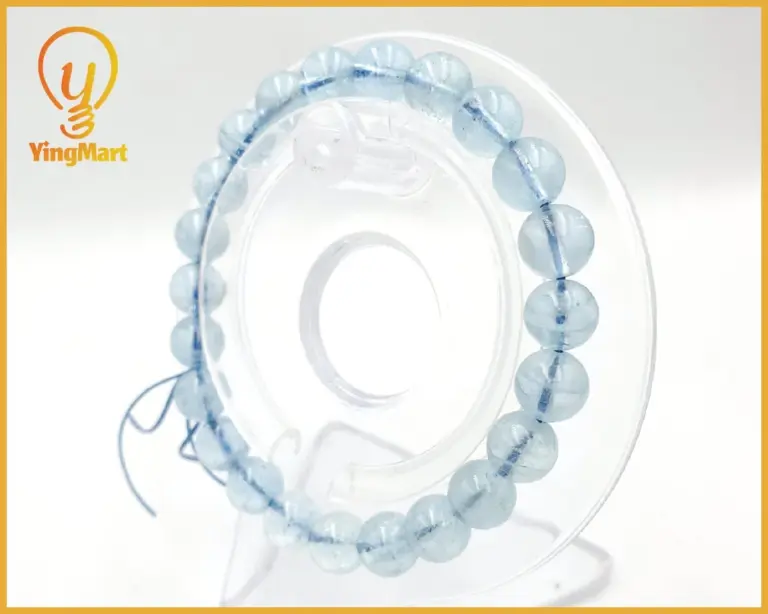 Chain BraceletsBlue Chain Bracelets We Can’t Stop Looking AtAlso worth a lookChain BraceletsA good chain bracelet has some weight to it before it even touches your wrist.See the collections →
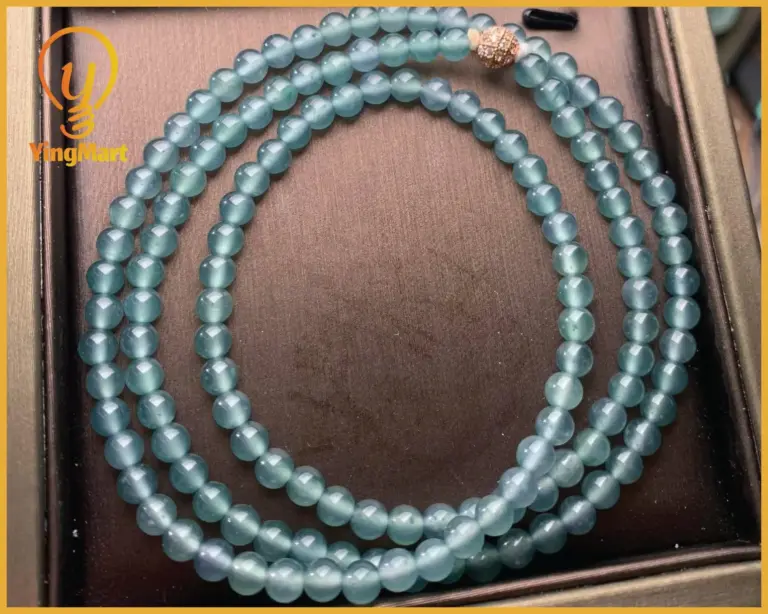
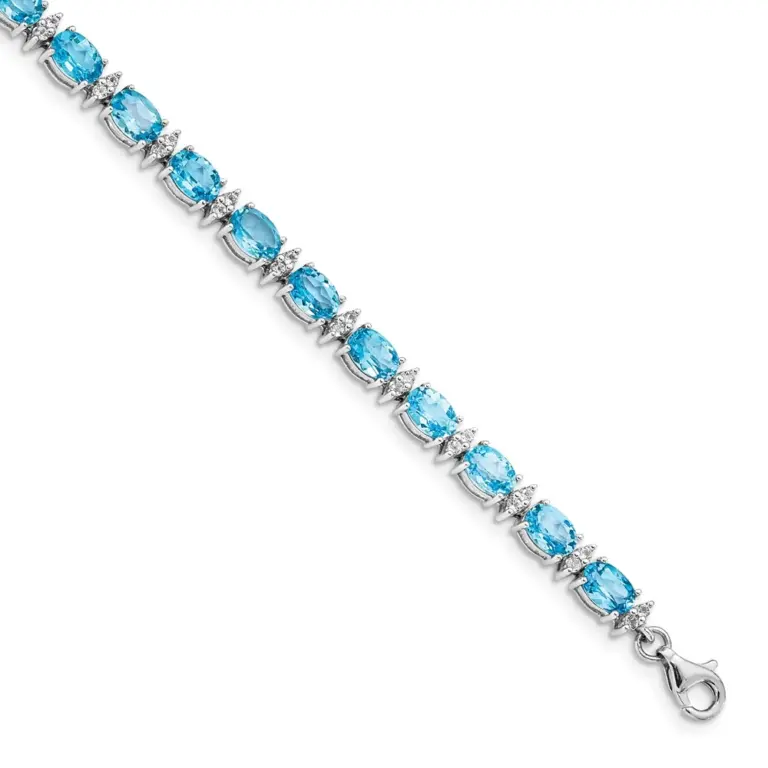 Chain BraceletsBlue Chain Charm Bracelets That Make a Lovely Gift
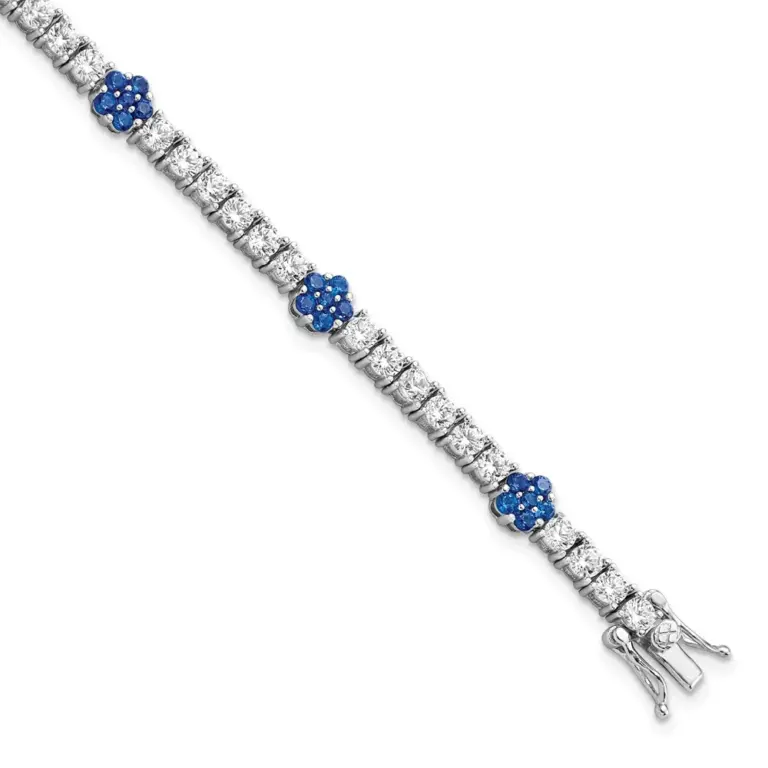
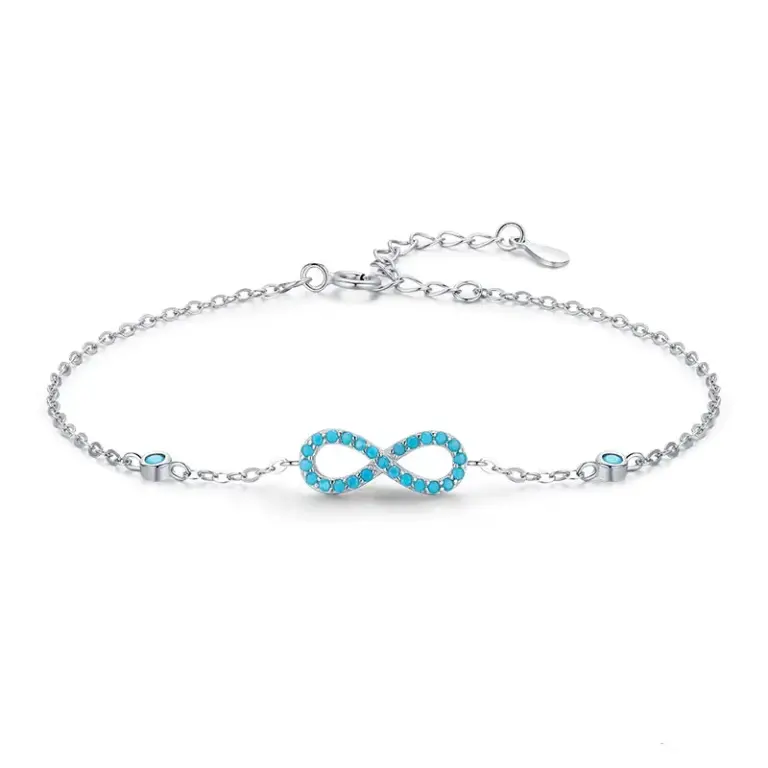 Charm BraceletsOur Top Blue Charm Bracelets Right Now
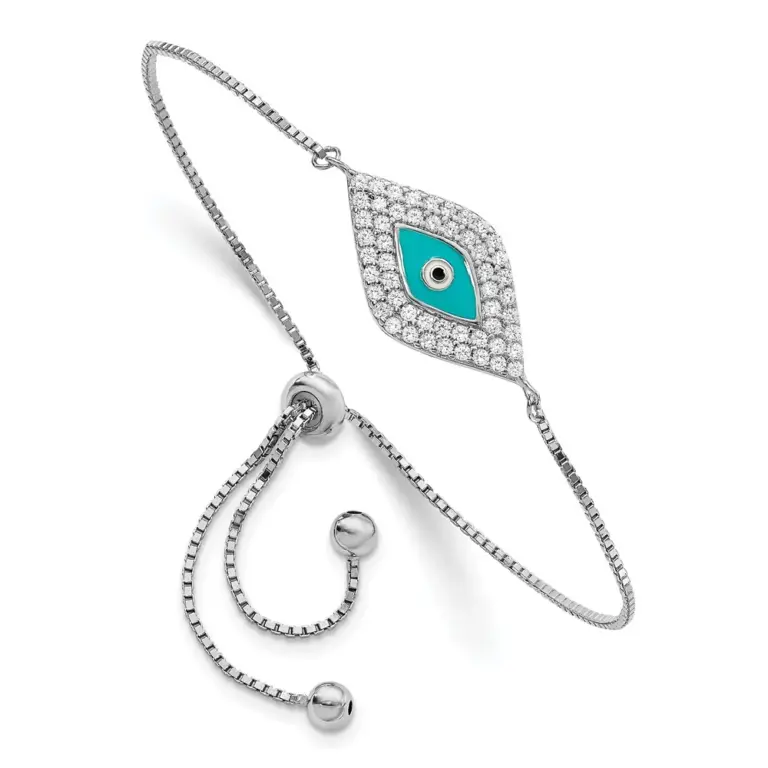
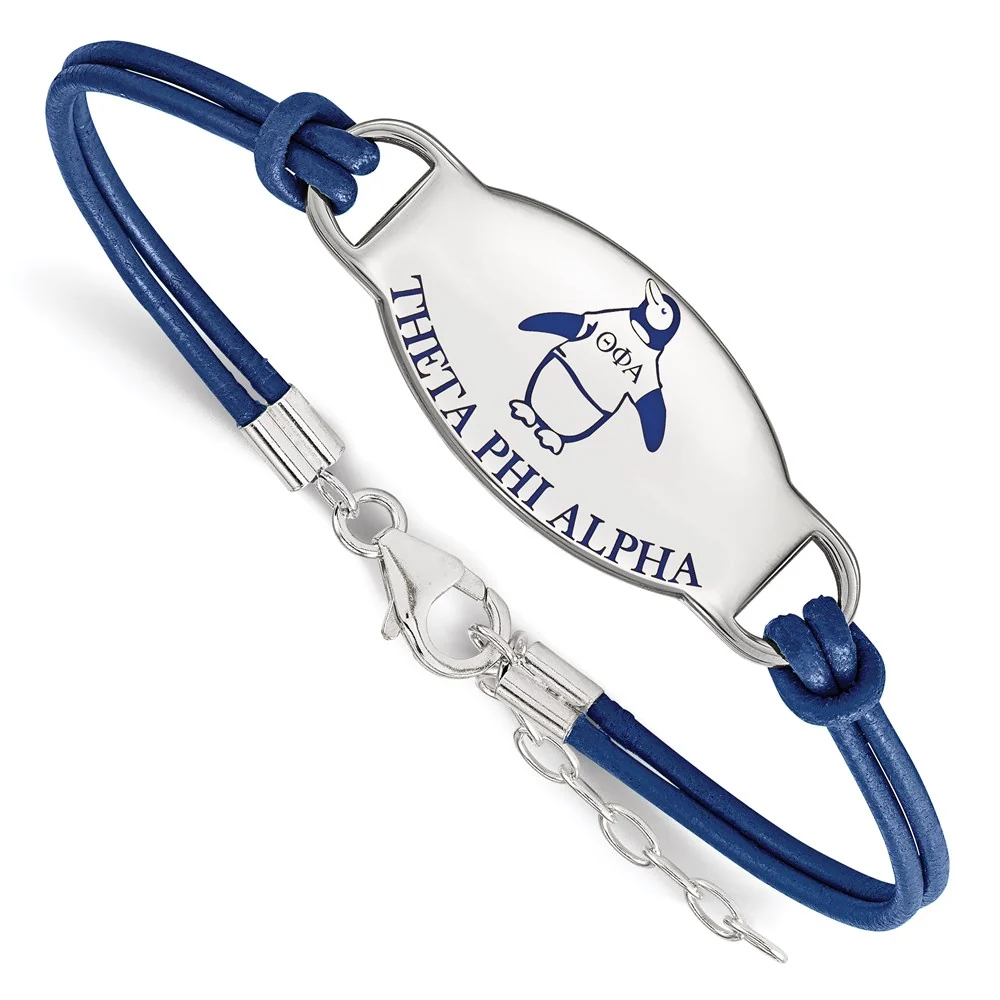 Chain BraceletsThe Blue Charm Chain Bracelets Worth Your Wardrobe Space
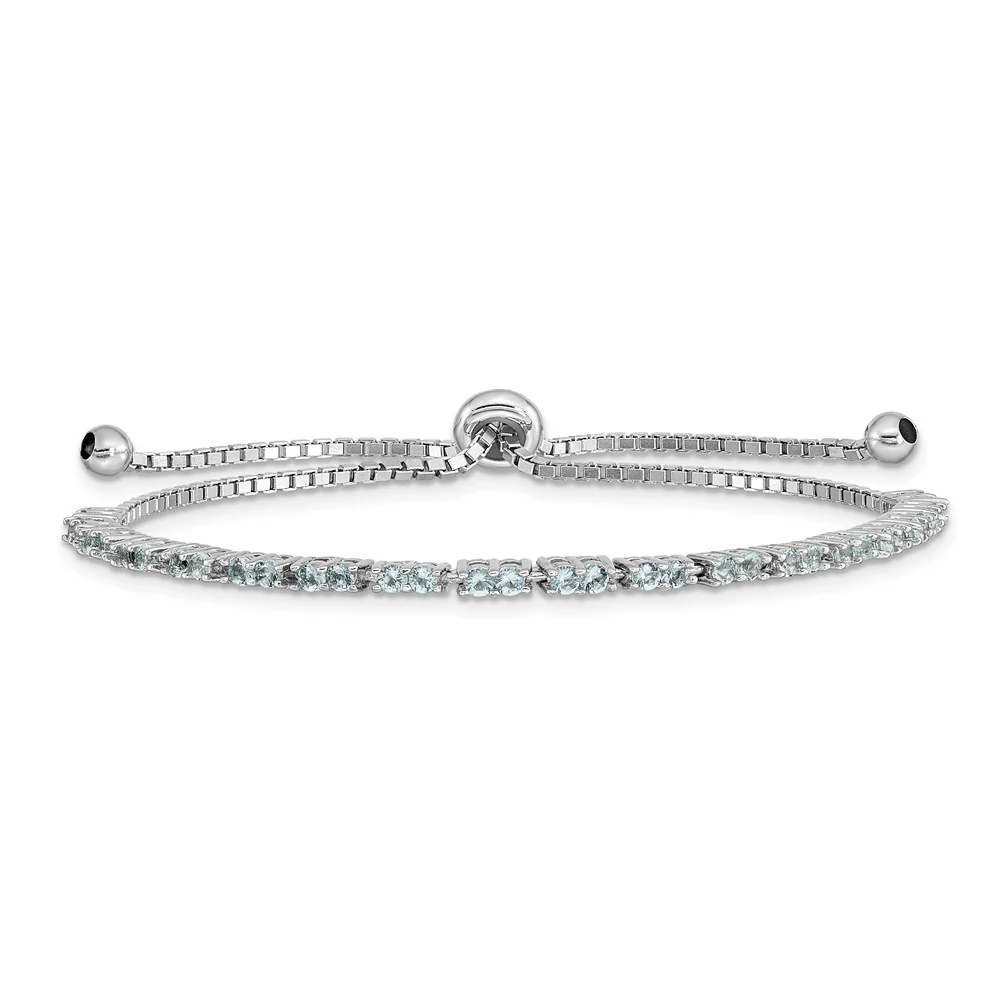
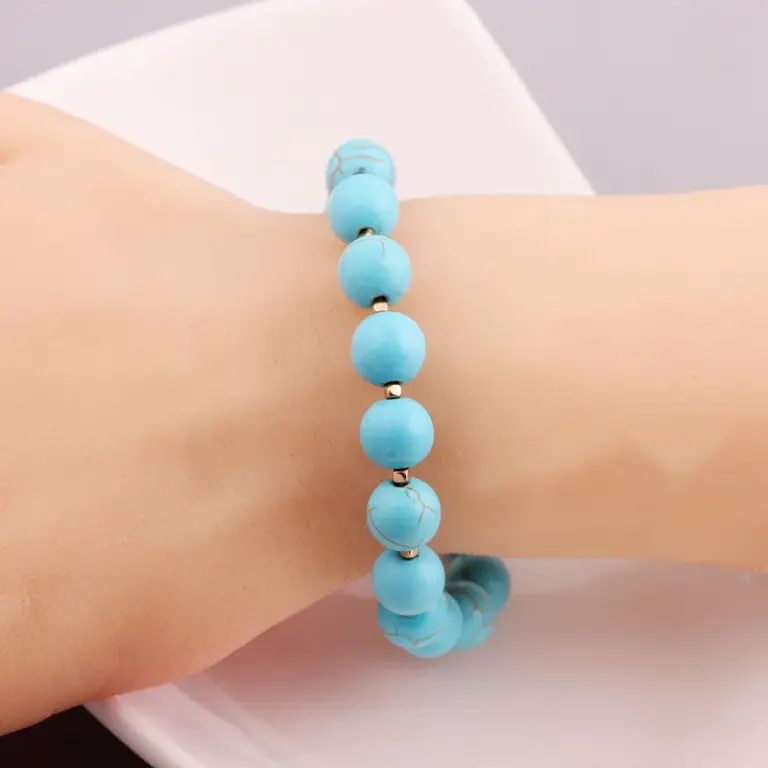 Blue Bracelets: The Edit
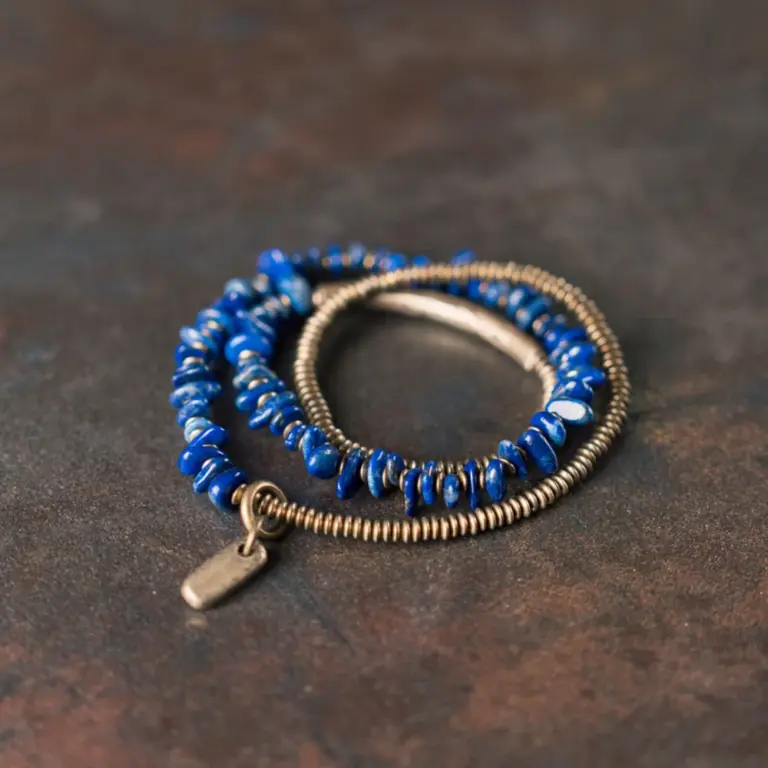
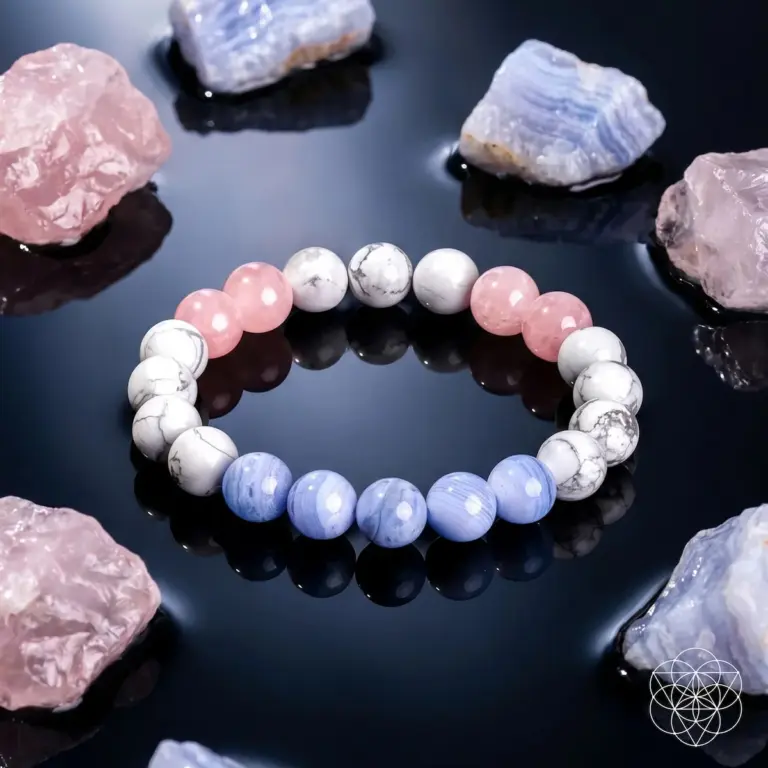 Blue Adjustable Bracelets That Have Caught Our Eye
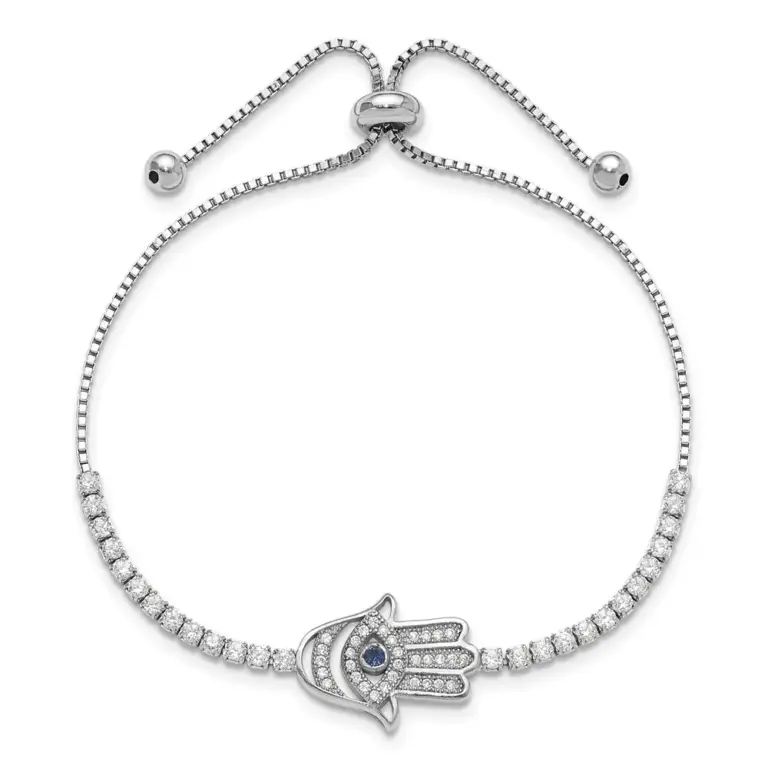
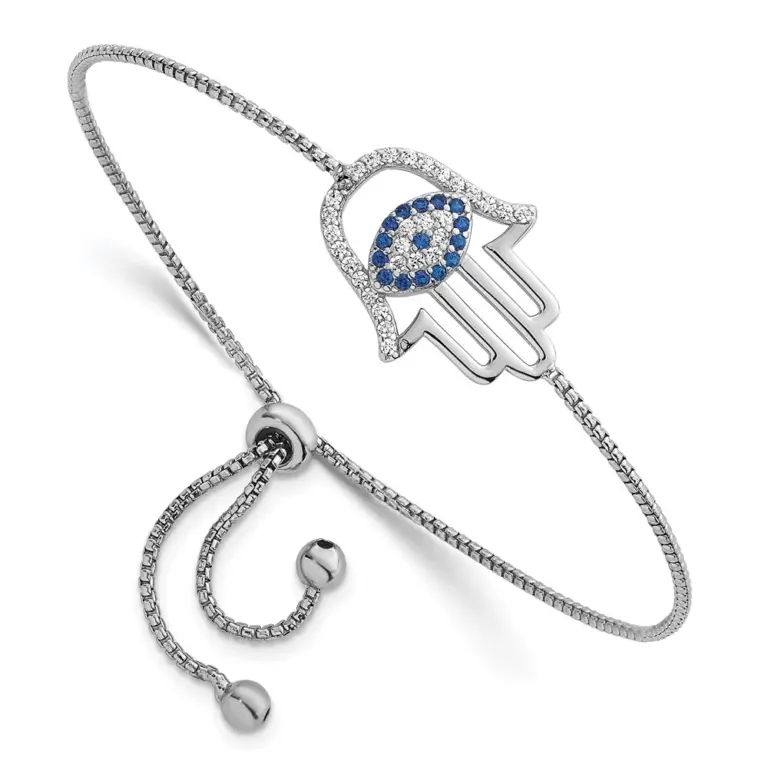 Chain BraceletsBlue Adjustable Chain Bracelets You’ll Never Take Off
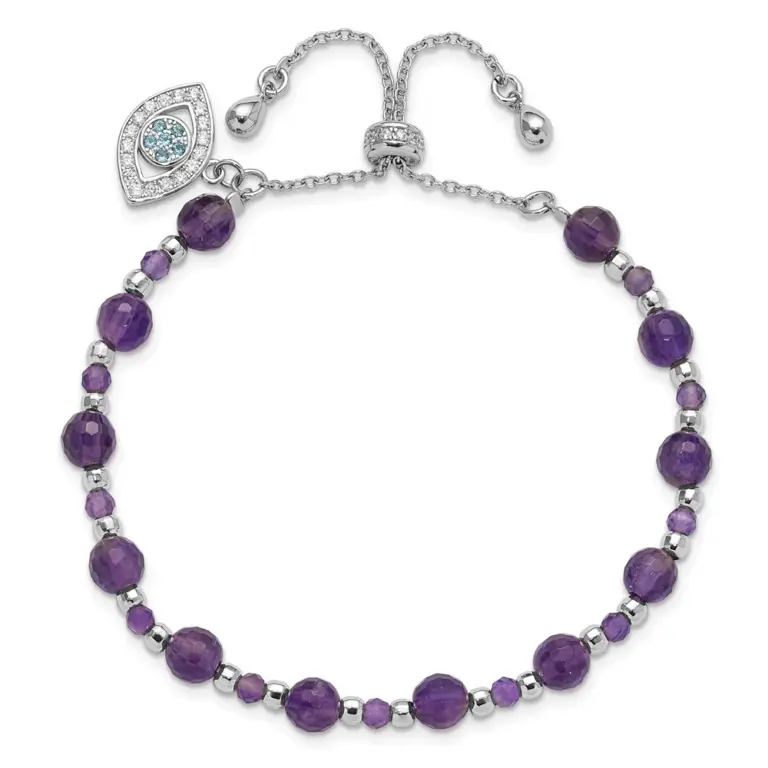
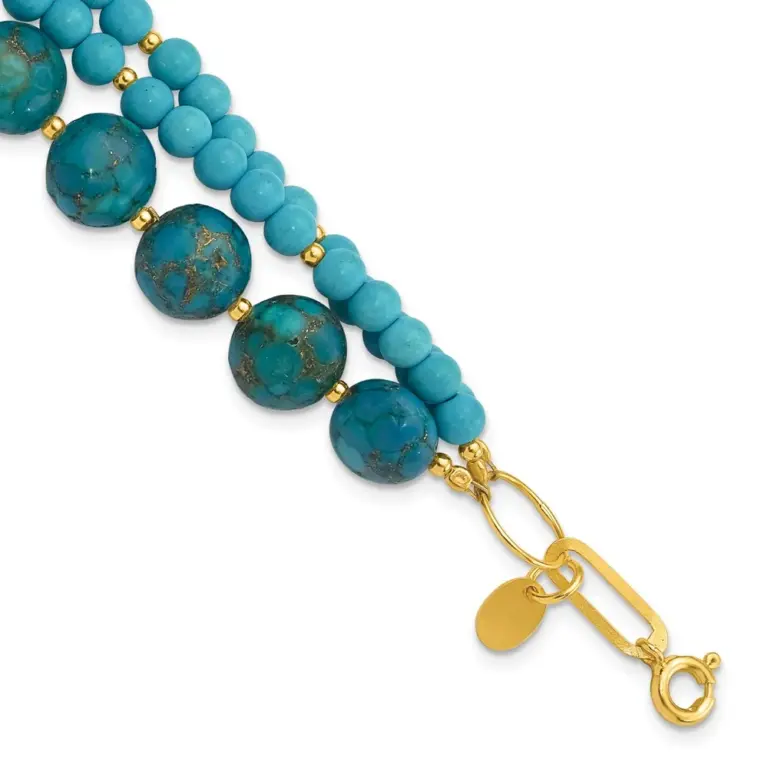 Charm BraceletsBlue Adjustable Charm Bracelets for Everyday Wear
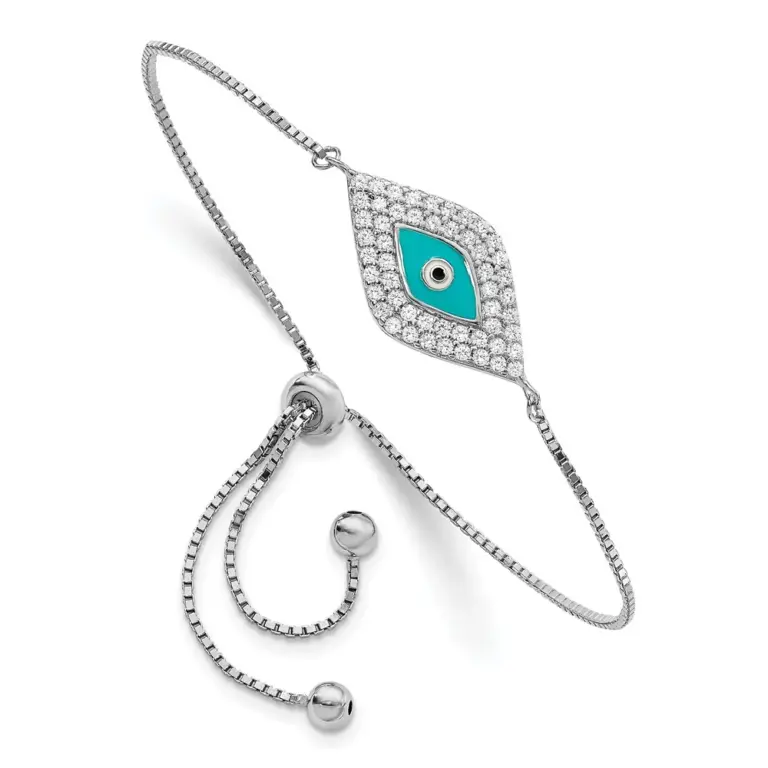
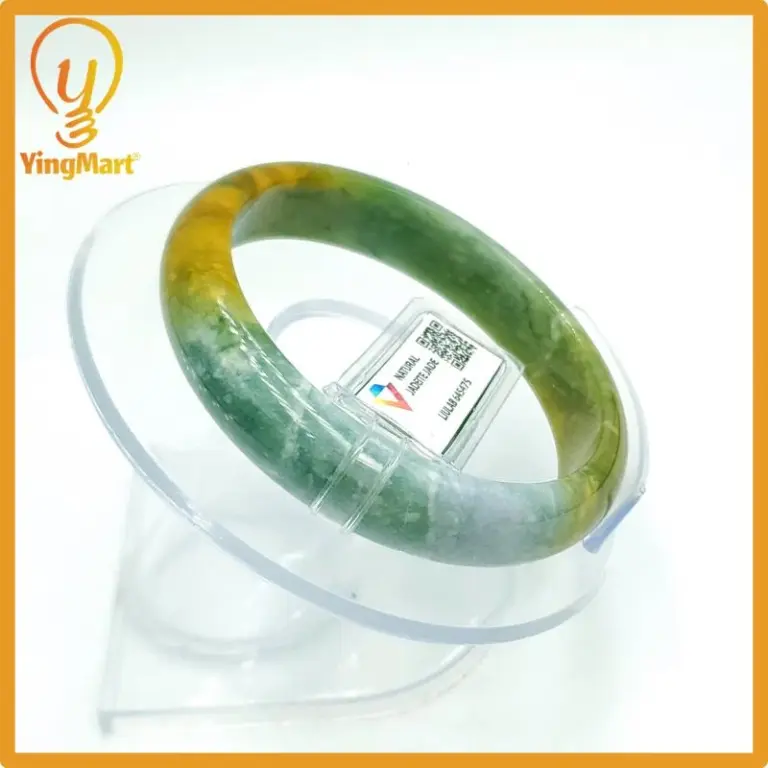 Blue Bangle Bracelets: Our Top Picks
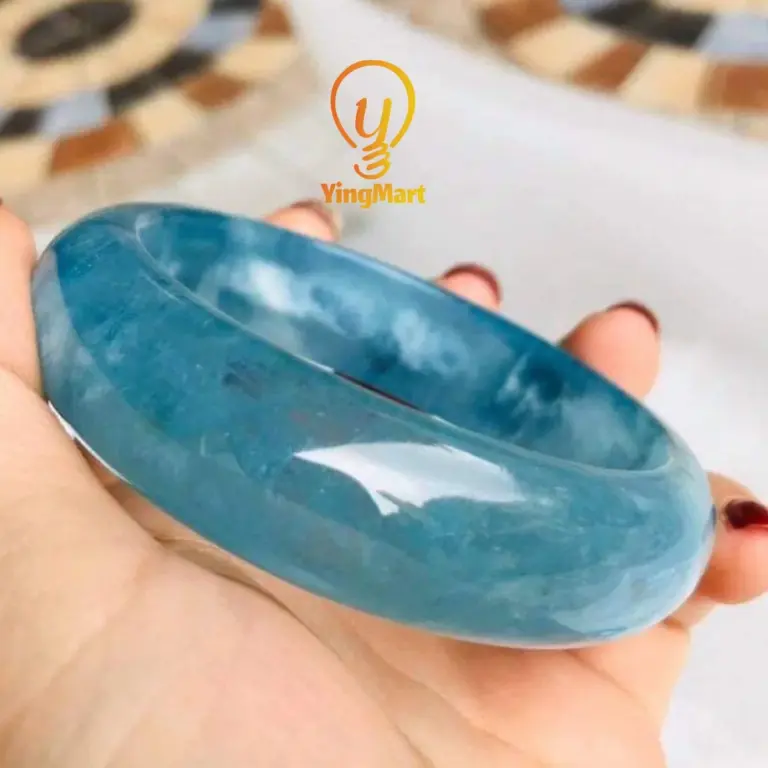
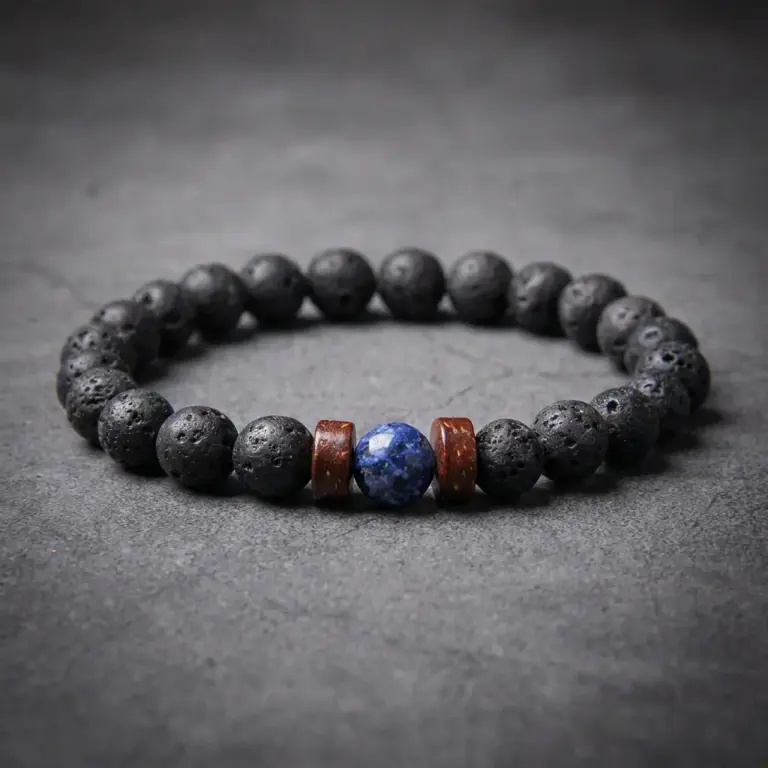 Handpicked Blue Bar Bracelets We Keep Coming Back ToAlso worth a lookGold BraceletsGold bracelets suit anyone who likes a bit of shine without committing to a whole statement, the sort…See the collections →