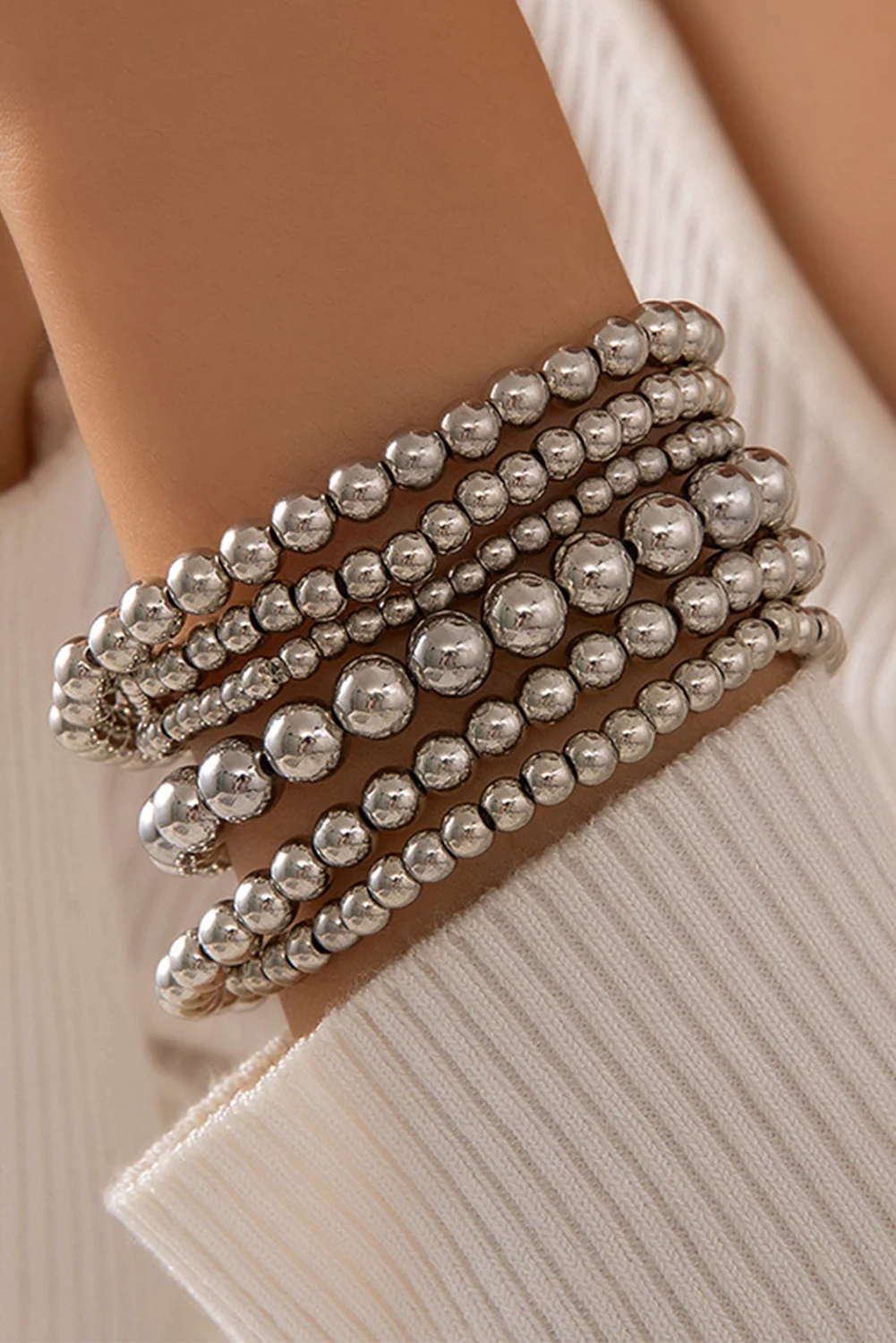
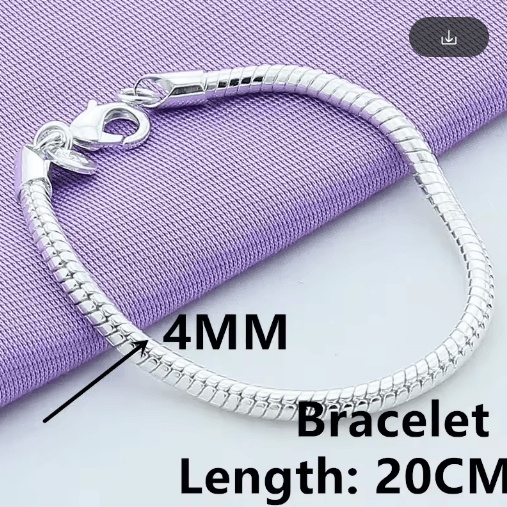
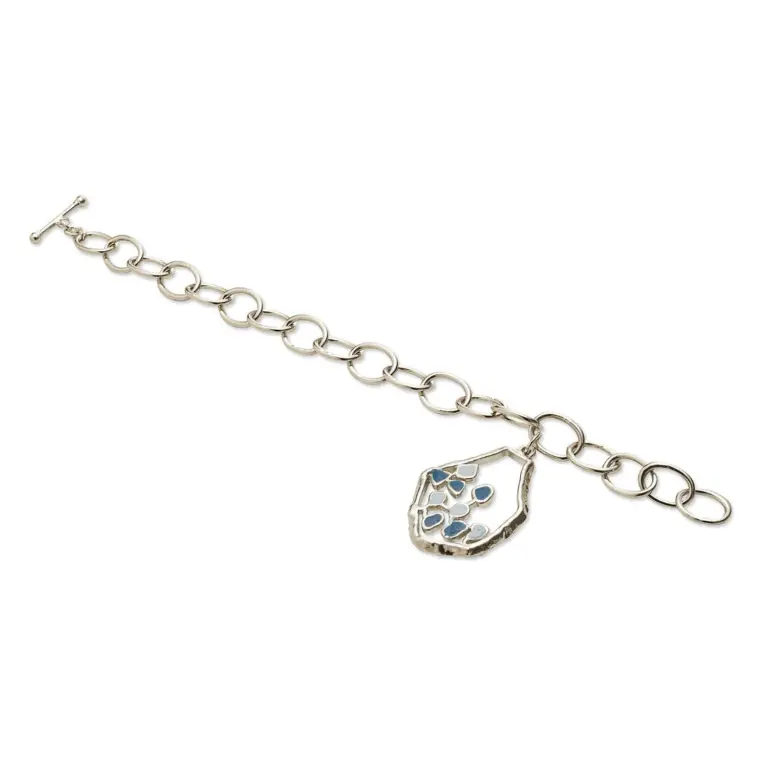
The usual error is treating every silver bracelet as the same metal doing the same job, then wondering why one went green on your wrist by week two. Silver is not one material, it is a whole spectrum from solid sterling to a thin wash over something cheaper, and the difference only shows up after you have worn it, by which point it is too late to take it back and say the clasp has gone funny.
In the shop, do the obvious checks before you even think about the look of it. Turn it over and find the stamp, 925 or sterling somewhere on the clasp or the inside of a bangle, and if there is no stamp at all be a bit wary. Open and close the clasp a few times with your actual fingers, not just once while the assistant is watching, because a stiff or flimsy clasp now is a dropped bracelet on a bus later. Hold it up to the light and look at the join where a chain link meets, or where a bangle has its seam, a good one is almost invisible and a bad one looks like it was finished in a hurry.
Be honest about where this is the wrong buy. If you want something to wear in the shower, the sea, the washing up bowl, every single day without a second thought, plated silver is going to let you down, and even solid sterling needs more care than people expect. If you have particularly active hands, gardening, gym, anything with a lot of knocking about, a delicate chain bracelet is going to get caught and bent, and you will be annoyed within a month, not years.
What separates the ones worth keeping from the disappointing ones is mostly in the detail you cannot see from across a room. Solid sterling has a particular weight to it, a bit more than you expect, where plated versions often feel suspiciously light for their size. The hardware matters more than the chain itself, a lobster clasp that springs back firmly rather than one that needs two hands and a bit of luck. Good soldering at the joins, a smooth polish with no rough edges catching on your sleeve.
Worn over months, solid silver darkens a little with air and skin, that is normal and not a fault, and a light polish brings it straight back. Plated pieces wear thin at the points that rub most, the inside curve of a bangle, the links nearest the clasp, and once the base metal shows through there is no fixing it. Take rings and bracelets off before hand cream, perfume or swimming, all three speed up tarnish and wear far more than ordinary daily life does.
Store silver bracelets somewhere dry and airtight, a sealed bag or box rather than an open dish, and they will need far less polishing in the long run.
My other suggestion would be sterling silver bracelets.
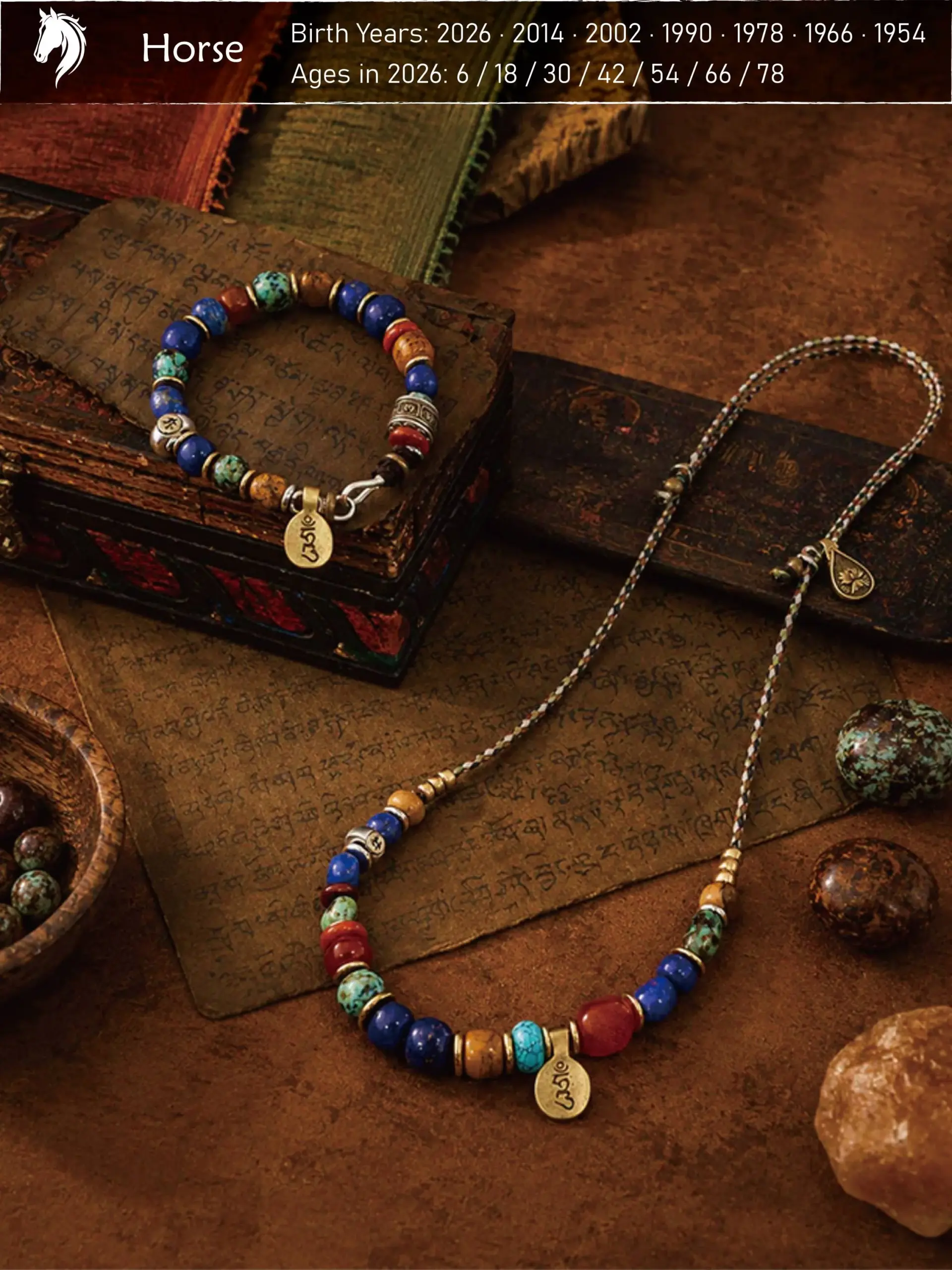 Silver Turquoise Bracelets Worth Adding to Your Wardrobe
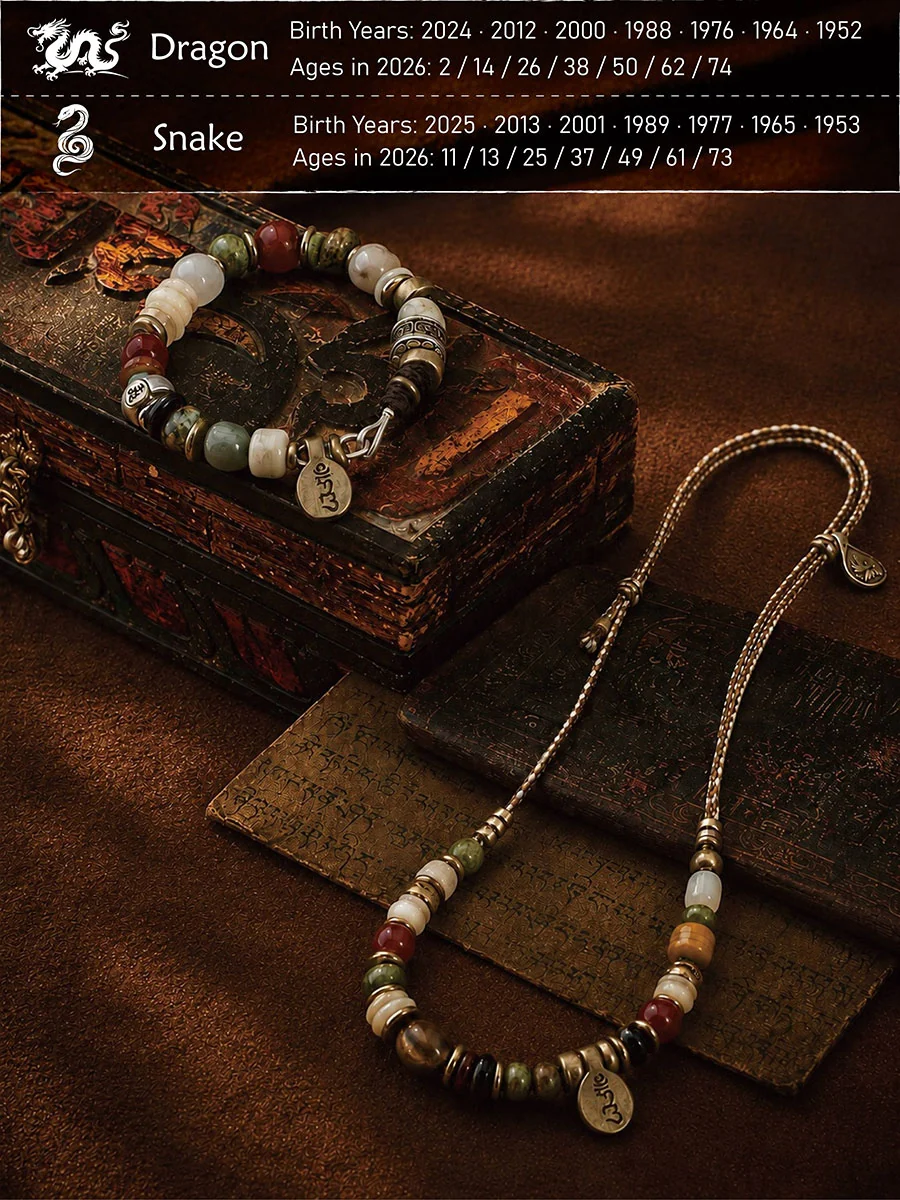
 Silver Vintage Bracelets We’d Happily Wear on Repeat
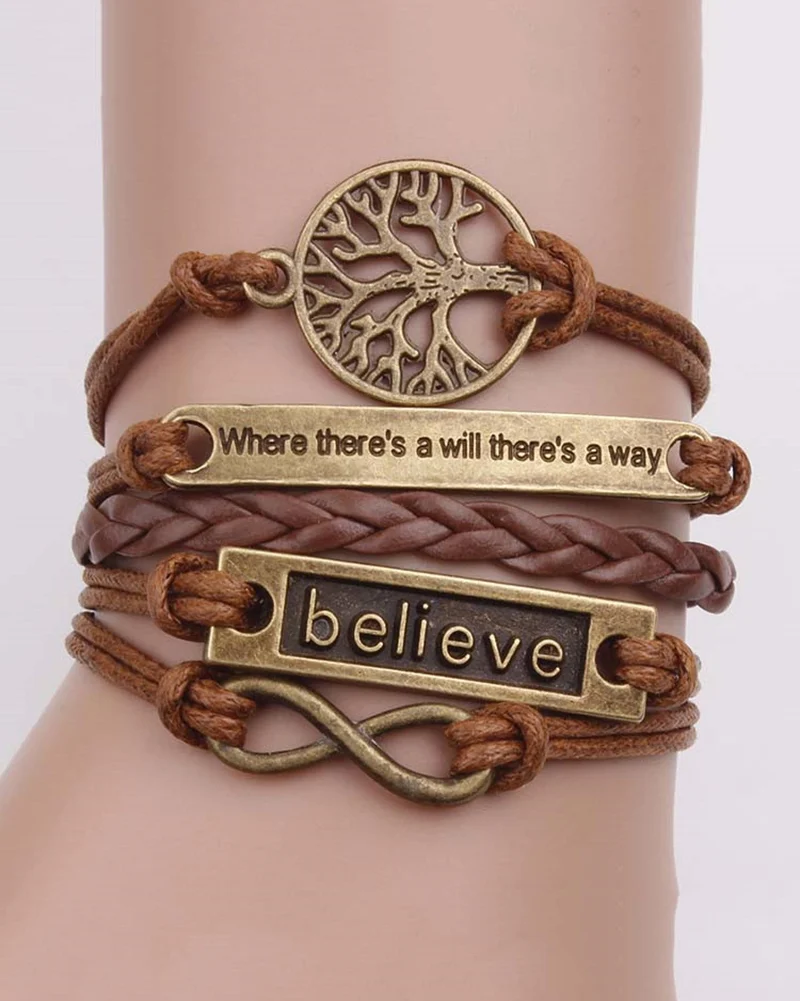
 Charm BraceletsThe Edit: Silver Vintage Charm Bracelets
 The Silver Waterproof Bracelets Shortlist
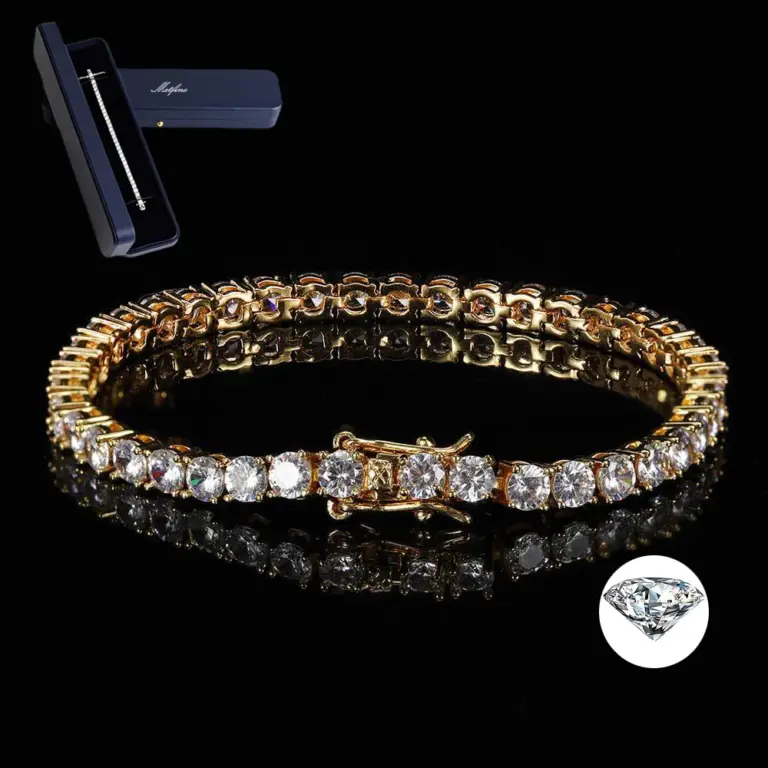 Our Pick of the Best Silver Tennis Bracelets
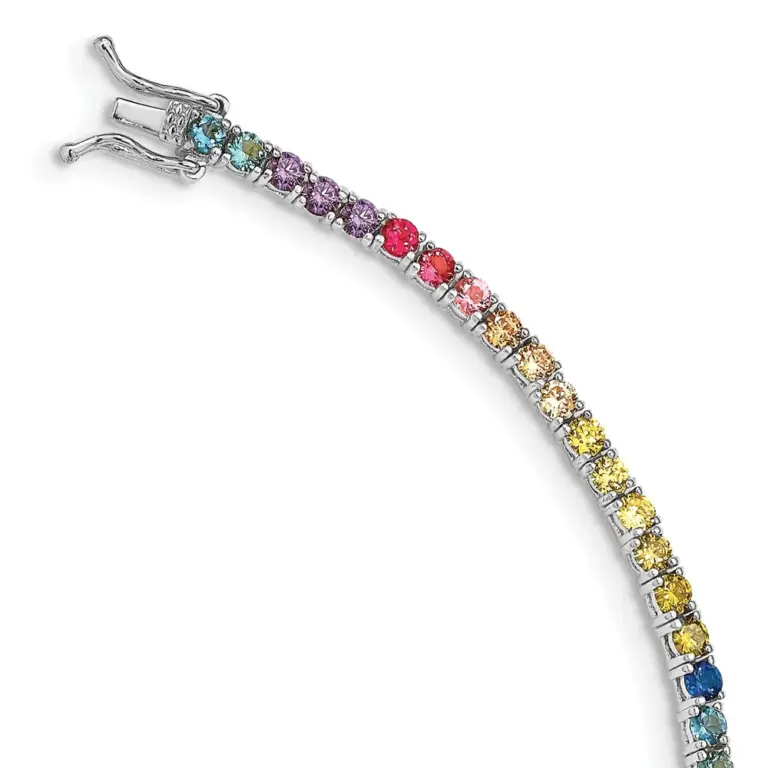
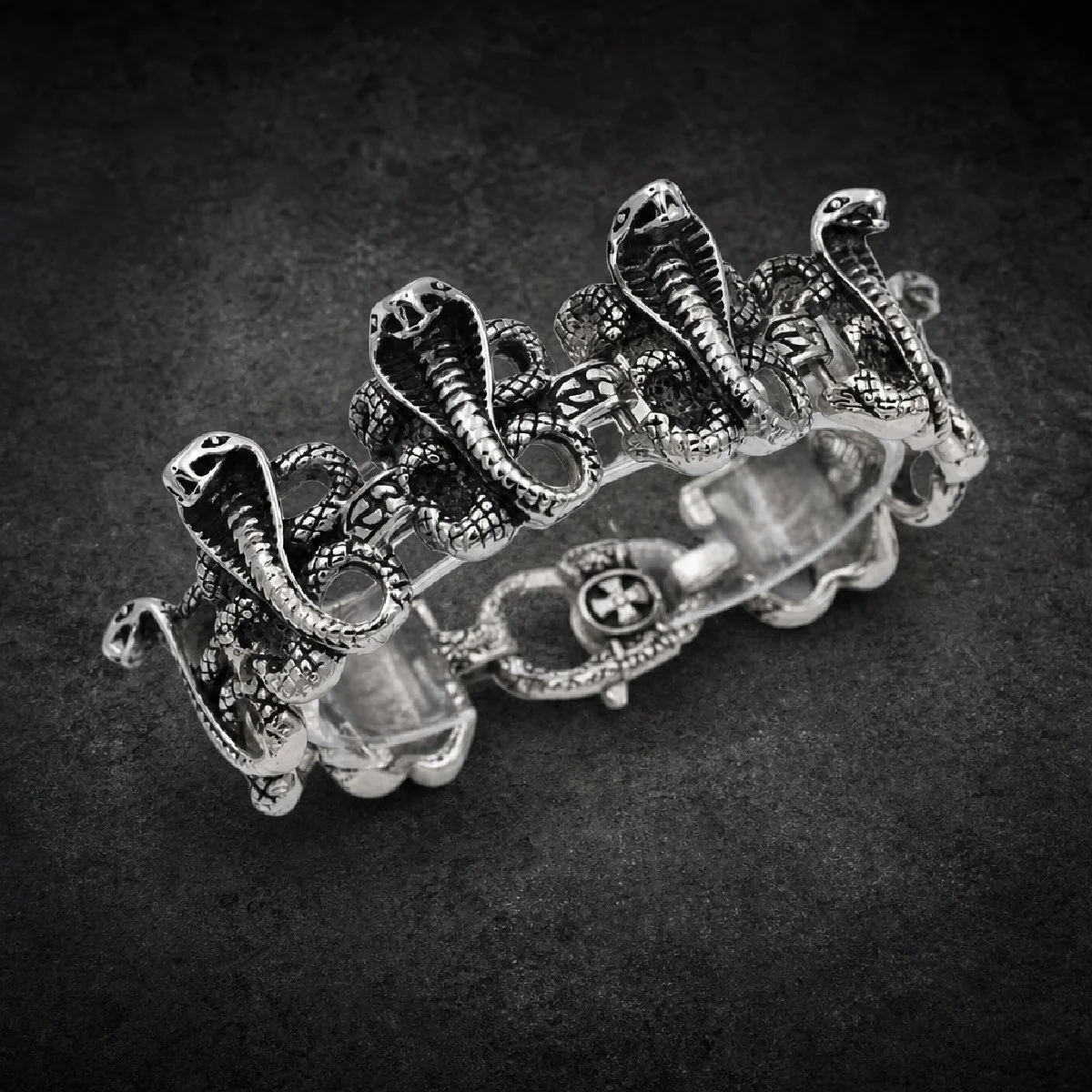 Silver Snake Bracelets That Finish Any Look
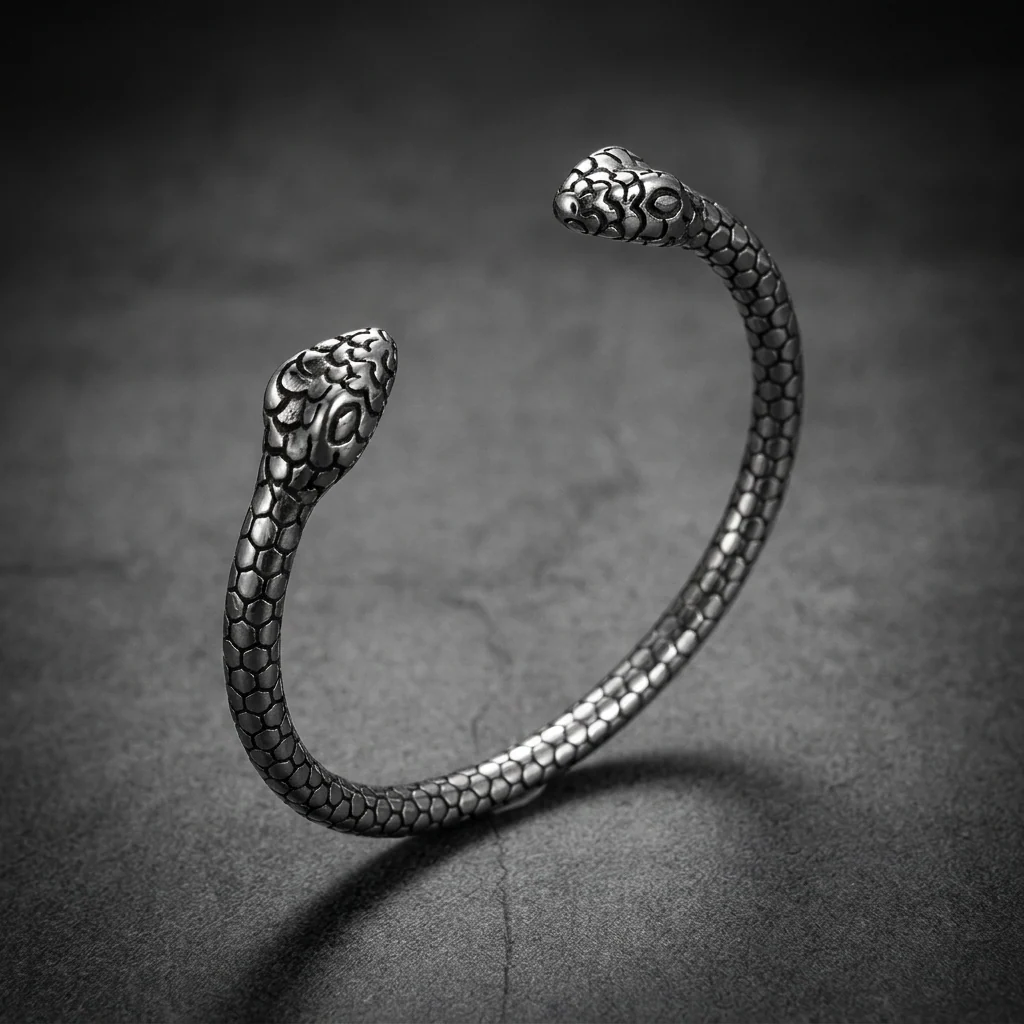
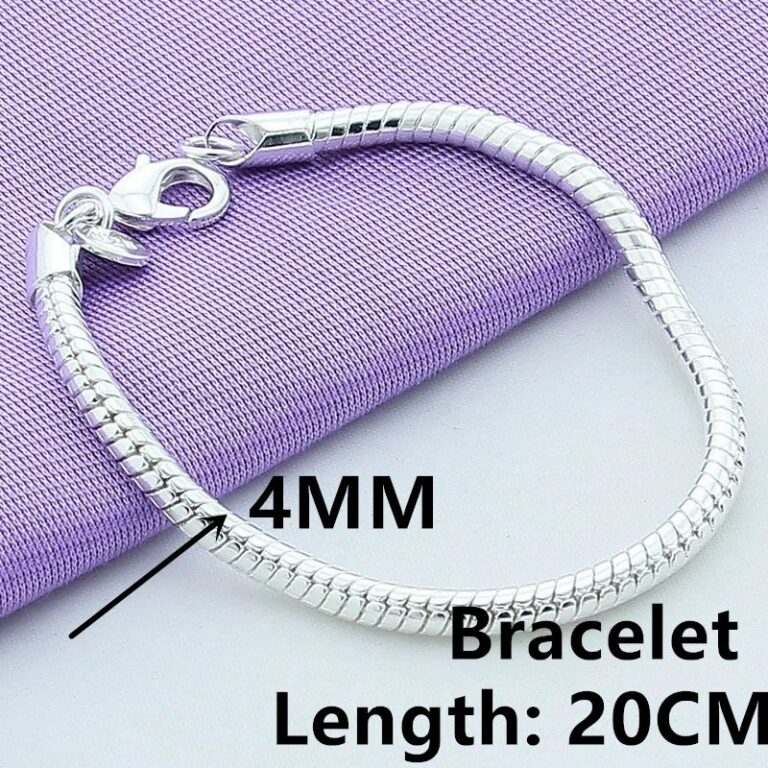 Chain BraceletsSilver Snake Chain Bracelets With Real Wardrobe Staying Power
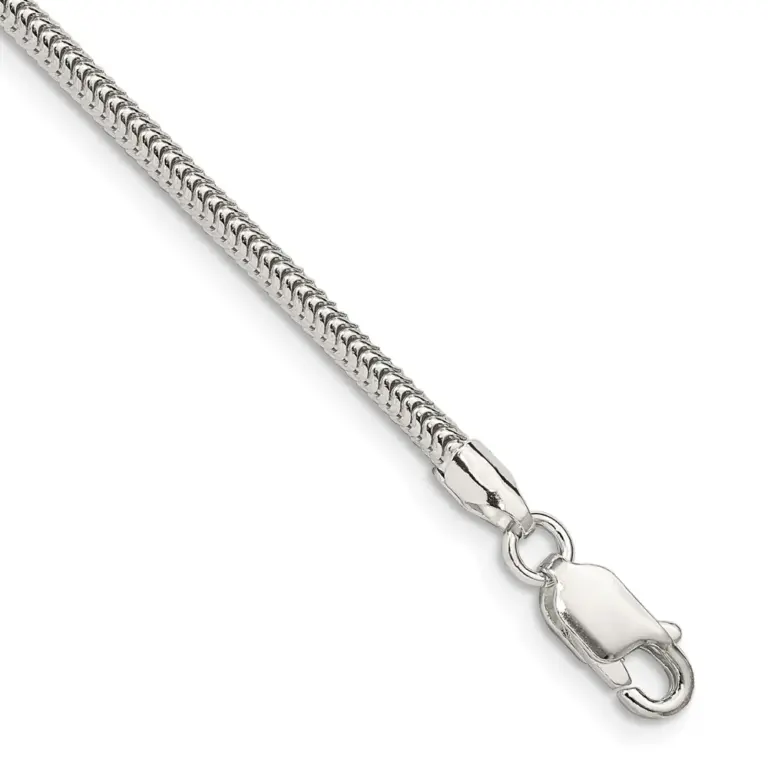
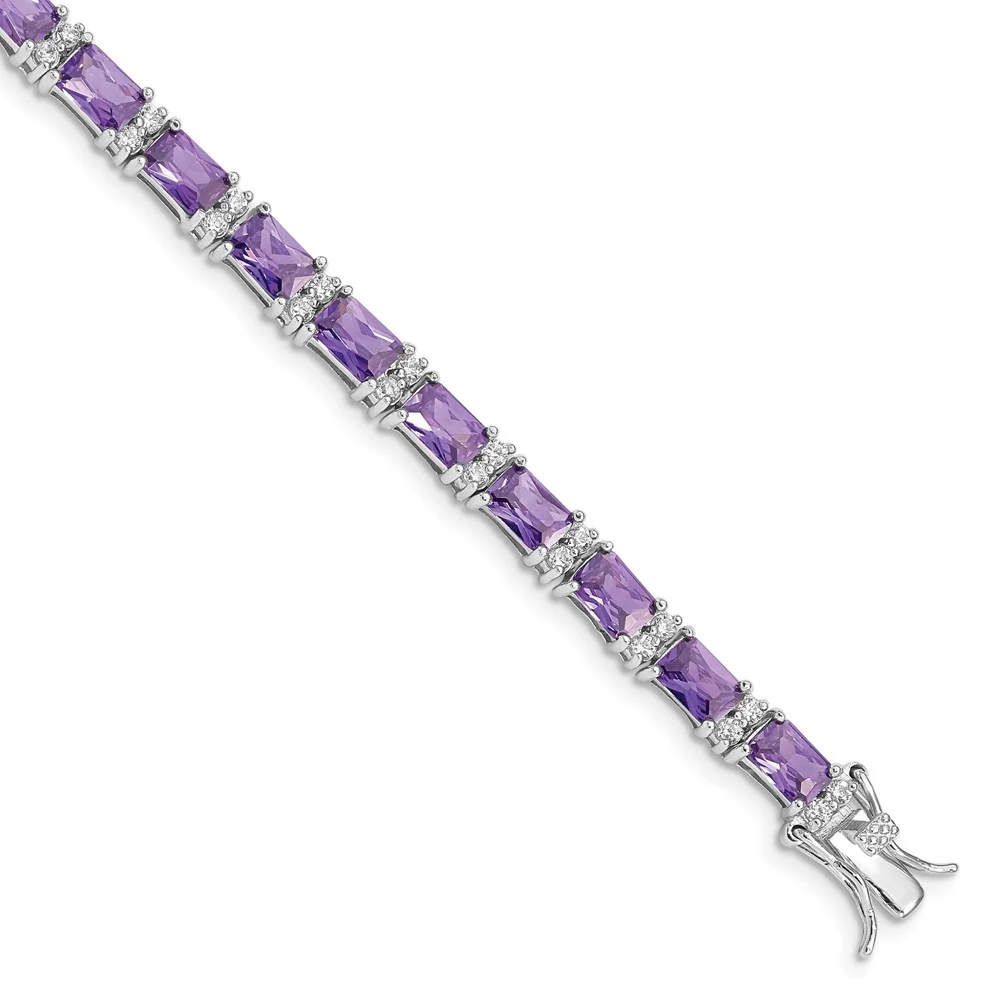 Shop the Edit: Silver Stacking Bracelets
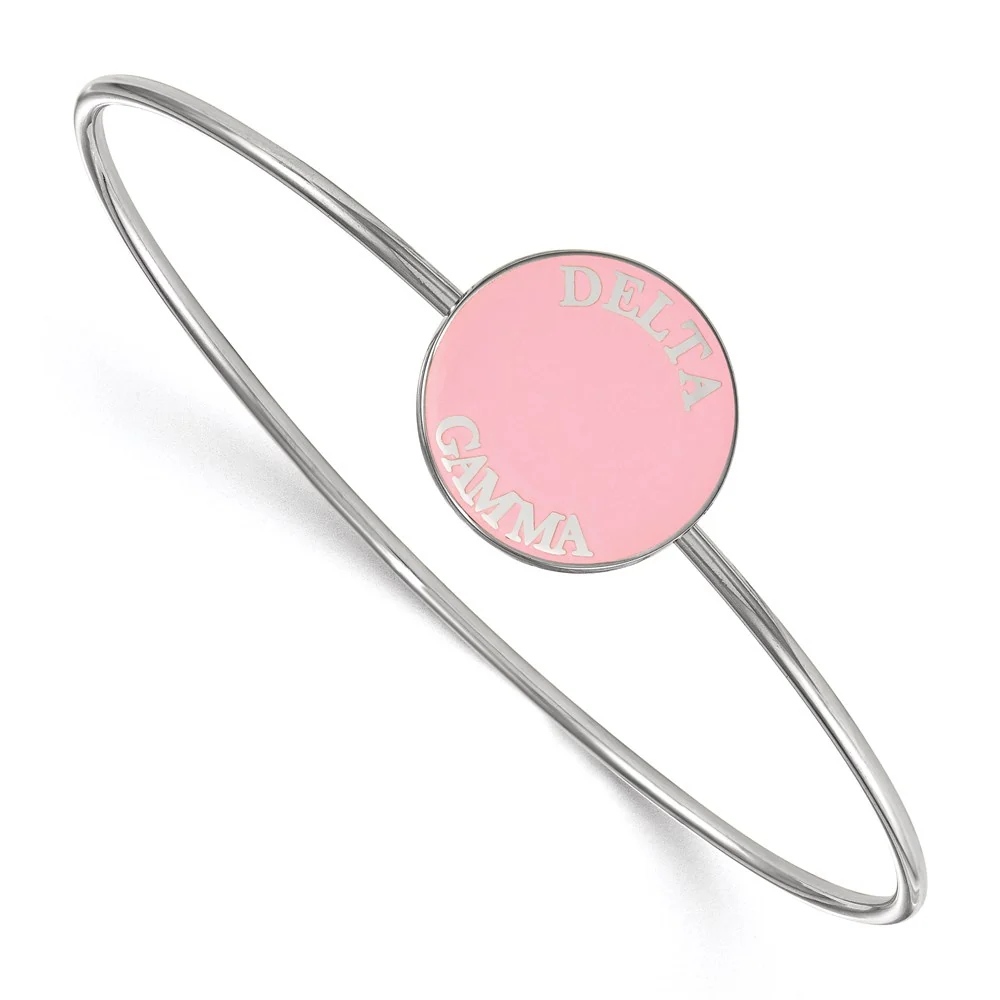
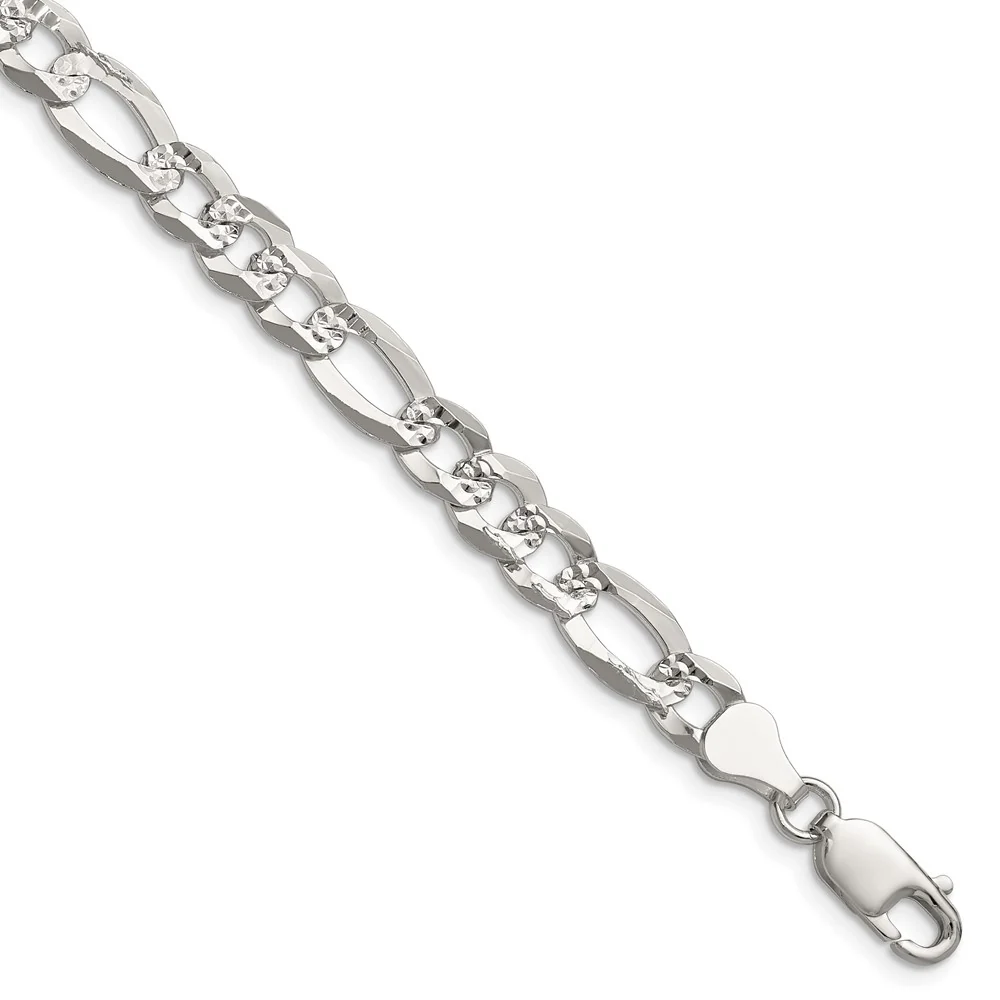 Chain BraceletsSilver Stacking Chain Bracelets With Real Wardrobe Staying PowerAlso worth a lookCharm BraceletsMy first charm bracelet was one of those stretchy elastic ones from a market stall, loaded with little…See the collections →
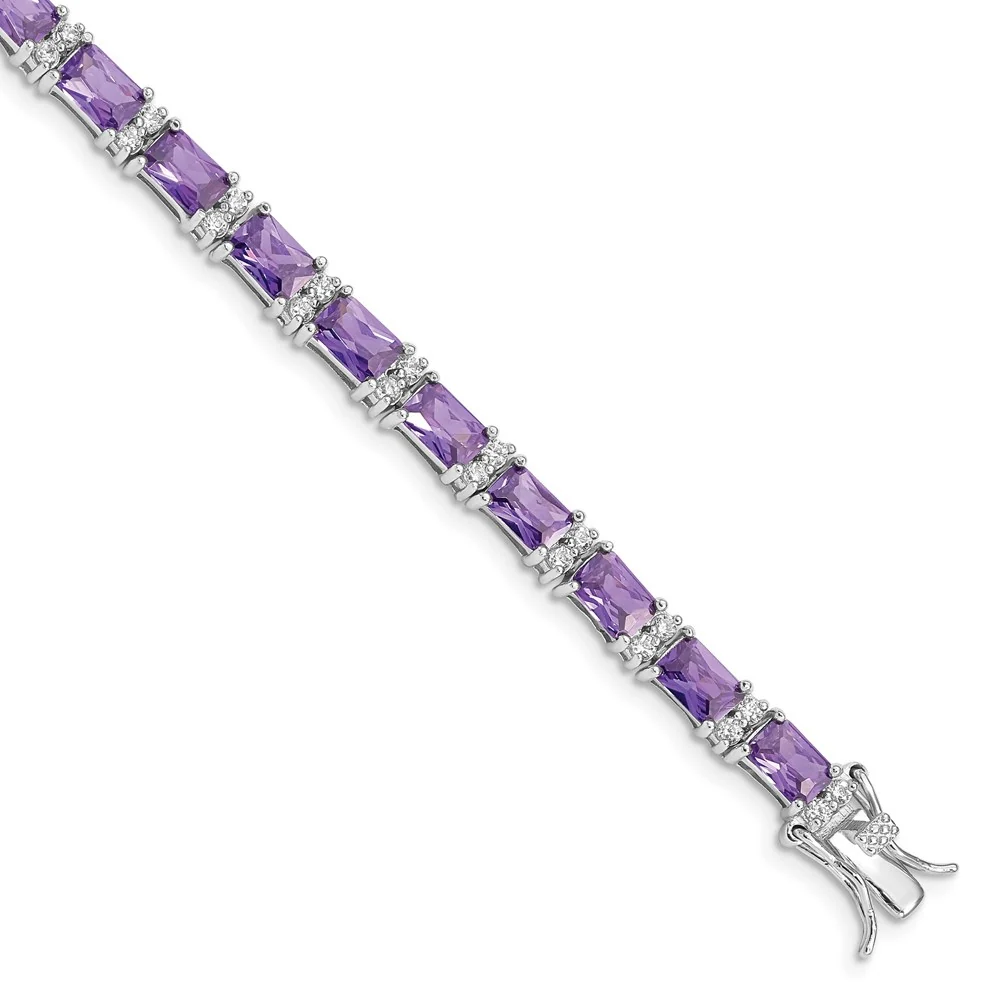
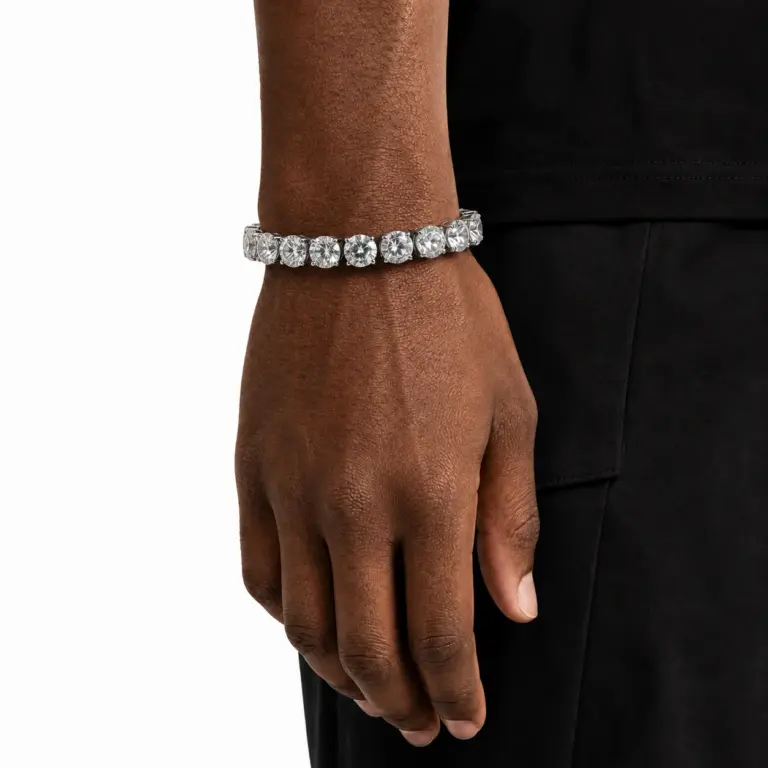 Silver Stainless Steel Bracelets That Feel Special
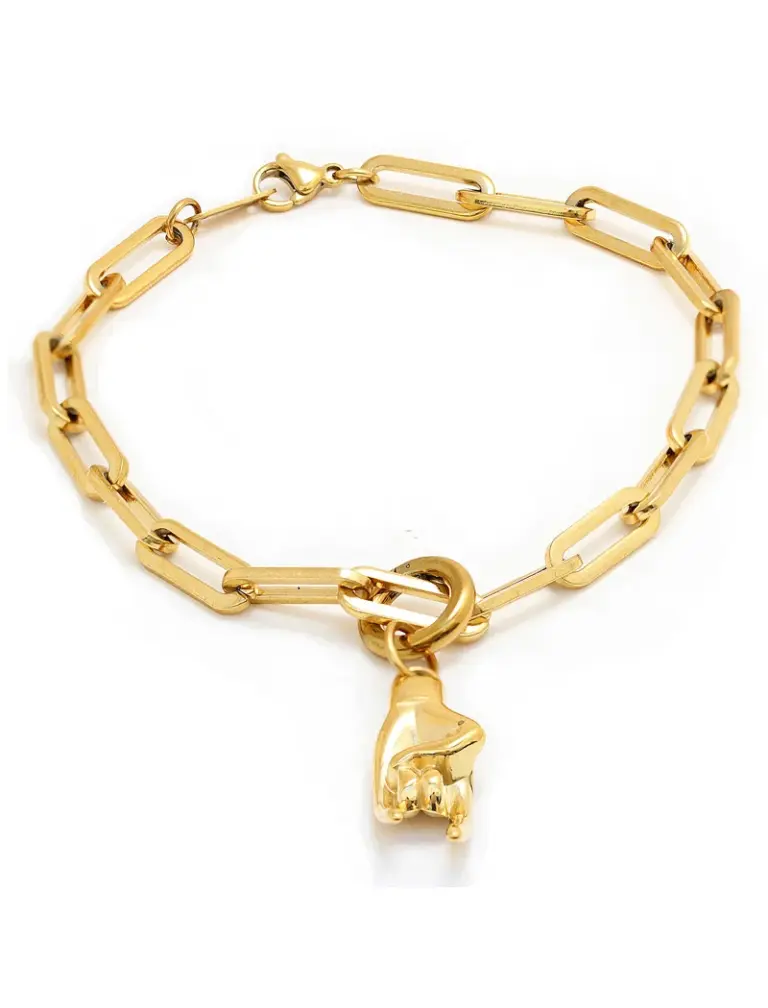
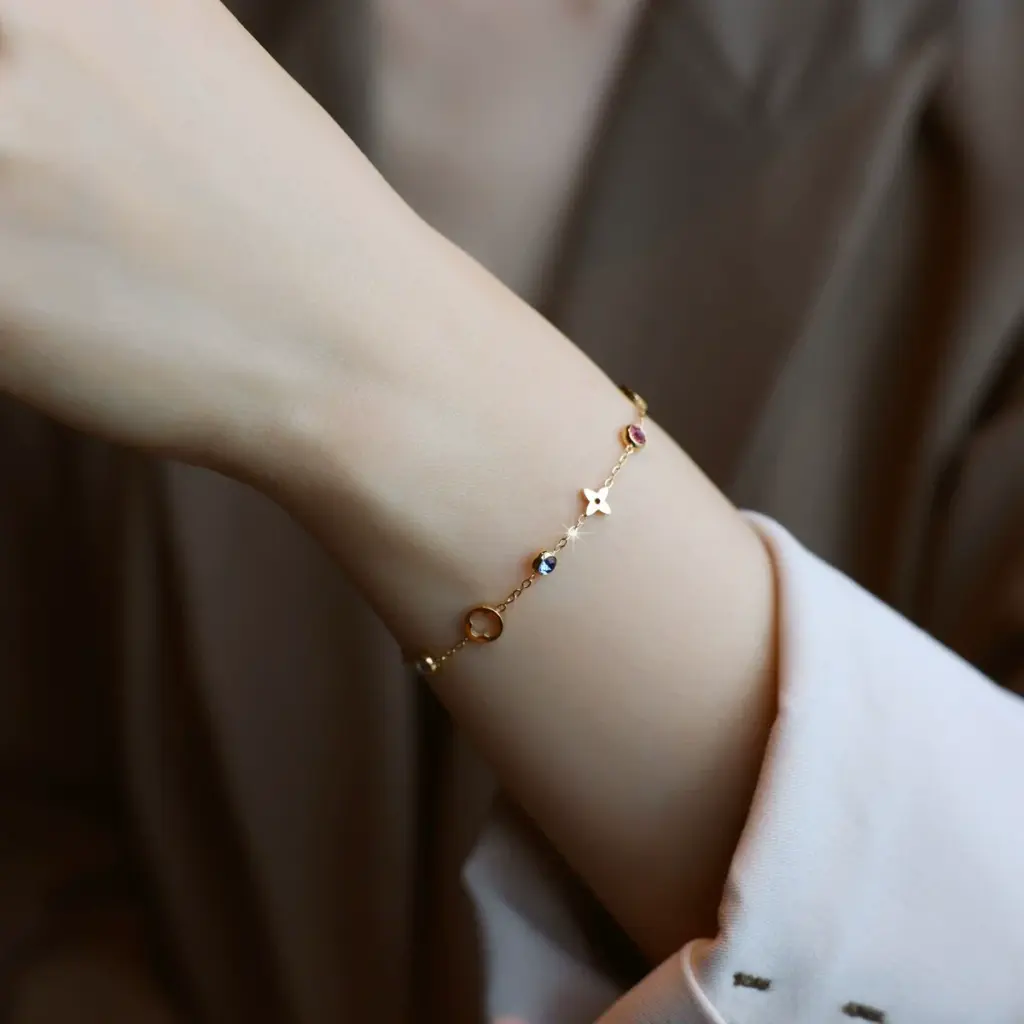 Chain BraceletsSilver Stainless Steel Chain Bracelets Worth Treating Yourself To
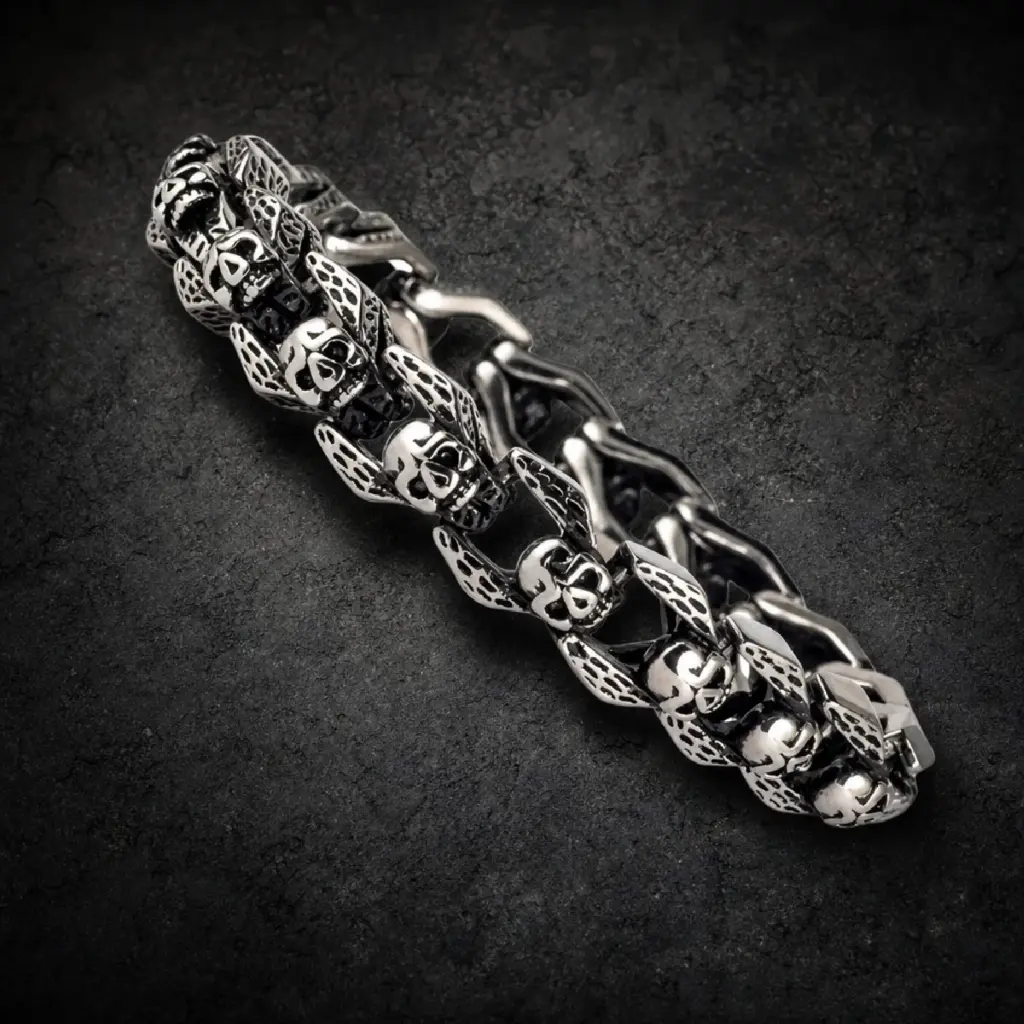
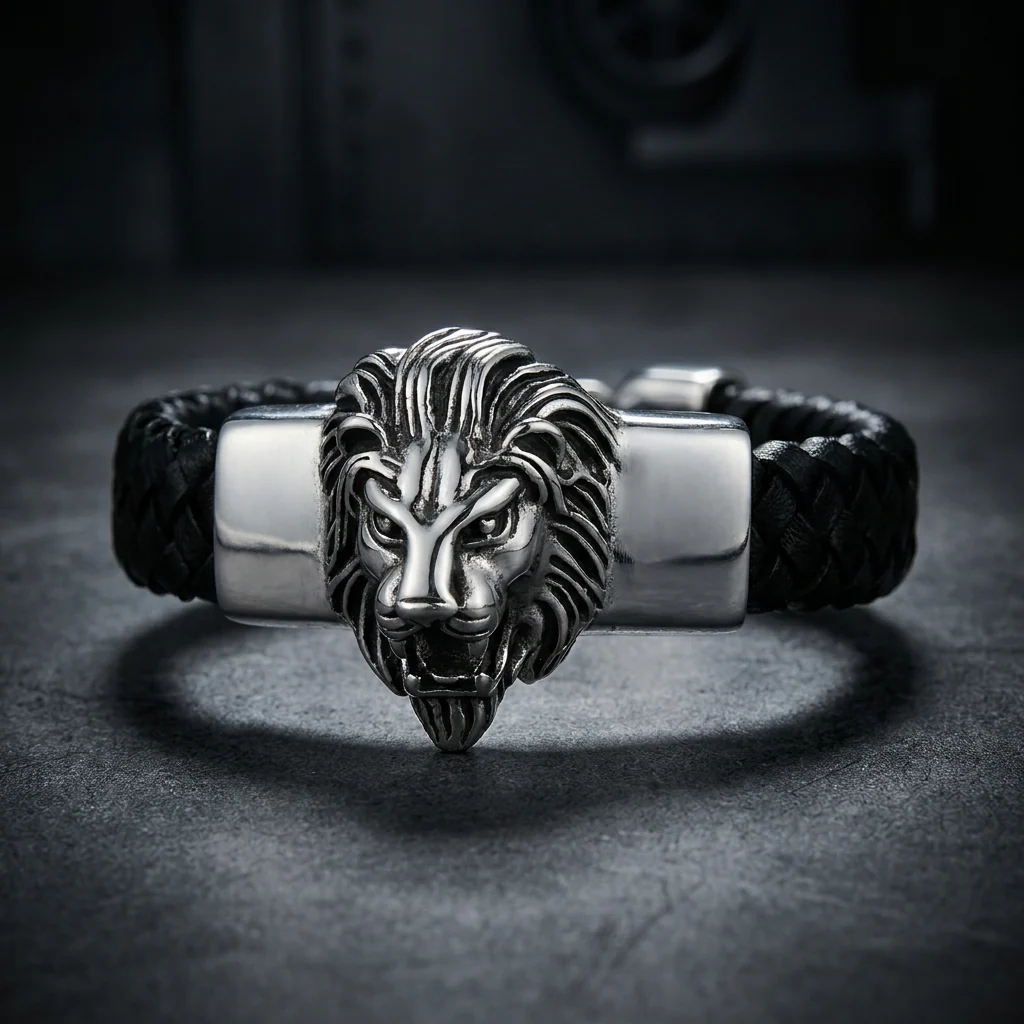 Charm BraceletsSilver Stainless Steel Charm Bracelets for Everyday Wear
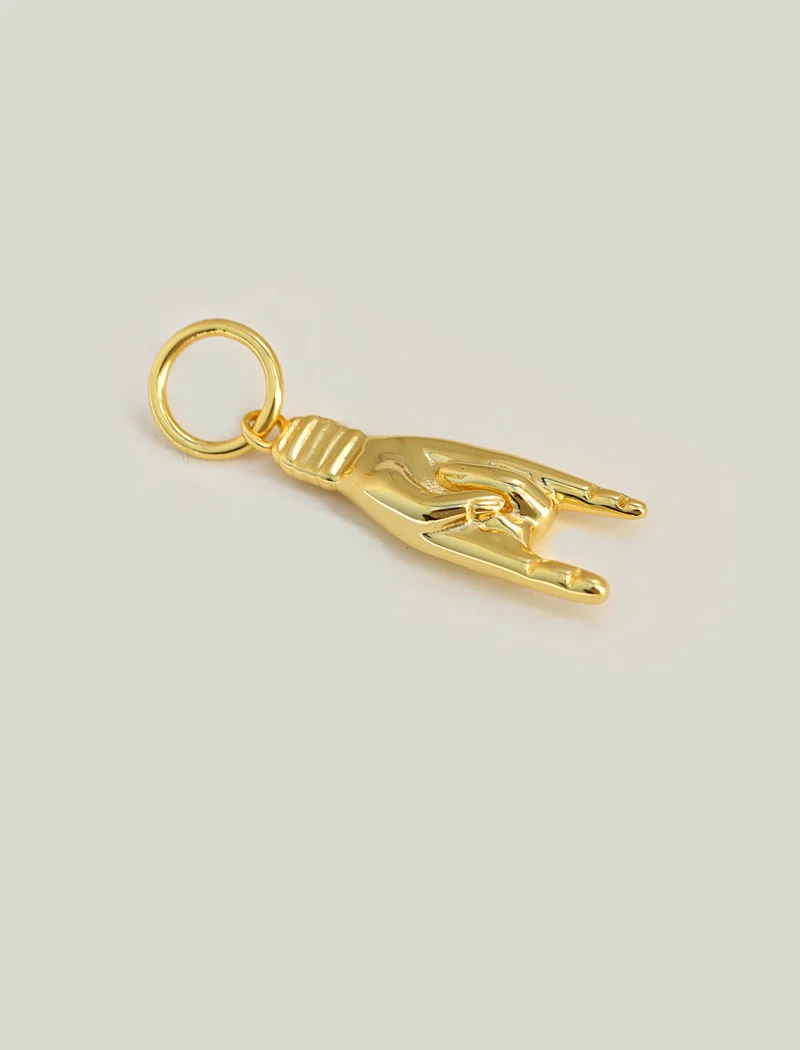
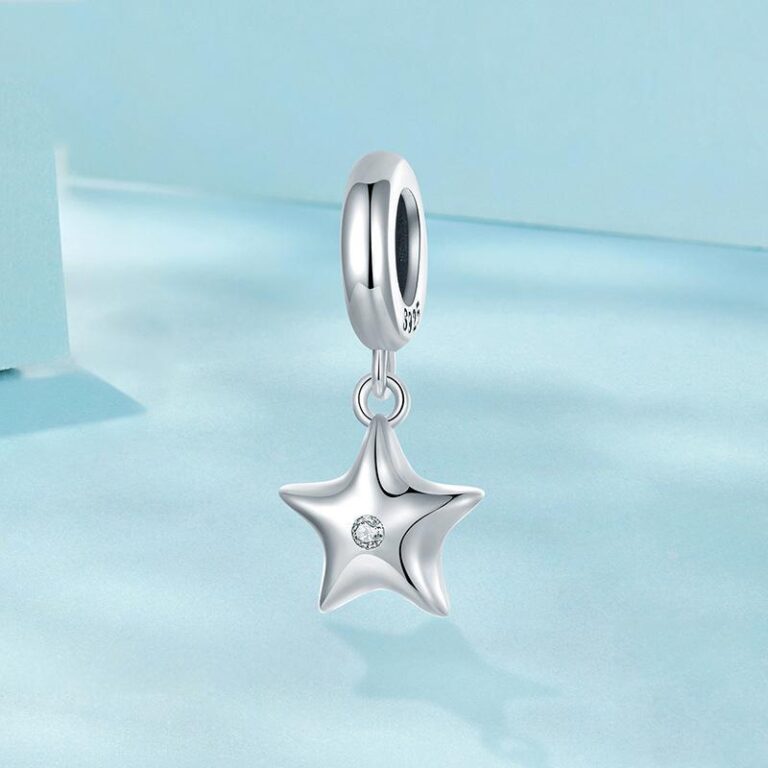 Our Favorite Silver Star Bracelets
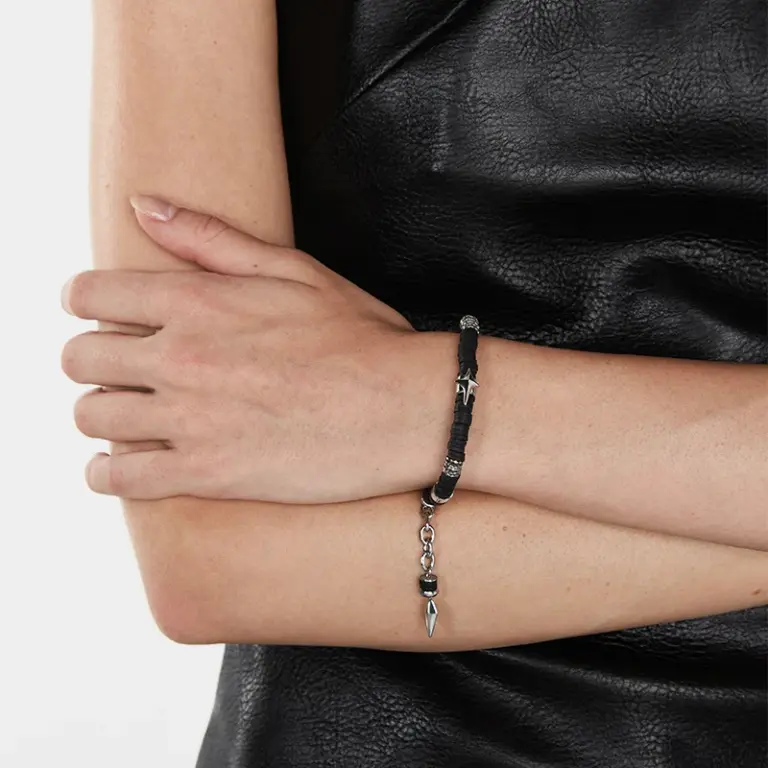
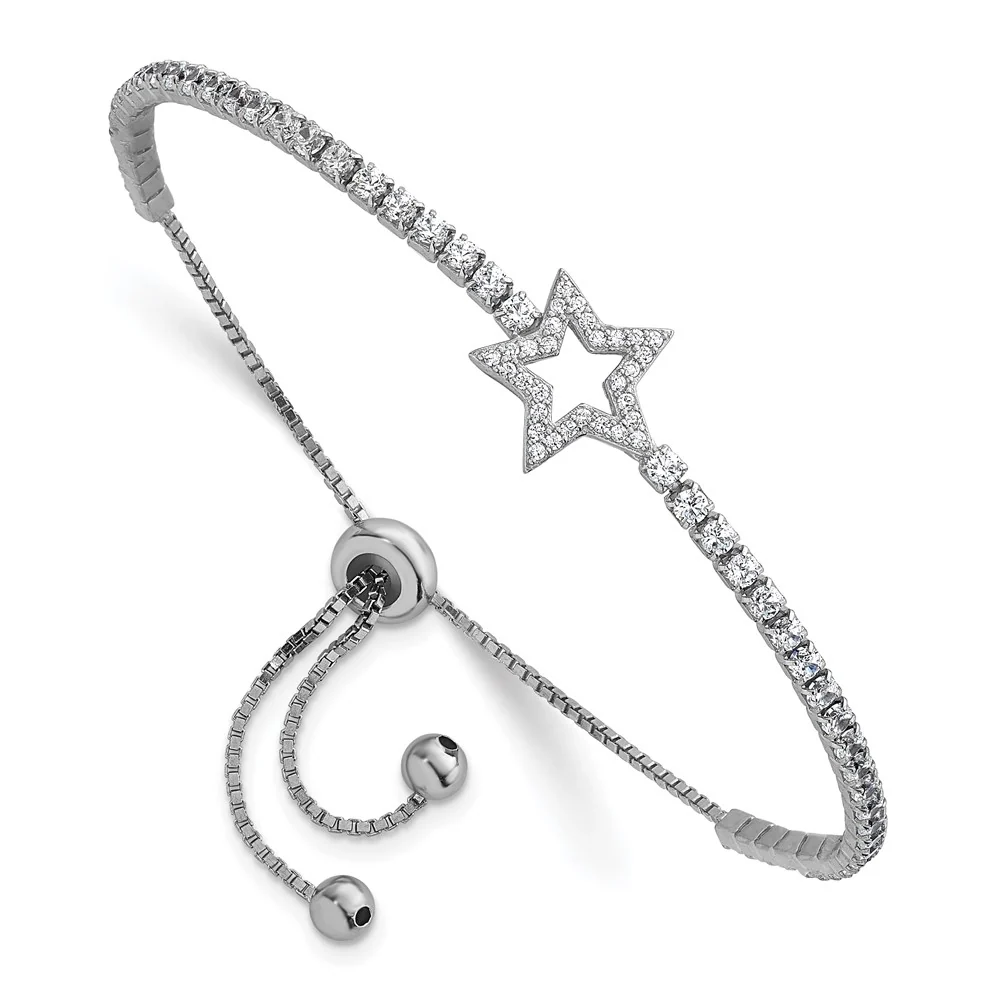 Chain BraceletsThe Prettiest Silver Star Chain Bracelets Around Right Now
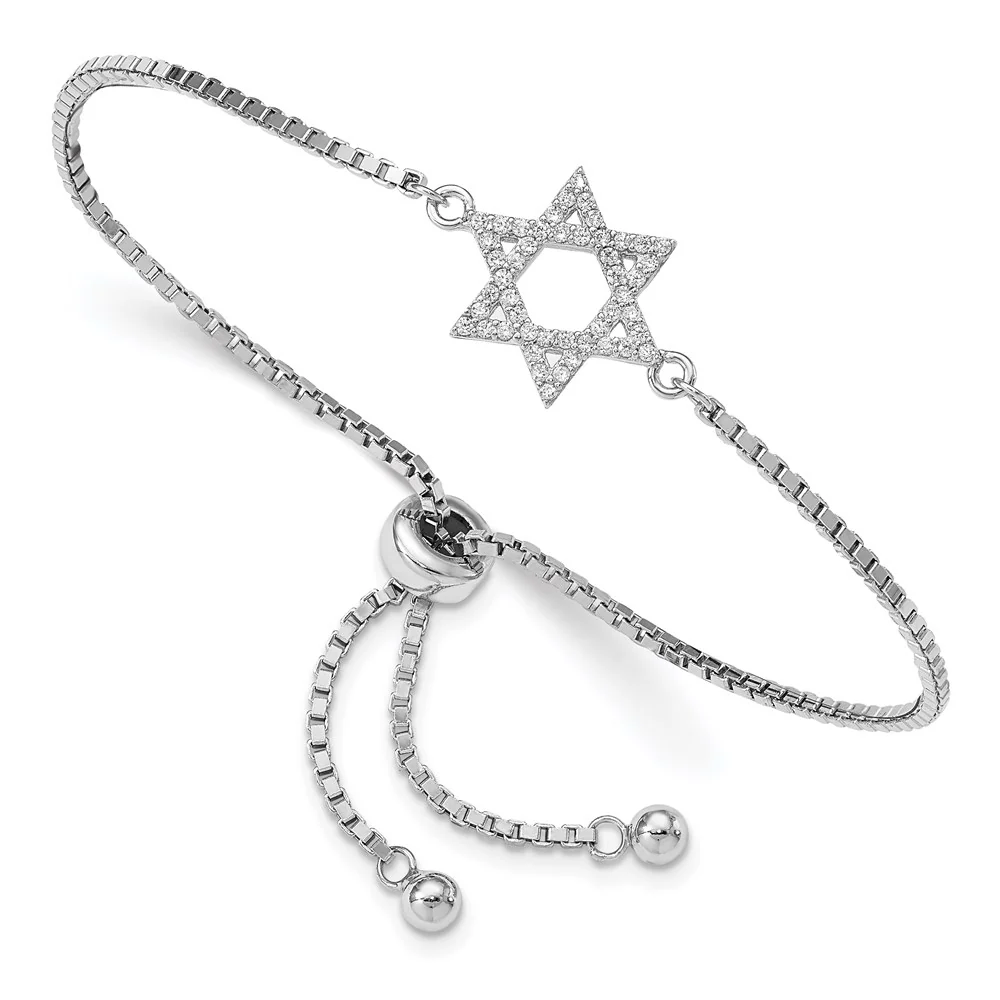
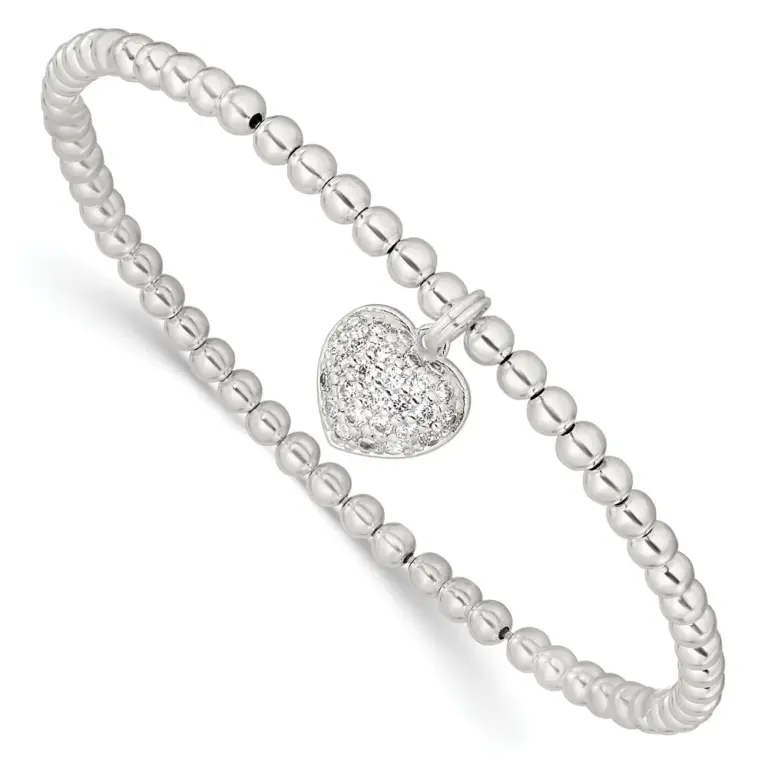 Charm BraceletsOur Favorite Silver Star Charm Bracelets
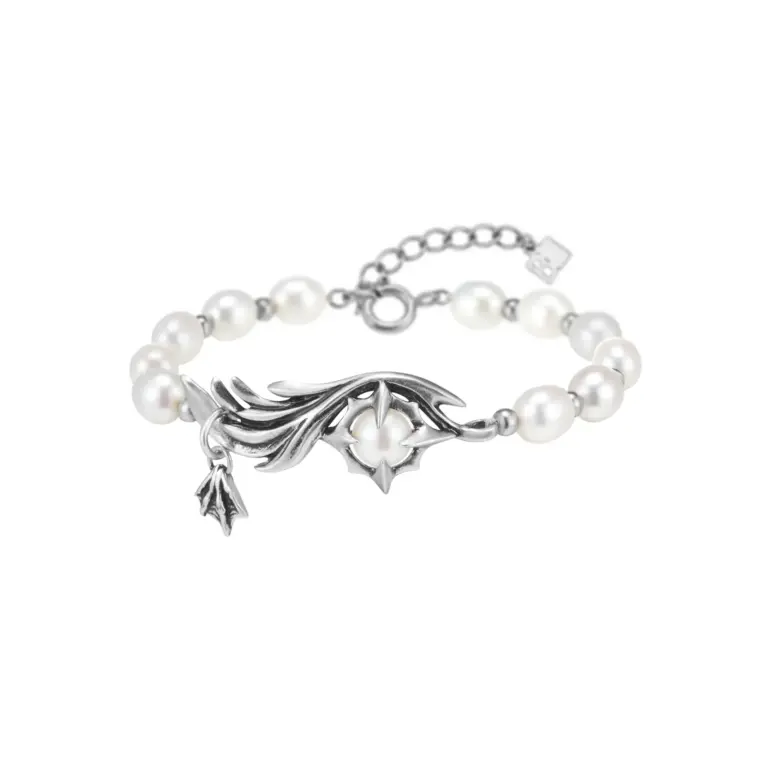
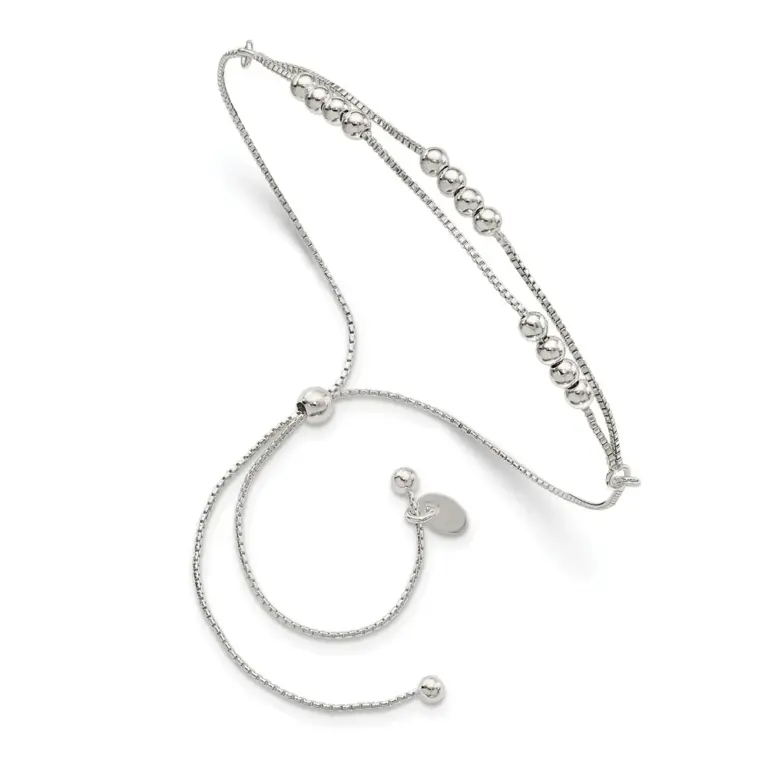 Beaded BraceletsSilver Statement Beaded Bracelets We Think You’ll Love
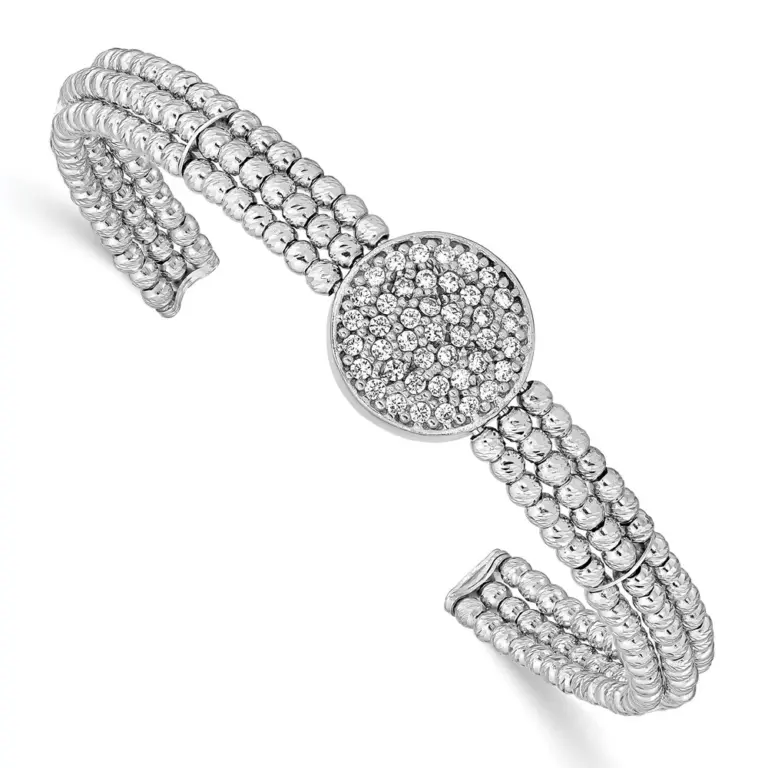
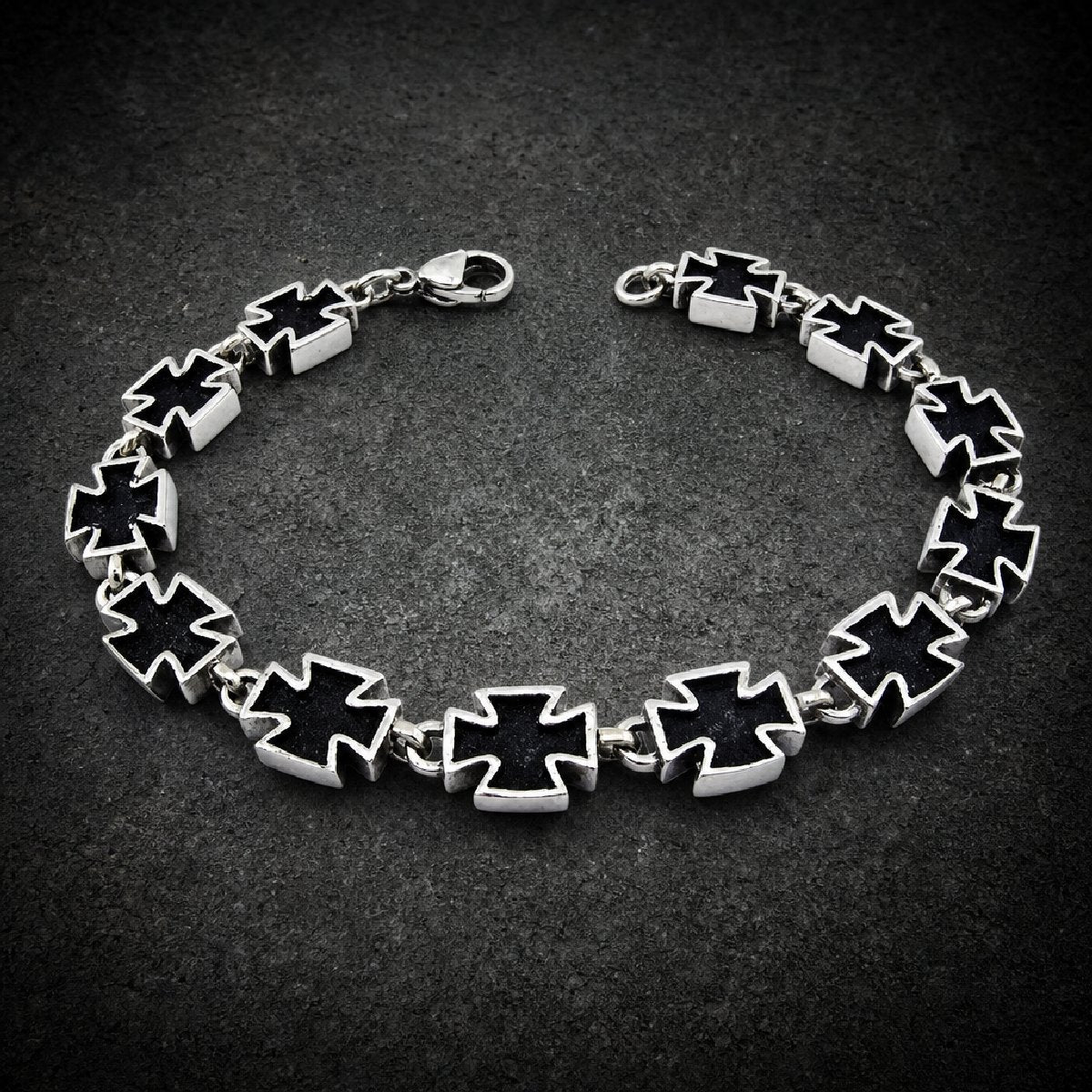 Our Favorite Silver Statement Bracelets
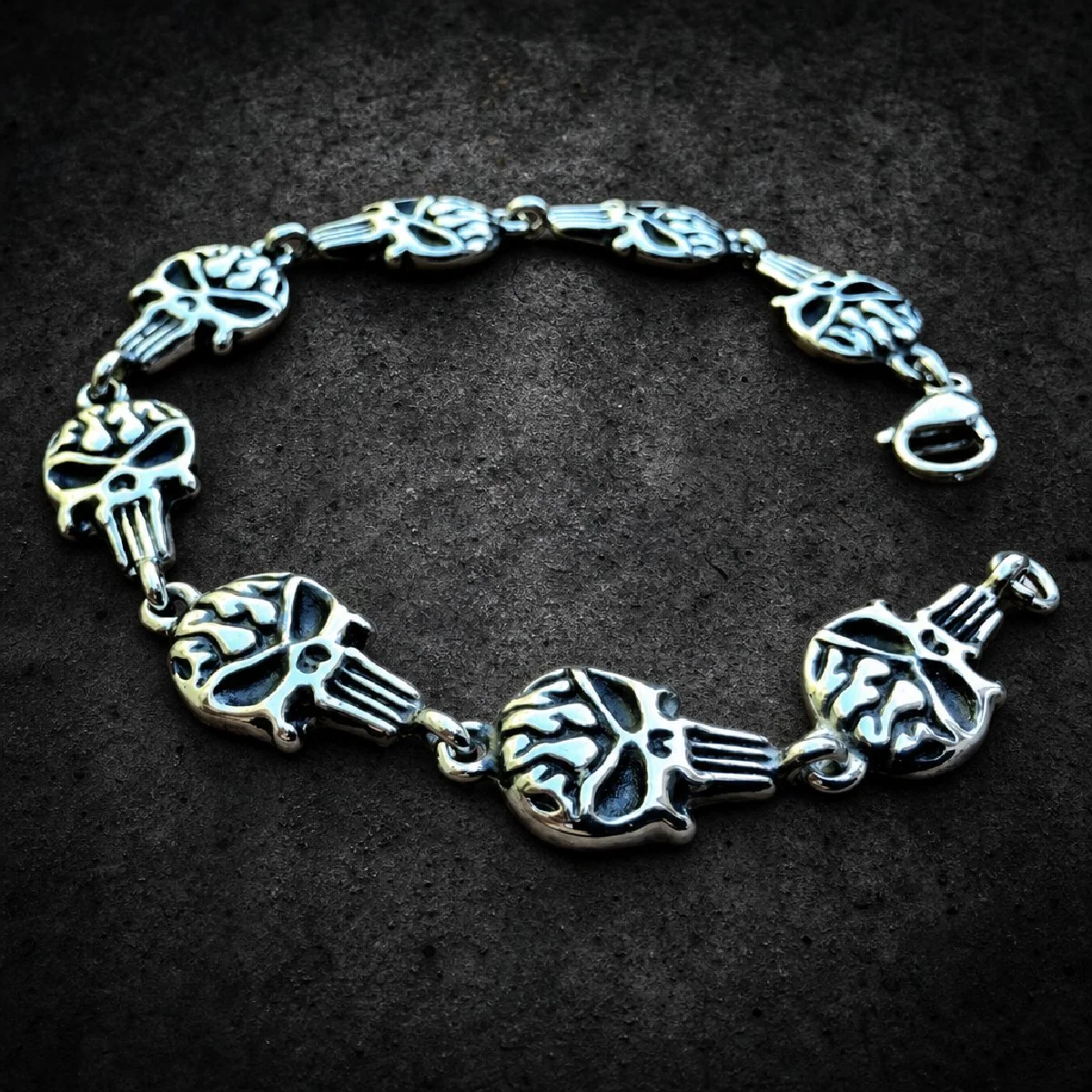
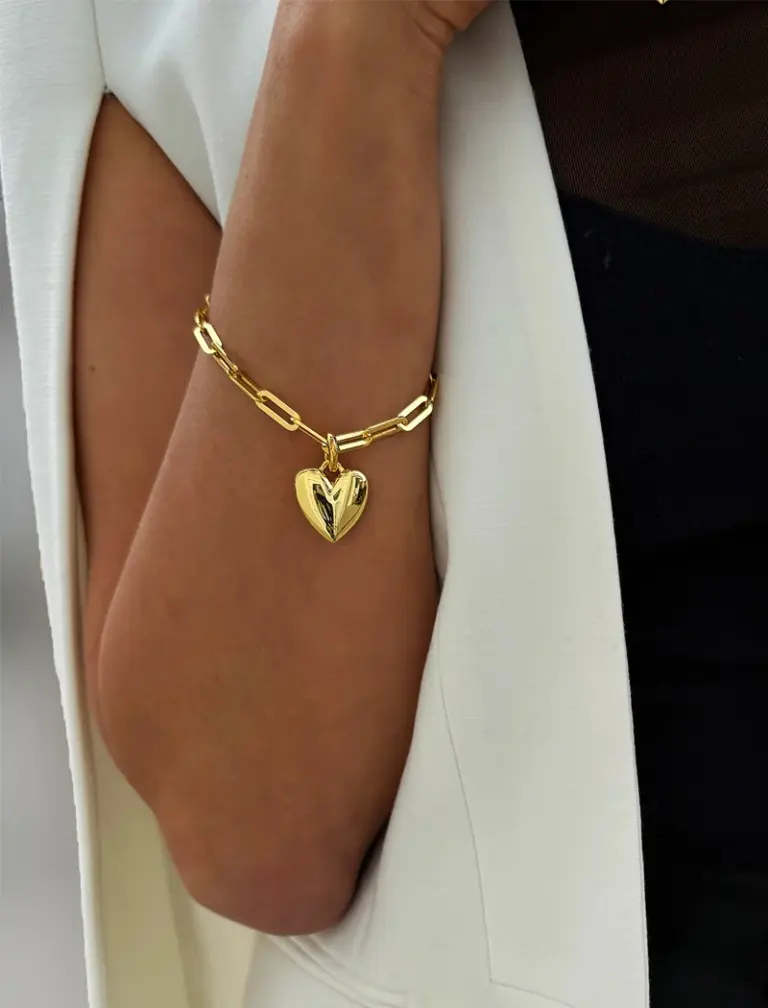 Chain BraceletsOur Top Silver Statement Chain Bracelets Right NowAlso worth a lookChain BraceletsA good chain bracelet has some weight to it before it even touches your wrist.See the collections →
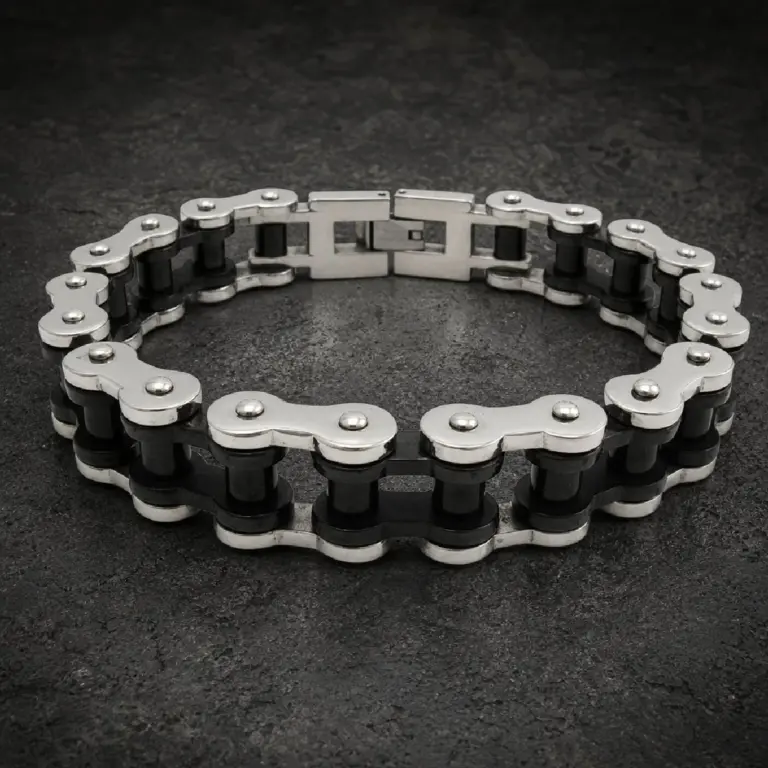
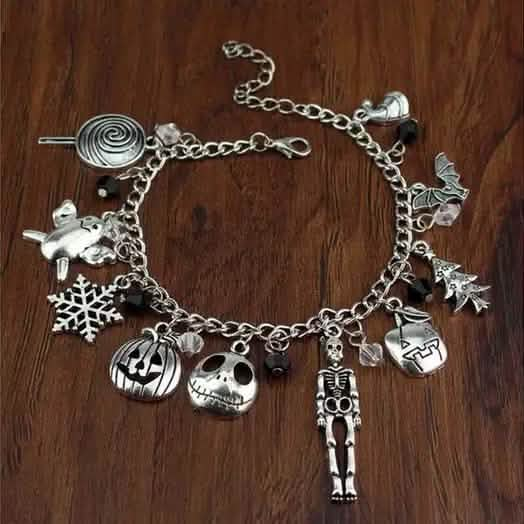 Charm BraceletsSilver Statement Charm Bracelets Worth Treating Yourself To
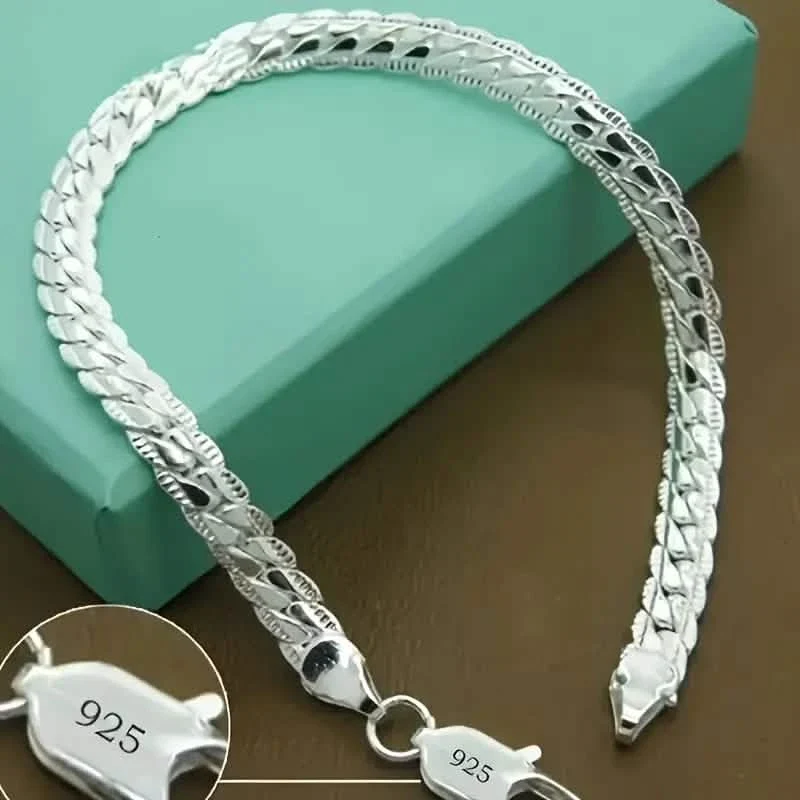
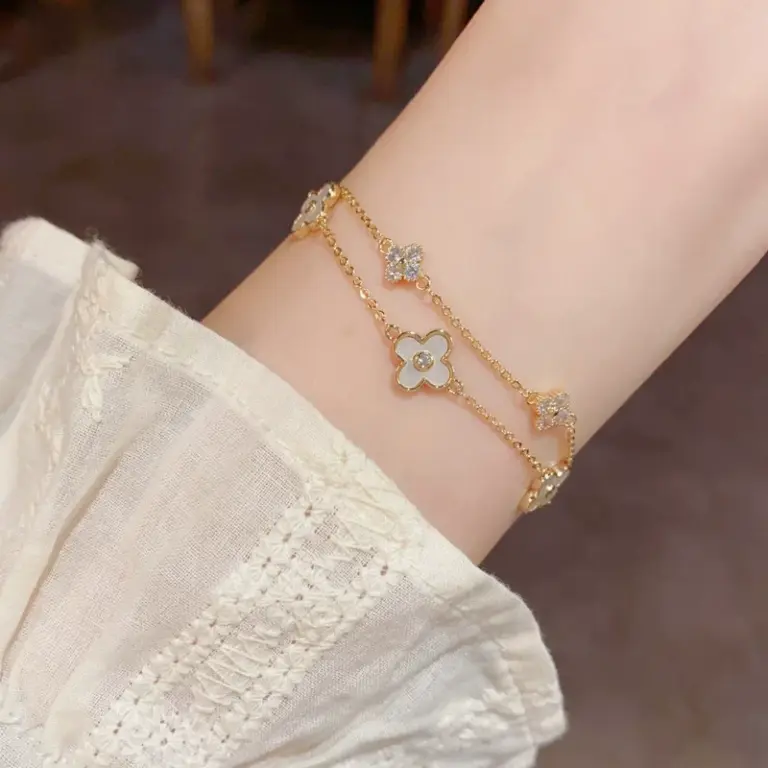 Our Favorite Silver Shell Bracelets
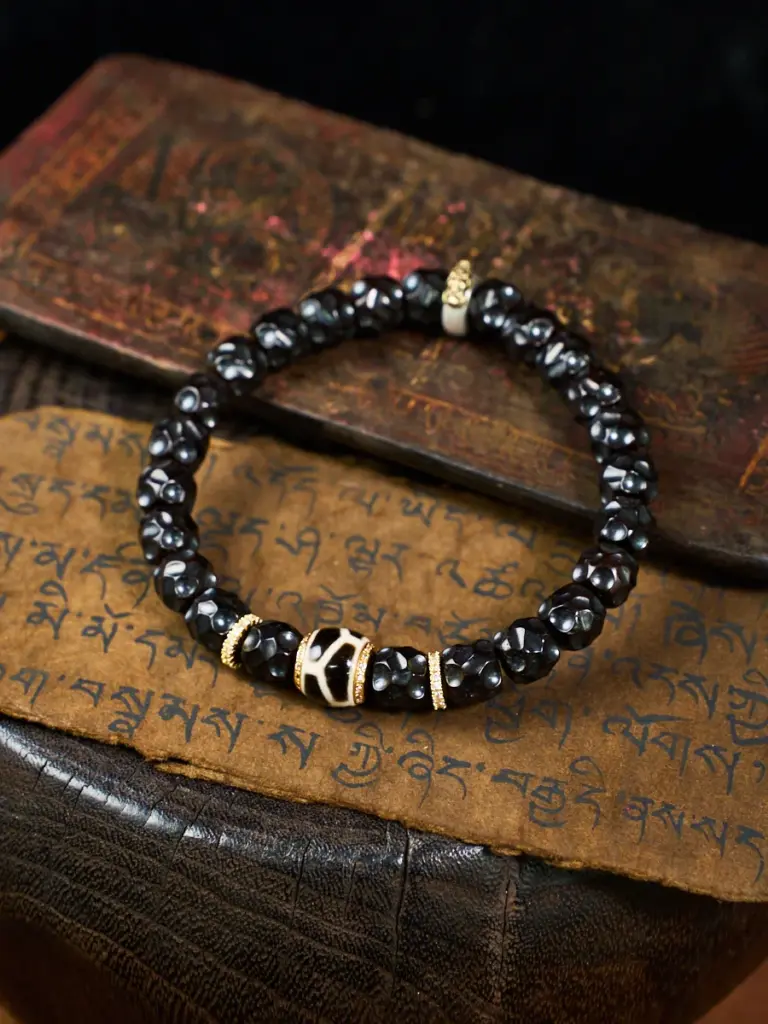
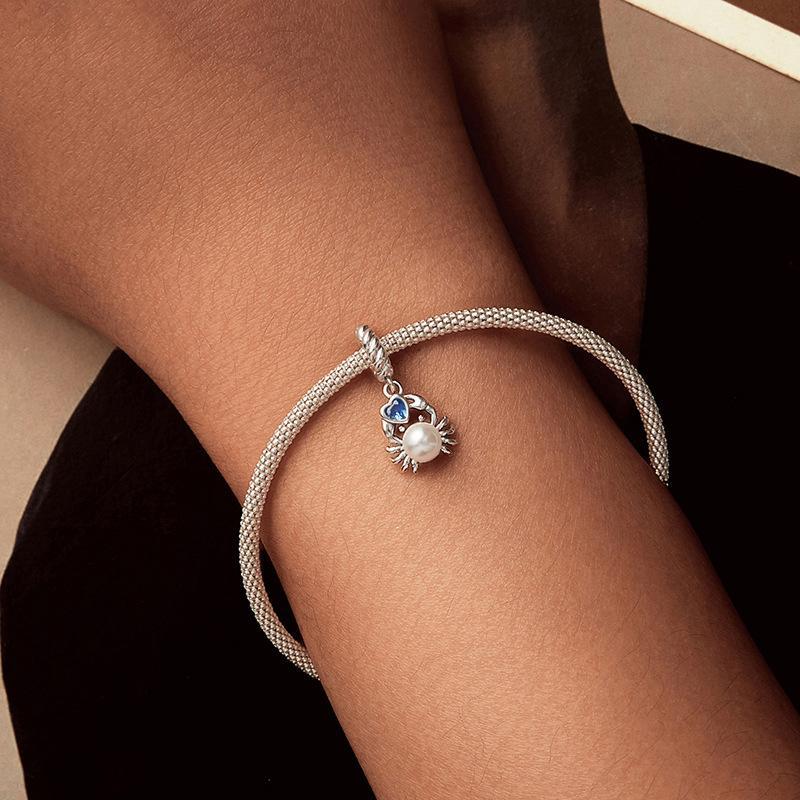 Charm BraceletsSilver Pendant Charm Bracelets That Have Caught Our Eye
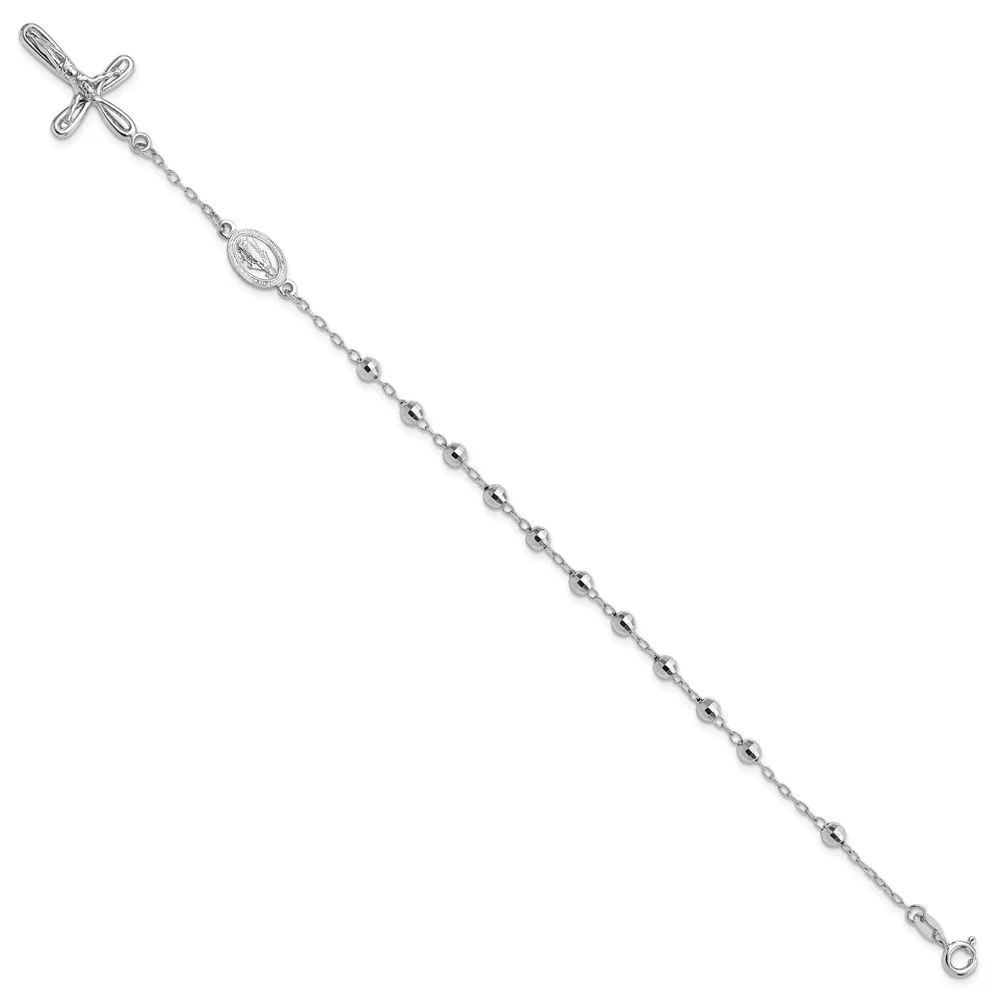
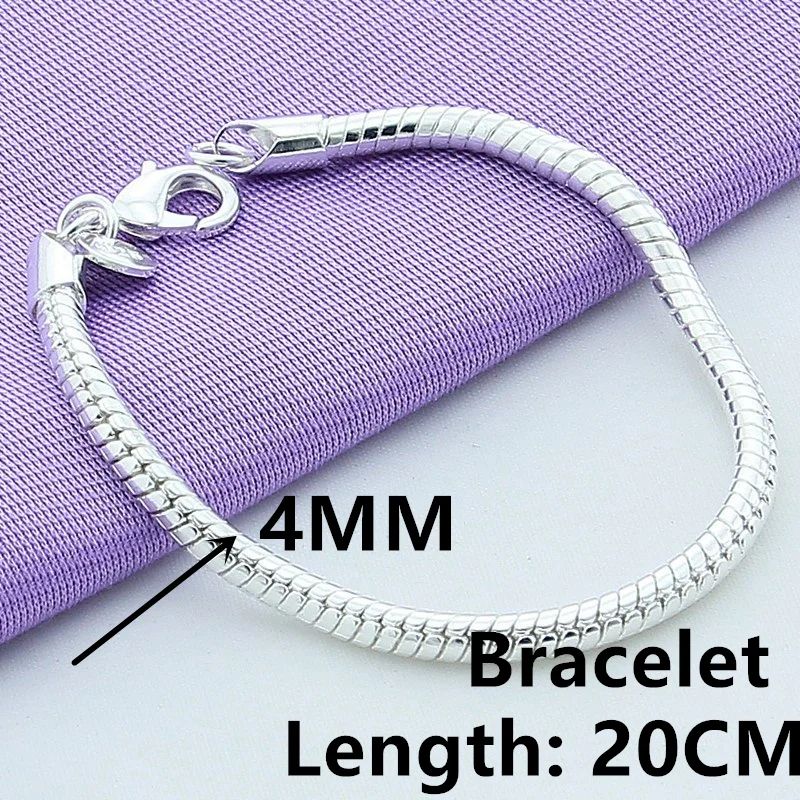 The Best Silver Minimalist Bracelets to Shop Now
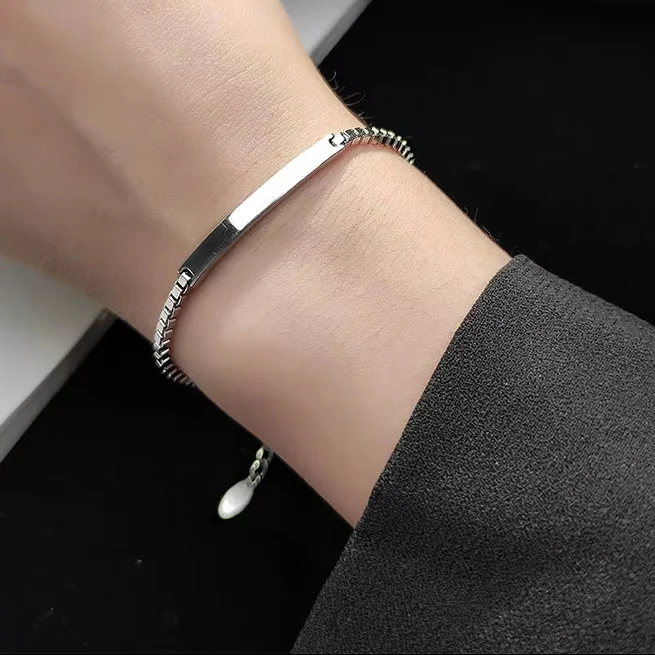
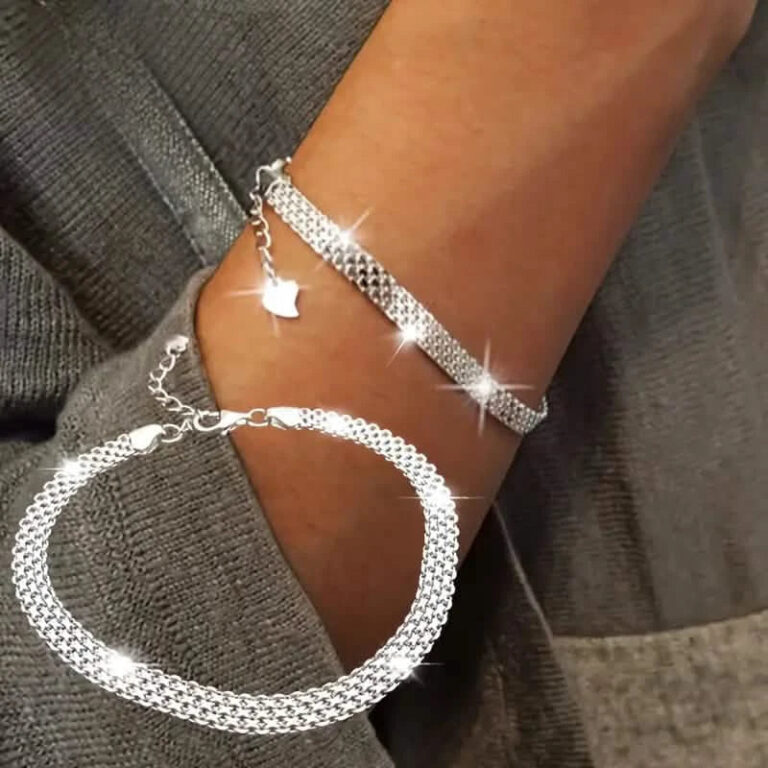 Chain BraceletsPretty Silver Minimalist Chain Bracelets We Love

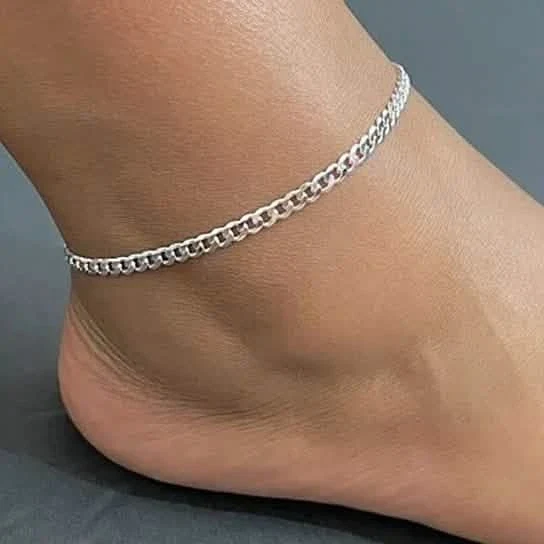 Charm BraceletsSilver Minimalist Charm Bracelets Actually Worth Buying
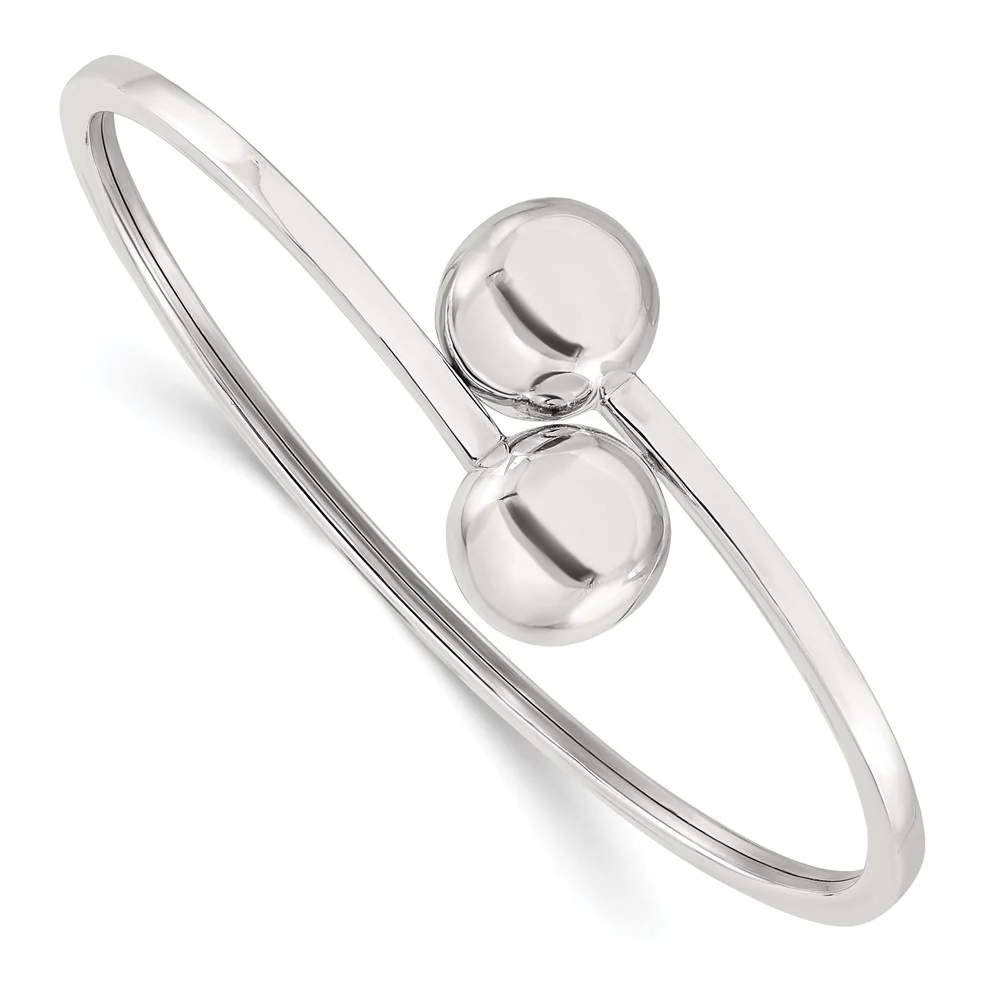
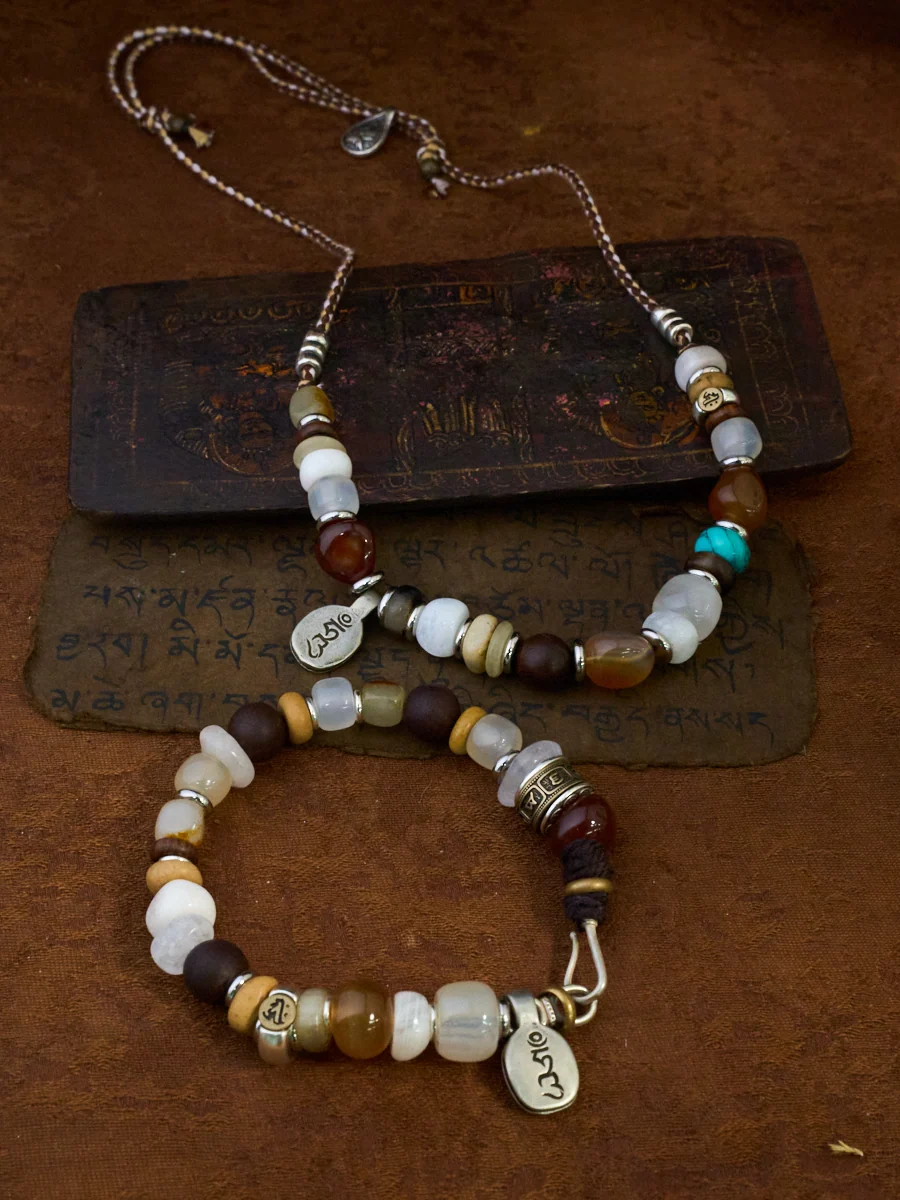 Finding the Best Silver Moonstone Bracelets
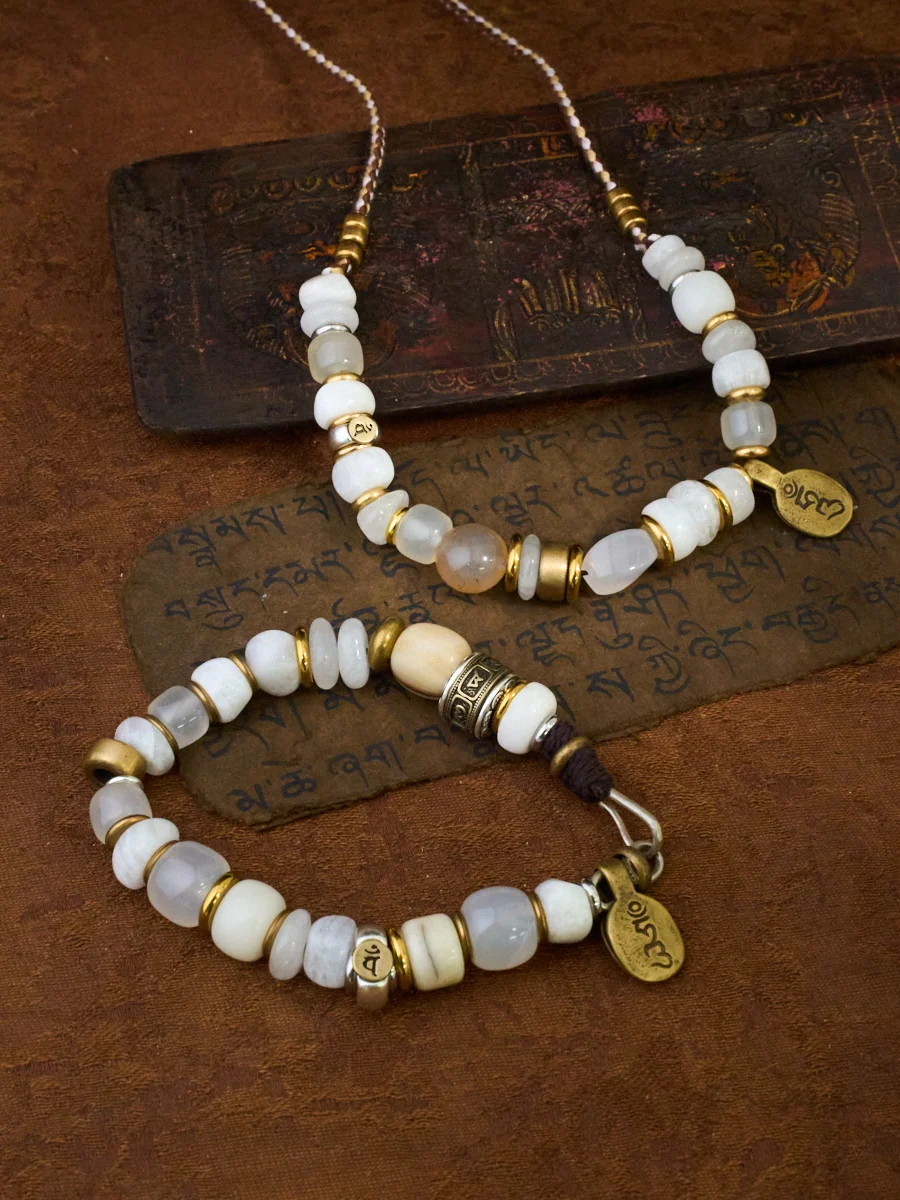
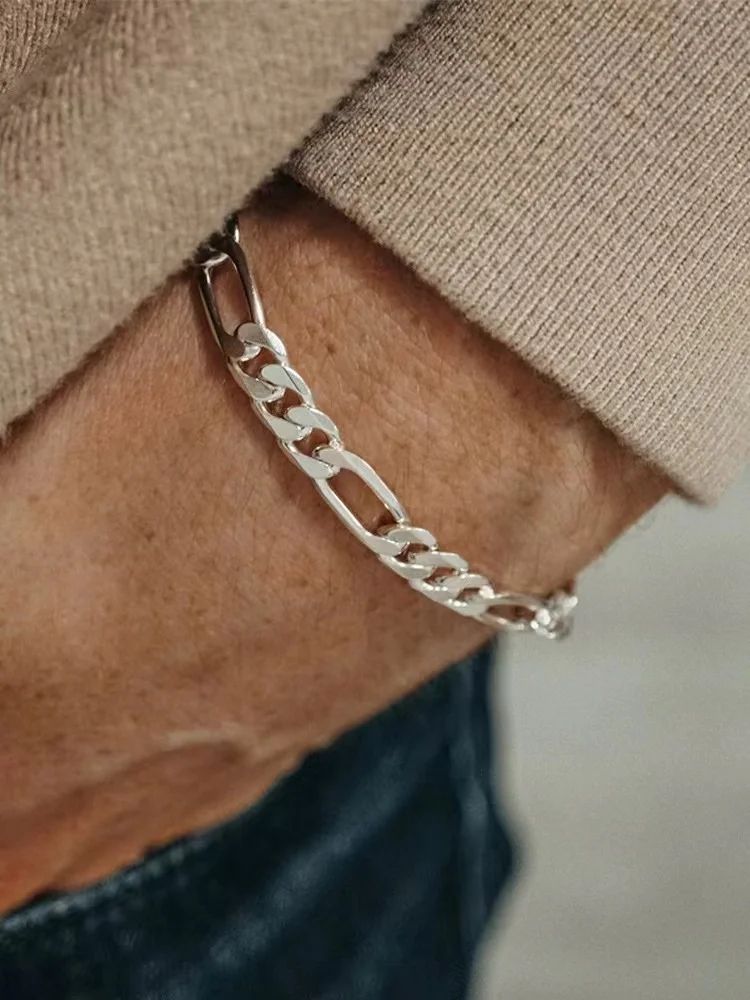 Pretty Silver Name Bracelets We Love
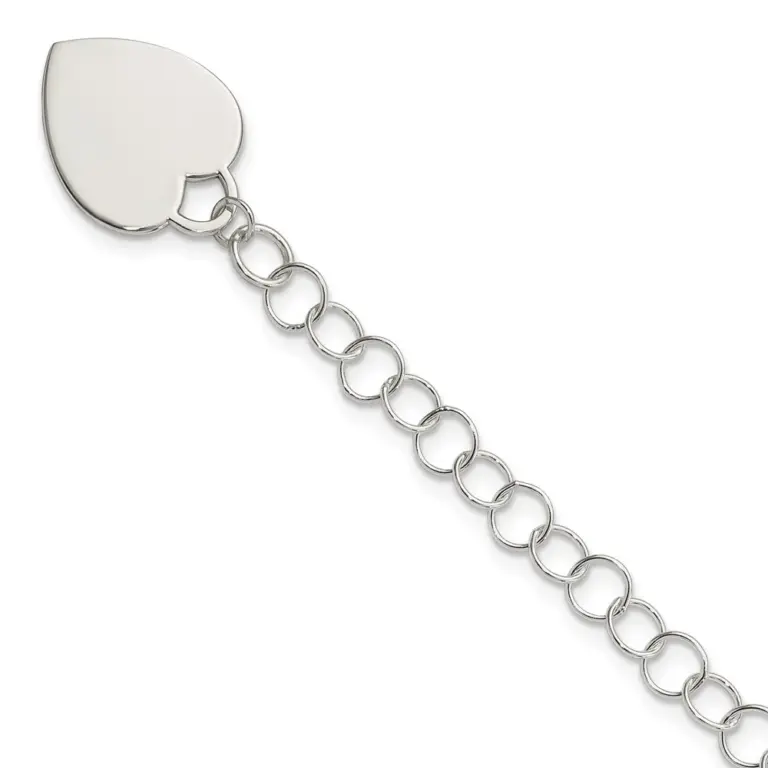
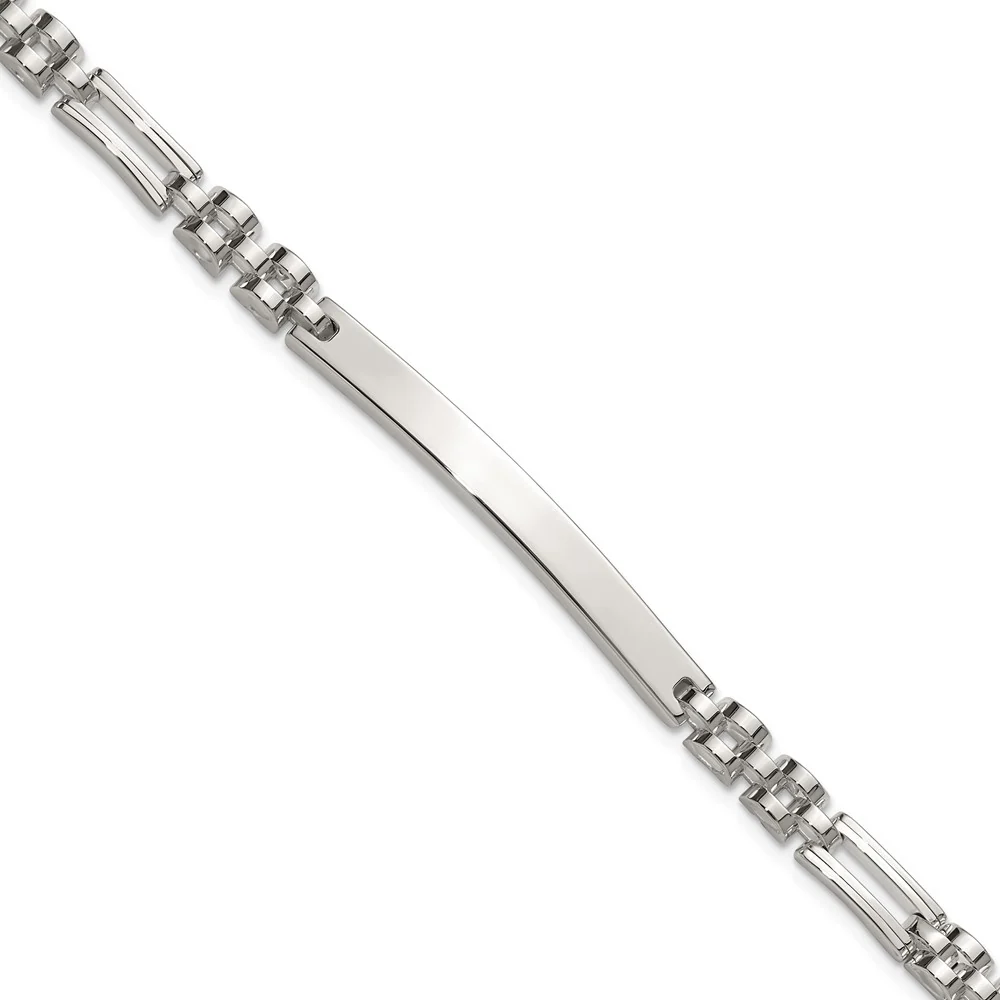 Chain BraceletsThe Silver Name Chain Bracelets ShortlistAlso worth a lookGold BraceletsGold bracelets suit anyone who likes a bit of shine without committing to a whole statement, the sort…See the collections →
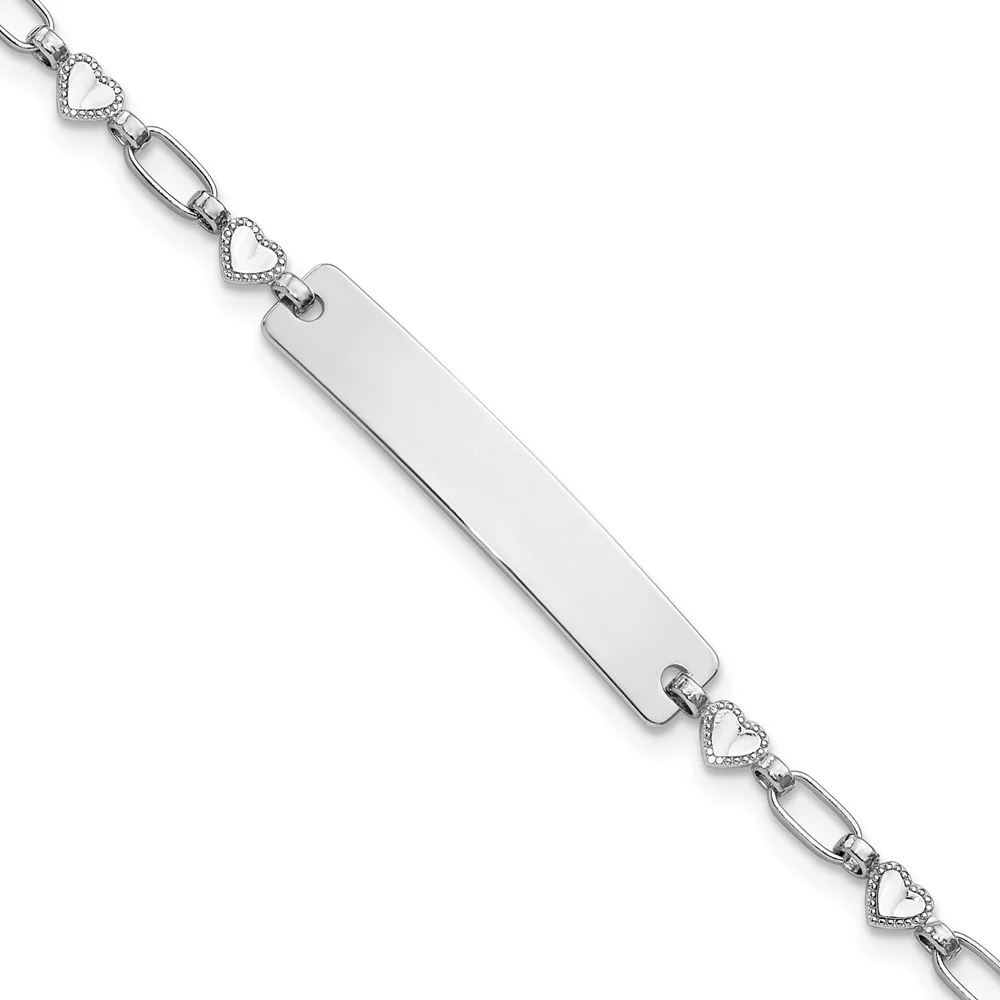
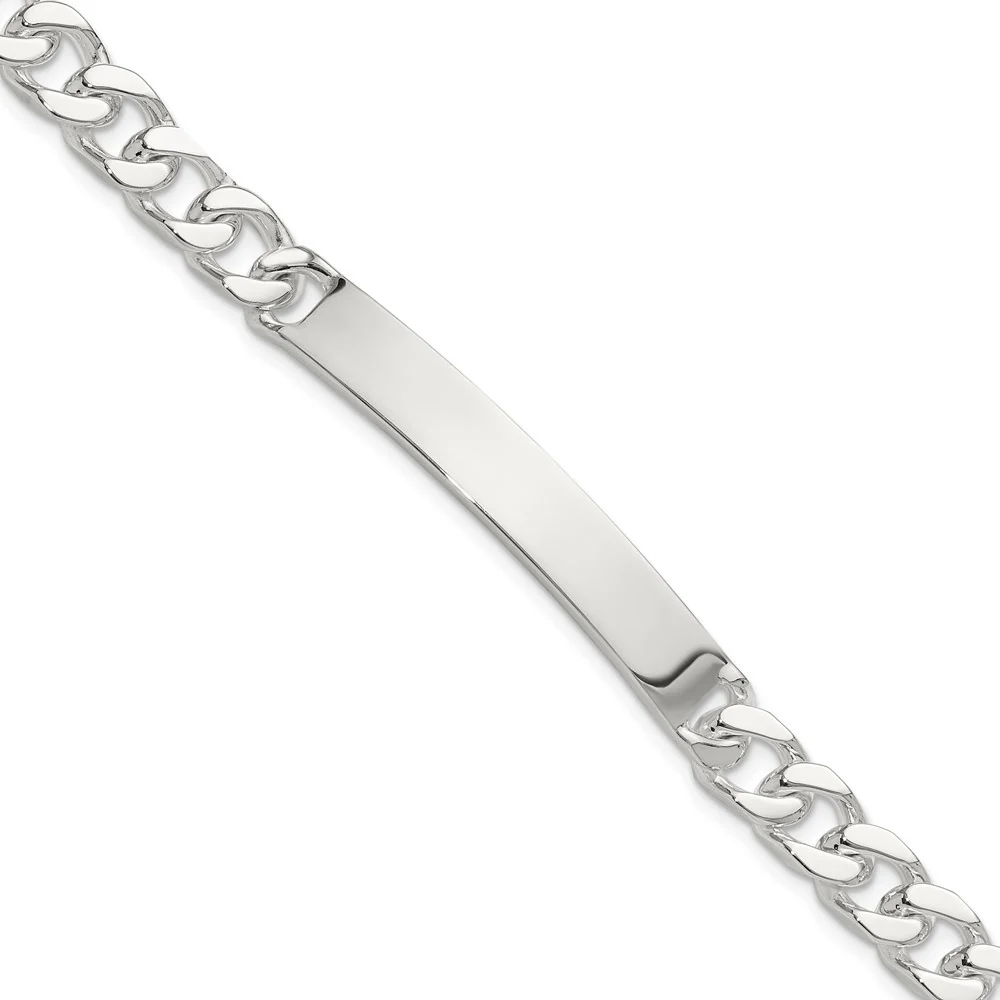 Charm BraceletsSilver Name Charm Bracelets Worth Adding to Your Wardrobe
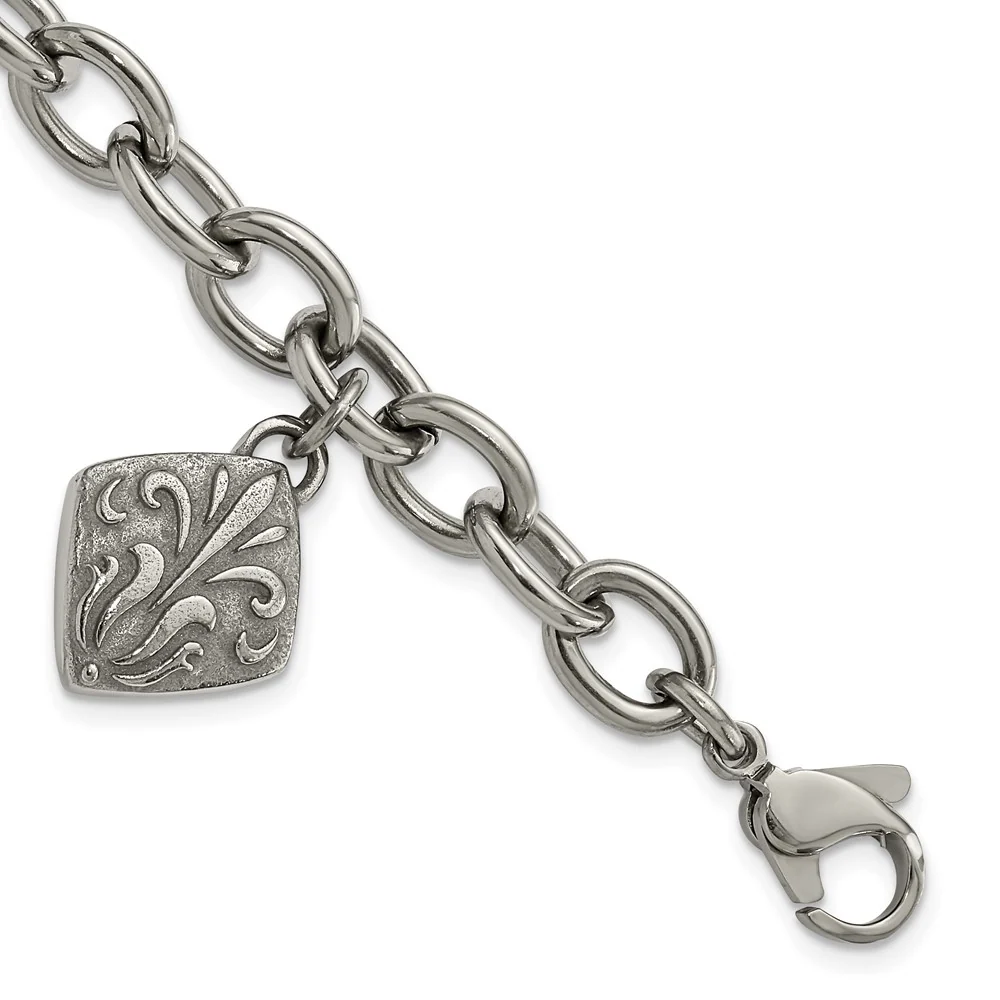
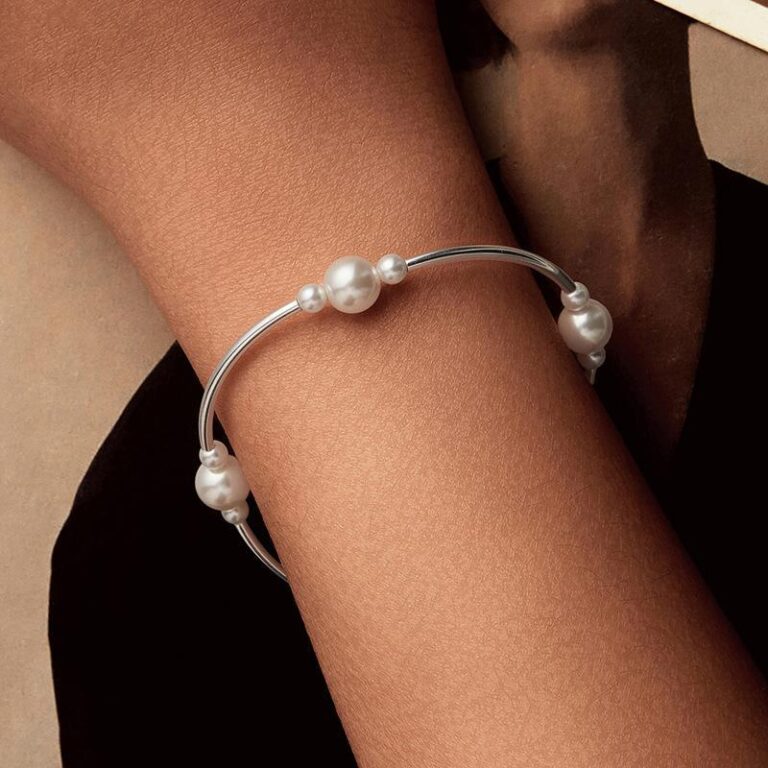 Beaded BraceletsSilver Pearl Beaded Bracelets With Real Wardrobe Staying Power
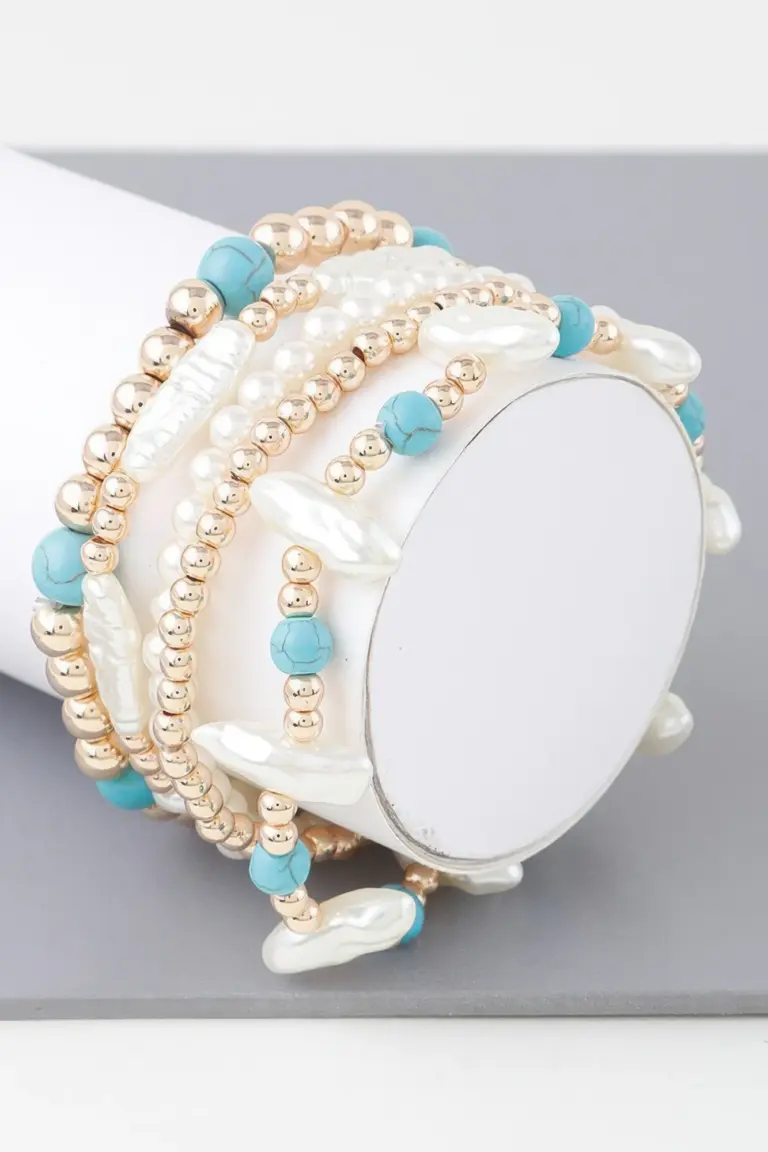
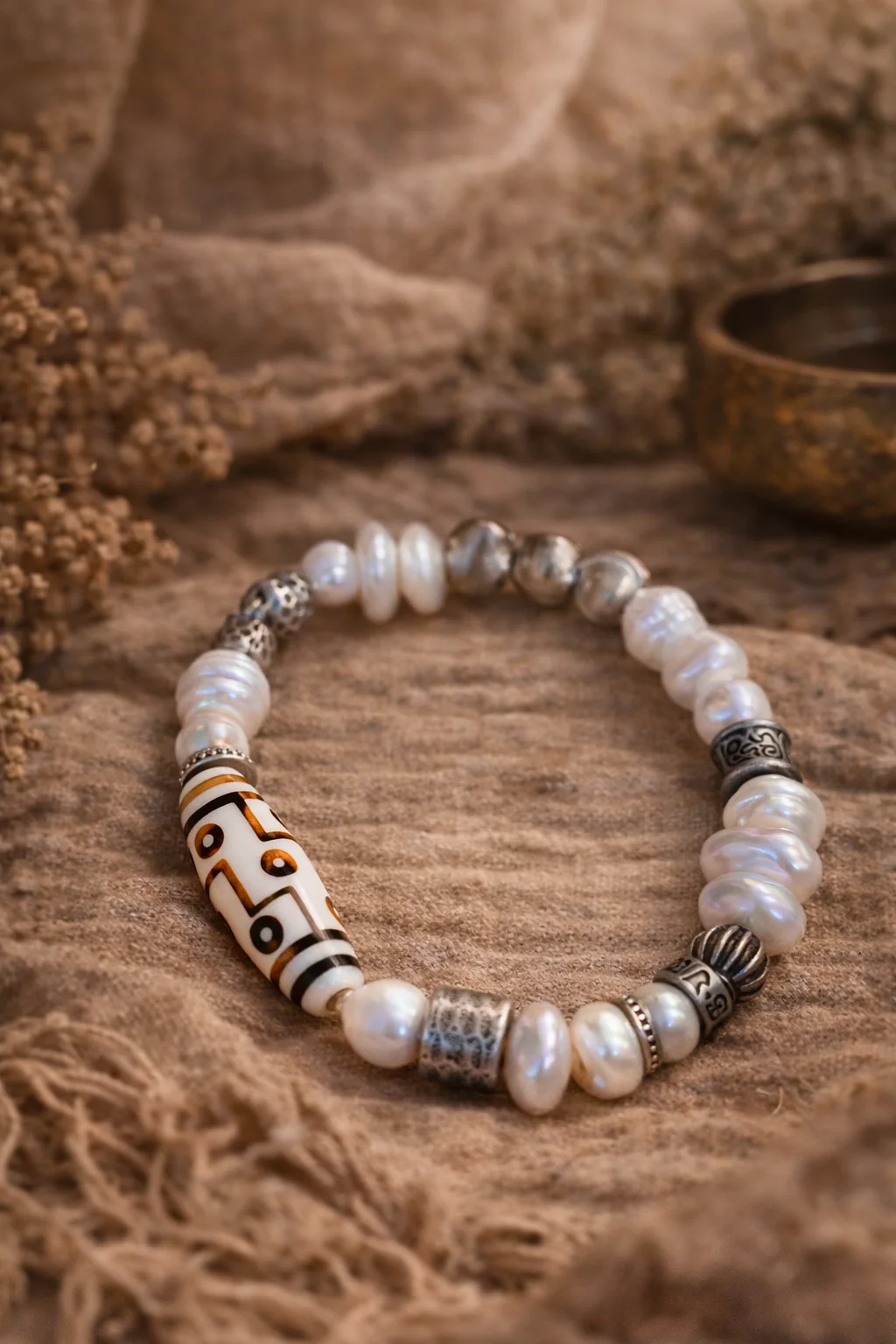 Delicate to Bold: Our Favorite Silver Pearl Bracelets
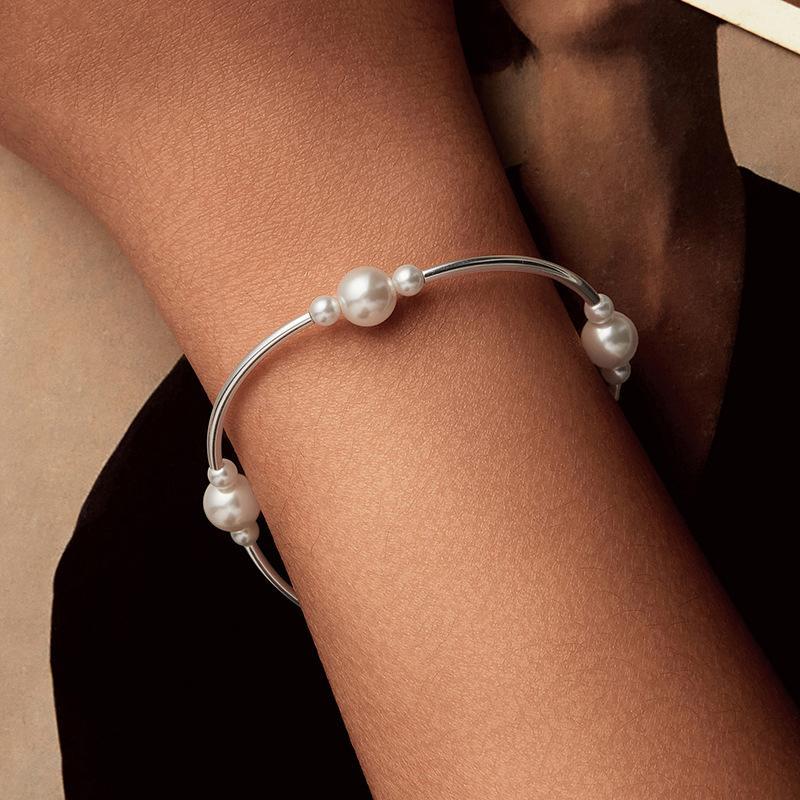
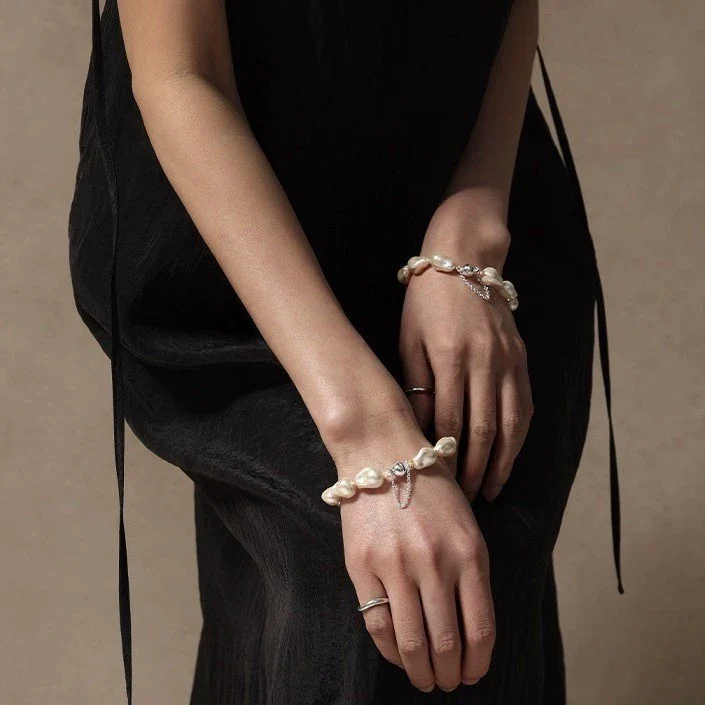 Chain BraceletsSilver Pearl Chain Bracelets That Feel Special
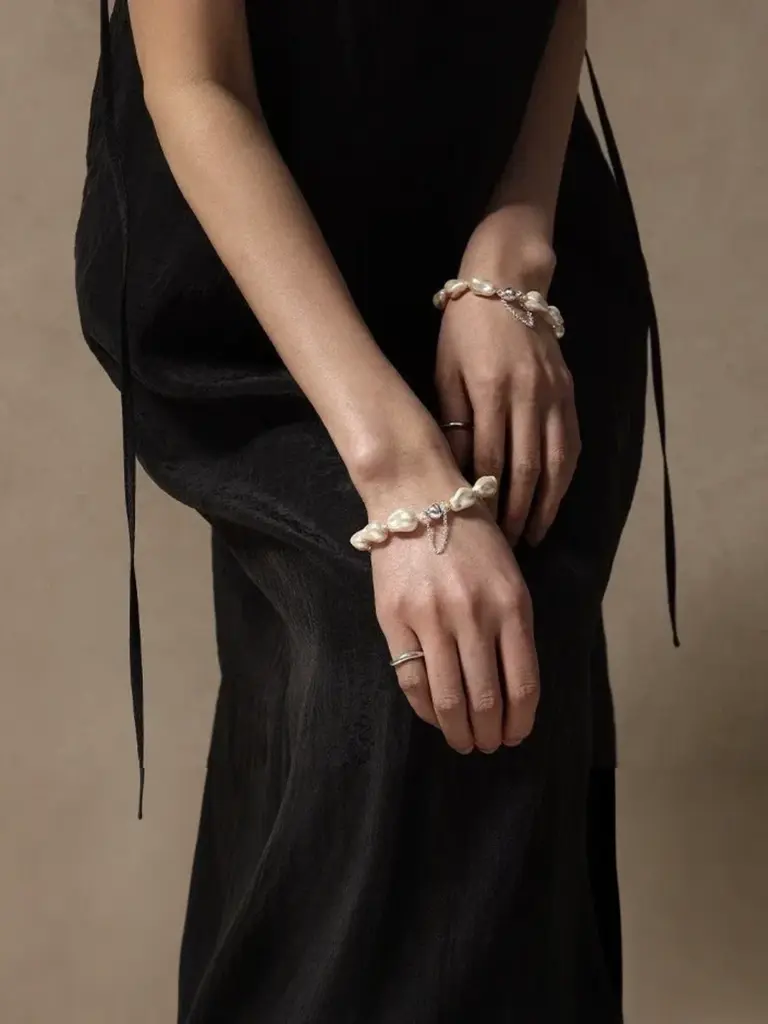
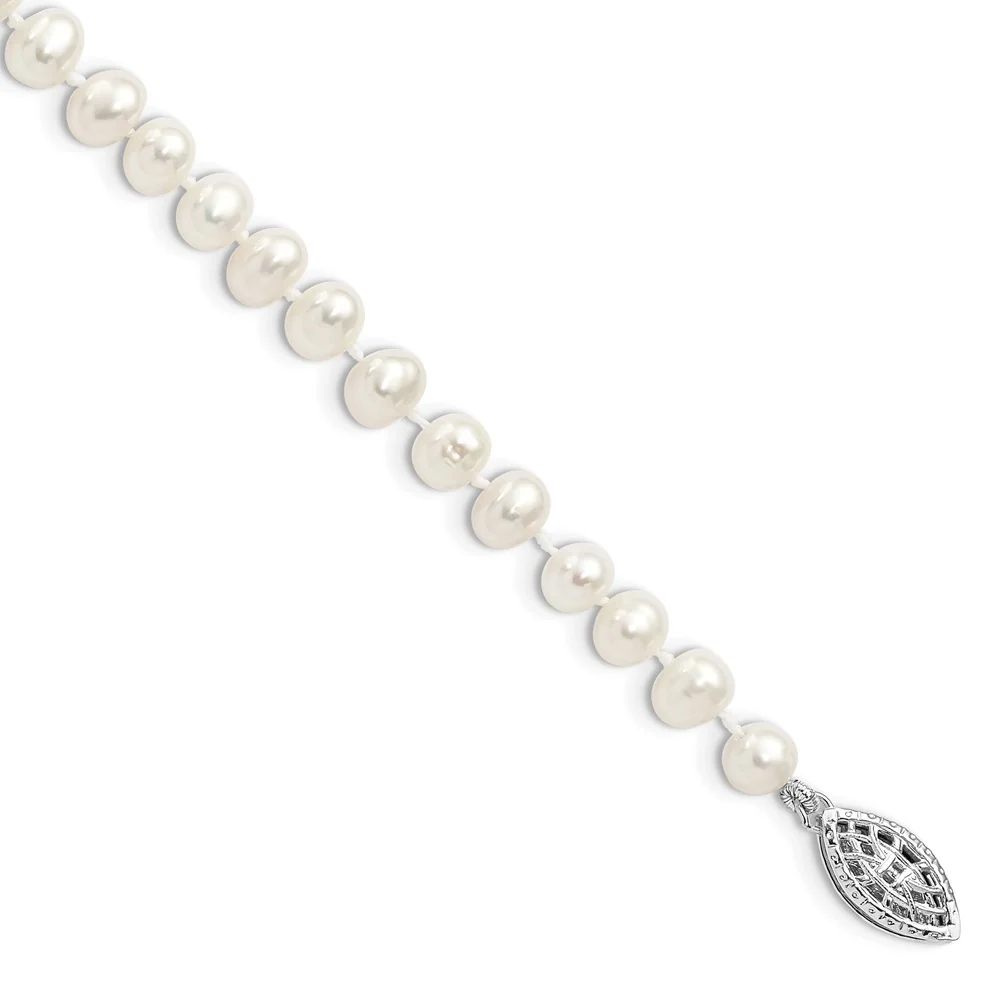 Charm BraceletsSilver Pearl Charm Bracelets on Our Radar
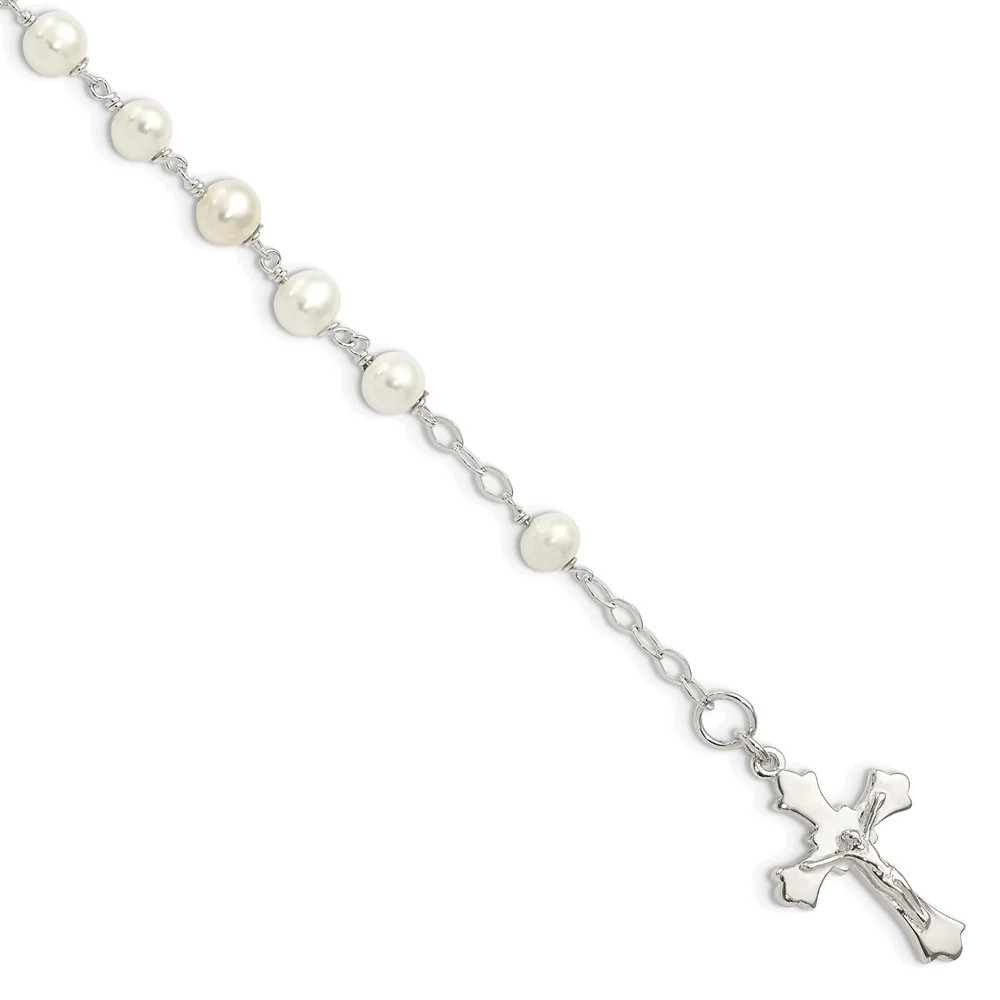
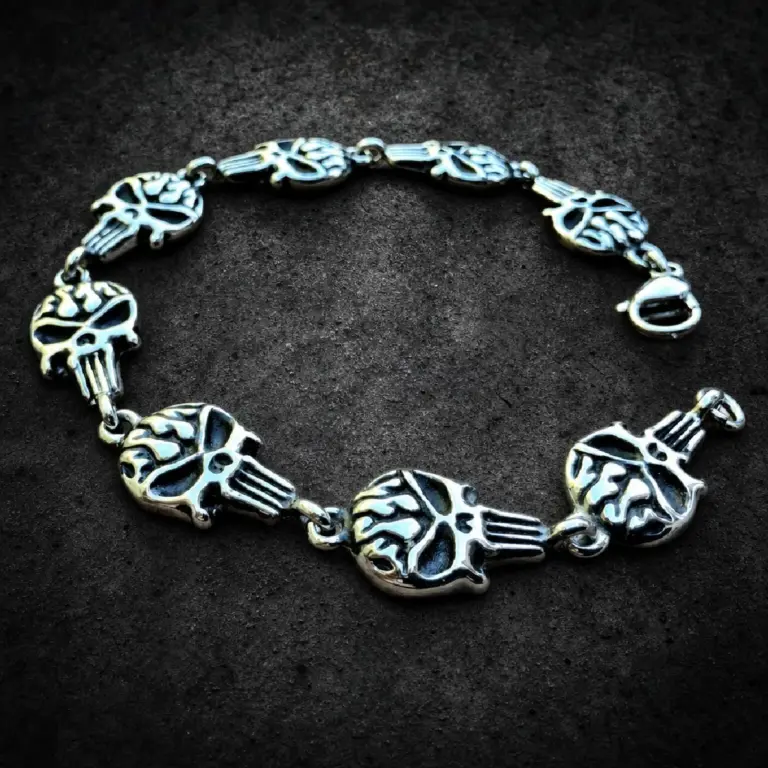 Silver Pendant Bracelets That Earn Their Place

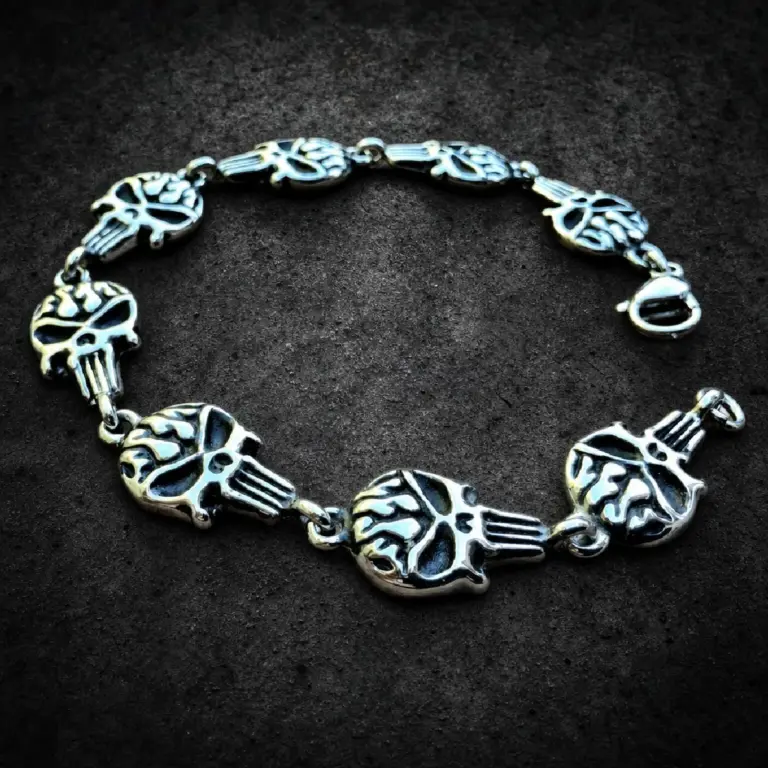 Chain BraceletsPretty Silver Pendant Chain Bracelets We Love

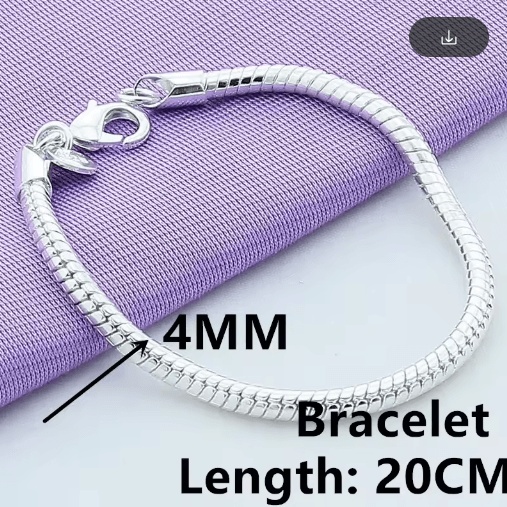 Shop Our Favorite Silver Layered Bracelets