The thing worth knowing before you buy into a minimal look is that it lives or dies on fit, not on how little is going on. One plain jumper that actually sits right on your shoulders will look more put together than three expensive pieces in slightly the wrong proportion. Spend your money and your fitting room time on shape first. Colour and detail second.
Once you've got a few well cut basics in neutral shades, they start doing odd and useful things with each other. A straight leg trouser in a soft grey goes with the same white shirt you wear with jeans, and both go under a long camel coat you'll reach for from September through to April. A plain knit tucked into tailored trousers works for a Monday at a desk and, with different shoes, for dinner that evening. Clean lines mean the pieces don't compete, so you can mix a tailored top with a relaxed trouser, or a fitted trouser with a slightly oversized shirt, and it still reads as deliberate rather than mismatched. This is the real advantage over a wardrobe full of print and pattern: fewer decisions in the morning, and almost everything you own already goes with everything else.
A minimal wardrobe tends to suit the steadier parts of the year and the steadier parts of life rather than big one off events. Office days, travel days, lunches, the school run, anything where you want to look like you've made an effort without anyone being able to say exactly how. It copes less well with occasions that want colour or drama, a wedding, a big night out, somewhere you actually want to be noticed. For those, pieces like this can sit underneath as the quiet half of the outfit while something louder does the rest.
How these pieces age depends almost entirely on fabric, because there's no pattern or print to hide wear once it shows. A good wool or heavy cotton will hold its shape through a season of washing if you keep the temperature low and avoid the tumble dryer, which flattens knits and shortens trousers in ways you won't notice until they're already ruined. Fold knitwear rather than hanging it, and check seams and buttons every few months, since on a plain piece a loose thread or a bobbled sleeve is the first thing anyone's eye goes to. The mistake to avoid is buying everything in exactly the same shade of white or grey assuming it will all match perfectly. Whites vary, greys vary, and two "neutral" pieces bought months apart can clash more obviously than a bold print ever would.
 Aisha's pickBrown Or Black Leather Jacket Turned Into A Longer Decision Than It Had Any Right To Be

 Chloe's pickA Black Dress Shirt For A Funeral Might Not Be Enough On Its Own

 Fiona's pickBrown Shoes With Gray Pants Got Questioned By A Colleague At Lunch
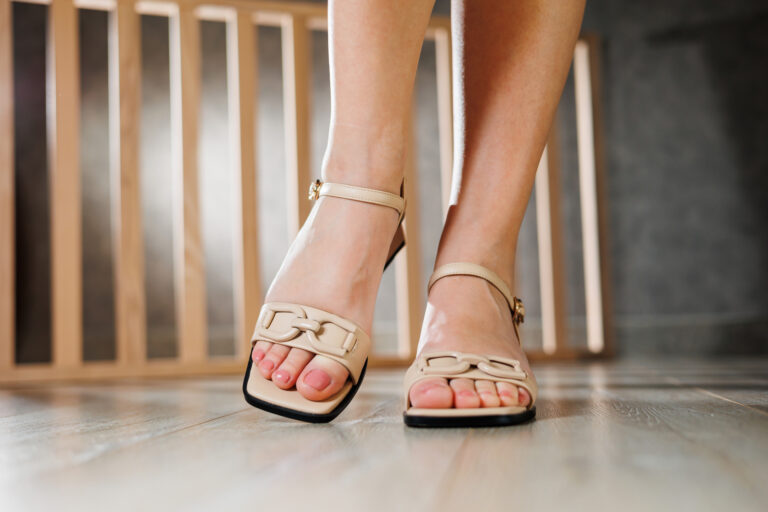 Fiona's pickBeige Sandals Get Called A Neutral That Goes With Everything, I Wasnt Fully Convinced