The thing nobody tells you about building outfits around t-shirts is that the shirt is rarely the problem, it's everything you've put around it that's doing too much or too little work. I've stood in front of the mirror in a perfectly good plain tee and a blazer that made the whole thing look like I was dressed for a school presentation evening. It's still the easiest category to get dressed from on a bad morning, because one decent top can go three or four completely different directions depending on what you add, and that flexibility is worth the odd misfire.
What it sits next to matters more than the shirt itself. A plain tee under a structured jacket reads like you tried. The same tee with a long cardigan and straight leg trousers reads like you didn't have to. Tucked into a denim skirt with trainers it goes younger, tucked into tailored trousers with a loafer it goes older, in the good sense, the sense of looking like you know what you're doing. I tend to build the rest of the outfit first and decide the tee last, because the shirt is the quiet part, it's the trousers, the shoes and the one good layer that set the tone.
Where the cheap ones catch you out is after a handful of washes, when a thin cotton that looked fine on day one starts going see through at the shoulders or the neckline stretches into a sad scoop that won't spring back. A well made one has enough weight to the fabric that it doesn't cling in the wrong places, a hem that's actually finished rather than just overlocked once and left, and stitching at the shoulder seams that doesn't pull when you lift your arms. Cheaper cotton blends go bobbly under a bag strap within a season, which is exactly where you need them not to.
Fit is where most of the regret lives. Too tight through the body and every layer over the top looks strained, too loose and it reads as sloppy rather than relaxed, which is a finer line than people admit. I always check the shoulder seam sits where my actual shoulder is, not halfway down my arm, and I check the length sits past the waistband without ballooning out at the hip. Sleeve length matters more than people think when you're building outfits around one, because a sleeve that hits an awkward point on the upper arm will undo a good combination every time.
The one mistake to avoid is buying the size you wore five years ago and assuming the shirt will behave the same way with everything else you own now. Check it against what you're actually pairing it with, not against memory.

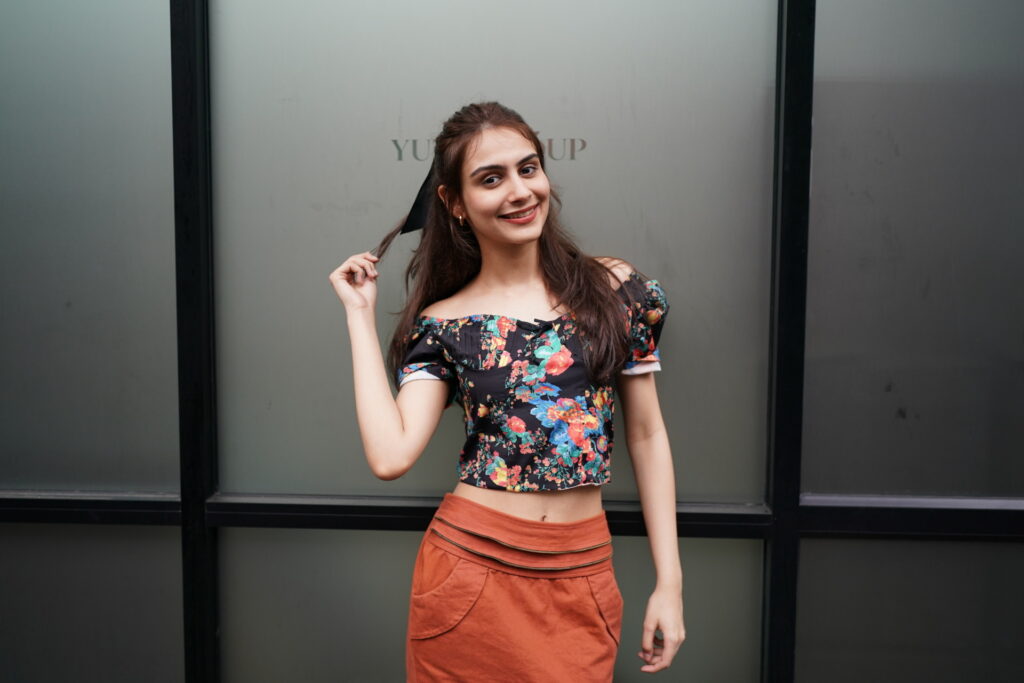
 Megan's pickA Crop Top In A Business Casual Office Sounded Wrong Until I Thought It Through
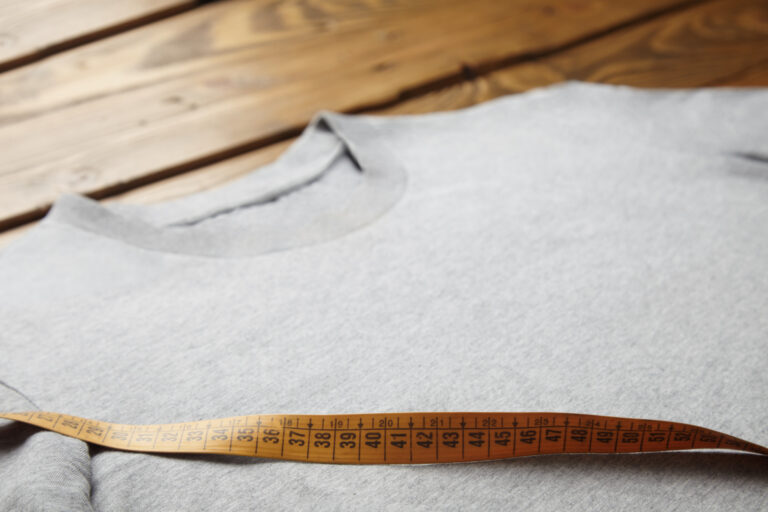 Aisha's pickMy Sweatshirt Shrank Two Sizes And Im Still Not Over It
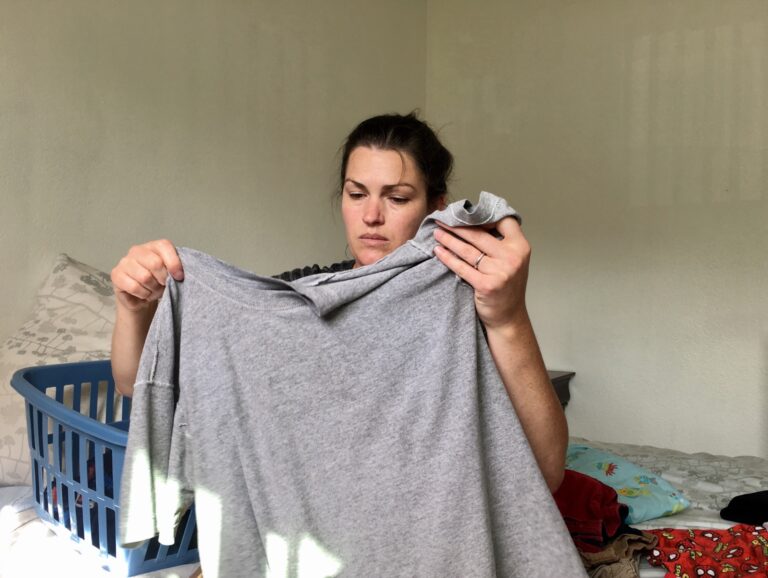
 Zara's pickMy Favorite T Shirt Got Baggier Every Month And I Wanted To Know Why

 Maggie's pickA Tank Top At Work Depends Entirely On What Ends Up Layered Over It

 Chloe's pickBobbling Happens To Basically Every Sweater I Own And I Wanted To Know Why

 Freya's pickA Tank Tops Business Casual Status Depends Entirely On Whats Layered Over It

 Hannah's pickCrop Tops Were Everywhere In The 90s Before My Time, Apparently

 Nadia's pickWhether Guys Find Crop Tops Attractive Or Just Say So
 Nadia's pickThe best shirt dresses for effortless styling