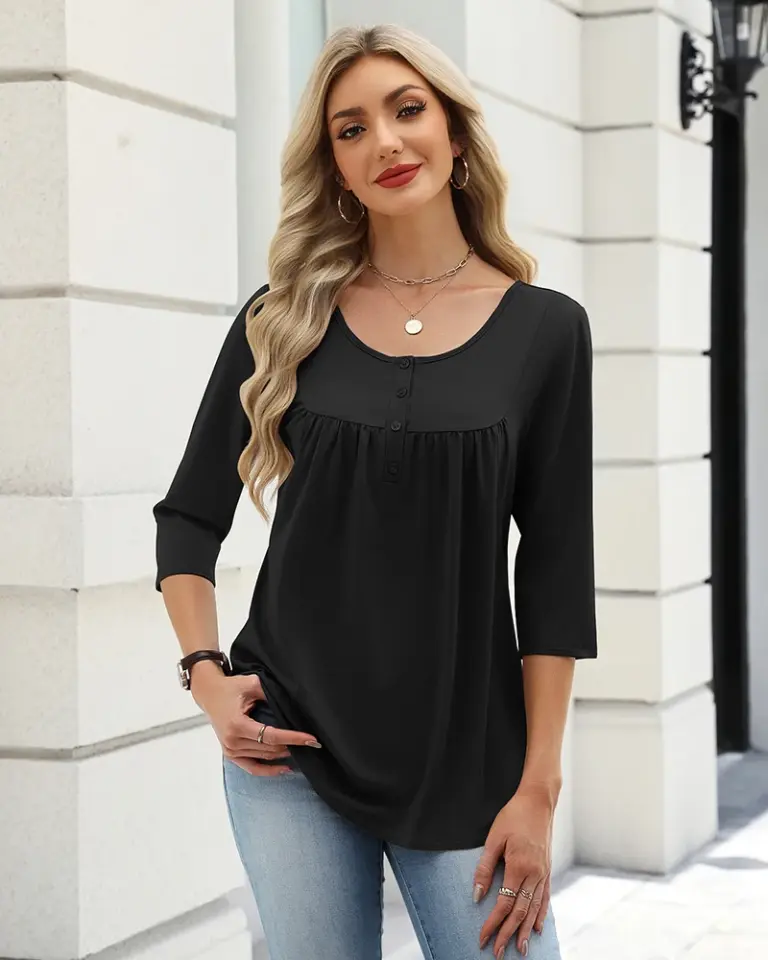
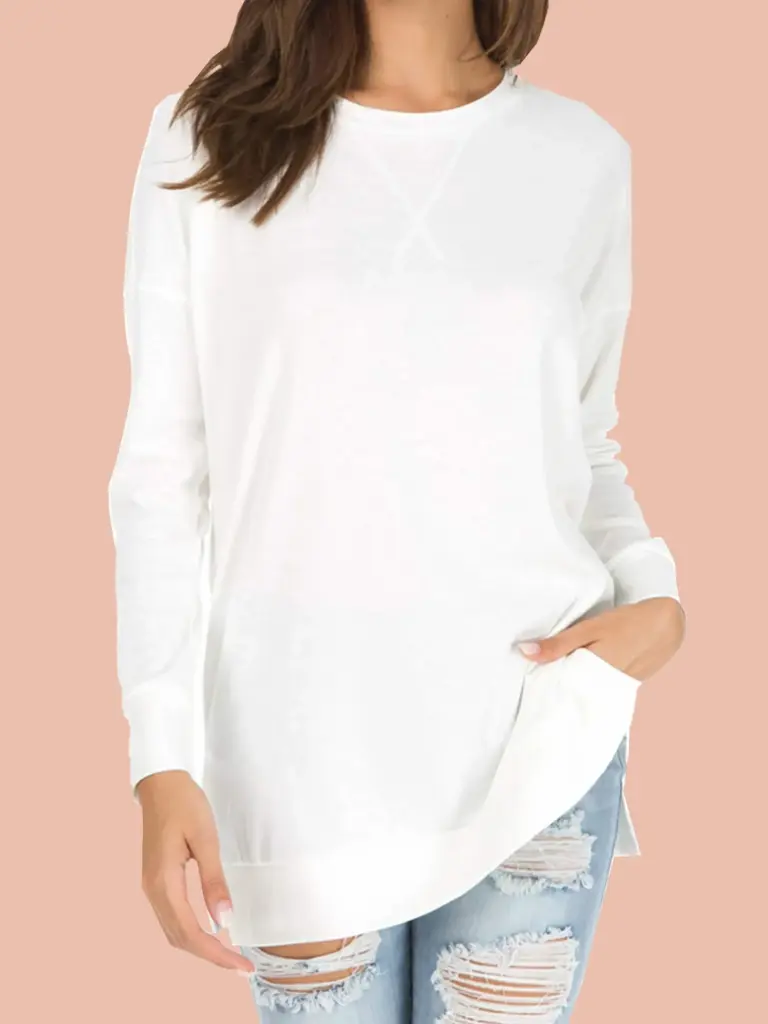
A good tunic has weight to it before you've even unfolded it properly. You pick it up off the rail and it doesn't flop over your arm like a cheap shirt does, it holds its own shape, and the hem doesn't curl in on itself the second it's off the hanger. That's the bit I check first now, because I've learned the hard way that a tunic with no body to the fabric looks like a sack by lunchtime.
I reach for mine for the in between days, the ones where a dress feels like too much effort and a plain top feels like not enough. Over leggings for a weekend that needs no explaining, under a coat for work when I can't face ironing anything with buttons, and in summer on its own with sandals when the fabric is light enough to move. It's a spring and autumn piece more than a deep winter one for me, unless I'm layering it under something warmer, because on its own it leaves a lot of arm and leg exposed to the weather.
In the shop I check three things before anything else. The side splits, because a tunic without them clings and rides up when you sit down, and I've spent whole afternoons tugging a hem back into place on a train. The fabric against the light, held up properly, not just glanced at, because a thin weave that seemed fine under shop lighting turns see through the first time I stand near a window. And the neckline, because a wide scoop that looks elegant on the model can gape forward when you lean over a desk, which nobody tells you until you've done it in front of a room full of people.
Where it falls down for me is anything fitted at the waist, because the whole point of a tunic is the loose drop, and a nipped in version is just a dress that got confused halfway through being designed. I also won't buy one in a fabric that creases the second you sit, because a tunic that looks slept in by nine in the morning isn't earning its space in the bag it got shoved into on the way out the door.
What holds up matters more than how it looks folded on a shelf. The ones worth keeping come out of a wash with the hem still straight and the colour still itself, not two shades paler and shaped like a tent someone slept under for a season. Look for the weight in the fabric first, everything else about a tunic sorts itself out from there.
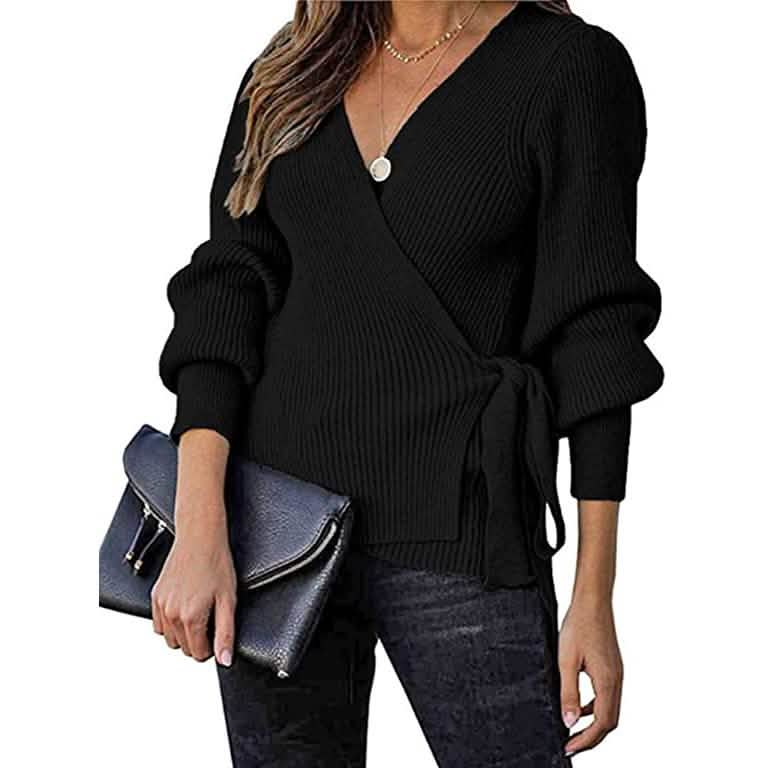 Finding the Best Wrap Tunics
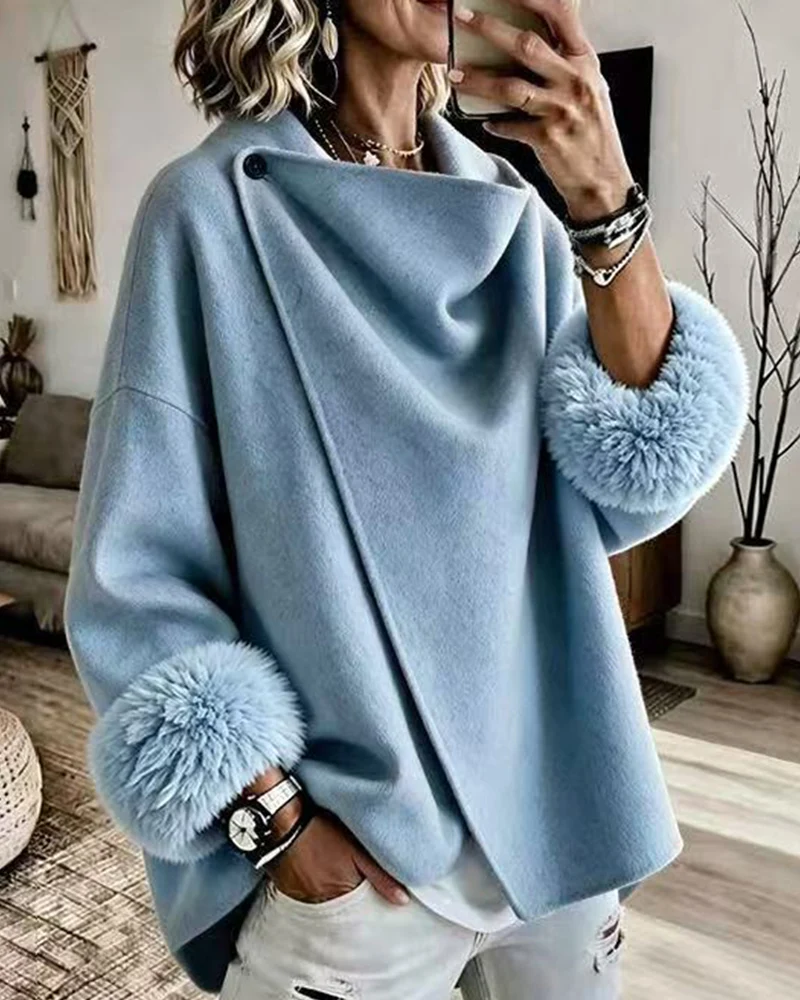
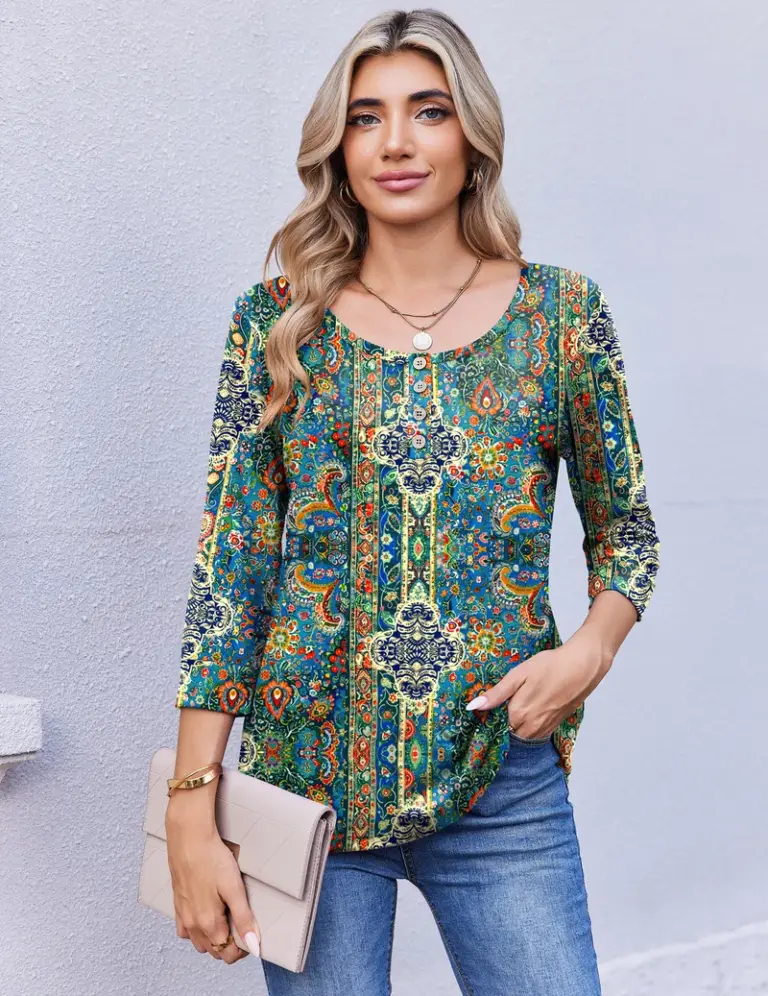 Finding the Best Work Tunics

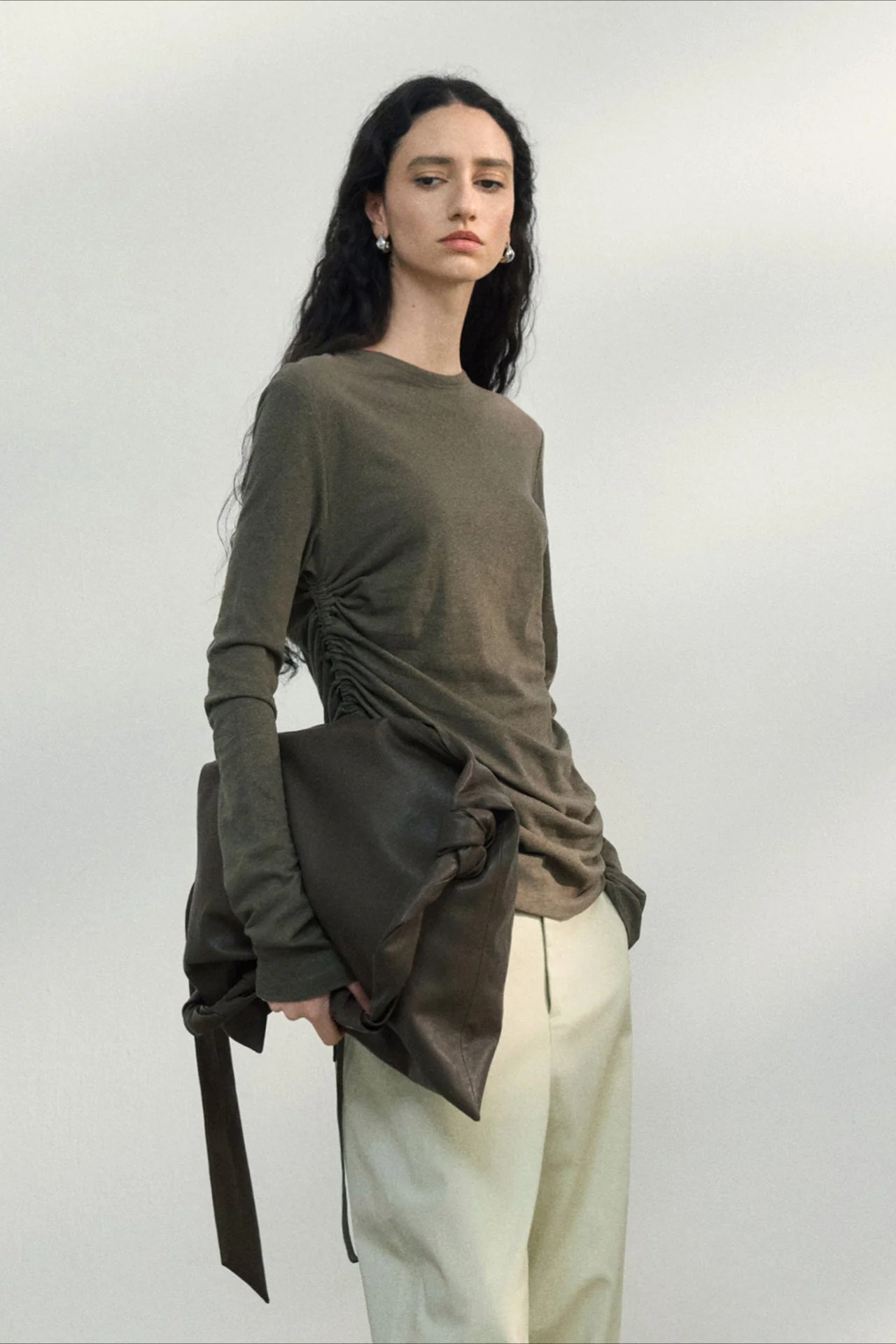 White Tunics We’re Adding to Basket
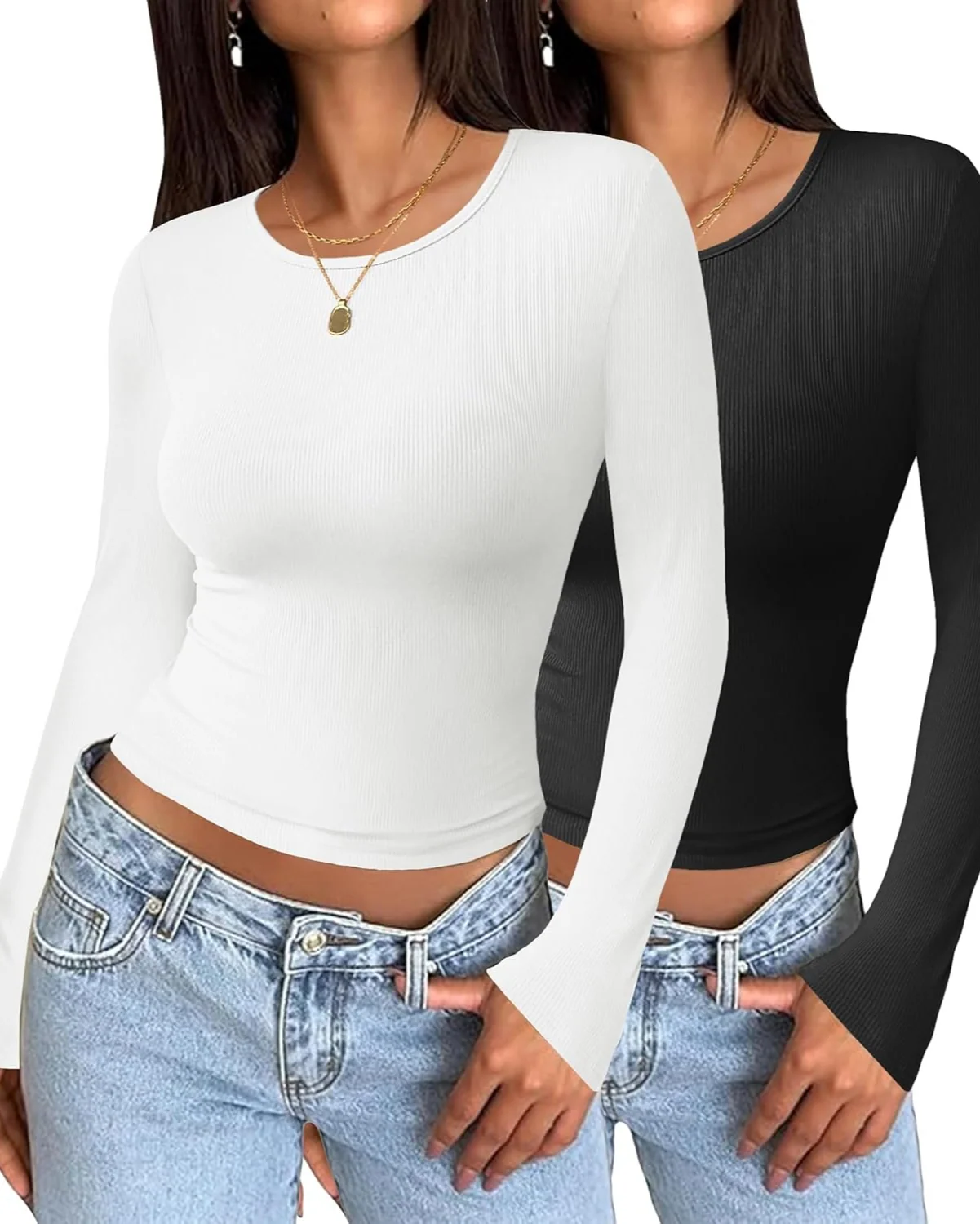
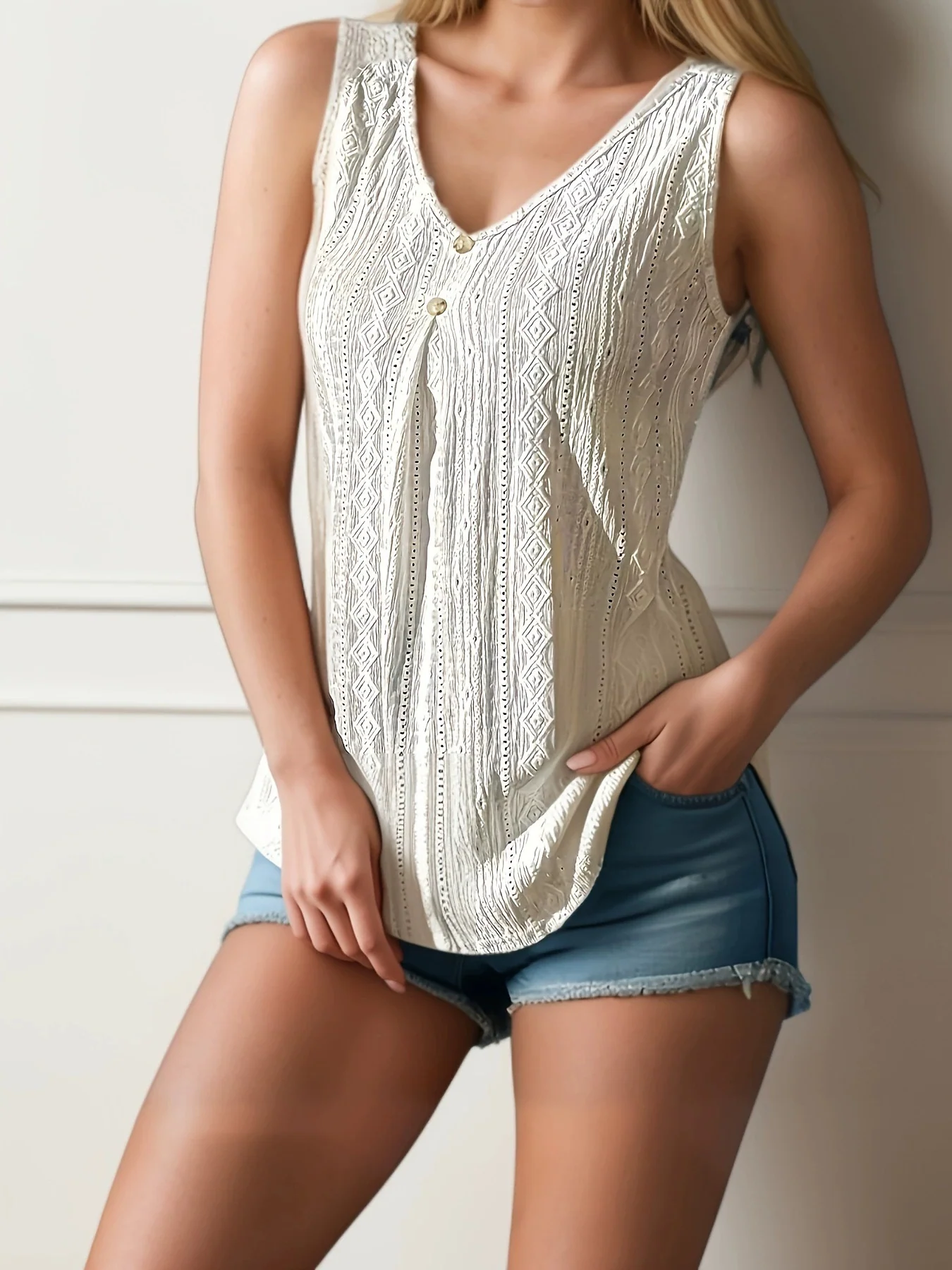 The White Linen Tunics We’re Eyeing Up This Season
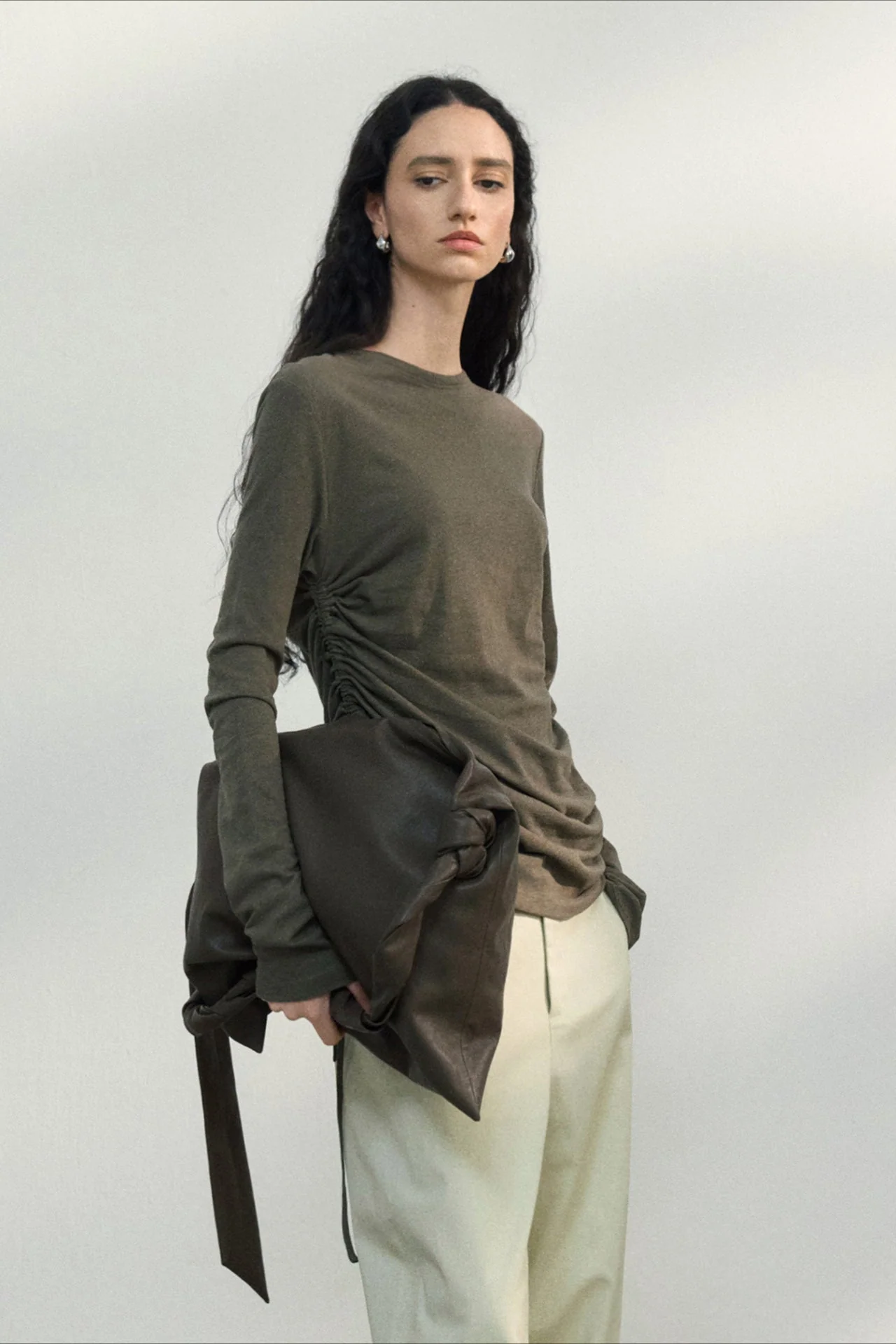
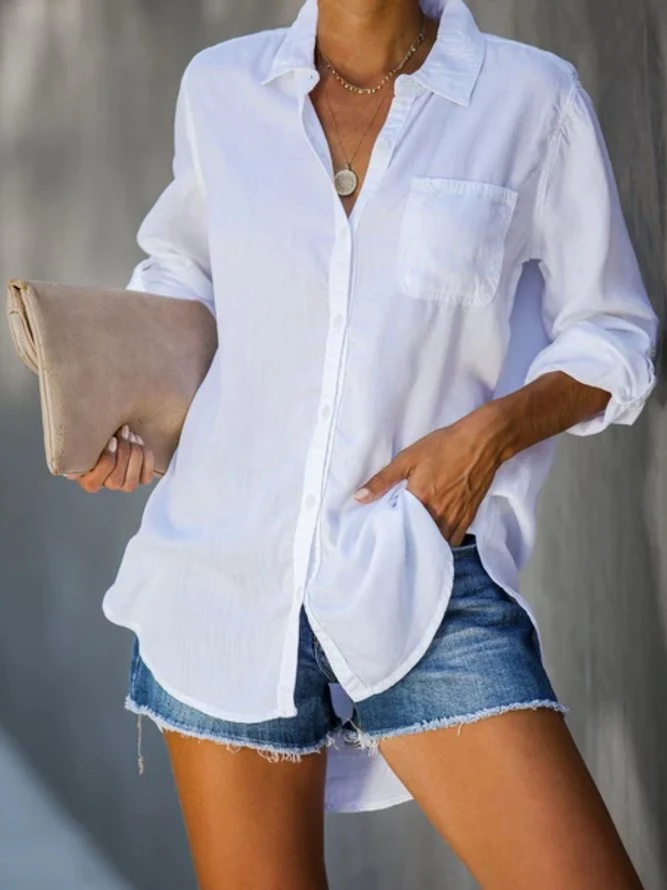 The White Cotton Tunics Shortlist
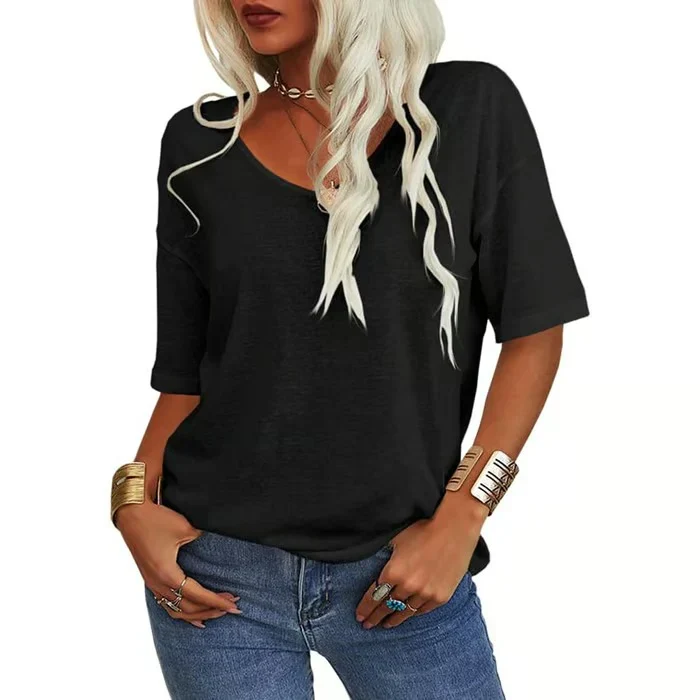
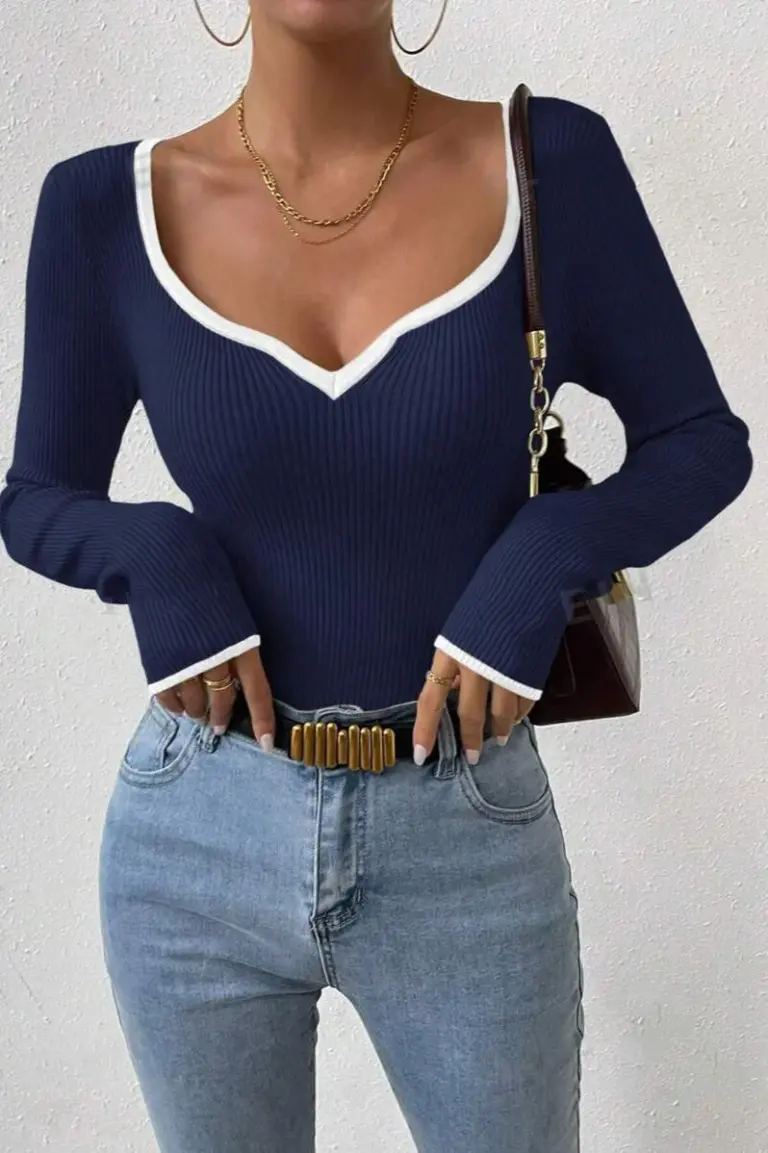 V Neck Tunics That Tick Every Box
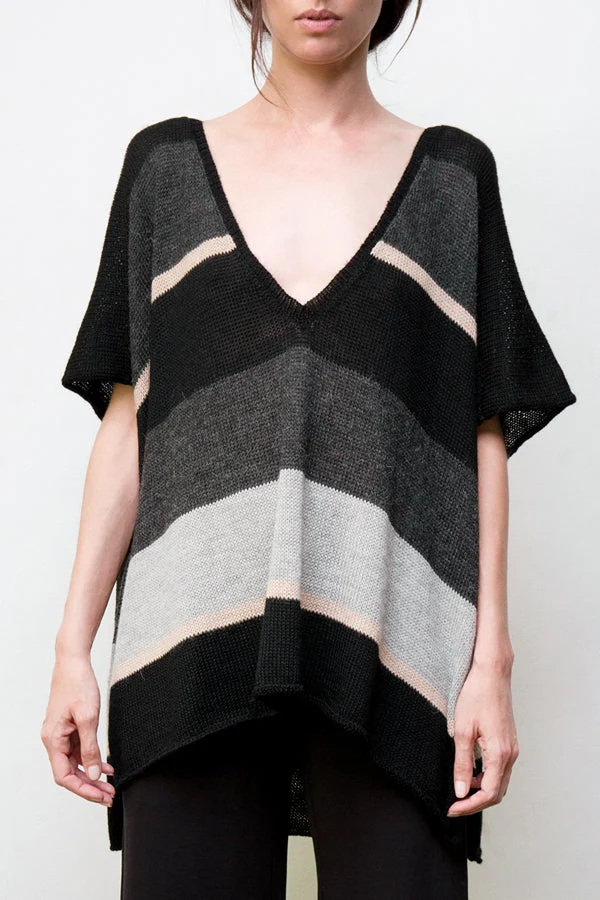
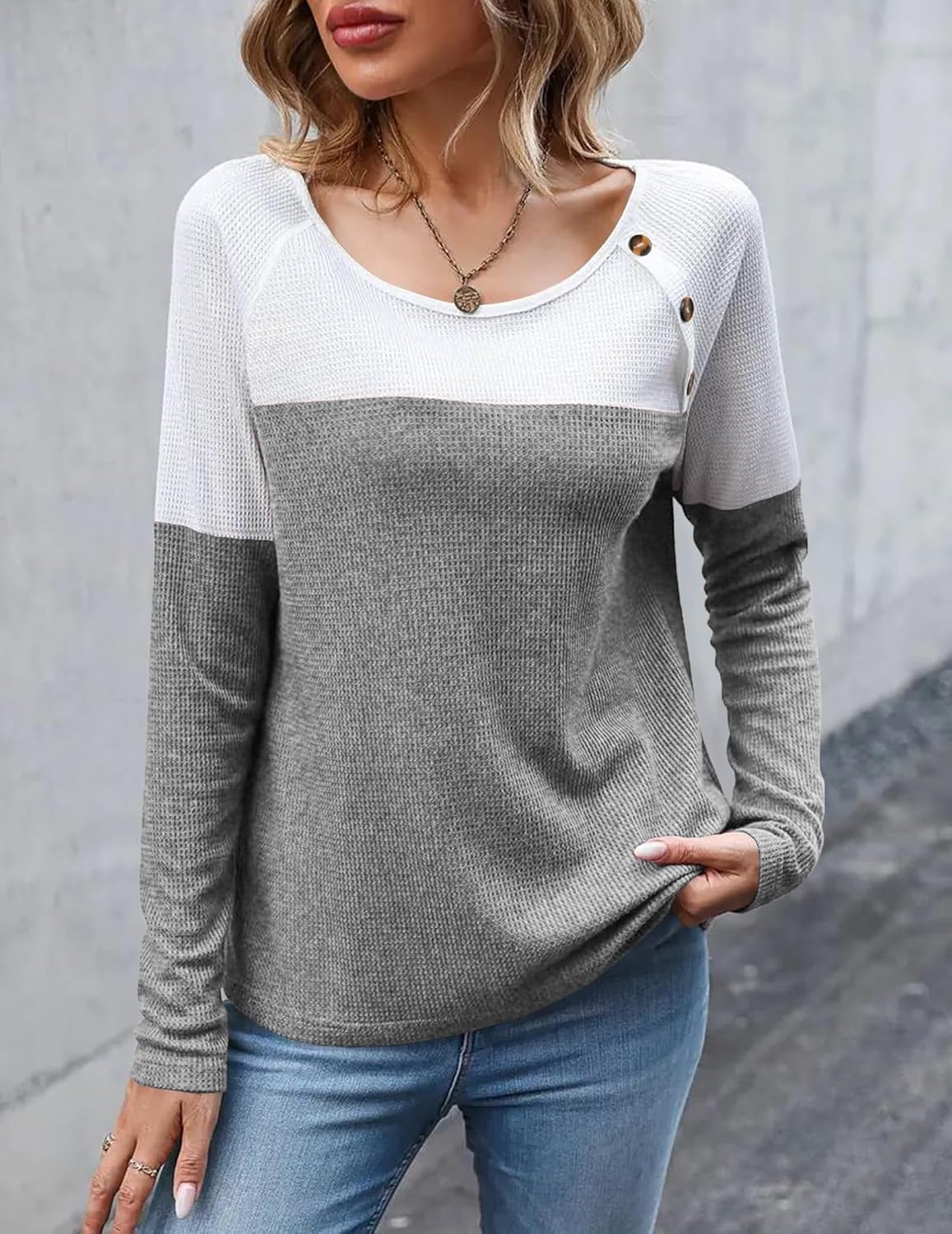 Tunics That Do All the Work for You
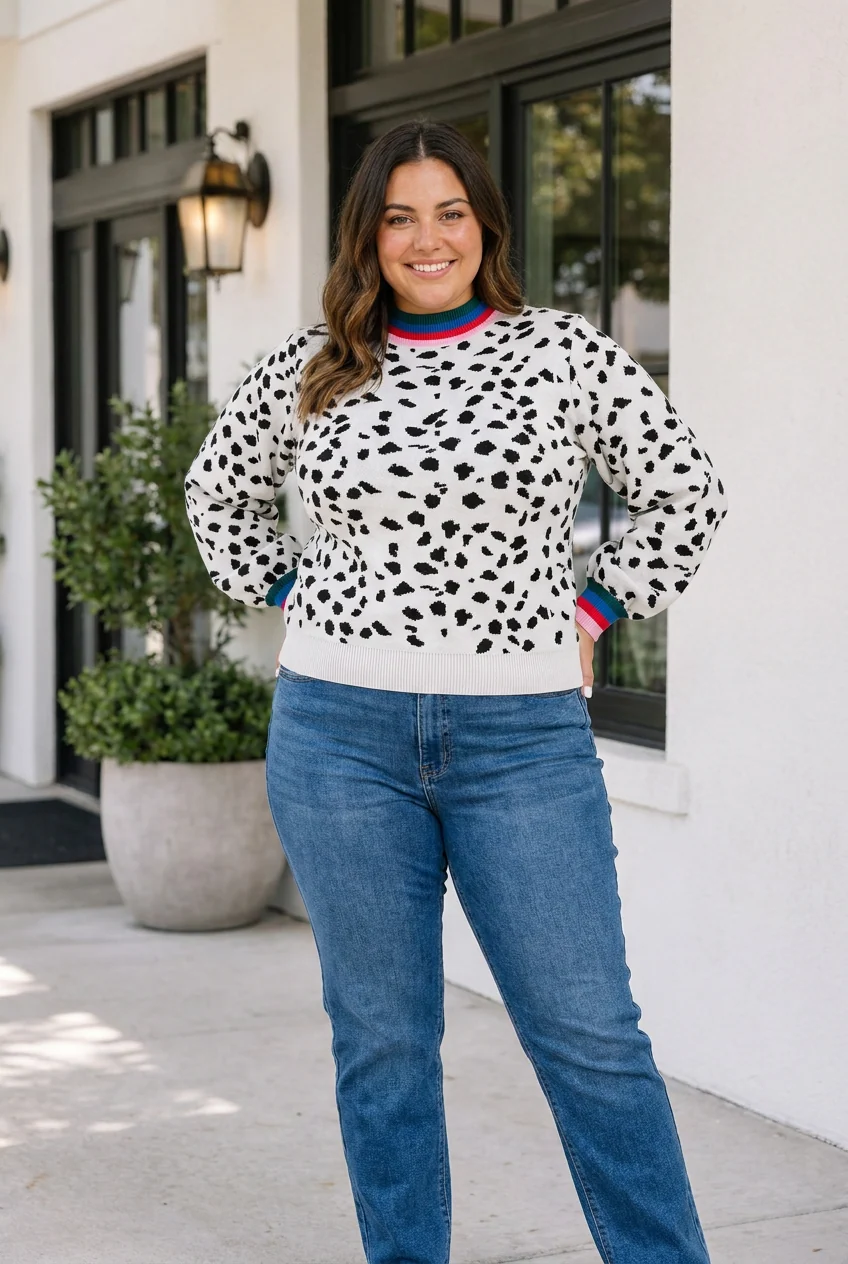
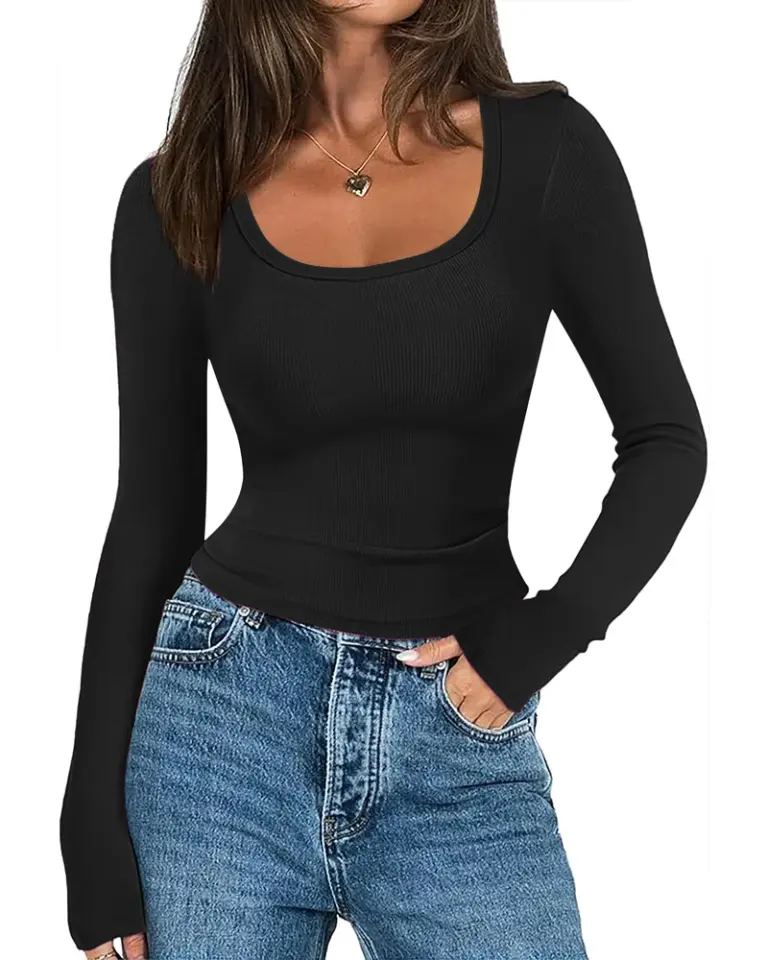 Slim Fit Tunics We’re Adding to Basket
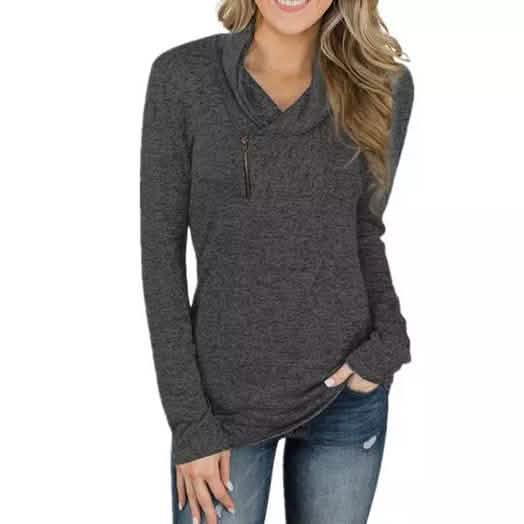
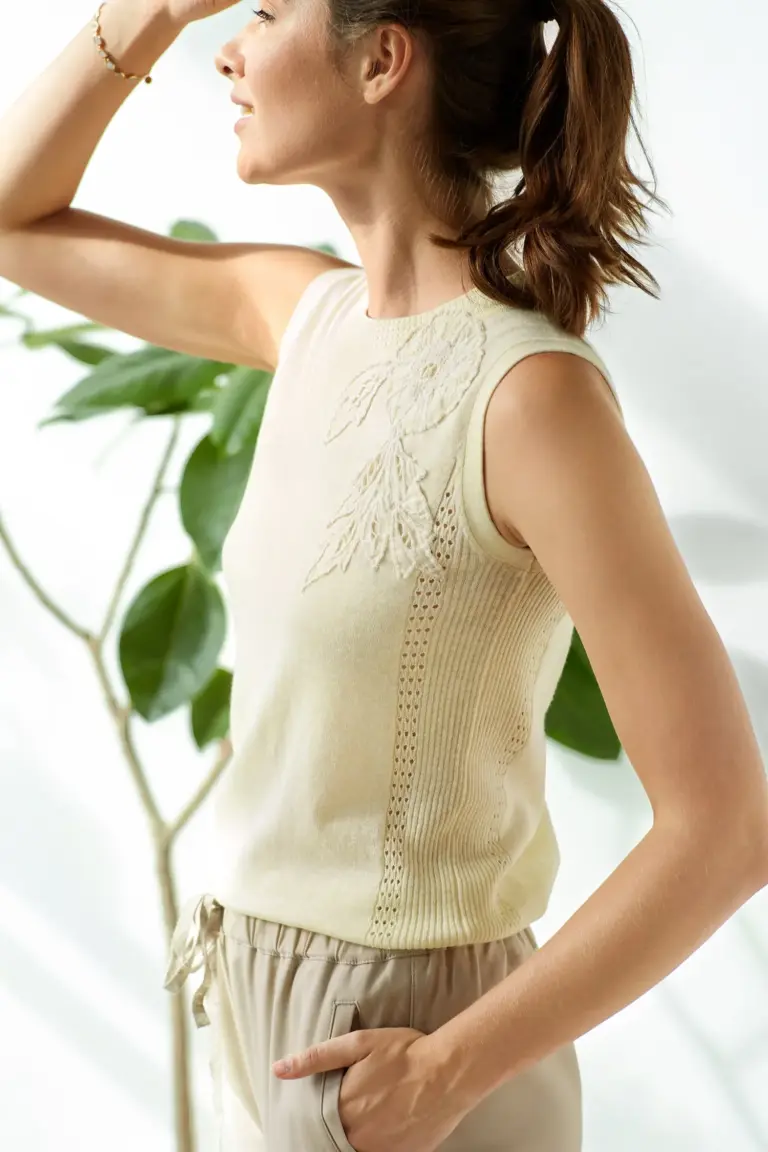 Sleeveless Tunics: Our Honest ShortlistAlso worth a lookShirtsA good shirt sits flat across the back and skims the chest without pulling at the buttons, so from across a room it reads crisp rather than strained.See the collections →
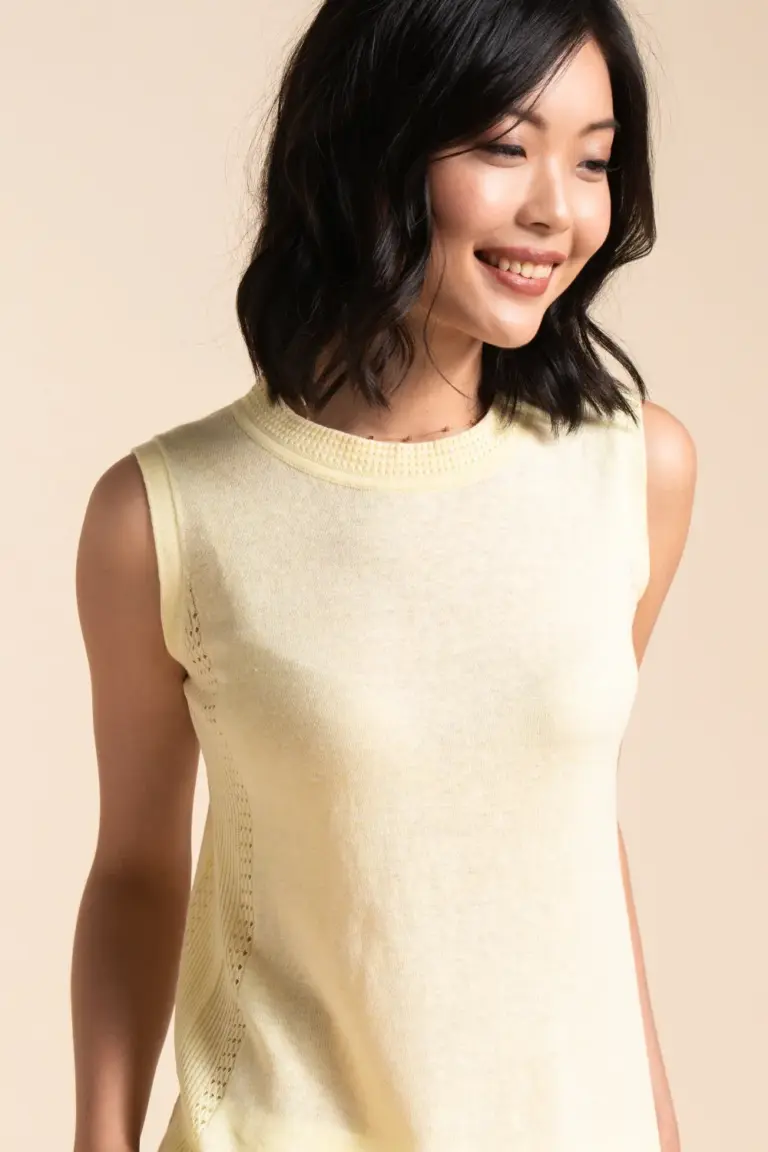
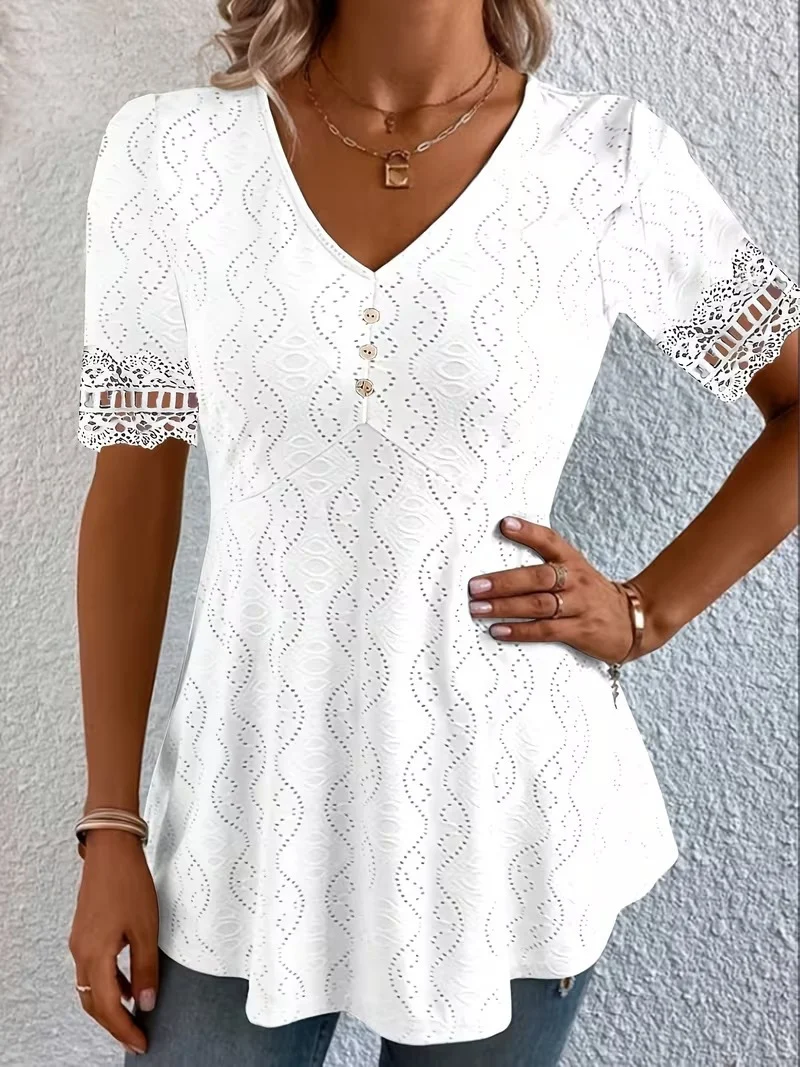 Short Sleeve Tunics We’d Happily Wear on Repeat
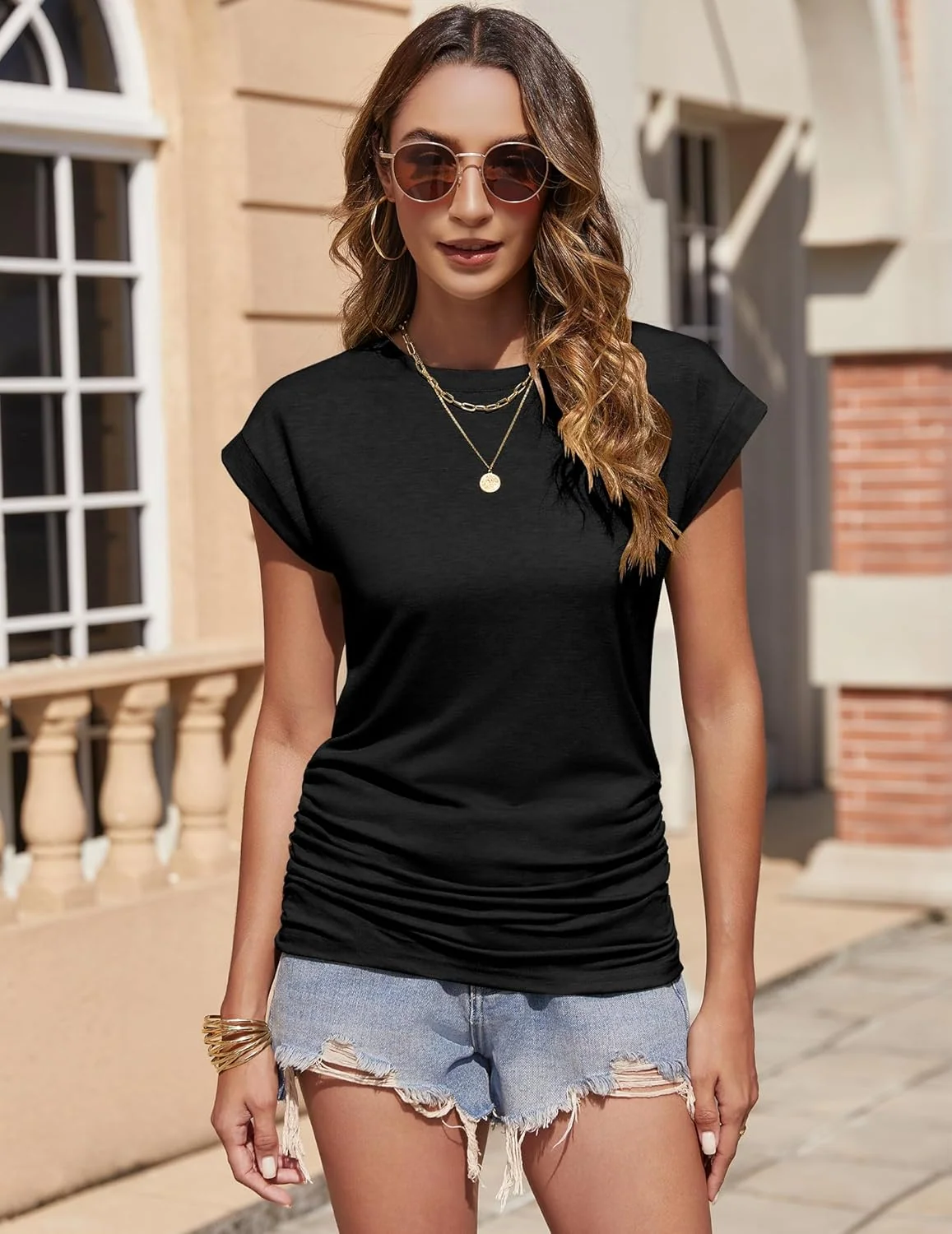
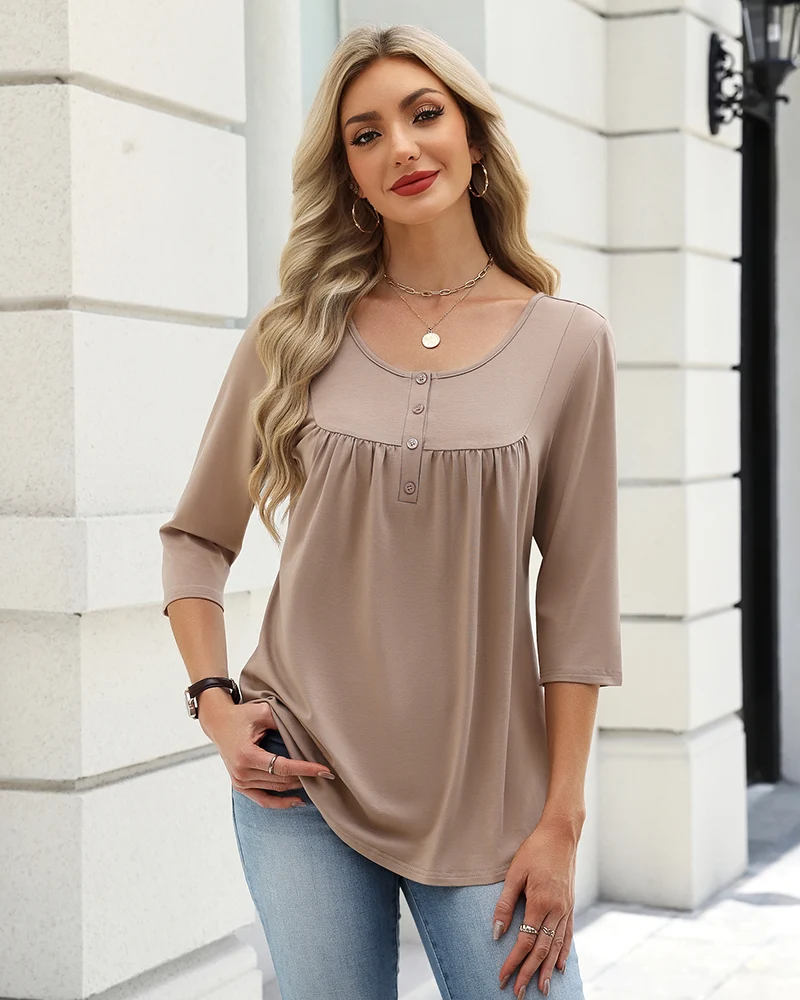 Standout Scoop Neck Tunics to Shop
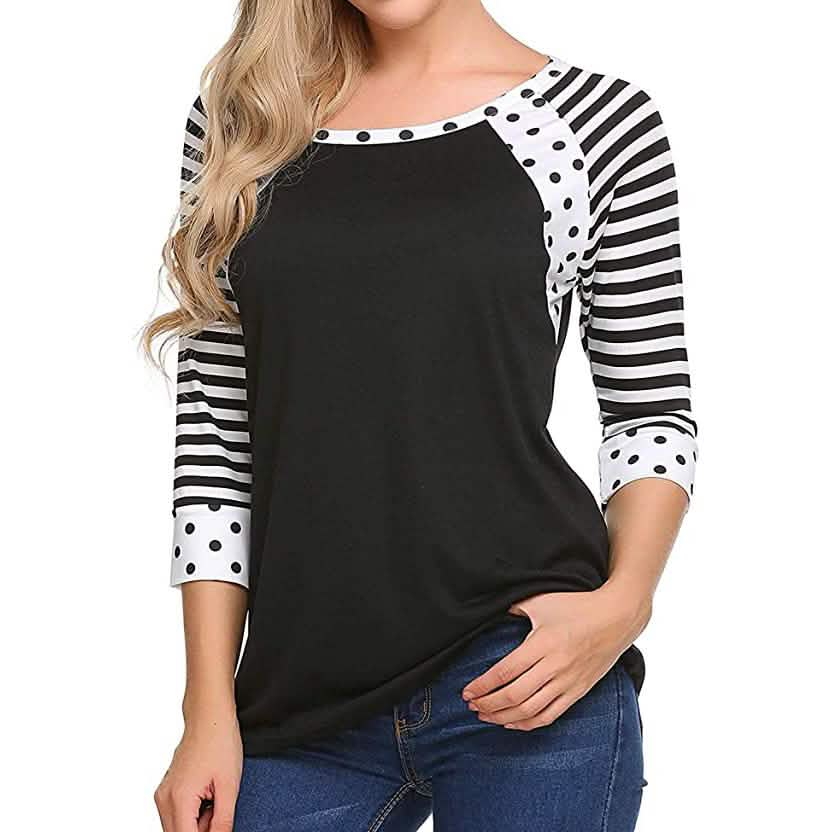
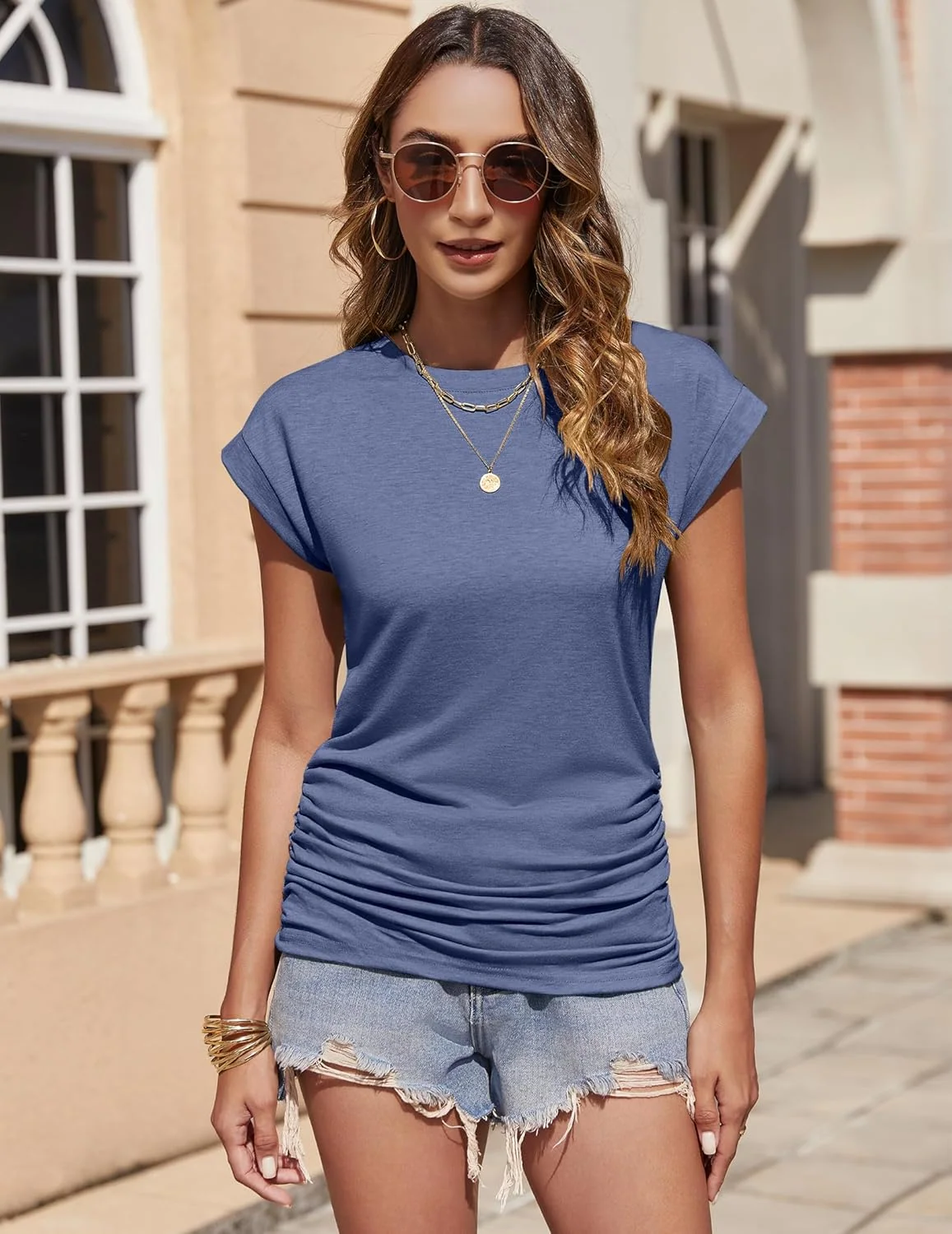
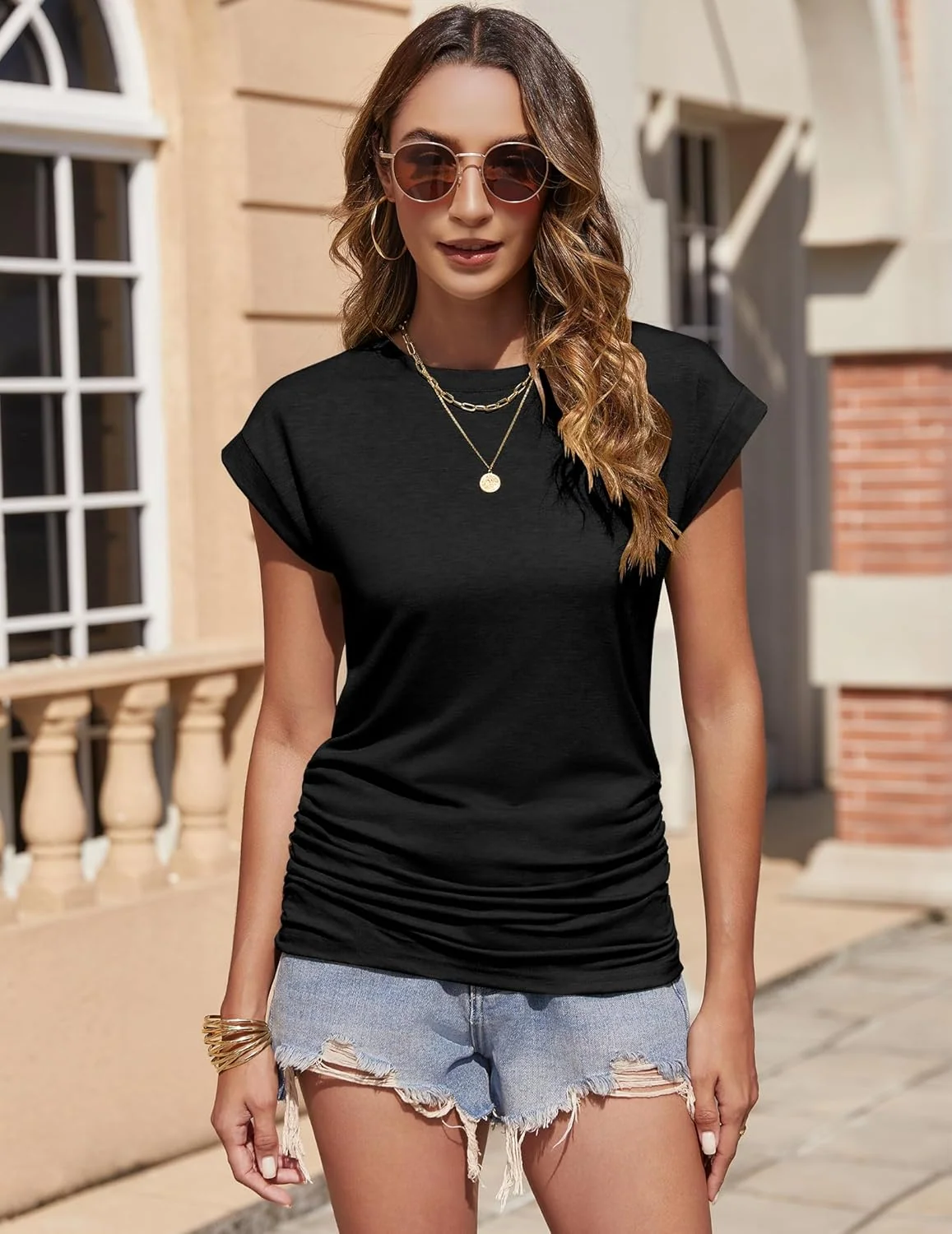 Where to Find the Best Ruched Tunics
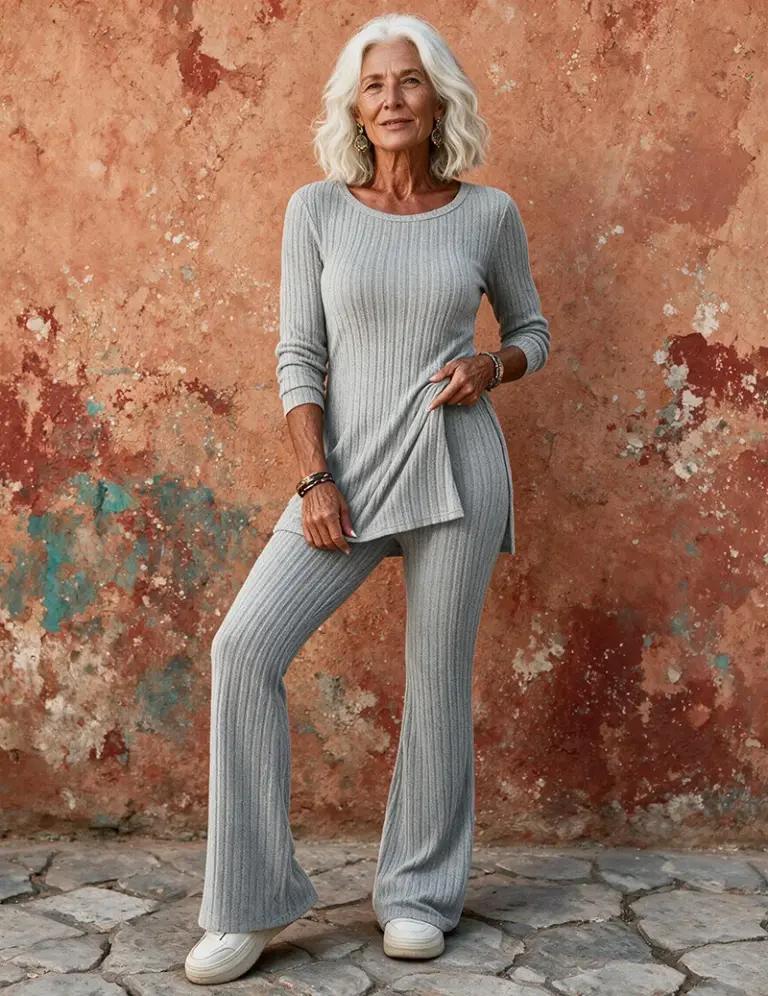 Ribbed Tunics for Every Occasion on Your Calendar
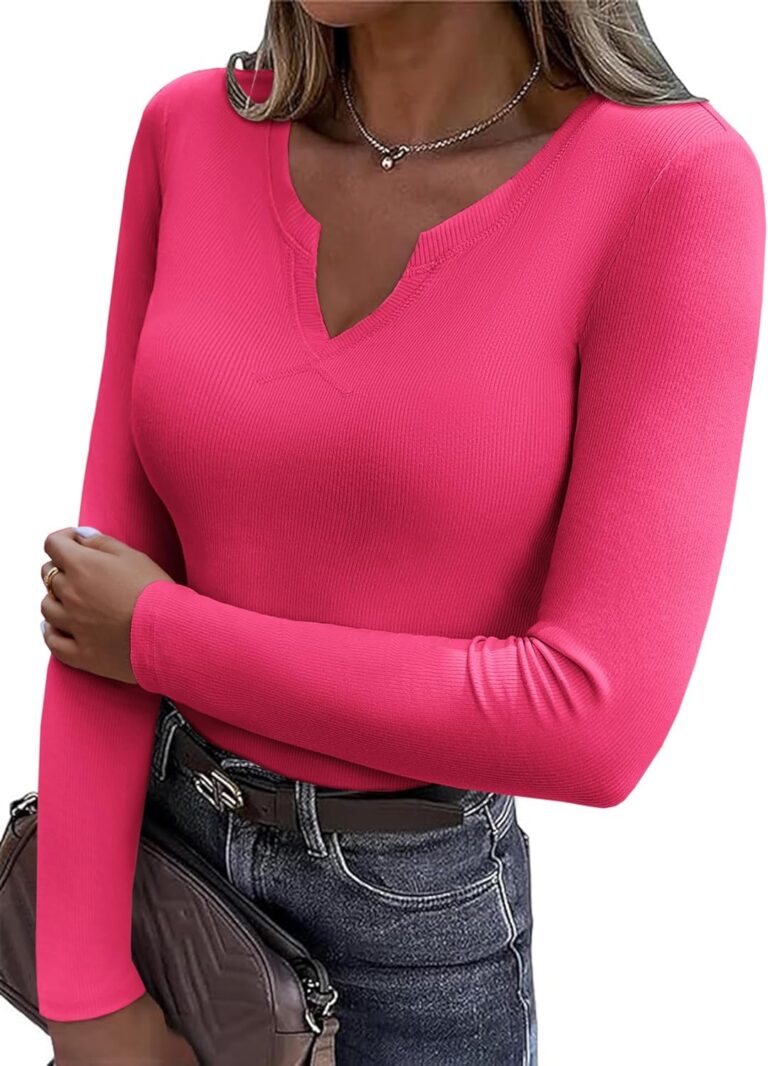
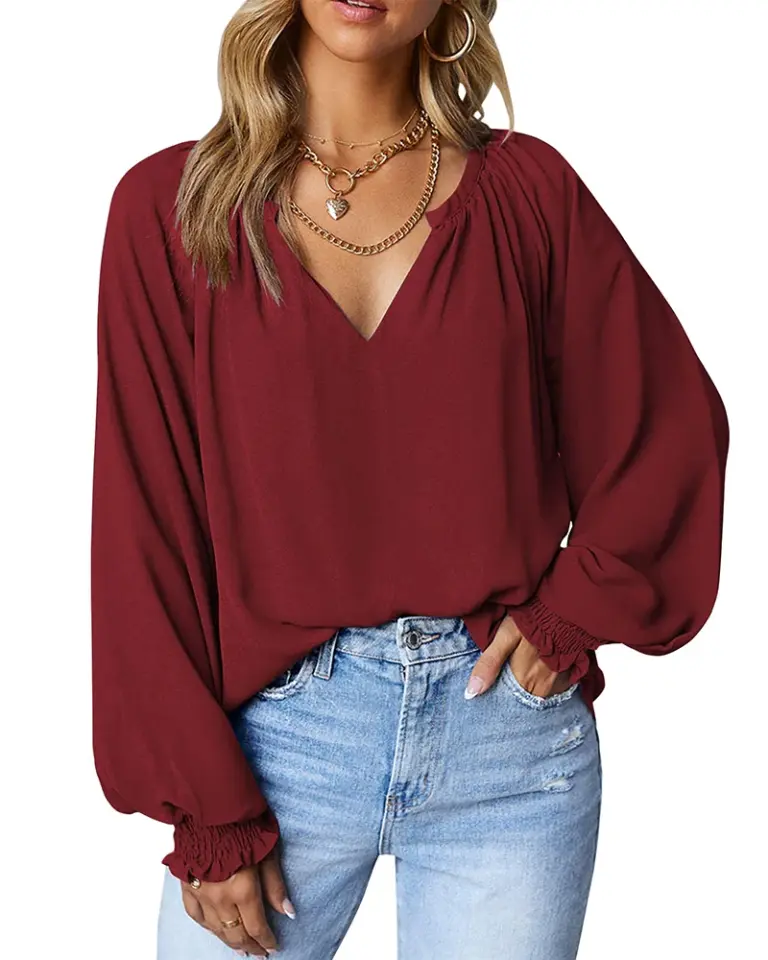 Red Tunics That Make Getting Dressed Easy
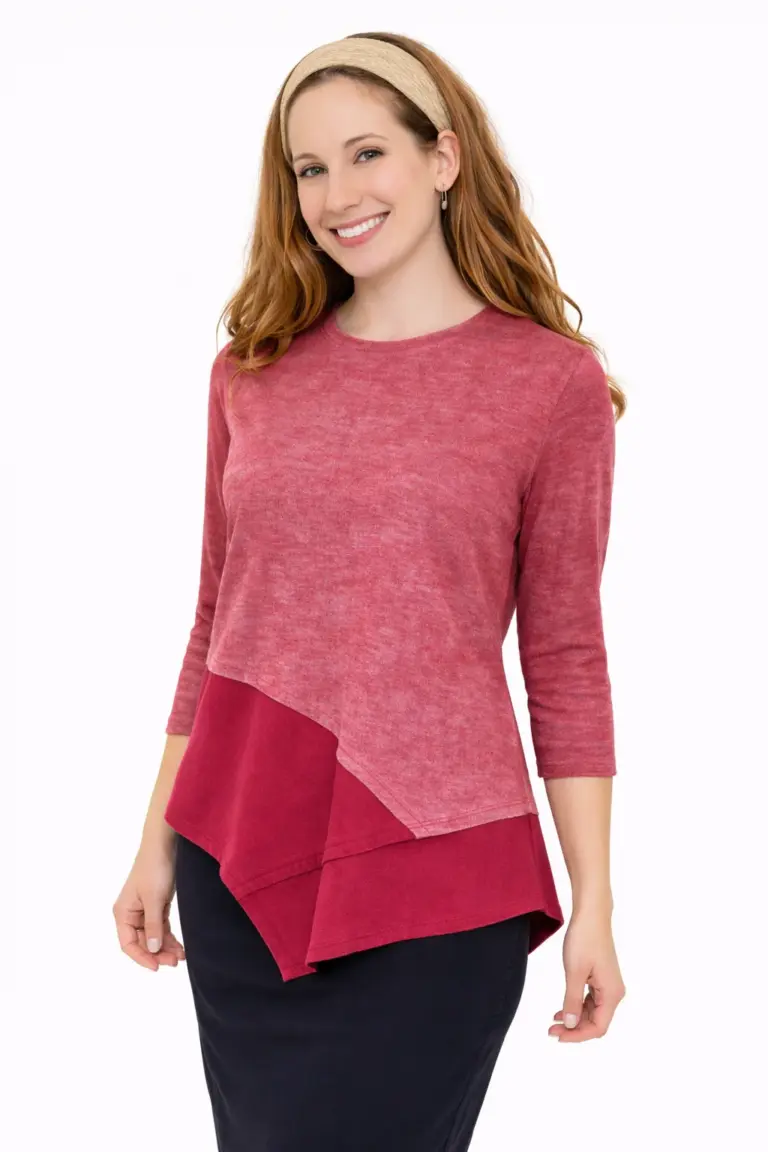
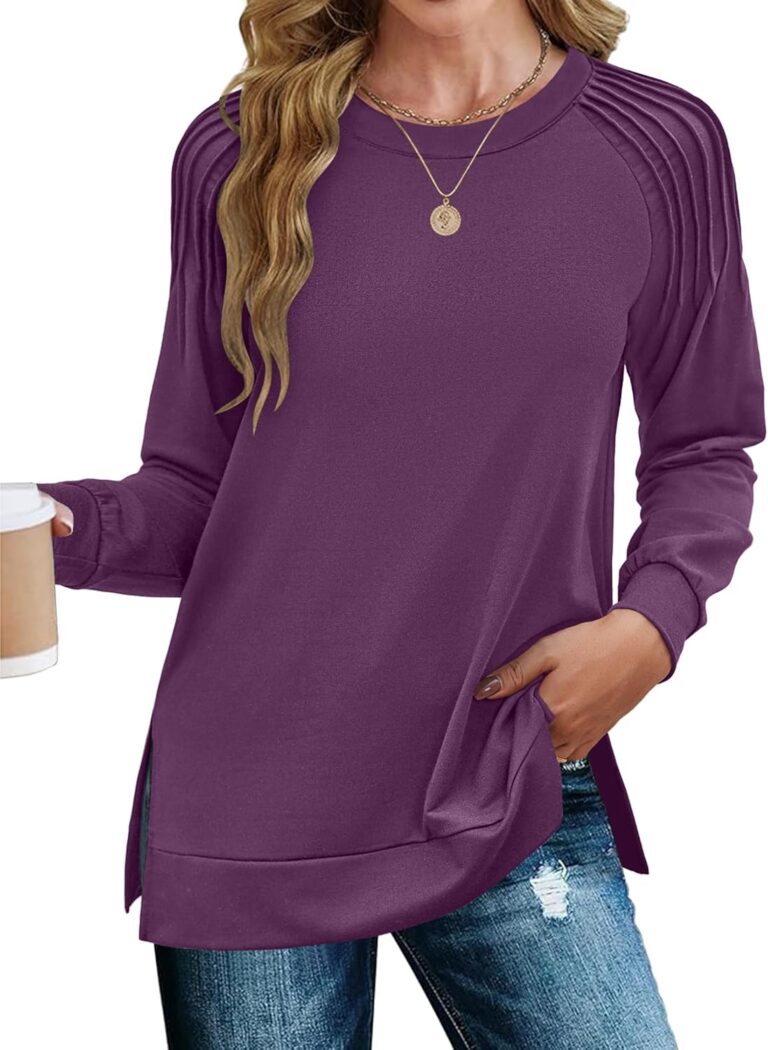 The Purple Tunics Worth Planning an Outfit Around
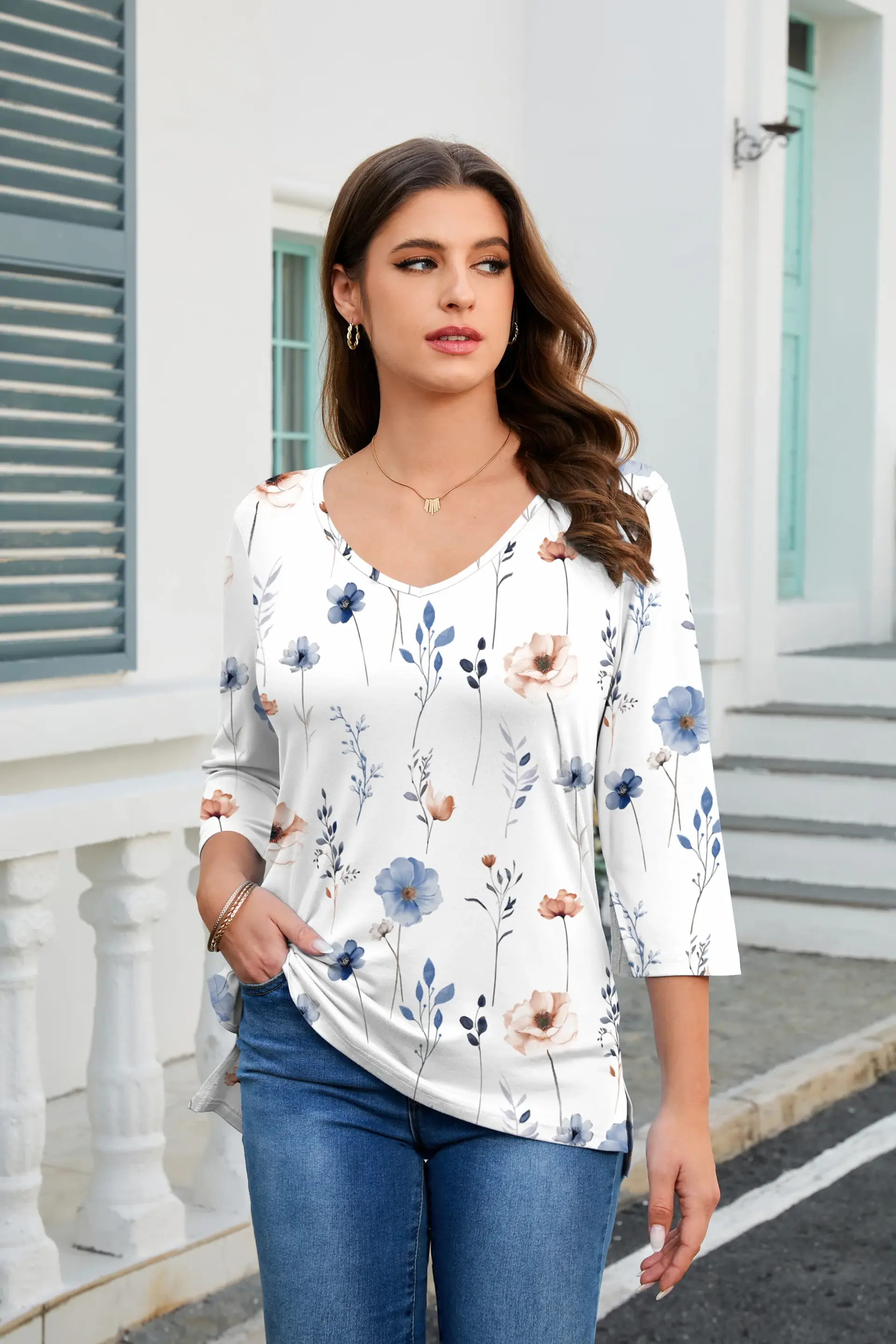 The Printed Tunics Shortlist
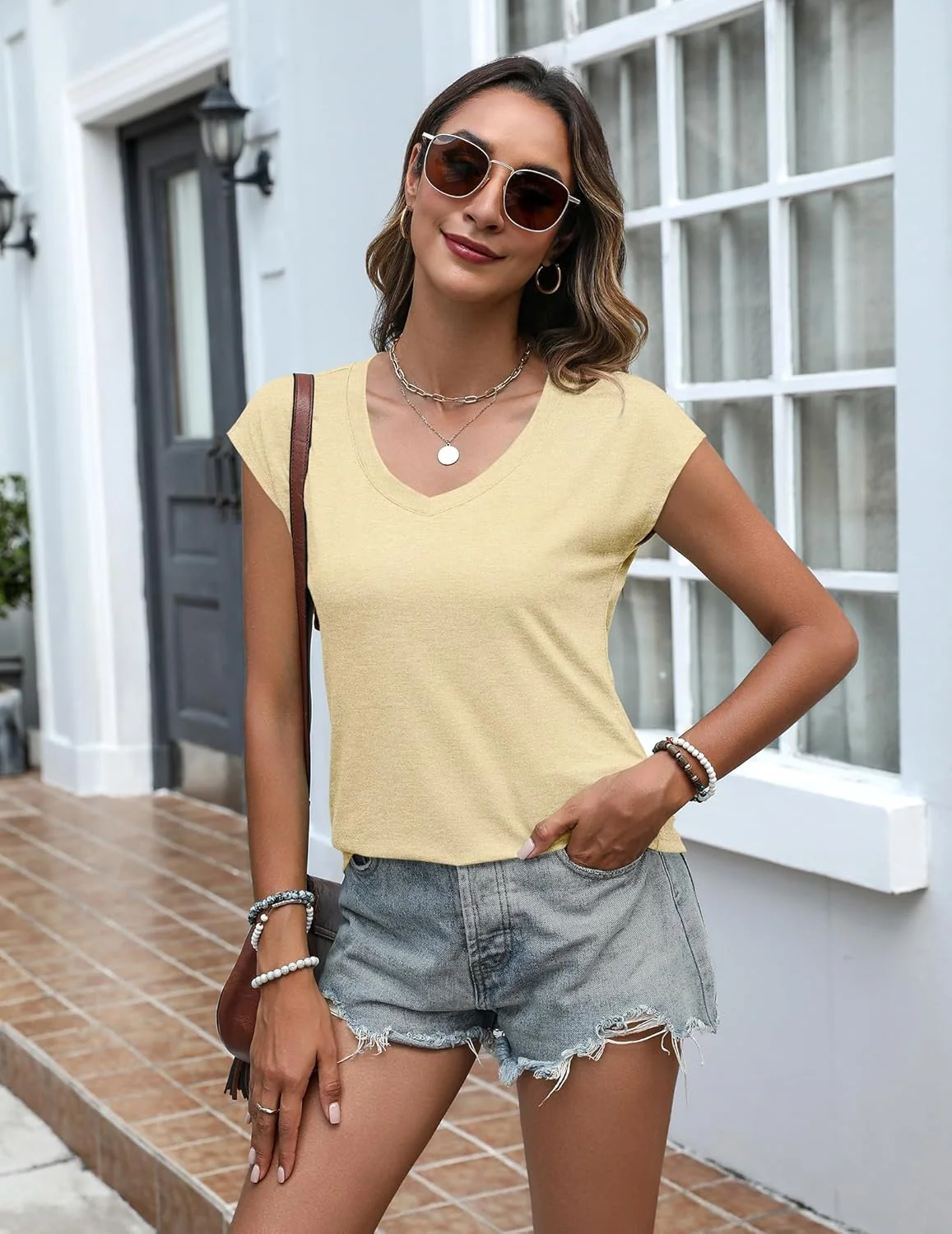
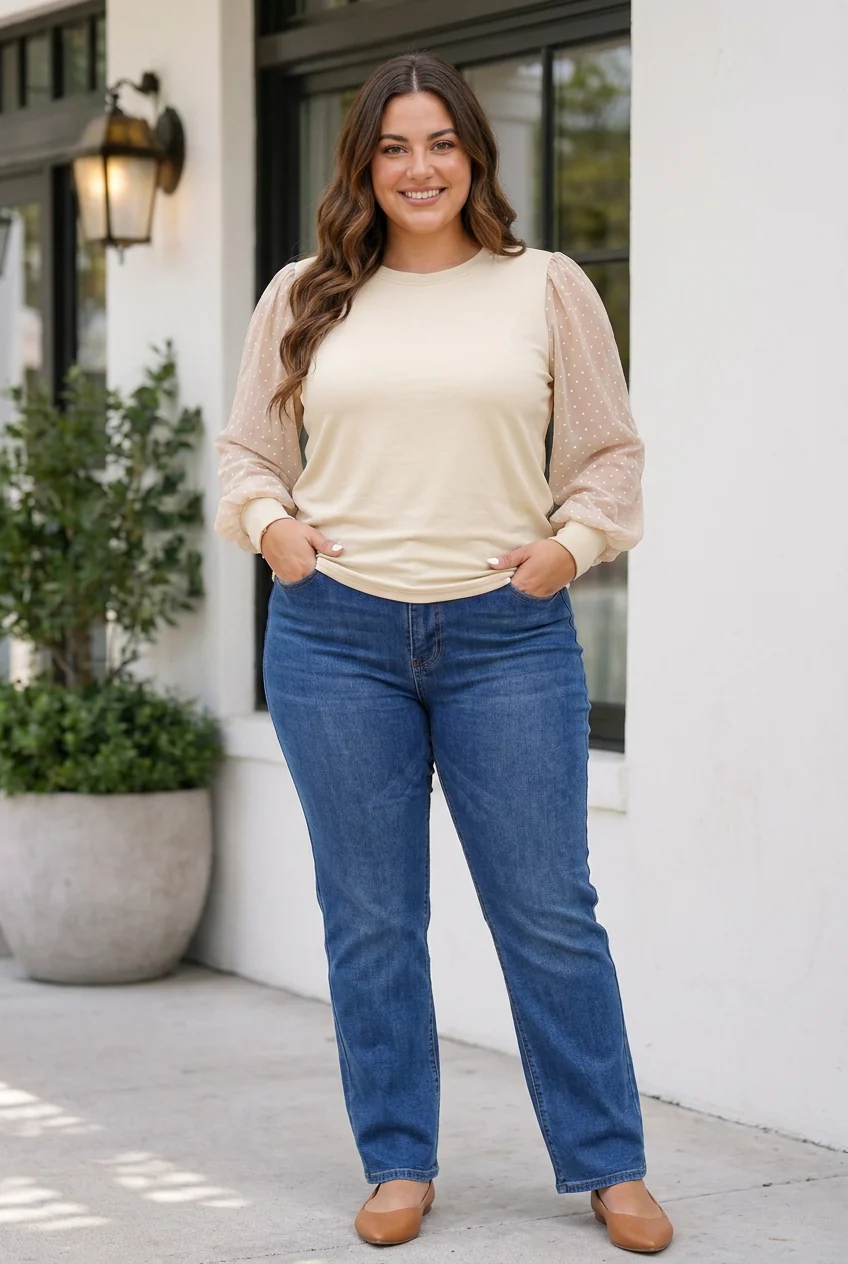 The Only Polka Dot Tunics You Need to See
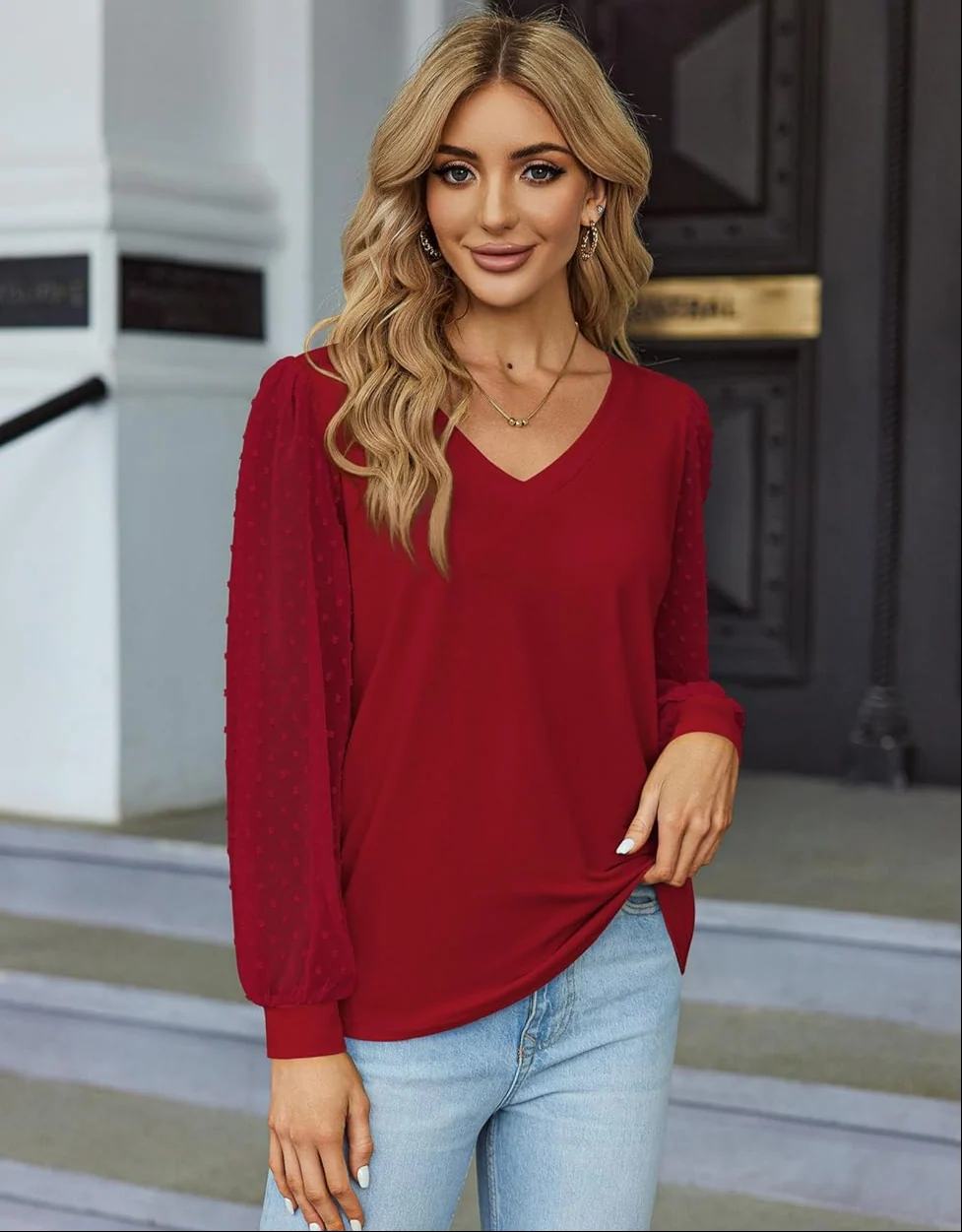
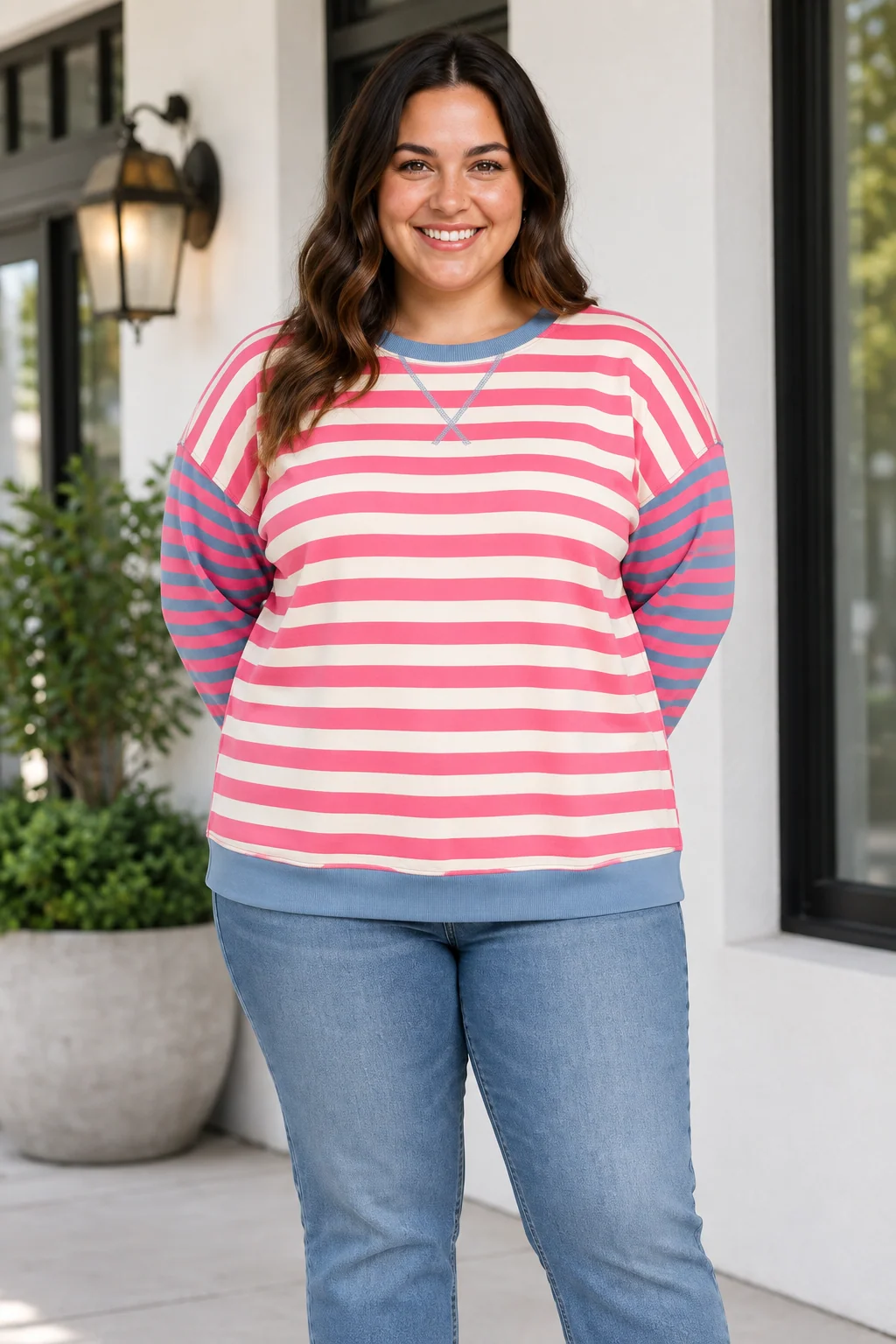 Effortless Pink Tunics We LoveAlso worth a lookT-ShirtsThe one I reach for is the one already on the chair from yesterday, not folded, just there,…See the collections →
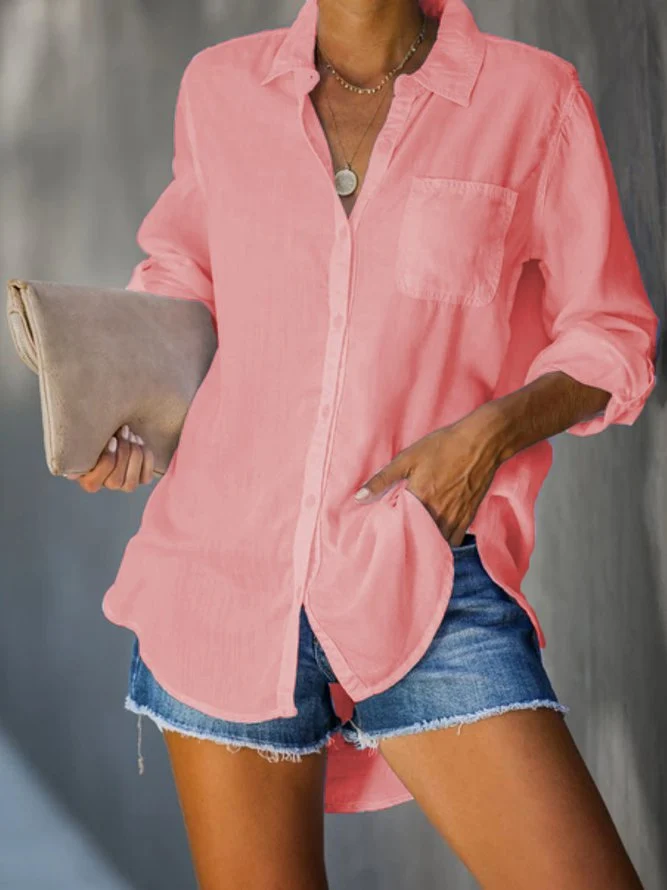
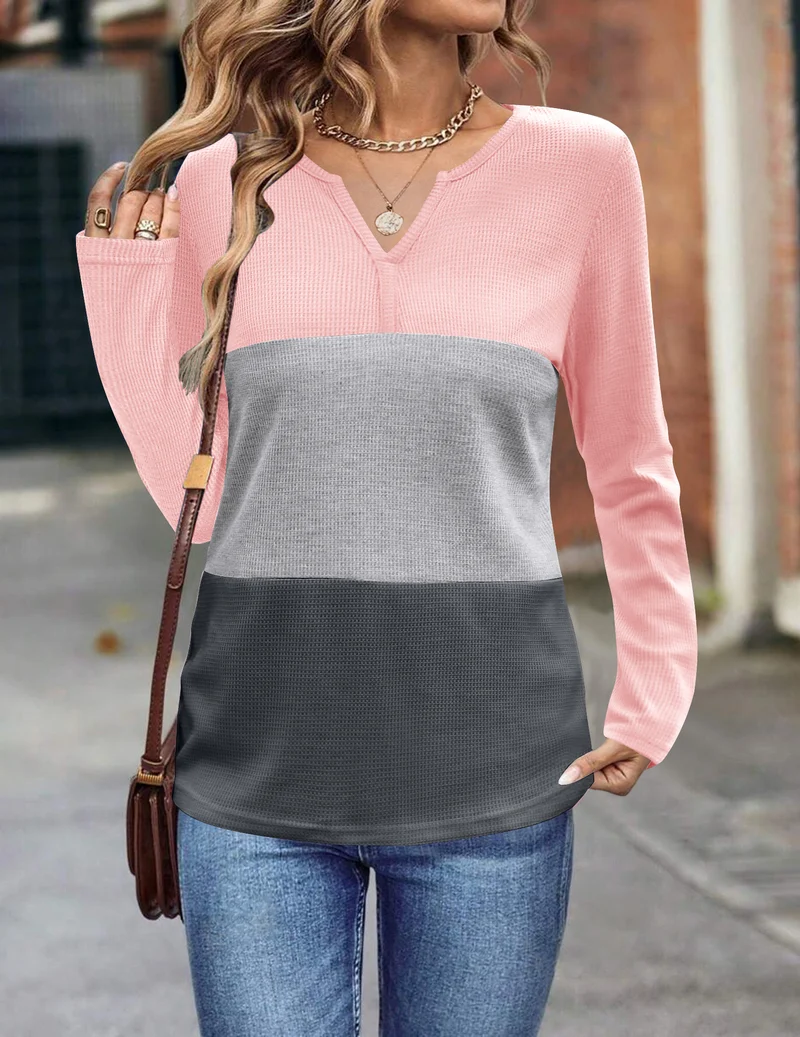 Pink Long Sleeve Tunics Worth Adding to Your Wardrobe
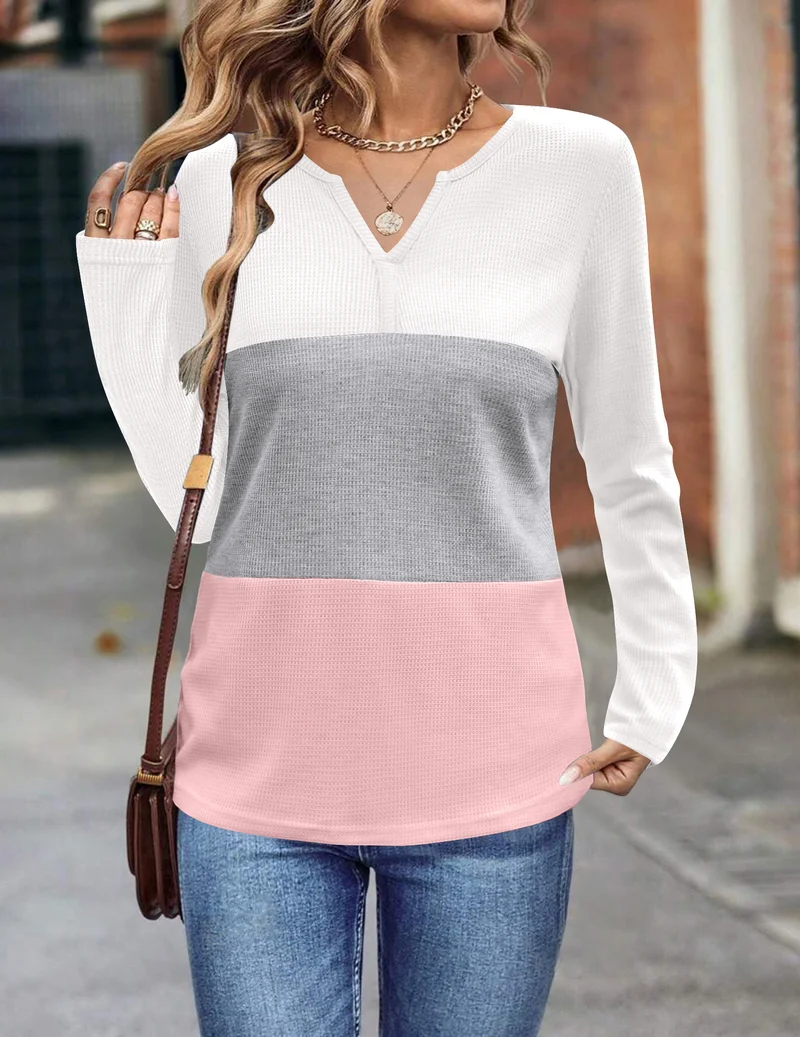
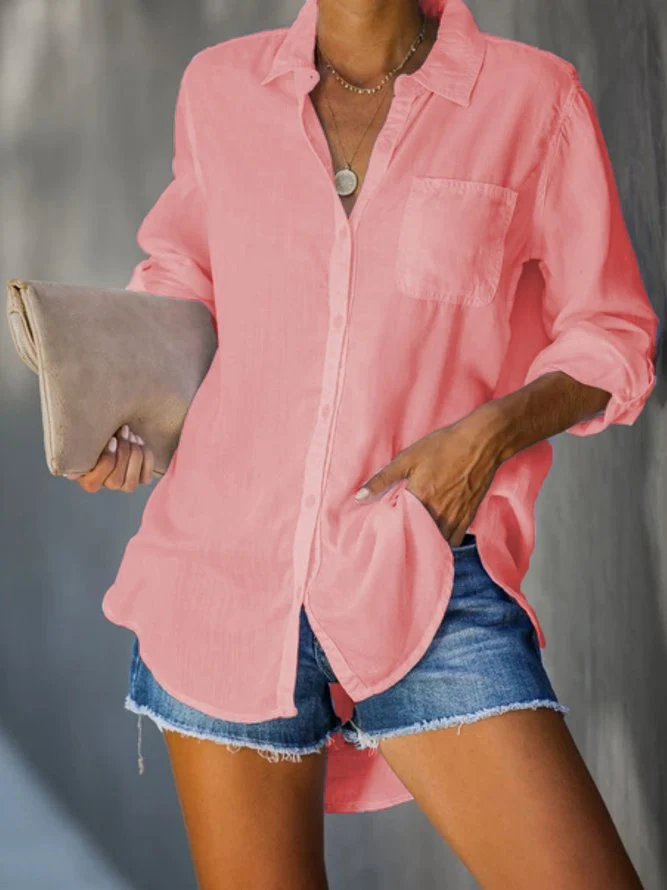 Pink Cotton Tunics That Do All the Work for You
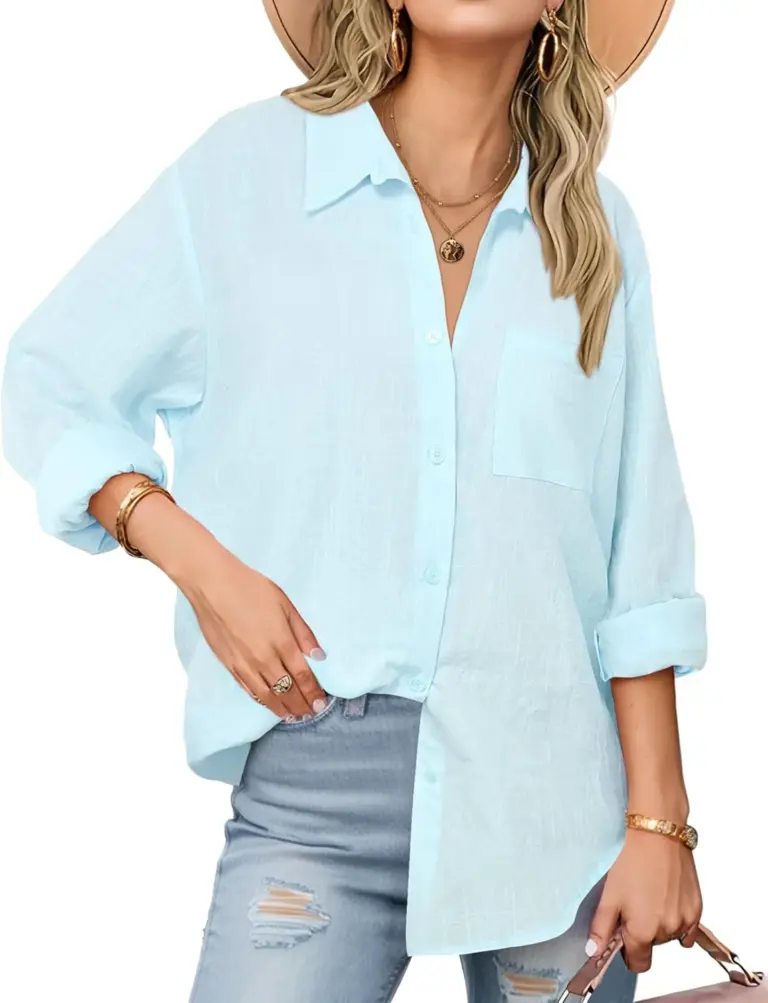
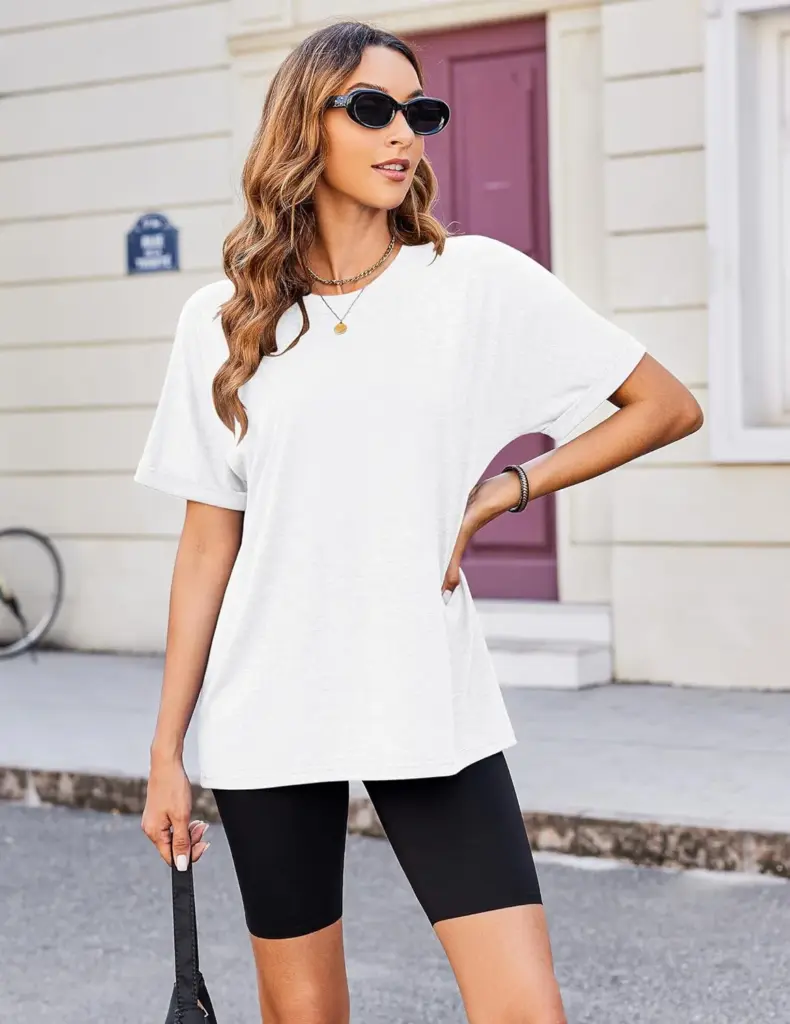 Party Tunics for When You’ve Got Somewhere to Be
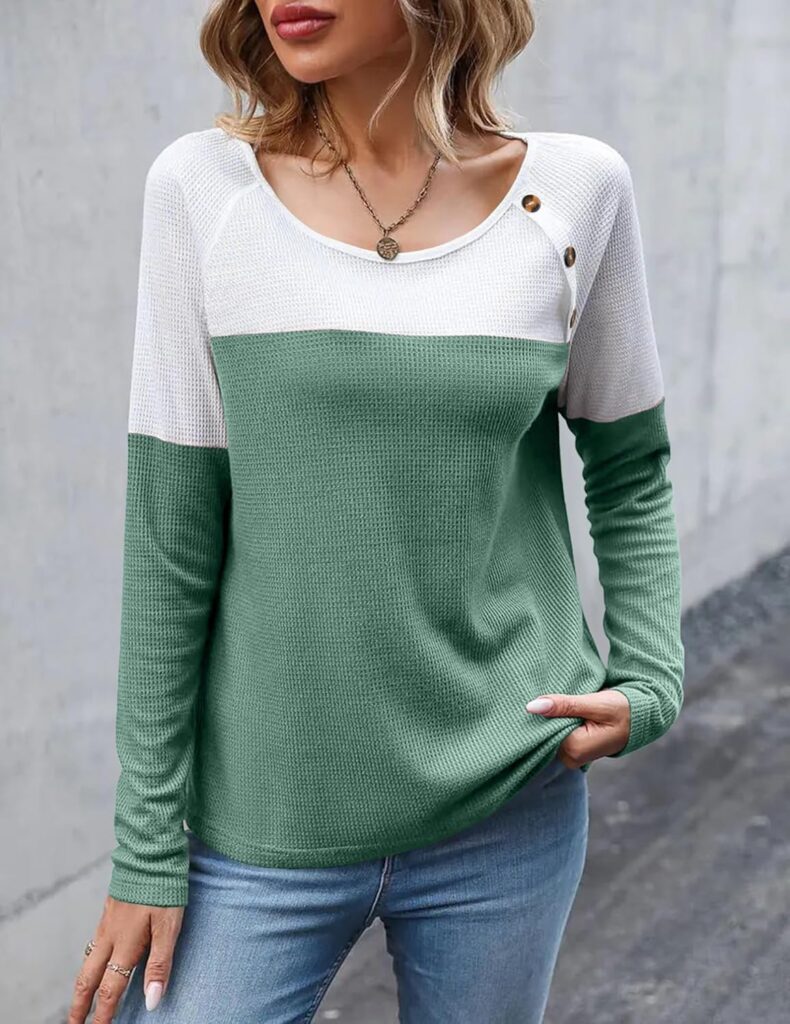
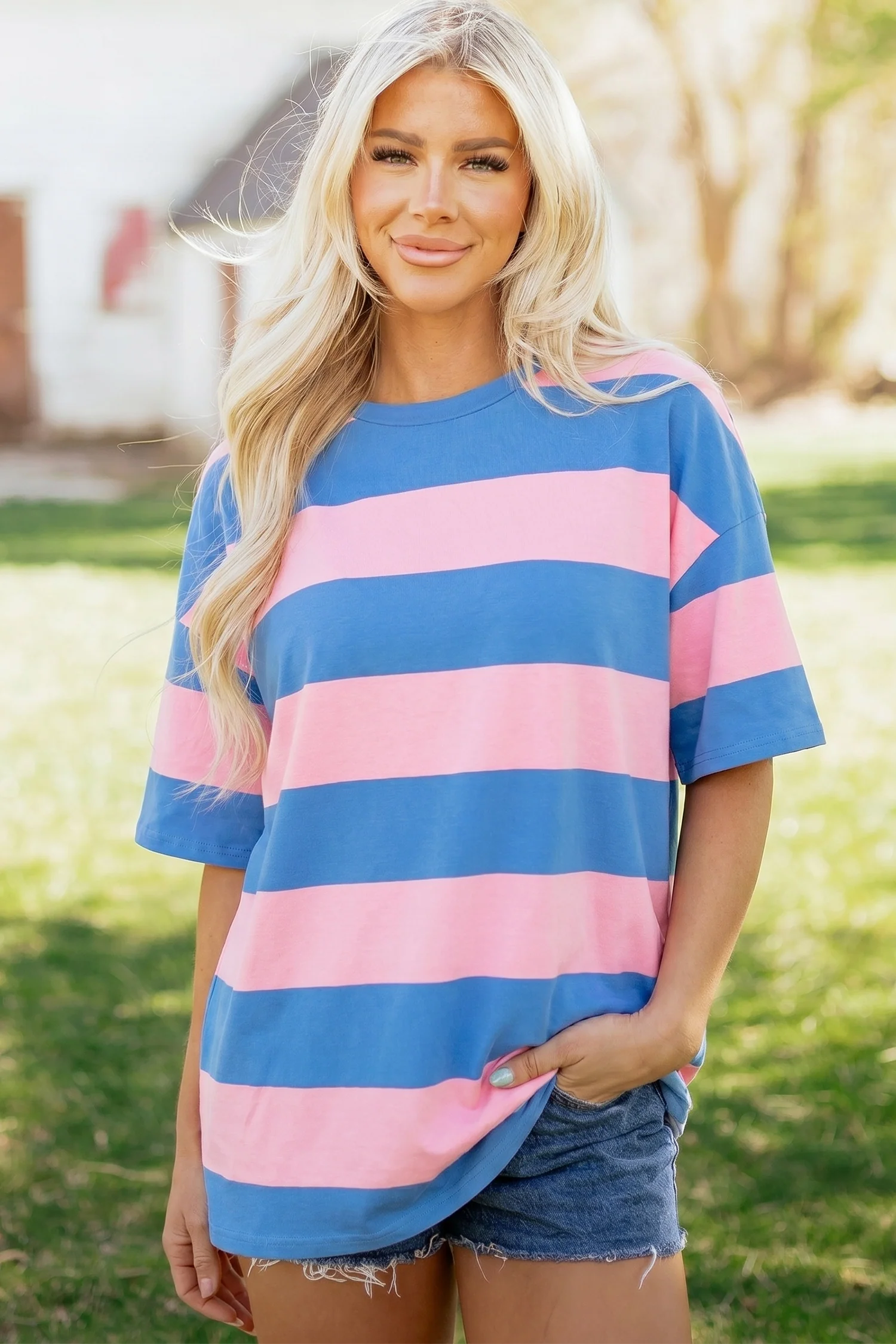 Oversized Tunics We’ve Been Saving
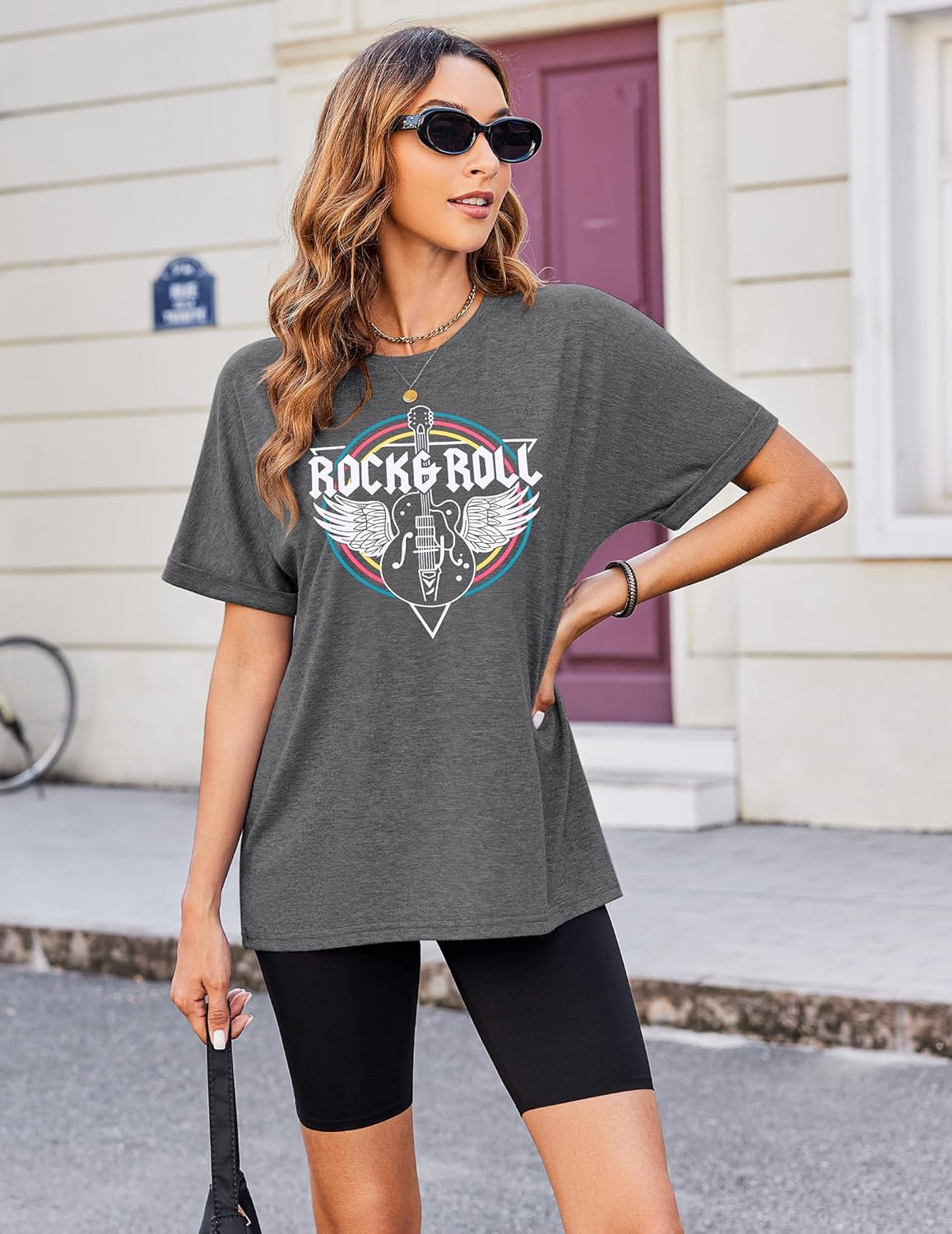
 The Long Sleeve Tunics We’re Eyeing Up This Season
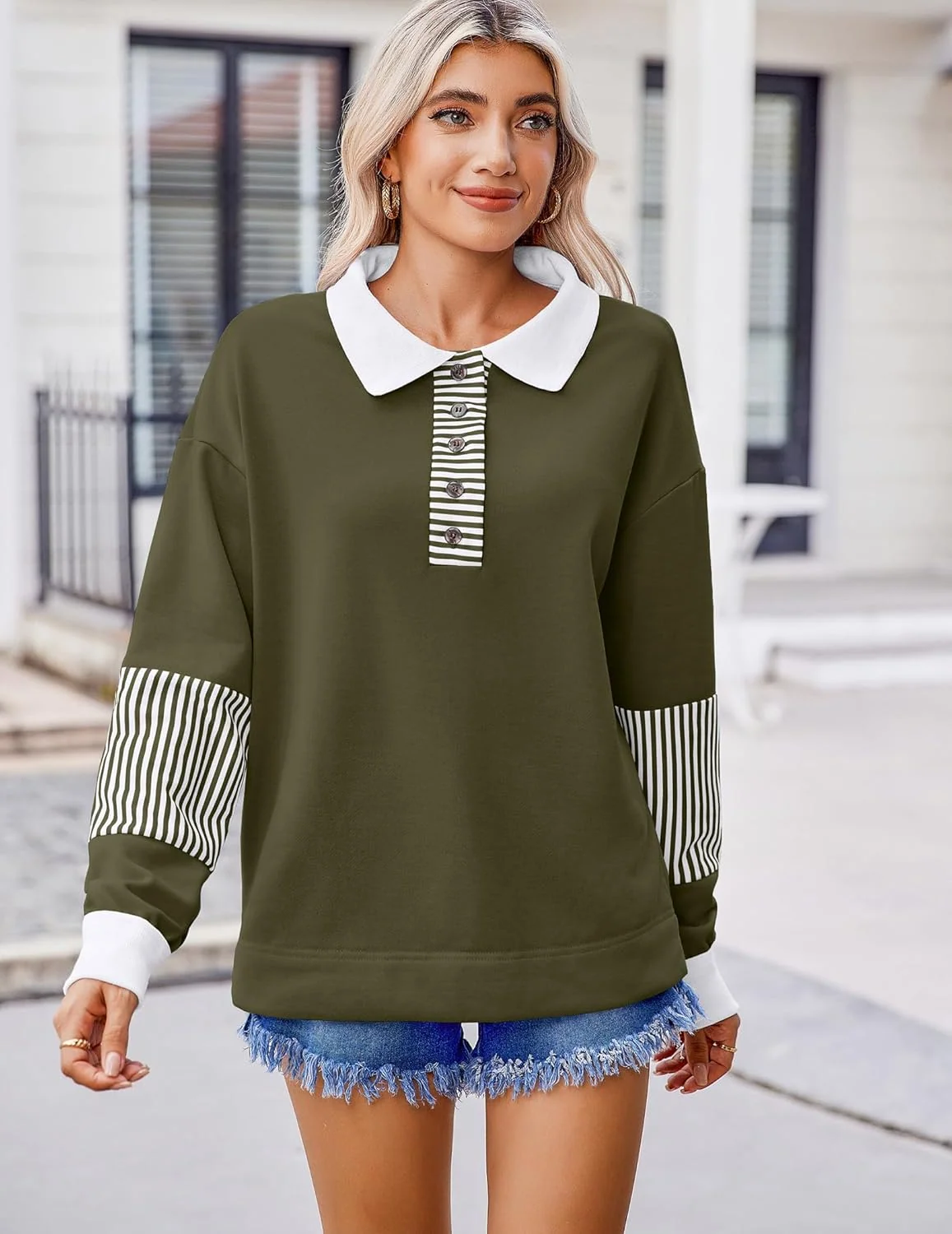
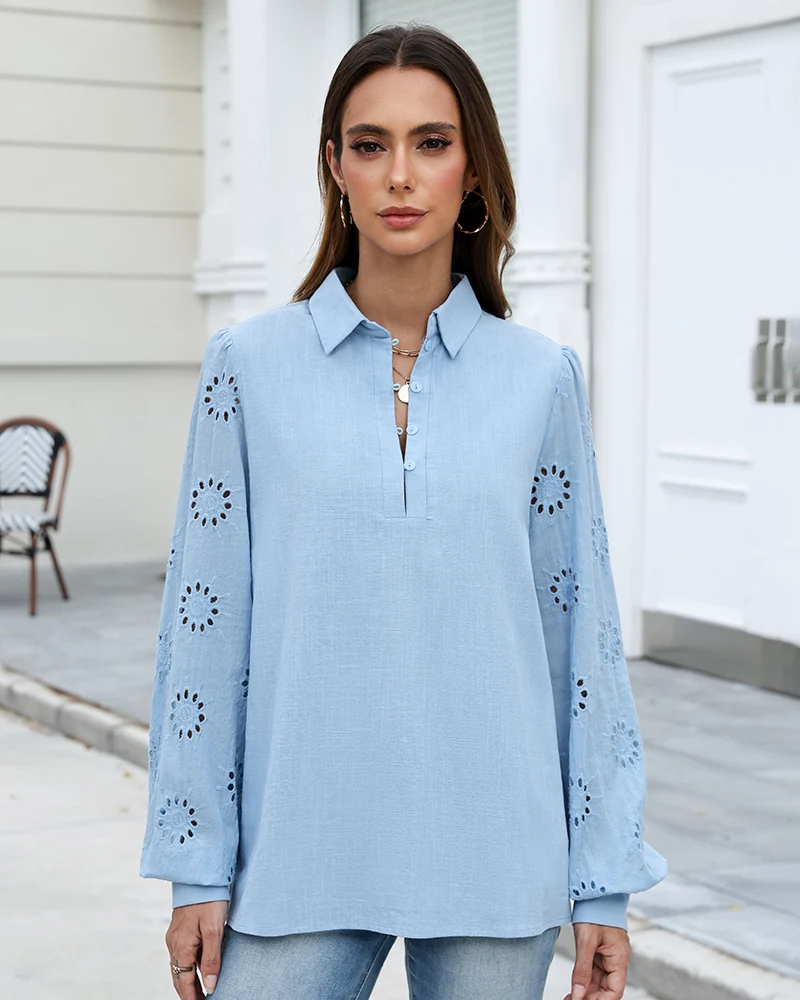 Shop the Edit: Linen Tunics
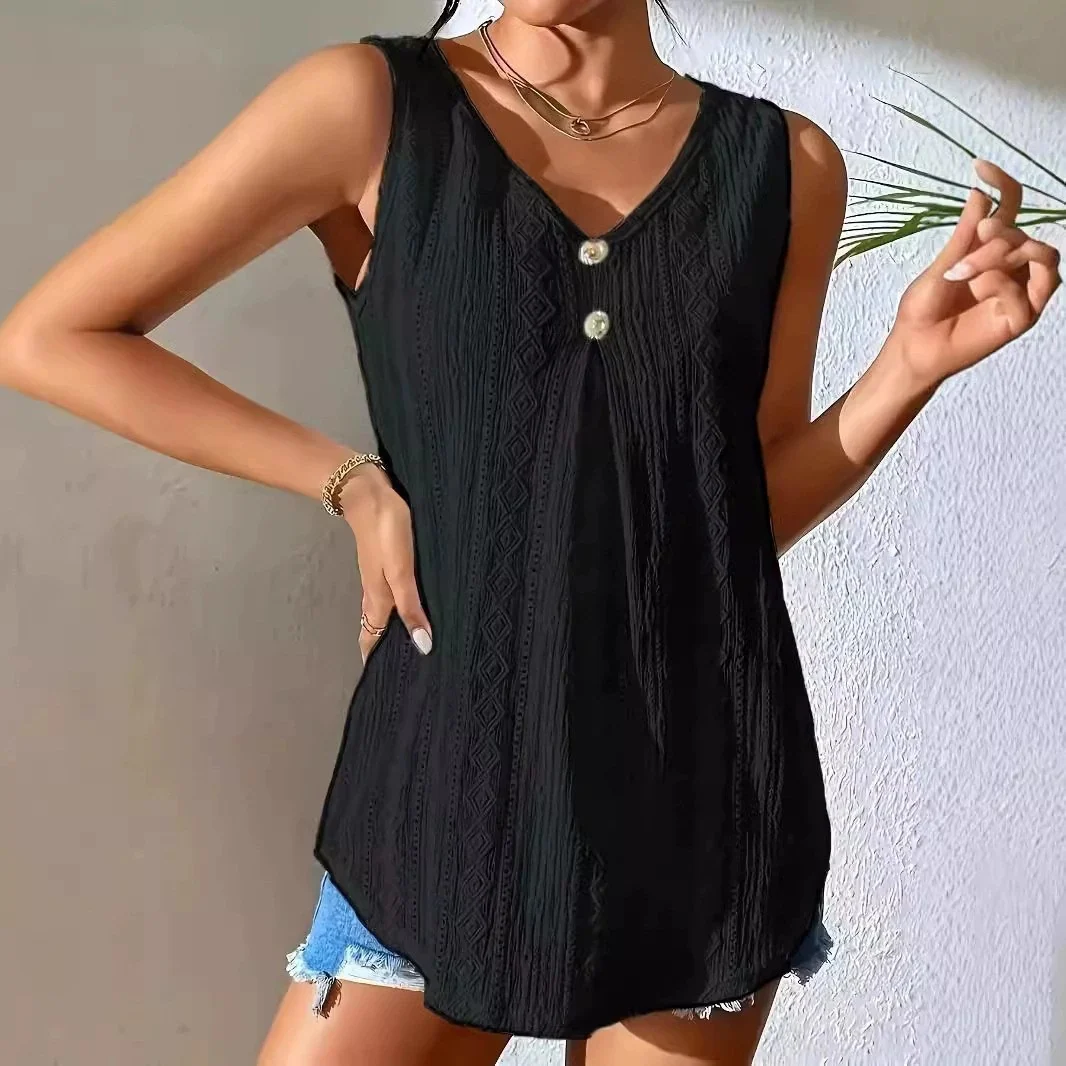
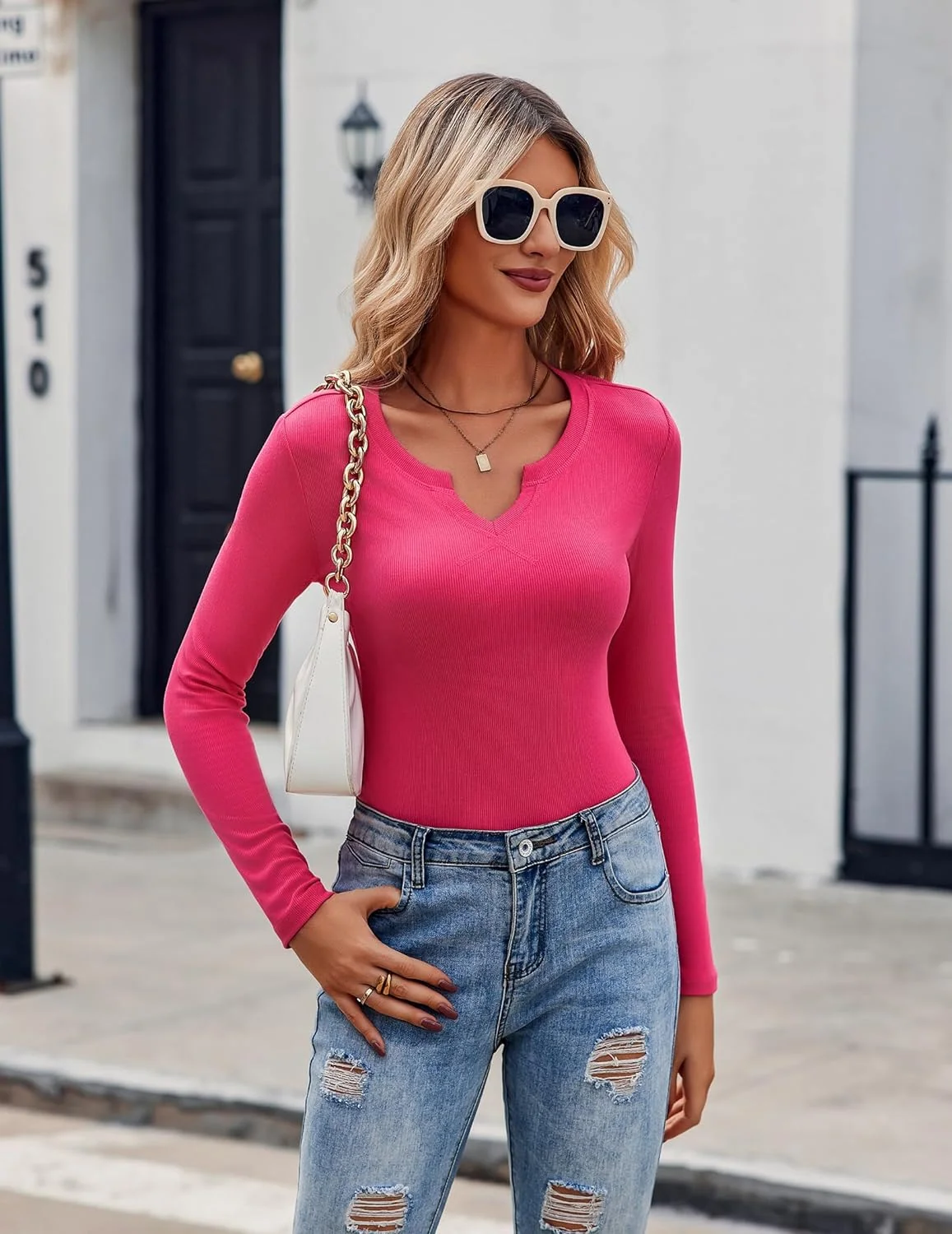 Knitted Tunics on Our Radar
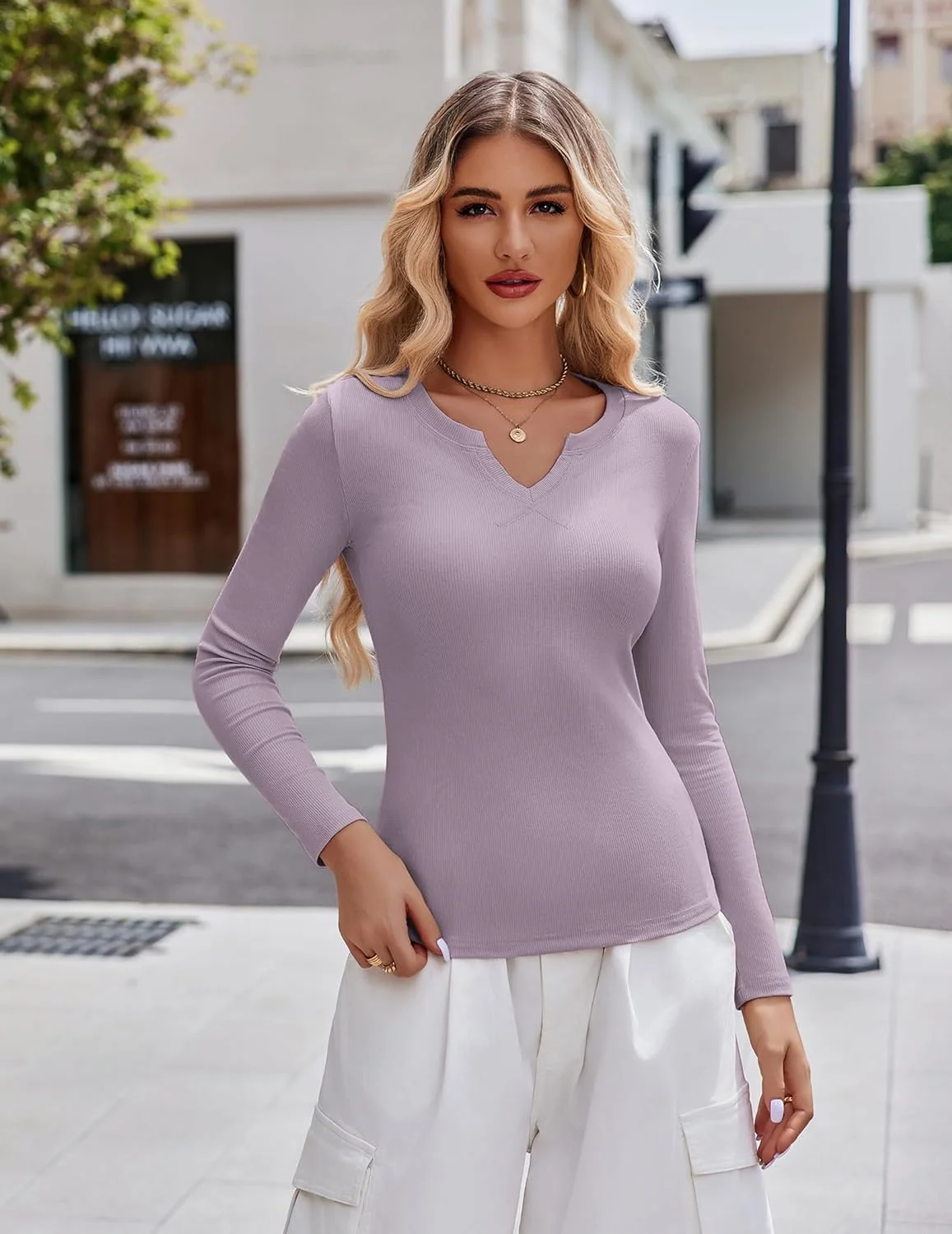
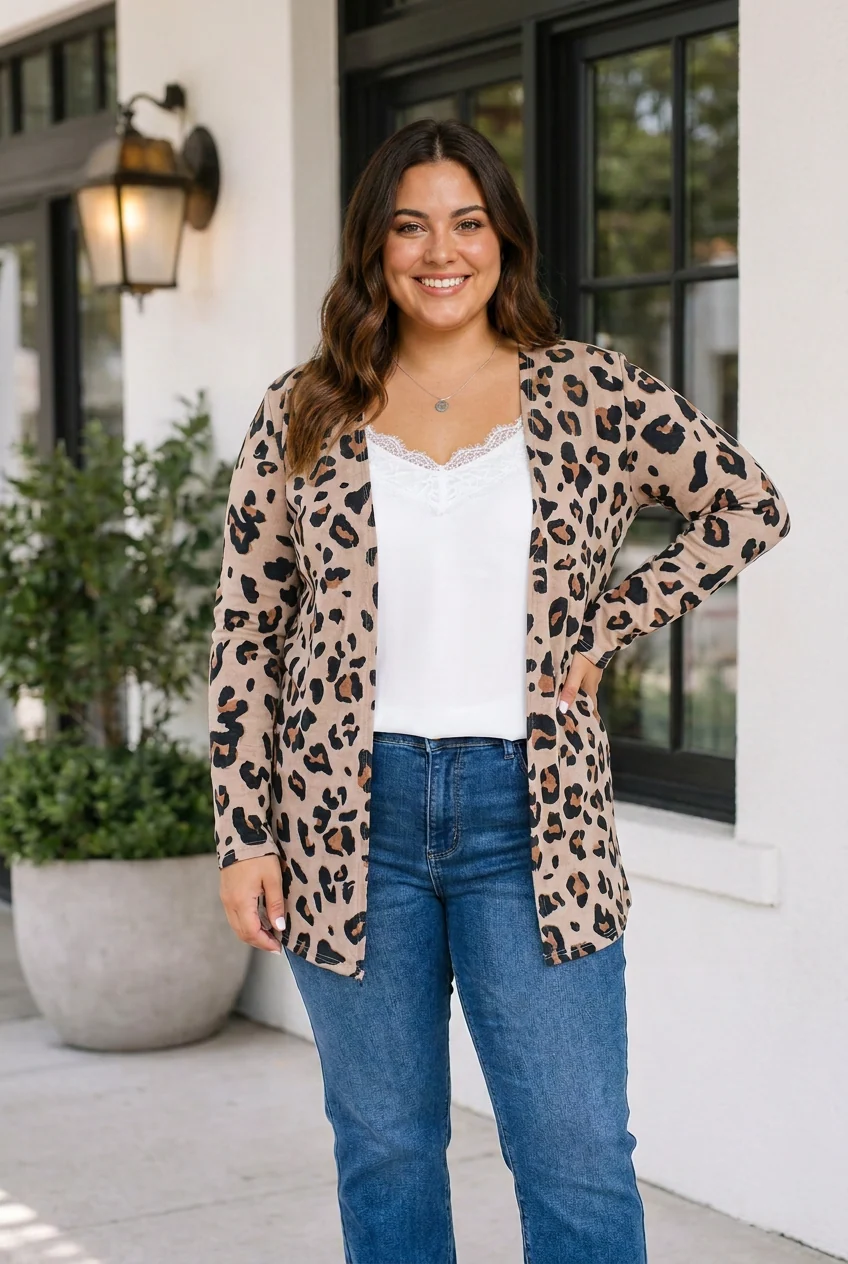 Khaki Tunics You Can Dress Up or Down
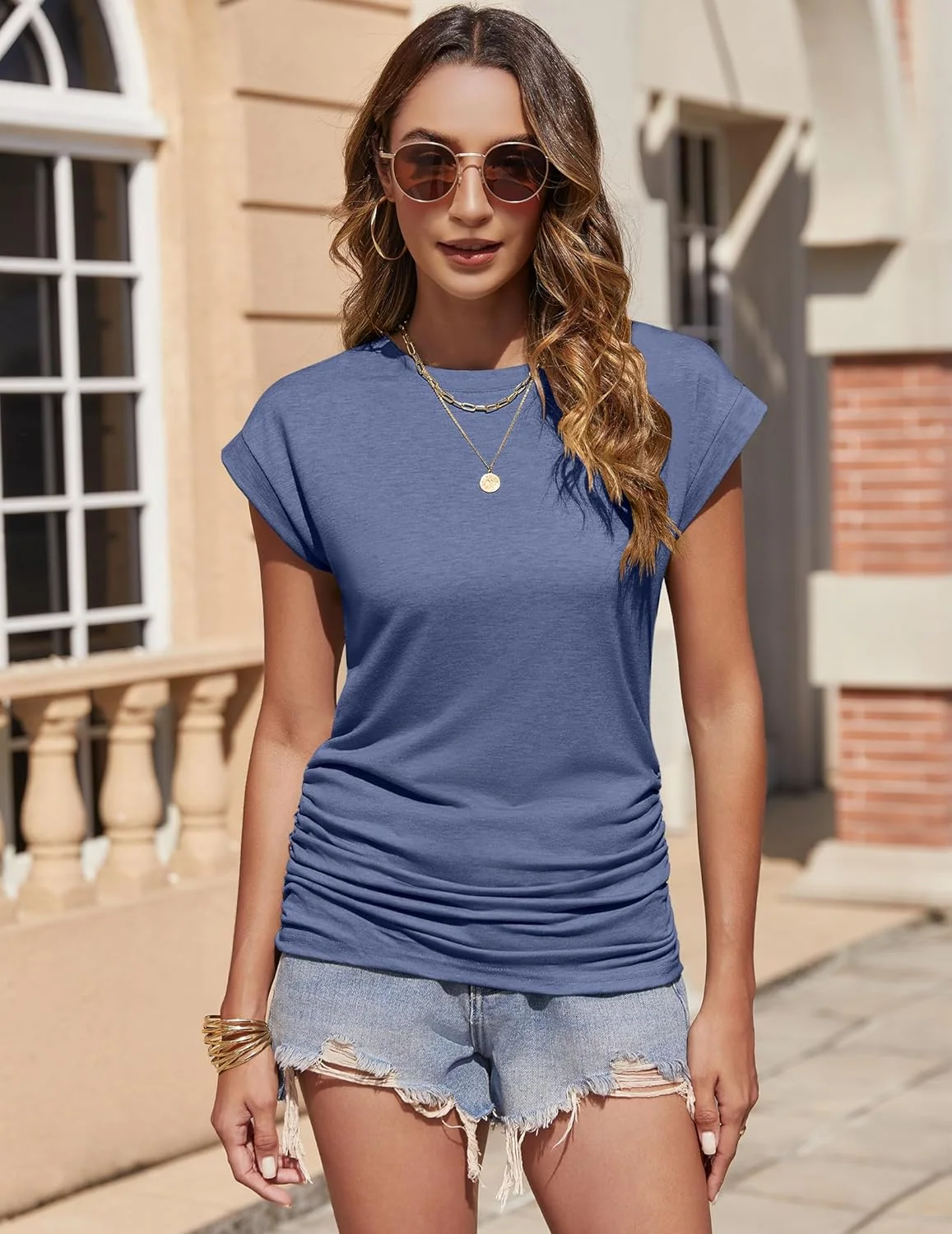
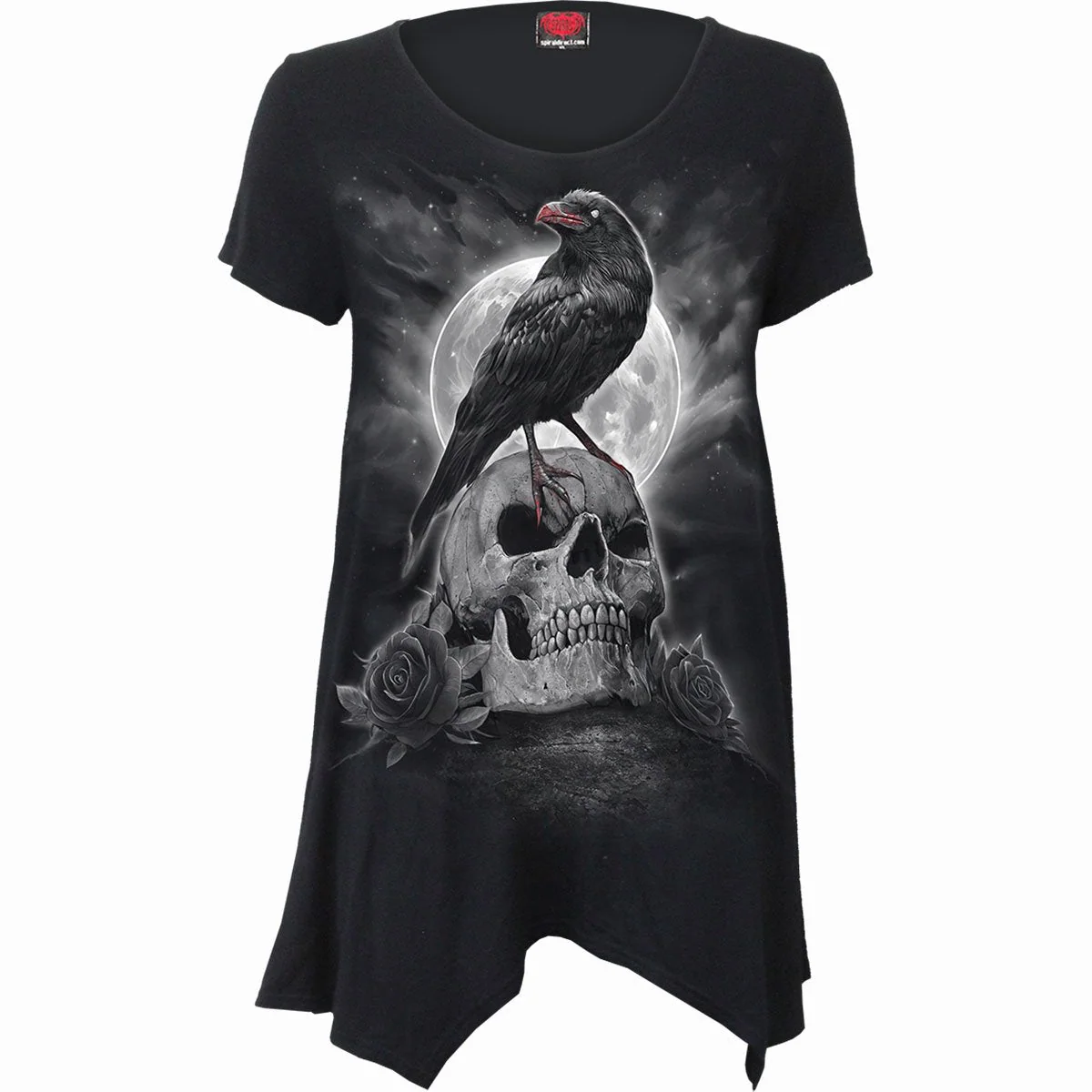 The Jersey Tunics Worth Your Wardrobe SpaceAlso worth a lookBlack TopsA black top is the thing you reach for when you need to look like you've made an effort without actually making one.See the collections →
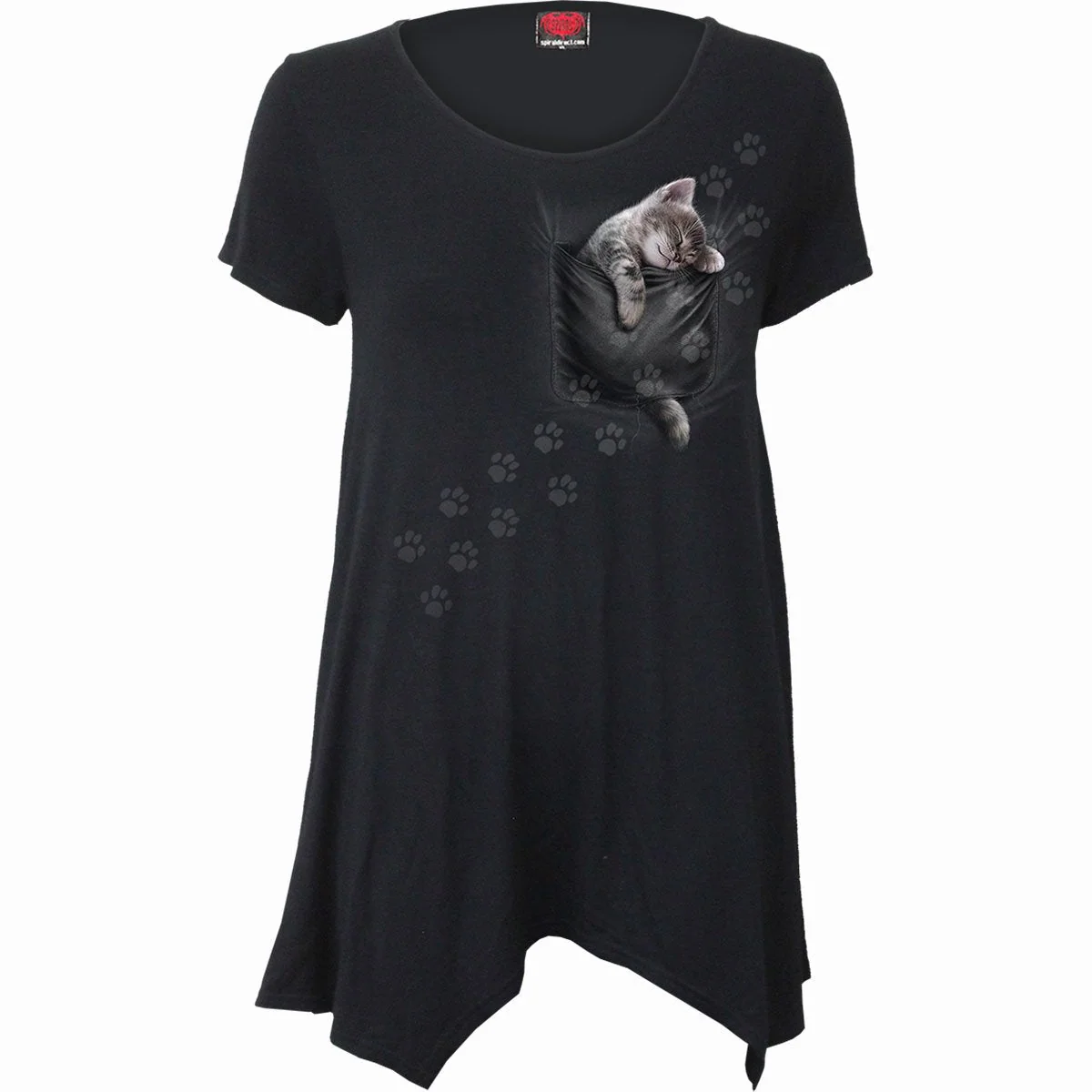
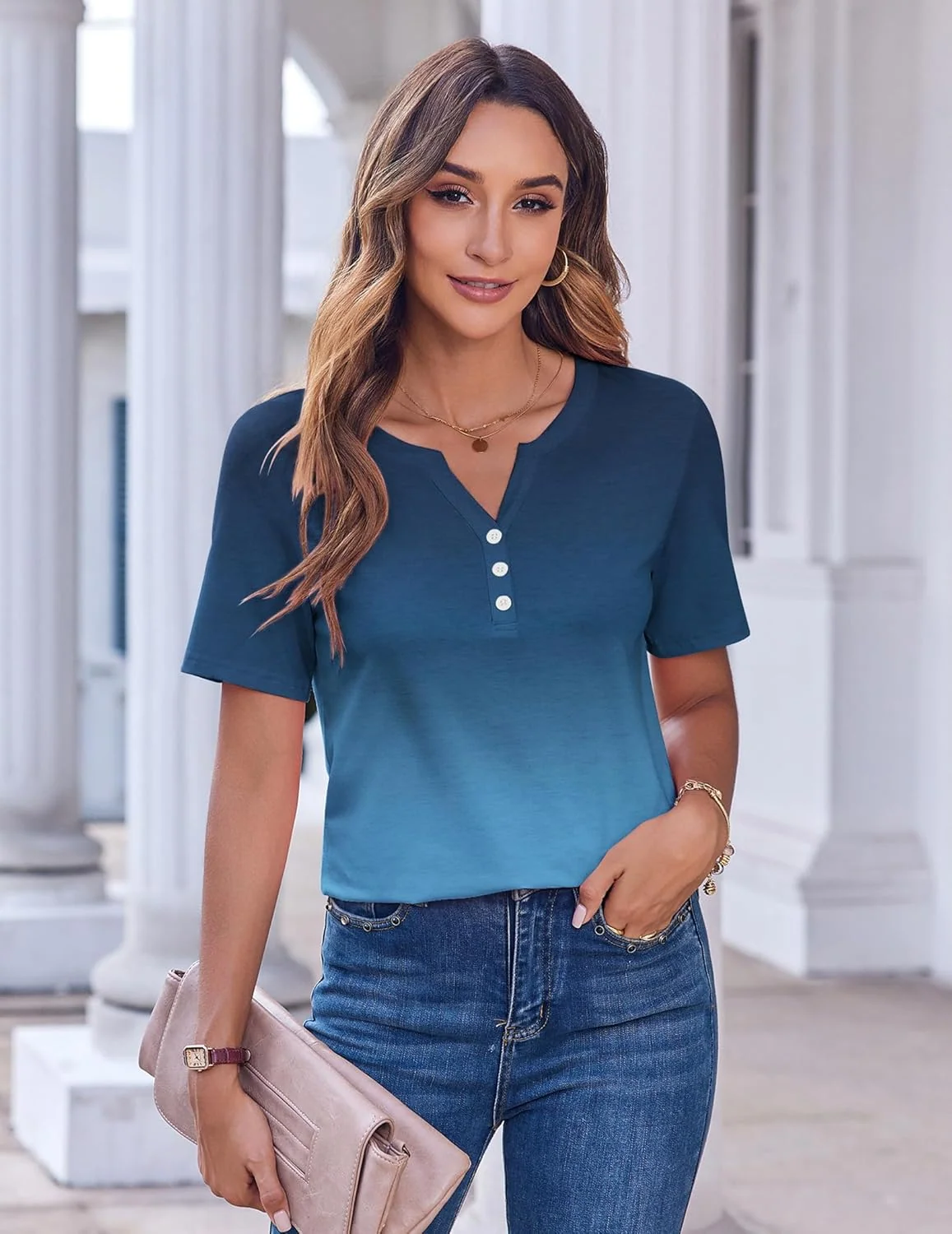 Where to Find the Best Holiday Tunics
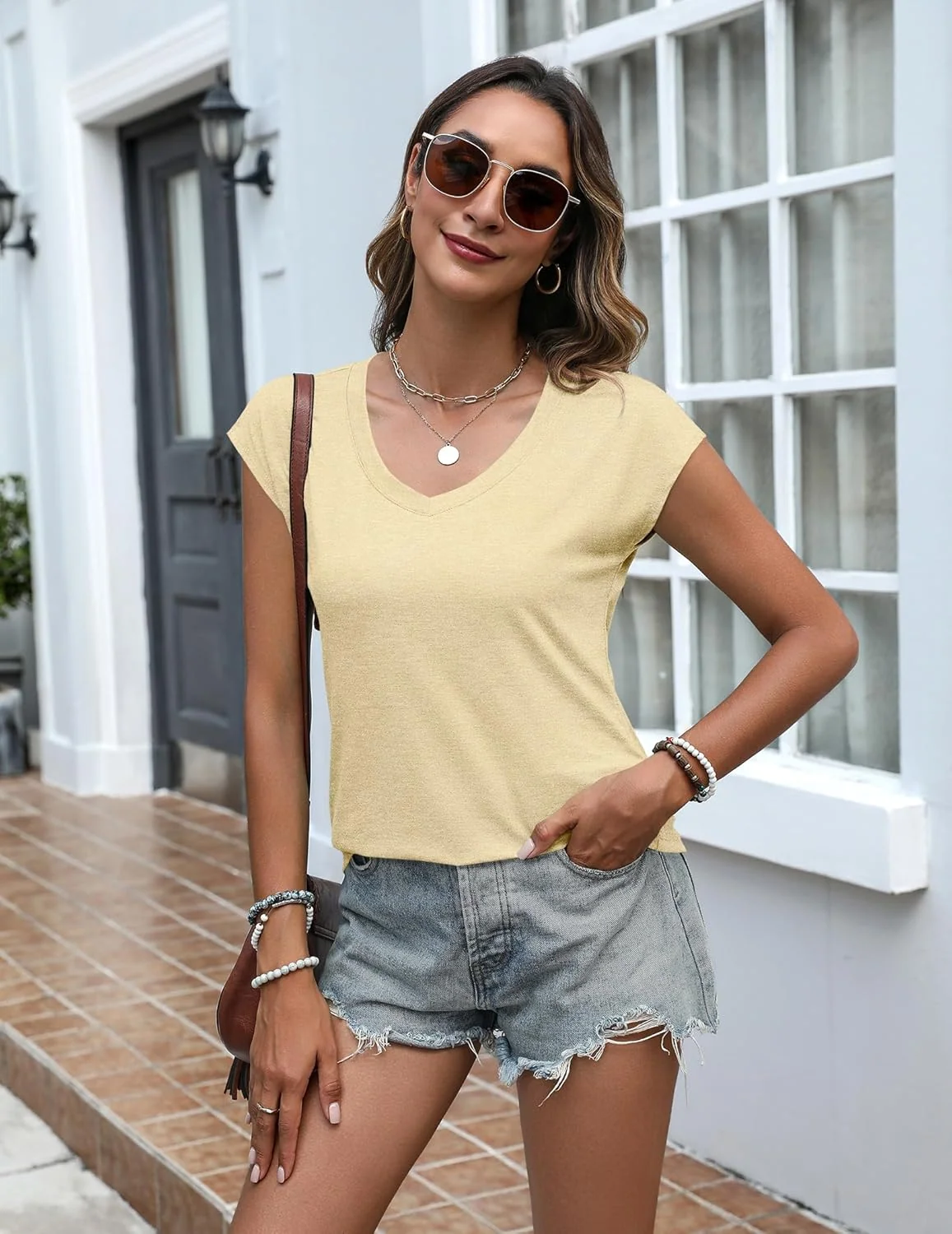
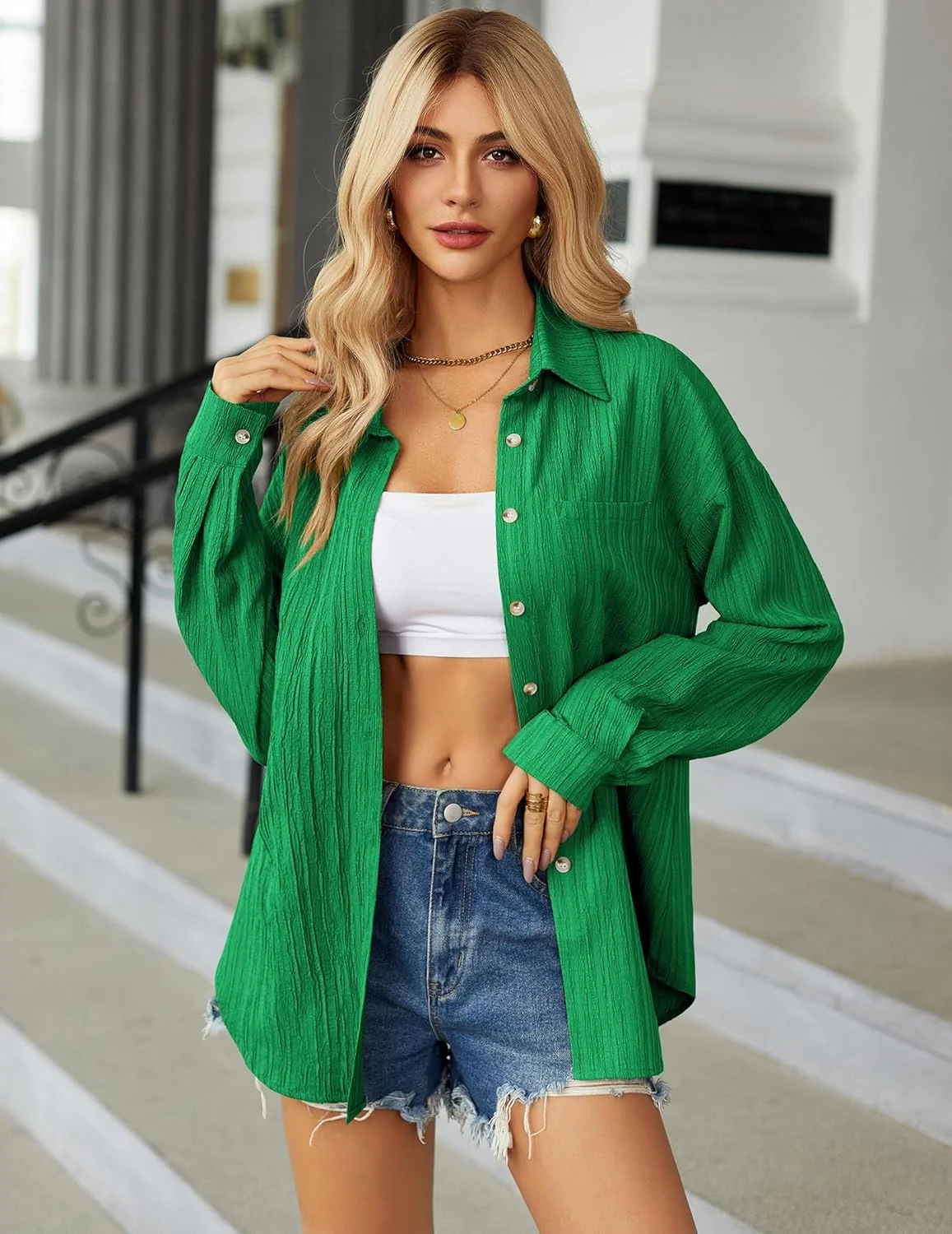 High Neck Tunics: What We’d Buy Now
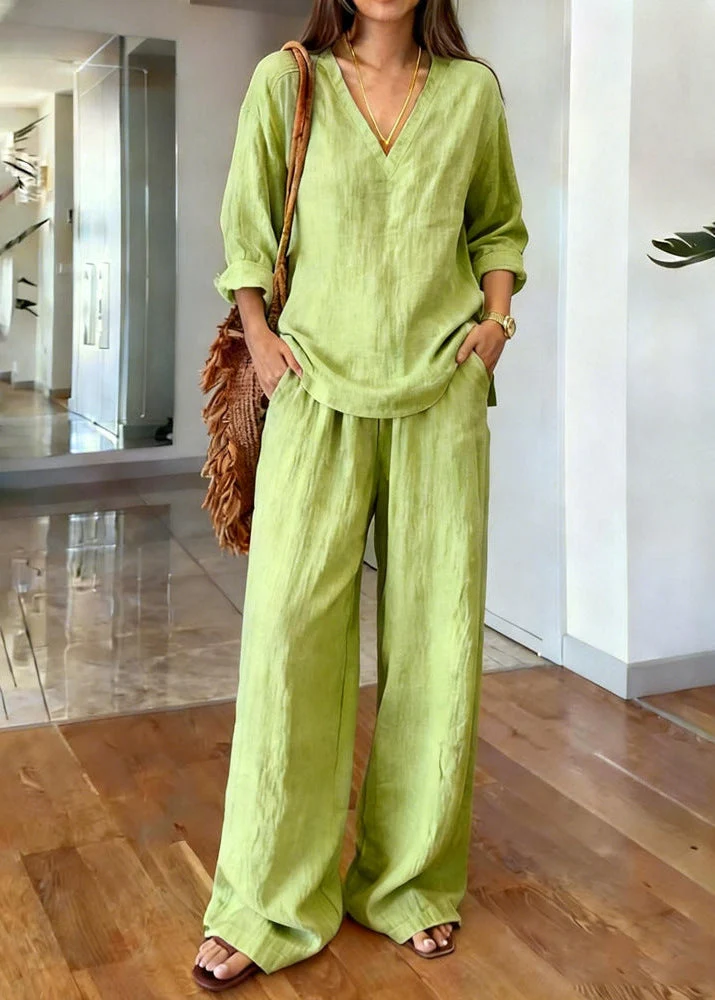
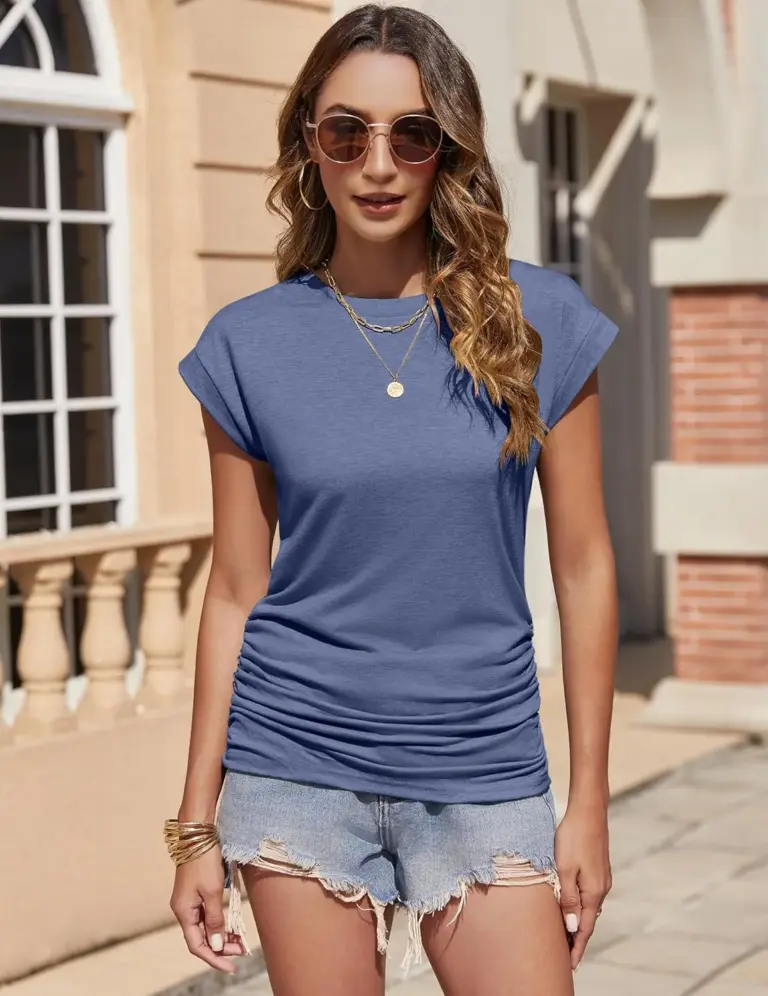 Our Edit of the Best Gray Tunics
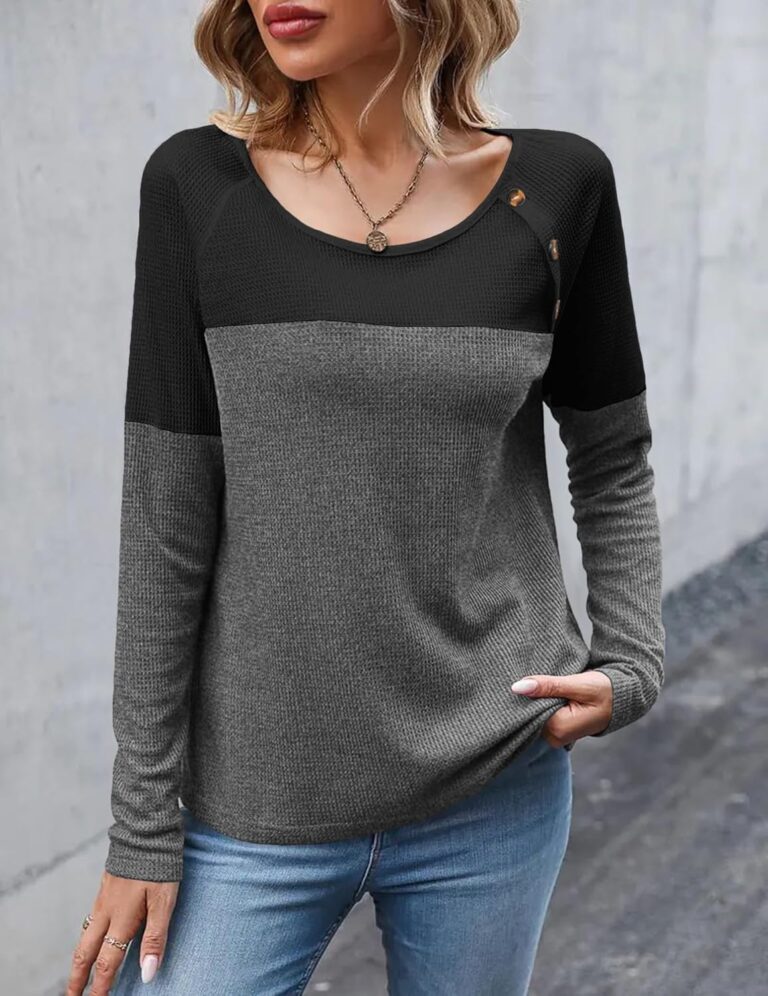
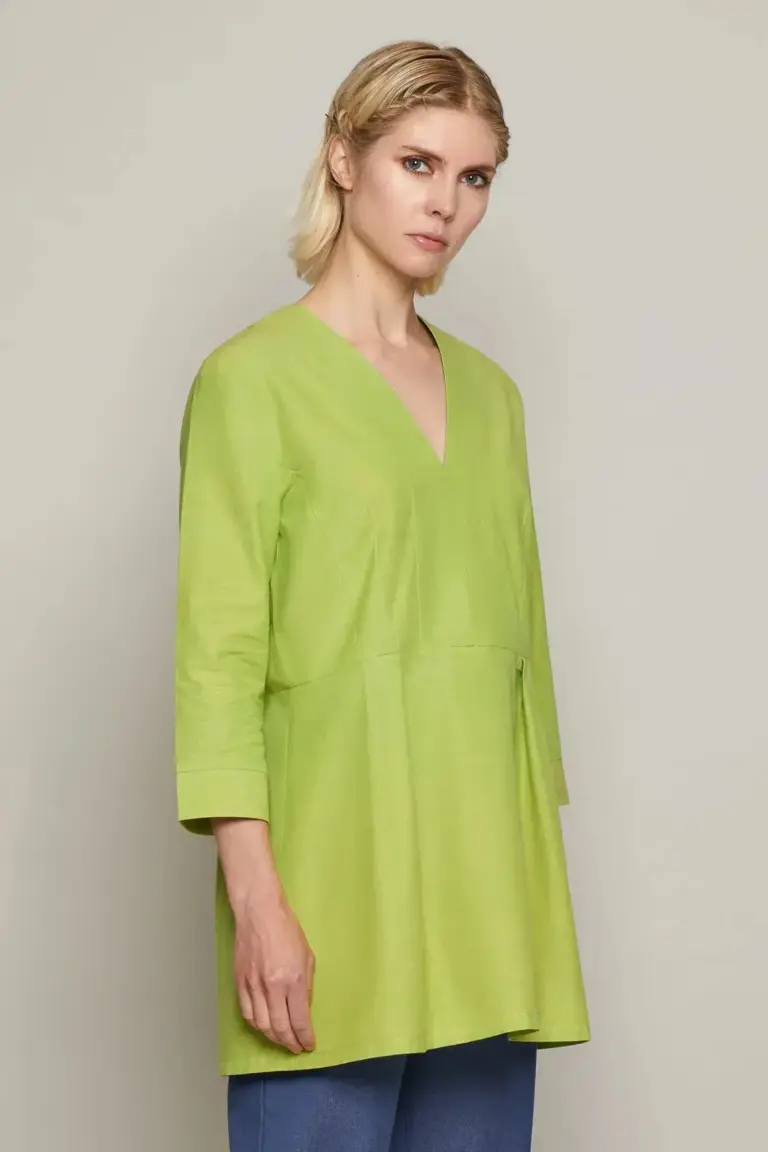 Green Tunics That Earn Their Place
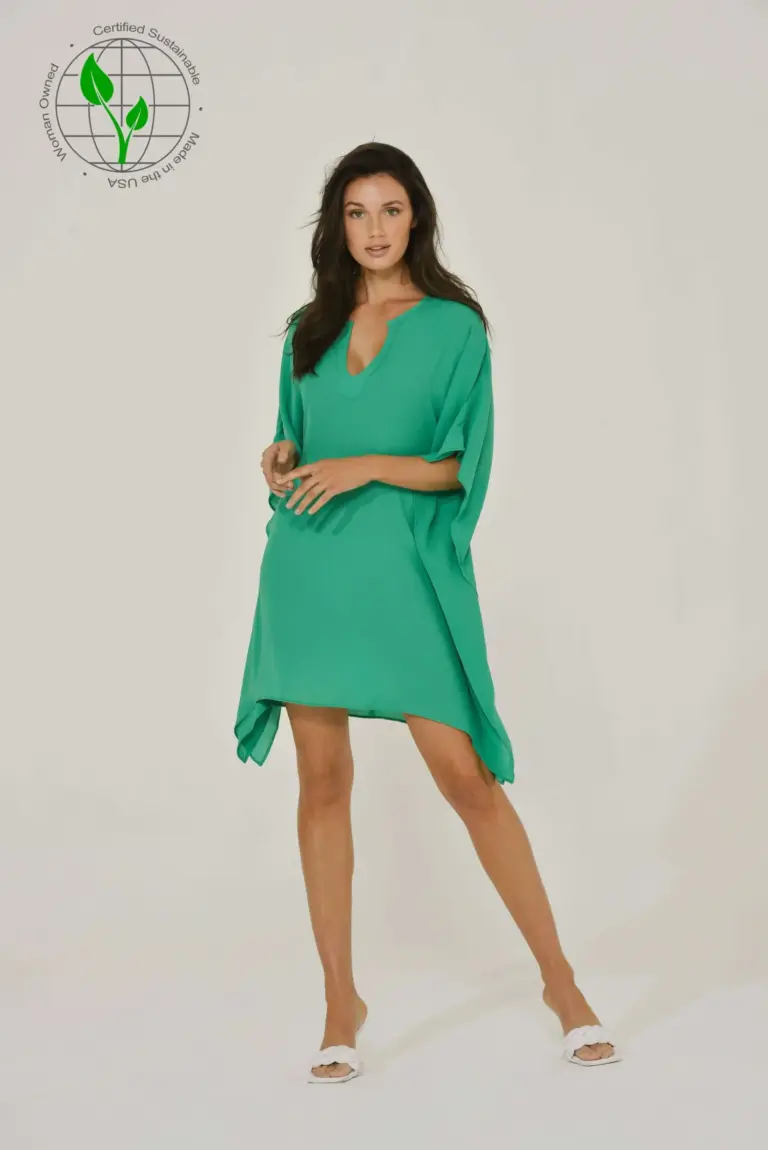
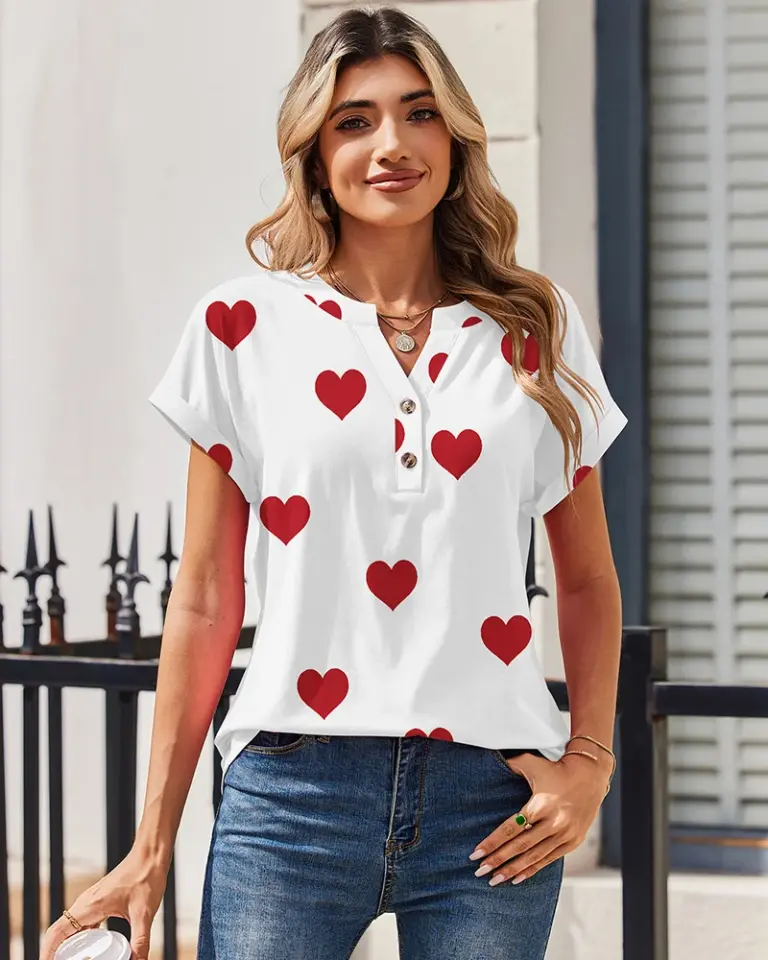 Floral Tunics We’d Happily Wear on Repeat
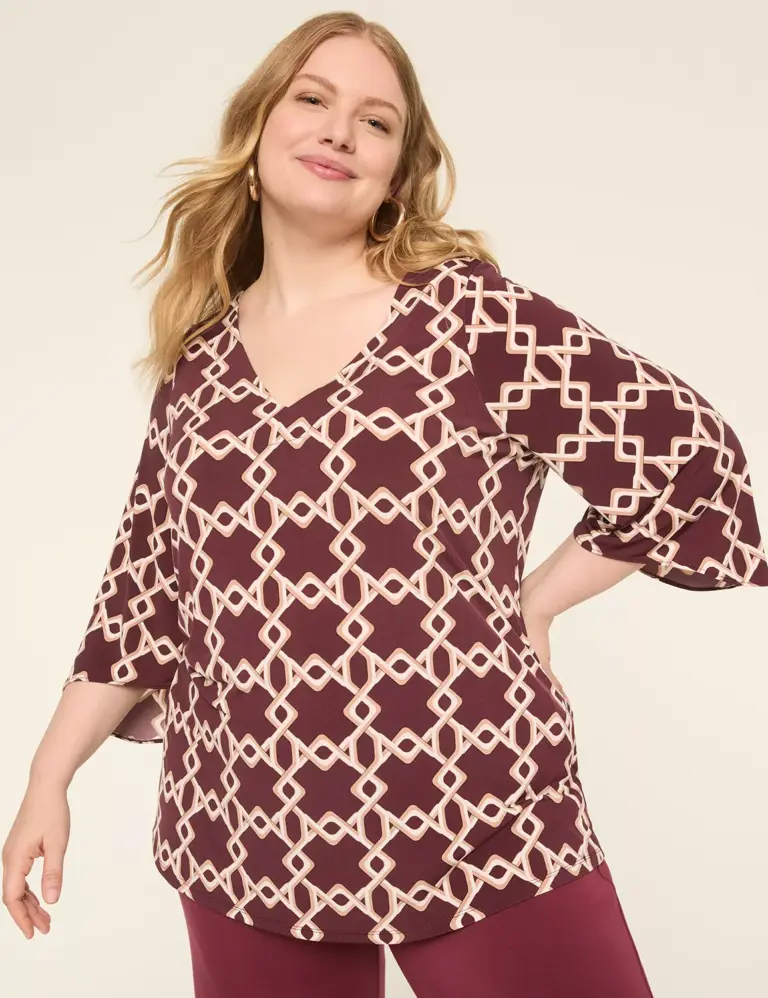
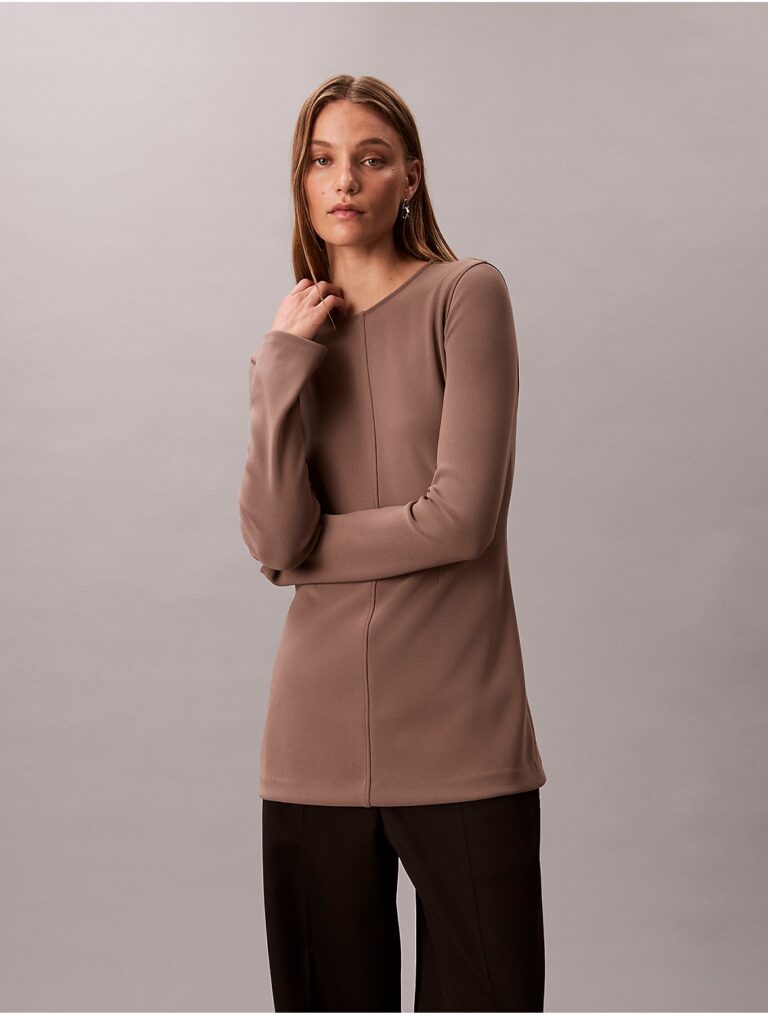 The Fitted Tunics on Our Wishlist
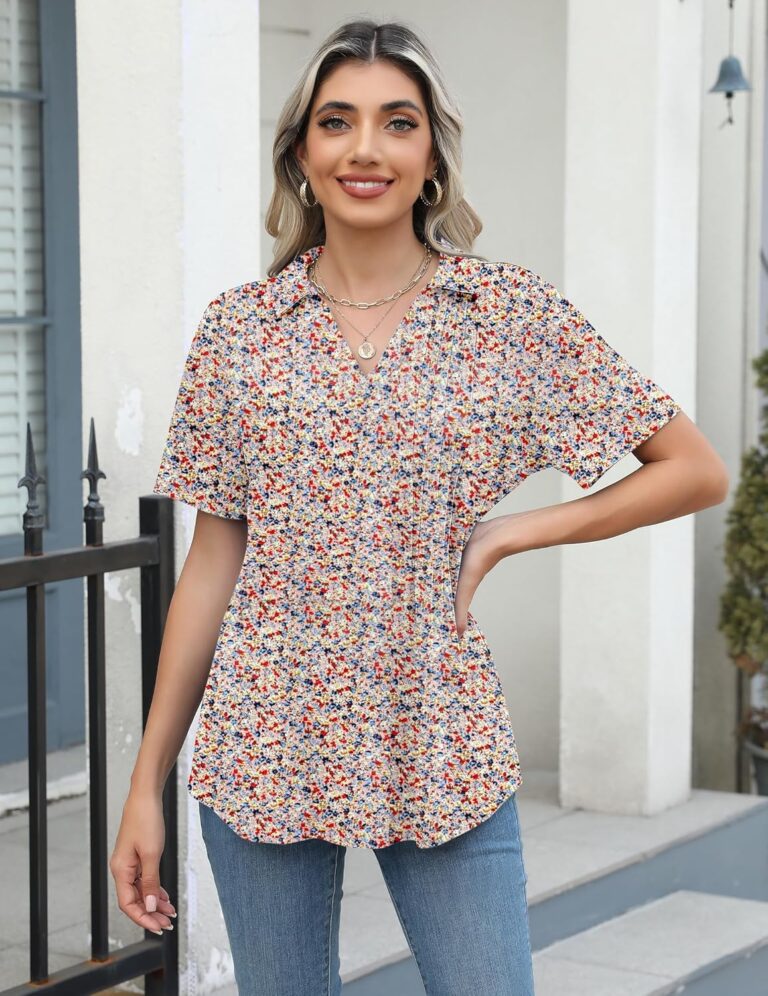
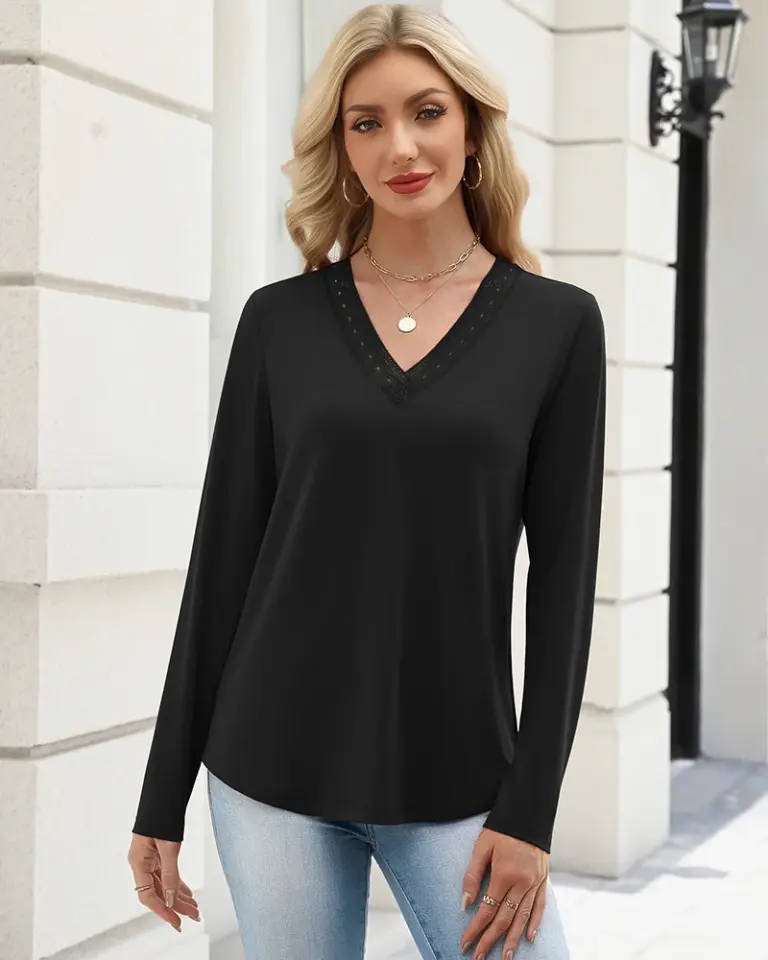 Denim Tunics: Our Honest Shortlist
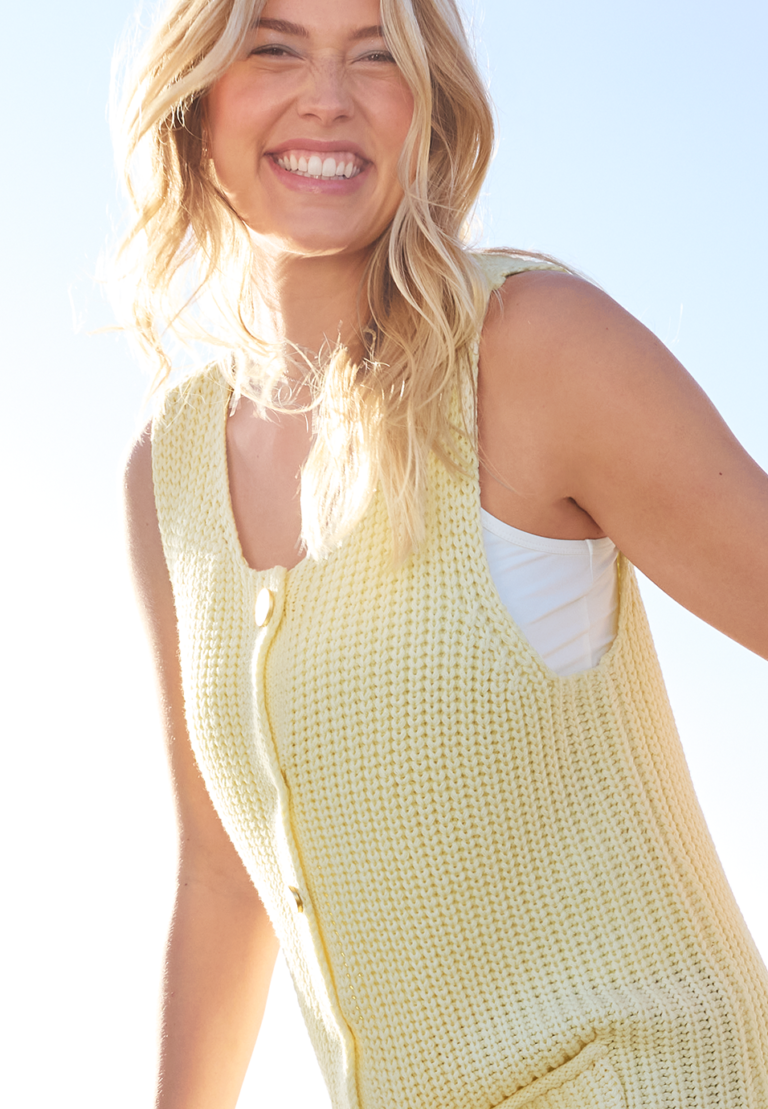
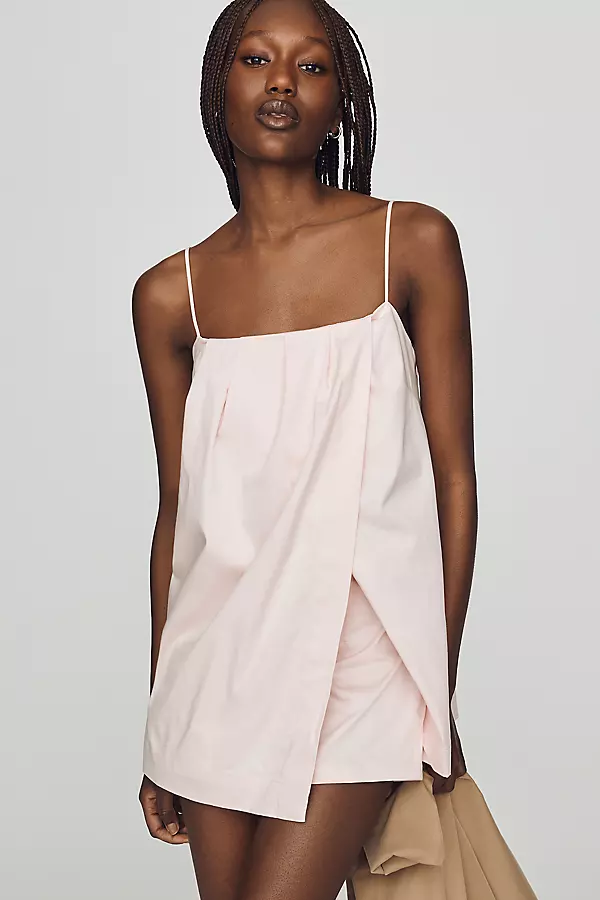 Cotton Tunics You Can Dress Up or Down