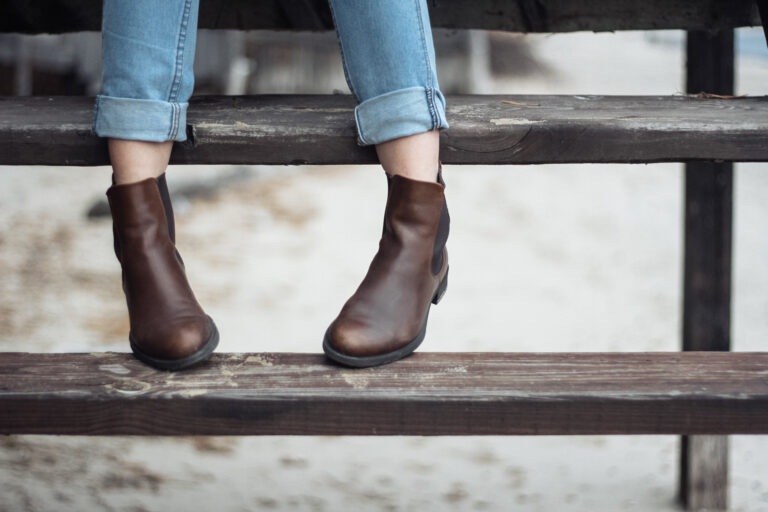
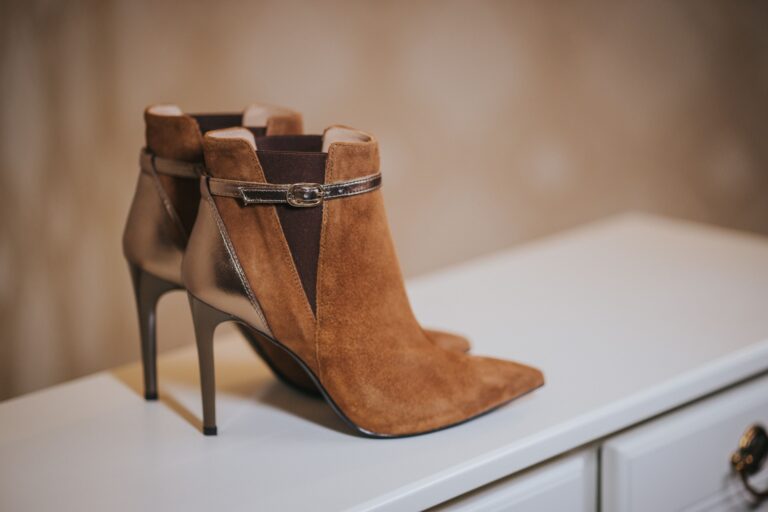
A good boot has weight to it before you even get it on your foot. Pick one up and there should be a bit of heft in the sole, a leather upper that resists a little when you bend it rather than flopping like a slipper, a lining that feels cool and smooth rather than papery. You know within about three seconds of holding a boot whether it was made by someone who cared about the sole or someone who just needed a sole shaped object to put under the leather.
Once they're on, boots are the easiest cheat in dressing I know. A plain jumper and jeans look like you made an effort the second you swap trainers for ankle boots with a bit of a heel. Tights and a skirt stop being a summer leftover the moment you add knee high boots and a coat. Dresses that feel too delicate for fridge weather sort themselves out with boots and thick socks, no further thinking required. The boot does the job a cardigan usually gets asked to do, which is make the rest of the outfit look intentional rather than thrown on at the last minute.
The difference between a boot that lasts and one that lets you down shows up in the bits you don't think about first. Stitching along the welt, not glue, is what stops a sole flapping off after one wet month. A full leather or suede upper has give and will move with your foot, where a lot of the cheaper ones are a thin coated fabric over cardboard, stiff for a week and then creased like a paper bag. Zips matter more than people expect, a flimsy one on the inside ankle seam is usually the first thing to go, so pull it up and down in the shop and feel whether it catches. Hardware that's stitched or riveted through the leather, rather than just glued flat, tells you the same thing about care taken elsewhere on the boot.
Colour wise, a proper brown or black will outlast every trend boot you buy on a whim, and a mid brown is kinder to most of what's already hanging in your wardrobe than black, which can look a bit severe with daytime things. Tan suede is lovely until the first properly wet pavement, so go in with eyes open there.
What's nice about boots, unlike most things with a hem, is that ageing suits them. Leather softens and takes the shape of your foot, scuffs rub into a sort of patina rather than looking like damage, and a boot at eighteen months often looks better than it did brand new, just a bit more like it belongs to you.

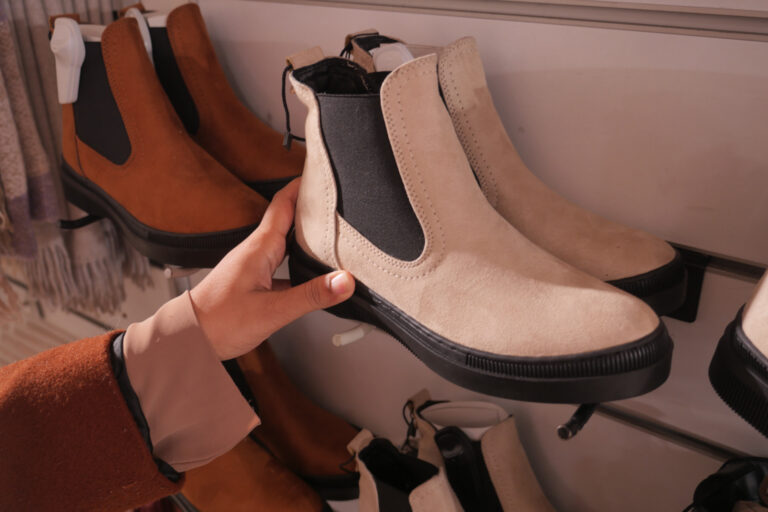
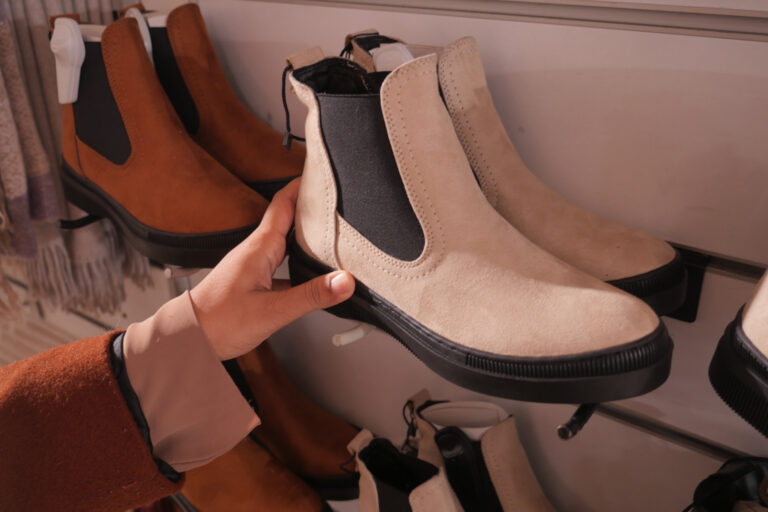 Aisha's pickMy Chelsea Boots Fit Perfectly In The Shop And Then Betrayed Me By Week Two

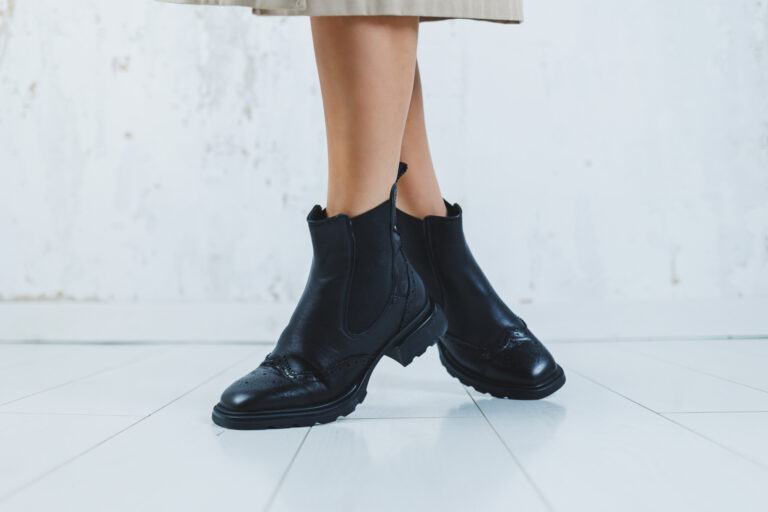 Nadia's pickMy Chelsea Boots Felt Tight For Weeks Before I Trusted Theyd Stretch
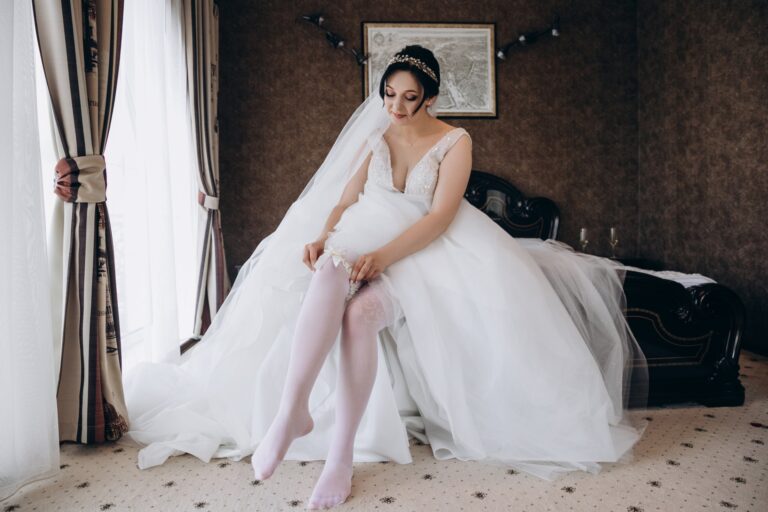
 Kirsty's pickPantyhose Under Over The Knee Boots Turned Into A Full Debate Getting Ready For A Wedding
 Imogen's pickChelsea Boots And Skinny Jeans Together Made Someone Raise An Eyebrow At Me