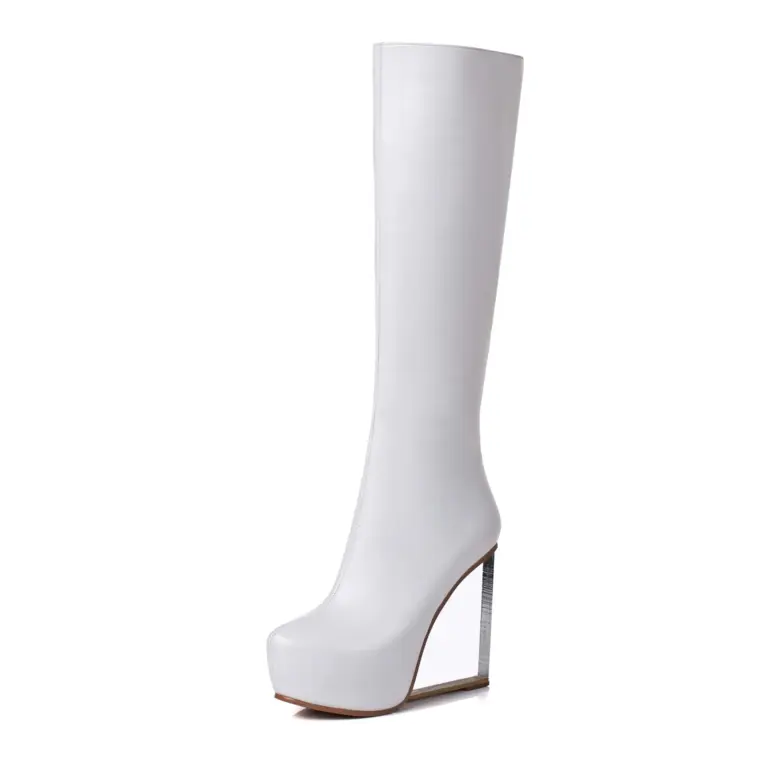
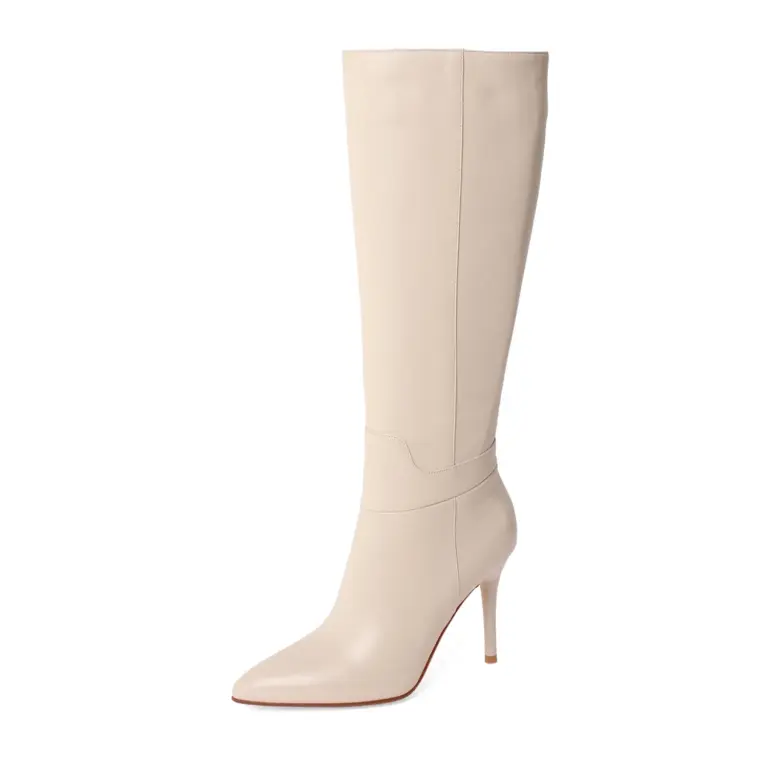
The first pair of white boots I owned came from a market stall, pleather so stiff it creaked when I walked, and within a fortnight the toes had gone the colour of weak tea from nothing more dramatic than pavement dust. The lesson was simple: white shows everything, so the fabric and the finish matter more than the shape ever will.
These come into their own from late spring through early autumn, when the light is bright enough to carry them and the ground is dry enough that you're not asking white leather to survive a puddle. A pale ankle boot does something clever with a sundress or a slip skirt that black never manages, it lifts the whole outfit rather than grounding it, which makes it a good call for daytime weddings, long lunches, festival weekends, anything with a bit of occasion but no real formality. Where it struggles is deep winter and proper weather. Rain splashback, road salt, mud at a gig or a dog walk, all of it finds white boots and tells on you by lunchtime, so I keep mine for months when the forecast isn't actively plotting against me. They also clash harder than people expect with very cool toned outfits, icy blues, silvery greys, stark black and white combinations, the boot ends up looking like an afterthought rather than part of the plan. They sit far better against warmer palettes, tan, terracotta, olive, soft denim, where the white reads as a deliberate highlight instead of a mismatched leftover.
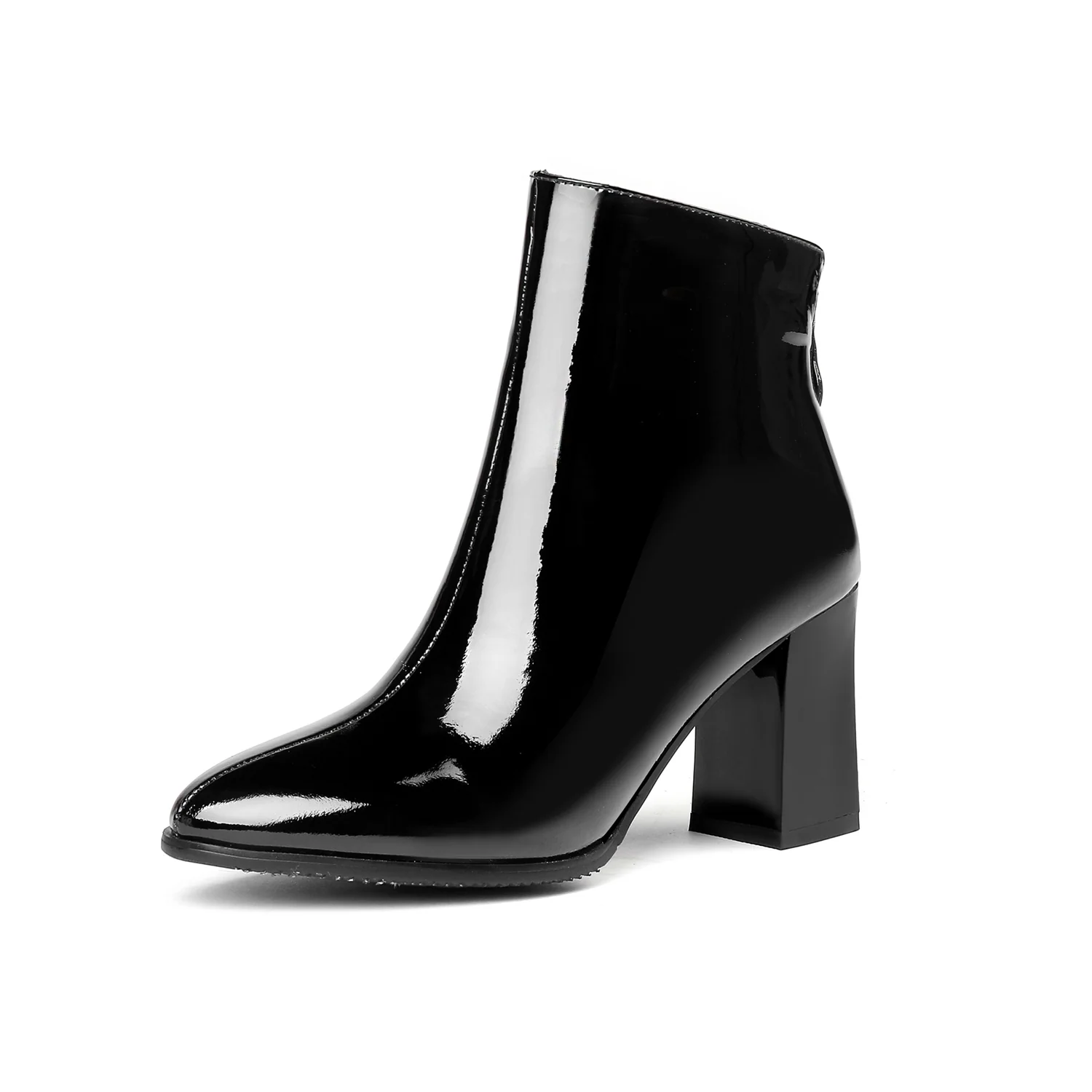
On finish, matte leather or a good suede alternative is far more forgiving day to day than anything glossy or patent, which scuffs if you so much as glance at a kerb and shows every mark under indoor lighting. An off white or bone shade hides general wear better than stark optic white too, and still gives you that lift without the maintenance headache of looking fresh out of the box every single time you leave the house.
Go a touch roomier than your usual size if the pair has any structure through the ankle, since white leather doesn't stretch or forgive the way a worn in black boot eventually does.
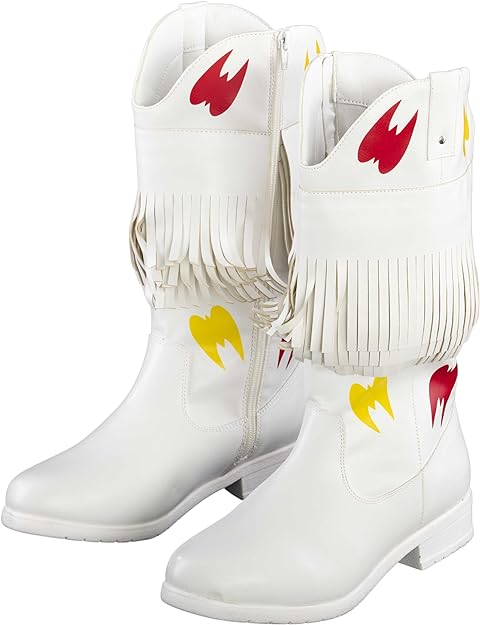 Wide Fit BootsWide Fit White Boots That Are Actually Comfortable
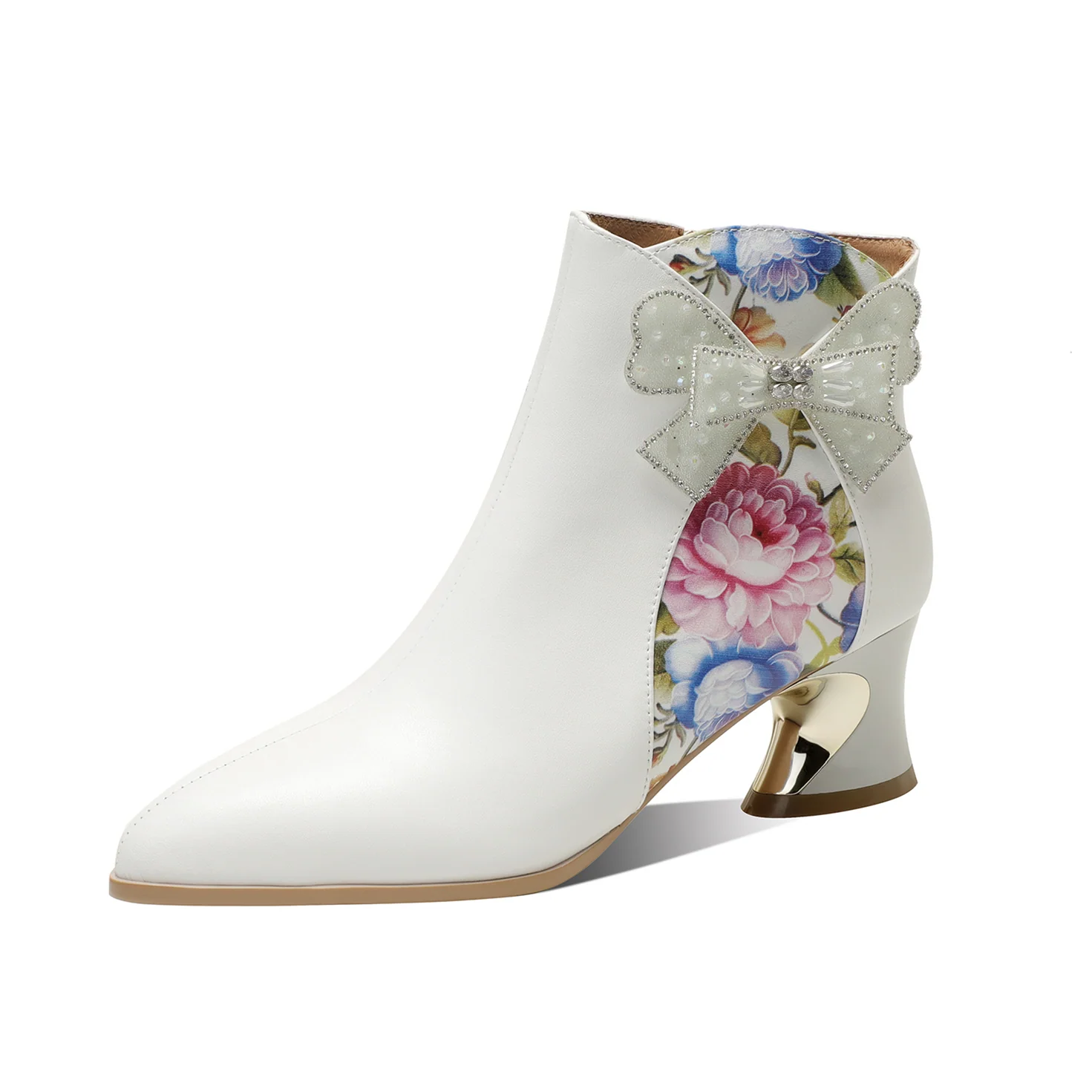 Ankle BootsThe Best Looking White Zip Ankle Boots Out There
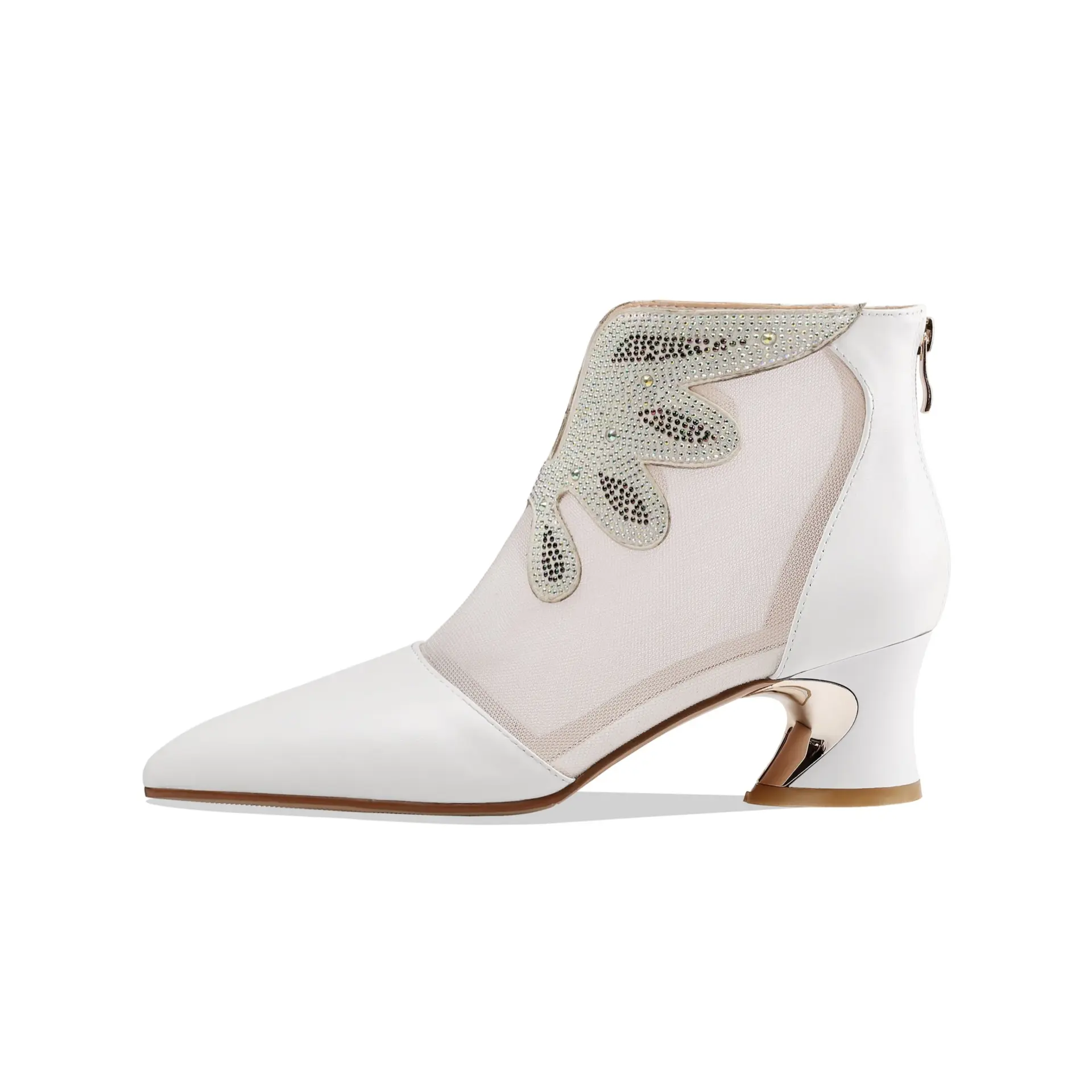
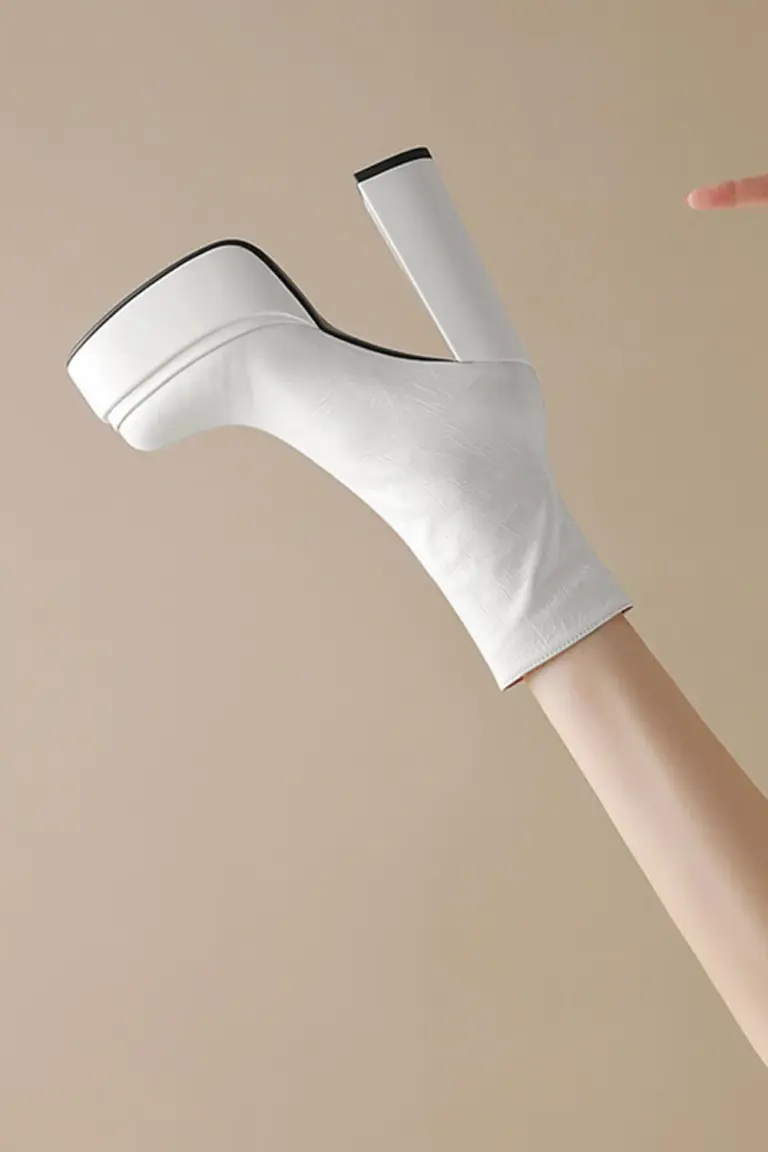 Ankle BootsWhite Zip Ankle Boots With Real Wardrobe Staying Power
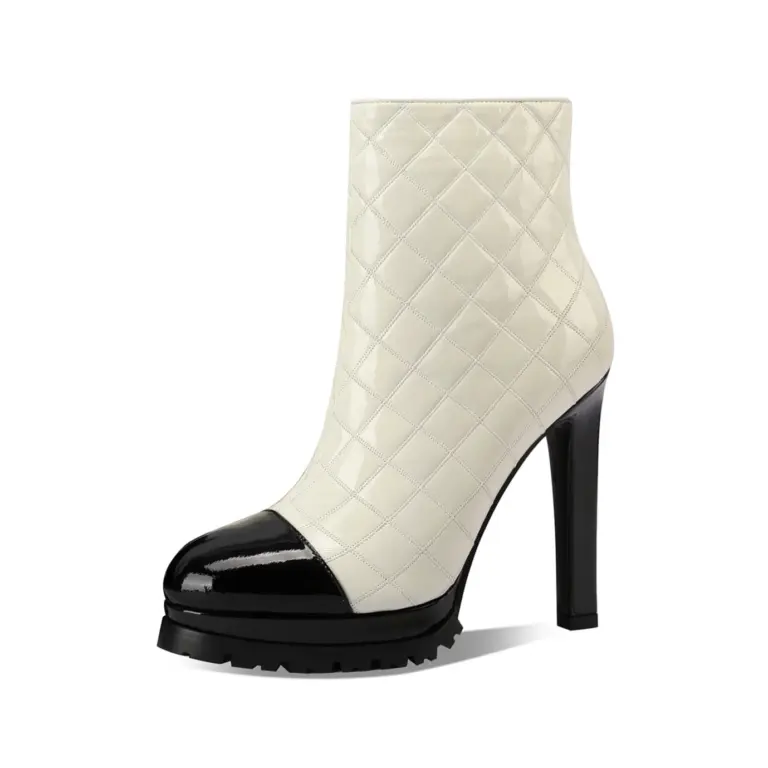
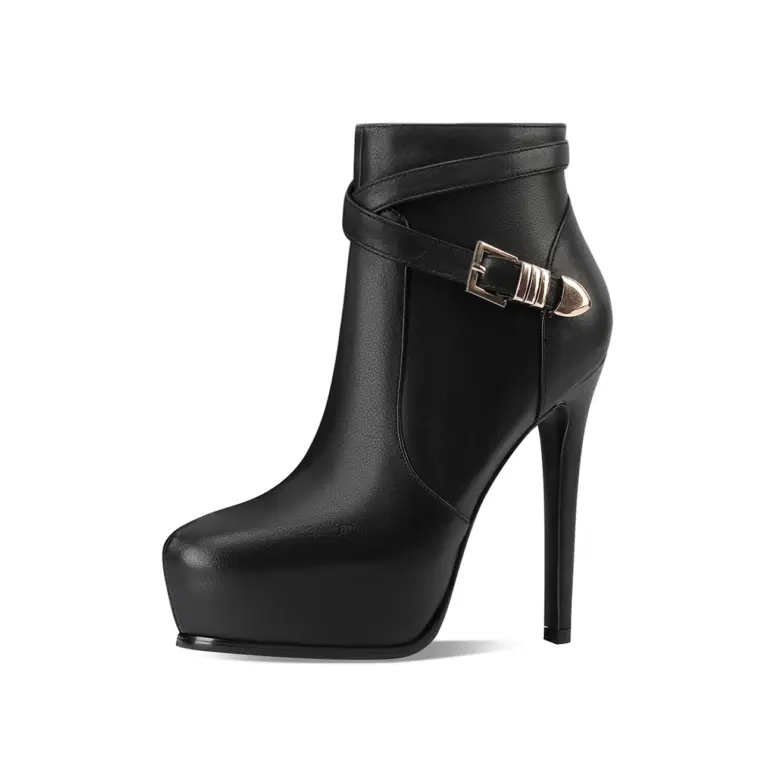 White Zip Boots: Our Current Favorites
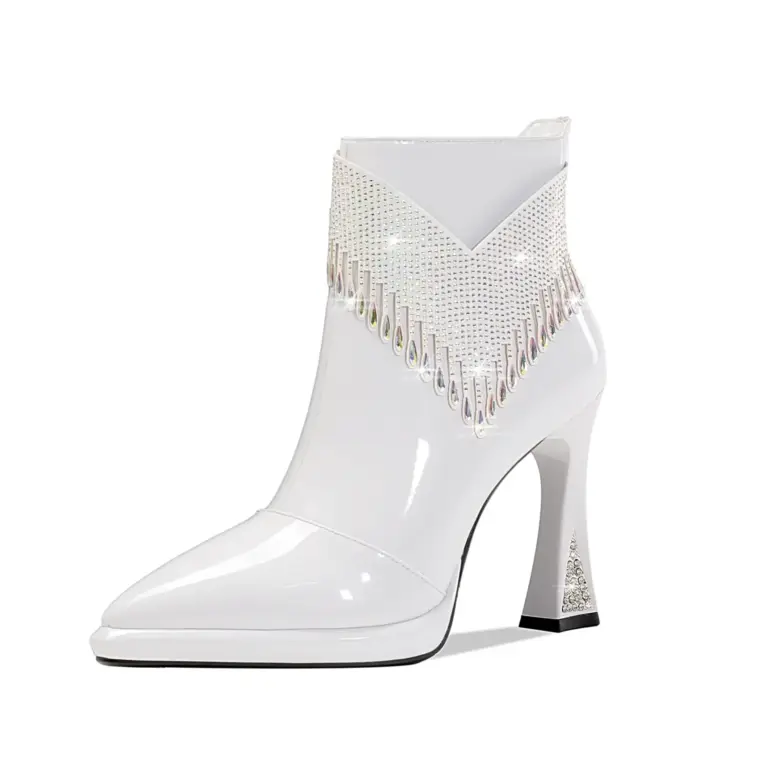
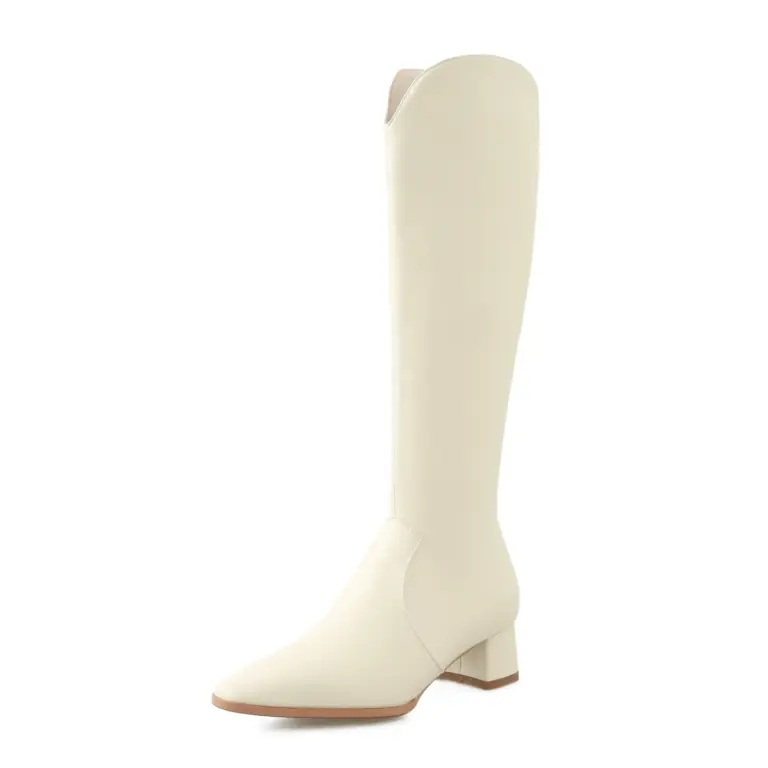 Western BootsWhite Western Boots That Make Any Outfit
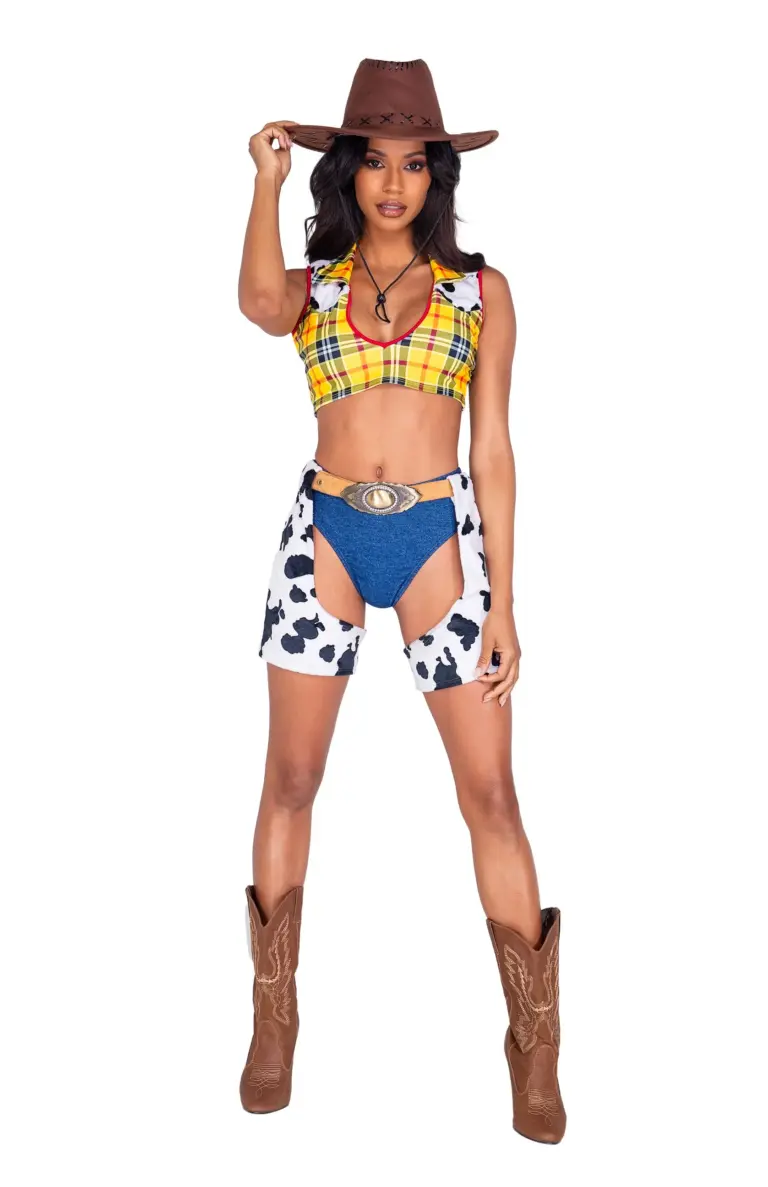
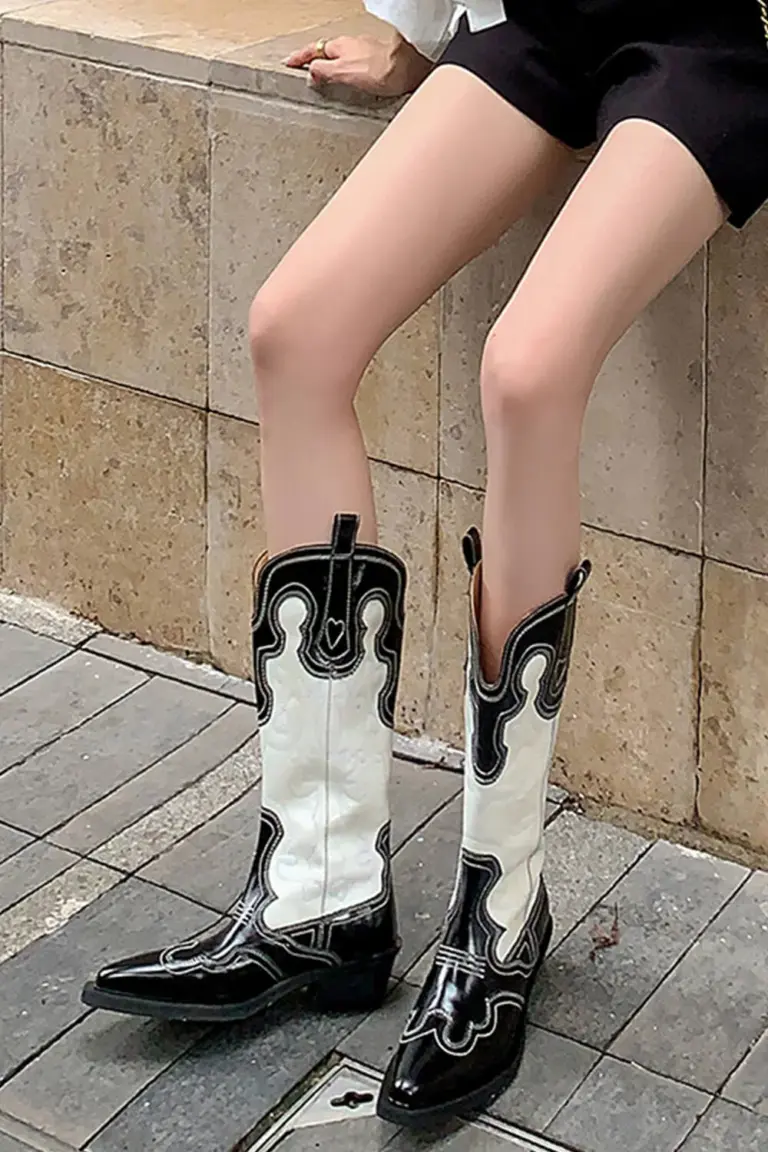 The White Slip On Boots on Our Wishlist
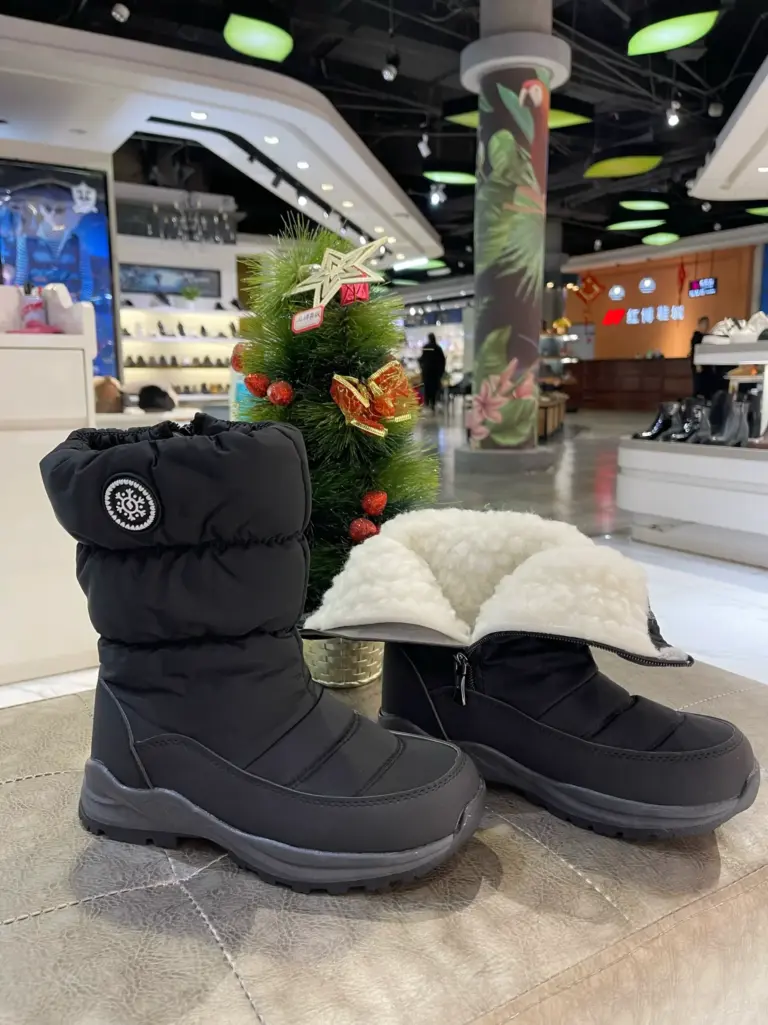
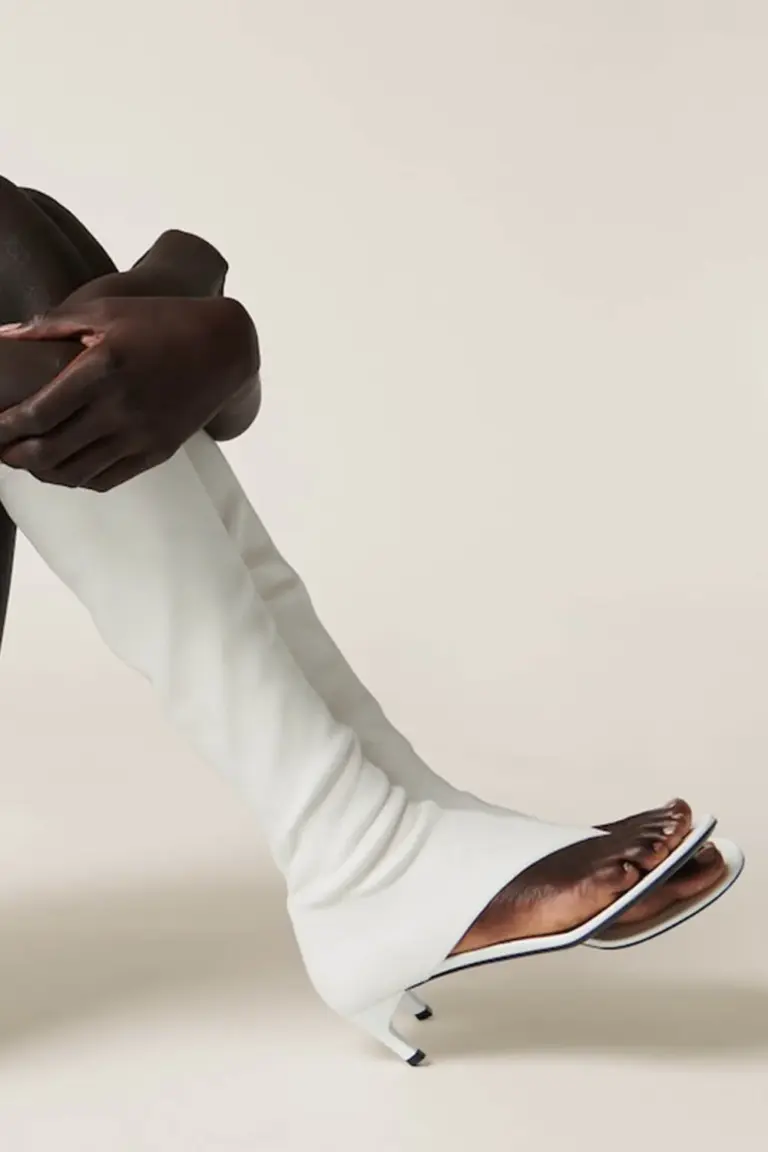 Our Pick of the Best White Round Toe Boots
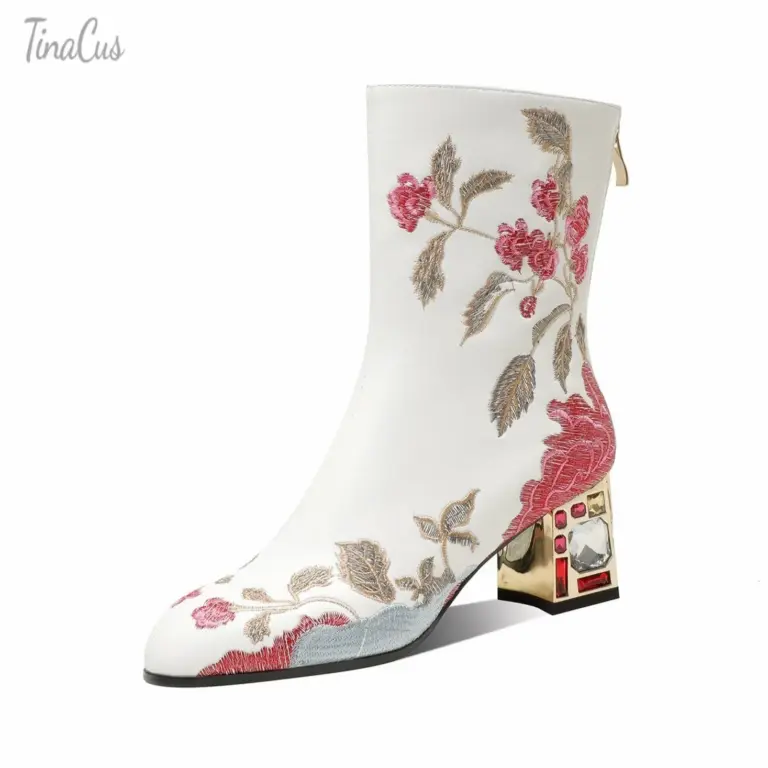
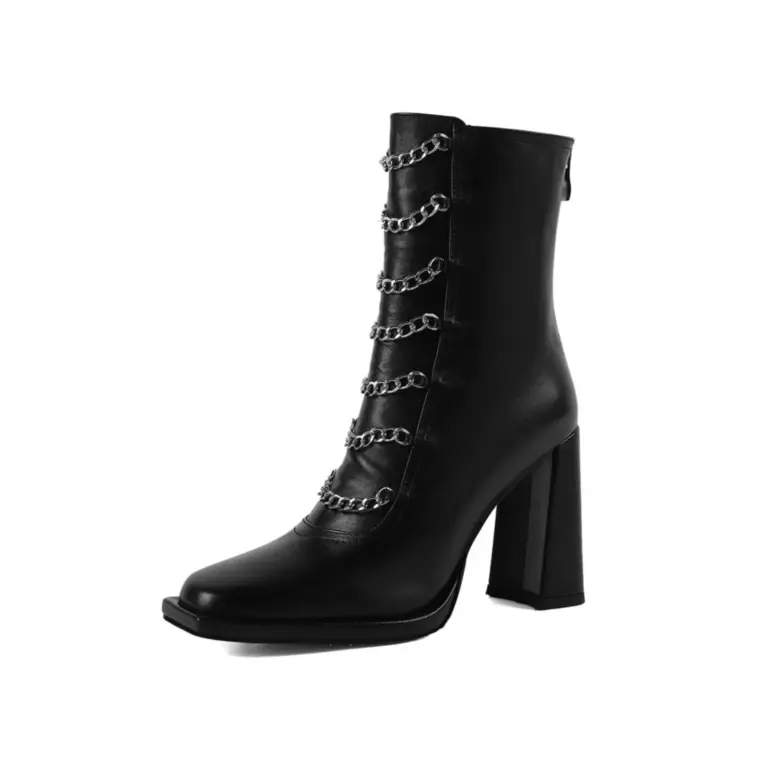 Rubber BootsWhite Rubber Ankle Boots We’d Buy Again
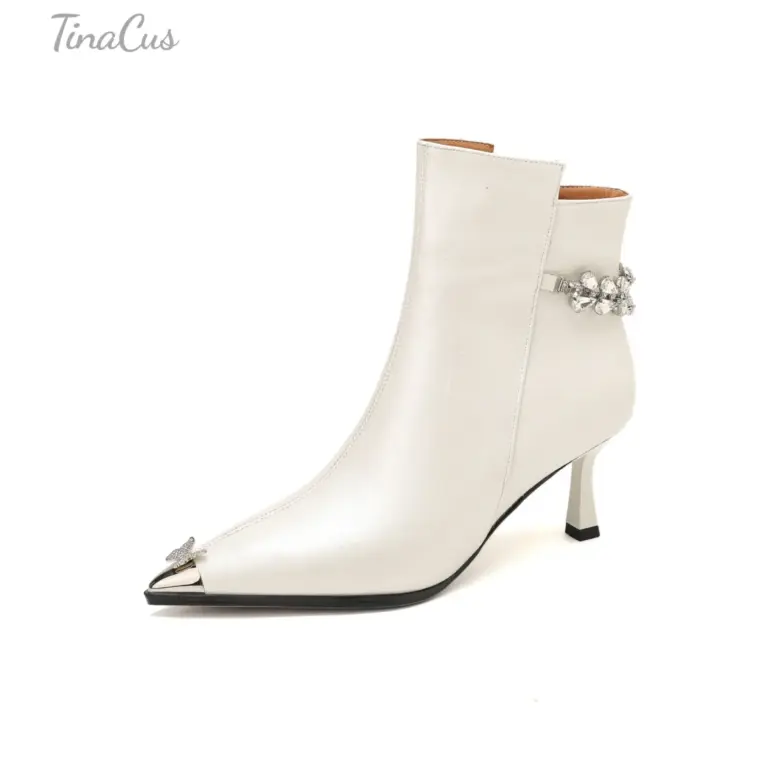
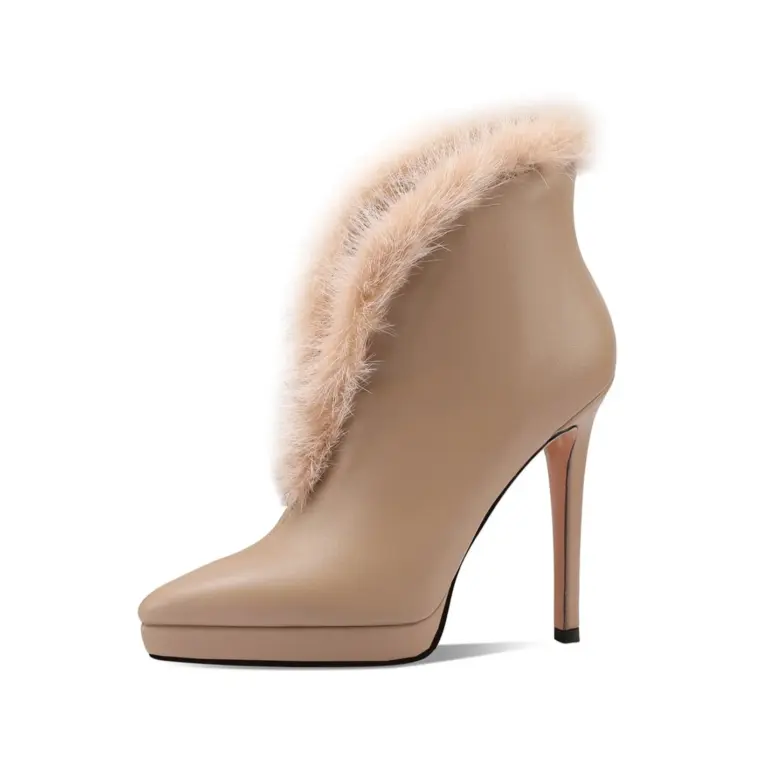 Rubber BootsWhite Rubber Ankle Boots Edited Down to the BestAlso worth a lookAnkle BootsIf you're holding an ankle boot in the changing room and wondering whether it's the sensible one or…See the collections →
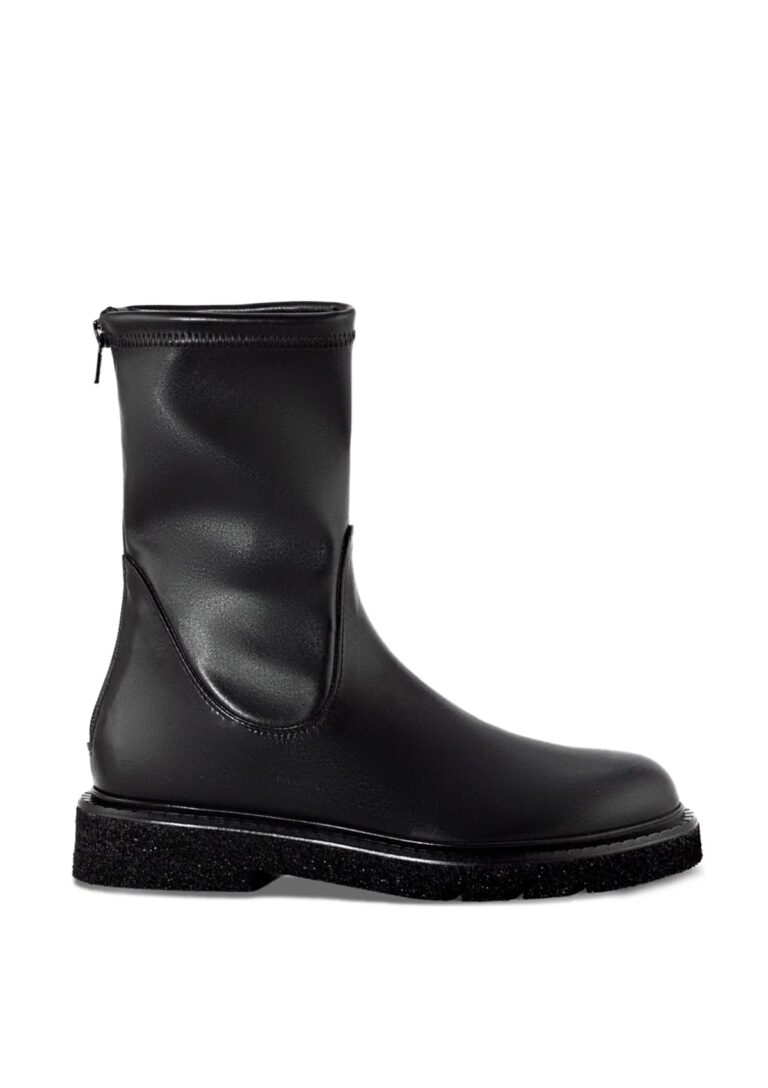
 Rubber BootsWhite Rubber Boots: The Edit
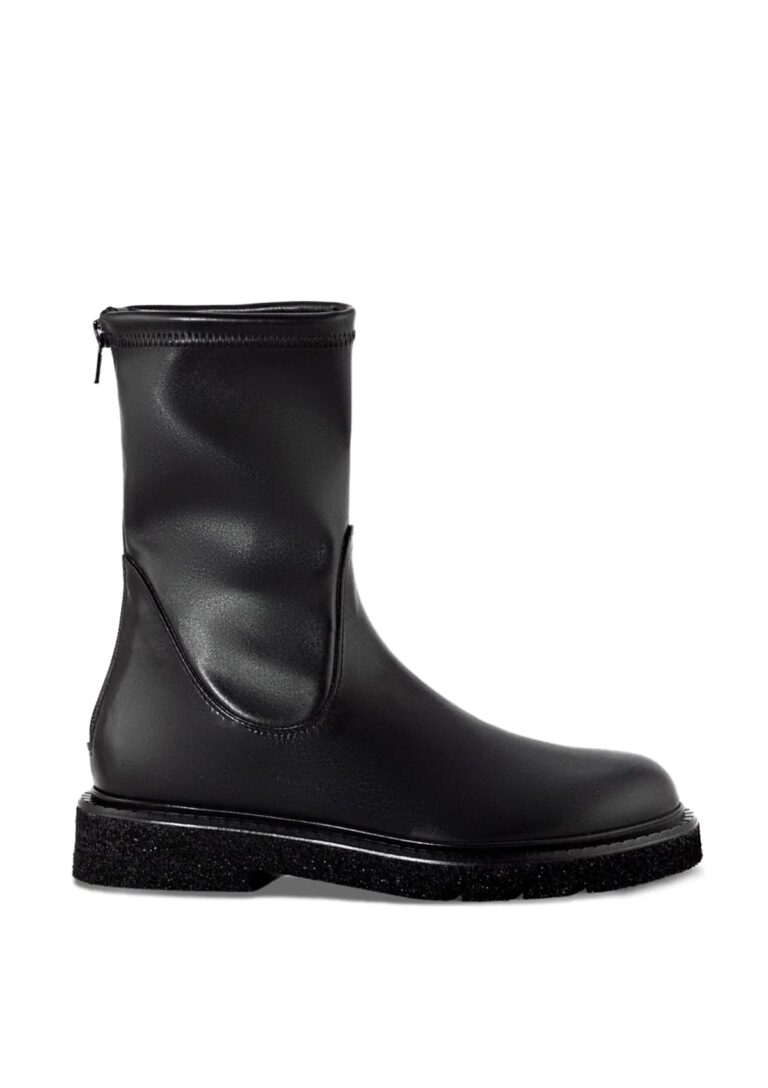
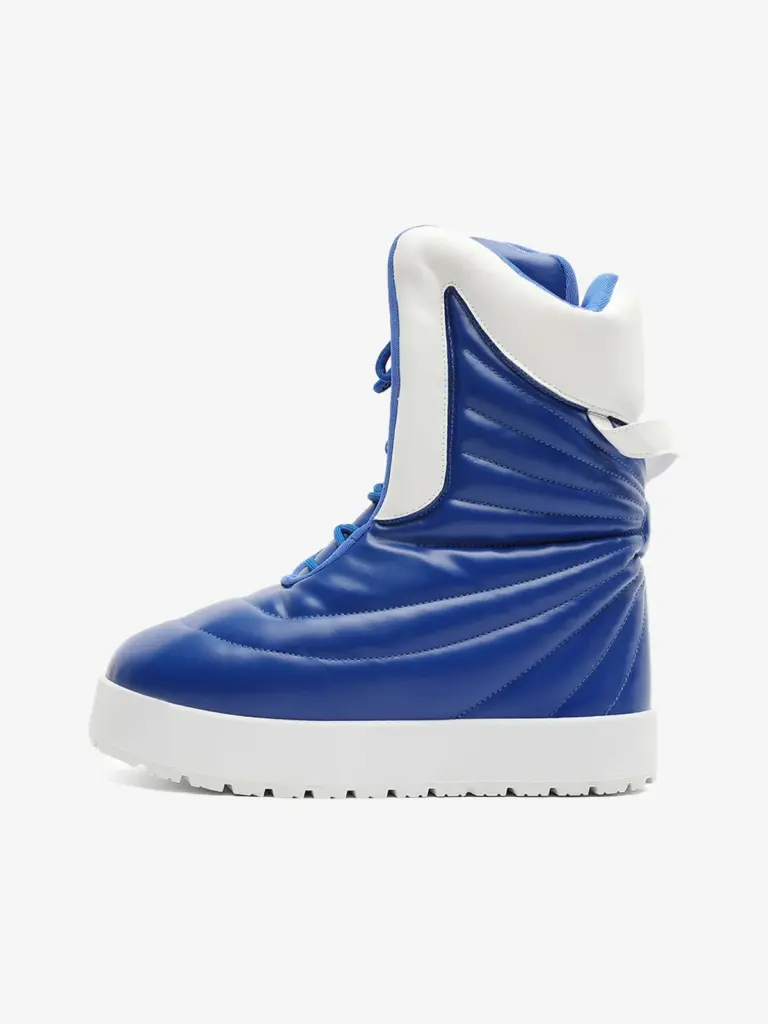 Platform BootsOur Go To White Platform Boots
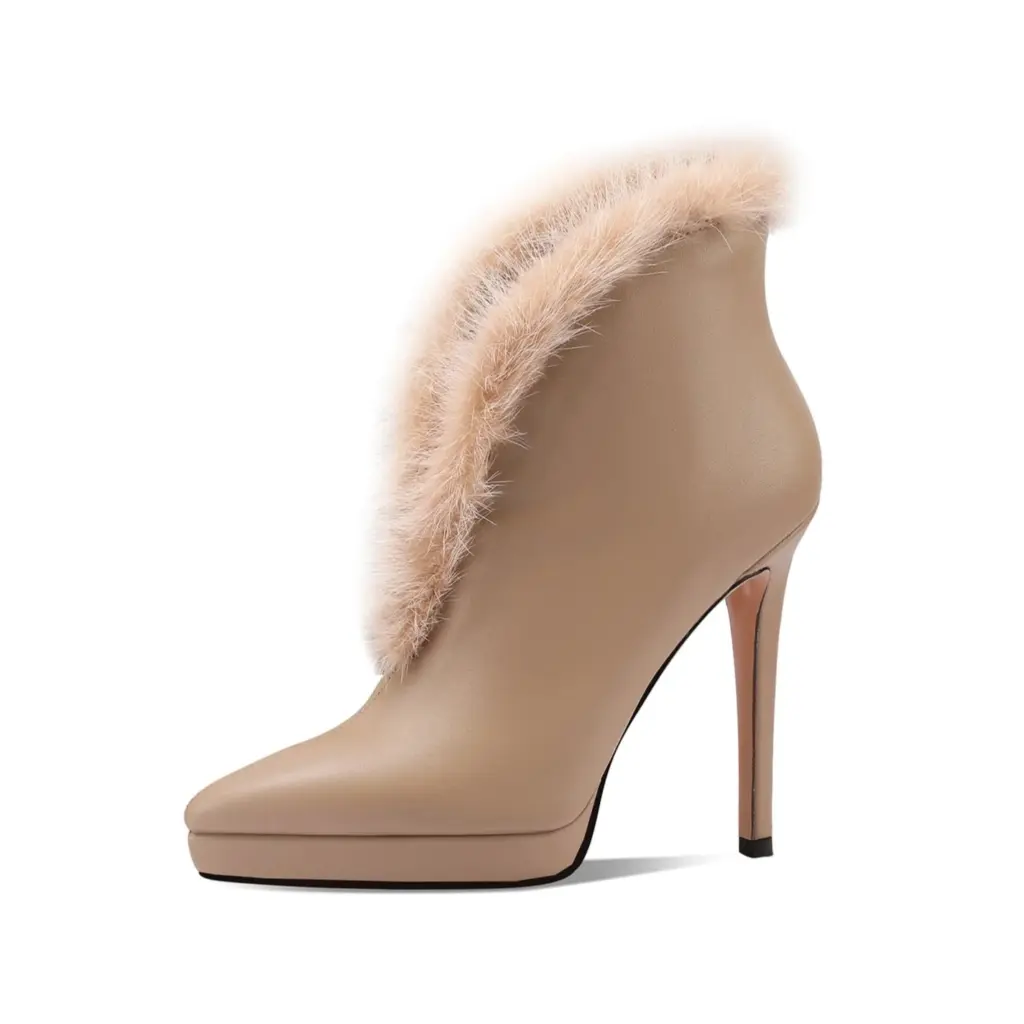
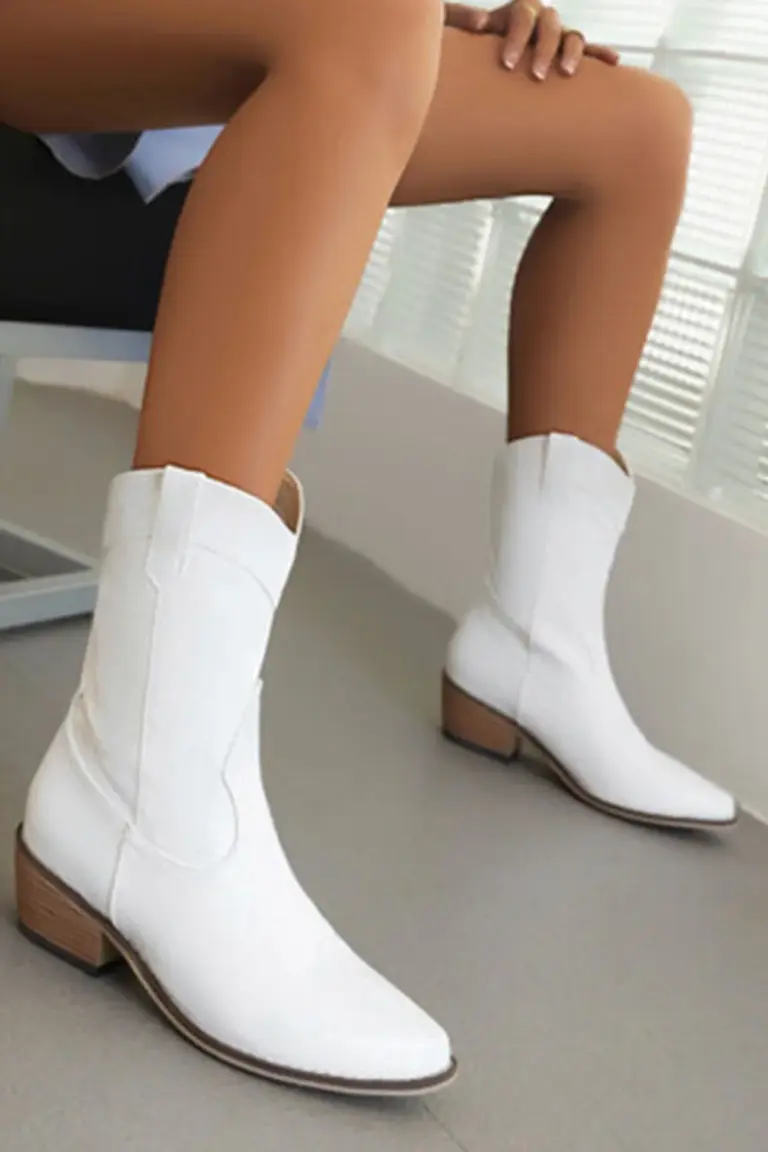 Ankle BootsThe Prettiest White Pointed Ankle Boots Around Right Now
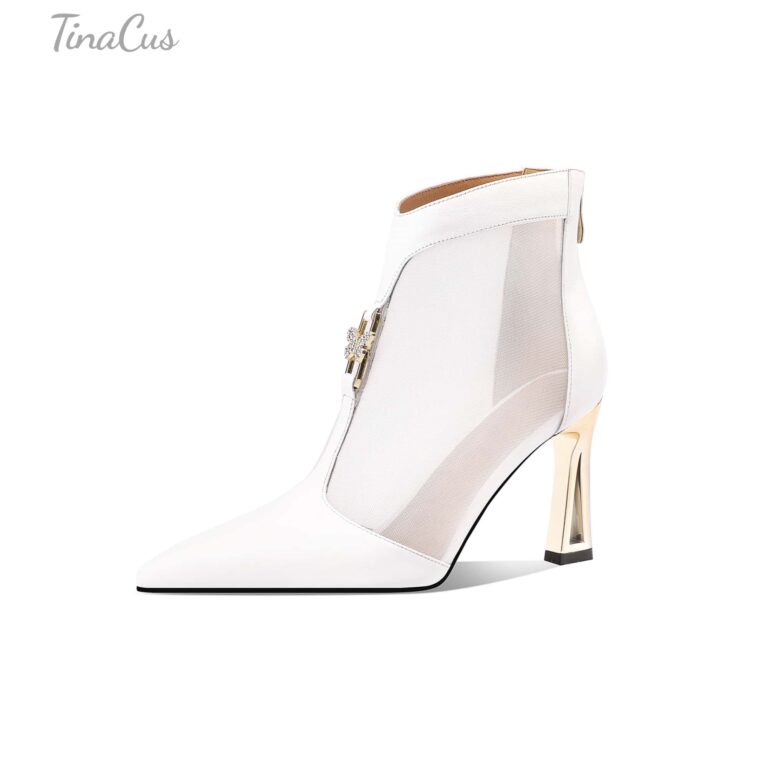
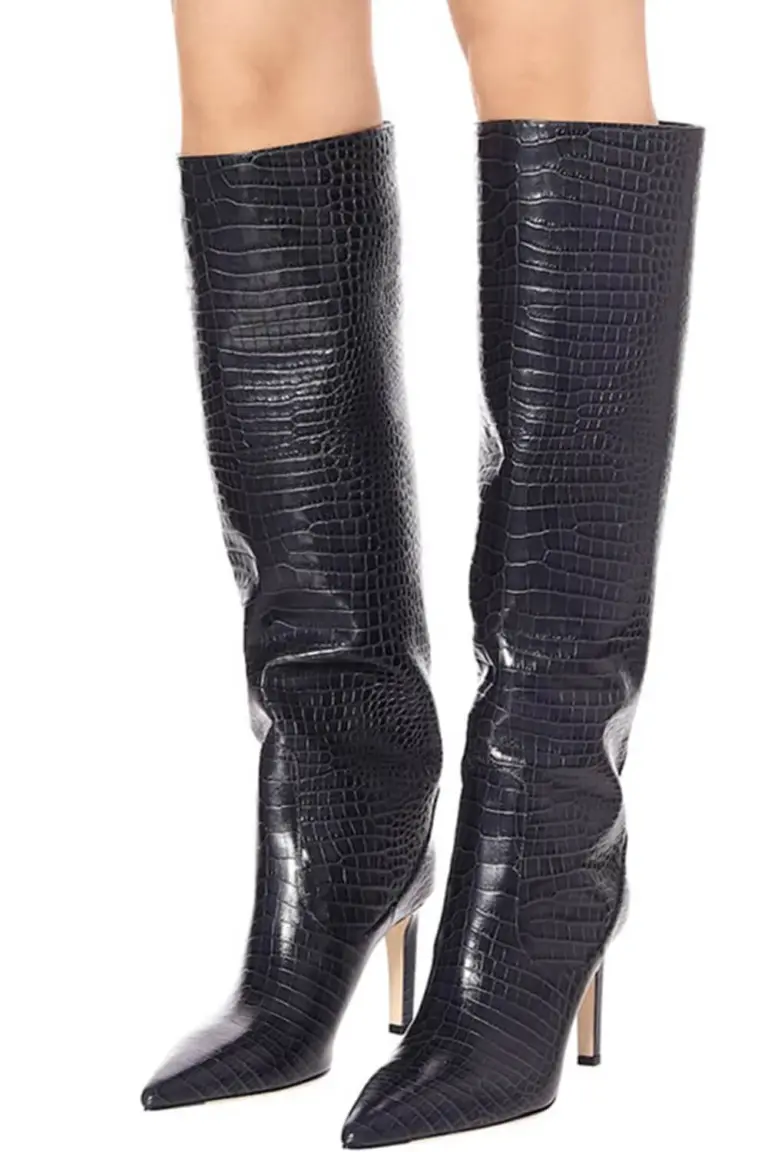 White Pointed Boots: Our Top Picks
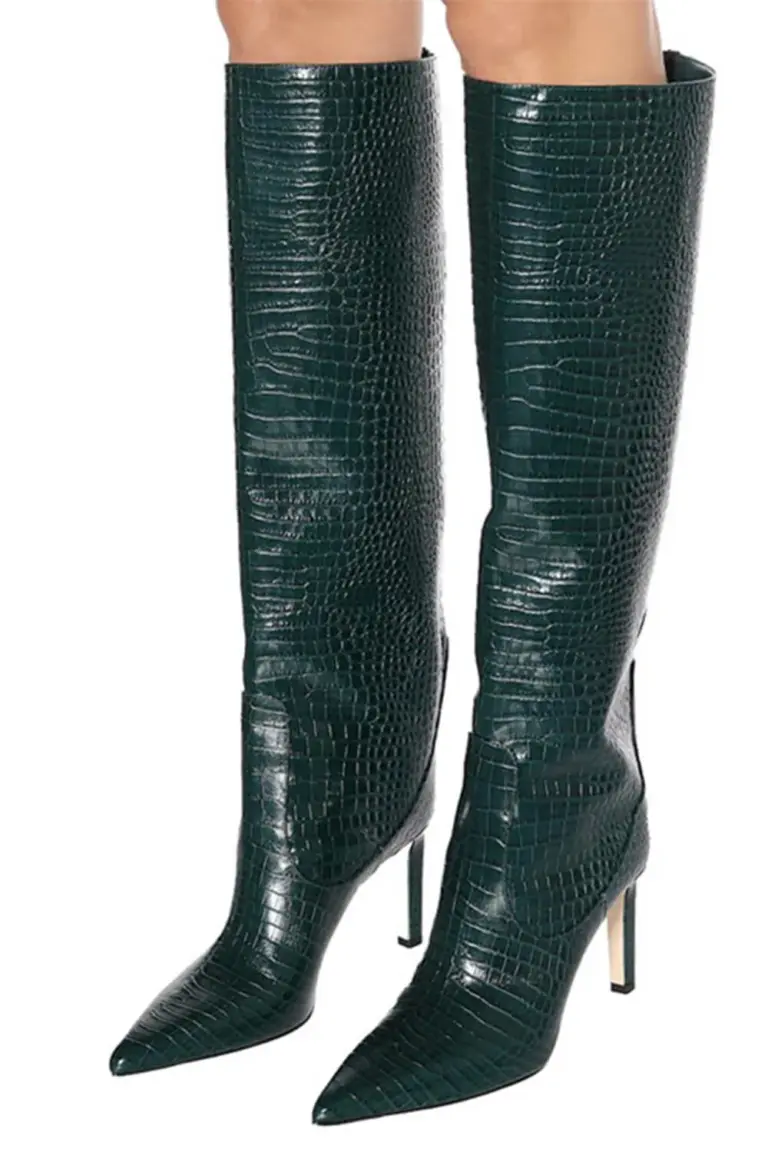
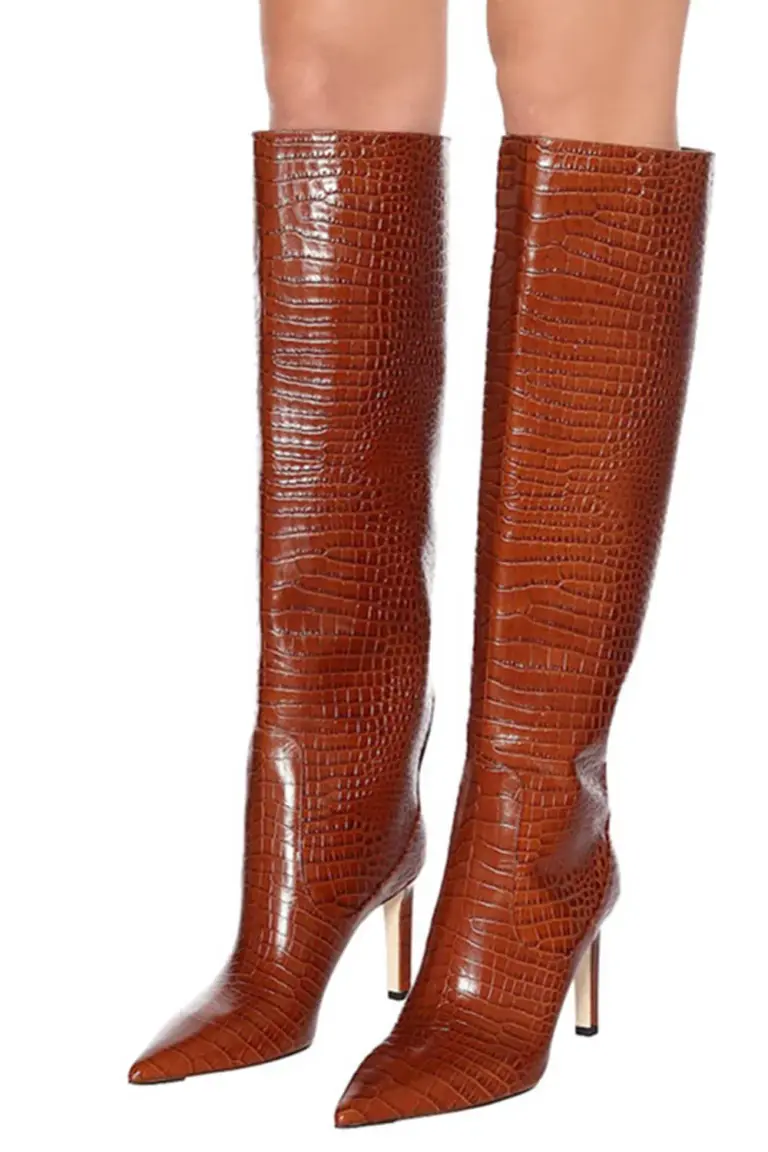 Knee High BootsOur Go To White Pointed Knee High Boots
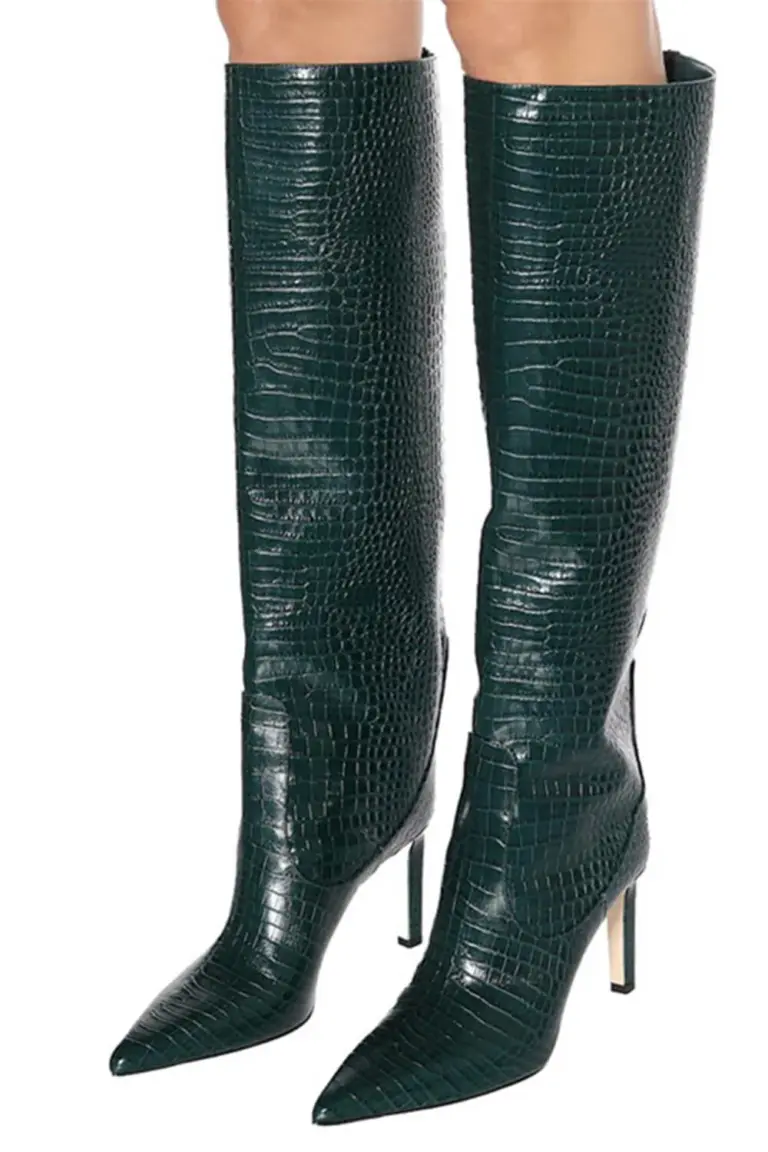
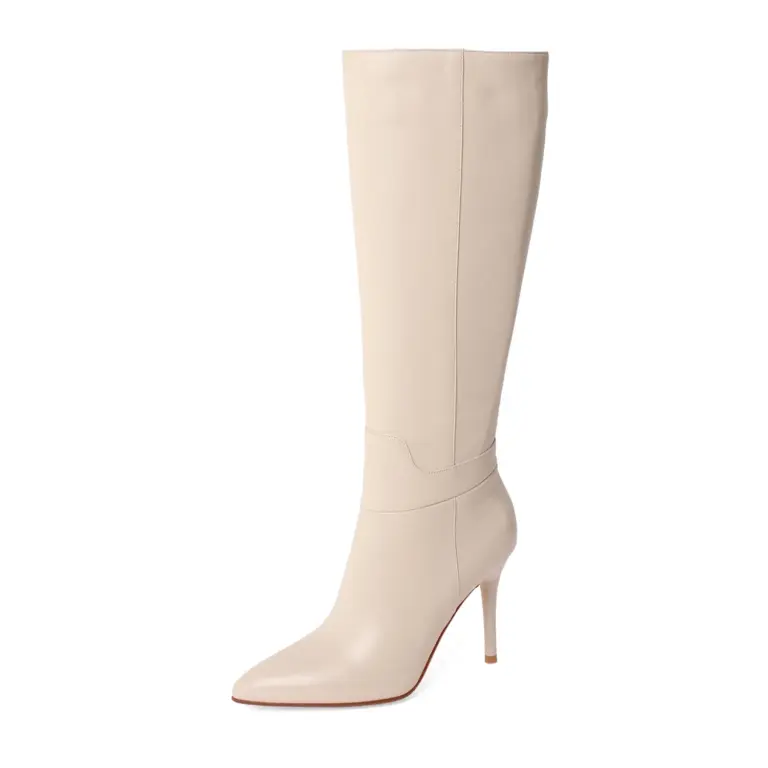 Over the Knee BootsOur Kind of White Over the Knee Boots
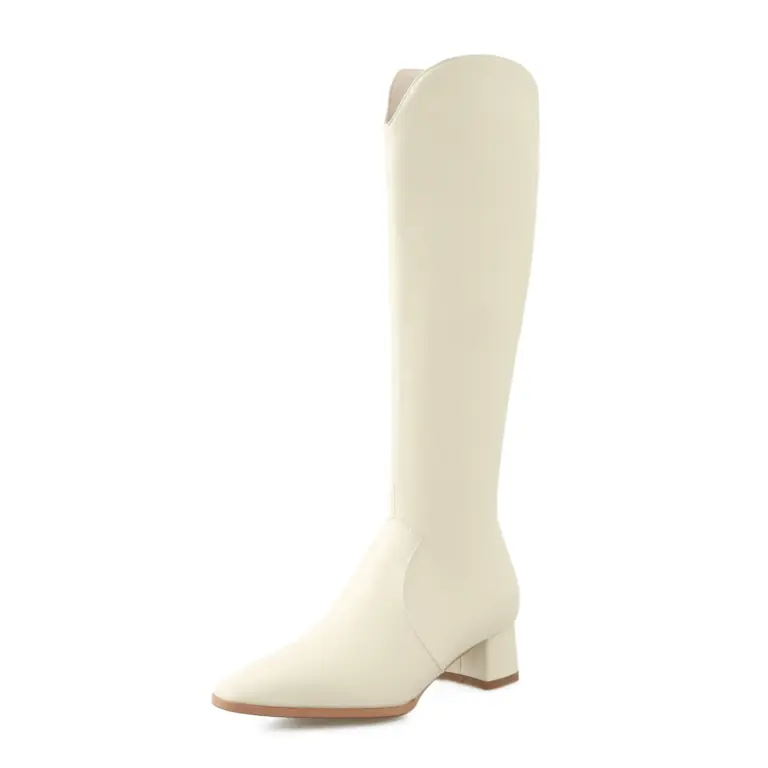
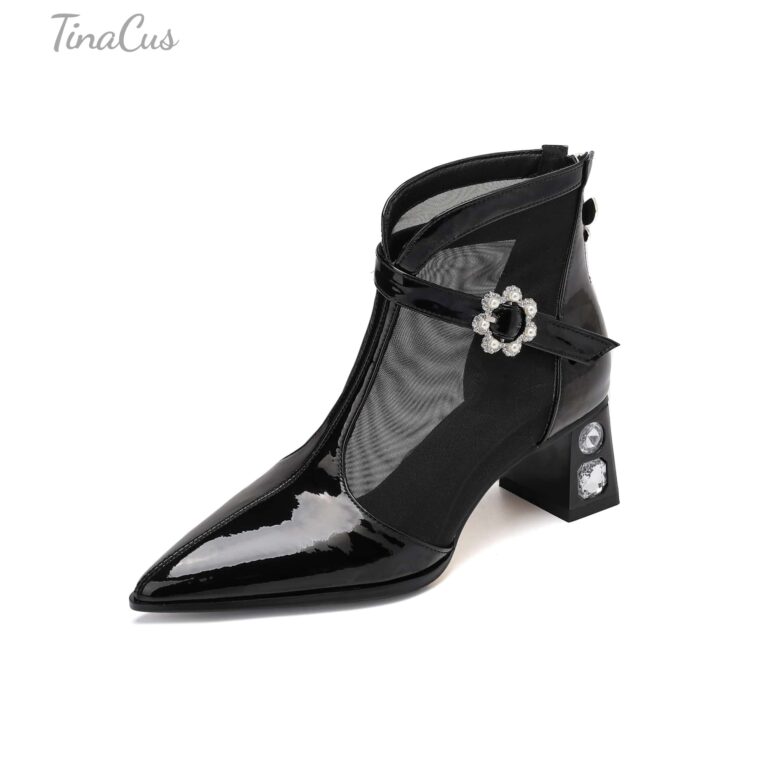 Ankle BootsWhite Mesh Ankle Boots That Make Any Outfit
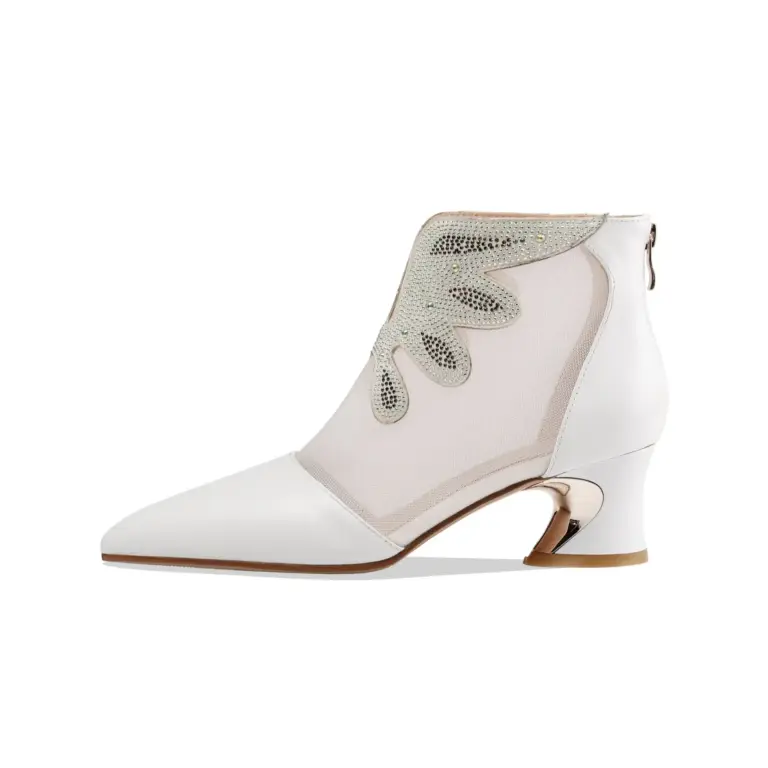
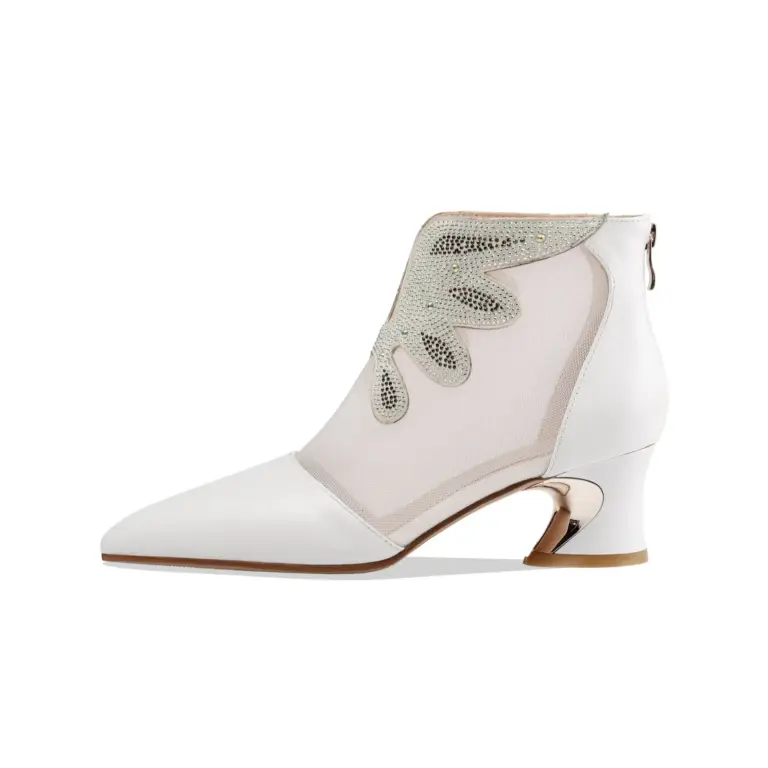 White Mesh Boots: Picks We Stand By
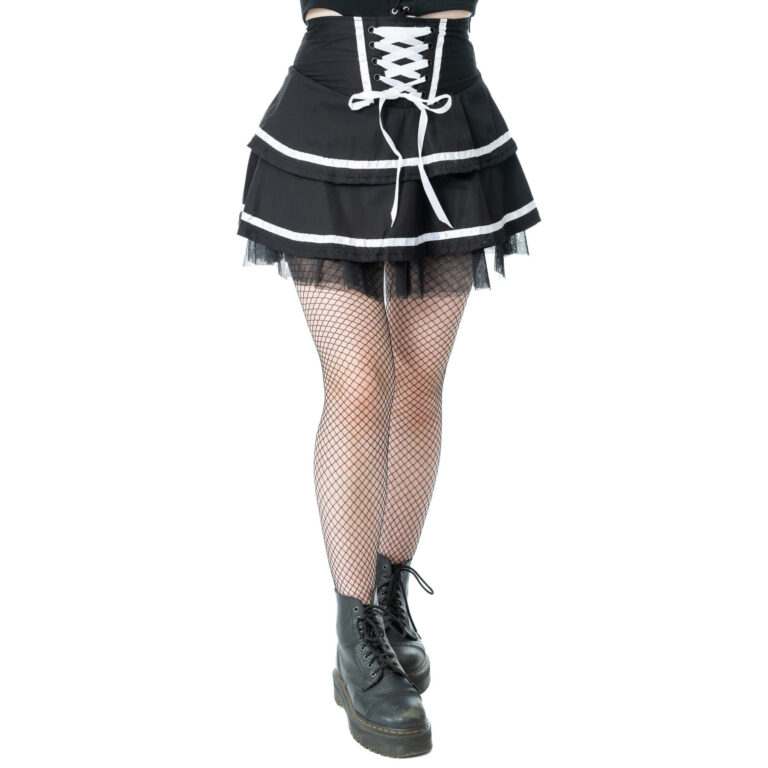
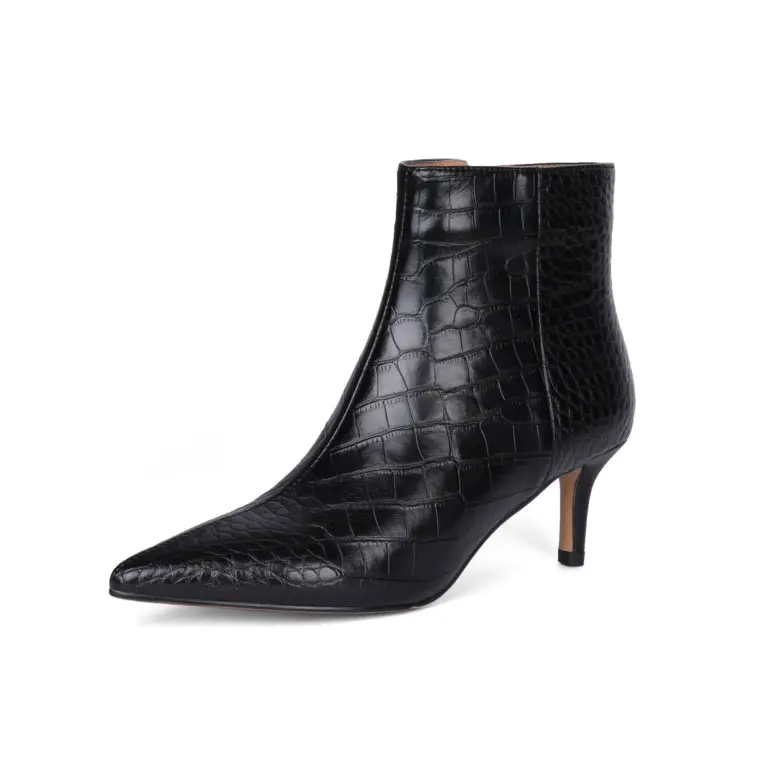 Ankle BootsThe Best White Mid Heel Ankle Boots to Shop NowAlso worth a lookBlack BootsI'll tell you what I tell anyone holding a pair of black boots in a changing room: sit…See the collections →
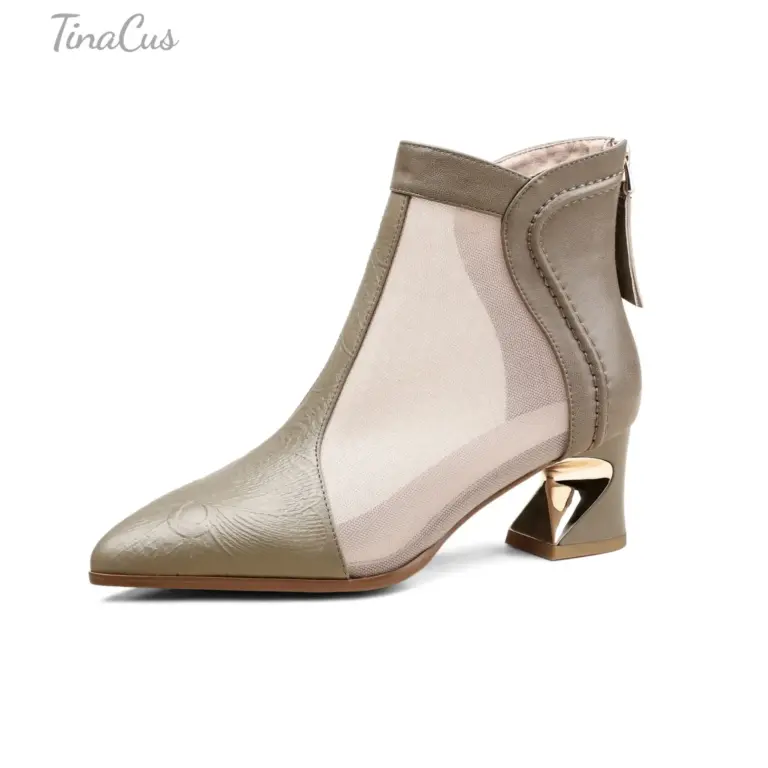
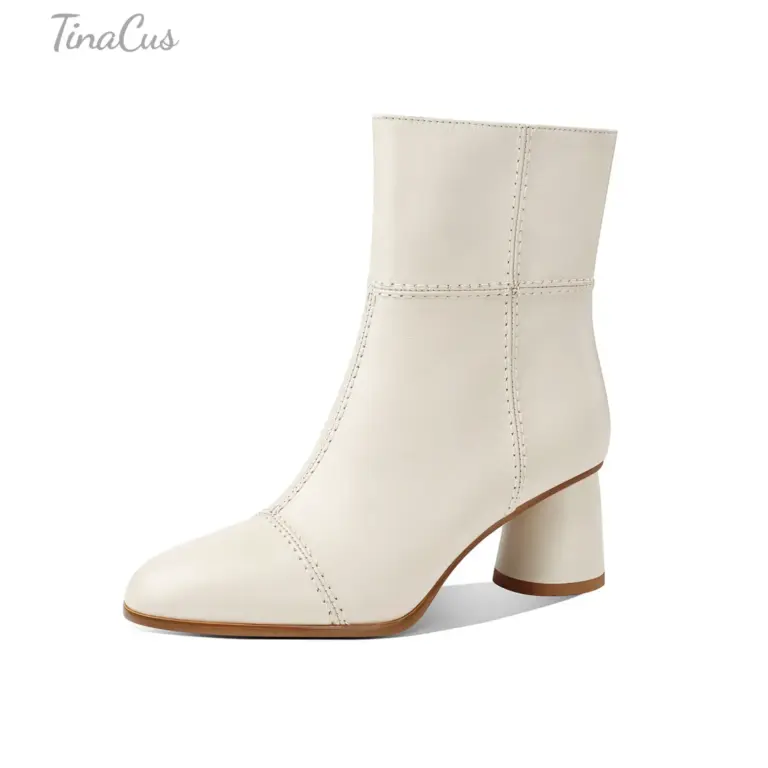 Ankle BootsWhite Mid Heel Ankle Boots We Love Right Now
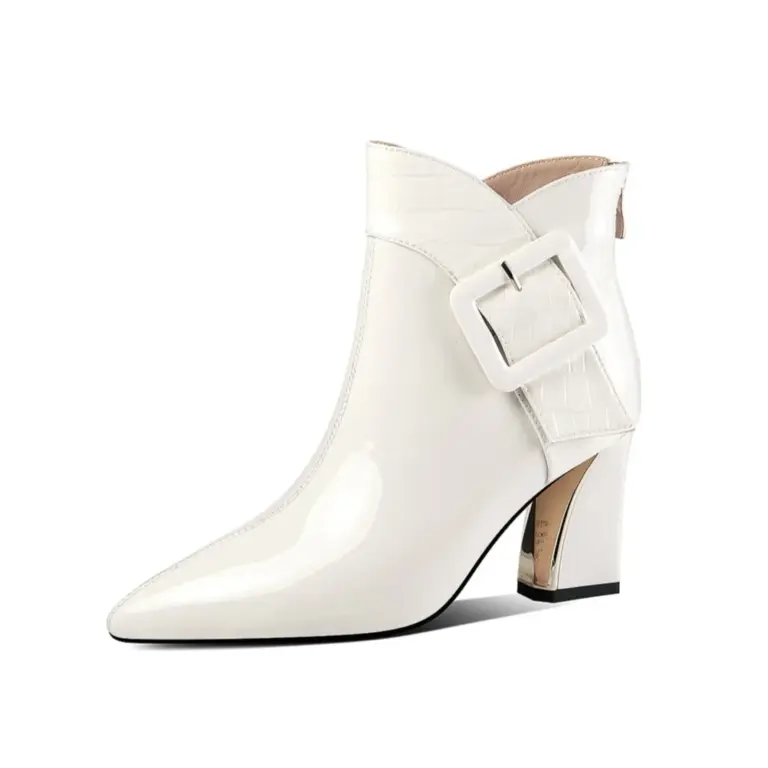
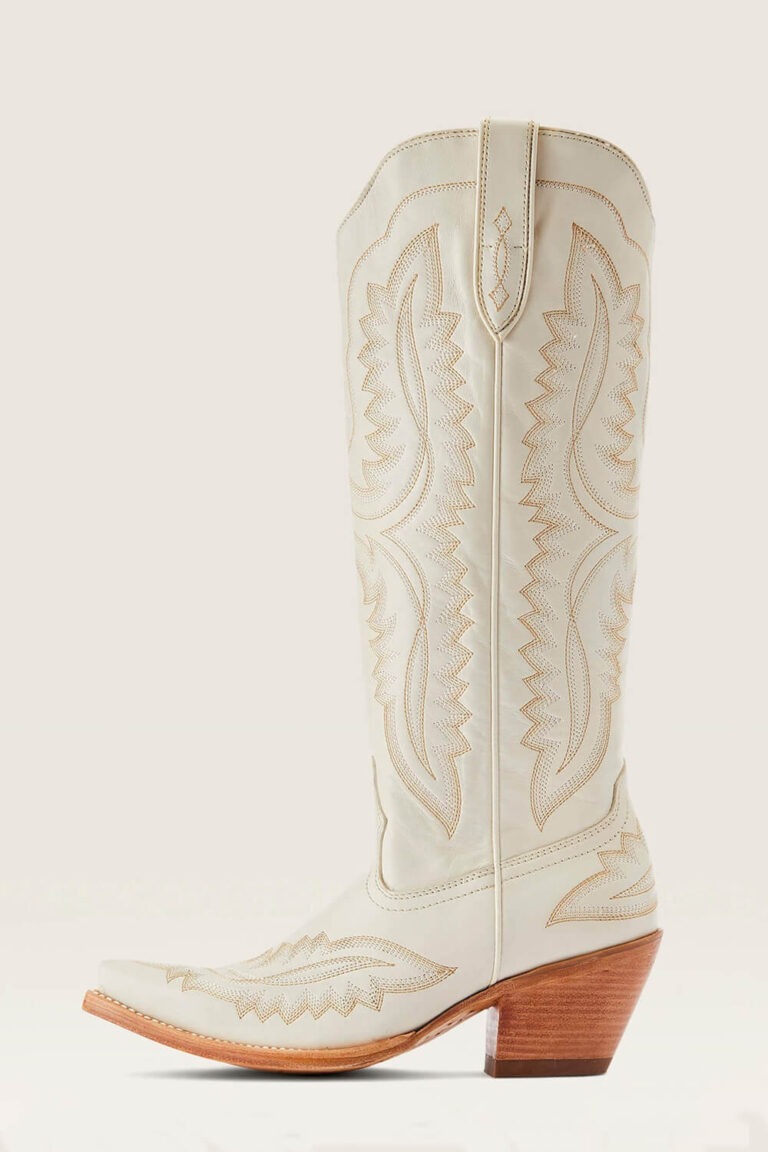 The Best Looking White Mid Heel Boots Out There
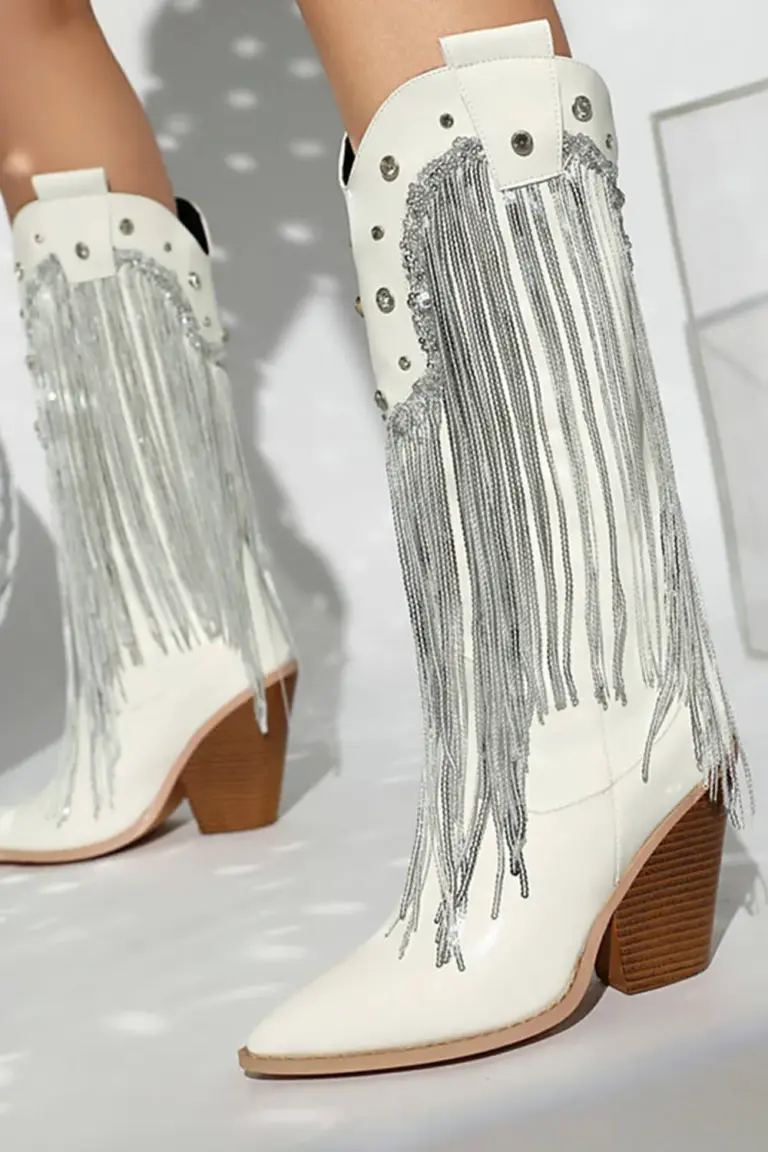
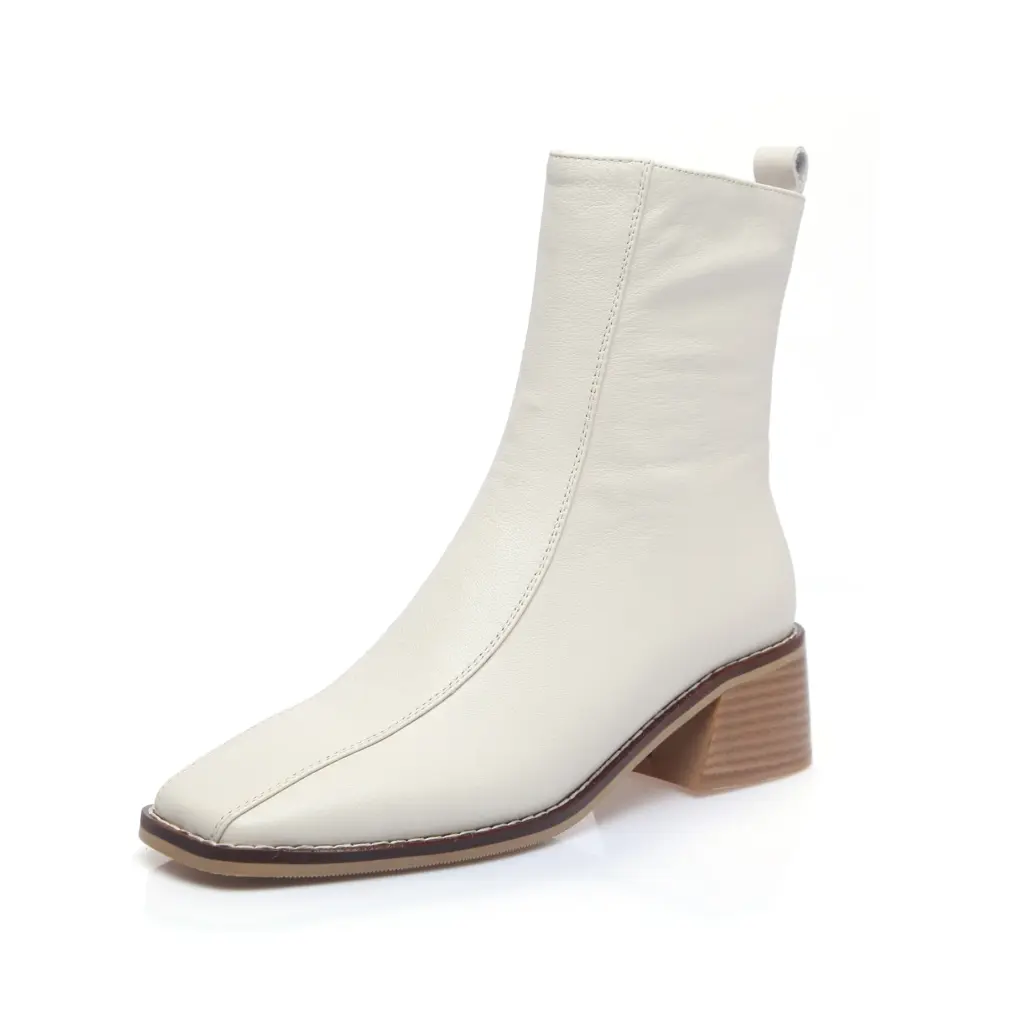 The White Low Boots on Our Wishlist
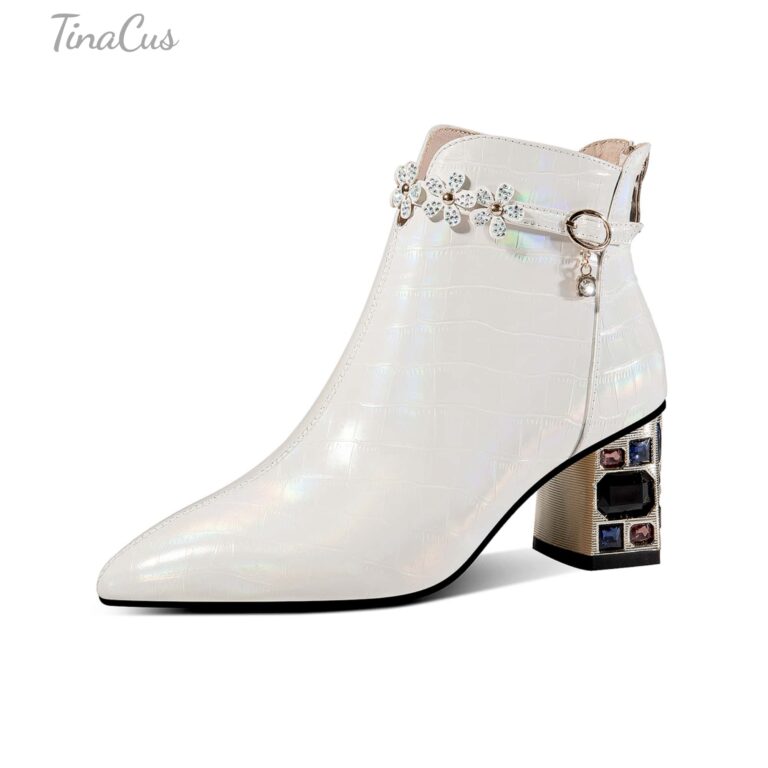 Leather BootsWhite Leather Ankle Boots Worth a Closer Look
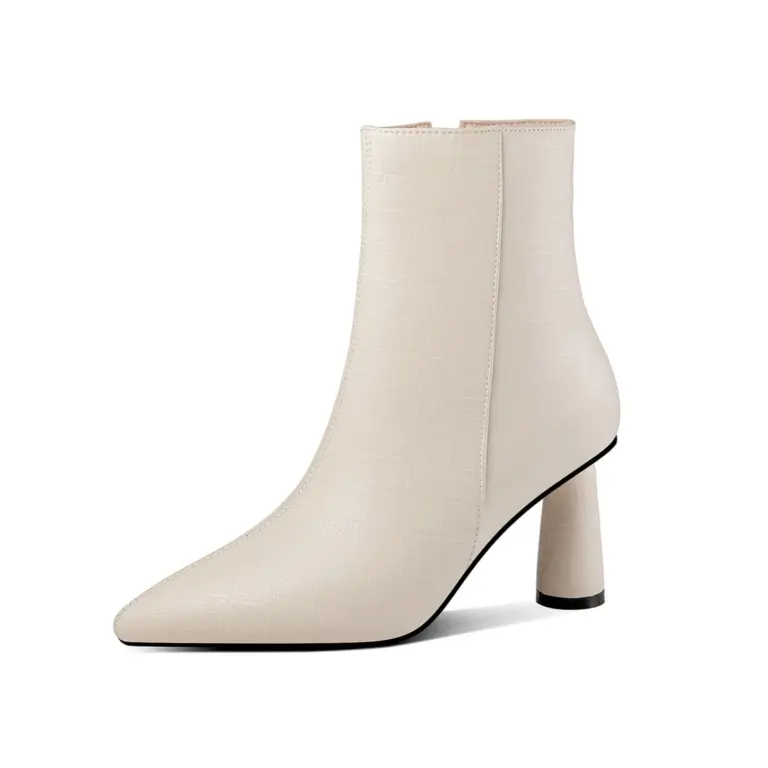
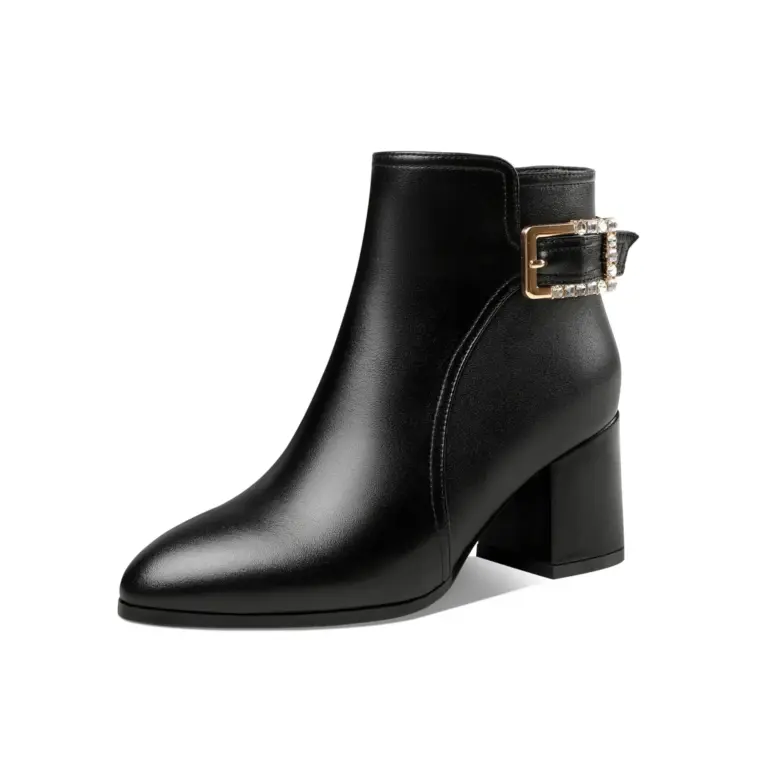 Leather BootsWhite Leather Ankle Boots That Go With Everything
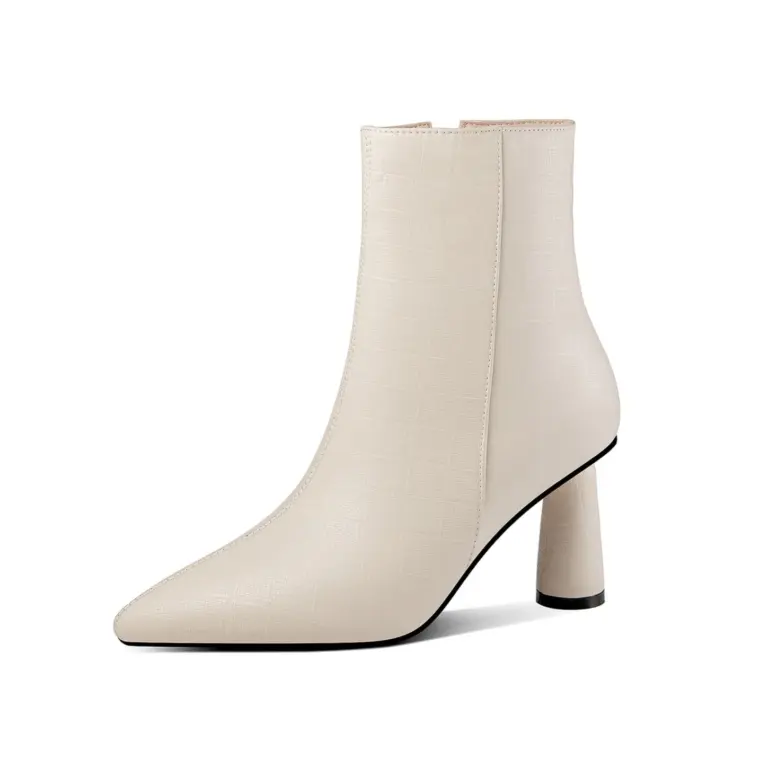
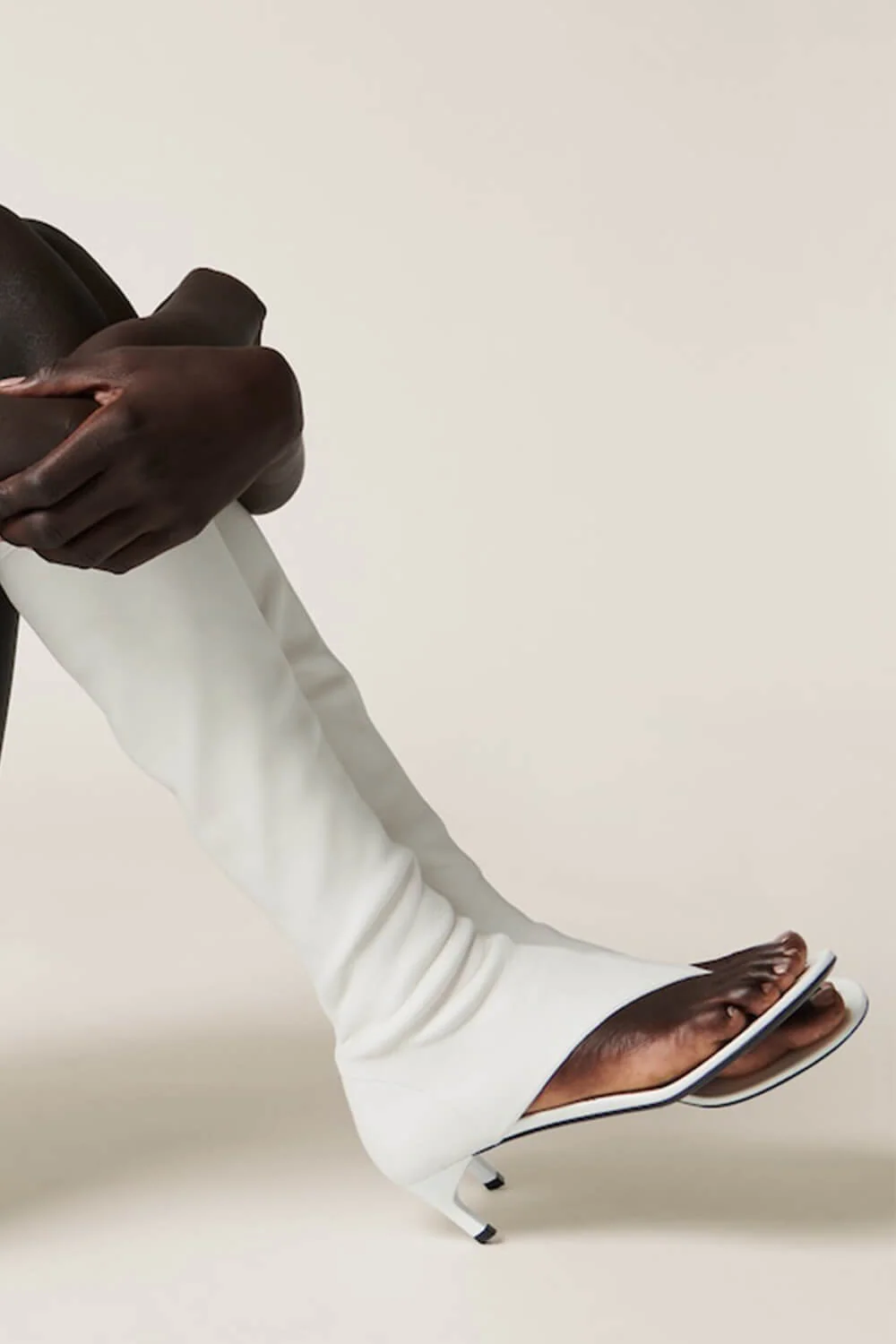 Leather BootsOur Shortlist of White Leather Boots
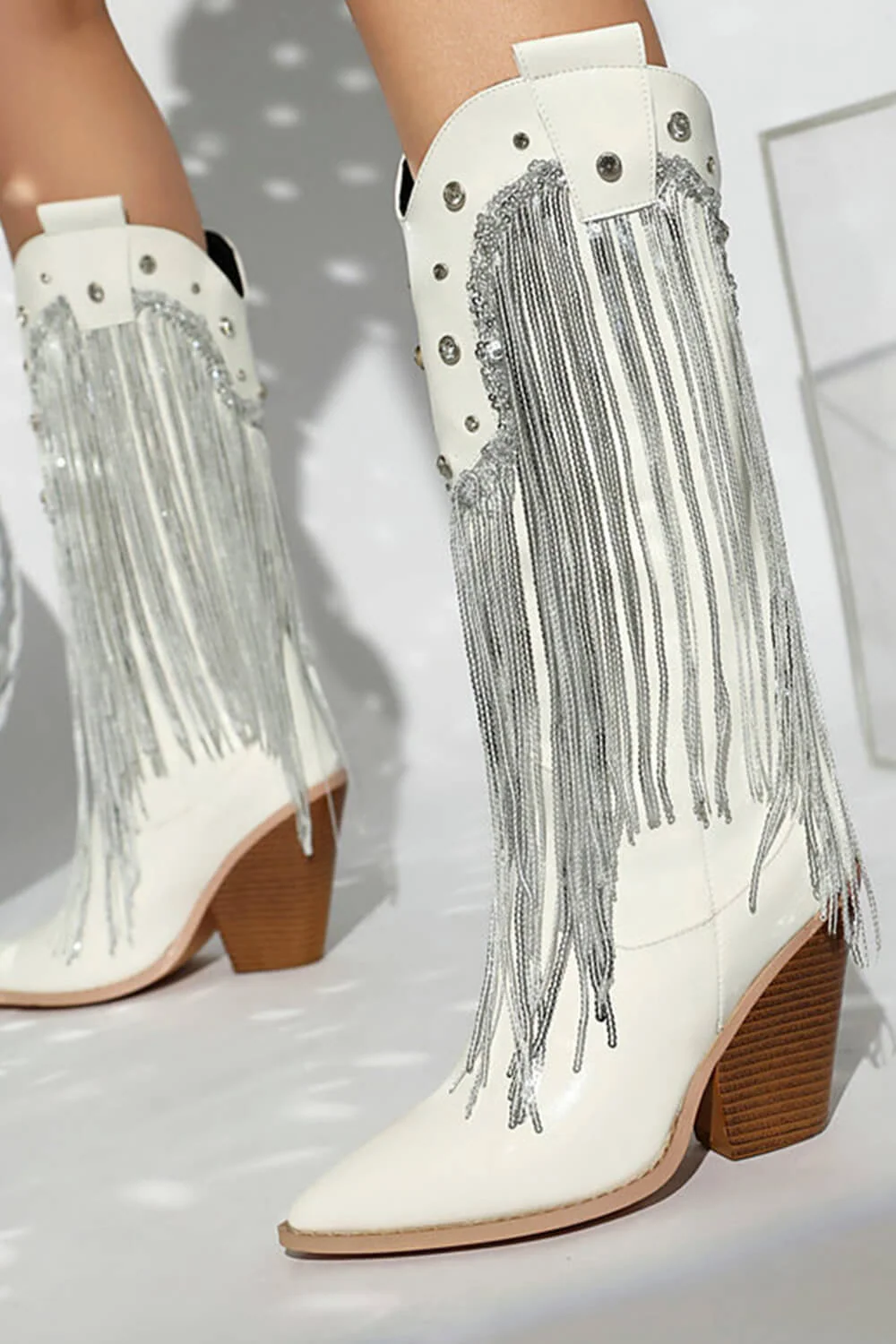
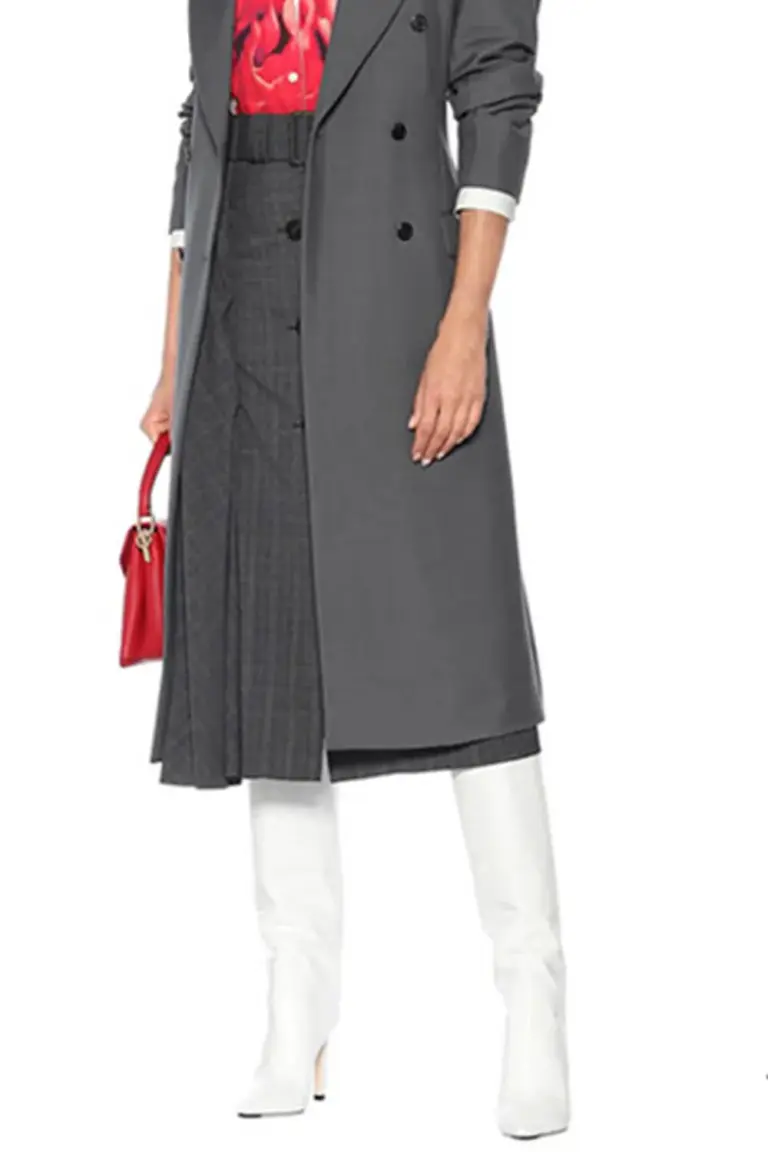
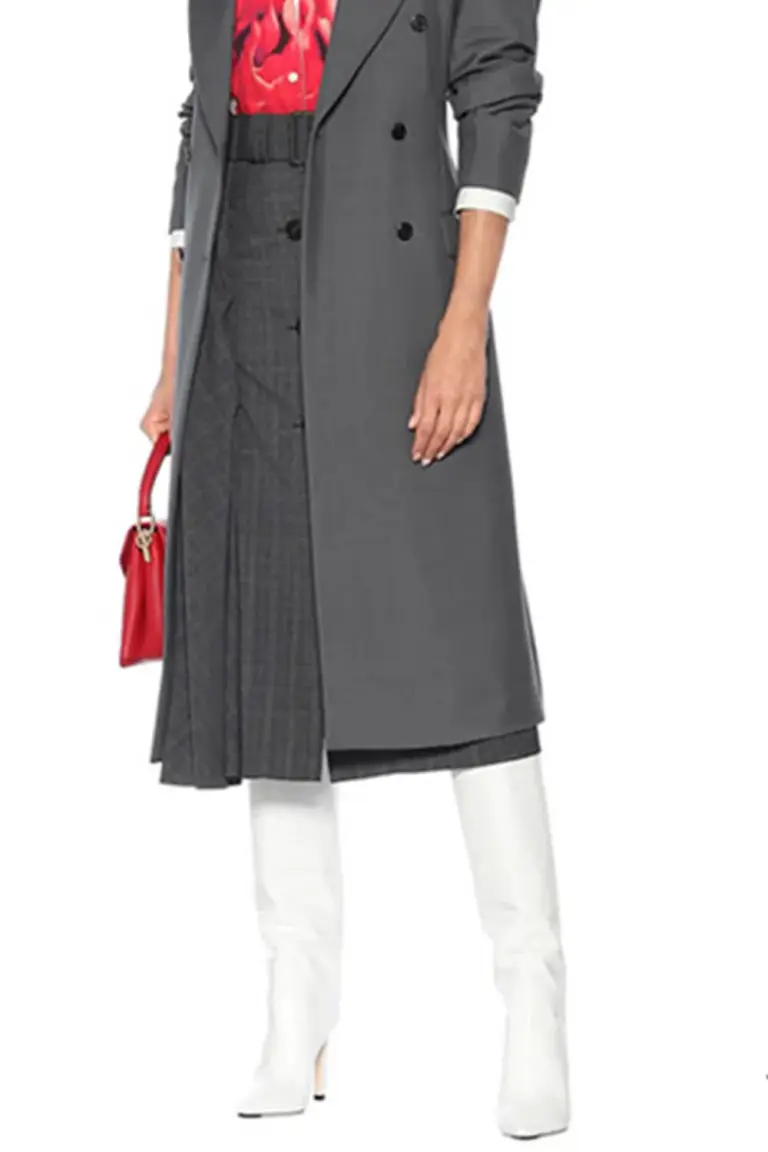 Leather BootsOur Kind of White Leather Knee High Boots
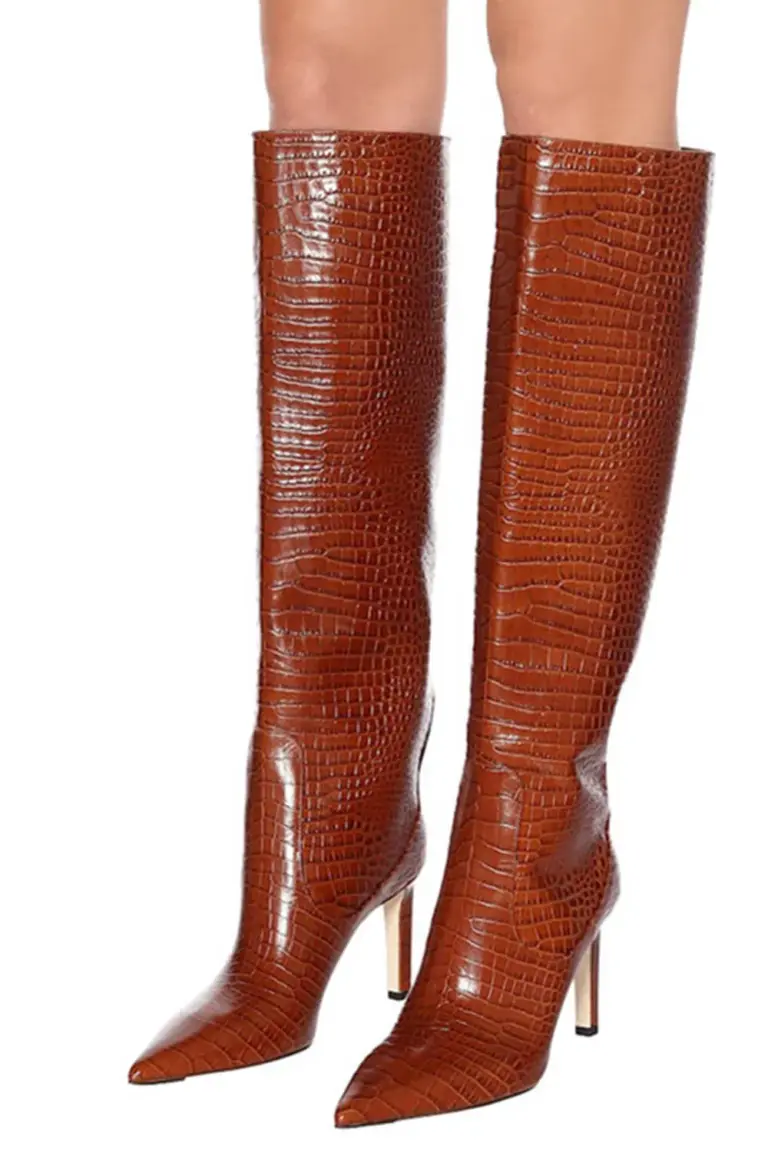
 Knee High BootsWhite Knee High Boots on Our Radar
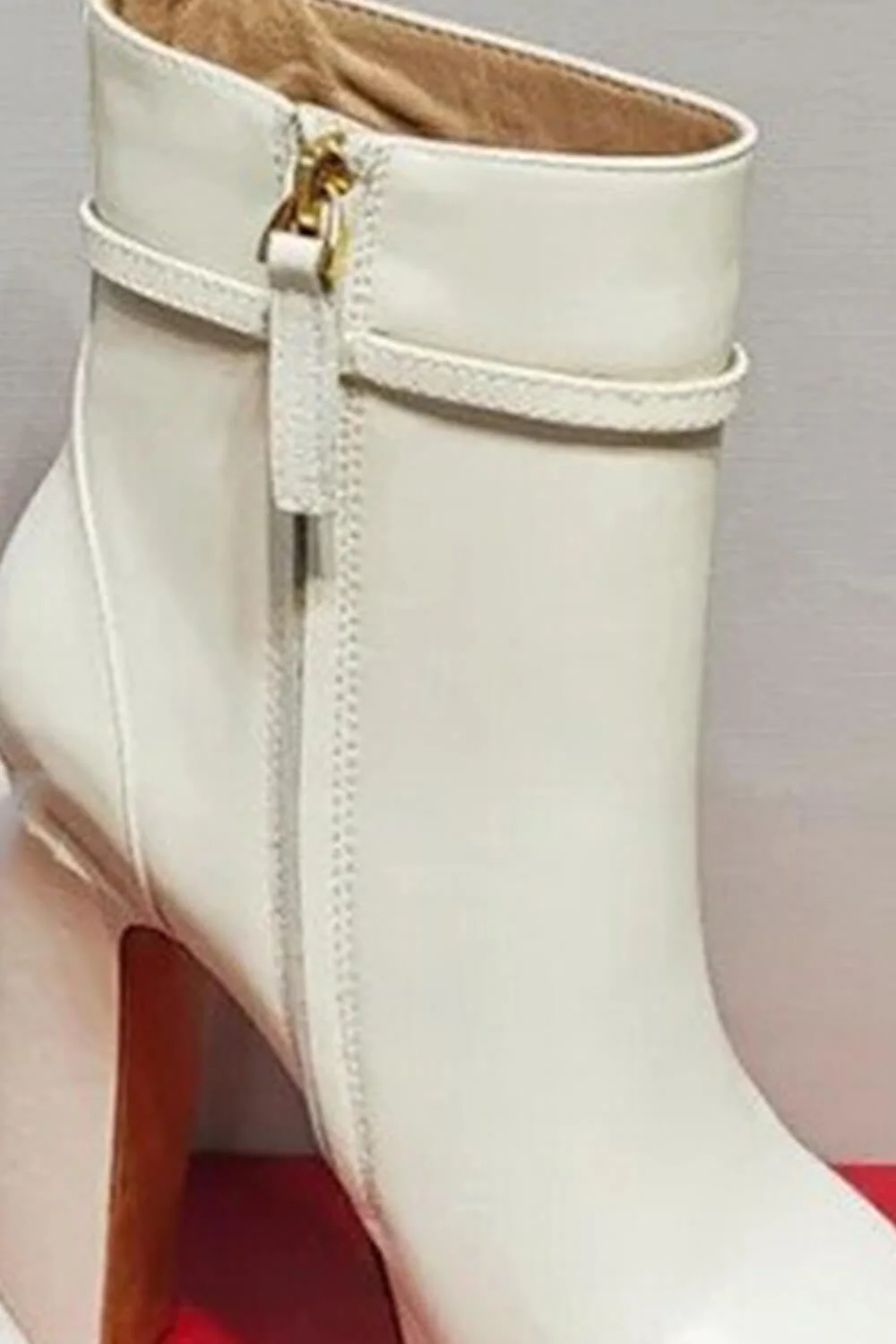 Ankle BootsThe White High Ankle Boots Worth Your Wardrobe SpaceAlso worth a lookBrown BootsA pair of brown boots is the thing you reach for when black feels too sharp and your…See the collections →
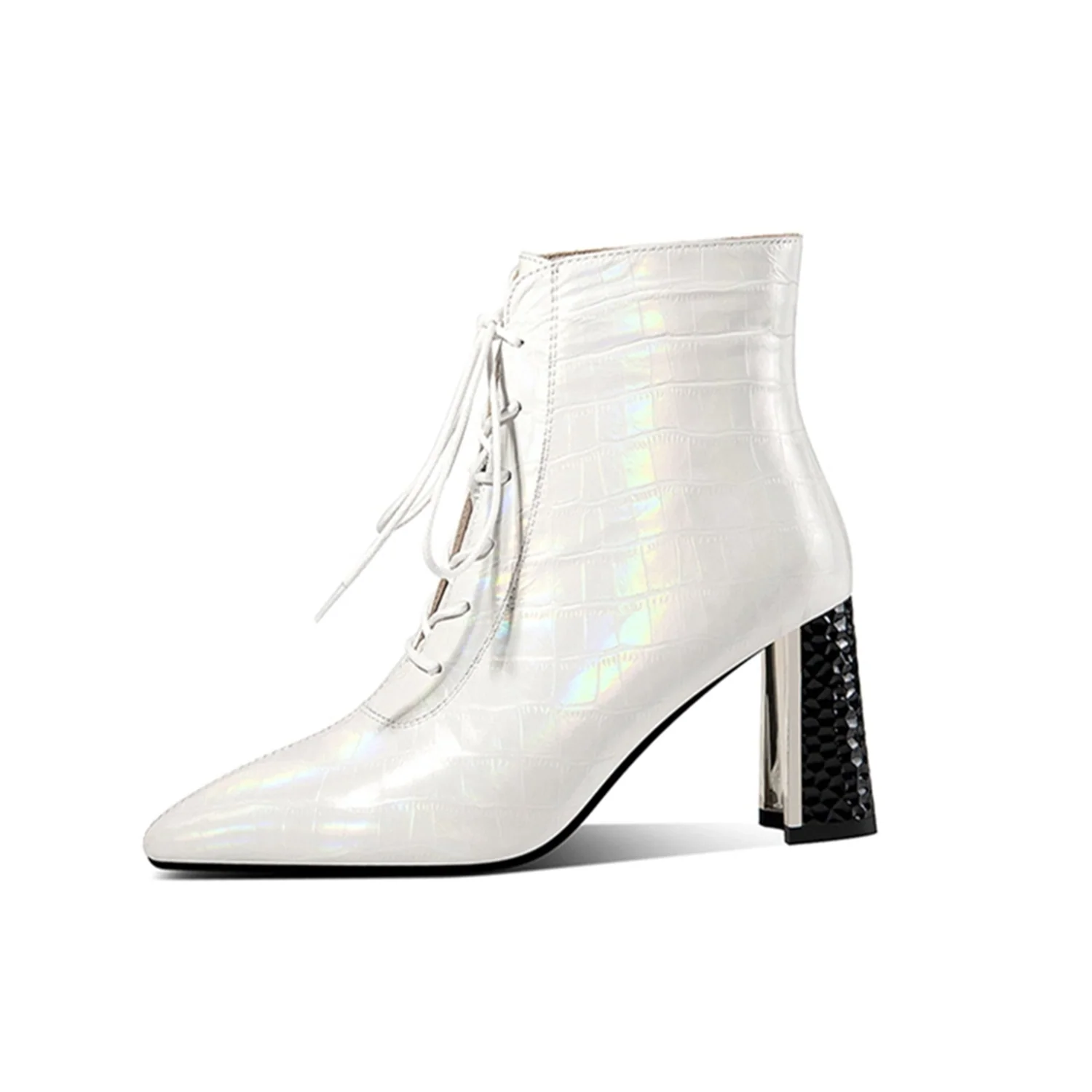
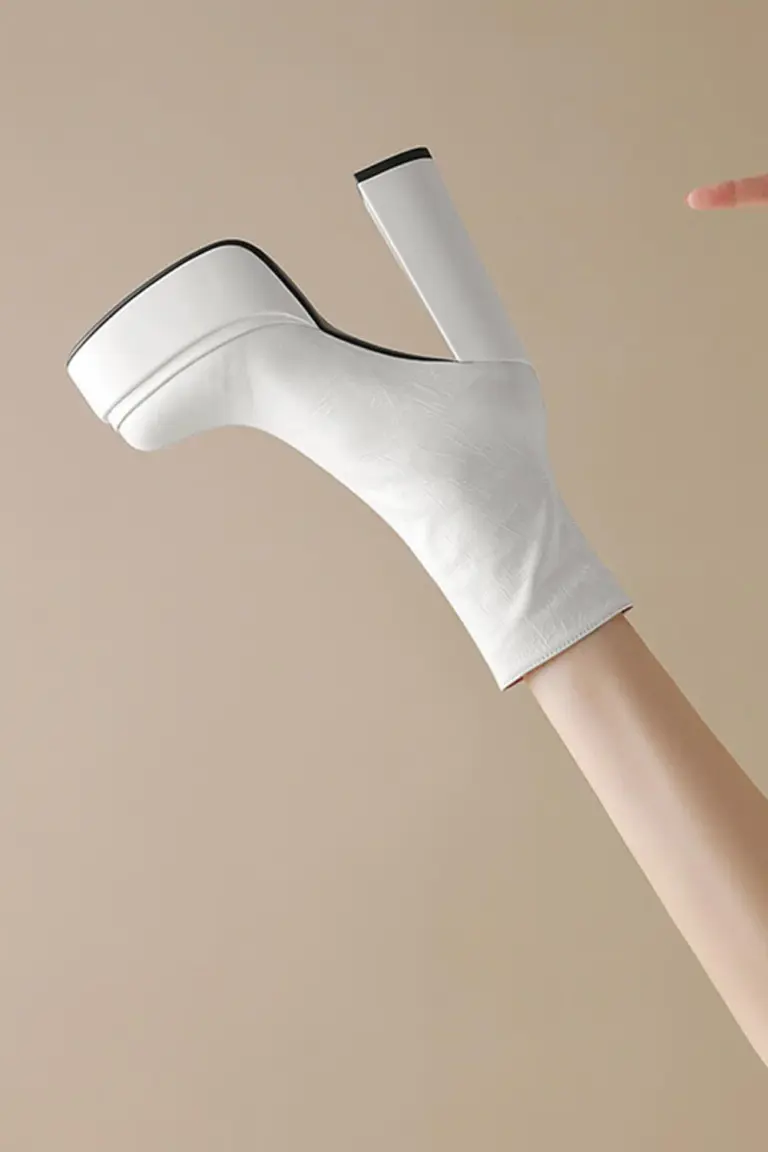 Ankle BootsWhite High Ankle Boots: What We’d Buy Now
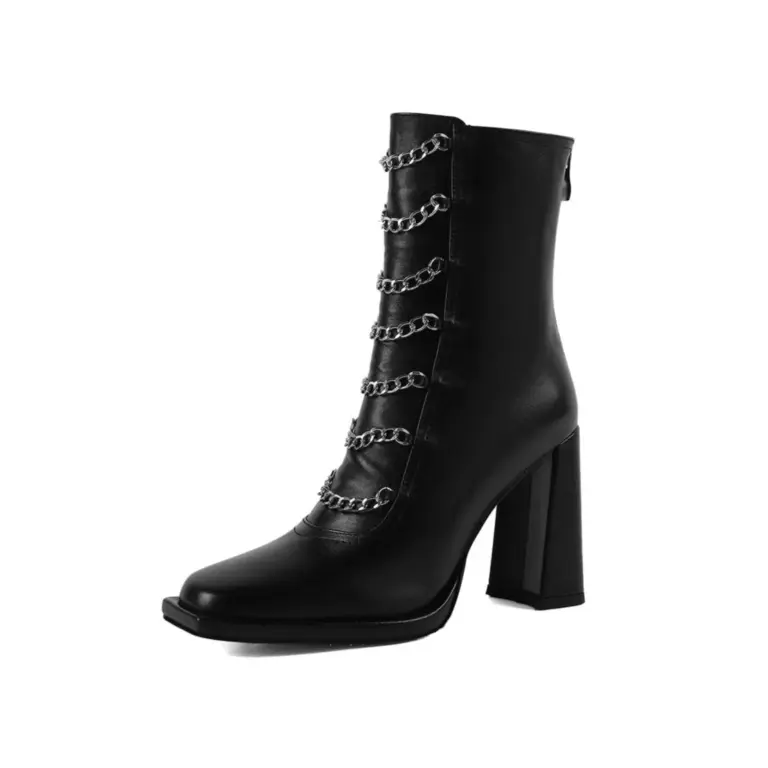
 White High Boots That Feel Special
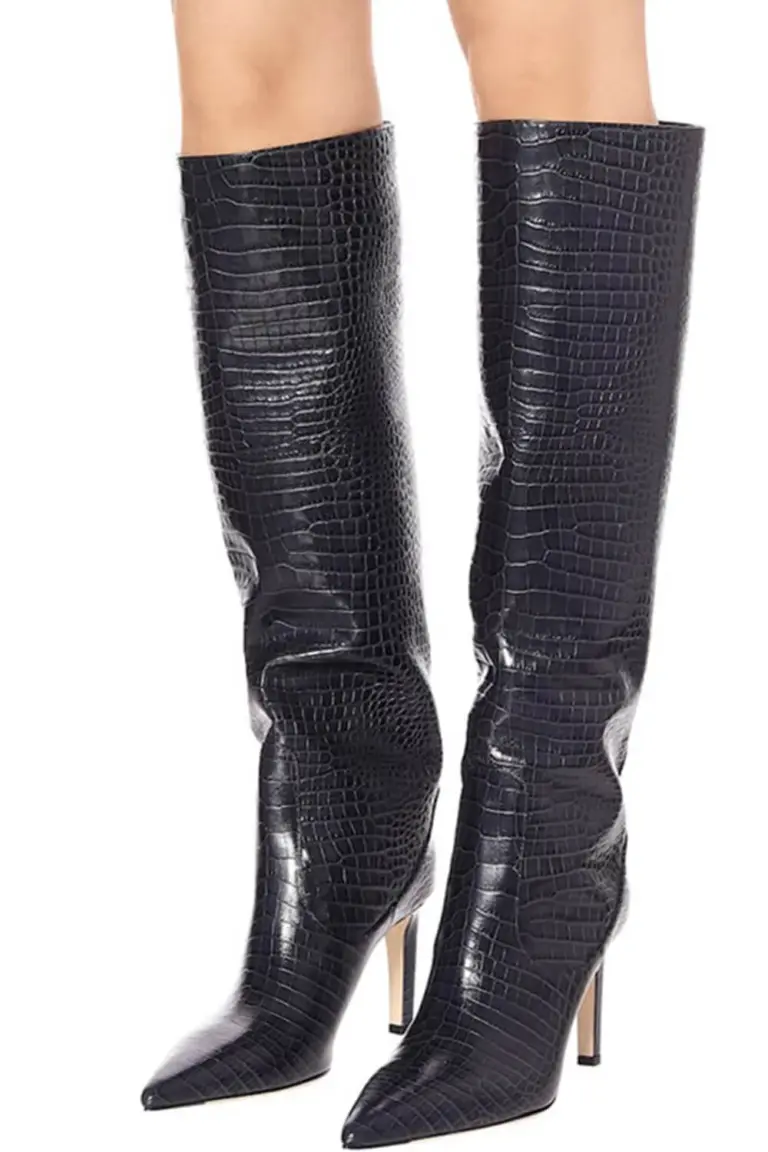
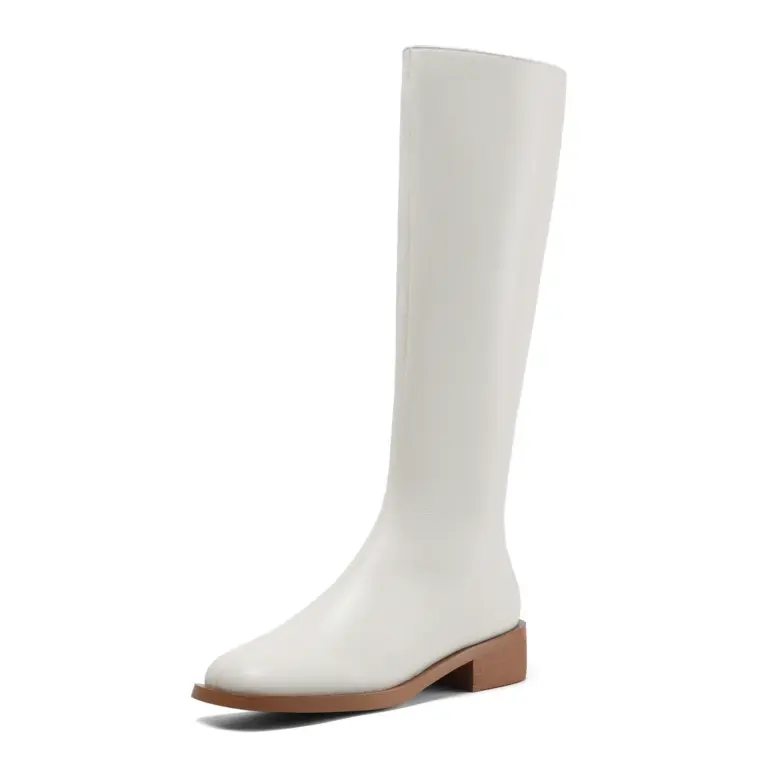 Over the Knee BootsWhite High Over the Knee Boots Worth a Closer Look
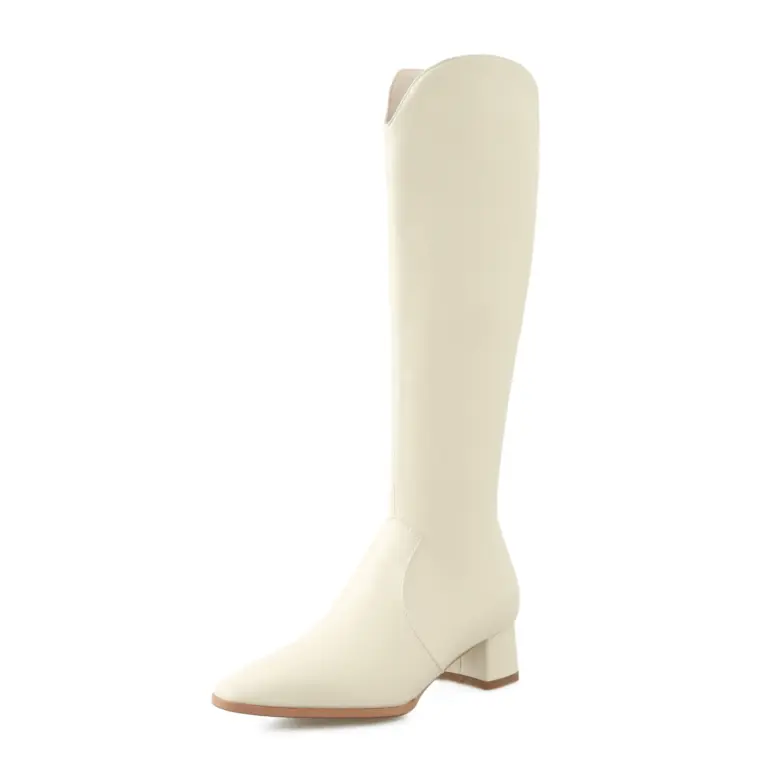
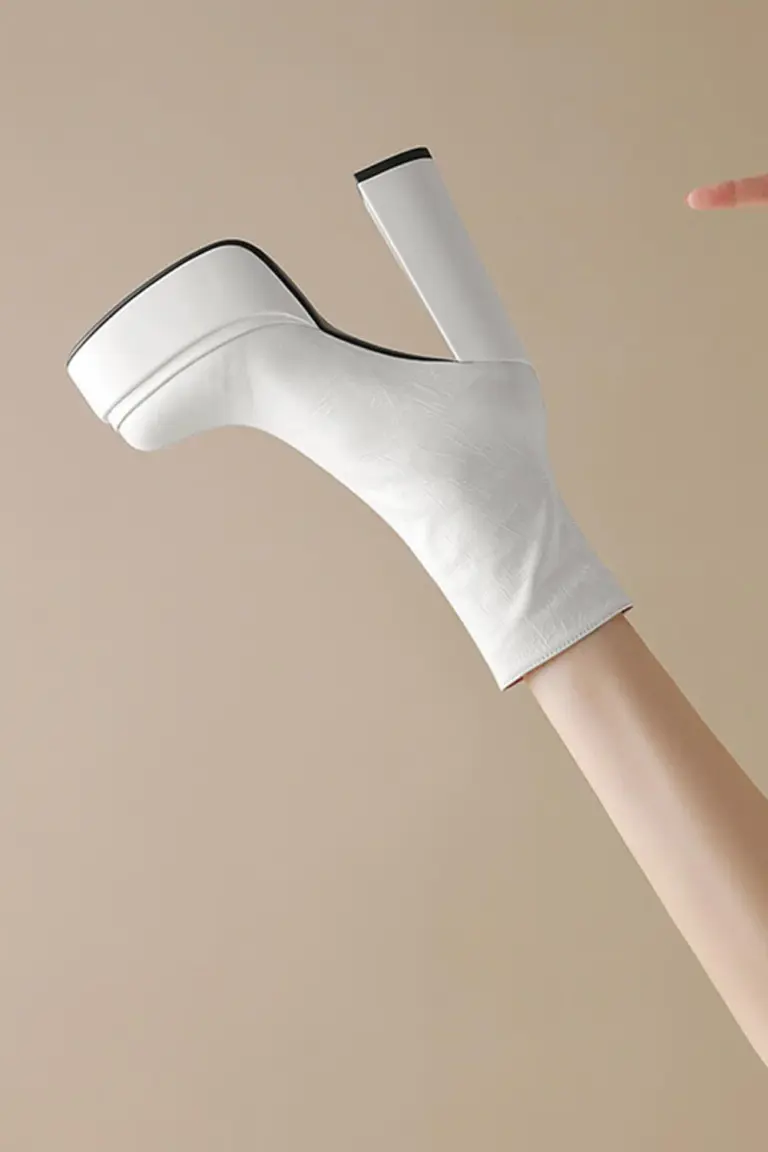 Platform BootsA Closer Look at the Best White High Platform Boots
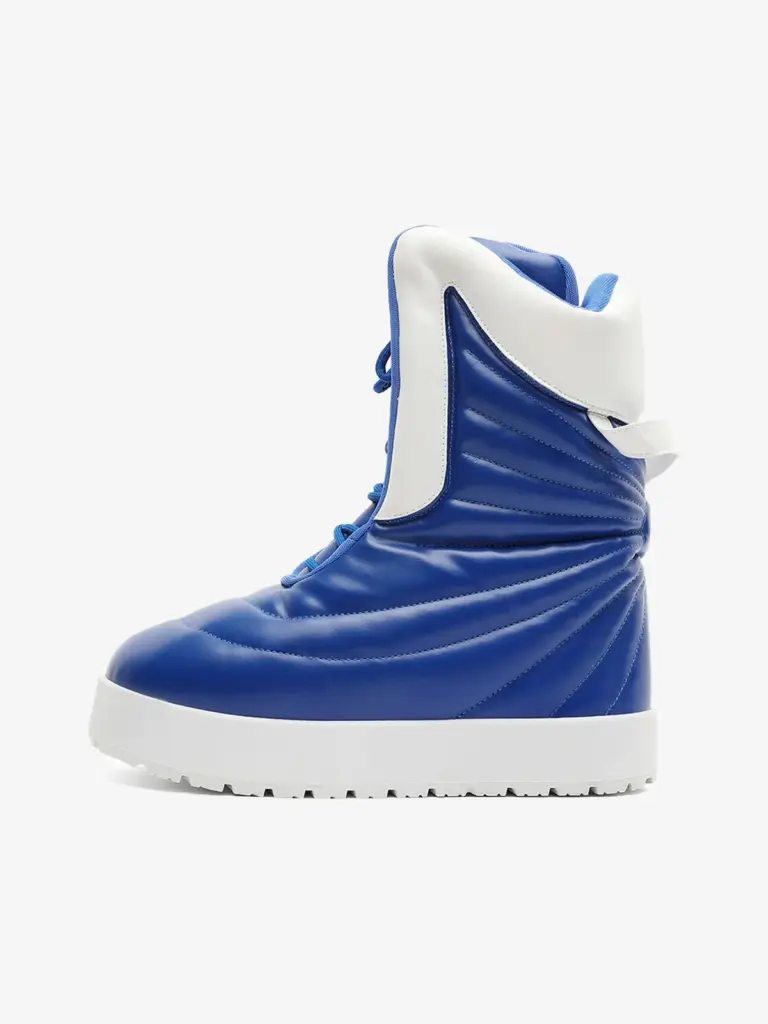
 White Faux Leather Boots We’re Adding to Basket
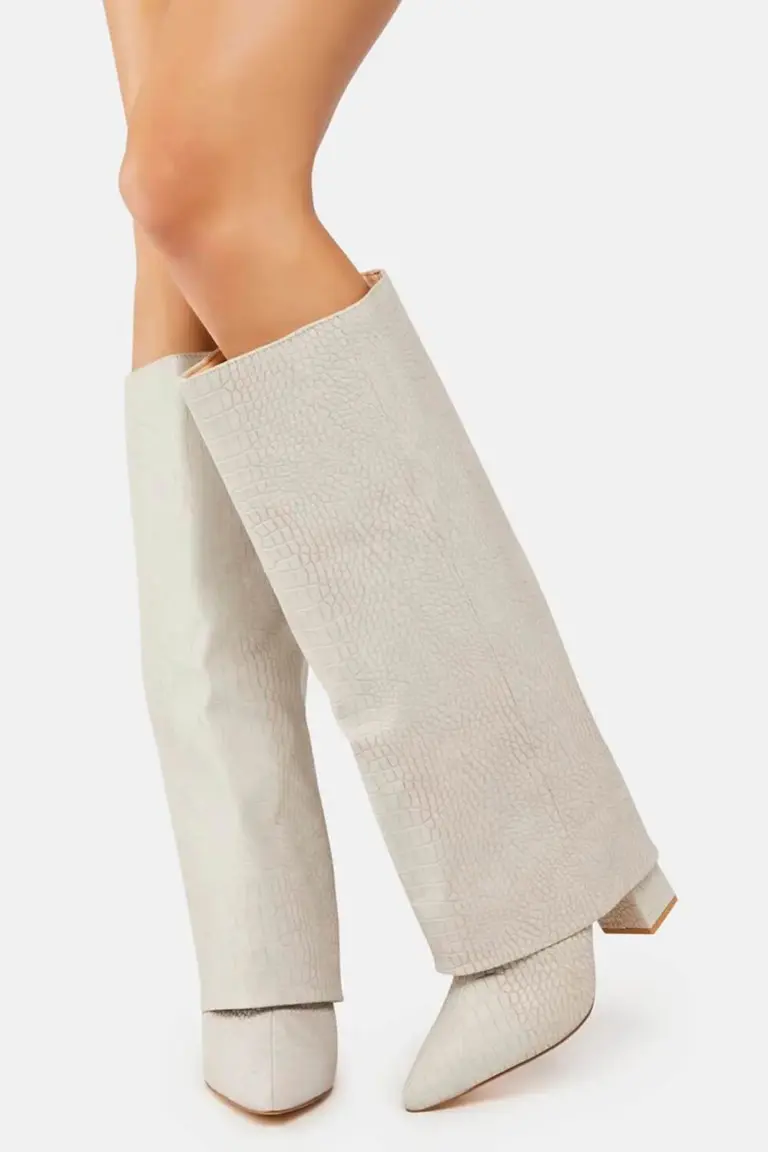
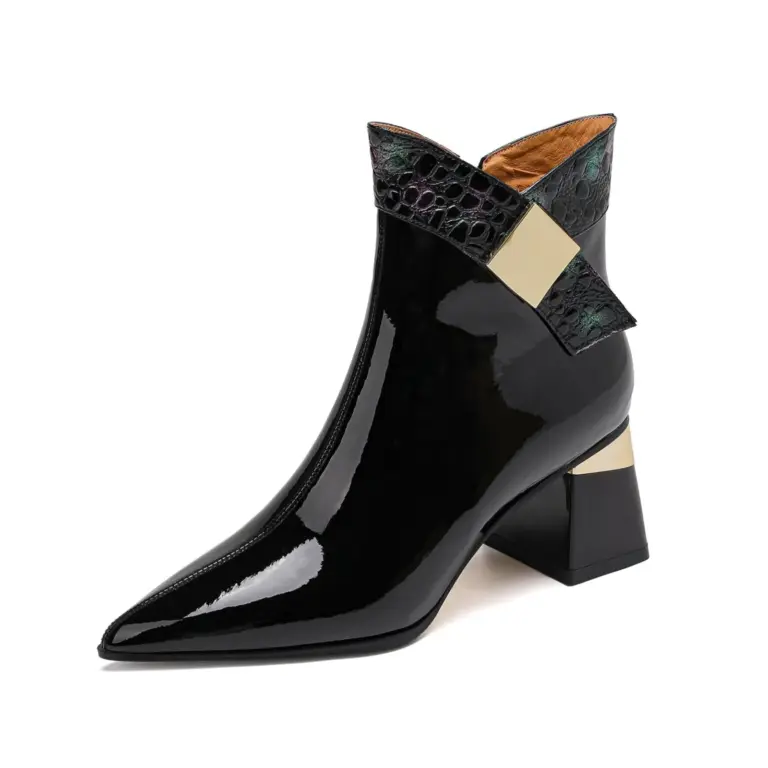 Comfort BootsWhite Comfort Ankle Boots That Earn Their Place
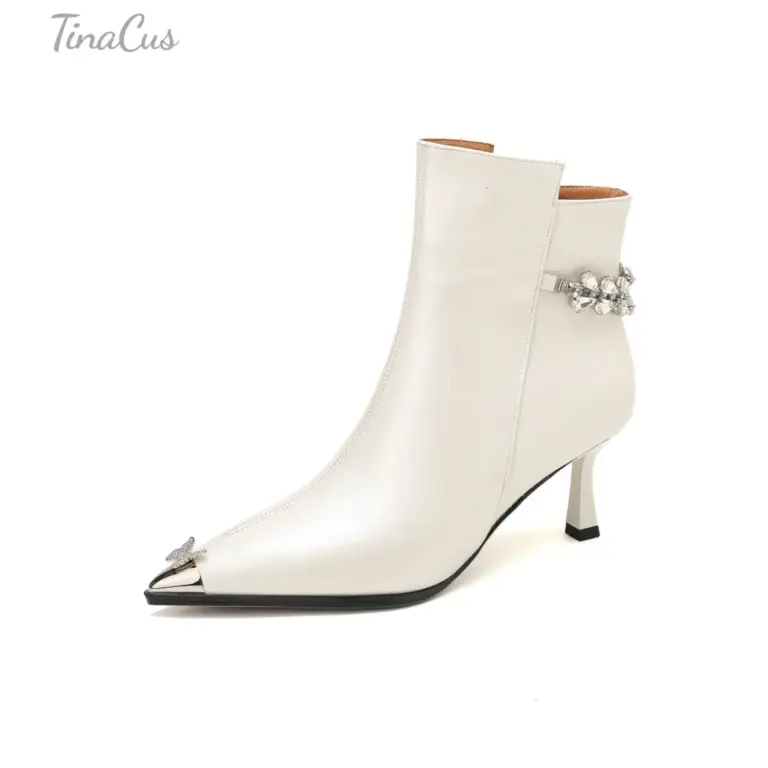
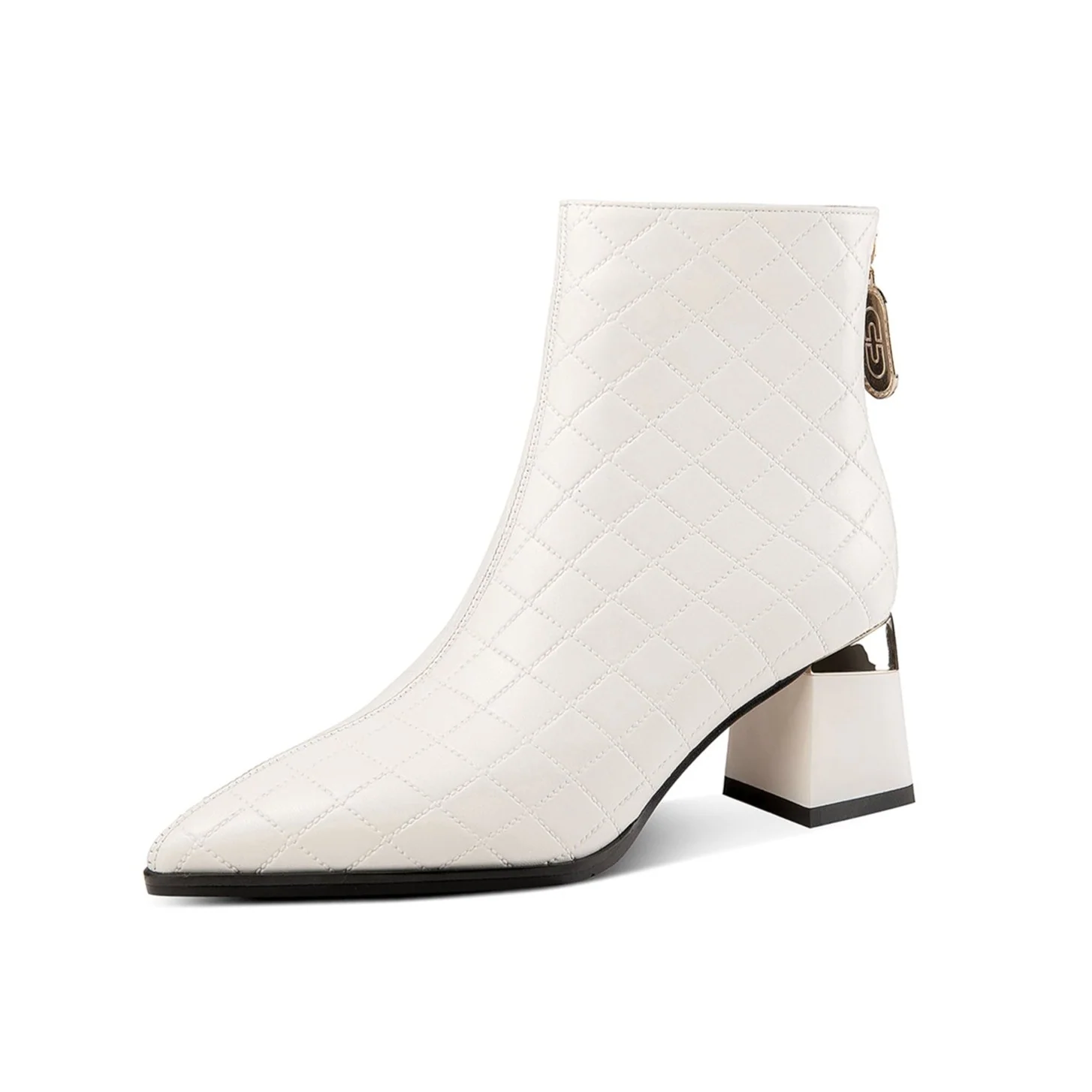 Comfort BootsWhite Comfort Ankle Boots We Rate
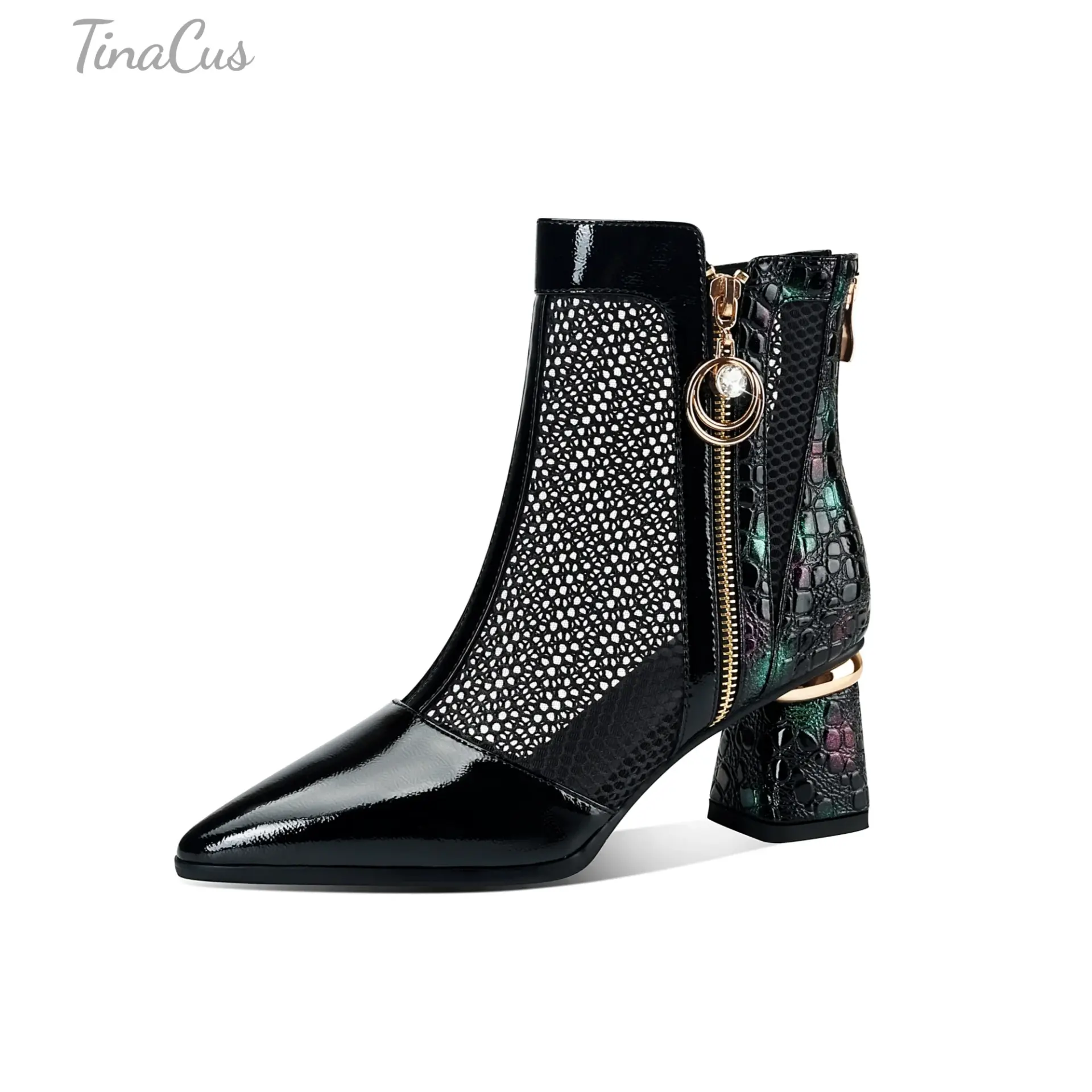
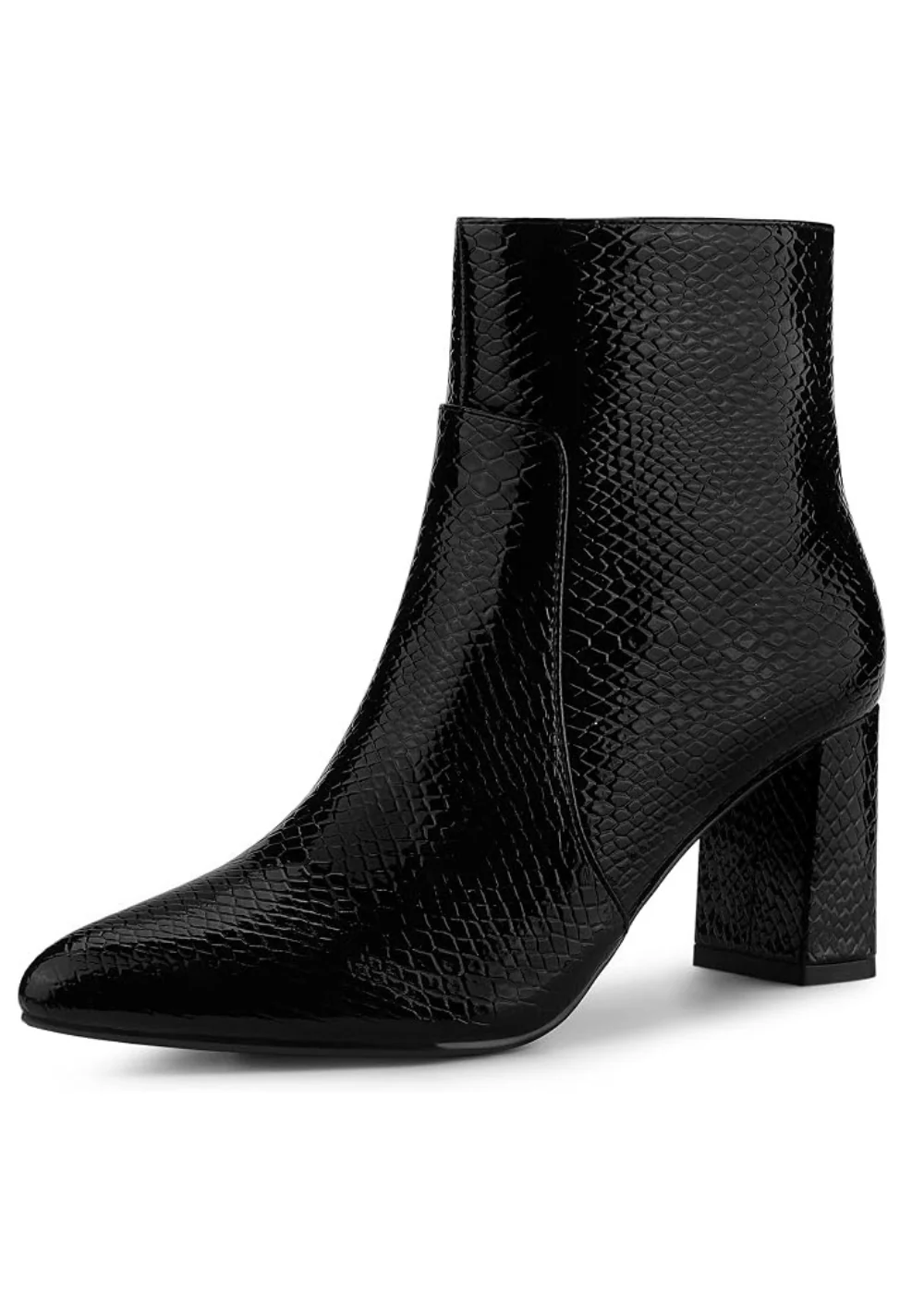 Comfort BootsWhite Comfort Boots That Feel Special