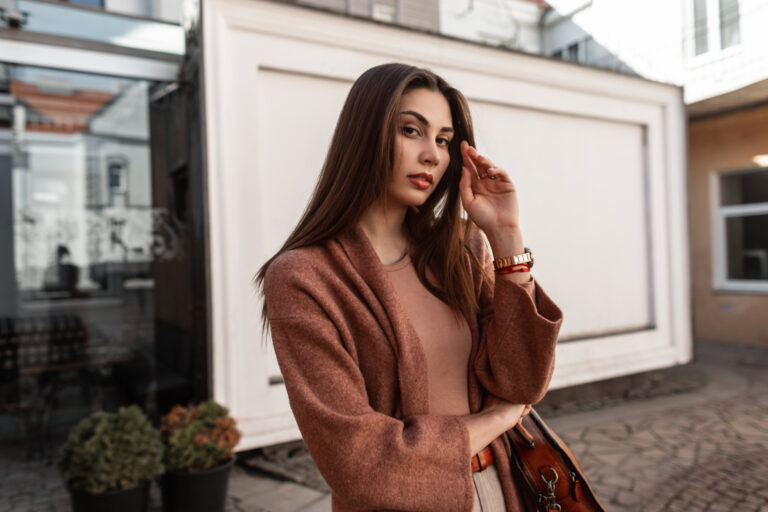
Brown does a specific job that black and navy can't: it reads as put together without looking like you tried too hard, and it works on skin tones that navy sometimes fights against. I spent a long time treating it as the colour you wear when you've given up on black, which was a mistake I corrected properly about three years ago and haven't gone back on since.
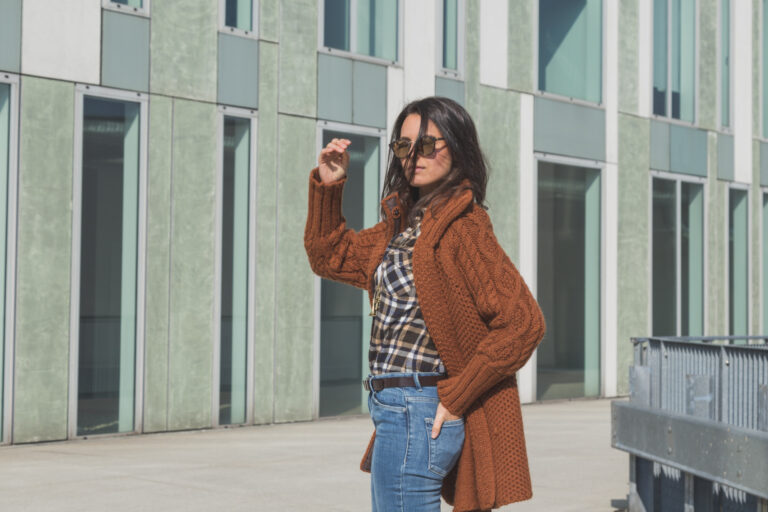
It's at its best from September through to about March, on trousers, coats, knitwear, boots, anything with a bit of weight to it. A chocolate coat over a plain jumper gets you through a whole working week without once looking like you're trying to make a point. Come spring and summer it can still work, but lighter, a camel skirt or a tan sandal rather than anything that looks like it belongs near a fireplace. The one time it struggles is bright midsummer, when it can read a bit heavy against pale clothes, so save the darker shades for the colder months and let the lighter tans take over when it warms up. Checking it against daylight before you buy matters more with brown than most colours, because what looks rich under shop lighting can turn flat and a bit municipal the second you step outside.
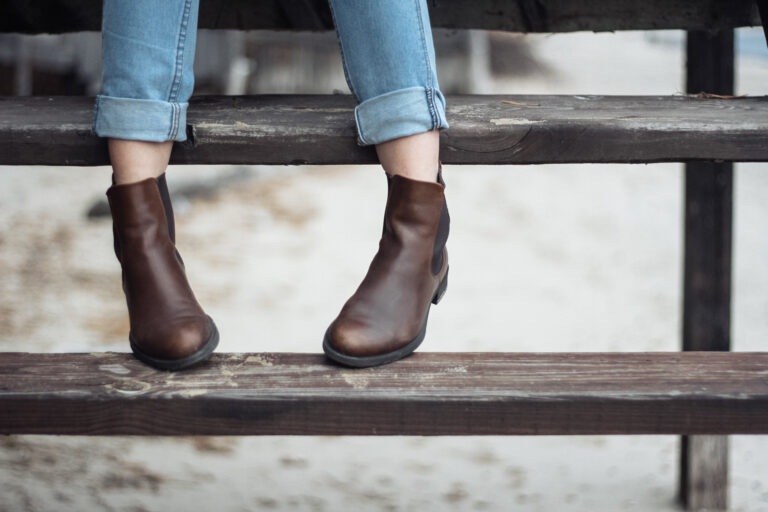
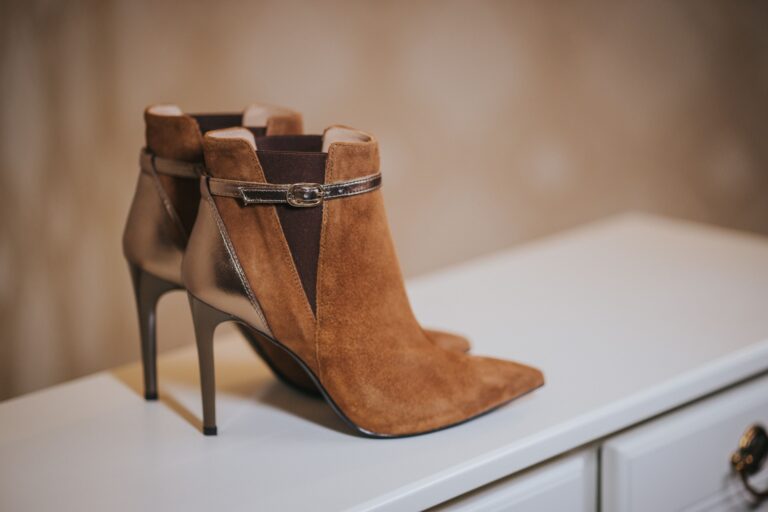
For finishes that are easy to live with day to day, go for a mid tone, somewhere between caramel and chestnut, rather than the very dark almost black brown or the very orange tan, both of which are harder to match without thinking about it properly. If you own nothing in brown yet, start with a coat or a pair of boots rather than trousers, because those two pieces touch everything else you wear and do most of the heavy lifting with the least effort. A good leather or suede finish in that mid tone will sit happily over jeans, grey trousers, a navy dress, cream knitwear, pretty much anything that isn't fighting it for attention. Pair it with cream, white, soft blue or olive and it looks deliberate rather than accidental, and once you've got one brown piece in rotation you notice how much it quietly rescues outfits that were otherwise a bit flat.
Keep leather pieces away from direct heat and let them dry naturally if they get caught in the rain, or that rich tone turns patchy faster than you'd like.

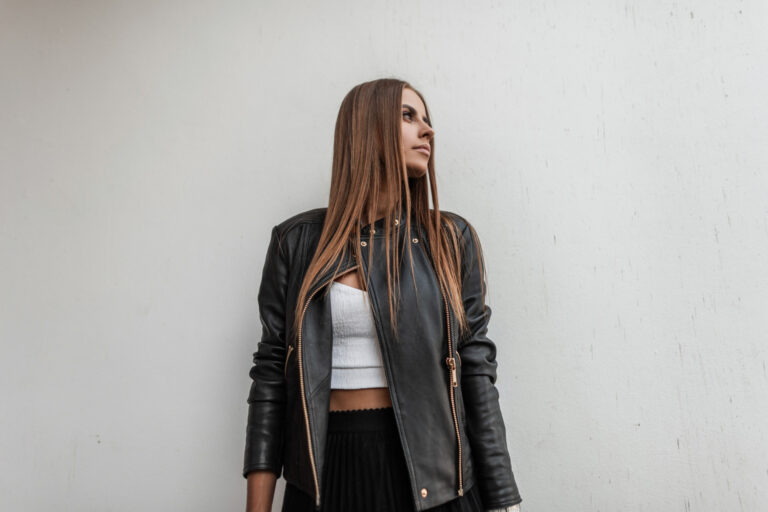 Aisha's pickBrown Or Black Leather Jacket Turned Into A Longer Decision Than It Had Any Right To Be
 Megan's pickMen Carrying Tote Bags Got Side Eye At My Local Coffee Shop

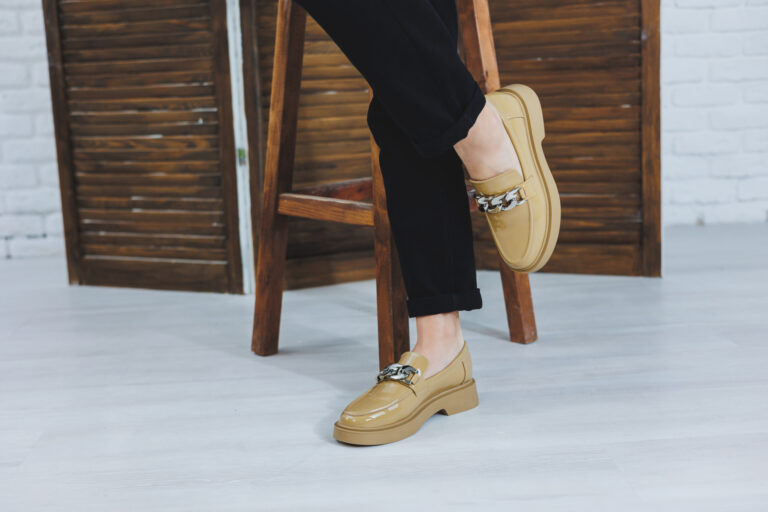 Maggie's pickBrown Loafers Get Called A Universal Match, I Wanted To Test That Properly
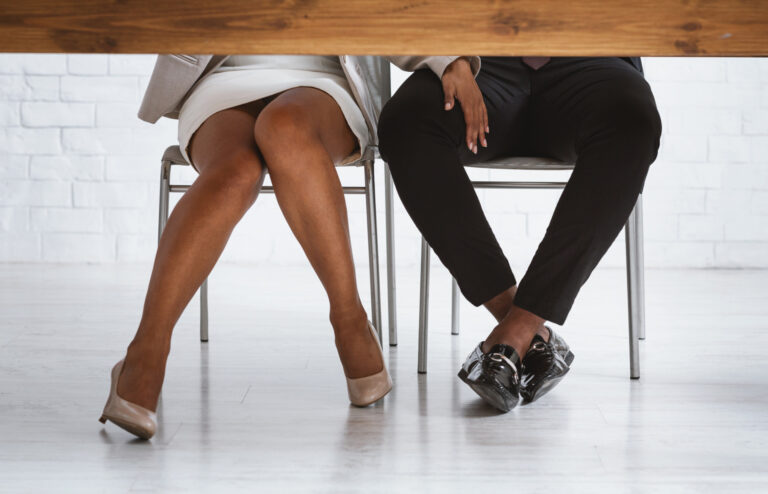 Fiona's pickBrown Shoes With Gray Pants Got Questioned By A Colleague At Lunch