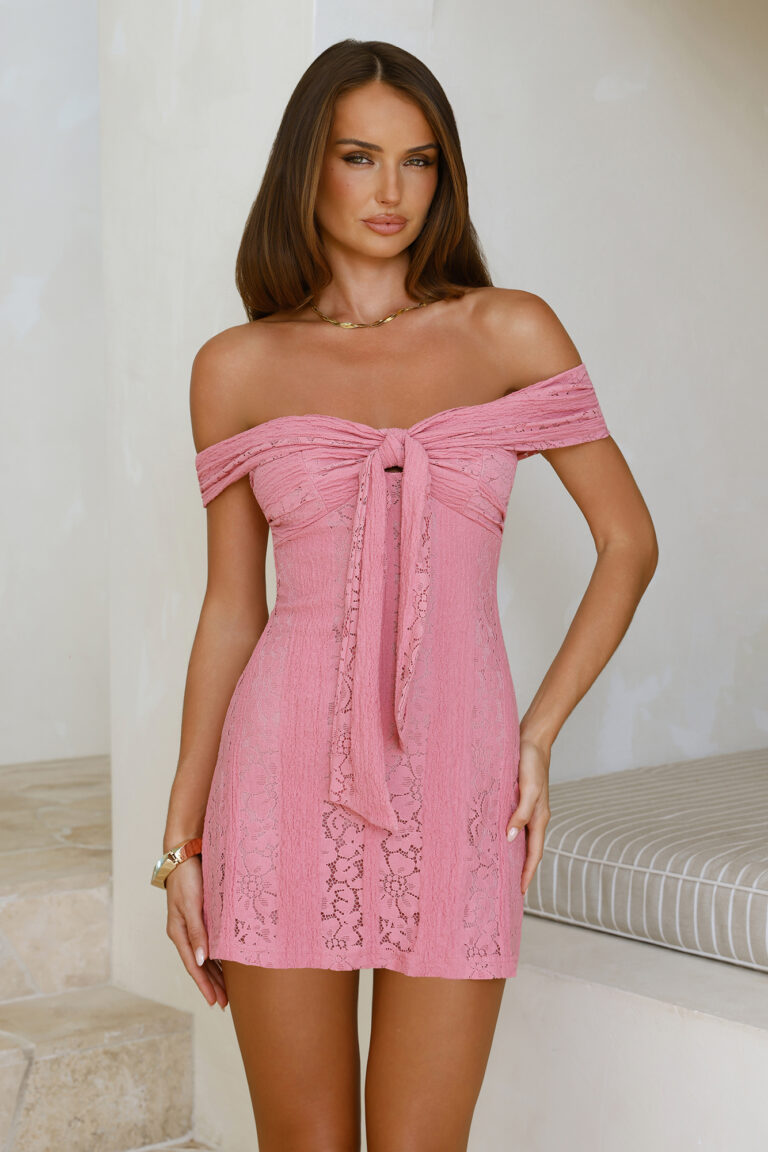
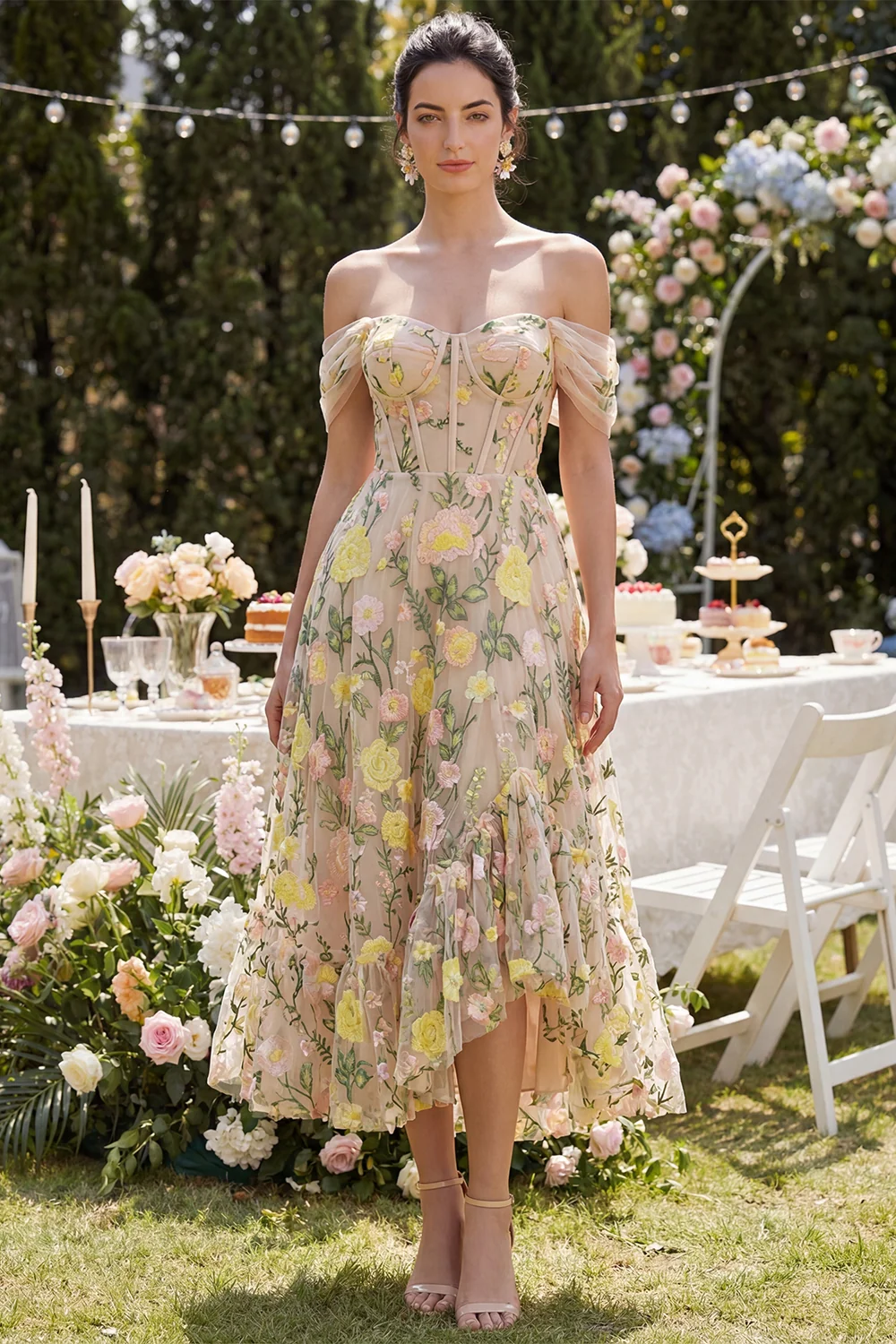
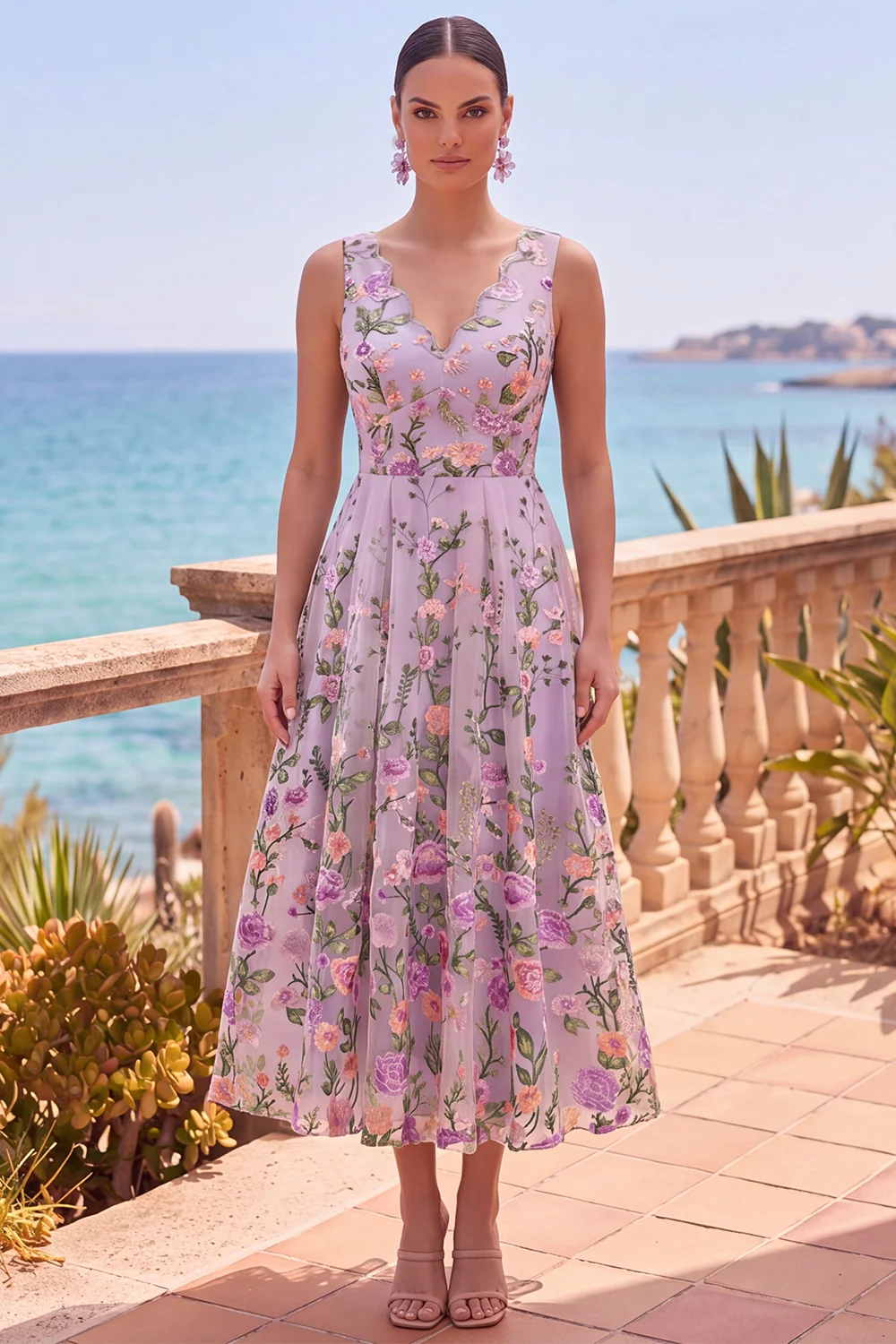
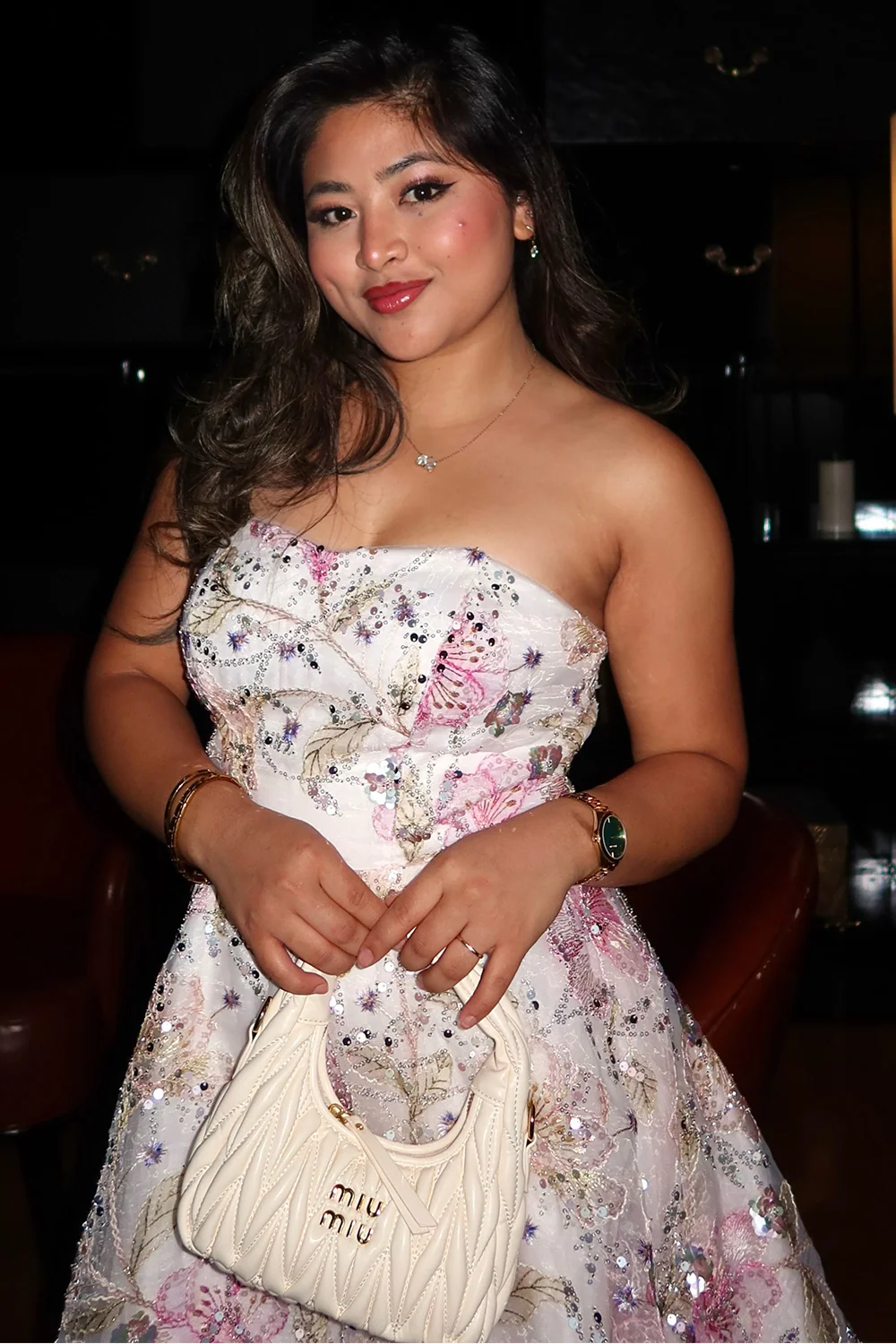
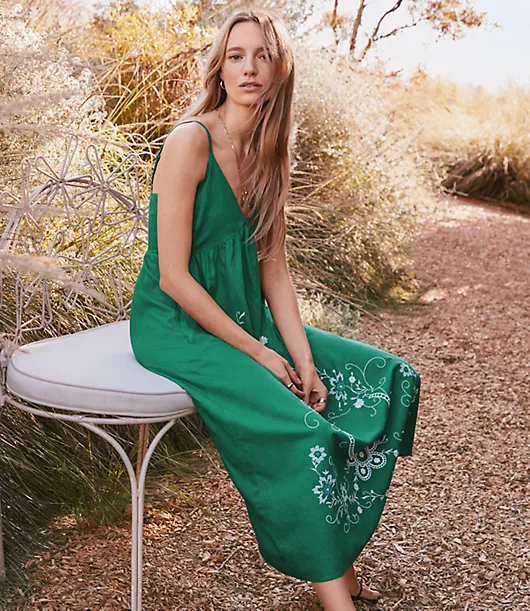
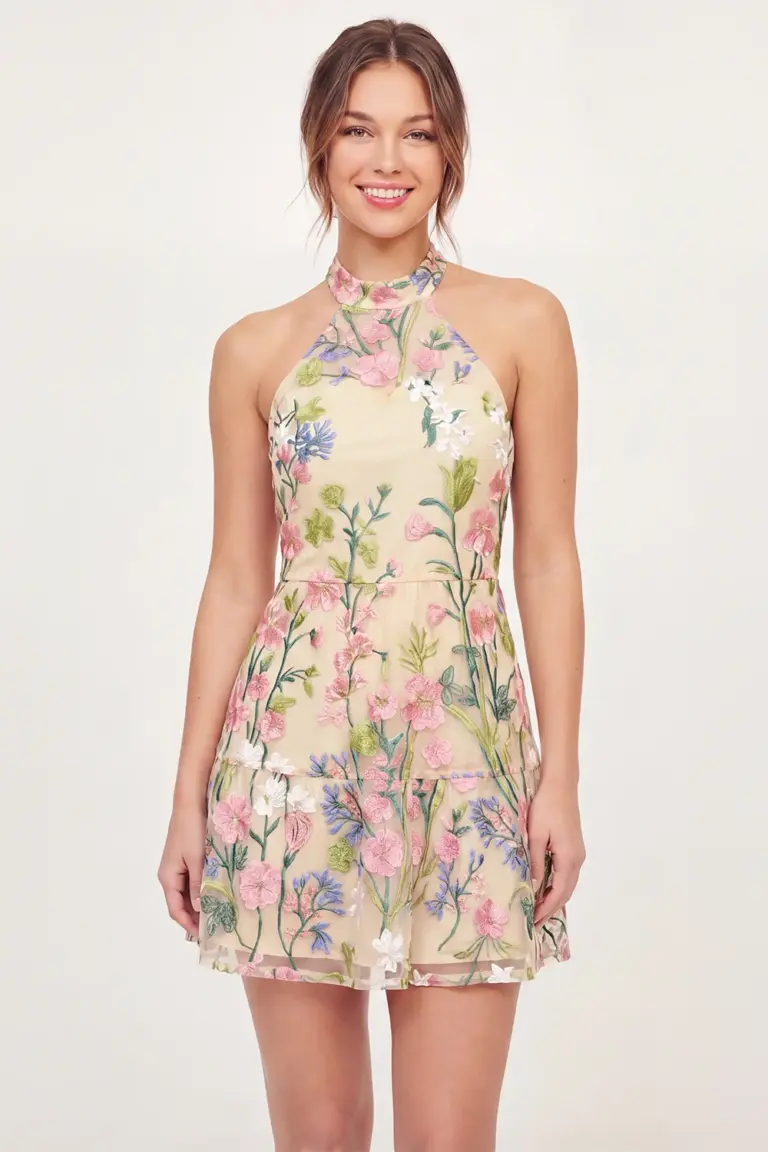
Hold it up against yourself before you even think about the changing room queue. A good embroidered dress has weight to it, the thread sits slightly raised off the fabric rather than printed flat, and when you run a thumb across a flower or a vine you can feel the stitches rather than just see them. If it feels like a transfer that's been ironed on, put it back.
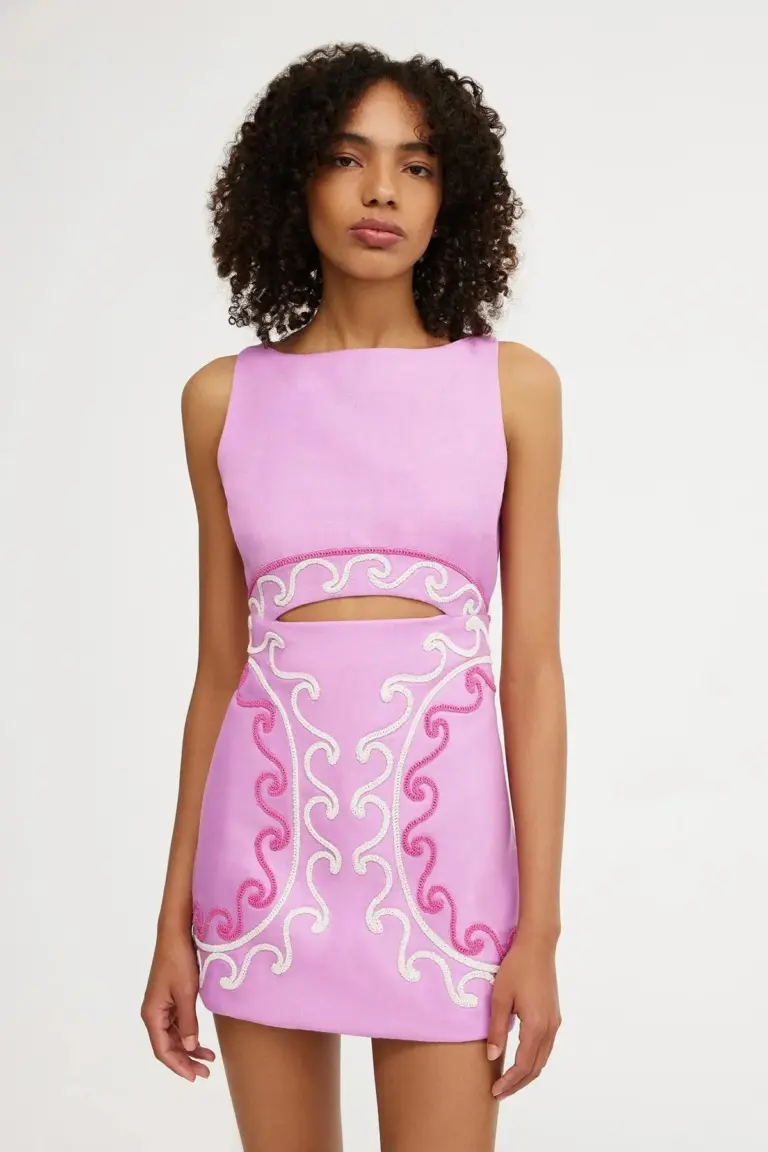
Once you're in the cubicle, check the back of the embroidery as much as the front. Cheap versions leave loose threads and visible knots on the inside that catch on tights and bra straps within a fortnight. Check the lining too, a lot of embroidered fabric is slightly stiff or open weave, so a proper lining underneath matters more here than on a plain dress, otherwise you get patchy shadows where the stitching sits against skin. Look at where the embroidery meets a seam or a zip, because that's where cheap ones pucker first, usually around the waist or under the arm, and once it's puckered no amount of ironing fixes it. A well made one keeps the pattern running smoothly through every seam like it was planned that way, because it was.
Where it falls down is anywhere you need to move fast or sit for hours. Heavier embroidery doesn't crease so much as crush, and dense beading or thread work along a hemline can make a dress feel more like armour than clothing by the end of a long lunch. It's also the wrong pick for a formal office if the pattern is bold or the neckline is low, since the detail draws the eye exactly where a work meeting doesn't need it drawn. Where it does earn its place is on dressier daytime occasions through late spring and into early autumn, christenings, garden parties, a wedding where you want to look like you made an effort without going full ballgown, and it photographs far better than a plain block colour because the texture catches the light.
Keep jewellery simple against it, because a busy embroidered pattern and a statement necklace will fight for attention and neither wins. The same goes for patterned tights or a printed jacket thrown over the top, it just becomes too much going on at once. Plain shoes, a plain bag, maybe one good earring, and let the dress do what it's there to do. I'd start with something in a deep cream or ivory base, since the stitching shows up properly without the colour competing with it, and it carries through more seasons than anything brighter will.
If none of these are quite right, brown dresses might be.

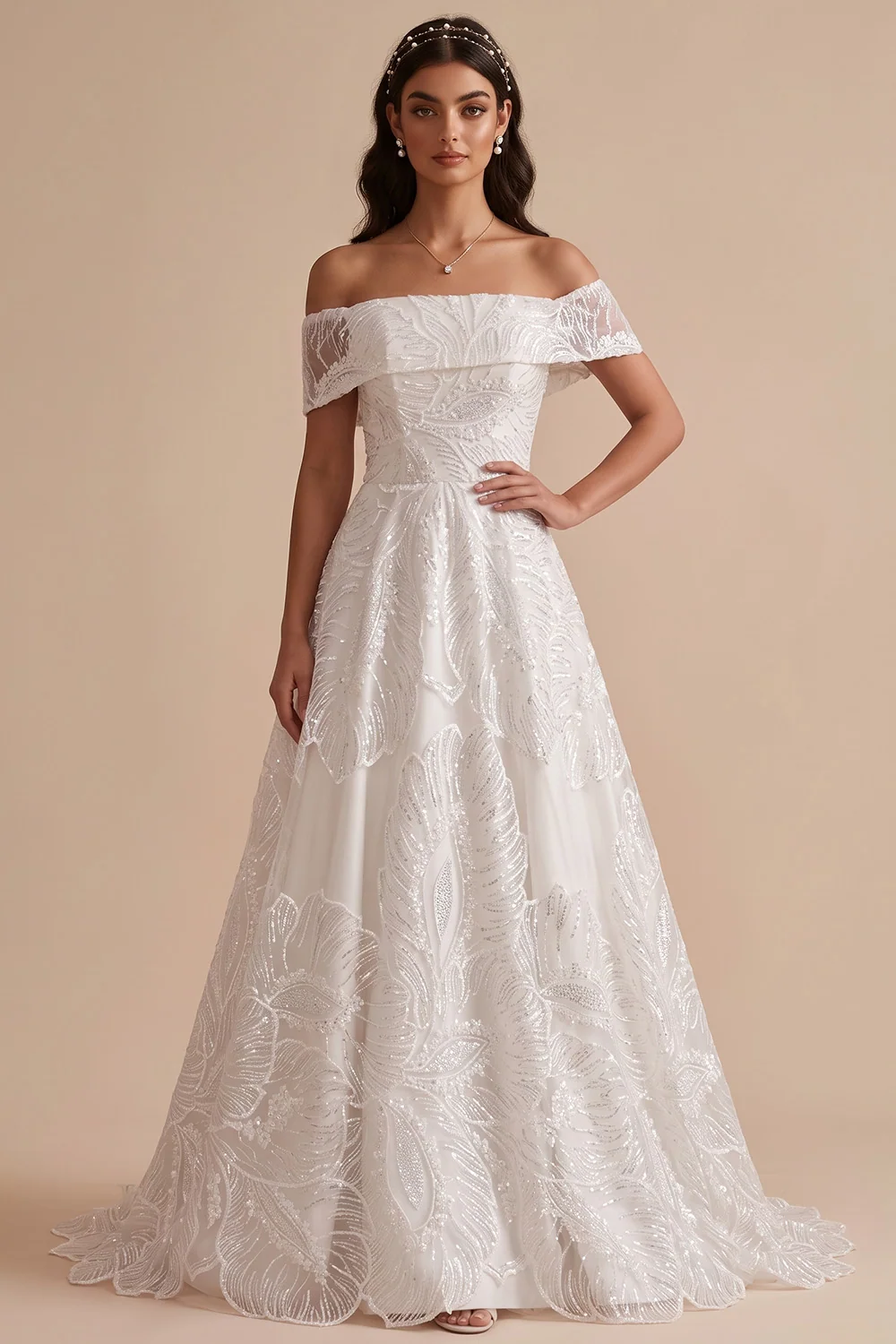 White DressesWhite Embroidered A Line Dresses Actually Worth Buying
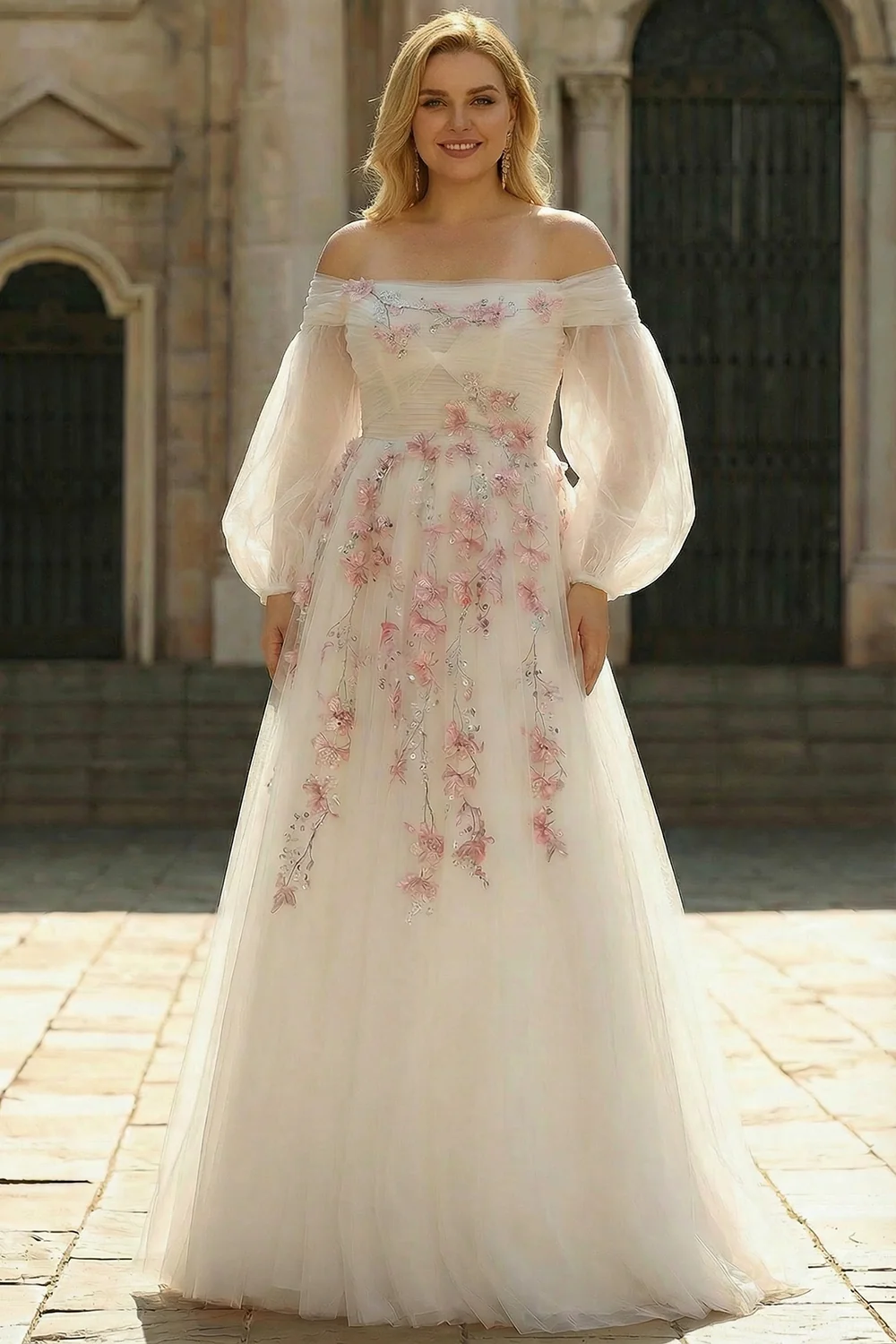 White DressesWhite Embroidered Evening Dresses for Your Next Night Out
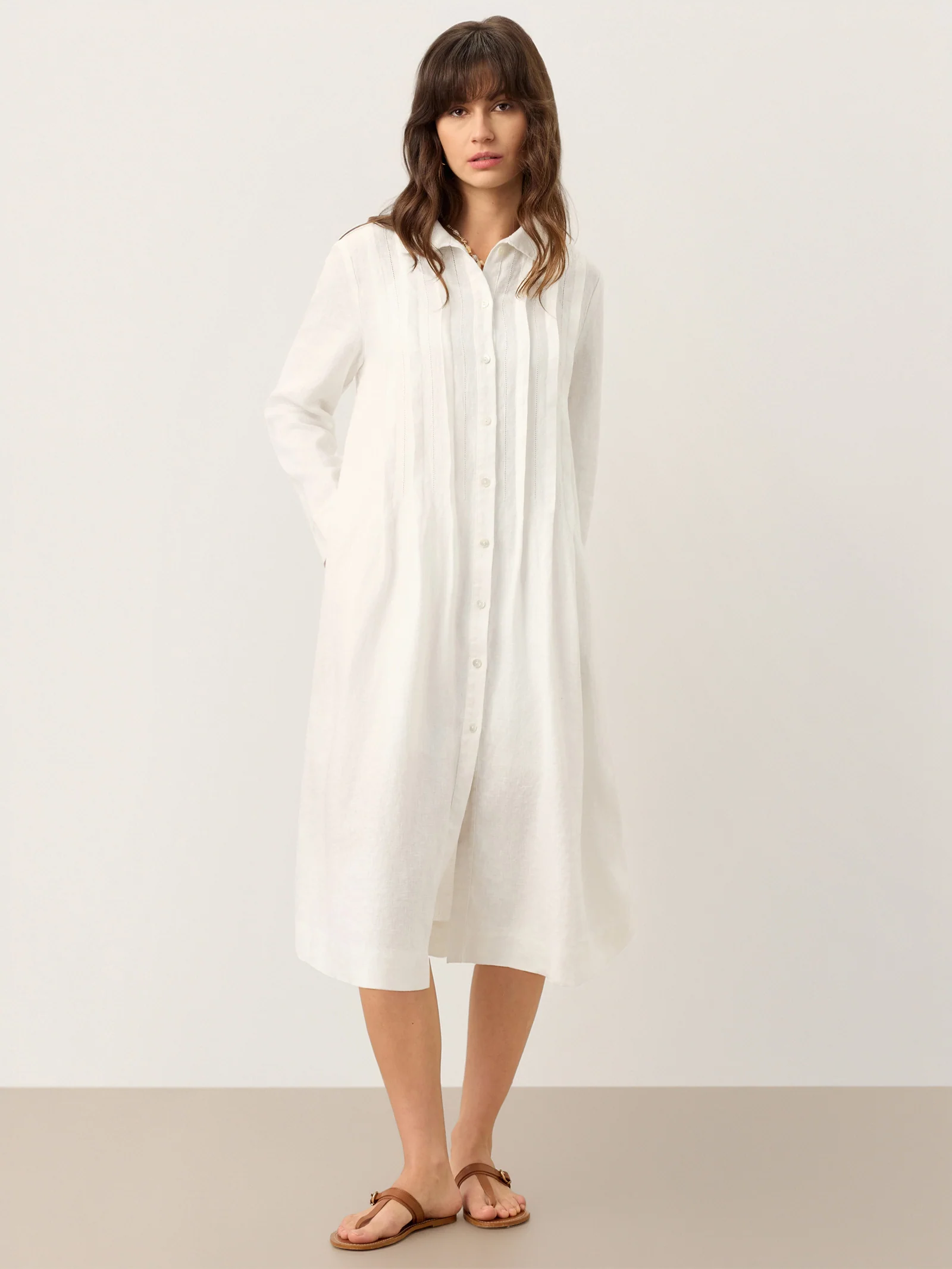
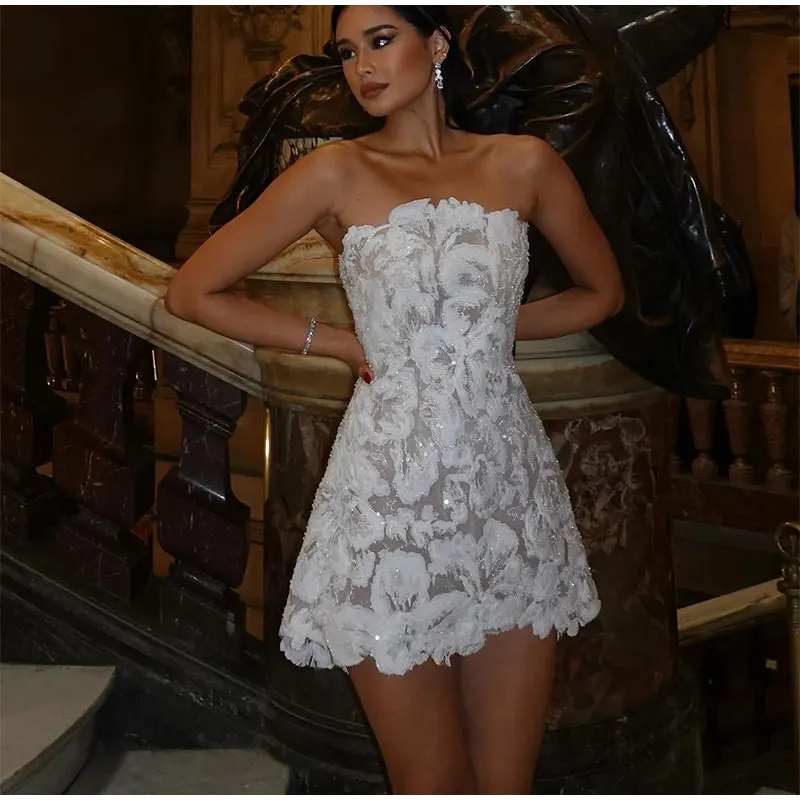 White DressesWhite Embroidered Mini Dresses That Feel Special
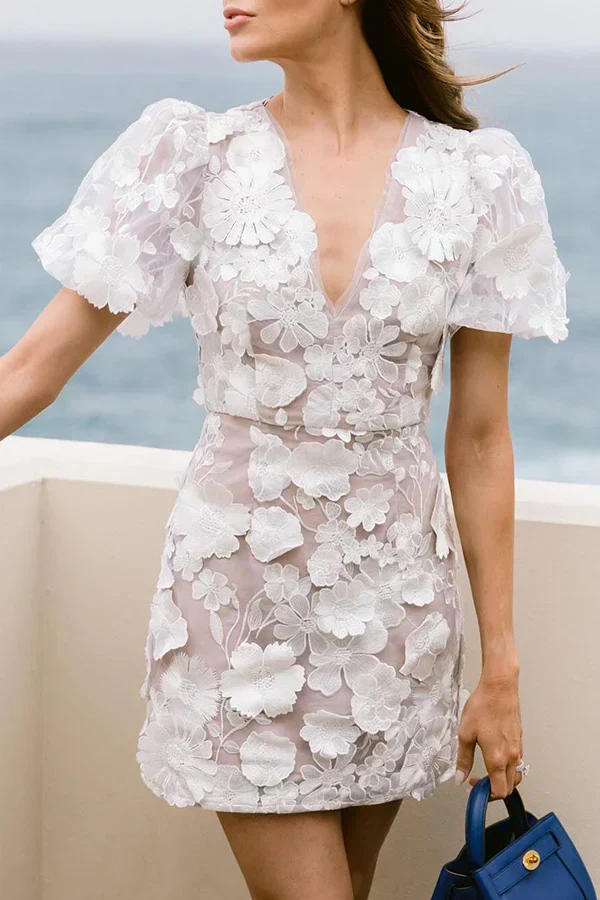
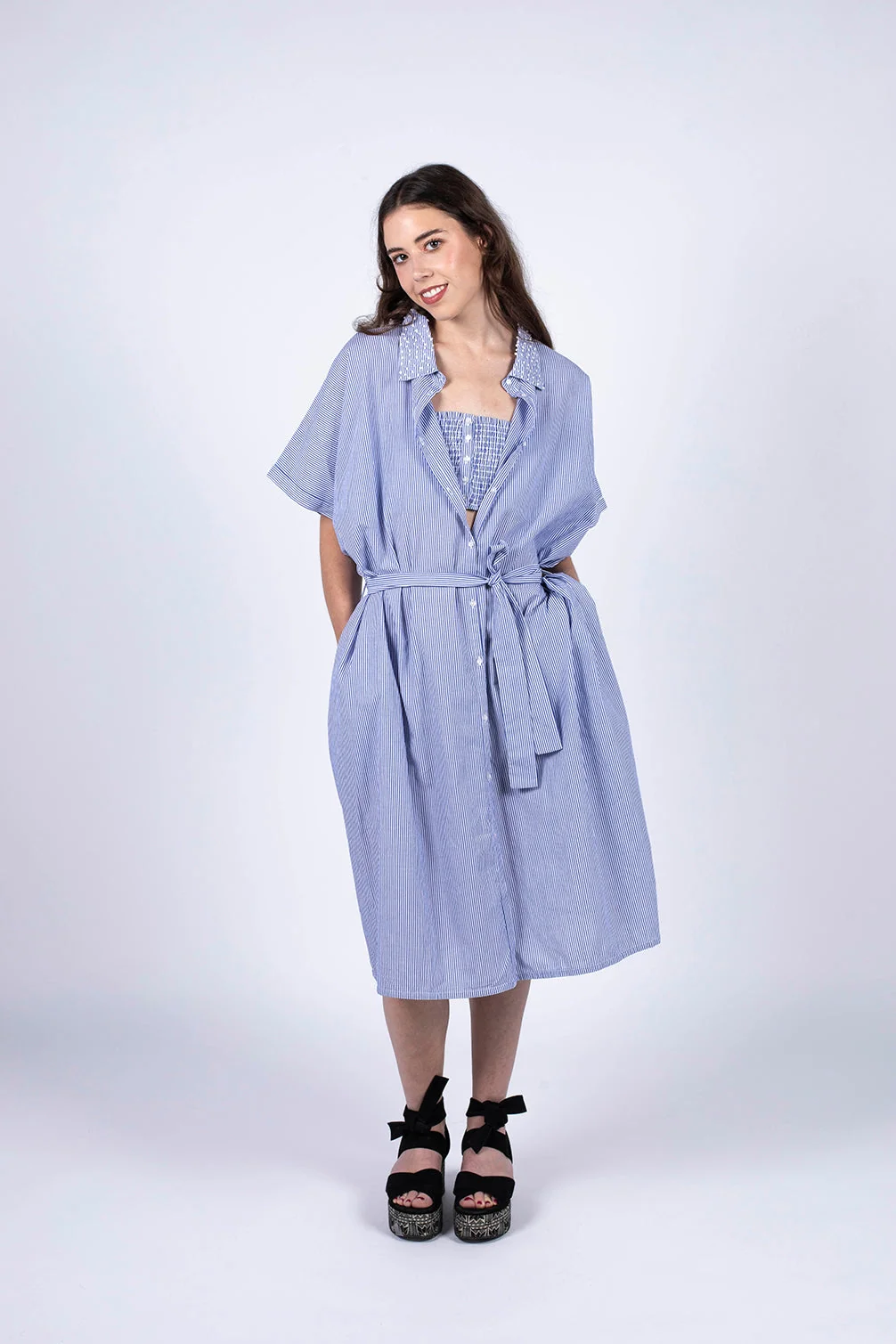 White DressesWhite Embroidered Summer Dresses for Warmer Days
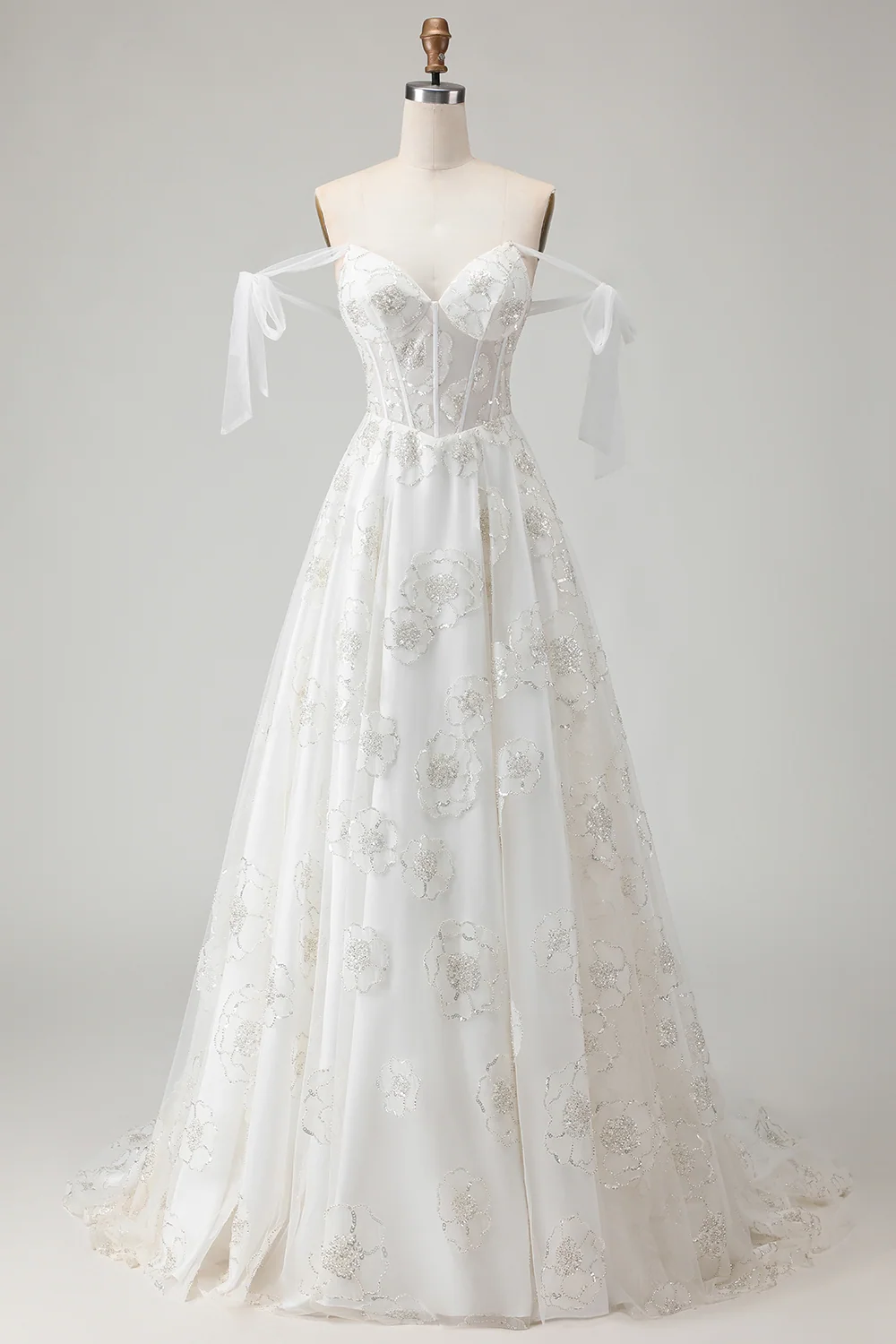
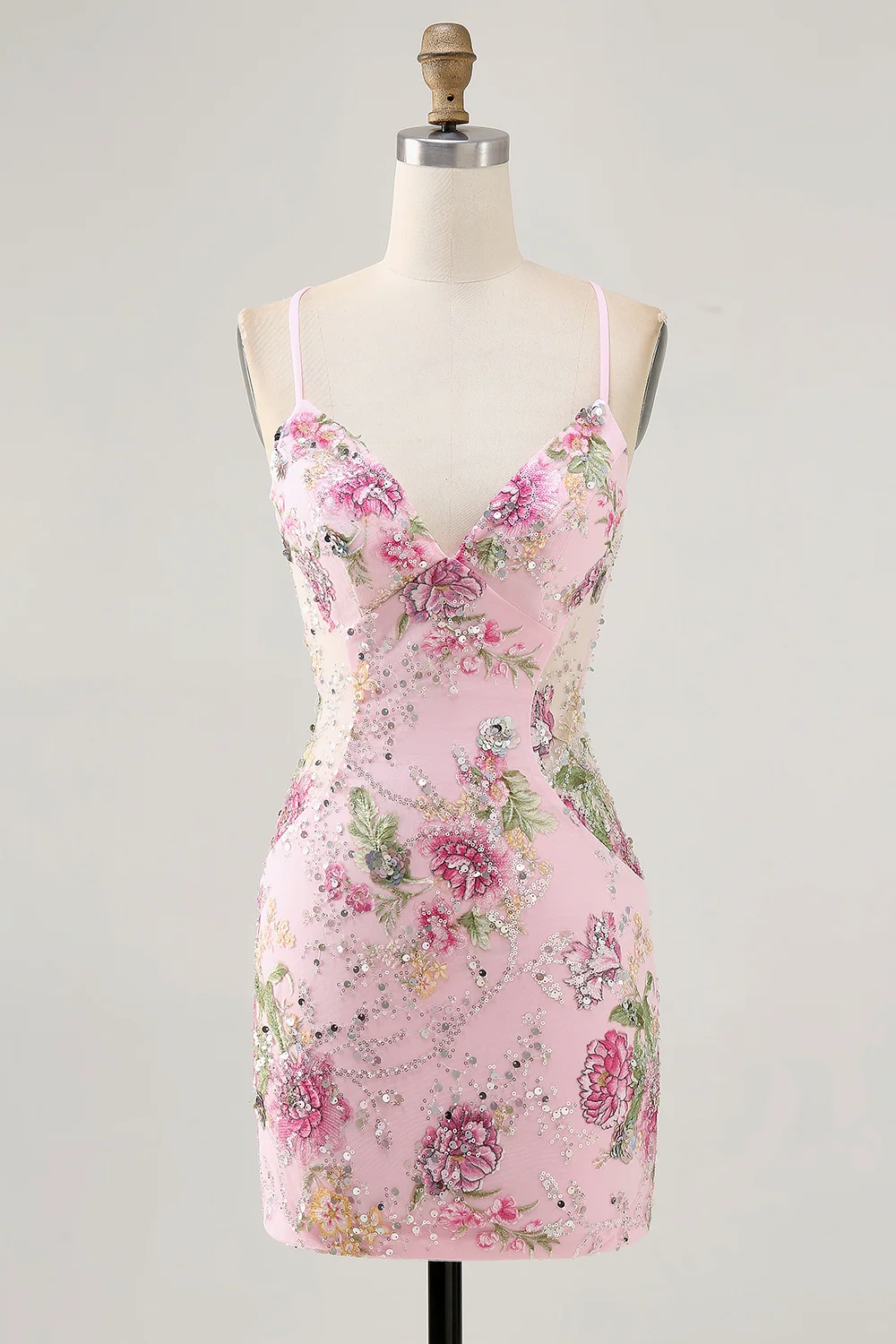 Pink DressesPink Embroidered Mini Dresses That Earn Their Place
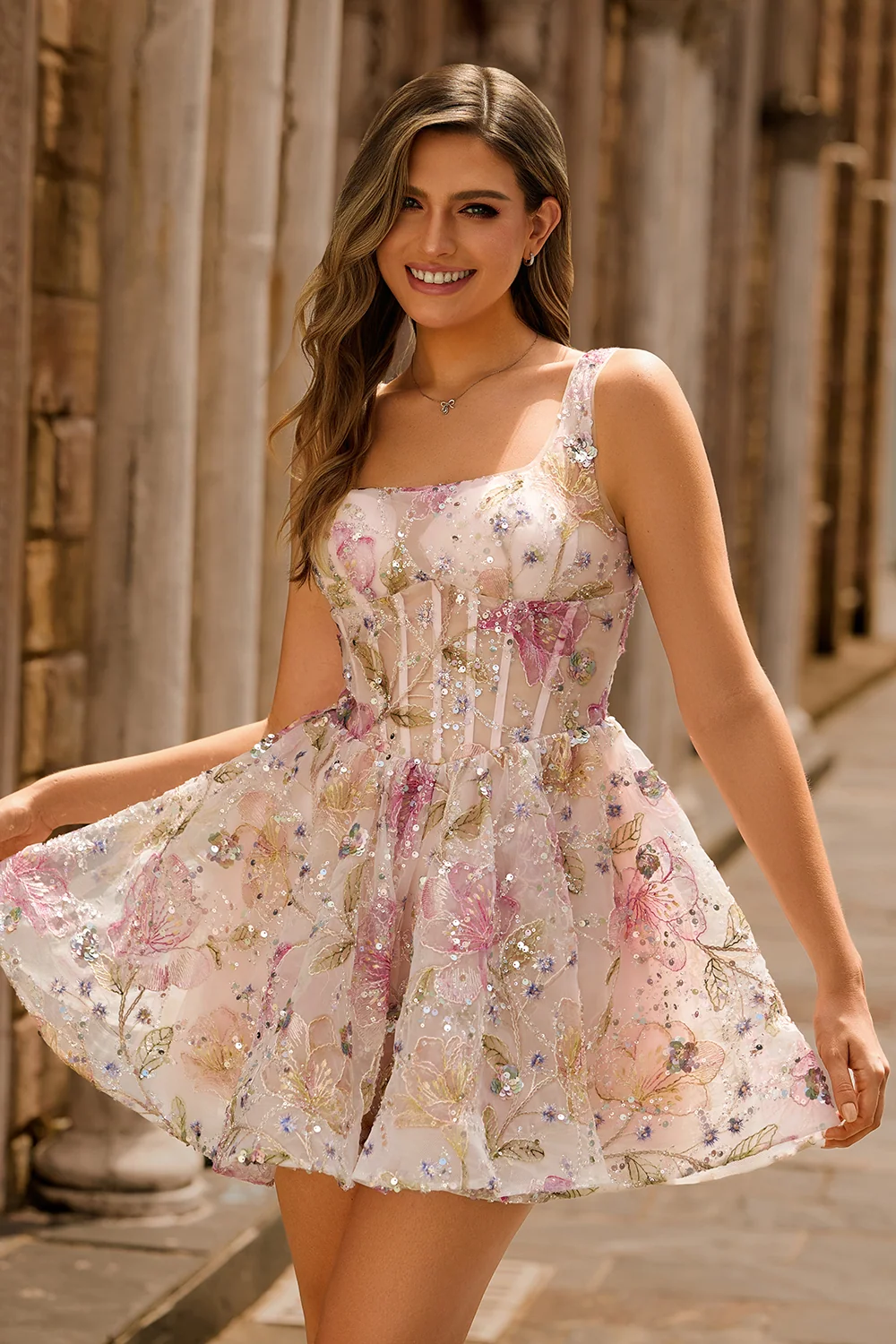
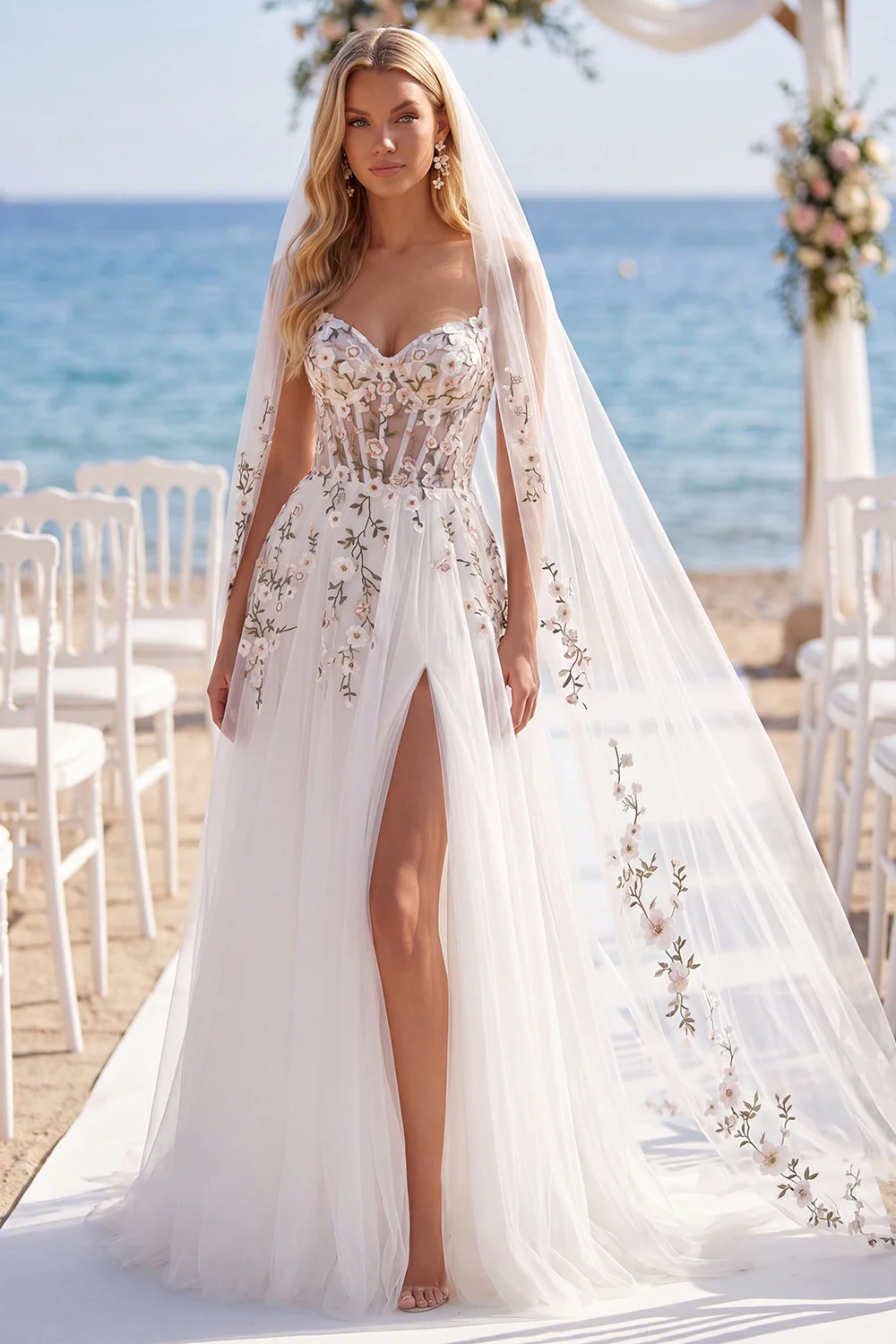 Pink DressesEffortless Pink Embroidered Party Dresses We Love
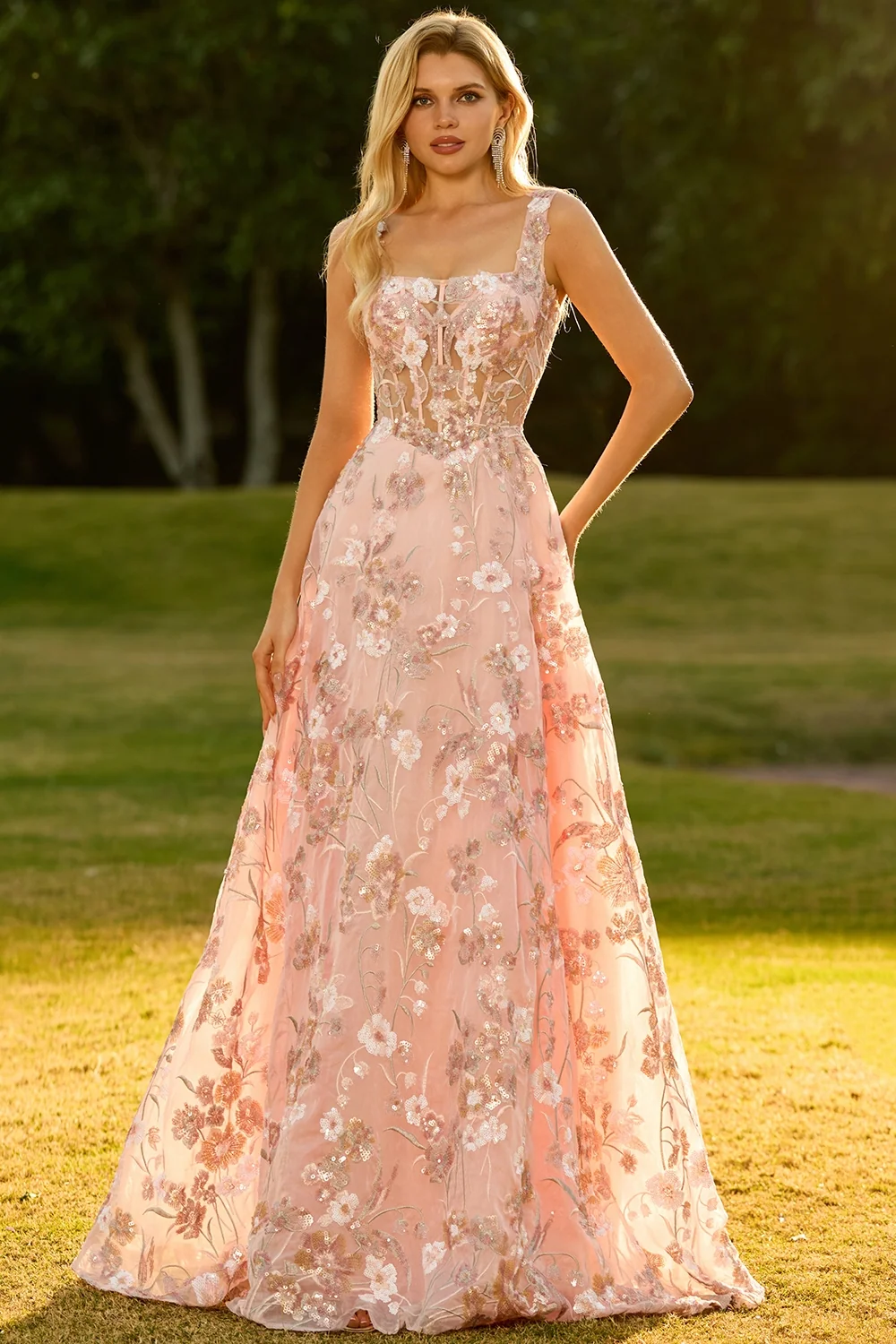
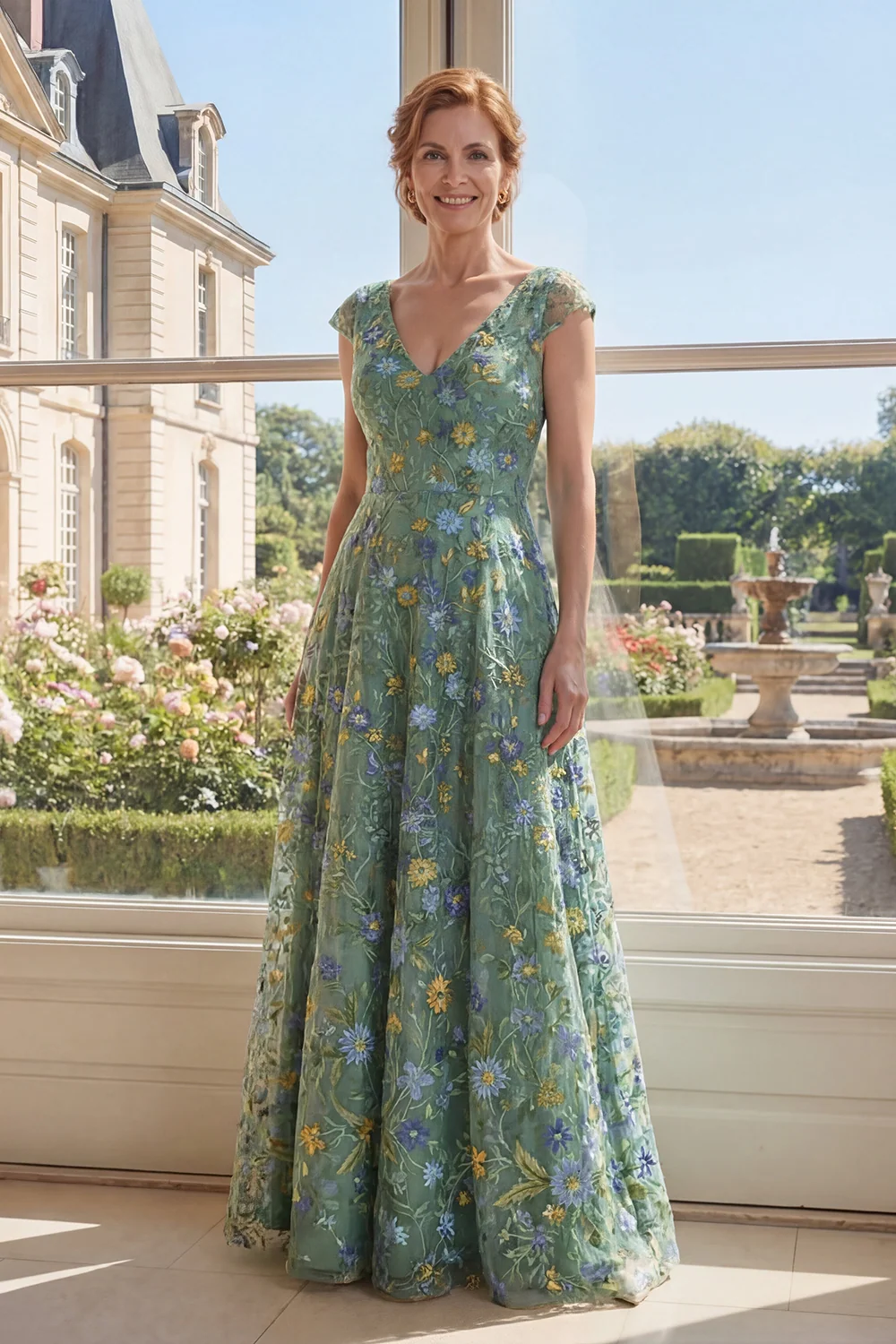 Green DressesGreen Embroidered A Line Dresses We’d Recommend to a Friend
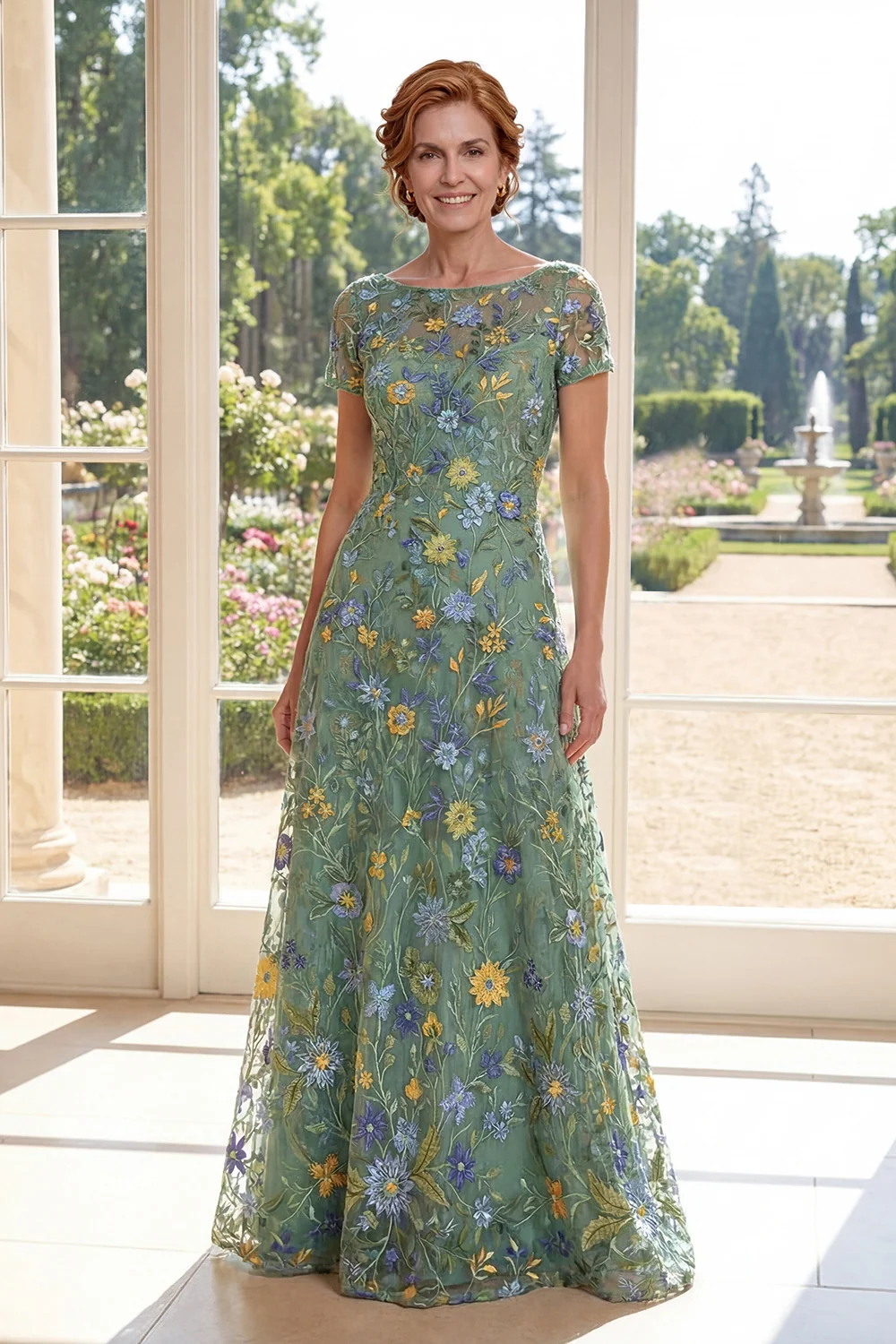
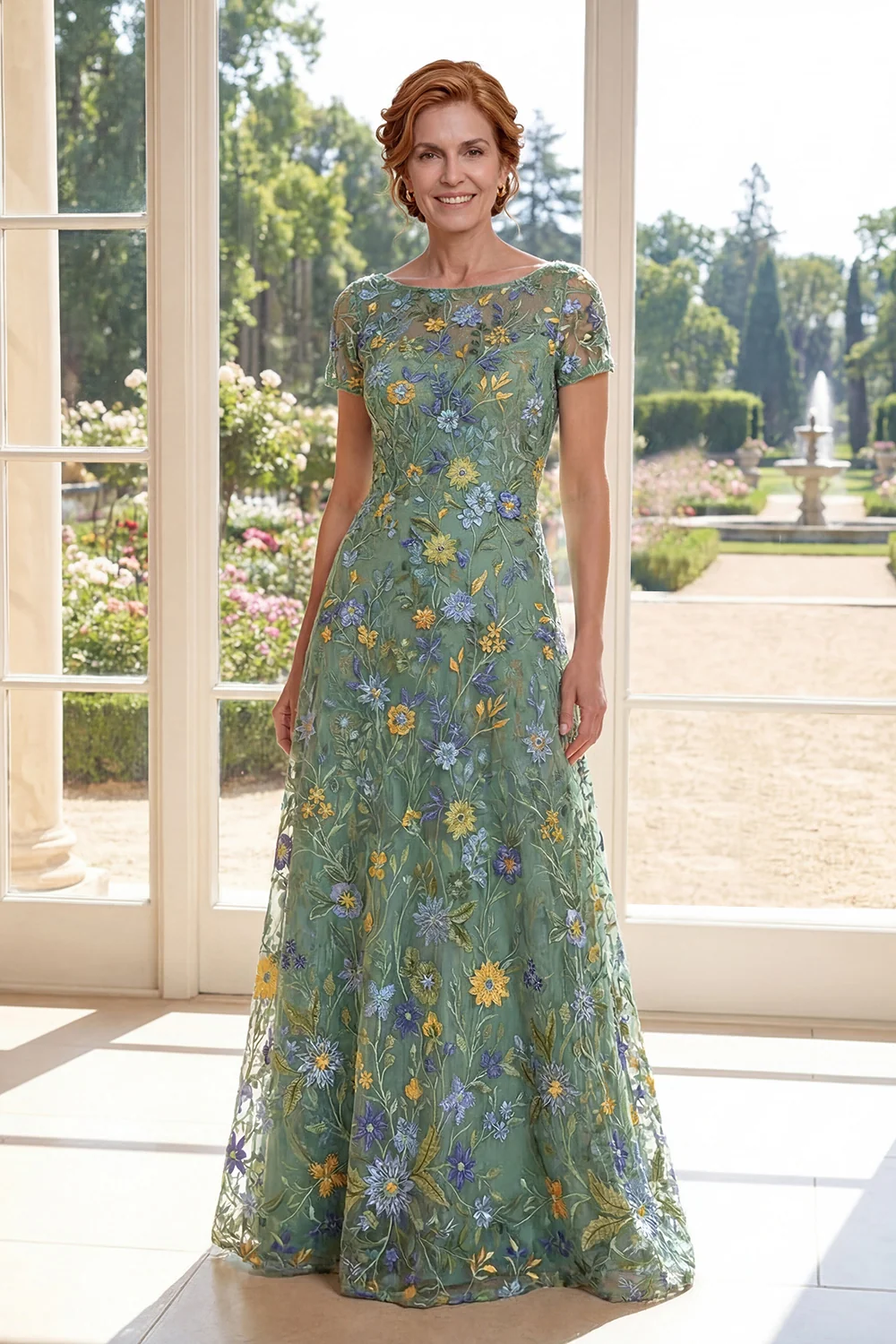 Green DressesEffortless Green Embroidered Party Dresses We Love
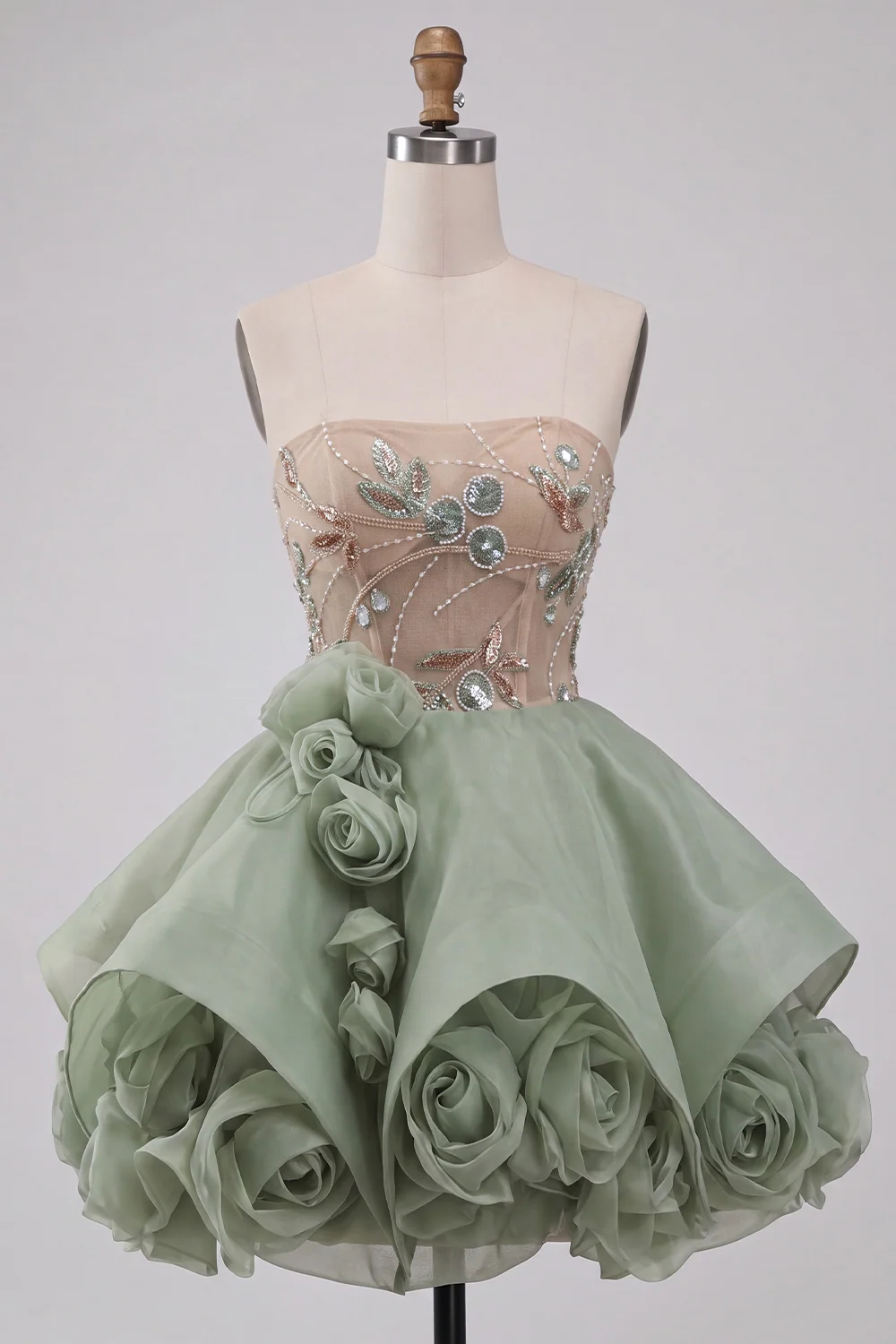
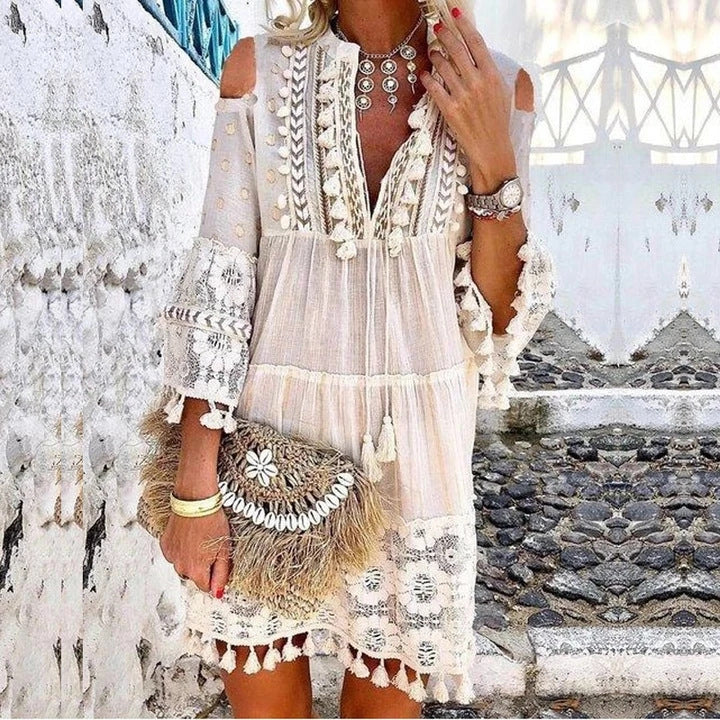 Summer DressesEmbroidered Summer Dresses That Feel SpecialAlso worth a lookMidi DressesThe moment a midi dress properly clicked for me was a wedding in October, cold enough for tights,…See the collections →
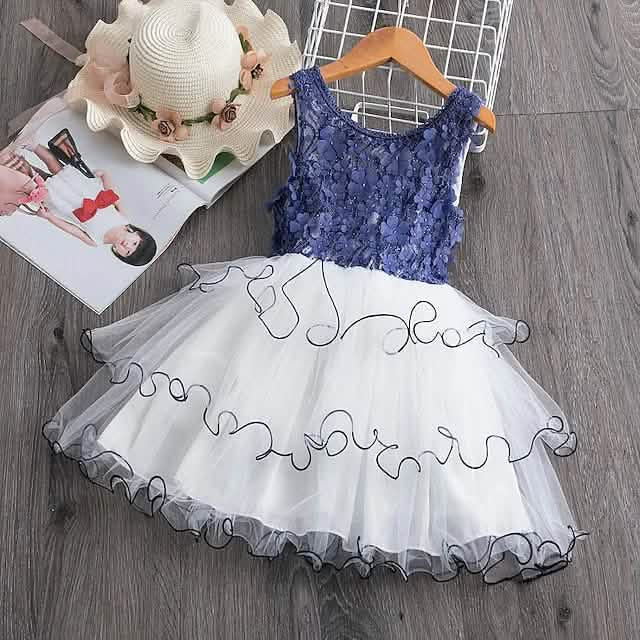
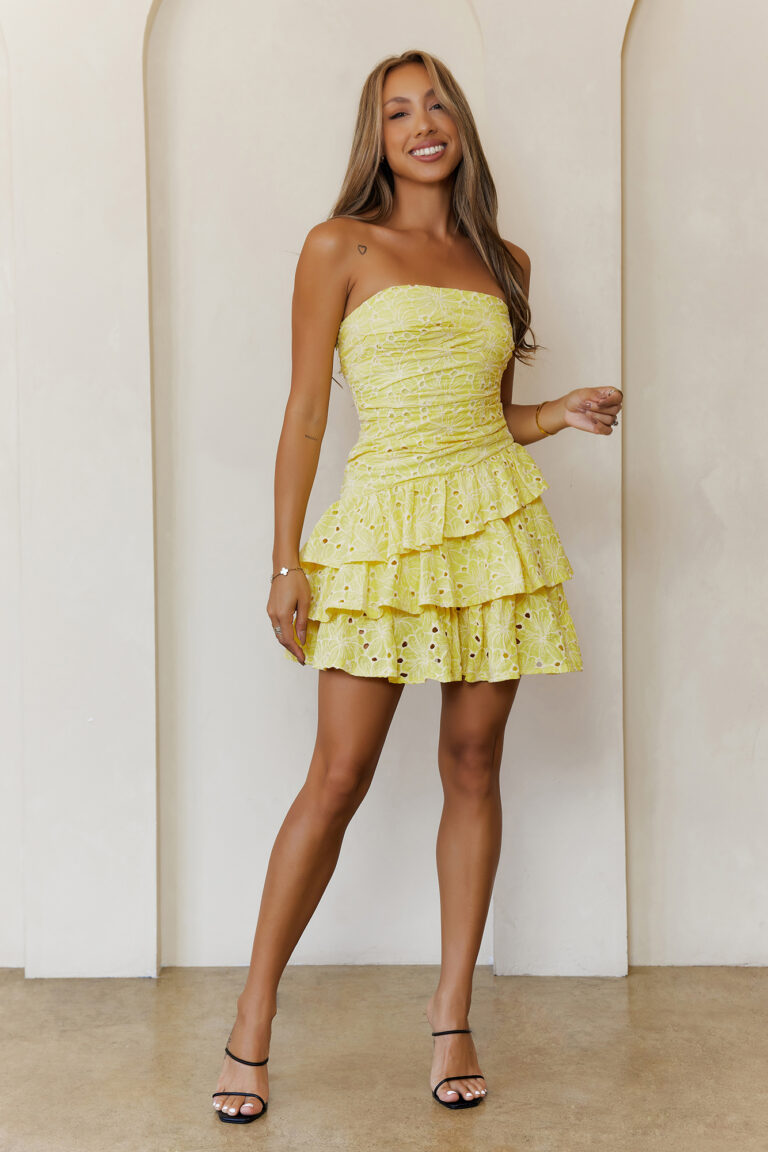 Tiered DressesEmbroidered Tiered Dresses That Flatter Without Trying
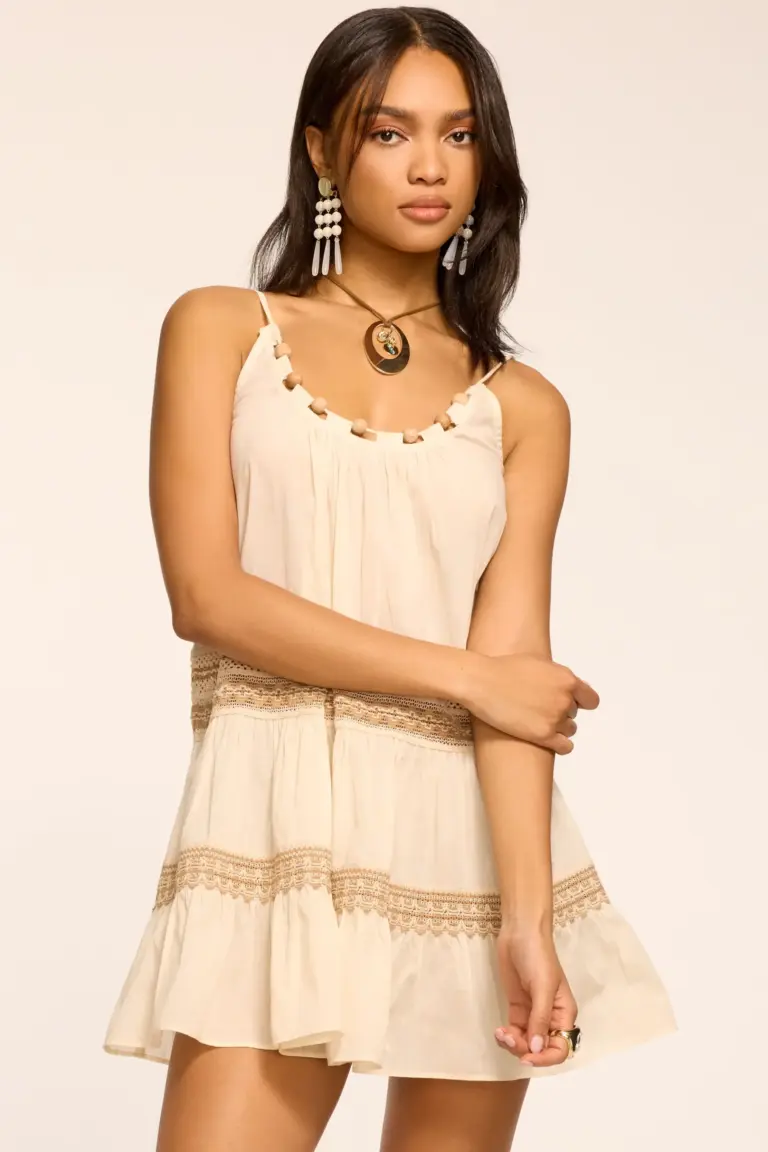
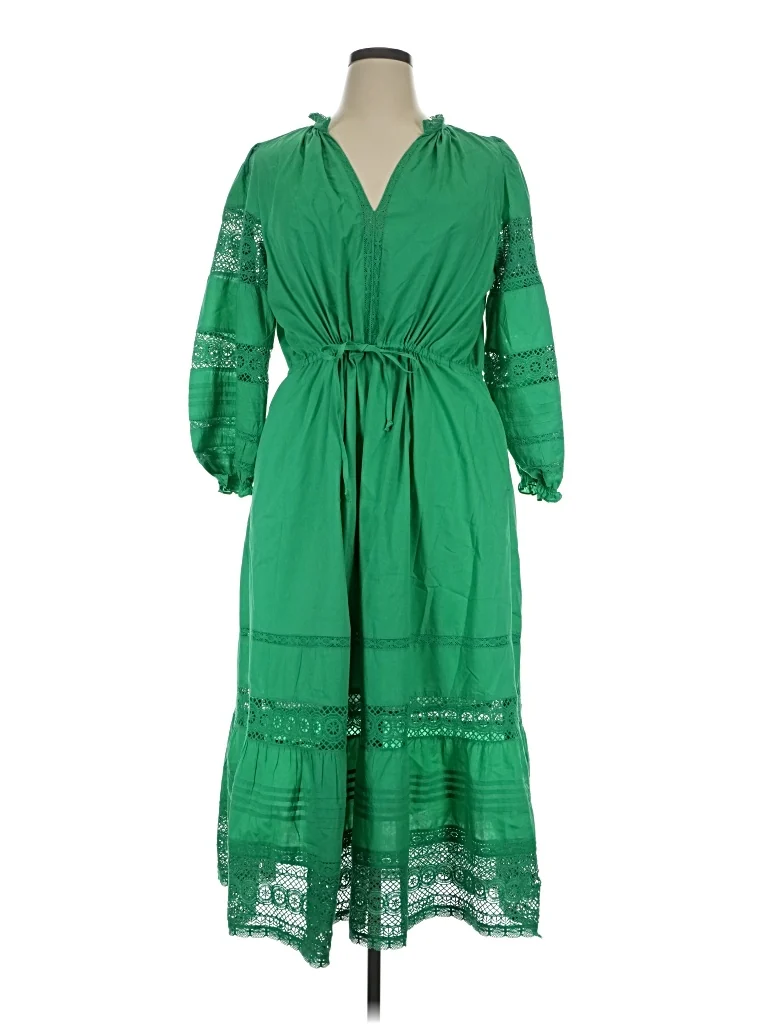 Velvet DressesEmbroidered Velvet Dresses You’ll Want to Live In
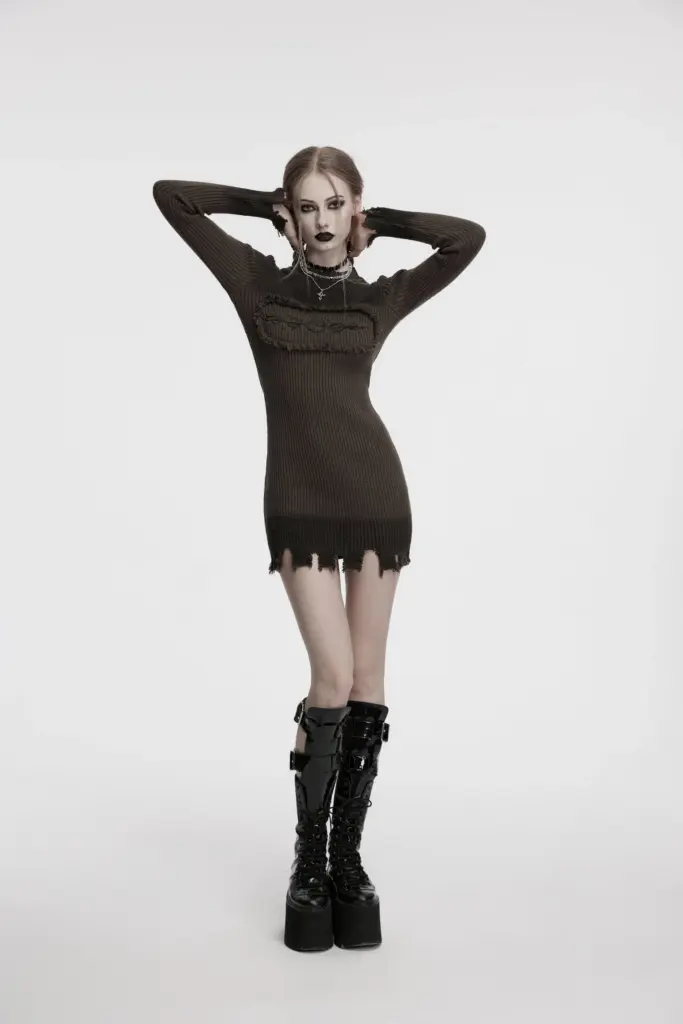
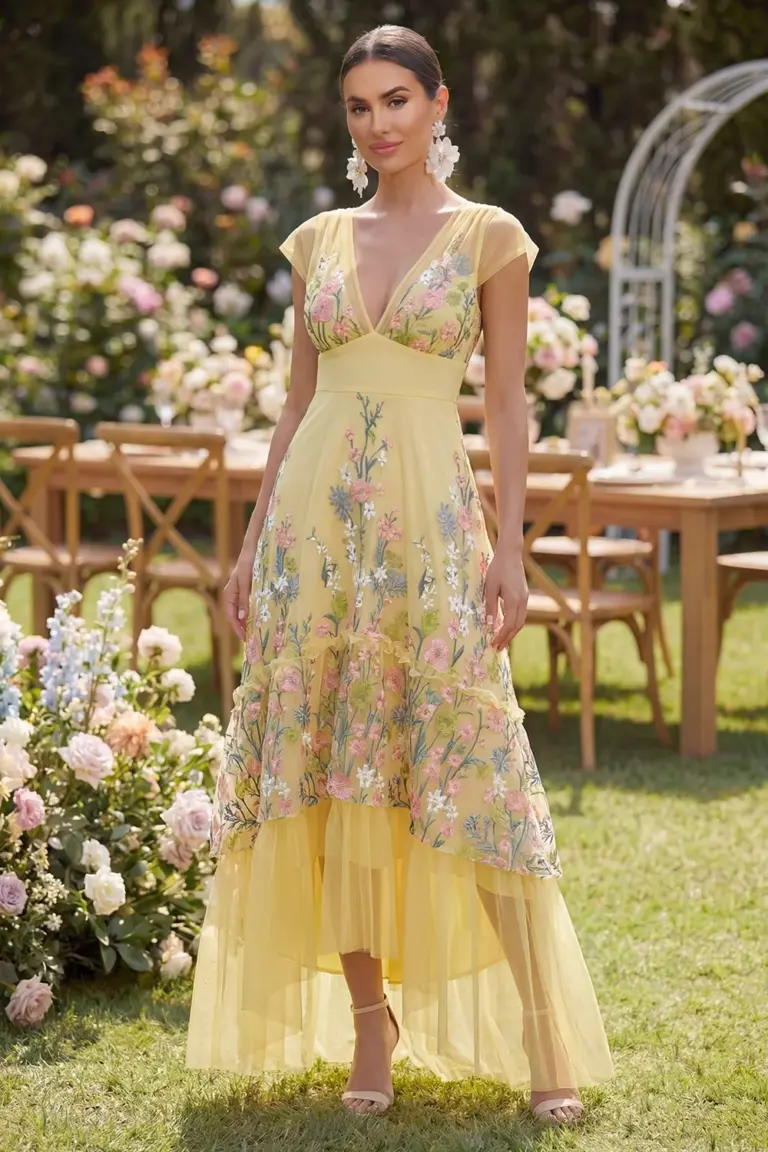 Wedding Guest DressesEmbroidered Wedding Guest Dresses We Can’t Stop Looking At
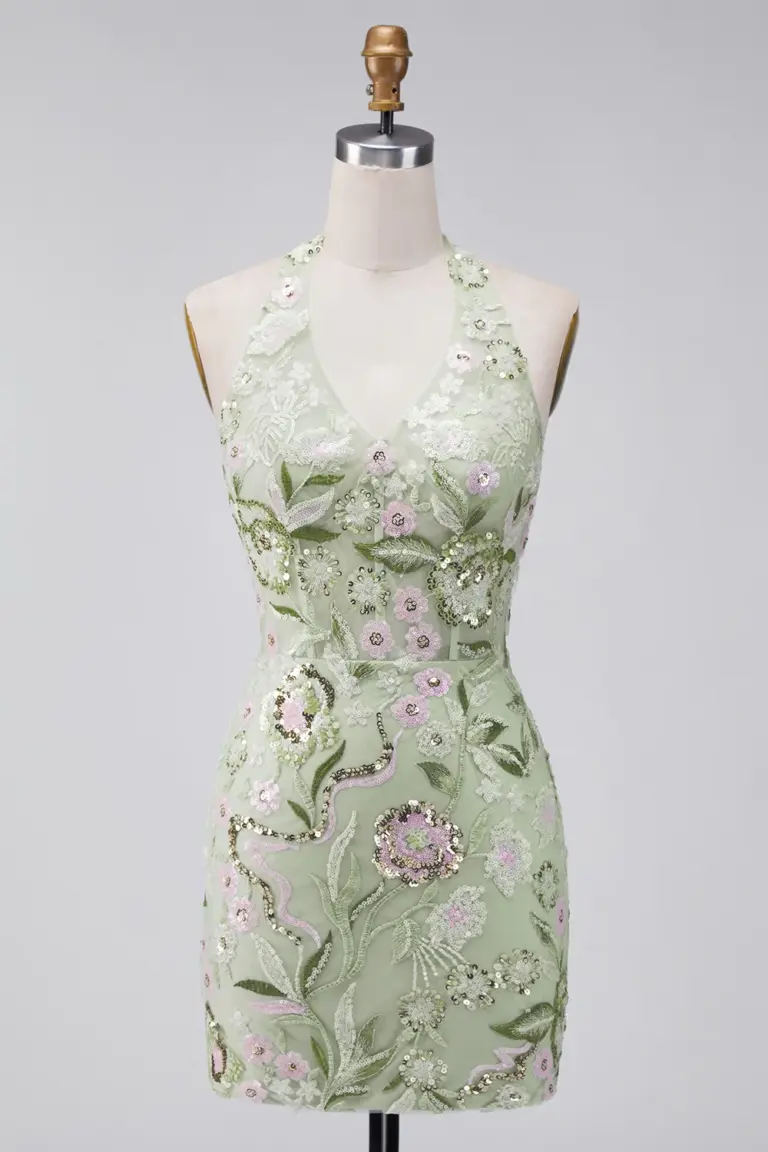
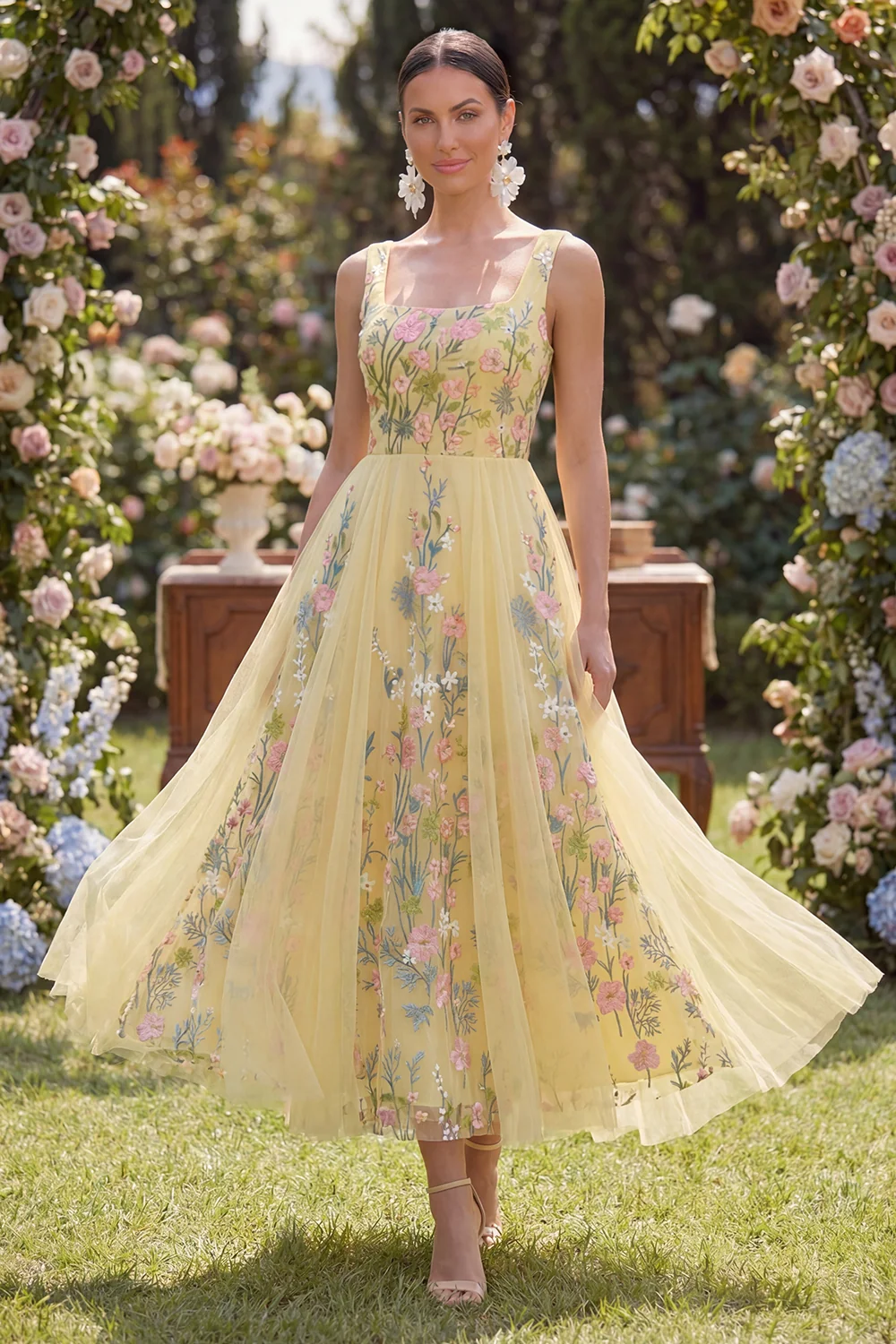 Wedding Guest DressesEmbroidered Wedding Guest Midi Dresses for the Big Day
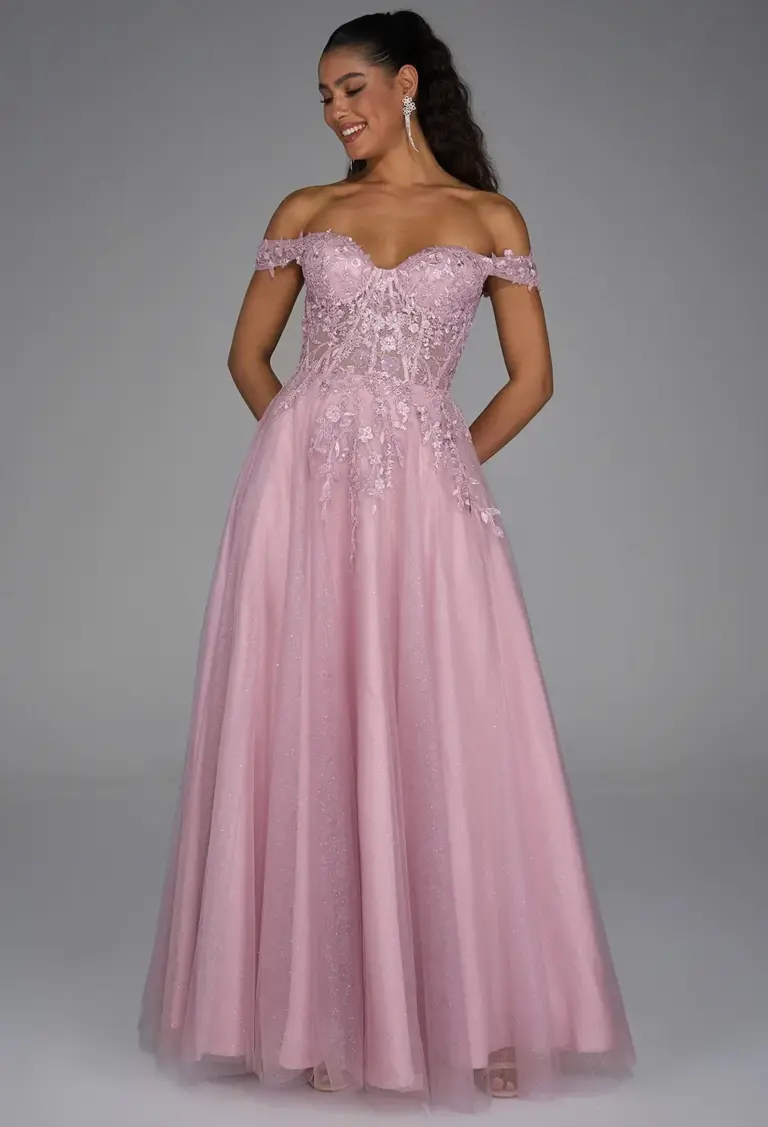 Prom DressesEmbroidered Prom Dresses You Can Dress Up or Down
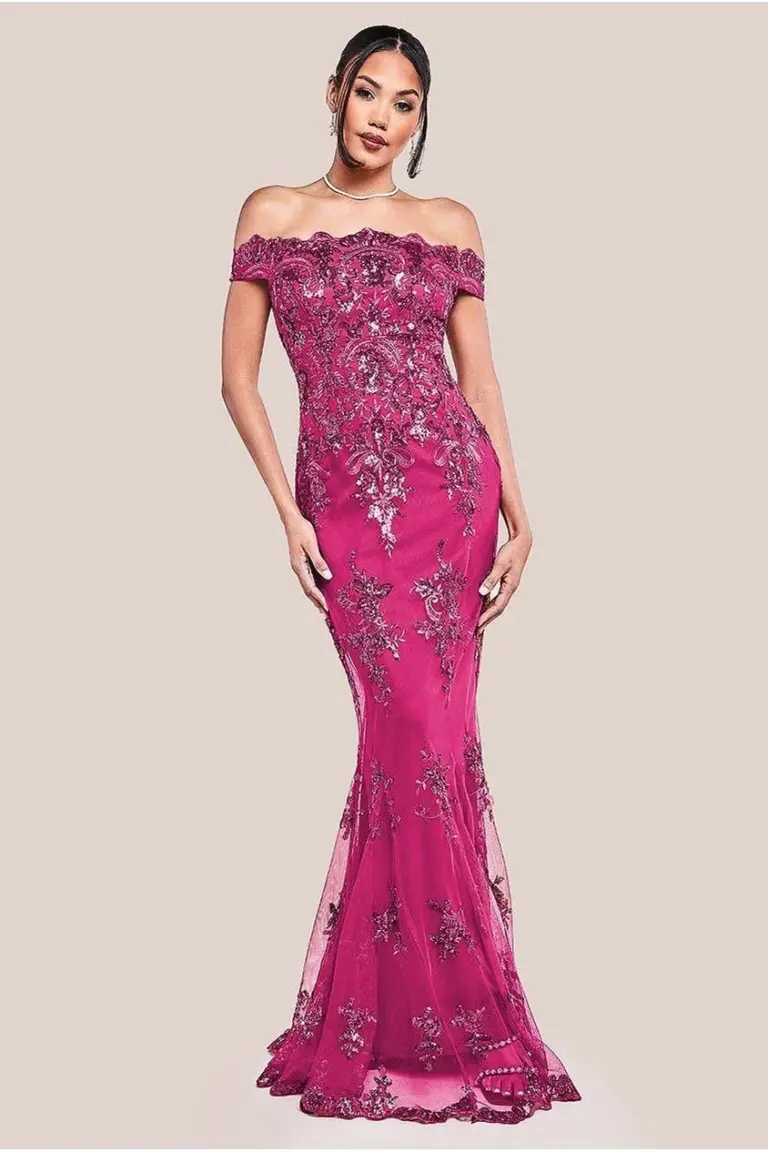
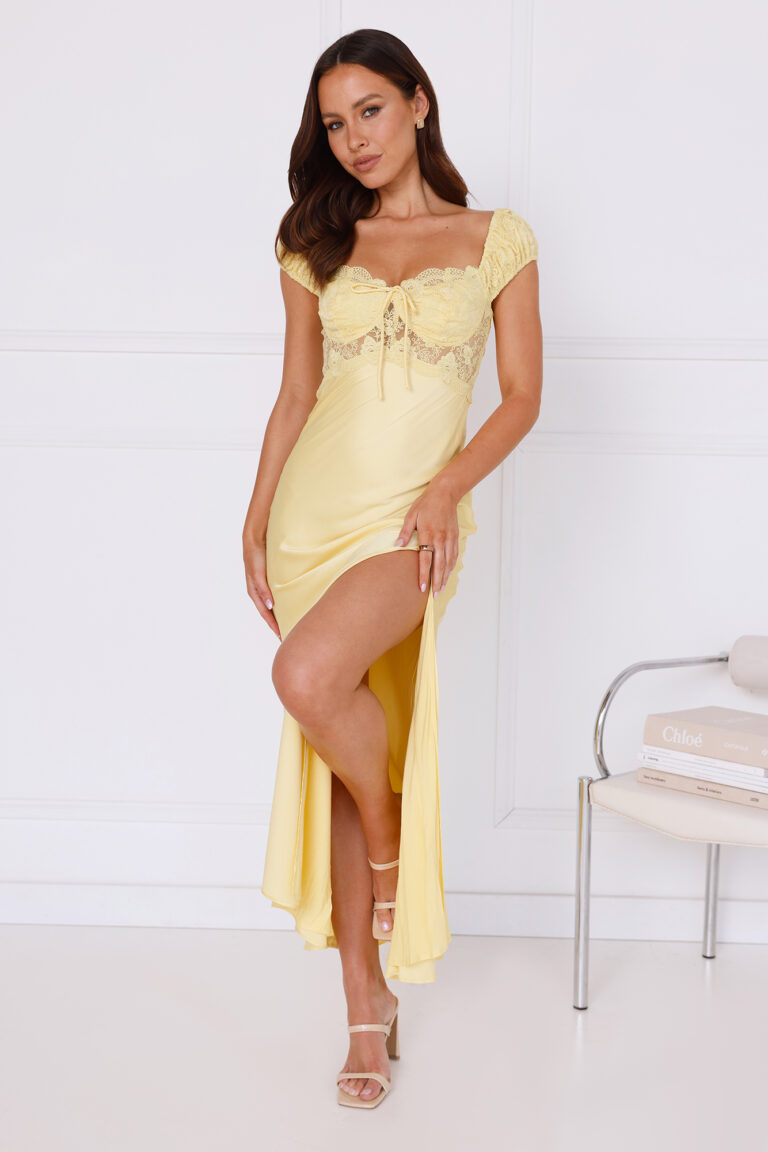 Satin DressesEmbroidered Satin Dresses You Can Dress Up or Down
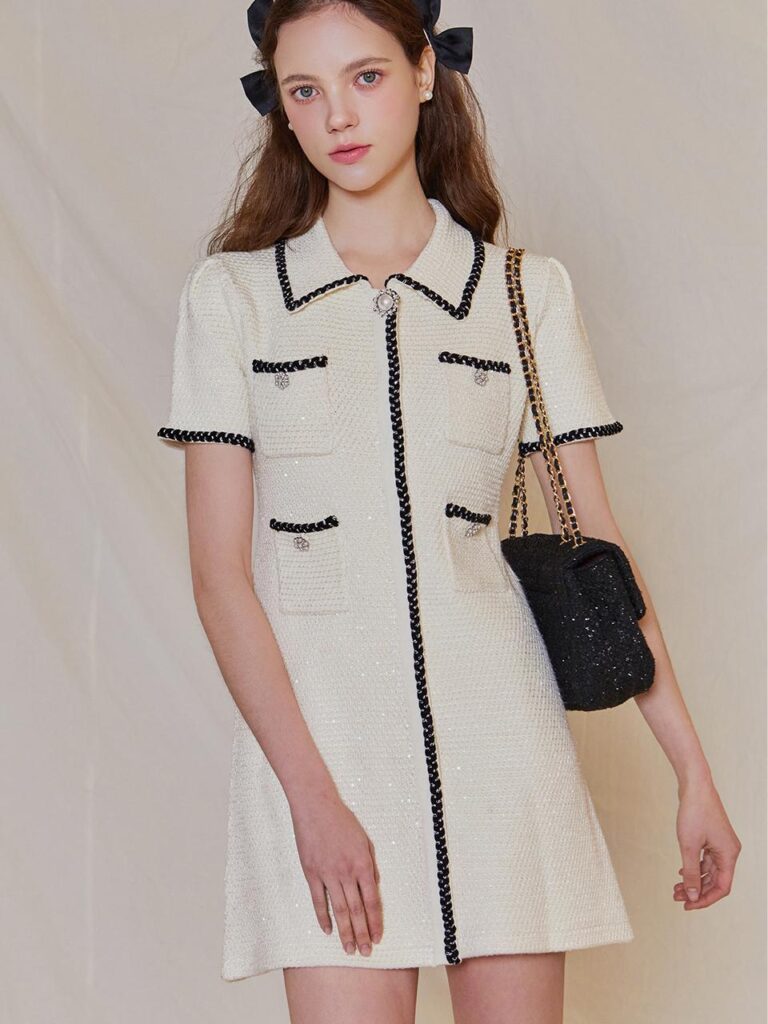 Sequin DressesShop the Edit: Embroidered Sequin Dresses
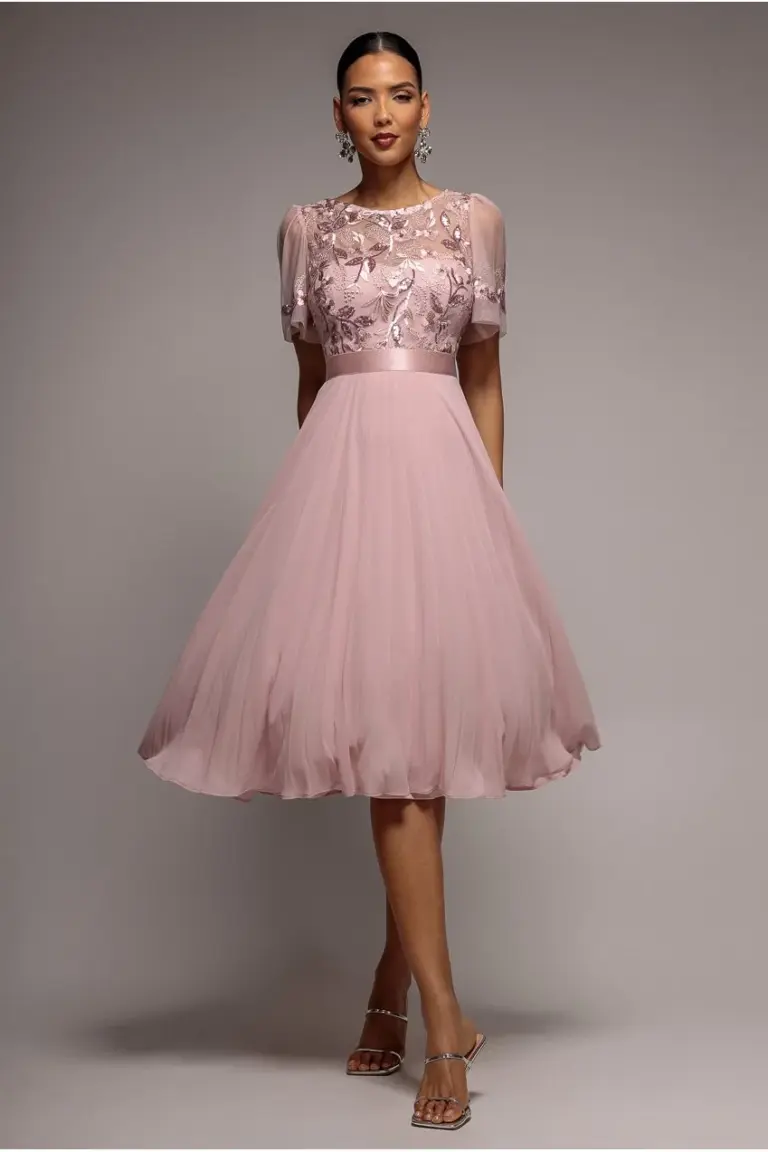
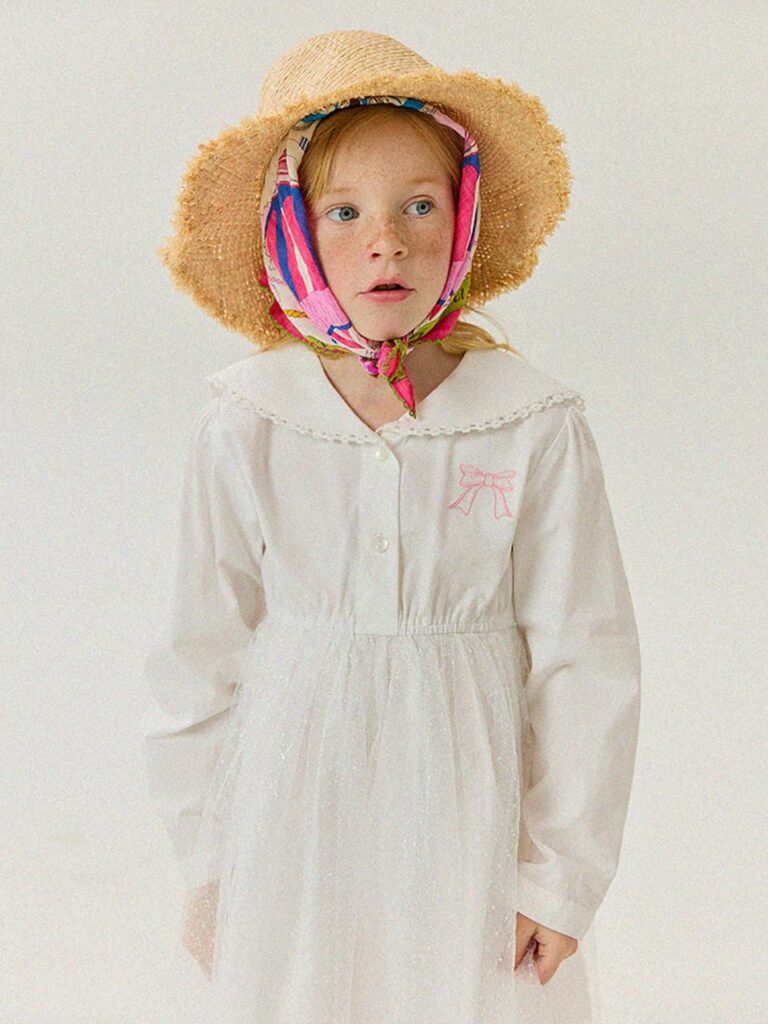 Shirt DressesEmbroidered Shirt Dresses You Can Dress Up or Down
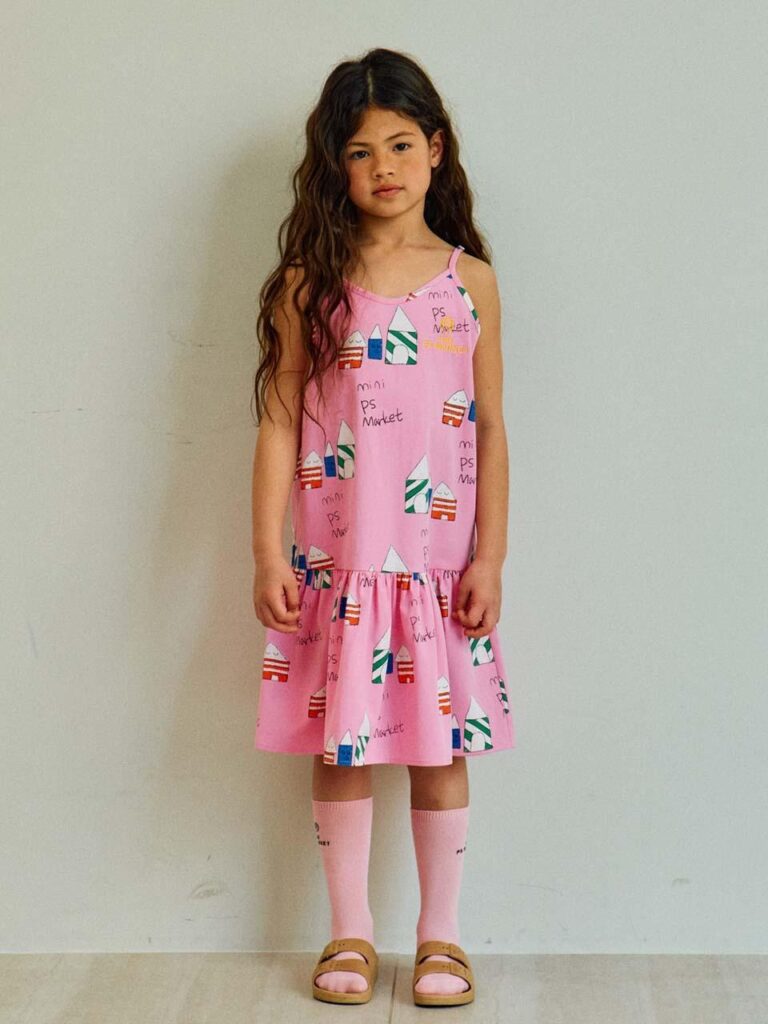
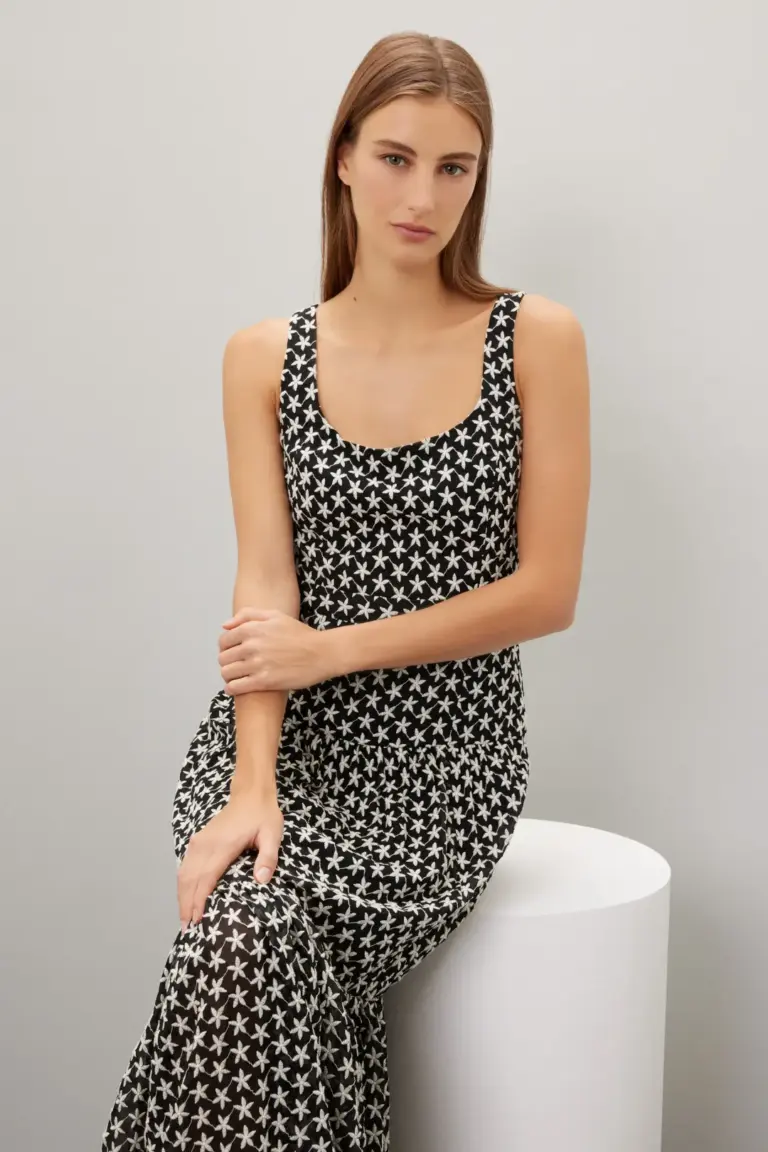 Sleeveless DressesThe Edit: Embroidered Sleeveless A Line DressesAlso worth a lookMaxi DressesA maxi dress earns its length by making you forget what you're wearing, and that's the whole point of one.See the collections →
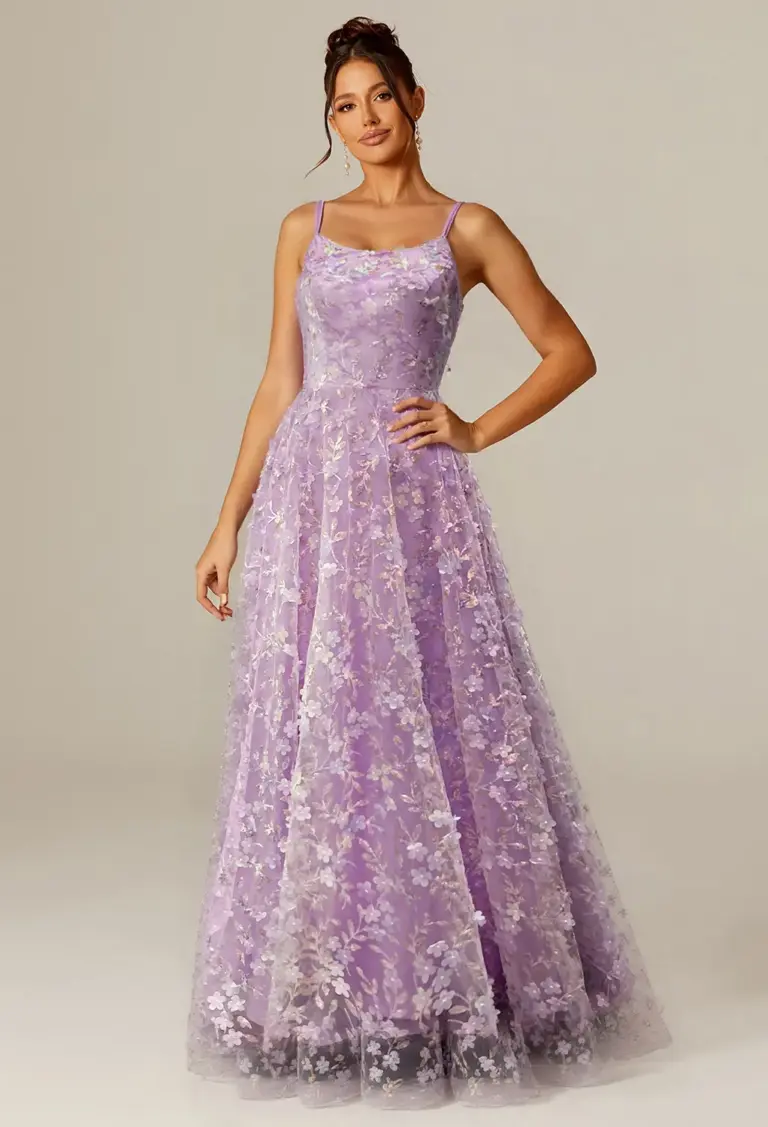
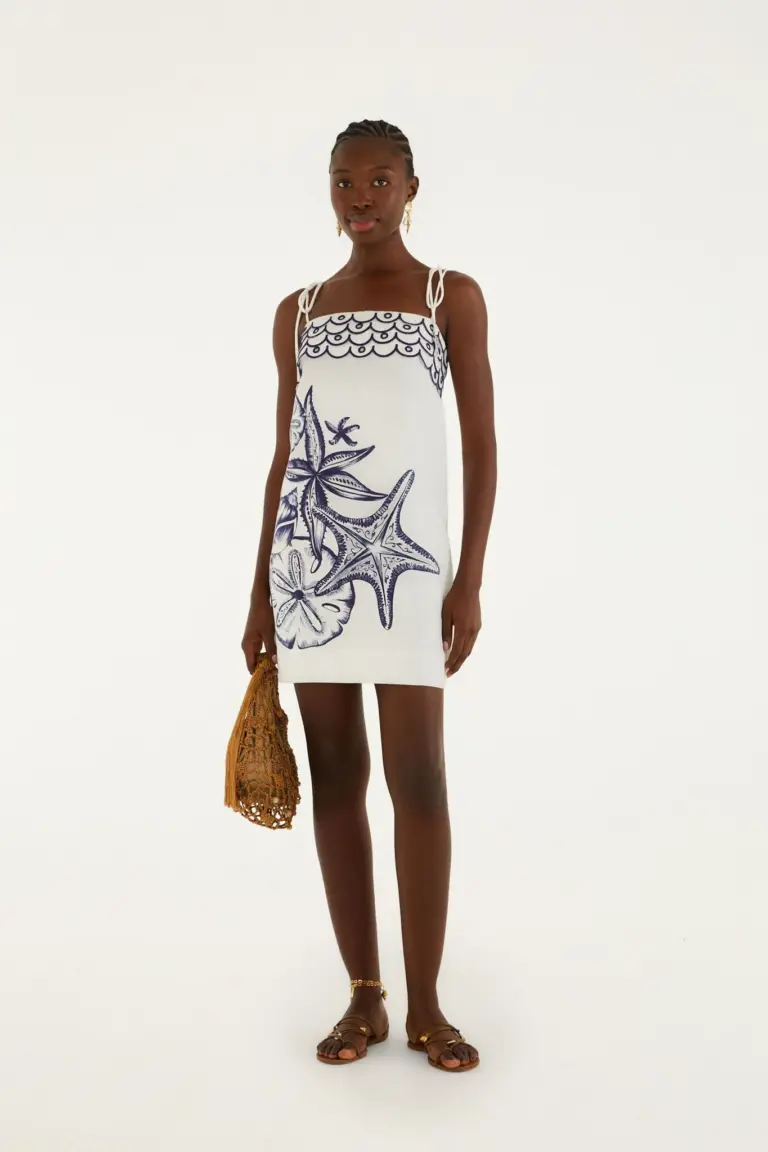 Sleeveless DressesEmbroidered Sleeveless Summer Dresses for Sunny Days Ahead
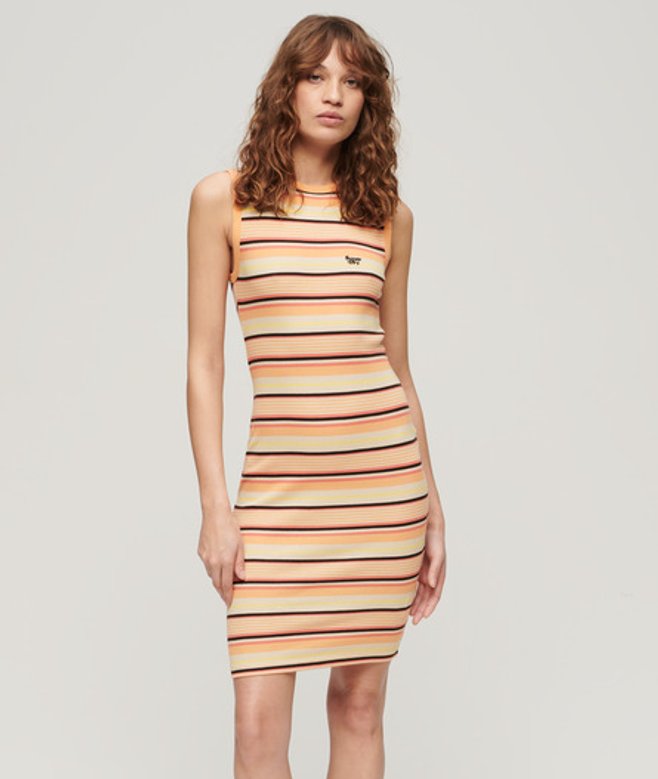
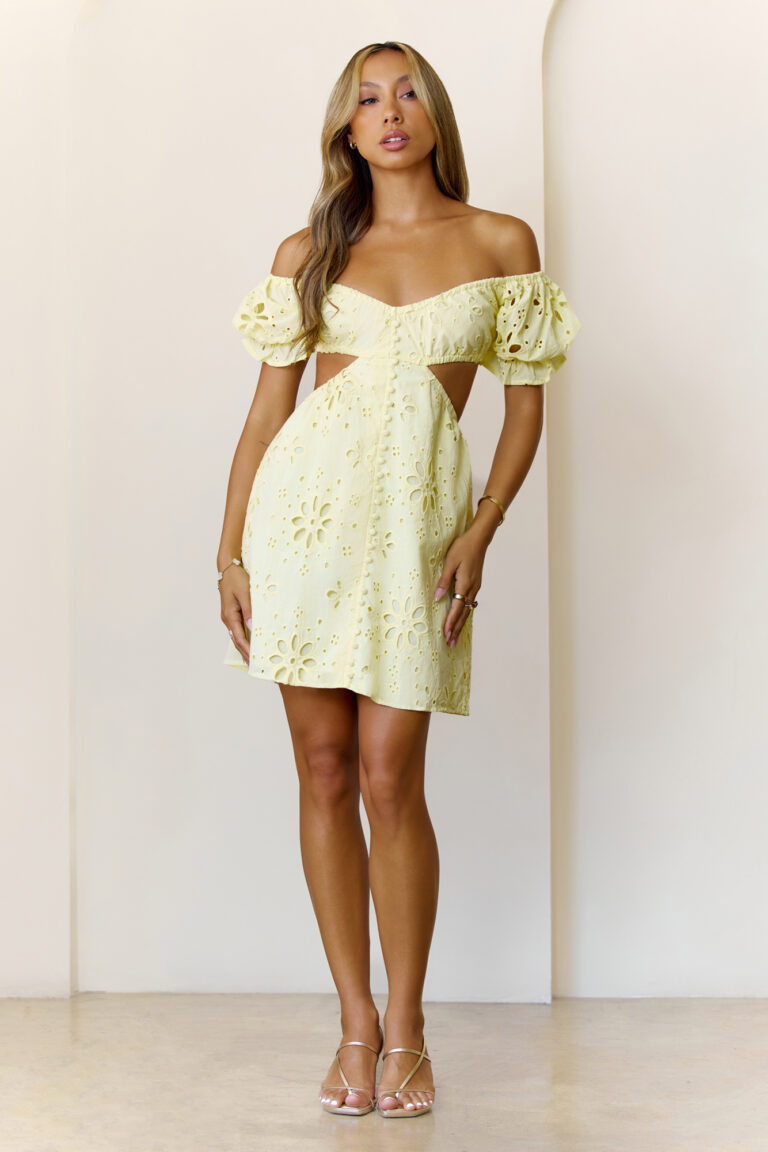 Slip DressesThe Only Embroidered Slip Dresses You Need to See
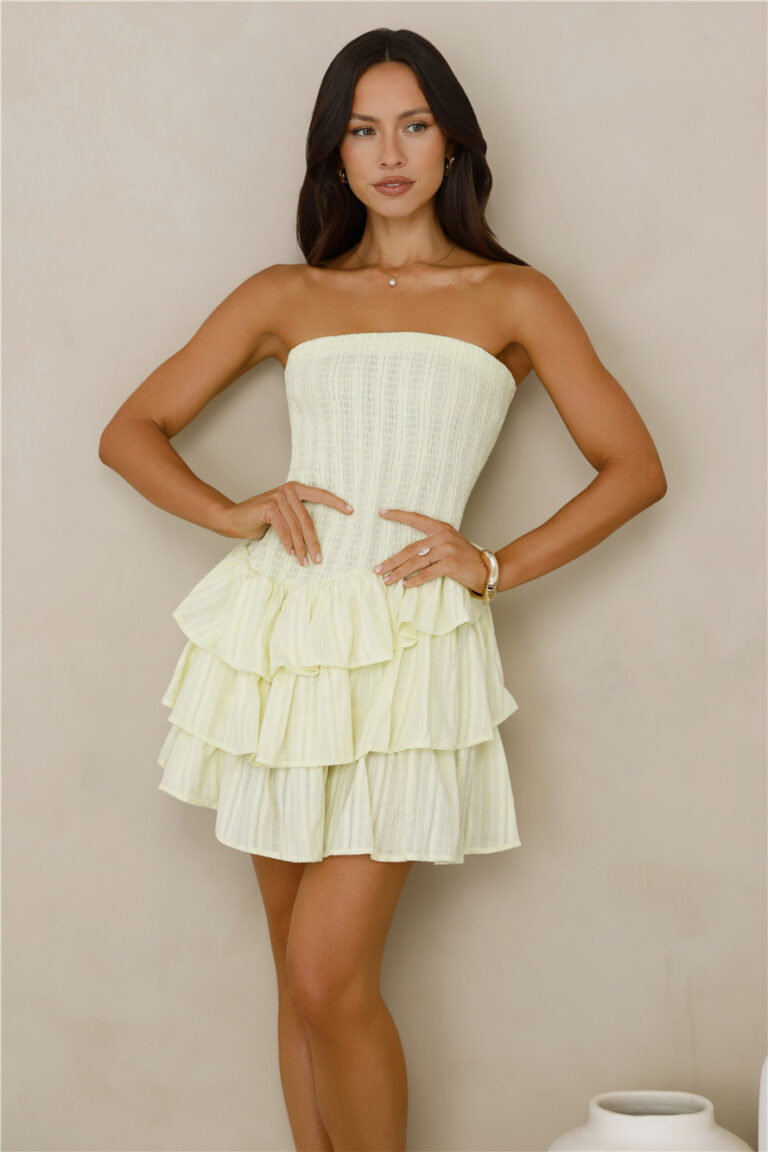
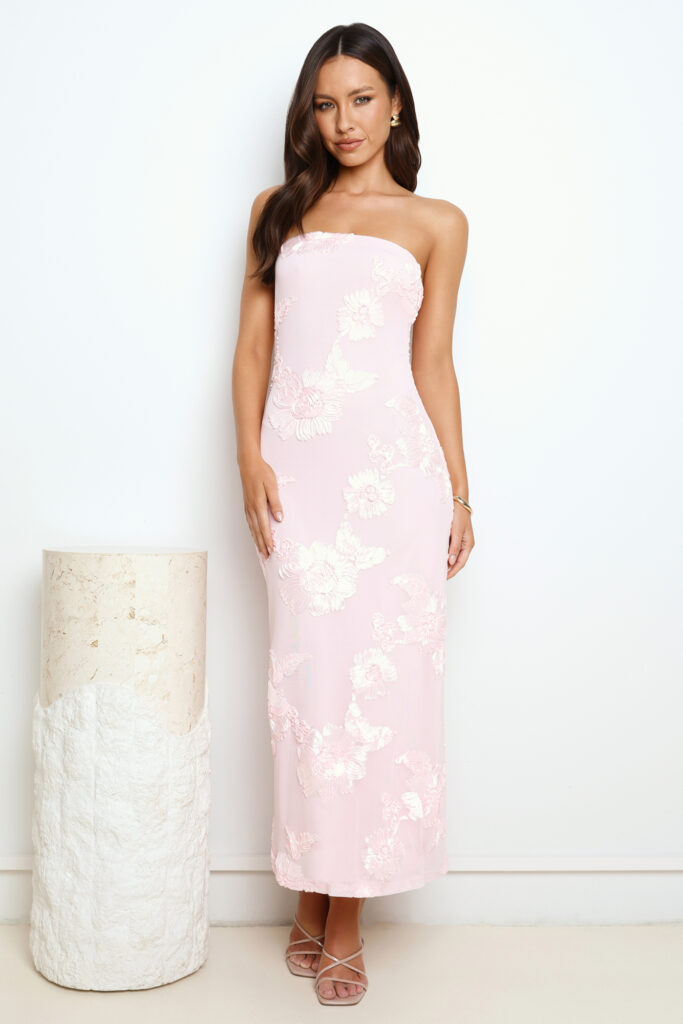 Midi DressesShop the Edit: Embroidered Midi Dresses
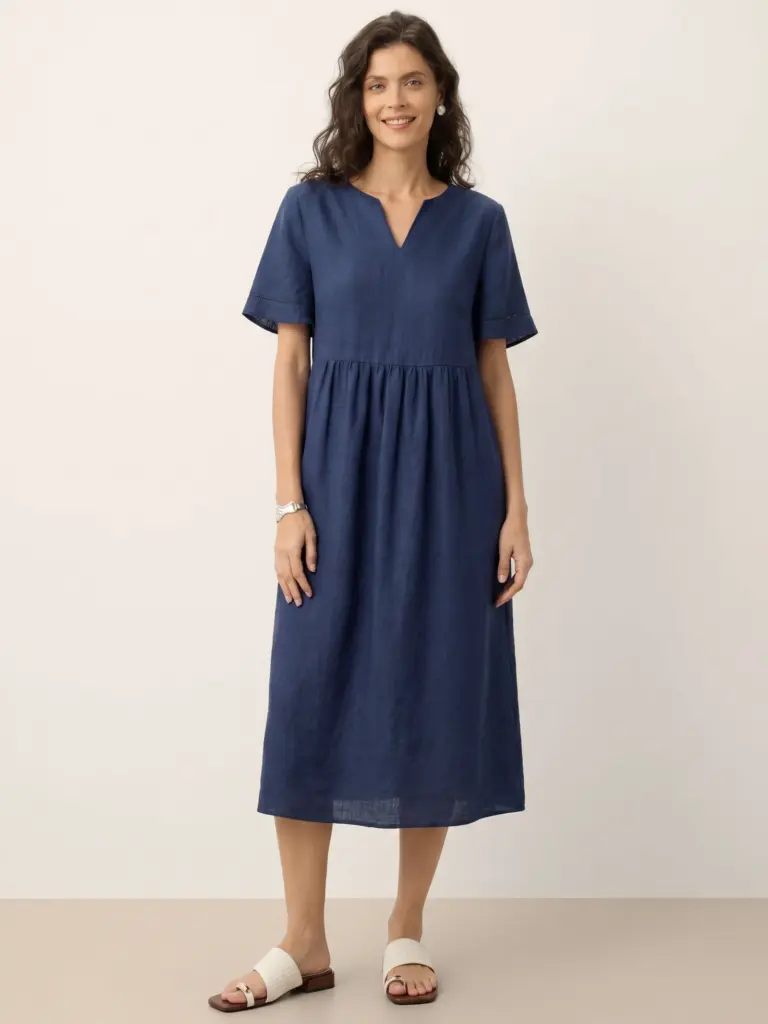
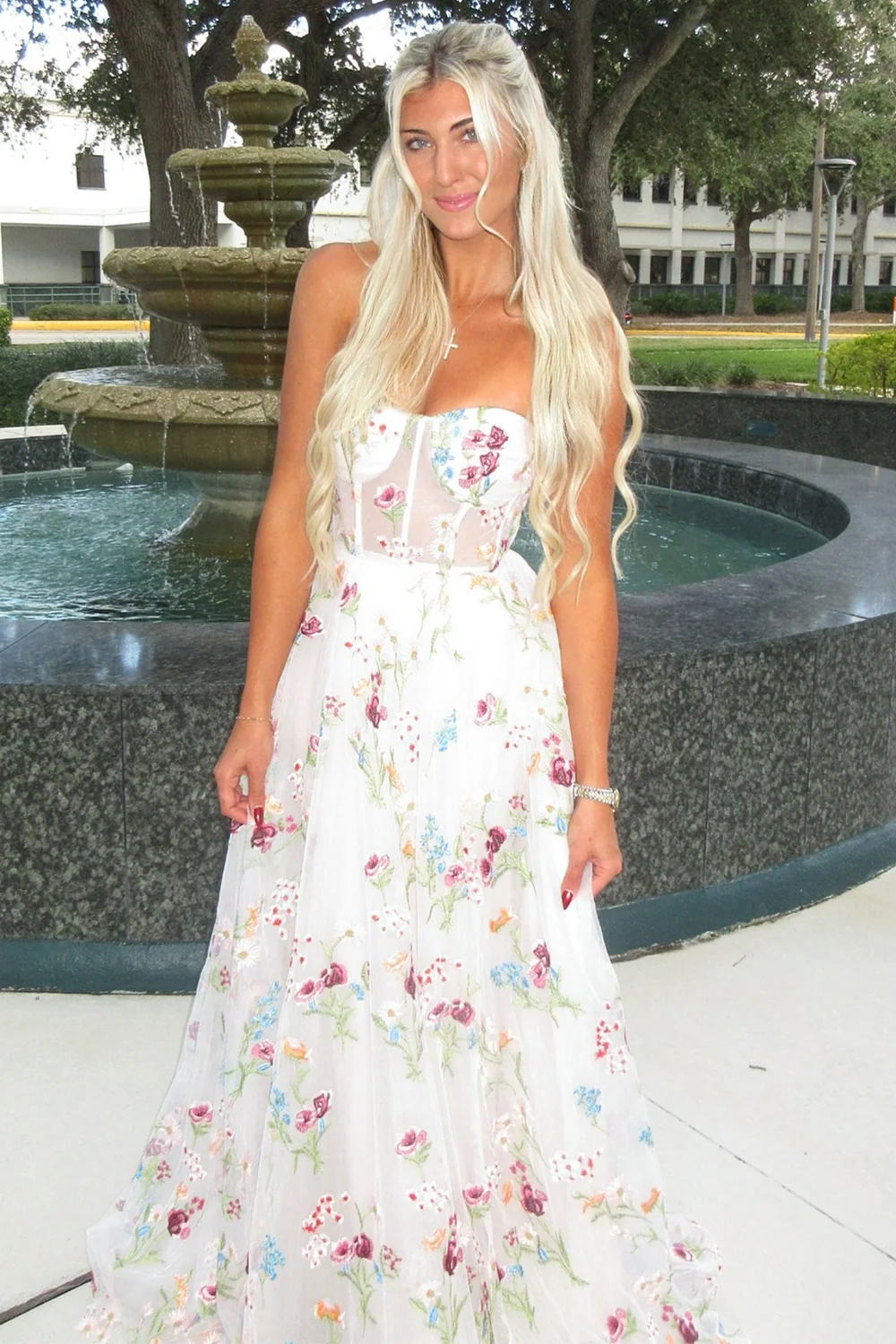 Occasion DressesOur Edit of the Best Embroidered Occasion Maxi Dresses
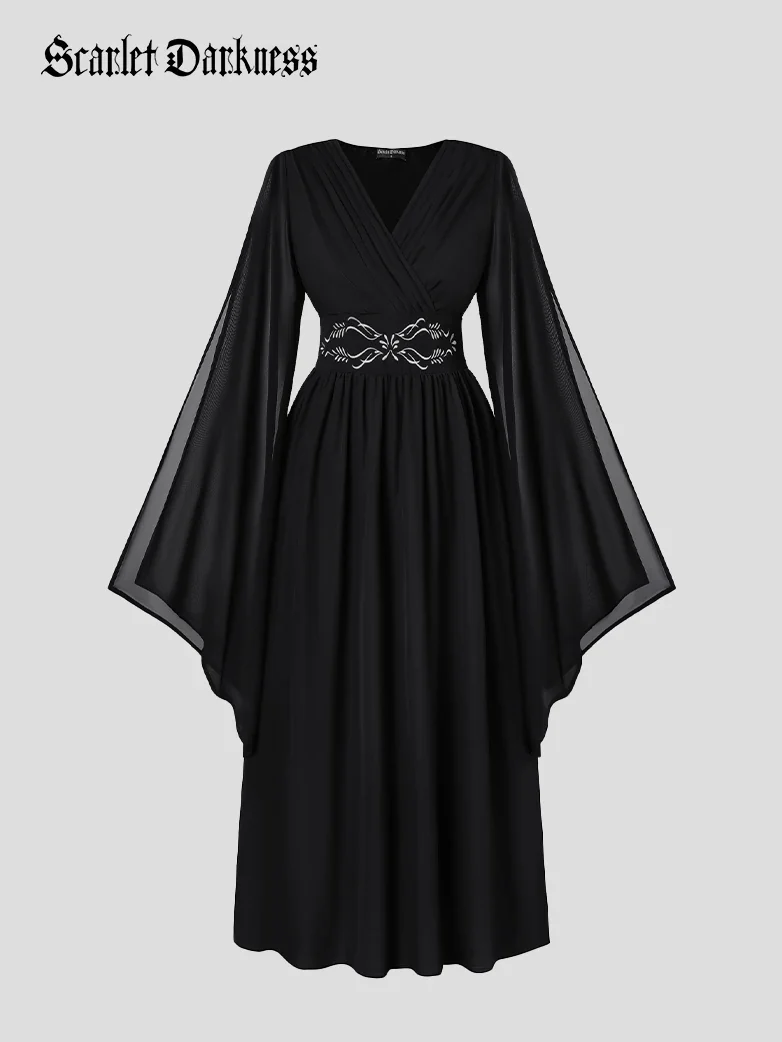
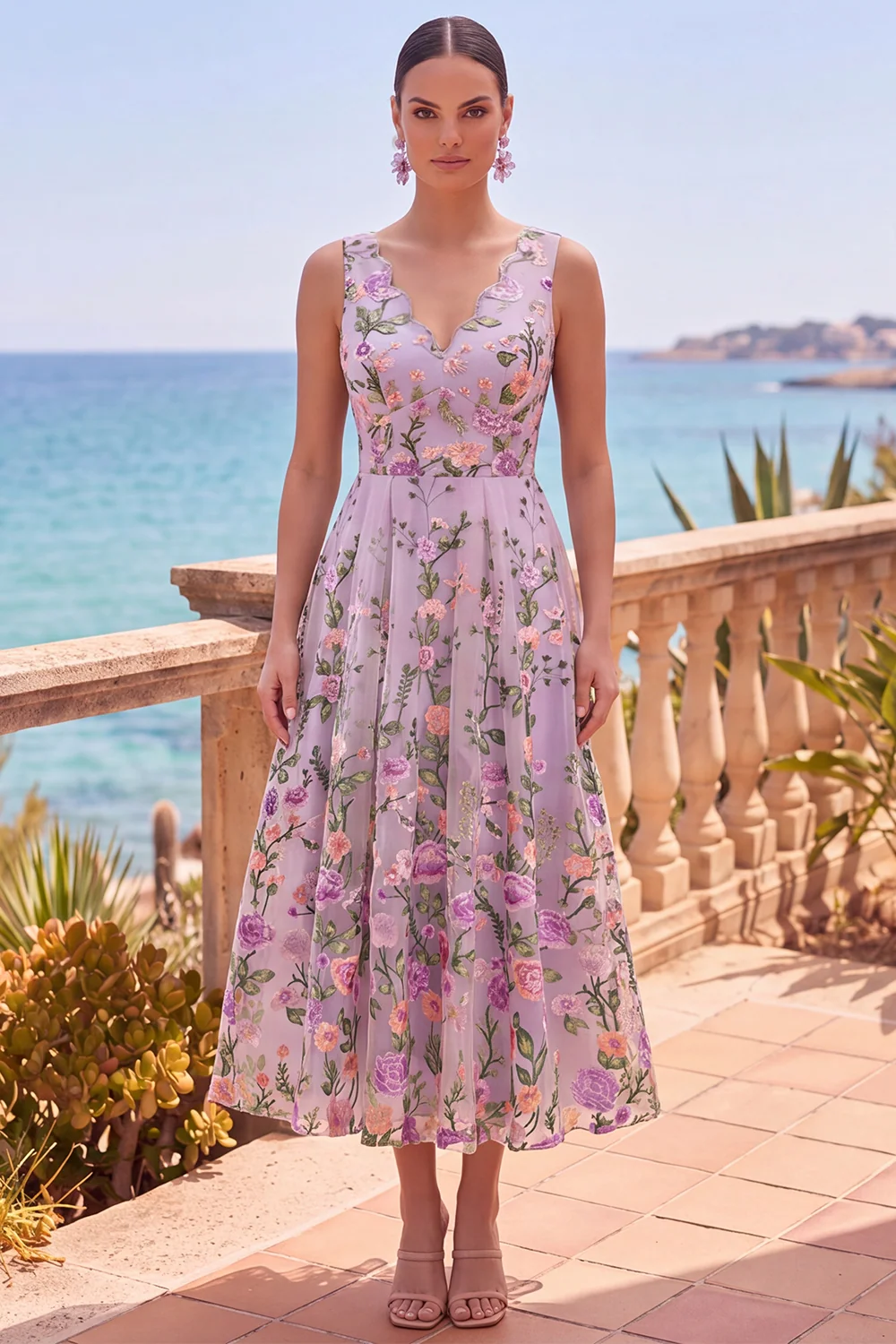 Evening DressesThe Best Embroidered Midi Evening Dresses to Shop Now
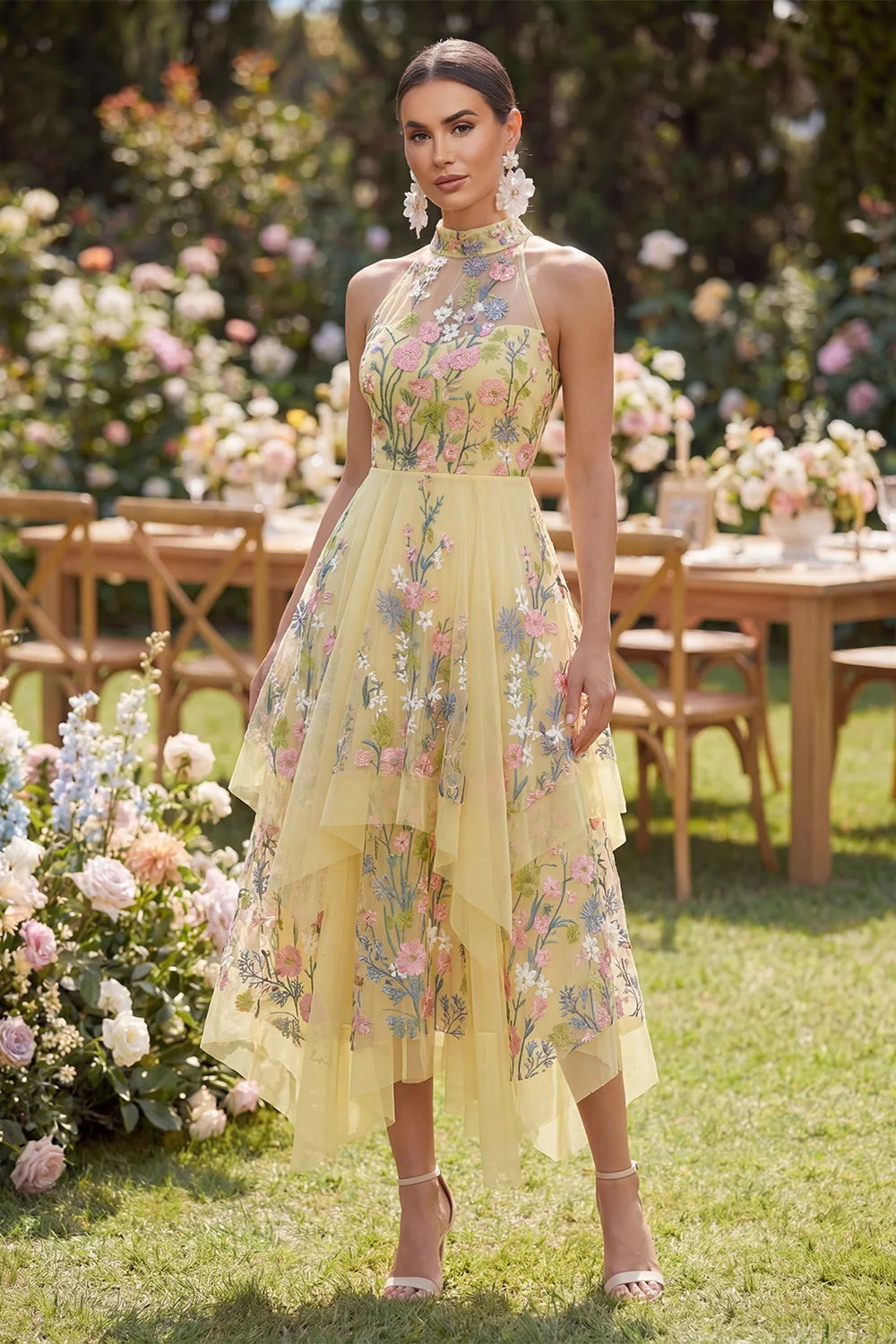
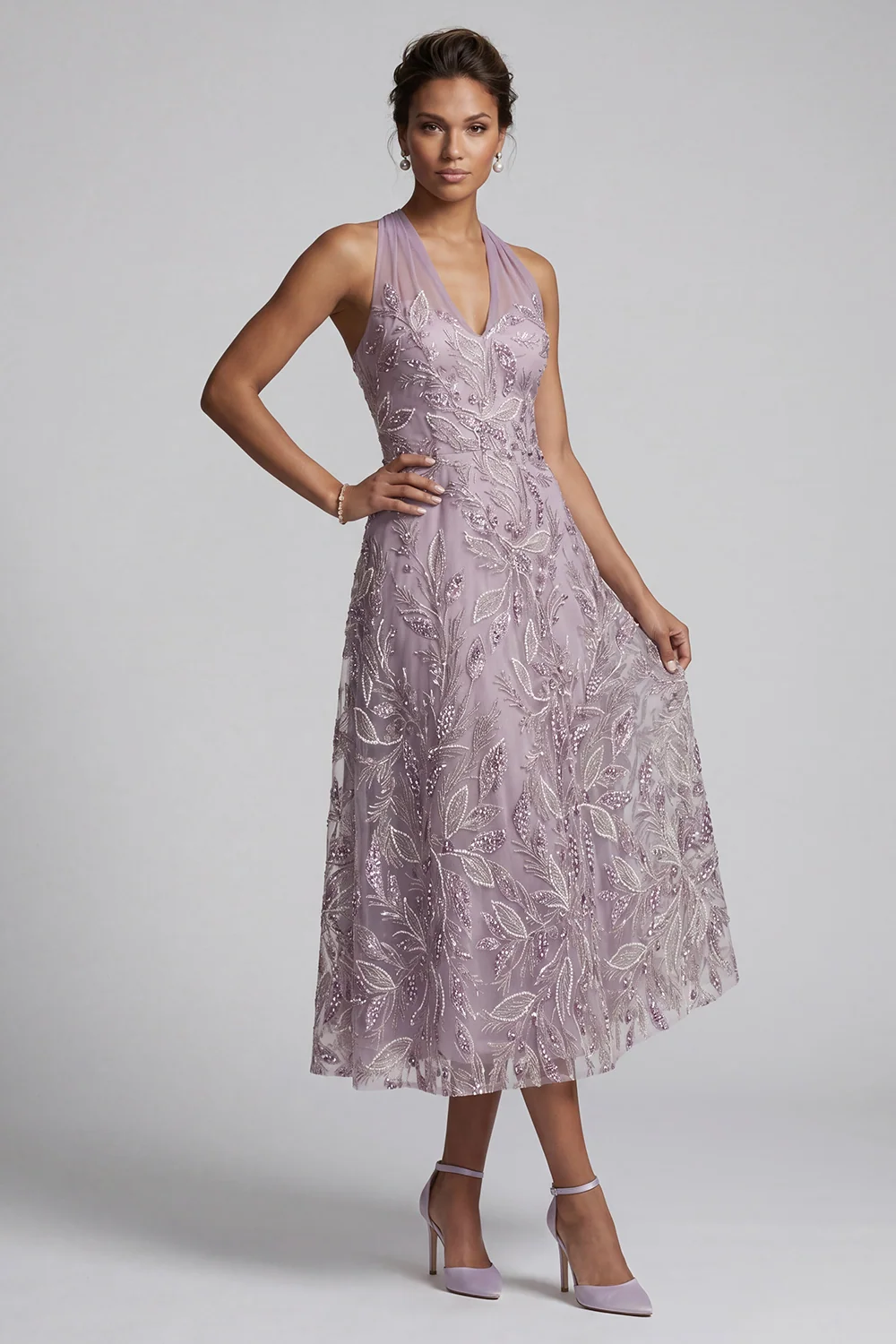 Occasion DressesEmbroidered Occasion Midi Dresses You Can Dress Up or Down
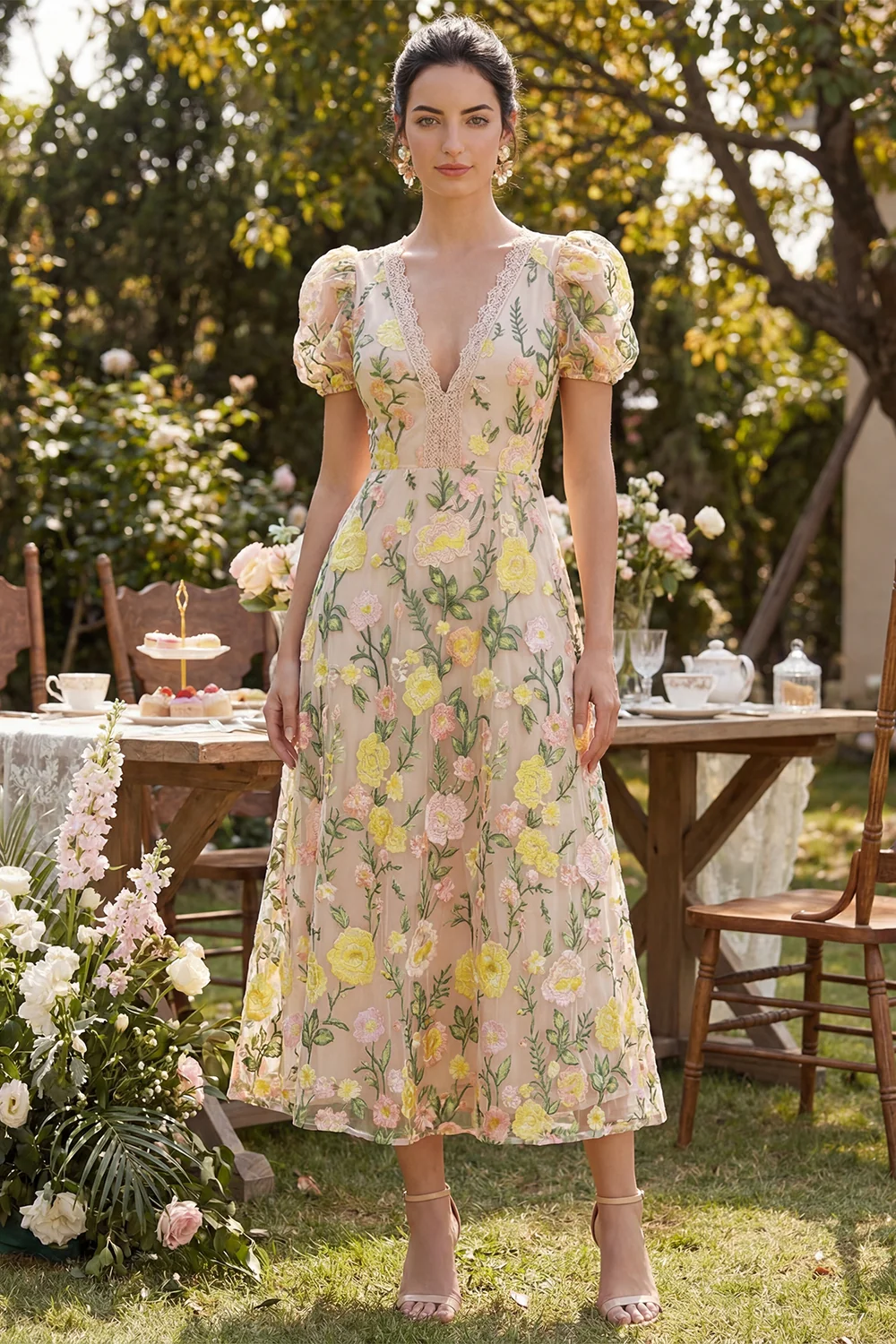
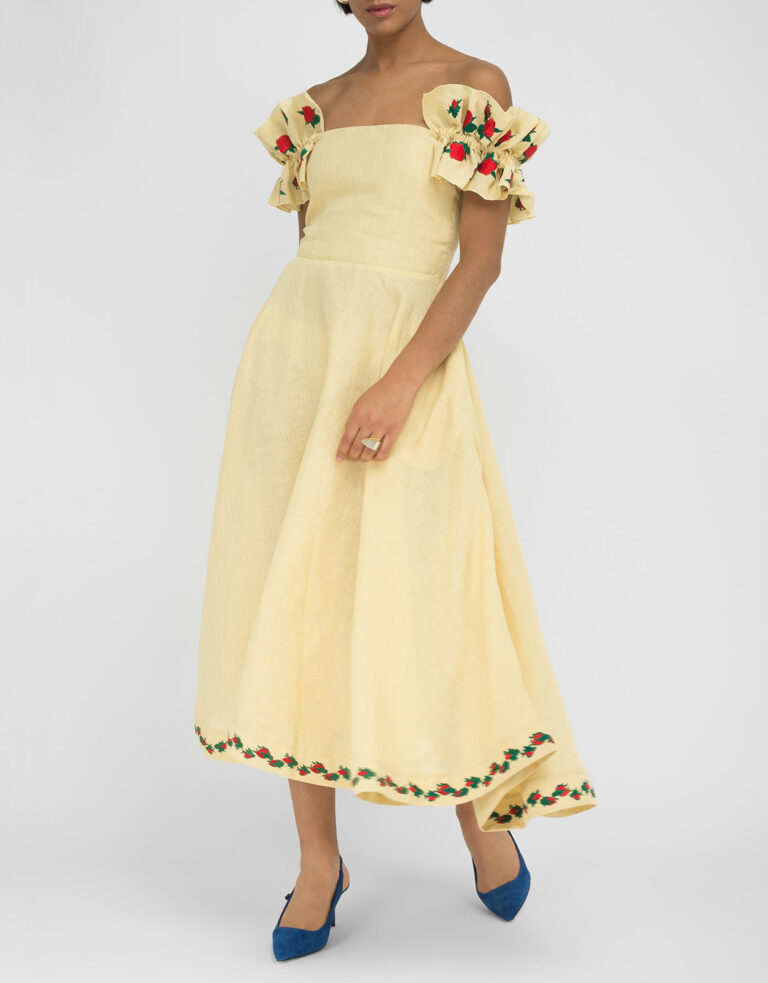 Linen DressesThe Embroidered Midi Linen Dresses Worth Your Wardrobe Space
 Occasion DressesThe Edit: Embroidered Occasion Mini Dresses
 Party DressesThe Prettiest Embroidered Midi Party Dresses Around Right NowAlso worth a lookMini DressesThe thing nobody mentions in the fitting room is how a mini dress behaves after three hours sitting down rather than standing in front of a mirror.See the collections →
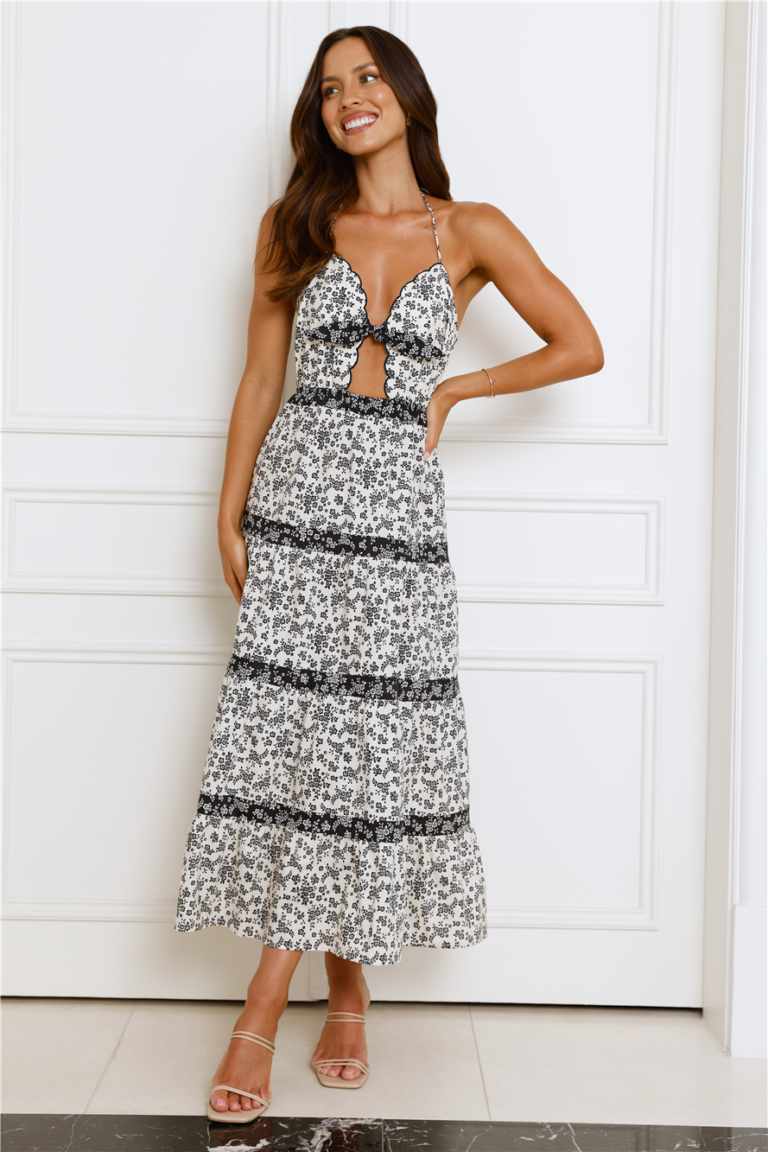
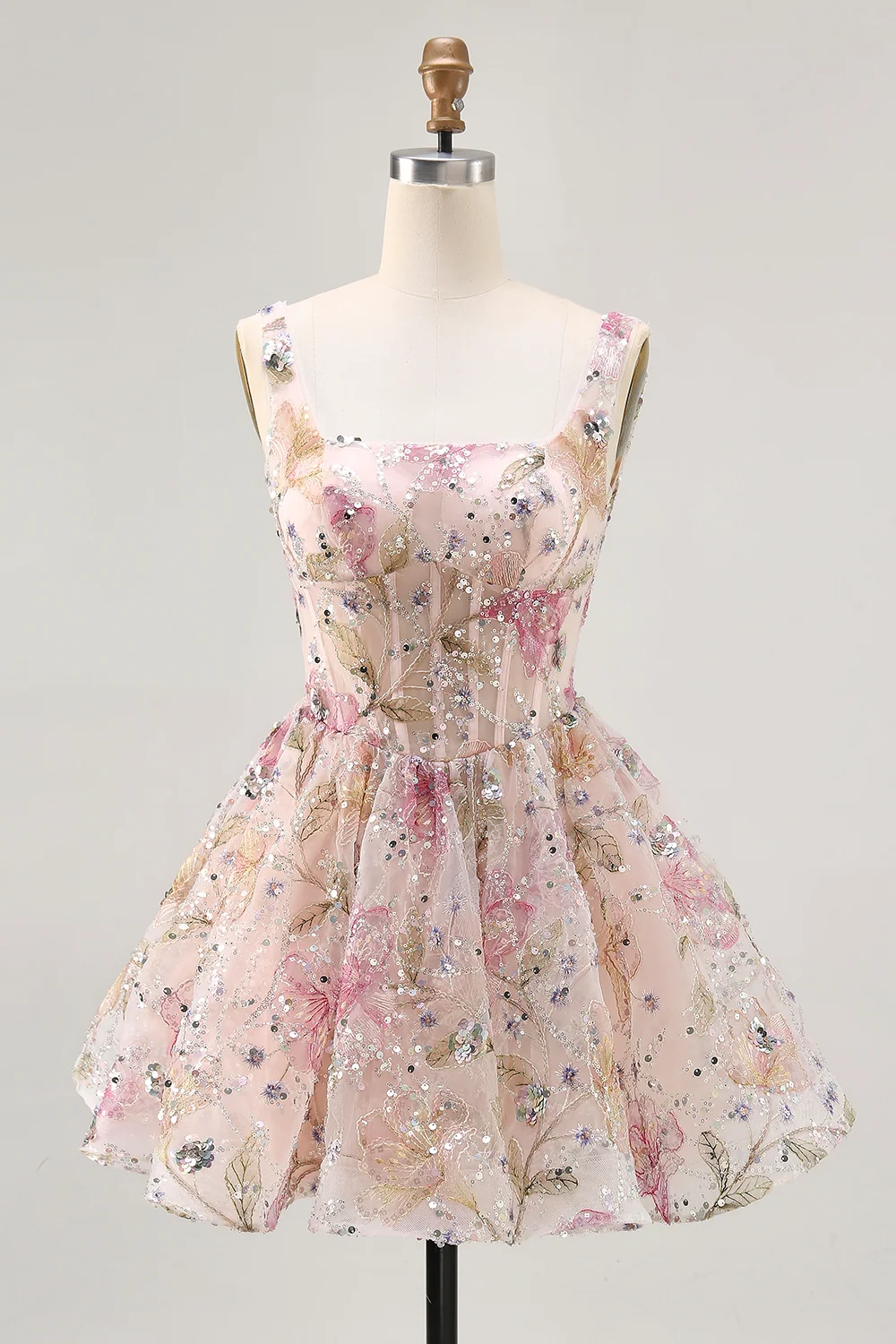 Occasion DressesOur Favorite Embroidered Occasion Sequin Dresses
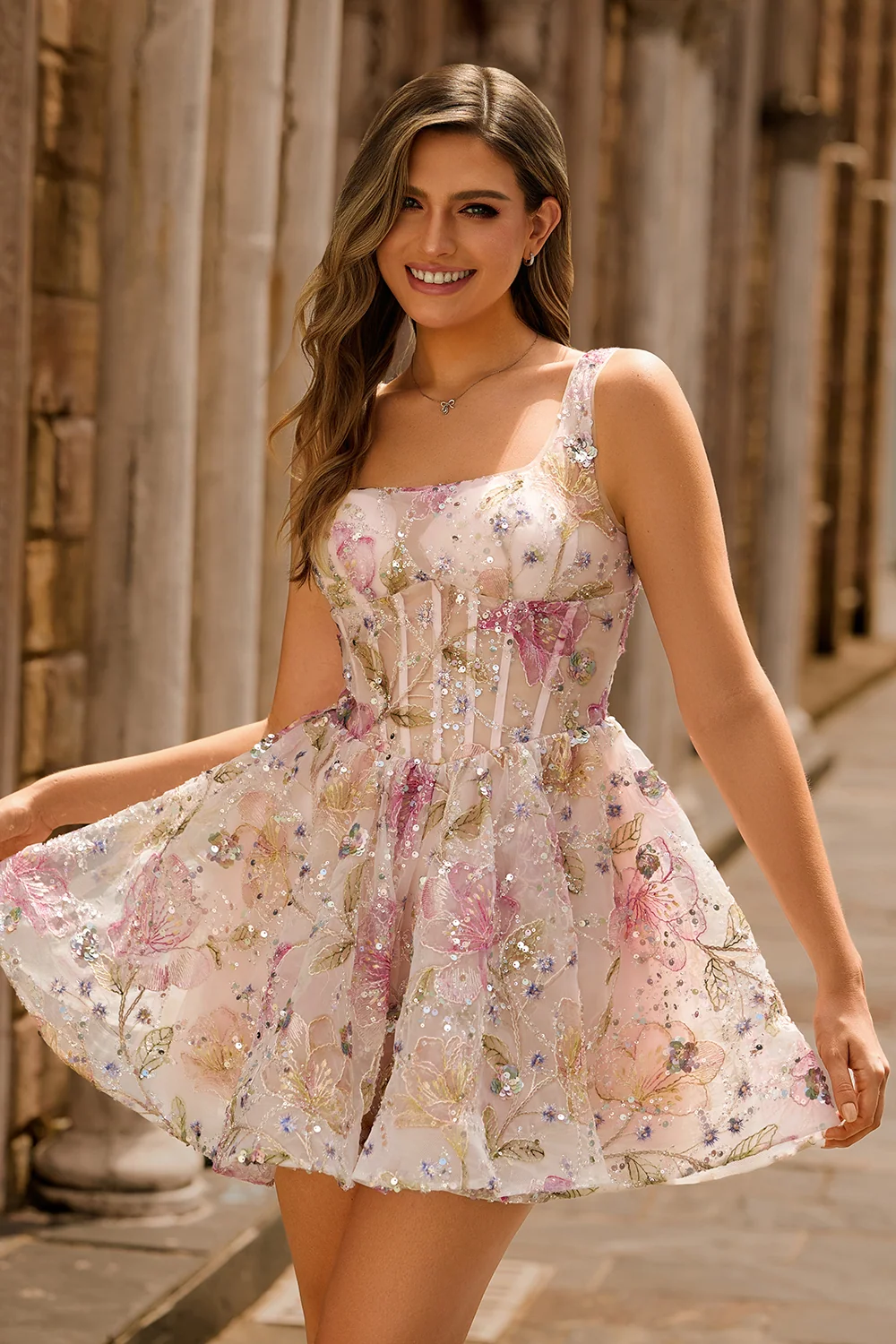
 Wedding Guest DressesEmbroidered Midi Wedding Guest Dresses: The Edit
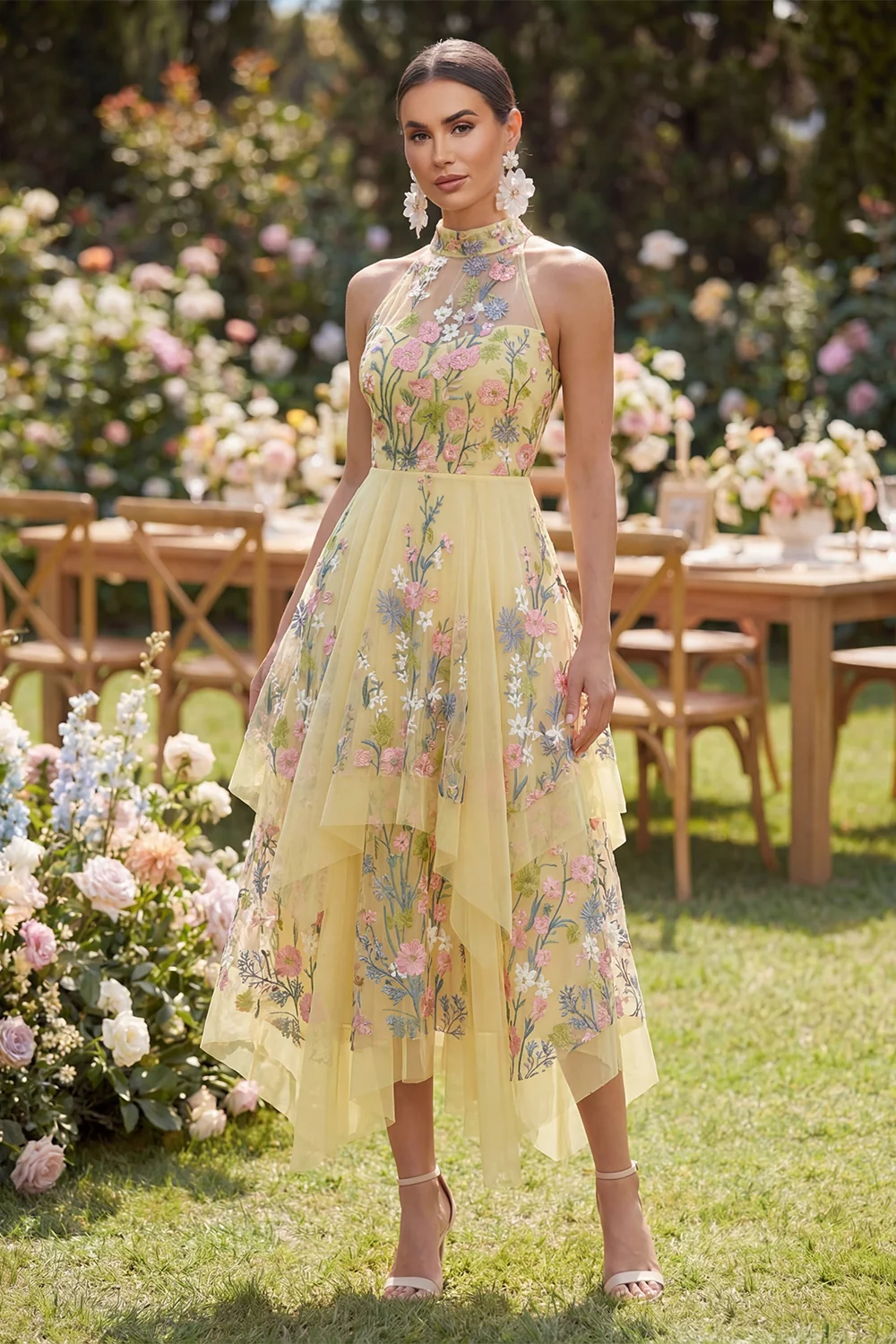
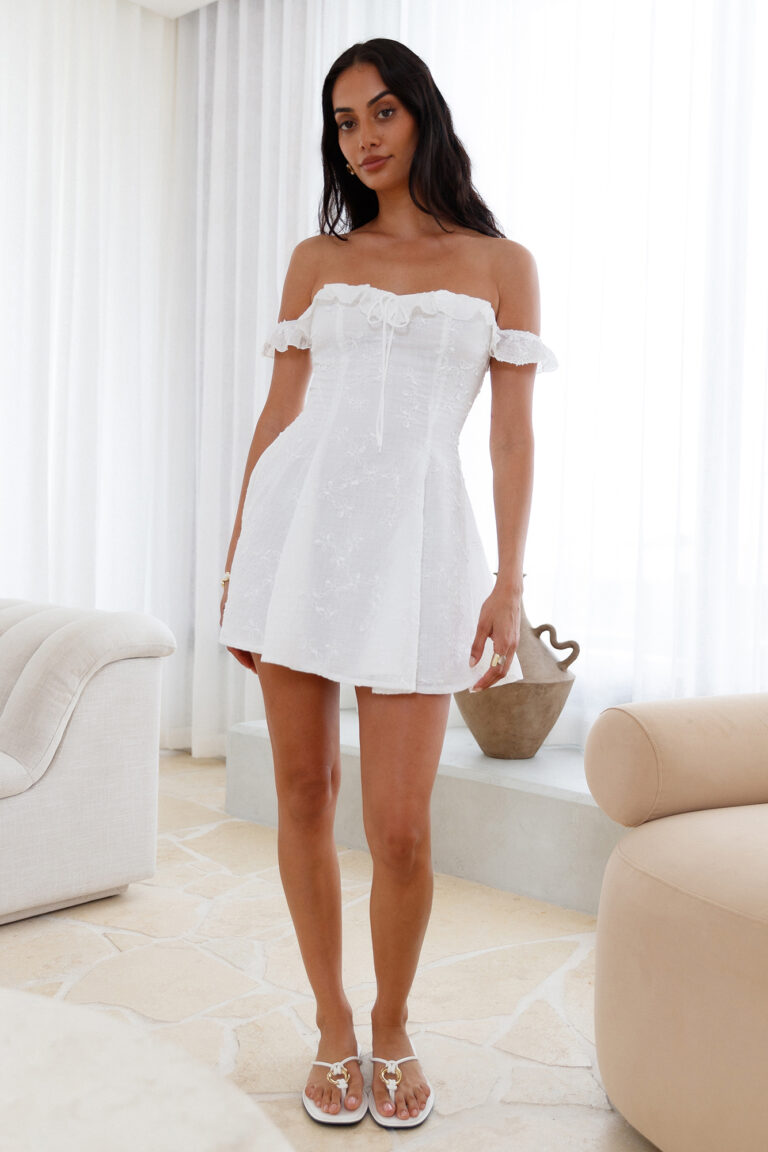 Off Shoulder DressesEmbroidered Off Shoulder Dresses: The Ones Worth Your Money
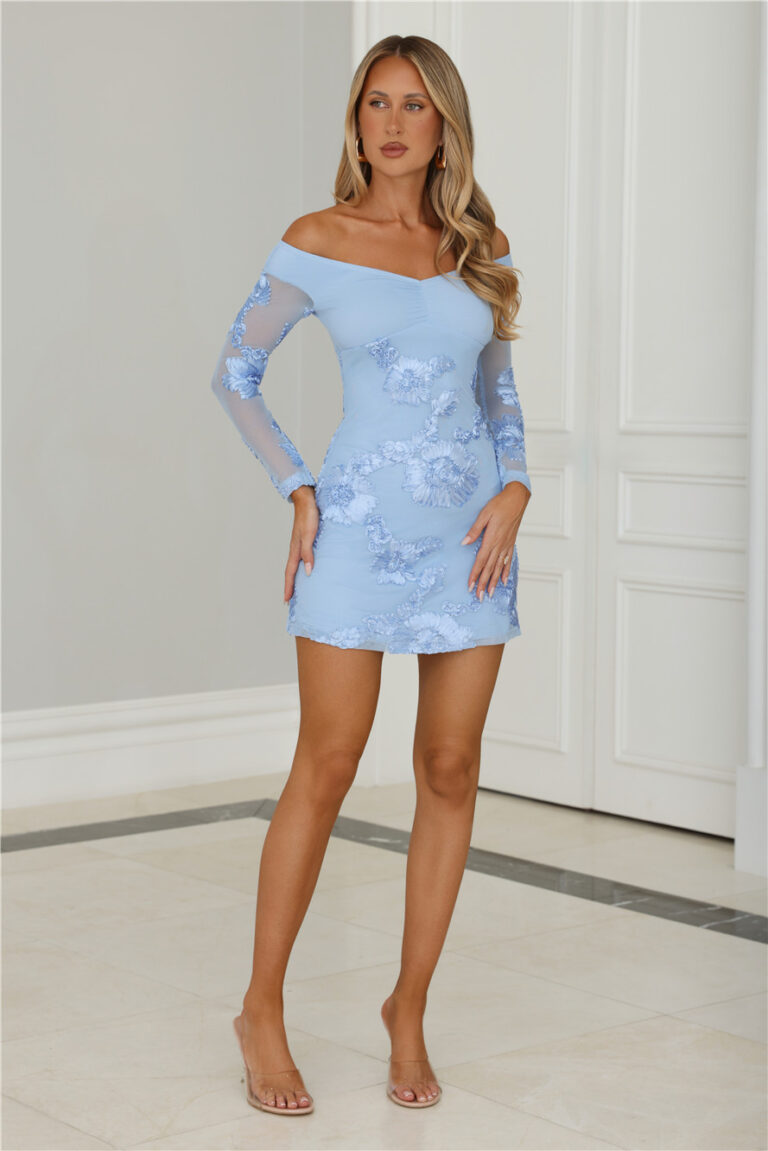
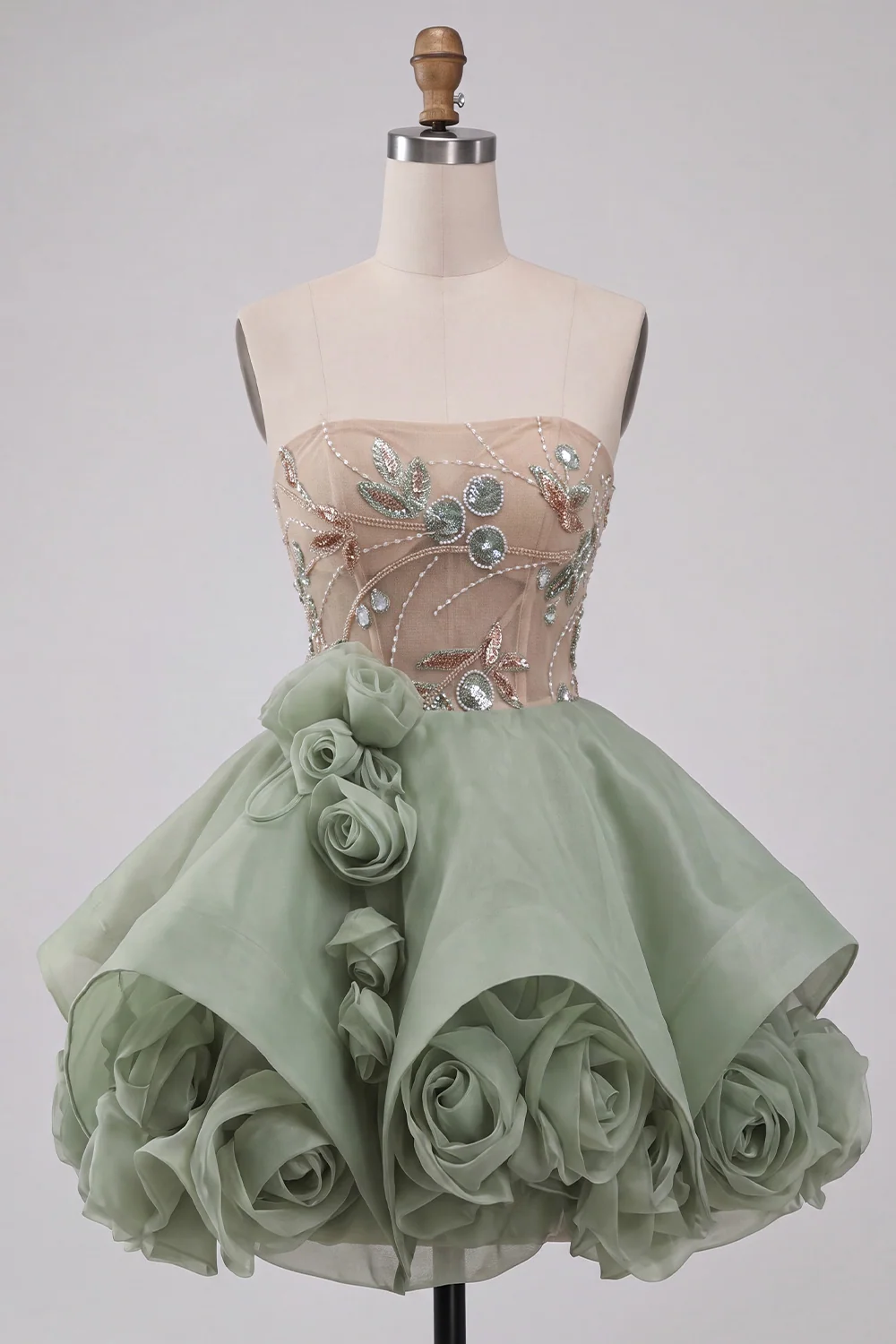 A Line DressesEmbroidered Mini A Line Dresses Picked by Us
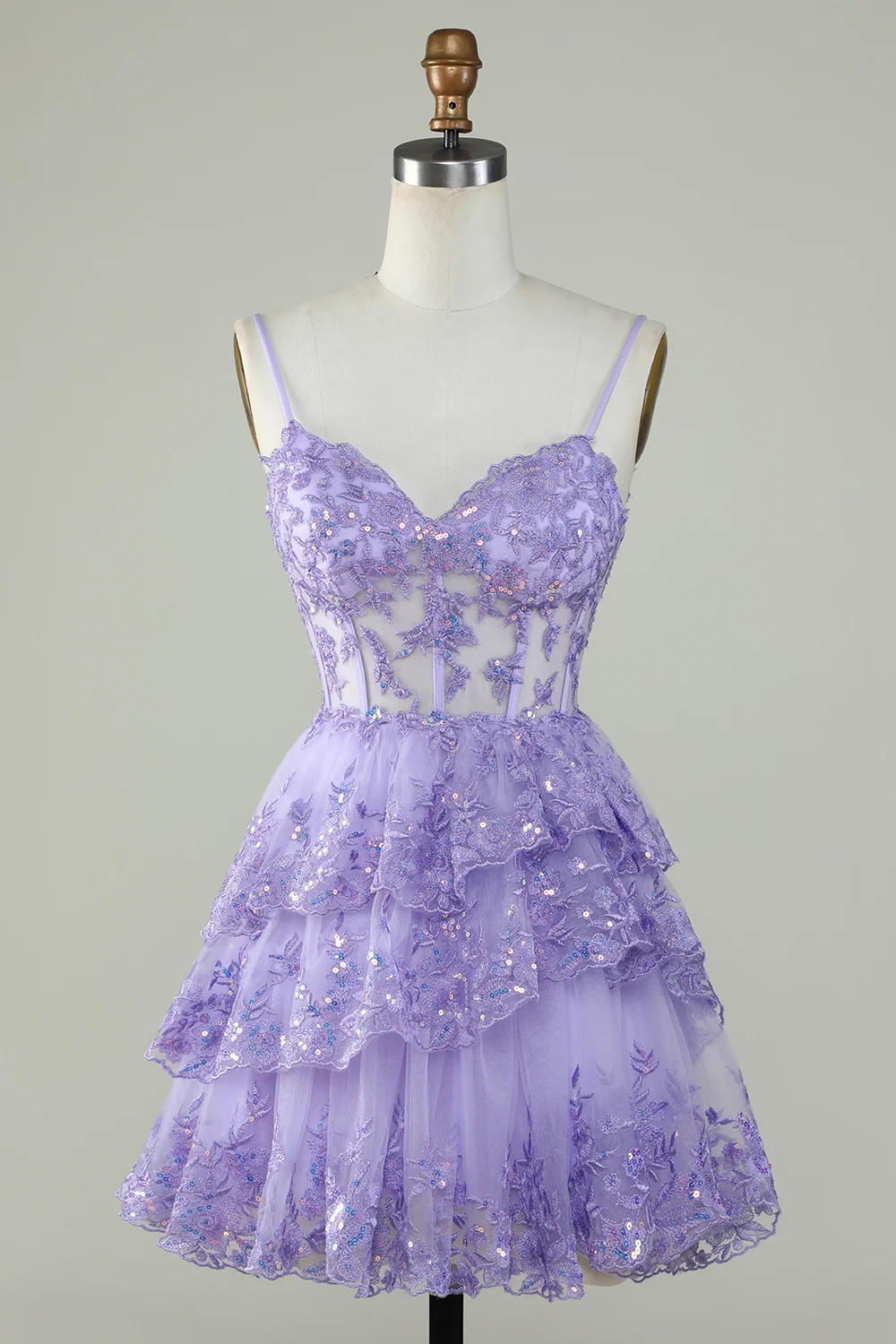
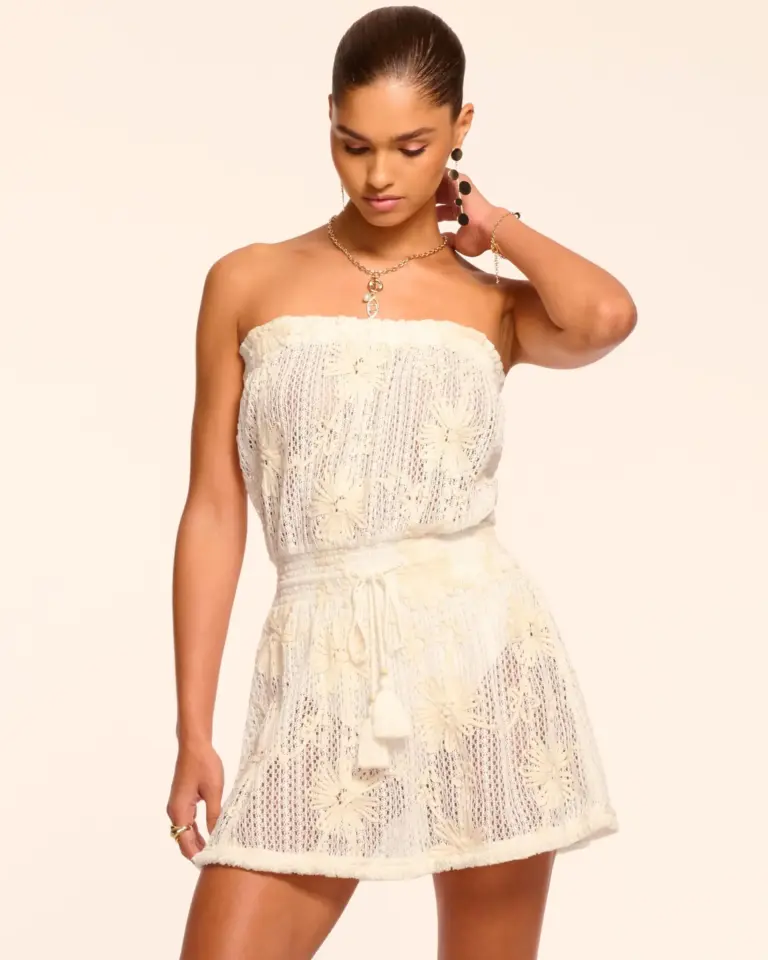 Party DressesEmbroidered Party Dresses for Your Next Night Out
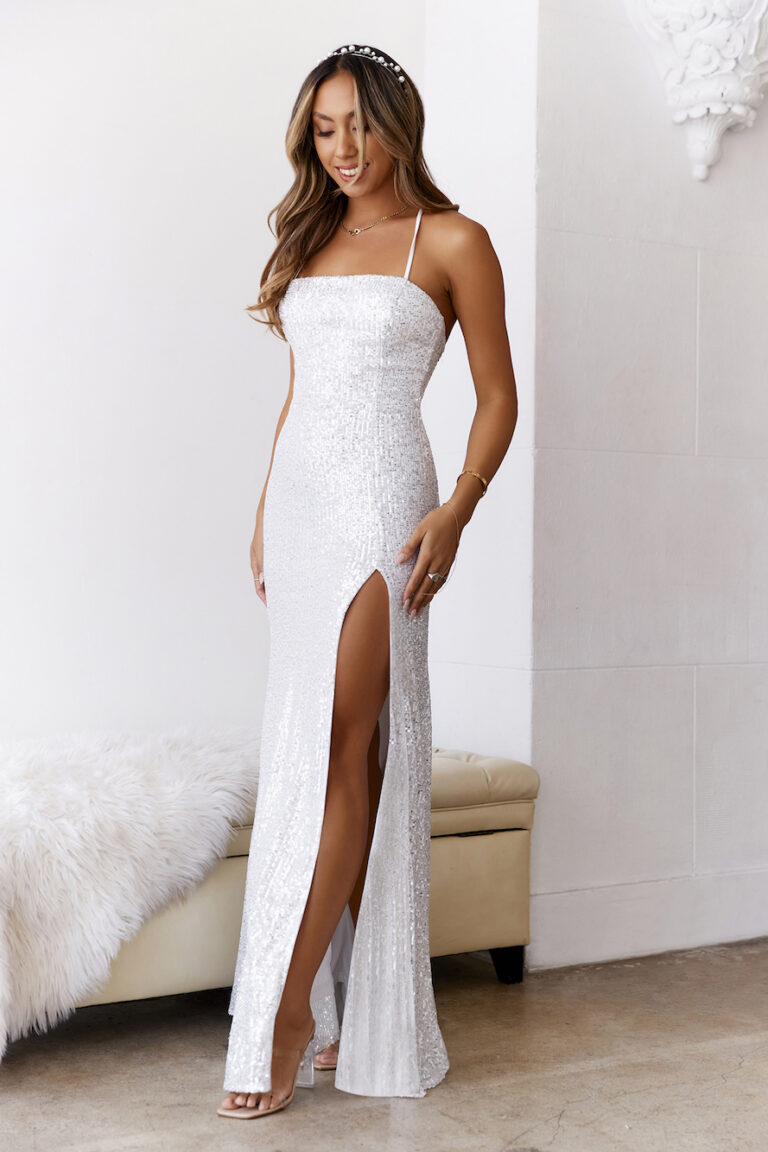
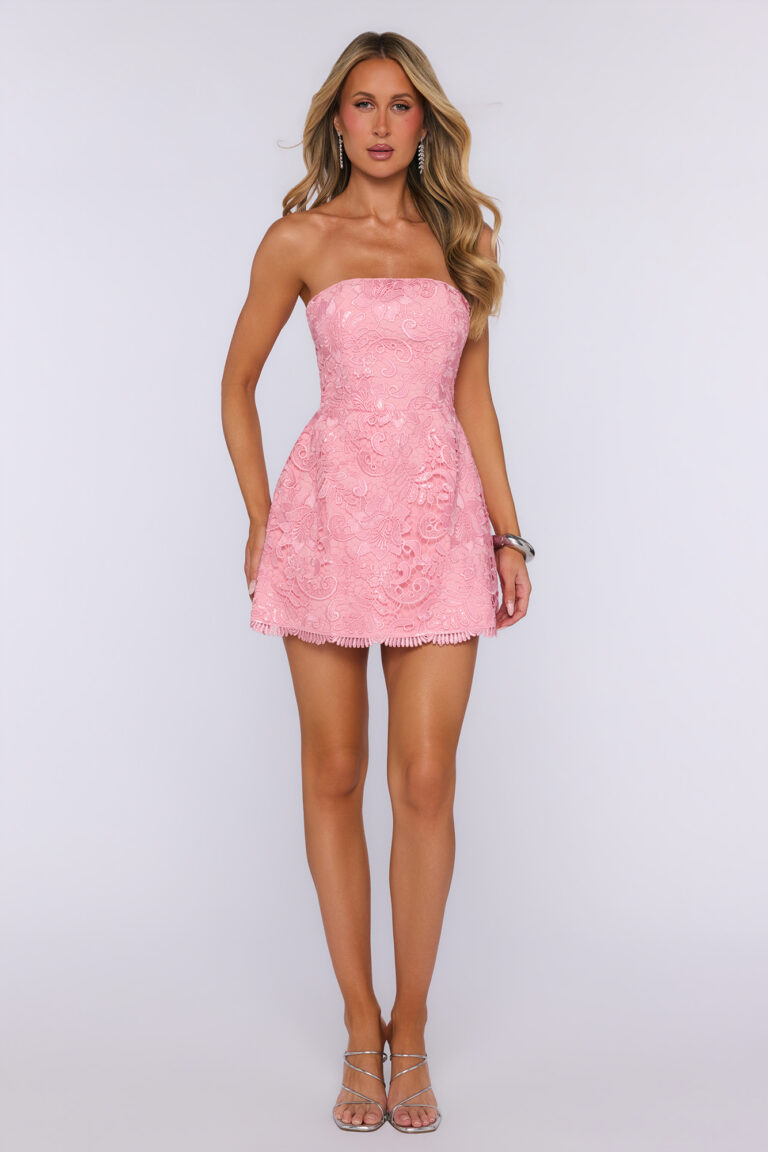 Cocktail DressesThe Prettiest Embroidered Mini Cocktail Dresses Around Right Now
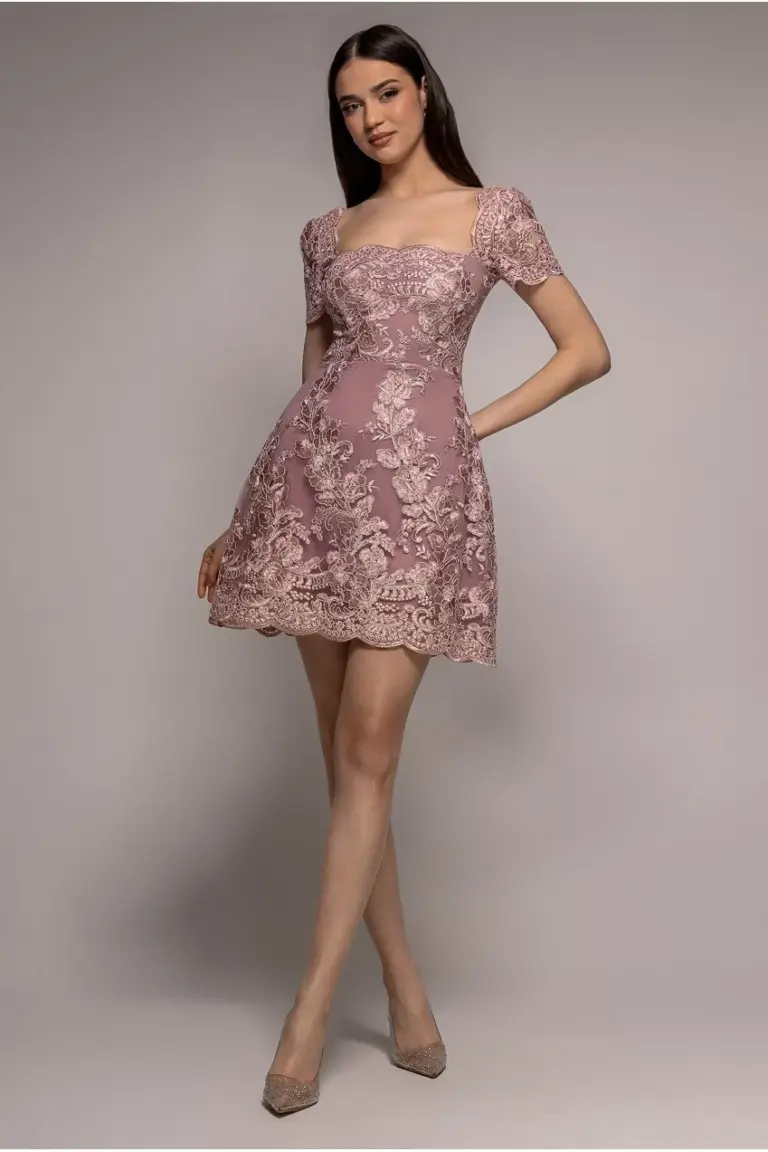
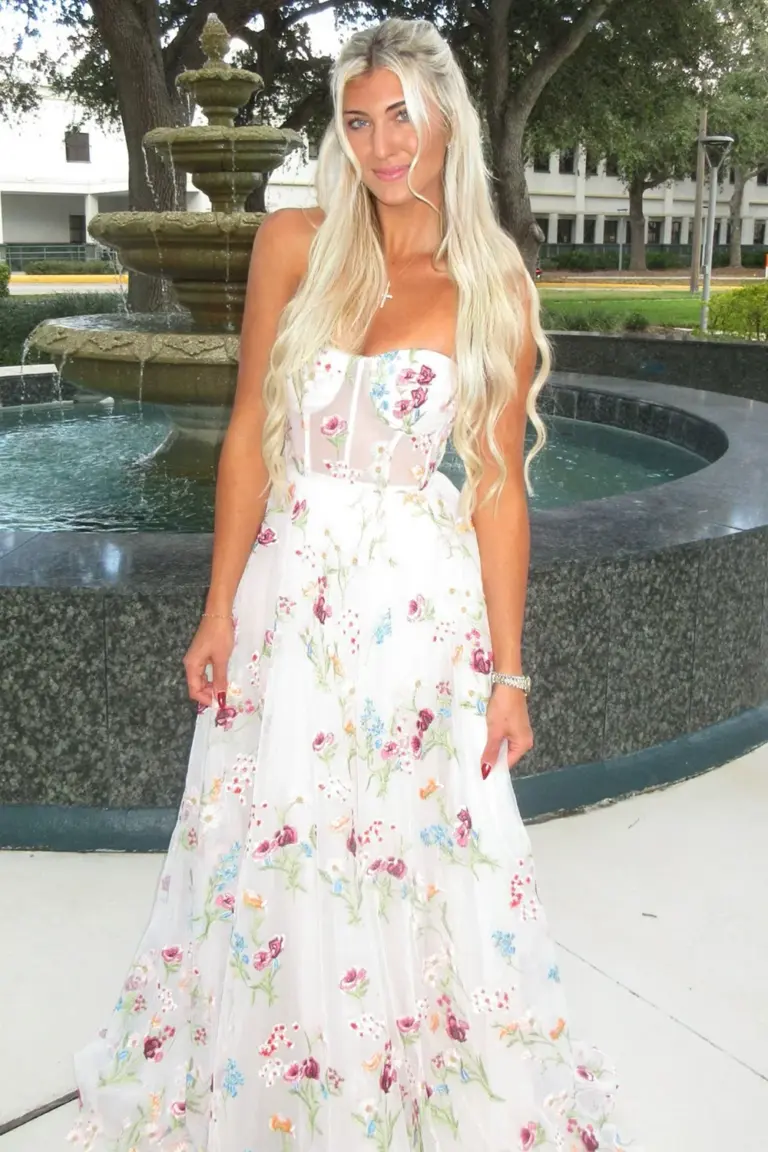 Party DressesThe Only Embroidered Party Maxi Dresses You Need to See
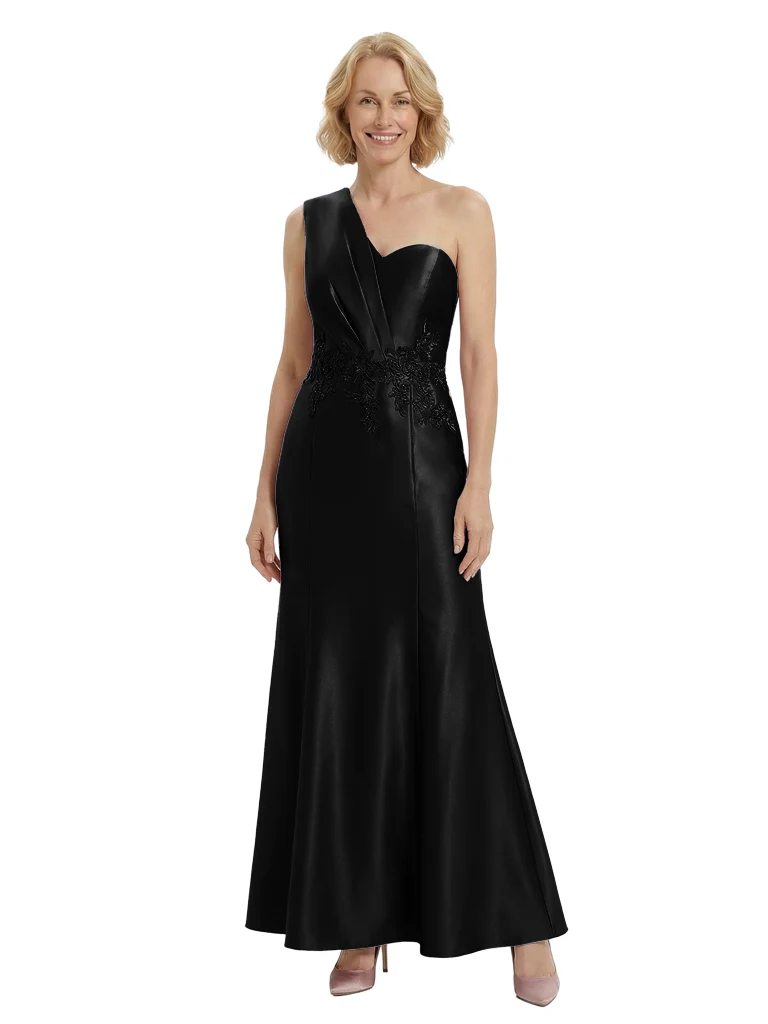
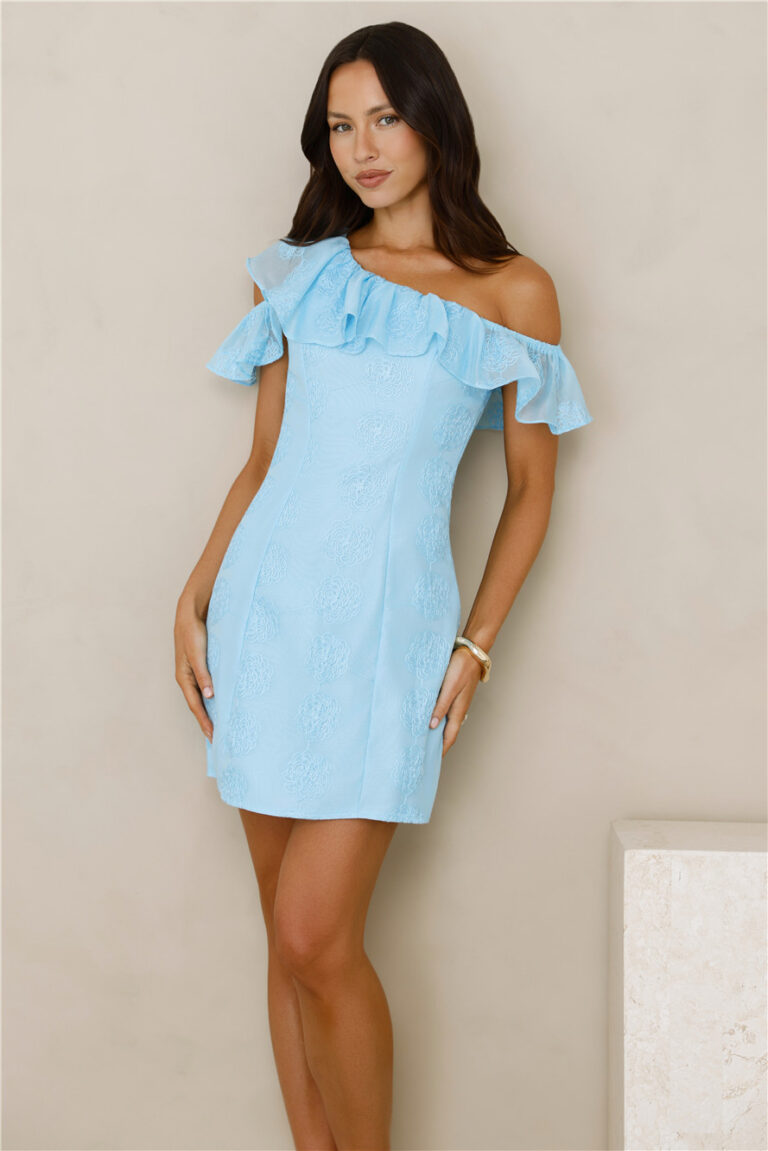 Mini DressesEmbroidered Mini Dresses We’d Recommend to a Friend