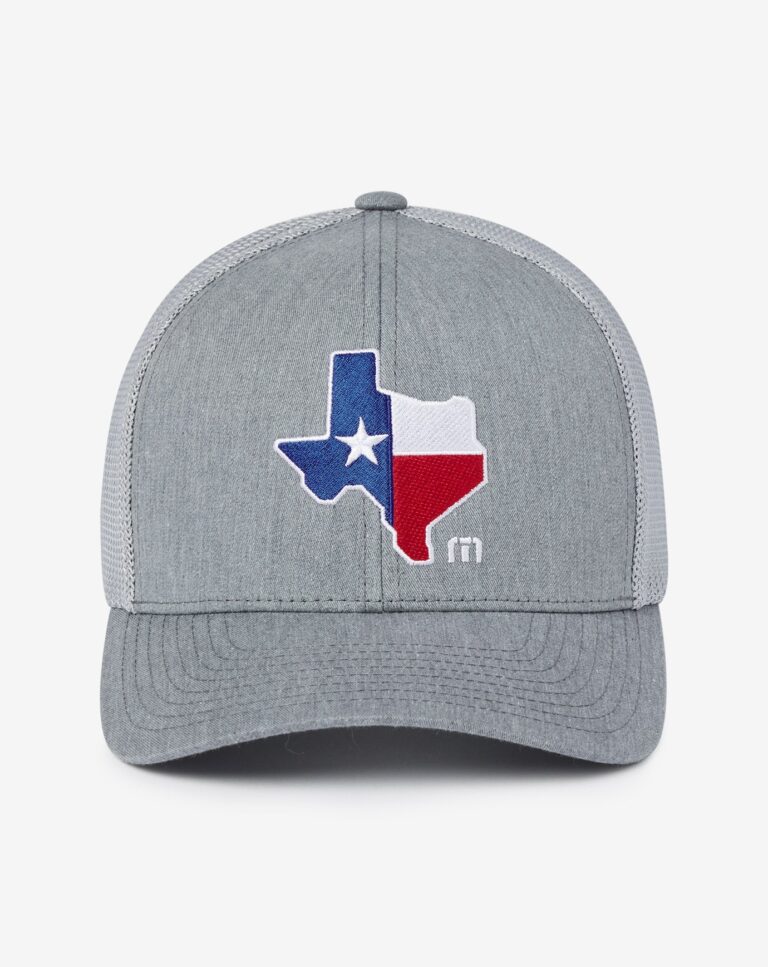
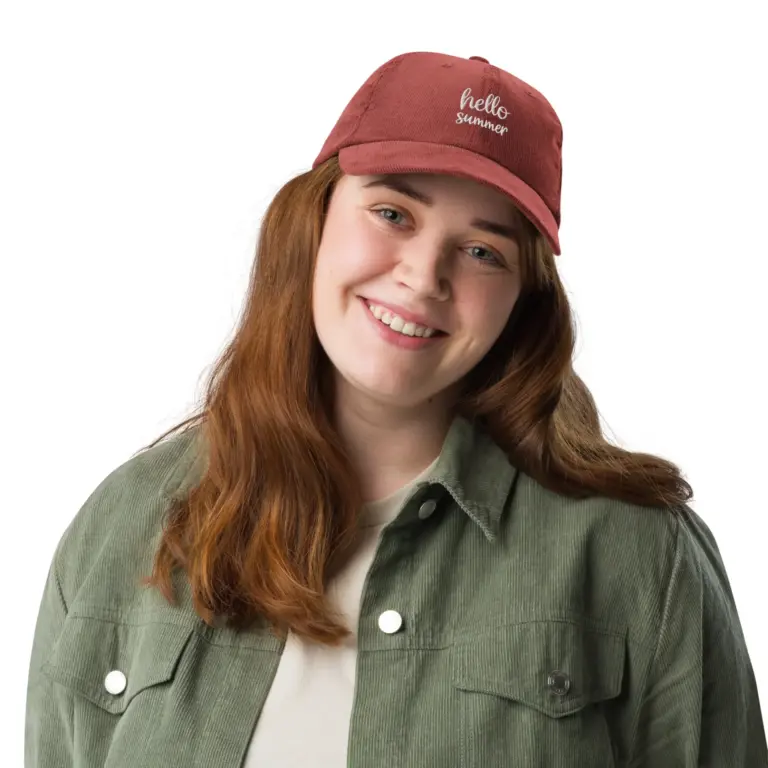
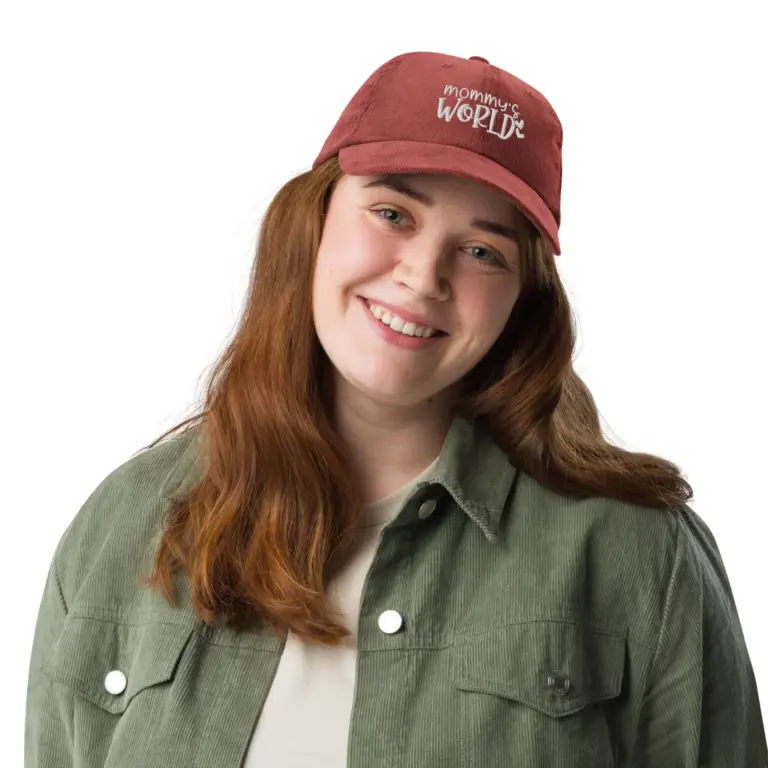
The first thing I check on a cap is the underside of the brim, where it meets the crown. Cheap ones have a seam there that digs in after an hour, right above the ear, and no amount of loving the colour will make up for that. I run a thumb along it before anything else. If it's smooth, the cap's probably worth taking home.
Sizing on caps is odd because most are sold as one size with an adjustable strap at the back, but heads vary more than that strap accounts for. If you've got a smaller head, pull the strap in as far as it goes and check the crown doesn't sit high and domed, which makes you look like you're wearing someone else's. If you've got a fuller head or a lot of hair, look for a cap with a longer strap or a fabric closure rather than plastic, because plastic snaps run out of holes exactly when you need one more. The fit problem nobody warns you about is the brim curve. A flat brim looks sharp on some faces and makes others look like they're hiding. Bend it gently yourself before you decide it's wrong, most will take a soft curve without creasing.
Caps are brilliant for bad hair days, for hiding the fact you didn't wash it, for cutting glare on a bright walk, and for about four months a year when the weather's doing something between seasons. They're the wrong choice for anything that needs you to look finished and put together, a cap always reads a bit undone, a bit thrown on, and if that's not the message you're going for on a particular day, leave it on the hook. They're also not kind to very fine hair, which goes flat and static underneath and looks worse once the cap comes off than it did before you put it on.
On colour, I've come round to plain black and a washed out navy as the ones that go with everything and show the least wear. White looks sharp for about three wears and then the brim underside goes grey no matter how careful you are, so unless you're prepared to retire it quickly, skip it. A cap in a soft, faded colour, the kind that already looks like it's been through a few summers, holds up better over time than anything bright, because the fading happens gradually rather than all at once in a way that makes the new ones look suddenly tired next to it. After a season in a bag, cotton ones survive being squashed far better than the structured, stiff brimmed kind, which never quite spring back.
Try the strap on the loosest notch first and work in, rather than starting tight and hoping it stretches.
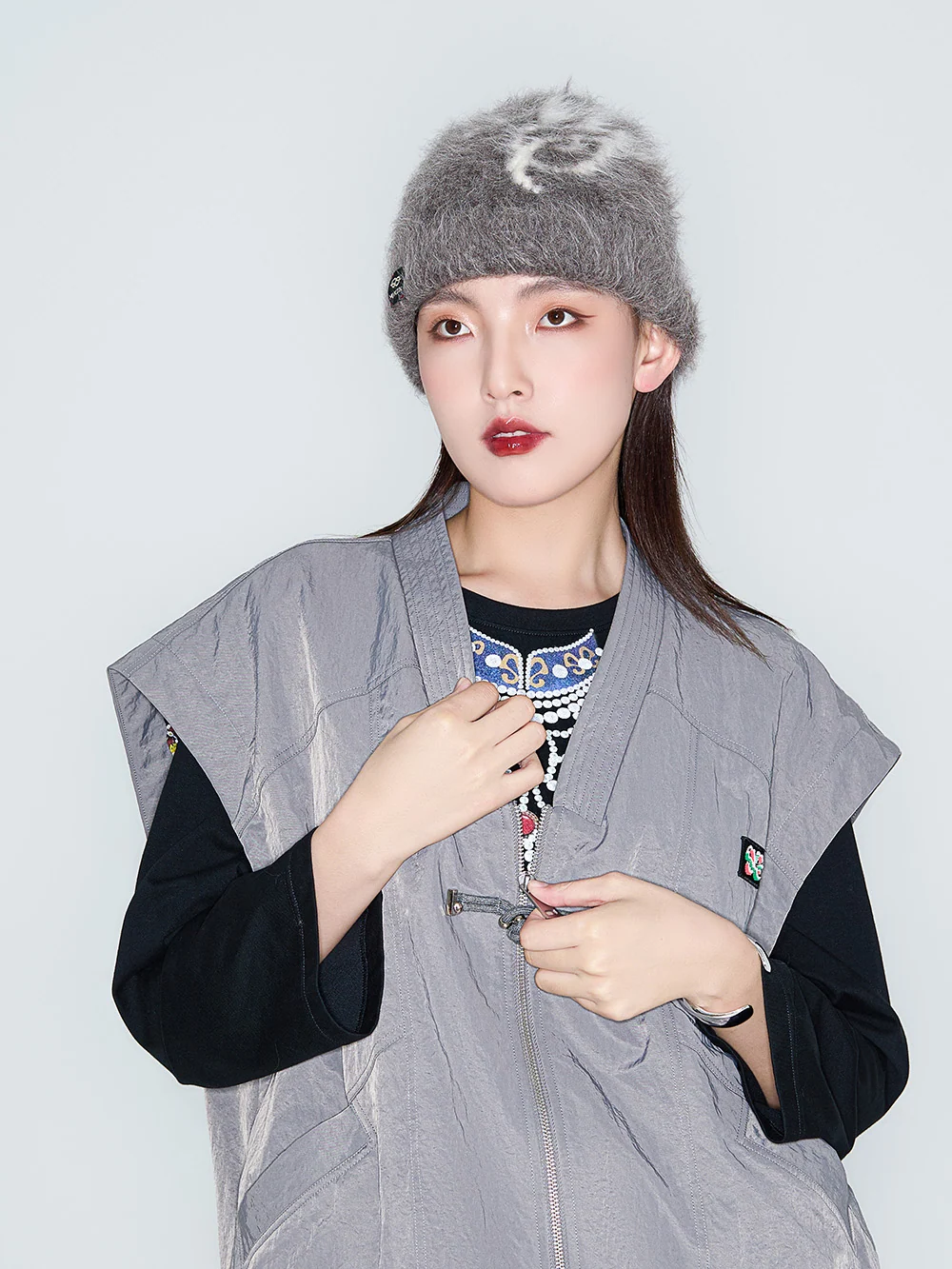 The Best Wool Caps to Shop Now
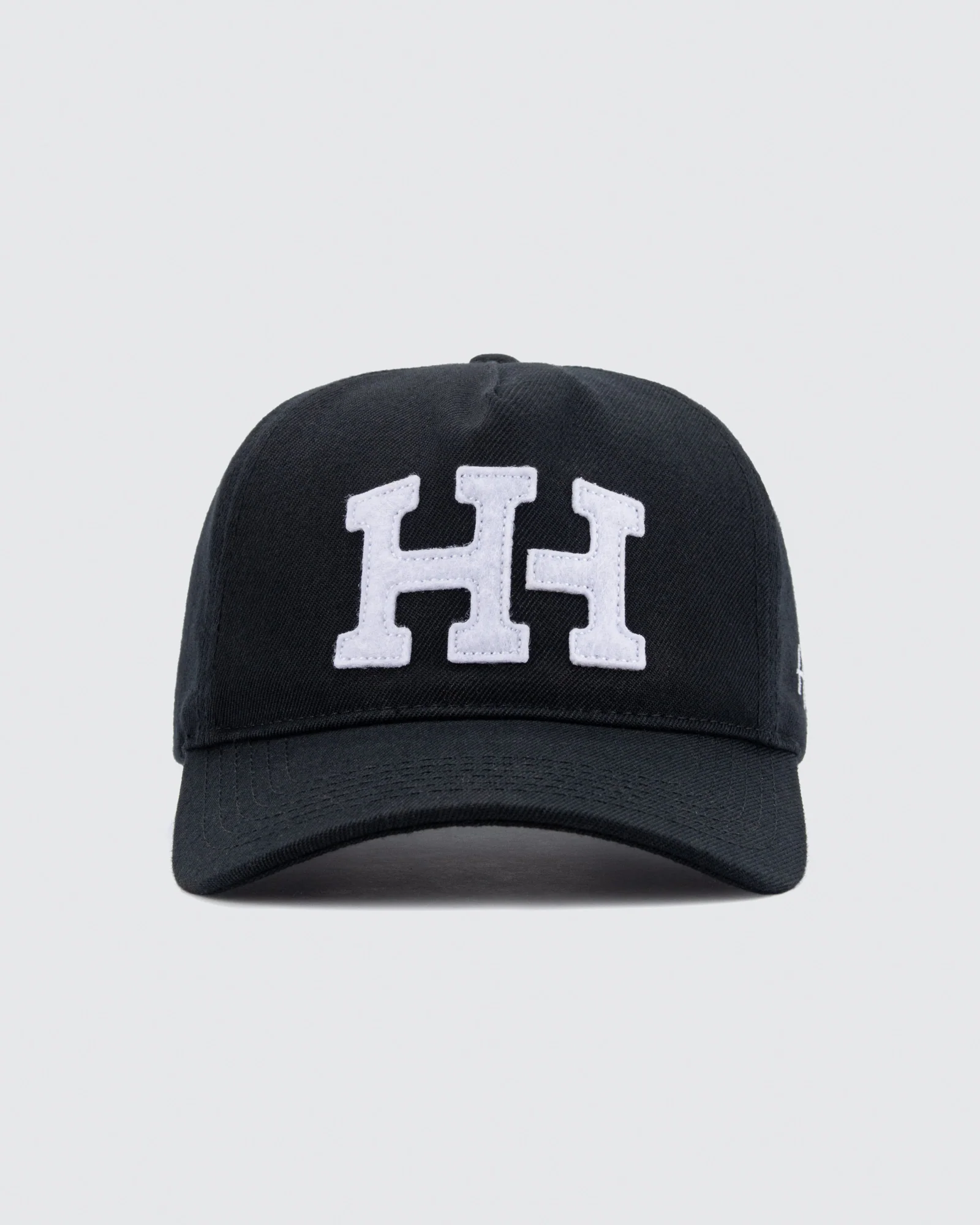
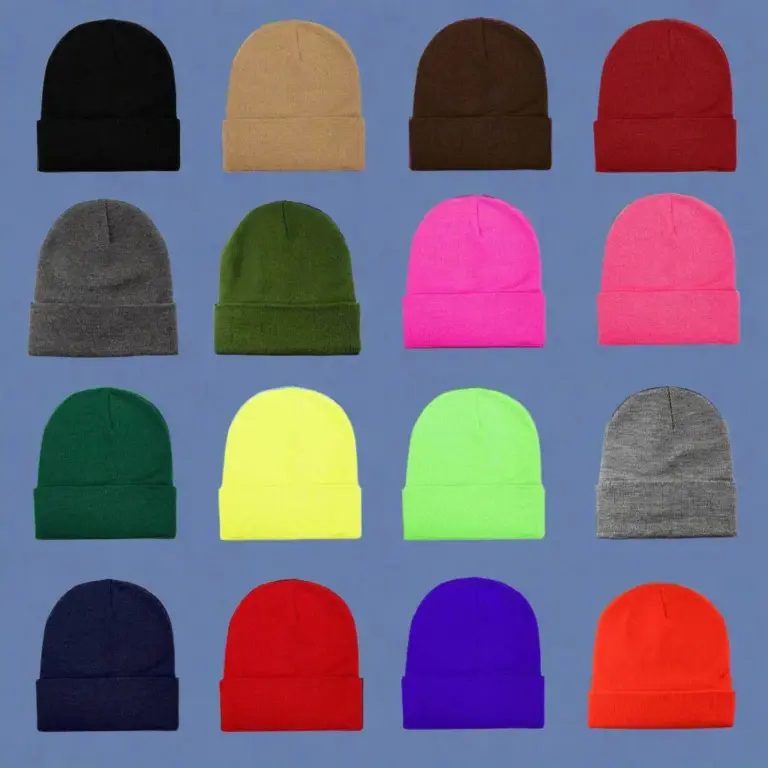 The Winter Caps Every Wardrobe Needs
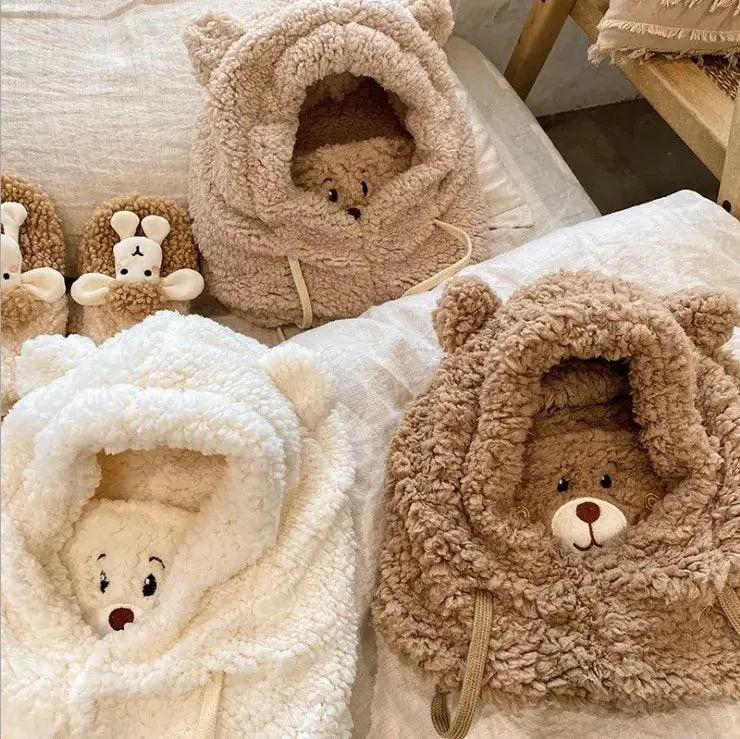
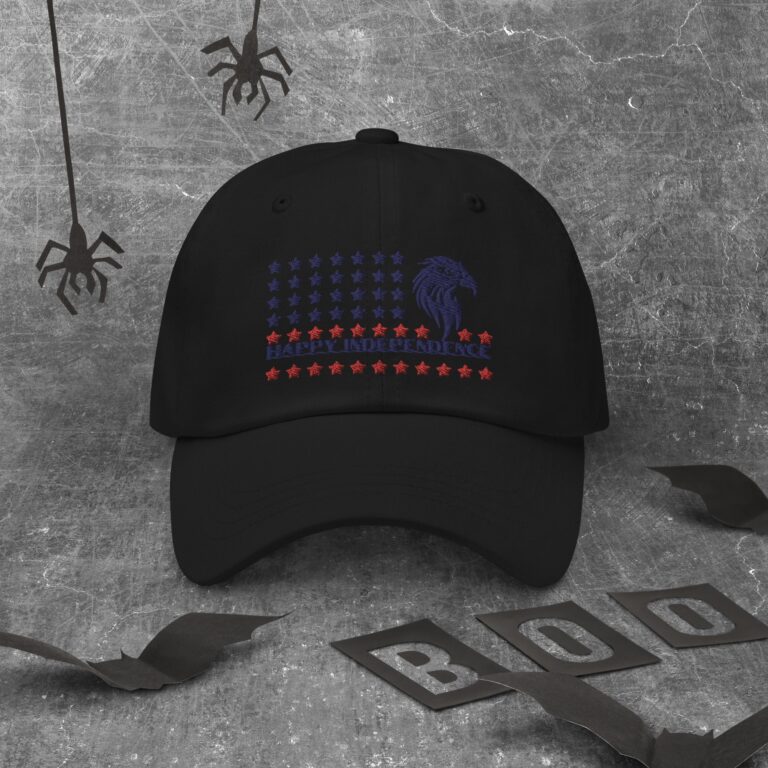 White Embroidered Caps With Real Wardrobe Staying Power
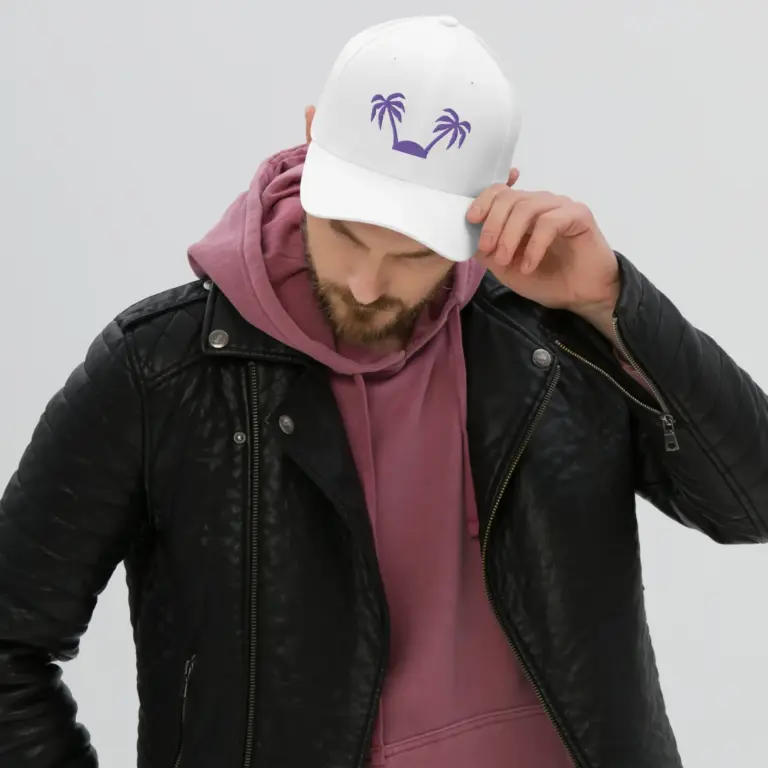
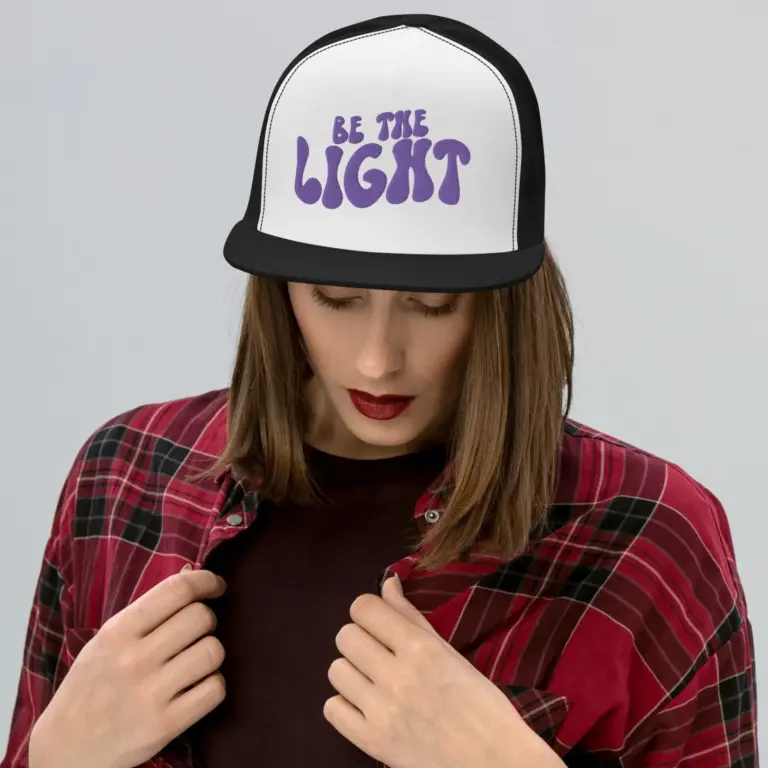 Finishing Touch White Cotton Caps We Love
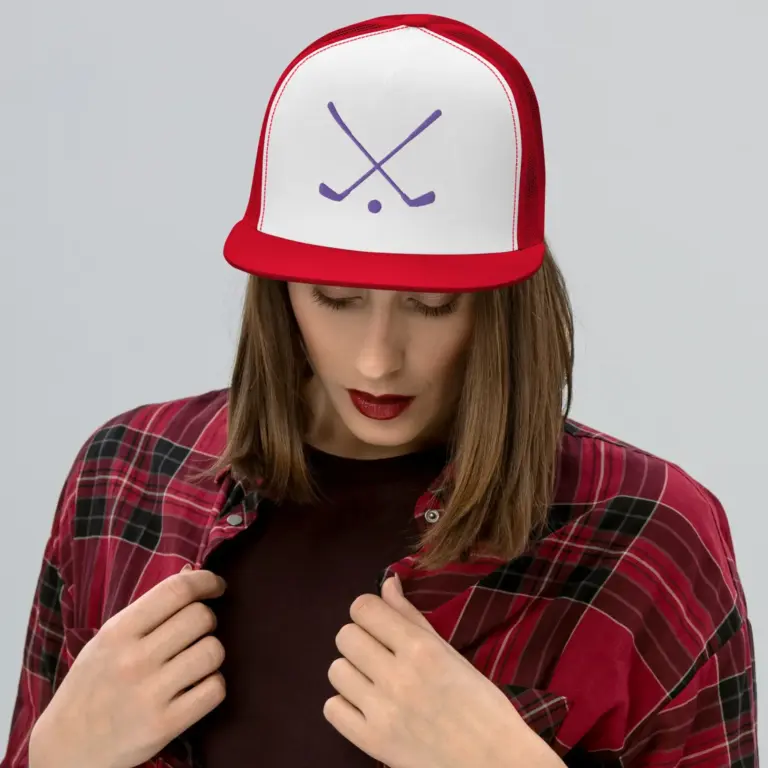
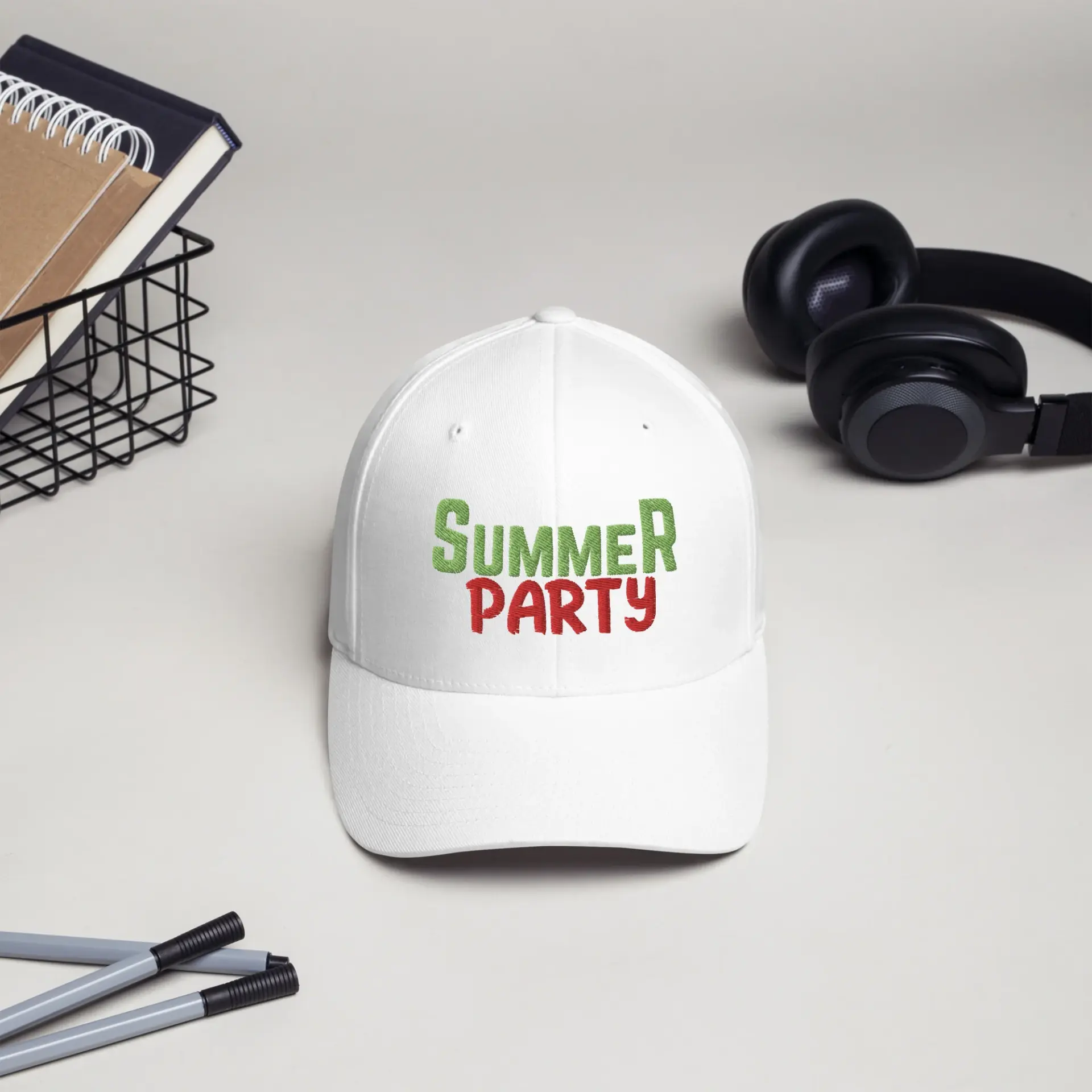 White Caps That Pull an Outfit Together
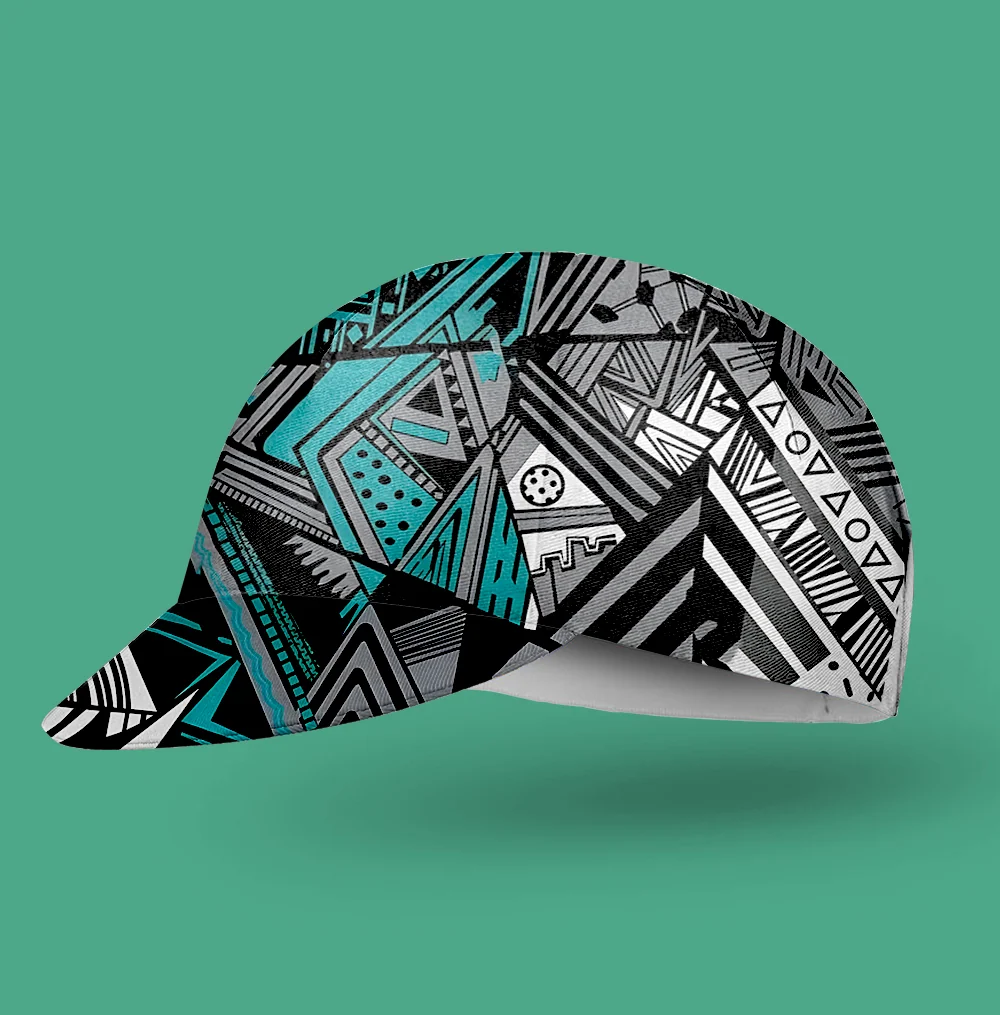
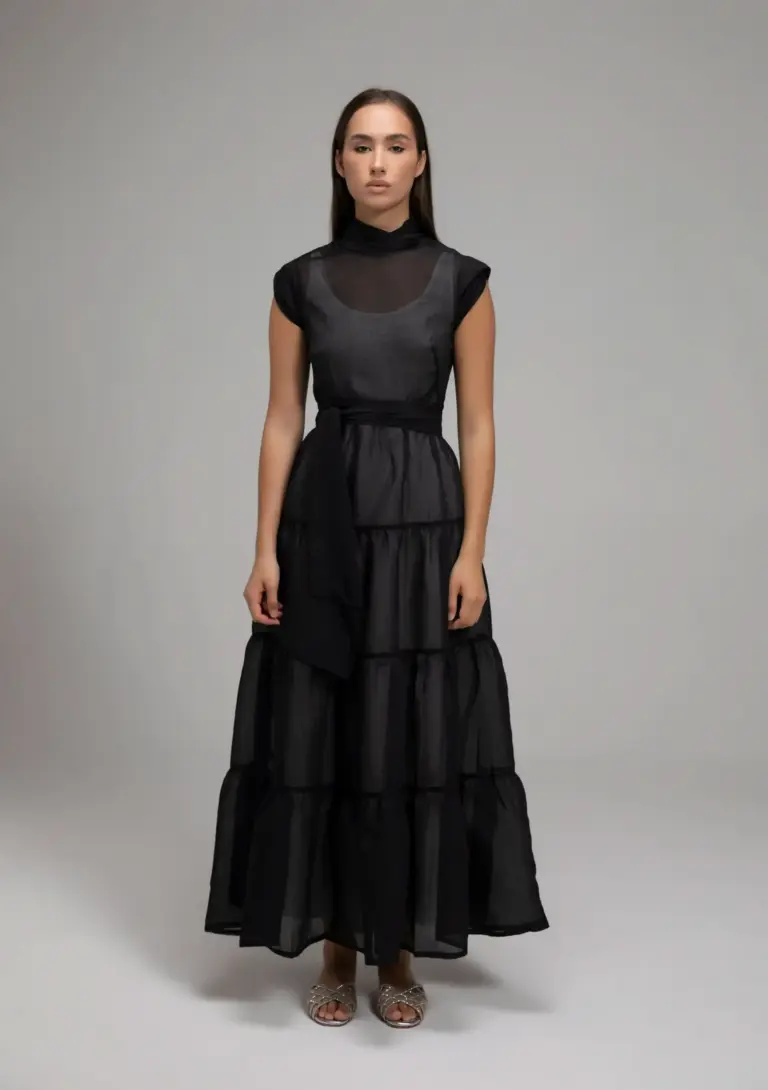 Wedding Caps We Can’t Stop Looking At
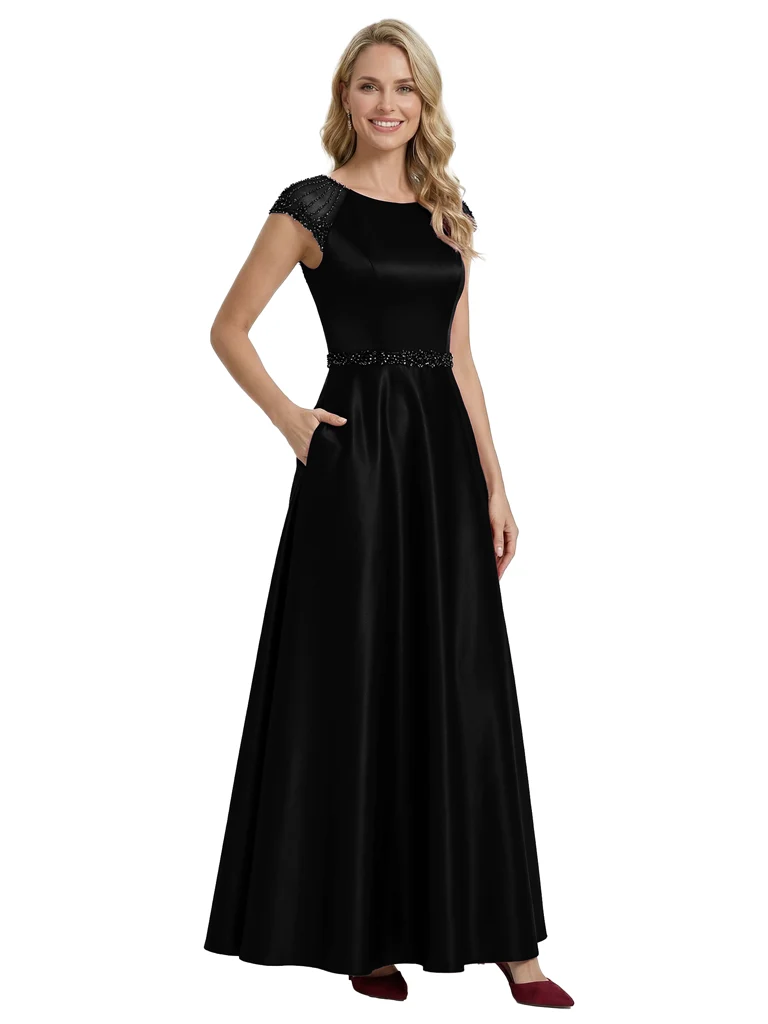
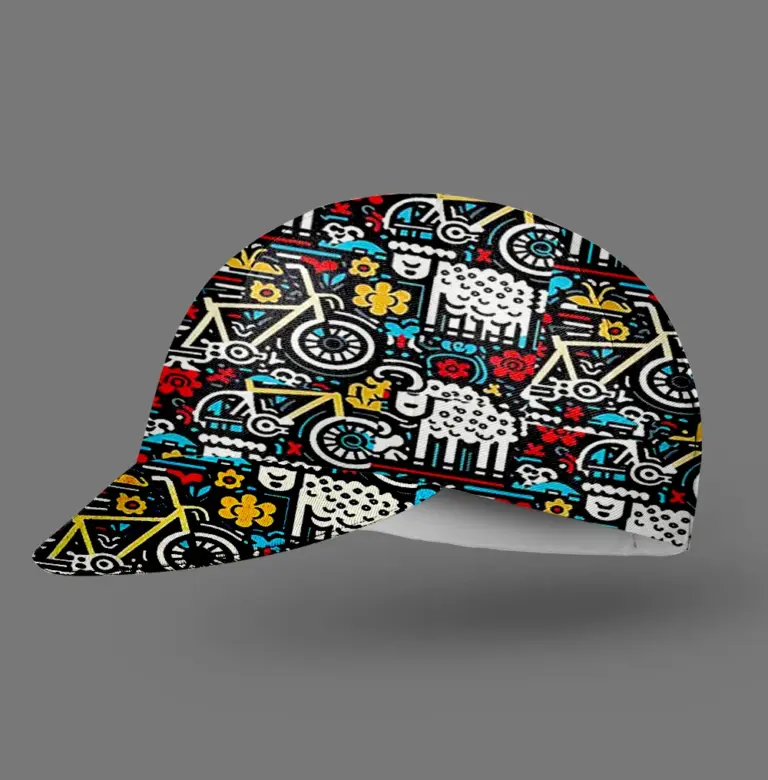 Summer Caps That Pull an Outfit Together
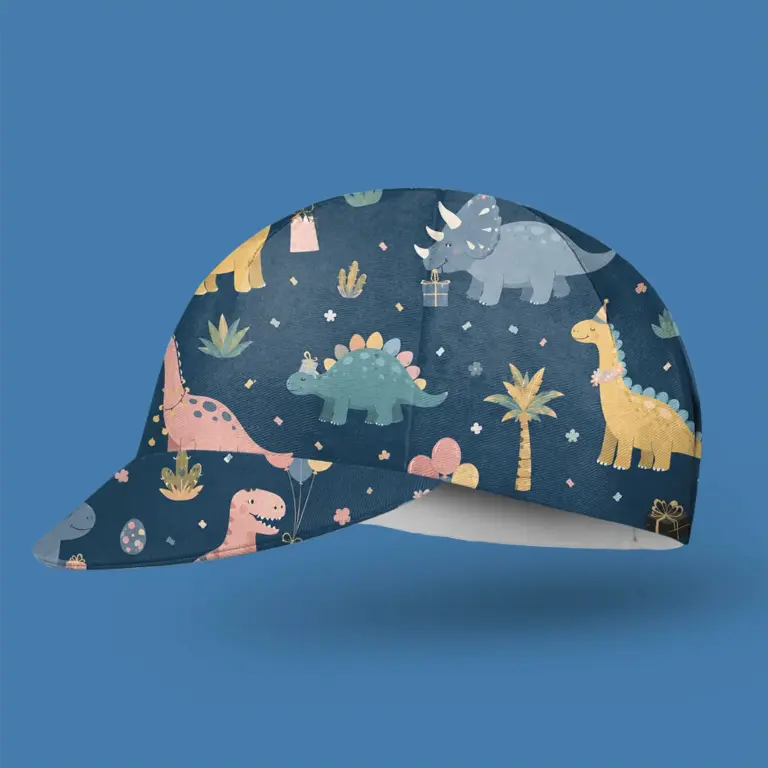
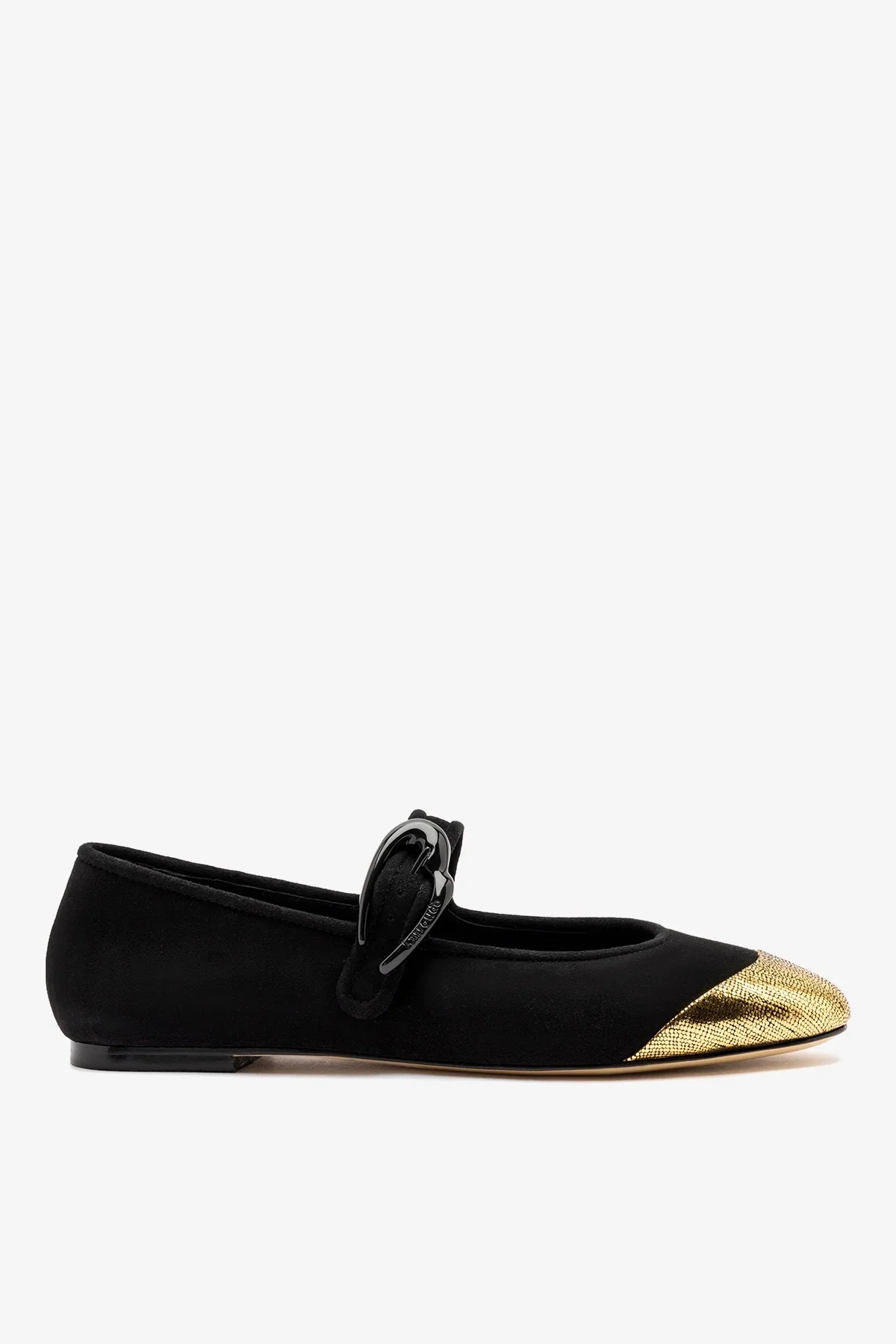 Suede Caps Worth Adding to Your Wardrobe
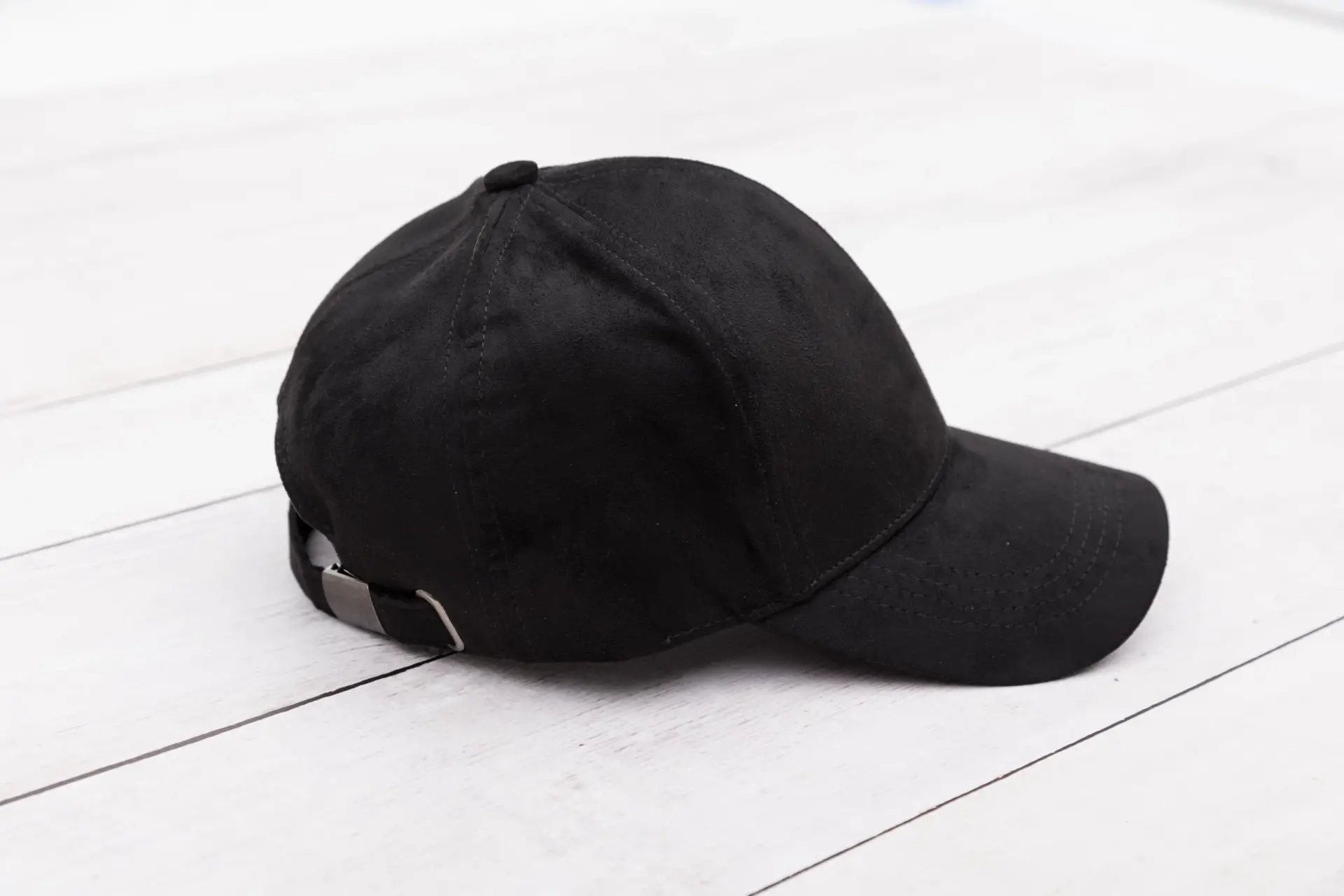
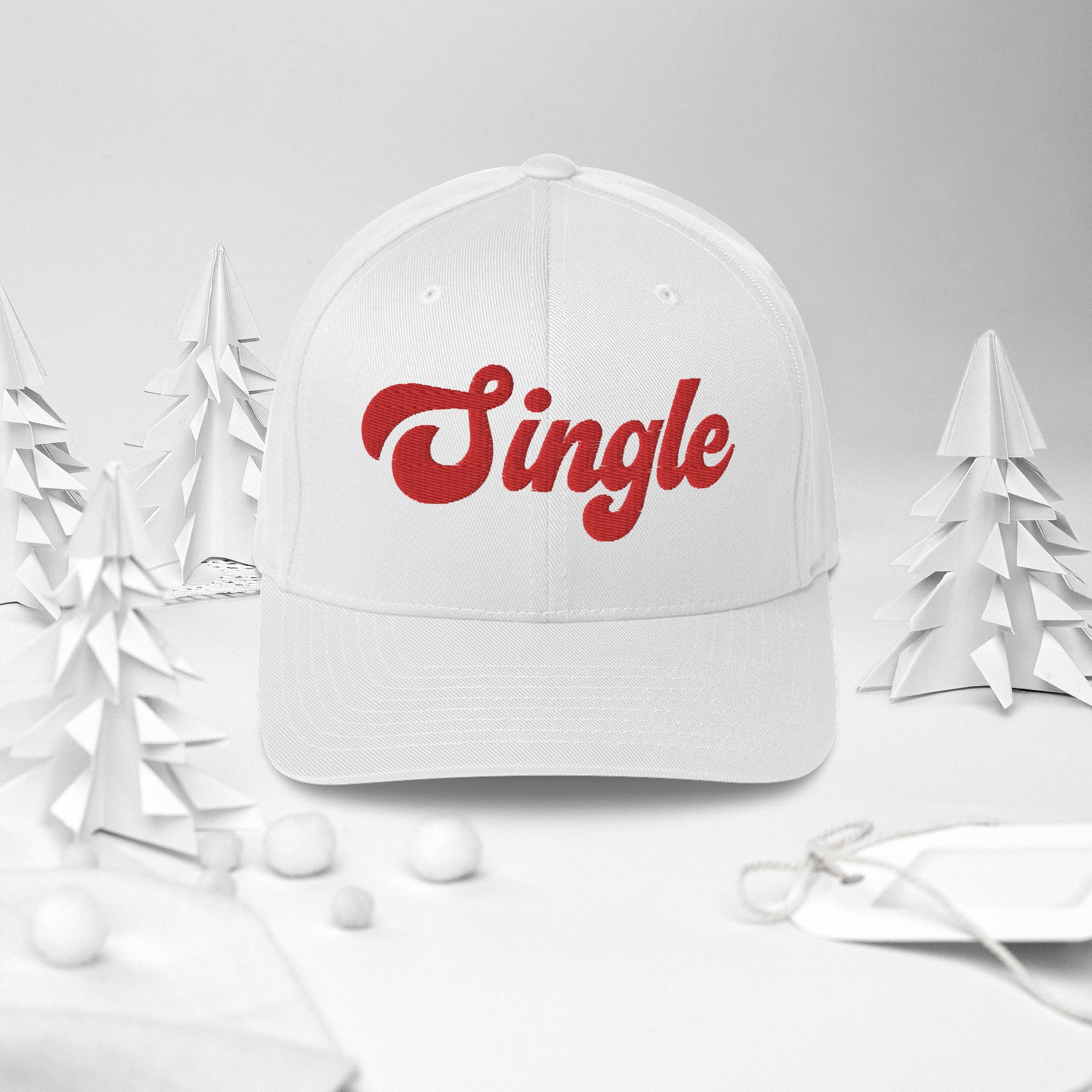 Silver Embroidered Caps: Picks We Stand ByAlso worth a lookBeaniesA good beanie is wool, not acrylic, and that decision is really made for you before you've tried a single one on.See the collections →
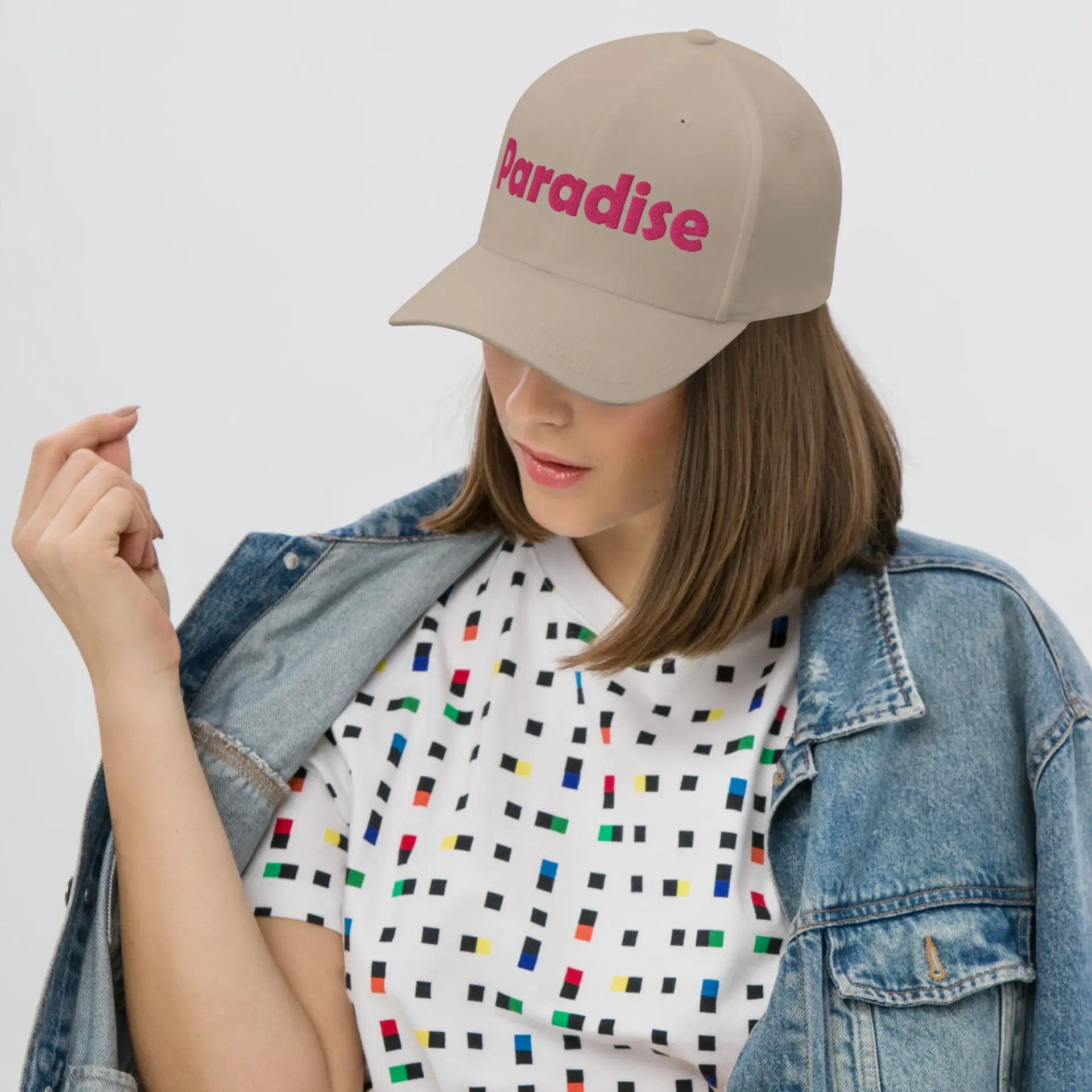
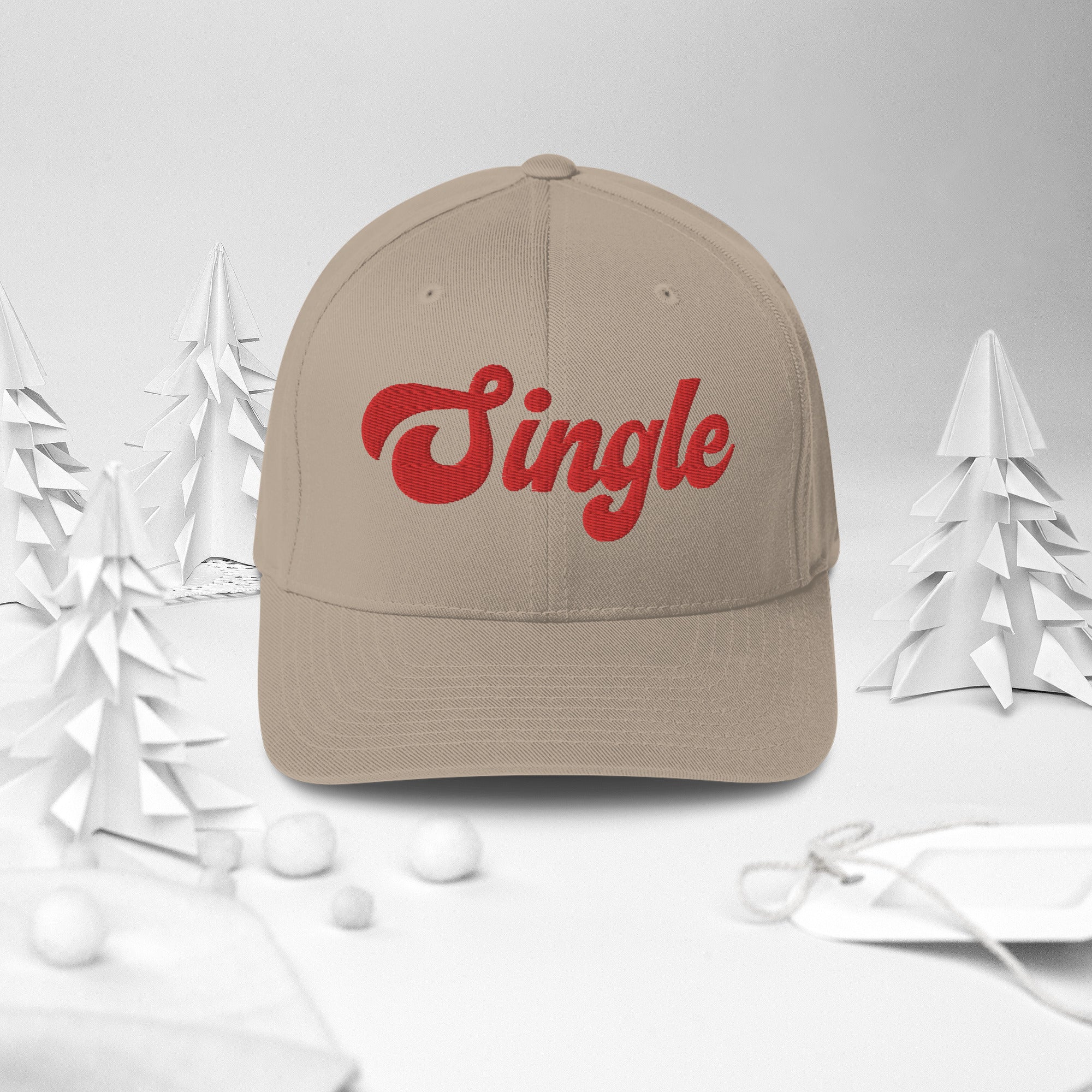 Silver Cotton Caps Actually Worth Buying
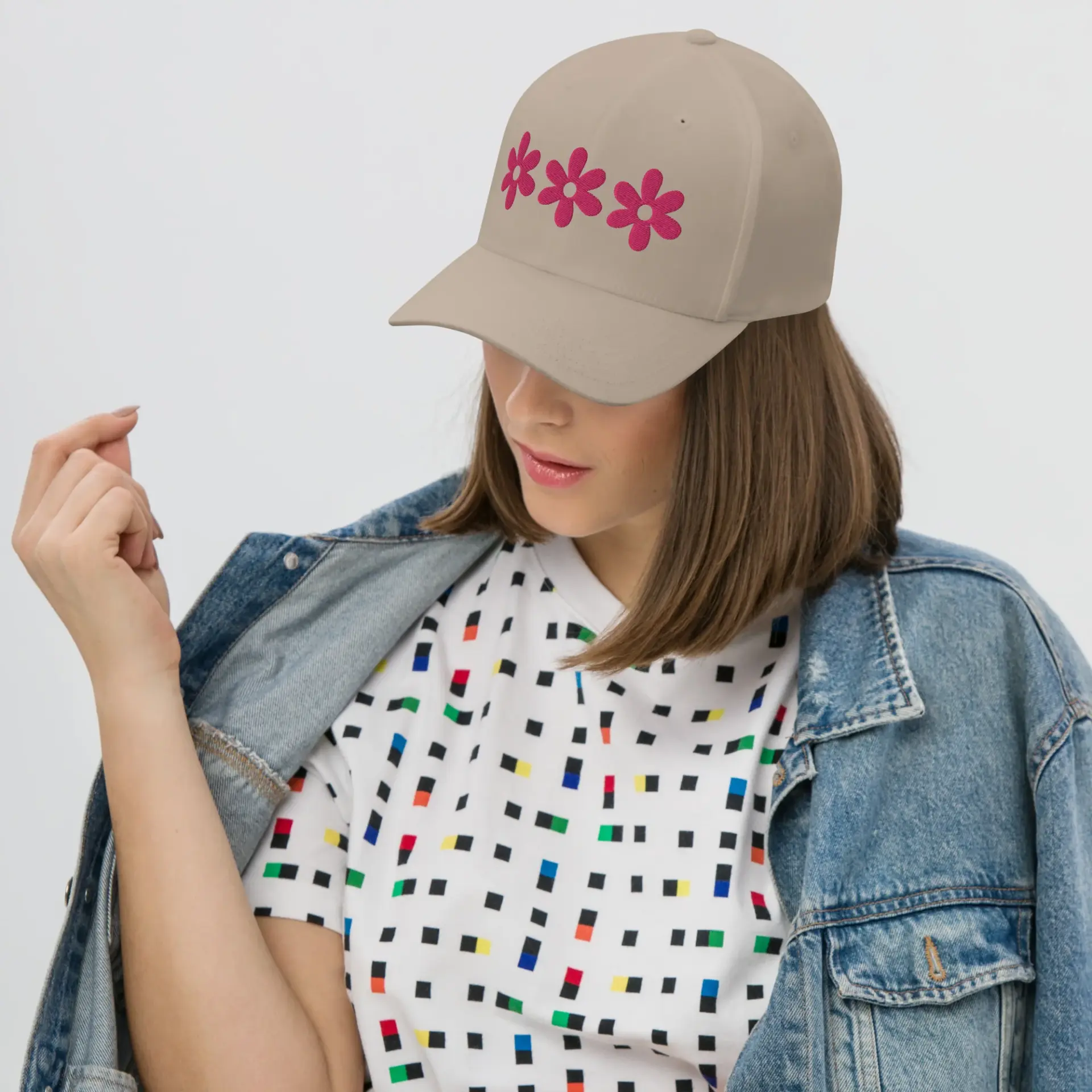
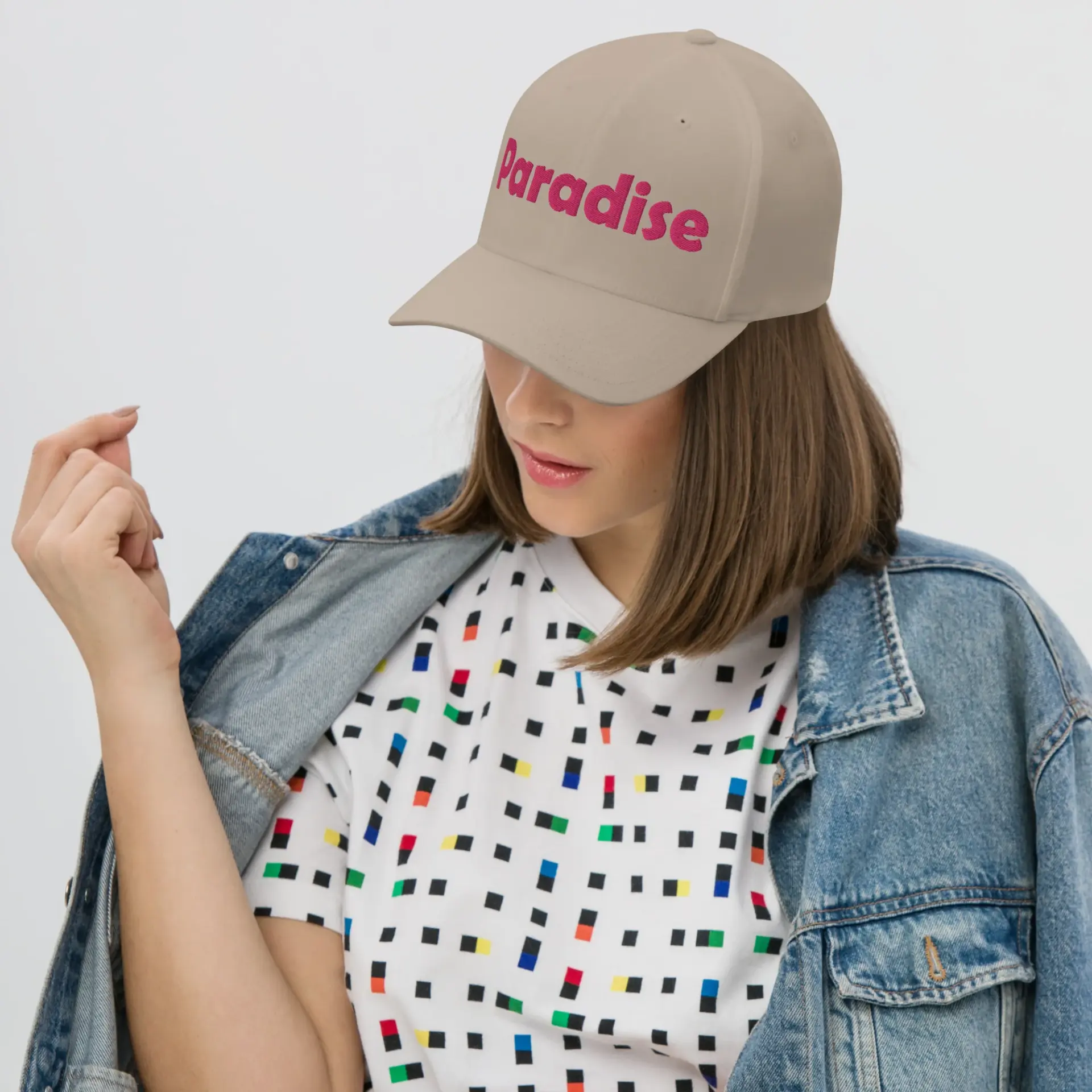 Silver Caps Worth Treating Yourself To
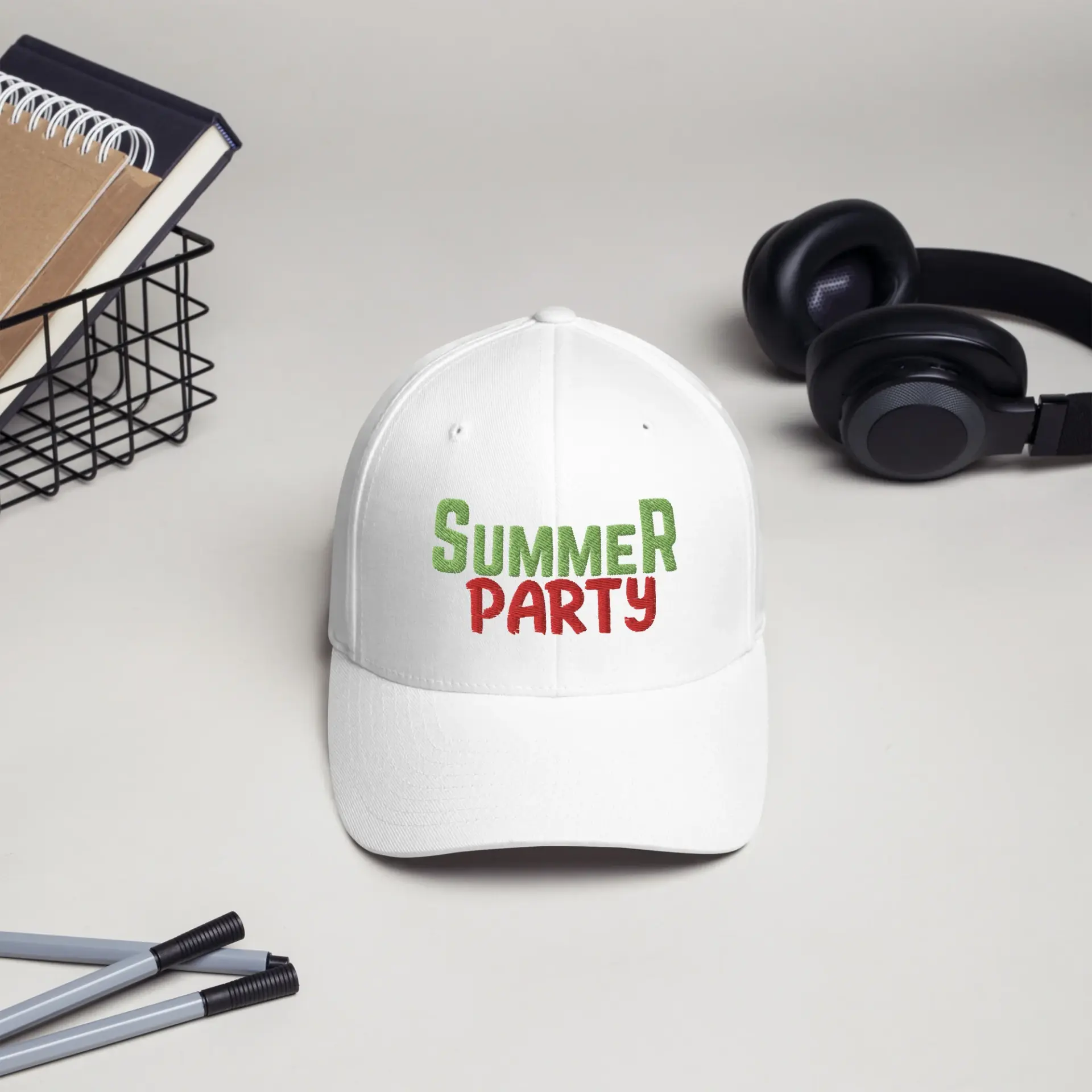
 Our Favorite Ribbed Caps
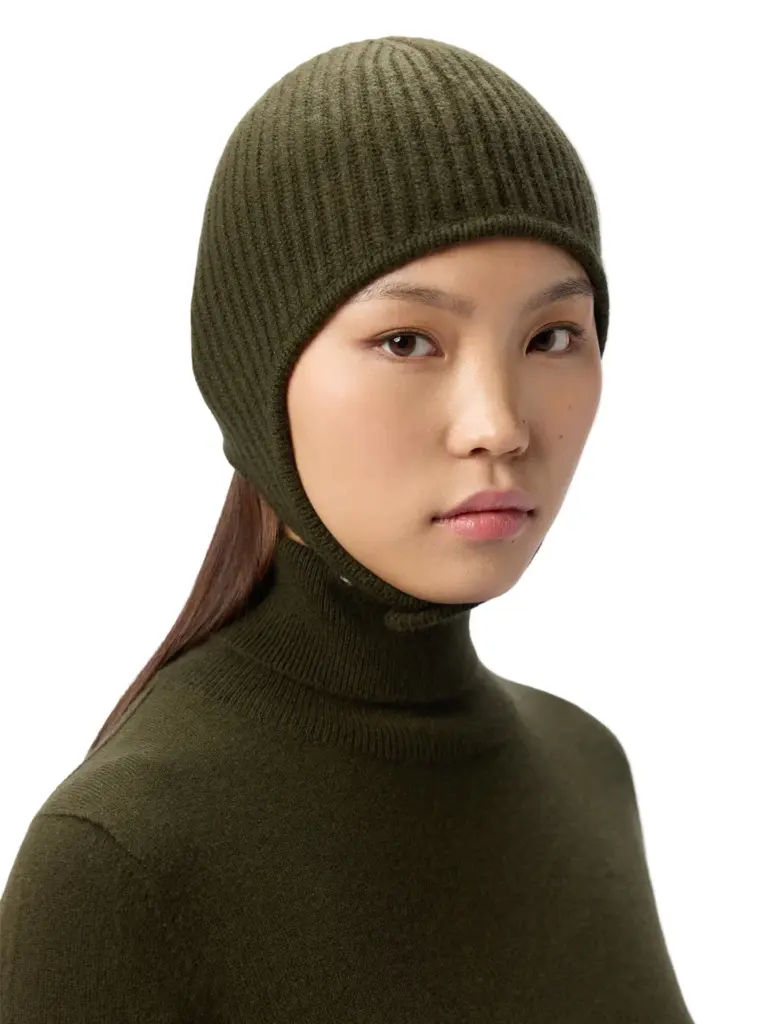
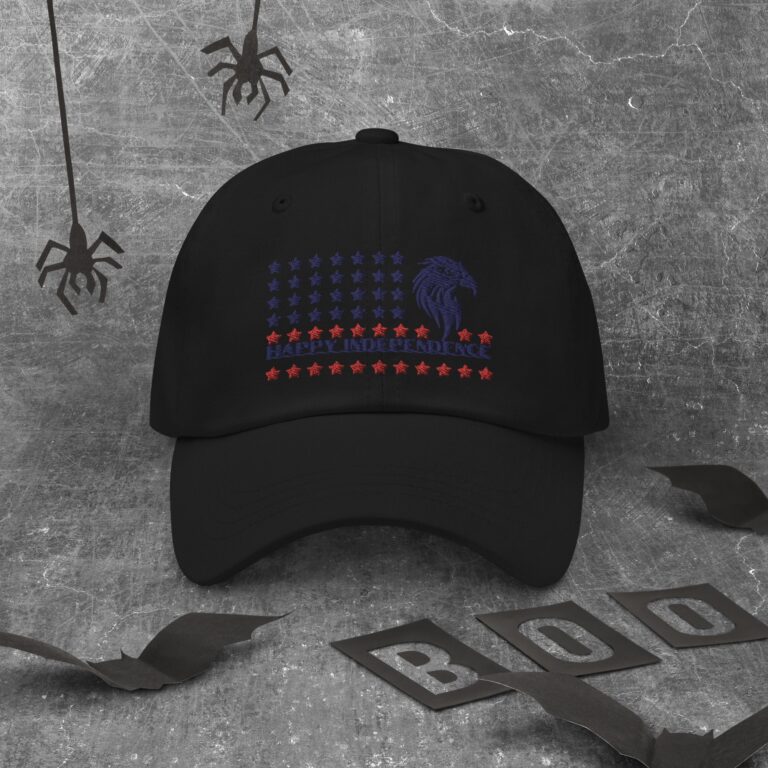 The Red Caps We’re Eyeing Up This Season
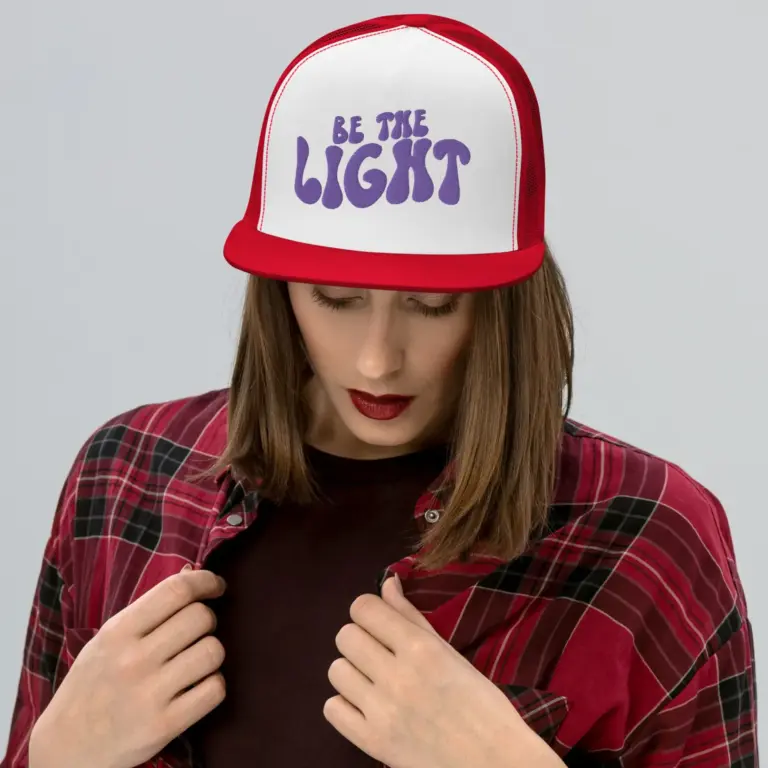
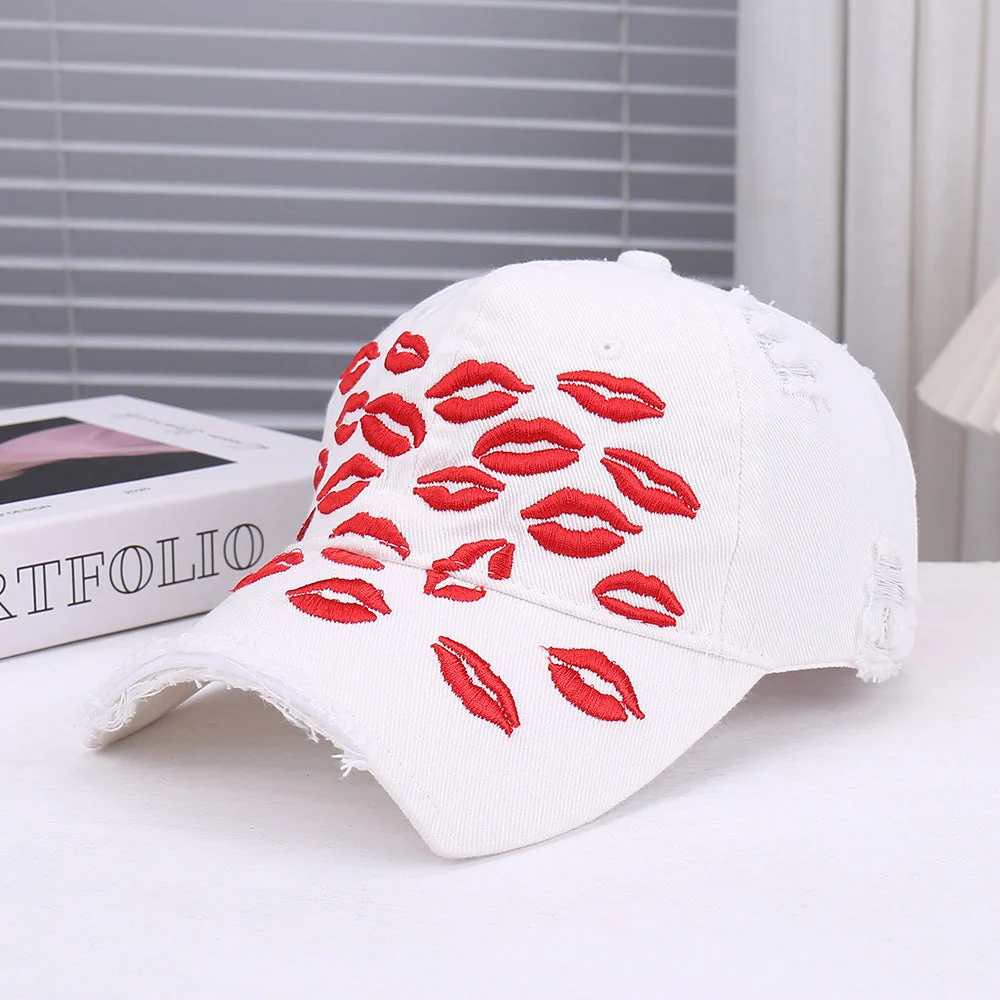 The Red Cotton Caps on Our Wishlist
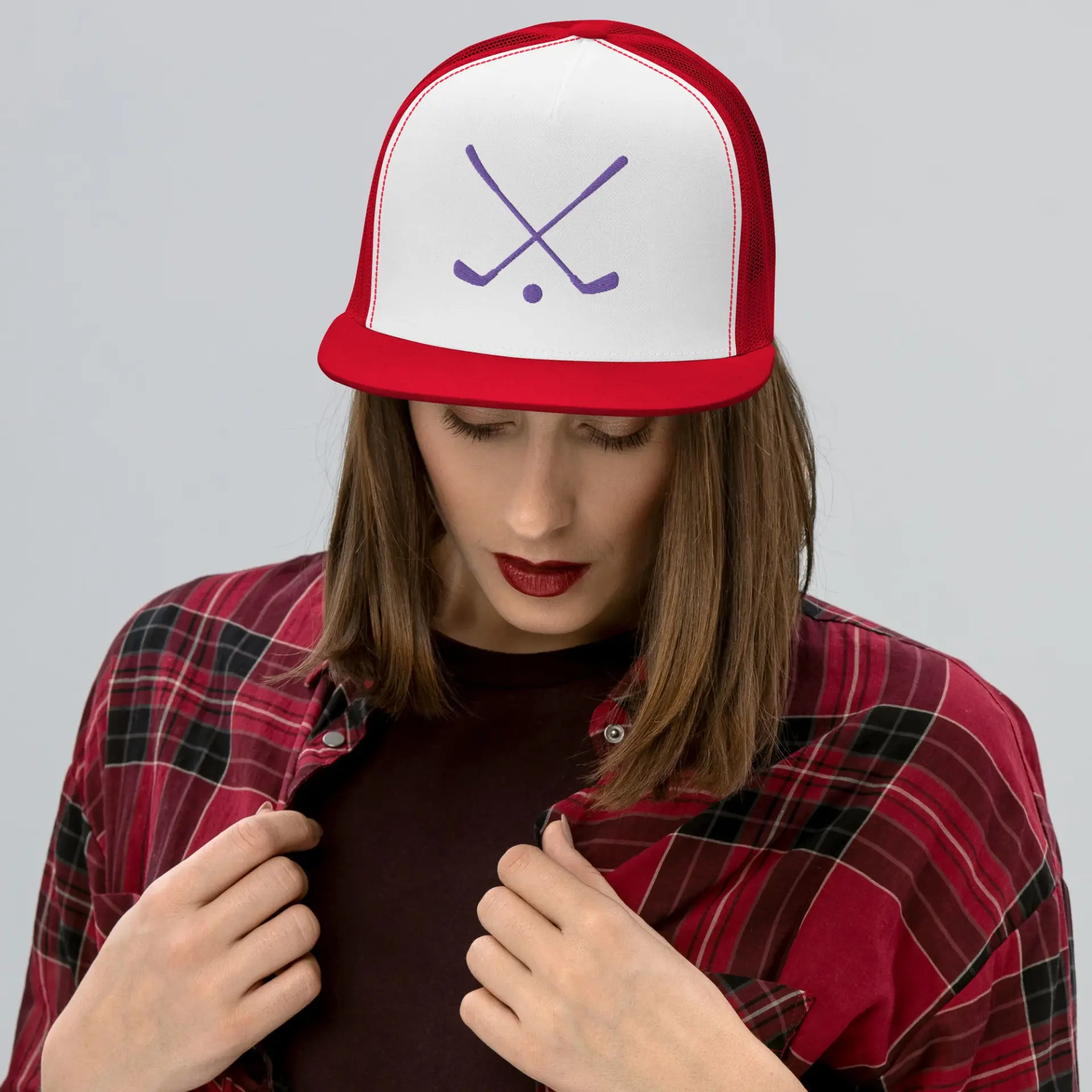
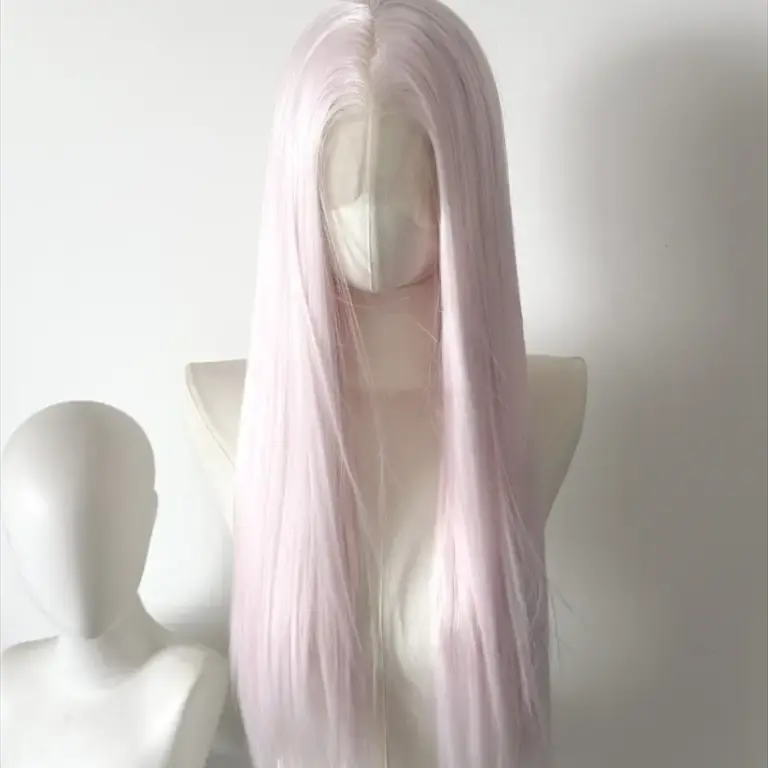 Where to Find the Best Pink Caps
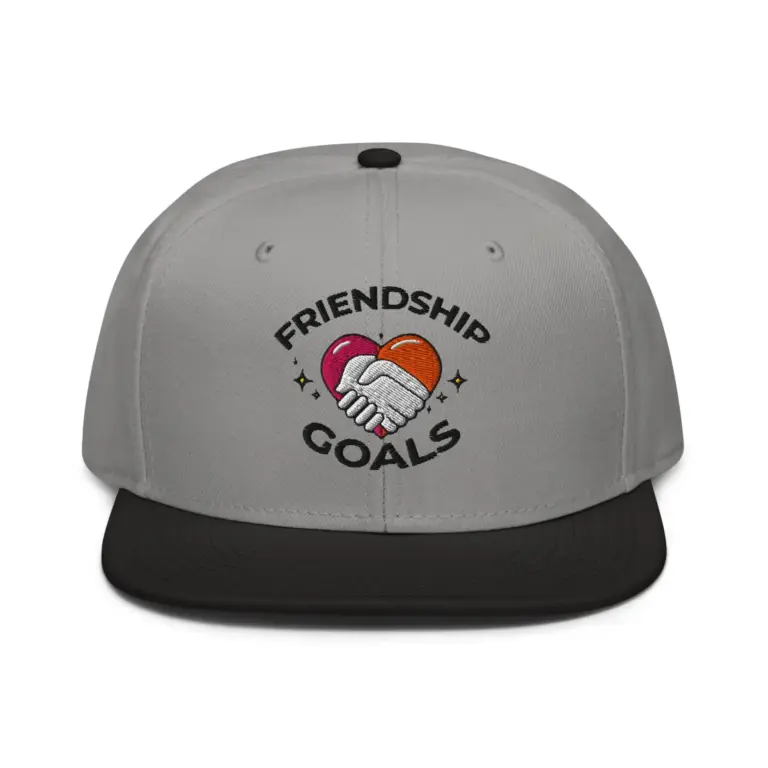
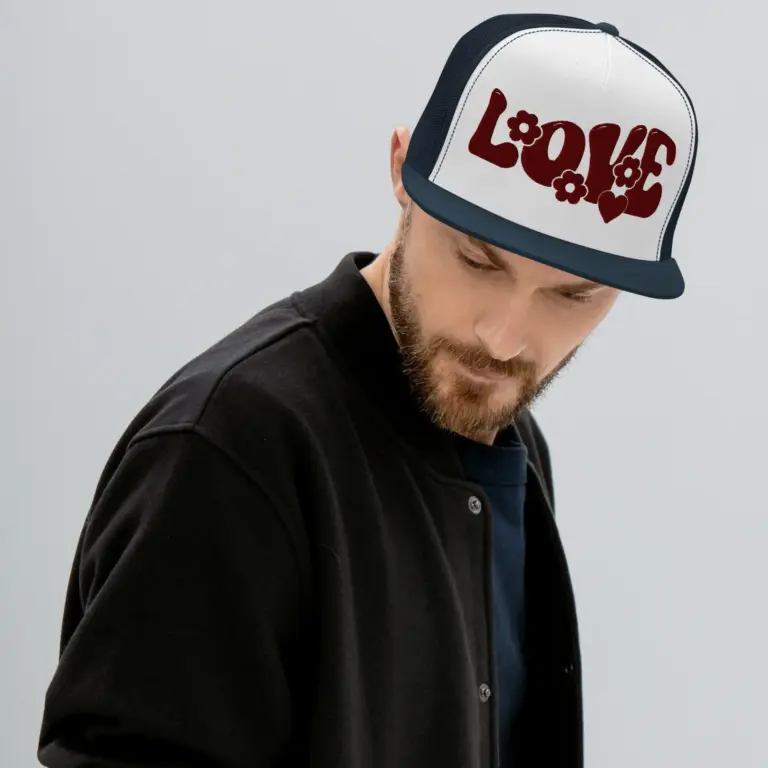 Navy Caps: Picks We Stand By
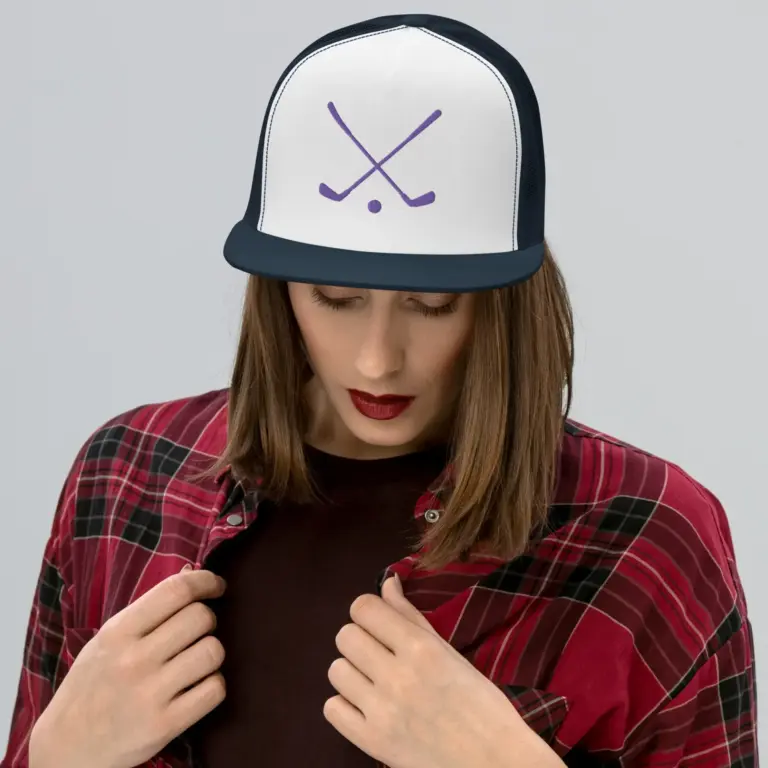
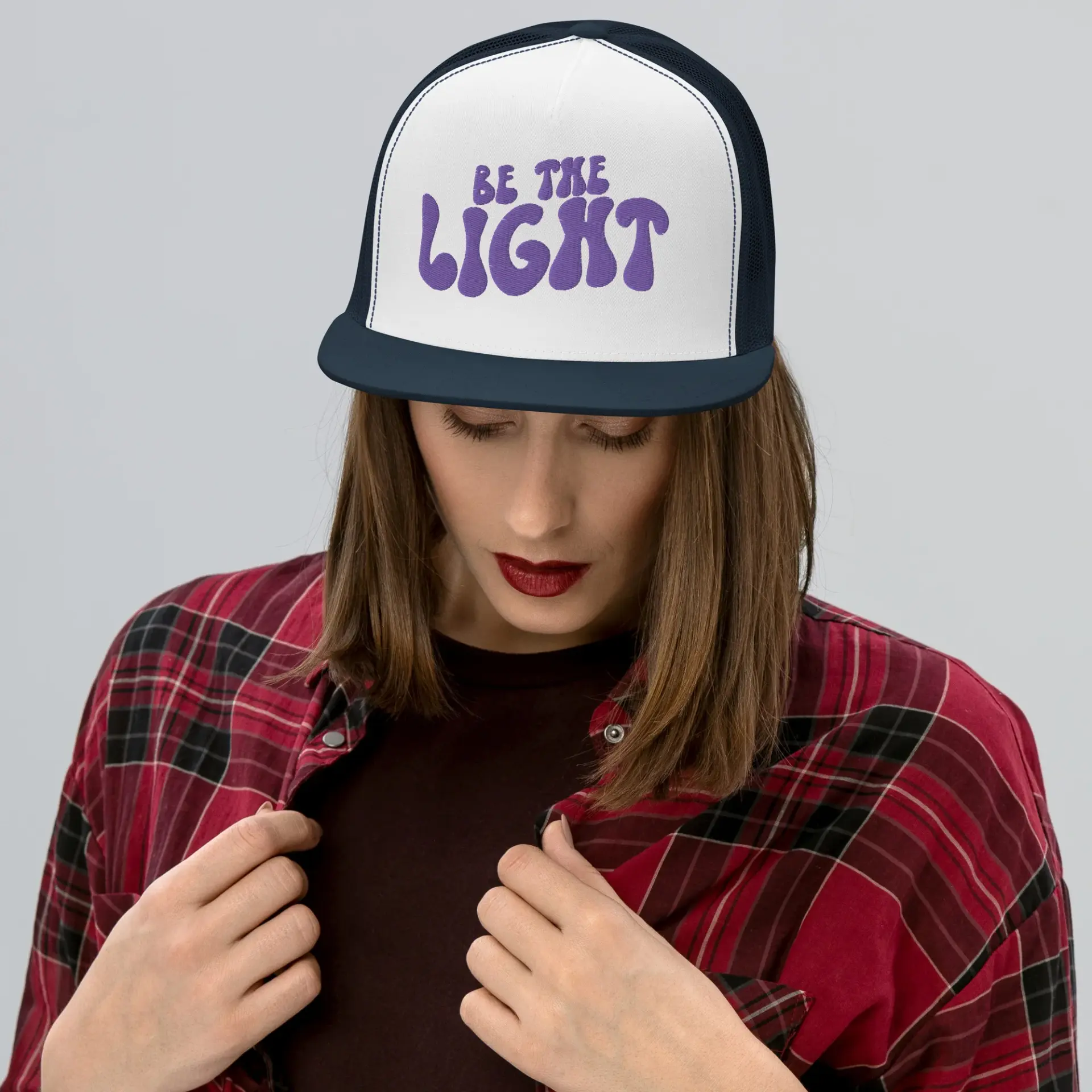 Navy Cotton Caps Worth Adding to Your Wardrobe
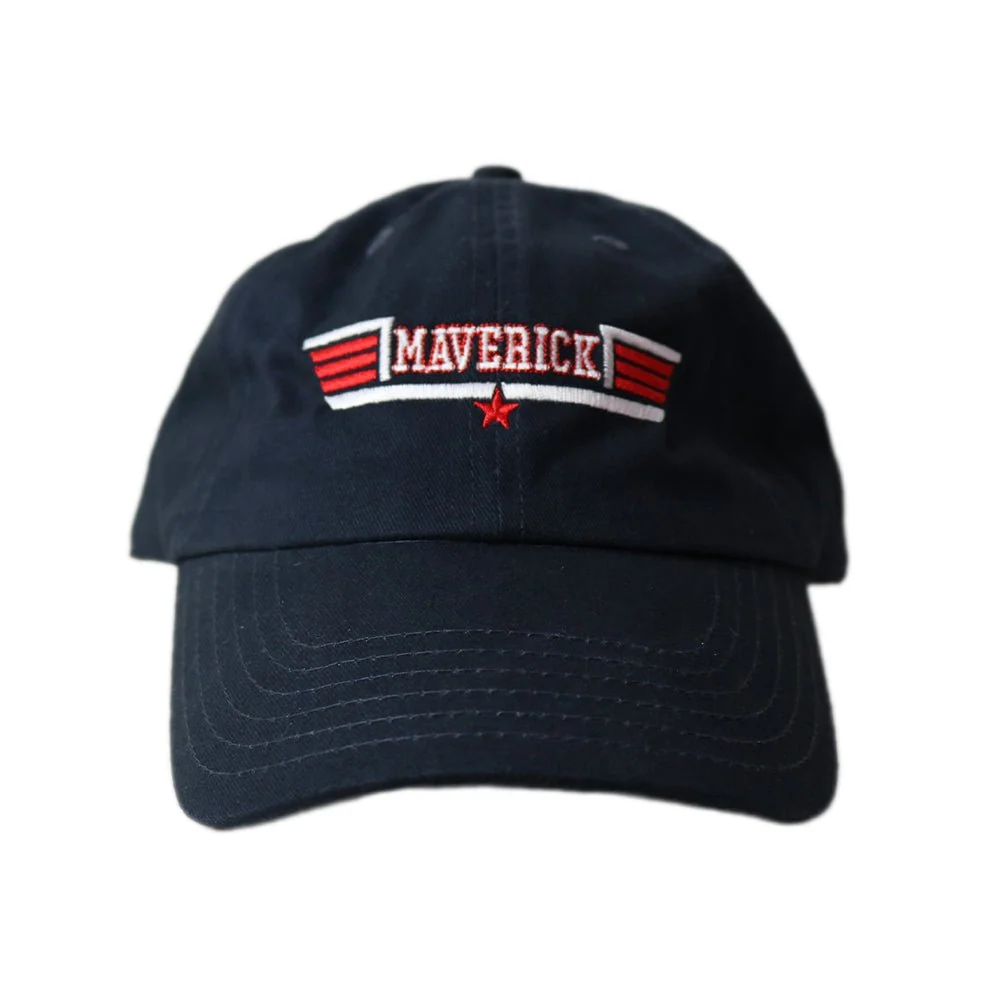
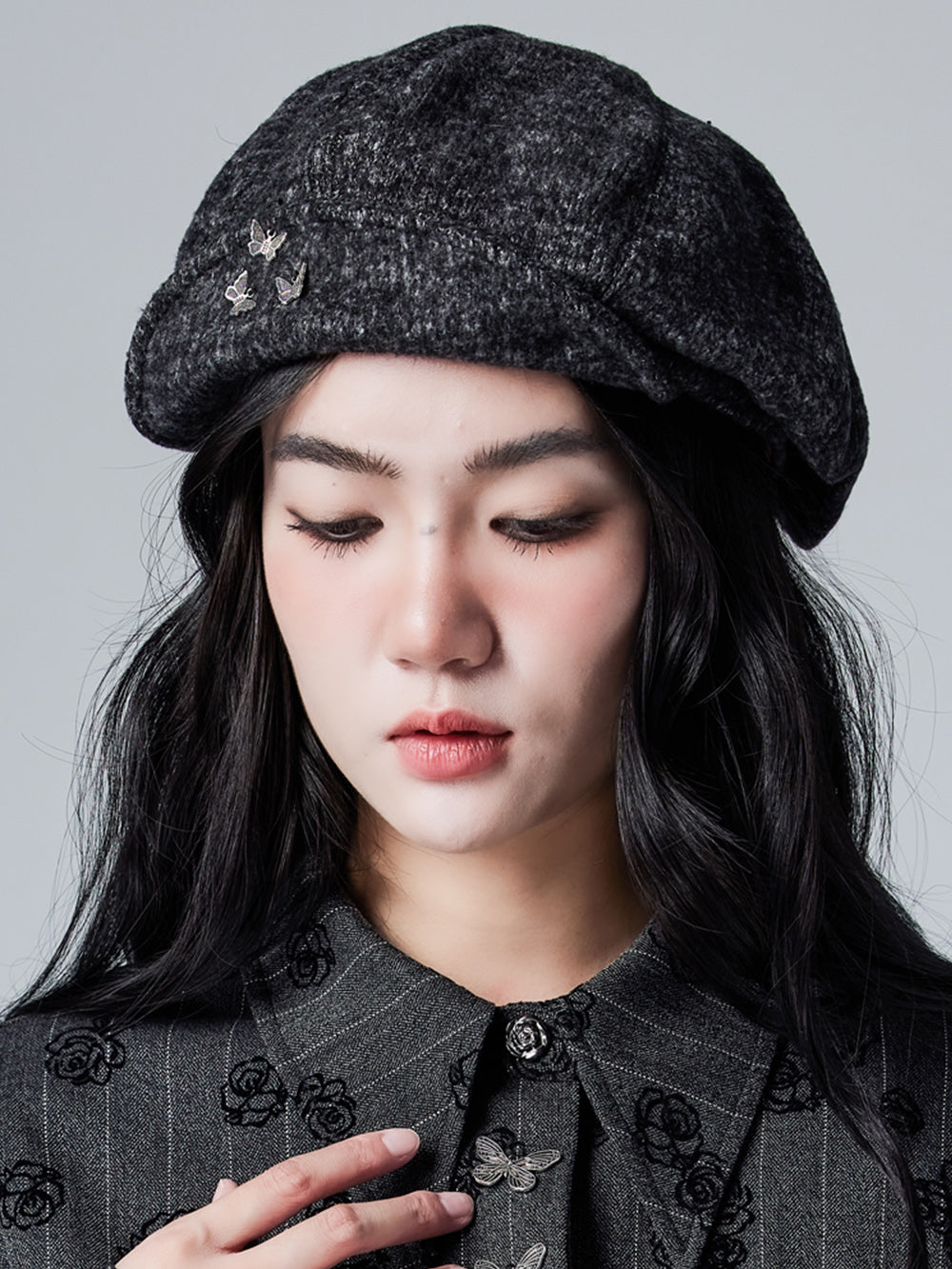 Our Favorite Knitted CapsAlso worth a lookVisorsThe visor has a reputation for being either a tennis player's accessory or something you only wear on…See the collections →
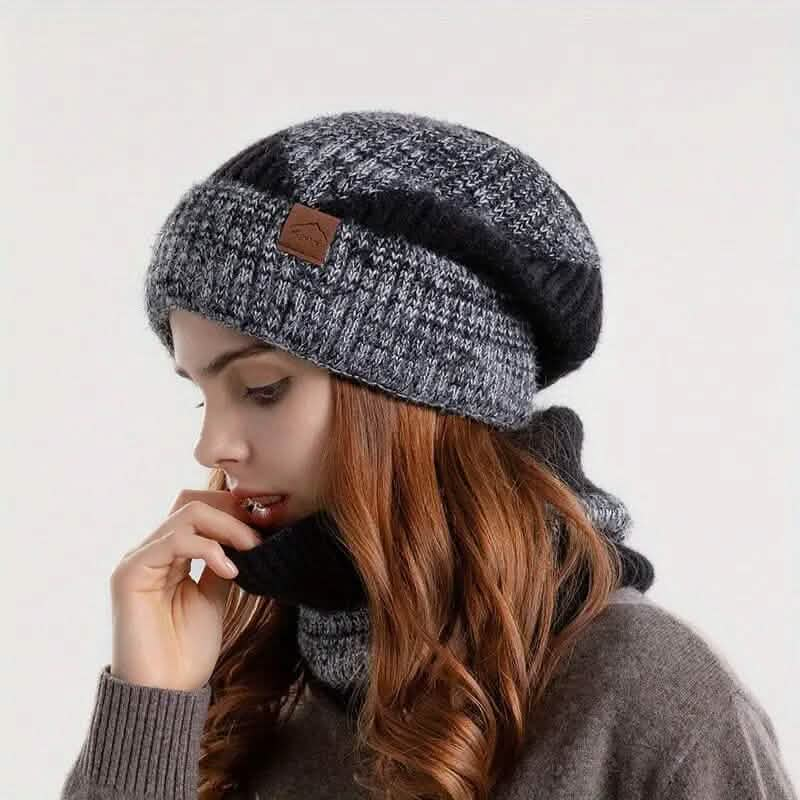
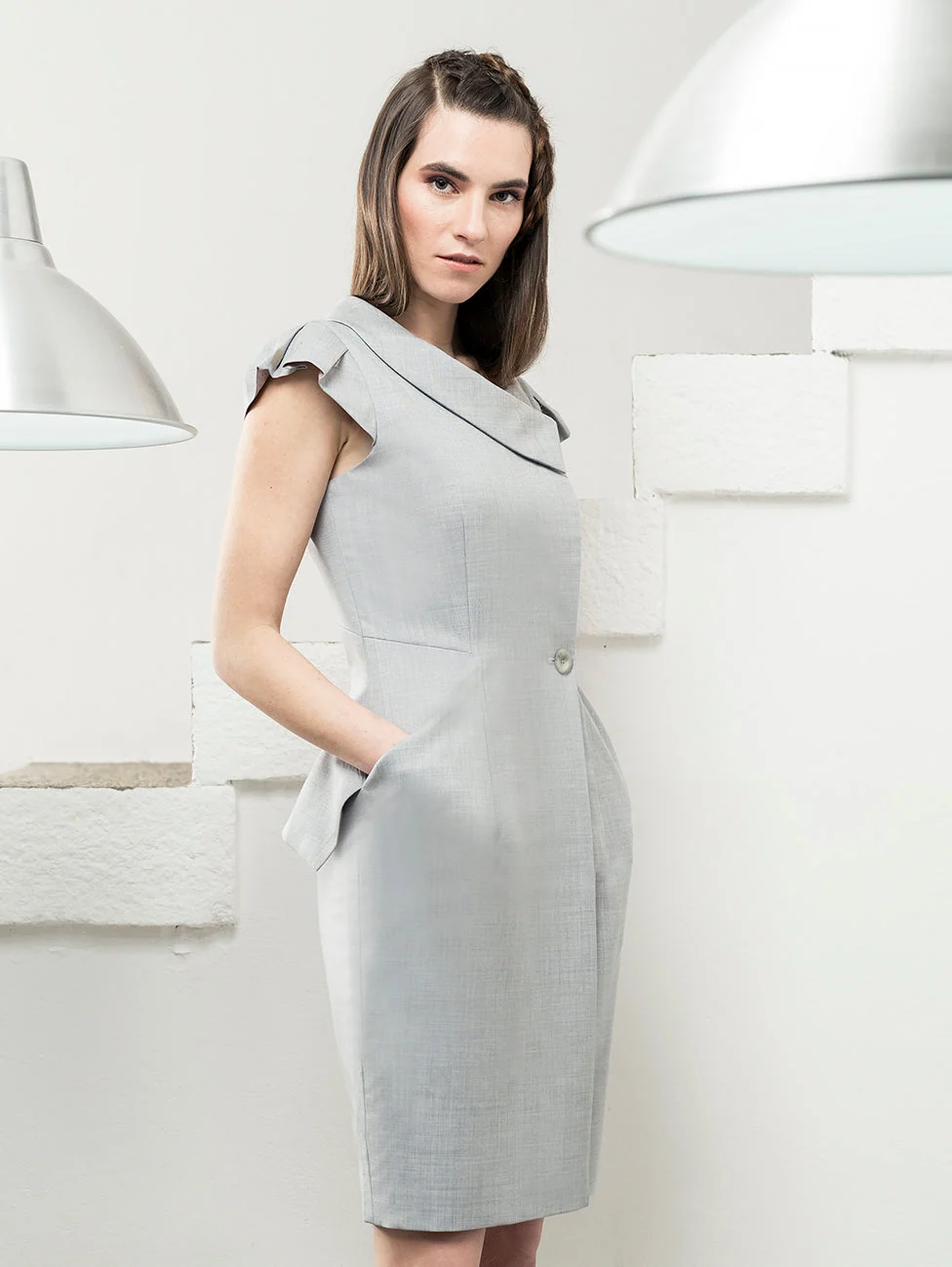 Shop the Edit: Gray Wool Caps
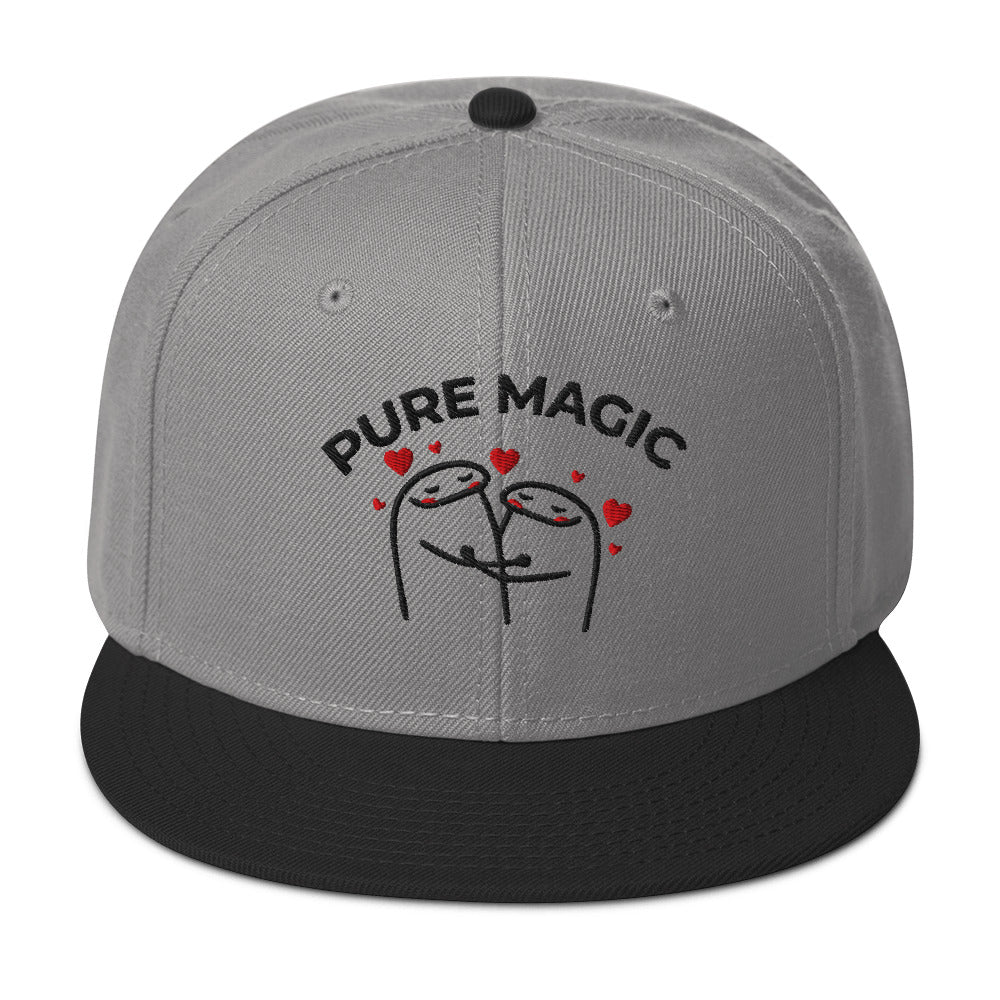
 Gray Caps: What We’d Buy Now
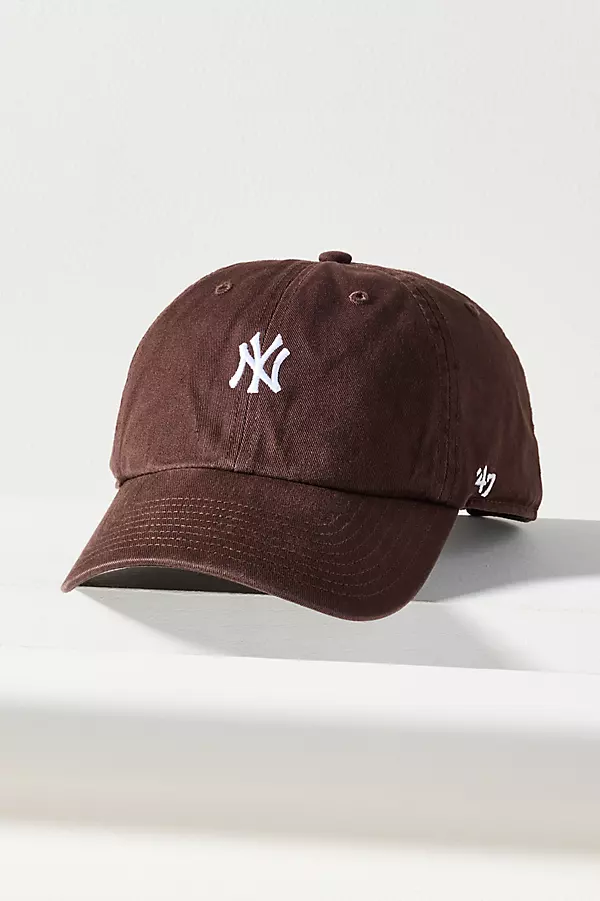 Shop Our Favorite Green Cotton Caps
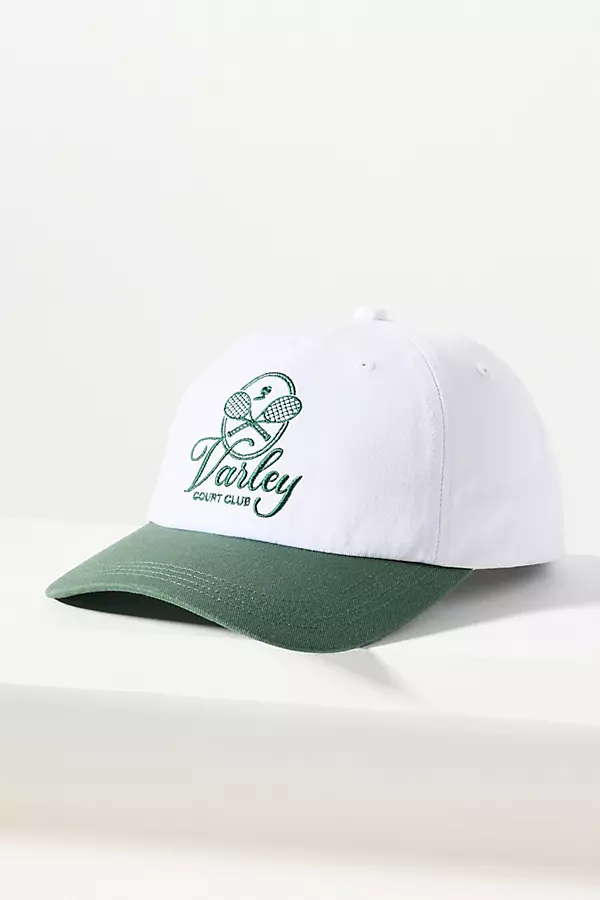
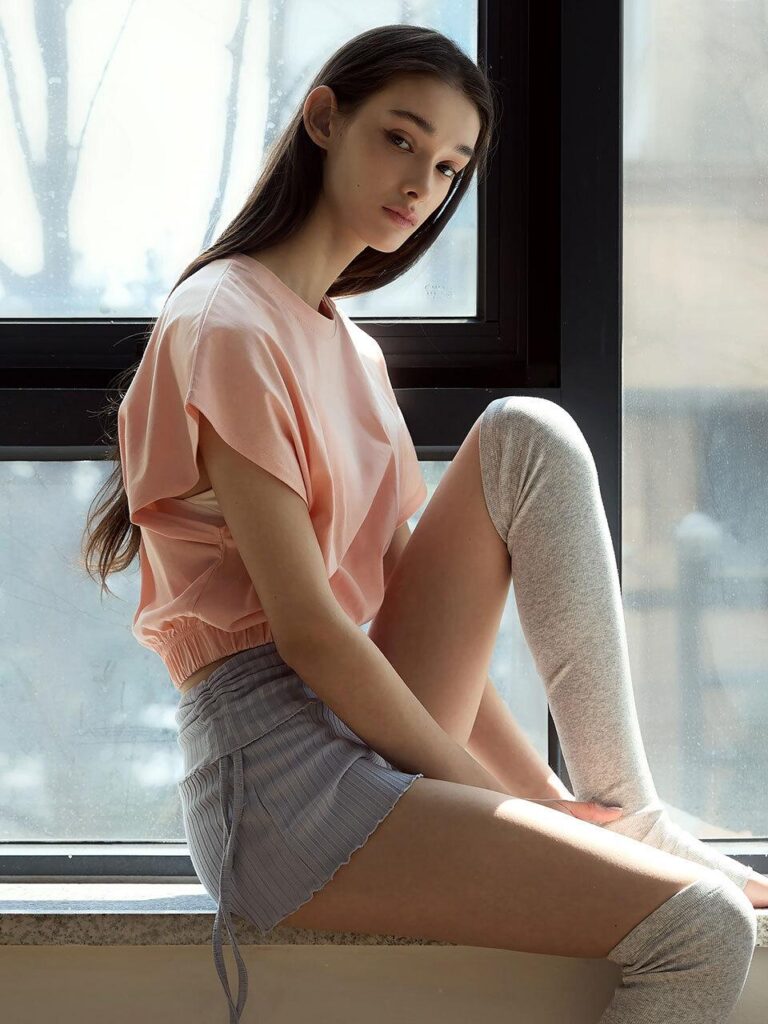 Green Caps We Rate
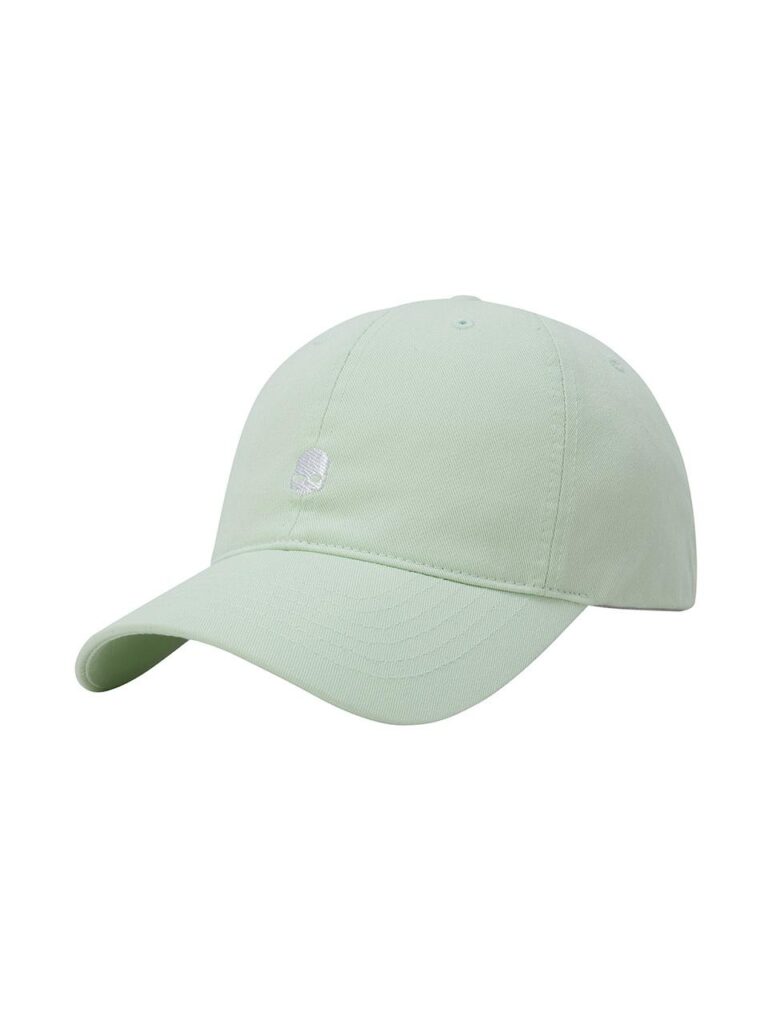
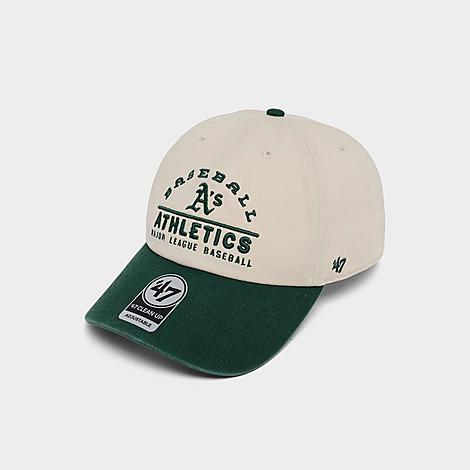 Gold Embroidered Caps: What We’d Buy Now
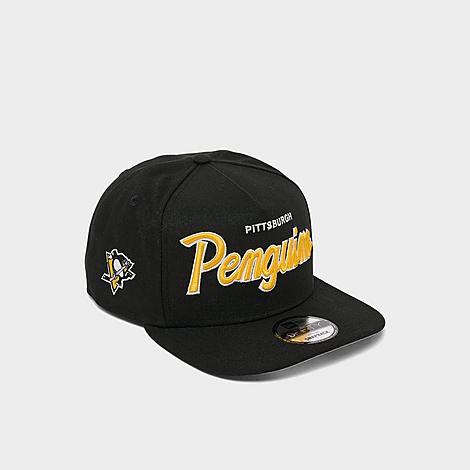
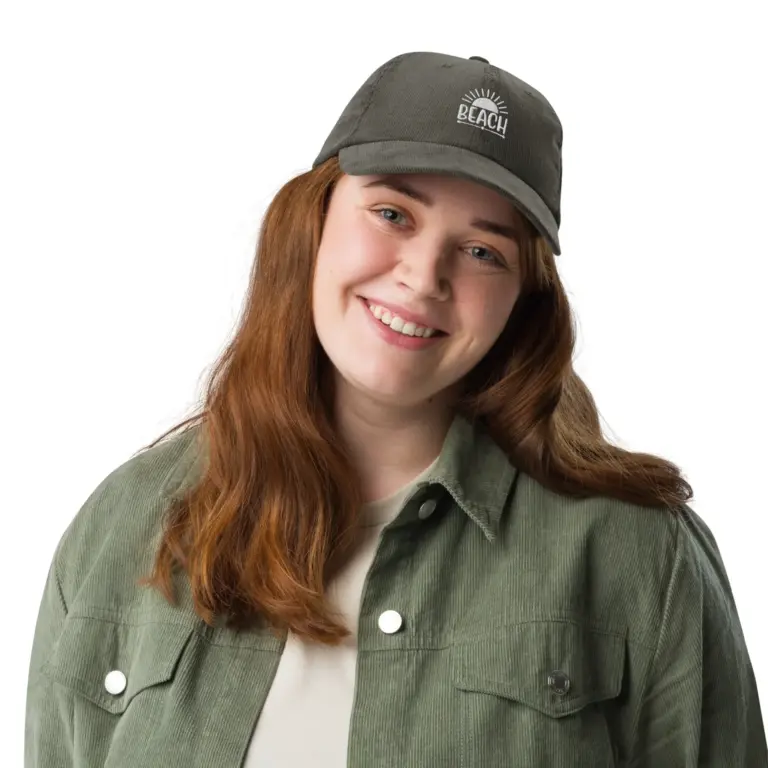 Our Top Gold Cotton Caps Right Now
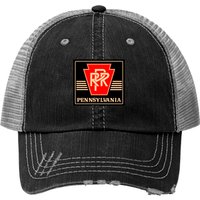
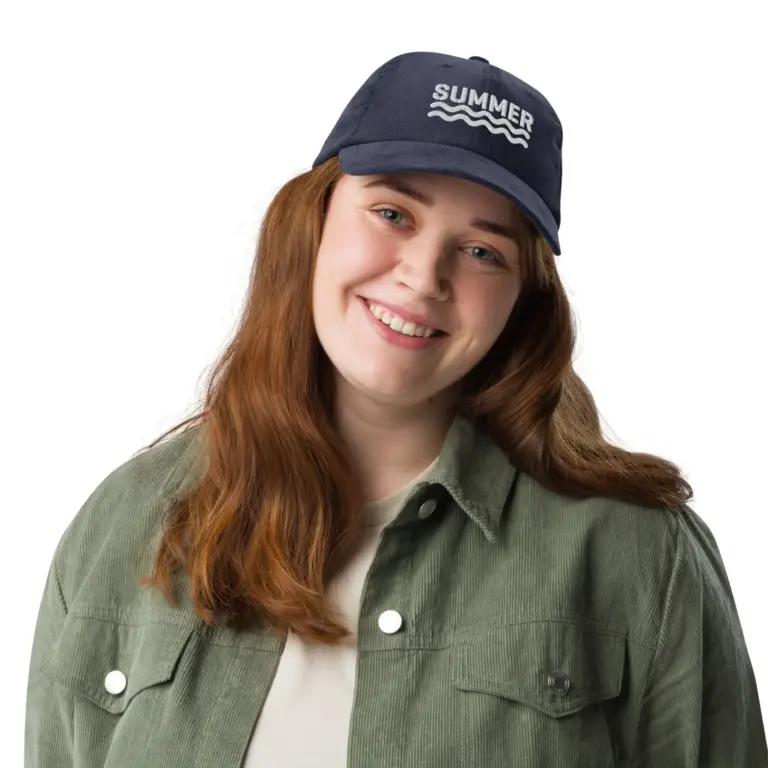 The Gold Caps Worth Your Wardrobe Space
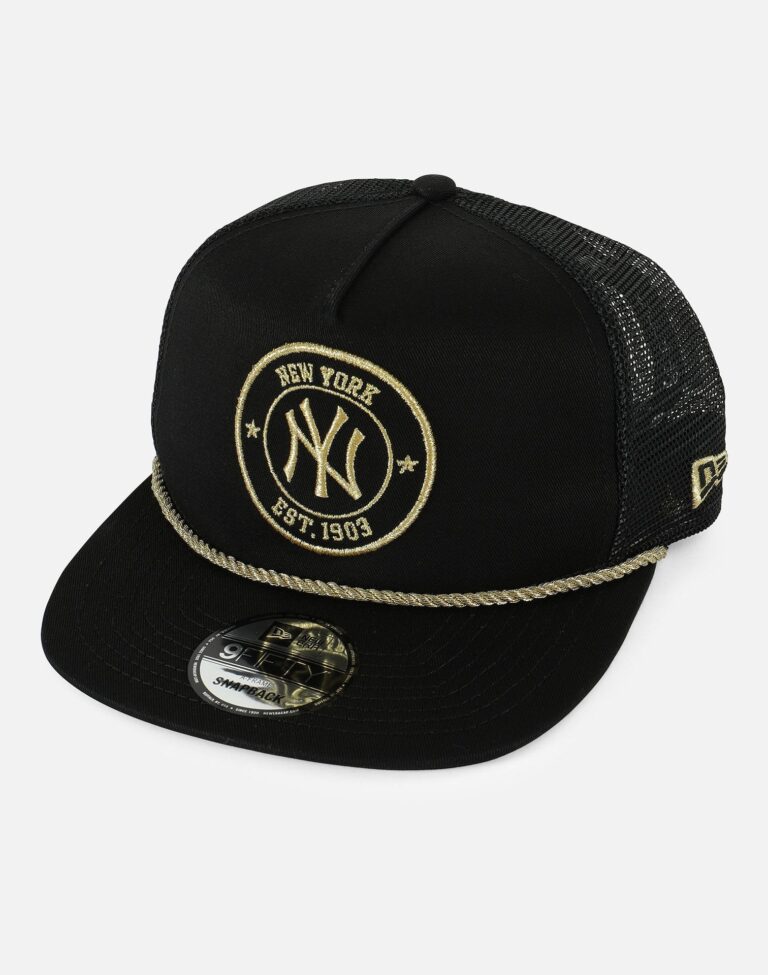
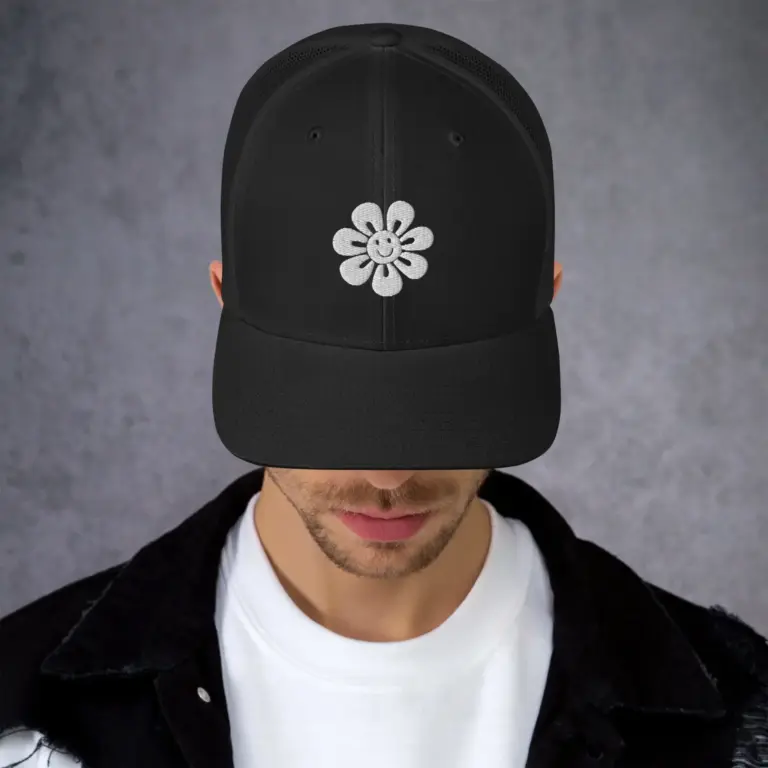 Finishing Touch Floral Caps We Love
 Shop the Edit: Felt CapsAlso worth a lookHatsA hat earns its place for one of two reasons, and it's worth knowing which one you're buying for before you pick it up.See the collections →
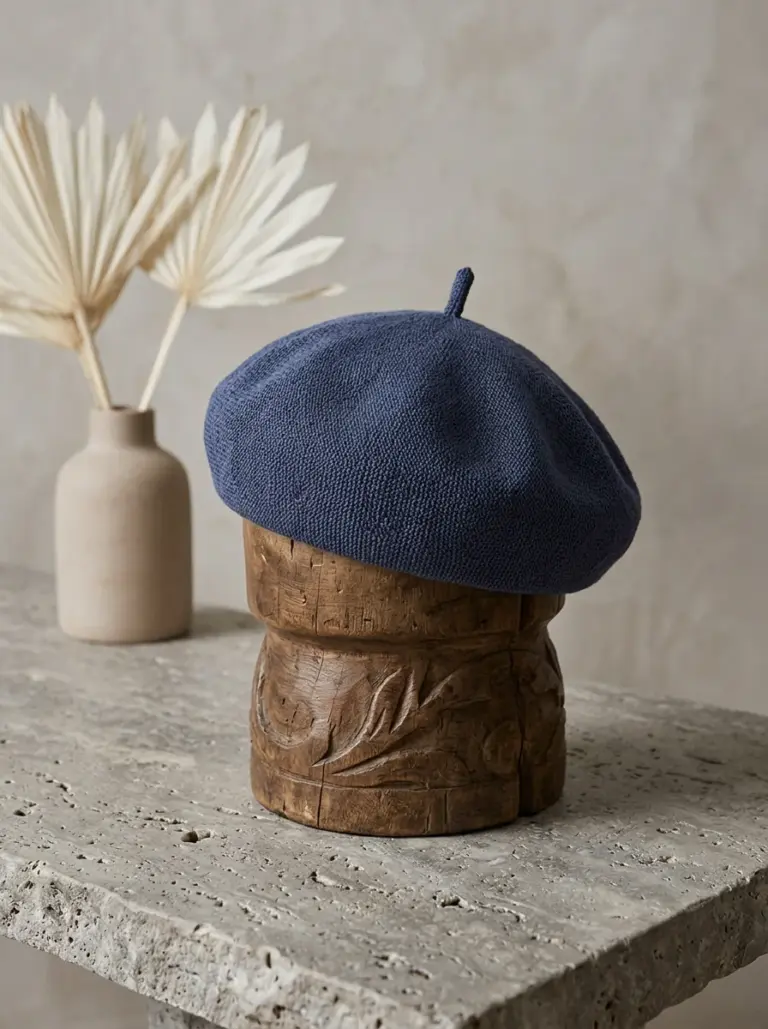
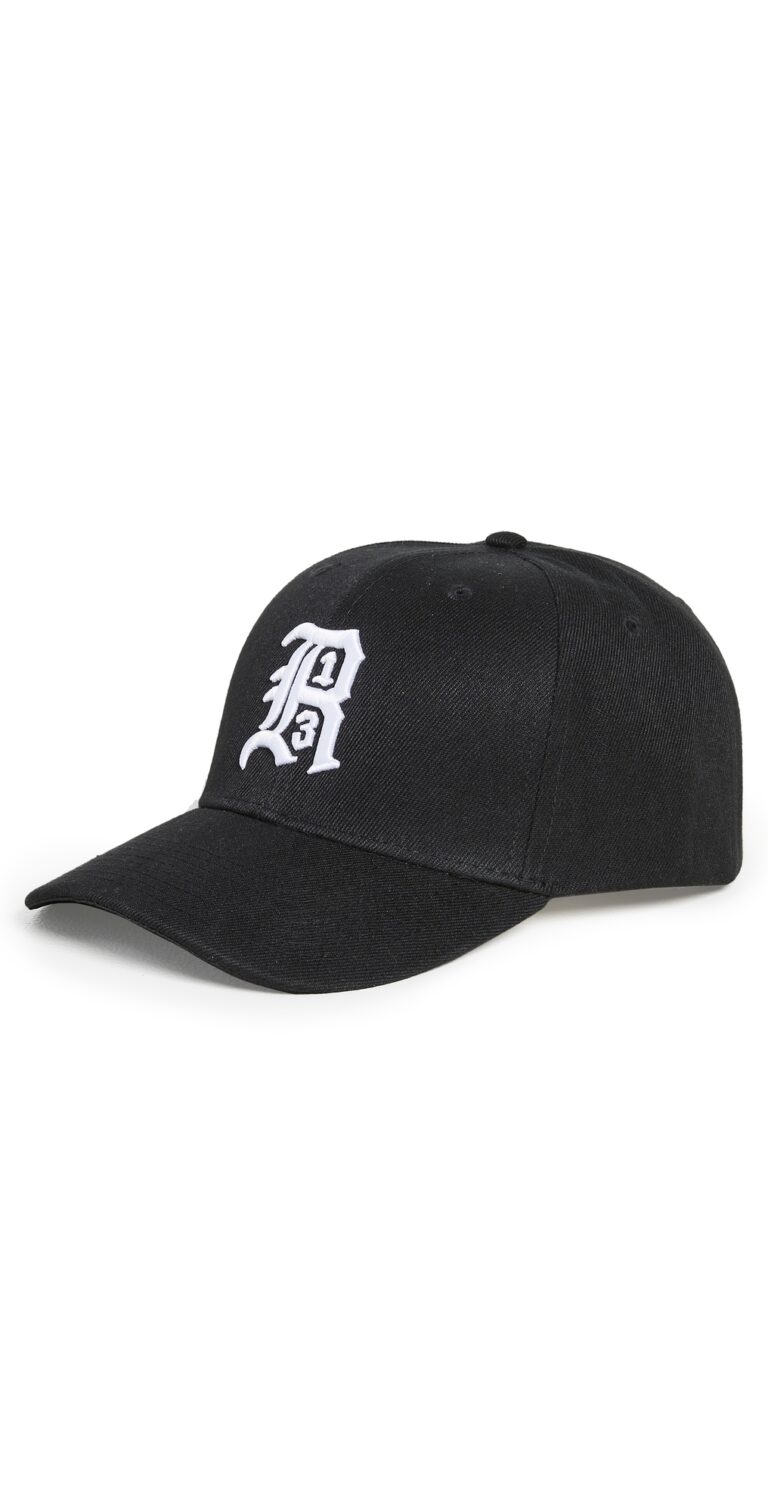 Embroidered Baseball Caps: The Ones Worth Your Money
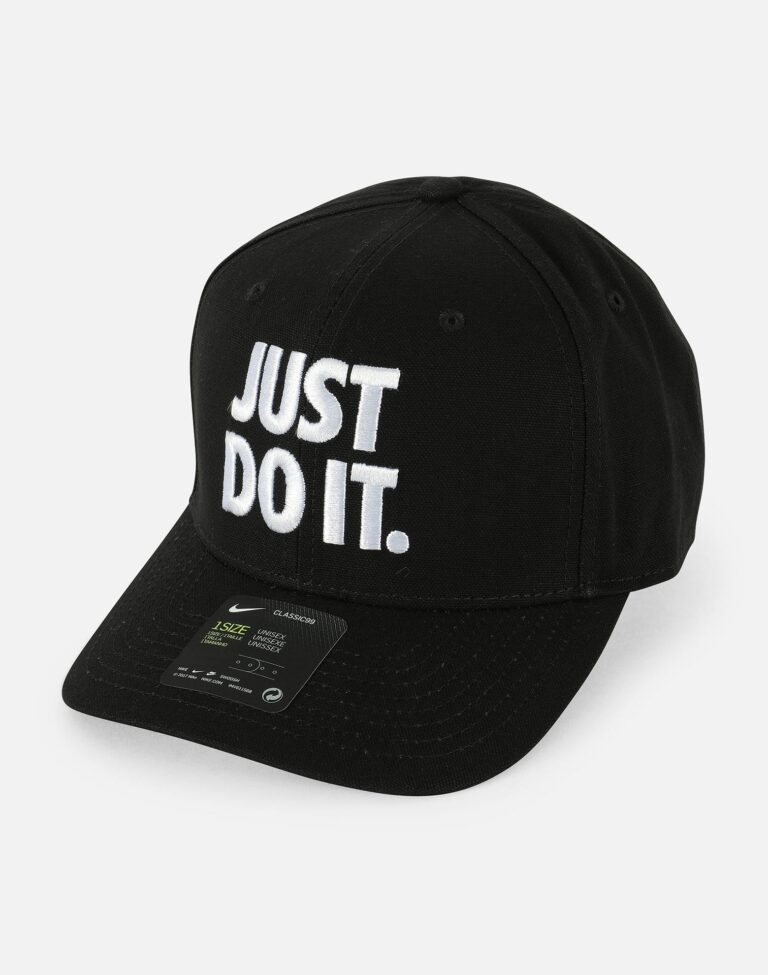
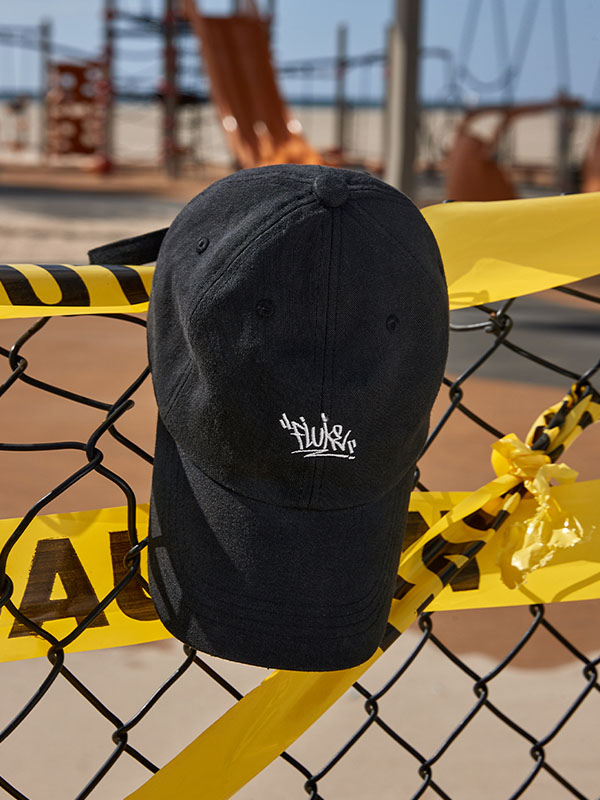 Embroidered Caps That Have Caught Our Eye
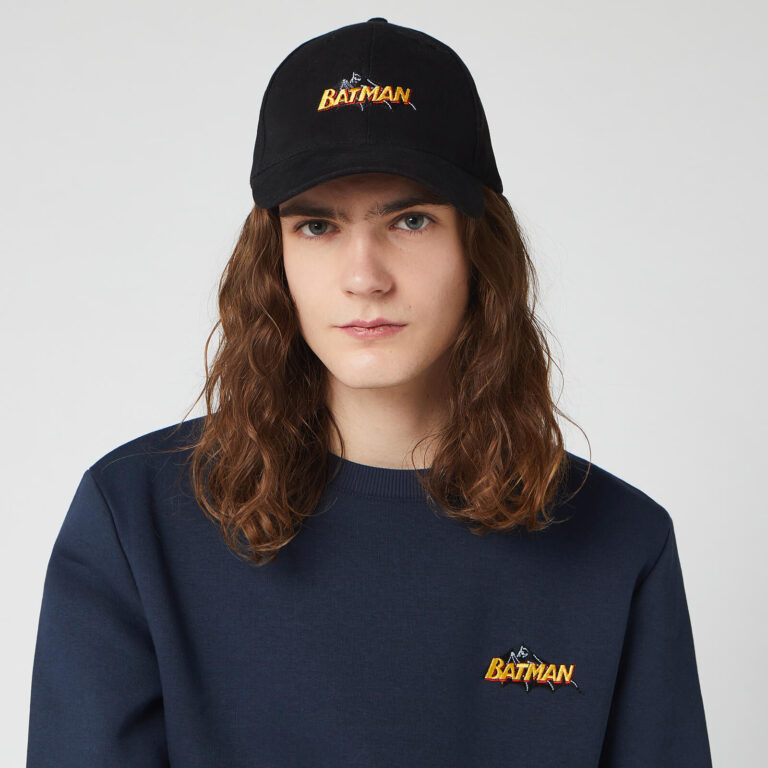
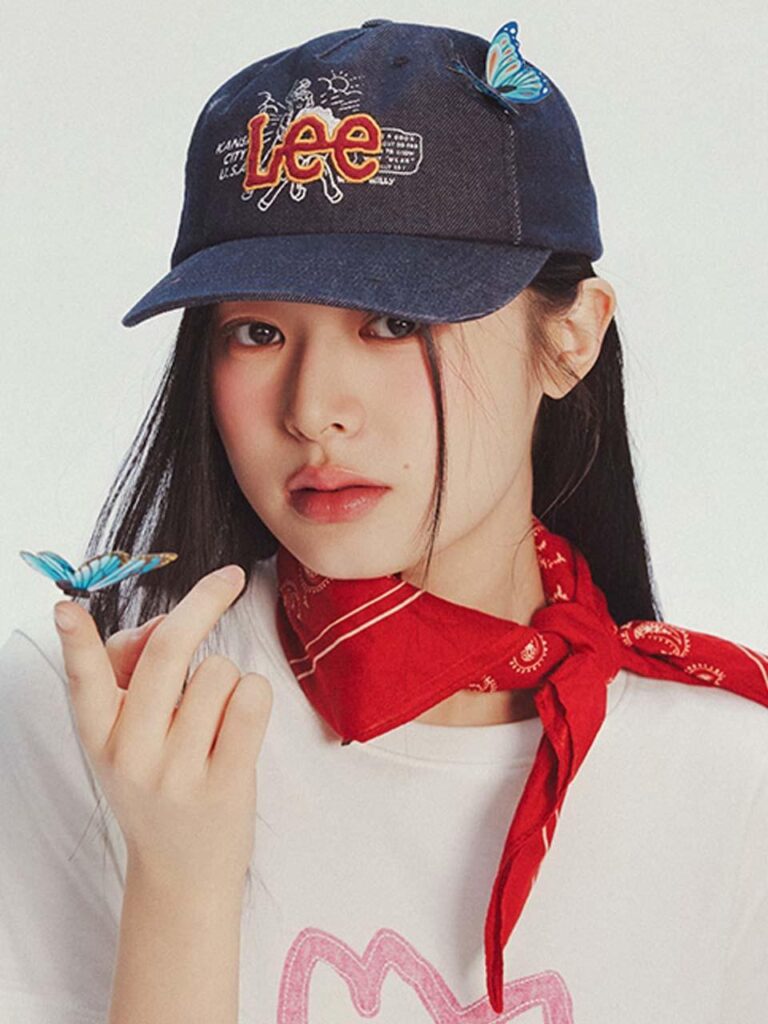 Denim Embroidered Caps With Real Wardrobe Staying Power
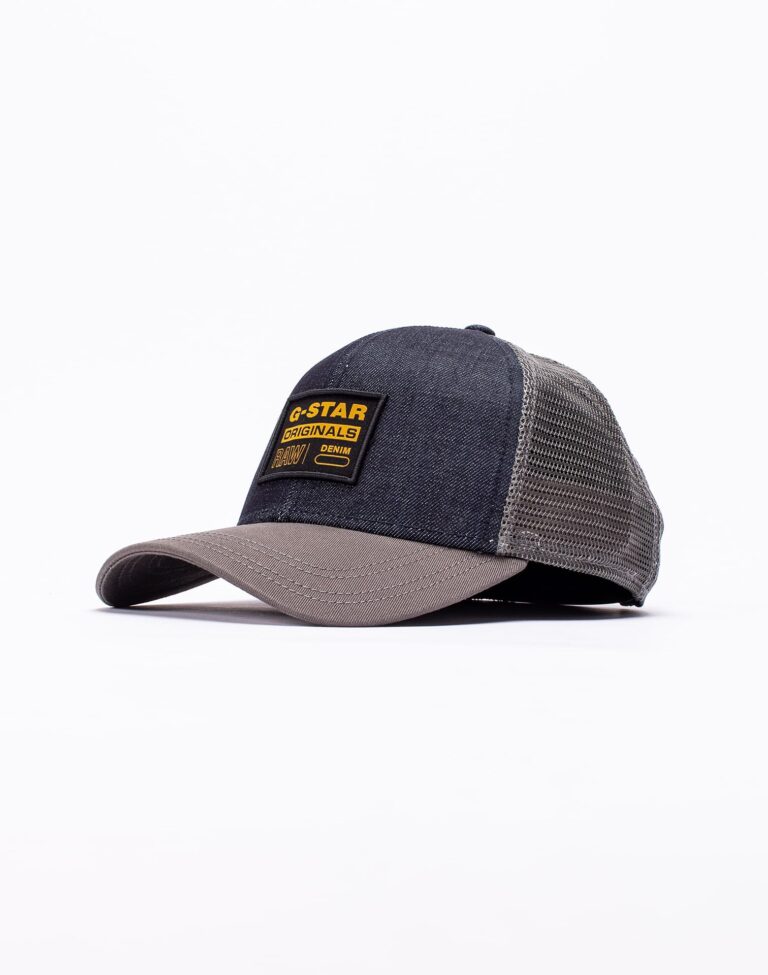
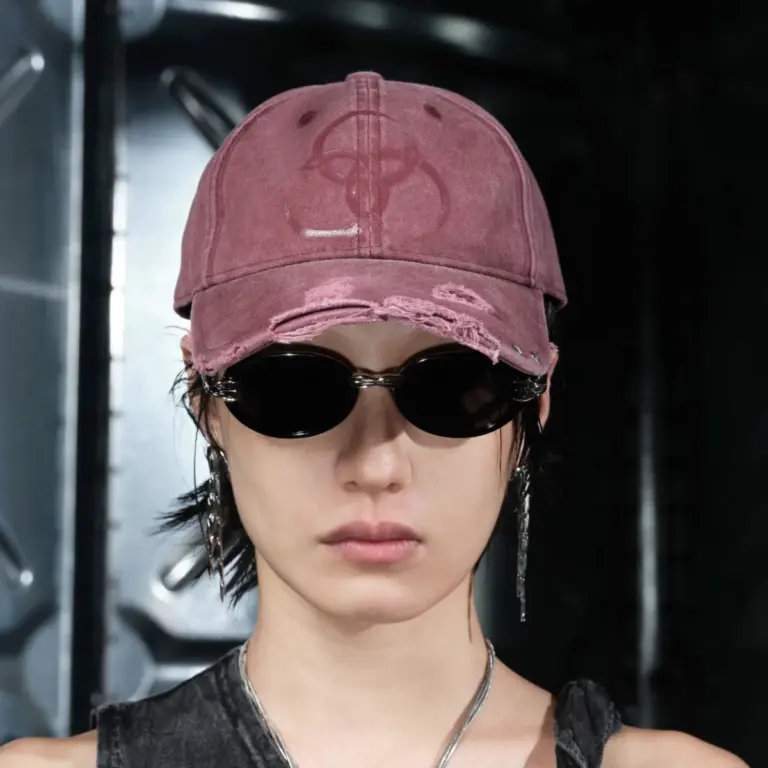 The Prettiest Denim Baseball Caps Around Right Now
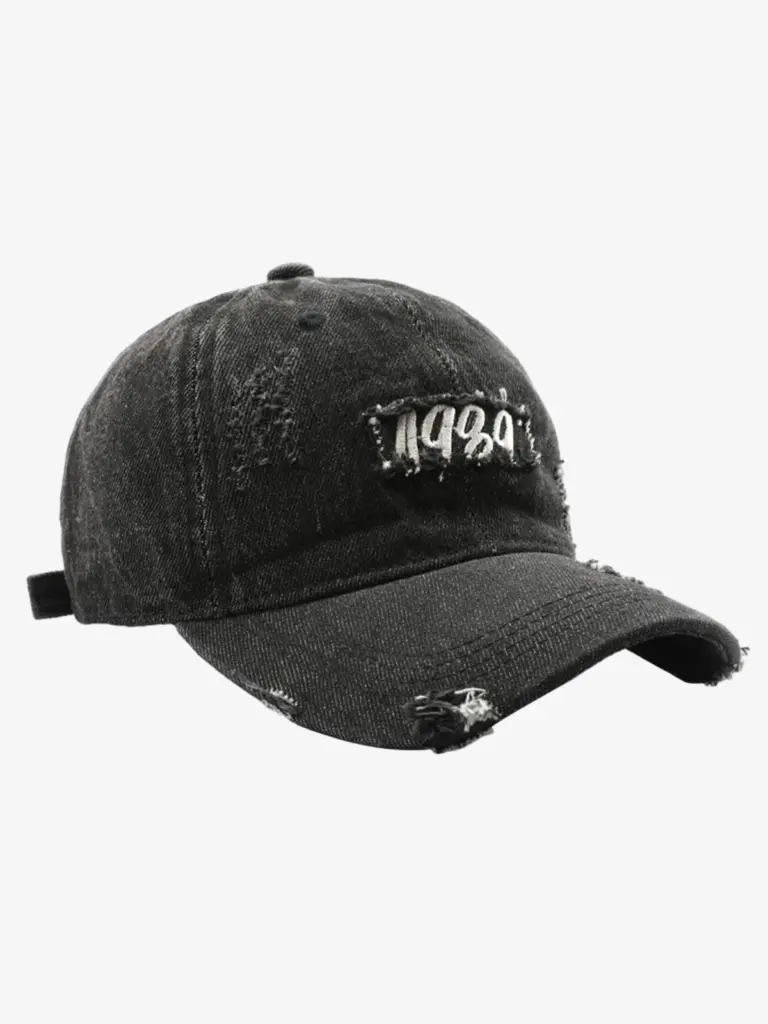
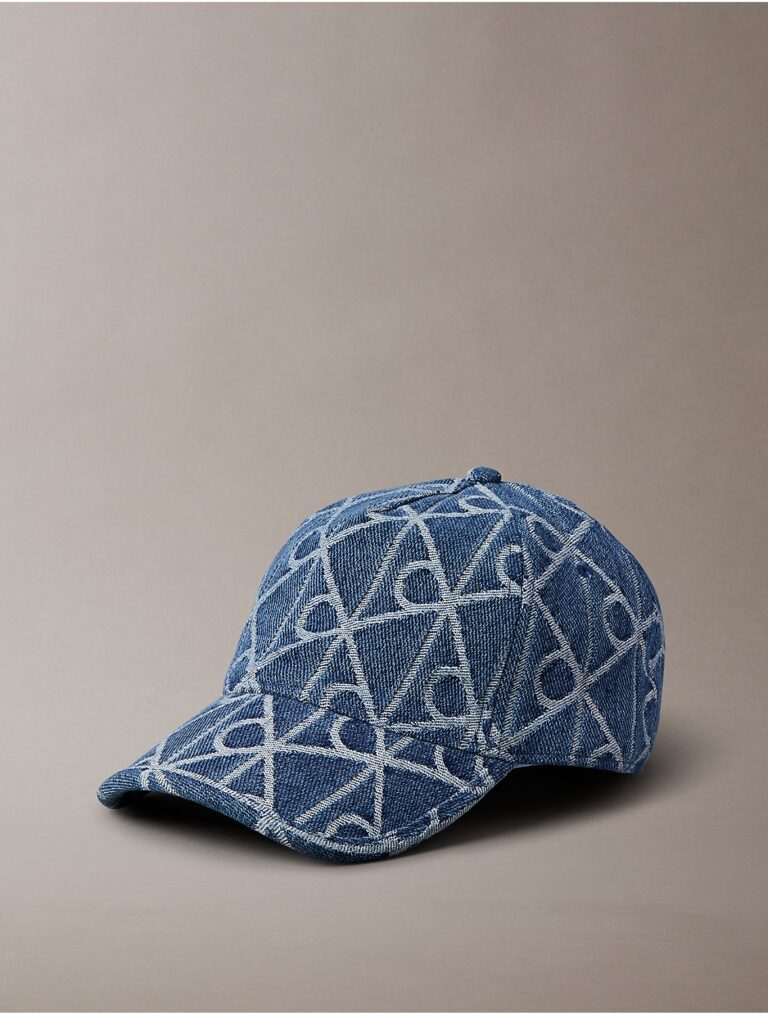 The Denim Caps Every Wardrobe Needs
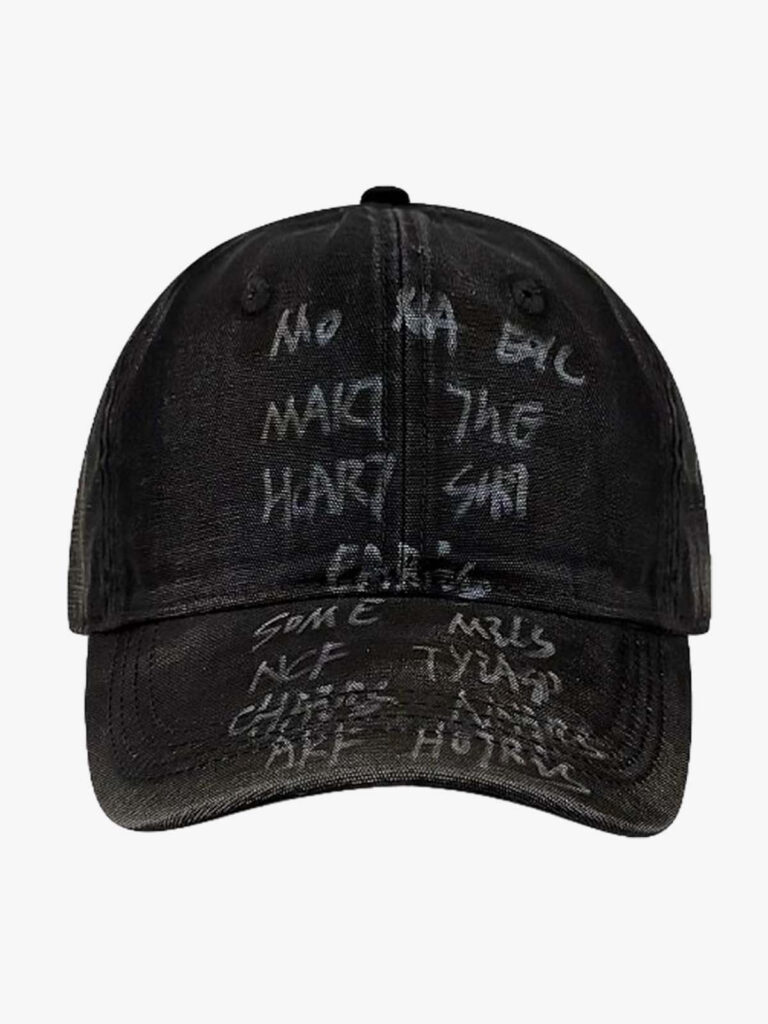
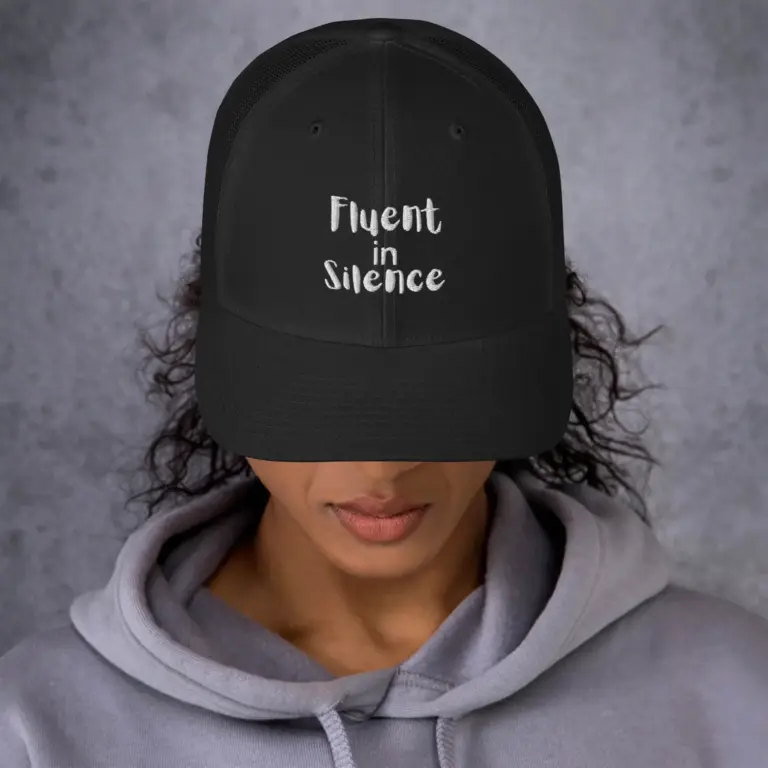 Where to Find the Best Cotton Caps
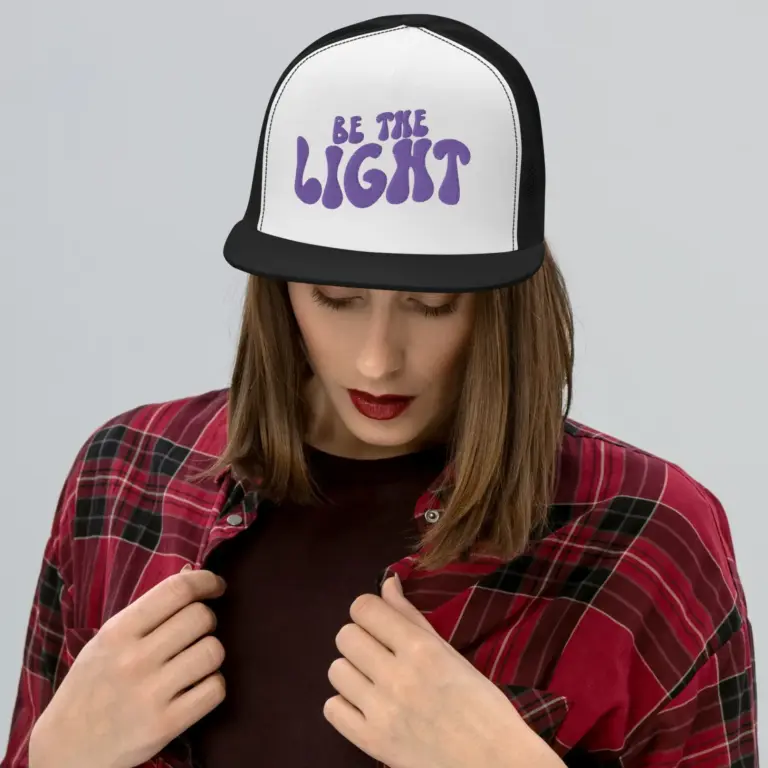
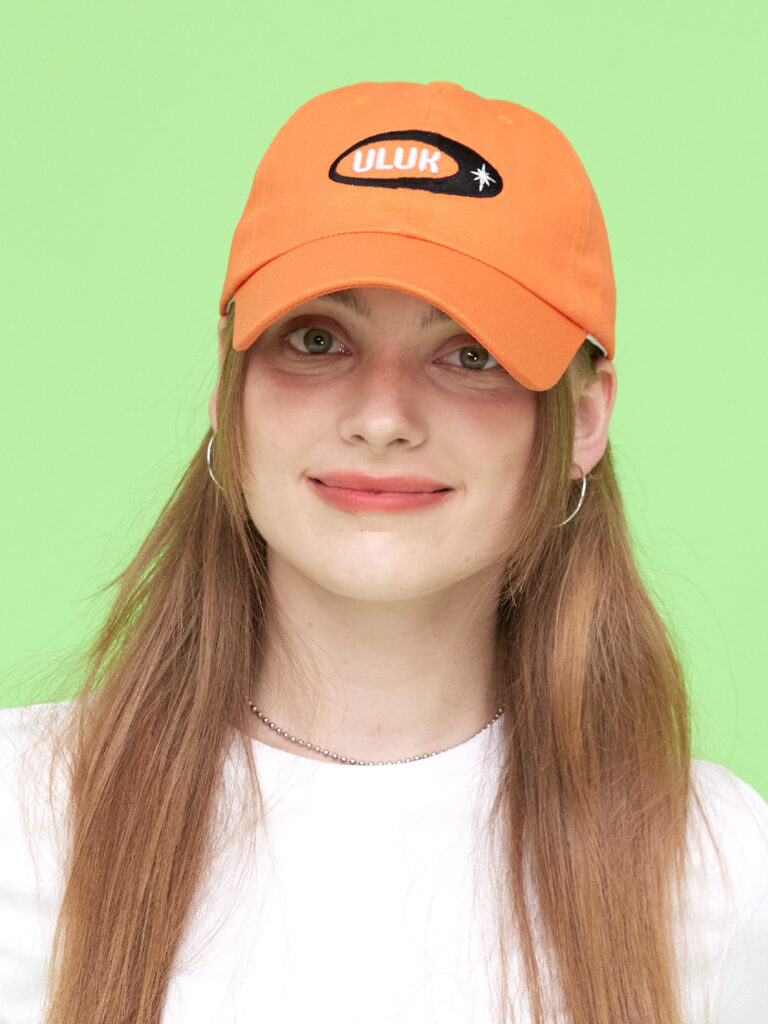 Cotton Embroidered Baseball Caps: Our Current Favorites
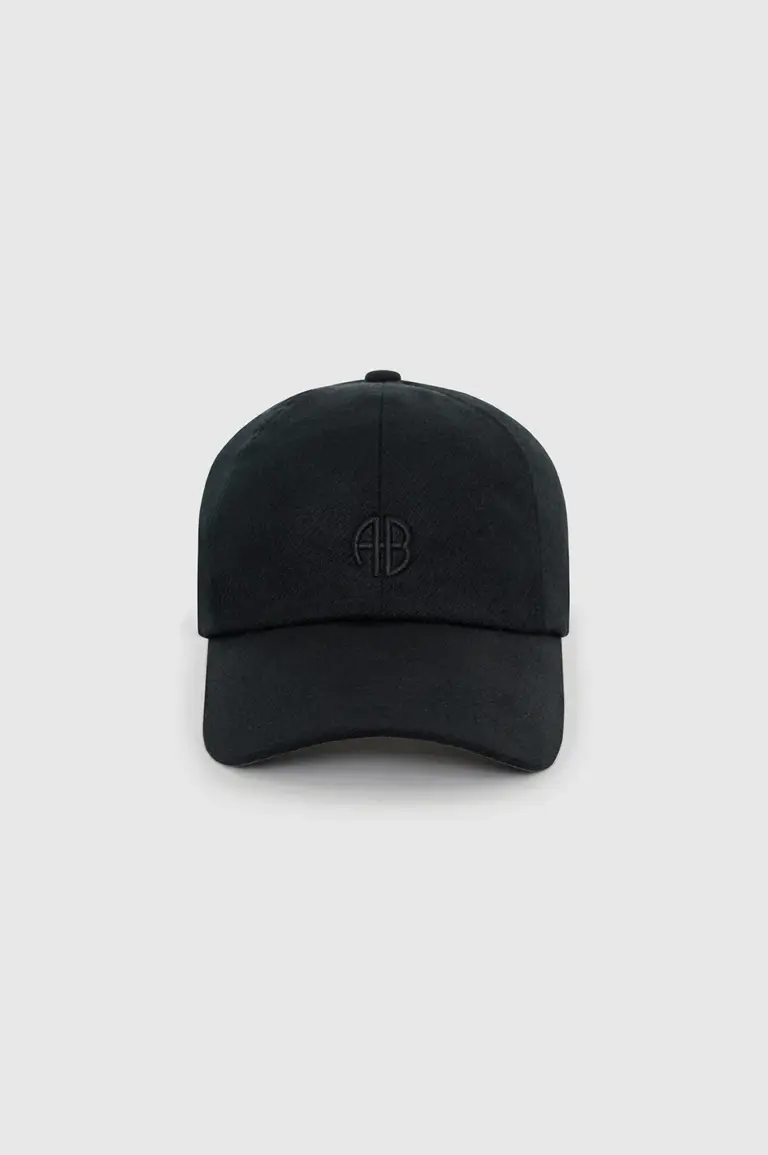
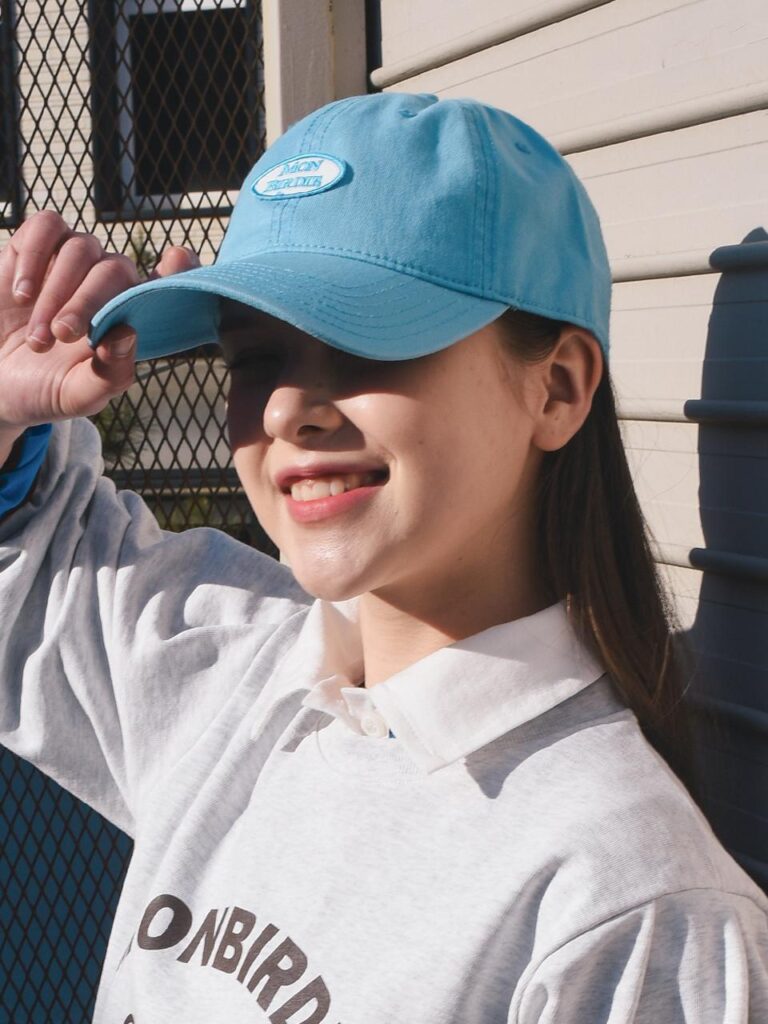 The Best Looking Cotton Embroidered Caps Out There