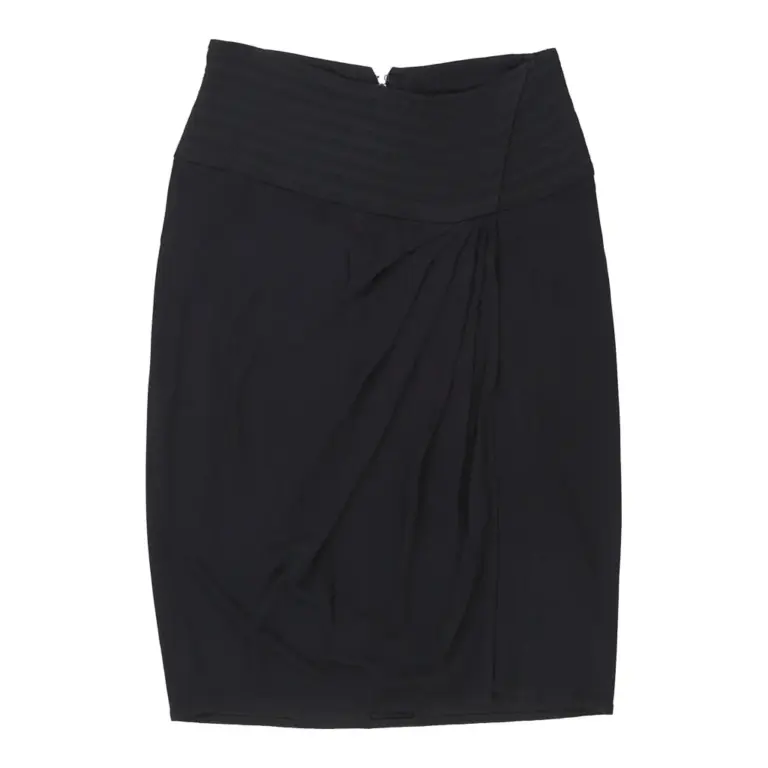
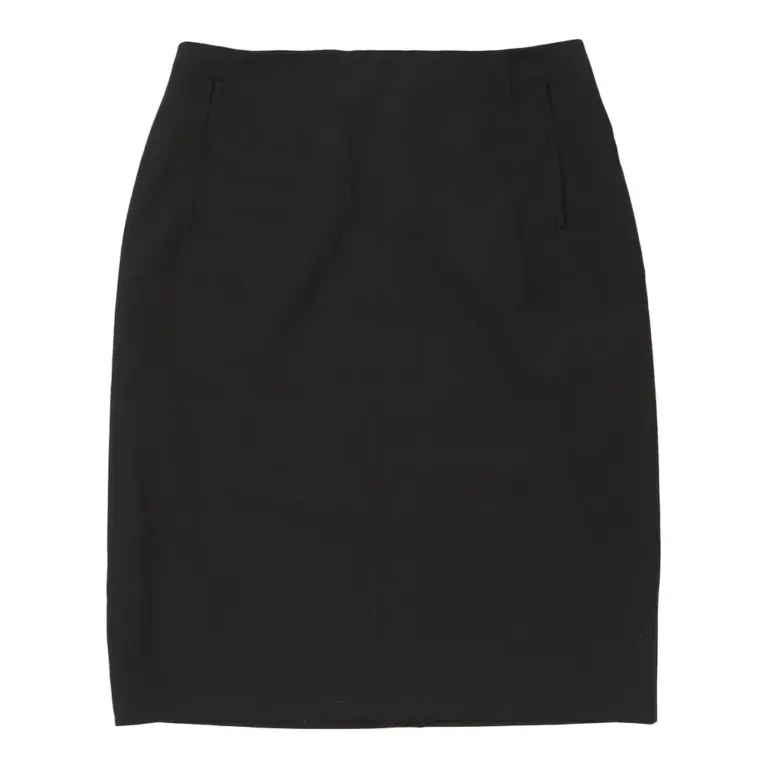
The thing nobody mentions is what happens at the waistband after the twentieth wash, not the fifth. A cheap midi skirt starts rolling or gaping right around then, when the elastic or the lining gives up quietly and you're left hoiking it back into place on a bus. A good one just sits there, unbothered, for years.
If you've got none at all, start with something in a stable fabric, a cotton blend or a proper wool mix, in a straight or very slightly flared shape that hits mid calf rather than ankle. Avoid satin or anything with a lot of stretch as your first buy, those are lovely once you already know your shape and your life, but they punish beginners by clinging or creasing in the wrong places. A plain, structured skirt teaches you where midi length actually falls on your own legs, which is different for everyone and nothing like the model photo. Over months, a well made skirt gets better, not worse. The fabric softens slightly, the hem keeps its line, and any pleats or seams hold because they were pressed and stitched properly rather than glued or bonded, which is what a lot of budget versions do and why they go limp within a season. Wash it less than you think you need to, air it between wears, and if it's wool or a wool mix, a cool hand wash or a gentle dry clean beats the machine every time, because heat and tumbling are what kill the shape, not the actual wearing.
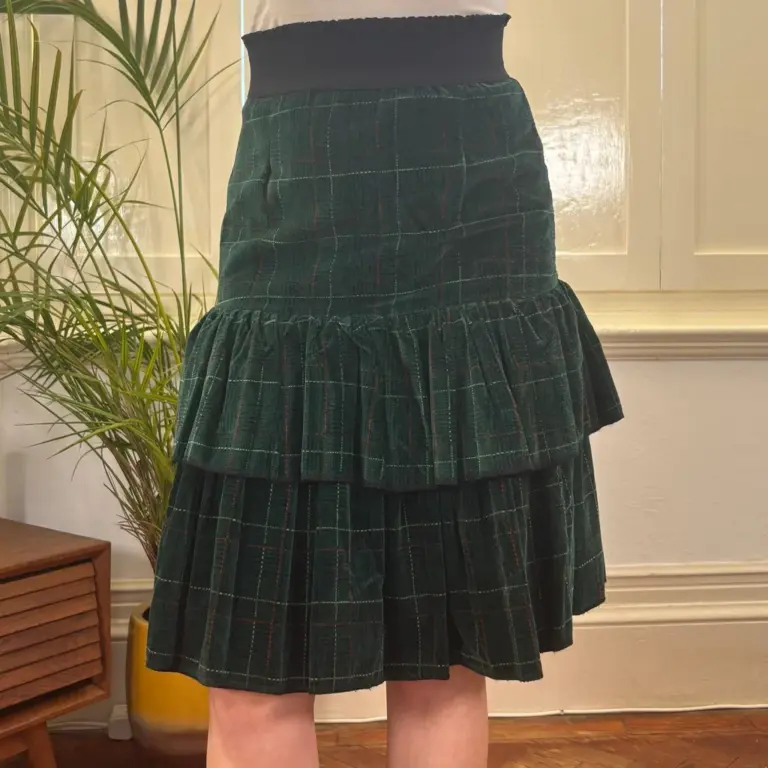
The difference between a skirt that lasts and one that disappoints is almost always in the bits you don't look at first. Check the waistband for a proper interior facing rather than a strip of flimsy elastic, check the zip is metal or a substantial moulded plastic rather than something that snags on the first try, and run your fingers over the hem to feel whether it's been finished flat or just overlocked and left. Lining matters more than people admit, a skirt with even a partial lining drapes better and doesn't cling to tights in October. Cheap versions often look identical on the hanger and only reveal themselves once you've sat down in them a few times and the fabric starts to pill or the seams start to pucker. For colours, go for the ones that don't ask anything of the rest of your clothes, a soft charcoal, a deep bottle green, a warm camel or a plain black. They sit happily under jumpers now and under shirts later, and they're the ones you'll still reach for when the brighter, trendier ones have had their one good season.
 Yellow SkirtsThe Yellow Midi Skirts We Swear By
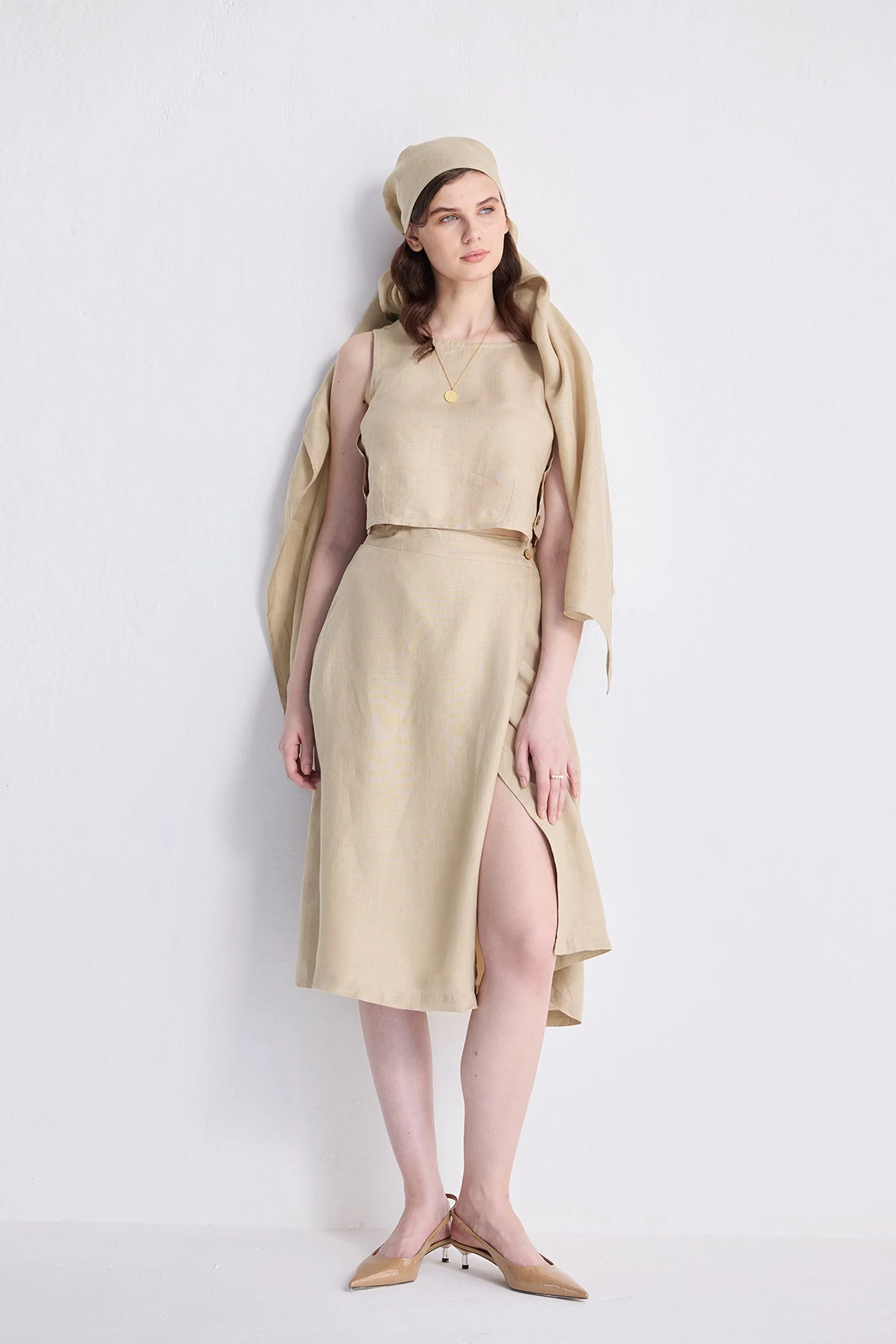 Wrap SkirtsWrap Midi Skirts Worth Adding to Your Wardrobe
 Work Midi Skirts You’ll Wear Week After Week
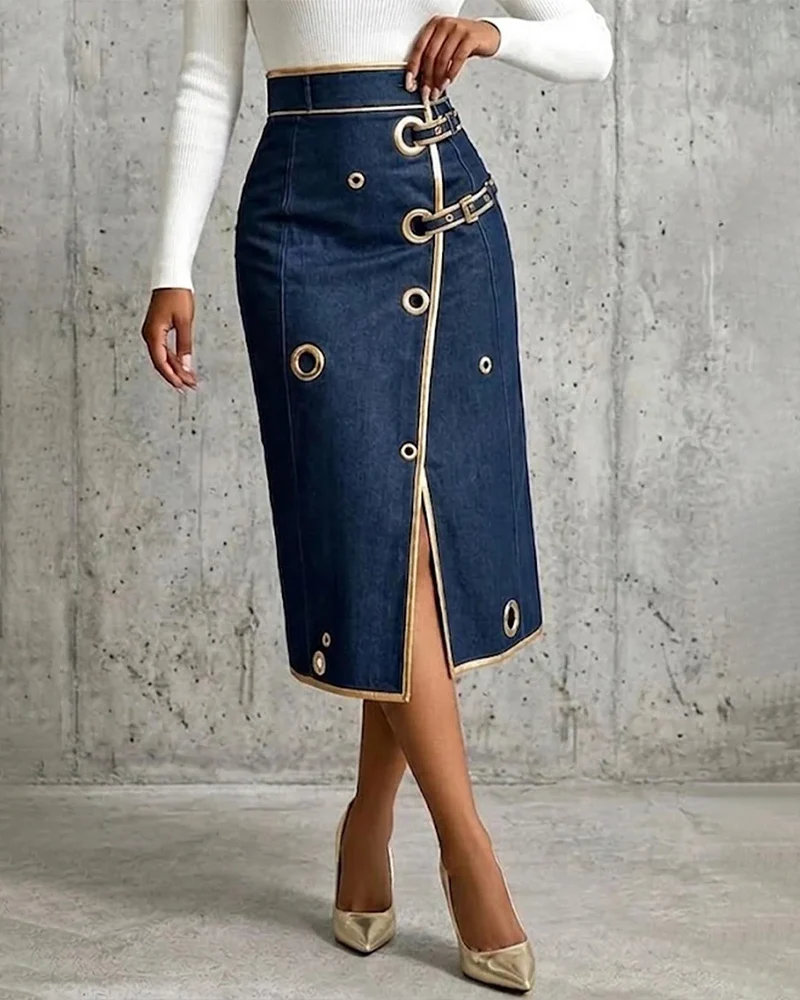
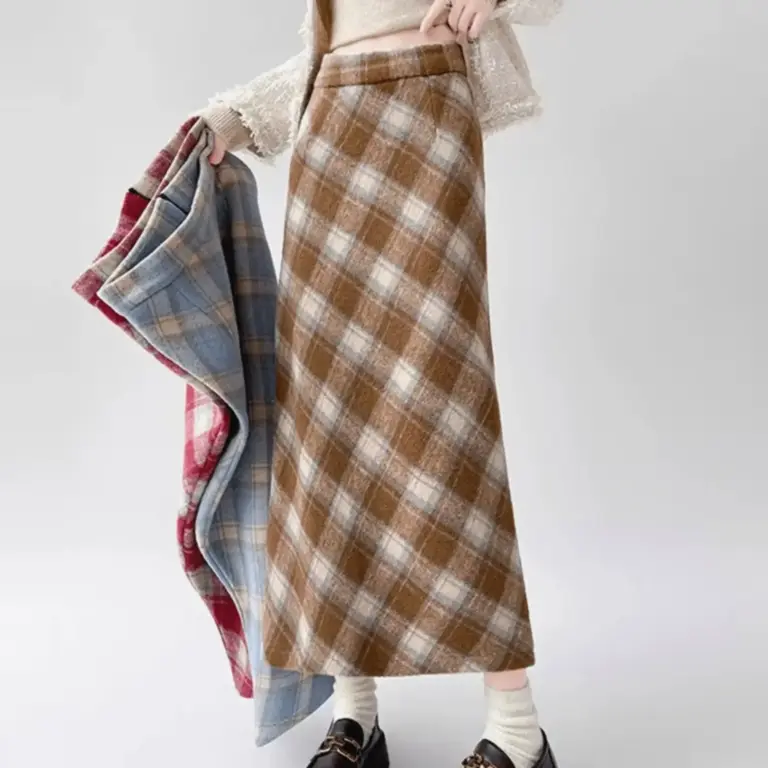 Wool Midi Skirts Worth Adding to Your Wardrobe
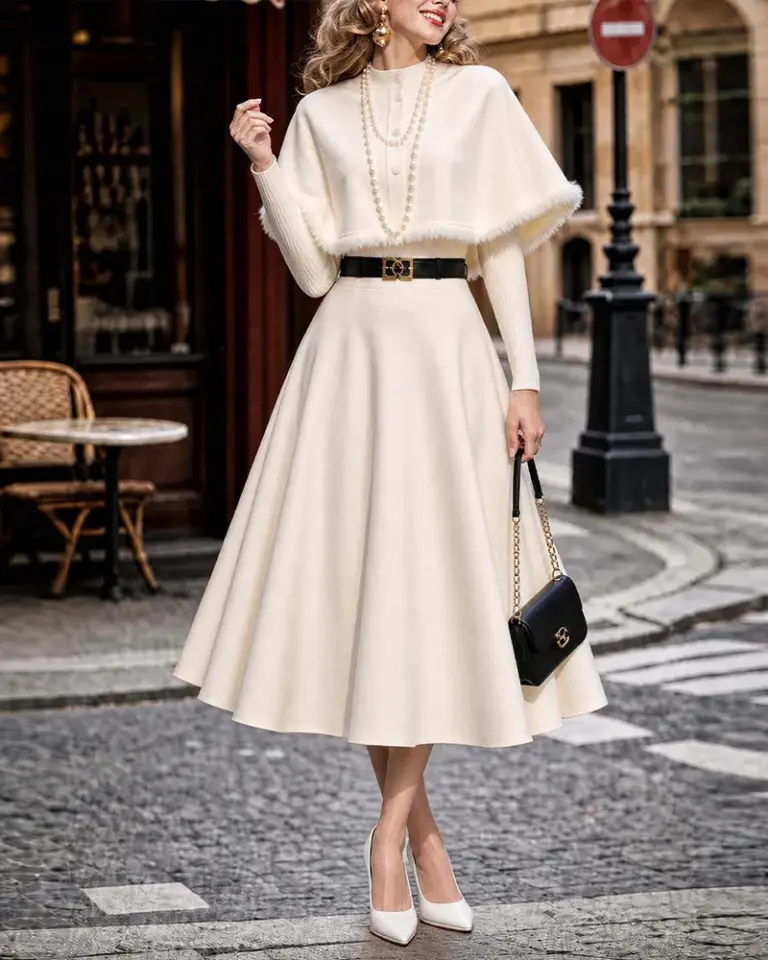
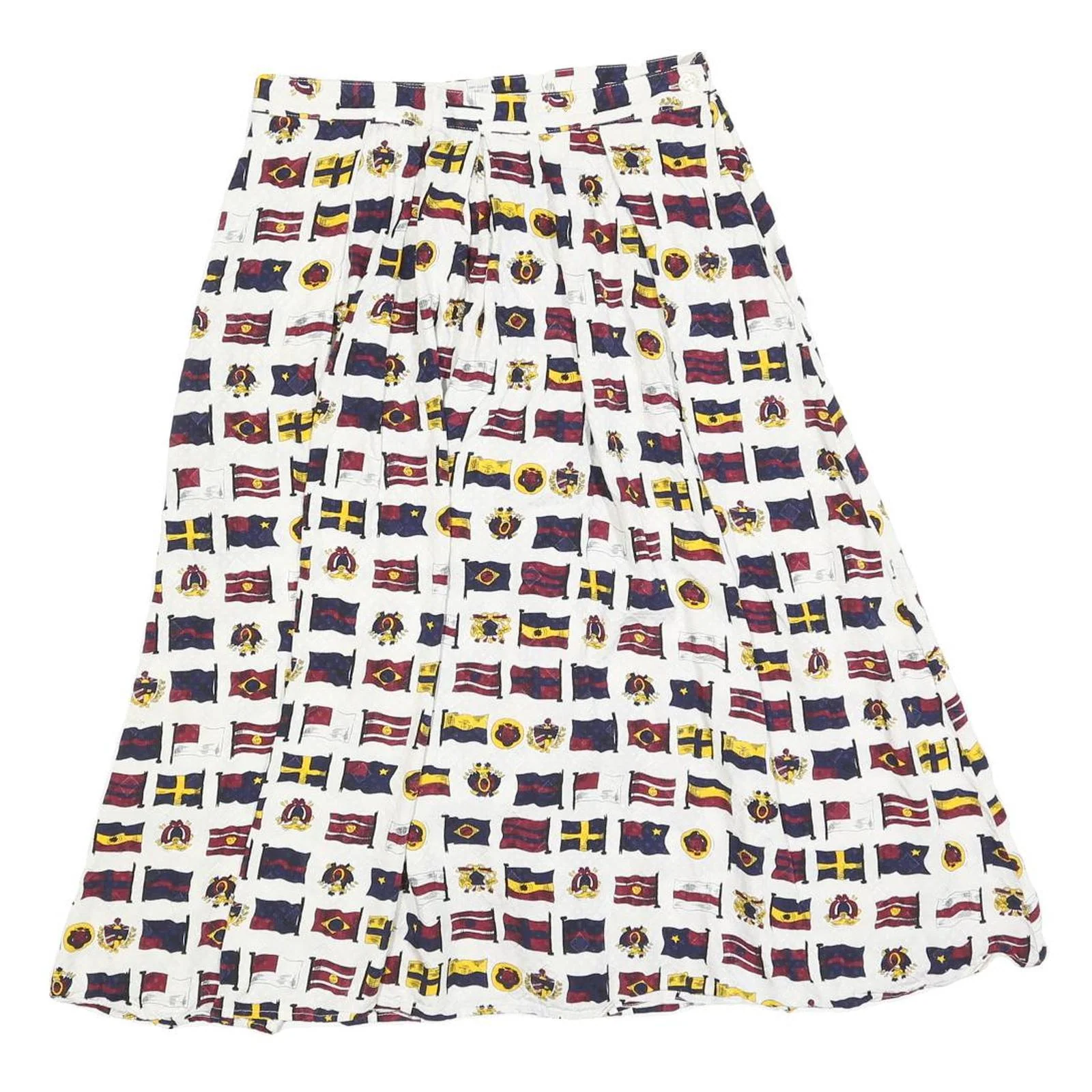 Pleated SkirtsWhite Midi Pleated Skirts Worth Adding to Your Wardrobe
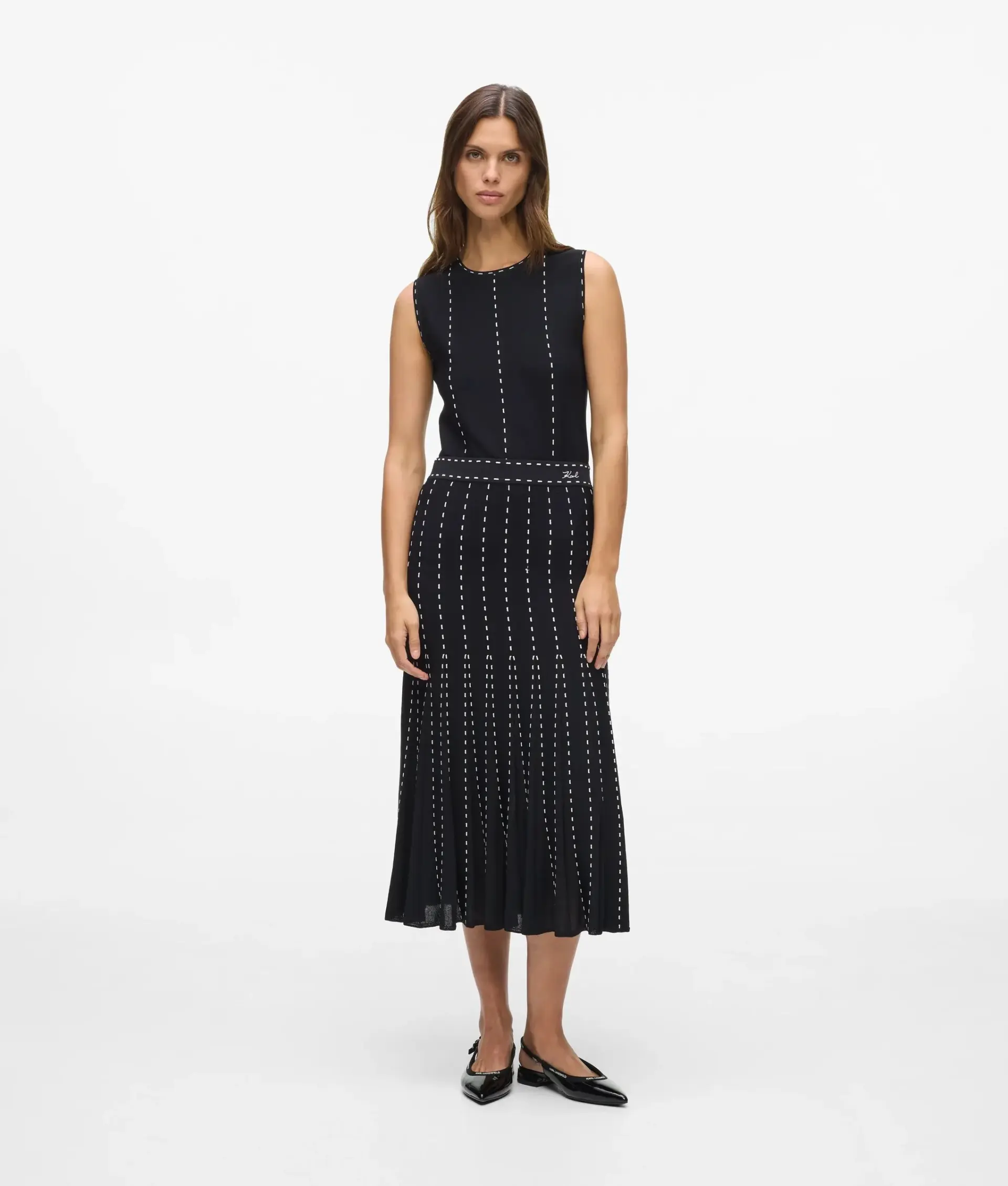
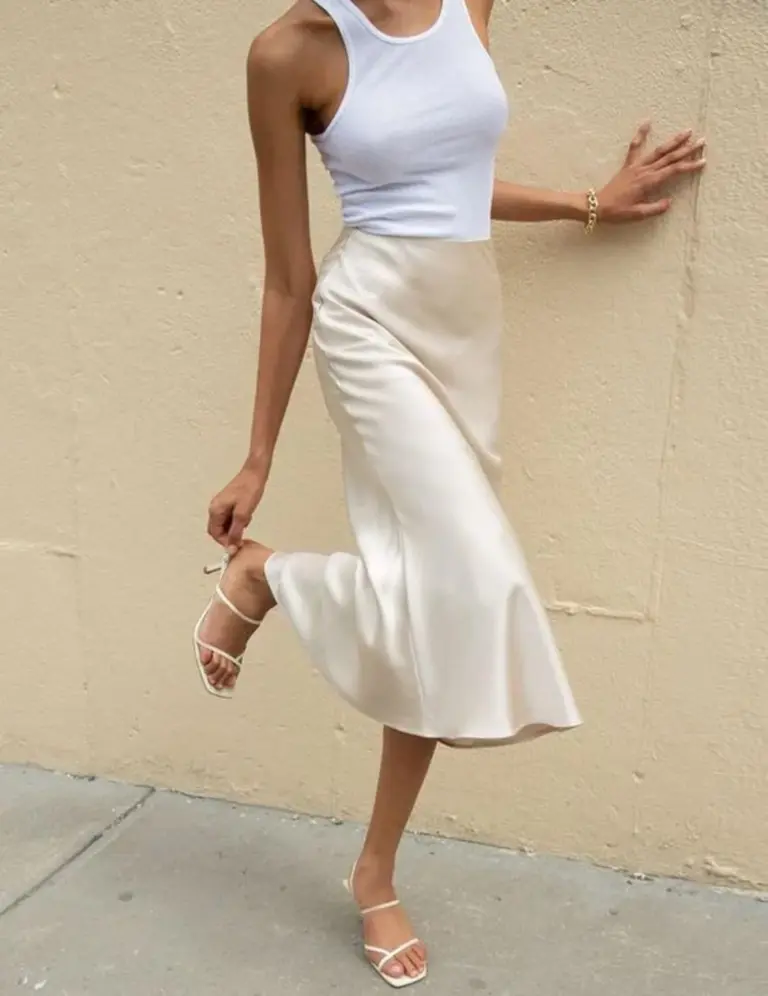 White SkirtsWhite Midi Skirts That Make Dressing Easy
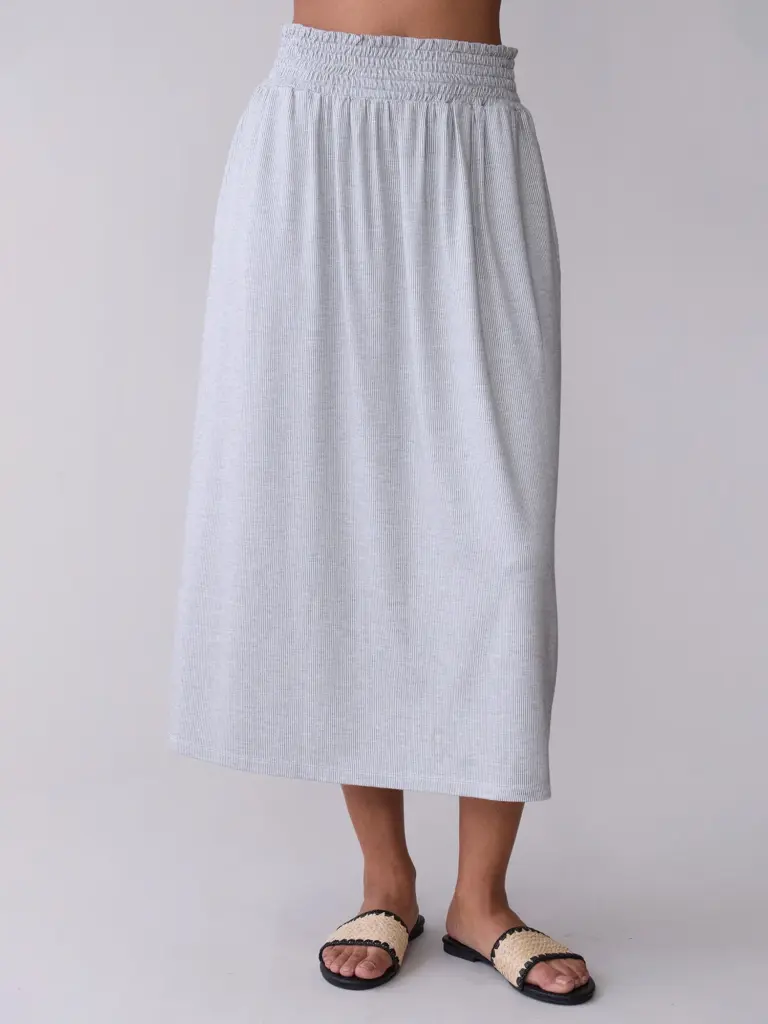
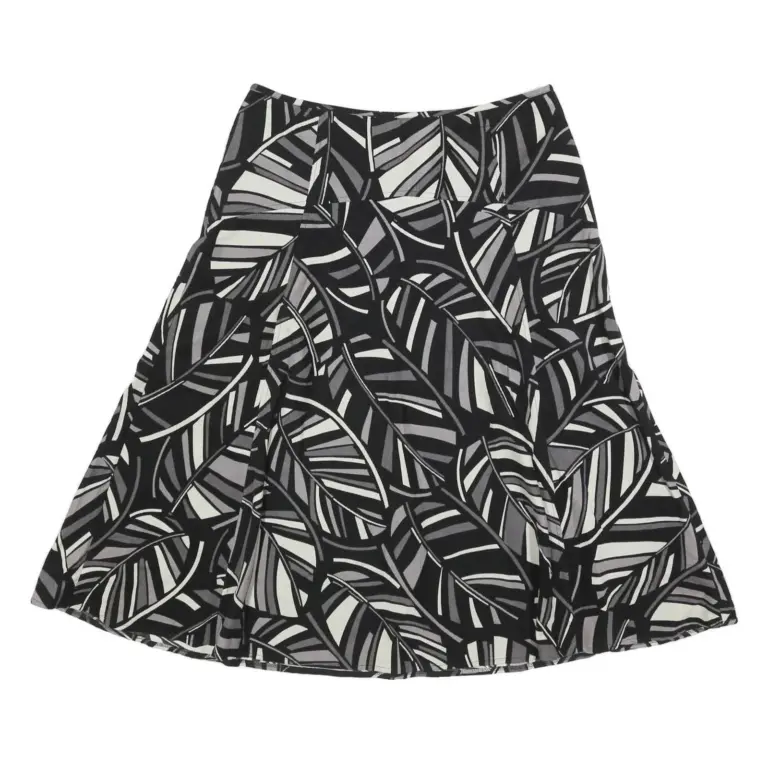 White SkirtsWhite Midi A Line Skirts That Have Caught Our Eye
 Cotton SkirtsWhite Cotton Midi Skirts That Have Caught Our Eye
 A Closer Look at the Best Velvet Midi SkirtsAlso worth a lookBlack SkirtsThe first black skirt I owned came from a market stall for a few pounds, the kind of…See the collections →
 Tall Midi Skirts: What We’d Buy Now
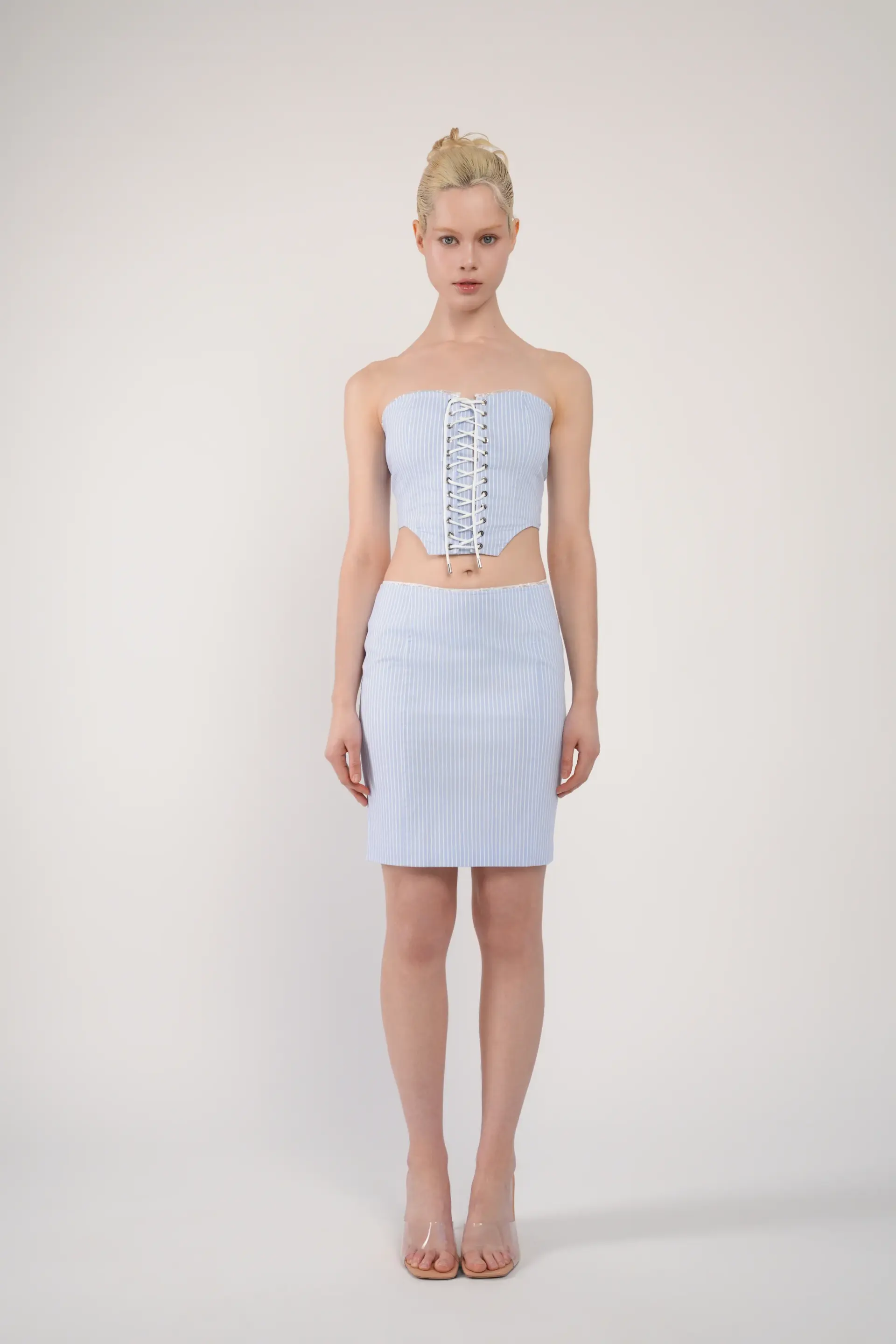 Striped Midi Skirts That Work From Desk to Dinner
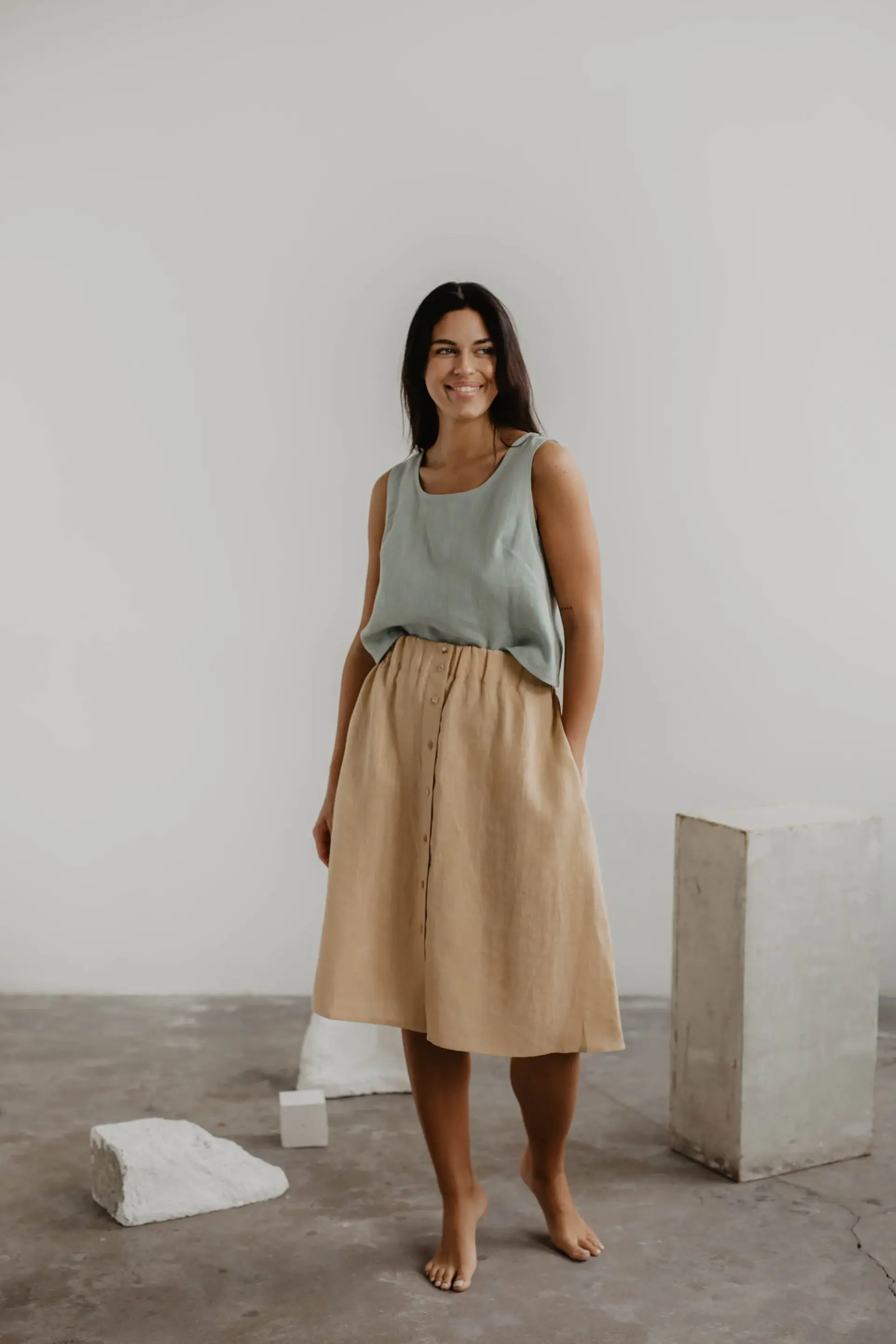
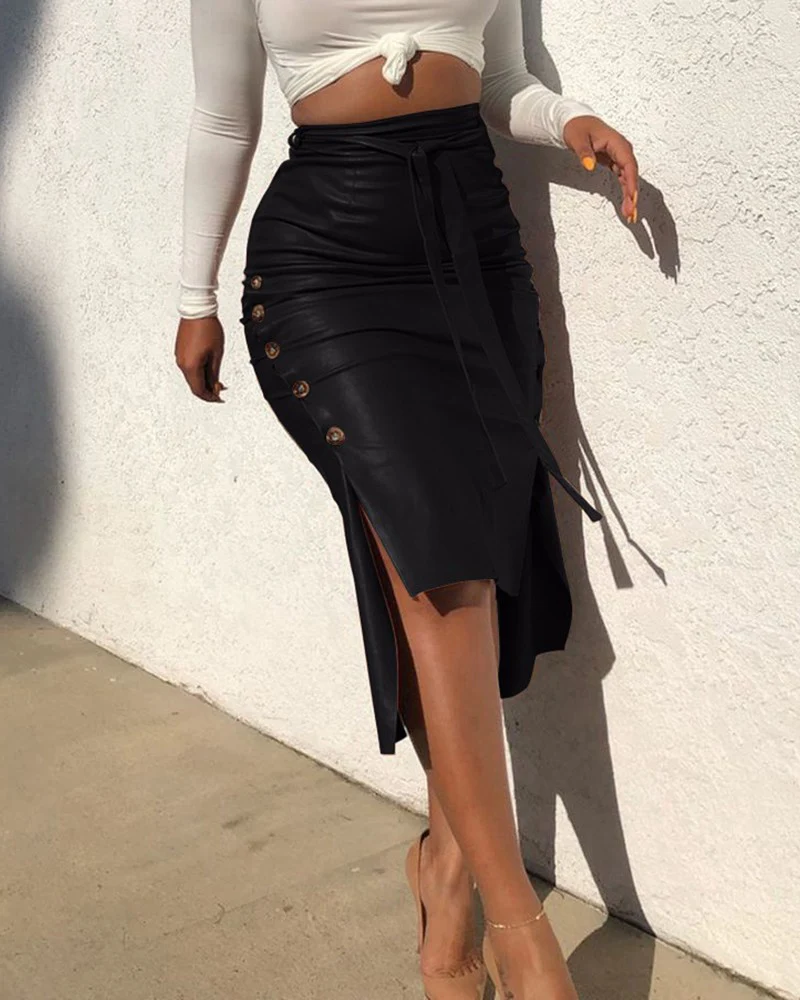 Split Midi Skirts That Fit and Flatter
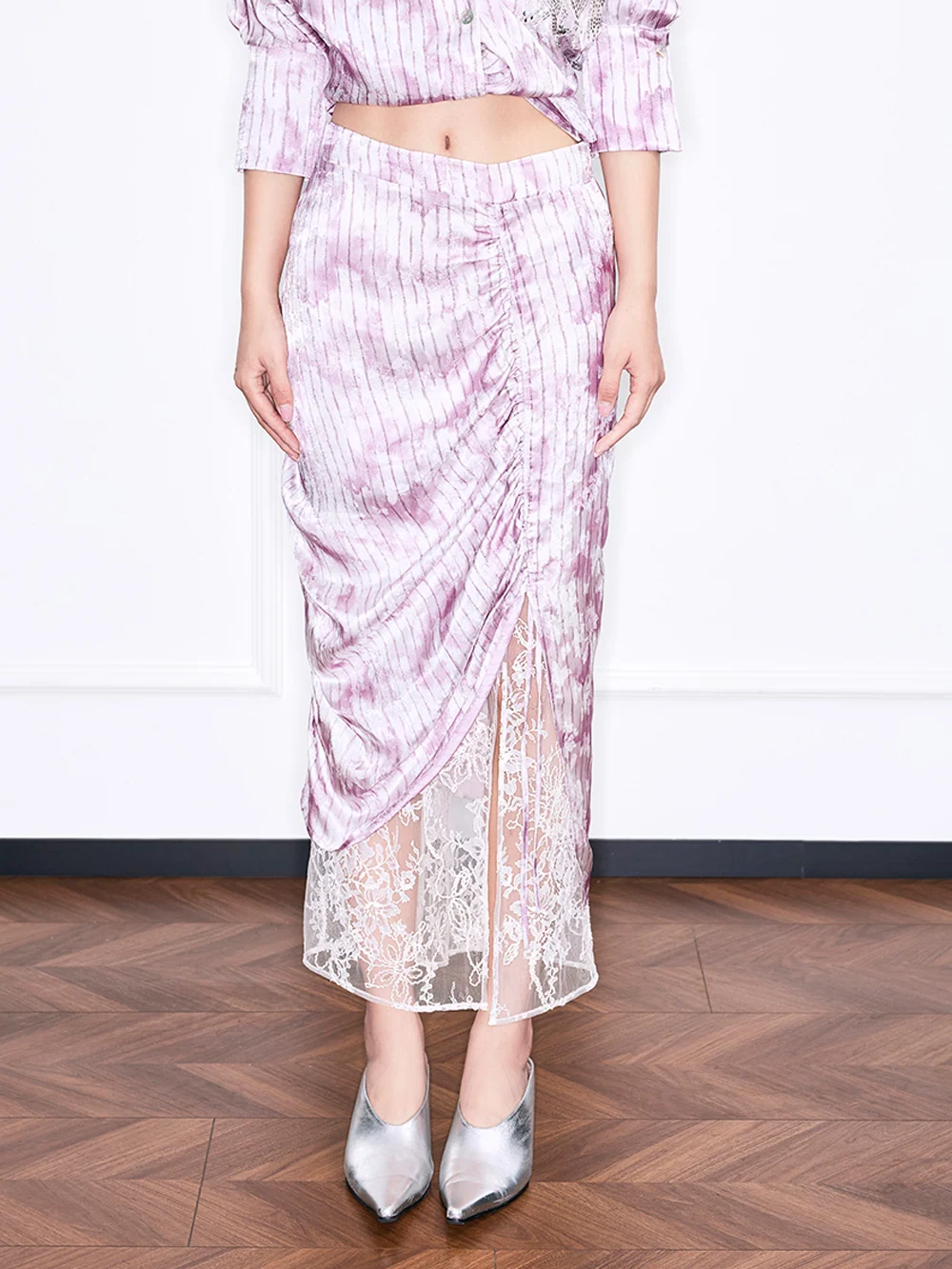
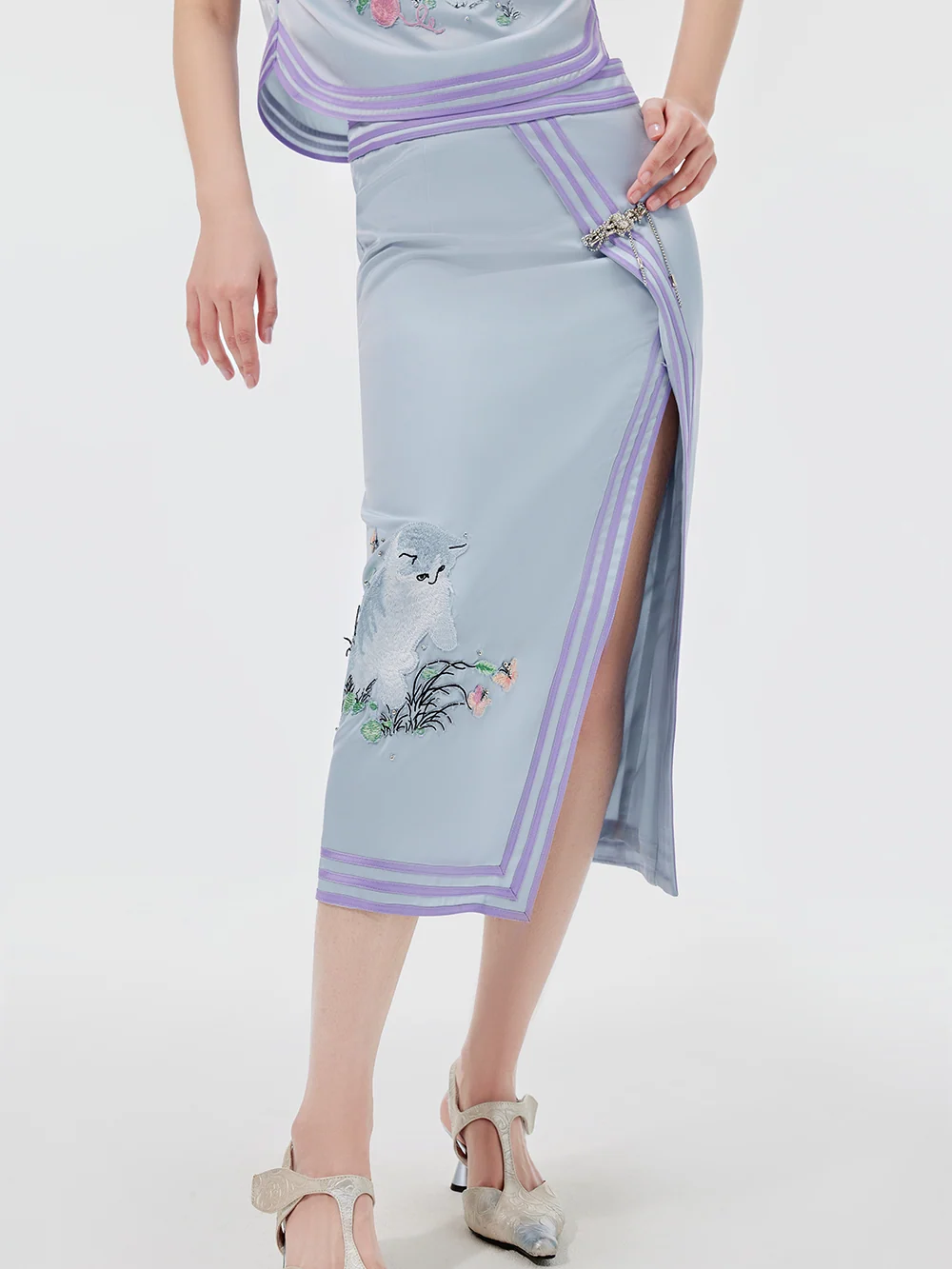 Slit Midi Skirts You’ll Wear Week After Week
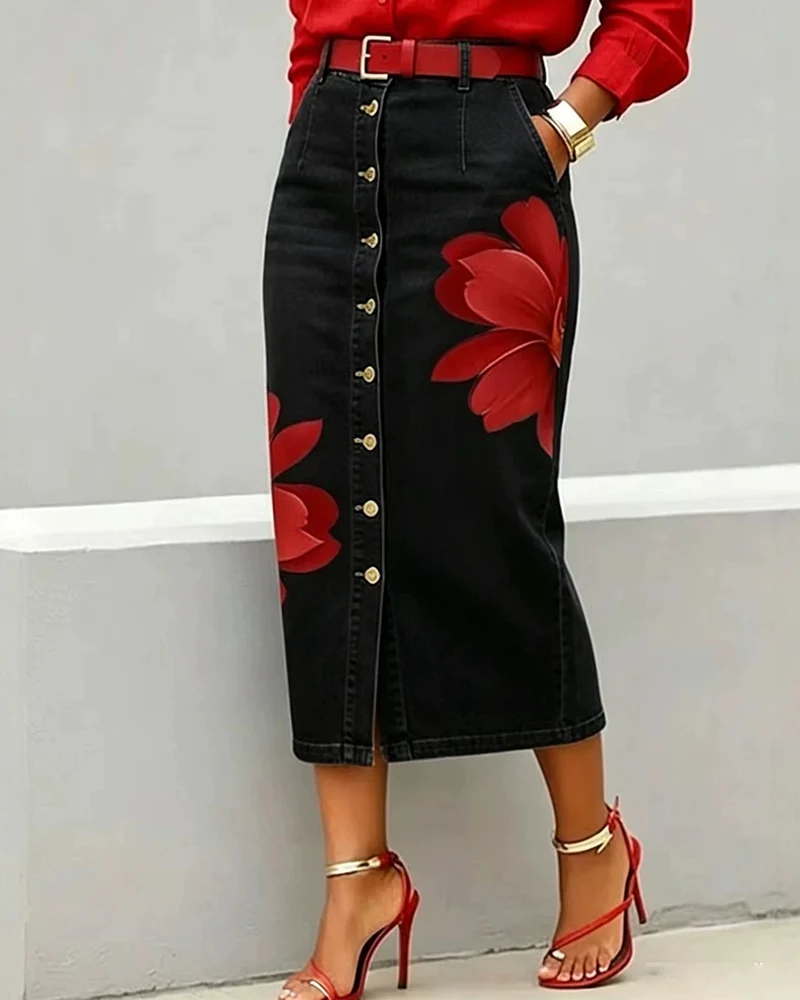
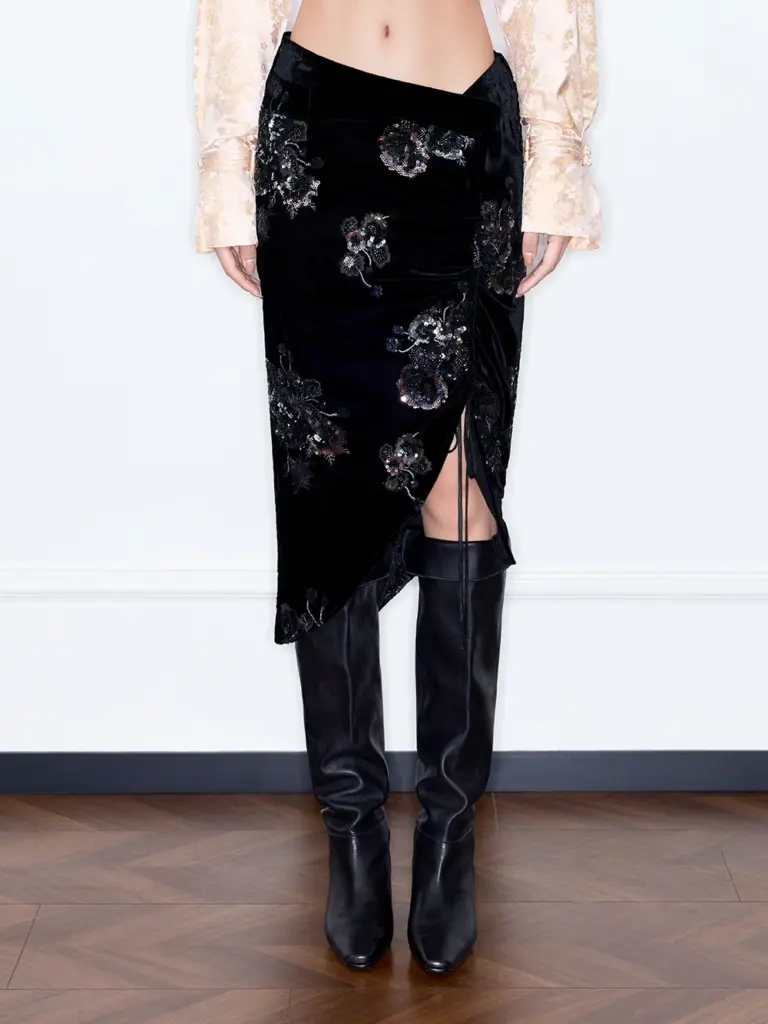 Sequin SkirtsSequin Midi Skirts on Our Radar

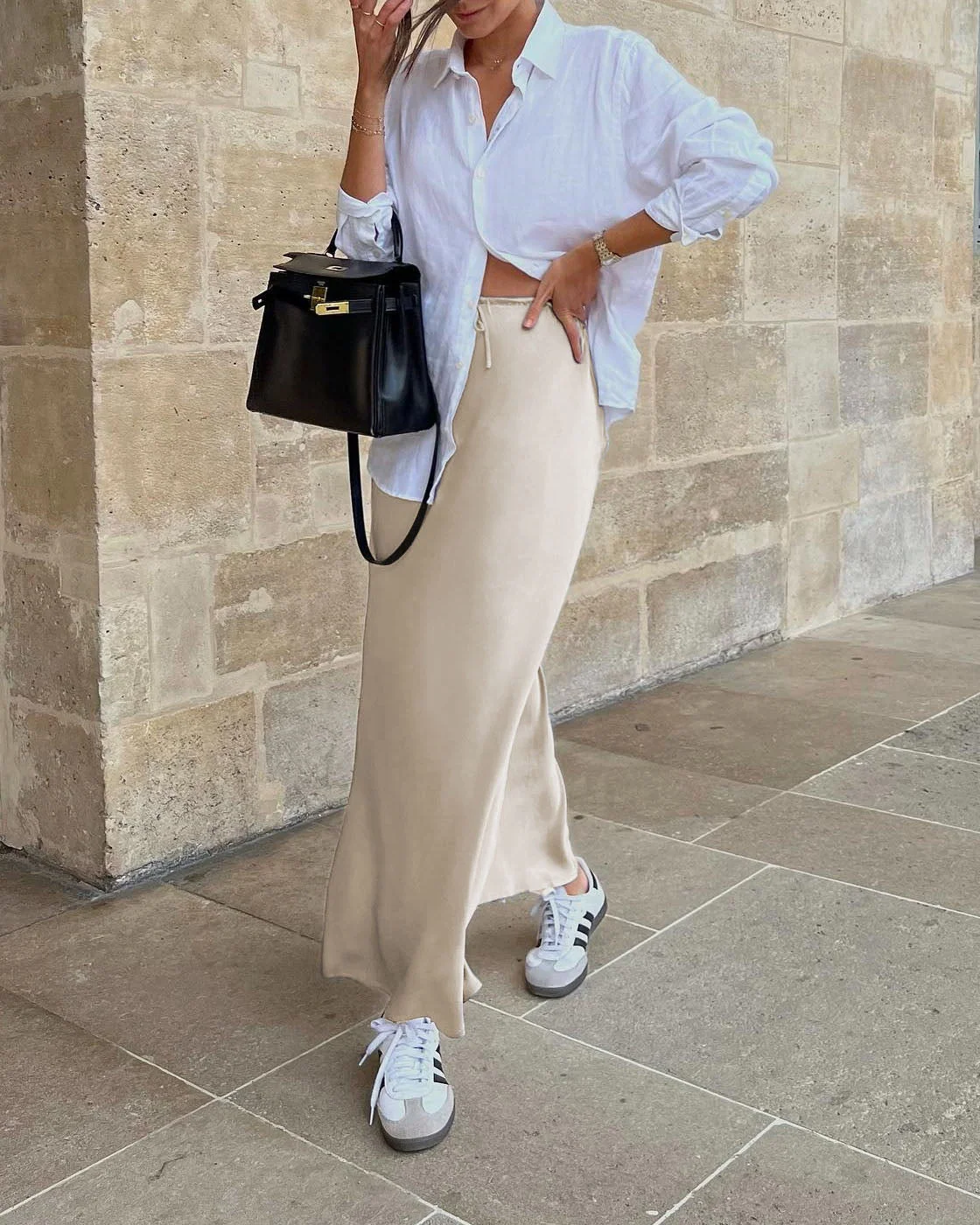 Satin SkirtsSatin Midi Skirts Actually Worth Buying
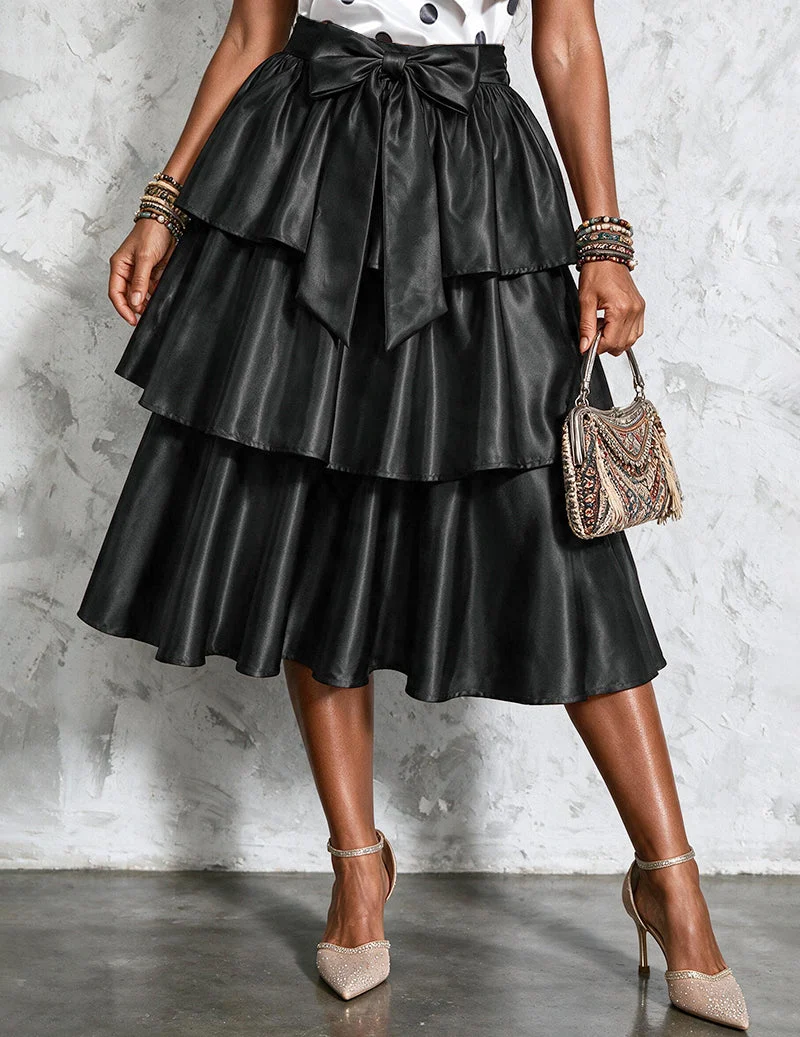
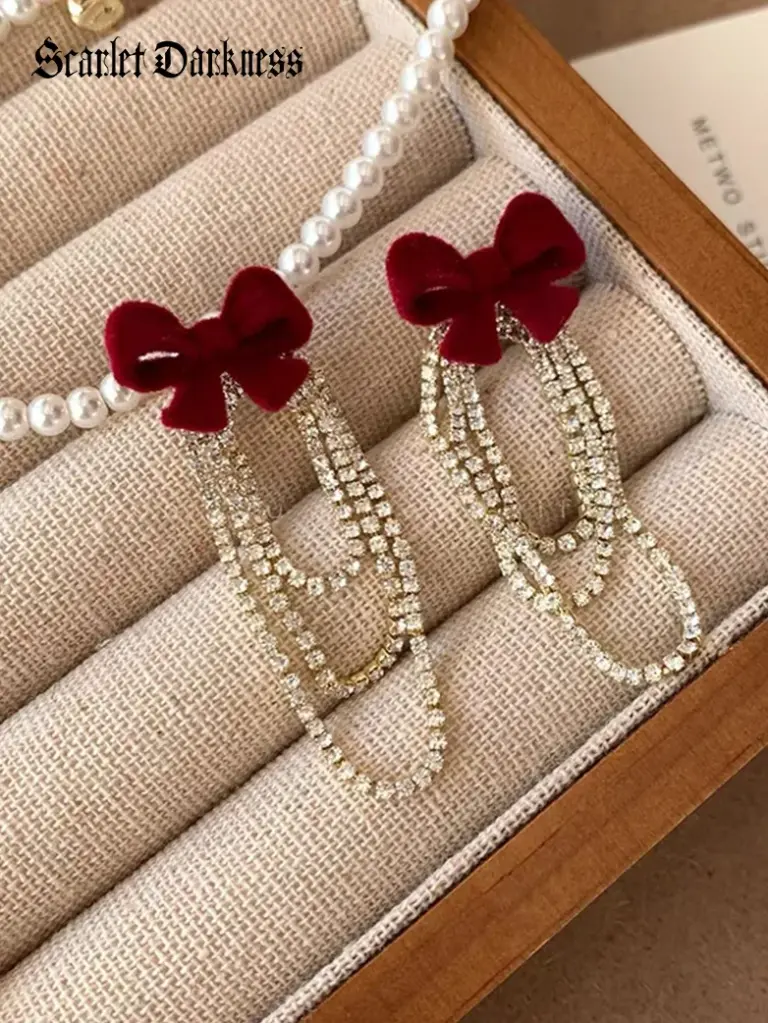 Red SkirtsThe Best Red Midi Pleated Skirts to Shop Now
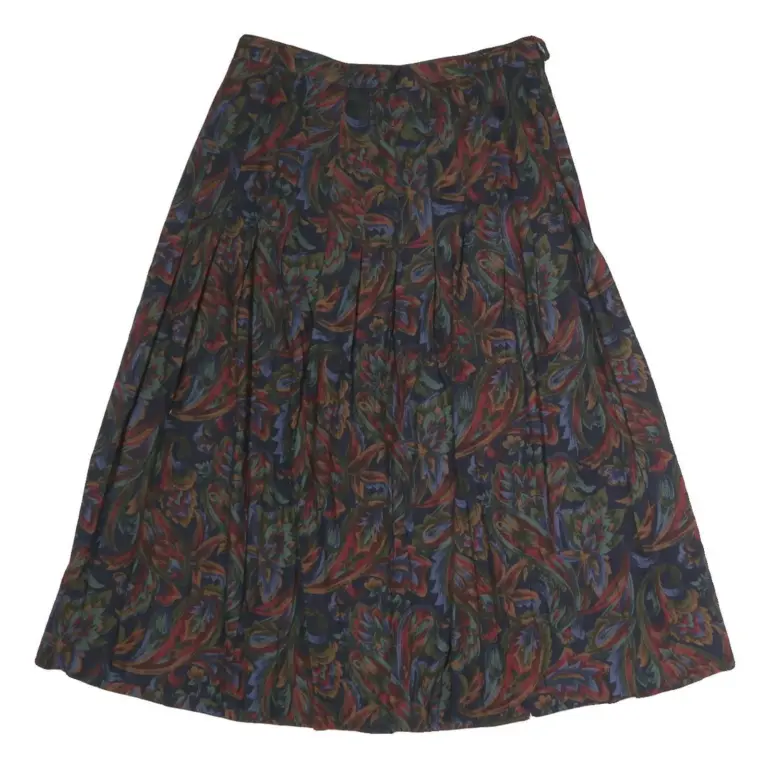
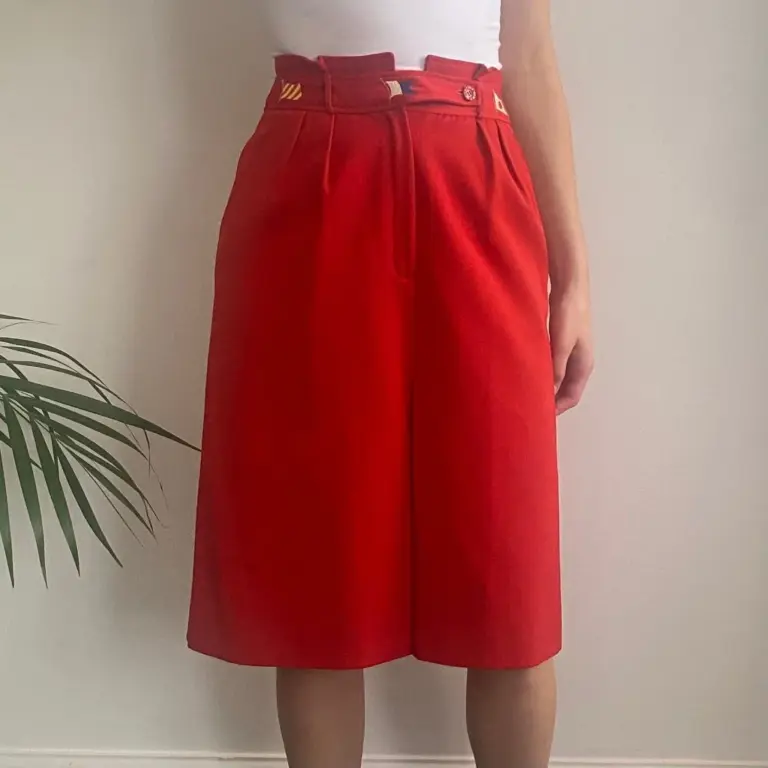 Red SkirtsOur Favorite Red Midi Skirts
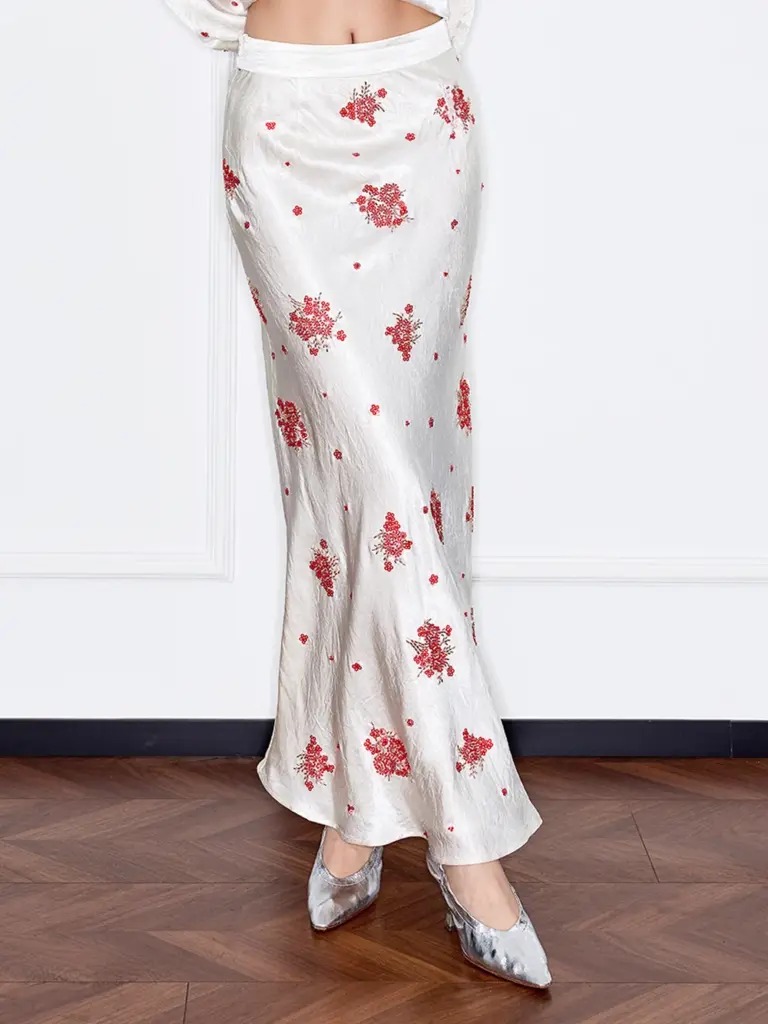
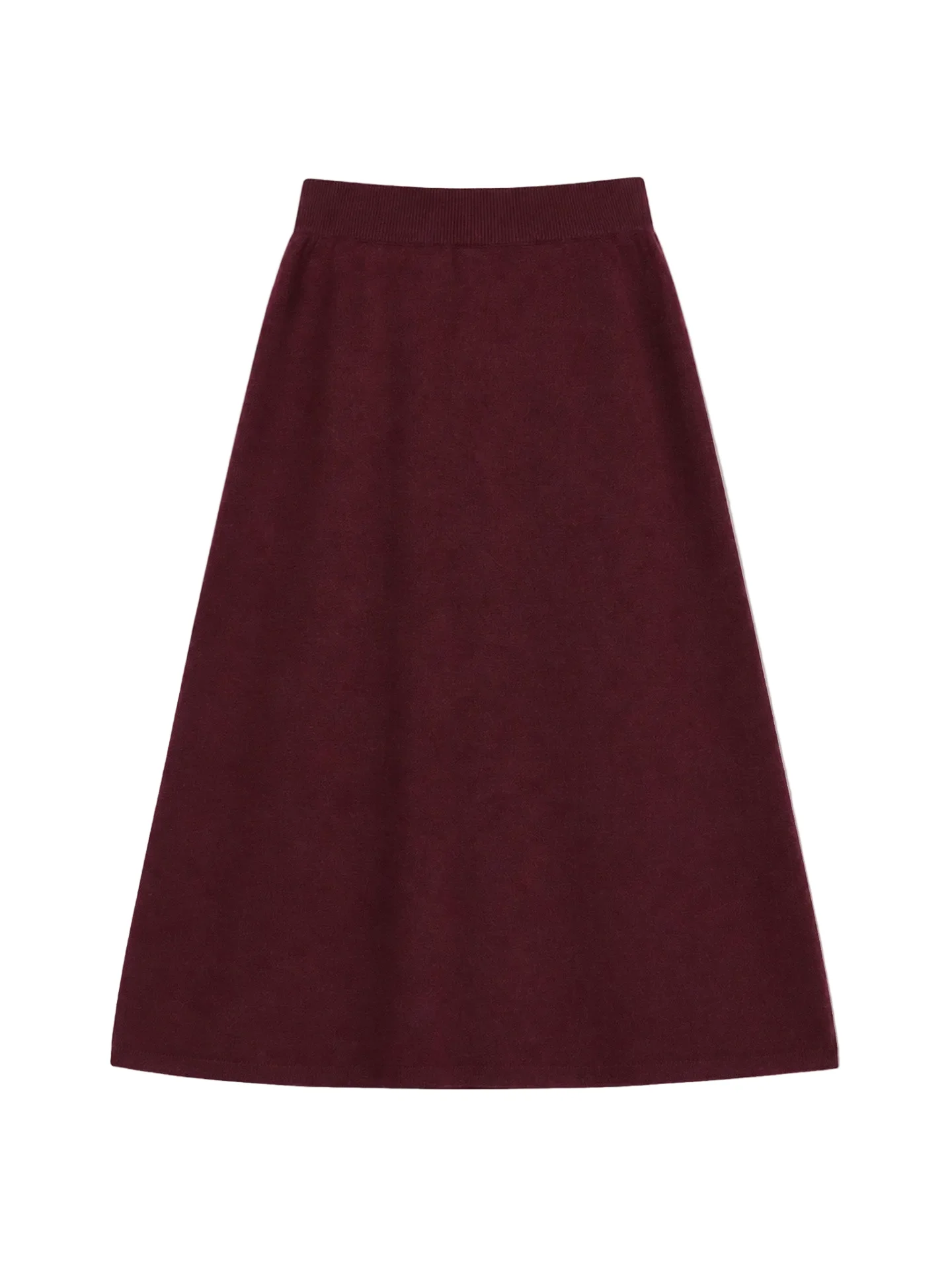 Red SkirtsRed Midi A Line Skirts We RateAlso worth a lookMini SkirtsA mini skirt only works if you stop thinking of it as a summer holiday item and start…See the collections →
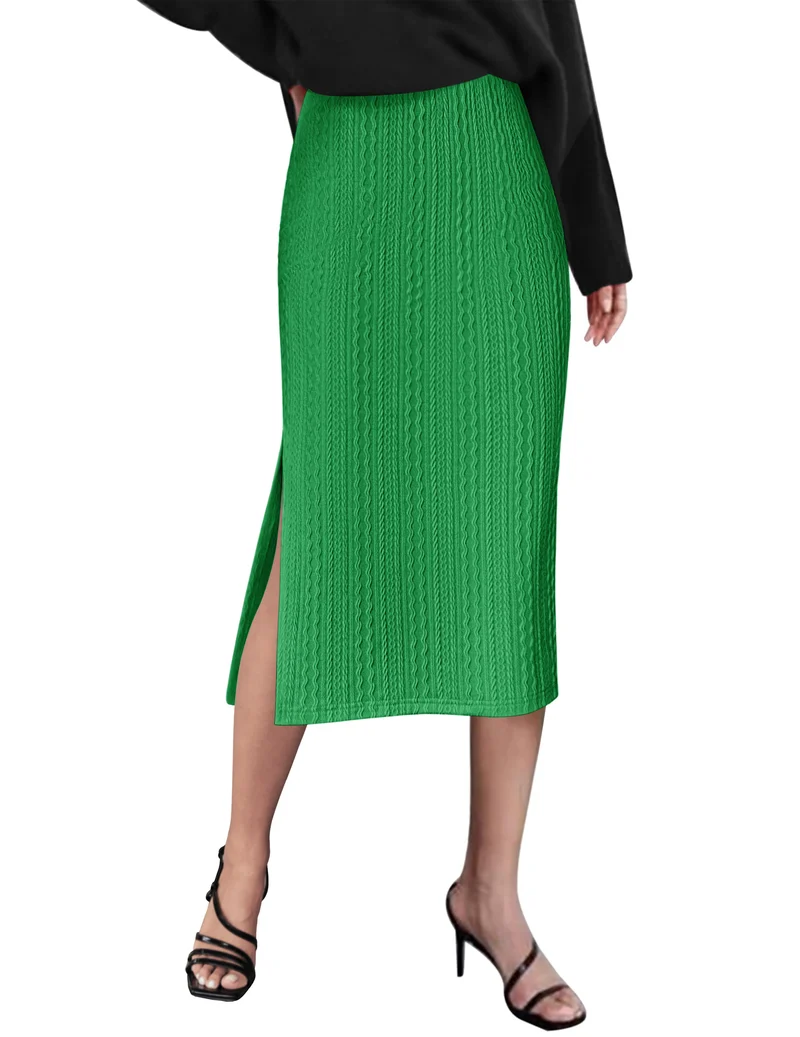
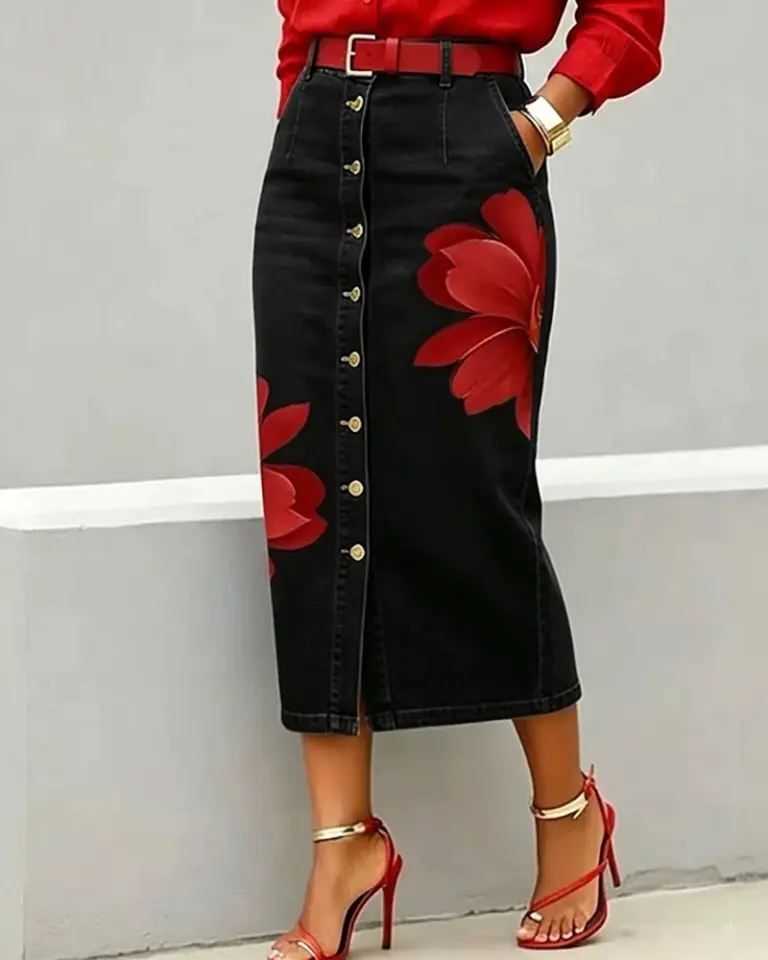 Red SkirtsRed Cotton Midi Skirts We’d Happily Wear on Repeat
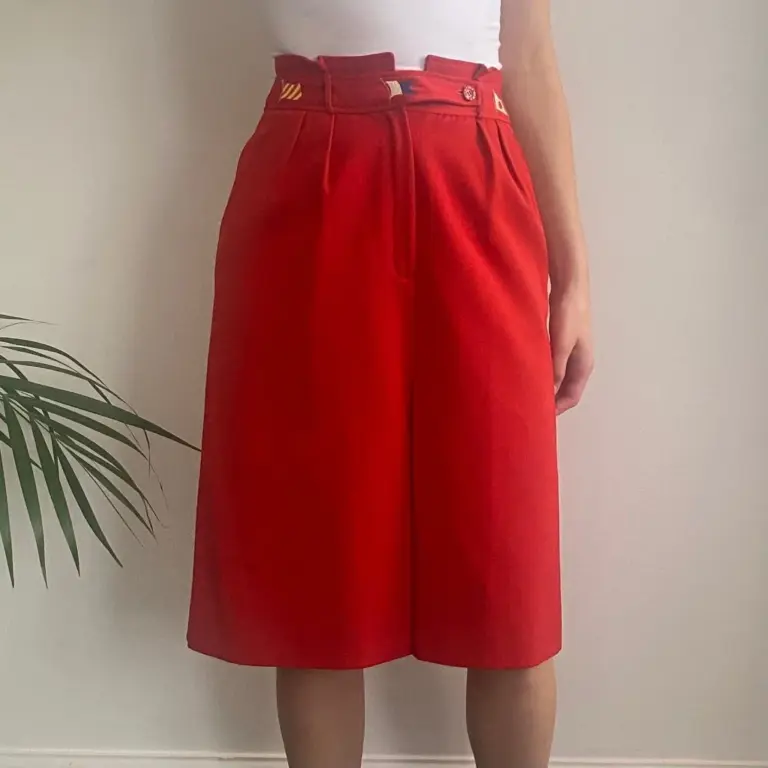
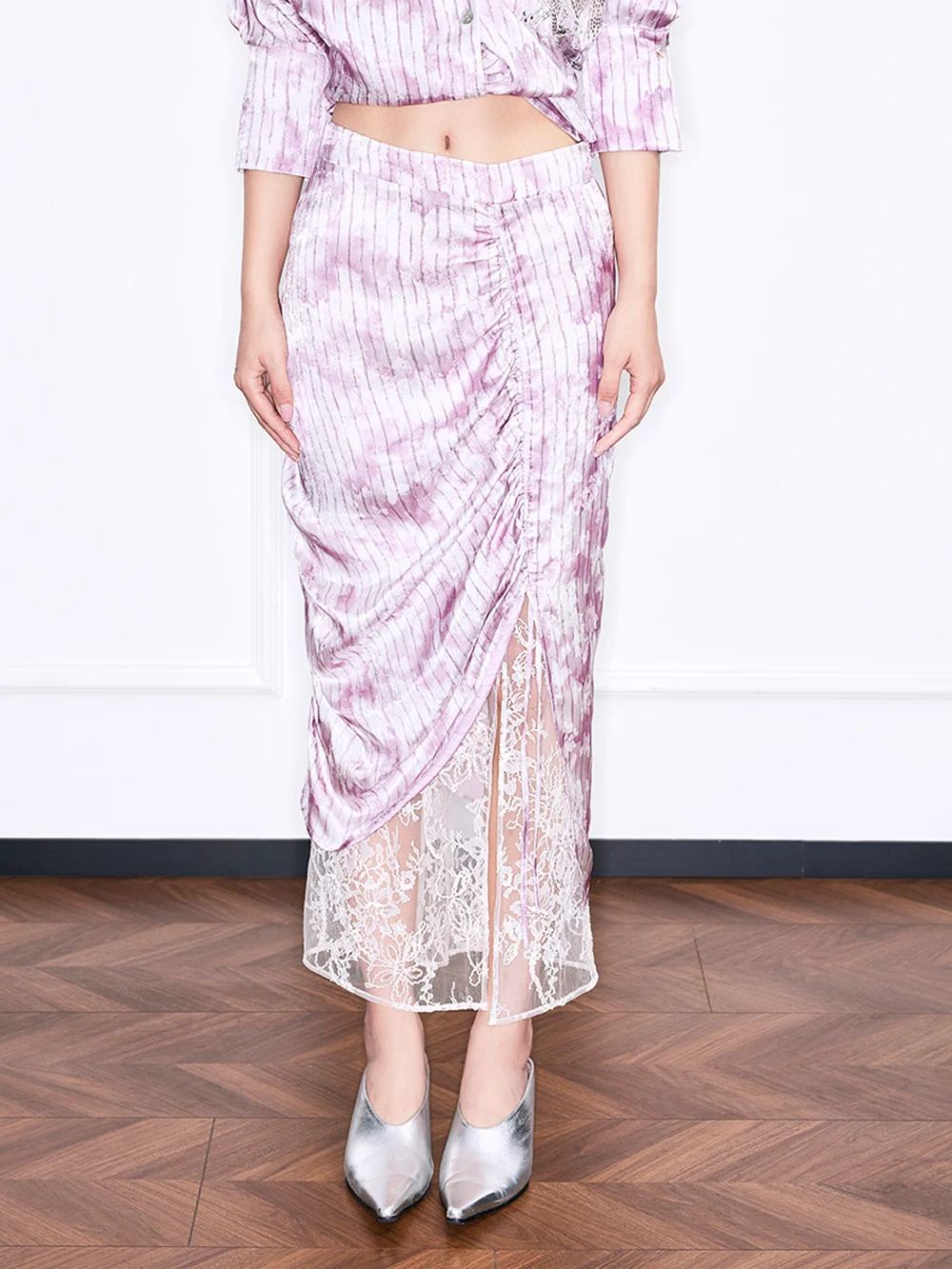 Purple Midi Skirts That Fit and Flatter
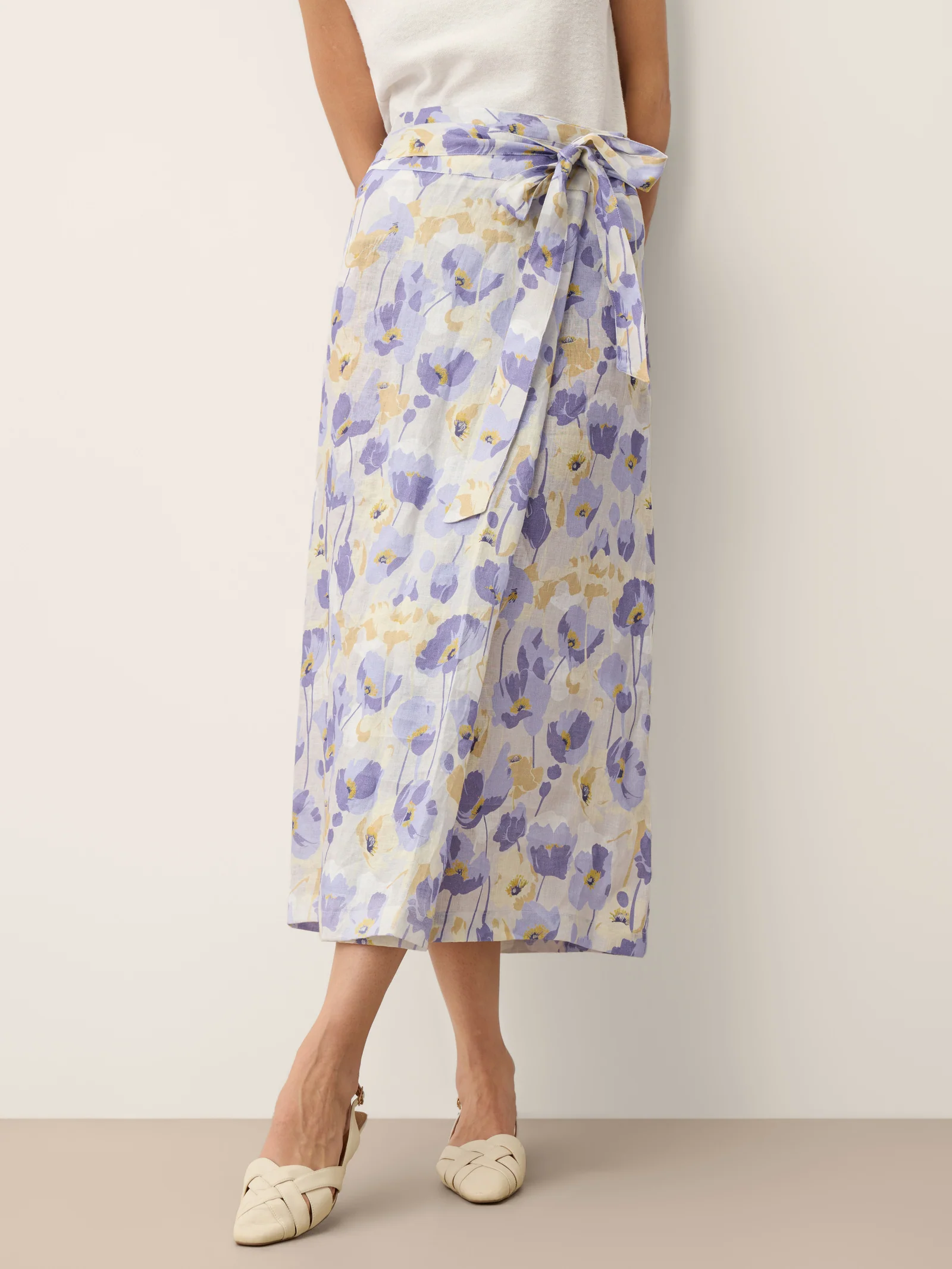
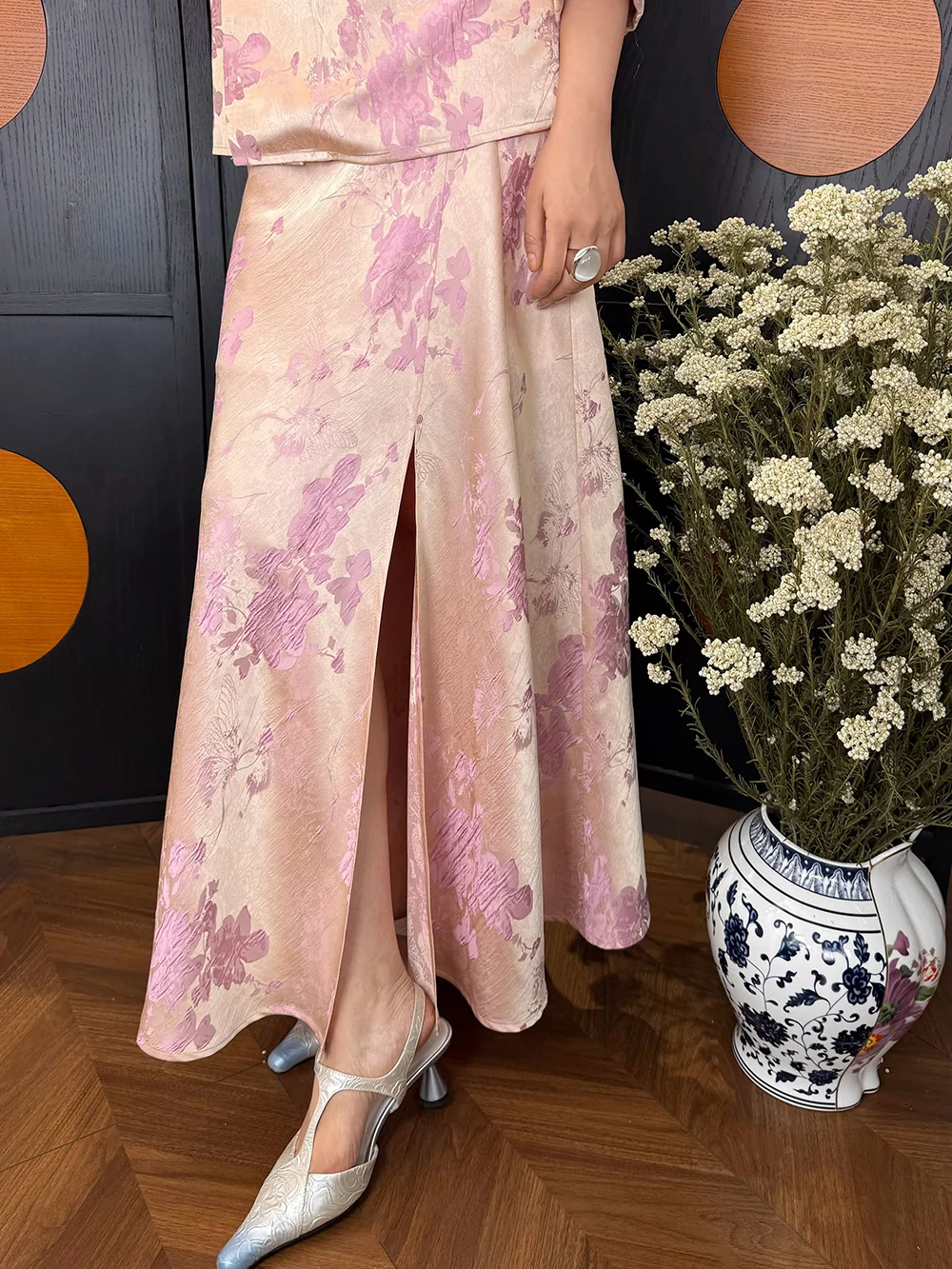 Printed Midi Skirts That Work From Desk to Dinner
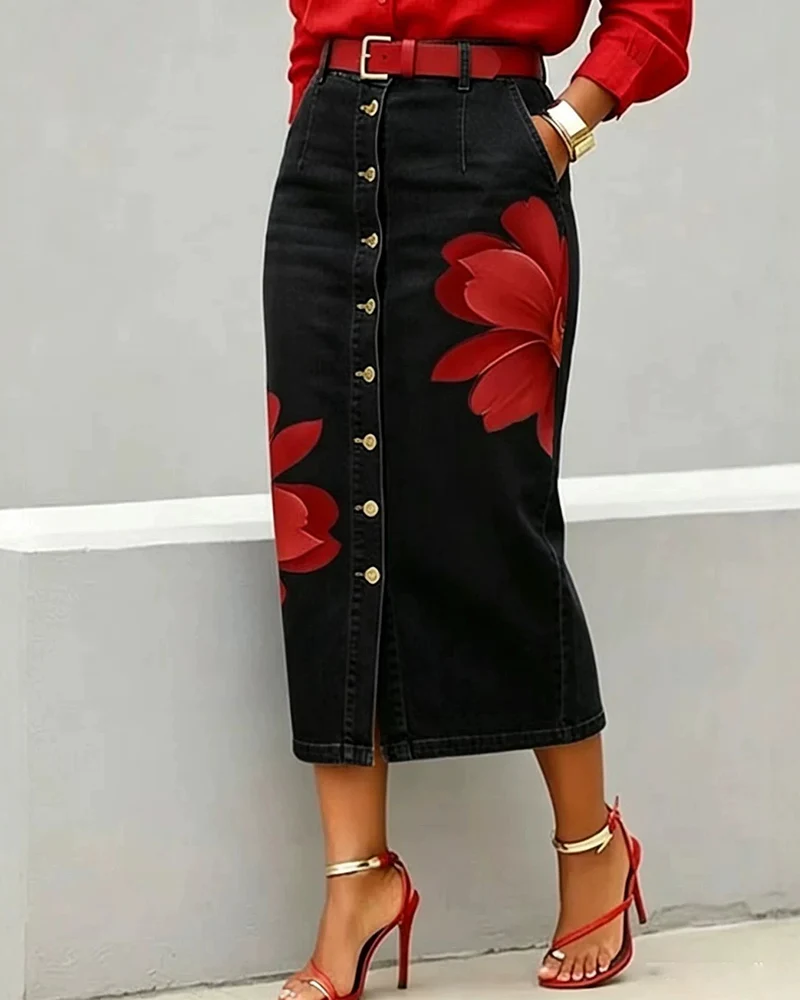
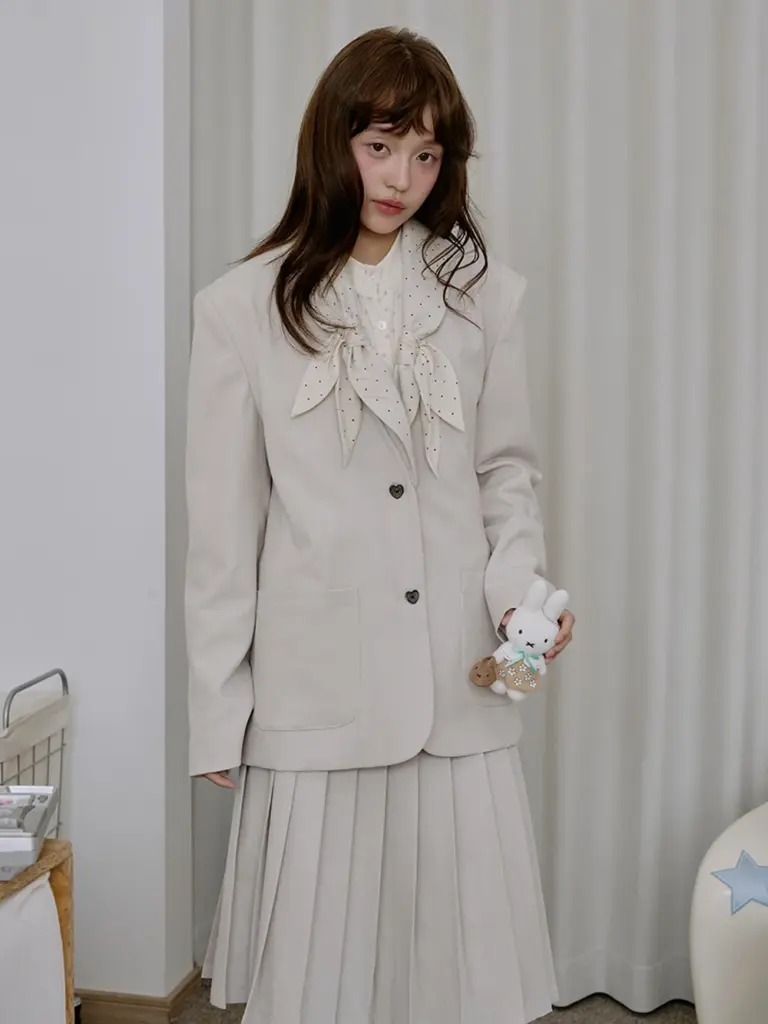 Polka Dot Midi Skirts to Build Outfits Around
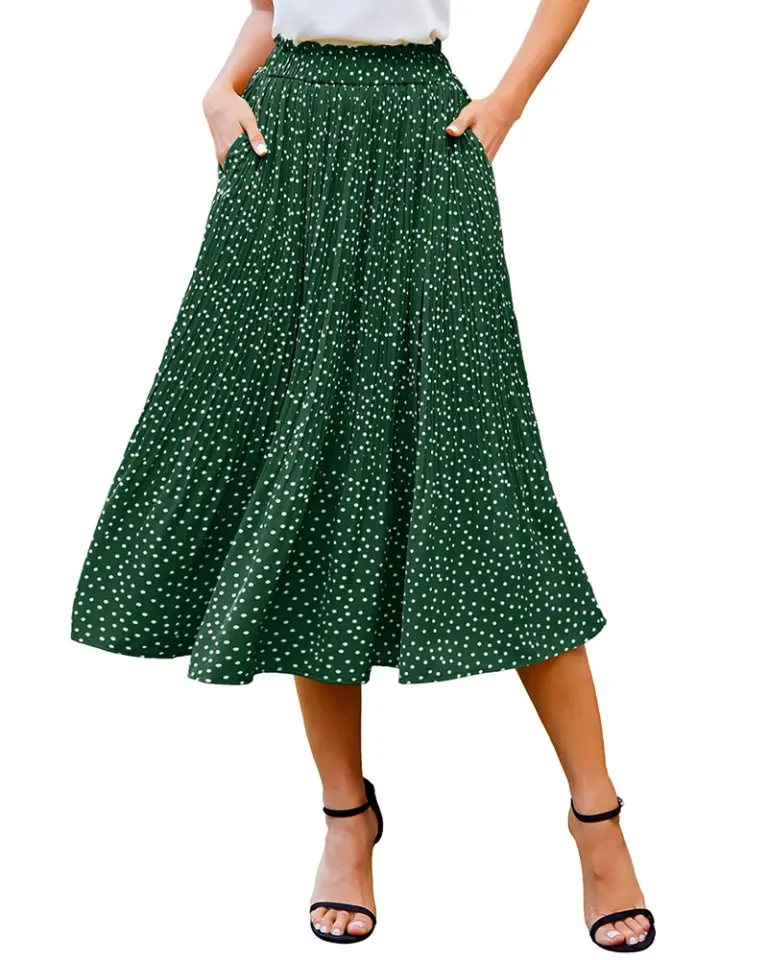
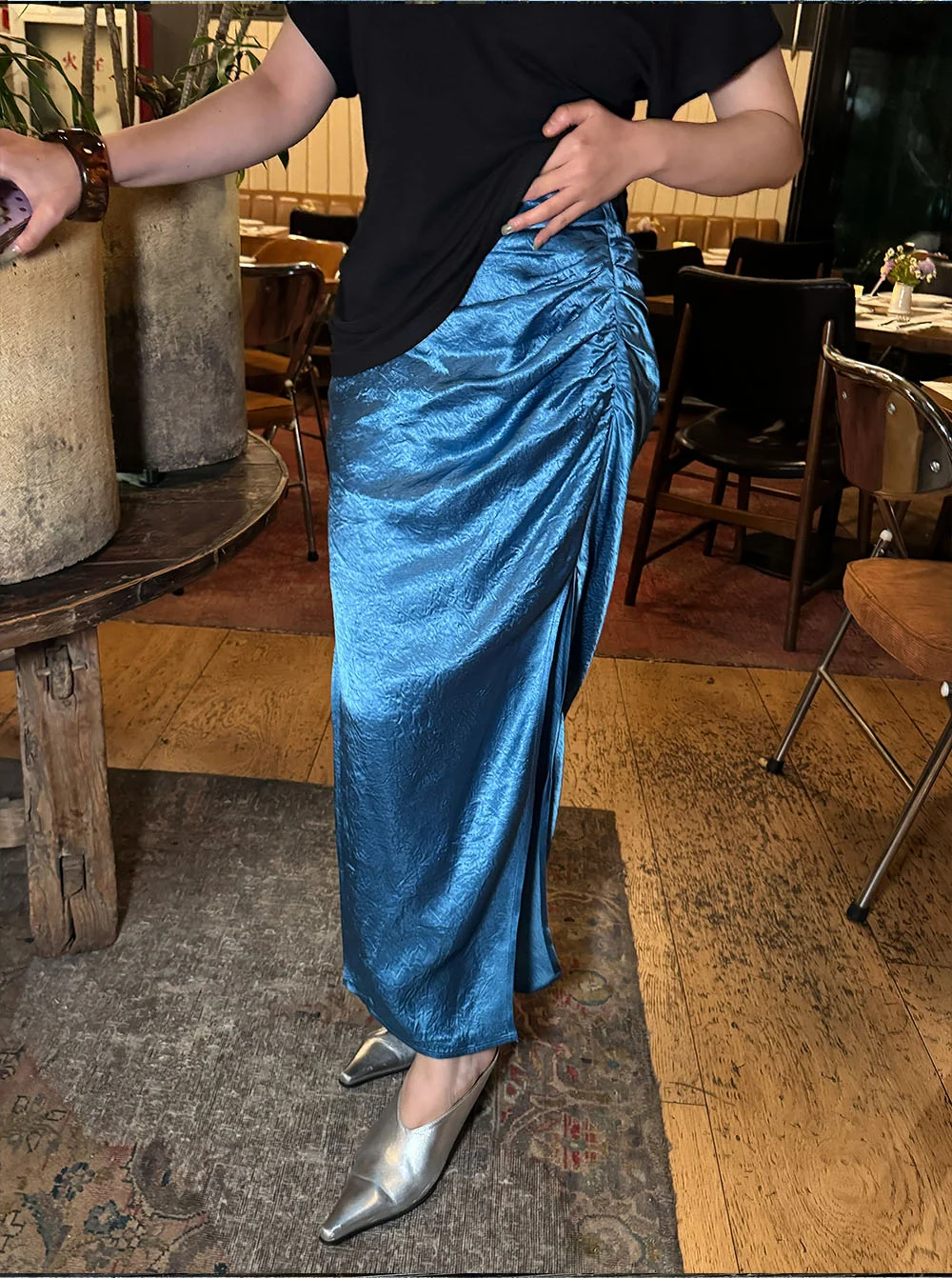 Pleated SkirtsPleated Midi Skirts on Our Radar
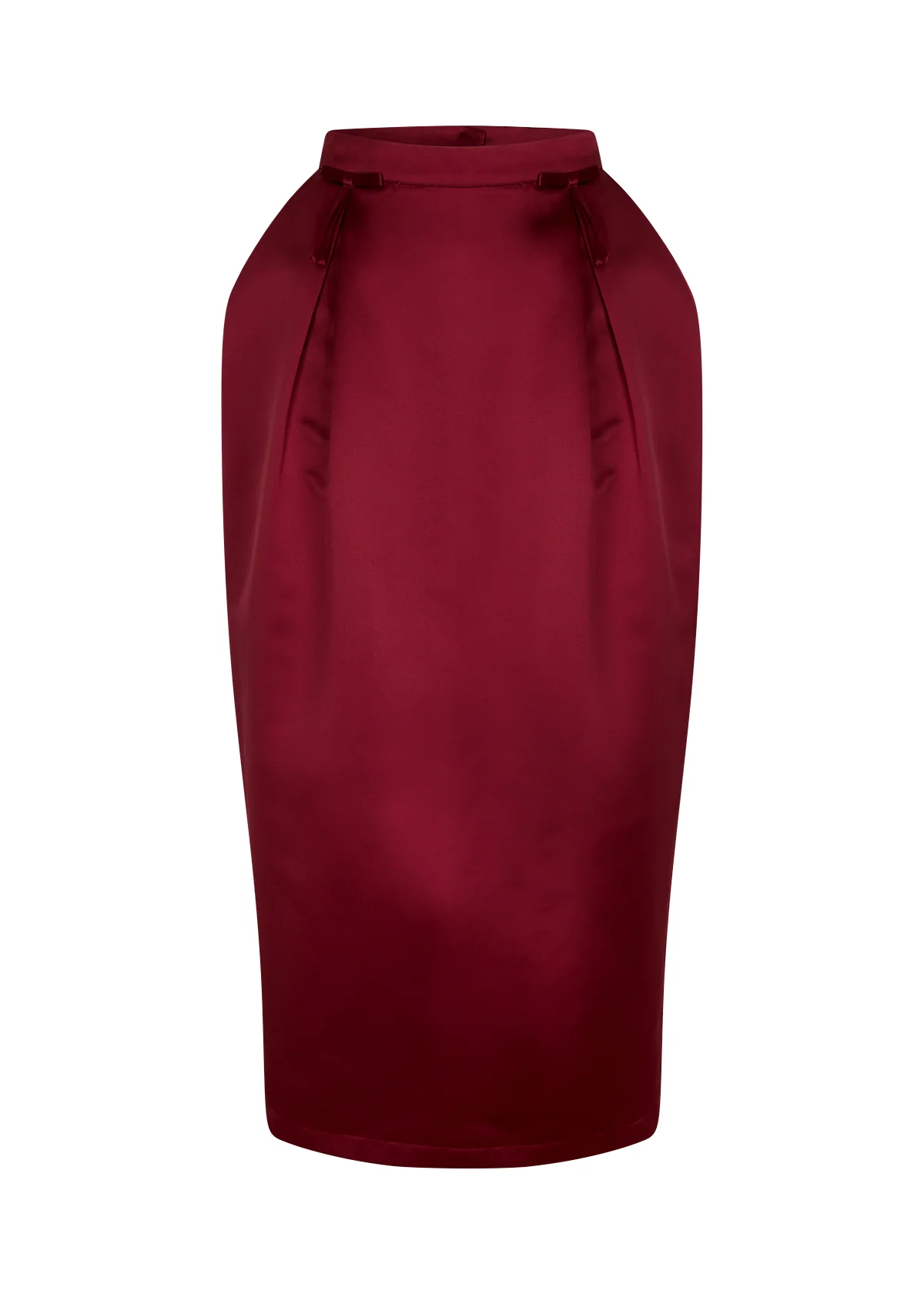
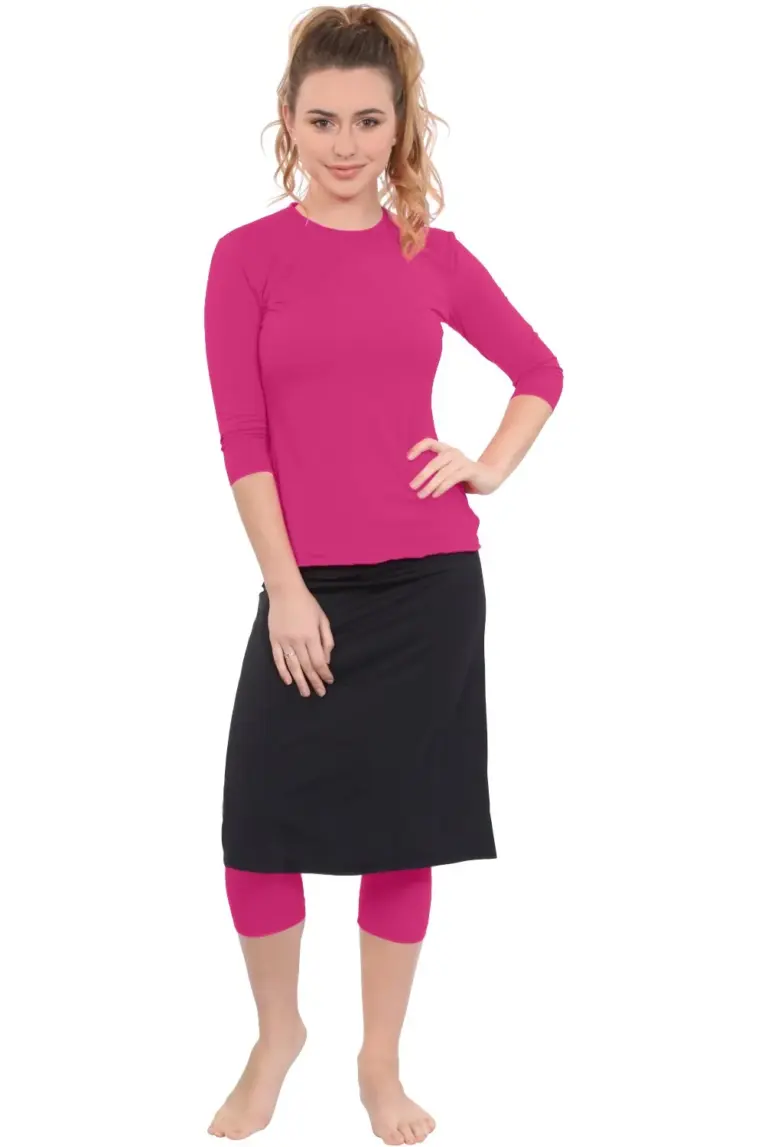 Pink SkirtsThe Pink Midi A Line Skirts Worth Your Wardrobe Space
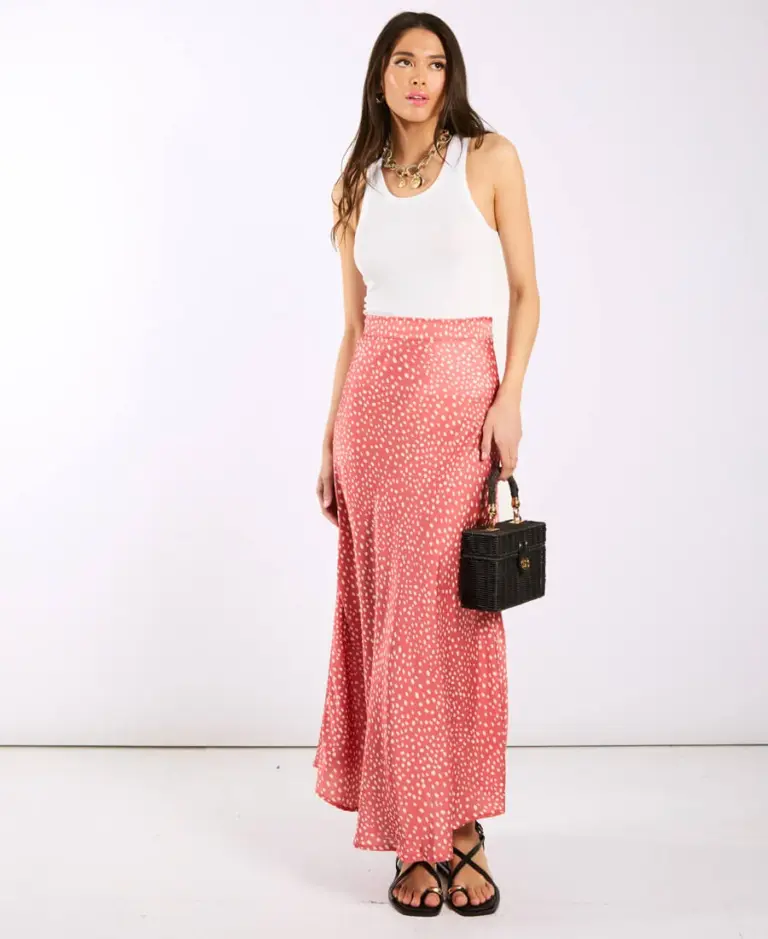
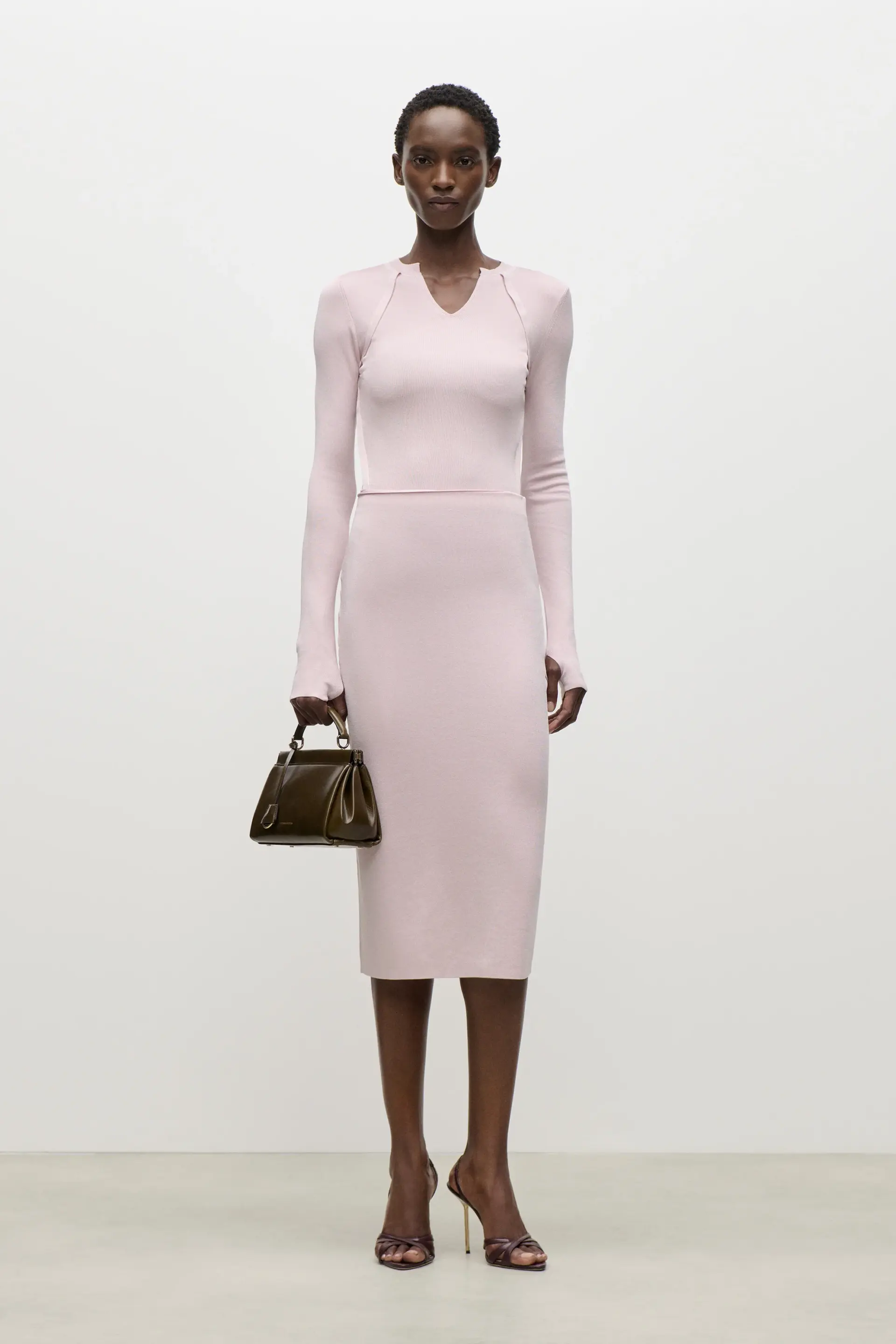 Pink SkirtsThe Pink Midi Skirts We Swear By
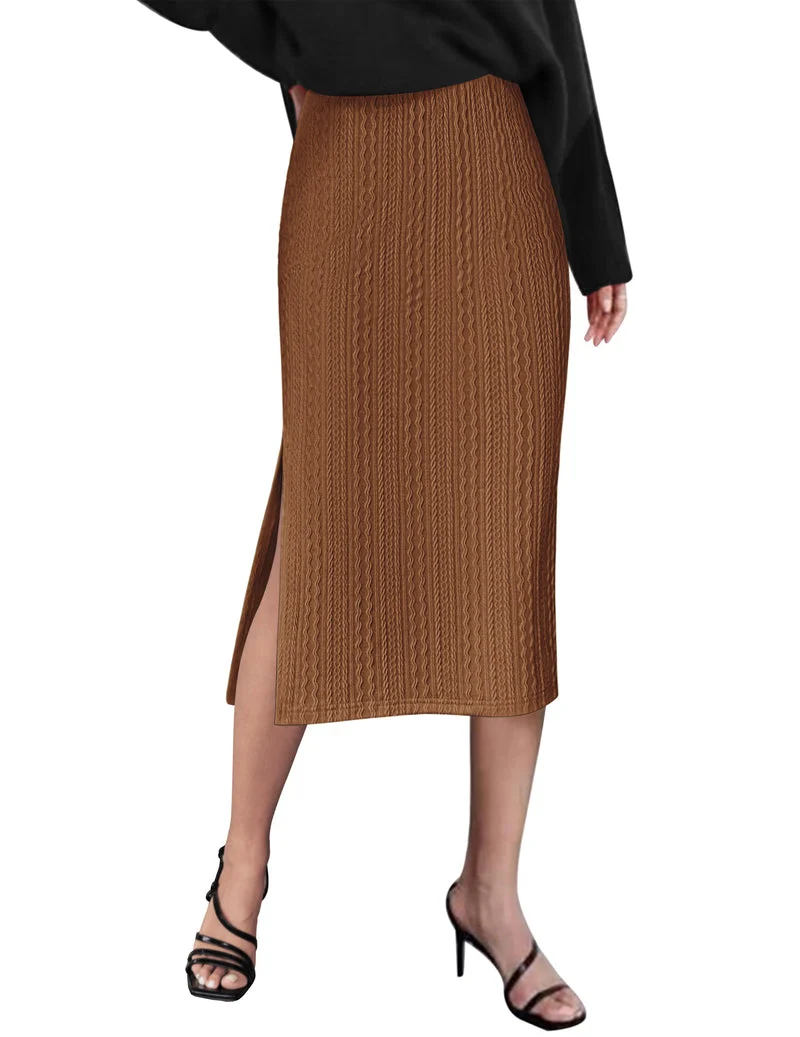
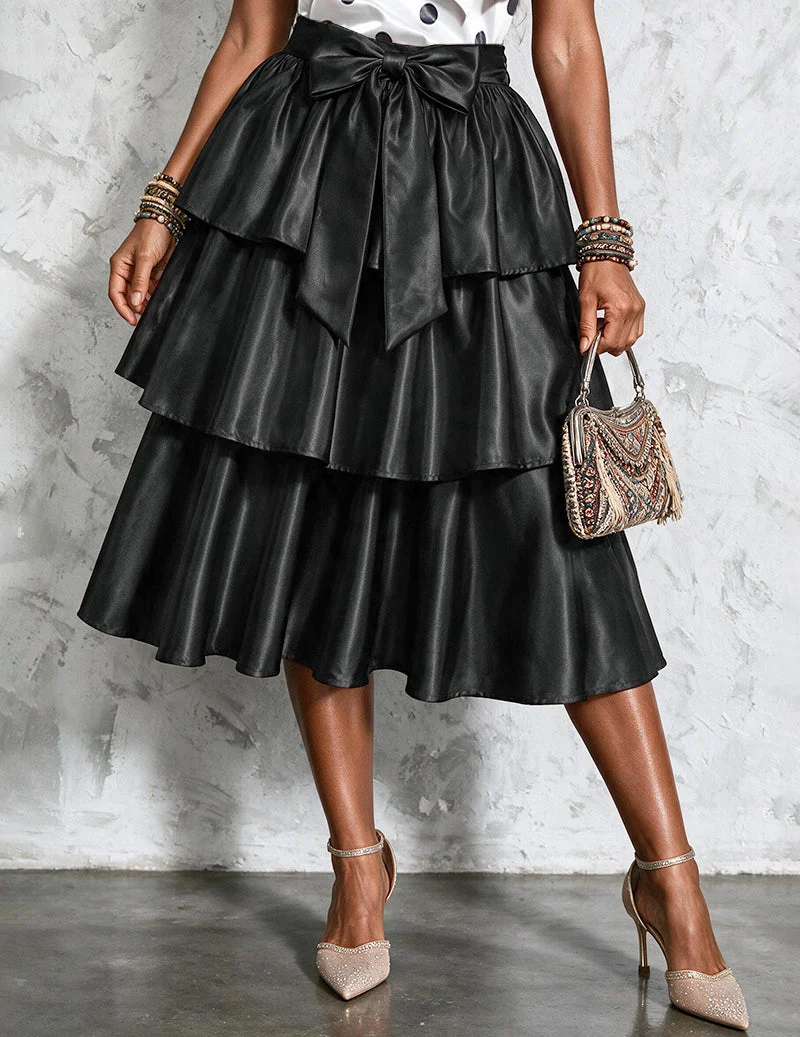 The Party Midi Skirts on Our Wishlist
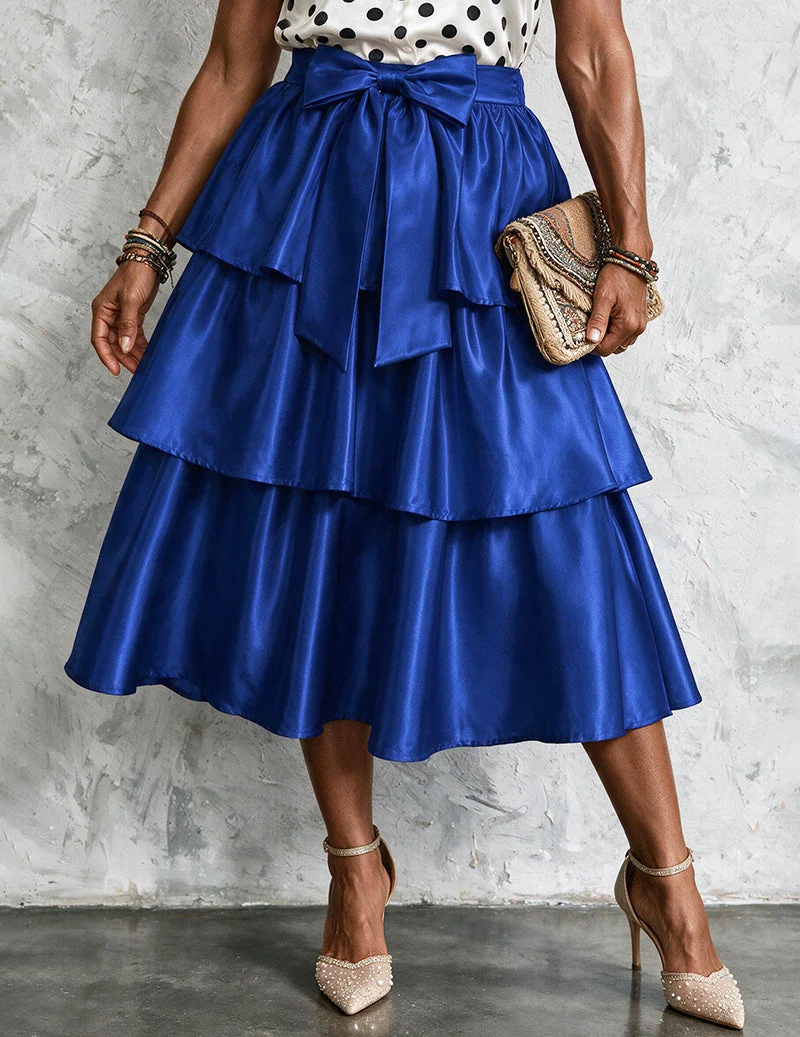
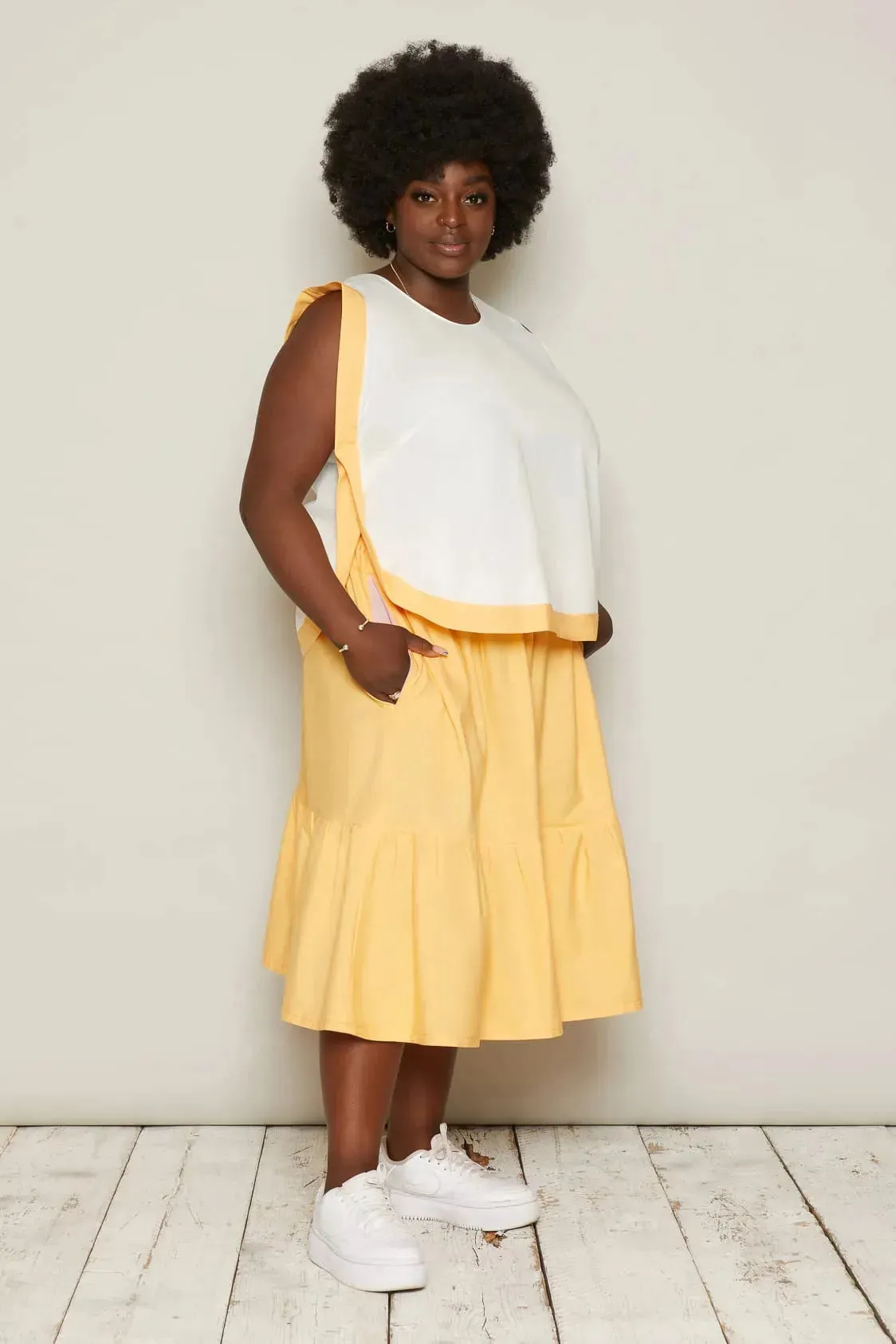 Orange Midi Skirts That Have Caught Our EyeAlso worth a lookMaxi SkirtsBefore you buy a maxi skirt, scrunch a handful of the fabric in your fist and let go.See the collections →
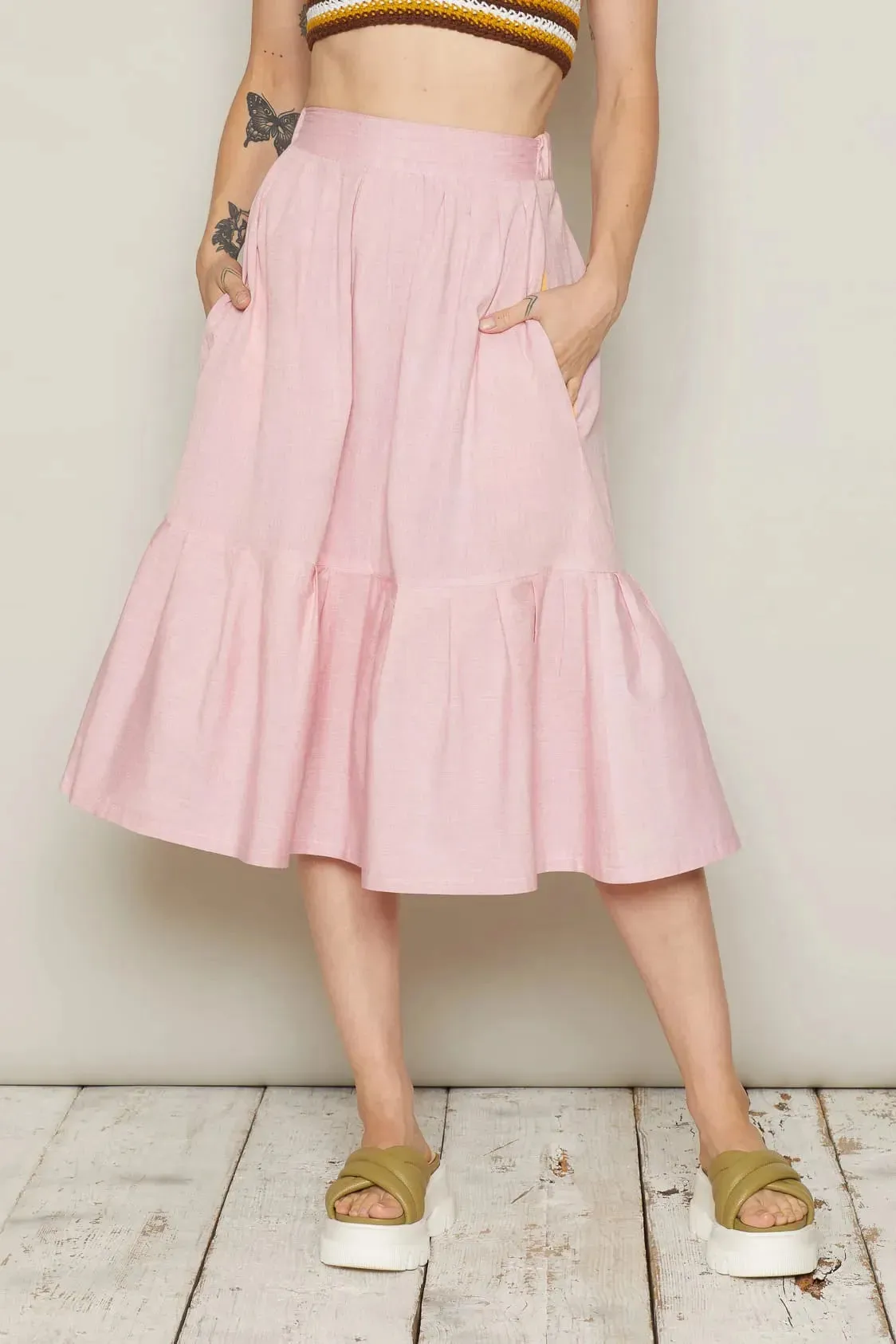
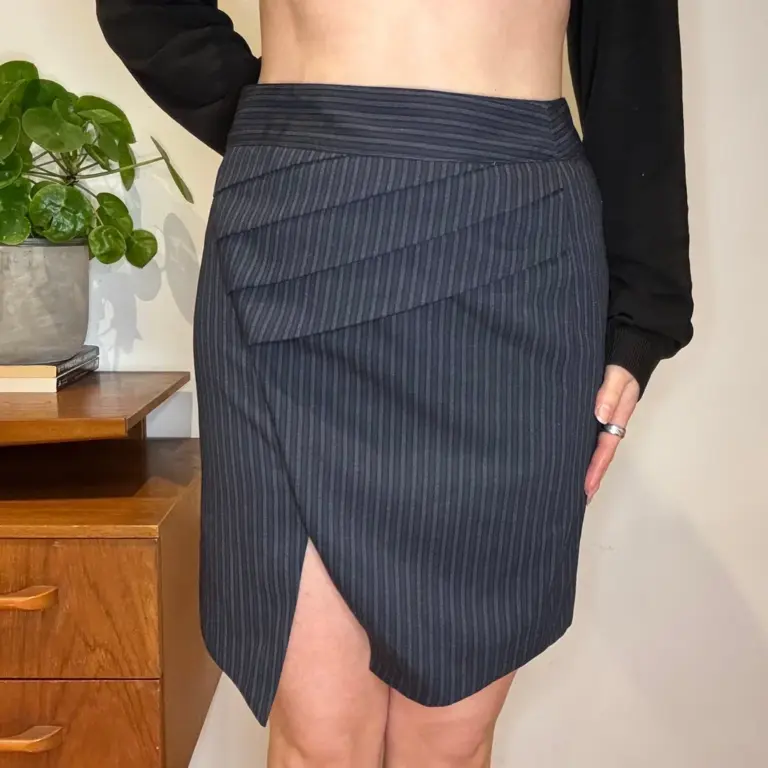 Navy SkirtsNavy Midi Skirts We’d Recommend to a Friend
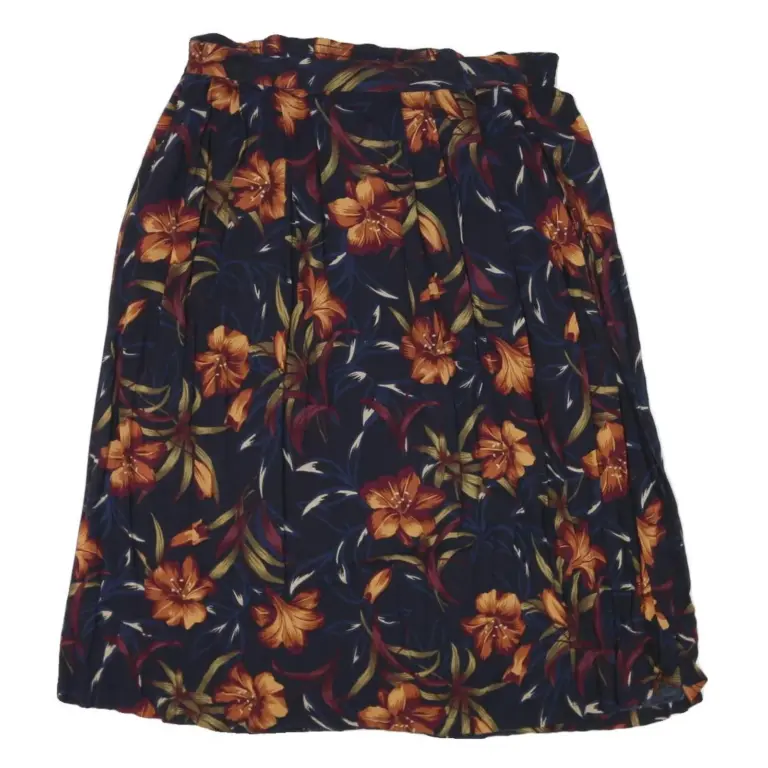
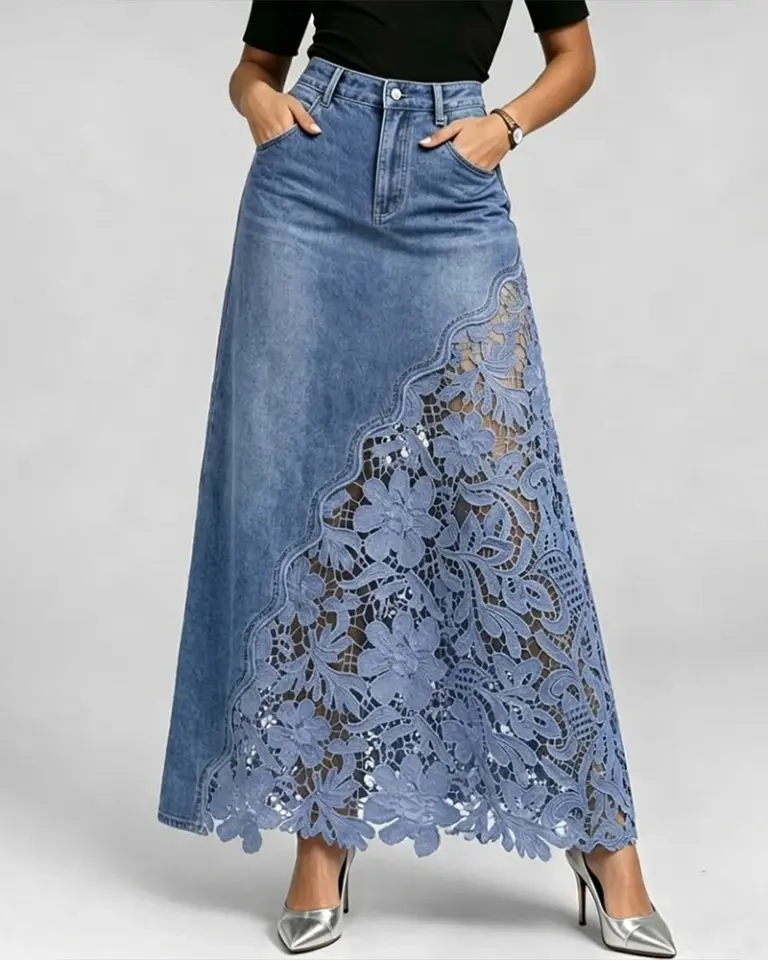 A Line SkirtsHandpicked Midi A Line Skirts We Keep Coming Back To
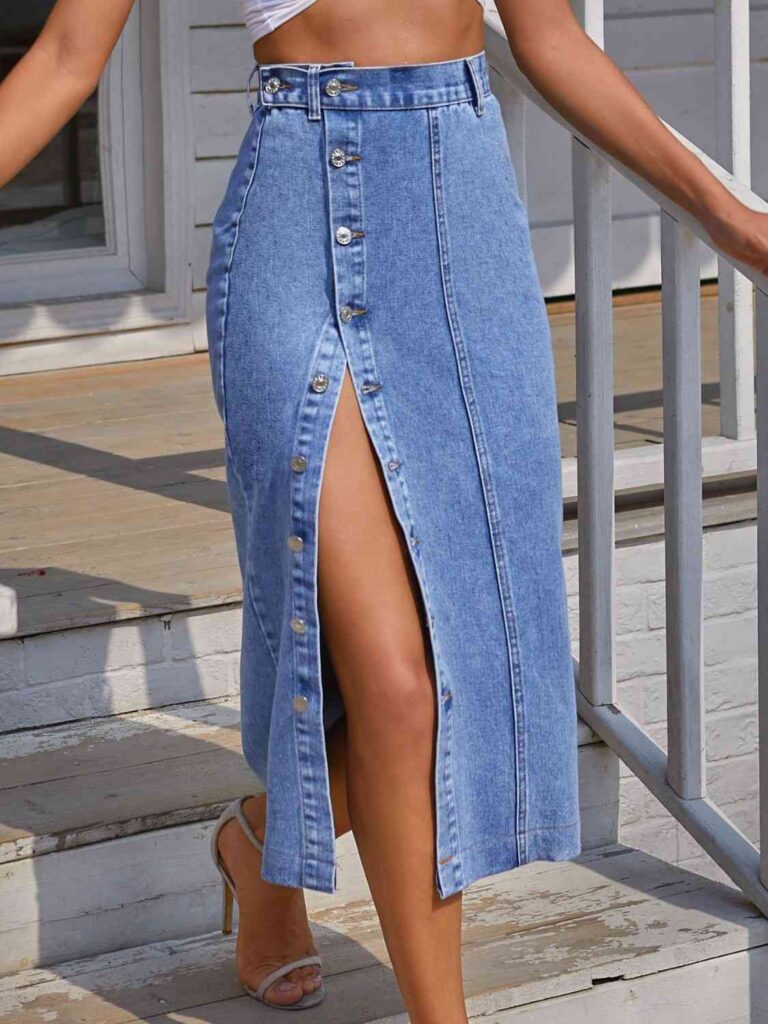
 The Midi Cargo Skirts on Our Wishlist
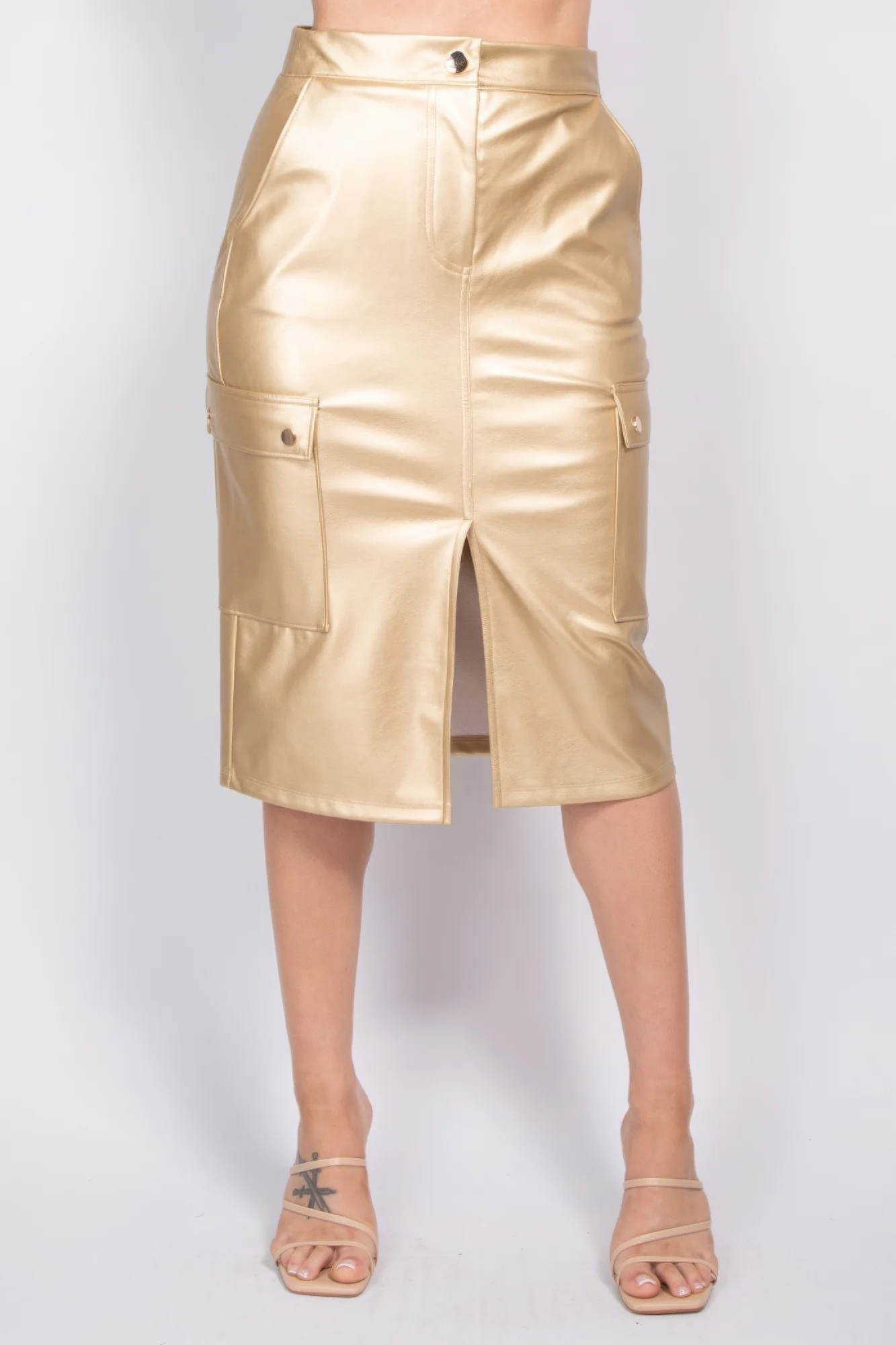
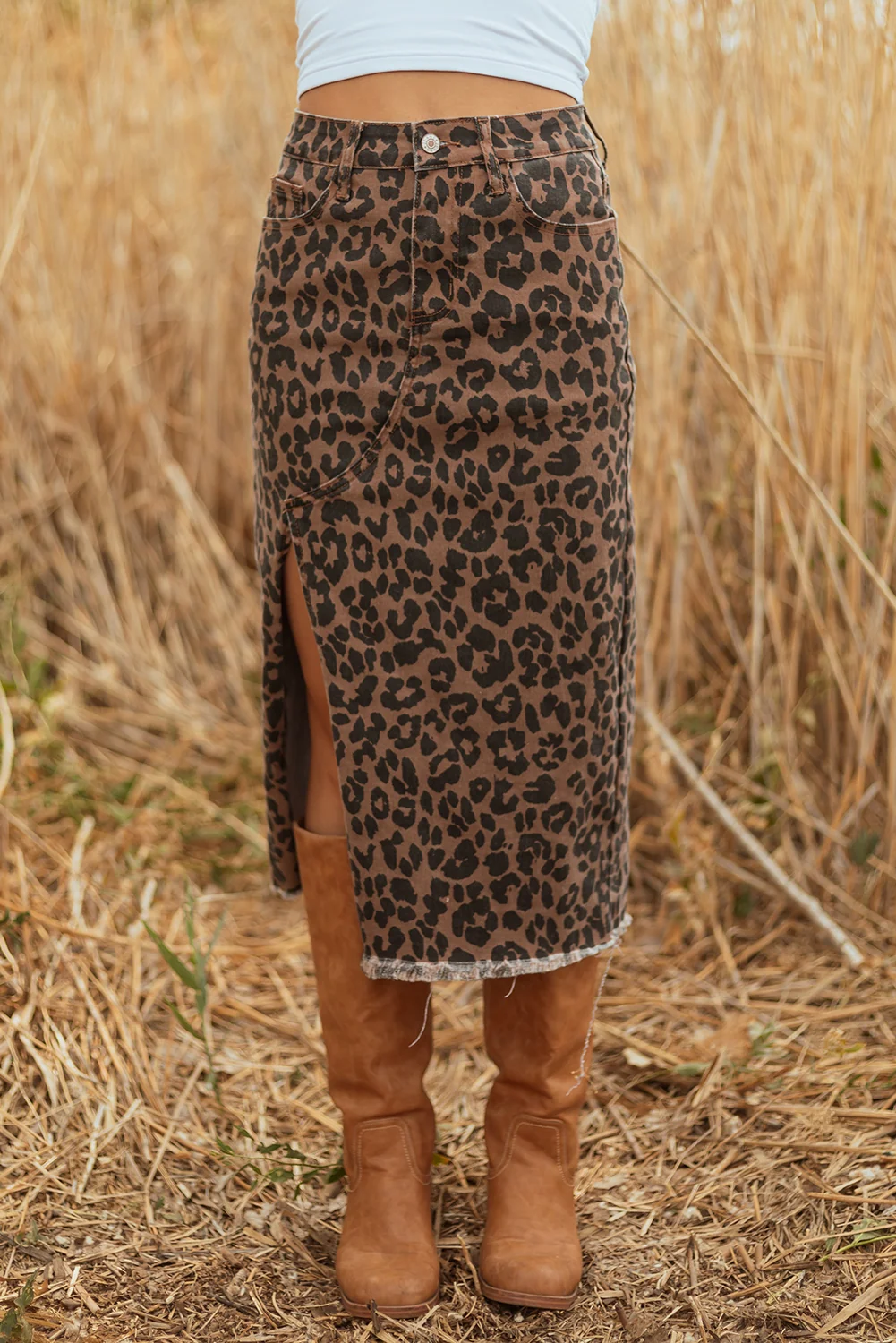 Denim SkirtsThe Midi Denim Skirts on Our Wishlist
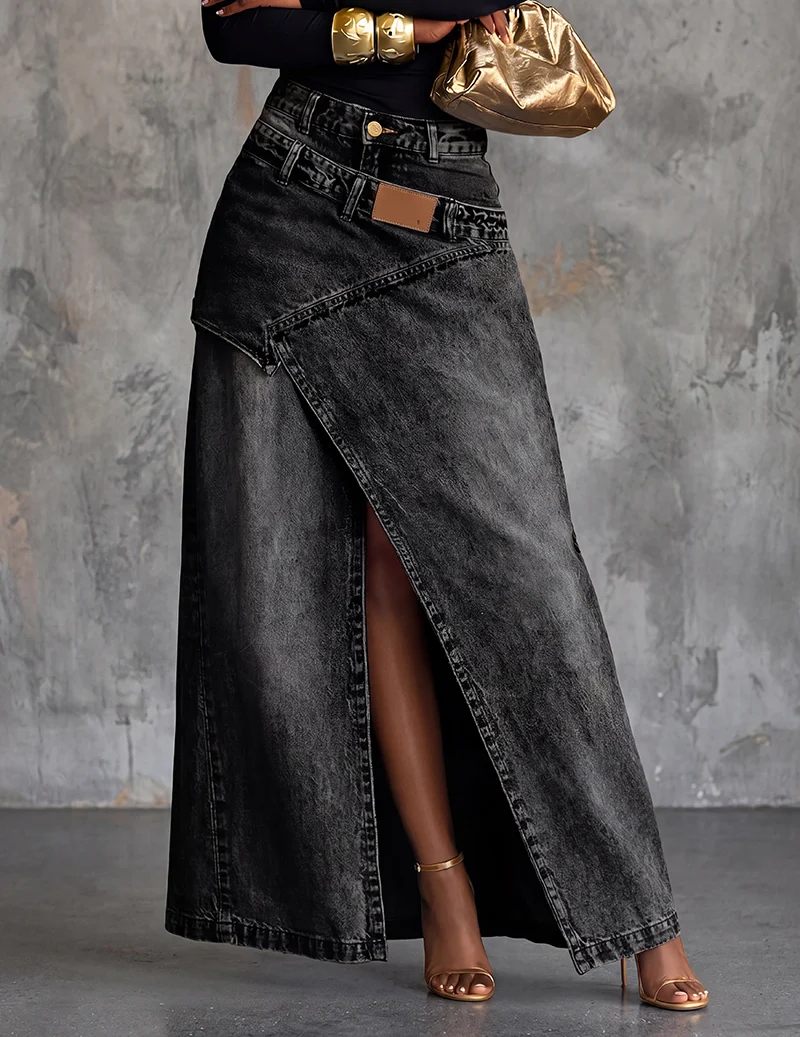
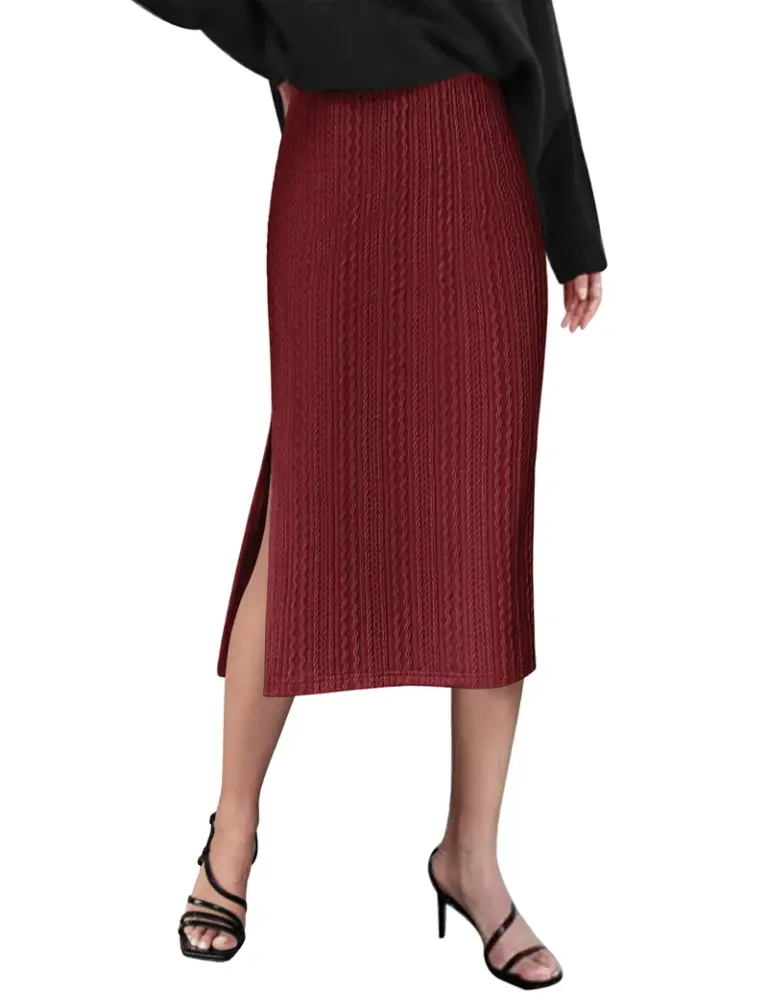 Knitted SkirtsMidi Knitted Skirts Worth Adding to Your Wardrobe
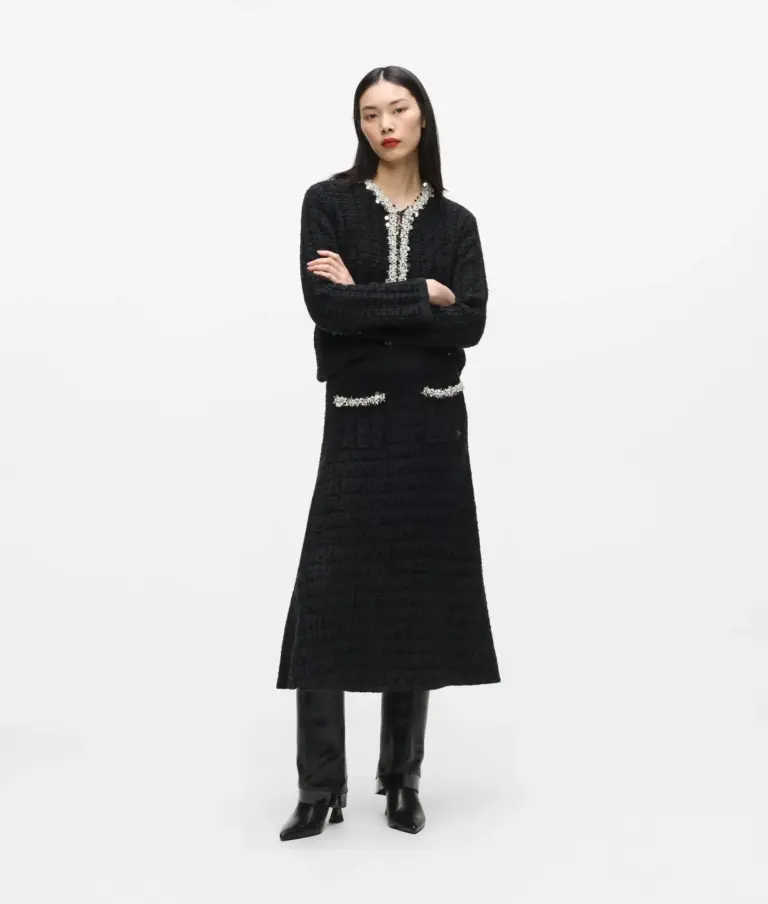
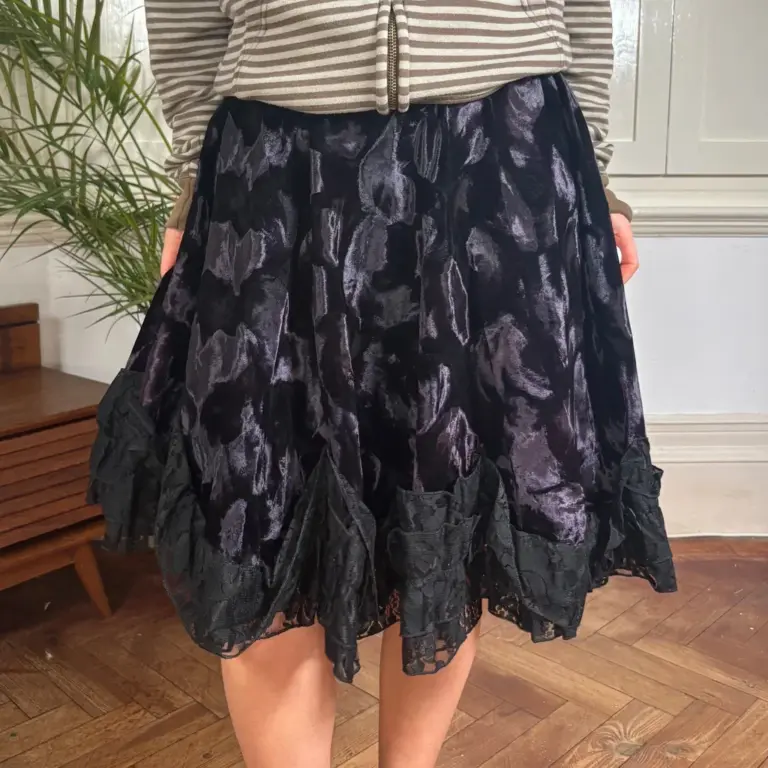 Lace SkirtsMidi Lace Skirts We’d Happily Wear on Repeat
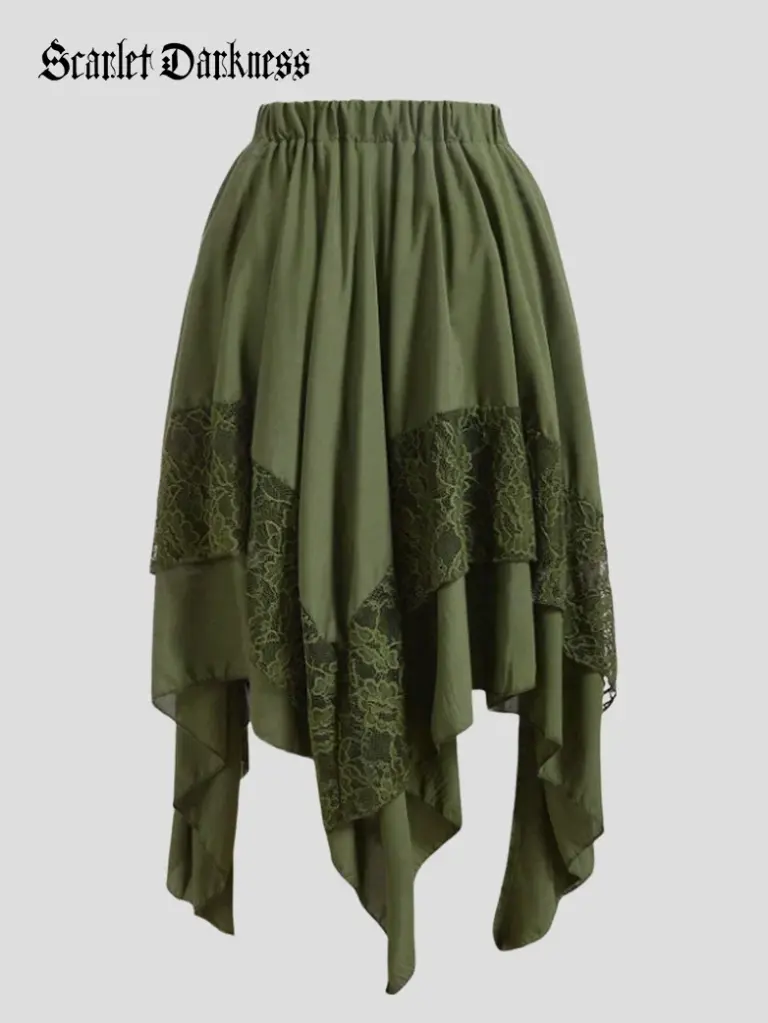
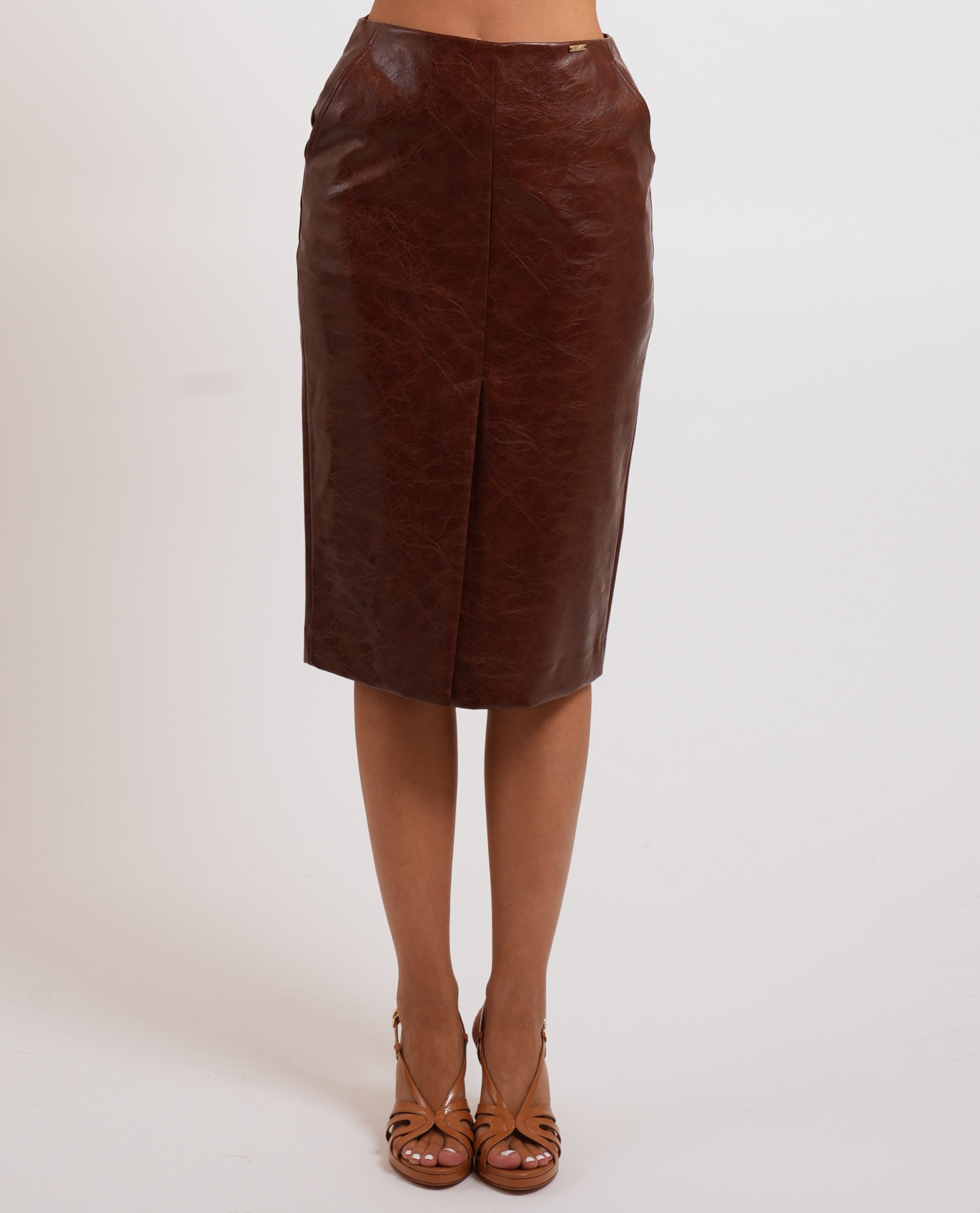
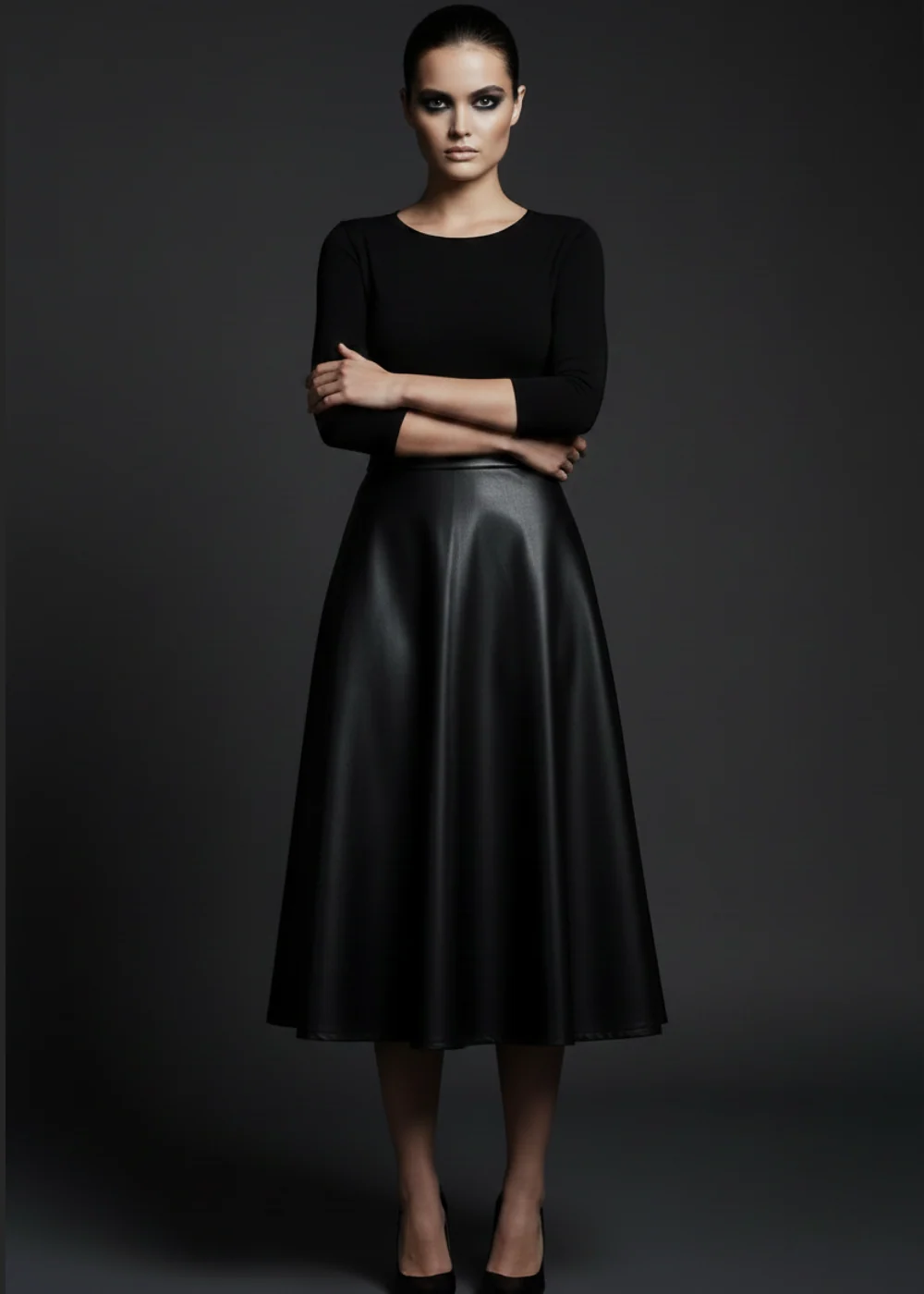 Leather SkirtsMidi Leather Skirts We’re Adding to Basket
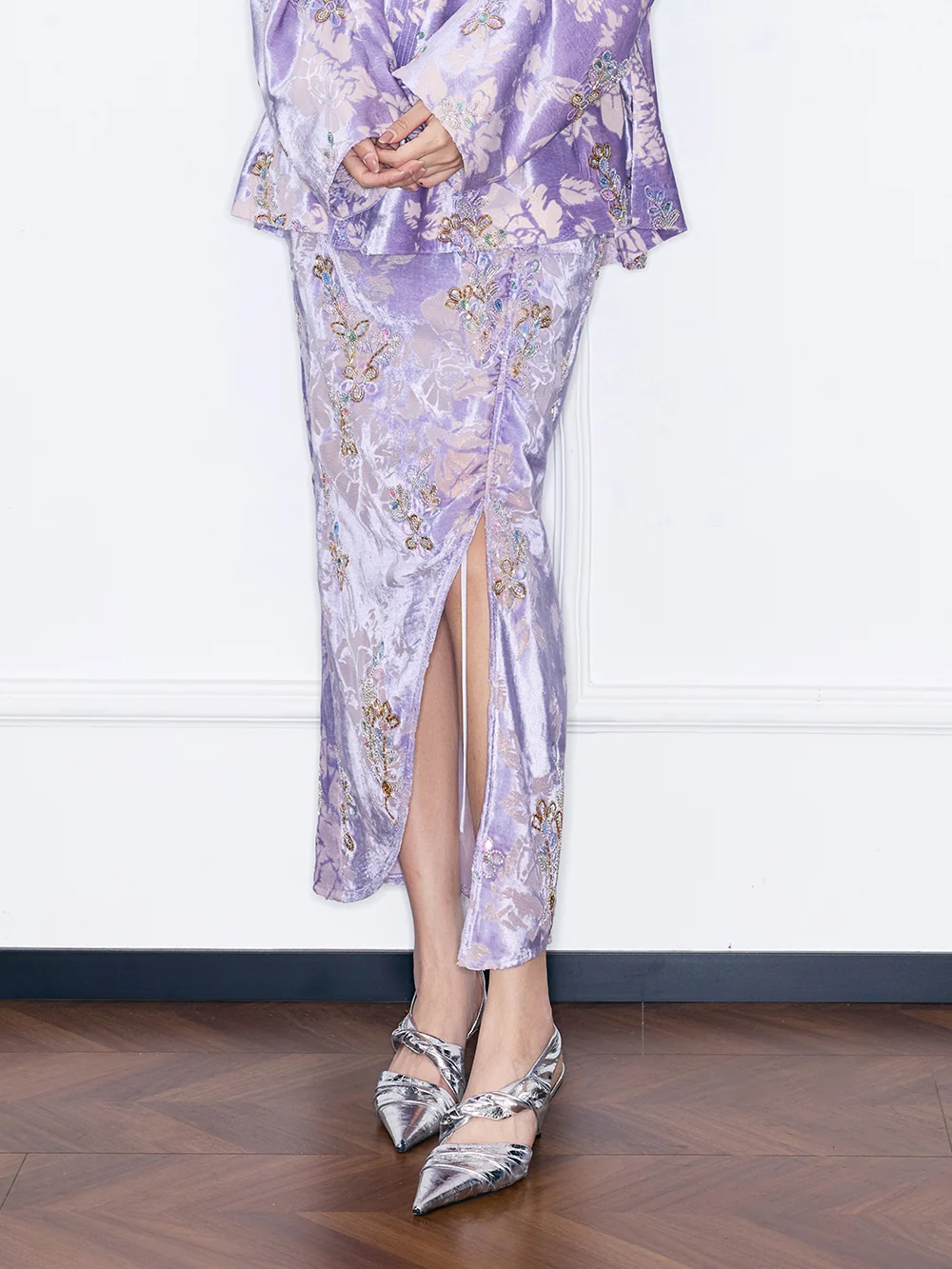 Maxi SkirtsMidi Maxi Skirts We Rate