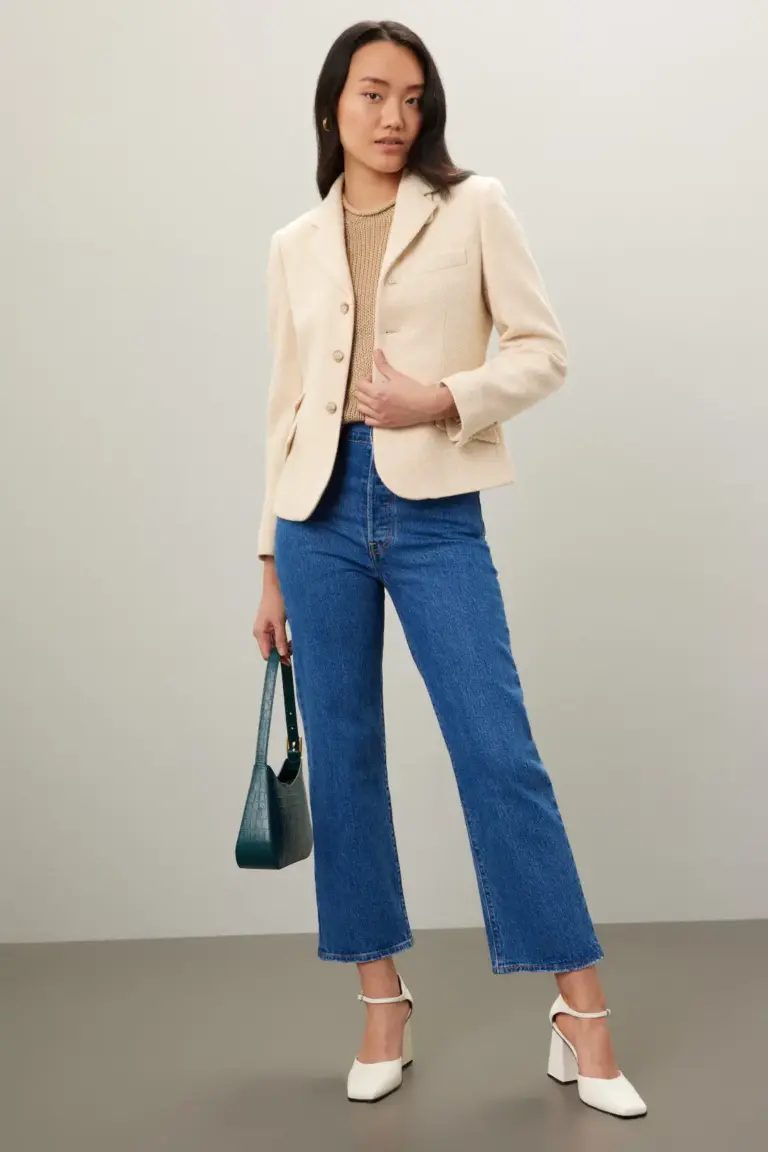
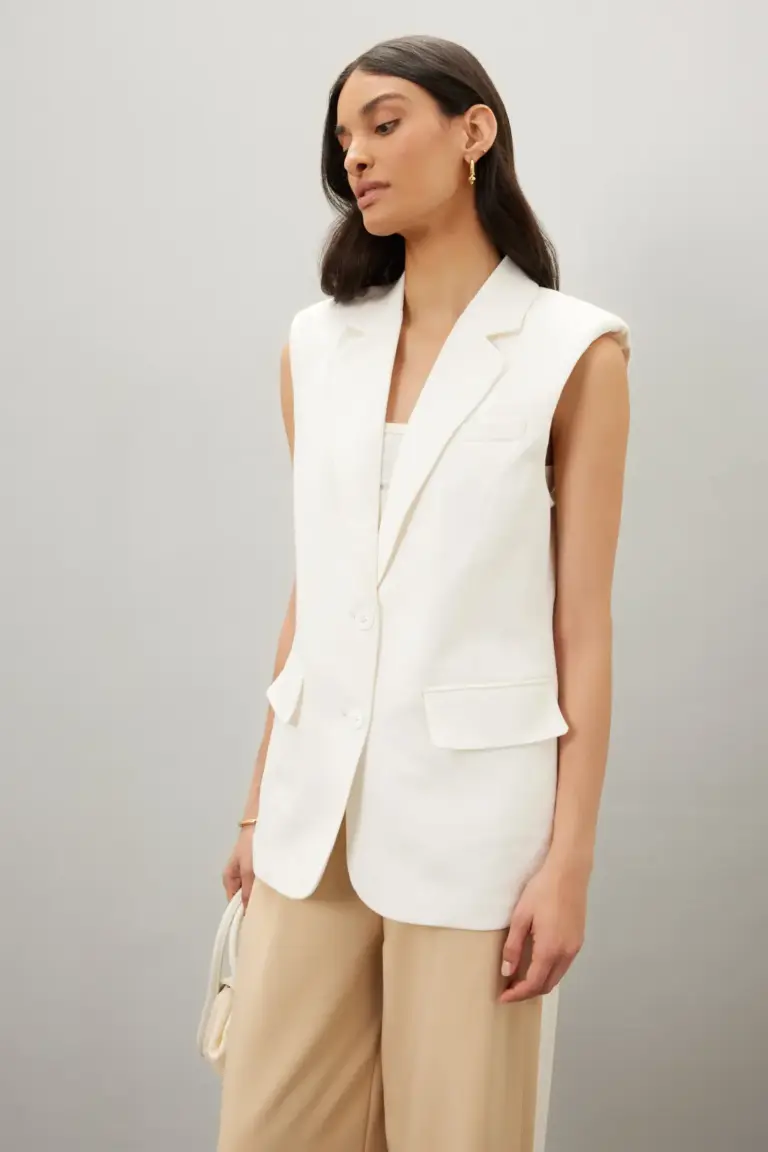
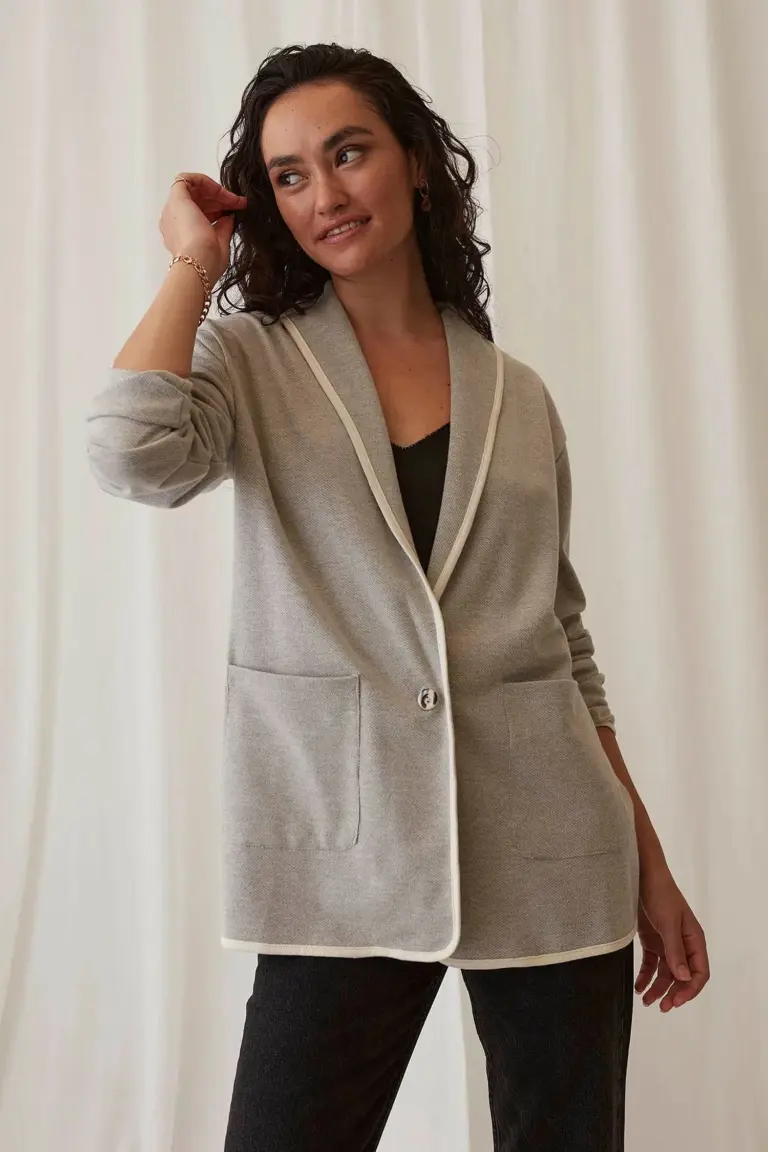
The usual mistake is buying a blazer so structured it only works standing up straight with your shoulders back, and then wondering why it lives at the back of the rail. A blazer has to survive sitting down, driving, carrying bags, bending to pick things up off the floor. If it only looks good in the mirror for the four seconds you're standing still, it's not earning its space.
Stick to navy, a mid grey or a soft camel if you want one that works with almost everything you own, because black can look severe against daytime clothes and goes slightly flat under office lighting. A check in muted tones is a nice second buy once you trust the shape, but it's a harder colour to repeat week to week without people clocking it. For fit, the shoulder seam is the bit that matters most, it should sit right at the edge of your shoulder, not droop down your arm or pull tight across the back when you bring your arms forward, which is the first thing to check and the thing shops never tell you to check. Sleeve length wants to stop around the wrist bone, and if you're between sizes, go up rather than down, a blazer that's slightly roomy through the body can be brought in by a tailor for not much money, but one that's tight across the back never relaxes with wear, it just stays tight. Watch the length too, anything that hits mid thigh can shorten your legs if you're not tall, and a cropped one can look unfinished over trousers with a low rise. A relaxed fit is the easiest starting point if you've never owned one, because it forgives a day of sitting at a desk or in a car and doesn't strain across the back when you lean forward for a bag, a tin, whatever's on the floor.
If you've got none, start with a single breasted one in navy or grey, lightly structured rather than stiff, because that's the version that goes over a plain top with jeans on a Tuesday and over a dress for something slightly dressier without looking like it's trying. It sits well over a roll neck in fast moving autumn weather, works thrown over bare arms in spring, and struggles the moment real heat arrives, most blazers are wasted dead weight in a heatwave, so don't expect to reach for one in July. Pair it with straight leg trousers, a plain tee, a midi skirt, it's not fussy about what's underneath as long as the shoulders are doing their job.
What it won't do is replace a proper coat once the weather turns properly cold, it's a layer for mild days and indoor warmth, nothing more.
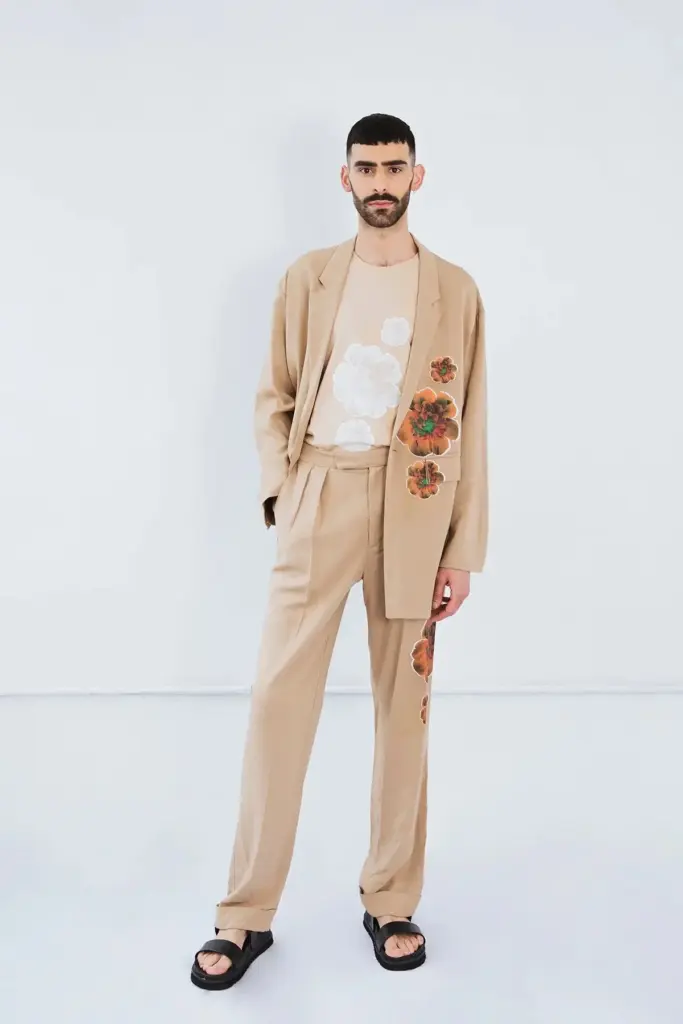 Fiona's pickThe Relaxed Fit Blazers on Our Wishlist
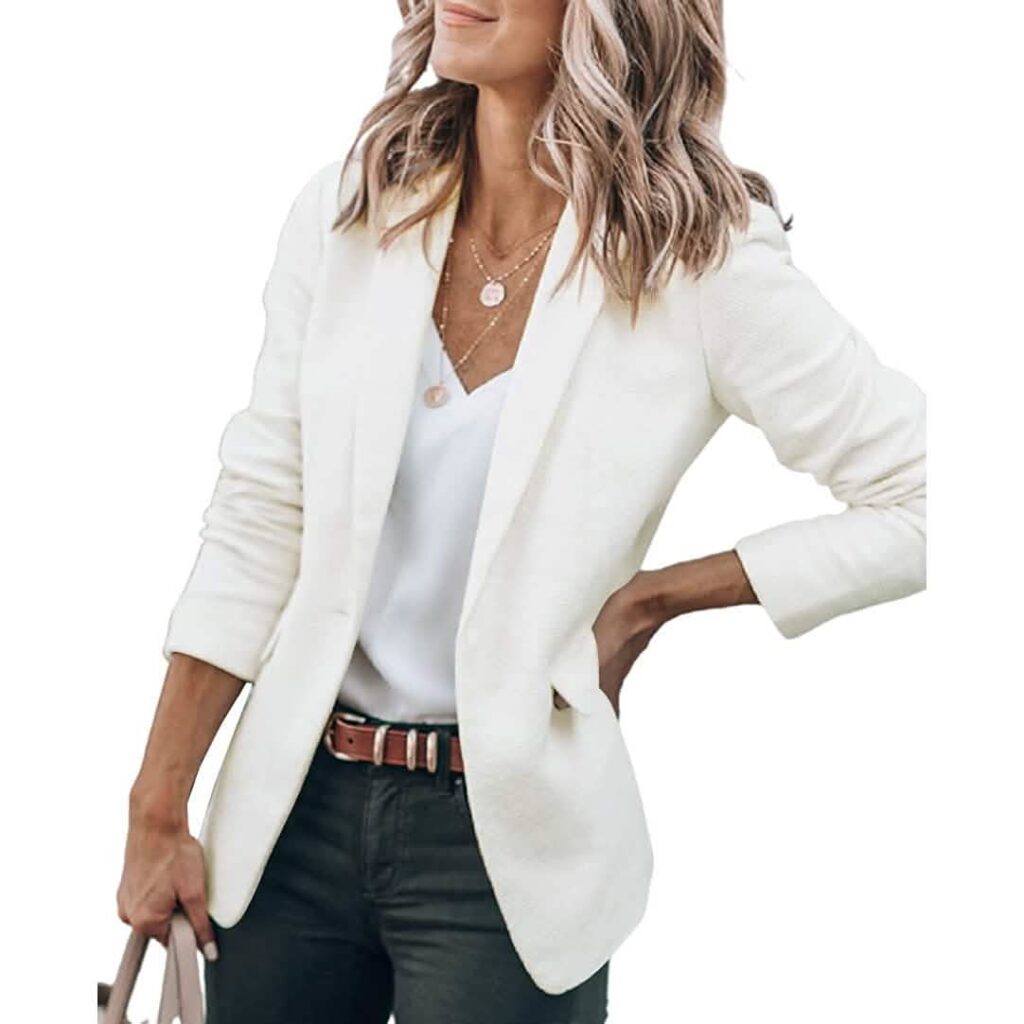
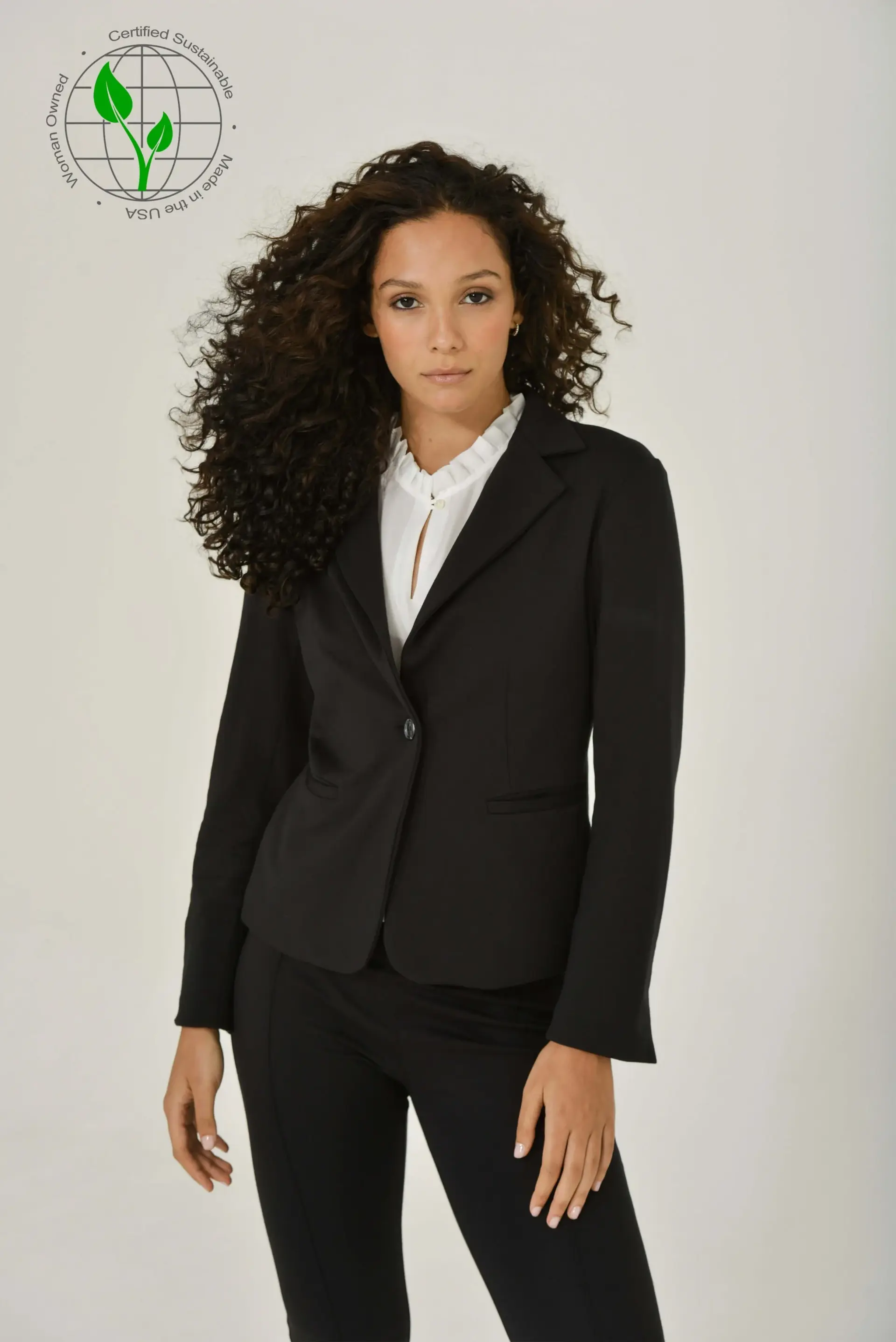 Work Blazers: Our Current Favorites
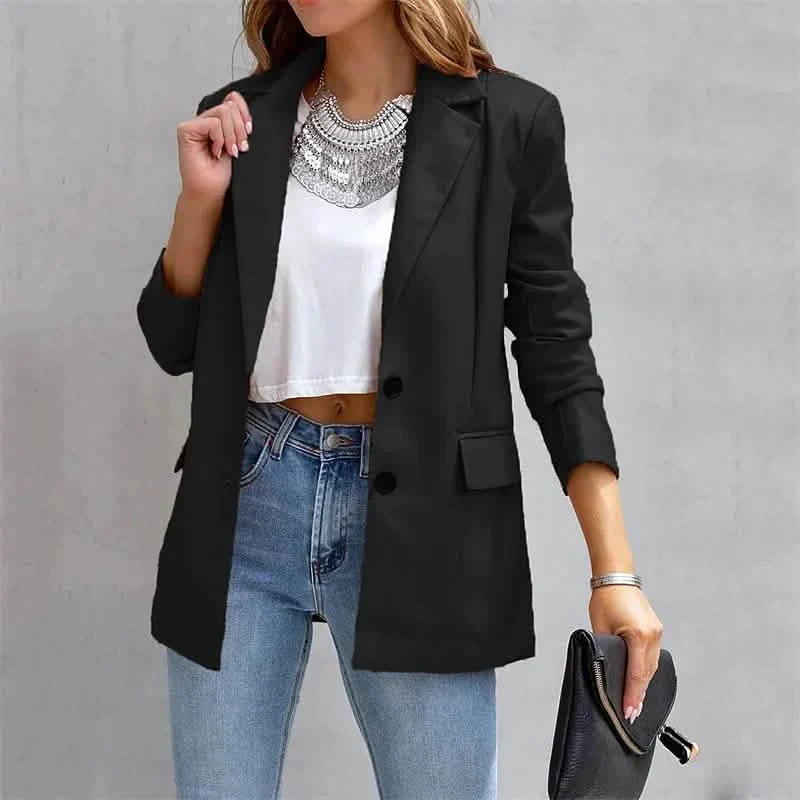
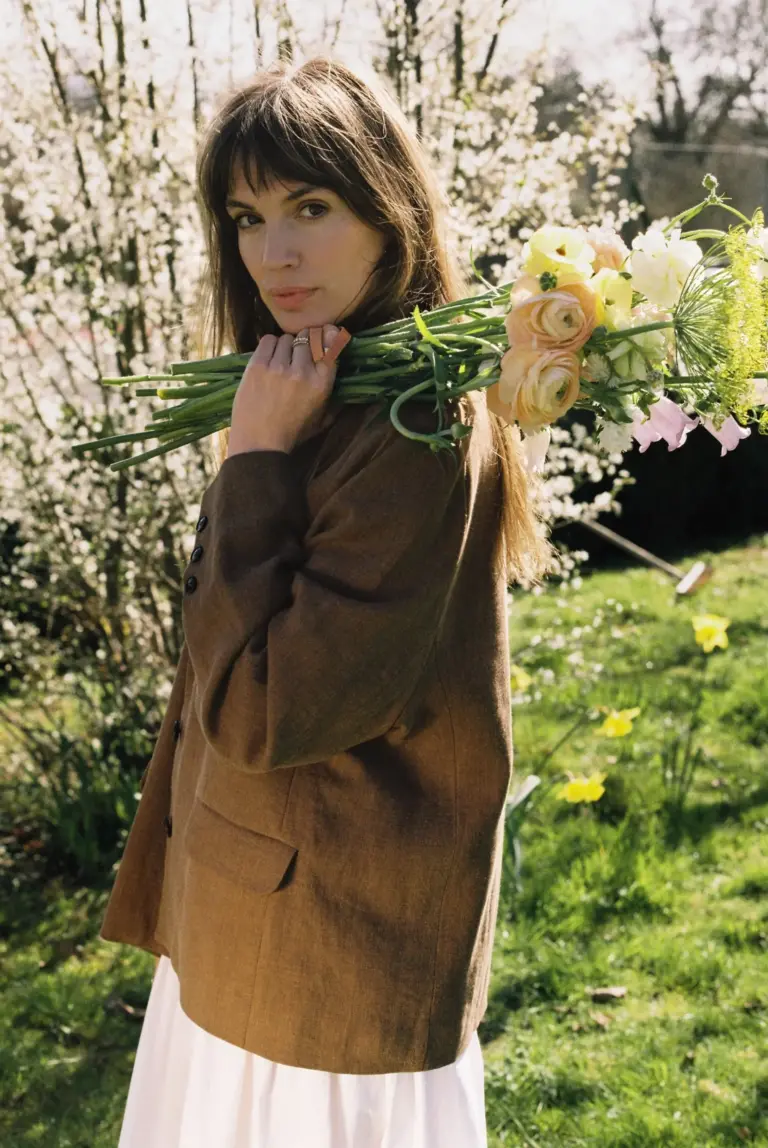 Wool Blazers: The Edit
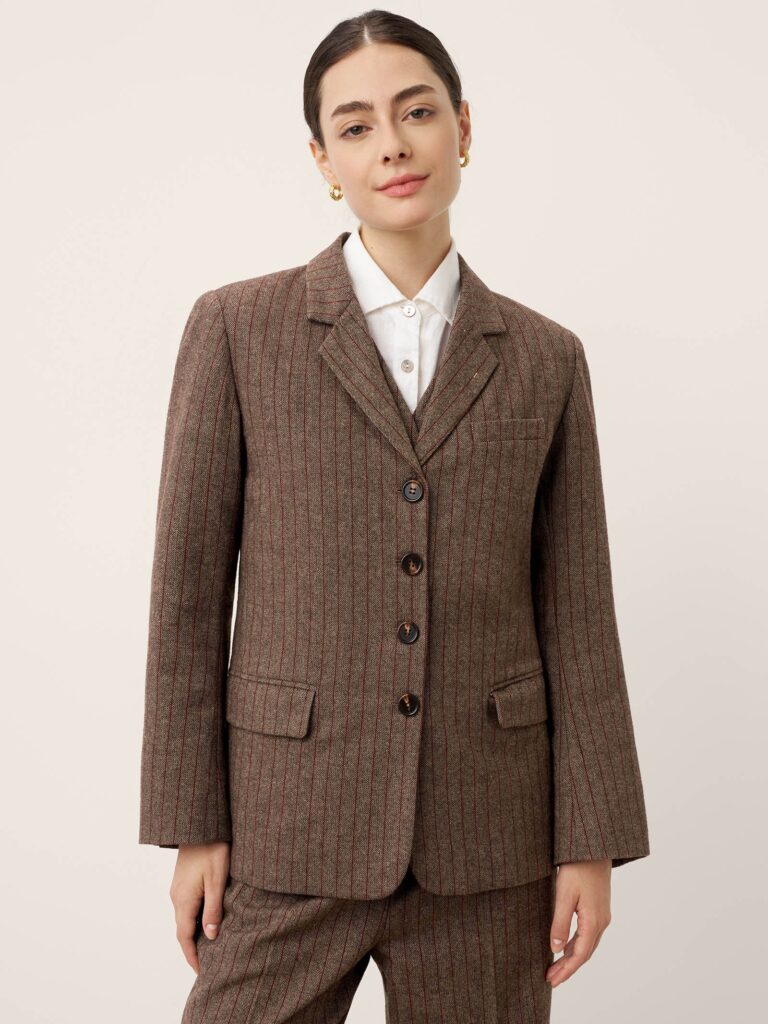
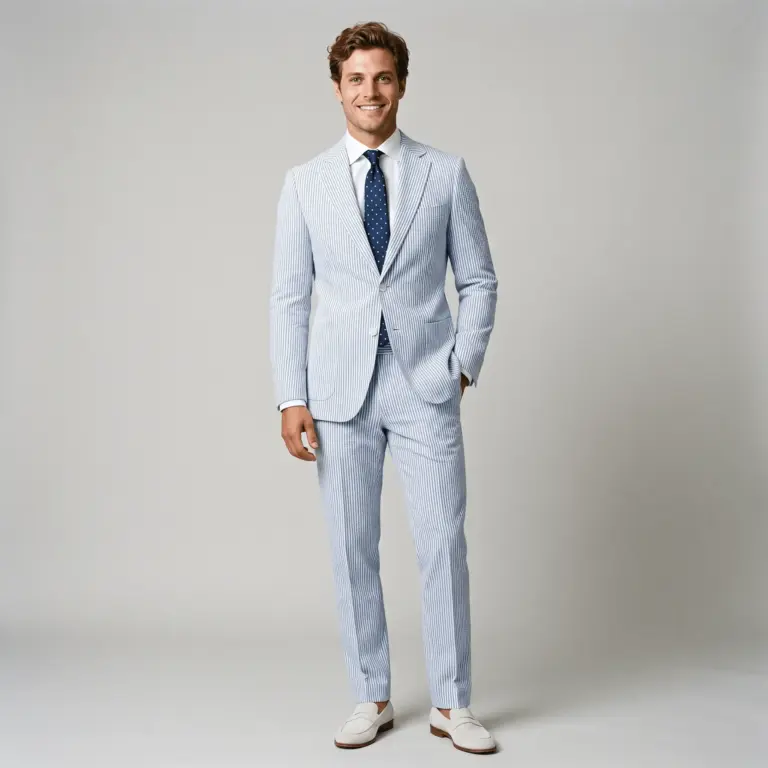 Smart White Cotton Blazers to Top Off Your Look
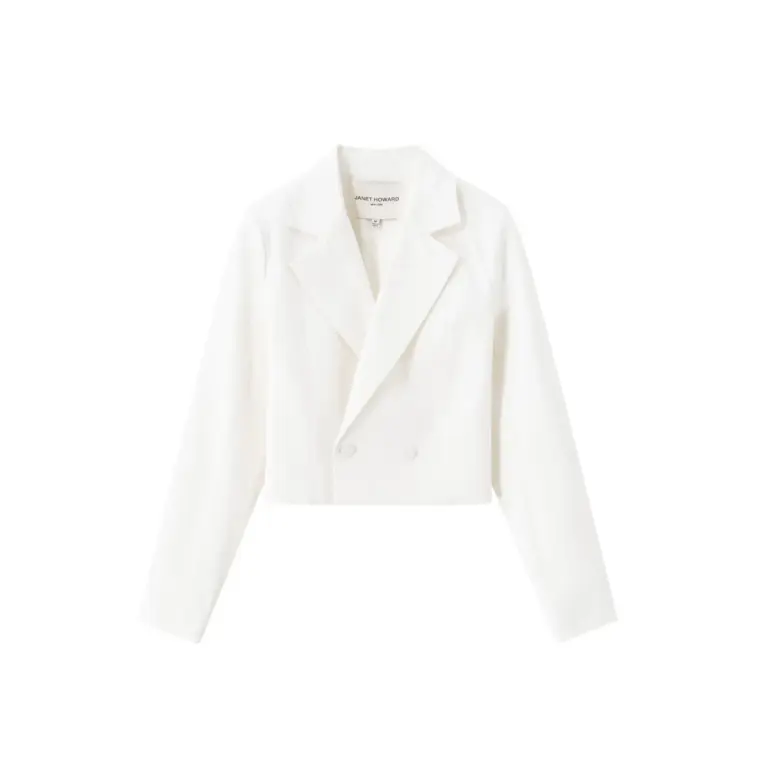
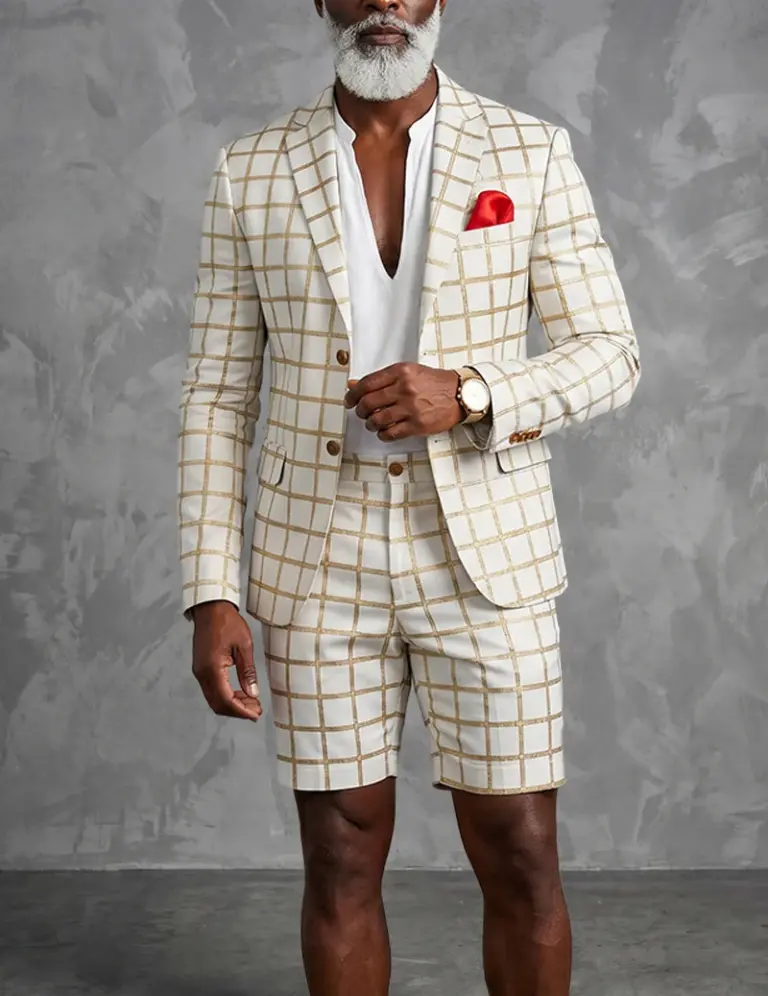 A Closer Look at the Best White Blazers
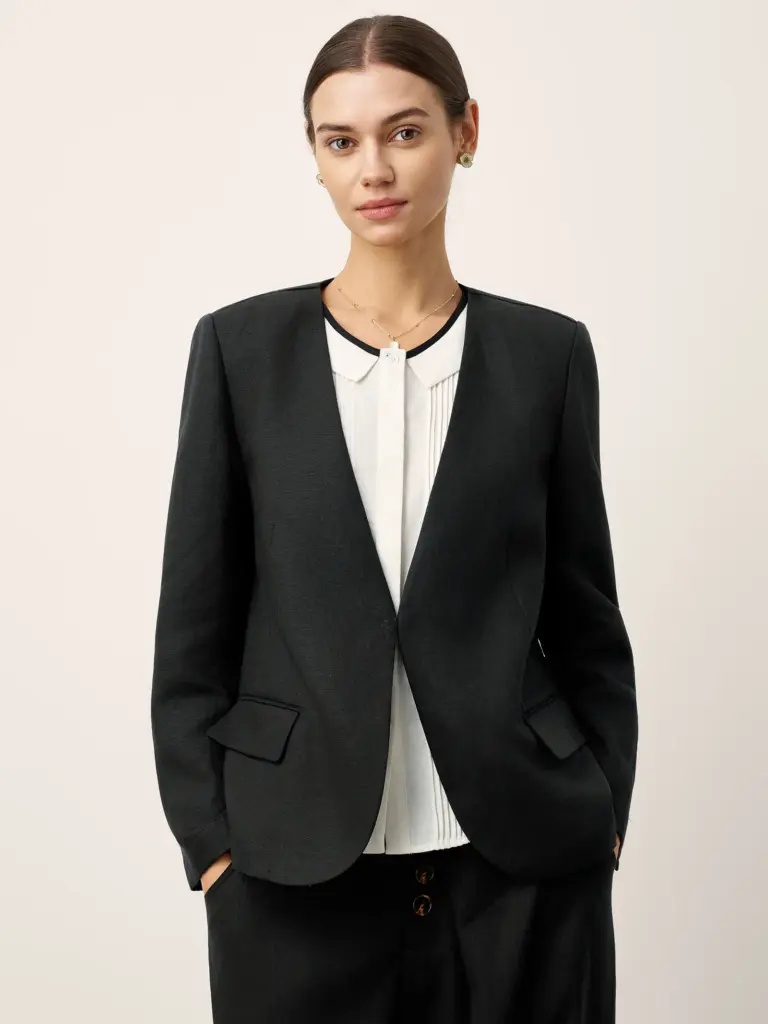
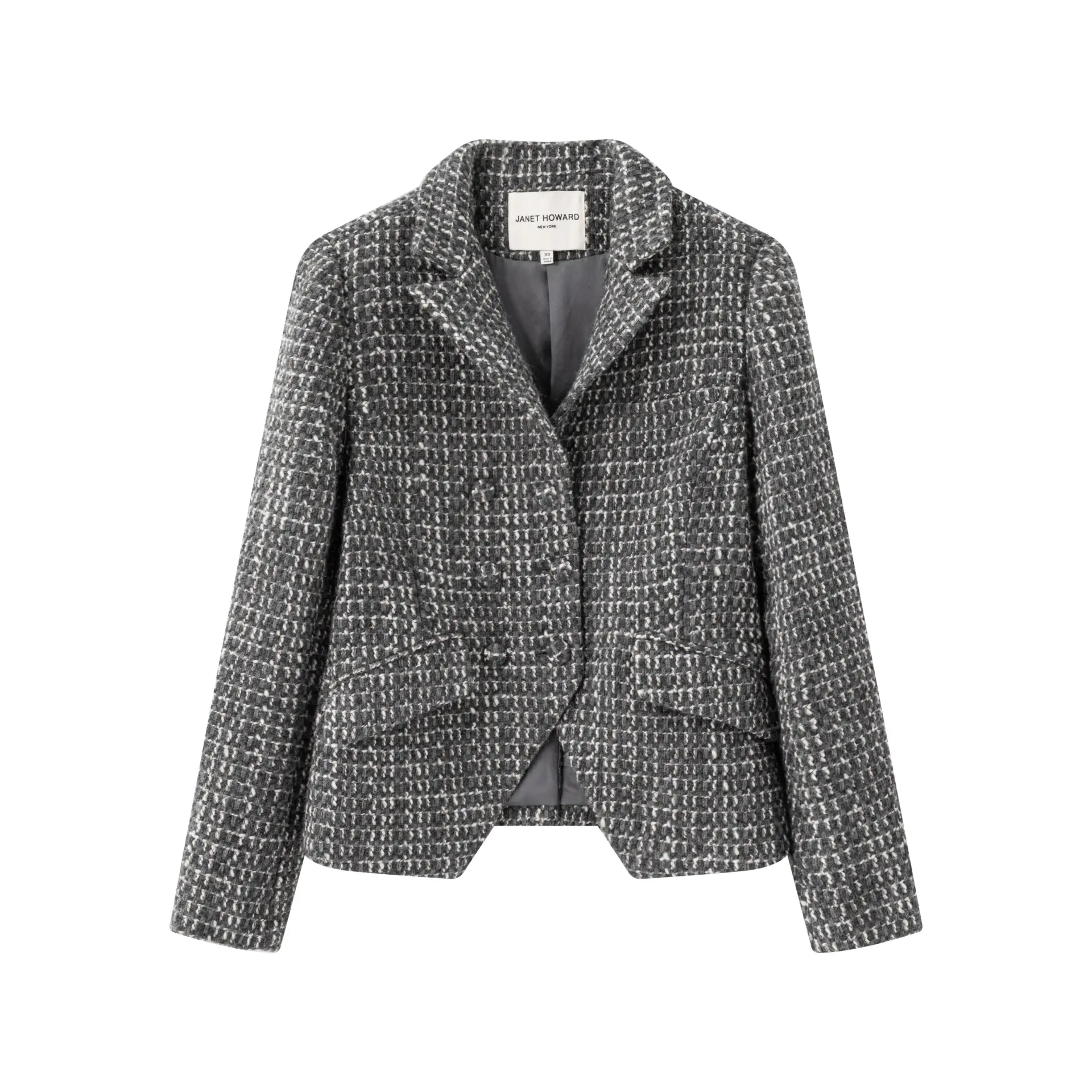 The Tweed Blazers Shortlist
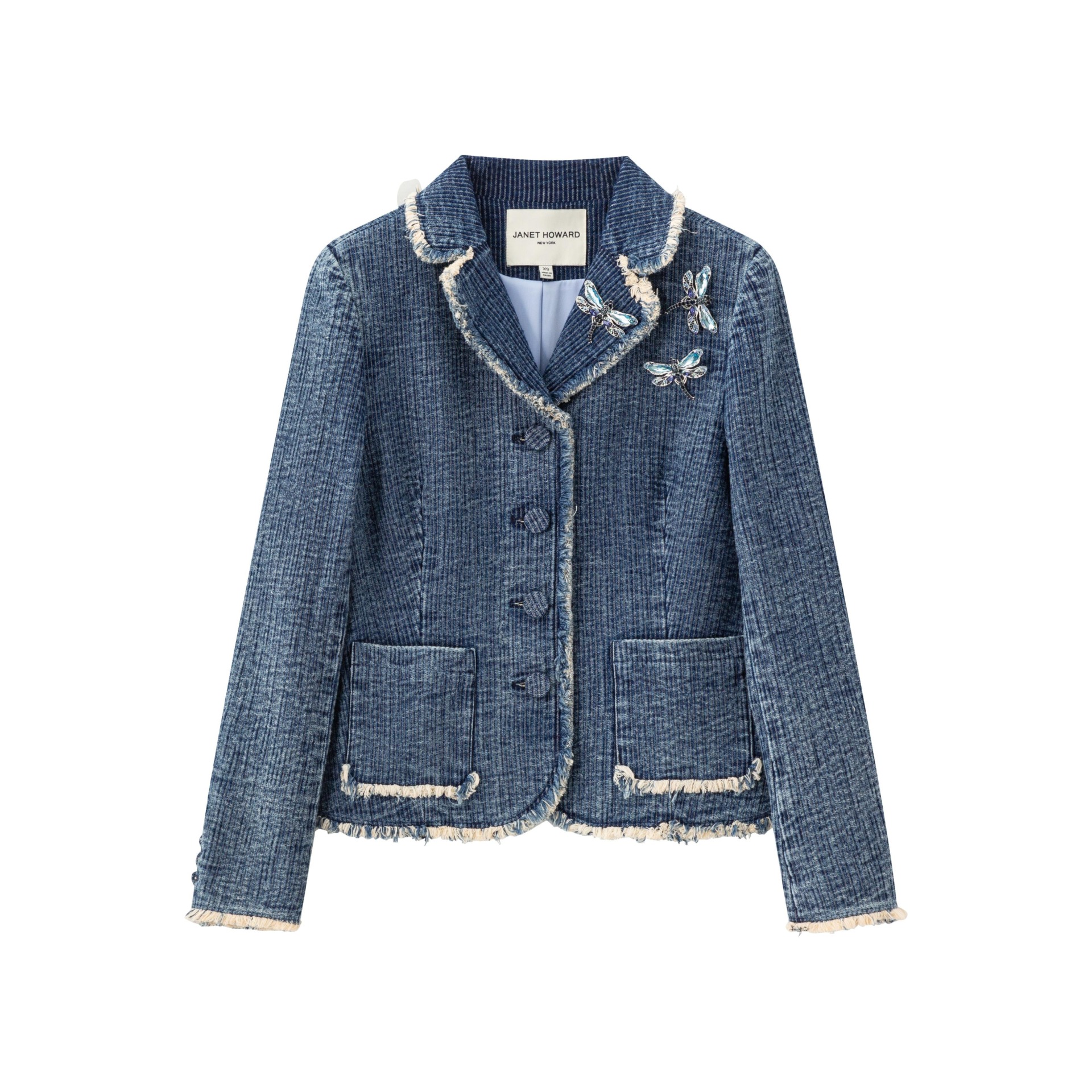
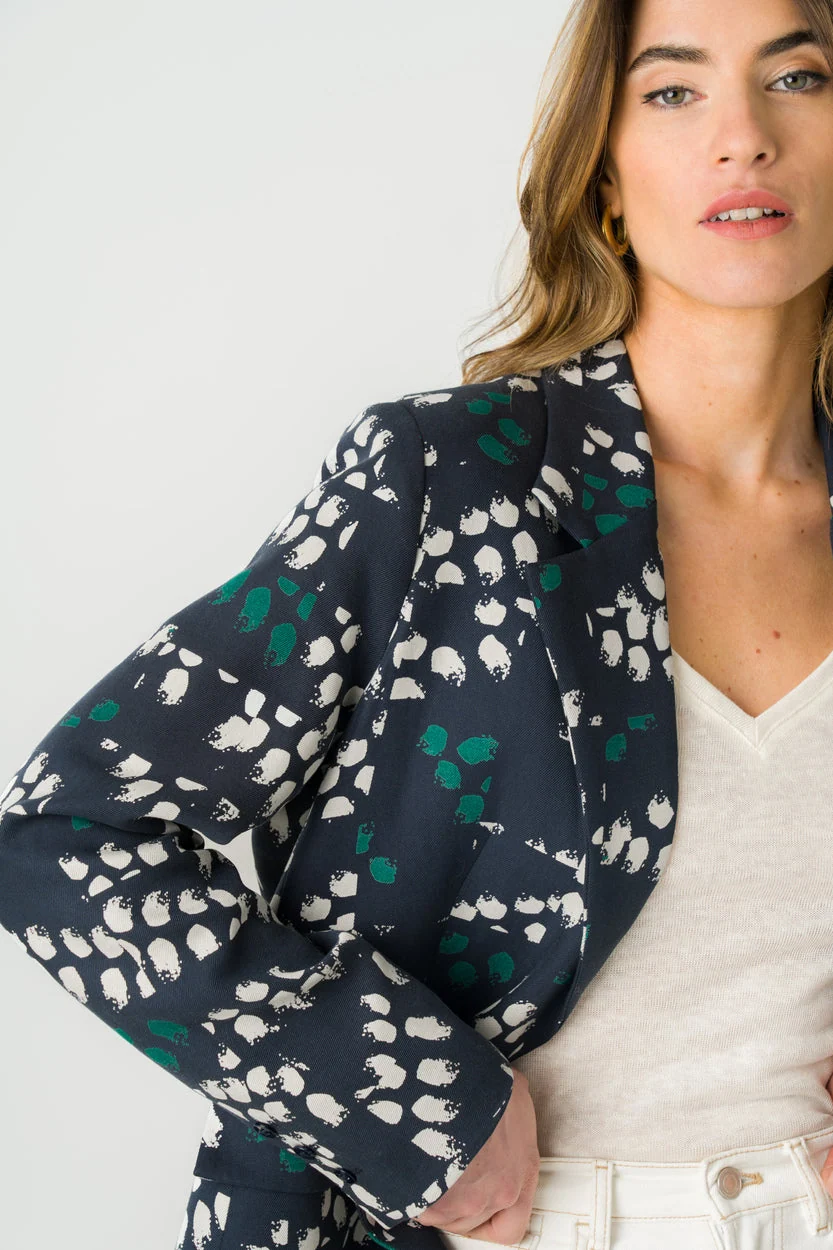 Tall Blazers You’ll Wear Year After Year
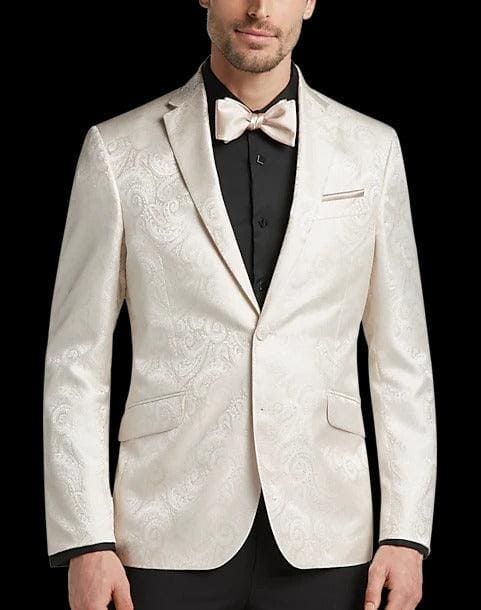
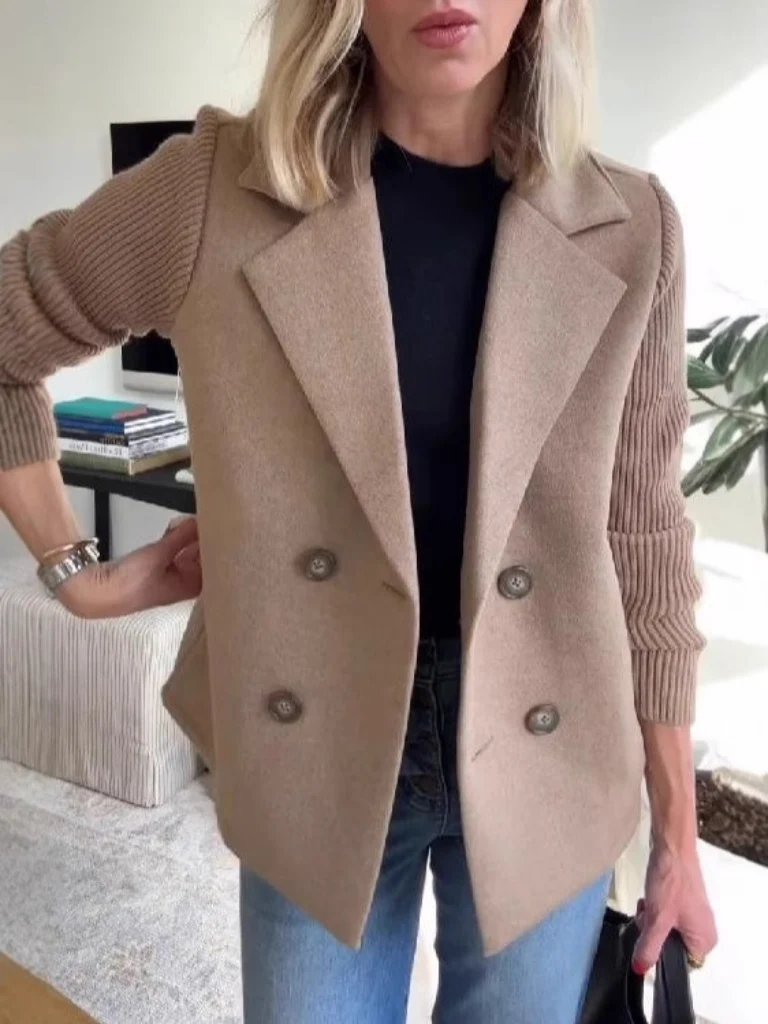 Shop Our Favorite Tailored Blazers
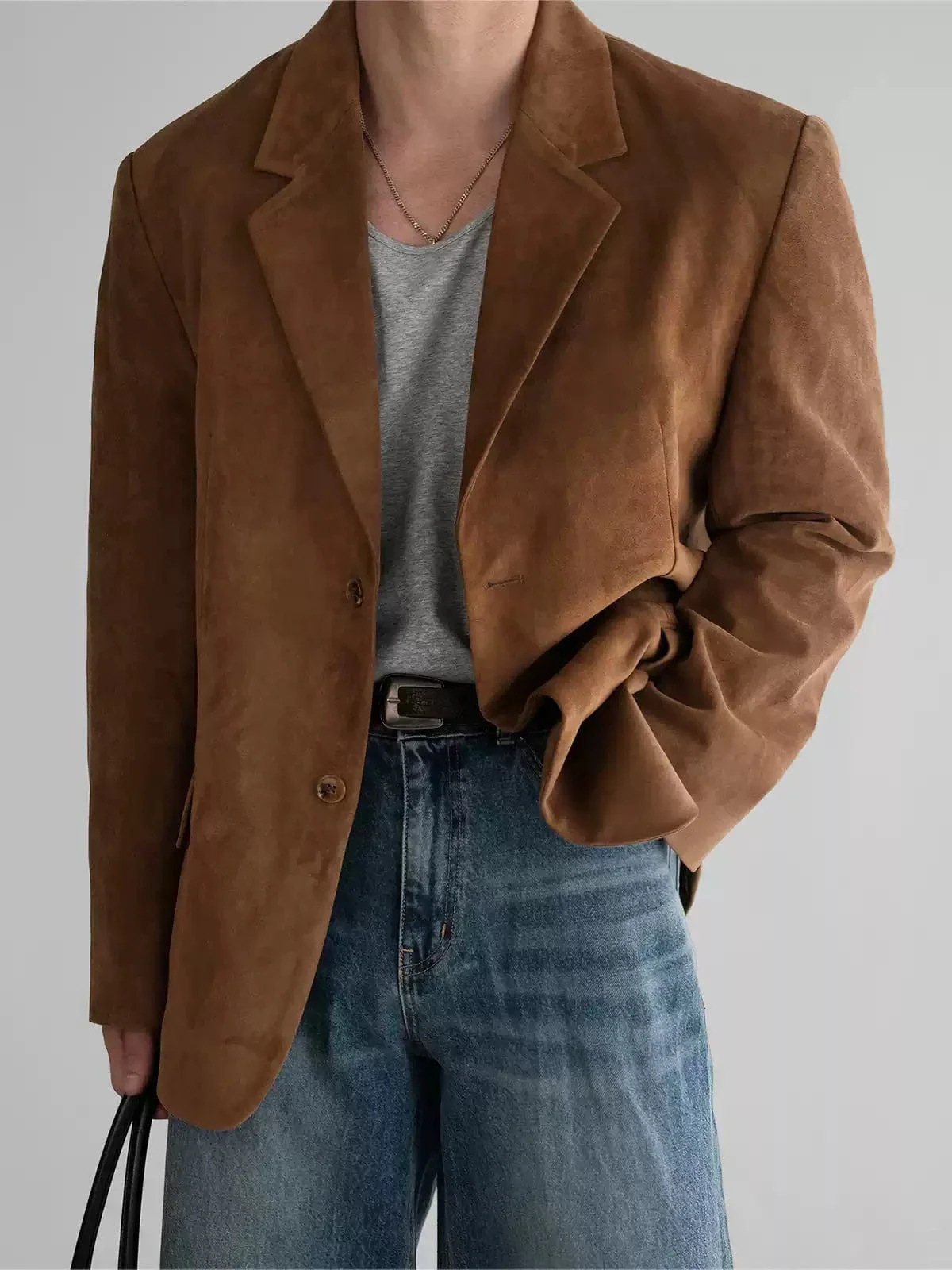
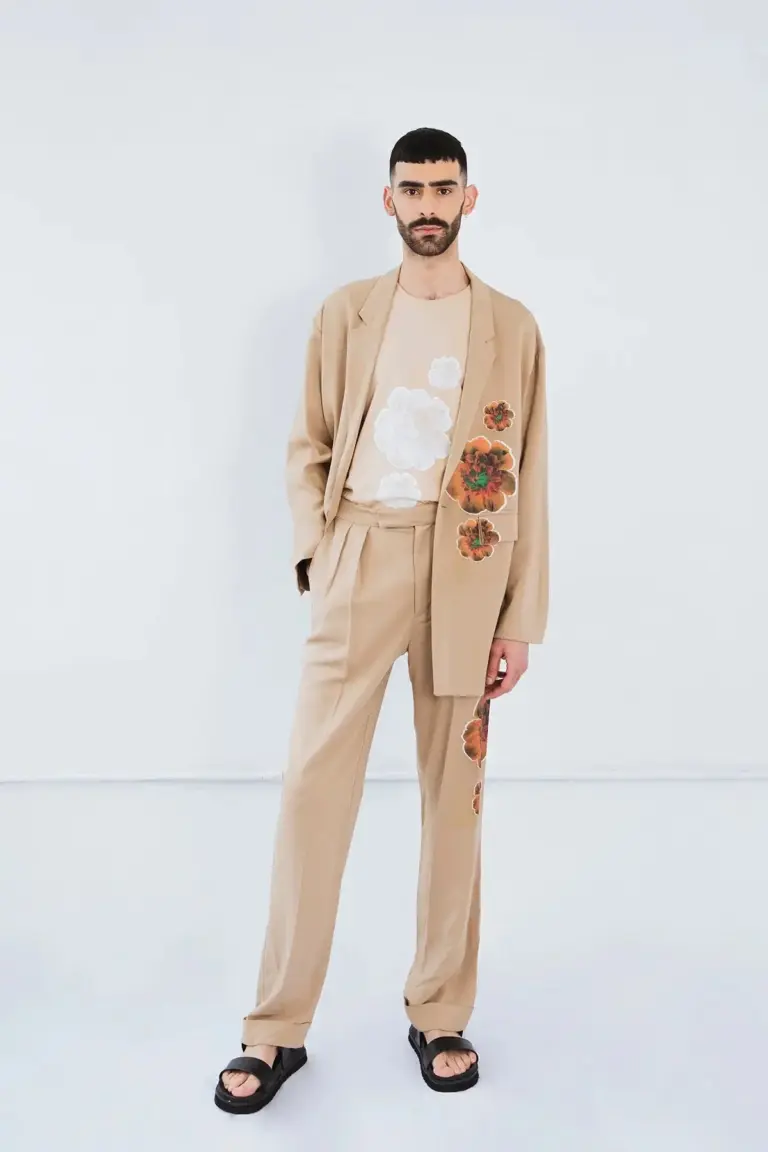 Shop Our Favorite Spring BlazersAlso worth a lookRelaxed Fit BlazersThe question I get asked most about relaxed fit blazers is whether they'll just look like I've grabbed…See the collections →
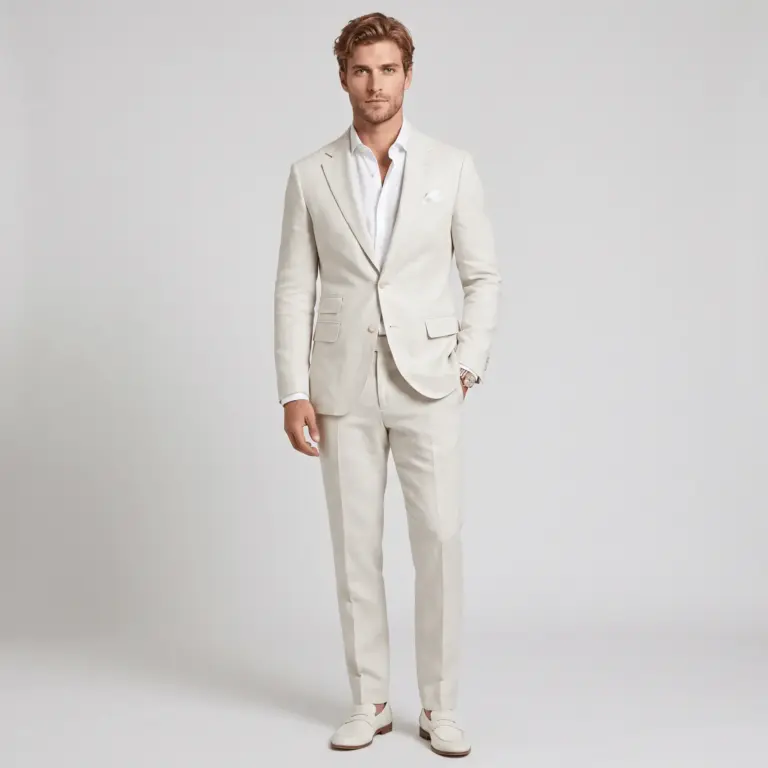
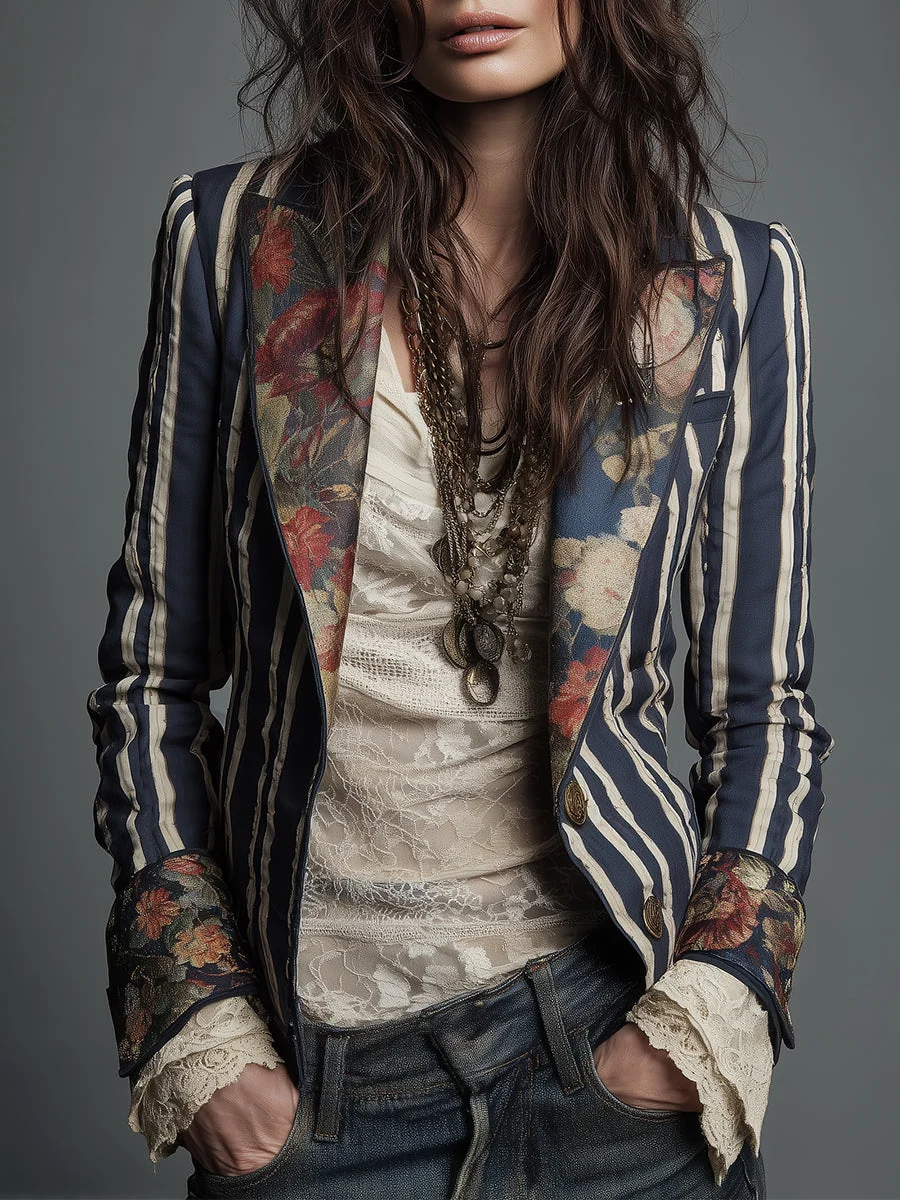 Our Go To Single Breasted Blazers
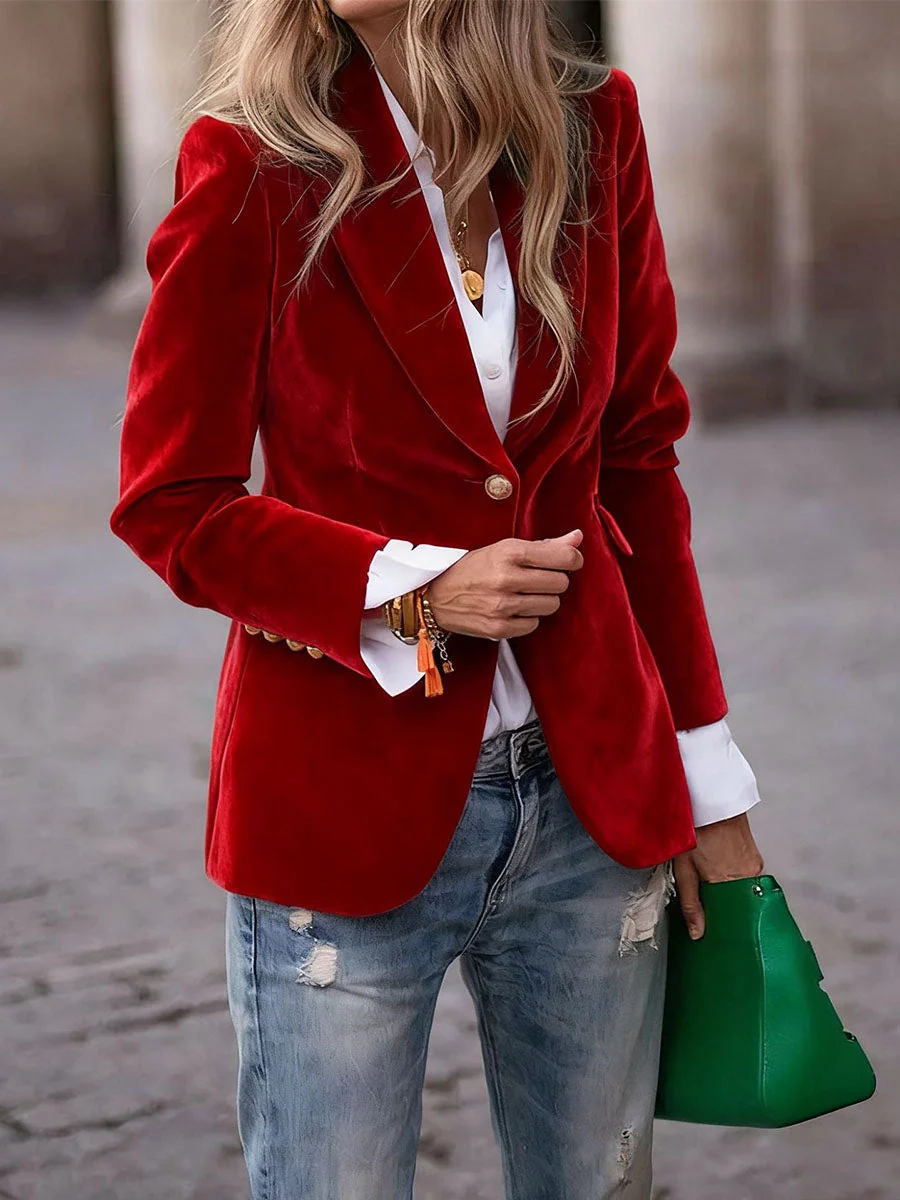
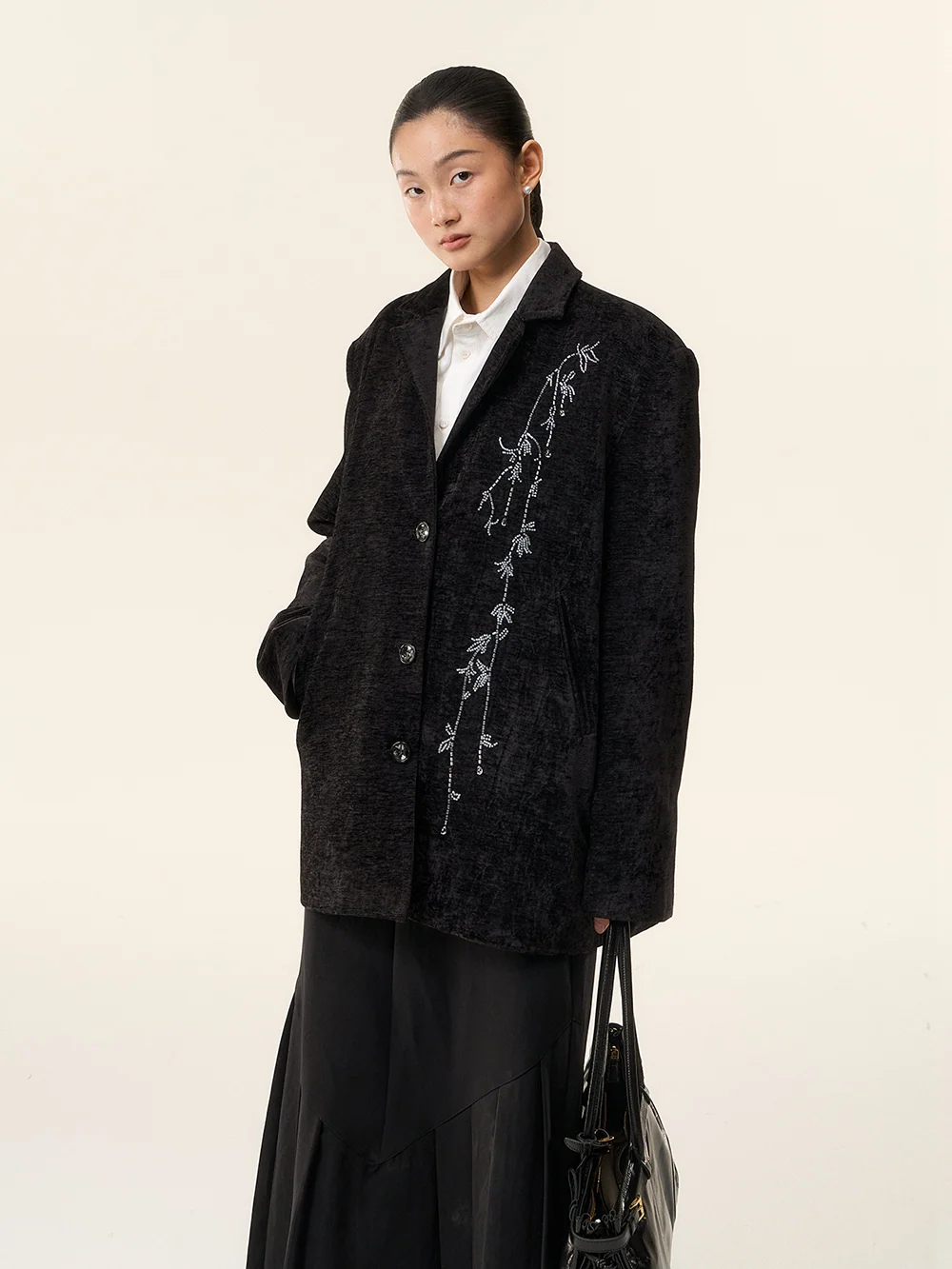 Silver Blazers We’d Buy Again
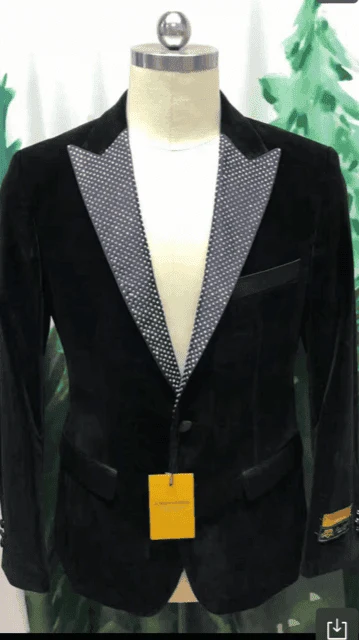
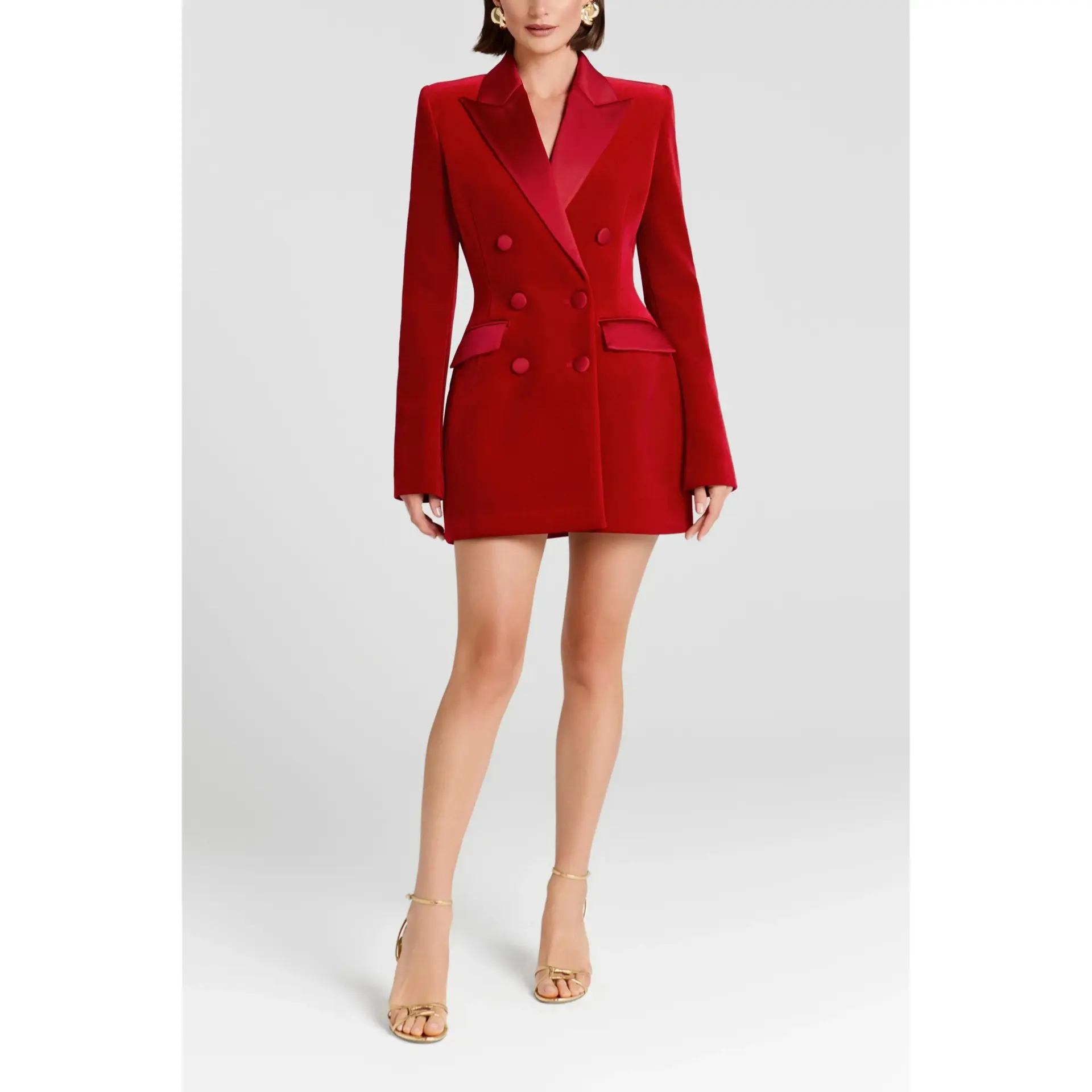
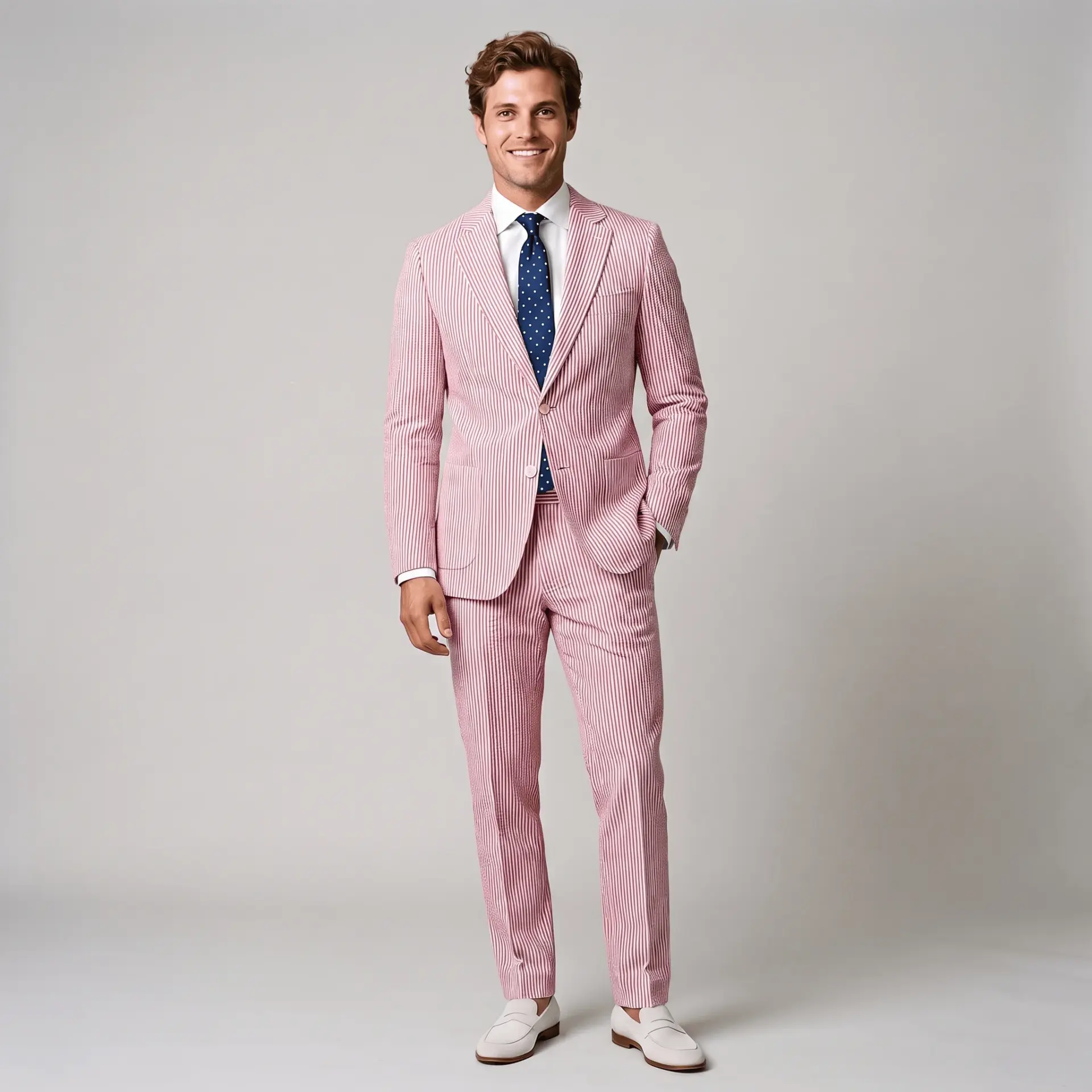 Shop Our Favorite Red Cotton Blazers
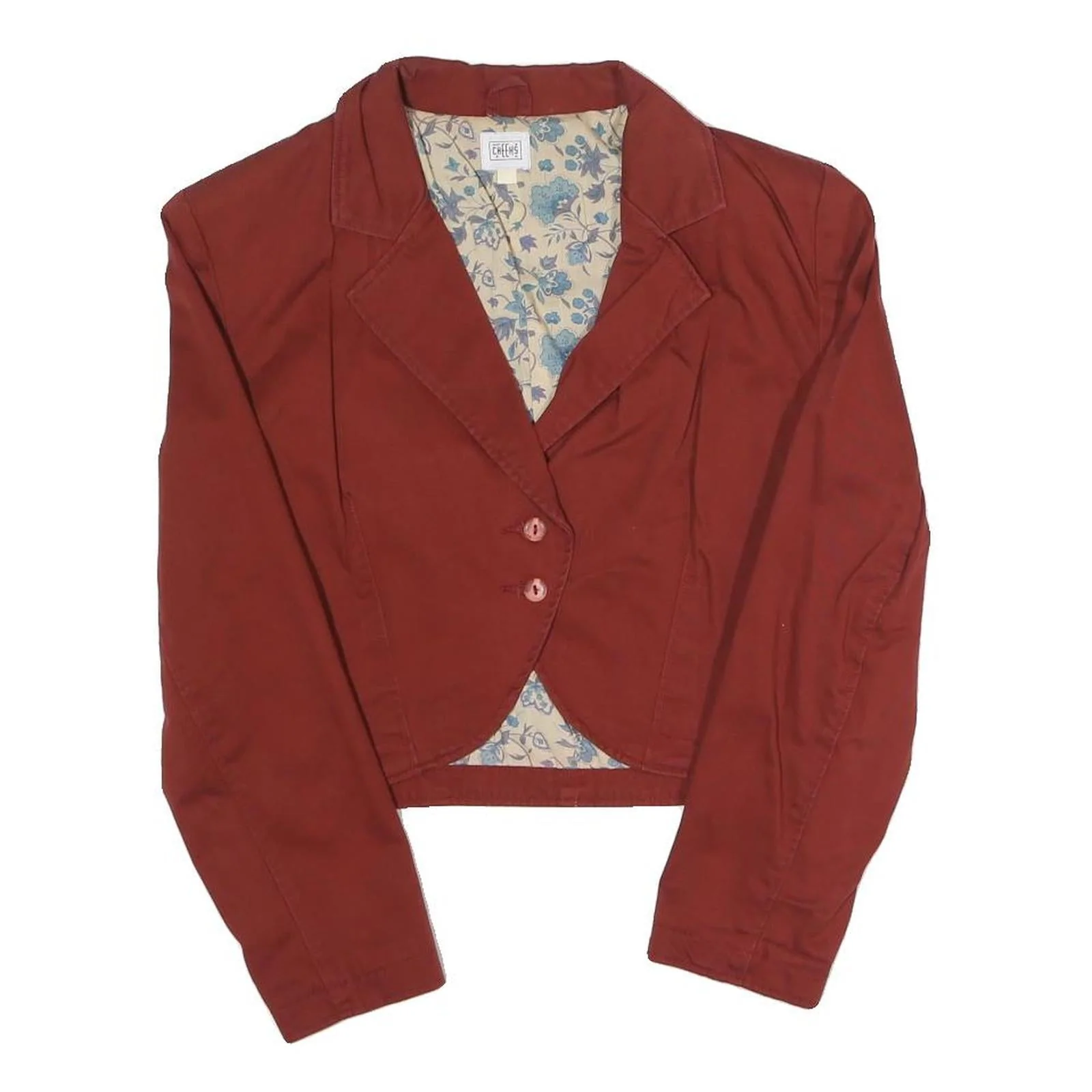
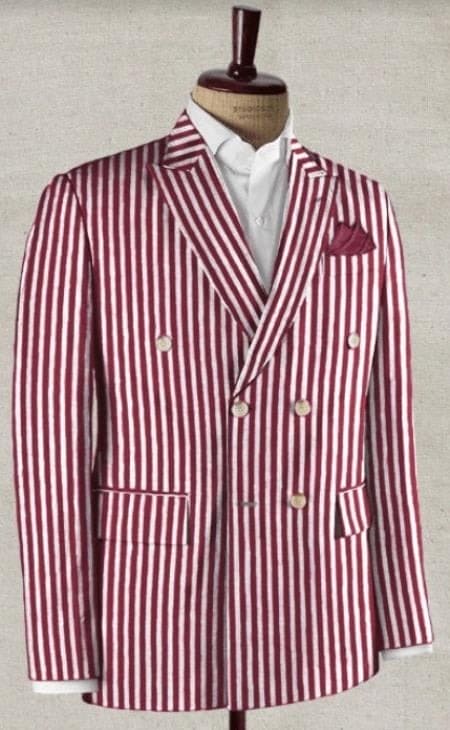 Red Blazers That Make an Entrance
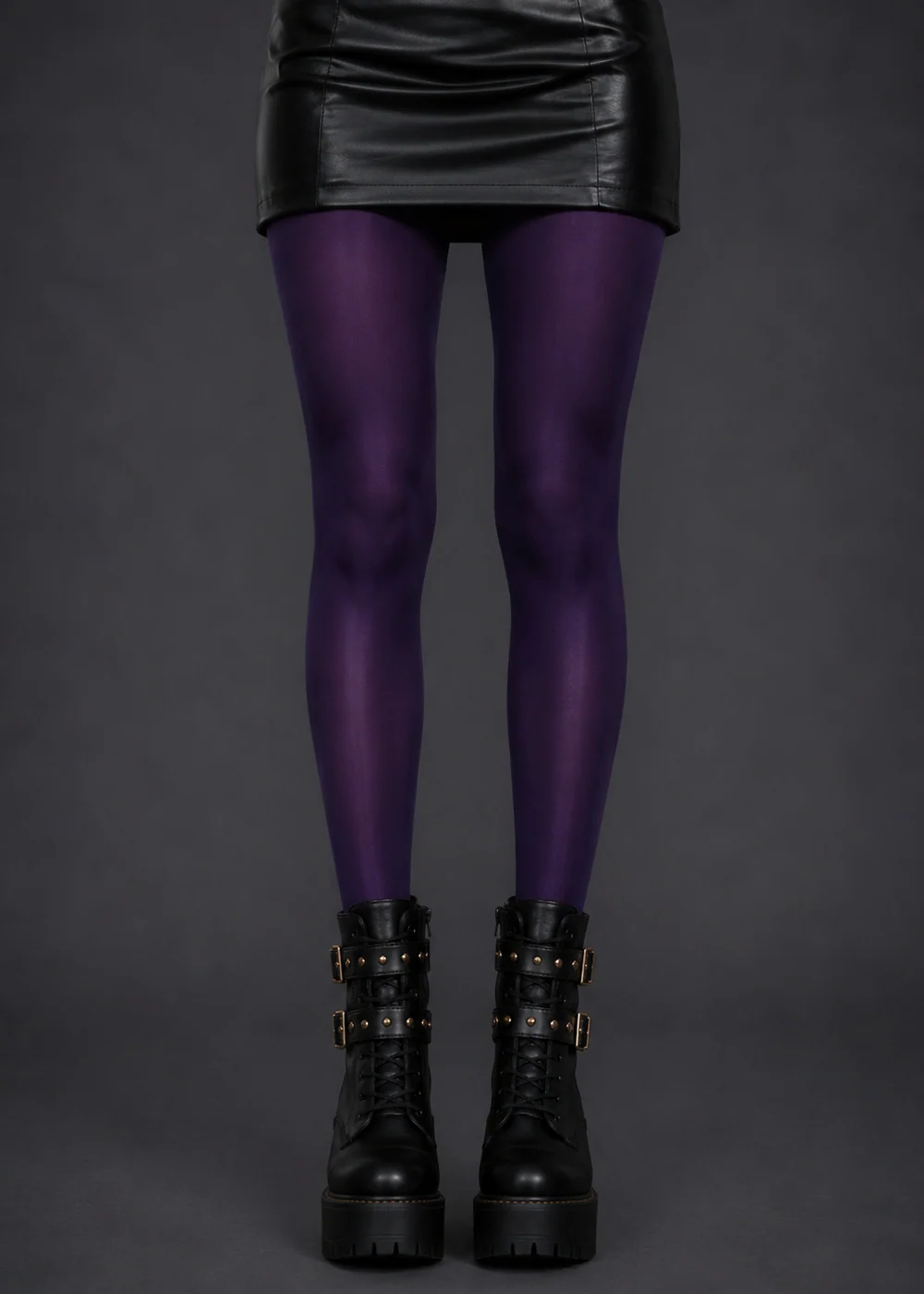 Purple Blazers We’d Buy Again
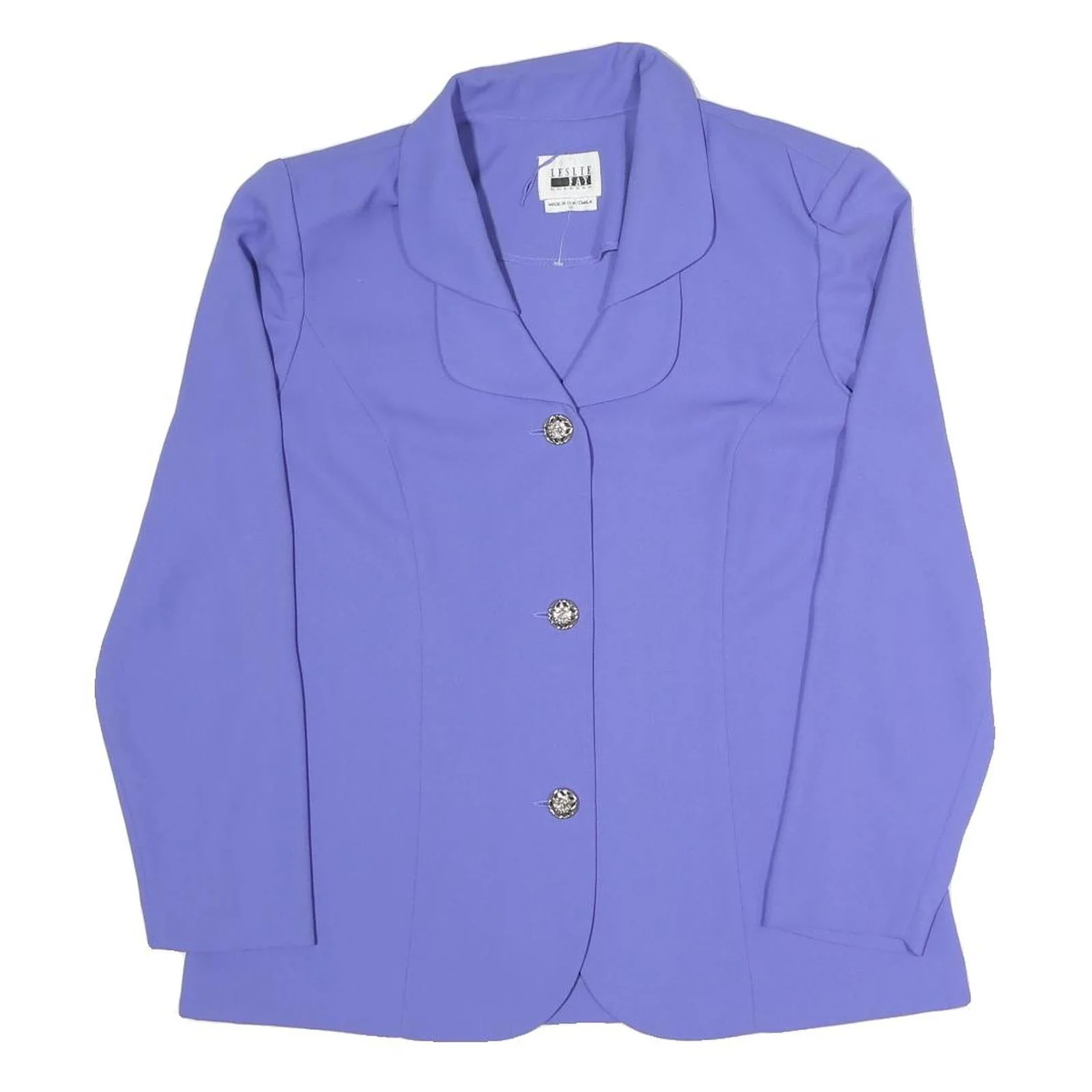
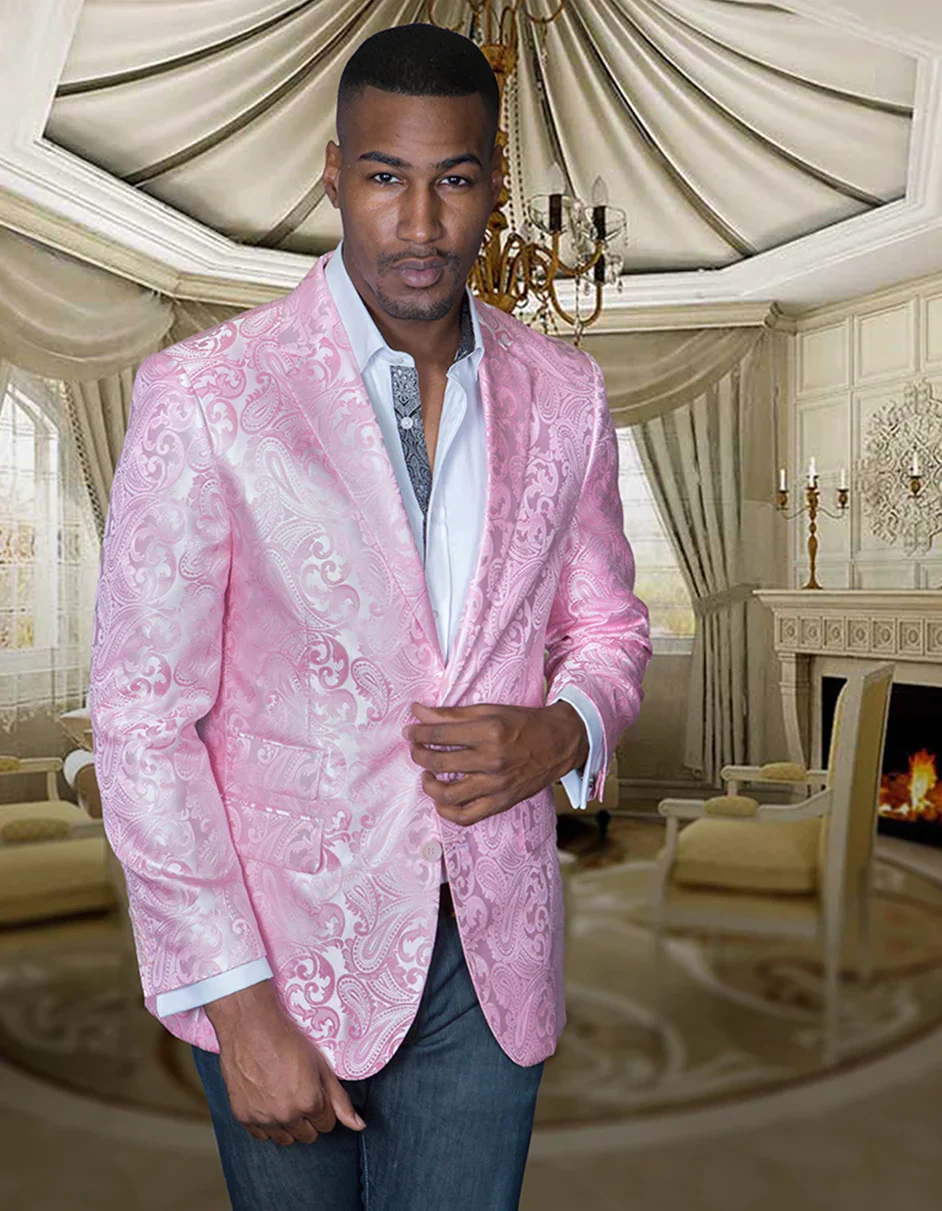 Pink Blazers That Make an Entrance
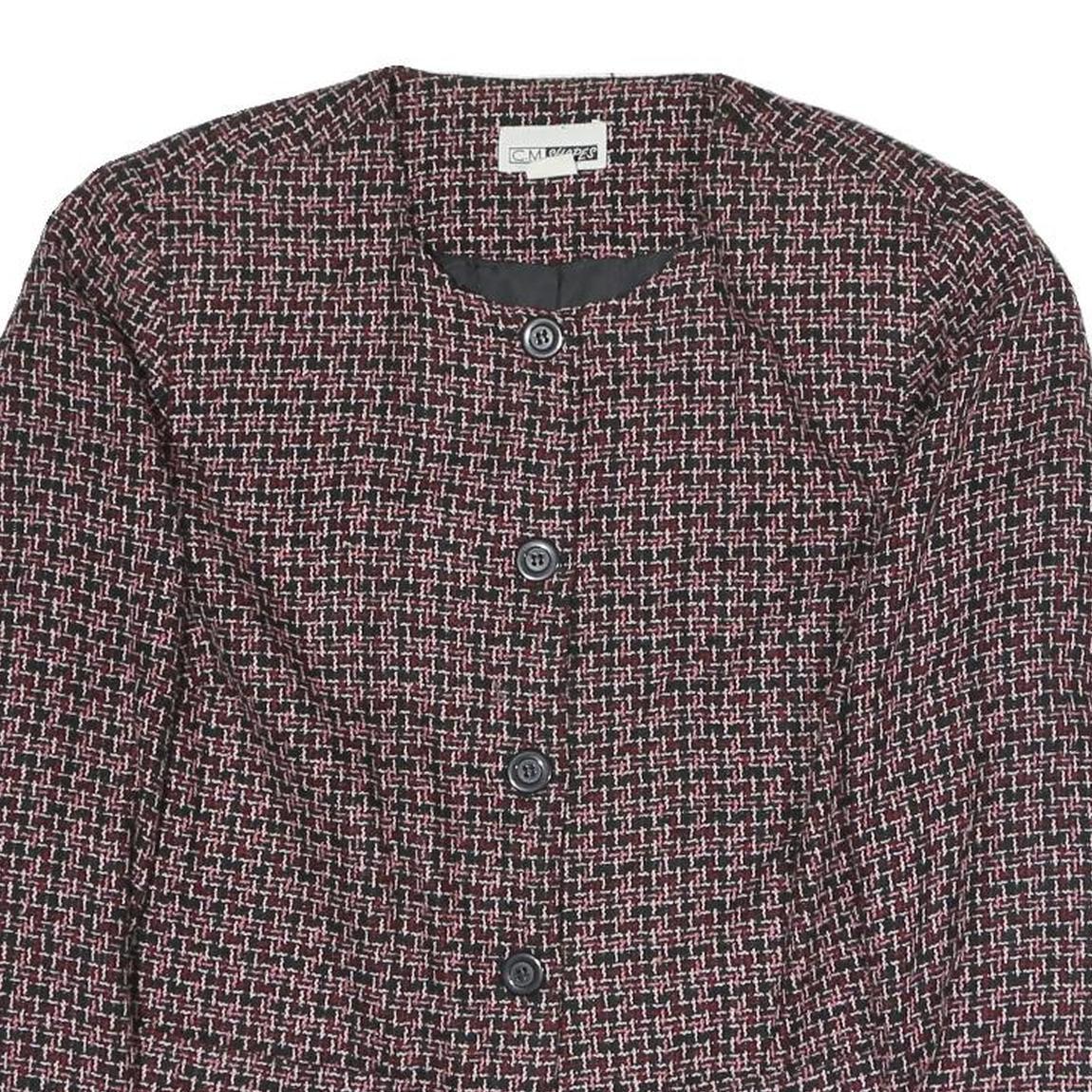
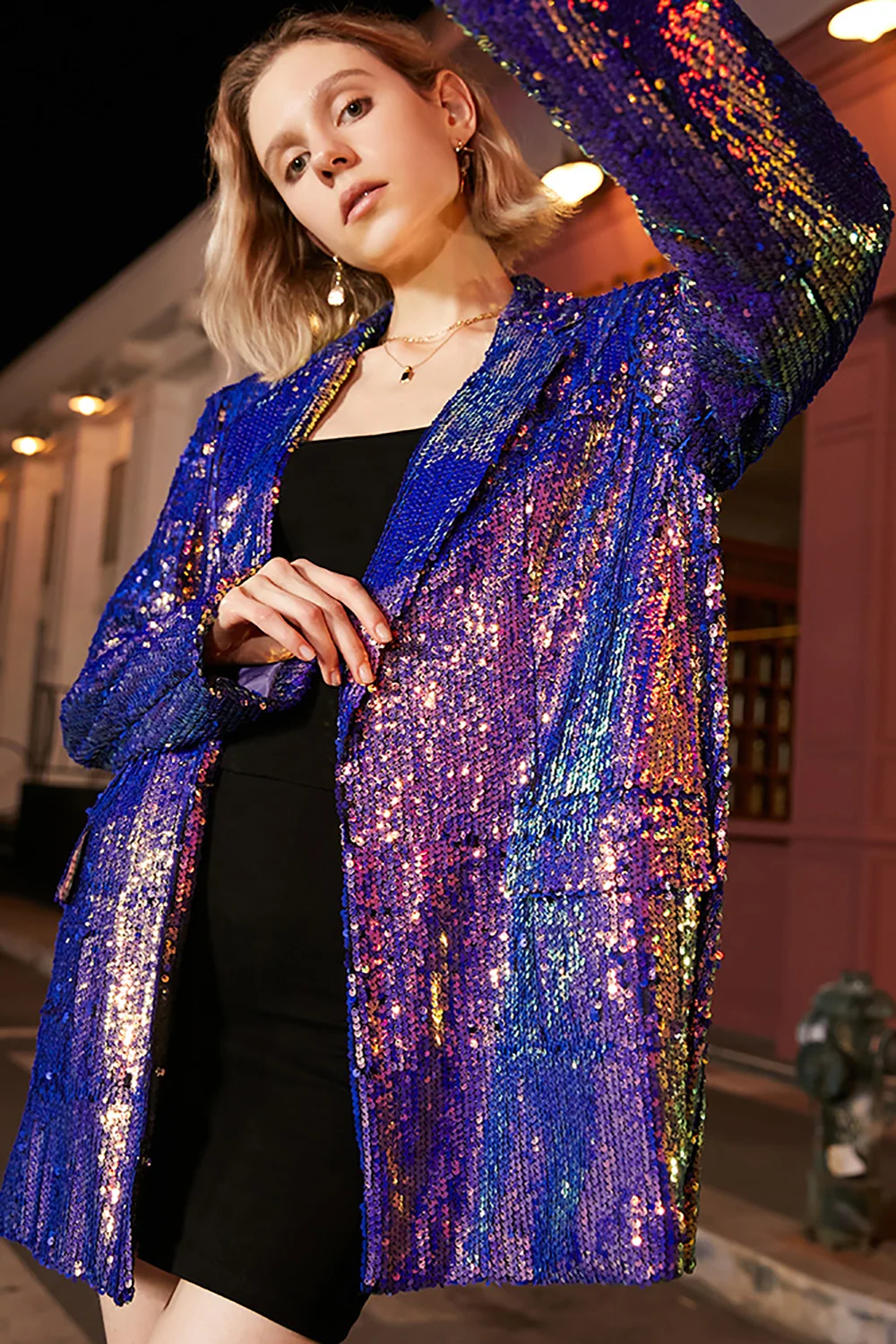 Oversized Blazers We Think You’ll Love
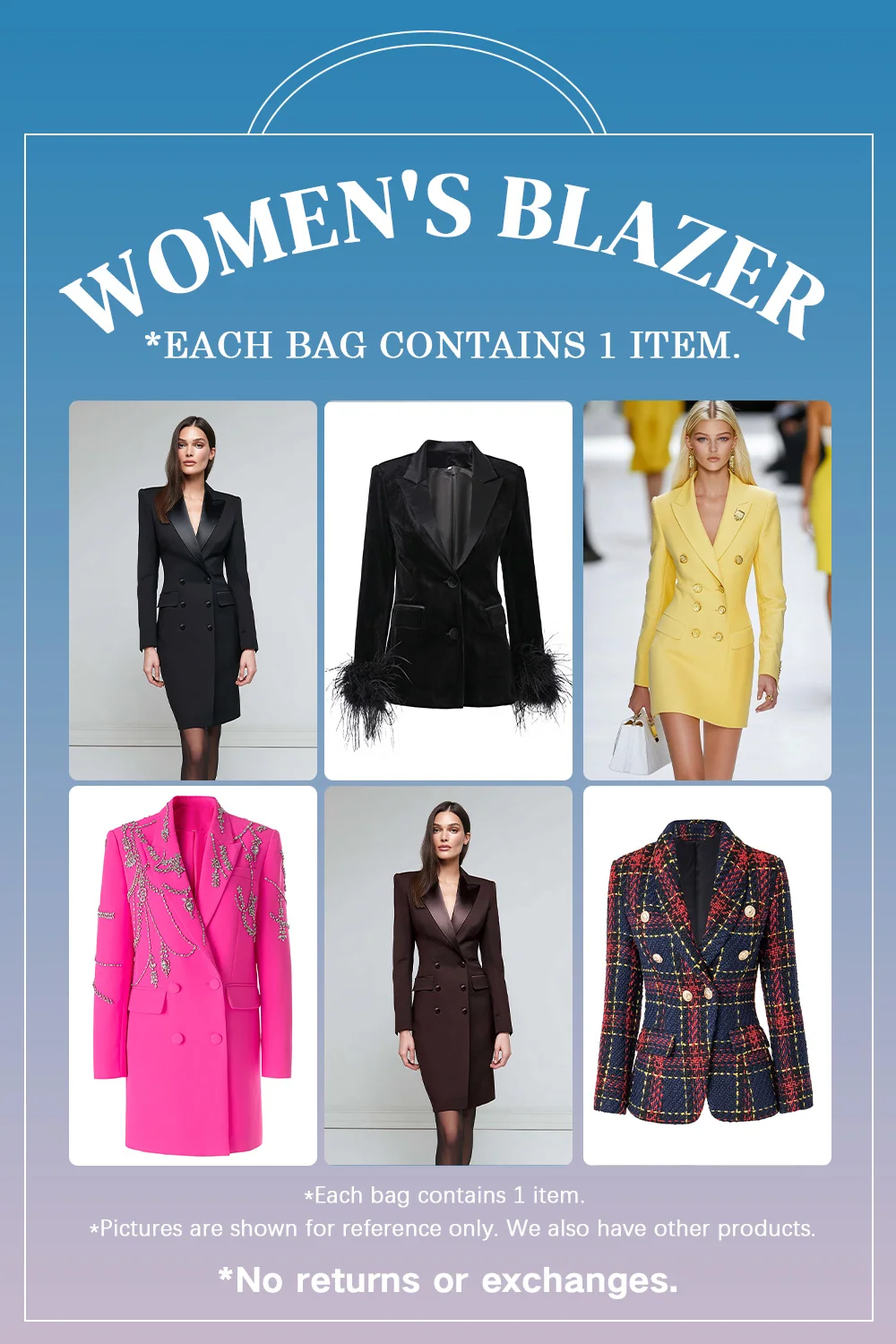
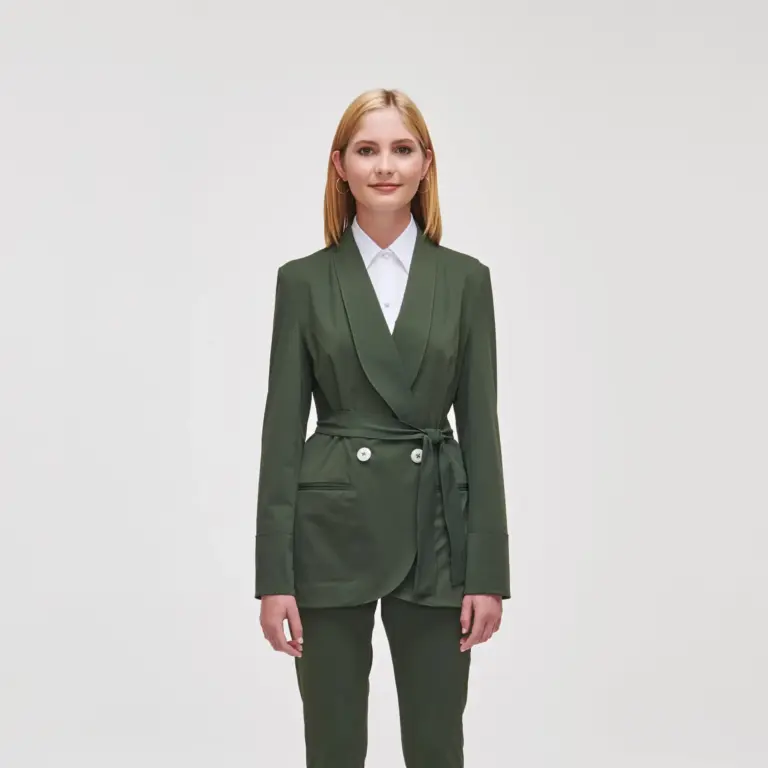 Nylon Blazers We Can’t Stop Looking At
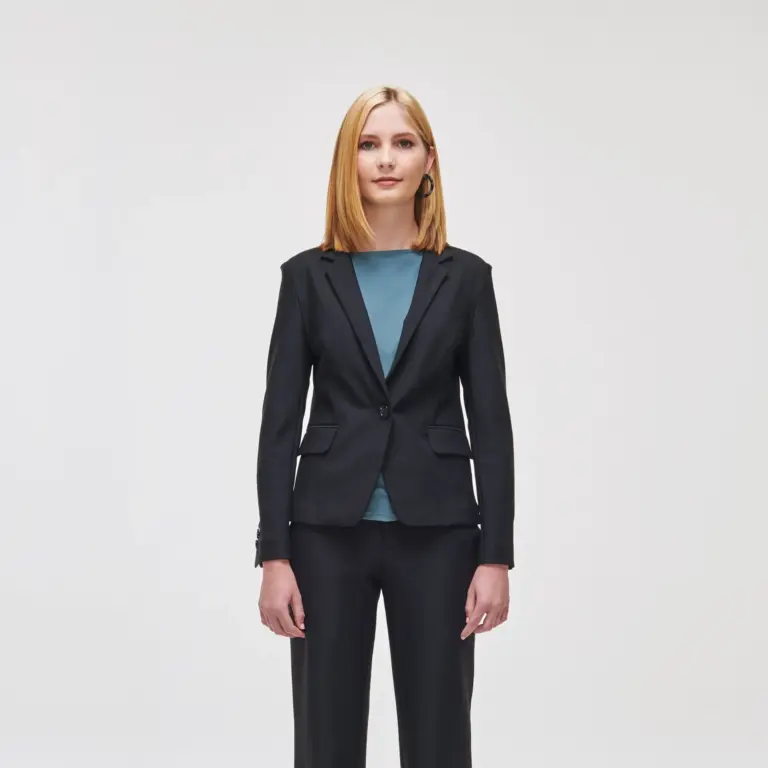
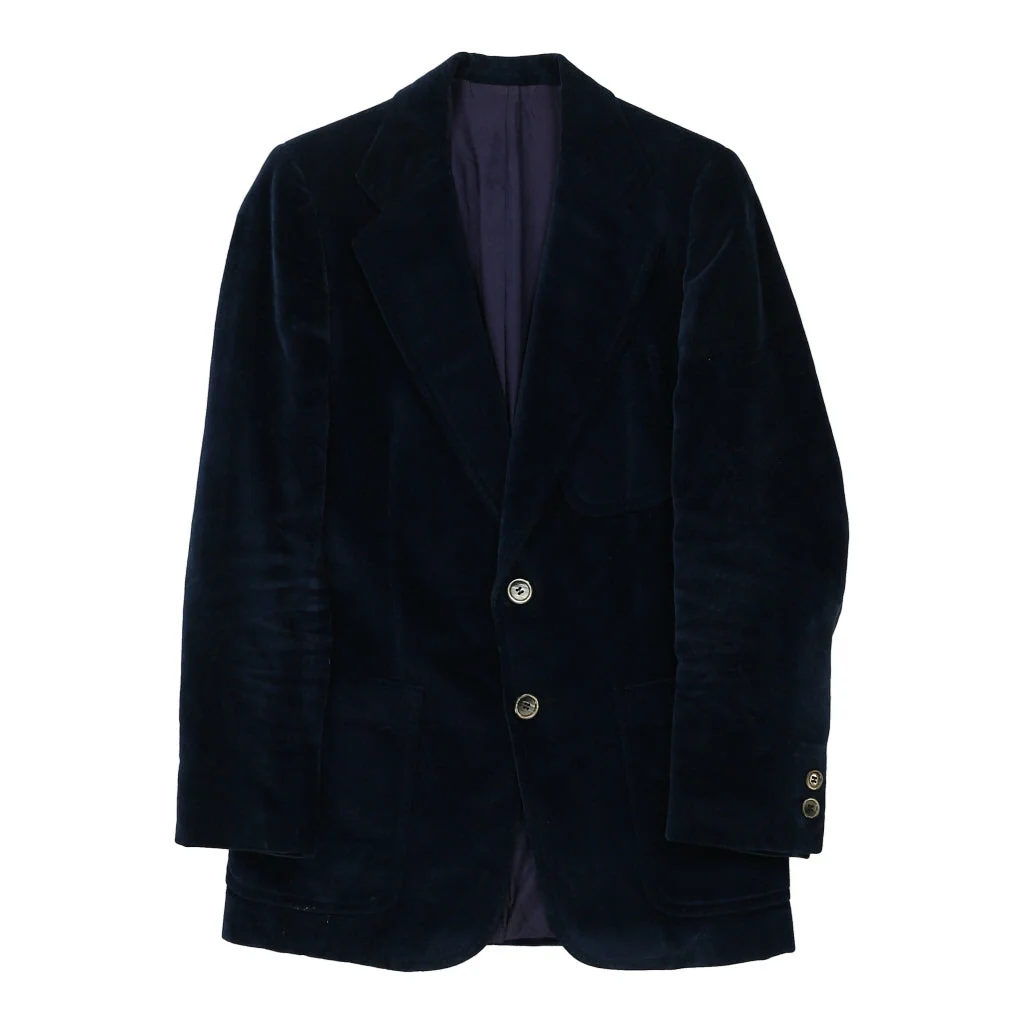 A Closer Look at the Best Navy Wool BlazersAlso worth a lookSuitsThe week a suit earns its place is usually the one with something formal looming, an interview on…See the collections →
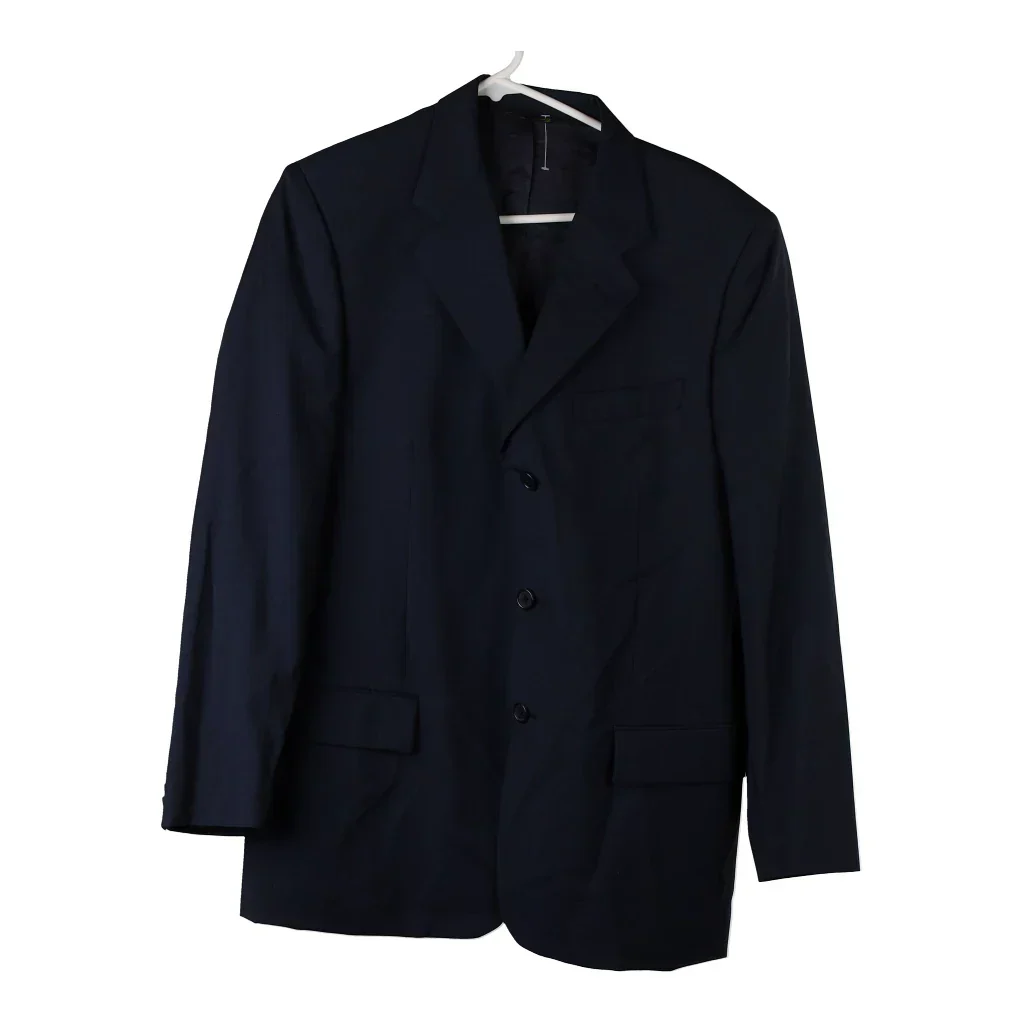
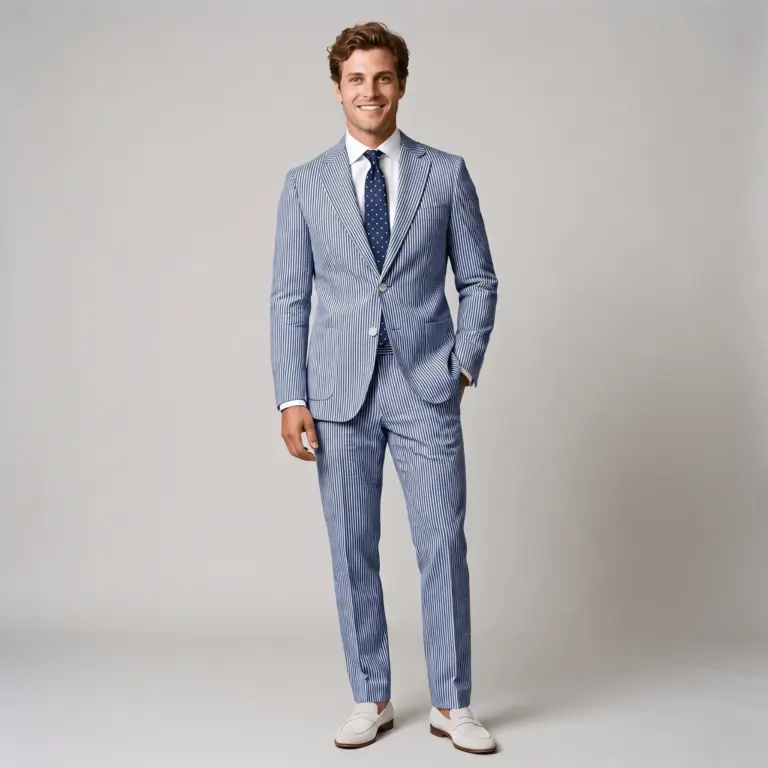 Navy Cotton Blazers Picked by Us
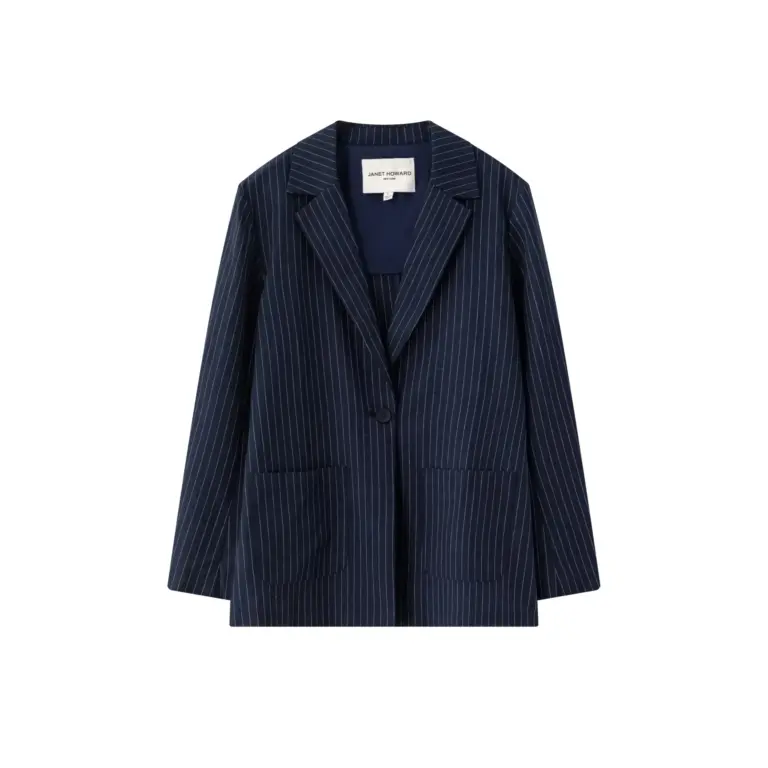
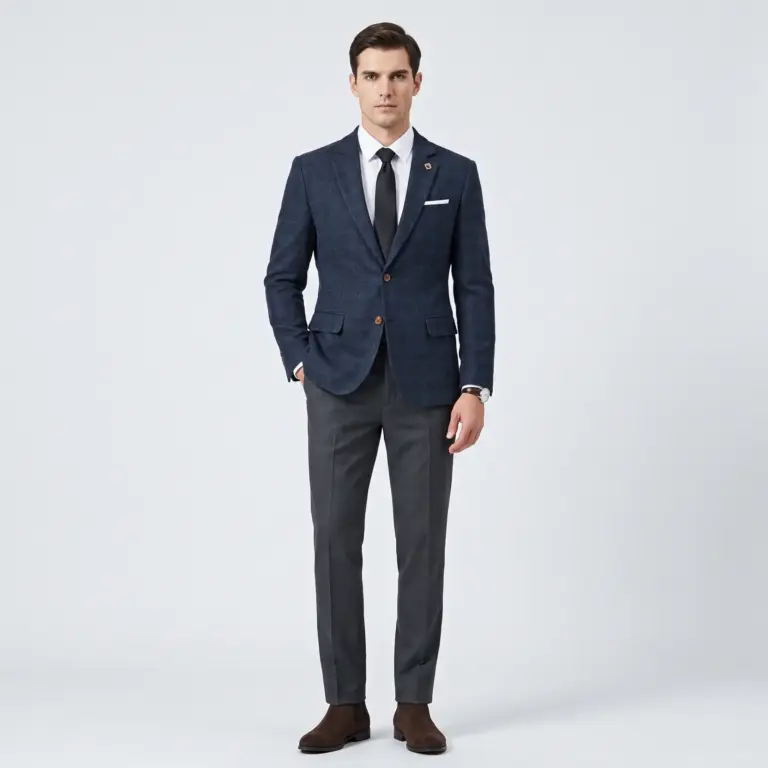 Navy Blazers We’d Buy Again
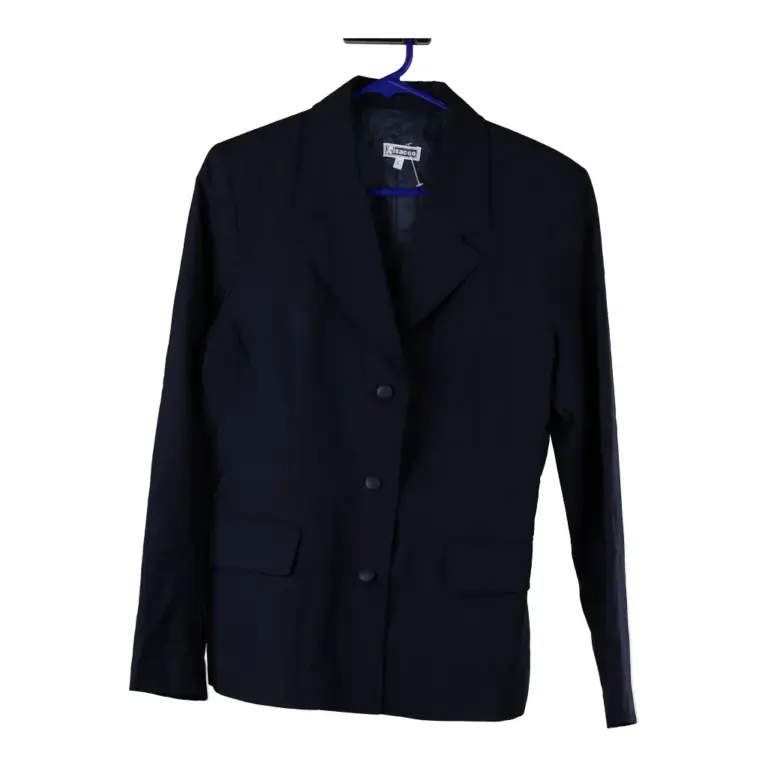
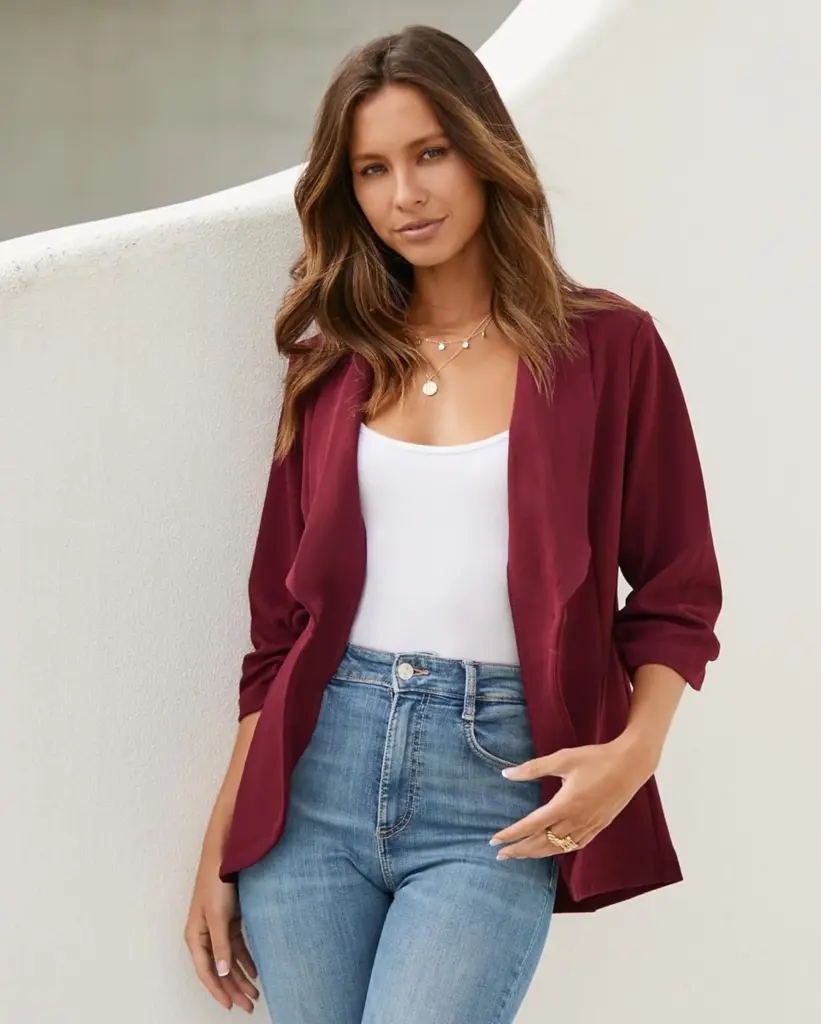 Smart Long Sleeve Blazers to Top Off Your Look
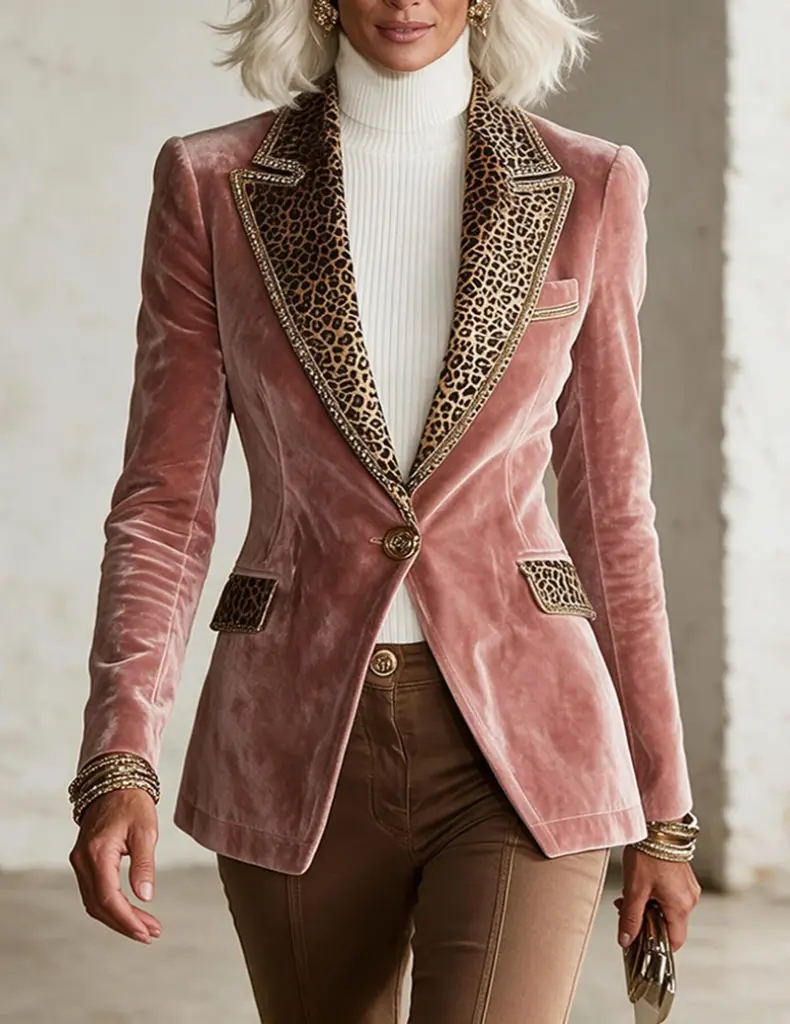
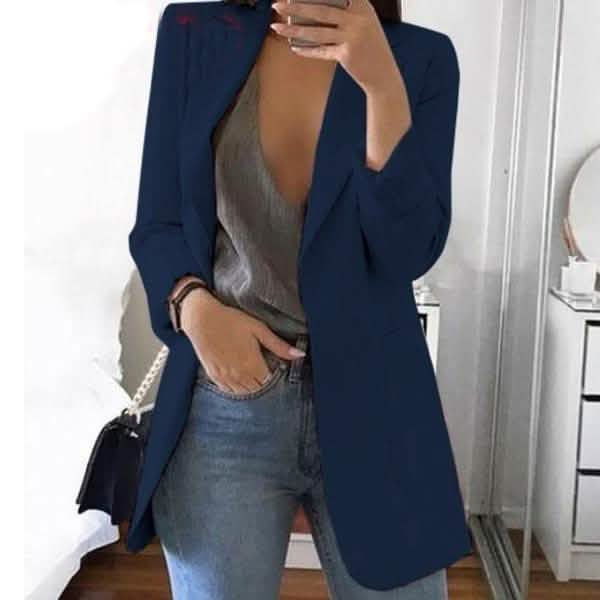 Our Favorite Lightweight Blazers
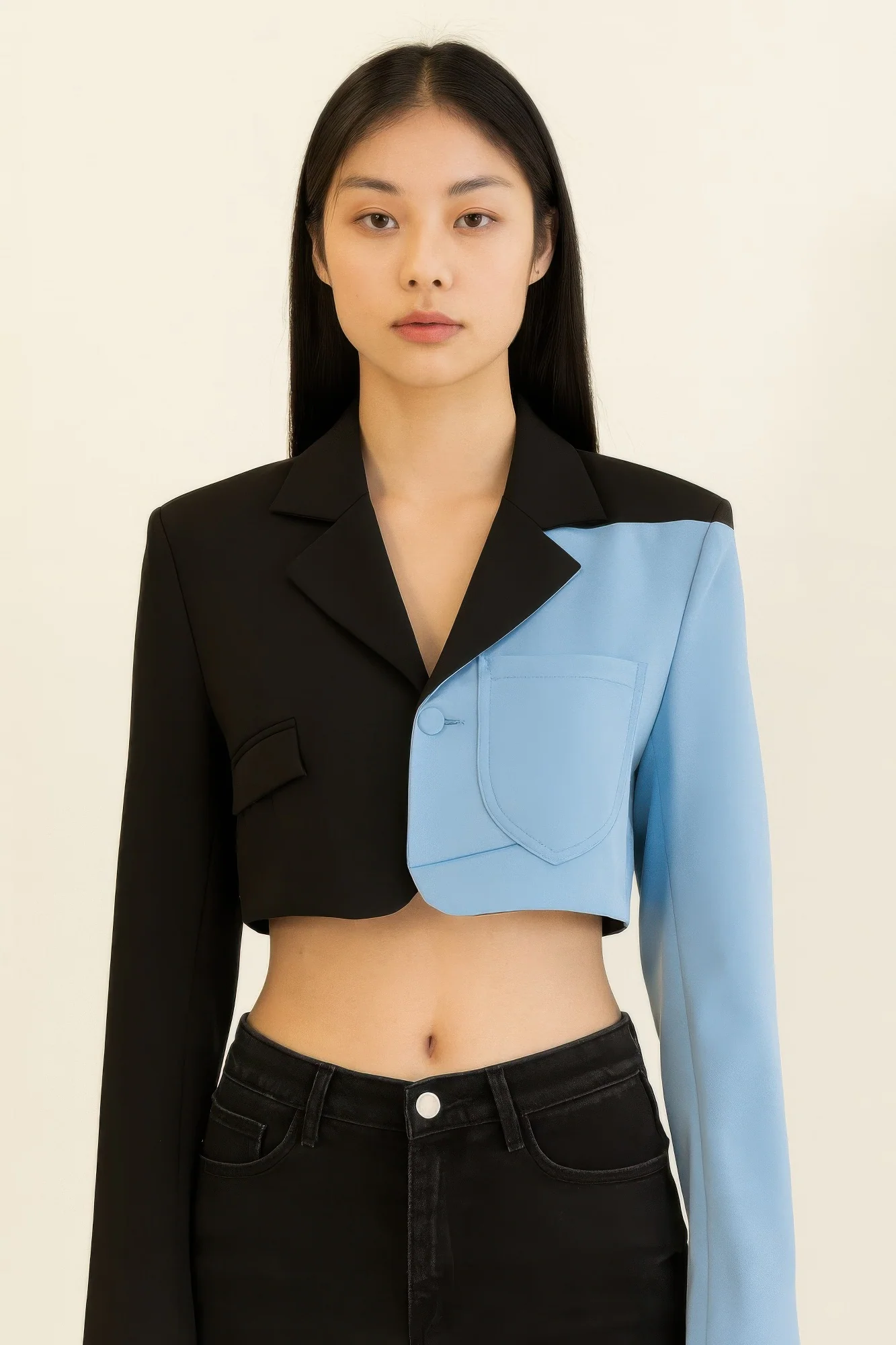
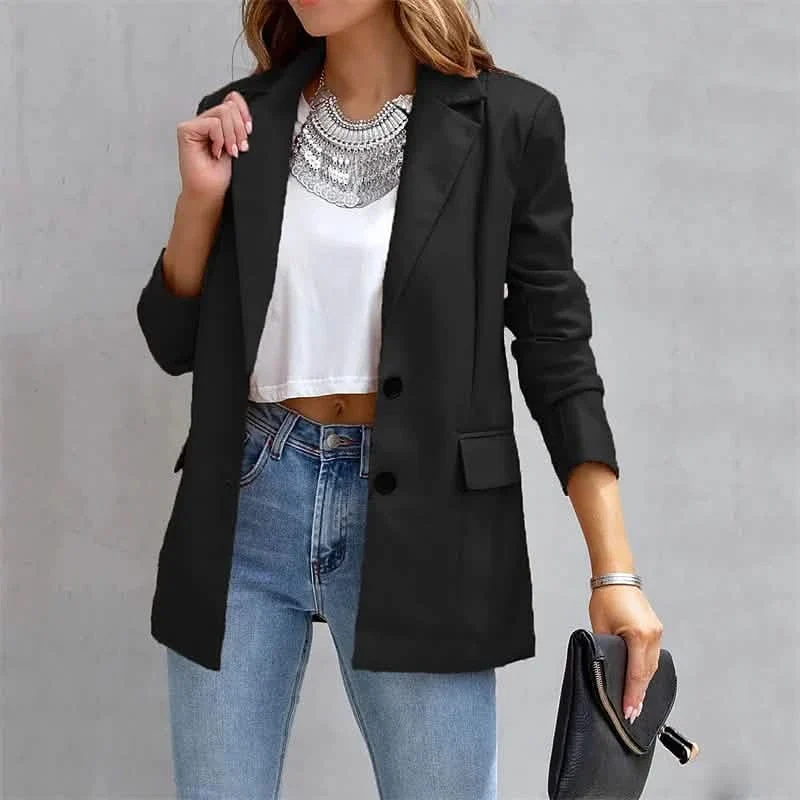 Leather Blazers We Rate
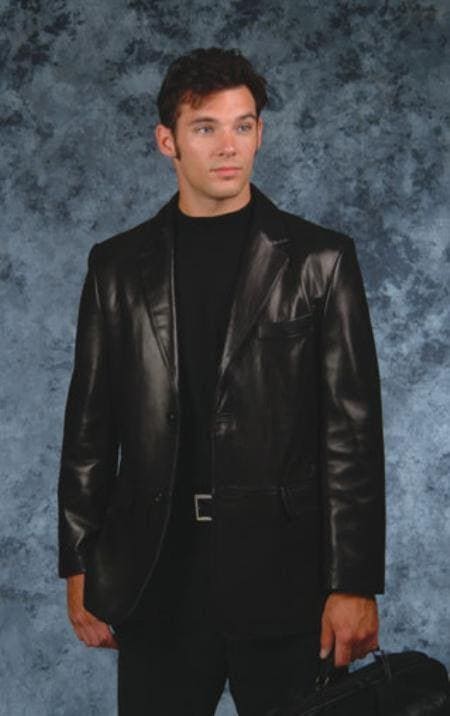
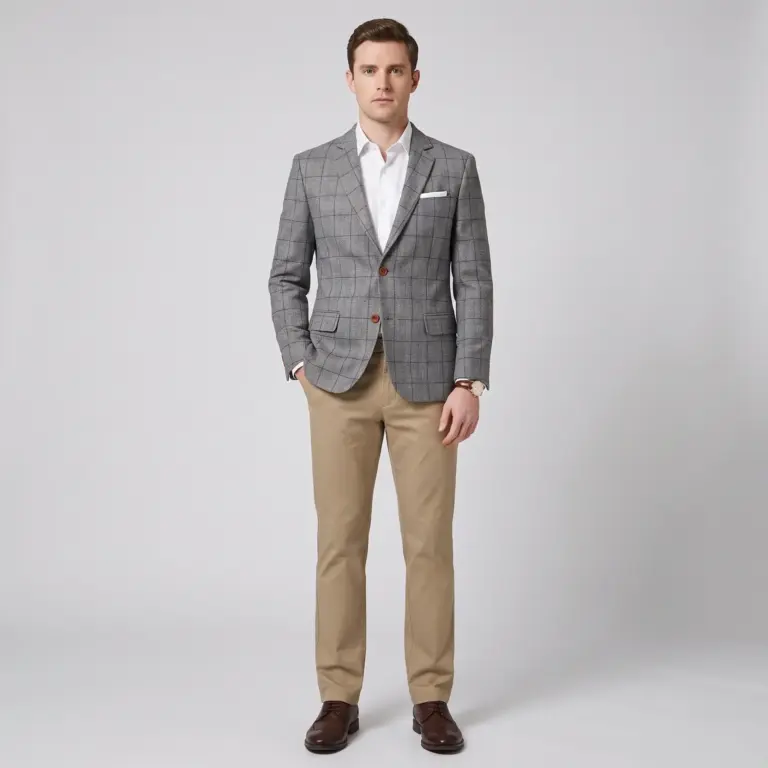 Gray Wool Blazers for Colder Days
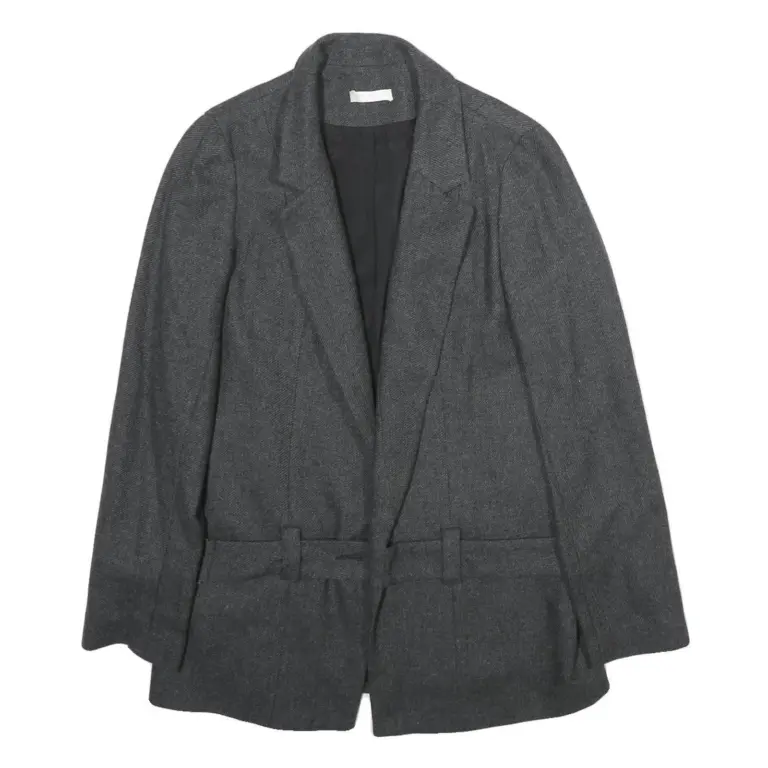
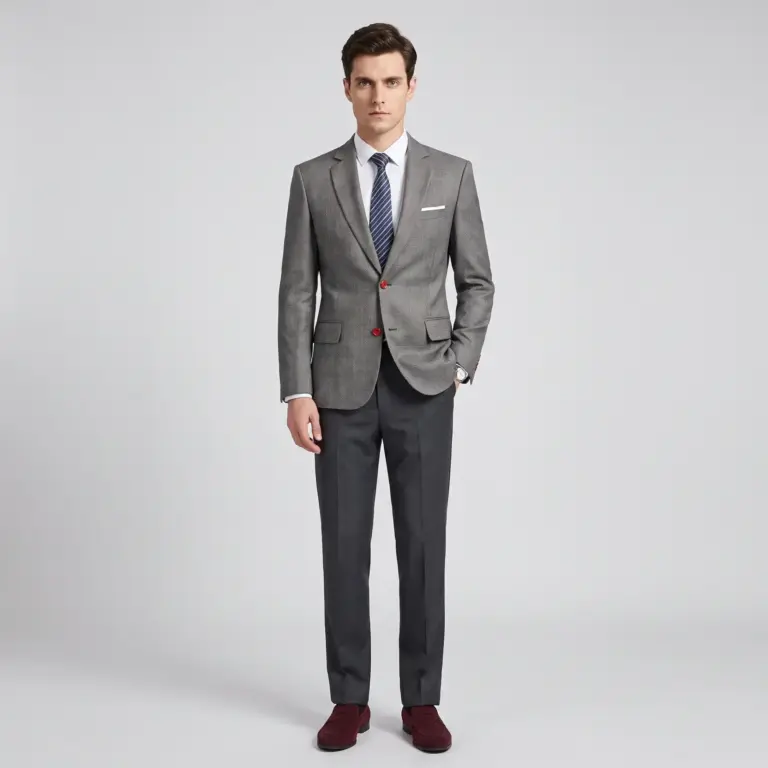 Gray Blazers We’d Buy Again
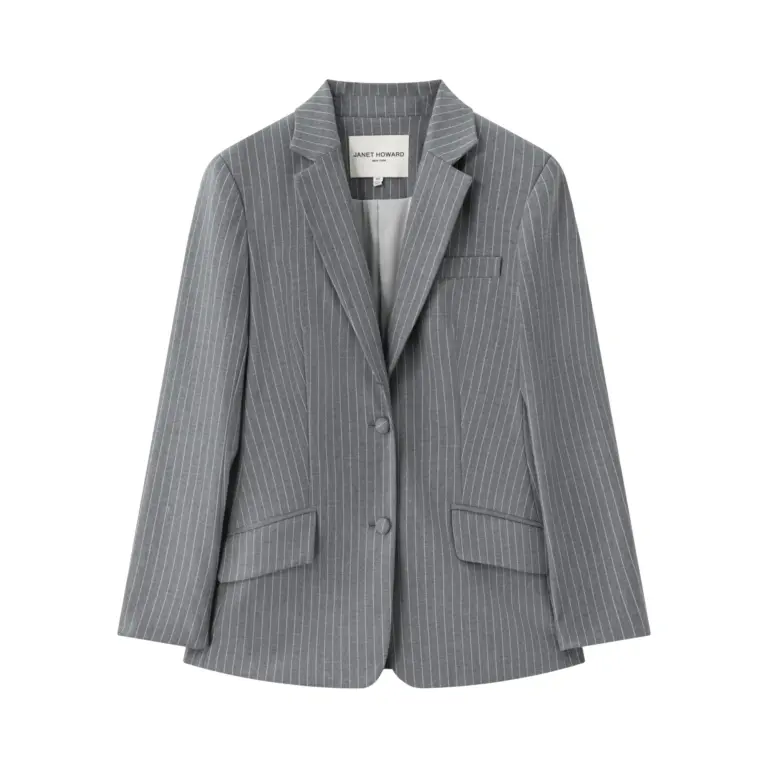
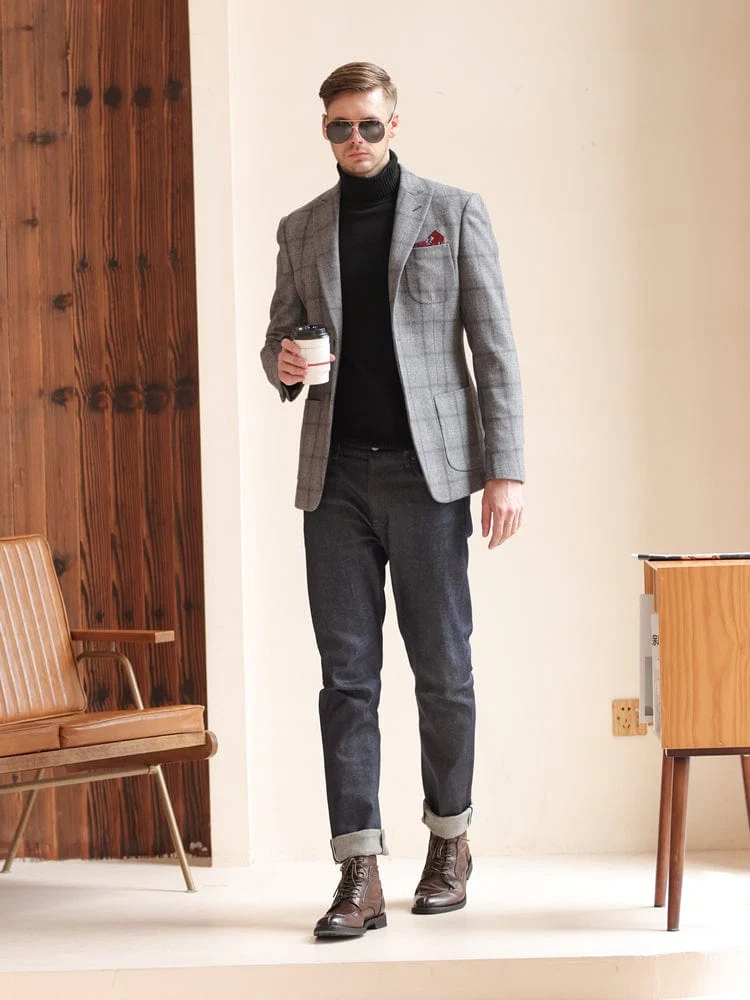 Our Shortlist of Gray Cotton Blazers
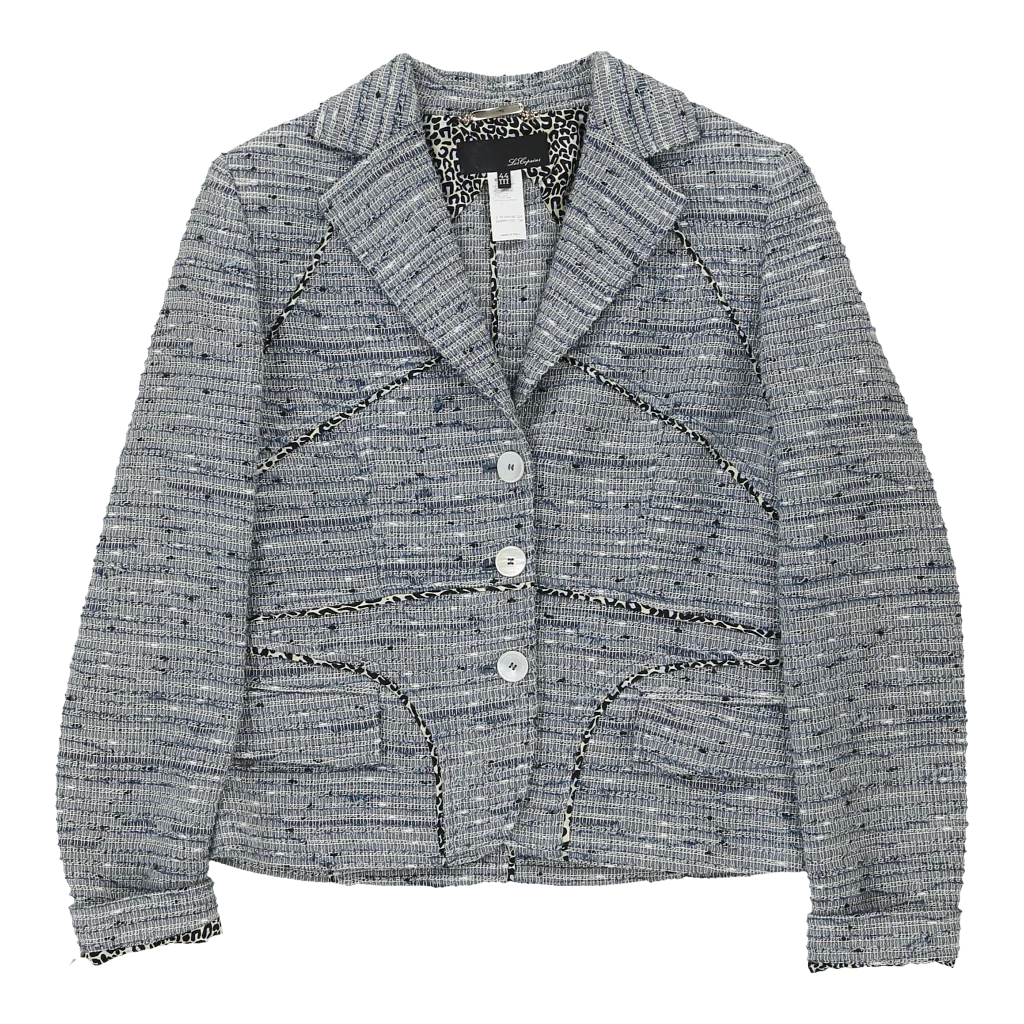
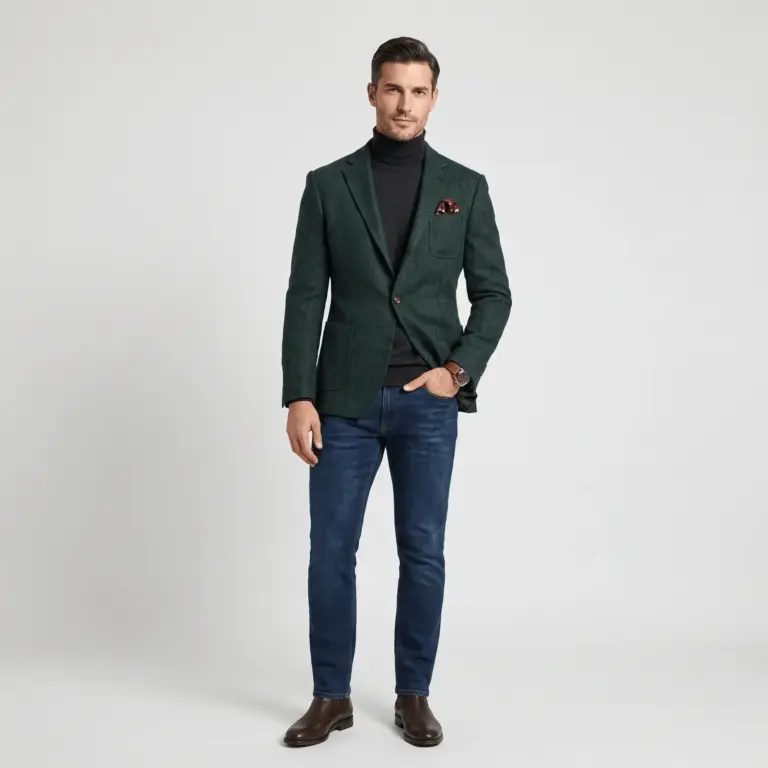 Green Wool Blazers: What We’d Buy NowAlso worth a lookVestsThe first waistcoat I owned was a slippery polyester three piece set thing bought for a wedding in…See the collections →
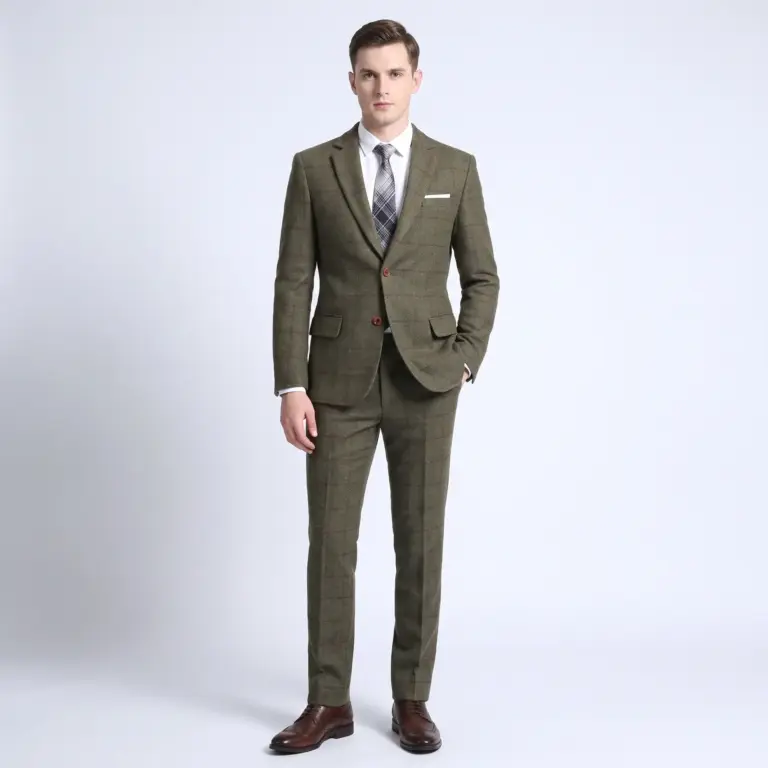
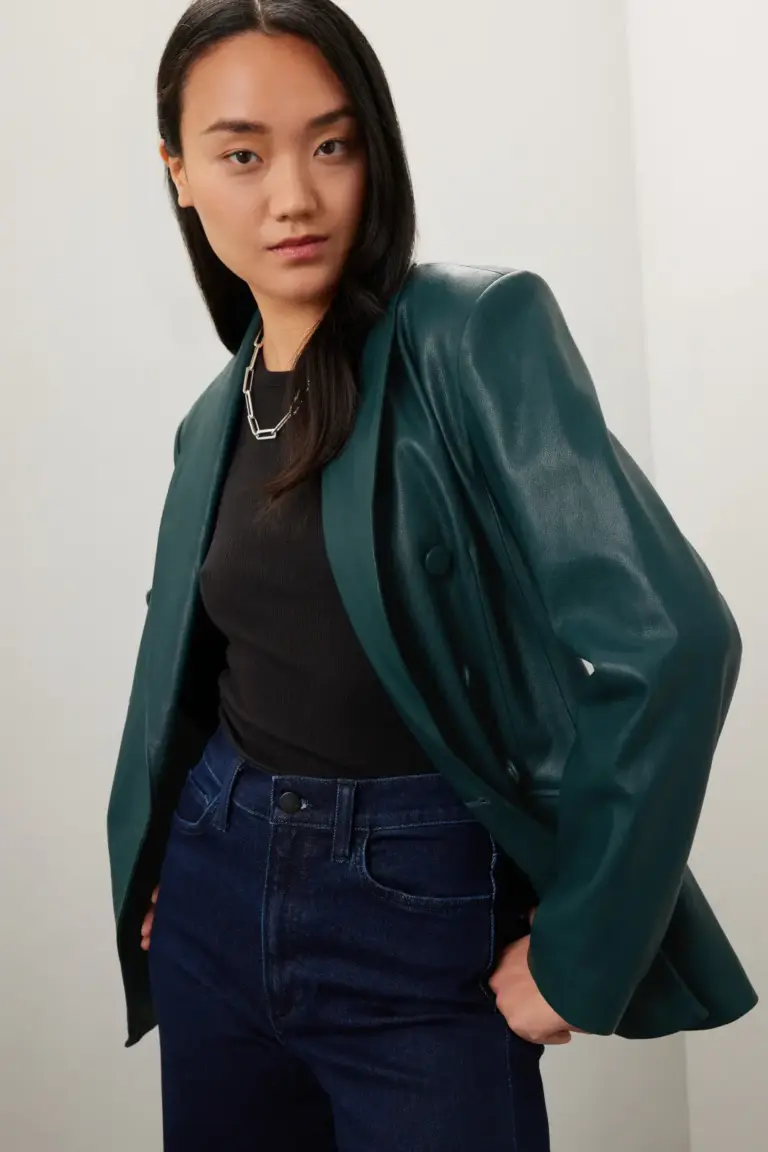 Green Blazers: Our Top Picks

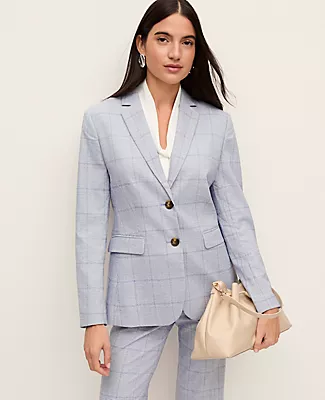 Gold Blazers We Rate
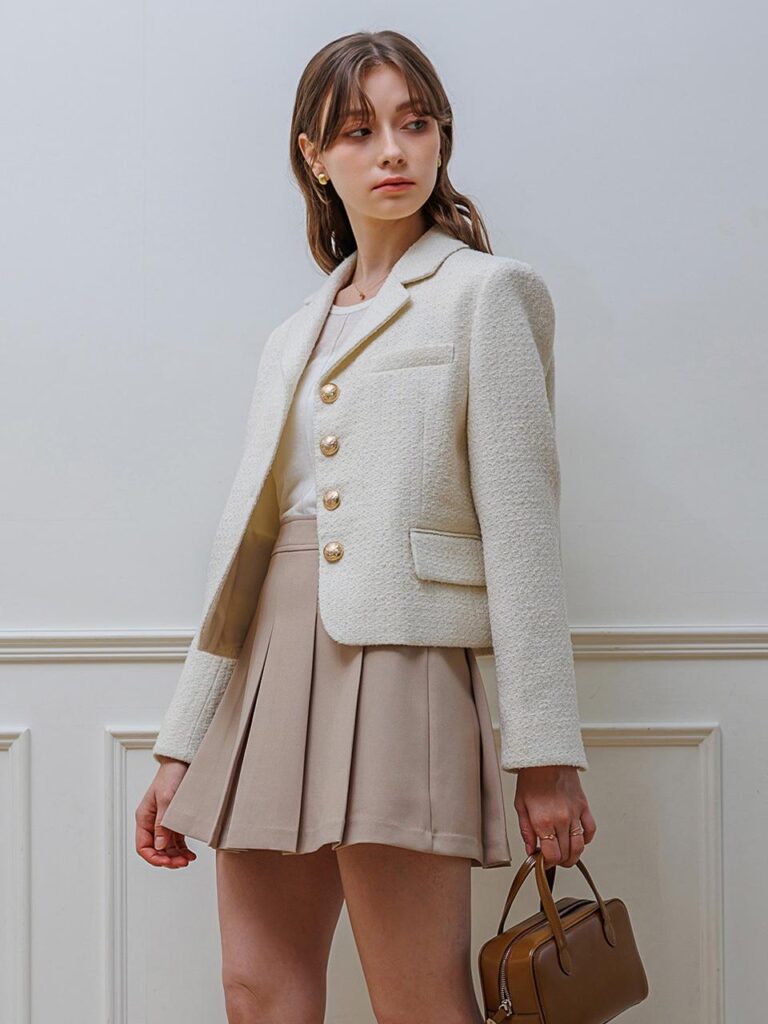
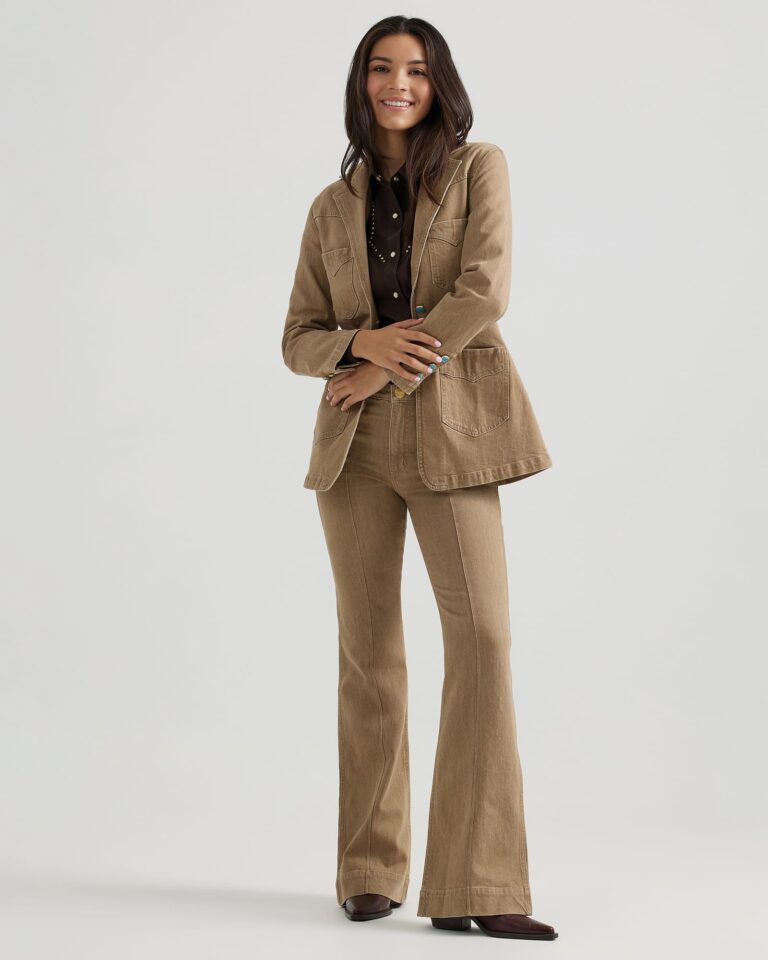 Fitted Blazers We Can’t Stop Looking At
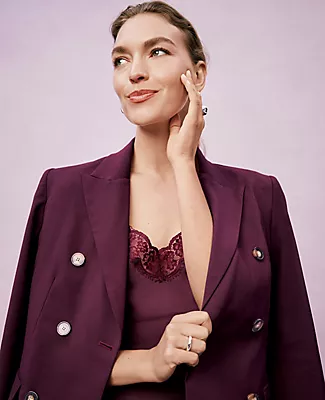
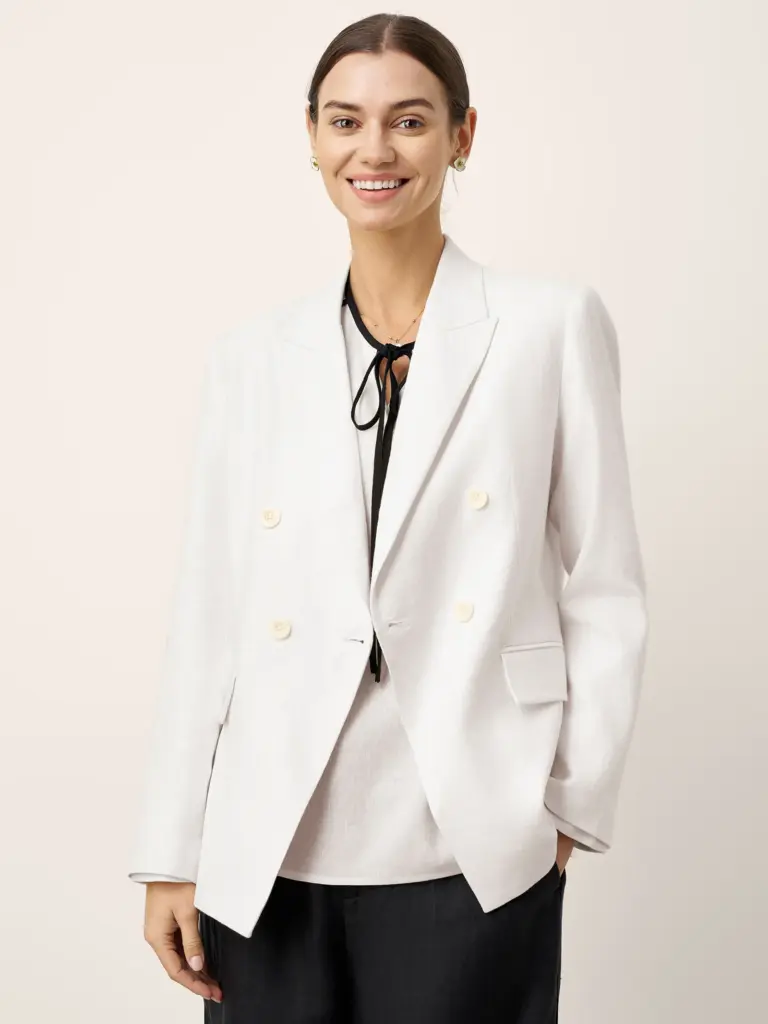 Evening Blazers for Your Next Night Out
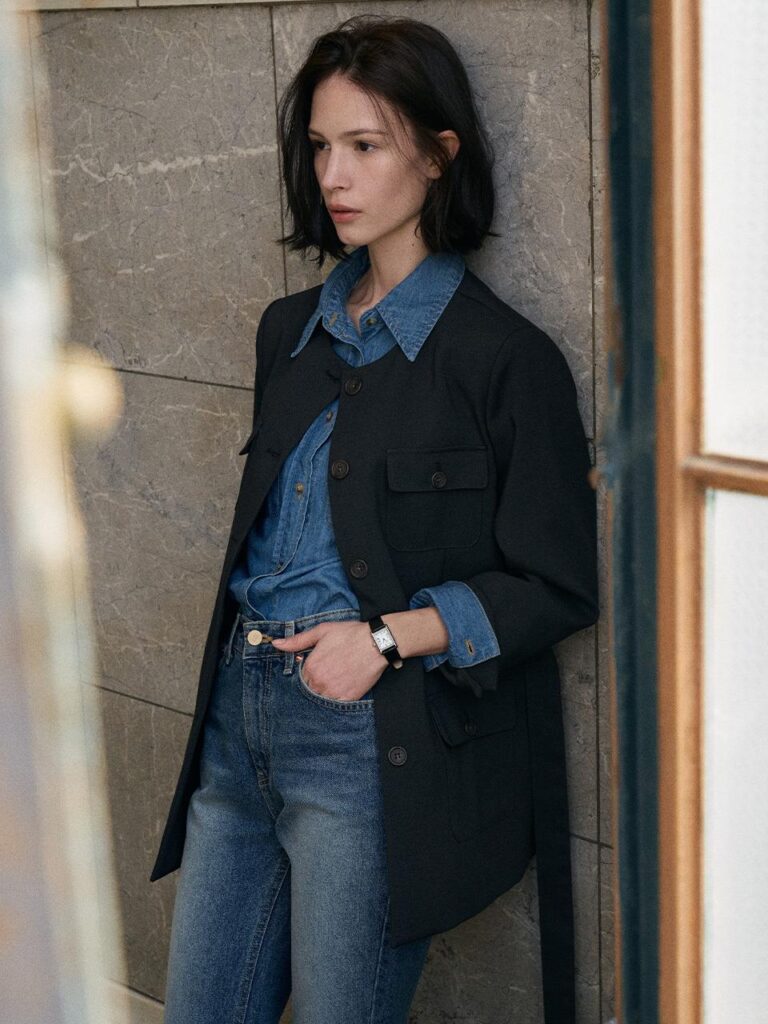
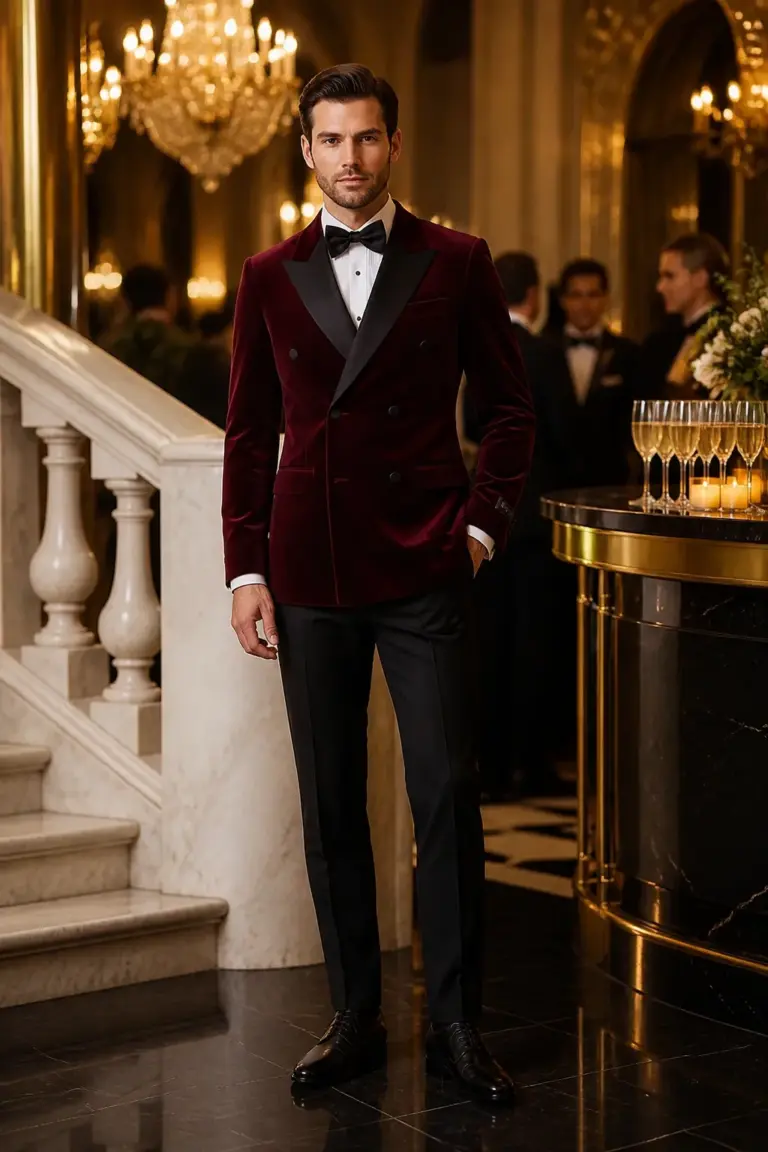
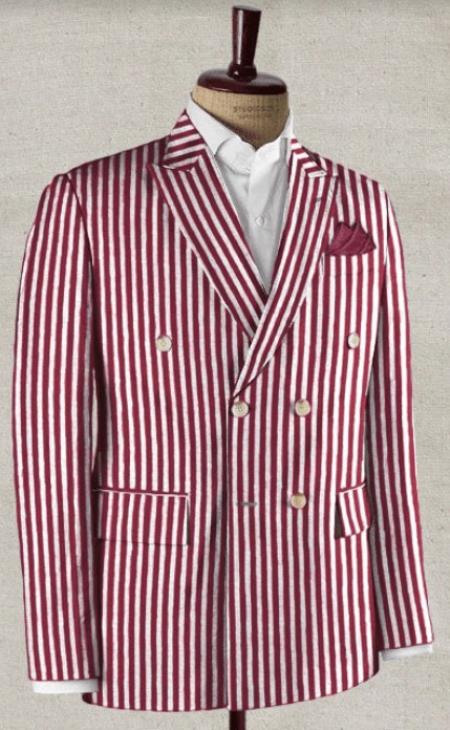 Double Breasted Blazers Edited Down to the Best
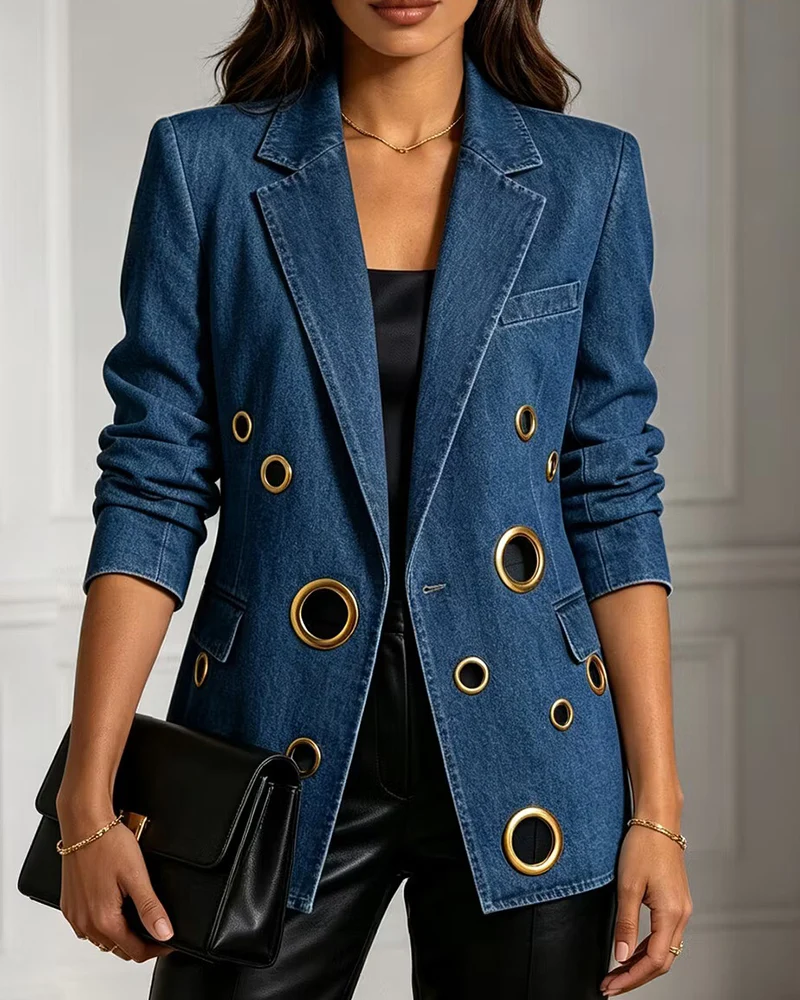 Denim Blazers We’d Happily Wear on Repeat
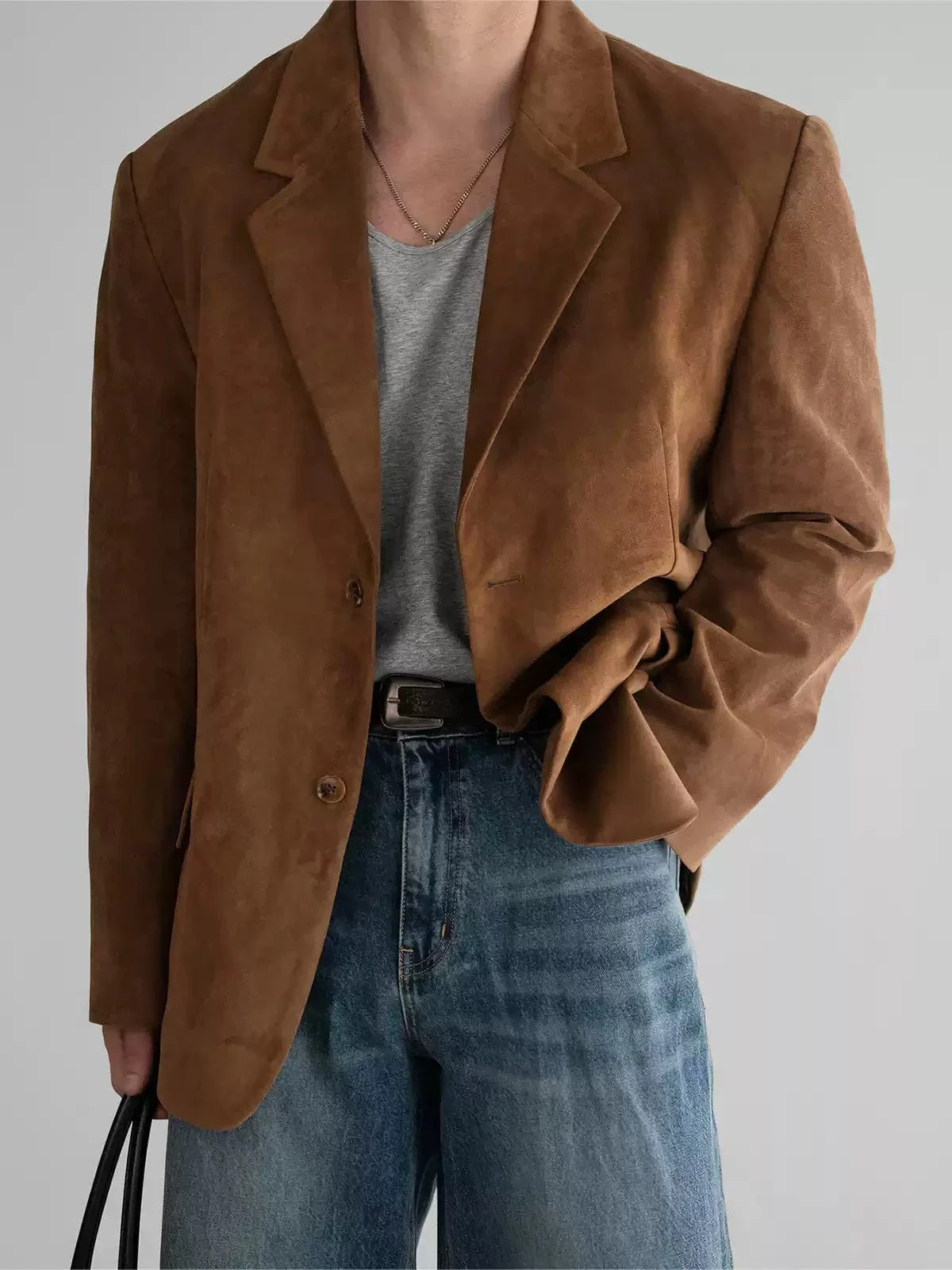
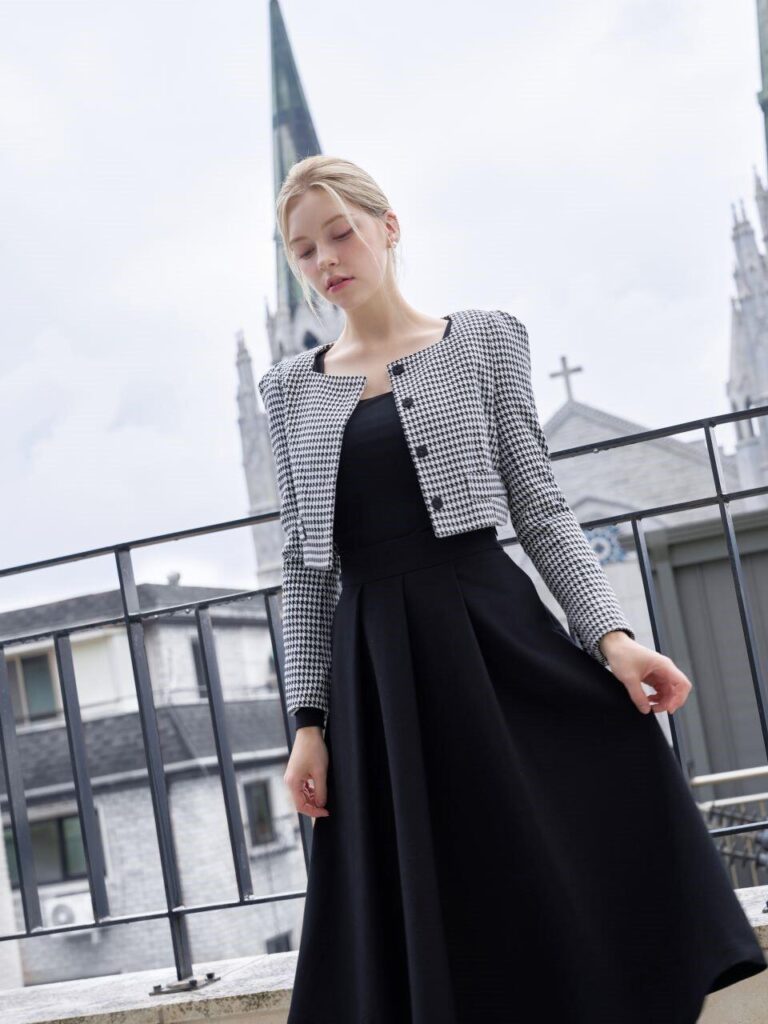 Handpicked Cropped Blazers We Keep Coming Back To
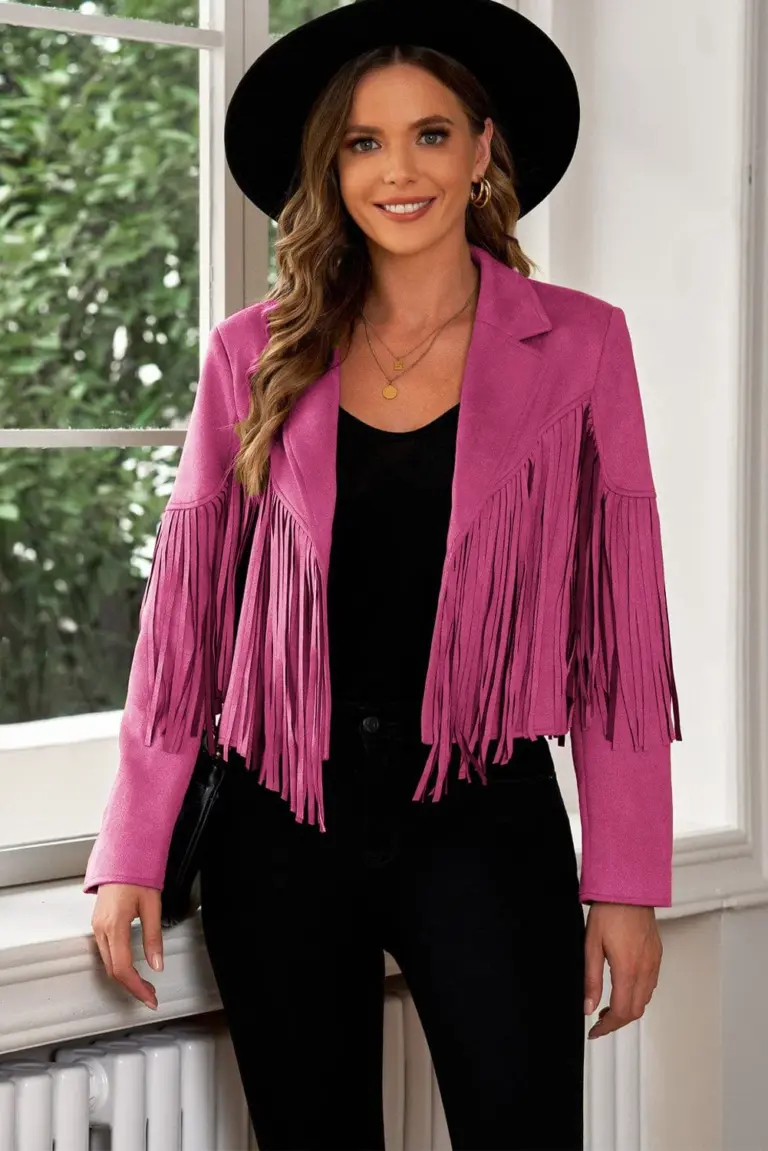
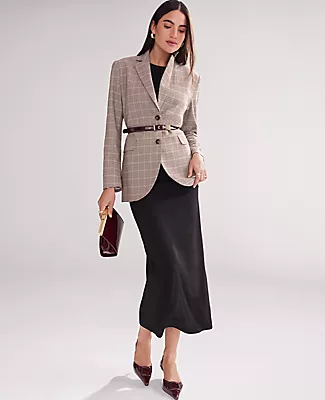 Where to Find the Best Cream Blazers