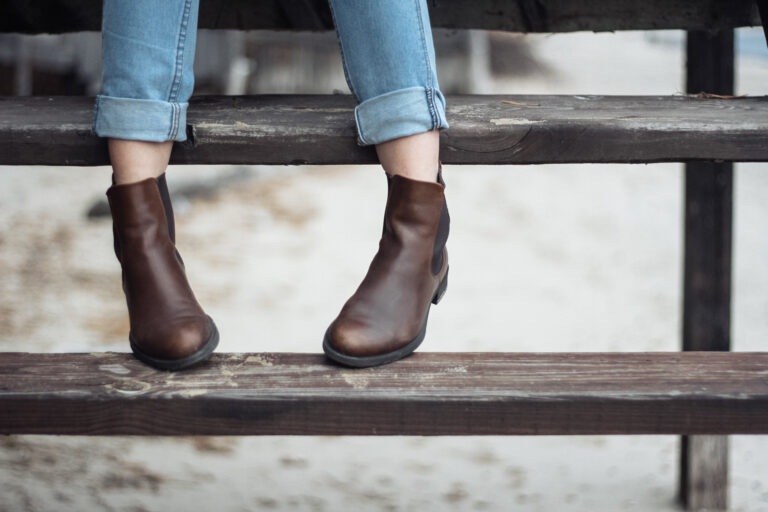
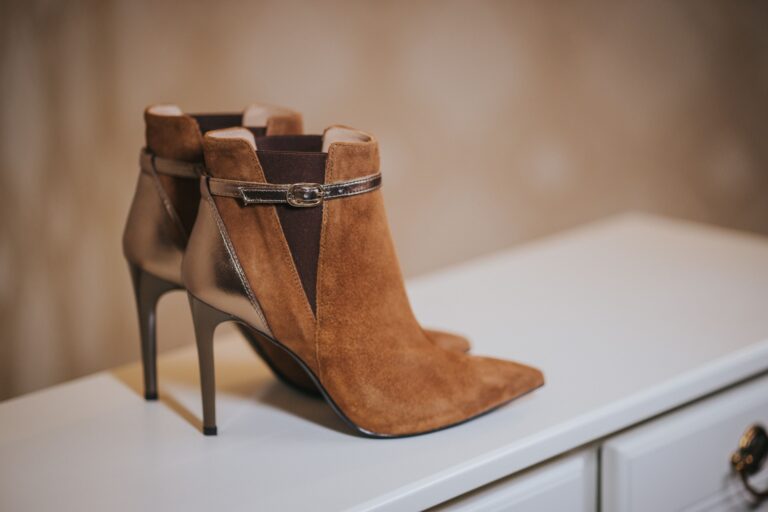
The thing that catches people out with winter boots is proportion, not warmth. A pair that looks right in the shop, with jeans rolled up, looks completely different under a coat that skims the knee, or with trousers that were cut for trainers. Suddenly there's four inches of boot shaft on show that nobody planned for, or a hem that's too short and too long at the same time depending on how you stand. It sounds like a small thing. It isn't, because it's the difference between an outfit that reads as considered and one that reads as "I grabbed the only dry shoes by the door." Still worth sorting out, because nothing else keeps you upright on icy pavements or warm standing at a bus stop for twenty minutes, and no amount of styling cleverness fixes wet feet.
Skinny jeans tucked into a chunky boot can bunch at the ankle in a way that adds bulk exactly where you don't want it, so a straighter or slightly cropped leg usually sits better. Wide leg trousers look lovely until the hem drags through slush and comes home grey and soaked, which is less a style note and more a laundry problem. Floaty skirts and very delicate boots can fight each other visually, one reads romantic and the other reads practical, and worn together they just read confused. Suede is gorgeous and genuinely ruined by one bad afternoon of slush unless it's been sprayed first, leather needs the odd bit of conditioning if it's not going to crack at the crease, and shearling lining is warm but bulky, so it's not the one for anything you want to look sleek under. Flat soled boots are brilliant for standing about and useless for anything resembling a long walk, your feet will know by hour two. And no boot, however nice, makes tailoring look finished if the rest of the outfit is still dressed for summer underneath a coat.
Fit matters more here than almost anywhere else. Try boots on wearing the actual socks you'll wear with them, not the thin ones from the shop floor, because a boot that's snug in store can be unbearable in December. Knee high styles live or die on calf width, so check that before anything else. Leather needs a short breaking in period and will never tell you that in the shop.
Buy for the sock, not the foot, and the rest tends to sort itself out.
 Aisha's pickMy Chelsea Boots Fit Perfectly In The Shop And Then Betrayed Me By Week Two

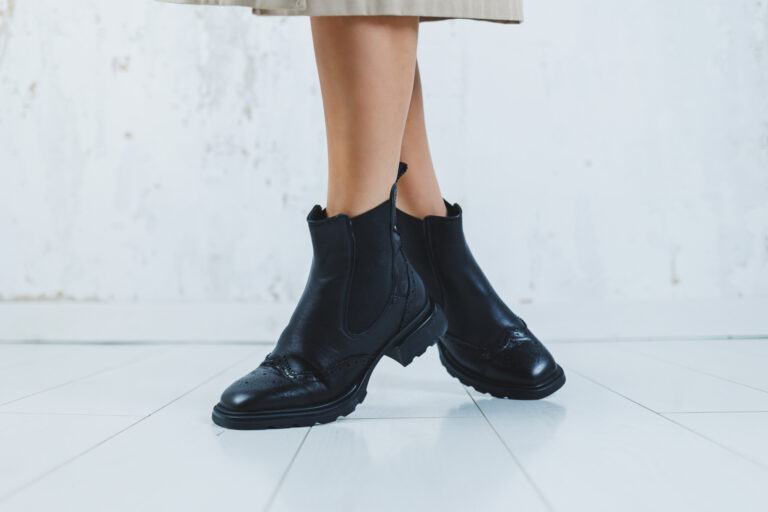 Nadia's pickMy Chelsea Boots Felt Tight For Weeks Before I Trusted Theyd Stretch
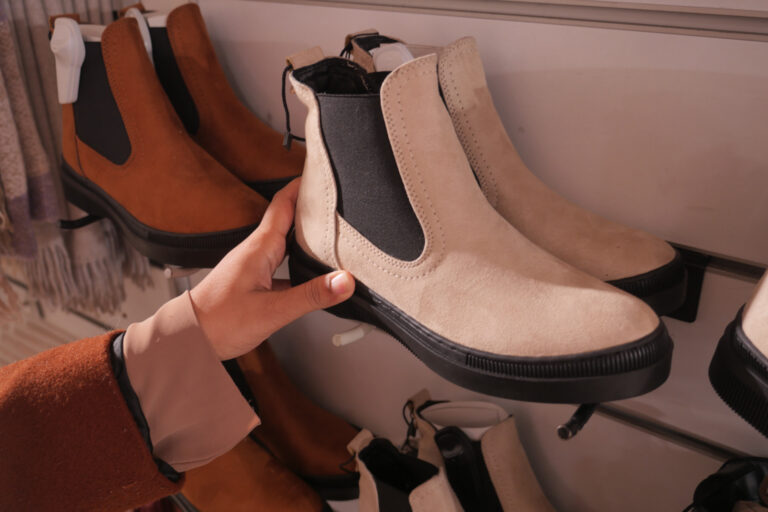
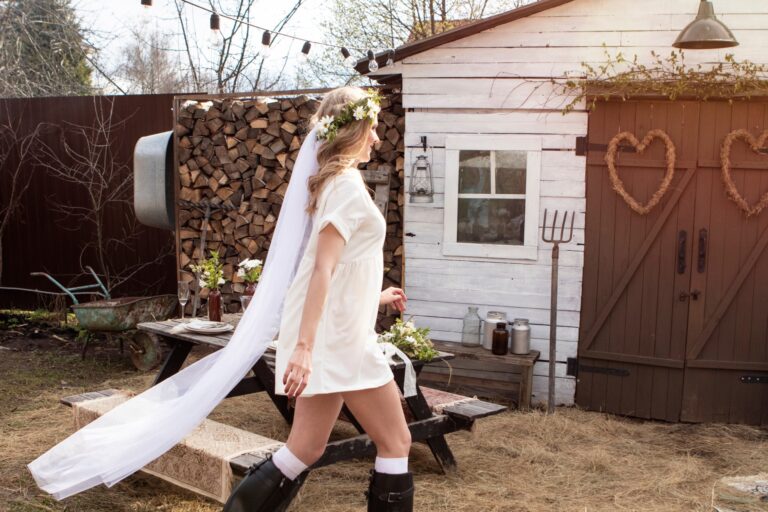 Kirsty's pickPantyhose Under Over The Knee Boots Turned Into A Full Debate Getting Ready For A Wedding
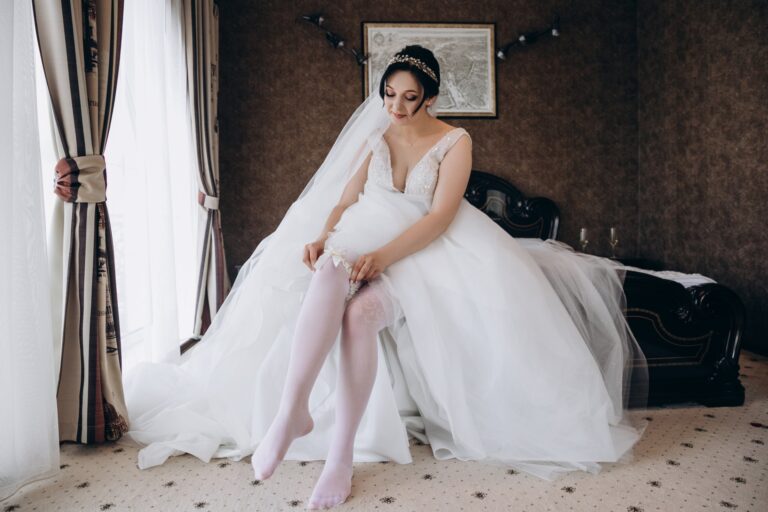
 Imogen's pickChelsea Boots And Skinny Jeans Together Made Someone Raise An Eyebrow At Me