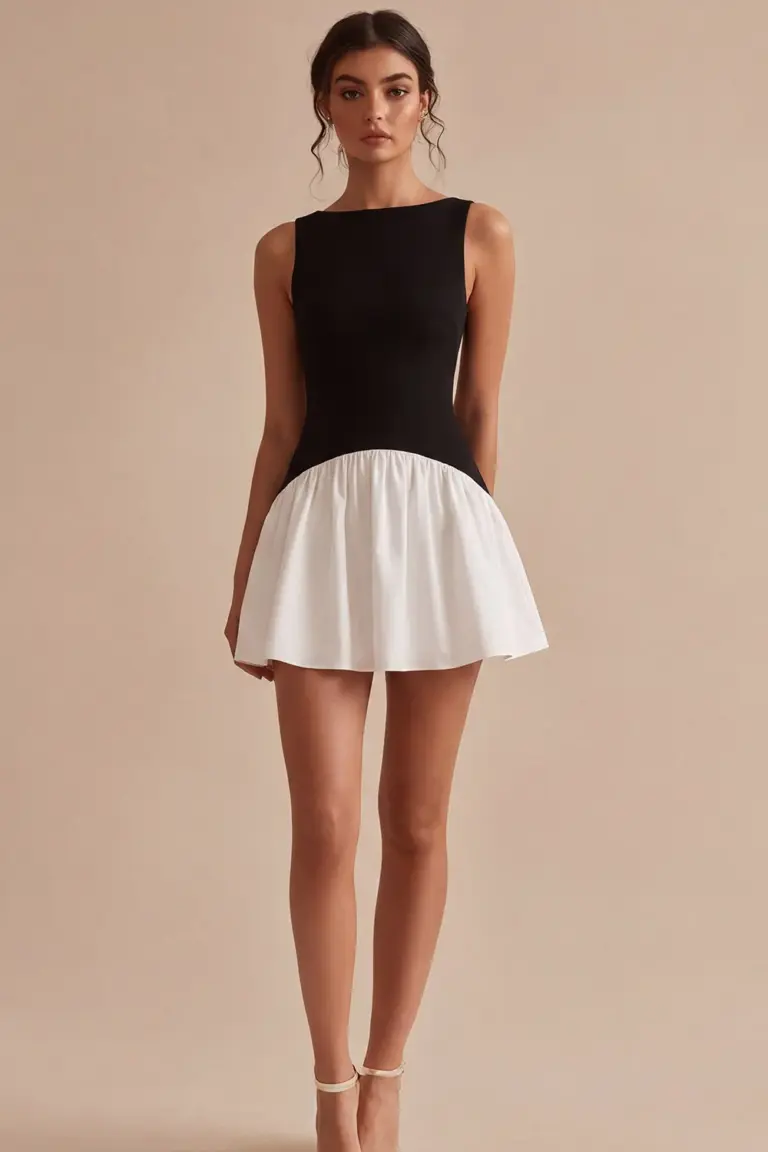
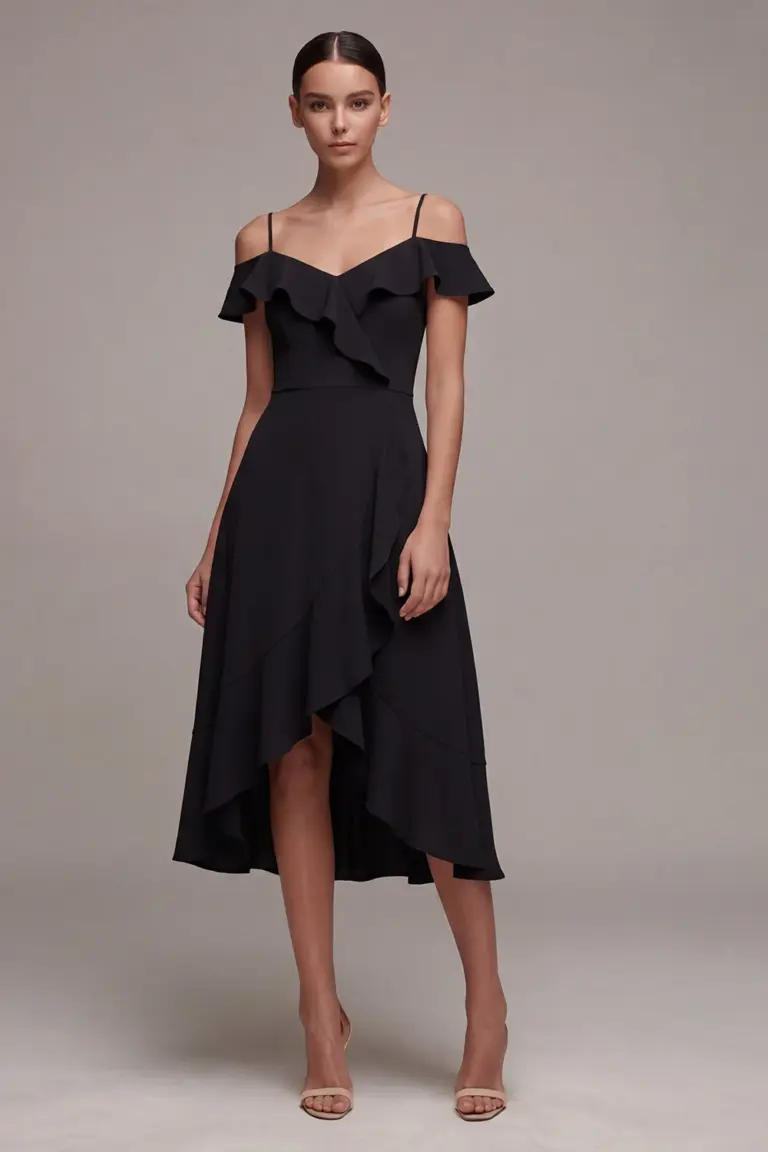
The thing nobody tells you about a little black dress is where it fails first. Not the hem, not the seams, it's the zip. Cheap ones give out around the fourth or fifth proper wear, right at the small of your back, and you find out at the worst possible moment, which is always standing up from a chair you've just sat in for two hours. A good one has a zip you forget exists for a year.
On an ordinary week it sits next to whatever you already own rather than demanding anything new. A denim jacket over it for the day, a good coat over it for the evening, flat boots in winter and bare legs in summer, and that's genuinely the whole wardrobe conversation. The dress does the changing, you don't have to. Tights make more difference than people expect: a sheer black pair sharpens the whole thing up, bare legs soften it, and that's your two outfits sorted from one hanger.
The ageing tells you everything about what you paid. A cheap one bobbles under the arms within a month and the black goes slightly grey after a few washes, because it never was proper black, just a dark approximation. A well made one in a denser fabric, something with a bit of weight to it, keeps its colour and its shape for years if you treat it properly: hand wash or a cool machine cycle on its own, never tumble dry, and hang it rather than fold it so the waist seam doesn't crease into a permanent line across your middle. I ruined one with a hot wash two winters ago and it came out looking like something from a costume cupboard, so now I'm careful, which is a boring thing to admit but true.
If you're starting from nothing, go for a simple shape with a defined waist rather than anything with cutouts or asymmetric hems, because a plain dress is the one that still looks right in five years and the fussy ones date within one. A waist seam that actually sits at your natural waist, not two inches below it, does more for the whole silhouette than any amount of fabric detail, and it's worth trying several before you buy.
It suits more of the year than you'd plan for on paper: layered up for a cold church, bare armed for a warm one, with boots for a work thing in October and sandals for a dinner in July. The only season it struggles in is a howling Edinburgh afternoon, when any skirt with movement in it becomes a liability on a hill, so check the weight of the fabric before you commit to wearing it somewhere exposed.
It's the one dress worth spending properly on, because a bad one shows itself within a season and a good one barely shows its age at all.
If you're still deciding, have a look at split dresses too.

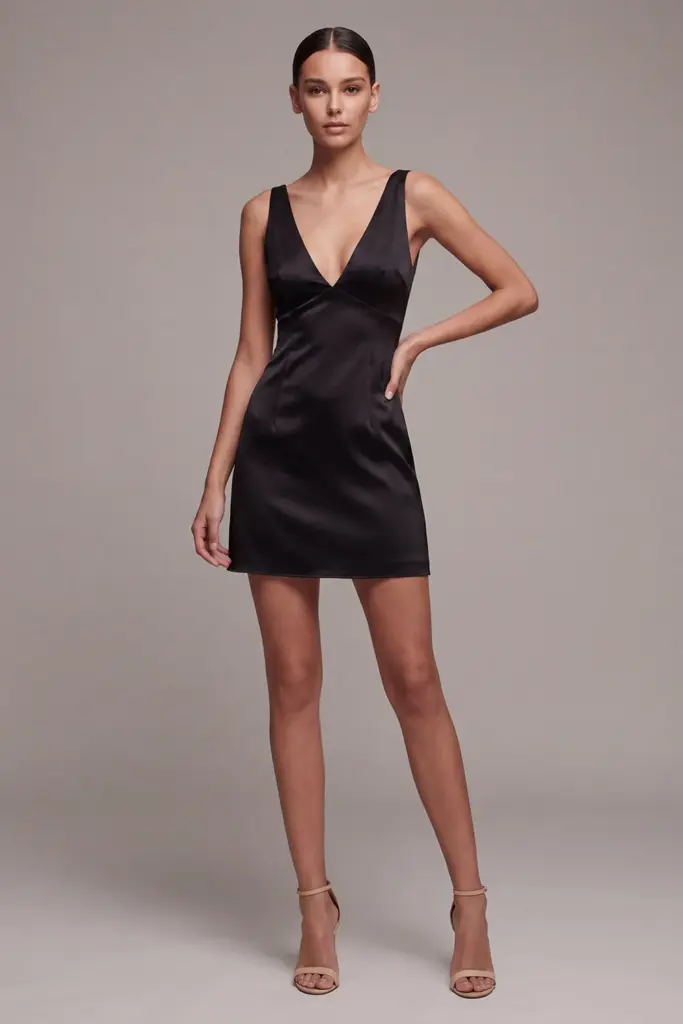 V Neck DressesV Neck Little Black Dresses: Picks We Stand By
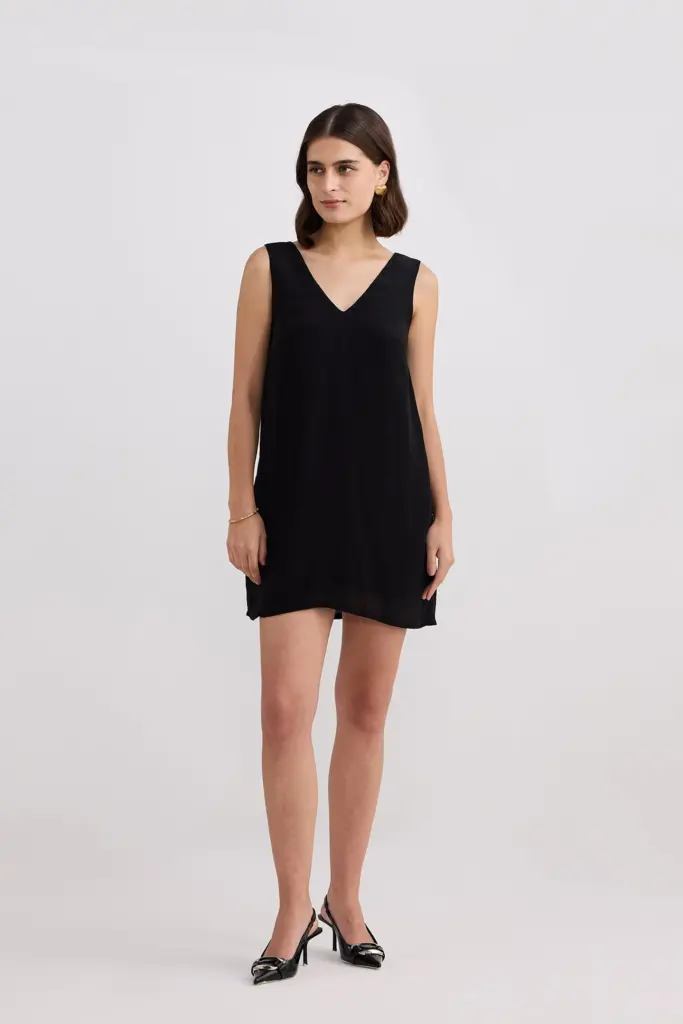
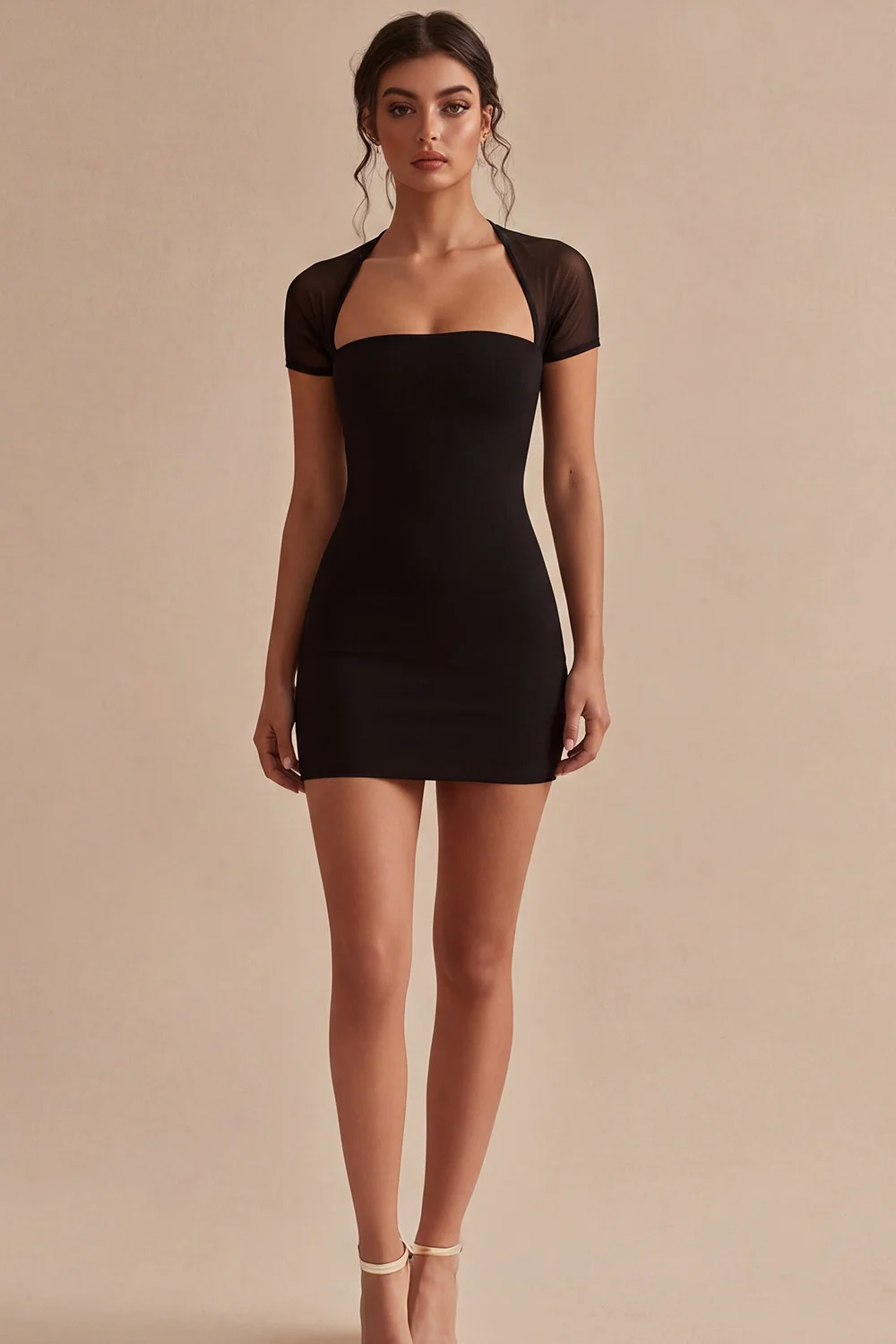 Short Little Black Dresses: The Ones Worth Your Money
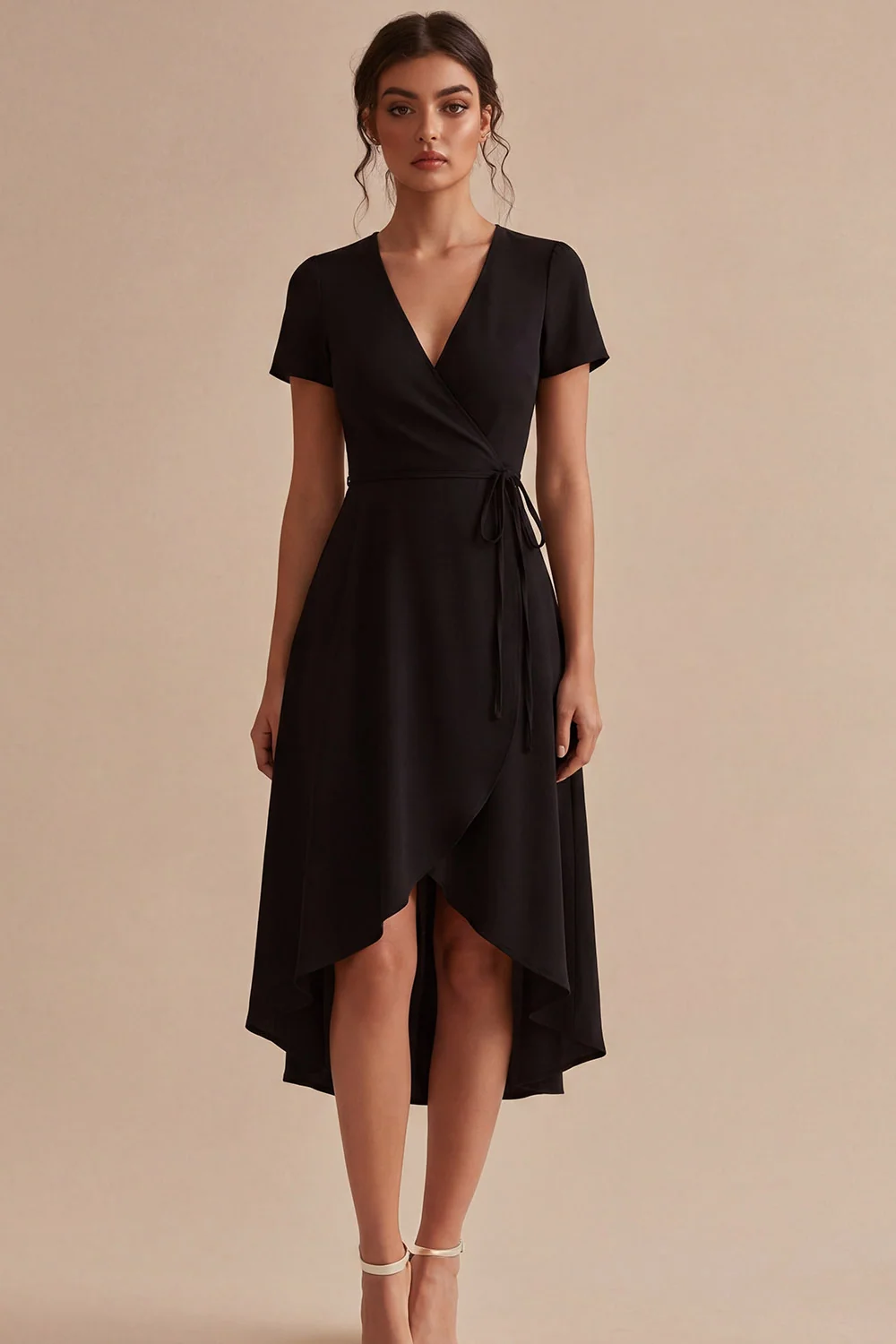
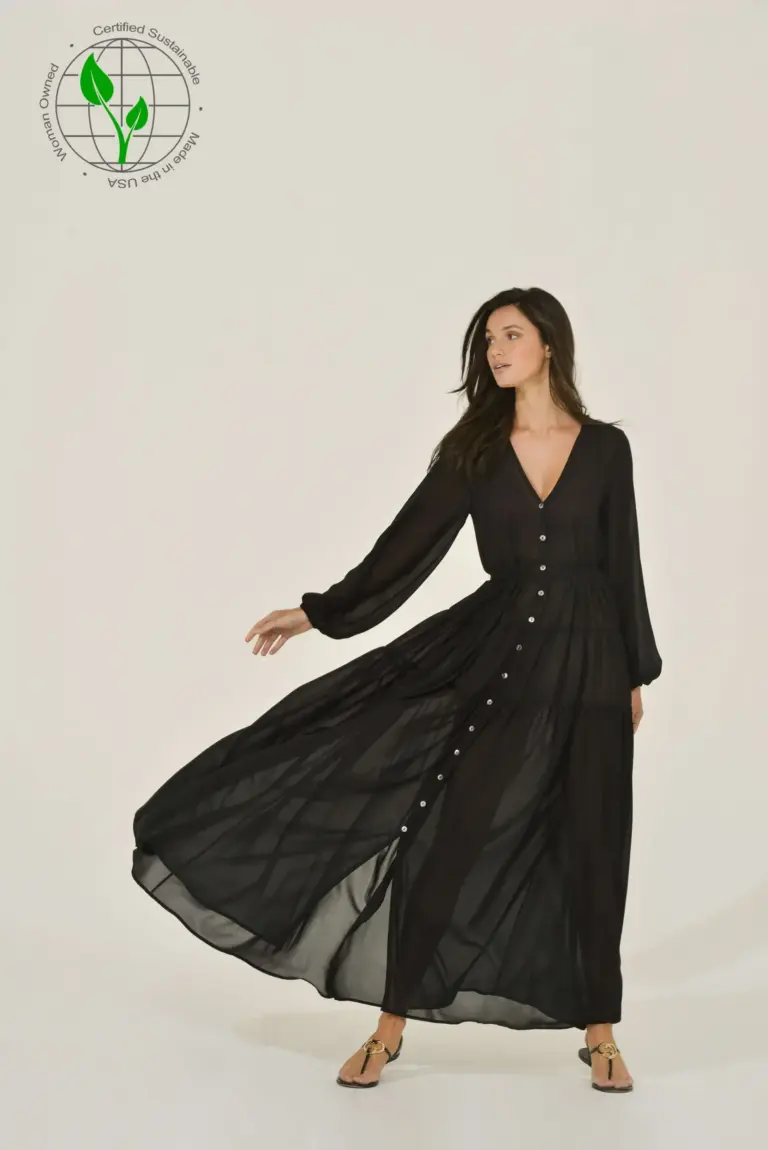
 The Best Sheer Little Black Dresses to Shop Now
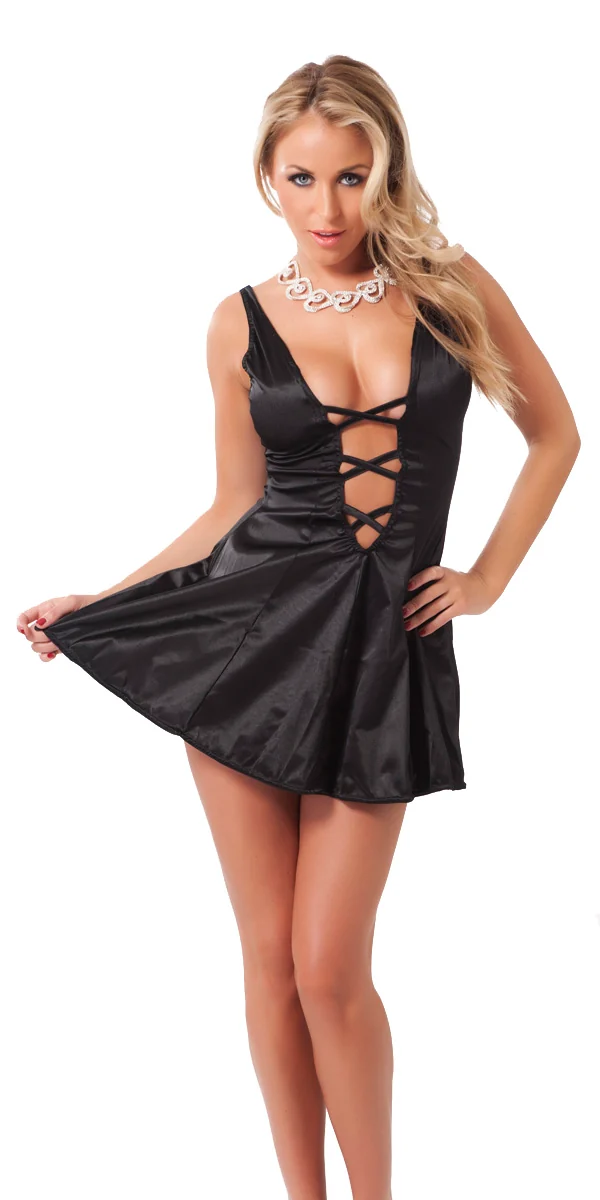
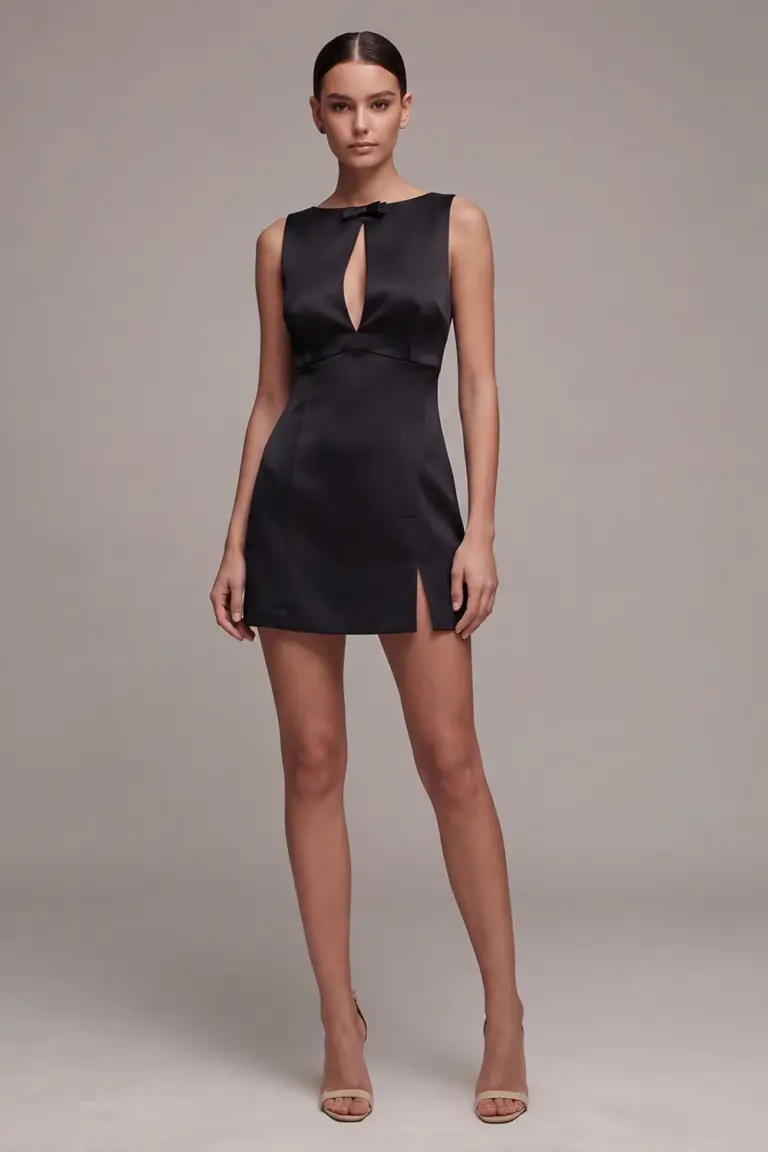 Satin DressesSatin Little Black Dresses: Our Current Favorites
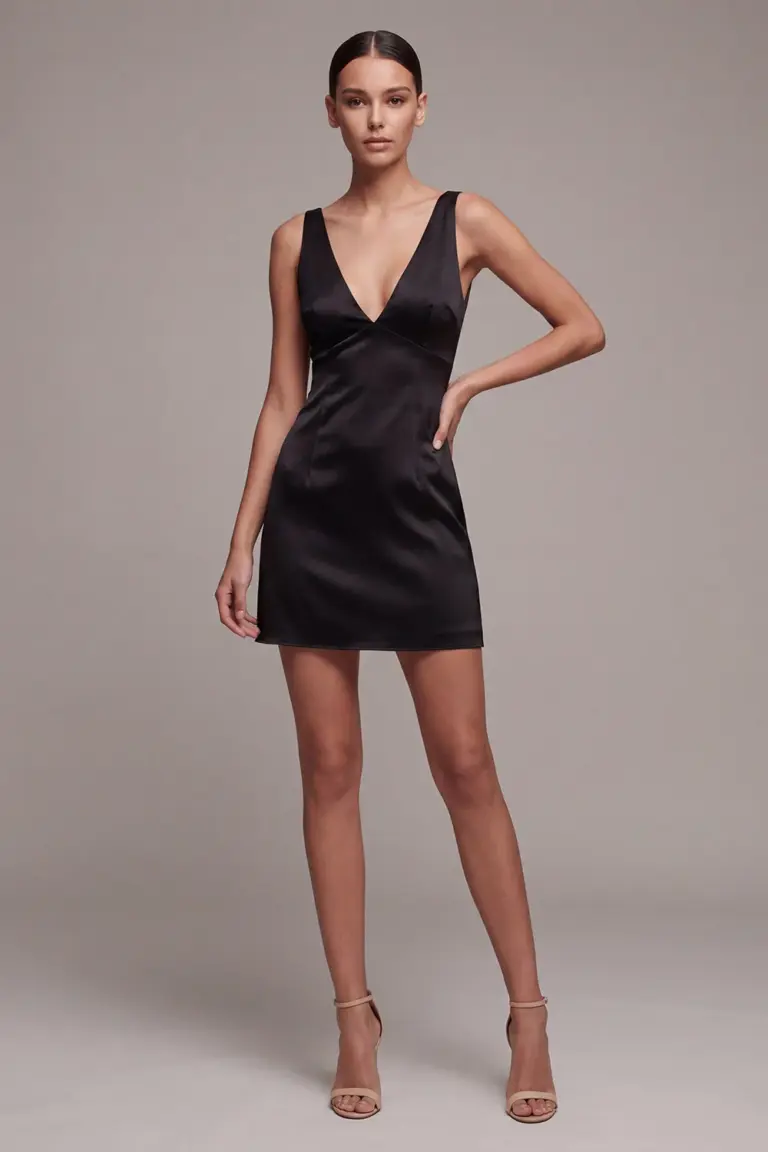
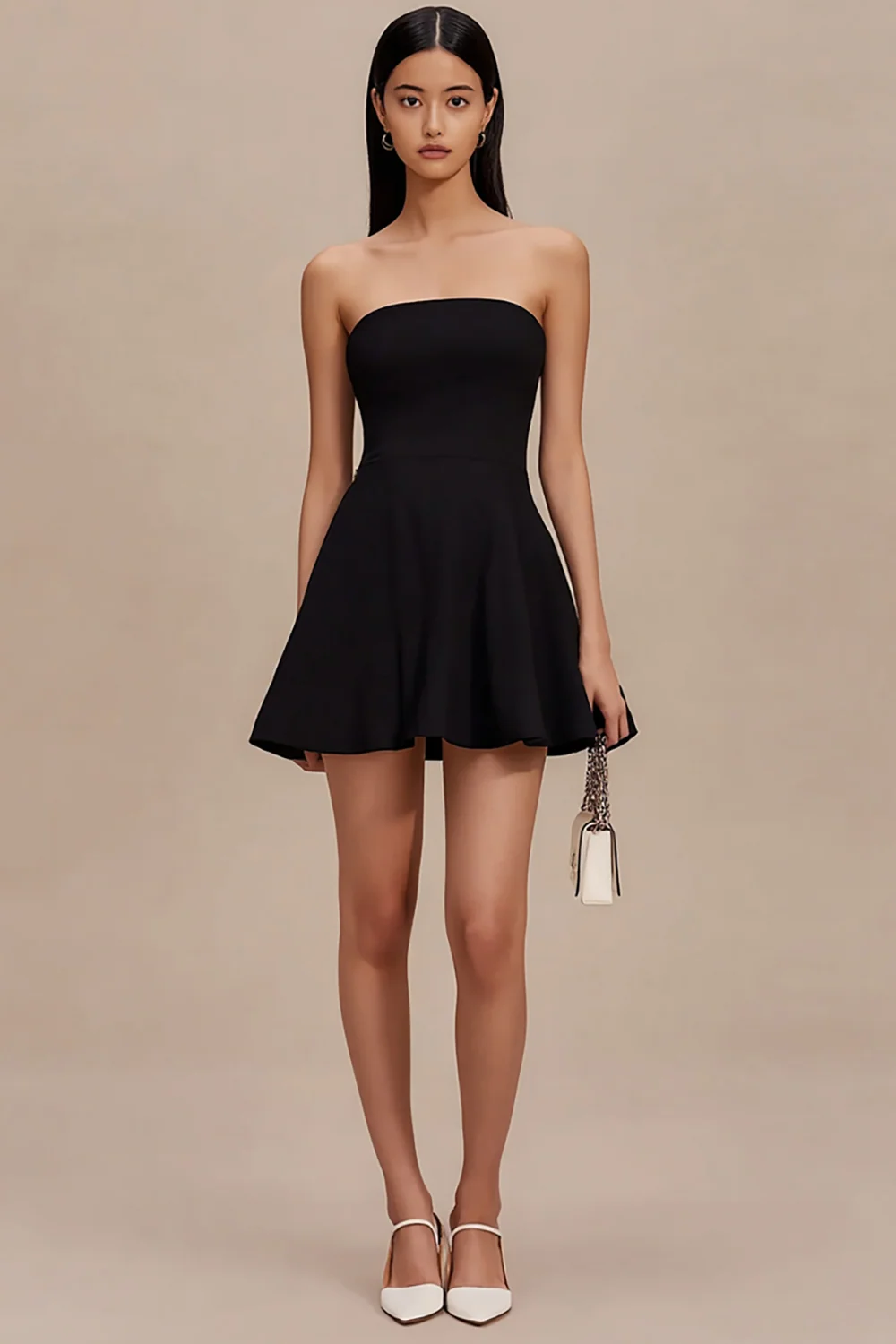 Occasion DressesSatin Occasion Little Black Dresses We Love Right Now
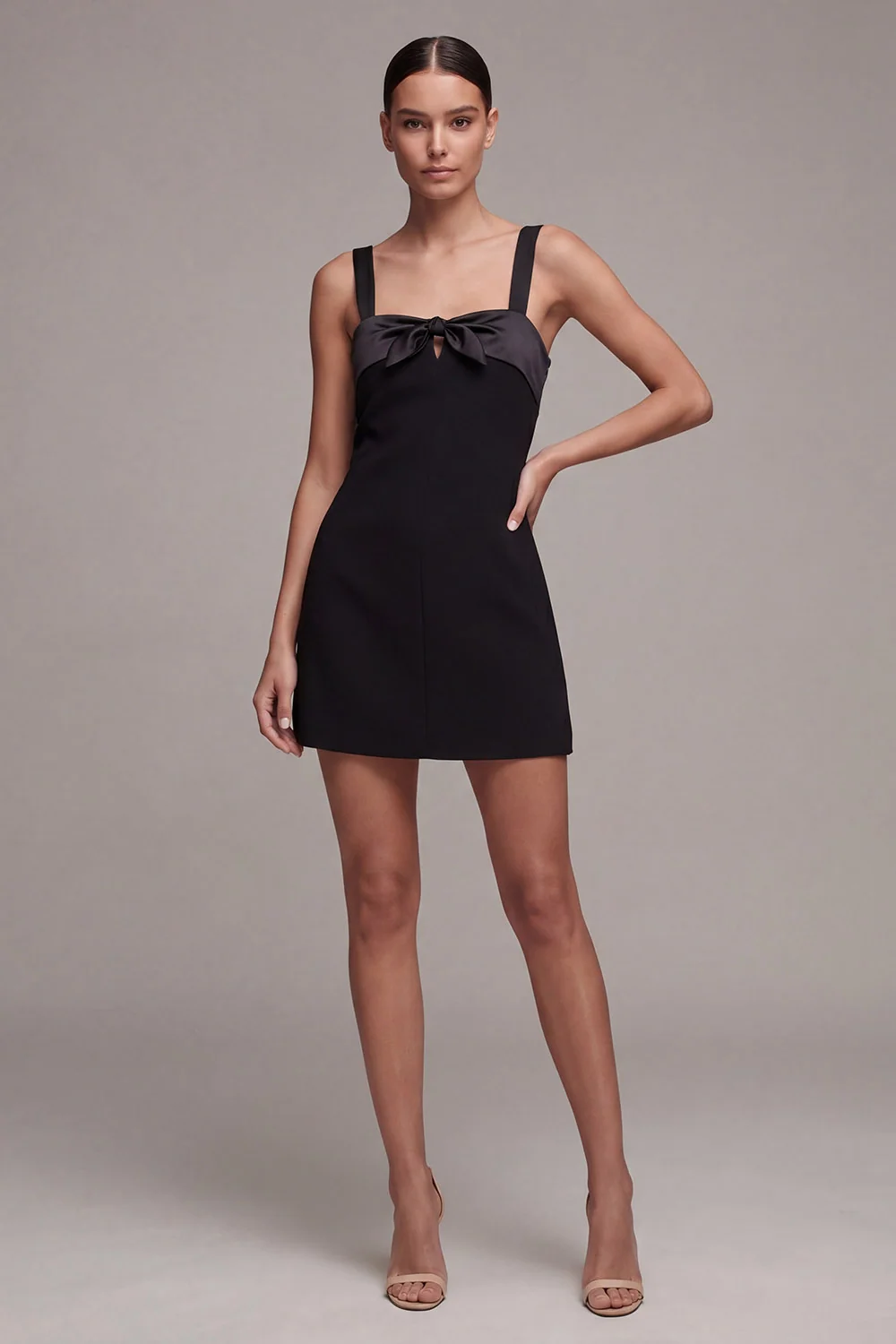
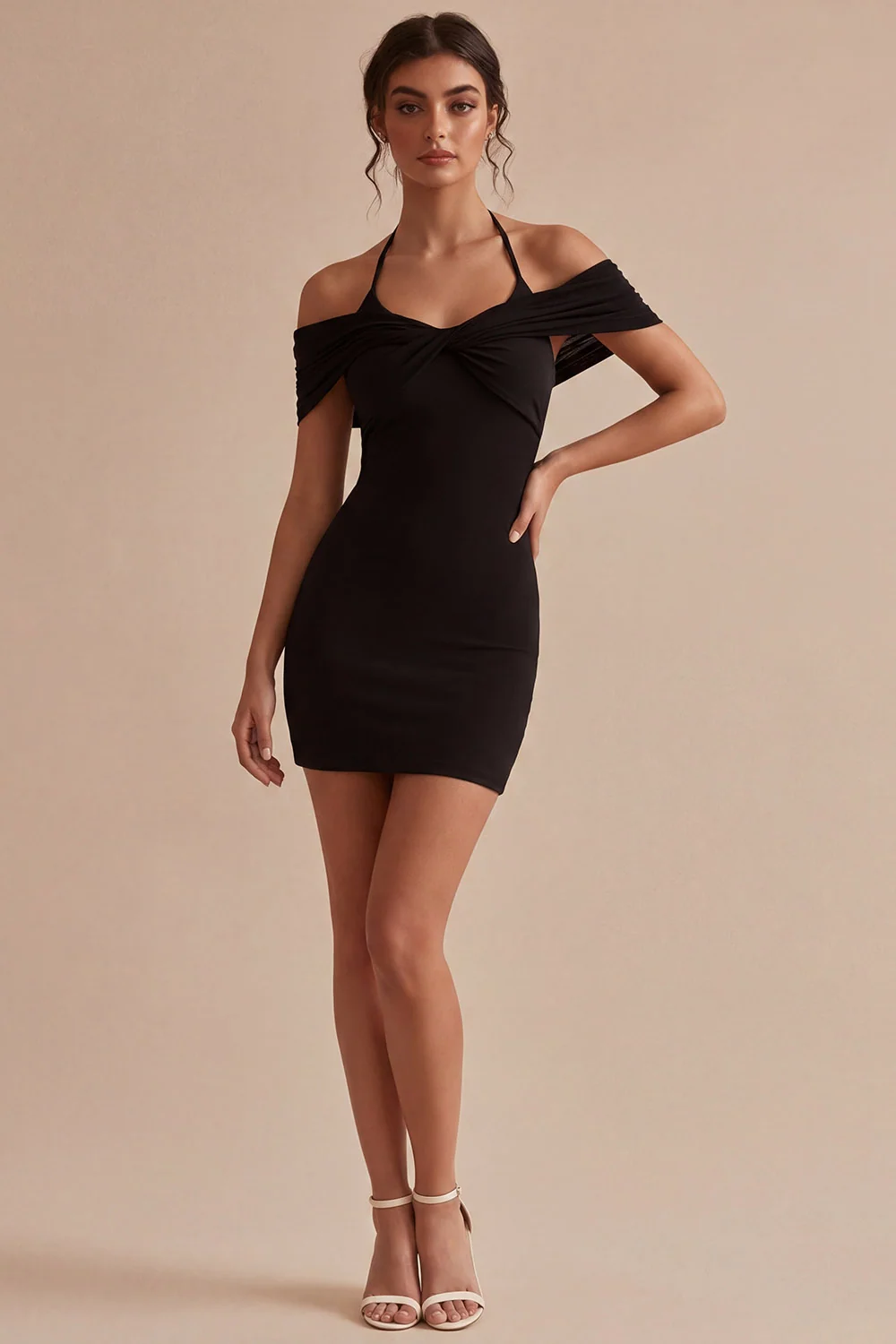 Party DressesParty Little Black Dresses You’ll Reach for First
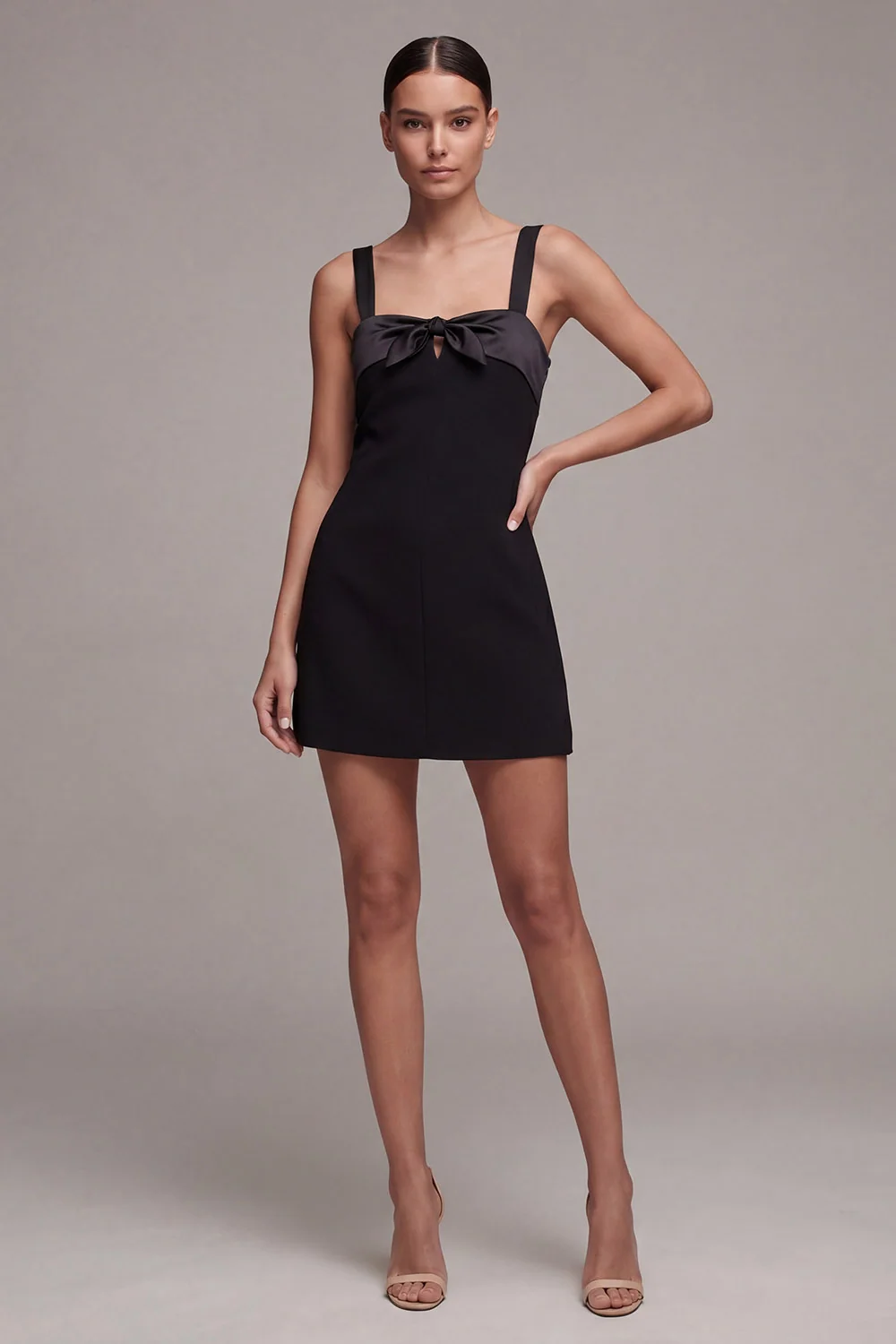
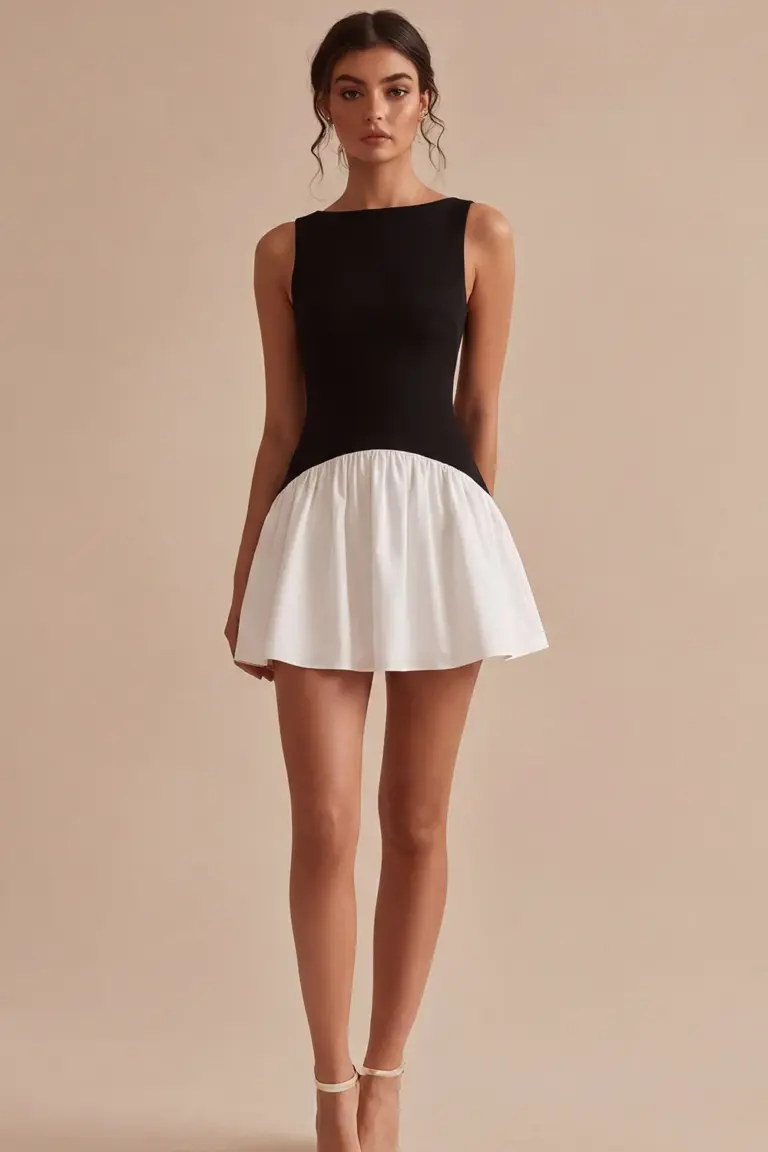 Mini DressesMini Little Black Dresses: Our Honest Shortlist

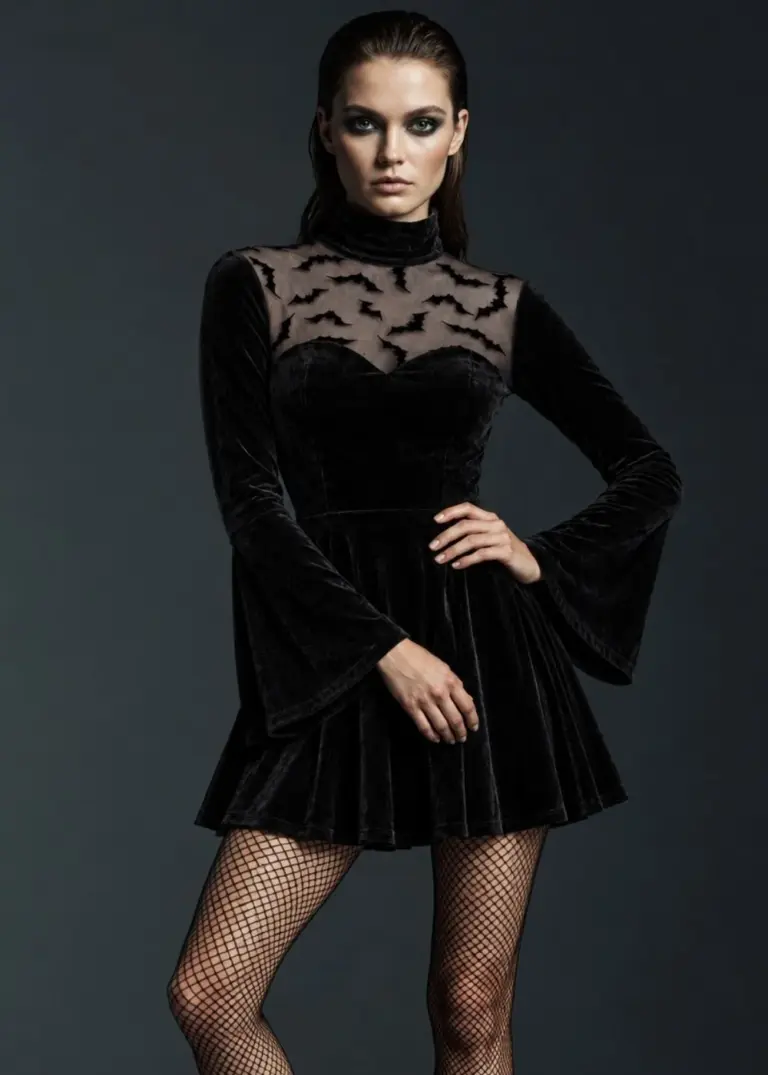 The Loose Little Black Dresses We’d Wear Anywhere

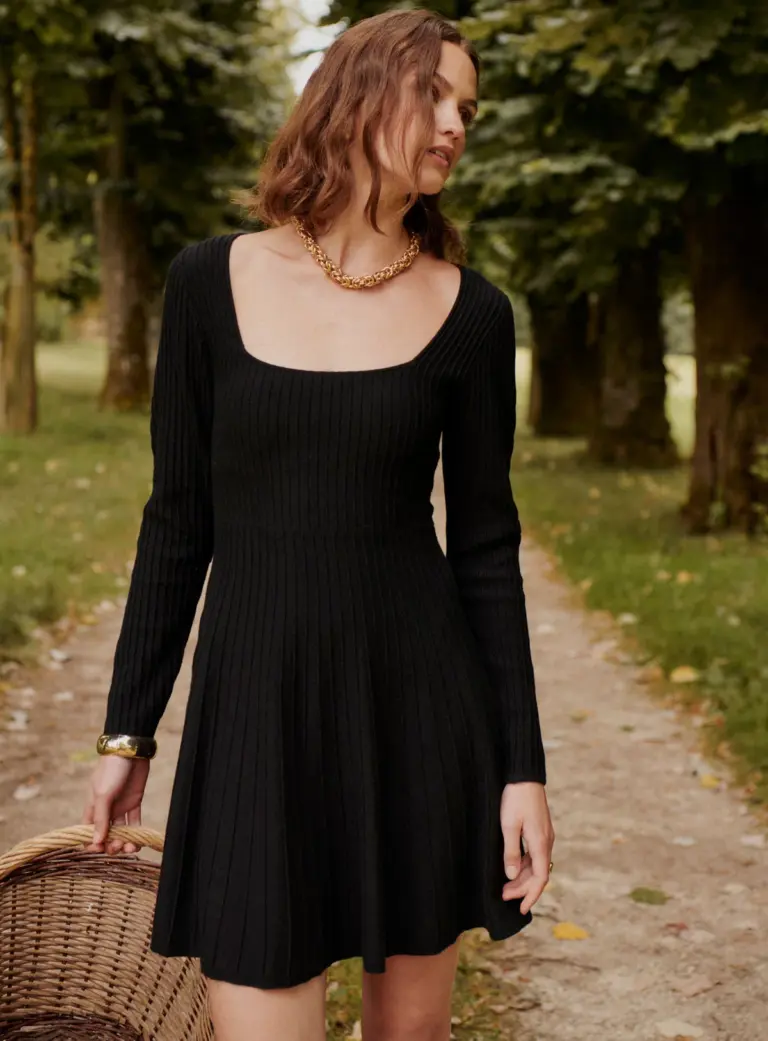 Long Sleeve DressesLong Sleeve Little Black Dresses: What We’d Buy NowAlso worth a lookMidi DressesThe moment a midi dress properly clicked for me was a wedding in October, cold enough for tights,…See the collections →

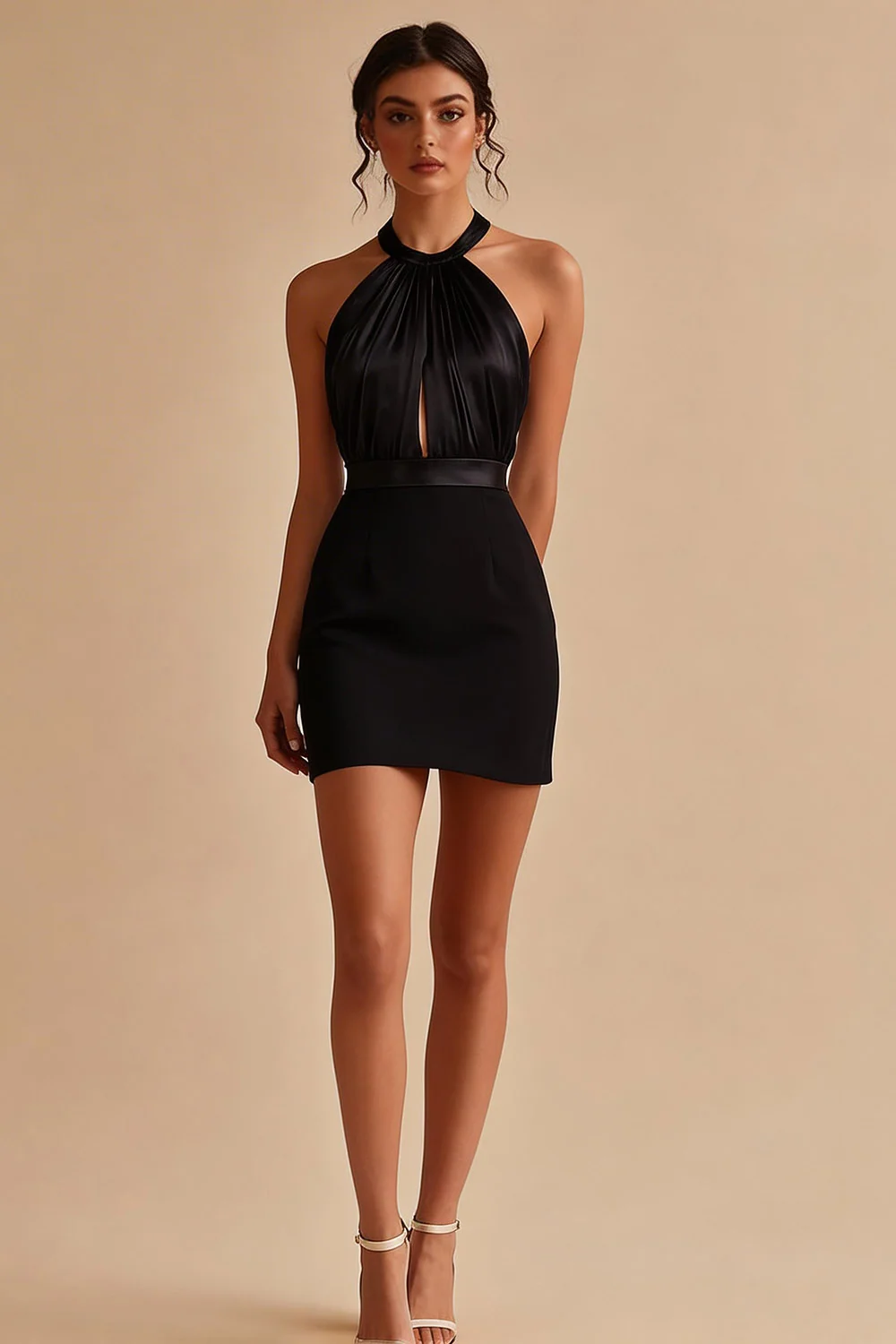 Effortless Little Black Dresses We Love
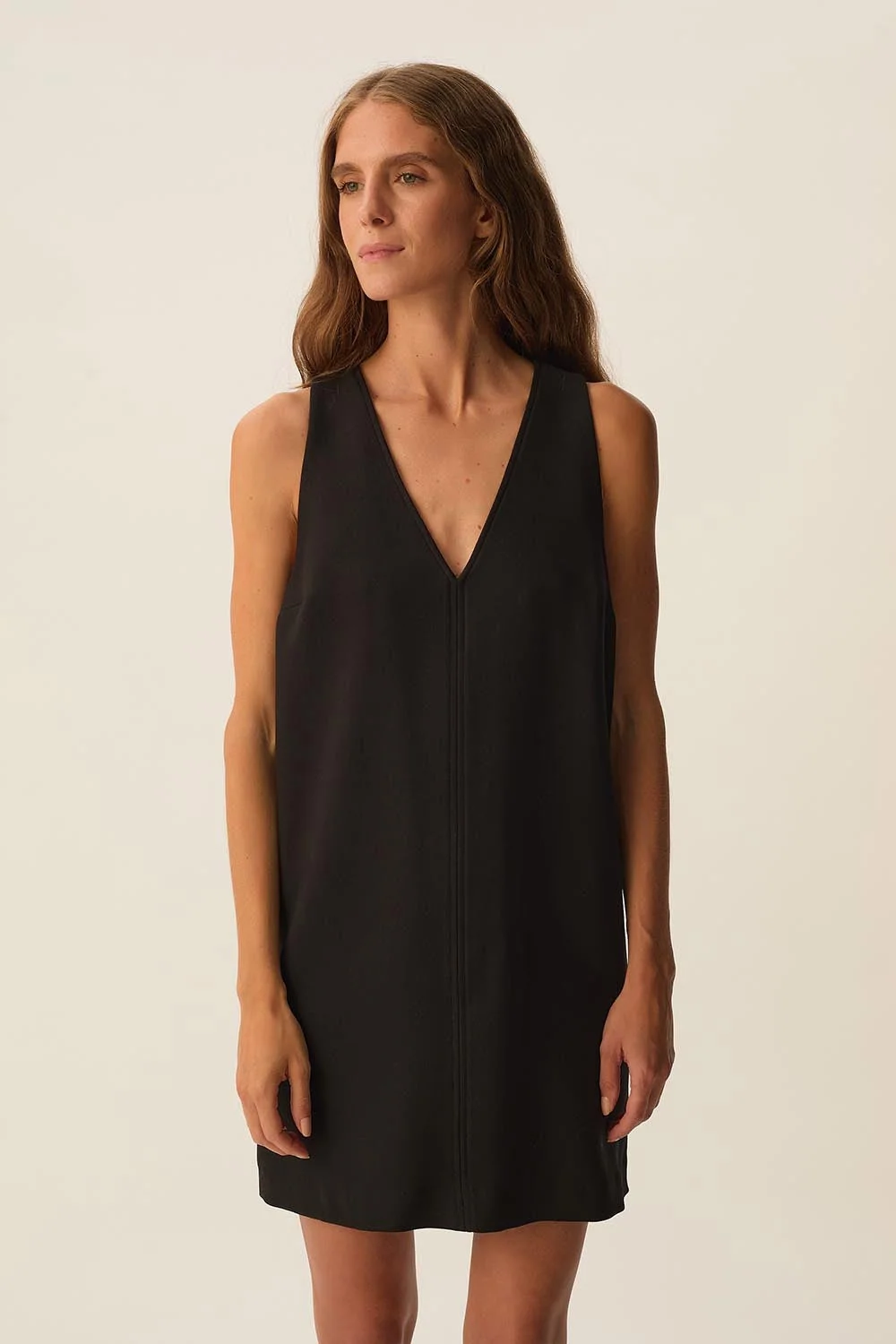
 Long Little Black Dresses That Always Get Compliments

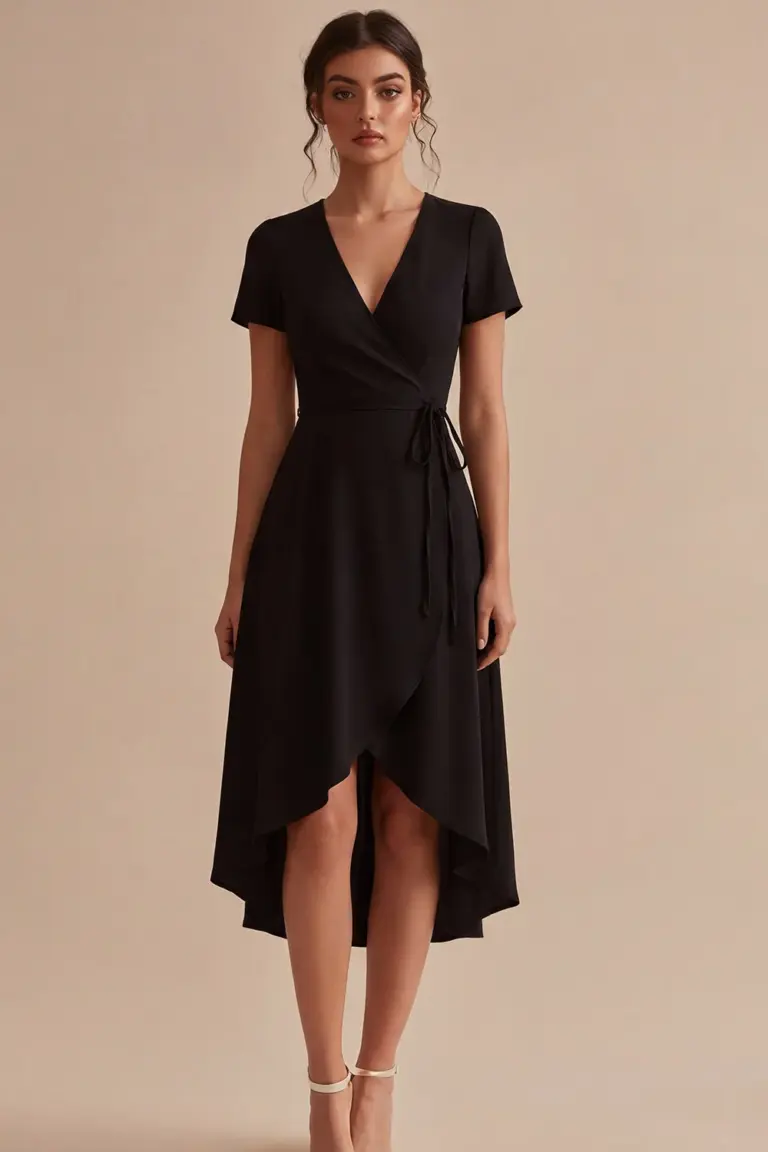 High Neck DressesThe High Neck Little Black Dresses on Our Wishlist
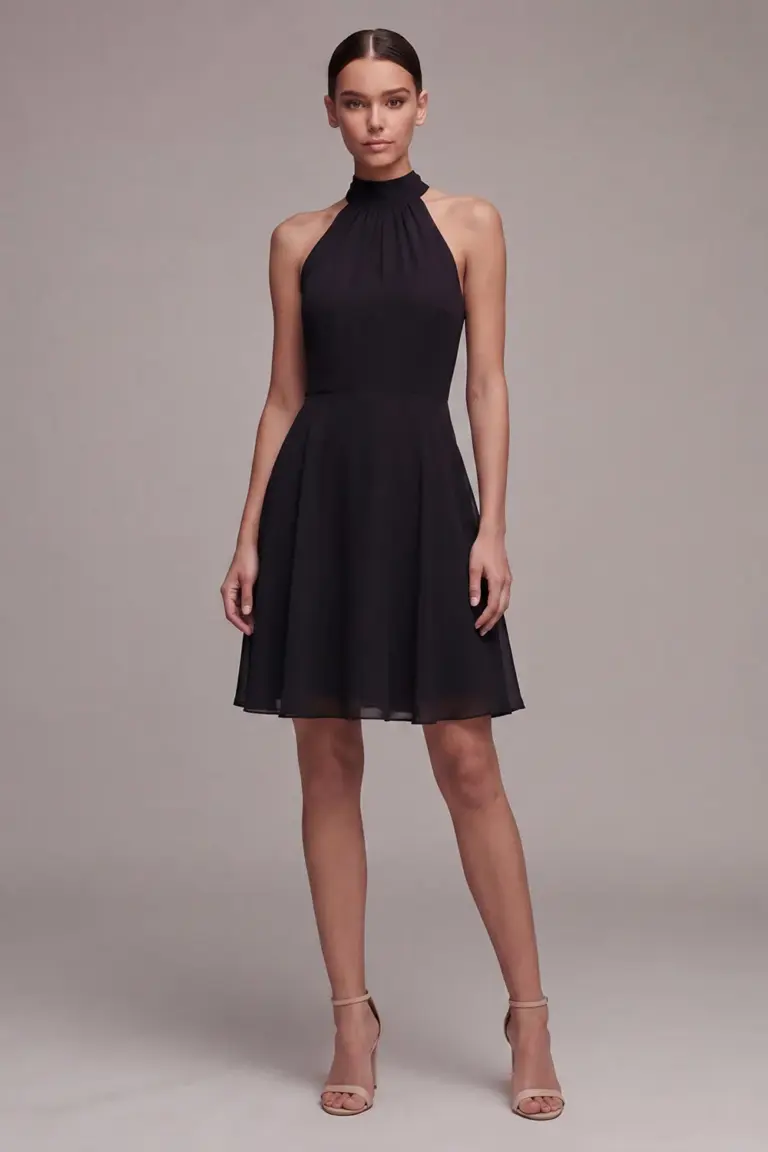
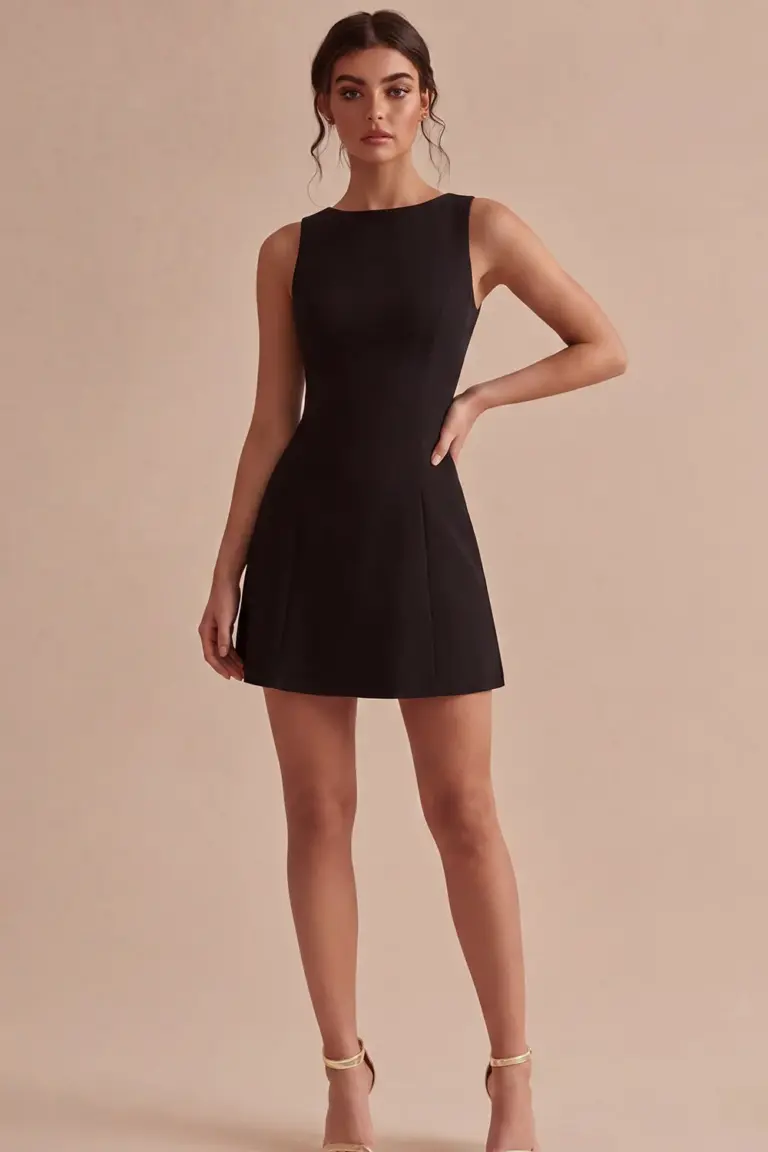 Formal Little Black Dresses That Tick Every Box
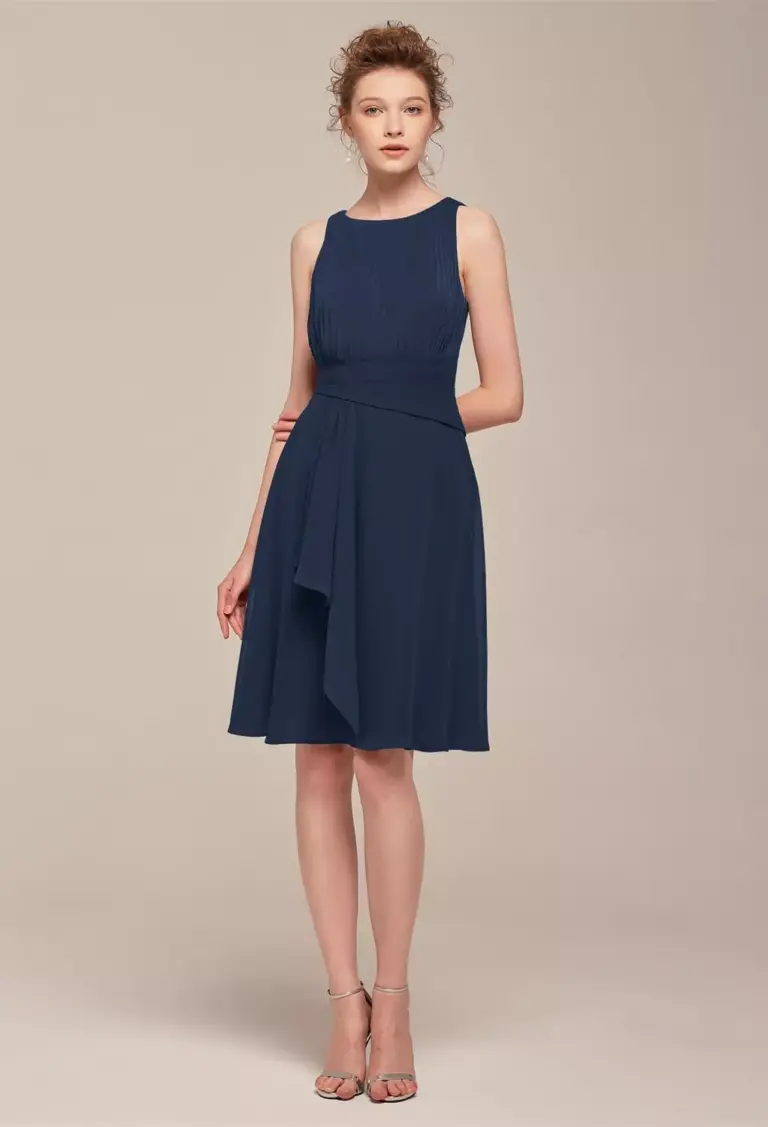
 The Fitted Little Black Dresses We’d Wear Anywhere
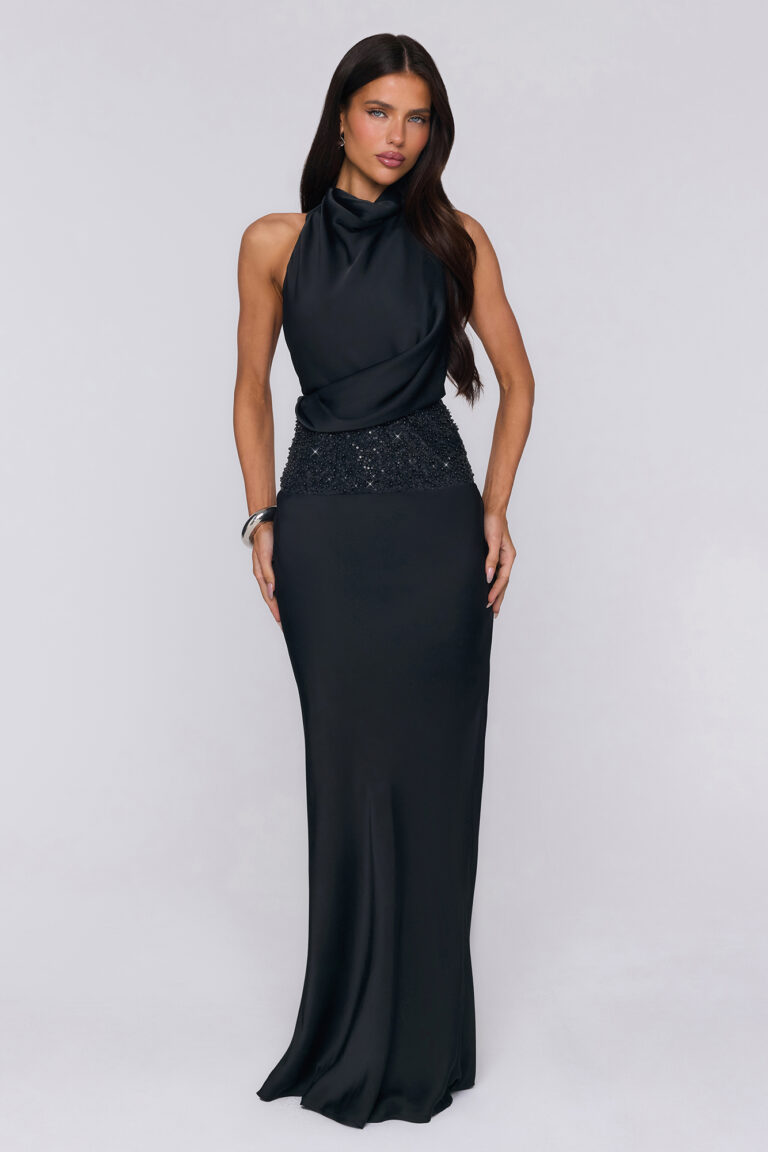
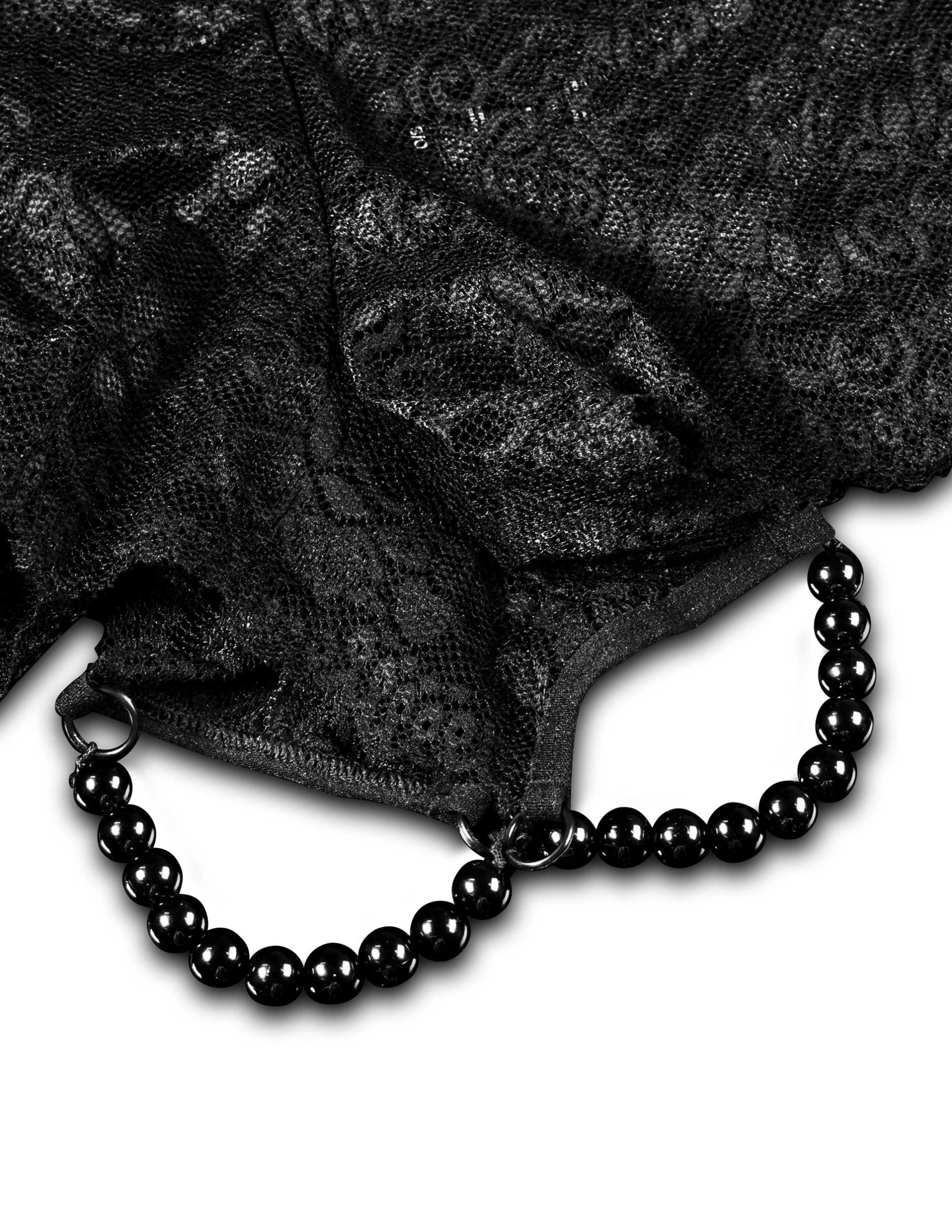 Date Night Little Black Dresses We Think You’ll Love
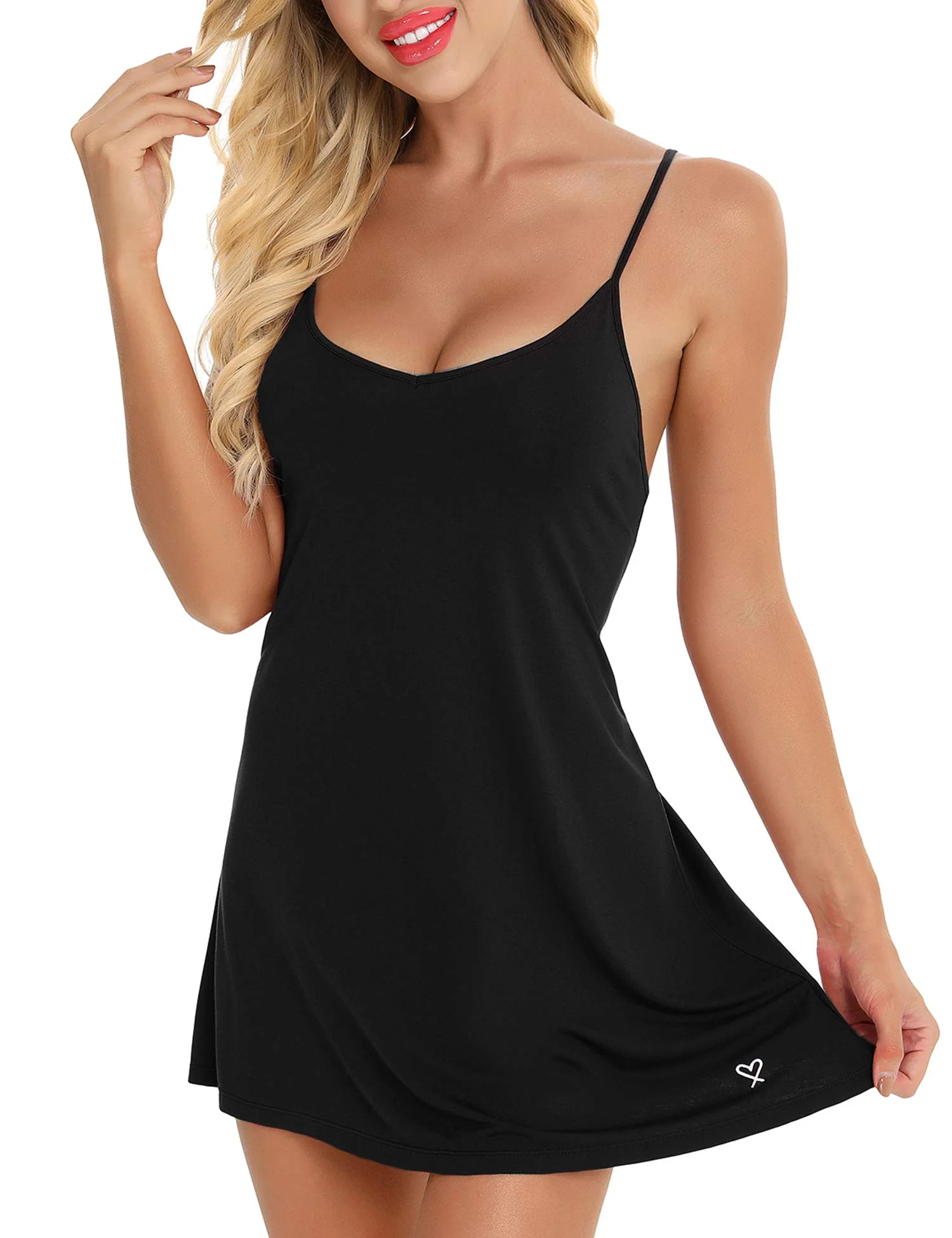
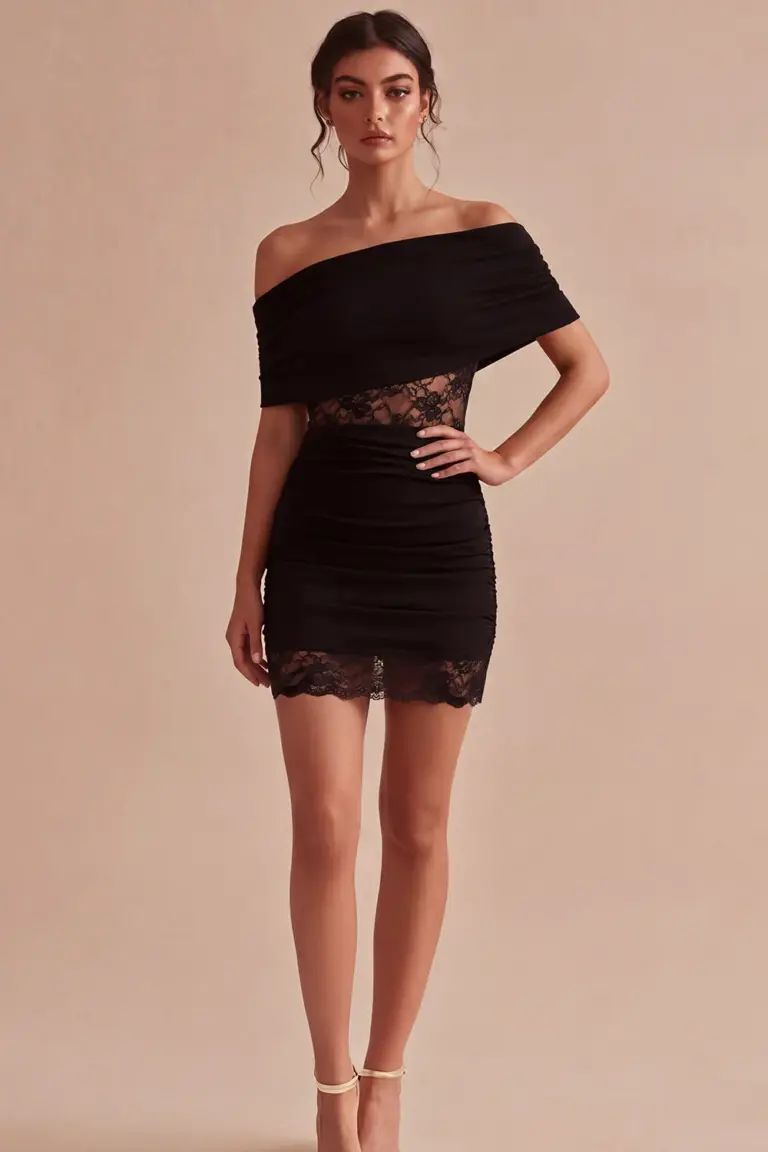 Day Little Black Dresses We Can’t Stop Looking At
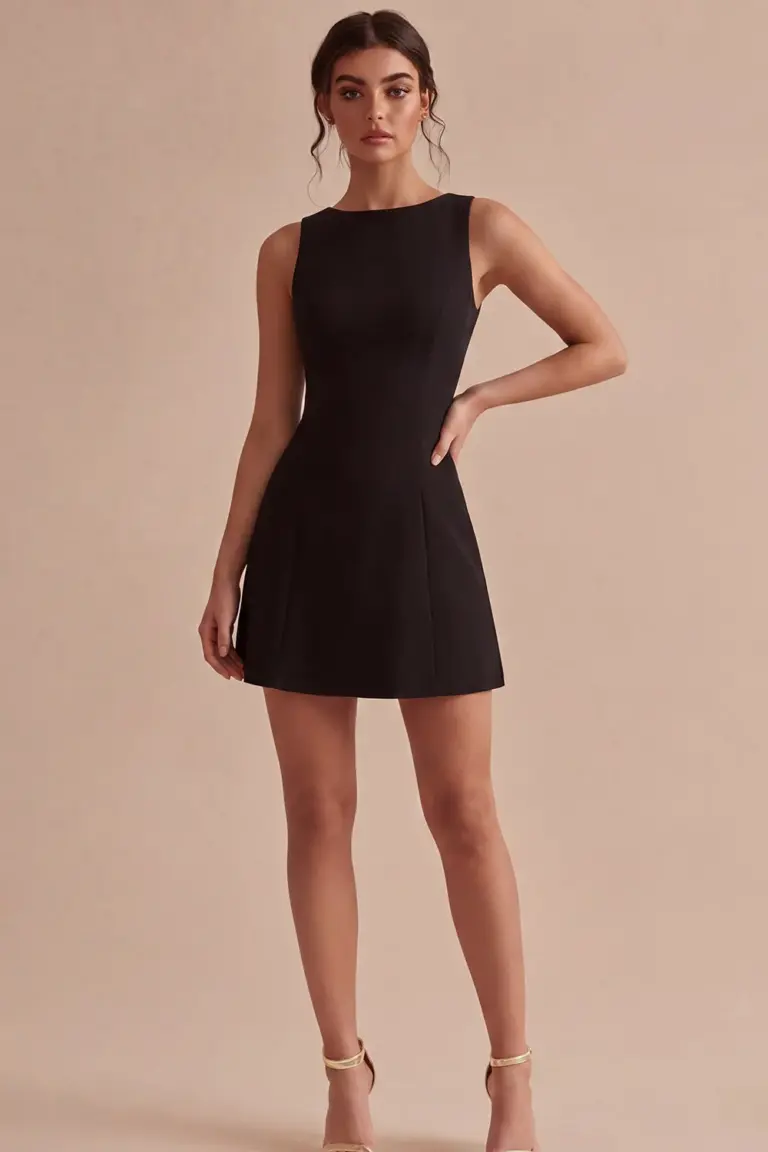
 Cotton DressesCotton Little Black Dresses Edited Down to the Best
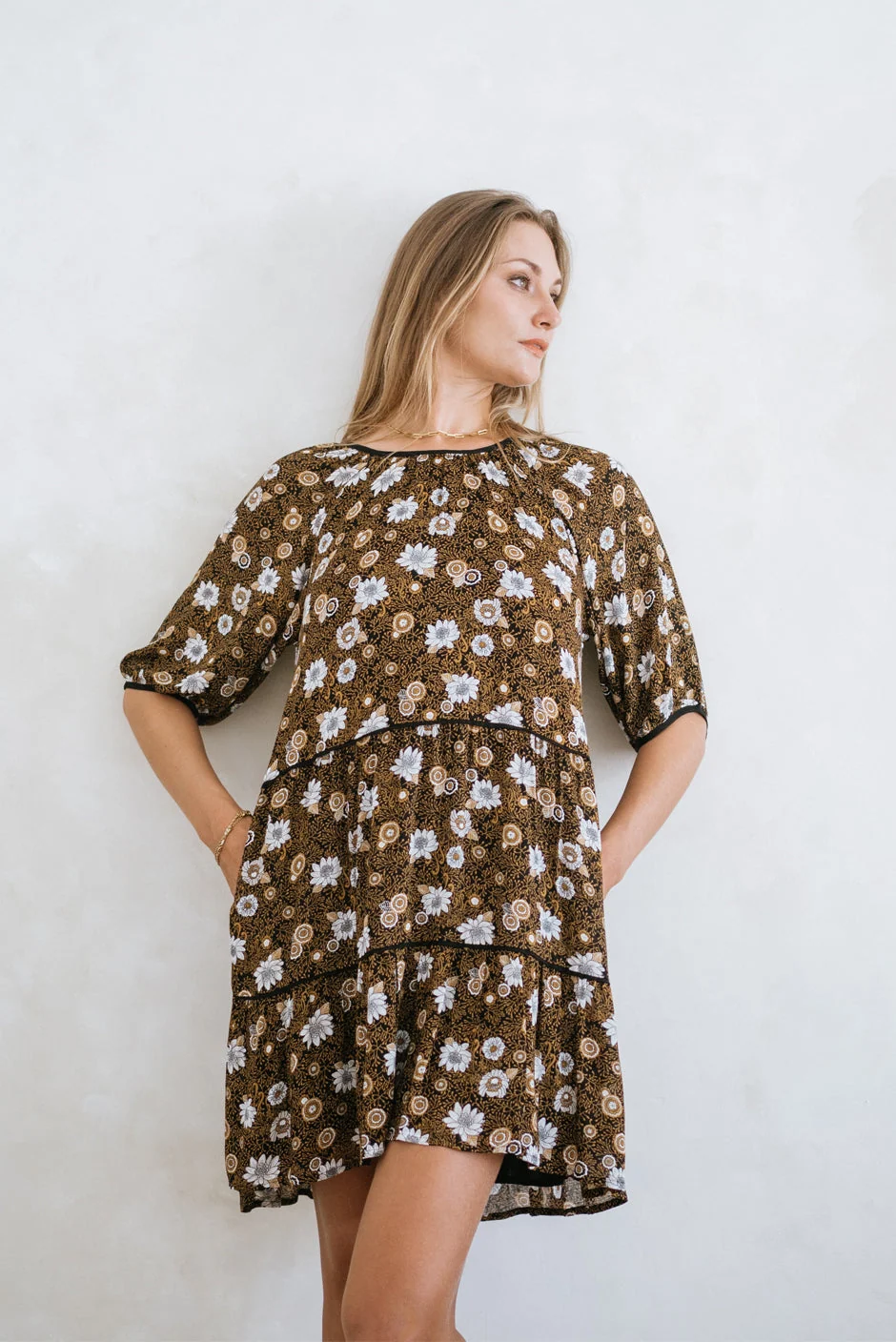
 Cocktail DressesThe Edit: Cocktail Little Black DressesAlso worth a lookMaxi DressesA maxi dress earns its length by making you forget what you're wearing, and that's the whole point of one.See the collections →
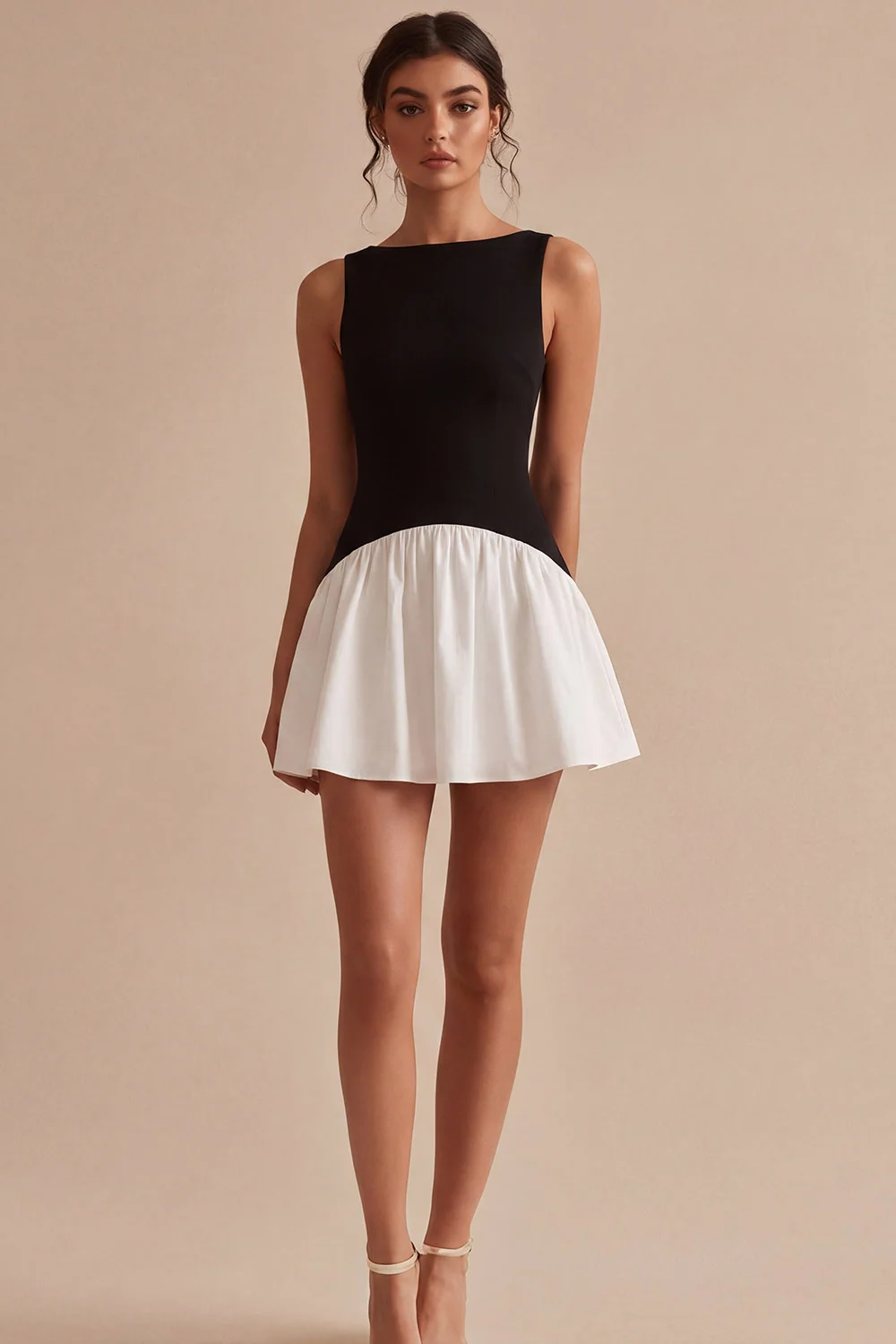
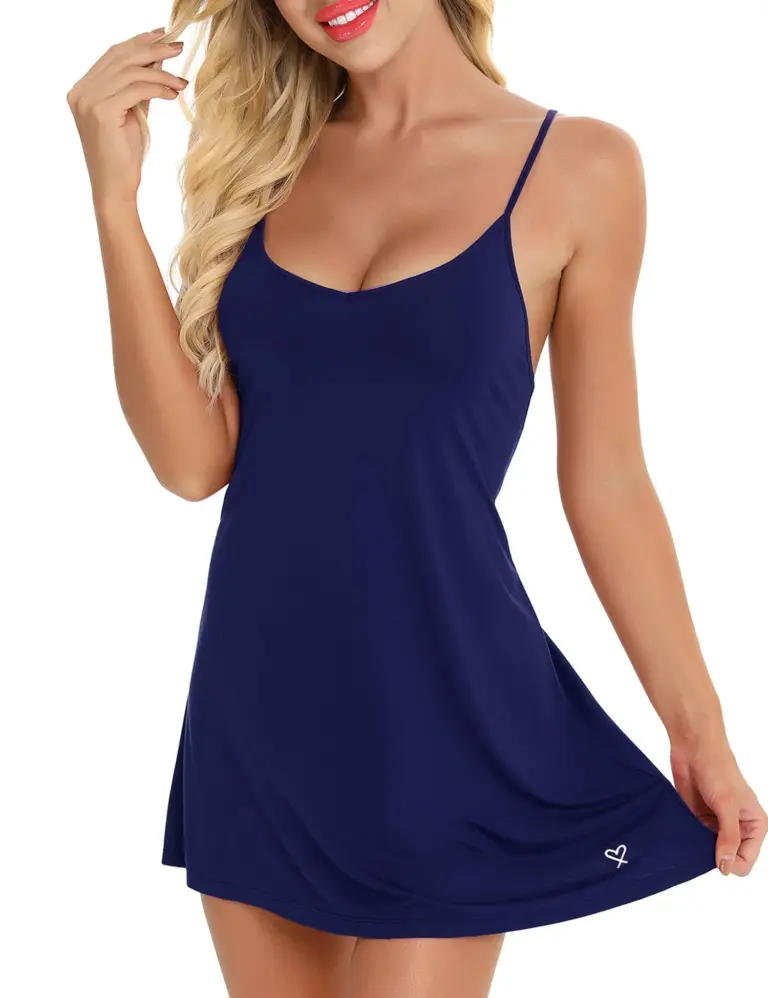 Christmas Little Black Dresses That Do All the Work for You
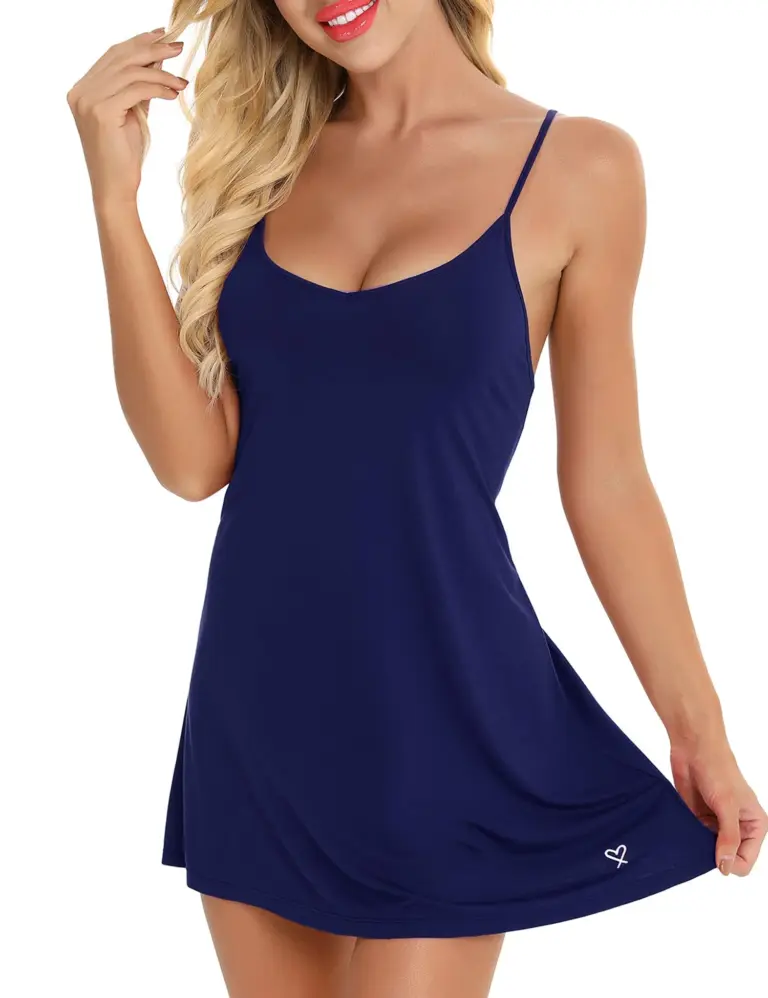
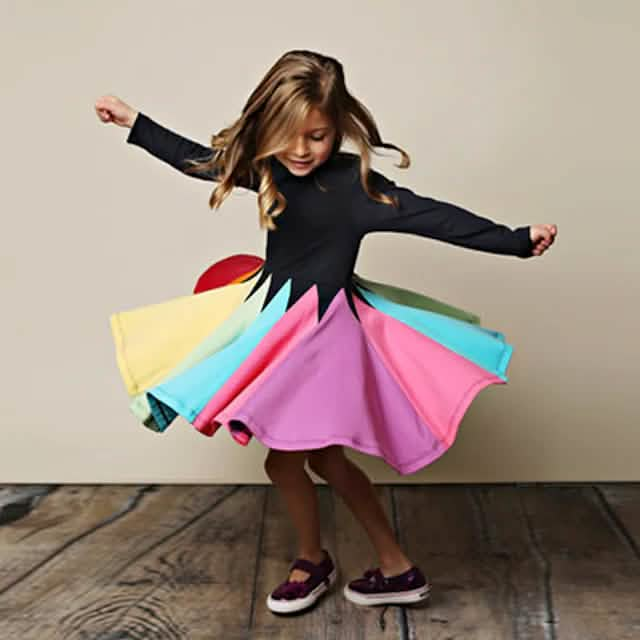 Casual DressesCasual Little Black Dresses That Flatter Without Trying