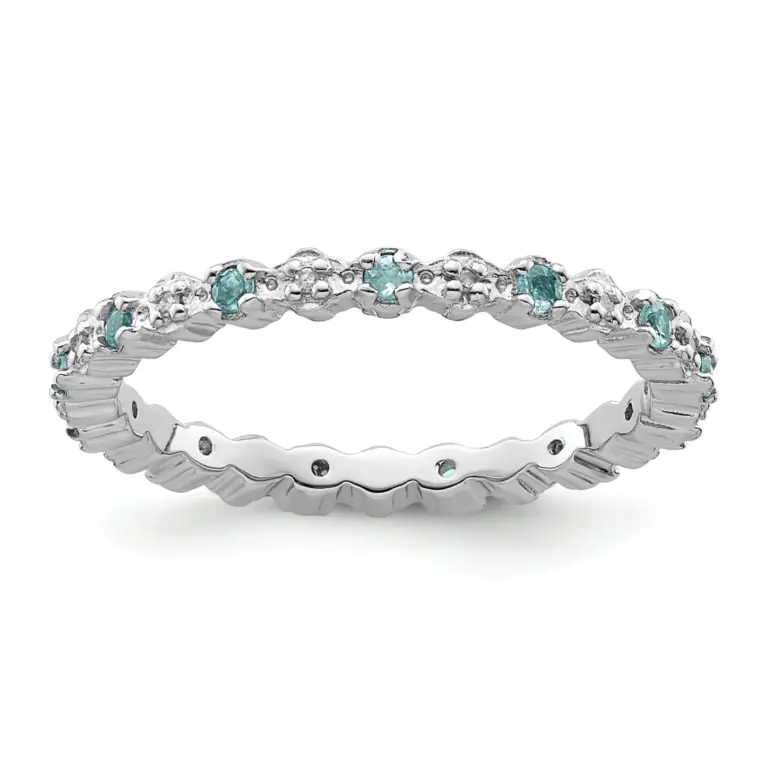
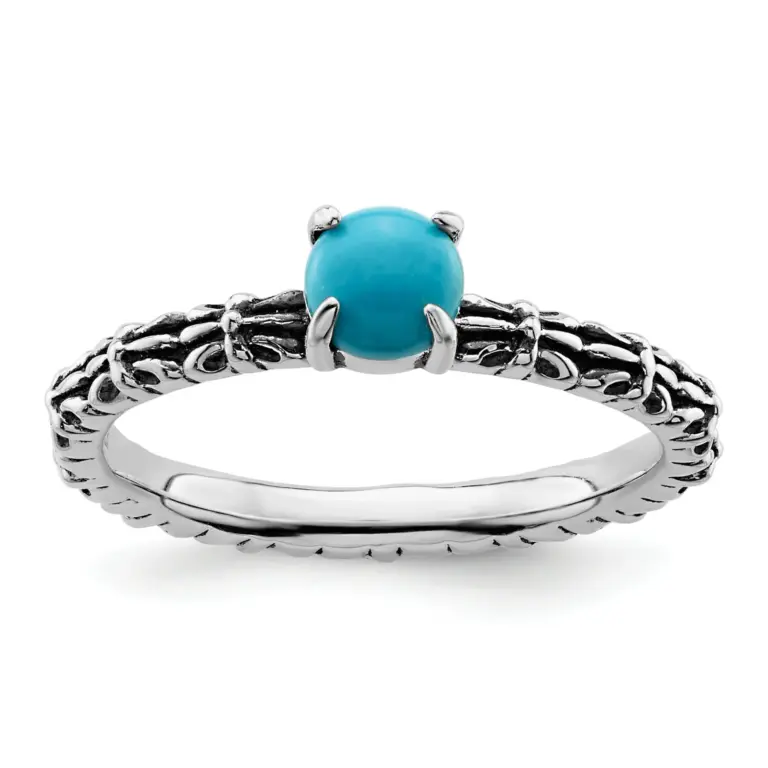
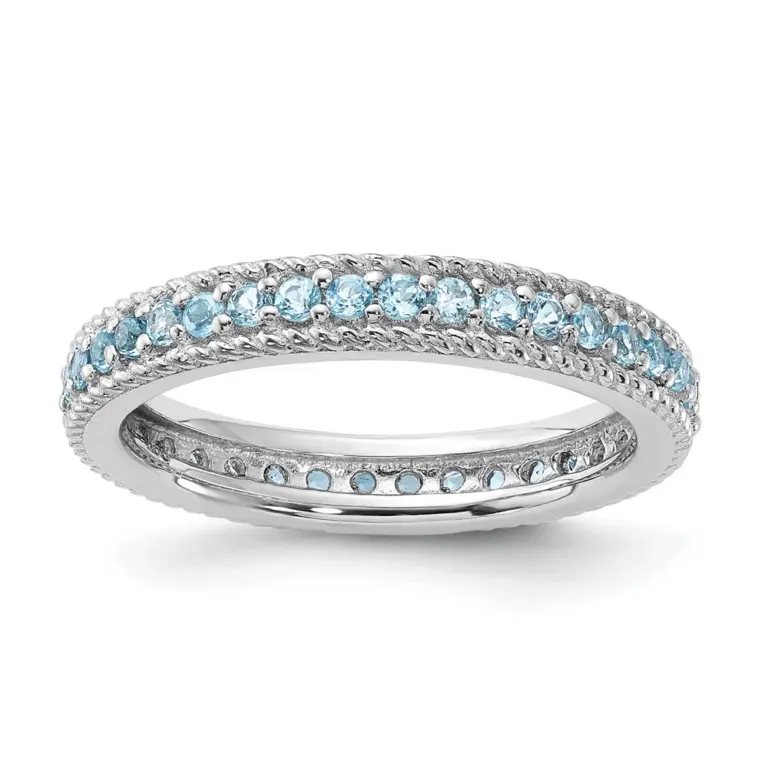
A good stacking ring has a bit of weight to it before it even touches your finger, a small dense click when you set it down on a table rather than a hollow tap. Cheap ones feel like they'd bend if you looked at them sternly.
The difference shows up fast once you've worn a few. Plating on the flimsy ones wears through at the back, right where the ring meets your palm, within weeks, so you get a dull grey line against your skin and sometimes a green tinge if you've been doing dishes or using hand cream with anything acidic in it. Solid metal, or a thick enough plating over a decent base, doesn't do that. The band thickness matters too. Thin wire rings twist out of shape if you catch them on a jumper or a car door, and once a band's gone oval it never sits right again, it just spins round your finger annoyingly for the rest of its life. The ones worth having keep their shape, and the stones or textures on them are set properly rather than glued, which you can usually tell by giving a gentle wiggle before you buy, anything that moves is going to fall out eventually, probably down a plughole. I lost a tiny set stone that way and only noticed a week later when the ring looked oddly bald.
Wear a few stacked together for a few months and you'll notice they start to pick up tiny scratches from each other, which sounds like a flaw but actually softens the finish into something that looks more like it's been loved than battered, a bit like good leather. Take them off before you wash up, before the gym, before you put hand cream on, and they'll keep that softened look rather than turning dull. A soft cloth now and then brings the shine back without any fuss. If you're starting from nothing, go for two or three plain bands in slightly different widths rather than one fussy statement ring, they mix with anything you add later and they don't fight each other on your hand.
Buy one good one before three cheap ones, that's the honest order to do it in.
Years on, the better ones go slightly matte in the grooves and bright on the raised edges, which is just wear doing something a shop finish never quite manages, and by then they've usually stopped feeling like jewellery and started feeling like part of your hand.
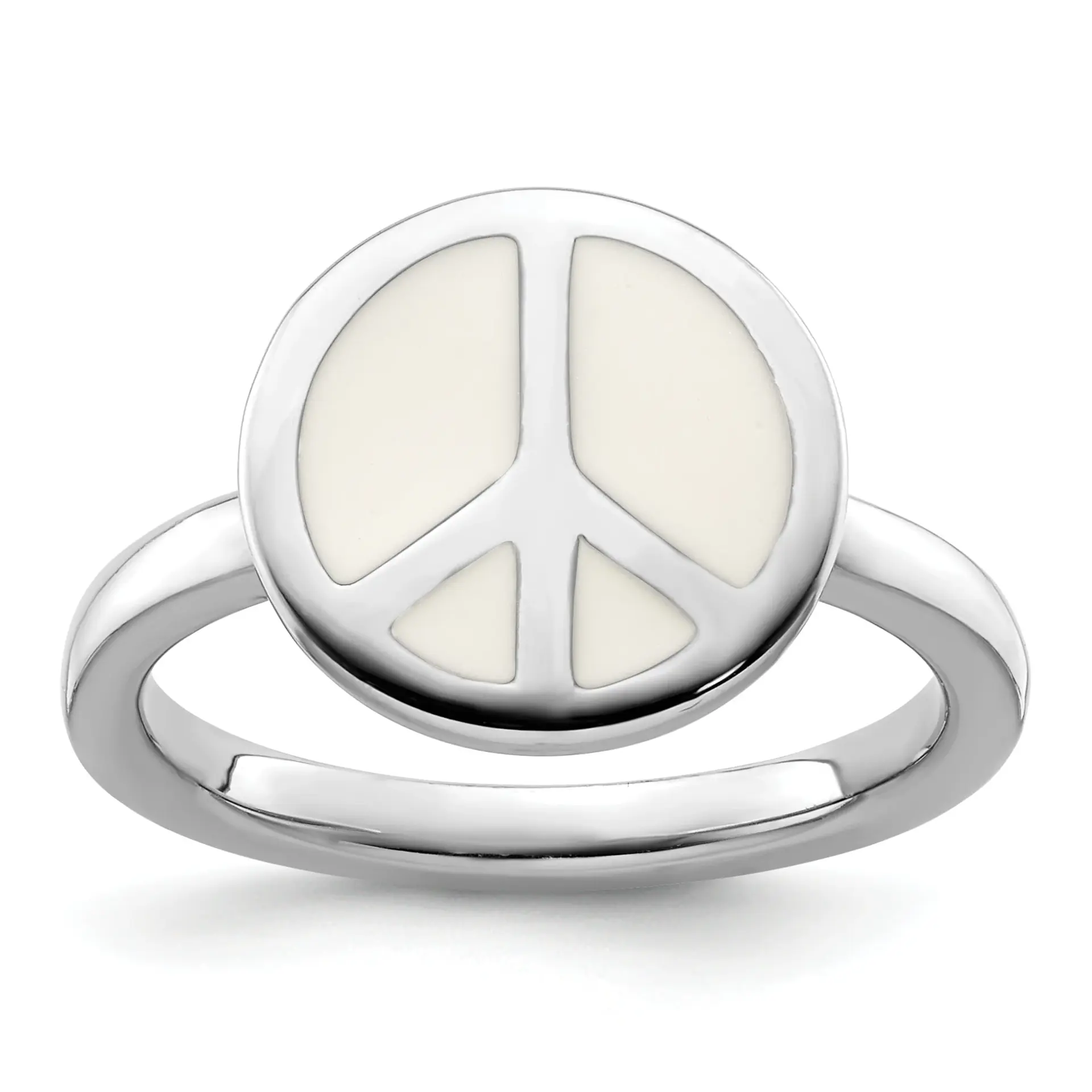 White RingsDelicate to Bold: Our Favorite White Stacking Rings
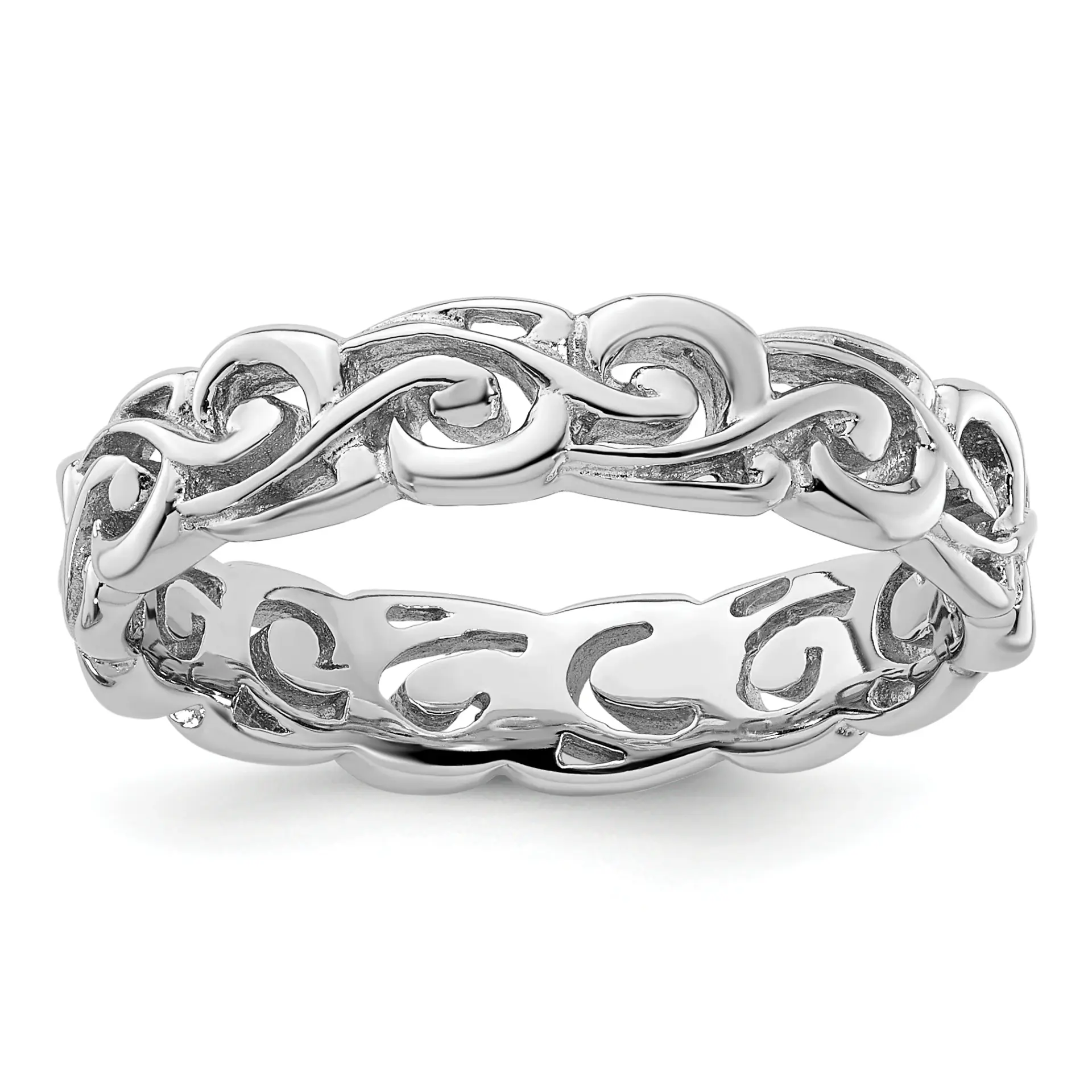
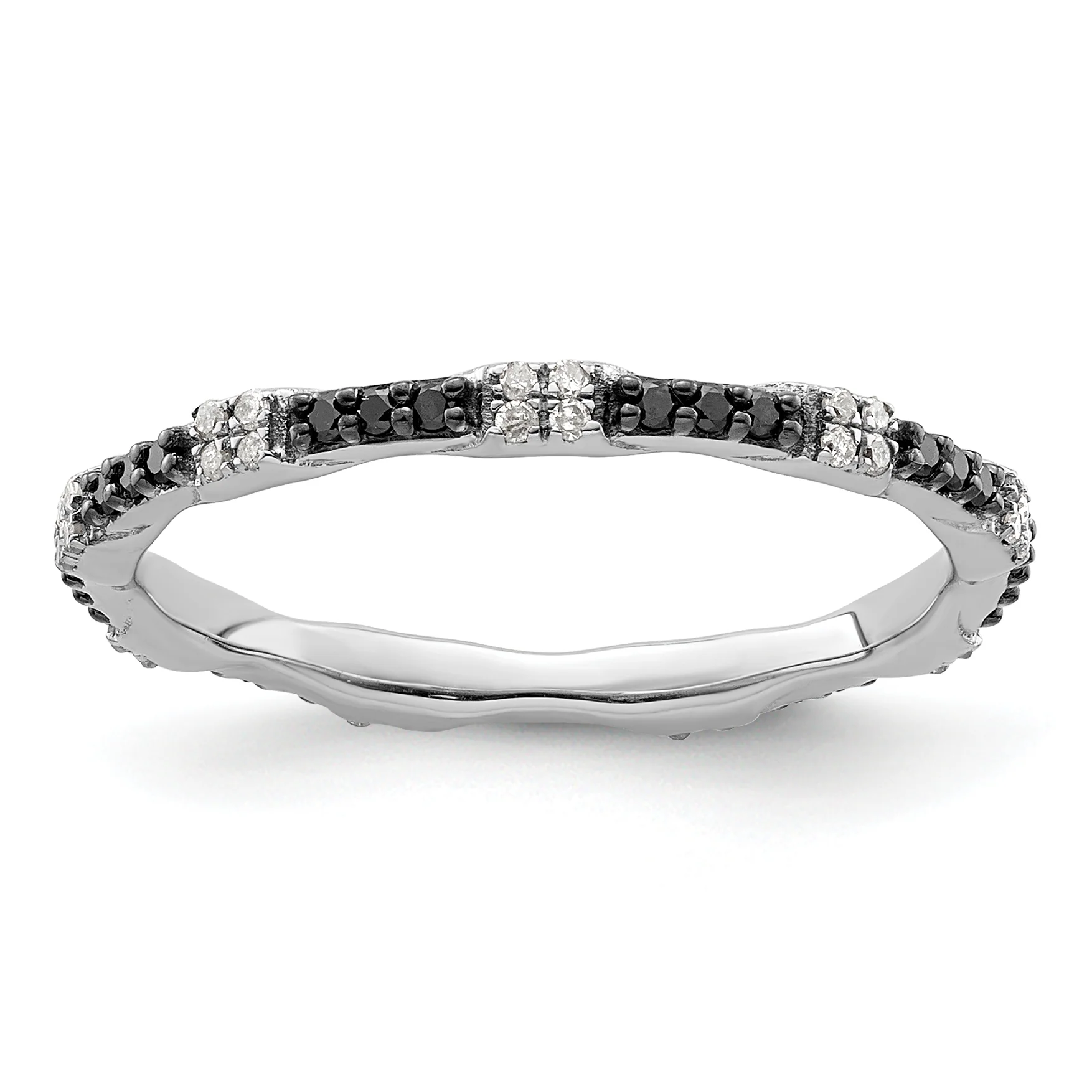 White RingsWhite Stacking Rings That Feel Special
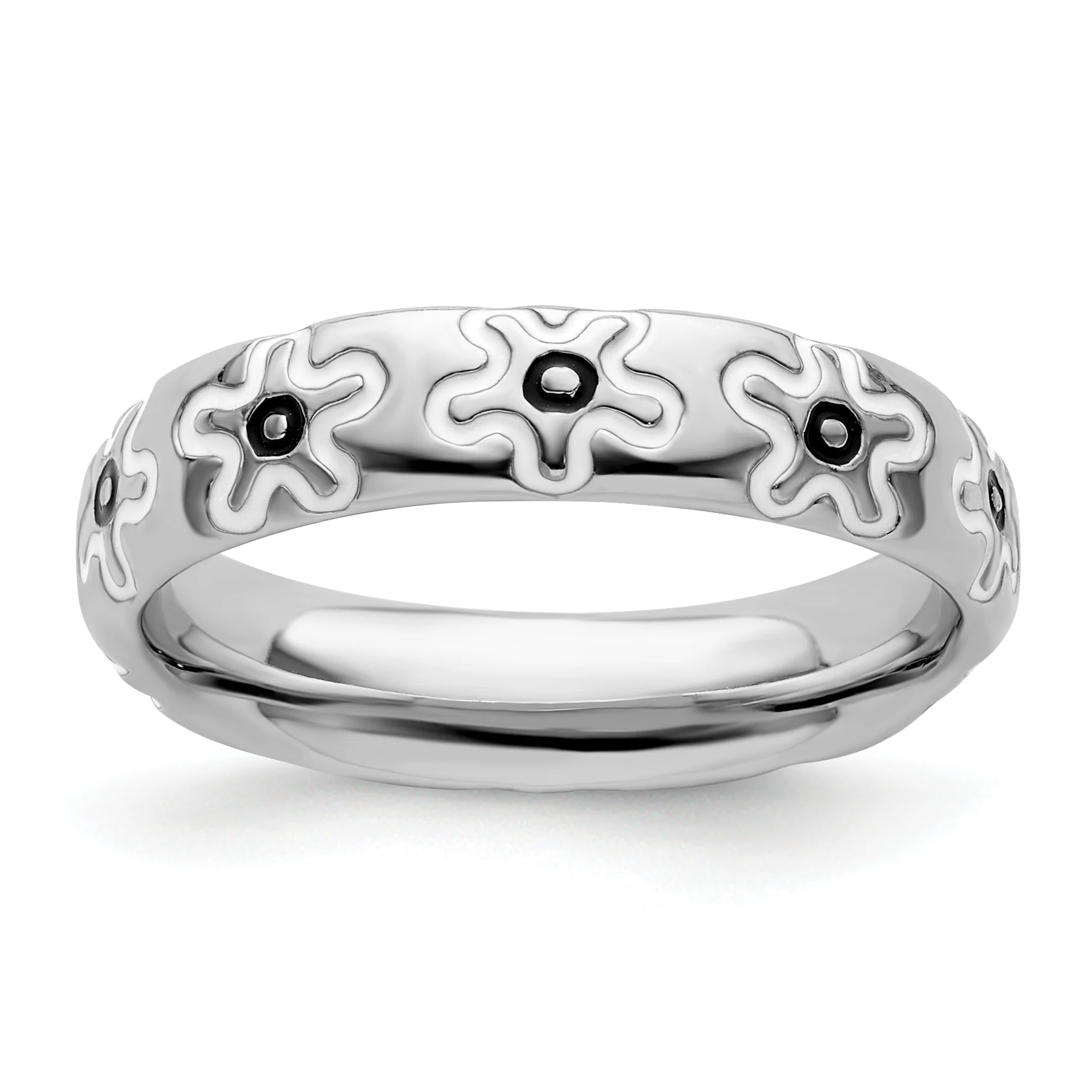
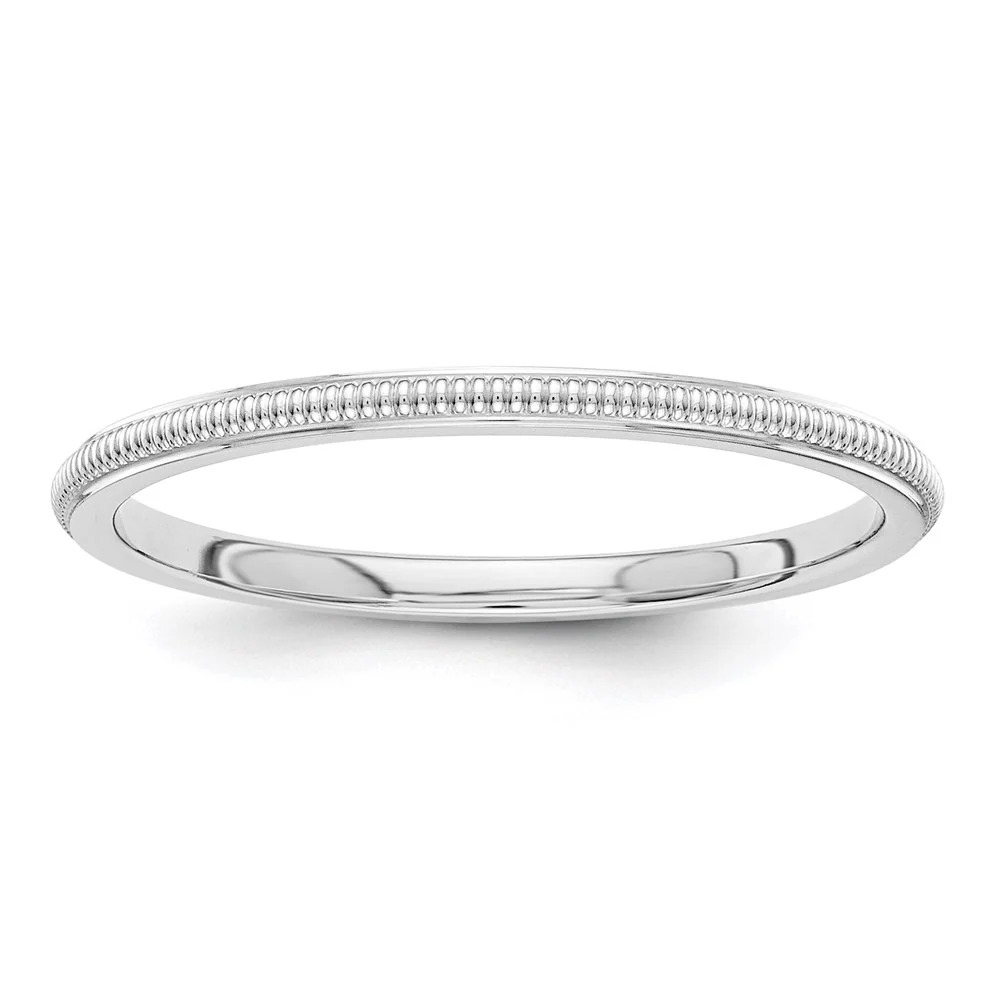 Wedding Stacking Rings We’d Recommend to a Friend
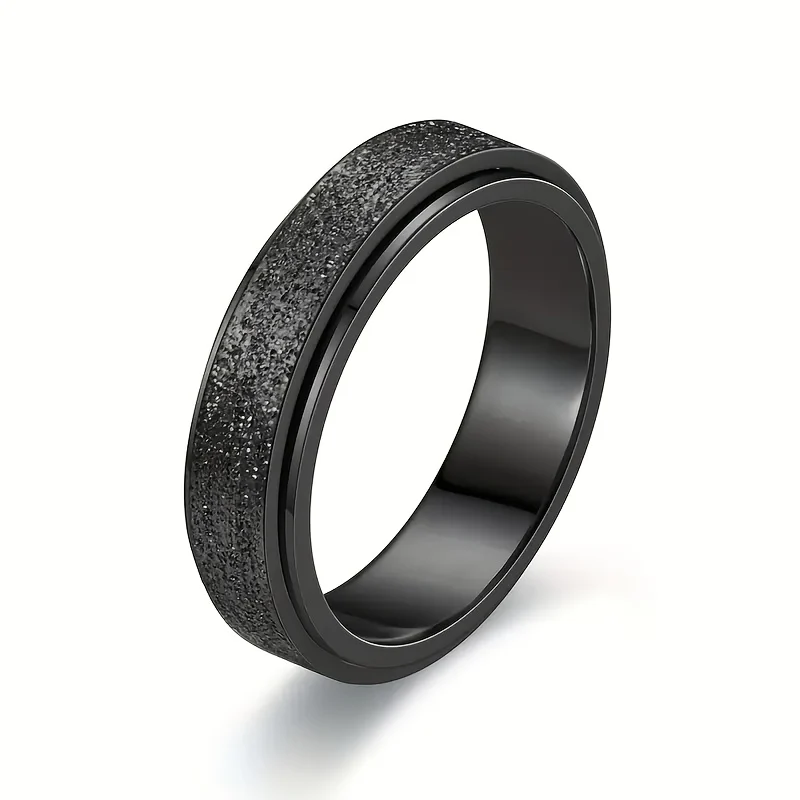
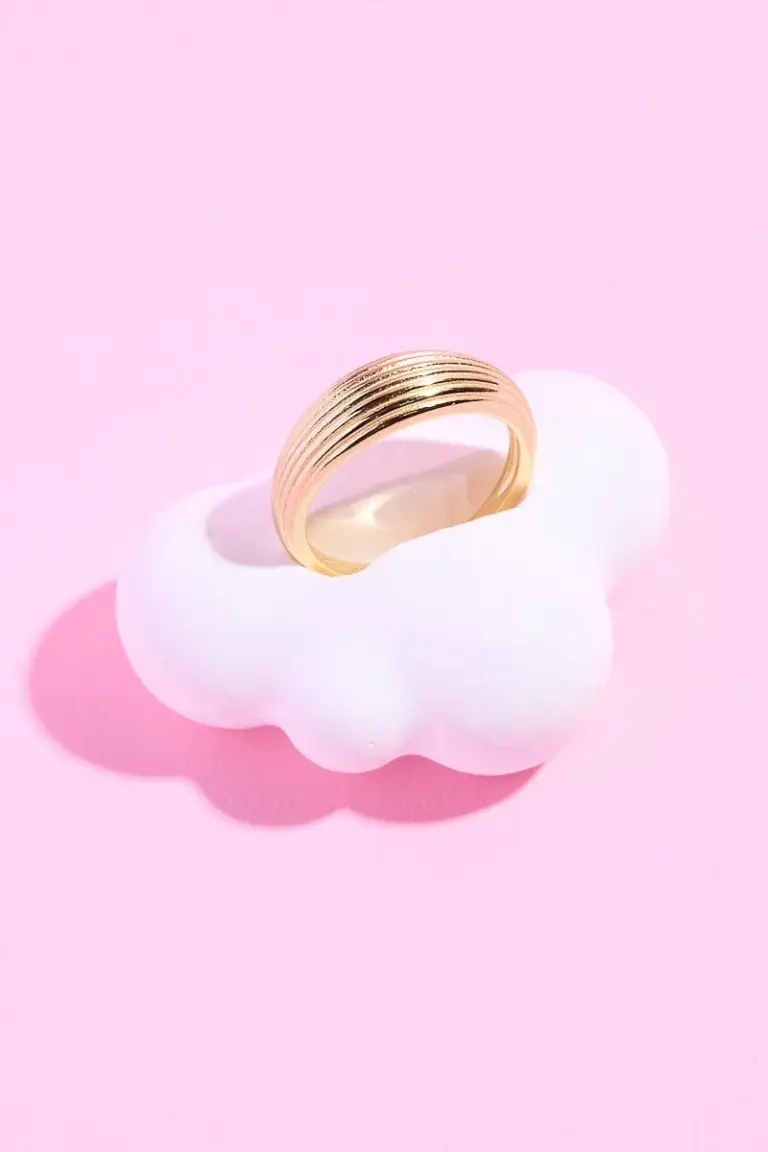 Sterling Silver Stacking Rings: Picks We Stand By
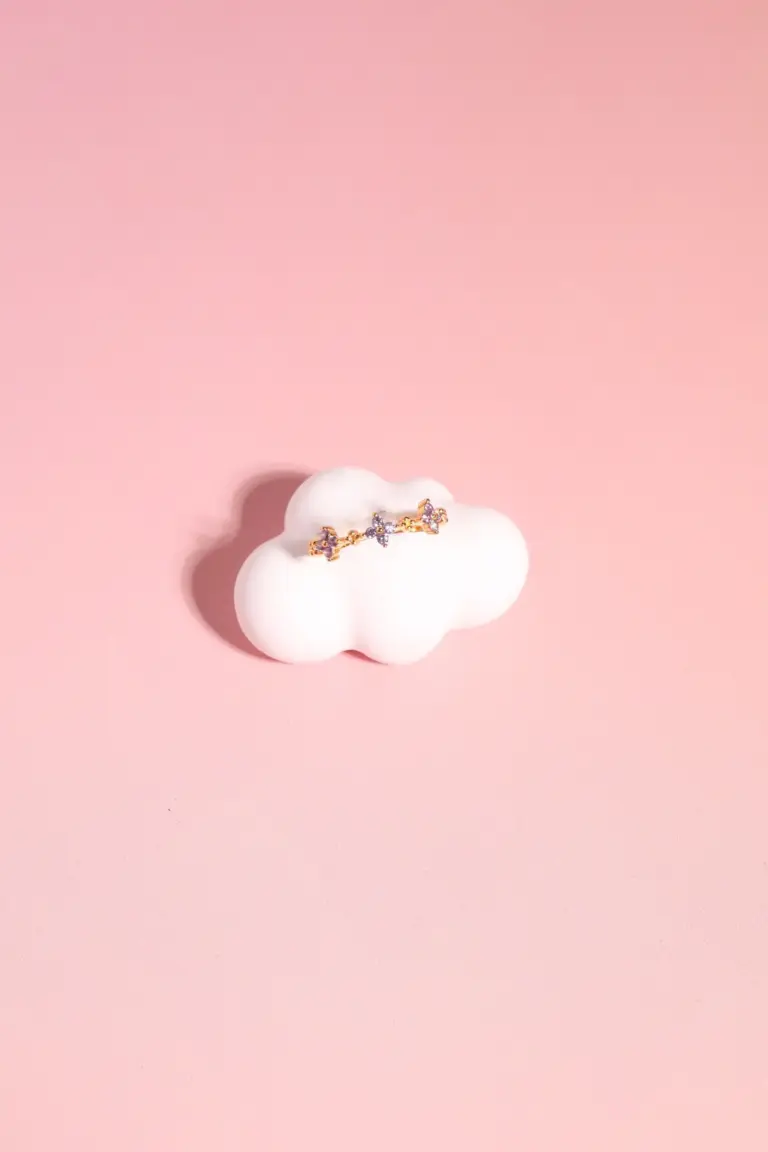
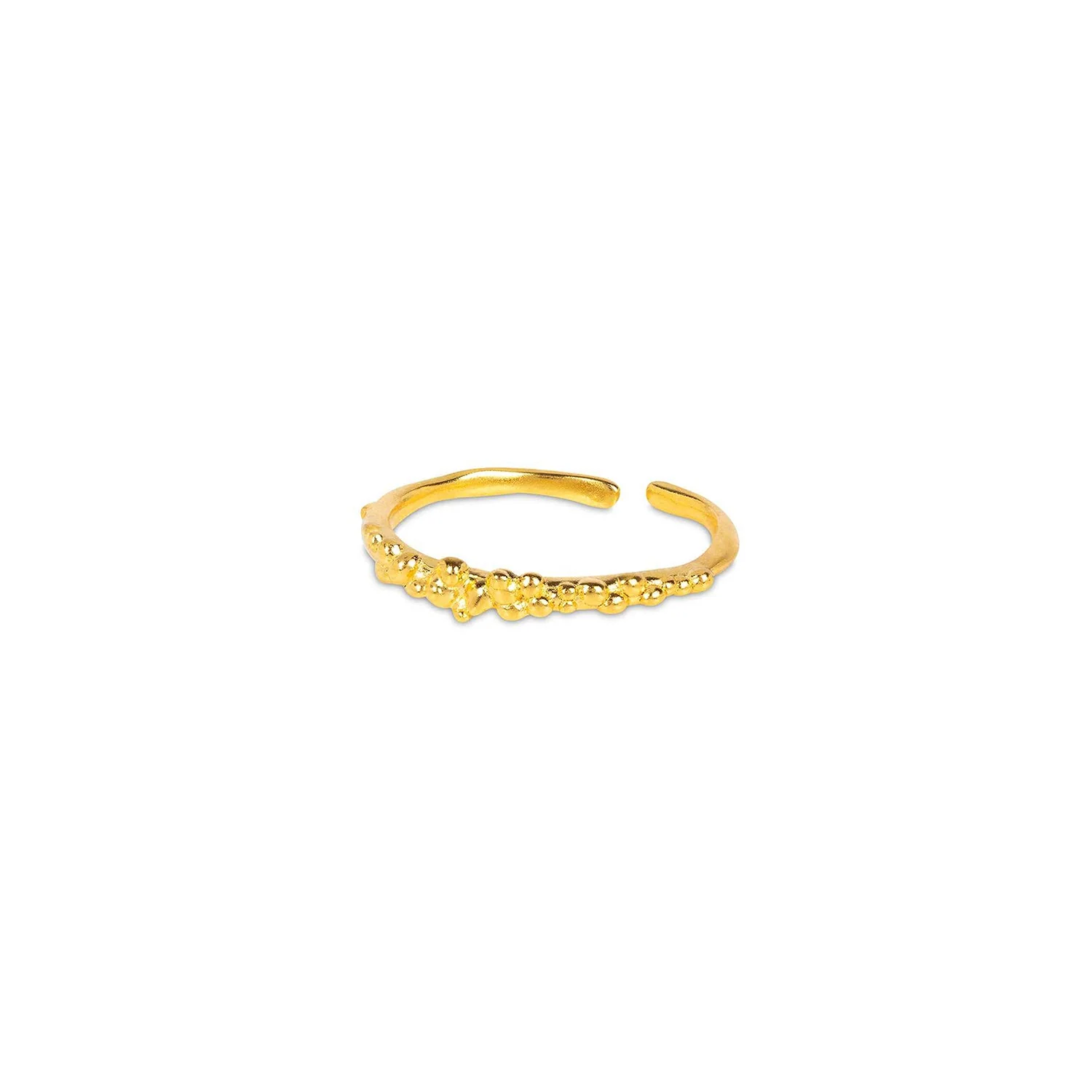 The Sterling Silver Stacking Rings on Our Wishlist
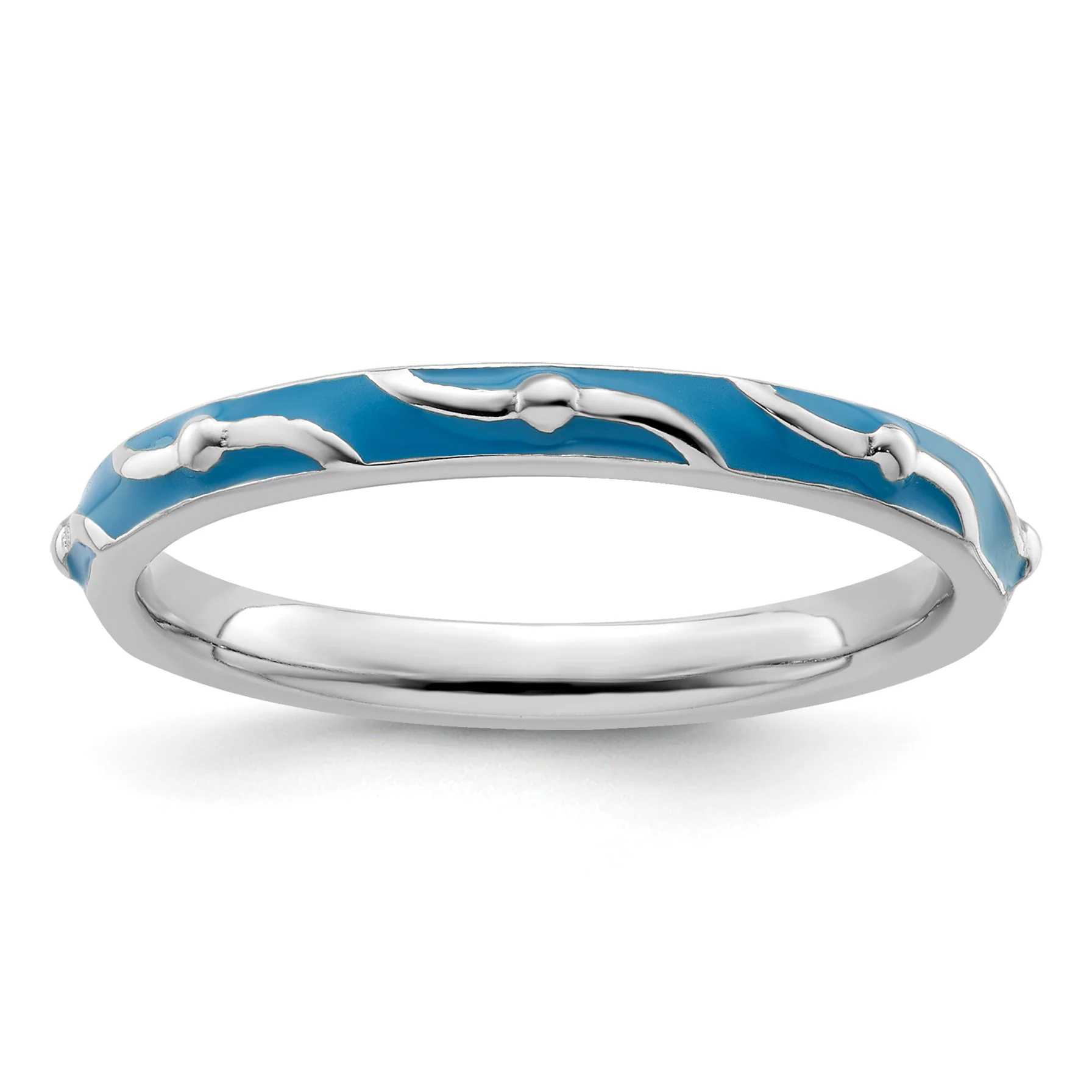
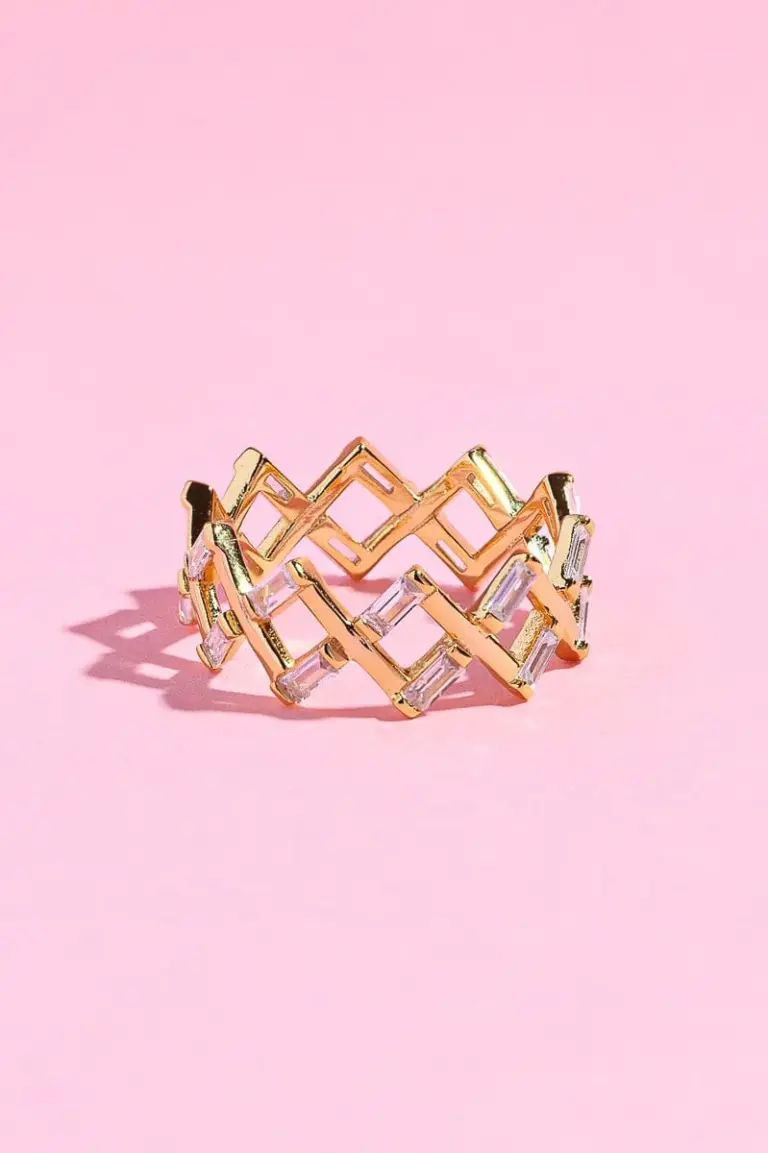 Statement RingsThe Sterling Silver Stacking Statement Rings Shortlist
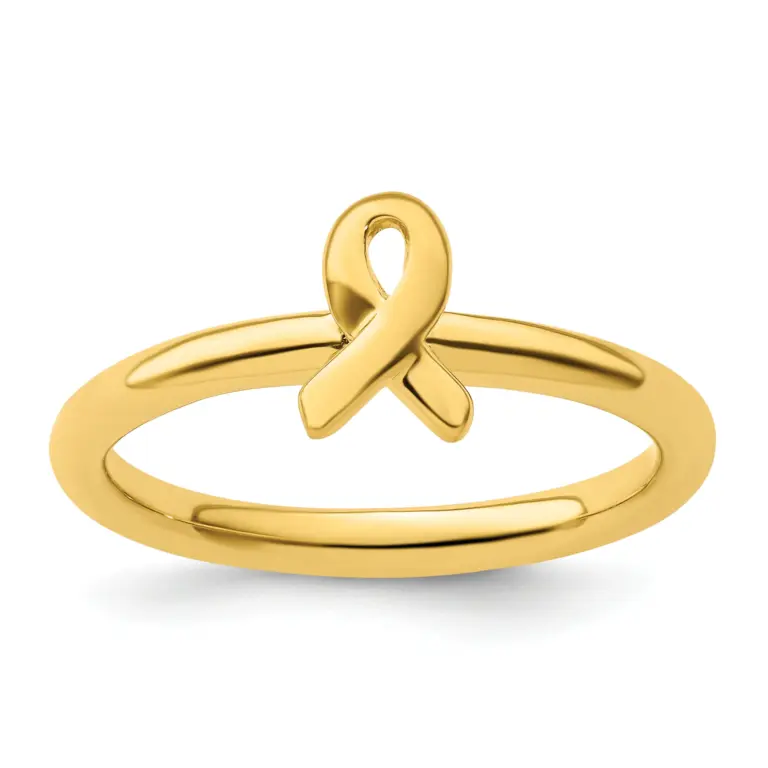
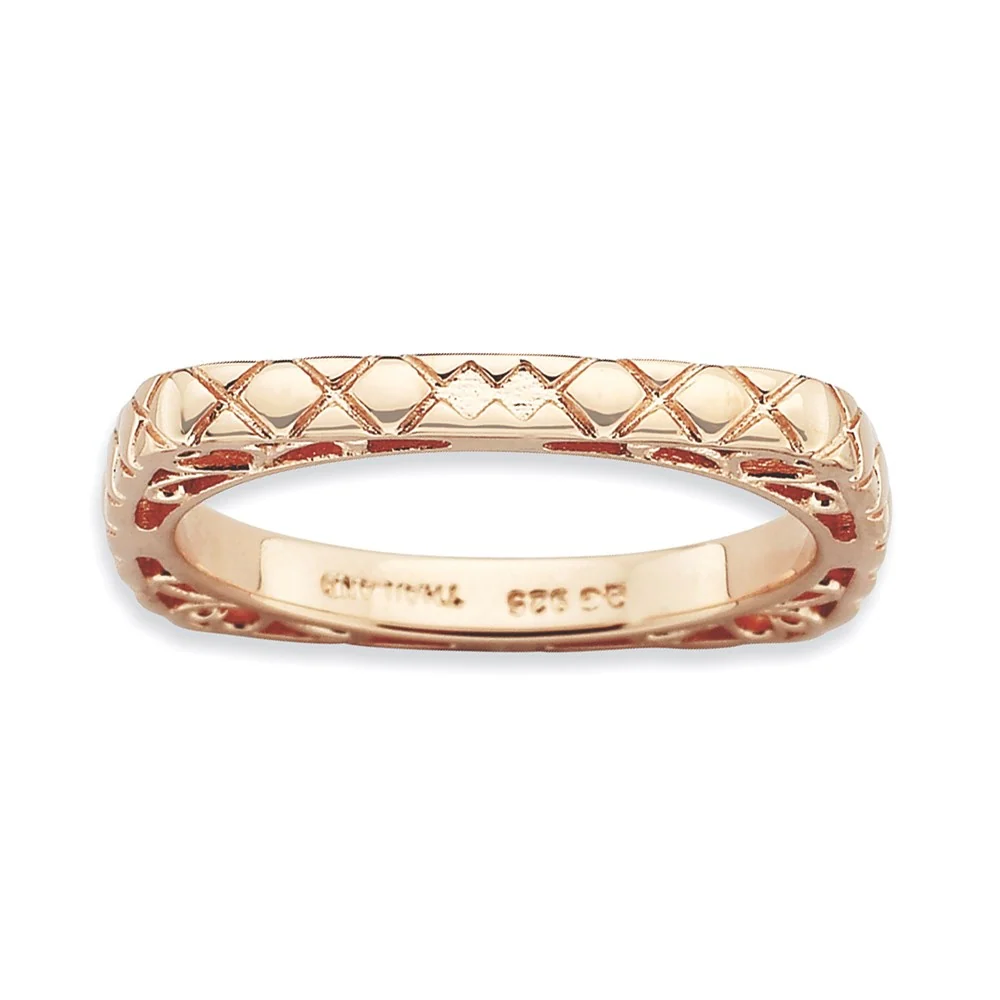 Sterling Silver Charm Stacking Rings We Love Right Now
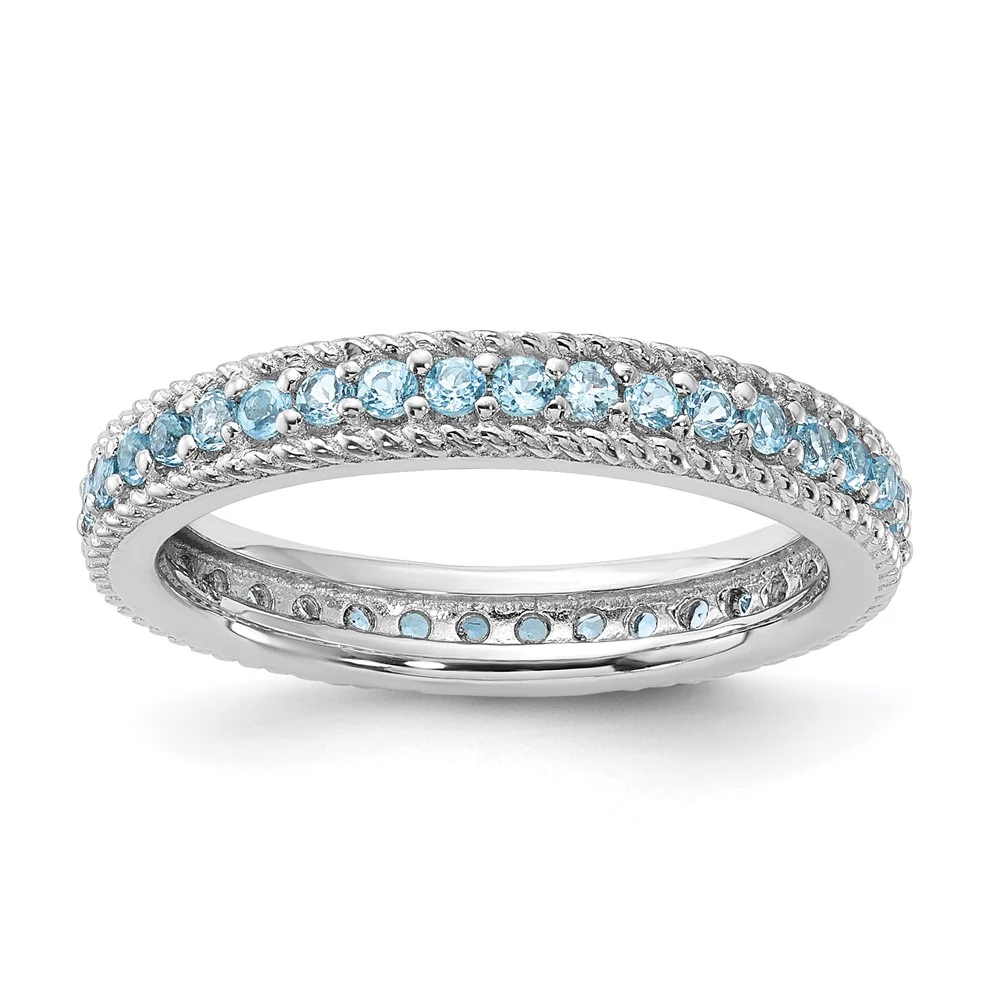
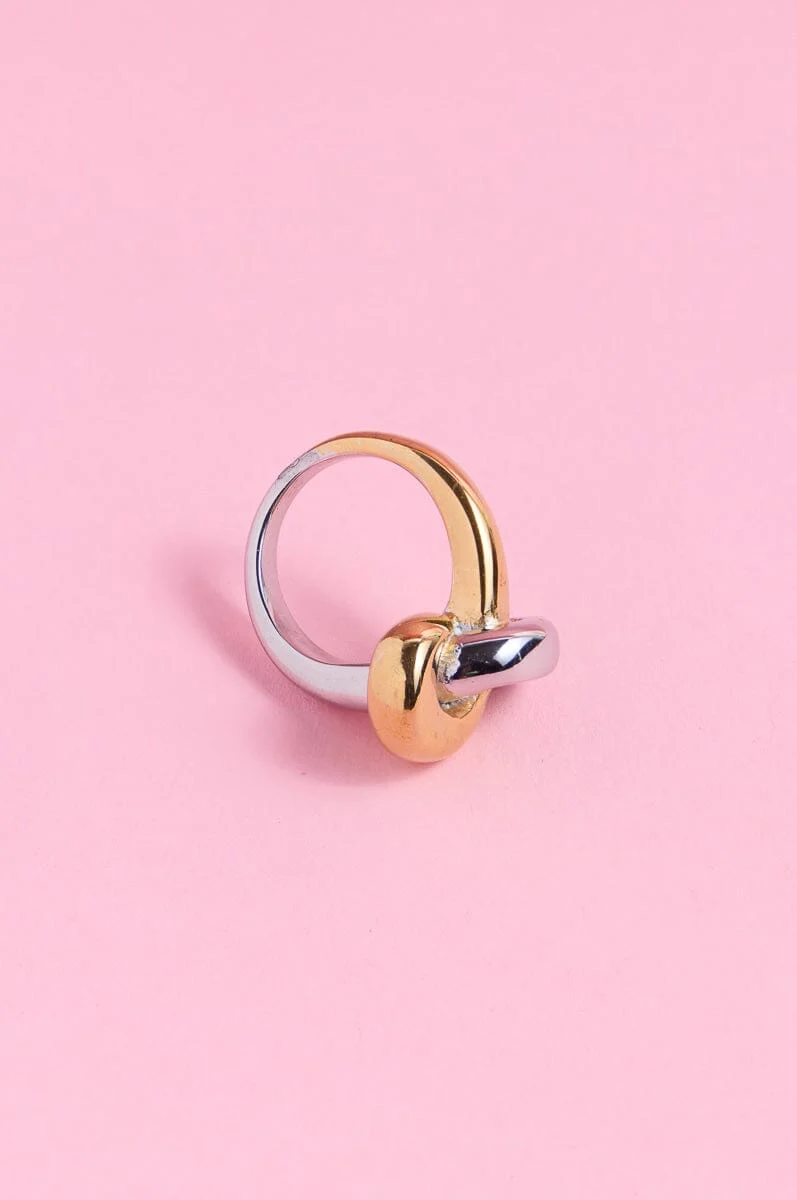 The Stacking Rings on Our Wishlist
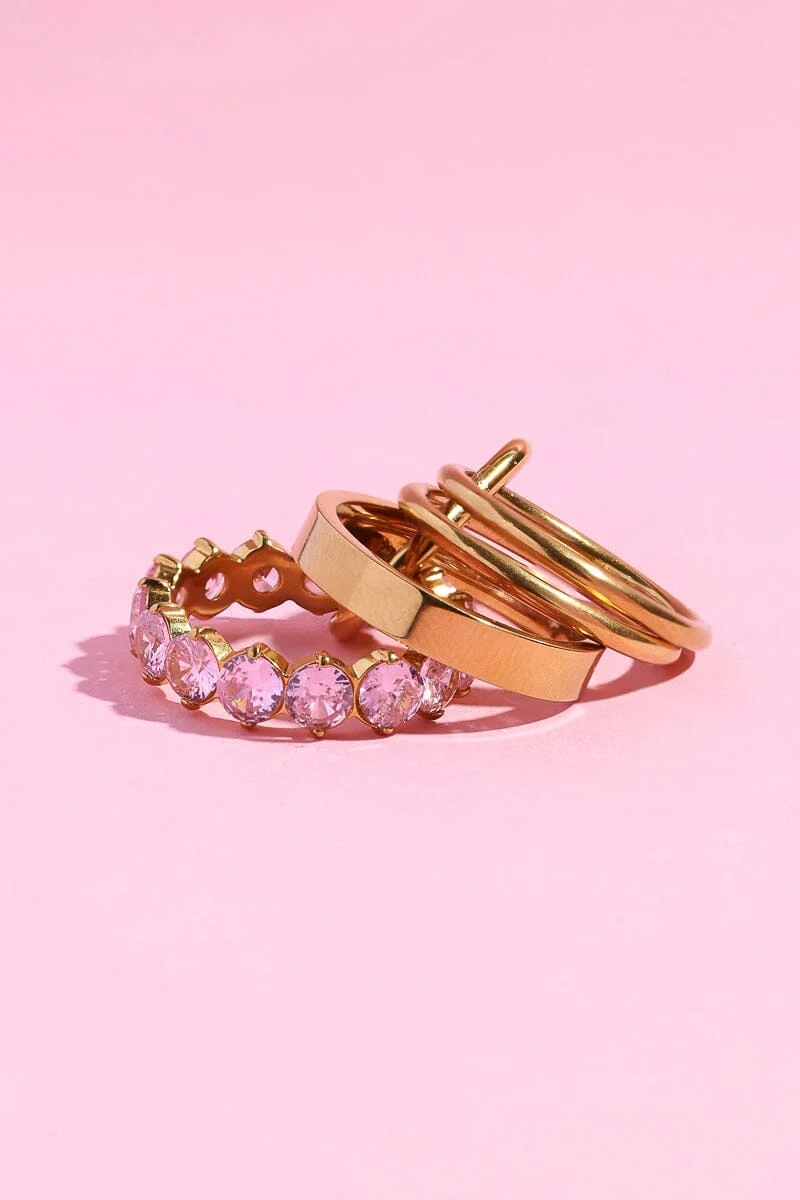
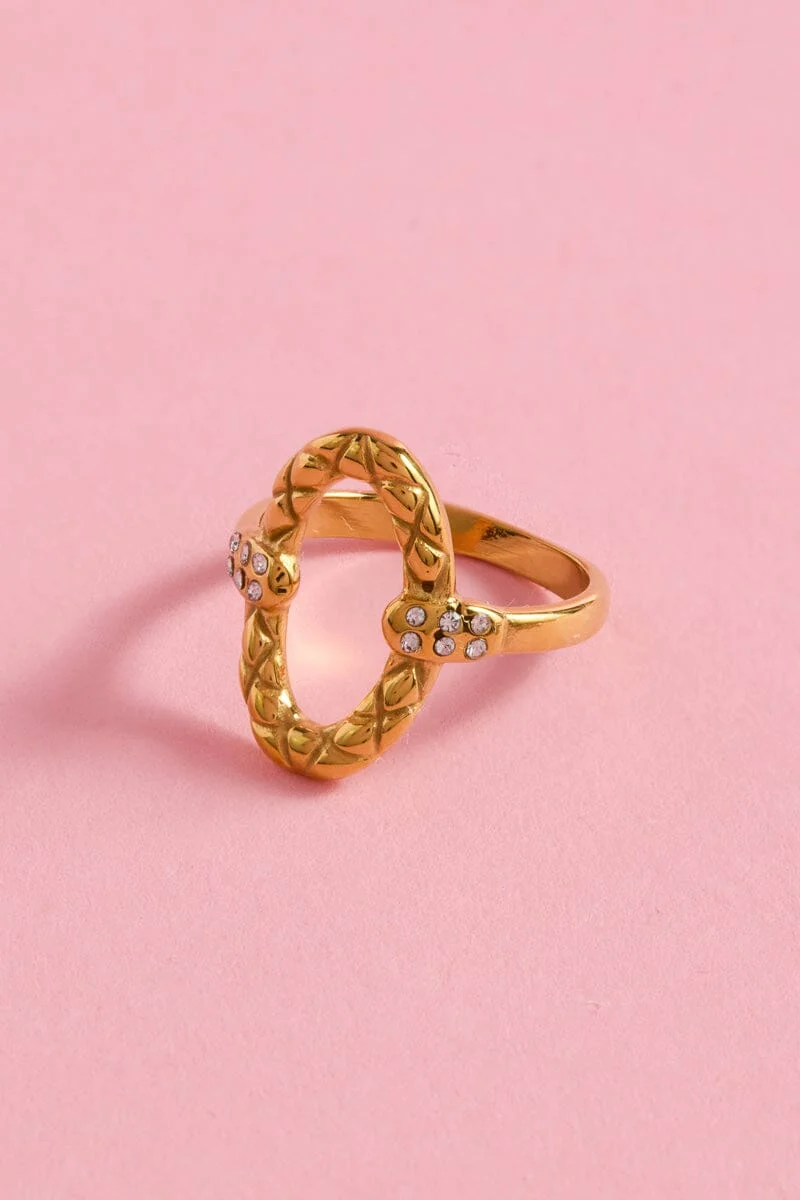 Statement RingsStacking Statement Rings Actually Worth BuyingAlso worth a lookStatement RingsCan you wear a statement ring every day or does it belong in the box for best?See the collections →
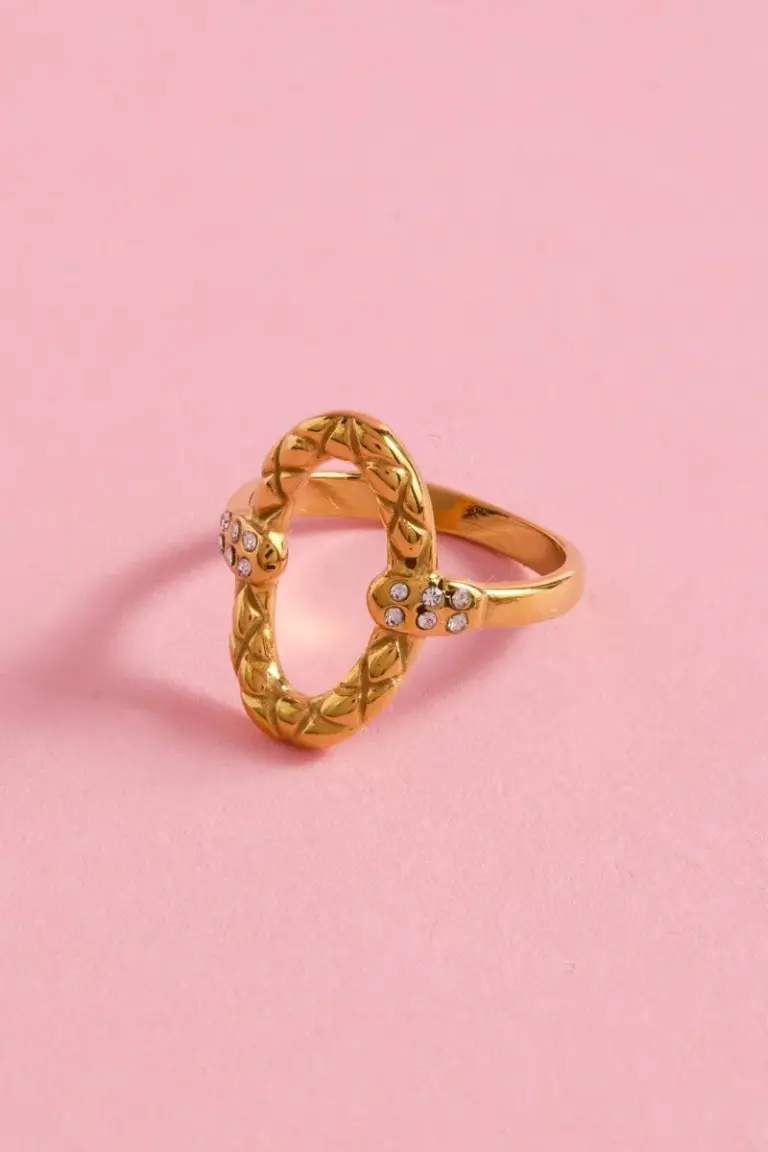 Statement RingsStatement Stacking Rings: Our Honest Shortlist
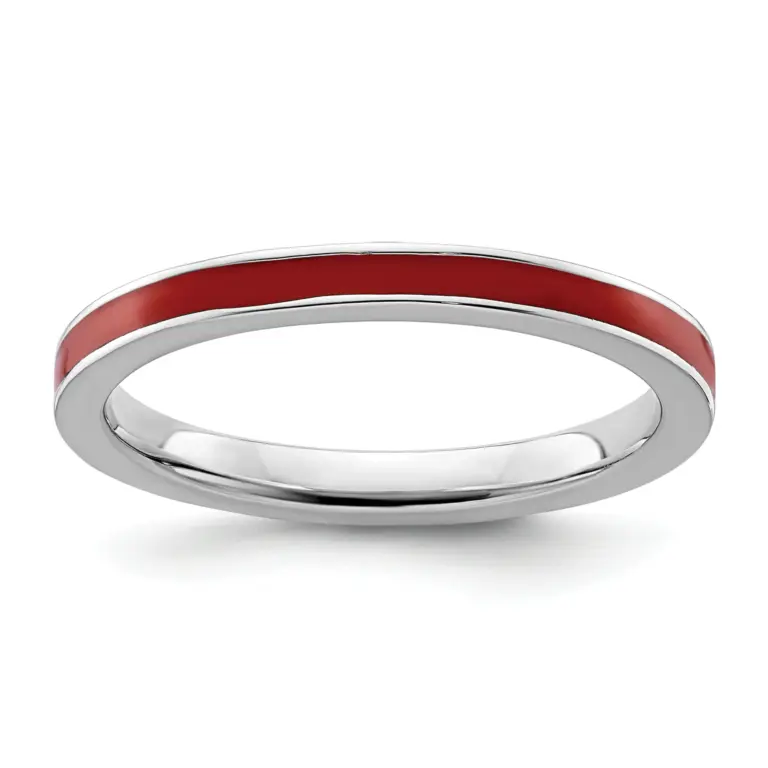
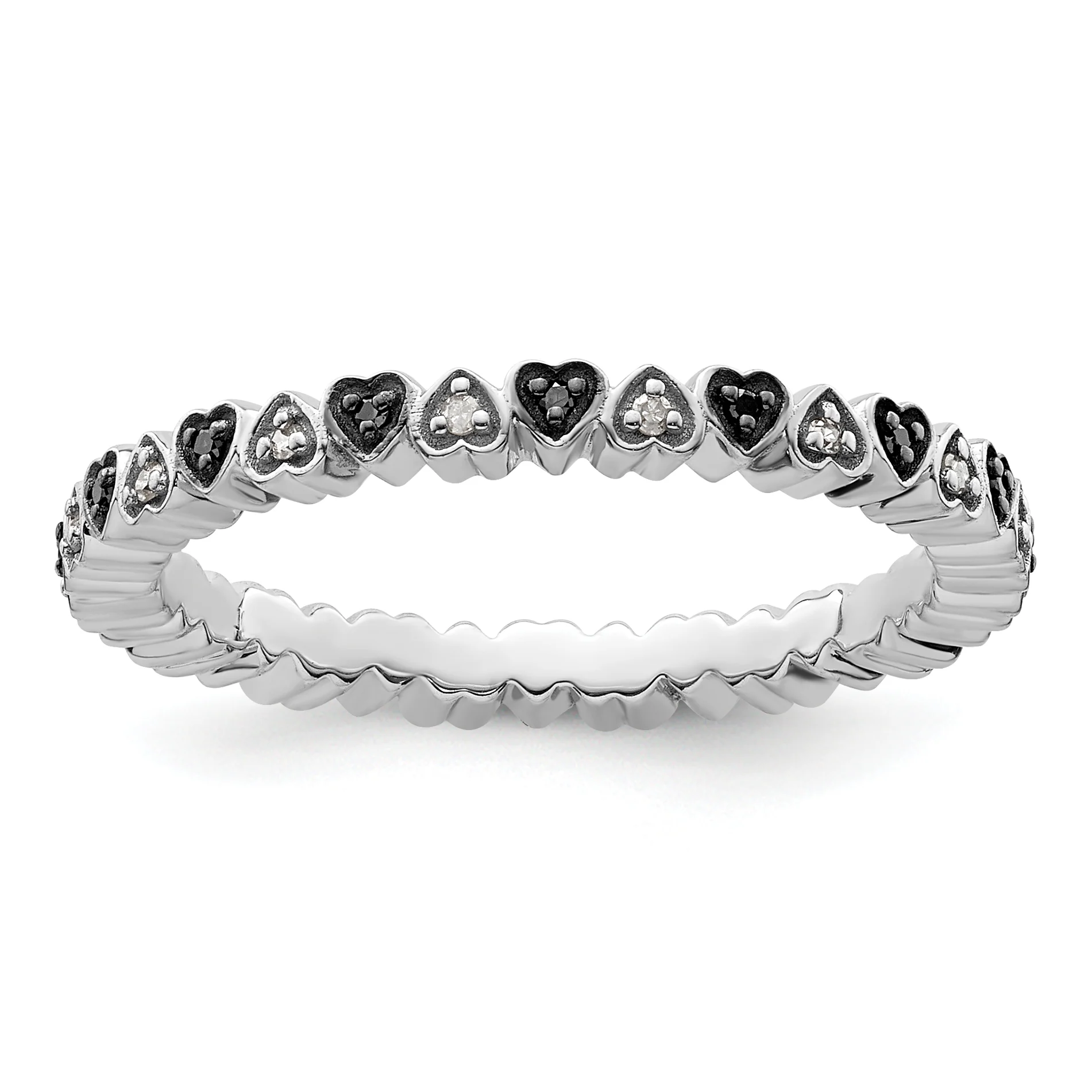 Stacking Eternity Rings You’ll Never Take Off
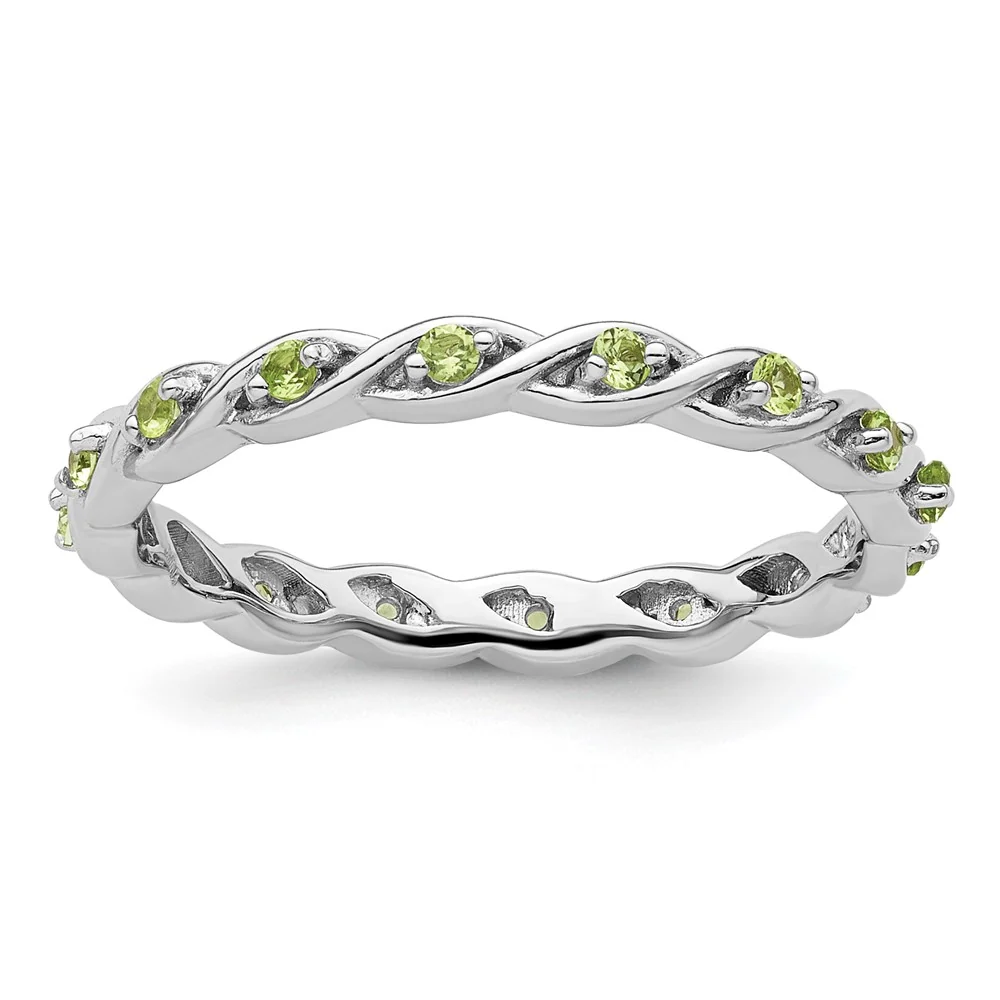
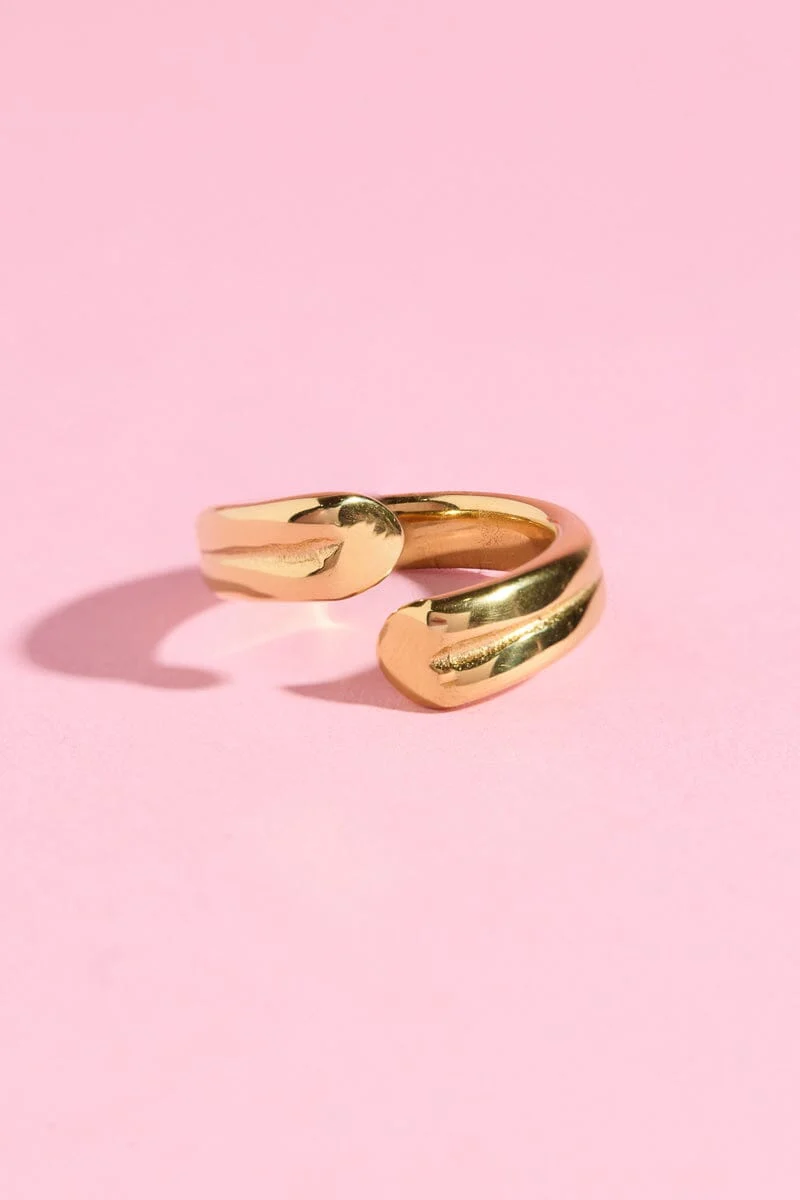 Stacking Rings That Feel Special
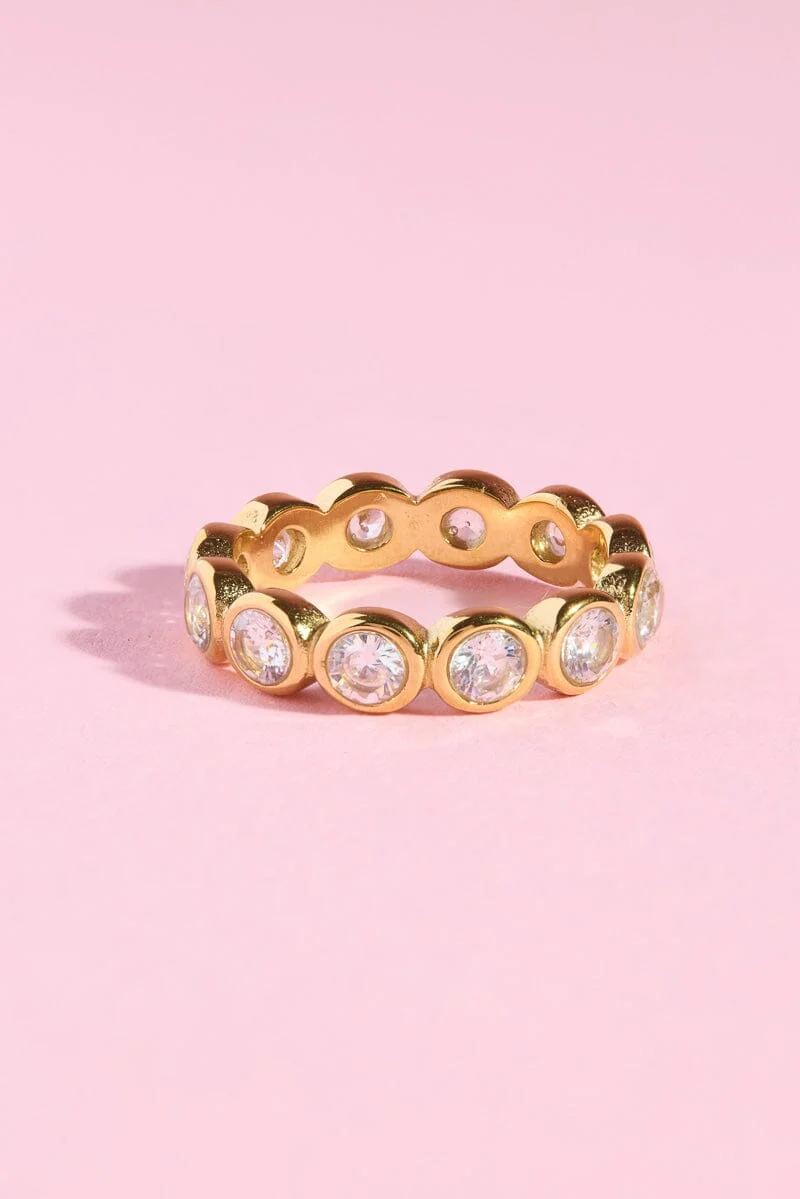
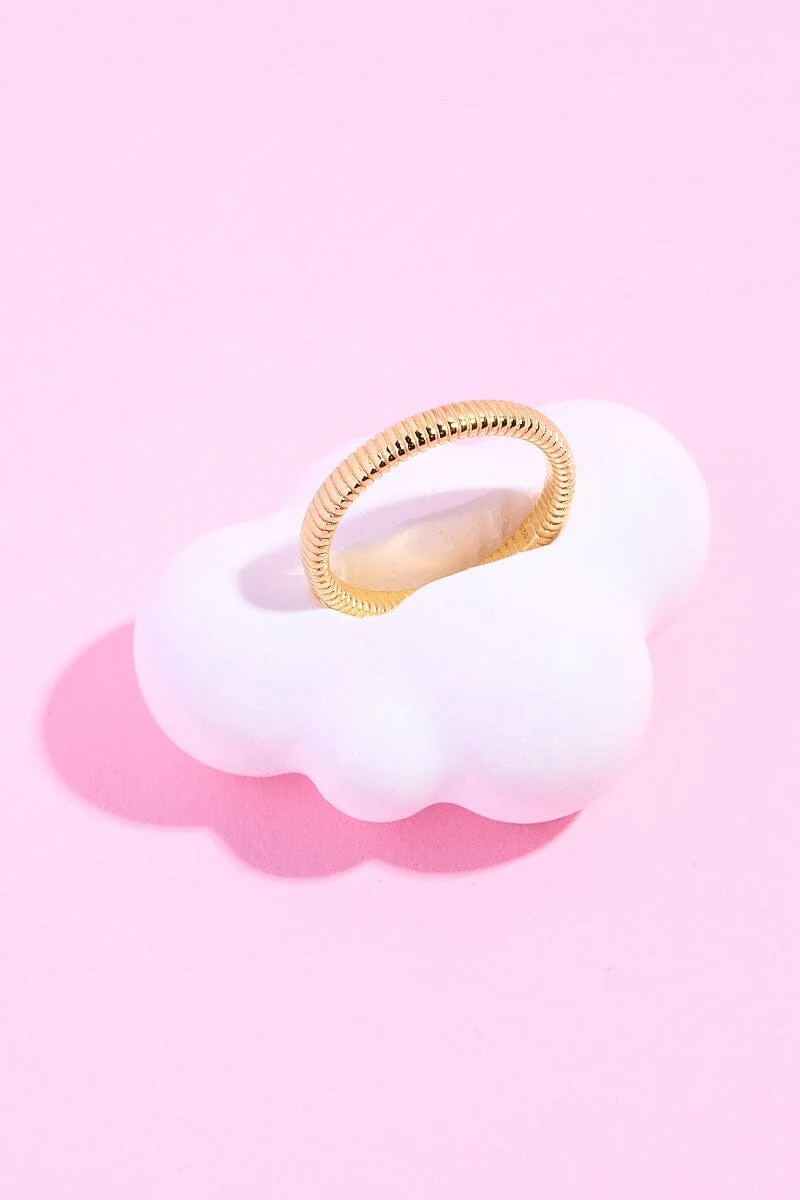 Silver RingsSilver Stacking Rings We Think You’ll Love
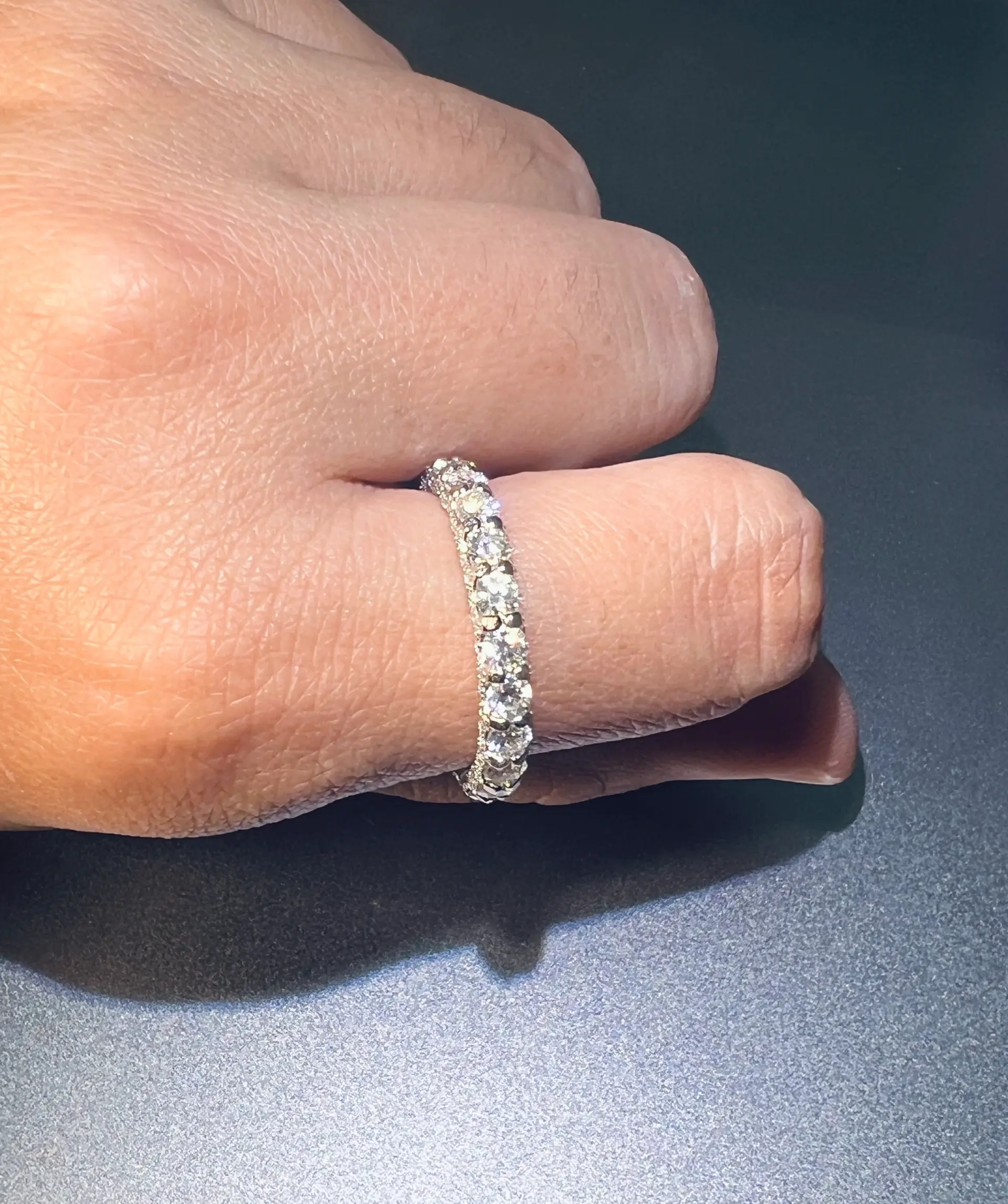
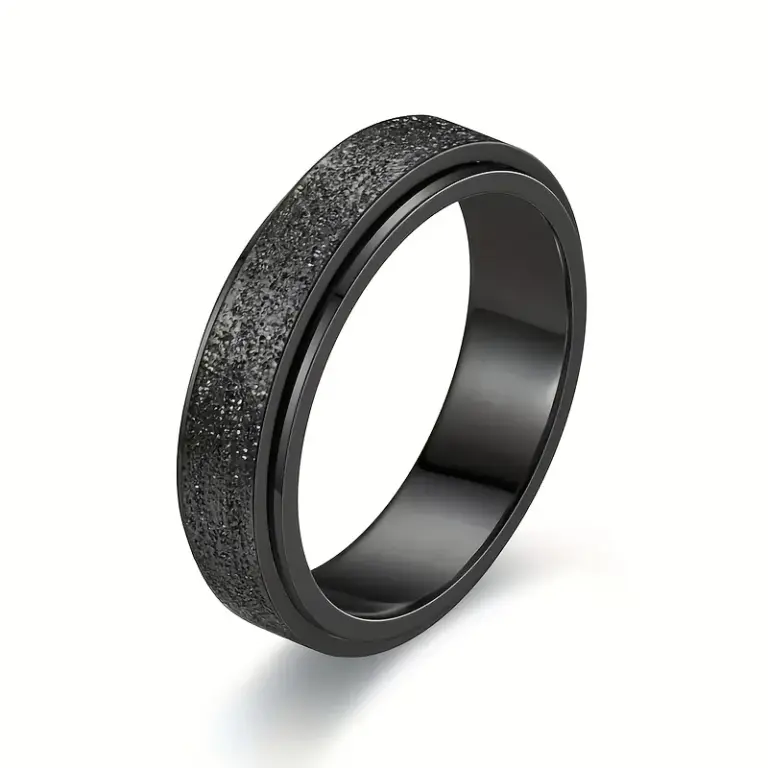 Silver RingsSilver Stacking Rings We’d Buy Again
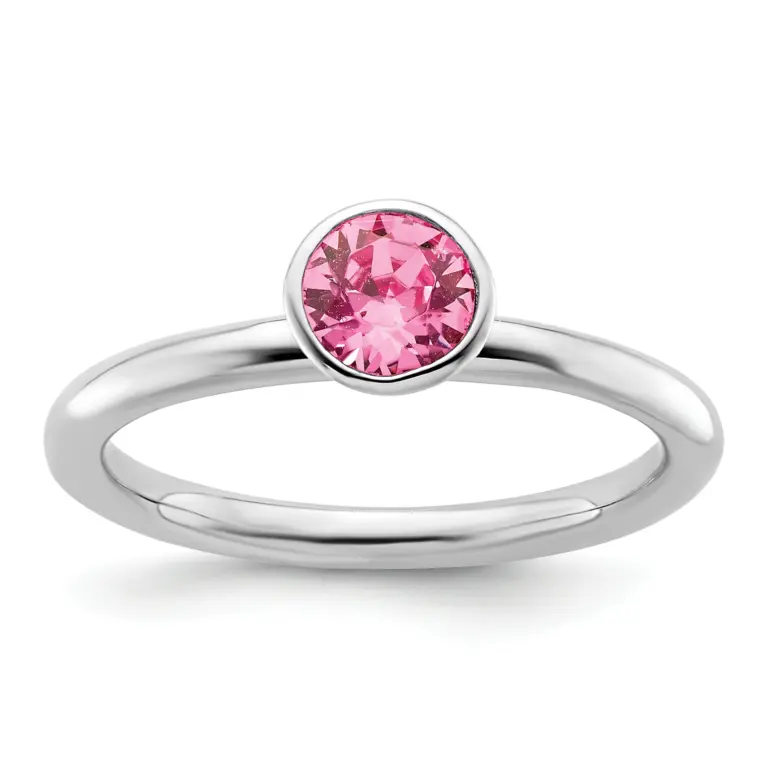
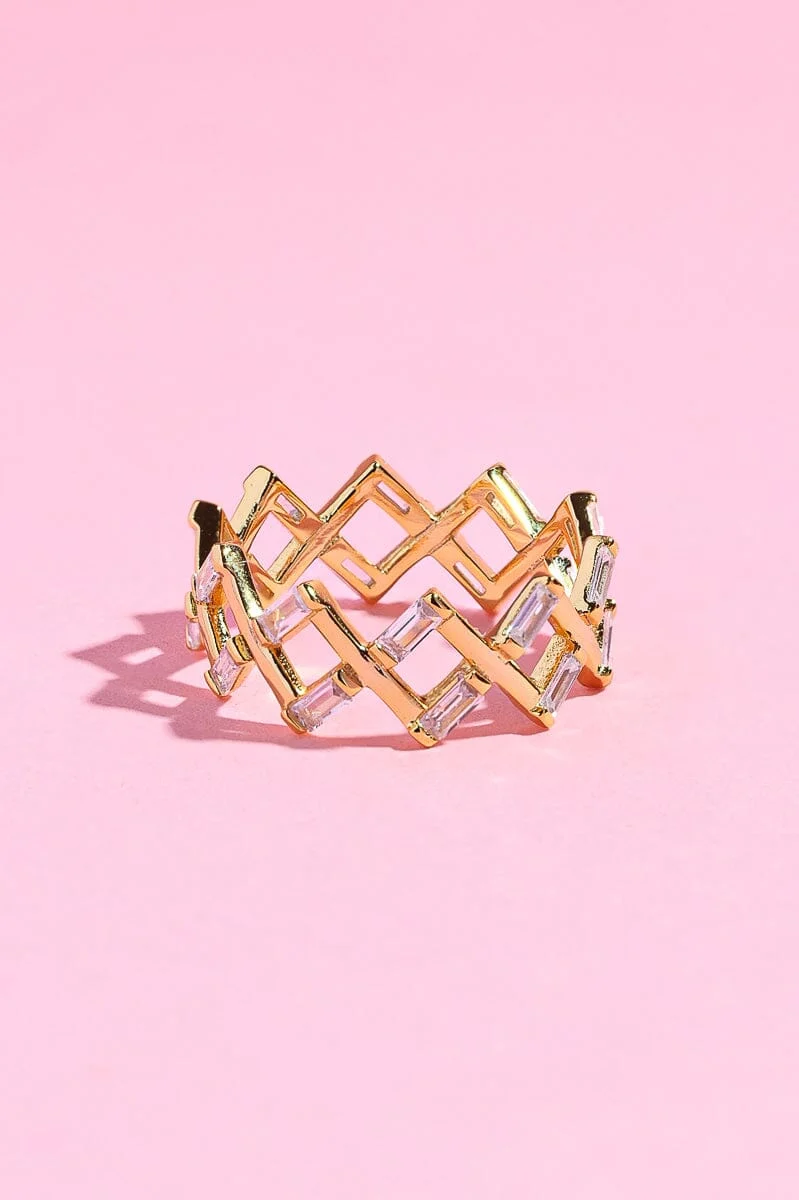 Silver RingsSilver Stacking Statement Rings We’re Adding to Basket
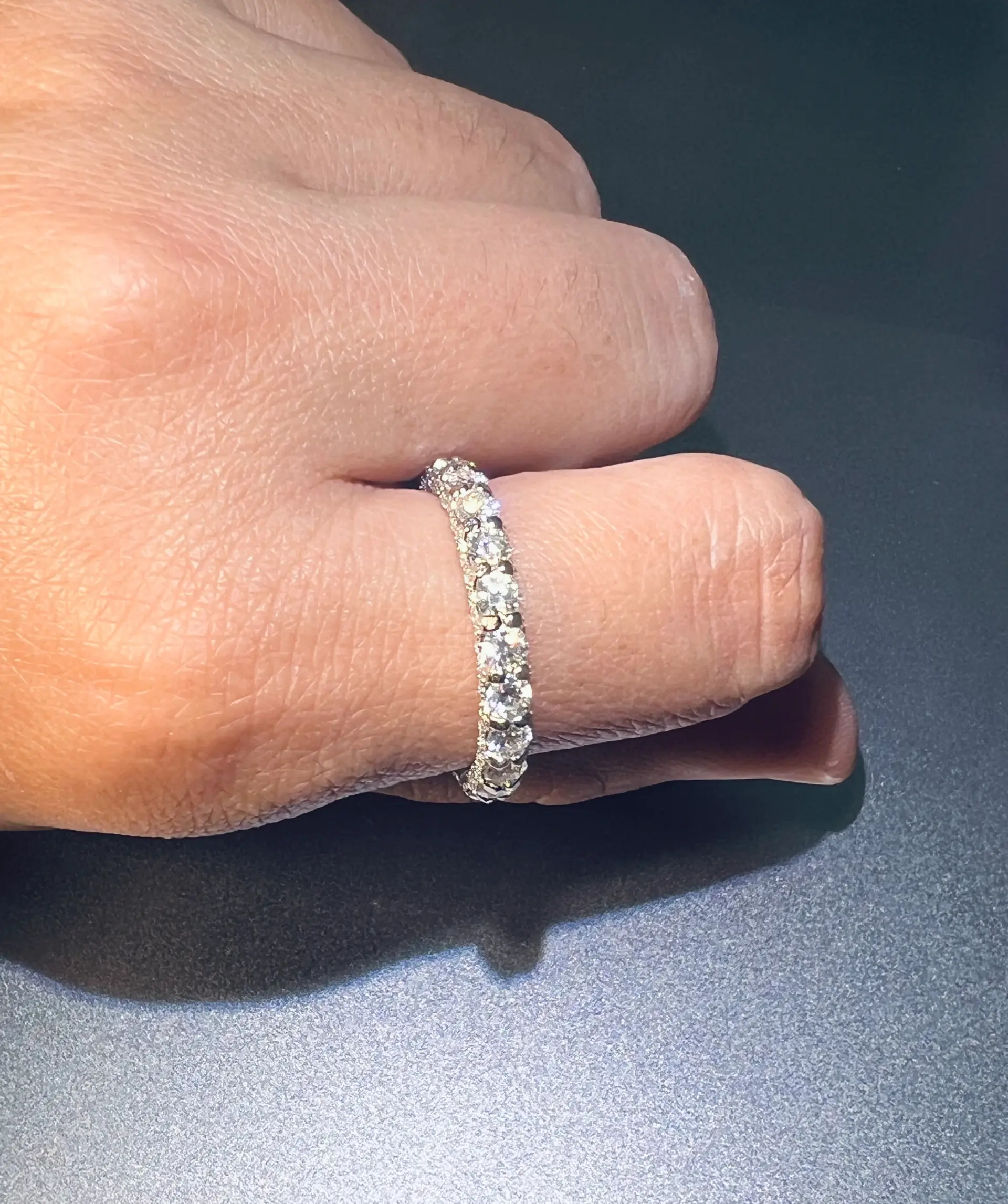
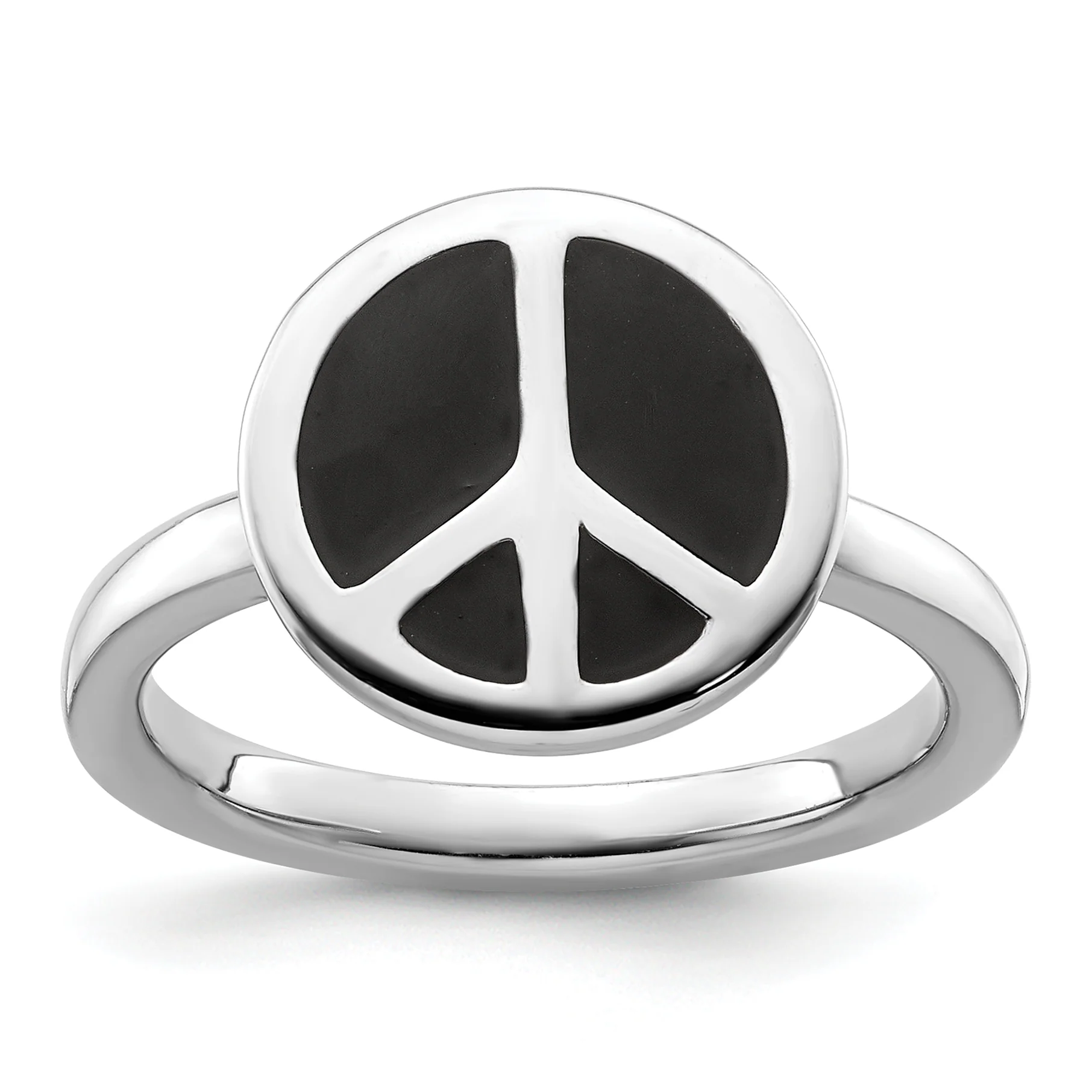 Silver RingsSilver Statement Stacking Rings That Finish Any Look
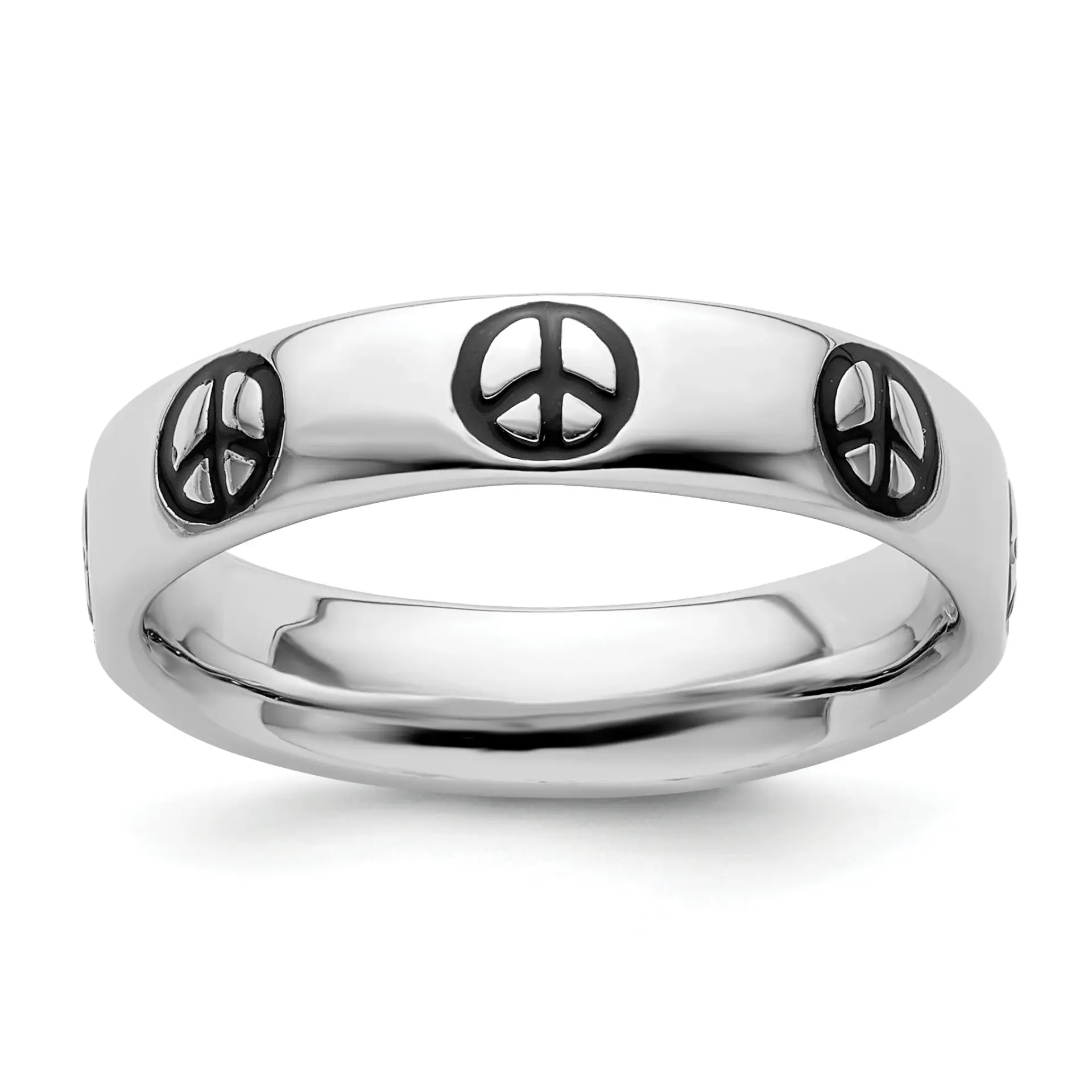
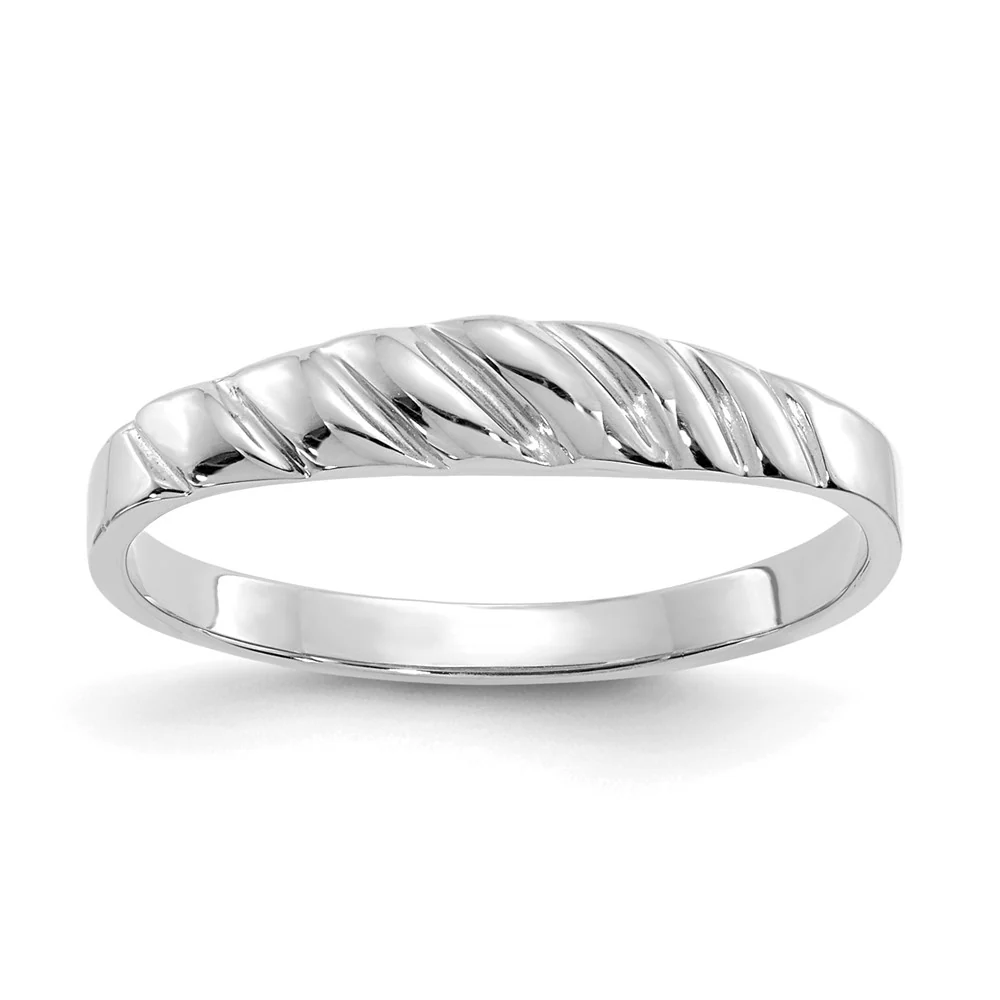 Silver Plated Stacking Rings Worth Adding to Your Wardrobe
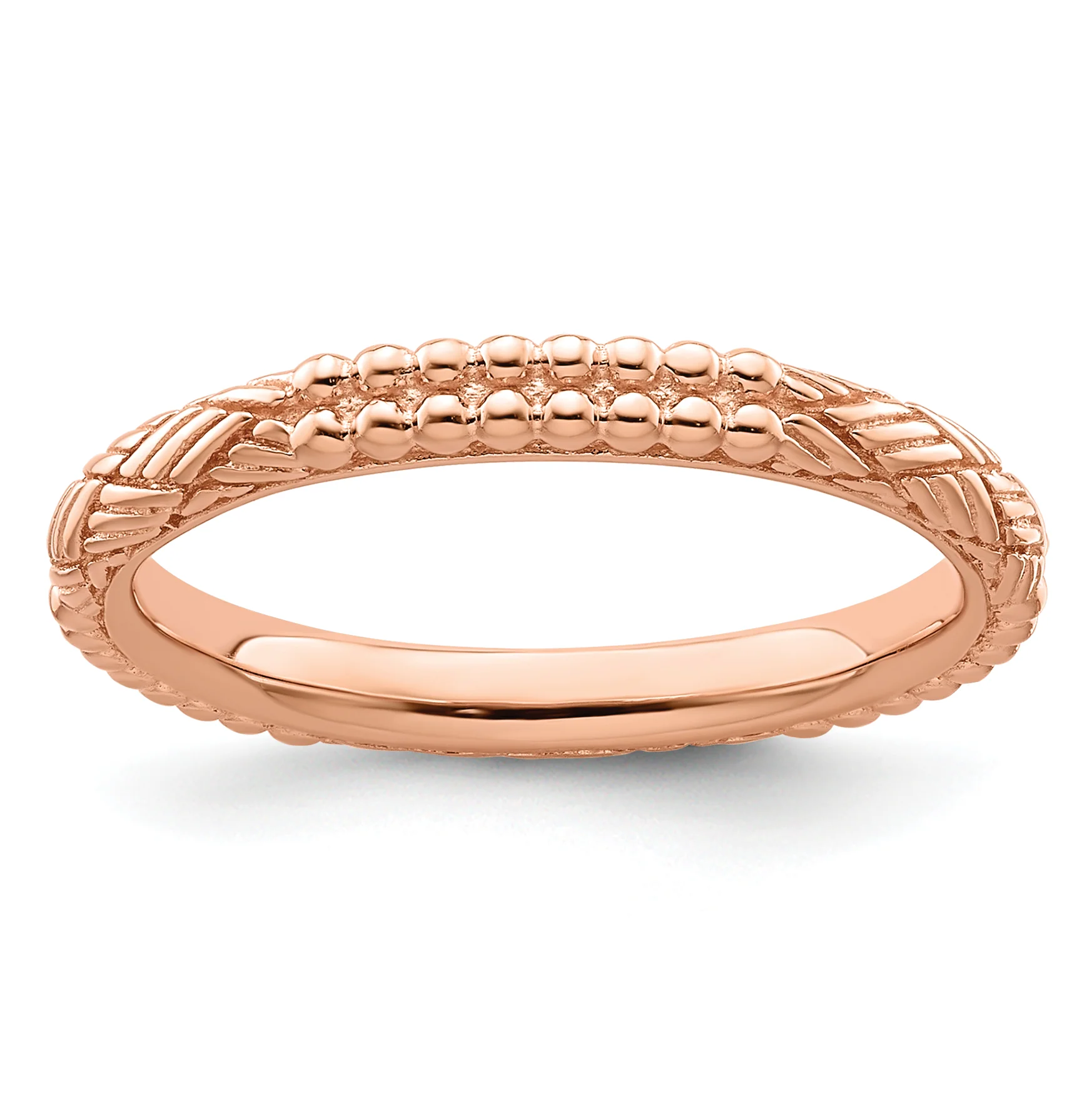
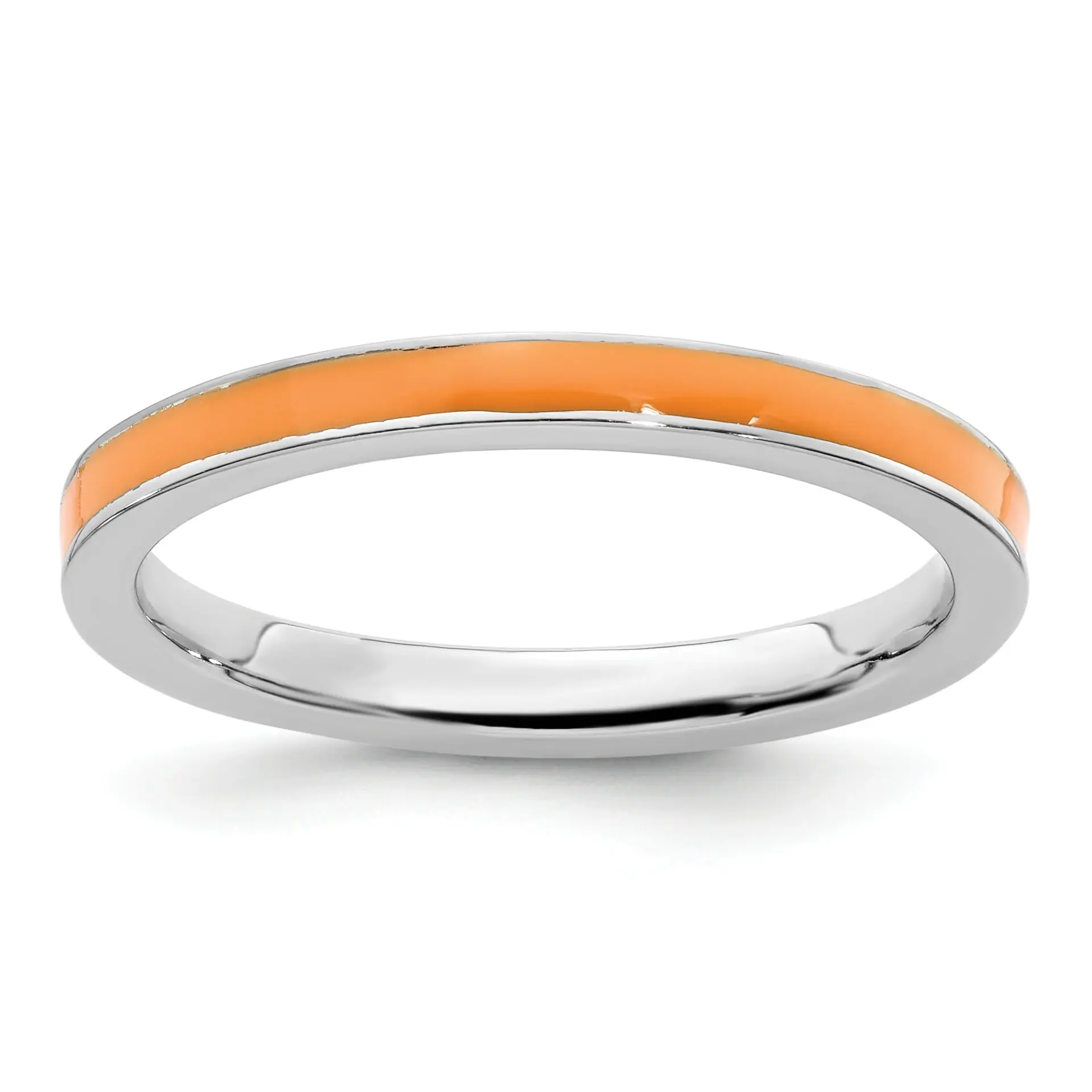 Our Edit of the Best Silver Plated Stacking RingsAlso worth a lookGold RingsI avoided gold rings for years because every one I tried on looked like it belonged to someone's…See the collections →
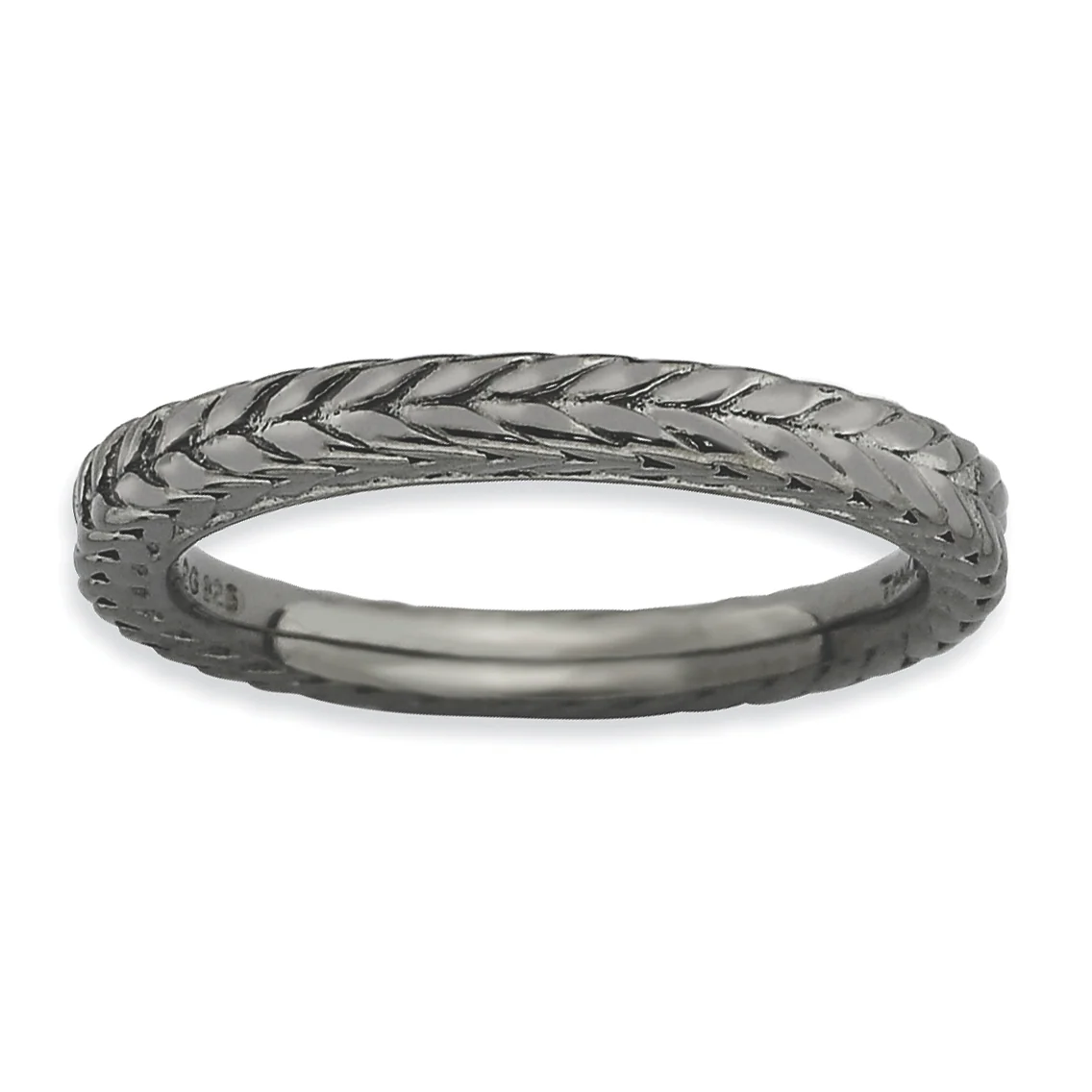
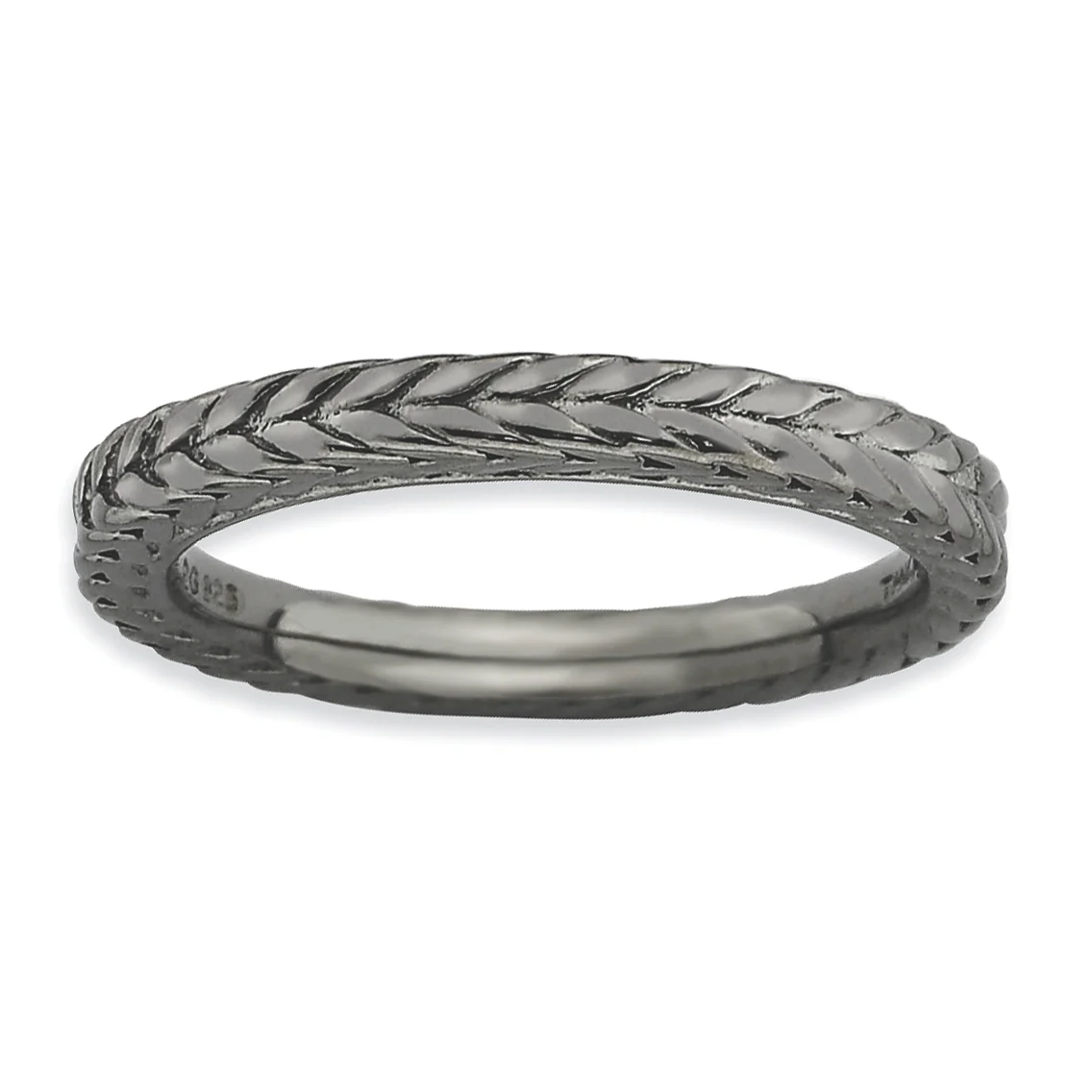 Silver RingsOur Top Silver Charm Stacking Rings Right Now
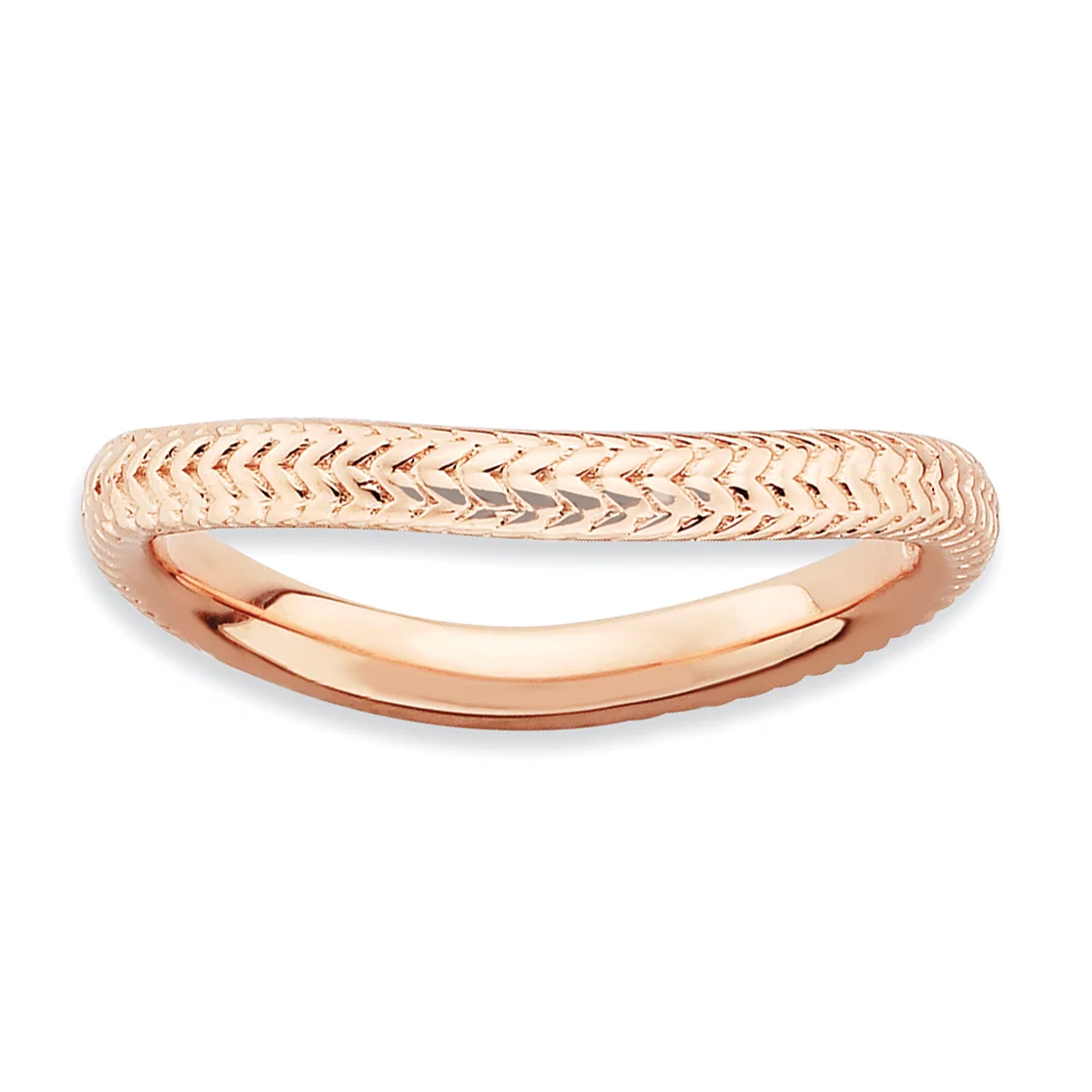
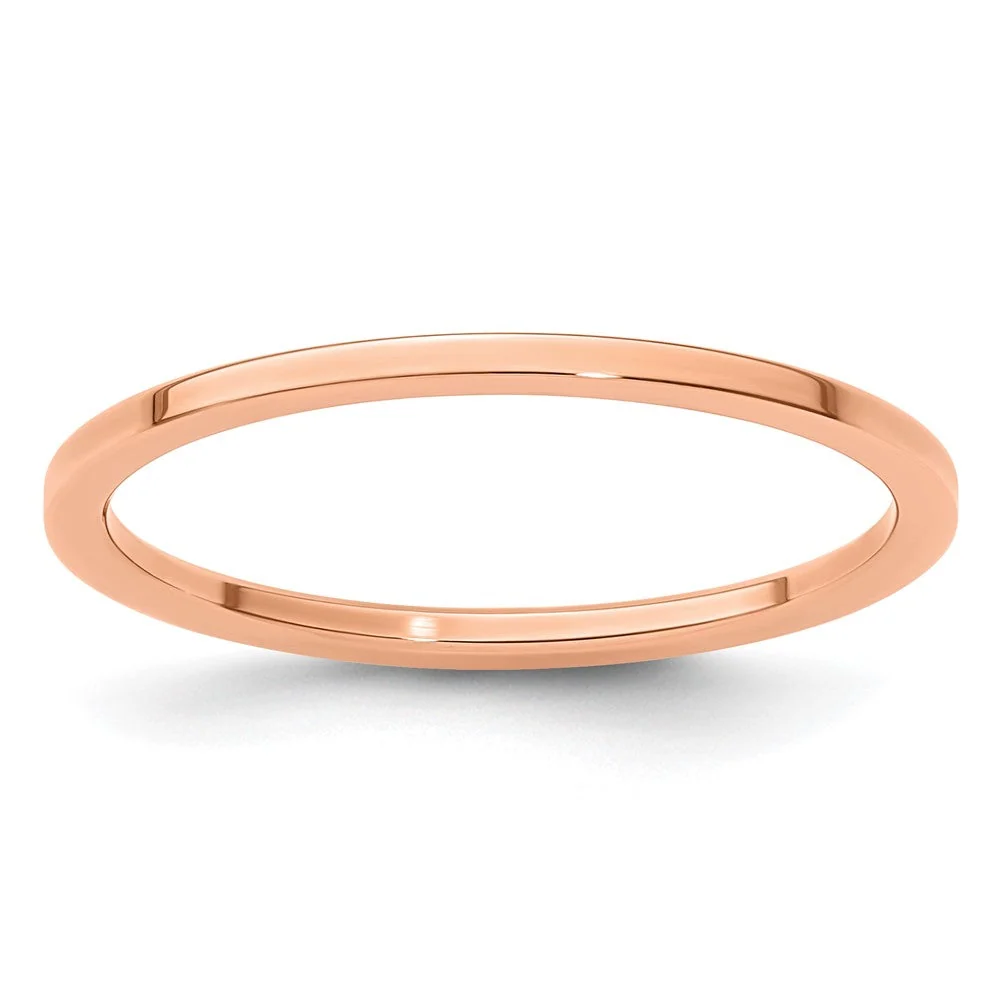 Rose Gold Stacking Rings for Everyday Wear
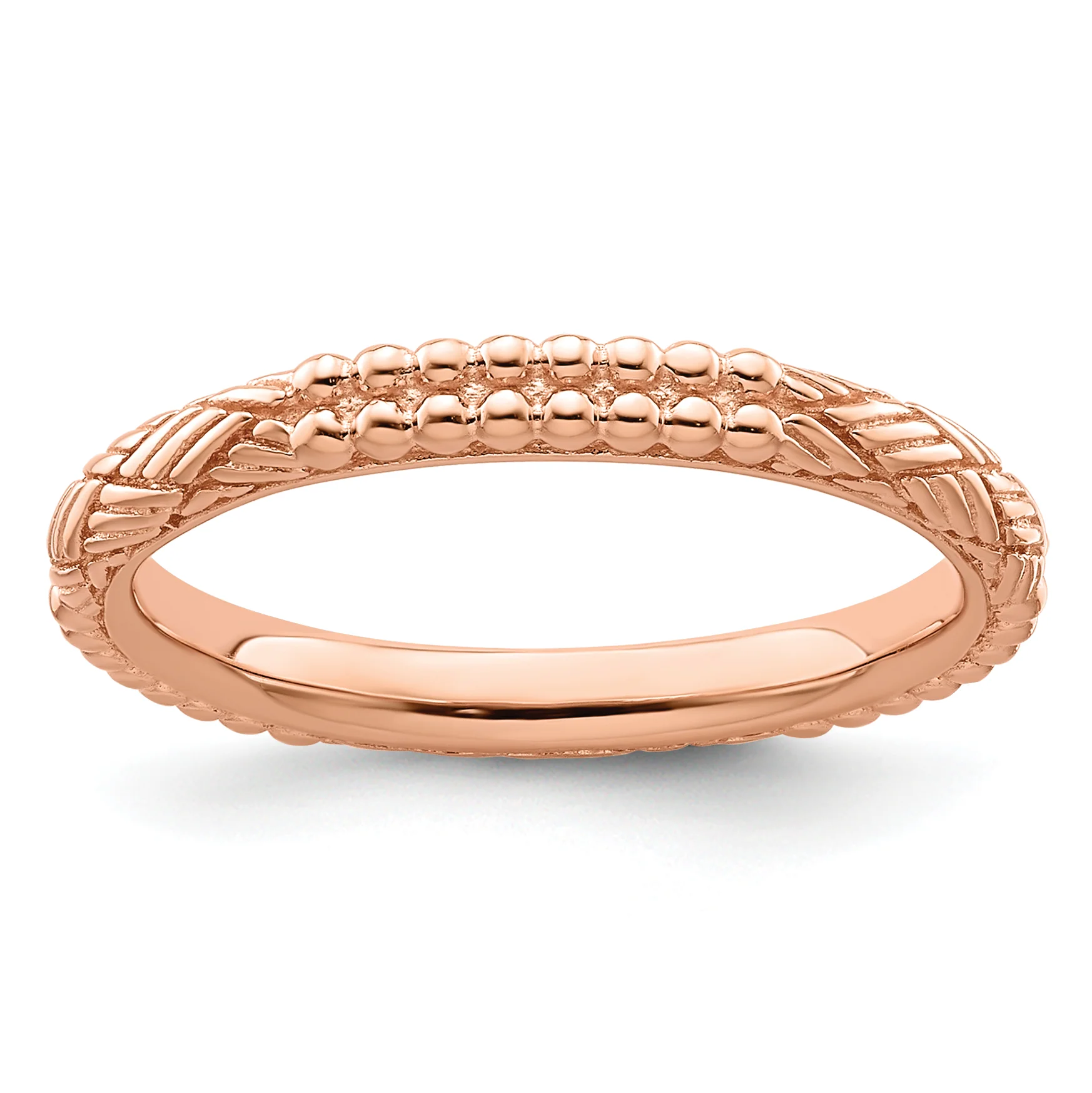
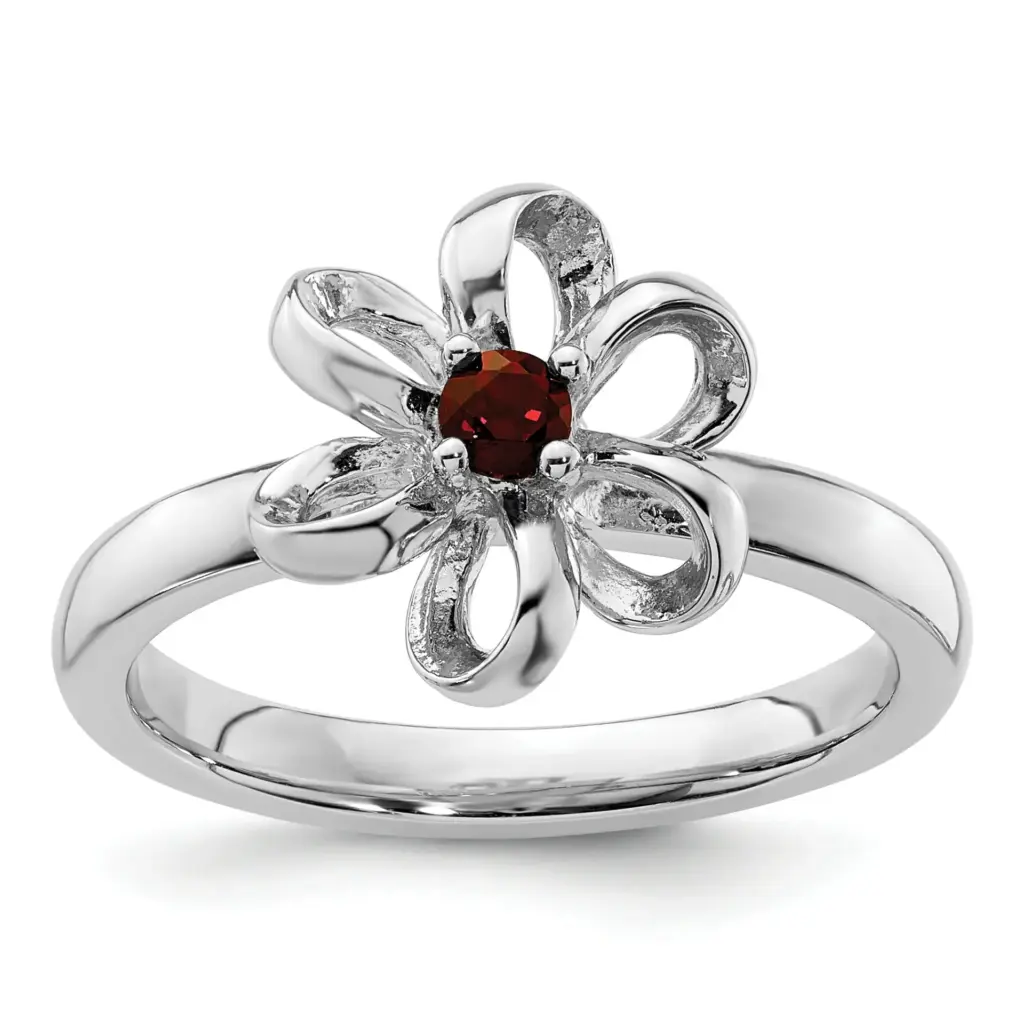
 Delicate to Bold: Our Favorite Red Stacking Rings
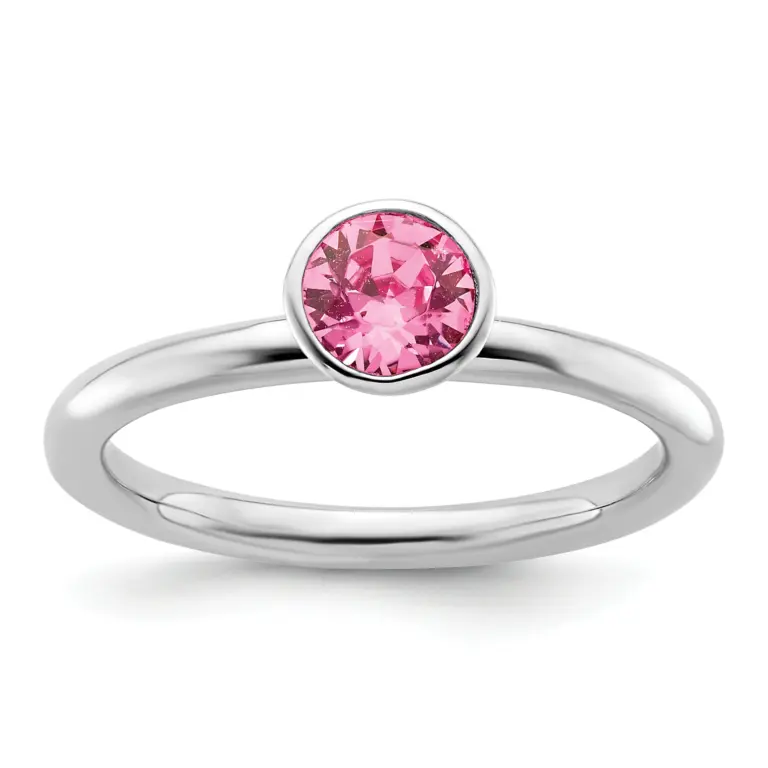
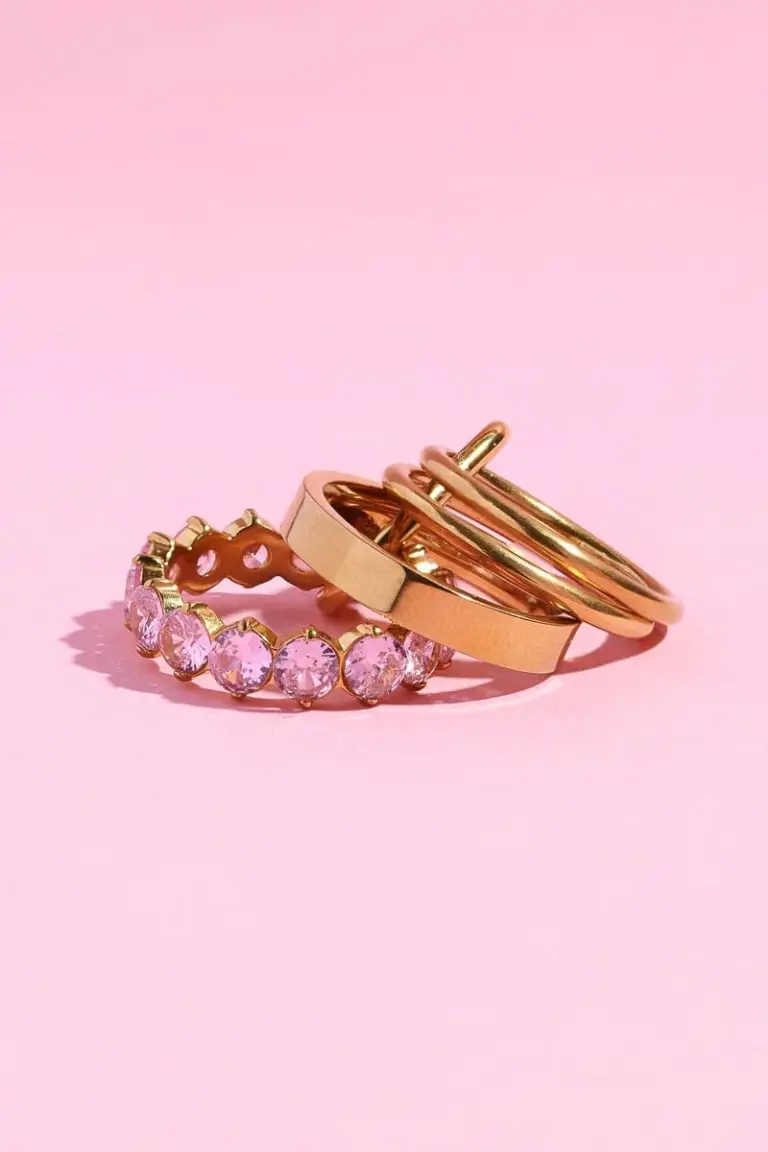 Pink Stacking Rings Worth Treating Yourself To
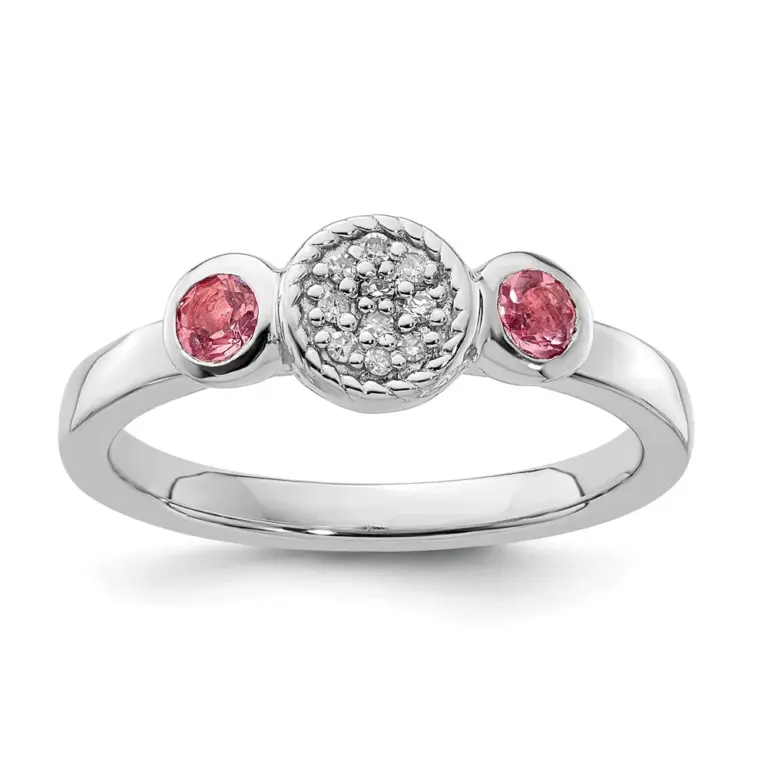
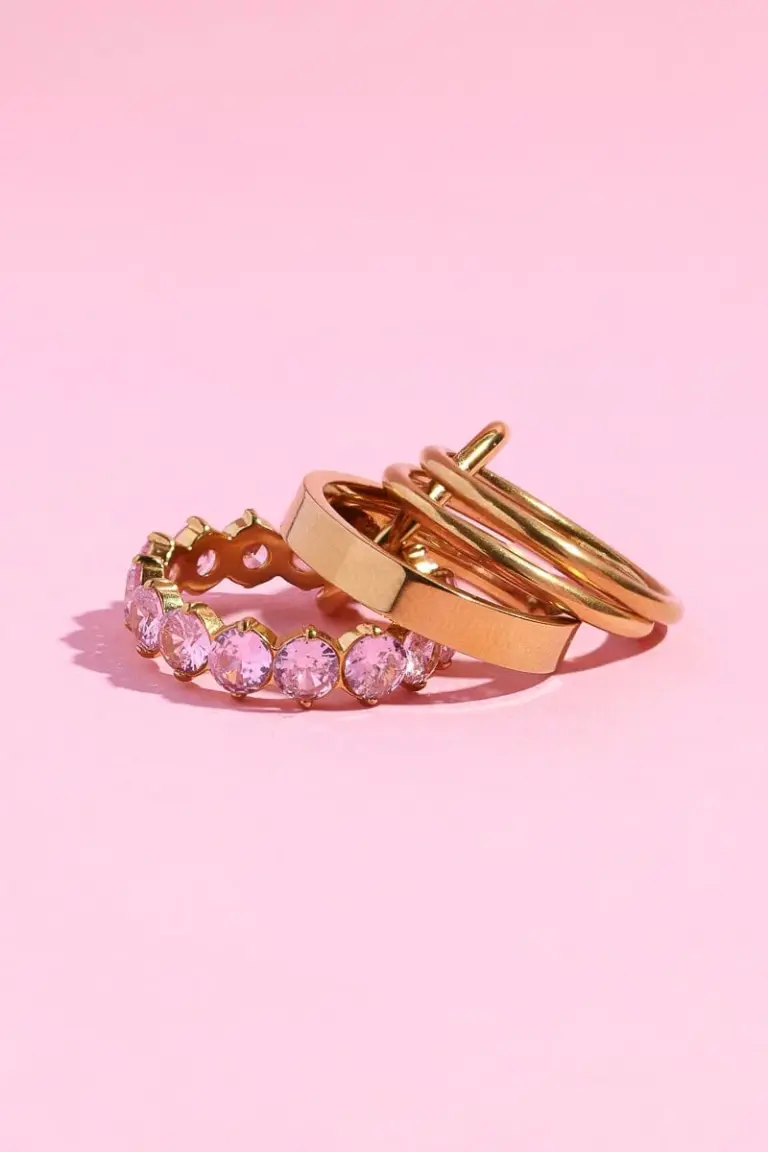 Pink Stacking Rings That Add a Little Sparkle
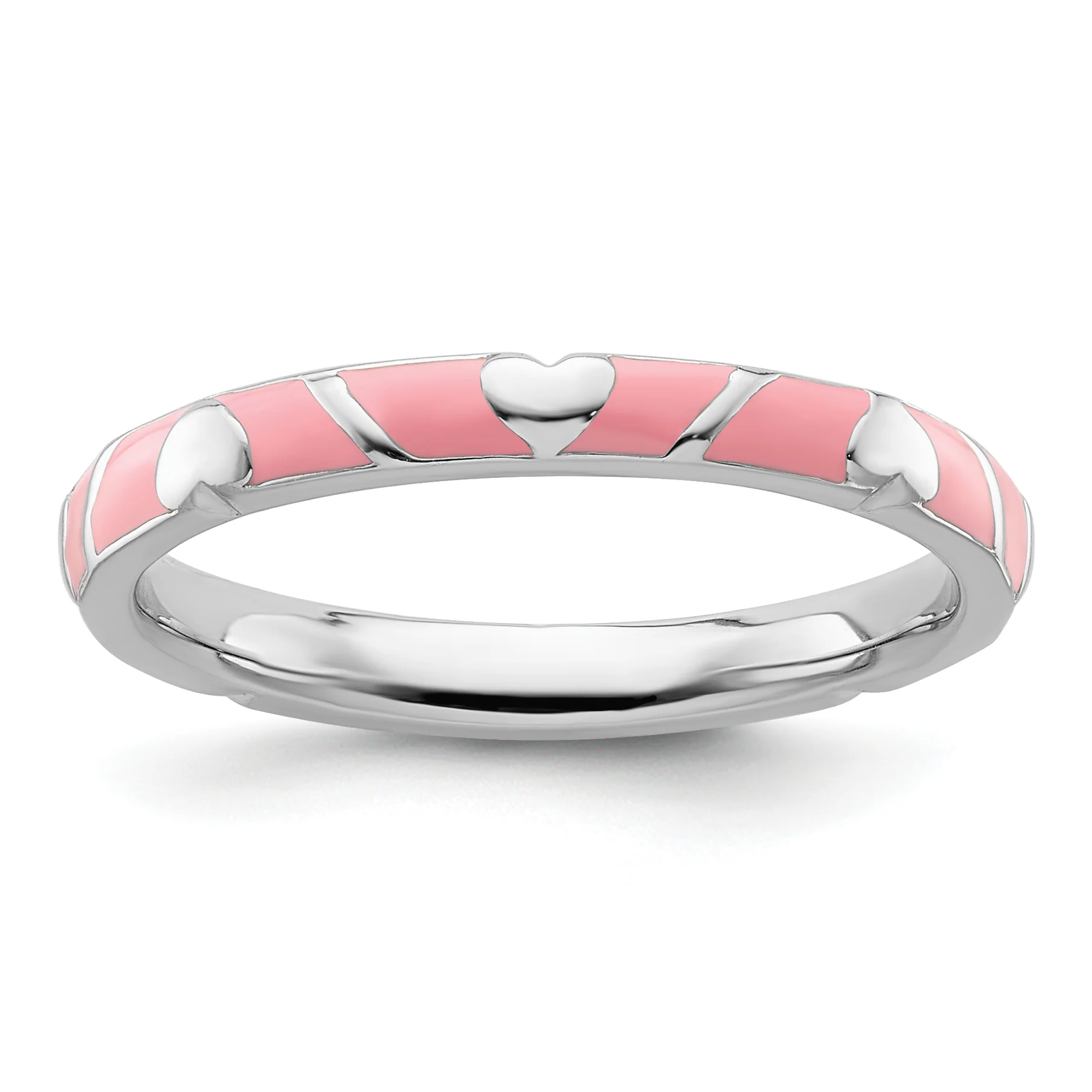
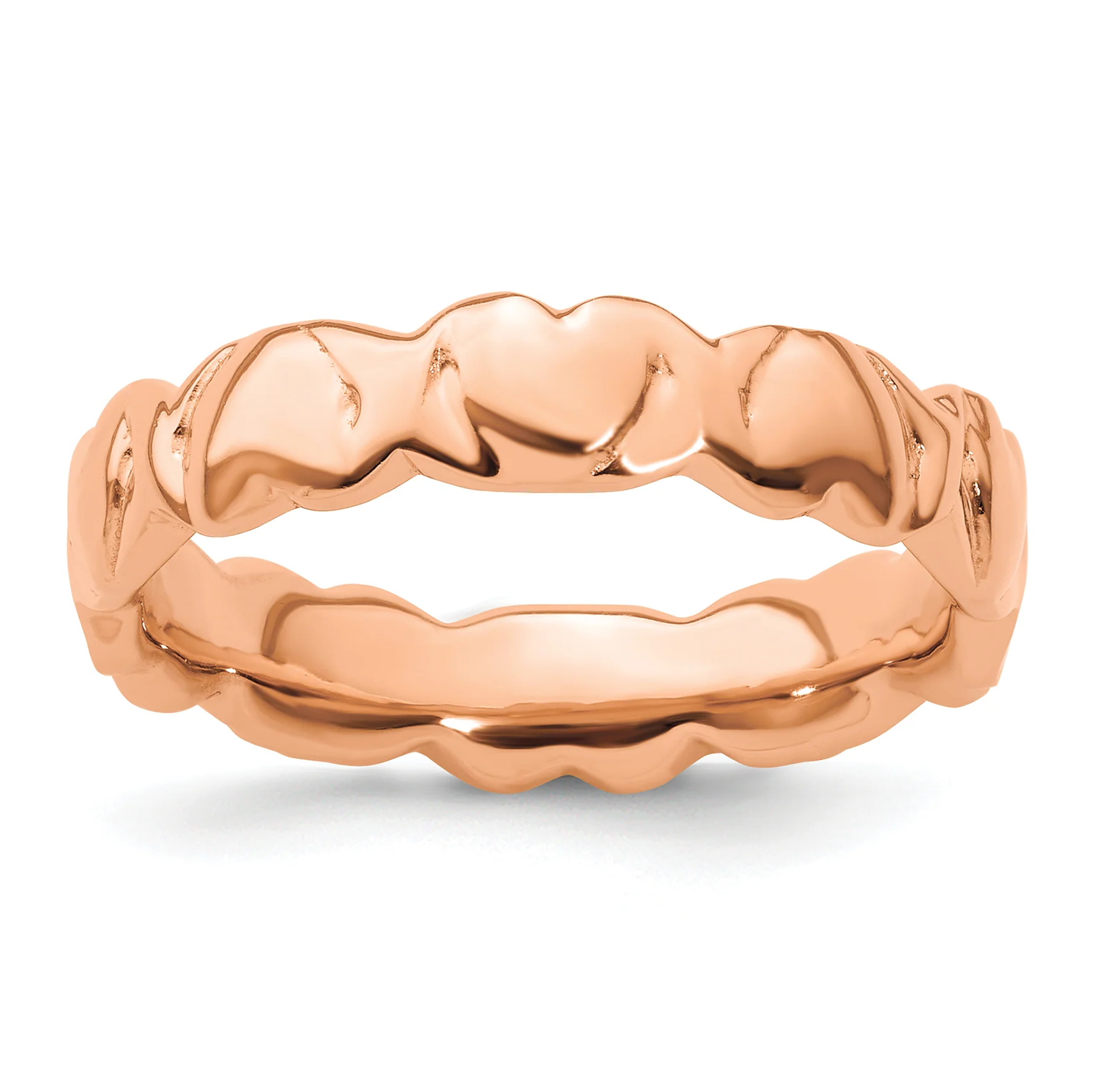 Our Shortlist of Heart Stacking Rings
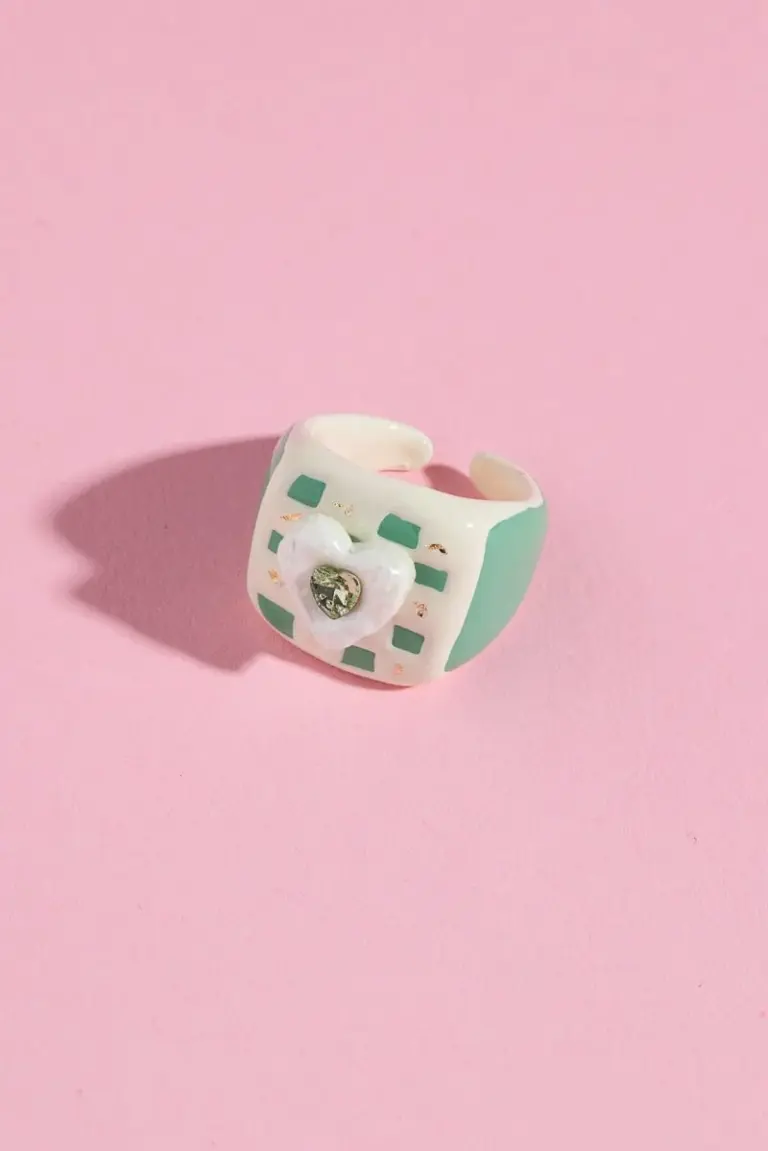 Green Stacking Rings That Elevate Everything
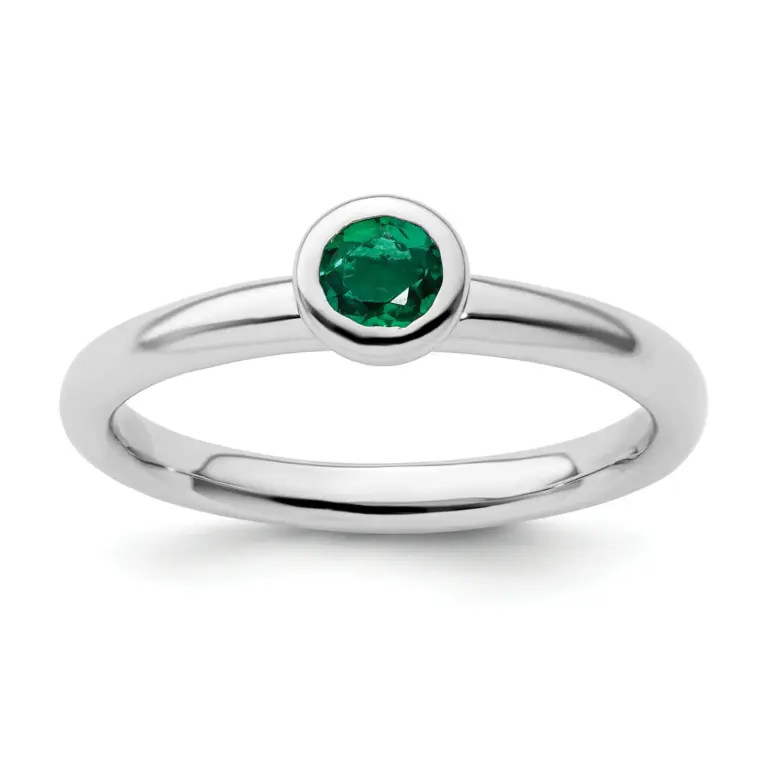
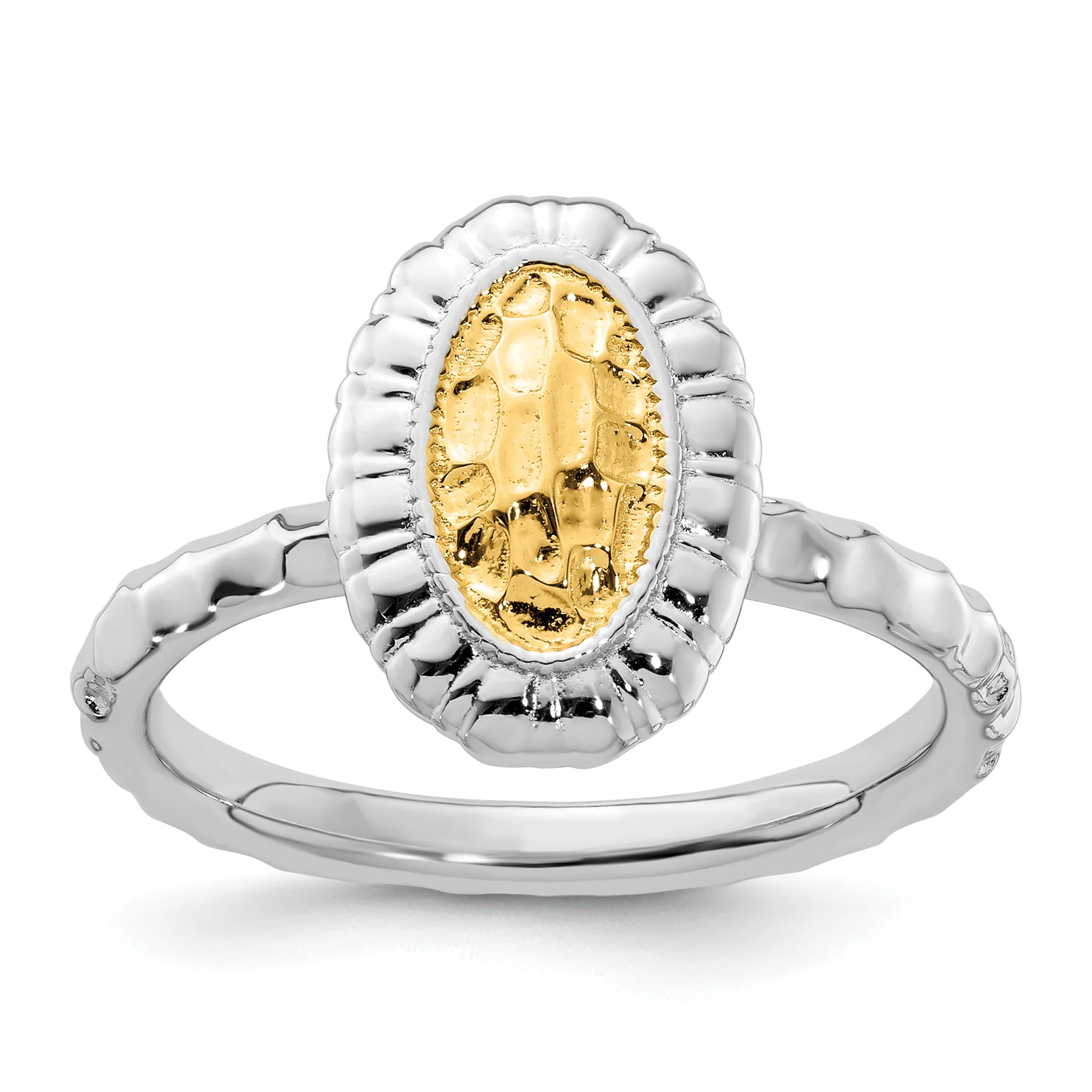 Gold RingsGold Sterling Silver Stacking Rings That Elevate Everything
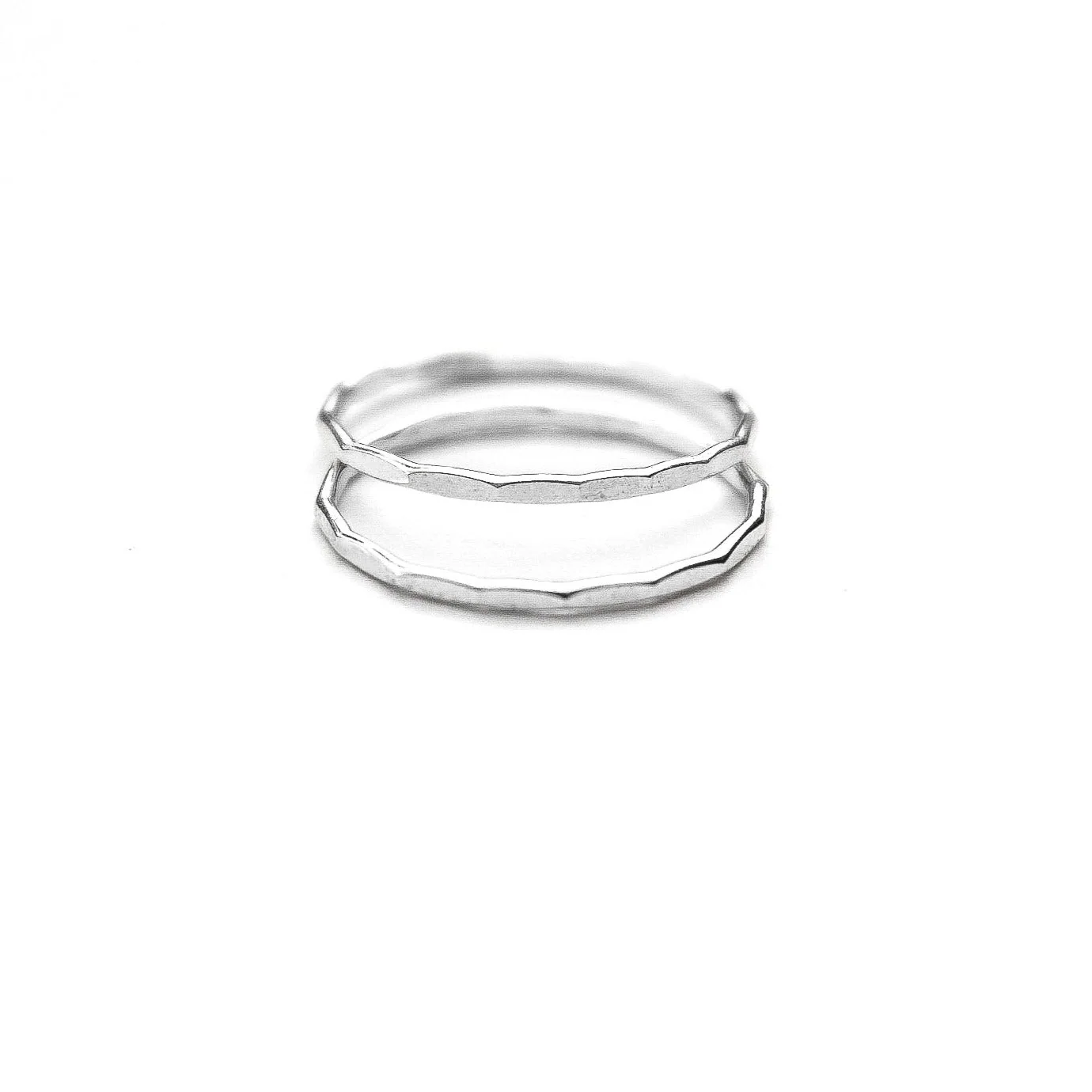
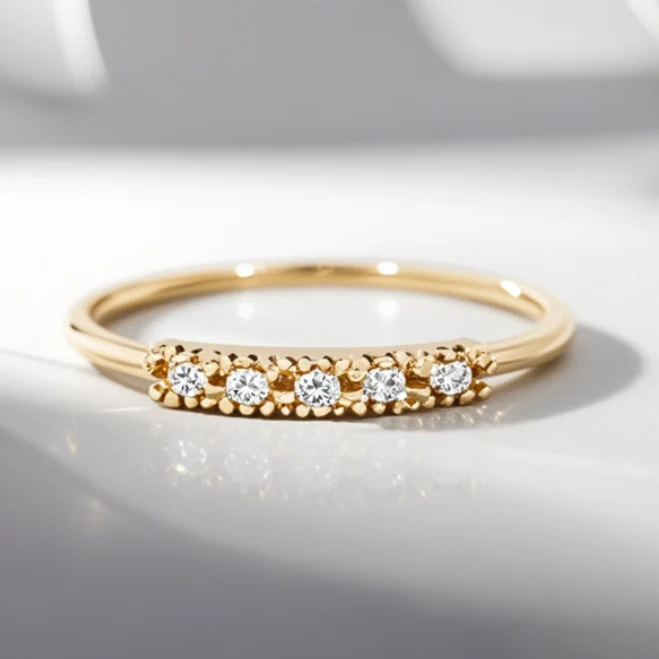 Gold RingsGold Stacking Rings That Elevate EverythingAlso worth a lookSilver RingsHold it up to the light before anything else.See the collections →
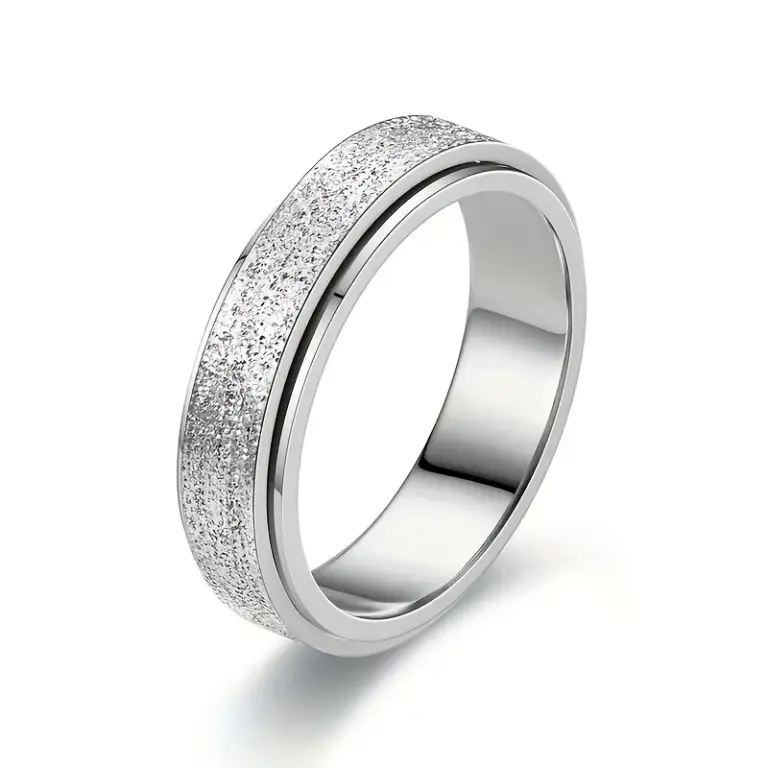
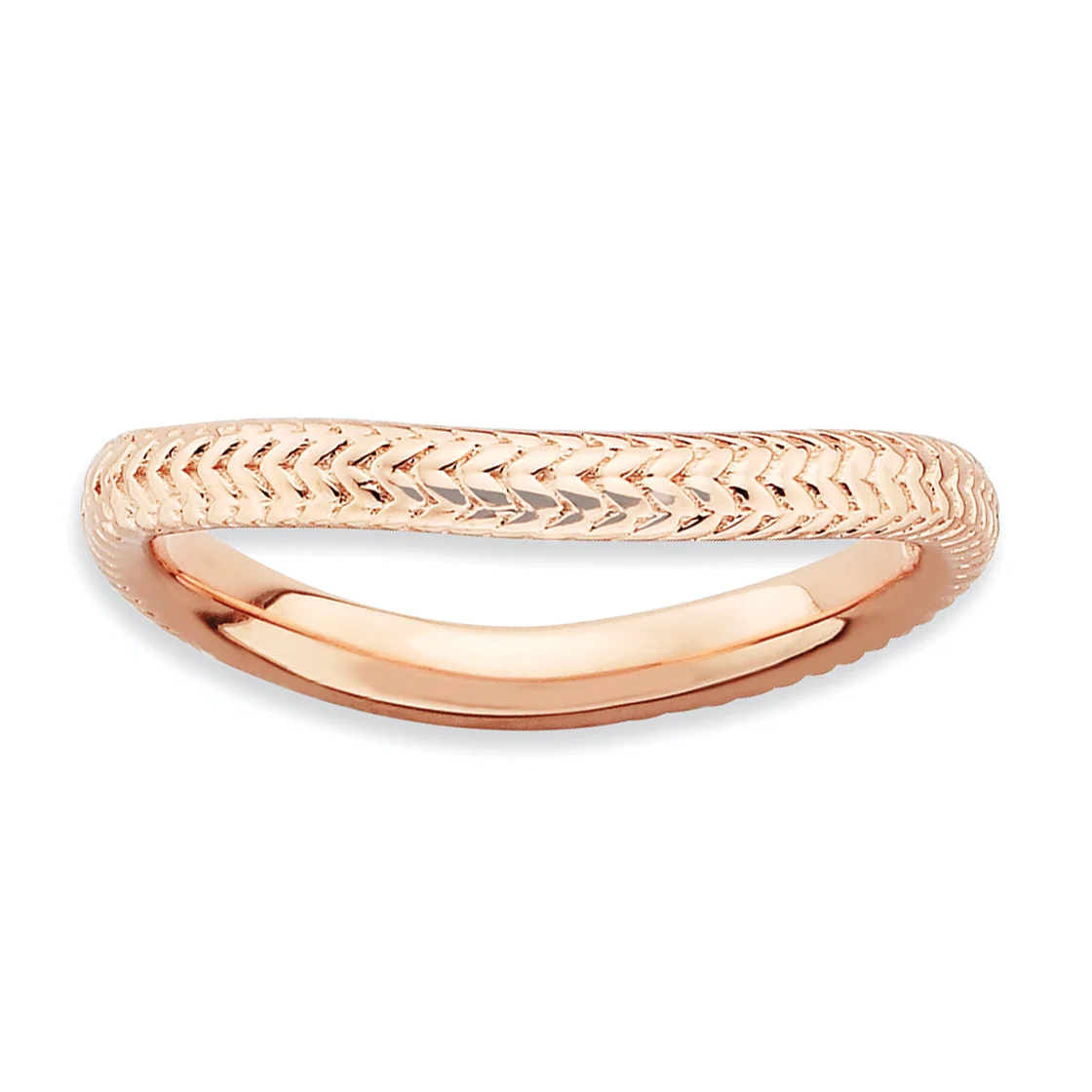 Gold RingsOur Shortlist of Gold Stacking Rings
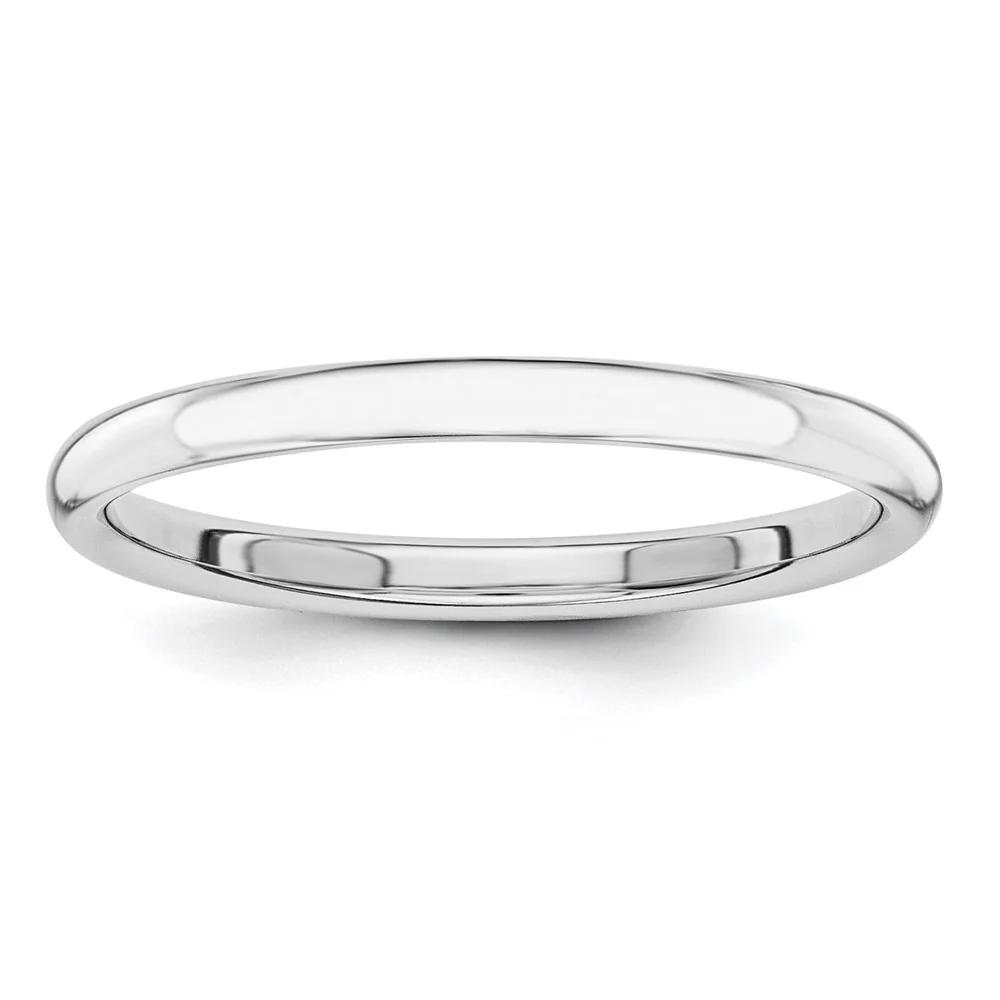
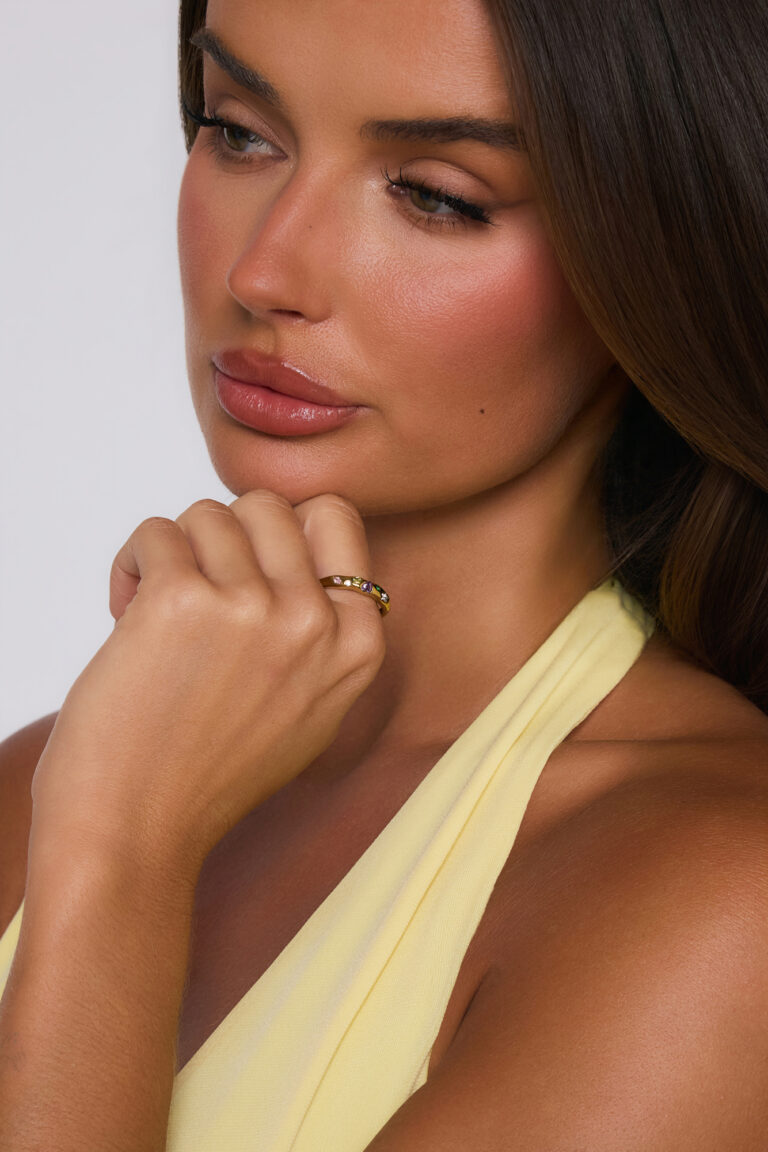 Gold RingsGold Stacking Statement Rings That Finish Any Look
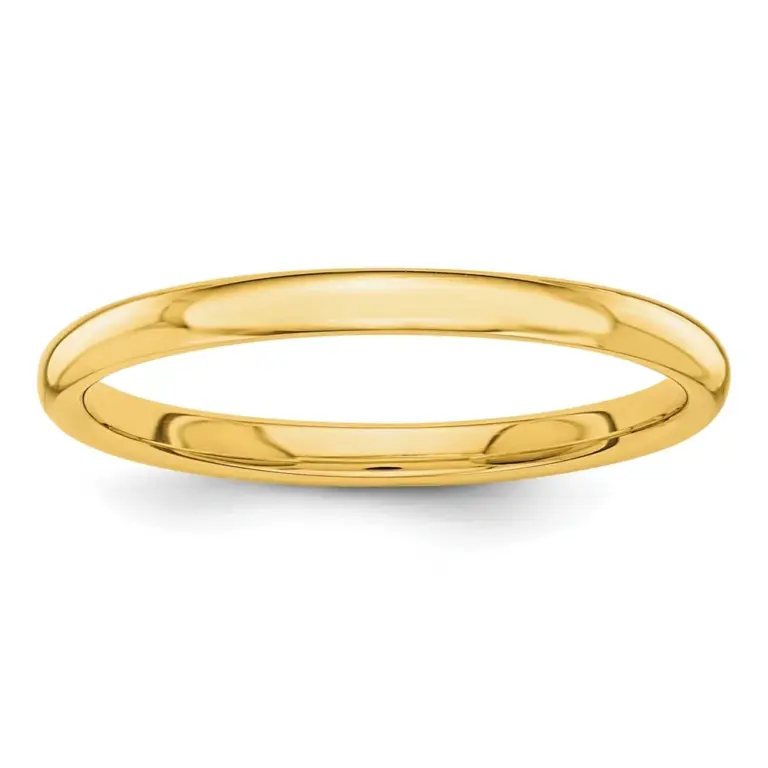
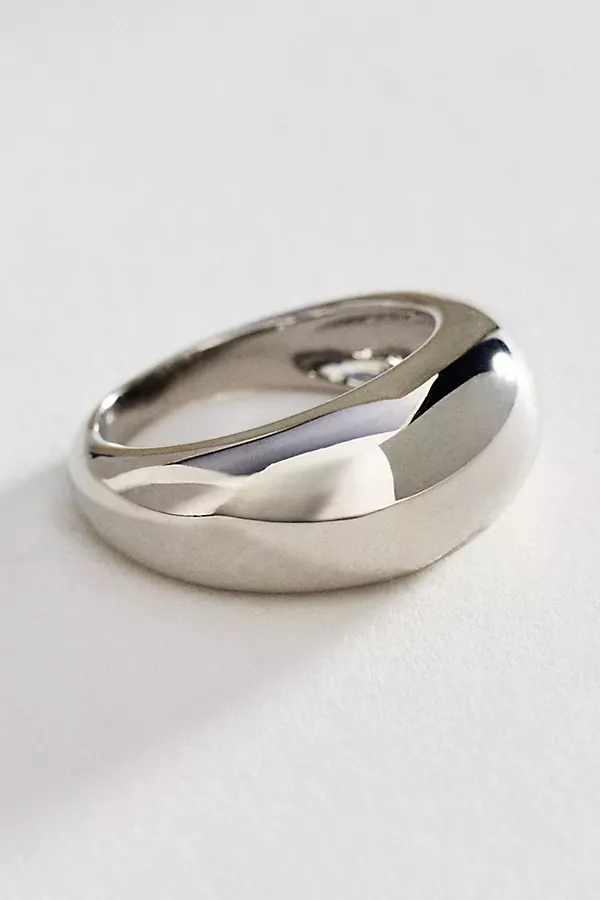 Gold Plated Stacking Rings That Tick Every Box
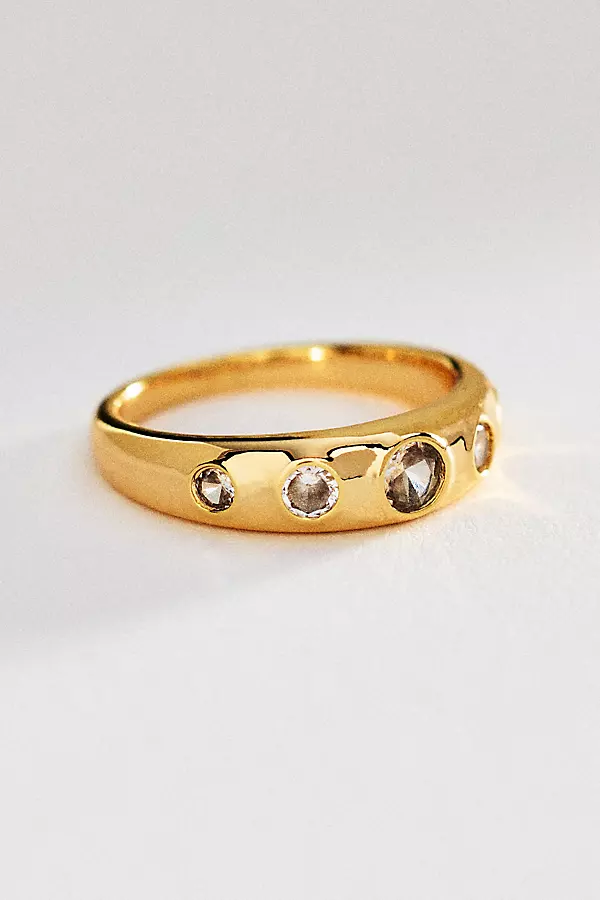
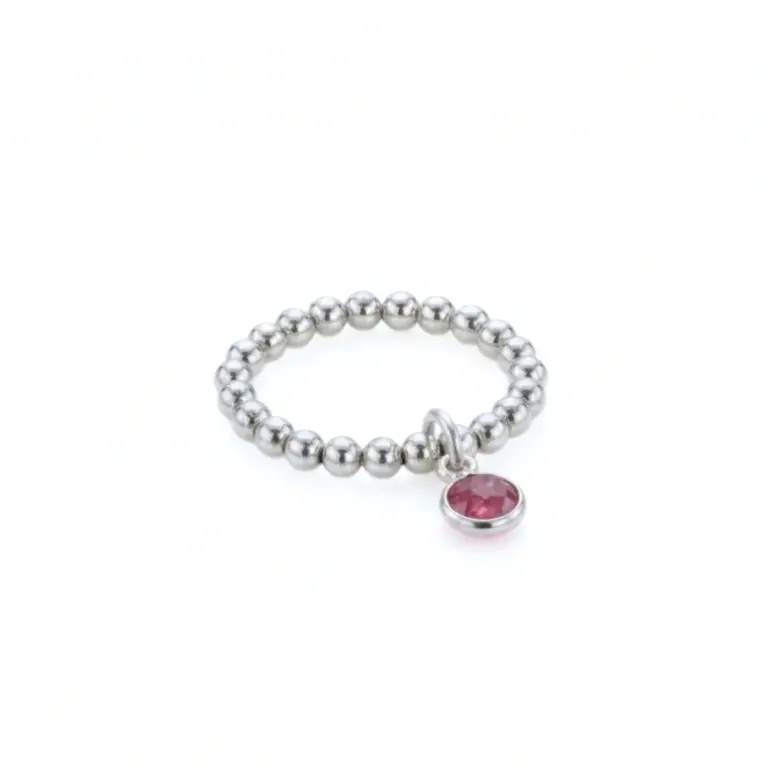 Gemstone Stacking Rings: The Edit
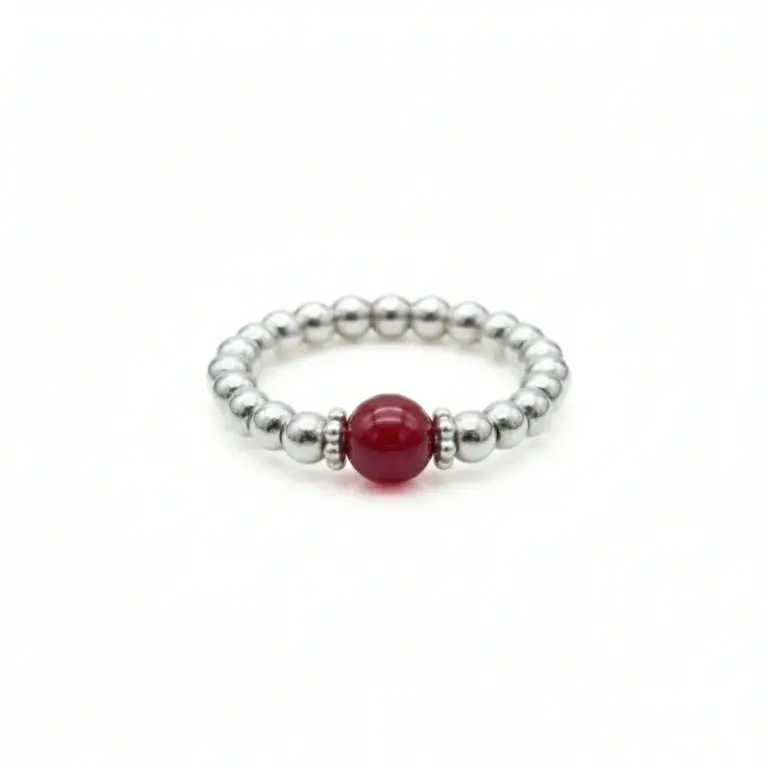
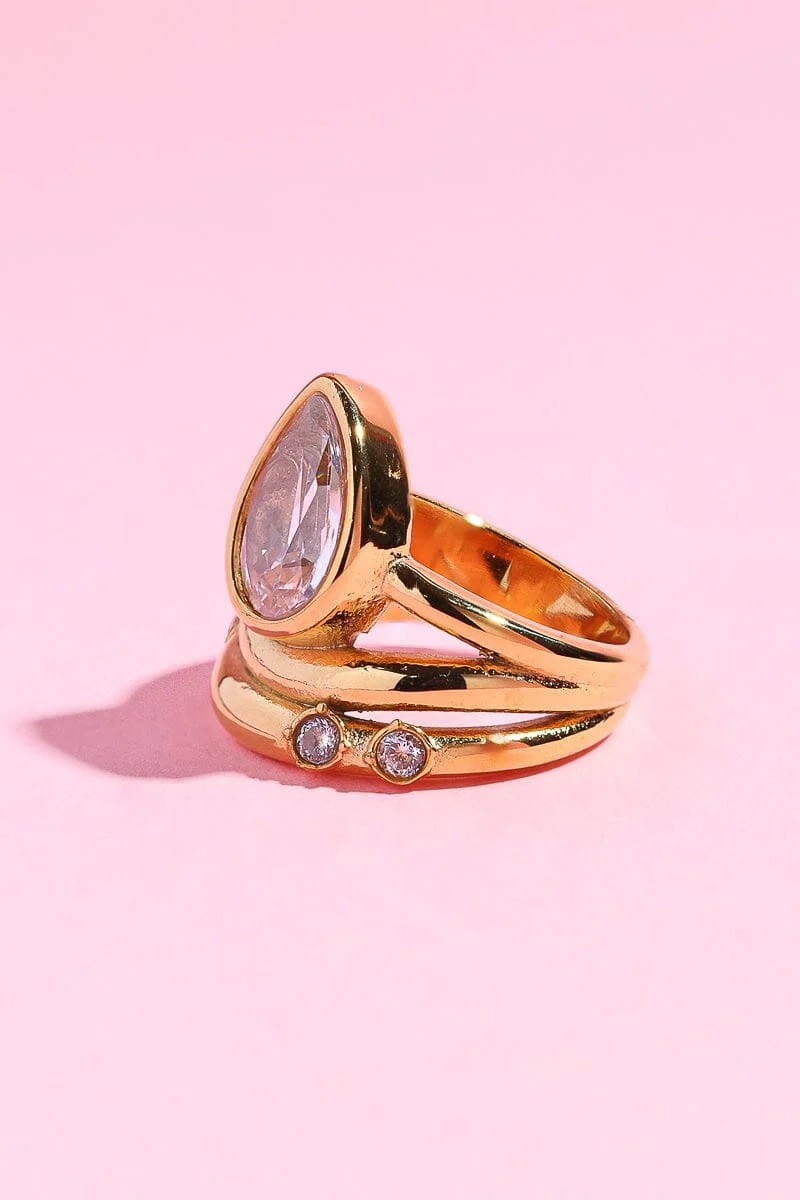 Everyday Stacking Rings We Rate
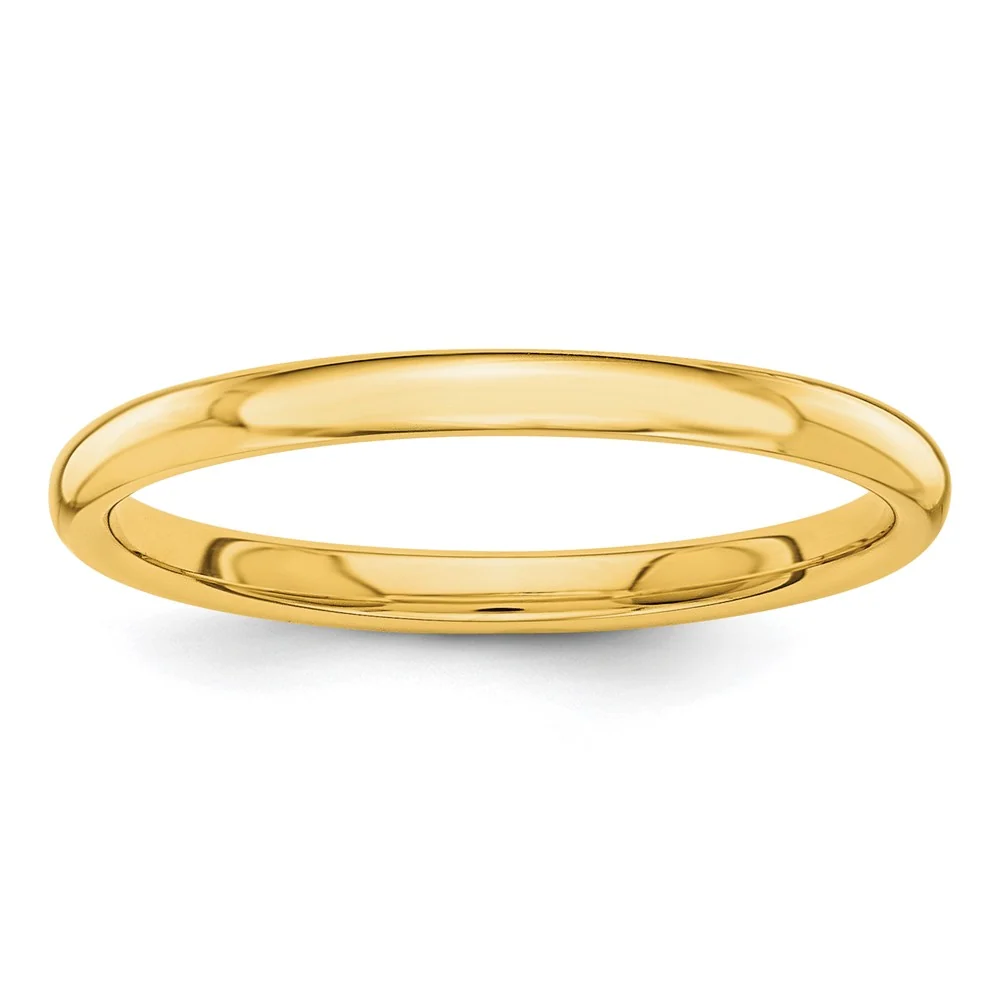
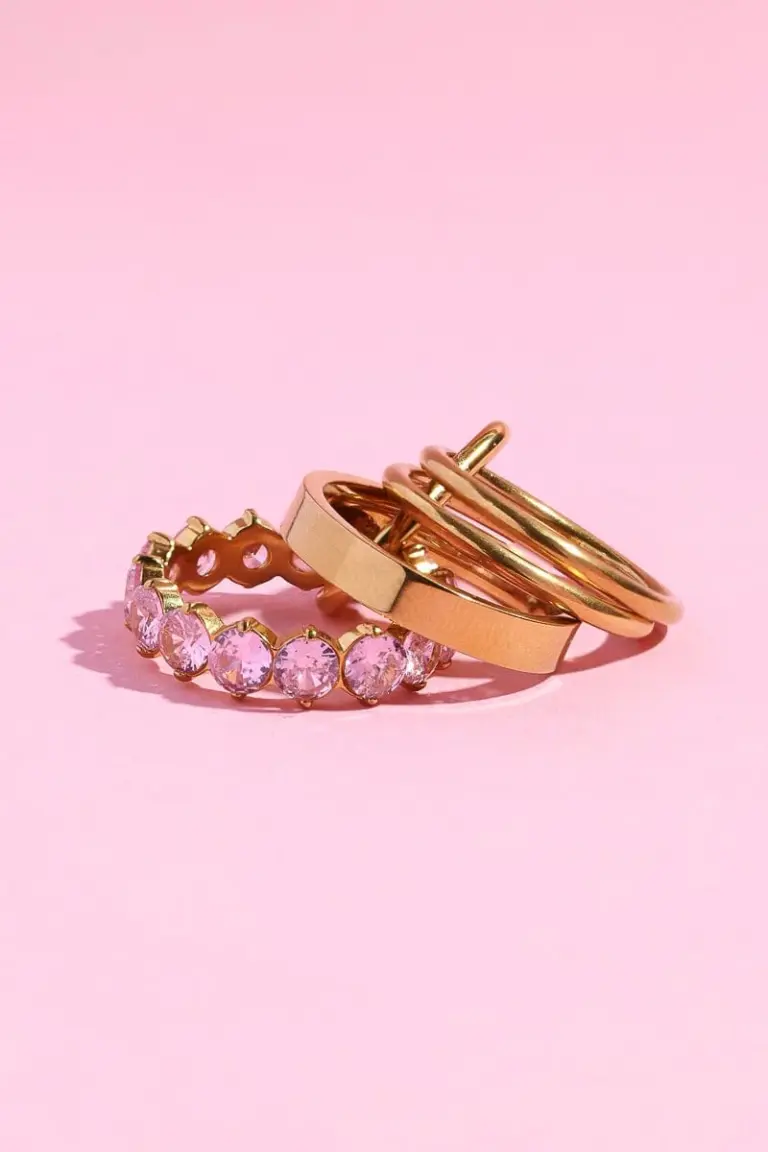 Charm Stacking Rings for Everyday Wear
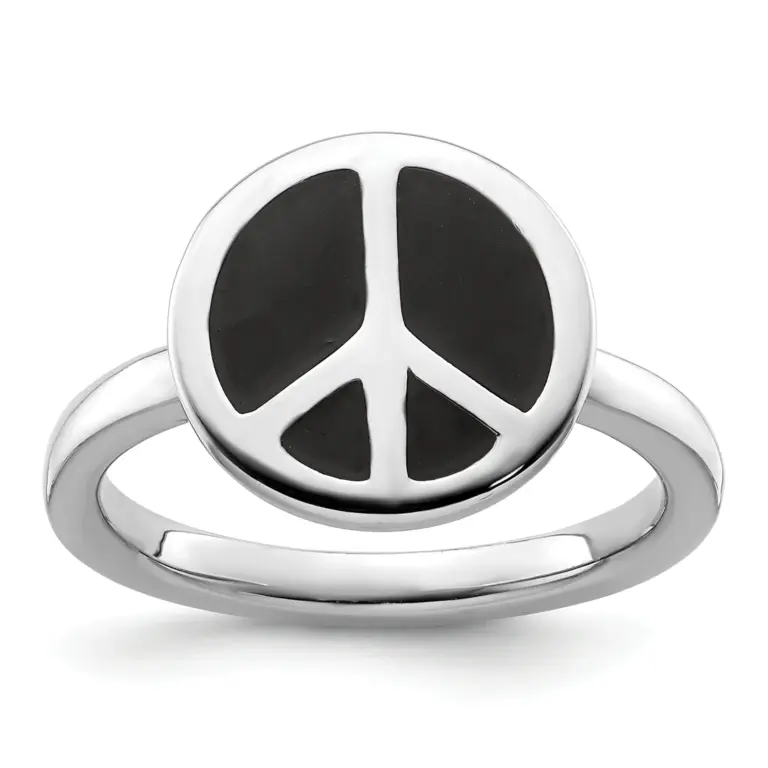
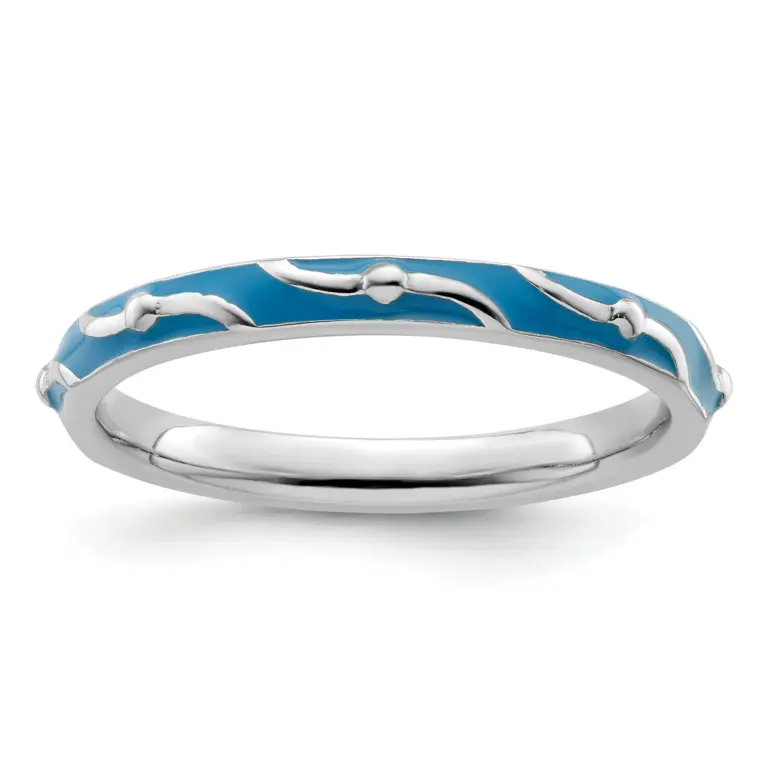 Blue Sterling Silver Stacking Rings Actually Worth Buying
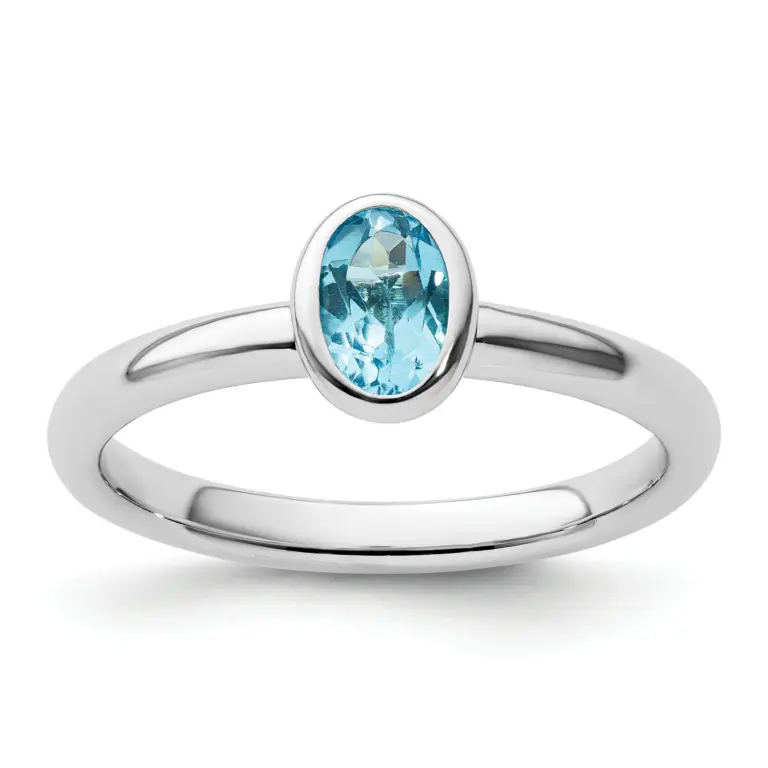
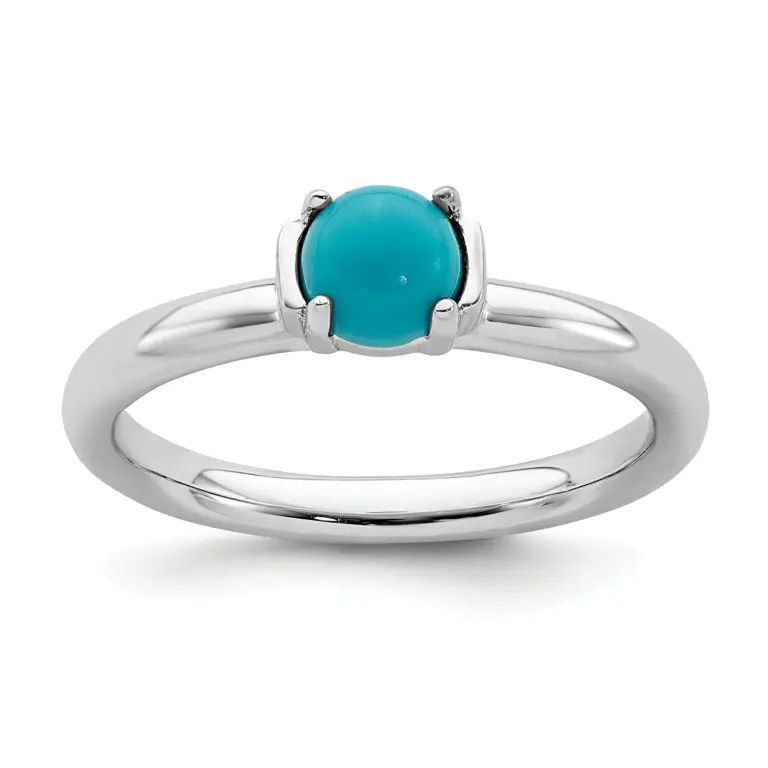 Blue Stacking Rings That Have Caught Our Eye