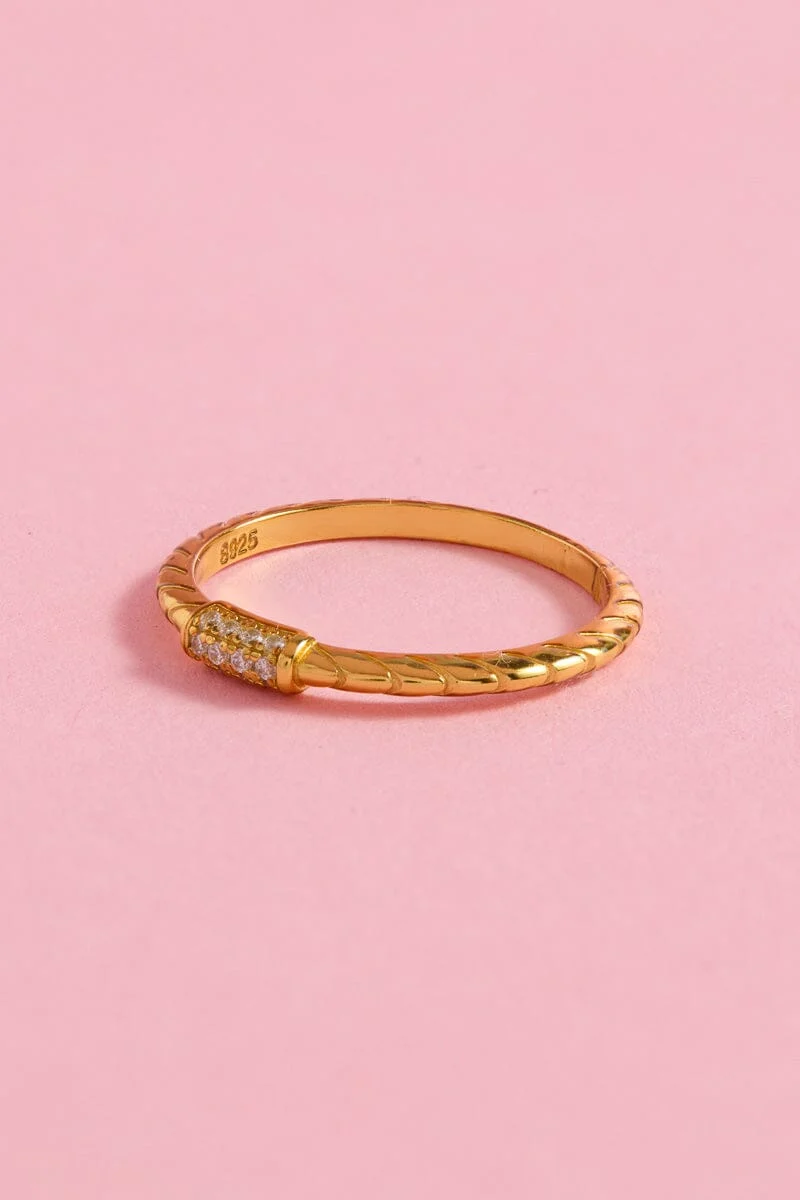
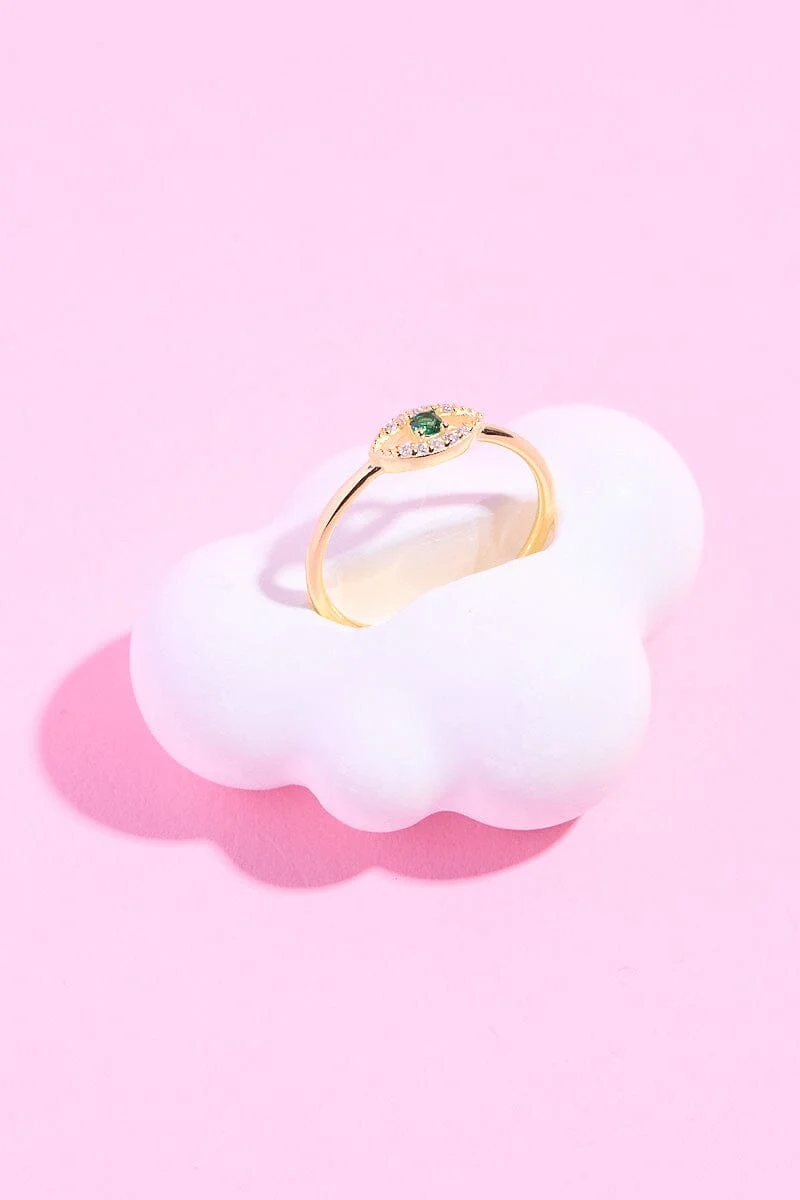
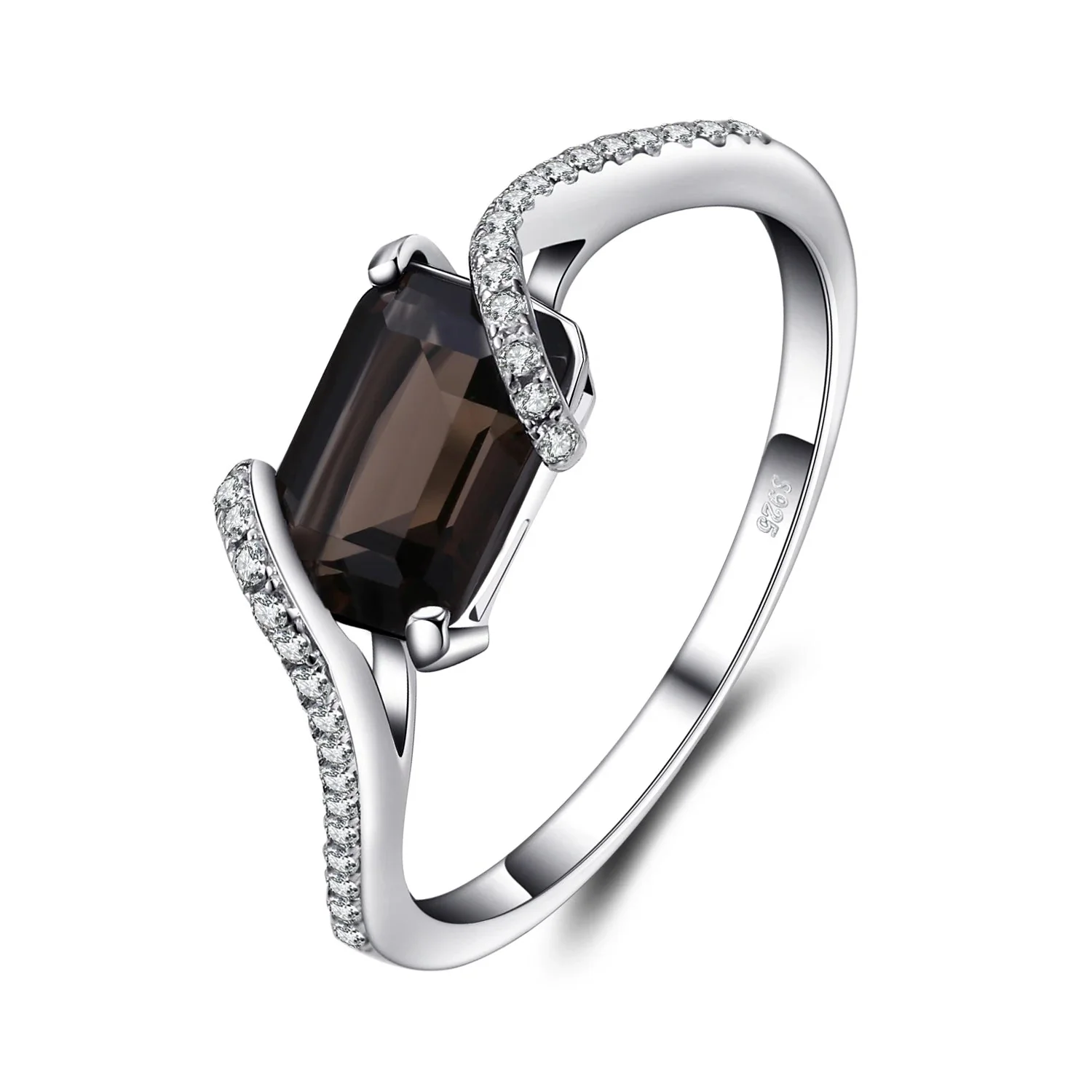
Hold it up to the light before anything else. That's the test I give any silver ring now, because I bought a lovely looking band years ago that turned my finger faintly green by lunchtime, and that's not silver, that's silver plated over something with ambitions. A proper one should feel slightly heavier than you expect, cool against your skin for a second longer than cheap metal does, and the inside should be smooth, not stamped rough where the edges catch on gloves.
Sizing is where most of the disappointment happens, and it's rarely the ring's fault. Fingers swell in heat, shrink in the cold, and change through the day, so try a ring on in the afternoon if you can, not first thing. Go for a snug fit over the knuckle, not a loose one, because silver stretches slightly with wear and a ring that spins freely in the shop will be sliding off into the washing up within a month. If you're between sizes, size up rather than down for anything you'll wear daily, you can always get a jeweller to pinch it in slightly, but widening a ring that's too tight is a bigger job. Watch for bands that are thin enough to bend out of round, especially stacking rings, a decent one holds its shape even after you've tugged it off over moisturised hands for the hundredth time. Hallmarks matter here, a proper stamp tells you what you're actually wearing, and the absence of one is worth asking about before you buy.
The difference between a ring that lasts and one that turns up in a drawer after six weeks usually comes down to finish and weight rather than anything flashy. A well made silver ring keeps its shine with the odd polish, not a special cloth bought separately and a prayer. Cheap plating goes patchy at the edges first, usually where the ring meets your other fingers, and no amount of polishing brings that back. Soldered joins should be invisible, not a visible seam you can catch a nail on. If there's a stone set in, check the setting doesn't have sharp little prongs waiting to snag your jumper.
Silver isn't the one to reach for if you're swimming regularly, working with harsh chemicals, or you tarnish things just by looking at them, some skin chemistry is genuinely unkind to it. It sits oddly against anything heavily gold toned, mixing metals works for some, but a thin silver band next to a chunky gold cuff usually looks like an oversight rather than a choice.
Reach for silver when you want something that looks a bit more considered than costume jewellery without the faff or expense of gold, day to day, through most of the year, hands and weather allowing.
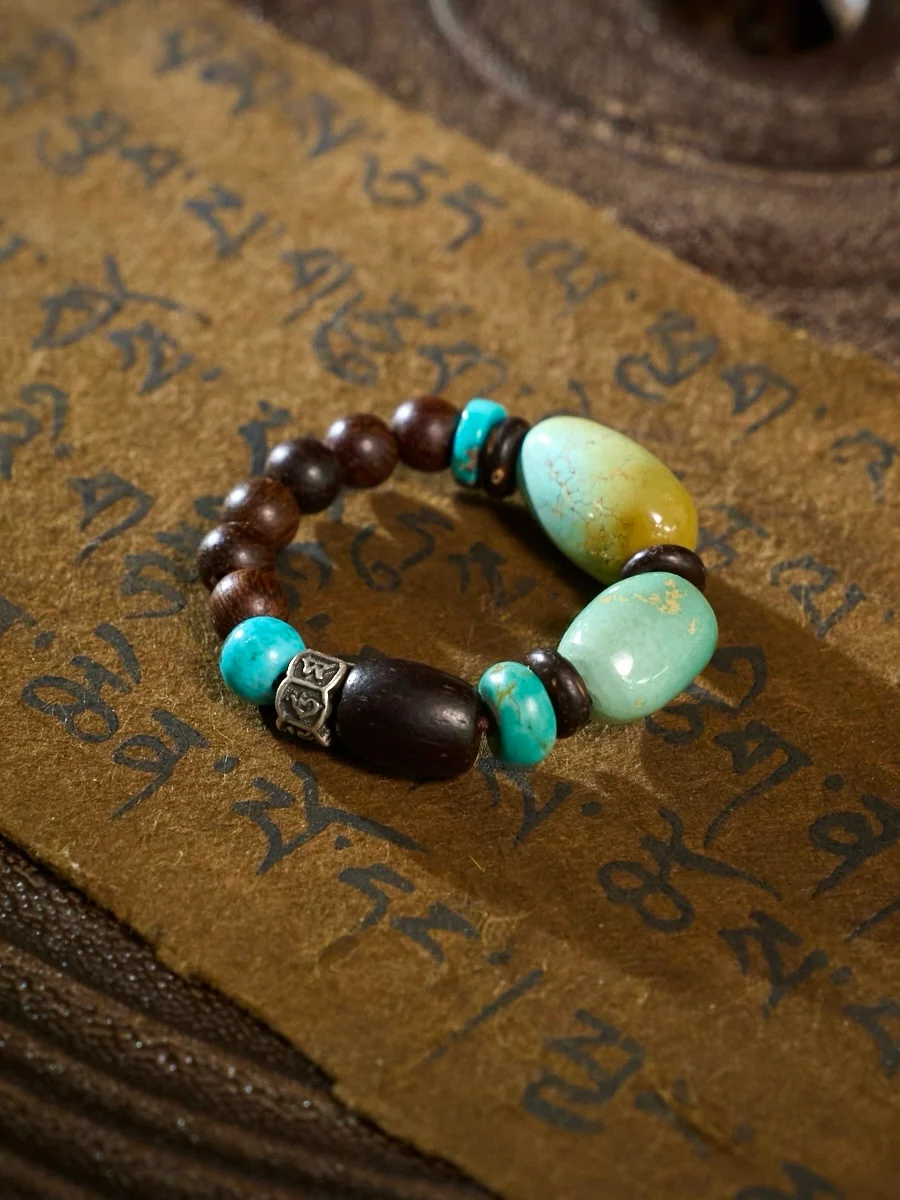 Pretty Silver Turquoise Rings We Love
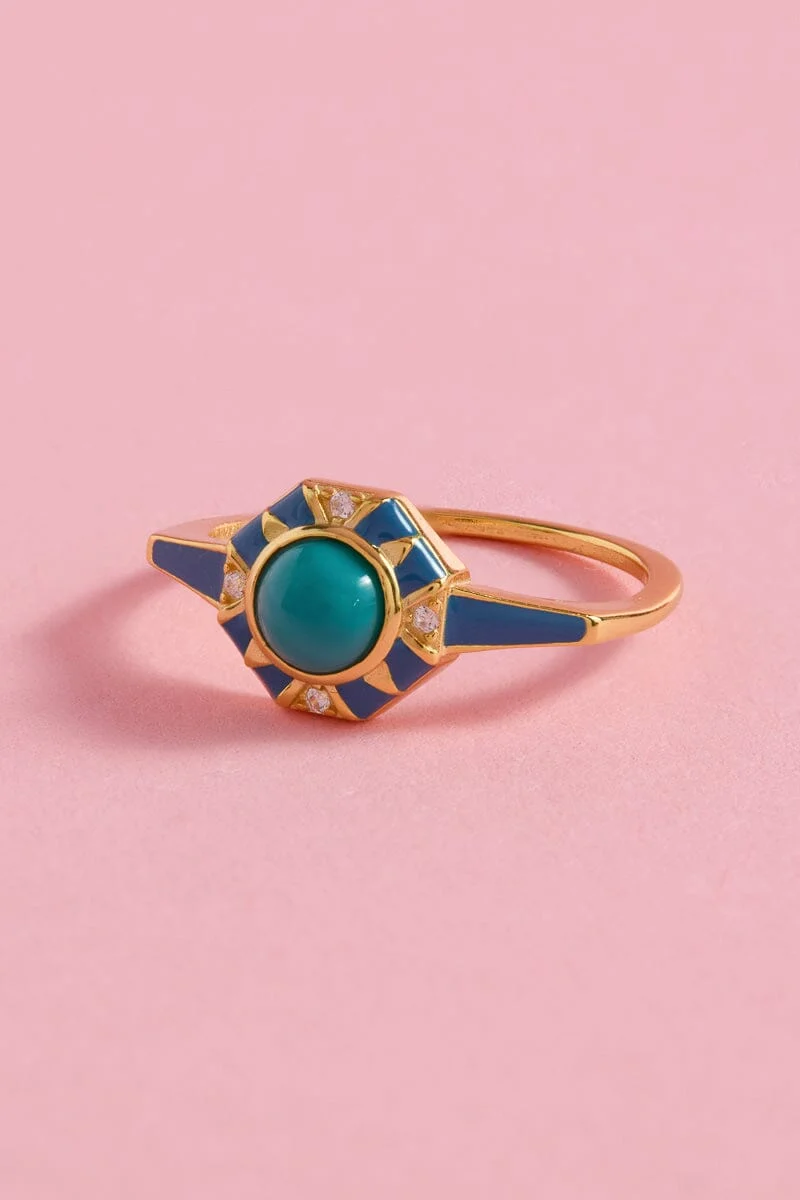
 Silver Vintage Rings That Make a Lovely Gift
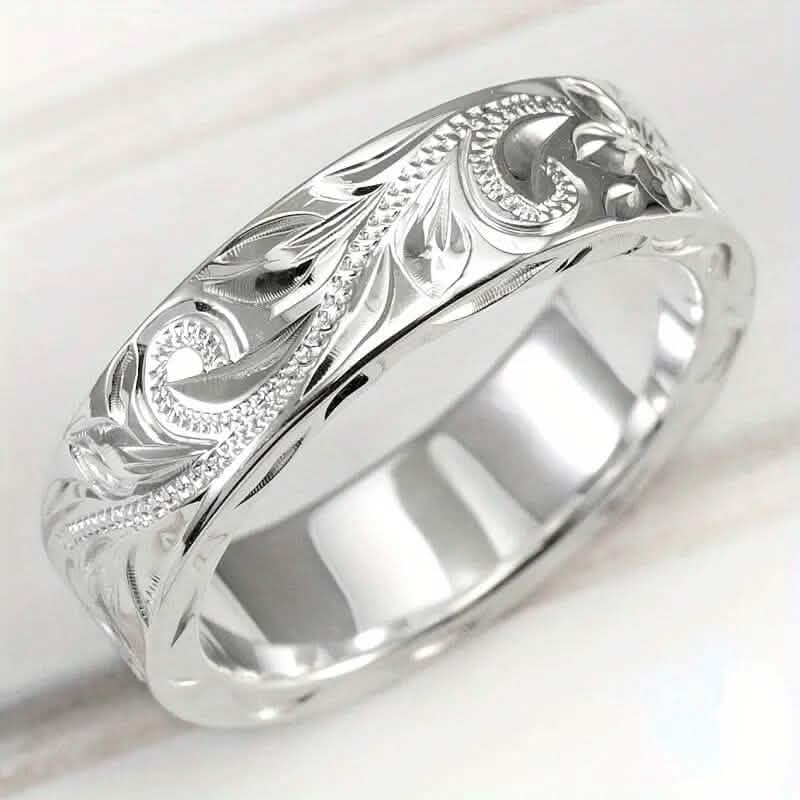
 Finding the Best Silver Stainless Steel Rings
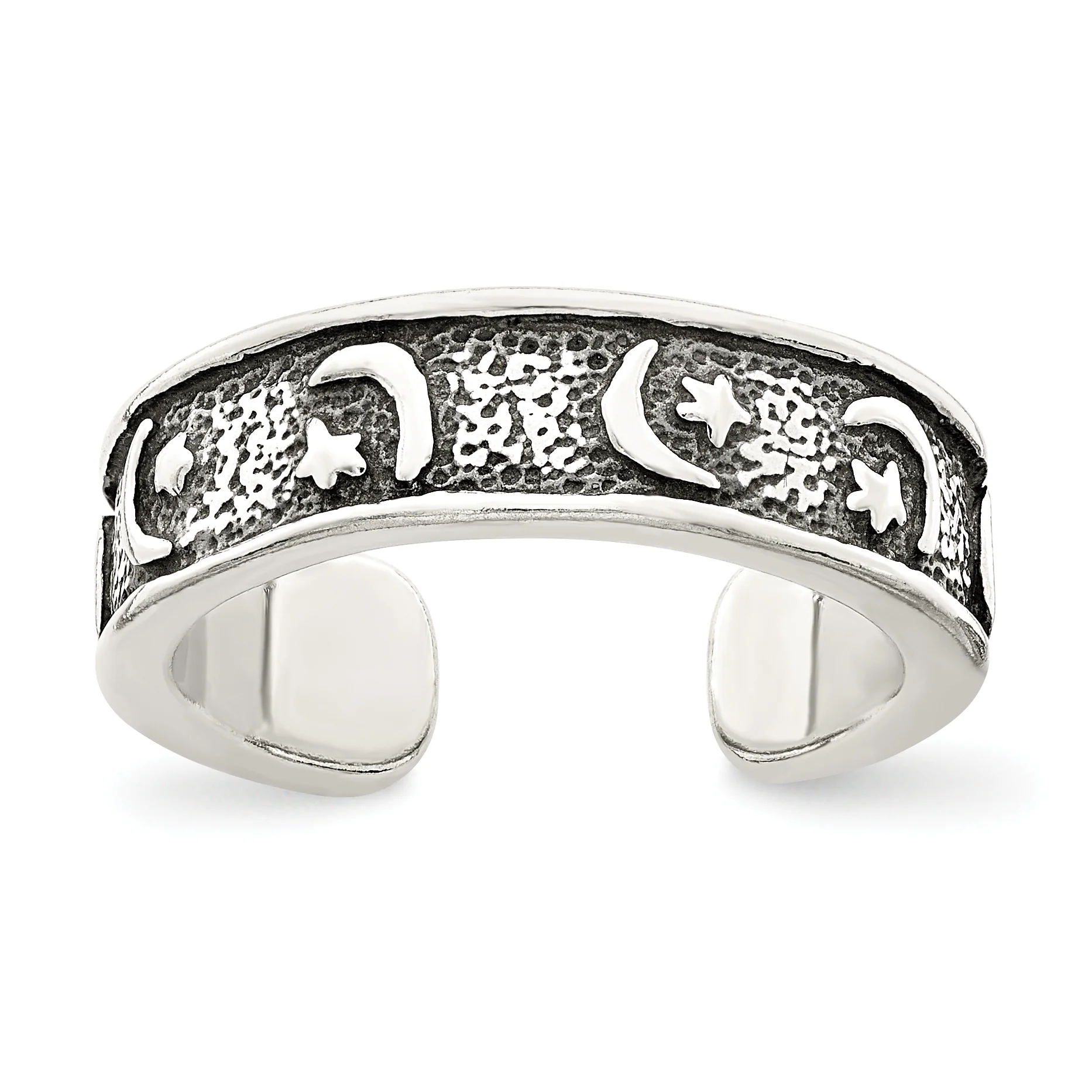 Silver Star Rings That Earn Their Place
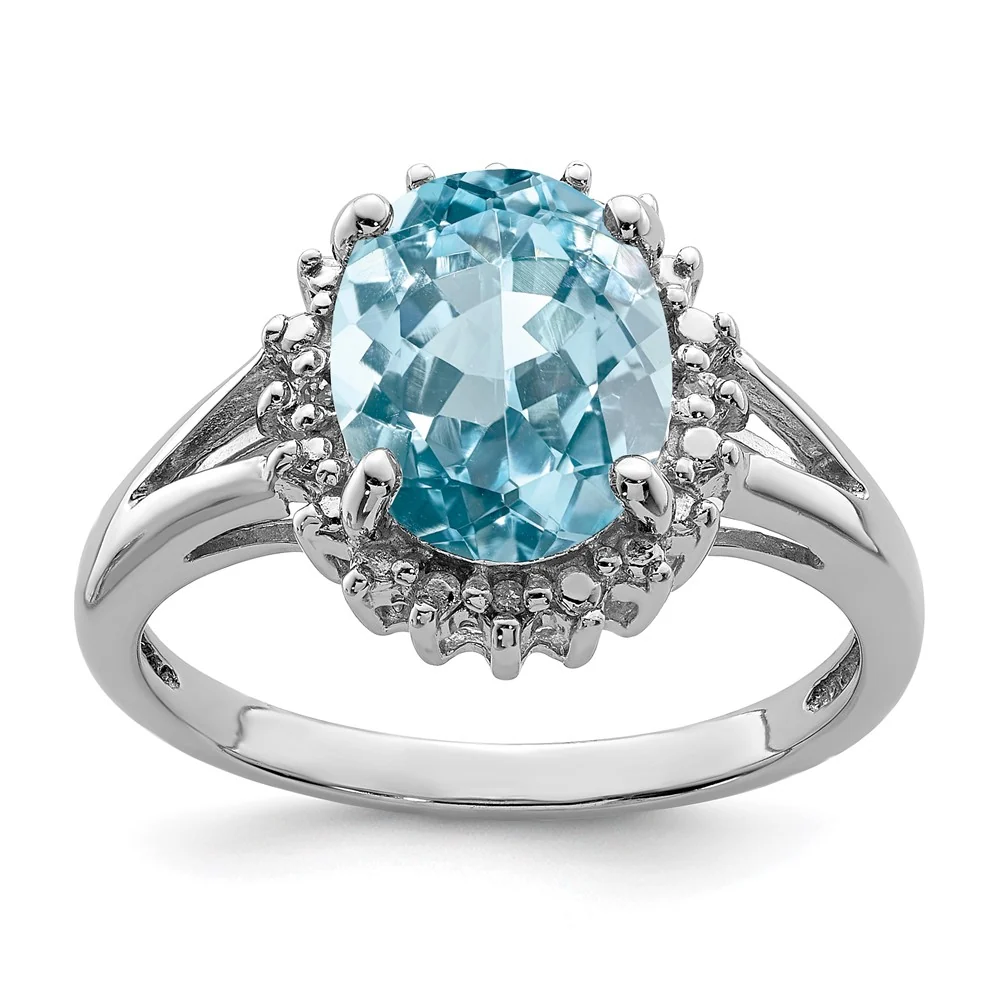
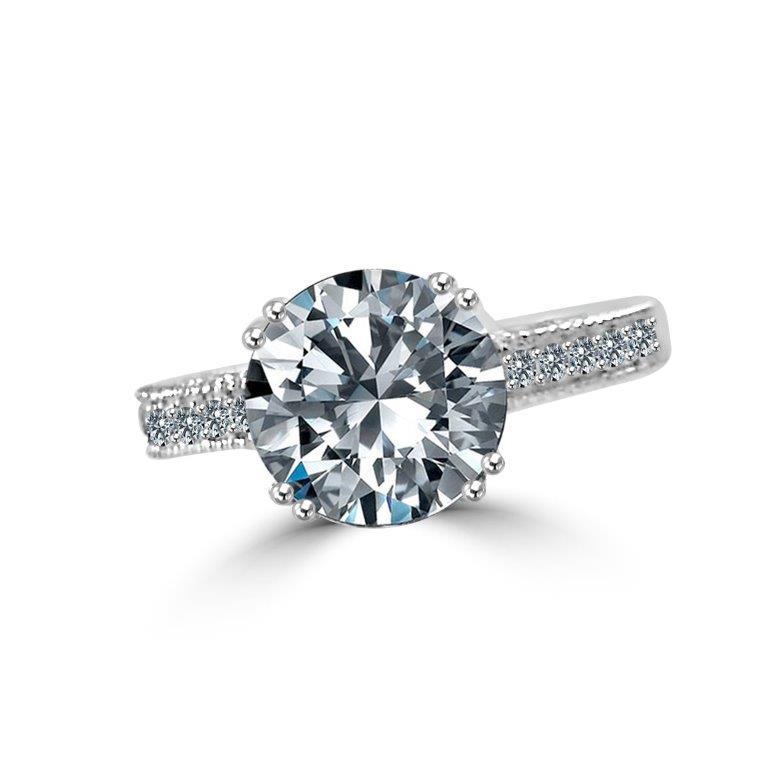
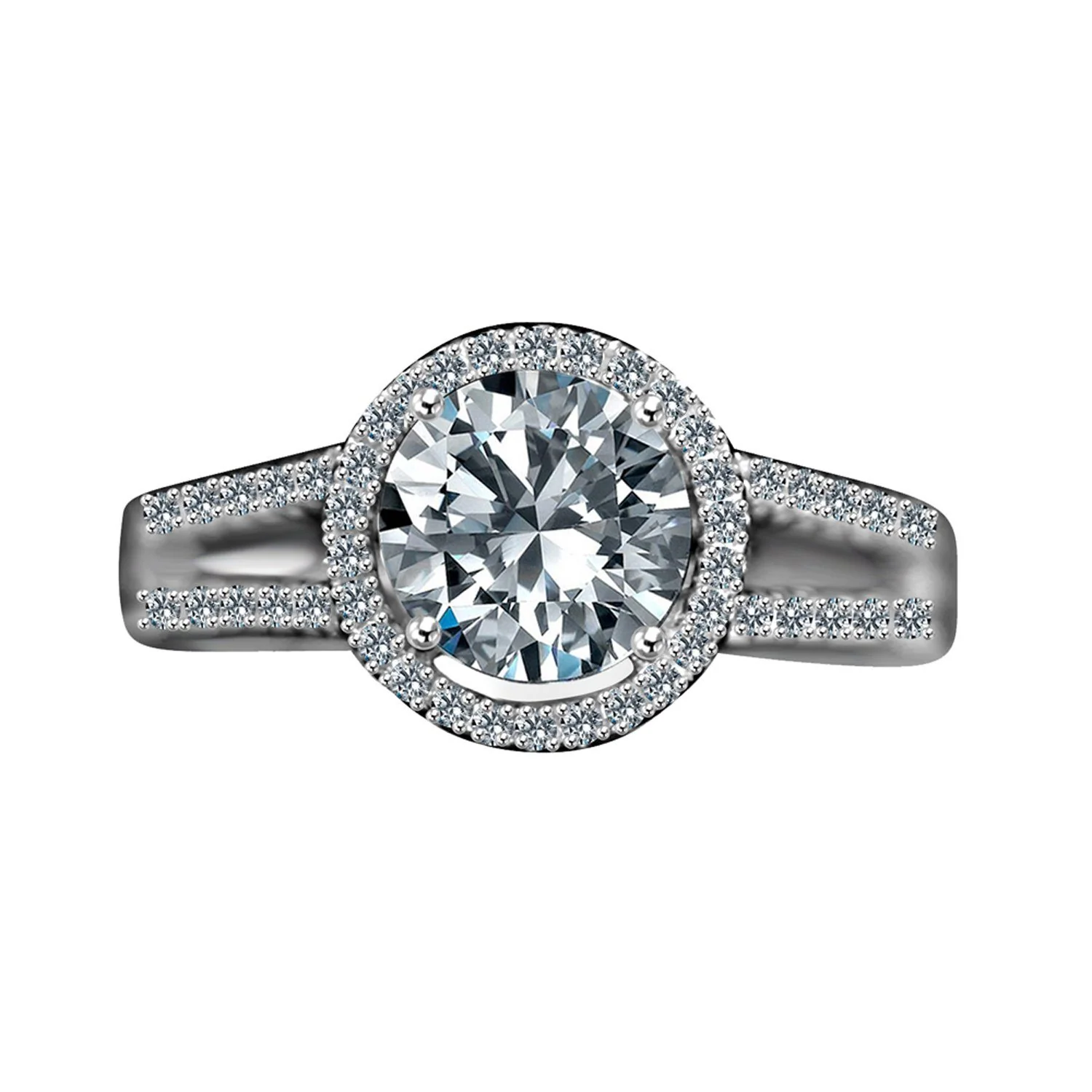 Statement RingsShop the Edit: Silver Statement Engagement Rings
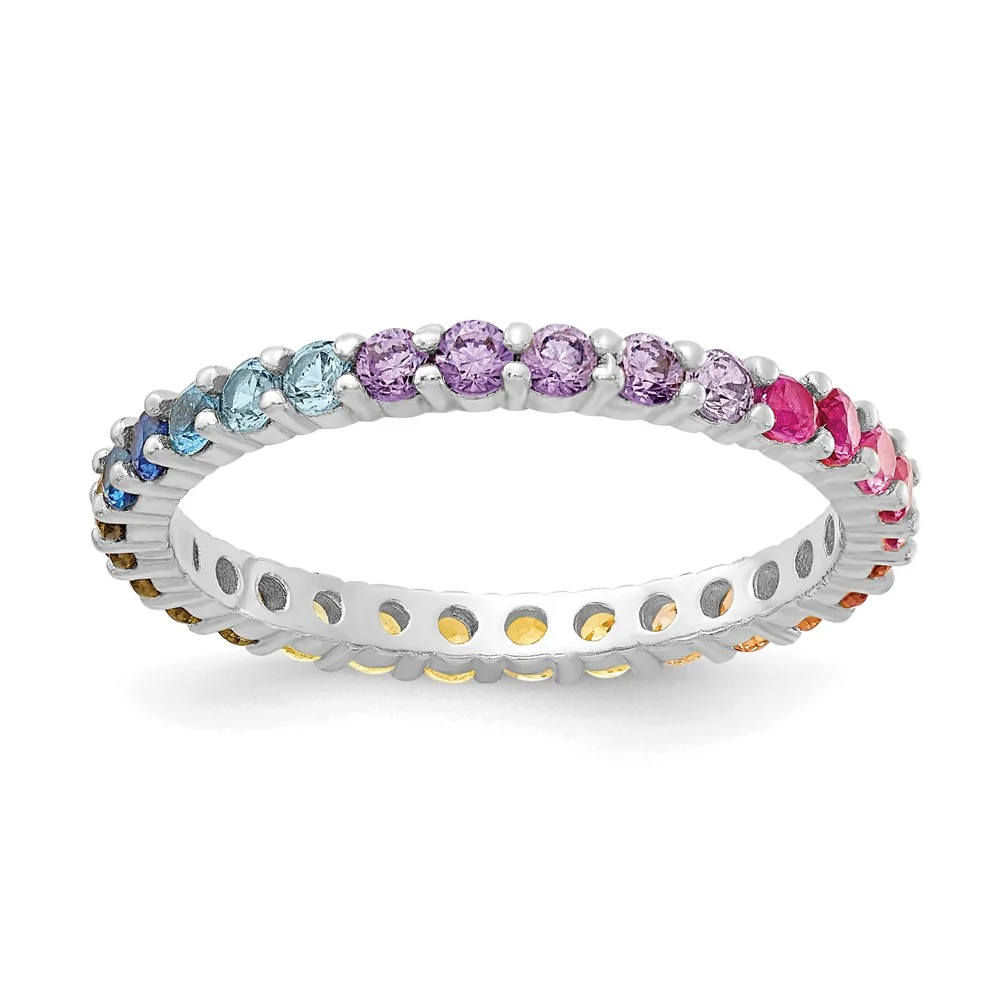 Statement RingsOur Kind of Silver Statement Eternity Rings
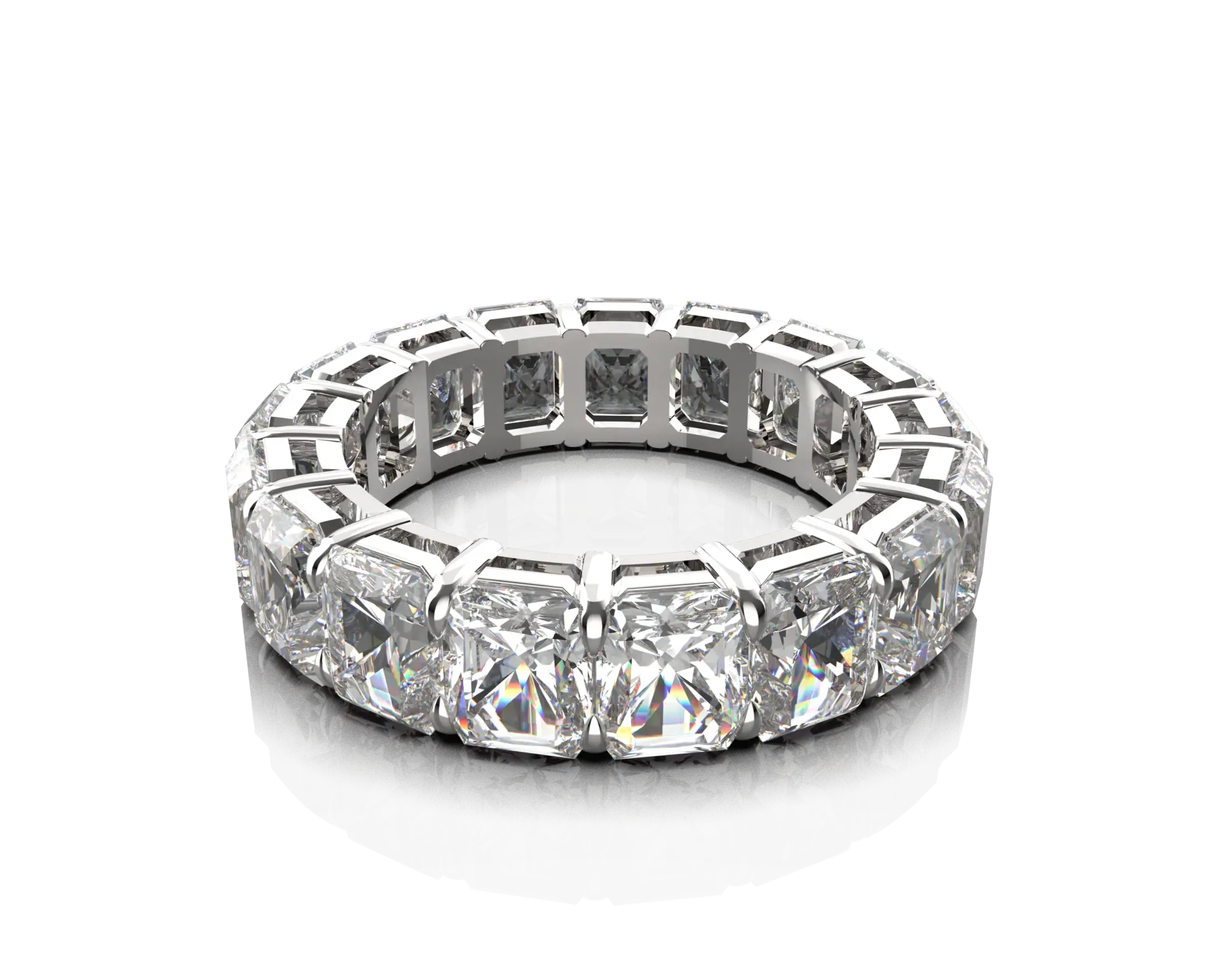
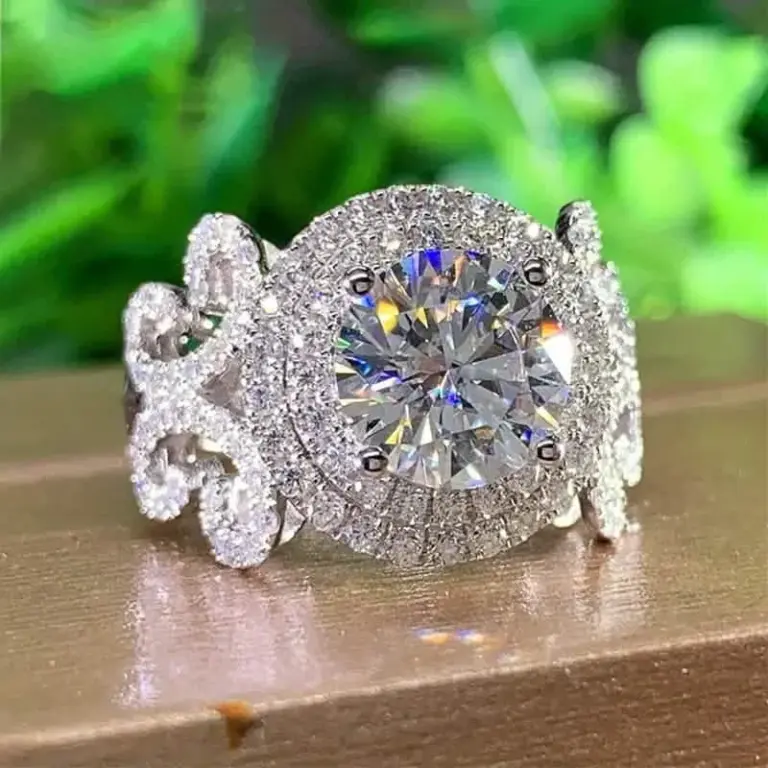 Statement RingsThe Silver Statement Rings We’d Wear Daily
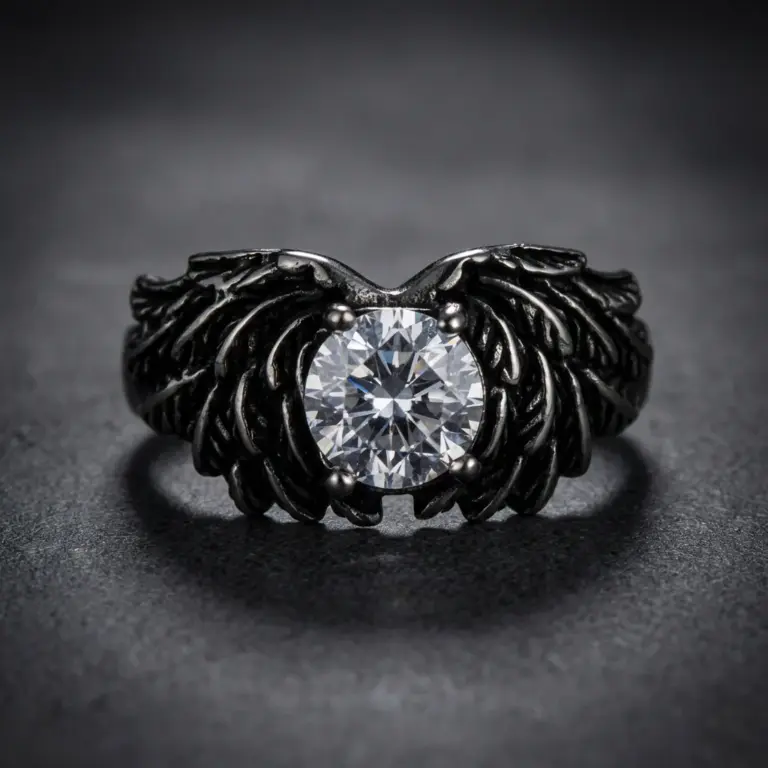
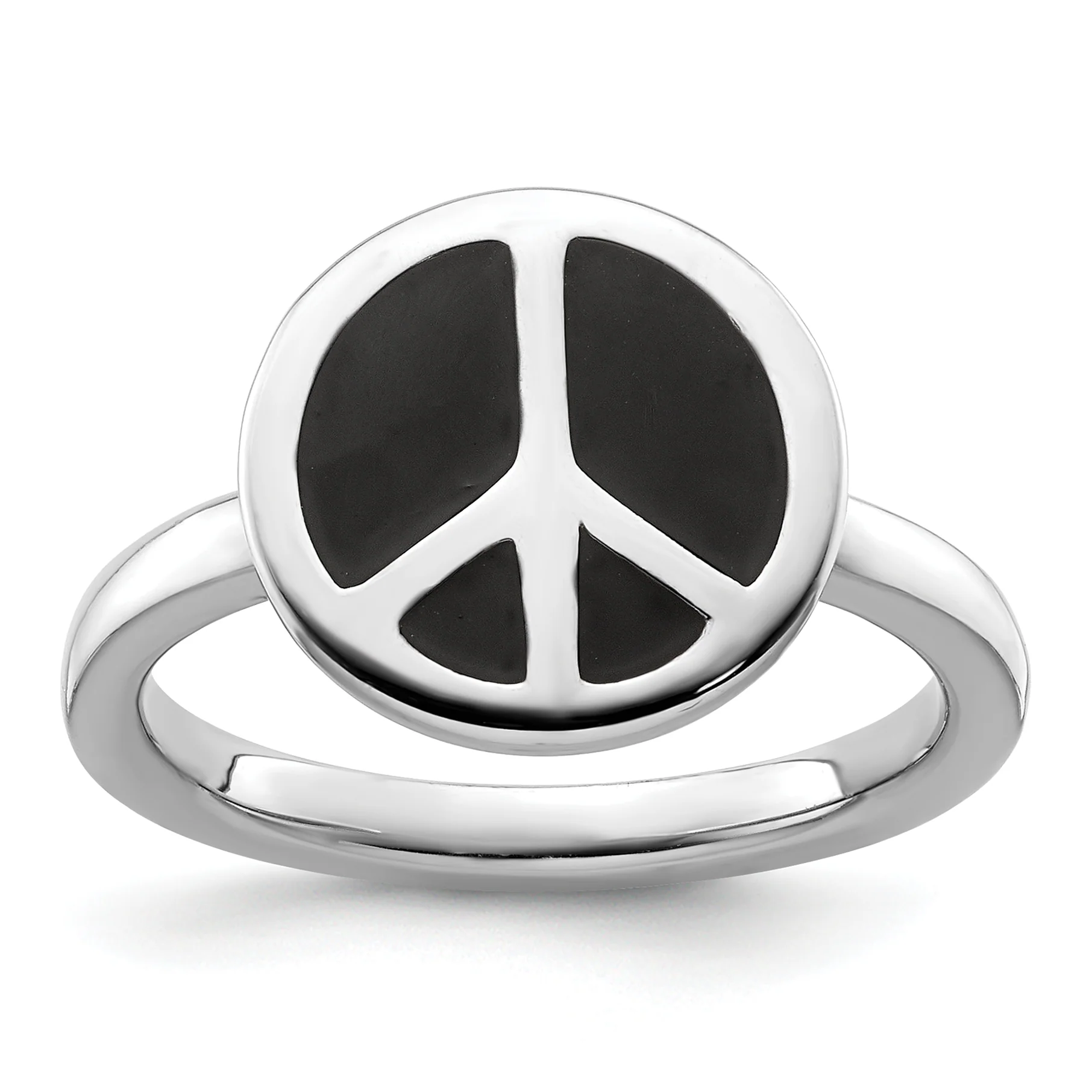 Stacking RingsSilver Statement Stacking Rings That Finish Any Look
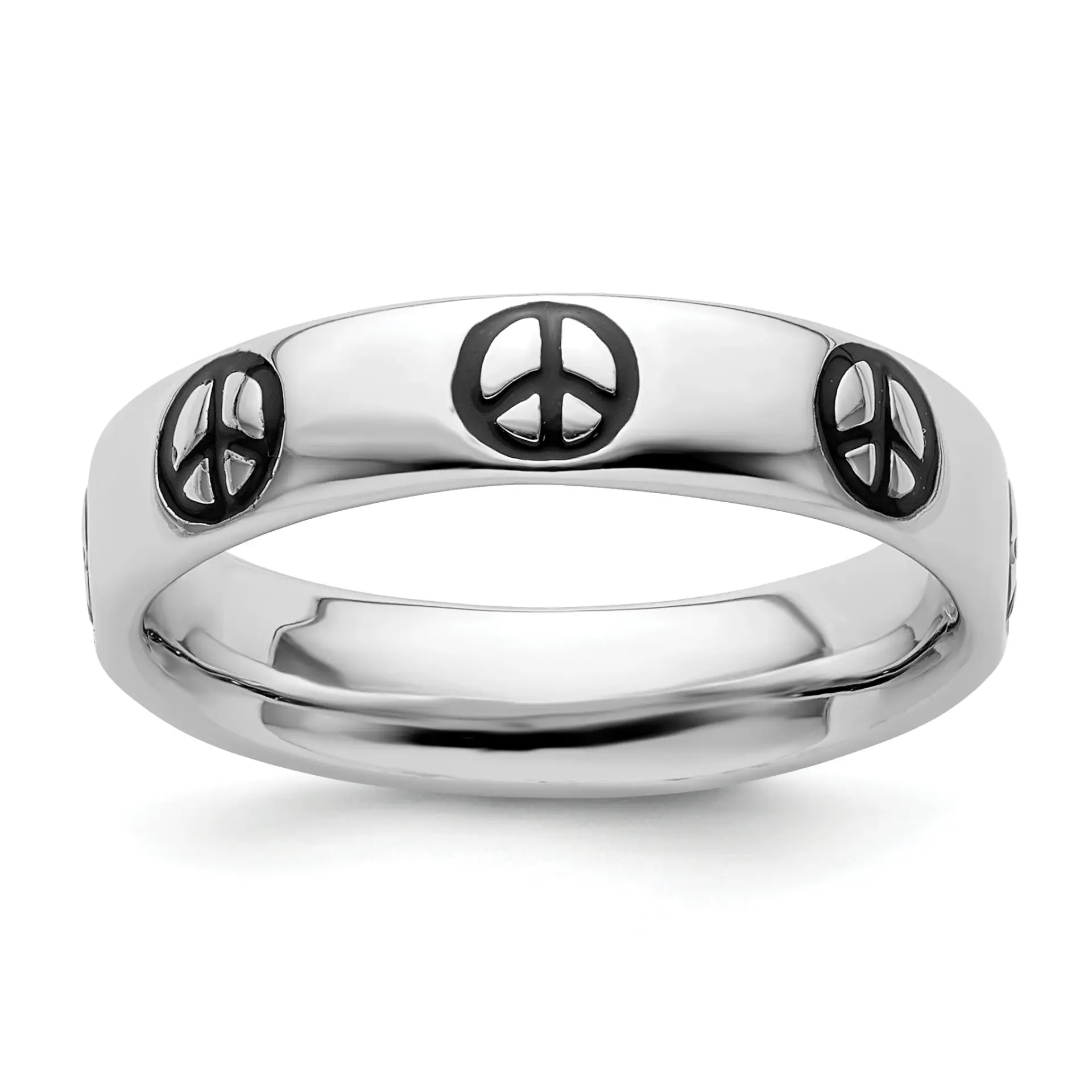
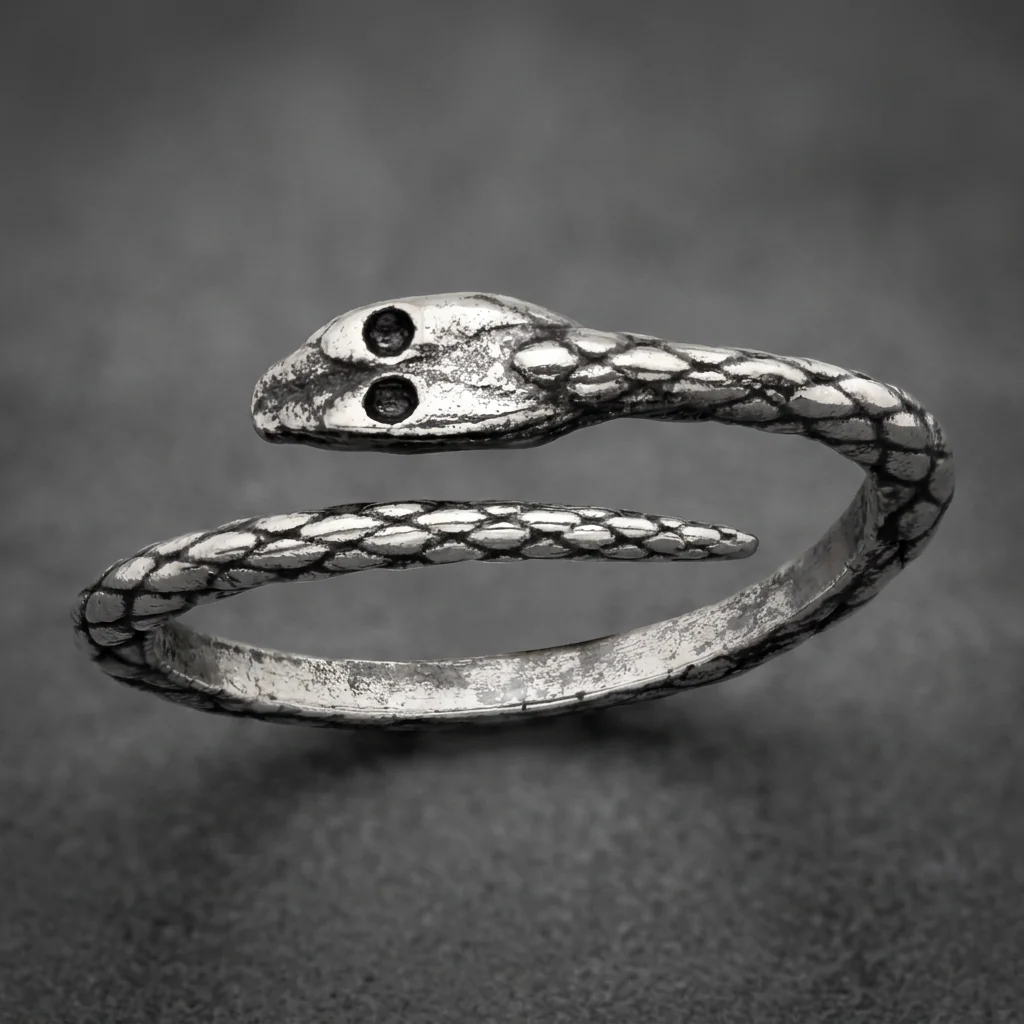 Our Go To Silver Toe RingsAlso worth a lookStatement RingsCan you wear a statement ring every day or does it belong in the box for best?See the collections →
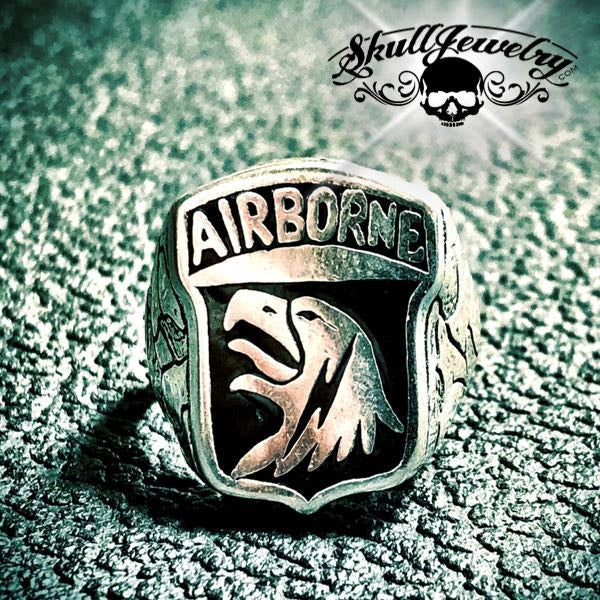 Silver Signet Rings Picked by Us
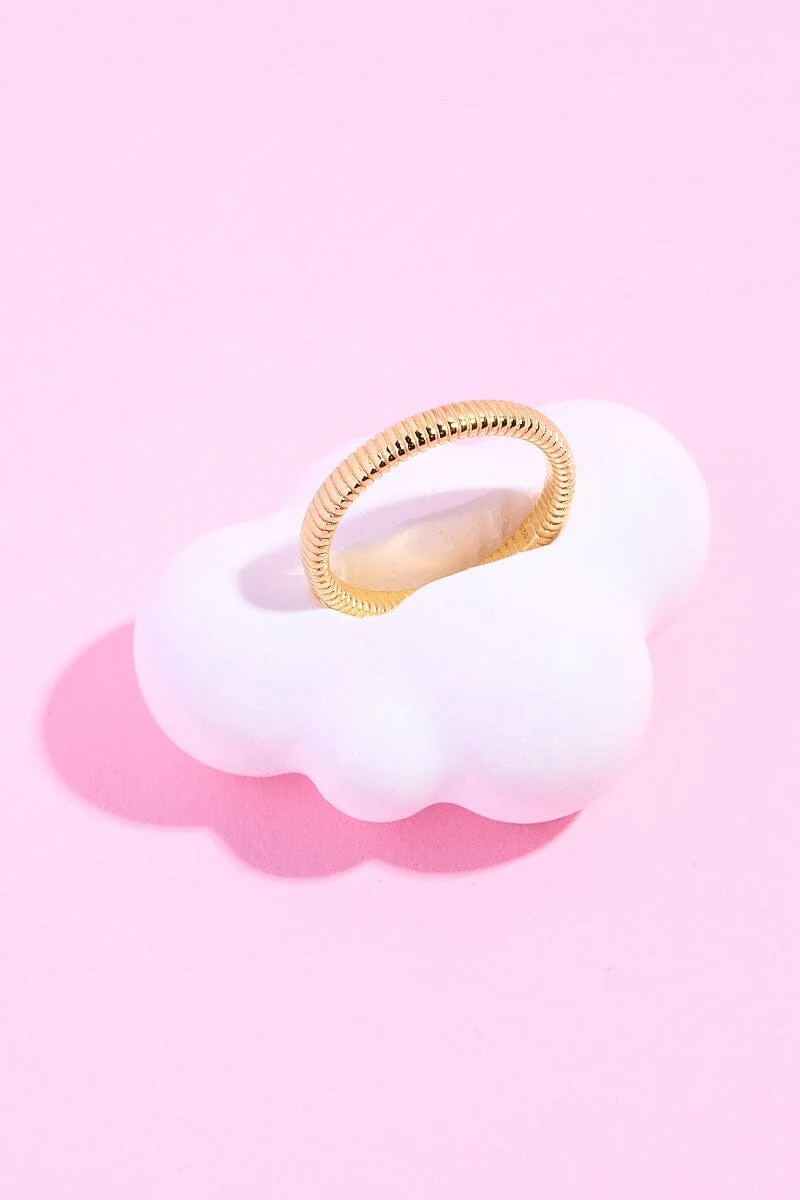 Stacking RingsSilver Stacking Rings We Think You’ll Love
 Stacking RingsSilver Stacking Rings We’d Buy Again
 Stacking RingsSilver Stacking Statement Rings We’re Adding to Basket
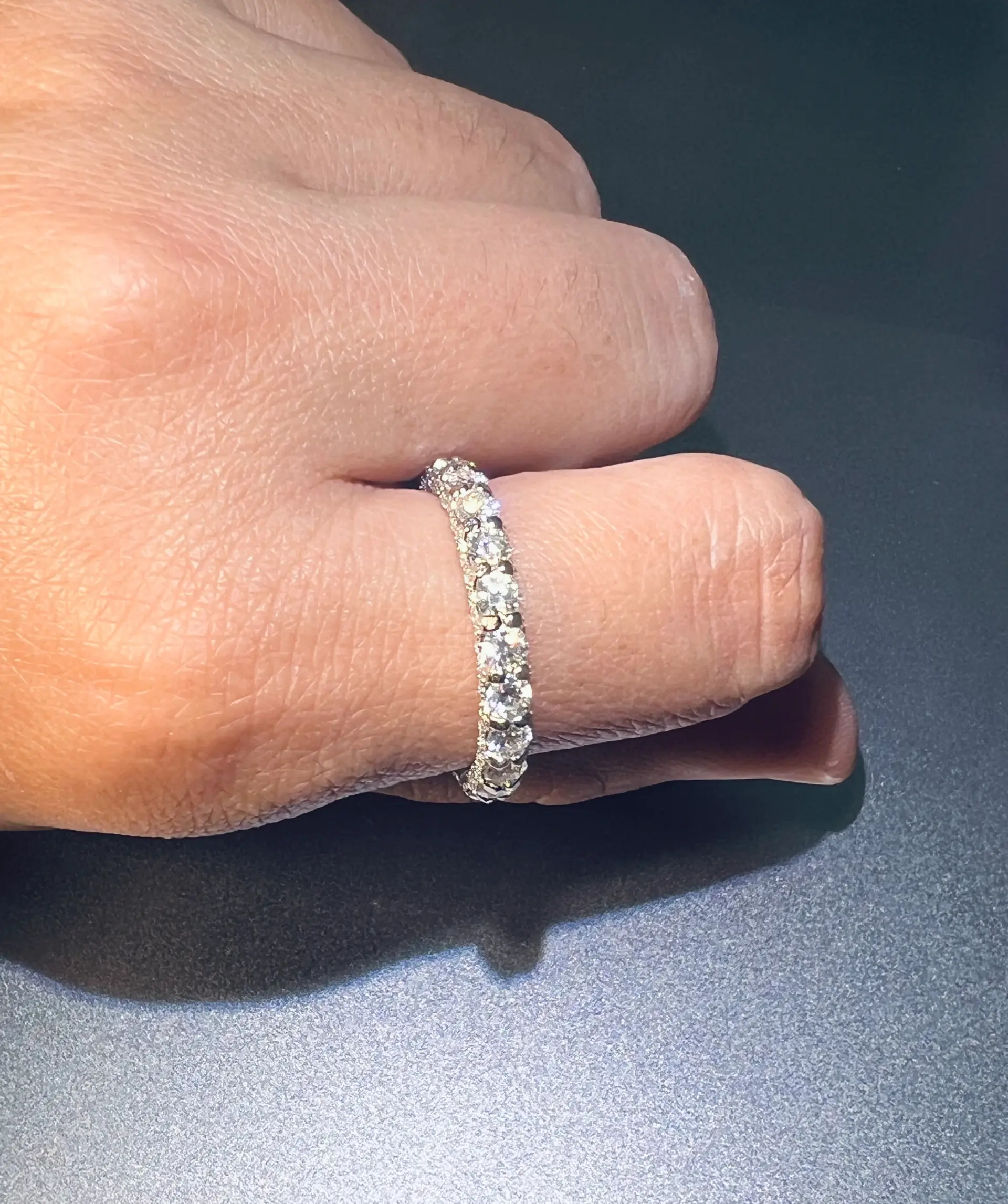
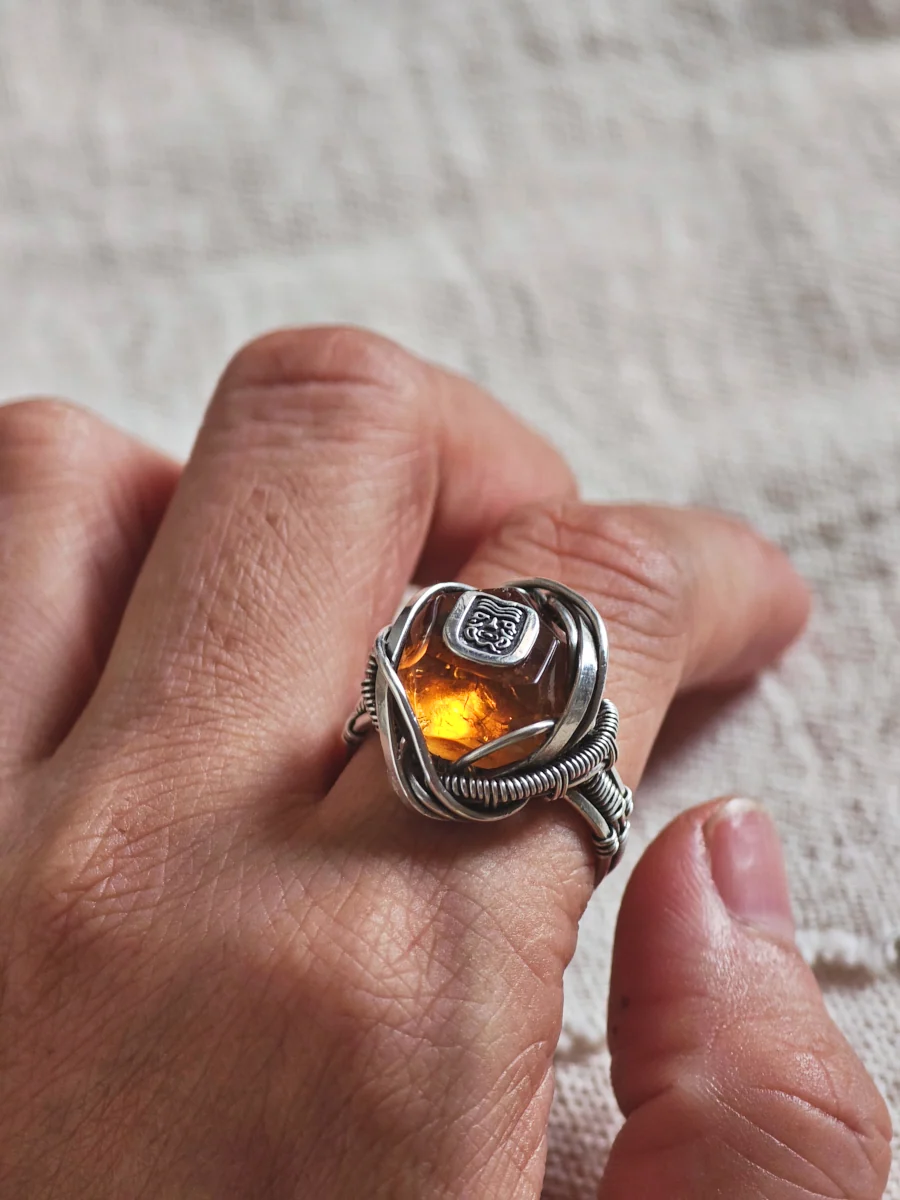 Our Top Silver Rings Right Now
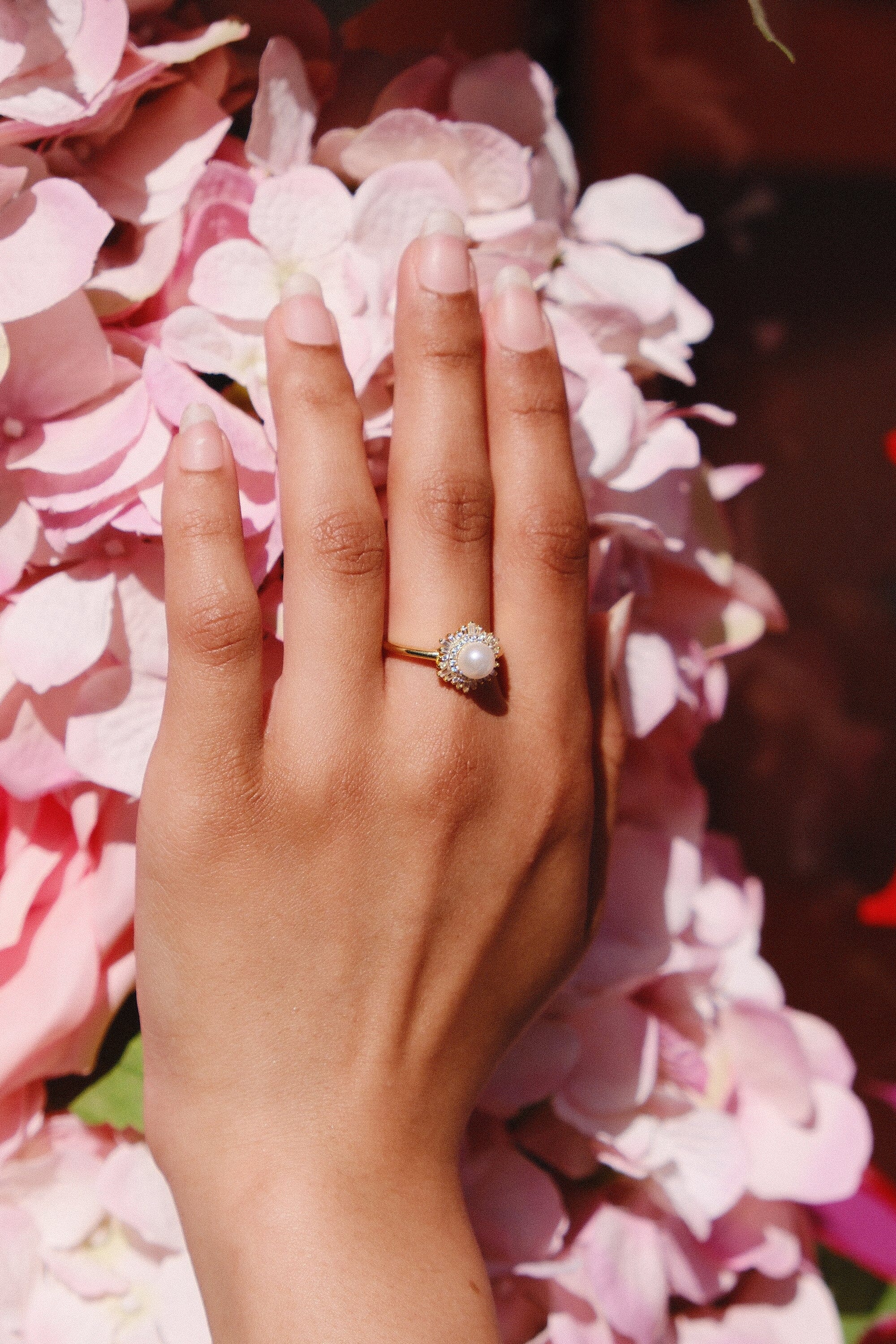
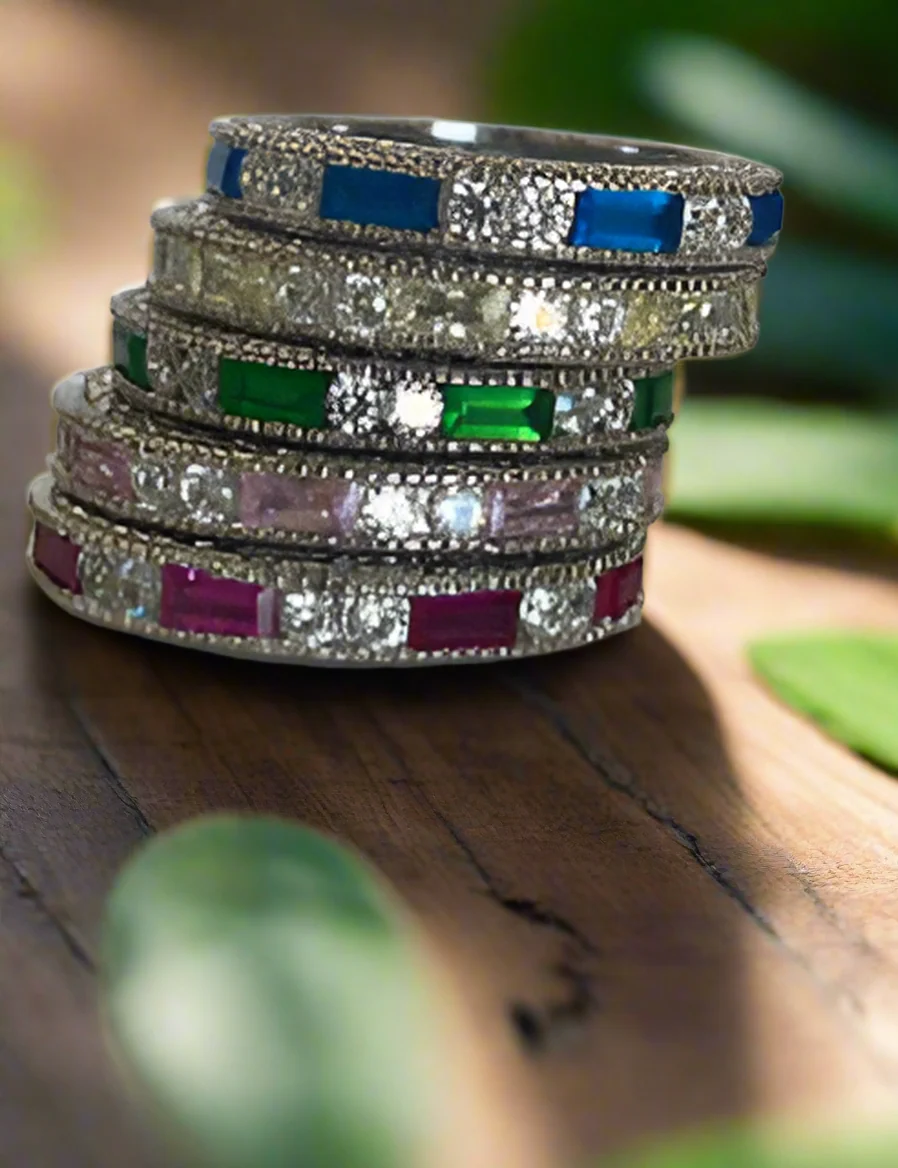 Silver Sapphire Rings on Our Radar
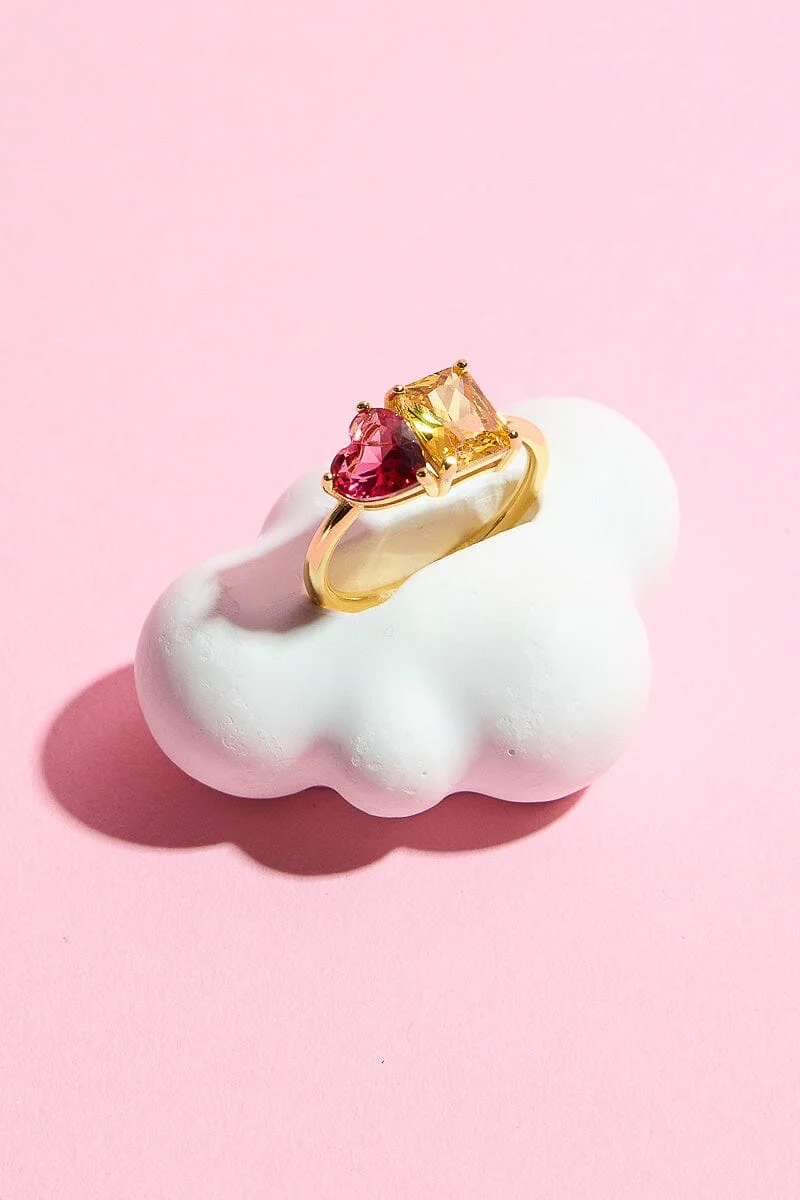
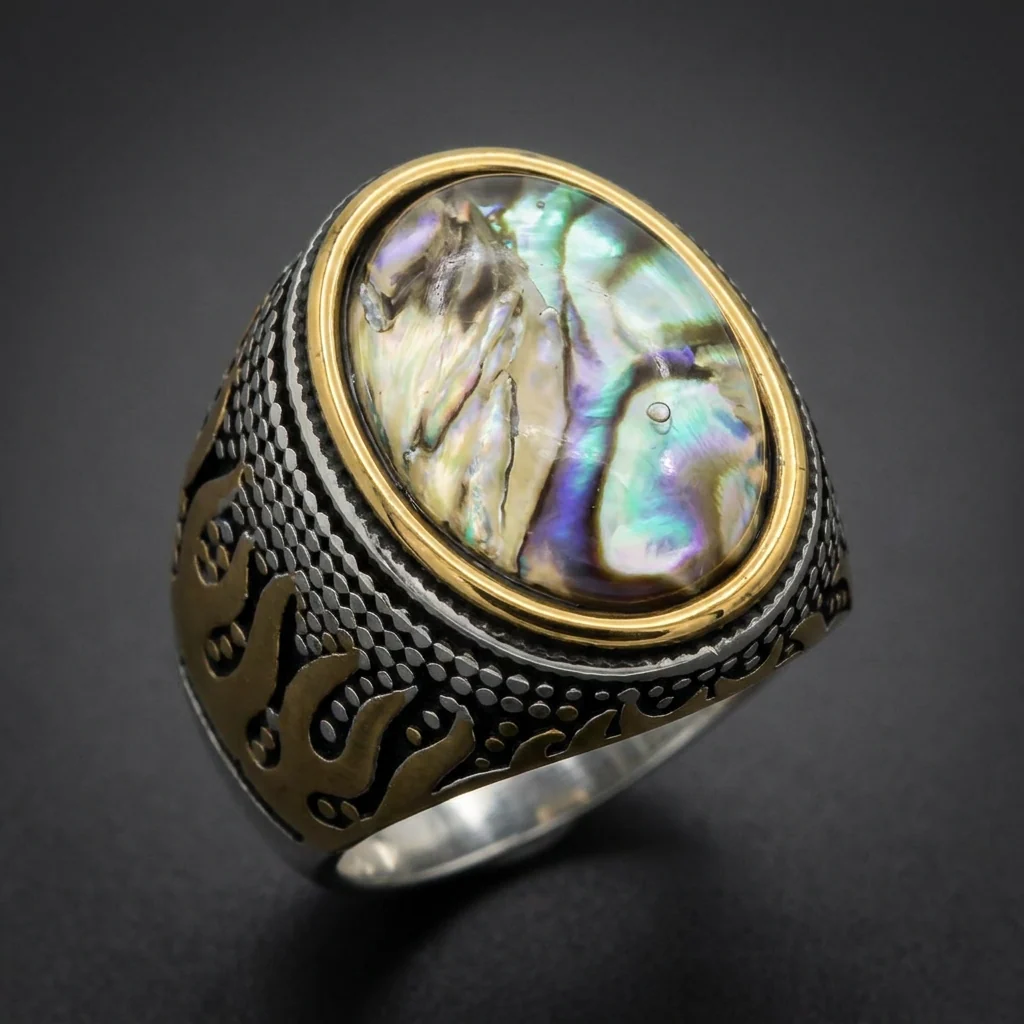 Silver Shell Rings: Picks We Stand By
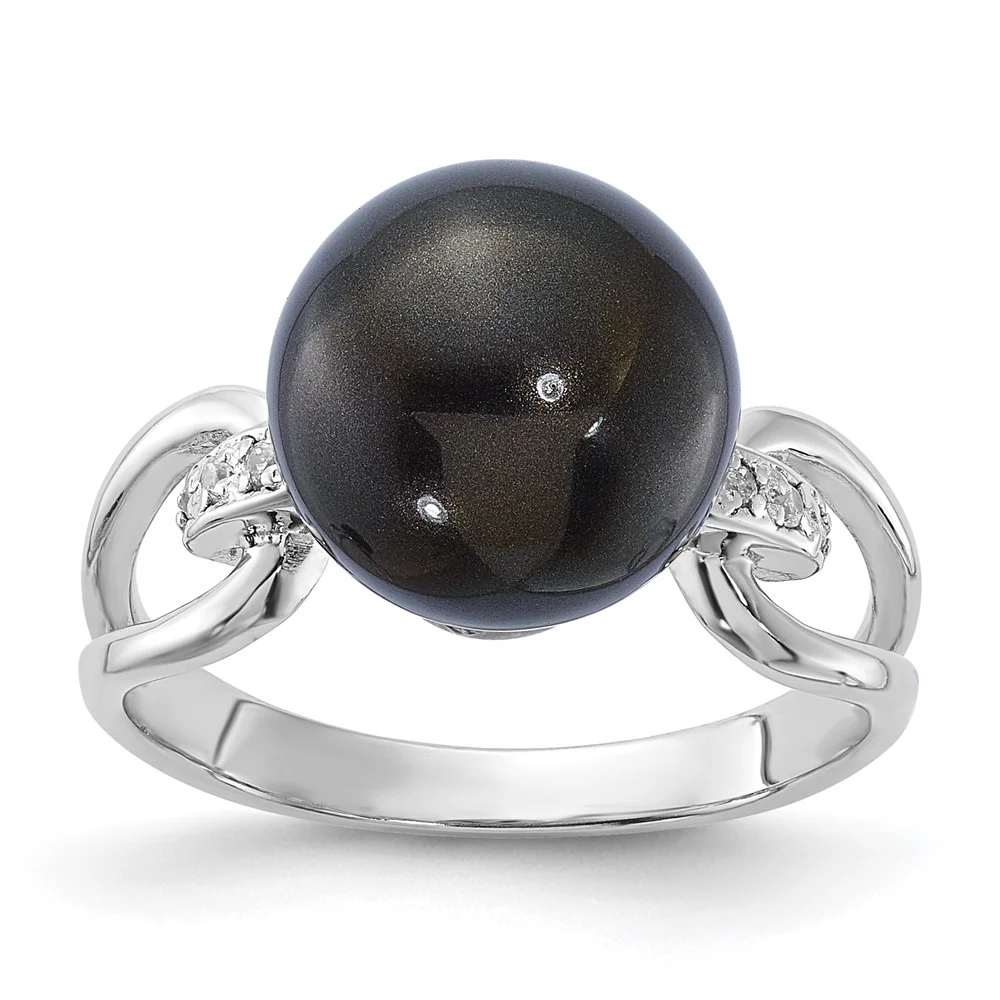
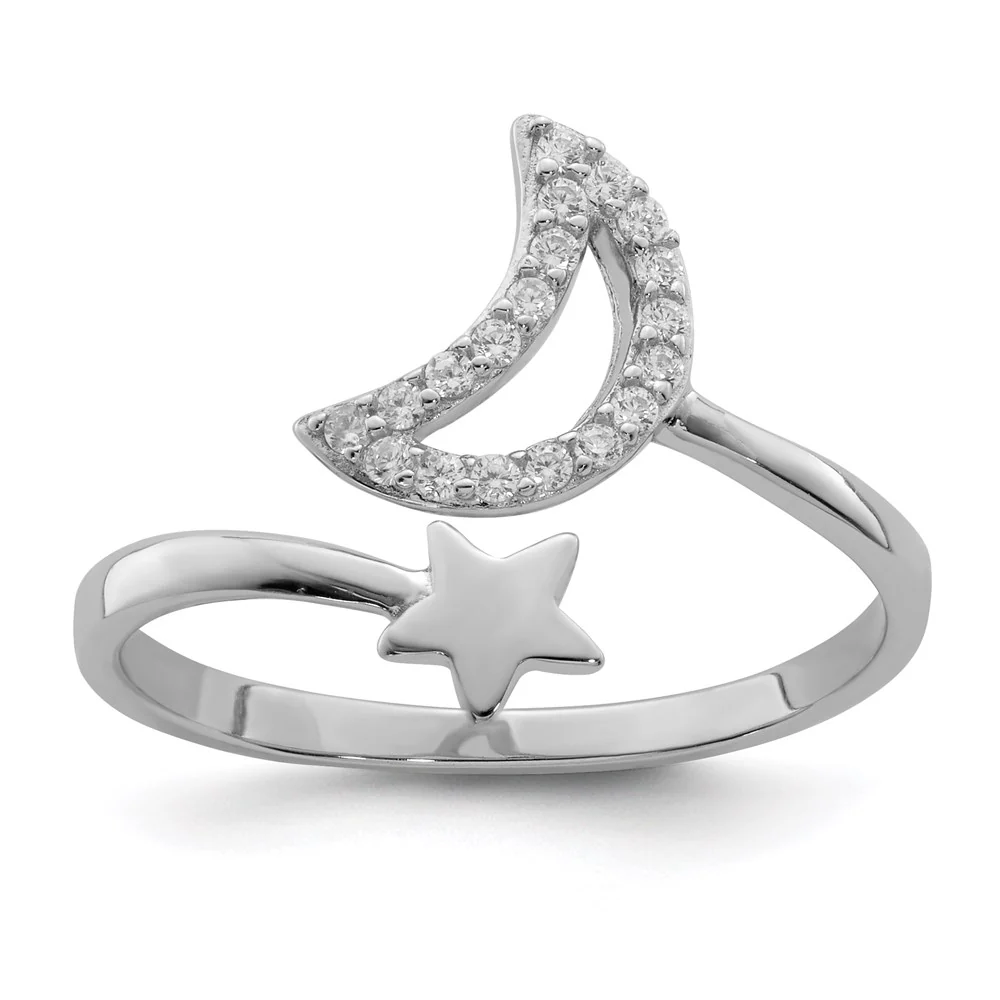 Delicate to Bold: Our Favorite Silver Moon Rings
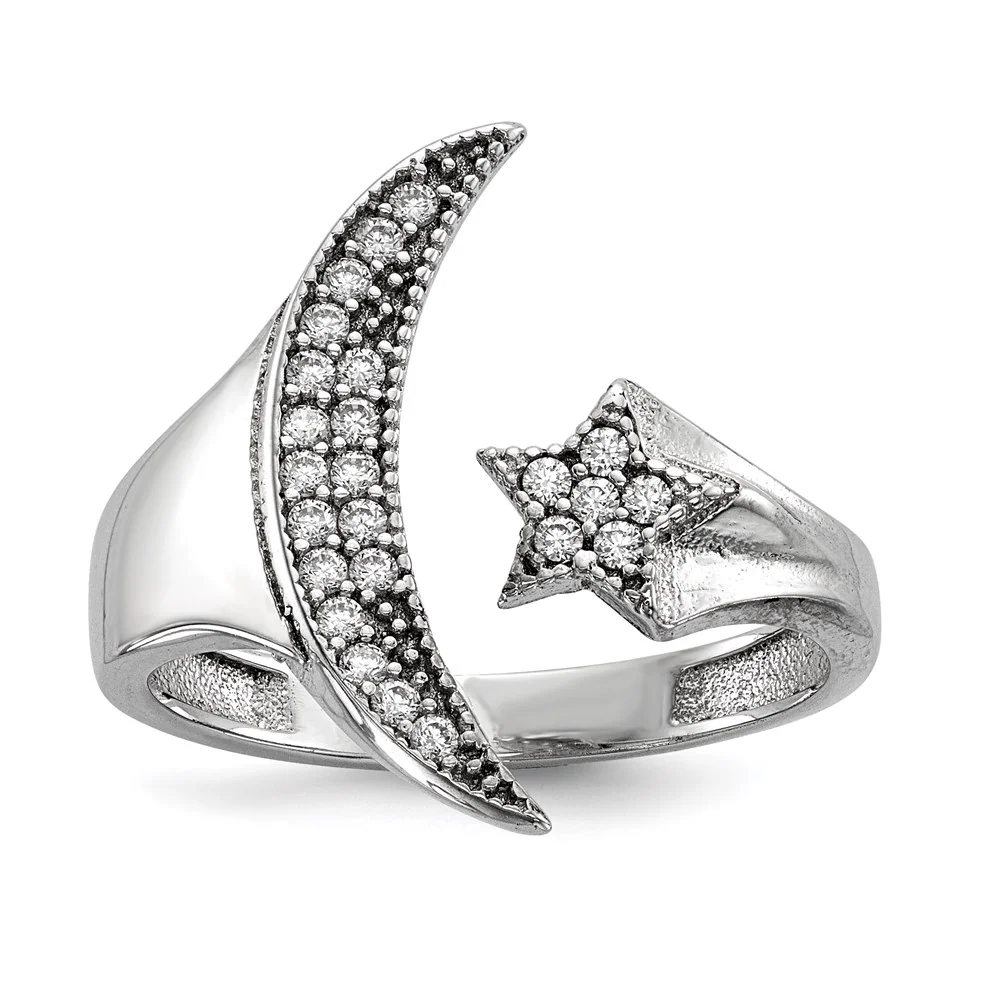
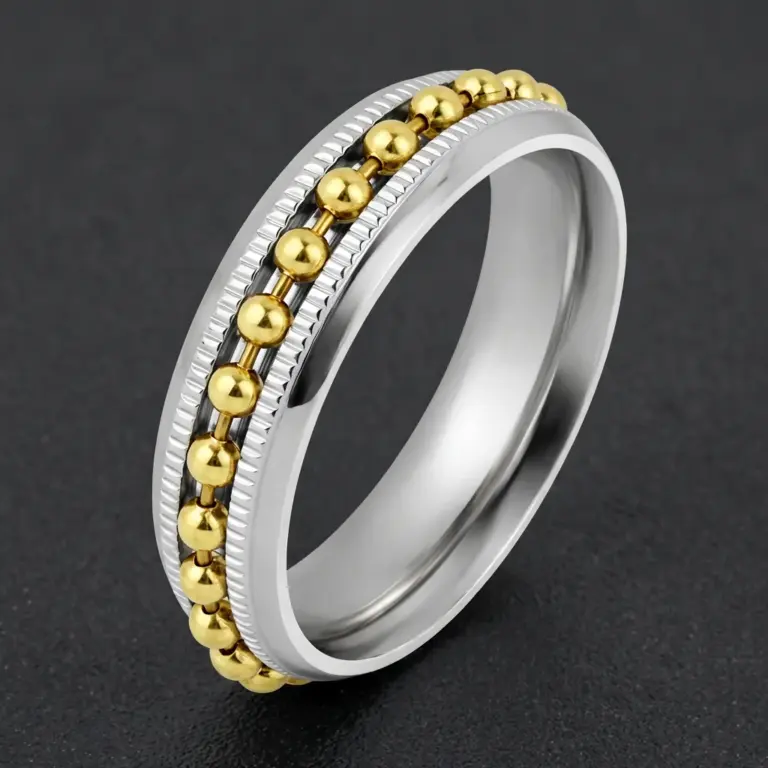 The Prettiest Silver Name Rings Around Right NowAlso worth a lookGold RingsI avoided gold rings for years because every one I tried on looked like it belonged to someone's…See the collections →
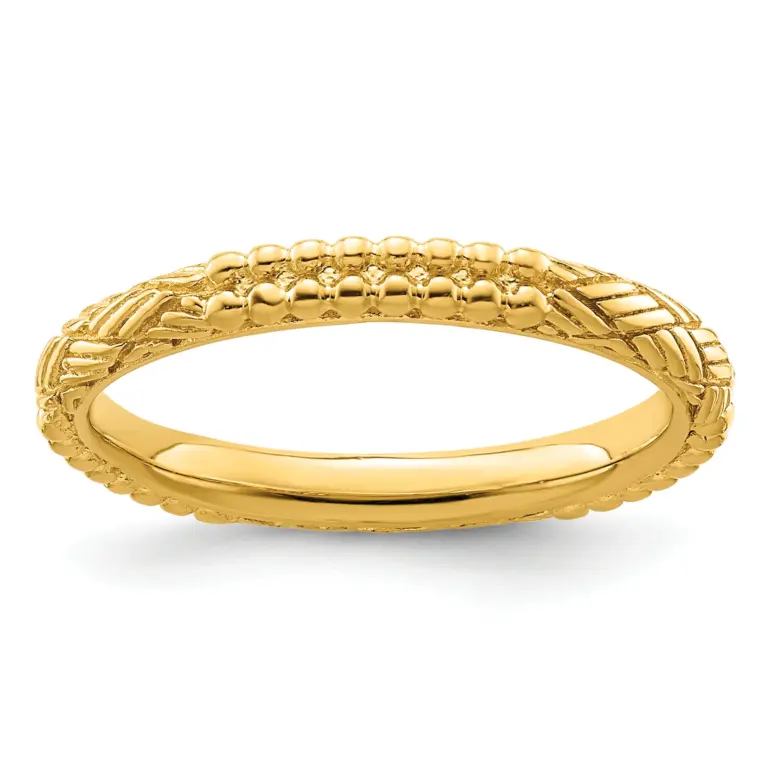
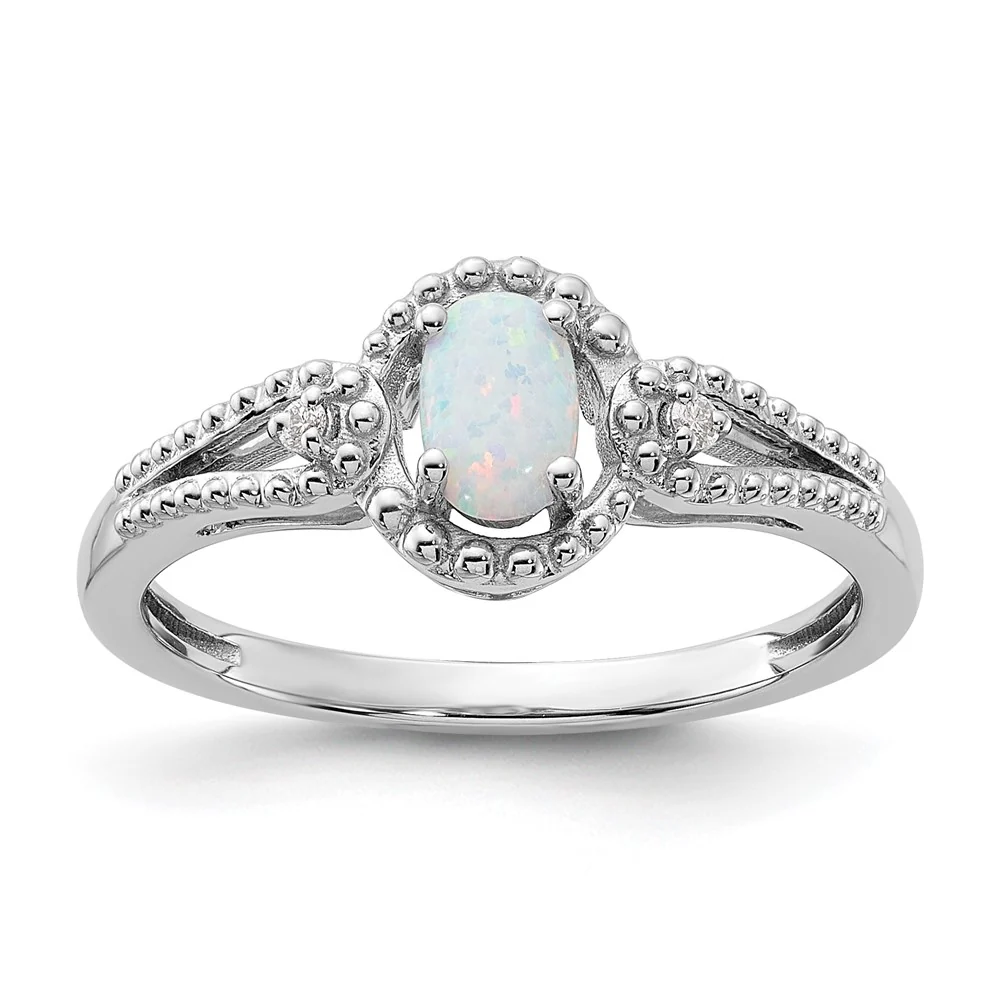
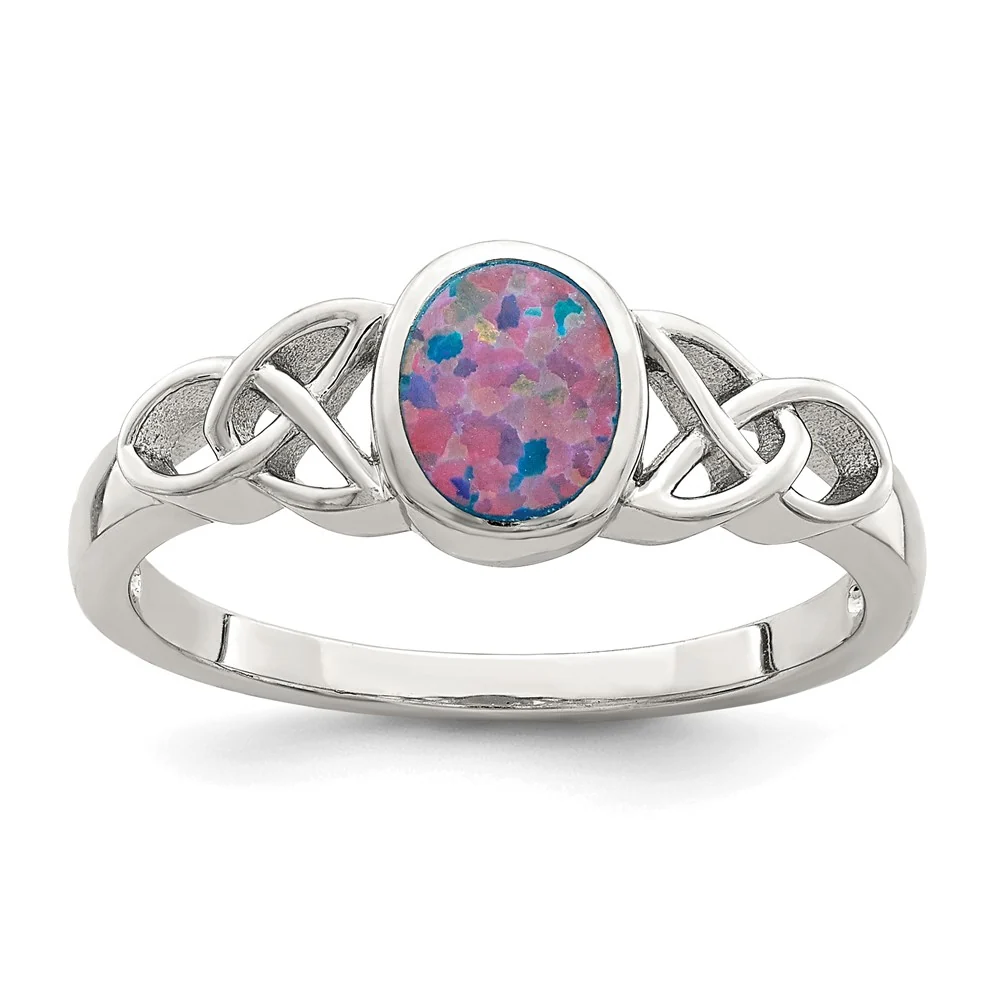 Silver Opal Rings We Can’t Stop Looking At
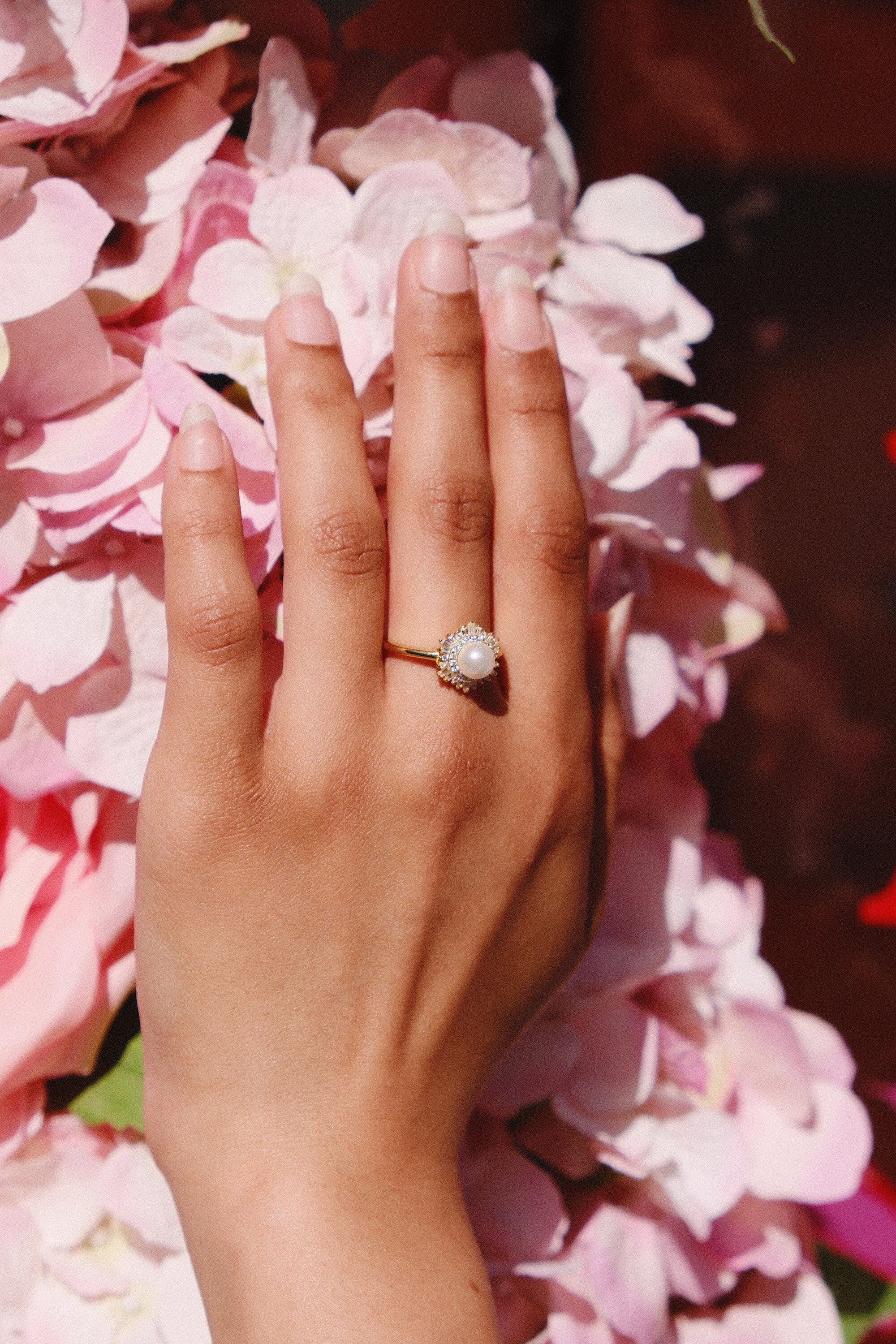
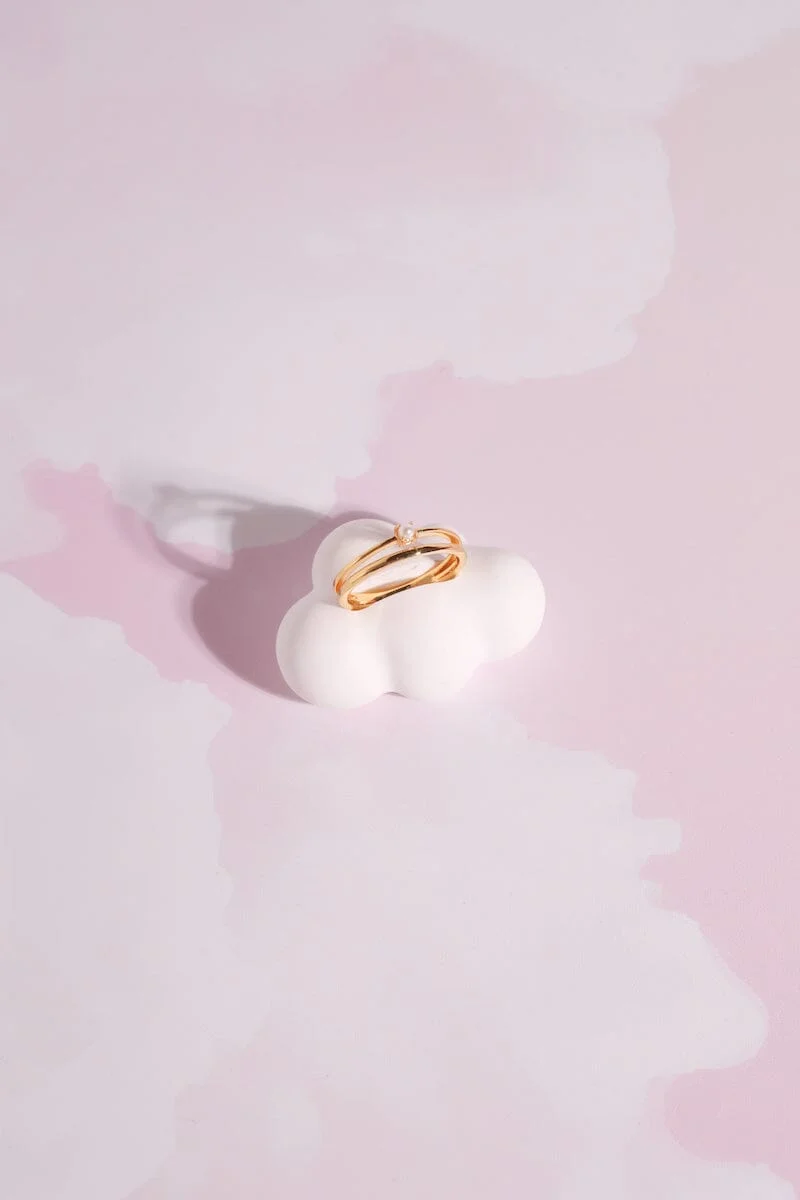 Silver Pearl Rings That Make a Lovely Gift
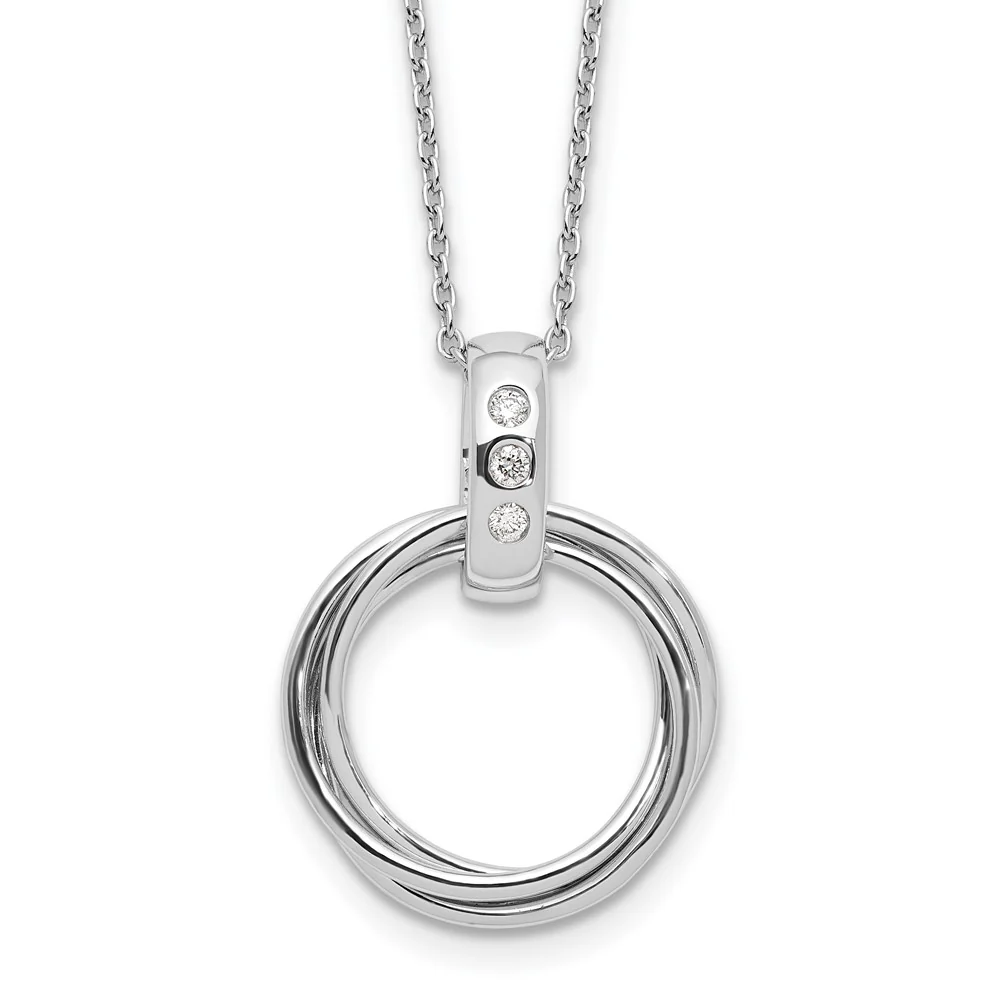
 Silver Pendant Rings We’re Adding to Basket
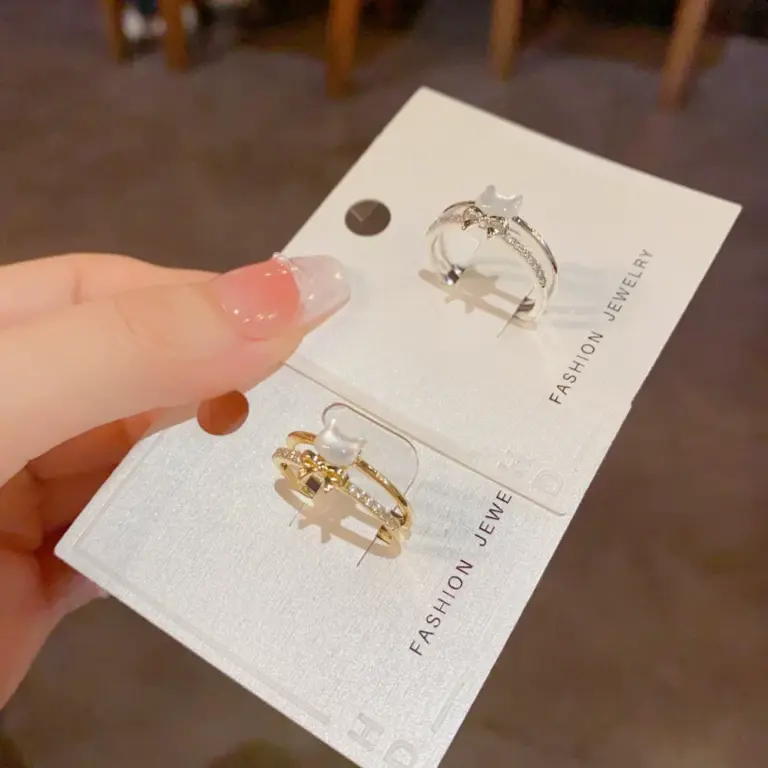 Silver Layered Rings We Love Right Now
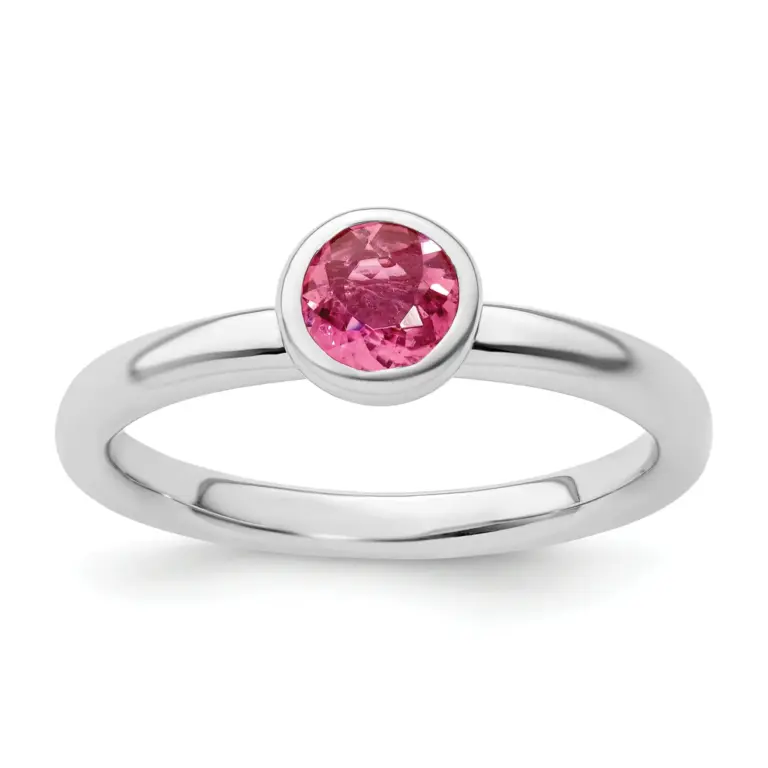
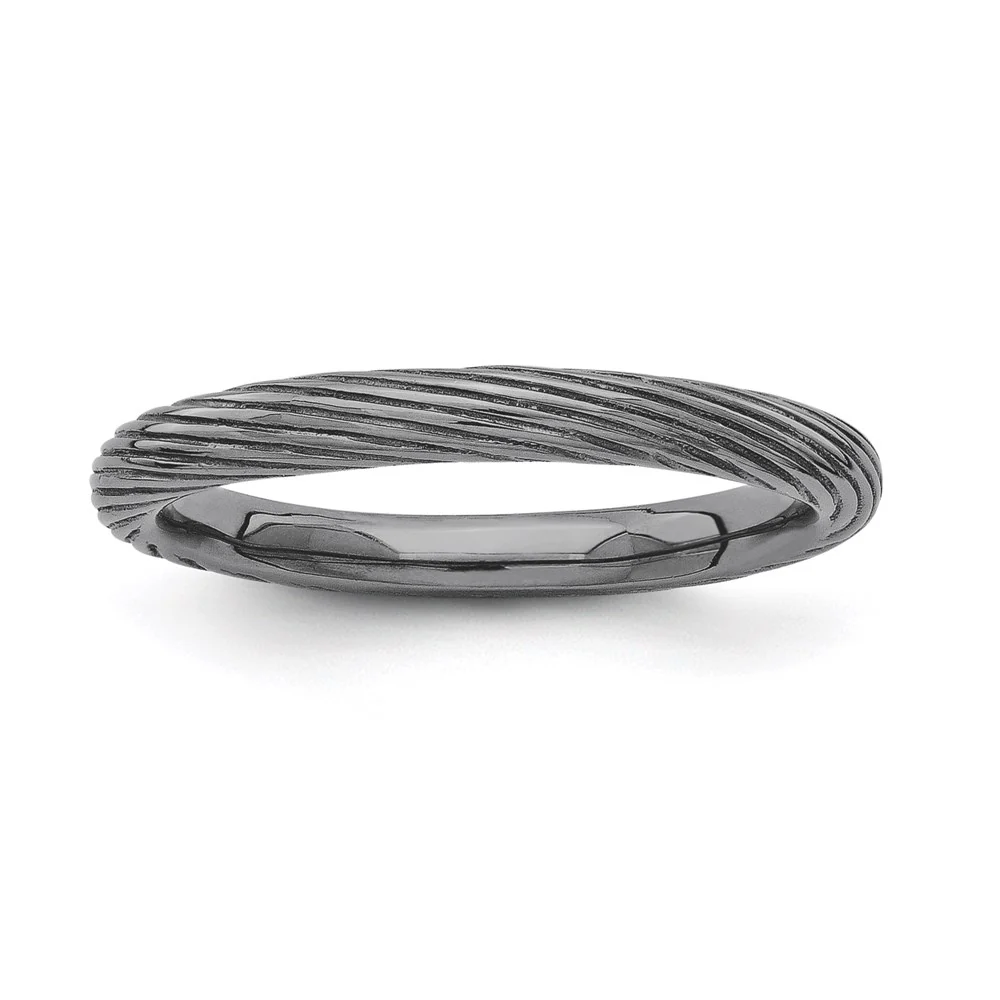 Statement RingsSilver Layered Statement Rings Worth Treating Yourself To
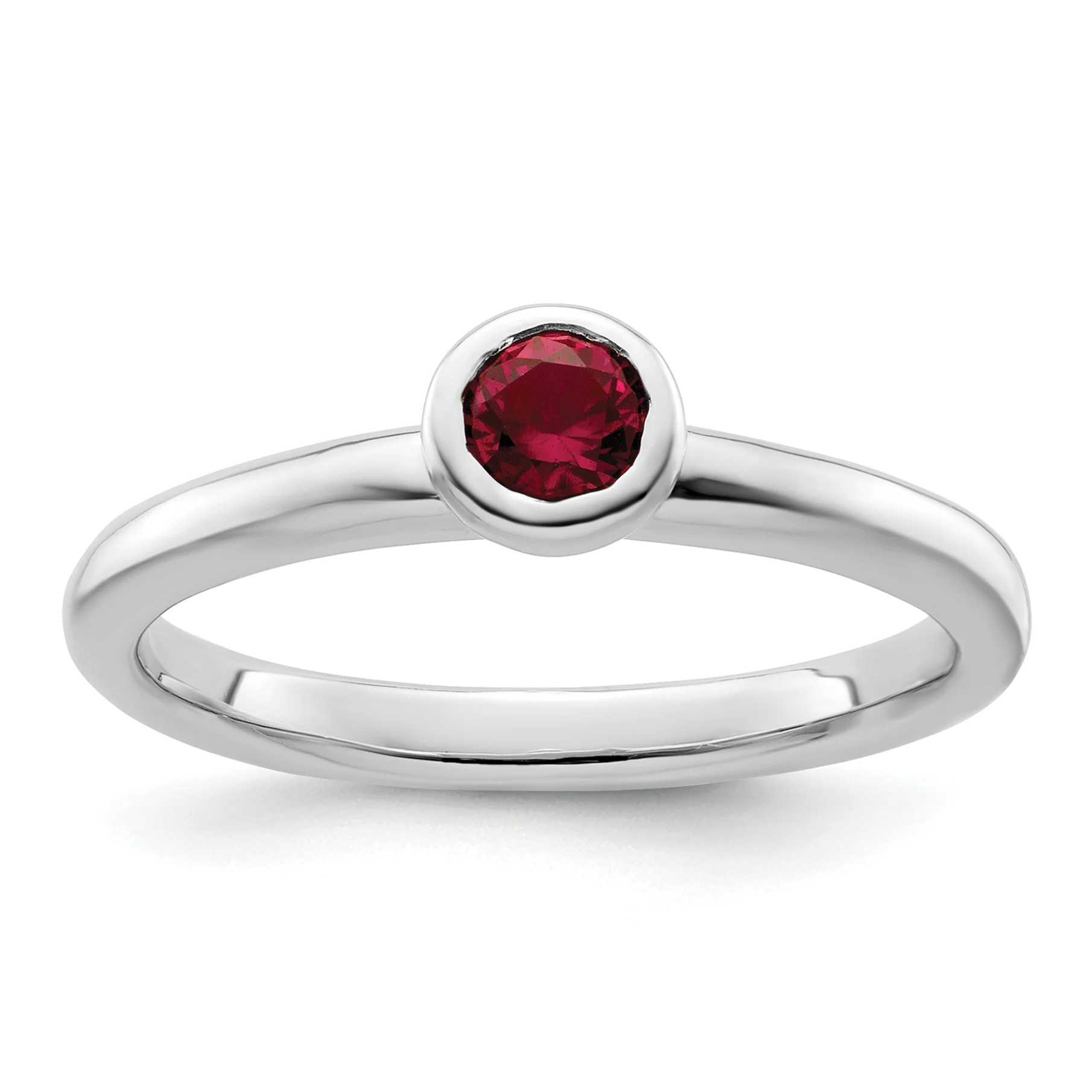
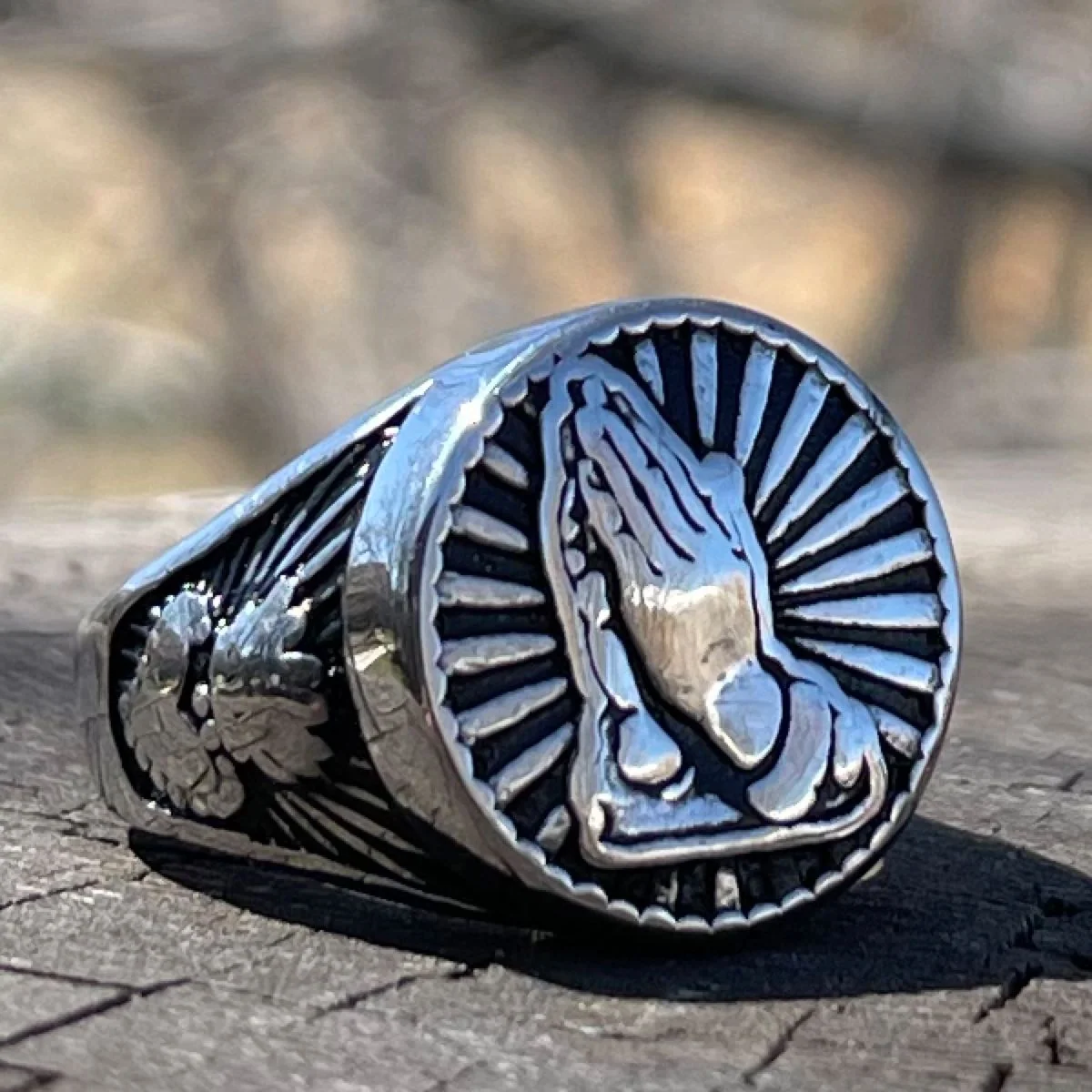 Shop Our Favorite Silver Heart Rings
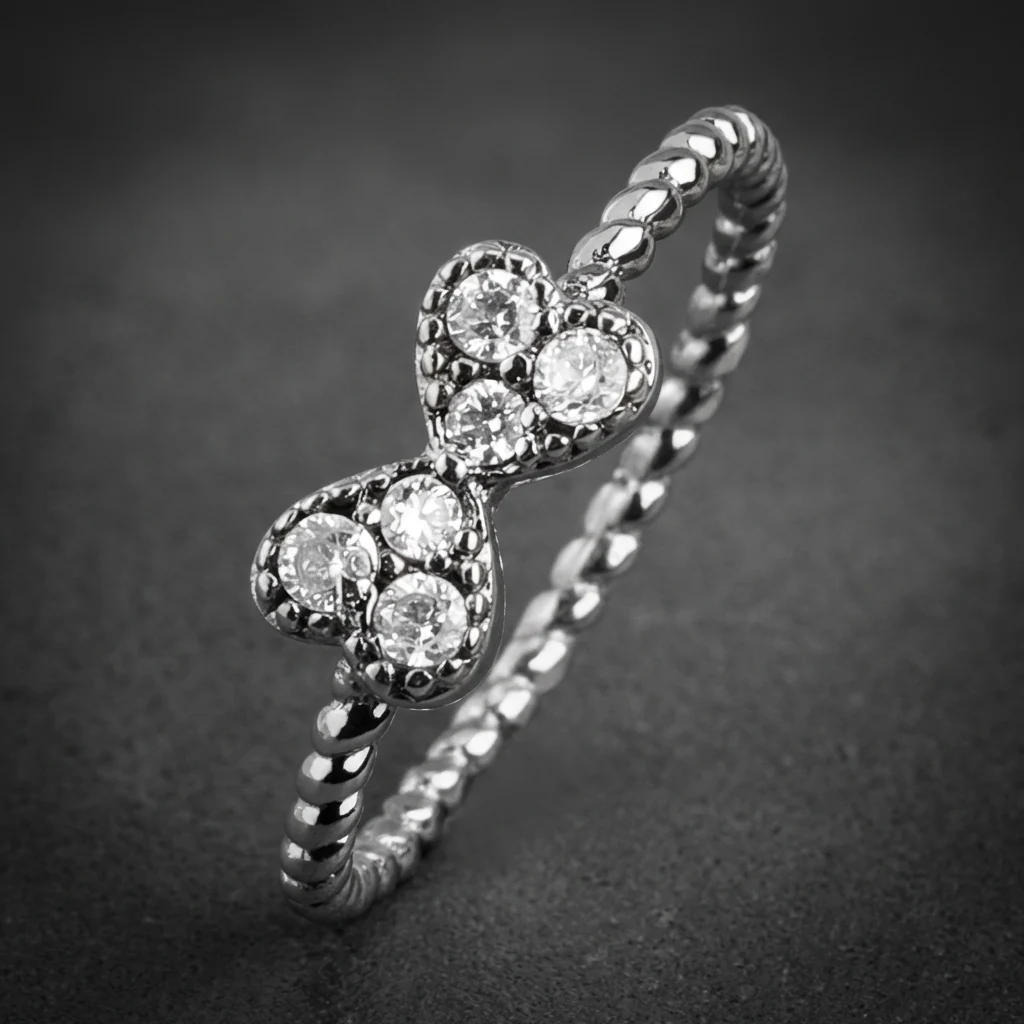
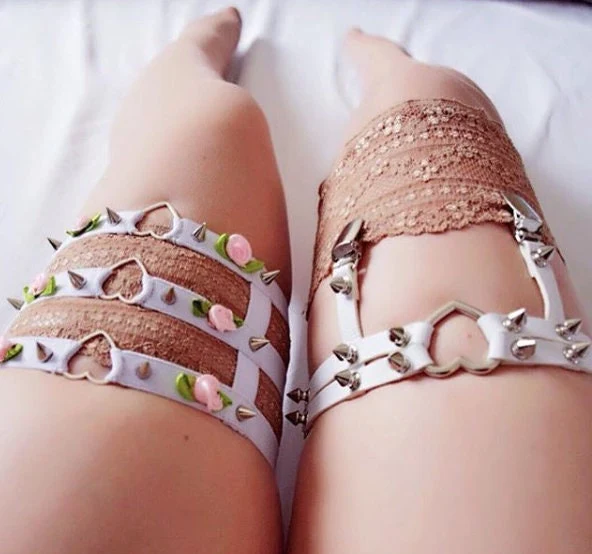 Statement RingsSilver Heart Statement Rings That Finish Any Look

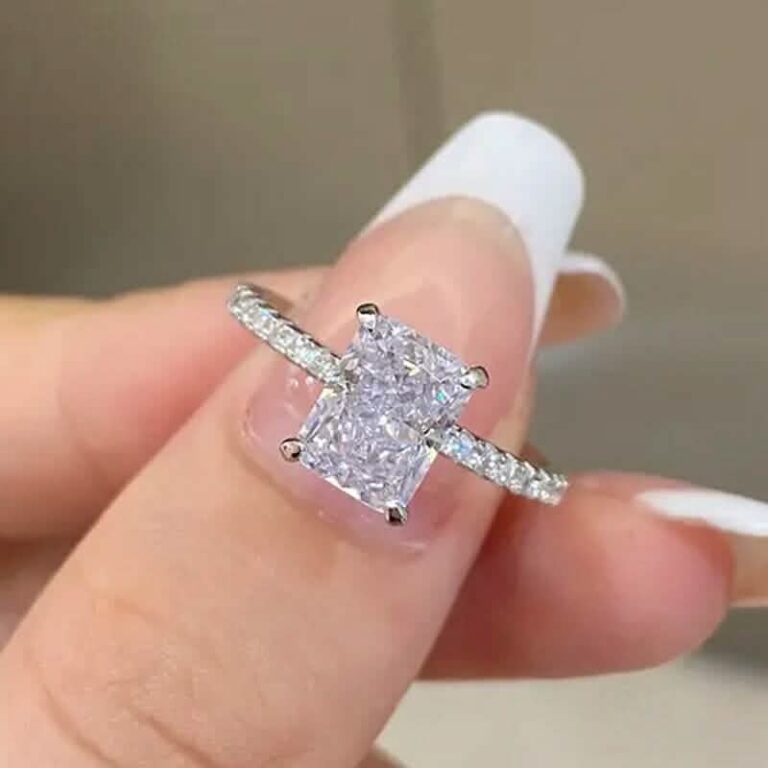 The Silver Gemstone Rings Worth Your Wardrobe Space
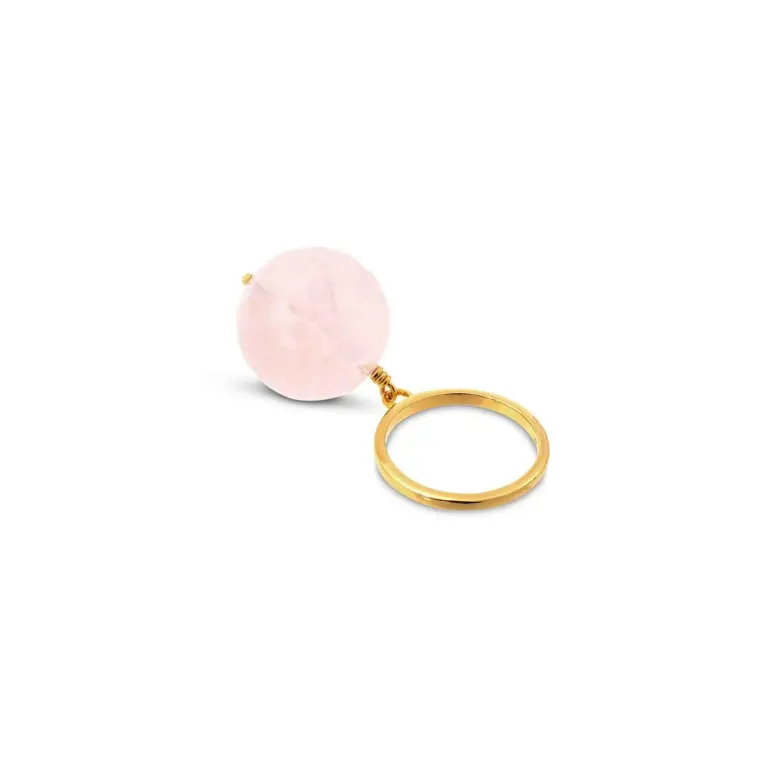
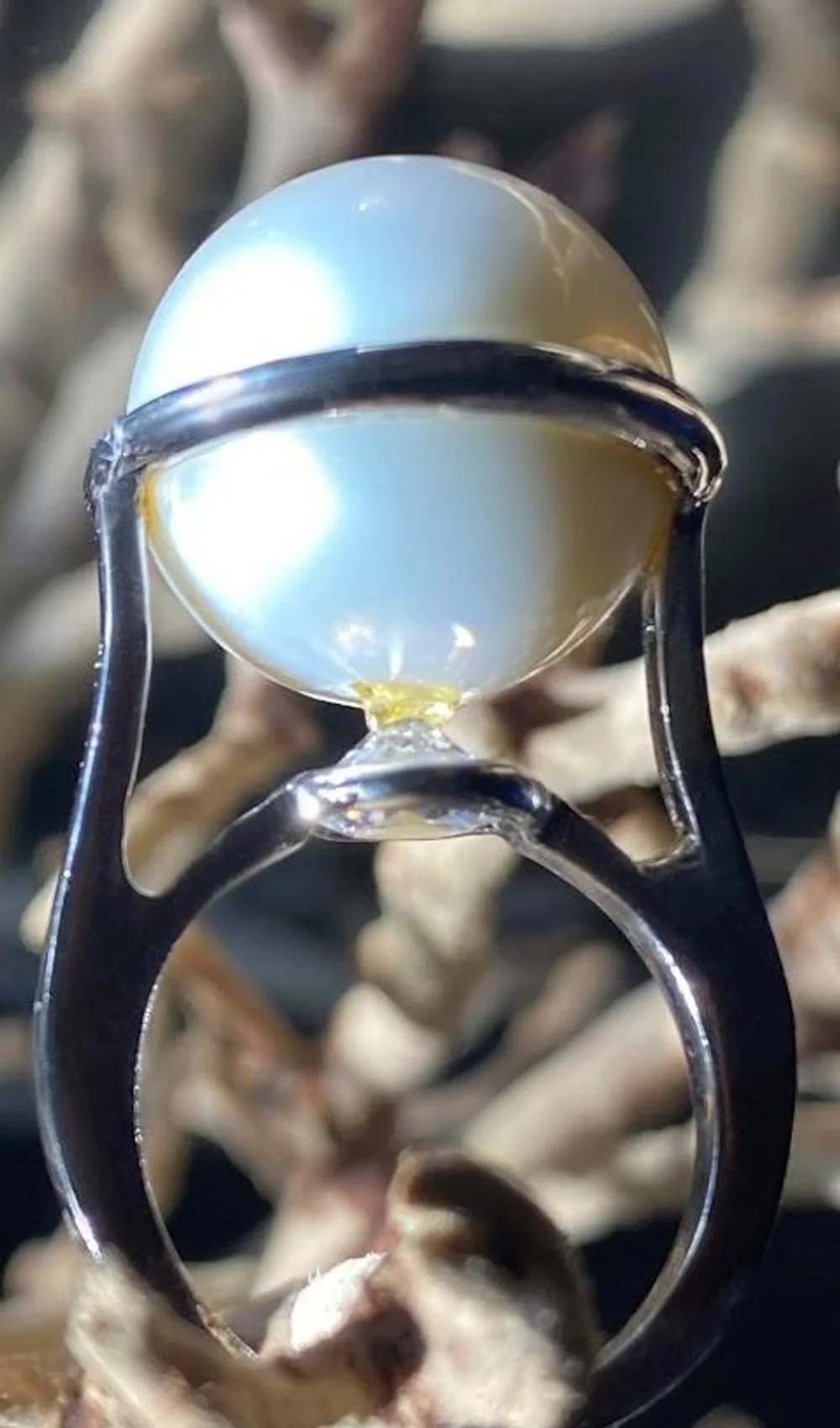 Statement RingsSilver Gemstone Statement Rings That Add a Little SparkleAlso worth a lookStacking RingsA good stacking ring has a bit of weight to it before it even touches your finger, a…See the collections →
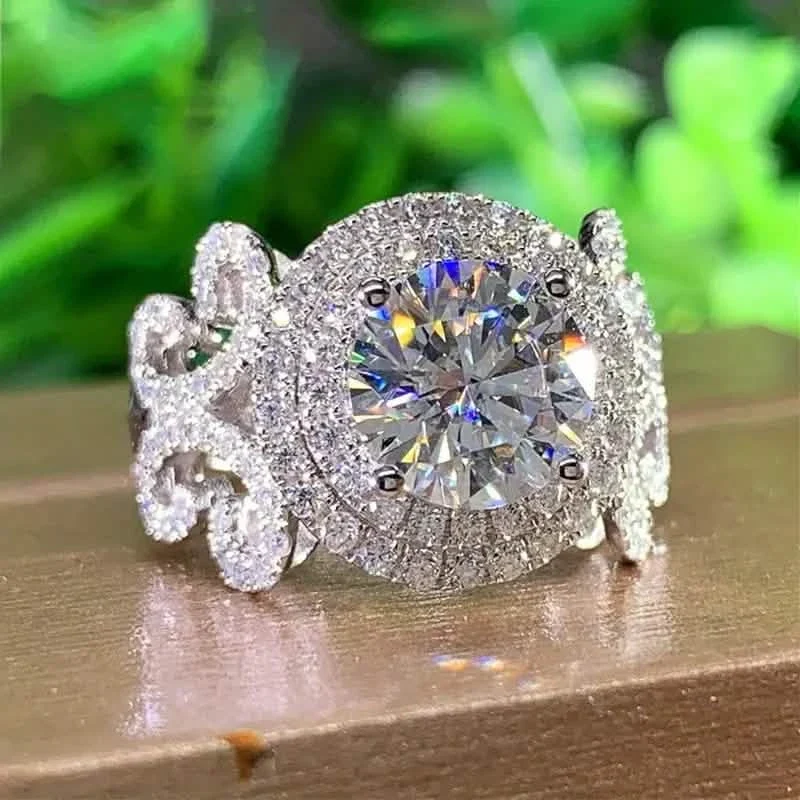
 Silver Glass Rings on Our Radar
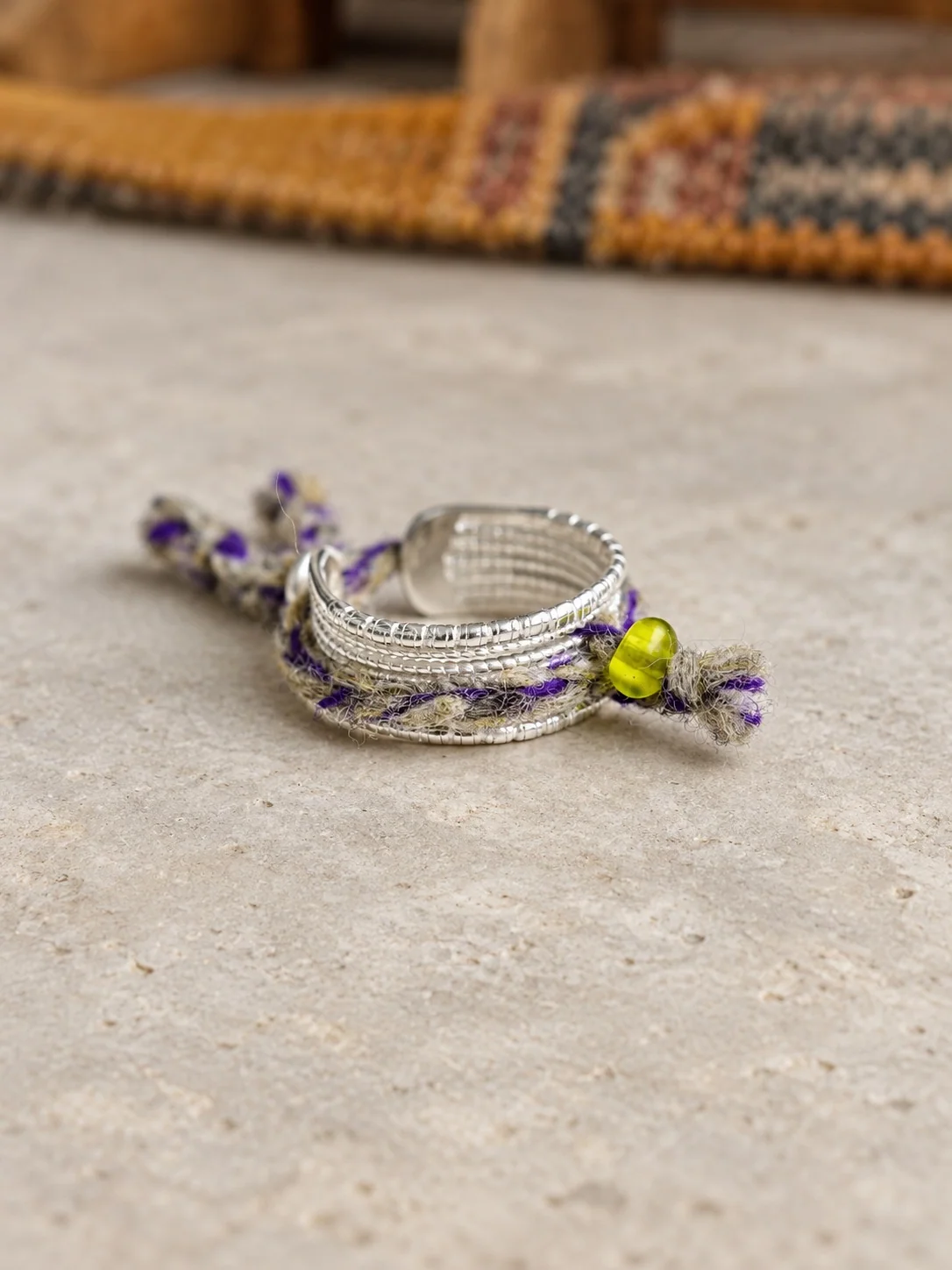
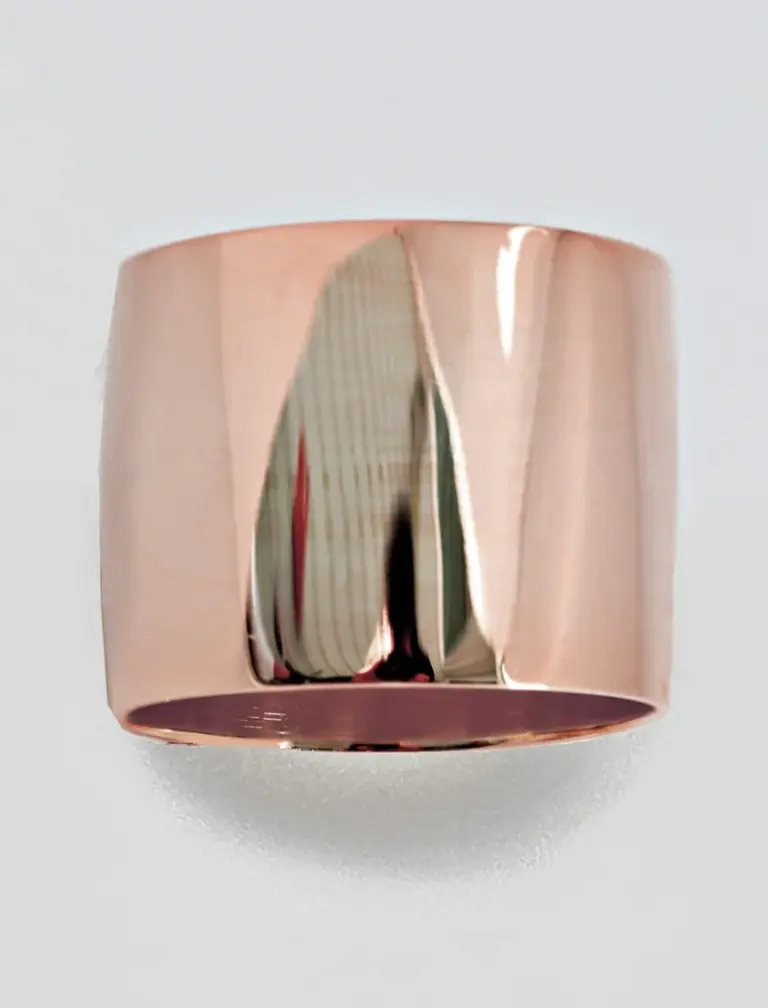 Silver Gold Plated Rings Worth Adding to Your Wardrobe
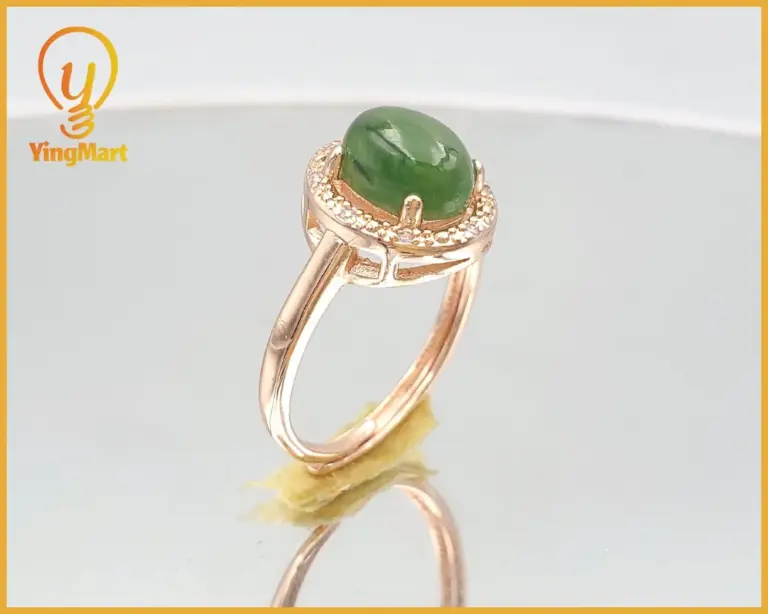
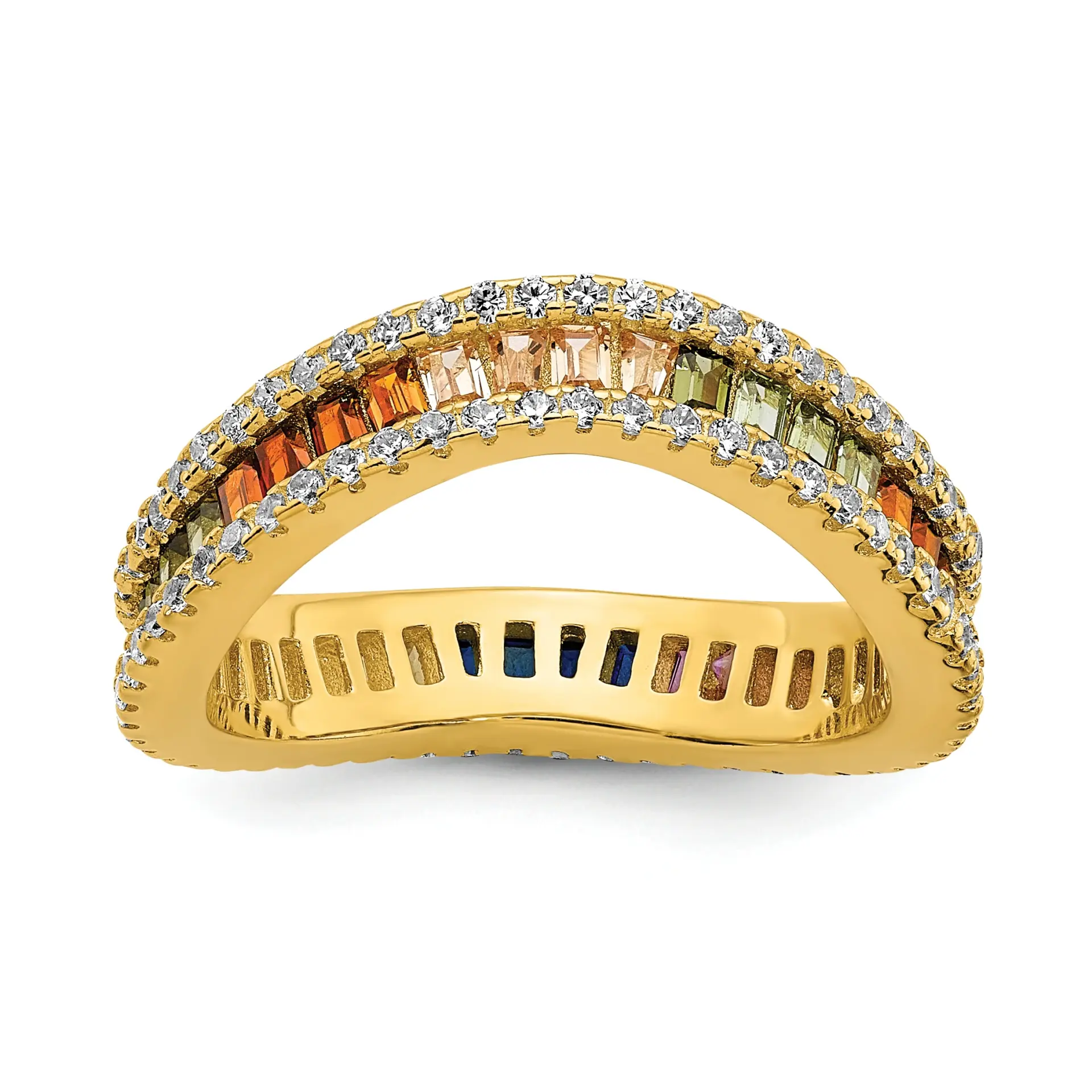 Statement RingsSilver Gold Plated Statement Rings on Our Radar
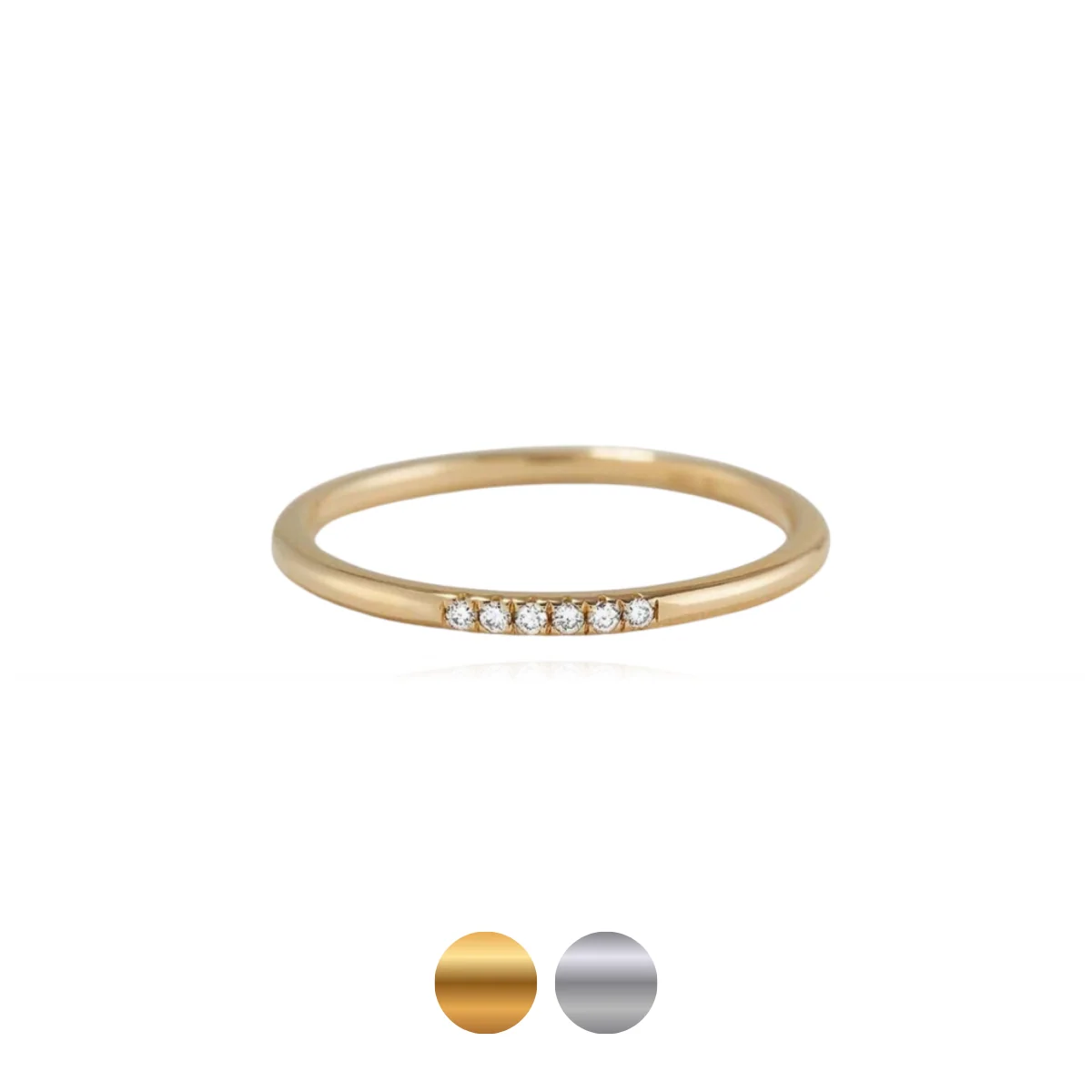
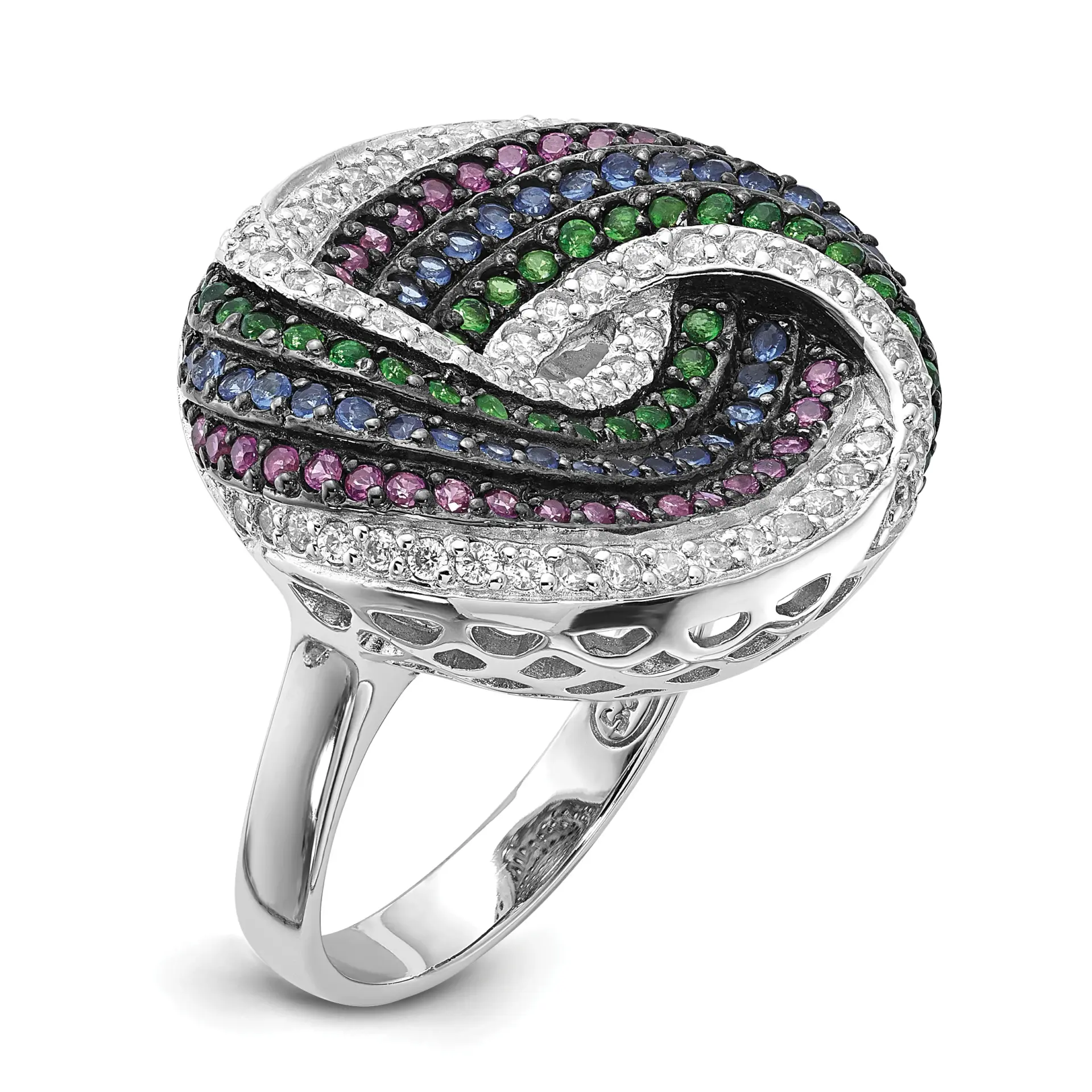 Statement RingsSilver Cubic Zirconia Statement Rings That Elevate Everything
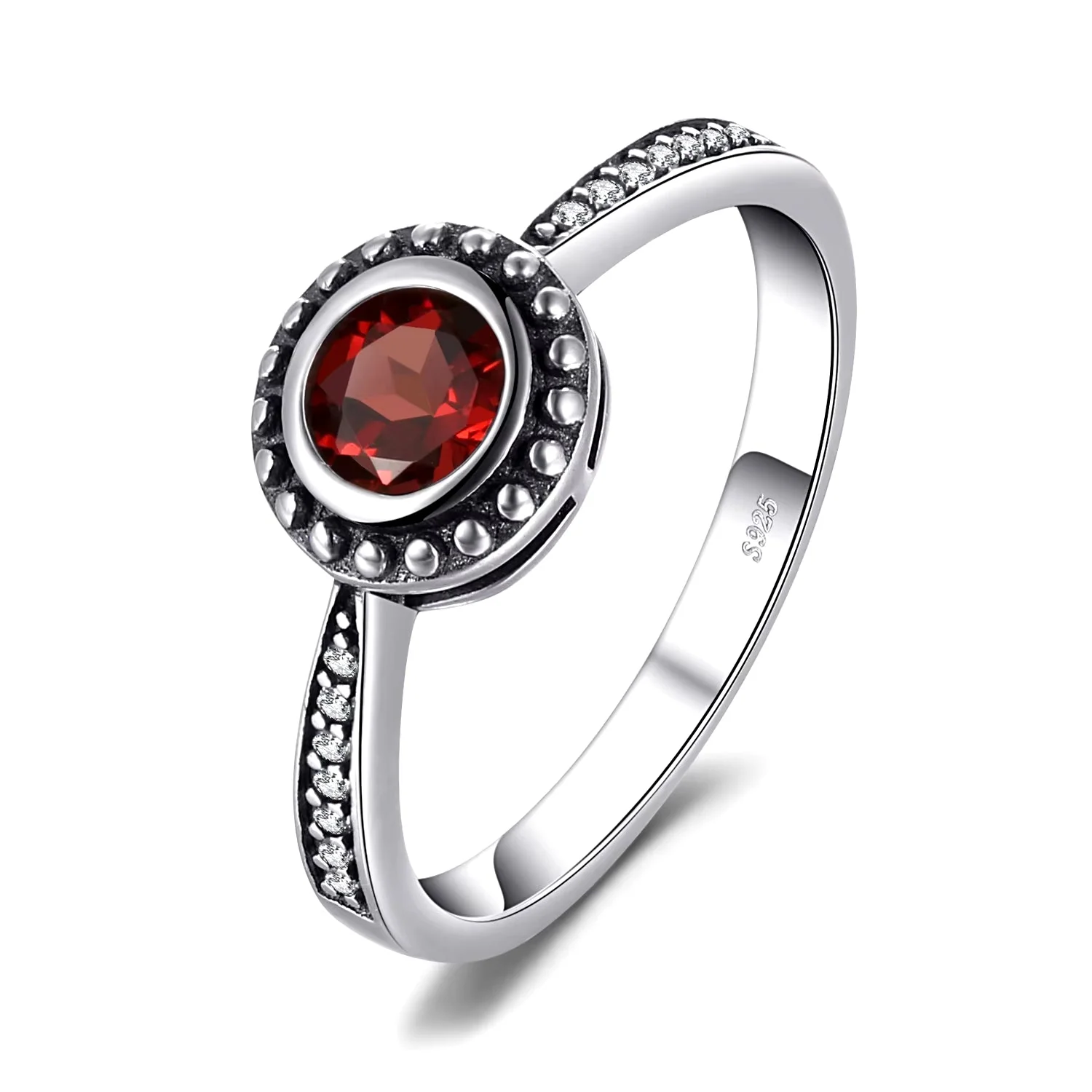
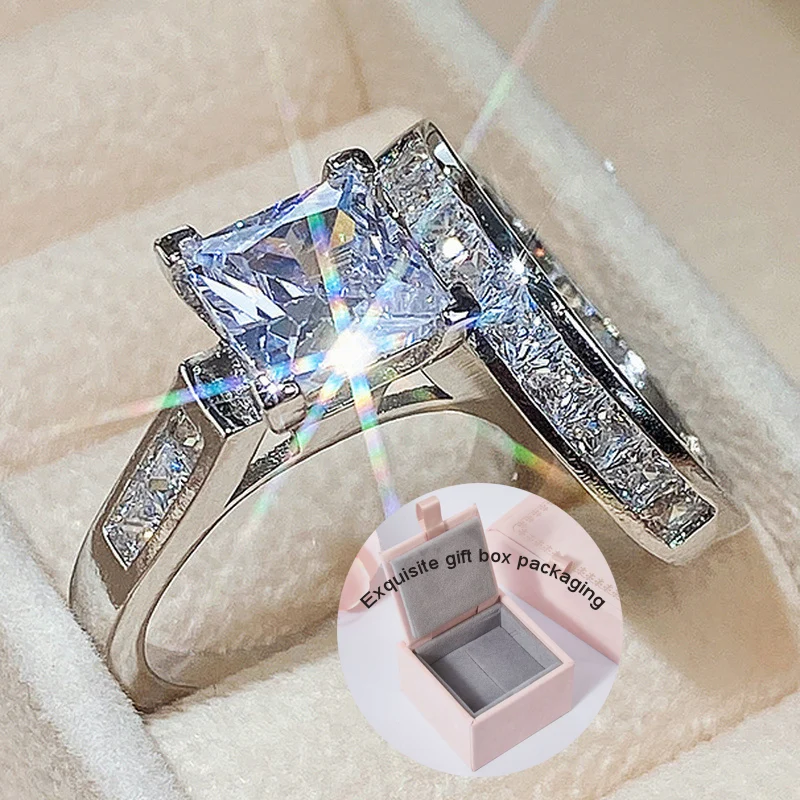 The Silver Dainty Rings We’d Wear Daily
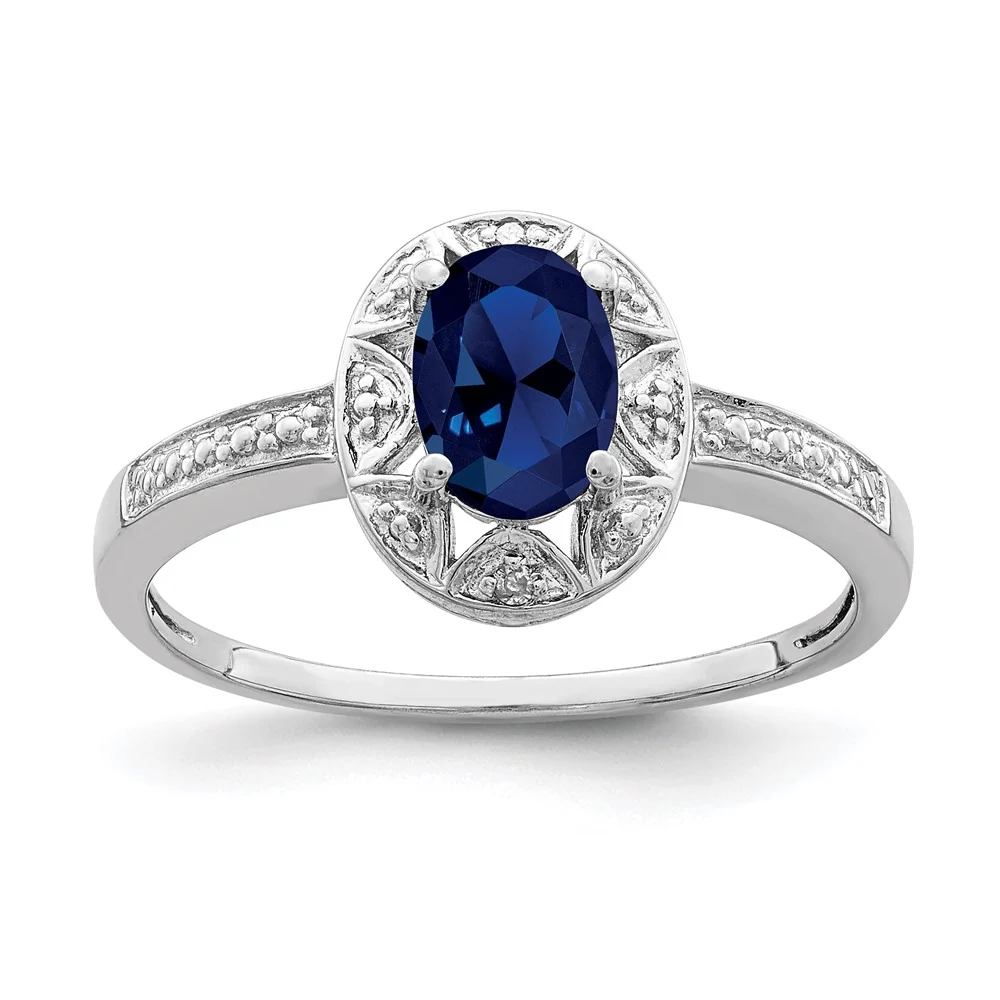
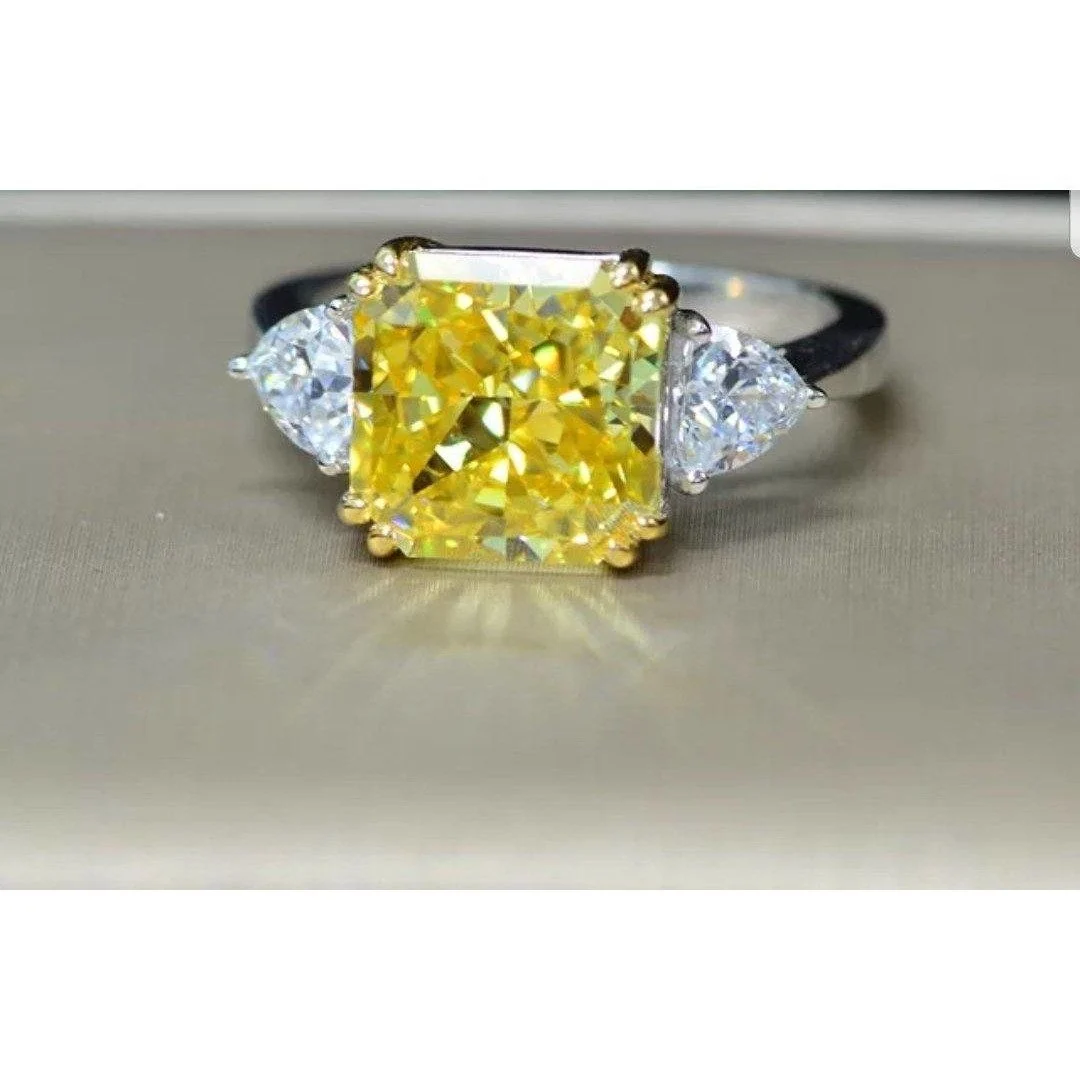 The Edit: Silver Diamond Engagement Rings
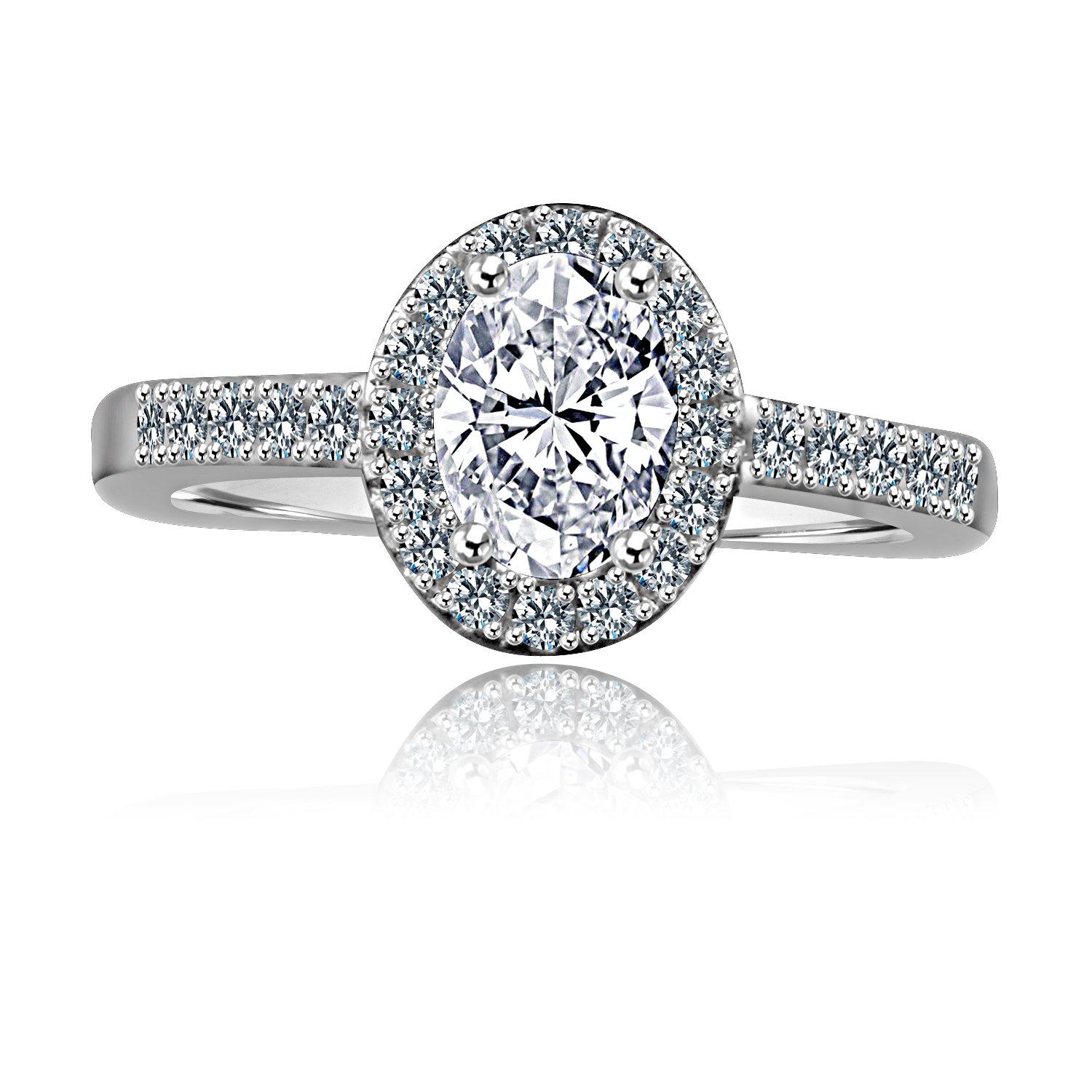
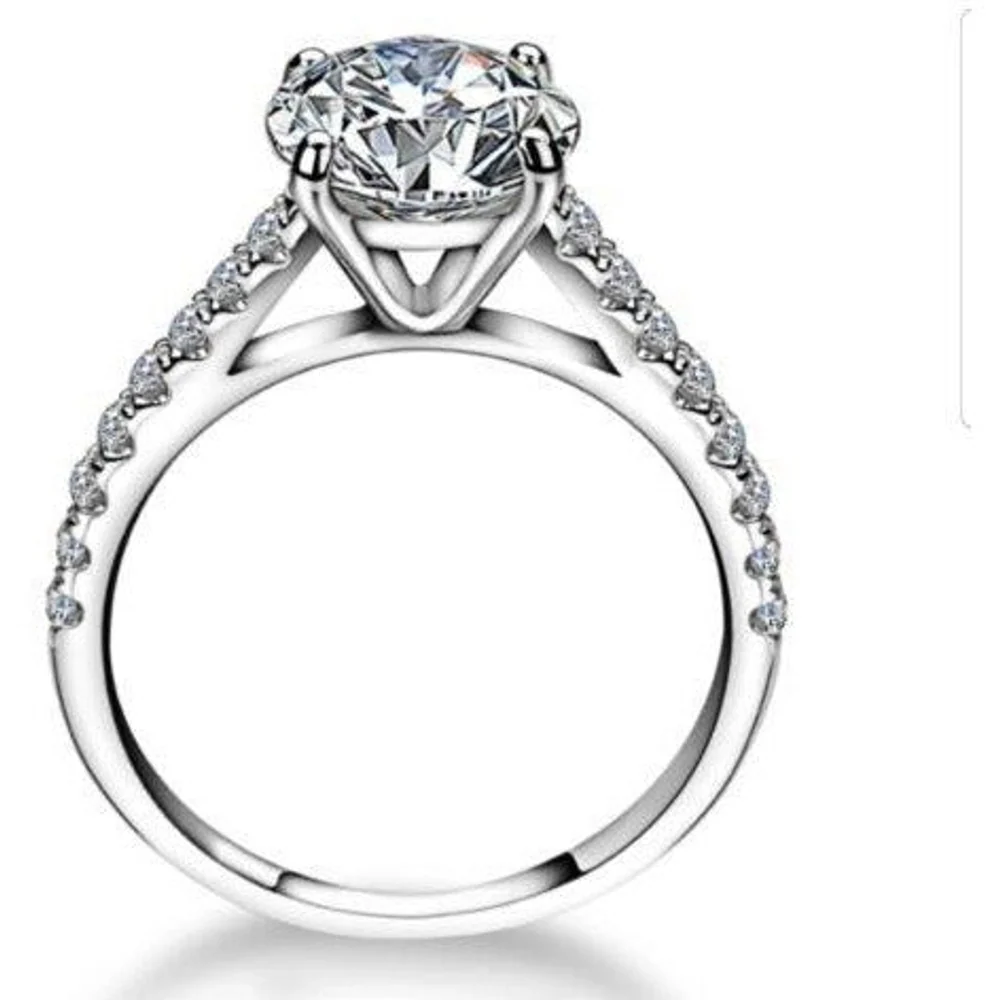 Silver Diamond Eternity Rings We’d Happily Wear on Repeat
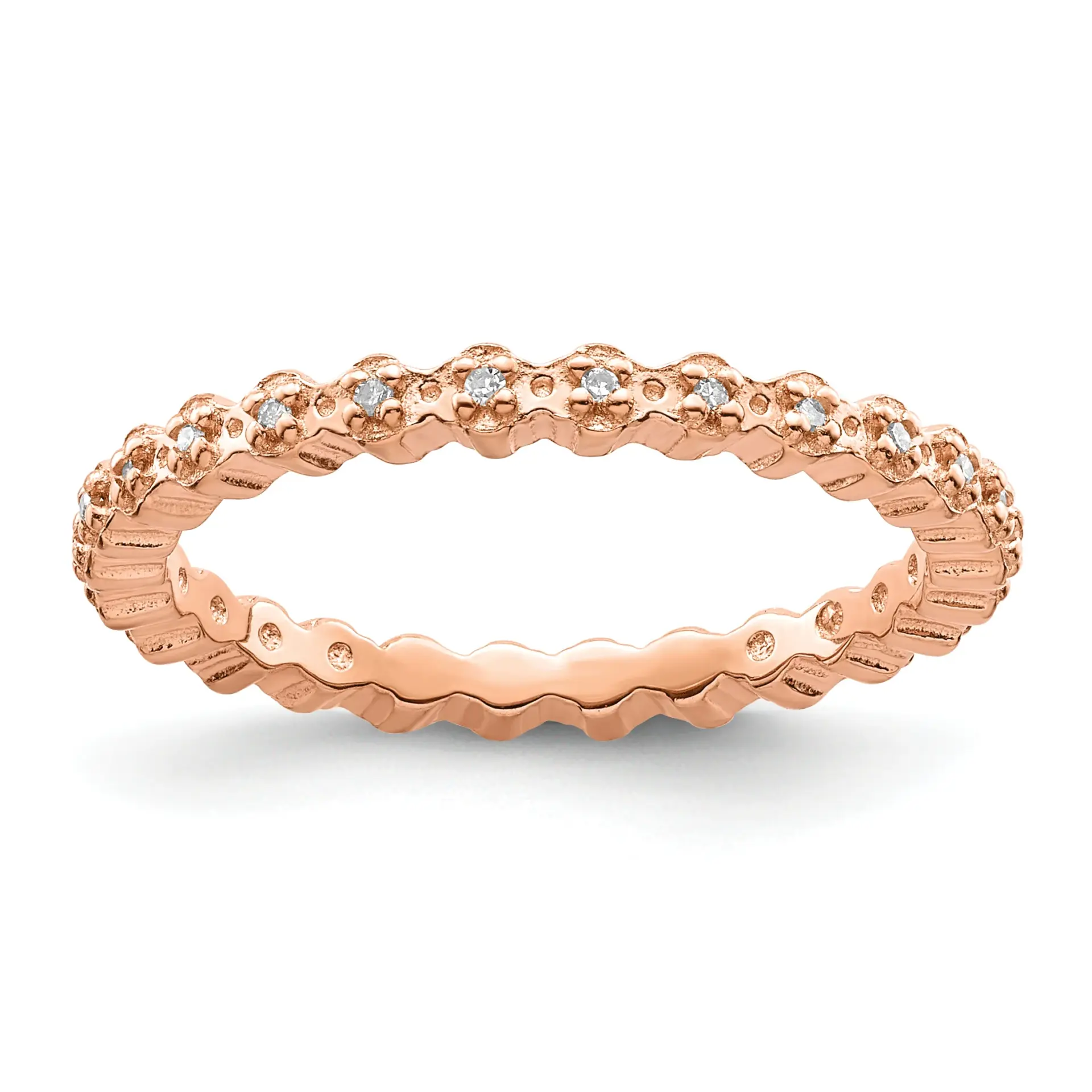
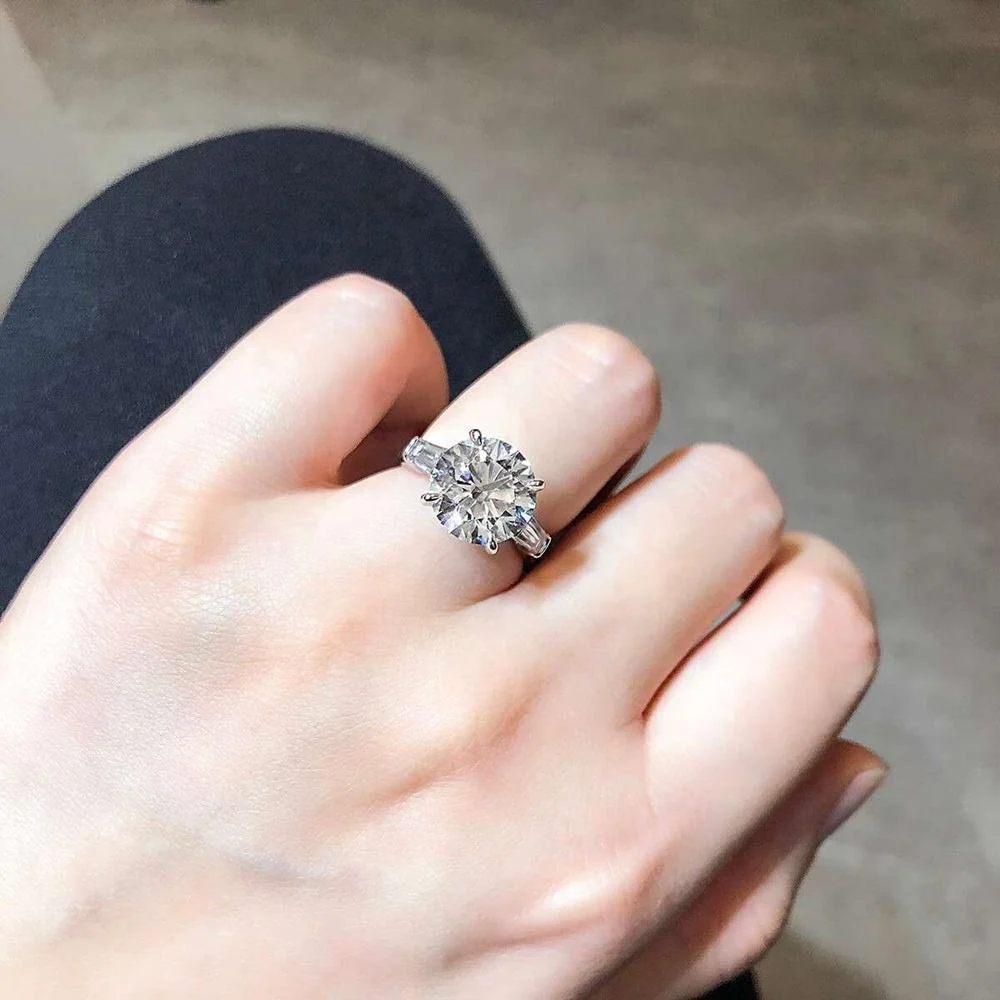 Silver Diamond Rings That Finish Any Look