You can spot a cheap white ring from across a room, oddly enough. The good ones sit flat and bright against the skin, almost like enamel, while the poor ones go a dull yellowish grey within weeks, as if someone's breathed on them and it never cleared. It's the first thing I check now before I even look at the shape.
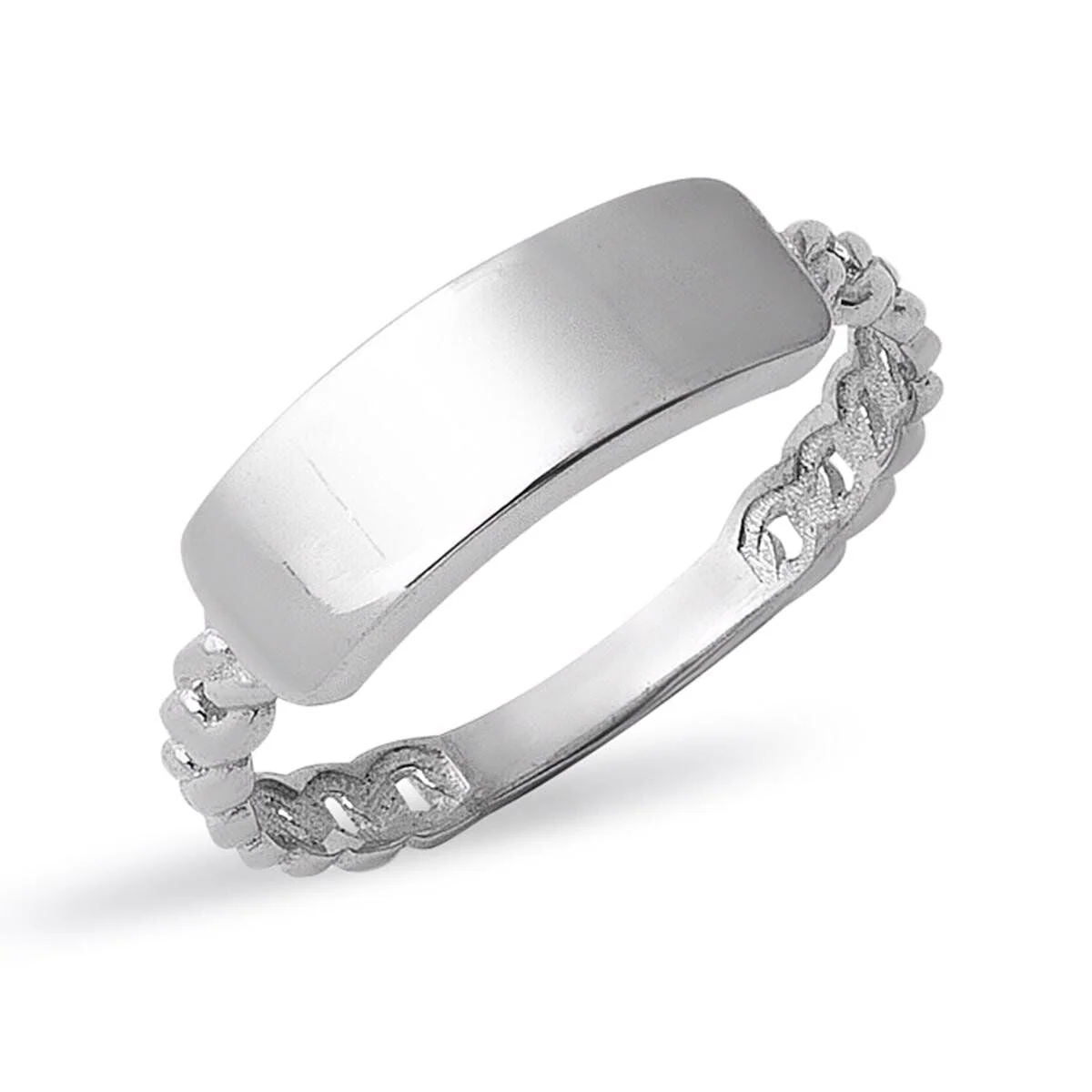
If you're starting with none, go for a plain band first, something narrow and unfussy, rather than a statement piece with stones set into the white. A simple band works on its own or stacked, and it's the easiest to wear every day without thinking about it, which is really the point of a ring you're not precious about. Once you've got that, a slightly wider band or a signet style with a flat white face gives you something to alternate with, but the plain one earns its place first. What separates a good one from a disappointing one comes down to what's underneath the colour. Proper plating or a solid resin or acrylic holds its finish through washing up, hand sanitiser, the lot, while a thin spray coat on base metal starts flaking at the edges after a few weeks, usually right where it meets your skin, and that's when fingers turn faintly green underneath. Check the inside of the band in the shop, not just the top, because that's where the cheap coating gives itself away first, often with a slightly different shade or a rough seam where it's been joined. Weight matters too. A ring with some heft to it tends to have more plating to wear through before it shows metal, whereas the featherlight ones are often just thin shells.
In the shop, run a nail gently along the surface and look for any lift at the edges straight away, because that's a sign it'll chip rather than wear slowly. Try it on and bend your finger properly, not just hold it still under the light, since a band can look perfect static and still pinch or spin oddly once your knuckle moves. If there's a stone or detail, check it's actually set rather than glued, because glued details come loose in a coat pocket within a month and you'll never find them again.
For everyday wear, a white ring sits well against gold rather than fighting it, and it looks sharper against black or navy than against anything else pale, where it can disappear. I wear mine with silver jewellery more than gold these days, stacked with a thin band on the next finger along, and it's survived a full summer of hand washing, bag changes and one accidental trip through a hot wash in a coat pocket without losing its colour.
Swing by gold rings if you want more options.
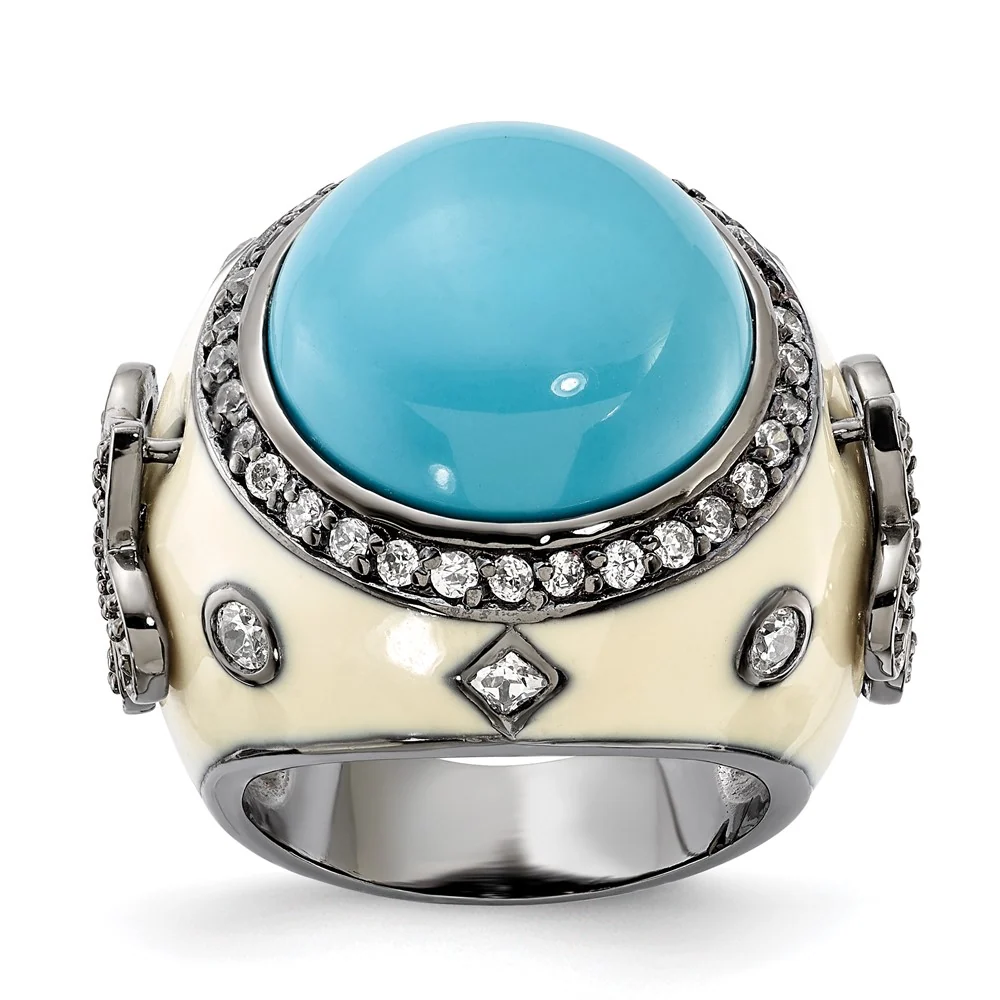 Delicate to Bold: Our Favorite White Turquoise Rings
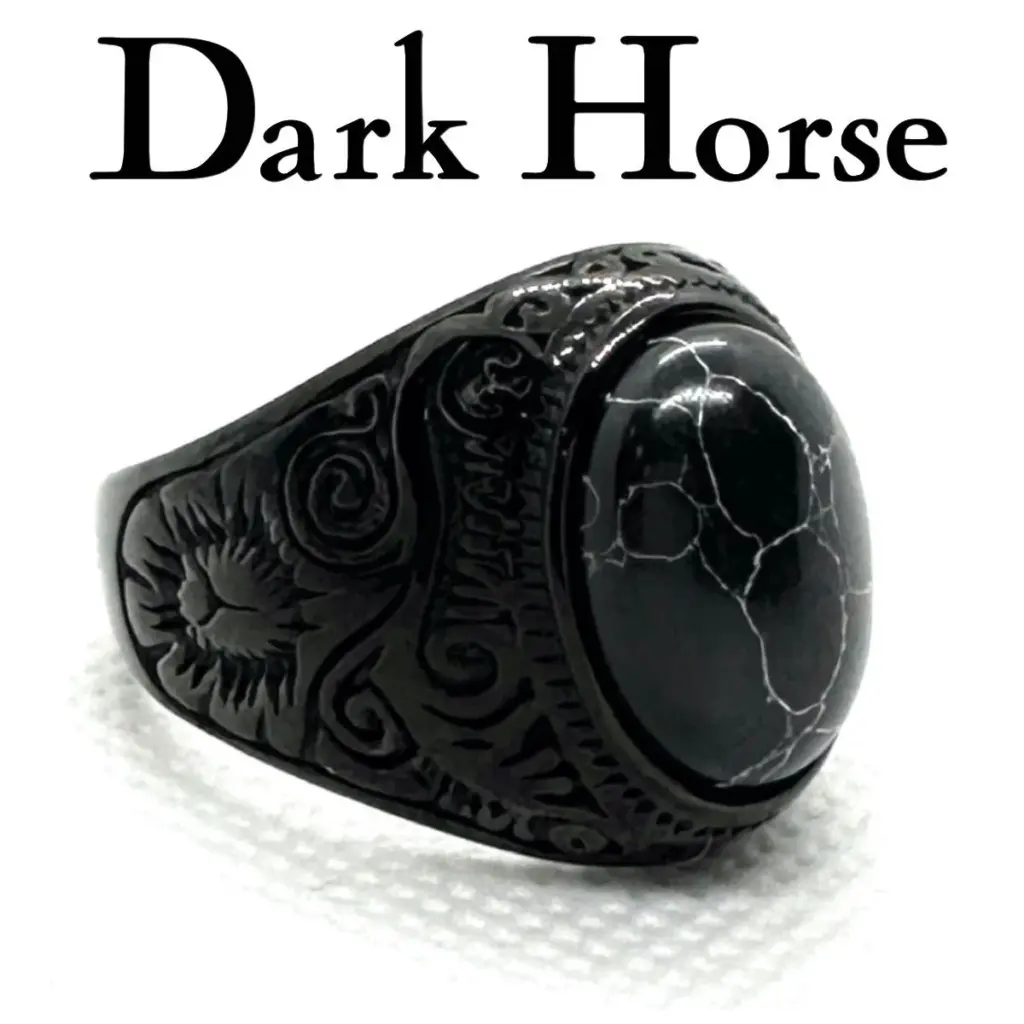
 Where to Find the Best White Vintage Rings

 Statement RingsWhite Vintage Statement Rings You’ll Never Take Off

 White Waterproof Rings Worth Treating Yourself To
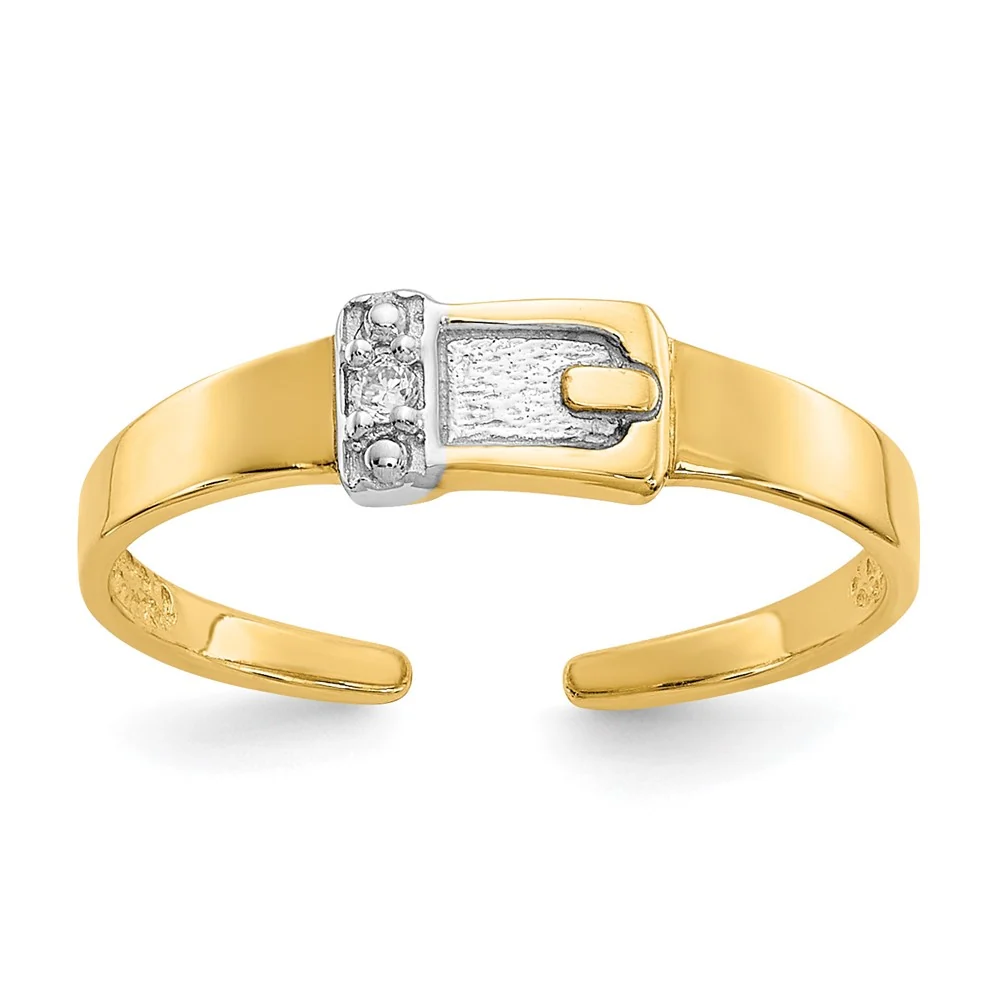
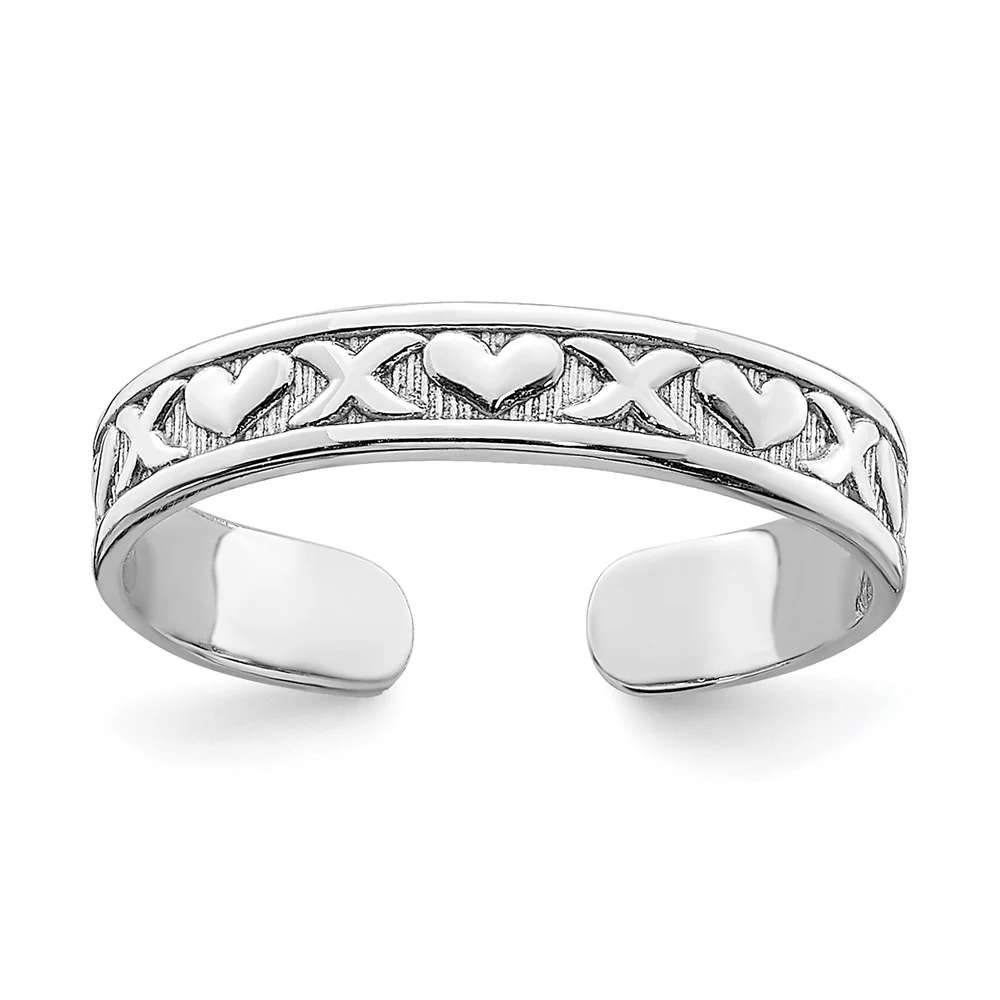 Delicate to Bold: Our Favorite White Toe Rings
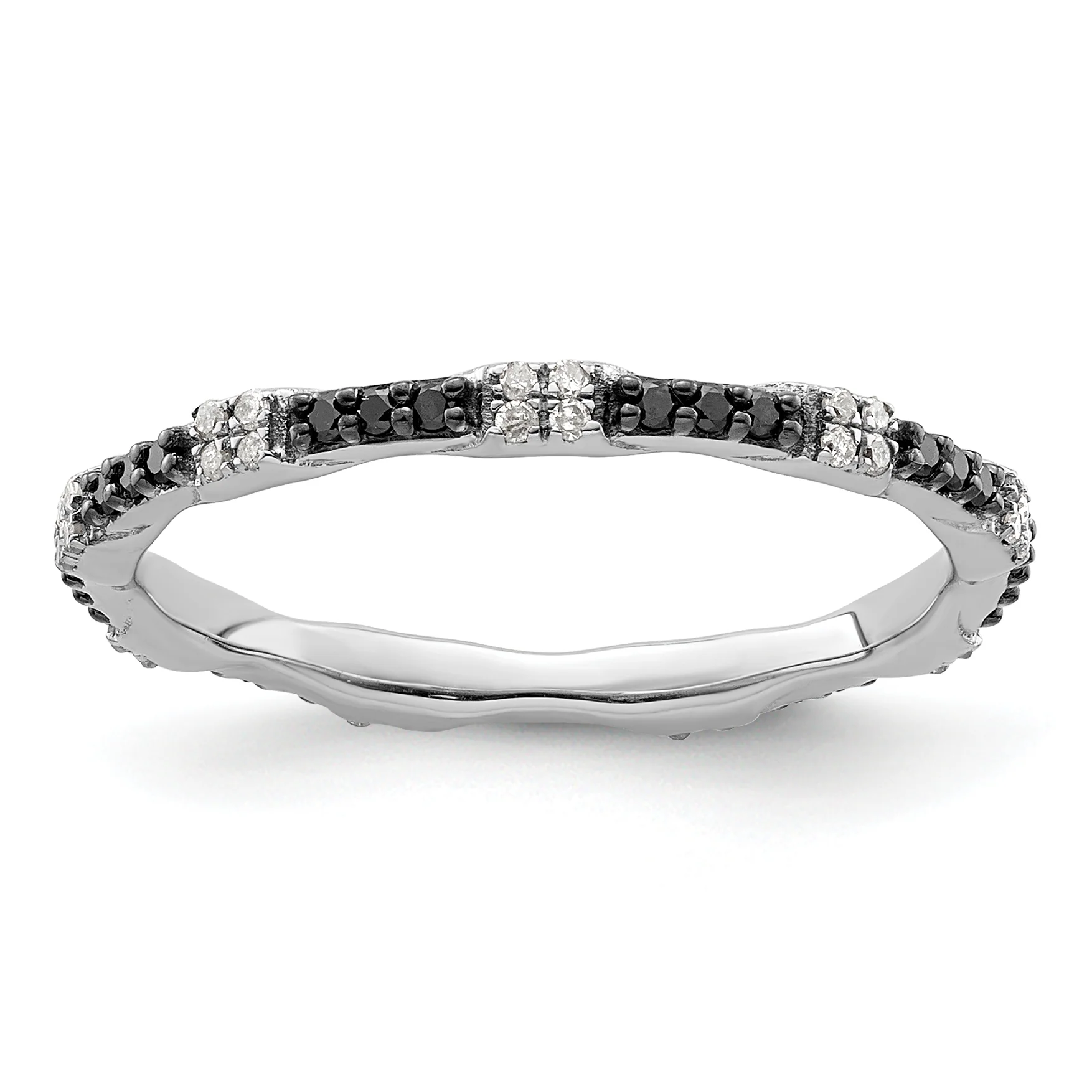 Stacking RingsWhite Stacking Rings That Feel Special
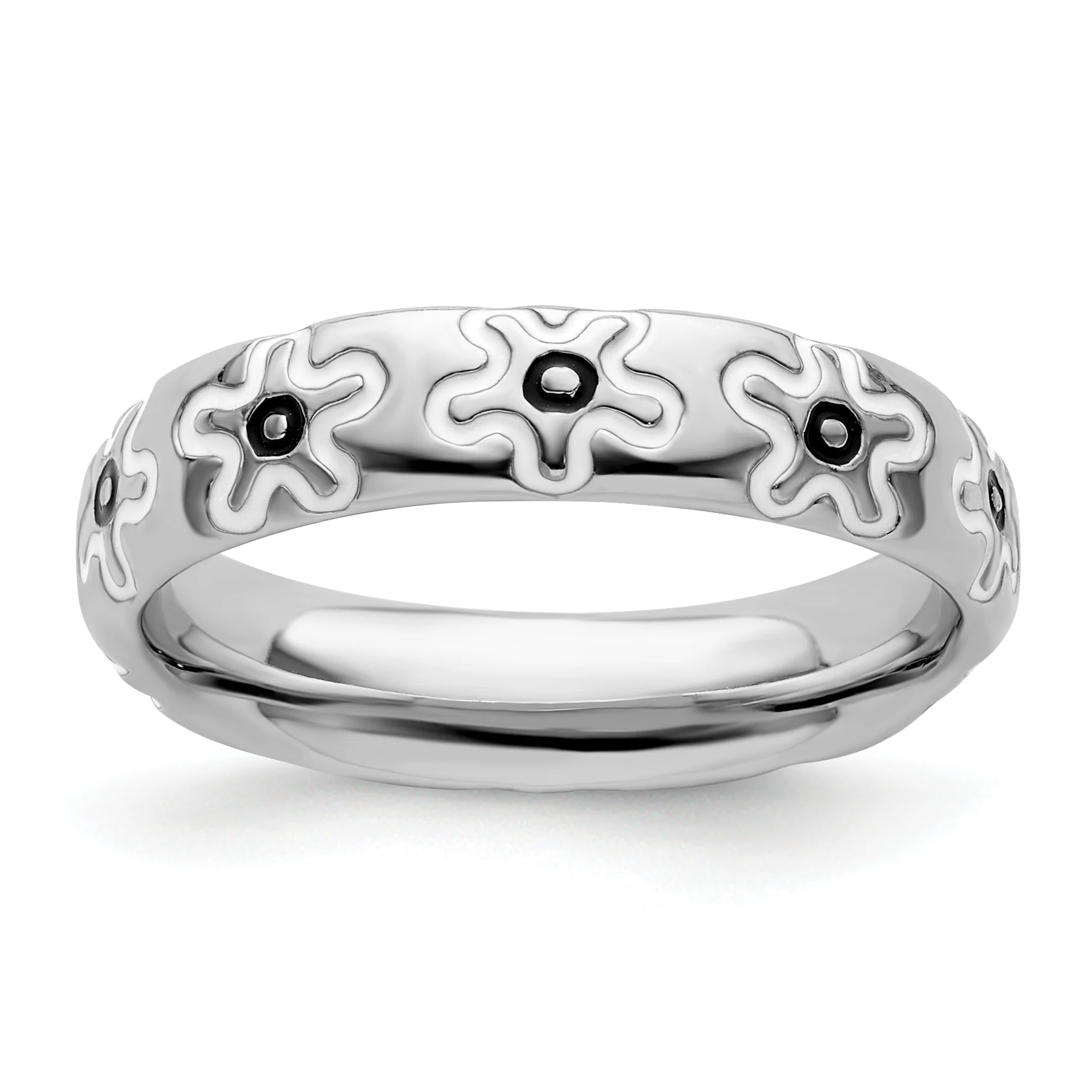
 White Stainless Steel Rings for Everyday Wear
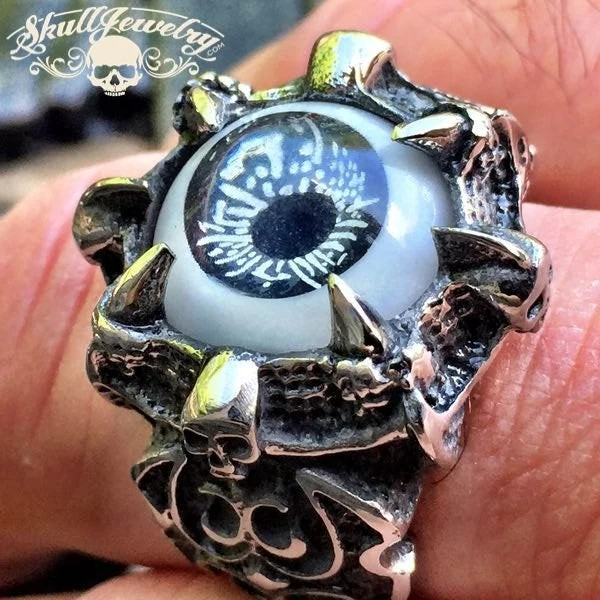
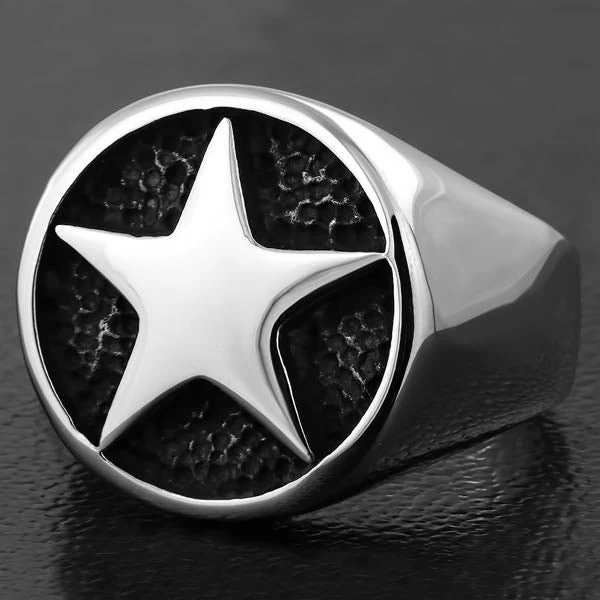 Where to Find the Best White Star Rings
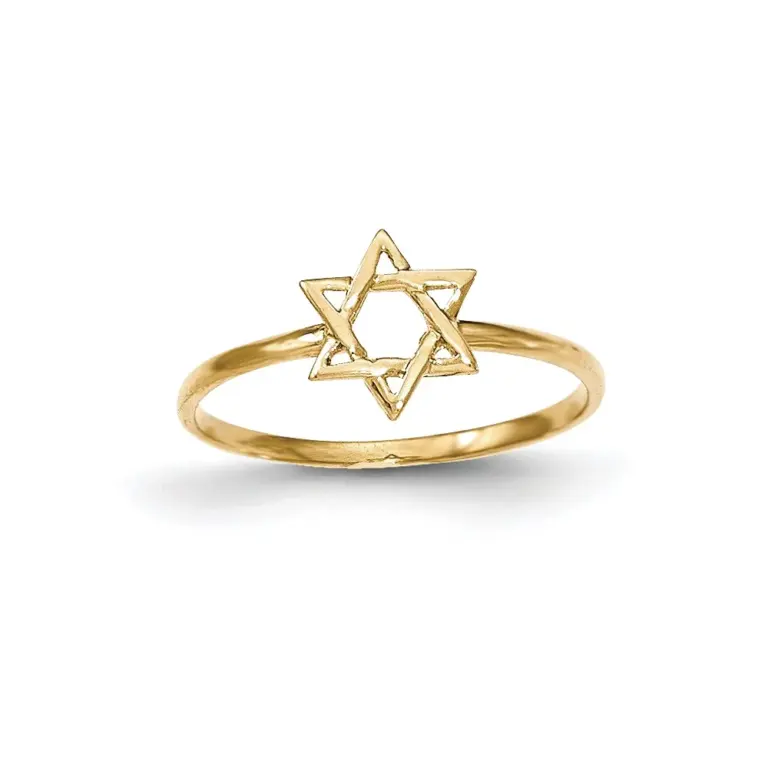
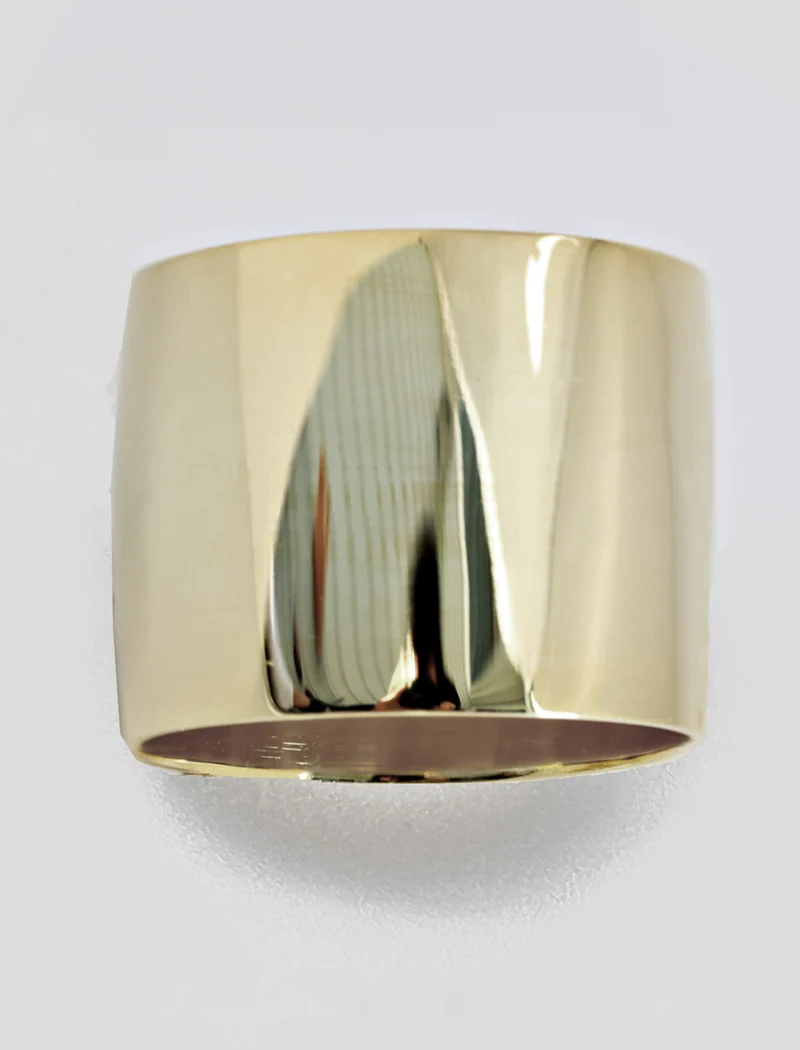 Statement RingsPretty White Statement Rings We LoveAlso worth a lookStatement RingsCan you wear a statement ring every day or does it belong in the box for best?See the collections →
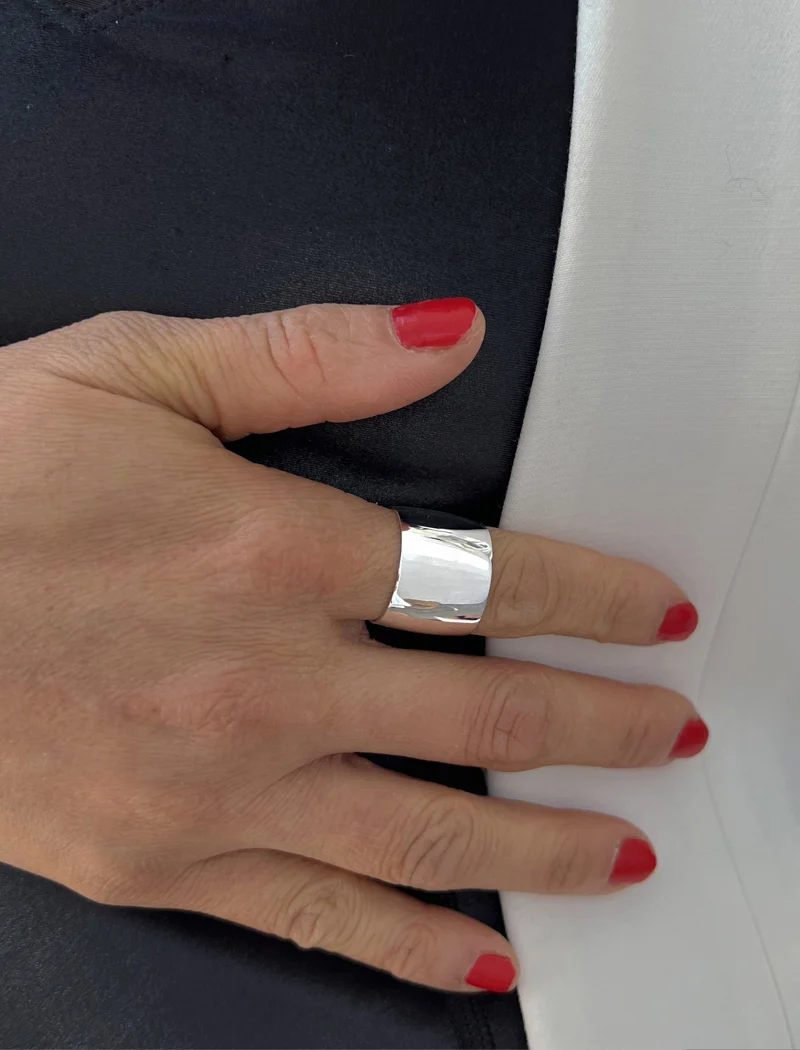
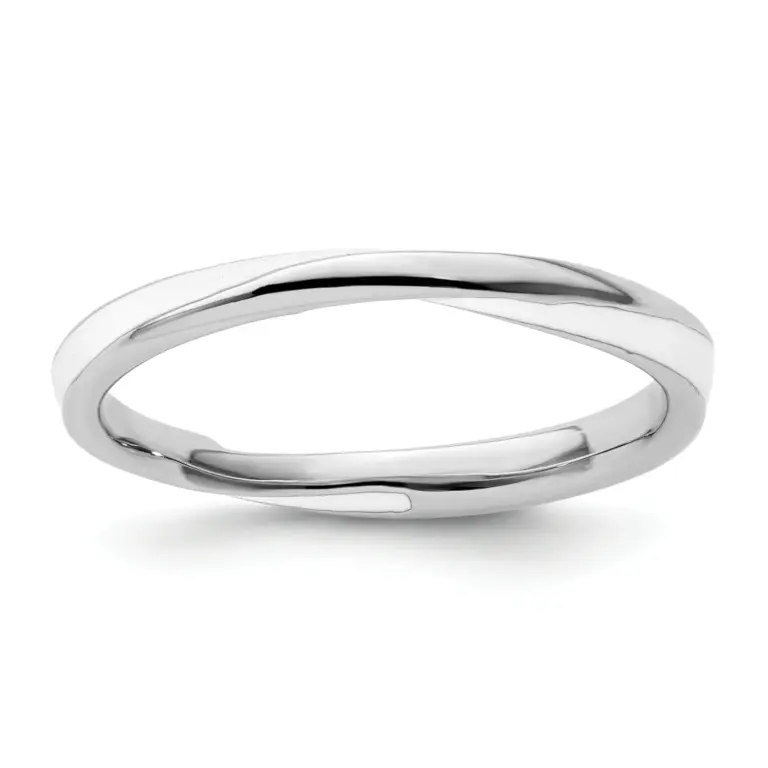 The Prettiest White Sterling Silver Rings Around Right Now
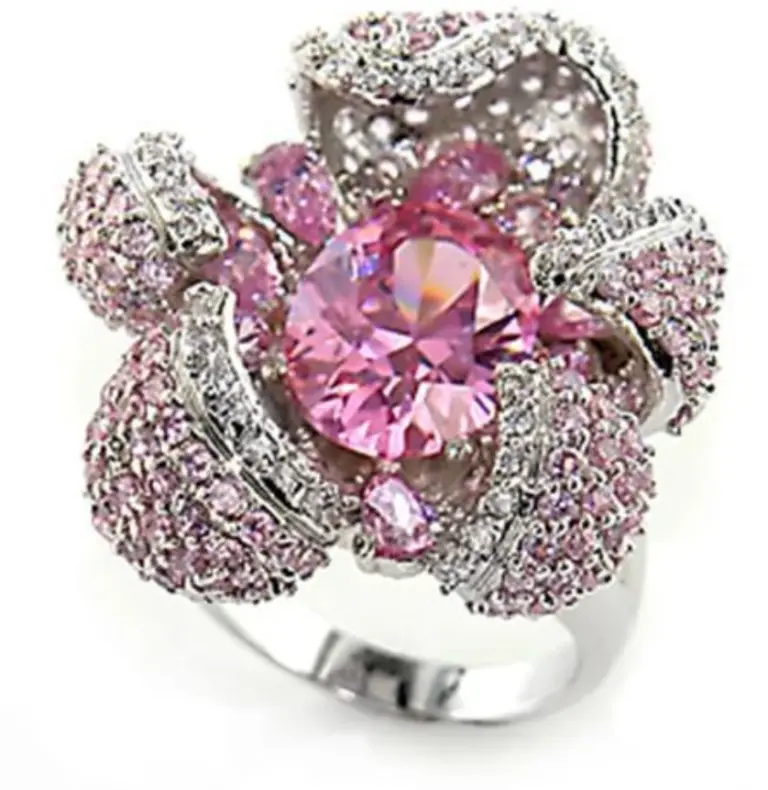
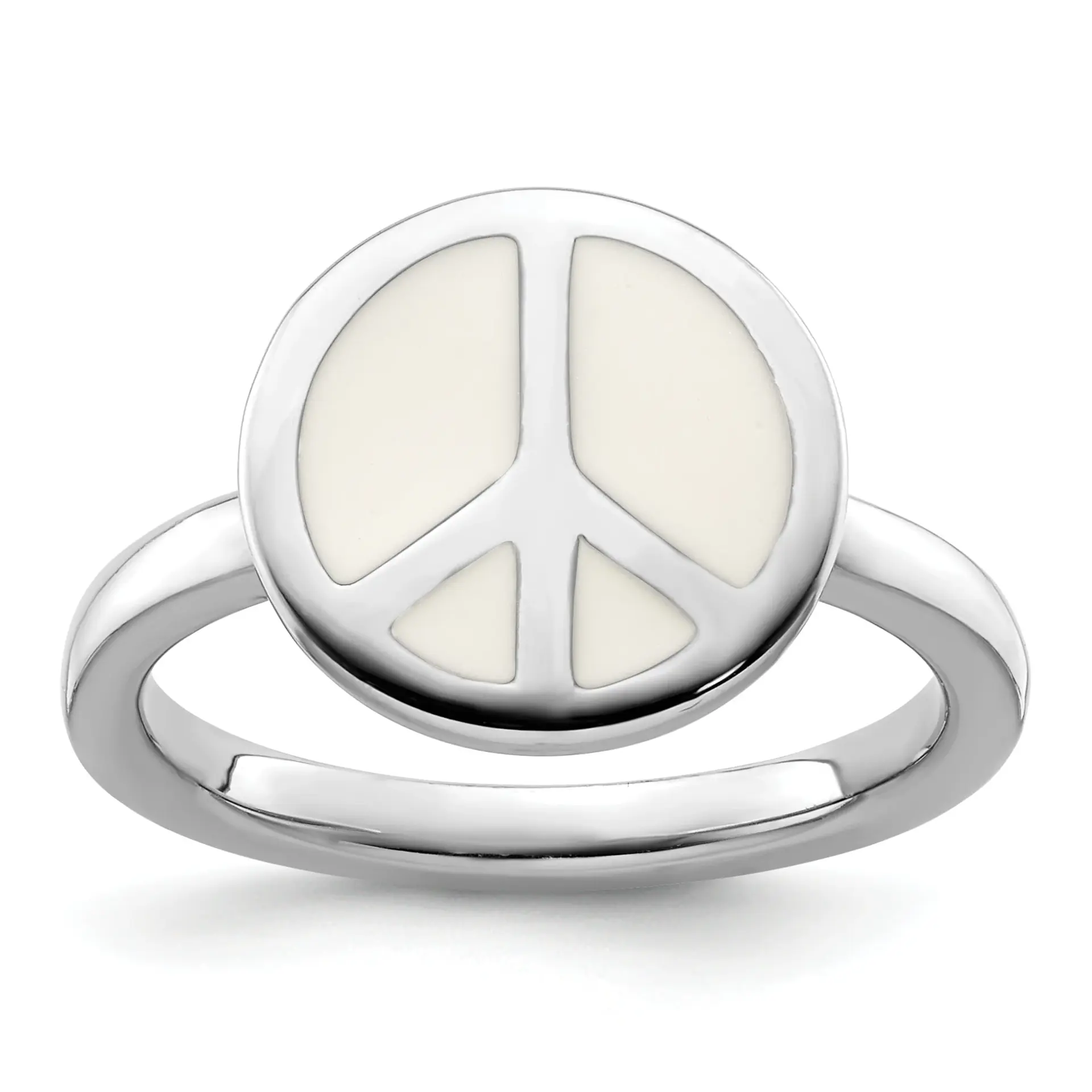 Stacking RingsDelicate to Bold: Our Favorite White Stacking Rings
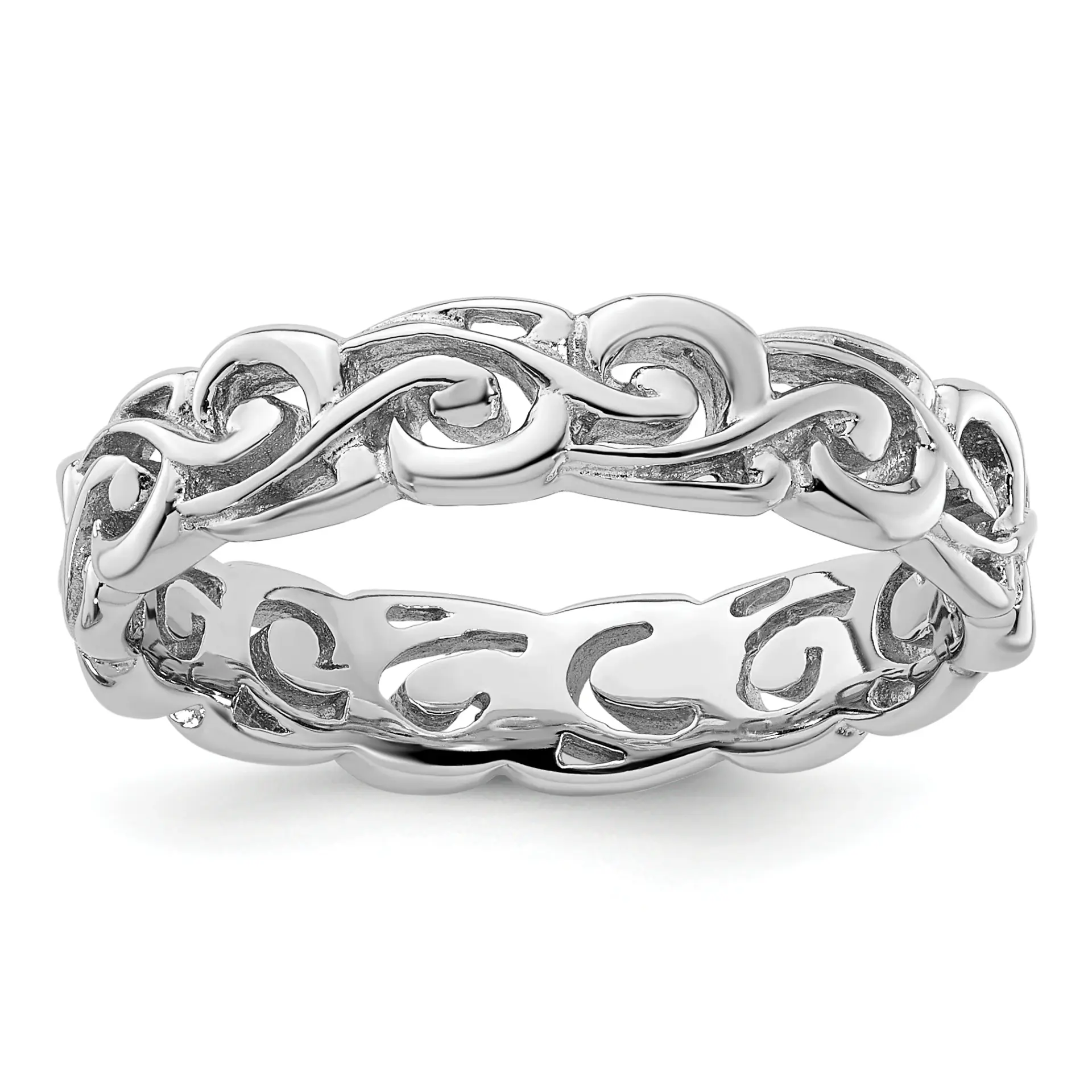
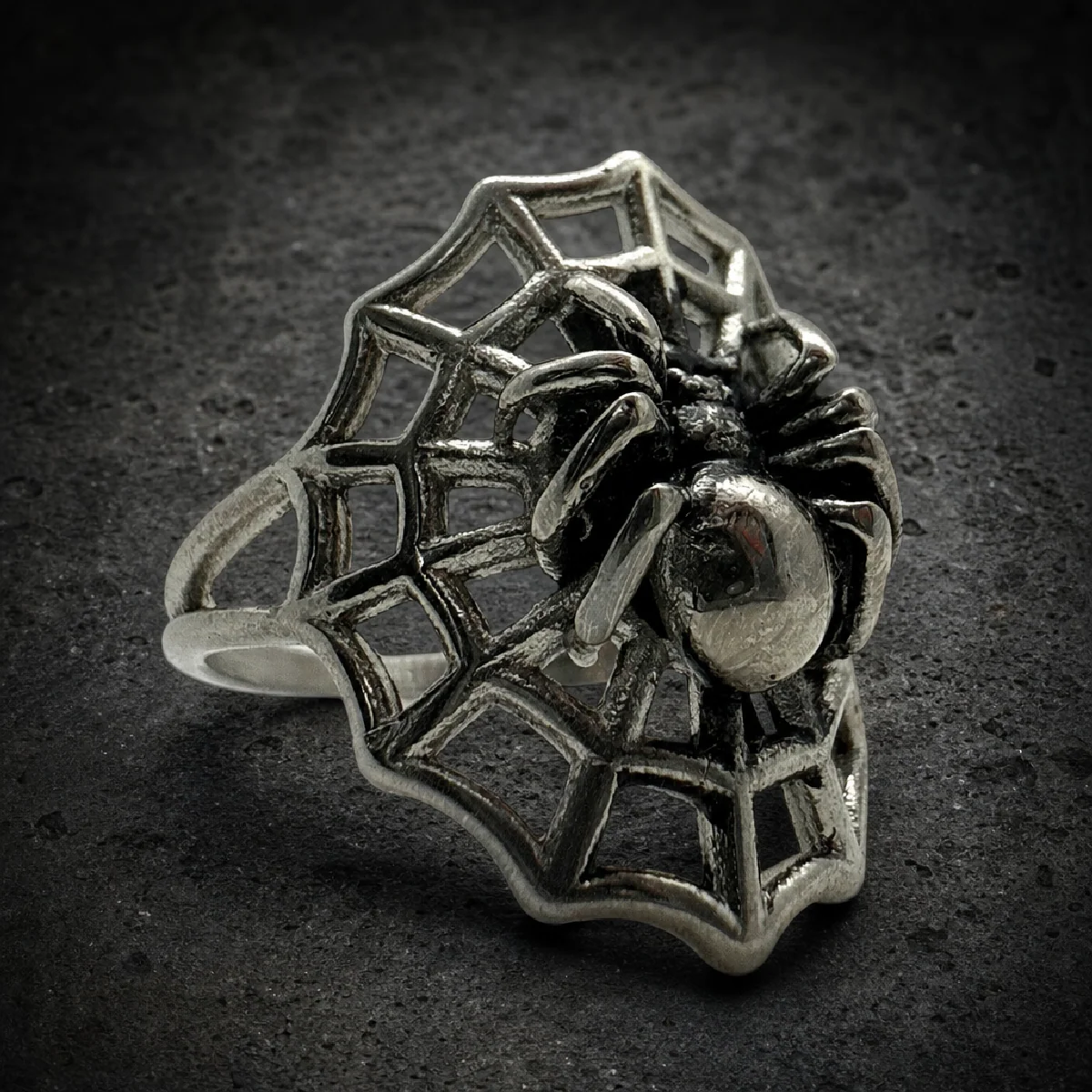 White Shell Rings: The Edit
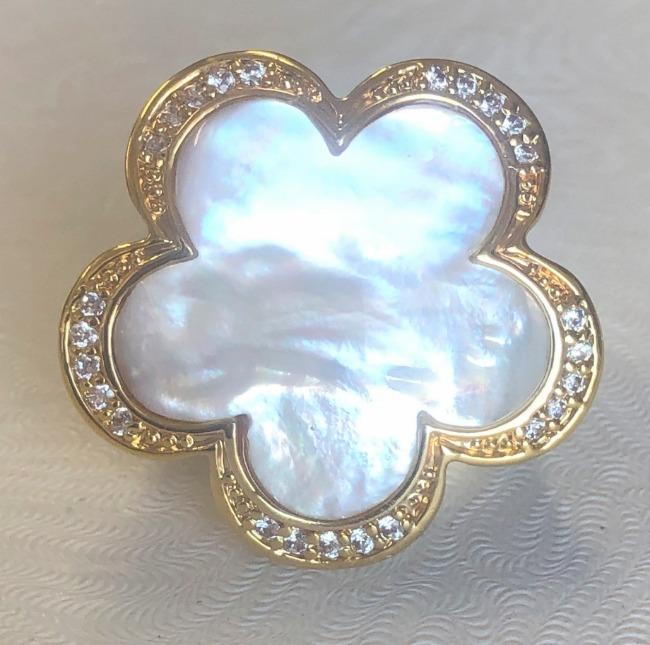
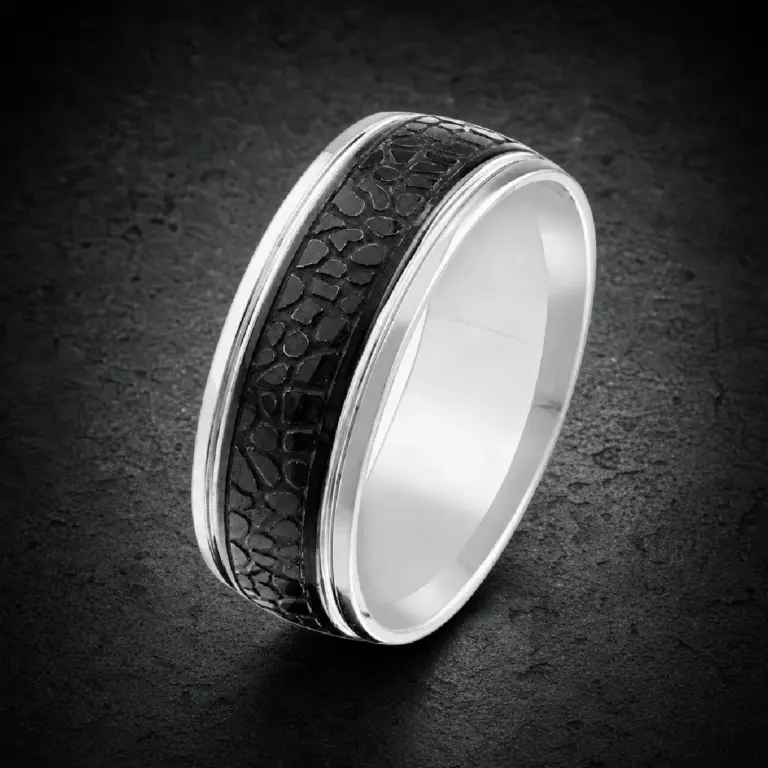 White Signet Rings Edited Down to the Best
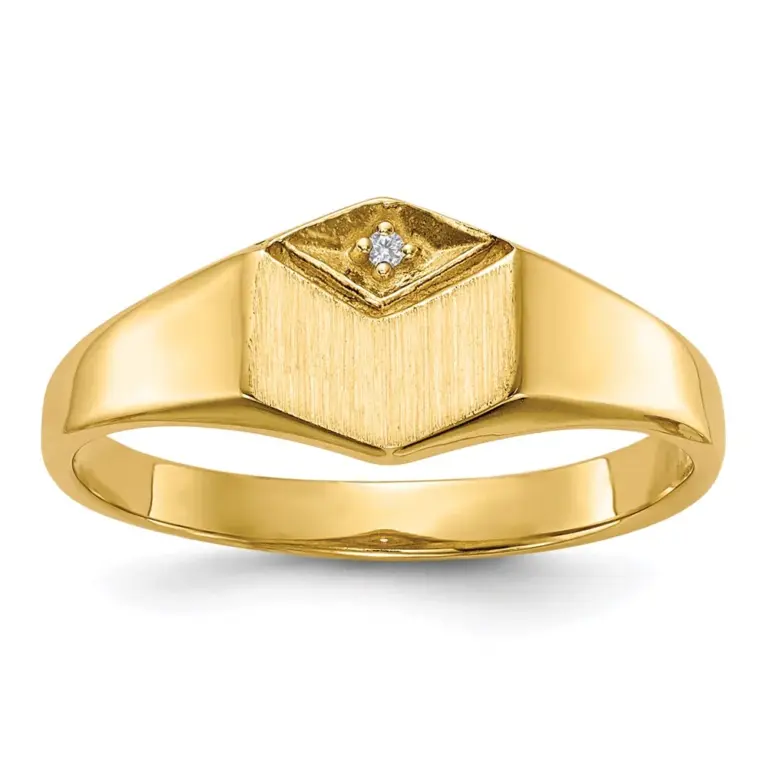
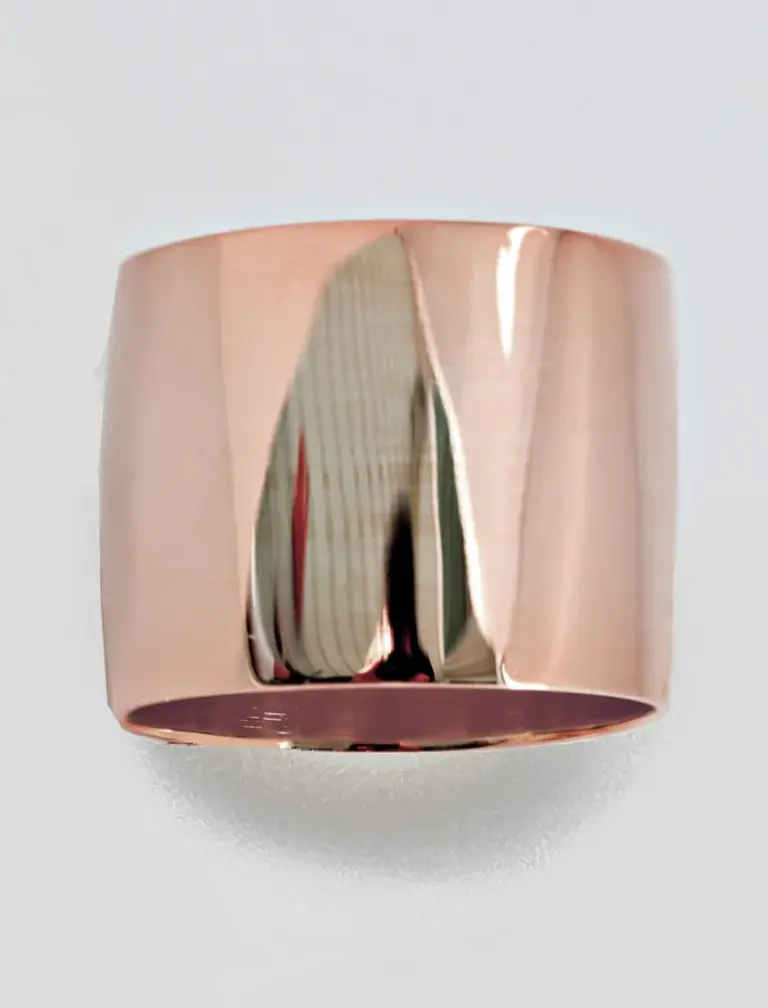 Our Pick of the Best White Silver Plated Rings
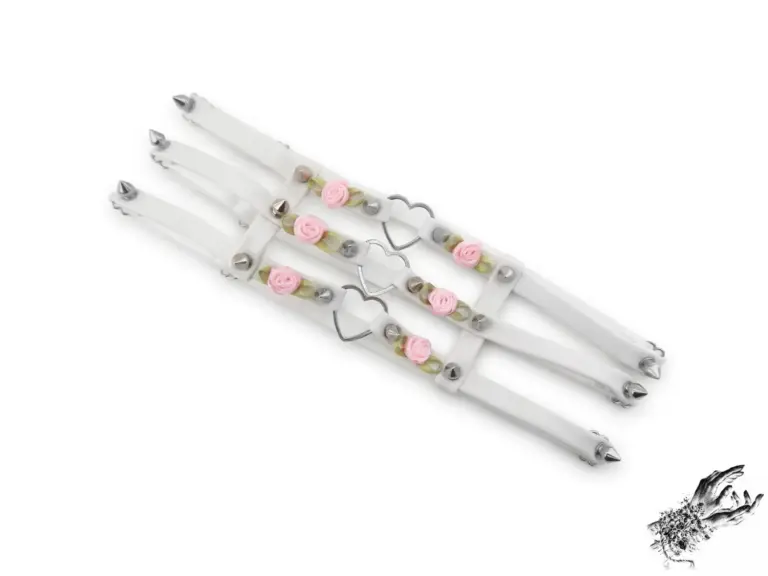
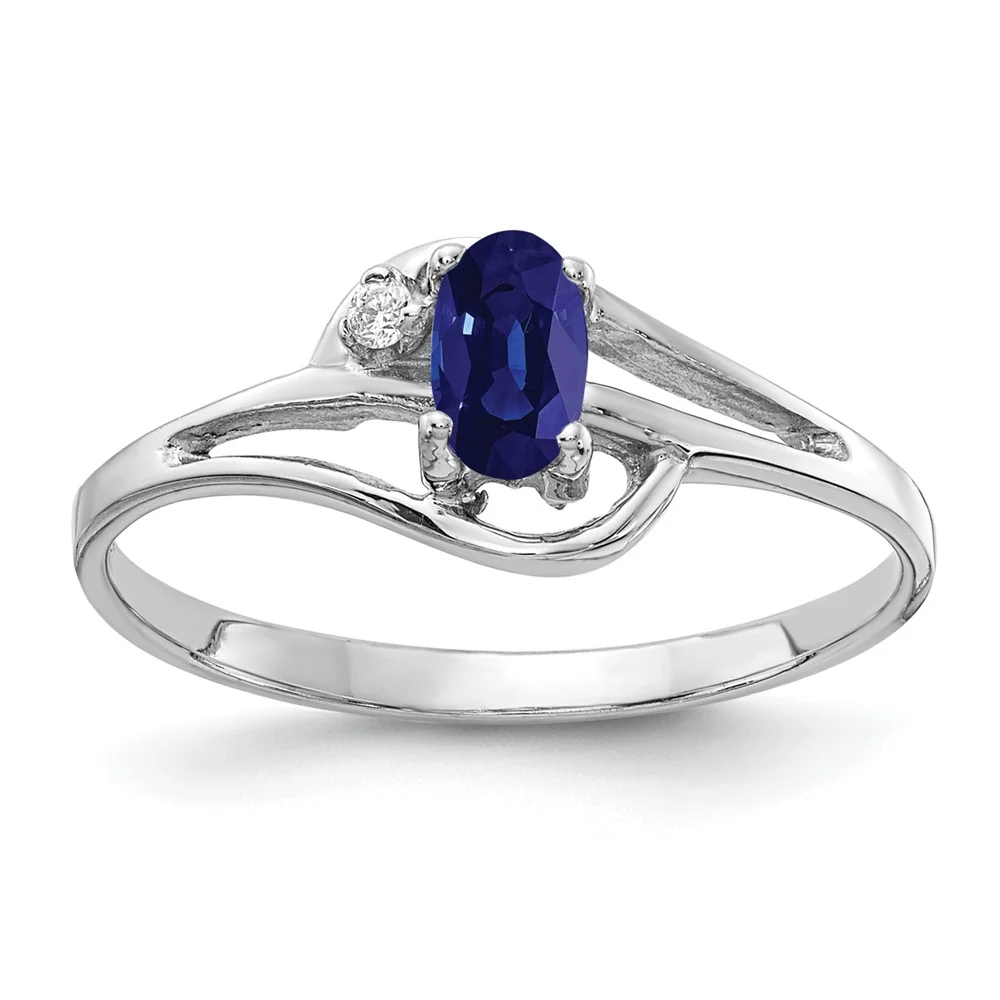 White Sapphire Rings You’ll Never Take Off
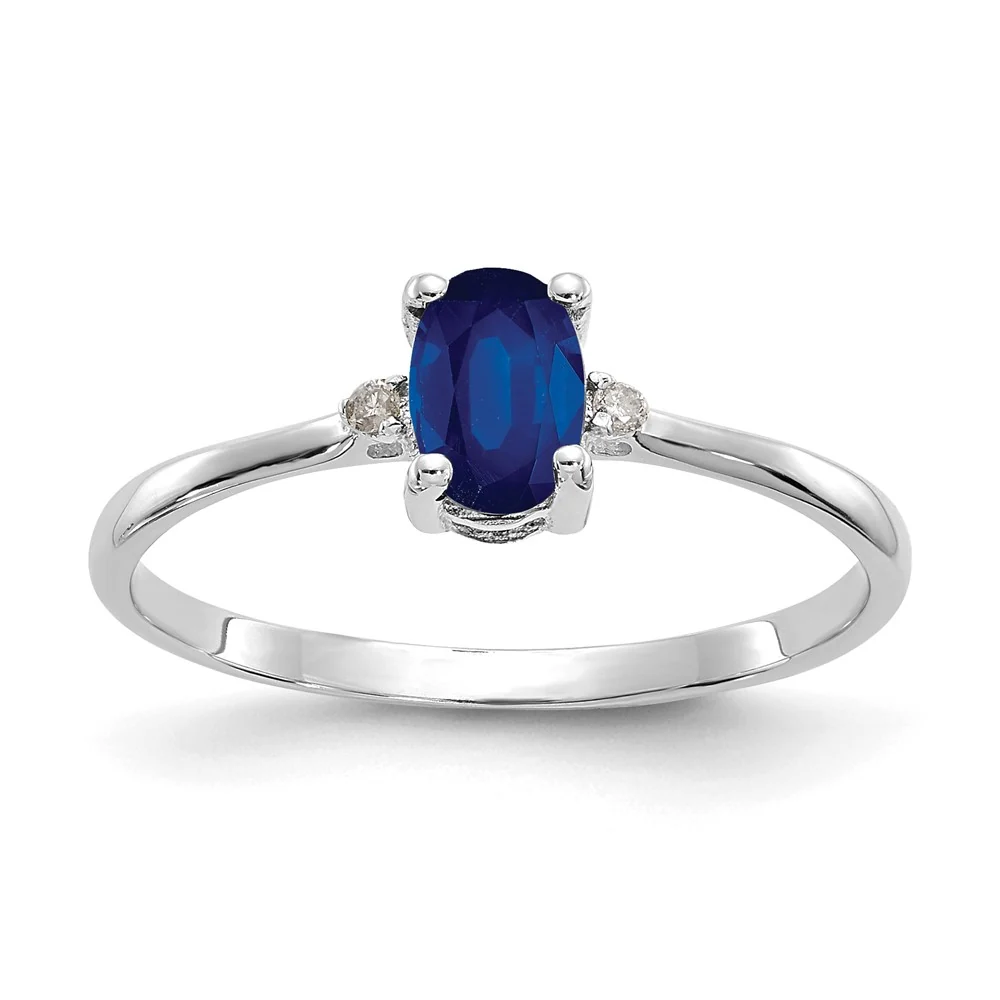
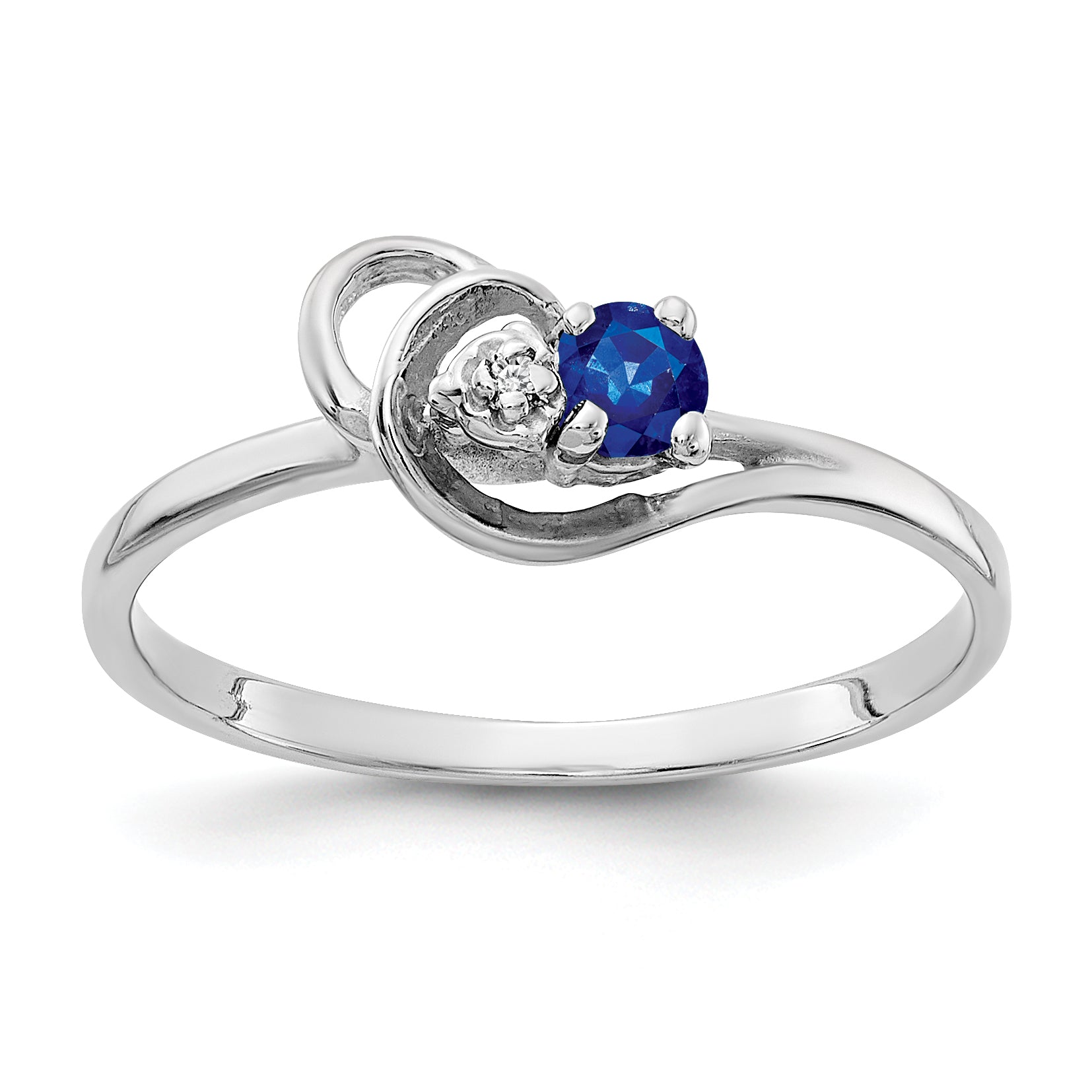 Statement RingsWhite Sapphire Statement Rings That Elevate Everything
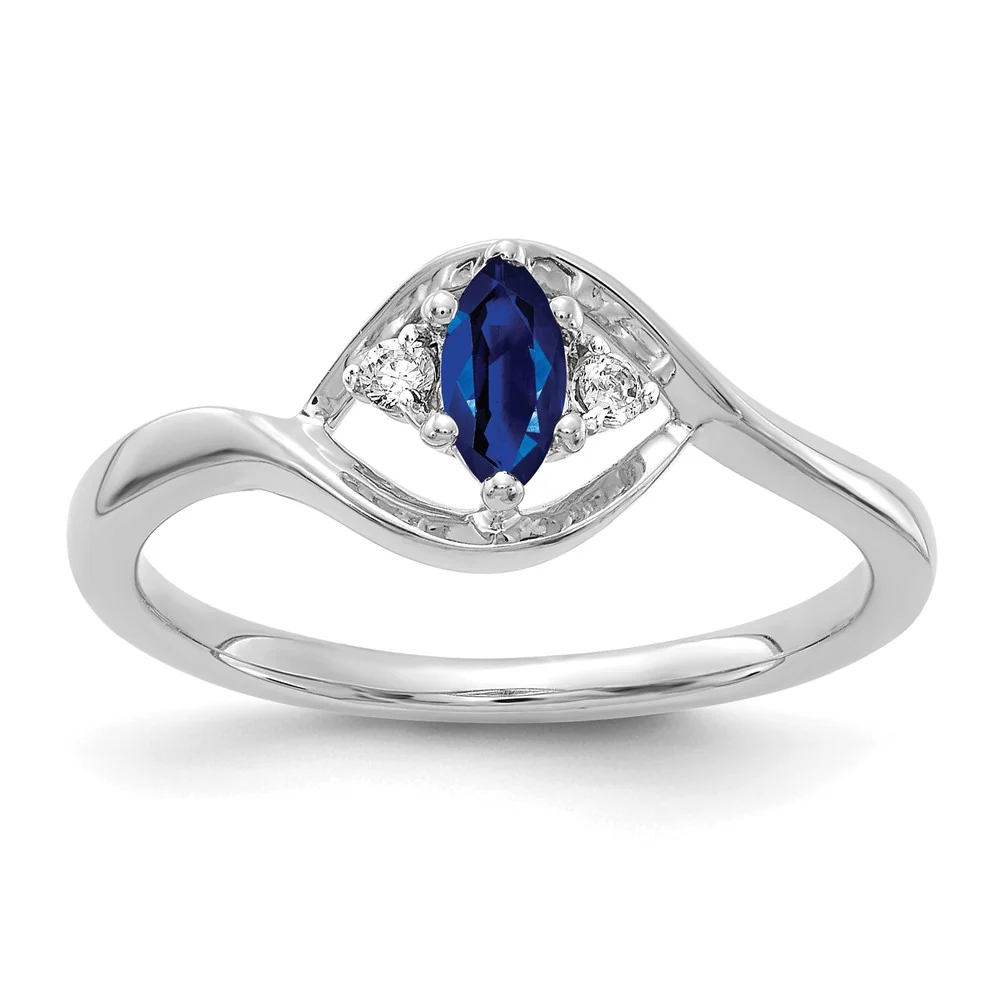
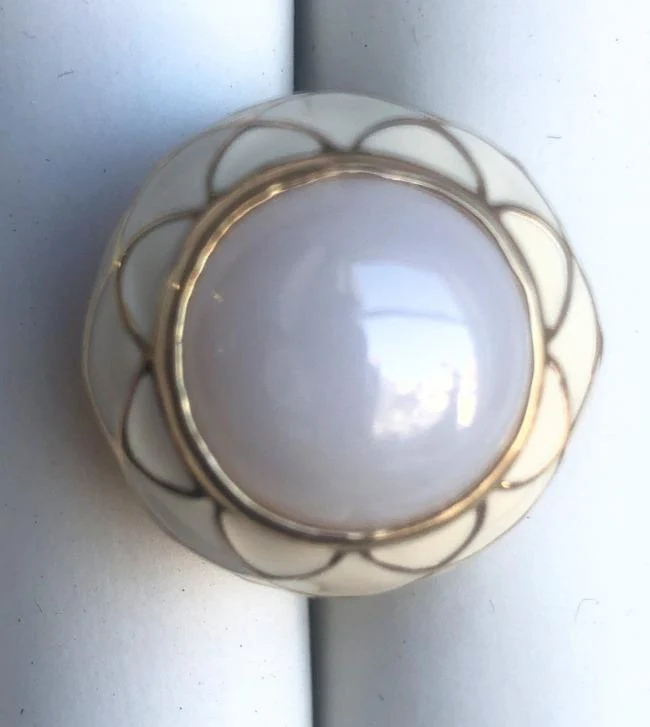 White Resin Rings We’d Buy Again
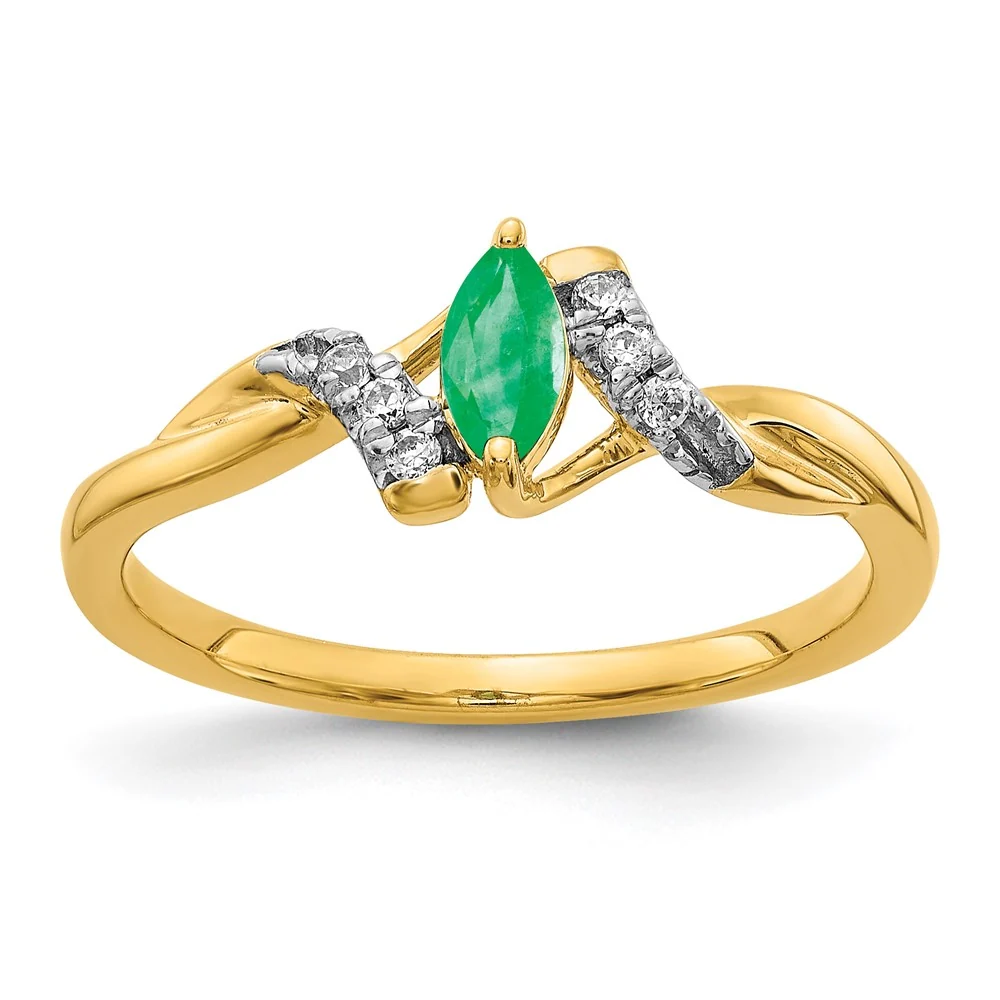
 White Rings We Love Right NowAlso worth a lookGold RingsI avoided gold rings for years because every one I tried on looked like it belonged to someone's…See the collections →
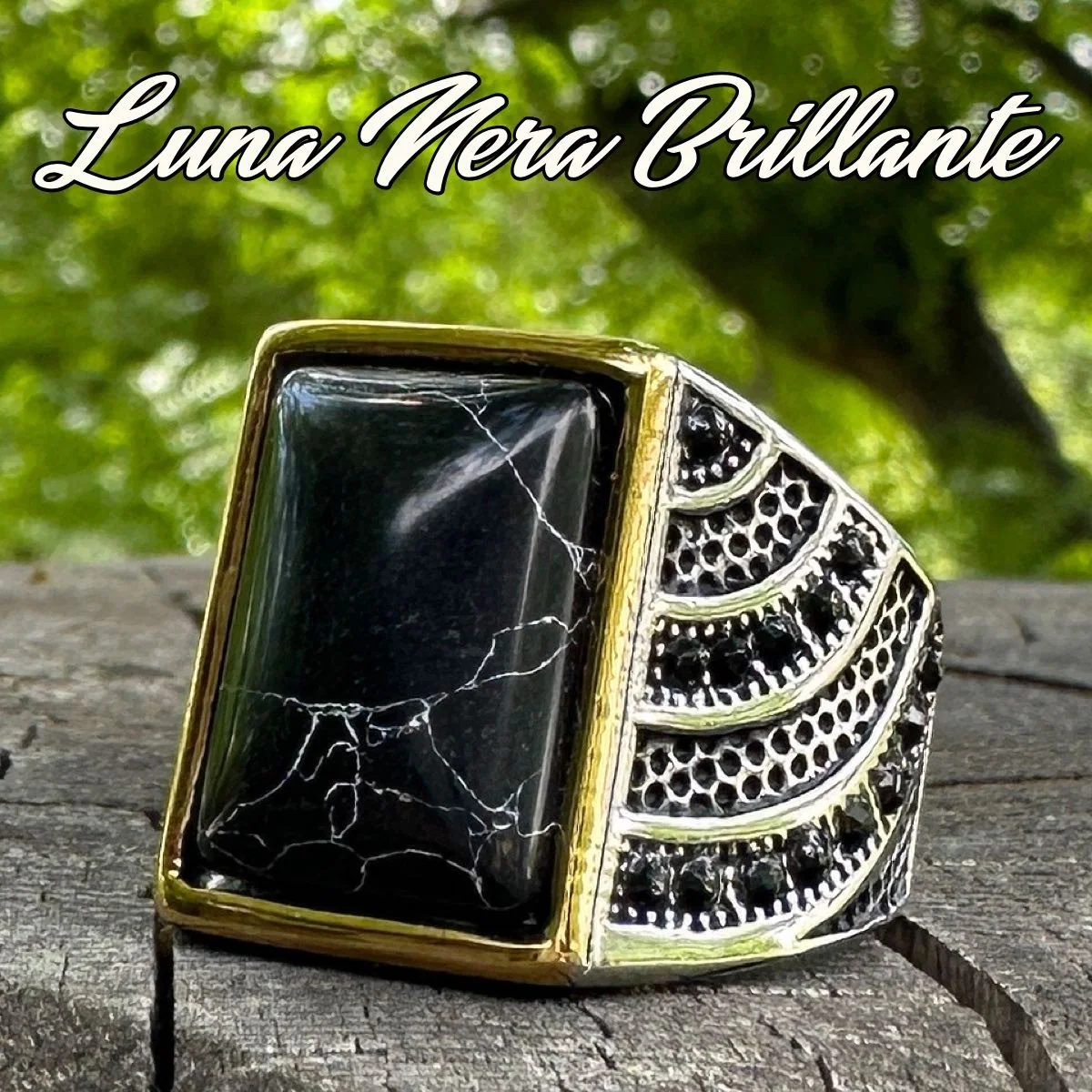
 White Pearl Rings We’ve Been Saving
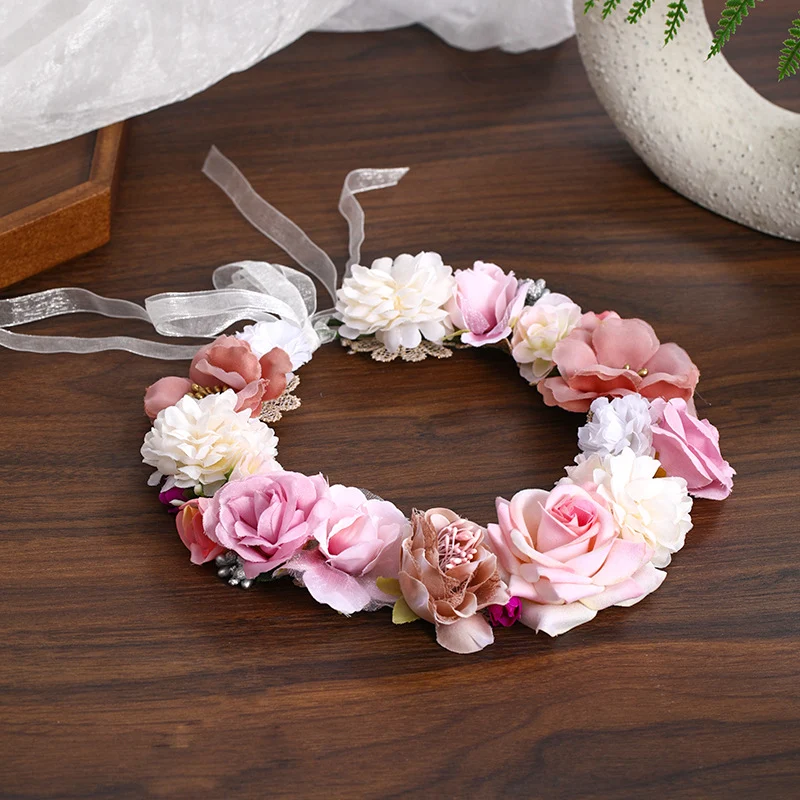
 White Pendant Rings That Elevate Everything
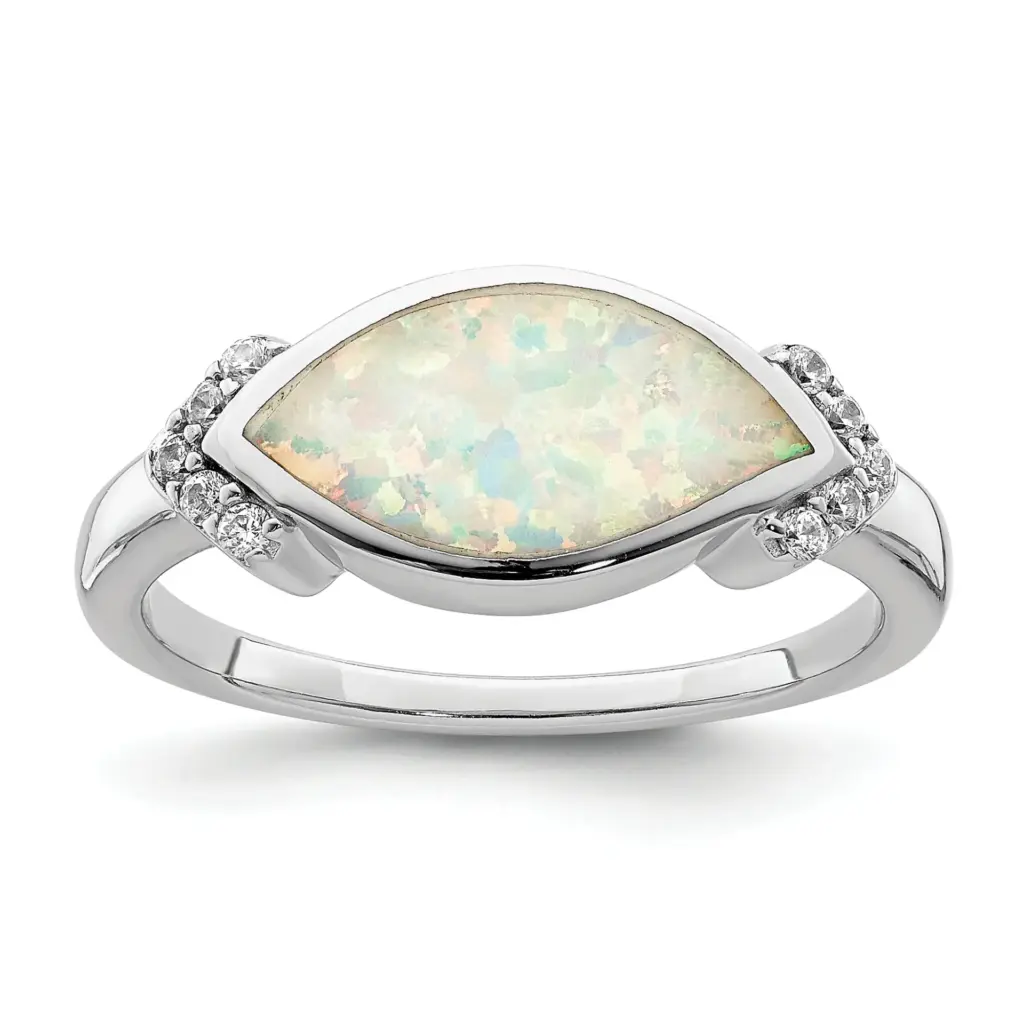
 Delicate to Bold: Our Favorite White Opal Rings
 White Minimalist Rings We Can’t Stop Looking At
 White Layered Rings Worth Adding to Your Wardrobe
 Statement RingsWhite Layered Statement Rings That Elevate Everything
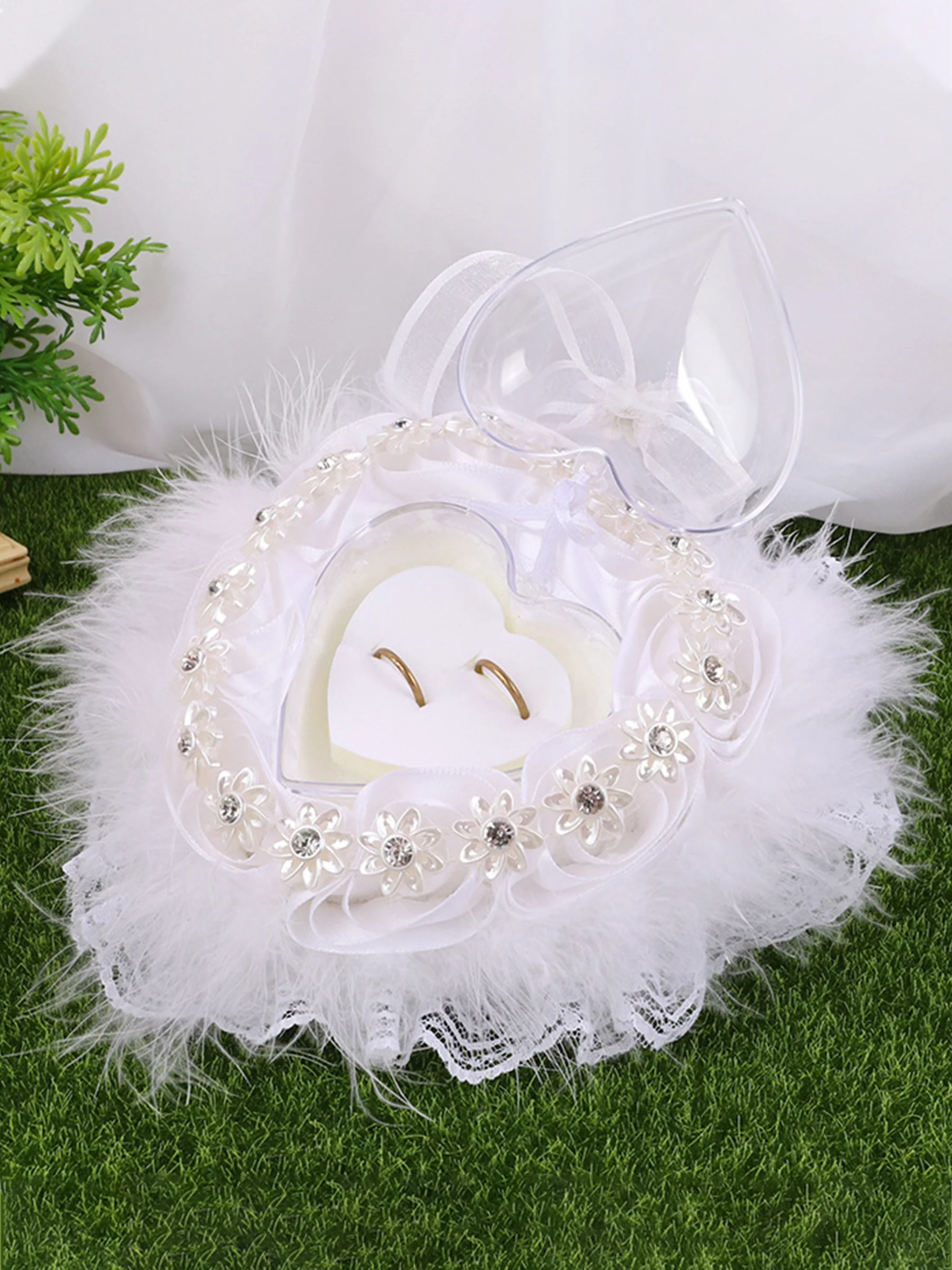 White Heart Rings That Add a Little Sparkle
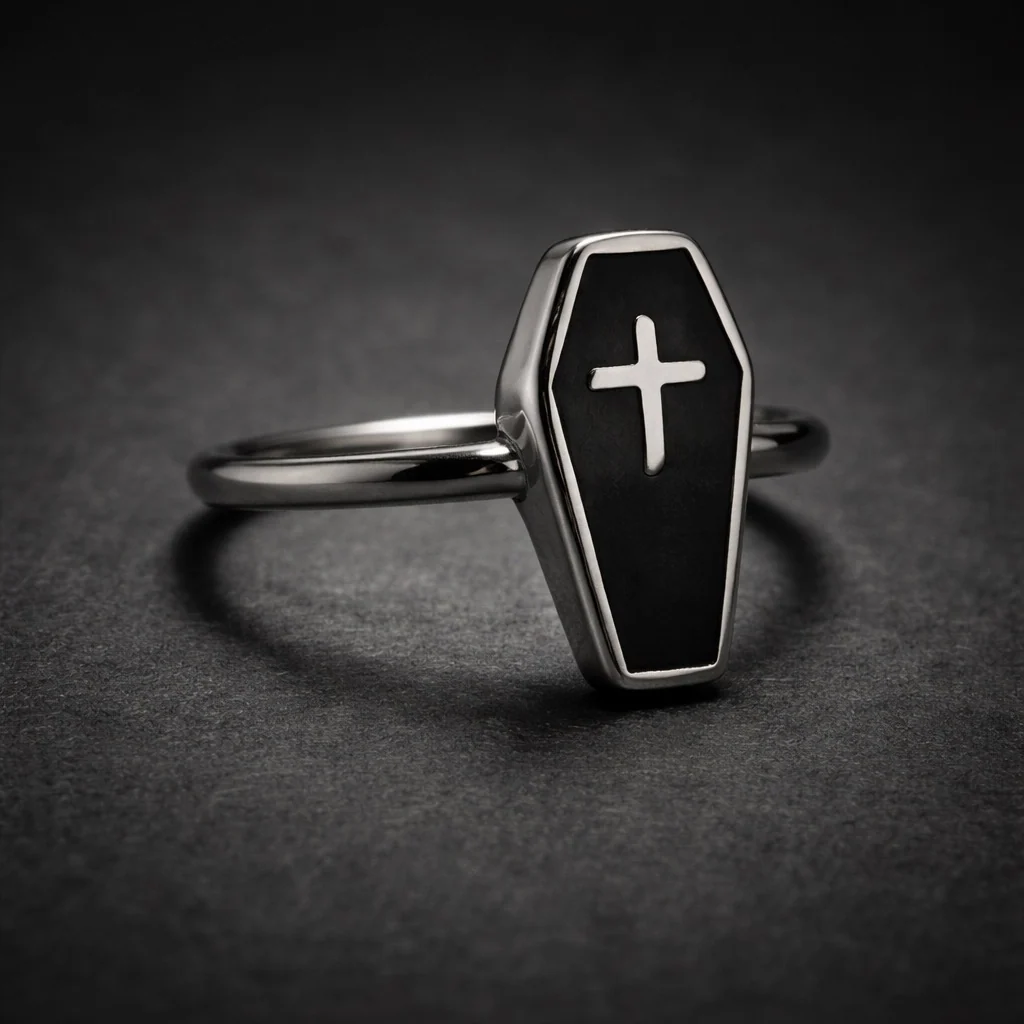
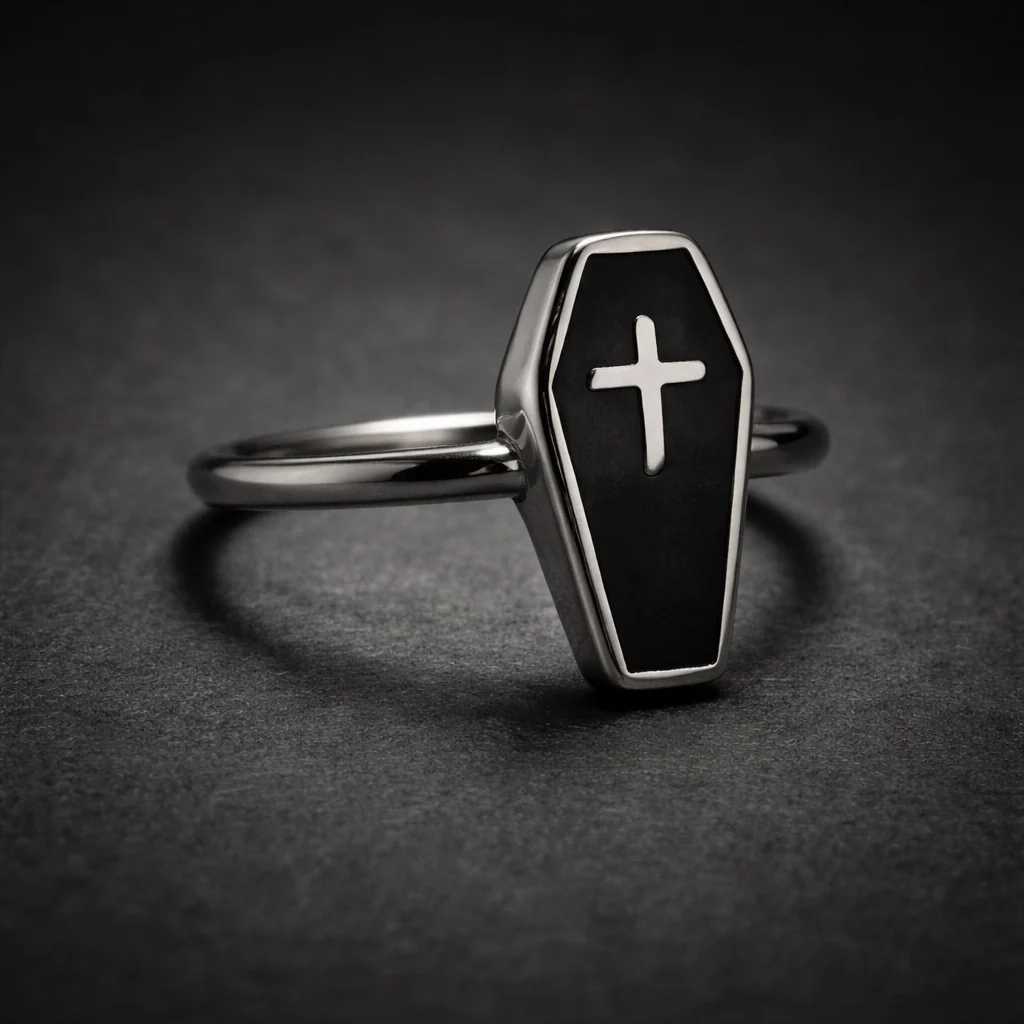 Statement RingsWhite Heart Statement Rings We Can’t Stop Looking At
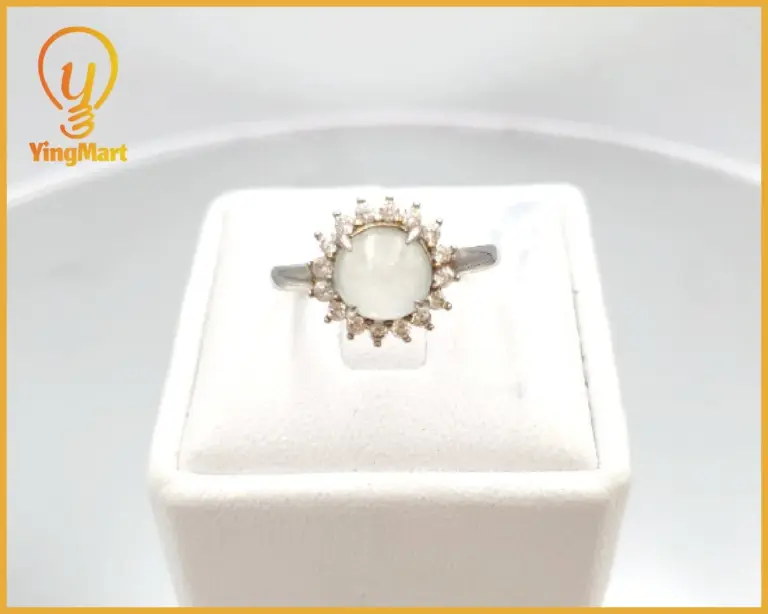 White Gemstone Rings That Finish Any LookAlso worth a lookSilver RingsHold it up to the light before anything else.See the collections →
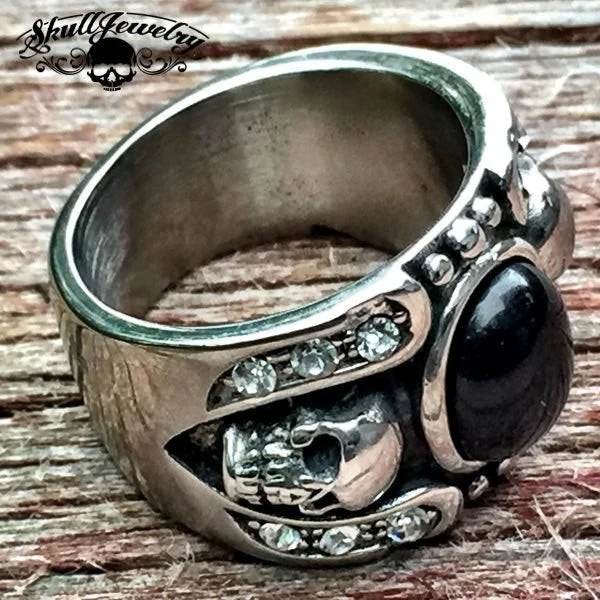
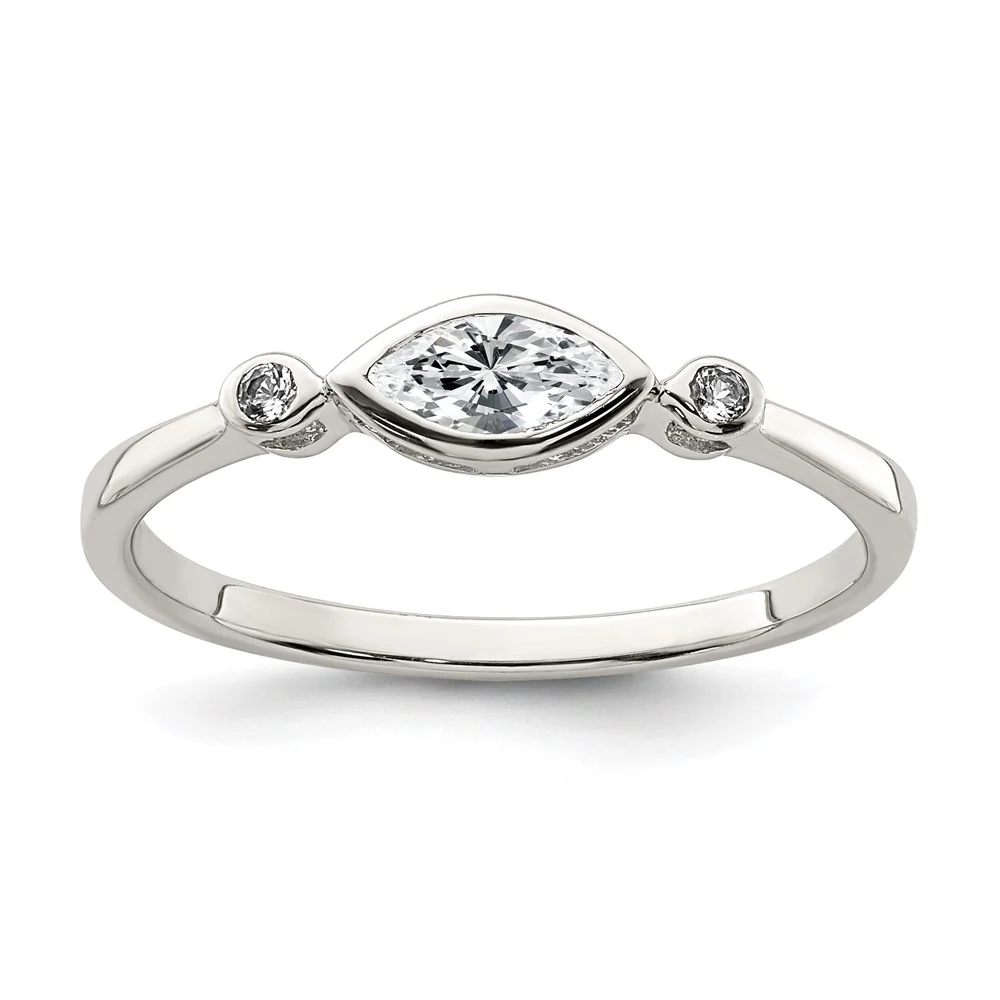 Statement RingsWhite Gemstone Statement Rings We Rate
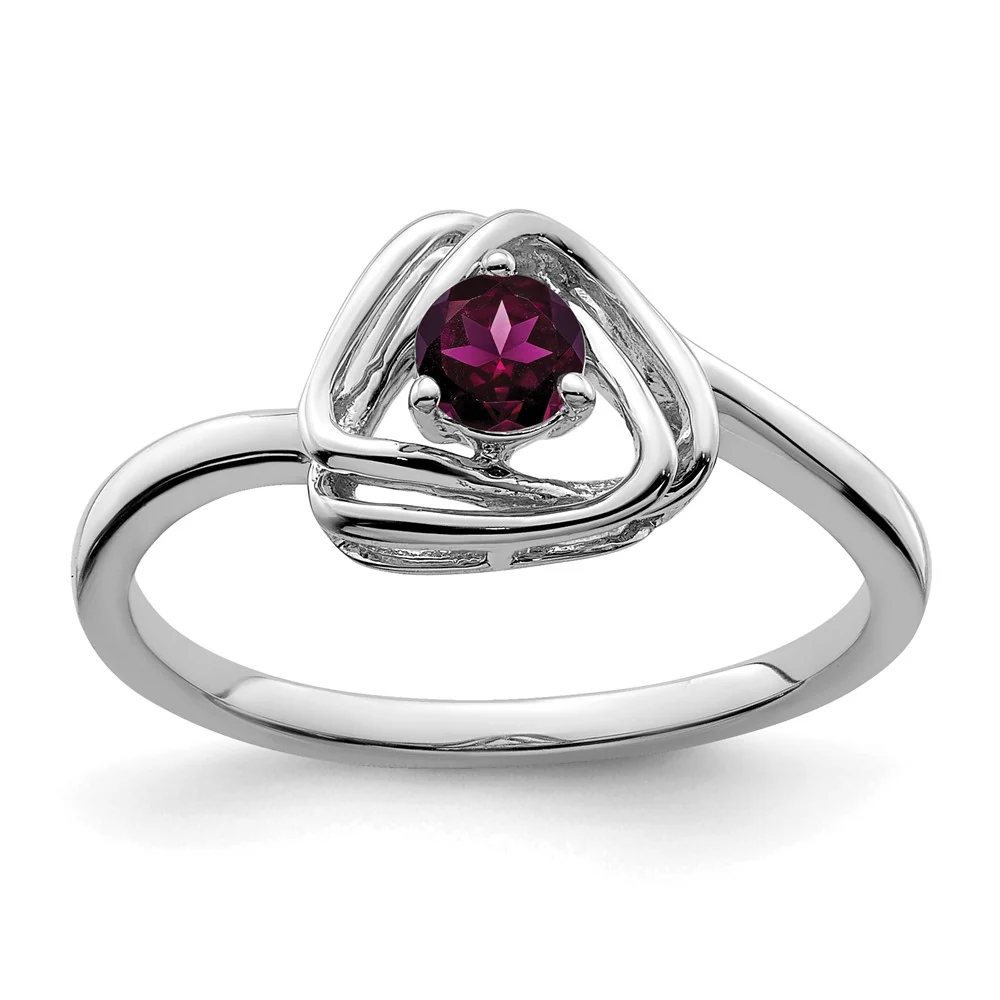
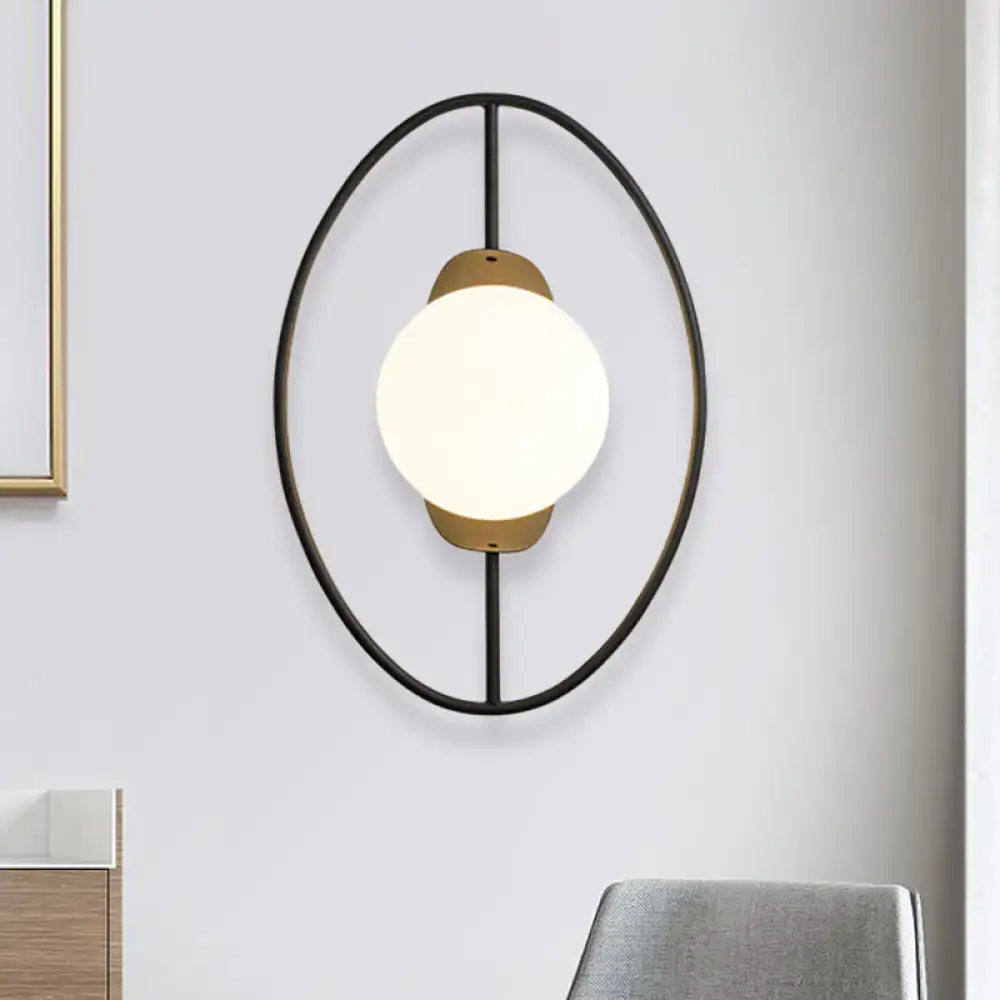 Shop Our Favorite White Glass Rings
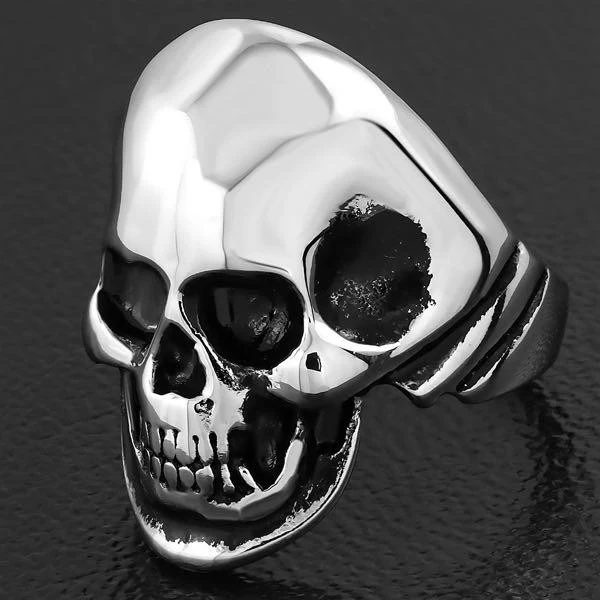
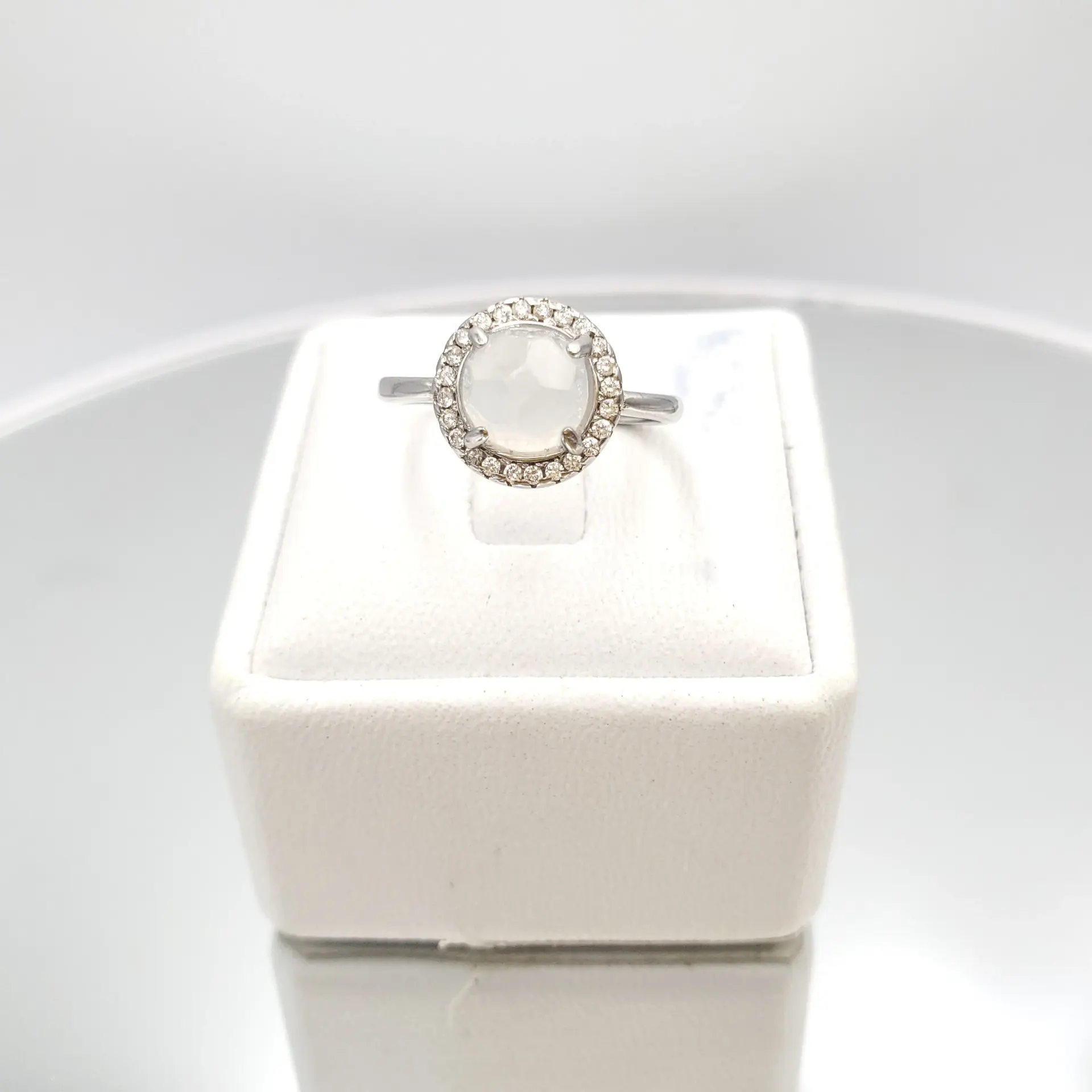 White Gold Plated Rings That Earn Their Place
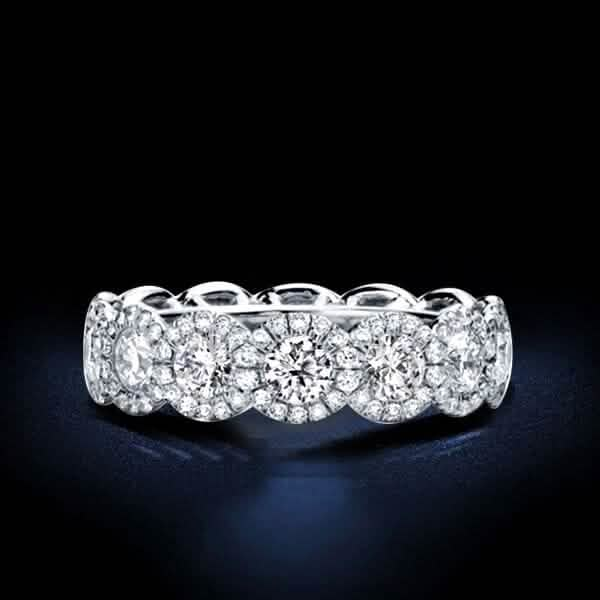
 White Flower Rings That Tick Every Box
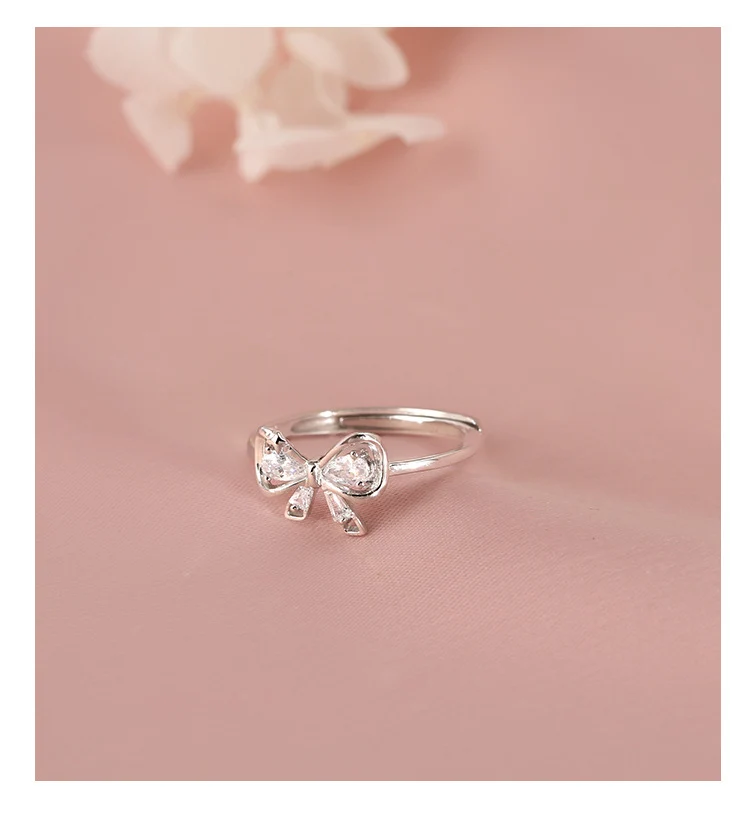
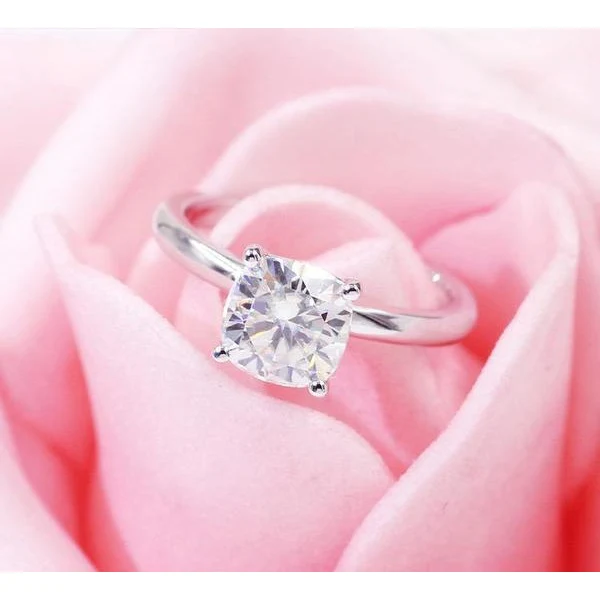 The White Diamond Engagement Rings Worth Your Wardrobe Space
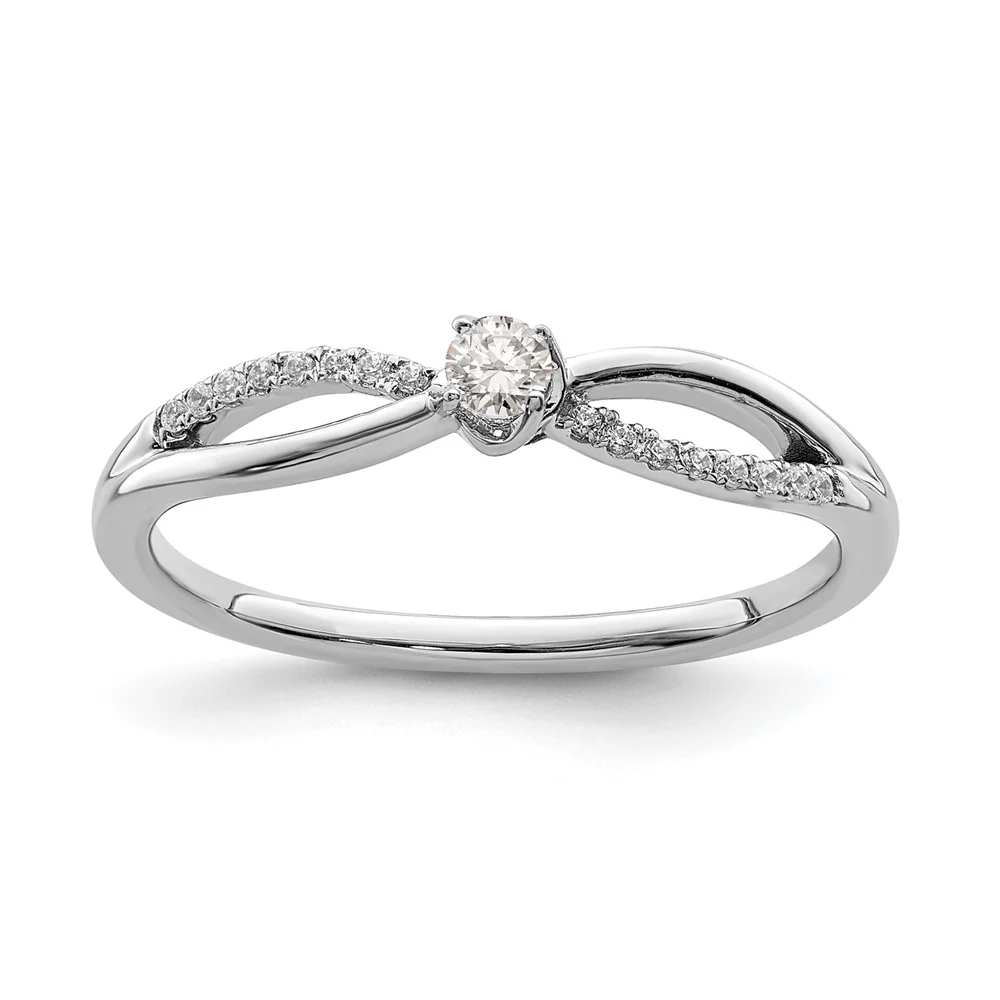
 Delicate to Bold: Our Favorite White Diamond Rings
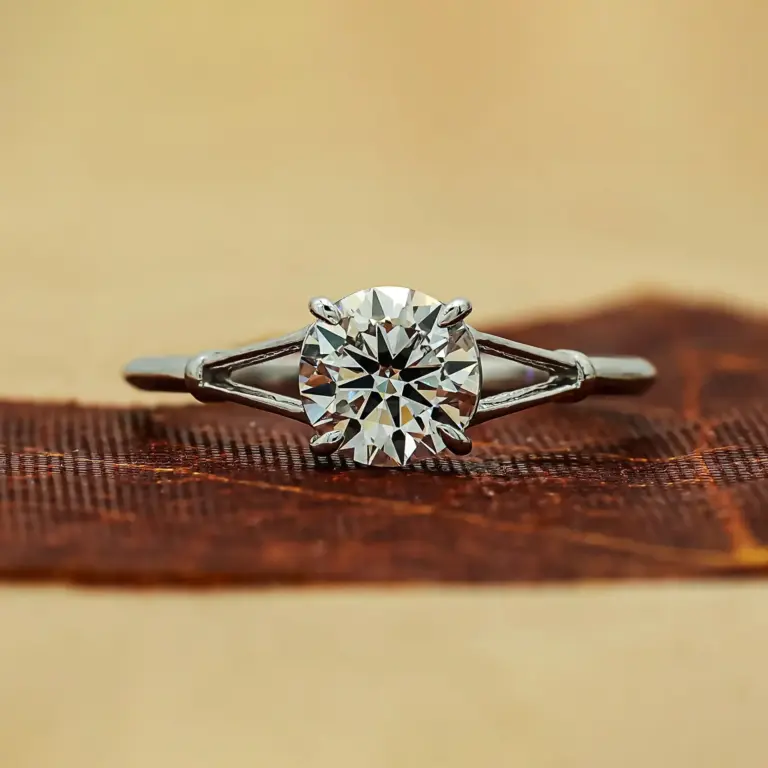
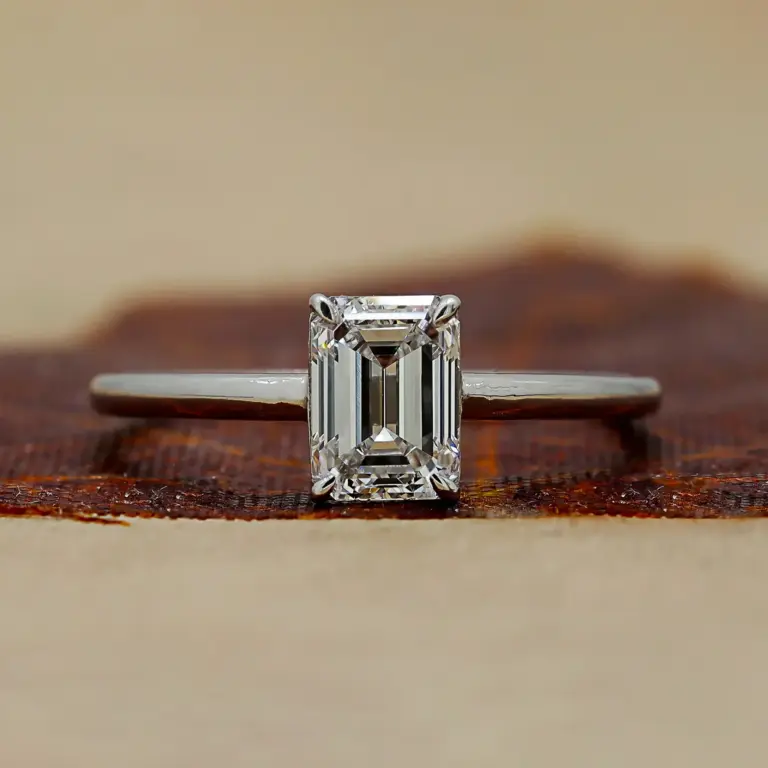 White Emerald Rings That Finish Any Look
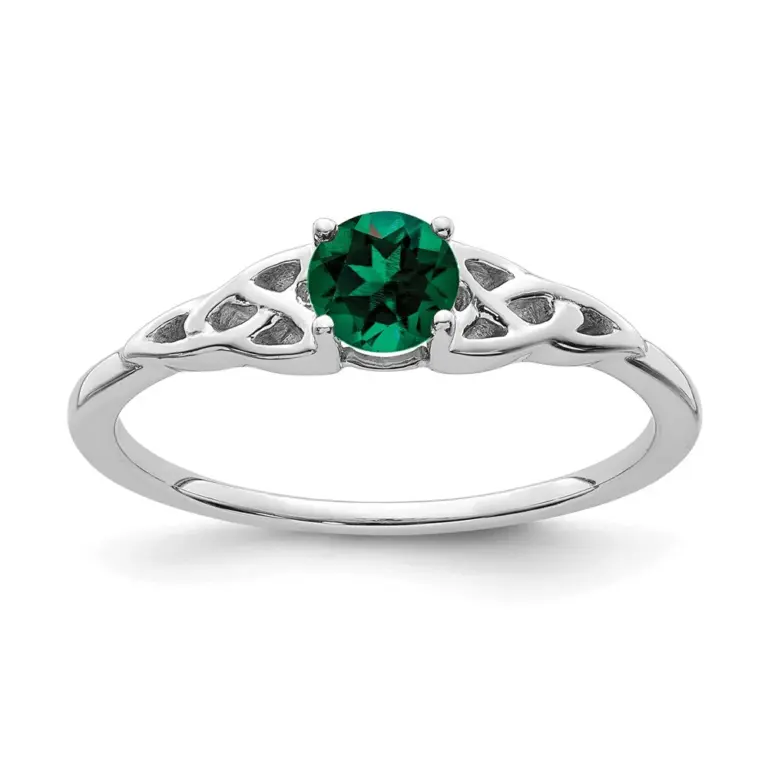
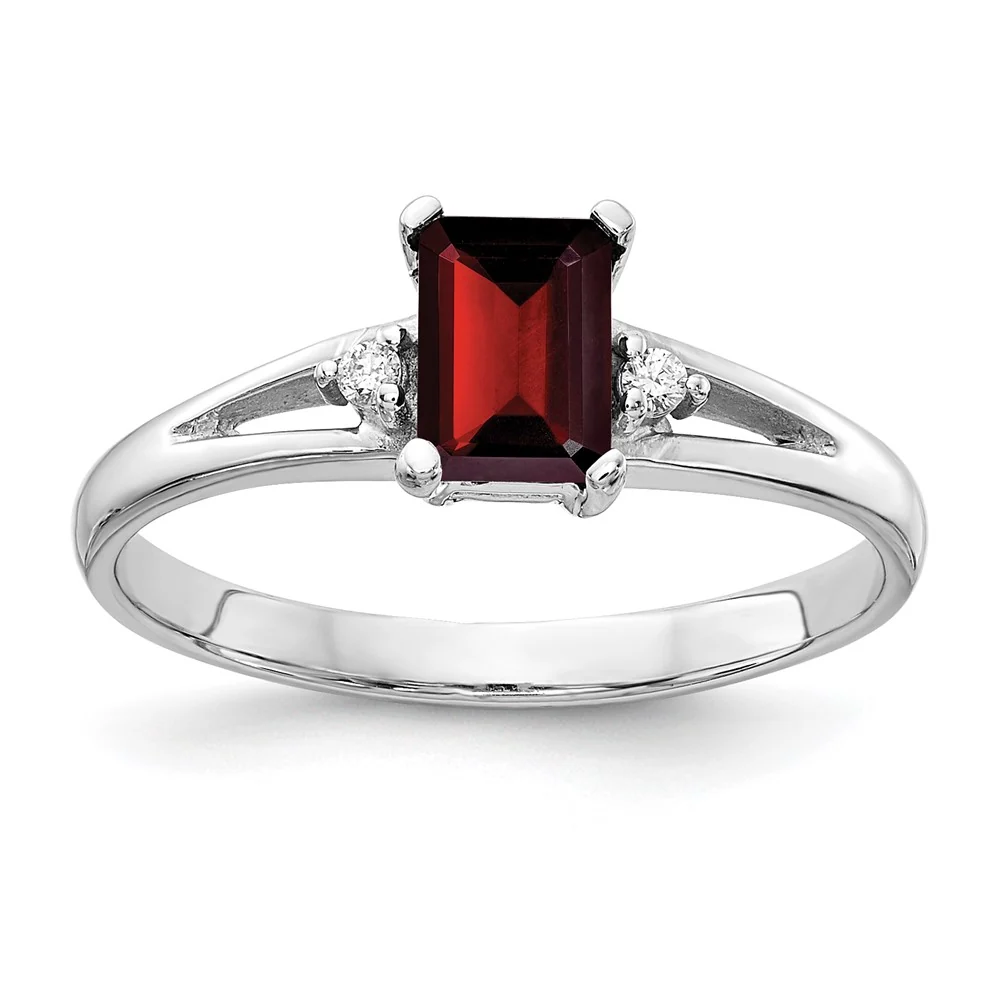 Statement RingsThe White Emerald Statement Rings We’d Wear Daily