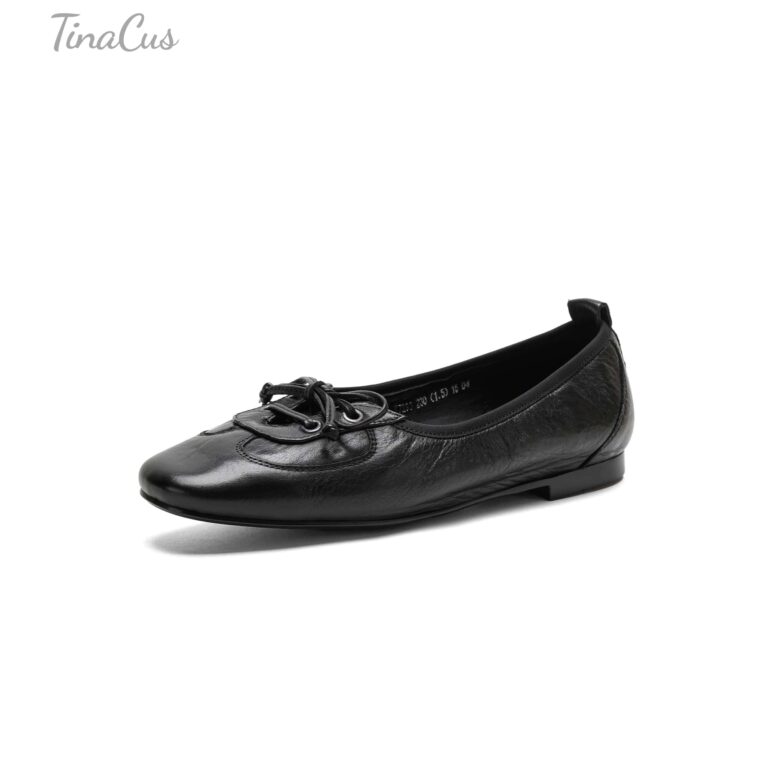
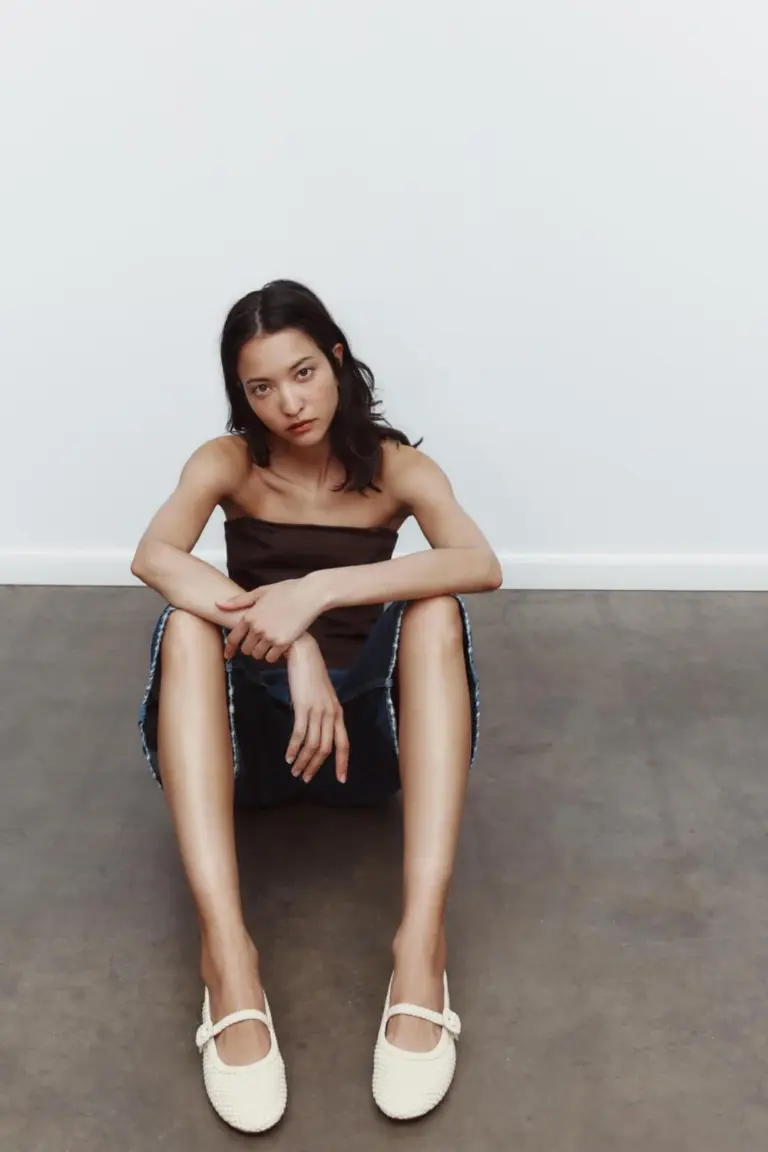
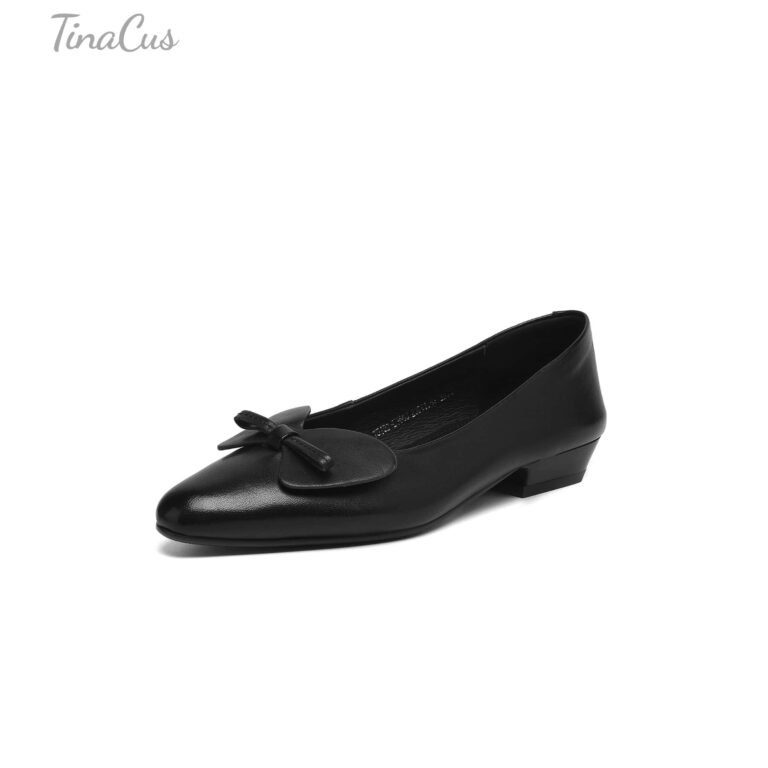
Ballet pumps are the shoe you reach for when you want to look like you've made an effort without your feet knowing about it, and that's exactly why they're worth having. There's no heel to think about, no break in period that leaves you hobbling round the kitchen for a week, just a shoe you put on and forget. That ease is the whole point, and most other flat shoes can't quite match it for looking finished.
Where they let you down is anywhere wet or uneven. Thin soled leather or soft canvas ballet pumps do nothing for puddles, cobbles, or a field at a summer do, and you'll feel every stone through the sole on a gravel path. They're also not a winter shoe in any real sense, cold seeps straight through them, and a lot of the cheaper ones have no proper lining so your feet are freezing by the time you've walked ten minutes. If you're on your feet all day at work, standing rather than sitting, they tend to leave your arches aching by mid afternoon because there's so little structure underneath you.
Where they do shine is spring and early autumn, dry pavements, an office day, a lunch where you want to look pulled together but you're not standing around for hours. They work under trousers, under a skirt, under a dress, and they pack flat in a bag if you want backup shoes for later. What they don't sit well with is anything heavily textured or clumpy, a thick cable knit jumper or a stiff structured coat tends to make a dainty pump look like an afterthought, and they can disappear completely under a long wide leg trouser, so you end up looking like you've got no shoes on at all.
Fit is where most people come unstuck, because ballet pumps are built with almost nothing to hold your foot in place, no laces, no strap, sometimes barely a seam. Go a touch snug rather than true to size, since the soft material gives a little with wear, and a pair that feels generous in the shop will be sliding off your heel within a week. Check the back isn't gaping when you walk, that's the real giveaway, not how they feel standing still in the shop mirror. Wider feet want to look for ones with a bit of stretch across the toe box rather than a hard seam, because that seam will rub a blister in exactly the spot you'd expect, right along the side of your big toe, usually by the second wear.
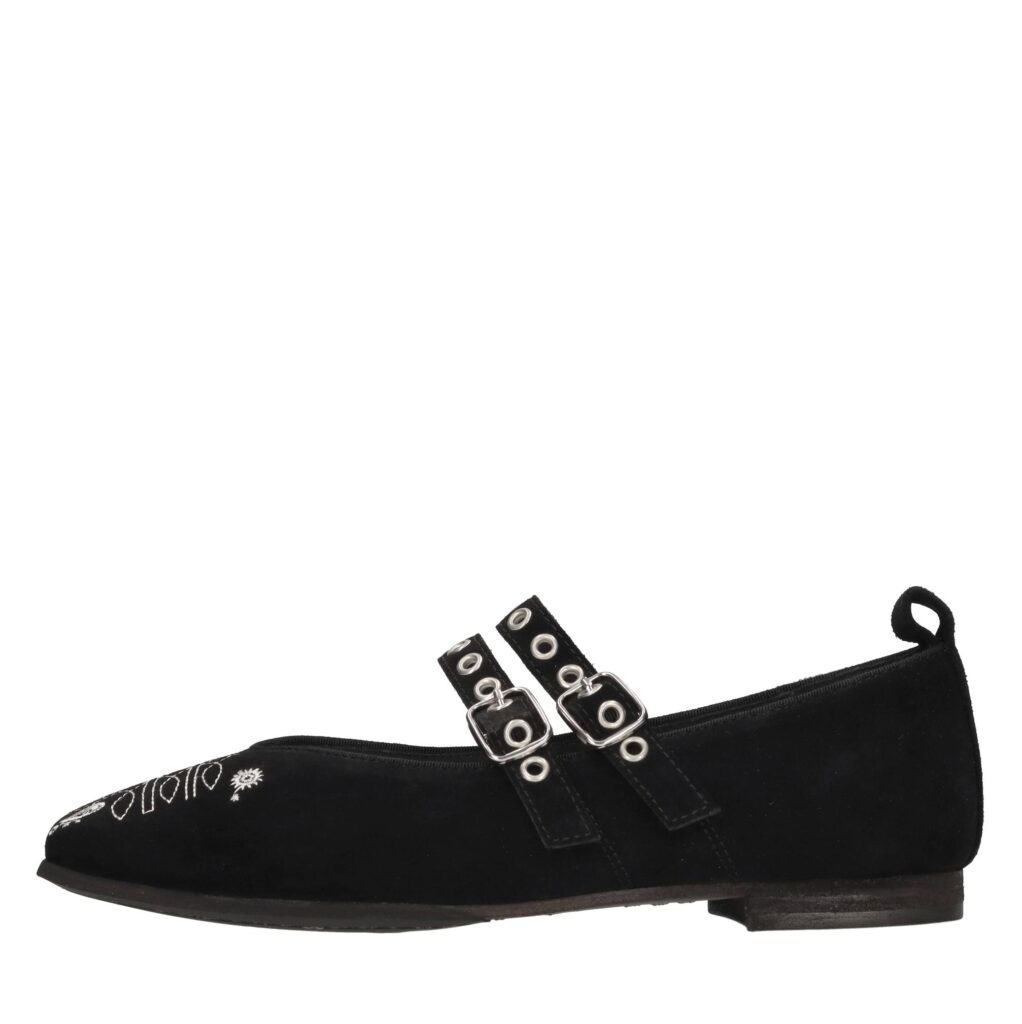 Suede Ballet Flats That Make an Outfit
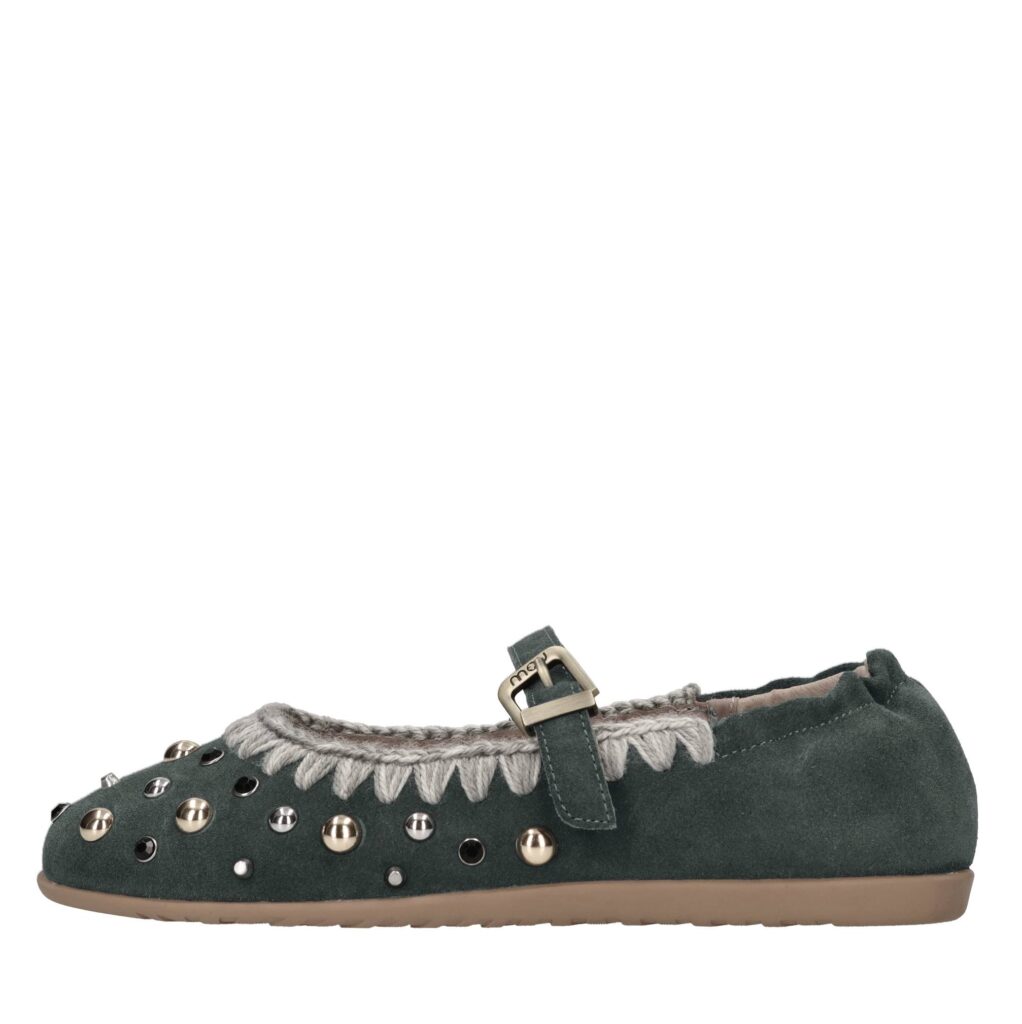
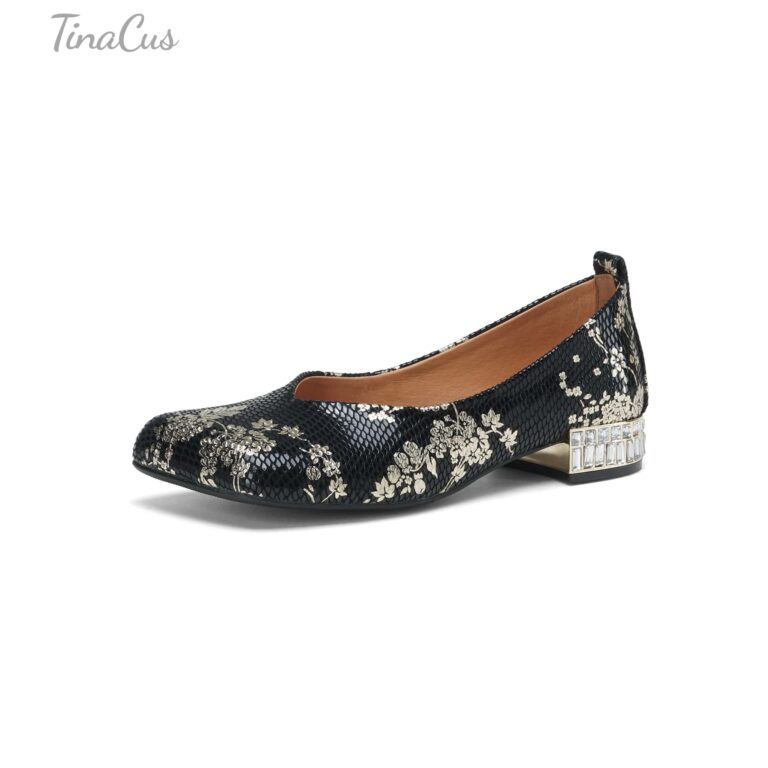 The Square Toe Ballet Flats We’d Wear All Day
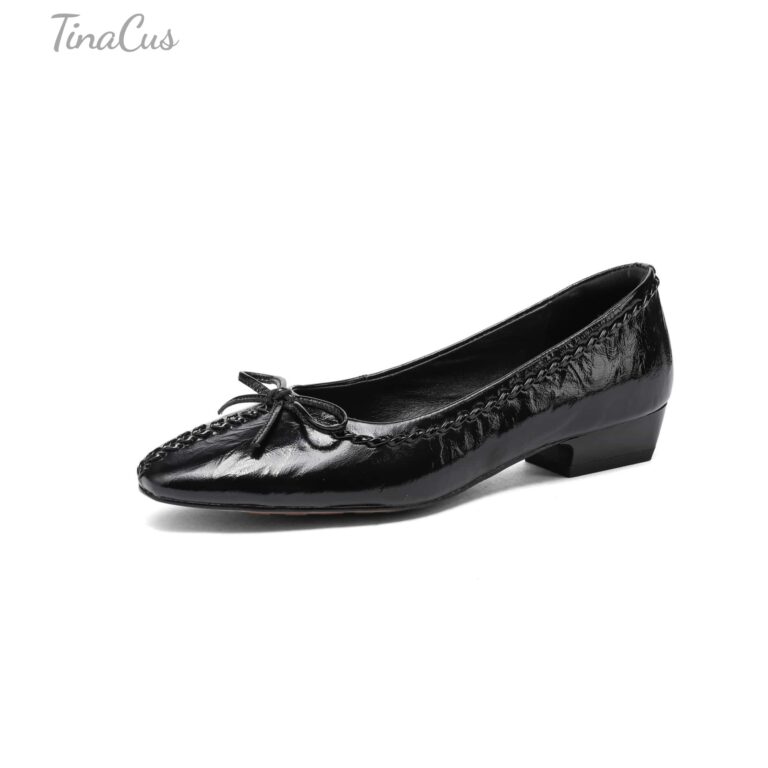
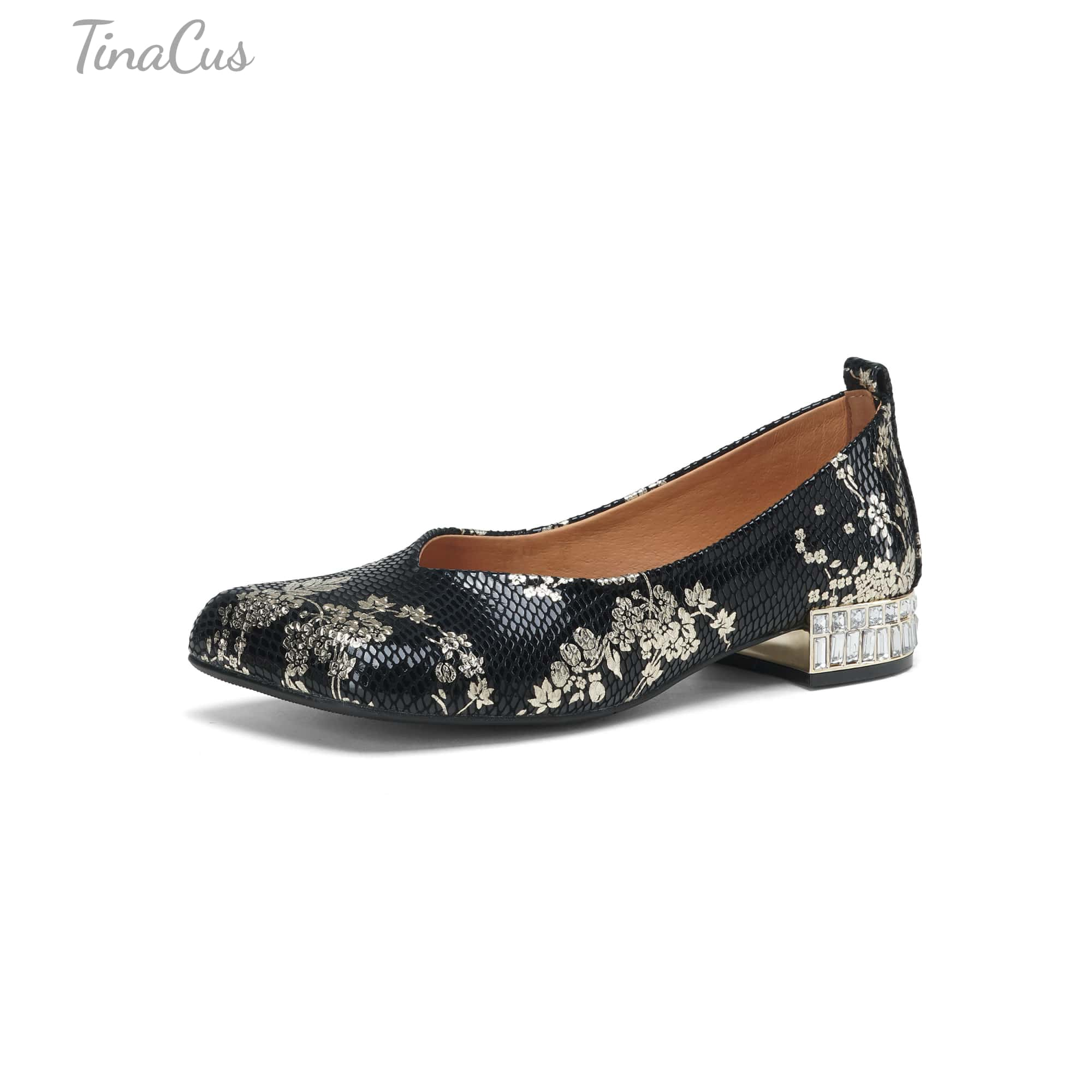 Slip On Ballet Flats: The Edit
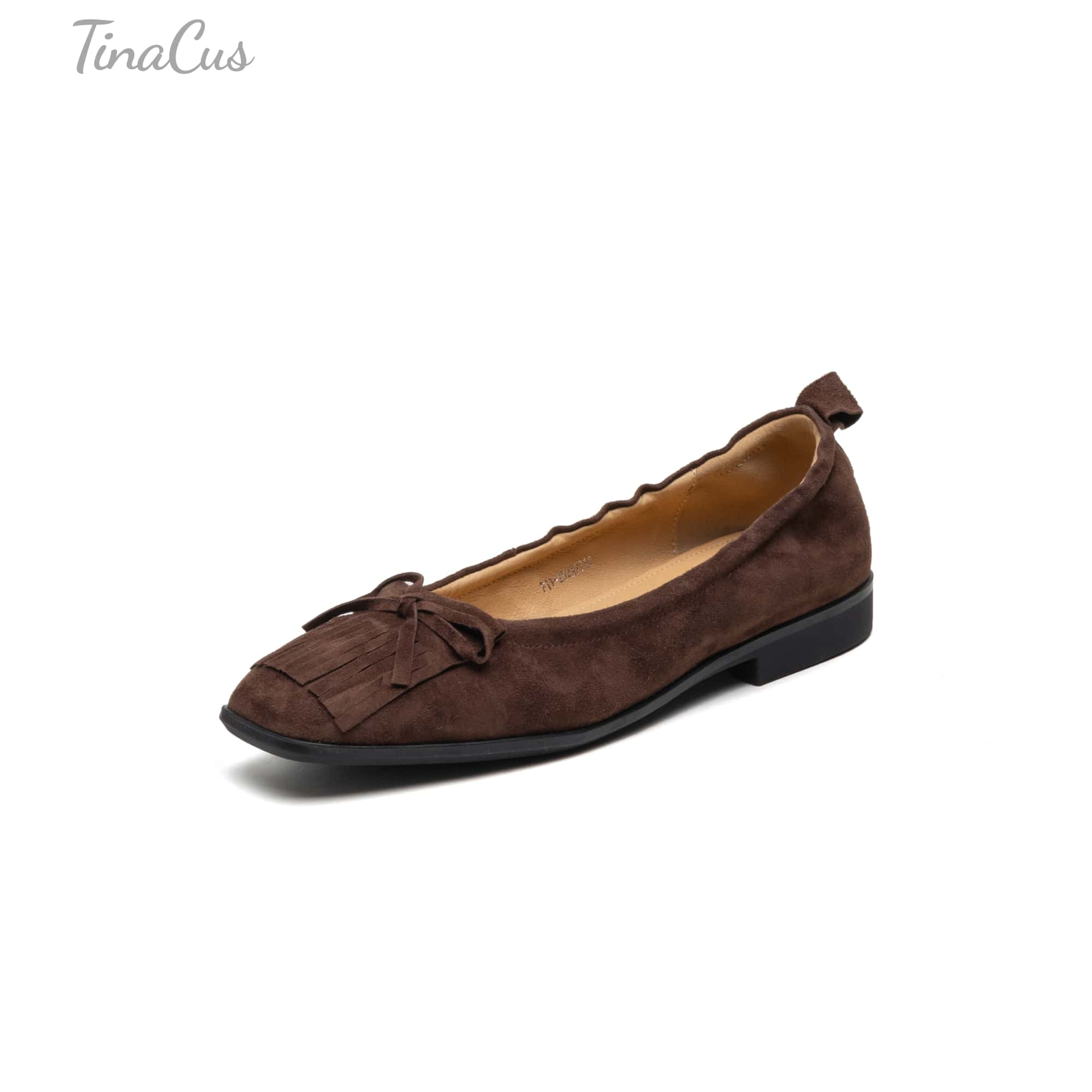
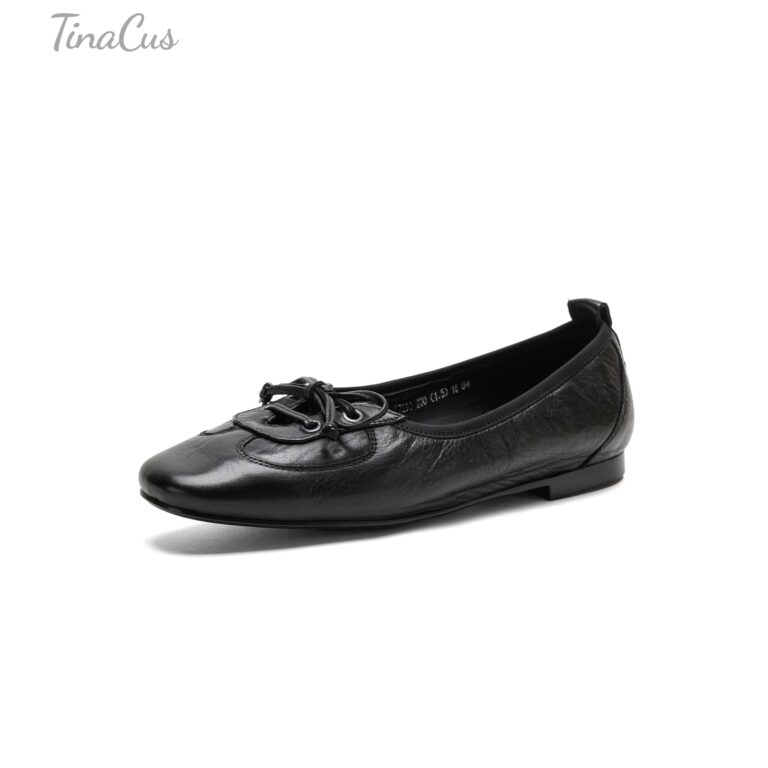 The Round Toe Ballet Flats Worth Your Wardrobe Space
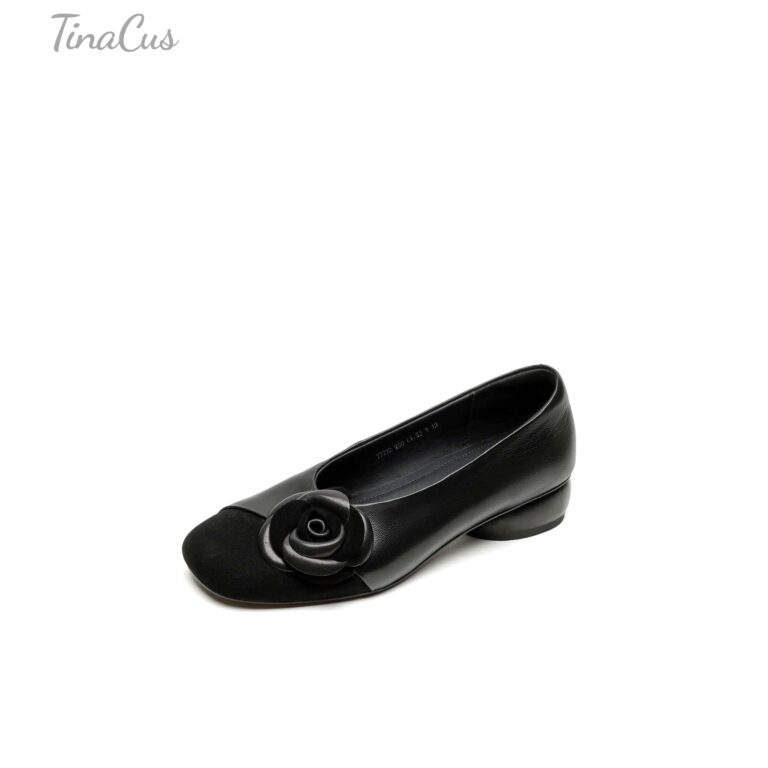
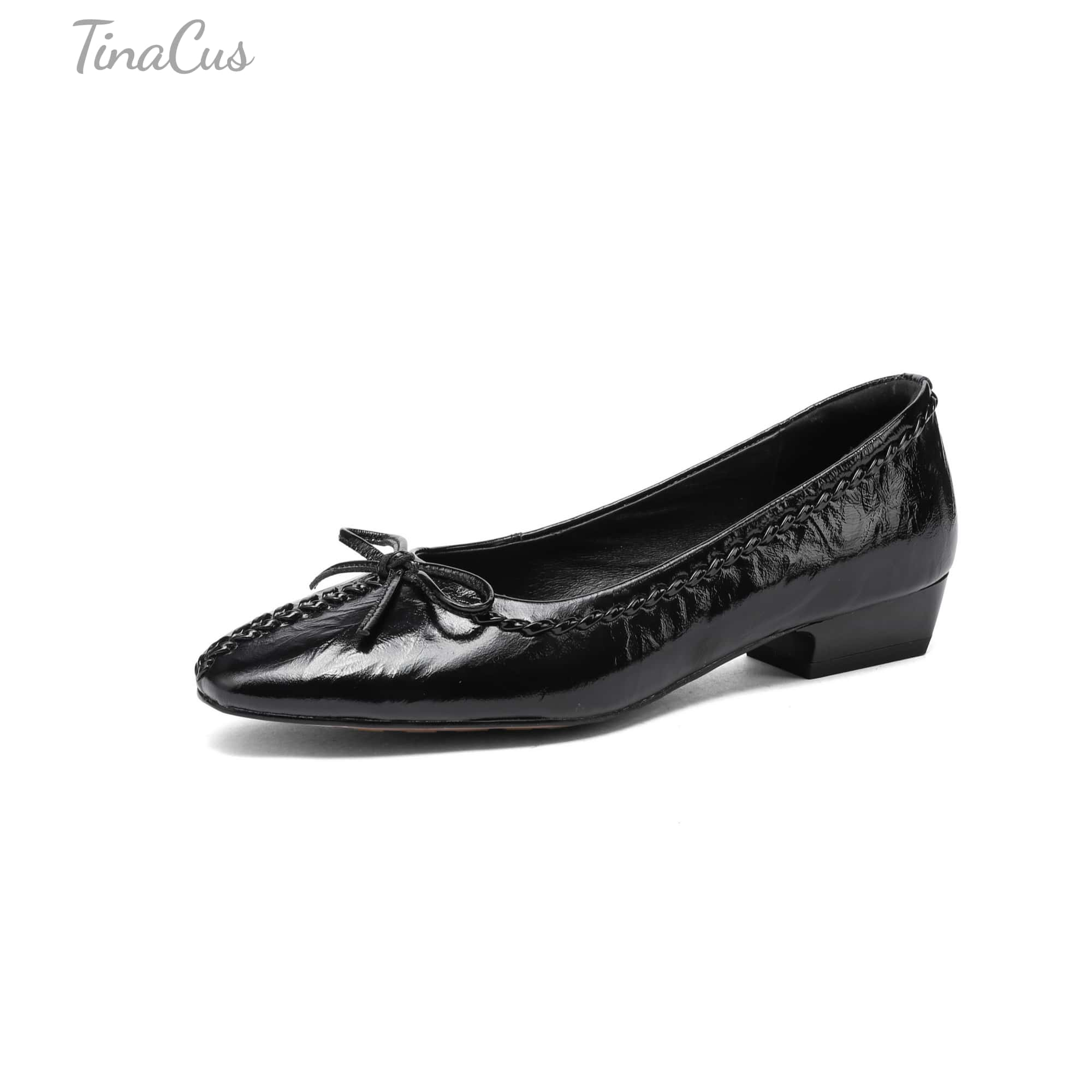 Rubber Ballet Flats: The Ones Worth Your Money
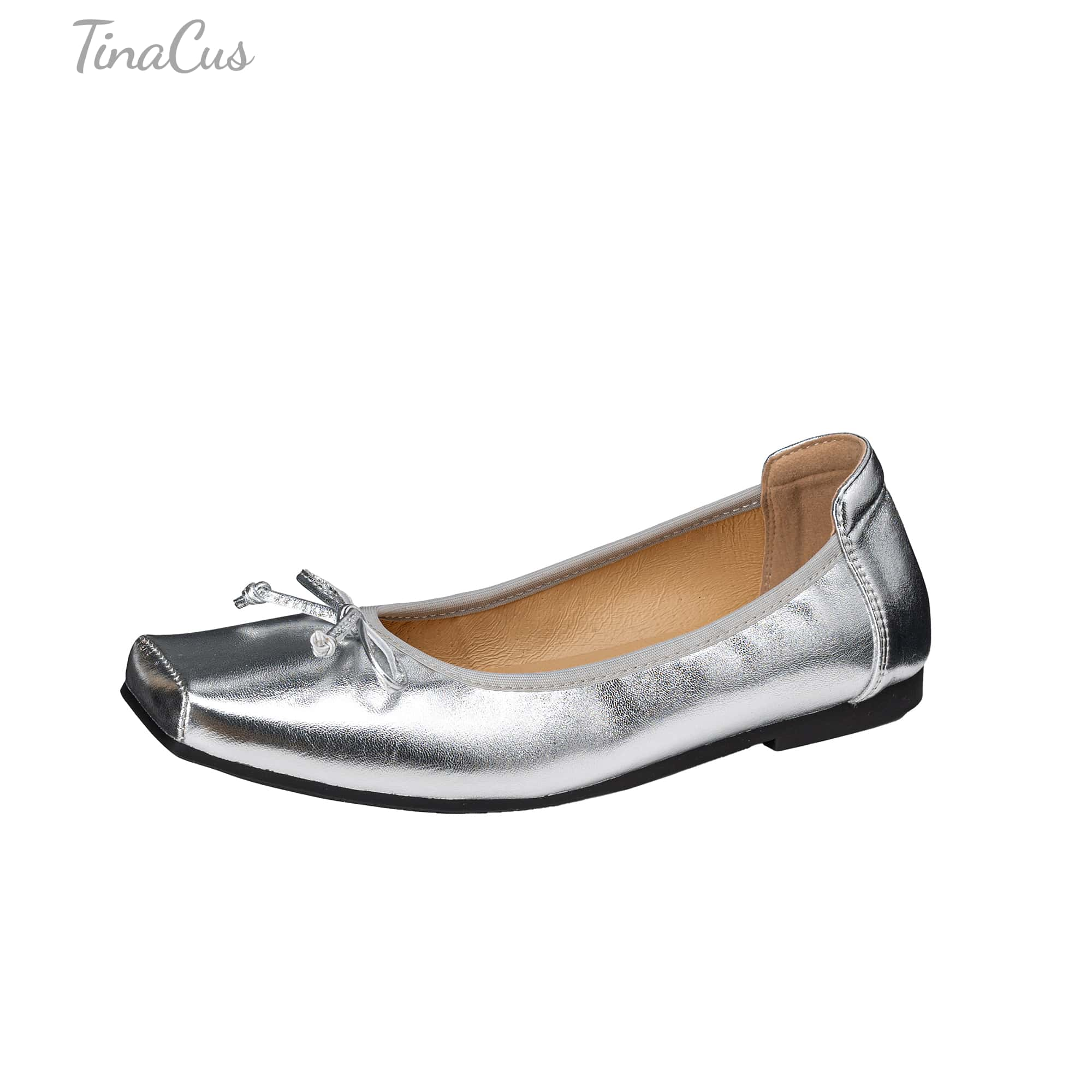
 Shop Our Favorite Pointed Ballet Flats
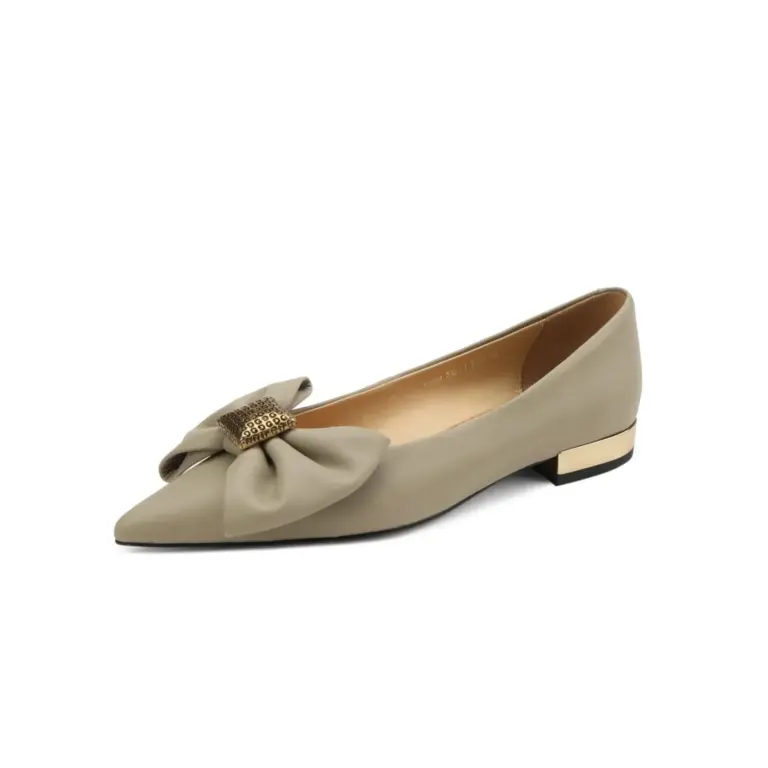
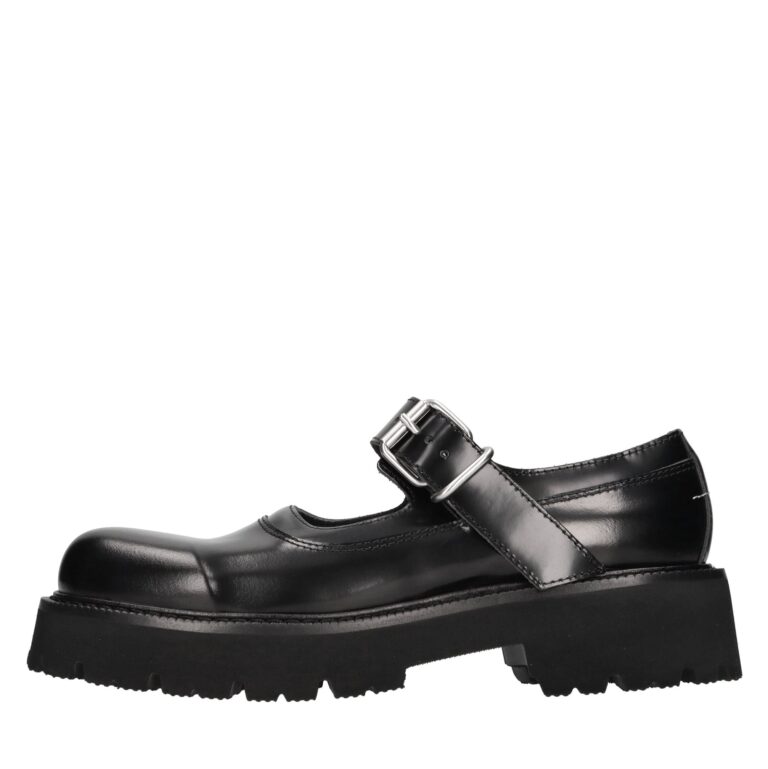 Leather Ballet Flats With Real Wardrobe Staying Power
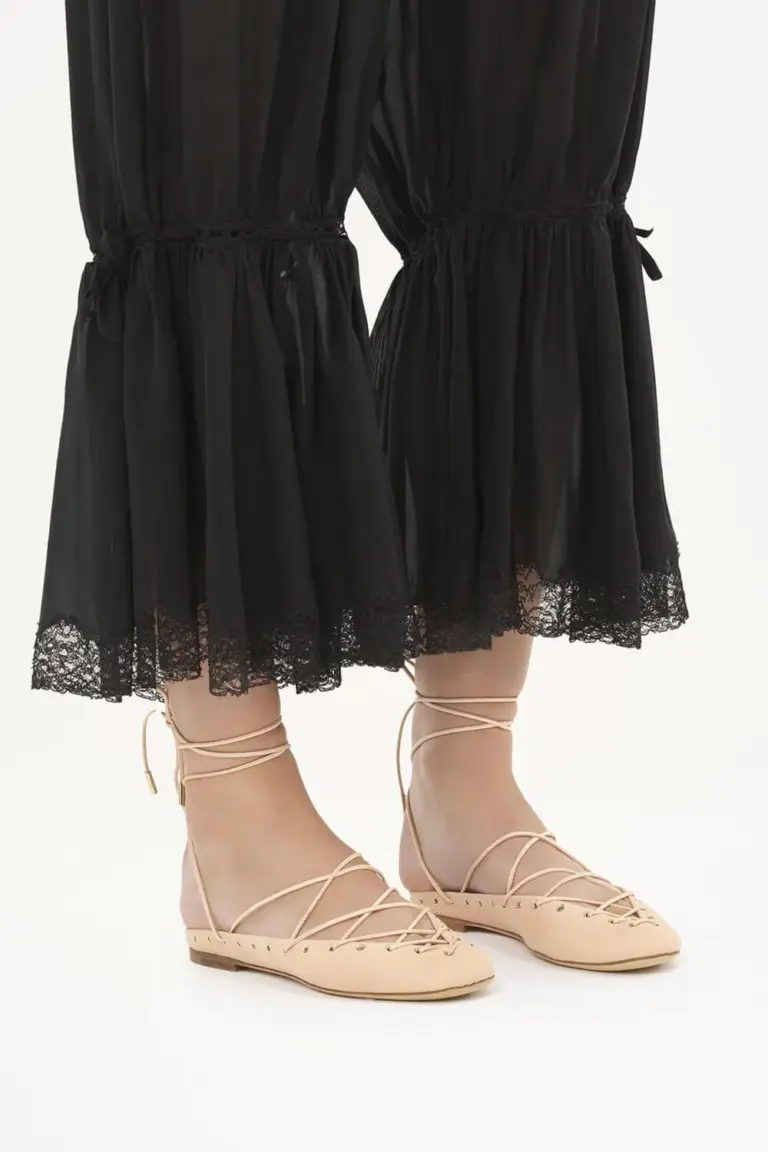
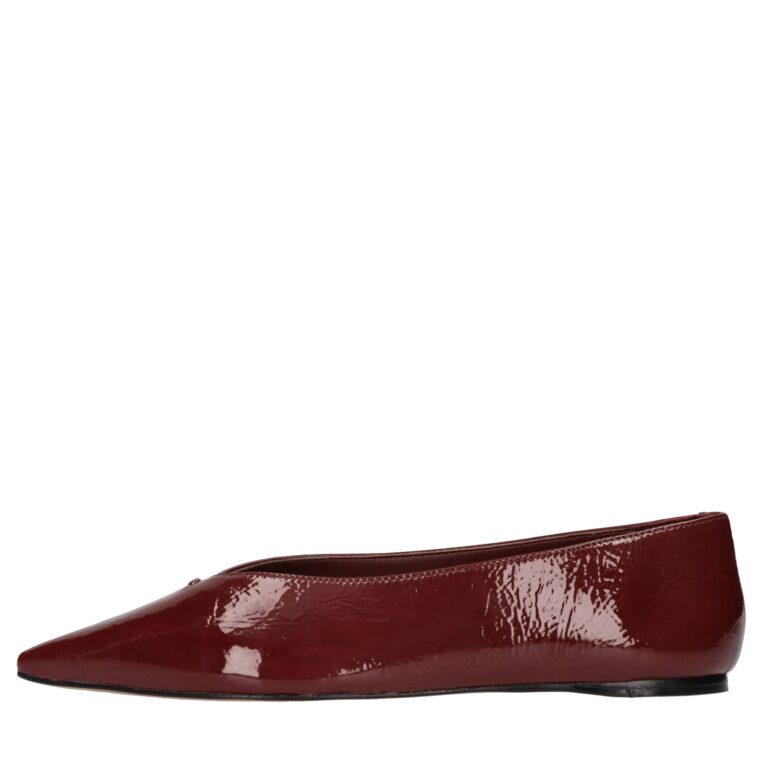 Flat Ballet Flats Worth Adding to Your Wardrobe
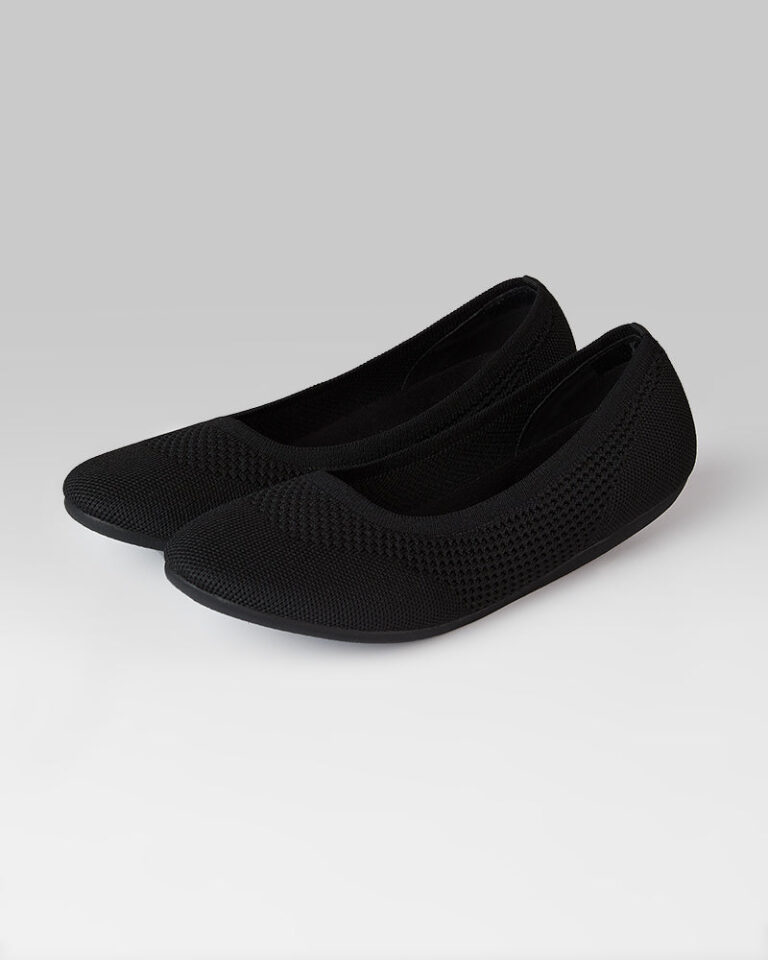
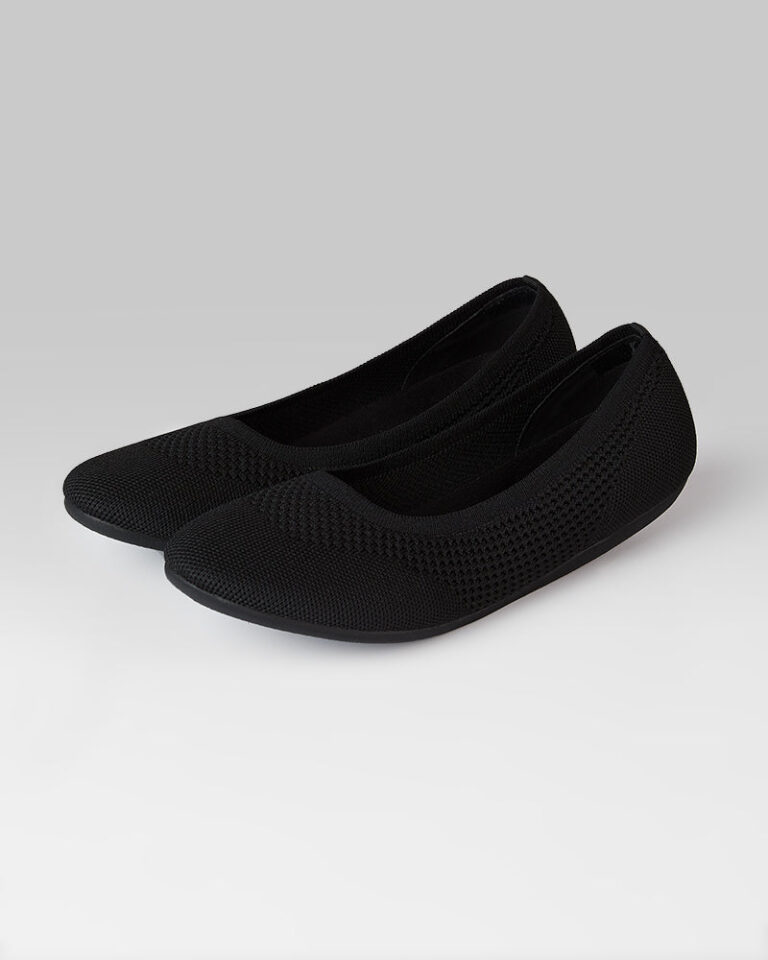 Shop Our Favorite Comfort Ballet FlatsAlso worth a lookPumpsPumps went through a properly scruffy patch a few years back, all thin, floppy soles and a point…See the collections →
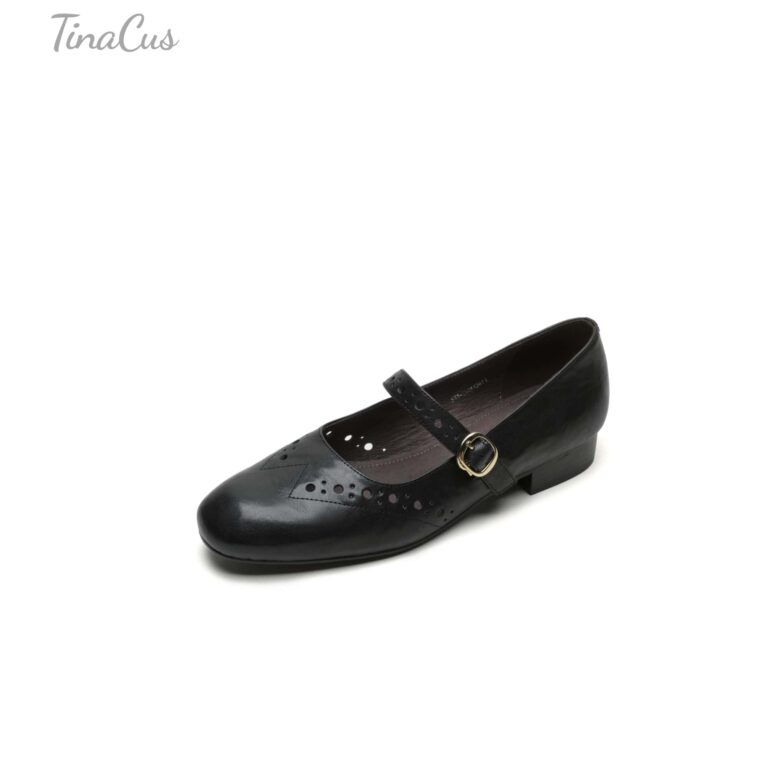
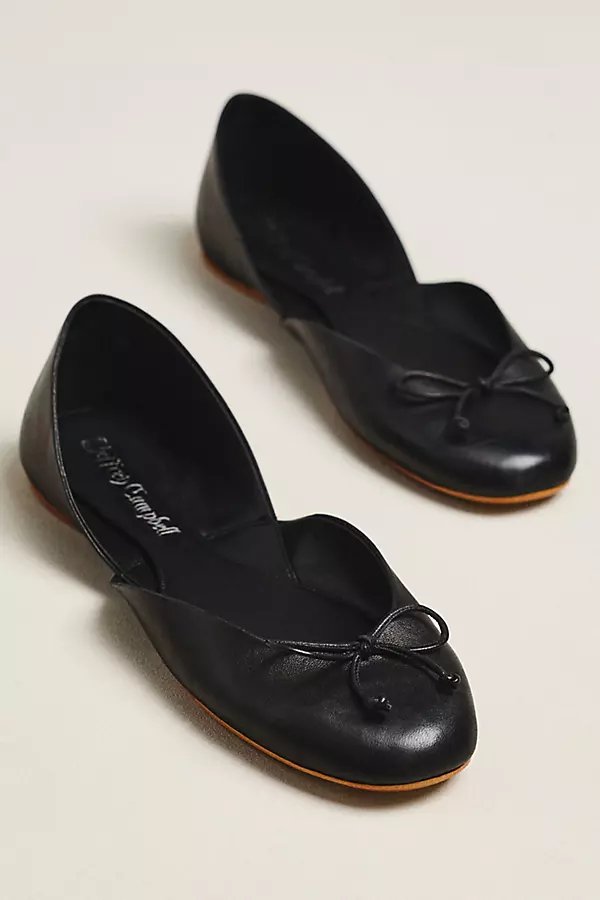 Black Slip On Ballet Flats That Earn Their Place
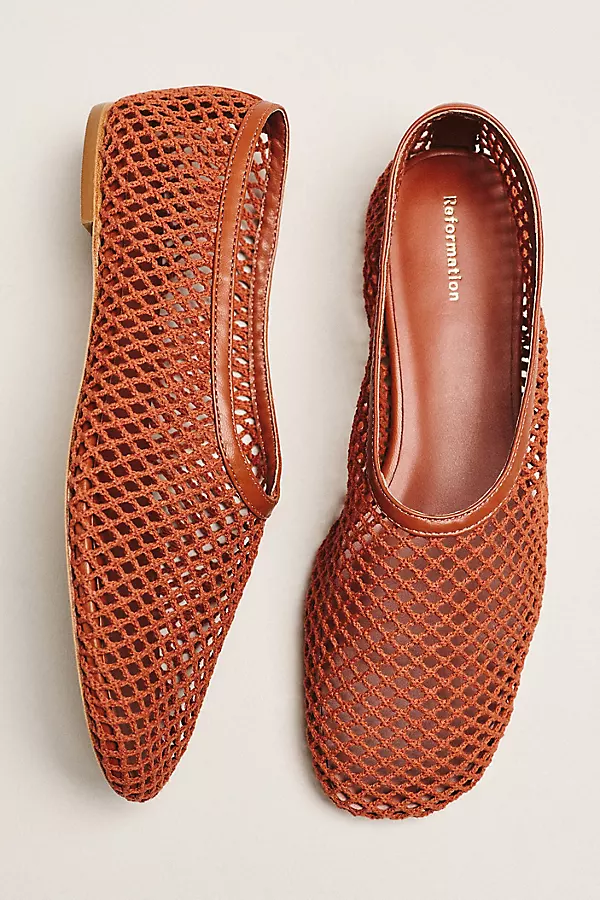
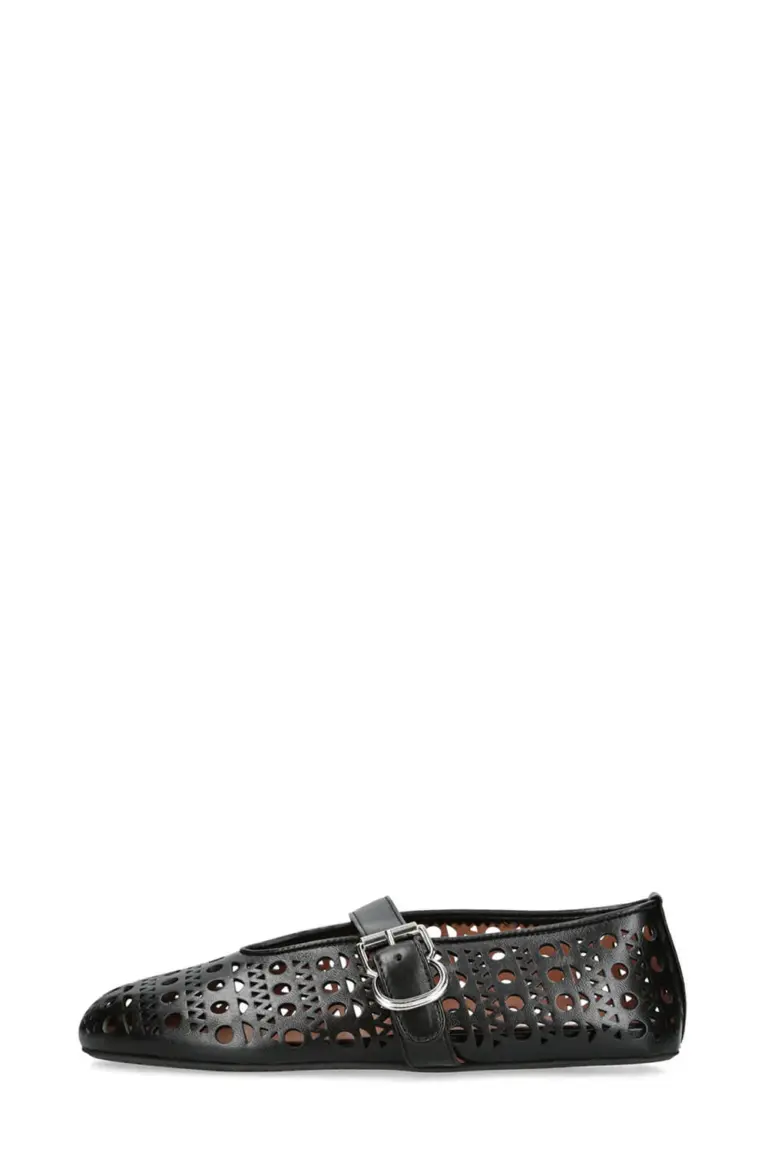 Our Top Black Rubber Ballet Flats Right Now
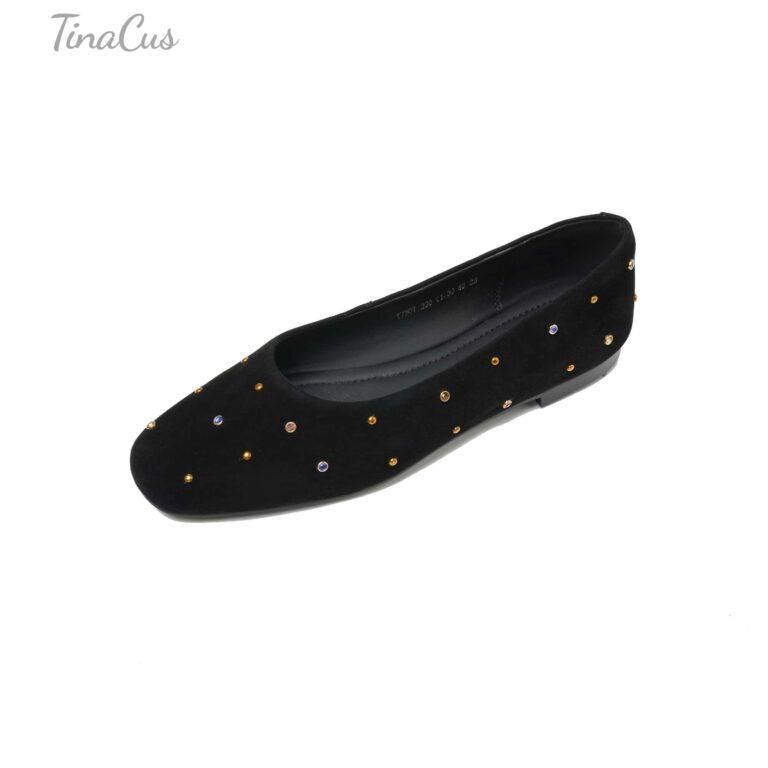
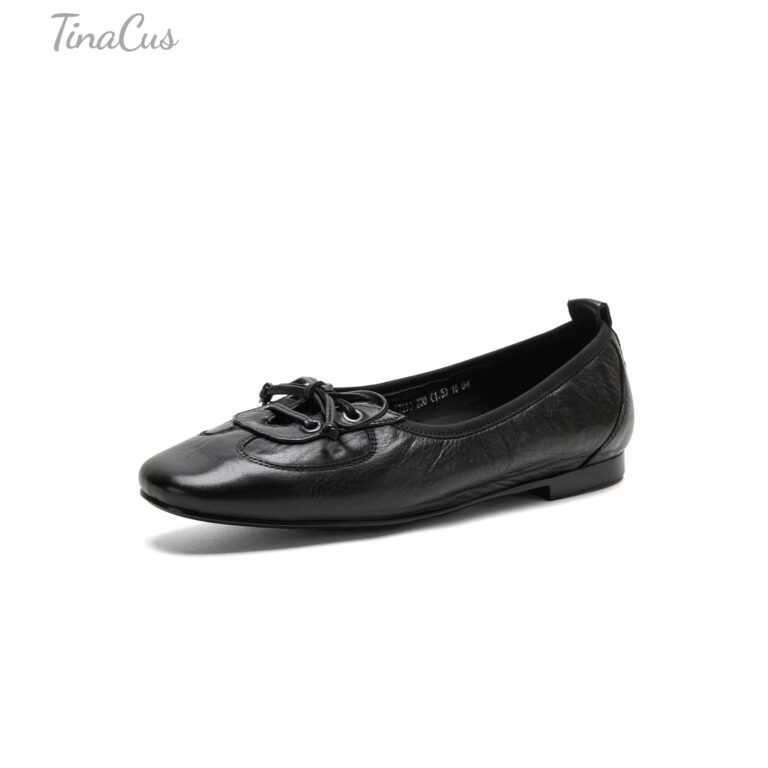 Black Round Toe Ballet Flats on Our Radar
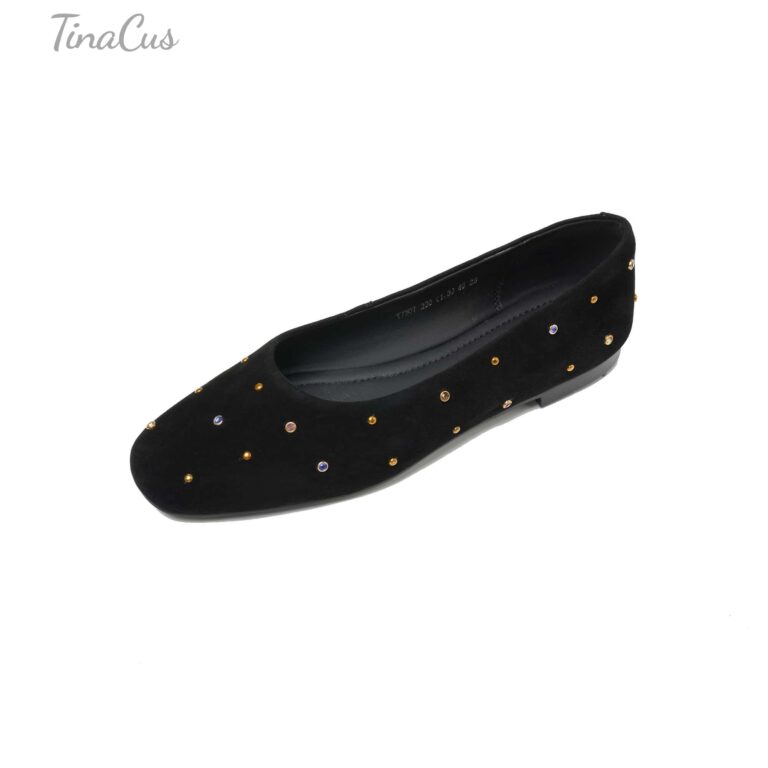
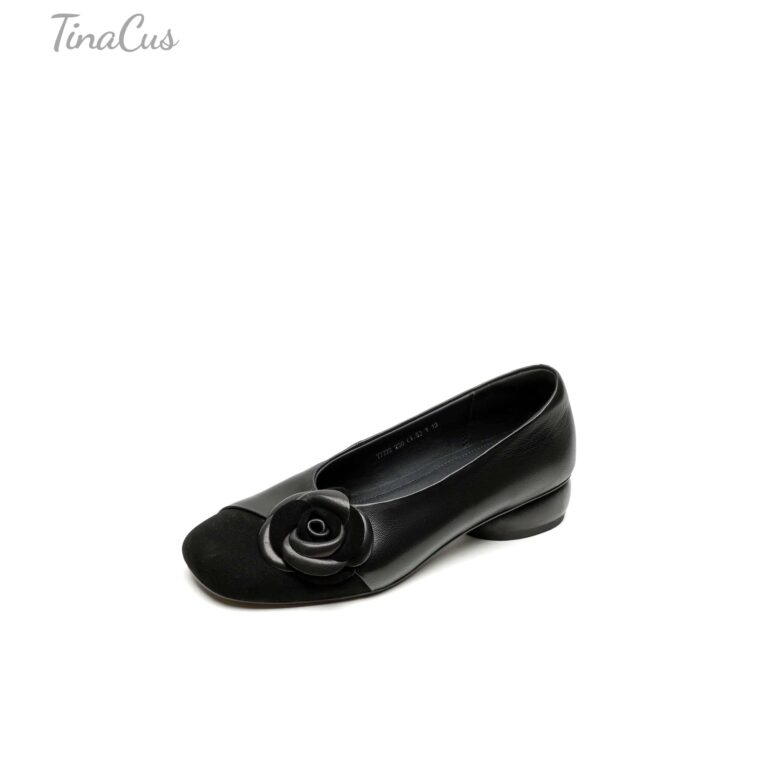 Black Leather Ballet Flats We’d Recommend to a Friend
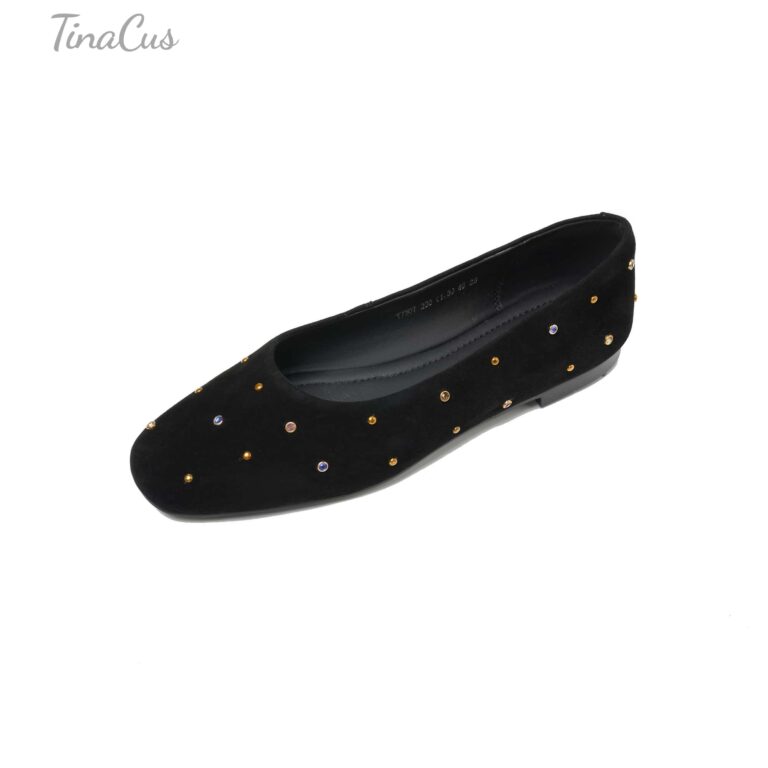
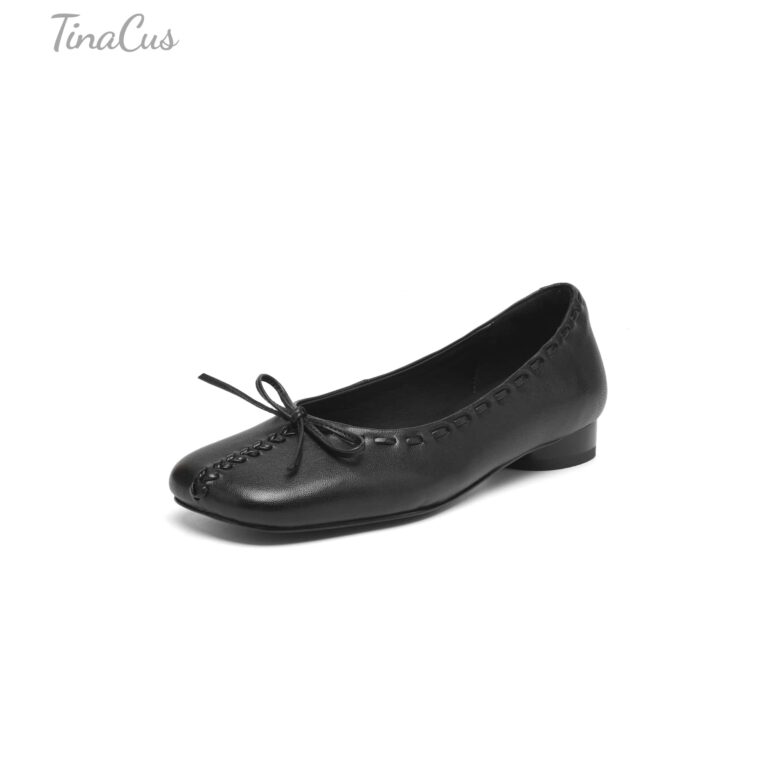 Black Comfort Ballet Flats That Make an Outfit
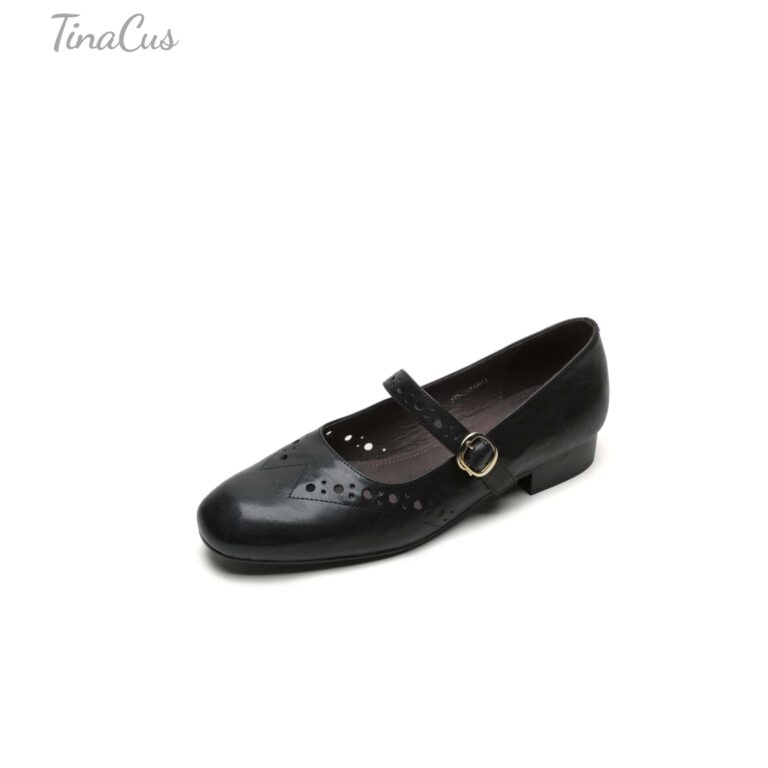
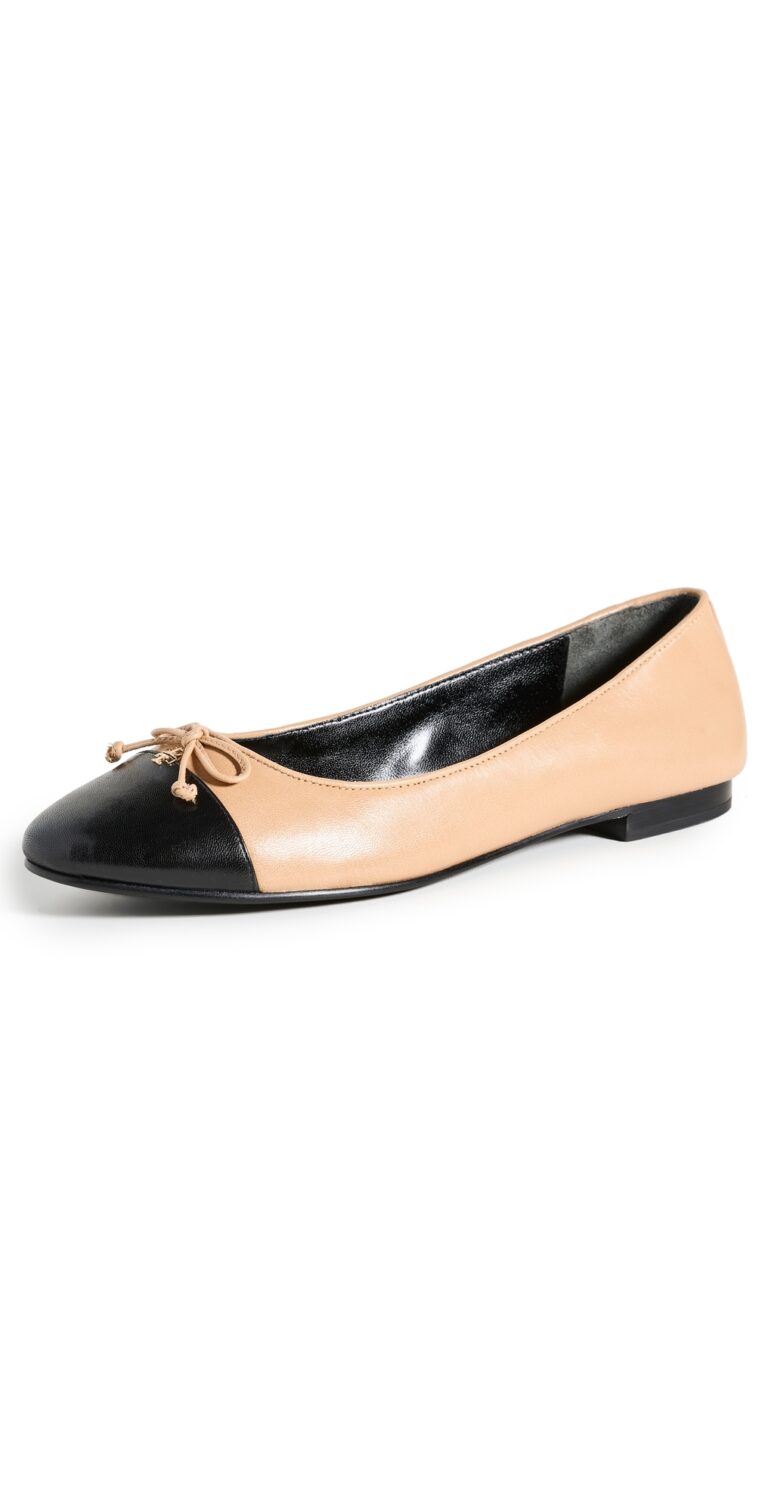 Black Ballet Flats We Can’t Stop Looking At
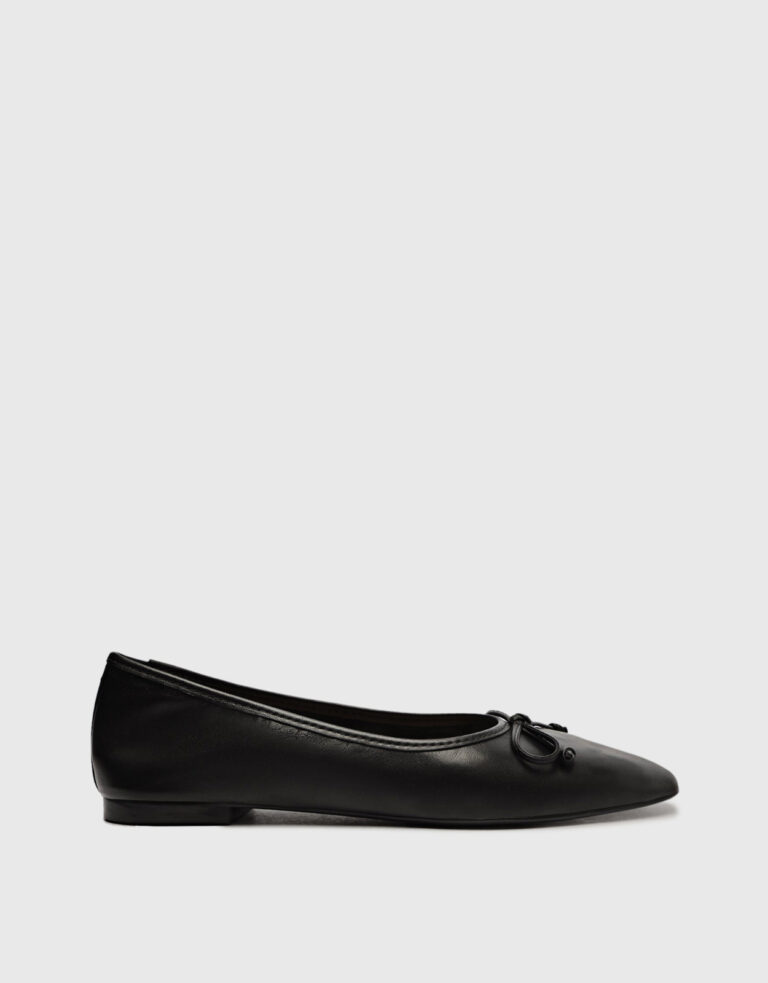
 Shop Our Favorite Beige Ballet Flats