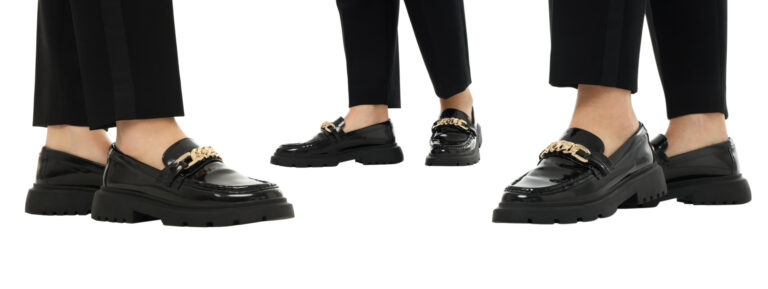
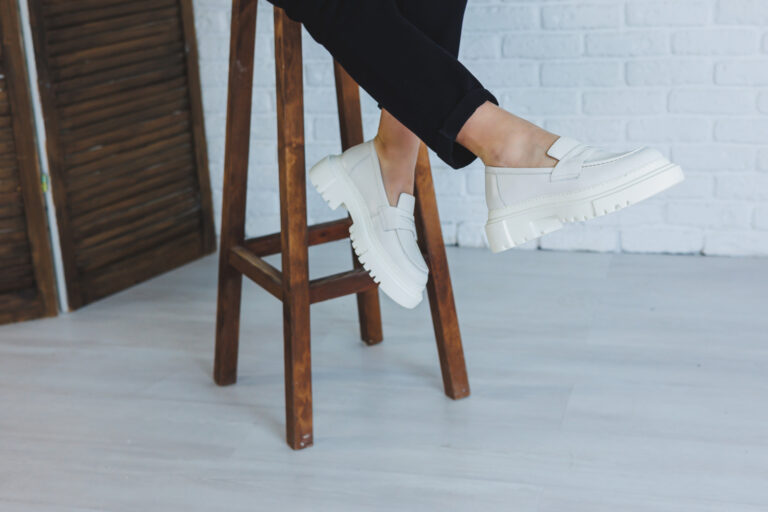
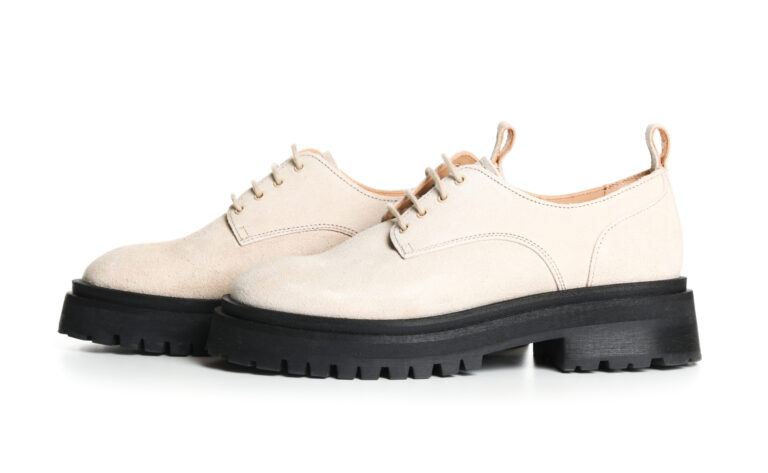
The mistake is buying the trouser first and hoping the rest of the outfit sorts itself out later, when it's the top half that decides whether the whole thing reads as work appropriate or just office adjacent. A sharp, tapered trouser with a loose vest and blazer looks considered. The same trouser with a fitted t-shirt starts drifting towards weekend, and nobody tells you until you're sat in a meeting feeling slightly underdressed and not sure why.
These sorts of outfits earn their place on the days with real structure to them, client meetings, presentations, anything with a commute either side where you need to move fast and still look like you meant it. They're less convincing on the days that are genuinely just you, a laptop and three video calls, when the waistband you fought with all morning starts to feel like a punishment for nobody's benefit. They're also the wrong choice for anything with long stretches of standing, a conference, a trade show floor, because trousers that sit beautifully seated can pull tight across the front of the thigh the moment you're on your feet for three hours, and a straight skirt would have been kinder. Before you buy, check the rise sits where you think it does when you sit down, not just standing in the mirror, because a mid rise that looks fine standing can gape at the back the second you fold into a chair. Check the hem length in the heel height you'll actually wear, not the flats you tried them in, and check the pocket openings don't flare when your hands are in them, which on cheaper tailoring they often do.
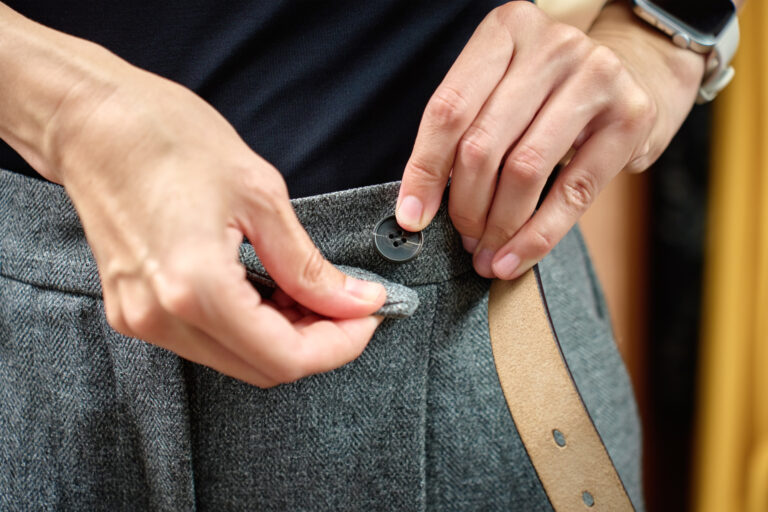
Fabric blends with a bit of stretch in them wear the best over months, they keep their shape through a full day of sitting and standing without bagging at the knee the way pure cotton or a stiff polyester can. Watch the inner thigh seam on any trouser that gets repeated wear, that's usually the first place to go, along with the button at the waist if you're someone who does the top button up and down all day without thinking. A good wool mix trouser will outlast a cheap one by years if you let it rest between wears rather than reaching for it every single day, which is hard advice to actually follow but true. Blazers in a similar weight age well if you hang them properly rather than folding them over a chair, since that's where the shine starts at the elbows and lapel. Wash trousers less than you think you need to, and have them steamed or pressed instead of ironed where you can, it keeps the fabric from going thin at the knee and seat long before it should.
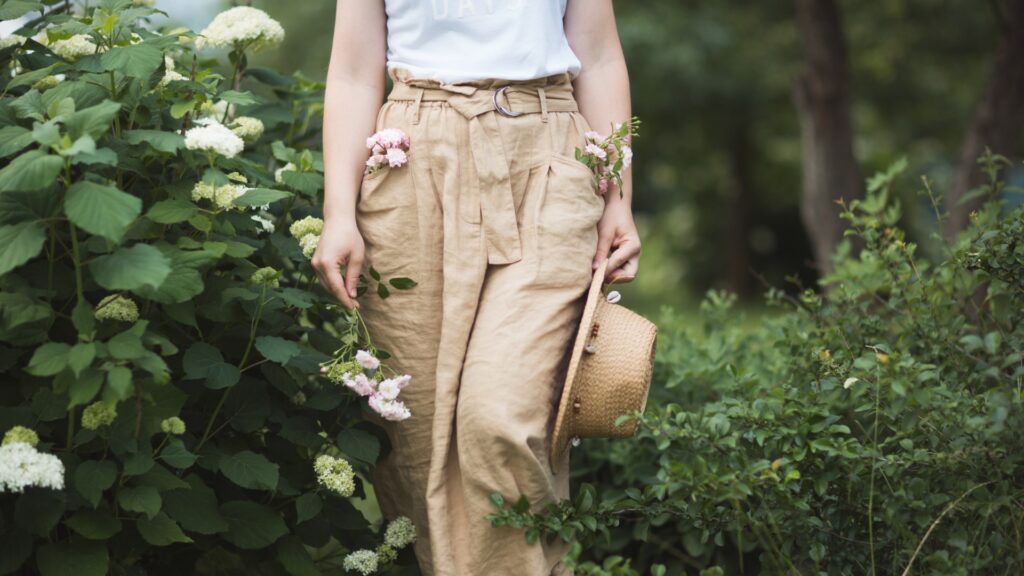 Maggie's pickMy Linen Pants Came Out Of The Wash A Different Size Than I Remembered
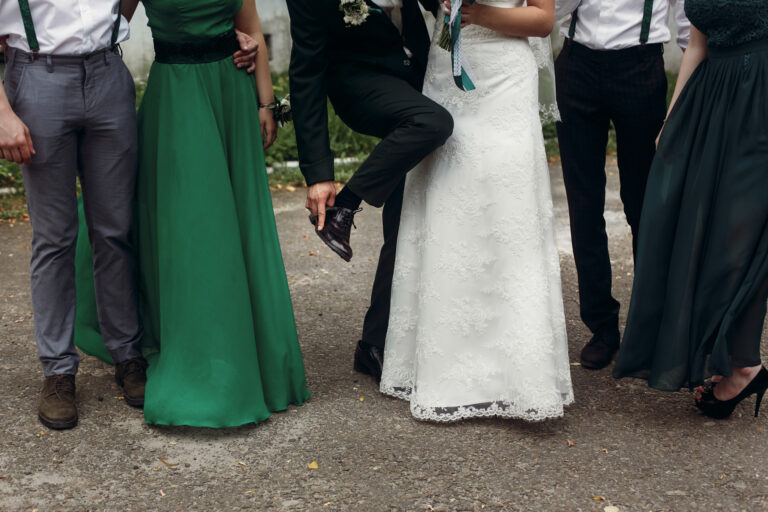 Imogen's pickChinos To A Wedding Turned Into A Full Debate In My Group Chat
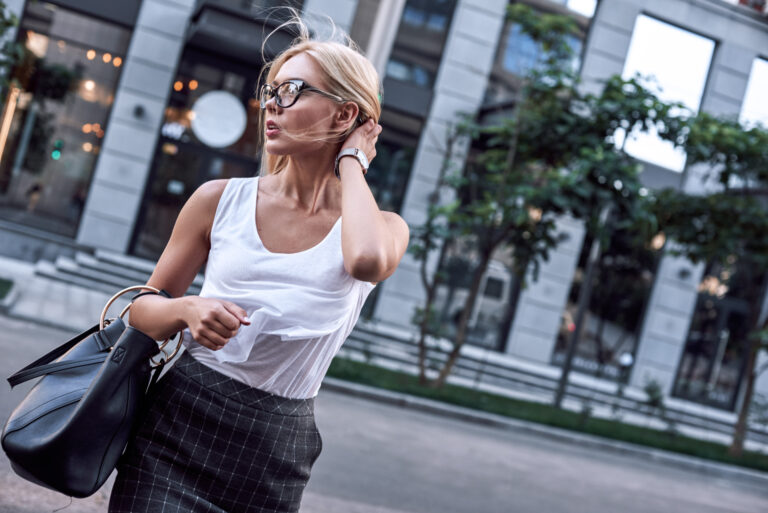
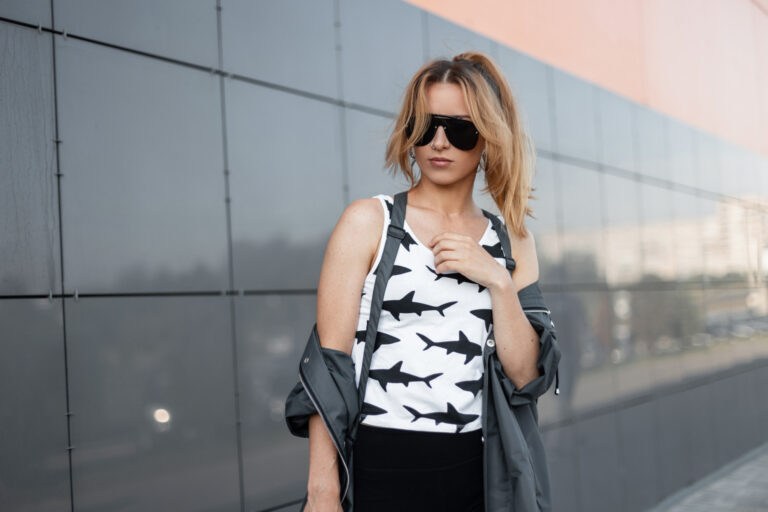 Maggie's pickA Tank Top At Work Depends Entirely On What Ends Up Layered Over It
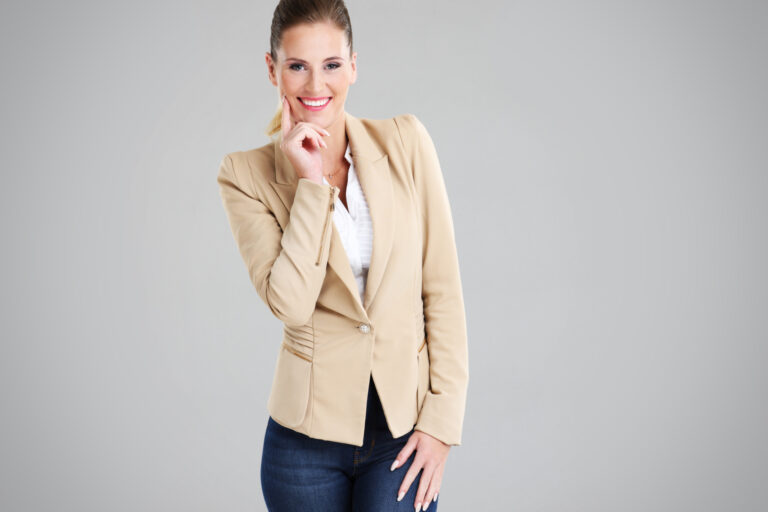 Lauren's pickA Blazer Alone Might Not Be Doing The Smart Casual Job People Think It Does
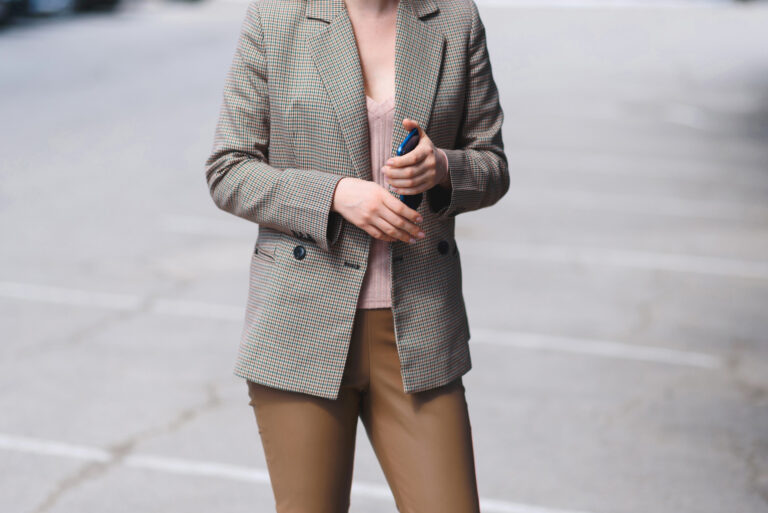
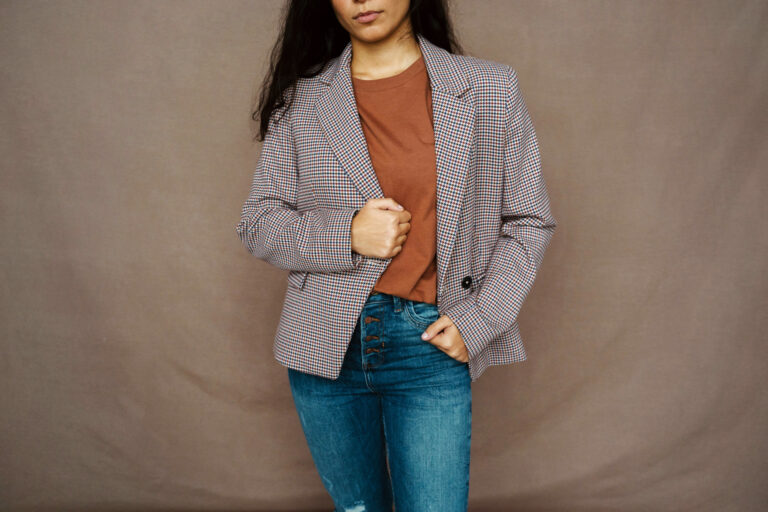 Hannah's pickThe Blazer Requirement For Business Casual Might Be Outdated Advice
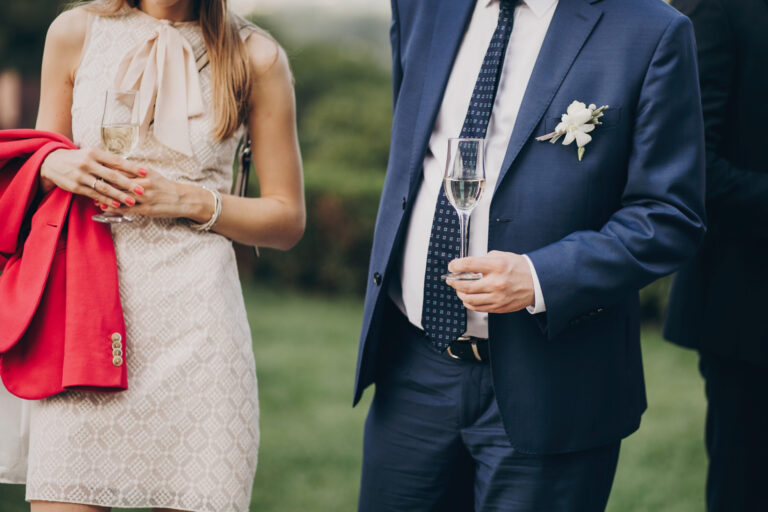 Leanne's pickThe Blazer To A Wedding Rule Might Just Be An Assumption Nobody Checked
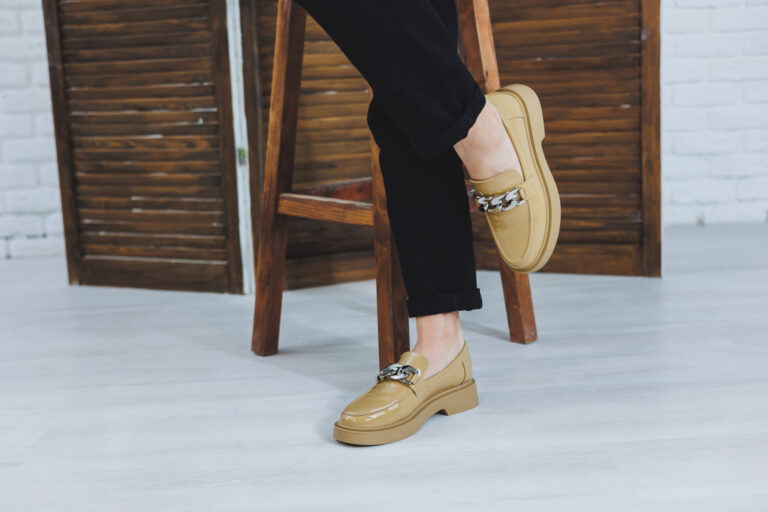 Freya's pickMy Loafers Slip At The Heel And I Wanted To Know If Thats Normal

 Dani's pickBreaking In Loafers Sounds Like An Excuse For A Bad Fit, So I Questioned It
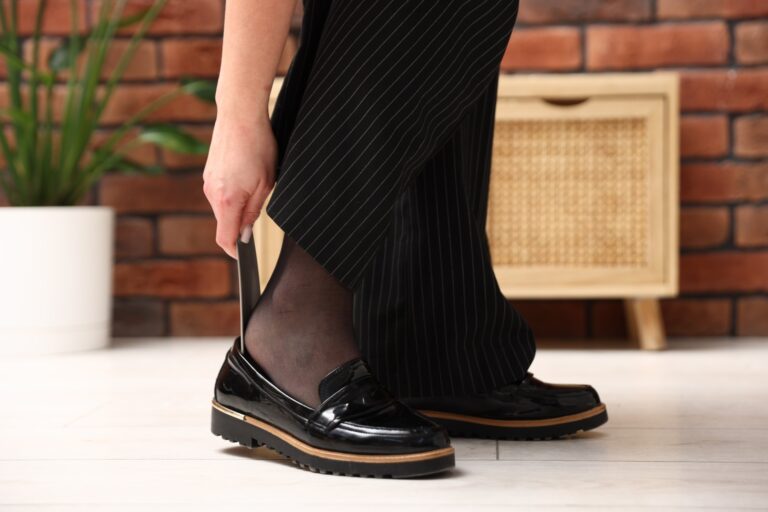
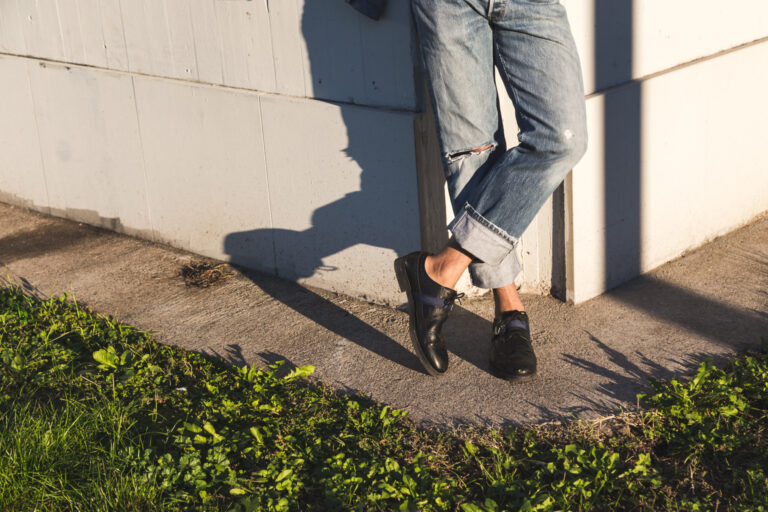 Siobhan's pickLoafers With Jeans Feels Like An Unwritten Rule Ive Been Quietly Breaking
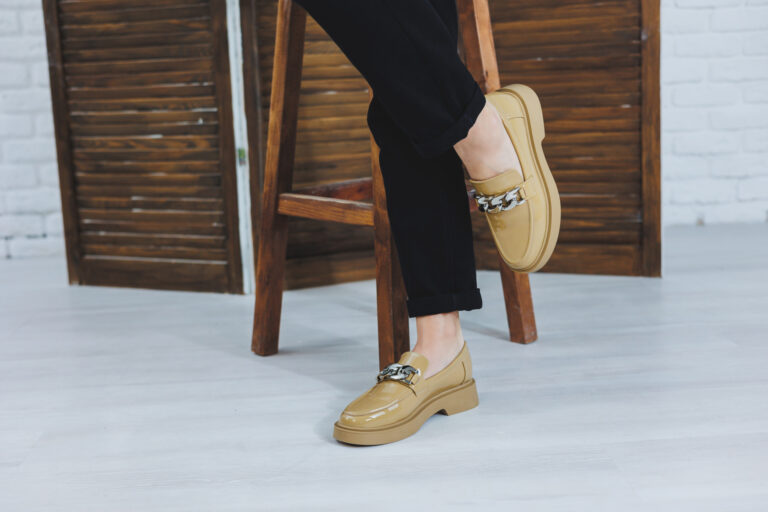
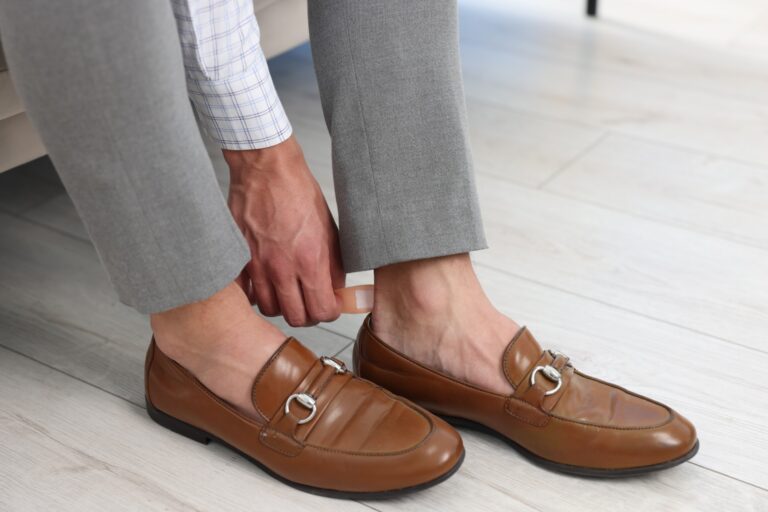 Freya's pickMy Loafers Creased Across The Toe Within Weeks And I Panicked A Little
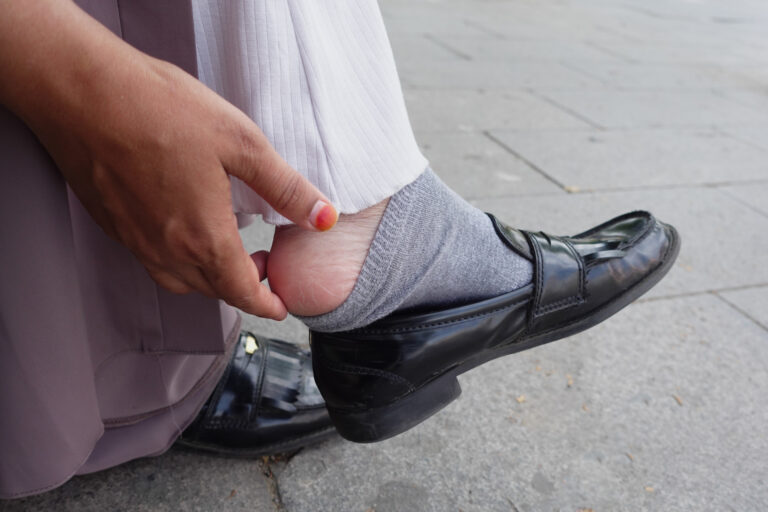
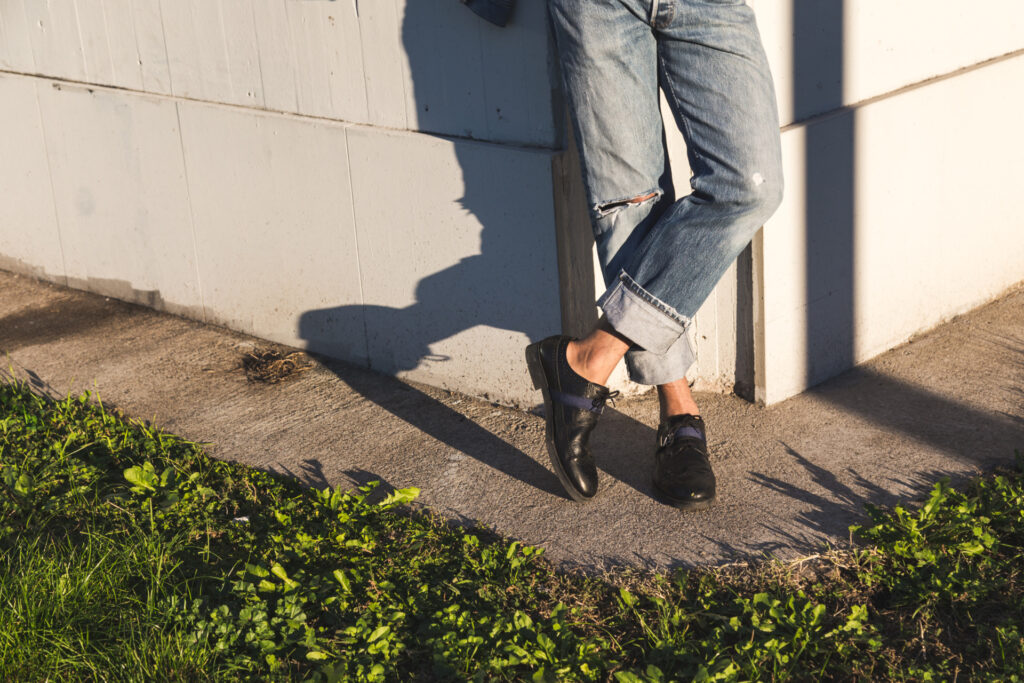 Kirsty's pickLoafers With Jeans Might Be Fighting My Silhouette More Than Helping It
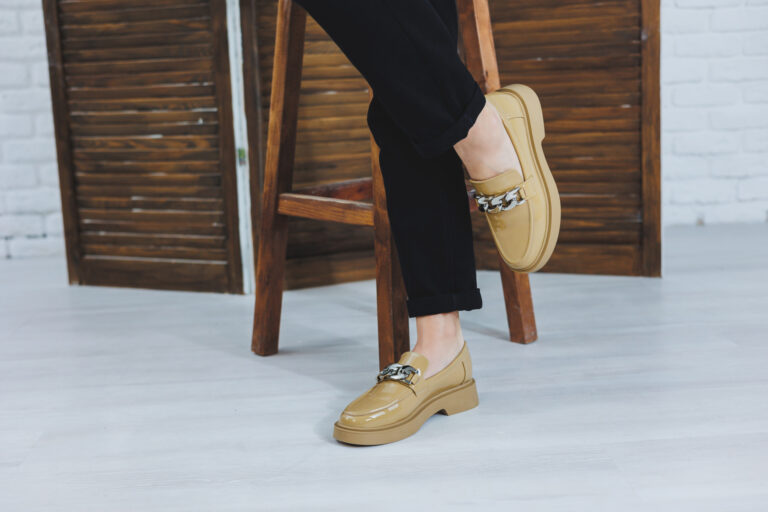 Nadia's pickI Wore Loafers Both Ways For A Week To See Which One Wins
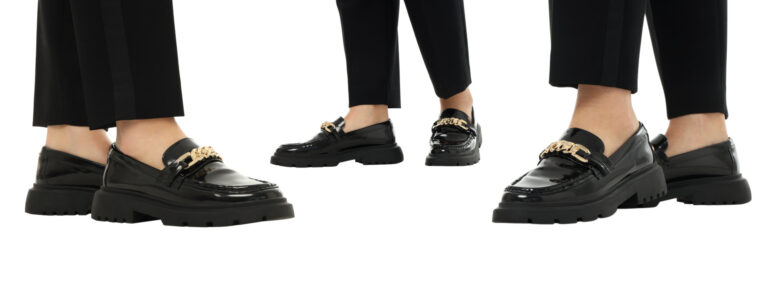
 Gemma's pickThe Bottom Button Rule Followed My Cardigan Home From My Blazer, Apparently
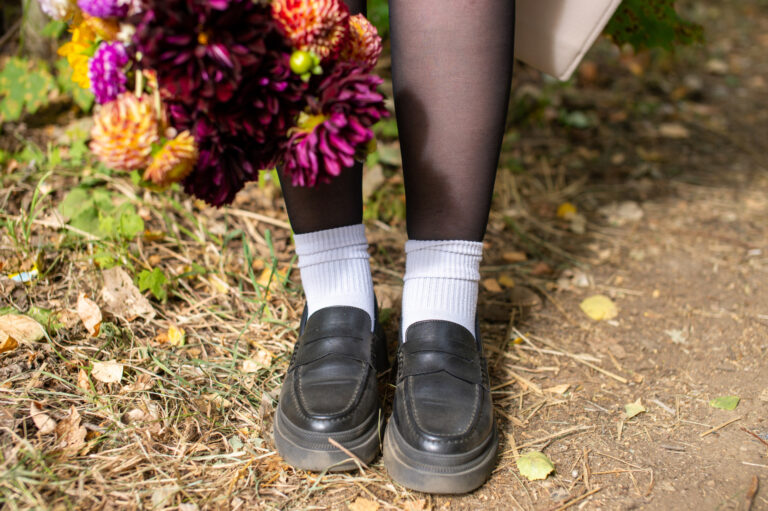 Rosie's pickSocks With Loafers Is Apparently A Rule Now, Nobody Sent Me The Memo
 Dani's pickNobody Told Me Light In The Loafers Was A Slur Until Someone Pointed It Out
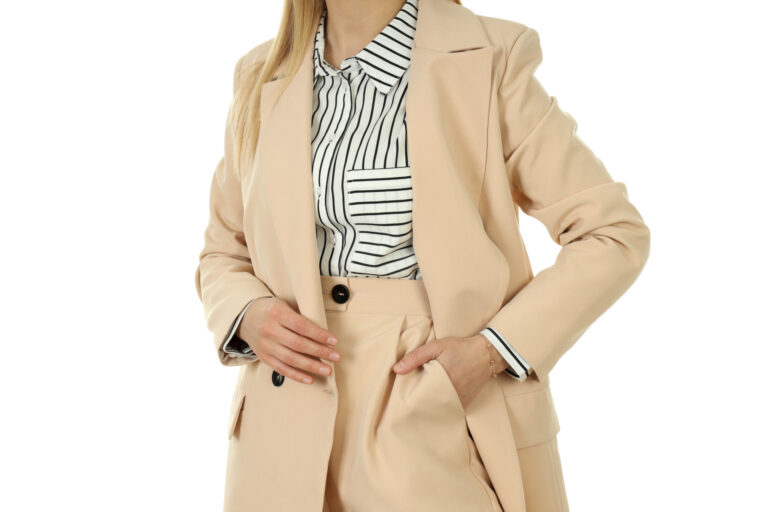 Tamsin's pickBlazers Have The Same Hidden Stitch As Trench Coats And I Never Noticed Either
 Rosie's pickA Blazer That Doesnt Cover Your Bum Is Apparently A Whole Category Of Wrong
 Leanne's pickSuit Pants Feeling Snug After Lunch Made Me Question The Fabric
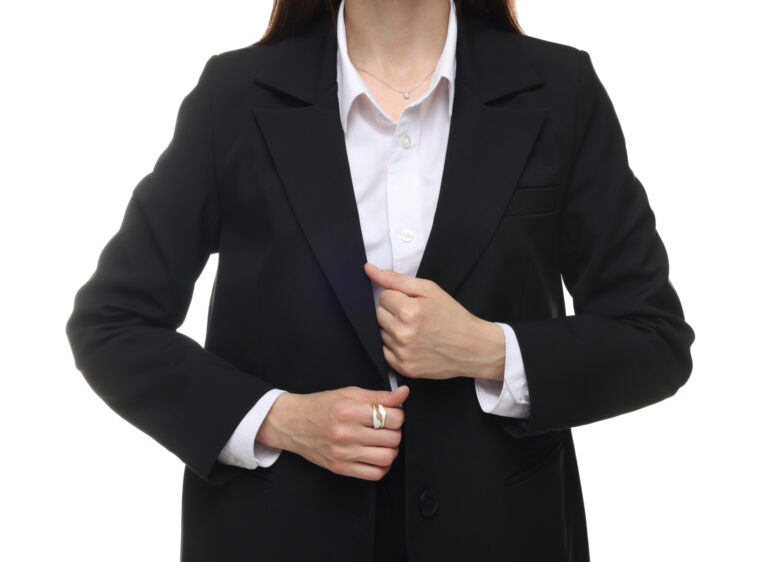 Zara's pickButtoning Both Buttons On A Blazer Is The One Rule Everyone Quietly Ignores
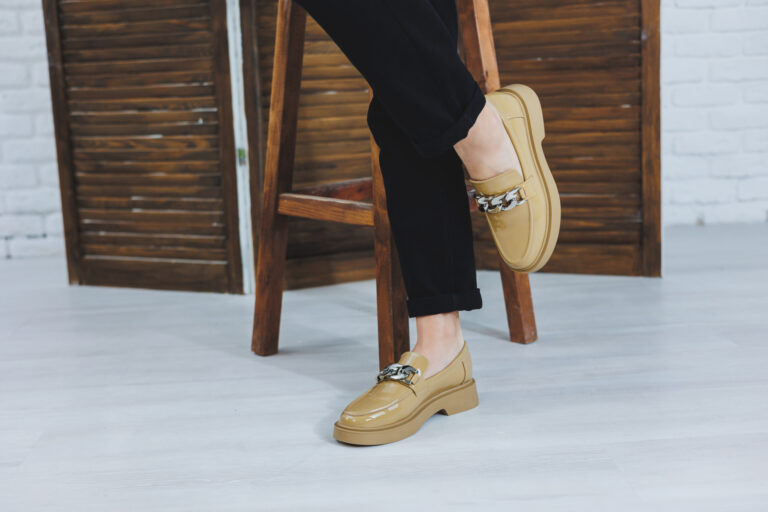 Maggie's pickBrown Loafers Get Called A Universal Match, I Wanted To Test That Properly
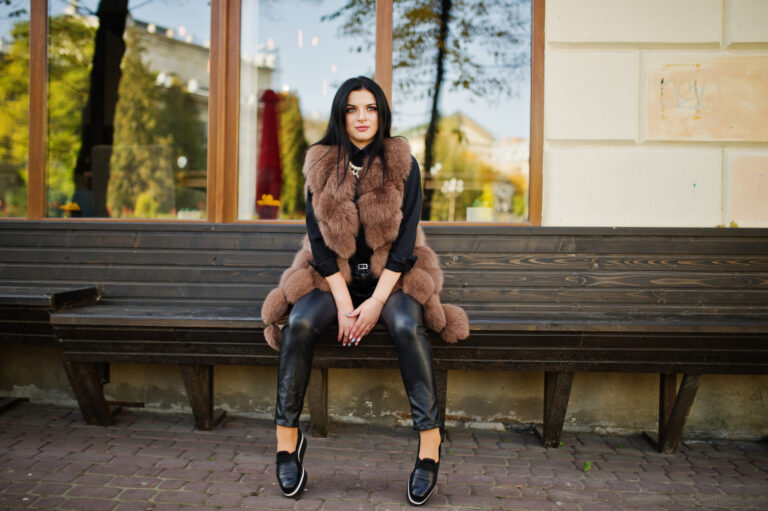
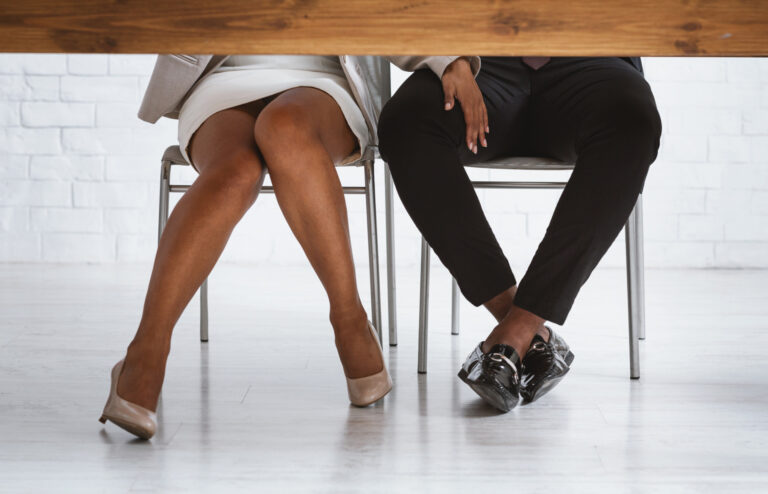 Fiona's pickBrown Shoes With Gray Pants Got Questioned By A Colleague At Lunch
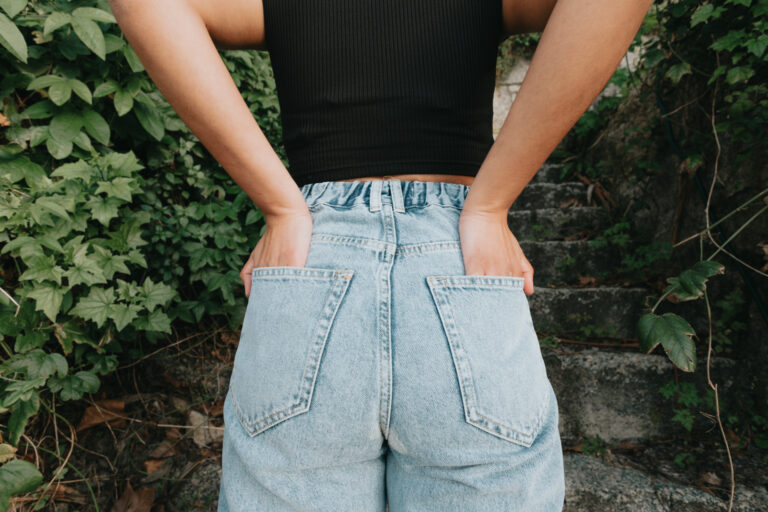 Rosie's pickBrave or Bonkers? I Tried the Polarizing ‘No Pants’ Trend IRL
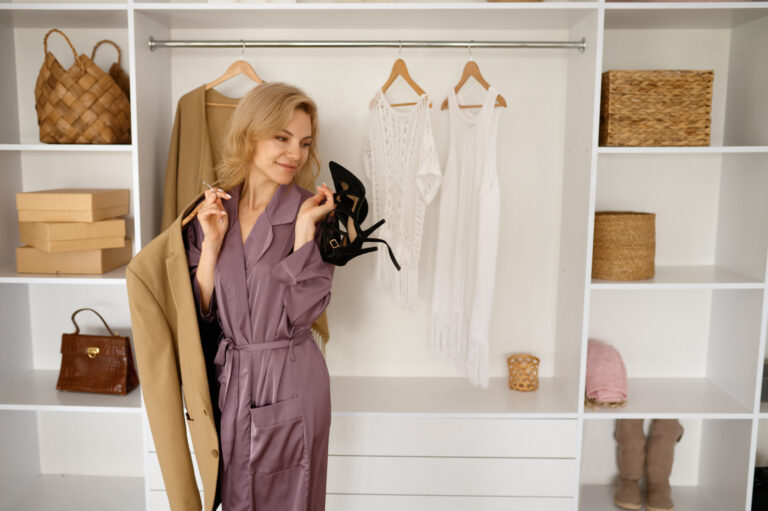 Zara's pickI Tried That Viral TikTok Dressing Method Where You Throw Everything on the Floor (Spoiler: My Silk Blouses Were Not Happy)
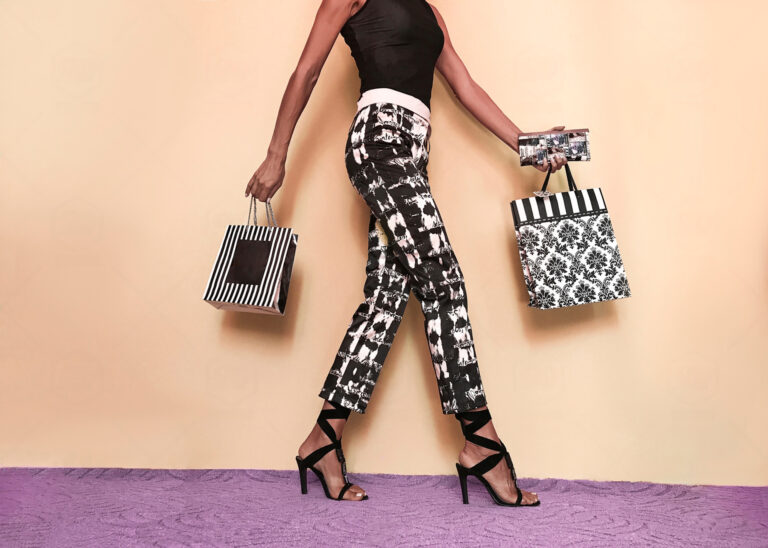 Leanne's pickI Fell for the Instagram Pants Everyone’s Obsessing Over (And I’m Not Even Mad About It)
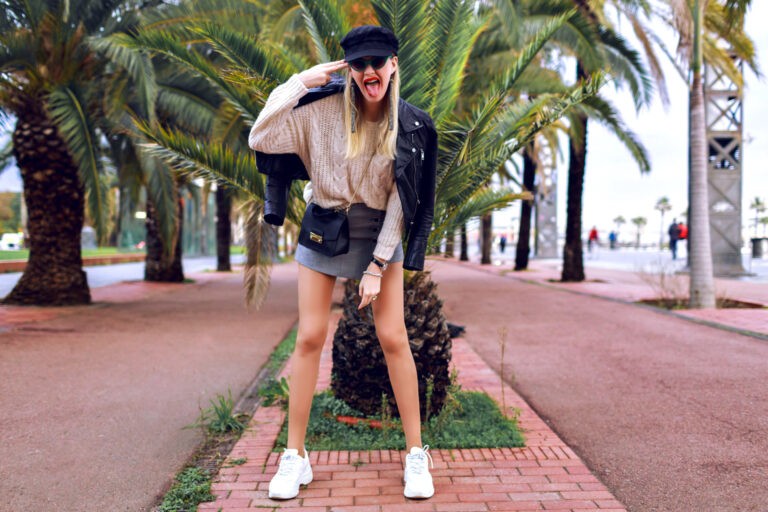 Tamsin's pickI Wore the “No Pants” Trend for an Entire Day and Now I Understand Why Everyone Thinks Fashion People Are Insane
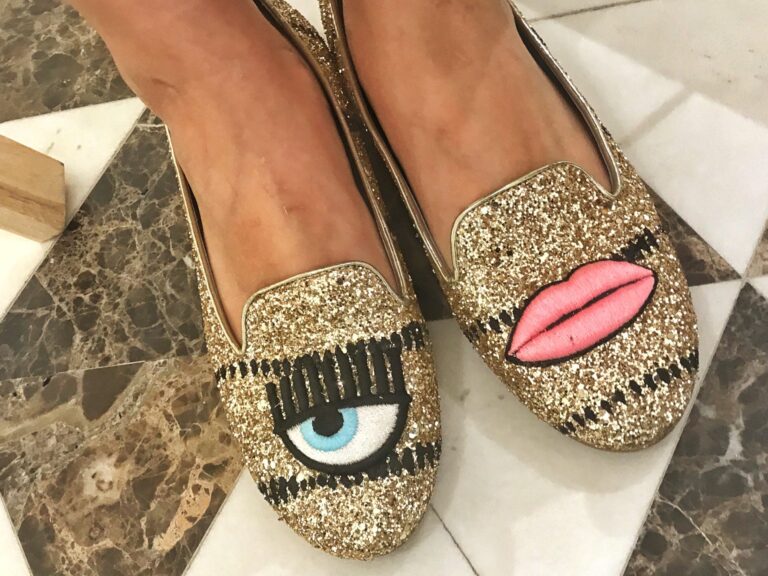 Esme's pickHow My $25 Target Loafers Keep Getting Mistaken for $800 Designer Shoes